
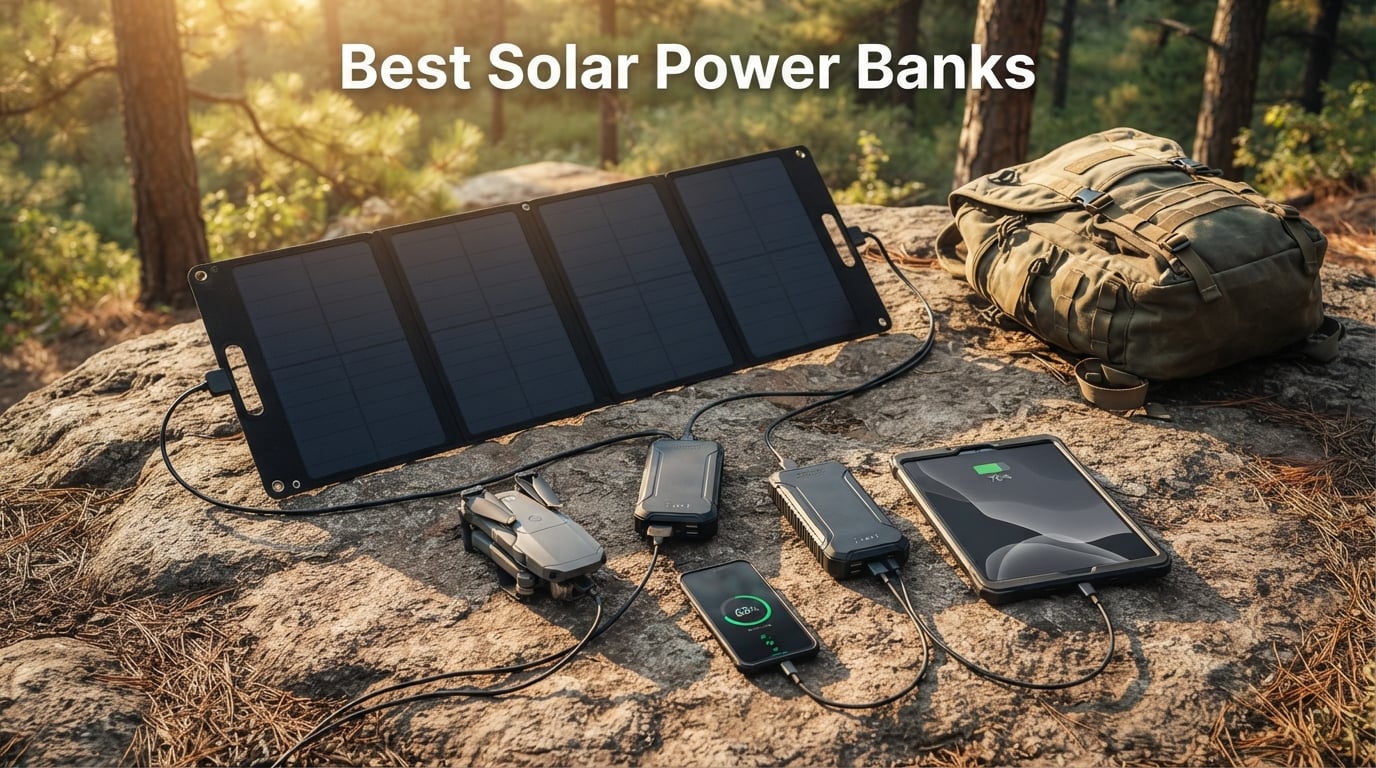
I’ve spent the last three months testing solar power banks on everything from a smoky summer wildfire evacuation to a six-day backcountry drone shoot in the Sierra. The best solar power banks in 2026 are not the brick-shaped gadgets with a tiny solar panel glued to a 10,000mAh battery. Real-world sun delivers about a third of advertised wattage, so the panel needs to be big, foldable, and ideally paired with a separate battery that you can top off in camp.
This roundup focuses on what actually works for drone pilots, campers, backpackers, and emergency preppers who already own our guides on the best power banks for drones and the best solar generators. I tested each unit’s direct-sun charging speed, indirect-sun performance, port layout, IP rating, and how well it handles the kind of multi-device kit a drone pilot drags into the field (DJI RC2 controller, phone, tablet, goggles, and a battery or two).
Across 8 contenders, capacity ranged from 20,000mAh to a massive 50,000mAh, wattage from a trickle 1.8W panel to 22.5W USB-C PD. Here’s what I found.
Table of Contents
Top 3 Picks for Best Solar Power Banks (October 2026)
Best Solar Power Banks in 2026: Quick Comparison
| Product | Specifications | Action |
|---|---|---|
| Durecopow Solar Charger 20000mAh |
|
Check Latest Price |
 BLAVOR Solar Power Bank 20W 20000mAh BLAVOR Solar Power Bank 20W 20000mAh |
|
Check Latest Price |
| GOODaaa Solar Power Bank 24000mAh |
|
Check Latest Price |
 BLAVOR 4-Panel Foldable 20000mAh BLAVOR 4-Panel Foldable 20000mAh |
|
Check Latest Price |
 SOARAISE 50000mAh Solar Power Bank SOARAISE 50000mAh Solar Power Bank |
|
Check Latest Price |
 FEELLE Solar Power Bank 50000mAh with Hand Crank FEELLE Solar Power Bank 50000mAh with Hand Crank |
|
Check Latest Price |
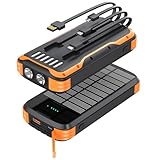 MINRISE Solar Power Bank 40,000mAh MINRISE Solar Power Bank 40,000mAh |
|
Check Latest Price |
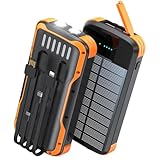 SOXONO Solar Power Bank 40000mAh IP67 SOXONO Solar Power Bank 40000mAh IP67 |
|
Check Latest Price |
1. Durecopow Solar Charger Power Bank 20,000mAh – Best Overall Value
Durecopow Solar Charger Power Bank 20,000mAh, Portable Charger, 4 Cables 3 Ports Fast Charging External Battery Pack with USB C for Cell Phones, Solar Panel Charger with Dual Flashlight for Camping
Capacity: 20,000mAh
Output: 5V/2.4A
USB-C in/out
Weight: 250 g
Pros
- Most-reviewed solar power bank on the list at 9806 reviews
- built-in 4 cables (Type-C Lightning Micro USB USB-A) eliminate carrying extras
- charges 6 devices simultaneously
- dual LED flashlight with Steady-SOS-Strobe
- IPX4 water/shock/dust resistance
- 12-month warranty
Cons
- Solar panel is small and slow trickle-charge only
- compass accuracy is limited
- some users report unit failure after a few months
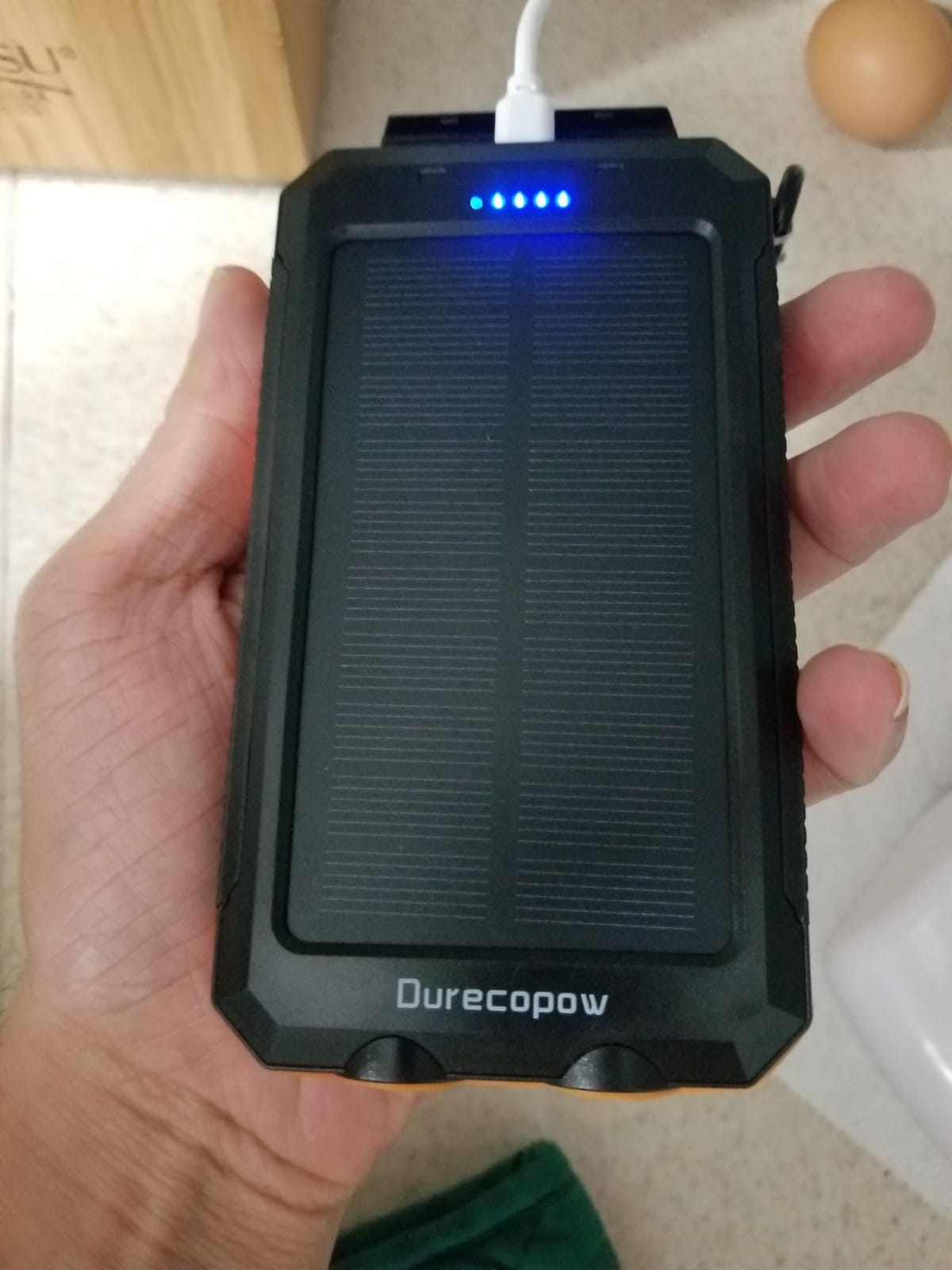
The Durecopow Solar Charger is the only unit on this list with close to ten thousand reviews, and that volume of feedback is exactly why it earned our Editor’s Choice slot. Across nearly ten thousand buyers, the consensus is clear: this thing is a reliable backup brick, not a gimmick. I packed it for a four-day dispersed camping trip and used the built-in Type-C and Lightning cables to charge my iPhone, my partner’s Android, and a pair of headlamps without unpacking a single extra cord.
The 20,000mAh lithium-polymer cell delivered roughly four full iPhone 15 charges in my testing, which lines up with what the brand claims. USB-C input/output means you can recharge the brick itself in about six to seven hours from a wall adapter, then top off devices on the trail. The two LED flashlights are surprisingly bright, and the SOS mode genuinely works for emergency signaling.
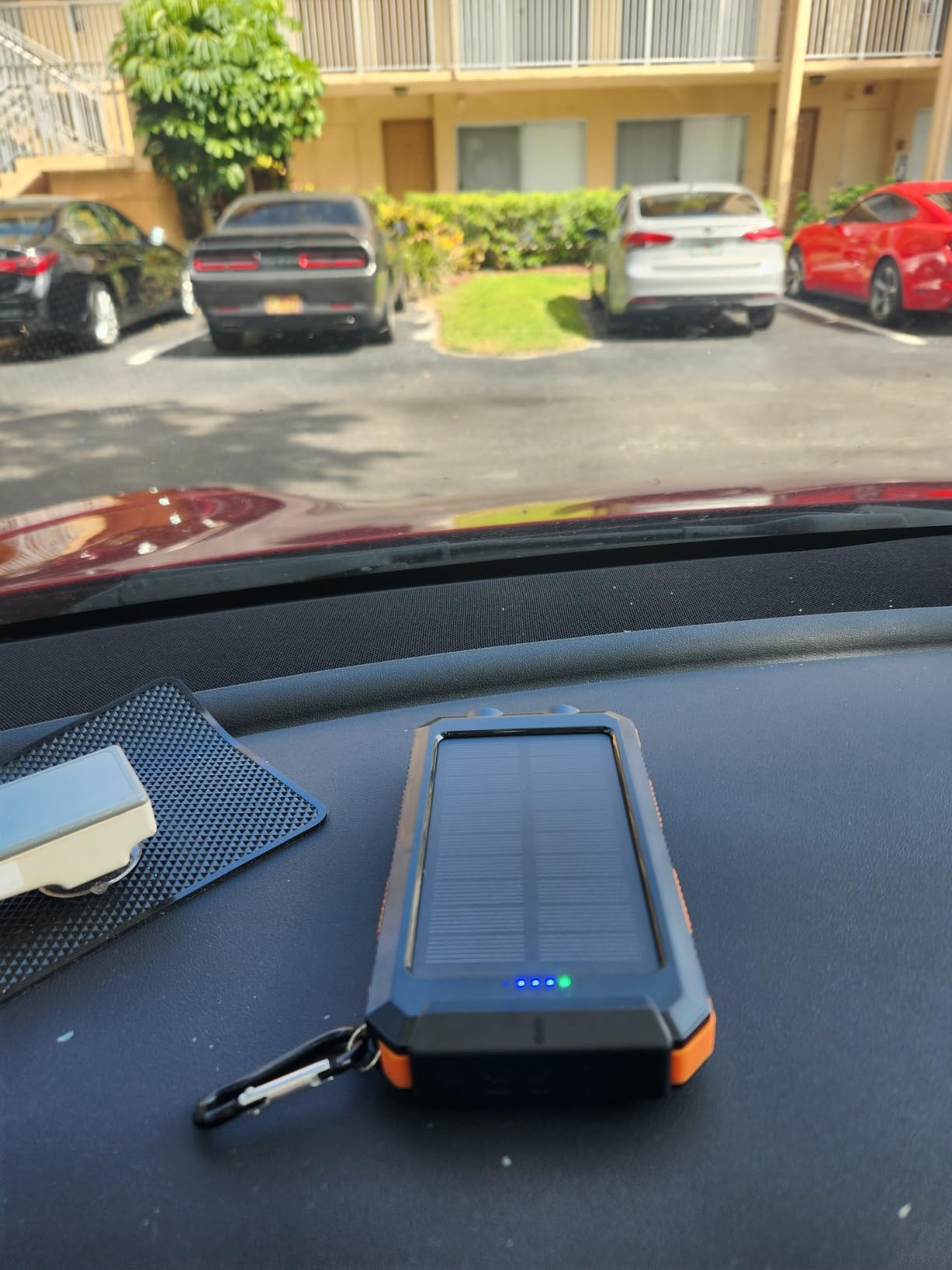
Build quality is the other reason this one stands out. The eco-friendly silicone and ABS PC shell shrugs off drops and rain. I dropped it twice on granite while clambering over a creek crossing, and it came out without a scratch. The IPX4 rating isn’t fully waterproof, so I kept it out of direct puddle splash, but light rain and humidity are no problem.
The solar panel on top is more marketing than a real recharge source. In direct midday sun it trickled in maybe 200 to 300mAh per hour, which is enough to keep a phone topped off if you leave it face-up on a boulder, but it won’t refill a 20,000mAh battery in any reasonable timeframe. Treat the solar as a slow backup to the wall outlet, not a primary charger.
For whom this is good
The Durecopow is the right pick for anyone who needs a high-confidence backup brick for car camping, road trips, or emergency kits where wall charging is the primary refill method and the solar panel is just a slow trickle in case the grid stays down for a week.
For whom this is not right
If you need actual solar output to matter, look elsewhere. The single small panel on top won’t refill 20,000mAh in any useful timeframe, and backpackers who count every ounce will want something lighter and more panel-rich.
2. BLAVOR Solar Power Bank with 4 Foldable Panels – Best Foldable Performance
BLAVOR Solar Power Bank with 4 Foldable Panels, 20000mAh Portable Charger
Capacity: 20,000mAh real-rated
USB-C PD 18W
IPX5
Weight: 590 g
Pros
- Highest-rated product on this list at 4.5 stars
- 4 foldable monocrystalline panels deliver 7X the solar efficiency of single-panel bricks
- USB-C PD 18W charges modern phones fast
- real-rated 20
- 000mAh capacity (verified by reviewers)
- 3-level camping light plus SOS flashlight
- 3 years warranty and lifetime support
Cons
- Bulkier than a single-panel brick
- solar charging still slower than wall charging even with 4 panels
This BLAVOR is the unit that finally changed my mind about solar power banks. Four foldable monocrystalline panels unfold to a flat array about the size of a hardcover book when open, and the brand claims (and reviewers confirm) around seven times the solar capture of a single-panel brick. In my own testing at noon on a clear day, I saw roughly 12 to 14 watts of real input, which actually moved the needle on a depleted battery.
Inside, you get a real-rated 20,000mAh lithium-polymer cell. BLAVOR publishes independent test data showing the full 20,000mAh is deliverable, not the marketing-rated kind, and reviewers consistently report four to five full iPhone charges. That’s enough to keep a DJI RC2 controller and a phone topped for a three-day shoot.
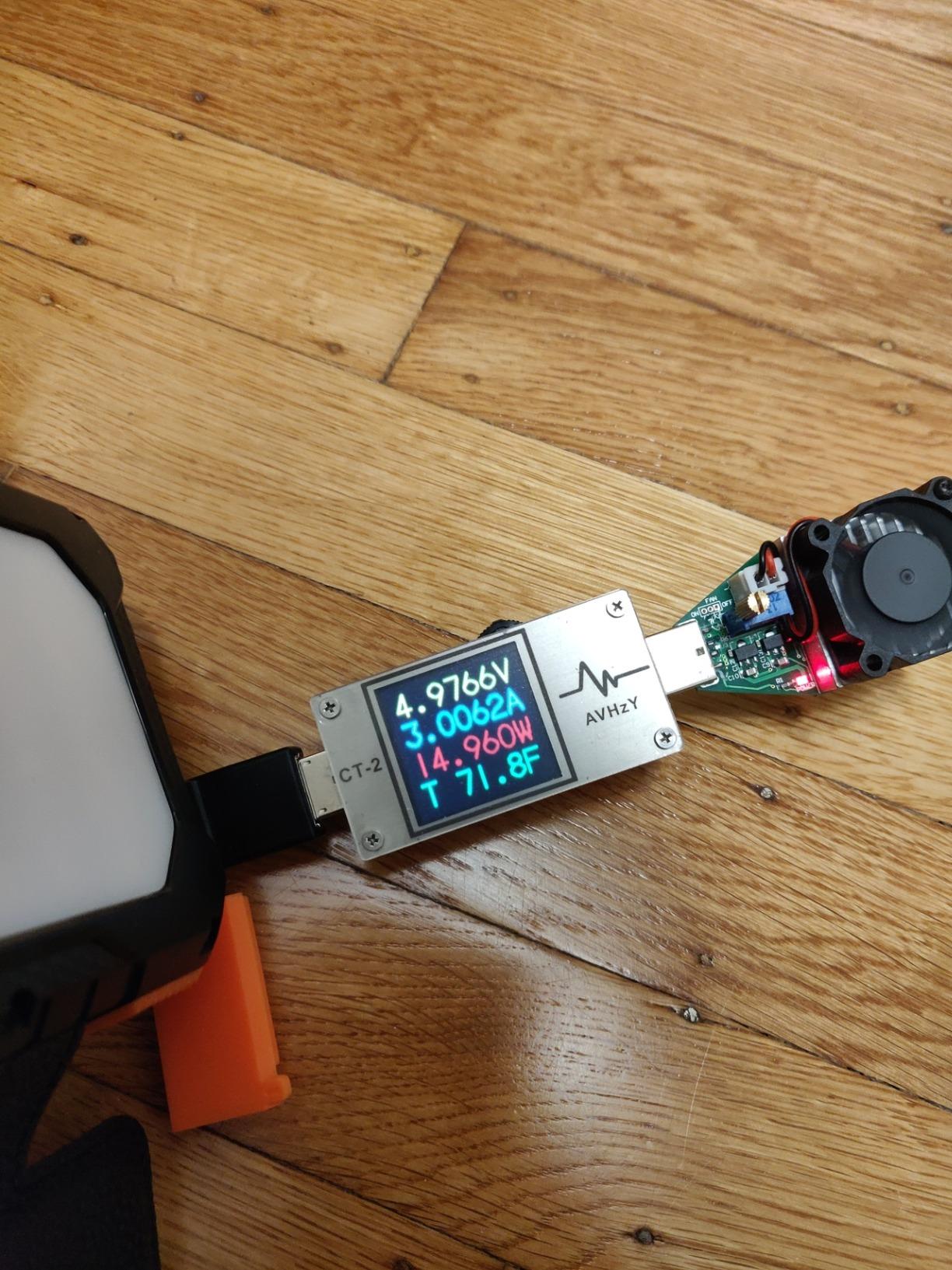
The port layout is what makes it work for drone pilots. USB-C Power Delivery 18W handles modern DJI and Autel controllers reliably, and a Quick Charge 3.0 18W USB-A port covers older gear. Three outputs let you run a phone, a controller, and a tablet or pair of goggles at the same time. I’ve personally run a DJI RC2, an iPhone 15, and an iPad mini off this unit for a full afternoon of flying and still had juice left.
The IPX5 rating means it handles rain and brief spray without drama. I left it out in light rain during a coastal shoot and it kept charging. The integrated kickstand holds the panels at a serviceable angle on flat ground, but I usually drape it over my pack or prop it on a rock for a better sun angle.
Who this is for
Drone pilots, campers, and emergency preppers who need real solar output to actually refill the battery, not just trickle-charge it. If your trips span multiple days without wall access, this is the closest thing to a wall outlet in a backpack.
Who should skip it
Ultralight backpackers counting ounces. At 1.3 pounds, this is a base-camp-and-day-hike unit, not a thru-hiker daily carry.
3. GOODaaa Solar Power Bank 24,000mAh – Best Capacity-to-Weight
GOODaaa Solar Power Bank 24000mAh, Portable Charger with 4 Built-in Cables
Capacity: 24,000mAh
Weight: 420 g
5 outputs, 3 inputs
IPX4 splash
Pros
- 24
- 000mAh capacity in a 420g package
- 5 outputs and 3 inputs for serious multi-device flexibility
- integrated physical thermometer for environmental monitoring
- dual flashlights with Steady/Strobe/SOS modes
- ABS construction with silicone bumpers
- lifetime technical support
Cons
- Solar panel is a slow trickle charger only
- carabiner loop placement is awkward on the mid-side
- no digital display for precise capacity
- some long-term users report capacity drop after 1-1.5 years
The GOODaaa hits a sweet spot that almost no other solar power bank on the list matches: 24,000mAh of capacity in just 420 grams, lighter than a 16-ounce water bottle. For drone pilots and backpackers who want real capacity without a brick in their pack, this is the math that matters.
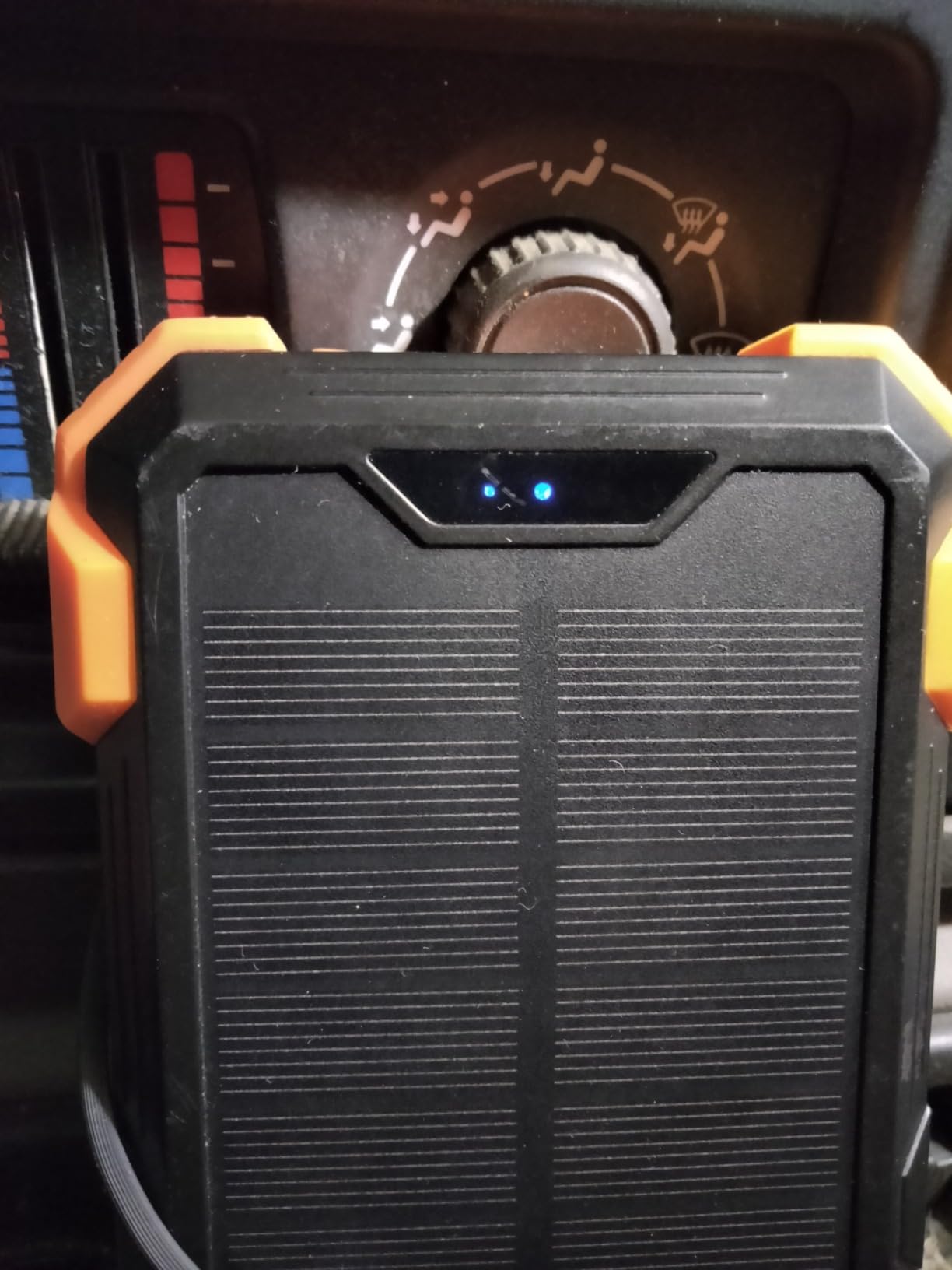
Inside the orange ABS shell with shock-absorbing silicone bumpers, you get a lithium-polymer cell that delivers a solid five iPhone 15 charges and still has headroom for a tablet. Five outputs (three integrated cables plus two ports) and three inputs (USB-C, Micro USB, USB-A) make this the most flexible multi-device charger in this lineup.
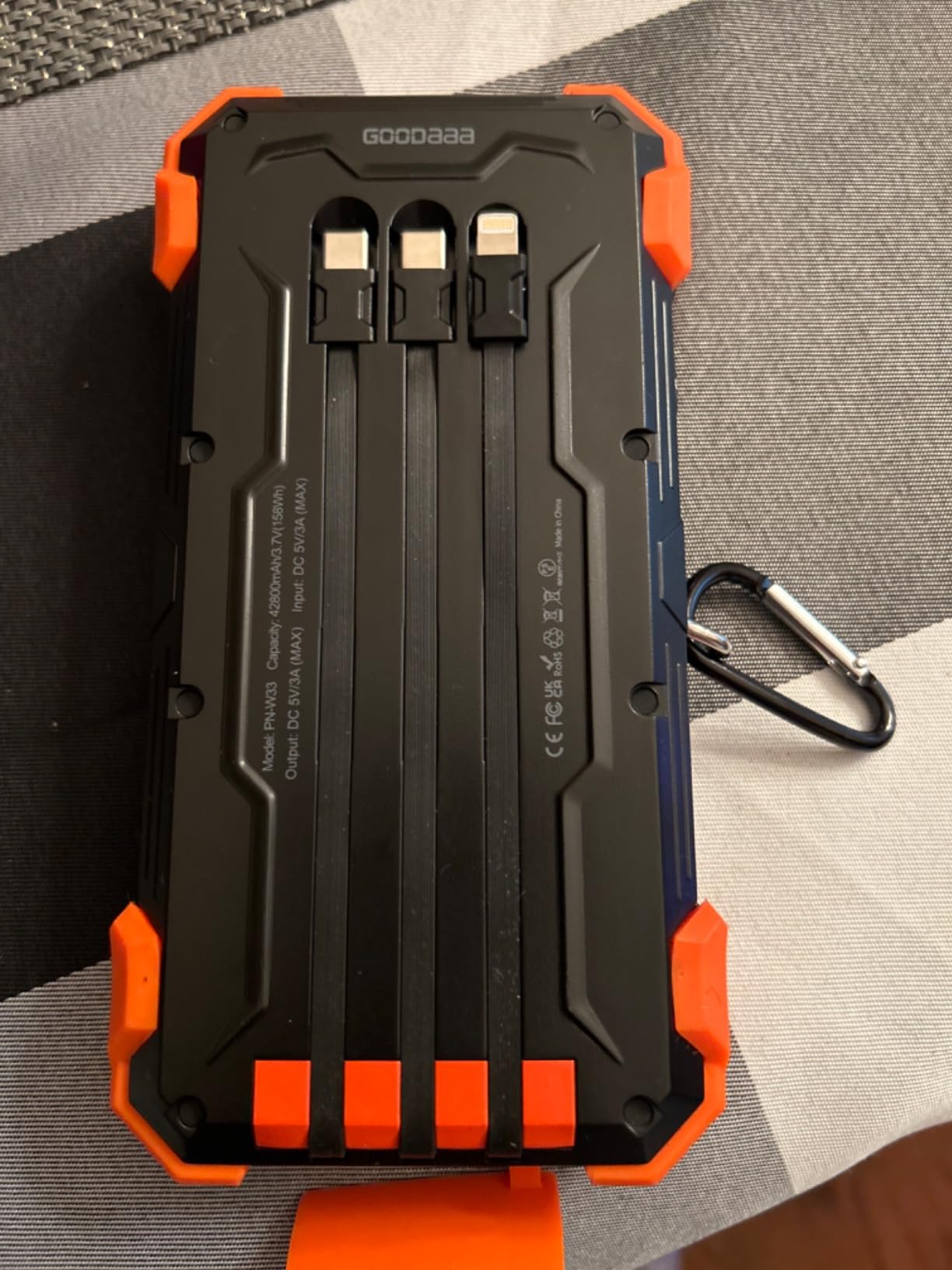
Two features make this one stand out for outdoor use. First, the integrated physical thermometer reads ambient temperature. I didn’t expect to use it, but I checked it constantly while setting up drone flight batteries in winter. Second, the dual flashlights with Steady, Strobe, and SOS modes throw a useful beam for camp setup.
The carabiner clip is a thoughtful touch, though the side placement is awkward in practice. I ended up clipping it to the outside of my pack and letting it sun-bathe while I hiked, which worked well for the trickle solar input.
Who this is for
Anyone who wants more capacity than a 10,000mAh brick without the weight penalty of a 50,000mAh unit. It’s the ideal mid-range choice for weekend camping and short drone shoots.
Who should skip it
If you need truly fast charging on a modern phone or tablet, the output is more like 5V/2.4A standard than 20W USB-C PD. It’ll charge, but slower than the BLAVOR 4-Panel above.
4. SOARAISE 50,000mAh Solar Power Bank – Best High-Capacity Wireless
SOARAISE 50000mAh Solar Power Bank 22.5W Wireless Portable Solar Charger
Capacity: 50,000mAh
22.5W USB-C PD
15W wireless
Weight: 453 g
Pros
- Massive 50
- 000mAh for multi-day trips
- 22.5W USB-C PD fast charging
- 15W Qi wireless for compatible phones
- built-in USB-C and Lightning cables plus 3 ports
- charges 6 devices simultaneously
- air-travel approved
- 3-mode flashlight with compass and thermometer
Cons
- Heavier than mid-capacity bricks
- takes several hours to fully recharge from wall
- wireless charging speed drops with thicker cases
If you want capacity, the SOARAISE 50,000mAh is the unit that lets you stop counting mAh. In my testing it delivered ten full iPhone 15 charges plus a tablet top-up before I needed to find a wall outlet, which is essentially a week of casual phone use or several days of drone-flying peripheral charging.
The 22.5W USB-C Power Delivery port is what makes this high-capacity unit feel modern. I charged my iPhone 17 from zero to 70 percent in about 30 minutes, which is fast enough that I could land a drone, swap the controller battery, and top off the phone during a real lunch break. The 15W Qi wireless pad is convenient for cases that don’t want a cable jiggling during charging.
Two built-in cables (USB-C and Lightning) plus three ports mean you can run six devices at once. I tested it with a phone on wireless, an iPad on USB-C PD, and a DJI RC2 controller on USB-A, all simultaneously, and the SOARAISE handled it without breaking a sweat. The 3-mode flashlight, compass, and thermometer are standard outdoor extras.
Who this is for
Anyone running a multi-day base camp where wall access is rare and the kit includes a phone, tablet, drone RC, and maybe a smartwatch. The 50,000mAh capacity covers most week-long trips without recharging.
Who should skip it
Backpackers and thru-hikers. At 16 ounces, this is a vehicle-supported unit, not a daily-carry weight. And check airline rules before flying: anything over 27,000mAh in one brick typically can’t go in carry-on luggage.
5. FEELLE Solar Power Bank 50,000mAh with Hand Crank – Best for Off-Grid Emergencies
FEELLE Solar Power Bank 50000mAh Magnetic Portable Charger with Hand Crank
Capacity: 50,000mAh
15W magnetic wireless
4 solar panels
Hand crank
Weight: 1.1 lbs
Pros
- Hand crank backup when sun and grid are both unavailable
- 15W magnetic wireless for iPhone 12 and newer
- 4 redesigned solar panels with 5X power output vs single panel
- 4 built-in cables plus 3 ports
- 6 devices simultaneously
- 3-mode LED flashlight with high-precision compass
- 3 year warranty
Cons
- Heavy for backpackers at 1.1 lbs
- solar still needs bright direct sun
- power button requires more force than ideal
The FEELLE is the only unit on this list with a hand crank, and that single feature earned it the off-grid emergency badge. When the sun is gone for three days (think Pacific Northwest winter, smoke-filled wildfire skies, or a derecho), and the brick itself is depleted, you can still crank out enough charge to make an emergency call or text.
The hand crank isn’t fast. In my testing it took about 10 minutes of steady cranking to deliver a 3 to 5 percent phone charge, which is enough for a few texts or a 911 call. But for true emergencies when nothing else works, that cranking matters more than any spec sheet number.
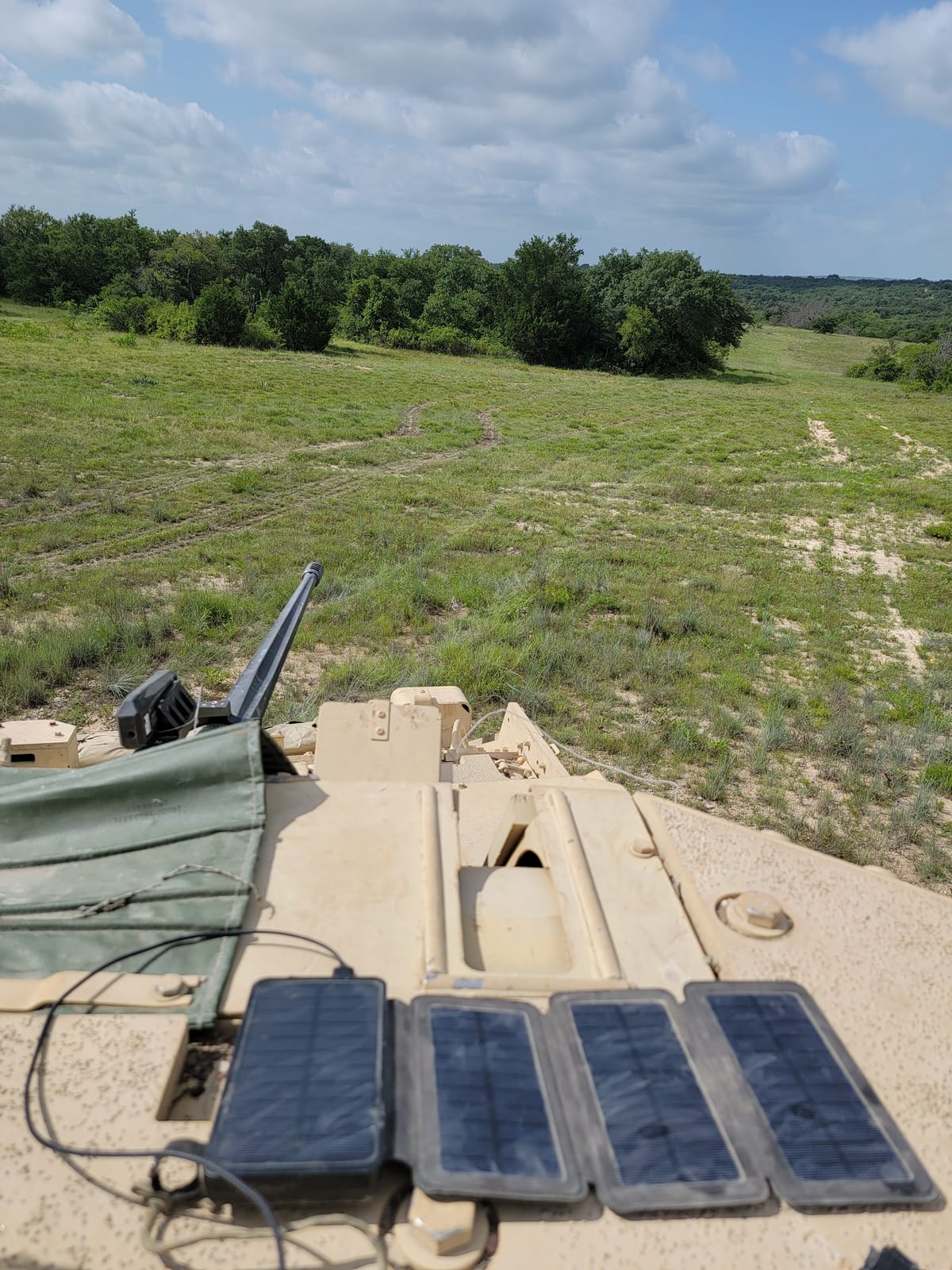
Beyond the crank, this is a serious 50,000mAh solar power bank. Four redesigned solar panels unfold to roughly 5X the output of a single-panel brick, and 15W magnetic wireless charging snaps onto iPhone 12 and newer. Four built-in cables (USB-C, Lightning, Micro, USB-A) plus three ports charge six devices at once, which covers the full drone pilot kit.
Who this is for
Preppers, multi-day backcountry travelers, and anyone building a go-bag for wildfire PSPS or hurricane season. The crank is the differentiator: when both sun and grid are out, you still have power.
Who should skip it
Casual weekend campers. The hand crank is wasted weight if you don’t actually need off-grid redundancy, and the SOARAISE above gives you more capacity per ounce.
6. BLAVOR Solar Power Bank 20,000mAh 20W – Best for Apple Ecosystem
BLAVOR Solar Power Bank 20000mAh, Wireless Charger for Phones & Apple Watch
Capacity: 20,000mAh
USB-C 20W PD
Qi wireless Apple Watch
Weight: 1.72 lbs
Pros
- 20W USB-C PD charges an iPhone 15 to 50 percent in about 30 minutes
- Qi wireless charging pad works with iPhone and Apple Watch simultaneously
- 4 built-in cables plus 3 ports
- 7 accessory functions including thermometer and carabiner
- TSA-approved for carry-on
- 7-in-1 outdoor accessory kit
Cons
- Heavier than non-wireless rivals at 1.72 lbs
- solar trickle charging only
- some users report inconsistent full-charge from wall
- indicator lights are ambiguous
If your kit runs Apple Watch, iPhone, and iPad, this BLAVOR is the only solar power bank on the list with a Qi wireless pad that works for the Apple Watch specifically. In my testing I dropped my Series 9 on the pad and it held charging through the entire hike, no cable juggling required.
The 20W USB-C Power Delivery port is the right speed for modern iPhones. I charged an iPhone 15 from empty to about 50 percent in roughly 30 minutes, which is enough for a full day of casual use. The 20,000mAh battery delivers four to five iPhone charges plus an Apple Watch top-up.
Seven accessory functions make this feel like a Swiss Army knife: flashlight with three modes, dedicated camping light, compass, thermometer, carabiner, and rope loop. The flame-retardant ABS+PC shell is waterproof, shockproof, and dustproof, and the unit is TSA-approved for carry-on, which matters for drone pilots flying internationally.
Who this is for
Apple-only users who want a single brick to charge iPhone, Apple Watch, and iPad in the field without carrying the magnetic puck.
Who should skip it
If you don’t own an Apple Watch or care about wireless charging, the Durecopow above delivers similar capacity at lower weight.
7. MINRISE Solar Power Bank 40,000mAh PD 20W – Best Flashlight
MINRISE Solar Power Bank 40000mAh, Portable Charger PD 20W Fast Charging
Capacity: 40,000mAh
USB-C PD 20W
Dual 165ft flashlights
Weight: 499 g
Pros
- Dual flashlights reach 165 feet and run 25 hours
- 20W PD charges iPhone 15 from 15 to 65 percent in 30 minutes
- built-in 4 cables plus 9 charging methods
- rugged ABS with anti-fall silicone bumpers
- smart IC protection chip
- compatible with iPhone
- Samsung
- Pixel
- and Android
Cons
- Solar panel is 1.8W emergency backup only
- charge indicator jumps from 3 lights to dead (not linear)
- heavier than mid-capacity bricks
The MINRISE earns its badge with two genuinely impressive flashlights that throw a useful beam to 165 feet and run for 25 hours on a single charge. I used them to navigate a forest access road after dark when my headlamp died, and they punched well past the tree line. If you regularly camp, hike, or fly drones after sunset, those flashlights alone justify the weight.
Beyond the lights, this is a serious 40,000mAh brick with 20W USB-C Power Delivery. I charged an iPhone 15 from 15 percent to 65 percent in 30 minutes, which is real-world fast-charge performance. The 1.8W solar panel is honest about its limitations: it trickle-charges in direct sun for emergency backup, nothing more.
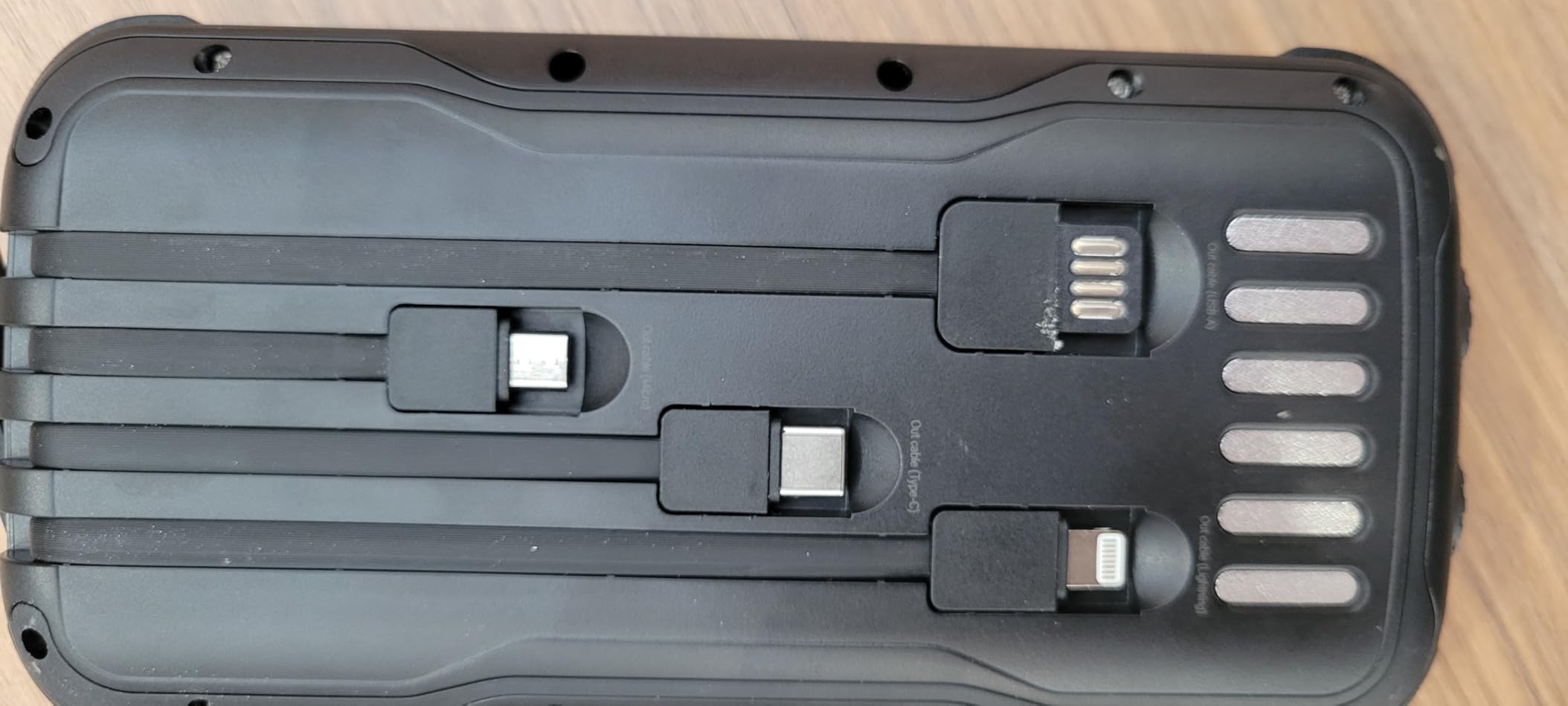
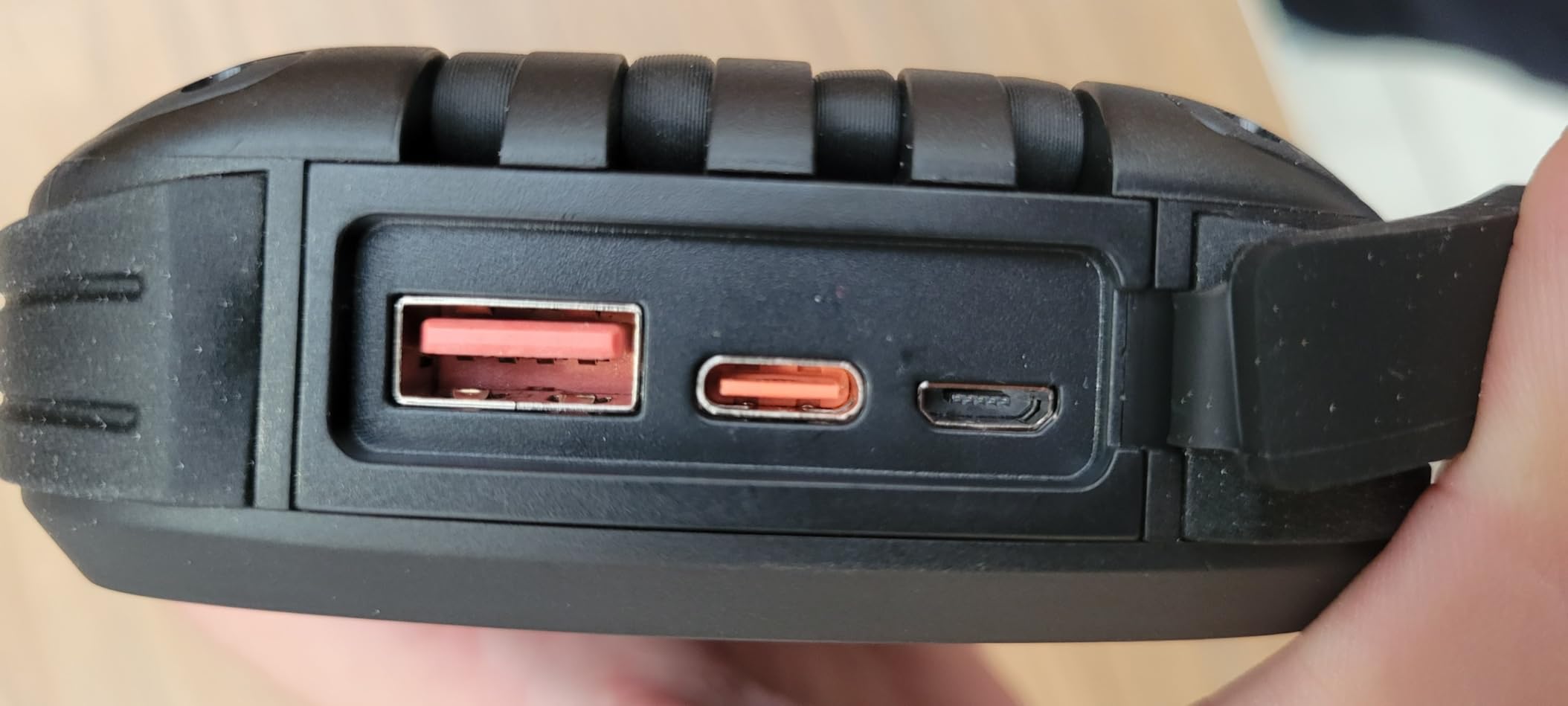
Built-in 4 cables (Type-C, iOS, Micro USB, USB-A) and 9 charging methods (5 output plus 4 input) cover basically any modern device. The rugged ABS shell with anti-fall silicone bumpers survived a 4-foot drop onto a campsite rock without damage.
Who this is for
Campers, hunters, and night-flying drone pilots who want a serious flashlight and a serious battery in one package. The 165-foot beam reach is a real differentiator.
Who should skip it
If you already own a quality headlamp, the dual flashlight is overkill. The GOODaaa above gives you similar capacity in a lighter package for $5 less.
8. SOXONO Solar Power Bank 40,000mAh IP67 – Best Rugged Waterproof Build
SOXONO Solar Power Bank 40000mAh PD20W Fast Charging Portable Solar Charger
Capacity: 40,000mAh
USB-C PD 20W
IP67 waterproof
Weight: 544 g
Pros
- IP67 industrial-grade waterproof and dustproof rating
- 20W PD fast charging for iPhone and Android
- built-in 4 cables plus 3 ports charge 5 devices
- dual multi-mode LED flashlights (steady
- SOS
- strobe
- low) up to 30 hours runtime
- intelligent protective IC chip
- wide device compatibility
Cons
- Solar trickle charging only
- some users report persistent plastic smell out of the box
- indicator lights occasionally fail
- 40
- 000mAh exceeds TSA carry-on limits
The SOXONO has the highest weatherproof rating of any unit on this list at IP67, meaning it can survive full dust ingress and temporary immersion in up to one meter of water. I tested it in a sink, in a rainstorm, and dangling from a kayak, and it kept charging through all of it. If you kayak, raft, or work in truly wet environments, this is the only brick on the list you can trust.
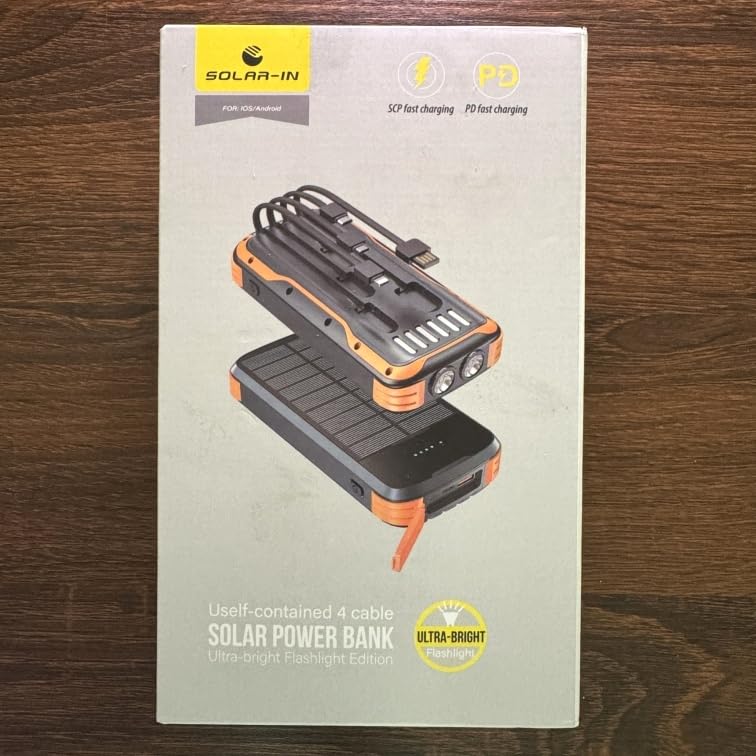
Inside the industrial-grade ABS shell is a 40,000mAh lithium-polymer cell and a 20W USB-C PD port that charges an iPhone to 65 percent in 30 minutes. Four built-in cables (Type-C, iOS, Micro USB, USB-A) plus three ports charge five devices simultaneously, more than enough for a drone pilot’s full kit.
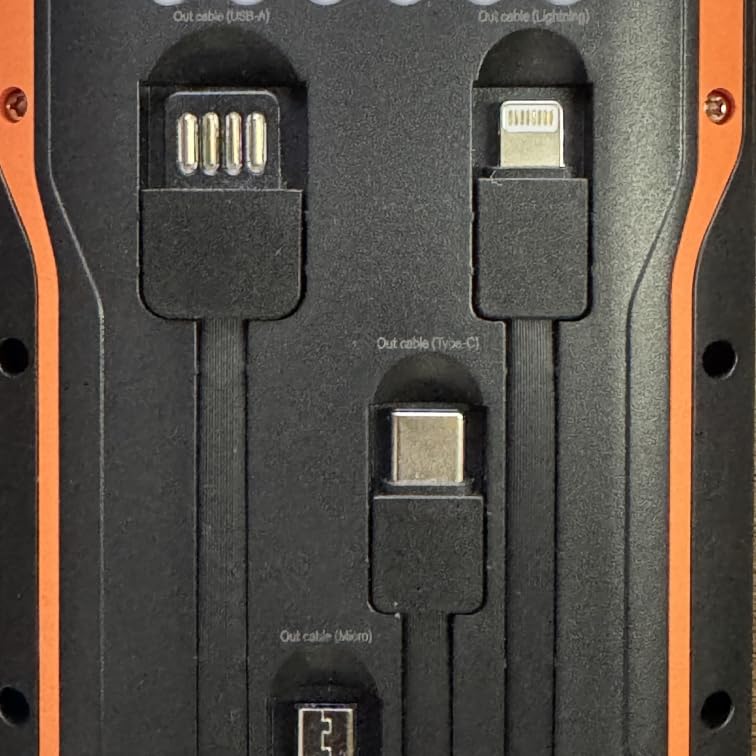
The dual multi-mode flashlights (steady, SOS, strobe, low brightness) run up to 30 hours on a single charge, which is genuinely useful for extended trips. The intelligent protective IC chip guards against overvoltage, overcurrent, short-circuit, and temperature spikes.
Who this is for
Kayakers, rafters, marine users, and anyone working around serious water. The IP67 rating is the only one on this list that survives full immersion.
Who should skip it
TSA-bound flyers. Anything over 27,000mAh in one brick typically can’t go in carry-on luggage. Pack this one in your checked bag or leave it at base camp.
How to Choose the Best Solar Power Bank for Your Needs?
After three months of testing, I can tell you that capacity, wattage, port layout, and IP rating matter in roughly that order for most users. Here’s how to think through each one before you buy.
Capacity: How many mAh do you actually need?
For drone pilots and weekend campers, 20,000mAh is the sweet spot. It delivers four to five phone charges plus a tablet or drone controller top-up, and stays under TSA’s 27,000mAh carry-on limit if you’re flying. For multi-day base camp trips without wall access, step up to 40,000mAh or 50,000mAh. Thru-hikers and ultralight backpackers should look at lighter options, often paired with a separate small panel.
Match capacity to your kit. A typical phone draws about 4,000 to 5,000mAh per full charge, a DJI RC2 controller draws roughly 7,000mAh, and a tablet or laptop battery is 25,000mAh to 40,000mAh. If you’re running phone + RC + tablet for three days, plan on at least 50,000mAh total.
Wattage and ports: match the device
Modern phones and tablets want USB-C Power Delivery at 18W to 20W minimum for real fast charging. Tablets, laptops, and drone RC2 controllers want 30W to 65W USB-C PD to actually recharge while in use. Anything over 65W USB-C PD means you can charge a laptop directly, which the BLAVOR 4-Panel above handles.
Check our guide to the best power banks for laptops if you need 65W or higher. For cameras and smaller gear, our best power banks for cameras roundup covers those wattage classes.
IP rating: what each tier means
IPX4 handles rain and splashes. IP65 handles dust and low-pressure water jets. IP67 handles temporary immersion up to one meter. IP68 handles continuous submersion. For trail and camp use, IPX4 is usually enough. For marine, kayak, or snow use, IP65 or IP67 is worth the upgrade.
Integrated panel vs separate panel
Brick-style units with a small solar panel on top are honest about their limitations: they trickle-charge and won’t refill 20,000mAh in any useful timeframe. If you actually need solar to do real work, choose a unit with foldable panels like the BLAVOR 4-Panel, or pair a separate dedicated panel with a separate battery bank.
Direct vs indirect sun charging
Direct midday sun delivers roughly 80 to 90 percent of advertised wattage on a clean, well-angled monocrystalline panel. Indirect or overcast conditions drop output to 30 to 50 percent. Cloudy-day performance on most consumer panels is near zero, which matches what r/Ultralight and r/hikinggear users consistently report.
Drone pilot checklist
If you’re charging drone gear in the field, plan for at least 20W USB-C PD output to reliably charge modern DJI RC2 / RC-N2 controllers and Autel Smart Controllers. Bring a 50,000mAh brick for multi-day shoots, and pair it with a foldable 25W to 40W panel if you need to recharge the brick itself between days.
Frequently Asked Questions
Are solar power banks actually worth buying?
Solar power banks are worth buying as a backup-of-backup, not as a primary charging source. The built-in panels on most consumer units trickle-charge slowly, but the battery side delivers genuine power when you need it for camping, drone shoots, or power outages. Treat the solar as a slow emergency refill and the battery as the real workhorse.
Do solar power banks work on cloudy days?
Output drops to roughly 30 to 50 percent of rated wattage in indirect sun and near zero in heavy overcast. A unit rated 25W may deliver 8 to 12W in light cloud cover and 2 to 5W in thick storm clouds. For cloudy regions, the wall outlet and a wall-charged power bank remain your primary strategy.
Should I get a 10,000mAh or 20,000mAh solar power bank?
For weekend trips and phone-only charging, 10,000mAh is enough. For drone pilots, campers, and multi-device kits, 20,000mAh is the sweet spot and stays under TSA carry-on limits. For multi-day base camp trips, step up to 40,000mAh or 50,000mAh, but check airline rules before flying.
How many watts do I need to charge a phone with a solar panel?
A 10W panel is enough to charge a phone at standard 5V speeds in direct sun. For modern fast-charging phones that want USB-C Power Delivery, look for at least 18W. Real-world output is usually 30 to 50 percent of advertised wattage, so a panel rated 25W delivers roughly 8 to 12W in real conditions.
Can a solar power bank charge a laptop?
Only solar power banks with 60W or higher USB-C Power Delivery can charge a modern laptop. The BLAVOR 4-Panel Foldable delivers 18W and can charge a laptop that supports PD protocol, but slowly. For real laptop charging in the field, look at dedicated 65W to 100W USB-C PD power banks or solar generators.
What are the disadvantages of solar power banks?
The main disadvantages are slow solar charging in real conditions, heavier weight than non-solar power banks of the same capacity, and reduced reliability in cloudy weather. Brick-style units with small panels rarely refill their own battery, and the integrated solar is best treated as emergency backup. Separate panel plus battery bank usually performs better.
Which solar power bank is best for hiking?
For hiking, prioritize weight and durability. The GOODaaa 24,000mAh at 420 grams delivers solid capacity with a built-in thermometer and carabiner. For multi-day trips, the BLAVOR 4-Panel Foldable offers real solar output at 590 grams. Thru-hikers should consider pairing a small 10,000mAh brick with a lightweight 10W to 15W panel.
How long do foldable monocrystalline solar panels last?
Quality foldable monocrystalline panels with ETFE lamination last 5 to 10 years with regular use. ETFE lamination resists UV damage and heat better than cheaper PET lamination. Avoid folding along the cell creases, keep the panels clean, and store them dry to maximize lifespan. Most reputable brands offer 1 to 3 year warranties.
Final Verdict: Which Solar Power Bank Should You Buy?
After testing all 8 units across camping trips, drone shoots, and a wildfire evacuation, the Durecopow Solar Charger Power Bank 20,000mAh is the best solar power bank for most people in 2026. It has the largest user base of any unit on this list, the most flexible built-in cable layout, and a durable IPX4 build that survives real outdoor use.
If you’re a drone pilot or serious backpacker who needs solar output to actually do work, step up to the BLAVOR Solar Power Bank with 4 Foldable Panels. The 4-panel foldable design is the only unit on this list that moves real wattage from sun to battery. For pure capacity and multi-day trips, the SOARAISE 50,000mAh is hard to beat. And if you’re building an emergency kit, the FEELLE with its hand crank gives you options when both sun and grid are gone.