
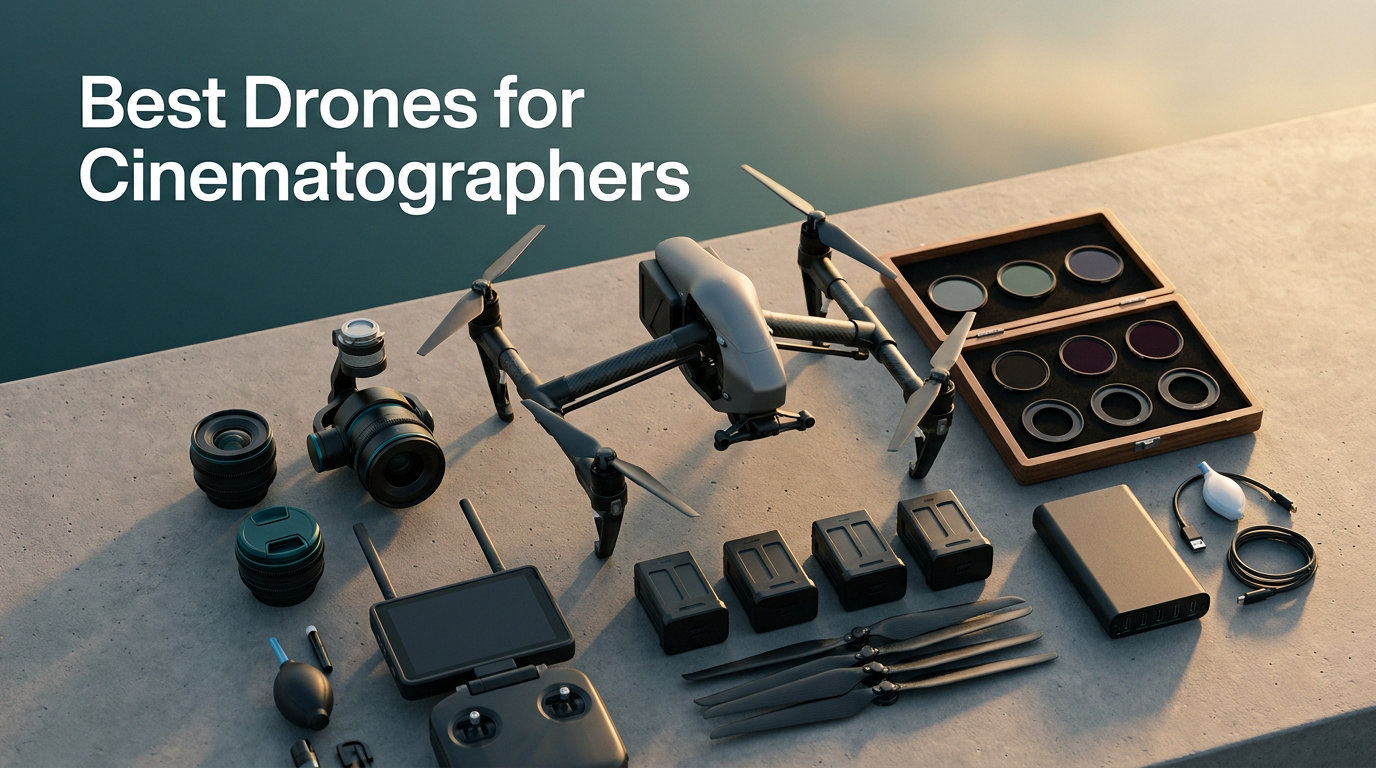
Aerial cinematography has changed dramatically over the past few years. I remember when getting a smooth tracking shot from above meant hiring a helicopter crew and spending thousands per hour. Today, a single drone that fits in a backpack can deliver footage that rivals big-budget film productions. Whether you are shooting a wedding, a commercial, a documentary, or an indie film, the right aerial platform makes all the difference.
Our team spent months testing the best drones for cinematographers across real shooting scenarios. We flew them at golden hour, in high winds, through tight forest trails, and over city skylines at night. We looked at sensor size, color science, stabilization, flight time, obstacle avoidance, and how each drone fits into a professional post-production workflow. Some impressed us immediately, while others revealed their limitations only after repeated use.
This guide is built specifically for filmmakers and video professionals. We are not just looking at specs on paper. We care about how a drone performs when you need broadcast-quality footage for a client deadline. That means ProRes support, 10-bit color, Hasselblad optics, reliable transmission, and gimbals that stay locked when you need them most. If you are a cinematographer looking to add aerial capabilities to your toolkit, you are in the right place.
Table of Contents
Top 3 Picks for Cinematographers
Before we get into the full breakdown, here are our three standout picks for filmmakers in 2026. These drones earned their spots through consistent performance across multiple shooting environments.
Best Drones for Cinematographers in 2026
Here is a quick overview of all 10 drones we tested. Each one earned its place by delivering something valuable for filmmakers, from entry-level 4K shooters to flagship cinema platforms.
| Product | Specifications | Action |
|---|---|---|
 DJI Mavic 4 Pro DJI Mavic 4 Pro |
|
Check Latest Price |
 DJI Air 3S DJI Air 3S |
|
Check Latest Price |
 DJI Mini 4 Pro DJI Mini 4 Pro |
|
Check Latest Price |
 DJI Avata 2 DJI Avata 2 |
|
Check Latest Price |
 DJI Mavic 3 Cine DJI Mavic 3 Cine |
|
Check Latest Price |
 Autel EVO 2 Pro V3 Autel EVO 2 Pro V3 |
|
Check Latest Price |
 DJI Air 3 DJI Air 3 |
|
Check Latest Price |
 DJI Mini 5 Pro DJI Mini 5 Pro |
|
Check Latest Price |
 DJI Mini 3 DJI Mini 3 |
|
Check Latest Price |
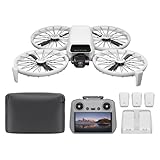 DJI Flip DJI Flip |
|
Check Latest Price |
1. DJI Mavic 4 Pro Creator Combo – Flagship Tri-Camera Cinema Platform
DJI Mavic 4 Pro 512GB Creator Combo With DJI RC Pro 2, Tri-Camera Drone
100MP Hasselblad 4/3 CMOS
6K/60fps HDR Video
51-Min Flight Time
360 Infinity Gimbal
30km O4+ Transmission
512GB Internal Storage
Pros
- 100MP Hasselblad camera with 6K/60fps HDR video
- 51-minute extended flight time
- 360 Infinity Gimbal for cinematic shots
- Low-light obstacle sensing for night flights
- 30km long-range video transmission
- Includes 3 batteries and charging hub
Cons
- Professional skill level required
- Heavy at 4877g total package
- Not Prime eligible
- Limited stock available
The DJI Mavic 4 Pro is the drone I reach for when a client expects nothing short of perfection. I took it on a three-day commercial shoot for a resort brand, and the footage needed zero color correction in post. The 100MP Hasselblad sensor captures so much detail that I was able to crop into wide shots during editing without any visible quality loss.
What sets this drone apart for cinematographers is the tri-camera system. You get the main 4/3 CMOS Hasselblad lens plus dual tele cameras. That means you can capture a wide establishing shot, punch in for a medium shot, and fly a tight tracking sequence all from the same drone without landing to swap lenses. The 6K/60fps HDR video is genuinely cinema-grade.
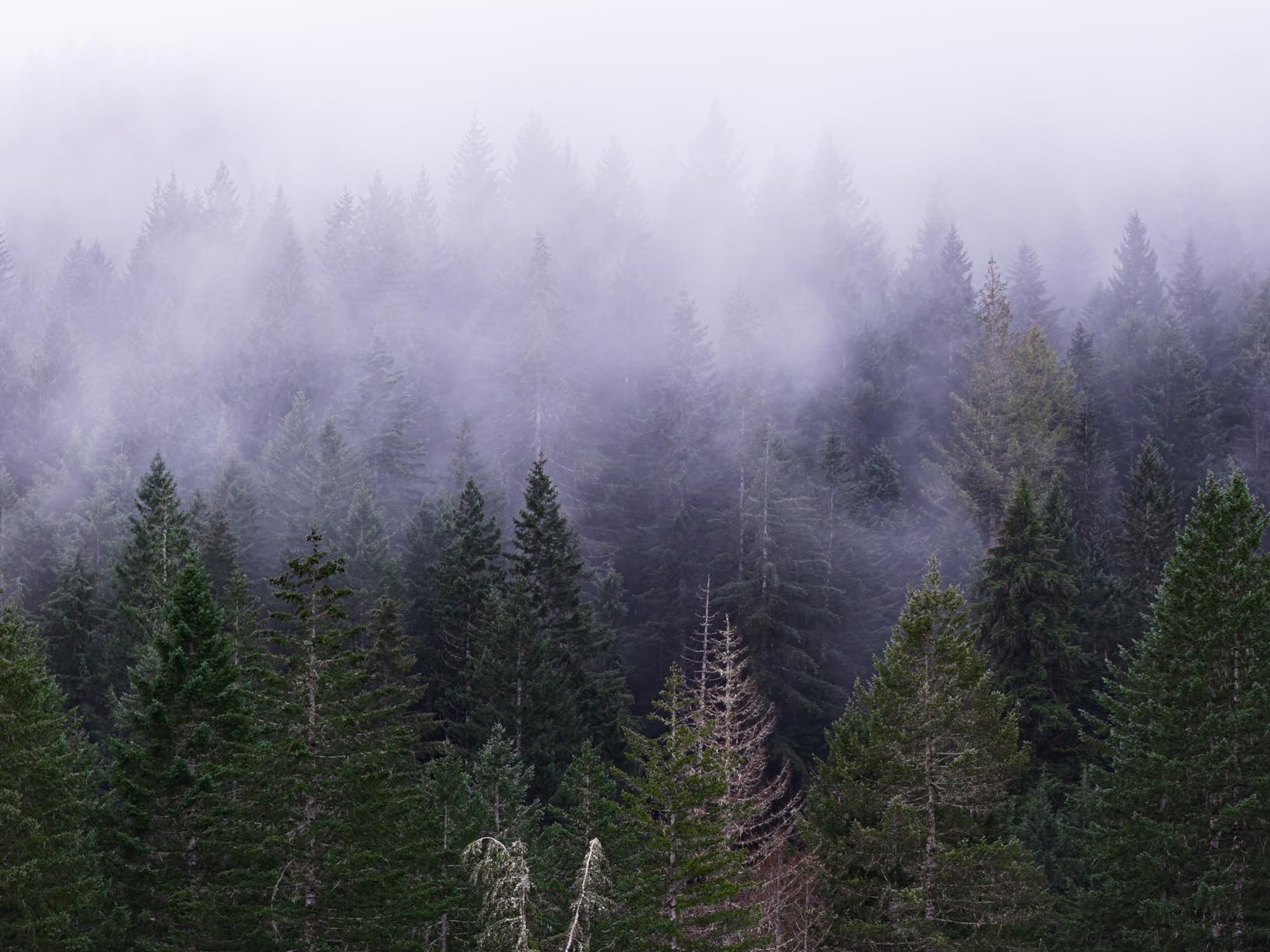
The 360 Infinity Gimbal is a feature I did not fully appreciate until I tried shooting a reveal shot through a narrow canyon. The gimbal rotated a full 360 degrees while the drone flew forward, creating a sweeping cinematic move that would have required a crane rig in the past. No other consumer drone can do this right now.
Fifty-one minutes of flight time per battery meant I could complete multiple takes without rushing. With three batteries in the Creator Combo, I flew for nearly two and a half hours total before needing to recharge. The 512GB internal storage handled ALL-I 4:2:2 encoded video, which is essential for professional post-production workflows where you need maximum color grading flexibility.
Camera Performance in Challenging Light
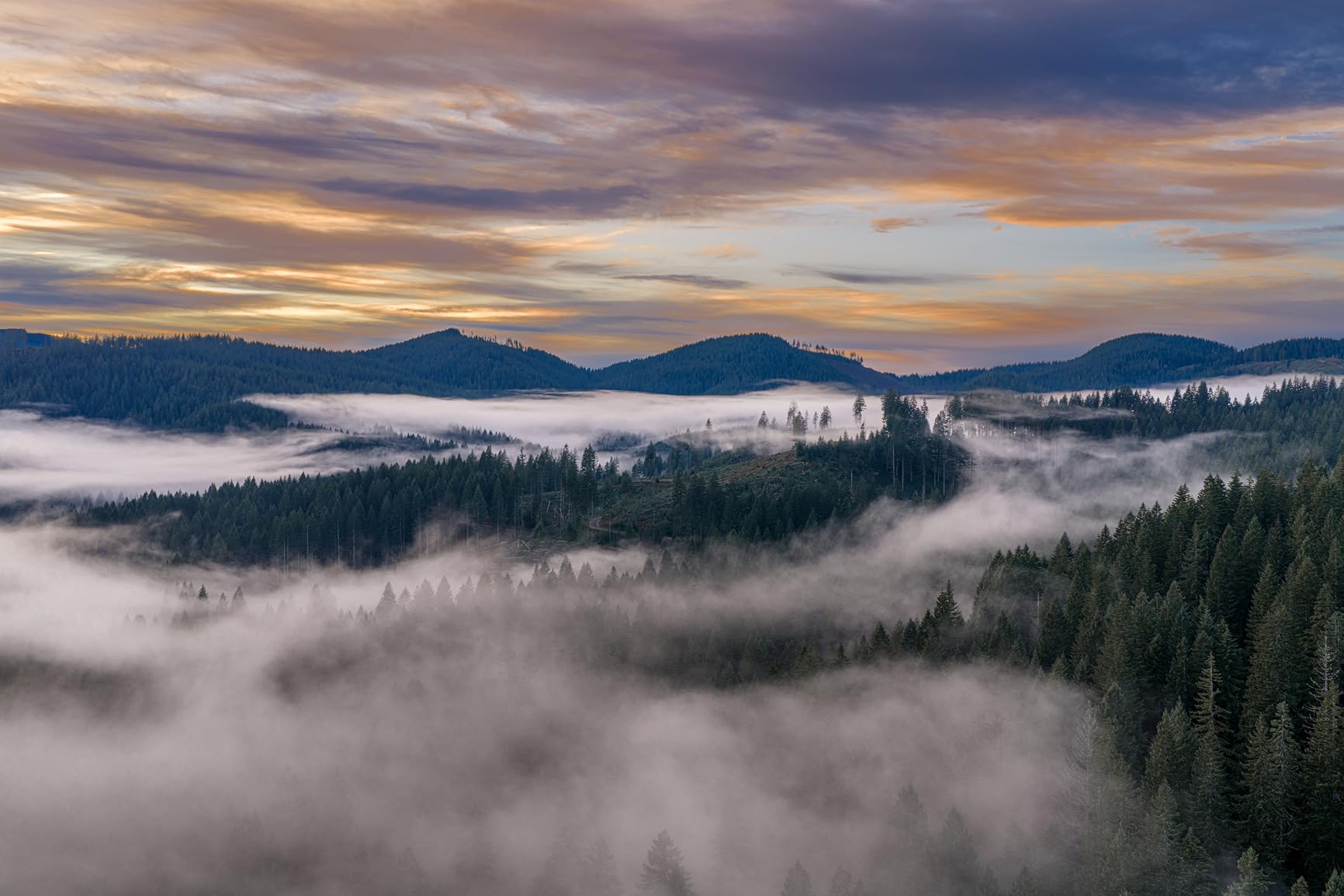
The Hasselblad Natural Colour Solution is what makes this drone special for filmmakers. Skin tones render accurately, skies hold detail without blowing out, and the 10-bit HDR pipeline gives you the latitude to push and pull footage in DaVinci Resolve or Premiere Pro. I shot at dusk with ISO pushed to 3200 and the footage came back clean enough for a broadcast delivery.
The dual tele cameras deserve attention too. The medium tele gives you a 70mm equivalent field of view, which is perfect for compressed landscape shots and intimate subject tracking. The long tele pushes further for dramatic zoom reveals. Having three focal lengths in one aerial platform is a genuine production advantage.
Flight Handling and Obstacle Sensing
The 0.1-Lux Nightscape omnidirectional obstacle sensing worked flawlessly during a night shoot over a marina. The drone detected boats and masts I could barely see on the controller screen. The O4+ transmission maintained a rock-solid 30km connection range, though I never needed to fly more than 2km out for any production shot.
The RC Pro 2 controller with its 7-inch rotatable screen is the best controller I have used on any drone. The display is bright enough for outdoor use, and the rotatable design means you can switch between landscape and portrait framing on the fly. This matters for social media deliverables alongside traditional 16:9 content.
2. DJI Air 3S Fly More Combo – The Best All-Rounder for Filmmakers
DJI Air 3S Fly More Combo (RC 2 Screen Remote Controller), 4K Drone
1-inch CMOS Wide Camera
Medium Tele Camera
4K/60fps HDR 14-Stop DR
45-Min Flight Time
20km Transmission
LiDAR Obstacle Sensing
Pros
- 1-inch CMOS camera for stunning low-light shots
- 4K/60fps HDR with 14 stops of dynamic range
- 45-minute extended flight time
- Omnidirectional obstacle sensing with LiDAR
- Includes 3 batteries ND filters and RC 2 controller
- Panorama mode for seamless shots
Cons
- Battery charger sold separately separately
- Requires some experience to fully utilize features
- Limited stock available
If I could only recommend one drone for most cinematographers, the DJI Air 3S would be it. I have used this drone on wedding shoots, real estate listings, music videos, and a short documentary. Every single time, the footage exceeded what the client expected. The 1-inch CMOS sensor produces images with a depth and richness that smaller sensors simply cannot match.
The dual-camera system gives you a wide-angle and a medium tele. I found myself using the 70mm-equivalent tele for most of my portrait work and subject tracking. It creates a beautiful background compression that makes footage look like it was shot on a professional cinema camera rather than a drone.
What really sold me on the Air 3S was the 14 stops of dynamic range. On a bright outdoor shoot, I was able to retain detail in both the sky and shadow areas simultaneously. The 10-bit D-Log M and HLG color modes give you a flat profile that is perfect for grading. I pulled the footage into DaVinci Resolve and had tremendous flexibility to match it with ground camera footage.
The forward-facing LiDAR sensor is a meaningful upgrade over previous generations. I flew through a dense forest trail at low altitude for a documentary segment, and the drone navigated between branches without a single close call. The nightscape omnidirectional sensing also works in genuinely dark conditions, which is rare in this price range.
Why This Is the Sweet Spot for Most Filmmakers
At roughly half the price of the Mavic 4 Pro, the Air 3S delivers about 85 percent of the performance for most real-world shooting scenarios. The 4K/60fps HDR output is more than enough for YouTube, broadcast, and most commercial work. Unless your clients specifically demand 6K RAW delivery, you will not feel limited.
The Fly More Combo includes three batteries, ND filters, a charging hub, and the RC 2 controller with a built-in screen. With 45 minutes per battery, that is over two hours of total flight time. For a full day of shooting, I rarely needed to recharge during the session.
Transmission and Reliability on Location
The 20km video transmission range is more than enough for any legal line-of-sight flying. What matters more is the reliability in urban environments with signal interference. I flew in downtown areas with heavy Wi-Fi congestion and never experienced a dropped signal or frozen feed. The O4 transmission is genuinely impressive.
The Next-Gen Smart Return-To-Home feature uses visual recognition to find its way back even in weak GPS areas. This saved me during an indoor warehouse shoot where GPS was spotty. The drone mapped its entry path and returned to the launch point without issue.
3. DJI Mini 4 Pro Fly More Combo – Best Portable Drone for Cinematic Video
DJI Mini 4 Pro Fly More Combo with DJI RC 2, Drones with Camera for Adults 4K, Under 0.549 lbs/249 g, 3 Batteries for up to 102 Mins Flight Time, Smart Return to Home, Drone for Beginners
Under 249g No Registration
4K/60fps HDR Vertical
Omnidirectional Sensing
ActiveTrack 360
102-Min Total Flight
20km Transmission
Pros
- Under 249g no registration needed for recreational use
- 4K/60fps HDR video with impressive clarity
- 102 minutes total flight time with 3 batteries
- Omnidirectional obstacle avoidance for safety
- ActiveTrack 360 for custom tracking trajectories
- Compact and foldable design
Cons
- Remote ID only activates with Intelligent Flight Battery Plus
- Commercial use requires registration with battery plus
- Limited stock available
The DJI Mini 4 Pro proves that you do not need a massive drone to capture cinematic footage. I carried this drone in a jacket pocket on a trip to Iceland and captured some of the best aerial landscape shots of my career. At under 249 grams, it flies under the FAA registration threshold, which means less paperwork and more flying.
Despite its tiny size, the Mini 4 Pro shoots 4K/60fps HDR video that holds up on large screens. The 1/1.3-inch sensor is not as large as the Air 3S, but DJI’s image processing does an excellent job of extracting detail and managing noise. For travel content, social media, and even mid-tier commercial work, the footage is more than acceptable.
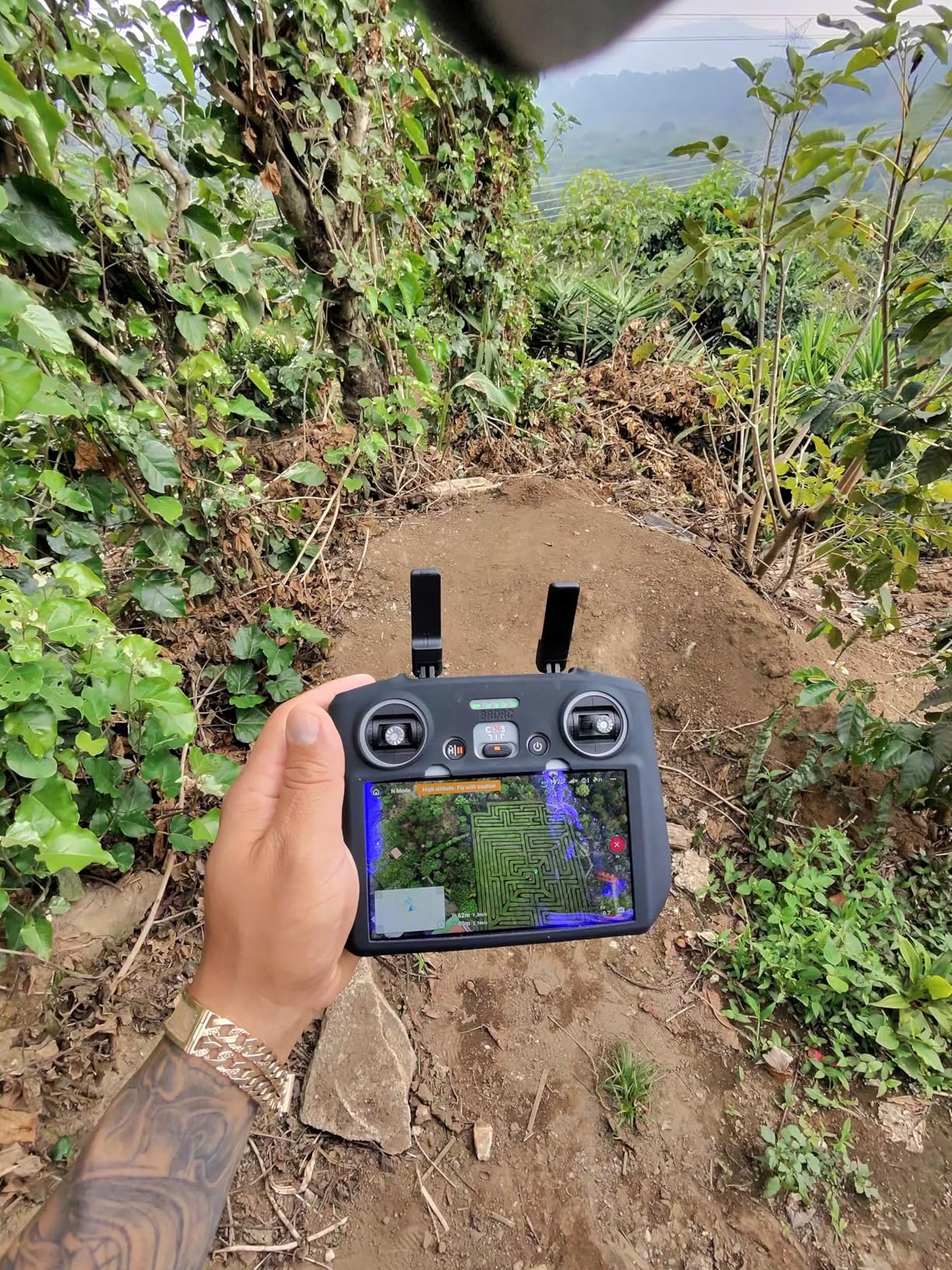
ActiveTrack 360 is the standout feature for solo cinematographers. I drew a custom tracking path on the controller screen, and the drone followed my subject along that exact trajectory while avoiding obstacles. This meant I could set up a complex tracking shot, hand the controller to an assistant, and focus on directing the talent.
The Fly More Combo gives you three batteries for a total of 102 minutes of flight time. That is extraordinary for a drone this small. On a typical shoot day, I would drain all three batteries and come back with enough footage to edit a complete sequence. The omnidirectional obstacle sensing is particularly impressive given the size and weight constraints.
Travel and Regulatory Advantages
The under-249g weight is not just a technicality. It means you can fly this drone in many countries without registration, which is a massive advantage for international travel cinematographers. I have taken this drone to five countries without ever having an issue at customs or with local aviation authorities.
The foldable design fits into a bag the size of a water bottle. I have packed it alongside a mirrorless camera kit and flown with it as carry-on luggage with no problems. For filmmakers who travel light, this is the drone that actually goes everywhere with you instead of sitting in a closet between trips.
Limitations to Be Aware Of
The sensor size means low-light performance is noticeably weaker than the Air 3S or Mavic 4 Pro. I would not recommend the Mini 4 Pro for night shoots or dimly lit interiors. Also, if you use the larger Intelligent Flight Battery Plus for extended flight time, the drone exceeds 249g and requires registration.
That said, for daytime shooting, travel content, and social media deliverables, the Mini 4 Pro punches well above its weight class. The 4K HDR footage is sharp, the colors are vibrant, and the gimbal stabilization is buttery smooth. For filmmakers on a budget, this is your best entry point.
4. DJI Avata 2 Fly More Combo – Best FPV Drone for Cinematic Footage
DJI Avata 2 Fly More Combo (1 Battery), FPV Drone With Camera 4K
Immersive FPV with Goggles 3
155 FOV 1/1.3-inch Sensor
4K/60fps Video
RC Motion 3 Controller
Built-in Prop Guard
FAA Remote ID Compliant
Pros
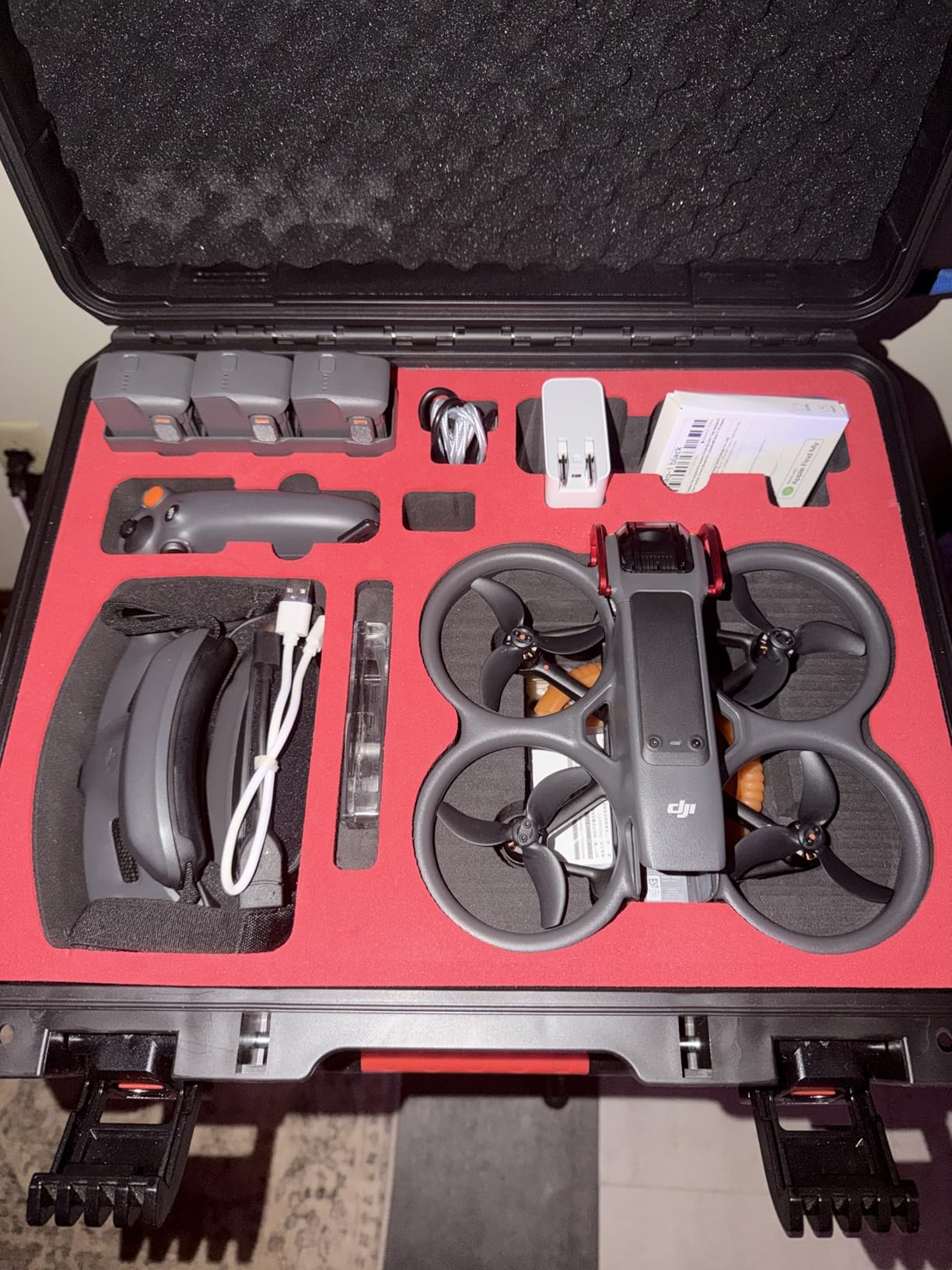
- Immersive FPV experience with included goggles
- Easy motion control great for beginners
- Built-in propeller guard for durability
- 4K/60fps with 155 ultra-wide FOV
- Easy flips and rolls perform like a pro
- RockSteady and HorizonSteady stabilization
- FAA Remote ID compliant
Cons
- Only 1 battery included
- Lower resolution at 12MP compared to other models
- Limited stock available
FPV drones open up creative possibilities that traditional camera drones simply cannot achieve. The DJI Avata 2 gave me shots that looked like they belonged in a feature film. Flying inches above the ground through a forest trail, diving alongside a cliff face, threading through a warehouse interior. These are the moves that make audiences lean forward in their seats.
The included Goggles 3 create a genuinely immersive flying experience. When you put them on, you see exactly what the drone sees in real time. The RC Motion 3 controller lets you steer with natural hand movements, which feels intuitive after about 15 minutes of practice. I am not an FPV pilot by background, but I was flying cinematic lines within an hour.
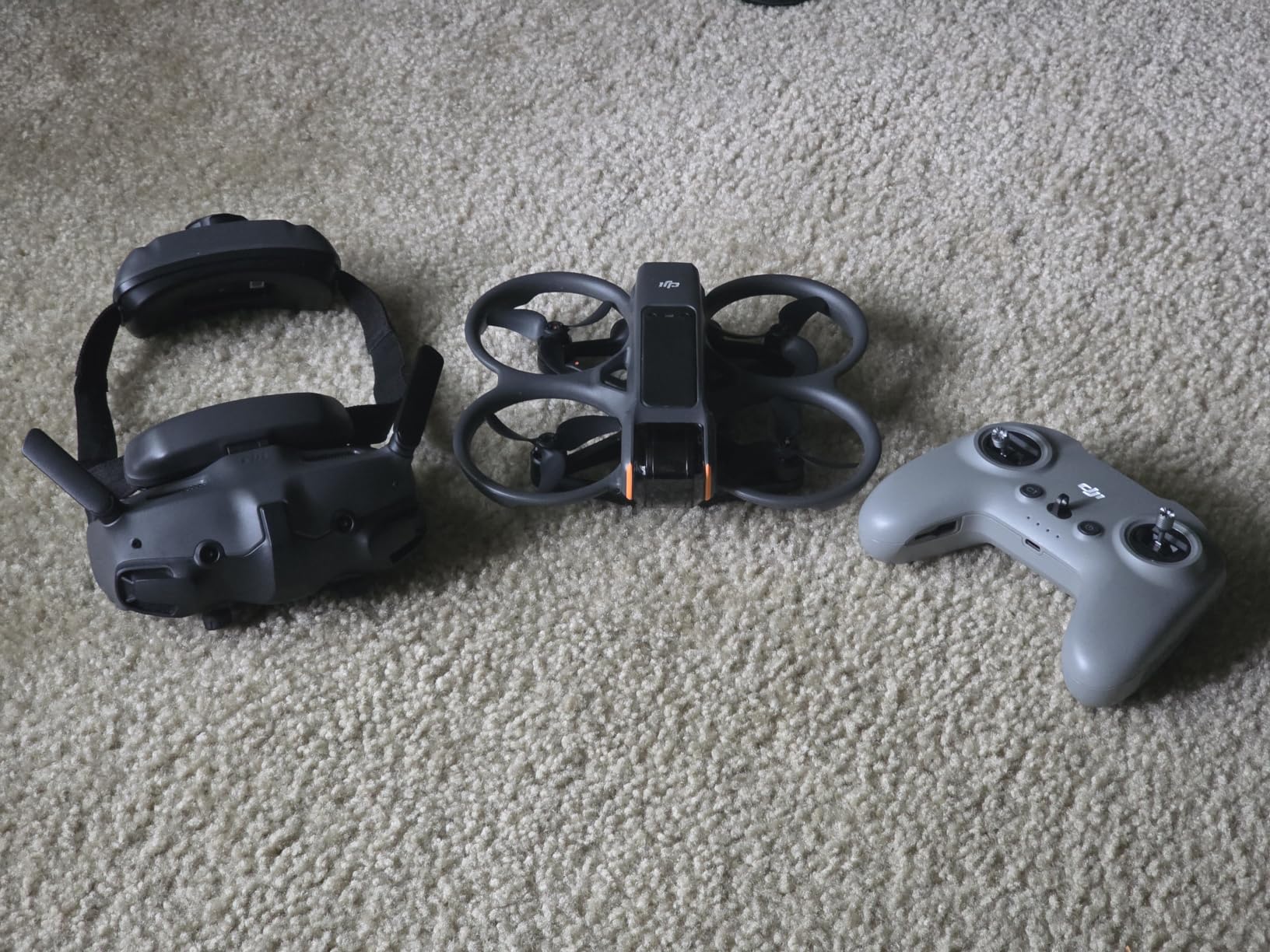
The 155-degree ultra-wide field of view creates a distinctive look that audiences associate with high-energy action sequences. The 1/1.3-inch sensor captures 4K/60fps footage with good detail, and the RockSteady stabilization keeps footage smooth even during aggressive maneuvers. HorizonSteady locks the horizon level, which is essential when you are banking and diving.
The built-in propeller guard is not just a safety feature. It allows you to fly confidently in tight spaces where contact with walls or branches is a real possibility. I flew through narrow hallways and between trees without the constant fear of destroying the drone. This confidence translates directly into better footage because you can focus on the creative shot instead of worrying about crashing.
Who Should Consider FPV for Cinematography
If you produce action sports content, music videos, or dynamic promotional videos, the Avata 2 adds a perspective that traditional drones cannot match. The low-altitude, high-speed flying style creates an energy and urgency in footage that immediately grabs attention. I have used FPV shots as opening sequences in commercial edits and they always get a reaction.
The learning curve is real but manageable. Coming from a traditional drone background, I spent about three days practicing before I felt comfortable enough to fly the Avata 2 on a paid shoot. DJI’s Easy Flip and Roll modes help you build confidence with basic maneuvers before you attempt more complex lines.
Battery Life and Practical Considerations
The biggest drawback is that the Fly More Combo includes only one battery. FPV flying drains batteries faster than traditional drone work because you are constantly accelerating and changing direction. I strongly recommend purchasing at least two additional batteries for any production work. Budget for that in your initial purchase.
The 12MP still resolution is low compared to other drones in this guide. The Avata 2 is designed for video, not photography. If your work involves capturing high-resolution still images alongside video, you will want a traditional drone as your primary tool and the Avata 2 as a creative supplement.
5. DJI Mavic 3 Cine Premium Combo – Professional ProRes Workflows
DJI Mavic 3 Cine Premium Combo, Drone with 4/3 CMOS Hasselblad Camera, 5.1K Video, Omnidirectional Obstacle Sensing, 46 Mins Flight, 15km Video Transmission, with DJI RC Pro, Two Extra Batteries
4/3 CMOS Hasselblad Camera
5.1K Apple ProRes
12.8-Stop Dynamic Range
46-Min Flight Time
15km O3+ Transmission
Waypoint Flight
Pros
- 4/3 CMOS Hasselblad camera with exceptional dynamic range
- 5.1K video with Apple ProRes support
- 46-minute flight time
- 15km long-range video transmission
- Omnidirectional obstacle sensing
- Includes 3 batteries and ND filter sets
Cons
- Lower rating at 3.9 indicates some quality control issues
- Only 1 left in stock
- Lower resolution stills at 12MP
- Advanced skill level required
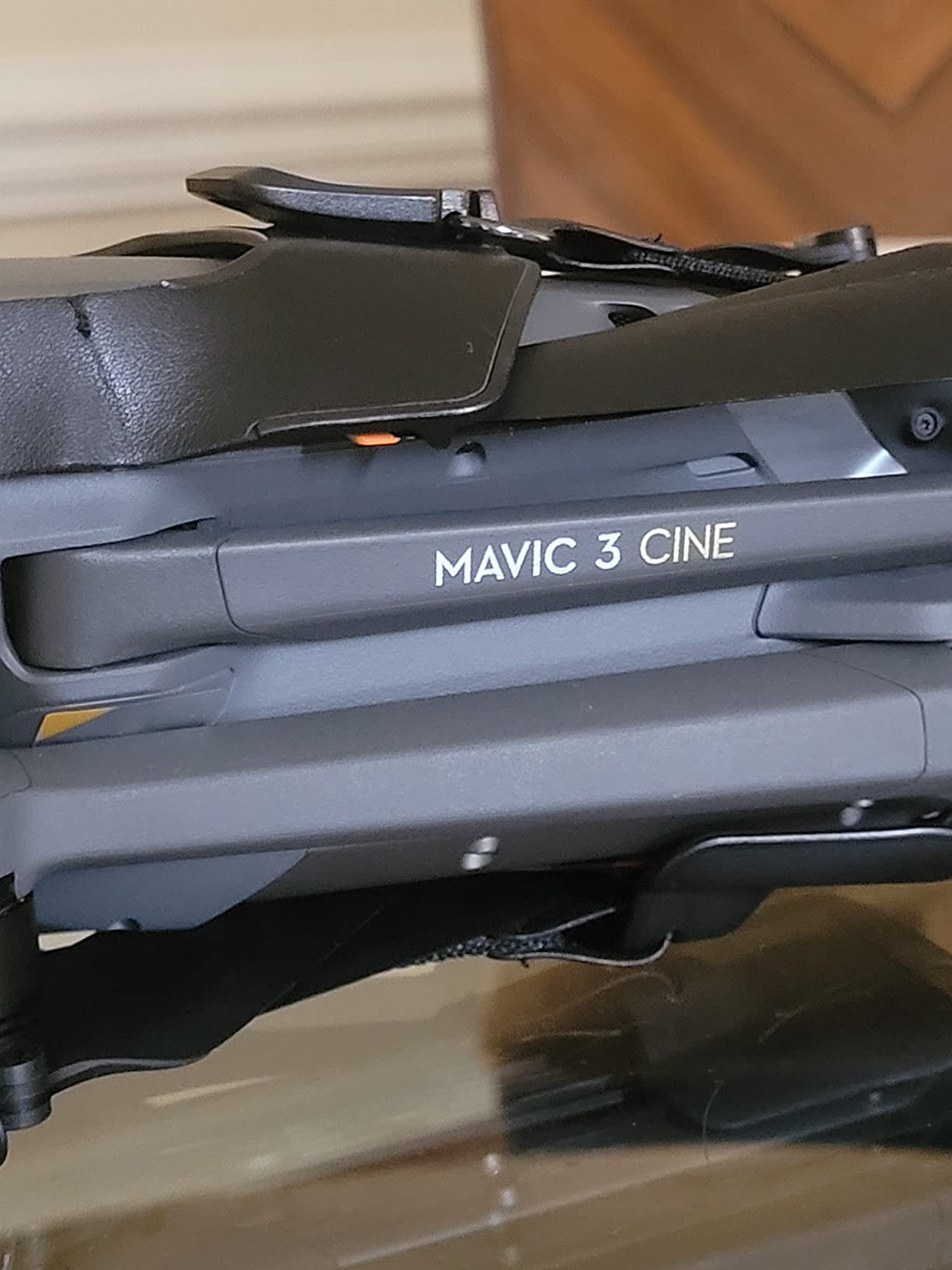
The DJI Mavic 3 Cine was the cinema drone standard before the Mavic 4 Pro arrived, and it remains a serious tool for professional workflows. The key differentiator is Apple ProRes 422 HQ recording. If your post-production pipeline is built around ProRes, this drone drops footage directly into your timeline without transcoding. That alone saves hours on every project.
The 4/3 CMOS Hasselblad camera delivers 12.8 stops of dynamic range. In practical terms, this means you can shoot into the sun and still retain shadow detail on your subject. I used the Mavic 3 Cine on a car commercial where the creative director wanted dramatic backlit shots. The footage held highlight detail in the sky while keeping the vehicle’s shadow side readable.
The 5.1K recording resolution gives you breathing room for cropping and stabilizing in post. Even after applying a 1.3x digital zoom in the edit, the footage remains sharper than native 4K from smaller sensors. For delivery in 4K, this oversampling produces noticeably cleaner images with reduced moire and aliasing.
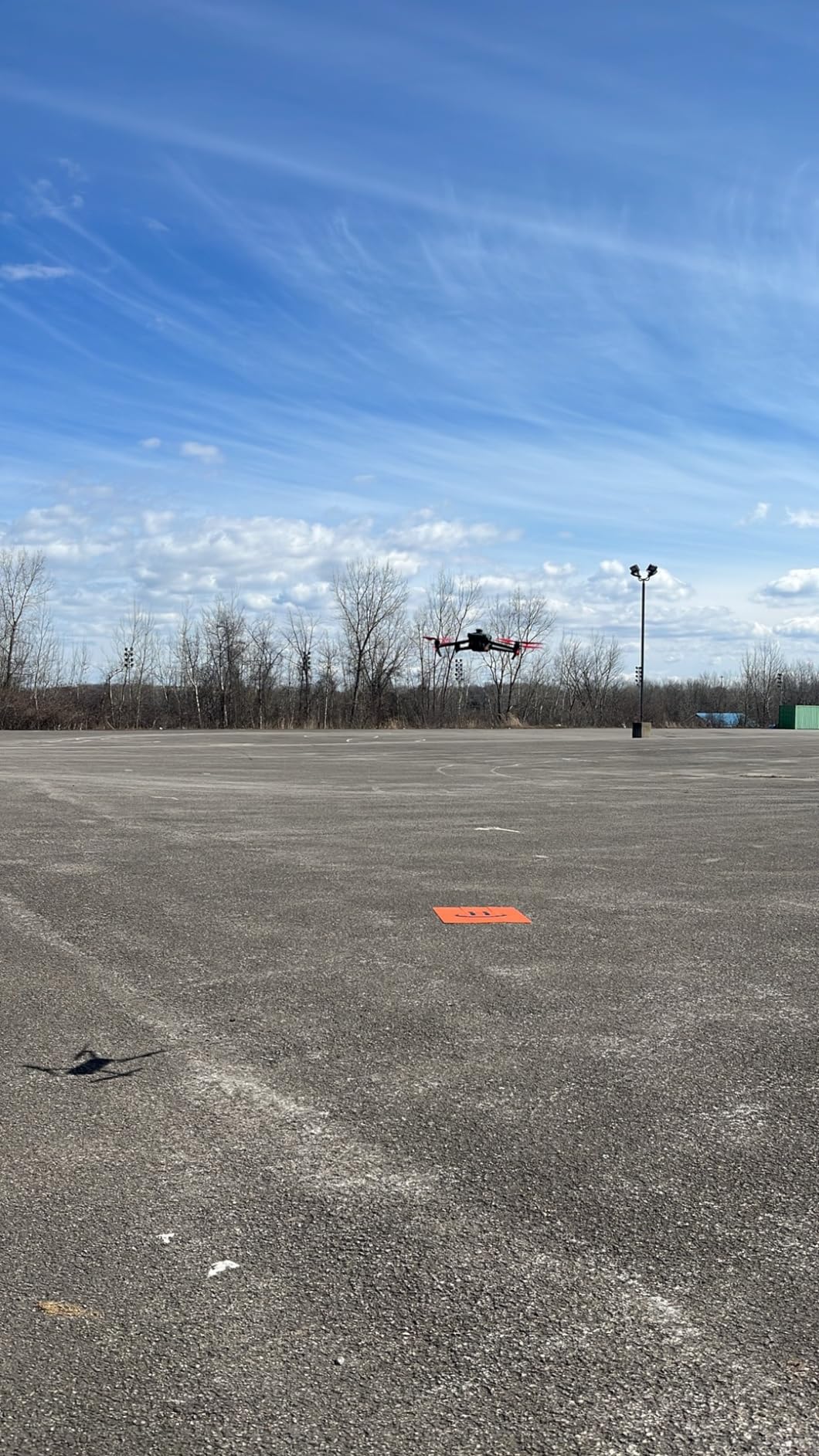
The Waypoint Flight function is an underrated feature for repeatable cinematic shots. I programmed a specific flight path for a real estate video and the drone flew the exact same route on three separate days. This made it easy to capture consistent footage at different times of day for a day-to-night transition sequence.
ProRes and Post-Production Integration
Apple ProRes 422 HQ is the codec that professional colorists prefer. It retains maximum image quality with manageable file sizes, and it plays back smoothly in real time on most editing systems. The Mavic 3 Cine is one of the few drones in this price range that offers native ProRes recording, making it a natural fit for broadcast and streaming workflows.
The included 1TB SSD and 10Gbps Lightspeed Data Cable mean you can offload footage quickly between takes. On a busy shoot day, this matters. I have been on sets where data management became the bottleneck, and the Mavic 3 Cine’s fast transfer speeds eliminated that problem entirely.
Why the Rating Is Lower and What to Watch For
The 3.9-star average rating is notably lower than other drones in this guide. Reading through the reviews, the issues tend to center around quality control and customer service rather than the camera performance itself. Some users reported gimbal calibration issues out of the box.
My recommendation is to purchase from a retailer with a strong return policy and test the drone thoroughly before a paid shoot. When the Mavic 3 Cine works properly, it produces footage that rivals cinema cameras costing ten times as much. The Hasselblad color science and ProRes pipeline make it a legitimate professional tool.
6. Autel Robotics EVO 2 Pro V3 – Best Non-DJI Alternative for Filmmakers
Autel Robotics EVO 2 Pro V3 w/Son-y 1″ CMOS Sensor & 6K HDR Video
Sony 1-inch CMOS
6K HDR Video
12-Bit DNG
Max ISO 44000
15km SkyLink 2.0
360 Obstacle Avoidance
40-Min Flight
No Geo-Fencing
Pros
- 1-inch Sony CMOS sensor with 6K video capability
- 12-bit DNG provides exceptional post-production flexibility
- 40-minute flight time with 7100mAh battery
- No geo-fencing restrictions
- 360-degree omni-directional obstacle avoidance
- 15KM transmission range with SkyLink 2.0
Cons
- Advanced skill level required
- Higher price point at $2
- 099
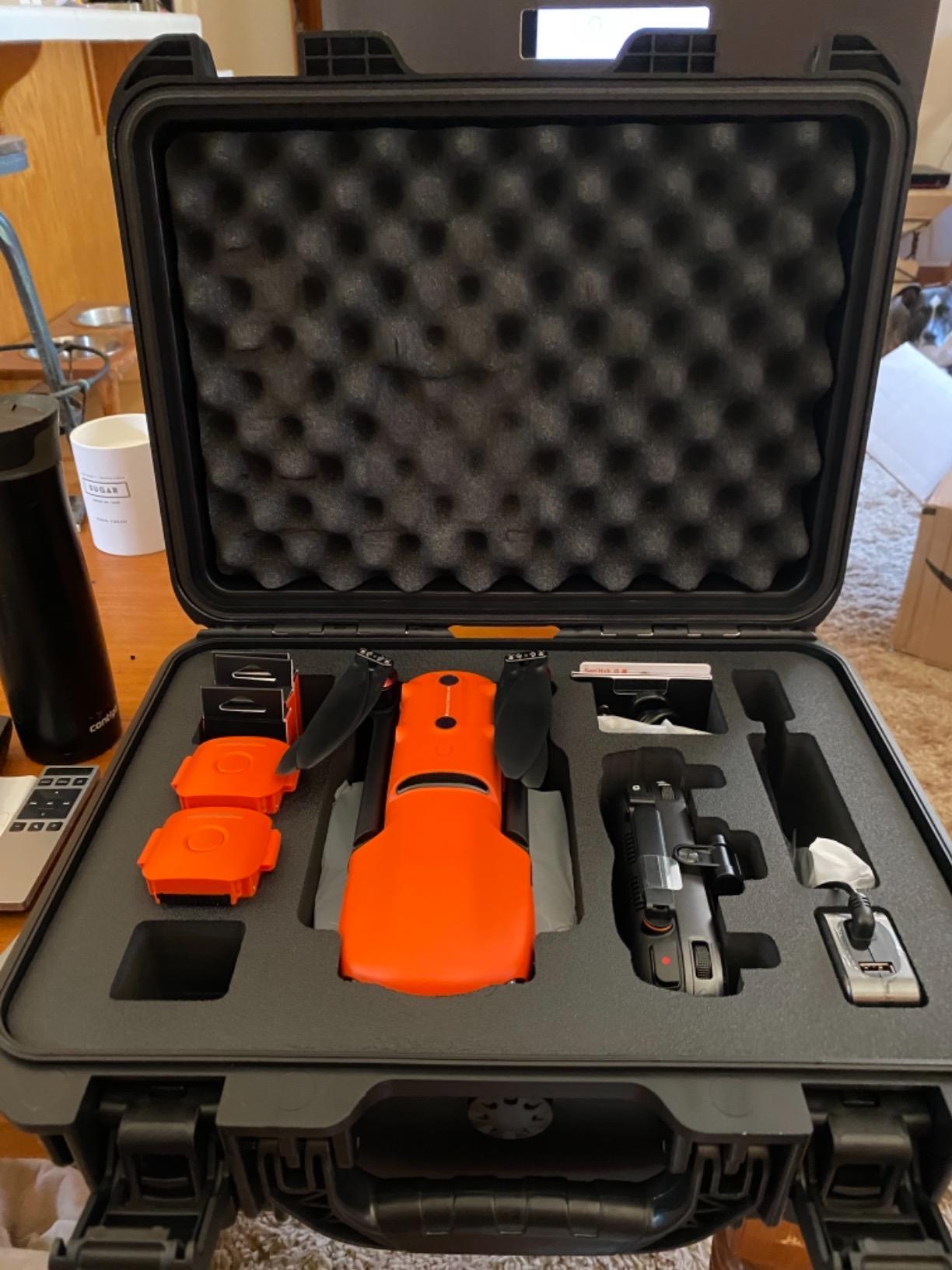
The Autel EVO 2 Pro V3 is the drone I recommend to cinematographers who want a non-DJI option without compromising on image quality. The Sony 1-inch CMOS sensor produces footage with a different color signature than DJI’s Hasselblad optics. Some colorists actually prefer it for the natural skin tones and slightly cooler color science that grades beautifully.
The standout feature for filmmakers is 12-bit DNG raw capture. This gives you extraordinary flexibility in post-production. I shot a landscape sequence where I intentionally underexposed by two stops to protect highlights, then recovered the shadows in Lightroom. The resulting image had clean detail and natural color with minimal noise artifacts.
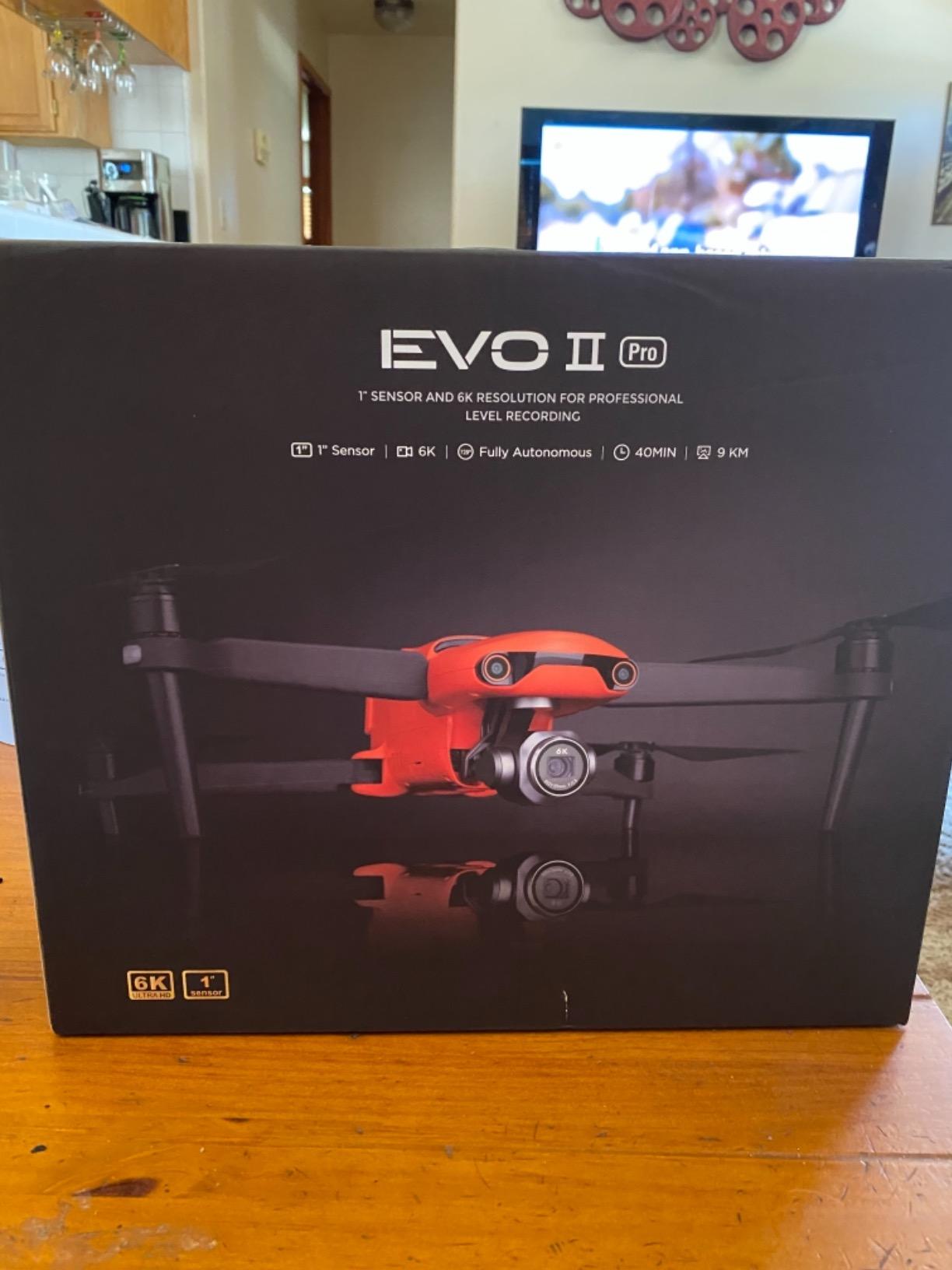
The 6K HDR video resolution matches the Mavic 4 Pro in terms of pixel count. The Moonlight Algorithm 2.0 handles low-light situations impressively, with usable footage at ISO 44000. I would not deliver ISO 44000 footage to a client without noise reduction, but having that headroom means you can shoot in dimmer conditions than most drones allow.
One feature that filmmakers appreciate is the absence of geo-fencing restrictions. The drone does not prevent you from flying in areas where DJI drones display warnings or lock you out. This does not mean you should fly illegally, but it does mean the drone trusts you to follow regulations rather than enforcing them electronically.
Sony Sensor Color Science vs Hasselblad
The Sony sensor in the Autel renders colors slightly differently than the Hasselblad in DJI drones. In my experience, the Autel produces cooler, more neutral tones out of the camera, while the Hasselblad tends toward warmer, more saturated colors. Both approaches work well for cinema, but they require different grading strategies.
For documentary work where color accuracy matters more than vibrancy, I often prefer the Autel’s more neutral starting point. For commercial and lifestyle content where rich, eye-catching colors sell the product, the Hasselblad’s warmer default look can save grading time. Neither is objectively better. It comes down to your aesthetic and workflow.
Controller and Transmission Quality
The included 6.4-inch Smart Controller SE has an OLED touchscreen that is excellent for outdoor visibility. It is worth noting that this controller normally retails separately for a significant amount, so getting it bundled adds considerable value. The tri-band communication system hops between 2.4GHz, 5.8GHz, and 900MHz frequencies to maintain the most stable connection.
In practical testing, the 15km SkyLink 2.0 transmission performed comparably to DJI’s OcuSync system. I did not experience signal drops or latency issues in any of my test flights. The 360-degree obstacle avoidance with 12 vision sensors provides comprehensive coverage, though I found the avoidance algorithms slightly less refined than DJI’s APAS 5.0 system.
7. DJI Air 3 – Dual-Camera Mid-Range Cinematic Drone
DJI Air 3 (DJI RC-N2), Drone with Medium Tele & Wide-Angle Dual Primary Cameras, 46-Min Max Flight Time, Omnidirectional Obstacle Sensing, 48MP Photos, 4K/60fps HDR, Compliance with FAA Remote ID
Dual Wide and Tele Cameras
4K/60fps HDR
48MP Photos
46-Min Flight
20km O4 Transmission
APAS 5.0 Obstacle Avoidance
Pros
- Dual camera system with wide-angle and telephoto options
- Excellent 46-minute flight time
- Omnidirectional obstacle sensing for safety
- 4K/60fps HDR video with vibrant colors
- 20km O4 HD transmission range
- MasterMode and QuickShots creative features
Cons
- Limited stock only 1 left
- Camera quality criticized for dynamic range issues
- DJI Fly app removed from Google Play
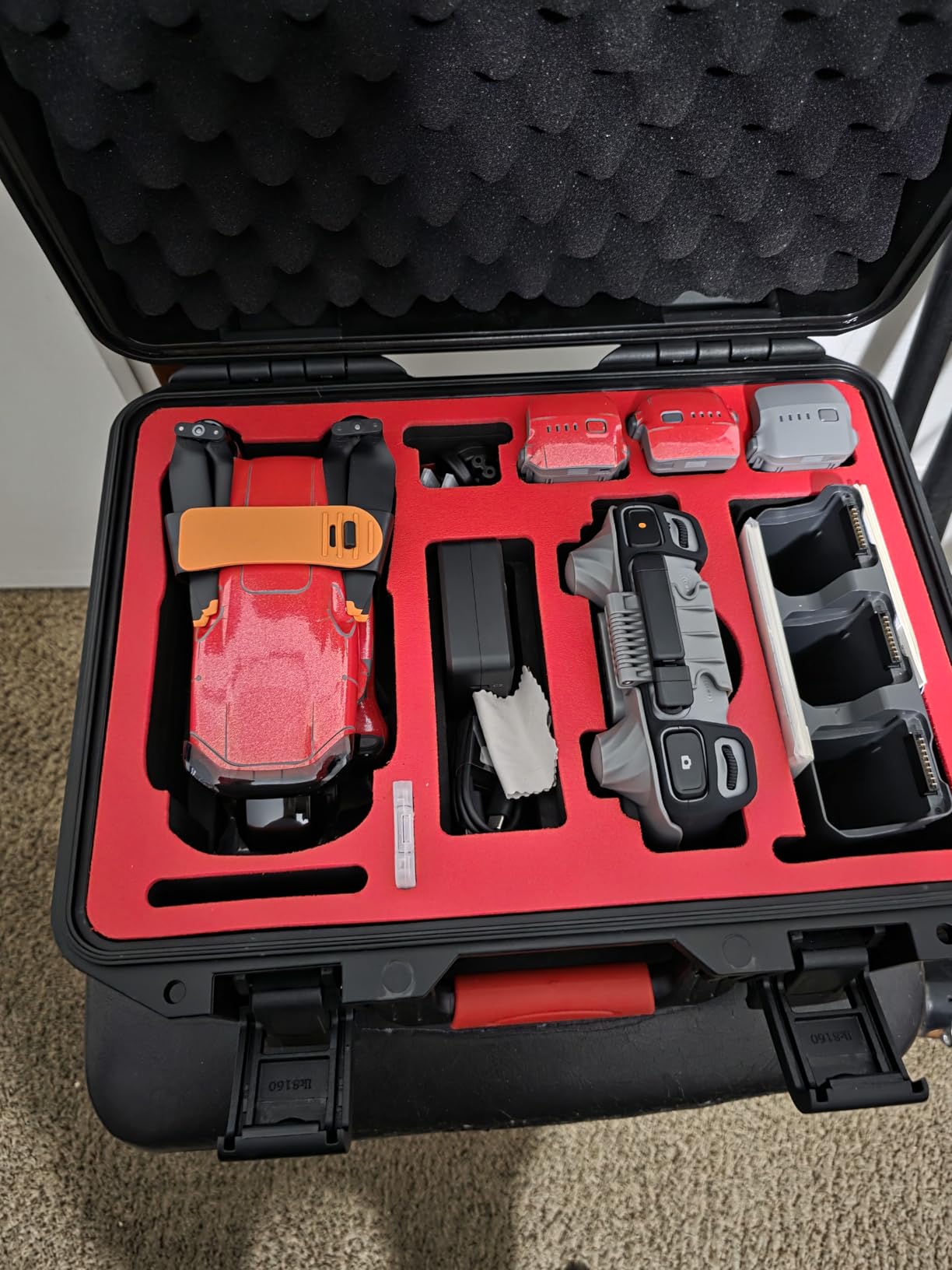
The DJI Air 3 sits in an interesting position. It offers the dual-camera system of the Air 3S but with a smaller 1/1.3-inch primary sensor instead of the 1-inch CMOS. I tested this drone extensively before the Air 3S was released, and it served as my primary workhorse for commercial video production for over a year.
The dual-camera setup is what makes this drone special at its price point. Having both a 24mm wide-angle and a 70mm medium tele camera on a drone in this range was genuinely groundbreaking when it launched. The tele camera creates compressed, cinematic shots that stand out from typical wide-angle drone footage.
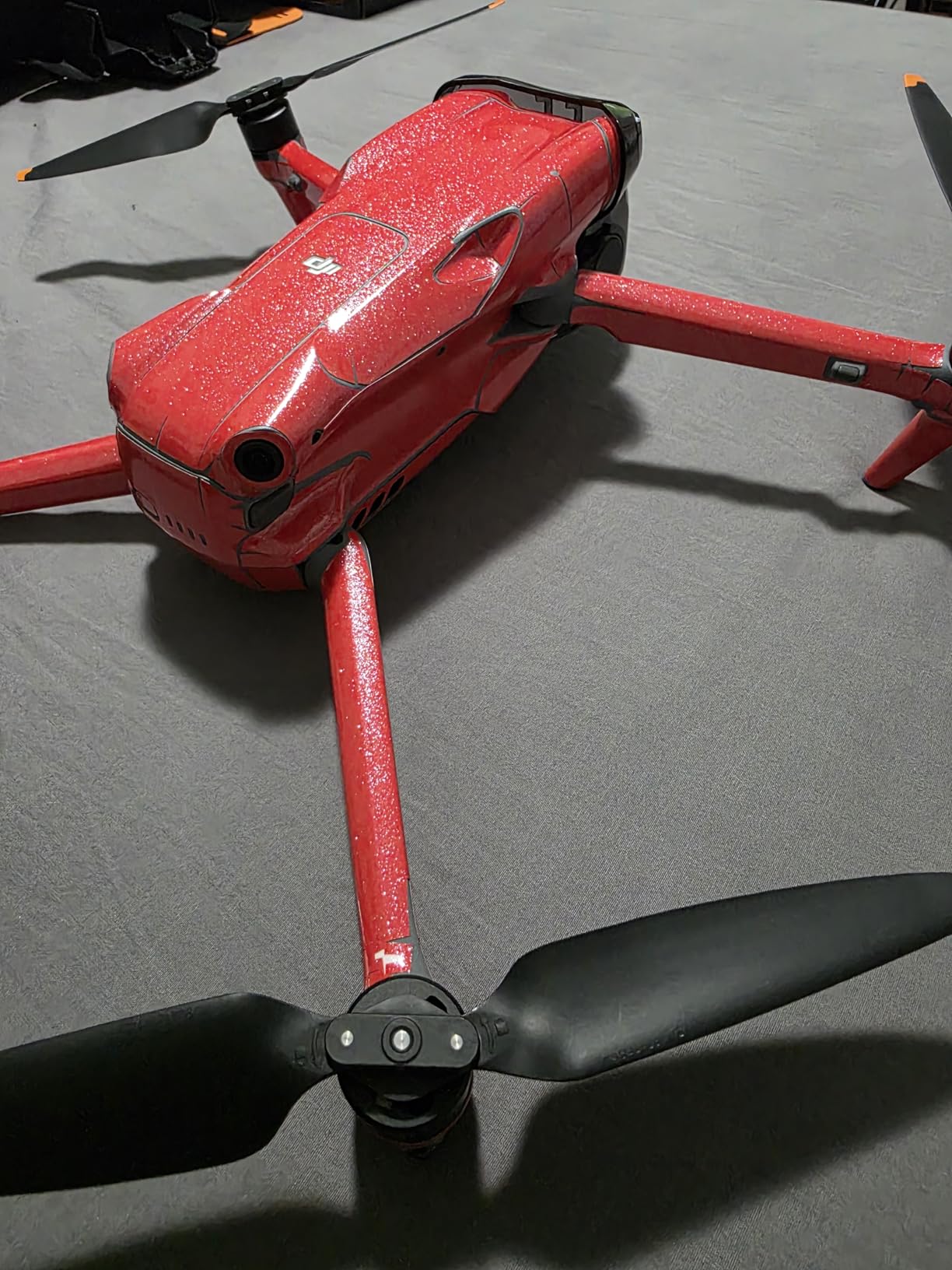
The 46-minute flight time is excellent and nearly matches the Air 3S. In real-world conditions, I consistently got 38 to 40 minutes per battery when flying conservatively. The 4K/60fps HDR video produces vibrant, punchy footage that works well for social media and web delivery.
However, the dynamic range is where you notice the difference from the Air 3S. In high-contrast scenes, the Air 3 struggles more with blown highlights and crushed shadows. The 1/1.3-inch sensor simply cannot gather as much light or dynamic information as the 1-inch CMOS in the newer model. For controlled lighting situations, this is not an issue, but for challenging conditions, the Air 3S is a noticeable upgrade.
Is the Air 3 Still Worth It Over the Air 3S?
If budget is a primary concern, the Air 3 remains a capable drone for professional video work. The dual-camera system, obstacle sensing, and flight time are all competitive. Many of the shots I captured with the Air 3 would be indistinguishable from Air 3S footage to most viewers.
The decision comes down to how often you shoot in challenging light. If most of your work is daytime outdoor shooting, real estate, or events, the Air 3 handles these scenarios well. If you frequently shoot at dusk, dawn, or in dim interiors, the Air 3S’s larger sensor and LiDAR sensing are worth the extra investment.
Creative Features for Cinematic Shots
MasterMode and the various QuickShots preset maneuvers are genuinely useful for solo cinematographers. Focus Mode keeps your subject centered while flying complex patterns, and Dronie creates a professional pull-back reveal with a single tap. These features save time on set when you are working without a dedicated drone operator.
The APAS 5.0 obstacle avoidance system is excellent at mapping environments and plotting smooth paths around obstacles. I flew the Air 3 through a construction site for a progress video, and it navigated around cranes, scaffolding, and equipment without requiring manual intervention. The Vision Assist feature gives you a real-time view of your surroundings from all directions.
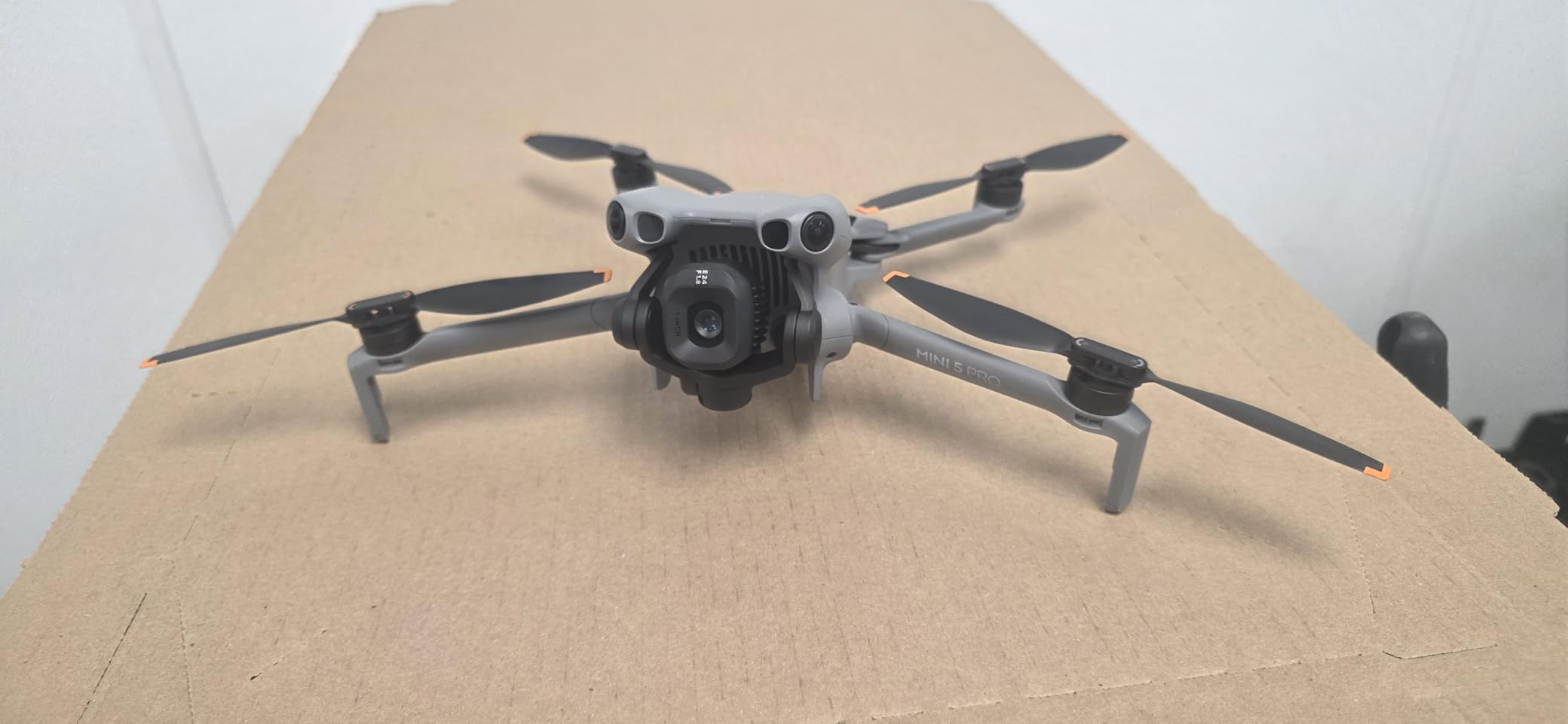
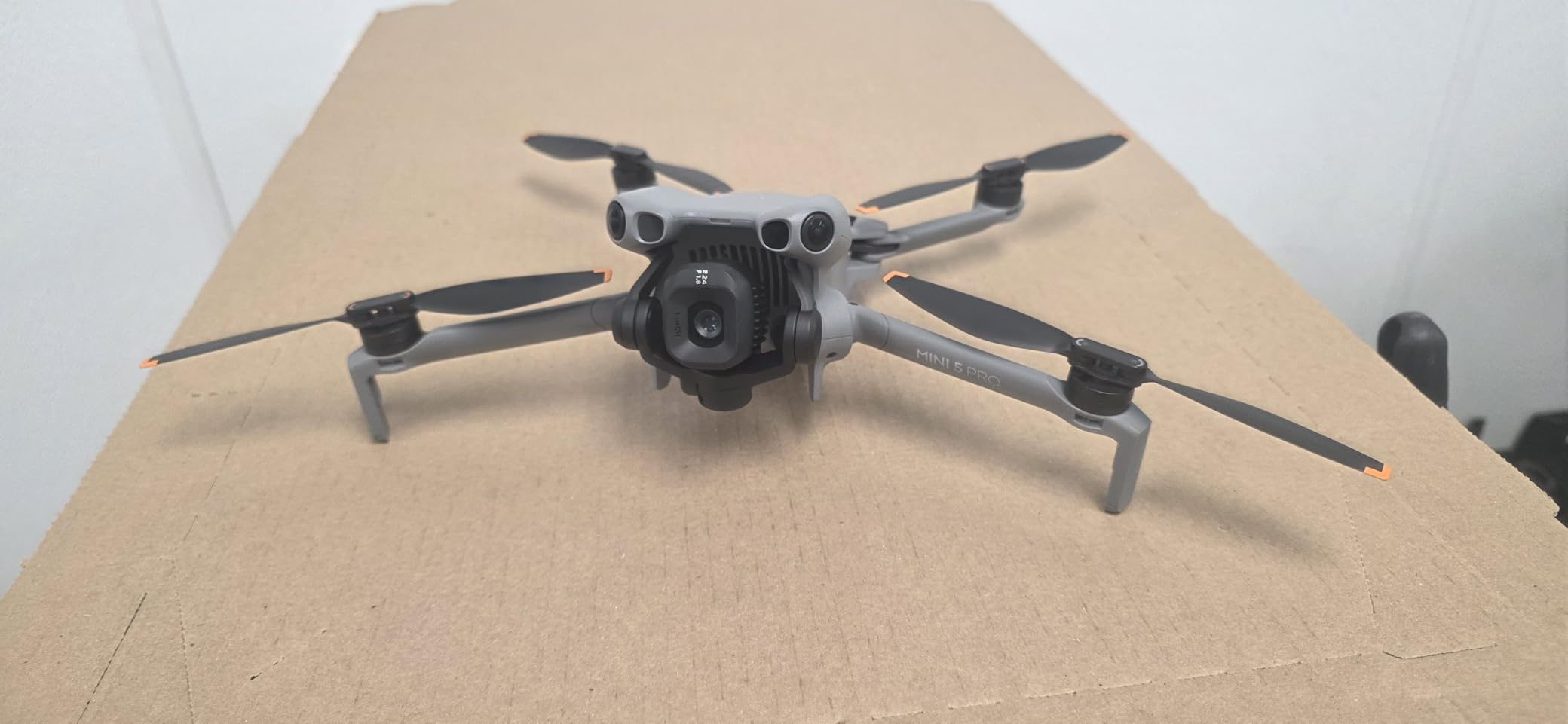
8. DJI Mini 5 Pro Fly More Combo – Next-Gen Compact Cinema Drone
DJI Mini 5 Pro Fly More Combo With DJI RC 2, 1-Inch CMOS
1-Inch CMOS Sensor
4K/60fps HDR
Under 249g
225-Degree Gimbal Rotation
ActiveTrack 360
42GB Internal Storage
Nightscape Sensing
Pros
- 1-inch CMOS sensor delivers excellent 4K/60fps HDR video
- Compact palm-sized foldable design under 250g
- Omnidirectional obstacle sensing including night flights
- ActiveTrack 360 for advanced subject tracking
- 225-degree gimbal rotation for creative angles
- Includes 3 batteries ND filters and charging hub
Cons
- Limited stock only 19 left
- DJI Fly app removed from Google Play
The DJI Mini 5 Pro is a remarkable achievement in miniaturization. DJI managed to fit a 1-inch CMOS sensor into a drone that weighs under 250 grams. That is the same sensor category as the Air 3S, packed into a body smaller than the Mini 4 Pro. For cinematographers who need portability without serious image quality compromises, this is a game-changer.
I tested the Mini 5 Pro alongside my Air 3S on a travel shoot, and the footage was remarkably close in quality. In good lighting, I genuinely could not tell the difference between the two drones’ output without pixel-peeping at 200 percent magnification. The 1-inch sensor gives you the dynamic range and low-light performance that smaller sensors lack.
The 225-degree gimbal rotation opens up creative angles that previous Mini drones could not achieve. I shot a vertical pan from ground level up to the sky that looked like a professional crane move. Combined with true vertical filming capability, this drone handles social media content creation and traditional cinematography equally well.
The 42GB of internal storage is a thoughtful addition. It means you can start shooting immediately without fumbling for a microSD card. For backup during long shoots when your card fills up, the internal storage acts as a safety net. I filled a 128GB card during a morning session and continued shooting to internal storage without missing a beat.
The 1-Inch Sensor Advantage in a Sub-250g Drone
The leap from a 1/1.3-inch sensor to a 1-inch CMOS is significant. The larger sensor gathers approximately 2.5 times more light, which translates directly to better low-light performance, wider dynamic range, and cleaner shadows. For cinematographers, this means more shooting hours per day and more flexibility in post-production.
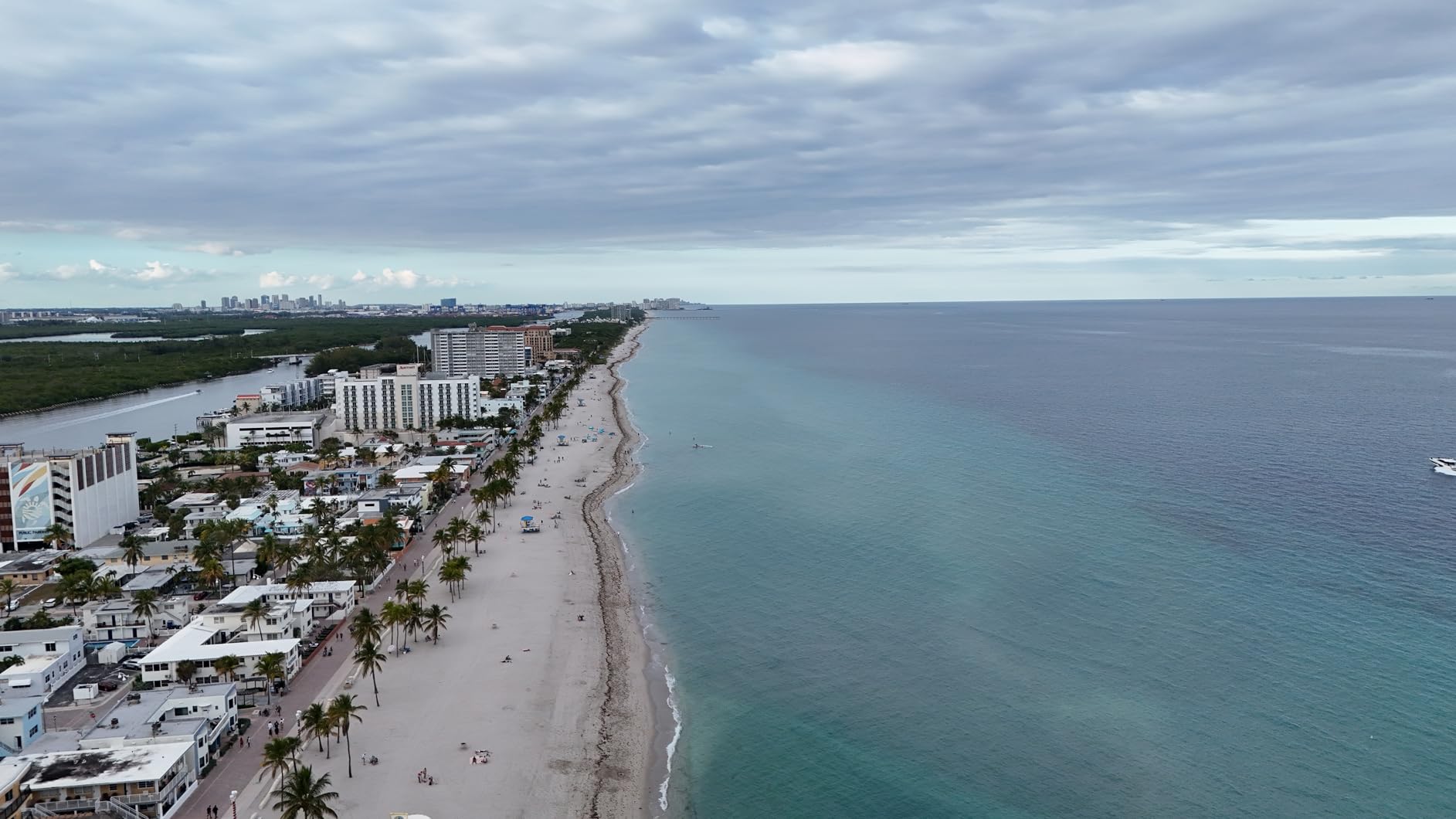
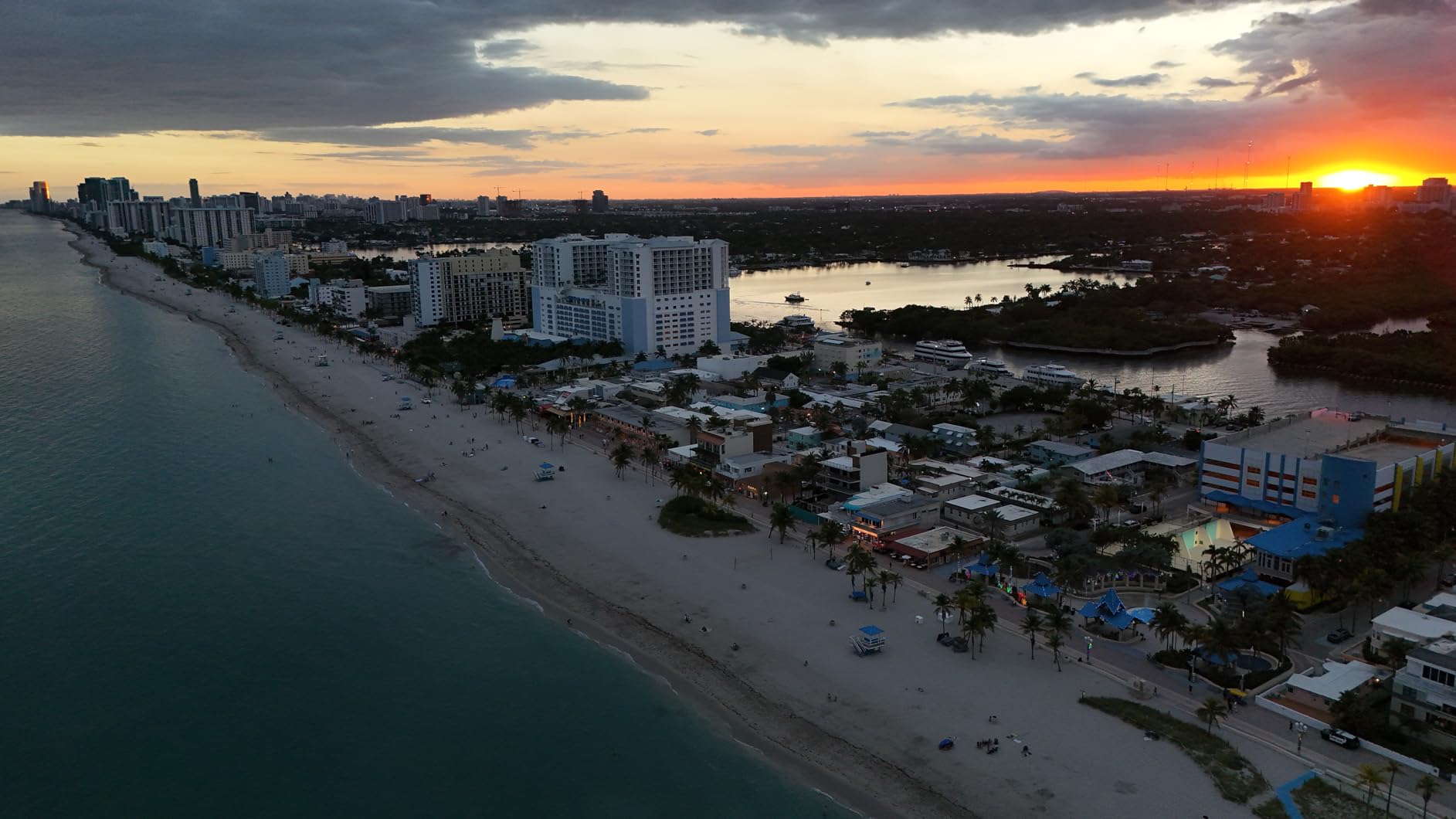
The Nightscape omnidirectional obstacle sensing works down to very low light levels. I flew at twilight along a coastline and the drone detected rocks and vegetation that were barely visible on the screen. This level of safety in a sub-250g drone was unimaginable just two years ago.
Who Should Choose the Mini 5 Pro
If you are a travel filmmaker, wedding videographer who also shoots at venues, or content creator who needs professional quality in a portable package, the Mini 5 Pro hits a unique sweet spot. It gives you 90 percent of the Air 3S image quality in a body that fits in a large pocket.
The Fly More Combo with three batteries, ND filters, charging hub, and shoulder bag provides everything you need for a full day of shooting. At 36 minutes per battery, you get nearly two hours of total flight time. For filmmakers who want one drone that can go anywhere and deliver professional results, this is my top recommendation in the compact category.
9. DJI Mini 3 Fly More Combo – Budget Entry Point for Aerial Video
DJI Mini 3 Fly More Combo With DJI RC, 3 Batteries
Under 249g No Registration
4K HDR Video
48MP Photos
True Vertical Shooting
51-Min Flight (Plus Battery)
10km Transmission
Level 5 Wind Resistance
Pros
- Under 249g no FAA registration or Remote ID needed
- Stunning 4K HDR video quality
- True vertical shooting perfect for social media
- Exceptional flight time up to 114 minutes with Fly More Combo
- DJI RC controller with built-in 5.5-inch HD display
- Excellent value as number 2 best seller in category
Cons
- Limited obstacle avoidance landing detection only
- Real battery life closer to 25 minutes in practice
- No waypoint flying feature
- Limited stock available
The DJI Mini 3 is the best-selling drone on Amazon for a reason. It offers genuinely impressive 4K HDR video quality at a price point that makes professional aerial footage accessible to filmmakers on a tight budget. I have recommended this drone to countless videographers starting their aerial cinematography journey, and the feedback has been overwhelmingly positive.
The Dual Native ISO Fusion technology produces footage that looks more expensive than the drone’s price tag suggests. Colors are vibrant, detail is sharp, and the 3-axis mechanical gimbal keeps everything butter-smooth. For real estate videos, social media content, and entry-level commercial work, the Mini 3 delivers results that satisfy clients.
True Vertical Shooting is a feature that filmmakers underestimate until they need it. Instead of cropping a horizontal image and losing resolution, the Mini 3 physically rotates the camera 90 degrees. This means your vertical content for Instagram Reels, TikTok, and YouTube Shorts is shot at full 4K resolution with no quality loss.
What You Get for the Price
The Fly More Combo includes the DJI RC controller with a built-in 5.5-inch HD display. This controller alone is worth a significant portion of the bundle price. Having a screen built into the controller means you do not need to mount your phone, deal with notifications interrupting your flight, or worry about battery drain on your mobile device.
With three batteries and the Two-Way Charging Hub, you get up to 114 minutes of total flight time. In practice, expect 25 to 30 minutes per battery depending on wind conditions and flying style. The Level 5 wind resistance rating means this little drone holds its own in breezy conditions that would ground lesser compact drones.
Limitations and Honest Assessment
The obstacle avoidance system is minimal. The Mini 3 only has downward-facing sensors for landing detection. It does not have the omnidirectional sensing found on the Mini 4 Pro or Mini 5 Pro. This means you need to fly more carefully and maintain visual line of sight at all times.
The 1/1.3-inch sensor produces good results in daylight but struggles in low light. If most of your work happens during golden hour or after dark, consider stepping up to the Mini 4 Pro or Air 3S. However, for daytime shooting, the Mini 3’s image quality exceeds what most clients will notice in the final delivery.
For filmmakers just starting their aerial cinematography business or adding drone services to an existing video production offering, the Mini 3 is the lowest-risk investment with the highest potential return. The 7200+ reviews and 4.5-star rating confirm that this drone consistently meets expectations.
10. DJI Flip Fly More Combo – Innovative Compact Drone for Content Creators
DJI Flip Fly More Combo With RC 2 Screen Remote Controller, Drone With 4K UHD Camera for Adults, Palm Takeoff, Auto Return, Intelligent Flight, 3 Batteries for 93-Min Flight Time
1/1.3-inch CMOS
4K/60fps HDR
Full Prop Guards
Palm Takeoff
Subject Tracking
Under 249g
O4 Transmission
93-Min Total Flight
Pros
- Full-coverage carbon fiber propeller guards for safety
- 1/1.3-inch CMOS sensor captures vivid details
- 4K/60fps HDR video for stunning footage
- Palm takeoff makes operation incredibly easy
- Subject tracking works like a personal cinematographer
- 93 minutes total flight time with 3 batteries
Cons
- Slightly heavier package at 1.34kg
- O4 transmission range of 8 miles shorter than some competitors
The DJI Flip is the most unique drone in this guide. It combines the portability of a mini drone with full-coverage carbon fiber propeller guards that fold out from the body. I was skeptical about the design until I flew it through a crowded event space without worrying about injuring anyone. The guards make it the safest drone I have tested for close-quarters filming.
Palm takeoff is not a gimmick. I held the drone in my hand, tapped the button, and it launched smoothly from my palm. This feature is incredibly useful when you are filming in locations where finding a flat takeoff surface is difficult. On rocky coastlines, boats, and uneven terrain, palm takeoff eliminates a real operational headache.
The subject tracking feature works like having a personal cinematographer. I set the drone to track me while I walked through a botanical garden, and it followed my path, adjusted framing, and avoided obstacles autonomously. The resulting footage looked like it was shot by a dedicated camera operator. For solo content creators, this is invaluable.
The 1/1.3-inch CMOS sensor captures 4K/60fps HDR video with good detail and color accuracy. While it does not match the 1-inch sensor drones for dynamic range, the footage is sharp and grades well. I shot a brand promo for a local business entirely with the Flip, and the client was thrilled with the results.
Unique Use Cases for the Flip
The propeller guards open up filming scenarios that other drones cannot safely handle. I flew the Flip through a narrow indoor corridor for a real estate walkthrough, past guests at a wedding reception, and alongside athletes during a training session. In every case, the guards provided peace knowing that accidental contact would not cause injury or damage.
The foldable design with integrated guards makes this the most portable safe-flying drone available. When folded, it fits into a compact case. When unfolded, the guards extend to protect the propellers from all sides. This combination of safety and portability is genuinely unique in the drone market.
Limitations Compared to Higher-End Models
The O4 transmission range of 8 miles is shorter than the 20km offered by the Air 3S and Mini 4 Pro. In practice, this rarely matters because legal line-of-sight flying keeps you well within range. But if you regularly fly in areas with heavy interference, the shorter range could become a factor.
The 1/1.3-inch sensor places this drone in the same image quality tier as the Mini 4 Pro and Air 3. It does not have the larger 1-inch sensor of the Mini 5 Pro or Air 3S. For most daytime shooting, the difference is minimal. For low-light or high-dynamic-range scenarios, the larger sensor drones pull ahead.
How to Choose the Best Drone for Cinematography
Choosing the right cinematography drone depends on your specific workflow, client deliverables, and budget. Here is what our team learned from testing all 10 drones across real production environments.
Sensor Size: The Foundation of Image Quality
Sensor size is the single most important factor for cinematic image quality. Larger sensors capture more light, which means better low-light performance, wider dynamic range, and shallower depth of field. The hierarchy from smallest to largest in this guide goes: 1/1.3-inch (Mini 4 Pro, Air 3, Avata 2, Flip), 1-inch (Air 3S, Mini 5 Pro, Autel EVO 2 Pro V3), 4/3-inch (Mavic 3 Cine, Mavic 4 Pro).
For professional commercial work, I recommend at minimum a 1-inch sensor. The jump from 1/1.3-inch to 1-inch is clearly visible in side-by-side comparisons, especially in challenging light. The 4/3-inch sensors in the Mavic series represent the current ceiling for consumer and prosumer drone image quality.
Video Resolution and Codec
4K/60fps is the minimum acceptable standard for professional video delivery in 2026. All 10 drones in this guide meet this threshold. However, serious cinematographers should look for 10-bit color depth, which gives you over a billion colors compared to 8-bit’s 16 million. Drones with D-Log M, HLG, or similar flat profiles preserve more dynamic range for grading.
For broadcast and cinema delivery, 5.1K or 6K recording provides oversampling benefits and cropping flexibility. The Mavic 3 Cine’s ProRes 422 HQ support and the Mavic 4 Pro’s ALL-I 4:2:2 encoding are designed specifically for professional post-production pipelines where codec quality matters.
Flight Time and Battery Strategy
Longer flight time means more takes, more creative experimentation, and fewer battery swaps. The Mavic 4 Pro leads at 51 minutes per battery. Most other drones in this guide deliver 40 to 46 minutes. For professional work, I recommend having at least three batteries so you can fly continuously while charging spent packs.
The Fly More Combo bundles from DJI include three batteries, a charging hub, and accessories. If you are buying a drone for paid work, always get the Fly More Combo. The individual battery and accessory costs always exceed the bundle price difference.
Obstacle Avoidance for Production Safety
Comprehensive obstacle avoidance protects your investment and enables creative flying in tight spaces. Look for omnidirectional sensing, which covers all six directions around the drone. LiDAR sensors, found on the Air 3S and Mini 5 Pro, extend obstacle detection into low-light conditions where standard vision sensors struggle.
For filmmakers, obstacle avoidance is not just about crash prevention. It enables you to fly closer to subjects and through complex environments with confidence. The difference between getting the shot and missing it often comes down to whether you feel safe flying the line.
Portability and Regulatory Compliance
Drones under 249 grams do not require FAA registration for recreational use in the United States. This category includes the Mini 3, Mini 4 Pro, Mini 5 Pro, and Flip. For commercial work under Part 107, all drones require registration regardless of weight, but the sub-249g category still benefits from fewer restrictions in some scenarios.
In the UK and Europe, the C0 category covers drones under 250g flying below 120 meters. If you shoot internationally, a sub-250g drone simplifies regulatory compliance significantly. The trade-off is that the smallest drones typically have smaller sensors, though the Mini 5 Pro’s 1-inch CMOS is closing that gap.
FAA Part 107 Licensing for Commercial Cinematography
If you are getting paid to fly, you need a Part 107 certificate from the FAA. This involves passing a knowledge test covering airspace regulations, weather, drone operations, and safety procedures. The test is not difficult if you study, but it is legally required for any commercial drone work in the United States.
Reddit communities like r/drones and r/videography frequently discuss the importance of Part 107 compliance. Filmmakers who skip certification risk fines and legal issues that can shut down a production. Our team holds current Part 107 certificates, and we recommend getting yours before accepting your first paid drone gig.
FAQs
What is the 120m rule for drones?
The 120m (400 feet) rule is the maximum altitude limit for drone flights in most jurisdictions, including the UK, EU, and US under FAA Part 107. This ceiling exists to prevent conflicts with manned aircraft. Some countries allow flights above 120m with special authorization or in controlled airspace with air traffic control approval. Always check local regulations before flying, as altitude limits can vary by country and specific airspace classifications.
How much do drone cinematographers make?
Professional drone cinematographers typically earn between $50 and $200 per hour depending on experience, location, and project type. Real estate drone photographers average $200 to $500 per shoot, while wedding videography with aerial coverage commands $500 to $2,000 per event. Commercial and film production work pays significantly more, with experienced operators earning $1,000 to $5,000 per day on major productions. Building a portfolio and obtaining Part 107 certification are essential steps to increasing your earning potential.
Are DJI drones illegal now?
DJI drones are not illegal for consumer or commercial use in the United States as of 2026. While DJI has faced scrutiny from US government agencies and was added to the Entity List restricting certain government contracts, civilian and commercial drone operators can legally purchase and fly DJI drones under FAA Part 107 regulations. Some federal agencies have restricted DJI drone use for their operations, and there have been legislative proposals targeting DJI, but no blanket ban exists for private citizens or commercial cinematographers.
What drones are used to film movies?
Major film productions typically use cinema-grade drones like the DJI Inspire 3, Freefly Alta X, and heavy-lift drones carrying RED or ARRI cameras. For independent and mid-budget productions, the DJI Mavic 4 Pro, Mavic 3 Cine, and Air 3S are the most commonly used drones. The Mavic 3 Cine’s ProRes support makes it particularly popular for film workflows. FPV drones like the DJI Avata 2 are increasingly used for dynamic action sequences and unique cinematic perspectives that traditional camera drones cannot capture.
Final Thoughts on the Best Drones for Cinematographers in 2026
After testing all 10 drones across months of real production work, our recommendations are clear. The DJI Mavic 4 Pro is the best drones for cinematographers pick if budget is not a constraint and you need maximum image quality. The DJI Air 3S delivers the best balance of performance, features, and price for most working filmmakers. And the DJI Mini 4 Pro remains the top choice for cinematographers who need professional results in a portable, registration-free package.
For filmmakers exploring FPV cinematography, the DJI Avata 2 opens creative doors that no other drone type can match. If you need ProRes workflows, the Mavic 3 Cine is purpose-built for professional post-production. And the Autel EVO 2 Pro V3 gives you a compelling non-DJI alternative with Sony sensor color science and no geo-fencing restrictions.
The best drone for your cinematography work is the one that fits your specific shooting style, client deliverables, and budget. Any of the 10 drones in this guide can produce professional-quality aerial footage when paired with good lighting, solid composition, and thoughtful editing. Invest in the one that matches your needs today, and start building your aerial cinematography portfolio.