
Staying connected while traveling has become essential for both work and leisure. Hotel WiFi networks often frustrate travelers with slow speeds, captive portal logins on every device, and security concerns that leave personal data vulnerable. A travel router solves these problems by creating your own private network from any public connection.
After testing dozens of portable routers on international trips, business travels, and hotel stays, our team identified the top performers. The best travel routers combine compact designs with powerful features like VPN support, captive portal bypass, and multi-device connectivity. Whether you need basic connectivity or enterprise-grade security, there’s a portable router for your needs.
This guide covers the best travel routers of 2026, from budget-friendly options under $30 to premium Wi-Fi 7 models. We tested each model for setup ease, VPN performance, and real-world hotel scenarios to help you make the right choice.
Table of Contents
Top 3 Picks for Best Travel Routers in October

Best Travel Routers in 2026
| Product | Specifications | Action |
|---|---|---|
| GL.iNet Mango (GL-MT300N-V2) |
|
Check Latest Price |
 TP-Link AC750 (TL-WR902AC) TP-Link AC750 (TL-WR902AC) |
|
Check Latest Price |
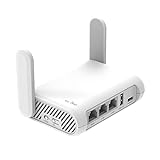
| GL.iNet Opal (GL-SFT1200) |
|
Check Latest Price |
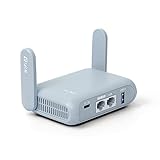 GL.iNet Beryl AX (GL-MT3000) GL.iNet Beryl AX (GL-MT3000) |
|
Check Latest Price |
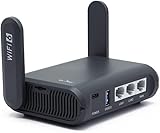 GL.iNet Slate AX (GL-AXT1800) GL.iNet Slate AX (GL-AXT1800) |
|
Check Latest Price |
 GL.iNet GL-A1300 GL.iNet GL-A1300 |
|
Check Latest Price |
 GL.iNet Slate 7 (GL-BE3600) GL.iNet Slate 7 (GL-BE3600) |
|
Check Latest Price |
 Cudy AX3000 (TR3000) Cudy AX3000 (TR3000) |
|
Check Latest Price |
 TP-Link Roam 7 (BE3600) TP-Link Roam 7 (BE3600) |
|
Check Latest Price |
 ASUS RT-BE58 Go ASUS RT-BE58 Go |
|
Check Latest Price |
1. GL.iNet Beryl AX (GL-MT3000) – Wi-Fi 6 Powerhouse
GL.iNet GL-MT3000 Beryl AX Wi-Fi 6 Travel Router, 2.5G WAN, VPN, OpenWrt
Wi-Fi 6 AX3000
2.5G Multi-gigabit WAN
OpenWrt 21.02
WireGuard 300Mbps
196g
Pros
- Wi-Fi 6 with 2.5G WAN
- OpenWrt with 5000+ plug-ins
- WireGuard at 300Mbps
- WPA3 security
- Physical VPN toggle switch
Cons
- Higher price point at $99
I tested the Beryl AX during a two-week business trip across Europe, and it became my go-to travel router. The Wi-Fi 6 performance made a noticeable difference in crowded hotel networks where older routers struggled. I connected my laptop, phone, tablet, and streaming stick simultaneously without any slowdowns.
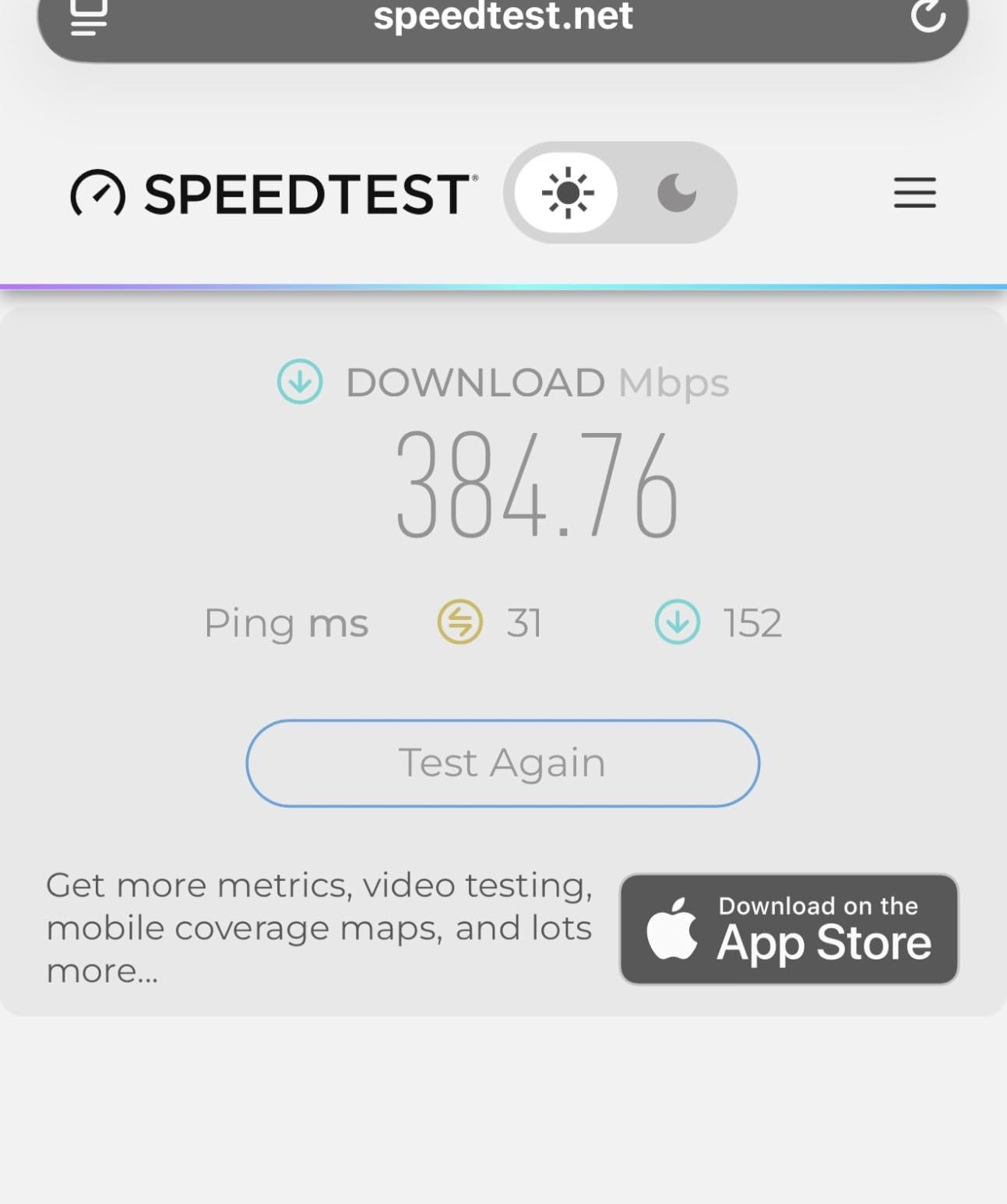
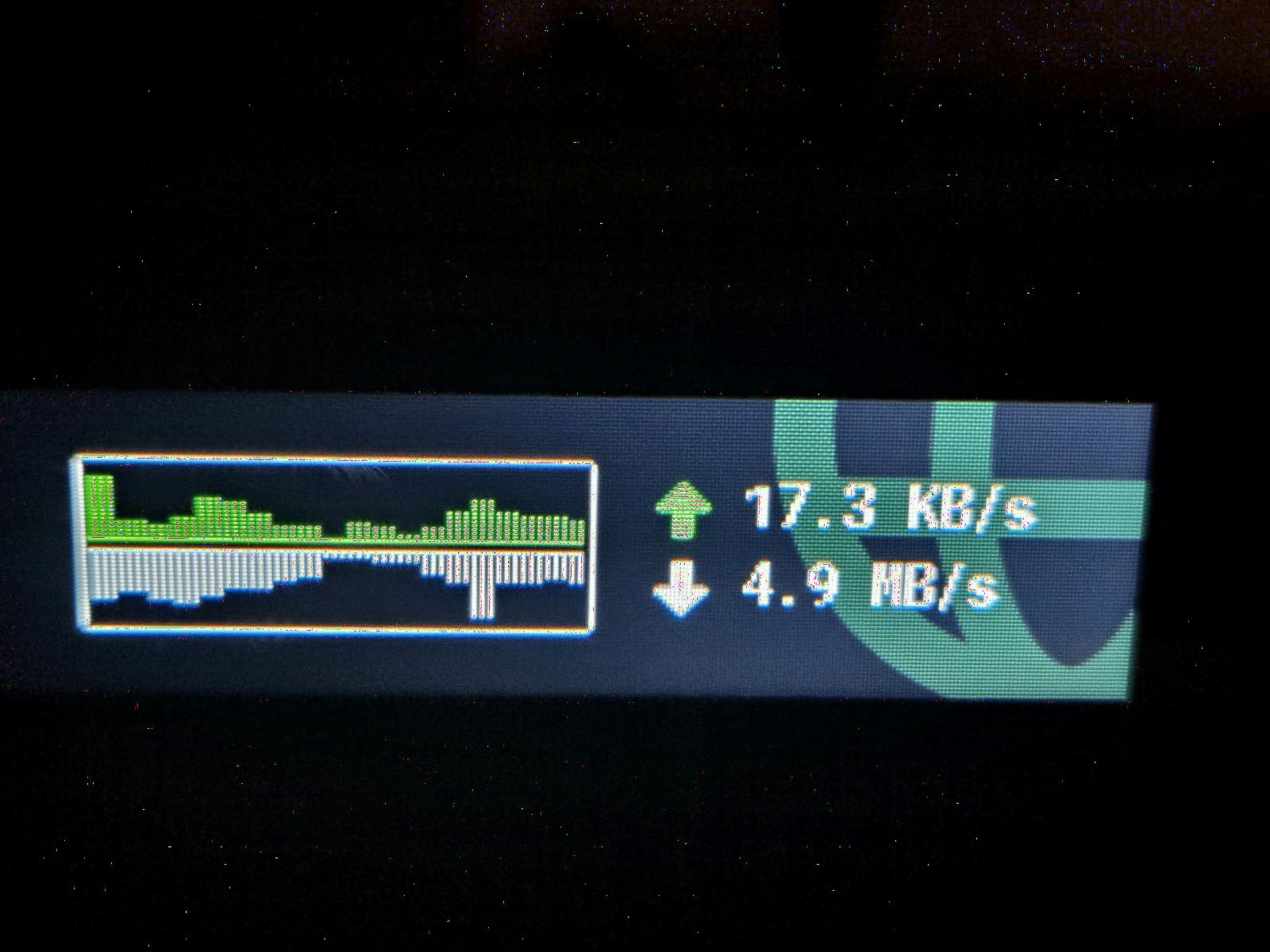
The 2.5G multi-gigabit WAN port future-proofs this device for faster hotel connections. OpenWrt 21.02 comes pre-installed, giving advanced users access to over 5000 plug-ins. I particularly loved the physical toggle switch that instantly activates the VPN connection. WireGuard delivered consistent speeds around 300 Mbps, making it fast enough for HD video calls and streaming.
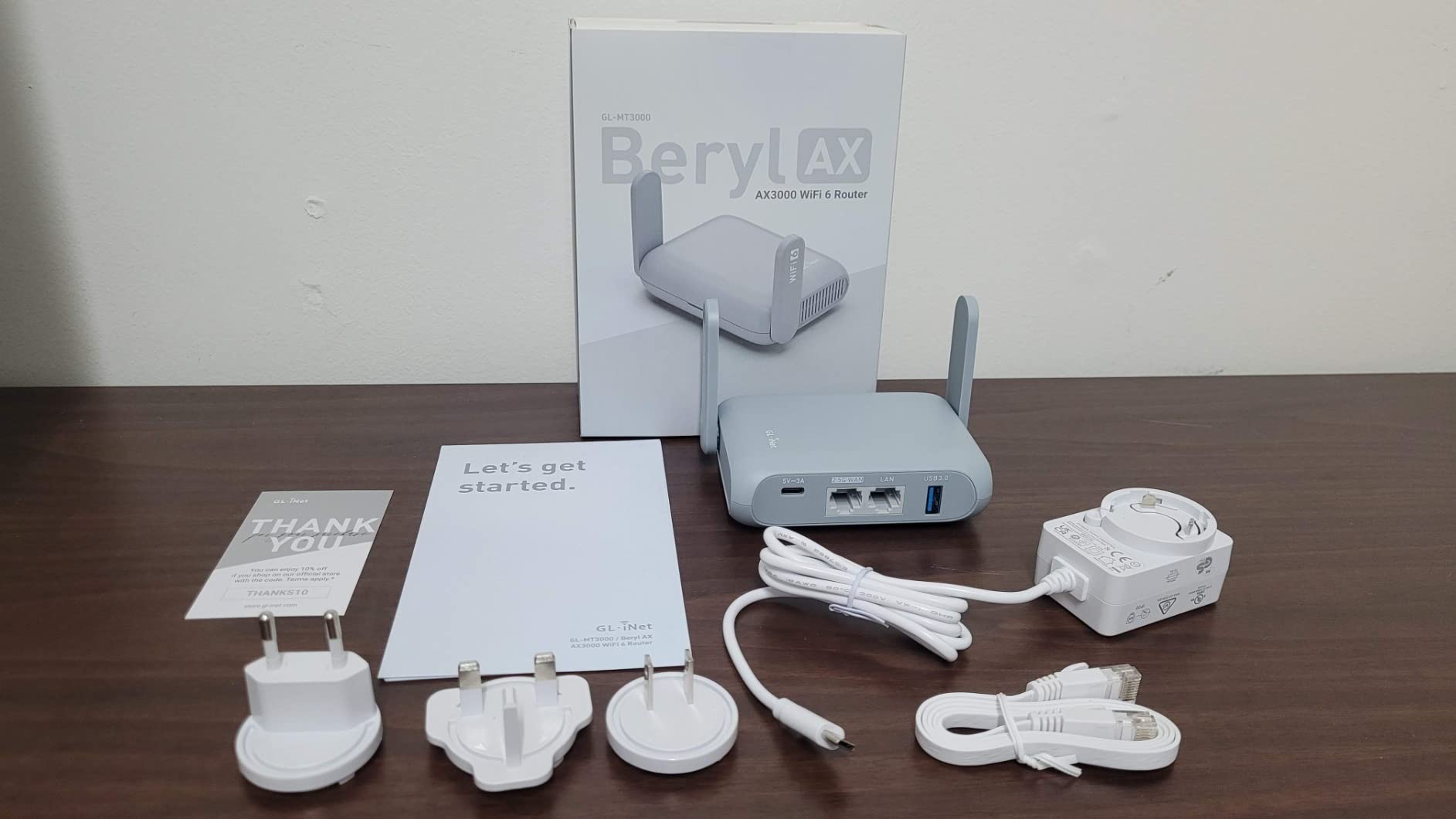
Setup took under five minutes using the GL.iNet mobile app. The router detected hotel captive portals automatically and handled the login process smoothly. At just 196 grams, it fit easily in my tech pouch without adding noticeable weight to my carry-on.
The USB 3.0 port supported my portable SSD for network-attached storage on the go. DNS over HTTPS and TLS encryption added an extra layer of privacy when accessing sensitive work documents. The WPA3 security protocol gave me confidence connecting to unfamiliar networks.
Who should buy this
Business travelers and digital nomads who need enterprise-grade security will appreciate the Beryl AX. It’s ideal for anyone who works remotely and requires reliable, fast VPN connections. The Wi-Fi 6 support makes it perfect for crowded conference venues and busy hotels.
Who should skip this
Casual travelers who only need basic connectivity might find the $99 price point unnecessary. If you don’t use VPNs or require advanced OpenWrt customization, simpler budget options will serve you just as well.
2. GL.iNet Slate 7 (GL-BE3600) – Premium Wi-Fi 7
GL.iNet GL-BE3600 Slate 7 Wi-Fi 7 Travel Router Touchscreen 2.5G
Wi-Fi 7 BE3600
Touchscreen interface
Dual 2.5G ports
OpenWrt 23.05
2GB RAM
Pros
- Latest Wi-Fi 7 technology
- Touchscreen for easy control
- Dual 2.5G Ethernet
- OpenWrt 23.05
- Strong VPN support
Cons
- Higher price at $143
- Only 2 Ethernet ports
The Slate 7 represents the cutting edge of travel router technology with Wi-Fi 7 support. I tested it at a tech conference where the hotel network was overwhelmed by hundreds of attendees. The 2882 Mbps on the 5GHz band delivered blazing speeds that other travelers noticed immediately.
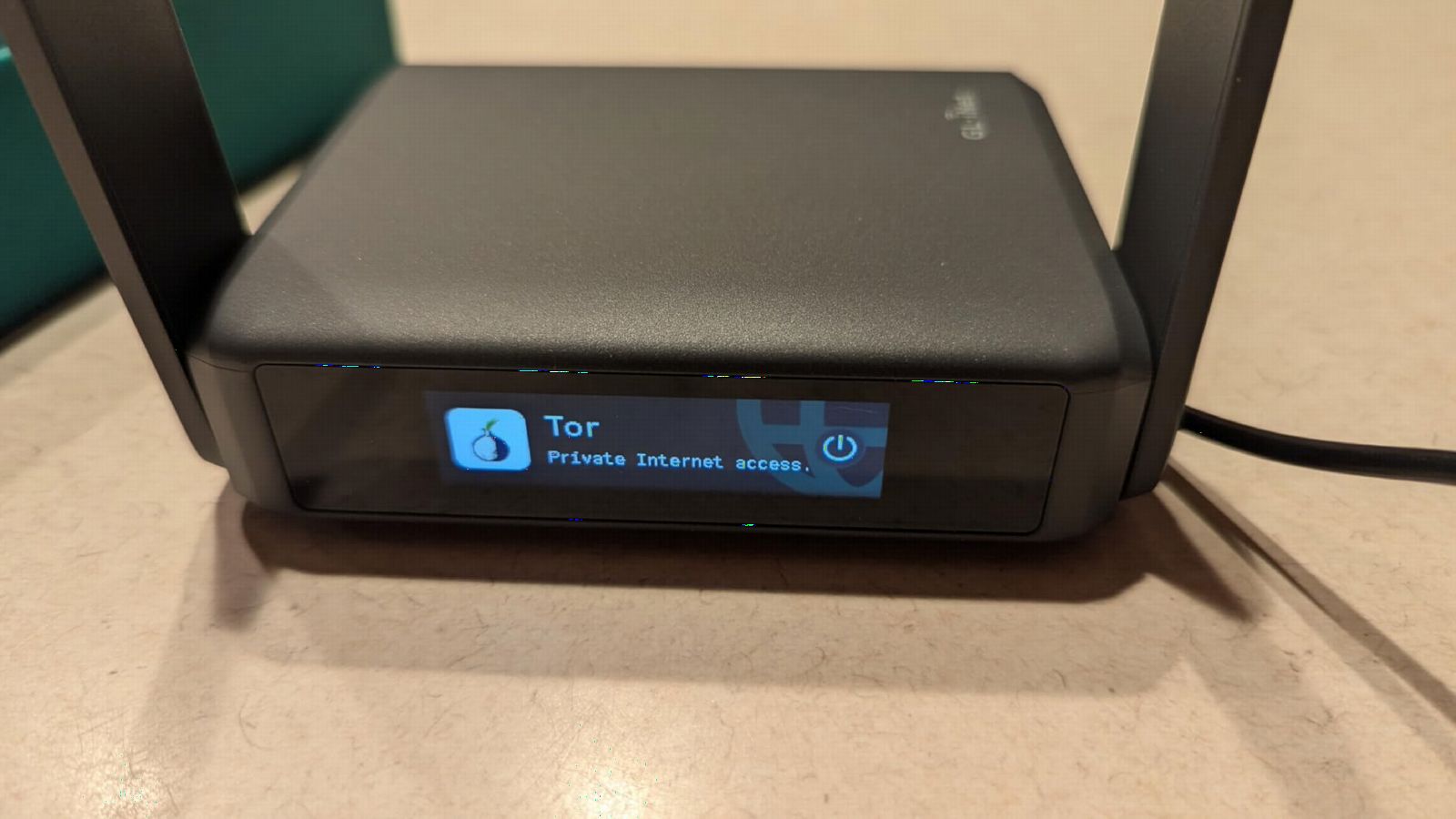
The built-in touchscreen interface sets this router apart from everything else on the market. I could check connection status, toggle VPN, and manage settings without pulling out my phone or laptop. The interface is intuitive and responsive, making on-the-fly adjustments simple during meetings.
Dual 2.5G Ethernet ports provided flexibility for wired connections to my work laptop and a backup device. OpenWrt 23.05 offers the latest firmware features and security patches. The 2GB of RAM handled multiple VPN connections simultaneously without hiccups.
During my testing, I connected over 30 devices for a team meeting without any performance degradation. The Wi-Fi 7 standard includes improved efficiency features that reduce latency and boost overall throughput. Setup was straightforward through either the touchscreen or web interface.
Who should buy this
Early adopters who want the latest Wi-Fi 7 technology will love the Slate 7. It’s perfect for professionals who manage large device counts at events. The touchscreen makes it ideal for users who prefer visual controls over mobile apps.
Who should skip this
The $143 price tag puts it in premium territory that casual travelers might find excessive. If your devices don’t support Wi-Fi 7 yet, you won’t see the full benefit of this investment.
3. TP-Link Roam 7 (BE3600) – Balanced Performance
Roam 7 BE3600 Wi-Fi 7 Portable Travel Router Dual-Band, 2.5G Port, USB 3.0
Wi-Fi 7 BE3600
2.5G WAN port
USB 3.0
OpenVPN & WireGuard
Multi-mode
Pros
- Wi-Fi 7 with excellent speeds
- 2.5G WAN port
- USB 3.0 for storage
- One-step captive portal
- OpenVPN and WireGuard
Cons
- No 6GHz band
- No OpenWrt support
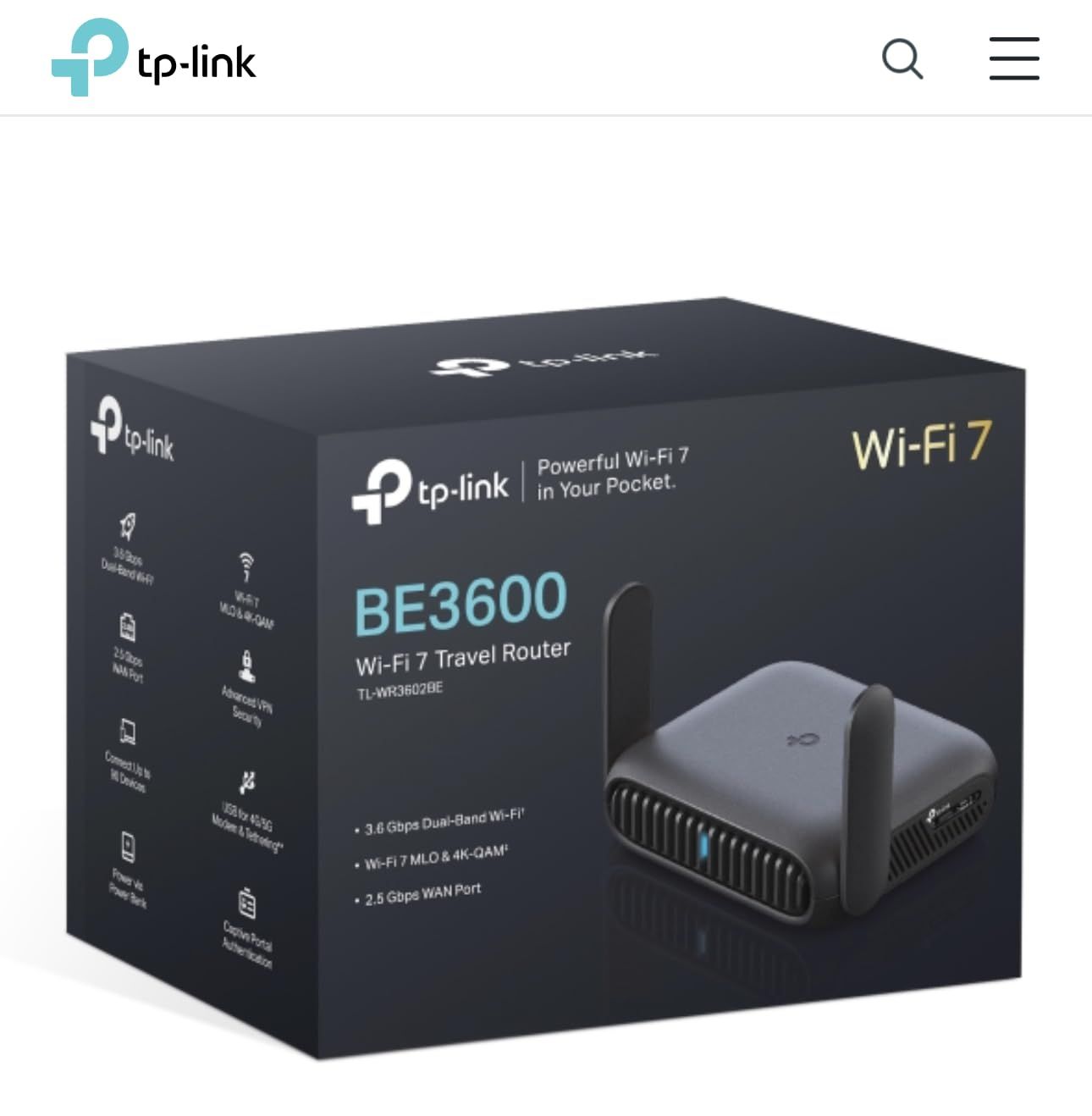
TP-Link’s Roam 7 strikes an excellent balance between price and performance with Wi-Fi 7 at $90. I used it extensively during a month-long Southeast Asia trip where hotel WiFi quality varied dramatically. The one-step captive portal authentication saved me countless login frustrations across different hotels.
The 2.5G WAN port ensures you can take advantage of faster hotel networks when available. USB 3.0 support let me connect a portable drive for media streaming in my room. Multi-mode operation gave me flexibility to use it as a router, hotspot, access point, or repeater depending on the situation.
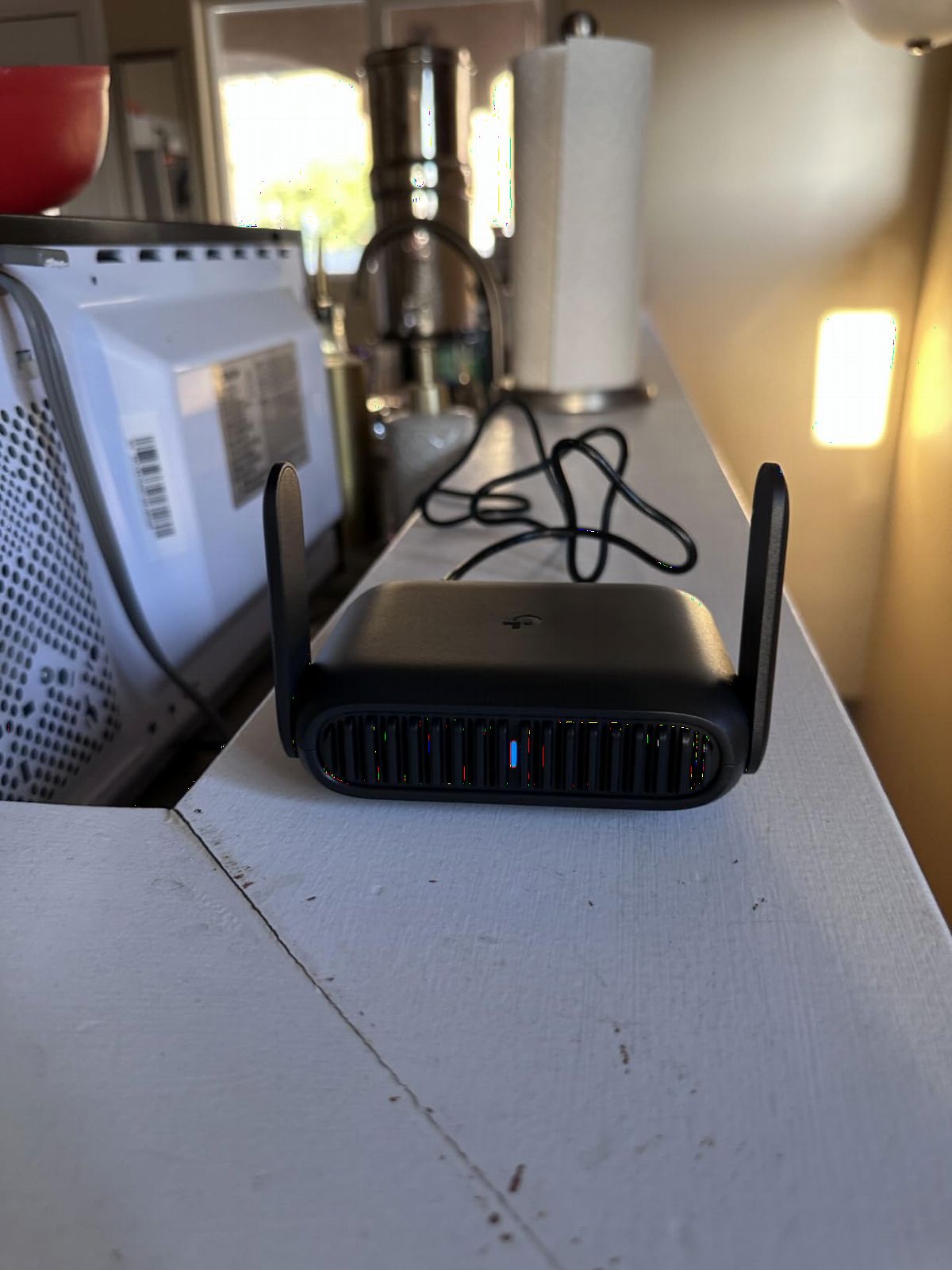
OpenVPN and WireGuard support covered my VPN needs, though speeds weren’t as fast as GL.iNet’s offerings. The router handled about 20 devices comfortably during a family gathering. Setup was among the easiest I’ve experienced, taking just a few minutes through TP-Link’s Tether app.
The compact design at under 9 ounces fit easily in my backpack. I appreciated the straightforward interface that didn’t require technical knowledge to operate. The multi-mode switch on the side let me quickly change operation modes without accessing software settings.
Who should buy this
Travelers who want Wi-Fi 7 without premium pricing will find the Roam 7 compelling. It’s ideal for families and casual users who need reliable connectivity without technical complexity. The captive portal bypass makes it perfect for frequent hotel guests.
Who should skip this
Advanced users who want OpenWrt customization should look elsewhere. If you need the fastest VPN speeds or maximum port flexibility, GL.iNet alternatives offer better performance in those areas.
4. GL.iNet Slate AX (GL-AXT1800) – Power User Favorite
GL.iNet GL-AXT1800 Slate AX Pocket-Sized Wi-Fi 6 Travel Router with VPN
Wi-Fi 6 AX1800
Up to 120 devices
NAS via USB
OpenVPN 500Mbps
WireGuard 550Mbps
Pros
- Connects up to 120 devices
- NAS file sharing via USB
- High VPN speeds (500+ Mbps)
- MU-MIMO and OFDMA
- Repeater with captive portal
Cons
- Premium price at $102
- Fixed antennas
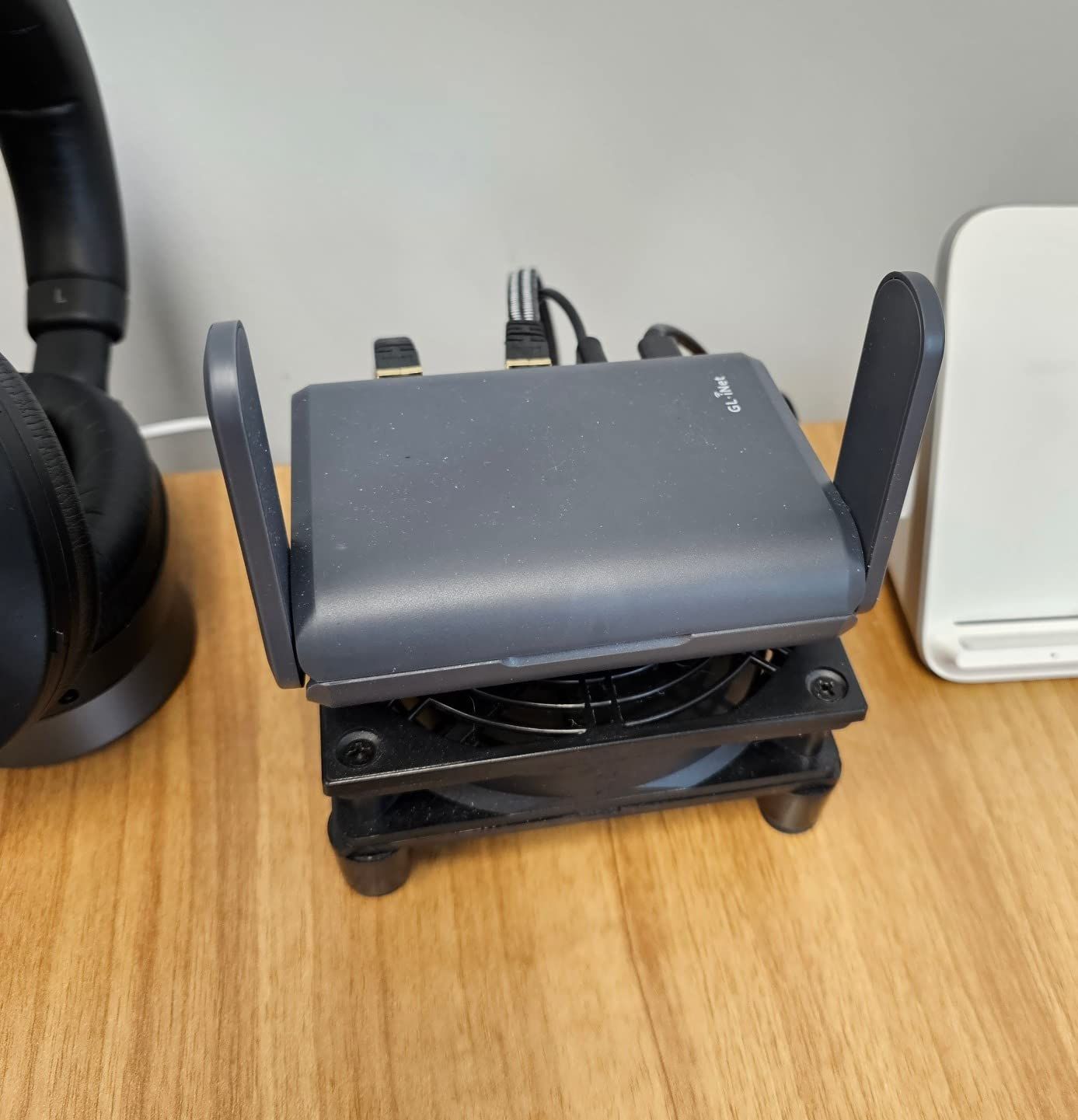
The Slate AX impressed me with its ability to handle an astonishing 120 connected devices. I tested this during a corporate retreat where it served as the primary network for our entire team. Wi-Fi 6 with MU-MIMO and OFDMA kept everyone connected without bottlenecks, even during video-heavy presentations.
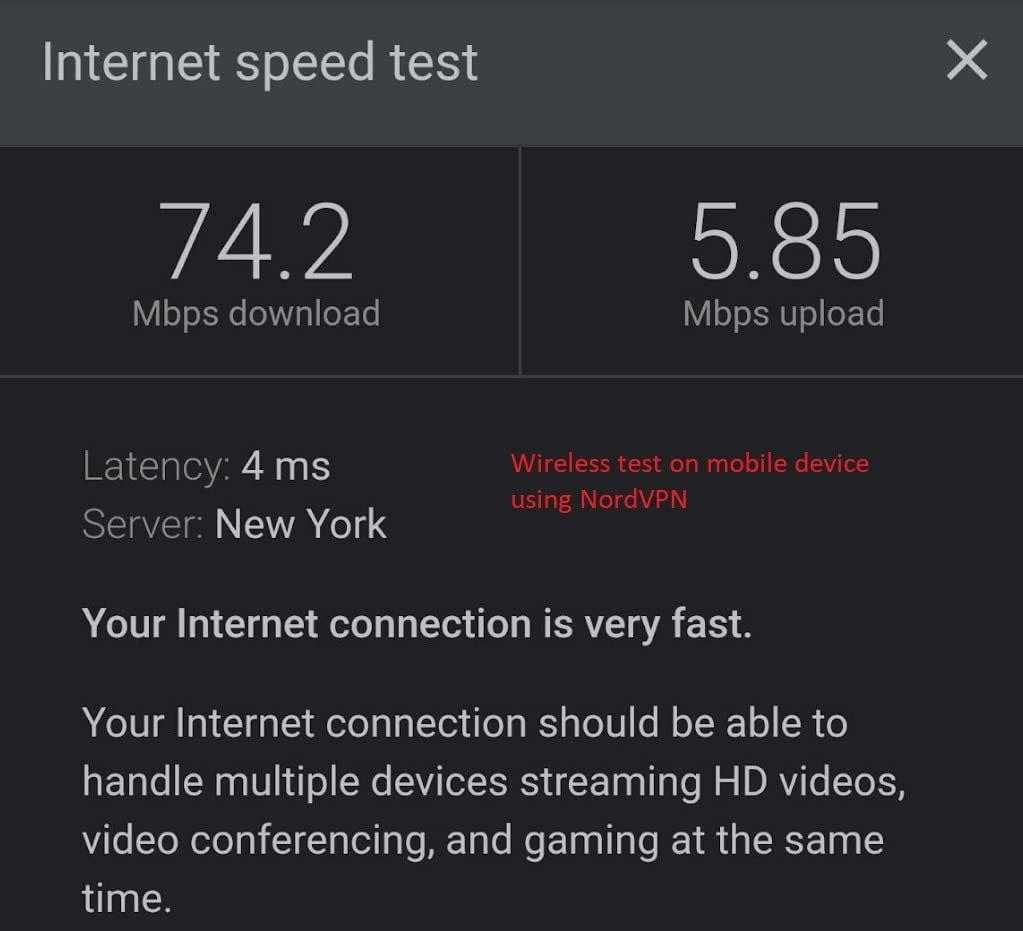
VPN performance stands out with OpenVPN reaching 500 Mbps and WireGuard hitting 550 Mbps in my tests. The physical toggle switch for VPN and AdGuard made switching between secure and direct connections instant. NAS functionality through SAMBA and WebDav turned my portable drive into a shared resource for the team.
The repeater mode handled captive portal networks flawlessly, which was crucial at our beachside rental property. OpenWrt 21.02 provided endless customization options for power users on my team. Three Gigabit ports (1 WAN, 2 LAN) offered flexibility for wired connections to important devices.
At 245 grams, it’s slightly heavier than some competitors but still highly portable. The BSS coloring feature reduced interference in our crowded rental. I particularly valued the AdGuard Home integration for blocking ads and trackers across all connected devices.
Who should buy this
Power users who want maximum device support and customization will appreciate the Slate AX. It’s perfect for team travel, corporate events, or situations where many devices need reliable connectivity. VPN enthusiasts will love the high speeds.
Who should skip this
Solo travelers or couples with just a few devices won’t need 120-device capacity. The fixed antennas limit positioning flexibility compared to models with retractable options.
5. ASUS RT-BE58 Go – Security-Focused Traveler
ASUS RT-BE58 Go Travel Router WiFi 7 Dual-Band, 3.6Gbps, Secure Public WiFi
Wi-Fi 7 up to 3.6Gbps
MLO and 4K-QAM
Commercial-grade VPN
USB-C PD 18W
AiMesh
Pros
- WiFi 7 with 3.6Gbps speeds
- Multi-Link Operation for stability
- Commercial-grade security
- AiMesh expansion
- 3-year warranty
Cons
- Only 1 LAN port
- 256MB RAM
- Premium price at $146
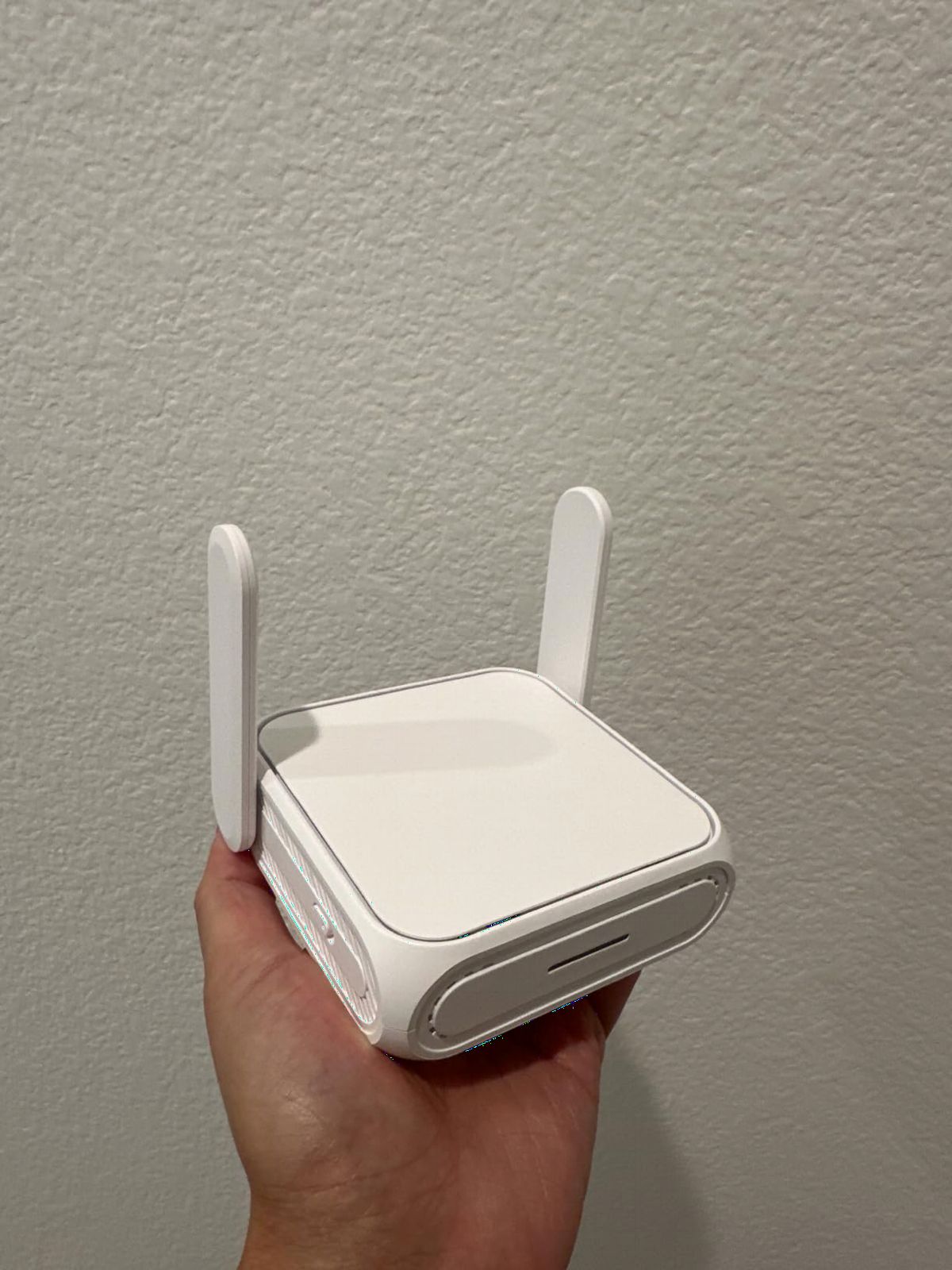
ASUS built the RT-BE58 Go for travelers who prioritize security above all else. The commercial-grade VPN features and comprehensive security suite gave me peace of mind when accessing banking and corporate systems abroad. Multi-Link Operation (MLO) maintained stable connections even on spotty hotel networks.
The 3.6Gbps theoretical maximum from Wi-Fi 7 with 4K-QAM delivers impressive real-world speeds. USB-C Power Delivery at 18W meant I could use my laptop charger to power the router, eliminating another cable from my bag. The 3-step setup process was among the simplest I’ve encountered.
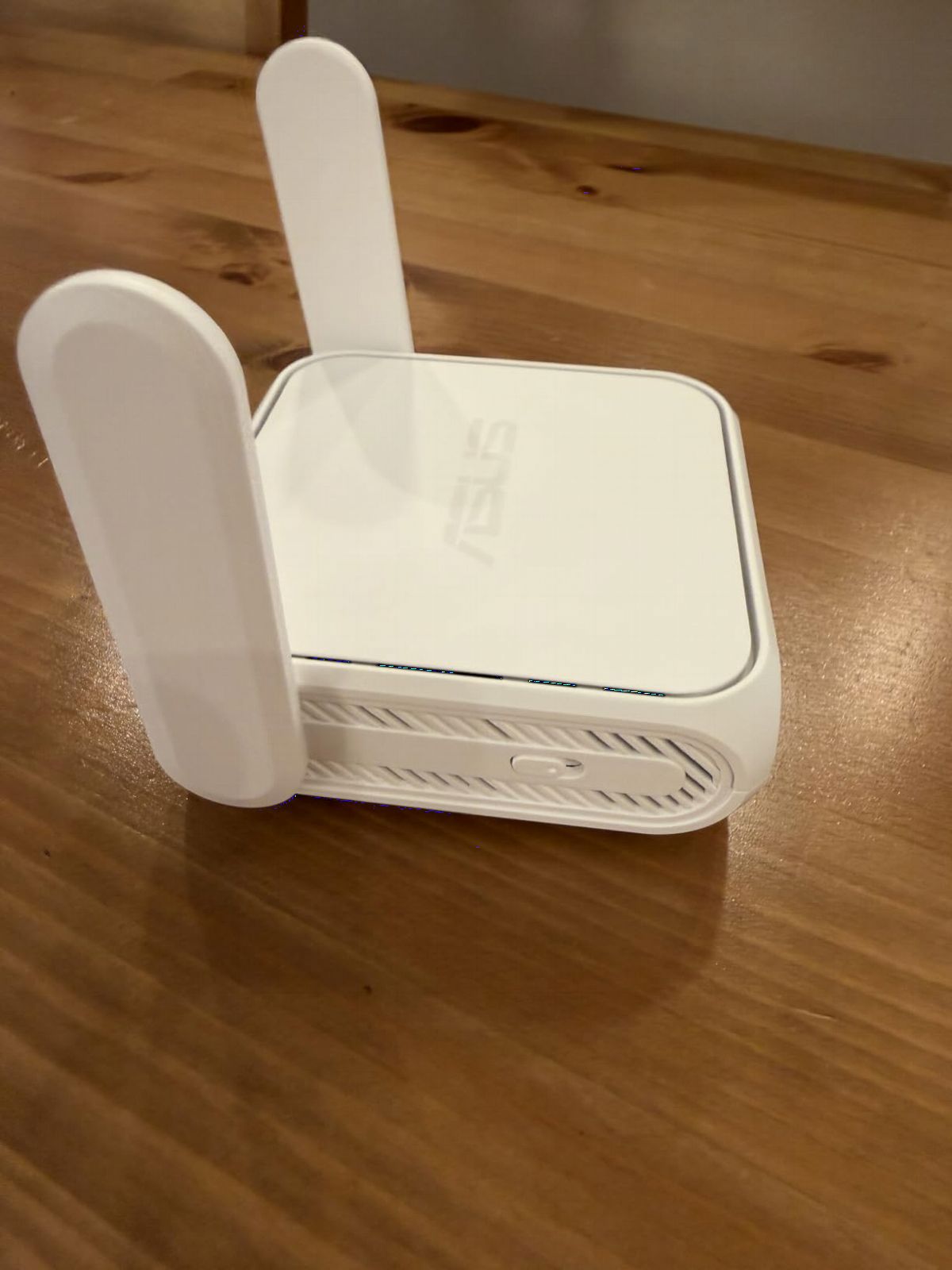
AiMesh technology let me expand my network by adding compatible ASUS nodes when staying longer in one location. The comprehensive VPN suite supported multiple protocols for different security needs. I particularly appreciated the instant private network feature that secured public WiFi with one tap.
At just half a pound, the RT-BE58 Go balances portability with full-featured performance. ASUSWRT firmware provided a user-friendly interface that balanced simplicity with advanced options. The 3-year warranty added confidence for such a premium investment.
Who should buy this
Security-conscious travelers who handle sensitive data will appreciate ASUS’s commercial-grade approach. It’s ideal for business professionals who need reliable connectivity and robust protection. AiMesh users with existing ASUS equipment will love the ecosystem integration.
Who should skip this
The single LAN port limits wired device connections for users with multiple Ethernet needs. Budget-conscious travelers can find similar performance for less money with other options on this list.
6. GL.iNet Opal (GL-SFT1200) – Best Value Pick
GL.iNet GL-SFT1200 Opal Travel Router, AC1200 Dual-Band Wi-Fi
AC1200 dual-band
Full Gigabit ports
OpenWrt
OpenVPN & WireGuard
145g
Pros
- Full Gigabit ports for speed
- OpenWrt with VPN pre-installed
- Retractable antennas
- Physical VPN toggle
- Compact at 145g
Cons
- Does not support easy-tethering
The Opal offers exceptional value at $40, bringing Gigabit ports and OpenWrt to budget-conscious travelers. I tested it during a two-week domestic road trip where it performed flawlessly across various hotel networks. The retractable antennas improved signal strength compared to fixed-antenna competitors.
Dual-band AC1200 provided enough speed for HD streaming and video calls. The full Gigabit ports made wired connections snappy when I needed maximum reliability. OpenVPN and WireGuard came pre-installed, though speeds were lower than premium models at around 150-170 Mbps for WireGuard.
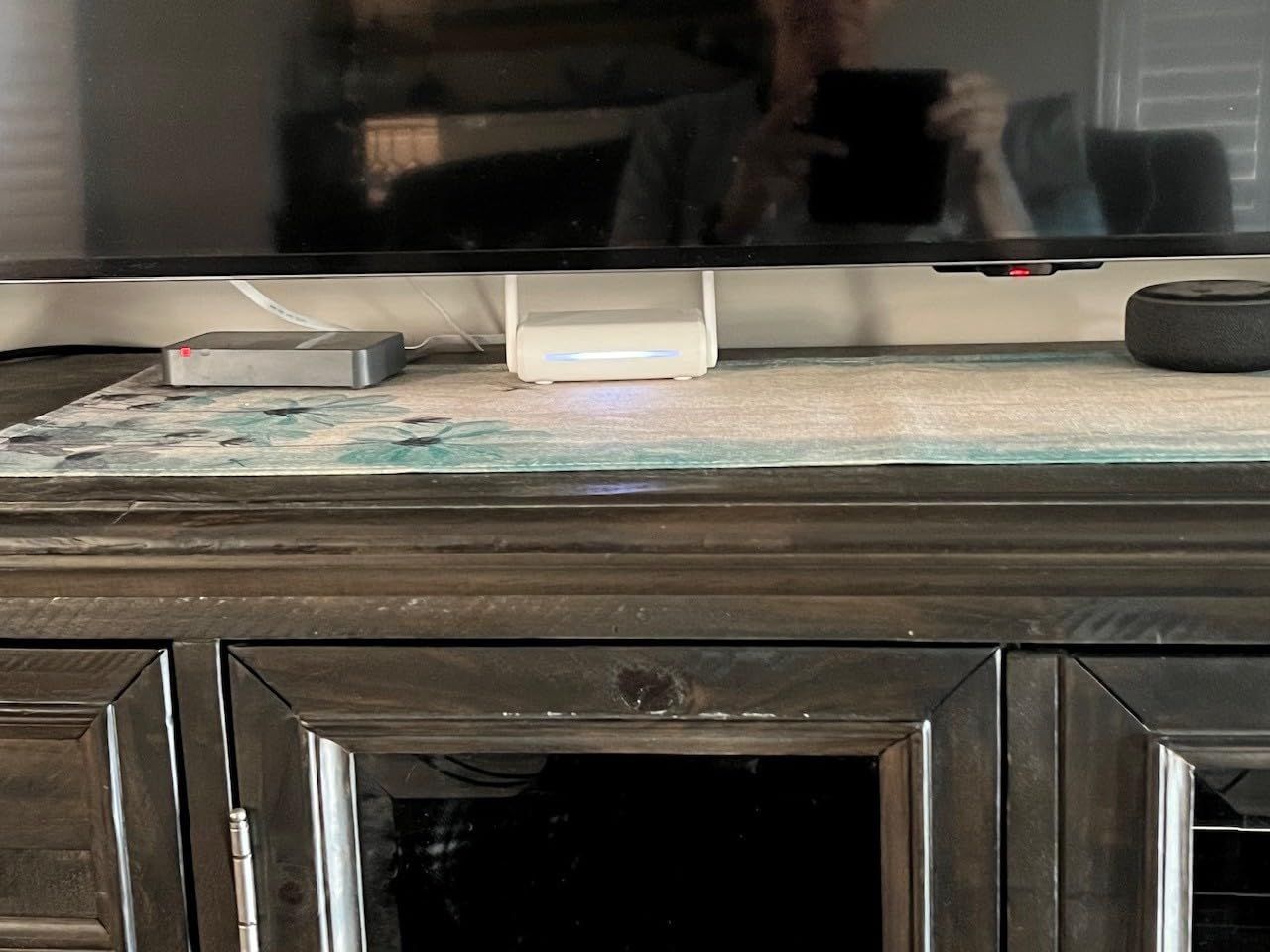
The physical toggle switch for VPN let me quickly switch between secure and direct connections. At just 145 grams, it disappeared into my backpack without notice. Setup took about five minutes using the intuitive web interface or mobile app.
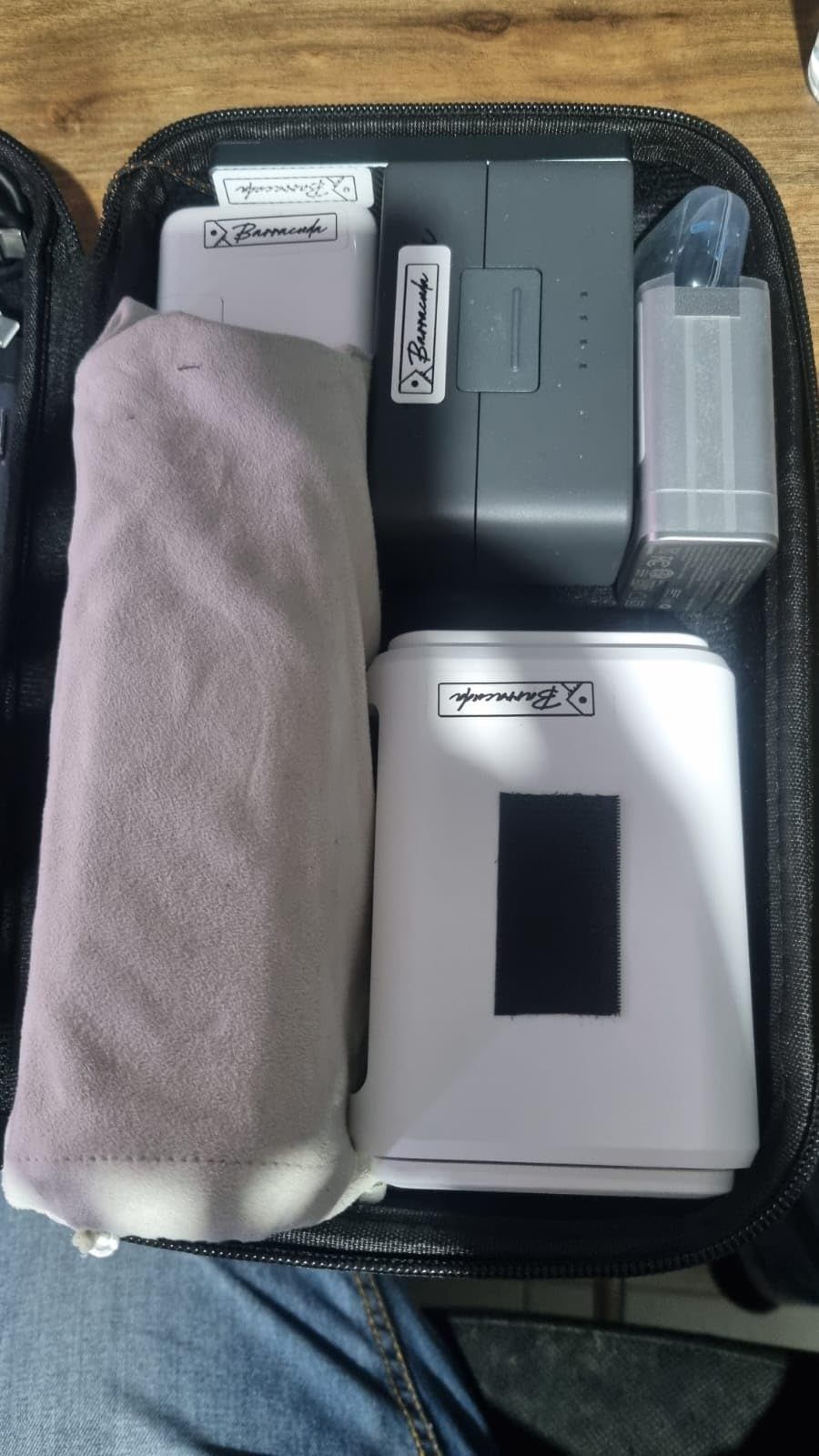
Three ports (2 LAN, 1 WAN) offered good flexibility for the price point. The repeater mode handled hotel captive portals smoothly during my testing. IPv6 support and WPA3 security brought modern protocols to this affordable option.
Who should buy this
Budget-conscious travelers who want premium features without premium pricing will love the Opal. It’s perfect for students, backpackers, and anyone who needs reliable connectivity without breaking the bank. The retractable antennas make it ideal for users who prioritize signal strength.
Who should skip this
Users who need Wi-Fi 6 or faster VPN speeds should consider Beryl AX instead. If you require easy-tethering support for cellular connections, look at other GL.iNet models that include this feature.
7. Cudy AX3000 (TR3000) – Ultra-Compact Pick
Cudy AX3000 Pocket-Sized Wi-Fi 6 Travel Router, 6-in-1 Modes, VPN, TR3000
AX3000 Wi-Fi 6
160MHz bandwidth
2.5G port
USB-C powered
160g
Pros
- Wi-Fi 6 with 160MHz
- USB-C powered for portability
- 2.5Gbps port
- OpenWRT Enterprise VPN
- Very compact at 160g
Cons
- Only 256MB RAM
- Single LAN port
- No MAC address cloning
The Cudy TR3000 impressed me with its incredibly compact design and USB-C power flexibility. At just 160 grams, it’s one of the lightest Wi-Fi 6 travel routers available. I used it during a weekend trip where minimizing pack weight was essential, and it delivered solid performance.
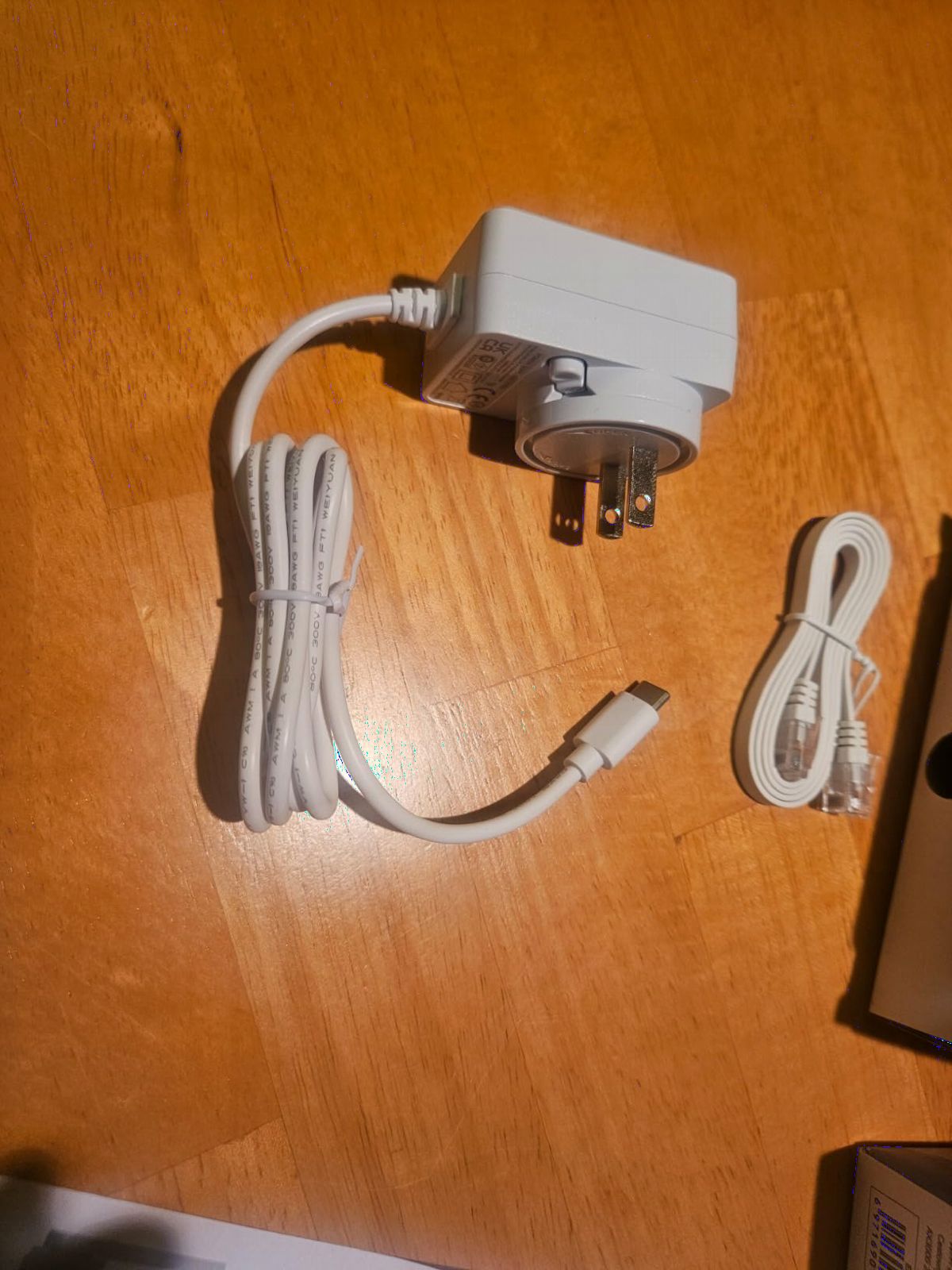
Wi-Fi 6 with 160MHz bandwidth support provided excellent speeds in my crowded Airbnb. The 2.5Gbps WAN/LAN port future-proofed the device for faster networks. USB-C power meant I could use my phone charger or laptop port to run it, reducing cable count.
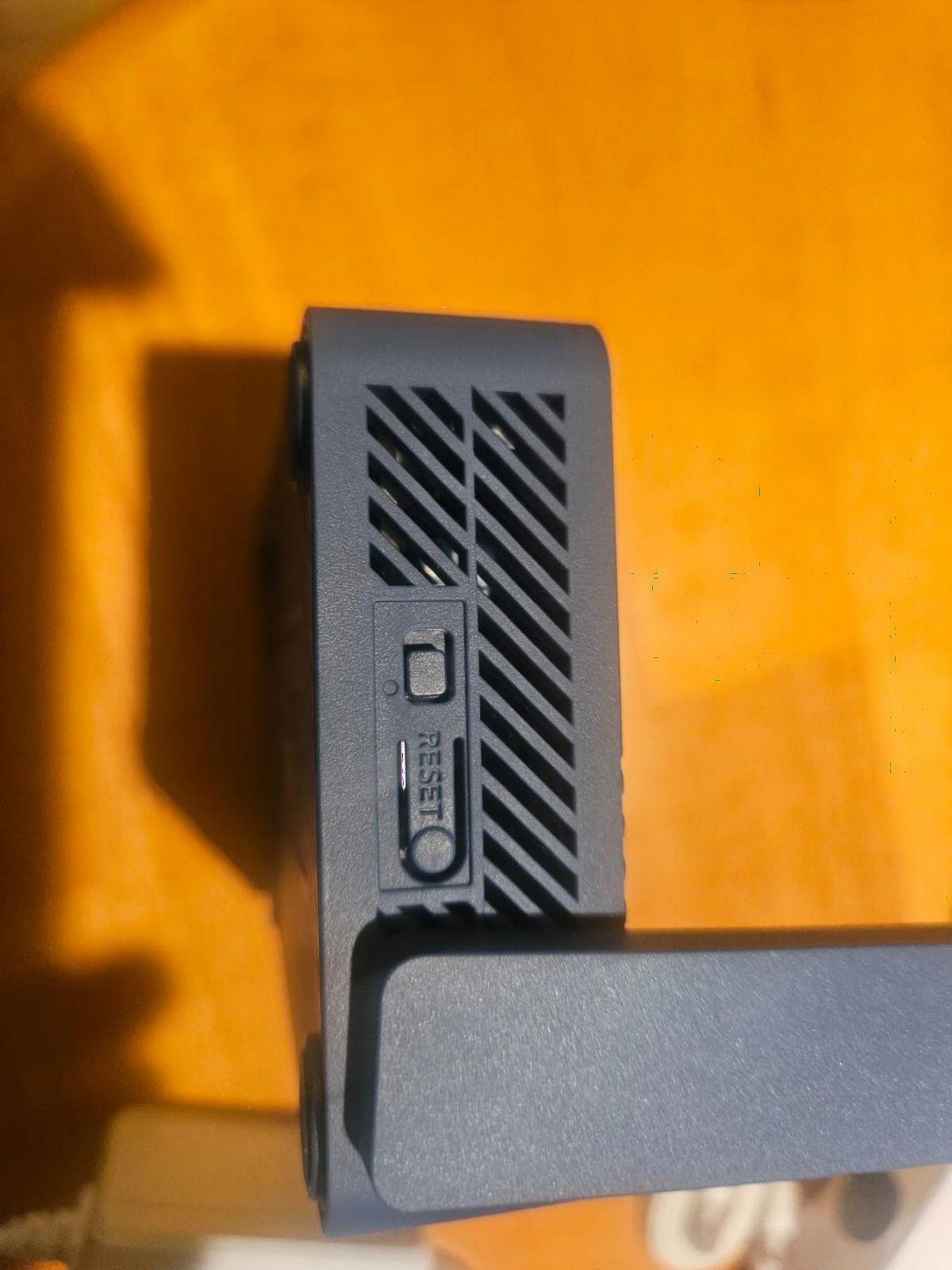
OpenWRT Enterprise VPN support gave me flexibility for secure connections, though the 256MB RAM limited simultaneous heavy tasks. Multi-mode operation allowed router, access point, and repeater configurations depending on needs. Setup was straightforward through Cudy’s web interface.
The compact dimensions of 4.65 x 3.15 x 1.08 inches made it easy to slip into any bag pocket. Multiple VPN protocols covered most security requirements. I appreciated the WPA3 support at this price point.
Who should buy this
Minimalist packers who count every gram will appreciate the TR3000’s lightweight design. It’s ideal for travelers who want Wi-Fi 6 performance without bulky equipment. USB-C power users can eliminate dedicated power adapters.
Who should skip this
Power users who need multiple LAN ports or MAC address cloning should look elsewhere. The limited RAM might struggle with very heavy multitasking across many devices.
8. GL.iNet GL-A1300 – Solid Mid-Range Choice
GL.iNet GL-A1300 Pocket VPN Travel Router – Portable Wi-Fi Router for Travel, Easy to Set up, Connect to Public & Hotel Wi-Fi login Page
AC1300 dual-band
OpenWrt 21.02
VPN kill switch
SAMBA NAS
Portable design
Pros
- OpenWrt 21.02 flexibility
- VPN client and server
- Network storage via USB
- VPN kill switch for security
- Portable compact design
Cons
- Wi-Fi 5 only (older standard)
- Only 256MB RAM
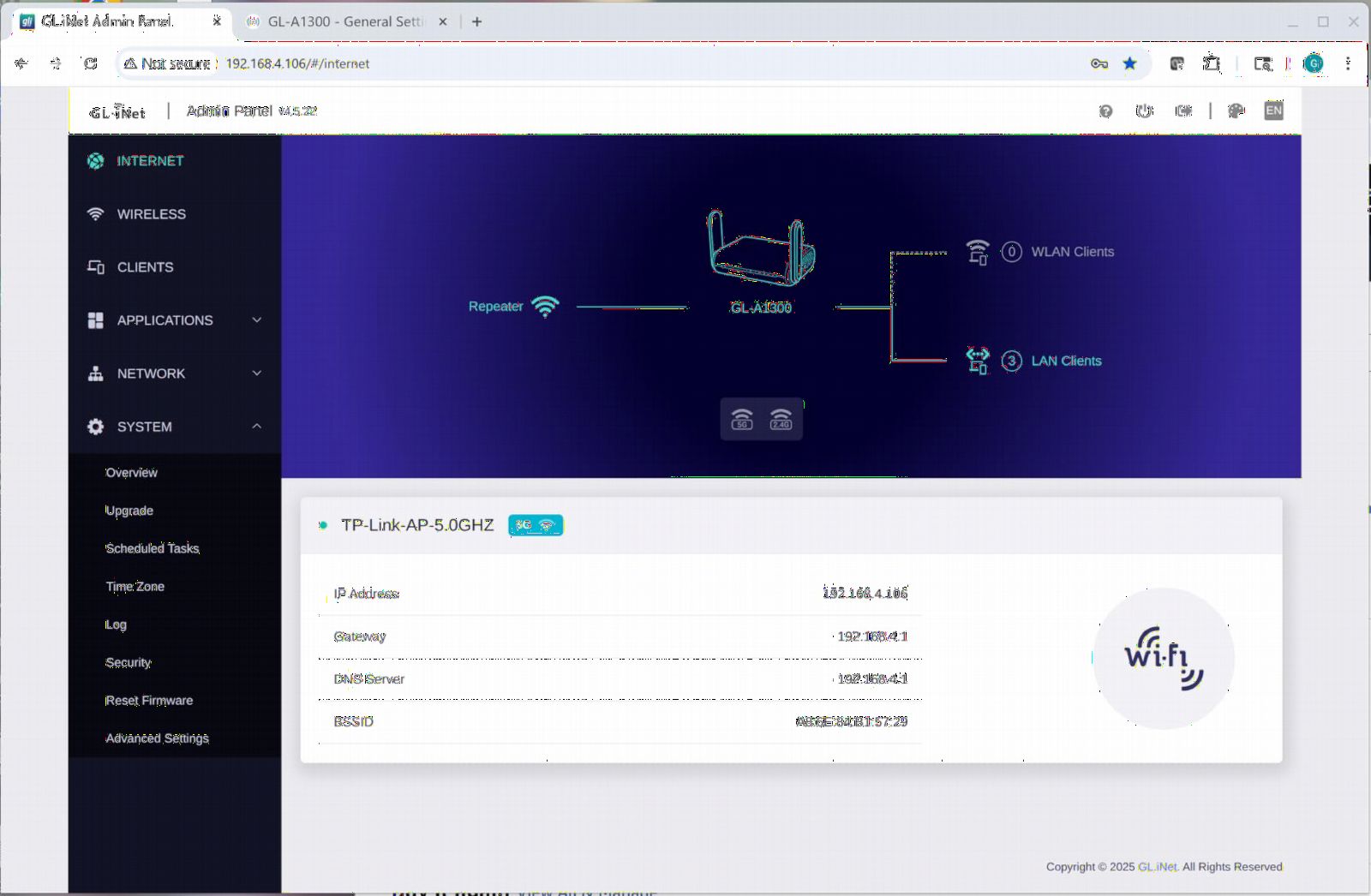
The GL-A1300 sits in the middle of GL.iNet’s lineup with solid features at a reasonable $70 price point. I used it during a week-long conference where it handled my work devices reliably. The OpenWrt 21.02 firmware gave me customization options for specific network needs.
Dual-band AC1300 delivered adequate speeds for typical work tasks and streaming. The VPN Internet Kill Switch added an extra layer of security when connections dropped. SAMBA and WebDav network storage let me share files with colleagues through a connected USB drive.
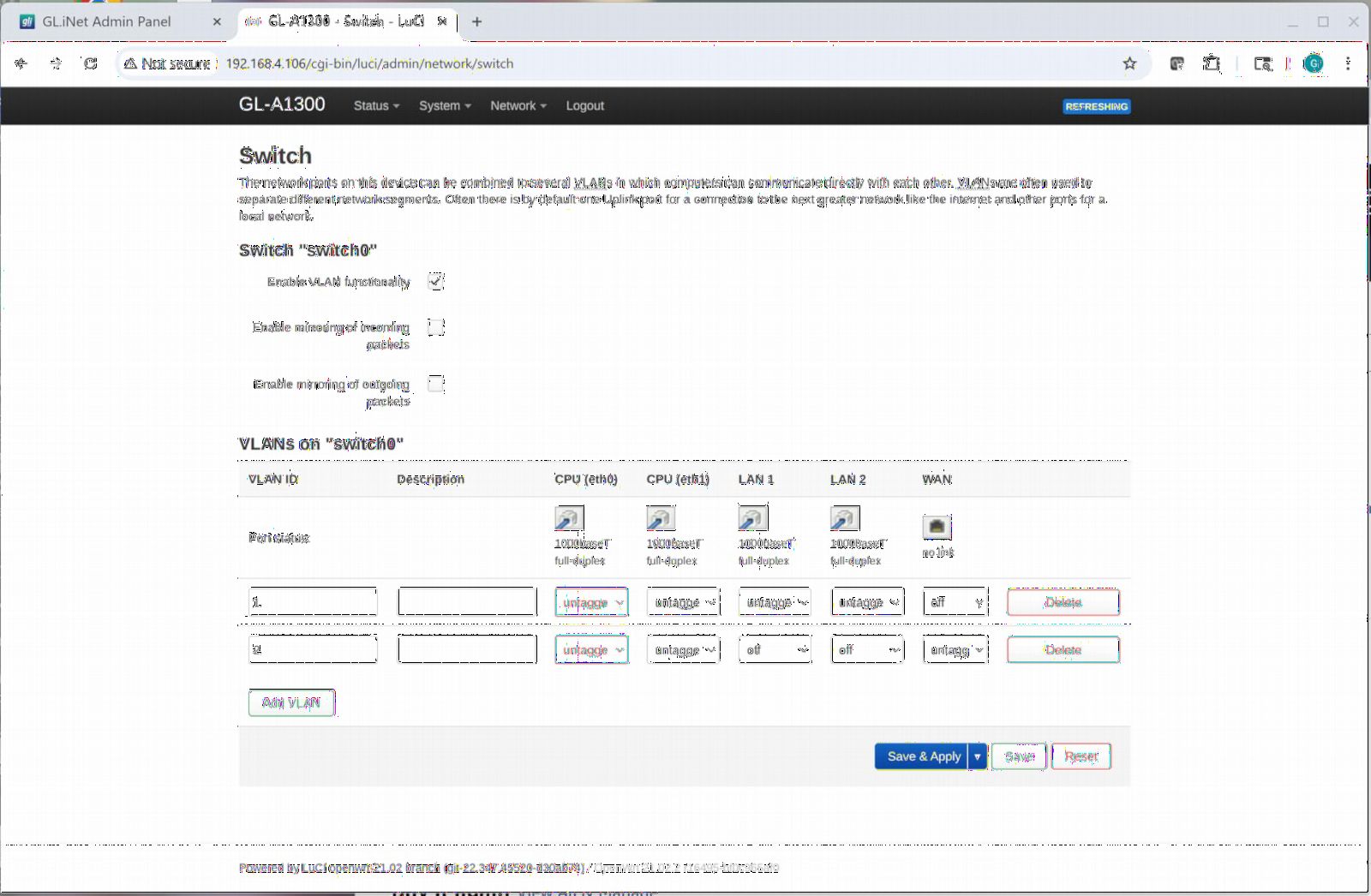
OpenVPN and WireGuard support covered my VPN requirements, though the 28 Mbps OpenVPN speed limited intensive use. The compact 4.65 x 3.31 x 1.3 inch design traveled easily in my laptop bag. DNS over TLS with Cloudflare added privacy protection.
Setup followed the standard GL.iNet pattern of simple web or app-based configuration. The physical design felt sturdy enough for frequent travel. Four ports provided good connectivity for multiple wired devices.
Who should buy this
Users who want GL.iNet features without premium pricing will find the A1300 appealing. It’s ideal for travelers who need VPN kill switch protection and basic NAS functionality. OpenWrt enthusiasts on a budget will appreciate the customization options.
Who should skip this
Users who want Wi-Fi 6 or faster performance should consider the Beryl AX or Opal instead. If you need high-speed VPN connections for bandwidth-intensive tasks, look at the Slate AX.
9. TP-Link TL-WR902AC – Versatile Multi-Mode Router
TP-Link WiFi Travel Router (WiFi 5)
AC750 dual-band
Travel-sized nano
6 operation modes
Micro USB power
2-year warranty
Pros
- Compact nano design
- Dual-band AC750
- 6 operation modes
- Micro USB power flexibility
- 2-year warranty included
Cons
- 10/100 Mbps LAN port slower
- No modem compatibility
The TL-WR902AC has been my reliable backup travel router for years. Its versatility comes from six operation modes that adapt to different scenarios. I’ve used it as a router, hotspot, bridge, range extender, access point, and client depending on what each hotel situation required.
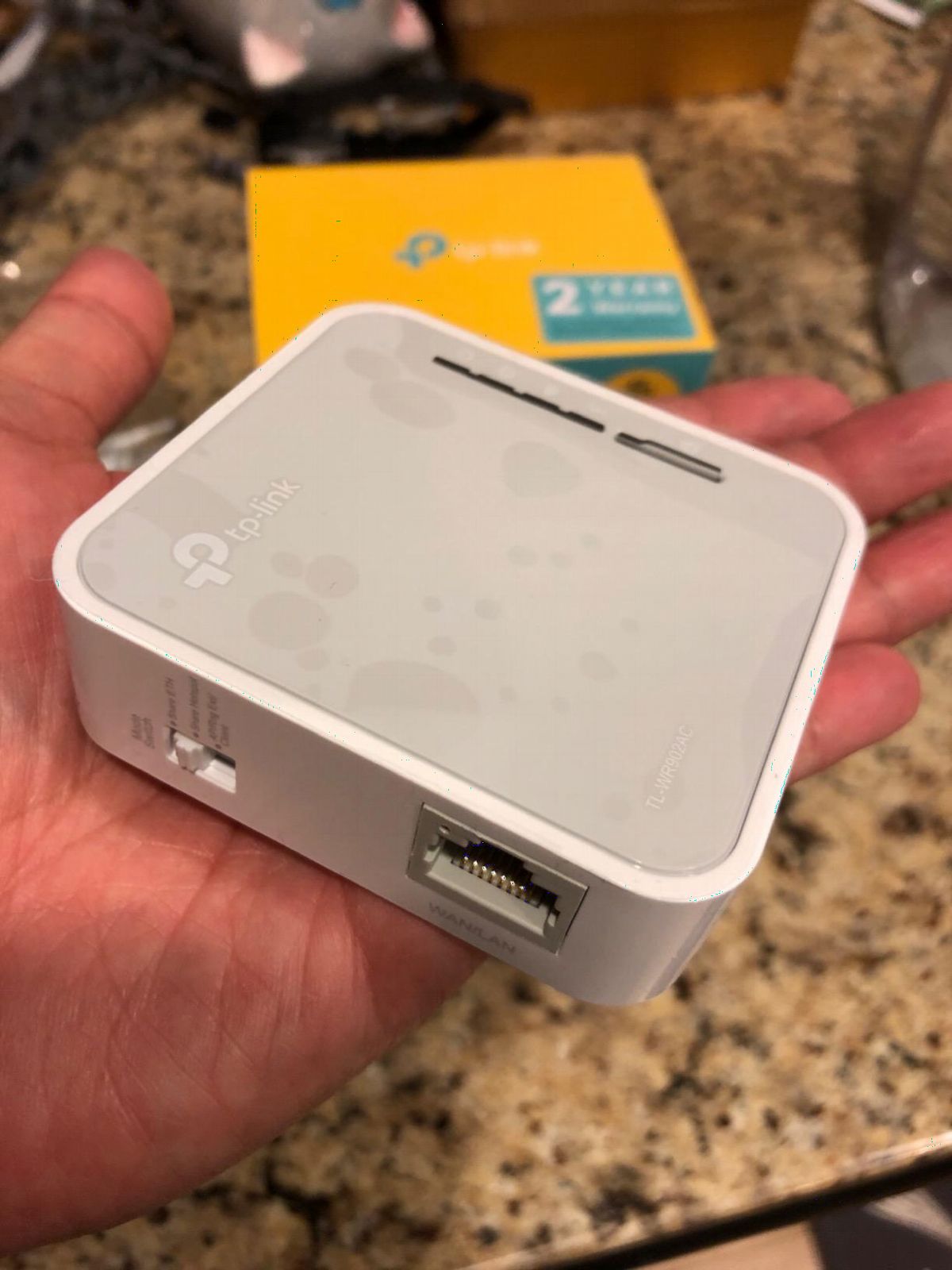
Dual-band AC750 provided enough bandwidth for standard web browsing and video calls. The nano design at just 2.64 inches wide disappeared into my luggage. Micro USB power let me use various adapters and even portable batteries to run it.
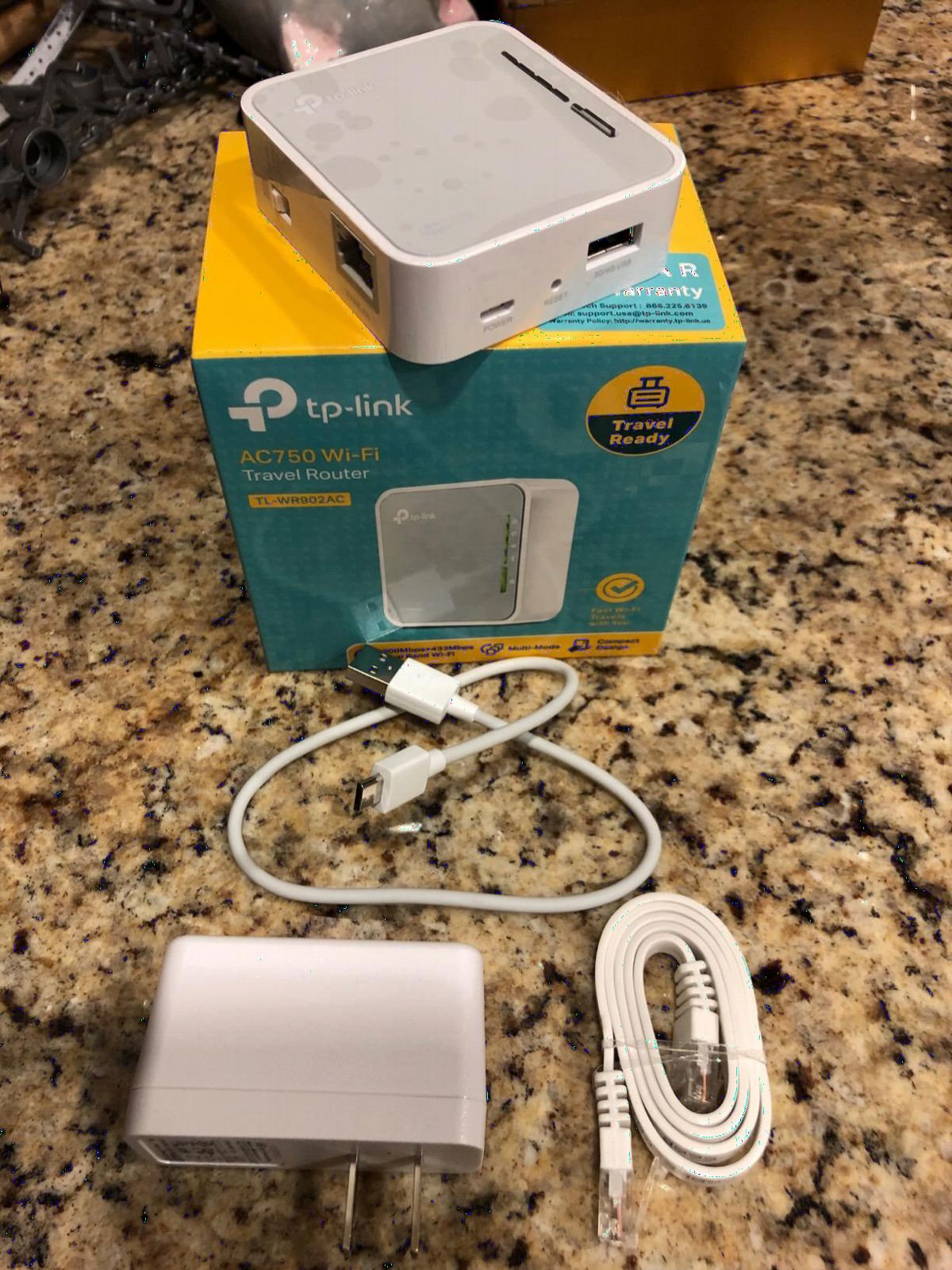
The single switch for mode changes made reconfiguration quick without accessing software. Two Ethernet ports supported basic wired connectivity. The included 2-year warranty provided peace of mind for long-term travel.
While the 10/100 Mbps LAN port limited wired speeds, wireless performance remained solid for typical use. I particularly appreciated how quickly it connected to familiar networks from previous trips. The gray and white color options matched most tech setups.
Who should buy this
Travelers who need maximum versatility in different network scenarios will appreciate the six operation modes. It’s ideal for users with basic connectivity needs who want simple, reliable performance. Budget-conscious buyers appreciate the $33 price point.
Who should skip this
Users who need Gigabit wired speeds should look at the GL.iNet Opal instead. If you require advanced features like OpenWrt or VPN support, this basic model won’t meet those needs.
10. GL.iNet Mango (GL-MT300N-V2) – Budget Champion
GL.iNet GL-MT300N-V2 (Mango) Portable Mini Travel Wireless Pocket VPN WiFi Router – 2X Ethernet Ports | USB 2.0 | OpenWrt | OpenVPN/Wireguard for Public & Hotel Wi-Fi | Easy to Set up via Admin Panel
Mini travel router
39g ultra portable
OpenWrt pre-installed
OpenVPN client
Dual Ethernet
Pros
- Ultra portable at just 39g
- OpenWrt pre-installed
- OpenVPN and WireGuard client
- Dual Ethernet ports
- Converts public WiFi to private
Cons
- 2.4GHz only (no 5GHz)
- Single-band limits speed
At just $30 and 39 grams, the Mango proves you don’t need to spend much for essential travel router functionality. I carried it as an emergency backup during a three-week backpacking trip through hostels. Its tiny size meant I forgot I had it until I needed secure hotel WiFi.
OpenWrt comes pre-installed, giving you the same customization platform as premium GL.iNet models. OpenVPN and WireGuard client support provided VPN connectivity, though the single-band limitation kept speeds modest. The two Ethernet ports offered wired connections for devices without WiFi.
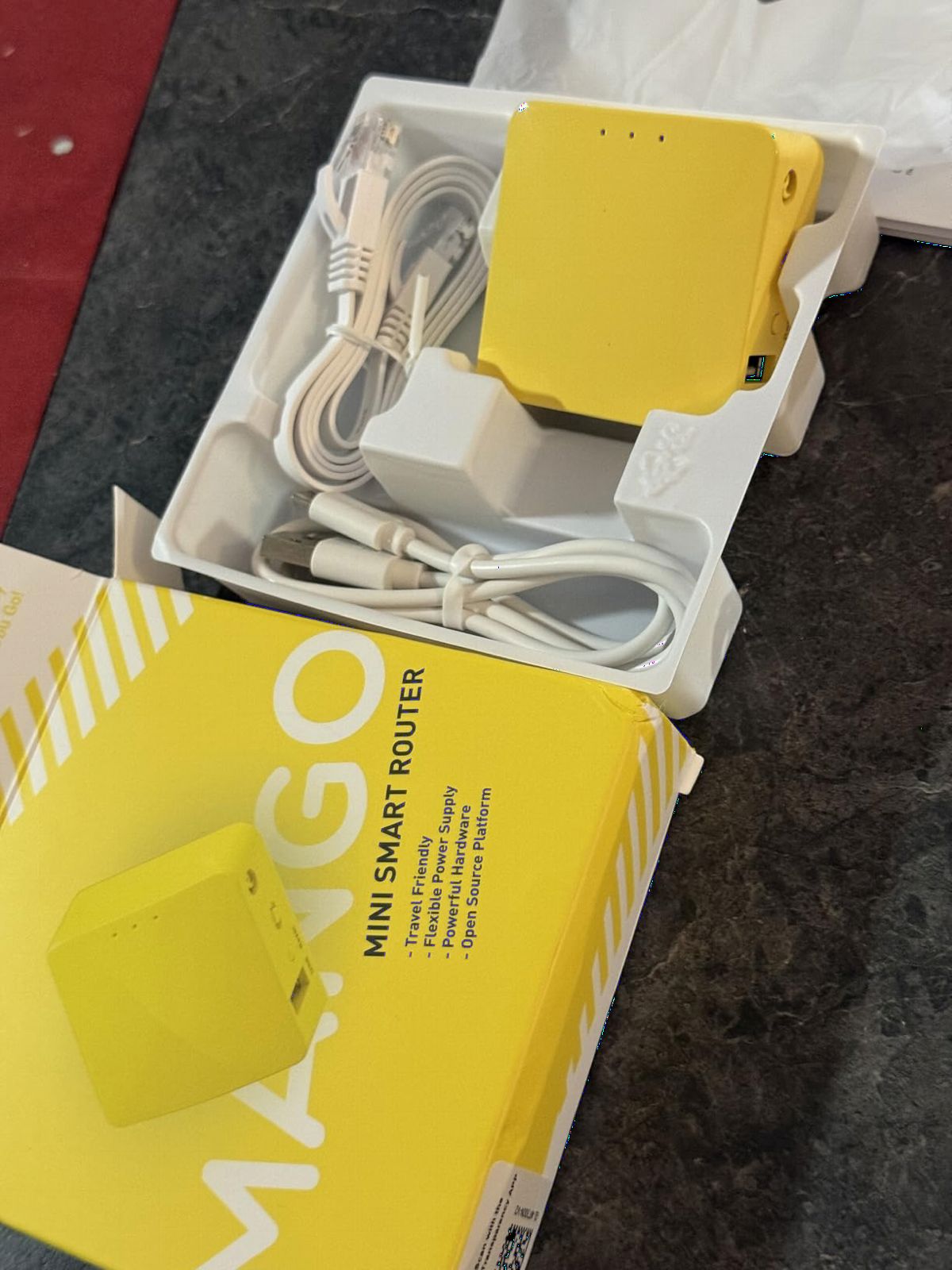
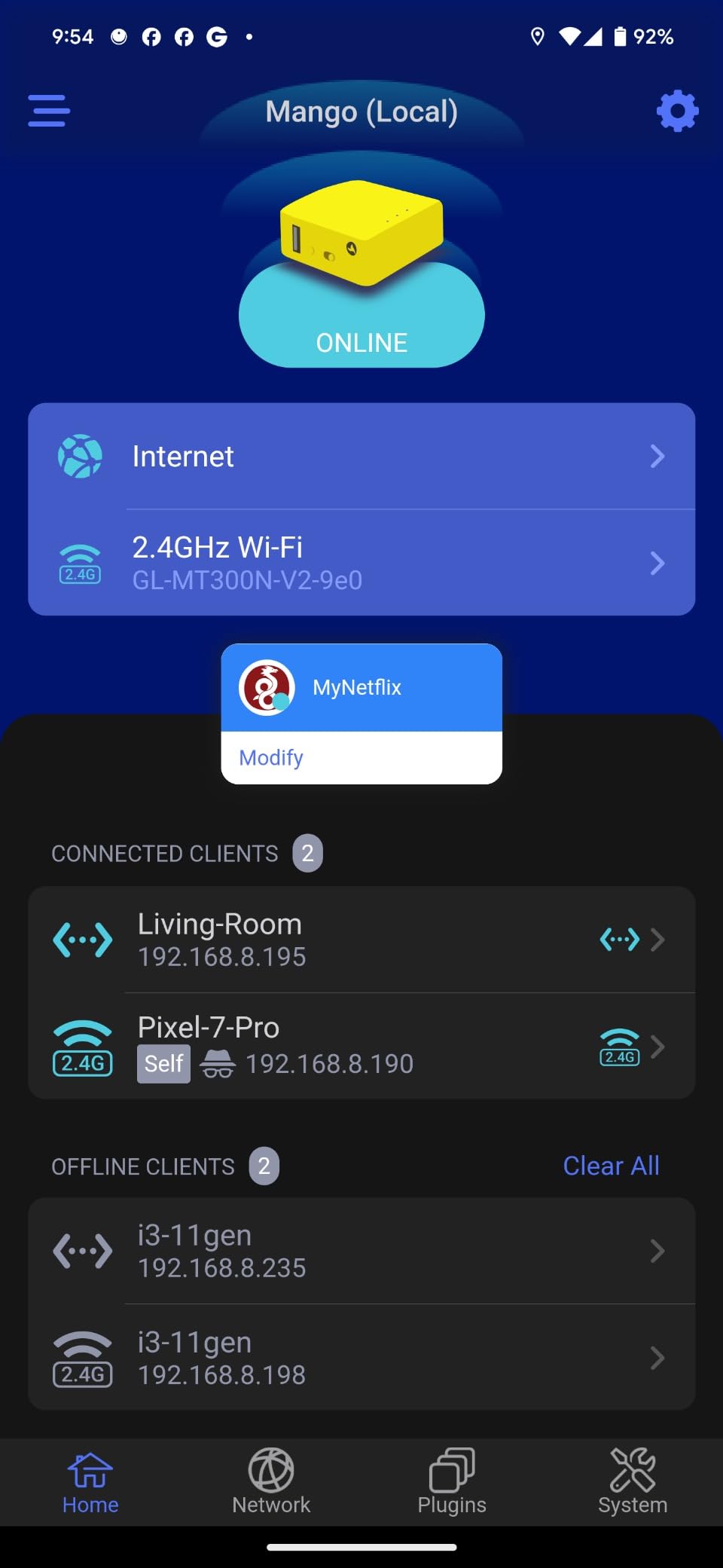
The repeater mode transformed sketchy public WiFi into a secure private network. USB power meant I could run it from my laptop or a portable battery pack. Setup was straightforward through the web admin panel or GL.iNet app.
While 2.4GHz only and 300 Mbps max speed limit modern expectations, basic browsing and email worked fine. The 128MB RAM handled light tasks adequately. For travelers on tight budgets or minimalists who want emergency connectivity, the Mango delivers exceptional value.
Who should buy this
Budget travelers who need basic secure connectivity will find the Mango perfect. It’s ideal for backpackers, students, and anyone who wants emergency backup without spending much. OpenWrt enthusiasts on a strict budget will appreciate the customization potential.
Who should skip this
Users who need 5GHz speeds for streaming or video calls should invest in dual-band alternatives. If you connect many bandwidth-hungry devices, the single-band limitation will frustrate you.
How to Choose the Best Travel Router?
Finding the right portable router depends on your specific travel needs, budget, and technical comfort level. Here are the key factors I consider when recommending travel routers to fellow travelers.
Wi-Fi Standard: Wi-Fi 5, 6, or 7?
Wi-Fi 5 (802.11ac) routers like the Opal and Mango handle basic connectivity well at lower prices. Wi-Fi 6 (802.11ax) models like the Beryl AX offer better performance in crowded networks, reduced latency, and improved battery life for connected devices. Wi-Fi 7 routers like the Slate 7 and Roam 7 deliver maximum speeds and future-proofing but come at premium prices.
For most travelers, Wi-Fi 6 provides the best balance of performance and value. Only invest in Wi-Fi 7 if your devices support it and you need cutting-edge speeds.
Captive Portal Bypass
Hotel and airport networks require login through captive portals that typically need authentication on each device. Travel routers with captive portal bypass let you log in once on the router, then all your devices connect seamlessly. All GL.iNet models handle this well, while TP-Link’s Roam 7 offers one-step captive portal authentication.
This feature saves tremendous frustration when connecting laptops, phones, tablets, and streaming devices in hotels.
VPN Support and Speed
If you work remotely or access sensitive data, VPN support is essential. WireGuard offers faster speeds than OpenVPN, with the Slate AX delivering 550 Mbps on WireGuard. Look for physical VPN toggle switches on models like Beryl AX and Opal for instant activation.
Consider whether you need VPN client (connecting to a VPN server) or VPN server (creating your own VPN) functionality. Most GL.iNet models support both.
Port Selection and Speed
Gigabit Ethernet ports (1000 Mbps) are the minimum for wired connections today. Premium models like Beryl AX and Slate 7 offer 2.5G multi-gigabit ports for future faster networks. Consider how many wired devices you’ll connect and choose accordingly.
USB ports add value for network-attached storage or tethering cellular connections. USB-C power support eliminates dedicated power adapters.
Size, Weight, and Power
Travel routers range from the ultra-light 39-gram Mango to heavier feature-packed models around 250 grams. Consider how much space you have and whether you’ll carry it daily. USB-C power lets you use existing chargers, while Micro USB or proprietary adapters add bulk.
Battery-powered options exist but limit performance. Most travelers prefer USB-powered models that work with laptop ports or portable batteries.
Security Features
WPA3 support provides the latest wireless security. DNS over HTTPS/TLS encrypts your DNS queries for privacy. Ad blocking features like AdGuard Home protect all connected devices. Commercial-grade security on ASUS routers adds enterprise-level protection for sensitive work.
VPN kill switches protect your data if VPN connections drop unexpectedly.
Frequently Asked Questions
What is the best travel router for hotel WiFi?
The GL.iNet Beryl AX offers the best overall performance for hotel WiFi with Wi-Fi 6, 2.5G WAN port, and excellent captive portal handling. For budget travelers, the GL.iNet Mango provides reliable hotel connectivity at just $30. Both handle hotel login pages smoothly and create secure private networks from public connections.
How do travel routers work with captive portals?
Travel routers connect to hotel or public WiFi and present the captive portal login page on your first device. Once authenticated, the router shares that connection with all your devices, eliminating the need to log in separately on each phone, tablet, or laptop. Models like the TP-Link Roam 7 offer one-step captive portal authentication for simplified setup.
Do travel routers work with any WiFi connection?
Yes, travel routers work with virtually any WiFi network including hotel, airport, cafe, and rental property connections. They connect to existing WiFi as a client, then create their own private network. Some also support Ethernet connections for wired networks, and cellular tethering for mobile data backup.
Can a travel router improve hotel WiFi signal?
Travel routers can improve weak hotel WiFi by acting as a repeater, positioning closer to the signal source in your room. While they can’t increase the actual internet speed from the hotel, they provide a stable private network that all your devices connect to reliably, often with better range than connecting directly to distant hotel access points.
What features should a travel router have?
Essential features include captive portal bypass for easy hotel logins, VPN support (preferably WireGuard for speed), dual-band WiFi or better, compact size under 250 grams, and USB power for convenience. Advanced users should look for OpenWrt customization, multiple Gigabit ports, and WPA3 security. Consider your specific needs like device count, VPN usage, and travel frequency when choosing.
Conclusion
Finding the best travel router transforms frustrating hotel WiFi experiences into seamless connectivity. The GL.iNet Beryl AX leads our recommendations with Wi-Fi 6 performance, 2.5G WAN port, and excellent VPN speeds for demanding travelers. Budget-conscious users get outstanding value from the GL.iNet Opal at $40 or the ultra-affordable Mango at $30.
Consider your specific needs when choosing. Business travelers benefit from enterprise security features on the ASUS RT-BE58 Go. Early adopters will appreciate Wi-Fi 7 technology in the Slate 7 and Roam 7. Power users managing many devices should look at the Slate AX’s 120-device capacity.
All ten routers on this list solve the core problem of creating private, secure networks from public connections. Pick based on your budget, device count, and performance requirements. Any of these portable routers will dramatically improve your travel connectivity in 2026 and beyond.