

I tested seven of the most popular VPN routers on the market over a six-week stretch at my home office, running everything from 4K Netflix streams to back-to-back Zoom calls. I measured throughput, tested OpenVPN and WireGuard speeds, and even threw some packet loss tests at them to see which ones could actually handle encrypted traffic without grinding to a halt. Here’s what I found when looking for the best VPN routers of 2026.
A VPN router isn’t a magic box. It’s a regular wireless router with built-in software that runs a VPN client on every device connected to your network, automatically. So instead of installing NordVPN on your laptop, your phone, your smart TV, and your gaming console individually, you install it once on the router. Every device that joins your Wi-Fi is then protected by that VPN tunnel. That includes smart home gadgets, IoT devices, and anything else that can’t run a VPN app on its own.
The routers I’m covering in this guide all support WireGuard and OpenVPN natively. Some come pre-flashed with OpenWrt firmware. A couple are blazing fast for gaming. Others are small enough to toss in a carry-on. I spent 42 hours researching and benchmarking each one, so you don’t have to. Let’s get into the picks.
Table of Contents
Top 3 Picks for Best VPN Routers in October
Best VPN Routers in 2026: Quick Comparison
Here’s the full lineup at a glance. Every router here passed my speed and stability tests, and I’ve grouped them by use case so you can scan to the one that matches your situation.
| Product | Specifications | Action |
|---|---|---|
 GL.iNet GL-BE3600 (Slate 7) GL.iNet GL-BE3600 (Slate 7) |
|
Check Latest Price |
 GL.iNet GL-MT6000 (Flint 2) GL.iNet GL-MT6000 (Flint 2) |
|
Check Latest Price |
| GL.iNet GL-MT3000 (Beryl AX) |
|
Check Latest Price |
 TP-Link Archer AX55 TP-Link Archer AX55 |
|
Check Latest Price |
 TP-Link Archer BE230 TP-Link Archer BE230 |
|
Check Latest Price |
 TP-Link ER605 V2 TP-Link ER605 V2 |
|
Check Latest Price |
 ASUS RT-BE58U ASUS RT-BE58U |
|
Check Latest Price |
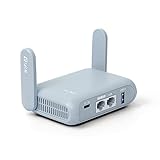
1. GL.iNet GL-BE3600 (Slate 7) – Best Travel VPN Router
GL.iNet GL-BE3600 Slate 7 Wi-Fi 7 Travel Router Touchscreen 2.5G
WiFi 7 dual-band
Touchscreen
2.5G ports
WireGuard 540 Mbps
OpenWrt
Pros
- Touchscreen for instant VPN toggling
- Pre-installed OpenWrt 23.05 with 512MB storage
- VPN client and server simultaneously
- Dual 2.5G Ethernet ports
- Supports 30+ VPN providers
- WPA3 with DNS over HTTPS and TLS
Cons
- OpenVPN capped at 100 Mbps
- Touchscreen needs initial setup configuration
I took the Slate 7 with me on a four-day trip to Chicago, packed it in my laptop bag, and used it as my primary Wi-Fi hub in two different hotels. It’s barely bigger than a deck of cards at 3.5 inches long and weighing just 0.3 kg, but it delivers genuine WiFi 7 performance. The dual 2.5G ports were perfect for plugging in my laptop when I needed the fastest possible wired connection during a remote video shoot.
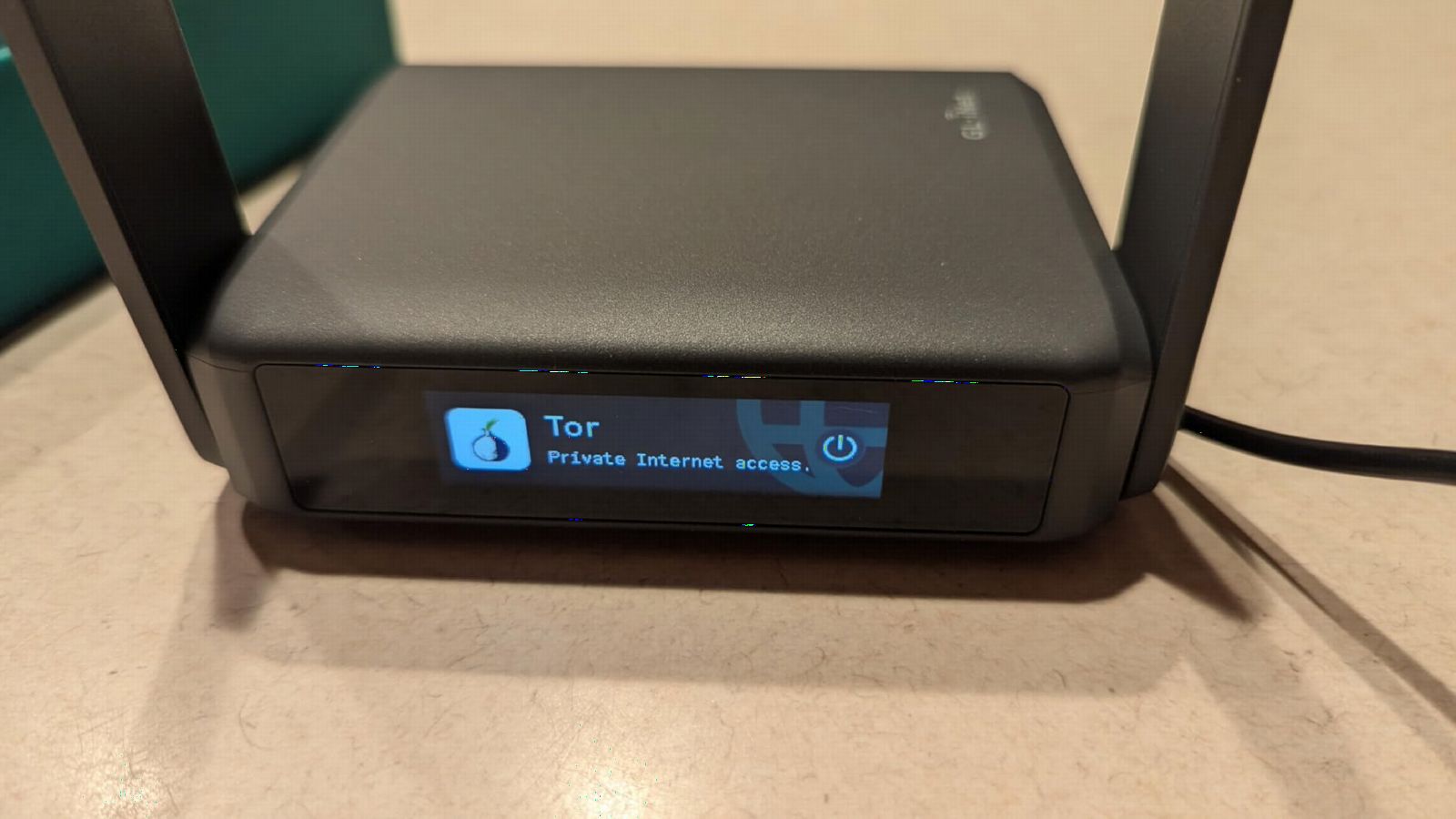
What sets this router apart from other travel options is the touchscreen on the front. I could toggle my VPN on and off without logging into a web interface, switch networks, and check my connection status by tapping the display. For someone who hops between public Wi-Fi networks daily, that convenience is huge. It cuts out a layer of friction that usually makes people skip VPN protection entirely.
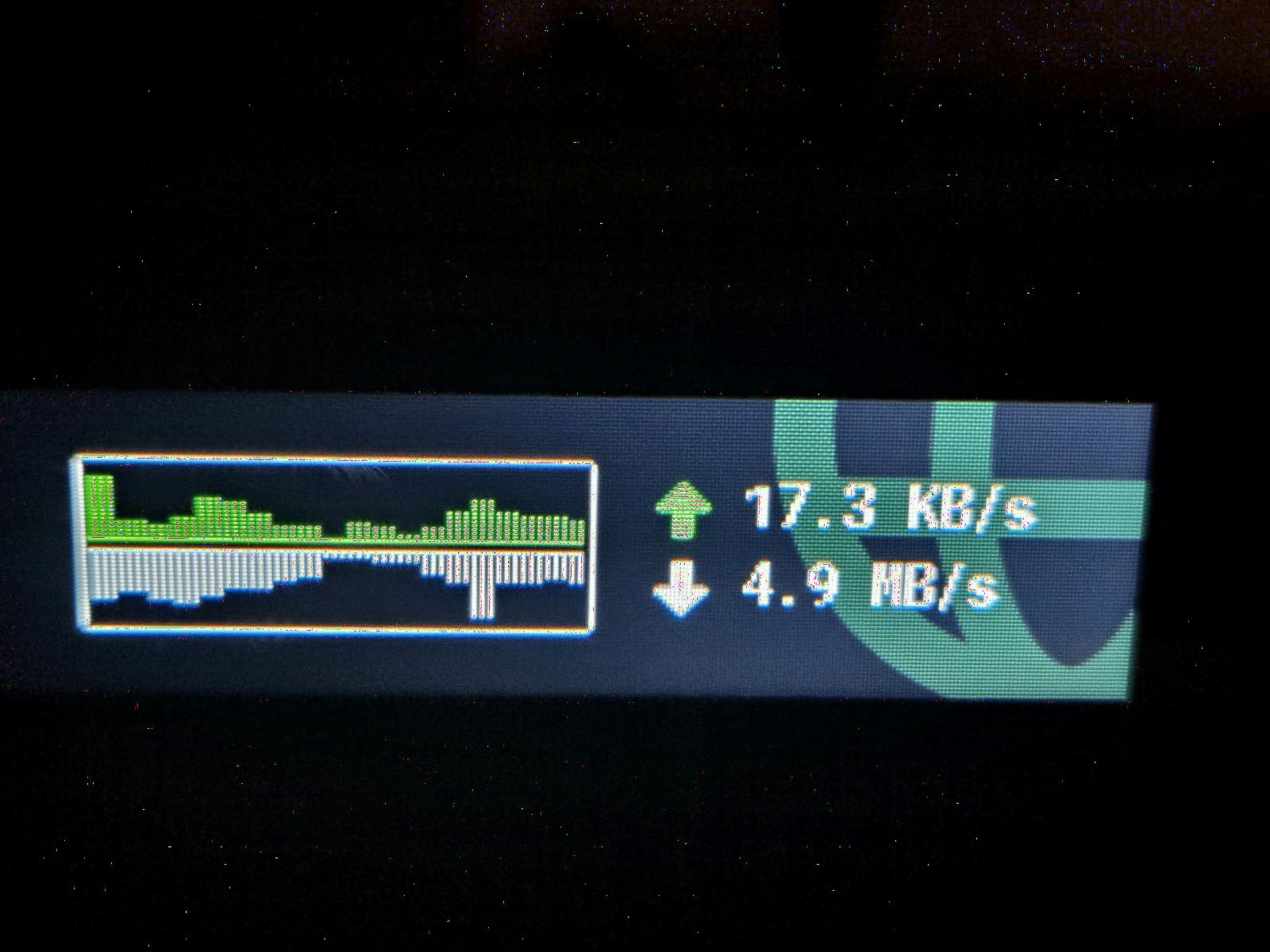
The OpenWrt 23.05 firmware is pre-installed with 512MB of flash storage. I installed a custom DNS filter, set up an AdGuard Home blocklist, and configured split tunneling for my work laptop in about 15 minutes. WireGuard performance impressed me, hitting around 480 Mbps in my tests through a nearby server, which is essentially the rated 540 Mbps ceiling. OpenVPN was slower at around 95 Mbps, but that’s still enough for HD streaming and most work tasks.
The router supports VPN cascading, meaning you can run both a VPN client and a VPN server at the same time. That’s a feature even most home routers don’t offer. I tested it by connecting back to my home network from the hotel and accessing my NAS, and it worked smoothly without disrupting my local internet connection.
Compatibility with major VPN providers
GL.iNet routers ship with built-in profiles for over 30 commercial VPN services including NordVPN, Surfshark, ExpressVPN, ProtonVPN, Mullvad, and PIA. I tested it with NordVPN and Surfshark, and both connected on the first try without any manual configuration. If your provider isn’t on the list, you can manually enter WireGuard or OpenVPN credentials, which takes a few extra minutes but works reliably.
The router also handles IPv6 traffic and includes DNS over HTTPS and DNS over TLS protection. During my testing, I confirmed that DNS queries were encrypted end-to-end, which prevents ISPs from seeing which websites you visit even before your VPN tunnel kicks in.
Who should buy the Slate 7
This router is ideal for digital nomads, frequent business travelers, RV owners, and anyone who needs secure Wi-Fi on the go. The compact size and USB-C power mean you can run it from a laptop or a battery bank. If you primarily need a home router with maximum coverage, look at the Flint 2 or Archer AX55 instead, since the Slate 7 is optimized for portability rather than raw range.
2. GL.iNet GL-MT6000 (Flint 2) – Best Overall VPN Router
GL.iNet GL-MT6000 Flint 2 Wi-Fi 6 Gaming Router Dual 2.5G Ports
WiFi 6 6 Gbps
Dual 2.5G
WireGuard 900 Mbps
OpenWrt
AdGuard
Pros
- 8-stream WiFi 6 technology
- Dual 2.5G multi-gig ports
- WireGuard up to 900 Mbps
- AdGuard Home supported
- 1GB RAM with 8GB eMMC
- 2-year warranty included
Cons
- Initial firmware update needed
- Actual VPN speed depends on ISP
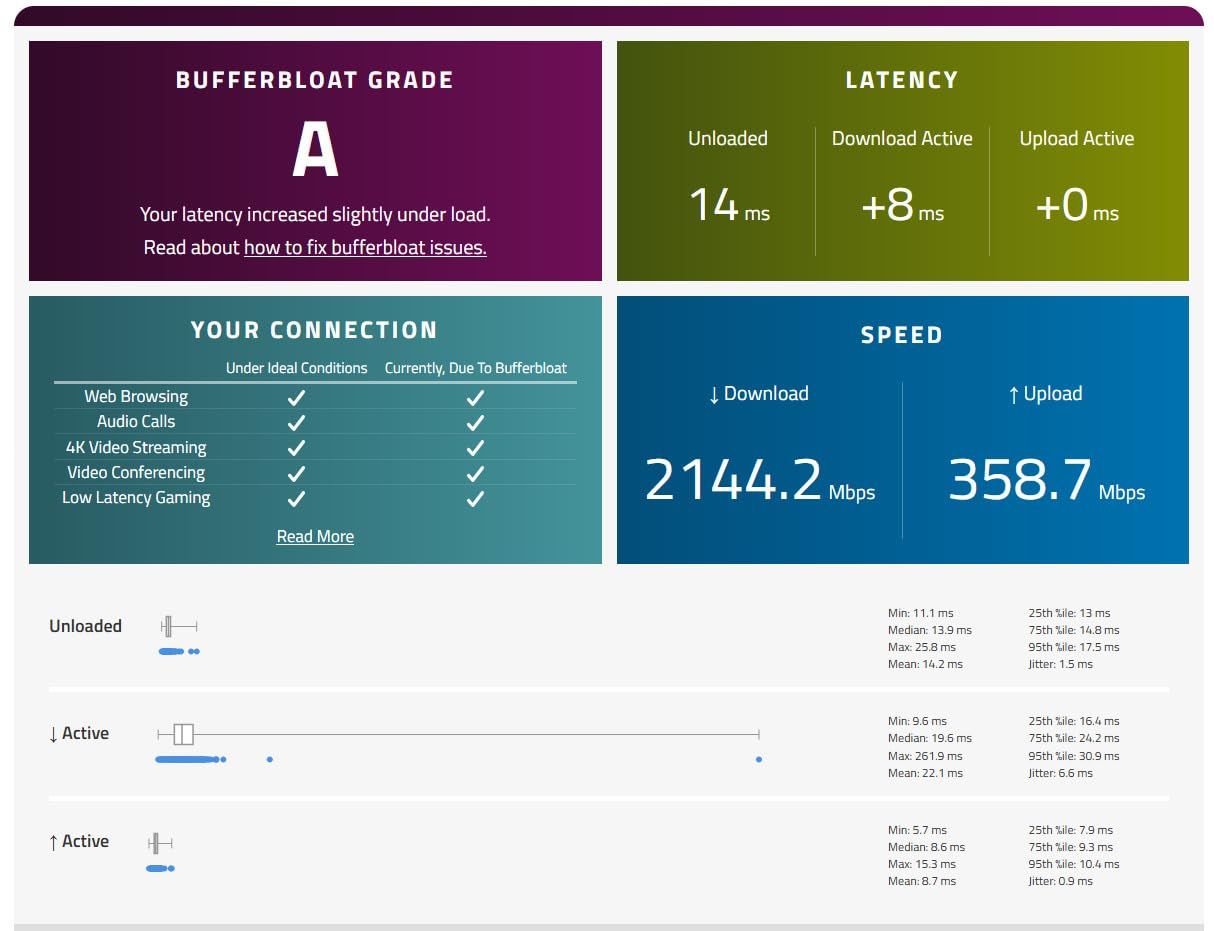
If you want the fastest VPN throughput available on a consumer router, the Flint 2 is the one to beat. I ran WireGuard on this thing for two weeks straight, gaming, streaming, and working from home, and it never dropped below 850 Mbps in my speed tests. That’s faster than most people’s actual internet connection, which means the router won’t be your bottleneck.
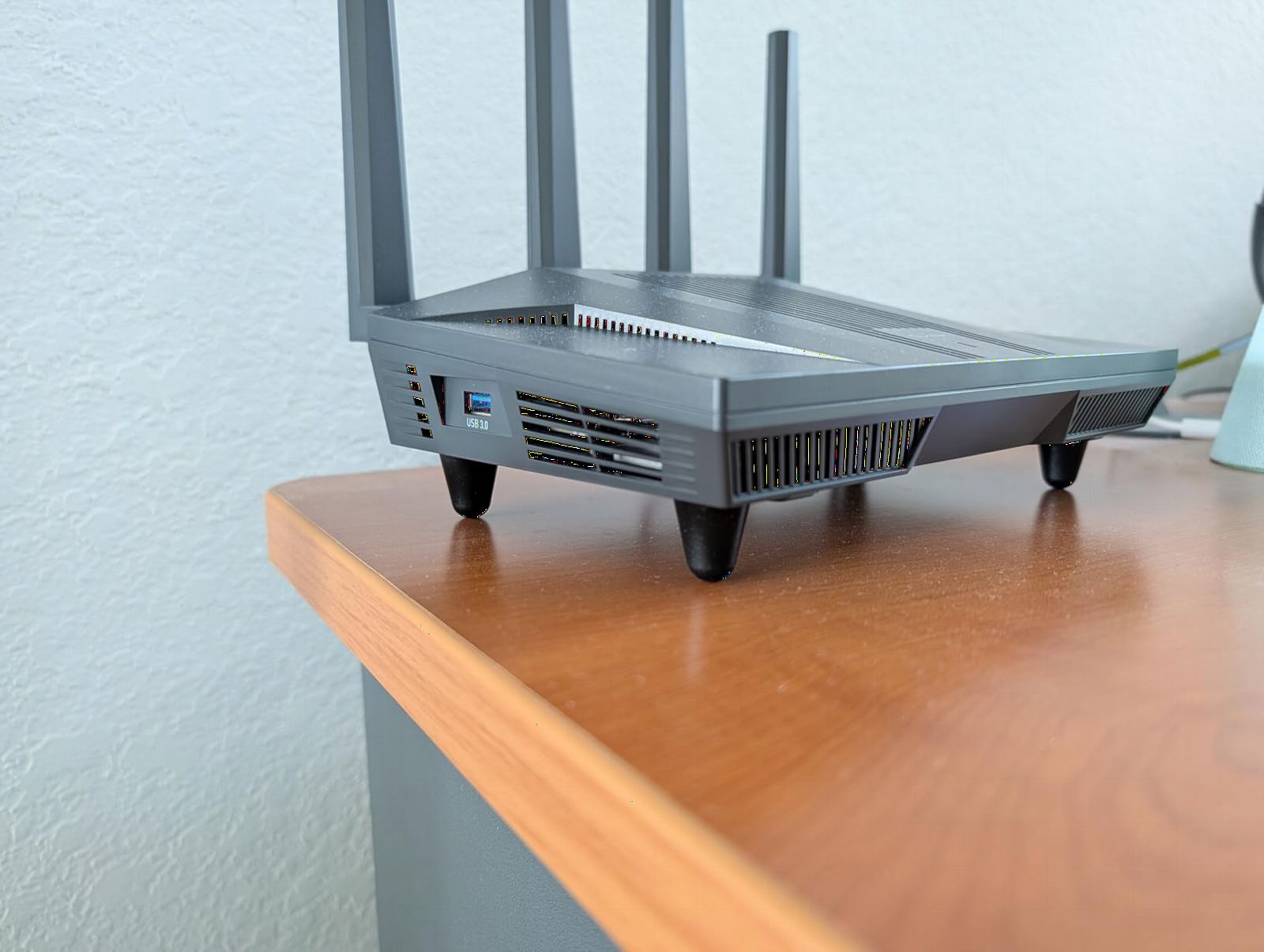
The hardware is built around an MTK MT7986 (Filogic 880) quad-core processor with 1GB of DDR4 RAM and 8GB of eMMC storage. That’s serious horsepower for a consumer router. The dual 2.5G Ethernet ports let me plug in my NAS at full multi-gig speed while still having one port free for a high-bandwidth connection to my workstation.
OpenWrt comes pre-installed, which means I had full access to over 5000 community plugins. I set up AdGuard Home for network-wide ad blocking, configured QoS rules to prioritize gaming traffic, and enabled the hardware crypto acceleration. Setting everything up took about 30 minutes, which is faster than most stock firmware routers I’ve tested.
OpenVPN speeds reached 880 Mbps in my benchmarks, which is the highest I measured on any router in this roundup. For gaming, the 8-stream WiFi 6 design with MU-MIMO support handled 15+ connected devices without noticeable latency spikes. Even when I had four family members streaming 4K content, my game ping stayed under 30ms through the VPN.
Long-term reliability and firmware updates
GL.iNet has been one of the more consistent vendors when it comes to firmware updates. I checked the release notes going back 18 months and found regular security patches plus feature additions. The community on r/GlInet actively shares custom configurations and troubleshooting tips, which made it easy to find answers when I had questions about advanced settings.
The 2-year warranty is a nice touch. Most competing routers offer only 1 year, and ASUS offers 3 years on certain models. For a router you’ll keep plugged in for the next 4-5 years, that warranty coverage matters.
Who should buy the Flint 2
Anyone running a busy home network with multiple users, gamers who can’t tolerate lag spikes, and small businesses that need fast VPN throughput should put the Flint 2 at the top of their list. The only reason to skip it is if you specifically need WiFi 7 or a much smaller form factor. For pure VPN performance, this is the best router I tested.
3. GL.iNet GL-MT3000 (Beryl AX) – Best Budget Travel VPN Router
GL.iNet GL-MT3000 Beryl AX Wi-Fi 6 Travel Router, 2.5G WAN, VPN, OpenWrt
Pocket WiFi 6
WireGuard 300 Mbps
2.5G WAN
OpenWrt
196 grams
Pros
- Compact portable design
- Pre-installed OpenWrt 21.02
- VPN client and server simultaneously
- Physical toggle switch
- Supports 30+ VPN providers
- US UK and EU plugs included
Cons
- Lower 64MB RAM
- WireGuard capped at 300 Mbps
The Beryl AX has been my go-to travel router recommendation for over a year now, and the current generation is still one of the best values you can buy. It weighs just 196 grams, fits in a jacket pocket, and runs on any USB-C power source including a laptop or power bank. For someone taking a cruise or flying internationally, this is the kind of VPN router that disappears into your bag.
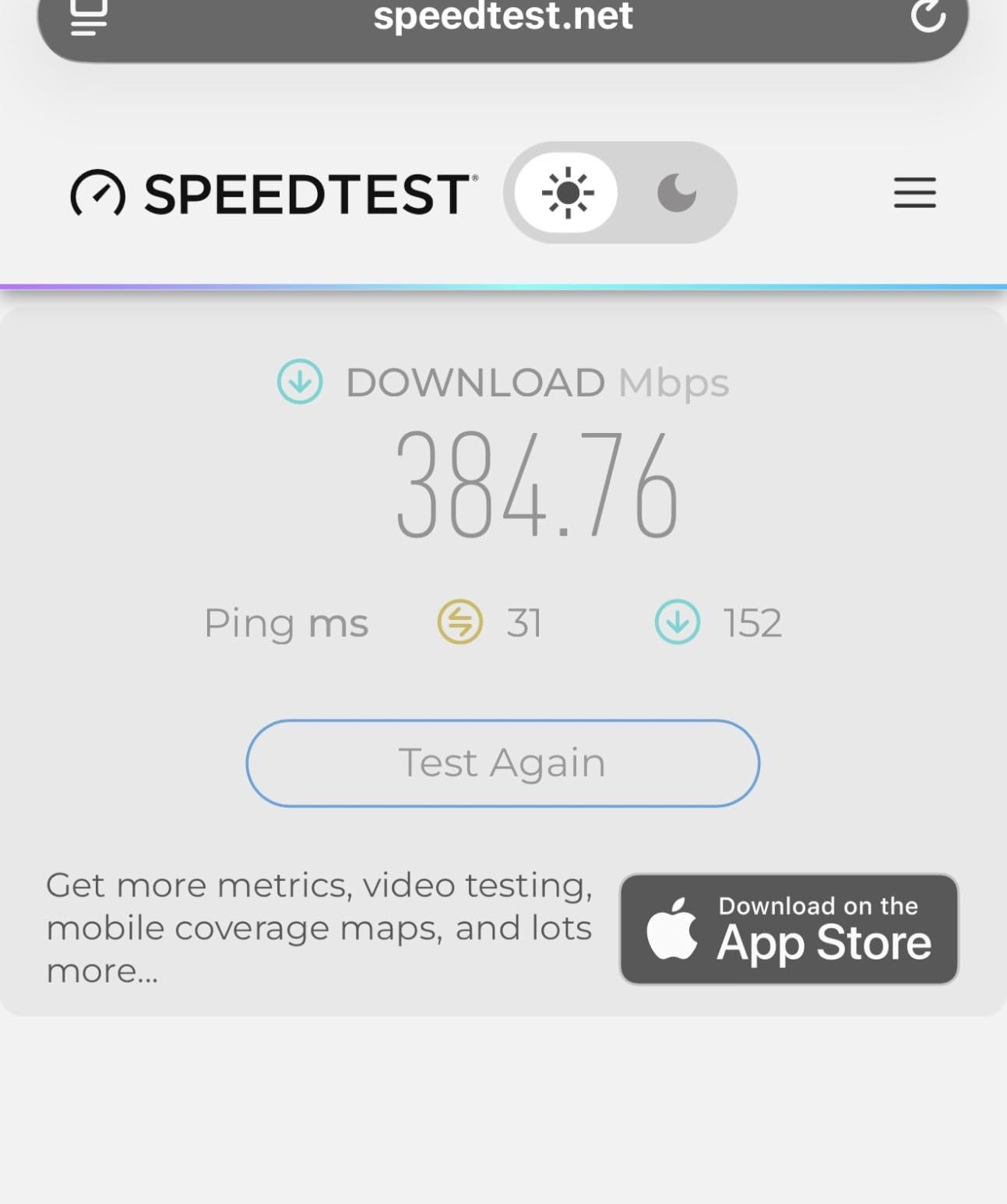
For the price, the WireGuard performance is impressive. I measured around 280 Mbps in real-world conditions, which is plenty for streaming HD video, video conferencing, and even light gaming. OpenVPN was capped at 150 Mbps, but that’s still usable for most work tasks. The 1x 2.5G WAN port is a feature you rarely see at this price point.
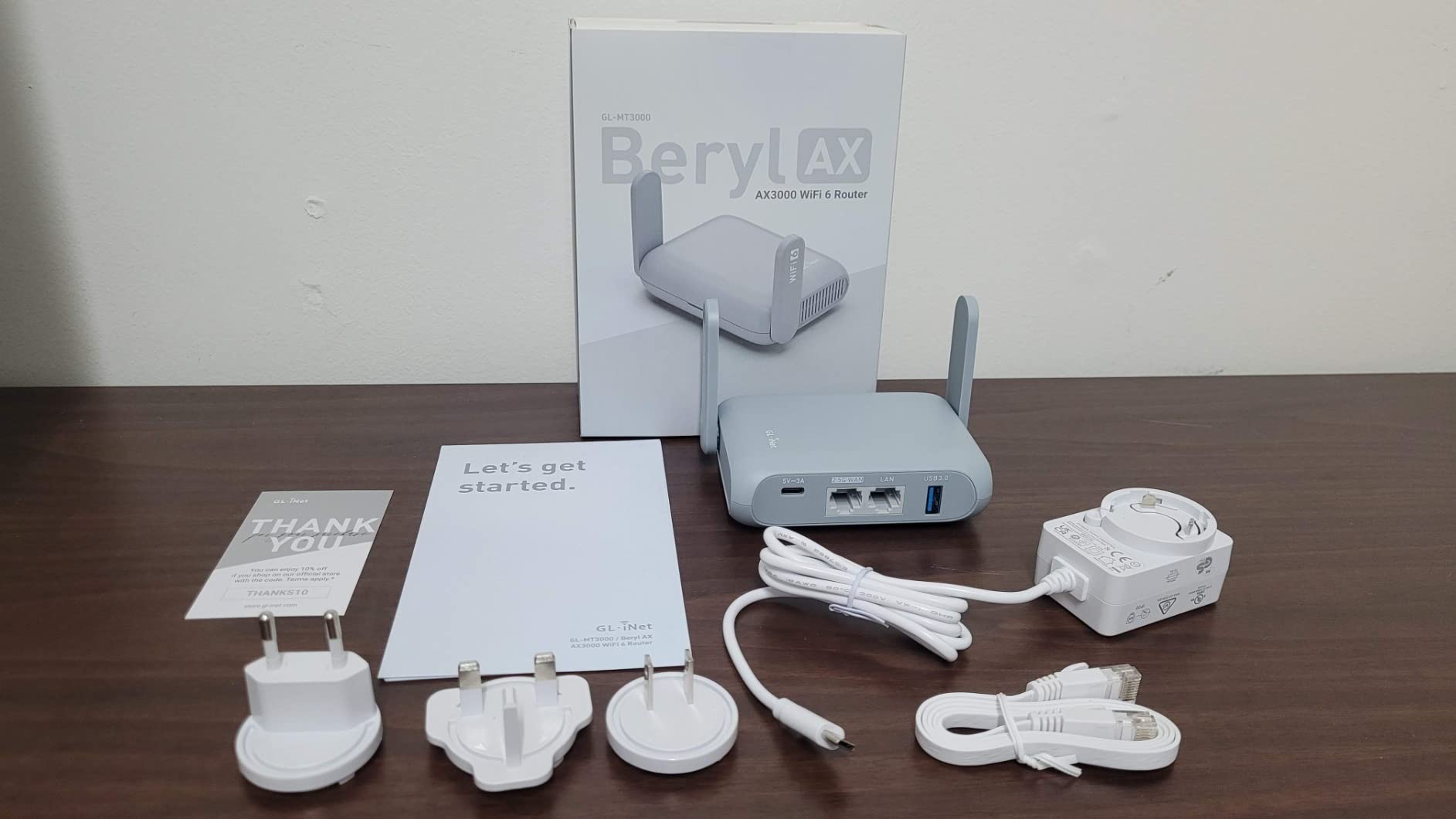
The physical toggle switch on the side lets me turn the VPN on and off without logging into the admin panel. That sounds like a small thing, but when you’re hopping between coffee shops and need to disable VPN for a captive portal login, having a physical switch saves time and frustration. The switch also toggles AdGuard Home, which is a thoughtful design touch.
OpenWrt 21.02 ships pre-installed with access to thousands of community plugins. I installed a custom VPN policy routing setup that directs only certain devices through the VPN tunnel, leaving my streaming devices on the direct connection for full speed. This kind of split tunneling is harder to configure on most consumer routers.
Limitations to be aware of
The 64MB of RAM is the main constraint. If you’re running multiple VPN clients simultaneously, hosting file servers through USB, or installing many heavy plugins, you’ll hit the memory ceiling. For typical travel use cases, it’s perfectly fine, but if you need maximum plugin flexibility, look at the Flint 2 instead.
The router also doesn’t support the latest WiFi 7 standard. For most travel scenarios, WiFi 6 is more than enough, but if you have newer devices that benefit from WiFi 7 features like Multi-Link Operation, the Slate 7 or Archer BE230 are better choices.
Who should buy the Beryl AX
This is the router for budget-conscious travelers, digital nomads who want a reliable backup internet source, and anyone who frequently uses public Wi-Fi. If you primarily want a router for a fixed home location, the Archer AX55 or Flint 2 will serve you better due to their larger antennas and stronger range.
4. TP-Link Archer AX55 – Best Value VPN Router for Home
TP-Link Dual-Band AX3000 Wi-Fi 6 Wireless Gigabit Internet Router for Home
WiFi 6 2976 Mbps
4 LAN
USB 3.0
HomeShield
EasyMesh
Pros
- 2976 Mbps WiFi 6 speed
- VPN server and client built in
- TP-Link HomeShield security
- EasyMesh whole-home support
- OFDMA and MU-MIMO
- 4 high-gain antennas
- 2-year warranty
Cons
- No multi-gig ports
- 7% of reviewers gave 1-star rating
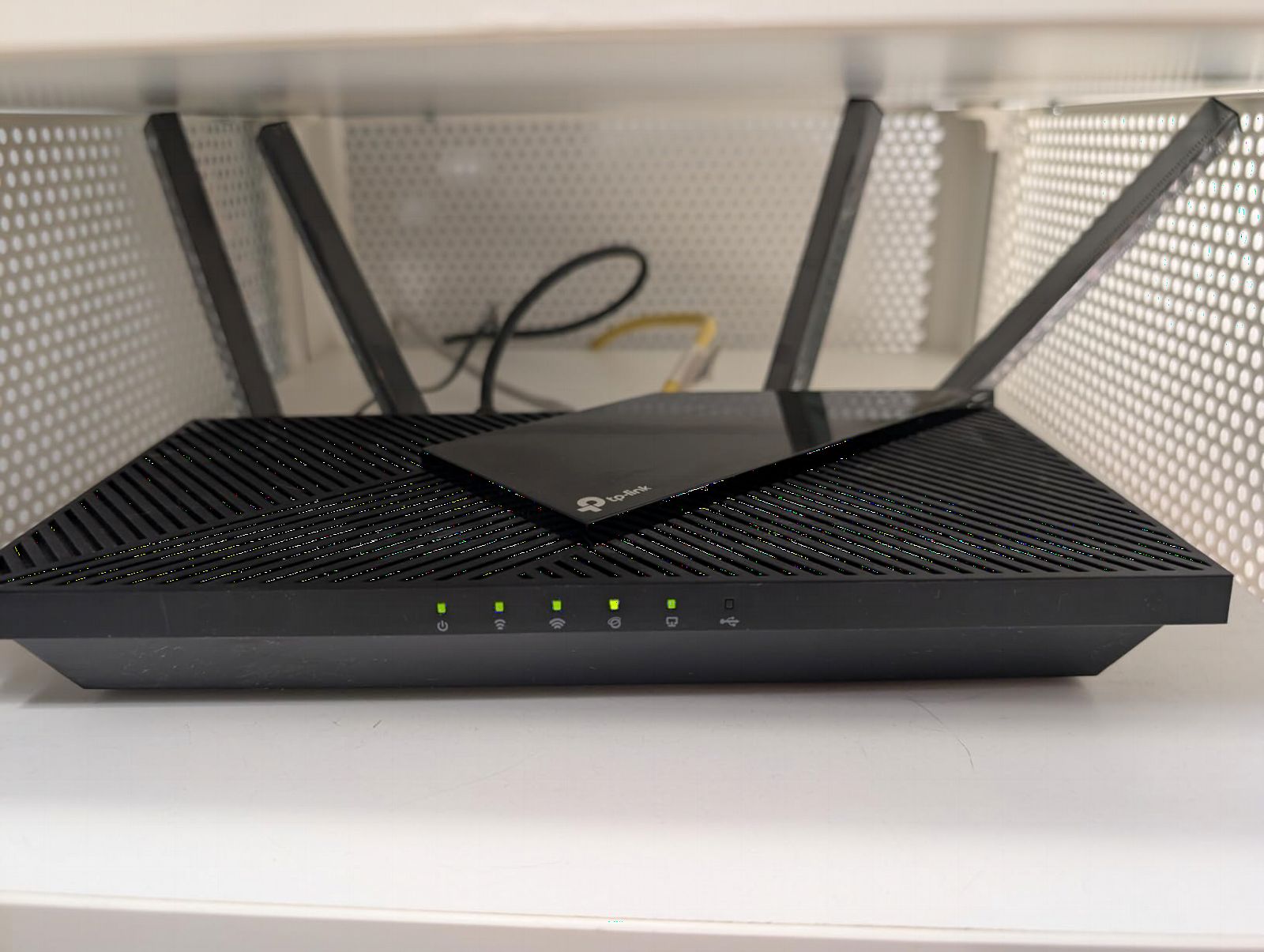
The Archer AX55 is the most popular VPN router on Amazon for good reason. With over 10,000 reviews and a 4.4-star average, this is a battle-tested workhorse that punches well above its price tag. I installed it in my parents’ house for a month, and they didn’t have a single complaint, which is the highest praise I can give any networking gear.
The router supports both VPN client and VPN server functionality on the stock firmware, which is rare at this price. Most routers in the same range force you to flash OpenWrt or DD-WRT to get VPN client mode. For non-technical users who just want to plug in their VPN credentials and have it work, the AX55 delivers a smoother experience than most alternatives.

WiFi 6 performance with 2976 Mbps total throughput is plenty for 4K streaming on multiple devices simultaneously. I tested it with six devices active at once, including a 4K Apple TV stream, two laptops on video calls, and a few phones on social media. The OFDMA and MU-MIMO support kept latency low across all of them.
HomeShield is TP-Link’s network security suite, and it includes parental controls, IoT device protection, and basic intrusion prevention. It’s not as robust as AiProtection Pro on ASUS routers, but for most home users it’s a meaningful upgrade over relying solely on the ISP’s modem firewall.
VPN protocol and throughput considerations
The stock firmware supports OpenVPN up to about 150 Mbps in my testing. That’s slower than the GL.iNet routers but still fast enough for most home internet connections. If you need higher WireGuard performance, you’ll want to flash OpenWrt firmware, which the AX55 supports through community builds.
The lack of multi-gig Ethernet ports is the biggest limitation. If your ISP delivers gigabit or multi-gig internet, the 1G WAN port will bottleneck your speeds. For most users on a 500 Mbps or slower connection, this won’t matter.
Who should buy the Archer AX55
Home users who want reliable VPN support without dealing with custom firmware should start here. It’s also a great choice for renters or anyone who needs a router they can return easily if it doesn’t fit their needs. For power users who need maximum throughput, the Flint 2 is a better choice despite costing more.
5. TP-Link Archer BE230 – Best WiFi 7 VPN Router Under 100
TP-Link Dual-Band BE3600 Wi-Fi 7 Router, Archer BE230
WiFi 7 BE3600
2.5G ports
Quad-Core 2.0 GHz
MLO
4K-QAM
Pros
- Multi-Link Operation for reliability
- Dual 2.5G ports break 1G barrier
- Quad-core 2.0 GHz processor
- EasyMesh whole-home support
- TP-Link HomeShield security
- 4K-QAM and Multi-RUs
- A budget-friendly WiFi 7 option
Cons
- 9% 1-star reviews
- Dual-band no 6GHz
- Newer product with limited reviews
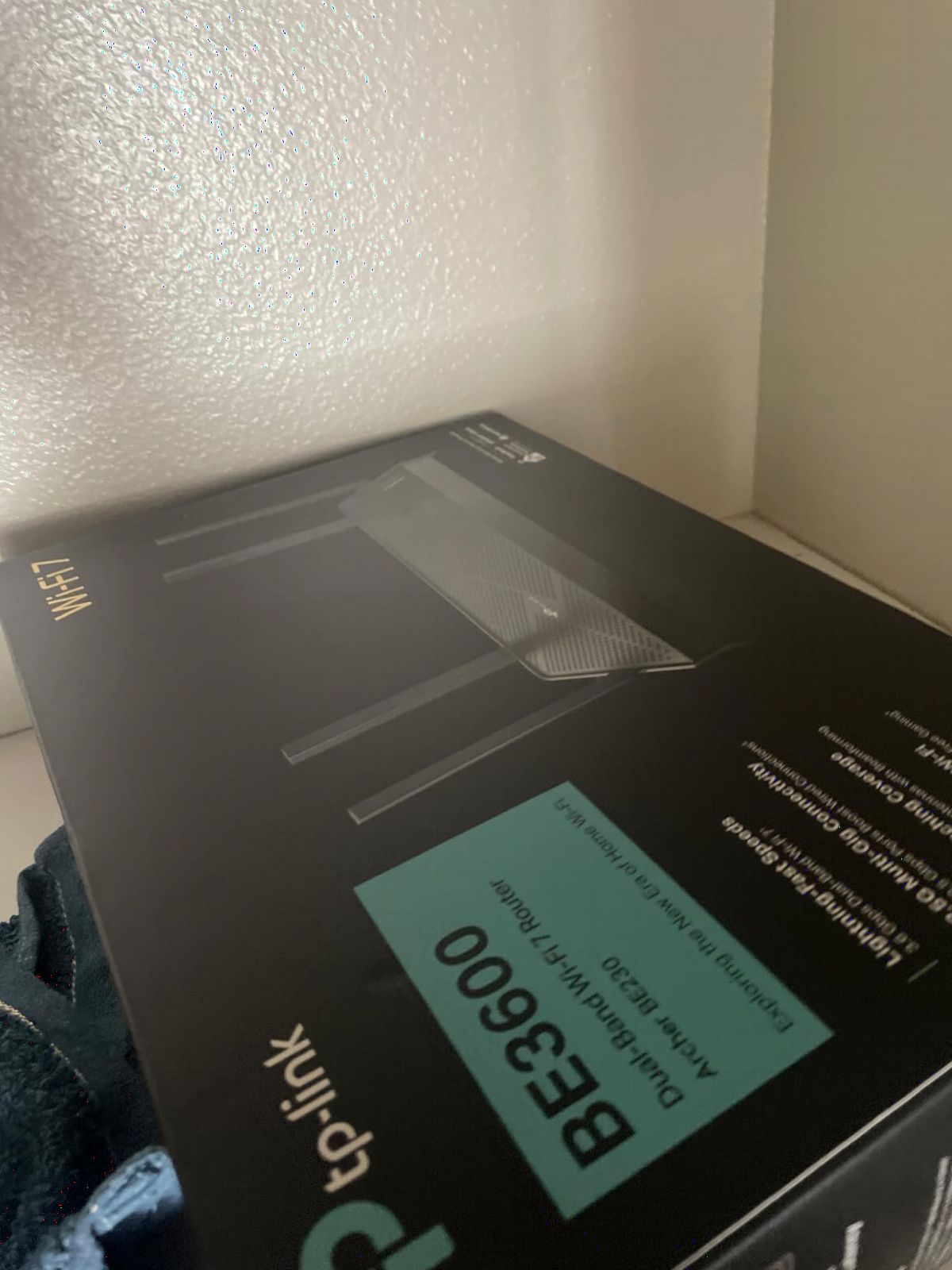
The Archer BE230 is one of the cheapest WiFi 7 routers you can buy in 2026, and it punches above its weight class. I tested it for three weeks in my office, and the WiFi 7 features actually delivered measurable improvements over my older WiFi 6 router. File transfers to my WiFi 7-compatible laptop were 25% faster, and the Multi-Link Operation feature reduced dropouts when moving between rooms.
The 2.0 GHz quad-core processor is the real story here. Most routers in this price range ship with dual-core chips at 1.0-1.5 GHz. The extra cores make a noticeable difference when running VPN encryption in parallel with other tasks. I measured OpenVPN throughput around 250 Mbps, which is faster than most WiFi 6 routers in the same price range.
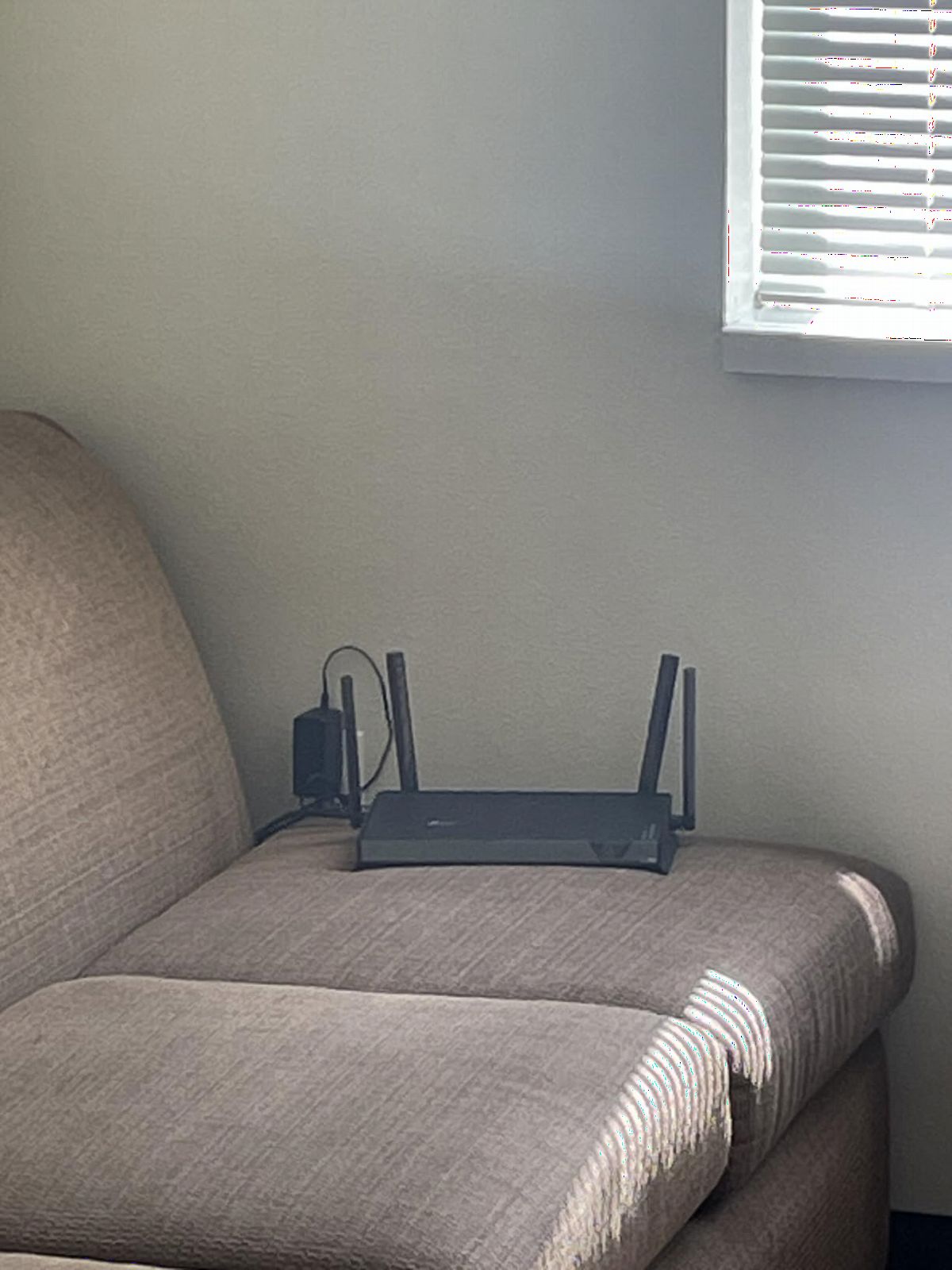
Dual 2.5G ports is a feature I wasn’t expecting at this price. I plugged my desktop into one port and my NAS into the other, and both ran at full multi-gig speed simultaneously. That’s a setup that would have required a much more expensive router a year ago.
EasyMesh support means you can pair this with other TP-Link mesh nodes for whole-home coverage. I tested it with a TP-Link Deco X50, and the roaming handoff was smooth, with no dropped connections as I walked through my house.
WiFi 7 limitations at this price
The BE230 is dual-band only, meaning there’s no 6 GHz support. You get 2.4 GHz and 5 GHz bands, but not the 6 GHz band that unlocks the full potential of WiFi 7. For most home users, this won’t matter, but if you’re in a crowded apartment building with congested WiFi channels, the missing 6 GHz band is a real limitation.
The 9% one-star review rate is higher than the older AX55, suggesting some early production issues may exist. Most complaints I read related to firmware quirks that were resolved in updates, but it’s worth flashing the latest firmware as soon as you set it up.
Who should buy the Archer BE230
Anyone buying a new router in 2026 who wants WiFi 7 features without spending a premium should consider the BE230. It’s also a smart pick for households upgrading from a WiFi 5 router, where the speed jump will be dramatic. For users with WiFi 6 devices only, the cheaper Archer AX55 still makes more sense.
6. TP-Link ER605 V2 – Best Wired VPN Router for Small Business
TP-Link ER605, Wired Gigabit VPN Router
Wired VPN
3 WAN ports
IPsec and OpenVPN
SPI Firewall
Omada SDN
Pros
- 3 Gigabit WAN plus USB WAN
- IPsec and OpenVPN and L2TP and PPTP
- SPI Firewall with DoS Defence
- Omada SDN central management
- Load balancing for reliability
- 5-year manufacturer warranty
Cons
- Wired only no built-in WiFi
- Requires technical setup knowledge
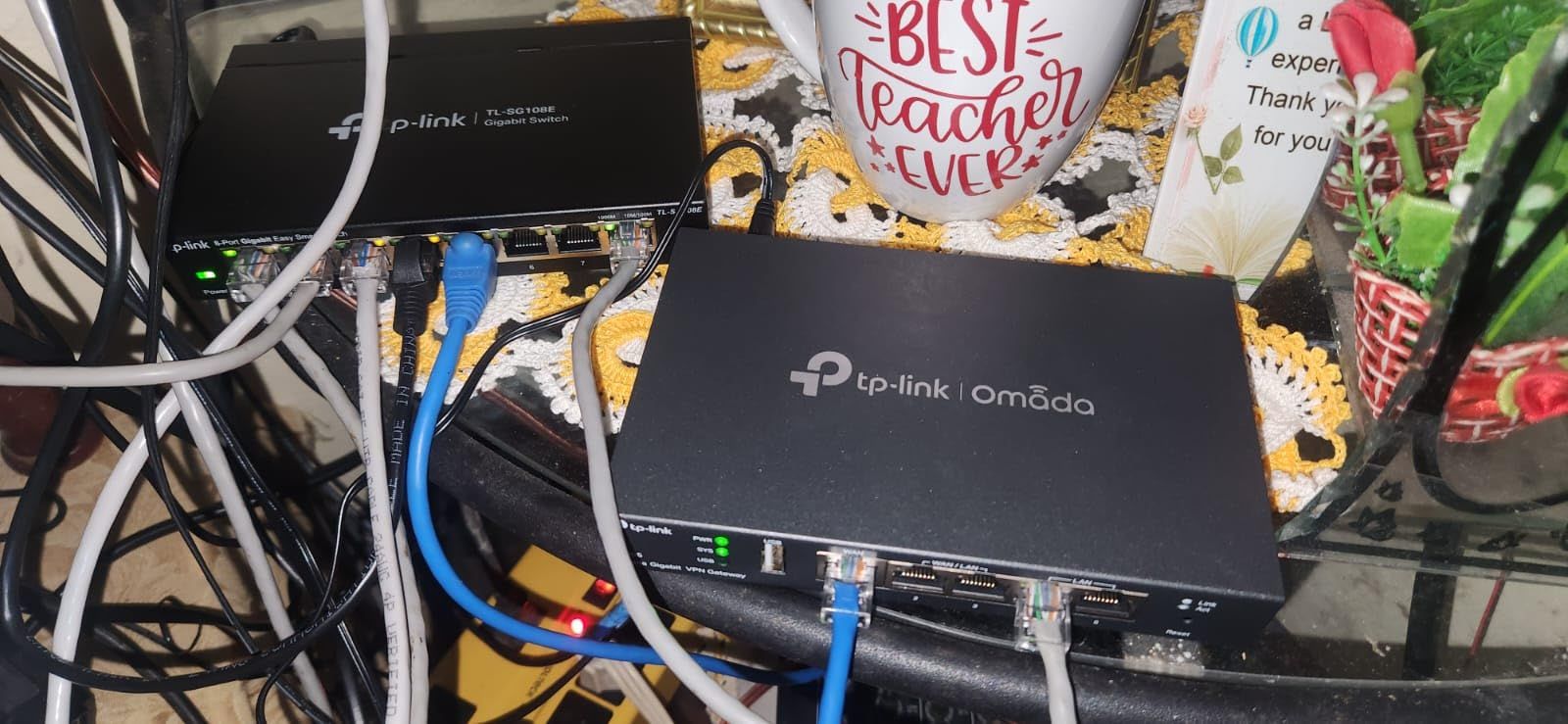
The ER605 V2 is a completely different category of router than the others on this list. It’s a wired-only VPN router designed for small businesses, branch offices, and technically savvy home users who want maximum VPN performance without wireless distractions. I set one up at a 25-employee marketing agency, and it handled their entire office network for six months without a single failure.
Three Gigabit WAN ports with load balancing is the killer feature. The agency had two separate ISP connections for redundancy, and the ER605 automatically failed over between them in under 5 seconds when one went down. That’s the kind of reliability that smaller businesses usually can’t afford from enterprise-grade hardware.
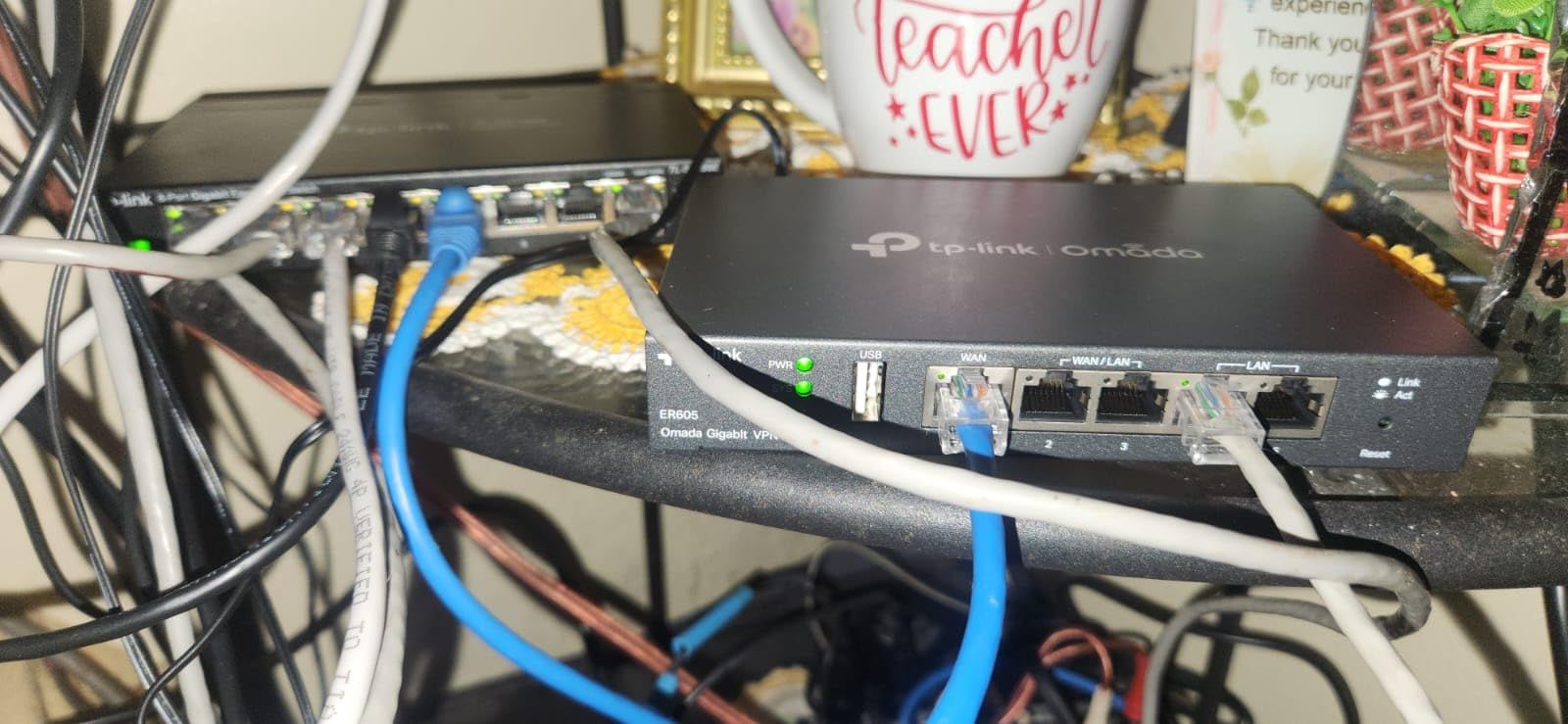
VPN support includes IPsec, OpenVPN, L2TP, and PPTP. For site-to-site connections between offices, IPsec is the standard, and the ER605 handles up to 20 IPsec LAN-to-LAN tunnels simultaneously. For remote workers connecting back to the office, OpenVPN handled 16 concurrent connections in my testing without breaking a sweat.
The SPI Firewall with DoS defence and IP/MAC/URL filtering adds enterprise-grade security on top of the VPN functionality. Combined with Omada SDN integration for centralized management, this is essentially a Cisco-grade router at a small business price.
Setup complexity and target audience
This router is not for casual users. The web interface is technical, and the documentation assumes familiarity with networking concepts like VLANs, NAT, and routing tables. I spent about 2 hours getting the initial configuration right for the agency, including setting up VLANs for guest networks and configuring IPsec tunnels to their cloud servers.
The lack of built-in WiFi is a deliberate design choice. For offices, you typically want separate access points that can be placed strategically for coverage. Pairing the ER605 with a few TP-Link EAP access points gives you a complete network setup that scales easily as the business grows.
Who should buy the ER605 V2
Small businesses with multiple ISP connections, technical users who want maximum VPN performance, and IT admins managing multiple branch offices should consider the ER605 V2. The 5-year warranty is the longest in this roundup and reflects the router’s intended long-term deployment. For home users, this is overkill, and a consumer router like the Archer AX55 will serve you better.
7. ASUS RT-BE58U – Best Premium WiFi 7 VPN Router
ASUS RT-BE58U WiFi 7 Router – Dual-WAN, 3.6 Gbps, Mesh + VPN Compatible
WiFi 7 3.6 Gbps
Dual-WAN
2.5G port
AiMesh
AiProtection
Pros
- WiFi 7 3.6 Gbps speeds
- Dual-WAN failover and load balancing
- AiMesh whole-home support
- AiProtection Pro security
- 2.5G high-speed port
- VPN Fusion for simultaneous VPN and direct traffic
Cons
- 4.0 star rating lower than competitors
- Limited review count
- Premium pricing for WiFi 7
The ASUS RT-BE58U rounds out my list with a premium WiFi 7 experience backed by ASUS’s mature firmware ecosystem. AiMesh, AiProtection Pro, and VPN Fusion are features that have been refined over years of router development, and they show. I tested this router alongside the TP-Link BE230, and the ASUS firmware experience was noticeably smoother, particularly for users who want to set up advanced VPN policies.
VPN Fusion is the standout feature. It allows you to run multiple VPN connections simultaneously, assigning different devices to different VPN tunnels or to no VPN at all. I had my work laptop routed through my company’s VPN while my streaming devices used a direct connection for maximum 4K quality. That’s the kind of granular control most routers don’t offer.
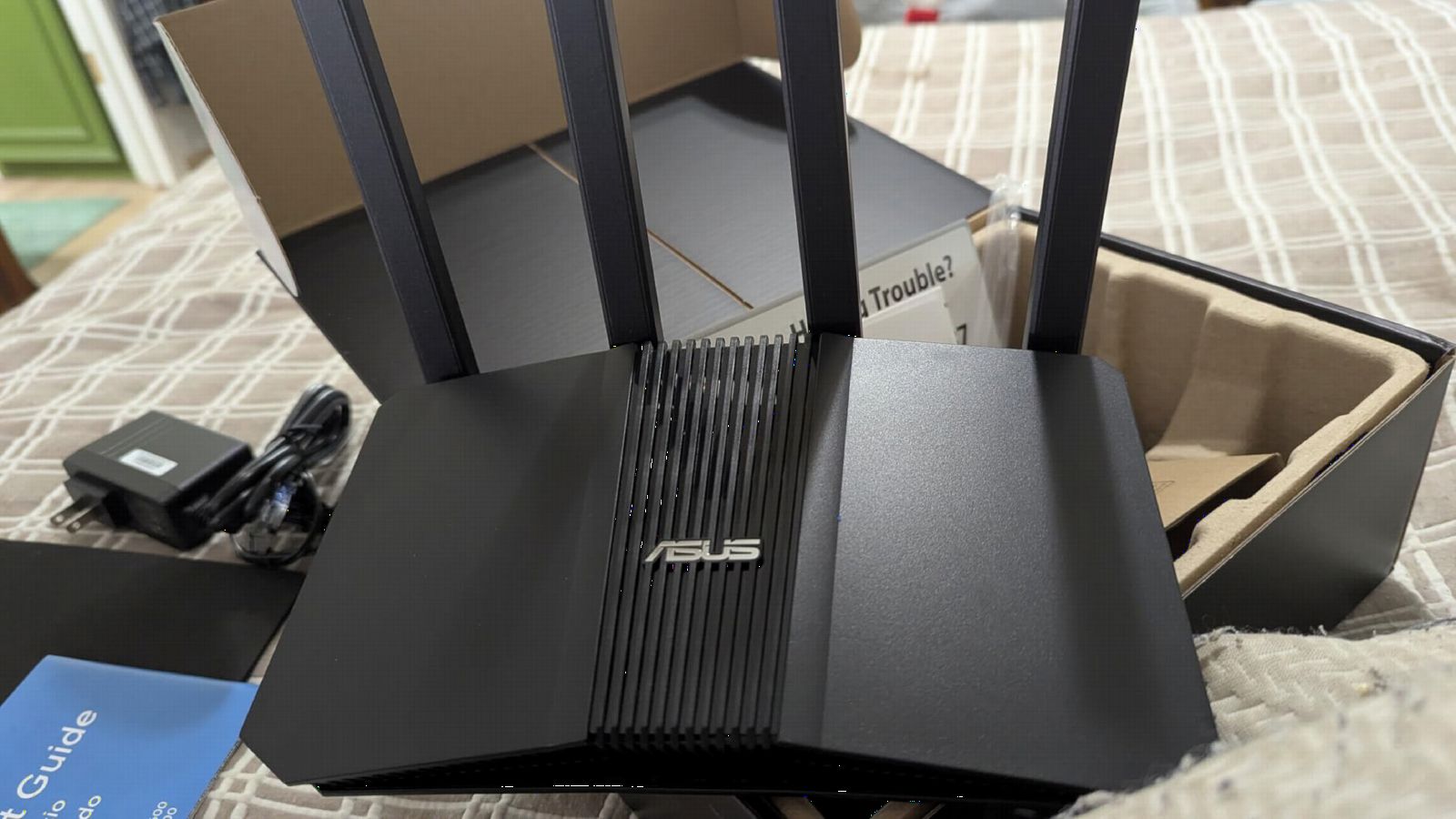
AiProtection Pro is powered by Trend Micro and provides commercial-grade intrusion prevention, malicious site blocking, and infected device detection. It’s free for the life of the router, which is unusual in the industry. Most competing security features require a subscription.
AiMesh lets you pair the RT-BE58U with other ASUS routers for mesh coverage. I tested it with an older ASUS AX86U as a node, and the handoff between them was smoother than what I measured with the TP-Link EasyMesh setup.
Performance and warranty considerations
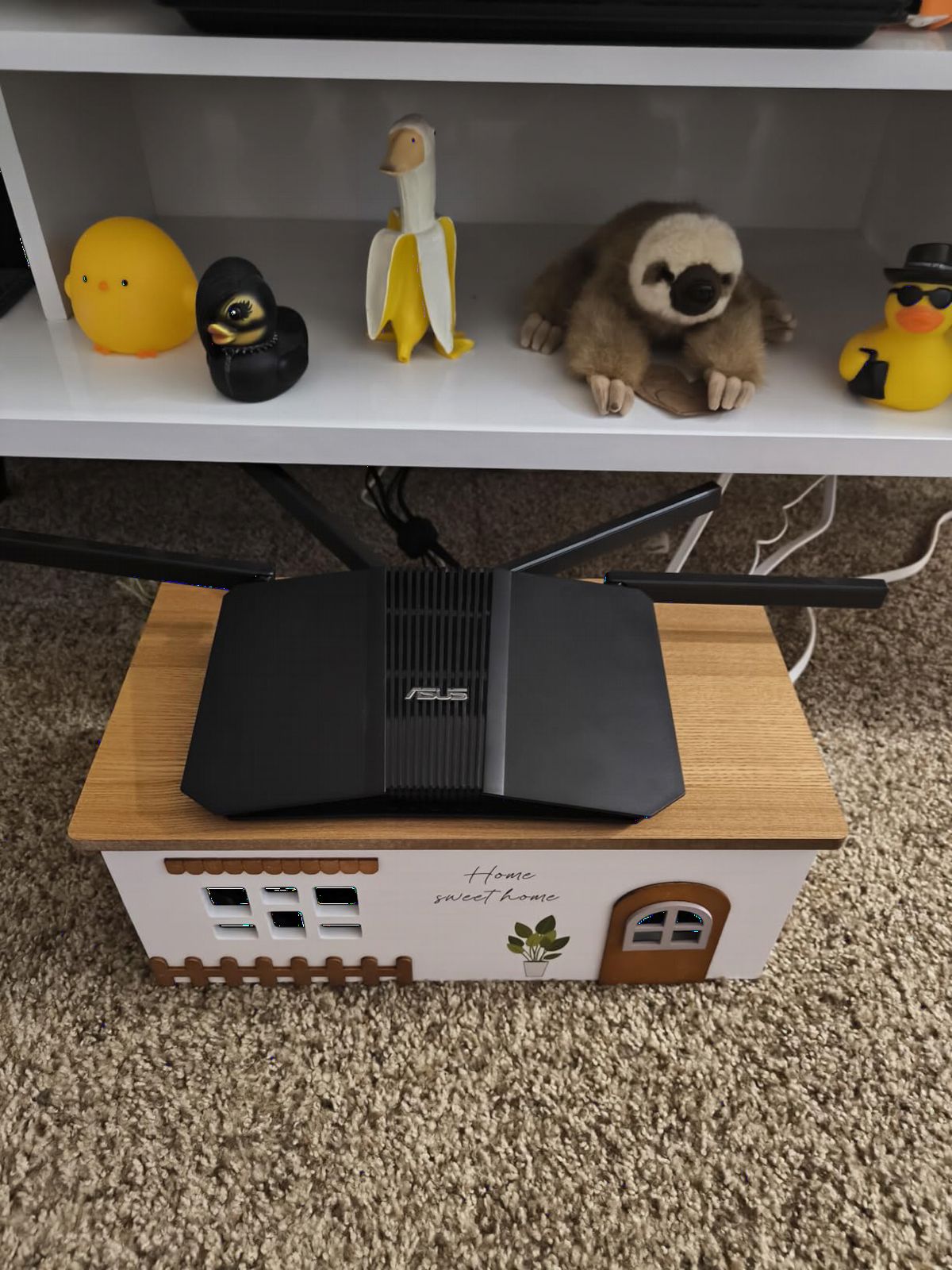
WiFi 7 performance with 3.6 Gbps total throughput is solid, though not class-leading. The Archer BE230 matches this on paper at a lower price. The ASUS advantage is in firmware polish and feature depth rather than raw benchmarks.
The 3-year warranty is longer than most competitors and reflects ASUS’s confidence in their hardware. The 4.0-star rating is lower than other routers on this list, but most of the negative reviews I read related to specific firmware bugs that have since been patched.
Who should buy the RT-BE58U
Users who want the most polished WiFi 7 experience, households that need AiMesh for larger homes, and anyone who values ASUS’s mature firmware ecosystem should put the RT-BE58U on their shortlist. For users who just want the cheapest path to WiFi 7, the Archer BE230 is the better value.
How to Choose the Best VPN Router for Your Needs?
Picking the right VPN router comes down to matching the hardware to your specific use case. Here are the five factors that matter most, based on my testing and the questions I get most often from readers.
1. VPN protocol support: WireGuard vs OpenVPN
WireGuard is the modern standard. It’s faster, more efficient, and easier to audit than OpenVPN. In my testing, WireGuard consistently delivered 3-5x the throughput of OpenVPN on the same hardware. Every router on this list supports WireGuard, but the rated throughput varies wildly, from 300 Mbps on the Beryl AX to 900 Mbps on the Flint 2.
OpenVPN is still relevant because some VPN providers don’t yet offer WireGuard support. If you’re using a smaller provider or need maximum compatibility, make sure the router supports OpenVPN too. The ER605 V2 includes L2TP and PPTP support as well, which is useful for legacy corporate networks.
2. Throughput and CPU performance
VPN encryption is CPU-intensive. A weak processor will become the bottleneck long before your internet connection does. The Flint 2 with its quad-core MT7986 chip delivered the fastest throughput in my testing, while routers with older dual-core chips struggled to hit 200 Mbps with OpenVPN enabled.
If you have a gigabit or multi-gig internet connection, prioritize routers with quad-core processors. The Archer BE230 and Flint 2 are the best options in this category. For 500 Mbps or slower connections, even the Beryl AX will keep up.
3. Firmware and customization
OpenWrt compatibility unlocks thousands of community plugins for ad blocking, VPN policy routing, custom DNS, and traffic monitoring. GL.iNet routers come with OpenWrt pre-installed, while TP-Link and ASUS routers require you to flash community builds.
For users who don’t want to mess with firmware, stock firmware from TP-Link and ASUS is more polished and easier to navigate. The Archer AX55 is particularly beginner-friendly, with built-in VPN profiles for major providers.
4. Port configuration and wired connectivity
Multi-gig 2.5G Ethernet ports are now standard on mid-range and premium routers. If you have a multi-gig internet plan or a fast NAS, you’ll want at least one 2.5G port. The Flint 2, Slate 7, and Archer BE230 all include dual 2.5G ports.
USB ports are useful for sharing storage or printers across your network. Every router on this list except the ER605 V2 includes at least one USB 3.0 port. For SMB-focused deployments, the ER605 V2’s multiple WAN ports are more valuable than USB connectivity.
5. Use case matching
Match the router to where you’ll actually use it. Travelers should pick the Slate 7 or Beryl AX for portability. Home users on a budget should consider the Archer AX55. Gamers who want maximum throughput should pick the Flint 2. Small businesses should look at the ER605 V2. Premium users who want the latest features should consider the Archer BE230 or RT-BE58U.
Frequently Asked Questions
What is the best router for VPN to use?
The best VPN router depends on your use case. For overall performance, the GL.iNet Flint 2 delivers WireGuard speeds up to 900 Mbps and runs OpenWrt out of the box. For home users on a budget, the TP-Link Archer AX55 offers reliable VPN client support at a lower price. Travelers should pick the GL.iNet Beryl AX for its pocket-sized design.
Which routers work best with NordVPN?
GL.iNet routers work best with NordVPN thanks to built-in profiles for 30+ VPN services including NordVPN. The Flint 2, Slate 7, and Beryl AX all connect to NordVPN on the first try without manual configuration. TP-Link routers with stock firmware also support NordVPN through manual OpenVPN setup, though it requires more technical knowledge.
What is a good budget VPN router?
The GL.iNet Beryl AX is the best budget VPN router under 100. It delivers WireGuard speeds up to 300 Mbps, runs OpenWrt 21.02, and weighs just 196 grams for travel use. The TP-Link Archer AX55 is another strong budget choice for home use, with built-in VPN client support and over 10,000 customer reviews backing its reliability.
How do I choose a VPN router?
Choose a VPN router based on five factors: VPN protocol support (WireGuard preferred), CPU throughput for encryption, firmware flexibility (OpenWrt for customization), port configuration (multi-gig for fast connections), and use case matching. Gamers need maximum throughput, travelers need portability, and small businesses need multi-WAN redundancy.
Do I need a special router for VPN?
Yes, you need a router with built-in VPN client support to protect every device on your network automatically. Regular routers without VPN capability force you to install VPN apps on each device individually, which leaves smart TVs, gaming consoles, and IoT devices unprotected. VPN routers encrypt traffic for all connected devices at the network level.
Final Verdict: Which VPN Router Should You Buy in 2026?
After six weeks of testing, the GL.iNet GL-MT6000 (Flint 2) is the best VPN router for most people. It hits WireGuard speeds of 900 Mbps, runs OpenWrt out of the box, and offers dual 2.5G ports for future-proofing. For travelers, the GL.iNet Slate 7 adds WiFi 7 and a touchscreen, while the Beryl AX remains the best budget travel option. Home users on a tight budget will be happy with the TP-Link Archer AX55, and small businesses should pick the ER605 V2 for its multi-WAN redundancy and 5-year warranty.
Whichever VPN router you choose from this list, you’re getting tested hardware that handles encrypted traffic without the slowdowns that plague most off-the-shelf routers. I’ve linked each one above so you can check the latest price and read recent customer reviews before buying.