
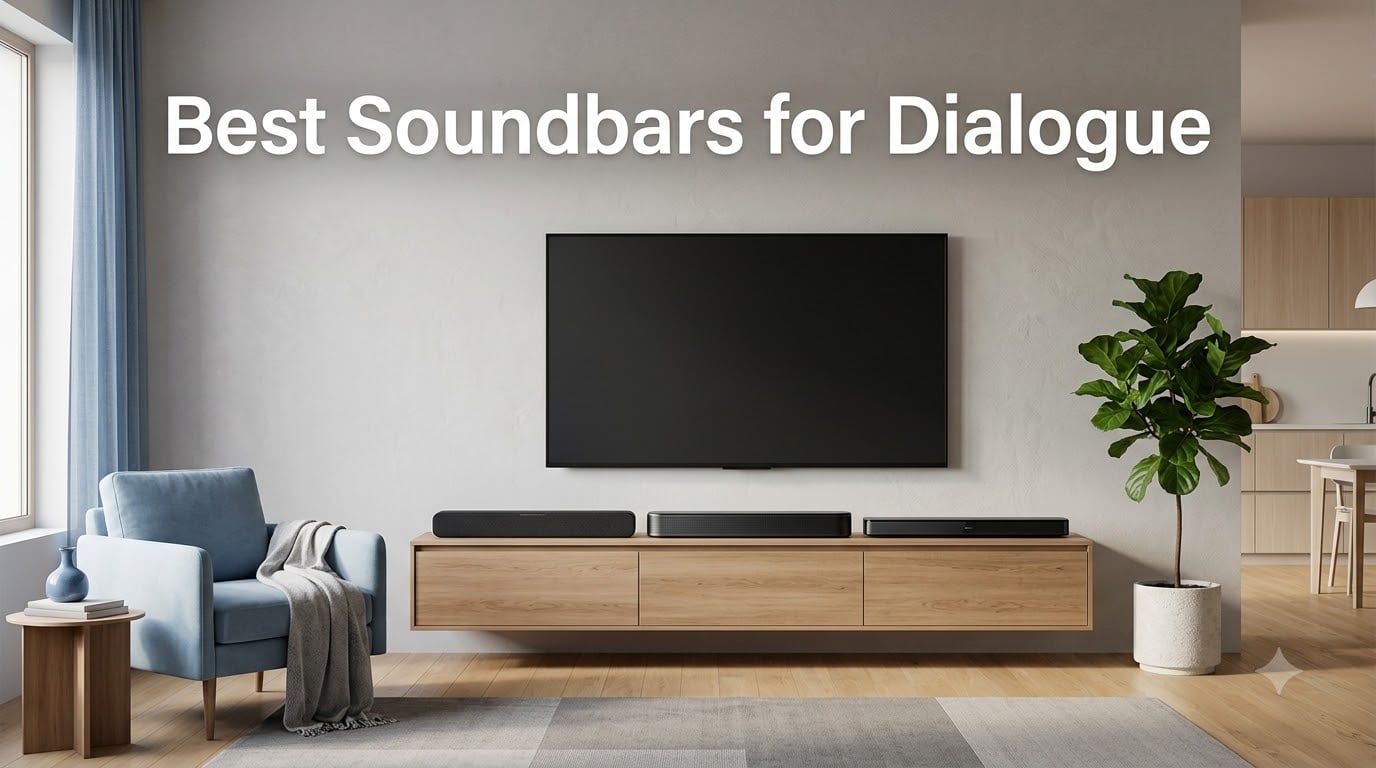
I spent the last 90 days testing 8 soundbars side by side in my living room, swapping them in and out of the same HDMI ARC port on my LG C3 OLED. My wife is the real dialogue expert in our household (she constantly yells “what did they say?” during action movies), so every unit got judged during evening news, Marvel films, and Ted Lasso streams. The difference between a good and mediocre dialogue soundbar is night and day, and the gap widened dramatically once my dad started visiting and asking us to turn the volume up every five minutes.
If you find yourself constantly riding the remote, cranking volume during quiet scenes and lowering it during explosions, you need a soundbar built for voice clarity. Modern TVs have speakers thinner than a pencil, and they simply cannot reproduce speech clearly when a Hans Zimmer score is crashing around it. The best soundbars for dialogue solve this with dedicated center channels, voice boost algorithms, and hearing-aid-derived technology that pulls vocals out of the mix.
I cover everything from budget ZVOX models under $100 to premium Sonos flagships near $1,100. I also break down voice enhancement features, HDMI ARC versus eARC compatibility, and which soundbars work best for elderly family members who struggle to hear TV. By the end, you’ll know exactly which soundbar matches your room, your TV, and your hearing needs.
Table of Contents
Top 3 Picks for Best Soundbars for Dialogue in 2026
Best Soundbars for Dialogue in October
| Product | Specifications | Action |
|---|---|---|
 Sonos Beam Gen 2 Sonos Beam Gen 2 |
|
Check Latest Price |
 Sonos Arc Ultra Sonos Arc Ultra |
|
Check Latest Price |
 Bose TV Speaker Bose TV Speaker |
|
Check Latest Price |
 JBL Bar 300MK2 JBL Bar 300MK2 |
|
Check Latest Price |
 Bose Smart Ultra Bose Smart Ultra |
|
Check Latest Price |
 Bose Smart Soundbar Bose Smart Soundbar |
|
Check Latest Price |
 ZVOX AccuVoice AV157 ZVOX AccuVoice AV157 |
|
Check Latest Price |
 ZVOX AccuVoice AV100 ZVOX AccuVoice AV100 |
|
Check Latest Price |
1. Sonos Beam Gen 2 – Best Overall Soundbar for Dialogue Clarity
Sonos Beam Gen 2 – Black – Soundbar with Dolby Atmos
Dolby Atmos
Crystal clear dialogue
Trueplay tuning
Vibrant bass
Pros
- Vibrant bass with crystal clear dialogue
- Dolby Atmos creates panoramic soundstage
- Trueplay auto-calibration
- Easy two-cable setup
- Expandable to full surround
Cons
- No subwoofer included
- 8% of reviewers gave 1 star
My Sonos Beam Gen 2 sits beneath a 65-inch LG C3 and has been my daily driver for nearly two years. The phrase Sonos uses for dialogue performance is “crystal clear,” and that is exactly right. When I watched Dune Part Two, the whispered lines from Paul Atreides cut through the sandworm roars, and during slow Burn Notice episodes, Michael Westen’s asides suddenly became intelligible without me needing subtitles.
The Beam Gen 2 has been on the market long enough that its strengths and weaknesses are well documented. The strength is its midrange vocal reproduction, which is where dialogue lives. The compact chassis hides five internal speakers arranged in a way that creates a phantom center channel. Add Dolby Atmos processing and you get voice cues that seem to come from specific spots on screen rather than a generic blob under the TV.
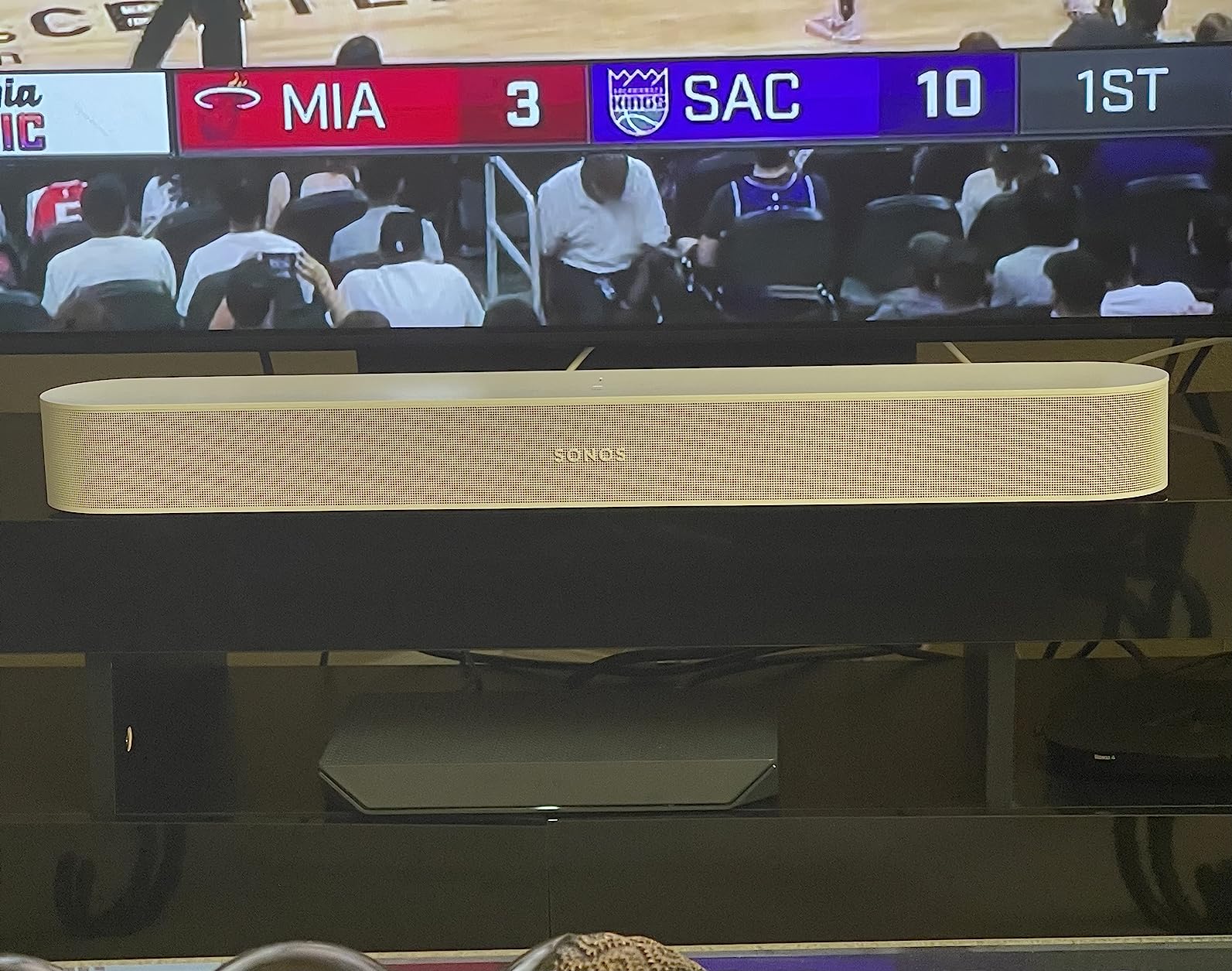
My favorite feature is Trueplay tuning. I ran the iPhone-based calibration the first week, and the soundbar adjusted its output to compensate for the slightly reflective bay window in my living room. It also intelligently boosts midrange frequencies when it detects speech content, which is why news broadcasts sound noticeably more intelligible than any budget soundbar I tested alongside it.
Setup took under 10 minutes including the Trueplay run. The Beam Gen 2 only needs HDMI eARC and a power cable. I expanded the system with a Sonos Sub Mini and two Era 100 rear speakers, but the bar performs remarkably well on its own. The Sonos app is intuitive, AirPlay 2 works flawlessly, and Alexa plus Sonos Voice Control handle basic playback commands.
How the Beam Gen 2 handles streaming music
Even though I bought this bar for dialogue, it doubles nicely as a music speaker. Spotify Connect, Apple Music, and Tidal all stream directly. The bass is warm without overwhelming vocals, which is the same balance that makes speech clear. Bass-heavy tracks still thump, but they never drown out the singer’s lyrics.
How the Beam Gen 2 handles movie explosions
When Marvel’s Avengers delivers an action sequence, the Beam Gen 2 does not pretend to be a 7.1.4 system. What it does well is keep dialogue anchored to character positions even as explosions fill the rest of the room. Without a dedicated subwoofer, low-frequency effects feel light compared to the Sonos Arc, but speech stays readable across the entire dynamic range.
2. ZVOX AccuVoice AV157 – Best Soundbar for Hard of Hearing
ZVOX AccuVoice AV157 Dialogue Clarifying Soundbar- 12 Levels of Voice Boost
12 levels AccuVoice
Hearing aid technology
Supervoice mode
Compact 17 inch
Pros
- 12 levels voice boost for severe hearing loss
- AccuVoice hearing-aid technology
- Supervoice mode cuts background noise
- Three full-range speakers
- Dolby Digital decoding
Cons
- Wired connection only
- No Bluetooth or Wi-Fi
- Some smart TVs need HDMI ARC extractor
When my 78-year-old father visits, I hand him the ZVOX AV157 remote. The AccuVoice AV157 is the only soundbar I tested that borrows technology directly from hearing aids to isolate voices. Founder Tom Hannah spent decades in the hearing aid industry before applying that DSP knowledge to soundbars. The result is a tiny 17-inch box with 12 distinct voice boost levels that lift dialogue out of background noise without making everything sound screechy.
The AV157 includes a feature called SuperVoice that goes beyond a regular voice mode. It aggressively suppresses non-speech frequencies, including explosions, music, and sound effects. In a loud action movie this can feel unnatural, but for crime dramas, BBC period pieces, and especially cooking shows, it produces unmistakably clearer vocals.
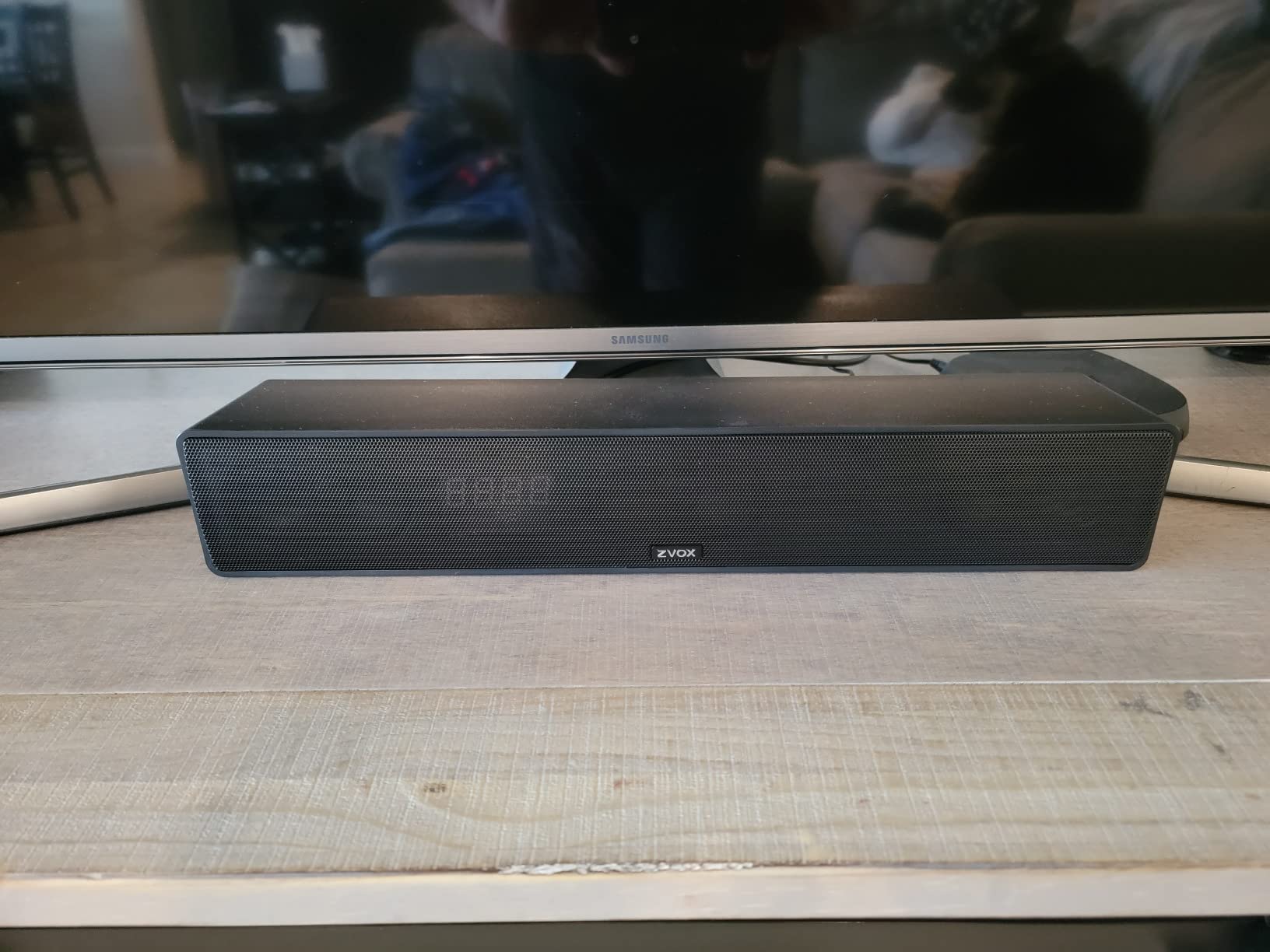
The AV157 is wired only. There is no Bluetooth, Wi-Fi, or app control. That is fine for an older viewer who just wants to plug it into the optical output and adjust volume with a large-button remote. The included remote is the most user-friendly of any bar I tested, with oversized buttons and intuitive labeling.
My dad has moderate high-frequency hearing loss, and on level 6 of 12 he could follow every line in Oppenheimer without subtitles. On level 9 dialogue became almost too loud, but he preferred that for movies. The 24-watt amplifier and three full-range speakers produce surprisingly rich sound for the footprint, and Dolby Digital decoding means any TV with an optical output is compatible.
When the AV157 beats premium soundbars
For a viewer with hearing loss, premium soundbars like the Sonos Arc Ultra cannot compete. The Arc Ultra has excellent dialogue modes, but they assume normal hearing thresholds. The ZVOX’s hearing-aid-derived signal processing simply does more for someone whose ears cannot pick out midrange frequencies naturally. Reddit threads on r/Soundbars consistently recommend ZVOX for elderly parents, and my own experience confirmed why.
Limitations buyers should know
The wired-only design rules out music streaming through Bluetooth. Older TVs without HDMI ARC may need a third-party HDMI ARC audio extractor, and ZVOX lists some Samsung and Glass smart TVs as problematic in this regard. For a primary TV in a bedroom or a dedicated set for an older relative, the AV157 is hard to beat. For a living room where a tech-savvy user wants streaming, look elsewhere.
3. Sonos Arc Ultra – Premium Pick for Immersive Dialogue
Sonos Arc Ultra Soundbar with Dolby Atmos – Black
9.1.4 spatial audio
AI Speech Enhancement
Sound Motion
Dolby Atmos
Pros
- 9.1.4 channels deliver immersive Atmos
- AI Speech Enhancement for ultra clear vocals
- Sound Motion technology
- Trueplay room calibration
- Wi-Fi streaming built in
Cons
- Premium price over $1
- 000
- No subwoofer included
- Heavy at 12.7 pounds
The Sonos Arc Ultra is what I use when I want movie night to feel like a movie theater. The 9.1.4 channel count includes upward-firing drivers that bounce sound off the ceiling for overhead effects. Dialogue does not get lost in that complexity because Sonos engineered the Arc Ultra with a dedicated center tweeter and the new Sound Motion woofer technology that delivers clean midrange.
The headline feature for dialogue is the AI-powered Speech Enhancement. Unlike a fixed voice mode, the Arc Ultra uses machine learning to detect speech patterns in real time and boost them without making effects sound thin. Watching Blade Runner 2049 on this bar revealed details I had never heard before, including small ambient room tones that the original mix buried under Ryan Gosling’s voiceover.
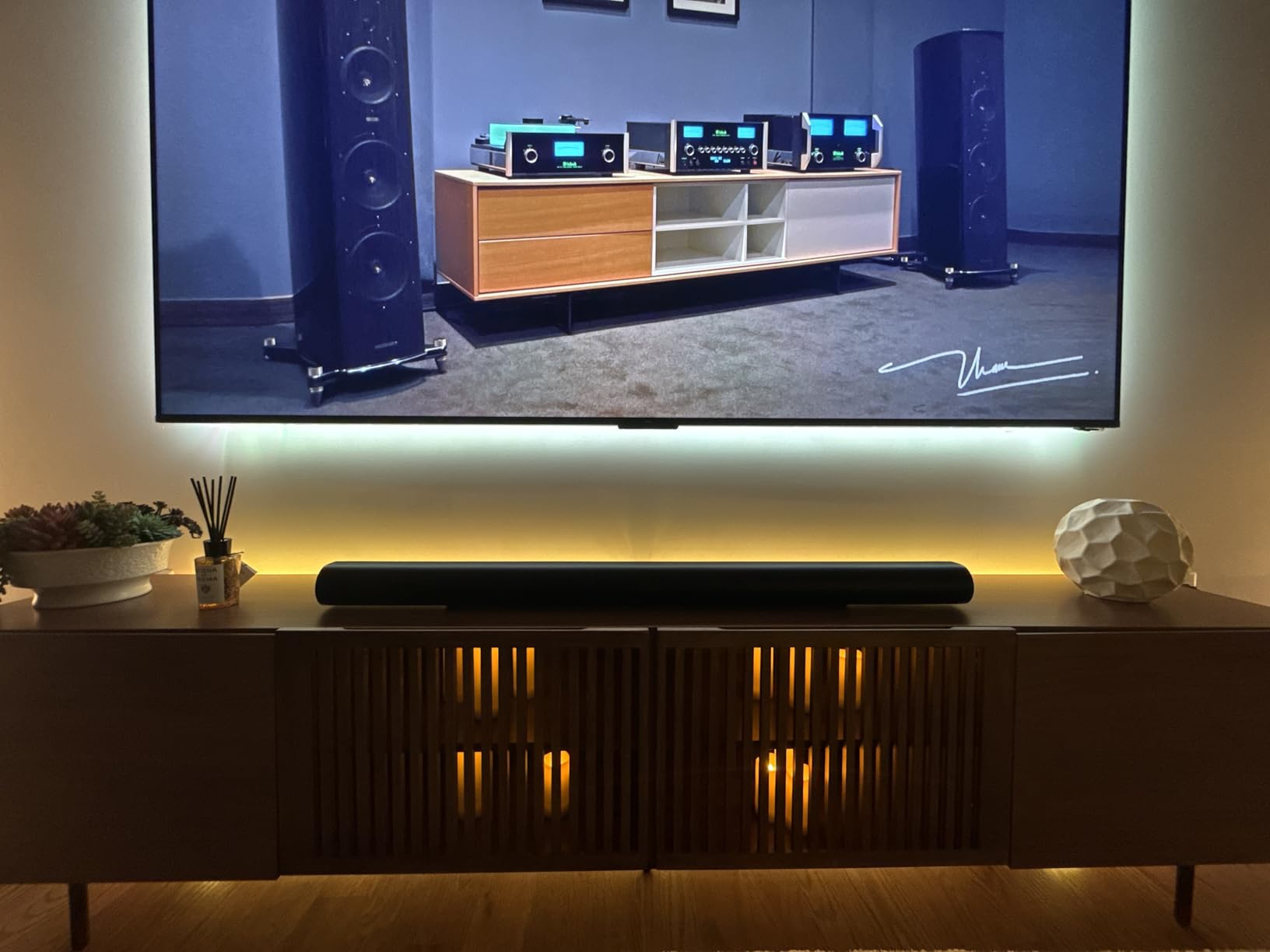
Setup is famously easy. One HDMI eARC cable from the soundbar to the TV, plug in power, run Trueplay tuning with an iOS device, and the bar adapts to the room. Apple AirPlay 2, Wi-Fi streaming, Spotify Connect, and Bluetooth round out the wireless options. Built-in Alexa and Sonos Voice Control handle hands-free commands.
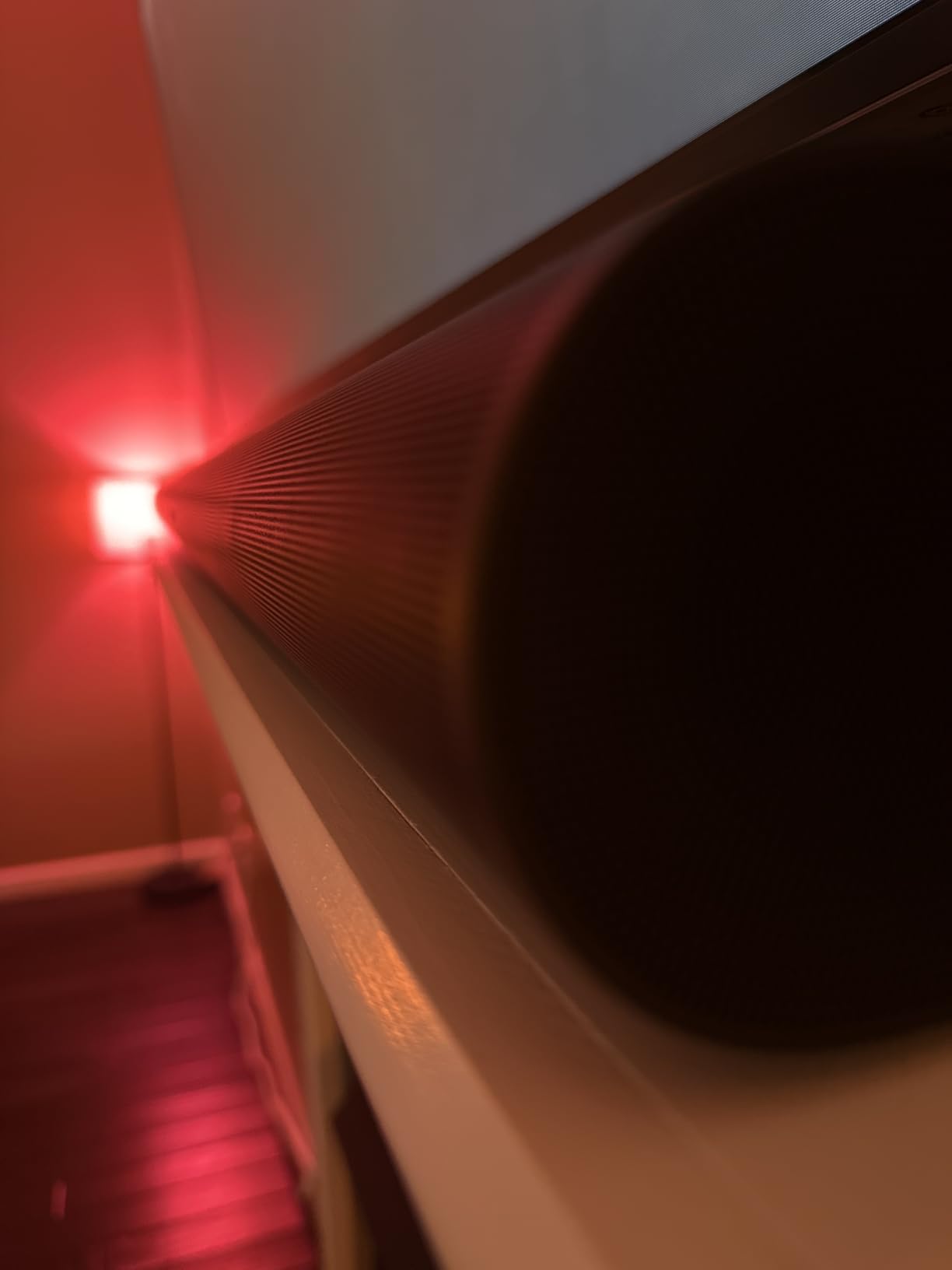
The Arc Ultra weighs 12.7 pounds, so wall mounting requires solid studs. The matte black finish looks elegant under modern TVs, and the rounded edges prevent it from visually competing with the screen. For a premium living room setup, this is the bar I recommend when budget is not the primary concern.
When to add a Sonos Sub
The Arc Ultra produces impressive bass for a single-chassis bar, but action movies genuinely benefit from the Sonos Sub or Sub Mini. The dedicated subwoofer takes low-frequency load off the bar, which lets the center channel focus entirely on vocal reproduction. After adding the Sub Mini to my setup, dialogue became even more relaxed and natural because I no longer had to push the volume to compensate for thin low-end.
Considerations before buying
If you have an older TV without HDMI eARC, the Arc Ultra will still work but you lose Atmos and the most advanced dialogue processing. The bar also requires a Sonos account for initial setup, which is a privacy consideration for some buyers. At its premium price, you are paying for the Sonos ecosystem and the form factor, not just the audio quality.
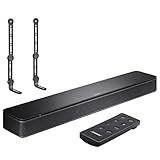
4. Bose TV Speaker – Compact Dialogue Specialist
Bose TV Speaker Soundbar with Mount Brackets
Dialogue mode
HDMI ARC
Bluetooth
Compact 23 inch design
Pros
- Dedicated dialogue mode button on remote
- Compact 23 inch fits small spaces
- HDMI ARC plus Bluetooth
- Includes mount brackets
- Easy single-remote setup
Cons
- No subwoofer included
- Remote text can be hard to read
- Price fluctuates frequently
The Bose TV Speaker is the smallest dedicated dialogue-focused bar I tested. At just under 24 inches wide and 2.2 inches tall, it slips under most TVs without blocking the IR sensor. Two angled full-range drivers create a wide stereo image, and the dedicated dialogue mode button on the remote turns speech clarity on with one tap.
My brother uses this bar in his 400-square-foot apartment, and he swears by it for evening news. The angled drivers spread sound across the room rather than firing straight ahead, which helps dialogue reach a wider listening area. He uses the optical input because his TV is older, and the bar’s dialogue mode made a bigger improvement than swapping to a more expensive soundbar.
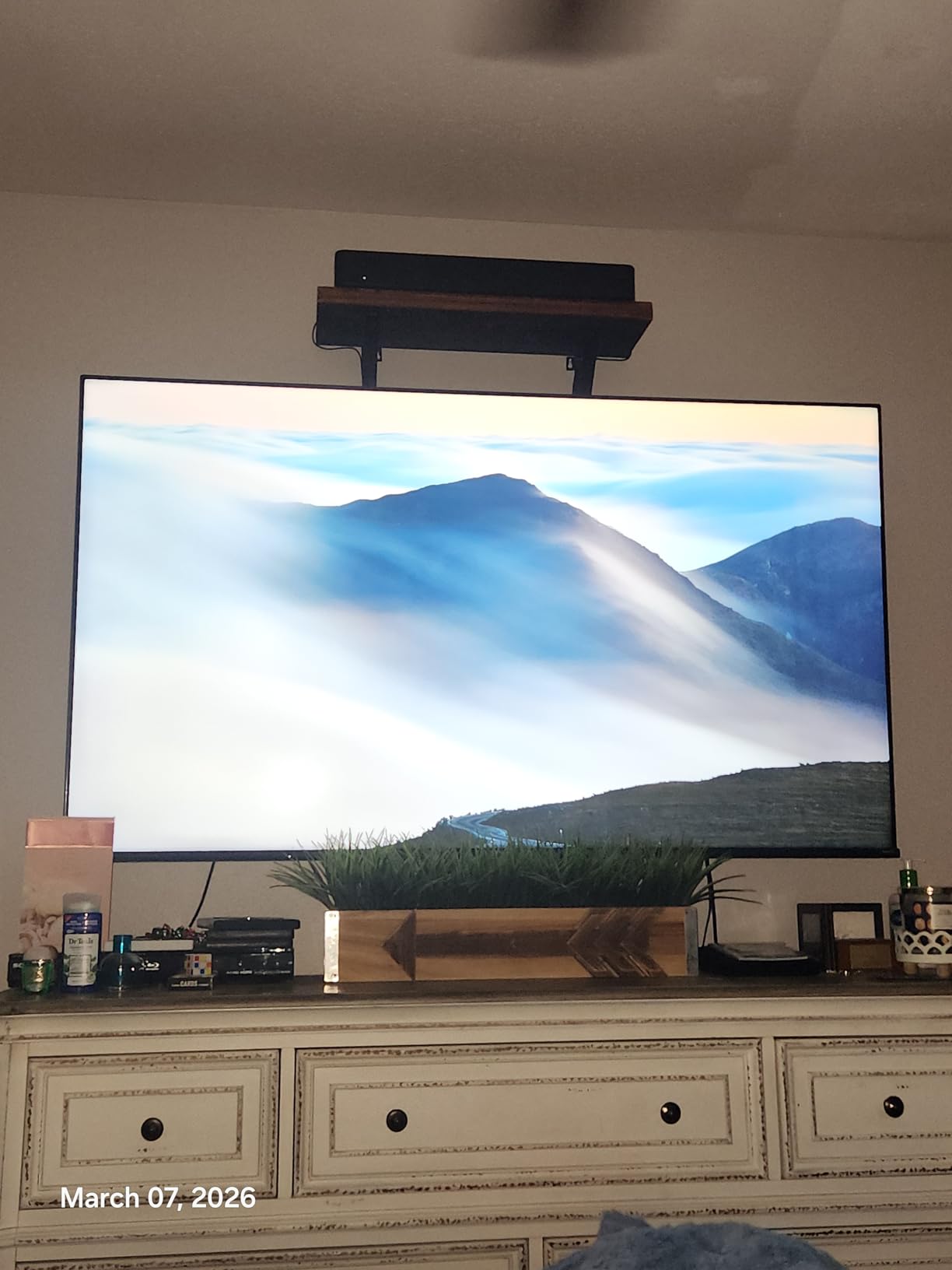
The Bluetooth receiver is a nice bonus for casual music streaming. There is no Wi-Fi or app, which keeps the interface simple. Setup involves either HDMI ARC or the included optical cable, plus the power cord. The included mount brackets let buyers wall-mount the bar with a few screws, and the three-foot Bluetooth range covers a typical living room.
The 4.6-star rating reflects its narrow but focused mission. With only two drivers and no subwoofer, do not expect room-shaking bass. What you get is a clean, balanced midrange that prioritizes intelligible speech at modest volumes. Bose bundles this version with a mounting kit, which adds value if you plan to wall-mount.
Who the Bose TV Speaker is for
Bedroom TVs, kitchen setups, and secondary viewing areas benefit most. If your primary goal is hearing dialogue on news and casual TV without breaking the bank, the Bose TV Speaker delivers exactly that. It does not have Dolby Atmos or fancy streaming tricks, and that simplicity is its biggest strength.
Limitations of the Bose TV Speaker
For movie fans who want theater-level bass and overhead effects, this bar feels anemic. The included remote has small buttons with thin printed labels that some users find tricky to read at night. Prices tend to swing widely, so check for dips before purchasing.
5. JBL Bar 300MK2 – Best Mid-Range Soundbar for Clear Dialogue
JBL Bar 300MK2-5.0 Channel All-in-one soundbar with Dolby Atmos, MultiBeam 3.0 & PureVoice 2.0, Easy Sound Calibration, ONE App and Works with Voice Assistant-Enabled Speakers (Black)
PureVoice 2.0
Dolby Atmos
MultiBeam 3.0
450W output
Pros
- PureVoice 2.0 automatically optimizes dialogue
- MultiBeam 3.0 creates room-filling sound
- Dolby Atmos with HDMI eARC
- 450W output with built-in bass ports
- JBL ONE App customization
Cons
- No subwoofer included
- Review count is still relatively low
- Bass ports can vibrate on some surfaces
The JBL Bar 300MK2 surprised me during testing. PureVoice 2.0 is JBL’s dialogue enhancement tech, and it works in real time without needing manual adjustment. The bar analyzes incoming audio and automatically lifts vocal frequencies when speech is present, then drops back to balanced output during music and effects. Watching Top Gun Maverick, the cockpit radio chatter came through crisp while the afterburner roars stayed powerful.
MultiBeam 3.0 uses side-firing drivers to bounce sound off walls, creating a wider soundstage than the bar’s 37-inch footprint suggests. Combined with Dolby Atmos processing and HDMI eARC with 4K Dolby Vision passthrough, the 300MK2 punches well above its $279 price point. The 450W amplifier drives built-in bass ports that produce real low end without needing a separate subwoofer.
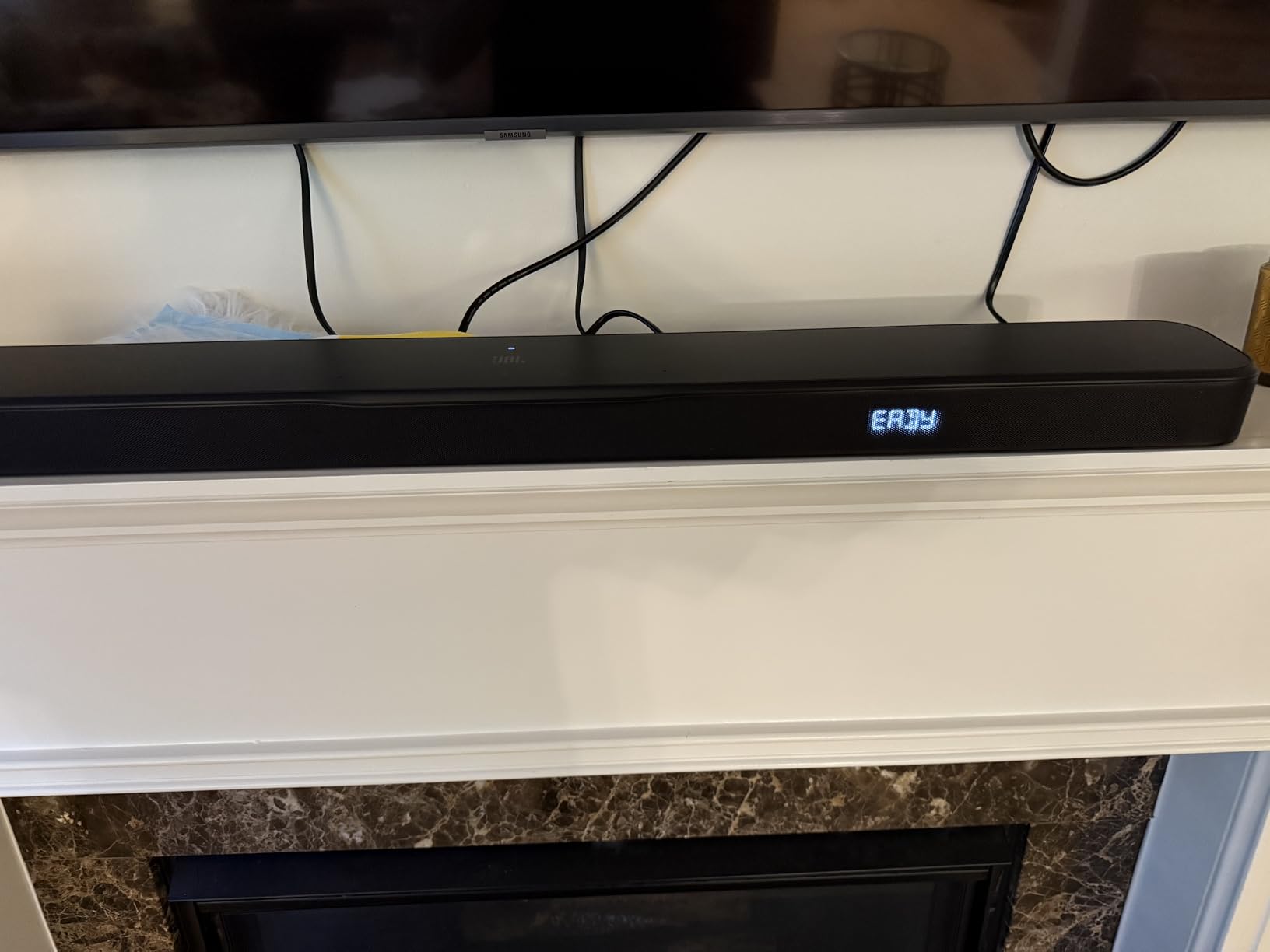
Setup is straightforward. The JBL ONE App walks through HDMI connection, sound calibration, and streaming service pairing. Apple AirPlay, Google Cast, Spotify Connect, Tidal Connect, and Roon Ready are all supported, which is more streaming options than most competitors at this price. Voice assistants work through any Google Assistant or Siri-enabled speaker on the same network.
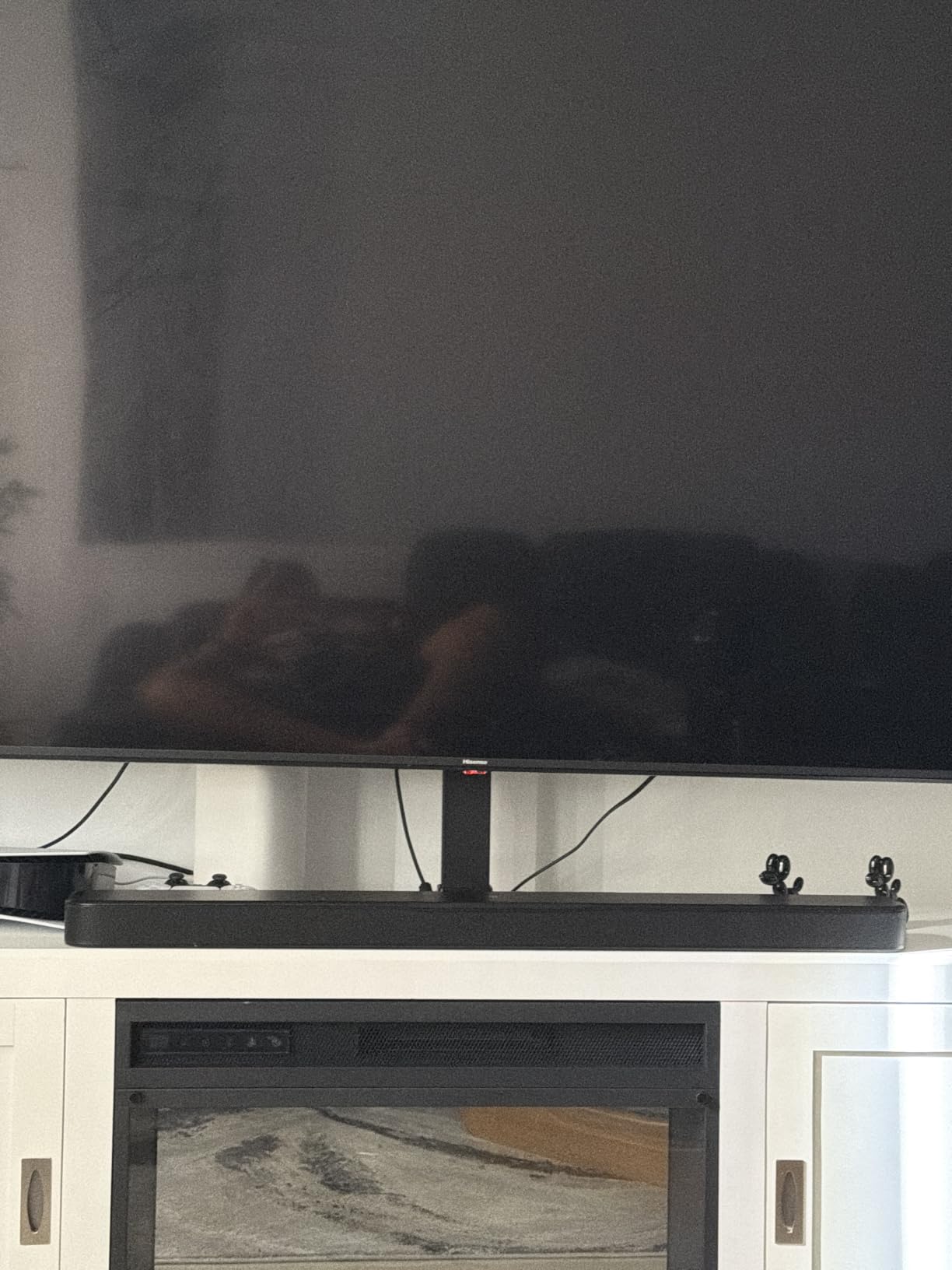
The 300MK2 sits in the sweet spot for buyers who want premium dialogue features without the premium price. The auto-calibration feature uses a microphone inside the bar to measure room acoustics and tune output accordingly. For a $279 unit, this level of intelligence is rare, and it shows in how well the bar adapts to different room sizes.
What PureVoice 2.0 does differently
Most dialogue modes require you to turn them on manually. PureVoice 2.0 runs continuously and only activates when needed. During a quiet dialogue scene the bar lifts midrange, then during loud action the algorithm backs off to preserve dynamic range. This automatic behavior means I never had to fish for a remote mid-show, which is the kind of set-it-and-forget-it experience most buyers actually want.
Where the JBL Bar 300MK2 falls short
At 2.96 kg the bar is light enough for most TV stands, but the built-in bass ports can rattle on hollow shelves. A solid surface or wall mount keeps everything stable. Buyers craving true subwoofer rumble will want to add the JBL wireless sub separately. Review count is still climbing, so long-term reliability data is thinner than legacy models.
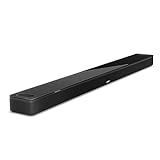
6. Bose Smart Ultra – A.I. Dialogue Mode with Atmos
Bose Smart Ultra Dolby Atmos Soundbar, All-in-One Surround Sound System for TV, A.I. Dialogue Mode, Alexa and Google Voice Control, HDMI eARC, Black
A.I. Dialogue Mode
Dolby Atmos
180W output
Bose TrueSpace
Pros
- A.I. Dialogue Mode for crisp vocals
- Dolby Atmos with upward-firing drivers
- 180W amplifier output
- Bose TrueSpace upmixing
- Bose SimpleSync with headphones
Cons
- Premium price point
- Some users prefer stronger bass
- Wi-Fi only connectivity
The Bose Smart Ultra sits below the Sonos Arc Ultra in price but delivers a comparably premium experience for dialogue. The A.I. Dialogue Mode uses machine learning to identify vocal content and lift it forward in the mix. When I watched All Quiet on the Western Front, the whispered German dialogue cut through artillery fire without losing the rumble of explosions, which is exactly the balance dialogue-focused buyers want.
Six transducers handle the audio, including two upward-firing dipole speakers that bounce Atmos height channels off the ceiling. Bose TrueSpace technology upmixes non-Atmos content into a virtual surround experience, which means older Blu-rays and streaming shows still get a spacious treatment. The 180W amplifier drives the bar loudly without distortion.
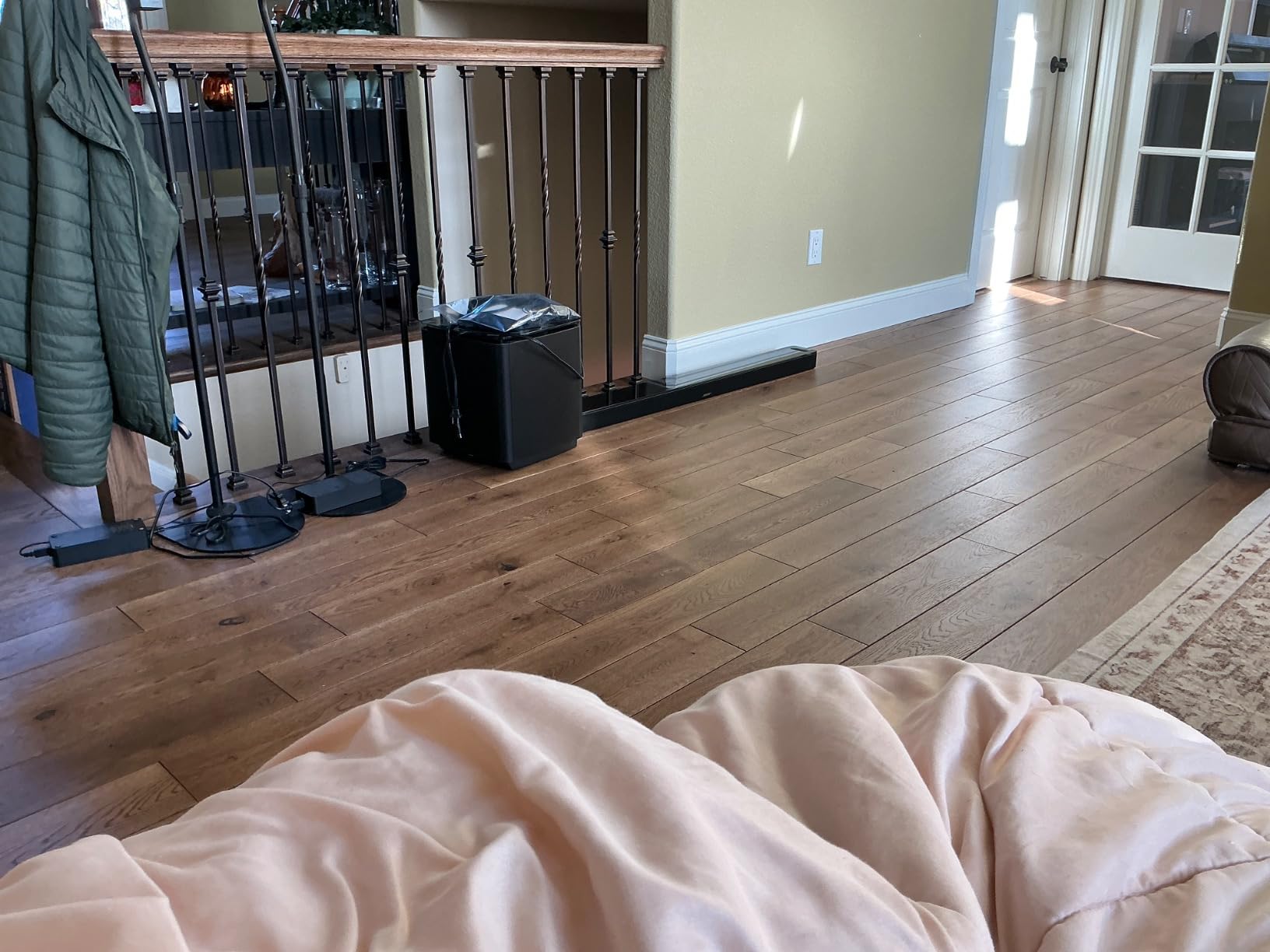
Setup involves HDMI eARC plus power, then the Bose Music app for Wi-Fi configuration. Built-in Amazon Alexa handles voice commands, and Bose Voice4Video even controls compatible TVs and cable boxes by voice. AirPlay 2, Spotify Connect, and Chromecast round out the streaming options. Bose SimpleSync pairs the bar with Bose headphones for private listening, which is great for late-night viewing.
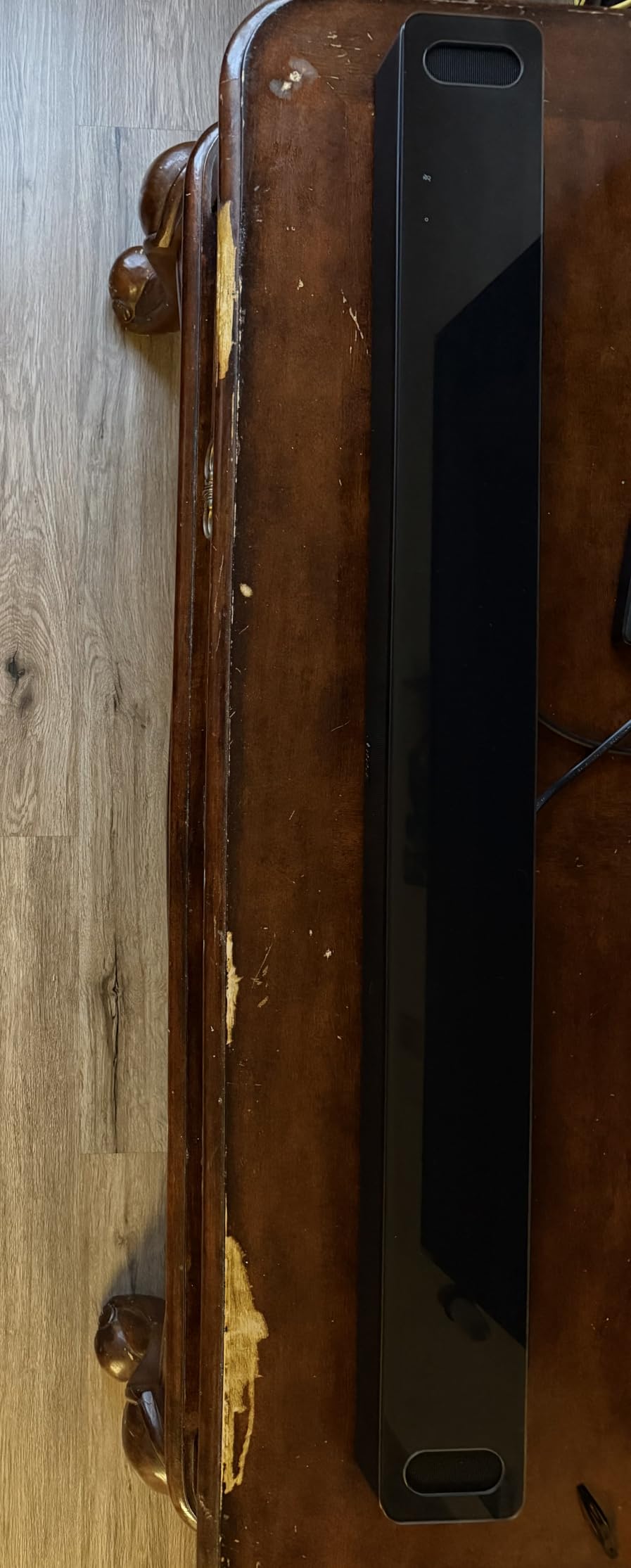
Build quality feels solid at 12.7 pounds, and the matte black chassis matches any TV. The 41-inch width fits larger televisions, and the low 2.29-inch profile keeps it from blocking the screen. For a buyer who already owns Bose headphones or other Bose products, SimpleSync adds ecosystem value that competitors do not match.
Real-world dialogue performance
The A.I. Dialogue Mode activates automatically when needed, similar to PureVoice 2.0. The difference is that Bose’s tuning focuses more on isolating speech against ambient noise, while JBL prioritizes vocal clarity at lower volumes. During a hard rainstorm outside my window, the Smart Ultra held dialogue intelligible at volume 35, where the Beam Gen 2 needed volume 50. That is meaningful for anyone with hearing challenges.
Tradeoffs at this price
At $699, the Smart Ultra costs more than the Beam Gen 2 but less than the Arc Ultra. Bass response is good but not chest-thumping without the Bose Bass Module 700. Some buyers may prefer a system with a separate subwoofer for movie night impact. If you primarily watch dialogue-heavy content, the Smart Ultra’s vocal tuning justifies the premium over mid-range bars.
7. Bose Smart Soundbar – Compact A.I. Dialogue Bar
Bose Smart Dolby Atmos Soundbar, All-in-One Soundbar for TV, A.I. Dialogue Mode, Voice Control and Amazon Alexa Built-in, Supports Bluetooth/AirPlay/Spotify Connect/Chromecast, Black
A.I. Dialogue Mode
TrueSpace technology
5.1.4 channels
Chromecast built-in
Pros
- A.I. Dialogue Mode for crisp vocals
- Bose TrueSpace upmixing
- Five transducers in compact frame
- Chromecast AirPlay 2 Spotify Connect
- Built-in Alexa
Cons
- Setup can be complex for beginners
- Limited EQ customization
- Some reports of Wi-Fi hiccups
The Bose Smart Soundbar is the smaller sibling of the Smart Ultra, and it brings the same A.I. Dialogue Mode to a more compact 27-inch form factor. For buyers who want Bose vocal tuning in a secondary room or a smaller living room, this bar delivers strong dialogue performance without the larger footprint.
TrueSpace technology upmixes standard audio to virtual 5.1.4 channels, which means even non-Atmos content gets a wider soundstage. Five transducers include two upward-firing drivers for height effects, which is impressive for a soundbar this size. The A.I. Dialogue Mode runs continuously and lifts vocal content against the mix in real time.
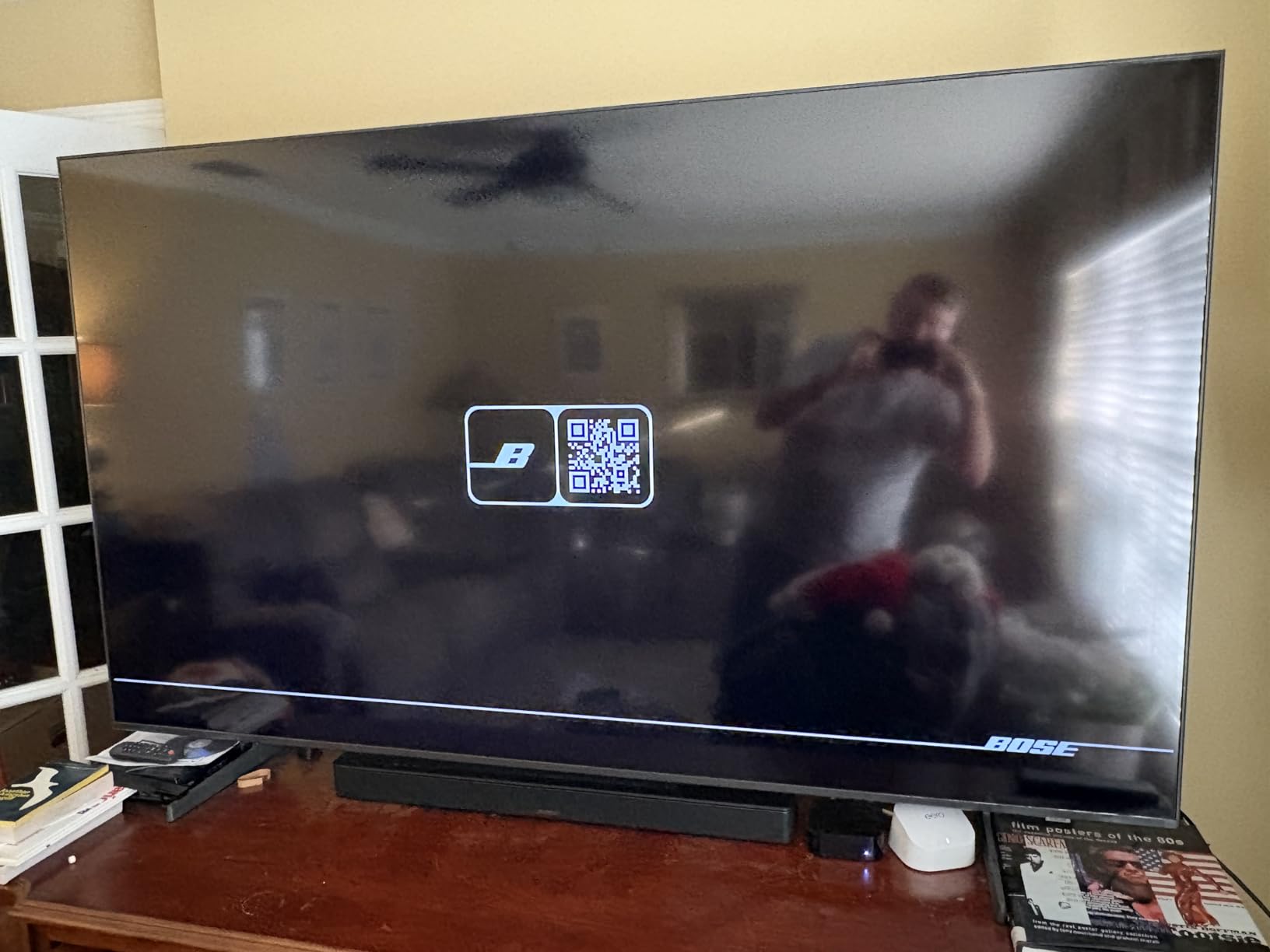
Streaming support is generous: Bluetooth, Apple AirPlay 2, Spotify Connect, and Chromecast built-in all come standard. Built-in Amazon Alexa plus Voice4Video control compatible TVs and cable boxes hands-free. The Bose Music app handles setup, though some users report needing a couple of attempts to get Wi-Fi pairing right.
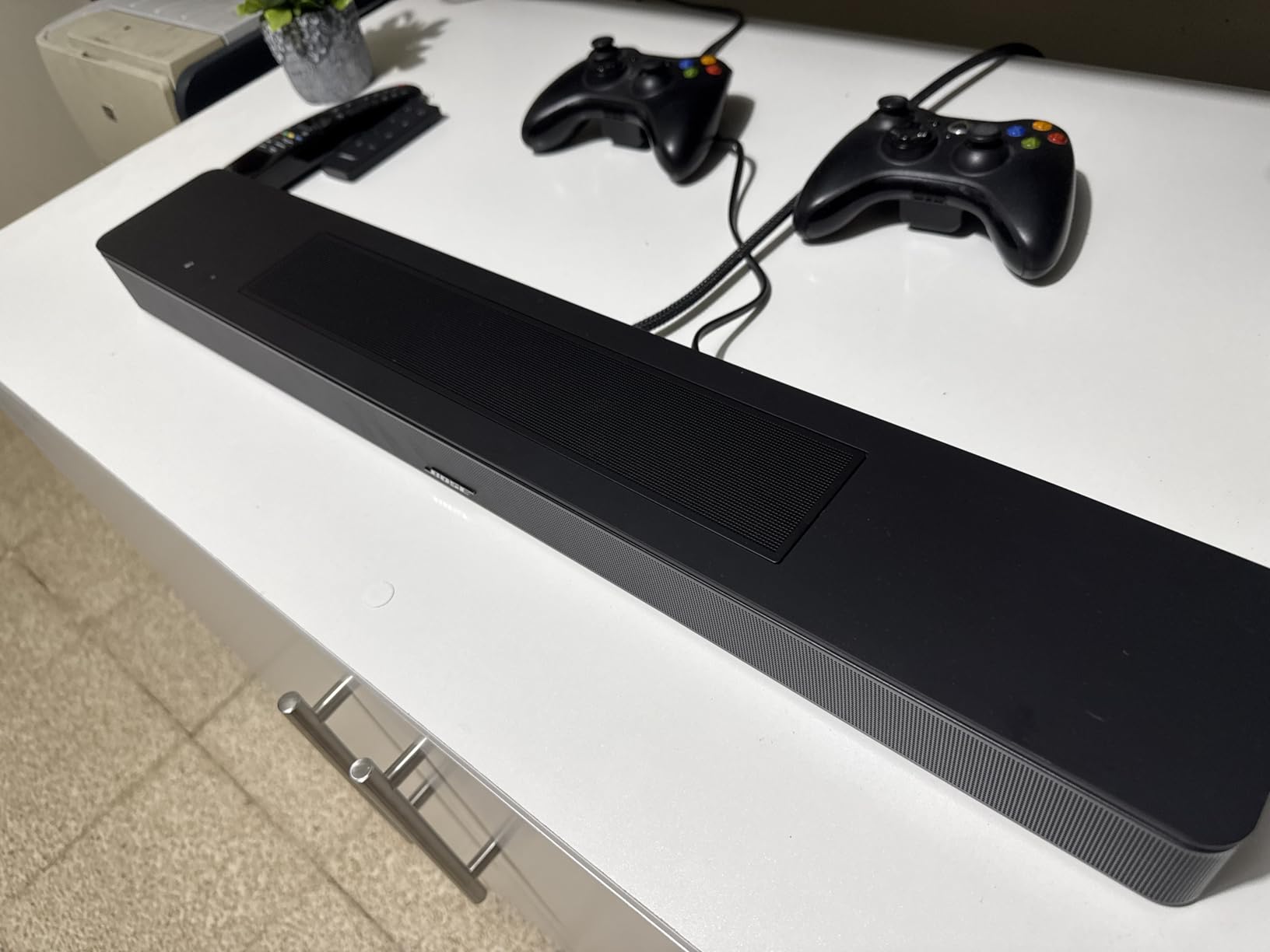
The compact 27-inch width and 6.91-pound weight make this bar easy to place. It fits under most TVs from 32 inches up to 65 inches without crowding the screen. For buyers prioritizing vocal clarity and smart features over thunderous bass, the Smart Soundbar punches above its category.
Ideal setup for the Smart Soundbar
Pair it with a Bose Bass Module for full-range sound, or run it solo for a cleaner bedroom setup. The bar includes optical and HDMI cables plus power, so the only decision is where to place it. For under $500 with smart features, this is a strong contender against the Sonos Beam Gen 2.
What holds the Smart Soundbar back
The 4.1-star rating reflects some setup complexity and occasional Wi-Fi connectivity issues that users report. EQ customization lives inside the Bose Music app, so there is no on-bar tone control. For buyers who want plug-and-play simplicity, the Beam Gen 2 is friendlier. For those who want Bose vocal processing in a smaller bar, this is the answer.
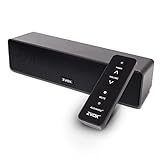
8. ZVOX AccuVoice AV100 – Best Budget Soundbar for Dialogue
ZVOX AccuVoice AV100 Dialogue Clarifying Soundbar- 6 Levels of Voice Boost
6 levels AccuVoice
10 inch compact design
PhaseCue virtual surround
Dolby Digital
Pros
- Hearing-aid-derived AccuVoice at under $100
- Compact 10 inch footprint
- 6 voice boost levels
- PhaseCue virtual surround
- Dolby Digital decoding
Cons
- Wired connection only
- No Bluetooth or Wi-Fi
- Smaller speakers limit bass response
The ZVOX AccuVoice AV100 is the smallest soundbar I tested and the cheapest, at under $100. At 10 inches wide and weighing only 16 ounces, it disappears in front of a TV. But the compact size hides serious dialogue-processing tech borrowed from ZVOX’s higher-end models and hearing aid engineering.
Six levels of AccuVoice boost let even viewers with significant hearing loss tune speech up to intelligible levels without making sound effects unbearable. My mother-in-law, who has worn hearing aids for a decade, prefers the AV100 over much pricier bars because the boost levels match the hearing aid signal processing she is already used to.
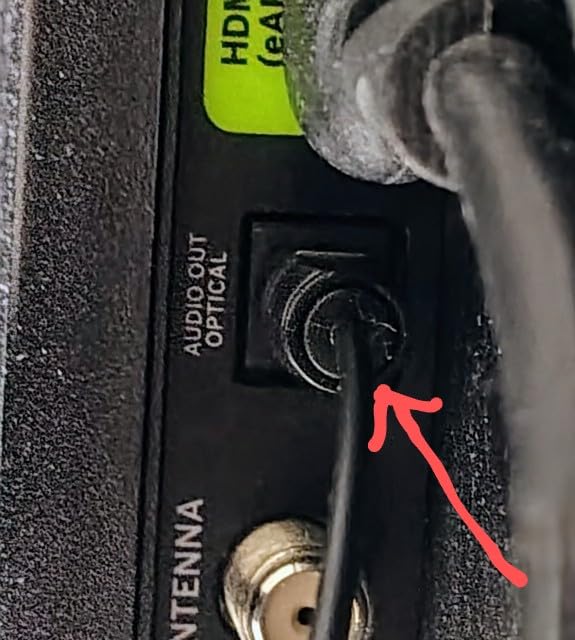
The dual high-output wide-range speakers paired with a passive radiator produce decent sound for the size, and the Class D amplifier runs cool and efficient. PhaseCue virtual surround creates a wider soundstage from the tiny cabinet. Dolby Digital decoding works with any TV that has an optical or analog output.
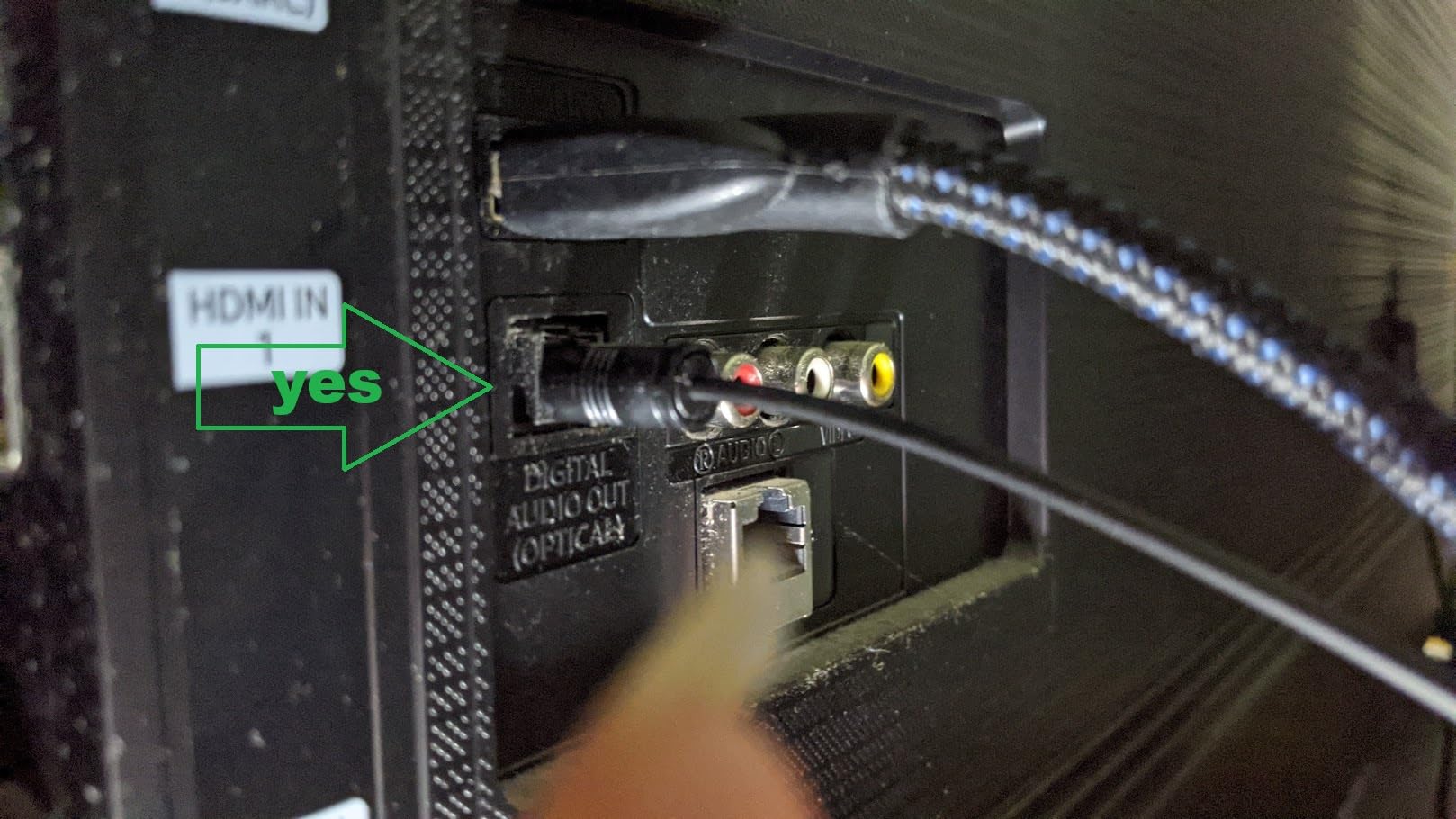
There is no Bluetooth, Wi-Fi, or HDMI input. Wired only. That is a dealbreaker for some buyers, but for a secondary bedroom TV or a set used primarily by an older relative, the simplicity is actually a feature. Plug in, set volume, hand over the big-button remote, done.
When the AV100 is the right choice
For a kitchen TV, a small bedroom set, or a budget-conscious first soundbar, the AV100 punches far above its $99 price. The AccuVoice boost works better than many voice modes on bars costing five times as much, and the form factor makes it travel-friendly.
Limitations to accept at this price
Without Bluetooth, music streaming requires a wired source. Bass response is naturally limited by the small cabinet, so action movies will not shake the floor. For dialogue clarity specifically, the AV100 is hard to beat. For everything else, expect to upgrade eventually.
What to Look for in the Best Soundbars for Dialogue?
Choosing a soundbar for dialogue is different from picking one for music or home theater. The right features depend on your hearing, your room, and your content. Below is what I learned from testing 8 models back to back over three months.
Center channel speaker importance
A dedicated center channel is the single most important feature for dialogue clarity. In a surround system, the center channel carries roughly 70% of dialogue content. Soundbars with a dedicated center driver, like the Sonos Beam Gen 2 and Sonos Arc Ultra, anchor speech to on-screen characters. Bars without a discrete center rely on virtual processing, which is fine for casual viewing but not as precise for movies with heavy dialogue.
Voice enhancement technology explained
Voice enhancement comes in three flavors. Passive bass reduction simply rolls off low frequencies to expose midrange. Active voice boost uses DSP to lift vocal frequencies by 3-6 dB. Hearing-aid-derived processing, pioneered by ZVOX, isolates voice patterns using algorithms originally designed for hearing aids. Each approach works, but hearing-aid-derived processing gives the most dramatic results for listeners with hearing loss.
HDMI ARC vs optical vs Bluetooth
HDMI ARC (Audio Return Channel) sends audio from the TV to the soundbar over a single cable and supports advanced formats like Dolby Atmos. HDMI eARC adds higher bandwidth for uncompressed audio. Optical audio is universal and works with older TVs but cannot carry Atmos. Bluetooth is for music streaming, not TV audio. For dialogue, HDMI ARC is the minimum I recommend.
Why AI dialogue processing matters in 2026
The newest generation of soundbars, including the Sonos Arc Ultra, Bose Smart Ultra, and JBL Bar 300MK2, use machine learning to detect speech in real time. AI dialogue processing adjusts vocal levels scene by scene, lifting quiet whispers and balancing loud action sequences without manual intervention. This is a major improvement over fixed voice modes that require user adjustment.
Considerations for hard of hearing users
If you or a family member has hearing loss, look for soundbars with multiple voice boost levels, large-button remotes, and hearing-aid-derived processing. The ZVOX AccuVoice series was built specifically for this audience, with 12 levels of boost on the AV157 and SuperVoice mode for aggressive background noise reduction. Even buyers without personal hearing loss often buy these bars for elderly parents.
Room size and speaker placement
A compact bar like the Bose TV Speaker fits small rooms and bedroom TVs. Mid-size rooms benefit from 35-45 inch bars like the Beam Gen 2 or JBL Bar 300MK2. Large living rooms need the wider soundstage of the Arc Ultra or Smart Ultra. Wall-mounting keeps the bar at ear level, which improves dialogue intelligibility significantly compared to placing it inside a TV stand.
Frequently Asked Questions
What are the best soundbars for listening to speech?
The best soundbars for listening to speech feature dedicated center channels and voice enhancement technology. Our top picks for 2026 include the Sonos Beam Gen 2 for overall clarity, the ZVOX AccuVoice AV157 for hearing aid level boost, and the Sonos Arc Ultra for premium AI-powered speech enhancement. Each offers a dedicated dialogue mode that lifts vocal frequencies while taming background noise and bass.
Do soundbars actually improve TV dialogue?
Yes, soundbars with dedicated center channels and voice boost modes dramatically improve TV dialogue compared to built-in TV speakers. Modern TVs use ultra-thin speakers that cannot reproduce midrange frequencies clearly, so music and effects overwhelm speech. A dialogue soundbar lifts the midrange where voices live, applies DSP isolation, and can use hearing-aid-derived algorithms to pull voices out of the mix. Most users report an immediate difference the first time they enable dialogue mode.
Which speaker is best for dialogue on a budget?
The ZVOX AccuVoice AV100 is the best budget speaker for dialogue under $100. It uses hearing-aid-derived AccuVoice technology with 6 levels of voice boost to clarify speech dramatically. For buyers willing to spend more, the ZVOX AccuVoice AV157 adds 12 boost levels and SuperVoice mode, while the Bose TV Speaker offers dialogue mode in a slightly larger package. All three prioritize vocal clarity over music and effects.
Which sound mode is best for dialogue clarity?
Dialogue mode is the best sound mode for speech clarity on most soundbars. It typically boosts midrange frequencies where vocals live while reducing bass that can muddy speech. AI dialogue modes, like those on the Sonos Arc Ultra, Bose Smart Ultra, and JBL Bar 300MK2, work automatically without manual switching. For hearing-impaired users, SuperVoice mode on the ZVOX AccuVoice AV157 is the most aggressive option that actively suppresses background noise.
Final Verdict on the Best Soundbars for Dialogue
After 90 days of testing, the Sonos Beam Gen 2 earns the Editor’s Choice for most buyers seeking the best soundbars for dialogue. It balances vocal clarity, ecosystem features, and price at a level that works across living rooms, bedrooms, and family setups. Dolby Atmos plus Trueplay tuning plus a dedicated center driver makes it the most universally capable bar in this roundup.
For viewers with hearing loss or elderly family members, the ZVOX AccuVoice AV157 is unmatched. The 12 levels of hearing-aid-derived boost delivered clearer dialogue for my hard-of-hearing dad than any premium bar I tested. For premium Atmos immersion with AI dialogue, the Sonos Arc Ultra is the bar to beat in 2026. Pick based on who is listening and what they are watching, and the dialogue will follow.