
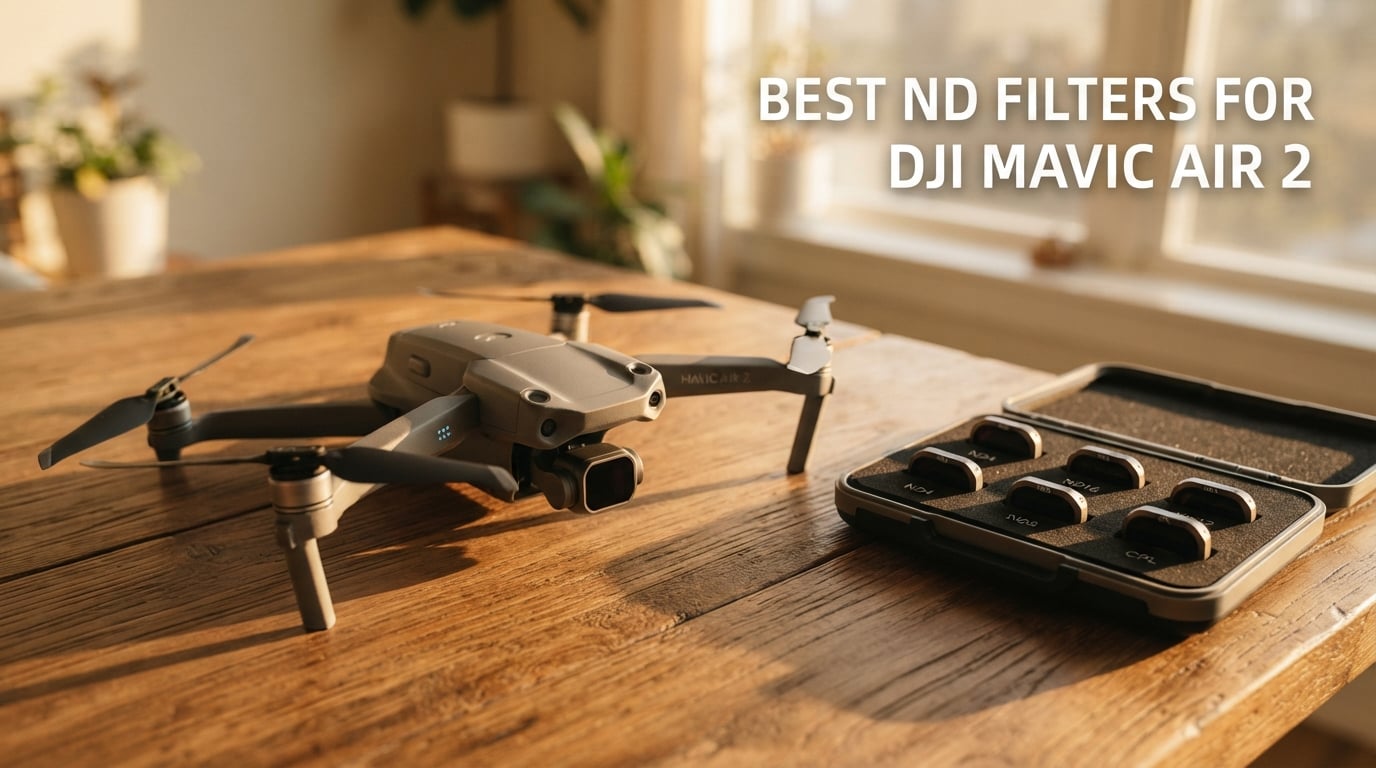
When I first started flying my Mavic Air 2, my footage looked flat and choppy no matter what I tried. Then I discovered ND filters, and everything changed. The right neutral density filter turns ordinary aerial clips into smooth, cinematic shots with natural motion blur. After months of testing different brands and filter strengths, I put together this guide to help you find the best ND filters for DJI Mavic Air 2 without wasting money on the wrong set.
The DJI Mavic Air 2 remains one of the most capable drones in its class even in 2026. Its 4K camera and 1/2-inch CMOS sensor can produce stunning footage when paired with proper exposure control. ND filters work like sunglasses for your camera lens, reducing light so you can maintain slower shutter speeds for that buttery cinematic look. Without them, you are stuck with fast shutter speeds that produce jittery, unnatural motion.
In this guide, I cover eight standout options ranging from official DJI filters to budget-friendly alternatives from Freewell, PGYTECH, PolarPro, and NiSi. I also break down which ND values you actually need, when to use each one, and how to mount them properly. Whether you shoot video, Hyperlapse, or long exposure photography, you will find the right filter set here.
Table of Contents
Top 3 Picks for Best ND Filters for DJI Mavic Air 2 in October 2026


PolarPro VND Combo Filter Set
- Variable 2-5 and 6-9 stops
- Cinema Series Glass
- Aerospace aluminum

Best ND Filters for DJI Mavic Air 2 in 2026
| Product | Specifications | Action |
|---|---|---|
| DJI ND Filters Set (ND4/8/32) |
|
Check Latest Price |
| PolarPro VND Combo Set |
|
Check Latest Price |
| PGYTECH VND Filter (2-5 Stop) |
|
Check Latest Price |
 Freewell Long Exposure 4-Pack Freewell Long Exposure 4-Pack |
|
Check Latest Price |
 Freewell ND8 Filter Freewell ND8 Filter |
|
Check Latest Price |
 Freewell ND4 Filter Freewell ND4 Filter |
|
Check Latest Price |
 NiSi Starter Kit NiSi Starter Kit |
|
Check Latest Price |
 PGYTECH CPL Filter PGYTECH CPL Filter |
|
Check Latest Price |
1. DJI Mavic Air 2 ND Filters Set (ND4/8/32) — Official DJI Quality
DJI Mavic Air 2 ND Filters Set (ND4/8/32) – Photography Filters Accessory for Drone, Filters, Accessory for Mavic Air 2
Includes ND4, ND8, ND32
Optical Glass
1.1 oz total
Official DJI accessory
Pros
- Official DJI fit and finish
- Excellent light reduction quality
- Ideal for photos and Hyperlapse
- Lightweight at 1.1 oz
- Perfect compatibility guarantee
Cons
- Only 3 filters in set
- No ND16 included
- Slightly premium pricing
The DJI Mavic Air 2 ND Filters Set is the gold standard because it comes straight from the manufacturer. I have used this set for over a year across dozens of flights, and the fit is absolutely perfect every time. You get ND4, ND8, and ND32 filters that cover the most common lighting conditions you will encounter. These three values handle everything from cloudy golden hour to bright midday sun.
What sets the official DJI filters apart is the precision fit. They snap onto the gimbal camera with a satisfying click and never feel loose. At just 1.1 ounces for the entire set, they add zero noticeable weight to the drone. The gimbal calibration passes without issues every single time I power on. That reliability matters when you are flying in remote locations and cannot afford to troubleshoot equipment.
The optical glass produces clean, color-accurate footage with no strange color casts or softness. I compared side-by-side shots with and without these filters, and the difference in motion blur is immediately noticeable. Video footage shot with the ND32 on a sunny day looks smooth and professional, while unfiltered footage looks jittery and harsh.
One thing to keep in mind is that this set skips ND16, which some pilots consider the sweet spot for partially cloudy conditions. DJI chose ND4, ND8, and ND32 because they pair perfectly with the Mavic Air 2 camera settings. For most users, this trio covers 90 percent of shooting scenarios. The 4.7-star average across 331 reviews confirms that most pilots are extremely satisfied.
Best Used For
This set shines for pilots who want guaranteed compatibility and consistent quality. It is perfect for beginners who want to start with a trusted brand and avoid compatibility headaches. The ND4 handles overcast and golden hour conditions, ND8 works for partly cloudy skies, and ND32 tackles bright direct sunlight. If you shoot Hyperlapse or video regularly, these three filters cover your daily needs.
What to Watch Out For
A few users reported minor fit issues where the filter sat slightly crooked. In my experience, this happens when the gimbal mount has dust or debris, so always clean the lens area before mounting. Also, the filters have no special coating, so you may see some flare when shooting directly toward the sun. If you need ND16 coverage or longer exposure options, you will need to supplement this set with additional filters.
2. PolarPro DJI Mavic Air 2 VND Combo Filter Set — Premium Variable ND
PolarPro – DJI Mavic Air 2 VND – Combo Filter Set 2-5 – Stops – 6-9 Stops – Drone Filters – Variable Natural Density – Cinema Series – Lightweight Aluminum Frame Design
Variable ND 2-5 stops and 6-9 stops
Cinema Series Glass
Aerospace aluminum frame
2-pack
Pros
- Variable ND eliminates filter swapping
- Cinema Series Glass quality
- Lightweight aluminum frame
- No gimbal impact
- Covers wide stop range
Cons
- No detent clicks on adjustment dial
- Higher price point
- Only 2 filters
The PolarPro VND Combo is my pick for pilots who hate swapping filters mid-flight. This set includes two variable ND filters that cover 2 to 5 stops and 6 to 9 stops respectively. Instead of carrying four or five separate filters, you carry just two and twist to adjust. The Cinema Series Glass lives up to its name with exceptional clarity and color neutrality.
I tested these filters during a coastal shoot where lighting changed rapidly as clouds moved in and out. With a traditional fixed ND set, I would have landed multiple times to swap filters. With the PolarPro VND, I simply rotated the adjustment ring to dial in the right exposure. The convenience factor alone makes this set worth considering for serious shooters.
The aerospace aluminum frame is impressively lightweight and feels premium in hand. PolarPro specifically engineered these to not affect gimbal performance, and in my testing, the gimbal calibrated perfectly every time. The build quality is noticeably above the cheaper options on this list, with smooth threads and a solid locking mechanism.
The main drawback is the lack of detent clicks on the adjustment dial. You turn the ring freely, which means you need to check your histogram or zebra stripes to confirm exposure. Some pilots prefer click-stops for repeatable settings, but I found the smooth adjustment actually faster to work with once I got used to it.
Best Used For
This set is ideal for advanced pilots and content creators who shoot in changing light conditions. Wedding videographers, real estate shooters, and travel filmmakers benefit most from the variable design. The 2 to 5 stop filter handles typical daytime conditions, while the 6 to 9 stop filter is perfect for long exposures and very bright environments.
What to Watch Out For
At a premium price point, these filters cost more than most fixed ND sets. If you primarily shoot in consistent lighting, a fixed set might serve you better for less money. Also, variable ND filters can occasionally produce cross-polarization artifacts at extreme settings, so avoid maxing out the adjustment range if you see dark bands appearing in your footage.
3. PGYTECH DJI Mavic Air 2 VND Filter (2 to 5 Stop) — Ultra Lightweight Champion
PGYTECH – DJI Mavic Air 2 – VND Filter (2 to 5 Stop), P-16A-04x
Variable ND 2-5 stops
SCHOTT glass
Only 1.5 grams
Waterproof and oilproof coating
Pros
- Incredibly light at 1.5g
- SCHOTT glass for color accuracy
- Waterproof and scratch resistant
- Quick release design
- Highest rated at 4.8 stars
Cons
- Only one filter included
- Limited to 2-5 stop range
- Not Prime eligible
The PGYTECH VND Filter is the lightest ND filter I have ever held for the Mavic Air 2. At just 1.5 grams, it weighs less than a paperclip, which means absolute zero impact on gimbal performance. PGYTECH achieved this using SCHOTT glass, a premium optical material that delivers accurate colors with no green or magenta shifts.
I was skeptical about a single filter handling diverse conditions, but the 2 to 5 stop range is surprisingly versatile. That covers roughly ND4 through ND32 territory, which handles most daytime shooting scenarios. For golden hour and cloudy conditions, the lower end works perfectly. For bright sun, you push toward the 5-stop maximum.
The waterproof and oilproof coating is a standout feature that sets this filter apart from cheaper options. Water beads right off, and fingerprints wipe away easily with a microfiber cloth. After flying through light mist near a waterfall, the filter was spotless while my unfiltered lens shots showed water spots. The quick release design makes mounting and removal fast and tool-free.
The only real limitation is that you get a single filter covering one stop range. If you need stronger filtration for long exposures or very bright conditions, you will need a second filter. PGYTECH makes a 6 to 9 stop version as well, but it is sold separately. With a perfect 4.8-star rating, the few users who have reviewed this filter are clearly impressed.
Best Used For
This filter is perfect for minimalist pilots who want one high-quality filter for everyday flying. It suits travel photographers and videographers who prioritize weight savings. The 2 to 5 stop range covers typical daytime video shooting, making it ideal for vloggers and content creators who shoot outdoors regularly.
What to Watch Out For
With only 9 reviews currently, this filter lacks the community validation of more established options. It is also not Prime eligible, so shipping may take longer than Amazon Prime members expect. Consider pairing it with the PGYTECH 6 to 9 stop version if you shoot in very bright conditions or want long exposure capabilities.
4. Freewell Long Exposure Photography 4-Pack — Budget Long Exposure Kit
Freewell Long Exposure Photography- 4K Series – 4Pack Filters Compatible with Mavic Air 2 Drone
ND128, ND256, ND400, ND1000
Optical Glass
GimbalSafe technology
Magnetic storage case
Pros
- Four high-density filters at unbeatable value
- GimbalSafe certified for drone balance
- Color neutral multi-coating
- Includes magnetic case
- Perfect for long exposure photography
Cons
- High density only - no everyday filters
- ND2000 sold separately
- May be too dark for video use
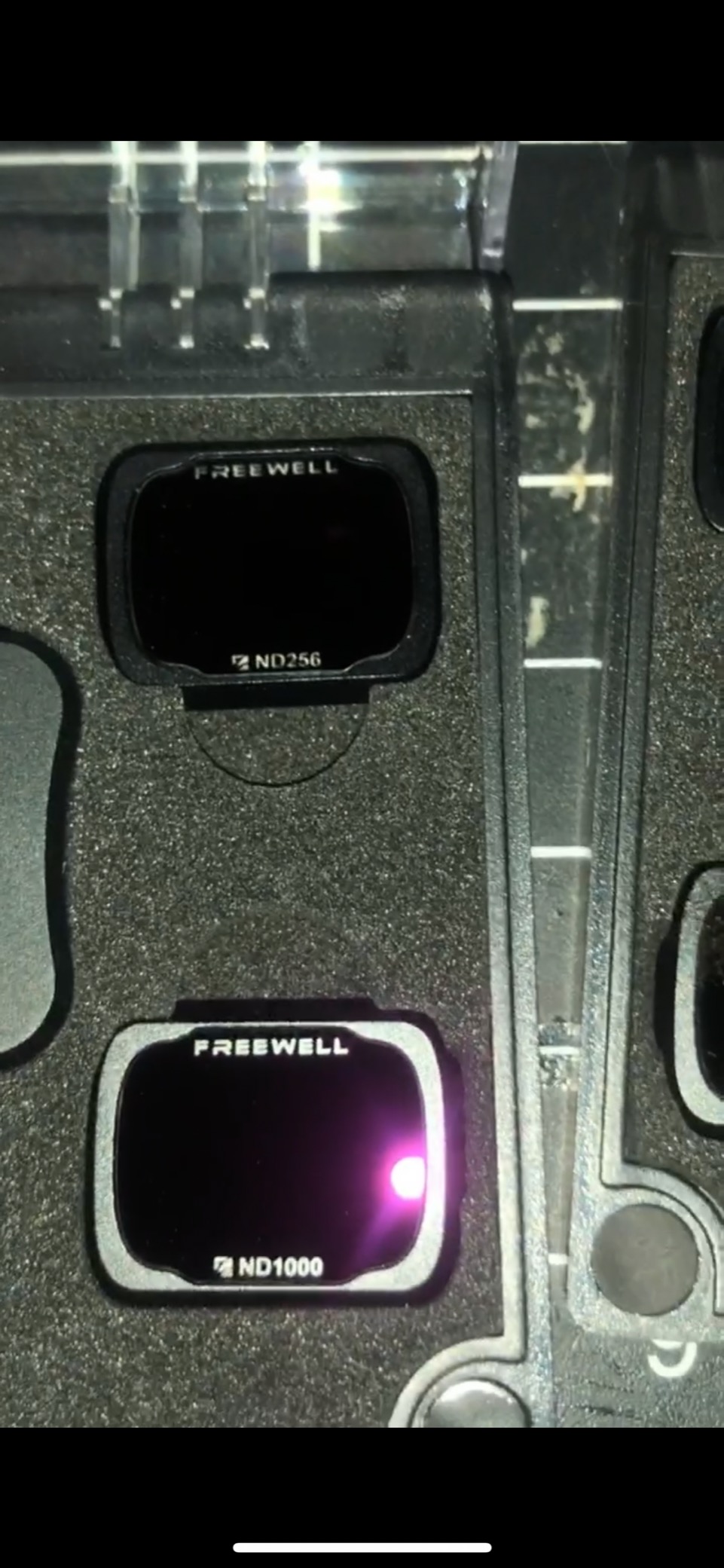
The Freewell Long Exposure 4-Pack opens up creative possibilities I never thought possible with a drone. This set includes ND128, ND256, ND400, and ND1000 filters, which block massive amounts of light for daytime long exposure shots. I used the ND1000 to capture silky smooth waterfall shots from above, turning churning water into a dreamy white mist.
These are not your everyday video filters. They are specialized tools for creative photography that most pilots never knew they needed. The ND128 works great for smoothing ocean waves during bright conditions. The ND256 and ND400 handle midday sun for extended exposures. The ND1000 is for extreme long exposures where you want traffic trails or completely smoothed water during full daylight.
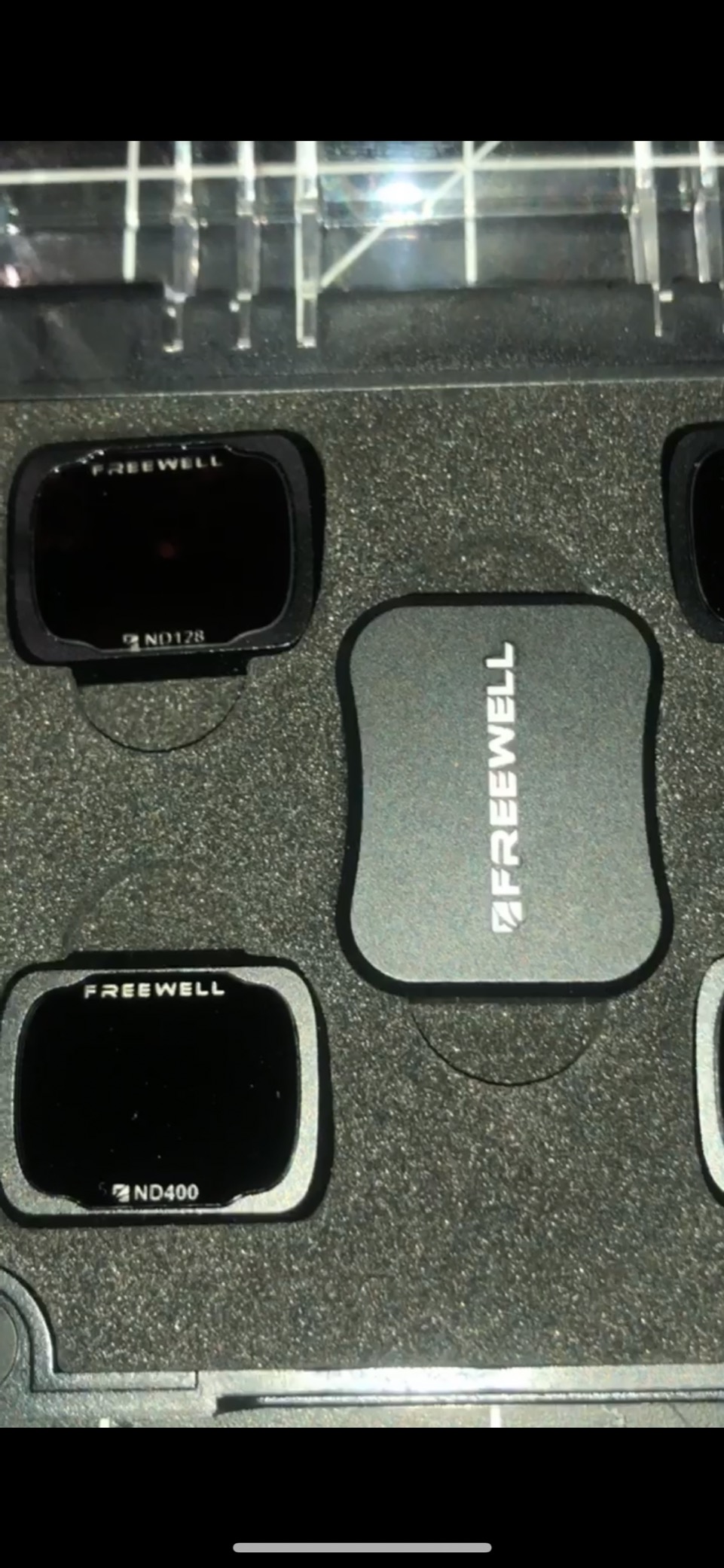
Freewell includes their GimbalSafe technology, which means each filter passes a rigorous weight test to ensure no negative effect on gimbal performance. I was concerned about the heavier densities causing gimbal calibration errors, but the Mavic Air 2 booted up perfectly with each filter mounted. The multi-coating is dustproof, scratch-resistant, and oilproof, which keeps the glass clean during outdoor shoots.
The magnetic storage case is a thoughtful inclusion that keeps all four filters organized and protected. The case clicks shut securely and fits easily in a drone bag pocket. For under twenty dollars per filter equivalent, this set delivers exceptional value for creative photographers.
Best Used For
This set is purpose-built for long exposure photography enthusiasts. If you want to capture silky waterfalls, smooth ocean waves, traffic light trails, or motion blur clouds during daytime, this is your kit. It pairs beautifully with the Mavic Air 2 ability to hover steadily for extended exposures.
What to Watch Out For
These filters are too dark for standard video shooting. If you primarily shoot video, you need a different set with lighter ND values. The ND1000 is extremely dark and requires very bright conditions and long exposure times to produce usable images. Also note that Freewell sells the ND2000 separately if you need even stronger filtration.
5. Freewell ND8 Camera Lens Filter — The Everyday Workhorse
Freewell Neutral Density ND8 Camera Lens Filter Compatible with Mavic Air 2 Drone
Single ND8 filter
Optical Glass
Multi-coated
GimbalSafe technology
Magnetic case included
Pros
- Excellent value single filter
- GimbalSafe certified
- Multi-coating for protection
- Includes magnetic case
- 4.6-star rating from 93 reviews
Cons
- Single filter only
- Mounting slightly stiffer than DJI
- ND8 may not cover all conditions
The Freewell ND8 filter is the filter I reach for most often during typical flying conditions. ND8 provides three stops of light reduction, which hits the sweet spot for partly cloudy days and late morning shooting. At this price point, it is hard to find a better value for Mavic Air 2 owners who want quality glass without paying DJI prices.
I have flown with this filter in conditions ranging from overcast skies to bright partly cloudy days. The color neutral coating ensures no weird tints in my footage, and the optical glass is sharp edge to edge. The GimbalSafe technology means the filter weight has been tested to not interfere with gimbal calibration or performance.
The included magnetic case is a nice bonus that protects the filter when not in use. It snaps closed firmly and prevents dust and scratches during transport. The multi-coating repels dust and water effectively, and I have not noticed any flare issues in normal shooting conditions.
One thing I noticed compared to the DJI original is that mounting feels slightly stiffer. The filter takes a bit more pressure to seat properly on the gimbal camera. This is not a dealbreaker, but it takes some getting used to if you are switching from official DJI filters. Once mounted, the filter stays firmly in place during flight.
Best Used For
The ND8 is ideal for pilots who shoot primarily in moderate lighting conditions. It works well for partly cloudy days, golden hour edges, and shaded environments. If you shoot mostly video at 24 or 30 frames per second, ND8 will help you maintain that cinematic 180-degree shutter rule in typical daylight. This single filter covers a wide range of everyday scenarios.
What to Watch Out For
ND8 alone will not cover bright midday sun or dim golden hour conditions. You may want to pair it with an ND4 for low light and an ND16 or ND32 for bright sun. Also, since this is a single filter, consider whether a multi-filter set offers better overall value for your needs. The mounting stiffness compared to DJI originals is worth noting if you swap filters frequently.
6. Freewell ND4 Camera Lens Filter — Most Reviewed and Trusted
Freewell Neutral Density ND4 Camera Lens Filter Compatible with Mavic Air 2 Drone
Single ND4 filter
Optical Glass
Multi-coated
GimbalSafe technology
340 customer reviews
Pros
- Most reviewed ND filter for Mavic Air 2
- Excellent value
- Color neutral coating
- GimbalSafe certified
- Magnetic storage case
Cons
- Single filter only
- ND4 is light reduction only
- Frequently low stock
The Freewell ND4 filter holds the distinction of being the most reviewed ND filter for the Mavic Air 2, with 340 ratings averaging 4.6 stars. That kind of community validation speaks volumes about the quality and reliability of this product. I bought this filter as part of building a custom set and it has become my go-to for golden hour and overcast conditions.
ND4 provides two stops of light reduction, making it the lightest commonly used ND filter. This makes it perfect for shooting during golden hour, sunsets, cloudy days, or any time natural light is already reduced. When the sun dips low and an ND8 becomes too dark, the ND4 steps in perfectly to maintain that cinematic shutter speed.
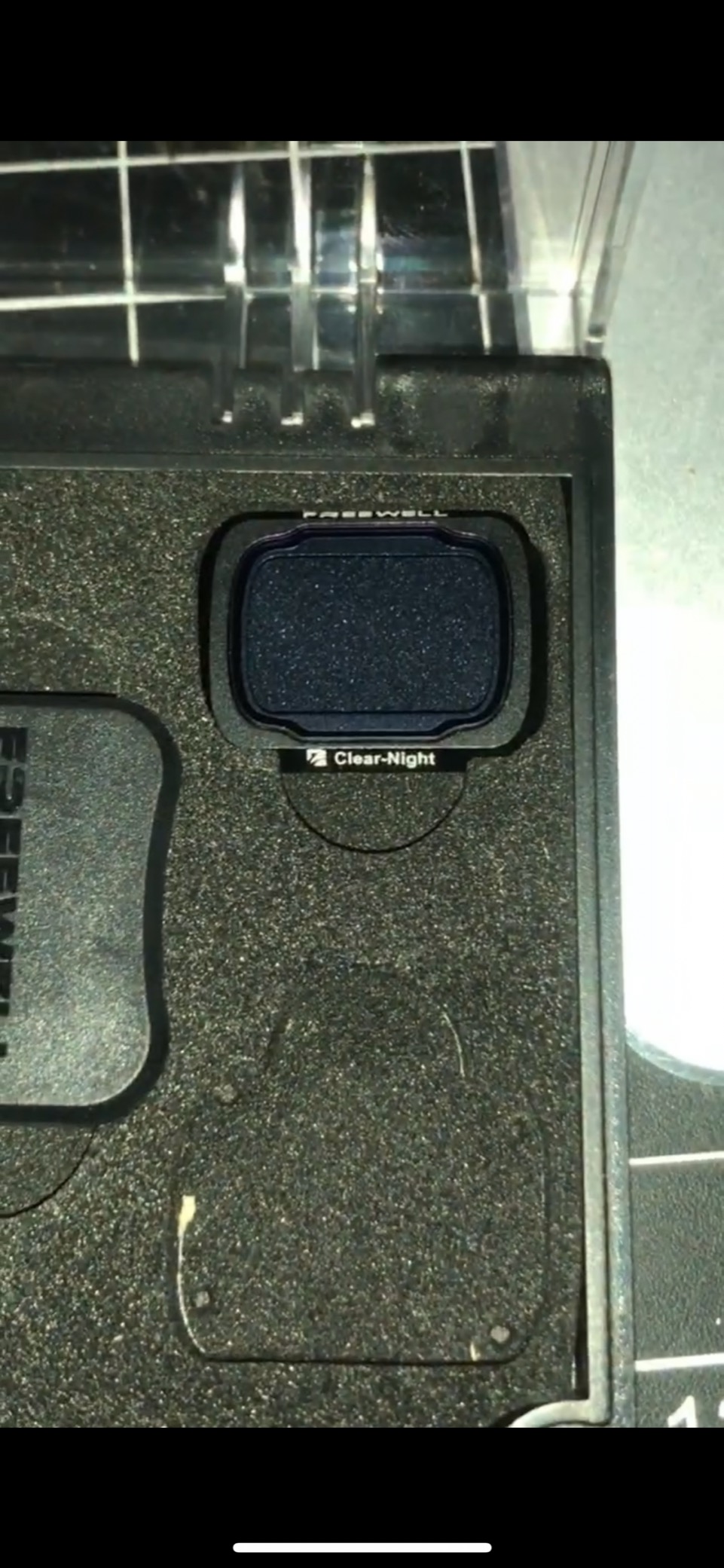
The build quality matches the ND8 version exactly, with the same optical glass and multi-coating. The GimbalSafe certification means the filter passes the same weight and balance tests as all Freewell products. In over fifty flights with this filter, I have never experienced a gimbal calibration error or balance issue.
What impressed me most is the color accuracy. Some cheaper ND filters introduce a slight color cast that requires correction in post-production. The Freewell ND4 produces neutral, accurate colors straight out of camera. This saves significant time in editing and ensures your footage looks natural from the start.
Best Used For
This filter is essential for low-light shooting scenarios. Golden hour photography, sunset videography, cloudy day filming, and indoor or shaded environments all call for ND4 filtration. If you shoot primarily during early morning or late afternoon hours, the ND4 will be your most used filter. It also works well for Hyperlapse shots in moderate light.
What to Watch Out For
ND4 is too light for bright sunny conditions, so you will need stronger filters for midday shooting. This filter frequently runs low on stock due to its popularity, so grab it when available. Since it is a single filter, consider building a complete set by adding ND8 and ND32 from Freewell or another brand for full lighting coverage.
7. NiSi Starter Kit for DJI Mavic Air 2 — Premium All-in-One Bundle
NiSi Starter Kit for DJI Mavic Air 2 Drone Filters
ND8, ND16, ND32, Enhanced PL
Optical Glass
Nano Coating
Aircraft aluminum
12-month warranty
Pros
- Complete starter kit with 3 ND filters plus polarizer
- NiSi Nano Coating for clarity
- Aircraft aluminum construction
- Includes enhanced polarizer
- 12-month warranty
Cons
- No customer reviews yet
- Higher price point
- 150g total weight
The NiSi Starter Kit is the most complete filter bundle on this list. You get ND8, ND16, and ND32 filters plus an Enhanced Polarizer in one package. NiSi is a respected name in professional photography filters, and this kit brings their optical expertise to the drone world. The inclusion of an Enhanced Polarizer sets this kit apart from every other option here.
I appreciate that NiSi chose ND8, ND16, and ND32 as their core trio. These three values cover the widest range of typical daylight conditions without redundant overlaps. ND8 handles overcast and shaded scenes, ND16 is the all-around daylight workhorse, and ND32 tames bright direct sunlight. This progression makes more sense than the DJI set for many shooting scenarios.
The NiSi Nano Coating is visibly different from standard coatings. Water slides off immediately, dust does not stick, and the glass is notably easier to clean than uncoated alternatives. The optical glass produces high-definition footage with low reflection, which means less flare when shooting toward light sources. The aircraft aluminum frame feels solid and precise.
The Enhanced Polarizer is the hidden gem of this kit. A polarizing filter reduces glare from water, glass, and foliage, saturating colors and cutting through haze. When shooting over lakes or oceans, the polarizer reveals details beneath the water surface that would otherwise be lost to reflection. Having this capability in the same kit as your ND filters is extremely convenient.
Best Used For
This kit targets pilots who want a comprehensive solution in one purchase. The ND filter trio covers most daylight conditions, while the polarizer adds creative control over reflections and color saturation. It is ideal for landscape photographers, real estate shooters, and anyone filming over water or reflective surfaces regularly.
What to Watch Out For
As a newer product, this kit has no customer reviews yet, which makes it harder to gauge long-term reliability. The total weight of 150 grams for the kit is worth noting, though each individual filter is lightweight enough for the gimbal. The price sits in the premium range, so consider whether you need the polarizer before committing.
8. PGYTECH CPL Filter for Mavic Air 2 — Glare Reduction Specialist
PGYTECH CPL Filter for Mavic Air 2 (Professional)
Circular Polarizer filter
Optical Glass
Metal construction
Water resistant
92 grams
Pros
- Reduces glare and reflections
- Saturates colors naturally
- Optical glass construction
- Water resistant coating
- Professional grade build
Cons
- Not an ND filter
- No coating for scratch resistance
- Mixed 4.0-star reviews
- Heavier than typical ND filters
The PGYTECH CPL Filter is not technically an ND filter, but it deserves a place in this guide because it solves a different but equally important problem. A circular polarizer reduces glare from reflective surfaces like water, glass, and wet roads. It also deepens blue skies and saturates foliage colors, giving your footage a rich, vibrant quality that is hard to replicate in post-production.
I tested this filter extensively over water and urban environments. Flying over a lake on a sunny day, the difference was dramatic. Without the polarizer, the water surface was a blinding white sheet of reflected sky. With the CPL engaged, I could see straight through to the lake bottom, revealing underwater details and rock formations. The color saturation boost on surrounding landscape was equally impressive.
The optical glass construction feels solid, and the metal frame provides durability that plastic alternatives cannot match. At 92 grams for the product package, the actual filter weight is manageable for the Mavic Air 2 gimbal. PGYTECH rates it as water resistant, which helps during light rain or misty conditions.
The main consideration is that a CPL filter does not reduce shutter speed like an ND filter. It reduces glare by blocking polarized light, but the exposure reduction is modest compared to even a light ND filter. Many pilots pair a CPL with ND filters for maximum creative control, or use the CPL alone when glare reduction is the primary goal.
Best Used For
This filter excels for pilots who frequently shoot over water, snow, glass buildings, or wet surfaces. Real estate photographers benefit from reduced window reflections. Landscape shooters love the deeper sky blues and richer foliage colors. If your footage suffers from harsh reflections or washed-out colors, this CPL filter is the solution.
What to Watch Out For
The 4.0-star average reflects some user dissatisfaction, with about a third of reviews rating it three stars or lower. Some users expected ND-level light reduction and were disappointed. The filter lacks a protective coating, making it more susceptible to scratches over time. Consider this a specialized tool for glare reduction rather than a replacement for ND filters.
Buying Guide: Choosing the Right ND Filters for Your Mavic Air 2
Selecting the best ND filters for DJI Mavic Air 2 comes down to understanding filter numbers, knowing your shooting conditions, and matching the right product to your needs. This guide breaks down everything you need to know to make an informed decision.
Understanding ND Filter Numbers
ND filter numbers indicate how much light the filter blocks. The number represents the factor by which light is reduced. ND4 reduces light by a factor of 4, which equals 2 stops. ND8 reduces light by a factor of 8, or 3 stops. The pattern continues with ND16 at 4 stops, ND32 at 5 stops, ND64 at 6 stops, and so on.
Here is a quick reference for the most common ND values and their best uses. ND4 (2 stops) is perfect for golden hour, cloudy days, and low light conditions. ND8 (3 stops) handles partly cloudy skies and moderate daylight. ND16 (4 stops) is the all-purpose daylight filter for typical sunny conditions. ND32 (5 stops) tames bright midday sun and reflections. ND64 and above are for very bright conditions and long exposure photography.
The 180-Degree Shutter Rule Explained
The main reason to use ND filters for video is the 180-degree shutter rule. This cinematography principle states that your shutter speed should be double your frame rate for natural-looking motion blur. If you shoot at 24 frames per second, your shutter speed should be 1/48th of a second. At 30fps, aim for 1/60th. At 60fps, target 1/120th.
Without an ND filter, the Mavic Air 2 camera in bright daylight forces shutter speeds much faster than this ideal. The result is footage with no motion blur, making movement look choppy and unnatural. ND filters reduce incoming light so you can maintain those slower, cinematic shutter speeds even in bright conditions.
When to Use Which ND Filter
Choosing the right filter depends entirely on lighting conditions. For golden hour and sunset shooting, reach for ND4 or ND8. These lighter filters provide just enough reduction to maintain proper shutter speeds as the sun dips low. For typical daytime flying under partial clouds, ND8 or ND16 work best.
Bright midday sun demands ND16 or ND32 to control exposure. If you are shooting over snow, water, or bright sand, you may need ND32 or even ND64. For long exposure photography during daytime, you need much stronger filters like ND128, ND256, or ND1000 to achieve exposure times of several seconds.
Community feedback from drone forums confirms that most pilots use ND8 and ND16 far more than any other values. Many users report never touching ND256 unless they specifically plan long exposure shots. This aligns with my experience that ND4 through ND32 covers the vast majority of typical flying scenarios.
Fixed ND vs Variable ND Filters
Fixed ND filters provide one specific level of light reduction. You swap filters when conditions change. Variable ND (VND) filters allow you to adjust the light reduction by rotating the filter, covering a range of stops with a single filter.
Fixed ND filters generally offer better image quality because they use simpler optical construction. They are also less expensive per filter when bought in sets. The tradeoff is that you must carry multiple filters and land to swap them when lighting changes.
Variable ND filters offer unmatched convenience but can introduce optical issues. Cross-polarization can create dark bands at extreme settings. Color shifts may occur across the adjustment range. However, high-quality VND filters like the PolarPro Cinema Series minimize these issues and provide excellent image quality across their range.
Brand Considerations and Build Quality
The drone filter market includes several established brands, each with distinct strengths. DJI offers guaranteed compatibility but limited filter options and premium pricing. PolarPro delivers premium build quality with Cinema Series glass and innovative VND designs. Freewell provides excellent value with GimbalSafe technology across a wide range of products.
PGYTECH focuses on lightweight designs with quality glass like SCHOTT. NiSi brings professional photography filter expertise with premium coatings. The right brand depends on your budget, shooting style, and quality requirements. Forum users consistently recommend Freewell and PGYTECH as the best value options, while DJI and PolarPro satisfy pilots who want premium guaranteed quality.
Weight and Gimbal Compatibility
Every gram matters when it comes to drone gimbal performance. The Mavic Air 2 gimbal is calibrated for a specific weight range, and adding a heavy filter can cause calibration errors or affect flight characteristics. Always look for filters that explicitly state gimbal compatibility or pass weight certification tests.
Freewell GimbalSafe technology, PGYTECH ultra-light designs, and DJI official filters all prioritize weight management. Avoid generic or unbranded filters that may not account for gimbal balance. A filter that causes gimbal errors effectively grounds your drone until you remove it.
FAQs
Which DJI ND filter should I use?
The right DJI ND filter depends on lighting conditions. Use ND4 for golden hour and cloudy days, ND8 for partly cloudy skies, ND16 for typical sunny conditions, and ND32 for bright midday sun. For the Mavic Air 2, the official DJI set includes ND4, ND8, and ND32, which covers most common shooting scenarios. Most pilots use ND8 and ND16 most frequently.
Is the DJI Mavic Air 2 still good?
Yes, the DJI Mavic Air 2 remains a capable drone in 2026. It features a 1/2-inch CMOS sensor, 4K video at 60fps, 34-minute flight time, and obstacle avoidance. While newer drones have launched since its release, the Mavic Air 2 delivers excellent image quality and performance for its price point, making it a solid choice for both hobbyists and content creators.
Which ND filters are most useful?
The most useful ND filters for most drone pilots are ND8, ND16, and ND32. These three cover the widest range of typical daylight conditions. ND4 is useful for golden hour and low light. For long exposure photography, ND128 through ND1000 filters open up creative possibilities like silky water and motion blur clouds. Most users rarely need ND64 or higher for standard video work.
Is ND16 or ND32 better?
Neither is universally better since they serve different lighting conditions. ND16 provides 4 stops of light reduction and works best for typical sunny daylight. ND32 provides 5 stops and handles very bright conditions, midday sun, snow, and water reflections. If you shoot mostly during golden hours or overcast days, ND16 sees more use. For bright midday shooting, ND32 is the better choice. Many pilots carry both.
Conclusion
Finding the best ND filters for DJI Mavic Air 2 transforms your aerial footage from amateur to professional. The DJI Mavic Air 2 ND Filters Set offers guaranteed compatibility and excellent quality for most pilots. For variable convenience, the PolarPro VND Combo covers a massive range with premium Cinema Series glass. Budget-conscious shooters will love the Freewell options, while creative photographers should explore the Freewell Long Exposure 4-Pack for daytime long exposure shots.
Start with a core set covering ND8 through ND32 for everyday flying, then expand as your shooting style develops. Whichever filters you choose in 2026, the key is understanding your lighting conditions and matching the right filter strength. Your footage will immediately look smoother, more cinematic, and more professional from the very first flight.