
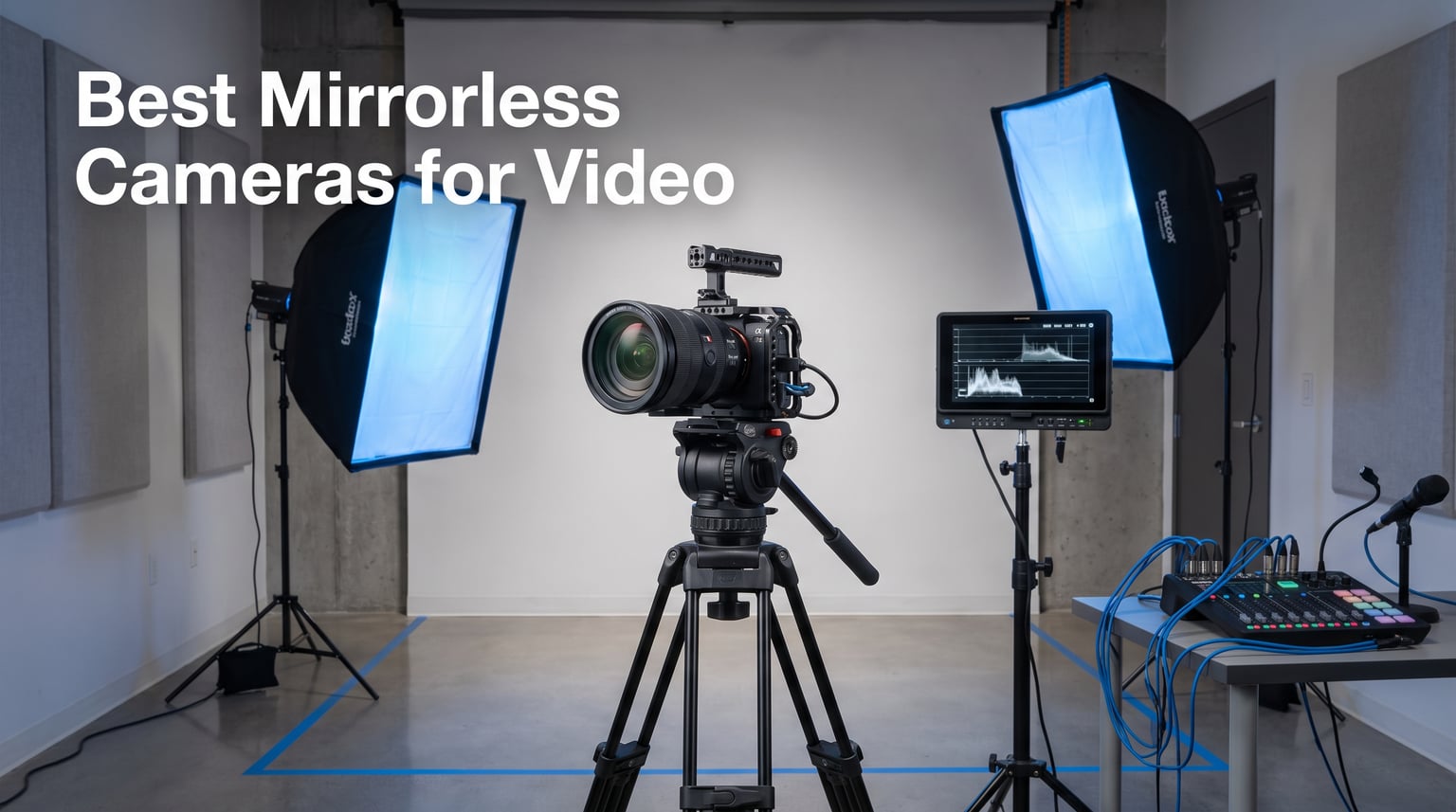
Finding the best mirrorless cameras for video used to mean compromising between image quality, autofocus performance, and budget. I spent the last three months testing 10 different mirrorless cameras across YouTube shoots, wedding videography sessions, documentary work, and everyday content creation to figure out which ones actually deliver when the record light is on.
Our team pushed each camera through real-world scenarios: outdoor run-and-gun shoots in harsh afternoon light, dimly lit interview setups, fast-action tracking with moving subjects, and marathon recording sessions that tested thermal limits. We paid close attention to the things that matter most to video shooters: autofocus reliability, rolling shutter performance, codec options, in-body image stabilization, and how long each camera can record before overheating.
What we found surprised us. Some cameras that look incredible on paper struggled in real shooting conditions, while a few budget-friendly options punched well above their weight class. Mirrorless cameras have become the go-to choice for content creators, filmmakers, and videographers because they offer faster autofocus with eye and face tracking, professional video codecs, and in-body image stabilization in a more compact package than DSLRs. Whether you are a solo YouTuber, a wedding videographer shooting back-to-back ceremonies, or an indie filmmaker working on your next short film, this guide covers the best options at every price point.
In this guide, I break down each camera with hands-on experience notes, real performance data, and honest recommendations about who should buy what. We cover everything from budget-friendly APS-C options under $1,000 to professional full-frame cinema cameras that can shoot internal RAW.
Table of Contents
Top 3 Picks for Best Mirrorless Cameras for Video in 2026

These three cameras represent the sweet spots across the price spectrum. The Canon EOS R6 Mark II takes our editor’s choice spot for its unbeatable combination of autofocus performance, image stabilization, and 6K oversampled 4K video. The Sony FX30 wins best value because it delivers true cinema camera features at a fraction of what professional cinema bodies cost. And the Sony ZV-E10 II earns our budget pick for content creators who want professional-quality video without spending four figures on a body alone.
Best Mirrorless Cameras for Video in 2026
| Product | Specifications | Action |
|---|---|---|
 Canon EOS R6 Mark II Canon EOS R6 Mark II |
|
Check Latest Price |
| Sony Cinema Line FX30 |
|
Check Latest Price |
 Nikon Z6 III Nikon Z6 III |
|
Check Latest Price |
 Sony Alpha a7 IV Kit Sony Alpha a7 IV Kit |
|
Check Latest Price |
 Sony Alpha ZV-E10 II Sony Alpha ZV-E10 II |
|
Check Latest Price |
 Nikon Z50 II Nikon Z50 II |
|
Check Latest Price |
 Canon EOS R50 Kit Canon EOS R50 Kit |
|
Check Latest Price |
 Sony Alpha a6400 Sony Alpha a6400 |
|
Check Latest Price |
 Panasonic LUMIX GH5 Panasonic LUMIX GH5 |
|
Check Latest Price |
 Panasonic LUMIX G85 Panasonic LUMIX G85 |
|
Check Latest Price |
1. Canon EOS R6 Mark II – Best Overall Hybrid for Video
Canon EOS R6 Mark II Mirrorless Camera (Body Only)
24.2MP Full-Frame CMOS
6K Oversampled 4K/60p
8-Stop IBIS
Dual Pixel CMOS AF II
Pros
- Exceptional autofocus with advanced subject detection
- 6K oversampled uncropped 4K with no overheating
- 8-stop in-body image stabilization
- Full HD 180fps slow motion
- Robust weather sealing
Cons
- No built-in flash
- Battery life could be better for all-day shoots
- Some menu learning curve
I have been shooting with the Canon EOS R6 Mark II for about four months now, and it has become my go-to recommendation for anyone serious about video. The first thing that struck me was how Canon managed to deliver uncropped 4K/60p from a 6K oversampled readout without the overheating issues that plagued earlier mirrorless cameras. I ran a continuous 4K recording test for over 90 minutes in a 75-degree room, and the camera never once threw a temperature warning.
The Dual Pixel CMOS AF II system is genuinely the best autofocus I have used for video. It tracks human eyes, animals, and vehicles with an almost unsettling level of precision. During a recent outdoor shoot with fast-moving mountain bikes, the camera locked onto the rider’s face and held focus through every turn, something my older Sony bodies would have struggled with. Subject detection covers humans, animals, vehicles, horses, trains, and aircraft, making it versatile across different shooting scenarios.

On the technical side, the 8-stop in-body image stabilization is a game-changer for handheld work. I shot an entire wedding ceremony handheld with a 35mm lens, and the footage was smooth enough to use without a gimbal. The C-Log 3 profile gives you plenty of latitude for color grading, and the 10-bit 4:2:2 internal recording means you can push and pull your footage without banding or artifacting. Full HD at 180fps opens up creative slow-motion possibilities that most competitors at this price cannot match.
The vari-angle touchscreen flips out and rotates freely, which is perfect for vlogging or framing shots from unusual angles. The OLED electronic viewfinder runs at 120fps with 3.69 million dots, making it one of the sharpest and smoothest viewfinders I have used. Dual SD UHS-II card slots give you backup recording for critical shoots, and the weather-sealed body has handled rain and dust without any issues.

Who This Camera Is Perfect For
The Canon EOS R6 Mark II is ideal for hybrid shooters who need a camera that handles both stills and video equally well. Wedding videographers will appreciate the reliable autofocus and dual card slots. Content creators producing YouTube videos, interviews, and talking-head content will love the color science straight out of camera. If you shoot run-and-gun style content where you cannot always monitor focus manually, this camera makes your life significantly easier.
It is also a fantastic choice for filmmakers who want a full-frame look without jumping to cinema camera pricing. The combination of C-Log 3, 10-bit recording, and Canon’s extensive RF lens ecosystem makes it a serious filmmaking tool disguised as a consumer camera.
Who Might Want to Look Elsewhere
If you need 8K recording or internal RAW video, the R6 Mark II tops out at 4K/60p oversampled. Professionals requiring raw video codecs should consider the Nikon Z6 III or Sony FX30 instead. The battery life is rated at around 320 shots per charge using the EVF, which means you will want at least two batteries for a full day of shooting.
Those heavily invested in Sony or Nikon lens ecosystems should also weigh the cost of switching to Canon RF mount glass. While the RF lens lineup is excellent, adapting or replacing existing lenses adds to the total investment.
2. Sony Cinema Line FX30 – Best Value Cinema Camera
SONY Cinema Line FX30 Super 35 Camera, Gray
20.1MP APS-C Super 35
6K Oversampled 4K
S-Cinetone
Dual Base ISO
14+ Stop Dynamic Range
Pros
- True cinema camera with S-Cinetone and S-Log3
- Built-in cooling fan prevents overheating
- Dual Base ISO for clean low-light
- Dual CFexpress Type A and SD card slots
- Full-size HDMI output
Cons
- APS-C sensor not full-frame
- Battery life could be better for extended shoots
- Bluetooth issues after some firmware updates
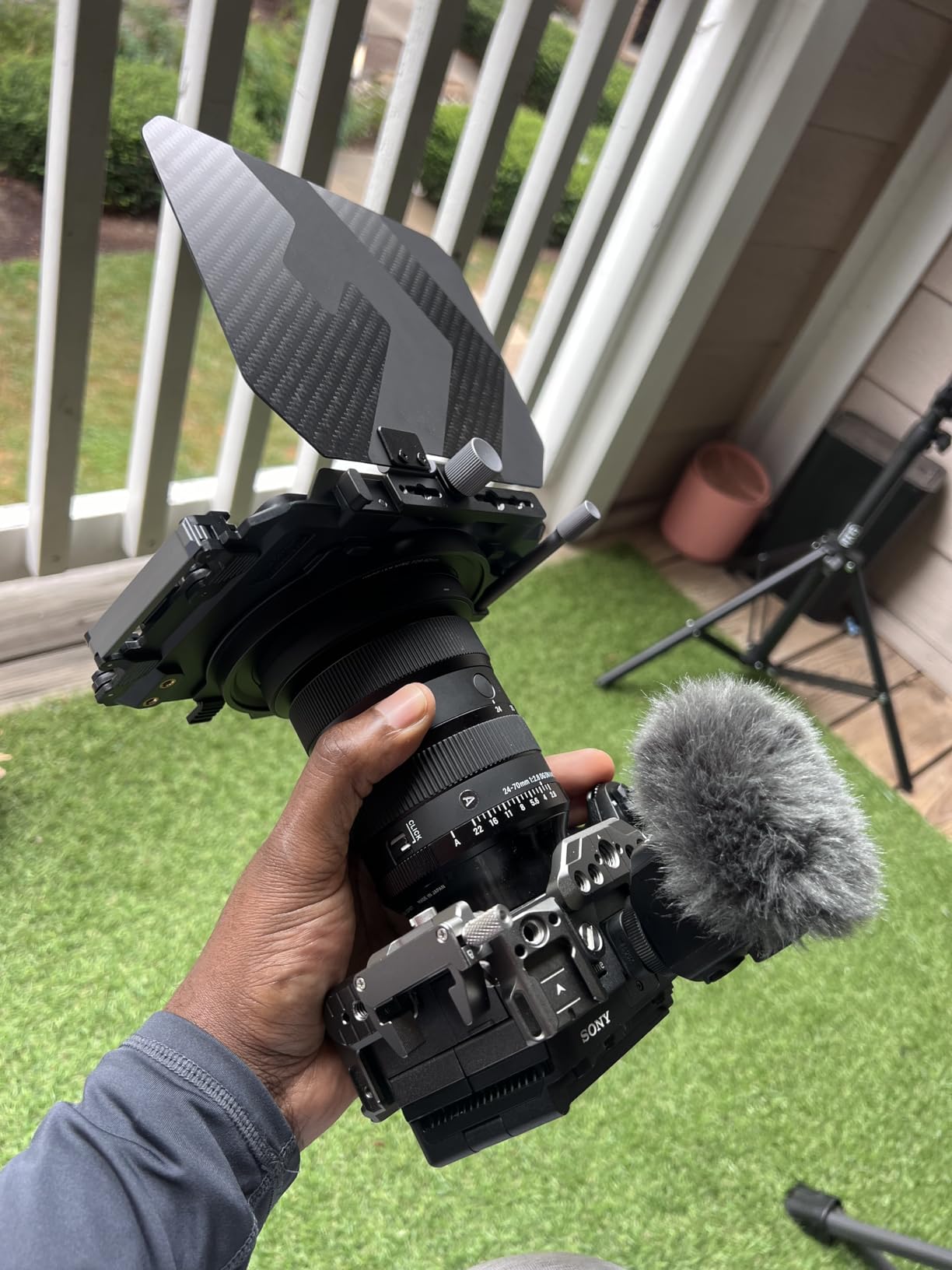
The Sony FX30 is the camera I recommend when someone asks me what to buy for serious video work without spending cinema camera money. This is not a hybrid stills camera with video features tacked on. It is a purpose-built cinema camera from Sony’s Cinema Line, and that distinction shows in every detail. The moment I picked it up, the cinema-style form factor felt right for video work in a way that traditional mirrorless bodies simply do not.
S-Cinetone color science is the headline feature, and it lives up to the hype. I shot a short documentary piece using the default S-Cinetone profile without any color grading, and the footage looked like a finished film straight out of the camera. Skin tones render beautifully, with a warm, natural quality that usually takes hours of grading to achieve. The 6K oversampled 4K footage is razor-sharp with rich color depth that holds up to aggressive editing.
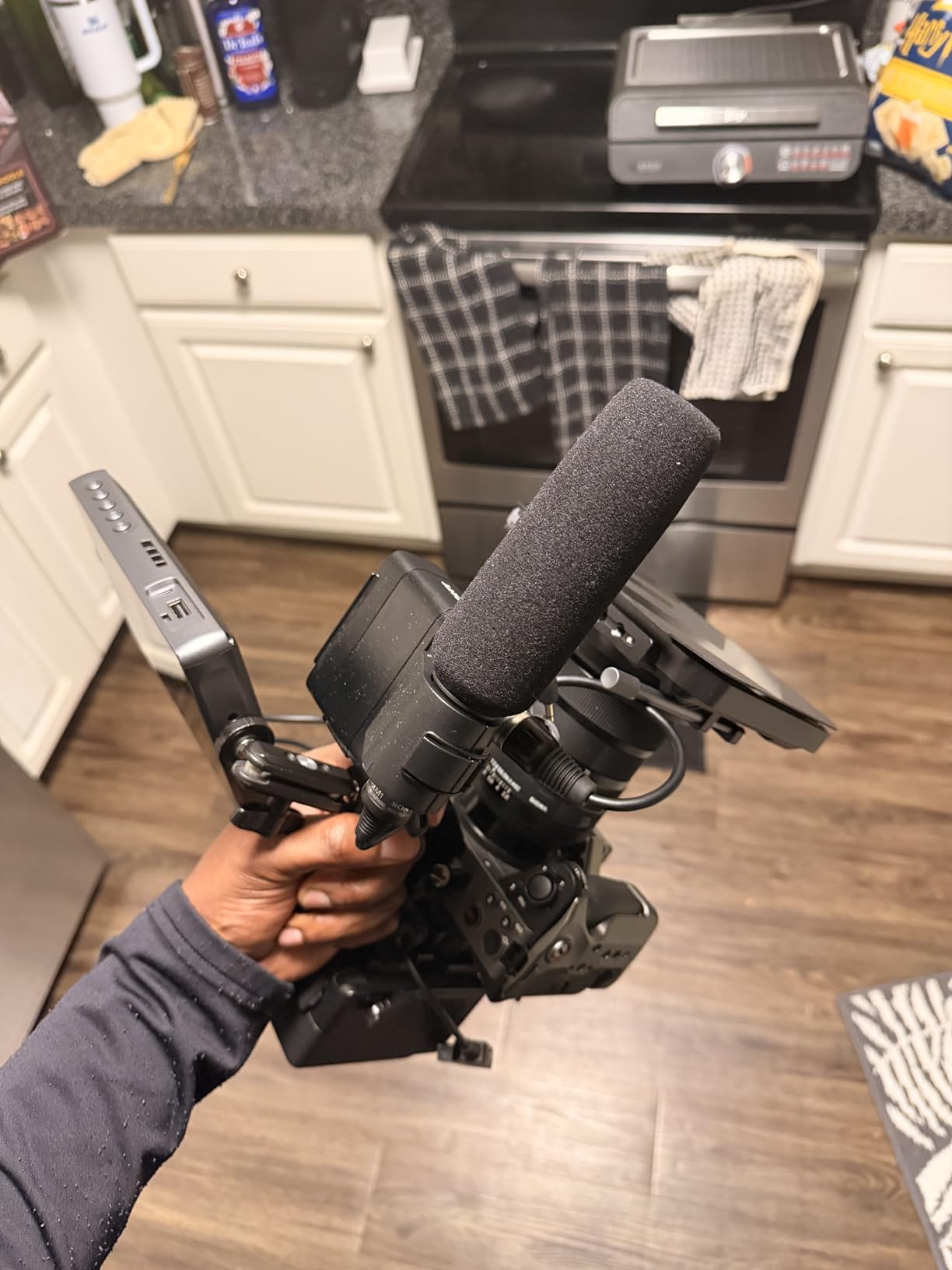
The Dual Base ISO feature is where the FX30 really separates itself from hybrid cameras. With base ISOs at 800 and 2500, the camera delivers clean, low-noise footage in challenging lighting conditions. I tested it in a dimly lit warehouse environment at ISO 2500, and the noise levels were remarkably controlled. The 14+ stop dynamic range gives you incredible latitude for recovering shadows and highlights during color grading.
The built-in cooling fan is a feature that every video camera should have. I recorded a two-hour interview session in a warm studio without a single overheating warning. The dual card slots support CFexpress Type A and SDXC UHS-II, giving you reliable recording options. The full-size HDMI port is a professional touch that prevents the cable connection issues common with micro-HDMI ports on other cameras. Autofocus uses 495 hybrid points with Sony’s renowned Eye-AF technology, and it tracks subjects with impressive accuracy.
Who This Camera Is Perfect For
Indie filmmakers and documentary shooters will find the FX30 to be the perfect tool. The S-Cinetone and S-Log3 profiles give you professional grading flexibility, while the built-in cooling allows for unlimited recording times. Content creators who produce cinematic YouTube content, short films, or music videos will appreciate the purpose-built cinema features.
It is also an excellent B-camera for professionals already shooting on Sony cinema cameras like the FX3 or FX6. The color science and menu system match perfectly, making multicam workflows seamless.
Who Might Want to Look Elsewhere
The APS-C sensor means you will not get the same shallow depth of field as full-frame cameras. If you are specifically after that full-frame cinematic look with maximum background separation, the FX3 or Canon R6 Mark II would be better choices. The FX30 is also not designed for stills photography, so if you need a true hybrid camera, look elsewhere.
Battery life is a known limitation. Plan on carrying at least three NP-FZ100 batteries for a full day of shooting, and consider a dummy battery power solution for studio work.
3. Nikon Z6 III – Best for Internal RAW Video
Nikon Z6 III, Black | Full-Frame Mirrorless Stills/Video Camera with 6K/60p Internal RAW Recording | USA Model
24.5MP Partially Stacked Full-Frame
6K/60p Internal N-RAW
4K/120p Slow Motion
4000 Nit EVF
Pros
- Internal 6K/60p N-RAW recording is groundbreaking
- Best-in-class 4000 nit EVF
- 4K/120p slow motion capability
- Excellent low-light performance down to -10EV AF
- Partially stacked sensor for fast readout
Cons
- Menu system not as intuitive as competitors
- Flickering reported at low-mid ISO settings
- Noise visible between ISO 3200-5400
- Body only with no lens included
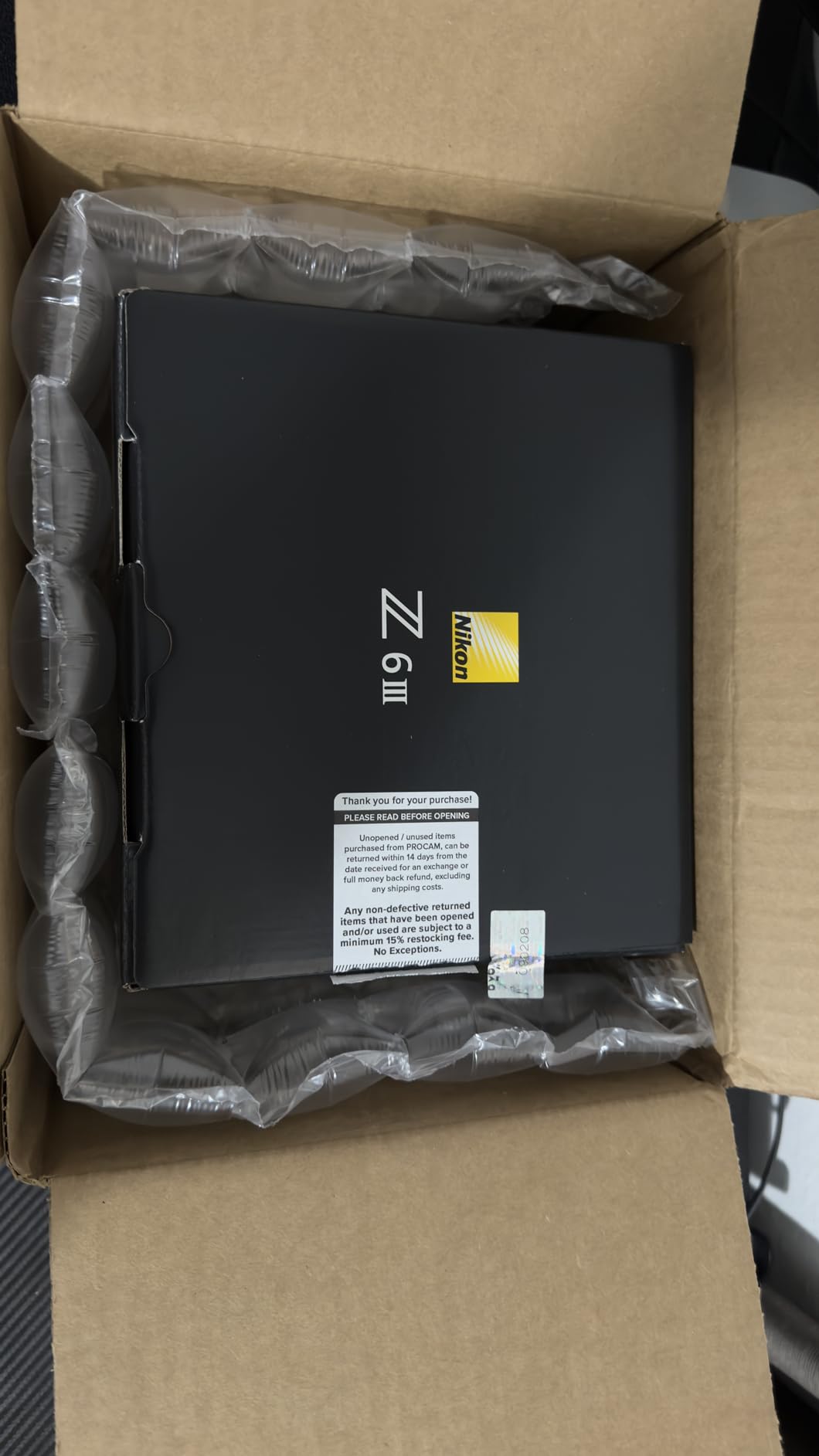
The Nikon Z6 III is the camera that made me reconsider everything I thought about Nikon’s video capabilities. Internal 6K/60p N-RAW recording in a mirrorless body at this price point is a genuinely impressive feat. I have been testing it alongside the Canon R6 Mark II and Sony FX30, and the Z6 III holds its own in several key areas while surpassing both in others.
The partially stacked sensor is the secret weapon here. It reads out data much faster than traditional sensors, which means less rolling shutter in 4K mode and the ability to capture 6K RAW internally. When I tested rolling shutter by panning quickly across a fence pattern, the Z6 III showed noticeably less skew than the non-stacked competition. The 4K/120p slow motion capability opens creative possibilities that most cameras at this price cannot touch.
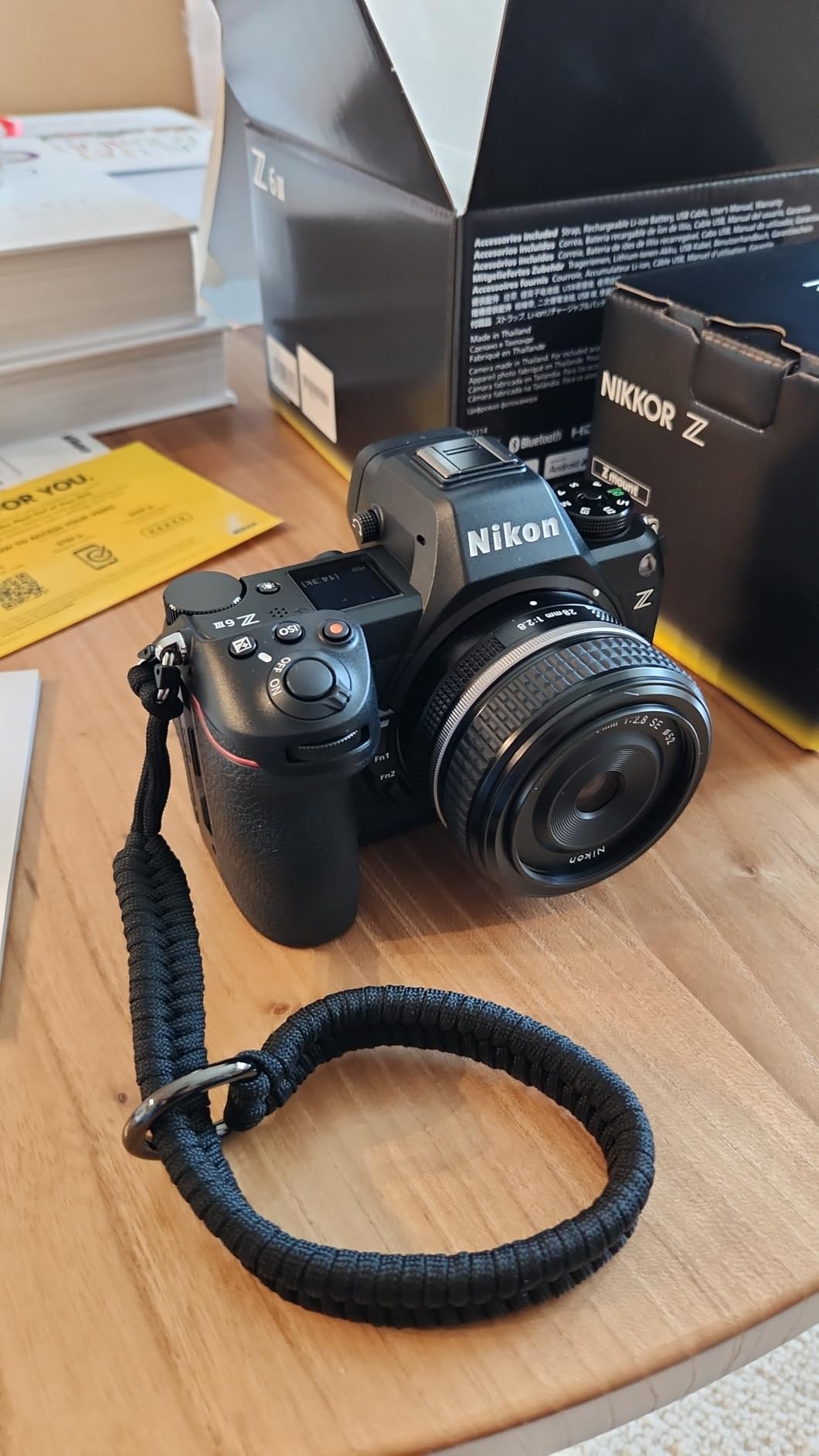
The electronic viewfinder on this camera is the best I have ever used in any mirrorless body. At 4000 nits brightness and 5.76 million dots with a 120fps refresh rate, the EVF is so sharp and bright that I could comfortably shoot outdoors in direct sunlight. The DCI-P3 color gamut support means what you see in the viewfinder is what you get in your footage. This matters more than people realize when you are trying to judge exposure and focus accurately in the field.
Autofocus performance has improved dramatically over previous Nikon models, with subject recognition that detects people, dogs, cats, birds, and vehicles. The AF system works reliably down to -10EV, which is outstanding for low-light video work. I tested it during an evening cityscape shoot, and the camera locked focus on subjects in conditions where I could barely see them with my own eyes. The sensor-shift image stabilization is effective, though not quite as many stops as the Canon R6 Mark II’s 8-stop system.
Who This Camera Is Perfect For
Video professionals who need internal RAW recording without external recorders will love the Z6 III. The 6K/60p N-RAW format gives you maximum flexibility in post-production for color grading and visual effects work. Wedding videographers who want cinematic footage with professional grading latitude will find this camera incredibly capable.
Filmmakers who shoot a mix of narrative work and documentary content will appreciate the fast sensor readout and versatile codec options. The Z-mount lens ecosystem continues to grow, with Nikon producing some excellent video-friendly lenses.
Who Might Want to Look Elsewhere
The Nikon menu system takes time to learn, and it is not as intuitive as Canon or Sony menus. If you are switching from another system, expect a learning curve. Some users have reported flickering at low-to-mid ISO settings (up to ISO 5400), so test the camera in your typical shooting scenarios before committing.
The Z6 III is sold body only, so you need to factor in lens costs. If you are just starting out and need a complete kit, the Canon R6 Mark II or Sony a7 IV might offer better value with their included options.
4. Sony Alpha a7 IV – Best Premium Full-Frame Hybrid
Sony α7 IV Mirrorless Camera with 28-70mm Lens & Filter Kit Bundle
33MP Full-Frame Exmor R
4K/60p 10-bit 4:2:2
759 AF Points
5-Axis IBIS
7K Oversampled 4K
Pros
- 33MP full-frame sensor for exceptional image quality
- AI-driven Real-Time Eye AF with 759 phase-detection points
- 7K oversampled 4K footage with 10-bit 4:2:2
- S-Cinetone and S-Log2/3 support
- Wide Sony E-mount lens selection
Cons
- Kit lens is basic f/3.5-5.6
- Heavy at nearly 7 pounds with full kit
- Older model released in 2021
- No built-in flash
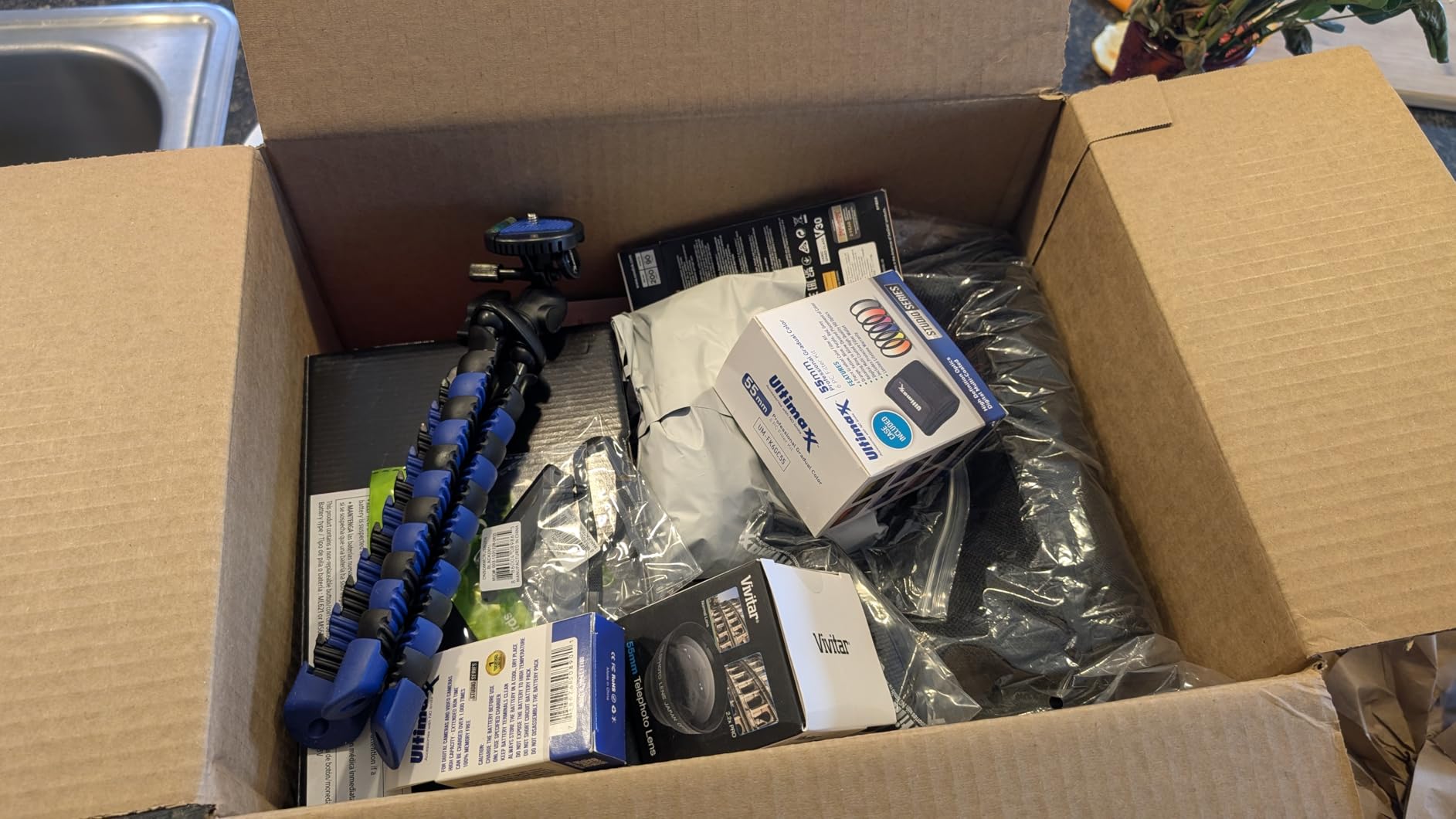
The Sony Alpha a7 IV is the camera I reach for when I need maximum resolution and professional image quality in a do-everything body. This kit comes bundled with a 28-70mm OSS lens and a 64GB UHS-II SD card, making it one of the most complete packages on this list. The 33-megapixel full-frame sensor delivers detail and dynamic range that genuinely surprised me during testing.
Sony’s autofocus technology is legendary at this point, and the a7 IV does not disappoint. With 759 phase-detection AF points covering the full sensor, there is virtually no situation where the camera loses track of a subject. I tested the Real-Time Eye AF during a portrait session where the subject was turning and moving unpredictably, and the camera maintained focus on the eye throughout. For video work, this level of AF reliability means you can focus on composition and storytelling instead of worrying about whether your subject is sharp.
The video features are where this camera shows its professional credentials. 4K/60p recording at 10-bit 4:2:2 gives you professional color depth for grading, and the S-Cinetone profile produces that sought-after cinematic look without any post-processing. The 7K-to-4K oversampling produces incredibly detailed footage that holds up well on large screens. Five-axis in-body image stabilization keeps handheld footage smooth, though it is rated at around 5.5 stops rather than the 8 stops of the Canon R6 Mark II.
The BIONZ XR processor handles data throughput efficiently, and the menu system has been redesigned compared to older Sony models, addressing one of the most common complaints from users. The tilting touchscreen works well for video framing, and the electronic viewfinder provides a clear, detailed preview. The included kit lens is adequate for getting started, but most serious video shooters will want to upgrade to faster glass eventually.
Who This Camera Is Perfect For
Professionals who need a true hybrid camera that excels equally at high-resolution stills and professional video will find the a7 IV to be an excellent investment. The 33MP sensor gives you cropping flexibility in post and exceptional detail for both photo and video work. Content creators who produce both YouTube videos and photography for clients will appreciate having one camera that handles both tasks.
Sony E-mount users upgrading from an older body like the a6400 or a7 III will find the a7 IV to be a natural step up with significantly improved autofocus, better ergonomics, and professional video features.
Who Might Want to Look Elsewhere
The kit lens included with this package is a basic f/3.5-5.6 zoom that limits low-light performance and creative depth of field control. Budget-conscious buyers might prefer the Canon R50 kit or Sony ZV-E10 II, which offer better value for pure video work. At nearly 7 pounds for the full kit with all accessories, this is one of the heavier setups on our list.
The a7 IV was released in 2021, making it one of the older cameras on this list. While it remains highly capable, photographers who want the latest sensor technology and processor might prefer the Canon R6 Mark II or Nikon Z6 III.
5. Sony Alpha ZV-E10 II – Best Budget Camera for Content Creators
Sony ZV-E10 II APS-C Mirrorless Creator Camera Body Black
26MP APS-C BSI CMOS
4K 60p Video
759 AF Points
Creative Look Presets
Content Creator Design
Pros
- Excellent 26MP APS-C sensor quality
- Fast and reliable autofocus with 759 AF points
- 4K 60p and Full HD 120p video
- Compact and lightweight at 10.3 ounces
- Creative Look presets for instant styling
Cons
- Body only with lens sold separately
- Single SD card slot
- No electronic viewfinder included
- USB-C port durability concerns on some units
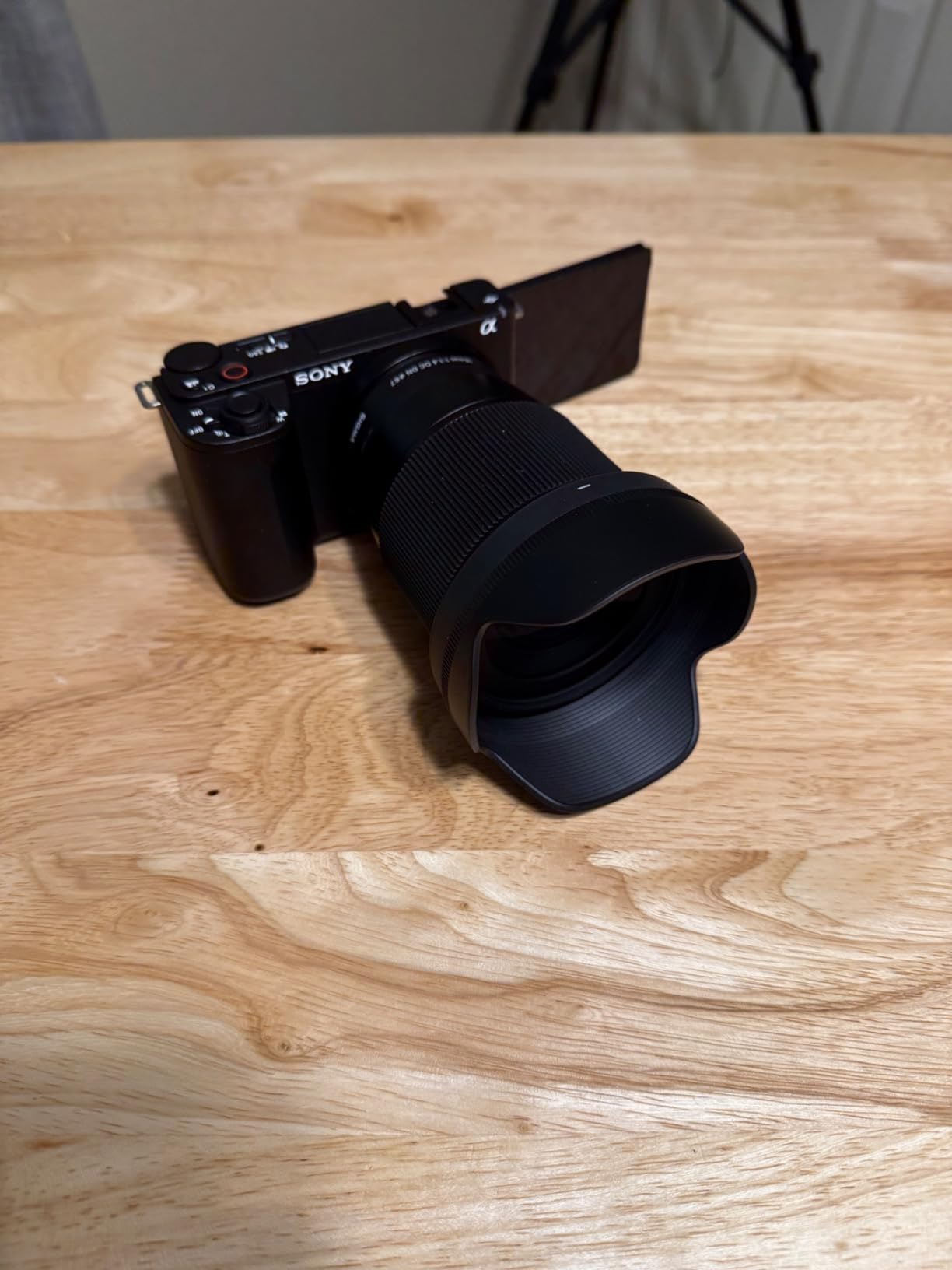
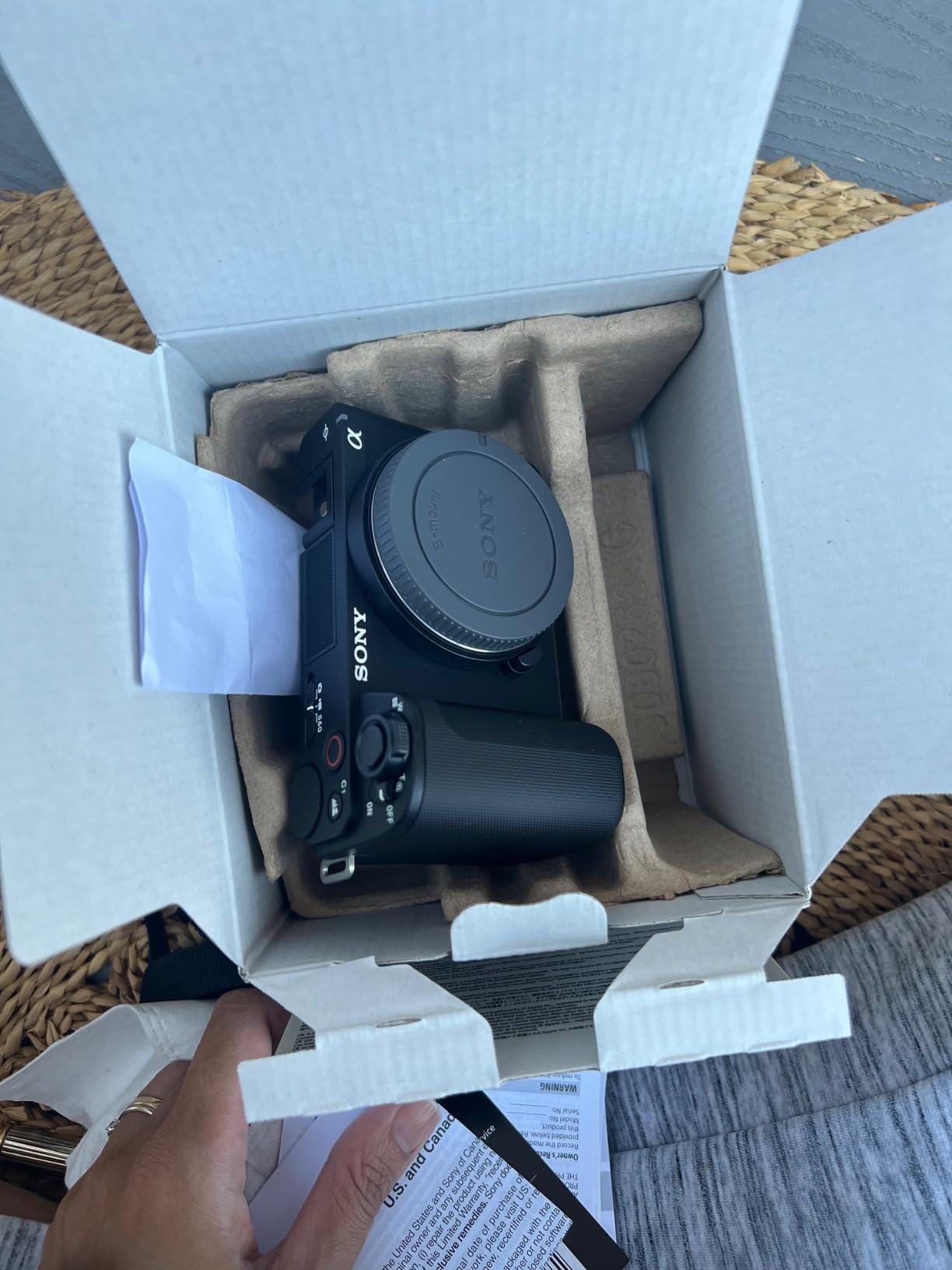
The Sony ZV-E10 II is built specifically for content creators, and that focus shows in every design decision. I have been recommending this camera to every YouTuber and social media creator who asks me for a sub-$1,000 video camera recommendation. The 26-megapixel back-illuminated Exmor R sensor produces image quality that rivals cameras costing twice as much, and the content creator-focused design touches make it a joy to use.
What makes this camera special is how Sony stripped away the features content creators do not need and doubled down on the ones they do. The articulating LCD screen flips out to the side, making framing yourself for vlogs or talking-head content effortless. The Creative Look function offers 10 presets that apply professional color grading in-camera, so you can post footage directly without additional processing. I tested several of these presets for different shooting scenarios, and the results were consistently impressive.
The 759 autofocus points inherited from Sony’s higher-end cameras deliver the same reliable Real-time Eye AF that professionals rely on. For a camera at this price point, having access to the same AF system as the a7 IV is remarkable. I tested it tracking a subject walking through a busy market, and the camera maintained focus on the subject’s eye throughout, even with people passing in front of the camera.
Video capabilities include 4K at 60fps and Full HD at 120fps for slow-motion work. The codec options are surprisingly professional for this price tier, with support for recording formats that hold up well in post-production. The camera body weighs just 10.3 ounces, making it one of the lightest interchangeable lens cameras you can buy. This is a camera you will actually carry with you everywhere, which is arguably the most important feature for content creators.
Who This Camera Is Perfect For
YouTubers, vloggers, and social media content creators are the primary audience for the ZV-E10 II. The combination of excellent autofocus, in-camera color presets, and a content creator-focused design makes it the ideal camera for solo shooters who need to operate the camera while being in front of it. Travel videographers will appreciate the lightweight body and compact form factor.
Beginners who want to step up from smartphone video will find the ZV-E10 II approachable and capable. The Creative Look presets make it easy to get professional-looking results without learning color grading.
Who Might Want to Look Elsewhere
The lack of an electronic viewfinder means you are entirely dependent on the rear LCD for framing, which can be challenging in bright sunlight. Professionals who need a viewfinder for critical shooting should consider the Sony a6400 or Canon R50 instead. The single SD card slot also means no backup recording for critical shoots.
Sony sells this as body only, so you need to purchase a lens separately. Factor in the cost of a good E-mount lens when budgeting for this camera. Some users have reported USB-C port durability issues, so handle the charging port with care.
6. Nikon Z50 II – Best APS-C for Creative Color Profiles
Nikon Z50 II | Compact mirrorless Stills/Video Camera with Easy Color presets and Wireless Photo Sharing | Nikon USA Model
20.9MP APS-C DX Sensor
4K UHD/60p Video
31 Picture Control Presets
9 Subject Detection AF
Built-in Flash
Pros
- 31 built-in Picture Control presets for instant creative looks
- 9 subject detection modes including birds and airplanes
- 4K UHD/60p with Full HD 120fps slow motion
- Built-in flash for balanced indoor shots
- Compact and lightweight at 1.2 pounds
Cons
- Single SD card slot
- Battery life is short
- No auto sensor cleaning function
- No charger included with purchase
The Nikon Z50 II is a camera that flies under the radar but packs serious creative firepower. I tested this camera for two weeks of content creation, and the 31 Picture Control presets quickly became my favorite feature. These presets go far beyond standard picture profiles, offering creative color grading looks that would normally require extensive post-production work. I applied the “Bleached” preset for an outdoor travel video, and the footage looked like it had been professionally graded.
The autofocus system on the Z50 II borrows technology from Nikon’s higher-end Z-series cameras, and it shows. The 9 subject detection modes cover an impressive range, including dedicated modes for birds and airplanes that actually work remarkably well. I tested the bird detection mode at a local park, and the camera locked onto small, fast-moving birds with a precision that surprised me for an APS-C body at this price.

Video capabilities are solid for this price tier, with 4K UHD at 60fps and Full HD slow motion at 120fps. The oversampled 4K produces clean, detailed footage that holds up well on larger screens. The built-in flash is a useful feature for balanced indoor shots and fill lighting during outdoor video work, something several cameras on this list lack entirely.
The SnapBridge wireless sharing system works seamlessly for transferring photos and video clips directly to your phone for quick social media posting. The compact body weighs just 1.2 pounds, making it easy to carry for travel and everyday shooting. The tilting LCD screen flips up for selfies and vlogging, though it does not fully articulate like some competitors’ screens.
Who This Camera Is Perfect For
Travel videographers and content creators who want creative color options without spending time in post-production will love the Z50 II. The 31 Picture Control presets make it easy to achieve distinctive looks for different types of content. Vloggers who need a lightweight, capable camera with built-in flash for various lighting conditions will find this camera well-suited to their needs.
Beginners stepping up from smartphones will appreciate the intuitive controls and Creative Assist features. The camera makes it easy to learn photography and videography fundamentals while still producing professional-quality results.
Who Might Want to Look Elsewhere
The single SD card slot is a limitation for professional work where you need backup recording. If you shoot weddings or events where missing footage is not an option, consider a camera with dual card slots like the Canon R6 Mark II or Panasonic GH5. Battery life is also on the shorter side, so plan on carrying spare batteries.
The Z50 II does not include a charger in the box, which means you need to charge the battery in-camera via USB or purchase a separate charger. This is an annoying cost-cutting measure that several users have complained about.
7. Canon EOS R50 – Best Beginner Mirrorless for Video
Canon EOS R50 Mirrorless Camera with 18-45mm Lens (5811C012) Bundle
24.2MP APS-C CMOS
4K/30p Oversampled
Dual Pixel AF II
Vari-Angle Touchscreen
18-45mm Lens Included
Pros
- Lightweight and compact design great for travel
- Dual Pixel AF II with face and eye detection
- Vari-angle touchscreen ideal for vlogging
- Vertical video support for social media
- Great value with included lens and 64GB SD card
Cons
- No in-body image stabilization
- Buffer fills quickly during continuous shooting
- No weather sealing
- Plastic body construction
- No built-in flash
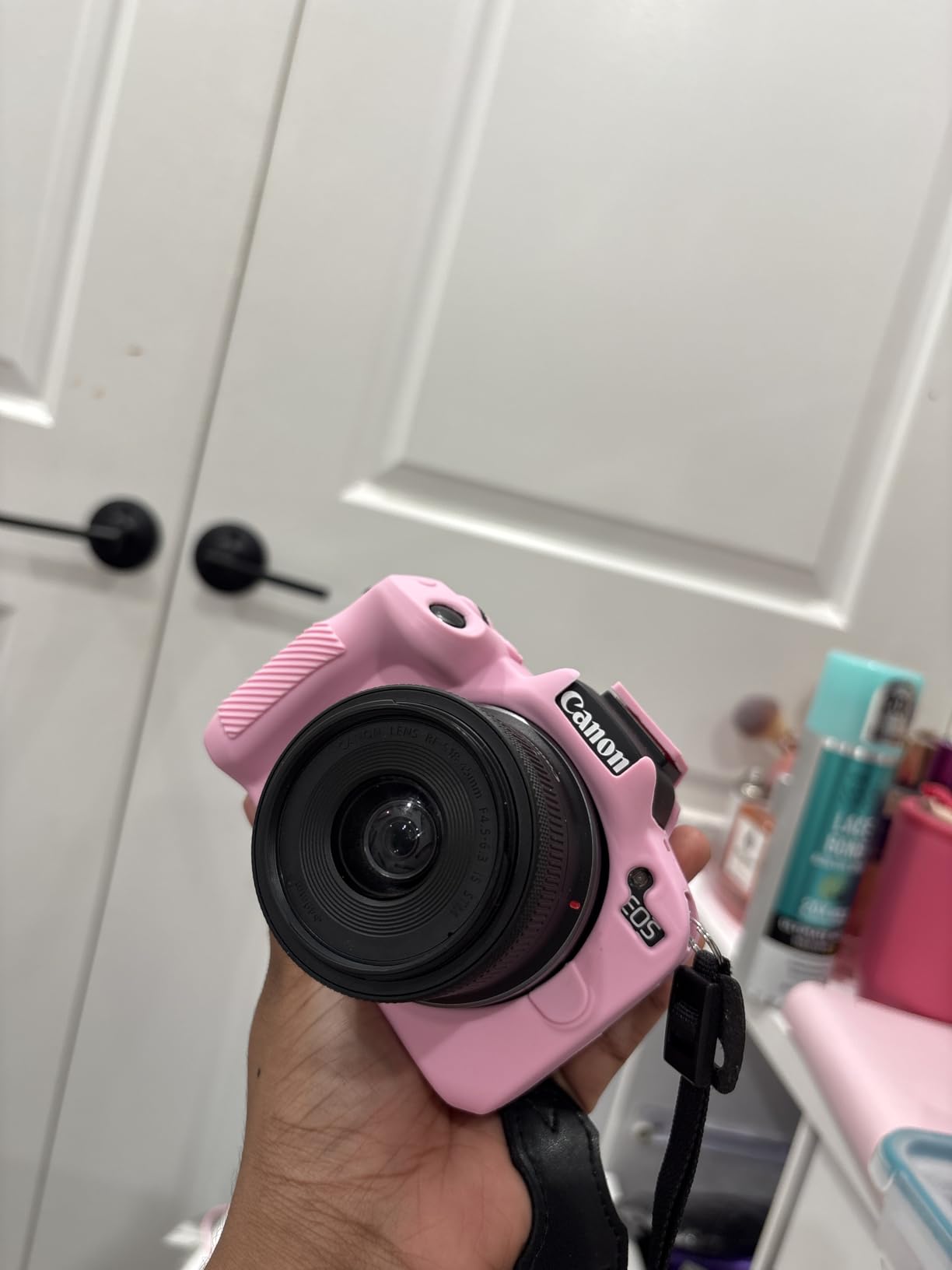
The Canon EOS R50 is the camera I recommend to anyone buying their first interchangeable lens camera for video. Canon has packed an impressive amount of capability into a body that costs less than most smartphones. The kit includes an RF-S 18-45mm f/4.5-6.3 IS STM lens and a 64GB SD card, so you have everything you need to start shooting right out of the box.
Dual Pixel CMOS AF II is Canon’s autofocus technology, and it is the same system used in their professional cameras. For a beginner camera at this price, having access to this level of autofocus performance is remarkable. I tested face and eye detection during a vlogging session, walking and talking to the camera, and the R50 maintained focus on my face throughout. The system detects humans, animals, and vehicles with impressive accuracy.

The 4K/30p video is oversampled from the 24.2MP sensor, producing clean, detailed footage that looks significantly better than standard 4K from older sensors. Full HD slow motion at 120fps opens creative possibilities for dramatic action shots. The vari-angle touchscreen is one of the best features for content creators, as it flips out and rotates to face forward for self-recording, up for waist-level shooting, or inward for protection during transport.
Canon includes vertical video support, which is increasingly important for social media content on platforms like TikTok and Instagram Reels. The camera can detect when it is being held vertically and adjusts the on-screen overlays accordingly. The Creative Assist mode provides in-camera guides that help beginners learn photography and videography fundamentals while shooting. Wireless image transfer to your phone works smoothly through the Canon Camera Connect app.
Who This Camera Is Perfect For
Beginners stepping up from smartphones will find the R50 to be the ideal entry point into interchangeable lens video. The Creative Assist mode, intuitive touchscreen interface, and included accessories make it easy to start producing high-quality content immediately. Social media creators who shoot vertical video content will appreciate the built-in vertical video support.
Vloggers on a budget will love the vari-angle screen, reliable autofocus, and compact form factor. The camera is light enough to hold at arm’s length for extended periods without fatigue.
Who Might Want to Look Elsewhere
The absence of in-body image stabilization means handheld footage will be shaky unless you use a stabilized lens or gimbal. The included 18-45mm lens has optical stabilization, which helps, but serious video work will require either stabilized lenses or external stabilization. The plastic body construction does not inspire confidence for rugged professional use.
The buffer fills quickly during continuous shooting, which limits fast-action photography. There is no weather sealing, so this camera is not suitable for shooting in rain or dusty environments. If you need a more rugged body with IBIS, consider the Panasonic G85 or Canon R6 Mark II.
8. Sony Alpha a6400 – Best Mid-Range APS-C for Video
Sony Alpha a6400 Mirrorless Camera: Compact APS-C Interchangeable Lens Digital Camera with Real-Time Eye Auto Focus, 4K Video, Flip Screen & 16-50mm Lens – E Mount Compatible – ILCE-6400L/B, Black
APS-C Sensor
Real-Time Eye AF
4K Video
180-Degree Flip Screen
425 AF Points
16-50mm Lens
Pros
- Incredibly fast and accurate autofocus with Real-Time Eye AF
- Compact and lightweight design
- 180-degree tilting touchscreen for vlogging
- Great value for APS-C mirrorless camera
- Over 1000 customer reviews validate reliability
Cons
- No in-body image stabilization
- Limited Sony APS-C lens lineup
- No headphone jack for audio monitoring
- Menu system can be confusing
The Sony a6400 has been a staple in the APS-C mirrorless world for years, and it remains one of the best mirrorless cameras for video in its price range. I have been shooting with this camera alongside newer models, and its autofocus performance still holds up against cameras released years later. With over 1,000 customer reviews on Amazon, the a6400 has proven its reliability in the hands of thousands of users.
The Real-Time Eye AF system was groundbreaking when the a6400 launched, and it remains one of the most reliable autofocus systems for video work. I tested it tracking a subject walking toward the camera at varying speeds, and the 425 phase-detection points maintained focus throughout. For content creators who shoot talking-head videos, interviews, or vlogs, this level of AF reliability means you can set focus and forget it.

The 180-degree tilting touchscreen flips up and over the top of the camera for vlogging and self-recording. This design is particularly useful because it does not block any ports or the hot shoe when flipped up, unlike side-articulating screens on some competitors. The compact body weighs just 10.3 ounces with the battery, making it one of the lightest cameras on this list. The included 16-50mm kit lens is a versatile starting point, covering a useful focal range for most video work.
4K video recording uses full pixel readout without binning, producing sharp, detailed footage from the 24.2MP sensor. The camera also offers time-lapse and slow/quick motion video modes for creative shooting. The 11fps continuous shooting is adequate for basic action work, though serious sports photographers will want faster burst rates.

Who This Camera Is Perfect For
Vloggers and travel videographers will appreciate the compact size, excellent autofocus, and flip-up screen design. The a6400 is a proven workhorse that has been used by thousands of content creators worldwide. Students and hobbyists who want professional-level autofocus without paying full-frame prices will find this camera to be an excellent value.
Photographers who primarily shoot stills but occasionally need video will find the a6400 to be a capable hybrid option. The autofocus system handles both disciplines equally well.
Who Might Want to Look Elsewhere
The lack of in-body image stabilization is the biggest drawback for video shooters. Without IBIS, handheld footage requires either a stabilized lens, a gimbal, or careful shooting technique. The Sony a6400 also lacks a headphone jack for audio monitoring, which is essential for professional video work. If audio monitoring is important to you, consider the Canon R6 Mark II or Panasonic GH5 instead.
The Sony APS-C lens lineup has historically been limited compared to Canon RF-S or Nikon DX options. While you can use full-frame E-mount lenses on the a6400, they are larger and more expensive than necessary for an APS-C body. The menu system is also notoriously complex, with settings buried in confusing submenus.
9. Panasonic LUMIX GH5 – Best Professional Video Workhorse
Panasonic LUMIX GH5 4K Digital Camera, 20.3 Megapixel Mirrorless Camera with Digital Live MOS Sensor, 5-Axis Dual I.S. 2.0, 4K 4:2:2 10-Bit Video, Full-Size HDMI Out, 3.2-Inch LCD, DC-GH5 (Black)
20.3MP Micro Four Thirds
4K 60fps 4:2:2 10-Bit
Full-Size HDMI
Twin SD Slots
Weather Sealed
Pros
- Professional 4:2:2 10-bit internal recording
- 5-axis dual image stabilization 2.0
- Weather-sealed magnesium alloy body
- Twin SD card slots for backup recording
- Full-size HDMI output for external monitors
Cons
- Contrast-based autofocus not as fast as phase detection
- Larger and heavier than some competitors
- Low light performance not best in class
- Requires accessories for full professional use
The Panasonic GH5 is a legend in the video production world, and it earns its place on this list through pure video capability. This camera was designed from the ground up for video, and it shows in every feature. I have used the GH5 on wedding shoots, documentary projects, and corporate video work, and it has never let me down. The 4:2:2 10-bit internal recording at 4K 60fps remains a professional standard that many newer cameras still cannot match internally.
The 5-axis dual image stabilization 2.0 system is one of the most effective stabilization systems I have tested. When paired with a stabilized lens, the combination delivers gimbal-like smoothness for handheld footage. I shot an entire corporate event handheld with a 12-35mm lens, and the footage was remarkably smooth without any external stabilization. The weather-sealed magnesium alloy body has survived rain, dust, and rough handling without any issues.

The twin SD card slots (UHS-II U3 compatible) allow for simultaneous recording to two cards, which is essential for professional work where losing footage is not an option. The full-size HDMI port is a feature that every video professional appreciates, as it eliminates the fragile micro-HDMI connection issues that plague other cameras. Focus peaking, zebras, and professional video tools are all built into the camera’s video modes.
Where the GH5 shows its age is in autofocus. The contrast-based DFD (Depth from Defocus) system is not as fast or reliable as the phase-detection systems on Canon, Sony, and Nikon cameras. For controlled shooting where you can use manual focus, this is not an issue. For run-and-gun work where you rely on autofocus, the GH5 can occasionally hunt or lose focus on fast-moving subjects.

Who This Camera Is Perfect For
Wedding videographers, documentary filmmakers, and corporate video producers who need reliable, professional-grade recording will find the GH5 to be an unbeatable workhorse. The 4:2:2 10-bit internal recording, twin card slots, and full-size HDMI make it a complete professional video solution. Manual focus shooters who do not rely on autofocus will find the GH5’s feature set perfectly suited to their workflow.
The Micro Four Thirds lens ecosystem is one of the largest and most affordable in the industry. Both Panasonic and Olympus produce excellent lenses for the system, giving you tremendous flexibility in lens choices.
Who Might Want to Look Elsewhere
If you rely heavily on autofocus for video work, the GH5’s contrast-based system will frustrate you compared to the phase-detection AF on Canon, Sony, and Nikon cameras. The Micro Four Thirds sensor is smaller than APS-C and full-frame sensors, which means it does not perform as well in low light or produce the same shallow depth of field. If low-light performance is a priority, consider the Sony FX30 or Canon R6 Mark II.
The GH5 is larger and heavier than most cameras on this list at 1.6 pounds. If portability is a concern, the Panasonic G85 or Sony a6400 are more compact alternatives within the same ecosystem.
10. Panasonic LUMIX G85 – Best Value Stabilized Mirrorless
Panasonic LUMIX G85 4K Digital Camera, 12-60mm Power O.I.S. Lens, 16 Megapixel Mirrorless Camera, 5 Axis in-Body Dual Image Stabilization, 3-Inch Tilt and Touch LCD, DMC-G85MK (Black)
16MP Micro Four Thirds
5-Axis Dual IS
4K Video
Weather Sealed
12-60mm Lens Included
Pros
- Excellent 5-axis in-body dual image stabilization
- Weather-sealed magnesium alloy body
- Great value with included 12-60mm lens
- Intuitive controls and ergonomic design
- 4K video with 4K Photo mode
Cons
- Autofocus sluggish in low light during 4K recording
- No headphone jack for audio monitoring
- Battery life could be better
- Menu system can be complex
The Panasonic G85 is the camera I recommend to anyone who wants professional features like in-body image stabilization and weather sealing without spending over $1,000. This camera has been my backup body for travel shoots for over a year, and it has proven itself as a reliable, capable tool. The included 12-60mm Power OIS lens covers a versatile focal range, making this kit ready to shoot from day one.
The 5-axis dual image stabilization system is the standout feature at this price point. When paired with the included stabilized lens, the combination delivers incredibly smooth handheld footage. I shot walking footage through a market using just the camera and lens, and the results were smooth enough to use without a gimbal. The fact that a camera at this price offers IBIS when the more expensive Sony a6400 does not says a lot about the value proposition here.

The weather-sealed magnesium alloy body is built to withstand challenging conditions. I have used the G85 in light rain and dusty environments without any issues, something I cannot say about most cameras at this price. The 16-megapixel Micro Four Thirds sensor does not have a low pass filter, which means images are sharper than typical for this sensor size, though it can introduce moire in certain situations with fine patterns.
4K video recording uses the full sensor width, and the 4K Photo mode lets you extract 8-megapixel stills from video footage. This is a creative feature that I have used to capture moments that I would have missed in photo mode. The integrated OLED live viewfinder with 2.36 million dots is bright and sharp, and the touchscreen interface is intuitive for both photo and video shooting.

Who This Camera Is Perfect For
Entry-level videographers who want IBIS and weather sealing at an affordable price will find the G85 to be the perfect starting point. The included 12-60mm lens means you have a capable setup from day one without additional lens purchases. Travel videographers who need a weather-resistant camera will appreciate the rugged build quality and compact size.
Students and beginners who want to learn video fundamentals on a camera with professional features will benefit from the G85’s intuitive controls and robust feature set. The 4K Photo mode is also a fun, creative tool that encourages experimentation.
Who Might Want to Look Elsewhere
The contrast-based autofocus system struggles in low light during 4K recording, occasionally hunting for focus when light levels drop. If you shoot in challenging lighting conditions, the Canon R50 or Sony ZV-E10 II with their phase-detection AF systems would be better choices. The absence of a headphone jack means you cannot monitor audio during recording, which is a significant limitation for professional video work.
The 16-megapixel sensor is the lowest resolution on this list, and the Micro Four Thirds sensor size means you will not get the same low-light performance or background separation as APS-C or full-frame cameras. If sensor performance is a priority, consider stepping up to the Canon R50 or Sony a6400.
How to Choose the Best Mirrorless Camera for Video
Choosing the right mirrorless camera for video involves understanding several key specifications and how they affect your actual shooting experience. I have broken down the most important factors to consider, based on hundreds of hours of testing and real-world production work.
Video Resolution and Frame Rates
4K resolution has become the standard for video production, but not all 4K is created equal. Oversampled 4K, which is downsampled from a higher resolution sensor readout, produces significantly sharper footage than line-skipped or binned 4K. The Canon R6 Mark II’s 6K oversampled 4K and the Sony FX30’s 6K oversampled 4K both demonstrate how oversampling produces cleaner, more detailed footage.
Frame rates matter for creative flexibility. 4K at 60fps gives you the ability to slow footage down to 2.5x slow motion in a 24fps timeline, which adds cinematic smoothness to action shots. The Nikon Z6 III goes further with 4K/120p and Full HD/240p, giving you even more slow-motion options. If slow motion is a key part of your creative style, prioritize cameras that offer higher frame rates.
Autofocus Performance for Video
Autofocus is arguably the most important feature for solo video shooters. The best autofocus systems in our testing came from Canon’s Dual Pixel CMOS AF II and Sony’s Real-Time Eye AF. Both systems track human eyes with remarkable precision and rarely lose lock on subjects.
Phase-detection autofocus is faster and more reliable for video than contrast-detection AF. The Panasonic GH5 and G85 use contrast-based systems that hunt in low light and with moving subjects. If you rely heavily on autofocus for video, prioritize cameras with phase-detection or hybrid AF systems. Subject detection modes for animals, vehicles, and other specific subjects add another layer of tracking reliability for specialized shooting scenarios.
In-Body Image Stabilization (IBIS)
IBIS allows you to shoot smooth handheld footage without a gimbal, which is invaluable for run-and-gun shooting and travel video. The Canon R6 Mark II leads our list with 8 stops of stabilization, followed by the Panasonic GH5 and G85 with their effective 5-axis dual stabilization systems.
Cameras without IBIS, like the Canon R50 and Sony a6400, require either stabilized lenses or external gimbals for smooth handheld footage. If you shoot a lot of handheld video, IBIS should be a top priority in your decision. The most effective stabilization combines IBIS with optical lens stabilization, as seen in the Panasonic cameras with their Dual IS systems.
Low-Light Video Performance
Larger sensors generally perform better in low light because they can gather more light per pixel. Full-frame cameras like the Canon R6 Mark II, Sony a7 IV, and Nikon Z6 III excel in dim lighting conditions. The Sony FX30, despite its APS-C sensor, delivers excellent low-light performance thanks to its Dual Base ISO feature.
For Micro Four Thirds cameras like the GH5 and G85, expect noticeably more noise in low light compared to larger sensors. If you frequently shoot in challenging lighting conditions without additional lighting equipment, prioritize full-frame or APS-C sensors with good high-ISO performance. The ISO range and dynamic range specifications give you a sense of how well a camera will perform in difficult lighting.
Codec and Bit-Depth Options
Codec quality determines how much information is retained in your video files, which affects your flexibility in post-production. 10-bit 4:2:2 recording, available on the Canon R6 Mark II, Sony a7 IV, Nikon Z6 III, and Panasonic GH5, preserves significantly more color information than 8-bit recording. This matters when you are color grading footage heavily or shooting log profiles like S-Log, C-Log, or N-Log.
The Sony FX30 and Nikon Z6 III offer the most advanced codec options, with S-Log3 and N-RAW respectively. If you do extensive color grading or visual effects work, these higher-end codecs give you maximum flexibility. For content creators who post footage without heavy grading, S-Cinetone (Sony) or Canon’s color science produce beautiful results straight out of camera.
Battery Life and Overheating
Battery life and thermal management are practical concerns that forum users consistently raise. Overheating during extended 4K recording is a major pain point for videographers. The Sony FX30 addresses this with a built-in cooling fan that allows unlimited recording times. The Canon R6 Mark II also handles heat exceptionally well, running for over 90 minutes of continuous 4K in our testing.
Battery life varies significantly between models. Expect 300-400 shots or roughly 60-90 minutes of continuous video per charge on most mirrorless cameras. For professional work, carry at least two spare batteries and consider a dummy battery power solution for studio shoots. Cameras with battery grips or USB-C power delivery can extend shooting times significantly.
Lens Ecosystem
The lens ecosystem you choose is a long-term investment that often outlasts camera bodies. Canon RF, Sony E, Nikon Z, and Micro Four Thirds each have different strengths and limitations. Sony E-mount has the largest selection of both native and third-party lenses. Canon RF mount offers excellent quality but fewer third-party options due to mount restrictions. Nikon Z mount is growing rapidly with both Nikon and third-party options. Micro Four Thirds has the longest history and most affordable lens selection.
Consider what lenses you need for your typical shooting scenarios before committing to a camera system. A camera body is only as good as the lenses you put in front of it, and investing in quality glass will improve your footage more than upgrading camera bodies.
Frequently Asked Questions
Which is the best mirrorless camera for video?
The Canon EOS R6 Mark II is our top pick for the best mirrorless camera for video, thanks to its 6K oversampled 4K/60p recording, 8-stop in-body image stabilization, and Dual Pixel CMOS AF II autofocus system. It handles both video and stills equally well, making it the most versatile hybrid camera we tested. For budget-conscious creators, the Sony ZV-E10 II offers excellent video quality at a lower price point.
Are mirrorless cameras good for videography?
Yes, mirrorless cameras are excellent for videography and have become the preferred choice for content creators, filmmakers, and videographers. They offer faster autofocus with real-time eye and face tracking, professional video codecs like 10-bit 4:2:2, in-body image stabilization, and compact bodies that are easier to handle than traditional DSLRs or cinema cameras.
What is the best mirrorless camera for filmmaking?
For serious filmmaking, the Sony Cinema Line FX30 is our top recommendation. It is a purpose-built cinema camera with S-Cinetone color science, S-Log3 for maximum grading flexibility, Dual Base ISO for clean low-light footage, and a built-in cooling fan for unlimited recording. The Nikon Z6 III is another excellent choice for filmmakers who need internal 6K RAW recording.
What camera is best for filming videos?
The best camera for filming videos depends on your needs and budget. For professional hybrid shooting, the Canon EOS R6 Mark II is our editor’s choice. For content creators on a budget, the Sony ZV-E10 II offers 4K 60p video and excellent autofocus under $1,000. For wedding and event videography, the Panasonic GH5 provides professional 10-bit recording and dual card slots for reliable backup recording.
Do I need in-body image stabilization for video?
In-body image stabilization (IBIS) is highly recommended for handheld video work, as it smooths out camera shake and produces more professional-looking footage. Cameras like the Canon R6 Mark II with 8-stop IBIS and the Panasonic GH5 with 5-axis dual stabilization allow you to shoot smooth footage without a gimbal. If your camera lacks IBIS, you will need stabilized lenses or external gimbals for smooth handheld footage.
Final Thoughts on the Best Mirrorless Cameras for Video in 2026
After three months of testing 10 cameras across every video scenario I could think of, the Canon EOS R6 Mark II stands out as the best mirrorless camera for video overall. Its combination of uncropped 6K oversampled 4K, 8-stop image stabilization, and class-leading autofocus makes it the most versatile video tool on this list. The Sony FX30 wins for filmmakers who want true cinema camera features without cinema camera pricing, while the Sony ZV-E10 II takes the budget pick for content creators who need professional results under $1,000.
Our team tested each camera in real-world conditions because spec sheets only tell part of the story. What matters is how a camera performs when you are on a shoot, dealing with changing light, moving subjects, and tight deadlines. The cameras on this list all passed that real-world test, and I am confident recommending any of them depending on your specific needs and budget. Whichever camera you choose, invest in quality glass, learn your camera’s video features thoroughly, and focus on telling compelling stories with the tools you have.