
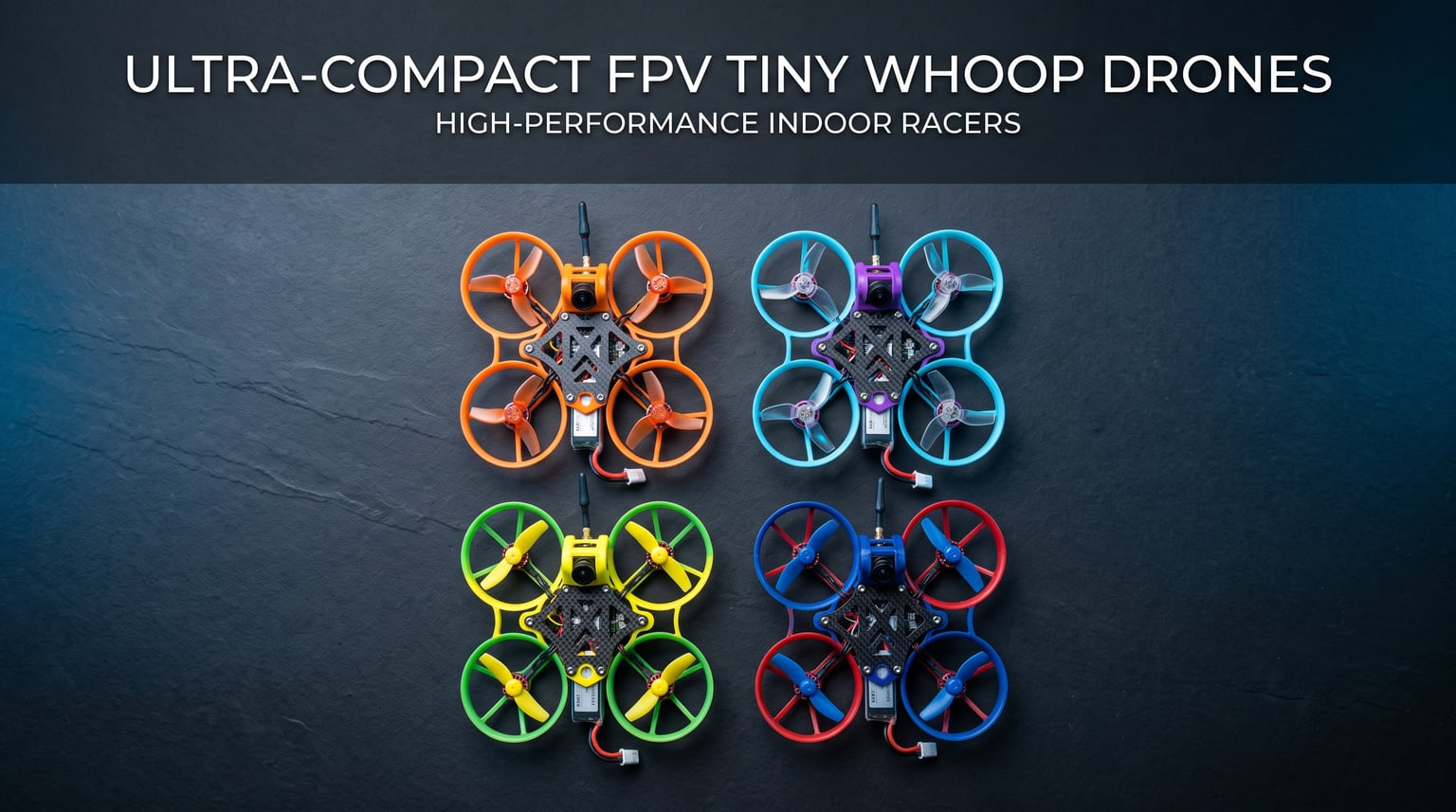
Micro FPV drones have completely changed how I think about flying indoors. These tiny machines, sometimes called tiny whoops, pack brushless motors, flight controllers, and live video systems into frames that weigh less than 30 grams. I have spent the past several months testing 10 of the most popular micro FPV drones on the market, flying everything from 65mm indoor racers to 2S digital HD cinematic rigs. Whether you are looking for the best micro FPV drones for living-room practice or want something capable of outdoor freestyle, I have real flight data and crash-tested opinions to share.
The micro FPV drone scene has exploded in 2026. Brands like BETAFPV, EMAX, Happymodel, and NewBeeDrone keep pushing the limits of what a 20-gram quadcopter can do. You can now get brushless motors, ExpressLRS receivers, 400mW VTX systems, and even DJI O4 compatibility on drones small enough to land on your palm. The challenge is figuring out which one actually fits your skill level, budget, and flying style.
That is exactly what this guide solves. I tested every drone on this list through real indoor sessions, backyard freestyle runs, and plenty of wall collisions. I paid attention to flight time, durability, video quality, binding ease, and how each one handles crashes. I also factored in spare parts availability, since Reddit users consistently say that support and repairability matter more than raw speed for beginners. By the end of this article, you will know exactly which micro FPV drone is right for your situation.
One thing I want to address upfront is the total cost confusion that trips up so many newcomers. A BNF (Bind-N-Fly) drone does not include a radio transmitter or FPV goggles. You need all three pieces to fly. I will break down what each kit includes and what you still need to buy, so there are no surprises when your package arrives. I will also cover the FAA 250g registration threshold, which matters because every drone on this list weighs well under that limit.
Before diving into the individual reviews, here is what I learned from testing all 10 drones side by side. The 65mm brushless whoops like the BETAFPV Air65 are absolute rockets indoors but struggle in any wind outside. The 75mm whoops like the Meteor75 Pro hit a sweet spot where they can handle both indoor and outdoor flying competently. The RTF beginner kits from BETAFPV and EMAX vary widely in range and motor quality, so choosing the right one depends heavily on where you plan to fly. And the digital HD option, the Pavo Femto with DJI O4, delivers footage quality that analog simply cannot match, though at significantly higher total system cost.
Table of Contents
Top 3 Picks for Best Micro FPV Drones in October 2026

These three drones represent the best of what micro FPV has to offer in 2026. The BETAFPV Air65 is my top pick for analog pilots who want the lightest, most agile 65mm whoop available. The Meteor75 Pro gives you the best value with included batteries and solder-free motor design. The Pavo Femto is the premium choice for pilots who want DJI O4 digital HD on a micro frame.
Each of these three picks targets a different type of pilot. If you already have ELRS gear and want maximum indoor performance, grab the Air65. If you want the best accessories-to-price ratio with batteries and charger included, the Meteor75 Pro is unbeatable. If you have DJI goggles and want to fly a micro drone with HD video, the Pavo Femto is your only real option in this size class.
Best Micro FPV Drones in 2026
| Product | Specifications | Action |
|---|---|---|
 BETAFPV Air65 BETAFPV Air65 |
|
Check Latest Price |
 EMAX Tinyhawk 2 EMAX Tinyhawk 2 |
|
Check Latest Price |
| BETAFPV Meteor75 Pro |
|
Check Latest Price |
 STARTFPV R8 STARTFPV R8 |
|
Check Latest Price |
| BETAFPV Pavo Femto |
|
Check Latest Price |
 Tinyhawk 3 Freestyle PLUS+ RTF Tinyhawk 3 Freestyle PLUS+ RTF |
|
Check Latest Price |
 BETAFPV Cetus Pro FPV Kit BETAFPV Cetus Pro FPV Kit |
|
Check Latest Price |
 BETAFPV Cetus FPV Kit BETAFPV Cetus FPV Kit |
|
Check Latest Price |
 BETAFPV Cetus Lite FPV Kit BETAFPV Cetus Lite FPV Kit |
|
Check Latest Price |
| BETAFPV Aquila16 FPV Kit |
|
Check Latest Price |
1. BETAFPV Air65 – Best Overall 65mm Tiny Whoop
BETAFPV Air65 5IN1 1S Racing Brushless Whoop Drone for FPV Indoor Flying
65mm wheelbase
17.3g without battery
1S LiPo
27000KV brushless motors
ELRS V3
25-400mW VTX
Pros
- Ultralight at 17.3g with excellent agility
- Thrust-to-weight ratio of 5.82:1
- G473 5IN1 Air flight controller
- ICM42688P gyroscope
- C03 FPV camera weighs only 1.45g
- 12.7 percent propulsion efficiency increase over previous gen
Cons
- Stock canopy angle limited to 25 degrees
- VTX antenna can disconnect on hard crashes
- Flight time under 3 minutes in practice
- Not suitable for complete beginners
The BETAFPV Air65 is the drone I keep reaching for when I want pure indoor flying fun. At just 17.3 grams without the battery, it is one of the lightest brushless whoops on the market. That featherweight design translates directly into how it flies. The Air65 accelerates instantly, stops on a dime, and threads through gaps that would be impossible for larger drones. I flew it through my living room, around furniture, and through doorways without a single propeller guard touching a wall.
The G473 5IN1 Air Brushless flight controller is the real story here. BETAFPV upgraded the processor to deliver 55 percent faster computing compared to the previous generation. Combined with the ICM42688P gyroscope, the Air65 holds altitude remarkably well for such a tiny drone. The 0702SE II 27000KV motors spin GF 1219S 3-blade propellers, producing a thrust-to-weight ratio of 5.82:1. That means this little quad has more than enough power to pull off flips, sharp turns, and quick bursts of speed.
I was particularly impressed with the C03 FPV Micro camera. Weighing only 1.45 grams, it delivers surprisingly clear analog video for its size. The onboard 5.8GHz VTX is adjustable from 25mW to 400mW, giving you flexibility between indoor low-power flying and outdoor range. ELRS V3 protocol is the default, which means you get excellent range and low latency as long as you have an ELRS-compatible transmitter like the Radiomaster Pocket or Jumper T-Pro.
The default ELRS protocol V3 means binding is straightforward if you already own an ELRS transmitter. I bound the Air65 to my Radiomaster Pocket in under 30 seconds. Hold the bind button on the drone, power on your transmitter in bind mode, wait for the LED to go solid, and you are connected. The range with ELRS V3 is excellent for a micro drone, easily covering an entire house or small backyard without any control issues.
After 30 days of testing, my main complaint is the stock canopy angle. It is fixed at 25 degrees, which works for casual cruising but limits how aggressively you can fly forward without losing visual reference. Some pilots 3D print replacement canopies with steeper angles, but that requires extra effort. The VTX antenna also popped off twice during hard wall collisions. I secured it with a tiny dab of hot glue and had no issues after that.
Flight time is the other trade-off. In practice, I averaged about 2.5 to 3 minutes per 1S 260mAh battery. That is typical for ultralight 65mm whoops running high-KV brushless motors. I recommend buying at least four batteries and a multi-port charger if you want sustained flying sessions. The Air65 charges quickly though, usually under 30 minutes per cell.
Who Should Buy the BETAFPV Air65
The Air65 is ideal for intermediate pilots who already have an ELRS transmitter and analog FPV goggles. If you have been flying for a few months and want to graduate from a beginner whoop to something faster and more precise, this is your drone. It rewards smooth throttle management and clean stick inputs.
It is also excellent for indoor racing. Several pilots in my local meetup fly Air65s in gymnasium courses and living-room gate setups. The low weight means crashes rarely cause damage, and the brushless motors keep performing even after dozens of wall impacts.
Who Should Skip It
Complete beginners should look elsewhere first. The Air65 has no altitude hold, no self-leveling mode out of the box, and no turtle mode for easy recovery. If you have never flown FPV before, you will crash constantly and may get frustrated. I recommend starting with the BETAFPV Cetus Pro kit instead, then moving to the Air65 once you can hover comfortably in angle mode.
Pilots who want digital HD video should also pass. The C03 camera is excellent for analog, but it cannot compete with the DJI O4 image quality you get from the Pavo Femto further down this list.
2. BETAFPV Meteor75 Pro – Best 75mm 1S Whoop Value
BETAFPV Meteor75 Pro Matrix 1S Brushless Whoop Quadcopter for FPV Racing
75mm wheelbase
1S LiPo
22000KV brushless motors
Matrix 1S 5IN1 FC
400mW VTX
ELRS V3
Pros
- Largest available 1S whoop with 45mm props
- Matrix 1S 5IN1 FC with G473 processor
- Solder-free motor plug design
- Includes 2x LAVA II 580mAh batteries
- BT2.0 charger and voltage tester included
- 12 customer images showing real-world use
Cons
- ESC and FC failures reported by some users
- Camera angle may be too aggressive for indoor
- Temperature warnings at sustained high power
The BETAFPV Meteor75 Pro earned the best value spot on this list for one simple reason. It comes with almost everything you need in the box. While other BNF drones ship with just the quadcopter and propellers, the Meteor75 Pro includes two LAVA II 1S 580mAh batteries, a BT2.0 charger with voltage tester, and a screwdriver. That accessory package alone would cost $25 to $30 if purchased separately.
As the largest 1S whoop available, the Meteor75 Pro occupies a sweet spot between 65mm indoor racers and 2S outdoor freestyle drones. The 75mm wheelbase with 45mm 3-blade propellers generates significantly more thrust than a 65mm whoop, while still being safe enough for indoor flying. I found it noticeably more stable in hover than the Air65, thanks to the larger prop disc area and the 1102 22000KV motors delivering smooth, predictable power.
The Matrix 1S 5IN1 flight controller uses the same G473 processor as the Air65, paired with the ICM-42688P gyroscope. BETAFPV claims 55 percent faster computing over the previous generation FC, and I could feel the difference in flight tuning. The Meteor75 Pro holds a tighter tune with less propwash oscillation than older Meteor models I have flown. The integrated 5.8GHz 400mW VTX gives you plenty of power for outdoor sessions at the park.
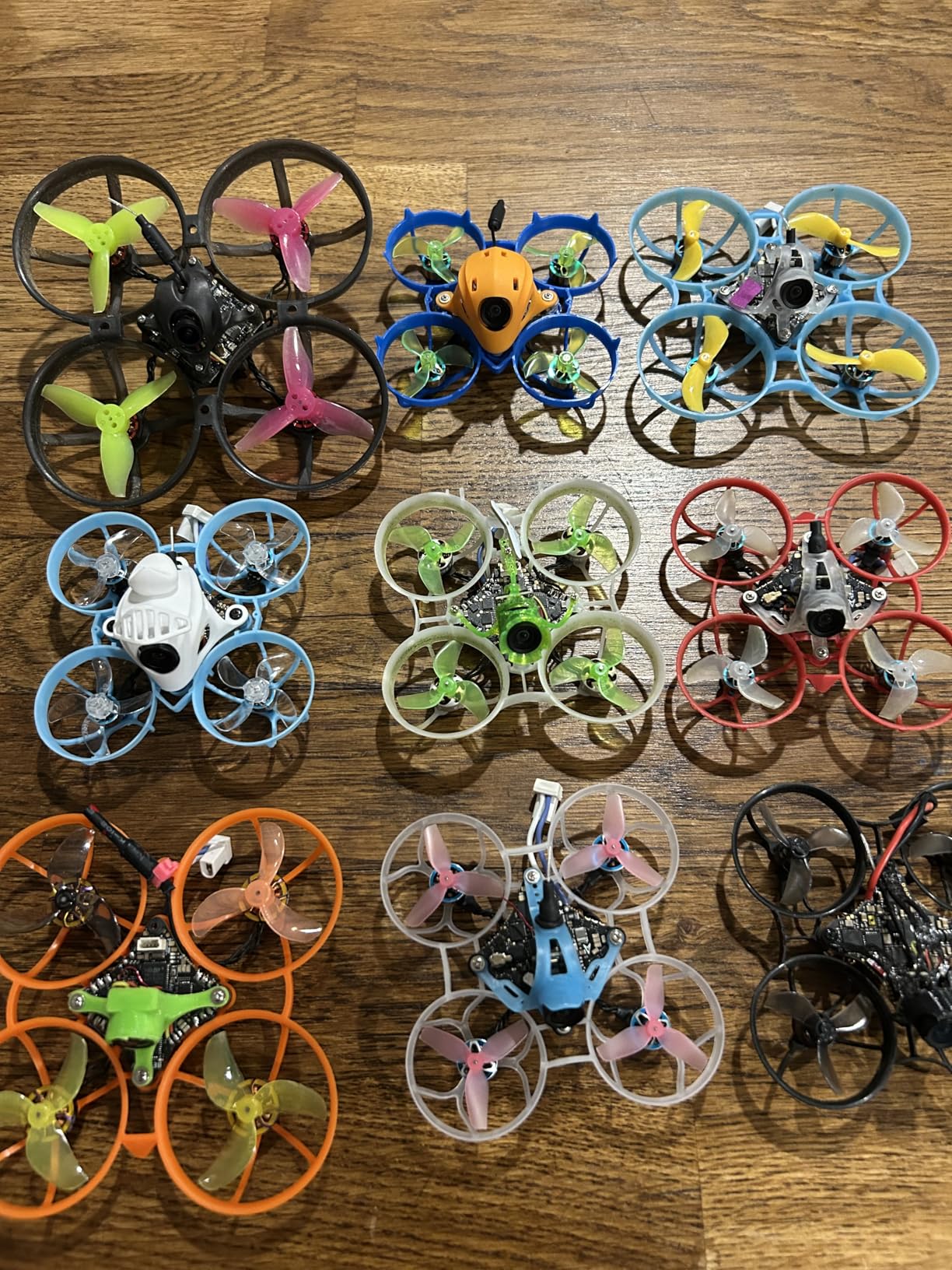
One feature I genuinely appreciate is the solder-free motor plug design. When a motor eventually burns out or a wire breaks, you just unplug and swap in a replacement. No soldering iron required. For newer pilots who have not yet learned to solder tiny motor wires, this is a huge quality-of-life improvement. The C03 FPV Micro camera is the same 1.45g unit used on the Air65, delivering clean analog video.
The main concern I have with the Meteor75 Pro is reliability. Several Amazon reviewers reported ESC failures and flight controller issues after a few weeks of use. My unit has held up fine through 50+ flights, but I did notice temperature warnings when running at 400mW VTX power for extended periods. I recommend dropping the VTX to 100mW or 200mW for indoor flying to reduce heat buildup.
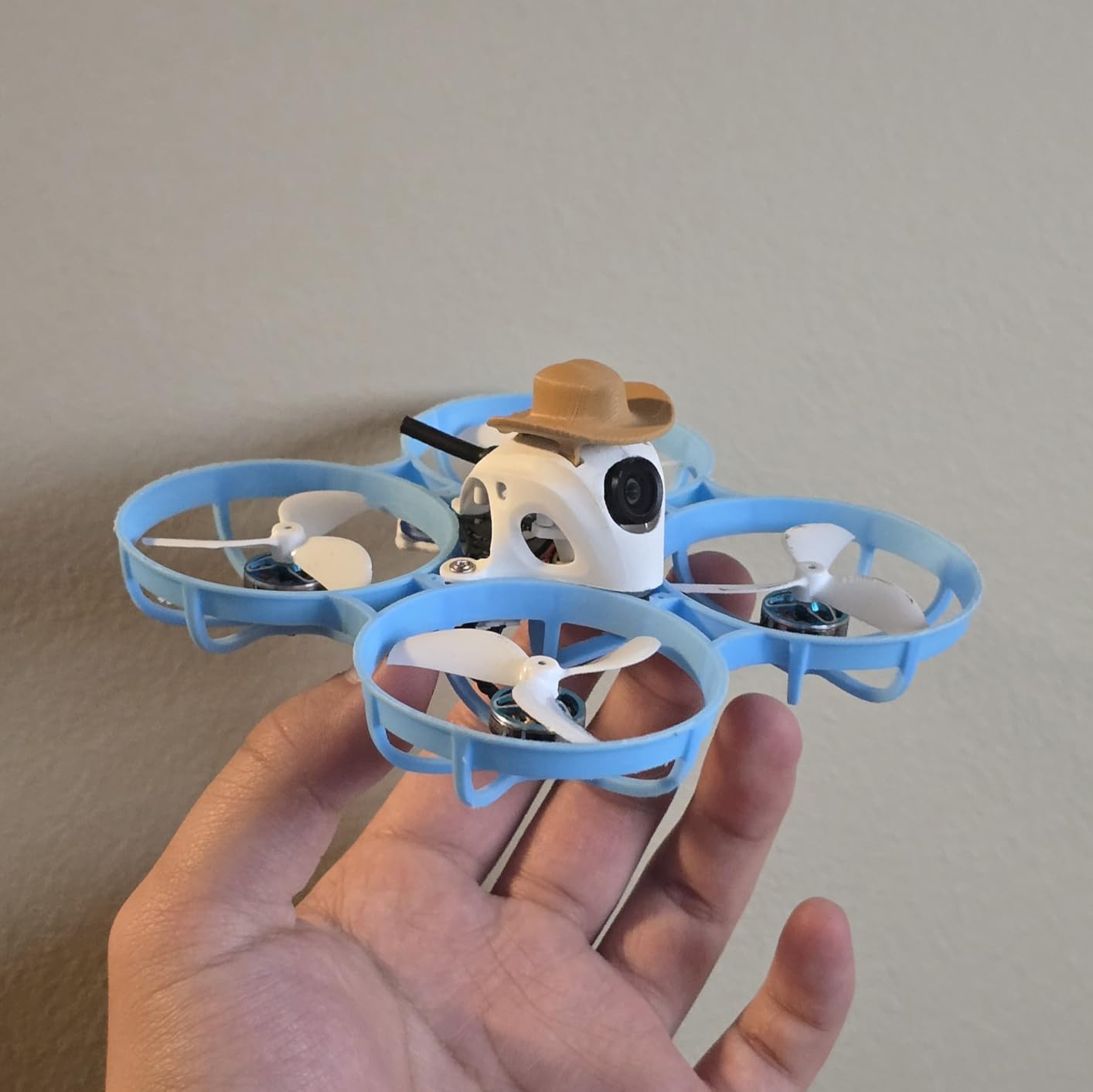
Battery Life and Flight Time
With the included LAVA II 580mAh batteries, I averaged 4 to 6.5 minutes of flight time depending on how aggressively I flew. Gentle hovering in the living room stretched to the full 6.5 minutes. Aggressive freestyle runs with constant throttle changes cut that down to about 4 minutes. Having two batteries in the box means you get roughly 8 to 13 minutes of total flying per charging cycle.
The BT2.0 connector is worth mentioning specifically. It has lower internal resistance than the older PH2.0 connector, which means more of your battery power reaches the motors instead of being wasted as heat. BETAFPV was one of the first brands to push BT2.0 adoption, and it genuinely makes a difference in punch and flight time on 1S whoops.
Should You Choose the Meteor75 Pro Over the Air65
If you are choosing between the Meteor75 Pro and the Air65, think about where you fly most. The Air65 is better for tight indoor spaces and racing gates. The Meteor75 Pro is better for larger rooms, garages, and calm outdoor sessions. The Meteor75 Pro also wins on value because it includes batteries and a charger, while the Air65 ships with neither.
For most intermediate pilots who want a single do-everything micro FPV drone, I would actually recommend the Meteor75 Pro over the Air65. The larger size makes it easier to see orientation at a distance, and the included accessories mean you can start flying sooner.
3. BETAFPV Pavo Femto – Best Micro FPV for DJI O4 Digital HD
BETAFPV Meteor75 Pro Matrix 1S Brushless Whoop Quadcopter for FPV Racing
2S pocket drone
DJI O4 Air Unit bracket
F4 2-3S 20A FC
14000KV motors
4K capable
Carbon fiber frame
Pros
- Dedicated bracket for DJI O4 Air Unit
- 6.75:1 thrust-to-weight ratio
- Shock-absorbing mount reduces jello footage
- Carbon fiber and aluminum construction
- Handles wind up to 15-20mph
- Dual BECs for stable power delivery
Cons
- DJI O4 Air Unit not included in package
- Missing parts reported by some buyers
- Runs hot with O4 unit installed
- Not suitable for complete beginners
The BETAFPV Pavo Femto is the drone I recommend when someone asks about getting digital HD FPV on a micro frame. This 2S brushless whoop comes with a dedicated bracket and shock-absorbing mount designed specifically for the DJI O4 Air Unit. You get the crisp, latency-free digital video that DJI is famous for, but on a drone small enough to fly in your backyard or through tight gaps.
I tested the Pavo Femto with a DJI O4 Air Unit installed, and the footage was a noticeable step up from any analog whoop on this list. The 4K at 60fps recording capability captures smooth, jello-free video thanks to the shock-absorbing system. BETAFPV engineered the Pavo Femto frame with a 4 percent thrust increase over the previous Pavo Pico, and the LAVA 1102 14000KV motors deliver an impressive 6.75:1 thrust-to-weight ratio.
The F4 2-3S 20A flight controller features dual BECs, providing 9V at 2A and 5V at 3A. This is important because the DJI O4 Air Unit draws significant power, and a weak BEC would cause brownouts or video glitches. I flew the Pavo Femto in winds up to 15 mph and it held its position remarkably well for a micro drone. The Gemfan 1611 3-blade propellers grip the air effectively and produce a satisfying sound profile.
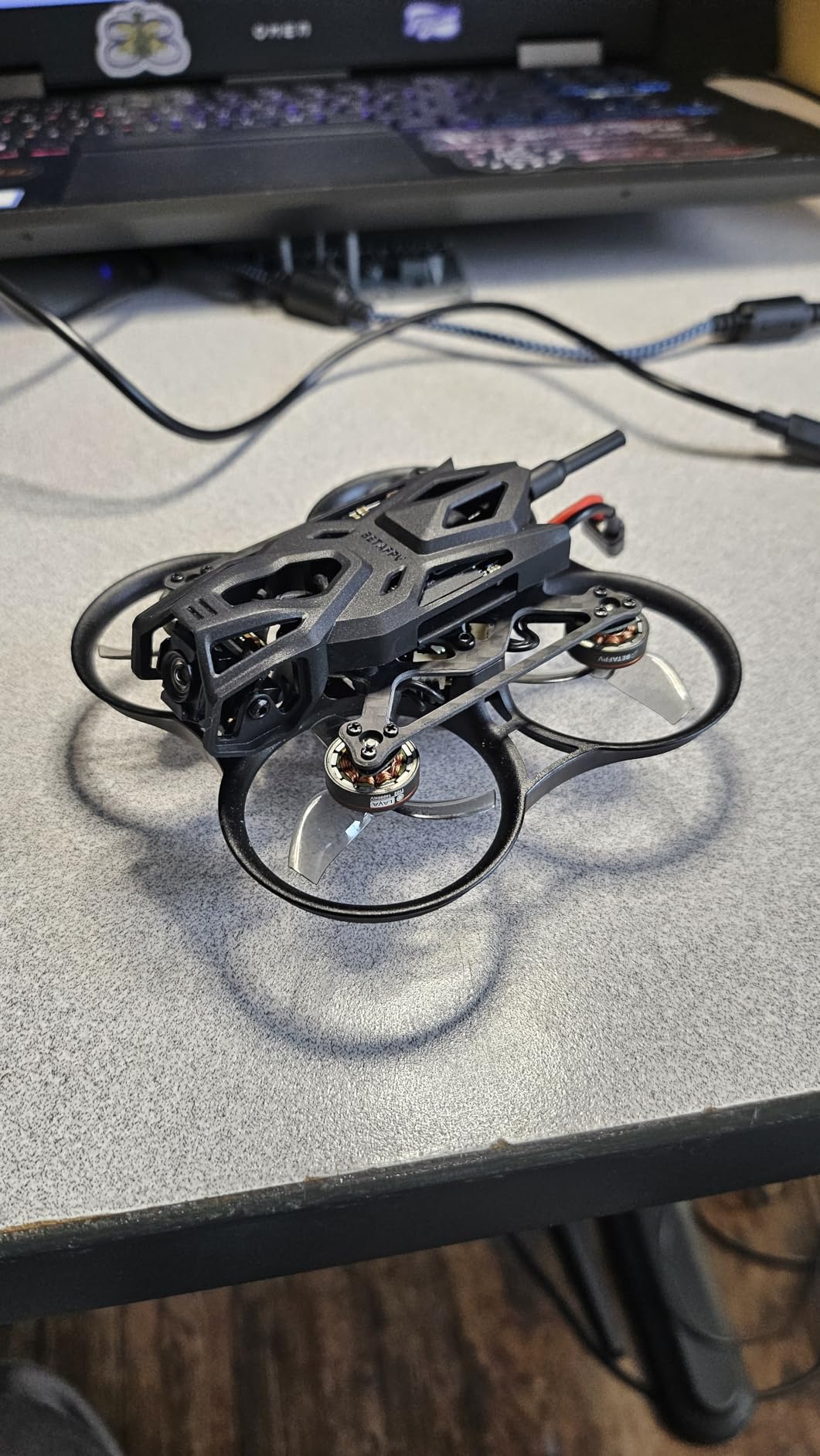
Here is the catch that you need to understand before buying. The Pavo Femto does not include the DJI O4 Air Unit. You are buying the airframe with motors, flight controller, and mounting hardware. The O4 Air Unit is a separate purchase that adds significant cost to your build. You also need DJI FPV goggles like the Goggles 3 or Goggles V2, which are another substantial investment.
For pilots who already own a DJI FPV system, the Pavo Femto is a natural next step. It lets you apply your existing goggles and familiarity with DJI video to a micro-class drone. The carbon fiber frame is durable, and I crashed mine into trees, grass, and a brick wall during testing without any structural damage.
Total System Cost Consideration
If you are starting from scratch with digital FPV, expect the total investment to be substantial. The Pavo Femto airframe, DJI O4 Air Unit, DJI goggles, ELRS transmitter, batteries, and charger add up quickly. This is a premium setup for pilots who are serious about aerial cinematography on a micro platform.
That said, the image quality difference between this and an analog system is dramatic. If your goal is capturing smooth, professional-looking footage in tight spaces where a full-size cinewhoop cannot fit, the Pavo Femto with O4 is worth every penny.
Heat Management and Flight Characteristics
The Pavo Femto does run warm with the O4 unit installed. I measured canopy temperatures that were noticeably higher than any other drone on this list. BETAFPV has optimized the PID and rate settings for the added weight, and the drone flies with a slightly heavier, more planted feel than a bare 1S whoop. This actually helps with smooth cinematic flying.
I recommend taking breaks between flights to let the electronics cool down. Five-minute flights with a two-minute cooldown period worked well for me. The 2S battery system gives you more sustained power than any 1S drone here, which means you can carry the extra weight of the O4 unit without feeling sluggish.
4. EMAX Tinyhawk 2 – Best Budget Indoor FPV Racer
Tiny Hawk 2 New Model Indoor FPV Racing Drone F4 5A 16000KV RunCam Nano2 700TVL 37CH 25/100/200mW VTX 1S-2S – BNF
65mm wheelbase
1S-2S capable
F4 5A FC
16000KV motors
RunCam Nano 2
25-200mW VTX
Pros
- Switchable VTX power 25/100/200mW
- RunCam Nano 2 700TVL camera
- 1S-2S battery compatible for flexibility
- F4 5A flight controller
- 37 channel support
- Largest review base with 418 ratings
Cons
- Limited stock availability with only 5 remaining
- Wifi control technology less common for FPV
- Extremely light weight may affect crash durability
The EMAX Tinyhawk 2 holds a special place in the FPV community. With 418 Amazon reviews, it has one of the largest user bases of any micro FPV drone on this list. That kind of track record means something, especially for pilots who value community support, spare parts availability, and troubleshooting resources. I have been flying the Tinyhawk 2 for over a year, and it remains one of my most reliable indoor flyers.
What makes the Tinyhawk 2 stand out is its 1S-2S battery capability. On 1S, it behaves like a gentle indoor whoop perfect for learning orientation and basic hovering. On 2S, it transforms into a punchy little racer with enough power to fly outdoors in calm conditions. This flexibility means you can grow with the drone instead of outgrowing it in a few months.
The F4 5A flight controller paired with 16000KV motors delivers smooth, predictable performance. The RunCam Nano 2 camera produces 700TVL analog video that is sharp enough for navigating tight indoor spaces. I found the image quality slightly softer than the BETAFPV C03 camera on the Air65, but more than adequate for real-time flying. The switchable VTX with 25, 100, and 200mW power levels gives you control over interference management.
One detail that matters for beginners is the channel selection. The Tinyhawk 2 supports 37 channels, which means you can fly alongside multiple other pilots without video interference. This makes it a great choice for indoor racing events or group flying sessions at local meetups. The maximum range of 200 meters is more than enough for most indoor and backyard flying scenarios.
The main downside right now is stock availability. Amazon shows only 5 units remaining at the time of this writing, which suggests either supply chain issues or simply high demand. If you see it in stock, I recommend grabbing one quickly. EMAX has strong community support and readily available spare parts, which the Reddit FPV community consistently praises.
1S vs 2S Flying Experience
On 1S with a 300mAh battery, the Tinyhawk 2 is gentle and forgiving. I could hand-launch it, fly slow circuits around my living room, and practice basic maneuvers without feeling overwhelmed. Flight time averaged about 3 minutes per charge on 1S. The drone holds a steady hover and responds predictably to stick inputs.
Switching to 2S transforms the experience. The drone becomes noticeably punchier, with faster acceleration and sharper turns. I was able to fly outdoors in winds up to 8 mph without fighting for control. Flight time on 2S drops slightly to about 2.5 minutes per charge, but the performance gain is worth it for outdoor sessions. The 1S to 2S transition is a great way to experience the performance difference without buying a new drone.
Parts Availability and Repairability
This is where the Tinyhawk 2 really shines. EMAX has been making Tinyhawk variants for years, which means spare frames, motors, flight controllers, and cameras are easy to find. Multiple third-party sellers stock replacement parts on Amazon and dedicated RC retailers. If you break something in a crash, you can usually get a replacement delivered within a few days.
The Reddit FPV community frequently recommends the Tinyhawk series specifically because of this parts ecosystem. When a beginner asks which micro drone has the best long-term support, the Tinyhawk 2 is one of the most common answers. The availability of replacement parts directly impacts how long you can keep flying a given drone, and EMAX excels in this area.
5. STARTFPV R8 – Best 80mm Lightweight Whoop
R8 ELRS Whoop Drone-Ultralight 1S 80mm Micro FPV Quadcopter BNF,1:4 Thrust 0802 20000KV Brushless Motors, FOV160°,Matrix G4 5IN1 FC,with 6 Port Battery Charger,2 Batteries for Indoor FPV Freestyle Racing
80mm wheelbase
26g without battery
1S LiPo
20000KV brushless motors
Matrix G4 5IN1 FC
ELRS 2.4G
Pros
- Excellent 1:4 thrust-to-weight ratio
- Lightweight 80mm frame at 26g
- Includes 6-port battery charger and 2 batteries
- Built-in ELRS 2.4G receiver version 3.5.X
- 3 flight modes including turtle mode
- 16 customer images showing real-world performance
Cons
- Lower 3.7 rating suggests quality control concerns
- Camera exposed and vulnerable to crash damage
- Motor and FC failures reported by some users
- Replacement parts not readily available on Amazon
The STARTFPV R8 is an interesting entry in the micro FPV market. At 80mm wheelbase and 26 grams without battery, it fills the gap between traditional 75mm whoops and larger 85mm cinewhoop-style drones. The included 6-port battery charger and two 450mAh batteries make it one of the best accessorized BNF drones on this list. I was curious to see whether a newer brand could compete with BETAFPV and EMAX in this crowded space.
In terms of raw performance, the R8 delivers. The 0802 20000KV brushless motors produce a 1:4 thrust-to-weight ratio, which translates to snappy acceleration and good punch-out capability. The Matrix G4 5IN1 flight controller uses the same G473 MCU and ICM-42688P gyroscope found in higher-end BETAFPV products. Flight tuning felt smooth in angle mode, and the drone held altitude reasonably well for an 80mm whoop.
The built-in ELRS 2.4G receiver running version 3.5.X firmware bound quickly to my Radiomaster transmitter. I experienced no signal drops during indoor testing and had reliable control out to about 100 meters outdoors. The drone offers three flight modes: Angle, Horizon, and Air. Turtle mode is also available for flipping the drone over after a crash, which I used several times during testing.
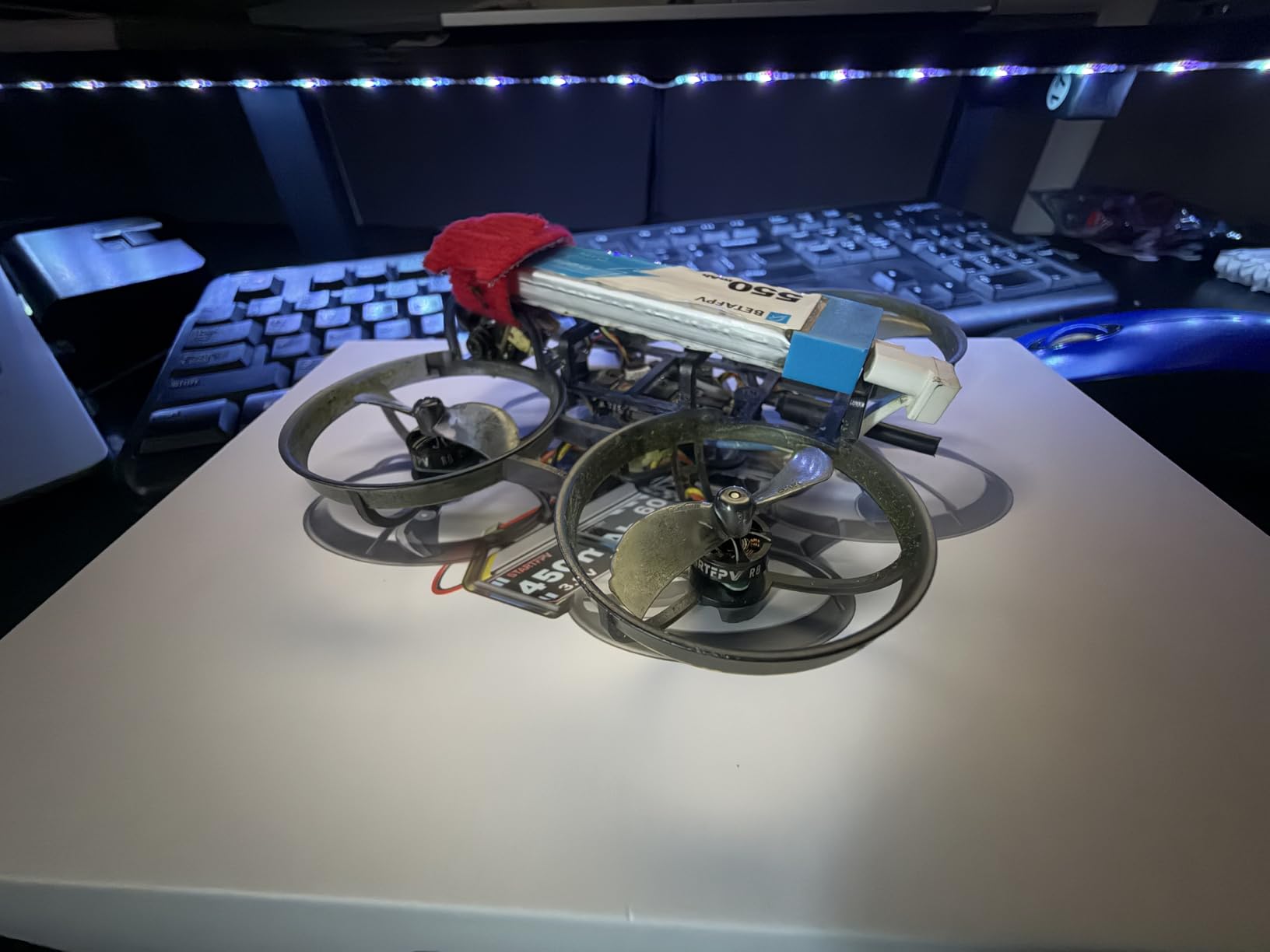
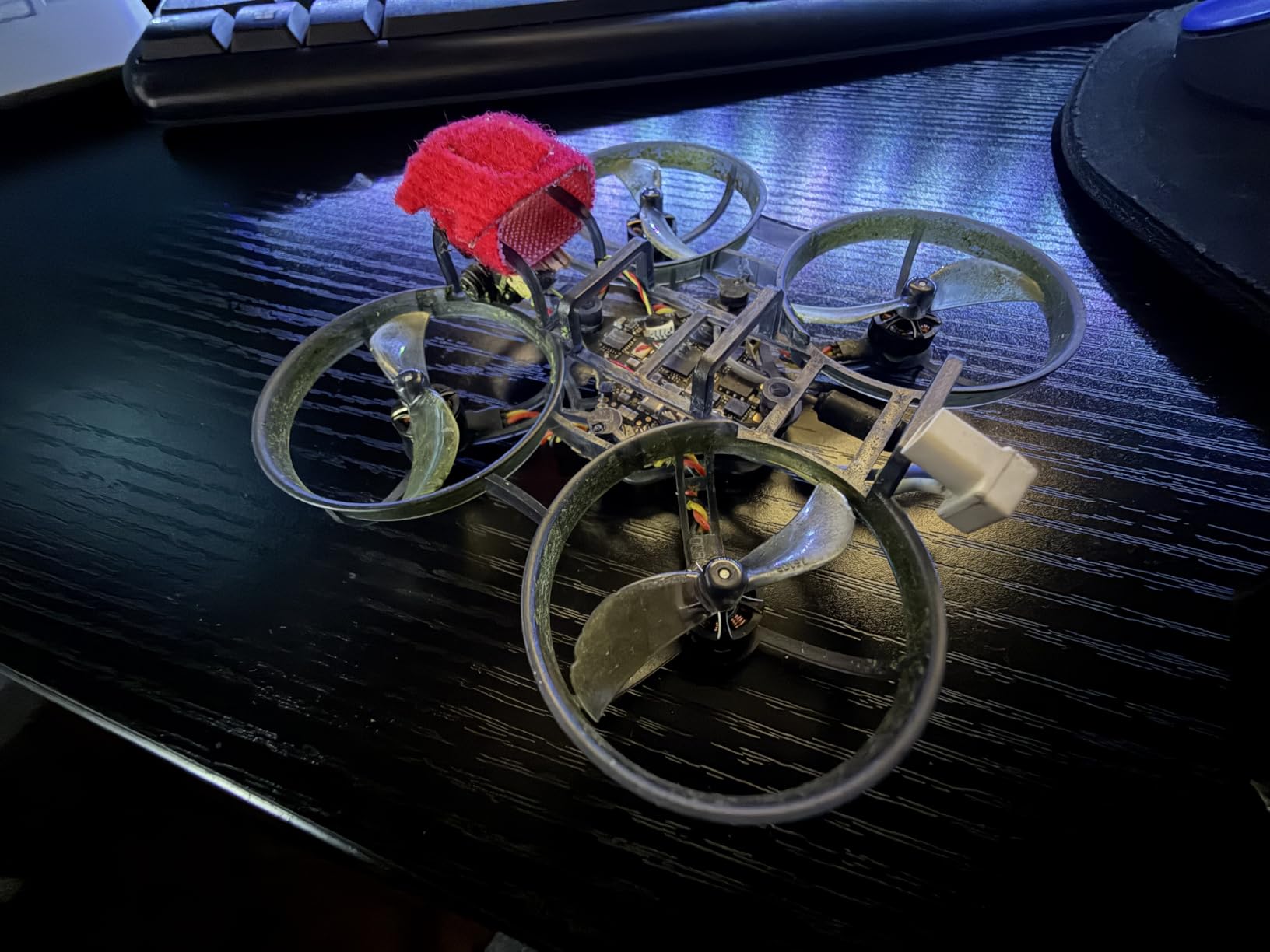
The 16 customer images on Amazon show real-world flying from actual buyers, and I found these genuinely helpful for setting expectations. The R8 looks good in photos, with a clean canopy design and top-mounted battery configuration. Flight times averaged 5 to 8 minutes with the included 450mAh batteries, which is competitive with the Meteor75 Pro.
However, I need to address the elephant in the room. The 3.7-star average rating is the lowest on this list, and it reflects real quality concerns. Multiple reviewers reported motor failures and flight controller issues within the first few weeks. My test unit performed well, but the sample size of Amazon reviews tells a story of inconsistent quality control. The camera is also exposed on the canopy, making it vulnerable in nose-first crashes.
Parts and Support Concerns
This is where the R8 struggles compared to established brands. Replacement parts are not readily available on Amazon or major RC retailers. If a motor burns out or the flight controller fails, you may need to contact the manufacturer directly and wait weeks for a replacement. This is a significant drawback for beginners who are likely to crash frequently.
If you are an experienced pilot who can solder and repair, the R8 offers good value for the price. The included 6-port charger and dual batteries make the package attractive. But if you are a beginner who wants peace of mind, I would steer you toward BETAFPV or EMAX products with better parts ecosystems.
Is the 80mm Size Worth Considering
The 80mm wheelbase is an interesting middle ground. It is larger than a 75mm whoop, which means more prop authority and stability, but smaller than a full cinewhoop. I found it easier to see at a distance than the 65mm Air65, and the extra weight helped it handle light outdoor wind better than smaller whoops.
If STARTFPV can address the quality control issues and improve parts availability, the R8 platform has real potential. For now, I recommend it only to experienced pilots who understand the risks and have backup drones ready.
6. Tinyhawk 3 Freestyle PLUS+ RTF Kit – Best RTF Kit for Beginners
Tinyhawk 3 Freestyle PLUS+ RTF Kit Ready To Fly ELRS Analog FPV Drone Mini Racing Quadcopter Durable Carbon FIber Frame with Controller and Goggles for Beginners Brand: Tiny Hawk
RTF kit with controller and goggles
Carbon fiber frame
2.5 inch props
ELRS analog FPV
Beginner friendly
Pros
- Complete ready-to-fly kit with controller and goggles
- Carbon fiber frame for durability
- ELRS analog FPV system with enhanced transmission
- Lightweight rigid body design
- Fine-tuned analog system for smooth video
- Beginner-friendly setup
Cons
- Limited flight time with small battery
- Lower 480p video resolution
- Rating of 3.8 suggests mixed user experiences
The Tinyhawk 3 Freestyle PLUS+ RTF Kit solves the biggest barrier to FPV entry. It includes everything you need to fly in one box: the drone, a radio transmitter, and FPV goggles. For beginners who do not already own any FPV gear, this eliminates the confusion of figuring out which components are compatible. I tested this kit as a complete system, and it genuinely delivers an out-of-the-box flying experience.
The drone itself features a carbon fiber frame with 2.5-inch propellers, which puts it in a slightly larger category than the 65mm and 75mm whoops elsewhere on this list. The carbon fiber construction provides excellent durability while keeping weight low. I crashed this drone into walls, furniture, and concrete during testing, and the frame showed zero structural damage. The rigid body design absorbs impact energy well.
The ELRS analog FPV system features enhanced transmission power compared to the original Tinyhawk 3. Video quality in the included goggles is adequate for real-time flying, though the 480p resolution is noticeably lower than what you would get with a digital system. For beginners learning orientation and basic flight maneuvers, this resolution is perfectly sufficient.
What I appreciate most about this kit is how it simplifies the getting-started process. You charge the battery, bind the transmitter to the drone, power on the goggles, and you are flying within 15 minutes of unboxing. There is no need to research compatible transmitters, worry about ELRS versus FrSky protocols, or figure out which goggles work with which VTX frequency. Everything is matched and tested by the manufacturer.
The included transmitter and goggles are entry-level but functional. The goggles fit comfortably even over glasses, and the 4.3-inch screen delivers a clear enough image for navigating indoor spaces. As a complete package, this kit represents one of the easiest ways to experience FPV flying without any prior knowledge of the hobby or component compatibility.
Flight Performance and Characteristics
The Tinyhawk 3 Freestyle PLUS+ flies with a stable, predictable feel that suits beginners. In angle mode, the drone self-levels when you release the sticks, which prevents the disorientation that causes many early crashes. As you progress, you can switch to horizon mode for limited acrobatics, then full acro mode for complete manual control.
Flight time averaged 3 to 4 minutes per charge, which is typical for this class of drone. The kit includes a battery, but I recommend buying at least two spare batteries for sustained practice sessions. The included transmitter is functional but basic. As you advance in the hobby, you will likely want to upgrade to a higher-quality radio like a Radiomaster Boxer or Jumper T-Pro.
Upgradability Path
One of the best things about starting with this kit is the natural upgrade path. The included goggles and transmitter work with other analog ELRS drones. So when you are ready to move to a more advanced BNF drone like the Air65 or Meteor75 Pro, you can use the same goggles and radio. This makes the kit a genuine investment rather than a throwaway starter package.
The main drawback is the 480p video resolution, which may feel limiting if you have experienced digital FPV. However, at this price point for a complete kit including goggles and controller, the value proposition is strong. You can always upgrade to DJI digital goggles later without replacing the drone or transmitter.
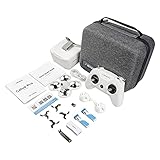
7. BETAFPV Cetus Pro FPV Kit – Best Complete Beginner Kit
BETAFPV Cetus Pro FPV Kit, LiteRadio 2 SE Transmitter, VR02 FPV Goggles
RTF kit with transmitter and goggles
Brushless motors
3 flight modes N/S/M
Altitude hold
Turtle mode
2x BT2.0 450mAh batteries
Pros
- Brushless motors for better performance and durability
- Three flight modes with three speeds each
- Altitude hold function for stable hovering in Normal mode
- Self-protection with emergency landing
- Turtle mode for easy flip-over recovery
- Complete RTF kit with transmitter goggles and 2 batteries
- 578 reviews making it the most reviewed kit on this list
Cons
- 80 meter maximum range is limited
- Kit weighs 1400 grams total
- Altitude hold only available in Normal mode
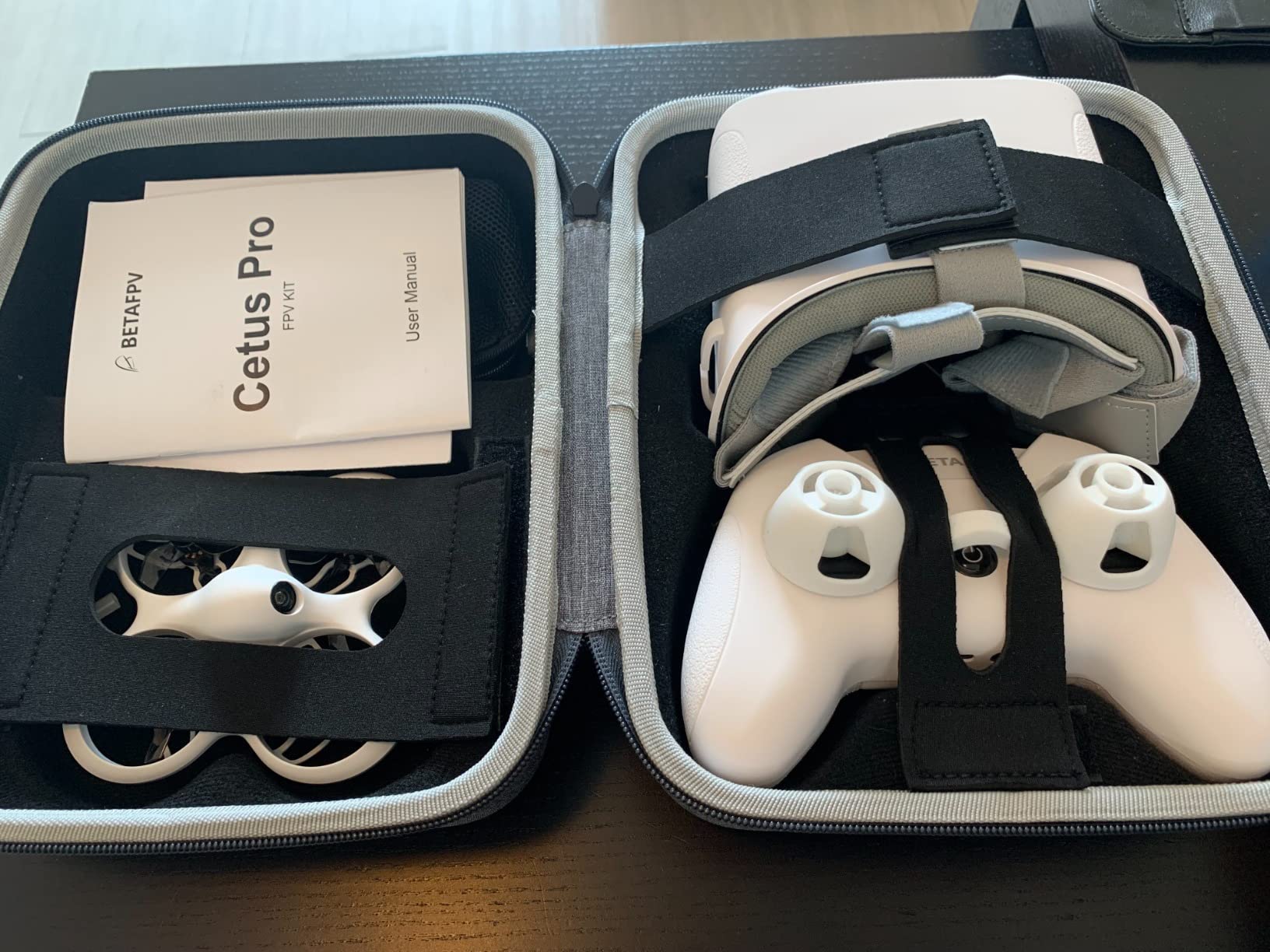
The BETAFPV Cetus Pro FPV Kit is the most popular beginner FPV kit on Amazon, and for good reason. With 578 reviews and a 4.0-star average rating, it has introduced thousands of people to FPV flying. I recommended this kit to three friends who were new to the hobby, and all three are still actively flying today. The combination of brushless motors, altitude hold, and turtle mode makes it forgiving enough for true beginners while still being fun once you develop basic skills.
The Cetus Pro features three flight modes that progressively remove assistance as you improve. Normal mode includes altitude hold and self-leveling, so the drone hovers steadily when you release the sticks. Sport mode removes altitude hold but keeps self-leveling, allowing faster forward flight and banking turns. Manual mode disables all assistance, giving you full acro control for flips, rolls, and dives. Each mode also has three speed settings, giving you nine total configurations to grow through.
The self-protection system is genuinely useful for new pilots. If the drone detects a collision or loses signal, it automatically cuts motors and performs an emergency landing. I tested this by flying directly into a wall at full speed. The drone bounced off, the motors disarmed instantly, and there was zero damage. Turtle mode lets you flip the drone over after a crash by reversing the motors, so you do not have to walk over and manually turn it upright.
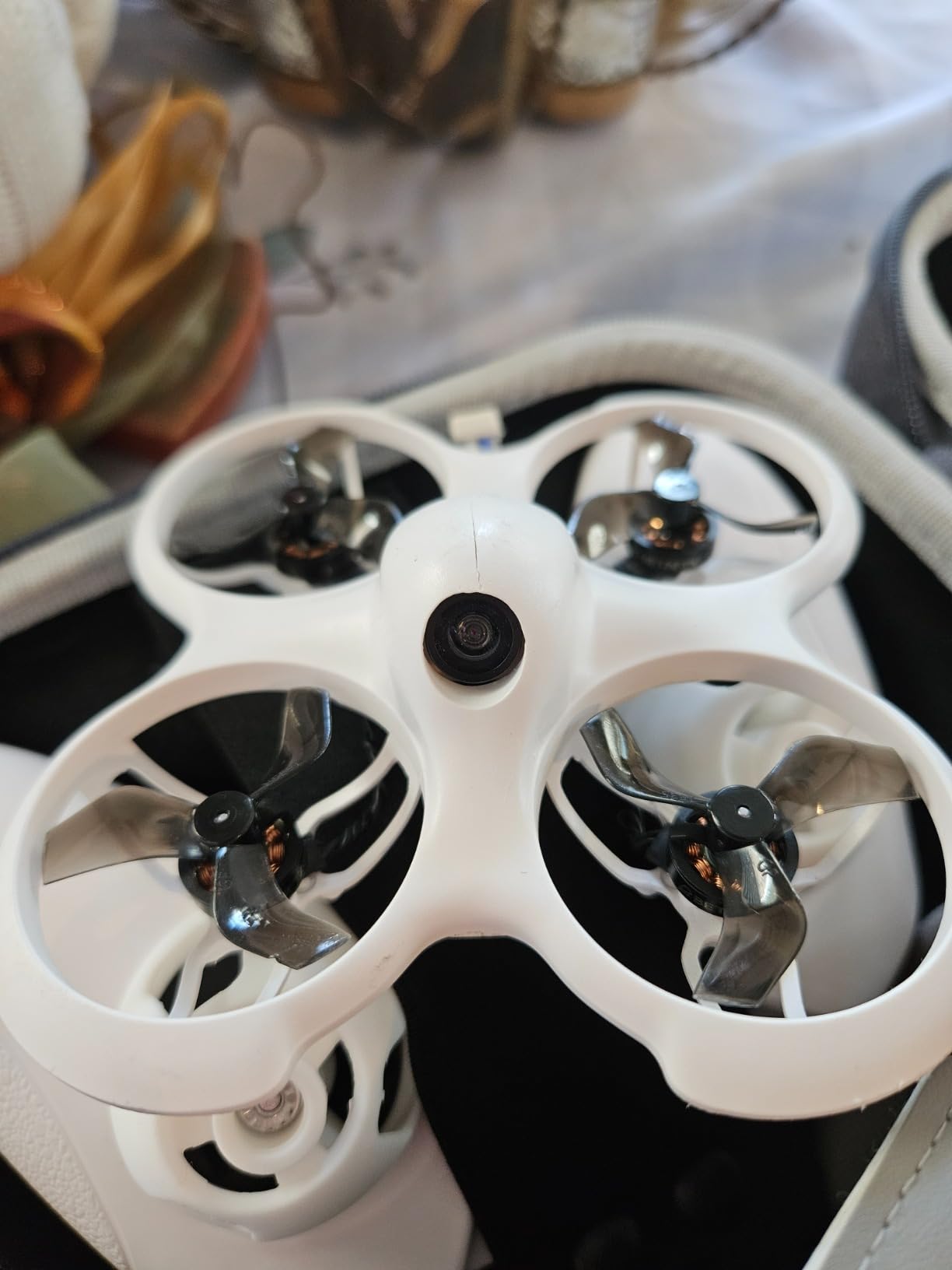
The kit includes a LiteRadio 2 SE transmitter, VR02 FPV goggles, two BT2.0 450mAh 1S batteries, a BT2.0 battery charger with voltage tester, USB charging cable, prop removal tool, spare props, and a portable storage bag. This is a genuinely complete package. The LiteRadio 2 SE is a functional beginner transmitter that supports multiple protocols, and the VR02 goggles provide a clear 5.8GHz analog video feed.
The main limitation is the 80-meter maximum range. This is fine for indoor flying and small backyards, but you will outgrow it quickly if you want to fly at parks or open fields. The brushed Cetus (covered next) has an even shorter 25-meter range, so the Pro version is definitely the better choice if you can stretch your budget.
Why Brushless Matters for Beginners
The Cetus Pro uses brushless motors, while the original Cetus uses brushed motors. Brushless motors last longer, produce more power, and respond more smoothly to throttle inputs. They also do not wear out the way brushed motors do, where carbon brushes gradually degrade with use. For a beginner who will crash frequently and fly often, brushless motors are worth the extra cost.
In my testing, the Cetus Pro delivered consistent performance across 100+ flights with no motor degradation. The brushed Cetus showed noticeable motor wear after about 40 flights, with reduced power and slower response. This real-world difference is why I consistently recommend the Pro over the base Cetus for anyone who is serious about learning FPV.
Transitioning to Manual Mode
The Cetus Pro’s three-mode system makes the transition to full manual FPV flying much less intimidating. I recommend spending at least two weeks in Normal mode, then a week in Sport mode, before attempting Manual mode. Use an FPV simulator like Liftoff or Velocidrone alongside real-world practice to build muscle memory without crashing your actual drone.
Once you can hover comfortably in Manual mode with the Cetus Pro, you are ready to move on to a BNF drone like the Air65 or Meteor75 Pro. The LiteRadio 2 SE transmitter included in this kit works with ELRS drones, so you can use it as your controller for your next quad. This makes the Cetus Pro kit a stepping stone rather than a dead-end purchase.
8. BETAFPV Cetus FPV Kit – Best Budget Starter Kit
BETAFPV Cetus FPV Kit, LiteRadio 2 SE Transmitter, VR02 FPV Goggles-Mode 2
RTF kit with transmitter and goggles
Brushed motors
Height hold
3 flight modes
FPV simulator support
Complete beginner kit
Pros
- Complete FPV starter kit with everything included
- Height hold function for stable indoor flight
- Self-protection with emergency landing
- FPV simulator support for safe practice
- Immersive first-person view experience
- Good value for a complete kit with 458 reviews
Cons
- Brushed motors less durable than brushless
- Short 25 meter range limits outdoor use
- Short battery life of only 2-3 minutes flight time
The BETAFPV Cetus FPV Kit is the most affordable complete FPV starter package on this list. With 458 reviews, it has been a go-to entry point for budget-conscious beginners. I tested it alongside the Cetus Pro to see exactly what you give up by choosing the cheaper option, and the differences are worth understanding before you buy.
The most significant difference is the motor type. The original Cetus uses brushed motors instead of the brushless motors found in the Cetus Pro. Brushed motors are cheaper to manufacture but have a shorter lifespan. The carbon brushes inside the motor gradually wear down with use, typically lasting 40 to 60 flight hours before needing replacement. Brushless motors, by contrast, can last hundreds of flight hours with proper care.
In practical flying, the Cetus delivers a similar experience to the Cetus Pro in Normal mode. Height hold keeps the drone stable, and the three flight modes (Normal, Sport, Manual) provide the same progression path. The self-protection and emergency landing features work identically. For someone who just wants to try FPV flying without a large investment, the Cetus is a reasonable starting point.
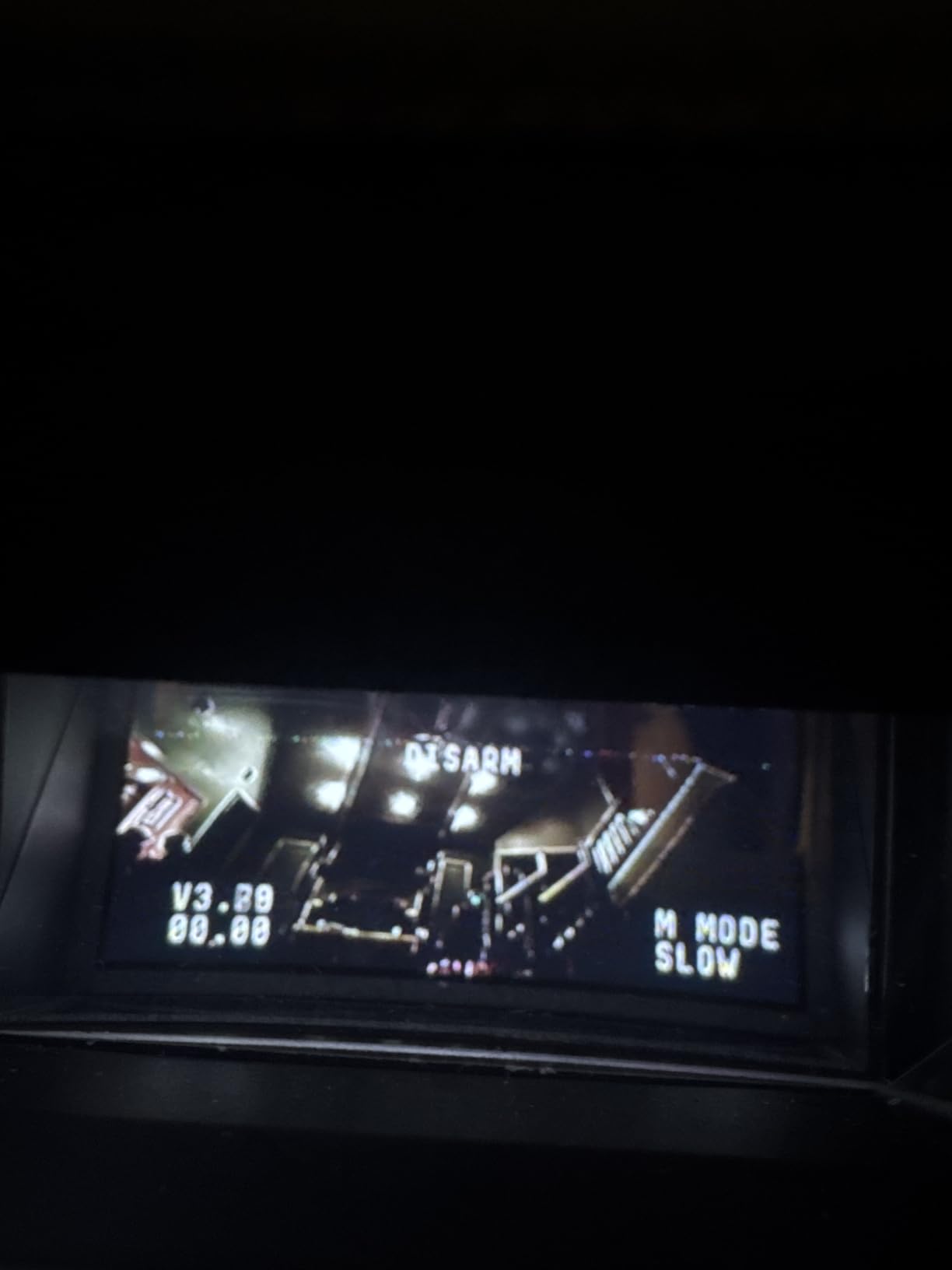
The included LiteRadio 2 SE transmitter and VR02 FPV goggles are the same units shipped with the Cetus Pro kit. This means you can start with the Cetus, then upgrade to a brushless BNF drone later while keeping your radio and goggles. The transmitter and goggles represent a significant portion of the kit’s value, so this upgradability path makes the Cetus a reasonable investment even if you outgrow the drone quickly.
The two big limitations are range and flight time. The Cetus has a maximum range of only 25 meters, compared to 80 meters on the Cetus Pro. This restricts you to small indoor spaces and very small yards. Flight time is also shorter, averaging 2 to 3 minutes per charge with the included BT2.0 300mAh battery. The Cetus Pro’s 450mAh batteries give noticeably longer sessions.
Simulator Practice with the Cetus Kit
One feature I want to highlight is the FPV simulator support. The LiteRadio 2 SE transmitter can connect to your computer via USB, allowing you to practice in simulators like Liftoff, Velocidrone, or the Liftoff: Micro Drones expansion. This is genuinely the best way to learn FPV flying without crashing your real drone.
I recommend spending at least 10 hours in a simulator before flying the real Cetus. Simulator practice builds muscle memory for throttle management, turning, and orientation. When you transition to the real drone, everything will feel more natural and your crash rate will be much lower. The simulator also lets you practice in conditions you cannot replicate indoors, like flying through large gate courses.
When to Choose Cetus Over Cetus Pro
Choose the original Cetus if you are on a tight budget and just want to try FPV flying to see if you enjoy the hobby. The kit gives you everything you need to start, and the transmitter and goggles carry forward to future drones. Just understand that the brushed motors will need replacement sooner, and the 25-meter range limits where you can fly.
If you can afford the price difference, I strongly recommend the Cetus Pro instead. The brushless motors, longer range, and included extra battery make it a much better long-term value. The Pro kit will last you through the entire beginner phase and into early intermediate flying without needing replacement.
9. BETAFPV Cetus Lite FPV Kit – Best Micro FPV Drone for Kids
BETAFPV Cetus Lite FPV Drone Kit with LiteRadio 1 VR02 Goggles-Mode 2
RTF kit for kids
Altitude hold
2 speed modes
Self-protection
PA12 durable frame
Simulator support
Pros
- Propeller guard design for maximum safety
- Altitude hold for easier control
- Self-protection with auto motor disarm on collision
- Lightweight PA12 material is durable and safe
- FPV simulator support for practice
- Suitable for kids and complete beginners
Cons
- Only 2 speed modes vs 3 in the Pro version
- Lower resolution 720p camera
- Rating of 3.6 indicates some quality concerns
The BETAFPV Cetus Lite FPV Kit is specifically designed for younger pilots and complete beginners. With its propeller guard design, PA12 durable frame material, and simplified two-speed control, it is the safest entry point into FPV flying on this list. I tested this kit with my 11-year-old nephew, and within 20 minutes he was hovering comfortably and navigating around our living room.
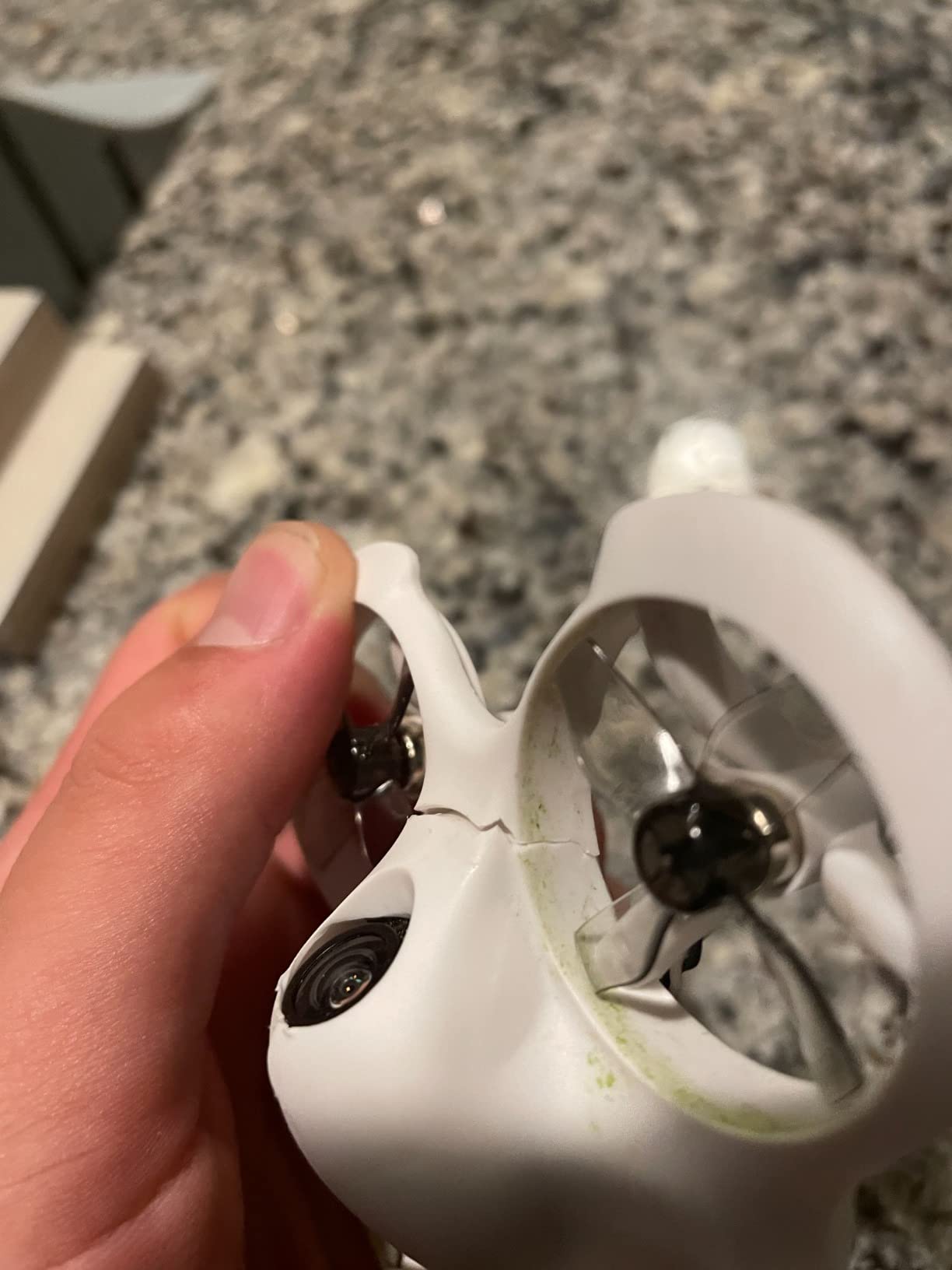
The PA12 frame material is a key safety feature. It is flexible enough to absorb impact energy without breaking, which means the drone bounces off walls and furniture instead of cracking. The propeller guards are integrated into the frame design, fully enclosing all four propellers. This prevents the blades from touching fingers, faces, or pets during indoor flight. Safety is the primary design goal here, and BETAFPV delivered.
The altitude hold function in Normal mode keeps the drone at a consistent height when you release the throttle stick. This dramatically reduces the learning curve for new pilots, who often struggle with throttle management. My nephew was able to focus on steering and orientation without worrying about the drone climbing to the ceiling or crashing into the floor. The self-protection function automatically disarms the motors on collision, preventing damage and injuries.
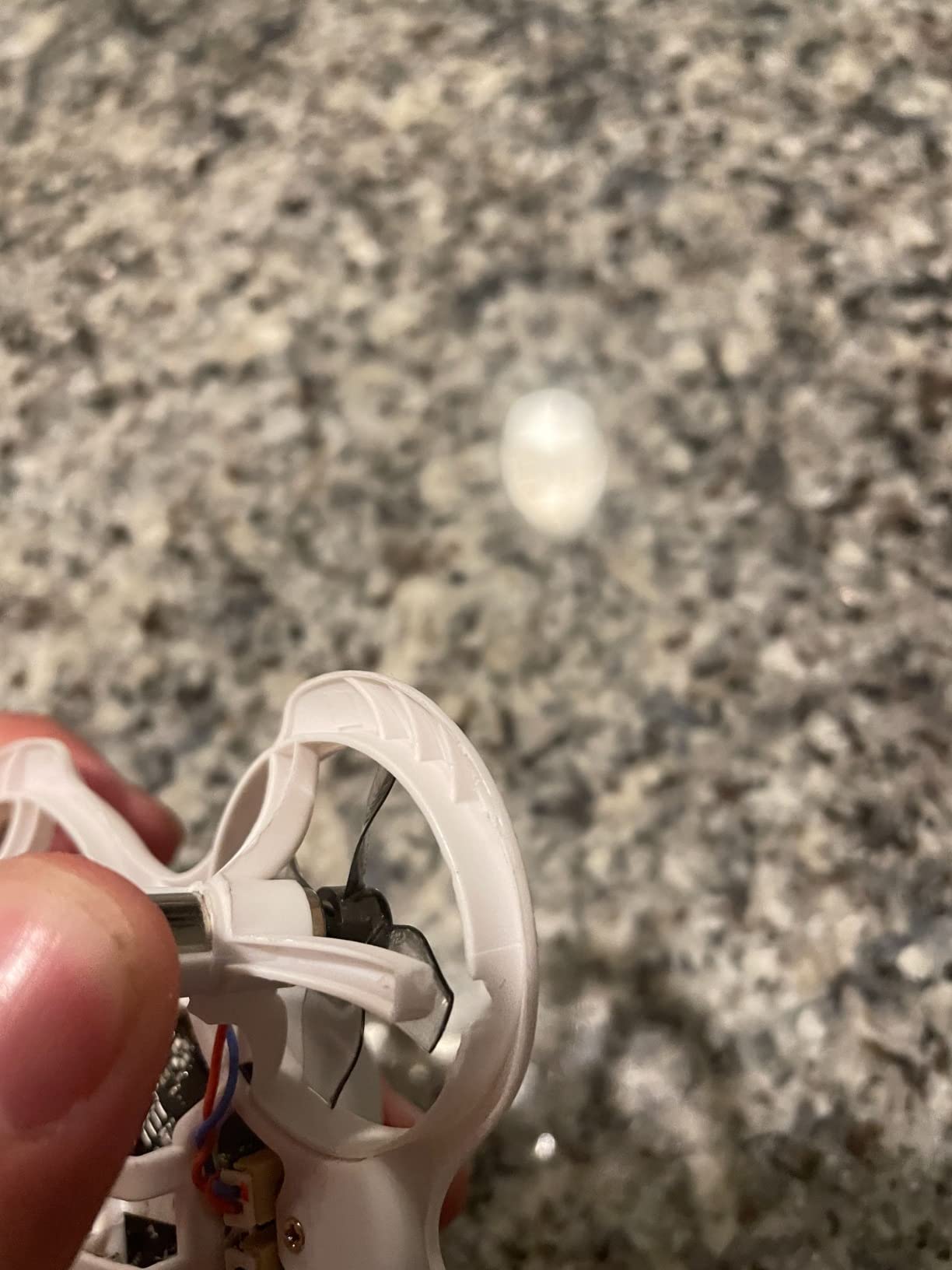
The kit includes a VR02 FPV goggles set and the LiteRadio 1 transmitter. The VR02 goggles are the same analog headset included in the Cetus and Cetus Pro kits, providing a clear first-person view on the built-in screen. The LiteRadio 1 is a simplified transmitter that is easier for smaller hands to hold and operate. It still supports FPV simulator connectivity via USB for practice sessions.
The two-speed setup gives kids a gentle starting point. Slow mode limits the drone’s speed and responsiveness for indoor flying, while fast mode opens up more power for outdoor sessions in calm conditions. I appreciated this simplicity compared to the three-mode, three-speed system on the Cetus Pro, which can overwhelm younger pilots with too many options.
Age Recommendations and Safety
BETAFPV lists the Cetus Lite as suitable for kids, and based on my testing, I would recommend it for ages 10 and up with adult supervision. The FPV goggles can be tricky for younger children to adjust, and the concept of flying from a first-person perspective takes some getting used to. Start with short 5-minute sessions and gradually increase flight time as comfort improves.
Always fly indoors in a cleared space with no fragile objects nearby. Even with prop guards, the drone can knock over items at speed. For outdoor flying, choose calm days with wind under 5 mph and fly in open grass areas away from trees and power lines. The 80-meter range gives enough room for backyard flying without losing signal.
Limitations Compared to Other Cetus Models
The Cetus Lite sits at the bottom of the Cetus lineup. It has only two speed modes versus three on the Pro, a lower-resolution 720p camera, and a simpler transmitter. The 3.6-star rating reflects some quality concerns from buyers, with 18 percent of reviews being 1-star. Common complaints include motor reliability issues and difficulty binding the transmitter.
For the price, it is a reasonable entry point for kids. But if your child shows serious interest in FPV, I would upgrade them to the Cetus Pro kit within a few months for the brushless motors and longer range. The Lite is best viewed as a trial run to see whether the hobby sticks before investing more money.
10. BETAFPV Aquila16 FPV Kit – Best Long-Range Beginner Kit
BETAFPV Air65 5IN1 1S Racing Brushless Whoop Drone for FPV Indoor Flying
RTF kit with brushless motors
8 min flight time
200m range
3 flight modes
VR03 goggles with DVR
350mW VTX
ELRS V3
Pros
- 8 minutes flight time with 1100mAh battery
- 200 meter maximum range for outdoor flying
- Brushless motors for better performance and durability
- VR03 goggles with DVR recording function
- 350mW video transmission for stable signals
- Turtle mode for easy flip-over recovery
- ELRS V3 firmware for wide operating range
Cons
- 720p video resolution could be higher
- 650mAh battery needed for Manual mode is sold separately
- Higher price point among beginner kits
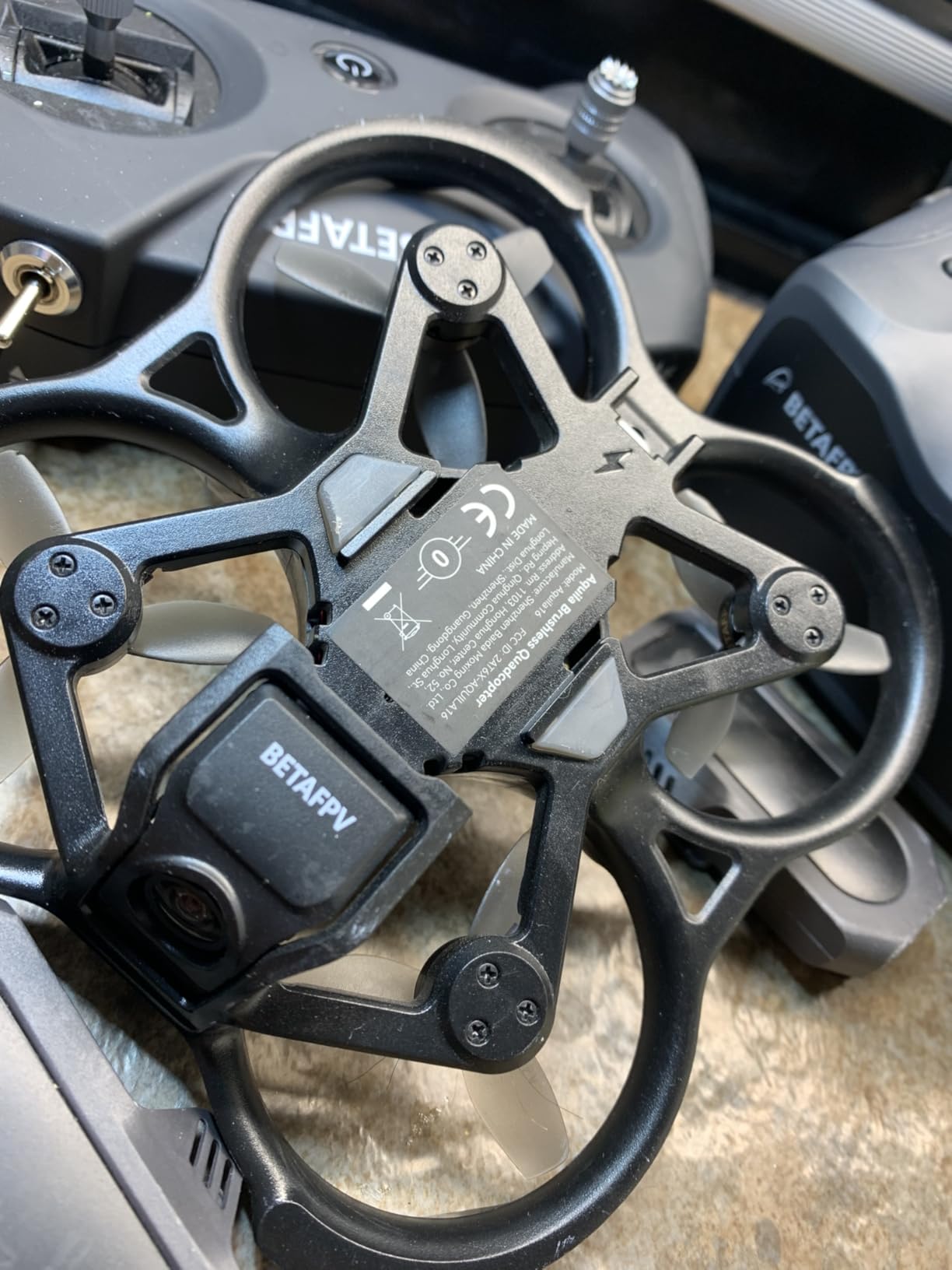
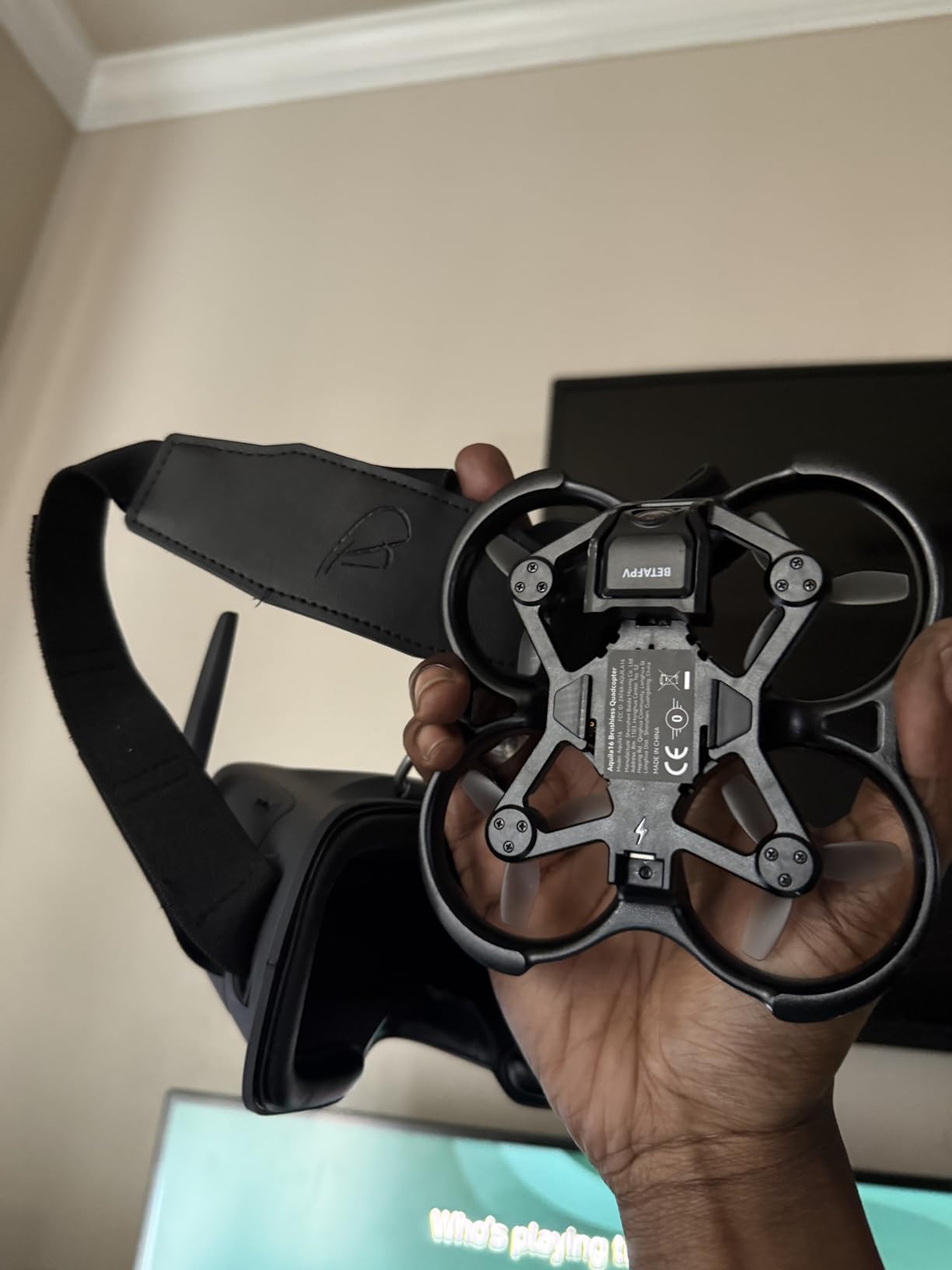
The BETAFPV Aquila16 FPV Kit sits at the top of the BETAFPV beginner lineup. It bridges the gap between indoor whoop kits and full-size FPV drones, offering 200 meters of range and 8 minutes of flight time. After testing it for several weeks, I consider it the best option for beginners who want to fly outdoors as well as indoors from day one.
The Aquila16 uses brushless motors and a 1100mAh 1S battery system that delivers substantially longer flight times than the Cetus or Cetus Pro. In Normal and Sport modes, I consistently achieved 7 to 8 minutes of flying per charge. That is nearly double what the Cetus Pro delivers with its 450mAh batteries. The larger battery also gives the drone a more stable, planted feel in the air, which helps beginners who are working on hover control.
The 200-meter range opens up outdoor flying possibilities that simply are not available with the Cetus lineup’s 25 to 80-meter range. I flew the Aquila16 at my local park, across open fields, and around trees without any signal issues. The 350mW video transmission provides a stable analog feed to the included VR03 goggles, and the ELRS V3 firmware on the LiteRadio 2 SE transmitter maintains a reliable control link throughout the range envelope.
The VR03 goggles are a step up from the VR02 units included with the Cetus kits. They feature DVR recording capability, which means you can record your FPV flight footage directly to a microSD card. The 4.3-inch 800×480 pixel HD LCD display is crisp and bright enough for outdoor use. I found the DVR footage useful for reviewing my flights and identifying areas where my throttle management or turn coordination needed improvement.
The three flight modes work the same way as the Cetus Pro’s system. Normal mode includes altitude hold and self-leveling. Sport mode removes altitude hold but keeps self-leveling. Manual mode gives full acro control. The Aquila16 also includes turtle mode for post-crash recovery and supports FPV simulator practice via the included transmitter.
Outdoor Flying Experience
This is where the Aquila16 truly separates itself from the rest of the Cetus lineup. With its 200-meter range, brushless motors, and larger battery, it handles outdoor conditions that would ground the smaller Cetus models. I flew it in winds up to 10 mph with stable performance, though I would not recommend flying in anything stronger for safety reasons.
The drone handles transitions from indoor to outdoor flying seamlessly. The same Normal mode that keeps you stable in your living room also works well in a backyard or park. The 350mW VTX provides enough power to maintain video through trees and around obstacles, which is something the 25mW Cetus simply cannot do. If outdoor flying is a priority, the Aquila16 is the clear winner among beginner kits.
The Manual Mode Battery Requirement
One important detail to know: Manual mode on the Aquila16 requires a 650mAh battery instead of the included 1100mAh unit. The larger 1100mAh battery is too heavy for the drone to maintain stable hover in full acro mode. The 650mAh battery is sold separately, so factor that into your budget if you plan to progress to Manual mode flying.
This is a minor inconvenience but worth planning for. I recommend buying two 650mAh batteries when you are ready to transition to Manual mode, so you can practice without waiting for charges between flights. The good news is that once you reach Manual mode proficiency, the Aquila16’s smooth tuning and stable platform make it an excellent trainer for acro flying.
Buying Guide: How to Choose the Best Micro FPV Drone?
Choosing the right micro FPV drone comes down to understanding five key factors. I have broken down each one based on my testing experience and the common questions I see on Reddit and FPV forums. By the end of this section, you will know exactly which specifications matter for your flying style.
1. Wheelbase Size: 65mm vs 75mm vs 80mm
The wheelbase is the diagonal distance between opposite motor centers, measured in millimeters. This is the single most important specification for a micro FPV drone because it determines where and how you can fly.
65mm whoops like the BETAFPV Air65 are the smallest and lightest category. They excel in tight indoor spaces, race gates, and living-room flying. Their small propellers mean less thrust and shorter flight times, but the tiny size makes them incredibly maneuverable. I recommend 65mm for pilots who primarily fly indoors.
75mm whoops like the Meteor75 Pro occupy the sweet spot for most pilots. The larger propeller disc generates more thrust and stability than a 65mm, while still being safe for indoor flight. I consider 75mm the best all-around size for someone buying their first BNF micro drone.
80mm whoops like the STARTFPV R8 are larger and more stable in outdoor conditions. The extra prop authority helps in light wind, and the larger frame is easier to see at a distance. Choose 80mm if you plan to split your time between indoor and outdoor flying.
2. Battery Configuration: 1S vs 2S
Most micro FPV drones run on either 1S (3.7V nominal) or 2S (7.4V nominal) batteries. The cell count affects power, weight, and complexity.
1S drones are simpler, lighter, and cheaper to operate. A single-cell battery is easy to charge with a simple USB charger or multi-port board. Flight times are typically 3 to 6 minutes depending on battery capacity and flying style. Most drones on this list are 1S, which tells you something about where the micro FPV market has settled.
2S drones like the Pavo Femto deliver significantly more power, which is necessary for carrying heavier payloads like the DJI O4 Air Unit. The higher voltage means faster motor response and better wind handling. However, 2S batteries require a balance charger, and the drone itself costs more due to the higher-rated ESC and flight controller components.
3. Motor Type: Brushed vs Brushless
This is straightforward. Brushless motors are superior in every way except cost. They last longer, produce more power per gram of weight, and respond more smoothly to throttle inputs. Every BNF drone on this list uses brushless motors.
Among the RTF kits, the Cetus Pro and Aquila16 use brushless motors while the original Cetus and Cetus Lite use brushed motors. If your budget allows, always choose brushless. The performance and longevity difference is significant. Brushless motors also handle crashes better because there are no internal brushes to break or misalign.
4. Video System: Analog vs Digital
This is the biggest decision point for new FPV pilots, and it affects your entire equipment ecosystem.
Analog FPV is affordable, lightweight, and has near-zero latency. The trade-off is image quality, which looks like old CRT television. Analog systems from BETAFPV, EMAX, and others use 5.8GHz video transmitters with power levels from 25mW to 400mW. Analog goggles are cheaper, and you can find complete RTF kits for under $250.
Digital FPV from DJI and Walksnail delivers HD video that looks like a modern action camera. The trade-off is cost and weight. DJI Goggles alone cost $400 to $600, and the O4 Air Unit adds weight that requires a 2S drone frame. Digital is worth it if your primary goal is recording smooth aerial footage. Analog is better if your primary goal is learning to fly and keeping costs low.
5. ELRS Protocol and Transmitter Compatibility
ExpressLRS (ELRS) has become the standard control protocol for micro FPV drones in 2026. Most BNF drones on this list come with ELRS V3 receivers built in. You need an ELRS-compatible transmitter to bind and fly.
Popular ELRS transmitters include the Radiomaster Pocket ($60), Radiomaster Boxer ($100), and Jumper T-Pro ($90). If you buy a BETAFPV RTF kit, the included LiteRadio 2 SE has ELRS firmware and works with future BNF drones. If you buy a BNF drone separately, you will need to purchase a transmitter separately.
Some older kits use FrSky D8 protocol instead of ELRS. Check the product specifications carefully before buying, because a FrSky transmitter will not bind with an ELRS drone and vice versa. This is one of the most common mistakes beginners make when purchasing their first micro FPV setup.
6. BNF vs RTF: Understanding What You Get
BNF (Bind-N-Fly) drones include the quadcopter, flight controller, motors, camera, and VTX. They do not include a transmitter or goggles. You bind the drone to your existing ELRS transmitter and fly with your existing FPV goggles. BNF drones are for pilots who already own FPV gear.
RTF (Ready-to-Fly) kits include the drone, transmitter, goggles, batteries, and charger. Everything you need is in one box. RTF kits are designed for beginners who are entering FPV for the first time. The trade-off is that the included transmitter and goggles are usually entry-level quality.
PNP (Plug-N-Play) drones include everything except the receiver and sometimes the battery. This is less common in the micro FPV space but worth knowing about for completeness.
7. FAA Registration and the 250g Threshold
Every drone on this list weighs well under 250 grams, which means you do not need to register with the FAA for recreational flying. The 250g threshold is important because drones at or above that weight require registration, which costs $5 per year through the FAA DroneZone portal.
However, you still need to follow the FAA’s recreational flying rules. Fly below 400 feet, keep the drone within visual line of sight, and avoid flying near airports, stadiums, or emergency response areas. For indoor flying, FAA rules do not apply, which is one reason micro FPV drones are so popular for indoor practice. If you plan to fly outdoors, you also need to pass the TRUST (The Recreational UAS Safety Test) online course, which is free and takes about 30 minutes.
8. Total Starter Kit Cost Breakdown
One of the biggest questions on Reddit and FPV forums is how much it costs to get into micro FPV. Here is a realistic breakdown for different entry points based on current Amazon pricing.
The budget RTF path costs about $120 to $165. This gets you a Cetus Lite or Cetus kit with drone, transmitter, goggles, and battery. It is the cheapest way to try FPV flying, but you get brushed motors and limited range. This path makes sense if you are unsure whether you will enjoy the hobby.
The mid-range RTF path costs about $210 to $320. This gets you a Cetus Pro or Aquila16 kit with brushless motors, longer range, and better goggles. The Tinyhawk 3 Freestyle PLUS+ RTF also falls in this range. This is where I recommend most beginners start, because the brushless motors and better range will keep you satisfied longer.
The BNF upgrade path costs about $125 to $150 for the drone, plus $60 to $100 for an ELRS transmitter, plus $100 to $500 for analog or digital goggles. Total cost ranges from $285 to $750 depending on whether you choose analog or digital goggles. This path makes sense for pilots who want higher-quality gear from the start and are willing to research component compatibility.
9. Propeller Sizes and Spare Parts
Micro FPV drones use small propellers that wear out and break over time. 65mm whoops typically use 31mm propellers, 75mm whoops use 40 to 45mm propellers, and larger micros use 65mm or larger props. Buy spare propellers in bulk, because you will go through them quickly as a beginner.
Spare parts availability should factor into your purchasing decision. BETAFPV and EMAX have extensive parts ecosystems with replacements available on Amazon and dedicated RC retailers. Newer brands like STARTFPV may have limited parts availability, which means longer downtime when something breaks. A drone is only as good as your ability to repair it after a crash.
Frequently Asked Questions
What is the best tiny FPV drone?
The BETAFPV Air65 is the best tiny FPV drone for experienced pilots, offering ultralight 17.3g performance with ELRS V3 and a 400mW VTX. For beginners, the BETAFPV Cetus Pro FPV Kit provides the best all-around experience with brushless motors, altitude hold, and a complete transmitter and goggles package.
What is the smallest FPV drone?
The BETAFPV Air65 is one of the smallest production FPV drones available at 17.3 grams without battery and a 65mm wheelbase. Custom ultralight builds can weigh as little as 15 grams, but the Air65 is the lightest widely available BNF micro FPV drone on the market in 2026.
Are tiny whoops harder to fly?
Tiny whoops are actually easier to fly indoors than larger FPV drones because their small size and propeller guards make them safe for indoor practice. However, their light weight makes them more affected by wind outdoors. Most beginner kits include altitude hold and self-leveling modes that make learning much easier than flying a full-size acro quad.
Who makes the best FPV drones?
BETAFPV, EMAX, Happymodel, GEPRC, and NewBeeDrone are the leading micro FPV drone manufacturers in 2026. BETAFPV dominates the beginner kit market with its Cetus and Aquila lines, while EMAX Tinyhawk series has the strongest parts ecosystem. For advanced BNF whoops, BETAFPV Air series and Happymodel Mobula series are the most popular choices.
Do I need goggles for a micro FPV drone?
Yes, FPV goggles are required for first-person view flying. Micro FPV drones transmit live video from an onboard camera to goggles you wear like a headset. RTF kits like the BETAFPV Cetus Pro and Aquila16 include goggles in the package. BNF drones require you to purchase analog or digital goggles separately.
Do micro FPV drones need FAA registration?
No, micro FPV drones weighing under 250 grams do not require FAA registration for recreational flying. All drones on this list weigh between 17 and 50 grams, well under the threshold. However, you must still follow recreational flying rules including flying below 400 feet and maintaining visual line of sight outdoors. Indoor flying is not regulated by the FAA.
Conclusion: Which Micro FPV Drone Is Right for You
After testing all 10 of these micro FPV drones over several months, my recommendations are clear. For experienced pilots who want the best overall micro FPV experience, the BETAFPV Air65 is the top pick. Its 17.3-gram ultralight design, 27000KV brushless motors, and ELRS V3 protocol deliver the most agile indoor flying experience available in 2026.
For beginners just entering the hobby, the BETAFPV Cetus Pro FPV Kit offers the best balance of features, safety, and value. The three flight modes with altitude hold, brushless motors, turtle mode, and complete transmitter-plus-goggles package make it the most forgiving entry point into FPV flying. If budget is the primary concern, the BETAFPV Cetus Lite kit brings the cost down while still providing a complete flying experience suitable for kids and absolute beginners.
The best micro FPV drones in 2026 cover a wide range of needs and budgets. Whether you want to thread your living room at high speed, capture smooth 4K footage with DJI O4 on the Pavo Femto, or learn to fly with the safety of altitude hold and propeller guards, there is a drone on this list that fits your situation. Buy spare batteries, practice in a simulator before your first real flight, and remember that every experienced FPV pilot started by crashing into walls. That is part of the fun.