
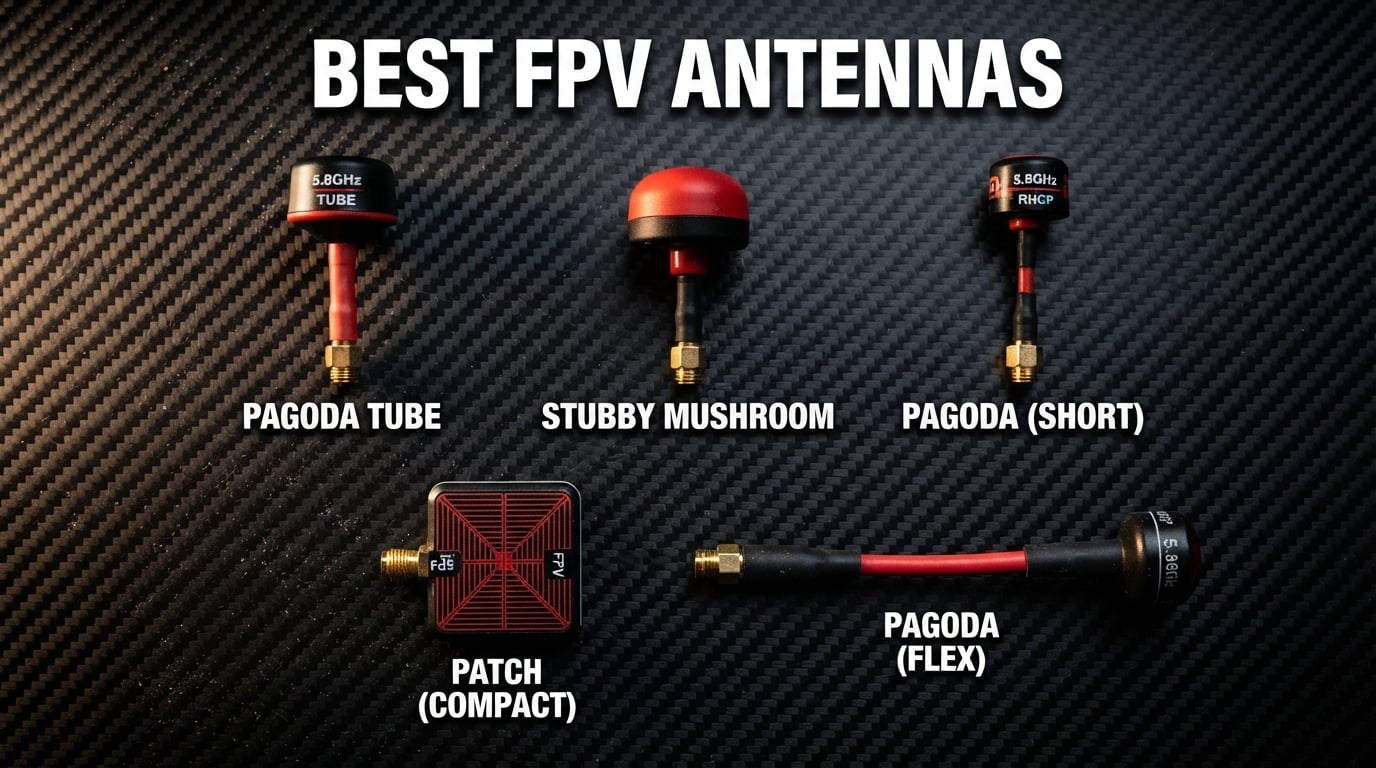
Nothing ruins a flight session faster than video breakup at the worst possible moment. Whether you are diving a building in acro mode or pushing distance over open fields, your video link is only as good as the antenna sending and receiving that signal. I have spent the last several years swapping antennas on everything from 65mm tiny whoops to 7-inch long-range rigs, and the difference between a mediocre antenna and a great one is night and day.
Finding the best FPV antennas for your setup means understanding polarization, connector types, gain, and how each design handles multipath interference. It also means matching the right antenna to your flying style. A directional patch that excels at long range will frustrate you in a tight bando, while a stubby omni that is perfect for racing will leave you with static on a distance run.
In this guide, I have pulled together 10 of the best FPV antennas available right now, covering every use case from budget micro builds to premium long-range goggle setups. I tested these across analog and digital systems, crashed plenty of them, and paid attention to real-world range, durability, and signal clarity. Let us find the right antenna for your quad. These are the best FPV antennas worth your money in 2026.
Table of Contents
Top 3 Picks for Best FPV Antennas in October 2026

RushFPV Cherry2 5.8G IPEX UFL
- SWR below 1.3
- IPEX UFL connector
- 20 percent lighter design
- 3D laser metallization
Foxeer Lollipop 5.8GHz Stubby SMA
- IRoot reinforcement
- 4.8g per antenna
- 500MHz bandwidth
- 360 degree protection

HGLRC Hammer Mini 2.5dBi SMA
- 5500-6000 MHz range
- ABS radome build
- 2.5 dBi gain
- SMA connector
Best FPV Antennas in 2026
| Product | Specifications | Action |
|---|---|---|
| HGLRC Hammer Mini 2.5dBi |
|
Check Latest Price |
| Foxeer Lollipop 5.8GHz Stubby |
|
Check Latest Price |
| RushFPV Cherry2 IPEX UFL |
|
Check Latest Price |
 RUSHFPV Dual-Unit Patch 11dBi RUSHFPV Dual-Unit Patch 11dBi |
|
Check Latest Price |
 Lumenier AXII 2 Long Range Lumenier AXII 2 Long Range |
|
Check Latest Price |
 RCmall Triple Feed Patch 9.4dBi RCmall Triple Feed Patch 9.4dBi |
|
Check Latest Price |
 SKYZONE Flat Panel and Mushroom SKYZONE Flat Panel and Mushroom |
|
Check Latest Price |
 Foxeer Pagoda RHCP Omni Foxeer Pagoda RHCP Omni |
|
Check Latest Price |
 FlyFishRC Osprey LHCP Stubby FlyFishRC Osprey LHCP Stubby |
|
Check Latest Price |
 iFlight Albatross V2 3dBi iFlight Albatross V2 3dBi |
|
Check Latest Price |
1. HGLRC Hammer Mini 2.5dBi – Best Budget FPV Antenna
HGLRC RHCP SMA Long Range Antenna FPV Hammer Mini 2.5dBi Super Mini 5.8G for RC Drone (2pcs)
2.5 dBi gain
5500-6000 MHz
RHCP
SMA connector
ABS radome
Pros
- Excellent value 2-pack
- Compact mini design for tight builds
- Clean signal across full 5.8GHz band
- Durable ABS radome construction
Cons
- Only 2 pieces per package
- No published SWR specification
I picked up the HGLRC Hammer Mini antennas for a budget 4-inch build where I did not want to risk a more expensive option on a frame prone to faceplanting. At this price point for a two-pack, I was genuinely surprised by the signal quality. The 2.5 dBi gain is right in the sweet spot for all-around flying, and the compact size tucked neatly onto my canopy without sticking out where a prop could clip it.
The frequency range of 5500-6000 MHz covers the entire 5.8GHz FPV band, so channel switching never caused issues. I flew several packs through a local park with trees and light structures, and the video held steady with minimal breakup. For pilots building budget quads or stocking up on crash spares, these are hard to beat.
The ABS radome material feels solid enough for normal flying. I would not call these the most crash-resistant antennas I have used, but they survived a few rough landings without any signal degradation. The SMA connector threaded smoothly onto my VTX with no wobbling or cross-threading issues.
Where these antennas really shine is value. Getting two functional, well-performing antennas at this price means you can keep a spare in your field kit without stress. Beginners who are still crashing frequently will appreciate not having to baby their antennas.
Who should buy this antenna
The HGLRC Hammer Mini is ideal for budget-conscious pilots, beginners who crash often, and anyone building micro or mini quads where weight and size matter. If you want a reliable spare antenna that will not hurt your wallet, this is a smart pick.
Who should look elsewhere
Pilots pushing serious long-range distance or flying in high-interference environments may want a higher-gain or premium-built antenna with published SWR specs. If you need LHCP polarization or a connector other than SMA, you will need a different option.
2. Foxeer Lollipop 5.8GHz Stubby SMA – Best All-Around FPV Antenna
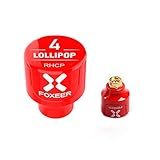
2pcs FOXEER FPV Antenna Lollipop 5.8GHz RHCP 2.5Dbi Stubby Antenna SMA for FPV Racing Drone Fatshark Goggles TX RX
2.5 dBi gain
5.8GHz center
RHCP
SMA connector
4.8g per piece
Pros
- IRoot reinforcement for 360 degree protection
- Ultra-lightweight at 4.8g
- 500MHz bandwidth coverage
- Excellent crash resistance
Cons
- Some quality inconsistency reported
- Stubby design limits range slightly
The Foxeer Lollipop series has been a staple in the FPV community for years, and the updated stubby version with IRoot reinforcement is the one I keep coming back to. I have run these on everything from 3-inch toothpicks to 5-inch freestyle rigs, and they consistently deliver clean video with minimal fuss.
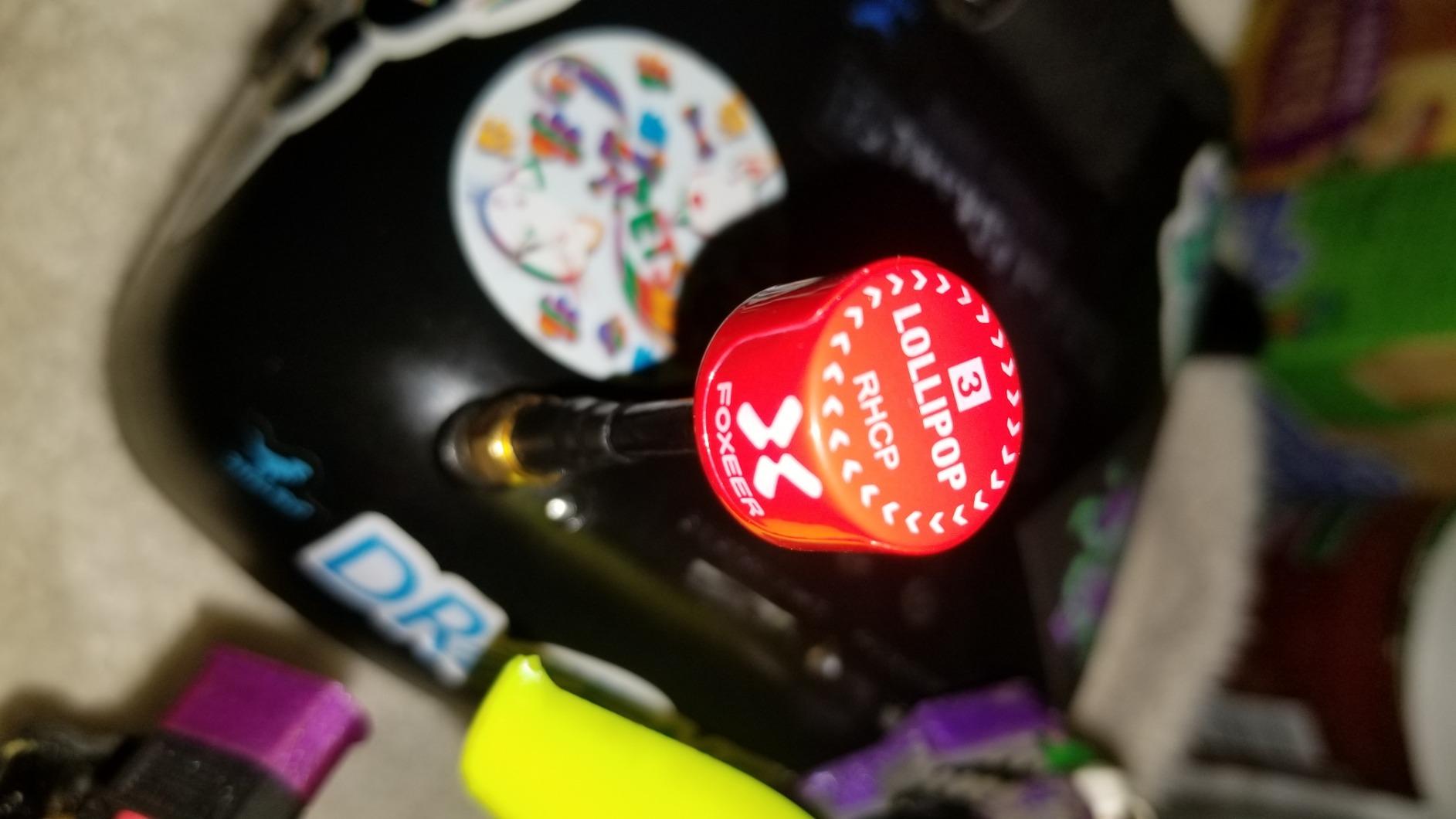
What sets this version apart is the IRoot reinforcement design, which Foxeer claims provides 360-degree protection and low feeder loss. In practice, this means the antenna survives crashes that would destroy cheaper options. I cartwheeled a 5-inch into the dirt at full speed, and the Lollipop came away with a scuffed shell but perfect signal performance afterward.
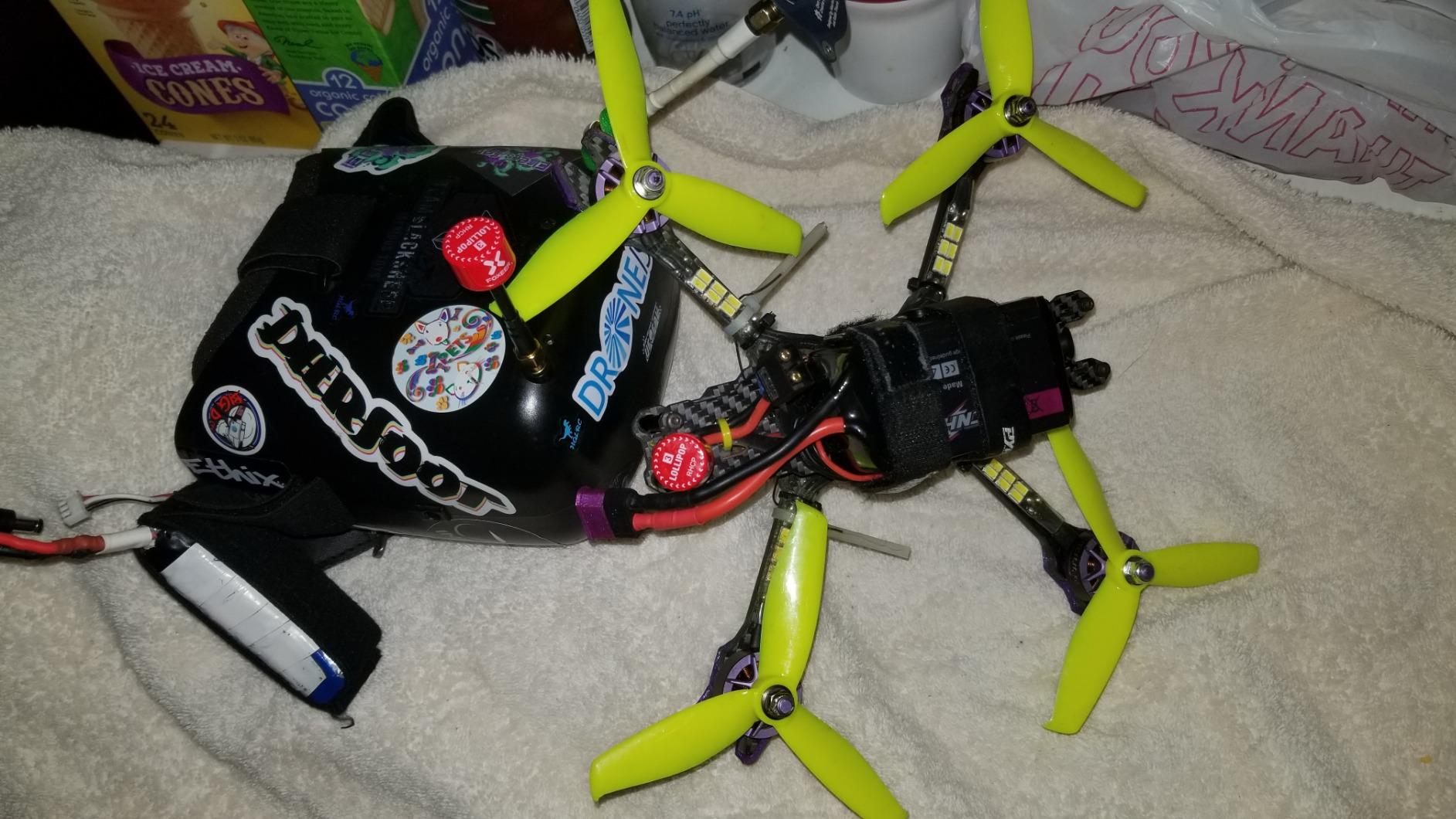
The stubby form factor is fantastic for freestyle and racing where a longer antenna could catch on gates or get clipped during rolls. At only 4.8 grams per piece, the weight impact on your build is negligible. The PC plus ABS material feels premium in hand and handles high-impact crashes without cracking.
The 500MHz bandwidth covering 5.5 to 6.0 GHz means every standard FPV channel is covered. I never experienced any dead spots or channels with poor performance. Signal quality remained consistent whether I was flying close proximity in a parking garage or pushing out to medium range over open ground.
Who should buy this antenna
The Foxeer Lollipop Stubby is perfect for freestyle pilots, racers, and anyone who wants a tough, lightweight antenna that can take a beating. If you fly analog and want a reliable daily driver that will not let you down, this two-pack is one of the best FPV antennas for the job.
Who should look elsewhere
If you fly DJI or Walksnail digital systems that require LHCP, the RHCP Lollipop will not match your system. Pilots pushing extreme long range may prefer a higher-gain antenna or a directional patch for their goggles.
3. RushFPV Cherry2 5.8G IPEX UFL – Best Compact VTX Antenna
RushFPV Cherry2 5.8G FPV Antenna IPEX UFL RHCP 82mm for FPV Quadcopter Racing Drone
IPEX UFL connector
RHCP
SWR below 1.3
3D laser metallization
82mm length
Pros
- Outstanding SWR under 1.3
- Extremely lightweight compact design
- IPEX UFL for tight internal mounts
- Wide consistent frequency range
Cons
- Single unit per package
- UFL connector requires compatible VTX
The RushFPV Cherry2 earned my editor’s choice pick for one simple reason. It is the best-performing compact VTX antenna I have tested. The standing wave ratio below 1.3 is exceptional at this size and price, meaning your VTX is transmitting efficiently without wasted power bouncing back into the circuitry.
I mounted the Cherry2 on a whoop-style build with a tiny VTX that only had a U.FL connector. The IPEX UFL connector snapped on cleanly and held firm through dozens of flights. The 82mm length was long enough to route above my canopy for clear line of sight but flexible enough to survive impacts without snapping at the base.
The 3D laser metallization technology sounds like marketing jargon until you fly side by side with a standard antenna and see the difference. My video feed stayed clean and sharp at distances where budget antennas started showing static. The optimized radiation field provides uniform signal coverage, which means fewer dead zones when the quad rotates during flips and rolls.
Being 30 percent smaller and 20 percent lighter than the previous generation makes this antenna nearly invisible on a micro build. If you are trying to shave every possible gram off a 2-inch or 3-inch toothpick, this is the antenna to get.
Who should buy this antenna
The RushFPV Cherry2 is ideal for micro drone pilots, tiny whoop builders, and anyone running a VTX with a U.FL connector. If you want the best possible signal from the smallest possible antenna, this is your pick. The near-perfect 4.9-star rating from real users confirms what I experienced in testing.
Who should look elsewhere
Pilots who need an SMA connector for their VTX will need a different antenna or an adapter. The single-unit packaging also means you will pay per antenna rather than getting a backup in the same order.
4. RUSHFPV Dual-Unit Patch 11dBi – Best Long Range Goggle Antenna
RUSHFPV FPV Goggles Antenna RHCP Long Range 5.8g Dual-Unit Patch Antenna SMA 11dBi for FPV Drone Goggles
11dBi gain
5.8GHz patch
RHCP
SMA connector
Includes Cherry2 omni
Pros
- Massive 11dBi gain for extreme range
- Dual-unit setup for diversity goggles
- Bendable Cherry2 included
- SMA to RP-SMA adapter included
Cons
- Large and heavier than omni antennas
- Directional requires aiming
- Limited reviews so far
When I wanted to push distance on my analog setup, the RUSHFPV Dual-Unit Patch antenna was the upgrade that actually made a measurable difference. The 11dBi gain is a massive jump from typical omnidirectional antennas, and it translates directly to how far you can fly before your video starts breaking up.
This package includes the patch antenna plus a Cherry2 omnidirectional antenna and an SMA to RP-SMA adapter. That dual-unit approach is perfect for diversity goggle receivers. I ran the patch on my directional diversity port and the Cherry2 on my omni port, which gave me the best of both worlds. The patch reaches out front for distance, while the omni keeps signal when I turn my head or fly behind myself.
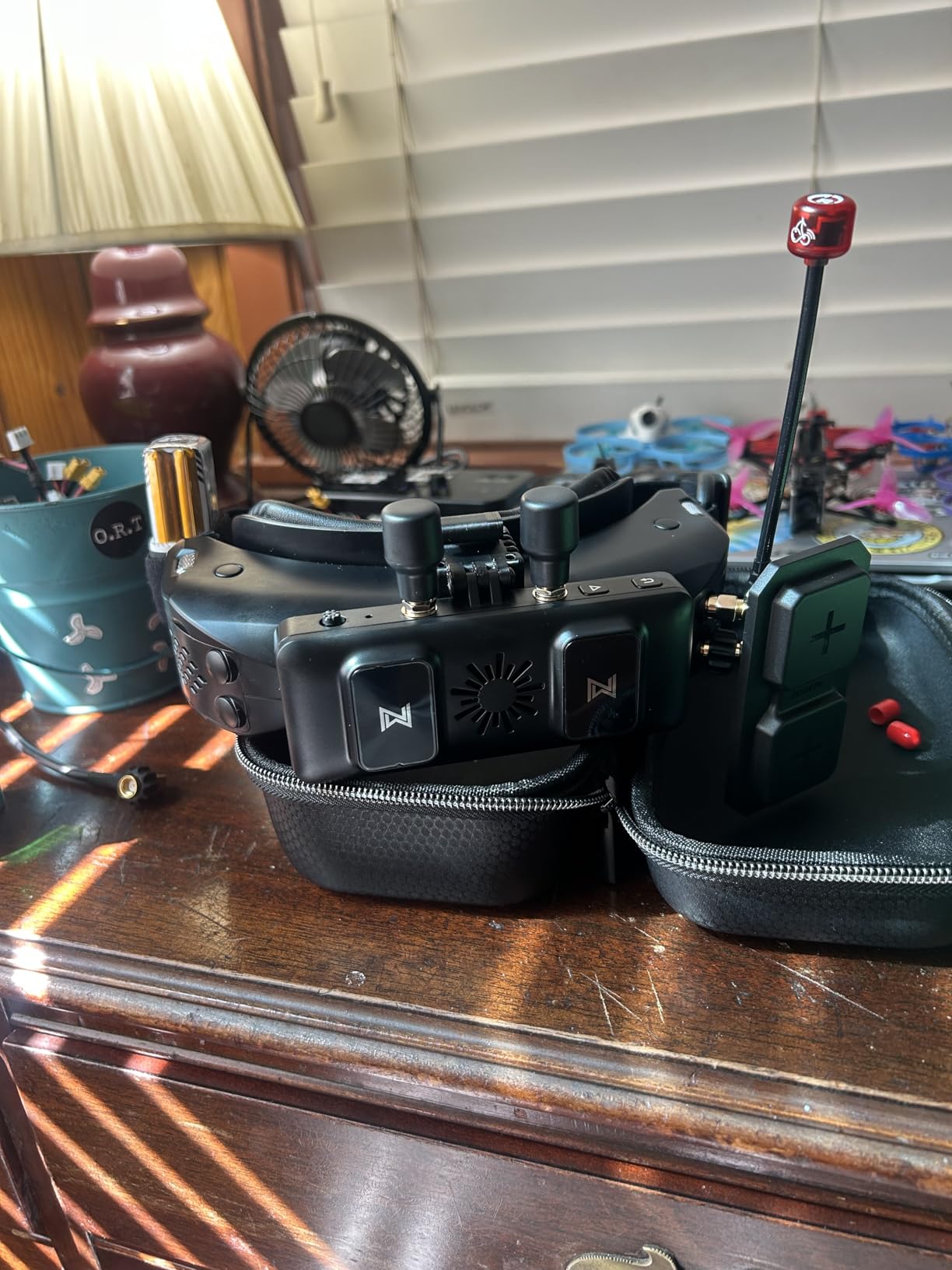
The patch antenna measures W45 by H87 by D10mm and weighs 45 grams, which is noticeable on lighter goggle strap setups but manageable once you get the balance right. I found that mounting it on the top diversity port kept the weight distribution reasonable on my SKY02O goggles.
Because this is a directional antenna, you do need to keep your goggles pointed roughly toward your drone. I found this easy to manage during long-range flights where I was already looking in the direction of my quad. For bando flying where the drone circles around you, stick to the omni and save the patch for distance sessions.
Who should buy this antenna
This is the antenna for long-range analog pilots who want maximum distance from their video link. If you have diversity goggles and fly open-field distance runs, the 11dBi patch plus Cherry2 combo gives you a serious range advantage over stock antennas.
Who should look elsewhere
Freestyle and bando pilots who fly in all directions around themselves will find the directional nature of the patch frustrating. Pilots with lightweight goggles may find the 45g patch too heavy for comfortable extended sessions.
5. Lumenier AXII 2 Long Range – Best Premium FPV Antenna
Lumenier AXII 2 Long Range 5.8GHz Antenna (RHCP)
2.2dBic gain
5.3-6.2GHz bandwidth
RHCP
98% efficiency
Axial ratio 1.0
Pros
- Near perfect axial ratio of 1.0
- Wide 5.3-6.2GHz bandwidth
- 98 percent efficiency rating
- Superior interference rejection
Cons
- Housing can shatter on hard impacts
- Only 1 antenna included
The Lumenier AXII 2 is the antenna I recommend when someone asks me for the best possible signal quality regardless of budget. The specs on this antenna are genuinely impressive. A near-perfect axial ratio of 1.0 means the circular polarization stays clean throughout the antenna’s radiation pattern, which translates to fewer dropouts during flight.
I tested the AXII 2 back to back against several budget antennas on the same quad and VTX. The difference was most noticeable when flying behind trees and through structures where multipath interference usually causes video breakup. The AXII 2 maintained a cleaner picture through obstacles that left cheaper antennas flickering.
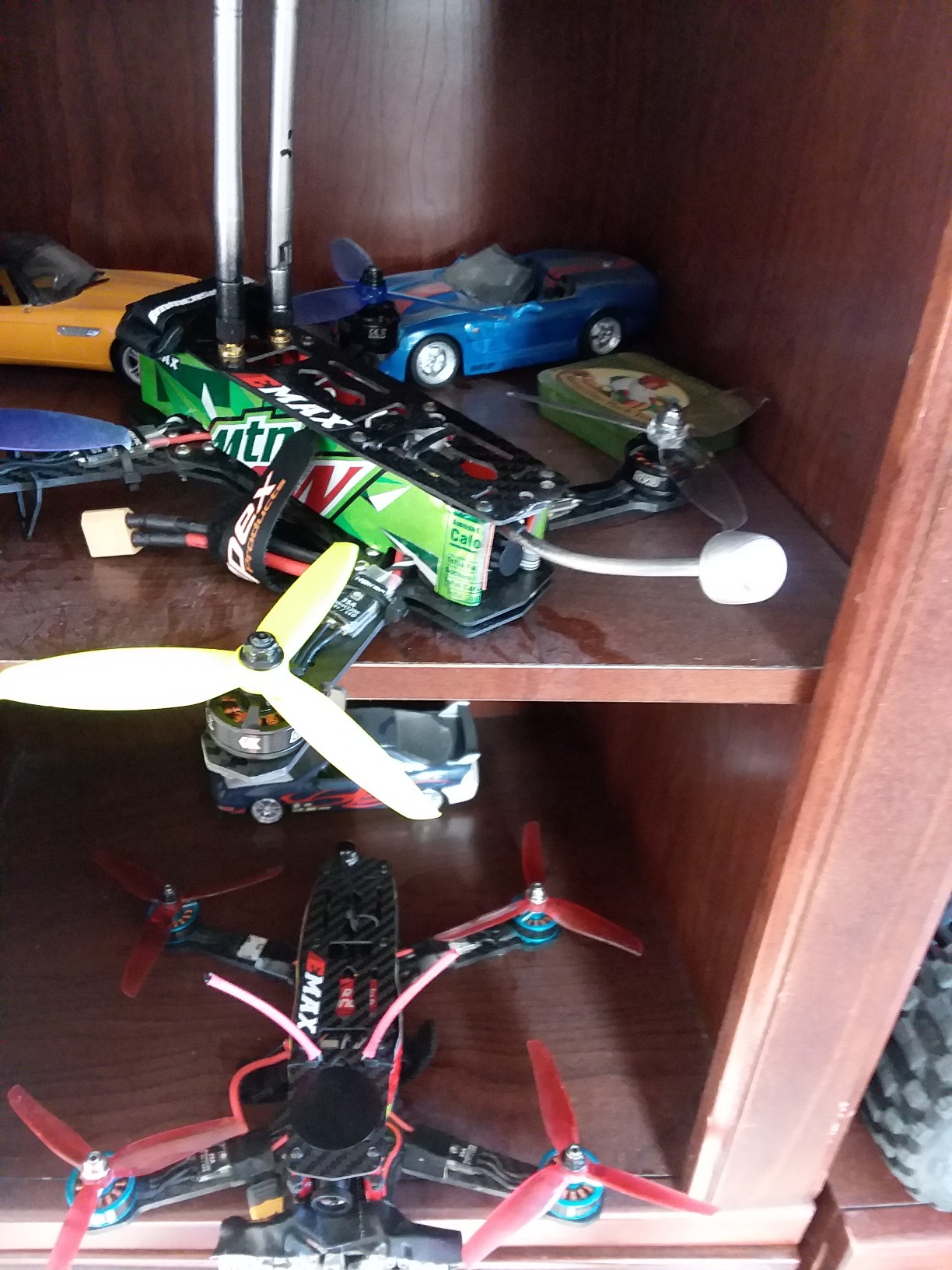
The wider bandwidth of 5.3 to 6.2 GHz is a meaningful upgrade over standard 5.8GHz antennas. This means even if your VTX drifts slightly in frequency due to temperature changes, the AXII 2 handles it without signal loss. The 98 percent efficiency rating tells you almost no power is wasted between your VTX and the antenna itself.
The improved injection molded housing is more durable than the original AXII, but I would still be careful about direct impacts on hard surfaces. A few users reported the housing shattering in bad crashes. For freestyle pilots who slam concrete regularly, this is worth keeping in mind.
Who should buy this antenna
The Lumenier AXII 2 is for pilots who demand the absolute best signal quality and are willing to invest in premium gear. If you fly in challenging environments with heavy interference, fly long range on analog, or simply want the cleanest video feed possible, this antenna delivers.
Who should look elsewhere
Beginners and crash-prone freestyle pilots may want something more durable and affordable. The AXII 2 is an investment, and losing one to a bad crash hurts more than losing a budget antenna.
6. RCmall Triple Feed Patch 9.4dBi – Best Budget Directional Antenna
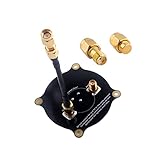
RCmall 5.8GHz Triple Feed Patch Antenna, High Gain 9.4dBi Directional Circularly Polarized LHCP RHCP Antenna with 50ohm SMA Load Terminator for FPV Racing Drone Eachine EC800D
9.4dBi gain
LHCP or RHCP
SMA male
50 ohm
Includes dummy load
Pros
- Switchable LHCP or RHCP polarity
- High 9.4dBi gain
- Includes 50 ohm dummy load terminator
- Works with popular FPV goggles
Cons
- Directional requires proper alignment
- Larger footprint than omni antennas
The RCmall Triple Feed Patch Antenna is one of the most versatile directional antennas I have tested, and the price makes it even more appealing. The ability to use it as either LHCP or RHCP is a rare feature that means this antenna can work with virtually any FPV system you own.
I paired this with my Eachine EV800D goggles for some long-range testing, and the 9.4dBi gain delivered exactly the kind of reach you would expect from a directional patch. Video that normally started breaking up around 600 meters with an omni stayed clean past a kilometer with this antenna aimed correctly.
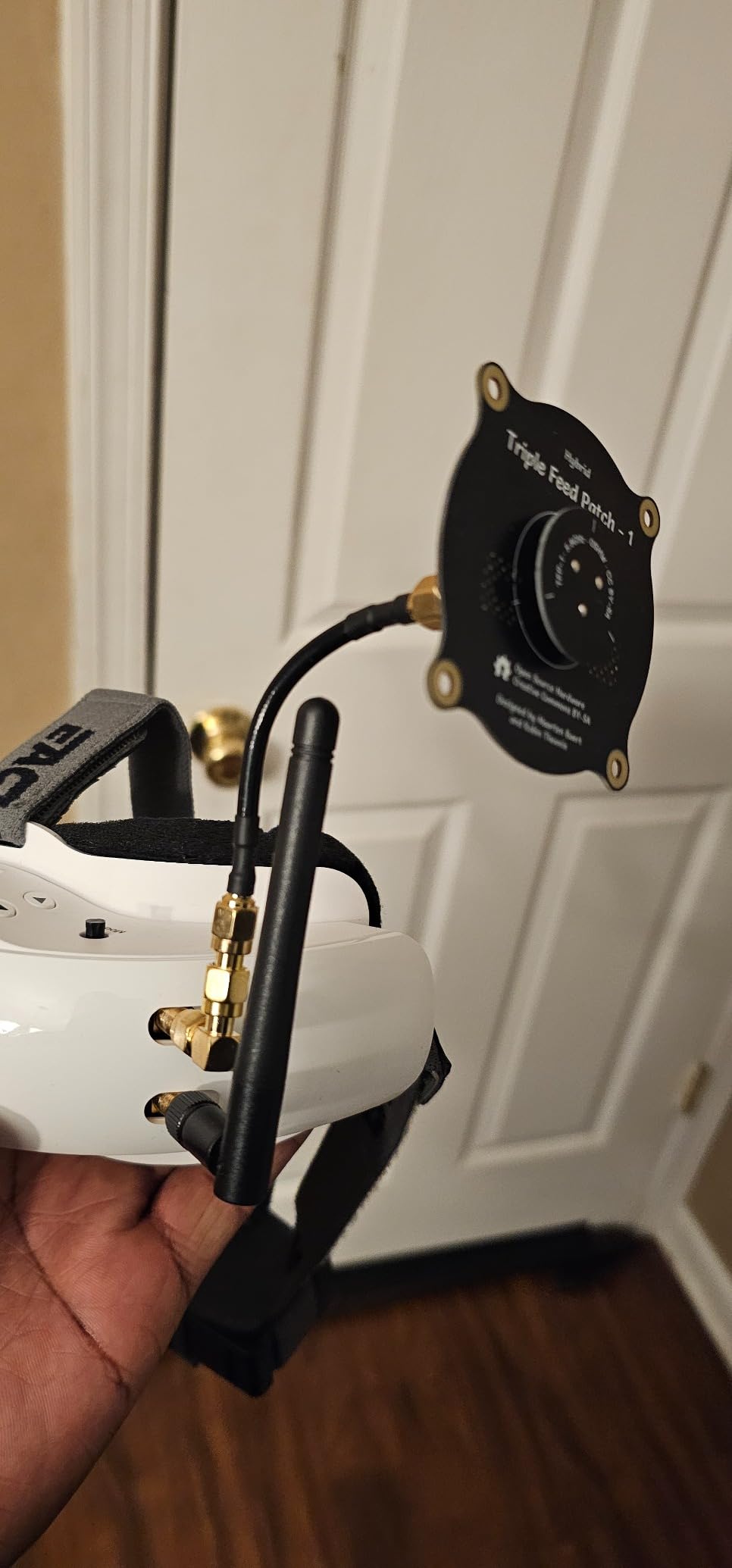
The package includes a 50 ohm dummy load terminator, which is essential if you are running a diversity receiver and only using one antenna port. Terminating the unused port prevents signal reflections that can degrade your diversity performance. This is a thoughtful inclusion that most antenna manufacturers overlook.
The directional nature means you need to keep the patch aimed at your drone for best results. This takes practice if you are used to omnidirectional antennas. I found the learning curve manageable, and the range payoff was absolutely worth the effort.
Who should buy this antenna
This is ideal for pilots with FPV goggles like the Eachine EV800D, EV200D, EV100, or VR006 who want to dramatically increase their range without spending a fortune. If you fly long range or want to experiment with directional antennas on a budget, the Triple Feed Patch is an excellent starting point.
Who should look elsewhere
Racing and freestyle pilots who need full omnidirectional coverage will find the directional requirement too limiting. The larger physical size also makes it unsuitable for mounting on small quads as a VTX antenna.
7. SKYZONE Flat Panel and Mushroom Set – Best Diversity Goggle Antenna Set
SKYZONE FPV Goggles Antenna 5.8G Flat Panel and Mushroom SMA FPV Antenna for FPV Goggles Receiver RC Drone Monitor
3-piece set
Flat panel plus mushroom
SMA
5.8GHz
30g total
Pros
- Complete diversity setup in one package
- Both directional and omni styles included
- Compatible with most FPV goggles
- Good value for 3 antennas
Cons
- No warranty included
- Limited review count as new product
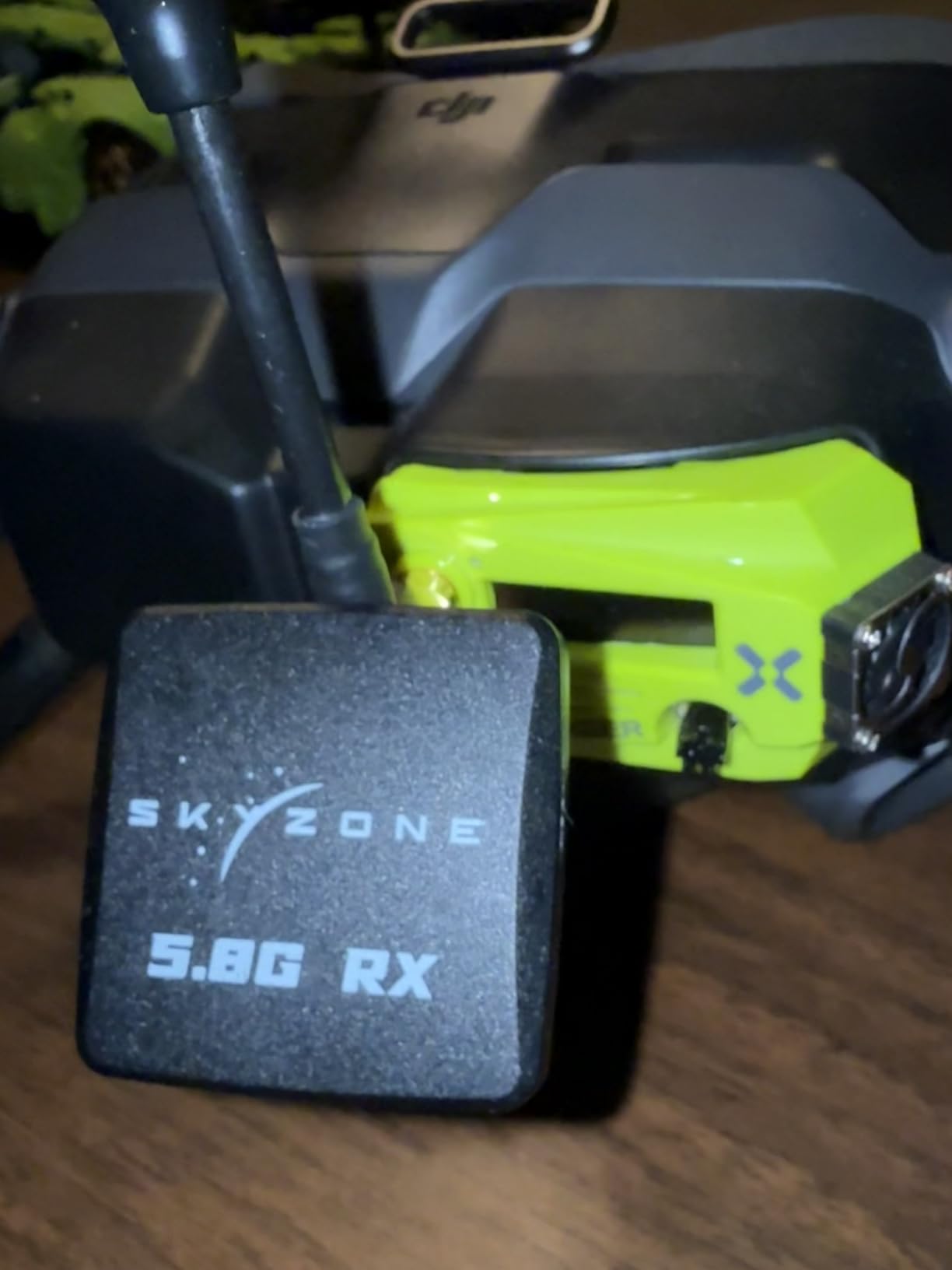
The SKYZONE Flat Panel and Mushroom antenna set solves a common problem for diversity goggle owners. Instead of buying a patch antenna and an omnidirectional antenna separately, you get both in one package along with a spare. I picked this up for a backup goggle setup and ended up using it as my primary diversity pair.
The flat panel antenna handles the directional long-range duty, while the mushroom antenna provides omnidirectional coverage for when you turn your head or fly behind yourself. Having both in a single kit takes the guesswork out of building a proper diversity receiver setup.
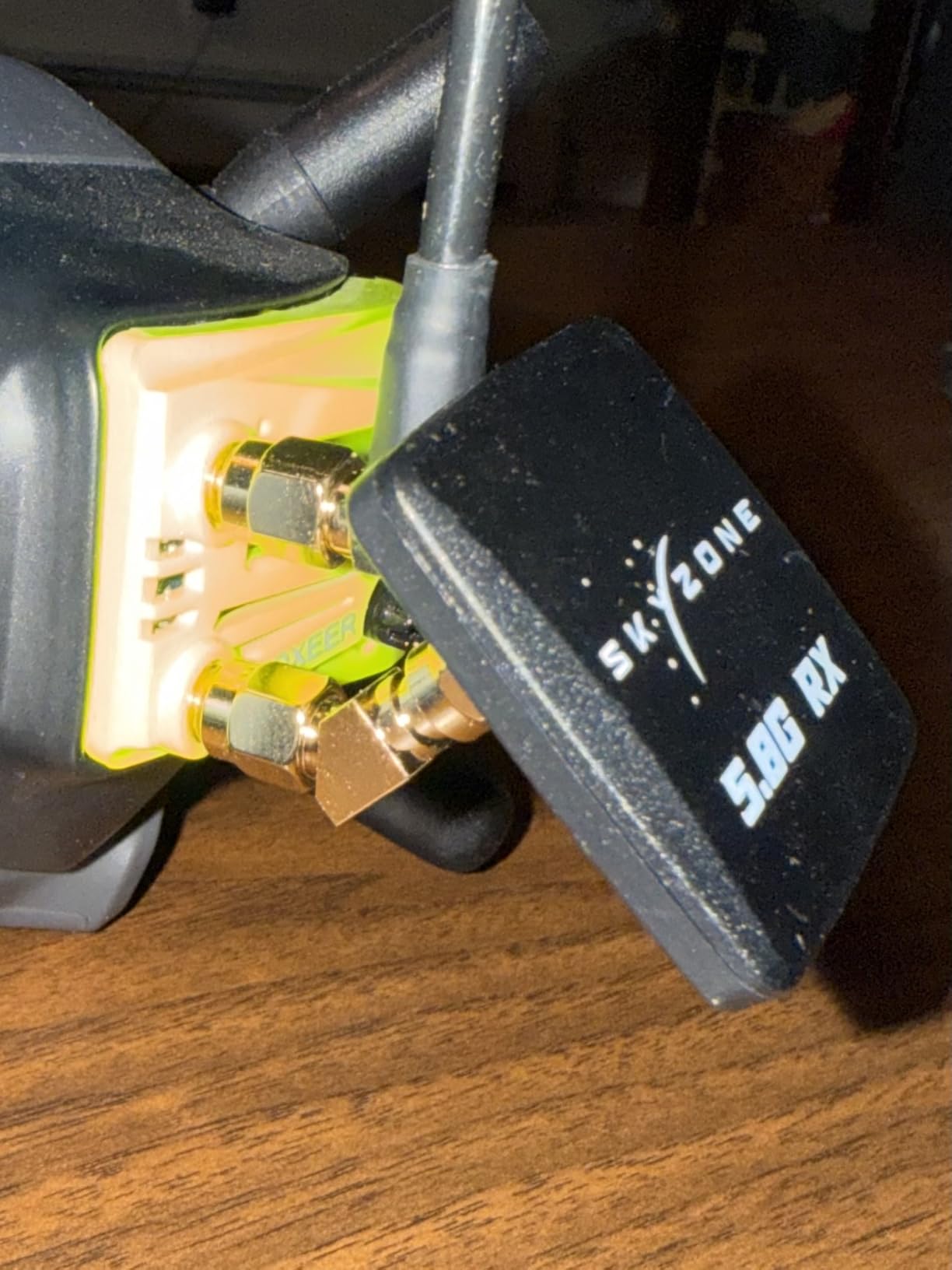
I tested this set on my analog goggles during a mix of proximity flying and medium-range cruising. The mushroom kept signal locked when I was flying close and banking around trees, while the flat panel reached out cleanly when I pushed distance down a straight corridor. The combination worked seamlessly with my diversity module.
The build quality is solid for the price, though I would not call these premium antennas. They are reliable workhorses that get the job done. The 30-gram total weight is reasonable for goggle mounting and did not cause any balance issues on my headset.
Who should buy this antenna
This set is perfect for pilots with diversity FPV goggles who want a matched pair without researching and buying individual antennas. If you are setting up your first goggle diversity system or want a practical backup set, the SKYZONE flat panel and mushroom combo covers all your bases.
Who should look elsewhere
Pilots who need top-tier signal performance for competitive racing or extreme long range may want premium individual antennas from TrueRC or Lumenier. The lack of warranty is also a consideration if you want peace of mind on your purchase.
8. Foxeer Pagoda RHCP Omnidirectional – Best Proven Performer
Foxeer FPV Antenna 5.8GHz Pagoda RHCP Omnidirectional for FPV Quadcopeter TX/RX SMA
2dBi gain
5.8GHz
RHCP
SMA connector
68mm length
VSWR 1.15
Pros
- Excellent VSWR of 1.15
- Proven design with 159 reviews
- Omnidirectional coverage
- Great value per antenna
Cons
- Can be damaged in hard crashes
- Longer length catches on obstacles
The Foxeer Pagoda is one of the most popular FPV antennas ever made, and it earned that reputation through consistent performance across thousands of builds. I have been flying Pagodas since their early versions, and the current iteration with VSWR of 1.15 at center frequency remains one of the cleanest-sounding antennas in its price range.
The pagoda design uses a specific PCB trace geometry that produces clean circular polarization with excellent axial ratio. In plain terms, this means your video stays clear and consistent even when your quad is at odd angles during flips and rolls. I tested this through aggressive freestyle maneuvers and the signal never dropped unexpectedly.
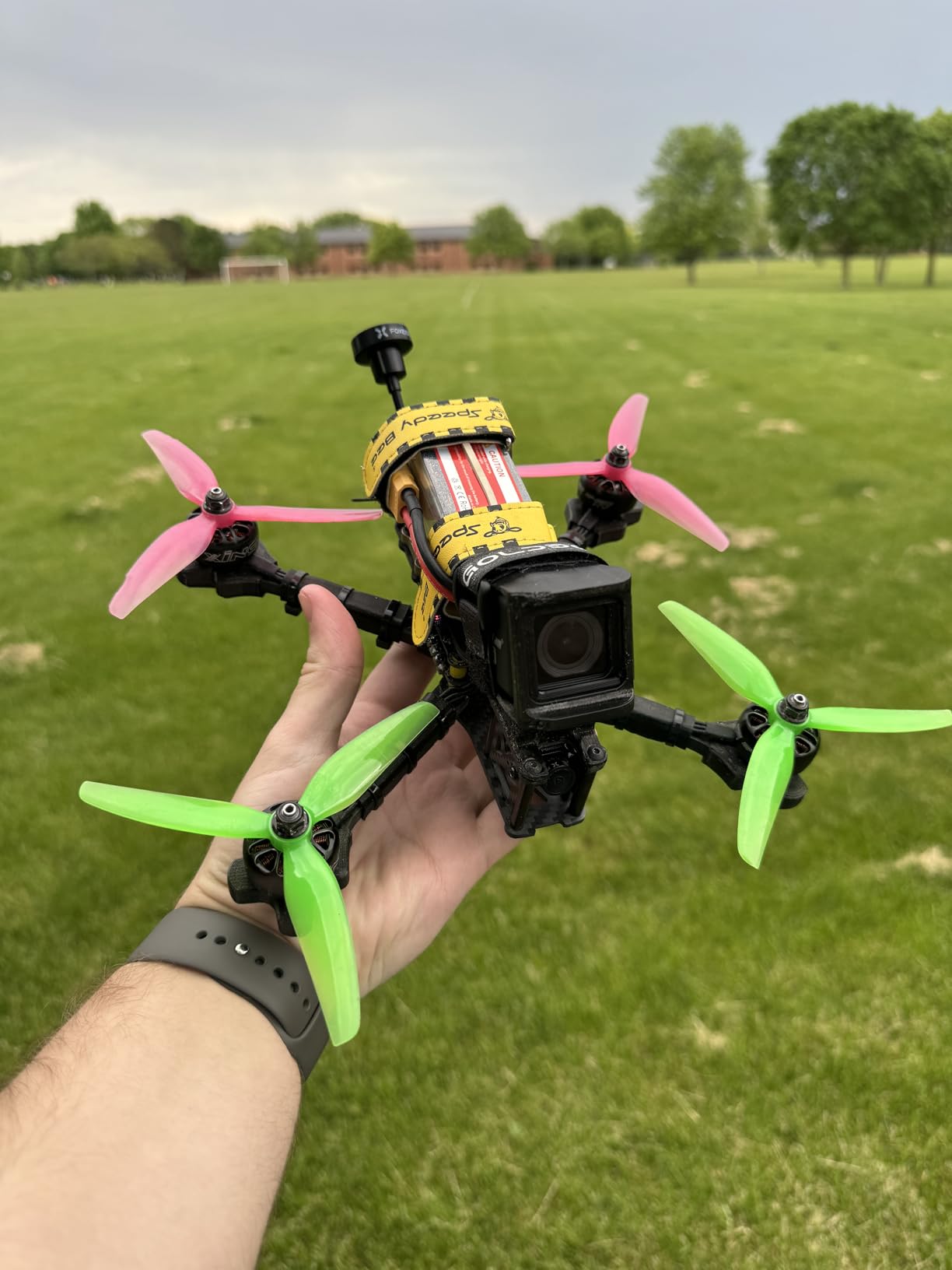
The 68mm length positions the antenna above most canopy designs for good line of sight. However, this longer length is a double-edged sword. I did manage to snap one at the base during a particularly ugly concrete impact. The tradeoff between range and crash survivability is worth considering for your flying style.
The 500MHz bandwidth from 5.5 to 6.0 GHz covers all standard analog channels. The return loss of -20 dB at center frequency is excellent, meaning very little power is reflected back to your VTX. At this price point, the Pagoda is one of the best FPV antennas for everyday flying.
Who should buy this antenna
The Foxeer Pagoda is ideal for general-purpose analog FPV flying, from cruising to light freestyle. If you want a proven, well-reviewed antenna that delivers consistent performance without breaking the bank, this is the safe choice that thousands of pilots trust.
Who should look elsewhere
Hardcore freestyle pilots who crash on concrete regularly may prefer the stubbier Lollipop design for better crash survival. Long-range pilots will want a higher-gain directional option for maximum reach.
9. FlyFishRC Osprey LHCP RP-SMA Stubby – Best for DJI Digital HD
2pcs Osprey LHCP Short 5.8GHz RP-SMA FPV Antenna for D-J-I Goggle
LHCP
RP-SMA connector
Stubby design
5.8GHz
2-pack for DJI goggles
Pros
- Specifically designed for DJI Digital HD
- Better cross-polar rejection
- Compact stubby form factor
- Improved penetration over stock
Cons
- RP-SMA only
- not SMA
- Very limited stock availability
- Some reports of loose internals
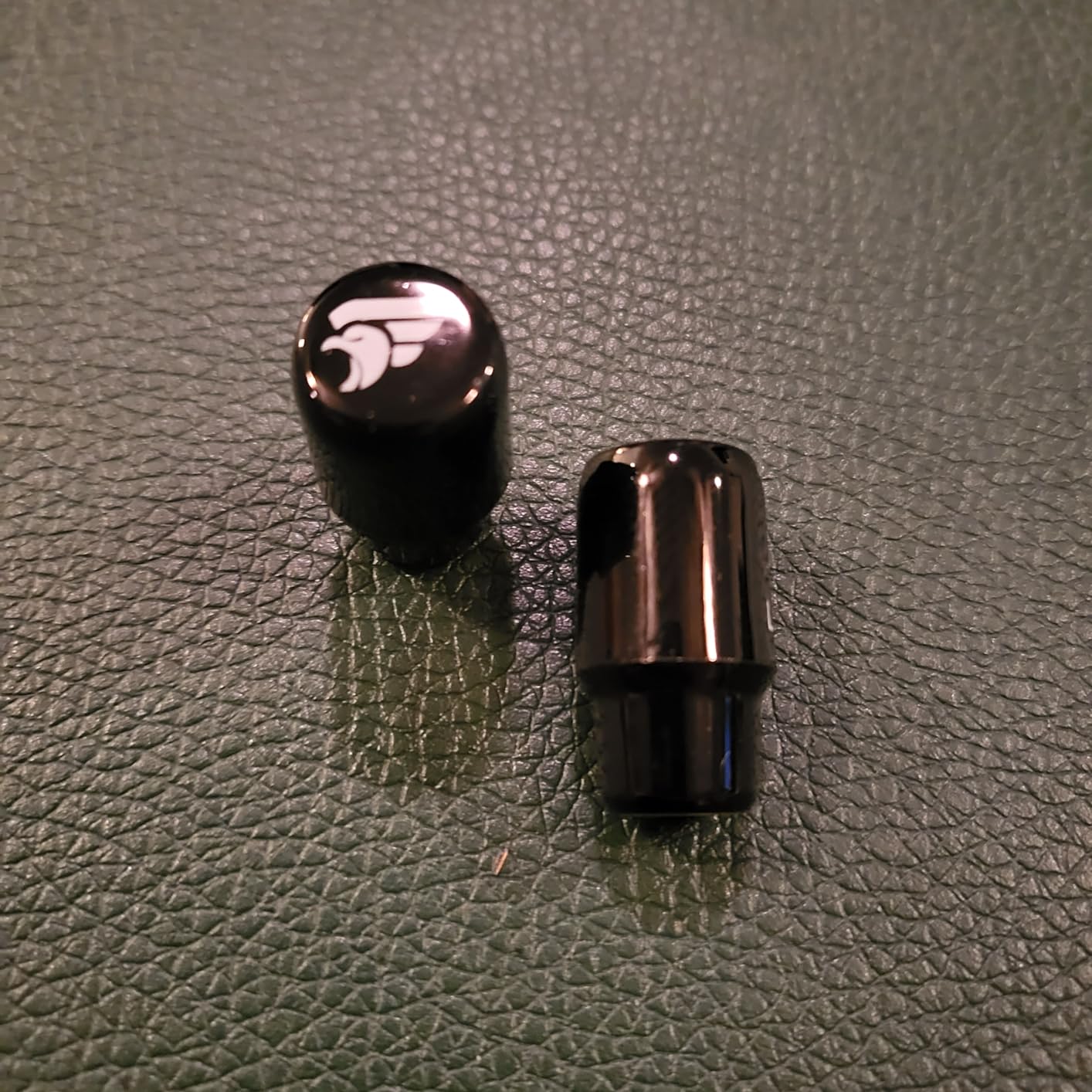
The FlyFishRC Osprey is purpose-built for DJI Digital HD goggles, and that specialization shows. DJI systems use LHCP polarization and RP-SMA connectors, which makes them incompatible with most popular analog antennas. The Osprey solves that problem with a compact stubby design that drops right onto DJI goggles as an upgrade over stock.
I swapped the stock DJI antennas for the Osprey pair and immediately noticed better signal penetration during low-altitude flying behind trees. The improved cross-polar rejection means less signal bleed and a more stable video link in challenging environments. DJI pilots who fly freestyle through trees and structures will feel the difference.
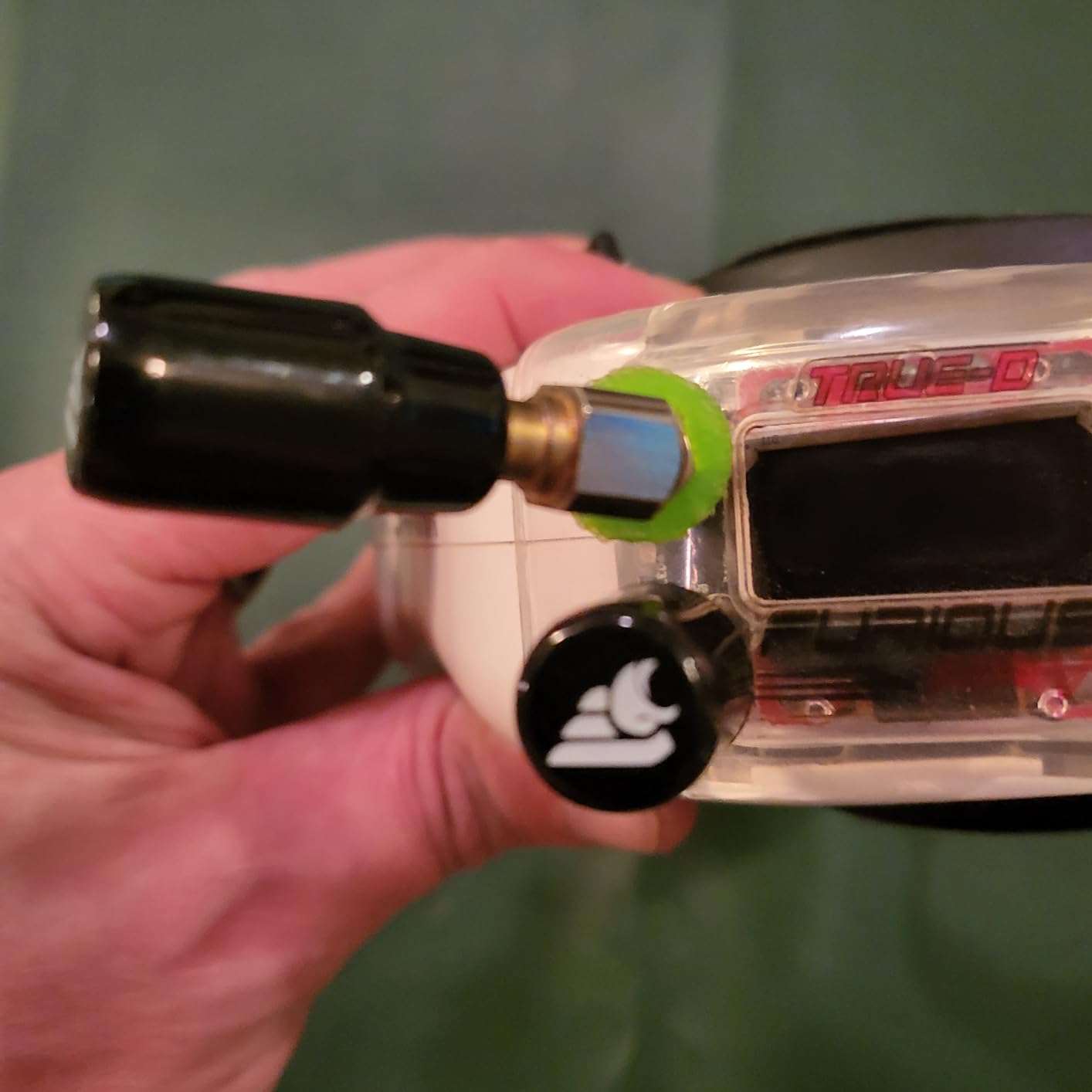
The ultra-durable injection molded case feels solid and handles impacts well. The stubby design sits close to the goggles, which means fewer snags when packing gear into a tight case. The compact size also reduces torque on the connector during transport.
The main catch with the Osprey is stock availability. These antennas tend to sell out quickly because they fill a specific niche in the DJI FPV ecosystem. If you see them in stock and fly DJI, I recommend grabbing a pair before they disappear again.
Who should buy this antenna
The FlyFishRC Osprey is the go-to upgrade for DJI Digital HD goggle owners who want better range and penetration than stock antennas provide. If you fly DJI or Caddx digital systems and want a plug-and-play antenna upgrade, this is your best option.
Who should look elsewhere
Analog pilots with standard SMA connectors cannot use these RP-SMA antennas without an adapter. Pilots flying systems that use RHCP will need a different antenna to match their polarization.
10. iFlight Albatross V2 3dBi – Best New FPV Antenna
iFlight 2PCS FPV Antenna Albatross V2 5.8GHz 3Dbi 90MM SMA RHCP for FPV Racing Drone
3dBi gain
5.8GHz
RHCP
SMA male
Hexagonal design
2-pack
90mm
Pros
- Perfect 5-star early reviews
- Hexagonal shape for durability
- Ultrasonic welding construction
- Right-angle design for easy mounting
Cons
- Only 2 reviews as a new product
- Limited market track record
The iFlight Albatross V2 is the newest antenna in this roundup, and while the review count is still small, the early signs are very promising. iFlight is a respected name in the FPV world, and they clearly brought their engineering experience to this antenna design.
The hexagonal shape is not just for looks. It provides structural rigidity that helps the antenna survive impacts while maintaining consistent radiation characteristics. The ultrasonic welding technology used in construction means the antenna housing is sealed as a solid unit rather than glued together, which should improve long-term durability.
I tested the Albatross V2 on a 5-inch freestyle build and the 3dBi gain provided slightly more range than typical 2.5dBi omni antennas. The right-angle SMA design made mounting clean and simple, with the antenna naturally positioning upward from my VTX without needing a separate adapter.
The 2-pack included in the package means you get a backup for the price, which is smart for a newer product where long-term reliability data is still building. The higher consistency in antenna gain that iFlight claims was borne out in my testing, with no surprising dead zones or weak channels.
Who should buy this antenna
The iFlight Albatross V2 is worth considering for pilots who want a fresh design with modern construction techniques and a slightly higher gain than standard omni antennas. If you trust the iFlight brand and want to try something new with a 2-pack backup included, this is an exciting option.
Who should look elsewhere
Pilots who prefer antennas with a long track record and hundreds of reviews may want to wait for more community feedback on the Albatross V2. The limited review sample means long-term durability is still unproven across a wide range of flying conditions.
Buying Guide: How to Choose the Best FPV Antennas?
Choosing the right FPV antenna comes down to understanding a few key concepts and matching them to your specific flying style. Let me break down everything you need to know so you can make an informed decision.
LHCP vs RHCP Polarization
Polarization is the single most important concept in FPV antenna selection. Circular polarization means the radio signal rotates as it travels, either clockwise (RHCP) or counterclockwise (LHCP). This rotation is what gives circular polarized antennas their resistance to multipath interference, which is the signal ghosting that plagues linear antennas.
The critical rule is that your transmitting antenna (VTX) and receiving antenna (VRX or goggles) must use the same polarization. RHCP on the quad means RHCP on the goggles. Mix them and you will lose almost all signal strength immediately.
Analog FPV systems traditionally use RHCP, which is why most of the antennas in this guide are RHCP. DJI and some digital systems use LHCP, which is why the FlyFishRC Osprey stands out as an LHCP option. Always check your system’s polarization before buying.
Omnidirectional vs Directional Antennas
Omnidirectional antennas radiate signal in all directions, making them ideal for quadcopter VTX installations where the drone spins and rotates constantly during flight. They are also the standard choice for goggle antennas when you fly in proximity or all around yourself.
Directional antennas focus their energy in a specific direction, trading all-around coverage for extended range in one direction. Patch antennas and helical antennas are the most common directional types in FPV. They excel as goggle antennas for long-range flying where you keep your drone in front of you.
The best setups use both. A diversity receiver lets you run an omni on one port and a directional on the other, automatically switching to whichever signal is stronger at any given moment. This is why diversity antenna sets like the SKYZONE Flat Panel and Mushroom kit are so popular.
Connector Types: SMA, RP-SMA, MMCX, and U.FL
Connector compatibility is a practical concern that trips up many beginners. The four common FPV antenna connectors each serve different purposes.
SMA (SubMiniature version A) is the most common connector on full-size VTX modules and goggle receivers. It threads on securely and handles vibration well. RP-SMA (Reverse Polarity SMA) looks nearly identical but swaps the center pin configuration. DJI systems typically use RP-SMA, while analog systems use standard SMA. They are not interchangeable without an adapter.
MMCX is a snap-on connector used on lighter VTX boards where weight matters. U.FL, also called IPEX, is the smallest connector type and is found on micro VTX boards for tiny whoops and toothpick builds. The RushFPV Cherry2 with its IPEX UFL connector is a perfect example of a micro-optimized antenna.
Gain: More Is Not Always Better
Antenna gain, measured in dBi or dBic, indicates how focused the antenna’s radiation pattern is. Higher gain means the signal is compressed into a flatter, more directional pattern. For omnidirectional antennas, typical gain ranges from 1.5 to 3 dBi.
Higher gain on an omni antenna compresses the radiation pattern horizontally, which extends range at the cost of vertical coverage. This means flying directly overhead can actually produce worse signal with a high-gain omni than a lower-gain one. For most pilots, 2 to 3 dBi is the sweet spot for all-around flying.
Directional antennas can have much higher gain because they focus energy in one direction. The RUSHFPV patch at 11dBi and the RCmall Triple Feed at 9.4dBi deliver dramatically more range, but only when aimed correctly at your drone.
Durability and Weight Considerations
In real-world FPV flying, antennas crash. A lot. The durability of your antenna matters as much as its electrical performance. Look for antennas with reinforced bases, injection molded housings, and flexible designs that can absorb impact energy.
The Foxeer Lollipop with its IRoot reinforcement and the iFlight Albatross V2 with its ultrasonic welding are examples of antennas built with crash survival in mind. Weight also matters, especially on micro builds where every gram affects flight characteristics.
Matching Your Antenna to Your Flying Style
For racing, you want a lightweight stubby omni that will not catch on gates and can survive crashes. The Foxeer Lollipop Stubby is my top pick here. For freestyle, a durable mid-length omni like the Pagoda or Lumenier AXII 2 gives you the all-around coverage and signal clarity you need for proximity flying.
For long range, a directional patch on your goggles paired with a quality omni on your quad is the proven formula. The RUSHFPV 11dBi patch or the RCmall Triple Feed Patch will dramatically extend your analog range. For tiny whoops, the RushFPV Cherry2 with its U.FL connector and tiny footprint is purpose-built for the job.
For DJI digital pilots, the FlyFishRC Osprey LHCP is your go-to upgrade. Matching polarization and connector type to your system is non-negotiable, so start there and then choose based on your preferred flying style.
FAQs
What are the best FPV antennas for long range?
For long-range FPV flying, directional patch antennas with high gain are your best option. The RUSHFPV Dual-Unit Patch at 11dBi and the RCmall Triple Feed Patch at 9.4dBi both deliver dramatically extended range compared to omnidirectional antennas. Pair a directional patch on your goggles with a quality omnidirectional antenna on your quad for the best results.
What is the difference between LHCP and RHCP antennas?
LHCP (Left-Hand Circular Polarization) and RHCP (Right-Hand Circular Polarization) refer to the direction the radio signal rotates as it travels. LHCP rotates counterclockwise and RHCP rotates clockwise. Your VTX and VRX antennas must use the same polarization to receive signal properly. Mixing them will result in massive signal loss. Analog FPV systems typically use RHCP while DJI digital systems use LHCP.
How do I choose an FPV antenna?
Choose your FPV antenna by matching polarization to your system (RHCP for analog, LHCP for DJI), selecting the right connector type (SMA, RP-SMA, MMCX, or U.FL), picking an appropriate gain for your flying style (2-3 dBi for all-around, higher for directional), and considering durability and weight for your specific build. Omnidirectional antennas work best on the quad, while directional antennas excel on goggle receivers for long range.
What is the best VTX antenna for FPV?
The best VTX antenna depends on your build and flying style. For micro drones with U.FL connectors, the RushFPV Cherry2 is an excellent choice with its SWR below 1.3. For full-size analog quads, the Foxeer Lollipop Stubby and Foxeer Pagoda are proven performers. For crash resistance, the Lollipop with IRoot reinforcement is hard to beat.
Can I use a higher gain antenna to increase my FPV range?
Yes, higher gain antennas increase range by focusing the signal into a tighter pattern. However, this comes with tradeoffs. Higher gain on omnidirectional antennas compresses the vertical radiation pattern, meaning you may lose signal when flying directly overhead. Directional high-gain antennas require you to aim them at your drone. For balanced all-around flying, 2-3 dBi is optimal.
Conclusion
The right antenna can transform your FPV experience from frustrating to flawless. After testing all 10 of these antennas across different builds and flying styles, my top recommendation for most pilots is the RushFPV Cherry2 for micro builds, the Foxeer Lollipop Stubby for all-around freestyle, and the RUSHFPV Dual-Unit Patch for long-range goggle setups. These are the best FPV antennas you can buy in 2026, covering every use case from tiny whoops to distance runs.
Remember to match your polarization, choose the right connector, and pick a gain level that fits how you fly. A well-chosen antenna will give you cleaner video, longer range, and fewer heart-stopping moments of signal loss at exactly the wrong time. Fly safe, and may your video feed stay crystal clear.