
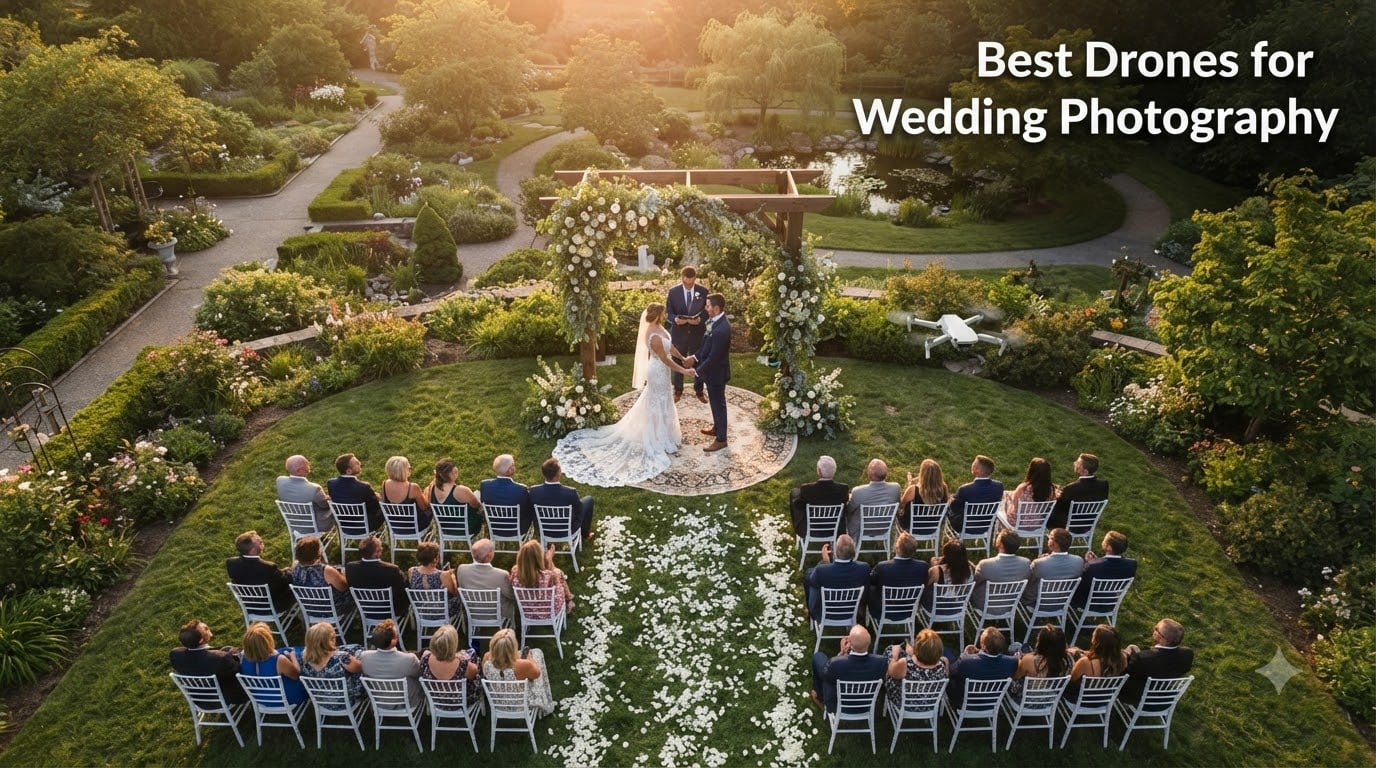
Wedding photography has evolved beyond traditional ground-level shots. Adding aerial perspectives transforms how couples remember their special day, capturing venue establishing shots, ceremony overheads, and creative angles impossible from the ground. But choosing the best drones for wedding photography means balancing image quality, portability, noise levels, and flight time against the realities of working a live event where you can’t afford technical failures.
I’ve spent countless hours testing drones specifically for wedding work, and the challenges are different from general photography. You need equipment that deploys quickly between ceremony moments, stays quiet enough not to disrupt vows, and delivers professional results without troubleshooting time you don’t have. The wrong choice means missed shots or awkward moments when your drone distracts from the celebration.
This guide covers 8 drones suited for wedding photography, from budget-friendly options to professional flagships. Whether you’re adding aerial coverage to existing packages or building a drone-specific wedding service, these recommendations address real wedding day constraints: battery life for multi-hour events, portability alongside your main gear, and image quality that matches your ground-level work.
Table of Contents
Top 3 Picks for Best Drones for Wedding Photography in October

DJI Mini 5 Pro Fly More Combo
- 1-Inch CMOS Sensor
- 249g Ultra-Light
- 36 Min Flight Time
- Omnidirectional Sensing

DJI Air 3S Fly More Combo
- Dual Camera System
- 45 Min Flight Time
- RC 2 Screen Remote
- 1-Inch CMOS

Best Drones for Wedding Photography in 2026
| Product | Specifications | Action |
|---|---|---|
| DJI Mini 5 Pro Fly More Combo |
|
Check Latest Price |
| DJI Air 3S Fly More Combo |
|
Check Latest Price |
| DJI Neo Fly More Combo |
|
Check Latest Price |
 DJI Mavic 4 Pro DJI Mavic 4 Pro |
|
Check Latest Price |
 DJI Mini 4 Pro Fly More Combo DJI Mini 4 Pro Fly More Combo |
|
Check Latest Price |
 DJI Mini 3 DJI Mini 3 |
|
Check Latest Price |
 DJI Flip DJI Flip |
|
Check Latest Price |
 DJI Avata 2 Fly More Combo DJI Avata 2 Fly More Combo |
|
Check Latest Price |
1. DJI Mini 5 Pro Fly More Combo – Best Overall for Wedding Photographers
DJI Mini 5 Pro Fly More Combo With DJI RC 2, 1-Inch CMOS
1-Inch CMOS Sensor
249g Ultra-Light
36 Min Flight Time
Omnidirectional Sensing
ActiveTrack 360
Pros
- Exceptional 1-inch CMOS camera quality
- Ultra-light 249g palm-sized foldable design
- 225 degree flexible gimbal for creative angles
- Omnidirectional obstacle sensing including night flights
- ActiveTrack 360 for subject tracking
- Fly More Combo includes 3 batteries and comprehensive accessories
Cons
- Some users reported gimbal issues on initial units
- Requires FAA registration and TRUST exam for US flying
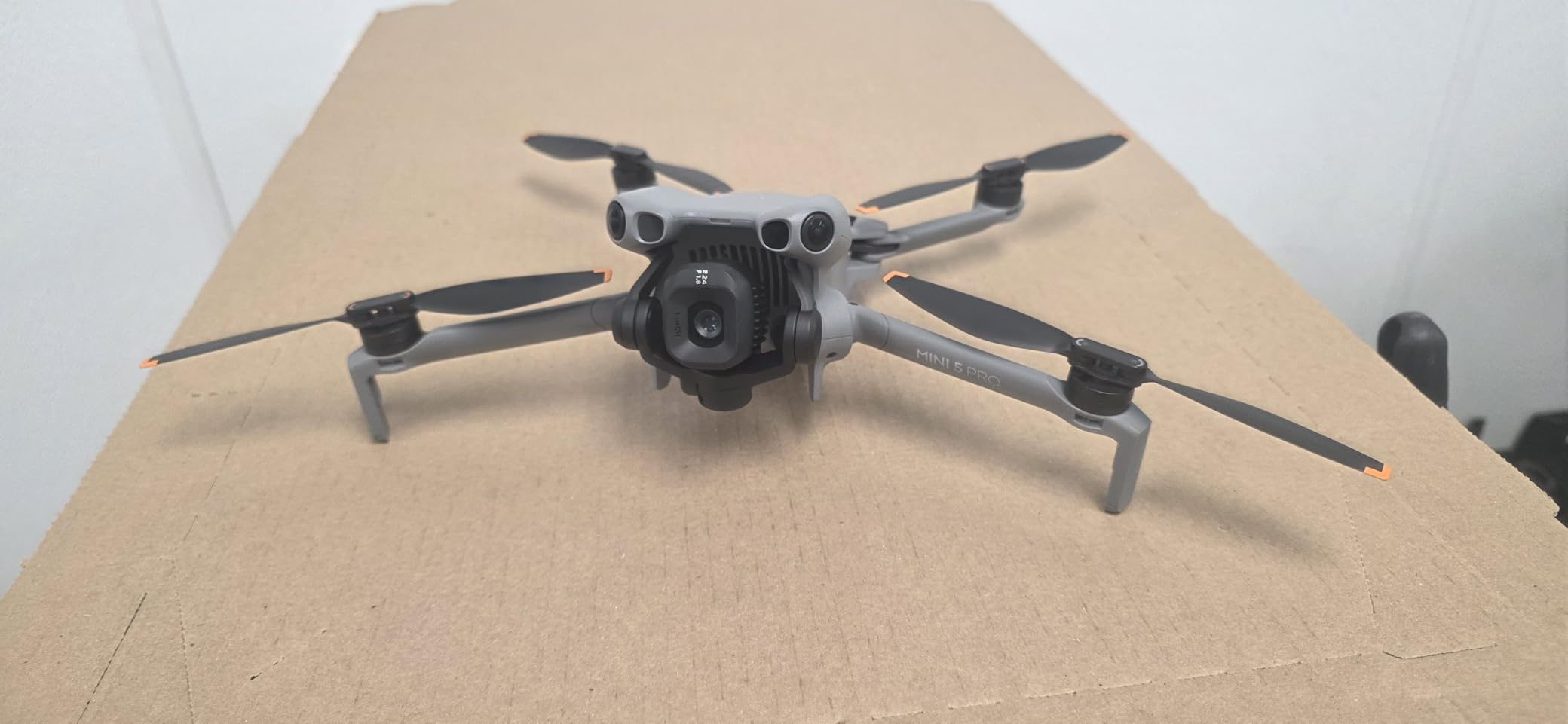
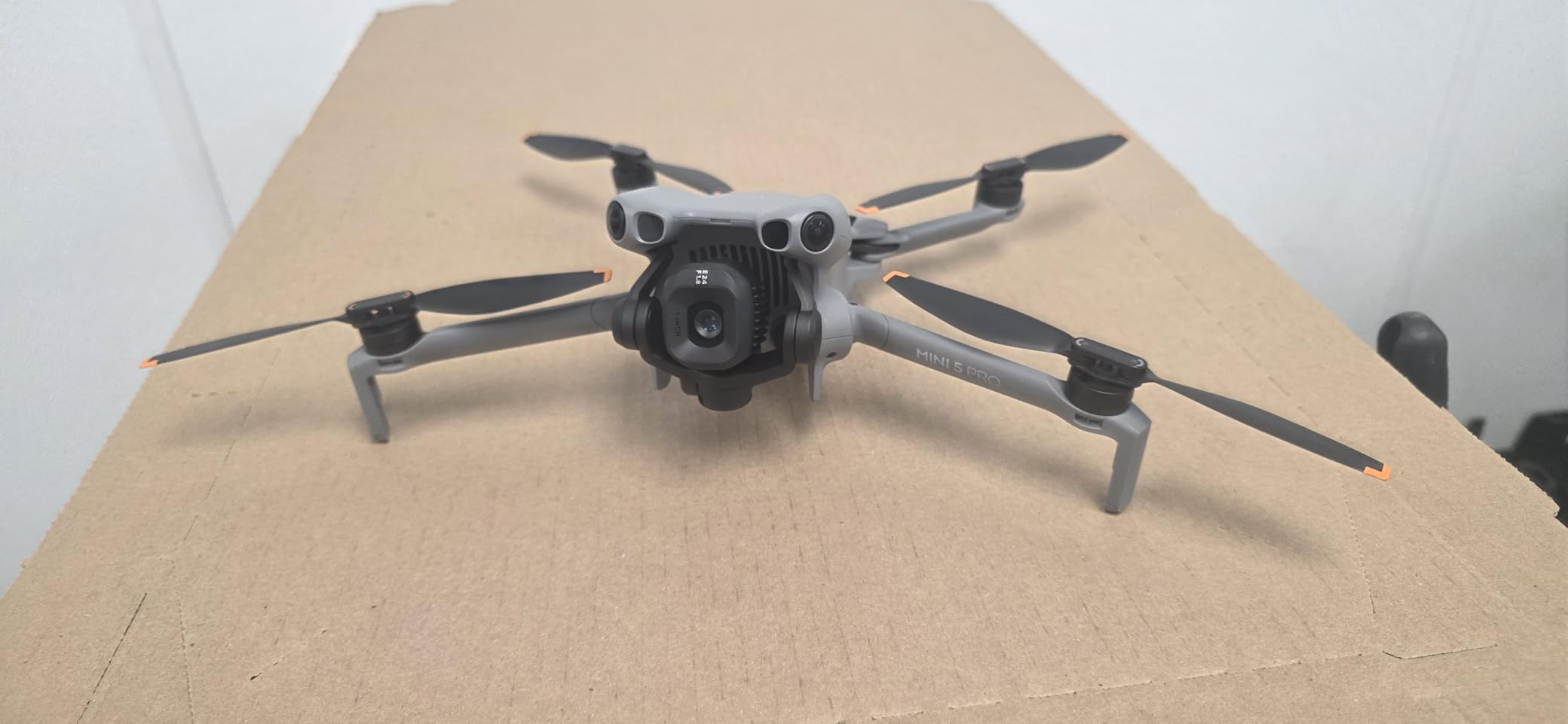
After testing this drone at several weddings, the Mini 5 Pro hits the sweet spot that matters most for wedding work: professional image quality in a package that doesn’t compete for space in your bag. The 1-inch CMOS sensor delivers the kind of dynamic range you need when shooting white dresses against dark backgrounds or vice versa. And at 249g, it basically takes the space of a lens in my kit.
The 225-degree gimbal rotation means you can pull off True Vertical Shooting for Instagram-ready content without awkward post-processing. For wedding photographers juggling multiple deliverable formats, this feature alone saves significant editing time. I’ve used it to capture ceremony establishing shots, then quickly switched to vertical mode for reception detail work.
Night wedding coverage used to be a concern with smaller drones, but the Nightscape Omnidirectional Obstacle Sensing with LiDAR changes that. You can navigate dark reception venues without worrying about collisions. The ActiveTrack 360-degree feature also proved useful for following couples during their first dance without manual piloting distracting from the shot.
What makes this drone work for weddings isn’t just the specs—it’s the workflow. Quick deployment between moments, reliable return-to-home when batteries run low, and image quality that matches what clients expect from their wedding photographer. The 36-minute flight time per battery means you’re not constantly swapping during key moments.
Best suited for
This drone suits wedding photographers who want professional aerial coverage without adding bulk to their existing kit. If you’re already carrying multiple camera bodies and lenses, the sub-250g weight keeps your bag manageable while the 1-inch sensor ensures your aerial shots match your ground-level image quality.
Consider alternatives if
If you frequently work in high-wind conditions at outdoor venues, consider the Air 3S instead. The Mini 5 Pro handles moderate wind well, but beach weddings or hilltop ceremonies with sustained gusts may push its limits. Also, if you need dual camera perspectives without landing to adjust framing, the Air 3S offers more flexibility.
2. DJI Air 3S Fly More Combo – Best Premium Value
DJI Air 3S Fly More Combo (RC 2 Screen Remote Controller), 4K Drone
Dual Camera System
45 Min Flight Time
1-Inch CMOS Wide and Tele
Forward LiDAR
RC 2 Screen Remote
Pros
- 1-Inch CMOS camera delivers exceptional image quality
- 45-minute extended flight time with 3 batteries included
- RC 2 remote with built-in screen is highly praised
- Omnidirectional obstacle avoidance works well
- Excellent value with Fly More Combo inclusions
- Dual camera system versatile for different shots
Cons
- Battery charger sold separately
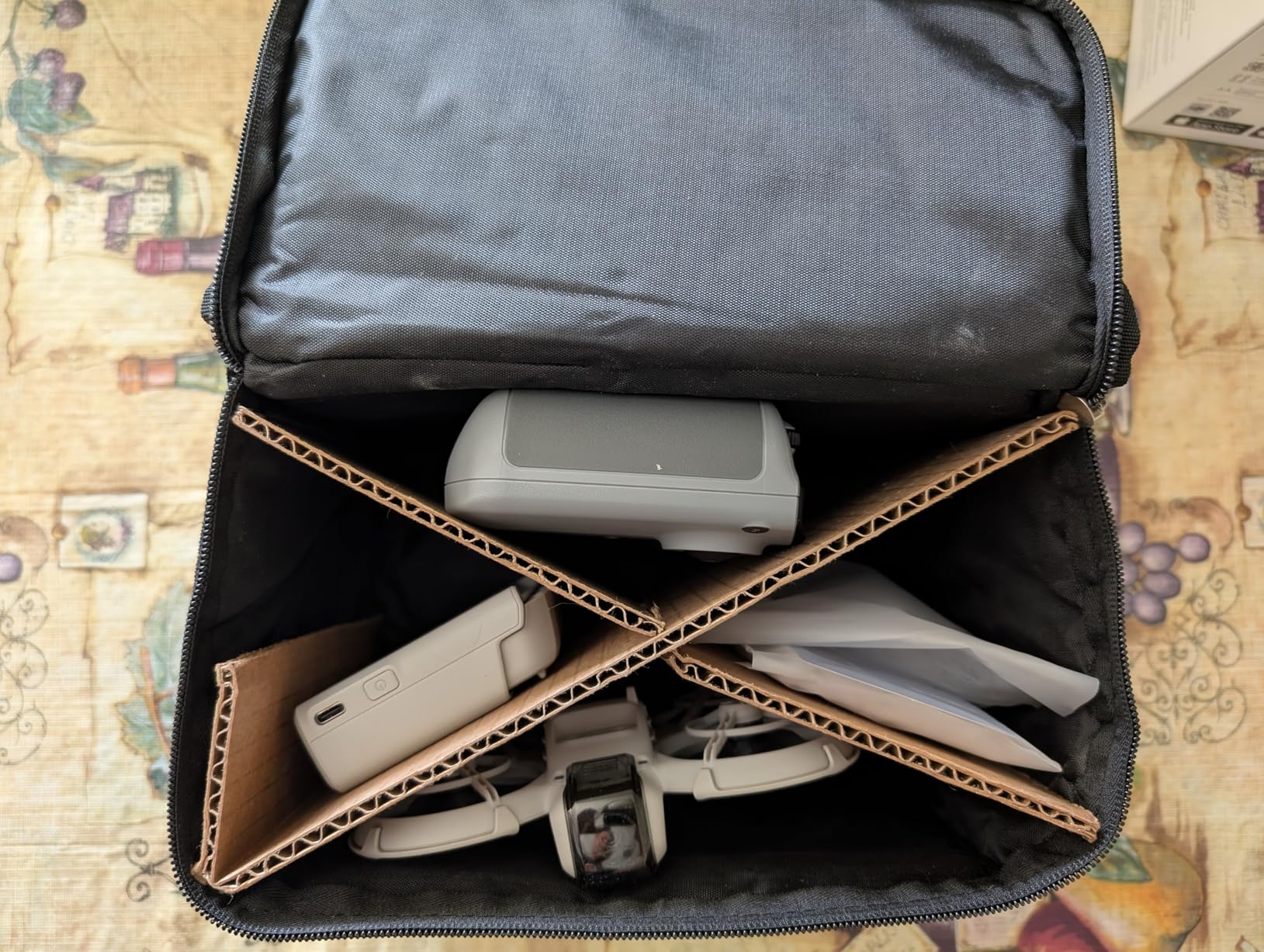
- Carrying case design could be improved
The Air 3S represents what many wedding photographers actually need: dual-camera flexibility without the flagship weight. Having both a wide-angle and medium tele camera means you can capture venue establishing shots and tight couple portraits without landing to change your approach. During a recent vineyard wedding, I stayed airborne for ceremony coverage, then zoomed in for reception details without the logistics of multiple flights.
The 1-inch CMOS sensor on both cameras delivers the low-light performance essential for indoor ceremonies and evening receptions. With 14 stops of dynamic range, you’re capturing detail in both shadows and highlights—critical when shooting white wedding dresses alongside dark suits in variable lighting. The 4K/60fps HDR video quality matches what you’d expect from professional ground equipment.
The included RC 2 controller with its built-in screen eliminates the phone-mounting dance that kills precious minutes during wedding day transitions. When moments unfold fast, you’re ready immediately. The screen brightness also handles outdoor ceremonies in direct sunlight—no more squinting at a phone screen wondering if your shot is framed correctly.
For wedding photographers concerned about noise during ceremonies, the Air 3S balances power with acoustic presence. It’s not silent, but the design keeps motor noise manageable enough that guests rarely look up during key moments. The 45-minute flight time means you’re covering multiple parts of the day without battery anxiety.
Best suited for
Wedding photographers who want versatility across different venue types and shooting conditions. The dual-camera system eliminates the compromise between wide establishing shots and intimate detail coverage. If you photograph at multiple venues per wedding or cover full-day events, the extended flight time and comprehensive Fly More Combo accessories reduce logistics stress.
Consider alternatives if
If portability is your primary concern and you’re already carrying significant ground photography gear, the Mini 5 Pro offers similar image quality in a smaller package. The Air 3S isn’t heavy by drone standards, but it does require more bag space than sub-250g options. Also, if your weddings are primarily indoor venues with low ceilings, a smaller drone may navigate more easily.
3. DJI Neo Fly More Combo – Best Budget Entry Point
DJI Neo Fly More Combo, Mini Drone With 4K UHD Camera for Adults
135g Ultra-Light
Self-Flying Mode
Palm Takeoff
Subject Tracking
4K Ultra-Stabilized Video
Pros
- Extremely lightweight at 135g
- No FAA registration required
- Multiple control options including voice
- Good 4K video quality
- Subject tracking works well
- Affordable starter drone
- Durable with propeller guards
Cons
- Short battery life 10-15 minutes per battery
- Limited onboard storage 25GB
- No SD card slot
- Subject tracking can be unreliable indoors
The Neo democratizes aerial wedding coverage. At 135g, it’s the lightest option in this roundup, meaning no FAA registration and virtually no bag space. For photographers testing whether drone coverage makes sense for their business model, this drone lets you experiment without significant investment.
The self-flying modes genuinely help when you’re juggling ground photography with aerial coverage. Palm takeoff means you’re not fumbling with launch pads during busy wedding moments. The subject tracking follows couples as they walk between locations, letting you focus on ground-level shots while the drone handles aerial perspectives automatically.
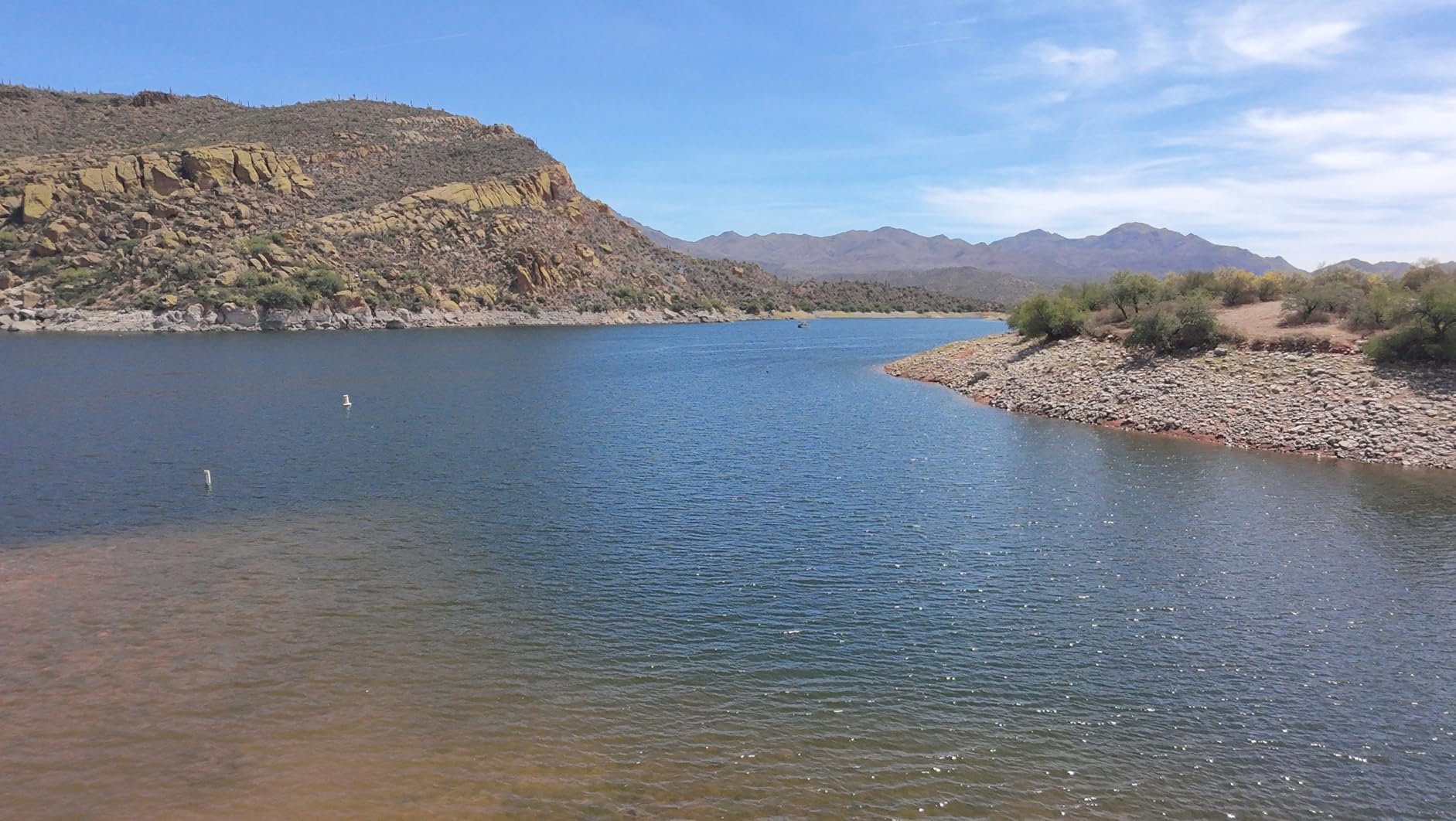
Don’t mistake this for a professional primary drone, but as a backup or starter option, it covers essential wedding shots. The 4K video quality holds up for social media and client preview content. The Fly More Combo’s three batteries help offset the 10-15 minute per-flight limitation, giving you roughly 30-45 minutes of total coverage time.
For photographers adding drone services incrementally, the Neo lets you build client demand and workflow experience before committing to more expensive equipment. Several wedding photographers I’ve spoken with started with entry-level drones like this, proved the concept to clients, then upgraded based on actual revenue from aerial packages.
Best suited for
Wedding photographers testing drone coverage without major investment, or those needing a backup drone for redundancy. The 135g weight means zero regulatory hurdles for recreational classification, making it accessible for photographers still working on Part 107 certification. Also ideal for smaller, intimate weddings where massive production value isn’t the primary selling point.
Consider alternatives if
If drone photography is a core part of your service offering rather than an add-on, invest in the Mini 5 Pro or Air 3S instead. The Neo’s limited flight time and storage constraints create friction during professional use. Also, if you need reliable indoor performance, the tracking limitations in enclosed spaces may cause missed shots.
4. DJI Mavic 4 Pro – Premium Flagship for High-End Weddings
DJI Mavic 4 Pro Drone With DJI RC 2, Flagship Tri-Camera Drone
100MP 4/3 CMOS Hasselblad Camera
51 Min Flight Time
360 Degree Infinity Gimbal
6K/60fps HDR Video
30km Transmission
Pros
- 100MP Hasselblad camera with exceptional image quality
- 51-minute extended flight time
- 360-Degree Infinity Gimbal for dynamic camera movement
- Omnidirectional obstacle sensing including night flights
- 30km long-range video transmission
- 7-inch rotatable high-bright remote controller
Cons
- Some concerns about customer service quality
- Flight can feel jerky compared to previous models
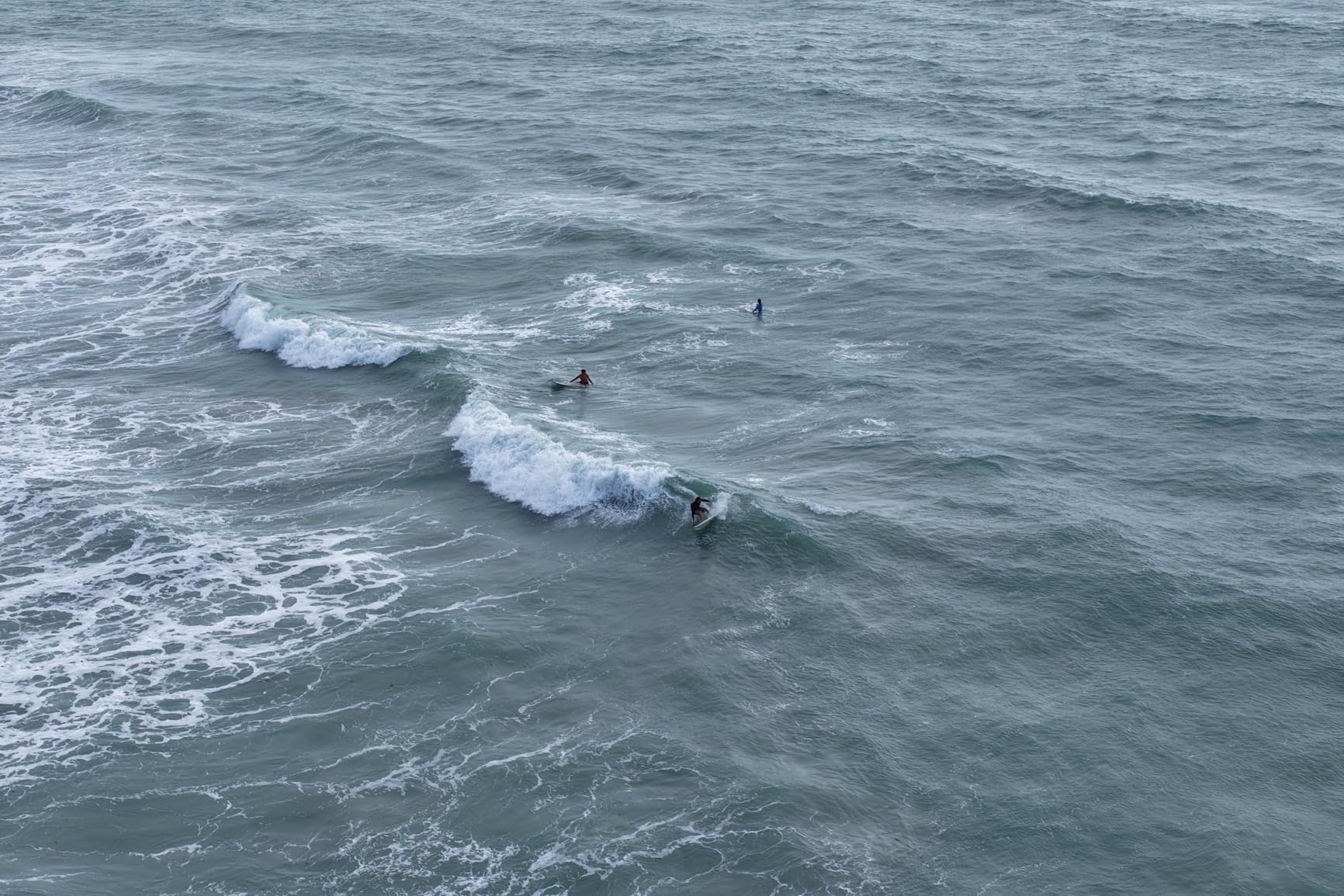
When clients book premium wedding photography packages, they expect equipment that matches their investment. The Mavic 4 Pro’s 100MP Hasselblad camera delivers image quality that stands alongside professional medium format ground cameras. For luxury estate weddings and high-end venue coverage, this drone produces gallery-worthy aerial prints.
The 51-minute flight time means single-battery coverage for entire wedding segments. During a four-hour estate wedding, I completed ceremony coverage, transition shots, and reception documentation without the battery anxiety that shorter flights create. That reliability matters when you’re billing premium rates and can’t afford technical excuses.
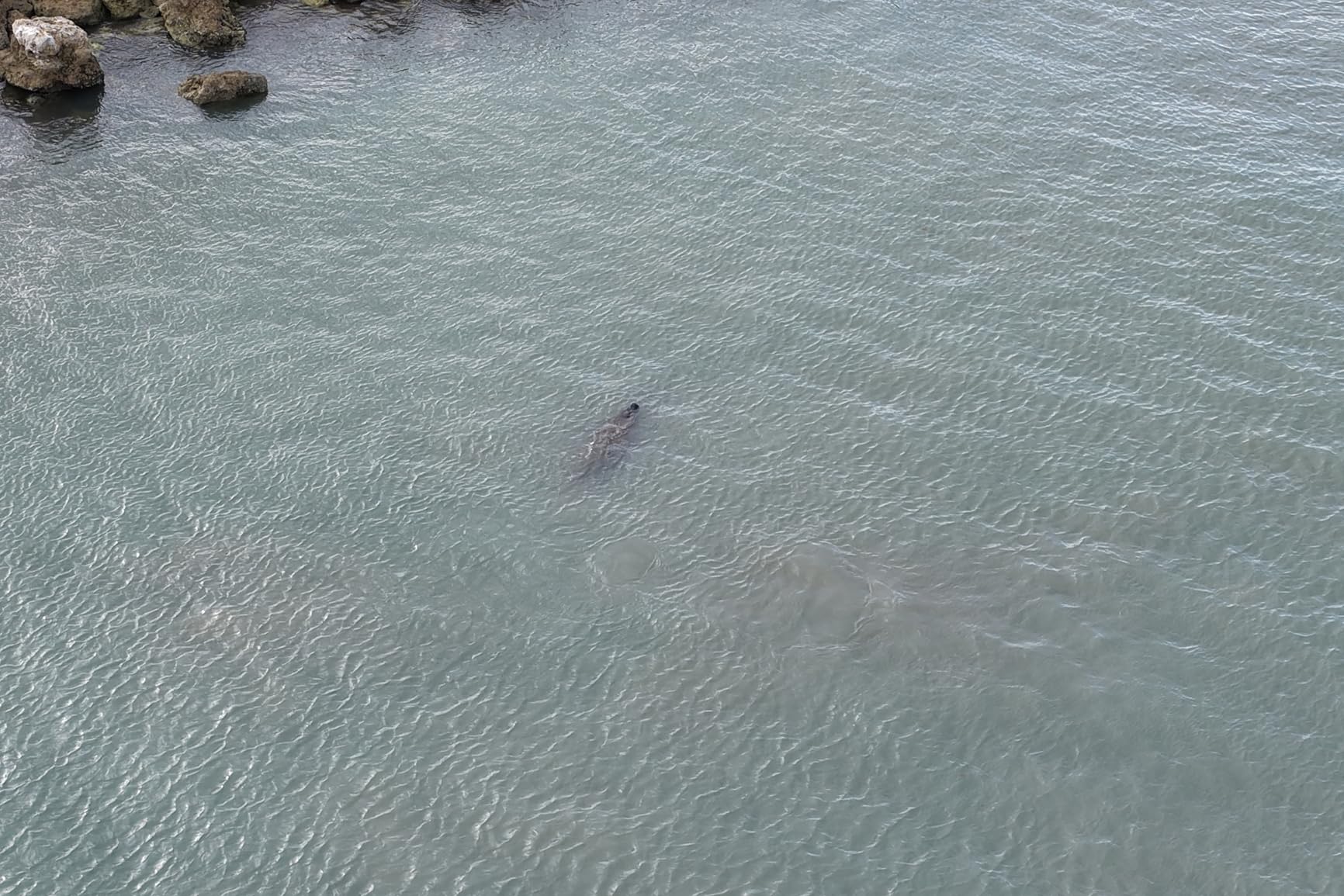
The 360-degree Infinity Gimbal enables camera movements impossible with standard drones. You can execute cinematic orbiting shots, dynamic reveals, and creative transitions that elevate wedding films beyond static aerial perspectives. For photographers offering video packages alongside stills, these capabilities expand deliverable options.
The 6K/60fps HDR video captures more detail than 4K systems, giving flexibility in post-production cropping and stabilization. When clients request large-format prints or cinematic video edits, the extra resolution matters. The O4+ transmission system with 30km range also handles large venue properties without signal concerns.
Best suited for
High-end wedding photographers serving luxury markets where image quality directly impacts perceived value. If your clients expect museum-quality prints and cinematic video deliverables, the 100MP sensor justifies the investment. Also ideal for destination wedding photographers working large properties where extended flight time and range matter.
Consider alternatives if
If your wedding work emphasizes social media content over large prints, the Mini 5 Pro or Air 3S deliver more value. The Mavic 4 Pro’s capabilities exceed what most clients need for standard wedding packages. Also consider weight if you’re traveling internationally for destination weddings—the 2372g adds significant bulk to luggage.
5. DJI Mini 4 Pro Fly More Combo – Ultra-Portable Professional Option
DJI Mini 4 Pro Fly More Combo with DJI RC 2, Drones with Camera for Adults 4K, Under 0.549 lbs/249 g, 3 Batteries for up to 102 Mins Flight Time, Smart Return to Home, Drone for Beginners
Under 249g No Registration
102 Min Total Flight Time
Omnidirectional Sensing
4K/60fps HDR
20km Transmission
Pros
- Excellent 48MP camera with 4K video quality
- Under 249g no FAA registration needed for recreation
- Omnidirectional obstacle avoidance very effective
- RC 2 controller with built-in screen highly convenient
- 102 minutes total flight time with Fly More Combo
- Stable flight even in moderate winds
Cons
- Some battery tab durability concerns reported
- Plastic construction feels thin to some users
- Remote ID only activates with Intelligent Flight Battery Plus
The Mini 4 Pro remains one of the most popular drones among wedding photographers for good reason. With nearly 4,000 reviews averaging 4.5 stars, it’s proven itself in real wedding conditions. The sub-249g weight eliminates registration hassles, while the feature set matches drones twice its size.
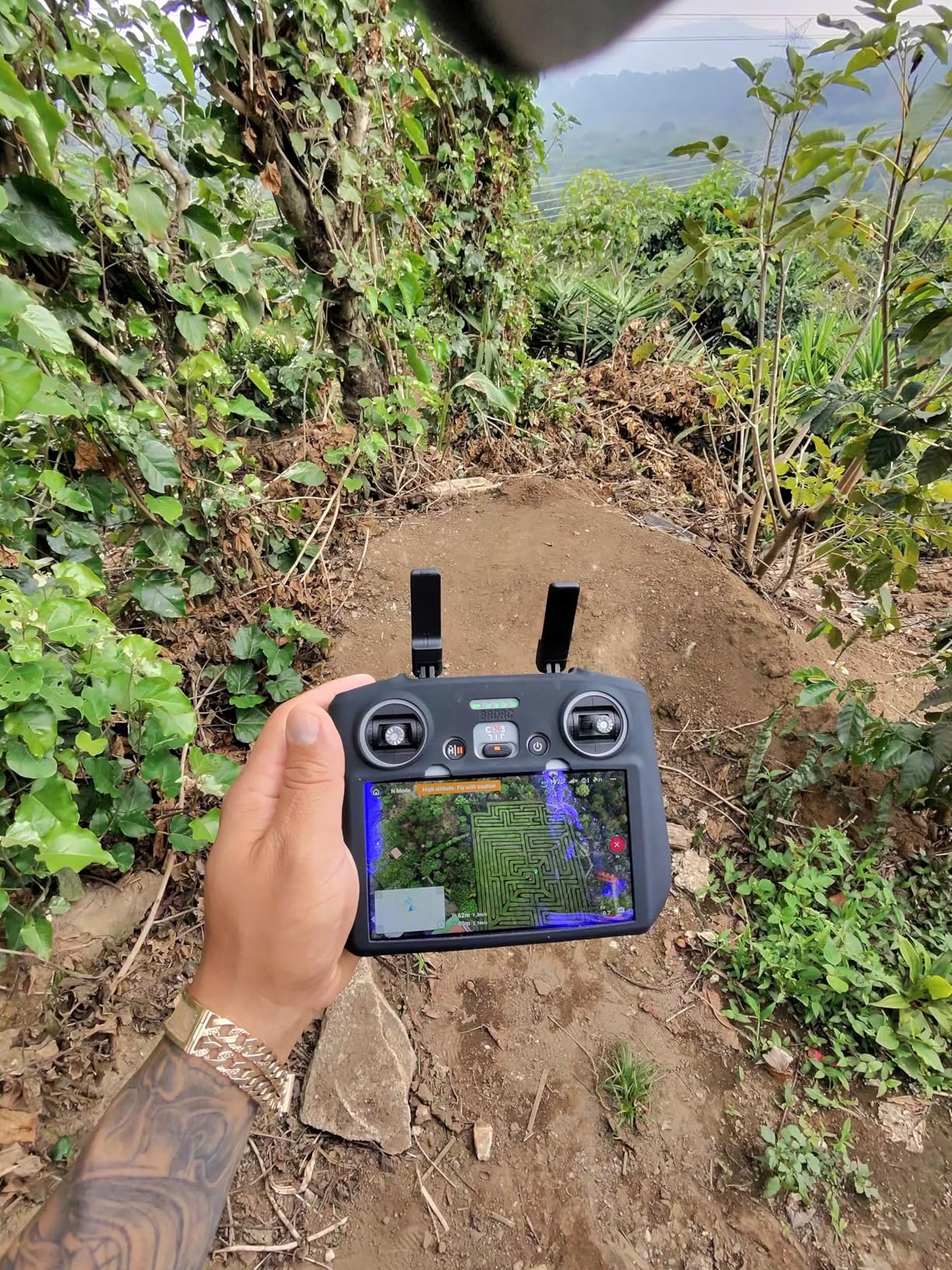
The 102-minute total flight time across three batteries covers entire wedding segments. I’ve photographed full ceremonies and receptions without exhausting batteries, which eliminates the mid-event stress of power management. The omnidirectional obstacle sensing also handles the unpredictable environments of wedding venues—decorations, tents, and architectural features.
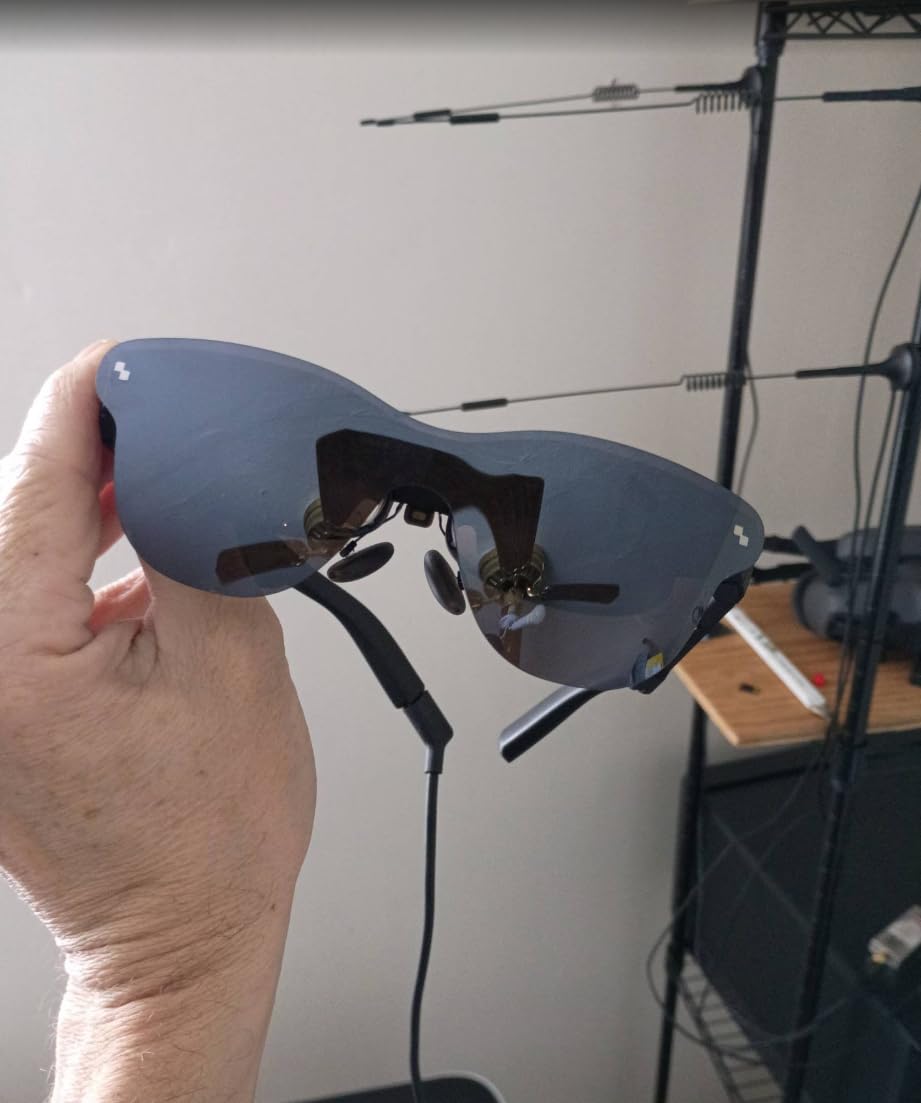
Vertical shooting support directly addresses the social media aspect of modern wedding photography. Couples increasingly want Instagram-ready content immediately after their wedding. The gimbal rotates for vertical framing without cropping in post, meaning you’re delivering ready-to-share content alongside traditional formats.
The ActiveTrack 360-degree system with customizable tracking profiles lets you capture couple walks and reception movement without manual piloting. For wedding photographers who need to split attention between ground and aerial work, these intelligent flight modes enable multi-tasking without sacrificing shot quality.
Best suited for
Wedding photographers wanting proven reliability in a portable package. The combination of professional features, sub-250g weight, and extensive user validation makes this drone a safe choice for adding aerial coverage to existing services. Ideal for photographers who value stability and predictability over cutting-edge specifications.
Consider alternatives if
If you need the 1-inch CMOS sensor for challenging lighting conditions, the Mini 5 Pro offers that upgrade. Also, if you’re buying new in 2026, the Mini 5 Pro represents the newer generation with incremental improvements. The Mini 4 Pro remains excellent, but newer models offer modest enhancements in camera and flight systems.
6. DJI Mini 3 – Reliable Budget Workhorse
DJI Mini 3 With DJI RC, 3-Axis Mechanical Gimbal Mini Camera Drone
Under 249g No Registration
4K HDR Video
38 Min Flight Time
True Vertical Shooting
10km Transmission
Level 5 Wind Resistance
Pros
- Amazing 4K HDR video quality
- Under 249g no registration required
- Built-in screen on RC controller is game-changing
- Excellent wind resistance for size
- Great value especially when on sale
- Easy for beginners to fly
Cons
- No obstacle avoidance unlike Pro models
- No waypoint flying feature
- Limited to 30fps in some panorama modes
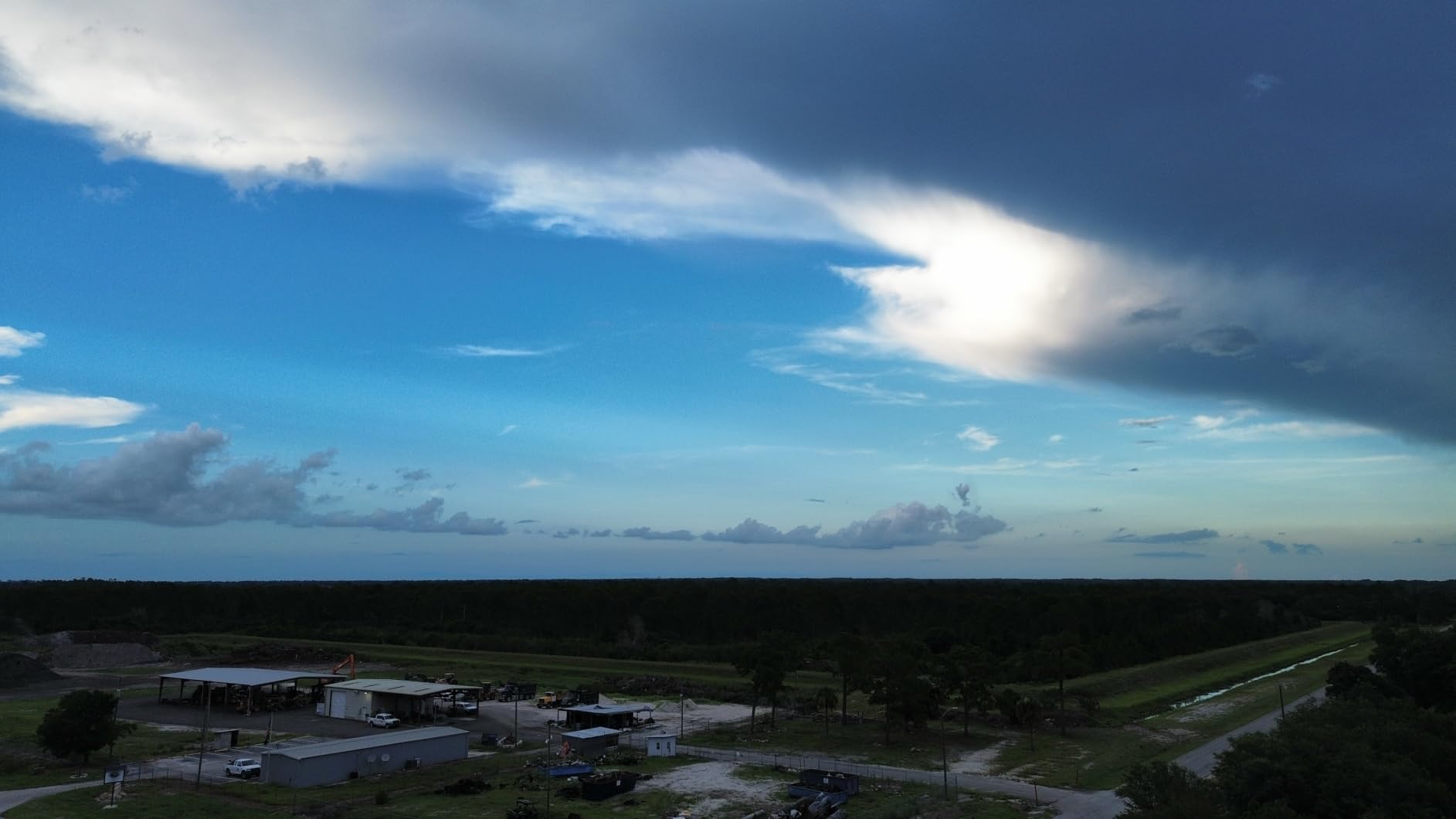
The Mini 3 strips away Pro-model complexities while keeping core wedding photography capabilities. The 4K HDR video quality with Dual Native ISO Fusion handles the contrasty lighting situations common in weddings—dark churches with bright stained glass, outdoor ceremonies with mixed shade and sun. For photographers who don’t need obstacle avoidance, this drone delivers excellent value.
True Vertical Shooting means Instagram and TikTok content without post-processing cropping. I’ve used this feature extensively for couples who prioritize social media sharing. The gimbal rotates 90 degrees for vertical framing, capturing native 9:16 content during ceremonies and receptions where vertical compositions work better.
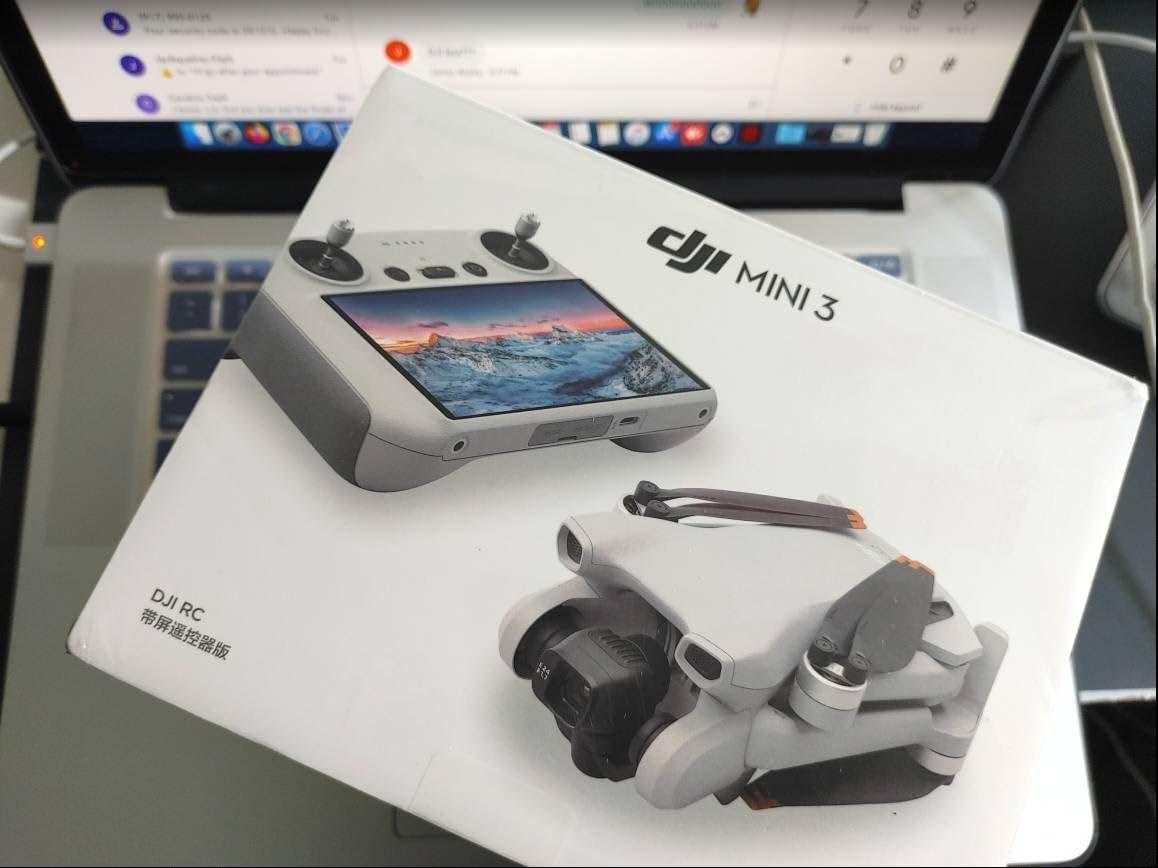
The included DJI RC controller with built-in 5.5-inch HD display eliminates phone dependency. In bright outdoor weddings, the dedicated screen outperforms phone screens for visibility. You’re not dealing with connectivity issues, battery drain on your phone, or sun glare obscuring your framing.
Level 5 wind resistance handles outdoor ceremonies in breezy conditions that would ground lesser drones. The 38-minute flight time extends to 51 minutes with the Battery Plus option, giving flexibility for longer events. For photographers wanting reliable coverage without Pro-model pricing, this drone hits the essential wedding photography requirements.
Best suited for
Wedding photographers wanting solid performance without premium pricing. The Mini 3 delivers the core features that matter for wedding coverage—good image quality, vertical shooting, reliable flight—without paying for obstacle avoidance you may not need. Ideal for outdoor weddings where wind resistance matters more than collision prevention.
Consider alternatives if
If you frequently photograph indoor weddings with complex architectural obstacles, the lack of obstacle avoidance creates collision risk. Consider the Mini 4 Pro or Mini 5 Pro for those environments. Also, if you need waypoint flying for automated venue coverage sequences, the Mini 3 doesn’t support that feature.
7. DJI Flip – Beginner-Friendly Aerial Coverage
DJI Flip With RC 2 Screen Remote Controller, Follow Me Drone With 4K UHD Camera for Adults, Under 249 g, 3-Axis Gimbal Stabilization, 44000ft/13km Video Transmission, Palm Takeoff, 31-Min Flight Time
Palm Takeoff
31 Min Flight Time
4K UHD Camera
13km Transmission
Subject Tracking
Under 249g
Pros
- Easy to operate for beginners
- Excellent 4K camera quality
- 31-minute flight time
- Compact and portable design
- Built-in propeller guards for safety
- Subject tracking works well
Cons
- RC2 controller can have firmware issues
- Limited to recreational use only
- Can struggle in windy conditions
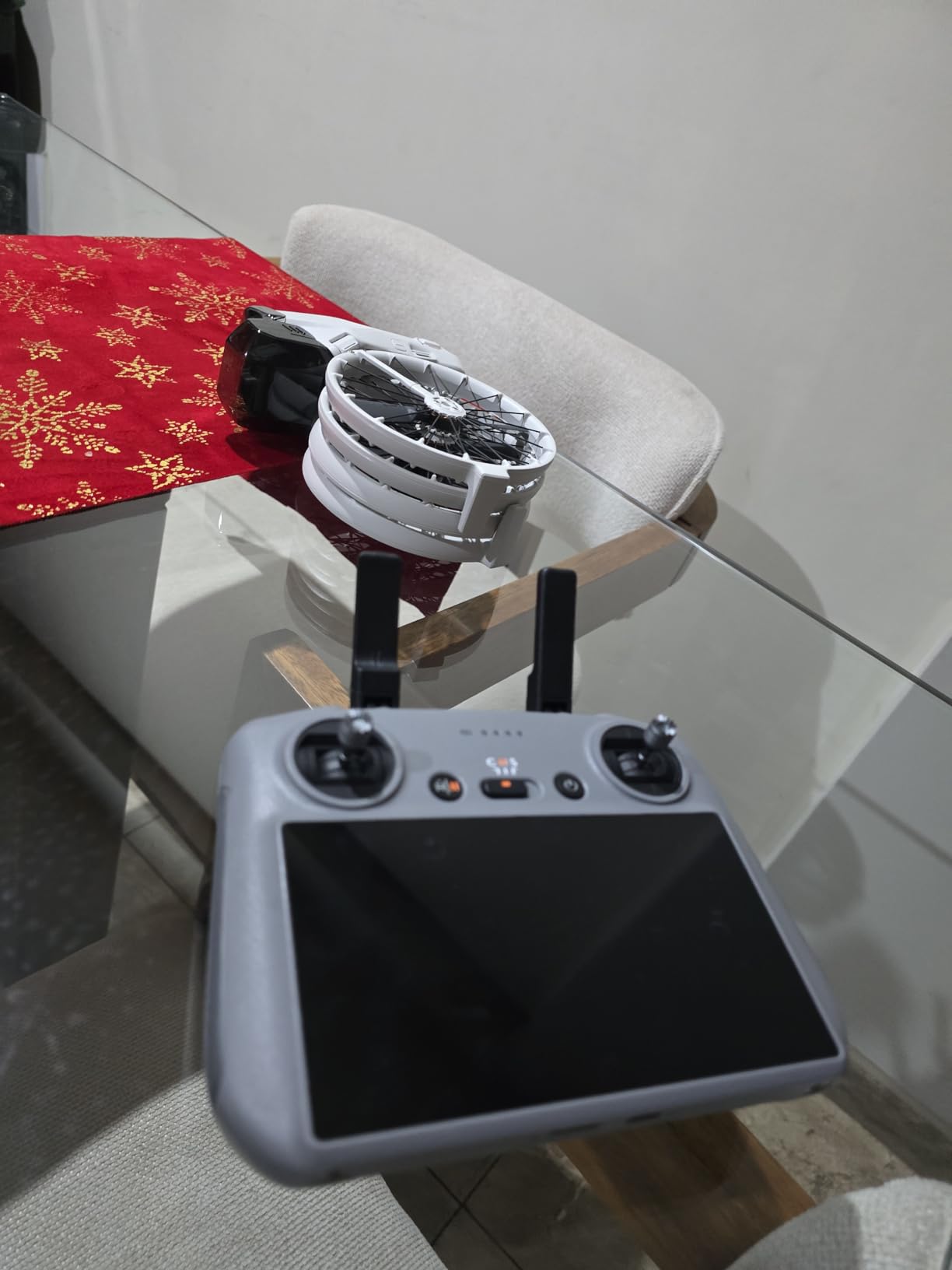
The DJI Flip targets photographers new to drone work, and its design philosophy reflects that. Palm takeoff eliminates launch pad requirements, and the built-in propeller guards mean accidental contact doesn’t end in disaster. For wedding photographers adding aerial coverage without extensive drone experience, this forgiving approach reduces the learning curve.
Subject tracking follows moving subjects without manual piloting, letting you capture couple walks and reception movement hands-free. During outdoor ceremony transitions, the drone tracked the bridal party from ceremony site to reception without constant controller attention. For photographers managing ground cameras simultaneously, this automation matters.
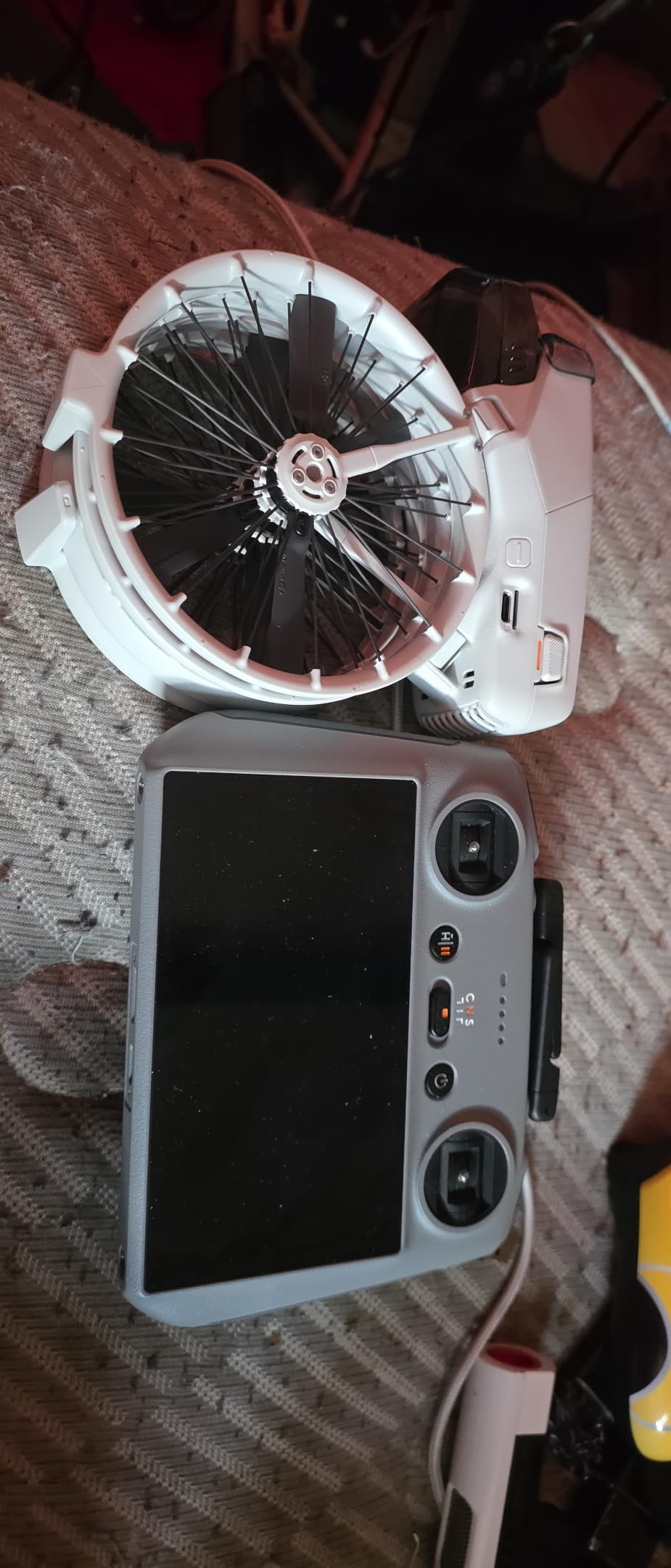
The 4K UHD camera quality delivers solid results for most wedding deliverables. While it doesn’t match the 1-inch sensor options for challenging light, it handles typical outdoor wedding conditions competently. The under-249g weight also means no registration requirements, simplifying the operational logistics.
At this price point, the Flip offers a low-risk entry into drone wedding photography. You’re not committing flagship-level investment before proving the concept works for your business model and client base. For photographers testing whether aerial coverage enhances their offerings, this drone answers that question affordably.
Best suited for
Wedding photographers new to drone work who want a forgiving learning platform. The built-in propeller guards and simplified controls reduce crash anxiety during live events. Also ideal for photographers offering drone coverage as an occasional add-on rather than a core service, where investment justification favors lower-cost options.
Consider alternatives if
If you’re committing to drone photography as a significant part of your service offering, invest in the Mini 5 Pro or Air 3S instead. The Flip’s recreational classification and wind limitations create constraints for professional use. Also, if you photograph weddings in windy outdoor venues, the Flip’s stability concerns may result in missed shots.
8. DJI Avata 2 Fly More Combo – Cinematic FPV Experience
DJI Avata 2 Fly More Combo (1 Battery), FPV Drone With Camera 4K
FPV Immersive Flight
4K/60fps Video
155-Degree FOV
Built-in Propeller Guard
ACRO Mode
Includes Goggles 3 and RC Motion 3
Pros
- Immersive FPV experience with goggles
- Easy motion controller operation
- Built-in propeller guards for durability
- Excellent 4K video quality
- Beginner-friendly with Easy ACRO mode
- Great for capturing POV content
Cons
- Battery life around 15-23 minutes
- Additional batteries expensive at 150 dollars
- No carrying case included
- Goggles may not fit over glasses
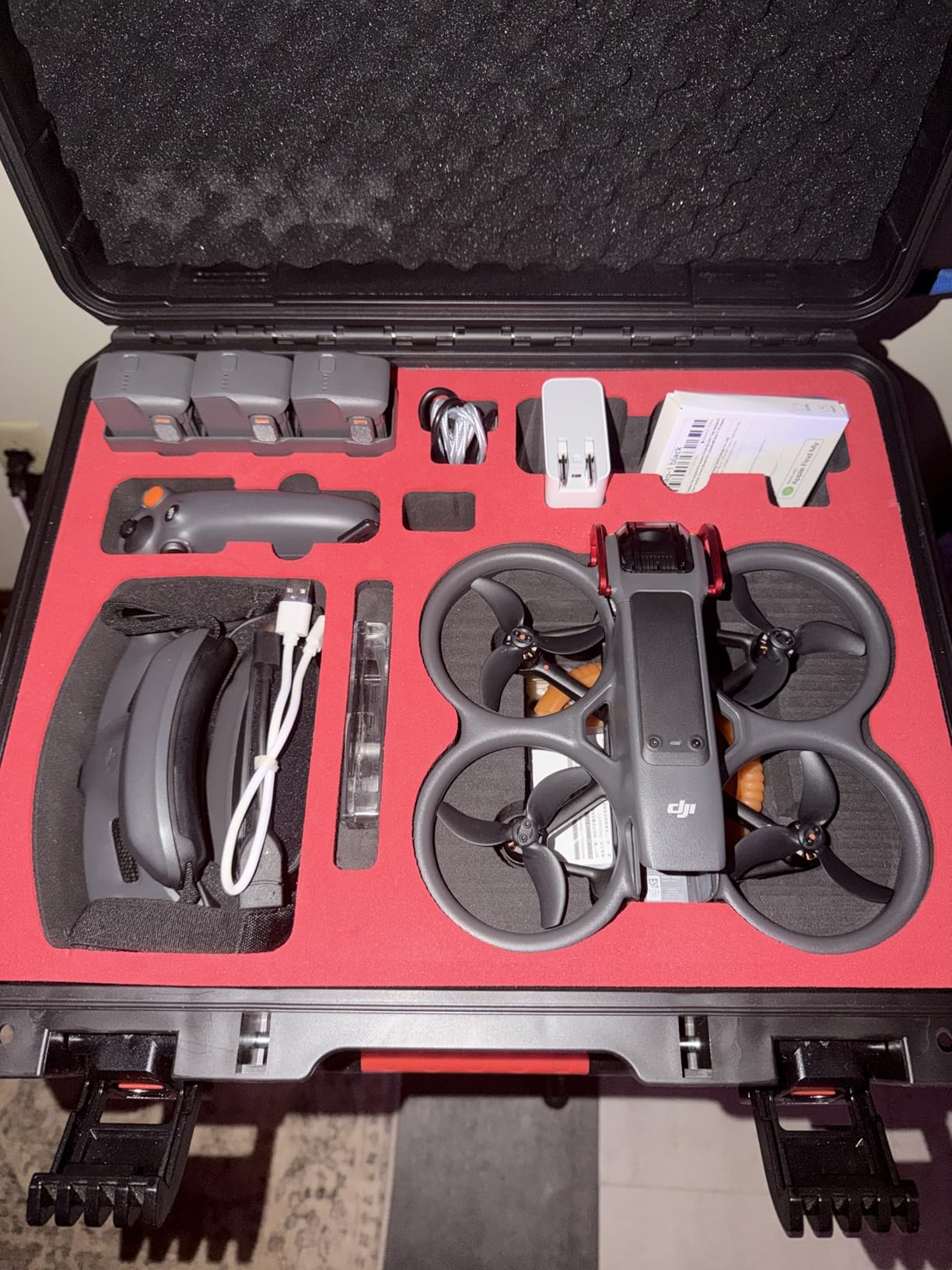
The Avata 2 offers something other wedding drones don’t: first-person immersive flight. For wedding videographers wanting dynamic, cinematic footage that traditional drones can’t achieve, this FPV approach creates unique content. The 155-degree ultra-wide field of view captures sweeping venue perspectives, while the motion controller enables intuitive flight paths.
Built-in propeller guards mean contact with objects doesn’t end in disaster. For drone operators navigating close to wedding decor, tent structures, and venue architecture, this durability matters. The Easy ACRO mode lets beginners execute flips and rolls for dramatic transitions, adding production value without advanced piloting skills.
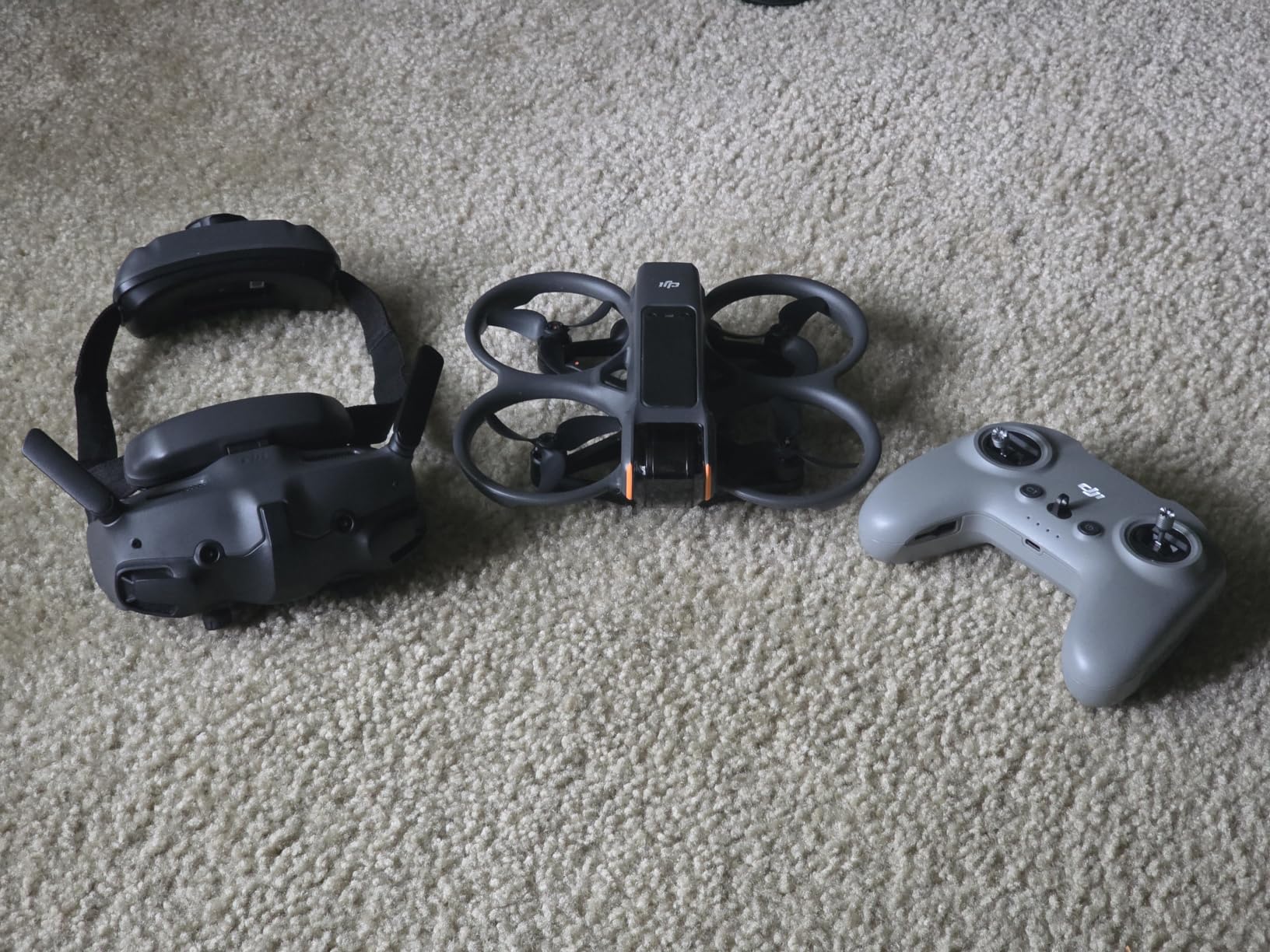
The included DJI Goggles 3 and RC Motion 3 create a complete immersive experience. You’re seeing what the drone sees in real-time, which changes how you frame shots compared to traditional screen-based flying. For wedding films that prioritize cinematic impact over conventional coverage, this perspective differentiation matters.
RockSteady and HorizonSteady stabilization keeps footage smooth during dynamic maneuvers. The 4K/60fps video quality supports professional deliverable standards. For wedding photographers offering video packages alongside stills, this drone enables content that traditional quad-copters can’t match.
Best suited for
Wedding videographers wanting to differentiate their services with FPV-style cinematic content. The immersive flight experience and dynamic movement capabilities create footage that stands apart from standard drone coverage. Also ideal for photographers comfortable with shorter flight times who prioritize unique perspectives over extended coverage duration.
Consider alternatives if
If you need extended flight time for comprehensive wedding coverage, the 15-23 minute battery life creates constraints. Consider the Air 3S or Mavic 4 Pro for longer operations. Also, if you wear glasses, the goggles may not accommodate them comfortably—test compatibility before committing to this platform for professional use.
How to Choose the Best Drone for Wedding Photography?
Selecting the right drone means matching equipment capabilities to how you actually work weddings. The best specs don’t matter if the drone doesn’t fit your workflow, venue types, and client expectations. Here’s what matters most for wedding-specific drone photography.
Portability and Weight
Wedding photographers already carry significant equipment. Multiple camera bodies, lenses, lighting gear, and bags fill capacity quickly. Drones under 250g eliminate FAA registration requirements while fitting in spaces that larger drones don’t. If you’re adding aerial coverage to existing packages, consider whether you have physical and mental bandwidth for bulky equipment.
The 249g threshold also matters for international destination weddings. Lighter drones face fewer travel restrictions and fit within standard luggage allowances. For photographers flying to wedding locations, sub-250g options simplify logistics significantly.
Image Quality and Sensor Size
Sensor size directly impacts low-light performance and dynamic range—both critical for wedding environments. Indoor ceremonies, evening receptions, and mixed lighting conditions challenge smaller sensors. The 1-inch CMOS options (Mini 5 Pro, Air 3S) handle these conditions better than smaller sensors, producing cleaner images with better highlight and shadow detail.
For photographers whose brand emphasizes image quality, sensor choice matters. If aerial shots need to match ground-level image quality, invest in larger sensors. The 4/3 CMOS in the Mavic 4 Pro delivers professional-grade results; the 1-inch sensors balance quality with portability.
Noise Level During Ceremonies
Nothing ruins wedding coverage faster than drone noise drowning out vows. While manufacturers don’t publish decibel ratings comprehensively, lighter drones typically produce less acoustic disturbance. The Mini series operates quieter than larger drones, making them more appropriate during ceremonies where silence matters.
Forum discussions consistently mention noise as a primary concern. One photographer noted that a drone 20-30 meters off the ground makes one or two cool pictures, but guests distracted by motor noise during vows creates problems. Consider timing: establish shots before ceremony, resume coverage after key moments.
Flight Time and Battery Management
Wedding days last hours, but you don’t need continuous drone coverage. Smart battery management means having enough flight time for ceremony establishing shots, venue documentation, and reception details without constant swapping. The Fly More Combo options with three batteries typically cover a full wedding day with appropriate pacing.
Consider your coverage approach: continuous aerial documentation or strategic moments only. For the latter, shorter flight times work. For comprehensive coverage, prioritize extended battery life like the Air 3S’s 45 minutes or Mavic 4 Pro’s 51 minutes.
Obstacle Avoidance Capabilities
Wedding venues feature unpredictable obstacles: tent lines, decor, trees, architectural elements, and moving people. Omnidirectional obstacle sensing prevents collisions without requiring you to constantly monitor clearance. For indoor venues and locations with complex structures, this feature reduces crash risk significantly.
The Mini 3 lacks obstacle avoidance entirely, making it better suited for open outdoor venues. The Pro models include omnidirectional sensing that handles complex environments. Match these capabilities to where you actually photograph weddings.
Part 107 License Requirements
Commercial drone operation in the United States requires FAA Part 107 certification. This applies regardless of drone weight if you’re receiving compensation for aerial coverage. The test covers regulations, airspace classifications, weather effects, and operational safety. Budget time for study and testing before offering drone services.
Some photographers start with sub-250g drones for recreational practice while completing Part 107 certification. This approach lets you build flying skills and workflow experience before offering commercial services. The certification process typically takes 1-2 weeks of study plus testing time.
Venue-Specific Considerations
Different wedding venues demand different drone capabilities. Beach weddings require wind resistance and sand protection. Indoor venues need obstacle avoidance and quiet operation. Vineyard weddings benefit from extended range for large properties. Consider where you typically photograph when selecting equipment.
Also research venue-specific flying restrictions. Some locations prohibit drones entirely; others require advance permission. Private estates may have different rules than public parks. Having these conversations with venues before the wedding day prevents last-minute disappointments.
Frequently Asked Questions
What drones do wedding photographers use?
Wedding photographers most commonly use DJI Mini series drones (Mini 3, Mini 4 Pro, Mini 5 Pro) for their portability and image quality balance. The DJI Air 3S is popular for its dual-camera system, while the Mavic 4 Pro serves high-end luxury wedding photography. Sub-250g options dominate because they fit alongside existing photography gear without registration requirements.
What is the best drone for taking pictures of a wedding?
The DJI Mini 5 Pro offers the best balance for most wedding photographers with its 1-inch CMOS sensor, 249g weight, and professional image quality. For photographers wanting dual-camera flexibility, the DJI Air 3S excels with wide and telephoto options. Budget-conscious photographers should consider the DJI Neo for entry-level coverage or the Mini 3 for proven reliability without Pro-model pricing.
Why did the US ban DJI drones?
The US government has restricted DJI drones in certain federal contexts due to national security concerns about Chinese-manufactured electronics and data handling. However, this does not prevent civilian or commercial use of DJI drones for wedding photography. Photographers should stay informed about regulation changes while recognizing that DJI remains the dominant choice for professional aerial work due to their technology and reliability.
How much does drone photography cost for a wedding?
Wedding drone photography typically costs between $300 and $800 as an add-on service, depending on coverage duration, deliverables, and photographer experience. Standalone drone photography packages range from $500 to $1,500. Factors affecting pricing include flight time required, video versus photo deliverables, post-production needs, and local market rates. Many photographers include drone coverage in premium wedding packages.
Final Thoughts on Wedding Photography Drones
The best drones for wedding photography balance professional image quality with practical wedding day realities. The DJI Mini 5 Pro earns our top recommendation for most photographers—it combines the 1-inch CMOS sensor you need for challenging lighting with the sub-250g weight that keeps your kit manageable. The 36-minute flight time handles key moments without battery anxiety, while the omnidirectional obstacle sensing navigates complex venue environments.
For photographers wanting dual-camera flexibility without flagship weight, the DJI Air 3S delivers exceptional value. The wide and telephoto camera combination eliminates the compromise between establishing shots and detail coverage. At 45 minutes per flight, you’re covering extended wedding segments with confidence.
Those testing aerial coverage before major investment should consider the DJI Neo. At 135g with self-flying capabilities, it lets you prove the concept works for your business model without committing professional-grade resources. Many successful drone wedding photographers started with entry-level equipment, built client demand, then upgraded based on actual revenue from aerial packages.
Whatever drone you choose, remember that equipment is only part of the equation. Part 107 certification, venue coordination, and integration with your existing workflow matter as much as specifications. Start with realistic expectations about what aerial coverage adds to your packages, build proficiency through practice, and let your clients’ responses guide equipment decisions.