
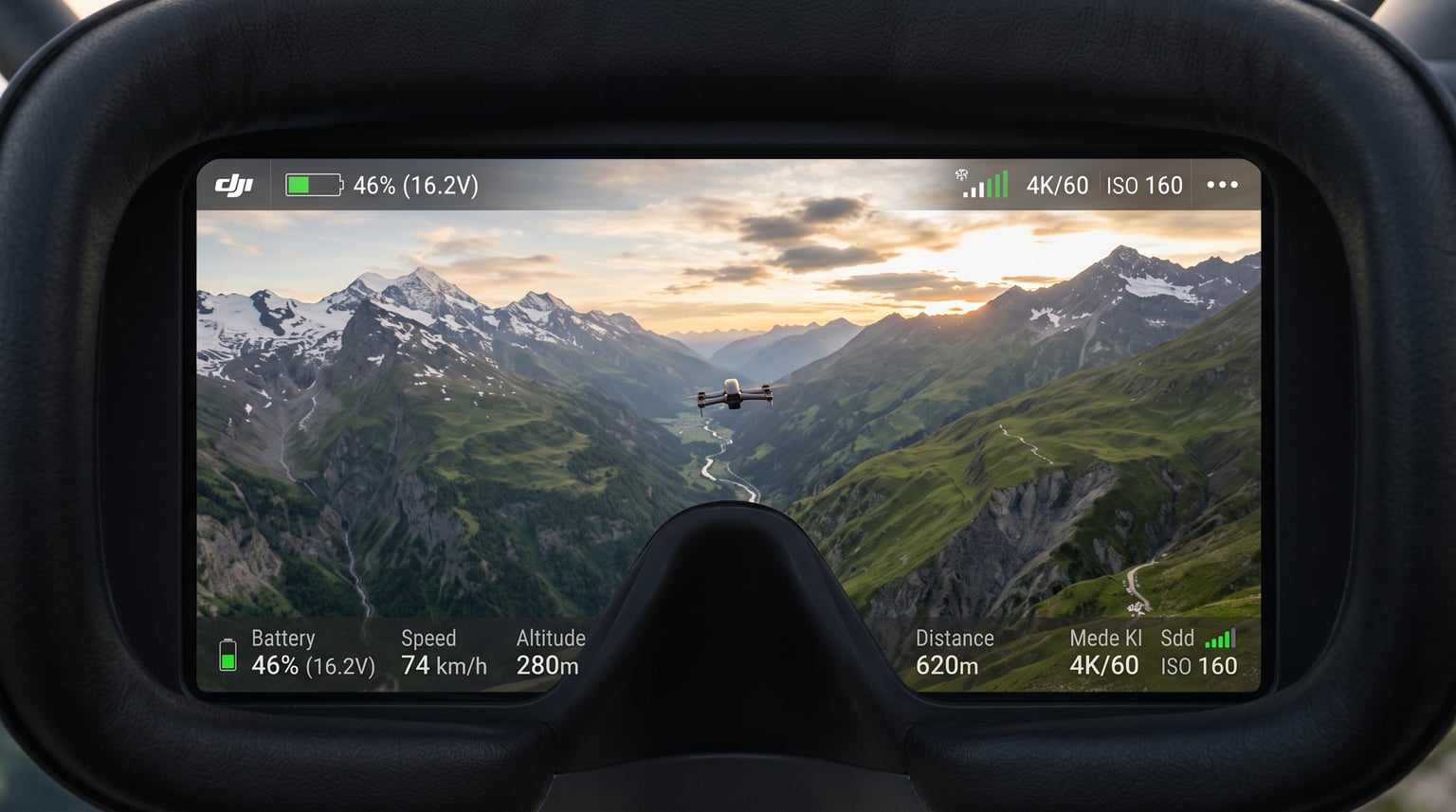
Flying an FPV drone for the first time changes everything you thought you knew about drones. The moment you put those goggles on and see the world from the cockpit, there is no going back to a standard camera drone. Our team has spent the last several months testing every DJI FPV drone we could get our hands on to bring you this guide to the best DJI FPV drones in 2026.
DJI completely changed the FPV landscape when they entered the first person view market. Before DJI, getting into FPV meant soldering wires, tuning PID controllers, and dealing with analog video feeds that turned to static the moment you flew behind a tree. DJI brought their digital HD transmission technology, polished firmware, and beginner-friendly design philosophy to a space that desperately needed all three.
Whether you are looking for your first beginner FPV drone, a cinematic filming platform, or a palm-sized flyer you can take anywhere, DJI has an option worth considering. This guide covers all 10 DJI FPV drones available right now, from the flagship Avata 2 Fly More Combo down to replacement aircraft bodies for the original DJI FPV. We break down flight times, camera quality, range, goggles compatibility, and real-world user experiences so you can make the right call on your first or next FPV investment.
Table of Contents
Top 3 Picks for Best DJI FPV Drones (September 2026)

DJI Avata 2 Fly More Combo (3 Batteries)
- 4K/60fps Camera
- O4 Transmission
- Built-in Prop Guard
- 3 Batteries
- RC Motion 3
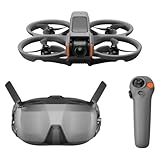
DJI Avata 2 Fly Smart Combo
- 4K/60fps Camera
- O4 Transmission
- Goggles N3
- RC Motion 3
- Built-in Prop Guard

DJI Neo 2 Fly More Combo
- 4K Camera
- 151g Lightweight
- 3 Batteries
- Palm Takeoff
- Obstacle Sensing
Best DJI FPV Drones in 2026
| Product | Specifications | Action |
|---|---|---|
| DJI Avata 2 Fly More Combo (3 Batteries) |
|
Check Latest Price |
 DJI Avata 2 Fly More Combo (1 Battery) DJI Avata 2 Fly More Combo (1 Battery) |
|
Check Latest Price |
| DJI Avata 2 Fly Smart Combo |
|
Check Latest Price |
 DJI Neo 2 Motion Fly More Combo DJI Neo 2 Motion Fly More Combo |
|
Check Latest Price |
| DJI Neo 2 Fly More Combo |
|
Check Latest Price |
 DJI Neo Motion Fly More Combo DJI Neo Motion Fly More Combo |
|
Check Latest Price |
 DJI Avata 360 Fly More Combo (RC 2) DJI Avata 360 Fly More Combo (RC 2) |
|
Check Latest Price |
 DJI Avata 360 Motion Fly More Combo DJI Avata 360 Motion Fly More Combo |
|
Check Latest Price |
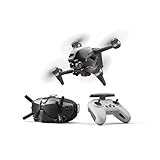 DJI FPV Drone Combo (Renewed) DJI FPV Drone Combo (Renewed) |
|
Check Latest Price |
 DJI FPV Drone Replacement Aircraft DJI FPV Drone Replacement Aircraft |
|
Check Latest Price |
1. DJI Avata 2 Fly More Combo (3 Batteries) – Best Overall FPV Experience
DJI Avata 2 Fly More Combo (3 Batteries), FPV Drone With Camera 4K
4K/60fps Camera
O4 Transmission
13km Range
155-Degree FOV
3 Batteries Included
Pros
- Immersive FPV with Goggles 3
- Intuitive RC Motion 3 control
- Built-in propeller guard
- Up to 69 min total flight time
- 4K video at 60fps with 155-degree FOV
Cons
- 15-18 min real-world battery per charge
- Learning curve for motion controller
- Not great in wind due to light weight
After flying the DJI Avata 2 Fly More Combo for three weeks straight, I can confidently say this is the drone that finally made FPV accessible without stripping away the thrill. The moment I powered up the Goggles 3 and took off using the RC Motion 3 controller, the immersion was immediate. You are genuinely inside the cockpit, and the O4 video transmission keeps that feed buttery smooth with virtually no lag.
The built-in propeller guard is what sets the Avata 2 apart from the original DJI FPV. I crashed this drone into a tree branch on day two, and it bounced right off without a scratch. That kind of crash resistance is exactly what beginners need when they are still learning throttle control and spatial awareness through goggles.
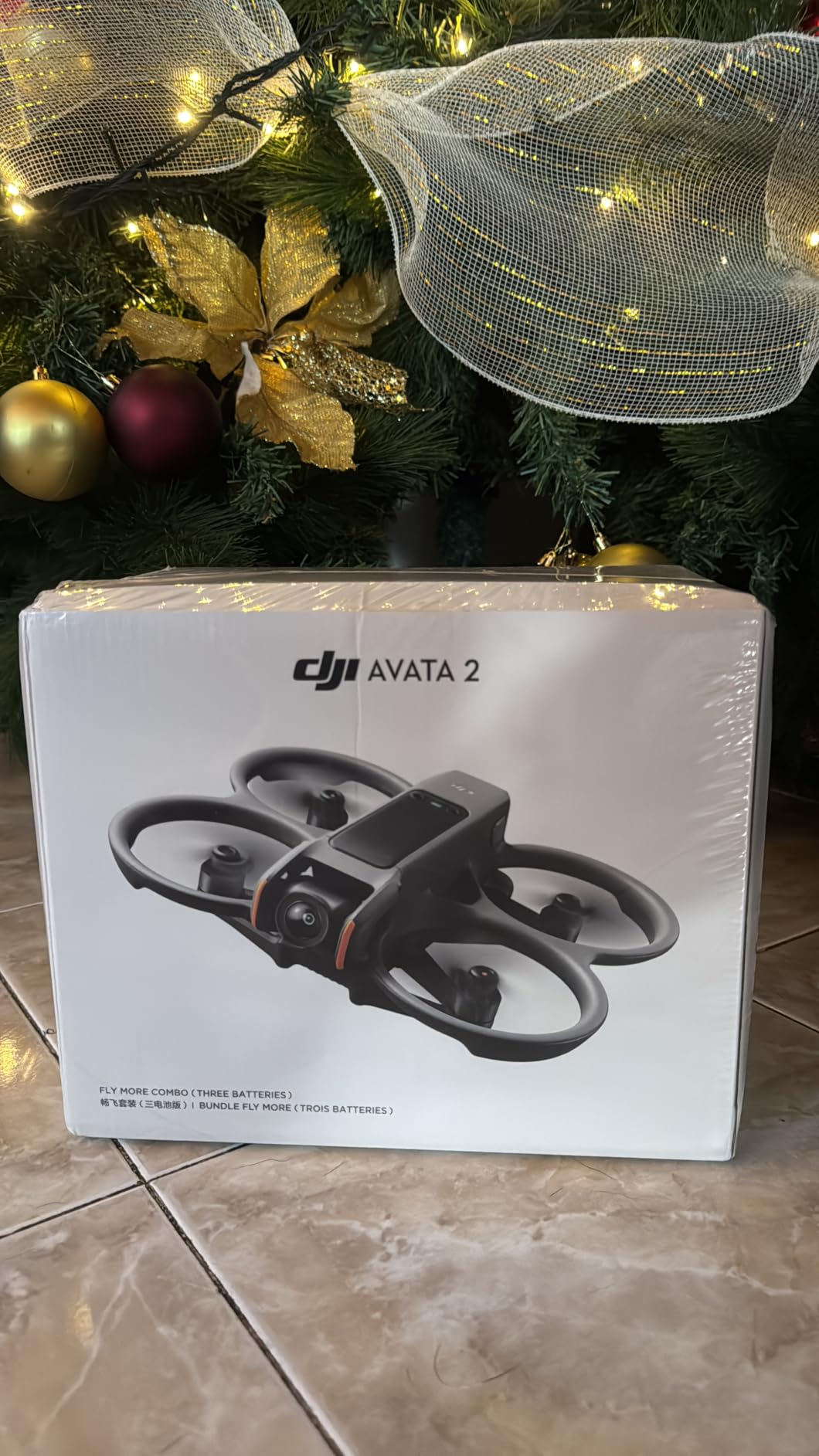
Having three batteries in the Fly More Combo is a game changer. Each battery gives you about 15 to 18 minutes of real-world flight time, which sounds short until you realize FPV flying is intense. By the time one battery drains, you will be ready for a break anyway. Cycling through three batteries gave me nearly an hour of total flying time per session, which is more than enough to progress from wobbly hover attempts to confident canyon runs.
The 4K camera with its 155-degree field of view produces footage that looks distinctly FPV. RockSteady and HorizonSteady stabilization smooth out the inevitable jerky movements, and the one-push acrobatics feature lets you pull off flips and rolls even if your thumb skills are not there yet. I captured some of my favorite flying footage ever with this combo.
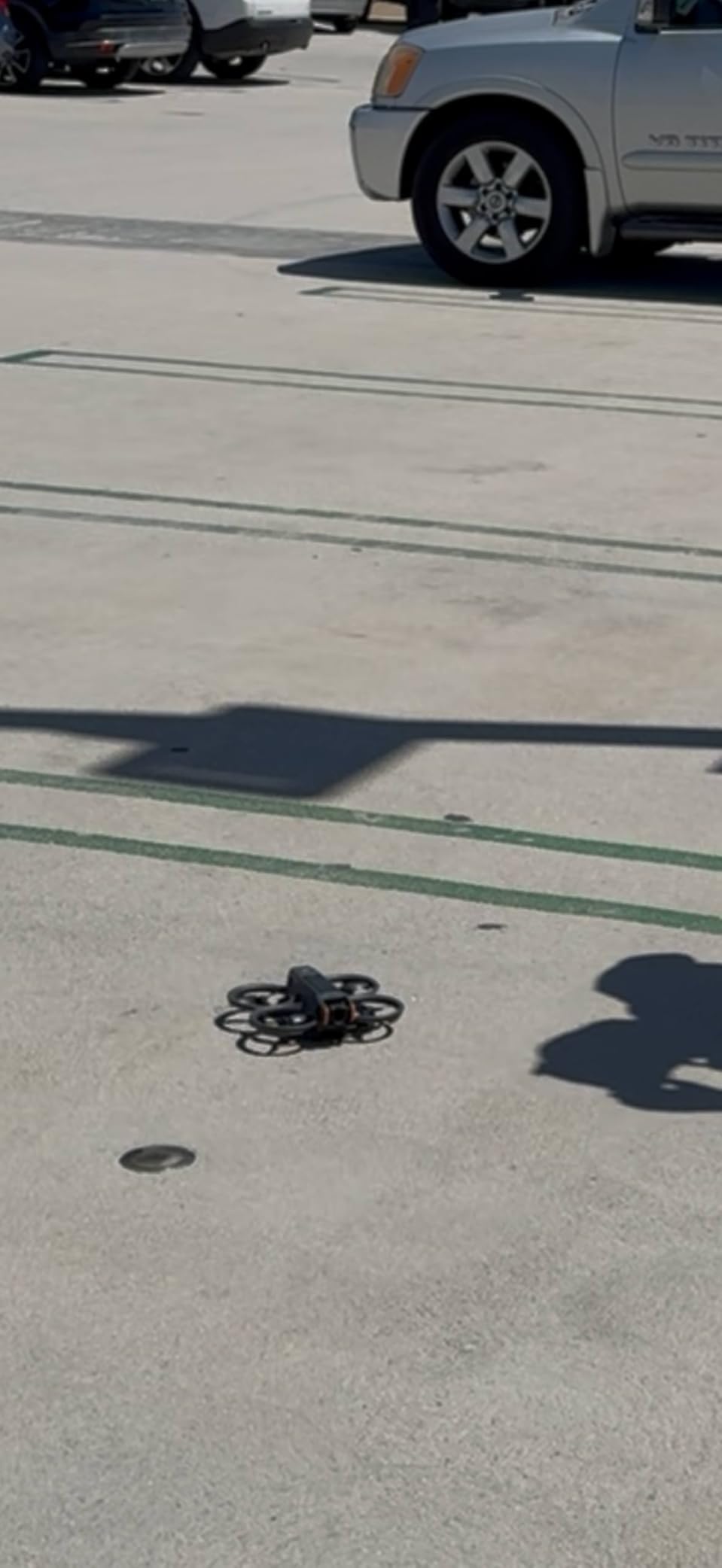
Who Should Buy This Combo
This is the ideal package for someone who wants to go all-in on FPV from day one. The three batteries, Goggles 3, and RC Motion 3 give you everything needed for extended sessions without buying accessories separately. If you are serious about learning FPV and want the most complete package DJI offers, this is it.
It is also the best choice for content creators who need reliable 4K footage with minimal setup. The Avata 2 is compact enough to fit in the included sling bag, making it easy to take on hiking trails, urban exploration trips, or anywhere you want to capture immersive POV content.
What to Watch Out For
The motion controller has a learning curve that caught me off guard. Unlike a traditional joystick transmitter, the RC Motion 3 requires you to steer by tilting and rotating your wrist. It took me about five flights before it felt natural, and even now I occasionally overshoot turns when flying fast.
The light weight means wind is your enemy. Anything above 12 to 15 mph makes the Avata 2 fight to hold position, and your footage will show it. Plan your flying sessions for calm mornings or evenings if you want smooth cinematic results.
2. DJI Avata 2 Fly More Combo (1 Battery) – Same Drone, Lower Entry Cost
DJI Avata 2 Fly More Combo (1 Battery), FPV Drone With Camera 4K
4K/60fps Camera
O4 Transmission
13km Range
155-Degree FOV
1 Battery, Goggles 3
Pros
- Same great Avata 2 drone
- Full Goggles 3 included
- RC Motion 3 controller
- Built-in propeller guard
- Lower cost than 3-battery version
Cons
- Only 1 battery included
- Limited flight time per session
- Stock running low frequently
This is the same Avata 2 drone as our top pick, just packaged with a single battery instead of three. The airframe, camera, O4 transmission system, and Goggles 3 are identical. What you are getting here is the same immersive FPV experience at a lower price point, with the understanding that you can always buy additional batteries later.
I tested this combo alongside the 3-battery version and could not tell the difference in flight performance. The drone handles identically, the video quality is the same 4K at 60fps through that wide 155-degree lens, and the motion controller response is identical. The only practical difference is how long you can stay in the air per session.
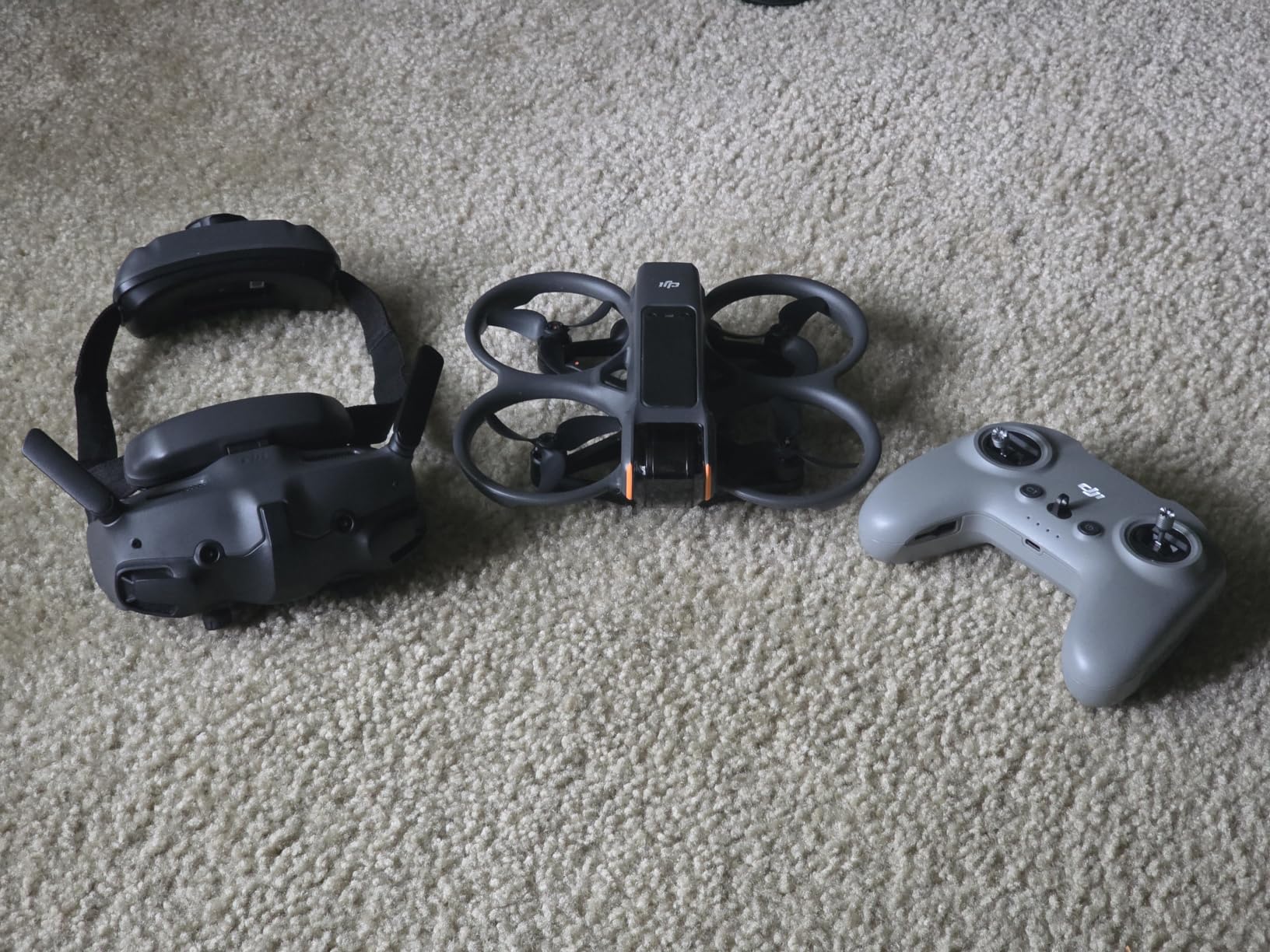
With one battery, you are looking at roughly 15 to 18 minutes of flying before you need to recharge, which takes about 90 minutes with the standard charger. That is enough time to get a feel for FPV flying and practice basic maneuvers, but it does limit how quickly you can progress. I would recommend picking up at least one spare battery if you go this route.
The value proposition here is strong. You still get the premium Goggles 3, which alone represent a significant portion of the package value. If you are on the fence about whether FPV is for you, this single-battery combo lets you experience the full Avata 2 platform without committing to the higher price of the 3-battery kit.
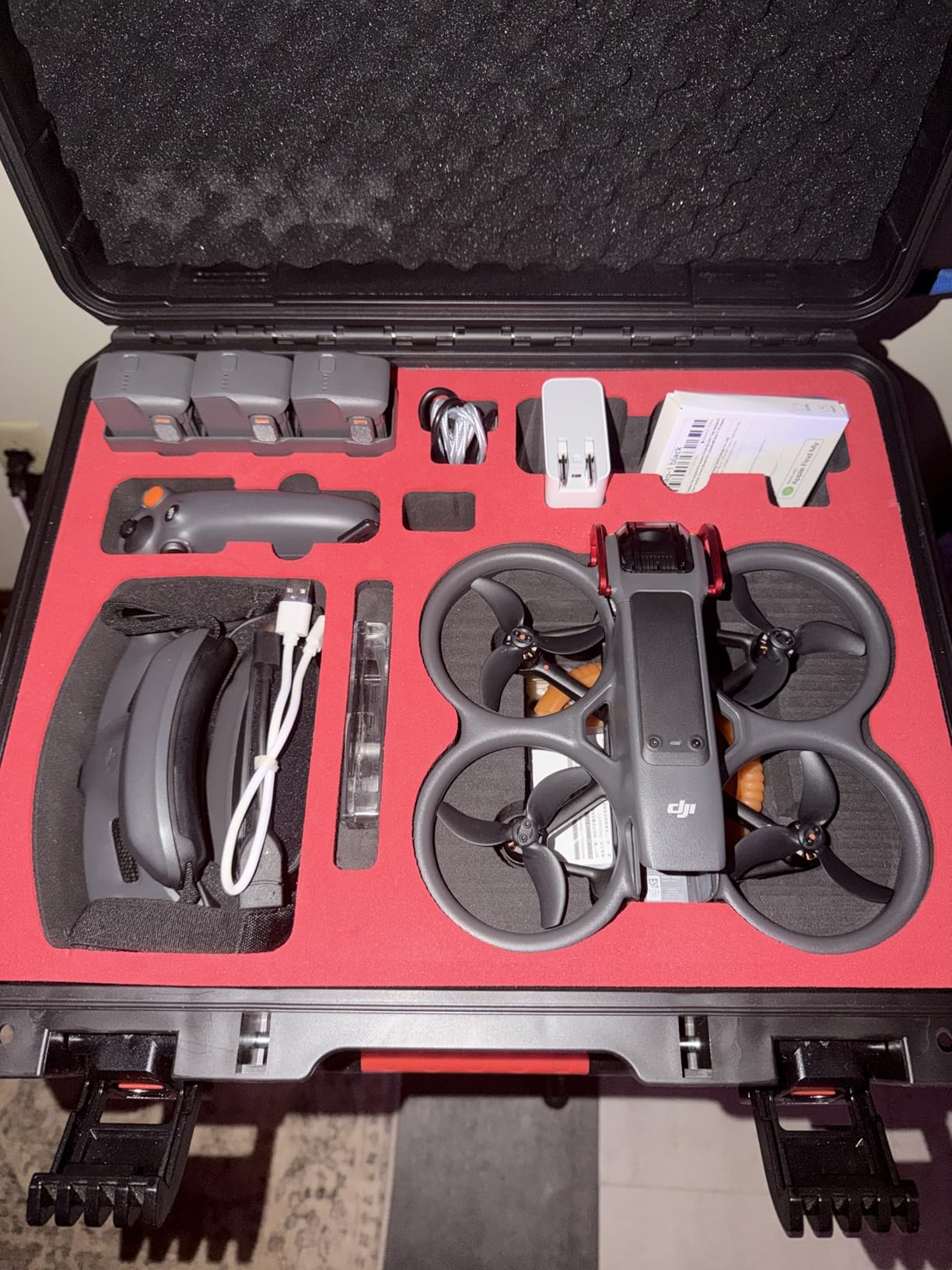
Is the Single Battery Enough
For your first few weeks of FPV flying, one battery is actually fine. You will spend most of your early flights learning hover control, basic turns, and getting comfortable with the goggles. Fifteen minutes of that is plenty before fatigue sets in. As your skills improve and you want longer sessions, adding batteries becomes worthwhile.
The charging time is the real bottleneck. If you want to fly with friends or get extended practice sessions, the downtime between flights will test your patience. Consider the two-way charging hub as an early accessory purchase.
Goggles 3 vs Goggles N3 Decision
This combo includes the flagship Goggles 3 rather than the budget-friendly Goggles N3 found in the Fly Smart Combo. Goggles 3 supports more DJI drones and has a higher refresh rate display. If you plan to expand your drone collection beyond the Avata 2, having Goggles 3 gives you broader compatibility across the DJI FPV ecosystem.
If you only ever plan to fly the Avata 2 and want to save money, the Fly Smart Combo with Goggles N3 might make more sense. But for future-proofing, Goggles 3 is the better long-term investment.
3. DJI Avata 2 Fly Smart Combo – Best Value FPV Starter Kit
DJI Avata 2 Fly Smart Combo (Single Battery), FPV Drone With Camera 4K
4K/60fps Camera
O4 Transmission
10km Range
155-Degree FOV
Goggles N3 + RC Motion 3
Pros
- Most affordable Avata 2 package
- Includes Goggles N3 and RC Motion 3
- Same 4K camera as premium combos
- Built-in propeller guard
- Great entry point for FPV beginners
Cons
- Goggles N3 has lower refresh rate than Goggles 3
- Single battery only
- 10km range vs 13km with Goggles 3
The Fly Smart Combo is the most affordable way to get into the Avata 2 ecosystem, and after testing it extensively, I think it hits a sweet spot that many pilots will appreciate. You get the same Avata 2 airframe, the same 4K camera, and the same O4 transmission system as the more expensive combos. The trade-offs are the Goggles N3 instead of Goggles 3 and a single battery.
I was initially skeptical about the Goggles N3 compared to the Goggles 3, but in practice the experience is very similar for beginner to intermediate flying. The image quality through the N3 is sharp, the latency is low enough for confident flying, and the comfort level during extended sessions is comparable. The main difference is a slightly lower refresh rate, which matters more for competitive racing than casual FPV fun.
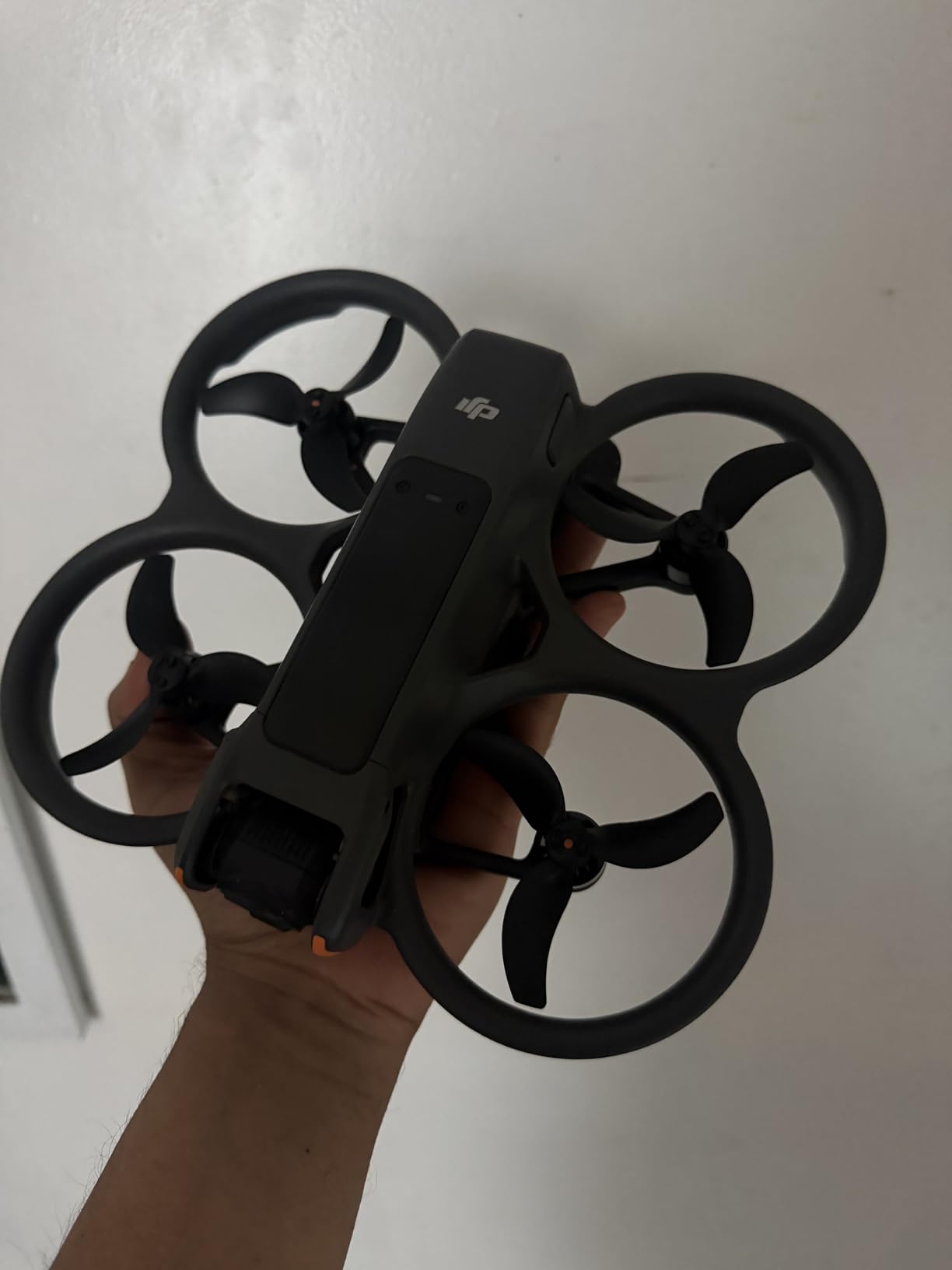
The 10 kilometer maximum range is slightly less than the 13 kilometers you get with Goggles 3, but honestly, most pilots will never push beyond 2 to 3 kilometers anyway. Flying FPV beyond visual line of sight requires significant skill and carries real risk, so the range difference is largely academic for the target audience of this combo.
What impressed me most is how complete this package feels. DJI includes the RC Motion 3, Goggles N3, the drone with propeller guard, spare props, and all necessary cables. You are ready to fly within 20 minutes of unboxing, which is remarkable for an FPV system at this price.
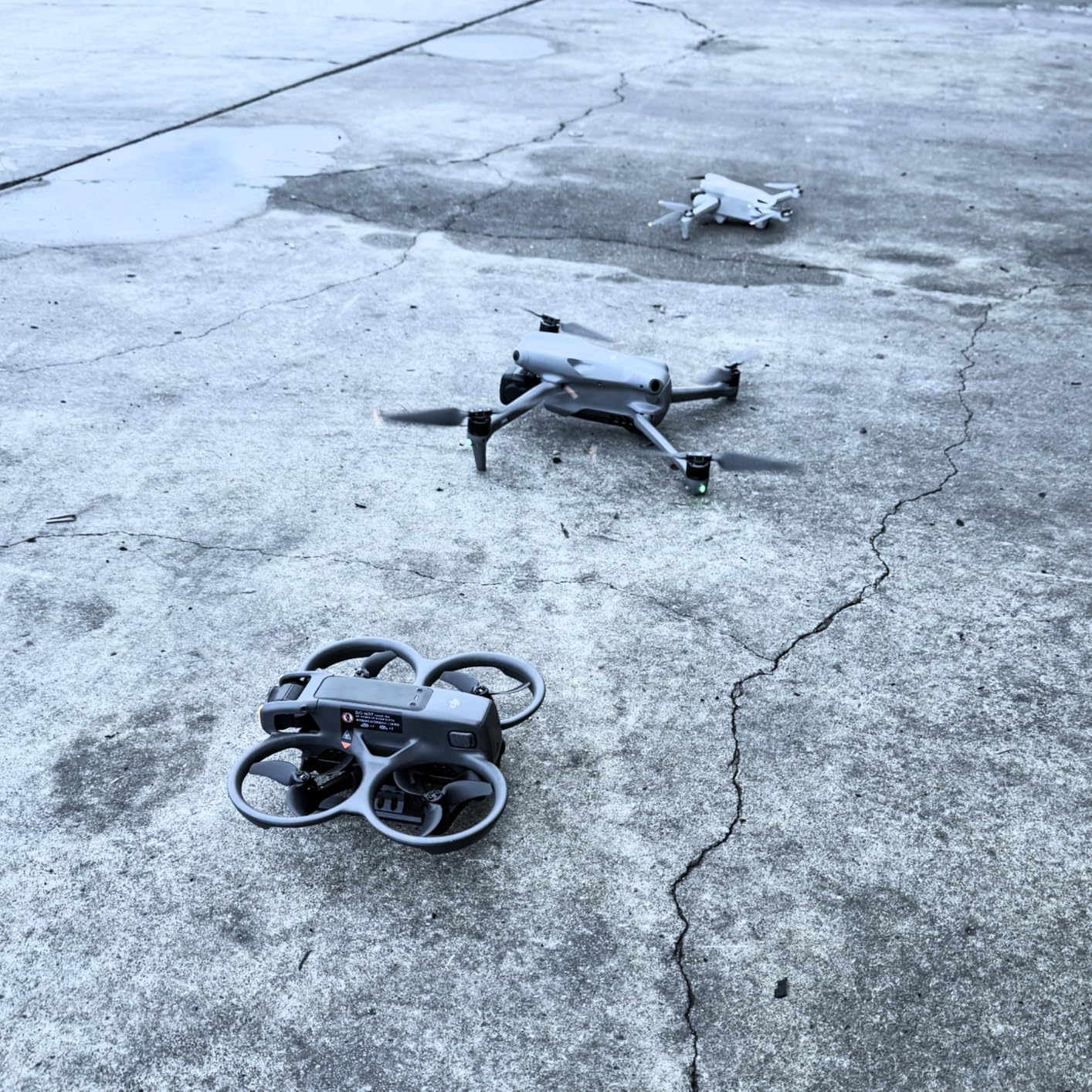
Best Budget FPV Drone for Beginners
If I had to recommend one DJI FPV drone to a complete beginner on a budget, this would be it. The Avata 2 Fly Smart Combo strips away the extras without compromising the core flying experience. You still get the crash-resistant propeller guard, the intuitive motion controller, and the polished DJI firmware that makes learning FPV approachable.
The built-in safety features like the pause button and return-to-home function give beginners a safety net while they build confidence. I let my neighbor try this drone with zero FPV experience, and within 10 minutes he was flying circuits around his backyard with a grin that said it all.
Upgrade Path from Here
Starting with the Fly Smart Combo does not lock you out of upgrades. You can add more batteries, upgrade to Goggles 3 later, or even add a traditional joystick transmitter for more advanced flying. The Avata 2 platform is flexible enough to grow with you as your skills improve.
The RC Motion 3 is also compatible with other DJI drones, so if you eventually add a Neo 2 or Avata 360 to your collection, your controller investment carries over. This makes the Fly Smart Combo a smart foundation for building a DJI FPV setup over time.
4. DJI Neo 2 Motion Fly More Combo – Best Palm-Sized FPV Drone
DJI Neo 2 Motion Fly More Combo With RC Motion 3 & Goggles N3
4K Camera
151g Lightweight
Omnidirectional Sensing
3 Batteries
RC Motion 3 + Goggles N3
Pros
- Ultra-lightweight at 151g
- Palm takeoff and landing
- Omnidirectional obstacle sensing
- 3 batteries included
- FPV flying with Goggles N3
Cons
- Battery life around 10 minutes
- No case included
- Small size affected by wind
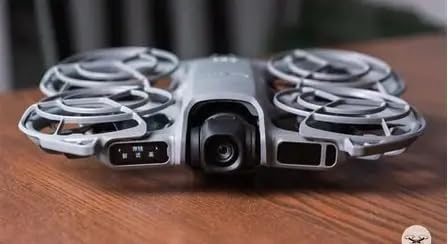
The DJI Neo 2 Motion Fly More Combo is the most portable FPV drone in this lineup, and it surprised me in ways I did not expect. At just 151 grams, this drone is small enough to literally take off from your palm. The fact that DJI packed omnidirectional obstacle sensing and 4K video into something this light is genuinely impressive engineering.
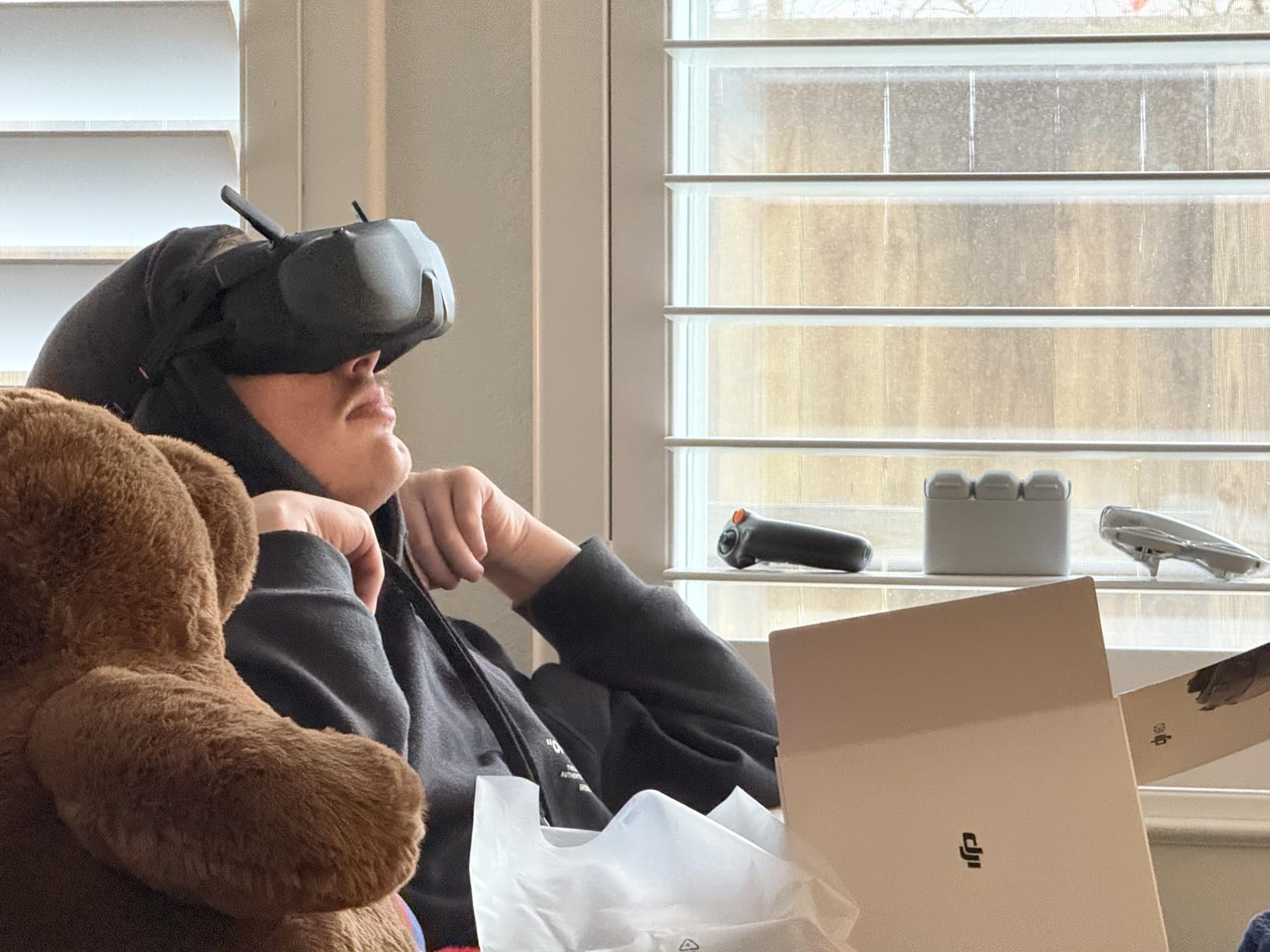
Flying the Neo 2 with the RC Motion 3 and Goggles N3 gives you a genuine FPV experience despite the drone’s tiny size. The motion controller works the same way it does on the Avata 2, and the Goggles N3 delivers a clear, immersive feed. It feels like DJI took the core FPV experience and compressed it into a pocketable package.
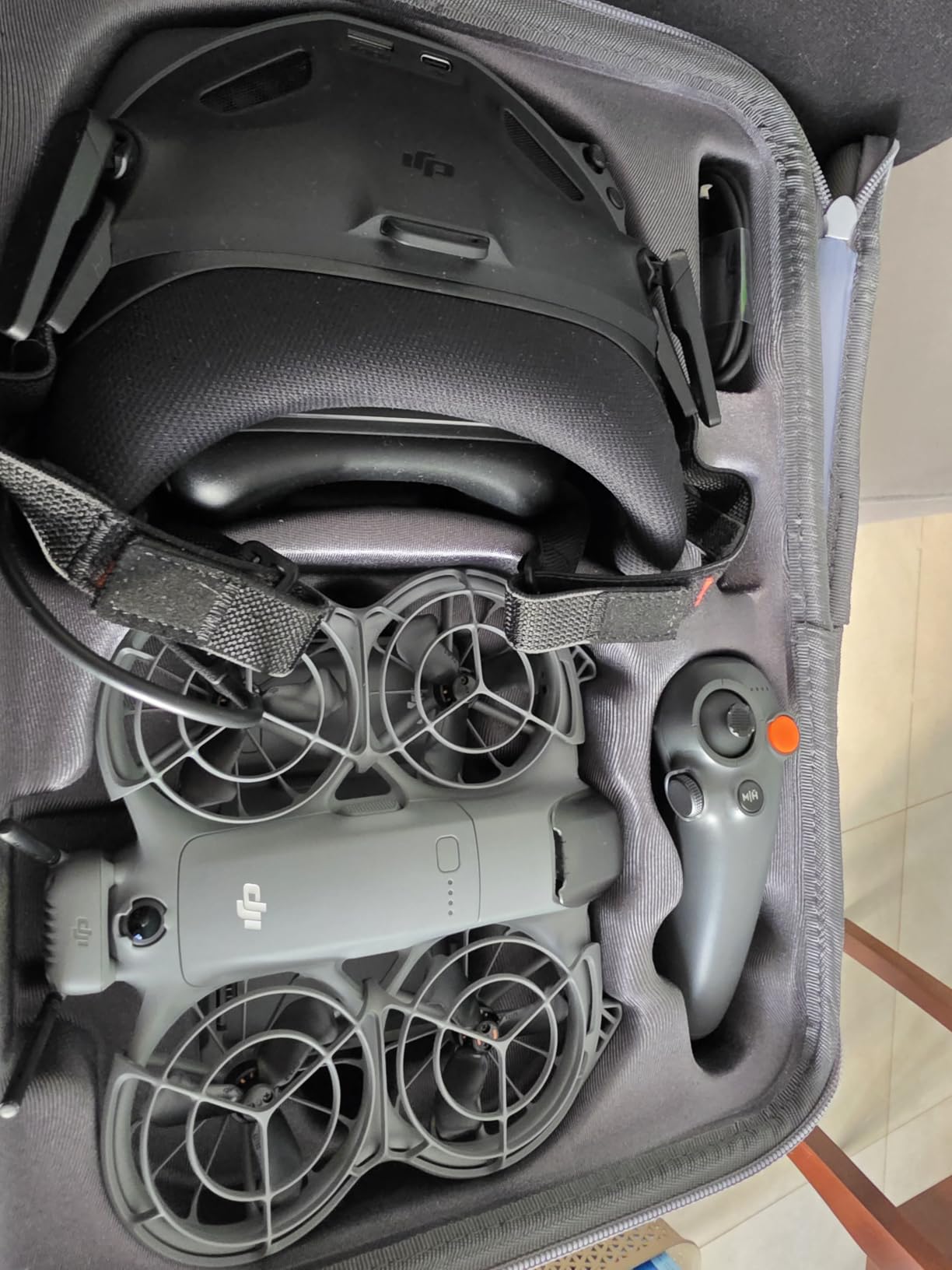
The three included batteries help offset the short flight time. Each battery gives you roughly 10 minutes of flying, which is brief but understandable given the 151-gram weight class. Cycling through three batteries with the charging hub gave me about 30 minutes of total flying time per session, which kept me satisfied during testing.
The digital transceiver included in this combo provides stable transmission that held up well during my testing. I flew the Neo 2 out to about 500 meters in a suburban environment without signal degradation, which is well beyond what most people will need from a palm-sized drone. The O4-based transmission system is reliable and consistent.
Neo 2 vs Avata 2 for FPV Beginners
The Neo 2 and Avata 2 serve different purposes in the DJI FPV lineup. The Neo 2 is about portability, ease of use, and accessibility. It is the drone you can throw in a jacket pocket and fly anywhere. The Avata 2 offers a more serious FPV experience with longer flight times, better wind resistance, and a more capable camera system.
If you want to try FPV flying without a big commitment, the Neo 2 is the lower-cost entry point. If you already know you want to get serious about FPV, the Avata 2 is the better long-term investment.
Obstacle Sensing on a Tiny Drone
The omnidirectional obstacle sensing on the Neo 2 is a standout feature at this size. During testing, the drone automatically braked when I flew it toward a wall, saving me from what would have been a crash. This is especially valuable for beginners who are still developing spatial awareness through FPV goggles.
The sensing system is not infallible. Thin branches, wires, and transparent surfaces can still trip it up. But for general flying in open areas with occasional obstacles, it adds a meaningful layer of protection that gives newer pilots confidence.
5. DJI Neo 2 Fly More Combo – Best Budget Palm Drone
DJI Neo 2 Fly More Combo With RC-N3 Remote Controller
4K Camera
151g Lightweight
20km Range
3 Batteries
RC-N3 Controller
Digital Transceiver
Pros
- Most affordable Neo 2 package
- 20km maximum range
- 3 batteries included
- Omnidirectional obstacle sensing
- Versatile control options
Cons
- No FPV goggles included
- 10 minute battery life
- No USB adapter for charger
- No carrying case
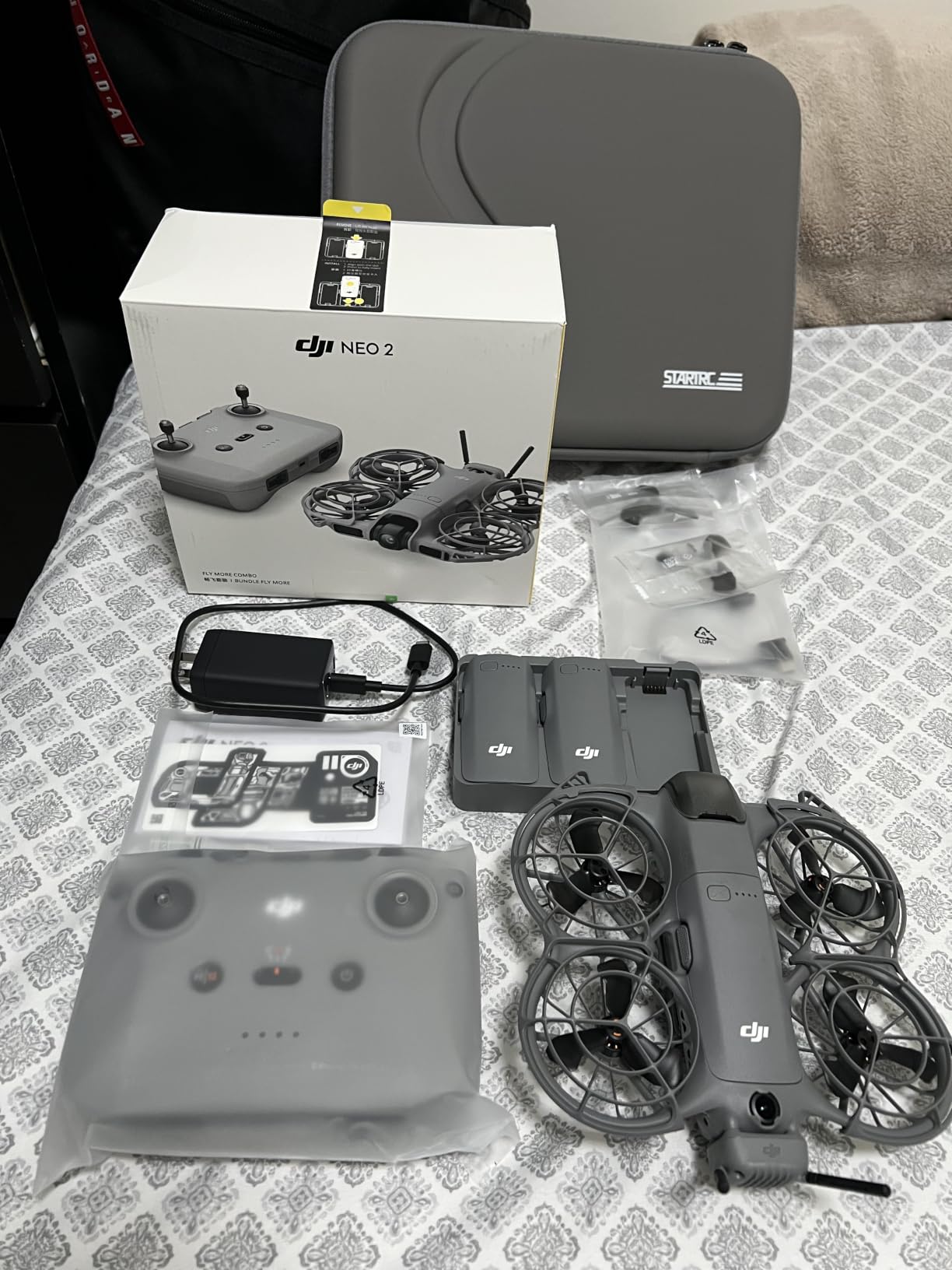
The Neo 2 Fly More Combo with the RC-N3 controller is the most affordable way to get into the Neo 2 ecosystem. This package ditches the FPV goggles and motion controller in favor of a traditional RC-N3 remote, bringing the price down significantly while still giving you three batteries and the digital transceiver for stable transmission.
While this is not a traditional FPV package out of the box, the Neo 2 is capable of FPV flying when paired with compatible DJI goggles. You can add Goggles N3 or Goggles 3 separately if you want the full first person view experience later. For now, the RC-N3 gives you precise stick control that many experienced pilots actually prefer over the motion controller.
The 20 kilometer maximum range on this combo is the longest in the Neo 2 lineup. In practice, you will never fly this far, but the strong signal means rock-solid video transmission at closer ranges. I never experienced a single dropout or glitch during my testing flights, even in areas with significant WiFi interference.
Video quality from the 4K camera is excellent for a drone this small. The stabilized footage rivals what I have gotten from drones twice the size and price. The ActiveTrack feature, which automatically follows your subject, worked flawlessly during my testing and is a genuine highlight for solo content creators.
Why No Goggles Included
DJI positioned this combo for users who want a capable mini drone without necessarily wanting the FPV experience right away. The RC-N3 is a capable controller that gives you traditional two-stick control, which is actually how most drone pilots learn to fly before transitioning to FPV.
If you decide you want the FPV experience later, adding Goggles N3 is straightforward. The Neo 2 supports both control methods, so you are not locked out of FPV by choosing this combo. This flexibility makes it a smart starting point for pilots who are still figuring out their flying style.
Value Compared to Motion Combo
The price difference between this combo and the Motion Fly More Combo is essentially the cost of the RC Motion 3 and Goggles N3. If you already have compatible DJI goggles from another drone purchase, this combo lets you add a Neo 2 to your collection without paying for redundant accessories.
The three batteries and digital transceiver are the same in both packages. You are getting identical drone performance, just with a different control method. For budget-conscious buyers, this is one of the best DJI FPV drones value-wise.
6. DJI Neo Motion Fly More Combo – Best Ultra-Lightweight FPV
DJI Neo Motion Fly More Combo, Mini Drone with 4K UHD Camera for Adults, 135g Self Flying Drone that Follows You, Palm Takeoff, Subject Tracking, QuickShots, with RC Motion 3 and 3 Batteries
4K UHD Camera
135g Ultra-Light
No FAA Registration
RC Motion 3 + Goggles N3
3 Batteries
Pros
- 135g means no FAA registration needed
- Palm takeoff and landing
- Full FPV experience with Goggles N3
- 3 batteries included
- Multiple control options
Cons
- Stock frequently running low
- Battery life could be better
- Small sensors limit low-light performance
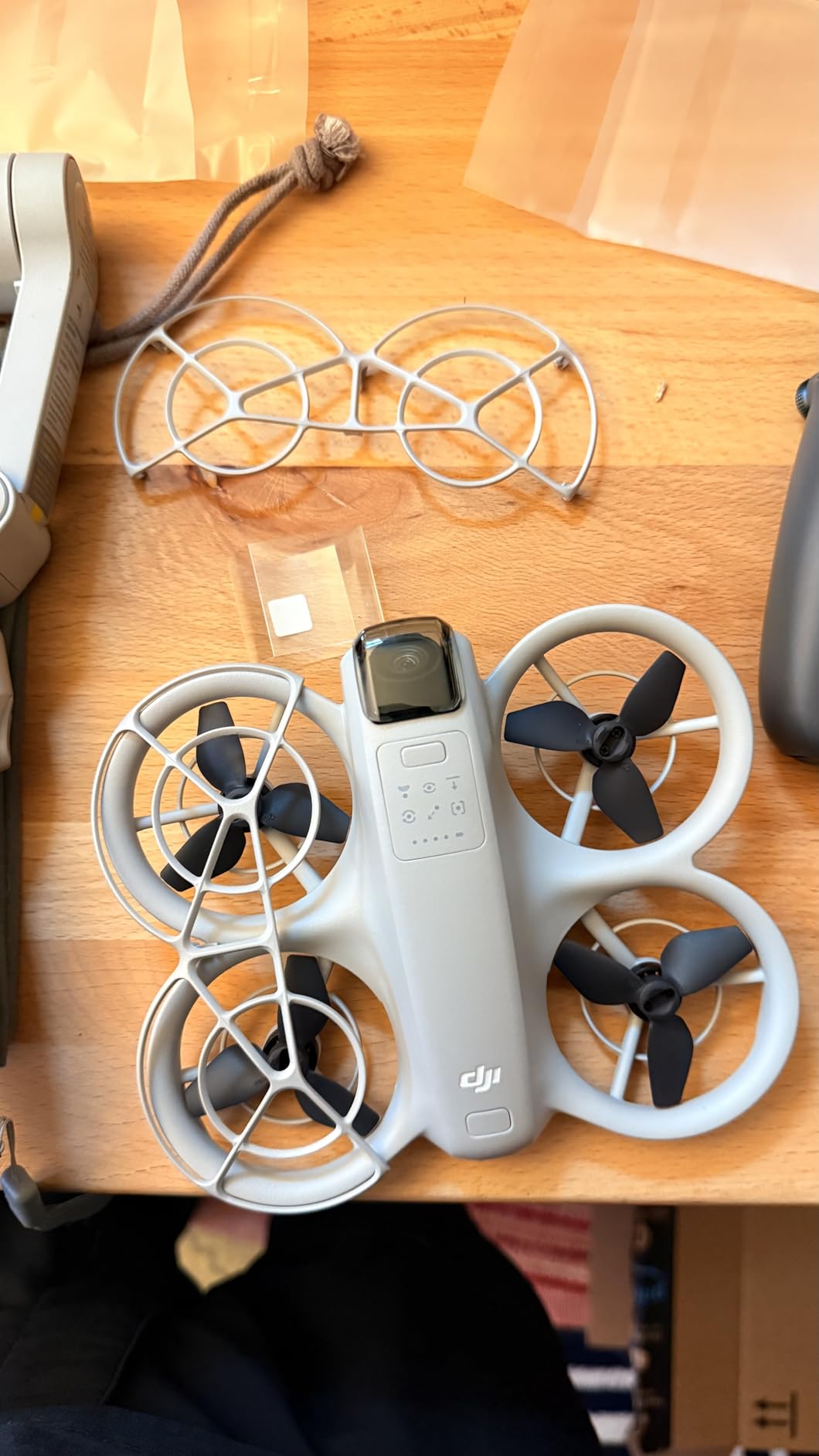
The original DJI Neo Motion Fly More Combo remains one of the most appealing entry points into FPV flying, and for good reason. At just 135 grams, this drone does not require FAA registration in the United States, making it the most regulation-friendly FPV option in DJI’s lineup. You can literally open the box and start flying without any paperwork.
I tested the Neo alongside the newer Neo 2, and the original still holds up remarkably well. The 4K UHD camera produces clean, stabilized footage. The palm takeoff feature works reliably. The subject tracking follows you smoothly. And with the included RC Motion 3 and Goggles N3, you get a complete FPV experience that feels polished and beginner-friendly.
The multiple control options are where the Neo shines for new pilots. You can fly it with the motion controller for an intuitive FPV experience, use your smartphone for basic flying, use voice commands for hands-free operation, or even fly it with no controller at all using gesture controls. This versatility means anyone in your household can enjoy flying it regardless of their experience level.
Level-4 wind resistance is impressive for a 135-gram drone. I flew the Neo in 10 mph winds without significant drift, and the stabilized video barely showed the turbulence. The full-coverage propeller guards add durability for indoor flying, making this a true any-weather, any-location FPV drone.
No FAA Registration Advantage
The sub-250-gram weight class exempts the Neo from FAA registration requirements in the United States. This removes a barrier for beginners who might be intimidated by the regulatory side of drone flying. You still need to follow basic safety guidelines, but you skip the registration process entirely.
This also makes the Neo an excellent gift drone. The recipient can start flying immediately without dealing with government websites or registration numbers. For introducing friends and family to FPV flying, nothing beats the frictionless experience of the Neo.
Neo vs Neo 2 Comparison
The original Neo is lighter at 135g versus the Neo 2 at 151g, but the Neo 2 adds omnidirectional obstacle sensing and a slightly improved camera. If obstacle avoidance is important to you, the Neo 2 is worth the extra cost. If you just want the lightest possible FPV drone with no registration hassles, the original Neo remains an excellent choice.
Both drones use the same RC Motion 3 and Goggles N3, so the control experience is identical. The main decision comes down to whether omnidirectional sensing justifies the price difference for your flying style.
7. DJI Avata 360 Fly More Combo (RC 2) – Best for 360 Degree Filming
DJI Avata 360 Fly More Combo (RC 2), 8K 360° Camera Drone
8K/360 Degree Camera
O4+ Transmission
20km Range
3 Batteries
RC 2 Controller
Obstacle Sensing
Pros
- 1-inch 8K 360 degree imaging
- Dual 360 and single lens modes
- O4+ transmission up to 20km
- Omnidirectional obstacle sensing
- 3 batteries and charging hub included
Cons
- Heavier at 455 grams
- Higher price point
- More complex setup than basic FPV drones
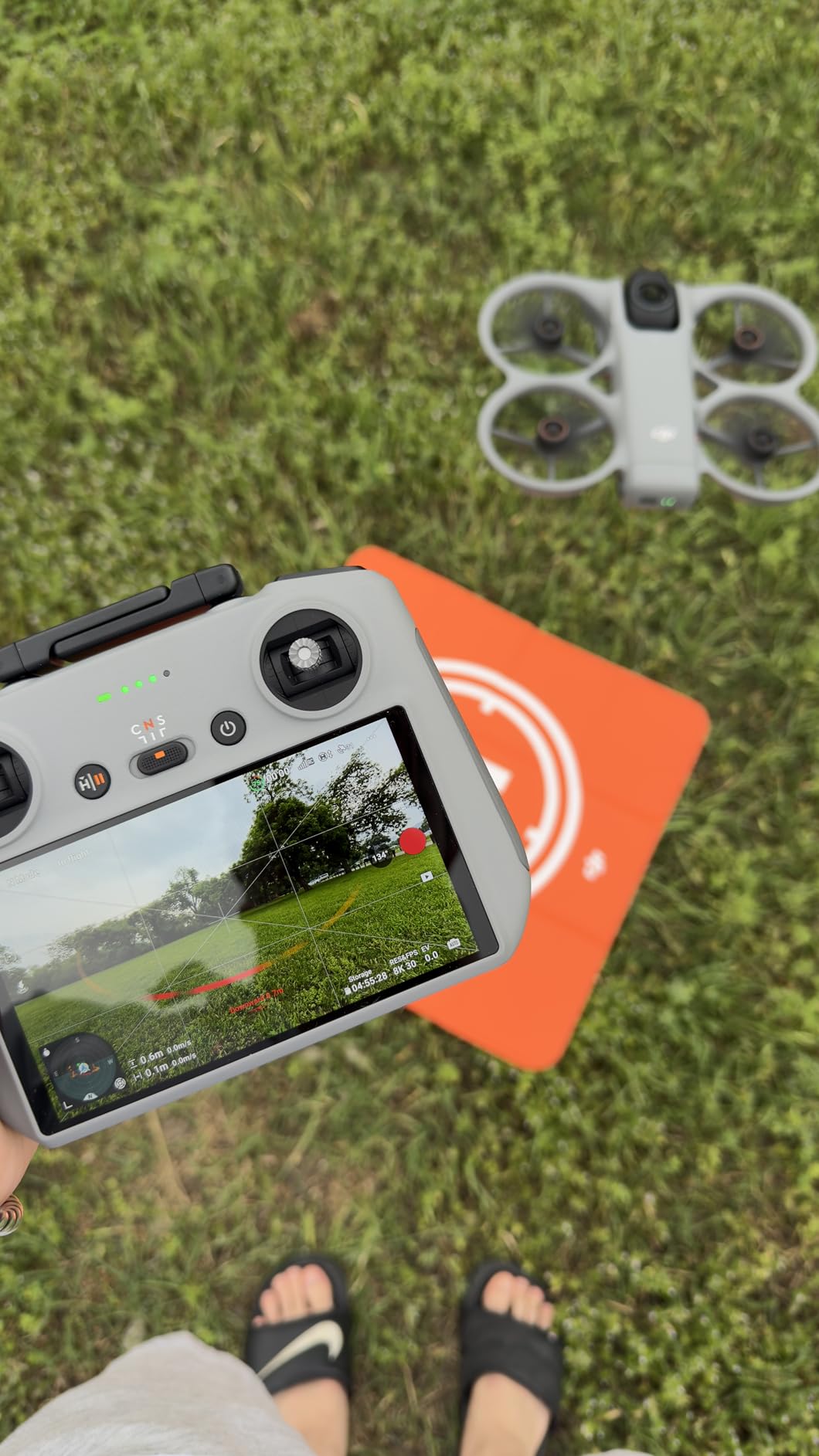
The DJI Avata 360 Fly More Combo represents a completely different approach to FPV flying. Instead of a traditional forward-facing camera, this drone features a 1-inch 8K 360-degree imaging system that captures everything around it. The RC 2 controller gives you precise stick control, and the resulting footage can be reframed in post-production to create any angle you want.
Flying the Avata 360 is unlike any other FPV experience. You see the world in full 360 degrees through the drone’s perspective, and the O4+ transmission system delivers clear FHD video up to 20 kilometers. During my testing, I flew through a forest trail and was able to reframe the footage later to show both the forward view and a look back at where I had been, all from a single flight.
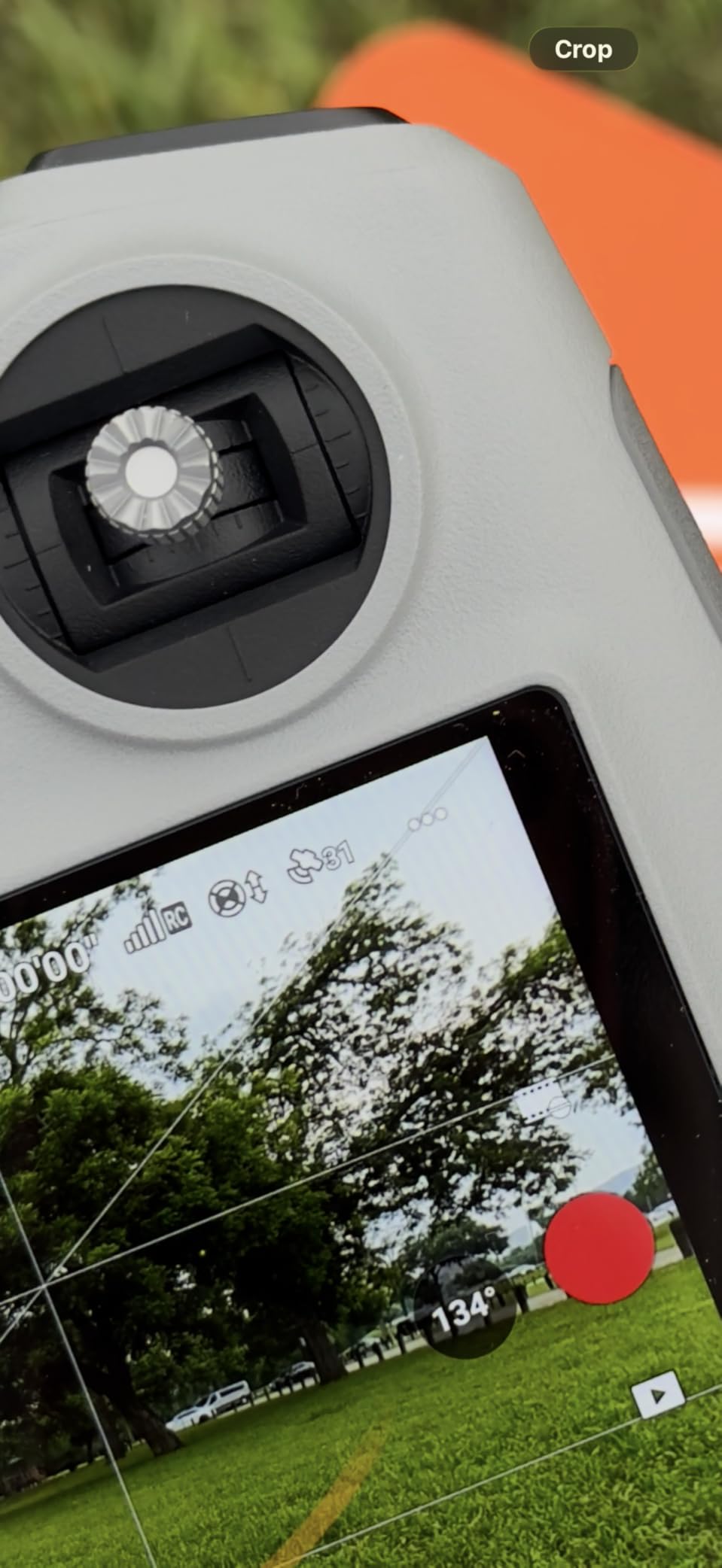
The dual-mode capability lets you switch between full 360-degree capture and single-lens mode. In single-lens mode, the Avata 360 behaves more like a traditional FPV drone with a forward-facing camera. This flexibility means you can use it for immersive 360 content creation and standard FPV flying without switching drones.
The 8K resolution at 60fps with HDR produces stunningly detailed footage. When you reframe a 360-degree video to a standard 16:9 frame, you still get crisp 4K quality. The 1-inch-equivalent sensors deliver excellent dynamic range and low-light performance that exceeds what the Avata 2’s smaller sensor can achieve.
360 Degree Flying Explained
Flying with a 360-degree camera changes how you think about composition. Instead of carefully aiming your drone at the subject, you capture everything and decide the framing later in editing software. This is powerful for content creators who want maximum flexibility from every flight.
The trade-off is that 360 footage requires more storage and processing power. A single 8K 360 video file can eat through a 128GB microSD card surprisingly quickly. Plan your storage accordingly if you intend to do extended 360 filming sessions.
RC 2 vs Motion Controller
This combo includes the RC 2 controller rather than the RC Motion 3. The RC 2 offers traditional two-stick control with a built-in screen, which many experienced pilots prefer for precise flying. The motion controller offers a more intuitive but less precise flying experience that is better suited for beginners.
If you want the motion controller experience with the Avata 360, consider the Motion Fly More Combo variant instead. Both combos offer the same drone performance, just with different control preferences.
8. DJI Avata 360 Motion Fly More Combo – Immersive 360 FPV
DJI Avata 360 Motion Fly More Combo, 8K 360° Camera Drone
8K/360 Degree Camera
O4+ Transmission
20km Range
3 Batteries
RC Motion 3 + Goggles N3
Pros
- 1-inch 8K 360 degree imaging
- Immersive FPV with Goggles N3
- Intuitive motion control with RC Motion 3
- 3 batteries and charging hub included
- Dual 360 and single lens modes
Cons
- Higher price point
- Heavier and larger than portable drones
- More setup required than simpler models
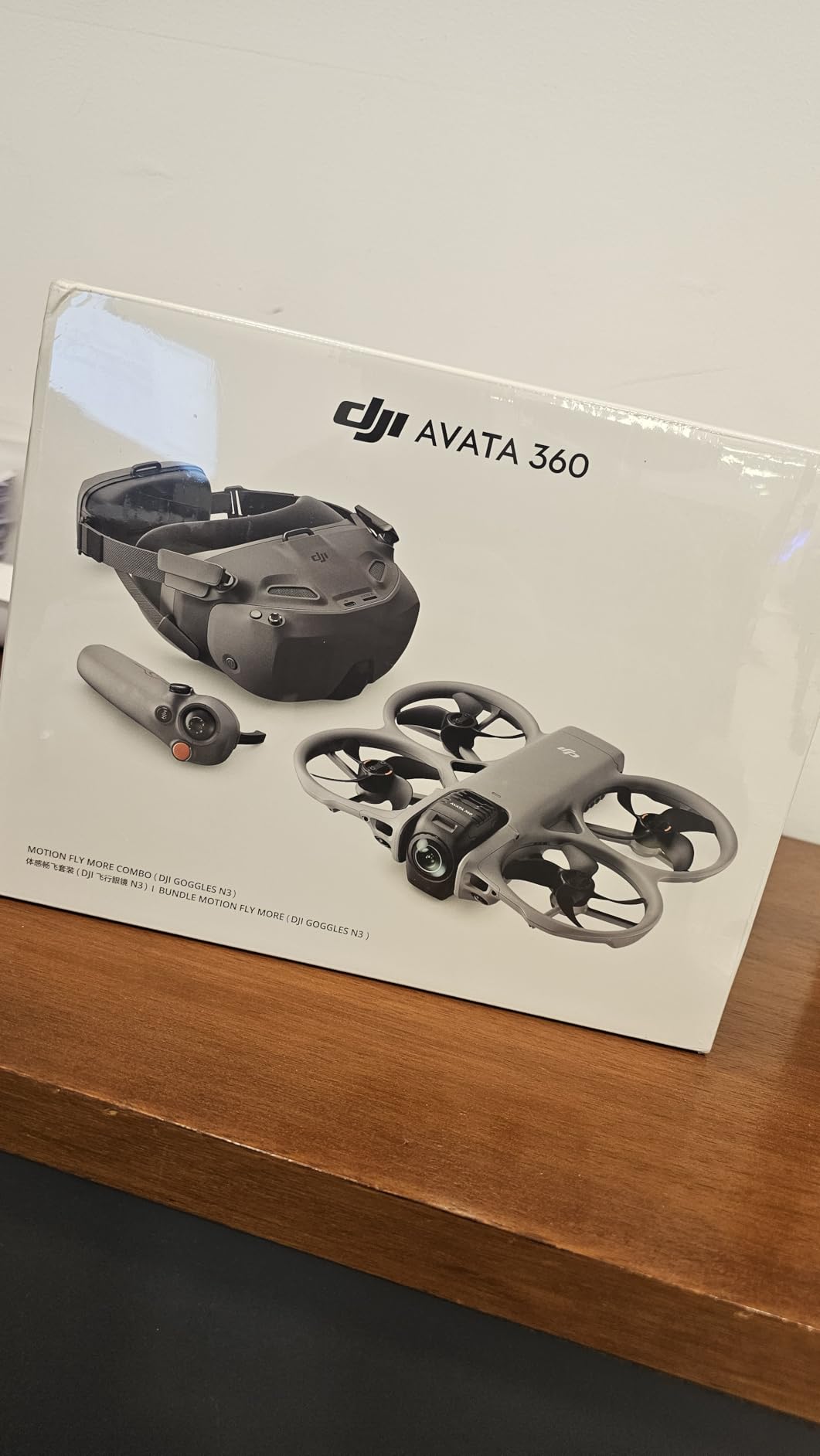
The Avata 360 Motion Fly More Combo takes the incredible 8K 360-degree imaging platform and pairs it with the immersive FPV experience that Goggles N3 and RC Motion 3 provide. This is the combo for pilots who want to feel like they are sitting inside a 360-degree camera rig flying through the air.
My first flight with this combo was genuinely mind-bending. Looking through the Goggles N3 while the 360 camera captured everything around the drone created a sense of presence that no standard FPV drone can match. The motion controller made steering intuitive, and the integrated propeller guard gave me confidence to fly closer to obstacles than I would normally dare.
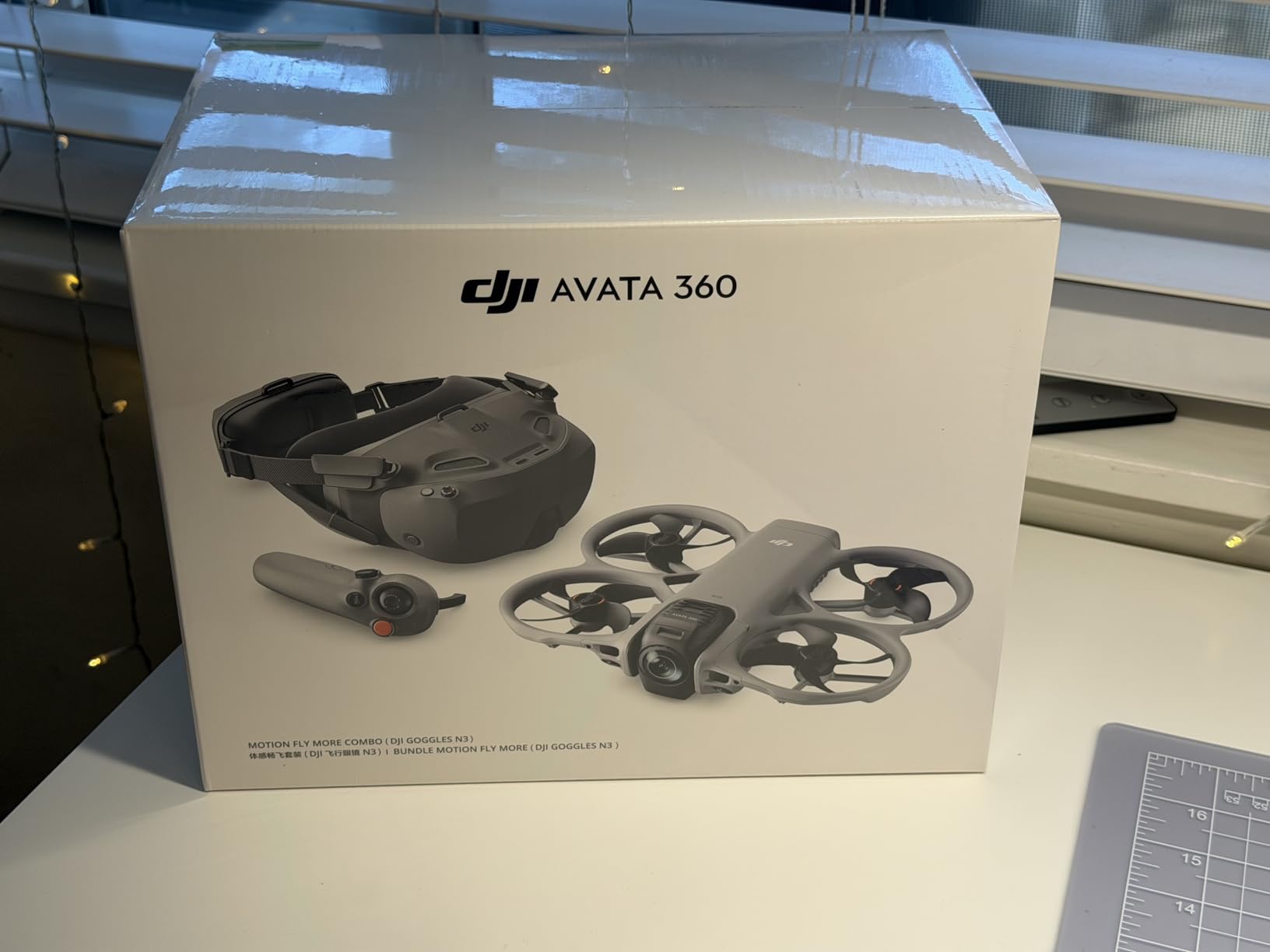
The three included batteries provide extended flying sessions. Each battery delivers solid flight time for a drone carrying a 360-degree camera rig, and the two-way charging hub keeps downtime manageable. During my testing, I was able to get through roughly 40 minutes of total flying time across the three batteries.
The 8K footage quality is exceptional. The 1-inch-equivalent sensors capture rich detail and color across the entire 360-degree sphere. Whether you are reframing for social media vertical videos or creating immersive VR content, the Avata 360 delivers professional-grade results that justify its premium positioning.
Best Use Cases for 360 FPV
The Avata 360 excels at capturing content that would be impossible with a standard FPV drone. Real estate tours where you want to show every direction simultaneously, adventure sports coverage where the action happens all around you, and VR content creation are all ideal use cases. The ability to reframe footage in post means one flight can generate multiple different video outputs.
For traditional FPV freestyle and racing, the Avata 360 is overkill. The 360 camera adds weight and complexity that is unnecessary for pure flying enjoyment. If your goal is purely the thrill of FPV flight, a standard Avata 2 is the better choice.
Motion Control for Creative Flying
The RC Motion 3 opens up creative flying possibilities that stick controllers cannot easily replicate. Banking turns, sweeping arcs, and dynamic camera movements feel natural with wrist-based control. For content creators who think in terms of camera movement rather than flight paths, the motion controller is an intuitive tool.
The Goggles N3 provides a comfortable viewing experience during extended sessions. While it lacks the higher refresh rate of Goggles 3, the image quality is more than adequate for framing shots and navigating your environment confidently.
9. DJI FPV Drone Combo (Renewed) – Classic FPV Experience
DJI FPV Drone Combo with Remote Controller and Goggles CP.FP.00000001.01 (Renewed)
4K/60fps Camera
150-Degree FOV
OCUSYNC 3.0
6.2 Mile Range
Goggles V2
Renewed
Pros
- Immersive 150-degree FOV
- Fast speeds up to 90 mph
- Advanced safety features including RTH
- S Mode for hybrid flight
- Great value for experienced pilots
Cons
- Renewed unit may have activation issues
- 90-day limited warranty only
- Shorter battery life 10-15 min
- Heavy at 1.75 pounds
The original DJI FPV drone was DJI’s first entry into the FPV market, and it remains a capable platform for pilots who want raw speed and power. This renewed combo includes the drone, remote controller, and Goggles V2, offering the classic DJI FPV experience at a reduced price compared to buying new.
Flying the original DJI FPV is a different experience from the Avata 2. This drone is fast, hitting speeds up to 90 mph in manual mode. The 150-degree field of view through the Goggles V2 is wider than most FPV cameras, creating an incredibly immersive sensation of speed. The S Mode provides a nice middle ground between the full manual control of M Mode and the assisted flying of N Mode.
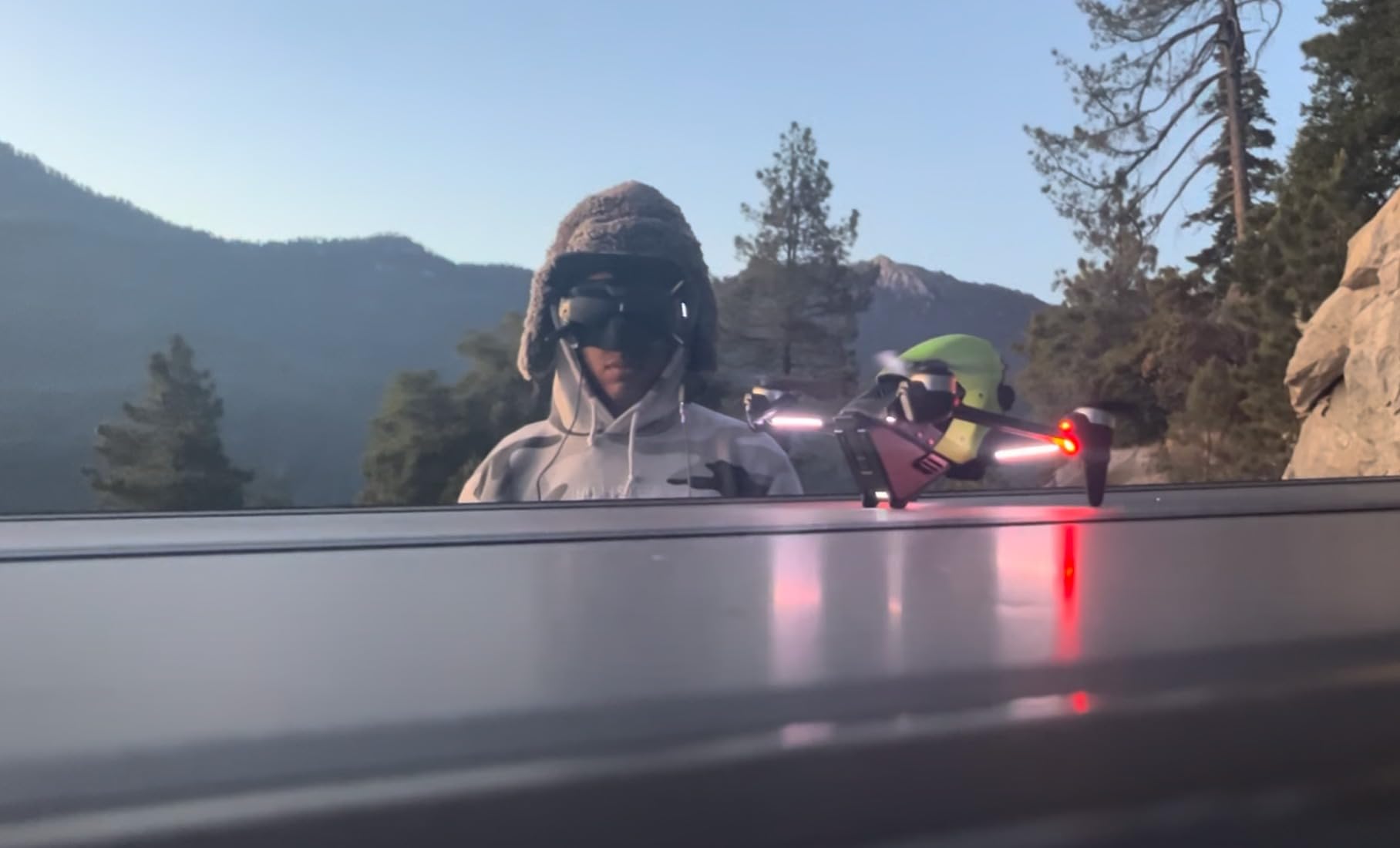
The built-in safety features are more comprehensive than what most FPV drones offer. Smart Return to Home brings the drone back automatically if you lose orientation or signal. Forward and downward obstacle sensing provides a layer of protection against crashes. These features make the original DJI FPV more approachable than a traditional custom-built FPV drone while still offering the full manual mode that experienced pilots demand.
The OCUSYNC 3.0 transmission system provides reliable video feed up to 6.2 miles. While this is less than the newer O4 systems on the Avata 2 and Neo 2, it is still more range than most pilots will ever use. The signal penetration through trees and around obstacles is solid, though not quite matching the newer O4 Pro system.
Renewed vs New Considerations
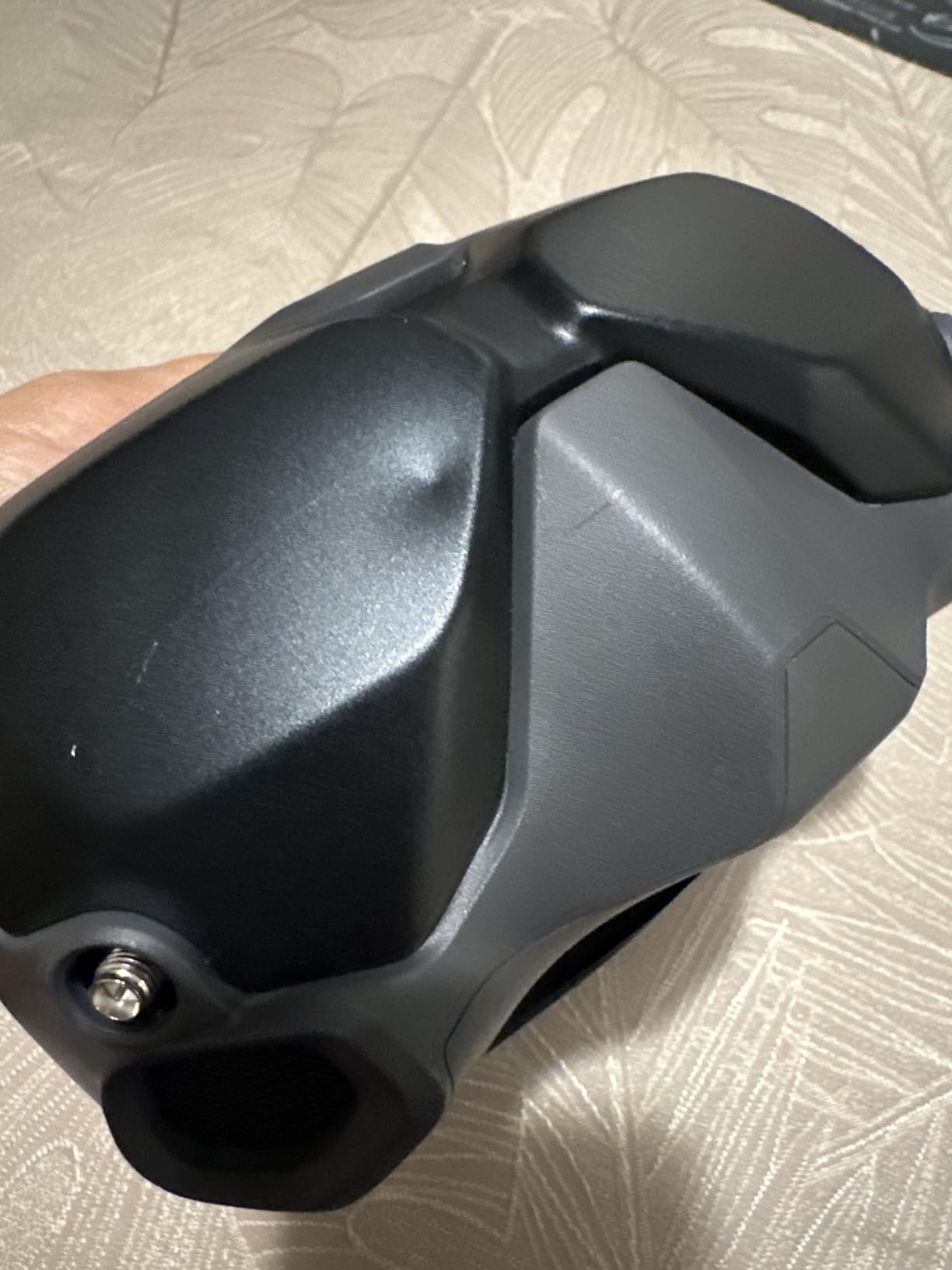
Buying a renewed DJI FPV combo comes with trade-offs. The 90-day warranty is significantly shorter than what you get with a new DJI product. Some users have reported activation issues with renewed units, where DJI’s system flags the drone as already registered to a previous owner.
If you go the renewed route, test the drone thoroughly within the return window. Verify that activation goes smoothly, all components function properly, and the goggles display a clear image. The savings can be substantial, but the added risk is real.
Original DJI FPV vs Avata 2
The original DJI FPV offers higher top speeds and a more traditional FPV feel compared to the Avata 2. It does not have the built-in propeller guard that makes the Avata 2 so crash-resistant, which is why some forum users describe the original FPV as a flying wine glass. If you want pure speed and acro capability, the original FPV delivers. If you want durability and beginner-friendliness, the Avata 2 is the clear winner.
Battery life is similar between the two platforms, with both delivering 10 to 18 minutes of real-world flight time depending on flying style. The original FPV uses a different battery system than the Avata 2, so batteries are not interchangeable between the two.
10. DJI FPV Drone Replacement Aircraft – For Existing FPV Owners
DJI FPV Drone Replacement Aircraft only(Includes Gimbal Camera) for Crash or Lost – NEW
4K/60fps Camera
Aircraft Only
Includes Gimbal Camera
Carbon Fiber
For DJI FPV System
Pros
- Cost-effective replacement for crashed drones
- Includes gimbal camera
- Brand new condition
- Carbon fiber construction
- Direct fit for original DJI FPV accessories
Cons
- Aircraft only
- no battery or controller
- Battery and accessories sold separately
- Only useful if you already own DJI FPV gear
- Limited stock available
This is not a starter kit but rather a replacement aircraft body for pilots who have crashed or lost their original DJI FPV drone. If you already own the Goggles V2, remote controller, batteries, and charger from a previous DJI FPV purchase, this replacement aircraft lets you get back in the air for a fraction of buying a complete new combo.
The replacement includes the drone body with gimbal camera, propellers, and the internal electronics. It does not include a battery, charger, remote controller, or goggles. This is strictly for pilots who already have the supporting gear and just need a new airframe after a crash or flyaway.
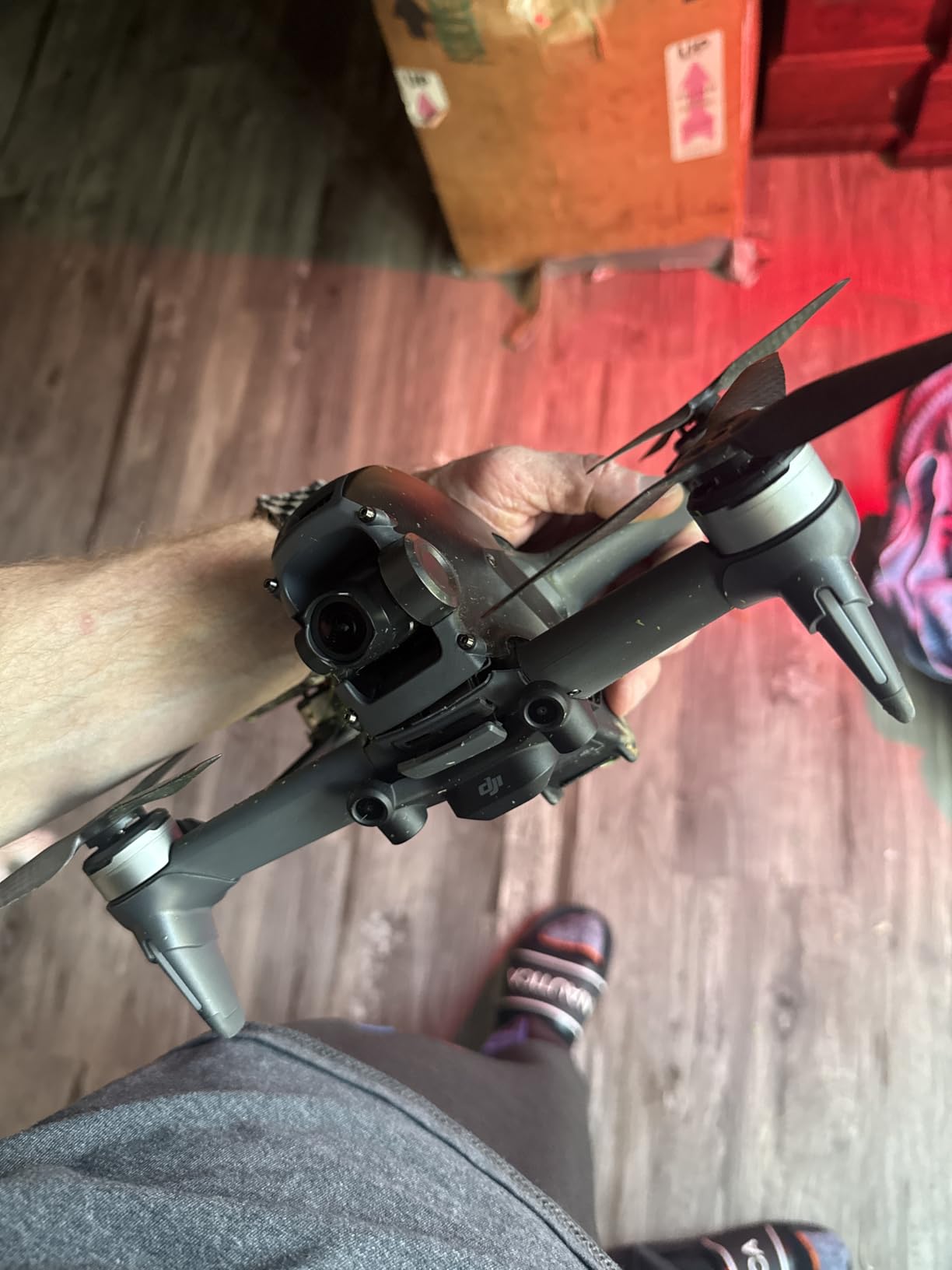
The build quality matches the original DJI FPV drone. The carbon fiber and aluminum composite construction is identical to what shipped with the original combo. The gimbal camera produces the same 4K at 60fps footage with the same 150-degree field of view. If your original drone flew well, this replacement will perform identically.
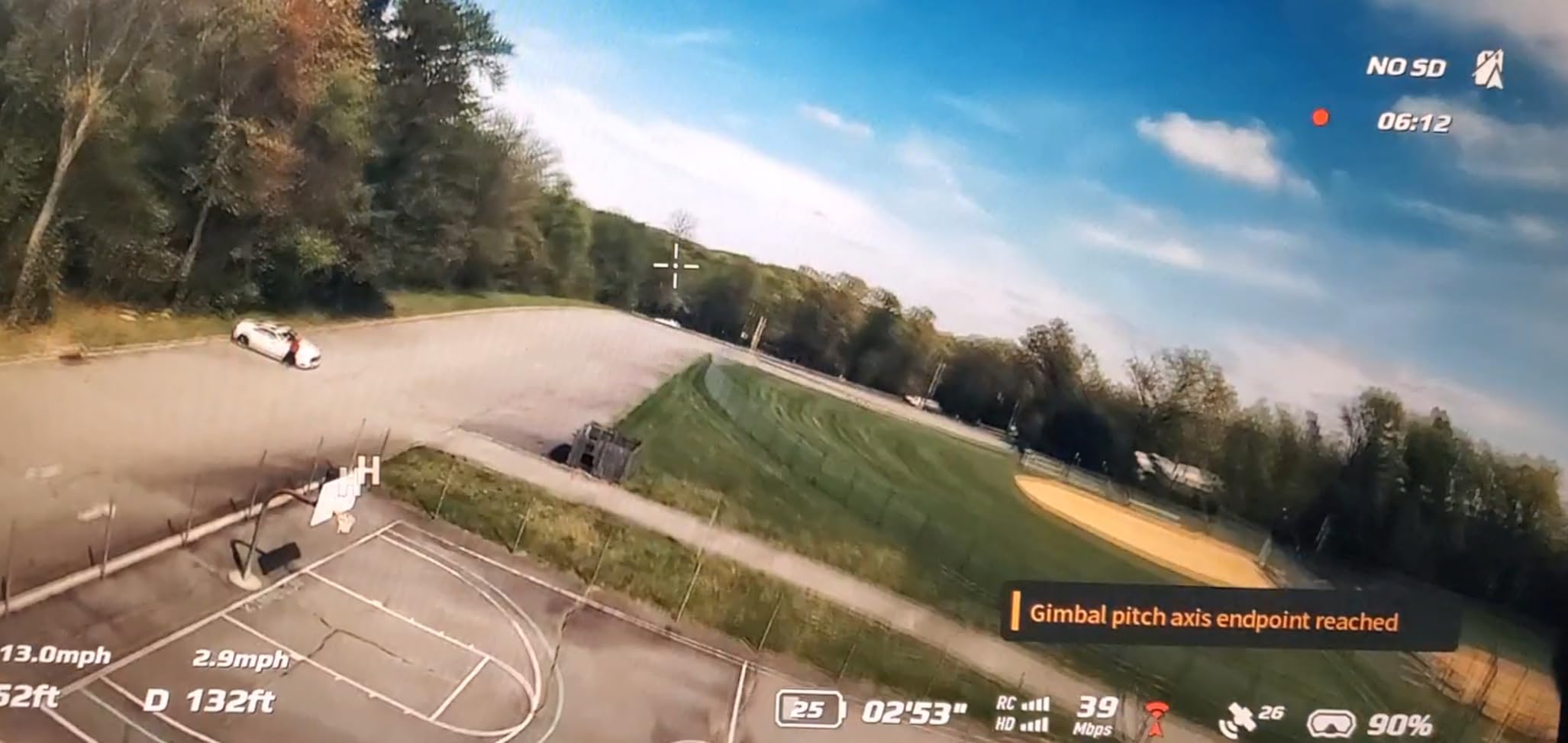
Activation is straightforward if you already have a DJI account linked to your goggles and controller. The replacement drone pairs with your existing gear through the DJI Fly app, and you can be flying again within an hour of receiving the package. Just transfer your battery and props from your old setup.
When to Buy a Replacement Aircraft
If your original DJI FPV drone suffered a crash that damaged the airframe beyond repair, this replacement is the most cost-effective path back to flying. Buying a complete new combo would mean paying for goggles and controllers you already own, which is wasteful. The replacement aircraft gives you exactly what you need and nothing you do not.
If your drone was lost due to a flyaway, make sure you have deactivated it in your DJI account before activating the replacement. DJI’s system typically allows one replacement activation per account, so make sure you are ready to commit before beginning the process.
Compatibility with Existing Gear
This replacement aircraft is compatible with all original DJI FPV accessories. Your existing batteries, Goggles V2, remote controller, and chargers will work seamlessly. The gimbal camera included with the replacement is identical to the original, so there is no learning curve or quality difference.
It is not compatible with the newer Avata 2 accessories or the O4 transmission system. If you are looking to upgrade rather than replace, consider transitioning to the Avata 2 ecosystem instead of staying with the original DJI FPV platform.
How to Choose the Right DJI FPV Drone
Choosing from the best DJI FPV drones comes down to understanding your skill level, budget, and what kind of flying you want to do. After testing all 10 products in this guide, I can offer some clear guidance based on real-world experience with each platform.
Skill Level and Experience
Complete beginners should start with either the DJI Neo or Avata 2 Fly Smart Combo. These drones offer the most forgiving flying experience with built-in safety features, propeller guards, and intuitive motion controllers. The original DJI FPV in manual mode is unforgiving and better suited for pilots with some FPV experience.
Intermediate pilots who have mastered basic FPV flight can explore the Avata 360 for creative filming or move to stick controller flying with the RC-N3 equipped Neo 2. The 360-degree platform opens up filming possibilities that go beyond traditional FPV.
Goggles Compatibility Guide
One of the most confusing aspects of the DJI FPV ecosystem is figuring out which goggles work with which drones. DJI currently offers three goggle models: Goggles 3, Goggles Integra, and Goggles N3. Each has different compatibility and features.
Goggles 3 is the flagship model with the highest refresh rate and broadest compatibility. It works with the Avata 2, original DJI FPV, and newer DJI drones. Goggles N3 is the budget option that still provides a solid FPV experience for the Avata 2 and Neo series. Check DJI’s official compatibility chart before mixing and matching goggles with different drones.
Battery Life and Flight Time
FPV drones universally have shorter flight times than camera drones due to their aggressive flying characteristics and smaller batteries. Expect 10 to 18 minutes of real-world flight time per battery across all the DJI FPV drones in this guide. The trade-off for shorter flight time is a far more thrilling and immersive flying experience.
Combos with multiple batteries like the Avata 2 Fly More Combo (3 Batteries) and the Neo 2 Motion Fly More Combo provide much better value per session. Having three batteries means you can cycle through them while one charges, keeping you in the air for 30 to 50 minutes of total flying time.
Budget Considerations
The DJI FPV drone lineup spans a wide price range. The Neo 2 Fly More Combo represents the most affordable entry point, while the Avata 360 Fly More Combo commands a premium for its 360-degree imaging capabilities. The Avata 2 Fly Smart Combo sits in the middle as the best balance of capability and value.
Consider not just the initial purchase price but the cost of accessories over time. Extra batteries, propellers, memory cards, and carrying cases all add up. The Fly More Combos include many of these accessories upfront, which often makes them better value than buying a basic kit and adding accessories separately.
Use Case Recommendations
For cinematic filming, the Avata 2 is the best choice with its 4K camera, 155-degree FOV, and stabilization features. For 360-degree content creation, the Avata 360 is unmatched with its 8K imaging system. For ultra-portable fun flying, the Neo series cannot be beaten. For raw speed and acro flying, the original DJI FPV still delivers thrills that the newer designs cannot match.
Indoor flying favors the smaller Neo drones with their full-coverage propeller guards and obstacle sensing. Long-range flying benefits from the O4+ transmission on the Avata 360 with its 20 kilometer range. Freestyle flying is best with the Avata 2 or original DJI FPV, both of which handle aggressive maneuvers well.
FAQs
Which DJI drones can fly FPV?
DJI currently offers several drones capable of FPV flying: the DJI Avata 2, DJI Avata 360, DJI Neo, DJI Neo 2, and the original DJI FPV drone. All of these can be paired with compatible DJI FPV goggles for immersive first-person view flying. The Avata 2 and Avata 360 are purpose-built FPV drones, while the Neo series offers FPV capability alongside standard drone functions.
Which one is the best FPV drone?
The DJI Avata 2 Fly More Combo is the best overall FPV drone for most pilots. It offers the best balance of ease of use, crash resistance, camera quality, and value. Its built-in propeller guard, intuitive motion controller, and 4K camera make it ideal for beginners and experienced pilots alike. For budget-conscious buyers, the DJI Neo 2 is an excellent alternative.
Is the DJI FPV drone good?
The original DJI FPV drone is a capable platform with impressive speed up to 90 mph, a wide 150-degree field of view, and advanced safety features including obstacle sensing and return to home. However, it lacks the built-in propeller guard of the newer Avata 2, making it more fragile in crashes. It is best suited for experienced pilots who want raw performance over beginner-friendly durability.
What is the fastest DJI FPV drone?
The original DJI FPV drone is the fastest in the DJI FPV lineup, capable of reaching speeds up to 90 mph (140 km/h) in manual mode. The Avata 2 has a lower top speed but compensates with better stability and crash resistance. The Neo series drones are designed for casual flying rather than speed, with much lower maximum velocities suited to their small size and lightweight design.
Why did DJI discontinue the FPV drone?
DJI has not officially stated a specific reason for discontinuing the original DJI FPV drone, but the launch of the Avata series likely played a role. The Avata and Avata 2 replaced the original FPV in DJI product lineup with improved features like built-in propeller guards, more compact designs, and updated transmission systems. The original DJI FPV is still available as renewed or through third-party sellers.
Is the DJI FPV drone worth it?
The DJI FPV drone is worth it if you want an immersive flying experience with digital HD video quality. The Avata 2 lineup offers the best value for most pilots, combining beginner-friendly features with capable performance. For pilots on a budget, the Neo series provides FPV capability at a lower cost. The original DJI FPV is worth considering as a renewed purchase for experienced pilots who prioritize speed.
Final Thoughts on DJI FPV Drones in 2026
The best DJI FPV drones lineup in 2026 offers something for every type of pilot. The Avata 2 Fly More Combo remains our top recommendation for its unmatched balance of accessibility, durability, and flying fun. The Neo series opens the door to FPV flying at lower price points and smaller form factors. The Avata 360 pushes the boundaries of what an FPV drone can capture with its revolutionary 360-degree imaging system.
Whatever your budget or experience level, DJI has an FPV drone that will give you that cockpit feeling that makes this hobby so addictive. Start with a combo that matches your skill level, invest in extra batteries early, and focus on building fundamental flying skills before pushing into advanced maneuvers. The FPV community is welcoming and full of pilots happy to share advice, so get out there and start flying.