
Our top pick for the best lenses for wedding photography is the Canon EF 50mm f/1.8 STM, a small fast prime that weighs almost nothing, focuses quietly, and renders the scene at roughly natural perspective. Everything else in this guide is a better answer for one specific stretch of the day — wider coverage, telephoto reach, or a brighter aperture — but the 50mm is the lens that does the most work while asking the least of your bag.
We spent weeks comparing the ten lenses below across the full arc of a wedding day, from a hotel suite at 8am to a dim dance floor at 11pm. The list is deliberately ordered by job rather than by brand, because the right answer depends on your body, your budget, and how much glass you are willing to haul up three flights of stairs. If you also shoot aerial coverage for the same couples, our guide to the best drones for wedding photography covers the other half of the coverage problem.
One honest note before we start: the fastest way to miss moments is a lens change. A wedding moves in chronological order, and you rarely get a second pass at any of it. That is why the top of this roundup is built around focal lengths mapped to specific hours of the day rather than around brand loyalty or spec-sheet victories.
Table of Contents
Top 3 Picks for the Best Lenses for Wedding Photography (October 2026)

Canon EF 50mm f/1.8 STM
- 50mm f/1.8
- Stepping motor autofocus
- 7-blade rounded bokeh
- 0.35m close focus

Canon EF 24-70mm f/2.8L II USM
- 24-70mm constant f/2.8
- Ring USM autofocus
- 9-blade diaphragm
- 805g
Best Lenses for Wedding Photography at a Glance
All ten picks appear in the table below, followed by the short role list that answers the most common version of this question.
| Product | Specifications | Action |
|---|---|---|
| Canon EF 50mm f/1.8 STM |
|
Check Latest Price |
| Nikon AF-S NIKKOR 85mm f/1.8G |
|
Check Latest Price |
| Canon EF 24-70mm f/2.8L II USM |
|
Check Latest Price |
 Canon EF 85mm f/1.8 USM Canon EF 85mm f/1.8 USM |
|
Check Latest Price |
 Sony SEL85F18 85mm F1.8 Sony SEL85F18 85mm F1.8 |
|
Check Latest Price |
 Sigma 35mm F1.4 Art DG HSM for Sony E Sigma 35mm F1.4 Art DG HSM for Sony E |
|
Check Latest Price |
 Nikon NIKKOR Z 24-70mm f/2.8 S Nikon NIKKOR Z 24-70mm f/2.8 S |
|
Check Latest Price |
 Sony FE 24-70mm F2.8 GM Sony FE 24-70mm F2.8 GM |
|
Check Latest Price |
 Sigma 70-200mm F2.8 DG DN OS for Sony Sigma 70-200mm F2.8 DG DN OS for Sony |
|
Check Latest Price |
 Sony FE 50mm F1.8 Sony FE 50mm F1.8 |
|
Check Latest Price |
Here is the same list in the role format most useful at 4pm when the light drops and the schedule tightens:
24-70mm f/2.8 (The Workhorse) – covers getting-ready rooms, ceremony coverage, and portraits at one focal length without changing lenses.
70-200mm f/2.8 (The Ceremony Specialist) – isolates the vows and the first kiss from the back of a dim sanctuary.
50mm f/1.8 (The Natural View) – approximates natural vision, stays small, and handles both daylight and reception light.
85mm f/1.8 (The Portrait Master) – compresses faces and melts the background into clean separation.
35mm f/1.4 (The Low-Light Storyteller) – the brightest aperture in this guide, and the widest storytelling field of view.
1. Canon EF 50mm f/1.8 STM – the natural-perspective prime
Canon EF 50mm f/1.8 STM Lens, Black, Compatible with Canon EOS DSLR Cameras
50mm f/1.8
STM stepping motor
7-blade diaphragm
0.35m minimum focus
5.6 ounces
Pros
- Exceptionally sharp center of frame wide open
- Mild chromatic aberration that is easy to correct
- Quiet STM autofocus for video and candids
- Light enough to forget it is in the bag
- Close focus to 0.35m for detail shots
Cons
- Corners soften wide open on full frame
- Focus by wire with no coupled manual ring
- No image stabilization
- No lens hood or sealing in the box
This is the lens I hand to anyone who tells me they are starting out in wedding photography. A 50mm renders roughly what the eye sees, which makes group photos and quick reframing feel intuitive, and at 5.6 ounces it never decides the bag is too heavy. The stepper motor is genuinely quiet, so the same lens works for reception video without a separate cine prime.
Image quality is the surprise. The center holds up wide open with only mild chromatic aberration, and the 7-blade diaphragm renders rounded bokeh for the head-and-shoulder portraits you shoot in church doorways. Close focus at 0.35m is shorter than most people expect from a 50mm, which turns it into a detail lens for rings and bouquets.
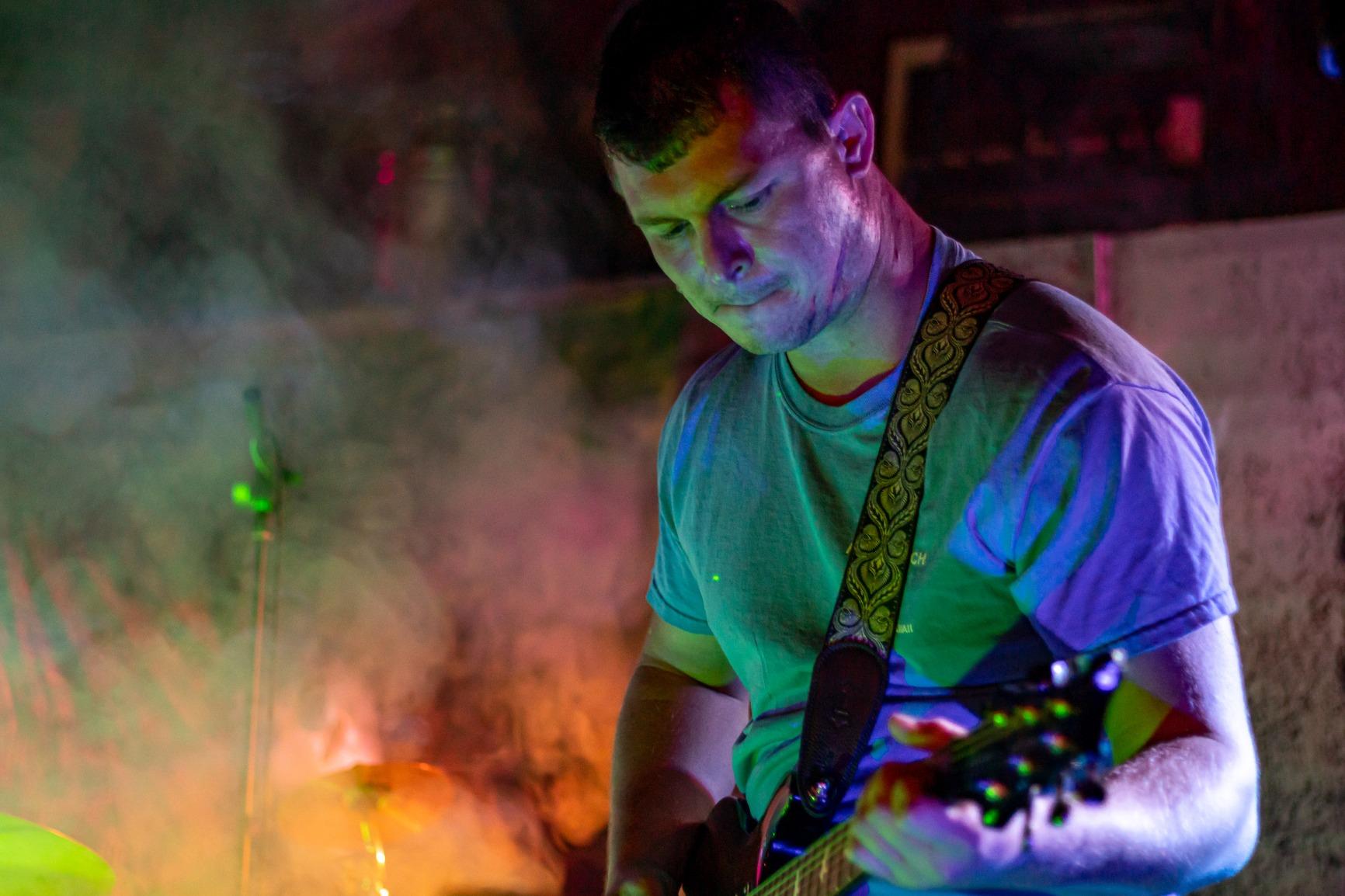
What you give up is at the edges and in the hand. Reviewers repeatedly note a loss of clarity wide open at f/1.8, particularly in the corners on full frame, and the manual focus is entirely electronic with no mechanically coupled ring, which makes manual focus a non-starter for video pull focus. There is also no stabilization, so you are leaning on the f/1.8 aperture and a steady body when the light gets low.
One practical detail catches newcomers out: no lens hood is included, and the barrel carries no dust or moisture sealing. On a rainy outdoor ceremony that matters more than most buyers expect.

When this 50mm is the right wedding lens
Choose this lens if you shoot a lot of group and family formal shots, because the natural perspective lets you include a dozen people without distorting the ones on the edges. It is also the right pick for small receptions and short ceremonies where a zoom would feel like dead weight.
For a second shooter or an assistant, it is the easiest recommendation in this guide: one small lens, no zoom ring, no settings to think about, and a frame you can trust in almost any light.
When this 50mm is the wrong choice
Skip it if your work is heavy on environmental portraits at 24mm or on ceremony coverage from the back of the room. Neither is in its range, and a 50mm forced into those jobs means a lot of physical movement in spaces where you may not be allowed to move.
Video shooters should also know the focus ring is electronic only, so if you plan to pull focus manually on a tripod during the ceremony, this lens will not do it.
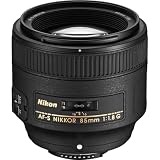
2. Nikon AF-S NIKKOR 85mm f/1.8G – separation on a budget
Nikon AF S NIKKOR 85mm f/1.8G Fixed Lens with Auto Focus for Nikon DSLR Cameras
85mm f/1.8 maximum aperture
Silent Wave Motor
7-blade rounded diaphragm
0.80m minimum focus
350g
Pros
- Generous light for indoor and low-light work
- Fast quiet and dependable autofocus
- Rounded 7-blade diaphragm for smooth background blur
- Compact and light for a fast 85mm
- Sharp center that improves when stopped down
Cons
- No image stabilization
- Extremely shallow depth of field at f/1.8
- Not weather sealed
- Depth of field demands accurate focus placement
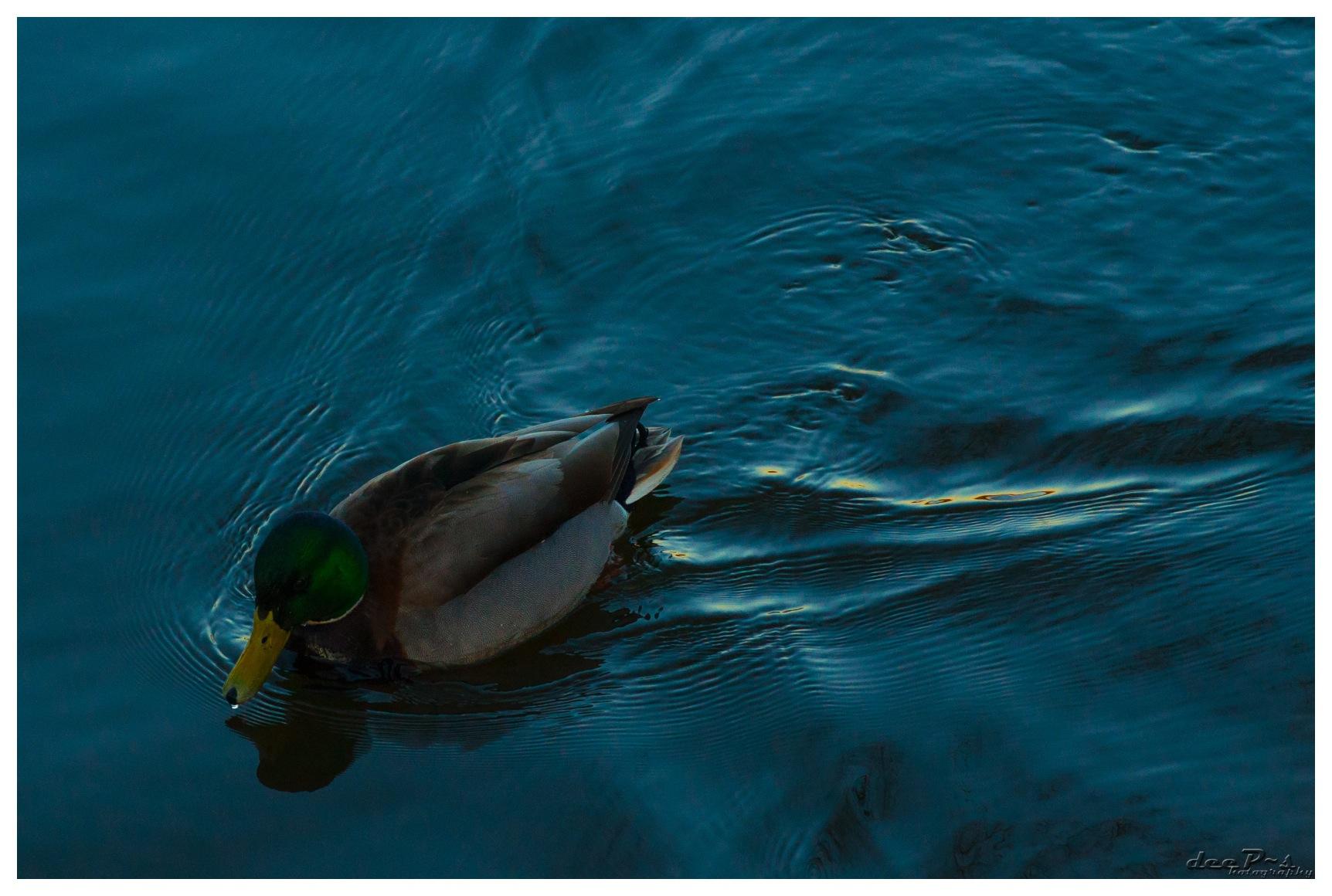
An 85mm f/1.8 is the classic fast portrait lens and this one is the reason so many photographers add an 85 before they add a telephoto zoom. The f/1.8 aperture gathers enough light to shoot a dim reception without flash, and the Silent Wave Motor locks on quietly and reliably, which matters when the subject is a toddler who will not hold still.
Owners consistently describe the rendering as sharp in the center of the frame and better still when stopped down a little, with background blur that is smooth rather than busy. It uses internal focus, so the barrel length stays constant and a polarizer or filter keeps its position throughout.

The honest caveat is depth of field. At f/1.8 and short working distances the plane of focus is paper thin, and the most repeated reviewer complaint is exactly that: you must place focus precisely or lose the eyes. There is no image stabilization in the lens, so any slow shutter speed depends on a body with in-body stabilization or on your own stillness.
This lens is also not weather sealed, which matters for outdoor ceremonies in spring rain. The box does include the HB-62 bayonet hood and a semi-soft lens case, which is more than most budget primes manage.
When this 85mm earns its slot
This is the right lens for couple portraits outdoors, for the moment after the ceremony when the light is golden and the background is a distracting hedge, and for any shot where you want the crowd to disappear. It compresses facial features in a way that flatters, which is why portrait and wedding shooters keep coming back to it.
If you are building a kit slowly, this is the second purchase that delivers the most visible improvement per unit of effort, because it solves a problem no kit zoom can: separation.
When it will frustrate you
It is the wrong tool for the wide end of the day. Bridal prep in a small hotel room, group shots with three generations, and venue establishing shots all need a wider frame than 85mm gives you on full frame.
It is also the wrong tool for very dim rooms without stabilization. Pair it with a body that has in-body image stabilization if your reception work happens at high ISO with shutter speeds you cannot hold.
3. Canon EF 24-70mm f/2.8L II USM – the constant f/2.8 workhorse
Canon EF 24-70mm f/2.8L II USM Standard Zoom Lens Black
24-70mm constant f/2.8
Ring-type ultrasonic motor
9-blade diaphragm
0.38m minimum focus
805g
Pros
- Superb sharpness and contrast across the range
- Constant f/2.8 keeps exposure steady while zooming
- Fast quiet USM with full-time manual focus
- Zoom lock at 24mm for transport
- Excellent flare control and rich color
Cons
- No image stabilization
- Barrel extends while zooming
- 805g adds up over a long day
- 82mm filter thread is wide and lens-specific
This is the lens that covers the widest stretch of the day on its own. In a Canon community thread about wedding recommendations, one photographer describes a bag spanning 16mm to 400mm, all zooms, and then says plainly that the one that stays mounted is the 24-70mm f/2.8L. That is the most honest endorsement this focal length will ever get.
Owners describe image quality as effectively prime-like across the zoom range, including at f/2.8, with excellent flare control and rich color rendering that needs very little post-processing. The constant f/2.8 aperture means exposure does not shift when you zoom, which is the whole point when a bride walks toward you in a dark aisle and you cannot afford to lose a stop.

The technical trade-offs are the classic ones. There is no image stabilization in the lens, and that is by far the most-cited drawback. The barrel extends when you zoom rather than staying internally zoomed, the weight is 805g, and the 82mm filter thread is wide enough that filters become lens-specific purchases. Some barrel distortion and vignetting is still visible at f/2.8.
The zoom lock at 24mm is a small touch that matters more than it sounds, because it stops the lens creeping outward in a bag on a bumpy coach to a venue.

Why this is the coverage pick
A 24mm end handles venue and decor establishing shots and tight getting-ready quarters. A 50mm handles natural-perspective candid work. A 70mm end compresses enough to isolate a couple portrait without leaving the group behind. For photographers who need all of that without a second body, that range replaces two other lenses entirely.
On Canon APS-C bodies the same lens gives a 38.4-112mm equivalent field of view, which is an unusually useful range on a crop sensor and one of the reasons this focal length travels well between formats.
Where it falls short
At 805g it is the heavy end of what a ten-hour day tolerates, especially on a second body. If your reception work is long and you are already carrying a telephoto, this lens will tell you on your shoulders before your images do.
It is also the wrong single answer for someone who shoots video primarily, because the lack of stabilization means tripod work or in-body stabilization on newer bodies. For fast-moving reception video, a lens with stabilization or a body that compensates is the better plan.
4. Canon EF 85mm f/1.8 USM – nine blades of creamy background
Canon EF 85mm f/1.8 USM Telephoto Lens
85mm f/1.8 maximum aperture
9-blade diaphragm
Ring-type USM autofocus
58mm filter thread
15.04 ounces
Pros
- Excellent center sharpness that improves stopped down
- Background blur reviewers call among the best they have seen
- Fast precise and quiet USM tracking in low light
- Constant barrel length during focusing
- Soft natural rendering needing little post work
Cons
- Very shallow depth of field at f/1.8
- Front group rotates during manual focus
- No lens hood included
- Vignetting and color fringing when wide open
Where the 50mm f/1.8 talks, this one whispers. The 9-blade diaphragm is the headline number here, and reviewers describe the background as smooth and creamy, with out-of-focus highlights that render as rounded shapes rather than jagged polygons. For reception portraits near string lights or candles, that shape is the difference between a background and a distraction.
The ring-type ultrasonic motor is fast, precise, and quiet, and it tracks reliably even in low light. The metal body keeps a constant barrel length while focusing, so filters stay put, and the rendering is soft and natural with very little post-processing required.

The catch list is long and specific. Depth of field at f/1.8 is razor thin, particularly at close working distances. The front lens group rotates during manual focusing, which will shift a polarizer or any special-effect filter you have mounted. No lens hood is included, and vignetting plus some color fringing show up wide open before fading by f/2.8.
A few owners also find the ultrasonic motor slower than newer lens designs, especially in very dim rooms where the aperture is already wide open.

Who this lens suits
If your wedding work leans toward couple portraits, first-look shots, and reception headshots with lights in the background, this is the lens. Reviewers consistently place the bokeh quality above lenses that cost far more, and the natural color rendering is friendly to mixed-lighting galleries.
For a Canon EF shooter building a first portrait kit, the 85mm f/1.8 fills the same role as the 85mm on other mounts at a fraction of the financial commitment, and the missing hood is a trivial add-on compared with that.
Who should pass
Pass if you need environmental portraits where the venue tells the story. At 85mm you get a face and a wall of texture, not a room.
Pass if you shoot a lot of movement at close range without stabilization, since the thin focus plane plus no in-lens stabilization is a difficult combination when a child is running toward the lens at f/1.8.
5. Sony SEL85F18 85mm F1.8 – corner-to-corner on Sony E
Sony SEL85F18 85mm F/1.8-22 Medium-Telephoto Fixed Prime Camera Lens, Black
85mm f/1.8 maximum aperture
ED glass element
9-blade circular aperture
Double Linear Motor
10.4 ounces
Pros
- Sharp from corner to corner thanks to ED glass
- Nine-blade circular aperture gives round bokeh highlights
- Fast quiet and precise double linear motor
- Compact and light at just over 10 ounces
- Weather resistant with a focus hold button
Cons
- No in-lens image stabilization
- Manual aperture control needs custom button setup
- Becomes very tight when used on APS-C bodies
This is the reference fast 85mm on Sony E, and the reason is straightforward: the ED glass element delivers corner-to-corner sharpness, which is exactly what you want when the sun rakes across a couple at the end of the portraits session. A lens that is only sharp in the center forces you to re-center every frame.
The 9-blade circular aperture produces particularly round bokeh highlights, and the double linear motor system focuses fast, quietly, and precisely. A customizable focus hold button on the barrel is a small thing that becomes important at a reception, where you can lock focus on a speaker without hunting.

The most common limitation is the absence of in-lens image stabilization. It matters most for still subjects on older bodies, where a slow shutter needs a steady camera or a body with in-body compensation. Manual aperture control requires a custom button setup on some bodies, which is a learning curve rather than a wall.
On APS-C bodies the field of view becomes very tight, equivalent to roughly 127.5mm, so crop-sensor shooters should treat this as a portrait lens only and not a general-purpose one.

When this 85mm is the right pick
It is the right pick for Sony shooters who want corner sharpness and weather sealing in a single fast prime. The weather-resistant construction makes it a safer companion for coastal or hillside ceremonies than most primes in its class.
Maximum magnification of 0.13x is enough for tight head-and-shoulder crops, and the compact 10.4-ounce weight means it can live on a second body permanently without anyone noticing.
When it is the wrong pick
Wrong for anyone whose reception work is static and dim on an older body without in-body stabilization, because there is no optical or in-lens system to hold the frame steady. Choose a stabilized lens or a body that compensates instead.
Also wrong if you work on crop-sensor Sony bodies and need environmental frames, because the field of view is far too narrow to reposition within a room.
6. Sigma 35mm F1.4 Art DG HSM for Sony E – the low-light storyteller
Sigma 35mm F1.4 Art DG HSM for Sony E
35mm f/1.4 maximum aperture
Aperture range f/1.4 to f/16
Hyper-Sonic Motor focusing
9-blade circular aperture
0.66 kg
Pros
- Exceptionally sharp wide open at f/1.4 with minimal fringing
- Fast accurate autofocus that rarely misses on E-mount
- Characterful bokeh rendering at wide apertures
- Solid build quality that rivals first-party glass
- Versatile field of view for environmental work
Cons
- Large and heavy for a 35mm prime
- Autofocus hunts when shooting video on Sony bodies
- Focus can feel slow in dim light
- No weather sealing
The 35mm is the lens that keeps the room in the frame. It is wide enough to hold a couple, a bouquet, and the architecture that made them choose the venue, and at f/1.4 it is the brightest aperture in this entire guide. That combination is what lets you shoot a candlelit dinner table without flash and without pushing ISO so far that the grain eats the moment.
Reviewers report sharpness that holds up wide open with minimal fringing, characterful bokeh, and build quality that rivals first-party glass. The Hyper-Sonic Motor focuses fast and accurately on Sony E-mount bodies and rarely misses, which is the main thing you need from a prime at a wedding.

The weight is the real trade-off. At 0.66 kg it is a genuinely large 35mm prime, and that bulk adds up fast when it joins a zoom and a telephoto in the same bag. Some owners also report that focus can feel slow in dim light, and the lens is not weather sealed.
If you also deliver video, the autofocus hunts and struggles compared with native lenses, so treat this as a stills-first choice unless your workflow is locked off.

When this 35mm shines
It shines in dim receptions, church interiors, and evening portraits where you need both a wide frame and a fast aperture. It is also the right lens for the walk from the ceremony to the reception, when the couple are moving and the light is going.
For a Sony shooter, it fills the one gap that a fast standard zoom leaves: a focal length where you can get close to a subject and still keep context.
When it is the wrong tool
Wrong for a full day of carry-on-the-shoulder work where weight is the deciding factor, and wrong for a kit that must fit a small bag on a train to a destination wedding.
It is also the wrong pick if your deliverable is video-first, because the hunting autofocus shows up clearly in motion and reviewers mention it consistently.
7. Nikon NIKKOR Z 24-70mm f/2.8 S – the sealed Z-mount workhorse
Nikon NIKKOR Z 24-70mm f/2.8 S | Professional Large Aperture mid-Range Zoom Lens for Z Series mirrorless Cameras | Nikon USA Model
24-70mm constant f/2.8
Two synchronized AF drive units
STM stepping motor
Extensive dust and moisture sealing
815g
Pros
- Edge-to-edge sharpness and contrast wide open
- Fast accurate and near-silent autofocus from dual drives
- Constant f/2.8 exposure across the range
- Extensive sealing around all moving parts
- Minimal focus breathing for video
Cons
- Heavy and chunky in the hand
- Barrel control dial is easy to bump
- Focus by wire with an electronic feel
- Optical stabilization and cost put it above the f/4 alternative
This is Nikon’s answer to the standard zoom and it goes further than the competition on two things that matter outdoors: sealing and video. The lens is extensively sealed around every moving part of the barrel, which is the difference between shooting a rainy hillside ceremony with confidence and covering the body in a plastic bag.
Image quality is edge-to-edge sharp with excellent contrast right across the zoom range, including wide open. The Multi-Focusing System pairs two AF drive units in sync, and the stepping motor delivers fast, quiet focusing for stills and video with minimal focus breathing, so a rack focus during a ceremony does not visibly pump the framing.

The criticisms are consistent: at 815g it is heavy and chunky in the hand even for its class, and the control dial on the barrel is easy to bump and can turn accidentally while you are rebalancing. Focus is by wire, so the manual ring feel is electronic rather than mechanically coupled, and the lens sits well above the f/4 S alternative in both weight and cost.
The customizable control rings, function button, and lens display screen are genuine advantages, though only if you take the time to set them up before the first job.
Why Nikon Z shooters start here
It is the lens that lets a Z-mount body cover the whole day without a second body backup, and the constant f/2.8 means you never lose light as you zoom. The minimal focus breathing makes it the best choice in this guide if you deliver a highlight video from the same camera.
Sealing plus a fast aperture is the pairing that makes outdoor and reception work survivable, and this lens has both.
Where it stops being the answer
It stops being the answer when a second body is the plan, because mounting this lens on two bodies doubles an already substantial weight load. It is also not the lens for a travel-light kit.
Video shooters who need true mechanical manual focus should know the focus is by wire, and the easy-to-bump control dial can change an aperture mid-take if your hand is resting on the barrel.
8. Sony FE 24-70mm F2.8 GM – prime-like sharpness in a zoom
Sony FE 24-70mm F2.8 GM Full-Frame Standard Zoom Lens
24-70mm constant f/2.8
ED and Super ED glass plus XA element
Direct Drive SSM autofocus
9-blade circular aperture
3 pounds
Pros
- Razor-sharp image quality across the zoom range
- Very fast autofocus on newer bodies
- Substantial build with a firm zoom ring and zoom lock
- Nine-blade circular aperture for usable bokeh
- Colors and contrast hold up well
Cons
- Heavy at roughly 3 pounds
- No image stabilization in the lens
- Focus by wire rather than a mechanical ring
- Persistent purple fringing in high-contrast light
The GM standard zoom is the lens reviewers reach for when they want prime-like sharpness without changing lenses. Owners largely agree it is the go-to event and documentary zoom on Sony E, with very fast autofocus that shines on newer bodies and rendering that holds up as a finished file rather than a raw starting point.
Optically, the ED and Super ED elements plus two aspherical elements and a very precise XA element do serious work at the edges, and the Nano AR coating handles flare and transmission well in normal conditions. The nine-blade circular aperture renders pleasant, usable bokeh for the occasional close portrait.

The weight is the headline complaint at roughly 3 pounds, which is enough to erase much of the size advantage of a mirrorless body. There is no image stabilization in the lens, focus is by wire, and reviewers report persistent purple fringing in high-contrast and low-light scenes that is difficult to remove in post.
Minimum focus is 0.38 meters with 0.24x maximum magnification, and the box includes the ALC-SH141 petal hood plus caps and a case. The zoom ring has a useful zoom lock for transport.

When this GM zoom is the right tool
It is right for shooters who deliver a long documentary edit and want every frame sharp without the discipline of prime lenses. On newer Sony bodies the autofocus speed is quick enough for reception movement without much thought.
For stills-first work in good light, the purple fringing issue rarely appears, and the color and contrast are among the strongest in this guide.
When it is the wrong tool
It is the wrong tool if you are on your feet for ten hours on a limited budget, because 3 pounds is the single heaviest figure in this roundup. Add a 50mm and a 70-200mm and the bag math gets hostile fast.
It is also the wrong tool for evening or backlit ceremony work if you cannot tolerate fringing, which is exactly the lighting where weddings are hardest and where a zoom is most tempting.
9. Sigma 70-200mm F2.8 DG DN OS for Sony – the ceremony lens
70-200mm F2.8 DG DN OS for Sony
70-200mm constant f/2.8
High-response Linear Actuator motor
Optical image stabilization
11-blade circular aperture
1345g
Pros
- Constant f/2.8 across the range keeps exposure steady
- Fast and accurate autofocus from the HLA motor
- Eleven-blade diaphragm gives rounded bokeh
- Optical stabilization helps at slower shutter speeds
- Dust and splash-resistant Sports-line build
Cons
- Very heavy at 1345g
- Long reach demands distance and light
- Zoom ring can feel stiff
- Needs a dedicated full-frame body or adapter
A telephoto zoom earns its weight by letting you stay put. In a church you are not allowed to move from, or at the back of a reception hall where walking would be obvious, the 70-200mm lets you frame the first kiss, the ring exchange, and a candid guest interaction from a fixed position and still fill the frame.
The constant f/2.8 aperture keeps exposure steady while reframing, which is critical in a dim room where you cannot afford to lose light mid-shot. The High-response Linear Actuator motor focuses quickly and accurately, and the optical stabilization system compensates for camera shake at slower shutter speeds than you would otherwise dare to use.

Weight is the dominant drawback by a wide margin. At 1345g this is the heaviest lens we tested, and owners consistently point that out for all-day event coverage. Long reach also demands real distance and real light, and some find the zoom ring stiff. It requires a full-frame body or an adapter on other mounts.
The 11-blade circular aperture produces smooth, rounded bokeh, and the dust and splash-resistant Sports-line sealing is built for outdoor ceremonies. The review base is smaller than the other lenses here, so treat the consensus as encouraging rather than settled.

When a 70-200mm is the difference
It is the difference when the moment is unrepeatable and you are stuck at the back. Ceremonies in traditional sanctuaries, long aisles, outdoor vows at a distance, and reception candid work across a room are all jobs a standard zoom physically cannot perform.
Optical stabilization also makes it usable for static shots at shutter speeds a non-stabilized 70-200 would blur, which helps when you are braced against a pew rather than moving.
When it is the wrong call
Wrong when you shoot small, intimate weddings in tight venues where the back of the room is eight feet away. The reach becomes useless and you carry the weight for nothing.
Also wrong as a first lens. A 200mm teaches you nothing about the getting-ready and portrait hours, and at 1345g it is a punishing place to start a ten-hour day.
10. Sony FE 50mm F1.8 – the compact standard prime
Sony – FE 50mm F1.8 Standard Lens (SEL50F18F/2), Black
50mm f/1.8 maximum aperture
7-blade circular aperture
Aspherical element
Double-gauss configuration
6.6 ounces
Pros
- Compact and very light at 6.6 ounces
- Plenty of light for portraits in low light
- Fast and accurate autofocus reviewers single out
- Well-controlled color vignetting and flare
- Sharp and vibrant files straight from camera
Cons
- All-plastic construction
- No dedicated manual focus switch on the barrel
- Focus motor is audible during video
- Not weather sealed
This is the lens that stays mounted on a second body. At 6.6 ounces it disappears into a bag, and a 50mm f/1.8 gives you a natural field of view with enough light for indoor work, which is the pairing that makes a lightweight two-lens kit possible.
Reviewers nearly universally praise the autofocus as the standout feature, calling it fast and accurate for the class. The aspherical element controls spherical aberration and coma, and the double-gauss configuration suppresses field curvature and distortion, so the files come out sharp and vibrant with well-controlled vignetting, chromatic aberration, flare, and distortion.
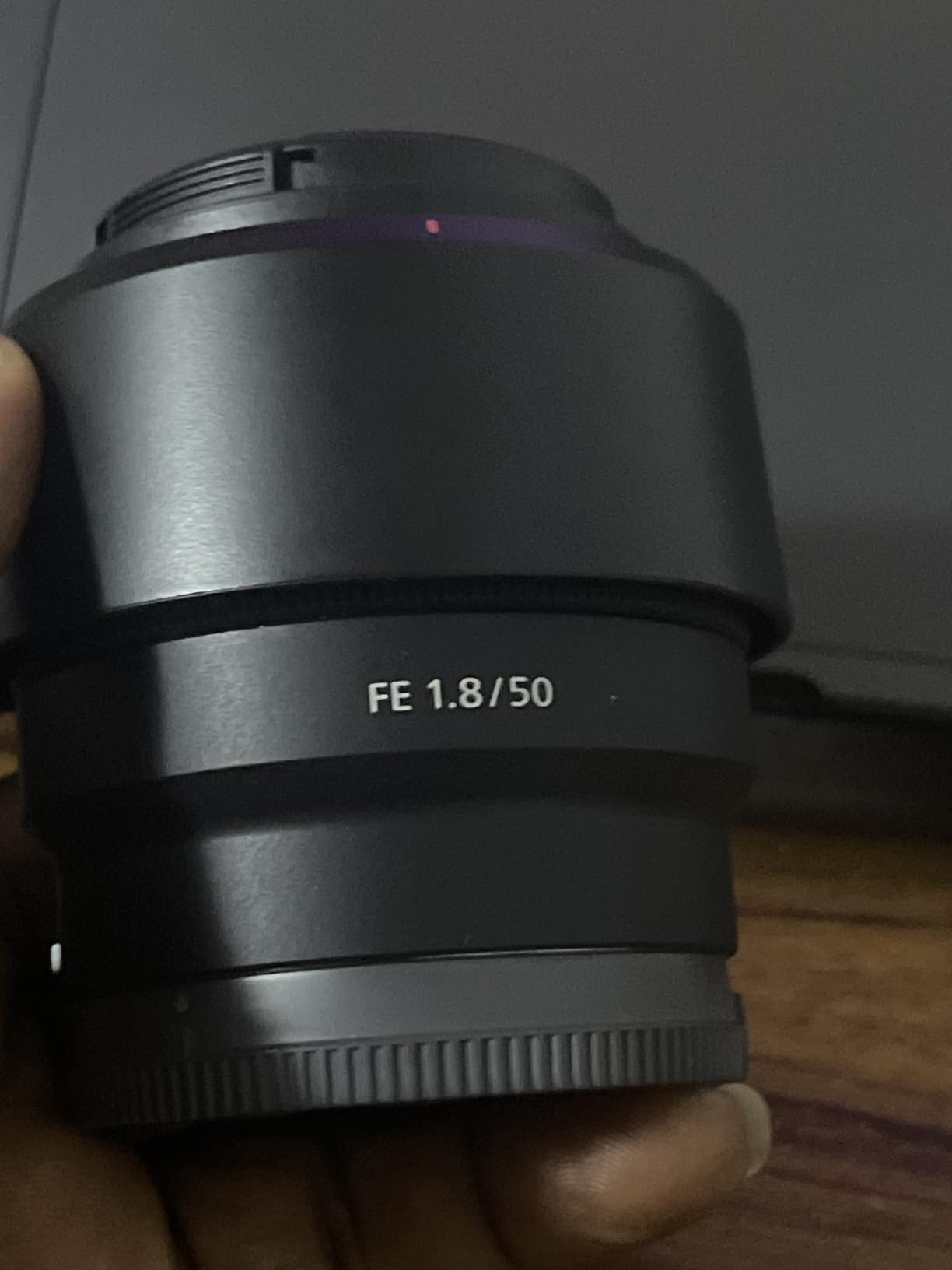
The construction is all plastic, which some owners find less robust than they would like for a paid job. There is no dedicated manual focus switch on the barrel, the focus motor is somewhat audible during video recording, and the lens is not weather sealed, so it is not suited to wet conditions.
Like other fast 50mm primes, it has a 7-blade circular diaphragm, which is a step below a nine-blade design for rendering out-of-focus highlights as clean circles.
When this 50mm is the right buy
It is the right buy for a second body, a traveling kit, and anyone covering smaller weddings where one body and one prime is the whole plan. It is also a sensible first prime on Sony E, and reviewers compare its image quality favorably to the costlier 50mm f/1.4.
Because it stays mounted, it costs you nothing in switch time, which is the resource you run out of first during the ceremony.
When it is the wrong buy
Wrong for outdoor ceremonies in anything but dry weather, because there is no sealing at all. Wrong for video-first work where the audible focus motor will be recorded on every take.
It is also wrong if you need a fast aperture with modern video autofocus, since the 7-blade diaphragm renders highlight bokeh less cleanly than the 9-blade primes in this guide.
How to Choose Lenses for Wedding Photography
Work backwards from the day instead of forwards from the spec sheet. A wedding runs in a fixed order, and each part of it asks for a different focal length and a different aperture.
Getting ready (indoors, window light, tight rooms) – 24-35mm keeps both the person and the room in the frame. Detail shots of rings, flowers, and the dress want a short minimum focus distance more than they want a wide aperture.
Ceremony and vows (dark, you may be fixed in position) – 70-200mm from the back, or 35-50mm if you are free to move. A fast aperture matters more here than anywhere else, because churches are dark and flash is often prohibited.
Portraits outdoors (bright, backlit, you control the light) – 85mm for separation, 50mm for context, 24-70mm for speed. Image stabilization starts to earn its place here.
Group and family formal shots – 24-70mm or wider. Perspective distortion at the frame edge is the reason so many group photos look strange, and a longer lens forces people to stand further apart.
Reception and dance floor (dim, moving subjects, no flash) – 35mm or 50mm at f/1.4 or f/1.8. Wide and bright beats long and dim.
Two decisions follow from that. First, maximum aperture is a low-light decision, not a quality decision. A wider aperture lets you hold a fast shutter speed and a lower ISO when nobody will let you use flash, and a fast shutter speed is what keeps a walking subject sharp. Second, weather sealing is an outdoor decision, and outdoor ceremonies are where a non-sealed lens fails first.
On stabilization, note the difference clearly: optical IS, VR, OSS, or OIS is built into the lens, while in-body image stabilization lives in the camera. A lens with no stabilization of its own can still be perfectly usable on a stabilized body, and a stabilized lens does not replace a steady photographer for moving subjects.
Full-Frame vs APS-C: What Changes on Your Wedding Day
Crop-sensor shooters are not getting a smaller version of the same job. Every focal length behaves differently, and the same lens name means a different frame.
A 50mm on a Canon APS-C body frames like roughly an 80mm lens, which is why that lens is a near-portrait on crop and a normal on full frame.
The 24-70mm standard zoom gives a 38.4-112mm equivalent field of view on Canon APS-C, which covers a narrower but still useful slice of the day.
The Sony 85mm f/1.8 becomes a 127.5mm equivalent on APS-C, which is a portrait lens only and nearly impossible to use for interiors or group shots.
The practical consequence is that crop-sensor shooters need a wider kit to cover the same moments, and the shorter end matters more. A dpreview forum photographer working a DX body described a kit built around a 17-35mm, a 24-120mm, an 85mm, and a 70-200mm, which is a materially different shopping list from the full-frame consensus. Plan for that wider coverage before you buy, not after.
One forum thread that ranks for this question asks whether a modern fast standard zoom or a used 24-70mm f/2.8 plus a second body is the safer investment. The answer depends on whether your problem is missing reach or missing backup body, and that is a different conversation from which lens is best.
If You Can Only Buy One Lens
The direct answer is a 50mm f/1.8, and the reason is usefulness per gram rather than reach. It is the smallest and lightest lens in this guide, it can stay mounted on the body all day so you never pay a second in switch time, and the f/1.8 aperture gathers more light in dim rooms than any of the constant f/2.8 zooms here. For a beginner, a second-body duty, or a small wedding where you are on your feet for eight hours, it is a complete kit on its own.
Choose a 24-70mm f/2.8 instead if your events are wide and roomy and you need one focal length that spans getting-ready, ceremony, portraits, and reception without a lens change. It is the coverage answer, and the constant aperture keeps your exposure steady while you zoom through all of it. A photographer quoted in a Canon Pro piece shot an entire wedding on primes because primes force you to move rather than default to a zoom, which is the same instinct in reverse.
Choose an 85mm f/1.8 if almost all of your paid work is portrait-led, indoors or at golden hour, and you can arrange access to a wider lens for group shots through a second body. Buy the telephoto last in every scenario: it is the lens you will use least and carry most, and you cannot photograph a getting-ready suite at 200mm no matter how good the reception shots look.
Prime vs Zoom Lenses for Weddings
Primes are faster, lighter, and optically simpler at any one focal length. Zooms cover more ground per lens change, and a lens change during a ceremony is a risk that no amount of image quality compensates for. The two arguments are correct, which is why serious kits carry both.
The 35mm versus 50mm question is the most common version of this debate. A 50mm frames closer to natural vision, which suits candids and group shots, and the primes in this guide at that focal length are smaller and lighter. A 35mm gives you more environmental context and a wider aperture, and it handles interiors and moving subjects better in dim rooms. Pick the 50mm for weight and natural framing, and the 35mm for light and context.
Then decide between a second body and a third lens, because forum threads keep returning to this and most roundups dodge it. A second body protects you against a dying shutter, a dead battery, or a splash of champagne, and it lets you cover the ceremony on a telephoto while the other body handles portraits. A third lens extends your focal range. If you shoot long ceremonies or large venues, the second body wins. If you mostly shoot small weddings in tight spaces, the extra coverage wins.
Whatever you choose, shoot with it before the wedding. Every lens on this list behaves differently at f/1.8 than at f/5.6, and the first time you should meet that behavior is not in front of a client.
If you also need aerial coverage for venue scouting or an established-venue establishing shot, our wedding venue drone guide covers that side. For reception video delivered alongside stills, silent autofocus and focus breathing matter as much as aperture, and we cover that in our wedding videography guide. Telephoto reach outside weddings is covered separately in our telephoto lens roundup.
Frequently Asked Questions
Is a 50mm lens good for wedding photography?
Yes. A 50mm is one of the most useful wedding lenses you can own because it frames close to natural vision, which makes candids and group shots easy to compose. The f/1.8 models in this guide gather enough light for dim receptions without flash, weigh around 5 to 7 ounces, and can stay mounted on a second body all day. Their limit is reach: a 50mm cannot cover wide interiors or distant ceremony moments, and on APS-C bodies it frames like roughly an 80mm.
What are the three lenses every photographer should have?
The three that come up in almost every working photographer kit are a 24-70mm f/2.8 standard zoom, a 70-200mm f/2.8 telephoto zoom, and an 85mm f/1.8 or f/1.4 portrait prime. The zoom covers the day without lens changes, the telephoto handles ceremonies and candids from a fixed position, and the prime delivers the background separation a zoom cannot. A 50mm prime and a 35mm prime are the natural fourth and fifth additions.
Which lens is better for wedding photography, 35mm or 50mm?
A 50mm is better if you want natural framing, lighter weight, and easier group shots. A 35mm is better if you want a wider environmental view, a brighter aperture such as f/1.4, and better performance in dim rooms with moving subjects. Photographers who shoot a lot of interiors and reception movement tend to favour the 35mm, while those covering group shots and candids tend to favour the 50mm.
Is a 24-70mm lens good for weddings?
It is the lens most photographers keep mounted, and for good reason. A 24-70mm at a constant f/2.8 covers wide getting-ready rooms, mid-length portraits, and tighter ceremony frames without a lens change, and the constant aperture means your exposure does not shift when you zoom. The trade-offs are weight around 805g on the Canon EF model and the absence of lens-based stabilization, so it relies on a body with in-body stabilization for slow shutter speeds.
What lens do most wedding photographers use?
A 24-70mm f/2.8 standard zoom is the most common answer. In a Canon community thread, one photographer described a wedding bag spanning 16mm to 400mm with all zooms, and then said the one that lives on the camera is the 24-70mm f/2.8L. Other working photographers report running an f/2 fast standard zoom almost exclusively. A 70-200mm f/2.8 and an 85mm prime usually sit alongside it.
What is a 24-70mm lens good for?
It is the general-purpose focal length for events. At the 24mm end it covers interiors, venue decor, and tight group shots. Around 35-50mm it produces a natural-looking view for candids and family portraits. At 70mm it compresses enough to isolate a couple portrait without leaving the group behind. A constant f/2.8 aperture across that range means you never lose light while reframing, which is the main reason working photographers keep one mounted.
Conclusion
For most photographers reading this in 2026, the best lens for wedding photography is the Canon EF 50mm f/1.8 STM: it is the lightest thing in this guide, it renders a natural perspective, and it stays mounted so you never lose a moment to a lens change. Add a 24-70mm f/2.8 when you need one focal length to span the whole day, and an 85mm prime when the work turns portrait-led.
Start with the prime, then widen as your bookings grow. The 50mm f/1.8 is a genuinely complete first lens, and it is the one we would hand to a beginner today. Whichever route you take, rent the lens before the season starts and learn where it falls apart at f/1.8, because that is the aperture you will live at during the ceremony.
Our picks above are the ones we would trust with a real wedding day, and you can check current details and reader reviews for each one using the buttons throughout this guide. If you also shoot outdoors scenes, our wildlife photography lens guide covers long reach in a very different environment.