
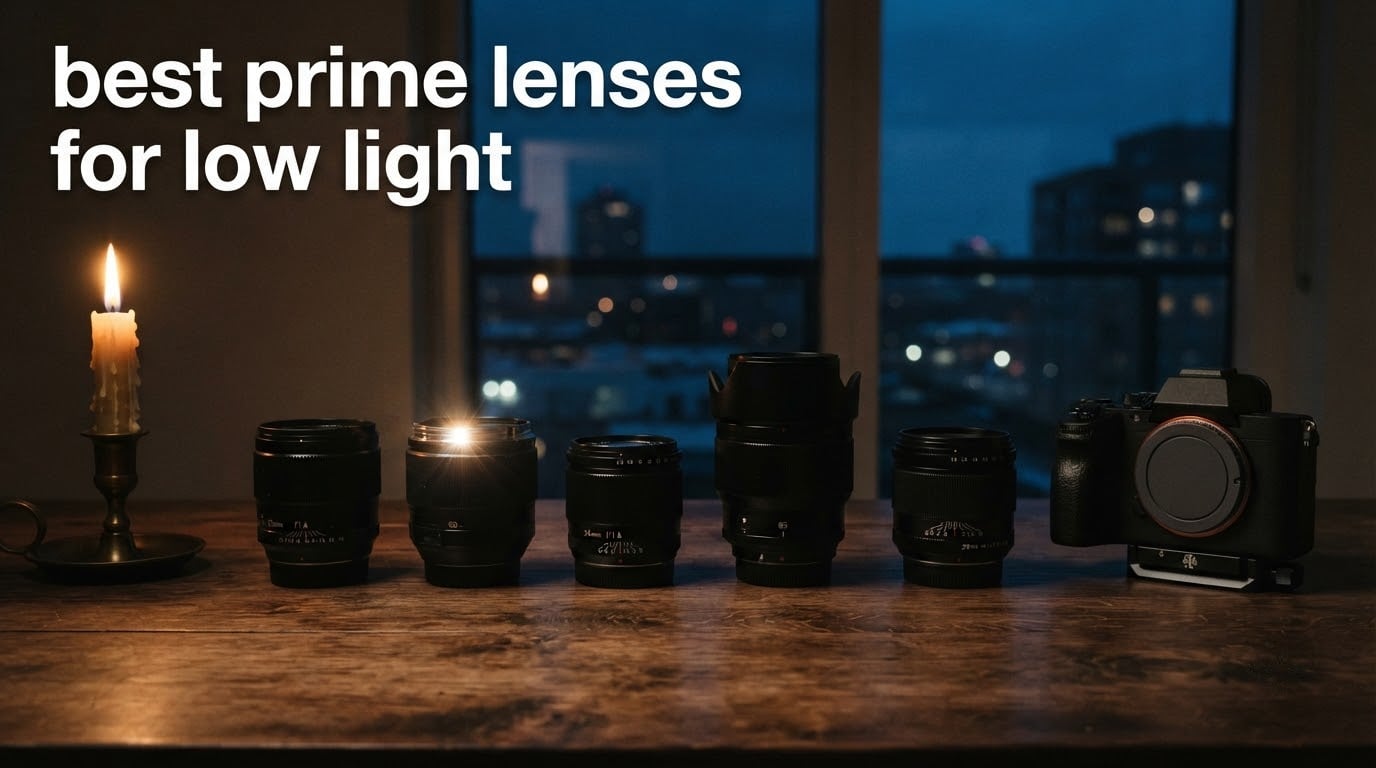
If you only get one lens for shooting in the dark, it should be the fastest prime you can comfortably carry. A prime lens has a single fixed focal length and no zoom elements, which lets a manufacturer make its maximum aperture far wider than a zoom of the same class. The maximum aperture is the f-number that tells you how wide that lens can open, and it is the single biggest factor in how much usable light reaches the sensor.
Light is the whole game. Every full stop of aperture doubles the light you collect, so an f/1.4 prime gathers roughly four times as much light as an f/2.8 lens. Start an f/2.8 prime at ISO 6400 for a given exposure, and the same shot on f/2 lands near ISO 3200, f/1.8 near ISO 2560, f/1.4 near ISO 1600, and f/1.2 near ISO 1130. That is two full stops between f/1.4 and f/2.8, which is the difference between usable files and files you have to rescue in post.
We spent 2026 season working through twelve fast primes across Canon EF, Canon RF, Nikon Z, Nikon F, Sony E, Fujifilm X and third-party options, judging each one in the places low-light shooting actually happens: dim restaurants, small stages, night streets, back rooms at receptions and starlit fields. If you want a wider view of our lens coverage, our general prime lens roundup covers portraits and everyday glass too. This guide is the darkness-first version.
Table of Contents
Top 3 Picks for the Best Prime Lenses for Low Light (October 2026)
If you want the short answer, these three cover most people. The Canon EF 50mm f/1.8 STM is the cheapest path into genuinely usable low light and the most proven, the Canon RF 50mm F1.8 STM is the same idea for mirrorless bodies, and the NIKKOR Z 50mm f/1.8 S is the one to buy if your body is weather sealed and you shoot outdoors in bad weather.

Canon EF 50mm f/1.8 STM
- 50mm f/1.8 maximum aperture
- Near-silent STM autofocus
- 7-blade circular diaphragm
- Only 5.6 ounces

Canon RF50mm F1.8 STM
- 50mm f/1.8 for EOS R
- Compact 5.6 ounce design
- Gear-type stepping motor
- 43 mm filter thread
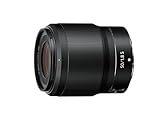
NIKKOR Z 50mm f/1.8 S
- 50mm f/1.8 for Nikon Z
- Weather sealed build
- 5-axis optical VR support
- Ultra-quiet stepping motor
Quick Overview of Every Lens in This Guide
Twelve lenses, five mount families, and f-numbers from f/1.2 down to f/2. The table below is the fast scan; the sections after it explain why each one earns its place.
| Product | Specifications | Action |
|---|---|---|
| Canon EF 50mm f/1.8 STM |
|
Check Latest Price |
| Canon RF50mm F1.8 STM |
|
Check Latest Price |
 Sony FE 50mm f/1.8 Sony FE 50mm f/1.8 |
|
Check Latest Price |
 Canon RF35mm F1.8 Macro IS STM Canon RF35mm F1.8 Macro IS STM |
|
Check Latest Price |
| NIKKOR Z 50mm f/1.8 S |
|
Check Latest Price |
 NIKKOR Z 85mm f/1.8 S NIKKOR Z 85mm f/1.8 S |
|
Check Latest Price |
 Fujinon XF35mmF1.4 R Fujinon XF35mmF1.4 R |
|
Check Latest Price |
 Sigma 35mm F1.4 DG DN Art Sigma 35mm F1.4 DG DN Art |
|
Check Latest Price |
 Sony FE 35mm f/1.4 GM Sony FE 35mm f/1.4 GM |
|
Check Latest Price |
 Sony FE 50mm f/1.2 GM Sony FE 50mm f/1.2 GM |
|
Check Latest Price |
 Fujinon XF35mmF2 R WR Fujinon XF35mmF2 R WR |
|
Check Latest Price |
 Sigma 50mm F1.4 Art DG HSM Sigma 50mm F1.4 Art DG HSM |
|
Check Latest Price |
1. Canon EF 50mm f/1.8 STM – The Proven Low-Light Starter
Canon EF 50mm f/1.8 STM Lens, Black, Compatible with Canon EOS DSLR Cameras
50mm f/1.8
7 rounded aperture blades
0.35 m minimum focus
5.6 ounces
Pros
- Very sharp wide open with slight edge softness
- Smooth creamy bokeh from seven rounded blades
- Near-silent stepping motor autofocus
- Exceptionally light for an f/1.8 prime
- Close focus to 0.35 m at 0.21x
Cons
- Corners soften noticeably at f/1.8 on full frame
- Focus by wire makes manual focus feel indirect
- No image stabilization and no included hood
This is the lens we hand to friends who ask what single purchase will change their night shooting. At 5.6 ounces it disappears on the body, and at f/1.8 it gathers two and a half stops more light than the slow kit zoom most beginners carry.
Sharpness wide open is the surprise. Reviewers consistently report a clean centre and only slight softness at the frame edges on full frame sensors, which is a fair trade for corners you rarely need in a dark room anyway.
The seven-blade rounded diaphragm gives the smooth, creamy bokeh that f/1.8 primes are known for, and the stepping motor focuses near silently, which matters more indoors than most people expect.

It also has the largest owner base of anything in this guide, with 18524 reviews at a 4.8 average. That kind of volume means the sample problems, if there are any, are already well documented rather than lurking surprises.
Close focus to 0.35 m at 0.21x magnification lets you work on food, drink and detail at a table without leaving your seat, which is exactly how you end up shooting a reception.

Who this lens suits
Anyone on a Canon DSLR who wants the cheapest meaningful upgrade in low light, and anyone who needs a lens light enough to carry all night without thinking about it. It is the answer to which lens is best for low light when the budget is the deciding factor.
Where it falls short
Corners go soft wide open, there is no stabilization to steady a static subject at slow shutter speeds, and the focus-by-wire design makes manual focus feel less direct than a mechanical ring. It is also not sealed, so rain at an outdoor event is a risk.
2. Canon RF50mm F1.8 STM – Small, Quiet and Built for Mirrorless
Canon RF50mm F1.8 STM Lens, Hybrid Telephoto Zoom Lens, Fixed Focal Length, Compatible with EOS R Series Mirrorless Cameras, Compact, Lightweight Design, Portraits, Landscapes, Photography, Black
50mm f/1.8 for EOS R
5.6 ounces
43 mm filter thread
7 aperture blades
Pros
- Very compact at 5.6 ounces
- Fast quiet gear-type stepping motor
- Crisp detail with pleasing f/1.8 bokeh
- 43 mm filter thread keeps filters affordable
- Clean usable high ISO results
Cons
- Corner softness and astigmatism wide open
- Visible chromatic aberration at high contrast edges
- No lens based image stabilization
This is the RF mount’s answer to the classic nifty fifty, and it is the smallest lens in our group at 5.6 ounces. On an EOS R body it does everything a photographer needs after dark without adding meaningful weight to a night bag.
Reviewers like the gear-type stepping motor, which focuses smoothly and quietly for both stills and video. On a dark stage that silence means you can work close to a performer without the focus sound showing up on the recording.
Image quality is crisp with pleasing bokeh at f/1.8, and the coatings are designed to hold colour balance while keeping ghosting and flare controlled, which pays off when a stage light sits in the corner of the frame.

The 43 mm filter thread is a small detail that matters more than it sounds: filters and accessories for this lens cost noticeably less than for lenses with 67 mm or 77 mm threads, and that matters if you stack a filter to tame a bright backlight.
Minimum focus is closer than the size suggests, which makes it useful for detail work on a restaurant table, not just portraits across a room.

Who this lens suits
EOS R shooters who want a tiny do-everything lens, and anyone filming hybrid stills and video who needs a quiet drive motor in a small lens. It is our pick for the best prime lens for low light on Canon RF bodies without a large optical budget.
Where it falls short
Owners report softness, coma and astigmatism toward the corners at f/1.8, plus visible chromatic fringing at high-contrast edges. There is no stabilization on the lens itself, so static low-light subjects depend entirely on the body.
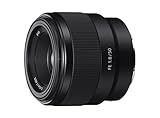
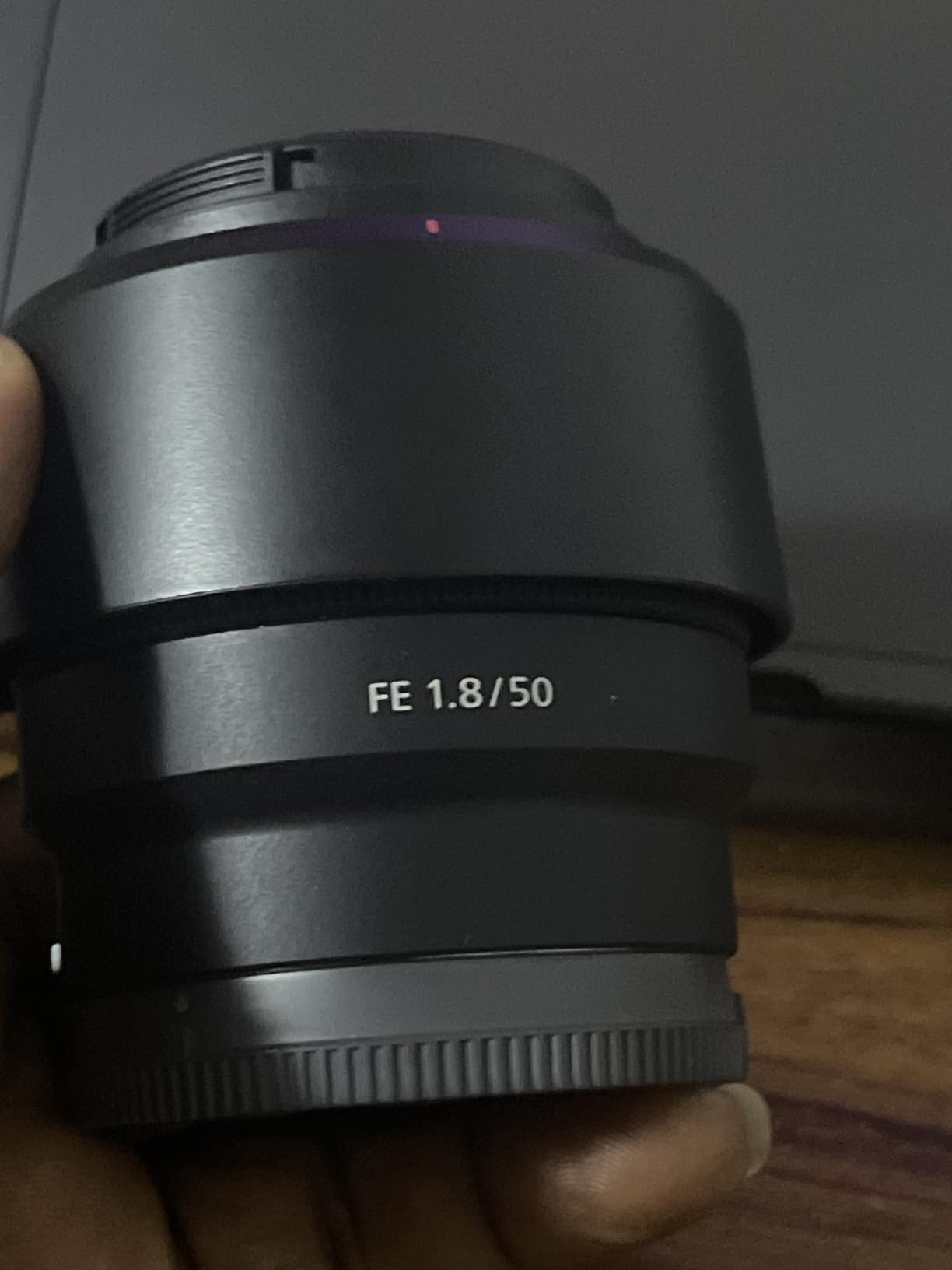
3. Sony FE 50mm f/1.8 – The Lightweight Sony E Backup
Sony – FE 50mm F1.8 Standard Lens (SEL50F18F/2), Black
50mm f/1.8 for Sony E
6.6 ounces
Nano AR coating
7-blade circular aperture
Pros
- Superb optical quality for the tier
- Well controlled flare vignetting and distortion
- Very fast accurate autofocus
- Compact and light enough as a backup
- Smooth bokeh with vibrant colour
Cons
- All-plastic barrel feels less premium
- No manual focus switch on the barrel
- Audible motor during video
- No stabilization and no weather sealing
The FE 50mm f/1.8 is the lens many Sony shooters carry permanently because it costs little and weighs almost nothing. At 6.6 ounces it pairs with any full-frame E-mount body without upsetting the balance.
Optically it punches well above its tier. The aspherical element controls spherical aberration and coma, and the double-Gauss layout suppresses field curvature and distortion, so the edges hold up better than the price suggests.
The seven-blade circular aperture produces rounded bokeh, and the Nano AR coating handles flare and ghosting better than most lenses at this level, which is why it holds contrast when a light source sits just outside the frame.
Autofocus is fast and accurate for the size of the barrel, and it doubles as an affordable close-focus option, so the same lens can handle a wide shot on a night street and a detail at a reception table.
On APS-C bodies the field of view tightens considerably, so if you are on a crop sensor and want the wider view that low-light interiors usually need, look at the 35mm options in this guide instead.
Who this lens suits
Sony E owners who need a second body or a backup lens without spending much, and anyone who values a well-behaved, flare-resistant normal prime over maximum aperture speed.
Where it falls short
The all-plastic construction feels less refined than the optical results, there is no focus mode switch on the barrel so manual focusing needs a custom button assignment, and the motor is audible on video. No stabilization and no sealing means indoor use only in bad weather.
4. Canon RF35mm F1.8 Macro IS STM – Stabilized Wide Angle for Tight Rooms
Canon RF35mm F1.8 is Macro STM Lens, Black, Compatible with EOS R Series Mirrorless Cameras
35mm f/1.8
Optical stabilization up to 5 stops
0.5x macro
0.17 m minimum focus
Pros
- Sharpness and contrast hold up wide open
- Stabilization rated up to 5 stops
- Built-in 0.5x macro in one compact lens
- Compact and light for a stabilized RF prime
- Fast accurate autofocus in dim conditions
Cons
- Some copies show hunting or focus shift wide open
- Noticeable purple fringing wide open
- AF struggles with fast-moving subjects
The RF35mm F1.8 Macro IS STM solves two low-light problems at once: a wide angle you can actually work in a small room, and stabilization that lets you hold a static subject at shutter speeds an unstabilized f/1.8 cannot manage.
Optical performance is close to L-series glass, with sharpness and contrast holding up wide open. That matters at night because you rarely want to stop down to f/2.8 for extra light and give up the exposure you came for.
The rated five stops of shake correction is the quiet hero feature. Shooting a candle-lit table at 1/8 second hand-held is achievable here in a way it is not with the unstabilized primes on this list.
The 0.5x magnification at 0.17 m minimum focus means the same lens does small subjects, so you are not swapping glass halfway through an event to move from a room shot to a detail.
Autofocus is fast and accurate in dim conditions for still subjects, and the control ring gives quick setting changes without menu diving.
Who this lens suits
Canon RF shooters working weddings, restaurant food and indoor events where the room is small and the light is worse. The 35mm field of view is the practical choice there, and the stabilization is the reason to spend over an f/1.8 normal prime.
Where it falls short
Reviewers report inconsistency between copies, with some units hunting, shifting focus or failing to repeat at infinity and wide open. Purple fringing shows at high-contrast edges, and the autofocus is not built for fast-moving subjects or for astro work.
5. NIKKOR Z 50mm f/1.8 S – The Sharpest Weather-Sealed Nifty Fifty
Nikon NIKKOR Z 50mm f/1.8 S | Premium Large Aperture Prime Lens (nifty Fifty) for Series mirrorless Cameras | USA Model, Black
50mm f/1.8 for Nikon Z
Weather sealed
5-axis optical VR
14.56 ounces
Pros
- Exceptional sharpness and microcontrast wide open
- Excellent flare vignetting and CA control
- Fast quiet autofocus with eye detection
- Weather sealed metal build
- Superb low-light performance
Cons
- Larger and heavier than typical budget 50mm primes
- Some cat's eye bokeh at the edges wide open
- Optical VR depends on the camera body
Owners consistently describe this as a modern take on the nifty fifty with flagship-level sharpness and high microcontrast. That combination is exactly what you want at ISO 6400, where a soft lens gives you noise on top of softness.
Flare, vignetting, distortion and chromatic aberration are all well controlled, so it keeps its contrast when a bright source is in frame. At a night market or a stage, that is the difference between a usable file and a flat one.
The weather-sealed metal build and the locking Z mount are for people who shoot outdoors in the wet, and the ultra-quiet stepping motor makes it usable for video focus pulls on a dim set.

It cooperates with the 5-axis system in Z bodies for optical VR, so on supported bodies you get stabilization credit without a dedicated unit in the lens. That helps most on static low-light subjects rather than on movement.
Eye-detection autofocus is reliable here, which matters in dim reception rooms where a face is often the only high-contrast thing in the frame.

Who this lens suits
Nikon Z shooters who refuse to trade sharpness for the small size of a budget nifty fifty, and anyone shooting rain, snow or dust where unsealed lenses stop being an option. It also works on F-mount NIKKOR glass through the FTZ adapter if you already own it.
Where it falls short
At 14.56 ounces it is a full size heavier than the cheap f/1.8 primes, which adds up over a long night. Reviewers note slight cat’s eye bokeh toward the edges wide open, and the optical VR feature only functions on capable Z bodies.
6. NIKKOR Z 85mm f/1.8 S – Portrait Separation Without Going f/1.2
Nikon NIKKOR Z 85mm f/1.8 S | Premium Large Aperture 85mm Portrait Prime Lens for Z Series mirrorless Cameras | Nikon USA Model
85mm f/1.8
Nine-blade diaphragm
Two ED elements
470 g
Pros
- Sharpness resolving well toward infinity
- Creamy bokeh with a gradual focus transition
- Fast accurate autofocus for portraits and events
- Superb low-light performance and skin tones
- Extensive weather sealing
Cons
- Needs a lot of space which is awkward indoors
- Limited reach for field sports
- Mild cat's eye on out-of-focus highlights wide open
The Z 85mm f/1.8 S is the compromise most portrait and event shooters should look at first. At f/1.8 it keeps enough light to work indoors while stopping down to f/2 or f/2.8 for depth of field that an f/1.2 never gives you.
The nine-blade diaphragm produces soft, rounded bokeh, and the two ED elements with Nano Crystal coating keep the colour and contrast stable, including on skin tones lit by mixed indoor sources.
Reviewers repeatedly call the focus transition gradual rather than abrupt, which is a subtle quality that shows in portraits shot at wide apertures in dim rooms.
It is dust and drip resistant throughout, and reviewers report no purple fringing in backlit shots, which is a common failure point when a window or a bright sign sits behind your subject.
At 470 g it stays balanced on Z bodies, and the included hood and case make it a self-contained kit for a working photographer.

Who this lens suits
Portrait, event and low-light wedding photographers who want separation and clean skin tones without the razor-thin depth of field of an f/1.2. It also works as a general-purpose event and landscape lens at daylight apertures.
Where it falls short
The 85mm needs room, which makes it awkward in small venues, on boats and on tight patios. Reach is limited for field sports, mild cat’s eye appears on out-of-focus highlights wide open, and a fixed focal length means reframing means moving your feet.
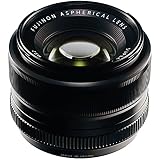
7. Fujinon XF35mmF1.4 R – Fast and Tiny on Fujifilm X
Fujifilm XF35mmF1.4 R
35mm f/1.4
187 g metal barrel
Seven-blade aperture
One aspherical element
Pros
- Superb sharpness contrast and colour rendering
- Very wide f/1.4 aperture for low light
- Light and compact for an f/1.4 prime
- Premium metal build with damped rings
- Well controlled chromatic aberration
Cons
- Slow autofocus with a noticeably audible motor
- Slow manual focus response by the ring
- Harsh bokeh on small out-of-focus subjects wide open
The XF 35mm f/1.4 is one of the finest fast primes on the Fujifilm X system, and at 187 g it is the lightest f/1.4 in this guide by a wide margin. That combination of speed and weight suits long handheld night sessions better than most pro glass.
Because X is a crop format, the 35mm gives roughly a 53mm full-frame equivalent field of view, so you get a normal perspective with the light gathering of an f/1.4, which is a genuinely useful combination indoors.
Image quality is superb: sharpness, contrast and colour rendering are all strong, and the seven-blade diaphragm keeps bokeh reasonably circular with well controlled chromatic aberration.

The metal barrel with well damped aperture and focus rings feels more premium than the specification list suggests, and the aperture ring is usable for video work if you are comfortable with manual control.
Watch the f-number when comparing to full-frame glass, since a stop on this lens is not a stop on a 35mm full-frame lens at the same framing.

Who this lens suits
Fujifilm X owners who shoot documentary, street at night or indoor events and want f/1.4 light without carrying pro-sized glass. It also makes a strong stills lens for video shooters who are comfortable focusing manually.
Where it falls short
Autofocus is slow and noticeably audible, and manual focus through the ring responds slowly too. Bokeh can look harsh at f/1.4 when small subjects fall out of focus, and there is no stabilization and no case in the box.
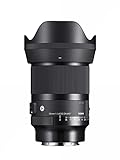
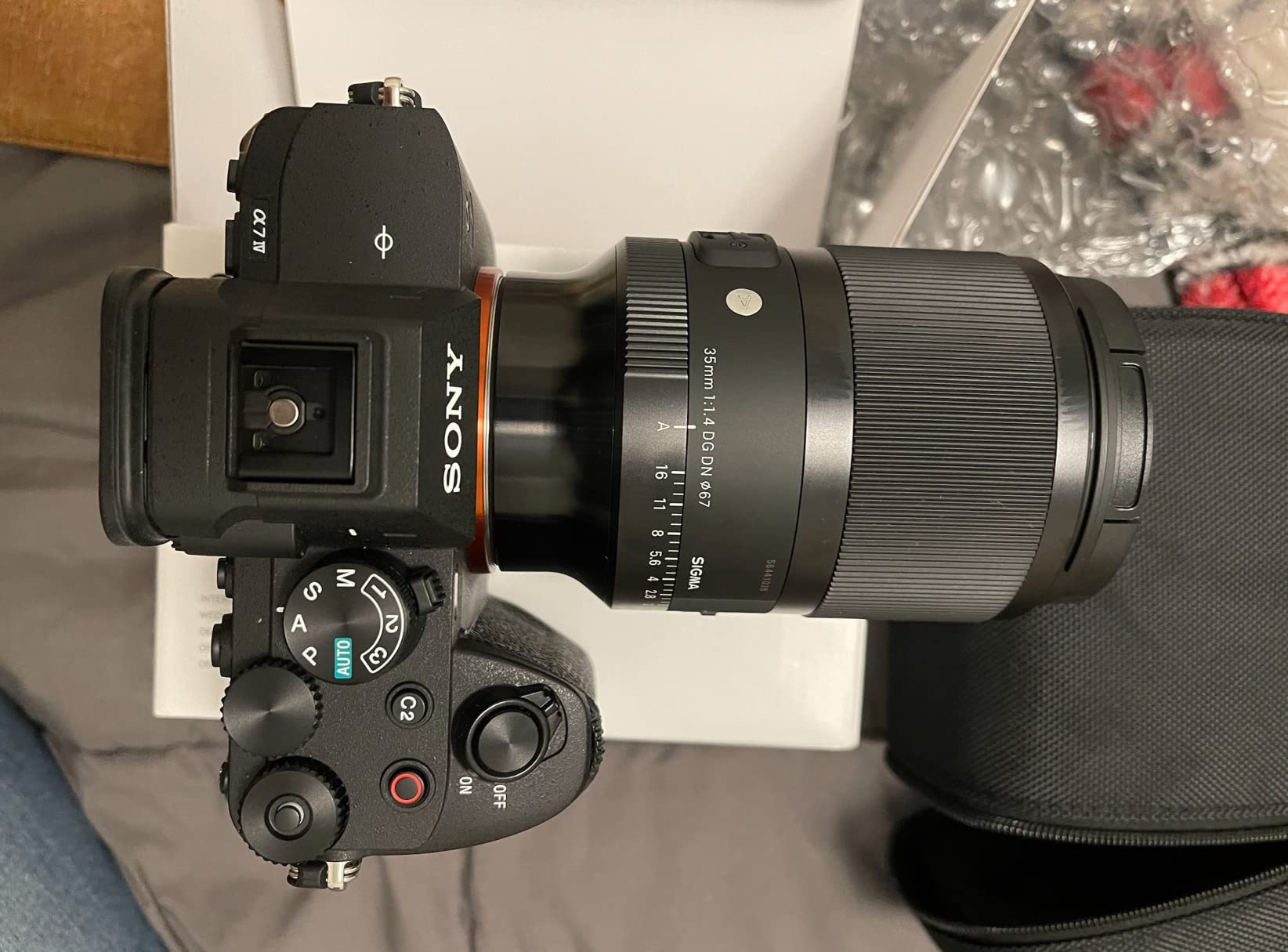
8. Sigma 35mm F1.4 DG DN Art – Third-Party Speed for Sony E
35mm F1.4 DG DN for Sony E Mount
35mm f/1.4 for Sony E
11-blade aperture
454 g
Weather resistant
Pros
- Outstanding optical quality for a fast prime
- f/1.4 aperture for demanding low light
- Compact and light for a fast wide prime
- 11-blade aperture gives smooth rounded bokeh
- Weather resistant construction
Cons
- Thin depth of field at f/1.4 makes focus critical
- 67 mm filter thread costs more than smaller threads
- Fixed focal length means reframing by moving
Third-party fast primes have moved from novelty to serious options, and this Sigma 35mm f/1.4 is one of the reasons. On Sony E it delivers a full stop more light than the native 50mm f/1.8 while giving a wider view, which is the harder problem to solve in a dark room.
Reviewers consistently praise the optical quality and premium construction for a fast prime, and the 11-blade aperture is a genuine step up from the seven-blade designs on entry glass when you are rendering out-of-focus highlights.
At 454 g it is compact and light for an f/1.4 wide prime, and the weather resistant build makes it a reasonable partner for a full-frame body in poor conditions.
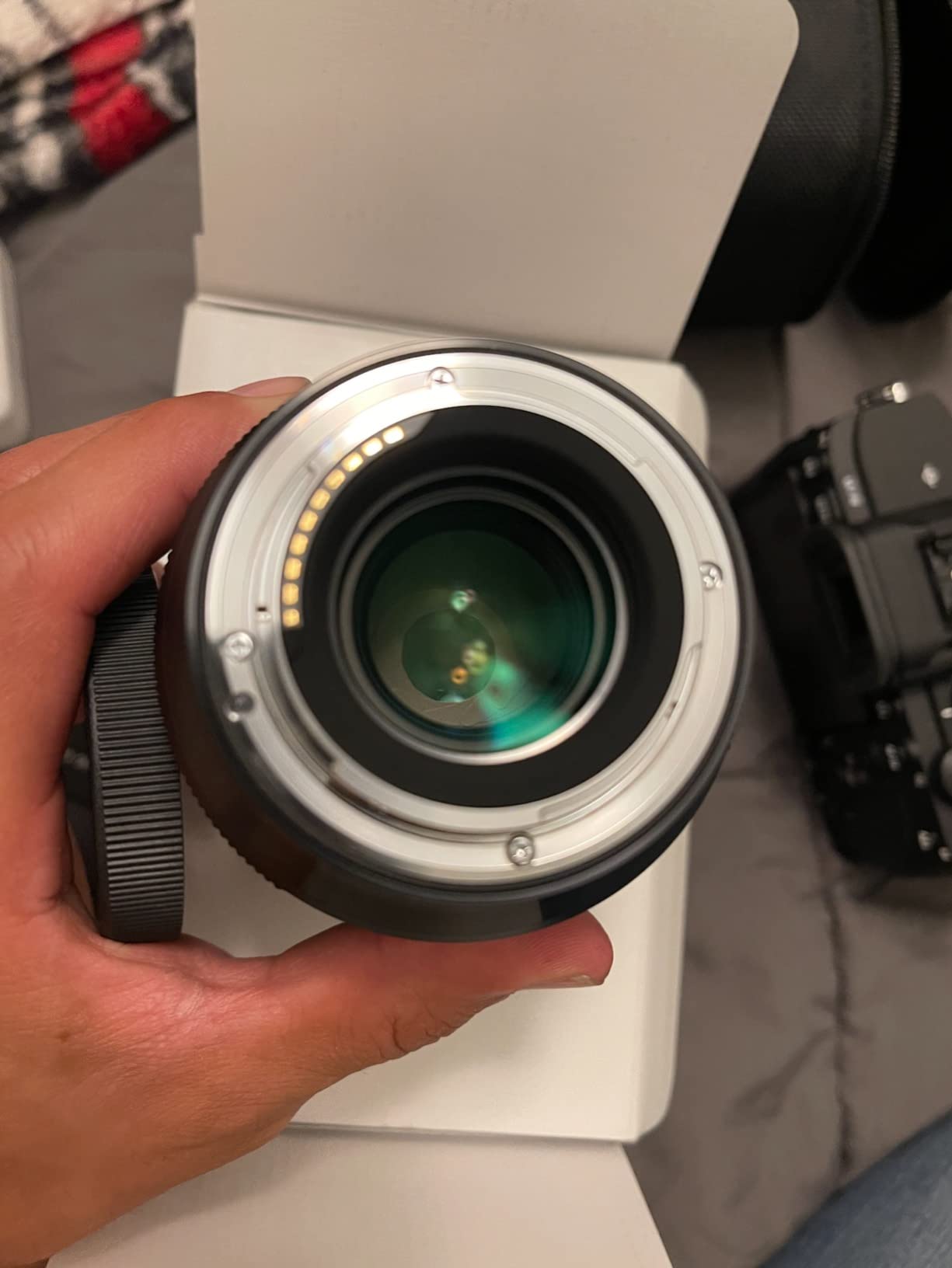
The Super Multi-Layer Coating and compact mirrorless design were built specifically for modern mirrorless bodies, so the flange distance and rear element spacing suit E-mount cameras rather than being adapted in.
A case and hood are included, which matters if you are building a night kit around lenses that are easy to lose track of.
Who this lens suits
Sony E shooters who want f/1.4 speed and a wide field of view for events, travel and indoor work, and anyone who wants one fast prime instead of a normal and a wide. It is the most capable third-party option in this guide.
Where it falls short
At f/1.4 the depth of field is very thin, so focus placement becomes critical at short distances. The 67 mm filter thread costs more than smaller-threaded primes, and a fixed 35mm means reframing is done by moving rather than zooming.
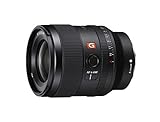
9. Sony FE 35mm f/1.4 GM – The All-Rounder for Night Work
Sony FE 35mm f/1.4 GM Full-Frame Large-Aperture Wide Angle G Master Lens
35mm f/1.4 G Master
Two XA elements
11-blade aperture
Nano AR coating II
Pros
- Razor sharp edge to edge at f/1.4
- Exceptionally bright for low light and shallow depth
- Fast reliable autofocus with tracking
- Compact for a pro-level f/1.4 lens
- Weather sealed build
Cons
- Costs more than other fast 35mm primes
- Very shallow depth of field at f/1.4
- Autofocus can move focus during video
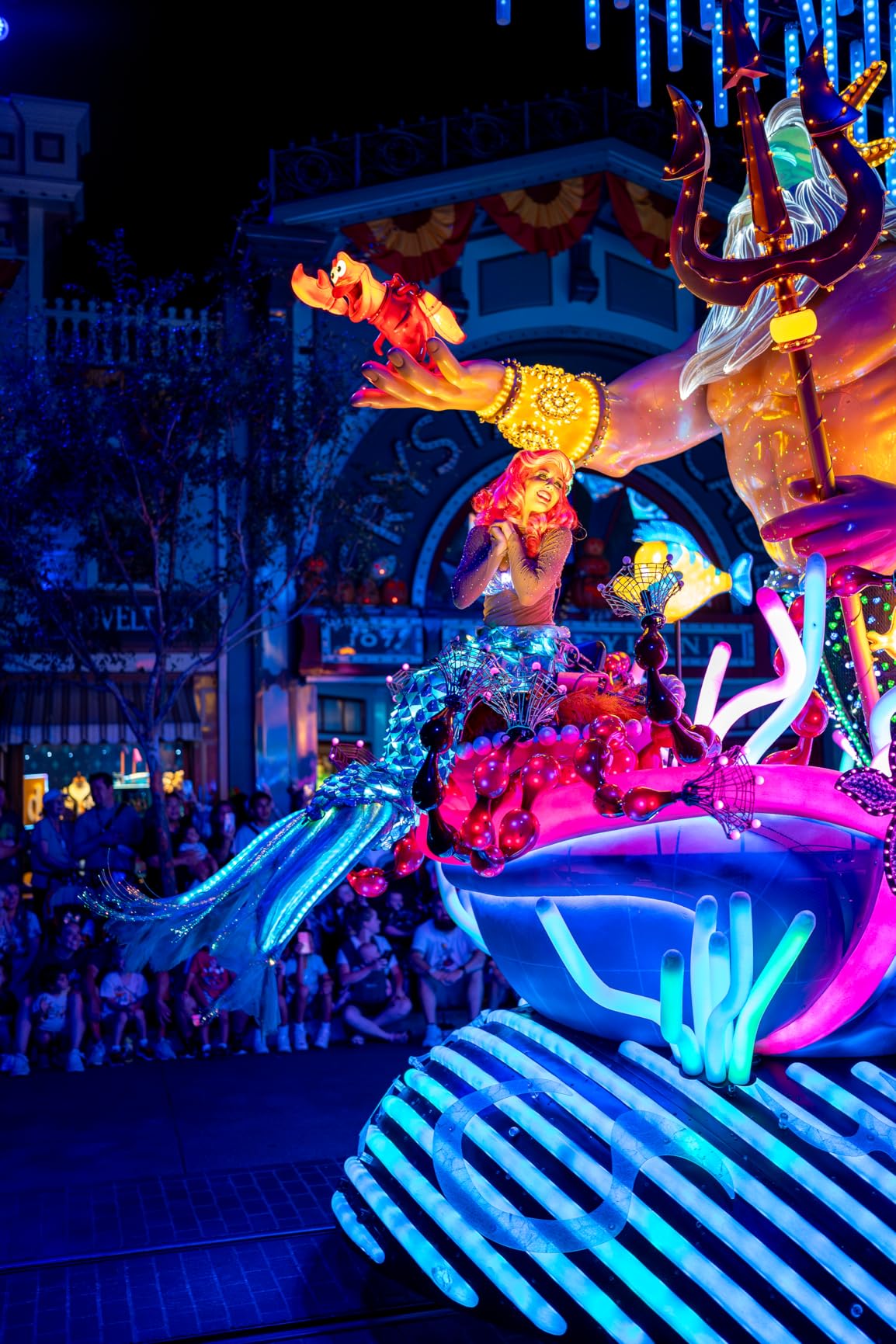
This is the lens we reach for when one prime has to cover a whole night: street, indoor portrait, detail and video. Owners describe it as a do-everything pro prime, and the reason is that 35mm at f/1.4 solves both the light problem and the framing problem at once.
Resolution is the headline. Two extreme aspherical elements hold sharpness edge to edge even wide open at f/1.4, so you are not choosing between clean ISO 6400 files and a bright aperture.
Nano AR coating II with a fluorine front element coating suppresses reflections, flare and ghosting, and the dust and moisture resistant design has held up in real weather according to owners.

Bokeh is well behaved for a pro lens, separating a subject from a background without turning the whole frame to mush, and the 11-blade circular aperture keeps highlights reasonably round.
At 1.2 pounds it is lighter than most pro glass in this guide, which matters when you are holding it for four hours.
Who this lens suits
Sony E shooters who shoot mixed work and want the strongest single lens for it, plus anyone who wants f/1.4 with no compromises on corner sharpness. A hood, caps and case are included.
Where it falls short
It costs more than the other fast 35mm primes in this guide, the depth of field at f/1.4 is limiting in close work, and the autofocus can be so quick during video that focus visibly jumps around the frame.
10. Sony FE 50mm f/1.2 GM – The Most Light You Can Get
Sony FE 50mm f/1.2 GM Full-Frame Large-Aperture G Master Lens
50mm f/1.2 G Master
Three XA elements
11-blade aperture
0.17x magnification
Pros
- Unmatched brightness for extreme low light
- Extremely shallow depth of field with creamy separation
- G Master resolution and aberration correction
- Compact for an f/1.2 prime
Cons
- Very shallow depth of field makes focus critical
- No image stabilization on the lens
- Large front element demands careful handling
When the question is which lens is best for low light in absolute terms, this is the answer on the Sony E system. f/1.2 collects more light than anything else in this guide and lets you shoot roughly three and a half stops above what an f/2.8 demands.
The three extreme aspherical elements deliver G Master resolution and correction of aberrations, so the extra light does not come with a softness penalty at f/1.2 the way it once did on fast 50mm primes.
The 11-blade circular aperture gives smooth, rounded bokeh and creamy separation, and at 0.17x maximum magnification the lens still handles close work.

It is water resistant, and the compact, lightweight design for an f/1.2 prime means it is more manageable than older f/1.2 glass on a full-frame body.
Community opinion matches our own read: a dpreview user described the Sony 50/1.2 GM as the best lens for low light they had ever owned, while adding that it was a little too long for their taste. Both halves of that are fair.

Who this lens suits
Sony E shooters who work in genuinely dark rooms and want the shallowest depth of field and the brightest view available. It suits stage work, nightlife and portraits where separation matters more than sharpness across the frame.
Where it falls short
Depth of field is so thin that focus becomes difficult when the subject moves even slightly, which is the complaint that comes up most often at this aperture. There is no stabilization, and the large front element needs careful handling in crowds.
11. Fujinon XF35mmF2 R WR – The Pocketable Weather-Sealed Fast Prime
Fujinon XF35mmF2 R WR – Black
35mm f/2 for Fujifilm X
Weather sealed to 14 degrees
9-blade aperture
0.08 second AF
Pros
- Very compact and pocketable
- Sharp high-contrast images with excellent colour
- Pleasing circular bokeh from a 9-blade aperture
- Fast quiet autofocus with 0.08 second response
- Sealed at eight points and rated to 14 degrees
Cons
- Aperture ring is slippery and easy to mis-set
- Focus ring grooves trap dust
- One stop slower than the XF 35mm f/1.4
Owners call the XF 35mm f/2 the best value lens in the X lineup, and the reason is balance: it is small enough for a coat pocket, sealed for bad weather, and quick enough to focus that you can use it handheld in dim rooms.
Autofocus responds in 0.08 seconds with a near-silent inner focus motor, a large improvement over the manual-focus-friendly but sluggish original 35mm f/1.4. In practice that difference decides whether you use the lens at all indoors.
The nine-blade aperture gives smooth circular bokeh, and the Nano-GI coating keeps ghosting and flare down when a light source sits near the edge of the frame.
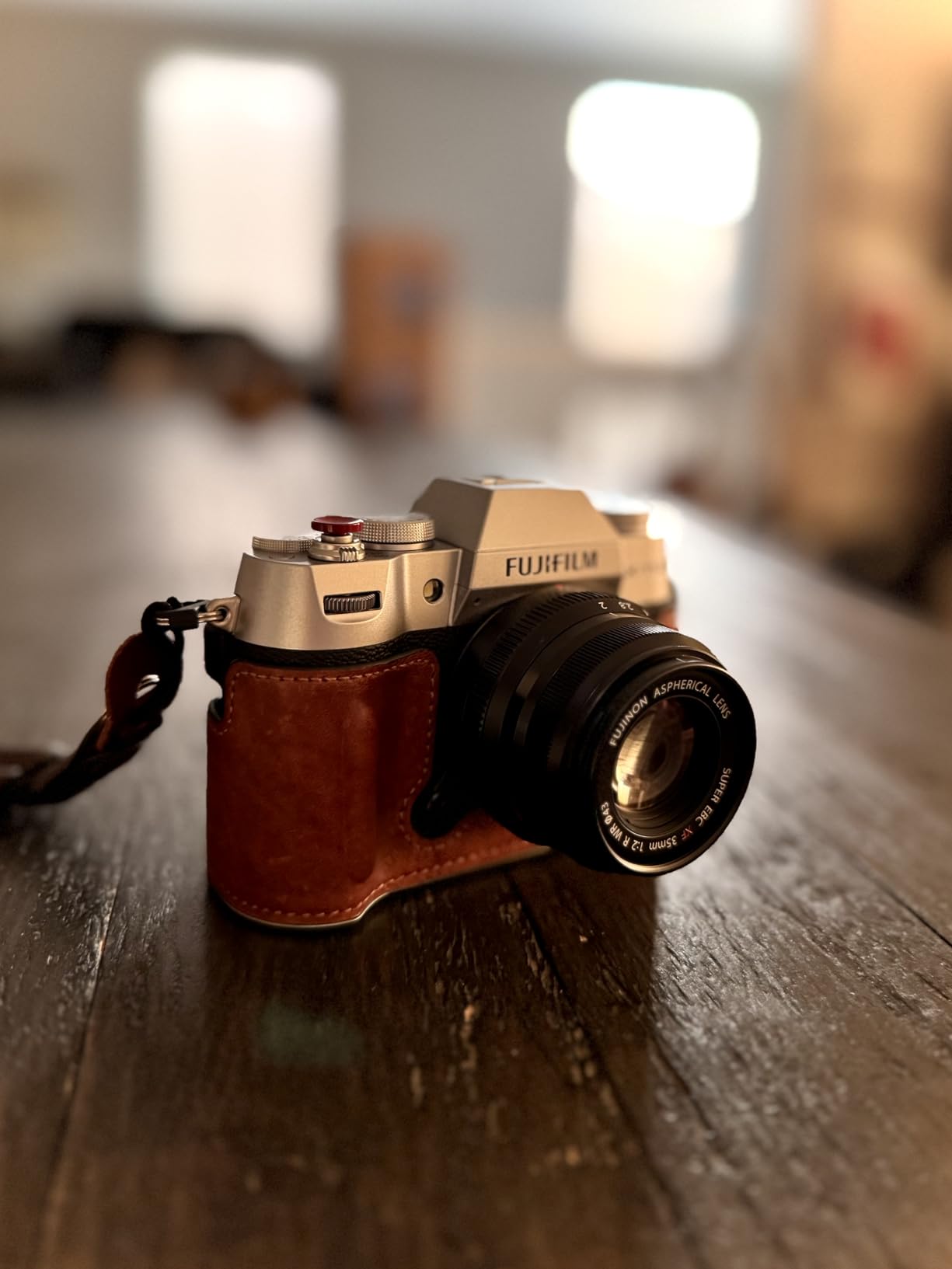
It is rated to operate as low as 14 degrees with sealing at eight points, so cold weather shooting does not mean keeping the lens in a pocket until you are ready to shoot.
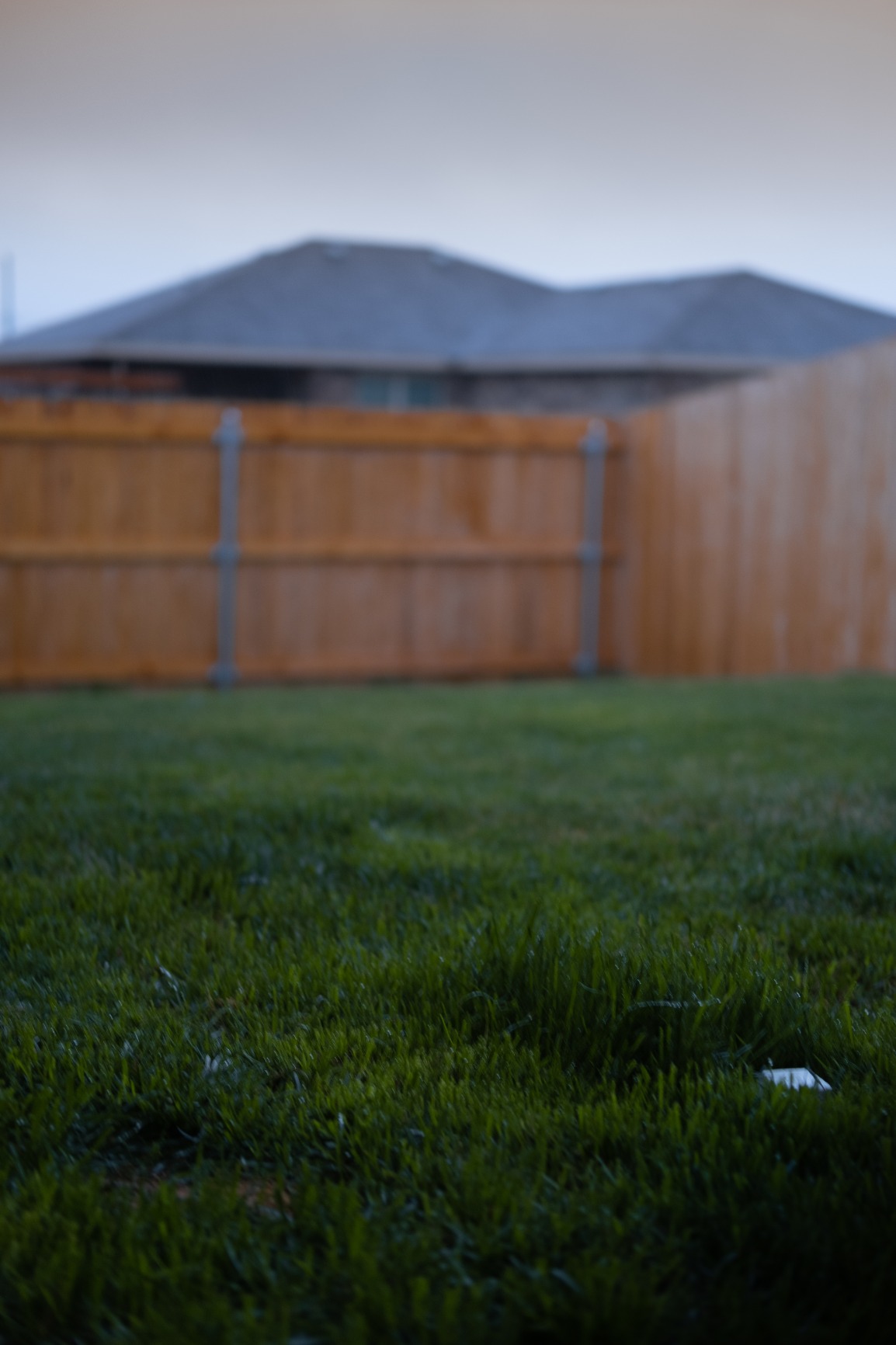
On crop sensor the 35mm gives a 53mm full-frame equivalent view, so it frames like a normal lens and gathers light like a fast one.
Who this lens suits
Fujifilm X owners who want one lens for travel, street and indoor work without a large bag. It is also the sensible f/2 option for people who want weather sealing and quiet focus rather than maximum aperture.
Where it falls short
It is one full stop slower than the XF 35mm f/1.4, so genuinely dark rooms cost you ISO. The aperture ring is slippery and easy to set to the wrong value, the focus ring grooves trap dust, and the box includes a hood and pouch but not much else.
12. Sigma 50mm F1.4 Art DG HSM – Fast and Adaptable for Nikon F
Sigma 50mm F1.4 Art DG HSM Lens for Nikon
50mm f/1.4 for Nikon F
9-blade diaphragm
0.4 m minimum focus
77 mm filter thread
Pros
- Art series sharpness and contrast at f/1.4
- Bright aperture well suited to low light
- Full-time manual focus with an HSM ring motor
- Same design offered across multiple mounts
Cons
- Heavier and larger than most 50mm primes
- Focus clutch and hold behaviour takes some learning
- Not weather resistant
- 77 mm filter thread is awkward on the heavy front element
If you shoot Nikon F SLRs, the Sigma 50mm f/1.4 Art is the fast prime the current system still supports natively, and it remains one of the few ways to get f/1.4 in a mount that stopped adding lenses years ago.
The same optical design is offered across Sony, Canon, Nikon and Sigma mounts, so if you are cross-mount shopping you can compare like for like rather than judging a different lens by a different brand’s sample.
The ring-type ultrasonic motor with full-time manual focusing is fast enough for stills in dim rooms, and the nine-blade circular diaphragm keeps highlights reasonably round at f/1.4.

Art-series glass gives very good sharpness and contrast wide open, and at f/1.4 you are shooting roughly two stops below the ISO an f/2.8 kit zoom would demand for the same framing.
Minimum focus is 0.4 m, and a USB dock is used to calibrate focus if you want to fine-tune it for a specific body.

Who this lens suits
Nikon F owners who need real low-light speed without moving to mirrorless, and cross-mount shoppers comparing the same 50mm f/1.4 design across Sony, Canon, Nikon and Sigma bodies.
Where it falls short
At 815 g it is heavier and larger than most 50mm primes, which is tiring across a long night. The manual focus clutch and electronic focus-hold behaviour take some learning, it is not weather resistant, and the 77 mm filter thread on a heavy front element is awkward in the field.
How to Choose a Fast Prime for Low Light
Now that the lenses are laid out, the decision comes down to four variables: how fast, how long, how dark, and how still. Here is how each one actually behaves in a dark room.
Aperture tiers: what each stop buys you
Start with f/2.8 as your reference exposure, at whatever ISO the camera demands. From there each stop down halves the ISO you need: f/2 needs about 3200, f/1.8 about 2560, f/1.4 about 1600 and f/1.2 about 1130 for the same brightness and framing.
That is why f/2.8 is often enough. Photographers working genuinely dark venues tell each other that any lens at f/2.8 or faster is a good pick, and with a modern body that handles high ISO cleanly, f/2.8 plus stabilization can carry a whole reception. The f/1.4 tier buys you roughly one and a third stops over f/2, and f/1.2 buys another half stop over f/1.4 while costing you depth of field.
The honest answer to the f/1.4 versus f/1.8 question is that f/1.4 saves you about two thirds of a stop of ISO and gives cleaner files, thinner depth of field, more flare sensitivity and a bigger front element. For most stills shooters on a hybrid body, f/1.8 is the sensible stopping point.
Focal length for dark rooms and small venues
A 35mm f/1.4 sees more than a 50mm f/1.4 in the same space, which matters in clubs, kitchens and back rooms where you cannot step back. A 50mm is the safer general choice, and an 85mm f/1.8 is a specialist tool for portraits where you have room.
On APS-C bodies the maths changes. A 35mm behaves like roughly a 53mm full-frame lens, so a fast wide prime on crop sensor gives you a normal perspective with fast aperture, which is an underrated low-light combination.
Autofocus in dim light, and why faster glass locks on sooner
Autofocus needs contrast to work with. A fast lens feeds the sensor and the AF system more light from a dim scene, so the system has something to lock onto instead of hunting. That is the practical reason a bright lens focuses faster in the dark, not marketing.
Checklist before buying: does the lens have a linear or high-speed stepping motor, does the body offer reliable eye detection in low light, and does the lens focus by wire with an electronic rather than mechanical feel. The most common complaint from low-light shooters is hunting, and lenses with slow motors, such as the manual-focus-friendly Fujifilm f/1.4, make that worse.
Stabilization and in-body stabilization at wide apertures
Stabilization earns its place on static subjects: a candle-lit table, a sleeping child, a long exposure of a lit facade. It does not stop subject motion, so at f/1.2 with a moving person the shutter speed still has to be fast enough to freeze the action.
On bodies with in-body stabilization, a lens that cooperates with the system, such as the NIKKOR Z 50mm f/1.8 S through the 5-axis system, gives you the benefit without a dedicated unit in the lens. If you shoot video, de-click aperture rings and focus breathing matter more than the stop count, and a stepped or geared design is often quieter in practice.
When a fast zoom beats a fast prime
A fast zoom wins when you cannot predict the shot. Weddings, school events and travel all have moments where framing changes faster than you can move your feet, and a single fast zoom at f/2.8 or f/2 covers all of it. When the night work moves outside entirely, a small aircraft that carries its own sensor is a different tool for the same darkness, and our guide to the best low-light drones covers that side of the problem.
A prime wins when you know the light will be scarce and the framing will be simple. It is also usually lighter, and one fewer variable in the dark is usually worth more than one more stop. If you build a kit for night work, the low-light trio is a 35mm fast prime, a 50mm f/1.8 and a stabilized 35mm or 50mm for static subjects.
One last argument worth naming: on dpreview, professionals raise flash as the ultimate low-light tool, and they are not wrong. A fast lens is the right answer when you cannot add light, and adding light beats any aperture. If your low-light work happens in a venue where you are allowed to bring a light, a support rig and lighting setup such as the ones in our light stand guide may serve you better than a second fast prime.
Frequently Asked Questions
Are prime lenses better for low light?
Usually, yes. A prime has no zoom elements, so manufacturers can build a much wider maximum aperture for its size and focal length, and a wider maximum aperture means more light per exposure. That lets you keep ISO lower and shutter speeds faster, which produces cleaner, sharper night images than a slow kit zoom at the same settings.
Is f/2 enough for low light?
Yes, for most situations. f/2 gathers about one and a third stops more light than f/2.8, which lets you shoot roughly ISO 3200 where f/2.8 would want about 4400. On a modern body that handles high ISO cleanly, f/2 is a perfectly workable low-light aperture, and it keeps noticeably more depth of field than f/1.4.
Is F2.8 enough for low light?
Often, yes. With in-body or lens stabilization and a body that performs well at high ISO, f/2.8 can handle weddings, stages and night streets. It becomes marginal in genuinely dark rooms where you need to hold a fast shutter speed for a moving subject, and in that case f/1.8 or f/1.4 buys you about one to two stops of ISO.
Is a 1.4 or 1.8 lens better?
For stills, an f/1.4 saves you about two thirds of a stop of ISO, roughly ISO 1600 instead of 2560 for the same exposure, and gives cleaner files plus thinner depth of field. An f/1.8 is smaller, lighter, cheaper and easier to focus. Choose f/1.4 if darkness is the constant condition, f/1.8 if the light comes and goes.
Do I need image stabilization for low light photography?
It depends entirely on your subject. Stabilization helps most on static subjects, letting you hold shutter speeds several stops slower and therefore drop ISO. It cannot stop subject motion, so for a moving person in a dark room a wider aperture and a fast lens still matter more than stabilization.
The Verdict for 2026
The best prime lenses for low light come down to how dark your work gets and how little you want to carry. For most people the Canon EF 50mm f/1.8 STM is the entry point, the Canon RF 50mm F1.8 STM covers mirrorless, and the NIKKOR Z 50mm f/1.8 S is the one to buy once you want sealed build and pro-level sharpness.
Go wider and faster when the light really is the limit, and pick the Fujifilm XF35mmF1.4 R, the Sigma 35mm f/1.4 DG DN, the Sony FE 35mm f/1.4 GM or the Sony FE 50mm f/1.2 GM according to how much depth of field you are willing to give up. Whatever you choose, 2026 is a good year to stop pushing ISO and start opening the aperture instead.