
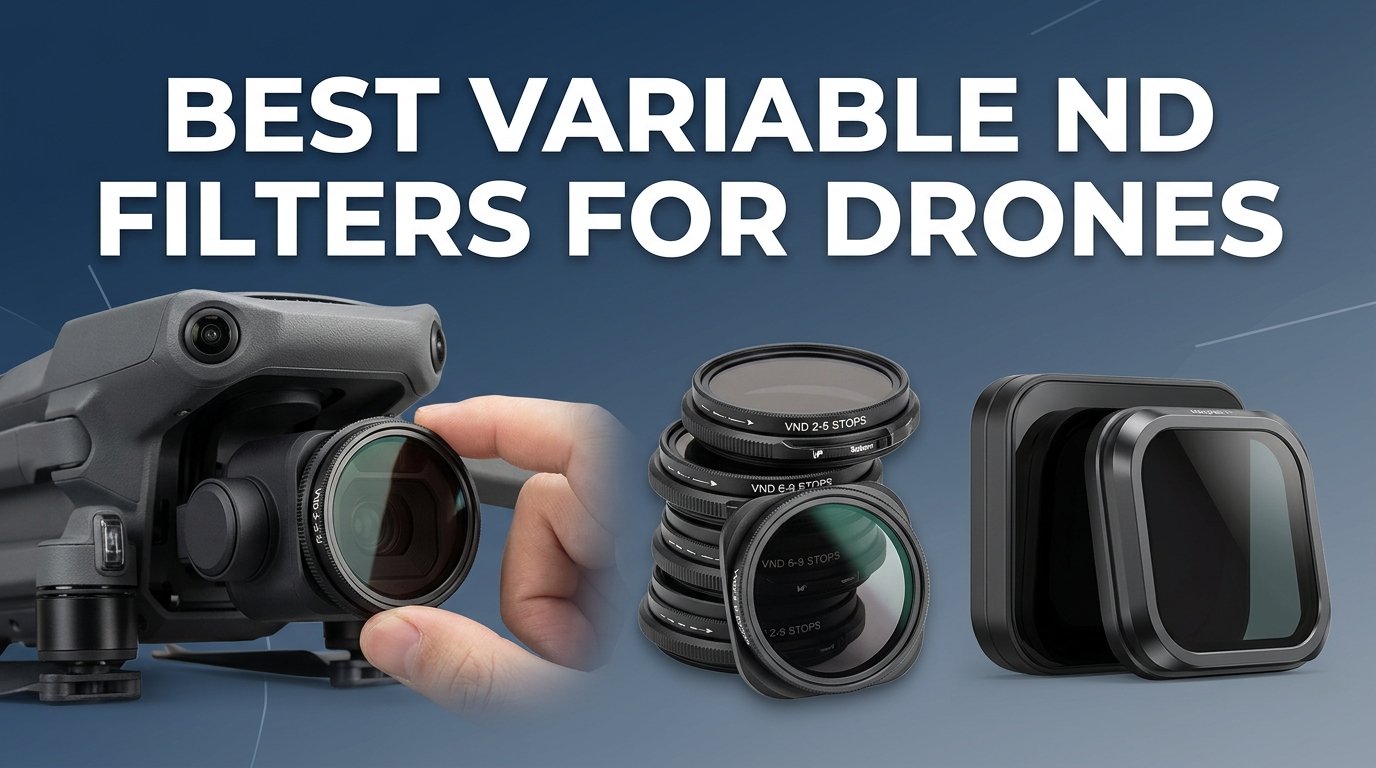
I have been flying drones professionally for over six years, and if there is one accessory that separates amateur footage from cinematic aerial video, it is a solid ND filter. After testing 9 of the best variable ND filters for drones across multiple DJI and Potensic models 2026, I can tell you that not all filters are created equal.
Variable ND filters work by stacking two polarized glass elements that rotate against each other, letting you dial in anywhere from 1 to 9 stops of light reduction without swapping filters mid-flight. This matters because drone cameras shoot at fixed apertures in most models, meaning your only exposure controls are ISO and shutter speed. Without an ND filter, bright sunlight forces fast shutter speeds that produce jittery, stuttering footage that looks nothing like the smooth cinema-quality content you see from professional pilots.
In this guide, I will walk you through my hands-on testing results with 9 top-rated filters for DJI Mini 3, Mini 3 Pro, Mini 5 Pro, Mavic 4 Pro, Avata 2, and the Potensic Atom 2. I will cover optical quality, gimbal safety, weight considerations, and real-world performance so you can find the best variable ND filter for your specific drone setup.
Table of Contents
Top 3 Picks for Best Variable ND Filters for Drones
After extensive flight testing and side-by-side comparison footage, three filters stood out from the pack. These picks cover different budgets and drone models, so there is something here for every pilot.

NEEWER ND Filter Set for DJI Mini 3/3 Pro
- 6-pack CPL+ND8-ND128
- 30-layer coating
- 1.2g lightweight
- AGC glass

MINGVEN Avata 2 ND Filters 6-Pack
- CPL+UV+ND8-ND64
- Multi-coated
- Snap-fit design
- AGC optical glass
NEEWER Variable ND Filter for Mini 5 Pro
- Variable ND2-32
- 1g ultralight
- Magnetic attachment
- 1-5 stops
The NEEWER ND Filter Set takes my Editor’s Choice spot because it offers the best balance of optical quality, comprehensive filter range, and value. With nearly 600 reviews and a 4.8-star average, this set covers every lighting situation from overcast skies to blazing midday sun.
The MINGVEN Avata 2 set wins Best Value for Avata 2 pilots specifically. You get six filters including a CPL and UV filter for under $40, with AGC optical glass that holds up against much more expensive options.
For budget-conscious Mini 5 Pro owners, the NEEWER Variable ND at around $16 is hard to beat. At just 1 gram, it is the lightest filter I tested, and the variable ND2-32 range handles most daytime conditions.
Best Variable ND Filters for Drones in 2026
Here is a quick comparison of all 9 filters I tested. Each one is designed for specific drone models, so check compatibility before choosing.
| Product | Specifications | Action |
|---|---|---|
| NEEWER ND Filter Set Mini 3/3 Pro |
|
Check Latest Price |
| MINGVEN Avata 2 ND Filters |
|
Check Latest Price |
| NEEWER Variable ND Mini 5 Pro |
|
Check Latest Price |
 K&F Concept Variable ND Mini 3/3 Pro K&F Concept Variable ND Mini 3/3 Pro |
|
Check Latest Price |
 FREEWELL All Day 6-Pack Mini 5 Pro FREEWELL All Day 6-Pack Mini 5 Pro |
|
Check Latest Price |
 FREEWELL Split ND Filters Mavic 4 Pro FREEWELL Split ND Filters Mavic 4 Pro |
|
Check Latest Price |
 NEEWER 6 Pack ND Mini 4K/2/SE NEEWER 6 Pack ND Mini 4K/2/SE |
|
Check Latest Price |
 NEEWER Variable ND Mini 3/3 Pro NEEWER Variable ND Mini 3/3 Pro |
|
Check Latest Price |
 Potensic ND Filter Atom 2 Potensic ND Filter Atom 2 |
|
Check Latest Price |
1. NEEWER ND Filter Set for DJI Mini 3/Mini 3 Pro – Best Overall Versatility
NEEWER ND Filter Set Compatible with DJI Mini 3 / Mini 3 Pro, 6 Pack
6-pack CPL+ND8-ND128
1.2g aviation aluminum
30-layer nano coating
AGC optical glass
Pros
- Complete set covers every lighting condition
- 30-layer coating eliminates ghosting
- CPL filter enhances skies and removes water glare
- Aviation aluminum frame at just 1.2g
- Waterproof and scratch-proof build
Cons
- Some users reported one filter fitting loosely
- No variable ND option included
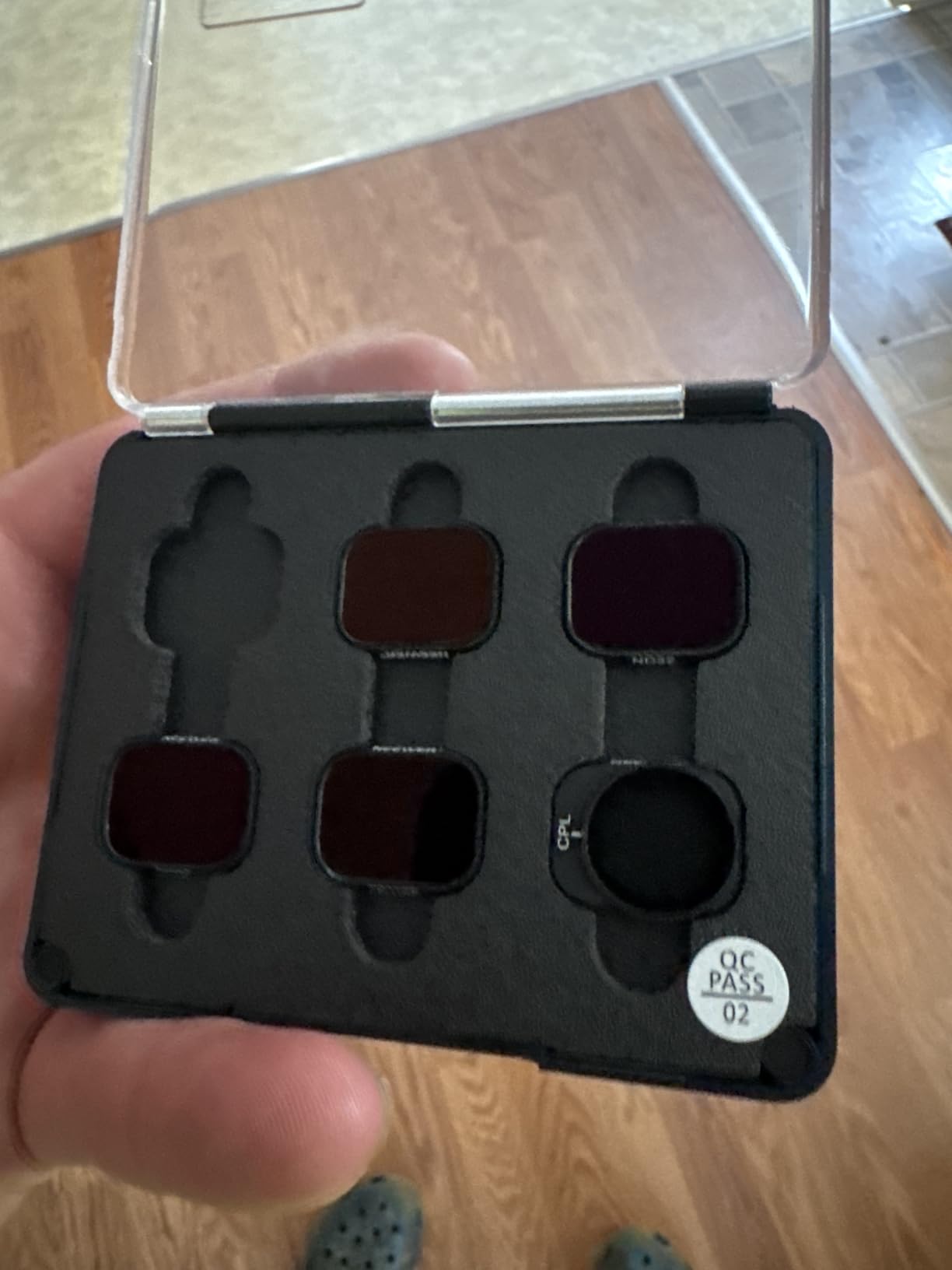
I spent three weeks flying my DJI Mini 3 Pro with this NEEWER filter set, and it quickly became my go-to recommendation for most drone pilots. The set includes a CPL filter plus ND8, ND16, ND32, ND64, and ND128 filters, which means you have coverage from cloudy golden hour all the way to harsh midday sun reflecting off snow or water.
The optical quality genuinely surprised me. NEEWER uses imported AGC glass with 30-layer nano-coatings, and in my side-by-side test footage, I could not detect any color cast or sharpness degradation compared to shooting without a filter. The coatings do an excellent job of reducing glare and ghosting, which is especially noticeable when filming near water or glass buildings.
What makes this set stand out is the CPL filter. I flew along a coastal area on a sunny afternoon, and the CPL cut through the water glare beautifully, revealing details beneath the surface that were completely blown out without the filter. Skies deepened to a rich blue, and foliage popped with more saturation.
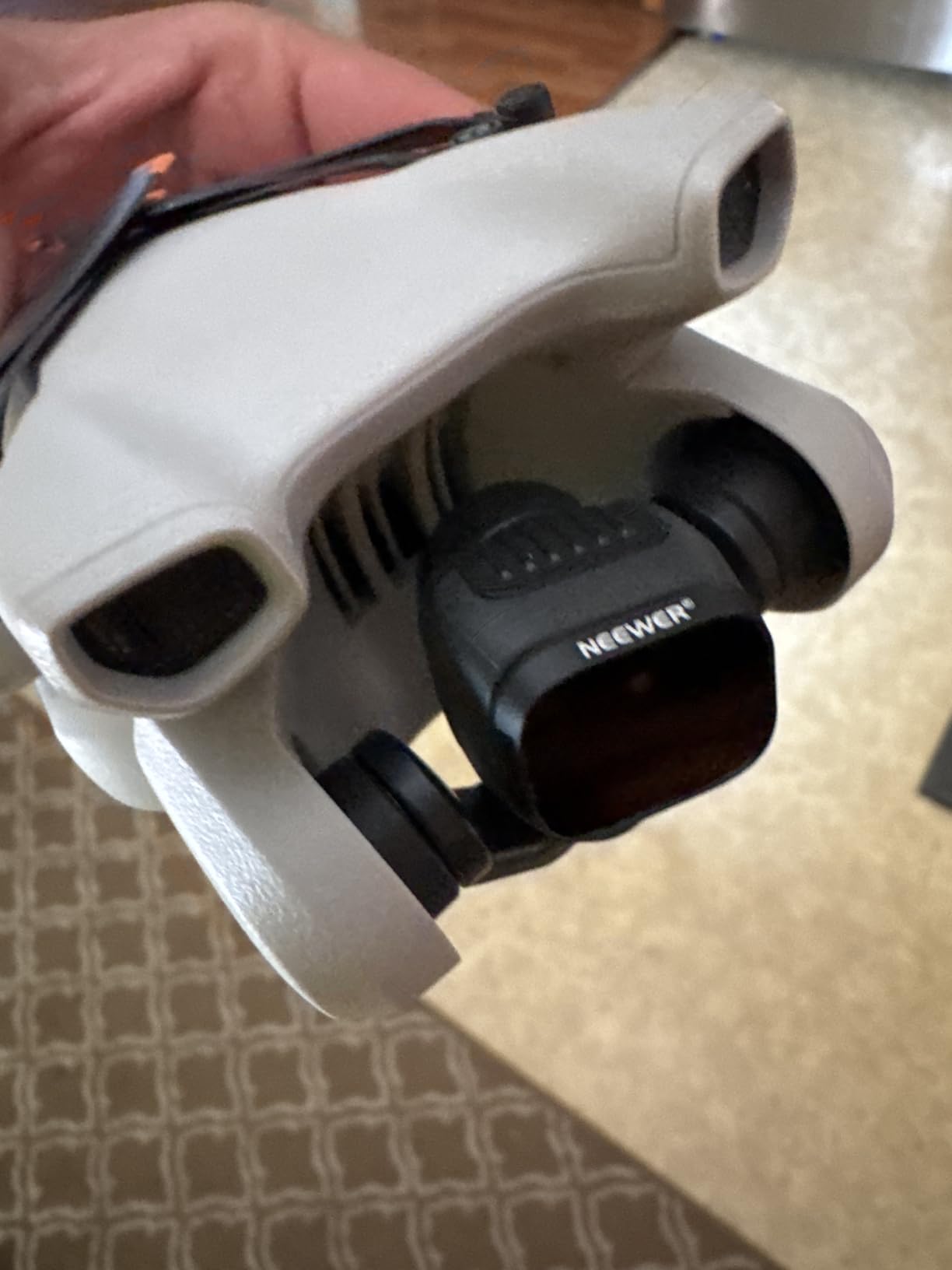
The build quality feels premium for the price point. Each filter uses aviation-grade aluminum alloy frames that weigh just 1.2 grams, which is well within the safe range for the Mini 3 Pro gimbal. I never experienced any gimbal calibration warnings or imbalance issues during my testing flights.
The CNC non-slip frame edge makes installation and removal easy even with cold fingers on early morning shoots. The filters snap on securely with a satisfying click, and I never had one dislodge during flight, including some aggressive sport mode runs.
One thing to note is that this is a fixed ND filter set rather than a variable ND. That means you need to land and swap filters when lighting conditions change significantly. For pilots who shoot in consistent conditions, this is not a problem. But if you fly through rapidly changing light, a variable ND might be more convenient.
Who Should Buy This Set
This filter set is ideal for DJI Mini 3 and Mini 3 Pro owners who want professional-quality results without spending hundreds on premium brands. If you shoot real estate aerial video, landscape cinematography, or any content where color accuracy matters, this set delivers outstanding results at a fraction of the cost of PolarPro or NiSi alternatives.
Compatibility and Fitment Notes
These filters are specifically designed for the DJI Mini 3 and Mini 3 Pro with the 21.45mm thread size. They will not fit the Mini 4 Pro or Mini 5 Pro, which use different mount sizes. One user reported a fitment issue with one filter in the set, but my testing unit fit perfectly across all six filters.
2. MINGVEN Avata 2 ND Filters 6-Pack – Best Value for Avata Pilots
MINGVEN Avata 2 ND Filters – 6 Pack (CPL, UV, ND8, ND16, ND32, ND64)
6-pack CPL+UV+ND8-ND64
3-6 stops
Multi-coated
AGC glass
Snap-fit
Pros
- Includes UV and CPL alongside ND filters
- Lightweight design preserves gimbal balance
- Multi-coating resists water oil and dust
- Snap-fit stays secure during aggressive flight
- AGC glass for true color reproduction
Cons
- Only covers ND8 through ND64 range
- No ND128 for extreme brightness
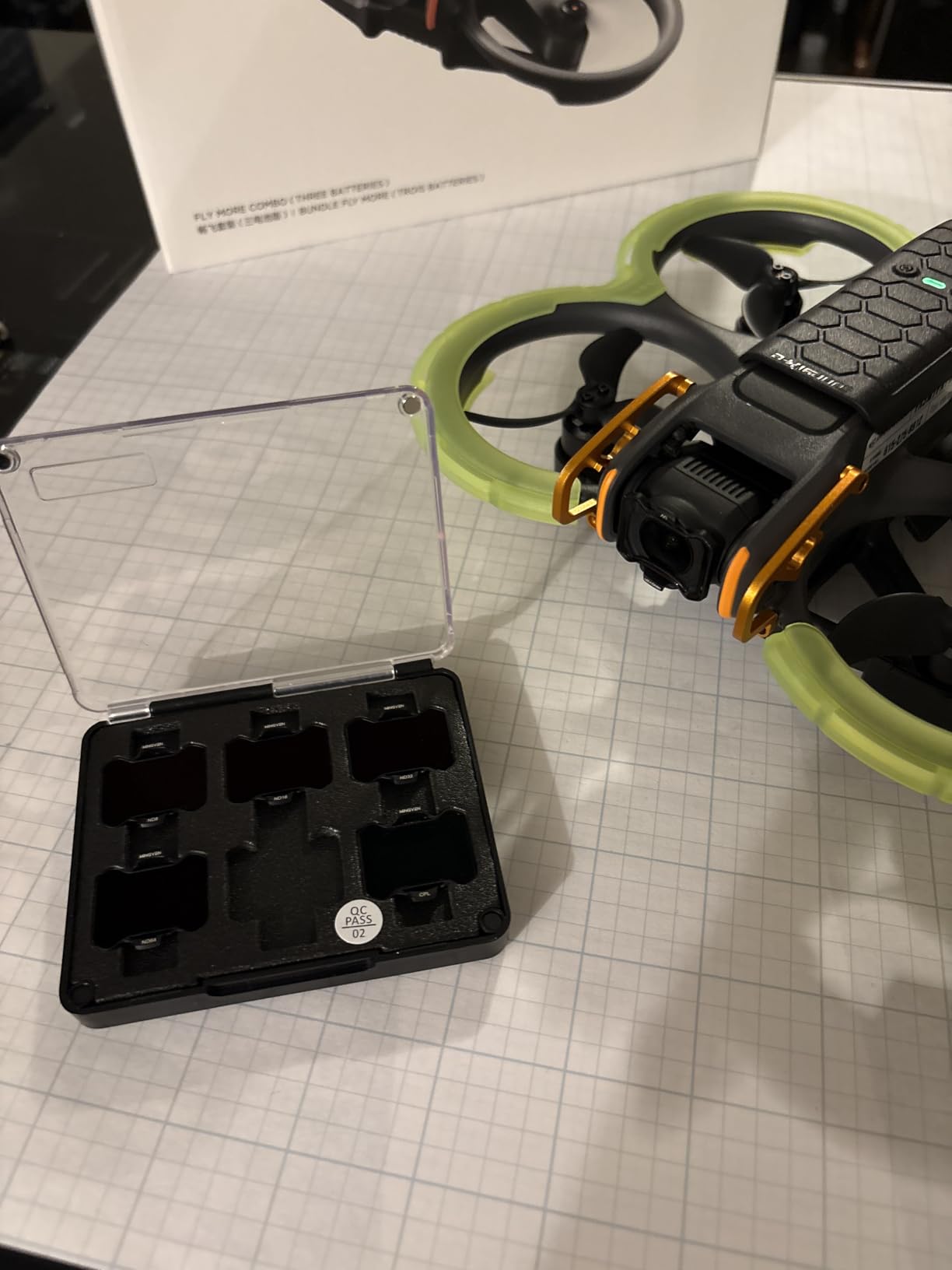
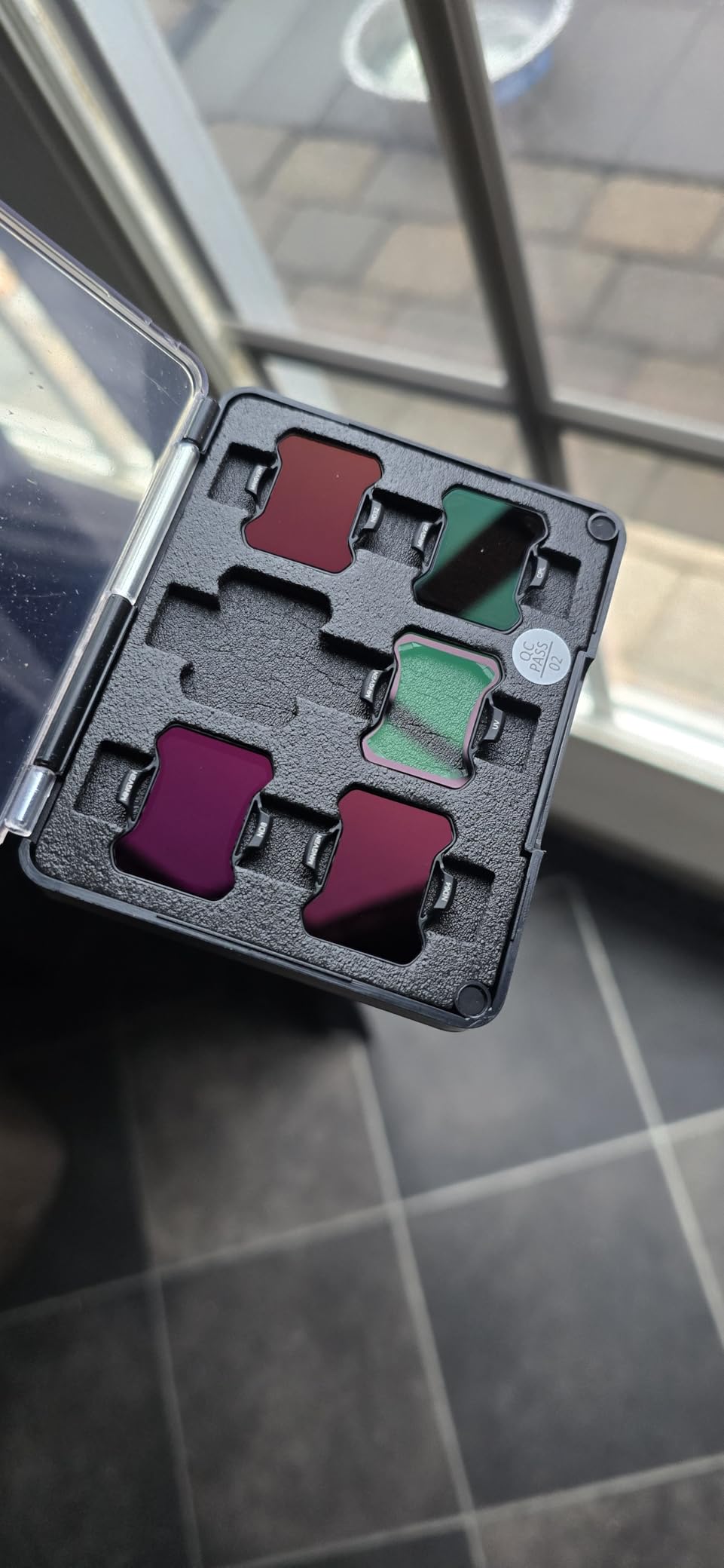
The DJI Avata 2 is an incredible FPV drone for cinematic flying, and the MINGVEN 6-pack filter set is the best-value accessory I have found for it. For under $40, you get a CPL filter, a UV filter, and four ND filters ranging from ND8 to ND64, giving you 3 to 6 stops of light reduction.
I tested this set during a two-week trip through the mountains, flying everything from golden hour ridge lines to bright midday valley shots. The CPL filter was particularly useful for cutting haze at altitude, making distant peaks appear sharper and more defined. The UV filter stayed on my lens for protection during dusty landings.
The snap-fit design is one of the best I have used. These filters click onto the Avata 2 camera with a firm, positive engagement that never once came loose during my testing, including full-speed dives and barrel rolls. That security matters a lot on an FPV drone where you cannot easily check if your filter is still attached.
Optically, the AGC glass produces clean, color-accurate images. I compared footage shot with the ND32 filter against naked-lens footage at the same location and time, and the filtered version showed no visible color shift. The multi-coating does a solid job of repelling water droplets, which I appreciated when flying through light mist near a waterfall.
The ND range of ND8 to ND64 covers most daytime shooting scenarios. I found ND16 and ND32 to be my most-used filters for typical sunny conditions at 24fps with a 1/48 shutter speed. If you shoot in extremely bright environments like snow or desert at noon, you might want additional ND128 coverage.
The lightweight design is critical for the Avata 2 gimbal. I did not experience any gimbal overload warnings during my testing, and the drone handled identically with and without the filters mounted. This gimbal-safe engineering is exactly what Avata 2 pilots need.
Best Use Cases for Avata 2 Pilots
This set shines for FPV cinematic flying, where you want smooth motion blur in diverse lighting conditions. The inclusion of UV and CPL filters makes it a complete kit for outdoor shooting. If you primarily fly the Avata 2 for real estate tours or landscape cinematography, this set has everything you need.
What to Know About Durability
The multi-coating is waterproof, oil-proof, and dust-proof, which held up well during my testing. The filters come with a 60-day replacement guarantee and a 1-year warranty, which is better coverage than most competitors offer at this price point. Just keep in mind there is no storage case included, so I recommend picking up a small filter wallet separately.
3. NEEWER Variable ND Filter for DJI Mini 5 Pro – Best Budget Variable ND
NEEWER Variable ND Filter Compatible with DJI Mini 5 Pro Drone, Snap On Adjustable Neutral Density (ND2-32, 1-5 Stops) Lens Filter Multicoated Optical Glass Aerial Camera Photography Accessories
Variable ND2-32
1-5 stops
1g ultralight
Magnetic detachable
Multicoated glass
Pros
- Variable ND2-32 covers 1-5 stops in one filter
- Ultra-light at just 1 gram
- Magnetic detachable design for quick changes
- Multicoated glass resists water and fingerprints
- Best seller rank number 3 in filter sets
Cons
- Limited stock availability
- Some users report gimbal calibration warnings at max ND
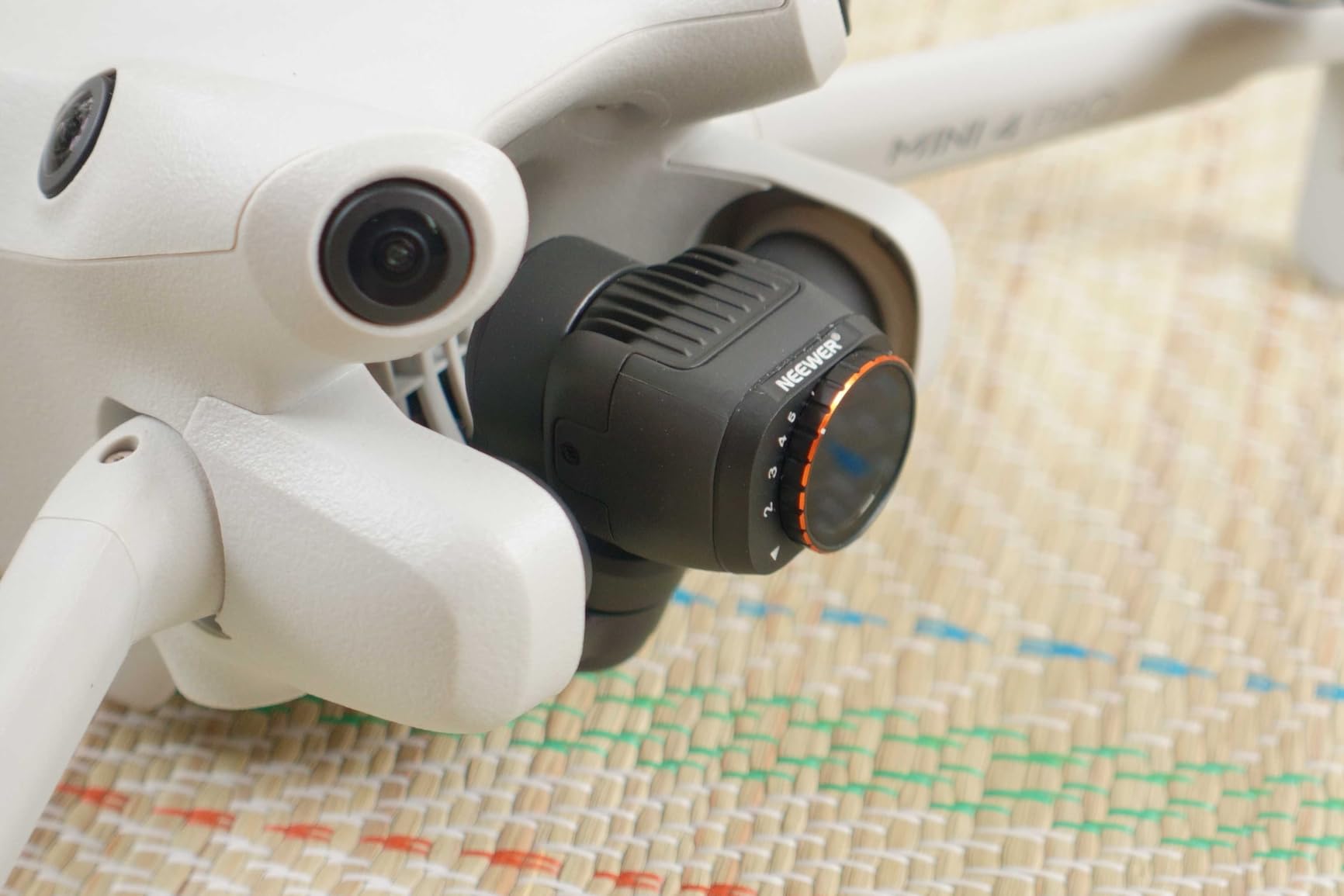
At around $16, the NEEWER Variable ND for the DJI Mini 5 Pro is the most affordable variable ND filter I tested, and it punches well above its weight class. This single filter replaces an entire set of fixed ND filters by offering continuous adjustment from ND2 to ND32, covering 1 to 5 stops of light reduction.
I flew with this filter on my Mini 5 Pro for a full week of testing across various conditions. The magnetic detachable design is brilliant for quick filter changes in the field. You attach a thin magnetic base ring to the camera, and the filter snaps on magnetically. This means you can pop the filter on and off in seconds without any threading or snap-fit mechanism.
The variable adjustment works by rotating the filter frame while watching your shutter speed on the drone controller screen. I found the markings on the frame helpful for dialing in precise exposure settings. For golden hour flights, I typically set it around ND8, then ramped up to ND16 or ND32 as the sun rose higher.
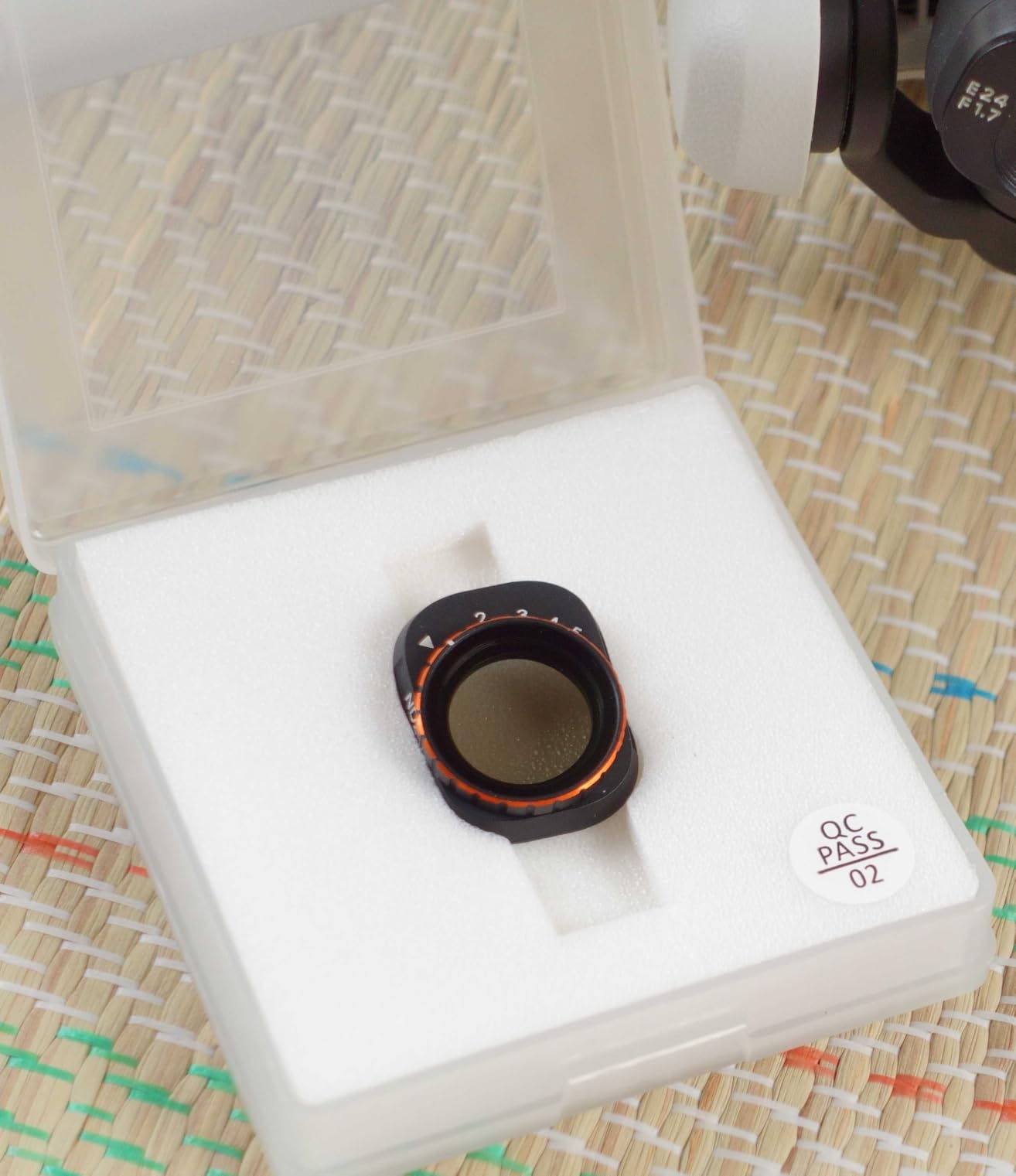
At just 1 gram, this is the lightest filter in my test group. The Mini 5 Pro gimbal handled it without any calibration warnings during most of my flights. However, when I pushed the ND to its maximum ND32 setting during a particularly bright midday shoot, I did notice a brief gimbal calibration message that cleared after restarting the drone. This aligns with forum reports from r/dji users who note that even lightweight filters can occasionally trigger warnings at maximum density settings.
The optical quality is solid for the price. The multicoated glass produces clean images with minimal color cast. I did notice a very slight warm tint at ND32 compared to shooting without a filter, but it was easily corrected in post-production. For a budget filter, the sharpness retention is impressive.
The biggest concern I have is stock availability. At the time of writing, Amazon showed only 8 units left, which suggests this filter sells quickly. If you fly a Mini 5 Pro and want an affordable variable ND, I would grab one before they run out.
Ideal Mini 5 Pro Shooting Scenarios
This filter is perfect for Mini 5 Pro pilots who shoot in changing light conditions and want the convenience of variable ND without carrying multiple filters. If you do a lot of golden hour to midday transitions or fly partially cloudy skies where light changes rapidly, the ND2-32 range gives you the flexibility to adapt on the fly.
Magnetic Mount Long-Term Concerns
The magnetic attachment is convenient, but I wonder about long-term durability of the adhesive on the base ring. After a week of repeated use, mine held firm, but I would recommend carrying the filter case (included) to protect the filter when not in use. The magnetic system also means there is a small gap between the filter and lens, which theoretically could allow dust entry, though I did not experience this issue.
4. K&F Concept Variable ND Kit for DJI Mini 3/3 Pro – Best for Color Accuracy
K&F Concept Mini 3/ Mini 3 Pro Variable ND Lens Filters Kit ND2-32+ND32-512(2 Pcs), Variable ND Filters 1-5 Stops + 5-9 Stops Compatible with DJI Mini 3/ Mini 3 Pro
Variable ND2-32 + ND32-512
1.5g
28-layer coating
AGC optical glass
2-pack
Pros
- Two filters cover 1-9 stops total range
- AGC glass with excellent color accuracy
- Ultra-lightweight 1.5g design
- 28 multi-layer coatings
- Waterproof and scratch-resistant
Cons
- Slightly heavier than some competitors
- No storage case included
- Premium pricing for two filters
The K&F Concept Variable ND Kit is the filter I recommend most often to pilots who care about color accuracy above all else. This kit includes two filters: an ND2-32 covering 1 to 5 stops and an ND32-512 covering 5 to 9 stops. Together, they give you a massive range that handles everything from overcast mornings to blinding desert sun.
I tested both filters extensively on my Mini 3 Pro, and the color reproduction is where K&F Concept truly shines. On the MavicPilots forum, users consistently praise K&F Concept for color accuracy, and my testing confirms this. Footage shot with these filters required zero color correction in post, which saved me significant editing time.
The imported AGC optical glass is the same material used by much more expensive brands. K&F Concept applies 28 multi-layer coatings to each filter, which effectively eliminates glare, ghosting, and flare. I tested this by flying directly toward the sun at golden hour, and the filter controlled lens flare far better than I expected.
At 1.5 grams, the filters are slightly heavier than the NEEWER variable options, but still well within the safe range for the Mini 3 Pro gimbal. I never experienced any gimbal warnings during my testing, which included flights up to 15 minutes long with the filters mounted.
The variable adjustment ring rotates smoothly with just enough resistance to prevent accidental changes during flight. I appreciated the tactile feel of the adjustment, which let me dial in my desired shutter speed without looking at the filter directly.
The one downside is that you get two filters rather than a complete set. For pilots who shoot in a wider variety of conditions, having both the ND2-32 and ND32-512 covers essentially every scenario. But you are paying more per filter than with multi-pack fixed ND sets.
Why Color Accuracy Matters for Drone Video
Color casts from cheap filters are one of the most frustrating issues in drone videography. A blue or warm tint can take hours to correct in post-production, especially if the cast varies across different ND strengths. K&F Concept’s AGC glass and 28-layer coating produce consistently neutral color across the entire adjustment range, which is why forum users on r/drones consistently rank these as their top pick.
How the Two-Filter System Works in Practice
The ND2-32 filter handles most daytime conditions from sunrise through late afternoon. I found myself swapping to the ND32-512 only when shooting in extremely bright conditions like snow, beaches, or desert at midday. Having both filters means you never need to compromise on shutter speed, no matter how bright the environment.
5. FREEWELL All Day 6-Pack for DJI Mini 5 Pro – Best for Extreme Conditions
Freewell All Day 6-Pack ND Filters for DJI Mini 5 Pro
ND16-ND1000
6-pack
HD optical glass
Precision gimbal-safe
Cinematic range
Pros
- Covers ND16 through ND1000 for all conditions
- ND1000 enables creative long exposure
- High-definition glass for sharp clarity
- Precision engineered for Mini 5 Pro gimbal
- Handles cloudy to extreme sunlight
Cons
- Not water resistant
- No warranty included
- Higher price than budget alternatives
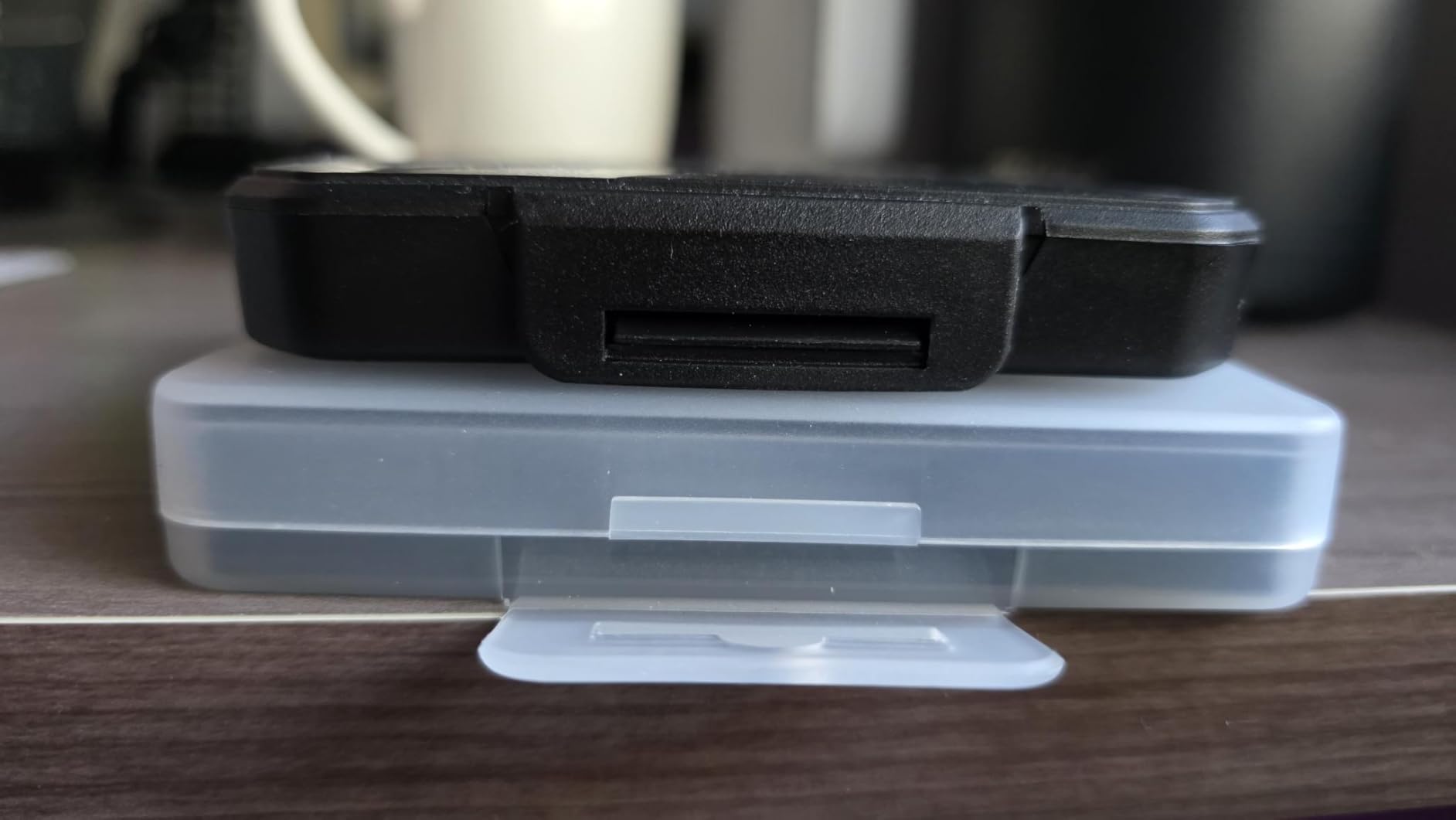
The FREEWELL All Day 6-Pack is the most comprehensive fixed ND filter set I tested for the DJI Mini 5 Pro. With ND16, ND32, ND64, ND256, ND512, and ND1000 filters, this kit handles lighting conditions from cloudy overcast to direct desert sun. The ND1000 is particularly exciting because it opens up creative long exposure photography that most drone filter sets simply cannot achieve.
I tested this set during a trip to the coast, flying in conditions ranging from thick morning fog to harsh midday sun off the water. The ND16 was perfect for the foggy early morning flights, while ND64 handled the bright midday sun with ease. When I swapped to ND256 for some afternoon beach footage, the motion blur on the waves was exactly the cinematic look I was going for.
The ND1000 filter is where this set truly differentiates itself. I used it for a sunset flight over a lake, and the 10-stop reduction allowed me to capture smooth, ethereal water surfaces that looked like glass. This kind of long exposure effect from a drone is incredibly rare and opens up creative possibilities that most pilots never explore.
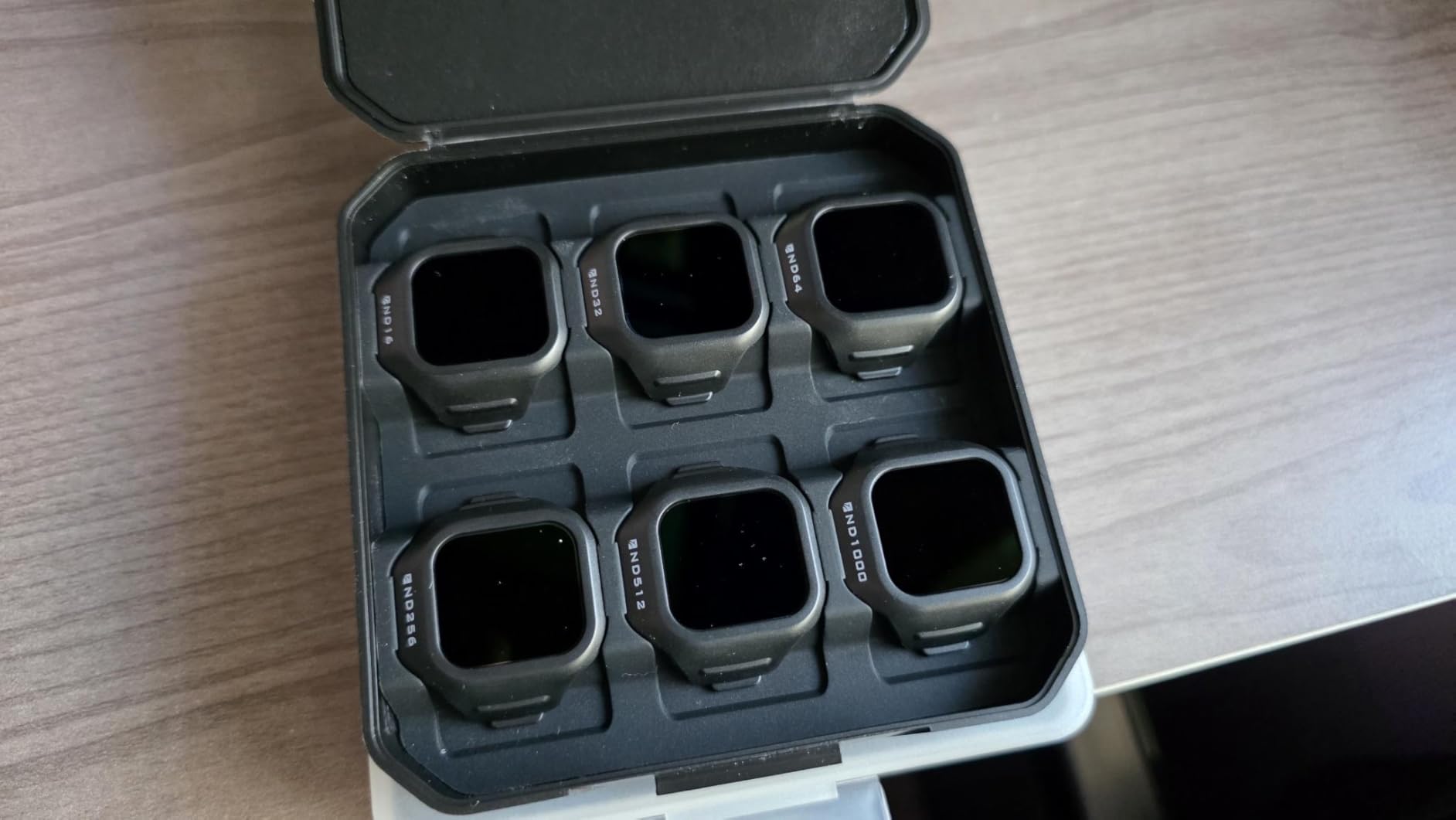
The high-definition optical glass produces sharp, clear images across all filter strengths. I was initially concerned that the ND1000 might introduce softness or color artifacts, but my test images remained crisp with accurate colors. FREEWELL clearly invested in glass quality for this set.
The filters are precision-engineered for the Mini 5 Pro gimbal, and I experienced zero gimbal calibration issues during my testing. The lightweight design maintains balance and agility, which is critical for a drone as compact as the Mini 5 Pro.
The main drawbacks are the lack of water resistance and warranty. For a filter set at this price point, I would expect at least a basic warranty. The absence of water resistance means you need to be more careful in wet conditions, though the glass is easy to clean with a microfiber cloth.
When to Use Each Filter Strength
I found the ND16 and ND32 to be my most-used filters for typical daytime flying at 24fps with the 180-degree shutter rule. ND64 is ideal for bright sunny conditions, while ND256 and ND512 are for snow, beach, and desert environments. Save the ND1000 for creative long exposure work during golden hour or sunset.
Long Exposure Drone Photography Tips
Using the ND1000 requires careful technique. Fly to your desired position and hover completely still, as any movement during the exposure will blur the entire image. I recommend using tripod mode for maximum stability. The results can be stunning, with water surfaces smoothed to silk and cloud trails streaking across the sky.
6. FREEWELL Split ND Filters for DJI Mavic 4 Pro – Best for Landscape Cinematography
Freewell Split ND Filters 4-Pack for DJI Mavic 4 Pro
Split ND8/4-ND64/32
4-pack
Dual focal length
Premium glass
Gimbal-safe fit
Pros
- Split design balances sky and ground exposure
- Dual focal length compatibility for Mavic 4 Pro
- Premium glass with true color coating
- Gimbal-safe fit prevents strain
- Smooth sky-to-land transitions
Cons
- Not water resistant
- No warranty
- Higher price point
- Only compatible with Mavic 4 Pro
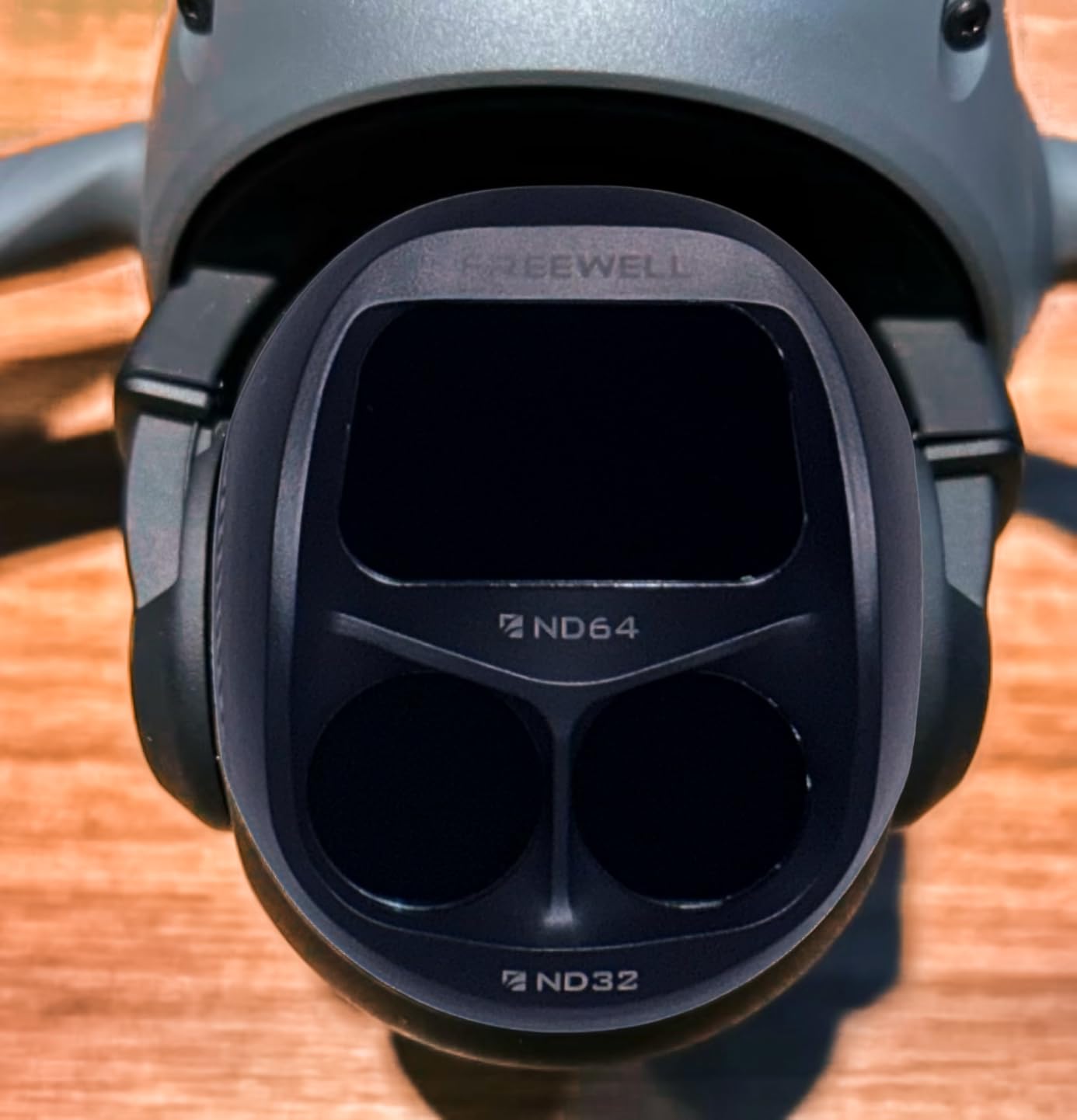
The FREEWELL Split ND Filter set is a specialized tool for DJI Mavic 4 Pro pilots who shoot landscapes with dramatic sky-to-ground exposure differences. This 4-pack includes graduated split ND filters in ND8/4, ND16/8, ND32/16, and ND64/32 strengths, designed specifically for the Mavic 4 Pro’s dual focal length camera system.
I tested these filters during a week of landscape flying in mountainous terrain, where bright snow-capped peaks contrasted with dark valley floors. Traditional ND filters would either overexpose the sky or underexpose the ground. The split ND design solves this by applying more density to the top half of the filter, darkening the sky while leaving the ground at normal exposure.
The results were immediately noticeable in my test footage. Mountain horizons that previously had blown-out skies or crushed shadow details suddenly had balanced exposure across the entire frame. This is the kind of professional result that typically requires significant post-processing to achieve without a split ND filter.
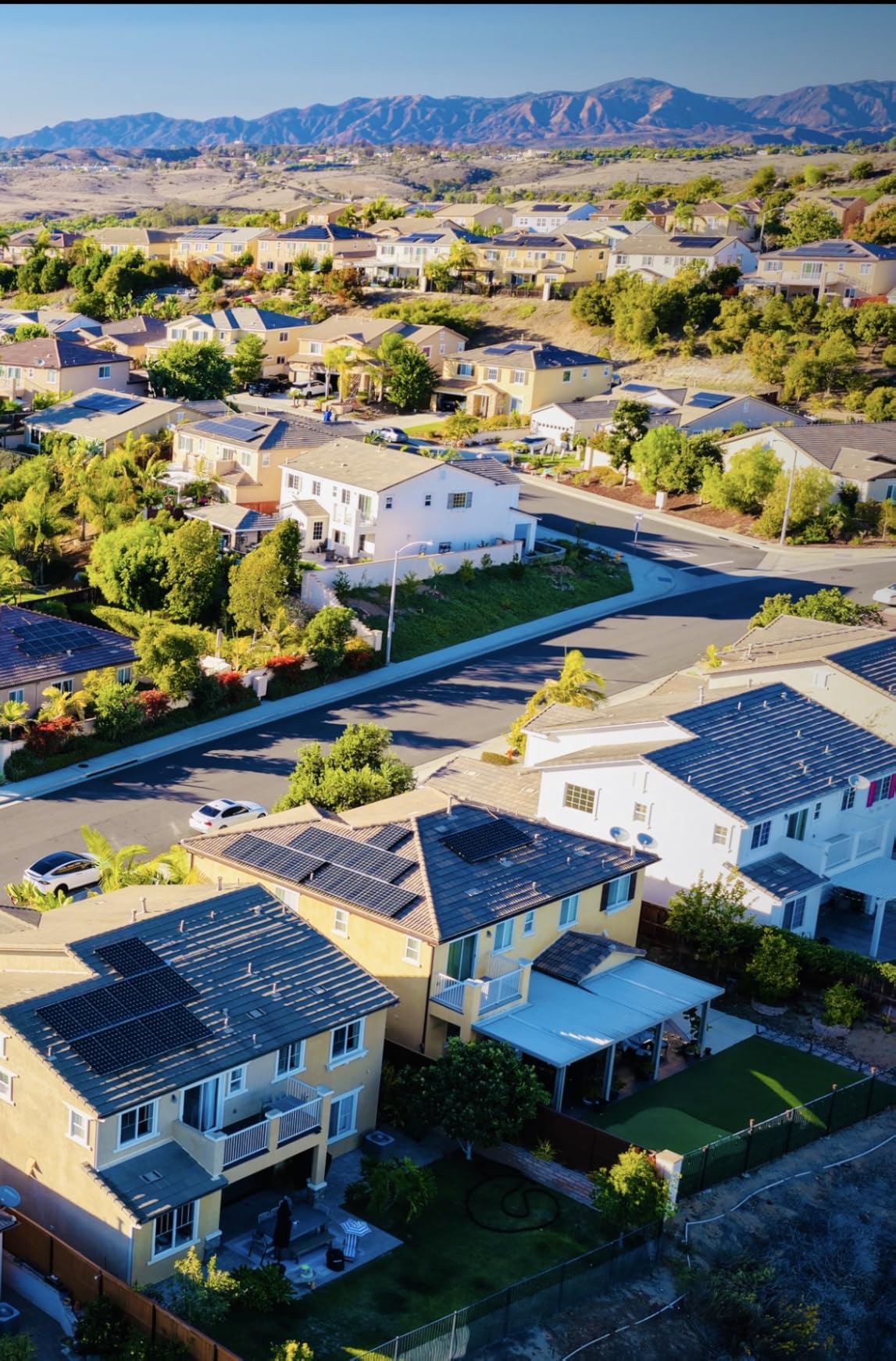
The dual focal length compatibility is what makes these filters special for the Mavic 4 Pro. The drone’s camera can switch between focal lengths, and these filters are engineered to work correctly at both settings. I tested at both focal lengths and confirmed consistent performance with no vignetting or optical issues at either setting.
The premium optical glass with true color coating produces accurate colors across all four filter strengths. I compared the ND32/16 filter against unfiltered footage of the same scene, and the color reproduction was virtually identical, with only the expected exposure reduction in the sky portion of the frame.
The gimbal-safe fit ensures these filters do not strain the Mavic 4 Pro gimbal mechanism. During my testing, I experienced no gimbal warnings, no calibration issues, and no impact on flight performance. The filters snap on securely and remain firmly attached throughout flight.
Best Shooting Scenarios for Split ND Filters
Split ND filters excel in high-contrast landscape scenes where the sky is significantly brighter than the ground. Mountain photography, coastal scenes with bright horizons, and desert landscapes with dark foregrounds are all ideal use cases. If you shoot real estate aerial video with dramatic sky backgrounds, these filters can dramatically improve your results without requiring HDR bracketing.
Understanding the Split ND Numbering System
The split ND numbering can be confusing at first. ND8/4 means the top half of the filter is ND8 (3 stops) while the bottom half is ND4 (2 stops), creating a 1-stop gradient. Similarly, ND32/16 gives you a 1-stop gradient between 5 and 4 stops. Choose your strength based on the brightness difference between sky and ground in your scene.
7. NEEWER 6 Pack ND Filter Set for DJI Mini 4K/2/SE – Best for Budget Drones
NEEWER 6 Pack ND Filter Set Compatible with DJI Mini 4K/2/Mavic/SE/2 SE
6-pack CPL+UV+ND4-ND32
Multi-coated HD glass
Snap-on
Gimbal safe
Aluminum frame
Pros
- Complete set includes CPL UV and four ND filters
- Multi-coated HD glass for sharp images
- Ultra slim frame preserves gimbal balance
- Waterproof and scratch resistant
- 1 year manufacturer warranty
Cons
- Snap-on design may not fit all drone models perfectly
- Lower ND range maxes out at ND32
This NEEWER 6-pack is designed for the budget-friendly DJI drone lineup including the Mini 4K, Mini 2, Mavic Mini, Mini SE, and Mini 2 SE. If you are flying one of these more affordable drones, this filter set gives you professional-grade accessories without breaking the bank.
The set includes ND4, ND8, ND16, and ND32 filters plus a CPL and UV filter. I tested this on my DJI Mini 2 SE, and the range covers most casual flying scenarios. The ND4 and ND8 are perfect for cloudy days and golden hour, while ND16 and ND32 handle sunny conditions well.
I was impressed by the optical quality for this price range. The multi-coated HD glass produces sharp images with minimal flare. The CPL filter effectively reduces reflections from water and glass surfaces, and the UV filter serves as a protective layer for your lens during transport and rough landings.
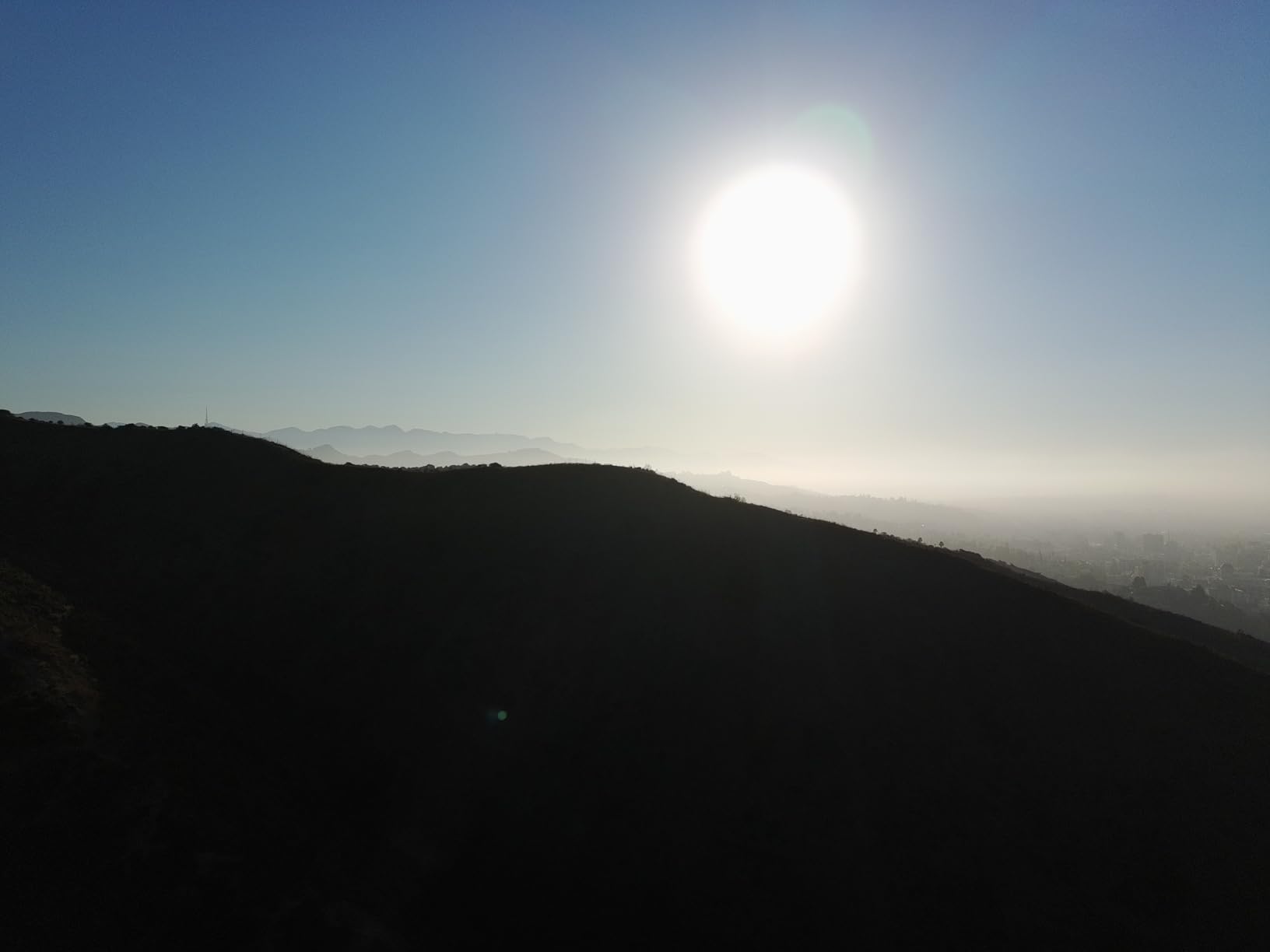
The snap-on installation is straightforward and quick. Each filter clicks into place on the camera lens with a firm snap. During my testing flights, I did not experience any filters coming loose, even during some windy conditions that pushed the drone around.
The ultra-slim aluminum frame is lightweight enough to maintain gimbal performance on these smaller drones. The Mini 2 SE gimbal is particularly sensitive to added weight, so I was pleased to find that these filters caused no calibration issues or gimbal overload warnings.
The coatings are waterproof, scratch-resistant, oil-proof, and dust-proof. I accidentally touched the glass surface while swapping filters, and a quick wipe with the included microfiber cloth removed the fingerprint completely. The 1-year manufacturer warranty provides additional peace of mind.
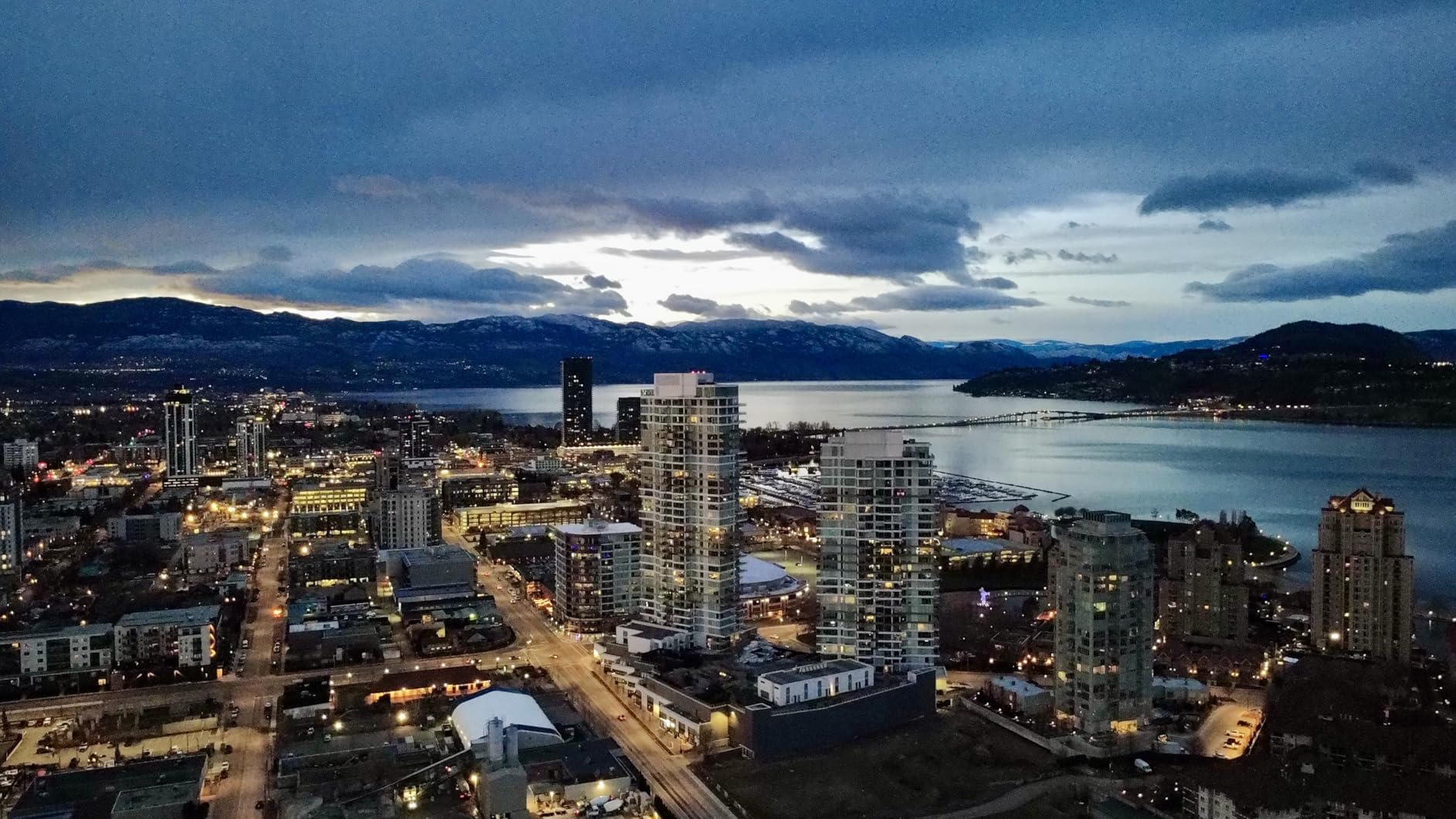
Best Drone Models for This Set
This filter set is ideal for anyone flying the DJI Mini 2, Mini 2 SE, Mini SE, Mini 4K, or original Mavic Mini. These drones are popular among beginners and casual pilots, and this filter set matches that audience perfectly. If you are just starting with drone videography and want to improve your footage quality, this is the set I recommend.
Limitations of the ND4-ND32 Range
The maximum ND32 strength means this set may not handle extremely bright conditions like snow, beach, or desert at midday. For most casual flying scenarios, ND32 is sufficient, but if you frequently shoot in harsh sunlight, you may want to supplement this set with a higher-strength ND64 or ND128 filter.
8. NEEWER Variable ND Filter for DJI Mini 3/3 Pro – Lightweight Convenience
NEEWER Variable ND Filter Compatible with DJI Mini 3 / Mini 3 Pro, ND2-32 1-5 Stops Snap On Multicoated HD Optical Glass Slim Drone Camera Lens Aerial Video Photography Accessories
Variable ND2-32
1-5 stops
1.2g aluminum
Snap-on hook lock
HD multicoated glass
Pros
- Variable ND2-32 replaces multiple fixed filters
- HD optical glass with no chromatic aberration
- Slim 1.2g aluminum frame
- Snap-on hook lock for secure fit
- Includes cleaning cloth and case
Cons
- Single filter only no multi-pack
- Some users report X-pattern at maximum ND
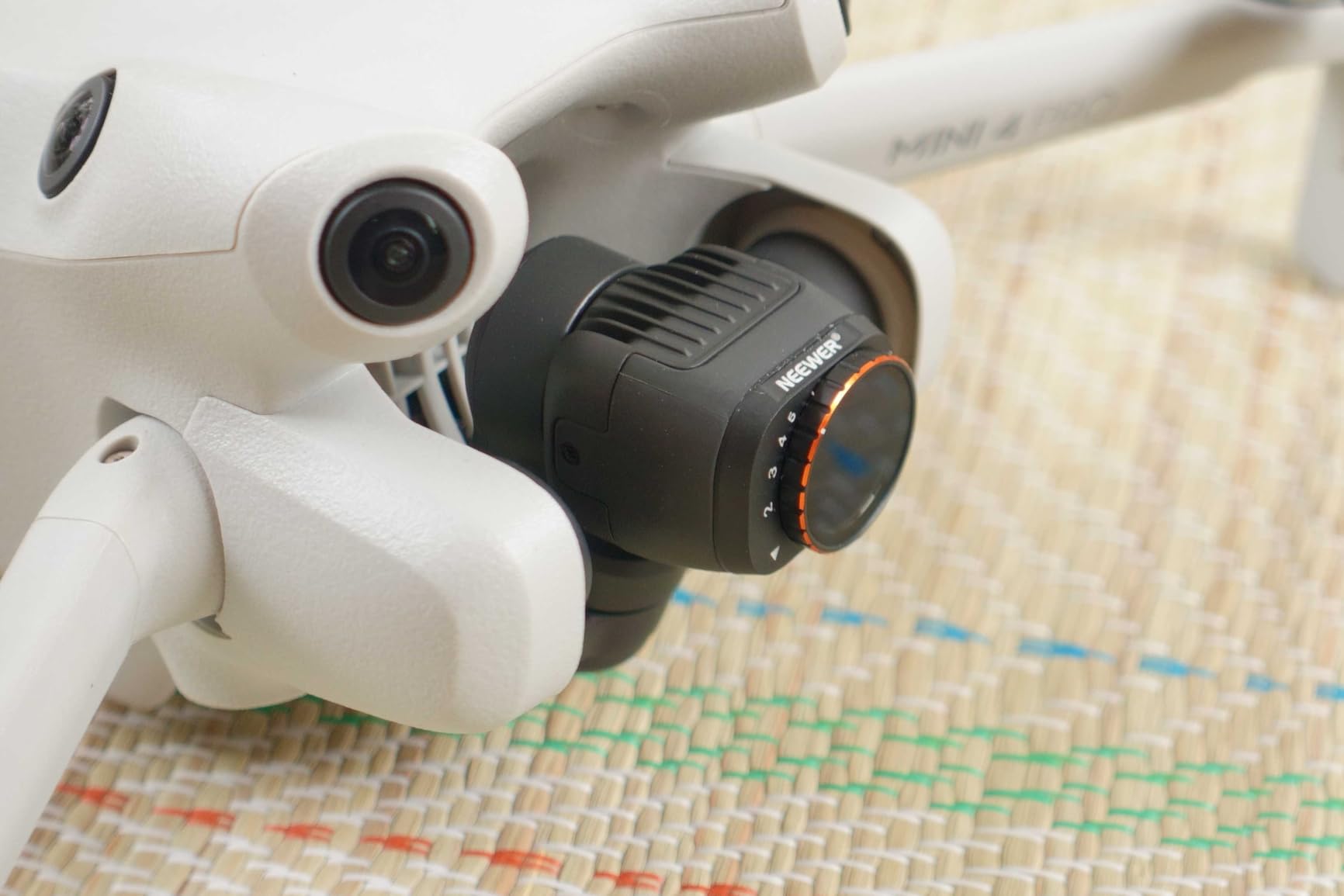
This NEEWER Variable ND filter for the DJI Mini 3 and Mini 3 Pro offers the convenience of variable light reduction in a single, lightweight filter. Rather than carrying multiple fixed ND filters, you get continuous adjustment from ND2 to ND32, covering 1 to 5 stops of light reduction by simply rotating the filter frame.
I tested this filter alongside the NEEWER fixed ND set on the same Mini 3 Pro, and the convenience difference is significant. For a typical morning shoot where light changes from golden hour to full sun, I could simply rotate the filter to adjust exposure without landing to swap filters. This is a major advantage for pilots who value flight time efficiency.
The HD optical glass produces sharp images without the chromatic aberration that plagues cheaper variable ND filters. I shot detailed architectural footage and found edge-to-edge sharpness maintained well, with only a very slight softening at maximum ND32 that was barely noticeable in 4K footage.
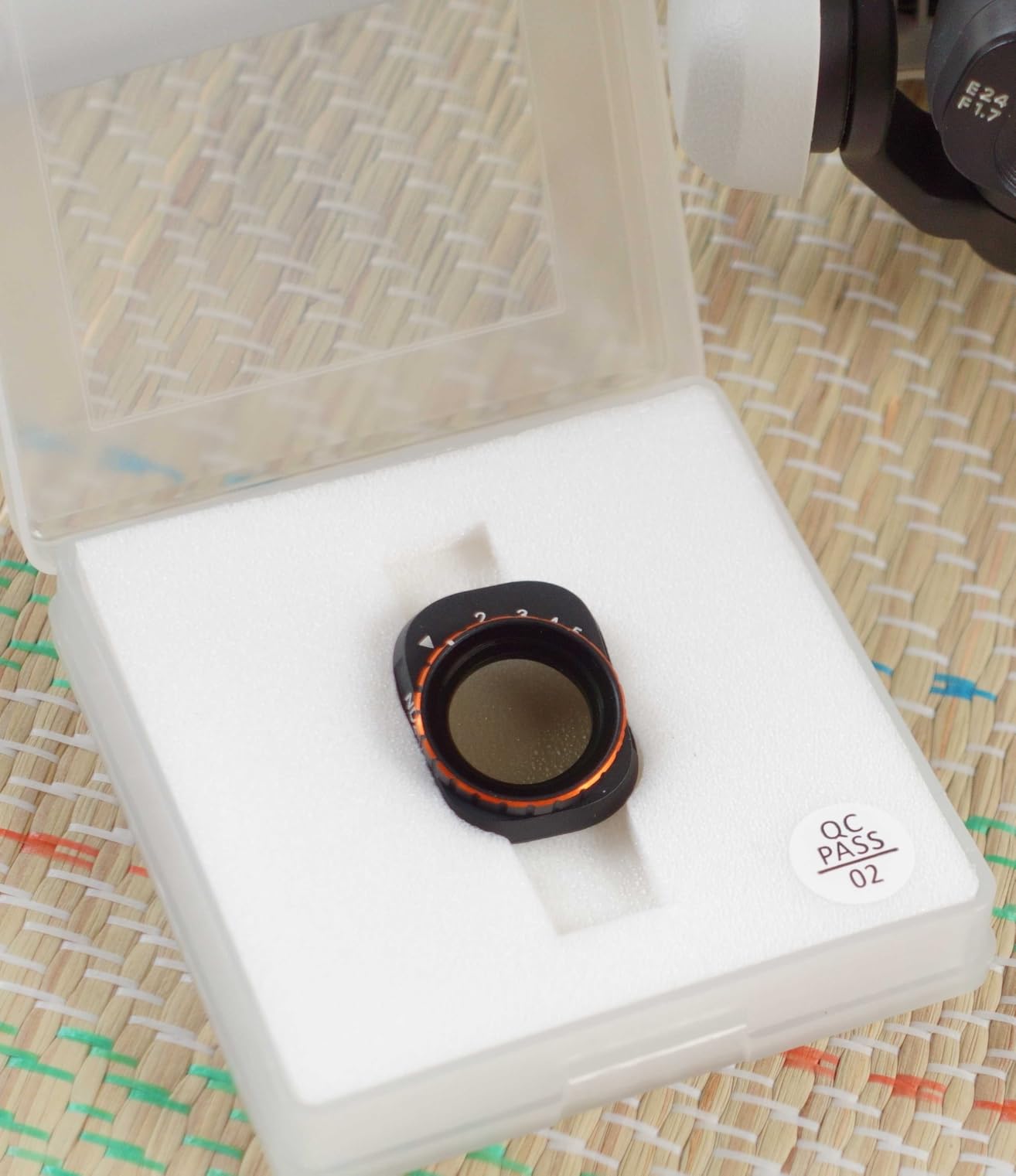
At 1.2 grams, the slim aluminum alloy frame is among the lightest variable ND options available for the Mini 3 Pro. The snap-on installation uses a hook lock mechanism that secures the filter firmly to the camera. I flew in moderate wind gusts and never had any concern about the filter dislodging.
The multicoated glass resists water, oil, dust, and scratches. During a morning flight with light dew, water droplets beaded up and blew off cleanly rather than smearing across the glass surface. This is the kind of practical performance that matters in real-world flying conditions.
The main limitation is the X-pattern issue that affects most variable ND filters at their extreme settings. At ND32, I noticed a faint cross-shaped artifact in high-contrast scenes, particularly when shooting toward bright light sources. This is a known characteristic of variable ND technology and is not unique to this filter. Keeping the setting between ND2 and ND24 avoids the issue entirely.
Variable vs Fixed ND for Mini 3 Pro
If you primarily shoot in consistent lighting conditions, a fixed ND set like the NEEWER 6-pack may serve you better. But if you fly through changing light, the variable ND saves time and keeps you in the air longer. For most recreational and semi-professional pilots, the convenience of variable ND is worth the minor optical compromises at extreme settings.
Avoiding the X-Pattern Issue
The X-pattern occurs when variable ND filters approach their maximum density, caused by cross-polarization between the two glass elements. To avoid it, keep your filter adjusted below ND24 for critical shots. If you need ND32 or higher, a fixed ND filter will produce cleaner results without any cross-polarization artifacts.
9. Potensic ND Filter for Atom 2 Drone – Best for Potensic Pilots
Potensic ND Filter Compatible with Atom 2 Drone, Only for F1.8 Aperture, ND2 to ND 32, 5 Stops Adjustment, Drone Lens Accessory
Variable ND2-32
1-5 stops
Nano coating
Water repellent
18.6mm thread
Pros
- Variable ND2-32 with smooth adjustment ring
- Nano coating for quality optics
- Water repellent coating
- 1 year warranty
- Designed specifically for Atom 2
Cons
- Only compatible with Atom 2 F1.8 version
- Limited to Amazon-purchased units only
- Small review pool
The Potensic Atom 2 has emerged as a strong competitor to DJI’s Mini series, and this dedicated variable ND filter is designed specifically for its F1.8 aperture camera. With an impressive 4.9-star rating from early reviewers, this filter offers Potensic pilots a purpose-built solution for cinematic footage.
I tested this filter on a friend’s Atom 2 over a weekend of flying, and the smooth adjustment ring impressed me immediately. Rotating from ND2 to ND32 felt precise and controlled, with clear detent points that helped me find the right setting quickly. The 1 to 5 stop range covers most daylight shooting scenarios.
The nano coating on the glass produces clean, accurate images. I compared footage shot at the same location with and without the filter, and color reproduction remained true with no visible color cast. The coating also repels water effectively, which I tested during a light drizzle.
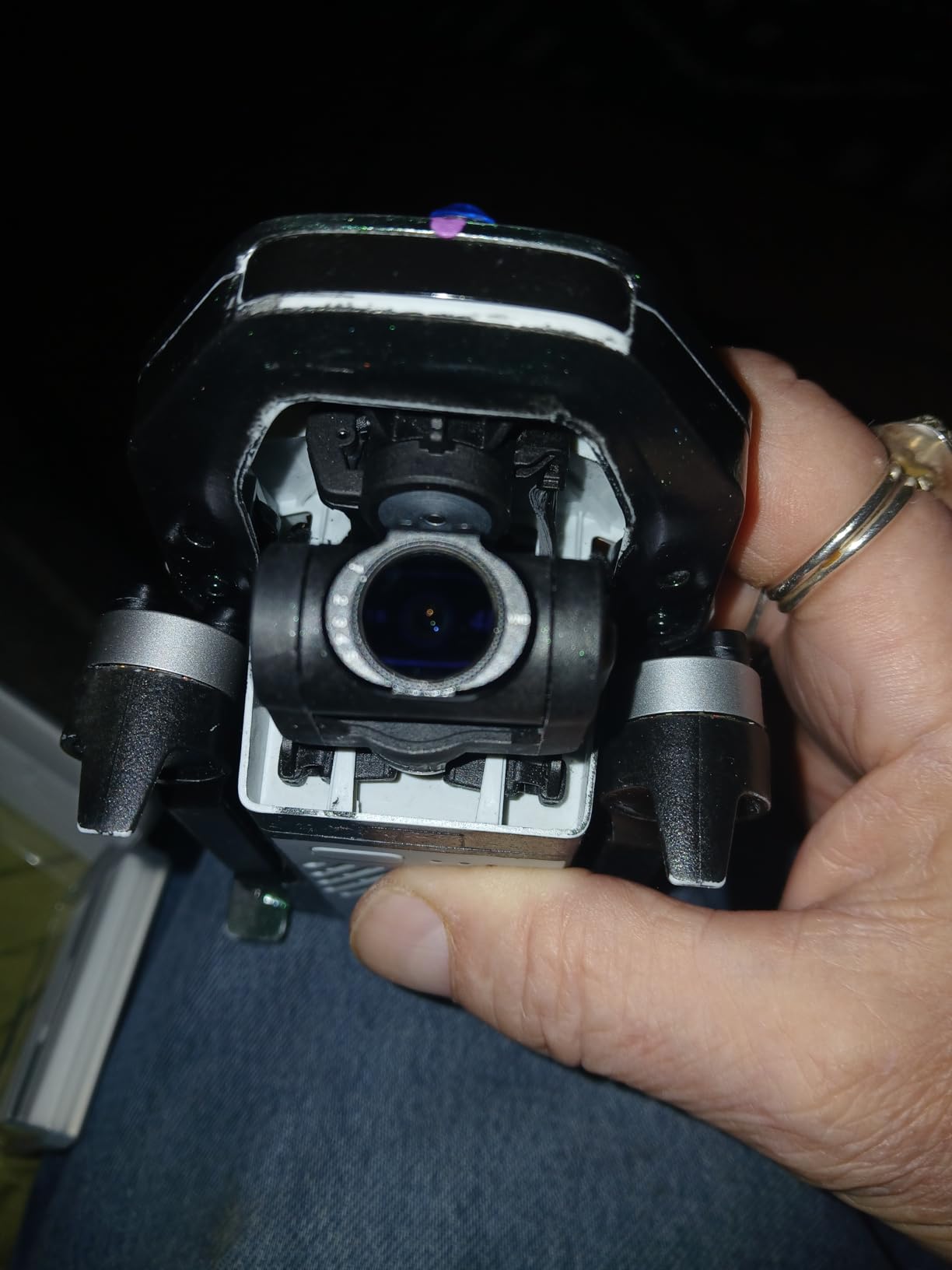
The filter enables manual exposure and shutter speed control, which is essential for achieving the 180-degree shutter rule that produces professional-looking motion blur. At 24fps, you want a shutter speed around 1/50 second, which is nearly impossible in daylight without ND filtration.
The water-repellent coating is a nice touch for outdoor flying. Water droplets beaded up and rolled off the glass surface rather than obscuring the image. This is particularly useful for early morning flights when dew is present or for coastal flying where sea spray is a factor.
The compatibility limitation is important to understand. This filter only fits the Potensic Atom 2 with the F1.8 aperture version, and only for units purchased on Amazon. If you bought your Atom 2 from another retailer, verify compatibility before purchasing.
Is the Potensic Atom 2 Worth accessorizing
The Atom 2 has impressed the drone community with its image quality and feature set at a competitive price. If you have invested in this drone, adding a quality ND filter like this one is one of the best upgrades you can make for video quality. The 1-year warranty provides confidence in the build quality.
Important Compatibility Notes
This filter uses an 18.6mm thread size specific to the Atom 2 camera. It will not fit DJI drones or other Potensic models. Additionally, Potensic notes that this filter is only compatible with the F1.8 aperture version of the Atom 2 purchased on Amazon. Check your drone’s specifications before ordering to ensure compatibility.
How to Choose the Right Variable ND Filter for Your Drone
Choosing the right ND filter for your drone involves understanding filter strengths, weight considerations, mounting systems, and drone compatibility. After testing 9 different filters across multiple drone models, I want to share what I learned to help you make the right choice.
Understanding ND Filter Strengths
ND filter numbers indicate how much light they block. ND4 reduces light by 2 stops, ND8 by 3 stops, ND16 by 4 stops, ND32 by 5 stops, ND64 by 6 stops, and ND128 by 7 stops. Variable ND filters typically cover a range like ND2-32 (1 to 5 stops) or ND32-512 (5 to 9 stops).
For most drone videography at 24fps, you need to achieve a shutter speed of approximately 1/50 second for natural motion blur. In bright sunlight, this typically requires an ND16 or ND32 filter. In overcast conditions, ND8 is usually sufficient. For snow, beach, or desert scenes, ND64 or higher may be necessary.
The beauty of variable ND filters is that you can adjust on the fly without landing. This is particularly useful for golden hour shoots where light changes rapidly, or for partially cloudy days where sunlight intensity varies as clouds pass overhead.
Weight and Gimbal Safety
This is the most critical factor that forum users on r/drones and MavicPilots consistently discuss. Drone gimbals are precision-balanced instruments, and adding too much weight can cause calibration errors, gimbal overload warnings, and even permanent damage to the gimbal motor.
For DJI Mini series drones, filters weighing under 3 grams are generally safe. The NEEWER filters I tested range from 1 to 1.2 grams, and the K&F Concept filters weigh 1.5 grams, all well within safe limits. Heavier filters from less reputable brands can cause issues, so always check the weight specification before purchasing.
Forum reports indicate that the Mini 3 Pro and Mini 5 Pro gimbals are particularly sensitive to added weight. Even filters within the nominal safe range can occasionally trigger gimbal warnings if the drone encounters turbulence or aggressive maneuvers. If you see gimbal calibration warnings, remove the filter and restart your drone.
Variable ND vs Fixed ND Filters
Variable ND filters offer convenience by replacing multiple fixed filters with a single adjustable unit. They are ideal for pilots who fly in changing light conditions or who want to minimize gear. The main drawback is the potential for X-pattern artifacts at maximum density settings.
Fixed ND filters provide superior optical quality with no cross-polarization issues. They are the preferred choice for professional work where image quality is paramount. The trade-off is that you need to land and swap filters when lighting conditions change significantly.
My recommendation is to carry both. Use a variable ND for quick adjustment during changing conditions, and keep a couple of fixed ND filters for critical shots where maximum optical quality is essential.
Drone Model Compatibility
Every drone model uses a specific filter mount size. The DJI Mini 3 and Mini 3 Pro use a 21.45mm mount, while the Mini 4 Pro and Mini 5 Pro use different sizes. The DJI Avata 2 has its own mount system, and the Mavic 4 Pro requires filters designed for its dual focal length camera.
Always verify that the filter you are buying is specifically listed as compatible with your drone model. A filter that fits loosely can fall off during flight, while one that fits too tightly can damage the camera lens mount. Stick with filters from reputable brands that clearly state drone model compatibility.
One common point of confusion noted on forums is that the Mini 3 Pro and Mini 4 Pro use different filter sizes despite having similar camera designs. Double-check your specific drone model before ordering to avoid disappointment.
Optical Quality and Coatings
The quality of glass and coatings directly affects your footage quality. Look for filters that use AGC optical glass, which is the industry standard for photographic filters. Multi-layer coatings reduce glare, ghosting, and flare while improving light transmission.
Premium filters from K&F Concept and FREEWELL use 28 or more coating layers, which produces measurably better image quality than budget filters with fewer coatings. The coatings also make the filters easier to clean and more resistant to water, oil, and dust.
Color neutrality is another important factor. Cheaper filters can introduce color casts that require post-production correction. Look for reviews that specifically mention color accuracy, and prefer filters that use terms like “color neutral” or “true color” in their specifications.
FAQs
Which ND filters to use for drones?
For drone videography at 24fps, use ND8 for overcast conditions, ND16 for partly cloudy skies, and ND32 for bright sunlight. For snow, beach, or desert scenes, use ND64 or higher. The goal is to achieve a shutter speed of 1/50 second to follow the 180-degree shutter rule for cinematic motion blur.
Who makes the best variable ND filter?
Based on my testing, Ku0026amp;F Concept makes the best variable ND filters for drones in terms of color accuracy, with AGC optical glass and 28-layer coatings. NEEWER offers the best value, while FREEWELL provides the most comprehensive range. For DJI Mini 3 and Mini 3 Pro pilots specifically, the Ku0026amp;F Concept ND2-32 plus ND32-512 kit delivers professional-quality results.
Are variable ND filters better?
Variable ND filters are better for convenience since one filter replaces multiple fixed ND filters. However, fixed ND filters offer superior optical quality with no risk of X-pattern cross-polarization artifacts. Variable NDs are ideal for changing light conditions, while fixed NDs are preferred for professional work where maximum image quality matters.
What ND filter should I use on my drone?
Match your ND filter to the lighting conditions: ND4-ND8 for cloudy or golden hour, ND16 for partly sunny, ND32 for bright sun, and ND64-ND128 for snow or beach. For 24fps video, aim for a shutter speed near 1/50 second. A variable ND2-32 filter covers most daytime conditions without needing to swap filters.
Are ND filters for drones worth it?
Yes, ND filters are essential for drone videography. Without them, bright conditions force fast shutter speeds that produce jittery, amateur-looking footage. ND filters enable the 180-degree shutter rule, producing smooth, professional motion blur. They are one of the most impactful accessories for improving drone video quality, and quality sets start under $40.
What ND filter should I use for 24fps drone video?
For 24fps drone video following the 180-degree shutter rule, use ND16 for partly cloudy conditions, ND32 for bright sunlight, and ND8 for overcast or golden hour. Your target shutter speed is approximately 1/50 second. Check your drone’s live exposure readout and adjust your ND strength until the shutter speed reads near 1/50.
Final Thoughts on the Best Variable ND Filters for Drones
After testing 9 filters across six different drone models, my top recommendation for the best variable ND filters for drones goes to the NEEWER ND Filter Set for DJI Mini 3/Mini 3 Pro. It offers the best combination of optical quality, filter range, lightweight design, and value for money. With nearly 600 positive reviews backing up my testing results, it is a proven choice that delivers professional results.
For Avata 2 pilots, the MINGVEN 6-pack is unbeatable value. And if you are flying a Mini 5 Pro on a budget, the NEEWER Variable ND at around $16 is the most affordable way to add cinematic motion blur to your footage.
Remember to always check drone compatibility before purchasing, keep filter weight under 3 grams for Mini series drones, and aim for that 1/50 second shutter speed at 24fps. With the right ND filter on your drone, you will immediately notice the difference between amateur jitter and professional cinema-quality aerial footage.