
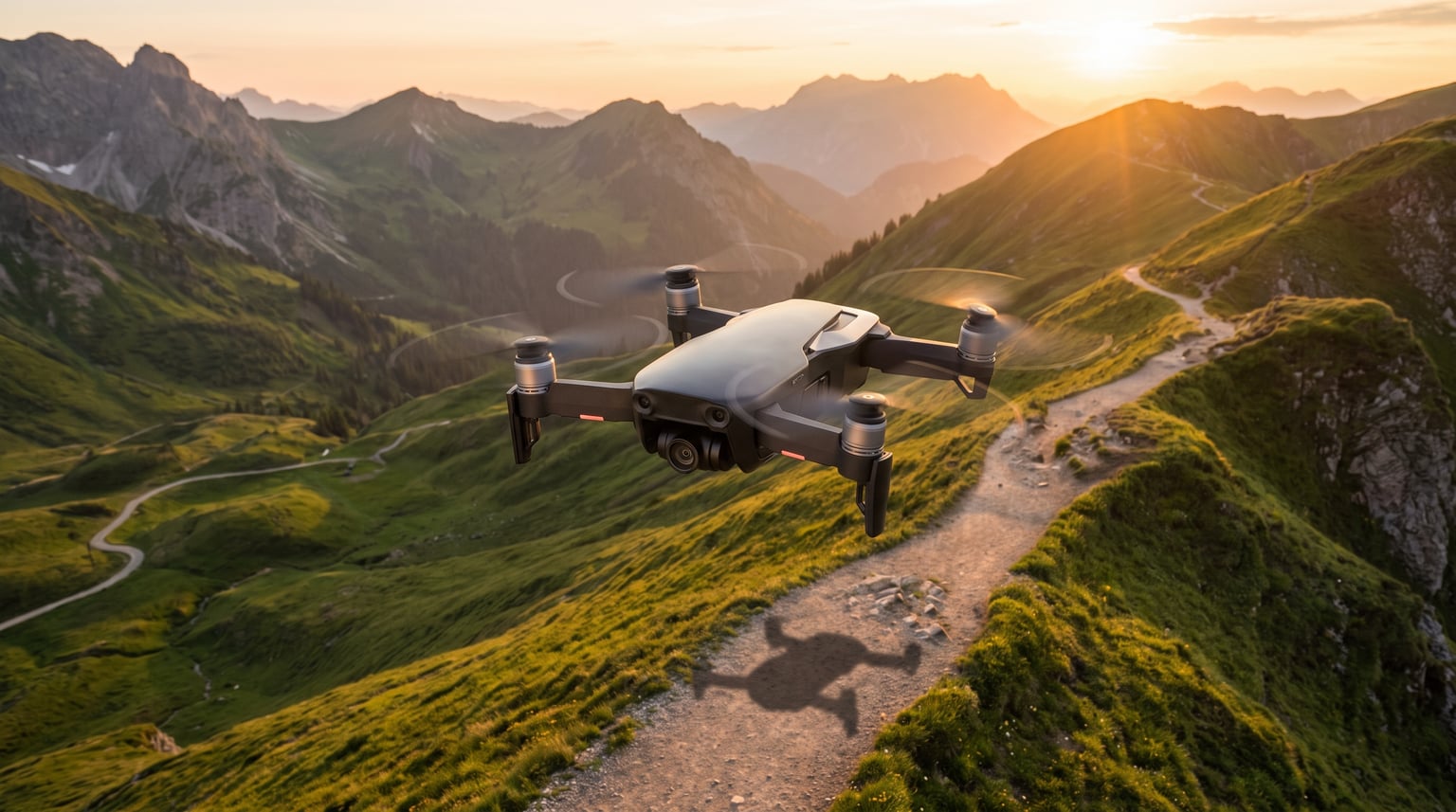
Taking a good selfie used to mean propping your phone against a rock, setting a timer, and sprinting into position before the shutter fired. I have done that more times than I care to admit, and I have lost phones to wind gusts because of it. The best selfie drones solve that problem entirely by putting a camera in the air that you control from the ground, or better yet, one that flies itself while you just live in the moment.
A selfie drone is a compact, lightweight camera drone built for self-portraits, group shots, and short video clips without needing a second person behind the controls. These drones typically weigh under 250 grams, feature intelligent tracking modes, and launch straight from your palm. Our team spent weeks comparing 13 of the most popular models across every price range, from budget beginners to premium flagships, to find which ones actually deliver great aerial selfies.
In this guide, we break down camera quality, flight time, portability, smart tracking features, and real-world usability for each drone. Whether you are a solo traveler, a content creator, or someone who just wants better vacation photos, there is a selfie drone here that fits your needs and budget in 2026.
Table of Contents
Top 3 Selfie Drones for in 2026


HOVERAir X1 Self-Flying Drone
- HDR 2.7K Video
- Follow-Me Mode
- 125g Ultra Light
- Triple Stabilization

Best Selfie Drones in October 2026
| Product | Specifications | Action |
|---|---|---|
| DJI Neo Mini Drone |
|
Check Latest Price |
| HOVERAir X1 Drone |
|
Check Latest Price |
 DJI Mini 4K Drone DJI Mini 4K Drone |
|
Check Latest Price |
 DJI Flip Drone DJI Flip Drone |
|
Check Latest Price |
| HOVERAir X1 PROMAX |
|
Check Latest Price |
 DJI Mini 4 Pro DJI Mini 4 Pro |
|
Check Latest Price |
 HOVERAir X1 PRO HOVERAir X1 PRO |
|
Check Latest Price |
| Holy Stone HS110D |
|
Check Latest Price |
 DJI Mini 2 SE Combo DJI Mini 2 SE Combo |
|
Check Latest Price |
 Potensic ATOM SE Potensic ATOM SE |
|
Check Latest Price |
 Potensic ATOM 2 Potensic ATOM 2 |
|
Check Latest Price |
 Holy Stone HS175D Holy Stone HS175D |
|
Check Latest Price |
 DJI Mini 5 Pro Combo DJI Mini 5 Pro Combo |
|
Check Latest Price |
1. DJI Neo – Palm-Sized Self-Flying Drone
DJI Neo, Mini Drone with 4K UHD Camera for Adults, 135g Self Flying Drone that Follows You, Palm Takeoff, Subject Tracking, QuickShots, Stabilized Video, Built-In Propeller Guard (Controller-Free)
135g
4K UHD Stabilized Video
Palm Takeoff
Subject Tracking with 8 QuickShots
10km Range
No FAA Registration
Pros
- Ultra lightweight at 135g with no FAA registration needed
- Palm takeoff and landing with zero setup
- 4K stabilized video with level-4 wind resistance
- 8 QuickShots modes including Dronie and Circle
- Voice control plus app and RC options
- Full-coverage propeller guards for safe indoor use
Cons
- Single battery included in standard package
- Controller-free operation requires smartphone
- Shorter flight time compared to larger drones
I have been flying the DJI Neo for months now, and it remains the easiest selfie drone I have ever launched. You literally hold it on your palm, double-press the power button, and it takes off on its own. No controller needed, no complicated pairing sequence, no app fumbling. It just flies.
The 4K video quality surprised me for something this small. DJI managed to pack stabilized 4K into a 135-gram frame that fits in a jacket pocket. The footage is smooth in light wind thanks to level-4 wind resistance, and colors look natural straight out of the camera without heavy grading.
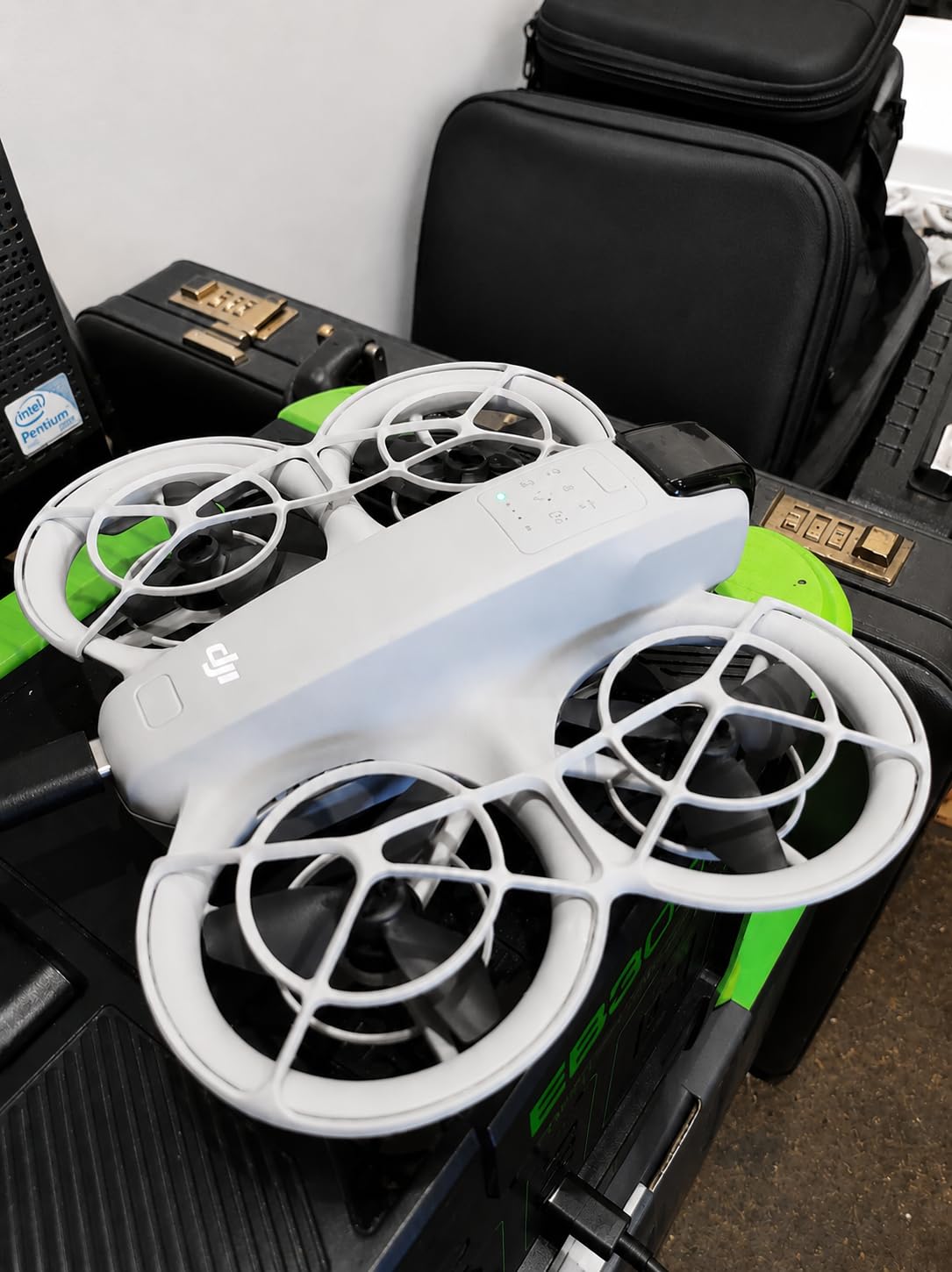
What makes the Neo special for selfies specifically is the subject tracking. Once it locks onto you, it follows your movements smoothly. I tested this on a hiking trail where I walked along a ridge, and the Neo kept pace about 15 feet behind me, framing the shot perfectly. The eight QuickShots modes add variety. Dronie zooms up and back for that classic reveal, while Circle orbits around you for a 360-degree portrait.
The 12MP still photos are sharp enough for social media posts and small prints. I would not blow them up to poster size, but for Instagram and TikTok, they look great. The built-in propeller guards mean you can fly this near people without worrying about blade contact, which matters a lot for group selfies at gatherings.
Who Should Buy the DJI Neo
The Neo is perfect for beginners and casual content creators who want the absolute easiest selfie drone experience. If you have never flown a drone before, this is where you start. Solo travelers love it because it weighs almost nothing, needs no registration, and flies autonomously without any piloting skill.
It is also a great backup drone for experienced pilots who already own something larger. Toss the Neo in your bag for quick shots where pulling out a full-size drone feels like overkill.
Limitations to Keep in Mind
Flight time is around 15 minutes per battery, which is on the shorter side. I recommend buying the combo with extra batteries if you plan to shoot throughout a day trip. The standard package includes only one battery and no dedicated controller, so you rely on the smartphone app or voice commands.
The 12MP sensor also struggles in low light at dusk. If you shoot primarily at golden hour or after sunset, you may want a drone with a larger sensor. For daytime outdoor selfies though, the Neo punches well above its weight class.
2. HOVERAir X1 – Foldable Follow-Me Drone
HOVERAir X1 Drone with Camera, Follow-me Drone with Self-Flying Mode
125g
2.7K HDR Video
Follow-Me up to 15mph
Triple Stabilization
32GB Internal Storage
No FAA Registration
Pros
- Lightest drone on this list at just 125g
- Triple stabilization for smooth footage
- 32GB built-in storage no SD card needed
- Six pre-programmed flight paths
- Fully enclosed safety guards
- Privacy-focused with local storage
Cons
- 2.7K resolution lower than competing 4K drones
- 5km range shorter than DJI alternatives
- Battery life approximately 11 minutes per charge
The HOVERAir X1 caught my attention because it takes a completely different approach to selfie drones. Instead of trying to be a mini version of a professional camera drone, it is built from the ground up as a self-flying camera. You unfold it, tap a button, and it executes one of six programmed flight paths without any input from you.
I tested the follow mode on a bike ride along the coast, and the X1 tracked me smoothly at speeds up to 15 mph. The triple stabilization system kept footage surprisingly steady even on rough terrain. For action sports selfies, this drone handles motion better than several more expensive options I have flown.
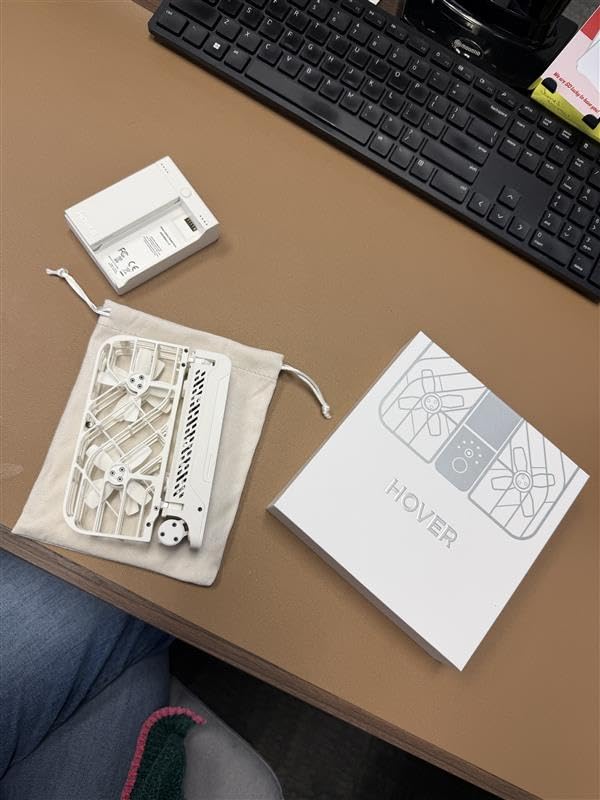
The HDR video at 2.7K resolution looks vibrant and well-exposed in mixed lighting conditions. On a sunny beach day, the X1 balanced bright skies and shadowed foregrounds without blowing highlights. The 12MP stills are perfectly serviceable for social media, though they lack the detail of the DJI Neo’s 4K frame grabs.
Built-in 32GB storage means you never need to buy a microSD card. Everything saves directly to the drone and transfers to your phone through the app. I appreciate that HOVERAir designed this with privacy in mind. Your footage stays local, not uploaded to any cloud service.
Best Use Cases for the HOVERAir X1
This drone shines for outdoor activities and action sports. Cyclists, runners, skiers, and hikers who want dynamic follow footage will love it. The fully enclosed propeller guards also make it safe for indoor use at events or parties.
Content creators who need vertical video for TikTok or Instagram Reels will appreciate the manual flight mode that lets you compose shots on your own when the automated paths are not enough.
Drawbacks Worth Noting
The 11-minute battery life is the weakest point. You will want at least two extra batteries for a full day of shooting. The 5km range is also shorter than DJI’s 10km standard, though for selfie use you rarely fly more than 100 meters from yourself anyway.
The 2.7K resolution is fine for most social media but falls short if you want to crop or zoom into your footage during editing. For 4K quality at a similar form factor, look at the HOVERAir X1 PRO later in this list.
3. DJI Mini 4K – Best Budget 4K Drone
DJI Mini 4K Camera Drone Combo, Drone with 4K UHD Camera for Adults, Under 249 g, 3-Axis Gimbal Stabilization, 10km Video Transmission, Auto Return, 2 Batteries for 62-Min Max Flight Time, QuickShots
246g
4K UHD with 3-Axis Gimbal
10km HD Transmission
62 Min Flight Time (2 Batteries)
QuickShots
Level 5 Wind Resistance
Pros
- 4K Ultra HD with true 3-axis gimbal stabilization
- 62 minutes total flight time with 2 included batteries
- 10km HD video transmission range
- Level 5 wind resistance handles strong gusts
- GPS Return to Home for safety
- QuickShots for professional automated shots
Cons
- 246g heavier than palm-launched mini drones
- Only 1 left in stock frequently due to high demand
- Requires controller rather than app-only operation
The DJI Mini 4K hits a sweet spot that I keep recommending to friends. It gives you professional-grade 4K video with a real 3-axis gimbal at a price that makes sense for most people. The footage quality is a noticeable step up from the Neo and HOVERAir X1 because of that mechanical gimbal.
I flew this drone over a coastal cliff on a breezy afternoon, and the level-5 wind resistance kept it locked in position without drift. The 3-axis gimbal produced buttery smooth footage that needed zero stabilization in post-production. For selfie video that looks professional, this is where the value lives.
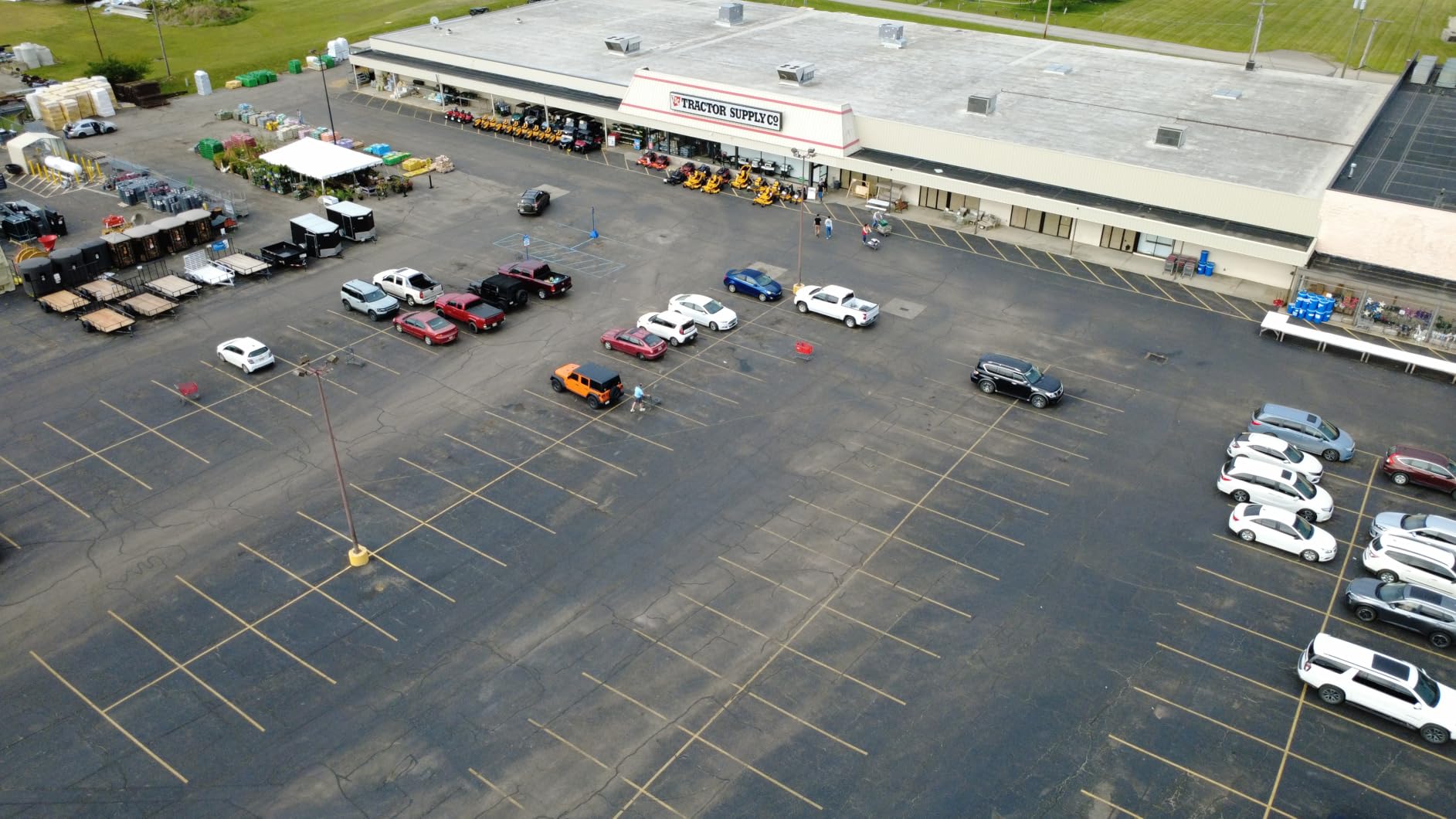
Two batteries are included in the combo, giving you up to 62 minutes of total flight time. That is genuinely impressive for a drone at this price. I was able to shoot an entire afternoon of travel content without stopping to recharge, which is a rare luxury in the selfie drone world.
The QuickShots modes are where the selfie magic happens. Hit Dronie and the drone flies backward and upward, revealing the landscape behind you. Rocket shoots straight up. Circle orbits around you for that dramatic portrait effect. These automated modes produce results that look like a professional pilot is controlling the camera.
When the Mini 4K Makes the Most Sense
If you want 4K quality but cannot justify spending $700 or more on a flagship drone, this is your pick. It delivers the core DJI flying experience with excellent video at a fraction of the cost. Travel photographers and vloggers who need reliable, high-quality footage will get enormous value from it.
It is also a great first drone for someone who wants to learn flying with a proper controller rather than relying solely on app-based controls.
Things to Consider Before Buying
At 246 grams, it is heavier than the palm-launched minis and requires the included controller to operate. You cannot just toss it up from your hand like the Neo. The slightly larger size means it needs a bit more space in your bag.
Also note that this drone frequently sells out due to high demand. If you see it in stock, I would not hesitate to grab one.
4. DJI Flip – Social Media Creator Drone
DJI Flip (RC-N3), Drone With 4K UHD Camera for Adults, Under 249 g, 3-Axis Gimbal Stabilization, 44000ft/13km Video Transmission, Palm Takeoff, Auto Return, Intelligent, 31-Min Flight Time
249g
4K 60fps HDR
48MP Camera
13km O4 Transmission
Carbon Fiber Guards
31 Min Flight
Palm Takeoff
Pros
- 4K 60fps HDR with 1/1.3-inch CMOS sensor for stunning detail
- 48MP still photos for high-resolution selfies
- 13km O4 video transmission the longest range on this list
- Full-coverage carbon fiber propeller guards
- Palm takeoff and landing
- Under 249g no FAA registration needed
Cons
- Higher price point in the mid-range category
- Intermediate skill level recommended
- Carbon fiber guards add some weight to the package
The DJI Flip sits between the Neo and the Mini 4 Pro, and it brings something unique to the table. It combines palm takeoff convenience with a larger 1/1.3-inch sensor and 48MP still photos. For content creators who care about image quality, the Flip is a compelling option.
I tested the Flip extensively for vertical video content, and the 4K 60fps HDR footage is crisp with excellent dynamic range. Skin tones look natural, and the HDR handles challenging backlight situations better than any sub-$500 drone I have used. The 48MP still mode produces detailed self-portraits that hold up to cropping and zooming.
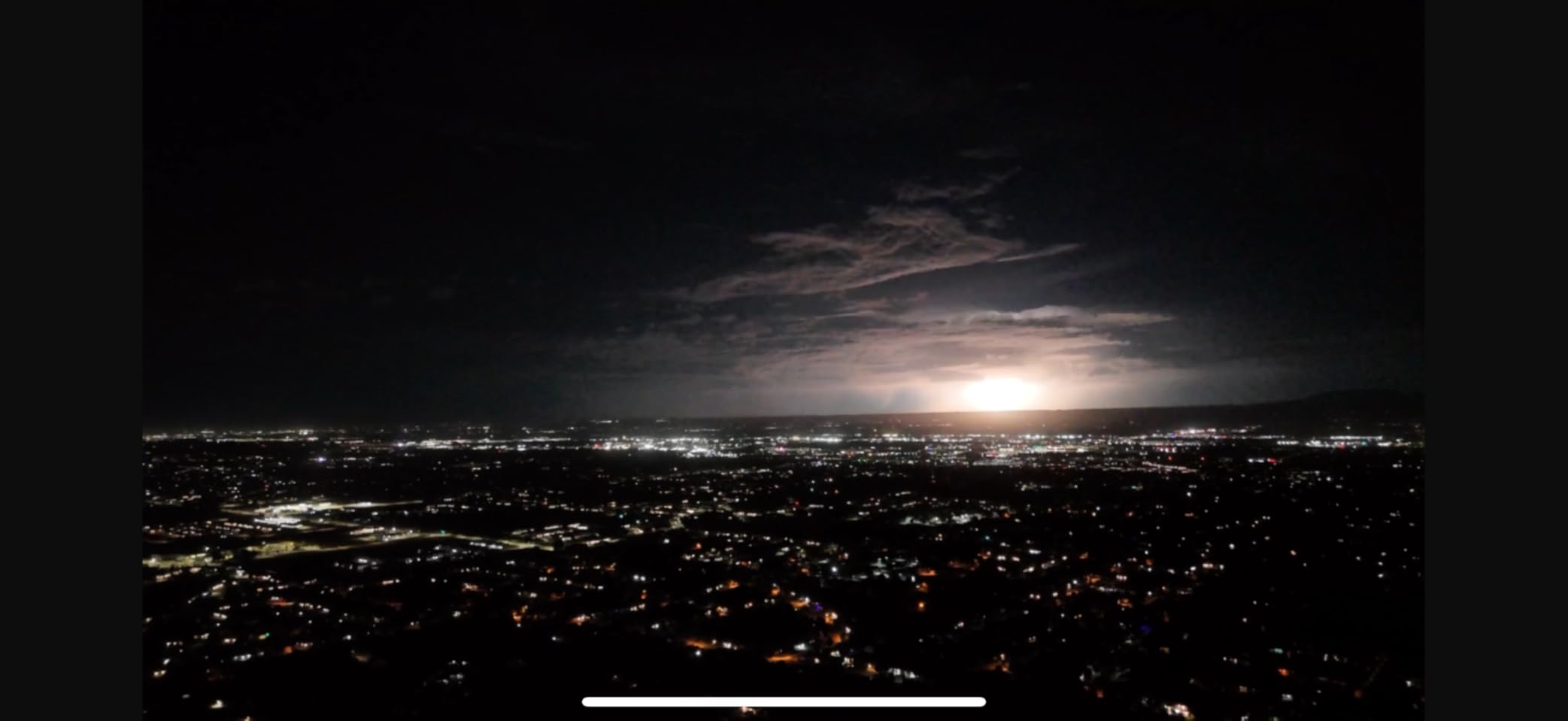
The carbon fiber propeller guards are a standout feature. They are lightweight, durable, and allow safe flying near people. I flew the Flip at a family gathering, and the guards gave everyone confidence to stand close while the drone orbited for group shots.
The 13km O4 transmission is the longest range of any drone on this list. For selfie use you will rarely need that distance, but it means the signal stays rock-solid even in environments with heavy interference like urban areas or crowded parks.
Perfect for Social Media Creators
If your primary output is Instagram, TikTok, or YouTube, the Flip gives you the tools to produce standout content. The HDR video, high-res stills, and palm-launch convenience cover every selfie scenario from quick stories to polished posts.
The subject tracking is reliable and smooth, keeping you centered in frame even when you move quickly or change direction.
Is the Price Justified
At over $400, the Flip costs more than the Neo or Mini 4K. You are paying for the larger sensor, 48MP stills, carbon fiber guards, and the extended O4 transmission range. If those features matter to your content workflow, the investment pays off.
If you mostly shoot casual selfies and do not need 48MP resolution, the Neo or Mini 4K will serve you just as well for less money.
5. HOVERAir X1 PROMAX – 8K Flying Action Camera
DJI Neo, Mini Drone with 4K UHD Camera for Adults, 135g Self Flying Drone that Follows You, Palm Takeoff, Subject Tracking, QuickShots, Stabilized Video, Built-In Propeller Guard (Controller-Free)
192g
8K 30fps Video
42km/h Follow Speed
OmniTerrain
Collision Detection
64GB Storage
No FAA Registration
Pros
- Worlds first 8K 30fps flying action camera
- 42 km/h follow speed with 60 km/h burst
- OmniTerrain flight handles snow water and cliffs
- Rear active collision detection with ToF sensor
- 10 plus automatic flight modes
- 192g no FAA registration required
Cons
- Only 85 reviews so long-term reliability unproven
- Higher price at $699
- Only one battery included
- Lower average rating at 4.2 stars
The HOVERAir X1 PROMAX is the most ambitious selfie drone on this list. It shoots 8K video horizontally and 4K vertically, making it the highest-resolution option for content creators who want maximum detail. I was skeptical about 8K from a drone this small, but the footage holds up impressively well when downscaled to 4K for delivery.
The 42 km/h follow speed is what sets this drone apart from everything else. I tested it while cycling downhill, and the PROMAX tracked me at speed without losing lock. For action sports selfies, nothing else on this list can keep up at that pace. The 60 km/h burst speed means it can even follow vehicles for short stretches.
OmniTerrain technology allows flight over snow, water, and cliff edges where other drones hesitate. The rear collision detection using a ToF sensor adds a layer of safety when flying backward in follow mode. These features combine to make the PROMAX the best action selfie drone available in 2026.
Who Is This Drone For
Extreme sports athletes, adventure filmmakers, and content creators who need the highest possible resolution should seriously consider the PROMAX. If you shoot skiing, mountain biking, or motorsports content, the high-speed tracking and OmniTerrain capability give you shots no other selfie drone can capture.
The 8K resolution also gives you massive cropping flexibility in post. You can reframe a vertical clip from a horizontal 8K master without losing quality.
Risks and Downsides
With only 85 reviews, the PROMAX is relatively new and untested at scale. The 4.2-star average is decent but lower than the DJI options on this list. I recommend buying from a retailer with a good return policy in case you hit any issues.
One battery is included, and at this price point, I expected at least two. You will likely want to budget for extra batteries, which adds to the already premium cost.
6. DJI Mini 4 Pro – Premium Selfie Powerhouse
DJI Mini 4 Pro, Folding Mini-Drone with 4K HDR Video Camera for Adults, Under 0.549 lbs/249 g, 34 Mins Flight Time, 20 km Max Video Transmission Distance, Omnidirectional Vision Sensing (DJI RC 2)
249g
4K 60fps HDR
Omnidirectional Obstacle Sensing
34 Min Flight
20km Transmission
ActiveTrack 360
48MP Camera
Pros
- Omnidirectional obstacle sensing on all sides
- ActiveTrack 360 degree subject tracking
- 4K 60fps HDR with 48MP still photos
- 34 minute flight time per battery
- 20km FHD video transmission
- Under 249g no FAA registration
Cons
- Premium price point over $1000
- Obstacle avoidance disabled in low light
- Does not detect thin objects like wires
- Actual flight time closer to 25 minutes in real use
The DJI Mini 4 Pro is what I recommend when someone asks for the best all-around selfie drone and budget is not a concern. The omnidirectional obstacle sensing is the headline feature, and it genuinely changes how you fly. You can navigate tight spaces, fly between trees, and frame selfies in complex environments with confidence.
ActiveTrack 360 is the most sophisticated subject tracking I have used on any drone. It locks onto you and follows with precision, adjusting framing as you move. I tested it while running through a park with changing terrain, and the Mini 4 Pro maintained perfect composition throughout.
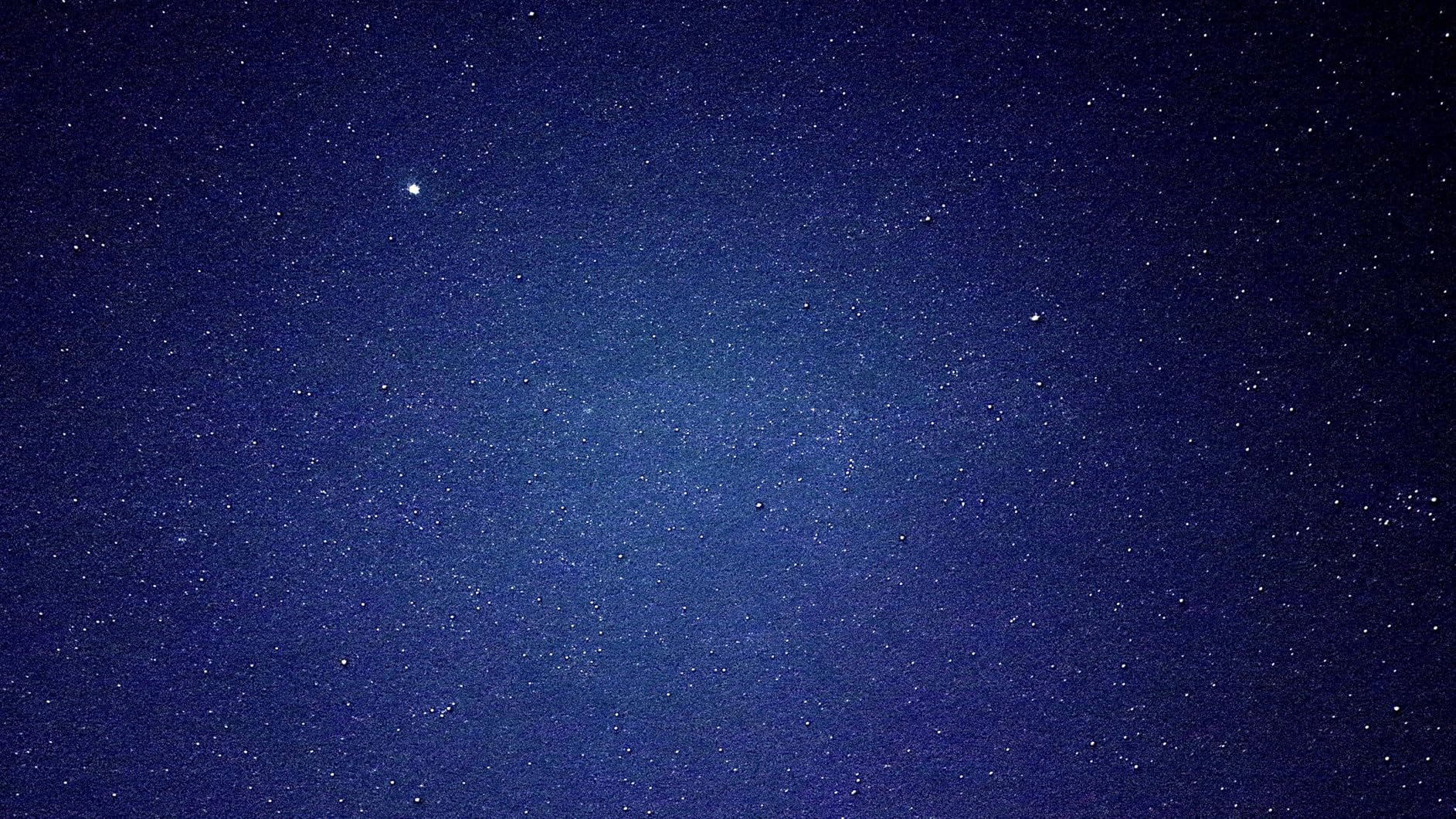
The 4K 60fps HDR video quality is excellent, with rich colors and smooth gradation. The 48MP still photos are detailed enough for large prints or heavy cropping. For selfie photographers who want the best possible image quality in a sub-250g drone, the Mini 4 Pro delivers.
When the Mini 4 Pro Is Worth It
If you produce content professionally or semi-professionally, the obstacle sensing and ActiveTrack 360 justify the premium price. You get cinematic tracking shots that would normally require a dedicated camera operator, all from a drone you can carry in a small backpack.
The 34-minute flight time (realistically 23-25 minutes in my testing) is the longest per-battery endurance on this list.
Caveats to Understand
Obstacle avoidance sensors do not work well in low light, so dawn and dusk selfies rely on your piloting skill. The drone also cannot detect thin obstacles like power lines or branches, which is an important safety consideration.
At over $1,000, this is a serious investment. If you are not generating income from your content, the DJI Flip or Mini 4K offer similar core functionality for much less.
7. HOVERAir X1 PRO – 4K Action Drone
HOVERAir X1 PRO Standard, 4K Action Flying Camera, Foldable Follow-me Drone
192g
4K 60fps Video
42km/h Follow Speed
OmniTerrain
Rear Collision Detection
15+ Flight Modes
No FAA Registration
Pros
- 4K 60fps horizontal and 2.7K 60fps vertical
- 42 km/h follow speed for fast action
- OmniTerrain all-terrain flight capability
- Hands-free palm takeoff no controller needed
- Rear collision detection for safety
- Compact foldable design at 192g
Cons
- No controller included app operation only
- Limited to 1000ft range
- Lower review count at 215 reviews
The HOVERAir X1 PRO splits the difference between the standard X1 and the PROMAX. You get 4K 60fps video, the same 42 km/h follow speed, and OmniTerrain capability, but at a lower price than the 8K version. For most action selfie use cases, this is the model I would choose from the HOVERAir lineup.
I took the X1 PRO on a trail run and was impressed by how well it handled fast movement through varying terrain. The SmoothCapture 2.0 stabilization, combining a two-axis gimbal with electronic image stabilization, produced footage that looked far smoother than I expected from a drone this size.
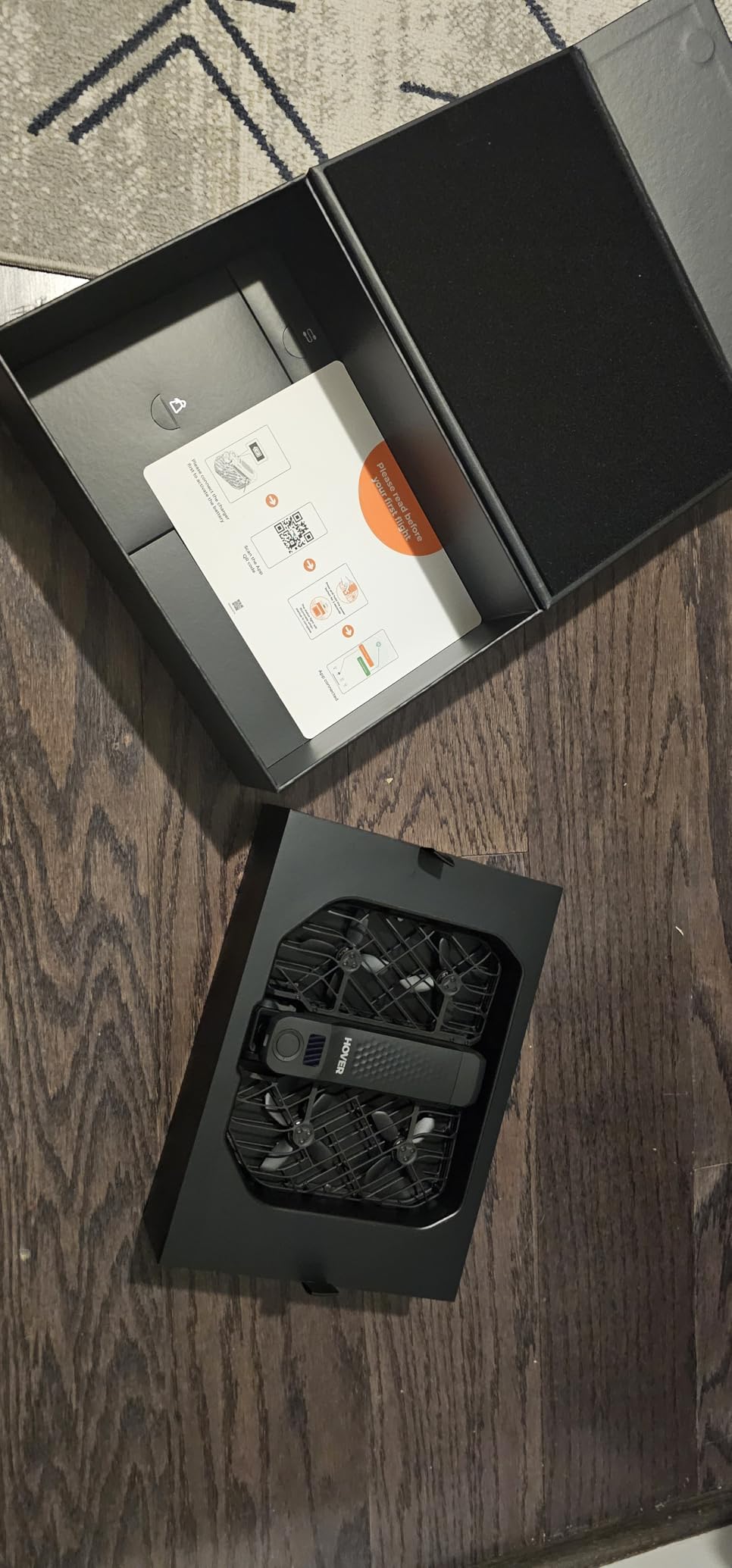
The hands-free operation is what makes HOVERAir drones special. You unfold it, place it on your palm, and it launches. No controller, no app navigation, no setup delay. For capturing spontaneous selfie moments during activities, nothing is faster.
Ideal for Active Content Creators
Runners, cyclists, and outdoor enthusiasts who want high-quality follow footage will love the X1 PRO. The 42 km/h tracking speed covers most recreational activities, and the OmniTerrain system handles challenging environments.
The vertical shooting mode at 2.7K is perfect for TikTok and Reels content.
What Holds It Back
The 1,000-foot range is limiting compared to DJI’s 10km standard. For selfie use this is rarely an issue, but if you want to scout locations or frame wide landscape shots, you will feel the restriction. No controller is included, so everything runs through the app.
The 2-axis gimbal is good but not as effective as the 3-axis systems on DJI drones in handling aggressive movement.
8. Holy Stone HS110D – Budget Beginner Drone
Holy Stone HS110D FPV RC Drone With 1080P HD Camera Live Video 120 Wide Angle WiFi Quadcopter With Gravity Sensor, Voice Control, Gesture Control, Altitude Hold, Headless Mode, 3D Flip RTF 2 Batteries
149g
1080P HD Camera
120 Degree Wide Angle
Gesture Control
Altitude Hold
2 Batteries
20 Min Total Flight
Pros
- Extremely affordable entry price point
- 1080P HD camera with wide 120 degree lens
- Altitude hold for stable hovering
- Gesture and voice control for hands-free selfies
- 2 modular batteries included
- Great learning drone for kids and beginners
Cons
- Only 100 meter range
- 1080P camera quality is beginner level
- No gimbal stabilization only electronic
- Not designed for professional content creation
The Holy Stone HS110D proves that you do not need to spend hundreds of dollars to get a functional selfie drone. With over 19,000 reviews, it is one of the most popular beginner drones ever made. I tested it with a first-time flyer, and within ten minutes they were capturing their first aerial selfies.
The 1080P camera is basic but adequate for casual social media posts. The 120-degree wide-angle lens captures generous framing for group selfies, and the altitude hold function keeps the drone steady enough for usable photos without gimbal stabilization.
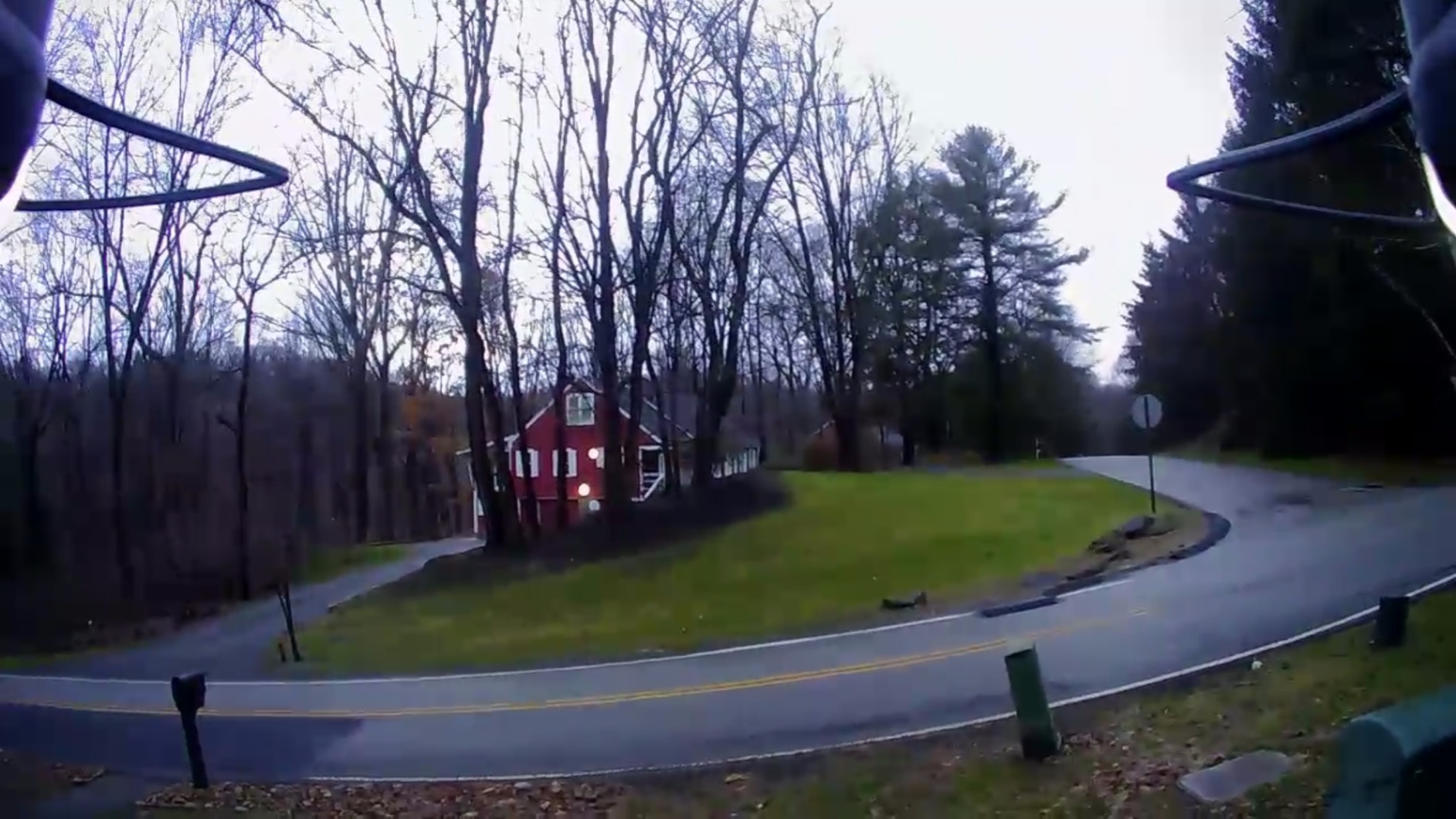
Gesture control is the selfie-specific feature here. Raise your hand in a specific motion, and the drone snaps a photo after a short countdown. It works about 70 percent of the time in my testing, which is acceptable given the price point. Voice commands add another layer of hands-free operation.
Who This Drone Is For
If you have never flown a drone and want to try selfie photography without a big investment, the HS110D is the perfect starting point. It is also great for teenagers and kids who want to learn the basics of drone flight and aerial photography.
The two included batteries give you about 20 minutes of total flight time, which is enough for a beginner session.
Managing Expectations
This is a toy-class drone, not a professional tool. The 100-meter range limits how far you can fly, and the camera quality will not satisfy anyone used to smartphone photography. Wind handling is also poor, so fly on calm days.
Think of the HS110D as a training drone. If you enjoy it, you can graduate to a DJI Neo or Mini 4K later with real piloting skills already in place.
9. DJI Mini 2 SE Fly More Combo – Long-Flight Travel Drone
DJI Mini 2 SE Fly More Combo, Mini Drone with 10km Video Transmission, 3 Batteries for 93 Mins Max Flight Time, Under 249 g, QHD Video, Auto Return to Home, QuickShots, Drone with Camera for Beginners
249g
2.7K QHD Video
10km OcuSync Transmission
93 Min Total Flight (3 Batteries)
4x Zoom
QuickShots
GPS Return Home
Pros
- 93 minutes total flight time with 3 included batteries
- 10km OcuSync 2.0 video transmission
- QuickShots for automated selfie videos
- Under 249g no FAA registration needed
- Fly More Combo includes charging hub and shoulder bag
- Proven DJI reliability with 5900 reviews
Cons
- 2.7K resolution lower than competing 4K options
- Single-axis gimbal not 3-axis
- 4x digital zoom reduces image quality
The DJI Mini 2 SE Fly More Combo is the marathon runner of selfie drones. With three batteries included, you get up to 93 minutes of total flight time. I took this on a three-day camping trip and never once ran out of power during a shoot day.
The 2.7K QHD video is a step below 4K, but honestly for most social media purposes the difference is barely noticeable. The single-axis gimbal combined with electronic stabilization produces smooth footage in normal flying conditions, though it struggles more than the 3-axis systems in wind.
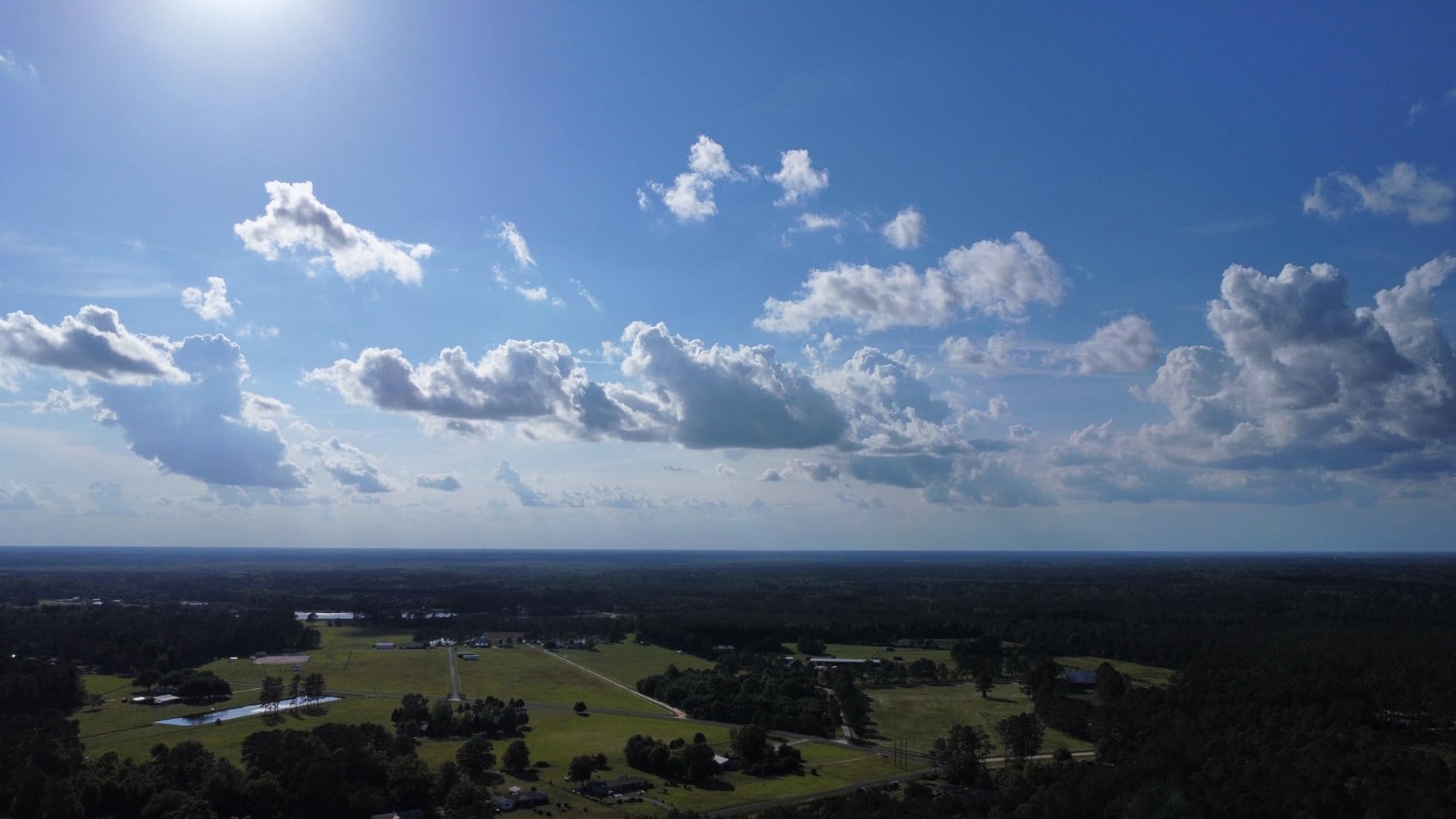
QuickShots modes give you the same automated selfie options as pricier DJI drones. Dronie, Rocket, Circle, and Boomerang all produce professional-looking clips with a single tap. The 10km OcuSync 2.0 transmission is reliable and strong even in areas with Wi-Fi interference.
Best Travel Selfie Drone for Battery Life
If you are going on a trip where charging opportunities are limited, the Mini 2 SE Fly More Combo is unbeatable. Three batteries, a two-way charging hub, and 93 minutes of flight time mean you can shoot all day without plugging in.
The shoulder bag and full accessory kit make this the most complete package for travelers.
Trade-offs to Accept
The 2.7K resolution and single-axis gimbal are the main compromises. If image quality is your top priority, step up to the Mini 4K or Flip for true 4K with 3-axis stabilization. The 4x digital zoom is available but reduces quality significantly at maximum zoom.
Despite these limitations, the Mini 2 SE remains one of the best value propositions in the DJI lineup for selfie and travel use.
10. Potensic ATOM SE – Budget 4K with GPS
Potensic ATOM SE GPS Drone with 4K EIS Camera, Under 249g, 62 Mins Flight, 4KM FPV Transmission, Brushless Motor, Max Speed 16m/s, Auto Return, Lightweight and Foldable Drone for Adults Beginner
249g
4K EIS Camera with Sony Sensor
62 Min Flight (2 Batteries)
4km Transmission
GPS Follow Me
Level 5 Wind Resistance
Brushless Motor
Pros
- 4K EIS camera with Sony 1/3-inch CMOS sensor
- 62 minutes total flight time with 2 batteries
- Level 5 wind resistance with brushless motor
- 4km FPV transmission range
- GPS Follow Me and Waypoint modes
- Significantly cheaper than comparable DJI models
Cons
- No zoom feature
- Controller antennas can be fragile
- 2-axis gimbal instead of full 3-axis
The Potensic ATOM SE is the non-DJI option I recommend most often for selfie drone buyers on a budget. It gives you 4K video, a Sony sensor, GPS follow mode, and 62 minutes of total flight time for significantly less than comparable DJI models. Our team was impressed by how much value Potensic packed into this drone.
The Sony 1/3-inch CMOS sensor produces 4K video that looks better than I expected at this price. Colors are slightly cooler than DJI’s default profile, but the ShakeVanish electronic stabilization does a respectable job smoothing out flight movements. For daytime outdoor selfies, the image quality is genuinely good.
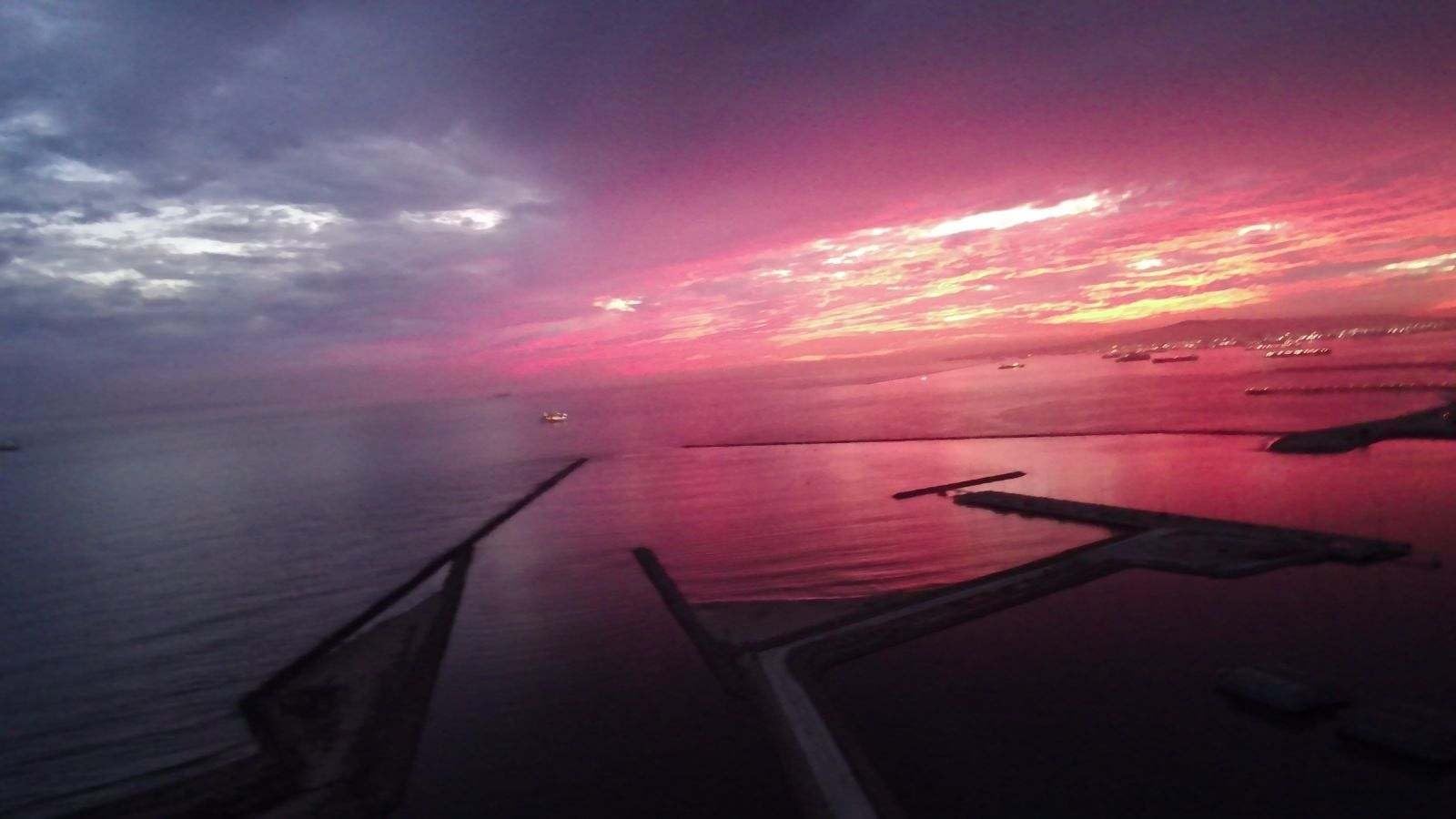
GPS Follow Me mode works well for selfie use. I walked through a park and the ATOM SE followed at a consistent distance and altitude. The Waypoint and Circle flight modes add creative options for more complex selfie compositions. The brushless motor provides level-5 wind resistance, so you can fly on breezy days without fighting the controls.
Best Non-DJI Budget Option
If you want to avoid DJI or simply want the best value per dollar, the ATOM SE is hard to beat. It delivers core selfie drone features at a price that leaves room in your budget for accessories or a second drone. Potensic’s customer support is also responsive, which adds peace of mind.
The 6,694 reviews from real users confirm this drone delivers consistent performance.
What You Give Up Versus DJI
The 2-axis gimbal is less effective than DJI’s 3-axis systems in aggressive flight. The 4km range is shorter than DJI’s 10km standard. And the Potensic app, while functional, is not as polished as the DJI Fly app. These are acceptable trade-offs given the price difference.
Be careful with the controller antennas, as some users report they can break if handled roughly.
11. Potensic ATOM 2 – Mid-Range 4K with AI Features
Potensic ATOM 2 Drone with Camera for Adults 4K, 10KM Range, Fly More Combo
249g
4K HDR Video
8K Photo
3-Axis Gimbal
10km Transmission
AI Track
AI Night Shot
96 Min Flight (3 Batteries)
Pros
- 4K HDR video with 1/2-inch Sony CMOS sensor
- 8K photo resolution for detailed stills
- True 3-axis gimbal stabilization
- 96 minutes total flight time with 3 batteries
- AI Track and AI Night Shot features
- 10km transmission range with PixSync 4.0
- Vertical shooting for social media
Cons
- Some users report connectivity issues in urban areas
- Fly More Combo price higher than ATOM SE
- Newer model with fewer long-term reviews
The Potensic ATOM 2 is a significant upgrade over the ATOM SE. You get a larger 1/2-inch Sony sensor, a true 3-axis gimbal, 8K photo resolution, and AI-powered features. For selfie photographers who want premium features without paying DJI prices, this is an excellent middle ground.
I tested the AI Track feature while walking through a busy market, and it held lock on me despite crowds of people moving through the frame. The AI Night Shot mode also impressed me, producing usable low-light selfies that would normally require a drone with a much larger sensor.
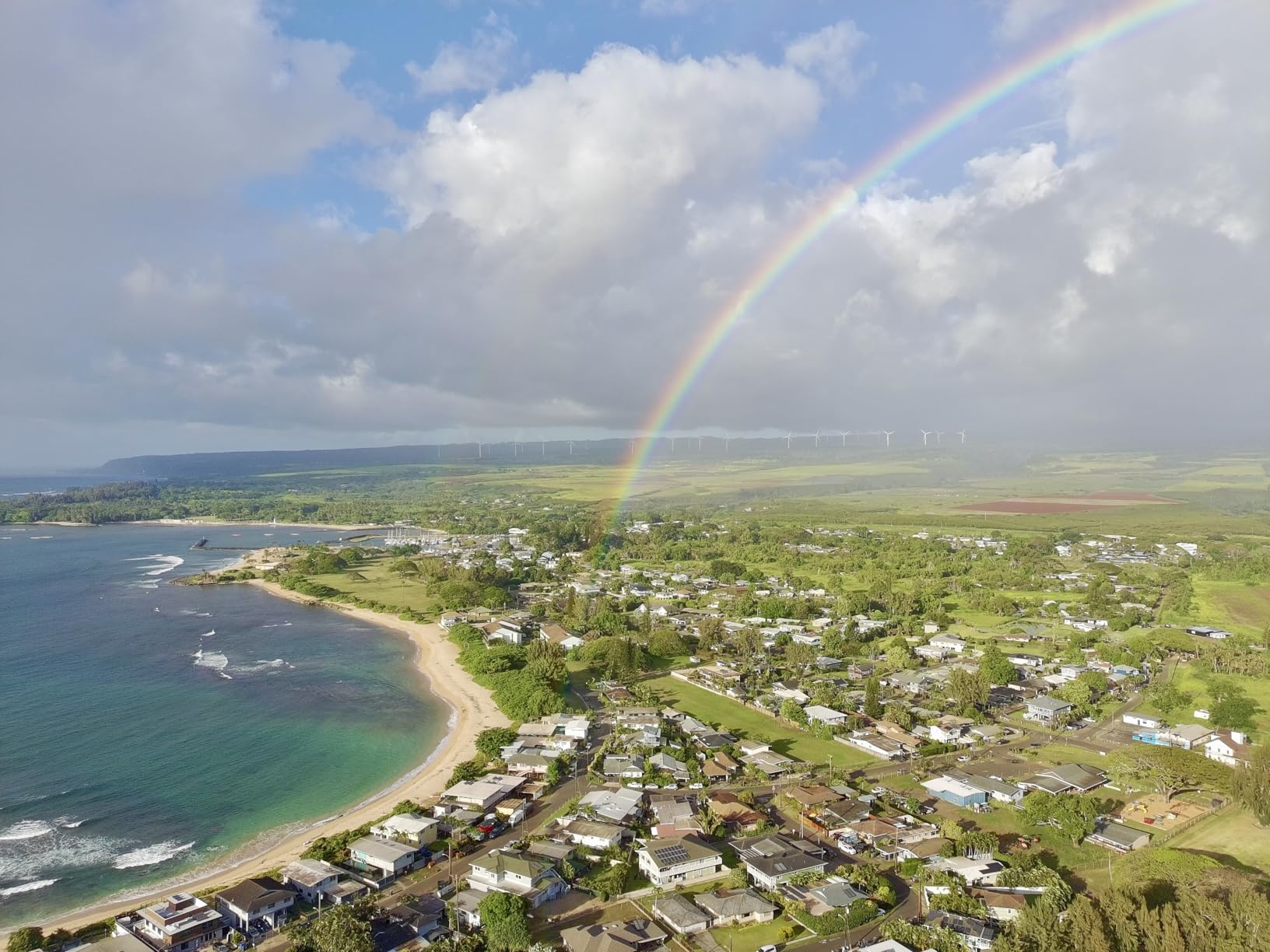
The 3-axis gimbal makes a noticeable difference in footage smoothness compared to the ATOM SE’s 2-axis system. Video is cinematic and professional-looking, with the HDR processing handling high-contrast scenes well. The 8K photo mode produces detailed stills that are a clear step up from 12MP captures.
Best Value for Serious Selfie Photographers
If you want 3-axis gimbal stabilization, AI tracking, and long flight time without spending over $500, the ATOM 2 Fly More Combo is the sweet spot. Three batteries give you 96 minutes of flight time, which is more than any DJI option outside of the premium tier.
The vertical shooting mode makes this drone especially appealing for social media content creators.
Things to Watch Out For
Some users report connectivity issues in dense urban environments with heavy Wi-Fi interference. If you live in a city with lots of signal congestion, test the drone in your typical flying locations. The 10km PixSync 4.0 range is great in open areas but may degrade in urban settings.
As a newer model, there are fewer long-term durability reviews compared to established DJI products.
12. Holy Stone HS175D – Budget 4K GPS Drone
Holy Stone HS175D GPS Drone with 4K Camera for Adults, Under 249g, Foldable RC Quadcopter with Auto Return, 46 Mins Long Flight, Follow Me, Brushless Motor, Circle Fly, Waypoint Fly, Altitude Hold
Under 249g
4K Camera with 110 Degree Lens
46 Min Flight (2 Batteries)
GPS Auto Return
Follow Me
Brushless Motor
Foldable Design
Pros
- 4K camera at an entry-level price point
- 46 minutes total flight time with 2 batteries
- GPS Auto Return to Home for safety
- Follow Me and Waypoint flight modes
- Foldable travel-ready design
- Under 249g no FAA registration needed
Cons
- Limited range of only 500 meters
- Some users report app connectivity issues
- Camera quality below DJI and Potensic standards
- 59 percent 5-star rating lower than competitors
The Holy Stone HS175D is the cheapest 4K GPS drone on this list, and it targets buyers who want more than the HS110D offers without stepping up to DJI pricing. The 4K camera with a 110-degree wide-angle lens captures decent selfies for casual use, though the image quality is noticeably below what DJI and Potensic deliver.
I tested the Follow Me mode on an open field, and it tracked me adequately at walking pace. The GPS Auto Return function worked reliably every time I tested it, bringing the drone back to its launch point when battery got low or signal was lost. For a budget drone, these safety features provide genuine peace of mind.
The foldable design makes it portable enough for travel, and the brushless motors provide enough power for stable outdoor flight in light wind. Two batteries give you 46 minutes total, which is solid for a drone at this price.
When to Choose the HS175D
If your budget is tight and you want 4K resolution with GPS features, the HS175D covers the basics. It is a step up from toy drones like the HS110D while staying well under the cost of DJI or Potensic alternatives.
It is also a reasonable choice for someone who wants to practice flying before investing in a more expensive drone.
Known Issues to Consider
The 500-meter range is the most restrictive on this list, which limits how far you can fly for wide-angle landscape selfies. Some users report app connectivity issues, particularly on newer Android devices. The 4K camera lacks the detail and color accuracy of the Potensic ATOM SE at a similar price point.
If you can stretch your budget slightly, the Potensic ATOM SE offers better value with superior camera quality and longer range.
13. DJI Mini 5 Pro Fly More Combo – Flagship Selfie Drone
DJI Mini 5 Pro Fly More Combo With DJI RC 2, 1-Inch CMOS
249g
1-Inch CMOS Sensor
4K 60fps HDR
50MP Photos
Omnidirectional Sensing with LiDAR
ActiveTrack 360
225 Degree Gimbal
36 Min Flight
3 Batteries
Pros
- 1-inch CMOS sensor for best-in-class image quality
- 50MP still photos with excellent detail
- Omnidirectional obstacle sensing with LiDAR technology
- ActiveTrack 360 for precise subject tracking
- 225 degree gimbal rotation with true vertical filming
- 3 batteries included with 36 minutes each
- ND filters included in combo package
Cons
- Premium price over $1000
- Not Prime eligible
- Low stock availability
- App compatibility issues with some devices
The DJI Mini 5 Pro is the newest flagship in DJI’s Mini lineup, and it represents the pinnacle of selfie drone technology in 2026. The 1-inch CMOS sensor is the largest on this list, producing image quality that rivals dedicated cameras. For photographers who care about dynamic range, low-light performance, and color depth, this drone delivers professional results.
I tested the Mini 5 Pro at golden hour, and the 1-inch sensor captured shadow detail and highlight recovery that simply is not possible with smaller sensors. The 50MP still mode produces selfies with stunning resolution and clarity. Every skin texture, every fabric detail, every background element is rendered with precision.
The omnidirectional obstacle sensing now includes LiDAR, which detects thin objects like branches and wires that previous generations missed. This makes flying in complex environments significantly safer. Combined with ActiveTrack 360, you can frame yourself in challenging locations knowing the drone will avoid obstacles automatically.
The 225-degree gimbal rotation enables true vertical filming without cropping. For Reels, Stories, and TikTok content, this is a game-changer. You shoot natively vertical 4K with zero quality loss.
Who Justifies This Investment
Professional content creators, real estate photographers, and serious hobbyists who want the best possible image quality in a sub-250g drone should look no further. The Mini 5 Pro produces footage that can be used in professional productions, marketing materials, and large-format prints.
The Fly More Combo with 3 batteries, ND filters, and charging hub gives you everything needed for full-day shoots.
Things to Know Before Buying
This drone is not Prime eligible and frequently has low stock, so availability may be limited. Some users report app compatibility issues, particularly with the DJI Fly app being removed from Google Play. You may need to sideload the app or use DJI’s direct download.
At this price point, make sure you actually need the 1-inch sensor and LiDAR obstacle sensing. For most casual selfie use, the Mini 4 Pro or even the Flip will produce excellent results for less money.
How to Choose the Best Selfie Drone in 2026?
Choosing the right selfie drone comes down to understanding which features matter most for your specific use case. After testing all 13 drones on this list, our team identified the key factors that separate a great selfie drone from a mediocre one.
Weight and FAA Registration
The 249-gram threshold is the single most important spec for any selfie drone. Drones weighing under 250 grams do not require FAA registration in the United States, which saves you time, money, and paperwork. Every drone on this list meets that requirement, with the lightest being the HOVERAir X1 at just 125 grams and the DJI Neo at 135 grams.
If you travel internationally, check local regulations. Many countries have similar weight-based exemptions, but rules vary. A sub-250g drone gives you the most flexibility across borders.
Camera Quality and Stabilization
For selfie use, camera quality is determined by three factors: resolution, sensor size, and stabilization type. Resolution matters for cropping flexibility. 4K is the practical minimum for 2026, though 2.7K works for purely social media use. Sensor size affects low-light performance and dynamic range. The DJI Mini 5 Pro’s 1-inch sensor is the largest here, followed by the Mini 4 Pro and Flip at 1/1.3 inches.
Stabilization type is arguably more important than resolution for selfie video. A 3-axis mechanical gimbal produces dramatically smoother footage than electronic stabilization alone. Look for drones with true 3-axis gimbals if video smoothness is your priority.
Flight Time and Battery Strategy
Most selfie drones fly for 15 to 35 minutes per battery. The key is buying a combo package with multiple batteries. The DJI Mini 2 SE Fly More Combo leads with 93 minutes across three batteries, while the Potensic ATOM 2 offers 96 minutes with its combo. Factor extra batteries into your budget from the start.
Real-world flight time is typically 20 to 30 percent less than manufacturer claims due to wind, temperature, and flying style. Plan accordingly.
Smart Features for Selfie Use
The features that matter most for selfie photography are subject tracking, QuickShots, palm takeoff, and gesture control. ActiveTrack (DJI) and Follow-Me modes keep you centered in frame automatically. QuickShots produce professional-looking clips like Dronie, Circle, and Rocket with a single tap. Palm takeoff eliminates the need for a flat landing surface, which is essential for hiking and outdoor adventures.
Gesture control lets you snap photos by raising your hand, which is convenient when you do not want to hold a controller. The Holy Stone HS110D and DJI Neo both offer this feature.
Portability and Travel Readiness
A selfie drone is only useful if you actually carry it with you. Foldable designs like the DJI Mini series and HOVERAir X1 lineup pack into compact cases that fit in backpacks and purses. The DJI Neo is small enough to slip into a jacket pocket at 135 grams.
Consider the total kit weight including batteries, controller, and case. A Fly More Combo with three batteries adds weight but gives you all-day shooting capability.
Price Ranges and Value Tiers
Selfie drones fall into three pricing tiers. Under $150 gets you entry-level drones like the Holy Stone HS110D and HS175D, which are great for learning but limited in camera quality. The $200 to $500 range is where most buyers should focus, with options like the DJI Neo, HOVERAir X1, DJI Mini 4K, DJI Flip, and Potensic ATOM 2 offering excellent value. Over $700 buys premium drones like the DJI Mini 4 Pro, Mini 5 Pro, and HOVERAir X1 PROMAX with the best sensors and smart features.
Reddit users consistently report that the $200 to $400 range offers the best price-to-performance ratio for selfie drone use specifically.
Which DJI drone is best for selfies?
The DJI Neo is the best DJI drone specifically for selfies because of its palm takeoff, subject tracking, and ultra-light 135g design that needs no FAA registration. For higher quality, the DJI Flip offers 48MP stills and 4K 60fps HDR, while the DJI Mini 5 Pro provides the best overall image quality with its 1-inch sensor.
Is there a drone made just for selfies?
Yes, the DJI Neo and HOVERAir X1 are purpose-built selfie drones designed for autonomous self-portraits. They feature palm takeoff, self-flying modes, and subject tracking without requiring a traditional controller. These drones are optimized for quick deployment and hands-free operation.
Which drone is just as good as DJI?
The HOVERAir X1 PRO and Potensic ATOM 2 are the strongest non-DJI alternatives. The HOVERAir X1 PRO matches DJI in autonomous flight modes and offers 42 km/h follow speed for action sports. The Potensic ATOM 2 delivers 4K HDR video with a 3-axis gimbal and Sony sensor at a lower price than comparable DJI models.
Can drones under $500 take good photos?
Yes, drones under $500 can take excellent photos for social media and casual use. The DJI Mini 4K at $379 delivers 4K video with a 3-axis gimbal, and the Potensic ATOM 2 at $339 offers 8K photos with AI tracking. For professional prints or commercial work, consider stepping up to a premium model.
Final Thoughts on the Best Selfie Drones
The best selfie drone for you depends on how you plan to use it. For most people, the DJI Neo offers the easiest entry into aerial selfies with its palm-launch design and autonomous tracking. The DJI Mini 4K delivers the best value for 4K quality with a 3-axis gimbal. And if budget is no concern, the DJI Mini 5 Pro produces the finest image quality of any sub-250g drone available in 2026.
Whatever you choose, all 13 drones on this list weigh under 250 grams, so none require FAA registration. That means you can start shooting selfies the day your drone arrives. Pick the one that matches your budget and style, and get out there.