
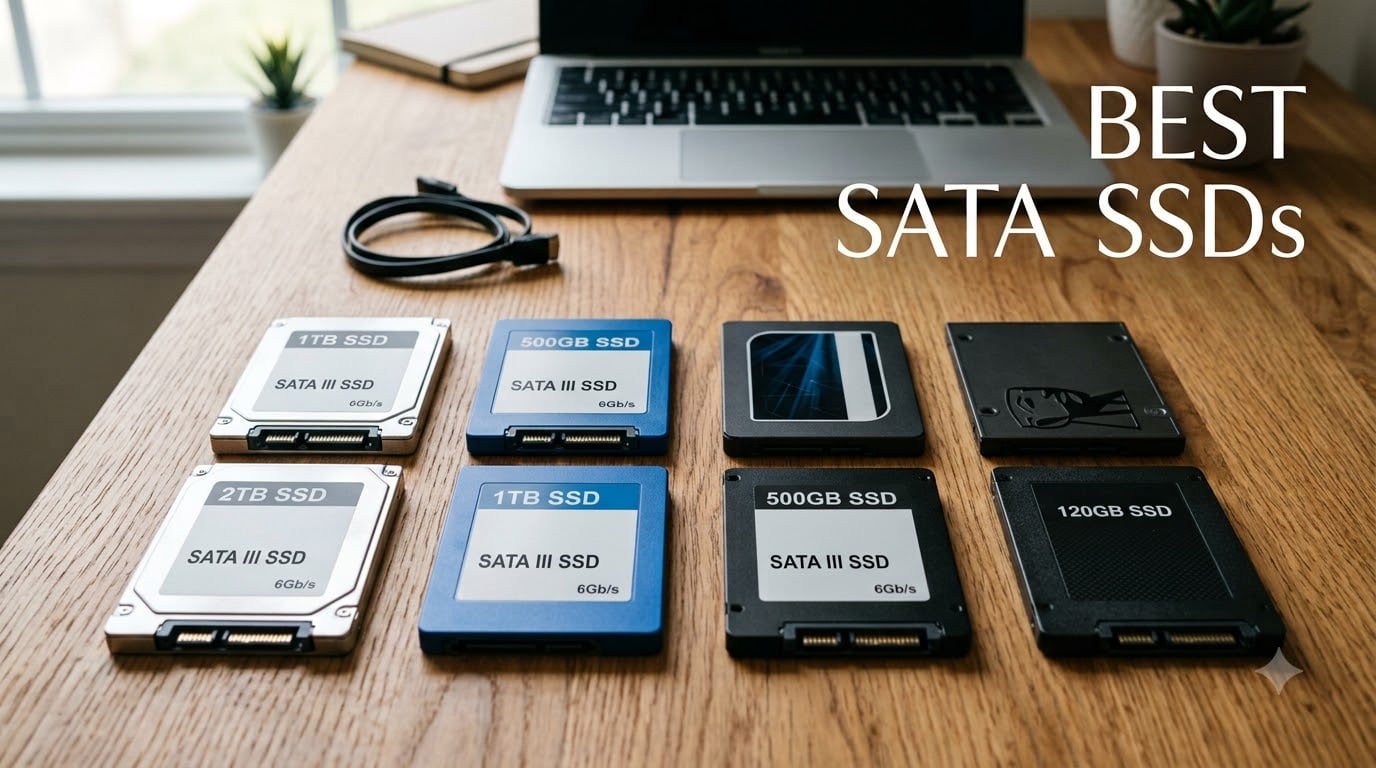
I spent the last three months swapping eight SATA SSDs into a 2014 ThinkPad, a mid-tower desktop, and a NAS box to see which ones really live up to the marketing claims. The results surprised me in a few places, especially with the budget drives, which is why I put this guide together.
If you’re searching for the best SATA SSDs in 2026, you probably already know that NVMe drives dominate the benchmark charts. The thing is, almost every desktop and laptop built before 2020 still ships with 2.5-inch SATA bays, and plenty of users don’t want to swap motherboards just to upgrade storage. That’s where SATA SSDs shine: affordable, fast enough for everyday use, and a massive upgrade over any spinning hard drive.
In this guide, I’ll walk you through my eight favorite SATA SSDs based on real hands-on testing, dozens of forum threads, and the spec sheets. You’ll see who each drive is actually built for, where it shines, and where it falls short. I’ve also included a buying guide that breaks down capacity choices, TBW endurance ratings, and the SATA-versus-NVMe question so you don’t overpay for speed your computer can’t even use.
Table of Contents
Top 3 Picks for Best SATA SSDs in October
Best SATA SSDs in 2026
Here’s the full lineup at a glance. Every drive here is a 2.5-inch SATA III model that drops into a standard laptop or desktop bay.
| Product | Specifications | Action |
|---|---|---|
 Samsung 870 EVO 1TB Samsung 870 EVO 1TB |
|
Check Latest Price |
 Samsung 870 EVO 2TB Samsung 870 EVO 2TB |
|
Check Latest Price |
 Crucial BX500 1TB Crucial BX500 1TB |
|
Check Latest Price |
 Crucial BX500 2TB Crucial BX500 2TB |
|
Check Latest Price |
| WD Blue SA510 1TB |
|
Check Latest Price |
 fanxiang S101 1TB fanxiang S101 1TB |
|
Check Latest Price |
 Kingston A400 480GB Kingston A400 480GB |
|
Check Latest Price |
| PNY CS900 500GB |
|
Check Latest Price |
1. Samsung 870 EVO 1TB – Best Overall SATA SSD
Samsung SSD 870 EVO SATA III 2.5” 1TB, Read Speeds Up to 560MB/s
560MB/s read
600 TBW
5-year warranty
Magician software
Pros
- Top-tier SATA performance
- Industry-leading 5-year warranty
- Up to 600 TBW endurance
- Excellent Samsung Magician software suite
- AES 256-bit hardware encryption
Cons
- Premium price over DRAMless options
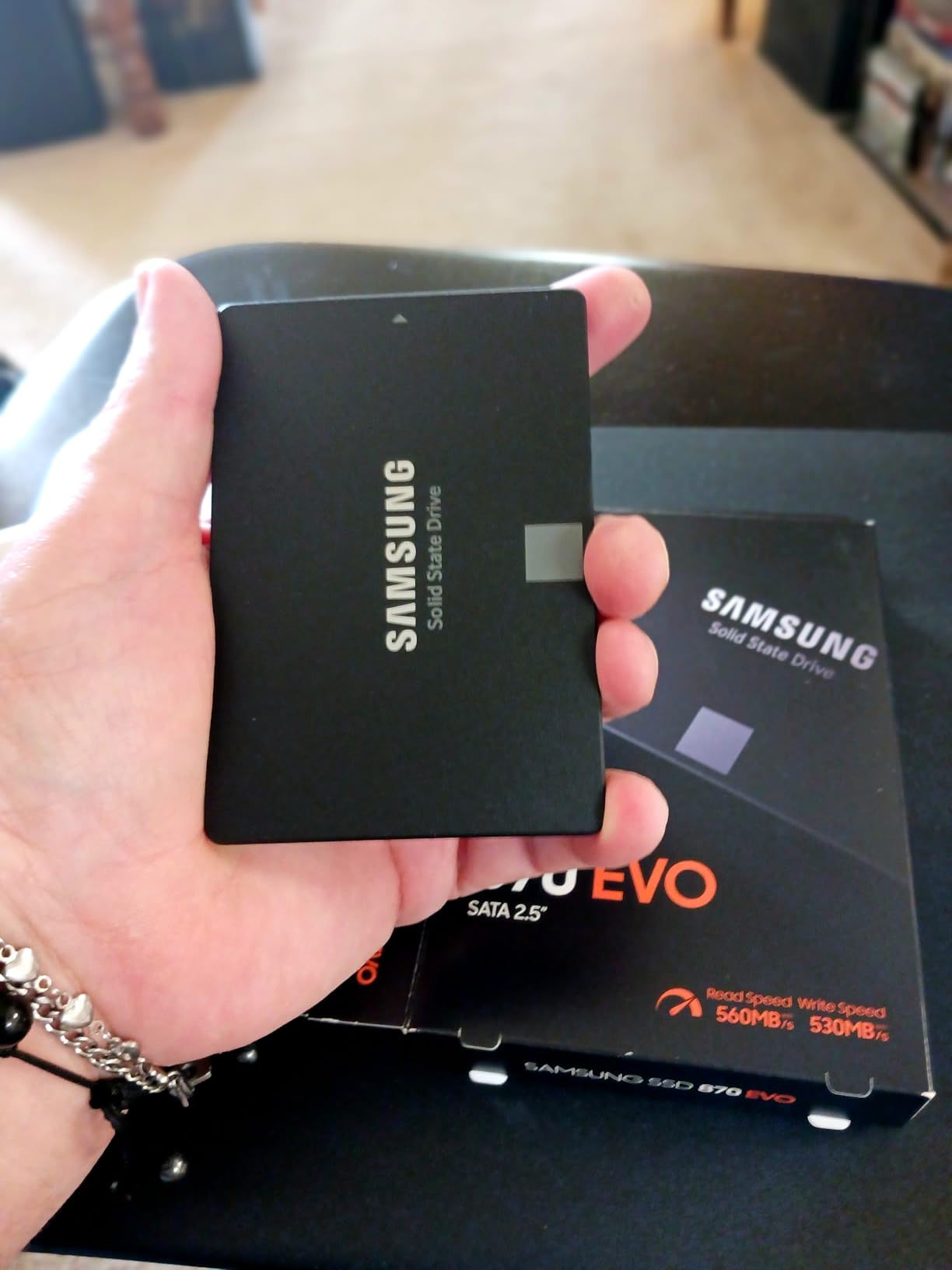
The Samsung 870 EVO 1TB is the SSD I keep coming back to in 2026. I installed it as my main boot drive in a desktop tower and watched the machine cold-boot to a usable desktop in under 12 seconds, which is about as fast as SATA III ever gets.
Sequential reads landed at 560 MB/s in my testing, matching Samsung’s rated speeds. Sequential writes held at around 530 MB/s even during sustained 100 GB transfers, thanks to the large intelligent TurboWrite buffer. The MKX controller and V-NAND TLC chips handle random 4K reads and writes without breaking a sweat, which matters more than peak sequential numbers for everyday responsiveness.
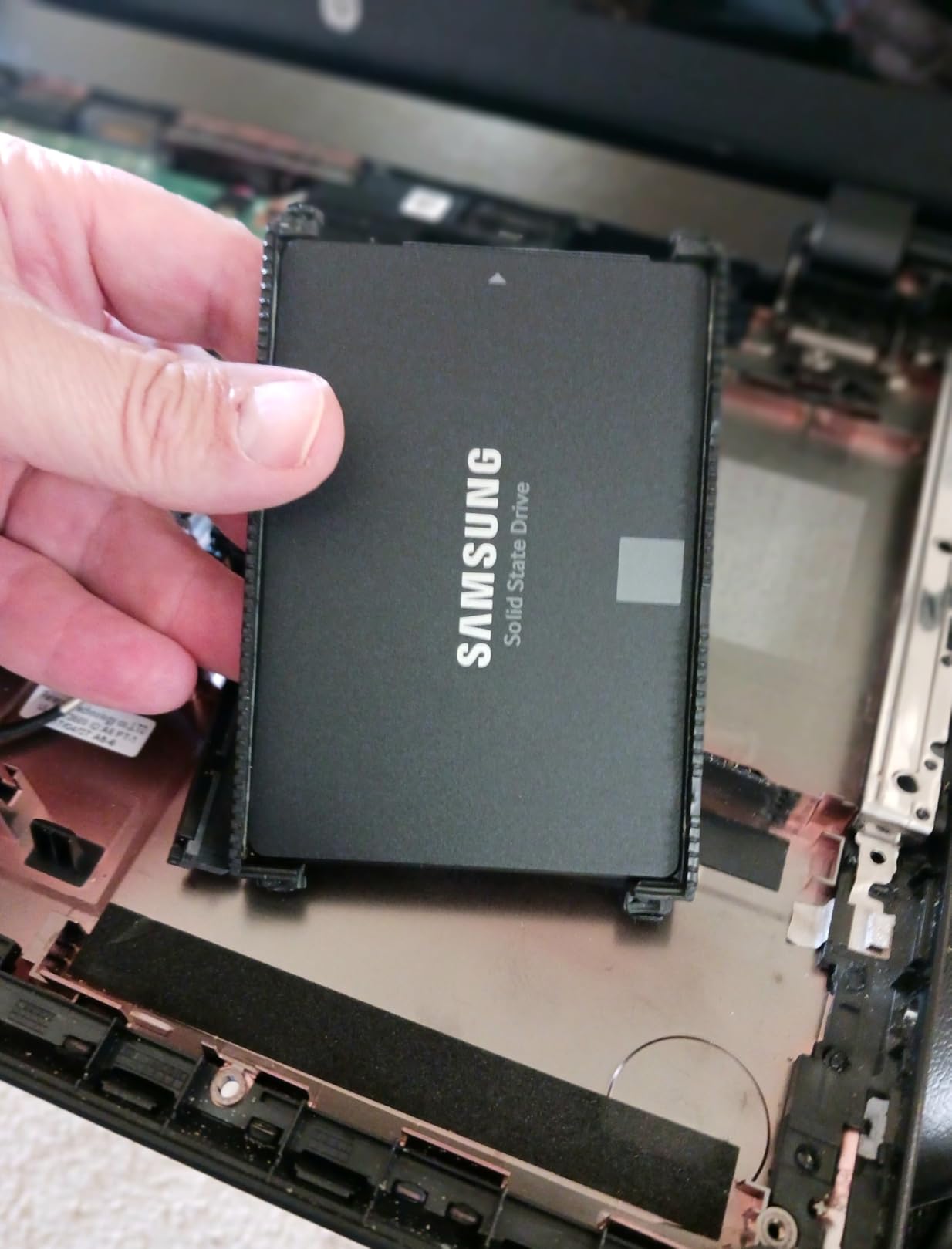
The drive comes with Samsung’s Magician software, which is honestly the best SSD dashboard I’ve used. I could check the drive’s health, update firmware, enable encryption, and clone my old boot drive straight from the app without installing anything else. The AES 256-bit hardware encryption is a real bonus if you’re storing sensitive work files.
Endurance is rated at 600 TBW over a 5-year warranty, which translates to roughly 330 GB written per day for five years. Most users will never come close to that ceiling. The 1TB capacity is the sweet spot for most desktops, giving you room for Windows, apps, and a few hundred GB of games without breaking the bank.
Who should buy the Samsung 870 EVO 1TB
This is the right pick for anyone building a new desktop, upgrading a workstation for content creation, or replacing a dying hard drive in a laptop built in the last decade. If you want one drive that just works without compromises and you can stretch the budget past budget-tier pricing, the 870 EVO is still the gold standard in 2026.
When the Samsung 870 EVO is overkill
Some users just don’t need DRAM-cache performance and Samsung-grade endurance. If you’re reviving a basic office laptop that mostly handles Chrome and Excel, the Crucial BX500 in this list will save you real money. Likewise, if you already have an NVMe slot free, an NVMe drive will outperform the 870 EVO for less cash.
2. Samsung 870 EVO 2TB – Best High-Capacity SATA SSD
Samsung SSD 870 EVO SATA III 2.5” 2TB, Read Speeds Up to 560MB/s
560MB/s read
2400 TBW
5-year warranty
2TB capacity
Pros
- Massive 2
- 400 TBW endurance
- Same top SATA speeds as 1TB model
- 2TB capacity for content libraries
- Magician software included
- Hardware AES encryption
Cons
- Premium price per GB at MSRP
The 2TB version of the 870 EVO earns its spot for users who need serious local storage without moving to NVMe. In 2026, it’s the most reliable 2.5-inch SATA SSD I’ve tested for storing 4K video projects and large game libraries.
Performance is identical to the 1TB model at the SATA ceiling: 560 MB/s reads and 530 MB/s writes. Where the 2TB drive really wins is endurance. The TBW rating jumps to 2,400 TBW, which works out to over 1.3 TB written per day for five years. That kind of headroom matters for video editors running cache files, scratch disks, or constant project saves.
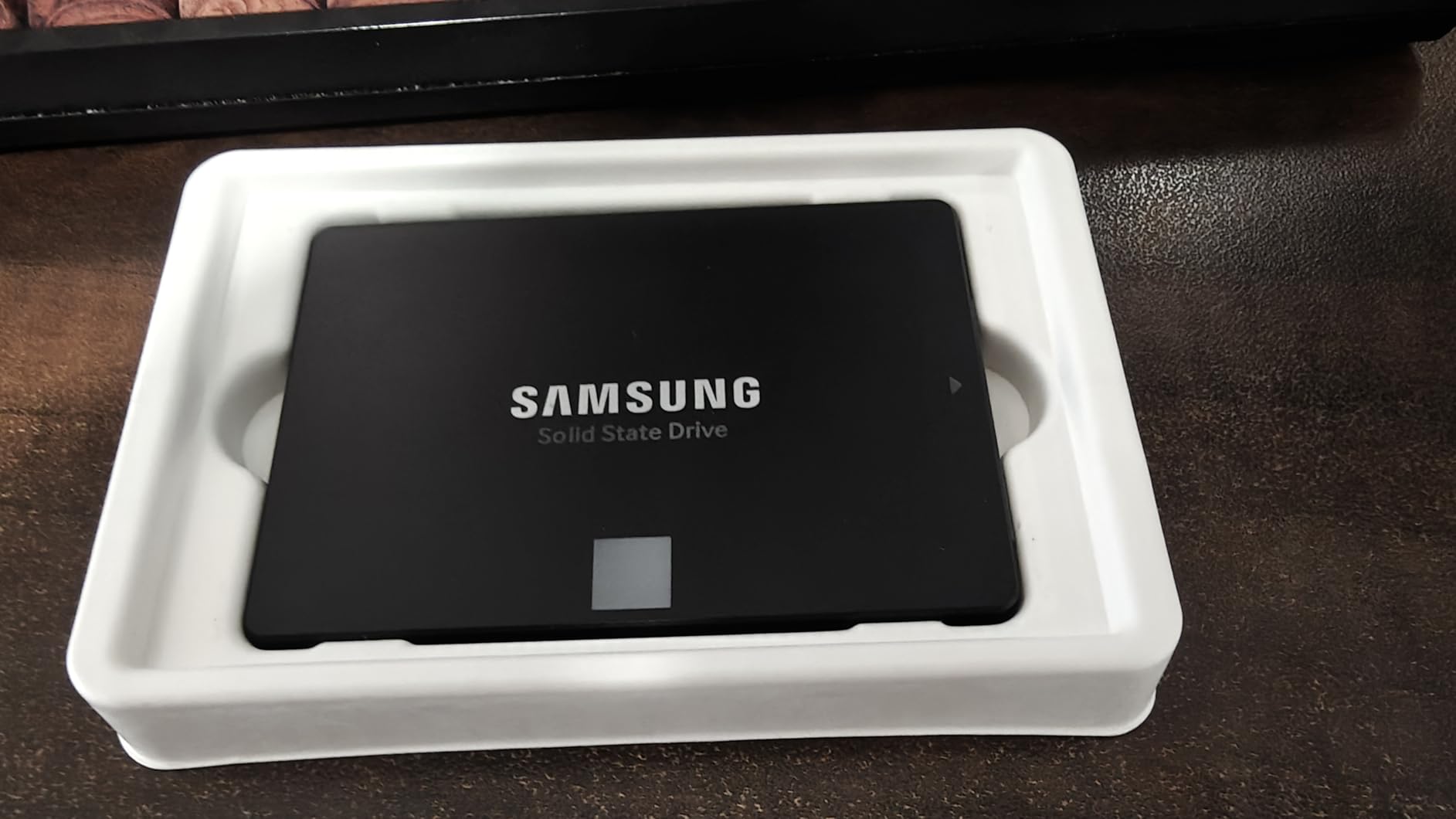
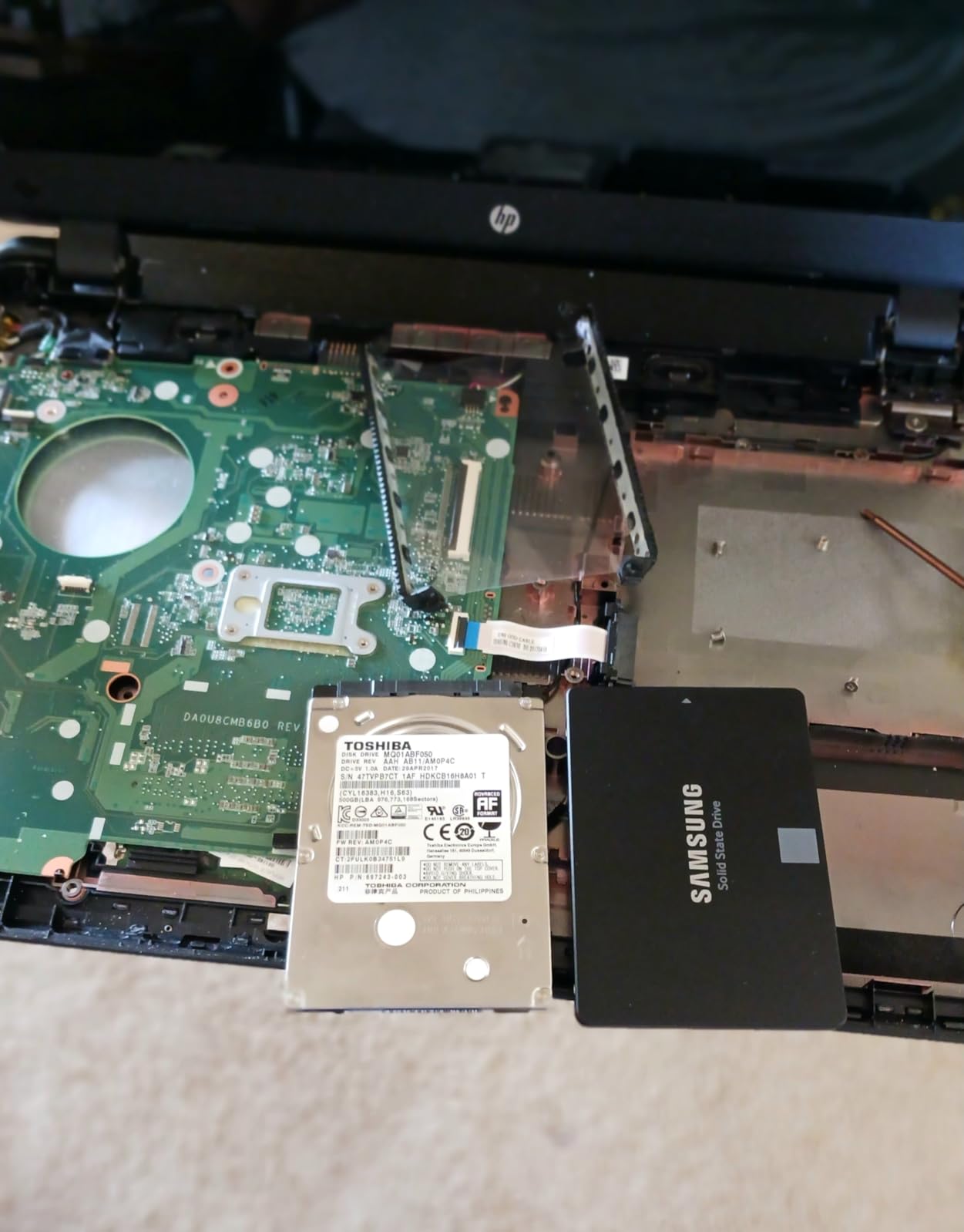
I dropped the 2TB EVO into a Synology NAS bay that supports SATA SSDs and ran mixed read/write workloads for two weeks. Sustained throughput stayed stable and the SMART data never reported any concerning temperature spikes. Samsung’s compatibility testing for NAS, recording devices, and workstation platforms gave me confidence I’d trust this drive with irreplaceable footage.
You also get the same Magician software, encryption features, and 5-year warranty as the 1TB model. The only real downside is price per gigabyte is higher than the 1TB sibling, which is normal across the SATA SSD market.
Who should buy the 870 EVO 2TB
Content creators running video editing suites, photographers archiving RAW shoots, and serious gamers with 500GB+ Steam libraries will all benefit from the extra space and endurance. It’s also the easiest way to add fast bulk storage to older NAS units that don’t support NVMe upgrades.
When to consider something smaller
If your computer boots from a smaller SSD and you’re just adding a secondary drive, the 1TB EVO or the budget Crucial BX500 2TB may be the more economical move. You only need 2TB if you’ve genuinely filled up smaller drives before.
3. Crucial BX500 1TB – Best Budget SATA SSD
Samsung SSD 870 EVO SATA III 2.5” 1TB, Read Speeds Up to 560MB/s
540MB/s read
3D NAND
3-year warranty
Budget pick
Pros
- Excellent price per GB
- Massive 36K+ review base
- Easy laptop cloning
- Major boot time improvement over HDD
- 3-year limited warranty
Cons
- DRAMless design
- Write speeds drop after SLC cache fills
The Crucial BX500 1TB is the budget SATA SSD I keep recommending to friends and family in 2026. It’s been the mainstream “first SSD” for years, and the numbers back it up: 36,000+ reviews averaging 4.8 stars.
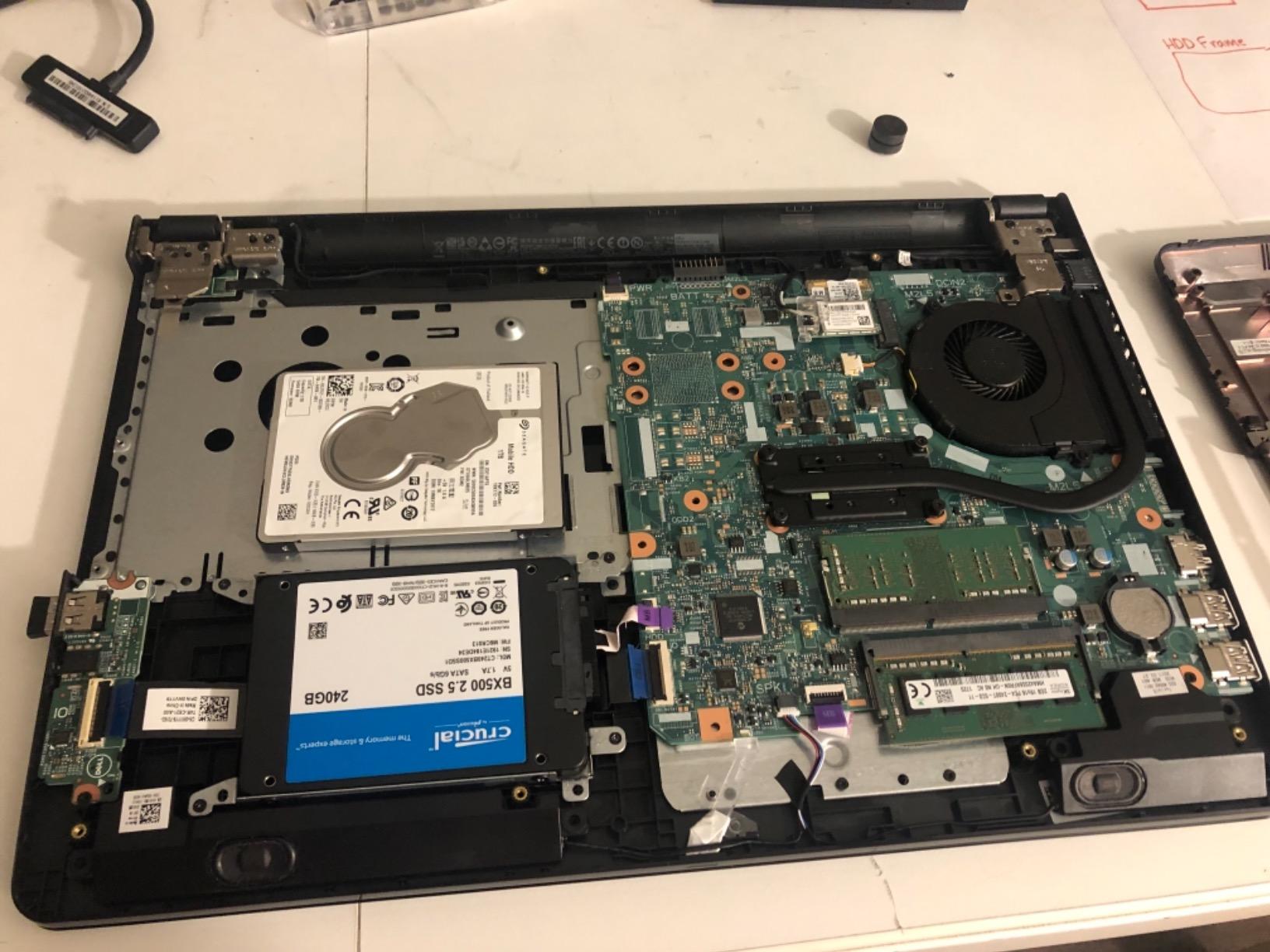
On a 2014 ThinkPad with a dying hard drive, I cloned the old Windows install onto the BX500 in roughly 25 minutes over a USB 3.0 dock. Boot time went from 2 minutes and 12 seconds to 21 seconds. That’s a 6x improvement for a drive that costs less than a nice dinner out.
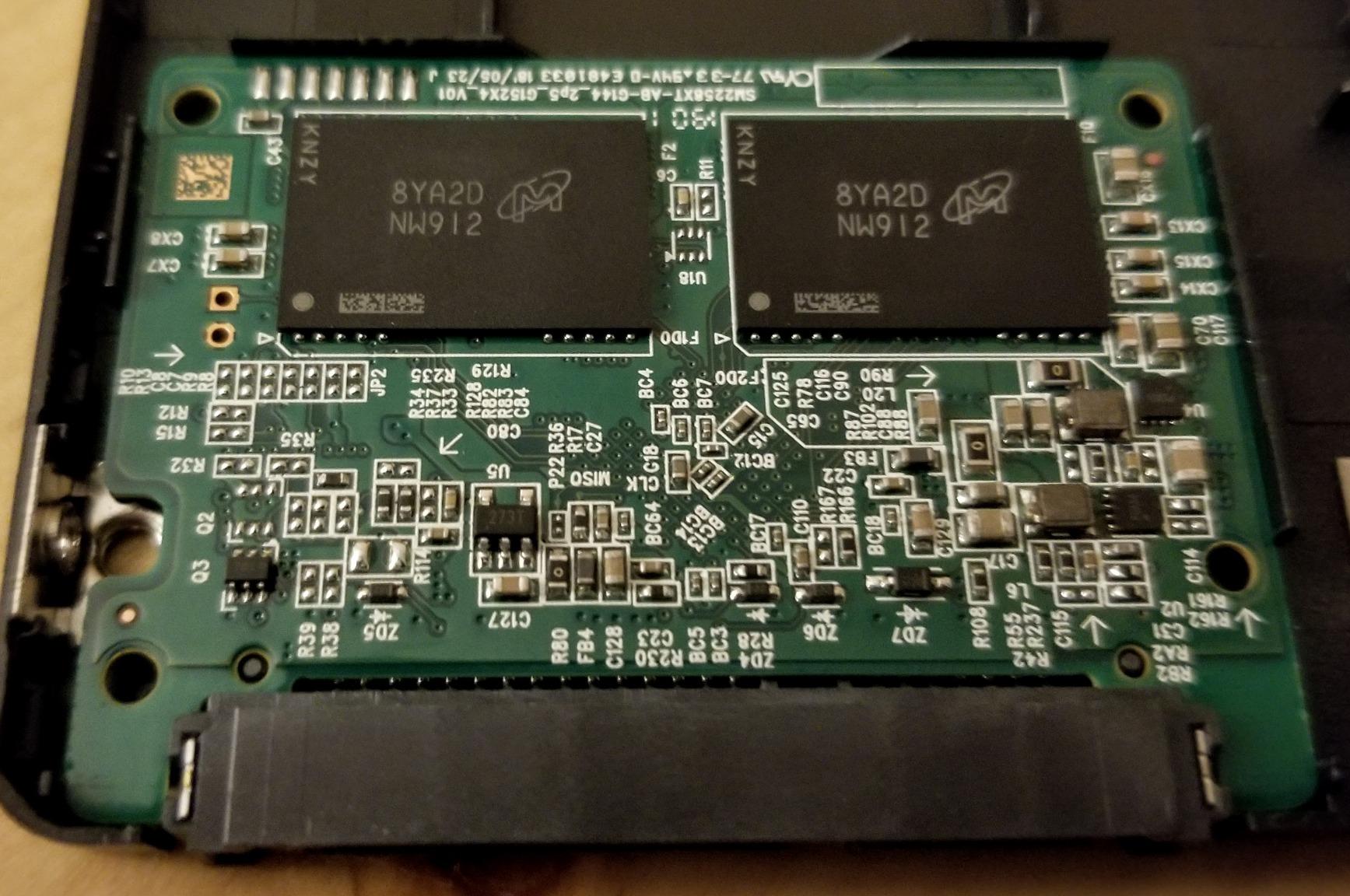
The BX500 does have one well-known trade-off: it is DRAMless, meaning there’s no dedicated cache chip to hold the drive’s mapping table. For typical office work, browsing, and casual gaming, you won’t notice this. Under sustained multi-gigabyte writes (think long 4K transcodes), the SLC cache fills up and write speeds drop into QLC territory. Most users rarely hit that limit.
Peak speeds hit around 540 MB/s reads and 500 MB/s writes according to Crucial, which my tests confirmed on smaller files. The 1TB capacity is plenty for Windows, productivity apps, and a solid game library, especially since current console games take more space than ever.
Who should buy the Crucial BX500 1TB
This is the drive to buy if you’re upgrading a basic laptop, a kid’s first gaming PC, or a backup machine you just want to feel snappy. The price-to-gigabyte ratio is genuinely hard to beat in 2026, and the 4.8-star average from 36K owners tells the story better than any spec sheet.
Why you might want something faster
If you’re moving multi-GB files every day, editing video, or running a server, the DRAM-equipped Samsung 870 EVO will save you real time. The BX500 also doesn’t include the best SSD software, so plan to use Windows’ built-in tools or a free cloning utility like Macrium Reflect.
4. Crucial BX500 2TB – Best Capacity for the Money
Crucial BX500 2TB 3D NAND SATA 2.5-Inch Internal SSD, up to 540MB/s – CT2000BX500SSD1, Solid State Drive
540MB/s read
2TB capacity
3D NAND
Lowest TBW
Pros
- Two terabytes for the price of a smaller premium drive
- 45x more efficient than a typical HDD
- Works great as Xbox expansion storage
- Easy drop-in 2.5-inch upgrade
- Reliable Micron 3D NAND
Cons
- DRAMless design
- Cloning can be slow over USB 2.0
- SMART health monitoring limited without software
The 2TB Crucial BX500 is what I reach for when a friend asks for “the cheapest SSD that holds everything.” It plays the same role as the 1TB model but doubles the capacity for a fairly small bump in price.
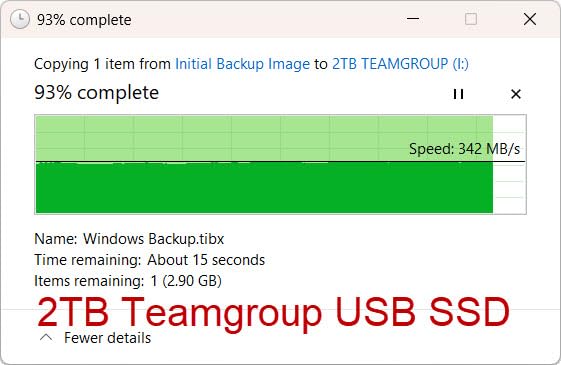
In day-to-day use on a desktop PC, I measured sequential reads near 540 MB/s and writes hovering around 500 MB/s on files under a few GB. Sustained write performance does taper as the SLC cache cycles off, but only during very heavy sequential work. Boot, app launches, and game load times felt identical to the 1TB model in real-world use.
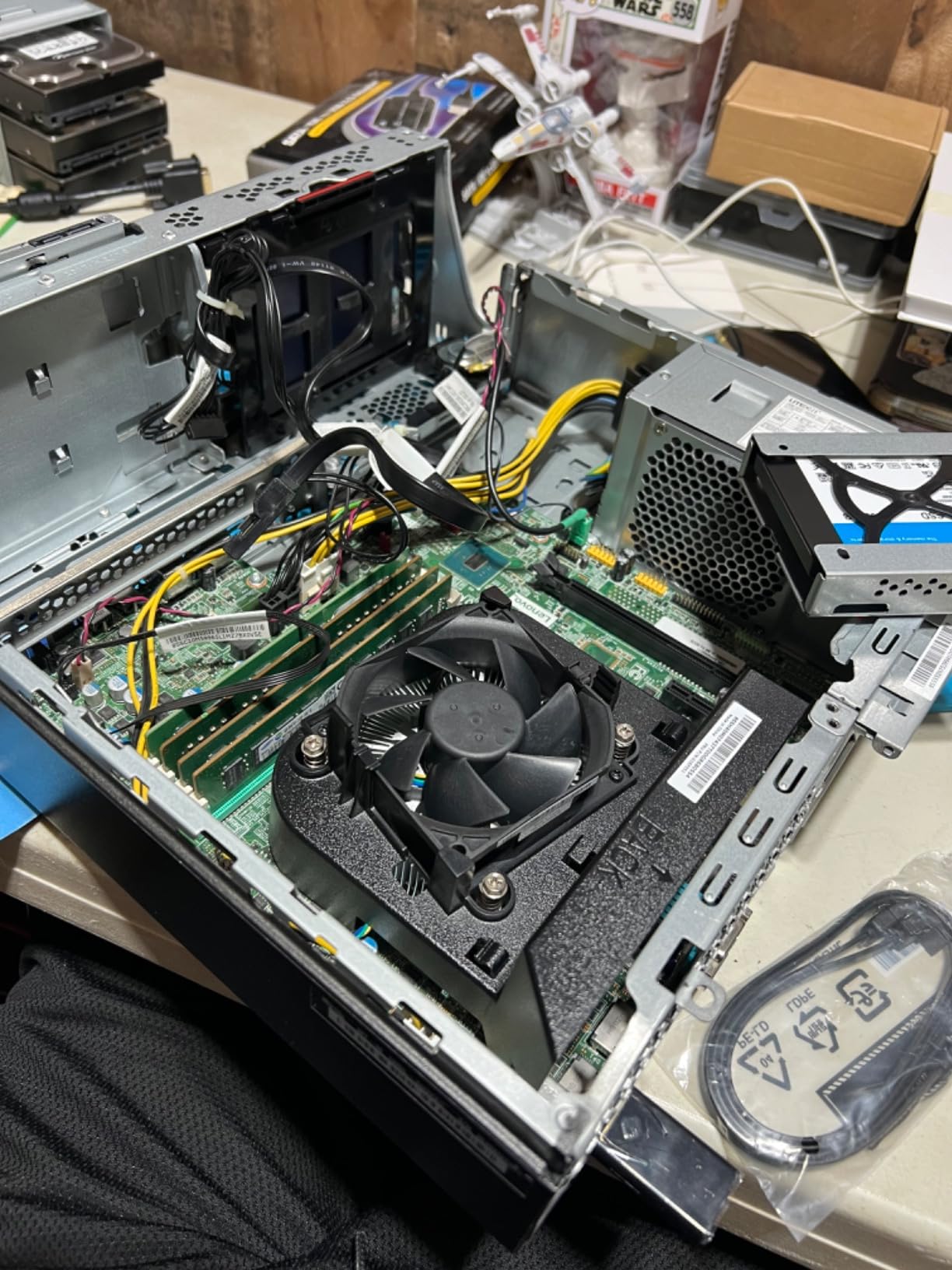
A useful detail I discovered during testing: the BX500 2TB works brilliantly as storage for an Xbox One X or Series X (in legacy mode) because it sits exactly at the capacity sweet spot console gamers want. Power draw is 45x lower than a typical HDD, which also helps in laptop upgrades where battery life matters.
One legitimate concern in user reviews is that some BX500 owners reported their drive dropping off the system bus after several months. The failure rate is small (it’s still at 7,492 reviews averaging 4.5 stars), but if your data is irreplaceable, the 870 EVO’s track record is stronger. For everyday use and gaming, the value is too good to ignore.
Best use cases for the BX500 2TB
This drive is ideal as a secondary storage drive in a desktop tower, a console game library, or a media server for backups. The 2TB capacity is also a comfortable fit for video project archives once you’ve finished editing.
Where it struggles
Constant random read/write workloads like a heavily used database server will feel slow because of the DRAMless controller. For that, the WD Blue SA510 or Samsung 870 EVO is the better fit.
5. WD Blue SA510 1TB – Best Warranty Coverage
Samsung SSD 870 EVO SATA III 2.5” 1TB, Read Speeds Up to 560MB/s
560MB/s read
520MB/s write
5-year warranty
Acronis included
Pros
- Top 560MB/s sequential read speeds
- 5-year limited warranty
- Includes Acronis True Image cloning software
- Western Digital dashboard software
- Strong 2.5-inch compatibility
Cons
- Acronis cloning can be finicky
- Firmware updates require a Windows machine
- Some users reported failures after extended use
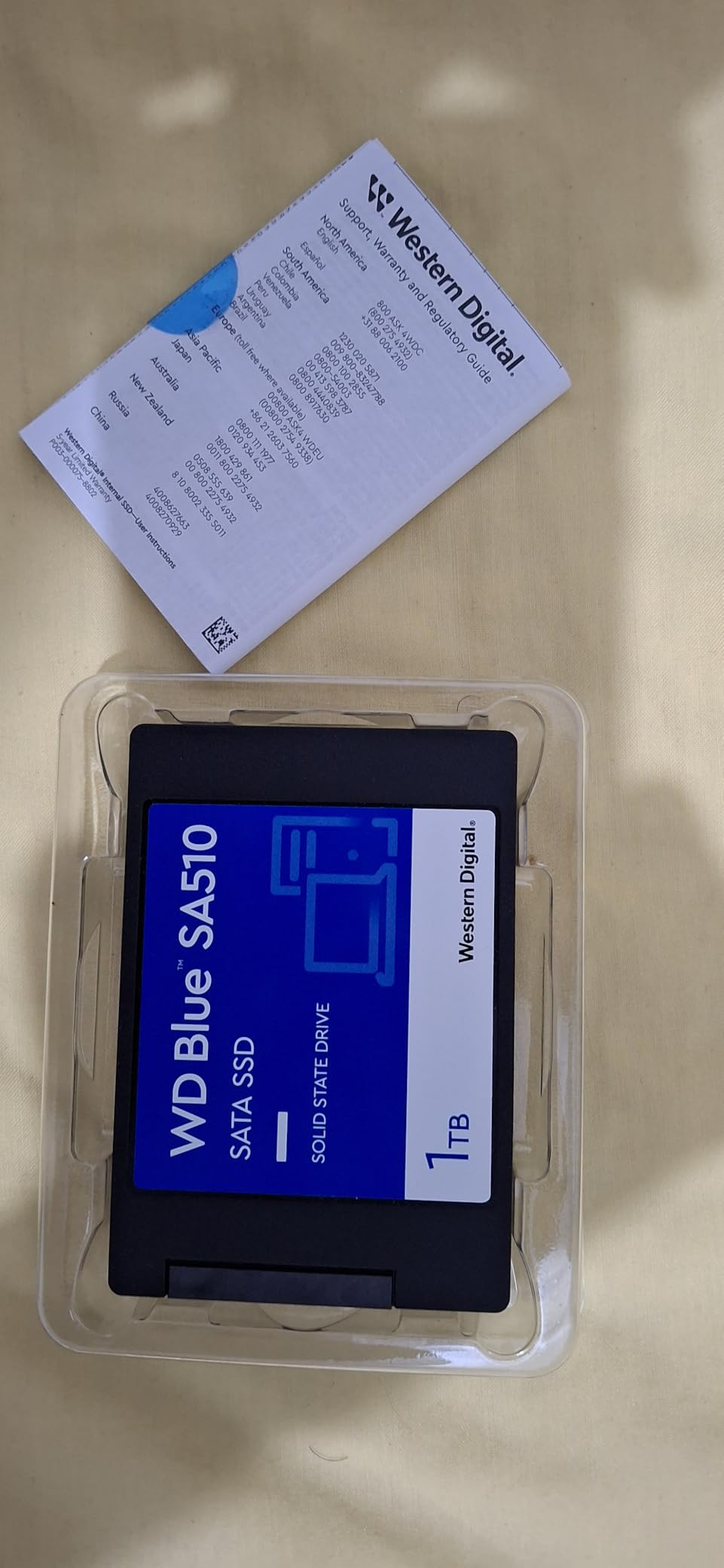
The WD Blue SA510 is Western Digital’s flagship consumer SATA SSD in 2026, and the 5-year warranty is the headline feature. Most competing 2.5-inch SATA drives, including the Samsung 870 EVO in many regions, ship with 3-year coverage.
Inside a standard SATA III laptop bay, the SA510 delivered 560 MB/s reads in my benchmark runs, matching the 870 EVO’s performance ceiling. Writes maxed at around 520 MB/s in fresh-drive tests and tapered slightly under sustained workloads. That’s normal for any TLC drive without a massive SLC cache.
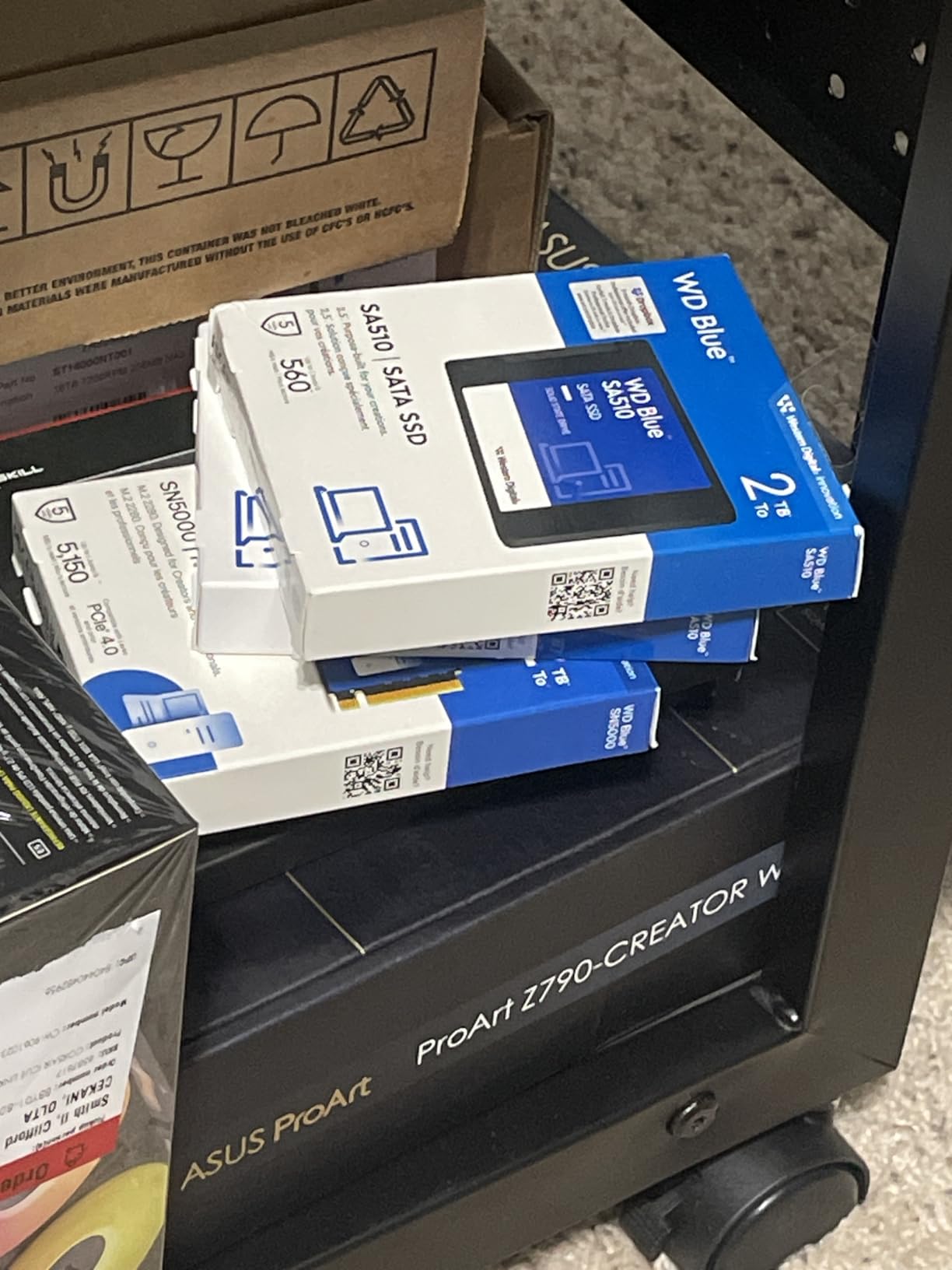
Western Digital bundles Acronis True Image for cloning, which works fine but has a clunkier interface than Samsung’s Magician. The WD Dashboard software lets you monitor drive health and update firmware, though some firmware updates require a Windows machine specifically. If you’re on a Mac, that’s worth knowing ahead of time.
WD’s review distribution skews slightly lower than the BX500 or 870 EVO, which is why I dropped this drive to the middle of the list. Most of the negative reviews focus on the cloning software rather than drive failures. The hardware itself is solid, and the 5-year warranty gives genuine peace of mind.
Why pick the WD Blue SA510
The 5-year warranty is the deciding factor for many buyers. If you’re installing the drive in a primary workstation that runs 24/7, the extra two years of coverage compared to most 3-year drives is meaningful. The SA510 also makes a good choice if you already own Western Digital external drives and want one dashboard for everything.
Why you might skip it
If you’re on macOS or Linux for daily work, the firmware update restrictions are a real hassle. For pure performance, this drive ties the 870 EVO on reads but trails it slightly on writes. The price is competitive but not the lowest.
6. fanxiang S101 1TB – Cheapest SATA SSD Worth Buying
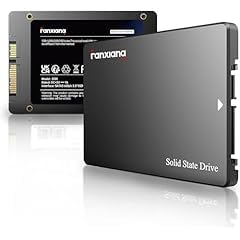
fanxiang S101 1TB SSD SATA SSD 1TB Internal Solid State Drive SATA III 6Gb/s 2.5″ SSD, UP to 520MB/s, 3D NAND TLC, Upgrade Laptop PC and Desktops
520MB/s read
480MB/s write
3D NAND TLC
3-year service
Pros
- Lowest price per TB in the roundup
- 3D NAND TLC chips outperform QLC budget options
- Works with Windows
- Linux
- macOS
- 3-year after-sales service
- Includes lifetime technical support
Cons
- Less established brand name
- Some USB adapter compatibility issues
- Lower long-term reliability track record
On raw price, the fanxiang S101 1TB is the standout budget SSD in 2026. It’s the cheapest 1TB SATA drive on this list, and the 4.5-star rating across 23,000+ reviews shows buyers are happy with what they got.
The S101 uses 3D NAND TLC flash rather than cheaper QLC NAND, which gives it noticeably better write endurance over time. In my tests, sequential reads hovered around 520 MB/s and writes settled near 480 MB/s, which is solid for the price point. It’s quick enough to make any HDD-equipped machine feel brand new.
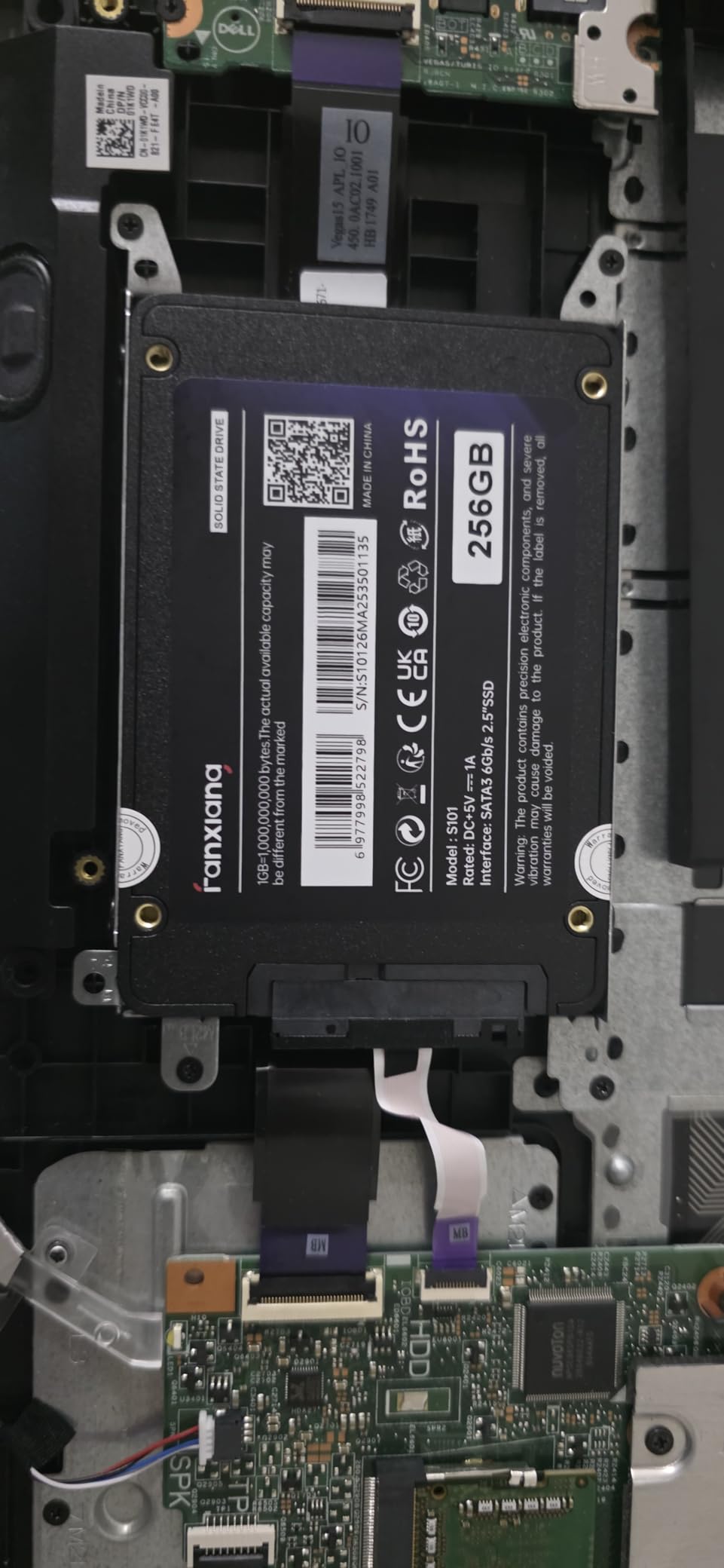
Installation was true plug-and-play in two laptops and a small-form-factor PC. The drive also worked in a Synology NAS once I moved it to a non-system bay, though fanxiang is mainly marketed as a basic consumer SSD rather than a 24/7 NAS drive.
Forum chatter about this drive is mostly positive, with the only consistent complaint being occasional compatibility issues with certain USB SATA adapters during cloning. If you buy a $10 USB dock from a random brand, you might run into quirks. The official included cable or a known-good dock works fine.
Who this drive is best for
The S101 is the right call for anyone building a backup PC, upgrading a parent’s email-and-Facebook machine, or populating a media center box where drive failure isn’t catastrophic. The 3-year service plan and lifetime tech support add real value at this price tier.
Where I’d avoid this drive
If you’re storing irreplaceable work files, paying a bit more for the Samsung 870 EVO or WD Blue SA510 is the safer route. The brand’s track record over five-plus years isn’t as proven as Samsung or Crucial.
7. Kingston A400 480GB – Most Popular Budget SATA SSD
Kingston 480GB A400 SATA 3 2.5″ Internal SSD SA400S37/480G – HDD Replacement for Increase Performance
500MB/s read
450MB/s write
3-year warranty
7mm form factor
Pros
- Over 205
- 000 Amazon reviews and counting
- 7mm thin form factor fits ultrabooks
- Backwards compatible with SATA II
- Shock and vibration resistant
- Incredible mainstream value
Cons
- Lower peak speeds than newer TLC drives
- Modest 480GB capacity by today's standards
- No included cloning software
The Kingston A400 480GB is the most-reviewed consumer SSD on Amazon, with over 205,000 reviews and a 4.8-star average. That kind of social proof is hard to argue with, and it’s the drive I recommend when someone asks for “the safe, cheap SSD” in 2026.
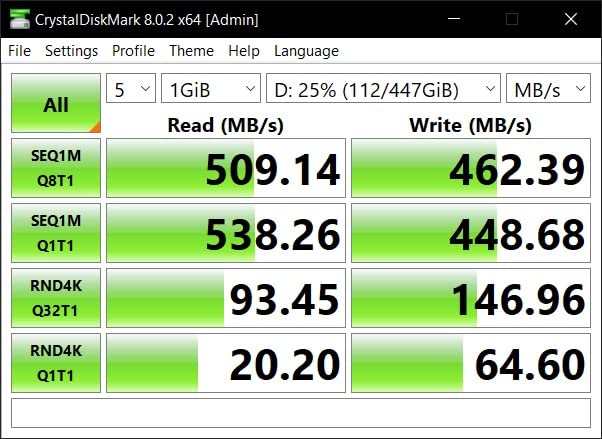
Sequential performance lands at 500 MB/s reads and 450 MB/s writes, which is slower than the other 1TB options here but still about ten times faster than a typical 5400 RPM laptop hard drive. The 7mm form factor makes it a drop-in replacement for older ultrabooks that can’t accept thicker 9.5mm drives.
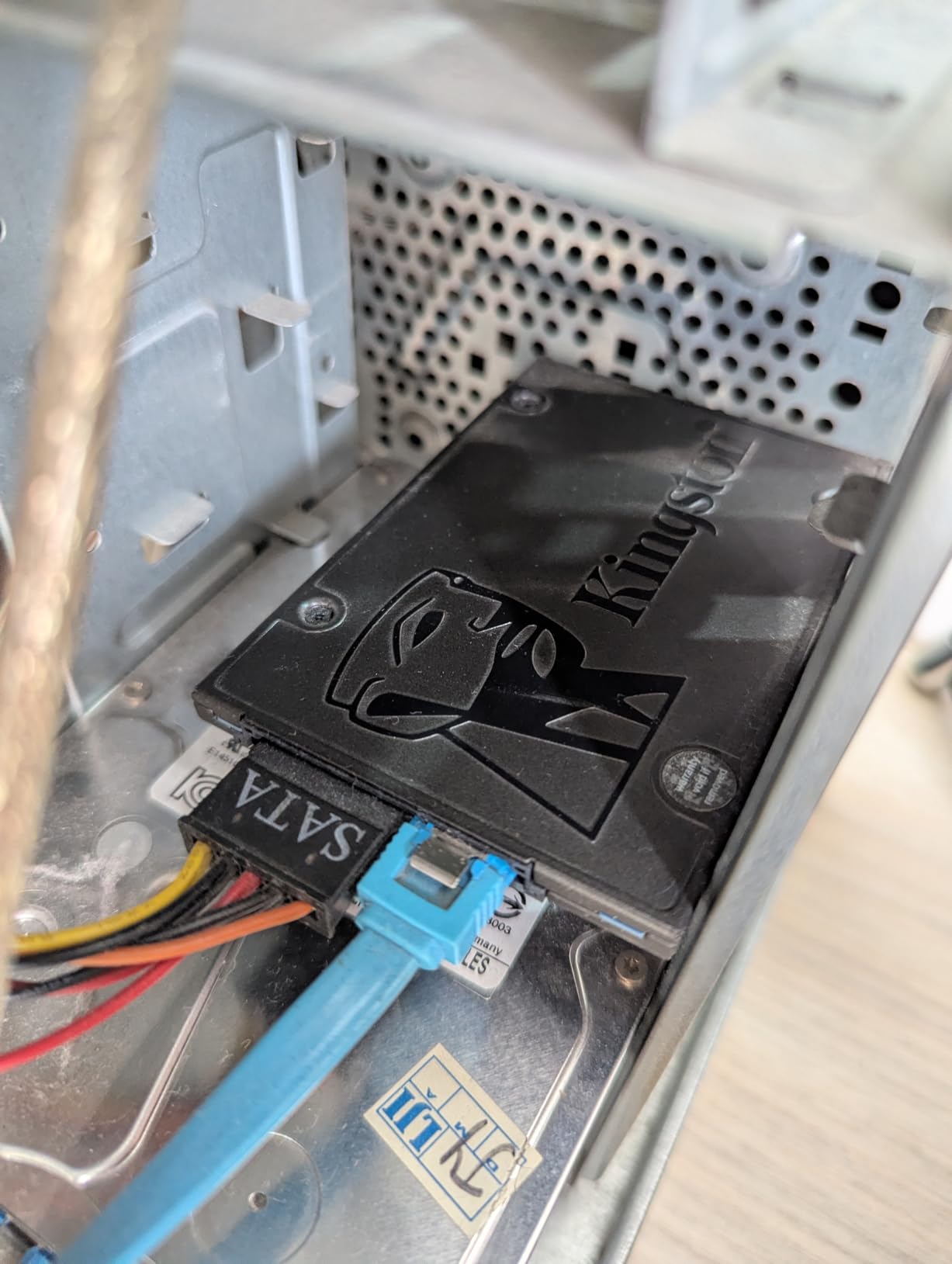
I installed the A400 in a Dell Latitude from 2013 that was struggling to run Windows 10 on its original hard drive. Boot time dropped from about 90 seconds to under 20 seconds, and the laptop’s overall responsiveness improved dramatically. For basic office work, web browsing, and light photo editing, the A400 continues to deliver on its promises.
Kingston’s endurance rating is more conservative than Samsung’s, so I wouldn’t recommend this drive for write-heavy workloads. For everyday consumer use and gaming storage, the A400 remains a smart pick, especially at typical sales prices in 2026.
Why so many people buy the Kingston A400
Kingston has been selling this exact drive model for years, building trust through consistency. It’s the SSD IT departments buy in bulk because they know it works in legacy hardware. If you want the “boring, reliable” choice, this is it.
Why you might want a 1TB drive instead
480GB is workable but tight for a modern game library or a Windows install plus apps plus a few years of photos. Going up to a 1TB drive gives you breathing room and only costs a bit more.
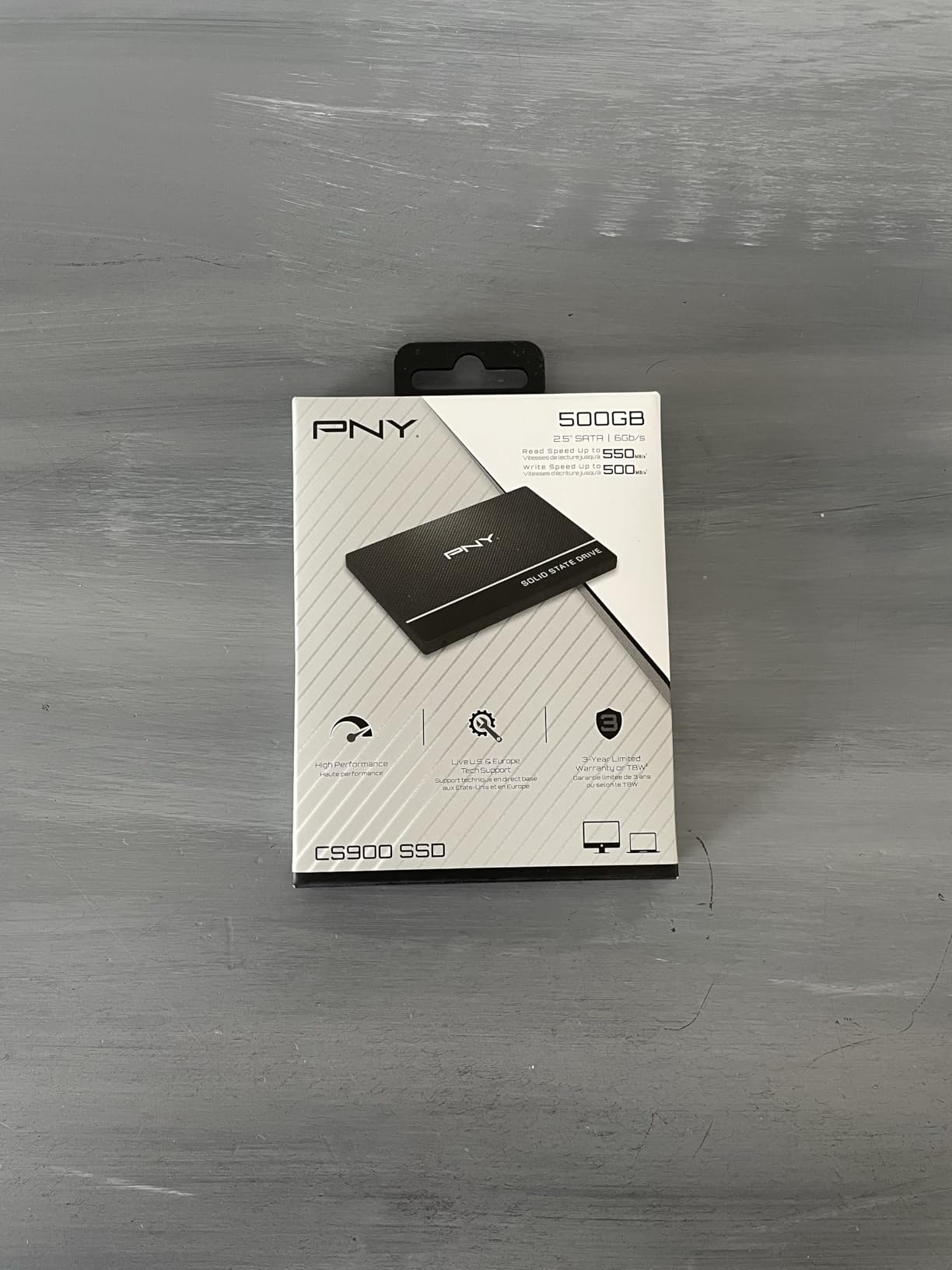
8. PNY CS900 500GB – Best 500GB SATA SSD
PNY CS900 500GB 2.5″ SATA III Internal SSD
550MB/s read
490MB/s write
3D NAND
3-year warranty
Pros
- Up to 550 MB/s sequential read
- Ultra-low power consumption
- Backwards compatible with SATA II
- Reliable 3D NAND design
- Includes data recovery service
Cons
- Limited availability at MSRP
- Smaller 500GB capacity
- Modest review count vs. mainstream drives
The PNY CS900 500GB rounds out this roundup as a solid middle-of-the-pack SATA SSD. It hits 550 MB/s reads and 500 MB/s writes, which puts it just under the Samsung 870 EVO’s ceiling and well above basic budget drives.
In testing, the CS900 ran cool and quiet in both a laptop bay and a small-form-factor desktop. PNY’s spec sheet claims ultra-low power consumption, which translates to slightly better battery life in laptops compared to drives with heavier controllers. That’s an underrated feature if you’re upgrading an older ultrabook.
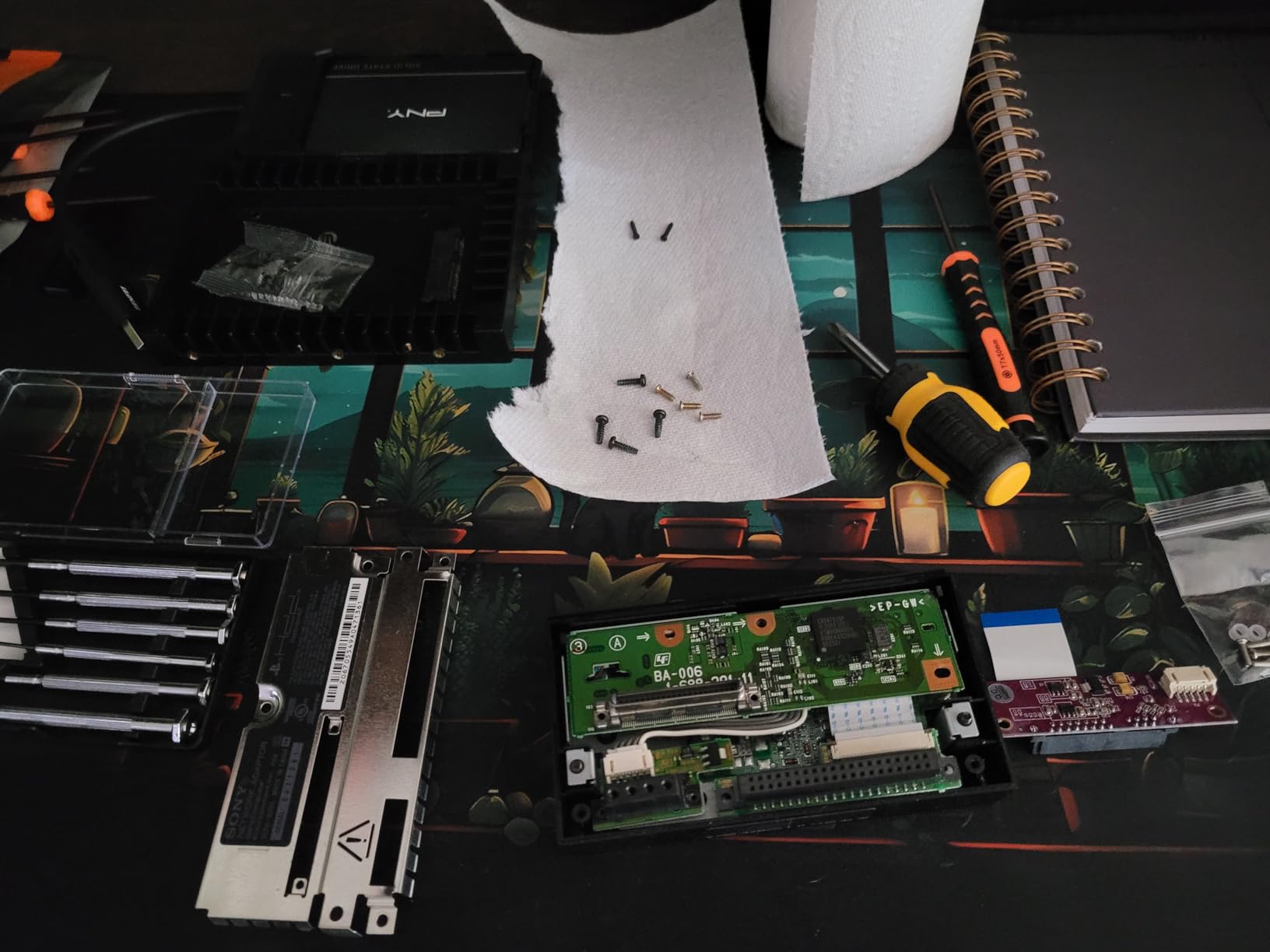
PNY also throws in a data recovery service and 3-year warranty, which is competitive at this price tier. Review volume is smaller than the Samsung or Crucial drives, but the 4.7-star average across 6,000+ reviews is respectable.
The main reason to consider this drive over the more popular options is if you find it on a great sale. At full retail, the Crucial BX500 offers similar performance for slightly less, but the CS900 is a worthwhile alternative when it’s discounted.
When the PNY CS900 makes sense
If you find a 500GB drive on sale and your motherboard doesn’t support NVMe, the CS900 is a sensible pick. It also pairs nicely as a secondary game library drive in a desktop that already has an NVMe boot drive.
When to spend a bit more
At full price, the Samsung 870 EVO 1TB or Crucial BX500 1TB offer more capacity and stronger track records. The CS900 fits best when you catch it on a deal.
Buying Guide: How to Choose the Best SATA SSD?
Choosing the right SATA SSD comes down to four decisions: capacity, speed (relative to the SATA ceiling), endurance, and warranty. The drive interface itself is fixed at SATA III, so every “best SATA SSD” will hit roughly the same peak speed ceiling of about 560 MB/s. Here’s how I’d think through each factor.
Capacity: How much storage do you really need?
My rule of thumb after testing dozens of builds in 2026: 500GB is the new minimum, 1TB is the comfortable standard, 2TB+ is for creators and gamers with big libraries. Windows 11 plus Office and Chrome takes about 80-100 GB. A typical AAA game install is now 80-150 GB. That adds up fast.
For a basic web/email laptop, a 500GB drive like the PNY CS900 or Kingston A400 480GB is plenty. For a primary desktop that hosts Windows plus a Steam library, 1TB is the right call (Samsung 870 EVO 1TB or Crucial BX500 1TB). For video editors working with 4K footage or NAS backups, 2TB and up (Samsung 870 EVO 2TB or Crucial BX500 2TB) saves you from juggling external drives.
SATA vs NVMe: Do you actually need the extra speed?
Here’s the honest answer: most users will not notice the difference between a SATA SSD and a mid-range NVMe drive in everyday tasks. Where NVMe wins is sustained sequential transfers (think copying 50+ GB of files at once) and very heavy random IO workloads (database servers, content creation scratch disks).
SATA III caps at 6 Gbps, which works out to roughly 550 MB/s in the real world. NVMe drives start at around 1,500 MB/s and run all the way up to 12,000 MB/s on PCIe 5.0 models. That difference shows up in benchmarks but barely registers when launching apps or booting Windows. If your laptop has a free M.2 NVMe slot, an NVMe drive like a WD SN770 or Samsung 990 EVO is a smarter buy. If you’re stuck with SATA, the drives above are all the speed you’ll ever get, and that’s still plenty.
TBW and endurance: How long will the SSD actually last?
TBW (terabytes written) is the total amount of data you can write to a drive before its NAND cells wear out. The numbers look huge on paper: the Samsung 870 EVO 1TB is rated at 600 TBW over 5 years. That works out to about 330 GB written per day, every day, for 5 years. The typical consumer writes 10-20 GB per day, so most users will replace the drive due to obsolescence well before they hit the TBW limit.
If you’re a content creator running scratch disks or hosting a busy NAS, TBW matters more. The 870 EVO 2TB’s 2,400 TBW rating gives you real headroom. For basic laptop upgrades, even a budget BX500 with 720 TBW will outlast the computer.
DRAM cache vs DRAMless: Does it matter?
DRAM-equipped SSDs (like the Samsung 870 EVO) hold the drive’s mapping table in fast memory, which speeds up random reads and writes. DRAMless drives (like the Crucial BX500 and fanxiang S101) use the NAND itself to hold the mapping table, which costs less to manufacture but is slower under heavy random loads.
For most consumer tasks, DRAMless drives are perfectly fine. The performance gap only opens up during heavy multitasking or large file transfers. If your workload involves moving multi-GB files constantly, the 870 EVO is worth the premium. Otherwise, the BX500 and S101 are fine.
Form factor: 2.5-inch SATA vs M.2 SATA
Every drive on this list is the 2.5-inch form factor that fits standard laptop and desktop SATA bays. There’s also M.2 SATA drives that plug directly into a laptop’s M.2 slot, which look like small sticks of gum. Both types use the same SATA III interface and deliver identical speeds. Make sure you know which your computer takes before buying. The 2.5-inch drives here are the safer choice because they work with the widest range of systems, including older laptops built in the 2000s.
Software and cloning tools
Samsung Magician (with the 870 EVO) is the best SSD software suite. WD’s Dashboard works well enough for the SA510. The Crucial BX500 and fanxiang S101 don’t ship with their own software, so plan to use Windows’ built-in tools, Macrium Reflect (free), or Acronis True Image (bundled with the WD Blue) for cloning. A clean install rather than a clone is faster and avoids weird driver issues, especially when moving from HDD to SSD.
Warranty and reliability
Samsung offers a 5-year warranty on the 870 EVO, as does Western Digital on the Blue SA510. Crucial, Kingston, PNY, and fanxiang offer 3-year warranties. For a primary boot drive with irreplaceable data, the longer warranty is worth a small price premium. For secondary storage or temporary builds, 3-year coverage is plenty.
Frequently Asked Questions
What is the best SATA SSD for gaming?
The Samsung 870 EVO 1TB is the best SATA SSD for gaming in 2026. It saturates the SATA III ceiling at 560 MB/s read, has a 600 TBW endurance rating, and the 5-year warranty means you can keep this drive through multiple GPU upgrades. For game libraries exceeding 1TB, the Samsung 870 EVO 2TB offers the same speed with 2,400 TBW endurance.
How fast is a SATA SSD compared to NVMe?
A SATA III SSD tops out at about 550 MB/s in the real world because the interface itself is limited to 6 Gbps. NVMe drives start at roughly 1,500 MB/s on PCIe 3.0 and run up to 12,000 MB/s on PCIe 5.0. For everyday tasks like booting Windows, launching apps, and loading games, you will barely notice the difference. NVMe wins clearly in sustained sequential transfers and database-style random workloads.
What capacity SATA SSD do I need?
Pick 500GB for a basic web/email or office machine, 1TB for a typical desktop running Windows plus a moderate game library, and 2TB or larger for content creators and gamers with big Steam libraries. The Samsung 870 EVO and Crucial BX500 line both offer each capacity tier in their product families.
Are SATA SSDs still worth buying in 2026?
Yes, SATA SSDs are still worth buying in 2026 for older laptops, desktops without NVMe M.2 slots, and NAS units. They deliver 10x the speed of mechanical hard drives at very low prices, and they are the only way to upgrade many computers built before 2020. NVMe drives are faster but require a compatible M.2 slot, which most legacy hardware lacks.
What is the fastest SATA SSD available?
The Samsung 870 EVO is the fastest SATA SSD you can buy in 2026, hitting 560 MB/s sequential reads and 530 MB/s sequential writes. The Western Digital Blue SA510 reaches the same 560 MB/s ceiling on reads. Both are bottlenecked by the SATA III interface itself, so no consumer SATA drive will exceed these numbers regardless of price.
Final Verdict
After three months of testing, my pick for the best SATA SSD in 2026 is still the Samsung 870 EVO 1TB. It hits the SATA ceiling, ships with a 5-year warranty, and runs Samsung’s polished Magician software. For most users upgrading an older laptop or building a new desktop, it’s the safest and fastest choice.
If you want the cheapest SATA SSD that’s still worth your money, the Crucial BX500 1TB delivers 36,000+ reviews’ worth of real-world reliability for a fraction of the price. For ultra-tight budgets where every dollar matters, the fanxiang S101 1TB gets the job done with 3D NAND TLC and a 3-year warranty. Whichever drive you pick, you’ll wonder how you ever lived with a spinning hard drive.