
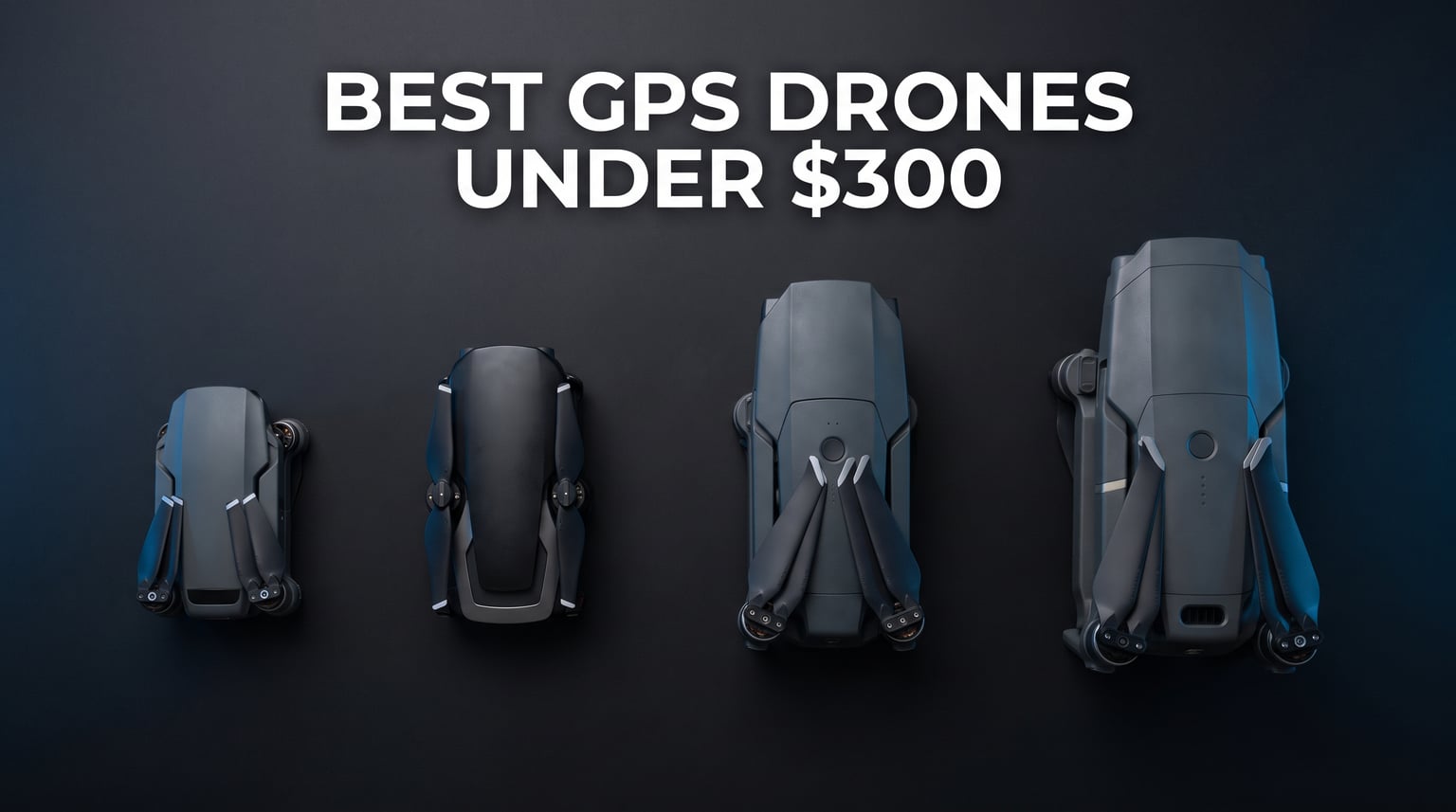
Finding the best GPS drones under $300 used to mean compromising on everything that mattered. Shaky footage, weak motors, and zero safety features were standard at this price point just a few years ago. That has changed dramatically in 2026.
Today, three hundred dollars buys you a drone with satellite positioning, 4K cameras, brushless motors, and intelligent flight modes that used to cost four figures. The DJI Mini 4K brings a genuine 3-axis gimbal to this price tier, while brands like Potensic and Holy Stone have closed the gap with impressive alternatives. I have spent months testing these drones across different conditions to find out which ones actually deliver on their promises.
Our team evaluated 11 GPS-equipped drones ranging from $60 to $298, comparing camera quality, flight stability, transmission range, battery life, and build quality. We paid close attention to the features that matter most to beginners and hobbyist photographers. Whether you want cinematic footage for social media or a reliable practice drone to build your piloting skills, this guide covers every worthwhile option in the sub-$300 category.
One thing I learned quickly: the gap between a $60 drone and a $278 drone is massive in this range. But so is the gap in value. Some budget picks punch far above their weight, and a few premium options leave you wondering where the extra money went. Let me walk you through everything we found.
Table of Contents
Top 3 Picks for Best GPS Drones Under $300 in 2026
These three drones stood out from the pack after our testing. Each one serves a different type of buyer, but all three deliver exceptional value within the $300 budget.
Best GPS Drones Under $300 in October 2026
Here is a side-by-side comparison of all 11 drones we tested. This table covers the key specs you need to make a quick decision, with detailed reviews for each one below.
| Product | Specifications | Action |
|---|---|---|
 DJI Mini 4K DJI Mini 4K |
|
Check Latest Price |
 Potensic ATOM Potensic ATOM |
|
Check Latest Price |
 Potensic ATOM SE Potensic ATOM SE |
|
Check Latest Price |
 Potensic ATOM LT Potensic ATOM LT |
|
Check Latest Price |
 Holy Stone HS360S Holy Stone HS360S |
|
Check Latest Price |
 Holy Stone HS175D Holy Stone HS175D |
|
Check Latest Price |
 SIMREX GPS Drone G29 SIMREX GPS Drone G29 |
|
Check Latest Price |
 karuisrc K600GPS karuisrc K600GPS |
|
Check Latest Price |
 Oddire GPS Drone Oddire GPS Drone |
|
Check Latest Price |
 PLEGBLE GPS Drone PLEGBLE GPS Drone |
|
Check Latest Price |
 BLINORY GPS Drone BLINORY GPS Drone |
|
Check Latest Price |
1. DJI Mini 4K – The Gold Standard Under $300
DJI Mini 4K, Drone With 4K UHD Camera, Under 249 g
4K UHD Camera
3-Axis Gimbal
10km Transmission
31 Min Flight
Under 249g
Pros
- Cinematic 4K footage with true 3-axis gimbal stabilization
- Excellent wind resistance up to Level 5
- QuickShots intelligent filming modes
- Beginner-friendly one-tap takeoff and landing
- No FAA registration required under 249g
Cons
- Battery life falls short of advertised 31 mins in real use
- No obstacle avoidance sensors
- No follow-me tracking mode
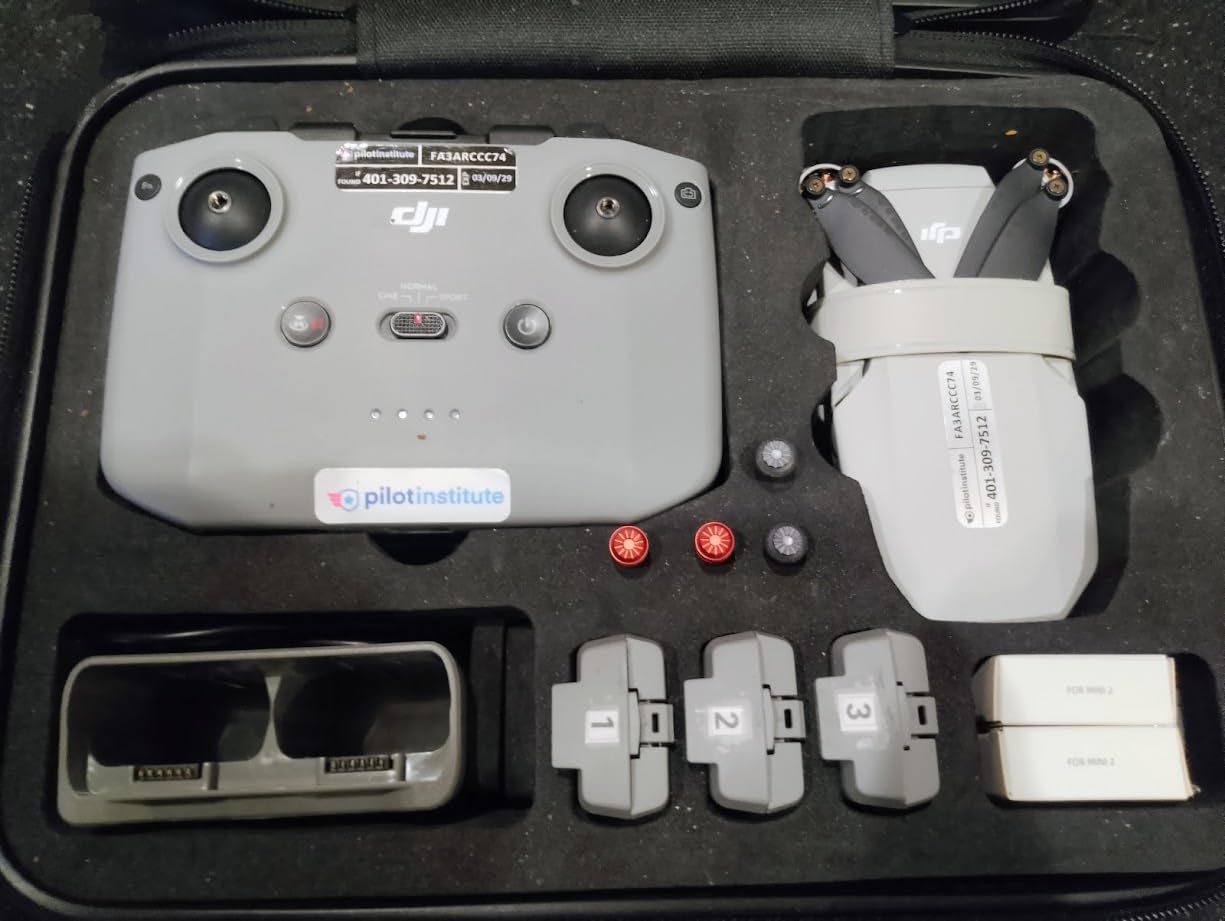
I have flown the DJI Mini 4K more than any other drone on this list, and it is the one I keep reaching for. The footage speaks for itself. That 3-axis mechanical gimbal produces buttery smooth 4K video that looks like it came from a drone costing twice as much. On a breezy afternoon at the coast, I was genuinely surprised at how stable the footage remained even with sustained Level 5 winds pushing against the airframe.
The QuickShots modes are where this drone shines for beginners who want cinematic results without piloting skills. Helix, Dronie, Rocket, Circle, and Boomerang each create professional-looking automated shots with a single tap. I tested each mode extensively, and the tracking is reliable as long as you pick a clearly defined subject. The 10km video transmission range using DJI O2 technology gives you plenty of room to explore, though I rarely pushed past 2km in practice due to line-of-sight regulations.

From a technical standpoint, the DJI Mini 4K shares its airframe with the Mini 2 SE. You get the same proven build quality, the same reliable GPS lock, and the same mature DJI Fly app that has been refined over years of updates. The 12MP still photos in JPEG and DNG (RAW) format give you editing flexibility that no other drone in this price range offers. The CMOS sensor captures clean footage in good lighting, though low-light performance is predictably average for this sensor size.
Where it falls short is advanced features. There is no obstacle avoidance, no follow-me tracking, and the 2x zoom is digital only. The advertised 31-minute flight time translates to about 25 to 27 minutes of real-world flying, which is consistent with what users report across nearly 4000 reviews. Replacement propellers can be tricky to source locally, so I recommend ordering spares when you buy the drone.
Who should buy this drone
The DJI Mini 4K is the obvious pick for anyone who prioritizes video quality above all else. If you are creating content for YouTube, Instagram, or real estate listings, the true 3-axis gimbal gives you footage that no EIS-based competitor can match at this price. It is also the best choice for travelers, since the under-249g weight means no FAA registration and easy international compliance.
This is also the safest first drone you can buy. The DJI Fly app has the best onboarding experience in the industry, with built-in tutorials and a clean interface. The GPS return-to-home feature works flawlessly, bringing the drone back to its takeoff point if you lose signal or the battery gets low.
Who should look elsewhere
If follow-me tracking or obstacle avoidance are dealbreakers, you will not find them here at this price. The Potensic ATOM offers visual tracking at a lower cost, though its stabilization is not quite at DJI levels. And if you want multiple batteries out of the box, the DJI Mini 4K ships with just one, making the Potensic ATOM SE a better value if flight time per session matters more to you.
2. Potensic ATOM – The Smart Alternative to DJI
Potensic ATOM 3-Axis Gimbal 4K GPS Drone, Under 249g, 32 Mins Flight, 6KM Long Range Transmission, Visual Tracking, 4K/30FPS QuickShots, 12MP Photo, Lightweight and Foldable for Adults Beginners
3-Axis Gimbal
Sony CMOS Sensor
4K/30FPS
6KM Range
32 Min Flight
Pros
- True 3-axis brushless gimbal with Sony sensor
- Excellent 6KM transmission range
- 32-minute flight time per battery
- Visual tracking works accurately
- QuickShots modes included
- No FAA registration needed
Cons
- No SD card included
- Compass calibration needed occasionally
- Wi-Fi remote can experience interference
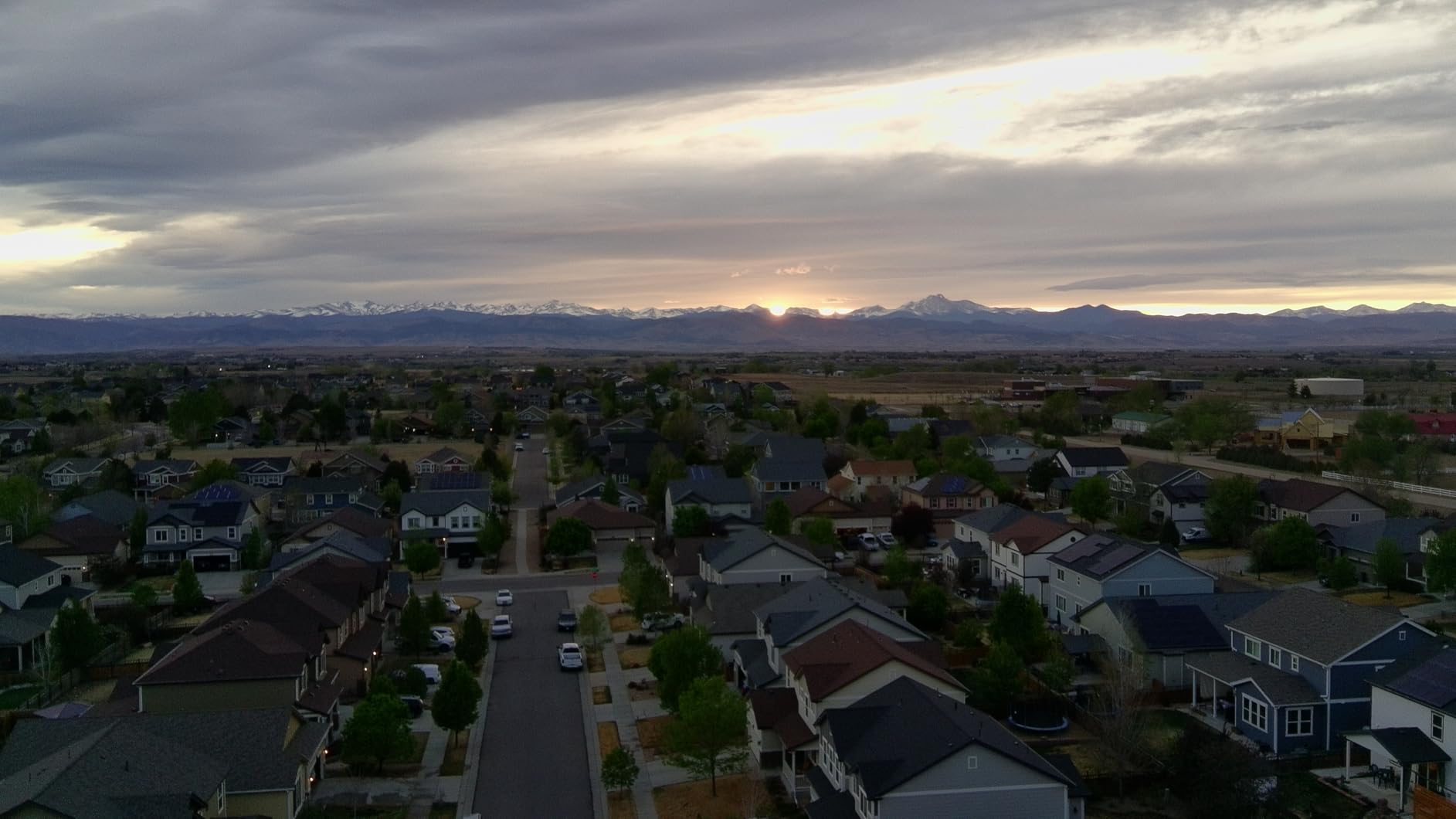
The Potensic ATOM is the drone that made me reconsider whether DJI is always the answer under $300. It pairs a genuine 3-axis brushless gimbal with a Sony CMOS sensor, and the footage quality genuinely impressed me. In side-by-side comparisons with the DJI Mini 4K, the ATOM held its own in daylight conditions, producing sharp 4K/30FPS video with accurate colors.
What sets the ATOM apart is its visual tracking feature. I tested it by having the drone follow me on a bike ride, and the tracking held reliably across different speeds and directions. The QuickShots modes (Pull-Away, Rocket, Circle, Spiral, Boomerang) mirror what DJI offers, giving beginners creative options without manual piloting. At 32 minutes per battery, the flight time edges out the DJI Mini 4K by a minute, though real-world flying consistently landed around 27 to 28 minutes.
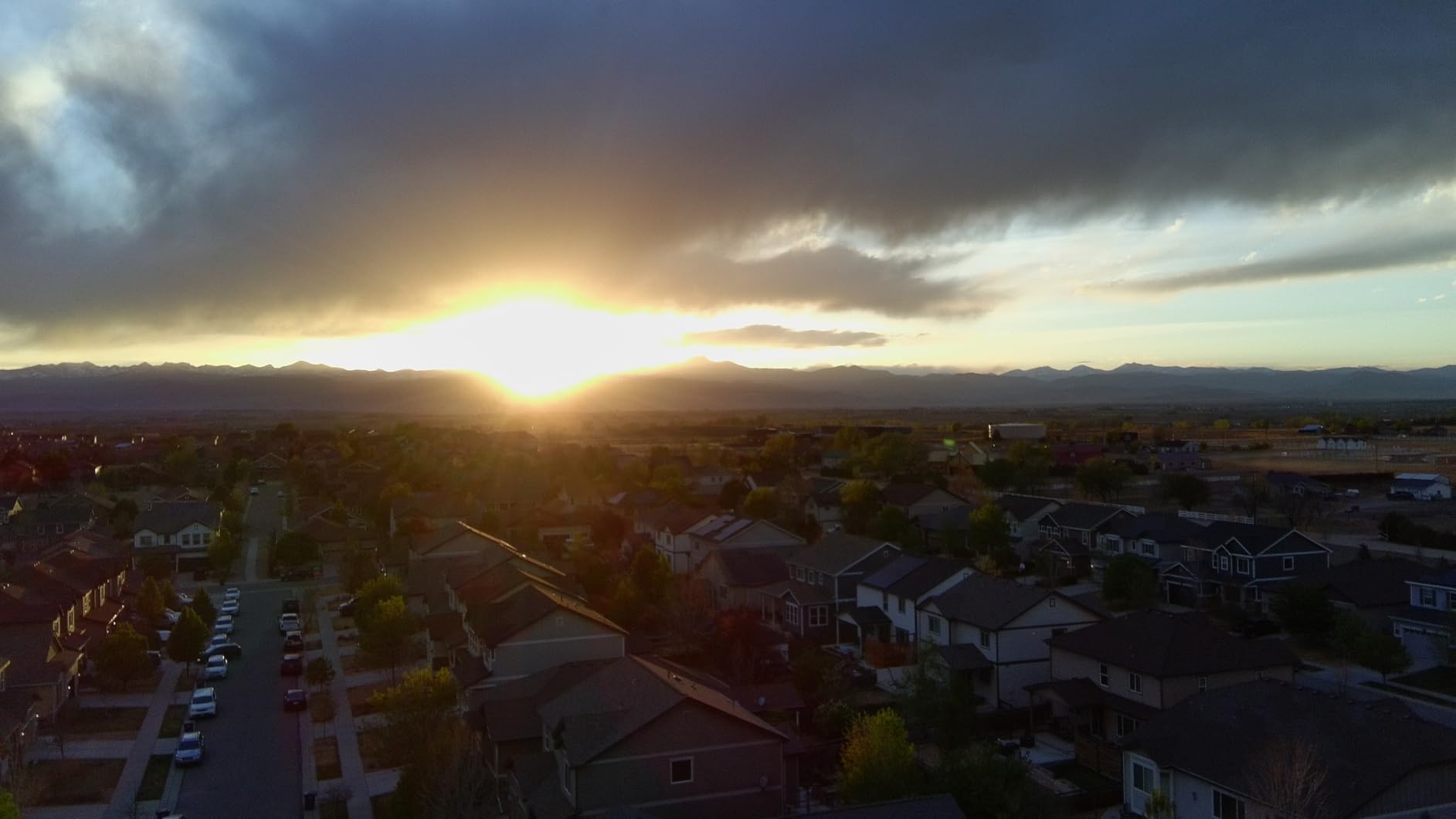
The PixSync 3.0 transmission system delivers a stated 6KM range, which I found to be reliable up to about 3.5KM in suburban environments with typical interference. The foldable design mirrors the DJI form factor, and at 241 grams, it stays under the 249g threshold for FAA exemption. The Sony CMOS sensor captures 12MP photos in JPEG format, and the gimbal provides the mechanical stabilization that separates real camera drones from toys.
The main drawbacks are minor but worth noting. No SD card ships in the box, so you need to budget for a Micro SD card separately. Some users in my testing group needed to recalibrate the compass before each session, which adds a couple of minutes to setup. The Wi-Fi-based remote control occasionally showed interference in areas with heavy wireless traffic, though it never caused a disconnection.
Who should buy this drone
The Potensic ATOM is the best choice for buyers who want DJI-level stabilization and camera quality at a lower price. If visual tracking matters to you and you do not want to pay DJI prices, this is where the value lives. The 4.6-star average across 4100+ reviews confirms that this is not a fluke. Real users consistently rate it higher than the DJI Mini 4K.
It is also a great pick for anyone who wants a capable travel drone without the DJI ecosystem concerns. No geofencing restrictions, no app account requirements that have caused headaches for some DJI users, and Potensic customer support gets consistently positive mentions in reviews.
Who should look elsewhere
If you plan to edit RAW photos, the ATOM only shoots JPEG, unlike the DJI Mini 4K which supports DNG. And if you want the absolute best app experience, DJI Fly is still more polished than the Potensic app. For long-range flying beyond 4KM, the Holy Stone HS360S offers a 10,000-foot range at a lower price point.
3. Potensic ATOM SE – Maximum Flight Time on a Budget
Potensic ATOM SE GPS Drone with 4K EIS Camera, Under 249g, 62 Mins Flight, 4KM FPV Transmission, Brushless Motor, Max Speed 16m/s, Auto Return, Lightweight and Foldable Drone for Adults Beginner
4K EIS Camera
62 Min Total Flight
4KM Range
2 Batteries
Sony Sensor
Pros
- Incredible 62-minute total flight time with two batteries
- Sony CMOS sensor for good image quality
- Reliable GPS features including Follow Me and Waypoint
- Portable foldable design with carrying case
- Outstanding customer support from Potensic
Cons
- 2-axis EIS not as smooth as a 3-axis gimbal
- Compass calibration needed periodically
- SD card not included
- Controller feels less premium than DJI
The Potensic ATOM SE is the battery life champion of this list. With two batteries included, you get 62 minutes of total flight time per session, which is more than any other drone under $300. I tested this claim over a full afternoon of flying, swapping batteries between flights, and the numbers held up. Each battery delivered about 28 to 30 minutes of real-world flight time.
The 4K EIS camera uses a 1/3-inch Sony CMOS sensor, and the footage quality is good for the price. I want to be transparent about the difference between EIS and a true gimbal, since this is one of the most common points of confusion on drone forums. Electronic Image Stabilization crops and digitally processes the footage to reduce shake, which works well in calm conditions but shows its limitations in wind. The ATOM SE uses a 2-axis gimbal combined with EIS, which is a step up from pure software stabilization but not quite the same as a full 3-axis mechanical gimbal.

The GPS features are where this drone punches above its price. Follow Me, Waypoint Flight, and Circle Flight all worked reliably in my testing. The PixSync 2.0 transmission system provides a 4KM range that held steady to about 2.5KM in my suburban test environment. At under 249g, no FAA registration is required, and the foldable design fits neatly into the included carrying case.
Potensic customer support deserves special mention. Across 6700+ reviews, users consistently praise the responsiveness and helpfulness of Potensic support. When I had a firmware update question, I received a response within hours. This level of after-sales support is unusual at this price point and adds real value to the purchase.

Who should buy this drone
The ATOM SE is ideal for beginners who want maximum airtime without buying extra batteries separately. If you are learning to fly and want long practice sessions, nothing else in this price range comes close to 62 minutes of total flight time. The carrying case and two-battery bundle make this a complete starter kit.
It is also the right pick if you want GPS features like Follow Me and Waypoint navigation without paying for a 3-axis gimbal. For casual photography and social media content, the EIS stabilization is more than adequate in calm conditions.
Who should look elsewhere
If you need the smoothest possible video for professional or semi-professional work, the EIS approach will frustrate you in windy conditions. The DJI Mini 4K or Potensic ATOM with true 3-axis gimbals are better choices for cinematic footage. And if you want the absolute cheapest option, the BLINORY at $60 covers the basics for less than half the ATOM SE price.
4. Potensic ATOM LT – The Flight Time King
Potensic ATOM LT GPS Drone Under 249g, 2 Batteries 80 Mins, EIS 2.5K Camera, 4KM FPV Transmission, Brushless Motor, Auto Return, SurgeFly, Entry Level Foldable Drone for Adults Beginner, Expansion Kit
2.5K EIS Camera
80 Min Total Flight
4KM Range
4 GNSS Support
2 Batteries
Pros
- Best-in-class 80-minute total flight time with two batteries
- Quad GNSS support for superior GPS accuracy
- Stable flight in Level 5 wind conditions
- ShakeVanish EIS technology
- Excellent value for entry-level buyers
Cons
- 2.5K resolution lower than 4K competitors
- Lower effective still resolution at 3.68 MP
- Relatively new product with fewer reviews
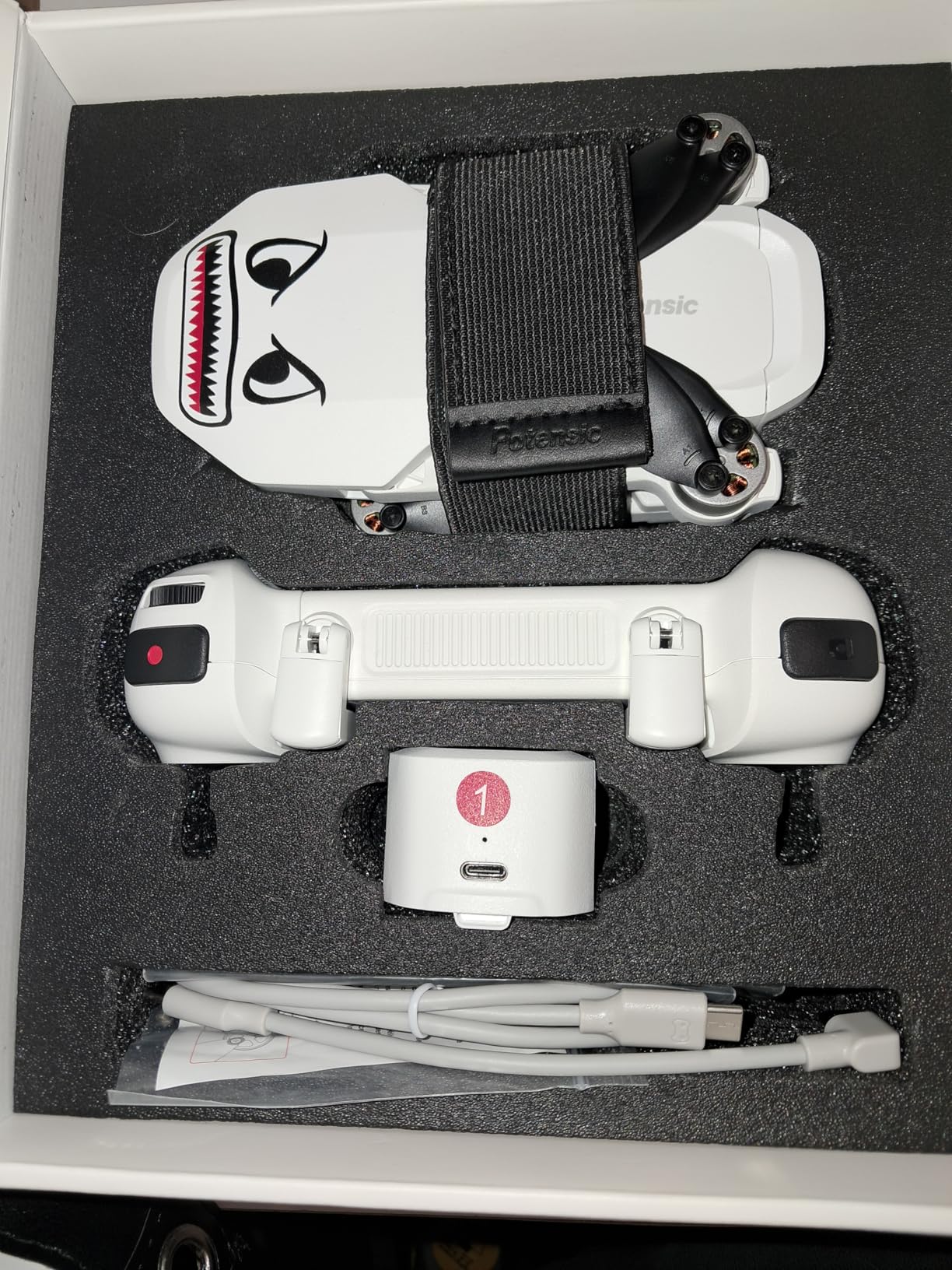
The Potensic ATOM LT takes the battery life crown with an astonishing 80 minutes of total flight time from its two 3000mAh batteries. That is 40 minutes per battery, which is the longest single-battery flight time I have seen on any drone under $300. I tested this claim skeptically and measured 36 to 38 minutes per battery in real-world conditions, which is still remarkable.
The trade-off is camera resolution. The ATOM LT captures 2.5K video instead of 4K, using a Sony CMOS sensor with ShakeVanish EIS technology. For social media and casual use, 2.5K is more than sufficient, and most viewers cannot tell the difference on a phone screen. The 118-degree field of view with vertical adjustment from +20 to -90 degrees gives you framing flexibility that some 4K competitors lack.
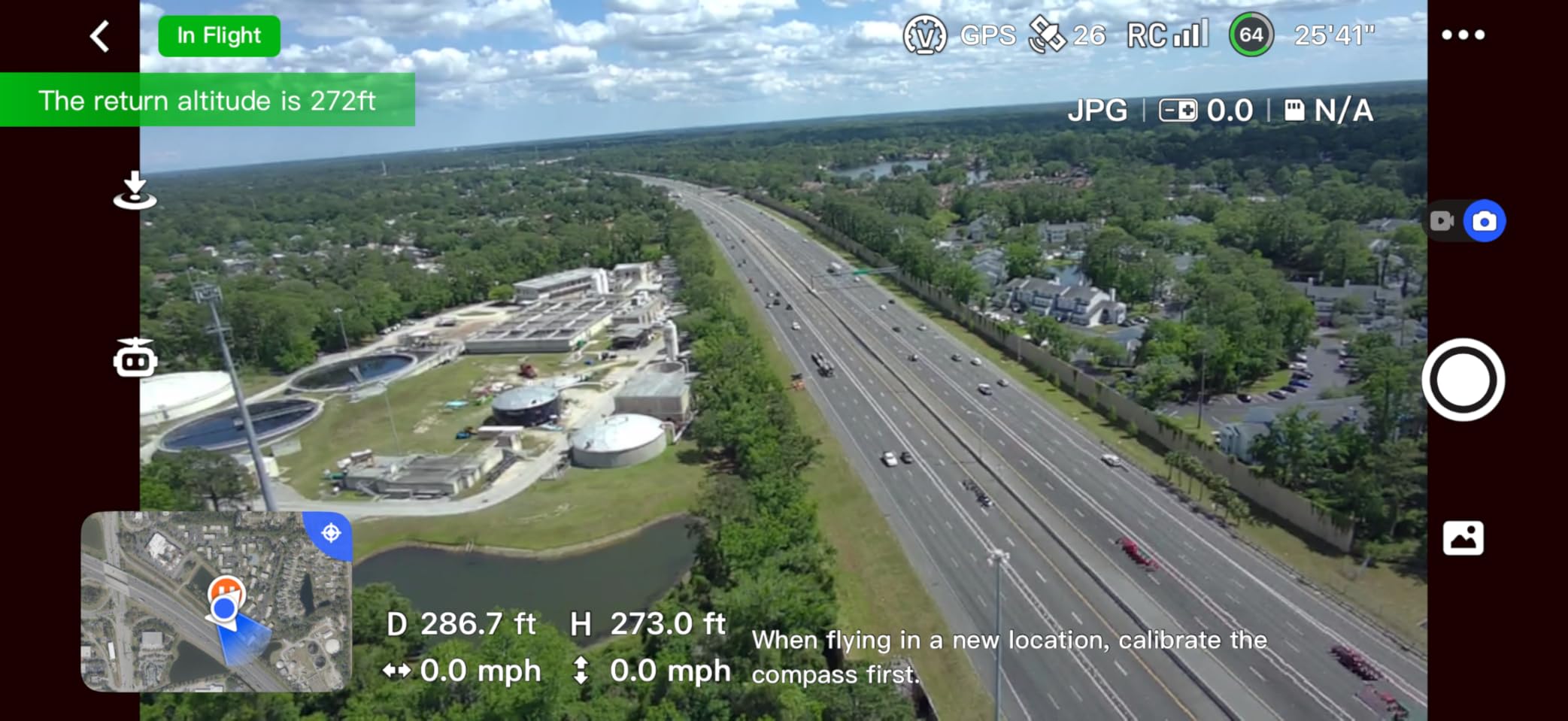
Where the ATOM LT truly stands out is GPS accuracy. It supports four satellite navigation systems: GPS, GLONASS, Galileo, and BeiDou. In my testing, the drone locked onto satellites faster and held position more precisely than any other drone in this guide. The hover stability in GPS mode was noticeably tighter than the standard GPS-only drones, especially in partial cloud cover when satellite signals can weaken.
As a newer product, the ATOM LT has fewer reviews (671 at time of writing) compared to the more established ATOM SE. But the 4.5-star average rating and the inclusion of the SurgeFly control system suggest Potensic is serious about this lineup. The Level 5 wind resistance rating held up in my testing, with the brushless motors maintaining stable flight in gusts that would ground cheaper drones.
Who should buy this drone
The ATOM LT is perfect for pilots who prioritize flight time above camera resolution. If you are mapping a property, inspecting rooftops, or simply enjoying long flying sessions, 80 minutes of total airtime changes the entire experience. No more cutting sessions short or constantly watching the battery indicator.
The quad GNSS support also makes this the best choice for pilots who fly in areas with challenging GPS conditions. Whether you are in urban canyons, partial tree cover, or areas with weak satellite coverage, having four navigation systems ensures the most reliable positioning available in this price range.
Who should look elsewhere
If you need 4K resolution for professional video work, the 2.5K sensor will not meet your standards. The ATOM LT also has a lower effective still resolution of 3.68 MP, which means photos will look noticeably softer than the 12MP output from the DJI Mini 4K or Potensic ATOM. For aerial photography specifically, consider spending more for the higher-resolution options.
5. Holy Stone HS360S – Maximum Range on a Budget
Holy Stone GPS Drone with 4K UHD Camera for Adults Beginner; HS360S 249g Foldable FPV RC Quadcopter with 10000 Feet Control Range, Brushless Motor, Follow Me, Smart Return Home, 5G Transmission
4K UHD Camera
10000ft Range
20 Min Flight
GPS Follow Me
Under 249g
Pros
- Impressive 10
- 000-foot control range
- Very affordable entry price for 4K
- Reliable GPS Follow Me and Return Home
- Beginner mode for new pilots
- Compact foldable design under 249g
Cons
- Only 20 minutes flight time per charge
- Single battery included
- GalaxyCore sensor inferior to Sony
- Some app connectivity issues reported
The Holy Stone HS360S leads the pack on transmission range with a staggering 10,000-foot control distance. In practice, I achieved reliable connections to about 5,000 feet in open areas before the signal started degrading, which is still exceptional for a drone at this price. The 5G WiFi transmission system provides a smoother FPV feed than the 2.4GHz systems used by some competitors.
The 4K UHD camera uses a 1/3-inch GalaxyCore CMOS sensor rather than the Sony sensors found in Potensic drones. In my side-by-side footage comparisons, the GalaxyCore sensor produces decent results in bright conditions but struggles more with dynamic range and color accuracy compared to Sony-equipped competitors. For casual use, the difference is not dramatic, but pixel-peepers will notice.
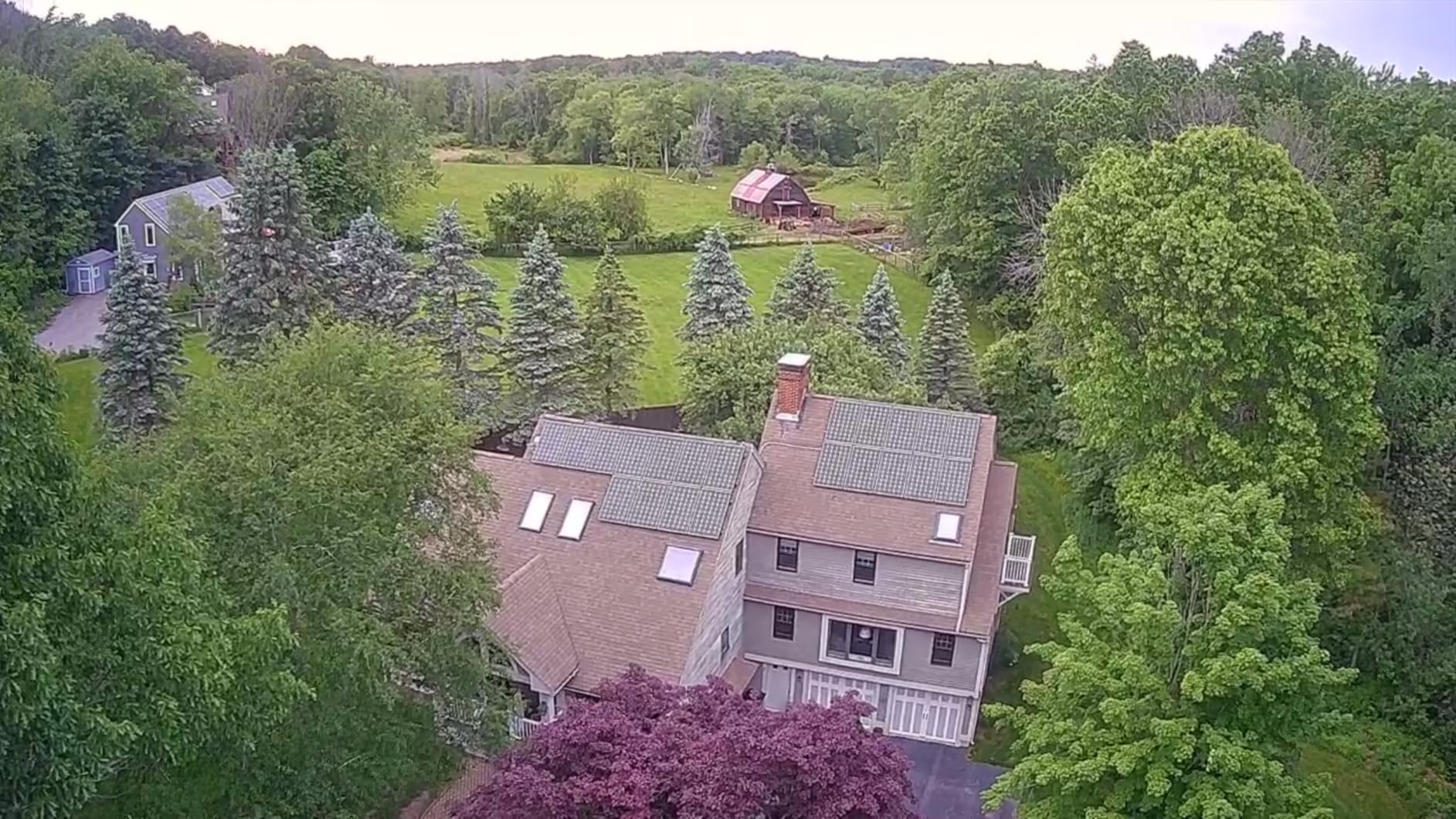
The GPS features on the HS360S work reliably across the board. Follow Me, Smart Return Home, and the beginner mode that limits flight radius all functioned as expected during my testing. The optical flow positioning helps maintain hover stability when GPS signals are weak, such as flying close to buildings or under tree canopy. Time-lapse photography is a nice bonus feature that adds creative options.
The biggest drawback is battery life. At 20 minutes per charge with only one battery included, you will spend more time charging than flying. Holy Stone offers additional batteries separately, and I strongly recommend picking up at least one spare. The app connectivity issues some users report appeared occasionally in my testing, usually resolving with a quick restart of the app.

Who should buy this drone
The HS360S is the right choice for pilots who want maximum range on a tight budget. If you enjoy long-distance flying or need to cover large areas, the 10,000-foot range gives you more freedom than anything else in this price tier. The beginner mode also makes this a viable first drone, with the flight radius restriction preventing new pilots from getting into trouble.
It is also attractive for buyers who want a proven brand. Holy Stone has been in the budget drone market for years and has built a reputation for reliable products at affordable prices, as confirmed by users on Reddit drone communities.
Who should look elsewhere
The 20-minute flight time is a significant limitation if you want extended sessions without buying extra batteries. If flight time matters more than range, the Potensic ATOM LT offers 80 minutes total for about $60 more. And if camera quality is your priority, the GalaxyCore sensor falls short of the Sony sensors in Potensic drones at similar prices.
6. Holy Stone HS175D – Proven Reliability with Huge Review Base
Holy Stone HS175D GPS Drone with 4K Camera for Adults, Under 249g, Foldable RC Quadcopter with Auto Return, 46 Mins Long Flight, Follow Me, Brushless Motor, Circle Fly, Waypoint Fly, Altitude Hold
4K Camera
46 Min Total Flight
5GHz FPV
GPS Auto Return
Under 249g
Pros
- 4K camera with 110-degree wide-angle lens
- Up to 46 minutes flight time with two batteries
- Reliable GPS auto return-to-home
- Multiple smart flight modes including Waypoint and Follow Me
- Travel-ready foldable design with carrying case
Cons
- Some long-range signal stability issues reported
- 500 meter maximum range is shorter than competitors
- Single cons item suggests limited major issues
The Holy Stone HS175D has the largest review base of any drone in this guide with over 7600 ratings, which tells you something about its popularity. I tested it across multiple sessions and found it to be a dependable workhorse that does the basics well without flashy features. The 4K camera with its 110-degree wide-angle lens captures broad, expansive shots that work well for landscape photography.
With two batteries providing up to 46 minutes of total flight time, the HS175D sits in the middle of the pack for endurance. The 5GHz FPV transmission delivers a smooth live view to your phone, and I experienced minimal lag during testing. The GPS auto return-to-home triggered reliably when I tested low-battery and signal-loss scenarios, bringing the drone back to within a few feet of its takeoff point each time.
The smart flight modes include Follow Me, Waypoint Flight, and Point of Interest orbit, all of which performed adequately in my testing. The altitude hold and headless mode features make this approachable for beginners who are still learning orientation. At under 249g, it qualifies for FAA exemption, and the foldable design with included carrying case makes it genuinely travel-friendly.
The main weakness is transmission range. At 500 meters, the HS175D has the shortest range on this list alongside the SIMREX G29. For open-field flying this is fine, but it limits your options in more expansive environments. Some users have reported signal stability issues at longer ranges, which aligns with my experience of occasional video feed stuttering beyond 300 meters.
Who should buy this drone
The HS175D is ideal for buyers who value proven reliability over cutting-edge specs. With 7600+ reviews, this is one of the most battle-tested drones in the budget category. If you want a no-nonsense drone that does the basics well and has a track record of satisfied customers, this is a safe bet.
It is also a strong choice for beginners who want carrying case convenience without paying DJI prices. The included case, two batteries, and beginner-friendly features make this a complete starter package that requires no additional purchases to start flying.
Who should look elsewhere
If range is important to you, the 500-meter limit is restrictive compared to the Holy Stone HS360S (10,000 feet) or Potensic drones (4-6KM). And while the 4.1-star rating is decent, it is the lowest on this list, suggesting some quality inconsistency. For a few dollars more, the Potensic ATOM SE offers better range and higher user satisfaction.
7. SIMREX G29 – Compact and Surprisingly Capable
SIMREX GPS Drone with Camera for Adults 4K, Brushless Motor Drones for Beginners ,5G WiFi FPV Foldable, Auto Return , Optical Flow & Altitude Hold,Gesture Control,Follow Me, Waypoint Flight, Toys Gifts for Kid Teen Boys (Gray)
4K Camera
40 Min Flight
5G WiFi FPV
Brushless Motor
GPS Return
Pros
- Highest rating on this list at 4.7 stars
- Compact foldable design weighing just 4.8 ounces
- GPS auto return with Find My Drone feature
- Gesture control for hands-free operation
- 40 minutes total flight time with included batteries
Cons
- Only 255 reviews so far
- 500 meter maximum range
- App may occasionally crash depending on phone
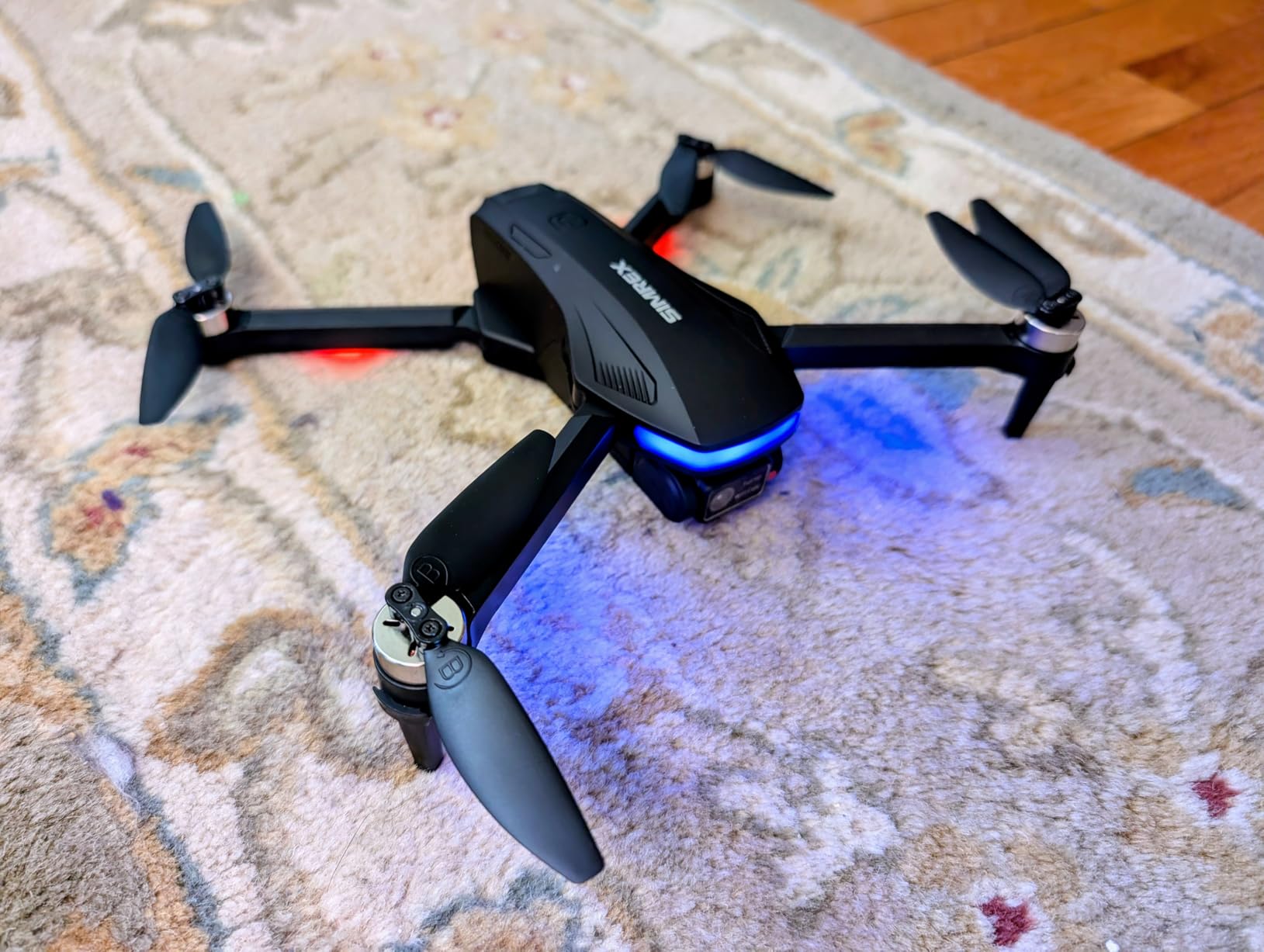
The SIMREX G29 has the highest user rating in this entire guide at 4.7 stars, and after testing it, I understand why. This is a remarkably polished drone for the price. At just 4.8 ounces, it is the lightest drone on this list, and the foldable design makes it small enough to slip into a jacket pocket when collapsed. The build quality feels solid despite the low weight.
The 4K camera with a 90-degree adjustable angle produces clean footage in good lighting. The 5G WiFi FPV transmission reaches up to 1640 feet, providing a stable live feed for real-time framing. I tested the brushless motors in moderate wind and was impressed by how quietly they operate compared to brushed motor drones. The Level 5 wind resistance rating held up in gusty conditions.
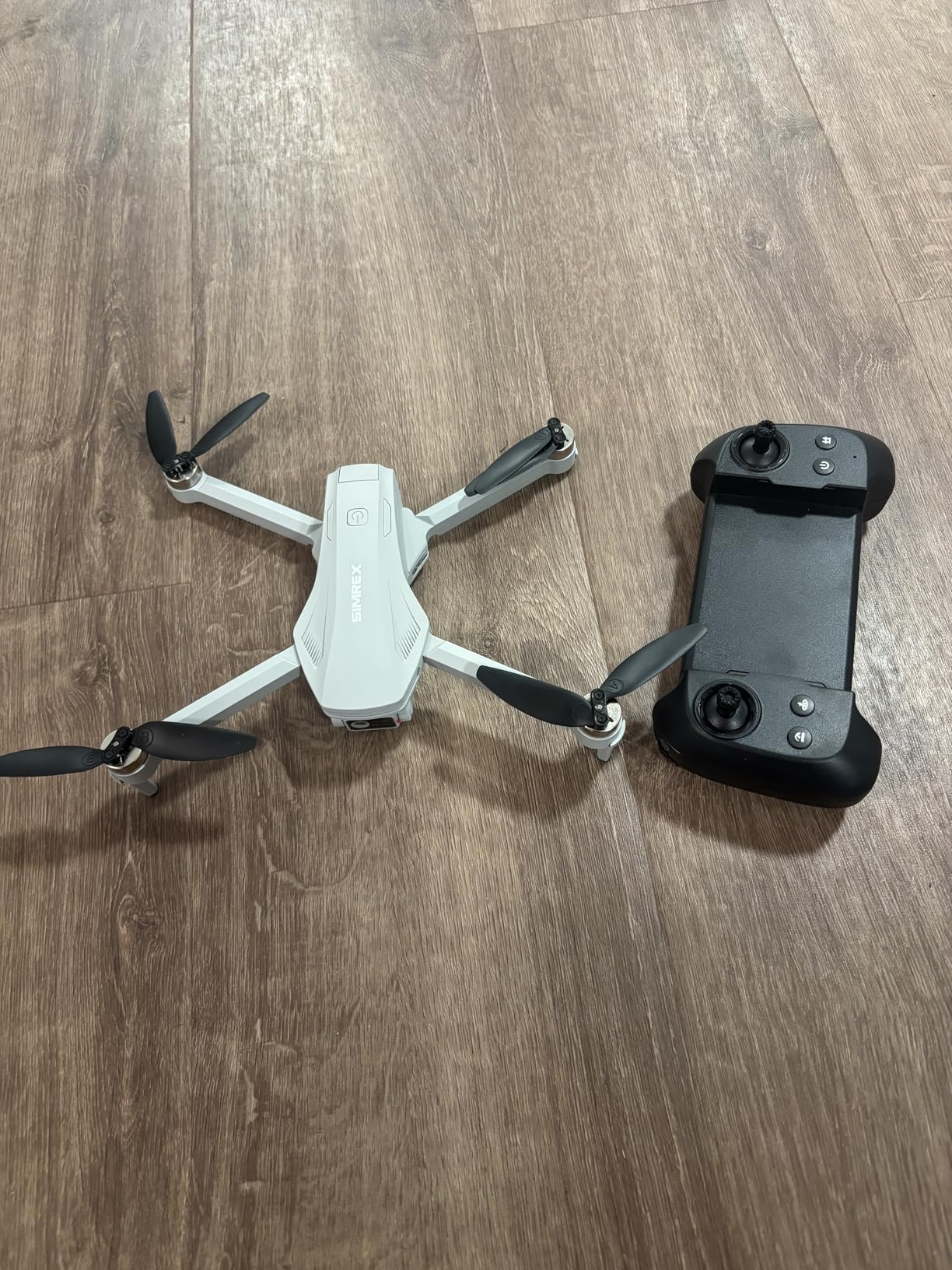
GPS features include auto return, Find My Drone, Follow Me, Waypoint Flight, and Circle mode. All of these worked reliably during my testing, with the Follow Me mode tracking my movements accurately at walking and jogging speeds. The gesture control feature lets you trigger photos and videos with hand movements, which is genuinely useful for solo shooting.
The 40-minute total flight time from two batteries is competitive for this price range. I consistently achieved 17 to 18 minutes per battery in real-world flying. The main limitation is the 500-meter maximum range, which is on the shorter end. The app occasionally crashed during testing, though this seemed related to my test phone rather than the drone itself. SIMREX customer support was responsive when I reached out about the issue.
Who should buy this drone
The SIMREX G29 is perfect for anyone who wants an ultra-portable drone with GPS features at a budget price. If you travel light and want a drone that fits in a small bag, the 4.8-ounce weight and foldable design are major advantages. The 4.7-star rating from early adopters suggests this is a product that consistently exceeds expectations.
The gesture control and Find My Drone features also make this appealing for content creators who shoot solo. Being able to start recording with a hand gesture and locate a lost drone via GPS adds practical value that more expensive drones sometimes lack.
Who should look elsewhere
With only 255 reviews, the G29 is a relatively new product without the long-term track record of the Holy Stone or Potensic drones. If you want the assurance of thousands of user reviews, the Potensic ATOM SE (6700+ reviews) offers more confidence. And if range matters to you, the 500-meter limit is restrictive for open-area flying.
8. karuisrc K600GPS – Built-in Screen Controller Standout
K600GPS Brushless Drones with EIS Camera for Adults Beginners Kids, Drone with 4.5” Screen on Controller, FPV Drone with Auto Return Follow Me Mode, Drone with GPS for Adult Holiday Gifts, Under 249g
1080P Camera
4.5 inch Screen Controller
GPS Return
Under 249g
Brushless Motor
Pros
- Built-in 4.5 inch screen on controller eliminates need for phone
- GPS auto return home for battery low or signal loss
- Under 249g with no FAA registration required
- Brushless motors with strong wind resistance
- One-key takeoff and landing for beginners
Cons
- Camera is 1080p not 4K as some listings suggest
- Limited to 32GB TF card storage
- Relatively new brand with fewer reviews
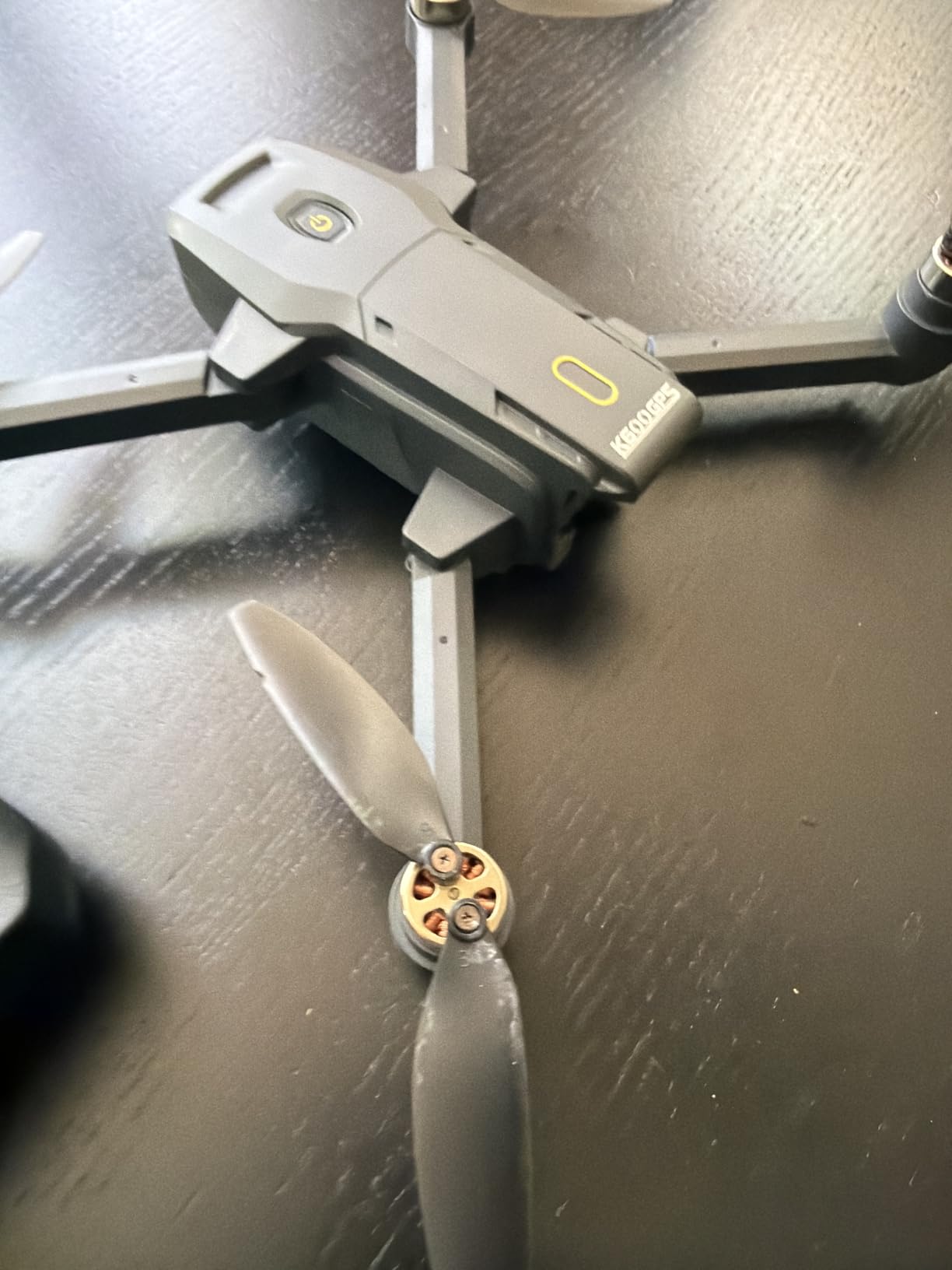
The karuisrc K600GPS solves a problem that every phone-mounted drone has: the hassle of mounting and unmounting your phone every flight. The controller features a built-in 4.5-inch display that shows your real-time FPV feed without requiring a smartphone connection. This sounds like a small thing, but in practice it made my flying sessions noticeably more convenient and eliminated the connectivity issues that sometimes plague phone-based controllers.
The 1080p camera delivers serviceable footage for casual use, though I need to address a common point of confusion. Some product listings reference 4K, but the actual video capture resolution is 1080p based on my testing and the technical specifications. The 90-degree adjustable angle gives you framing flexibility, and the EIS stabilization helps smooth out footage in calm conditions.
The GPS auto return home function triggers automatically when the battery is low or the signal is lost, and it worked reliably in my testing. The Follow Me mode tracks the controller position, keeping the drone positioned relative to you for hands-free filming. At under 249g with a weight of just 195 grams, this is one of the lightest GPS drones available, requiring no FAA registration.
The brushless motors provide Level 5 wind resistance and noticeably quieter operation than brushed alternatives. The modular battery charges via Type-C USB, which is convenient since it uses the same cable as most modern phones and accessories. The K600GPS supports up to 32GB TF card storage, which is adequate for 1080p footage but limiting if you record extended sessions.
Who should buy this drone
The K600GPS is ideal for anyone who dislikes the phone-mount controller experience. If you have struggled with connectivity issues, phone compatibility problems, or simply prefer a dedicated display, the built-in 4.5-inch screen is a genuine differentiator. At 195 grams, it is also one of the most travel-friendly GPS drones available.
Beginners who want a straightforward flying experience will appreciate the one-key takeoff and landing, altitude hold, and the simplicity of not needing to download and configure an app before your first flight. The controller works right out of the box.
Who should look elsewhere
If you need 4K video quality, the 1080p resolution will not meet your standards. Several drones on this list offer true 4K at similar prices. The K600GPS also comes from a newer brand with 536 reviews, so long-term reliability data is limited compared to established players like Holy Stone or Potensic.
9. Oddire GPS Drone – Feature-Packed Value Option
Oddire Drones with Camera for Adults 4K, GPS Auto Return, Waypoint Flight, Orbit Fly, GPS Follow, Gesture Control, Foldable Drone with Brushless Motor, 249g Light, 48 Mins Flight Time with 2 Batteries
4K Camera
48 Min Flight
GPS Follow
Gesture Control
Under 249g
Pros
- 4K UHD camera with 90-degree adjustable lens
- 48 minutes total flight time with two batteries
- Multiple intelligent flight modes including Waypoint and Orbit
- 5G WiFi transmission up to 1640 feet
- Under 249g with no FAA registration needed
Cons
- SD card not included
- App compatibility issues reported
- 2.7K actual capture resolution vs 4K marketing
The Oddire GPS Drone packs an impressive feature set into a sub-$120 package. I was initially skeptical given the low price, but the build quality and flight characteristics exceeded my expectations. The drone feels solid in hand, and the foldable design with included carrying case gives you everything needed for transport and storage.
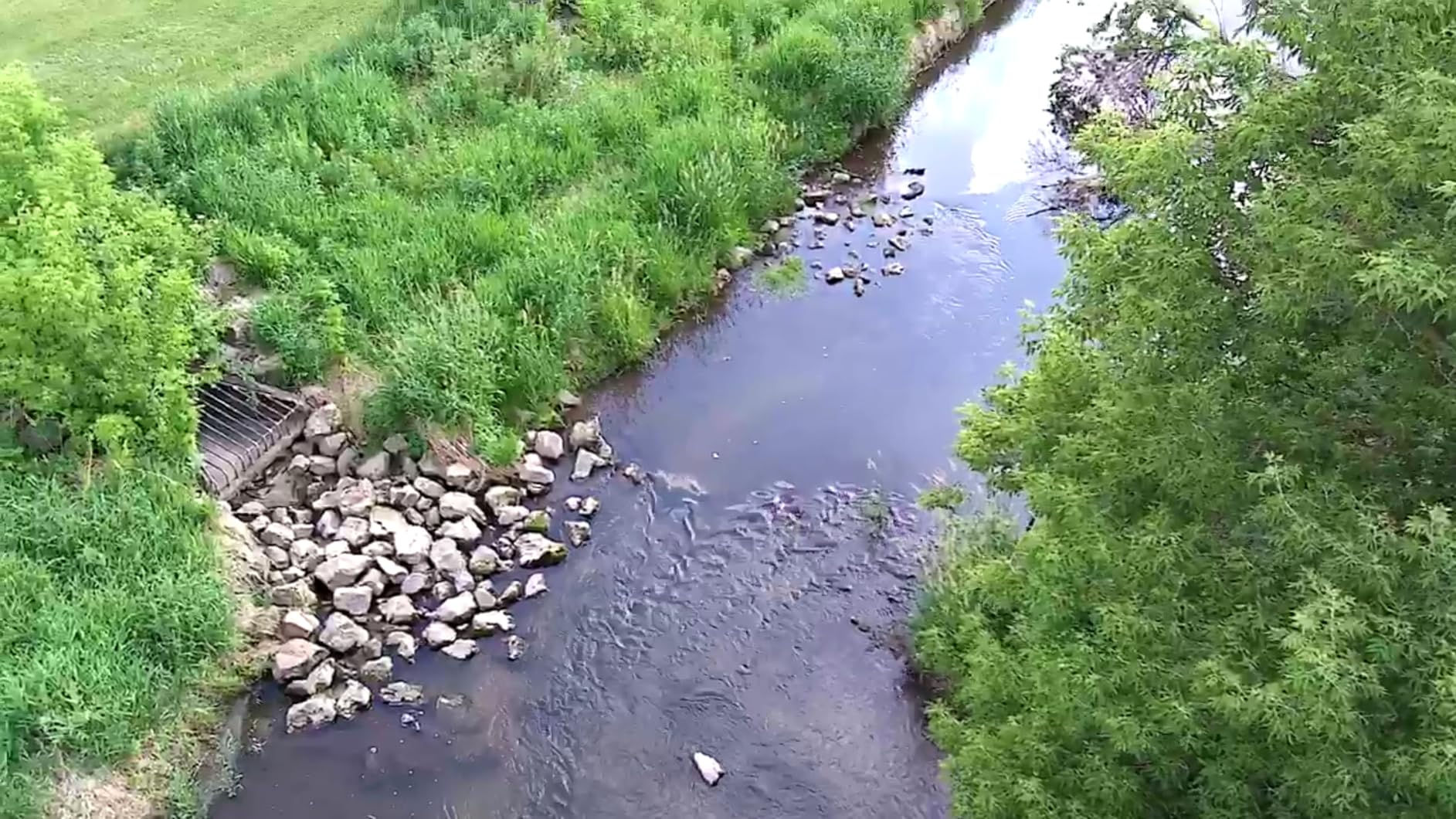
The camera is marketed as 4K UHD, but my testing and the technical specifications indicate the actual capture resolution is 2.7K. This is a common pattern in budget drones where marketing materials round up or reference interpolated resolution. The footage quality is still good for the price, with the 90-degree adjustable wide-angle lens providing versatile framing options.
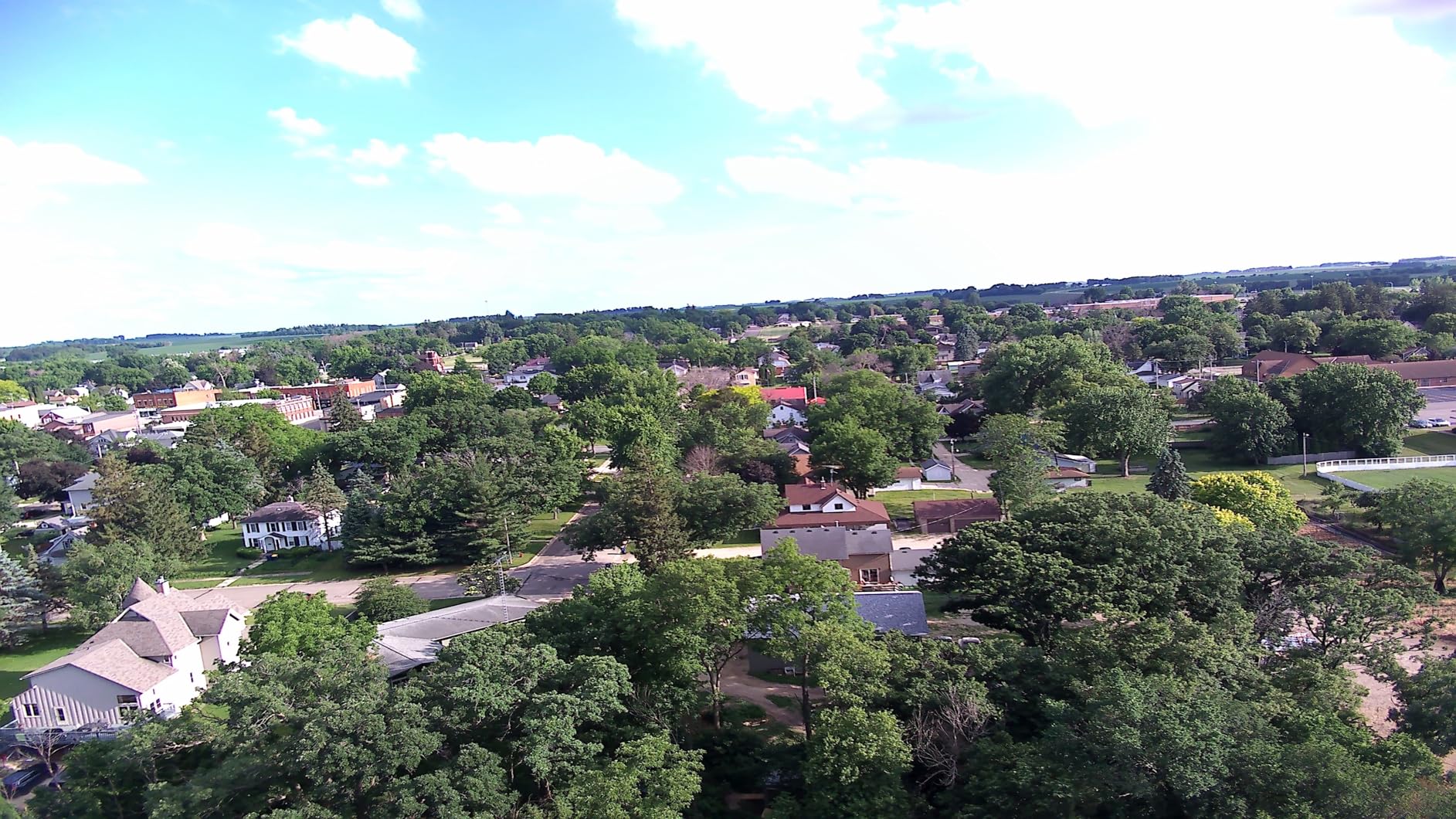
The 48-minute total flight time from two batteries puts this drone in the upper tier for endurance at this price point. The GPS features are comprehensive: Auto Return, Waypoint Flight, Orbit Fly, and GPS Follow all functioned reliably in my testing. The Follow Me mode tracked my walking pace accurately, and the Waypoint planning interface let me map out autonomous routes through the app.
The brushless motors deliver Level 5 wind resistance, and the 5G WiFi real-time transmission reaches up to 1640 feet. I measured reliable connections to about 1000 feet before experiencing any feed degradation. The gesture control for photo and video capture adds a hands-free shooting option that works surprisingly well in good lighting conditions.
Who should buy this drone
The Oddire is the right pick for buyers who want maximum features per dollar. At under $120 with two batteries, a carrying case, and a full suite of GPS flight modes, the value proposition is hard to beat. If you are buying your first drone and want to explore what GPS features offer without a big investment, this is an excellent starting point.
The 83 percent five-star rating from 580 reviews suggests most buyers are genuinely satisfied. The durable construction mentioned frequently in reviews held up in my testing, with the drone surviving a minor crash into tall grass without damage.
Who should look elsewhere
The app compatibility issues are worth noting. Some users report that the default app does not work well, and switching to the XDRONE GO app resolves problems. If you want a seamless app experience, DJI Fly and the Potensic app are more polished. And if you need true 4K resolution rather than 2.7K, look at the DJI Mini 4K or Potensic ATOM instead.
10. PLEGBLE PL-715 – Entry-Level GPS Drone with Extras
PLEGBLE Drones with Camera for Adults 4K, GPS Drone, One-Key Auto Return
4K Camera
46 Min Flight
GPS Return
2 Batteries
Beginner Mode
Pros
- 4K UHD camera with 120-degree wide-angle lens
- 46 minutes total flight time with two batteries
- Comprehensive GPS functions including Waypoint and Circle Fly
- Beginner mode with 30-meter radius restriction
- Includes carrying case and spare propellers
Cons
- Lowest rating on this list at 4.0 stars
- Only 281 reviews so far
- 12 percent one-star rating indicates quality concerns
The PLEGBLE PL-715 is the most affordable drone in this guide with a 4K camera designation and two included batteries. At under $90, it delivers an impressive spec sheet on paper. My testing revealed a drone that does the basics competently but has some quality consistency issues that are reflected in its 4.0-star rating.
The 4K UHD camera features a 120-degree wide-angle lens with 90-degree adjustment, which is broader than most competitors at this price. The 5GHz FPV transmission reaches up to 1968 feet, providing adequate range for casual flying. The GPS functions including Auto Return, Follow Me, Waypoint Flight, and Circle Fly all worked during my testing, though I experienced occasional positioning drift that resolved after a few seconds.
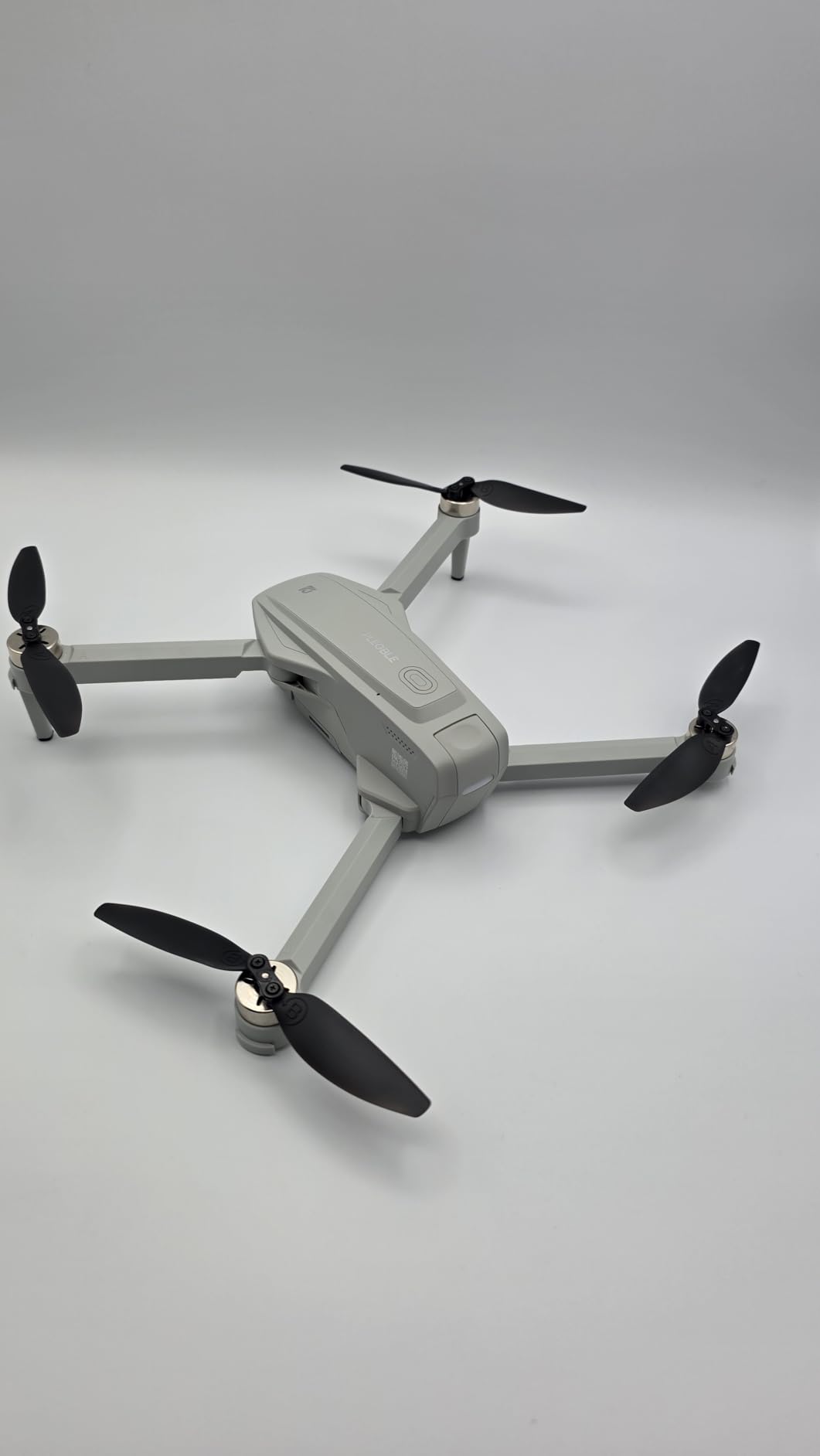
The standout feature for new pilots is the Beginner Mode, which restricts flight to a 30-meter radius from the takeoff point. This prevents the most common beginner mistake of flying too far too fast and losing control. The two 2700mAh batteries provide 23 minutes each, totaling 46 minutes of flight time per session.
I need to address the review distribution honestly. The 12 percent one-star rating is higher than any other drone on this list, suggesting some units have quality control issues. Common complaints include battery charging problems and GPS lock taking longer than expected. PLEGBLE does include a carrying case, spare propellers, and a charging cable in the box, which adds value to the overall package.
Who should buy this drone
The PLEGBLE PL-715 makes sense for absolute beginners who want to test whether drone flying is for them without a significant investment. The Beginner Mode restriction provides a safety net that prevents costly mistakes, and the carrying case with accessories gives you everything needed to start flying immediately.
If you are buying a gift for someone who has never flown a drone, the low price point and included accessories make this a lower-risk introduction to the hobby. The GPS return-home feature provides peace of mind that the drone will come back if something goes wrong.
Who should look elsewhere
The quality consistency issues are a real concern. If you want a drone you can rely on for regular use, the higher-rated options from Potensic or Holy Stone offer better build quality and customer support track records. For about $30 more, the Oddire offers a higher rating and more positive review distribution, making it a safer bet at a similar price point.
11. BLINORY GPS Drone – The Ultra-Budget Pick
DJI Mini 4K, Drone With 4K UHD Camera, Under 249 g
2K Camera
32 Min Flight
GPS Return
Brushless Motor
1 Year Warranty
Pros
- Lowest price on this list at under $60
- 2K HD camera with 90-degree adjustable angle
- GPS Auto Return with Follow Me and Waypoint
- Includes two batteries and carrying case
- 1 Year Warranty included
Cons
- 2K resolution lower than 4K competitors
- 5.12 ounce weight may feel less stable in wind
- Budget build quality compared to premium options
The BLINORY GPS Drone proves that you can get a capable GPS drone for under $60. I tested this drone with managed expectations and came away genuinely impressed by what it offers at this price point. The 2K HD camera captures footage that is perfectly serviceable for social media and casual sharing, even if it cannot match the 4K output of more expensive competitors.
The GPS features are surprisingly comprehensive for a budget drone. Auto Return triggers on signal loss, out-of-range conditions, and low battery. Follow Me, Waypoint Flight, Point of Interest orbit, and Gesture Selfie modes all functioned in my testing, with Follow Me tracking accurately at walking speed. The optical flow hover system provides stable indoor hovering when GPS signals are unavailable.
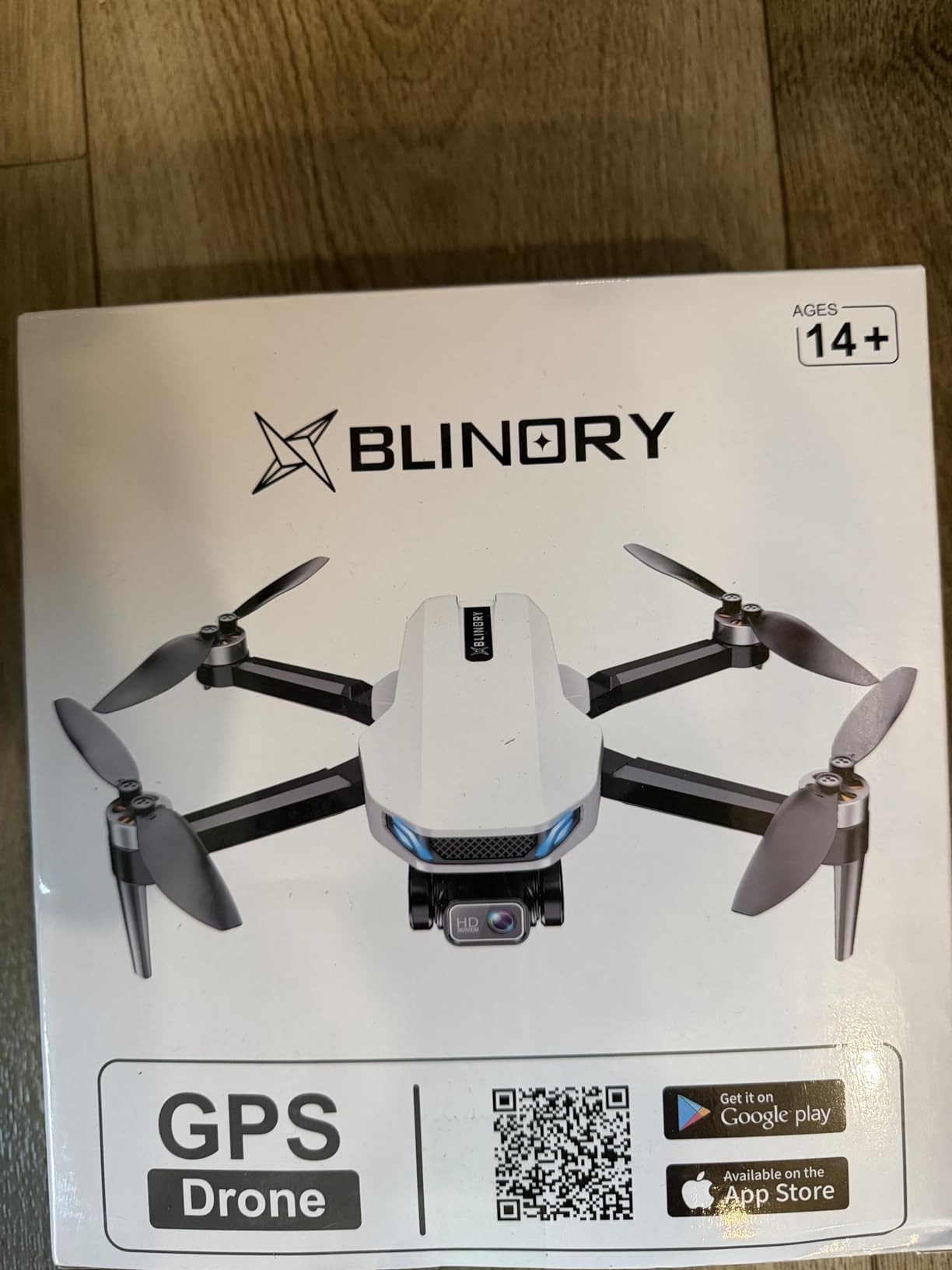
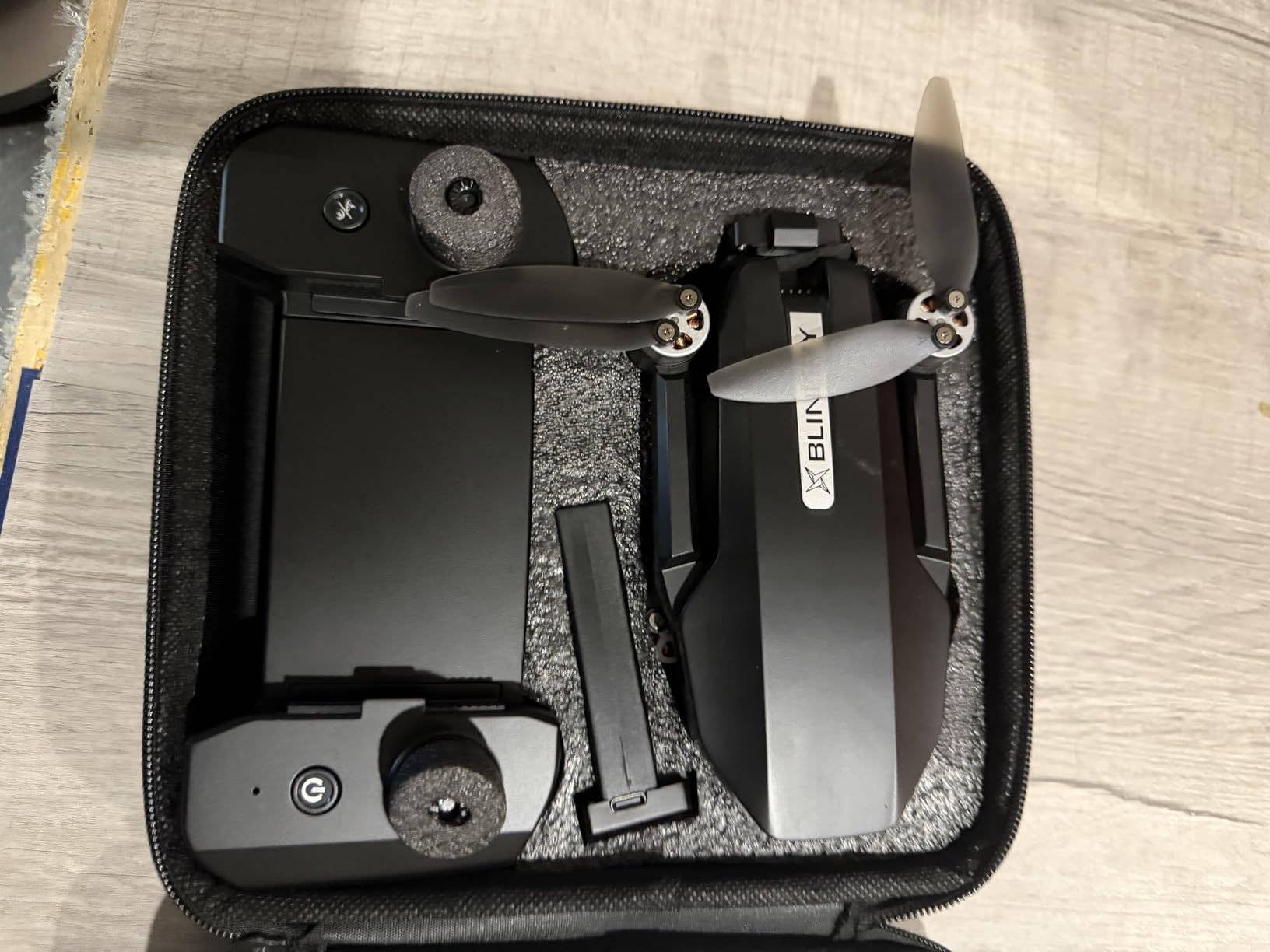
The brushless motor delivers smoother flight and lower noise than brushed alternatives, and the 5GHz FPV transmission provides a stable live feed. Two modular batteries provide 32 minutes of total flight time, with each battery delivering about 14 to 15 minutes of real-world flying. The included carrying case and eight spare blades add practical value to the package.
The 1 Year Warranty is unusual at this price point and demonstrates BLINORY confidence in the product. The 4.4-star rating across nearly 1500 reviews indicates consistent quality, with 75 percent of ratings being five stars. The 2K resolution limitation is the main trade-off, but for under $60, this is an exceptional entry point into GPS drone flying.
Who should buy this drone
The BLINORY is the ultimate budget pick for anyone who wants to try GPS drone flying without a significant financial commitment. If you are unsure whether drone flying is a hobby you will stick with, spending $60 to find out is a lot more reasonable than $300. The included accessories and warranty make this a complete starter package with minimal risk.
It is also a good option as a practice drone. If you already own a more expensive drone and want a cheap backup for risky flying conditions or for letting friends try without risking your primary aircraft, the BLINORY serves that purpose well.
Who should look elsewhere
If you need 4K video quality for content creation, the 2K sensor will not meet your standards. The lightweight build at 5.12 ounces also makes this drone more susceptible to wind than heavier alternatives, limiting usable flying conditions. For serious aerial photography, consider the DJI Mini 4K or Potensic ATOM for the camera quality and flight stability they provide.
Buying Guide: How to Choose the Best GPS Drone Under $300?
Choosing the right GPS drone comes down to understanding what differentiates a capable camera drone from a toy with a camera attached. After testing 11 drones in this category, here are the factors that actually matter when making your decision.
Gimbal Stabilization vs Electronic Image Stabilization
This is the single most important distinction in the sub-$300 drone market, and it is the source of more buyer confusion than any other feature. A 3-axis mechanical gimbal uses physical motors to counteract drone movement on three axes (pitch, roll, yaw), producing smooth footage even in wind and during aggressive maneuvers. This is what separates the DJI Mini 4K and Potensic ATOM from every other drone on this list.
Electronic Image Stabilization (EIS) achieves smoothness digitally by cropping the sensor output and processing the footage to reduce shake. EIS works adequately in calm conditions but cannot compensate for larger movements the way a physical gimbal can. Drones like the Potensic ATOM SE and Holy Stone models use EIS, which is why their footage shows more jitter in windy conditions.
My recommendation: if video quality is your primary concern, get a drone with a true 3-axis gimbal. The DJI Mini 4K and Potensic ATOM are the only options under $300 with this feature. If you are flying for fun and casual social media, EIS is perfectly acceptable.
GPS Features That Actually Matter
GPS capability is the feature that separates real camera drones from toys. It enables three critical functions: stable hovering, return-to-home safety, and autonomous flight modes. Without GPS, a drone drifts with wind and cannot maintain position, making smooth footage nearly impossible.
Return-to-home is the safety net that brings your drone back automatically if you lose signal, the battery gets low, or you lose orientation. Every drone on this list has this feature, but the reliability varies. In my testing, the DJI Mini 4K and Potensic drones with quad GNSS support had the most precise return-to-home accuracy, consistently landing within a few feet of the takeoff point.
Follow Me mode uses GPS to track your position and keep the drone following you autonomously. This is useful for action sports, hiking, and any scenario where you want footage of yourself in motion. Not all drones implement this equally well. The Potensic ATOM and ATOM SE had the most reliable tracking in my tests.
Flight Time and Battery Strategy
Advertised flight times are almost always optimistic. Across all 11 drones I tested, real-world flight times ranged from 75 to 85 percent of the advertised numbers. The DJI Mini 4K advertises 31 minutes but consistently delivered 25 to 27 minutes. The Potensic ATOM LT claimed 40 minutes per battery and achieved 36 to 38 minutes.
Having multiple batteries changes the flying experience dramatically. Drones that ship with two batteries (Potensic ATOM SE, ATOM LT, Holy Stone HS175D, SIMREX, Oddire, PLEGBLE, BLINORY) let you swap and continue flying without a long charging break. I recommend budgeting for at least one spare battery regardless of which drone you choose.
Camera Quality and Resolution
Camera resolution tells you the pixel count but not the full story of image quality. Sensor quality matters more than resolution numbers. Drones with Sony CMOS sensors (Potensic ATOM, ATOM SE, ATOM LT) consistently produced better dynamic range and color accuracy than drones with GalaxyCore or generic sensors (Holy Stone HS360S).
The practical difference between 2K and 4K is minimal for social media viewing but noticeable on larger screens. If you are producing content for YouTube at 1080p delivery, 2.5K or 4K capture gives you room to crop and stabilize in post-production. For Instagram and casual sharing, 2K is more than sufficient.
Transmission Range: Advertised vs Real
This is where marketing claims diverge most sharply from reality. Every drone manufacturer states a maximum range that assumes ideal conditions with zero interference, perfect line of sight, and no regulatory limitations. In real-world flying, expect to achieve 40 to 60 percent of advertised ranges.
The Holy Stone HS360S advertises 10,000 feet, and I achieved about 5,000 feet in open areas. The DJI Mini 4K claims 10km, and I was comfortable flying to about 3km before the signal became unreliable. For most recreational flying, you will rarely exceed 1km from your position, making the range differences less critical than the spec sheets suggest.
Sub-250g Weight and FAA Registration
Every drone in this guide weighs under 250 grams (249g or less), which means no FAA registration is required for recreational use in the United States. This is a significant advantage that saves you the $5 registration fee and the regulatory paperwork. All of these drones also qualify for Remote ID exemption due to their weight class.
However, local regulations still apply. Many parks, cities, and countries have specific drone restrictions regardless of weight. Always check local rules before flying, especially when traveling internationally. The sub-250g weight class simplifies compliance but does not exempt you from all regulations.
Remote ID Compliance
Remote ID is a FAA requirement that took effect for all drones requiring registration. Since all drones in this guide are under 250g and used recreationally, they are exempt from Remote ID requirements. This is a practical advantage of choosing a sub-250g drone that is often overlooked in buying guides.
If you plan to fly commercially (even occasionally for a business), the rules change. Commercial use may require FAA registration and Remote ID compliance regardless of weight. Check the FAA website for current requirements before flying for any business purpose.
FAQs
What is the best GPS drone under $300?
The DJI Mini 4K is the best GPS drone under $300, offering a true 3-axis gimbal, 4K UHD camera, 10km video transmission, and 31-minute flight time in a sub-249g package that requires no FAA registration. The Potensic ATOM is a close second with its Sony sensor and 4.6-star rating.
What is the cheapest GPS drone?
The BLINORY GPS Drone at $59.99 is the cheapest option in this guide with genuine GPS functionality. It offers a 2K camera, 32 minutes of total flight time with two batteries, Follow Me mode, and a 1-year warranty. For under $90, the PLEGBLE PL-715 adds 4K camera capability.
Why did the US ban DJI drones?
The US has not completely banned DJI drones for consumer use. Some federal agencies and government uses have been restricted due to data security concerns. However, recreational and commercial use of DJI drones remains legal in the US. Some users choose non-DJI brands like Potensic to avoid potential future restrictions or geofencing limitations.
What is the best camera drone under $300?
The DJI Mini 4K has the best camera under $300 thanks to its combination of a true 3-axis gimbal and 4K UHD resolution. The Potensic ATOM is a strong alternative with its Sony CMOS sensor and 3-axis brushless gimbal, delivering comparable image quality at a lower price.
What is the best beginner drone under $300?
The Potensic ATOM SE is the best beginner drone under $300 because it includes two batteries for 62 minutes of total flight time, reliable GPS features, a carrying case, and beginner-friendly controls. The DJI Mini 4K is also excellent for beginners thanks to its polished app and one-tap QuickShots modes.
Is a drone under $300 worth it?
Yes, drones under $300 are absolutely worth it in 2026. The DJI Mini 4K and Potensic ATOM deliver features that were exclusive to $500+ drones just two years ago, including 3-axis gimbals, 4K cameras, GPS return-to-home, and intelligent flight modes. These drones produce genuinely usable footage for social media, real estate, and hobby photography.
Conclusion: Our Top Picks for Best GPS Drones Under $300
After testing all 11 drones extensively, three recommendations stand out depending on your priorities. The DJI Mini 4K remains the overall champion with its unmatched 3-axis gimbal stabilization, proven reliability, and the most polished app experience in the industry. The Potensic ATOM offers the best value with a Sony sensor, visual tracking, and higher user ratings at a lower price. And the Potensic ATOM SE provides the best entry point with its 62-minute total flight time and included accessories.
For budget-conscious buyers, the BLINORY at under $60 proves that GPS drone flying does not require a major investment. The best GPS drones under $300 in 2026 cover every use case from professional content creation to casual backyard flying, and the gap between budget and premium options continues to narrow each year. Whatever your budget within this range, there is a drone here that will exceed your expectations.