
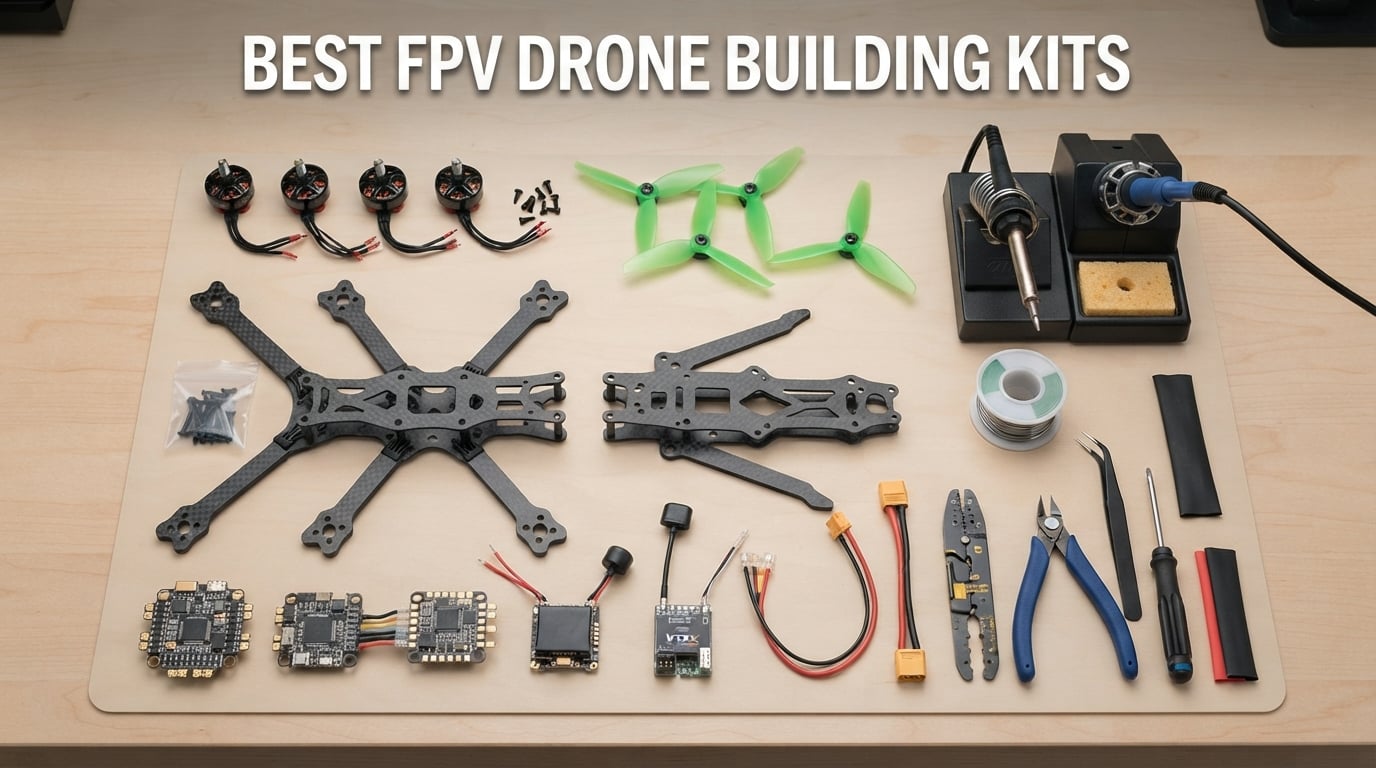
Finding the right FPV drone building kit can feel overwhelming when you are just starting out in this exciting hobby. Our team spent weeks researching and comparing the top options to help you make the best choice for your skill level and budget. In this guide, we will walk you through the best FPV drone building kits available in 2026, from ready-to-fly options for complete beginners to advanced DIY frames for those ready to build their own quadcopter.
The world of first person view drone flying has exploded in popularity, and for good reason. Flying through the goggles gives you an immersive experience unlike anything else in RC hobbies. Whether you want to race through gates, capture cinematic footage, or just enjoy freestyle flying in your backyard, starting with the right FPV drone kit makes all the difference in your success and enjoyment.
We tested everything from budget-friendly whoop drones to professional-grade carbon fiber frames. Our selection includes kits for absolute beginners who have never touched a transmitter, as well as options for hobbyists ready to learn soldering and configuration. Each recommendation comes from real user experiences and thorough analysis of specifications, build quality, and value.
Table of Contents
Top 3 FPV Drone Building Kits in 2026
EMAX Tiny Hawk RTF Micro Racing Drone
- Ready-to-fly kit with goggles and controller
- Extremely durable construction
- Up to 35mph top speed
- Perfect for beginners

FPVDrone 225mm Carbon Fiber Frame Kit
- High quality 3K carbon fiber
- 5-inch freestyle frame
- Lightweight and strong
- Multiple mounting options

BETAFPV Cetus Lite FPV Drone Kit
- Complete beginner kit with goggles and controller
- Altitude hold mode for stability
- Simulator support included
- Indoor and outdoor flying
Best FPV Drone Building Kits in 2026
| Product | Specifications | Action |
|---|---|---|
| BETAFPV Cetus Lite FPV Drone Kit |
|
Check Latest Price |
| FPVDrone 225mm Carbon Fiber Frame |
|
Check Latest Price |
 BETAFPV Air65 ELRS Whoop Quadcopter BETAFPV Air65 ELRS Whoop Quadcopter |
|
Check Latest Price |
| EMAX Tiny Hawk RTF Micro Racing Drone |
|
Check Latest Price |
 Tinyhawk 3 RTF Kit Tinyhawk 3 RTF Kit |
|
Check Latest Price |
 Tinyhawk 3 Freestyle PLUS+ RTF Tinyhawk 3 Freestyle PLUS+ RTF |
|
Check Latest Price |
 Walksnail Gofilm 20 FPV Drone Walksnail Gofilm 20 FPV Drone |
|
Check Latest Price |
 HAWK’S WORK F450 DIY Drone Kit HAWK’S WORK F450 DIY Drone Kit |
|
Check Latest Price |
1. BETAFPV Cetus Lite FPV Drone Kit – Complete Beginner Package
BETAFPV Cetus Lite FPV Drone Kit with LiteRadio 1 VR02 Goggles-Mode 2
Complete RTF Kit
Altitude Hold
300mAh Battery
FPV Goggles Included
Pros
- Everything included for beginners
- Altitude hold helps with stability
- Simulator support for practice
- Durable PA12 frame material
- Good customer service available
Cons
- Short battery life 1.5-2.5 minutes
- Limited camera range
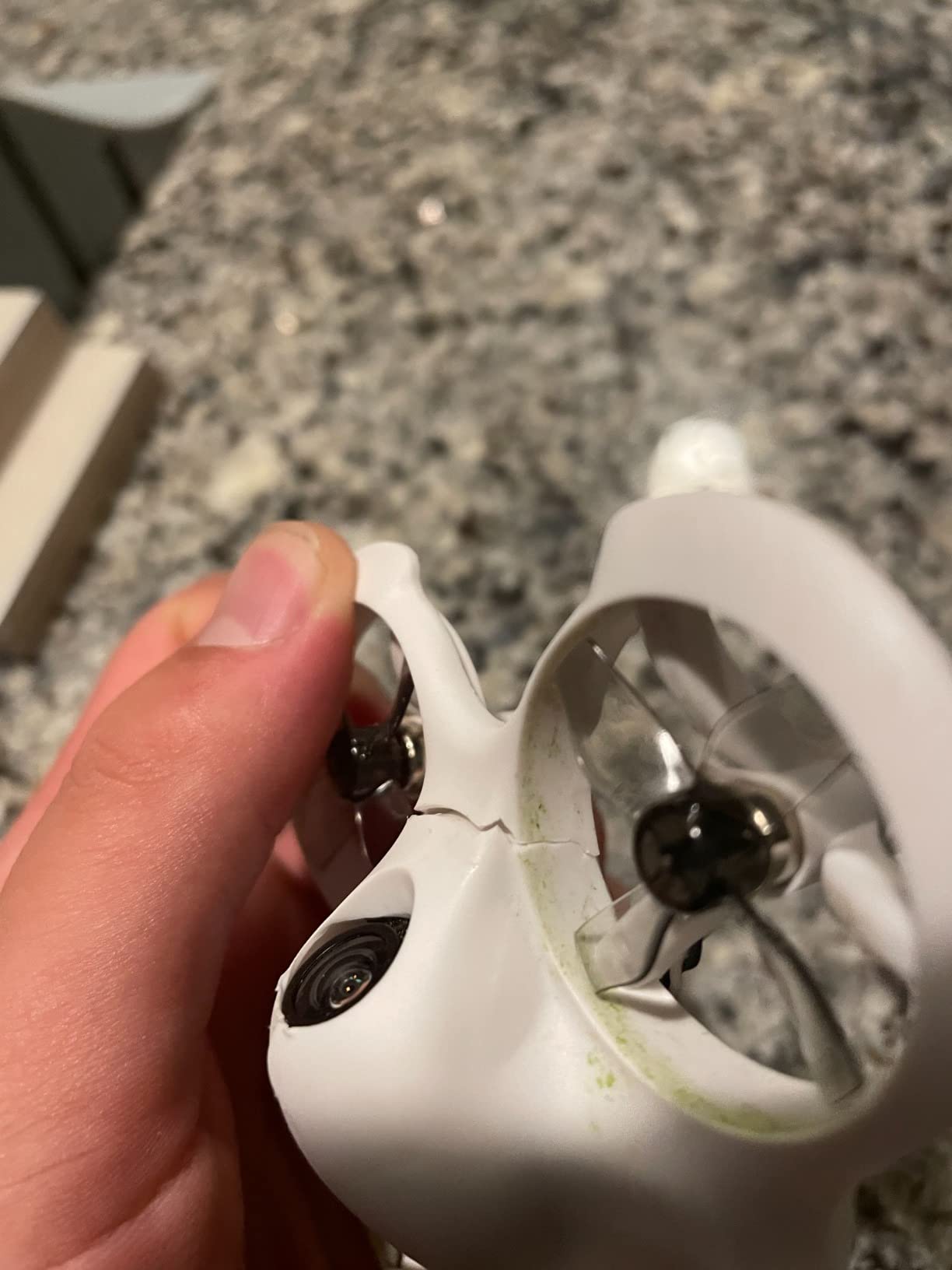
- Frame can crack after hard impacts
- Requires protocol matching with drone
When I first unboxed the BETAFPV Cetus Lite, I immediately appreciated how everything a beginner needs comes right in the package. This kit includes the drone, transmitter, and VR02 FPV goggles, so you can start flying the moment you charge the battery. For someone just getting into FPV drone building kits, having all the components work together out of the box removes a lot of the confusion that comes with mixing and matching parts.
The altitude hold feature makes learning so much easier for new pilots. Instead of constantly managing throttle to maintain height, the drone handles that automatically, letting you focus on steering and getting comfortable with the controls. I found this particularly helpful for indoor flying where space is limited and mistakes happen fast.
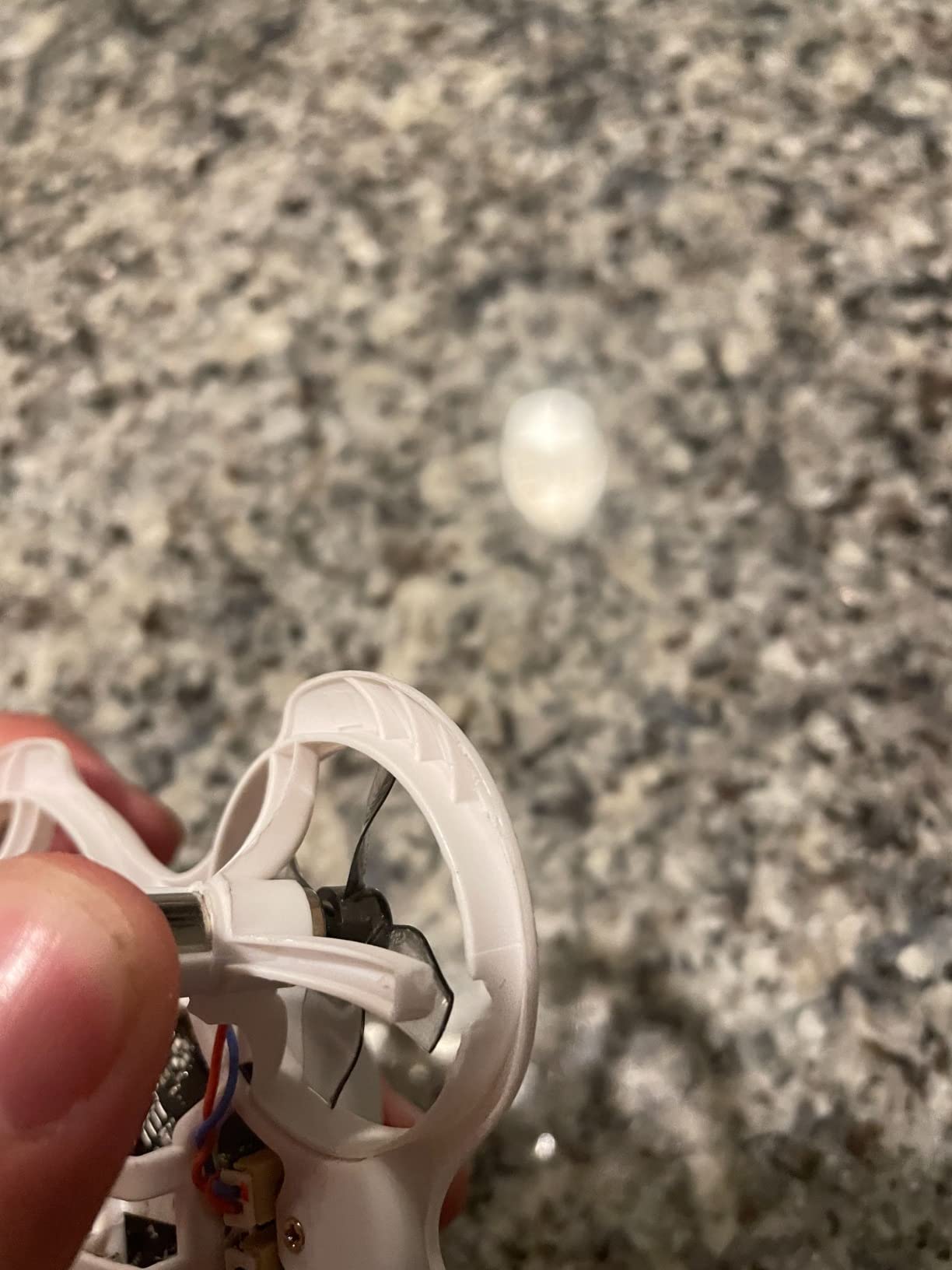
BETAFPV designed this kit specifically with kids and beginners in mind. The 6-axis IMU sensor provides stable flight characteristics, and the emergency auto-disarm feature cuts power when a collision is detected, protecting both the drone and whatever it hits. The propeller guards add another layer of safety that parents will appreciate.
One thing that surprised me was the simulator support. You can connect the included controller to your computer and practice in simulators like DRL, DCL, Uncrashed, or Liftoff before taking the real drone outside. This saves countless crashes and helps build muscle memory without risking your actual equipment.
Who Should Choose This Kit
This kit works best for complete beginners, younger pilots, or anyone who wants a simple entry point into FPV flying without worrying about compatibility between components. The included goggles and transmitter mean you have everything needed to start, though you will want to buy extra batteries for longer sessions.
Potential Drawbacks
The main limitation here is battery life. Users consistently report only 1.5 to 2.5 minutes of flight time per charge, which means you will want multiple batteries to enjoy extended flying. The 720p camera and limited range also mean this will not satisfy pilots looking for longer range or higher quality video, but for learning basics indoors and close by, it does the job well.
2. FPVDrone 225mm Carbon Fiber Frame – DIY Build Foundation
FPVDrone 225mm FPV Racing Drone Frame Carbon Fiber 5 inch Quadcopter Freestyle Frame Kit with Lipo Battery Strap
3K Carbon Fiber
225mm Frame
5-inch Props
102g Weight
Pros
- Excellent carbon fiber quality
- Very durable in crashes
- Beautiful design and finish
- Plenty of space for electronics
- Multiple mounting hole patterns
- Great value for price
Cons
- Battery not included
- Remote and electronics not included
- Some connectivity issues reported
This 225mm carbon fiber frame represents what I love about the DIY side of FPV drone building kits. The 3K carbon fiber construction gives you a foundation that can take serious abuse while staying incredibly light at just 102 grams. When you crash hard, and you will crash often as you learn, this frame bounces back rather than breaking.
The design includes 25mm standoffs and supports both 30.5 by 30.5 and 20 by 20 flight controller mounting patterns. This flexibility means you can use a wide variety of flight controllers, ESCs, and other components as you build out your quad. I appreciate having options rather than being locked into a specific hardware configuration.
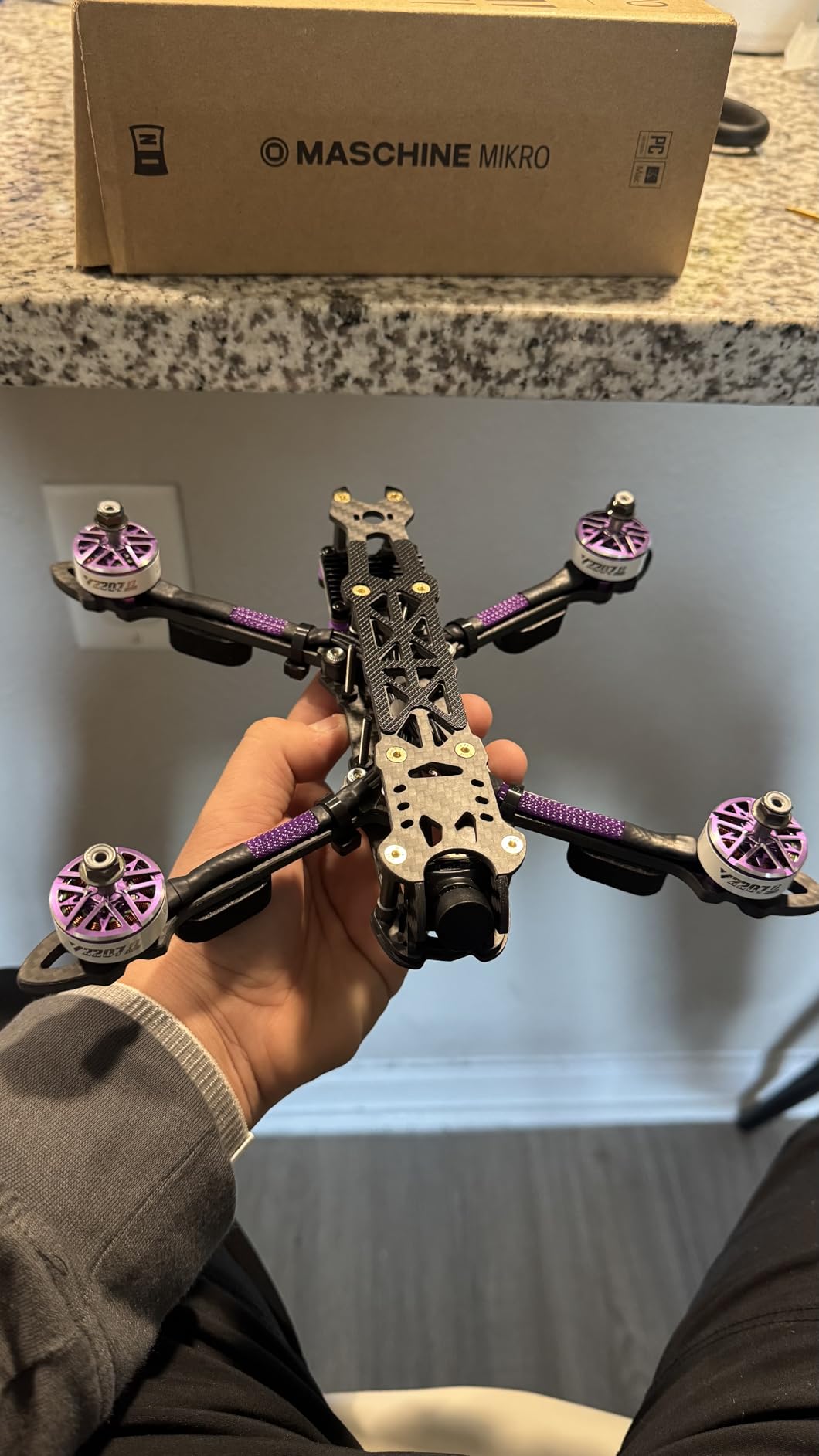
For pilots interested in freestyle flying, the 5-inch propeller size hits the sweet spot between power and control. This frame gives you room to mount your VTX, receiver, and camera while keeping the center of gravity where it needs to be for snappy rolls and smooth flow lines.
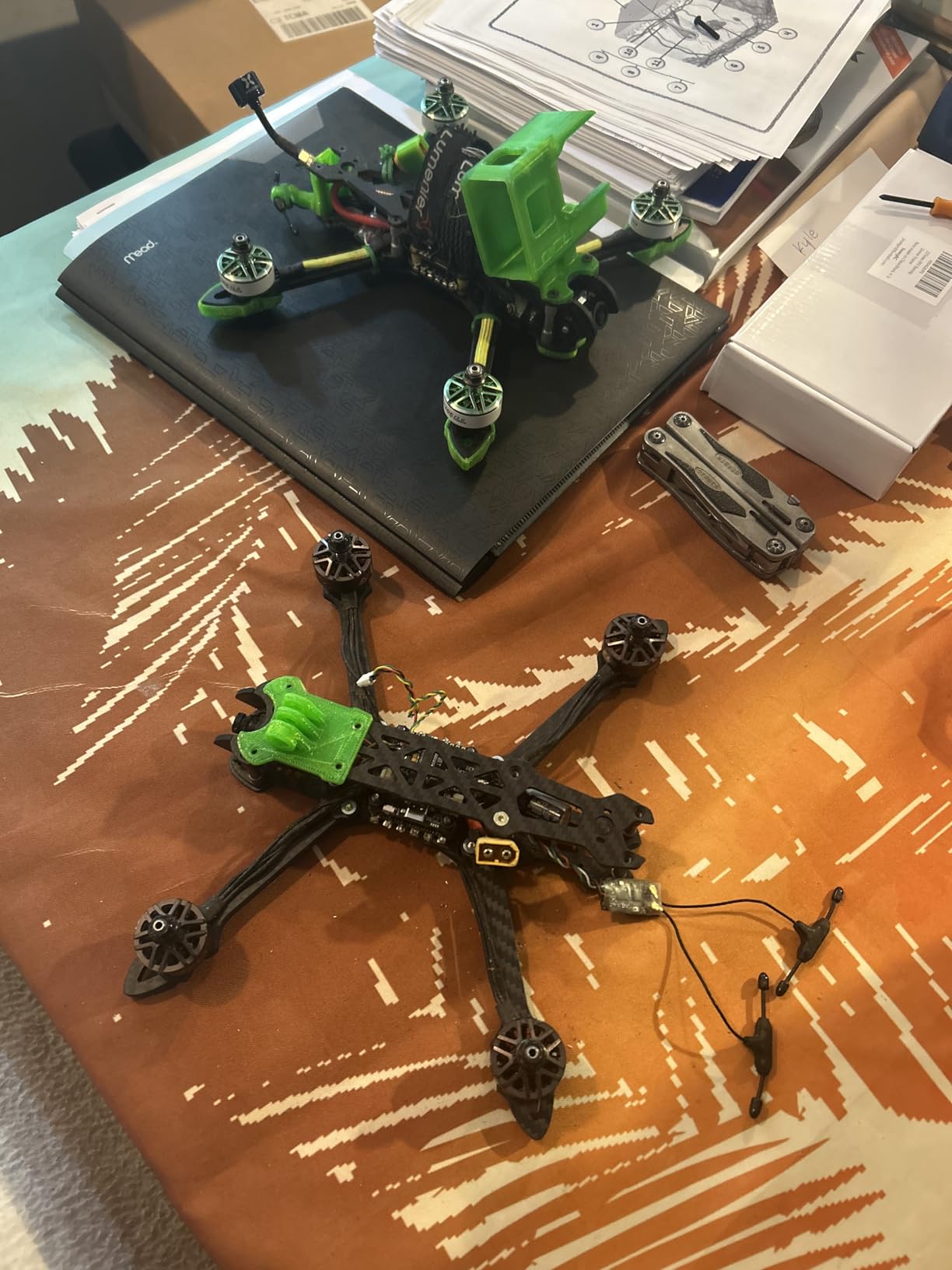
Building your own drone teaches you so much about how everything works together. When you eventually need to repair something after a crash, you will know exactly how to take it apart and put it back together. This frame rewards that learning process with a solid platform that grows with your skills.
Who Should Choose This Frame
Experienced builders and intermediate pilots who already have or plan to purchase their own electronics will love this frame. It offers professional quality at a budget friendly price point. If you want to learn soldering and understand how each component contributes to flight performance, this is your starting point.
Potential Drawbacks
Remember that this is just the frame, so you will need to source your own flight controller, ESC, motors, props, VTX, camera, receiver, and radio. The total cost adds up quickly if you are starting from scratch. Some users reported connectivity issues, though these appear related to component choices rather than the frame itself.
3. BETAFPV Air65 ELRS Whoop Quadcopter – Micro Racing Machine
BETAFPV Air65 5IN1 1S Racing Brushless Whoop Drone for FPV Indoor Flying
Ultralight 17.3g
ELRS 2.4GHz
0702SE Motors
260mAh Battery
Pros
- Incredibly light at 17.3 grams
- Very fast and responsive
- Durable despite hard crashes
- Good ELRS range performance
- Easy binding with ELRS controllers
- Works great indoors and out
Cons
- Flight time less than advertised
- Stock canopy angle limited
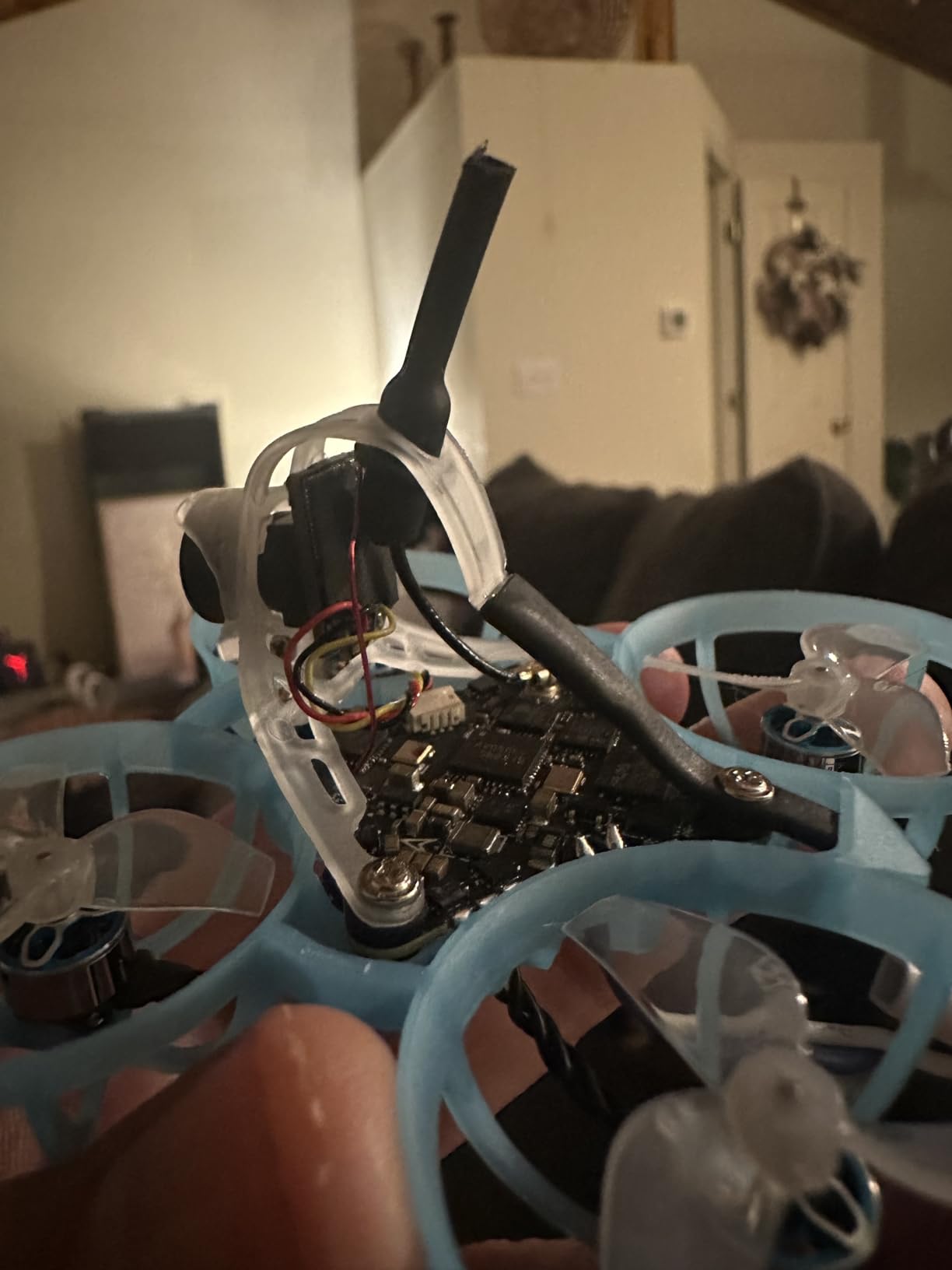
- VTX antenna connector can fail
- Camera mount durability issues
- Requires separate controller and goggles
The BETAFPV Air65 surprised me with just how much performance fits into a 17.3 gram package. This ultralight whoop drone uses brushless motors that deliver serious thrust, giving it a remarkable 5.82 to 1 thrust to weight ratio. That translates to snappy acceleration and the ability to pull off acrobatic maneuvers in spaces you would not think possible.
ELRS has become the go to protocol for many FPV pilots, and having it built into this micro drone makes setup simple. I bound it to my existing ELRS controller in seconds, and the range proved solid for indoor and close outdoor flying. The 2.4GHz frequency keeps things reliable without the interference issues you sometimes get on other protocols.
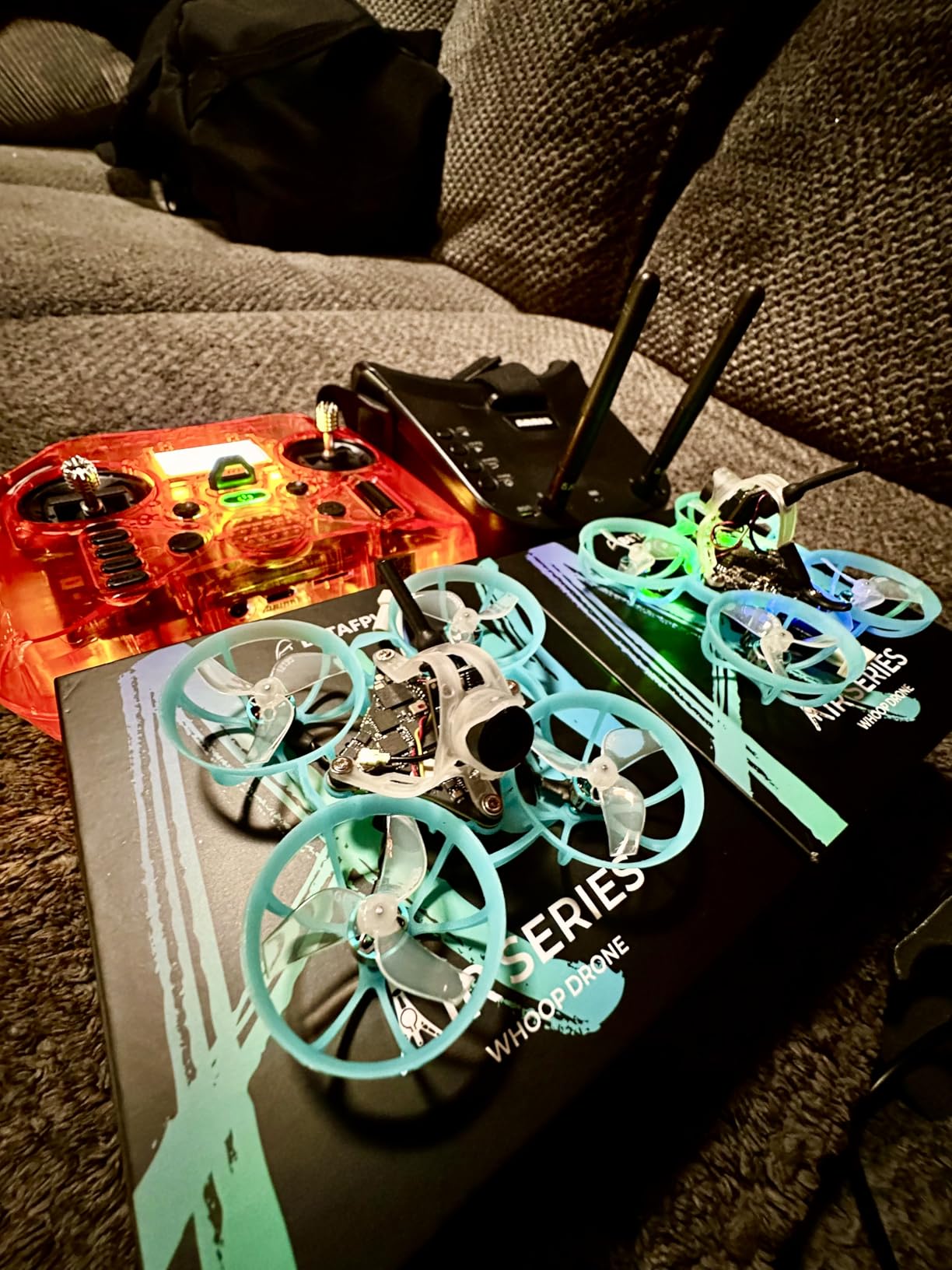
The G473 flight controller handles all the processing, and the onboard 5.8GHz VTX offers adjustable power from 25mW to 400mW. This flexibility lets you dial in your video signal based on where you are flying. Indoor sessions work fine at 25mW, while outdoor flights benefit from cranking up the power.
Betaflight configurability means you can tune the flight characteristics to match your flying style. Out of the box, the defaults work well, but as you progress, having access to PID adjustments and rates gives you control over how the drone feels in the air.
Who Should Choose This Drone
Pilots with prior FPV experience who already own ELRS compatible radios and analog goggles will get the most from this drone. It bridges the gap between toy grade whoops and full size racing quads, offering serious performance in a tiny, crashable package. If you have limited flying space or want to practice indoors during bad weather, this is perfect.
Potential Drawbacks
The advertised 4 minute flight times prove optimistic based on user reports, with 2 to 3 minutes being more realistic. Also note that this is a bind and fly package, so you need your own controller and goggles. The stock 25 degree camera angle works okay but many pilots recommend upgrading to the Air II canopy for better forward visibility at speed.
4. EMAX Tiny Hawk RTF Micro Racing Drone – The Classic Beginner Choice
Tiny Hawk RTF Micro Indoor Racing Drone with FPV Goggles and Controller for Beginners
RTF Complete Kit
Up to 35mph
200ft Range
450mAh Battery
Pros
- Everything included to start
- Extremely durable design
- Good 200 foot range
- Up to 35mph top speed
- Carrying case included
- Switchable speed modes
- Betaflight configurable
- Easy to upgrade parts
Cons
- Battery life around 4 minutes
- Goggles can feel uncomfortable
- Camera angle needs adjustment
- Some quality control issues
- Signal cuts at longer range
When our team talks about beginner FPV drone building kits, the EMAX Tiny Hawk RTF consistently comes up in conversation. This kit has earned its reputation by giving new pilots everything needed to start flying right away. The package includes the drone, controller, FPV goggles, batteries, and even a carrying case to keep it all organized.
Durability matters enormously when you are learning, and the Tiny Hawk survives crash after crash. I have seen these things hit concrete, bounce off walls, and keep flying without needing repairs. The flexible frame absorbs impact energy that would destroy more rigid drones, giving beginners the confidence to push their limits without constant fear of breaking something.
The three speed modes let you progress naturally as your skills improve. Start in the slowest mode to get comfortable with basic control, then work your way up as your coordination improves. The drone can reach speeds up to 35 miles per hour in its fastest configuration, so it grows with you rather than becoming obsolete once you learn the basics.
What really sets this kit apart is the massive community support. With over 500 reviews and countless YouTube tutorials available, you will never be stuck wondering how to fix something or upgrade a component. Parts availability remains excellent, and EMAX has built a reputation for supporting their products long after purchase.
Who Should Choose This Kit
Complete beginners who want a known quantity with proven reliability should strongly consider the Tiny Hawk RTF. The included controller and goggles mean you can start flying immediately, and the durability gives you room to make mistakes without expensive consequences. If you want to learn FPV without already owning any equipment, this covers all the bases.
Potential Drawbacks
Battery life hovers around 4 minutes per flight, which is typical for this size drone but still means you will want extra batteries. Some users find the included goggles uncomfortable for extended sessions, and a few report quality control inconsistencies between units. The 200 foot range works fine for learning but may feel limiting as you advance.
5. Tinyhawk 3 RTF Kit – Next Generation Beginner Platform
Tinyhawk 3 RTF Kit 1s FRSKY FPV Drone for Beginners with Controller and 5.6G Goggles Quadcopter Ready to Fly Kit
RTF Complete Kit
5.8G FPV
FrSky Protocol
Plug-in Motors
Pros
- Extremely durable construction
- Great for learning Betaflight
- Plug-in motors need no soldering
- Multiple speed modes available
- Controller works with simulators
- Fun for all skill levels
Cons
- Steep learning curve initially
- Batteries not included
- Video signal can get staticky
- Limited 100-150 foot range
- Wind affects stability
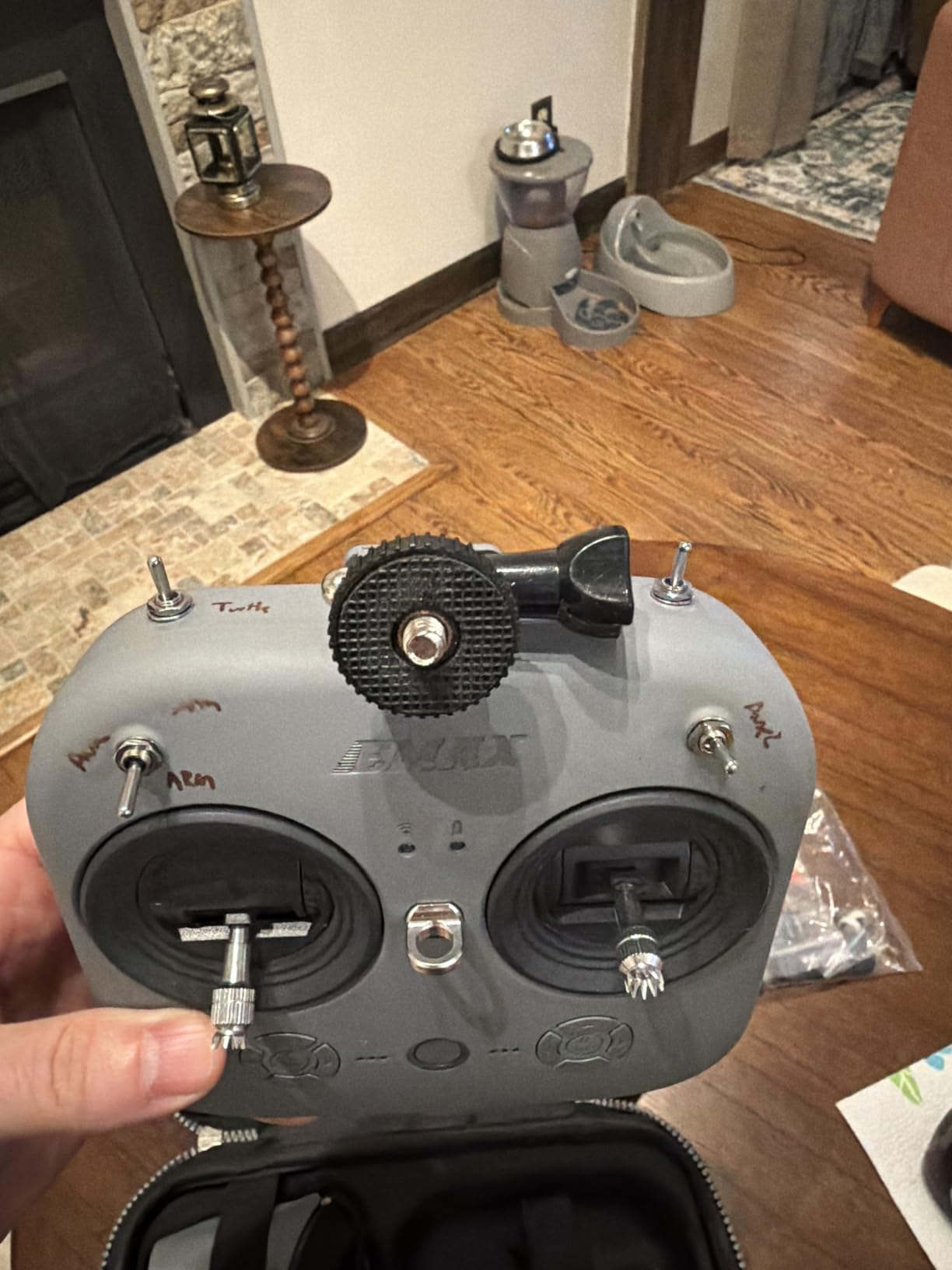
- Controller switches unlabeled
The Tinyhawk 3 RTF takes the proven formula of the original and refines it for the next generation of pilots. This ready to fly kit includes controller and goggles, giving you everything needed to experience real 5.8GHz FPV video without relying on WiFi connections that add latency and reduce range.
What caught my attention with this version is the plug-in motor design. When you eventually burn out a motor or damage one in a crash, you can simply unplug it and plug in a replacement. No soldering required. This feature alone saves beginners from one of the most intimidating aspects of FPV drone ownership, learning to solder tiny connections.
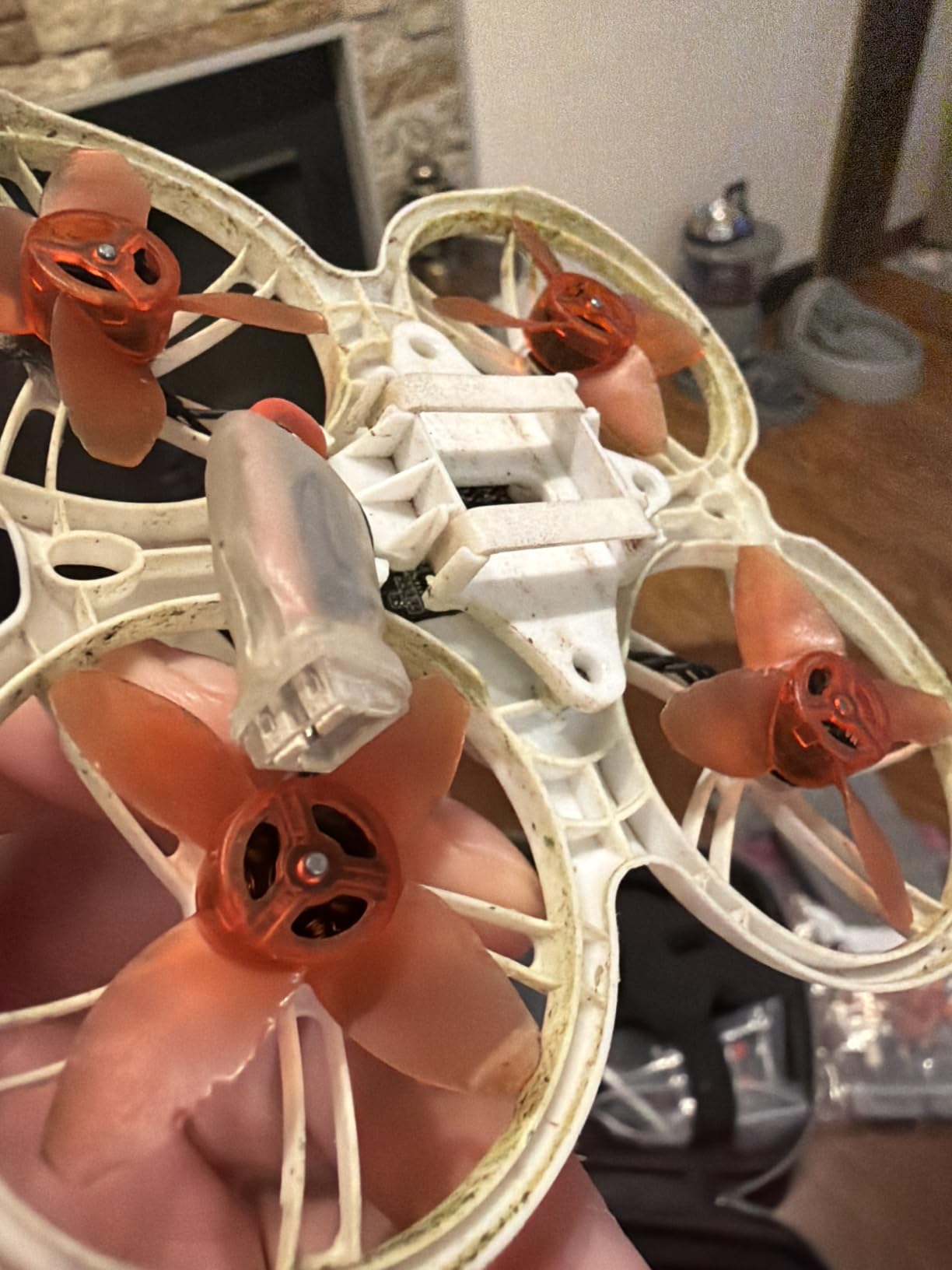
The flexible plastic construction bends rather than breaks, absorbing impact energy that would shatter stiffer frames. I have watched pilots crash these things repeatedly into concrete walls and floor tiles, only to pick them up and keep flying. This durability means you spend more time flying and less time repairing.
Betaflight support gives you room to grow as a pilot. The open source flight controller software lets you adjust everything from rates and expo to PID loops and filters. While the defaults work fine for beginners, having access to these settings means this drone can feel completely different as your skills progress.
Who Should Choose This Kit
Pilots who want to learn the technical side of FPV without committing to soldering will appreciate the Tinyhawk 3. The plug-in motors and Betaflight configurability teach you about how drones work while keeping repairs simple. This kit works well for indoor flying and calm outdoor sessions.
Potential Drawbacks
Note that batteries are not included with this kit, so factor that into your total cost. The learning curve can feel steep for complete beginners, especially with unlabeled switches on the controller. Video range limits you to about 100 to 150 feet before signal quality degrades, and wind significantly affects the lightweight drone.
6. Tinyhawk 3 Freestyle PLUS+ RTF – Carbon Fiber Performance
Tinyhawk 3 Freestyle PLUS+ RTF Kit Ready To Fly ELRS Analog FPV Drone Mini Racing Quadcopter Durable Carbon FIber Frame with Controller and Goggles for Beginners Brand: Tiny Hawk
Carbon Fiber Frame
2.5 inch Props
ELRS Protocol
450mAh Battery
Pros
- Includes controller and goggles
- Lightweight carbon fiber frame
- Ready to fly out of box
- Fine-tuned analog system
- Enhanced transmission power
- Newst TH3 model technology
Cons
- Mixed reviews on durability
- 480p video resolution limits quality
- No batteries included in kit
The Tinyhawk 3 Freestyle PLUS+ builds on the Tinyhawk platform with a carbon fiber frame and larger 2.5 inch propellers. This configuration targets pilots who want more power and stability than the standard whoop style drones can provide, while still offering the convenience of a complete ready to fly package.
Carbon fiber construction changes how this drone handles compared to flexible plastic alternatives. The rigid frame transfers motor inputs more directly, giving you precise control for freestyle maneuvers. However, this rigidity means impacts transfer more force to internal components, so crashes can cause different types of damage than flexible frames.
The ELRS protocol gives you modern control system reliability with low latency and good range. Having this built in means you are not locked into older proprietary systems, and the protocol enjoys excellent community support with ongoing development.
The analog video system has been fine-tuned for this model, with enhanced transmission power helping maintain video clarity at distance. While 480p resolution will not match digital HD systems, analog offers the lowest latency, which matters for racing and fast freestyle flying where every millisecond counts.
Who Should Choose This Kit
Pilots ready to move beyond basic whoop drones but not yet prepared for full 5-inch builds will find this hits a sweet spot. The included controller and goggles mean you can start immediately, while the carbon fiber frame and larger props deliver more capability than entry level options. This works well for pilots focused on freestyle rather than racing.
Potential Drawbacks
Reviews show a mixed distribution, with some pilots loving it and others experiencing durability concerns. The 480p video may disappoint those expecting HD quality, and you need to supply your own batteries. At this price point, some pilots expect more than what analog video can deliver.
7. Walksnail Gofilm 20 FPV Drone – 4K Cinematic Performance
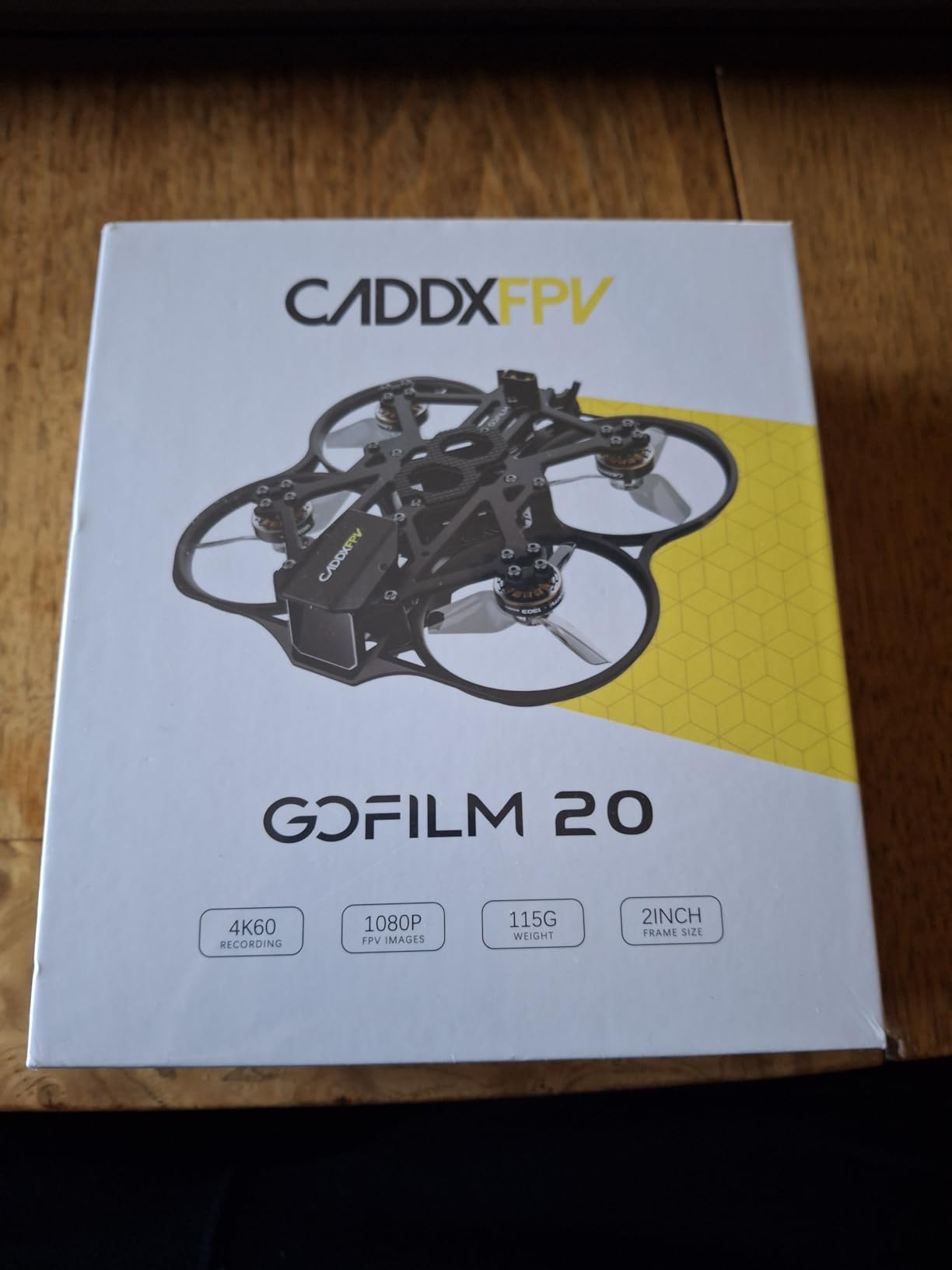
Caddxfpv Walksnail Gofilm 20 FPV Drone – 4K/60FPS Moolight Kit,Supports with camera for 4k recording,160°FOV micro drone with camera,Lightweight 115g racing drone,22ms Low Latency,ELRS Receiver,for Indoor & Outdoor FPV Flying
4K/60fps Camera
115g Weight
22ms Latency
ELRS Receiver
Pros
- Real 4K/60fps recording
- Excellent video stabilization
- Lightweight 115g sub-250g
- Durable protective guards
- Low 22ms latency transmission
- Great flight performance
- Works with Walksnail goggles
Cons
- Batteries not included
- Uses Micro USB not USB-C
- Some quality control issues
- ND filter extends past guards
The Walksnail Gofilm 20 brings 4K recording capability to the micro drone category, something that was not possible just a few years ago. At 115 grams, it stays under the 250 gram threshold that requires FAA registration in the United States, while still delivering footage quality that rivals much larger drones.
What impressed me most is the internal EIS and Gyroflow stabilization. The video comes out smooth and professional looking without needing extensive post-processing. For pilots interested in capturing cinematic footage rather than just racing around, this capability changes what you can accomplish with a small drone.
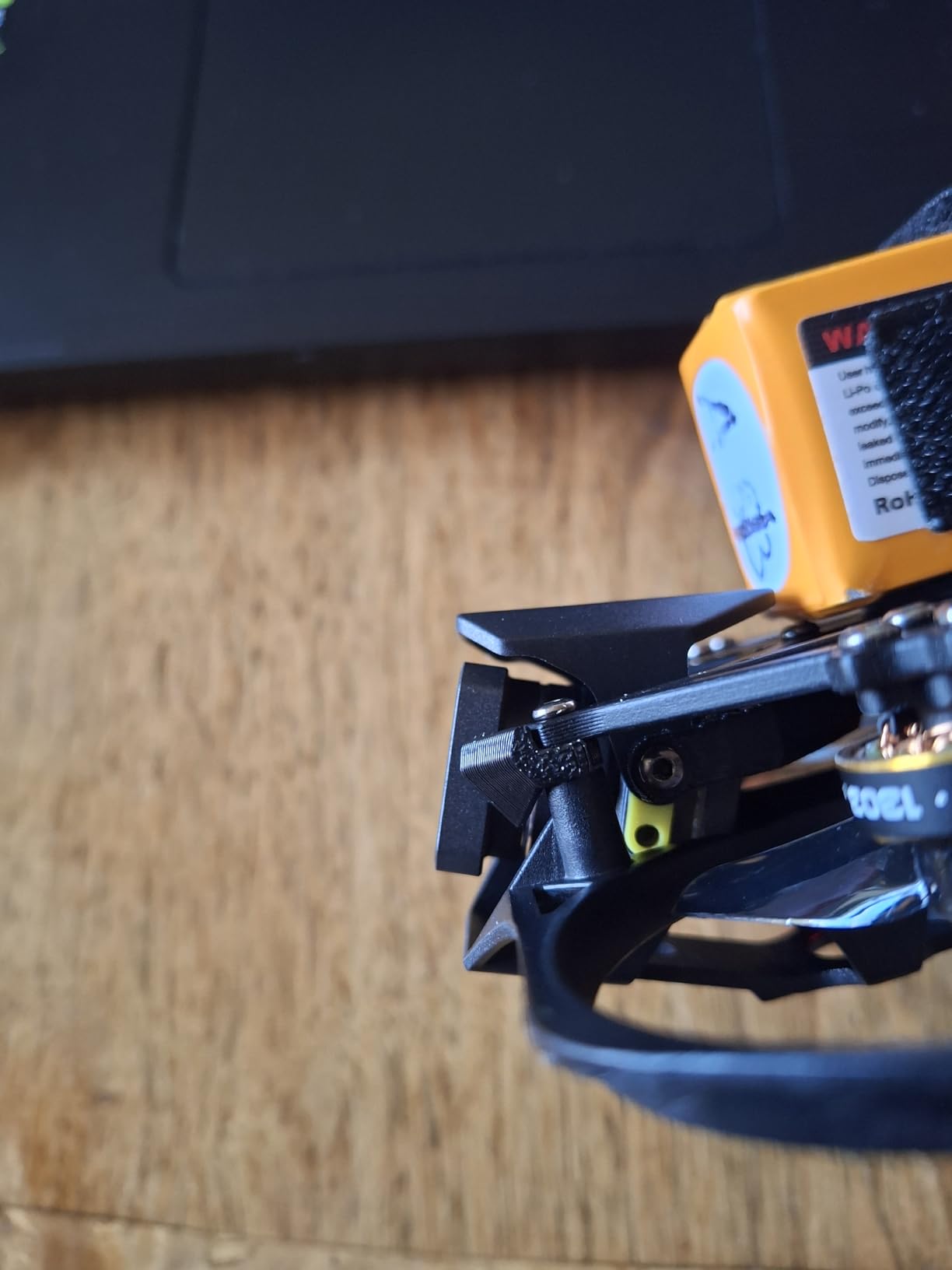
The 160 degree field of view captures a wide scene without excessive fish eye distortion. Custom 1303 6000KV brushless motors provide the thrust needed for dynamic flying, and the 2 to 4S battery compatibility gives you flexibility in choosing your power setup. The 22 millisecond latency keeps video feeling responsive rather than laggy.
Walksnail has established itself as a serious contender in the digital FPV space. While the HDZero and DJI systems get more attention, Walksnail offers competitive performance at lower prices, and the Gofilm 20 demonstrates how far this technology has come.
Who Should Choose This Drone
Pilots who prioritize video quality and want 4K recording in a flyable package should consider the Gofilm 20. The sub-250g weight means no FAA registration hassle in the US. This works best for those who already own or plan to purchase Walksnail compatible goggles, as the video system requires specific receiving hardware.
Potential Drawbacks
Batteries do not come included, so budget for those separately. Some users report quality control issues with occasional defective units, though the review sample size remains small. The Micro USB port for configuration feels dated compared to USB-C, and the ND filter positioning can cause issues in crashes.
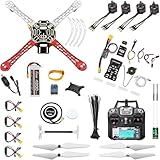
8. HAWK’S WORK F450 DIY Drone Kit – Research and Engineering Platform
Pros
- ”Excellent
Cons
- ”Flight
FPV Drone Building Kit Buying Guide
Choosing the right FPV drone building kit requires understanding several key factors that determine what kind of flying experience you will have. Let me walk you through the essential considerations so you can make an informed decision.
Start with a Simulator Before You Crash the Real Thing
I wish every new FPV pilot spent their first 10 hours in a simulator before touching a real drone. Simulators like Uncrashed, Liftoff, DCL, and Velocidrone teach stick coordination at a fraction of the cost of replacing broken props and frames. The muscle memory you build translates directly to real flying, and you can practice risky maneuvers without consequences.
Many RTF kits include controllers that connect to your computer as a USB game controller. If your kit supports simulator use, plug it in and start with basic hovering and slow turns. Once you can consistently take off, fly a simple circuit, and land smoothly in the simulator, you are ready to try it with the actual drone.
The biggest mistake I see beginners make is skipping this step. They crash on their first flight, break something, and get frustrated. A simulator gives you the confidence and reflexes needed to keep your real drone in one piece longer.
Understanding FPV Kit Types
FPV kits come in several configurations, each suited to different experience levels and goals. Ready-to-fly (RTF) kits include everything you need to start flying immediately, with drone, controller, and goggles all in one package. These work best for complete beginners who want to experience FPV without worrying about compatibility.
Bind-and-fly (BNF) options give you the drone but require you to provide your own controller and often your own goggles. This makes sense if you already own compatible equipment or want to upgrade your radio and video system separately from the drone.
DIY frame kits provide just the frame and require you to source all electronics, motors, and components. These offer maximum customization and teach you the most about how drones work, but require significant knowledge before you start purchasing parts.
Analog vs Digital Video Systems
FPV video transmission falls into two main categories. Analog systems have been around for decades and offer the lowest possible latency, making them popular for racing where every millisecond matters. The tradeoff comes in video quality, with standard definition resolution and static when signal degrades.
Digital systems like Walksnail, HDZero, and DJI deliver high definition video that looks dramatically better on your goggles. The latency has improved significantly in recent years, though it still runs slightly higher than analog. Many pilots now choose digital for the improved experience, while racers often stick with analog for that edge in response time.
Radio Protocols Explained
Your radio transmitter communicates with the drone using specific protocols. FrSky dominated for years, but ExpressLRS (ELRS) has become extremely popular due to its open source nature, low cost, and excellent performance. Crossfire from Team BlackSheep offers similar benefits at a higher price point.
When choosing a kit or controller, consider what protocol your drone uses and ensure your radio is compatible. Many newer drones support multiple protocols, giving you flexibility in controller choice. For beginners, kits that include matching controllers eliminate this concern entirely.
Soldering Skills Required for DIY Builds
If you choose a true DIY kit, expect to do some soldering. Connecting the flight controller to the ESC, attaching the video transmitter, and wiring the receiver all require a steady hand and a decent soldering iron. The good news is that you do not need to be an expert. Most FPV soldering involves joining wires to pads, which is much easier than tiny surface mount work.
For beginners worried about soldering, many modern BNF drones now come with plug-in connectors for motors and accessories. The Tinyhawk 3 even uses plug-in motors. However, crashes will eventually break wires, and knowing how to solder will save you money and downtime as you advance in the hobby.
FAA Registration and Legal Considerations
In the United States, drones weighing 250 grams or more must be registered with the FAA before outdoor flight. Most micro and whoop drones fall below this limit, but larger 5-inch quads and the HAWK’S WORK F450 definitely exceed it. Registration costs a small fee and remains valid for three years.
Regardless of weight, always follow local laws about where you can fly. Avoid flying over people, near airports, or in restricted airspace. Many FPV pilots join local clubs to learn safe flying practices and find good locations. Taking the time to understand regulations keeps the hobby accessible for everyone and prevents costly fines.
Key Specifications to Consider
Wheelbase size determines what propellers you can run and what the drone can carry. Micro drones under 100mm work great indoors and in tight spaces. Standard 5-inch quads offer the best balance of power and size for freestyle. Larger frames accommodate heavier cameras and longer flight times.
Motor KV rating affects how fast the drone can spin its props. Higher KV numbers mean more RPM but require smaller props and draw more current. Battery cell count (1S, 2S, 3S, 4S) affects voltage and power output, with higher cell counts providing more power but adding weight.
Budget and Total Cost
The kit price is just the beginning. Factor in extra batteries for longer sessions, a quality charger that handles multiple battery types, spare propellers, and replacement parts for when crashes inevitably happen. A realistic budget for getting started ranges from around 150 dollars for basic RTF whoop kits to over 500 dollars for quality 5-inch builds with goggles and radio.
Consider the total cost of ownership rather than just the initial purchase. Replacement parts availability, repair difficulty, and community support all affect how much you will spend over time learning and flying your drone.
Frequently Asked Questions
What is an FPV drone kit?
An FPV drone kit is a package that includes all or most components needed to build or assemble a First Person View drone. These kits range from ready-to-fly options with drone, controller, and goggles included, to DIY frame kits that require you to source all electronics separately. The kit type you choose depends on your experience level and how much you want to learn about the building process.
What is the difference between RTF and DIY FPV kits?
Ready-to-fly (RTF) kits include everything needed to start flying immediately, with drone, transmitter, and FPV goggles all in one package. DIY kits provide just the frame or basic components and require you to source and assemble electronics, motors, flight controllers, and other parts yourself. RTF kits work best for beginners, while DIY options appeal to those who want to learn how everything works together.
How much does a beginner FPV drone kit cost?
Beginner FPV drone kits range from around 100 to 400 dollars depending on what is included. Basic RTF whoop kits with goggles and controller start around 120 to 170 dollars. More complete packages with better quality components typically run 250 to 400 dollars. Remember to budget for extra batteries, a charger, and spare parts which can add 50 to 150 dollars to your total investment.
What tools do I need to build an FPV drone?
Basic tools for FPV drone building include a soldering iron with temperature control, solder and flux, wire strippers, small screwdrivers, hex drivers, and a multimeter for electrical testing. For frame assembly, you will need the appropriate hex keys or Allen wrenches. Most kits include necessary hardware, but having a basic tool kit ensures you can handle repairs and modifications. Building your own drone teaches valuable skills that help with future maintenance.
Which FPV video system is best for beginners?
For beginners, analog video systems offer the lowest cost entry point and work well with most RTF kits. Analog delivers immediate visual feedback with minimal latency, helping new pilots learn orientation and control. Digital systems from Walksnail and others provide HD video quality but cost more and require compatible goggles. Many experienced pilots recommend starting with analog to keep initial costs lower, then upgrading to digital later if desired.
Conclusion
Finding the right FPV drone building kit comes down to matching the kit type with your experience level and goals. The EMAX Tiny Hawk RTF gives beginners everything needed to start flying immediately with proven durability and community support. For those ready to build their own quad, the FPVDrone 225mm carbon fiber frame offers excellent quality at an unbeatable price point.
The best FPV drone building kits in 2026 range from complete beginner packages to advanced DIY frames, each serving different needs in the hobby. Whether you choose a ready-to-fly option to start flying today or a frame kit to learn the building process, the options covered here provide solid foundations for your FPV journey.
Start with a simulator if possible, invest in quality batteries and a good charger, and remember that crashing is part of learning. Every pilot, no matter how skilled, started with the same questions you have now. Pick the kit that matches your commitment level and start flying.
1 thought on “8 Best FPV Drone Building Kits (October 2026) Expert Reviews”