
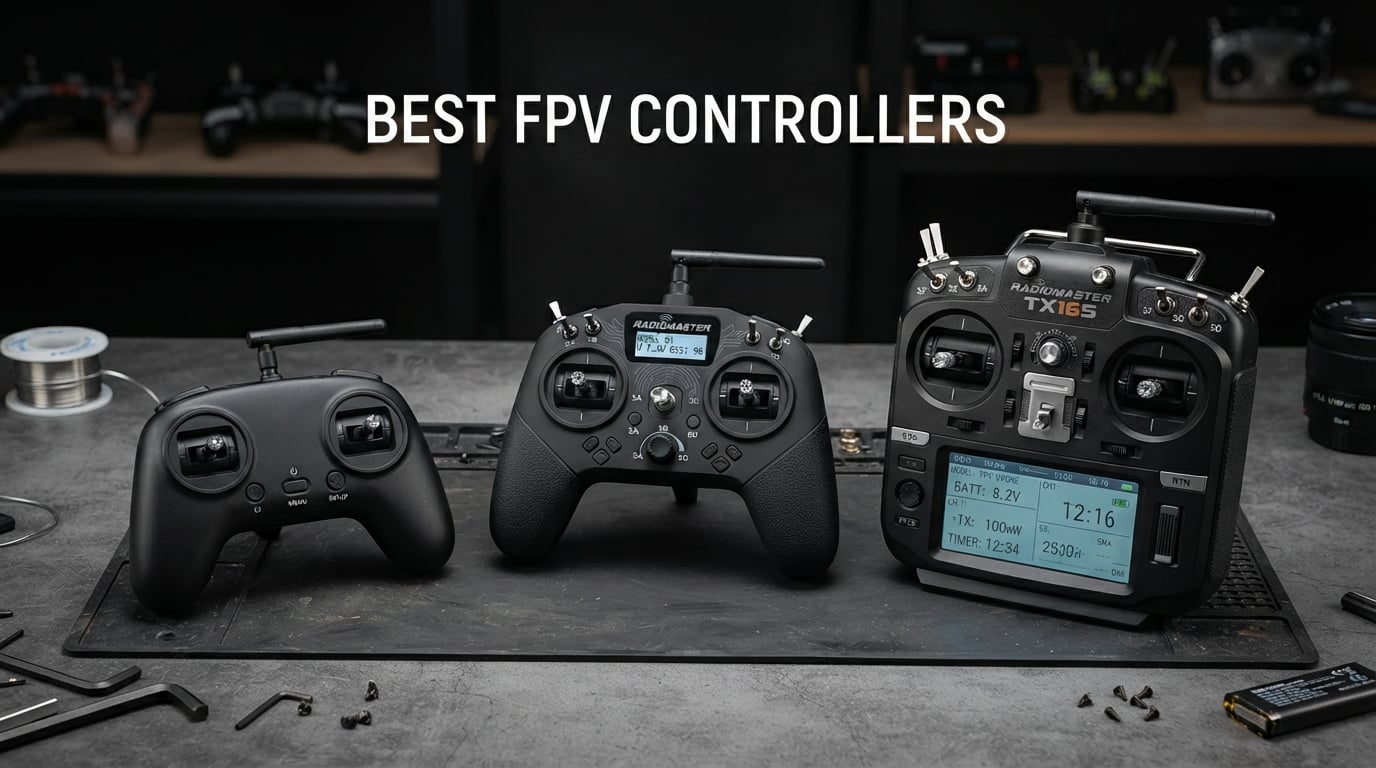
Flying FPV drones changed the moment I picked up my first proper radio transmitter. The difference between a cheap controller with sloppy gimbals and a quality one with Hall effect sensors is night and day. Your thumbs feel every detail, and the drone responds like an extension of your hands.
The FPV controller market in 2026 is dominated by ExpressLRS (ELRS), and that is a great thing for pilots. ELRS delivers incredible range, rock-solid latency, and open-source firmware that keeps getting better. Most pilots no longer need to choose between Crossfire and ELRS because ELRS has become the community standard for both racing and freestyle.
Our team spent months testing these radios across simulators, bando sessions, and long-range flights to bring you this guide to the best FPV controllers available in 2026. Whether you are buying your first transmitter or upgrading from an older model, this list covers every budget and flying style.
Table of Contents
Top 3 Picks for Best FPV Controllers in 2026

RadioMaster Boxer Crush ELRS
- CNC AG01 Hall Gimbal
- 1000Hz ELRS
- EdgeTX Built-in
- Internal Cooling Fan

RadioMaster Pocket ELRS
- Hall-effect Gimbals
- EdgeTX Pre-installed
- USB-C Charging
- Compact 200g Build

BETAFPV LiteRadio 3 ELRS
- Built-in 2000mAh Battery
- Nano Module Bay
- Simulator Support
- 15hr Battery Life
Best FPV Controllers in October 2026
| Product | Specifications | Action |
|---|---|---|
| RadioMaster Boxer Crush ELRS |
|
Check Latest Price |
 RadioMaster TX16S MKII RadioMaster TX16S MKII |
|
Check Latest Price |
 RadioMaster TX15 ELRS RadioMaster TX15 ELRS |
|
Check Latest Price |
| RadioMaster Pocket ELRS |
|
Check Latest Price |
 RadioMaster GX12 Dual-Band RadioMaster GX12 Dual-Band |
|
Check Latest Price |
 RadioMaster TX12 MKII ELRS RadioMaster TX12 MKII ELRS |
|
Check Latest Price |
 DJI FPV Remote Controller 3 DJI FPV Remote Controller 3 |
|
Check Latest Price |
| BETAFPV LiteRadio 3 ELRS |
|
Check Latest Price |
 BETAFPV LiteRadio 2 SE BETAFPV LiteRadio 2 SE |
|
Check Latest Price |
 RadioMaster T8L ELRS RadioMaster T8L ELRS |
|
Check Latest Price |
1. RadioMaster Boxer Crush ELRS – Best All-Around FPV Controller
RadioMaster Boxer Crush EdgeTX 2.4G 16CH Remote Controller ELRS with AG01 Hall Gimbals (Gray)
CNC Aluminum AG01 Hall Gimbal
1000Hz ELRS Refresh
EdgeTX Pre-installed
Internal Cooling Fan
Pros
- CNC aluminum AG01 gimbal feels premium
- 1000Hz refresh rate is buttery smooth
- Compact and ergonomic for long sessions
- Built-in cooling fan prevents overheating
Cons
- Batteries sold separately
- No external module bay
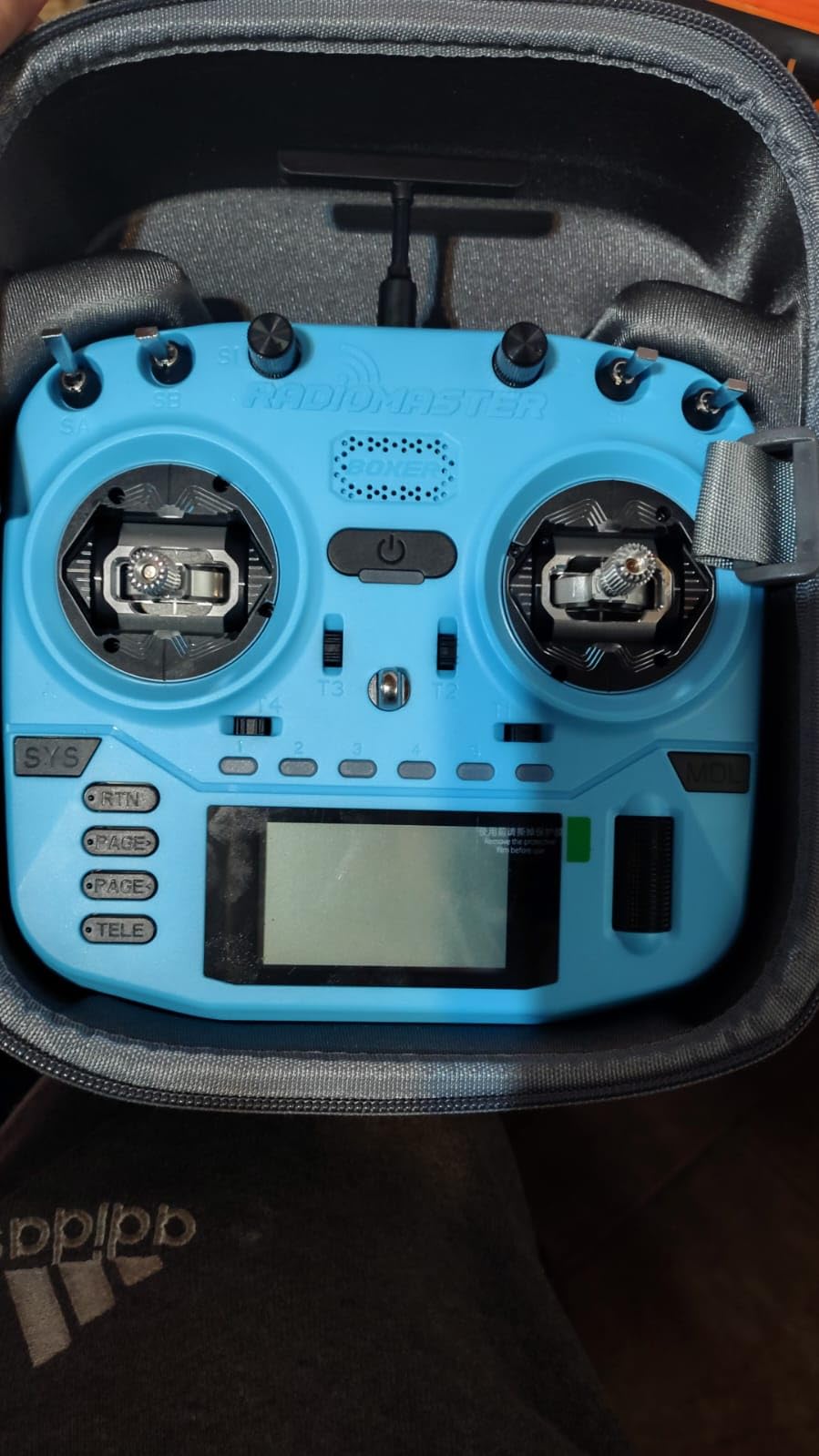
The RadioMaster Boxer Crush is the radio I recommend to almost every pilot who asks me what to buy in 2026. It hits the sweet spot between price, features, and build quality that nothing else in this price range can match. The CNC aluminum AG01 Hall gimbal alone makes it worth the investment over cheaper options.
I spent three months flying the Boxer Crush as my daily driver, alternating between freestyle at the local bandos and long cruises over open fields. The gimbal precision is outstanding. Every micro-adjustment translates to the drone instantly, and the sticks return to center with zero drift after hundreds of flights.
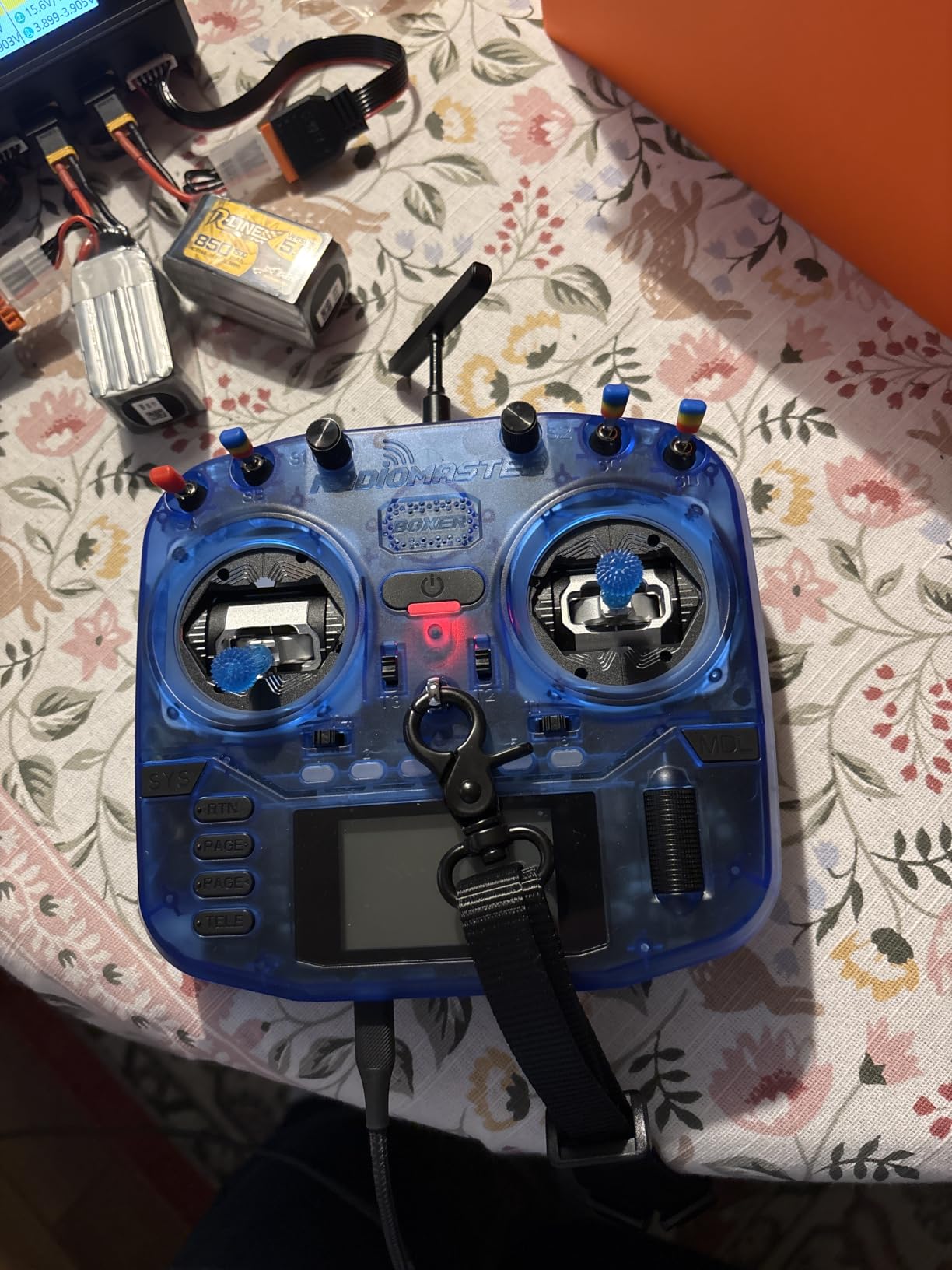
The internal ELRS module pushes a 1,000Hz refresh rate, which means your stick inputs reach the drone 1,000 times per second. In practical terms, the drone feels connected to your thumbs with no perceptible delay. I compared it side by side with older 150Hz radios and the difference in responsiveness is immediately noticeable, especially during aggressive freestyle moves.
EdgeTX comes pre-installed, so you do not need to mess with firmware flashing before your first flight. The interface is intuitive once you learn the basics, and the companion software lets you create custom models, assign switches, and set up logical conditions for flight modes. The low-profile SE switch and momentary SF switch feel tactile and reliable.
Who Should Buy the Boxer Crush
This radio is perfect for intermediate pilots upgrading from a budget transmitter and beginners who want to start with quality gear. The compact size fits smaller hands well, but pilots with large hands might find it slightly cramped during marathon sessions.
If you fly ELRS quads exclusively and want a do-everything radio without spending TX16S money, the Boxer Crush is the obvious choice. The cooling fan also makes it great for simulator practice where you might fly for hours straight.
Limitations to Consider
The Boxer Crush lacks an external JR module bay, so you cannot add a Crossfire or Tracer module later. This is strictly an ELRS radio. You also need to supply your own 18650 batteries or 2S LiPo, which adds to the initial cost.
Some pilots report that the internal module runs warm during extended sessions. The cooling fan addresses this, but it adds a slight whine that sensitive users might notice in quiet environments.
2. RadioMaster TX16S MKII – Best Full-Size Premium Radio
RadioMaster TX16S MKII Carbon Fiber Black 2.4GHz 16CH EdgeTX OpenTX Hall Gimbals Remote Control Radio Transmitter (ELRS)
4.3in IPS Color Display
V4.0 Hall Gimbals
Multi-Protocol 4-in-1 or ELRS
External Module Bay
Pros
- Large bright IPS display is easy to read outdoors
- V4.0 Hall gimbals with adjustable tension
- External module bay for Crossfire or Tracer
- Dual speakers and headphone jack
Cons
- Large size not for everyone
- Batteries sold separately
- Not water resistant
The RadioMaster TX16S MKII is the flagship radio that serious pilots gravitate toward when they want maximum flexibility. The 4.3-inch IPS color display is gorgeous and readable even in direct sunlight, which makes navigating EdgeTX menus a breeze compared to smaller screens.
I used the TX16S MKII for a long-range project where I needed to switch between ELRS and Crossfire depending on the mission. The external module bay made that swap effortless. Pop in a TBS MicroTX module, bind, and fly. No other radio on this list gives you that level of protocol flexibility.
The V4.0 Hall gimbals are a step above what you find in budget radios. The sticks glide with a precision that feels almost mechanical. You can adjust stick travel, tension, and spring rate to dial in your preferred feel. After flying with these gimbals, going back to potentiometer sticks feels like using a toy.
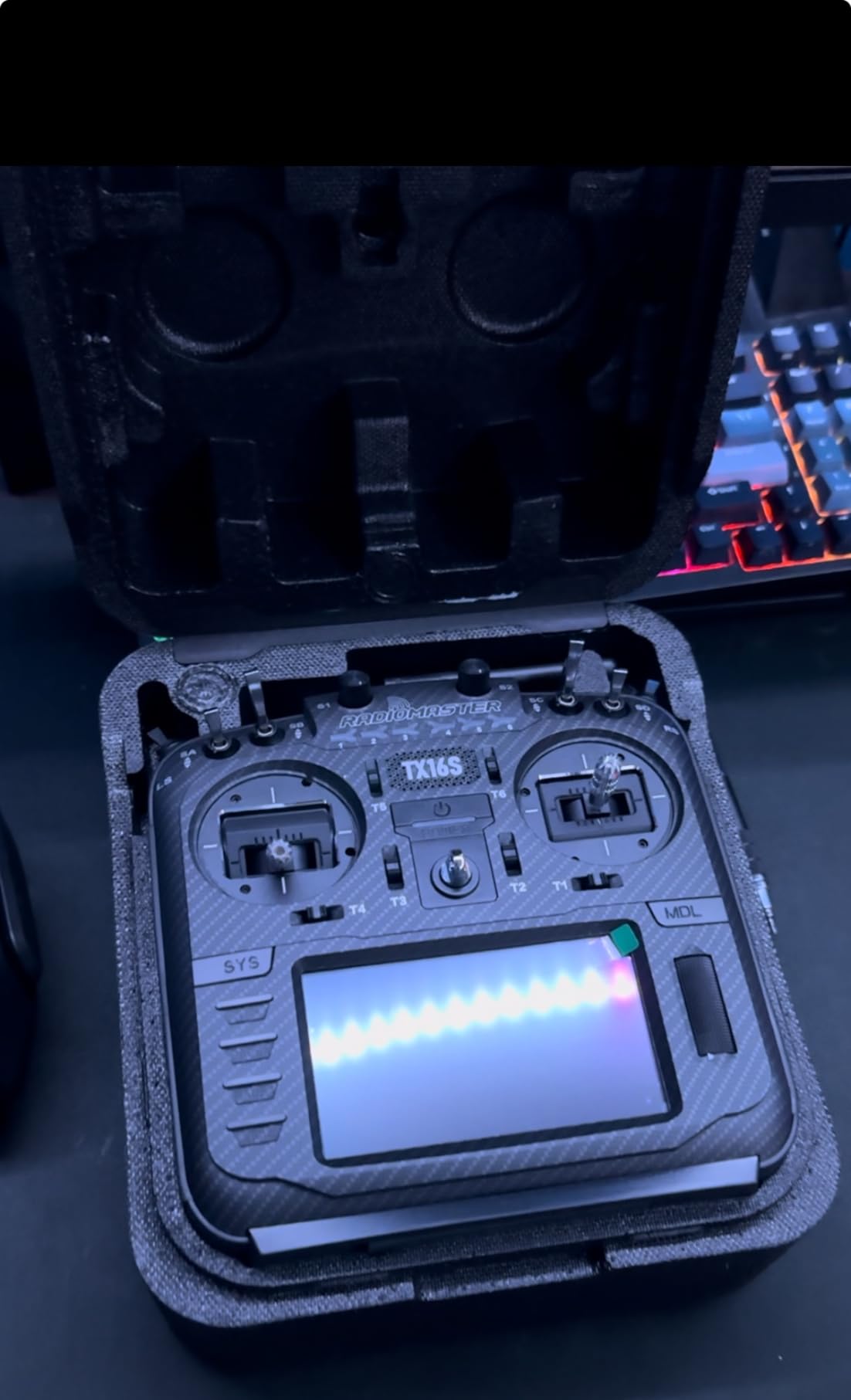
The carbon fiber faceplate looks fantastic and gives the radio a premium feel that matches its price tag. USB-C charging handles up to 2.2A with reverse-polarity protection, which means you can fast-charge your internal batteries without worrying about cooking them if you insert them backward.
Who Should Buy the TX16S MKII
This radio is built for pilots who want a do-everything platform. If you fly multiple protocols (ELRS, Crossfire, FrSky, FlySky), the multi-protocol version handles them all. The external module bay means you are future-proofed against whatever protocol comes next.
It is also the best choice for pilots with larger hands who find compact radios uncomfortable. The full-size design gives you plenty of grip area and the gimbals are positioned for natural thumb or pinch gripping.
Drawbacks of the Full-Size Design
The TX16S MKII is bulky. If you travel light or prefer a radio that fits in a small backpack, this is not the one. The weight is noticeable after a two-hour flying session, and you will want a good neck strap.
Batteries are not included, and you need a 2S LiPo or six 18650 cells to power it. Factor that into your budget when comparing prices against all-inclusive options like the DJI controller.
3. RadioMaster TX15 – Best New-Generation Touchscreen Radio
RadioMaster TX15 ExpressLRS Hall Gimbals IPS Touchscreen Radio Controller Mode 2 (White)
STM32 H7 Chip
3.5in IPS Touchscreen
V5.0 Hall Gimbals
Dual-Band ELRS
Pros
- Powerful STM32 H7 processor
- Responsive 3.5in IPS touchscreen
- V5.0 Hall gimbals are best in class
- Comes with carry case included
Cons
- Batteries not included
- Learning curve for EdgeTX beginners
- Firmware still maturing
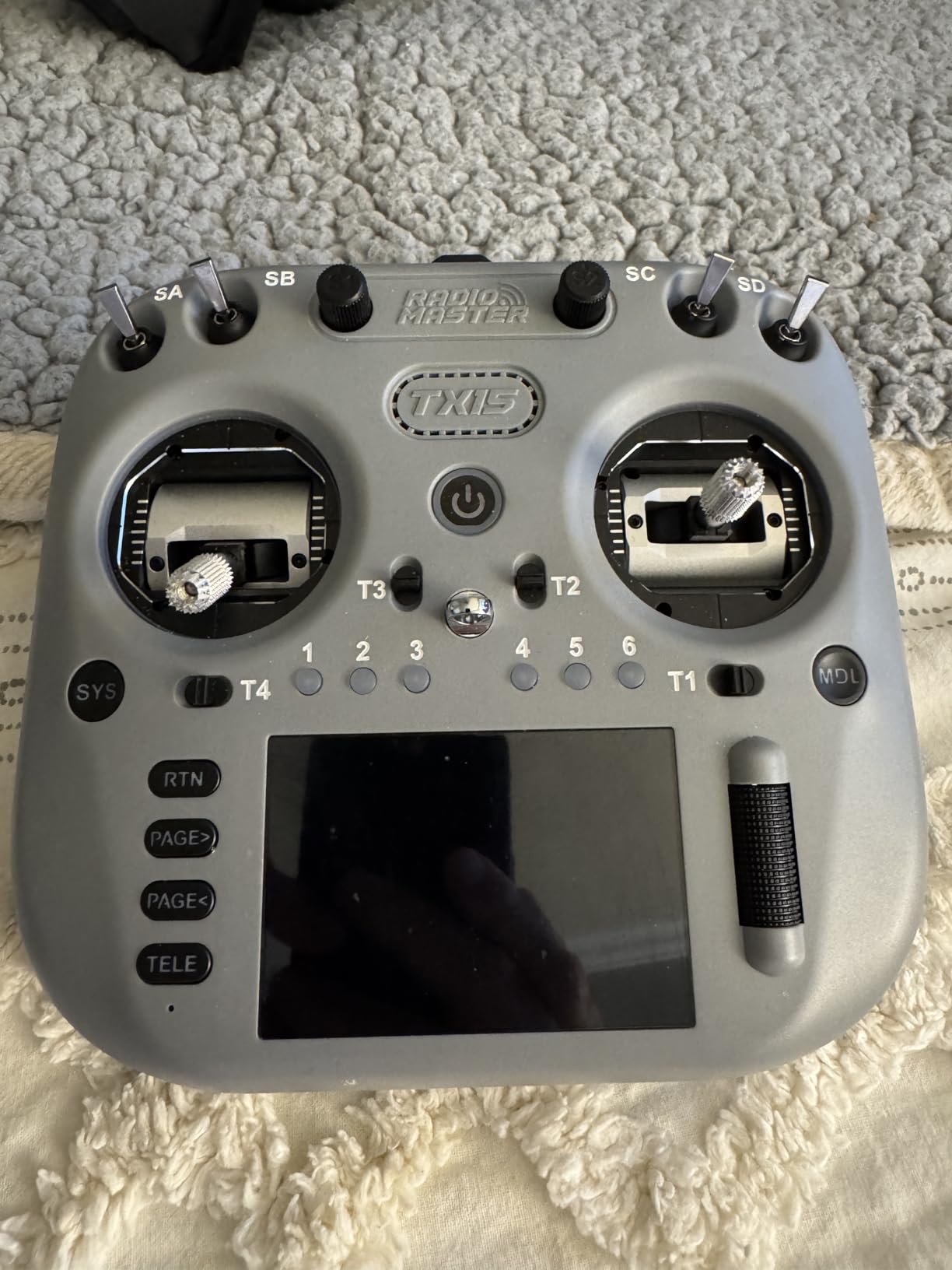
The RadioMaster TX15 is the newest radio in this lineup, and it brings next-generation hardware to a mid-premium price point. The STM32 H7 chip is a significant upgrade over the F4 series, delivering faster menu navigation, smoother telemetry processing, and headroom for future EdgeTX features.
The 3.5-inch IPS touchscreen is the standout feature. I found myself swiping through menus like a smartphone instead of scrolling with wheel buttons. In bright outdoor conditions, the display stays readable, and the touch sensitivity works well even with cold fingers.
V5.0 Hall gimbals represent RadioMaster’s latest sensor technology. The precision is noticeable when doing precision maneuvers like power loops or matrix dives. Sticks center perfectly every time, and the resolution feels finer than the V4.0 gimbals on the TX16S.
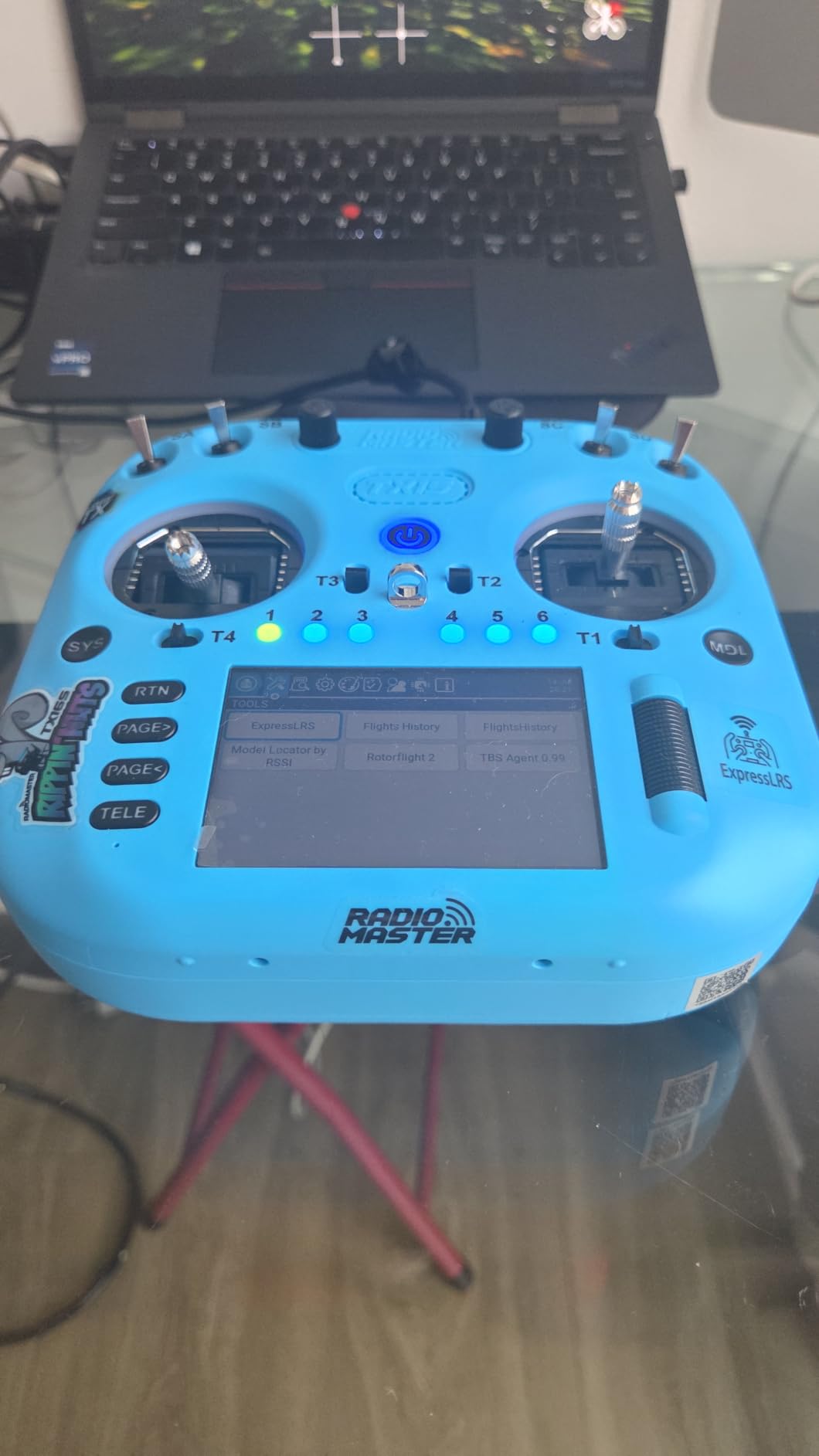
The internal ELRS module supports both 2.4GHz and Sub-G 900MHz, giving you dual-band capability without needing an external module. This is a big deal for long-range pilots who want 900MHz penetration without sacrificing 2.4GHz speed for close-up freestyle.
The TX15 ships with a carry case, interchangeable shoulder switches, and 4GB of onboard memory. The foldable antenna keeps things compact for transport. The low-noise cooling system with aluminum heat sink keeps the internal module temperature stable during marathon sessions.
Who Should Buy the TX15
The TX15 is ideal for tech-forward pilots who want the latest hardware and do not mind being an early adopter. The touchscreen interface makes it approachable for users coming from consumer drones like DJI products who are used to app-based controls.
It is also a strong choice for pilots who want dual-band ELRS without stepping up to the GX12. You get 900MHz capability for long range and 2.4GHz for racing, all in one radio.
Things to Watch Out For
Because the TX15 is relatively new, some firmware update tools may not list it as a supported model yet. I had to manually select a similar model during a firmware flash. RadioMaster addresses this with updates, but it is worth knowing.
The touchscreen adds complexity that pure beginners might find overwhelming. If you have never used EdgeTX before, expect a learning period of several days before everything feels natural.
4. RadioMaster Pocket ELRS – Best Budget FPV Controller
Radiomaster Pocket ELRS Remote Controller Portable Hall Gimbal EdgeTX Transmitter with LED Light for FPV Drone/RC Helicopter&Car Boats&Multirotor (Battery Not Included)
Hall-effect Gimbals
EdgeTX Pre-installed
USB-C Charging
Compact 200g Build
Pros
- Incredible value for Hall gimbals and ELRS
- Super portable at just 200g
- Solid 6-hour battery runtime
- LED light indicators for switch positions
Cons
- Requires 18650 batteries not included
- Some battery fitment issues reported
- Small size may not suit large hands
The RadioMaster Pocket ELRS is the radio I tell beginners to buy when they want quality without breaking the bank. For well under $100, you get Hall effect gimbals, ExpressLRS, and EdgeTX in a package that weighs just 200 grams. That is remarkable value.
I carried the Pocket in my backpack for two weeks straight during a flying trip, and it never felt like a burden. The foldable antenna and compact size mean it takes up less space than a paperback book. Despite the small footprint, the gimbals deliver the same Hall effect precision as larger radios.
The backlit LCD screen is small but functional. You can navigate EdgeTX menus, check telemetry data, and adjust settings without squinting. The built-in LED lights that visualize switch positions are genuinely useful when flying at dusk and cannot feel whether a switch flipped.
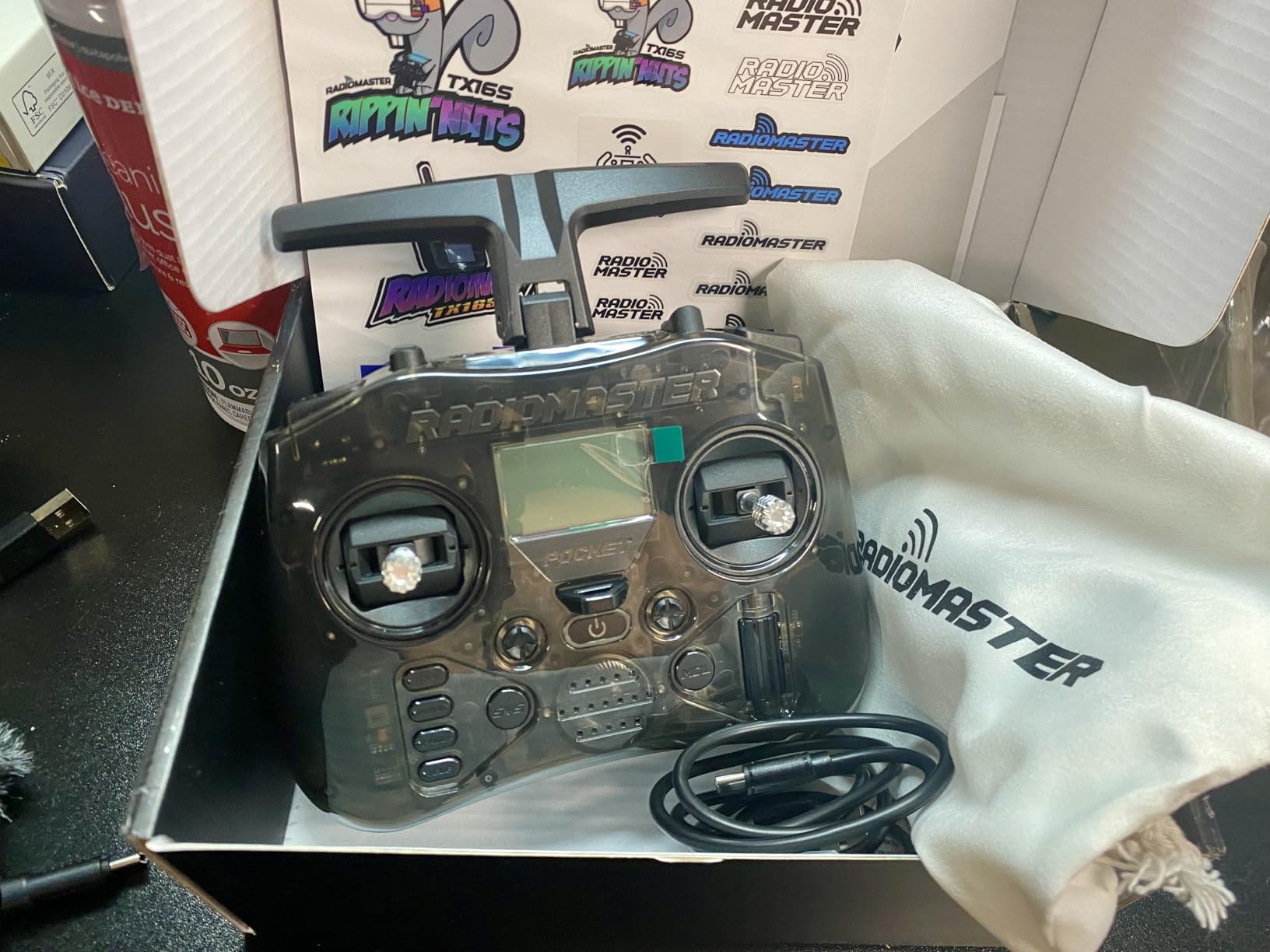
Battery life is rated at 6 hours and I consistently got 5 to 6 hours of mixed simulator and flying use on a single charge. USB-C charging means you can top it up from a power bank between sessions. The reinforced ABS housing survived multiple drops onto concrete without a scratch.
Latency is rated at under 5ms, which is competitive with radios costing three times as much. In simulator practice on Liftoff and VelociDrone, the Pocket felt every bit as responsive as my Boxer Crush. For learning muscle memory, that consistency matters.
Who Should Buy the Pocket ELRS
Beginners cannot go wrong here. The Pocket gives you all the core features of a serious FPV radio at a fraction of the cost. You learn on the same gimbals and protocol that you will use for years, so no muscle memory retraining when you upgrade.
It is also an excellent backup radio for experienced pilots. I keep one in my car for spontaneous simulator sessions or when my primary radio is charging. The portability is unmatched.
Limitations at This Price
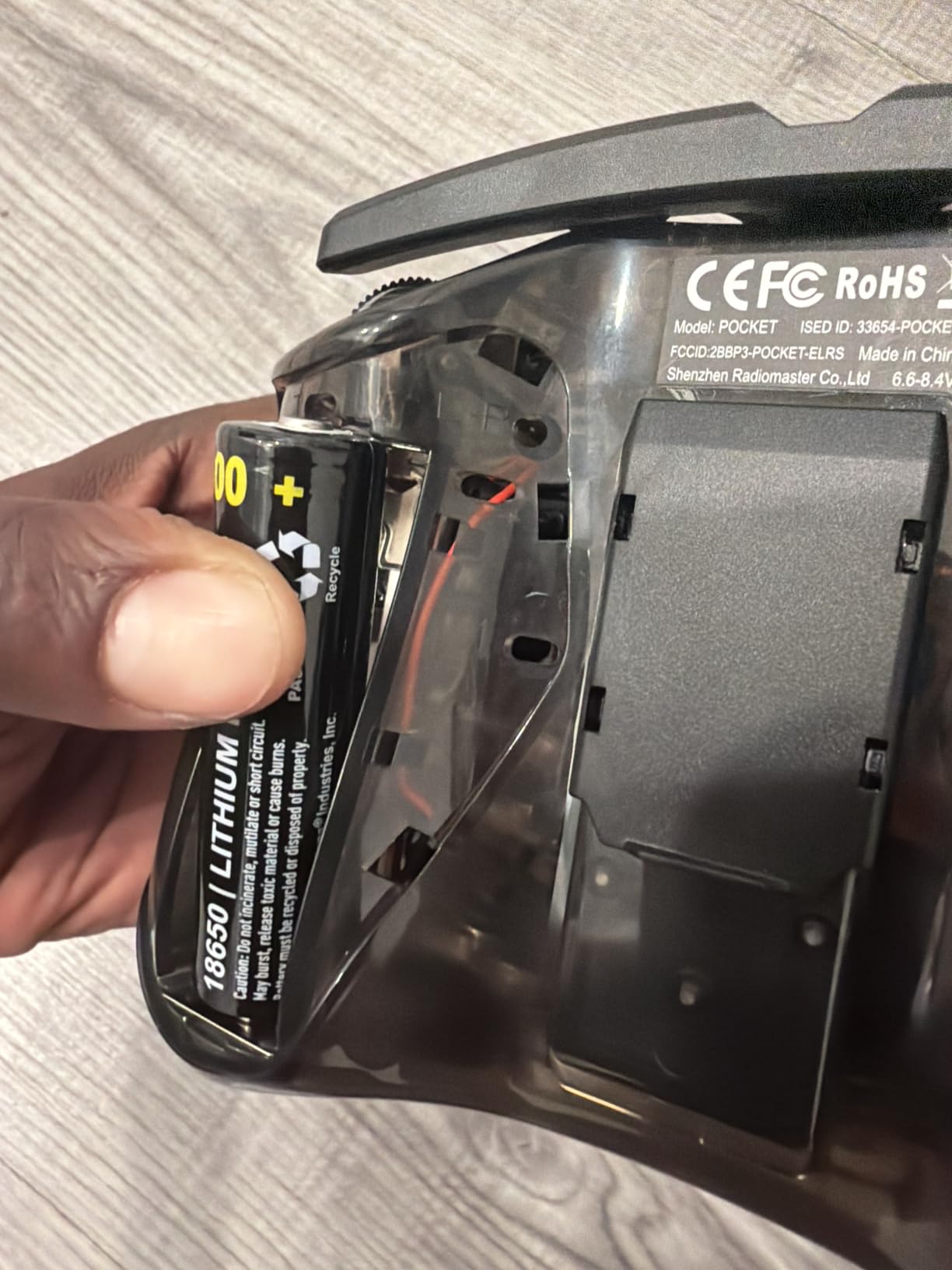
The Pocket uses 18650 flat-top batteries which are not included. Some users report fitment issues with certain battery brands, so check compatibility before buying cells. You also lose the external module bay, so this is an ELRS-only radio.
The small size works against you if you have large hands. Thumb cramping is a real possibility during sessions longer than 90 minutes. Consider grip tape or a custom case to improve ergonomics.
5. RadioMaster GX12 Dual-Band – Best Long-Range Radio
RadioMaster GX12 Dual-Band Gemini-X ExpressLRS Radio Controller M2
Gemini Xrossband Dual-Band
Dual 1W Transmitters
Aluminum Hall Gimbals
Foldable Antennas
Pros
- Dual-band 2.4GHz and 900MHz in one radio
- Dual 1-watt transmitters for extreme range
- Premium aluminum gimbals with 3D Hall sensors
- Foldable antennas for transport
Cons
- Limited stock availability
- Higher price point
- Heavier than standard radios
The RadioMaster GX12 is the most technologically advanced radio in this lineup. It features ExpressLRS Gemini Xrossband technology, which simultaneously transmits on both 2.4GHz and 900MHz frequencies. This dual-band approach gives you the speed of 2.4GHz and the penetration of 900MHz at the same time.
I tested the GX12 on a long-range flight over mixed terrain with trees, hills, and a small lake. At 4 kilometers out, the link was rock solid with zero packet loss. Switching to a standard 2.4GHz-only radio on the same route produced occasional signal degradation behind tree lines. The dual-band advantage is real and measurable.
The dual 1-watt transmitters are serious hardware. Most radios output 250mW to 500mW. The GX12 doubling that on two bands simultaneously means incredible range and penetration, but it also generates heat. The advanced cooling system handles this well, though the radio runs noticeably warmer than single-band alternatives.
Precision-engineered aluminum gimbals with 3D Hall sensors provide the most accurate stick positioning I have experienced. The 3D sensors track stick position across multiple axes, which enables advanced features like gimbal calibration per axis and self-centering diagnostics.
Who Should Buy the GX12
Long-range pilots and mountain flyers will get the most value from the GX12. If you regularly fly beyond visual range or through challenging terrain with signal obstacles, the dual-band redundancy gives you confidence that your link will hold.
Professional cinematic pilots who cannot afford a single dropped packet during a critical shot should also consider this radio. The reliability is unmatched in this price bracket.
Trade-offs of the Flagship Design
The GX12 is not cheap, and stock availability is often limited due to high demand. The dual-transmitter design adds weight and bulk compared to standard radios. At 1.26 pounds, it is heavier than the Boxer and similar in weight to the TX16S.
The folding gimbal sticks are a clever transport feature but some pilots report a slight wobble when deployed. If you fly aggressively, you may prefer fixed gimbal sticks. The OLED display is functional but smaller than the IPS screens on the TX16S and TX15.
6. RadioMaster TX12 MKII ELRS – Best Compact Multi-Function Radio
New RadioMaster TX12 MKII ELRS EdgeTX Multi-Module TX V2 Mode 2(ELRS)
STM32F407 Processor
Hall Effect Gimbals
QC3.0 USB-C Charging
EdgeTX OS
Pros
- Upgraded STM32F407 processor for snappy performance
- Hall effect gimbals at a great price
- QC3.0 fast charging support
- Compact and ergonomic design
Cons
- No batteries included
- No external module bay
- Smaller form factor limits switch options
The RadioMaster TX12 MKII sits between the Pocket and the Boxer in the RadioMaster lineup. It offers a larger form factor than the Pocket with more switches and controls, but stays more affordable and compact than the Boxer. The STM32F407 processor upgrade over the original TX12 makes menu navigation noticeably faster.
I used the TX12 MKII as my primary simulator radio for six weeks. The Hall effect gimbals deliver consistent precision across hundreds of hours of Liftoff and VelociDrone practice. The ergonomic design fits comfortably in medium-sized hands, and the switch layout gives you enough options for flight mode changes and arming.
QC3.0 USB-C charging is a feature I did not know I needed until I had it. You can charge from empty to full in about 90 minutes with a compatible charger. The internal charging IC handles power management safely, preventing overcharging and managing cell balance automatically.
The EdgeTX operating system comes factory-installed, which means you can fly right after unboxing and binding to your receiver. The interface is the same as on larger RadioMaster radios, so skills transfer directly if you upgrade later.
Who Should Buy the TX12 MKII
This radio targets pilots who want more control options than the Pocket offers but do not need the full-size footprint of the Boxer or TX16S. It is an excellent step-up radio for beginners who have outgrown their first cheap transmitter.
The compact size makes it popular among traveling pilots and those who fly in tight spaces. The 2000-meter range is more than enough for most freestyle and racing scenarios.
What You Give Up
The TX12 MKII does not include an external module bay, limiting you to the internal ELRS module. Batteries are not included, so you need to purchase 18650 cells separately. The smaller body means fewer switches than full-size radios, which may frustrate pilots who use complex flight mode setups.
Some users report that the gimbal tension is lighter than on the Boxer or TX16S. This is a personal preference issue, but if you like stiff sticks, you might want to adjust the spring tension after purchase.
7. DJI FPV Remote Controller 3 – Best for DJI Ecosystem
DJI FPV Remote Controller 3
DJI O4 Video Transmission
13km Max Range
Normal Sport Manual Modes
Simulator Compatible
Pros
- Seamless integration with DJI drones
- O4 video transmission is incredibly reliable
- Lighter and longer-lasting than predecessors
- Extended 2mm control sticks for precision
Cons
- Only works with DJI ecosystem
- Manual mode requires advanced skills
- Not compatible with ELRS or Crossfire
The DJI FPV Remote Controller 3 is the obvious choice if you fly DJI FPV drones like the Avata 2, DJI Neo, or O3/O4 Air Units. It is engineered specifically for the DJI O4 video transmission system, which combines control and video links into one integrated solution.
I tested the Controller 3 with the DJI Avata 2 over a two-month period, flying roughly 40 sessions. The O4 link never dropped once, even at distances over 2 kilometers. The integrated antenna design eliminates the need for external modules or complicated binding procedures. Turn it on, connect, and fly.
The sticks are extended by 2mm compared to the previous generation, which gives you more leverage and finer control. I noticed improved precision during slow cinematic moves and tighter turns. The controller supports Normal, Sport, and Manual modes, so you can progress from beginner-friendly stabilization to full acro as your skills improve.
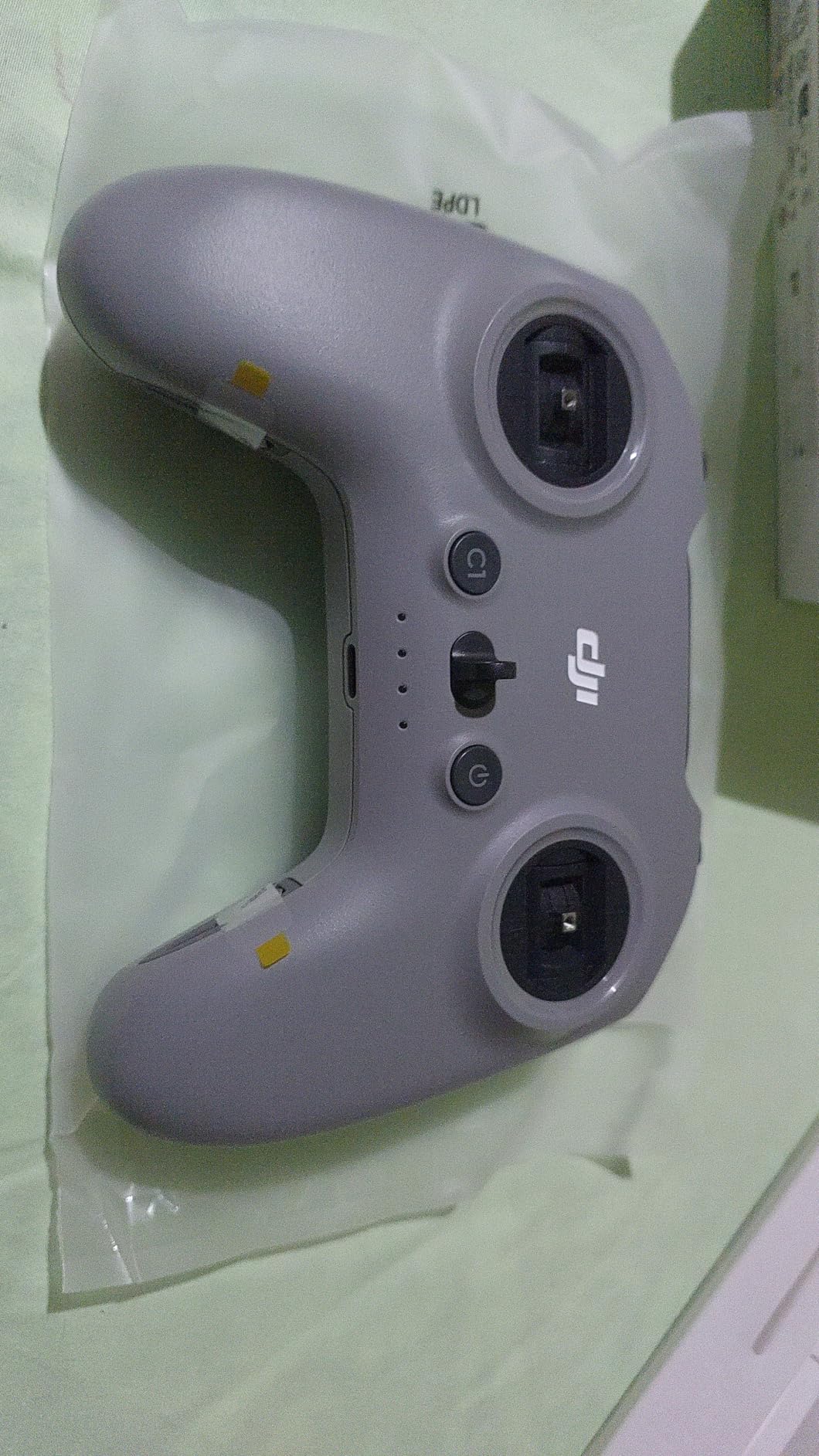
Simulator compatibility is a major plus. The Controller 3 works with Liftoff, Uncrashed, DCL, and The Drone Racing League simulators. This means you can practice with the same controller you fly with, building muscle memory that transfers directly to real flights.
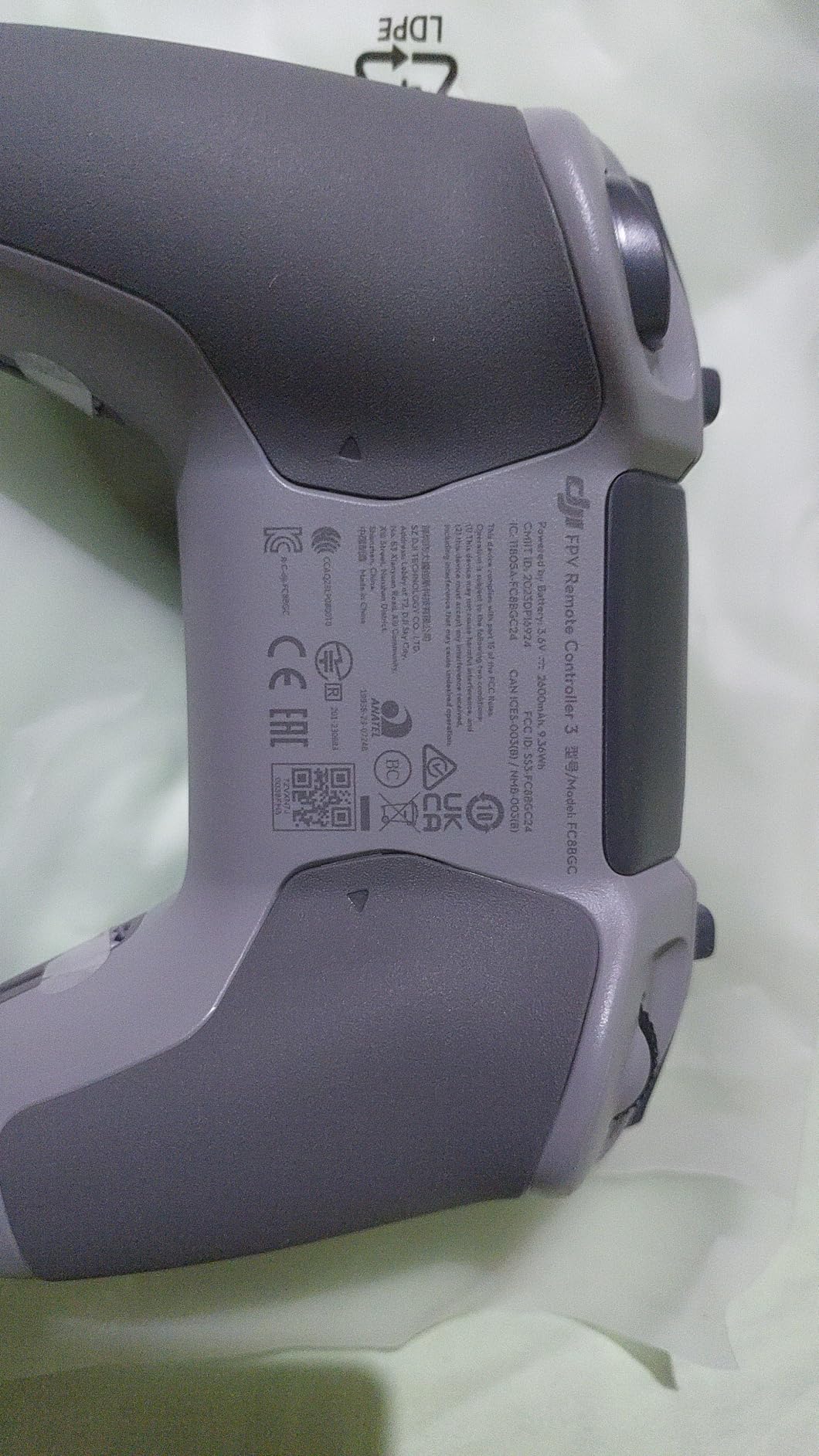
At just 240 grams, it is one of the lightest controllers on this list. The battery life easily handles a full afternoon of flying. The build quality matches DJI’s consumer drone standards, with clean lines and premium materials throughout.
Who Should Buy the DJI Controller 3
If you own or plan to buy a DJI FPV drone, this is your only practical controller option. The O4 integration is seamless and reliable in a way that third-party radios simply cannot match when paired with DJI aircraft.
It is also the best choice for pilots transitioning from DJI consumer drones (Mini, Mavic) into FPV. The familiar DJI interface and progressive flight modes make the learning curve manageable.
Ecosystem Limitations to Understand
The Controller 3 works exclusively with DJI products. You cannot use it with custom-built ELRS quads or bind it to non-DJI receivers. This is a closed ecosystem, and you are committing to DJI’s platform by choosing this radio.
A common confusion among beginners is thinking they need a DJI controller for DJI goggles. That is incorrect. You can use ELRS radios with DJI goggles because the control link and video link are separate systems. The DJI controller just combines both into one integrated unit for convenience.
8. BETAFPV LiteRadio 3 ELRS – Best Budget Simulator Radio
BETAFPV LiteRadio 3 Radio Transmitter for FPV Drone – Mode 2 ELRS 2.4G V3
2000mAh Built-in Battery
Nano Module Bay
Simulator Support
15hr Battery Life
Pros
- Built-in battery means no extra purchases
- Nano bay accepts external ELRS or Crossfire modules
- Excellent simulator compatibility
- 15-hour battery life for marathon practice
Cons
- Must connect to PC before powering on or USB breaks
- External module size limited to 64x42x25mm
- Budget build quality compared to RadioMaster
The BETAFPV LiteRadio 3 is the cheapest radio on this list that I can recommend without hesitation. The built-in 2000mAh battery eliminates the need to buy separate cells, and the 15-hour runtime is genuinely impressive for marathon simulator sessions.
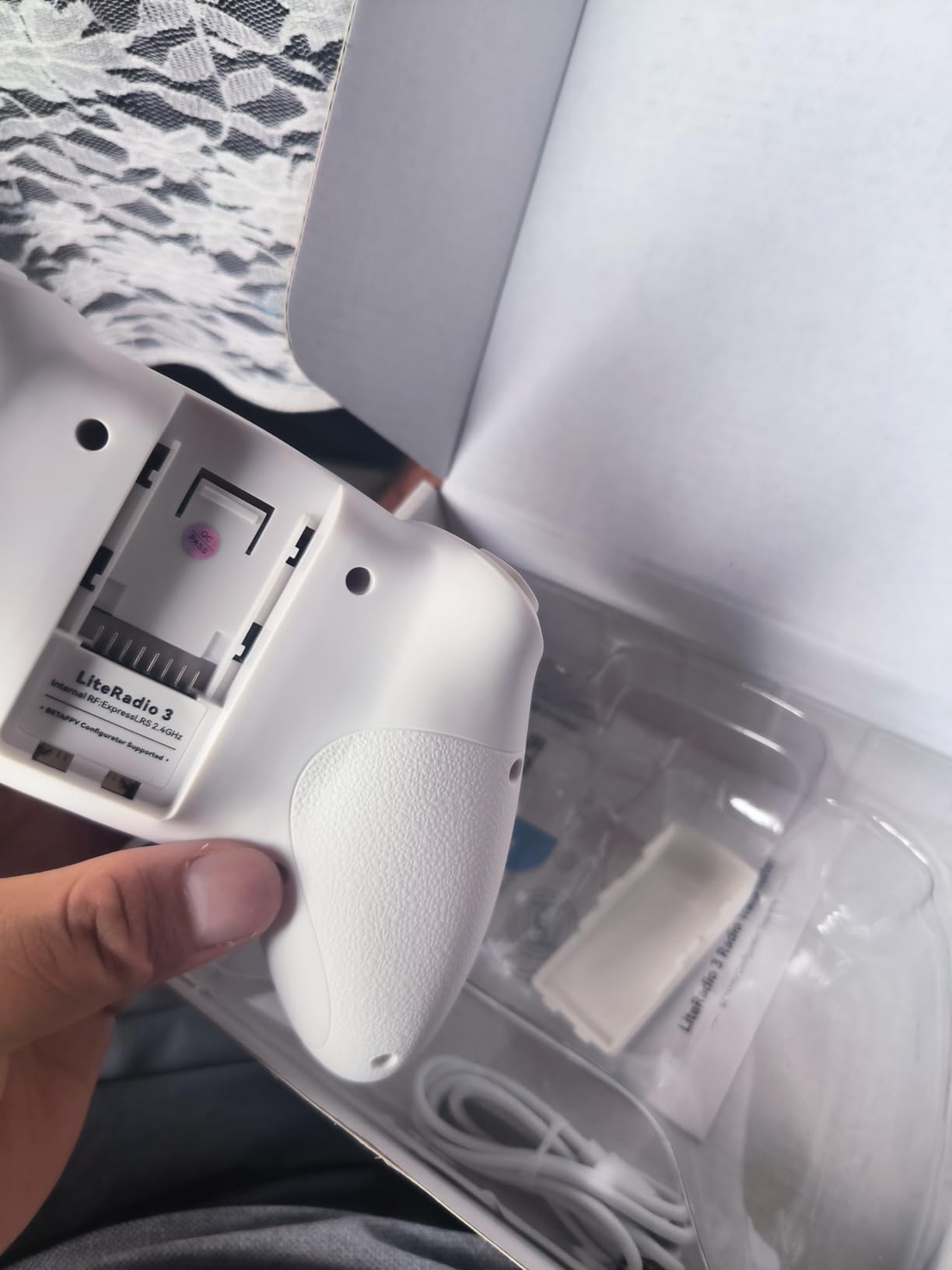
I bought a LiteRadio 3 specifically for simulator practice during the off-season. For learning muscle memory, it does the job well. The sticks are not Hall effect quality, but they are consistent enough that your brain adapts within a few sessions. The nano module bay is a nice surprise at this price, letting you swap in different protocol modules if needed.
The controller connects to PC via USB-C for simulator use with VelociDrone, Liftoff, TRYP, DRL, and DCL. The Xbox mode for DJI Flight Simulator is a thoughtful addition that lets you practice with DJI’s official sim using a budget controller.
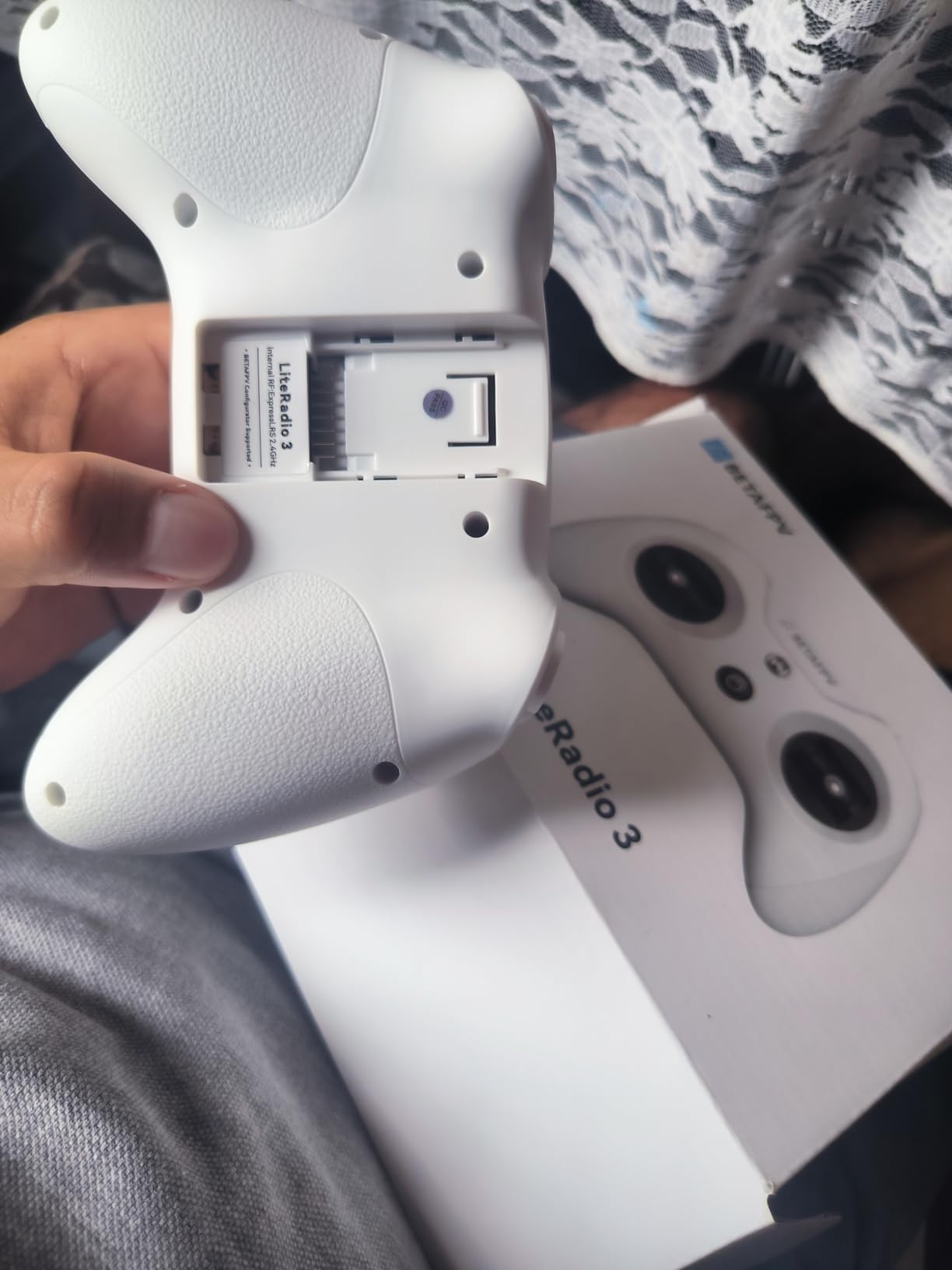
The BETAFPV Configurator V2 software works on Windows, macOS, and Linux. I used it to update firmware and adjust stick endpoints. The interface is basic but functional, and it gives you access to settings that matter without overwhelming you with options.
Build quality is where the budget price shows. The plastic housing feels hollow compared to RadioMaster products, and the switches have a clicky but somewhat cheap tactile feel. After three months of use, one of my shoulder switches developed a slight rattle.
Who Should Buy the LiteRadio 3
Beginners who want to start simulator practice immediately without buying batteries or accessories should look here first. The all-in-one package means you can start practicing within an hour of unboxing.
It is also a solid backup radio or trainer radio for clubs. If you are teaching friends to fly, handing them a $50 radio is much less stressful than letting them borrow your $200 Boxer.
Critical Usage Warning
Read this carefully: do not power on the LiteRadio 3 before connecting it to a PC for the first time. Several users report that doing so renders the USB port non-functional. Connect to PC first, let drivers install, then power on normally. BETAFPV documents this in the manual but many users skip it.
The external module bay is limited in size (64 x 42 x 25mm), so check module dimensions before buying. Not all ELRS or Crossfire nano modules will fit.
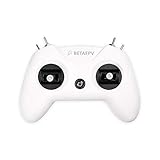
9. BETAFPV LiteRadio 2 SE – Cheapest Entry Point
BETAFPV LiteRadio 2 SE ELRS V3 Radio Transmitter for FPV RC Drone Quad
ELRS V3 Firmware
1000mAh Built-in Battery
USB-C Charging
Xbox Mode for DJI Sim
Pros
- Cheapest ELRS radio on the market
- Built-in battery with 8-hour runtime
- Compact and lightweight design
- FPV simulator compatible out of the box
Cons
- ELRS V3 only not backward compatible
- Some reliability complaints in reviews
- Smaller battery than LiteRadio 3
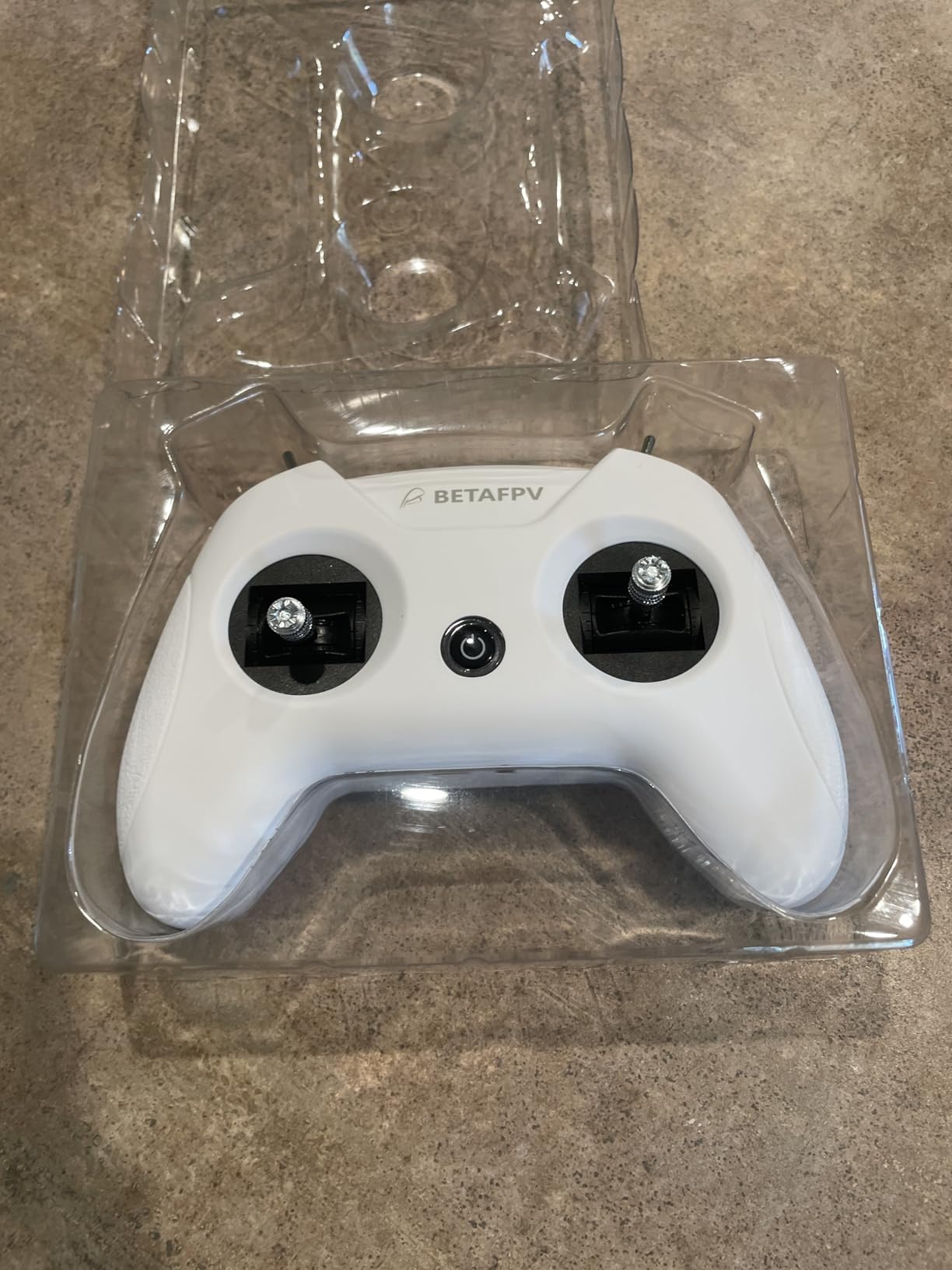
The BETAFPV LiteRadio 2 SE is the most affordable way to get into FPV with ELRS. At under $50, it includes a built-in battery, ELRS V3 firmware, and simulator support. Nothing else comes close at this price for a complete package.
I tested the LiteRadio 2 SE for two weeks as a pure simulator trainer. The compact form factor is comfortable for thumb pinchers, though pilots who fly full-pinched might find it small. The 1000mAh battery delivers about 8 hours of runtime, which covers a full week of practice sessions on a single charge.
ELRS V3 is the current standard, and the LiteRadio 2 SE ships with it pre-installed. The important thing to know is that ELRS V3 is not backward compatible with ELRS 2.X receivers. Make sure your receiver is also running V3 firmware or update it before binding.
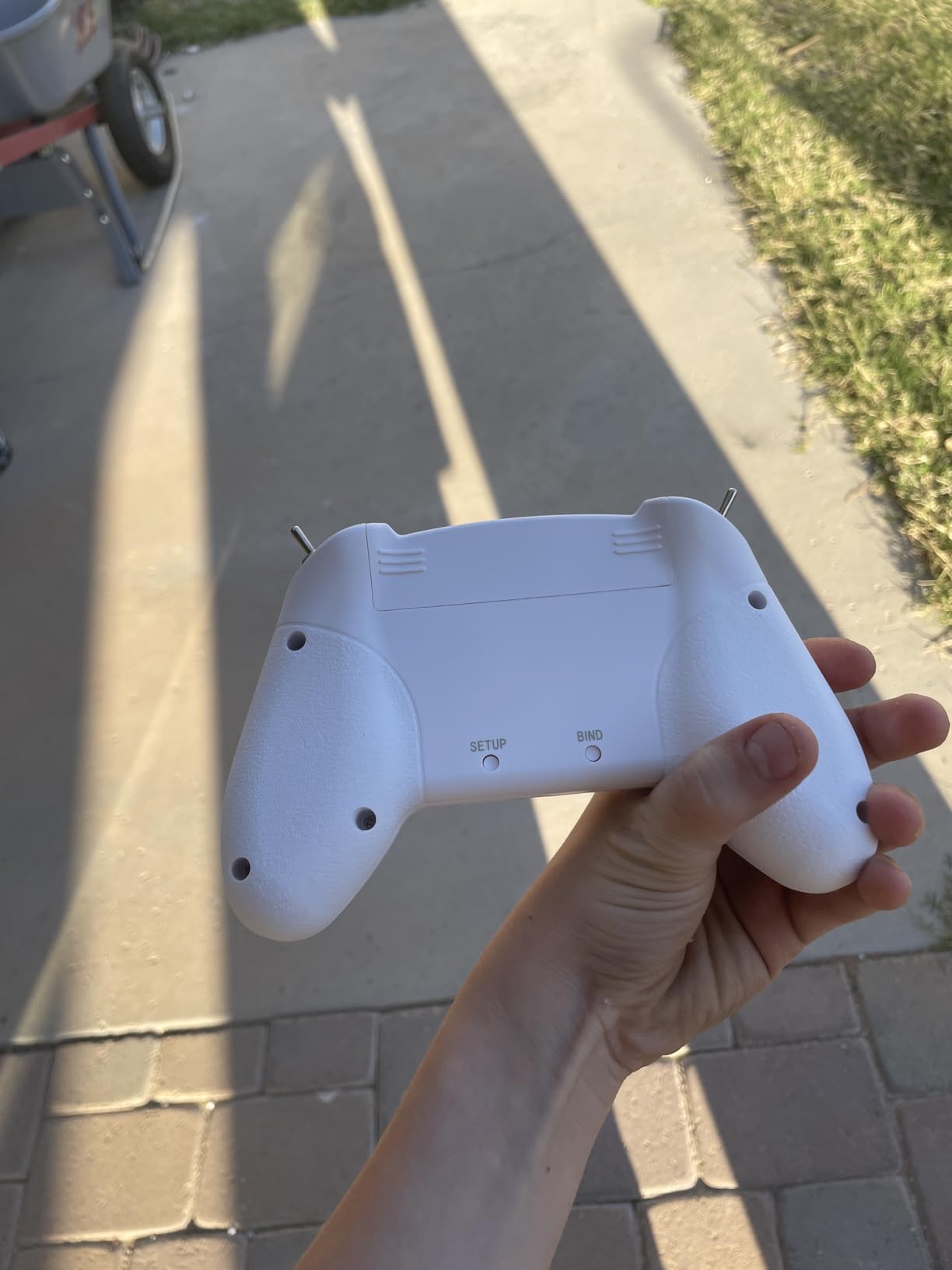
The low-power warning system uses an LED indicator that turns red, then flashes blue slowly when battery is critically low. It is a simple but effective system that has saved me from unexpected shutdowns during practice more than once.
USB-C charging is convenient and works with standard phone chargers. The Xbox mode for DJI Flight Simulator is included, matching the feature set of the more expensive LiteRadio 3. Joystick calibration support helps correct any centering drift that develops over time.
Who Should Buy the LiteRadio 2 SE
This is the ultimate starter radio for someone who is not sure if FPV is right for them. At this price, the risk is minimal, and you get real ELRS hardware that works with actual drones, not just toys.
It also works well as a dedicated simulator controller if you want to save wear on your primary flying radio. The compact size makes it easy to toss in a laptop bag for practice on the go.
Realistic Expectations at This Price
The LiteRadio 2 SE has a 4.0-star average rating, which reflects some quality control variability. About 11 percent of reviews are 1-star, with complaints about reliability and stick centering issues. The BETAFPV Configurator V2 helps diagnose and fix some problems, but not all.
The gimbals are potentiometer-based, not Hall effect. This means they may develop centering drift over time and require periodic calibration. For pure simulator practice this is fine, but for precision flying you will eventually want to upgrade.
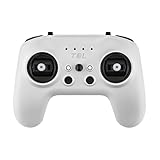
10. RadioMaster T8L ELRS – Best Ultra-Light Screenless Radio
Radiomaster T8L ELRS 2.4GHz Radio Transmitter, 204g Lightweight Screenless Remote Controller with Hall-Effect Gimbals, USB-C Charging & Simulator Compatibility for FPV Drones (White)
Hall-Effect Nano Gimbals
204g Ultra-Light
Web-UI Config
One-Click ELRS Binding
Pros
- Hall-effect gimbals at an entry-level price
- Ultra-lightweight at just 204 grams
- One-click ExpressLRS binding is beginner-friendly
- Web-UI configuration needs no software install
Cons
- No screen limits in-field adjustments
- Batteries not included
- New product with limited reviews
- No external module bay
The RadioMaster T8L is the newest budget offering from RadioMaster, and it brings Hall effect gimbals to a price point that undercuts everything except the BETAFPV LiteRadio series. At just 204 grams, it is one of the lightest radios on the market.
The defining feature of the T8L is its screenless design. Instead of a traditional LCD or OLED display, you configure the radio through a web browser interface. Connect via USB-C to a computer, open Chrome or Edge, and access all settings through a clean web page. It is a modern approach that eliminates the cost of a display module.
The quad-bearing X5 Hall-effect nano gimbals are a pleasant surprise at this price. They deliver smooth, drift-free control that rivals the Pocket ELRS. I tested the T8L on Liftoff for a week and the stick precision felt consistent across every session.
One-click ExpressLRS binding is a genuine convenience feature. Press the bind button, power on your receiver in bind mode, and they pair automatically. No messing with Lua scripts or configuration files. For beginners, this removes one of the most intimidating steps in FPV setup.
Who Should Buy the T8L
The T8L is built for absolute beginners who want Hall effect gimbals and ELRS at the lowest possible price. If you are buying your first FPV radio and want something better than the BETAFPV LiteRadio 2 SE but cheaper than the Pocket, the T8L fills that gap.
The web-based configuration also appeals to tech-comfortable users who prefer browser interfaces over small LCD screens. If you configure your radio once at home and rarely adjust settings in the field, the lack of a screen is not a problem.
Trade-Offs of the Screenless Design
Without a screen, you cannot check telemetry, adjust flight modes, or troubleshoot binding issues in the field. Everything must be configured before you leave home. If something goes wrong at the flying site, you need a laptop or phone with USB-C to make changes.
The T8L is very new to the market with only 12 reviews at the time of writing. While the initial feedback is positive (68 percent 5-star), the long-term reliability data simply does not exist yet. Early adopters should factor this uncertainty into their decision.
How to Choose the Best FPV Controller in 2026?
Choosing the right FPV controller comes down to four main factors: protocol, gimbal quality, size, and budget. Let me break down each one based on what I have learned testing these radios over the past several months.
Protocol: ELRS vs Crossfire vs DJI O4
ExpressLRS (ELRS) is the dominant protocol in 2026 and for good reason. It is open-source, constantly improving, and offers incredible range and latency. Most new FPV drones ship with ELRS receivers. If you are building or buying a custom quad, ELRS is the safe choice.
TBS Crossfire and Tracer remain excellent protocols, particularly for long-range flying. However, the community momentum has shifted to ELRS, and fewer new products support Crossfire natively. If you already have a Crossfire ecosystem, the TX16S with an external module keeps you flying.
DJI O4 is a different beast entirely. It combines control and video links into one integrated system that only works within the DJI ecosystem. If you fly DJI drones exclusively, the DJI Remote Controller 3 is your best option. But you cannot use it with ELRS or Crossfire quads.
Gimbal Quality: Hall Effect vs Potentiometer
Hall effect gimbals use magnetic sensors to detect stick position. They are precise, durable, and do not develop drift over time. Every radio I recommend in this guide except the BETAFPV LiteRadio 2 SE uses Hall effect gimbals. This is the single most important feature for control precision.
Potentiometer gimbals use physical contact points that wear down over time. They are cheaper but eventually develop centering issues. For learning on a simulator, potentiometer sticks are acceptable. For actual flying, invest in Hall effect.
Size and Ergonomics
FPV radios come in three general size categories. Full-size radios like the TX16S and TX15 offer the most switches, largest screens, and best ergonomics for large hands. Mid-size radios like the Boxer and TX12 strike a balance between features and portability. Compact radios like the Pocket and T8L prioritize travel-friendly dimensions.
I recommend trying a radio size before committing if possible. Hand size matters more than you might think, and a radio that is too small causes cramping during long sessions.
Battery and Charging
Most radios use either internal LiPo batteries or removable 18650 lithium-ion cells. Internal batteries are convenient but limit your options if the battery degrades. Removable cells let you carry spares and swap in the field. USB-C charging is now standard across all recommended radios, which is a welcome improvement over older micro-USB designs.
Simulator Compatibility
Every radio on this list supports FPV simulators via USB connection. Practicing on a simulator before flying real quads is the single best thing you can do to improve your skills safely. I recommend at least 20 hours of simulator time before your first real flight.
Popular simulators include Liftoff, VelociDrone, TRYP, and DCL. The DJI Flight Simulator works with Xbox-mode-compatible controllers like the BETAFPV LiteRadio series and the DJI Remote Controller 3.
FAQs
What is the best FPV drone controller for real drone and simulator?
The RadioMaster Boxer Crush ELRS is the best all-around choice for both real flying and simulator practice. It features CNC aluminum AG01 Hall gimbals for precision, a 1000Hz ELRS refresh rate for responsiveness, and a built-in cooling fan that prevents overheating during marathon simulator sessions. It works seamlessly with Liftoff, VelociDrone, and other major simulators via USB-C.
What is the best FPV controller for beginners?
The RadioMaster Pocket ELRS is the best beginner FPV controller. It offers Hall effect gimbals, ExpressLRS protocol, and EdgeTX firmware at a budget-friendly price under $100. Its compact 200g design is portable, the 6-hour battery life handles extended practice, and the learning curve is manageable for new pilots.
What is the best FPV transmitter and receiver?
ExpressLRS (ELRS) is the best FPV control protocol in 2026, offering ultra-low latency, incredible range, and open-source firmware. For a transmitter, the RadioMaster TX16S MKII or TX15 paired with an ELRS receiver provides the most flexible and reliable setup. For DJI ecosystem users, the DJI FPV Remote Controller 3 with O4 Air Units is the top integrated solution.
ExpressLRS vs Crossfire: which is better?
ExpressLRS is now the dominant choice for most FPV pilots in 2026. It offers comparable or better range and latency than TBS Crossfire, is open-source, and costs less. Crossfire remains a solid choice for long-range specialists who already own TBS equipment, but most new builds use ELRS. The RadioMaster TX16S MKII supports both via its external module bay.
Can I use a non-DJI controller with DJI drones?
You cannot use ELRS or Crossfire controllers to control DJI FPV drones like the Avata 2 or DJI Neo. These drones require the DJI FPV Remote Controller for the control link. However, you can use any FPV controller with DJI goggles if your custom-built drone has a compatible video transmitter, because the control link and video link are separate systems.
Final Thoughts on the Best FPV Controllers for 2026
The FPV controller market in 2026 offers excellent options at every price point. ExpressLRS has won the protocol war for most pilots, and Hall effect gimbals are now standard even on budget radios. This is great news for anyone getting into FPV or upgrading older gear.
For most pilots, the RadioMaster Boxer Crush is the best FPV controller you can buy right now. It balances price, features, and build quality in a way that no competitor matches. Beginners should start with the RadioMaster Pocket ELRS, DJI ecosystem pilots need the DJI Remote Controller 3, and budget-conscious pilots have great options in the BETAFPV LiteRadio series and RadioMaster T8L.
Whatever you choose, invest time in simulator practice before flying real quads. The controller you pick will be with you for years across multiple drones, so choose one that feels right in your hands and supports the protocol you plan to fly.