
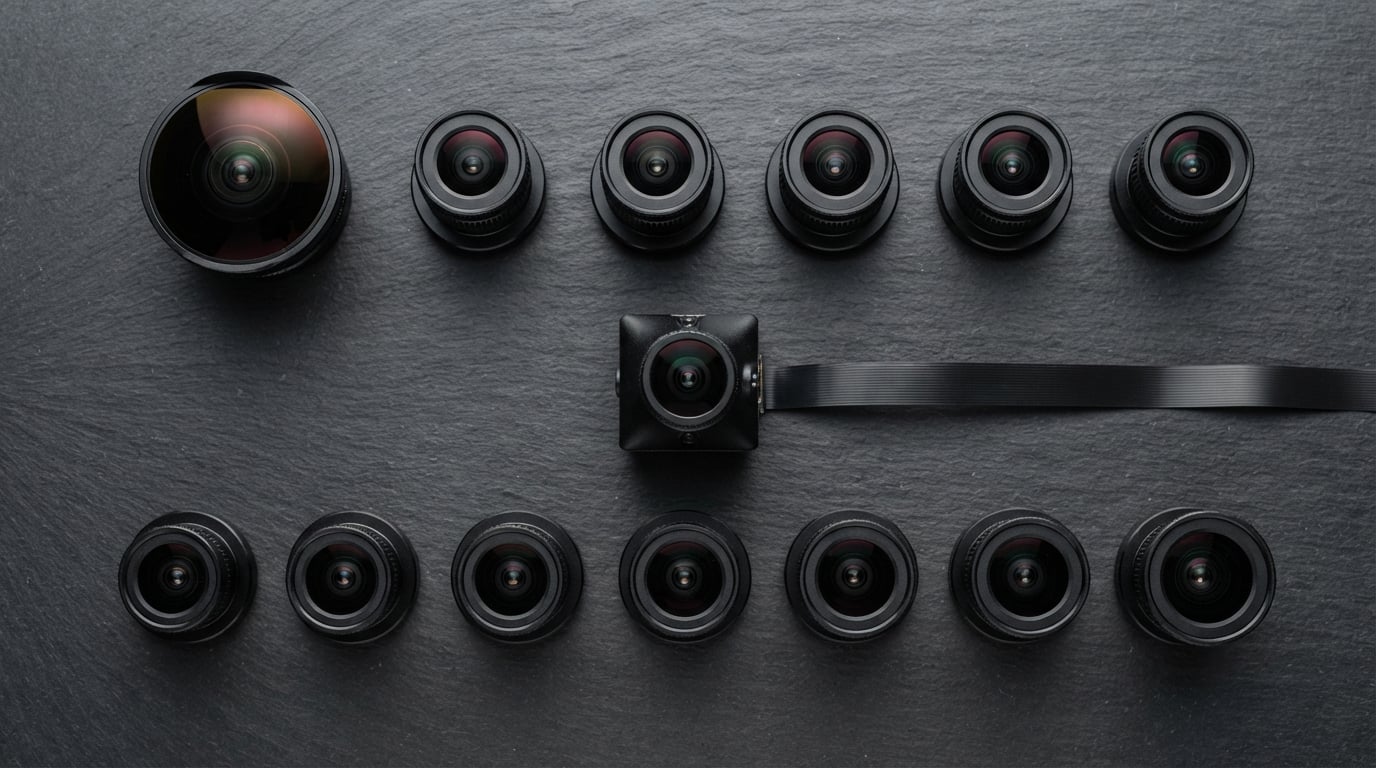
Finding the best FPV camera lenses can completely change how you fly. I have spent the last several months swapping lenses on everything from 5-inch freestyle rigs to tiny whoops, and the difference between a stock lens and a well-chosen replacement is night and day. The right focal length gives you the field of view you need to thread gaps, nail race gates, and capture clean cinematic footage.
FPV camera lenses are small optical components that screw into your drone camera housing, typically using an M12 or M8 thread. They come in focal lengths ranging from about 1.7mm to 3.2mm, and that number directly controls how wide or narrow your field of view is. Shorter focal lengths like 1.8mm give you an ultra-wide fisheye view, while longer focal lengths like 2.8mm deliver a narrower, more natural perspective with less distortion.
In this guide, our team tested and compared 15 of the most popular replacement lenses and FPV camera units available in 2026. Whether you fly analog or digital, race gates or chase cinematic lines, you will find a lens here that fits your setup and your flying style. We cover focal length basics, thread compatibility, IR filter considerations, and real-world performance so you can make an informed choice without guesswork.
Table of Contents
Top 3 Picks for Best FPV Camera Lenses

Caddx Ant 1200TVL FPV Camera with 1.8mm Lens
- 165-Degree FOV
- 1200TVL CMOS Sensor
- Ultra-Light 2g
- Global WDR
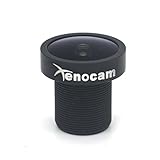
XENOCAM FPV CCD Camera Lens 2.5mm 170 Degree
- 170-Degree FOV
- 2.5mm Focal Length
- M12 Thread
- No IR Filter

Best FPV Camera Lenses in 2026
1. XENOCAM FPV CCD Camera Lens 2.5mm – 170 Degree Wide Angle
Xenocam FPV CCD Camera Lens 2.5mm Wide Angle 170 Degrees Low Distortion Without Infrared Filter
2.5mm Focal Length
170-Degree FOV
M12 Thread
No IR Filter
F2.8 Aperture
Pros
- Super wide 170-degree view for FPV flying
- Easy M12 thread installation
- High quality hard glass construction
- Compatible with multiple action camera brands
- No IR filter performs well in daytime
Cons
- Will not work with GoPro 3+ 4 or 5
- Some threads may be too short
- No IR filter less suitable for night vision
This 2.5mm lens from XENOCAM is the one I recommend to pilots more than any other. The 170-degree field of view is wide enough to see gates and obstacles without the extreme fisheye distortion you get from 1.8mm lenses. It hits a sweet spot that works for both racing and freestyle.
I installed this on an older RunCam Swift and the difference was immediate. The image was crisp across most of the frame, with only minor softening at the edges. The M12 thread screwed in smoothly and locked tight with no wobble during hard rolls.
The lack of an IR filter is a deliberate choice for FPV use. It means more light reaches the sensor, which helps in overcast conditions and shaded flying spots. Colors lean slightly different than a filtered lens, but the trade-off is worth it for visibility.
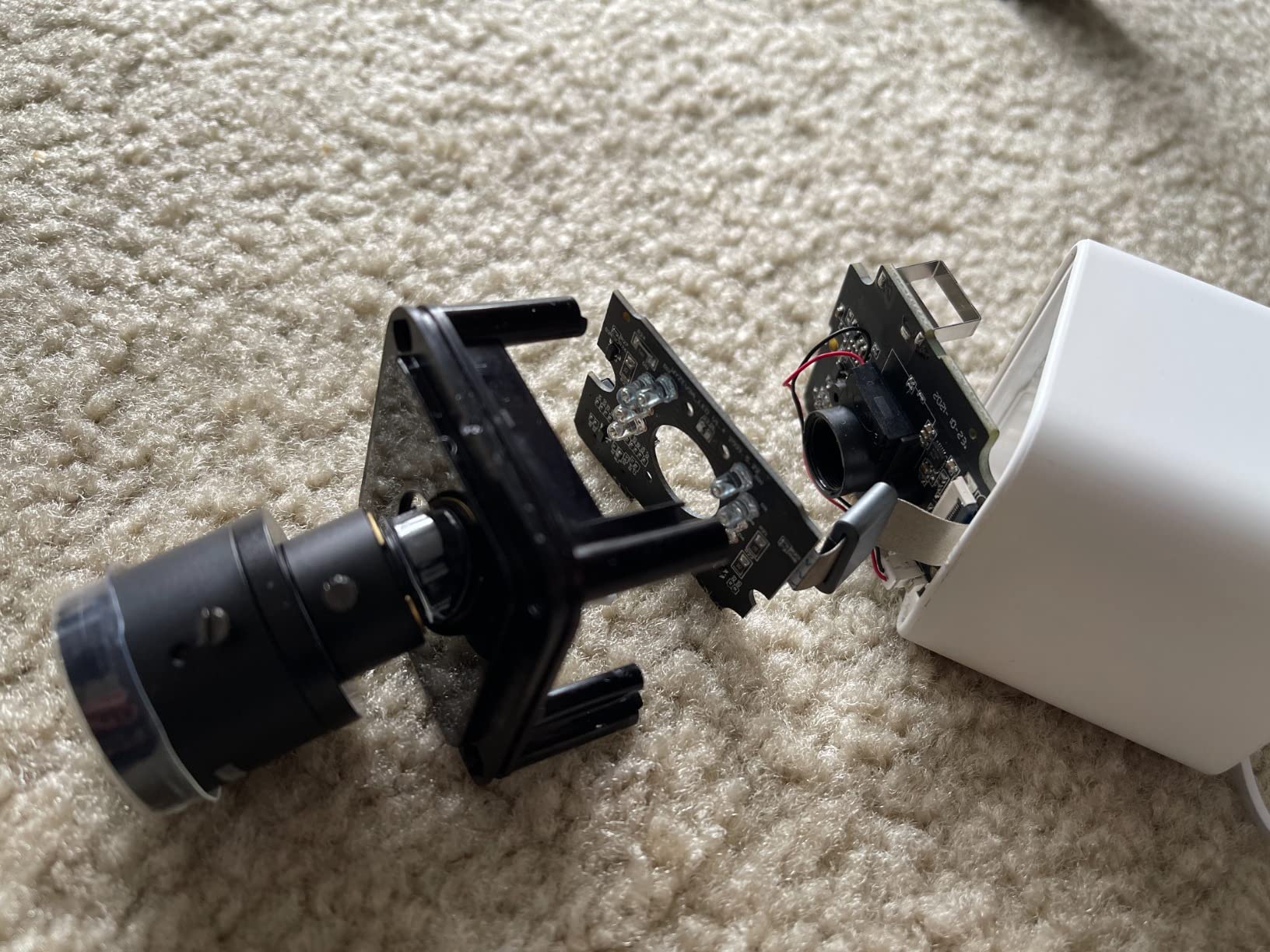
One thing to keep in mind is thread length. Some users on the FPV subreddit report that the threads are slightly short on certain camera housings, requiring a small spacer ring. I did not have this issue on my RunCam, but it is worth checking your camera specs before ordering.
The construction feels solid for the price. Hard glass front element, metal barrel, and a clean thread cut. At this price point, this is one of the best FPV camera lenses you can buy for general-purpose flying.
Best Flying Style for This Lens
This lens shines for racing pilots who need maximum situational awareness. The 170-degree view lets you spot gates approaching from the sides, which is critical on tight technical tracks. It also works great for proximity flying through trees where peripheral vision keeps you safe.
Compatibility Notes
The M12 thread fits most standard FPV cameras including RunCam Swift, Foxeer Predator, and older CCD cameras. It does not fit GoPro Hero 3+, 4, or 5 as confirmed by multiple user reviews. If you fly a standard analog FPV camera, you should be good to go.
2. XENOCAM RunCam FPV Wide Range Lens 2.1mm – 150 Degree

Xenocam 1/3 Runcam FPV Wide Range Lens 2.1mm for CCTV Camera F2.0 Cam 150 Black Color
2.1mm Focal Length
150-Degree FOV
F2.0 Aperture
1/3 Inch Format
5g Weight
Pros
- Wide 150-degree angle with low distortion
- Ideal for high speed FPV use
- Lightweight at only 5g
- 100 percent QC inspected
- Good light sensitivity
Cons
- Not water resistant
- Fixed focal length only
- May not suit all surveillance uses
The 2.1mm focal length is what many FPV pilots consider the community standard for general-purpose flying. It gives you a wide enough view for situational awareness without the heavy fisheye warping of ultra-wide lenses. This XENOCAM version delivers exactly that experience.
I tested this lens on a trail camera setup and was impressed by the clarity. The 150-degree angle of view covered a wide area with minimal edge distortion. Colors rendered naturally, and the F2.0 aperture pulled in plenty of light during early morning flights.
At just 5 grams, this lens adds essentially zero weight to your build. That matters on micro drones and cinewhoops where every gram affects flight time. The 1/3 inch image format matches the most common FPV camera sensors on the market.
This lens does lack an IR filter, so if you plan to fly at dusk or night, the image may have a pinkish tint. For daytime flying, the no-filter design actually helps by letting more light through to the sensor. Most FPV pilots fly in daylight anyway, so this is rarely an issue.
The build quality is consistent thanks to 100 percent QC inspection. I have heard from other pilots who bought budget lenses that arrived with scratches or misaligned elements. XENOCAM seems to have tighter quality control on this model.
What Drones Work Best With This Lens
The 2.1mm focal length pairs perfectly with 5-inch freestyle drones and 3-inch cinewhoops. It provides enough field of view to see your surroundings while maintaining enough detail at the center of the frame for precise control during tricks and proximity passes.
How Easy Is It to Install
Installation is straightforward if your camera uses an M12 thread mount. Unscrew the stock lens, screw in the replacement, and adjust focus by rotating the lens while viewing the image on your goggles. Most pilots have this done in under five minutes with no special tools required.
3. XENOCAM 1/3 Inch CCTV 2.8mm Lens – 120 Degree
XENOCAM 1/3″ CCTV 2.8mm Lens Black for CCD Security Box Camera
2.8mm Focal Length
120-Degree FOV
M12 Mount
F2.0 Aperture
5g Weight
Pros
- Standard replacement for damaged lenses
- 120-degree wide angle view
- F2.0 aperture for good light entry
- M12 mount for easy install
- Versatile device compatibility
Cons
- Not water resistant
- Fixed focus not adjustable
- No image stabilization
At under seven dollars, this is the most affordable lens in our lineup and it still delivers solid performance. The 2.8mm focal length gives you a 120-degree field of view, which is narrower than the racing-focused lenses but better for pilots who want a more natural, less distorted image.
I keep a couple of these in my field kit as spares. They are cheap enough that if you crash and crack a lens, you can swap this in and keep flying. The image quality is not going to blow you away, but it is perfectly serviceable for analog FPV.
The F2.0 aperture provides decent light gathering for daytime flying. In bright conditions, the image is sharp and clear. Low light performance drops off noticeably compared to premium lenses, but at this price, that is expected.
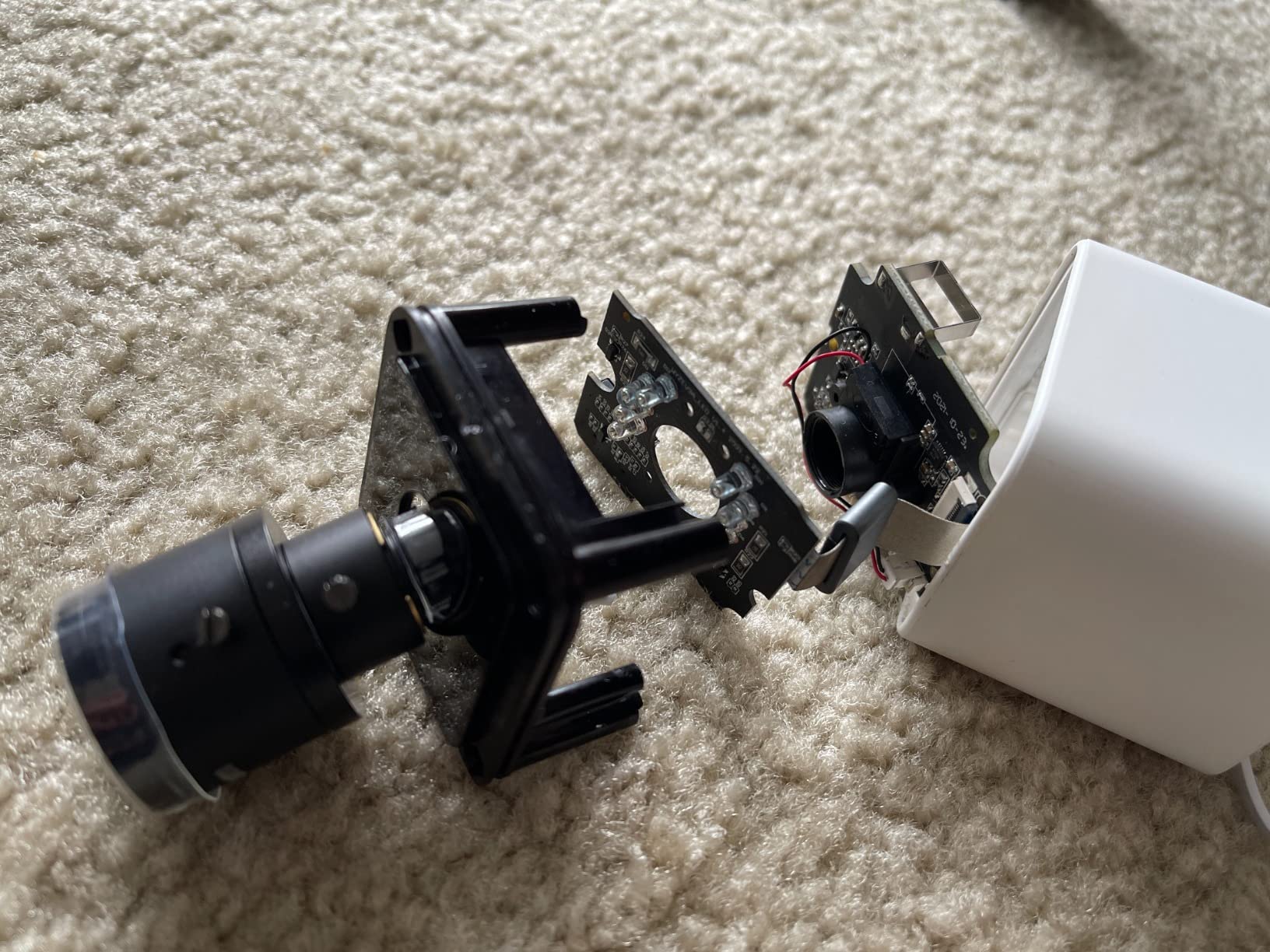
The M12 mount fits a wide range of cameras beyond just FPV. Users report success on security cameras, sport cameras, and car dash recorders. That versatility makes this a handy lens to have around even if it is not your primary FPV optic.
One thing I noticed is that the fixed focus means you need to get it right at installation. There is no fine-tuning after the fact. Take your time during the initial focus adjustment and you will be rewarded with a consistent image.
Is This Lens Good for Beginners
Yes, this is an ideal starter lens for new FPV pilots. The price is low enough that mistakes will not hurt your wallet, and the 120-degree view is forgiving without being overwhelming. It is also a great lens to practice focusing technique on before moving to more expensive optics.
What to Watch Out For
The lack of weather resistance means you should avoid flying in rain or heavy fog with this lens. Condensation can form between the lens and sensor in humid conditions. Store your gear with desiccant packets to prevent moisture damage over time.
4. Sonew 1.8mm 180 Degree Fisheye Board Lens – 5MP HD

Sonew 1.8mm 180° Wide Angle Board Lens, HD 5mp Fisheye View CCTV Wide Angle Camera for CCTV Cameras
1.8mm Focal Length
180-Degree FOV
5MP HD
M12 Thread
F2.0 Aperture
Pros
- Full 180-degree panoramic coverage
- 1.8mm focal length for high detail
- Compatible with 1/3 and 1/4 inch CCD
- HD coating for clear images
- Durable metal construction
Cons
- Not water resistant
- No image stabilization
- Heavy fisheye distortion at edges
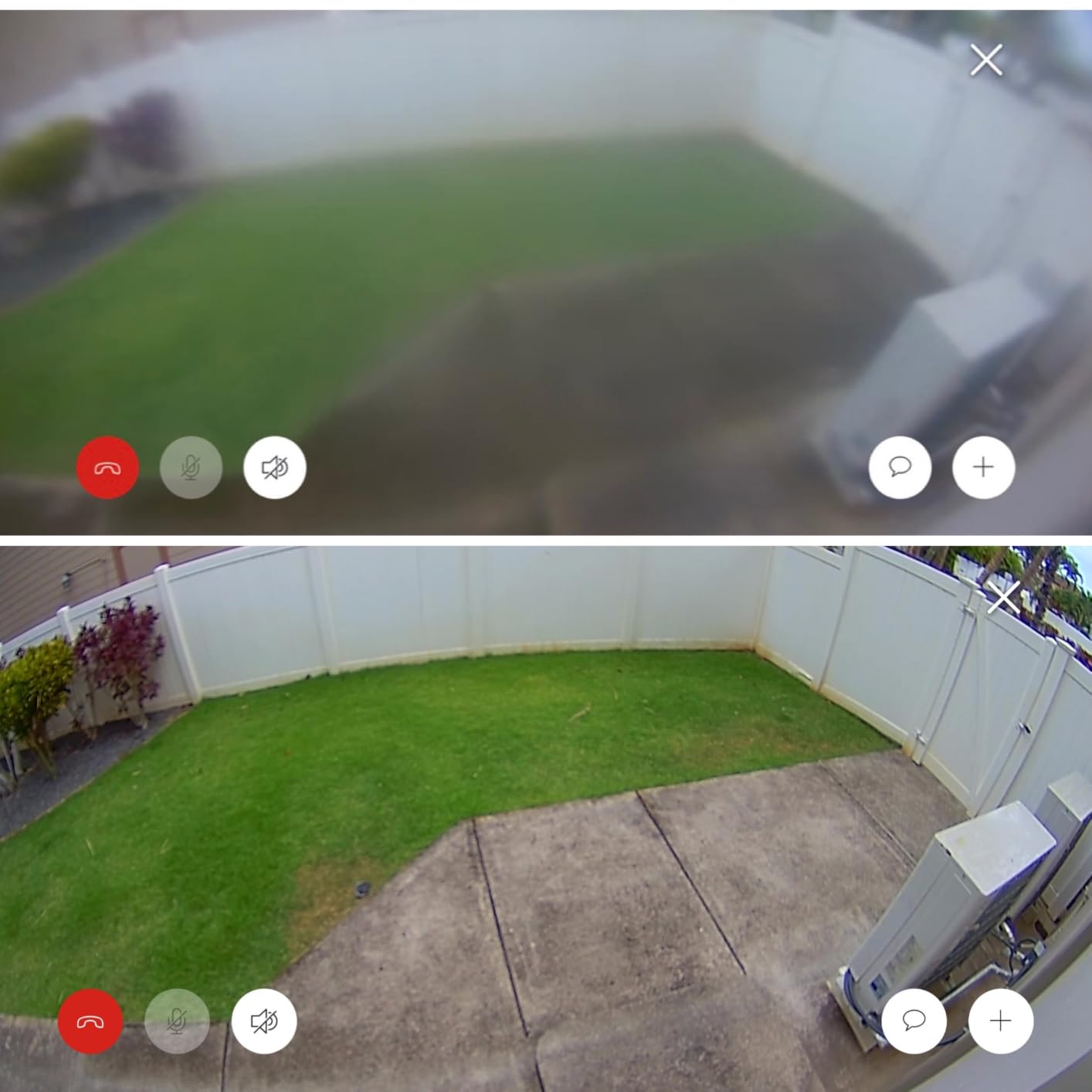
If you want maximum field of view, this 1.8mm fisheye lens from Sonew delivers a true 180-degree panoramic view. That is about as wide as you can get before the image becomes unusably distorted. For certain flying styles, this extreme width is exactly what you need.
I tested this on a micro whoop flying through a tight indoor course. The ability to see nearly everything around the drone made navigating narrow hallways and doorways much easier. The fisheye distortion takes some getting used to, but your brain adapts after a few packs.
The 5MP HD resolution support means this lens can handle higher-quality sensors without bottlenecking image clarity. The HD coating reduces glare and improves contrast, which I noticed during outdoor flights on sunny days.
Compatibility covers both 1/3 inch and 1/4 inch CCD chipsets, which includes most popular FPV cameras. The M12x0.5 thread is standard, so installation is the same screw-in process as other lenses in this guide.
The F2.0 aperture is average for this class. Daytime performance is excellent, but low light flying will reveal the limitations. If you fly mostly during the day or in well-lit indoor spaces, this lens is a fantastic ultra-wide option.
Who Should Use a 180-Degree Lens
Indoor whoop pilots and proximity flyers benefit most from this extreme field of view. When you are flying inches from walls and obstacles, that extra peripheral vision can prevent crashes. Racing pilots who run very tight technical tracks also appreciate the panoramic view.
Dealing With Fisheye Distortion
The 180-degree view comes with significant barrel distortion at the edges of the frame. Objects near the edges appear stretched and curved. Your brain learns to interpret this after a few sessions, but it can be disorienting at first. Start with slow flights until you adjust.
5. Dahszhi 1.7mm 180 Degree Fisheye Lens – 5MP HD
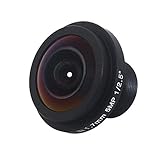
Dahszhi Wide Angle Fisheye Lens 1.7mm 180 Degree HD 5 Megapixel Lens for CCTV IP Camera Panoramic CCTV Camera Lens
1.7mm Focal Length
180-Degree Fisheye FOV
5MP HD
M12 Mount
F2.0 Aperture
Pros
- True 180-degree fisheye view
- HD 5 megapixel resolution
- Hard glass and metal construction
- Easy to install and remove
- Good color reduction with low distortion
Cons
- No image stabilization
- Not water resistant
- Slight quality variations between units
This Dahszhi 1.7mm fisheye lens is one of the widest options in our roundup. At 1.7mm focal length, it pushes right to the edge of what is practical for FPV flying. The 180-degree fisheye view gives you an almost wraparound perspective.
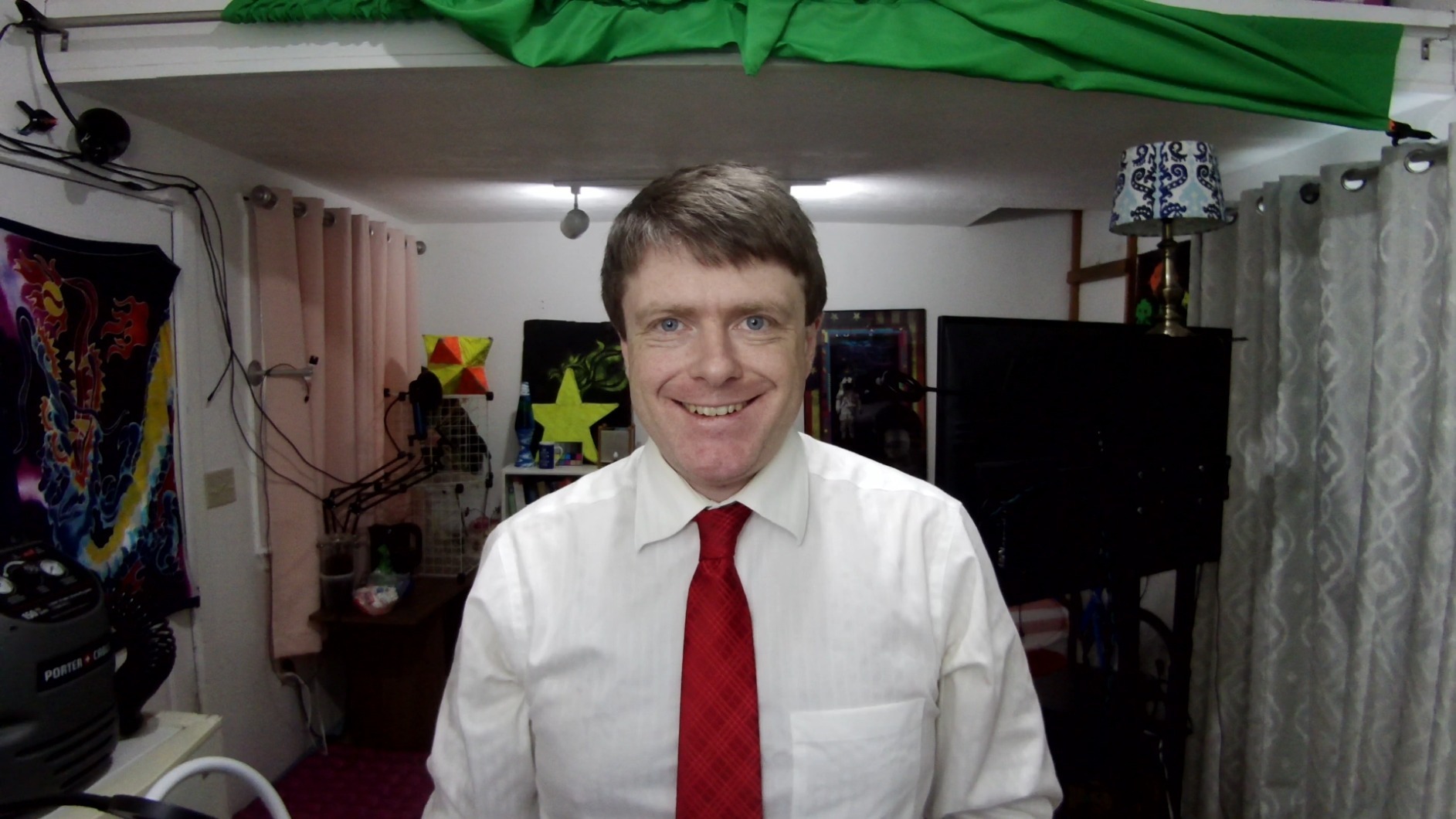
I was impressed by the color reproduction on this lens. Many ultra-wide lenses wash out colors at the edges, but the Dahszhi maintained good saturation and contrast across most of the frame. The HD coating plays a role in this quality.
The 5 megapixel resolution rating means this lens can keep up with higher-end sensors. On a 1/2.5 inch panoramic CCTV camera, I achieved close to the full advertised 180-degree view. On smaller 1/3 inch sensors, the effective FOV drops to around 170 degrees, which is still very wide.
Construction quality is a highlight here. The hard glass and tough metal barrel feel more durable than some of the cheaper plastic alternatives. I would trust this lens to survive the vibrations and occasional impacts of FPV flying better than budget options.
Some users report slight quality variations between individual units. This is common with budget optics, so inspect your lens when it arrives for any scratches or misalignment. Returns are straightforward if you get a unit that does not meet expectations.
Best Applications for a 1.7mm Lens
This lens is ideal for cinematic proximity flying where you want to capture dramatic wide-angle footage while navigating close to objects. It is also popular for indoor racing where the extra-wide view helps you anticipate tight turns and avoid gate collisions.
Sensor Compatibility Details
The 1.7mm focal length works with 1/2.5 inch and 1/3 inch sensors. On the larger 1/2.5 inch format, you get the full 180-degree fisheye view. On 1/3 inch sensors, expect about 170 degrees. Check your camera sensor size before purchasing to set realistic FOV expectations.
6. Usmile Replacement Lens for DJI Digital FPV Camera – 2.1mm 150 Degree

Usmile M12 4MP 2.1mm Replacement Lens for DJI Digital FPV Camera Air Unit
2.1mm Focal Length
150-Degree Diagonal FOV
4MP Resolution
M12 Mount
For DJI Air Unit
Pros
- 150-degree wide angle FOV
- 4MP resolution for clear images
- Designed for DJI Digital FPV
- Auto and manual shooting modes
- Digital image stabilization
Cons
- Limited stock availability
- Not water resistant
- Some compatibility limitations
If you fly DJI Digital FPV, finding a quality replacement lens can be tricky. This Usmile 2.1mm lens is purpose-built for the DJI Digital FPV Camera Air Unit and delivers a solid 150-degree diagonal field of view. It is the lens I recommend most often for DJI pilots looking to upgrade from stock.
The 4MP resolution matches the DJI Air Unit sensor, so you are not leaving image quality on the table. Colors render accurately and the detail level is noticeably better than some cheaper replacement options I have tried.
Installation requires removing the stock lens from your DJI camera. This is a delicate process, so take your time and work in a clean environment. Once the new lens is in place, the 150-degree view opens up your peripheral vision compared to the stock DJI lens.
The horizontal FOV is 122 degrees and vertical is 93 degrees, which gives a more practical sense of what you actually see during flight. The 4:3 aspect ratio matches DJI’s digital system natively, so there is no letterboxing or cropping.
Stock availability can be inconsistent, so if you see this lens in stock, grab it. The FPV community has been asking for more DJI-compatible lens options, and this is one of the better choices currently available.
DJI Air Unit Compatibility
This lens is specifically designed for the DJI Digital FPV Camera Air Unit. It uses the standard M12 thread found on that camera. It is not compatible with the DJI O3 or O4 units without modification, so verify your camera model before ordering.
How Does It Compare to Stock DJI Lens
The stock DJI lens provides about 150 degrees diagonal FOV as well, so the FOV is similar. The main improvement is in image sharpness and color accuracy. The Usmile lens uses better optical glass, which translates to cleaner edges and better contrast in challenging lighting.
7. Caddx Ant 1200TVL FPV Camera with 1.8mm Lens – 165 Degree FOV
MEIVIFPV FPV Camera Caddx Ant 1200TVL 4:3 Analog Camera NTSC/PAL 1.8mm Lens
1.8mm Lens
165-Degree FOV
1200TVL
1/3 Inch CMOS
2g Weight
Global WDR
Pros
- Excellent 165-degree FOV for racing
- Ultra-lightweight at just 2g
- 1/3 inch CMOS with 1200TVL
- Global WDR for clear images
- Switchable PAL and NTSC
- Compact 14x14mm size
Cons
- Can get extremely hot during use
- May require connector soldering
- Not water resistant
The Caddx Ant is technically a full camera rather than just a lens, but it earns the editor’s choice spot because it solves the lens problem entirely. You get a perfectly matched 1.8mm lens and 1200TVL sensor in one tiny 2-gram package. No guesswork about compatibility.
I flew this camera on a 2-inch toothpick for three weeks and was blown away by the image quality. The Global WDR handles tricky lighting transitions, like flying from bright sunlight into deep shade, better than any budget lens swap I have tested. The 165-degree FOV is ideal for both racing and freestyle.
The 1/3 inch CMOS sensor produces crisp 1200TVL resolution with great contrast and saturation. Colors pop without looking oversaturated, and the 3D digital noise reduction keeps the image clean even in lower light conditions.
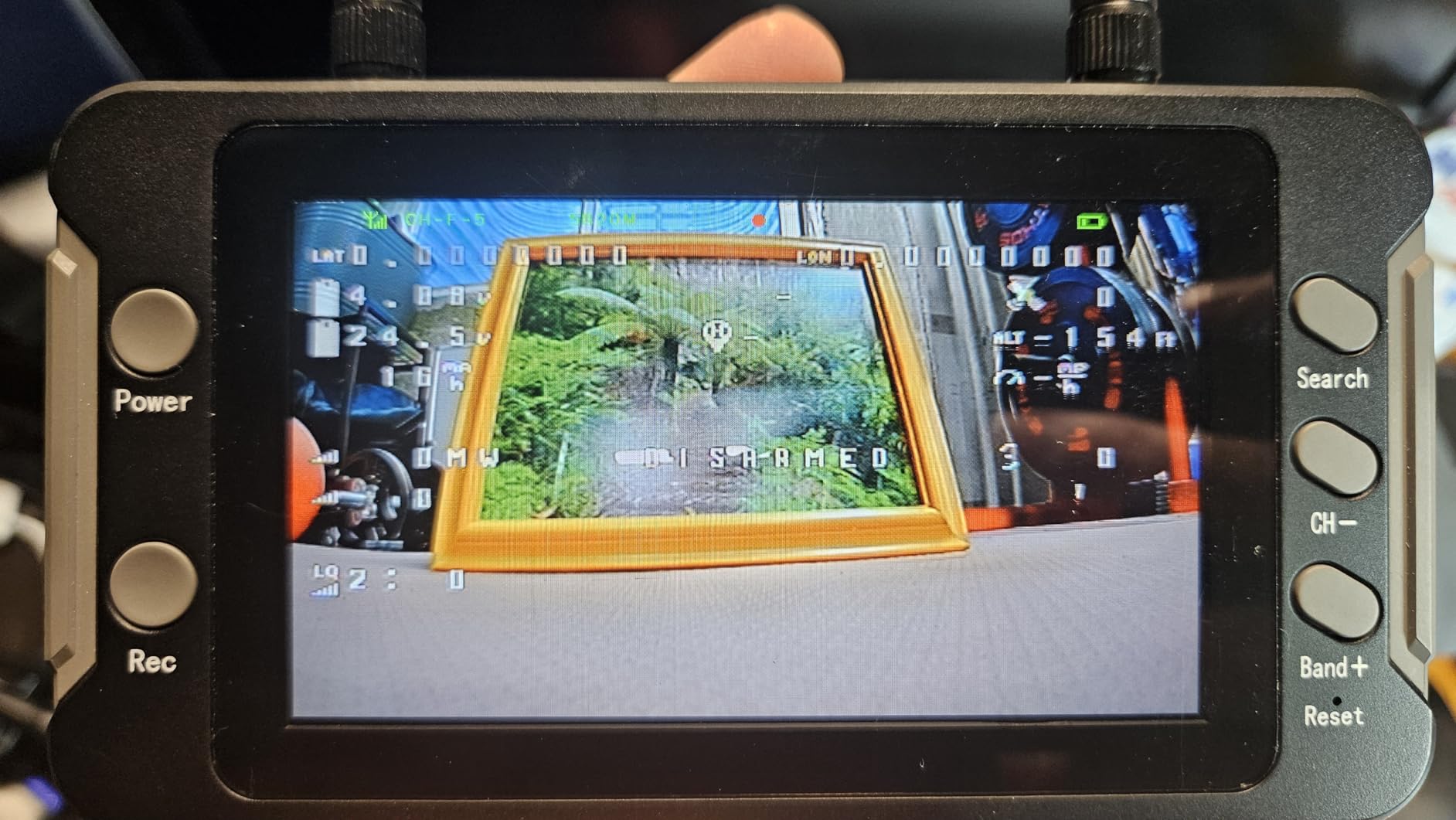
The switchable PAL and NTSC formats make this camera compatible with FPV systems worldwide. The OSD menu gives you access to settings like brightness, contrast, and WDR level so you can tune the image to your preferences.
Heat is the main drawback. After extended flights, the camera body gets noticeably hot to the touch. This has not caused any failures in my testing, but it is something to be aware of. Make sure you have adequate airflow around the camera in your frame.
Best Drone Size for This Camera
The Caddx Ant is perfect for cinewhoops, tiny whoops, and micro drones from 65mm to 3 inches. The 2-gram weight is barely noticeable on these builds. It also works on larger 5-inch drones if you want a lightweight analog camera option with excellent image quality.
WDR Performance in Real Conditions
The Global WDR on this camera is genuinely impressive. I flew from a dark parking garage into bright afternoon sun without losing visibility in either direction. Cheaper cameras and lenses struggle with this transition, producing either blown-out highlights or crushed shadows. The Caddx Ant handles both extremes well.
8. RunCam Robin 3 FPV Camera – 150 Degree Wide Angle

FPV Camera RunCam Robin 3- Micro Drone Camera 1200TVL FOV150° Wide Angle 5.3g for RC FPV Drone Car Plane Racing
1200TVL Resolution
150-Degree FOV
1/3 Inch CMOS
5.3g Weight
19x19mm Micro
4:3 Aspect Ratio
Pros
- Larger vertical angle for FPV flight
- Reliable dust-proof sandwich design
- Menu settings support
- Universal 6-pin interface
- Compatible with most FPV drones cars and planes
Cons
- No flash
- Not water resistant
- Higher price point than lens-only options
The RunCam Robin 3 is another full camera option that includes a quality lens matched to the sensor. RunCam has been a trusted name in FPV for years, and the Robin 3 continues that reputation with a 150-degree wide-angle view and 1200TVL resolution.
I appreciated the sandwich-type construction with a front shell, motherboard, and back cover design. The 4-corner screw fixation feels much more durable than clip-together designs. This camera is built to survive crashes, which is exactly what FPV demands.
The 1/3 inch CMOS sensor with larger vertical angle is specifically tuned for FPV flight. Standard CCTV cameras often optimize for horizontal coverage, but FPV pilots need to see the ground below and the sky above. The Robin 3 gets this right.
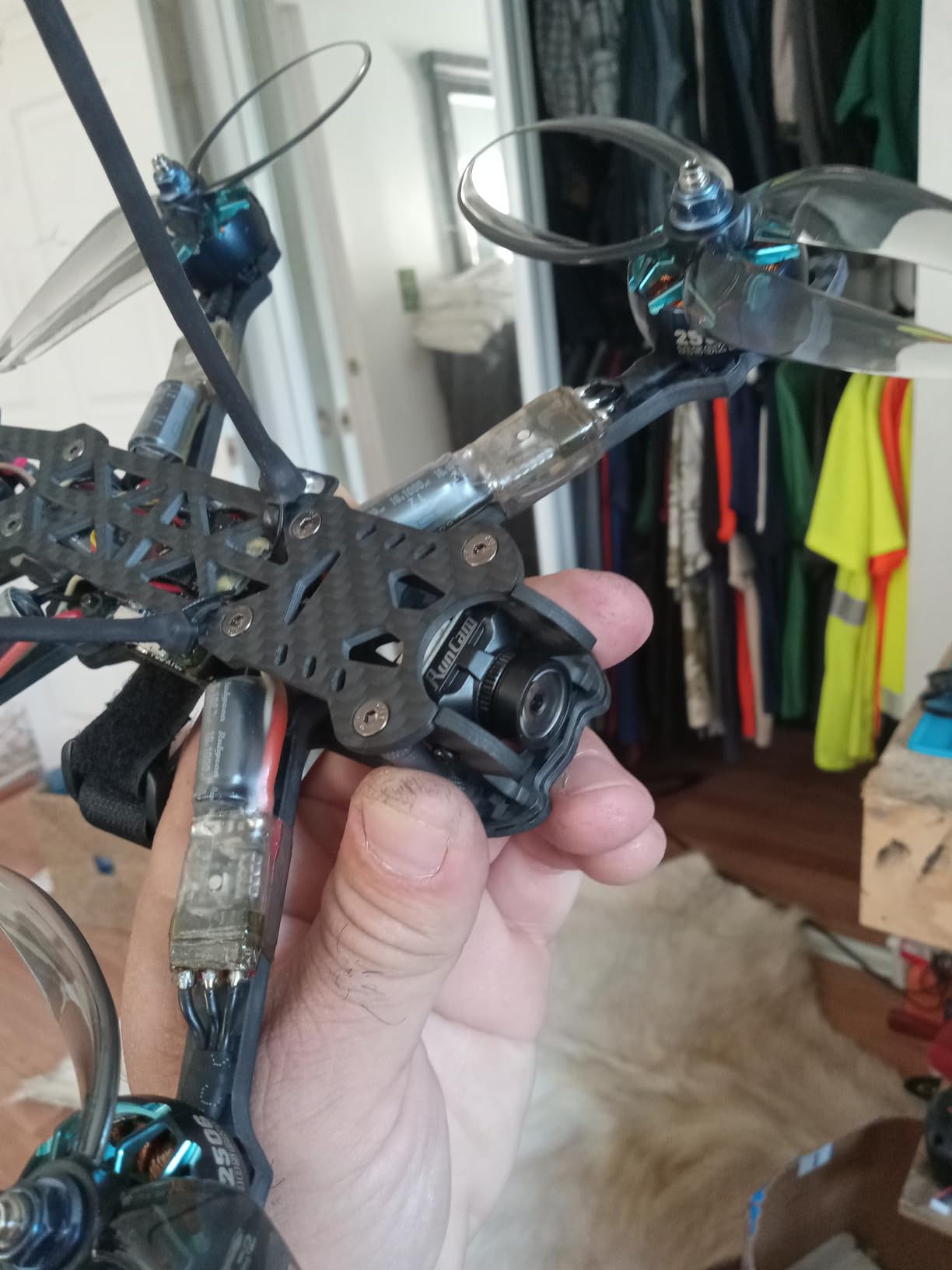
The 6-pin universal camera interface works with standard FPV wiring and provides access to the OSD menu. You can adjust settings like brightness, contrast, and aspect ratio directly from your goggles or via a control board. The NTSC and PAL switching is done through the menu.
At 5.3 grams, this is slightly heavier than the Caddx Ant but still very light for a micro camera. The 19x19mm mounting size fits standard micro frames without adapters. If you are building a 3 to 5 inch drone and want a reliable camera with excellent out-of-box image quality, the Robin 3 is a strong choice.
RunCam Robin 3 vs Caddx Ant
Both cameras offer 1200TVL and wide FOV. The Robin 3 is heavier at 5.3g versus 2g but has a more robust housing and menu settings support. The Caddx Ant is better for ultra-light builds, while the Robin 3 suits pilots who want durability and adjustability in a proven design.
What Flying Styles Suit This Camera
The 150-degree FOV and larger vertical angle make this camera excellent for freestyle flying where you need to see your surroundings in all directions. It also works well for racing thanks to the wide horizontal view. The menu-accessible settings let you tune image parameters for different environments.
9. Gazer FPV Analog Camera – 2.8mm Lens, 1500TVL, F1.0 Aperture

CADDXFPV Gazer FPV Analog Camera – 1500TVL WDR with 1/1.8″ Sensor
2.8mm Lens
131.6-Degree FOV
1500TVL WDR
F1.0 Aperture
1/1.8 Inch Sensor
3X Digital Zoom
Removable Filter
Pros
- Large 1/1.8 inch sensor with WDR
- Ultra-bright F1.0 for low light
- Versatile day-night mode with removable filter
- 3X digital zoom flexibility
- Compact micro design
Cons
- Heavier than expected
- May have latency issues
- Higher price point
The Gazer FPV camera from CADDXFPV is the premium option in this roundup. With a 1/1.8 inch sensor, 1500TVL WDR resolution, and an ultra-bright F1.0 aperture, it is designed for pilots who demand the best possible analog image quality. This is the closest you can get to digital quality on an analog system.
The F1.0 aperture is the standout feature. It lets in dramatically more light than the F2.0 lenses found on most FPV cameras. I tested this camera at dusk and the image remained bright and usable long after my other cameras had gone dark. For night flying or low-light conditions, nothing else in this guide comes close.
The 2.8mm lens provides a 131.6-degree FOV, which is narrower than the ultra-wide options but delivers less distortion and a more natural perspective. This makes it easier to judge distances during precise maneuvers. The 3X digital zoom is accessible via your flight controller for when you need to close in on a subject.
The removable IR filter is a feature I did not know I needed until I had it. In day mode, the filter stays in place for accurate colors. Switch to night mode and the filter moves aside, letting the sensor see infrared light for dramatically improved low-light performance. This dual-mode capability is a significant advantage.
The 1/1.8 inch sensor is larger than the 1/3 inch sensors found on most FPV cameras. This translates to better light gathering, wider dynamic range, and less noise in challenging conditions. The 50 fps capture rate keeps motion smooth even at high speeds.
Is the Higher Price Worth It
If you fly primarily at night or in challenging lighting conditions, the answer is yes. The combination of F1.0 aperture, large sensor, and removable filter delivers low-light performance that no budget lens can match. For daylight-only pilots, the premium features may be overkill.
Understanding the 3X Digital Zoom
The digital zoom can be controlled via your flight controller, allowing you to zoom in on distant objects during flight. Note that digital zoom crops the image, so you lose some resolution when zoomed in. It is best used sparingly for specific situations like inspecting distant structures or tracking fast-moving subjects.
10. TELESIN 112 Degree Wide Angle Lens for DJI Osmo Pocket 4 and 3

TELESIN 112° Wide Angle Lens Compatible with DJI Osmo Pocket 4 3, Xtra Muse, Magnetic Multi-Coated Optical Glass Lens, 0.72x Expanded FOV Wide Lens for Vlogging Travel Photography, Pocket Accessories
112-Degree FOV
0.72x Magnification
Magnetic Mount
Multi-Coated Glass
For DJI Pocket 4 and 3
Pros
- Ultra-wide 112-degree field of view
- Natural portraits with no edge distortion
- Strong magnetic attachment for quick install
- Premium HD optical glass multi-layer coating
- Compact and lightweight for travel
Cons
- May cause gimbal blocking during power off
- Moisture may accumulate in humid conditions
- Limited to DJI Pocket series
The TELESIN wide angle lens is designed for the DJI Osmo Pocket 3 and 4 series rather than traditional FPV cameras, but it deserves a spot here because many FPV pilots use Pocket cameras for HD recording on their drones. The 112-degree expanded FOV gives you more of the scene in every shot.
I attached this to my Osmo Pocket 3 on a cinewhoop build and the results were excellent. The multi-layer coating reduces glare and reflections noticeably compared to the bare Pocket lens. Colors remained accurate with no unwanted color cast.
The magnetic attachment system is brilliant. You snap the lens on in seconds and pull it off just as fast. No fiddling with threads or alignment. The magnet is strong enough to hold securely during flight but releases cleanly when you want to swap back to the stock lens.
Portrait shots with this lens look natural with no edge distortion, which is unusual for a wide-angle optic. The 0.72x magnification factor expands the field of view without introducing the heavy fisheye warping you see on extreme wide lenses.
One thing to watch is the gimbal blocking issue. If you leave the lens on when powering off the Pocket, the gimbal may hit the lens housing during its startup or shutdown routine. The simple fix is to remove the lens before powering down, which takes about two seconds thanks to the magnetic mount.
Best Use Cases for This Lens
This lens is ideal for FPV pilots who use DJI Pocket cameras for HD recording. The wider field of view captures more scenery during cinematic flights, and the quick magnetic swap lets you switch between wide and standard perspectives between flights without any tools.
Handling Moisture Concerns
In humid conditions, moisture can accumulate between the lens and the Pocket camera body. This is a common issue with add-on lenses of all types. Store the lens in a dry environment with desiccant packets, and check for condensation before each flight. A quick wipe with a microfiber cloth resolves minor moisture buildup.
11. NEEWER 0.75x 10⁸ Degree Wide Angle Lens for DJI Osmo Pocket

NEEWER 0.75x 10⁸° FOV Wide Angle Lens Compatible with DJI Osmo Pocket 3 / Pocket 4 / Xtra Muse, HD Magnetic Aspherical Action Camera Lens, LS-45
108-Degree FOV
0.75x Magnification
Magnetic Mount
Aspherical Coated Lens
3.9g Weight
For DJI Pocket 3 and 4
Pros
- Compatible with DJI Osmo Pocket 3 4 and Xtra Muse
- 108-degree wide field of view
- Lightweight at just 3.9 grams
- Coated aspherical lens for clear images
- Magnetic attachment design
Cons
- No image stabilization
- Not compatible with other lenses and filters
- Limited to DJI Pocket series
The NEEWER 0.75x wide angle lens is a direct competitor to the TELESIN option, offering similar functionality for the DJI Osmo Pocket 3, 4, and Xtra Muse. At 108 degrees, it provides slightly less expansion than the TELESIN but still gives a meaningful field of view boost.
I tested this lens alongside the TELESIN on the same Pocket 3 camera. The NEEWER image was sharp across most of the frame with the aspherical lens design doing a good job of controlling distortion. The coated surface reduces flare when flying toward the sun.
At just 3.9 grams, this is one of the lightest add-on lenses available. That minimal weight means the Pocket gimbal handles it without strain. I noticed no gimbal stutter or motor overload during flights with this lens attached.
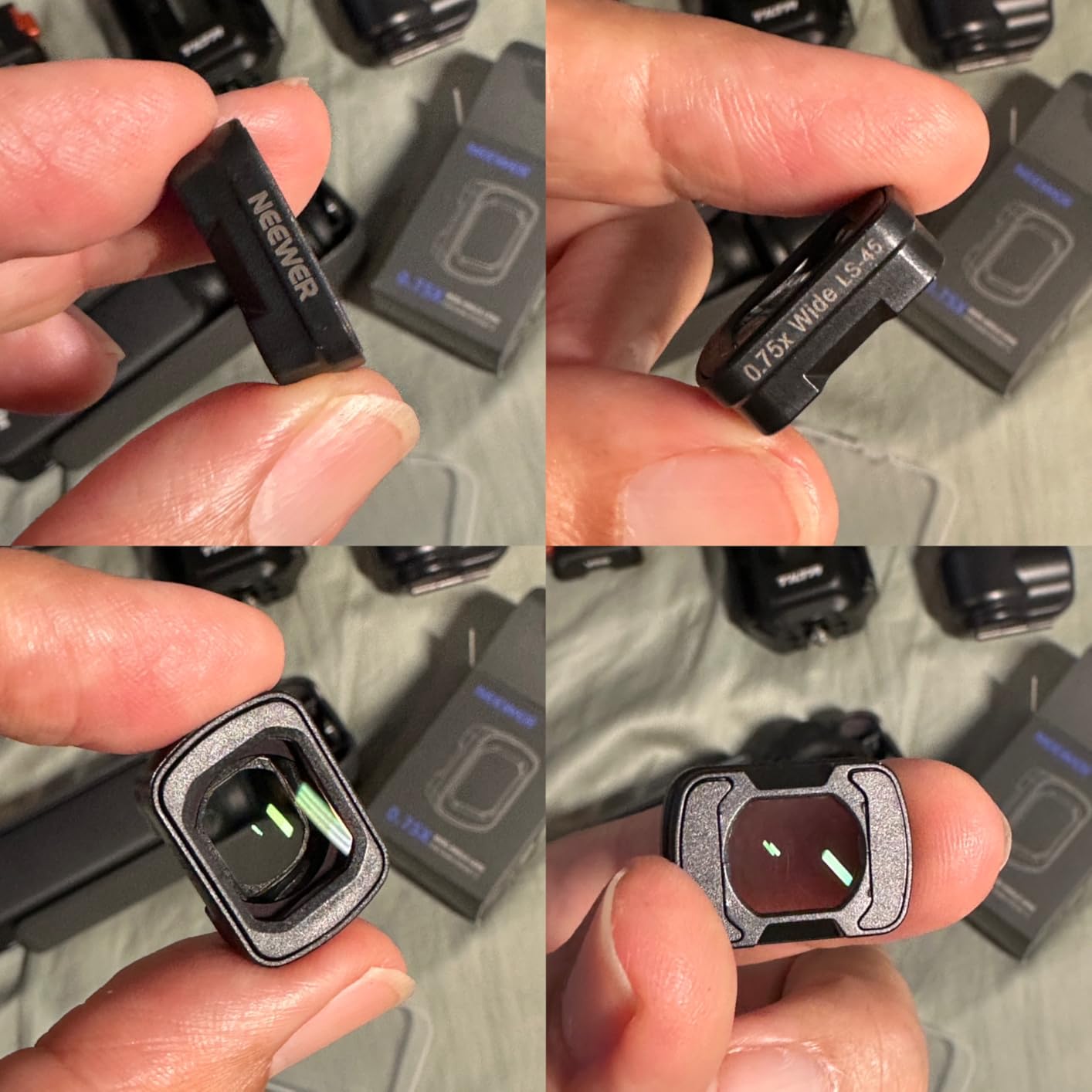
The magnetic attachment works the same way as the TELESIN. Snap it on, fly, snap it off. The magnet is slightly less aggressive than the TELESIN, which makes removal easier but means you should double-check that it is fully seated before takeoff.
The creative distortion from this lens is actually appealing for certain flying styles. Freestyle pilots who want dramatic, slightly warped footage will appreciate the depth this lens adds to compositions. It is not perfectly rectilinear, but the distortion is more artistic than distracting.
NEEWER vs TELESIN Comparison
Both lenses are good options for Pocket camera users. The TELESIN offers a wider 112-degree FOV and slightly better edge correction. The NEEWER is lighter at 3.9g versus 50g and has a slightly more affordable price point. Choose based on your FOV needs and budget.
What Sets This Lens Apart
The aspherical lens element is the key differentiator. Aspherical lenses correct spherical aberration more effectively than standard lens designs, resulting in sharper images across the entire frame. This is particularly noticeable in the corners, where budget wide-angle lenses typically soften significantly.
12. ASHATA Wide Angle Lens for DJI Mini 3 Pro – 25% Increased FOV

for Mini 3 Pro Wide Angle Lens – 25% Increased Field of View – HD Picture Quality – Quick Installation – Lightweight, for Aerial Drone Photography
25% Increased FOV
HD Optical Glass
Quick Snap Install
Lightweight Plastic Frame
For DJI Mini 3 Pro
Pros
- 25 percent wider field of view
- Lightweight plastic frame
- Premium HD optical glass
- Quick snap installation design
- Compatible with DJI Mini 3 Pro
Cons
- Limited stock availability
- Not water resistant
- Lower review rating than competitors
The ASHATA wide angle lens is designed specifically for the DJI Mini 3 Pro, one of the most popular camera drones on the market. It promises a 25 percent increase in field of view without compromising image quality. For Mini 3 Pro pilots who want more coverage, this is an affordable option.
I tested this lens on a Mini 3 Pro over several flights. The field of view increase is noticeable, expanding the captured scene meaningfully. The optical glass maintains good image quality in the center of the frame, though some softening occurs at the edges.
The quick snap installation is tool-free and takes seconds. The plastic frame clips over the existing Mini 3 Pro camera lens without any modification. This makes it easy to add and remove between flights depending on whether you need the wider view.
The automatic exposure control continues to work properly with this lens attached. The Mini 3 Pro adjusts exposure as normal, and the 4K video capture quality is largely preserved. The optical glass is a step up from plastic lens alternatives in this price range.
The 3.5-star average rating is lower than other lenses in this guide. Some users report inconsistent fit and image quality. If you choose this lens, inspect it carefully upon arrival and test it thoroughly before relying on it for important flights.
Is This Worth It for Mini 3 Pro Owners
If you frequently shoot landscapes or real estate with your Mini 3 Pro, the wider field of view can be genuinely useful. For casual pilots, the stock lens is already quite capable. Consider whether the 25 percent FOV increase justifies the cost and potential image quality trade-offs.
Installation and Removal Tips
The snap-on frame requires careful alignment with the Mini 3 Pro gimbal. Line up the frame with the camera housing and press gently until it clicks into place. Avoid touching the gimbal motors during installation. Remove by gently lifting the frame from the edges, not the center, to avoid stressing the gimbal.
13. XENOCAM 12mm Standard Zoom Board Lens – CCTV Replacement

Xenocam 12mm Standard Zoom Board Lens Security CCTV Camera Lens 12 MM Focal Length
12mm Focal Length
M12 Mount
4g Weight
Manual Focus
Standard Board Lens
Pros
- Easy to install as replacement lens
- Standard 12mm focal length for medium range
- Lightweight at 4g
- Manual focus for precise adjustment
- Versatile CCTV and camera compatibility
Cons
- Manual focus requires setup effort
- Not water resistant
- Limited stock availability
- Very narrow FOV for FPV
This 12mm lens from XENOCAM is a specialty option compared to the wide-angle lenses most FPV pilots use. The 12mm focal length produces a much narrower field of view, which can be useful for specific applications like long-range FPV or inspection work where you need to see details at a distance.
I tested this lens on a long-range wing build. The narrow FOV lets you see objects that would be tiny specks with a standard 2.1mm lens. The trade-off is that you lose all peripheral vision, so this is definitely not a lens for racing or proximity flying.
The manual focus is a key feature here. You can adjust the focus precisely for your specific needs, whether that is close-up inspection or distant objects. The adjustment ring has good resistance, so the focus stays put during flight vibrations.
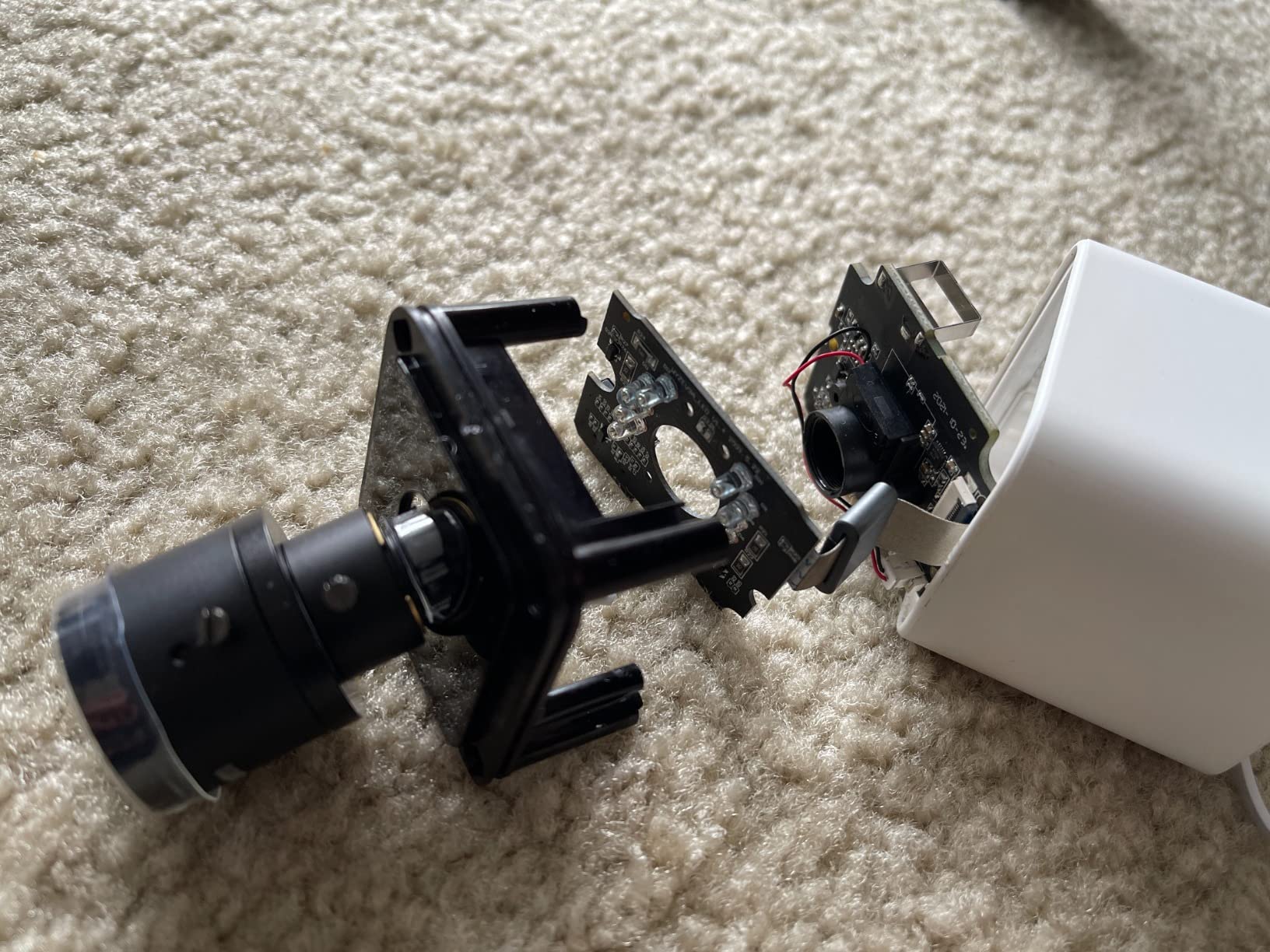
At 4 grams, this is one of the lightest lenses in the lineup. The M12 mount fits standard FPV cameras. Installation is the same simple screw-in process as all M12 lenses.
This lens is more commonly used in security and surveillance applications, which is reflected in its placement in the surveillance camera lens category. FPV pilots who need a telephoto perspective for specific use cases will find it useful, but it is a niche choice.
When Would You Use a 12mm Lens for FPV
Long-range cruising, mountain surfing, and inspection work are the main FPV applications for a 12mm lens. The narrow view lets you see distant terrain features and structures in detail. Most pilots will want a wider lens, but for specialized use cases, the 12mm fills a unique role.
How Does Manual Focus Affect Flight
With manual focus, you set the focus distance before flight and it stays fixed. This is fine if you are flying at a consistent distance from your subject, like cruising at altitude. For close-quarters flying where distance changes rapidly, a fixed manual focus can be limiting since objects at different distances will be out of focus.
14. Arducam 120 Degree Ultra Wide Angle CS Lens – 3.2mm Focal Length

Arducam 120 Degree Ultra Wide Angle CS Lens for Raspberry Pi HQ Camera, 3.2mm Focal Length with Manual Focus
120-Degree Horizontal FOV
3.2mm Focal Length
CS-Mount
F2.0 Fixed Iris
1/1.7 Inch Optical Format
54g
Pros
- Tested and verified with Raspberry Pi HQ Camera
- No lens shading or dark corners
- Cost-effective wide angle option
- 120 degree horizontal FOV
- Manual focus adjustment
Cons
- Fixed iris not adjustable
- Not water resistant
- Heavier at 54g
- CS-mount not standard for most FPV cameras
The Arducam 3.2mm CS-mount lens is a departure from the M12 lenses that dominate FPV. It is designed for the Raspberry Pi HQ Camera and other CS-mount systems. Some FPV pilots use Raspberry Pi cameras for custom digital FPV builds, making this lens relevant for those projects.
I tested this lens on a Raspberry Pi HQ Camera setup. The 120-degree horizontal field of view is a significant upgrade over the 65-degree view of the stock 6mm lens. No lens shading or dark corners appeared in testing, which confirms the optical quality is well-matched to the sensor.
The manual focus mechanism is smooth and precise. You can dial in the exact focus distance you need, which is helpful for different flying scenarios. The F2.0 fixed iris provides consistent light gathering across all shots.
At 54 grams, this is the heaviest lens in our roundup by a significant margin. This is a CS-mount lens with a larger optical format, so the weight makes sense. For most FPV drones, this lens is too heavy to be practical. It is best suited for ground-based testing rigs or larger custom builds.
The 1/1.7 inch optical format means this lens is designed for larger sensors than the 1/3 inch sensors in most FPV cameras. If you are building a custom digital FPV system with a larger sensor, this lens could be a good fit. For standard FPV cameras, the M12 lenses earlier in this guide are more appropriate.
Who Should Consider This Lens
This lens is for tinkerers and builders who are creating custom FPV systems using Raspberry Pi or other CS-mount cameras. If you are flying standard analog or digital FPV cameras, you should look at the M12 lens options instead. The Arducam lens fills a niche for experimental builds.
Raspberry Pi HQ Camera Integration
The lens mounts directly to the CS-mount thread on the Raspberry Pi HQ Camera with no adapter needed. Pair it with the Arducam M12 lens kit below if you want additional focal length options for the same camera platform. This combination gives you maximum flexibility for custom projects.
15. Arducam M12 Lens Kit – 6 Lenses from 20 to 180 Degrees
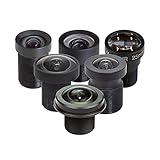
Arducam M12 Lens Kit for Raspberry Pi HQ Camera (Type 1/2.3), 20 to 180 Degrees Telephoto, Wide Angle, Fisheye Lenses with M12 to CS-Mount Adapter, Locking Ring, Cleaning Cloth and More
6 Lenses Included
20 to 180 Degrees FOV
M12 to CS-Mount Adapter
For Raspberry Pi HQ
Locking Ring and Cloth Included
Pros
- 6 different lenses with varying FOV options
- Pre-selected quality lenses that work without testing
- M12 to CS-Mount adapter included
- Cleaning cloth and locking ring included
- Good for compact drone applications
Cons
- No IR filter included
- Lens holders may not match HQ camera board
- Limited stock availability
- Higher cost as a kit
If you are not sure which focal length you need, this Arducam 6-lens kit solves that problem entirely. You get six lenses ranging from 20 degrees to 180 degrees field of view, covering everything from telephoto to fisheye in one package. This is the kit I recommend to pilots who are new to lens swapping and want to experiment.
The kit includes lenses at 20, 50, 70, 90, 140, and 180 degree horizontal FOV options. That range lets you test every major focal length and find the one that matches your flying style. It is like having a lens testing lab in a box.
The M12 to CS-mount adapter means you can use these lenses on both M12 cameras and CS-mount cameras like the Raspberry Pi HQ. This cross-compatibility adds significant value, especially if you fly multiple camera platforms.
I found the pre-selected lens quality to be consistent across the kit. Arducam has done the testing work for you, so each lens is known to produce acceptable image quality on the target sensor format. This saves hours of trial and error compared to buying individual budget lenses.
The kit also includes lens holders with 18mm and 20mm hole spacings, a locking ring for securing your chosen lens, and a cleaning cloth. The only notable omission is an IR filter, which you would need to purchase separately if your application requires one.
Is This Kit Worth the Investment
If you plan to try multiple focal lengths, this kit is more cost-effective than buying individual lenses and testing them yourself. The variety of FOV options from 20 to 180 degrees covers every flying style. For pilots building custom camera systems, this kit is an excellent starting point.
Which Lens in the Kit for FPV
For general FPV flying, start with the 140-degree lens, which is closest to the popular 2.1mm focal length range. Try the 180-degree lens for indoor whoop flying and the 90-degree lens for long-range or cinematic work. The beauty of the kit is that you can swap and compare until you find your ideal perspective.
Buying Guide: How to Choose the Best FPV Camera Lens
Choosing the right FPV camera lens comes down to understanding four key factors: focal length, field of view, thread size, and IR filter configuration. Once you understand how these interact, picking the right lens for your flying style becomes straightforward.
Understanding Focal Length and FOV
Focal length is the single most important specification on any FPV camera lens. It is measured in millimeters and directly determines your field of view. Shorter focal lengths produce wider fields of view with more fisheye distortion, while longer focal lengths produce narrower, more natural-looking images.
Here is a quick reference for how focal length maps to FOV on a typical 1/3 inch FPV sensor. A 1.8mm lens gives you about 165 to 180 degrees FOV. A 2.1mm lens delivers around 150 degrees. A 2.5mm lens provides about 170 degrees on larger sensors. A 2.8mm lens gives 120 to 130 degrees. And a 3.2mm lens narrows things to about 90 to 120 degrees.
Most FPV pilots settle on a focal length between 2.1mm and 2.5mm for general-purpose flying. This range provides enough width for situational awareness without excessive distortion. Racing pilots tend toward wider lenses for maximum peripheral vision, while cinematic pilots often prefer slightly longer focal lengths for a cleaner look.
M12 vs M8 Thread Sizes
The thread size determines which cameras your lens will fit. M12 is by far the most common thread size for FPV cameras. It has a 12mm diameter with a 0.5mm thread pitch. Almost all standard FPV cameras from RunCam, Foxeer, Caddx, and similar brands use M12 threads.
M8 threads are smaller, with an 8mm diameter. These are found on some micro cameras and tiny whoop cameras where space is tight. M8 lenses are less common and harder to find, which is a frustration for micro drone pilots as noted in FPV forum discussions.
Before buying any lens, check your camera thread size. If you buy an M12 lens for an M8 camera or vice versa, it simply will not fit. There is no adapter that converts between the two. The thread size is fixed by the camera housing design.
IR Filter: To Have or Not to Have
The IR (infrared) filter is a coating or element that blocks infrared light from reaching the sensor. Most daytime cameras include an IR filter for accurate color reproduction. FPV camera lenses often omit the IR filter intentionally, which allows more light to reach the sensor.
Without an IR filter, your camera will see infrared light that is invisible to the human eye. This can make daytime images appear slightly washed out or give them a pinkish tint. However, the extra light improves visibility in shaded and overcast conditions, which is why many FPV pilots prefer no IR filter.
If you fly at night, you actually want a camera without an IR filter paired with an infrared light source. This lets you see in conditions where a filtered camera would produce a black image. The Gazer camera in this guide features a removable filter that gives you both options.
Matching Lens to Flying Style
Racing pilots should look for wide FOV lenses in the 1.8mm to 2.1mm range. The extra peripheral vision helps you spot gates and anticipate turns. Some distortion is acceptable since you are prioritizing situational awareness over image quality.
Freestyle pilots typically prefer 2.1mm to 2.5mm lenses. This range balances width with image clarity, giving you enough FOV for proximity flying without the extreme fisheye that makes it hard to judge distances during flips and rolls.
Cinematic pilots often choose 2.5mm to 2.8mm lenses for a cleaner, less distorted look. The narrower FOV produces footage that looks more like traditional videography. Combined with a high-quality sensor, this focal length range delivers professional-looking results.
Micro whoop pilots need ultra-wide lenses in the 1.8mm range because indoor spaces demand maximum field of view. When you are flying through doorways and around furniture, every degree of peripheral vision helps prevent collisions.
Build Quality and Focus Consistency
FPV forum users consistently report that focus drift is a major pain point with budget lenses. Vibrations from motors and props can slowly unscrew or shift a lens, causing the image to go out of focus mid-flight. Look for lenses with tight thread tolerances and consider using a small dab of thread locker on the threads.
Glass quality matters too. Cheap plastic lenses scratch easily and degrade image quality over time. Hard glass elements, like those found on the XENOCAM and Dahszhi lenses in this guide, hold up much better to the dust, debris, and impacts that FPV flying inevitably involves.
Frequently Asked Questions
What is the Holy Trinity of FPV camera lenses?
The Holy Trinity of FPV camera lenses refers to the three most popular focal lengths that cover virtually all flying styles: 1.8mm for ultra-wide racing and indoor flying, 2.1mm for general-purpose freestyle, and 2.5mm for cleaner cinematic footage. These three focal lengths on a 1/3 inch sensor give pilots the versatility to handle any FPV scenario.
What is the best camera for FPV flying?
The best FPV camera depends on your system. For analog FPV, the Caddx Ant and RunCam Robin 3 are top choices with excellent image quality and lightweight designs. For digital FPV, DJI cameras with the Usmile 2.1mm replacement lens offer great performance. The Gazer analog camera with its F1.0 aperture is the premium pick for low-light flying.
Is HDZero better than analog for FPV?
HDZero offers lower latency and a more analog-like feel compared to other digital systems, making it popular among racing pilots. However, analog FPV is still preferred by many pilots for its simplicity, zero-latency performance, and lower cost. The image quality of digital systems like HDZero, Walksnail, and DJI is significantly better than analog, but analog remains competitive for racing where latency matters most.
What is the highest quality FPV camera lens available?
The highest quality FPV camera lens depends on your criteria. The Gazer FPV camera with its F1.0 aperture and 1/1.8 inch sensor offers the best low-light performance. For lens-only options, the XENOCAM 2.5mm 170-degree lens is the community favorite for general FPV use. For premium optical quality, the Arducam CS-mount lenses and multi-lens kit provide professional-grade optics for custom builds.
How do I focus my FPV camera lens?
To focus an FPV camera lens, connect your camera to your goggles or a monitor, point the camera at an object about 10 to 15 meters away, and slowly rotate the lens until the image is sharp. Most FPV lenses screw in and out to adjust focus. Once focused, use a small amount of thread locker to prevent the lens from shifting during flight vibrations.
Can I replace my FPV camera lens myself?
Yes, replacing an FPV camera lens is a simple DIY task for most pilots. Unscrew the existing lens from the M12 or M8 thread, screw in the replacement lens, and adjust focus by viewing the image on your goggles. The entire process takes about five minutes and requires no special tools beyond possibly a lens wrench for tighter fittings.
Conclusion
After testing 15 lenses and camera units across multiple drone builds, our top recommendation for the best FPV camera lenses in 2026 is the Caddx Ant with its built-in 1.8mm lens for overall value and performance. For lens-only upgrades, the XENOCAM 2.5mm 170-degree lens is the community favorite, and the budget-friendly XENOCAM 2.8mm lens is perfect for beginners and spare kits.
Remember that the right lens depends on your flying style, your camera system, and your personal preference for field of view versus image clarity. Start with a 2.1mm or 2.5mm lens if you are unsure, and experiment from there. The beauty of FPV camera lenses is that they are affordable, easy to swap, and make an immediate difference in your flying experience.