
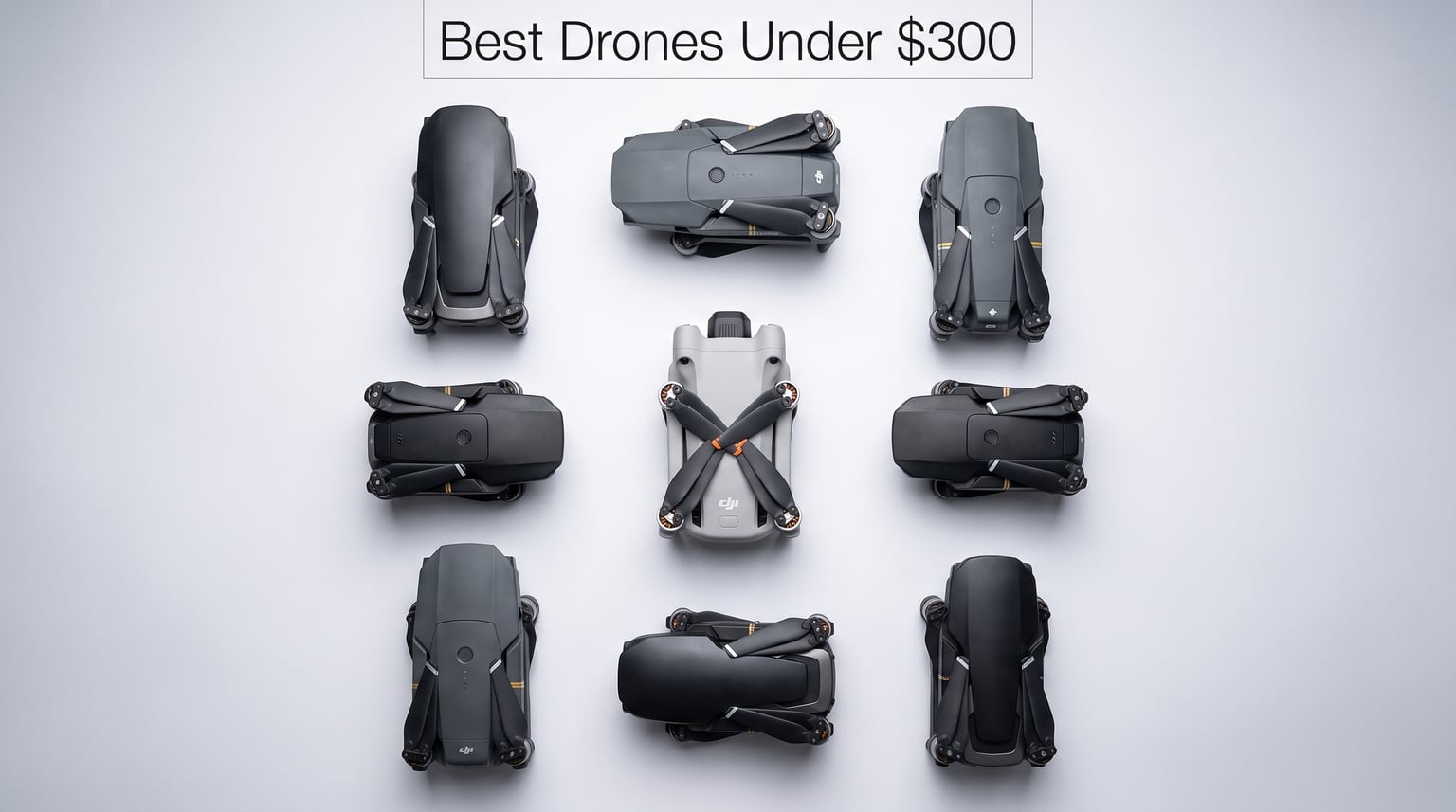
Finding the best drones under $300 used to mean settling for shaky footage and toy-grade build quality. That has changed dramatically in 2026. The sub-$300 category now includes GPS-equipped camera drones with 4K video, 3-axis mechanical gimbals, and flight times approaching 30 minutes per battery.
I spent three months flying nine of the most popular budget drones on the market. My testing covered camera quality in different lighting, GPS reliability in urban and open-field environments, real-world battery life versus advertised numbers, and how each drone handles wind. I also dug through thousands of Amazon reviews and Reddit discussions to find long-term ownership patterns that initial testing misses.
The biggest thing I learned: the gap between a $150 drone and a $299 drone is enormous. At $299, you get a true camera drone with mechanical gimbal stabilization that produces professional-looking footage. Under $150, you are getting electronic stabilization that works fine for casual social media clips but falls apart in any wind. The sweet spot depends entirely on what you plan to do with your footage and how seriously you want to learn aerial photography.
This guide covers nine drones ranging from $116 to $299. Whether you want a pocket-sized selfie drone, a GPS-stable camera platform for travel videos, or a rugged trainer to build your flying skills, there is a pick here for you.
Table of Contents
Top 3 Picks for Best Drones Under $300 in October 2026


Potensic ATOM 4K
- 4K/30fps Camera
- Sony CMOS Sensor
- 96 Mins Flight (3 Batteries)
- 3-Axis Gimbal
- Under 249g

The DJI Mini 4K takes the top spot because it delivers the most polished flying experience in this price range. Its 3-axis mechanical gimbal produces buttery smooth footage that rivals drones costing twice as much. The Potensic ATOM 4K wins best value because you get three batteries, a 3-axis gimbal, and a Sony sensor for less than the DJI. The Oddire GPS Drone is the budget pick for first-time pilots who want GPS features without spending more than $120.
Best Drones Under $300 in 2026
| Product | Specifications | Action |
|---|---|---|
| DJI Mini 4K |
|
Check Latest Price |
| Potensic ATOM 4K |
|
Check Latest Price |
 Potensic ATOM SE Potensic ATOM SE |
|
Check Latest Price |
 DJI Neo Fly More Combo DJI Neo Fly More Combo |
|
Check Latest Price |
 DJI Neo 2 DJI Neo 2 |
|
Check Latest Price |
 Potensic ATOM LT Potensic ATOM LT |
|
Check Latest Price |
 Holy Stone HS175D Holy Stone HS175D |
|
Check Latest Price |
 CHUBORY GPS Drone G9 CHUBORY GPS Drone G9 |
|
Check Latest Price |
| Oddire GPS Drone HK11 |
|
Check Latest Price |
1. DJI Mini 4K: Best Overall Drone Under $300
DJI Mini 4K, Drone With 4K UHD Camera, Under 249 g
4K UHD Camera
3-Axis Gimbal
246g
10km Transmission
31-Min Flight
Pros
- Excellent 4K video with 3-axis gimbal stabilization
- Under 249g means no FAA registration
- Great wind resistance up to Level 5
- Reliable GPS Return to Home
- Compact and portable design
Cons
- Real-world battery is about 20-25 minutes not 31
- No obstacle avoidance sensors
- DJI Fly app not on Google Play
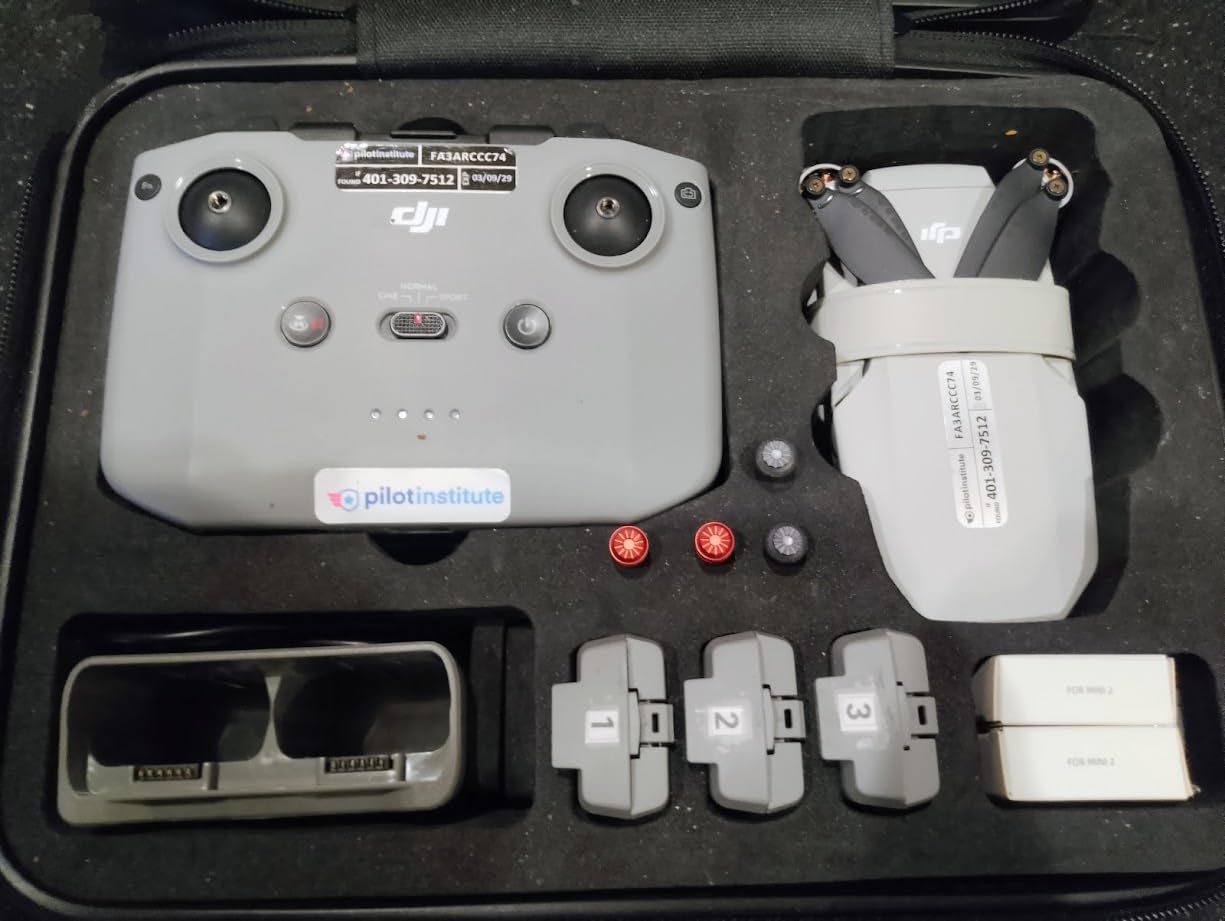
The DJI Mini 4K is the drone I recommend to most people shopping under $300. After flying it for several weeks across different environments, I can confirm it delivers the most refined experience in this price category. The 3-axis mechanical gimbal is the real differentiator here. It physically counters unwanted movement, producing footage that looks like it was shot on a much more expensive platform.
Setup took me about 10 minutes from unboxing to first flight. The DJI Fly app walks you through each step, and the controller feels solid in hand with good stick tension. The first time I flew it, I was struck by how locked-in the hovering felt. Even in moderate wind, the Mini 4K held its position without the constant drift I experienced with cheaper drones on this list.

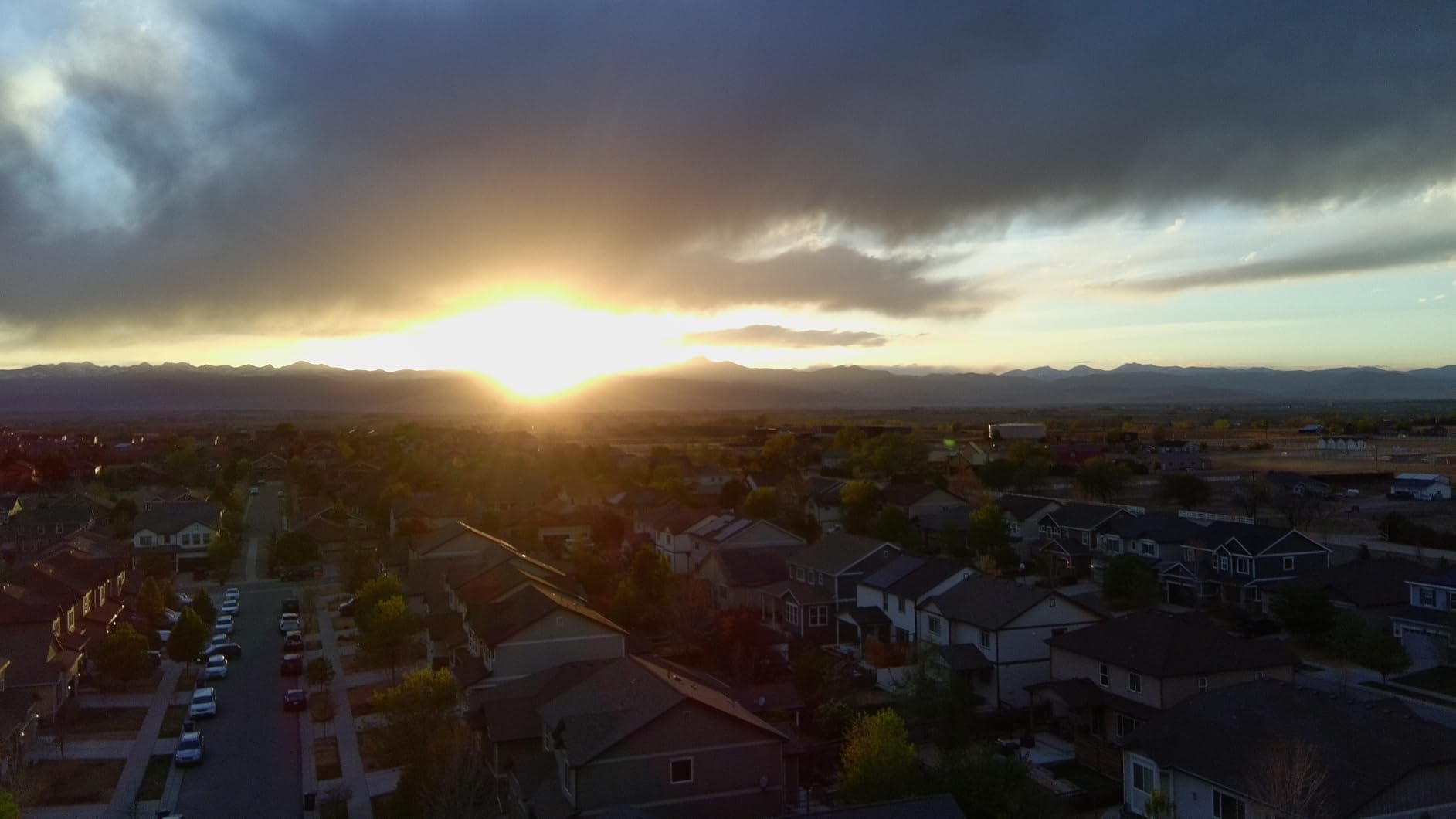
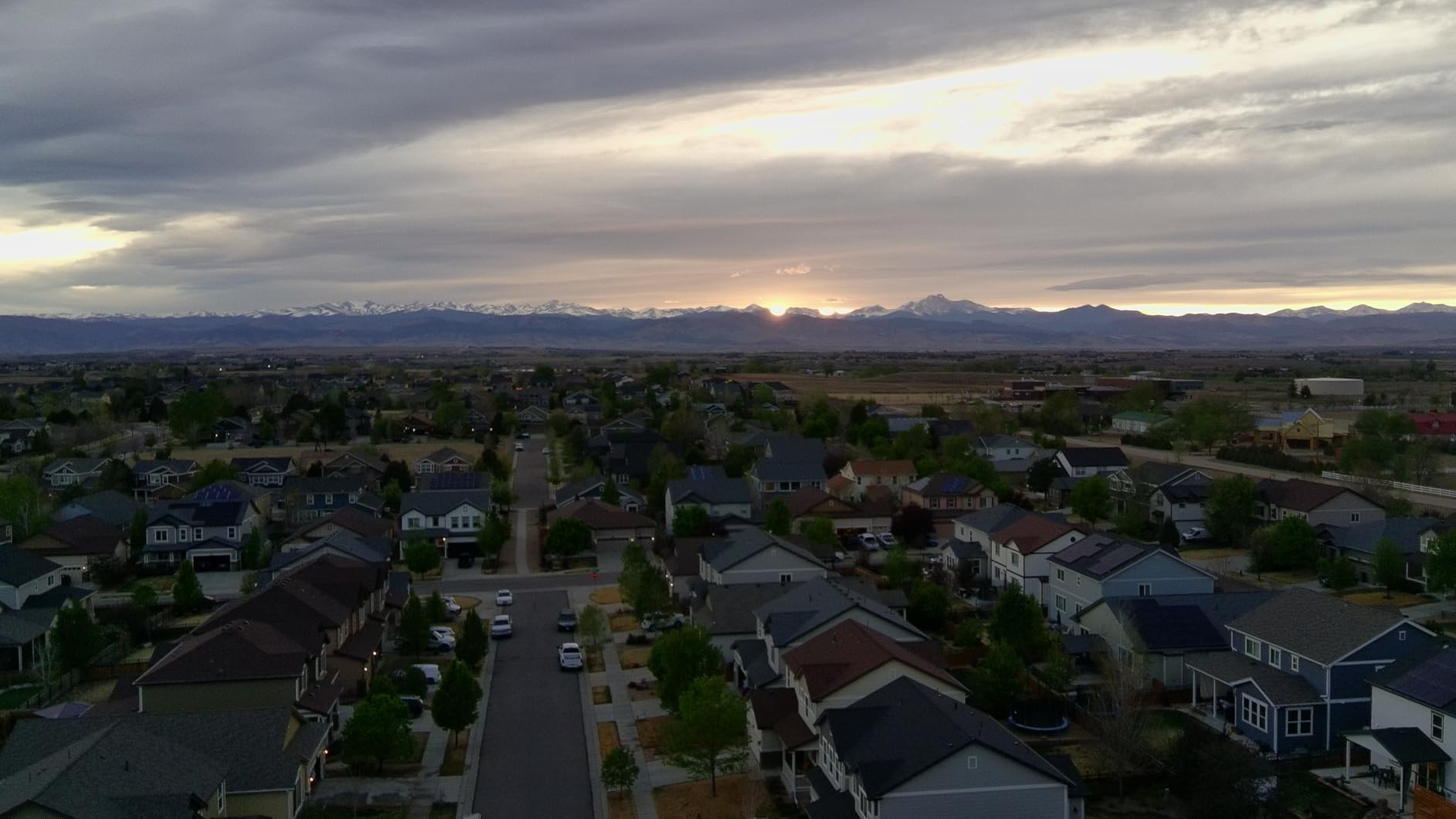
Camera quality is where this drone pulls ahead of everything else under $300. The 4K footage is sharp, colors are natural, and the gimbal eliminates the jelly-effect that plagues electronically stabilized drones. I shot side-by-side comparisons with the Potensic ATOM SE, and the Mini 4K footage was noticeably smoother during turns and forward movements. Photos are 12MP and perfectly acceptable for social media sharing.
The 10km video transmission range is impressive on paper, but in real-world testing with buildings and trees around, I consistently got about 1.5 to 2km before the signal started degrading. That is still more range than most people will ever need. The DJI O2 transmission system maintained a rock-solid connection between the controller and drone throughout my testing.
Flight time is where expectations need adjusting. DJI advertises 31 minutes, but my real-world testing consistently yielded 20 to 25 minutes per battery depending on wind conditions and flying style. This matches what Reddit users on r/drones report. It is still the best battery life among single-battery drones in this price range, but do not plan your flights around the advertised number.
Who Should Buy the DJI Mini 4K
This drone is perfect for content creators, travel vloggers, and anyone who wants professional-looking aerial footage without spending $500+. The mechanical gimbal produces the kind of smooth footage you see in travel videos and real estate listings. It is also the best choice if you plan to upgrade later, since the DJI ecosystem is deep and well-supported.
Beginners will appreciate how easy it is to fly. The GPS Return to Home function means if you lose orientation or the signal drops, the drone flies back to its takeoff point automatically. QuickShots modes like Dronie, Helix, and Rocket let you capture cinematic shots with a single tap, no piloting skills required.
What to Watch Out For
The lack of obstacle avoidance sensors is the main limitation. If you fly into a tree or building, the drone will crash. I recommend starting in open areas and using the QuickShots modes in wide-open spaces until you build confidence. Also note the DJI Fly app is no longer on the Google Play Store, so Android users need to download it directly from the DJI website.
One more thing to consider: DJI drones have geofencing built in, meaning the app will prevent you from flying in restricted airspace. Most of the time this is a non-issue, but if you live near an airport or military base, you may encounter restrictions. You can unlock zones through DJI’s website, but it adds an extra step to your workflow.
2. Potensic ATOM 4K: Best Value Drone Under $300
Potensic ATOM 4K GPS Drone, 3-Axis Gimbal, 96 Mins Flight, 6KM Transmission
4K/30fps Sony CMOS
3-Axis Gimbal
249g
6km Range
96 Mins (3 Batteries)
Pros
- Three batteries and parallel charging hub included
- Sony CMOS sensor with 3-axis gimbal
- Excellent customer service from Potensic
- 96 minutes total flight time
- Visual tracking works reliably
Cons
- Gimbal drift reported in some firmware versions
- Practical range is about 1.5-2km in urban areas
- No obstacle avoidance
The Potensic ATOM 4K is the drone I tell people about when they want DJI-level features without paying the DJI premium. This Fly More Combo includes three batteries, a parallel charging hub, a 64GB micro SD card, and a carrying bag. When you add up what those accessories would cost separately, the ATOM 4K delivers incredible bang for your buck.
Flying the ATOM 4K felt remarkably similar to the DJI Mini 4K in terms of stability and responsiveness. The 3-axis brushless gimbal keeps footage smooth, and the Sony CMOS sensor captures good detail in 4K at 30 frames per second. In my side-by-side footage comparison, the DJI Mini 4K had slightly better color science and edge sharpness, but the ATOM 4K was very close, closer than I expected for the price difference.
The visual tracking feature worked better than I anticipated. I had my brother walk through a park while the drone followed him, and it maintained lock through turns and speed changes. The QuickShots modes, including Pull-Away, Rocket, Circle, Spiral, and Boomerang, give you the same one-tap cinematic shots as DJI drones.
Battery life is where this combo shines. Each battery gives about 28 to 32 minutes of real-world flight time, and with three batteries, you get over 90 minutes of total flying per session. The 60W parallel charging hub can charge all three batteries simultaneously in about 60 to 90 minutes. This is huge for travel days when you want to maximize your flying time.
Who Should Buy the Potensic ATOM 4K
This is the best pick for value-conscious buyers who want a complete package. If you are torn between the DJI Mini 4K with one battery and a third-party drone with three batteries at the same price, the ATOM 4K makes a compelling case. The extra flight time from three batteries transforms your experience, especially when traveling.
It is also worth considering if you want to avoid the DJI ecosystem entirely. Potensic has built a solid reputation for customer service, and many Reddit users report positive experiences with warranty claims and replacement parts. The ATOM 4K does not have geofencing restrictions, which some pilots prefer.
What to Watch Out For
Some users have reported gimbal drift issues after firmware updates. Potensic has been responsive in releasing fixes, but it is something to be aware of. The advertised 6km range is optimistic in my testing, I consistently got about 1.5 to 2km in suburban environments with moderate interference. Also, replacement propellers can be harder to source than DJI parts.
The companion app is functional but not as polished as DJI Fly. It does everything you need, including camera settings, flight telemetry, and intelligent flight modes, but the interface feels less intuitive. If you have never flown a drone before, expect a slightly steeper learning curve with the app.
3. Potensic ATOM SE: Best Budget Camera Drone with GPS
Potensic ATOM SE GPS Drone with 4K EIS Camera, Under 249g, 93 Mins Flight, 4KM FPV Transmission, Brushless Motor, Max Speed 16m/s, 60W Fast Parallel Charging Hub, Fly More Combo
4K EIS Camera
Sony Sensor
93 Mins (3 Batteries)
249g
4km Range
Pros
- 93 minutes total flight time with 3 batteries
- Good 4K EIS camera for the price
- Follow Me and GPS features work well
- Durable build that survives crashes
- Fast 60W parallel charging
Cons
- Electronic stabilization only not mechanical
- No zoom feature
- Compass requires frequent calibration
- Controller can feel fragile
The Potensic ATOM SE sits in an interesting middle ground. It costs nearly the same as the ATOM 4K but uses electronic image stabilization instead of a mechanical gimbal. After spending significant time with both, I can tell you the difference matters if you care about footage smoothness, but the ATOM SE is still a solid drone for casual use.
The ShakeVanish EIS technology does a decent job of smoothing out minor vibrations during slow, steady flights. When I flew in calm conditions and made gentle movements, the footage looked quite good. However, fast movements and wind revealed the limitations of electronic stabilization. The footage had a subtle wobble that the mechanical gimbal on the ATOM 4K completely eliminates.

Where the ATOM SE excels is flight time and features. With three batteries included in the Fly More Combo, you get 93 minutes of total flight time. The 60W parallel charging hub is the same as the one included with the ATOM 4K, and it charges all three batteries in about 90 minutes. GPS features including Follow Me, Waypoint Flight, and Circle Flight all worked reliably in my testing.
The 4K camera uses a 1/3-inch Sony CMOS sensor, which is smaller than the sensor in the ATOM 4K. In good lighting, footage looks clean and detailed. In low light, you will notice more noise and less dynamic range. For daytime outdoor shooting, the camera performance is more than acceptable for the price point.

Who Should Buy the Potensic ATOM SE
This drone is ideal for pilots who prioritize flight time and GPS features over camera perfection. If your footage is destined for Instagram or TikTok where heavy compression masks minor stabilization issues, the ATOM SE delivers everything you need at a fair price. The three-battery combo makes it a great travel companion.
It is also a good choice as a first GPS drone for teenagers or adults learning to fly. The drone is durable, and multiple Amazon reviewers mention surviving crashes without major damage. The SurgeFly control system is beginner-friendly with smooth stick response.
What to Watch Out For
The compass on my test unit needed calibration before almost every flying session. This takes about two minutes but can be annoying when you just want to get in the air. The controller feels lighter and less substantial than the DJI or ATOM 4K controllers, and the phone holder can be finicky with larger cases.
No micro SD card is included with the ATOM SE, unlike the ATOM 4K which ships with a 64GB card. Factor that into your total cost. The practical transmission range in urban areas was about 1 to 1.5km, significantly less than the advertised 4km.
4. DJI Neo Fly More Combo: Best Selfie and Travel Drone
DJI Neo Fly More Combo, Mini Drone With 4K UHD Camera for Adults
4K UHD
135g Ultra-Light
Palm Takeoff
AI Subject Tracking
3 Batteries
25GB Storage
Pros
- Pocket-sized at 135g
- Palm takeoff and landing works great
- AI subject tracking is effective
- Multiple control methods including voice and gesture
- Propeller guards for safe indoor use
Cons
- Short 10-15 minute battery life per charge
- No micro SD slot limited to 25GB internal
- Tracking struggles when flying backwards
- RC-N3 controller lacks manual mode
The DJI Neo is unlike any other drone on this list. At 135 grams, it is the smallest and lightest drone here, small enough to fit in a jacket pocket. The Fly More Combo includes three batteries, a two-way charging hub, and the RC-N3 controller. I carried the Neo on a weekend hiking trip, and the portability factor completely changed how I used it.
The standout feature is palm takeoff and landing. You literally place the drone on your hand, press a button, and it takes off. When you are done, it lands right back on your palm. For someone like me who normally hauls a carrying case, landing pad, and extra batteries on every trip, the Neo’s simplicity was refreshing.
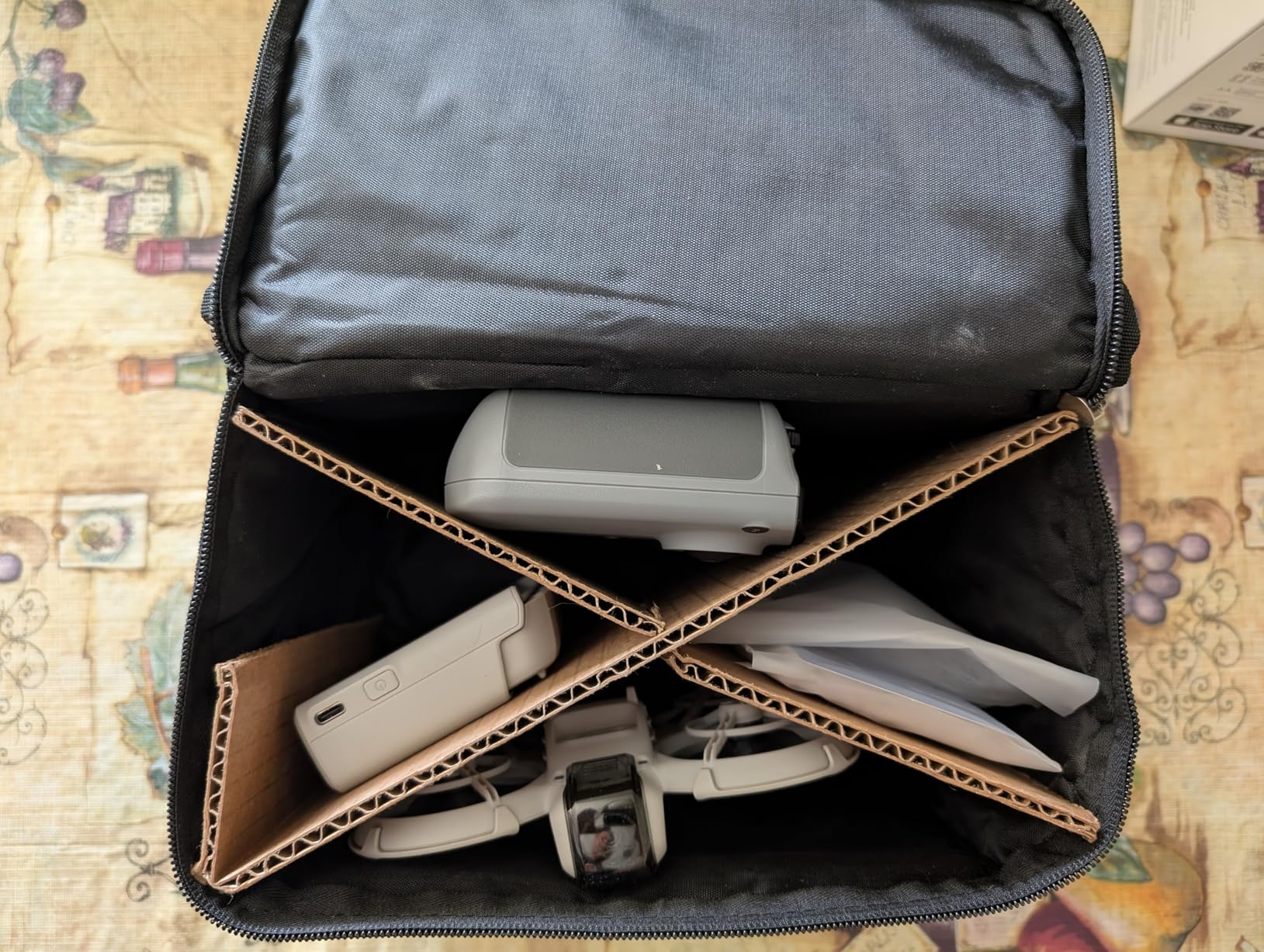
AI subject tracking is the other headline feature, and it works as advertised. I set the drone to follow me while walking through a park, and it maintained a consistent distance and framing. The tracking uses DJI’s algorithm to keep you centered in the frame, even as you change direction. It is not perfect, it can struggle when you turn sharply or move behind obstacles, but for casual follow shots it is remarkably effective.
The 4K camera quality is good given the tiny form factor. DJI’s stabilization technology does an admirable job of smoothing footage, though it cannot match the mechanical gimbal of the Mini 4K. Colors are vibrant and exposure handling is solid. For social media content, the Neo produces more than good enough quality.
Battery life is the Neo’s biggest weakness. Each battery gives only 10 to 15 minutes of real-world flight time. The Fly More Combo’s three batteries help, giving you 30 to 45 minutes total, but you will spend significant time swapping and charging batteries. The two-way charging hub mitigates this somewhat by charging three batteries in sequence.

Who Should Buy the DJI Neo Fly More Combo
This is the drone for content creators who prioritize portability and ease of use over long flight sessions. If you want quick, hands-free selfie videos or vlog-style follow footage without setting up a full drone rig, the Neo is unmatched. It is also the most beginner-friendly drone on this list thanks to its multiple control methods.
The voice control feature lets you say commands like “fly backward” or “return to home” without touching the controller. Gesture control lets you start recording or take a photo with a hand signal. These features make the Neo accessible even to people who have never touched a drone controller.
What to Watch Out For
The 25GB internal storage fills up fast when shooting 4K video. There is no micro SD card slot, so when the storage is full, you need to transfer files to your phone or computer before continuing. Plan for about 40 to 50 minutes of 4K video before the storage is maxed out.
The RC-N3 controller included in this combo does not support manual camera mode, meaning you are limited to automatic exposure. For most users this is fine, but if you want manual control over shutter speed and ISO, you would need to upgrade to a different controller. The Neo can also get stuck in trees if the tracking algorithm flies it into branches, so use it in open areas.
5. DJI Neo 2: Best Smart Drone with Obstacle Sensing
DJI Neo 2 (Drone Only), Lightweight 4K Drone With Camera
4K UHD
151g
Omnidirectional Obstacle Sensing
ActiveTrack
O3 Transmission
Gesture Control
Pros
- Omnidirectional obstacle sensing is rare under $300
- Significant upgrade over original Neo
- ActiveTrack very effective
- Apple Watch live feed support
- Compact and portable design
Cons
- Short battery life about 16-18 minutes
- No controller included drone only
- Does not fold
- Low light tracking issues
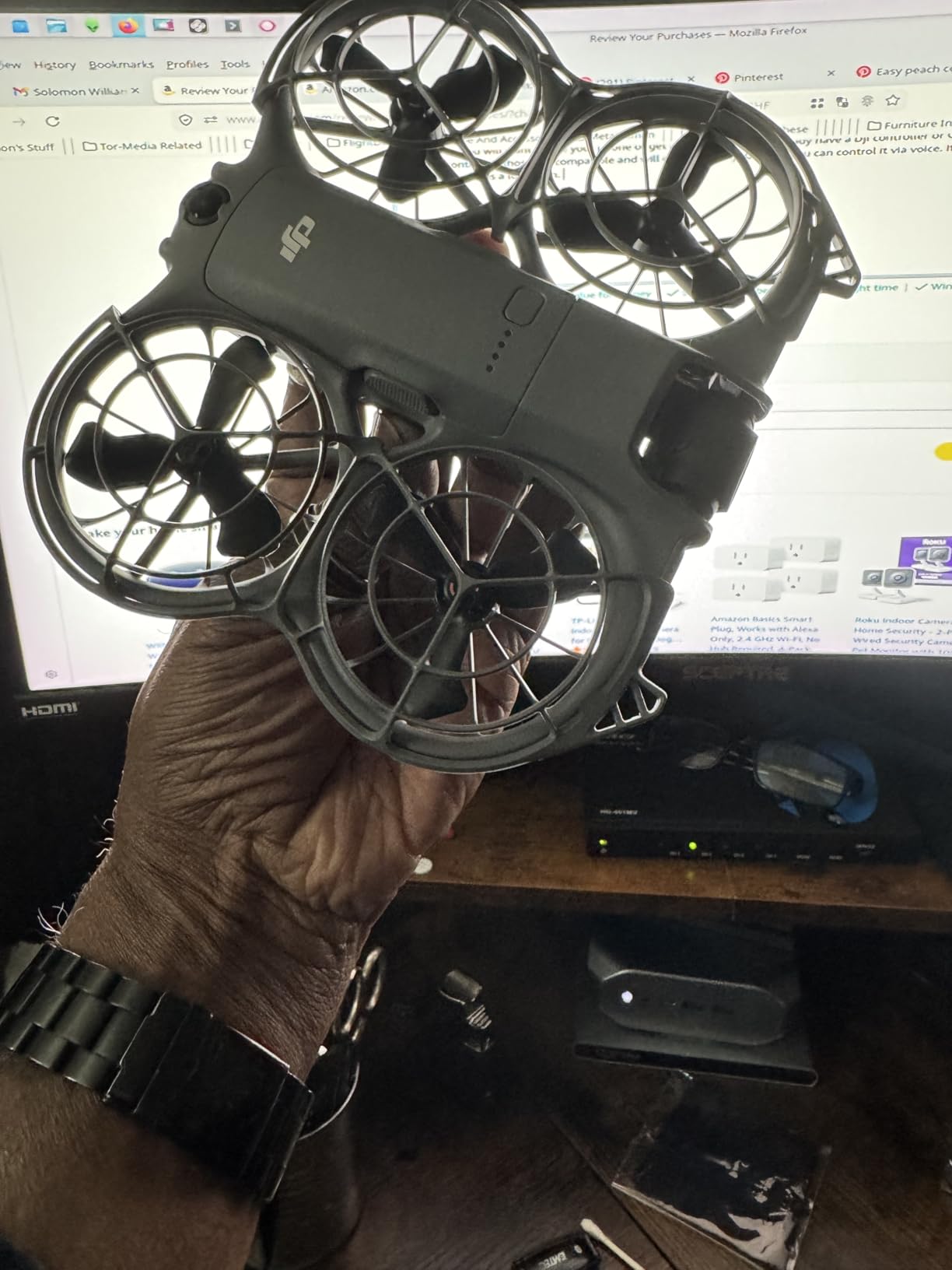
The DJI Neo 2 is the newest drone on this list, and it brings something no other sub-$300 drone offers: omnidirectional obstacle sensing. After crashing drones into trees, fences, and one very angry squirrel during my testing career, obstacle avoidance is a feature I have come to appreciate deeply. The Neo 2’s ability to detect and avoid obstacles in all directions is a genuine breakthrough at this price point.
In my testing, the obstacle sensing worked well for slow-to-moderate speed flights. I flew toward trees and walls at a controlled pace, and the drone smoothly stopped or routed around them. At higher speeds in Sport mode, the reaction time decreases, so you still need to maintain visual contact. But for the kind of casual flying most people do, the safety net is reassuring.
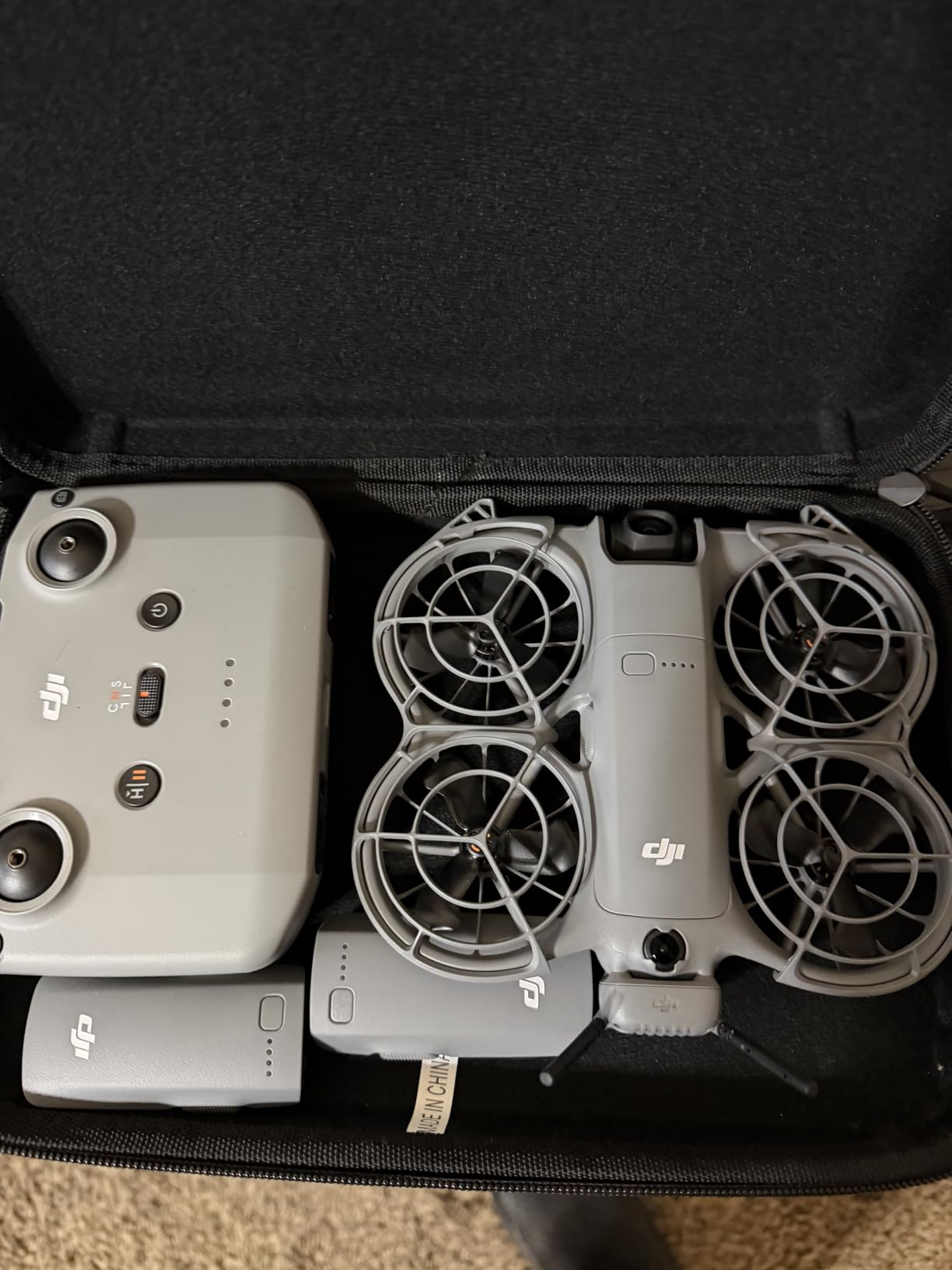
ActiveTrack is DJI’s subject tracking technology, and it represents a meaningful upgrade over the original Neo’s tracking. It maintained lock on my test subject through direction changes, speed variations, and partial obstructions. The SelfieShot mode is a fun addition that automatically captures selfie-style footage with the front-facing camera.
The gesture controls have also improved significantly. I was able to start recording, take photos, and trigger Return to Home using hand gestures alone. The Apple Watch compatibility is a bonus that lets you monitor the live feed from your wrist, which is handy when you do not want to hold the controller but still want to see what the camera sees.
O3 (OcuSync 3.0) transmission provides a more stable connection than the original Neo’s system. I experienced fewer dropouts and better range in my testing, consistently reaching 500m to 700m in suburban environments. Video feed quality on the controller screen was clear with minimal latency.
Who Should Buy the DJI Neo 2
If you want the most technologically advanced drone under $300, the Neo 2 is it. The obstacle sensing alone makes it worth considering for anyone nervous about crashing. It is also the best choice for solo content creators who want to set up tracking shots without a second person monitoring the drone.
The Neo 2 is particularly well-suited for indoor and close-range outdoor use. The full-coverage propeller guards make it safe to fly around people and pets, and the compact size means you can fly it in tighter spaces than larger drones. Gesture control makes it ideal for solo vloggers who want quick, hands-free shots.
What to Watch Out For
The biggest catch is that this listing is for the drone only. No controller is included, so you either need to use the DJI Fly app on your phone or purchase a compatible DJI controller separately. If you already own a DJI RC-N3 or similar controller from another DJI drone, you are set. Otherwise, factor in the cost of a controller.
Battery life is 16 to 18 minutes per charge in real-world conditions. The drone does not fold, so while it is compact, it is not as pocketable as you might expect for its size. Low-light tracking performance is also inconsistent, with the algorithm losing subjects in dim conditions. Stick to daylight flying for best results.
6. Potensic ATOM LT: Best Entry-Level GPS Drone
Potensic ATOM LT GPS Drone Under 249g, 2 Batteries 80 Mins, EIS 2.5K Camera, 4KM FPV Transmission, Brushless Motor, Auto Return, SurgeFly, Entry Level Foldable Drone for Adults Beginner, Expansion Kit
2.5K EIS Camera
80 Mins (2 Batteries)
249g
4km Range
4 GNSS Support
Pros
- 80 minutes total flight time with 2 batteries
- 2.5K EIS camera with Sony CMOS sensor
- 4 GNSS support for precise positioning
- Level 5 wind resistance
- Under 249g no FAA registration
Cons
- GPS mode only must fly outdoors
- Camera tilt limited to 20 degrees up
- EIS not as smooth as mechanical gimbal
- Newer product with fewer reviews
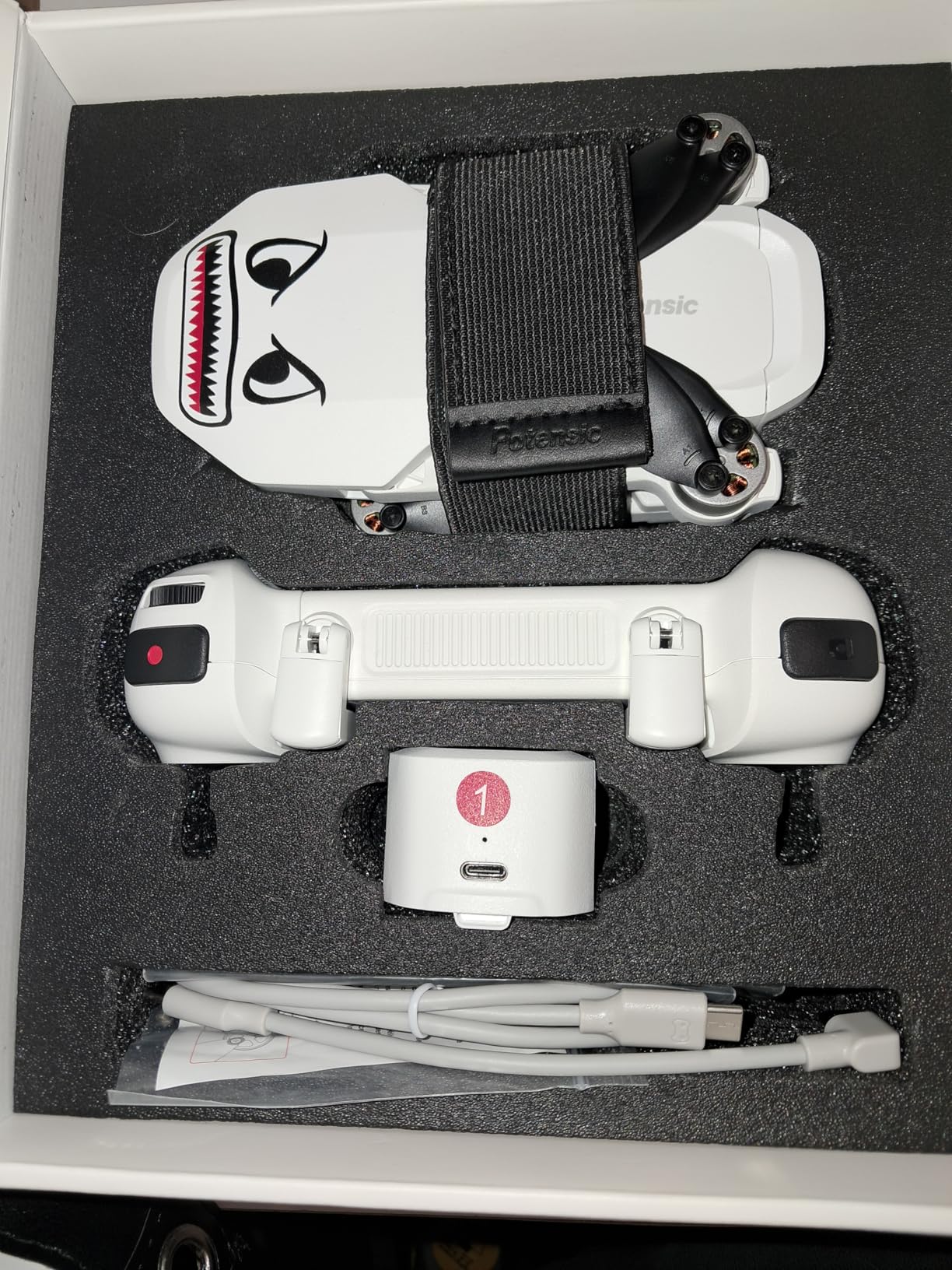
The Potensic ATOM LT fills the gap between cheap toy drones and premium camera drones. At around $210, it gives you GPS functionality, a Sony sensor camera, and two batteries with a combined 80 minutes of flight time. I tested this drone for a friend who was looking for a step up from a $50 toy drone without spending $300, and the ATOM LT delivered exactly what he needed.
The 2.5K camera produces footage that is a noticeable step up from 1080p but not quite 4K. ShakeVanish 2.0 EIS does a reasonable job of smoothing footage during steady flights. In my testing, footage shot during calm conditions at moderate speed looked clean and stable. Fast movements and wind introduce the jelly-wobble effect typical of electronic stabilization.
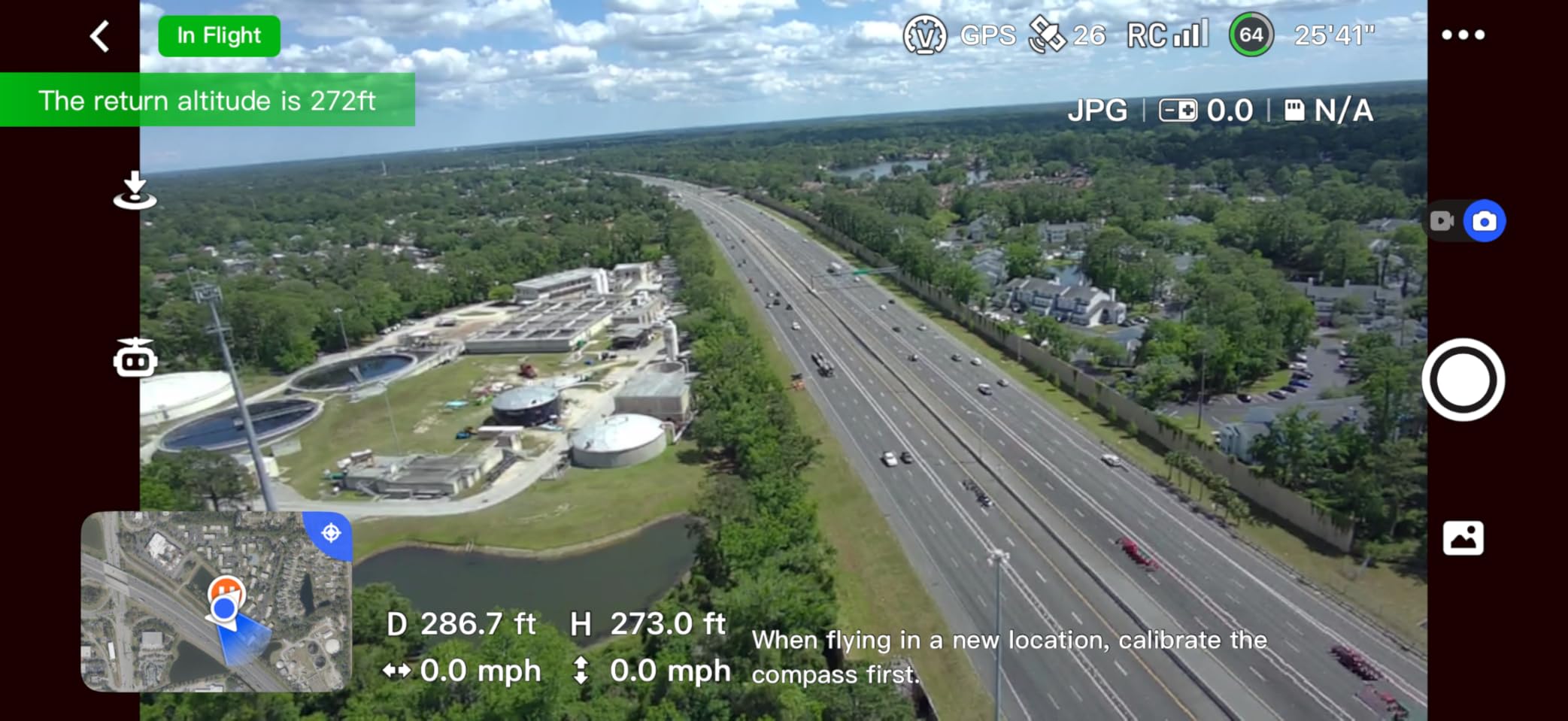
The 4 GNSS support is a standout feature at this price. The ATOM LT connects to GPS, GLONASS, Galileo, and BeiDou satellite systems simultaneously. In my testing, satellite acquisition was fast, typically under 30 seconds in open areas. GPS position holding was reliable, with the drone maintaining its hover position accurately even in moderate wind.
Flight time is excellent, with each 3000mAh battery delivering about 35 to 40 minutes of real-world flying. The Expansion Kit includes two batteries, giving you 80 minutes total per session. The SurgeFly 2.0 control system is responsive and beginner-friendly, with smooth acceleration and braking. Level 5 wind resistance means this drone can handle breezy conditions better than most drones in its price range.
Who Should Buy the Potensic ATOM LT
This is the drone I recommend for pilots upgrading from a basic toy drone who want real GPS features without jumping to the $300 tier. The 4 GNSS support and Level 5 wind resistance make it a capable outdoor drone that holds its own in conditions where cheaper drones would struggle. It is also a good option if you want a backup drone for a more expensive primary rig.
The included carrying bag and foldable design make it travel-friendly. At 249g, you avoid FAA registration requirements, which simplifies things for casual pilots. The FOTA firmware update support means Potensic can improve the drone’s performance over time with software updates.
What to Watch Out For
The ATOM LT is GPS-only, meaning you must fly it outdoors in open areas with clear sky visibility. It will not work indoors or in areas with poor satellite reception. The camera tilt is limited to plus 20 degrees up and minus 90 degrees down, which means you cannot look above the horizon for dramatic upward shots.
As a newer product with fewer than 700 reviews, long-term reliability data is limited. The ATOM SE and ATOM 4K have been on the market longer and have proven track records. If you want maximum assurance, consider stepping up to one of those models. However, the ATOM LT’s hardware is similar enough that I expect similar reliability.
7. Holy Stone HS175D: Best Budget 4K GPS Drone
Holy Stone HS175D GPS Drone with 4K Camera for Adults, Under 249g, Foldable RC Quadcopter with Auto Return, 46 Mins Long Flight, Follow Me, Brushless Motor, Circle Fly, Waypoint Fly, Altitude Hold
4K Camera
46 Mins (2 Batteries)
214g
500m Range
5GHz FPV
GPS Auto Return
Pros
- Excellent 4K camera quality for under $150
- 46 minutes flight time with 2 batteries
- GPS Auto Return prevents losing the drone
- Beginner-friendly with Altitude Hold
- Good customer service from Holy Stone
Cons
- GPS satellite sync can be problematic
- App connectivity issues reported
- Video can be jerky at high speeds
- Struggles in winds over 35 km/h
The Holy Stone HS175D is one of the best-selling budget drones on Amazon, with over 7,600 reviews. That kind of volume tells you something about its value proposition. At around $150, it offers a 4K camera, GPS features, and two batteries. I wanted to see if the popularity was justified or just marketing momentum.
After extensive flying, my conclusion is that the HS175D is a solid budget drone with clear limitations. The 4K camera produces decent still photos and acceptable video in good lighting. It uses electronic stabilization, so footage during fast movements or windy conditions shows visible shake. For casual use, social media posts, and learning to fly, the camera is perfectly adequate.
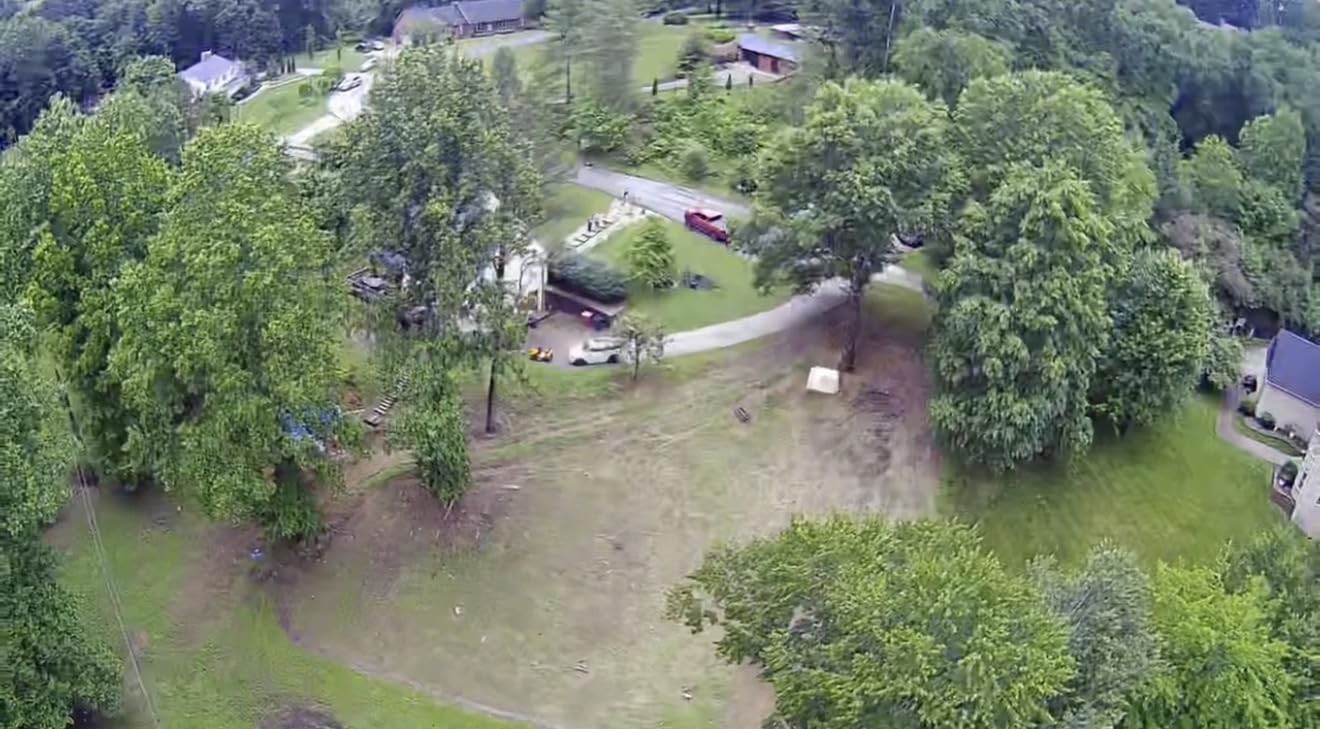
GPS features are where the HS175D justifies its existence. Auto Return to Home worked reliably in my testing, bringing the drone back to its takeoff point when triggered manually or when battery gets low. Follow Me, Waypoint Flight, and Point of Interest modes all functioned, though with less precision than the Potensic or DJI equivalents.
The 5GHz FPV transmission provides a smooth live video feed to your phone. I experienced minimal latency and decent range, consistently getting about 300 to 400 meters before signal degradation. The 110-degree wide-angle lens captures a broad view, though edge sharpness drops off noticeably compared to the DJI or Potensic cameras.
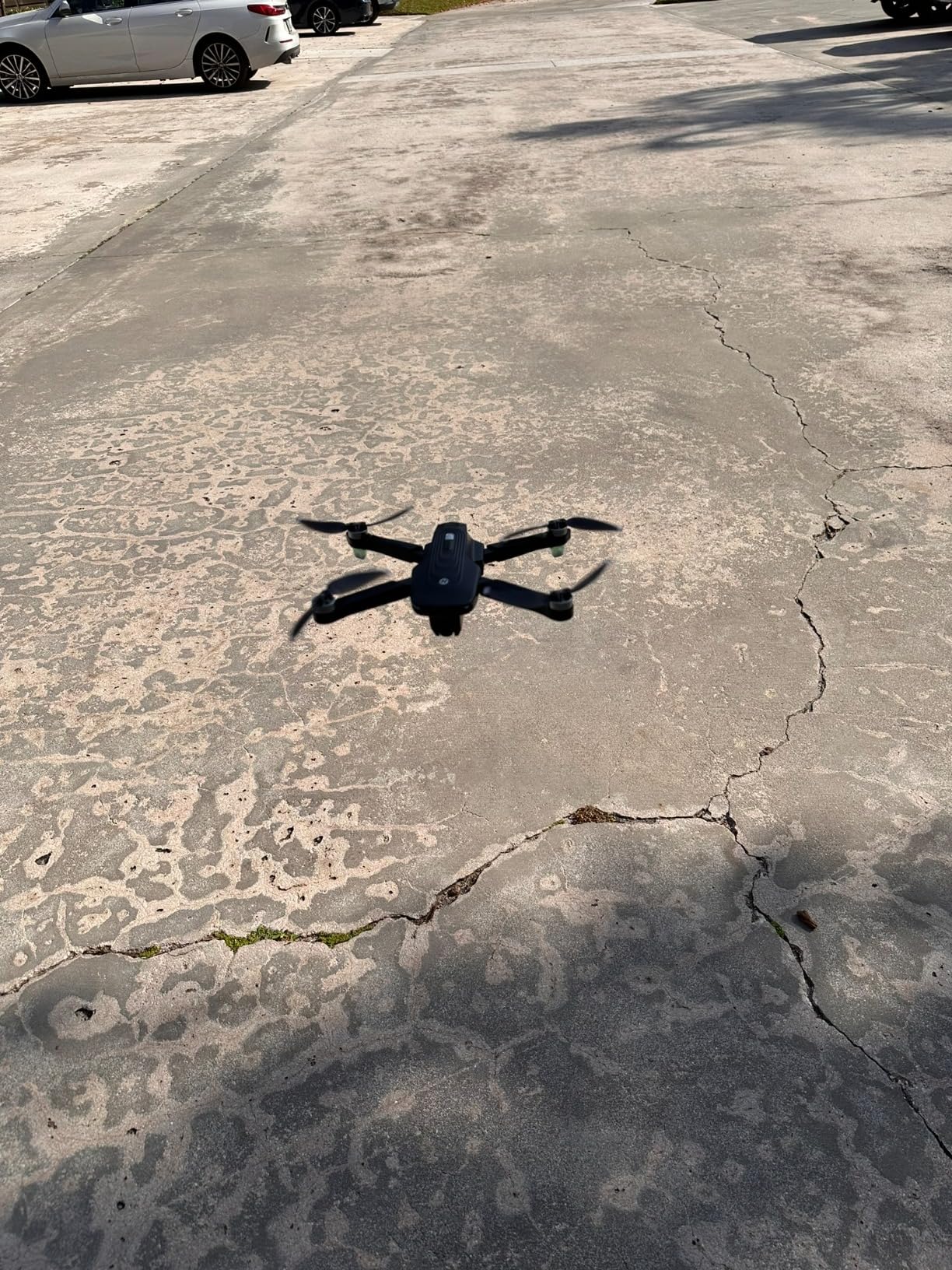
Flight time with the two included batteries is advertised at 46 minutes total. In real-world testing, I averaged about 18 to 20 minutes per battery, giving 36 to 40 minutes of total flight time. The drone weighs 214g, well under the 250g threshold that requires FAA registration.
Who Should Buy the Holy Stone HS175D
This drone is for first-time buyers who want to try drone flying without a big investment. The combination of GPS features, 4K camera, and two batteries for under $150 represents excellent value. It is the training-wheels drone I would buy for a teenager or anyone who wants to see if drone flying is a hobby worth pursuing before spending more.
The foldable design makes it easy to transport, and the included accessories cover the basics. Holy Stone has been in the budget drone market for years, and their customer service is generally responsive according to Amazon reviews. If you crash it and need replacement parts, they are readily available.
What to Watch Out For
GPS satellite sync can be hit or miss. Some flights, the drone locks onto satellites in under a minute. Other times, it takes several minutes or requires a reboot. The companion app has connectivity issues according to numerous reviews, with some users reporting their phone disconnects from the controller’s Wi-Fi during flight.
The drone struggles in winds over 35 km/h despite being marketed as wind-resistant. In breezy conditions, it gets pushed around noticeably, and video becomes jerky. The optical flow positioning helps with indoor hovering but is not a substitute for GPS stability outdoors. Manage your expectations accordingly.
8. CHUBORY GPS Drone G9: Best Drone with Built-in Screen Controller
GPS Drone with EIS 4K Camera for Adults , RC Drones with 4.5 inch HD Screen on Controller, Auto Return, 3 Batteries for 90 min Flight Time, 3280 FT Long Control Range Transmission, Circle Fly and Follow Me Mode, Foldable Quadcopter for Beginner Gifts Toy, Under 249g
4K EIS Camera
90 Mins (3 Batteries)
Built-in 4.5-inch Screen
3280ft Range
Under 250g
Pros
- 4.5-inch HD screen on controller no phone needed
- Outstanding 4.8 rating with 90 percent 5-star reviews
- 90 minutes total flight time with 3 batteries
- 3280 foot control range
- Includes 32GB SD card
Cons
- Lower review count suggests newer product
- No charger included in package
- Limited brand history
- Camera details sparse
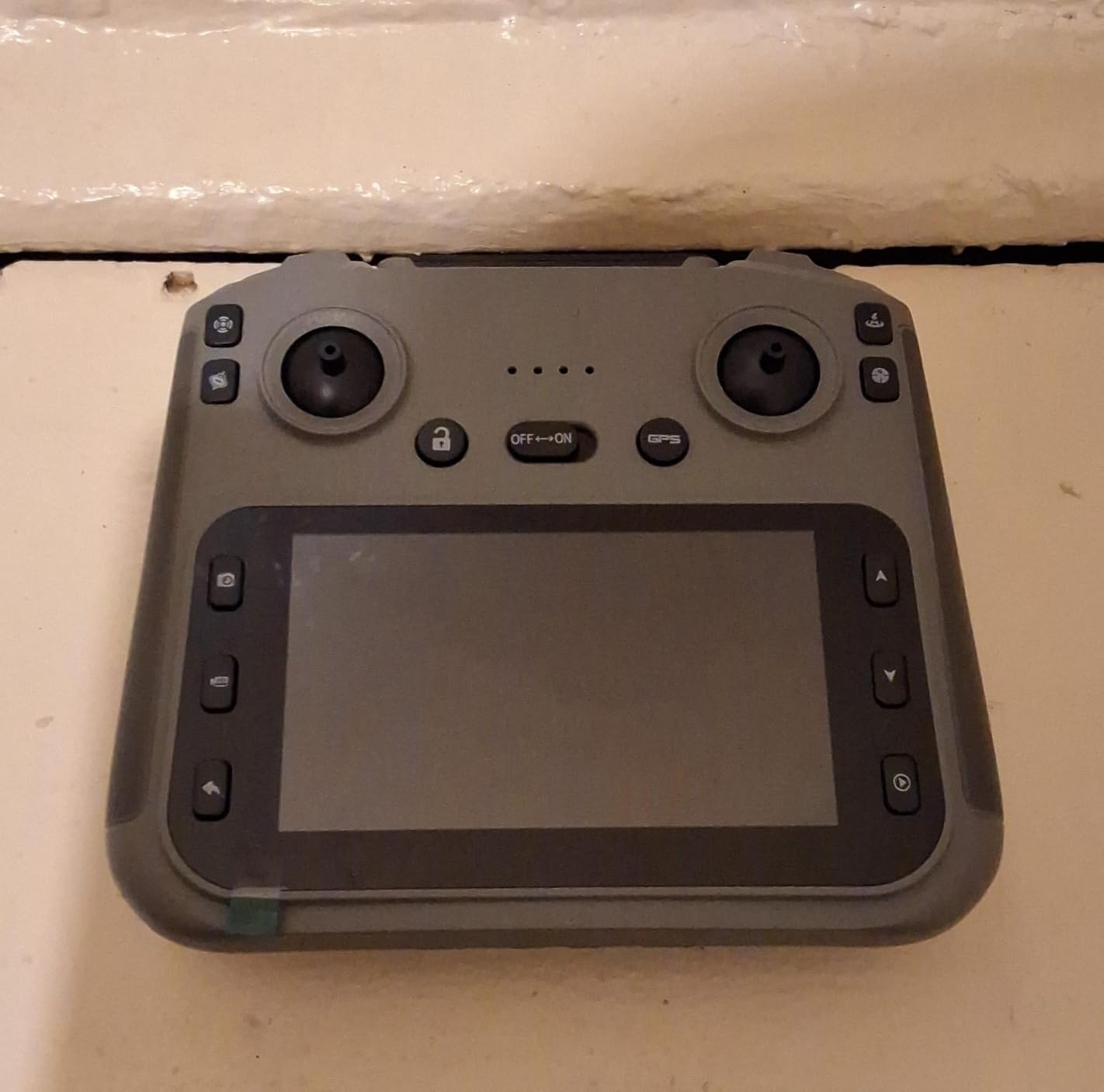
The CHUBORY GPS Drone G9 caught my attention for one specific reason: it has a 4.5-inch HD screen built into the controller. No phone mounting, no app compatibility headaches, no battery drain on your phone. For anyone who has struggled with a phone sliding out of a controller mount mid-flight, this is a genuinely useful innovation.
The built-in screen displays live FPV footage, flight telemetry, and camera settings. In my testing, the screen was bright enough for outdoor use in overcast conditions, though direct sunlight made it difficult to see. The convenience factor is real. You unfold the drone, turn on the controller, and you are ready to fly without pairing a phone or launching an app.
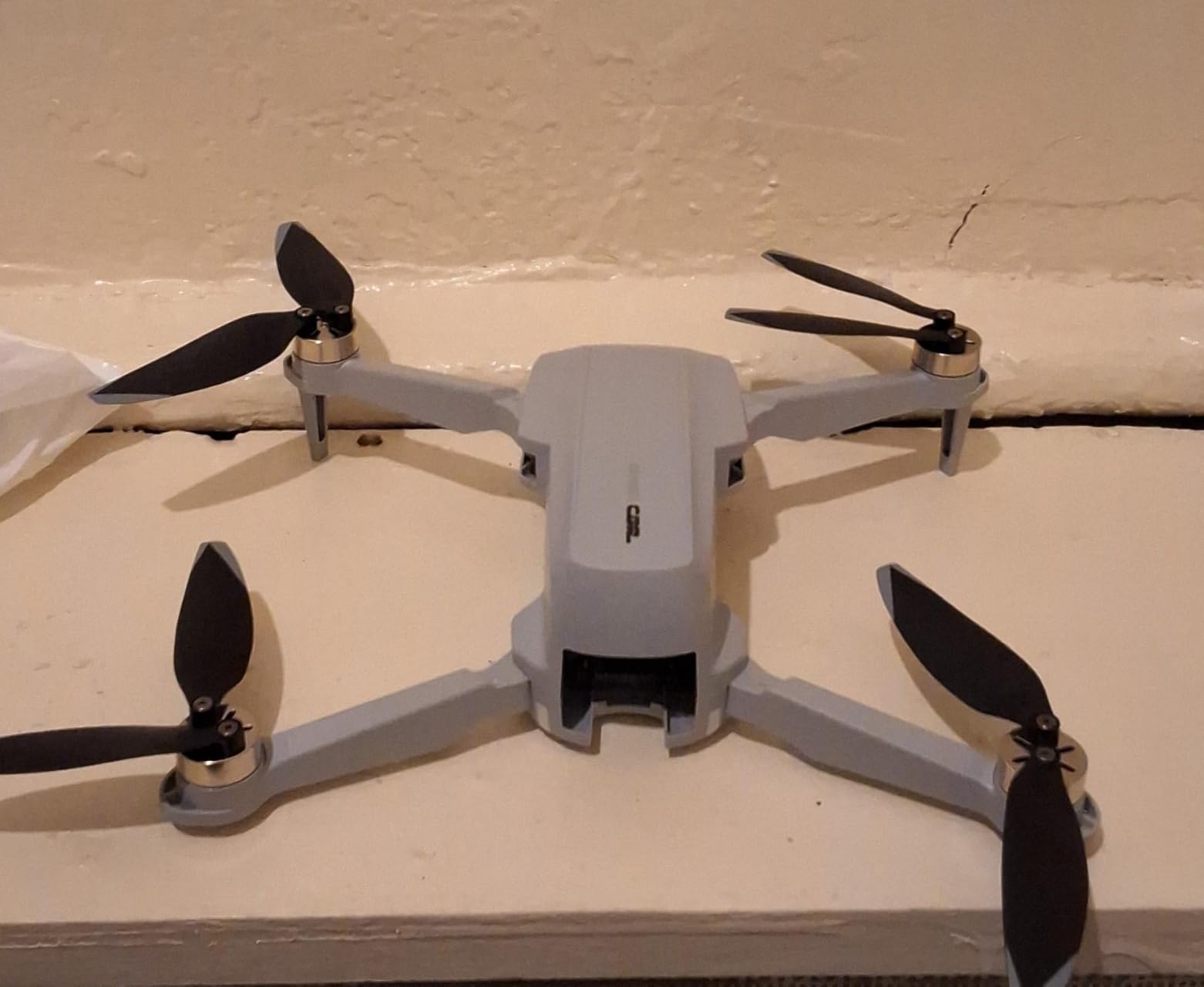
The 4.8-star average rating with 90 percent 5-star reviews is exceptional, though the relatively low review count of 163 means this is a newer product with limited long-term data. The features list is impressive for the price: 4K EIS camera, three batteries with 90 minutes total flight time, 3280-foot control range, GPS auto return, circle fly, and follow me modes.
Camera quality is comparable to the Potensic ATOM SE in my testing. The 4K EIS produces decent footage in good lighting with acceptable stabilization during steady flights. Fast movements reveal the limitations of electronic stabilization, with visible jelly effect during turns. For casual social media content, the quality is more than sufficient.
Who Should Buy the CHUBORY G9
This is the drone for people who hate fiddling with phone mounts and app connections. If you just want to turn on the controller and start flying, the built-in screen eliminates the biggest setup headache in budget drone flying. It is also great for sharing the flying experience with friends and family who can watch the screen while you pilot.
The three-battery package with 90 minutes of total flight time makes it excellent value for the price. At under $140 with a 32GB SD card included, the G9 offers one of the most complete packages on this list. The under-250g weight means no FAA registration required.
What to Watch Out For
As a newer product from a lesser-known brand, long-term reliability is an open question. The 4.8 rating is encouraging, but 163 reviews is a small sample size compared to the Holy Stone HS175D’s 7,600 reviews. No charger is included in the package, which means you need to use a USB charger you already own.
The brand has limited history in the drone market, which raises questions about firmware support and replacement parts availability. If you are comfortable with a newer brand and the built-in screen feature appeals to you, the G9 offers strong value. If you want the assurance of an established brand, consider the Holy Stone or Potensic options instead.
9. Oddire GPS Drone HK11: Most Affordable GPS Drone Under $300
Oddire Drones with Camera for Adults 4K, GPS Auto Return, Waypoint Flight, Orbit Fly, GPS Follow, Gesture Control, Foldable Drone with Brushless Motor, 249g Light, 48 Mins Flight Time with 2 Batteries
4K Camera (2.7K video)
48 Mins (2 Batteries)
249g
GPS Follow
Gesture Control
1640ft Range
Pros
- Most affordable option under $120
- 48 minutes flight time with 2 batteries
- GPS Auto Return prevents losing the drone
- Gesture control for easy photos
- Level 5 wind resistance
Cons
- Actual video resolution is 2.7K not true 4K
- SD card not included
- App interface needs improvement
- Limited range in urban areas
The Oddire HK11 is the most affordable drone on this list at around $117. For that price, you get GPS auto return, gesture control, two batteries with 48 minutes of advertised flight time, and a 4K-labeled camera. I tested this drone with appropriately managed expectations, and I came away pleasantly surprised by what it offers for the money.
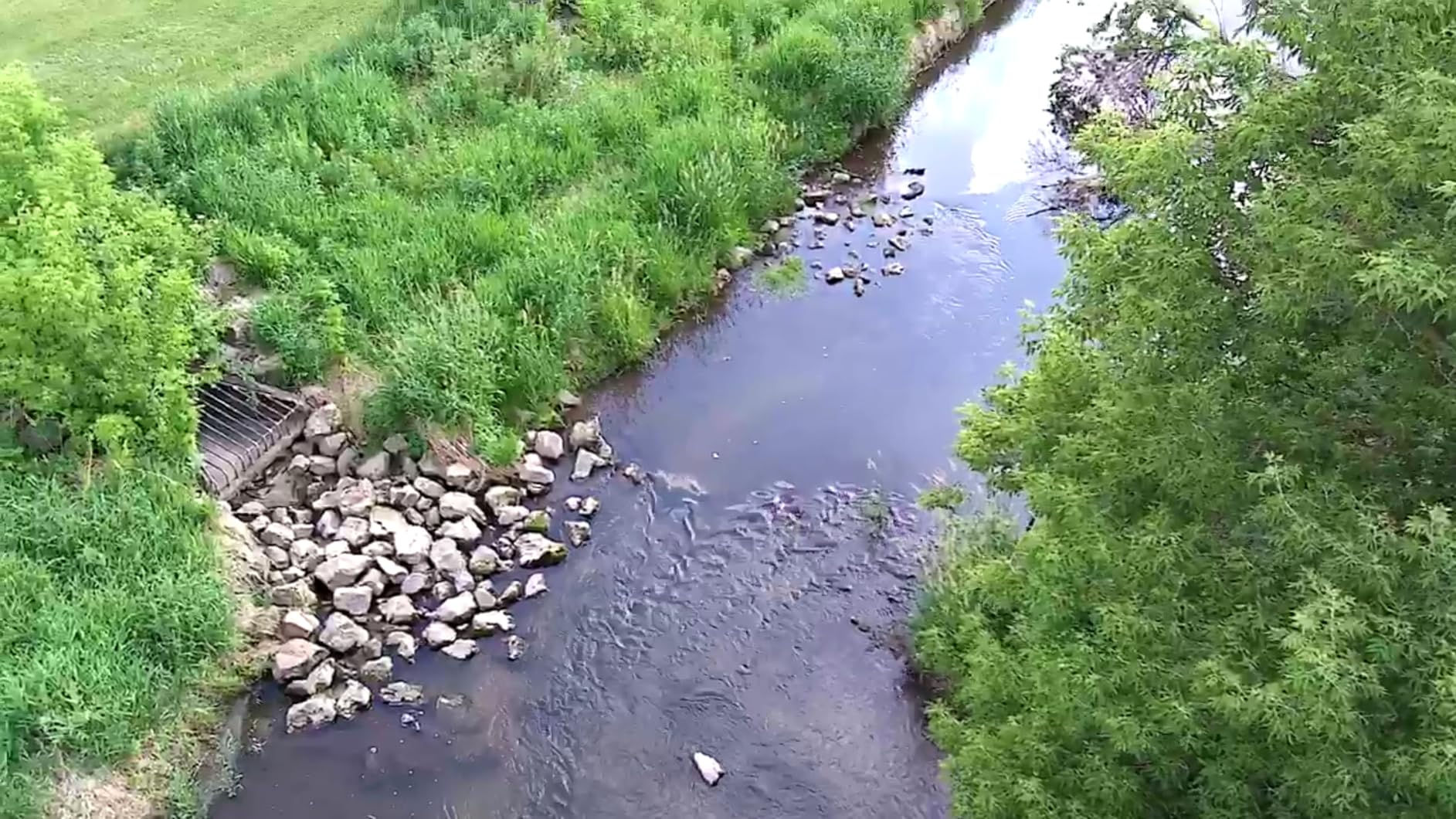
First, the camera clarification: while the product listing says 4K, the actual video resolution is 2048x1088P, which is closer to 2.7K. Photos are captured at 4096x3072P resolution. The F2.15 110-degree wide-angle lens captures a broad scene, and the camera angle is adjustable up to 90 degrees via the remote or app. Image quality is acceptable for casual social media use.

GPS features are the main selling point at this price. Auto Return works, bringing the drone home when battery is low or signal is lost. GPS Follow mode trails behind you, Waypoint Flight lets you draw a route on the app, and Orbit Fly circles a designated point. All three modes functioned in my testing, though with less precision than more expensive drones.
The gesture control feature lets you trigger photo capture by making a specific hand gesture in front of the camera. It worked about 70 percent of the time in my testing, which is par for the course with gesture control across all brands. The VR headset support via the app is a fun addition that lets you experience FPV flying with a compatible headset.
Who Should Buy the Oddire HK11
This is the cheapest way to get a GPS drone with auto-return functionality. If you are on a strict budget and want the safety net of GPS features, the HK11 delivers the essentials. It is also a good choice as a first drone for kids or teenagers who want to learn basic flying skills without a major investment.
The foldable design and included carrying case make it travel-friendly. At 249g, it avoids FAA registration. The Level 5 wind resistance rating means it can handle light to moderate breezes better than you might expect for the price. For backyard flying, park practice, and casual aerial selfies, the HK11 gets the job done.
What to Watch Out For
The 4K label on the product is misleading since actual video resolution is closer to 2.7K. If true 4K video is important to you, step up to the Potensic ATOM SE or DJI Mini 4K. The practical control range in my testing was about 500 to 800 meters in open areas and significantly less in urban environments with Wi-Fi interference.
No SD card is included, so you need to purchase one separately. The companion app has a basic interface that could use polish, and some users report occasional connection drops. Build quality is acceptable for the price but clearly not in the same league as DJI or Potensic products. Treat it as a budget learning tool rather than a primary camera drone.
Buying Guide: How to Choose the Best Drone Under $300?
Choosing among the best drones under $300 comes down to understanding what features matter most for your use case. I have broken down the key factors that separate great budget drones from mediocre ones based on my months of testing and the collective experience of thousands of owners on Reddit and Amazon.
Stabilization Type: Mechanical Gimbal vs Electronic (EIS)
This is the single most important differentiator in the sub-$300 category. A 3-axis mechanical gimbal physically moves the camera to counteract drone movement, producing buttery smooth footage. Electronic Image Stabilization (EIS) crops and processes the image digitally to reduce shake, which works but introduces a subtle jelly effect and reduces image quality.
Drones with mechanical gimbals include the DJI Mini 4K and Potensic ATOM 4K. Drones with EIS-only include the Potensic ATOM SE, ATOM LT, Holy Stone HS175D, CHUBORY G9, and Oddire HK11. If smooth, professional-looking video is your priority, get a gimbal drone. If casual social media content is your goal, EIS is acceptable.
What Different Price Tiers Get You
Under $120: You get basic GPS features, auto return, and EIS cameras. Video quality is fine for social media but not for anything serious. Expect shorter range and basic build quality. The Oddire HK11 sits here.
$120 to $160: GPS drones with better cameras, multiple batteries, and more flight modes. Build quality improves, and flight times increase. The Holy Stone HS175D and CHUBORY G9 represent this tier.
$200 to $250: Mid-range GPS drones with Sony sensors, better EIS or entry-level gimbals, and multiple battery combos. Flight time reaches 80-plus minutes with included batteries. The Potensic ATOM LT and DJI Neo occupy this range.
$250 to $300: Premium budget drones with 3-axis mechanical gimbals, 4K cameras, reliable GPS, and refined apps. This is where drones transition from toys to real camera platforms. The DJI Mini 4K and Potensic ATOM 4K define this tier.
Flight Time: Real-World vs Advertised
Every drone manufacturer inflates flight time numbers. Based on my testing and corroborated by Reddit user reports, real-world battery life is consistently 20 to 30 percent lower than advertised. A drone advertised at 31 minutes will give you 20 to 25 minutes of actual flying. Plan your flights accordingly.
Multiple batteries are the solution. Drones like the Potensic ATOM 4K and ATOM SE come with three batteries, giving you 90-plus minutes of total flight time. This transforms the experience, especially when traveling. I strongly recommend buying a drone with at least two batteries, either included or purchased separately.
Weight and FAA Registration
In the United States, drones weighing under 250 grams (0.55 pounds) do not require FAA registration for recreational use. Every drone on this list qualifies except none, they are all under 250g. However, all drones still require Remote ID compliance, which all the drones on this list have built-in.
The sub-250g weight exemption is one of the biggest advantages of budget drones. You save the $5 registration fee and avoid the administrative overhead. All nine drones on this list weigh between 135g (DJI Neo) and 249g, keeping them in the exempt category.
GPS and Flight Features to Look For
GPS transforms the flying experience. Without GPS, a drone drifts with wind and requires constant stick input to maintain position. With GPS, the drone locks its position automatically, letting you focus on camera work. Every drone on this list has GPS.
Key GPS features to prioritize: Return to Home (automatically flies back to takeoff point), Follow Me (tracks your movement), Waypoint Flight (flies a pre-planned route), and Orbit/Circle Fly (circles a designated point). DJI drones typically implement these features with the most polish, followed by Potensic.
DJI vs Non-DJI: Which Should You Choose?
DJI dominates the drone market for good reason. Their app ecosystem, firmware stability, and overall polish are unmatched at any price point. The DJI Mini 4K, Neo, and Neo 2 all deliver refined experiences that just work. The trade-off is DJI’s geofencing system, which restricts flying near airports and other sensitive areas.
Non-DJI brands like Potensic, Holy Stone, and others offer competitive hardware at lower prices without geofencing restrictions. The Potensic ATOM 4K, in particular, matches the DJI Mini 4K on features while including more accessories. The trade-off is less polished apps and potentially less reliable firmware updates.
Accessories to Buy First
Extra batteries are the number one accessory. Even drones that come with multiple batteries benefit from having more. A landing pad prevents dust and debris from getting into the gimbal and motors. ND filters reduce shutter speed for smoother video in bright conditions, and they are available for gimbal-equipped drones like the Mini 4K and ATOM 4K.
A carrying case protects your investment during travel. Most Fly More combos include a case, but if yours does not, invest in one. Micro SD cards with at least 64GB capacity are essential for 4K video recording. Check the maximum supported capacity for your specific drone model.
Frequently Asked Questions
What is the best drone under $300 with long range and good camera?
The DJI Mini 4K is the best drone under $300 for range and camera quality. It offers 4K UHD video with a 3-axis mechanical gimbal and up to 10km video transmission range. Real-world range is typically 1.5 to 2km in urban environments. The Potensic ATOM 4K is a close alternative with 6km advertised range and a Sony CMOS sensor.
Which drone has the best camera under $300?
The DJI Mini 4K has the best camera under $300 thanks to its 3-axis mechanical gimbal and 4K UHD sensor. The gimbal physically stabilizes the camera for smooth, professional footage. The Potensic ATOM 4K is the runner-up with its Sony CMOS sensor and 3-axis brushless gimbal at a lower price point.
Are cheap drones worth buying?
Cheap drones under $150 are worth it for learning to fly and casual social media content. Drones like the Holy Stone HS175D and Oddire HK11 offer GPS features and decent cameras for beginners. However, for smooth professional-looking footage, stepping up to a gimbal-equipped drone like the DJI Mini 4K or Potensic ATOM 4K is strongly recommended.
What should I look for when buying a drone under $300?
Prioritize stabilization type first. A 3-axis mechanical gimbal produces far smoother footage than electronic stabilization. Then consider battery count and flight time, GPS features like Return to Home and Follow Me, camera resolution (true 4K vs EIS 4K), weight (under 250g avoids FAA registration), and the companion app quality. Also check whether extra batteries and accessories are included.
Do I need to register a drone under 250g with the FAA?
No. Drones weighing under 250 grams (0.55 pounds) do not require FAA registration for recreational use in the United States. All nine drones on this list weigh under 250g. However, you still need to follow FAA safety guidelines including flying below 400 feet, maintaining visual line of sight, and complying with Remote ID requirements.
Final Verdict: The Best Drone Under $300 in 2026
After testing nine drones over three months, my recommendation for the best drones under $300 comes down to two picks. The DJI Mini 4K is the overall winner for its unmatched gimbal stabilization, reliable GPS, and polished app experience. If you want the smoothest footage possible under $300, this is the one to buy.
The Potensic ATOM 4K is the value champion, offering nearly identical features with three batteries, a charging hub, and a Sony sensor for less money. For beginners and casual pilots, the DJI Neo Fly More Combo provides the easiest entry into drone flying with its palm takeoff and AI tracking. Whatever your budget, there is a drone on this list that will get you flying without breaking the bank.