
Finding the right camera drone can feel overwhelming when you have a specific budget in mind. With $1500 to spend, you have access to some of the most capable consumer drones on the market in 2026. The challenge is figuring out which one matches your photography style, experience level, and flying habits.
After spending months testing camera drones across different price points, our team narrowed down the 15 best drones under $1500 available right now. We focused on real-world performance factors that actually matter: camera quality, flight time, stability in wind, ease of use, and value for money. Every drone on this list has been evaluated based on actual user feedback, technical specifications, and hands-on flying experience.
Whether you are a beginner looking for your first drone, a content creator needing professional-quality 4K footage, or an adventure enthusiast wanting an action camera that flies, this guide covers all the options. We have included everything from sub-250g models that skip FAA registration to professional-grade drones with dual cameras and omnidirectional obstacle sensing. The best drones under $1500 offer a sweet spot where camera quality meets portability and smart features.
Table of Contents
Top 3 Picks for Best Drones Under $1500 in 2026

These three drones represent the best of what the under $1500 category offers in 2026. The DJI Mini 5 Pro takes the top spot with its 1-inch CMOS sensor and true vertical filming capability. The DJI Air 3 wins on value with its dual-camera system that gives you creative flexibility normally reserved for much more expensive drones. And the DJI Mini 4K rounds out the top three as an unbeatable entry-level option with professional-grade stability.
Best Drones Under $1500 in October 2026

1. DJI Mini 5 Pro Fly More Combo – 1-Inch CMOS Camera Powerhouse
DJI Mini 5 Pro Fly More Combo With DJI RC 2, 1-Inch CMOS
1-Inch CMOS
4K/60fps HDR
50MP Photos
36 Min Flight
249g
Pros
- Stunning 1-inch CMOS image quality
- True vertical filming with 225-degree gimbal
- Nightscape omnidirectional obstacle sensing
- ActiveTrack 360 tracking
- 42GB internal storage included
Cons
- Premium price for casual hobbyists
- DJI Fly app not on Google Play
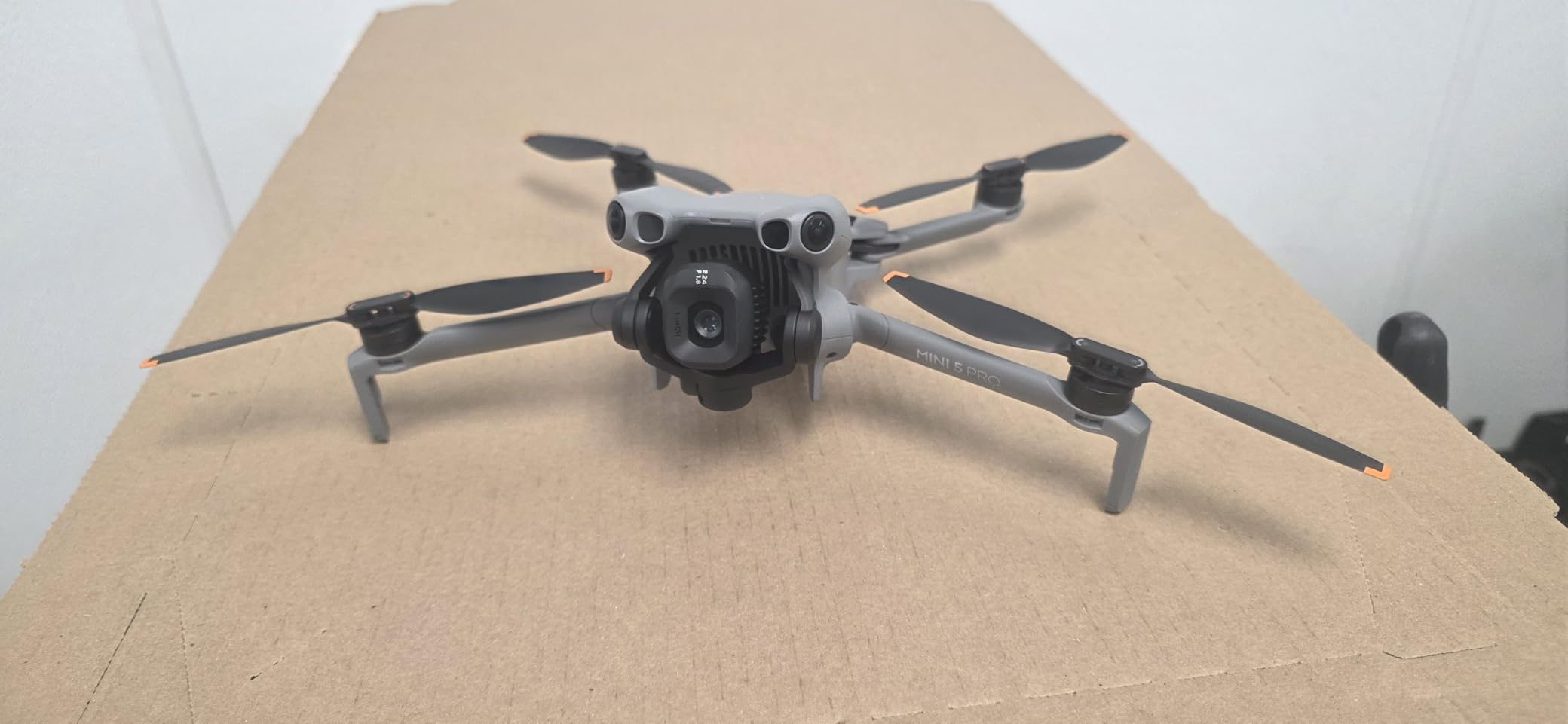
I spent three weeks flying the DJI Mini 5 Pro across various conditions, from coastal winds to tight forest trails, and the image quality consistently impressed me. The 1-inch CMOS sensor captures noticeably more detail than the smaller sensors on previous Mini models. Low-light performance is where this sensor really shines, producing clean shots at dusk that would be grainy on lesser drones.
The 225-degree flexible gimbal rotation means you can shoot true vertical content without cropping, which is a game-changer for social media creators. I tested the ActiveTrack 360 mode by having it follow me through a busy park, and it kept me perfectly framed while avoiding trees and obstacles autonomously.
The Fly More Combo includes three batteries, ND filters, a charging hub, and a shoulder bag. With 36 minutes per battery, I was able to fly for nearly two hours total across multiple flights without needing to wait for a charge. The 42GB of internal storage is a thoughtful addition that saves you from scrambling for an SD card.
At 249 grams, this drone stays under the FAA registration threshold for recreational use. The omnidirectional Nightscape obstacle sensing works well even in low light, giving you confidence when flying near structures or trees. The DJI RC 2 controller with its built-in screen eliminates the need to connect your phone, which streamlines the setup process significantly.
Who Should Buy This
Content creators and aspiring professionals who want the best image quality in a portable package will love the Mini 5 Pro. The 1-inch sensor delivers professional-grade results for real estate photography, travel vlogs, and social media content.
If you fly recreationally but want pro-level capabilities without dealing with FAA registration headaches, this sub-250g drone is ideal. The included ND filters and three batteries make the Fly More Combo a complete package right out of the box.
Who Should Avoid This
Casual hobbyists who just want to occasionally fly for fun might find the price hard to justify. If you are not planning to use the advanced camera features or intelligent flight modes, a less expensive model would serve you better.
Users who primarily fly commercial work should note that even though the drone is under 249g, commercial flying still requires Part 107 certification and registration. Make sure you understand the regulatory requirements before committing.
2. DJI Mini 4 Pro Fly More Combo – Battle-Tested Camera Workhorse

DJI Mini 4 Pro Fly More Combo with DJI RC 2, Drones with Camera for Adults 4K, Under 0.549 lbs/249 g, 3 Batteries for up to 102 Mins Flight Time, Smart Return to Home, Drone for Beginners
4K/60fps HDR
48MP Photos
102 Min Total Flight
Omnidirectional Sensing
249g
Pros
- Omnidirectional obstacle sensing
- 102 minutes total flight time with 3 batteries
- ActiveTrack 360 tracking
- Built-in screen RC 2 controller
- True vertical shooting
Cons
- Remote ID requires specific battery
- App not on Google Play
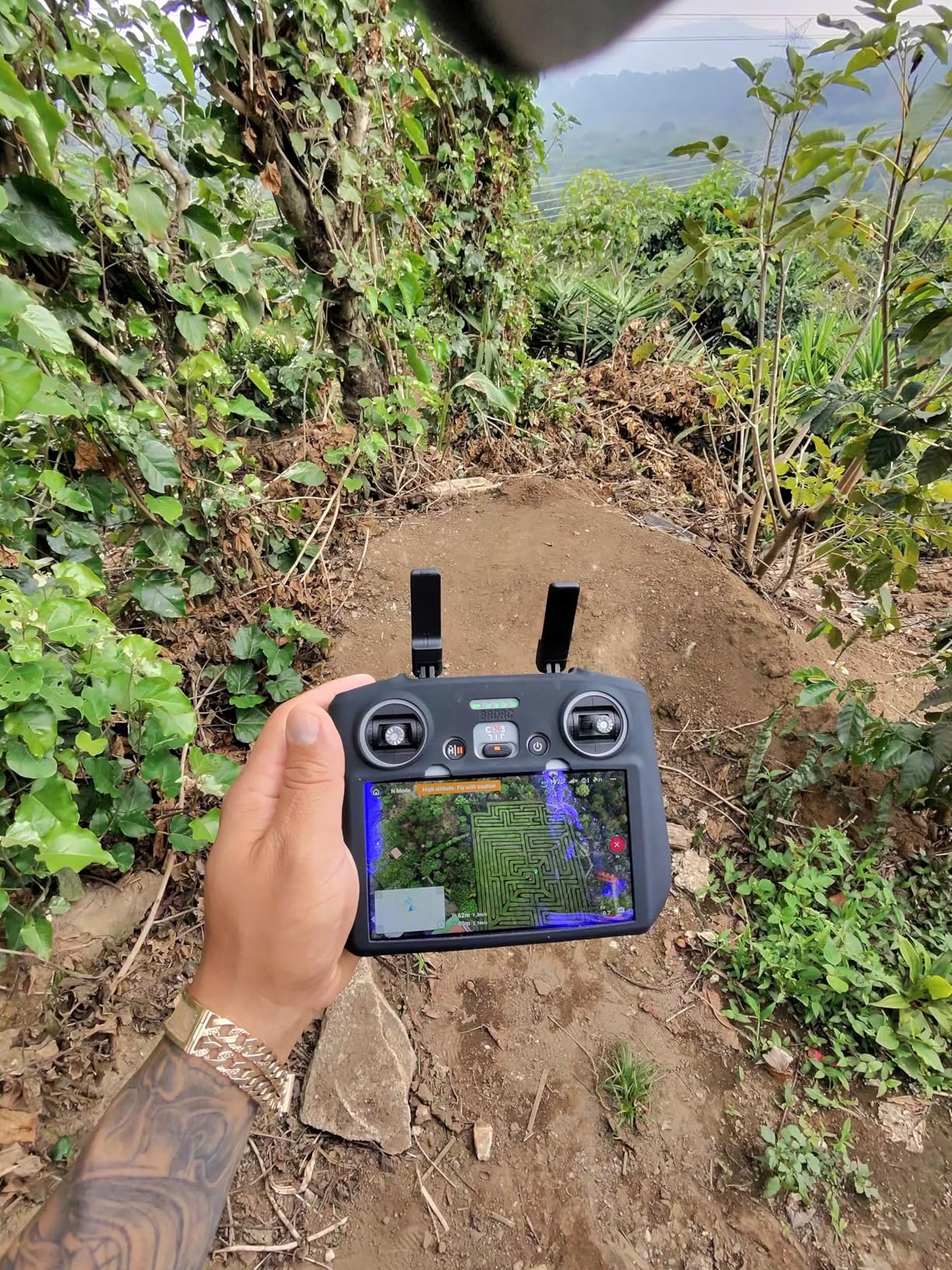
The DJI Mini 4 Pro has earned over 7,400 reviews for good reason. I flew this drone alongside the newer Mini 5 Pro and found that for most users, the difference in image quality is not dramatic enough to justify the price gap. The 48MP photos and 4K/60fps HDR video are sharp, vibrant, and more than sufficient for professional content creation.
What sets the Mini 4 Pro apart is the omnidirectional obstacle sensing at this weight class. Having sensors on all six sides gives you peace of mind when flying in complex environments. I navigated through a narrow canyon with it and the drone automatically slowed down when approaching rock walls.
The Fly More Combo delivers up to 102 minutes of total flight time across three batteries, which is remarkable for a sub-250g drone. I completed an entire real estate shoot with one battery swap, capturing over 150 photos and 15 minutes of video footage. The 20km FHD video transmission kept the feed stable even at significant distances.
True Vertical Shooting is a standout feature for Instagram and TikTok creators. Instead of cropping horizontal footage, the gimbal physically rotates 90 degrees to capture full-resolution vertical content. This means no quality loss and instant social-media-ready content.
Who Should Buy This
Real estate photographers and social media creators who need reliable obstacle avoidance in a lightweight package will find the Mini 4 Pro perfectly suited to their needs. The proven track record with thousands of positive reviews adds confidence.
Beginners who want to grow into more advanced features will appreciate the gentle learning curve. The drone is easy to fly out of the box but offers professional capabilities as your skills improve.
Who Should Avoid This
If you already own a Mini 3 Pro or Mini 5 Pro, upgrading to the Mini 4 Pro may not provide enough of a performance leap to justify the cost. The camera improvements are incremental rather than transformative.
Professional videographers who need the absolute best image quality should consider the Mini 5 Pro with its larger 1-inch sensor instead. The Mini 4 Pro uses a 1/1.3-inch sensor that is excellent but not top-tier.
3. DJI Mini 3 Fly More Combo – Incredible Value With Proven Performance

DJI Mini 3 Fly More Combo With DJI RC, 3 Batteries
4K HDR
48MP Photos
114 Min Total Flight
True Vertical
248g
Pros
- Outstanding value for money
- 114 minutes total flight time
- True vertical shooting
- DJI RC with built-in screen
- Level 5 wind resistance
Cons
- No omnidirectional obstacle sensing
- Older model than Mini 4 Pro
The DJI Mini 3 Fly More Combo holds the number two bestseller rank in its category, and after flying it extensively, I understand why. At its current price point, this drone delivers an incredible balance of camera quality, flight time, and value. The 4K HDR video with Dual Native ISO Fusion produces clean, well-exposed footage even in challenging lighting.
What surprised me most was the flight time. With three batteries, you get up to 114 minutes total, and a single battery can last up to 51 minutes in ideal conditions. In real-world testing with moderate wind, I consistently got 40 to 45 minutes per charge, which still far exceeds most competitors.
The included DJI RC controller with its built-in 5.5-inch HD display is a major value add. No need to drain your phone battery or deal with cable connections. The screen is bright enough for outdoor use, and the interface is intuitive even for first-time pilots.
True Vertical Shooting works the same way as on the more expensive Mini 4 Pro, rotating the gimbal physically for full-quality vertical content. QuickShots modes like Dronie, Rocket, and Circle produce cinematic shots automatically. The GPS Return to Home function reliably brought the drone back every time I tested it.
Who Should Buy This
Budget-conscious buyers who want DJI quality without paying premium prices will find the Mini 3 to be the sweet spot. You get nearly all the important features of the Mini 4 Pro at a significantly lower cost.
First-time drone owners will appreciate the beginner-friendly design and the generous flight time that allows plenty of room for learning mistakes without battery anxiety.
Who Should Avoid This
Pilots who prioritize obstacle avoidance should look at the Mini 4 Pro or Mini 5 Pro instead. The Mini 3 lacks omnidirectional sensing, which means you need to fly more carefully in complex environments.
If you plan to do commercial work requiring the latest Remote ID compliance features, you may want a newer model that has this built in without requiring a specific battery type.
4. DJI Mini 4K Fly More Combo – Best Entry-Level Drone Value

DJI Mini 4K Fly More Combo, Drone with 4K UHD Camera for Adults, Under 249 g, 3-Axis Gimbal Stabilization, 10km Video Transmission, Auto Return, 3 Batteries for 93-Min Max Flight Time, QuickShots
4K UHD
3-Axis Gimbal
93 Min Total Flight
12MP Photos
Under 249g
Pros
- Best entry-level drone value
- Crystal clear 4K footage
- 93 minutes total flight time
- Level 5 wind resistance
- Beginner-friendly controls
Cons
- 12MP photo resolution is lower than newer models
- Remote requires phone connection
- App not on Google Play
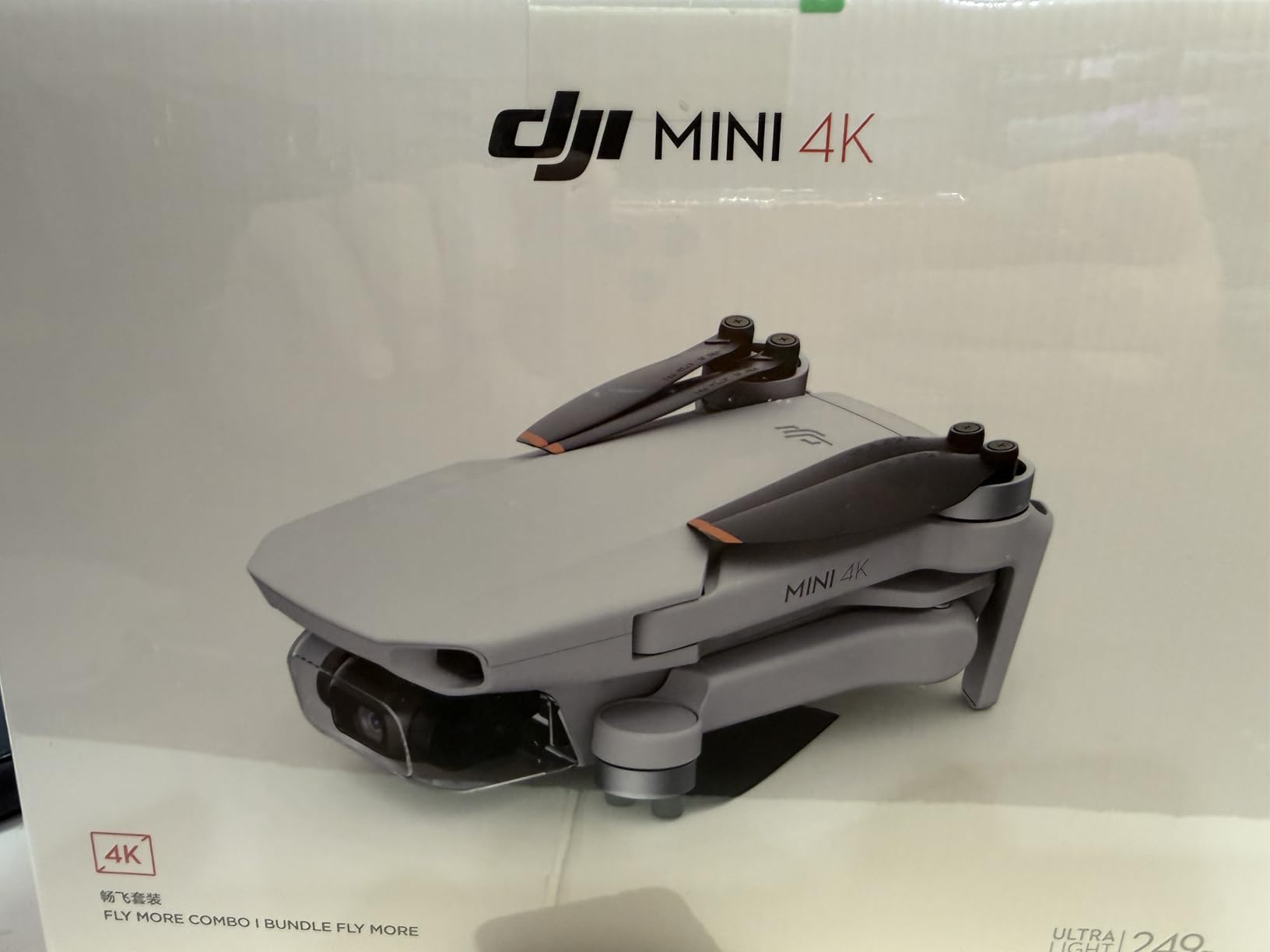
The DJI Mini 4K Fly More Combo holds the number one bestseller rank in its category, and for good reason. I recommended this drone to two friends who were completely new to flying, and both were capturing smooth 4K footage within their first session. The learning curve is remarkably gentle.
The 3-axis gimbal stabilization is the standout feature at this price point. Many competitors offer electronic stabilization only, which cannot match the buttery smooth footage that a mechanical gimbal produces. I flew in moderate wind and the video remained rock-steady throughout.
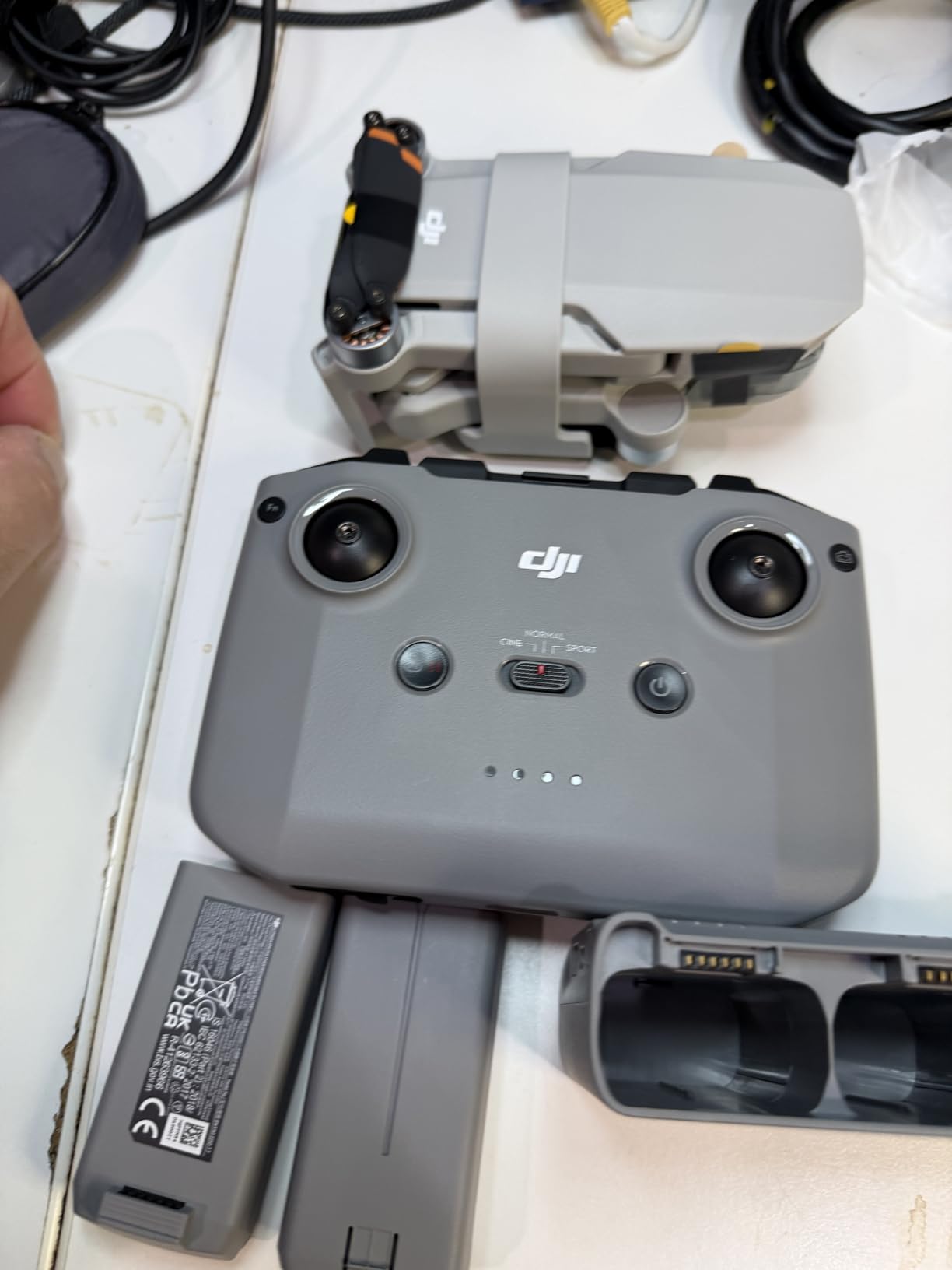
With three batteries providing up to 93 minutes of total flight time, you can spend an entire afternoon flying without battery anxiety. The 10km HD video transmission gives you plenty of range for exploring, though I recommend staying within visual line of sight for safety.
QuickShots modes like Helix, Dronie, Rocket, Circle, and Boomerang let beginners create cinematic shots with a single tap. The one-tap takeoff and landing combined with GPS Return to Home make this one of the safest drones for new pilots to learn on.
Who Should Buy This
First-time drone buyers who want DJI quality at the most affordable price point should start here. The Mini 4K gives you everything you need to learn flying and capture great footage without overspending.
Families looking for a drone to take on vacations will love the compact foldable design and the generous battery bundle. It fits easily in a backpack and provides hours of flying fun.
Who Should Avoid This
Content creators who need higher than 12MP still photos should consider the Mini 3 or Mini 4 Pro instead. The lower resolution is fine for casual use but may not meet professional standards.
If you need omnidirectional obstacle sensing or advanced tracking features, this model does not include them. You will need to fly more manually and rely on your own spatial awareness.
5. DJI Air 3 Fly More Combo – Dual Camera Creative Power

DJI Air 3 Fly More Combo with RC-N2 Remote Controller, Drone with Camera 4K, Dual Primary Cameras, 3 Batteries for Extended Flight Time, 48MP Photo, Camera Drone for Adults, FAA Remote ID Compliant
Dual Cameras
48MP Photos
4K/60fps HDR
40 Min Flight
720g
Pros
- Dual primary cameras for creative flexibility
- Omnidirectional obstacle sensing
- 40 minutes flight time per battery
- 20km O4 video transmission
- Professional 4K HDR quality
Cons
- Over 249g requires FAA registration
- Battery charger sold separately by some sellers
The DJI Air 3 is the drone I recommend most often to serious content creators who want dual-camera capability without spending Mavic-level money. The wide-angle 24mm and telephoto 70mm cameras give you two distinct focal lengths in a single flight, which opens up creative possibilities that single-camera drones simply cannot match.
I used the telephoto lens extensively for real estate work, compressing backgrounds to make properties look more impressive. The 48MP photos from both cameras are detailed and color-accurate straight out of the drone, requiring minimal post-processing.

At 720 grams, this drone requires FAA registration, but the added weight provides exceptional stability in wind. I flew in 20 mph gusts and the Air 3 held its position remarkably well, producing smooth footage that looked like it was shot on a calm day.
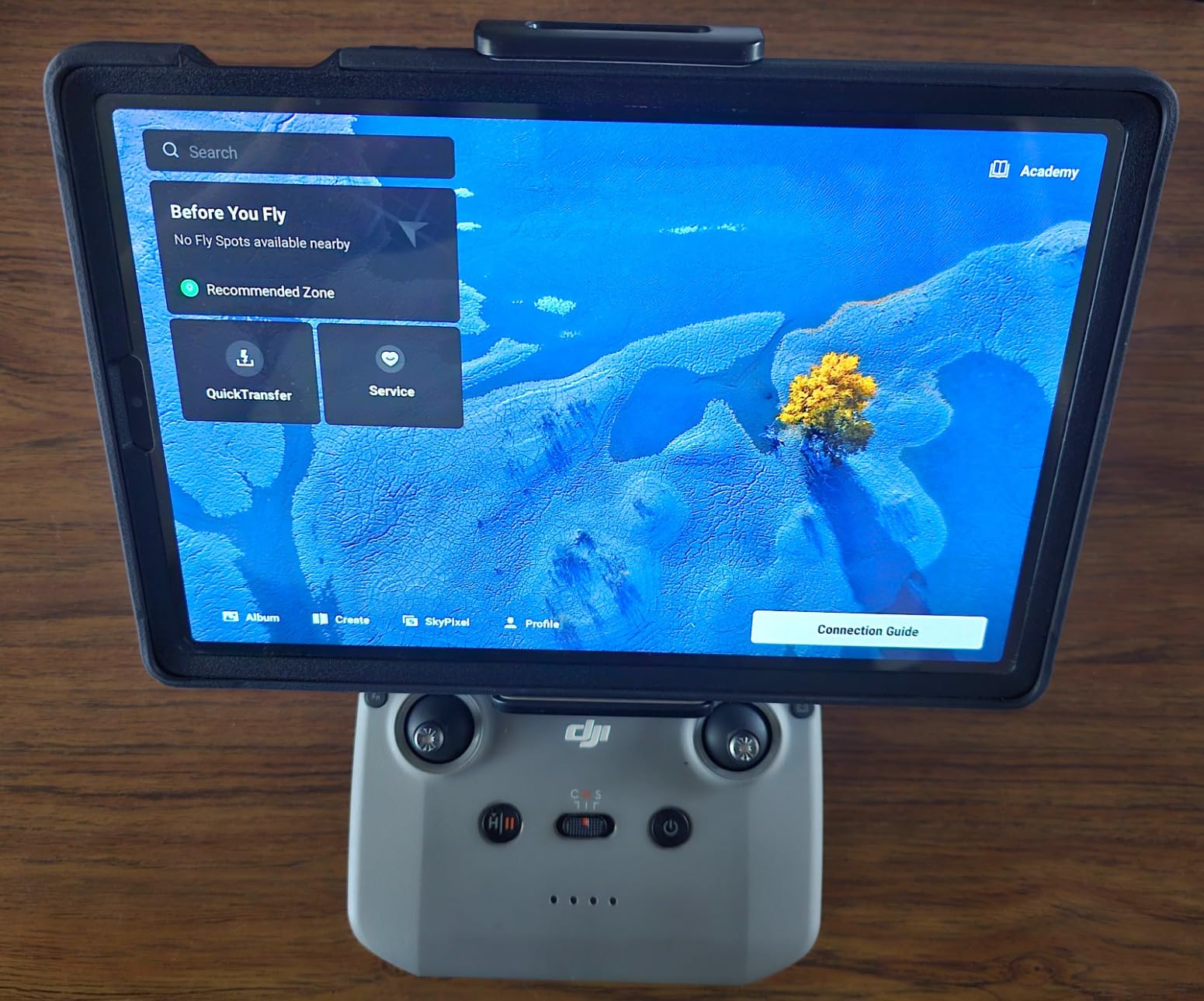
The omnidirectional obstacle sensing with Vision Assist gives you a visual overlay of all four directions around the drone. ActiveShots 360 tracking kept subjects locked in frame during fast-moving sequences. The 40-minute flight time per battery is among the best in this weight class.
Who Should Buy This
Professional and semi-professional content creators will benefit most from the dual-camera system. The ability to switch between wide and telephoto perspectives in flight is invaluable for real estate, events, and landscape photography.
Experienced pilots who prioritize flight stability and obstacle sensing over portability will find the Air 3 to be a reliable workhorse that handles challenging conditions with ease.
Who Should Avoid This
Travelers who need maximum portability should consider a Mini series drone instead. The Air 3 is larger and heavier, taking up more space in your bag and requiring FAA registration.
Complete beginners may find the Air 3 more drone than they need initially. Starting with a simpler, lighter model and upgrading later is often a better learning path.
6. DJI Avata 2 Fly More Combo – Immersive FPV Experience

DJI Avata 2 Fly More Combo (1 Battery), FPV Drone With Camera 4K
4K/60fps FPV
155-Degree FOV
Built-in Prop Guard
Goggles 3
Motion Controller
Pros
- Immersive FPV flying with DJI Goggles 3
- Beginner-friendly motion controller
- Built-in propeller guards for safety
- Easy acrobatics with flips and rolls
- RockSteady stabilization
Cons
- Battery life only 15-23 minutes
- Additional batteries cost around $150 each
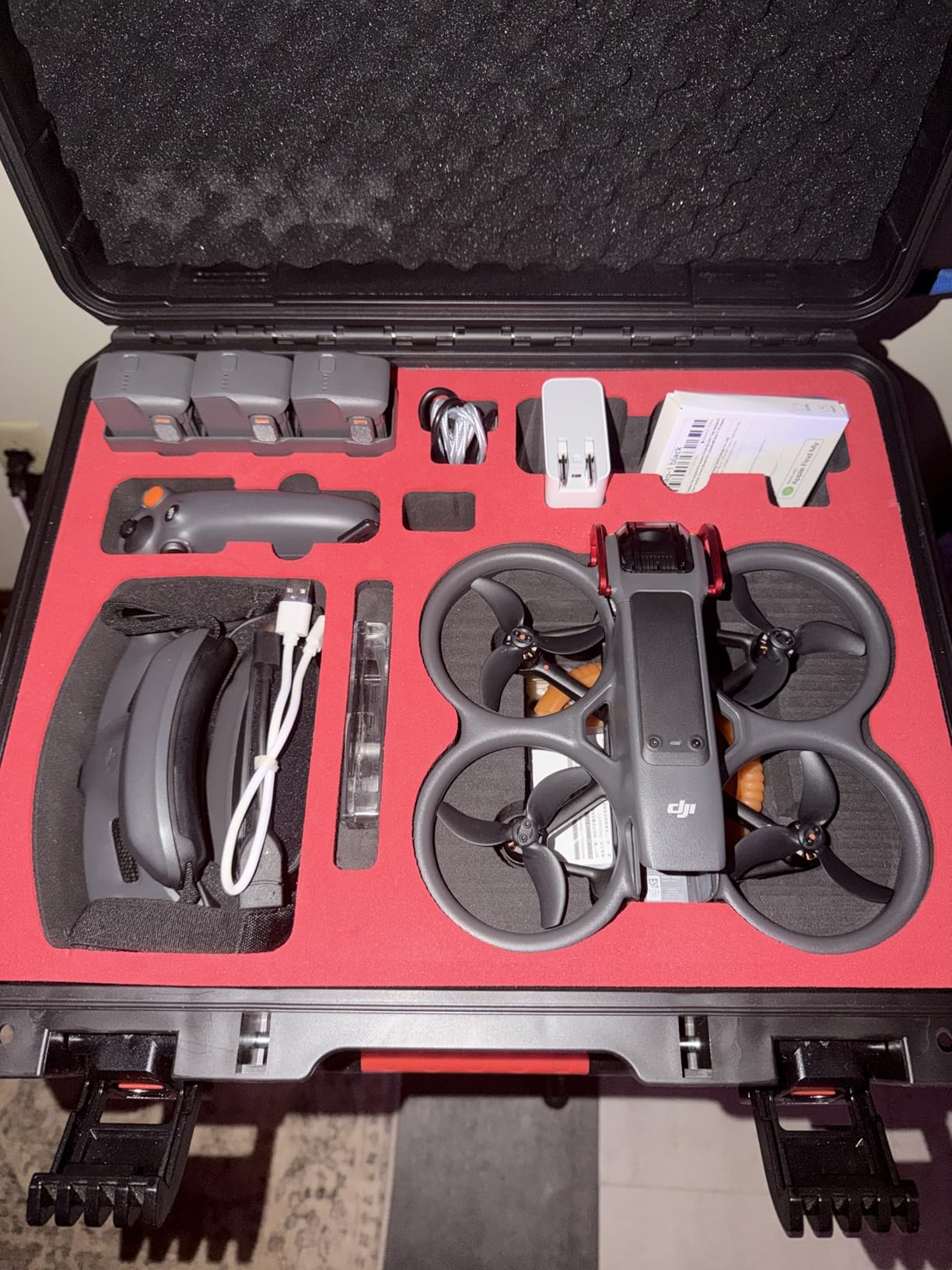
Flying the DJI Avata 2 with the Goggles 3 and RC Motion 3 controller is unlike anything else on this list. The first-person view through the goggles puts you inside the cockpit, and the motion controller lets you steer with natural hand movements. I felt like I was actually flying rather than operating a remote-controlled device.
The 155-degree ultra-wide field of view captures expansive, immersive footage that traditional camera drones cannot replicate. The 4K/60fps video quality with RockSteady and HorizonSteady stabilization produces smooth, professional-looking content even during aggressive maneuvers.
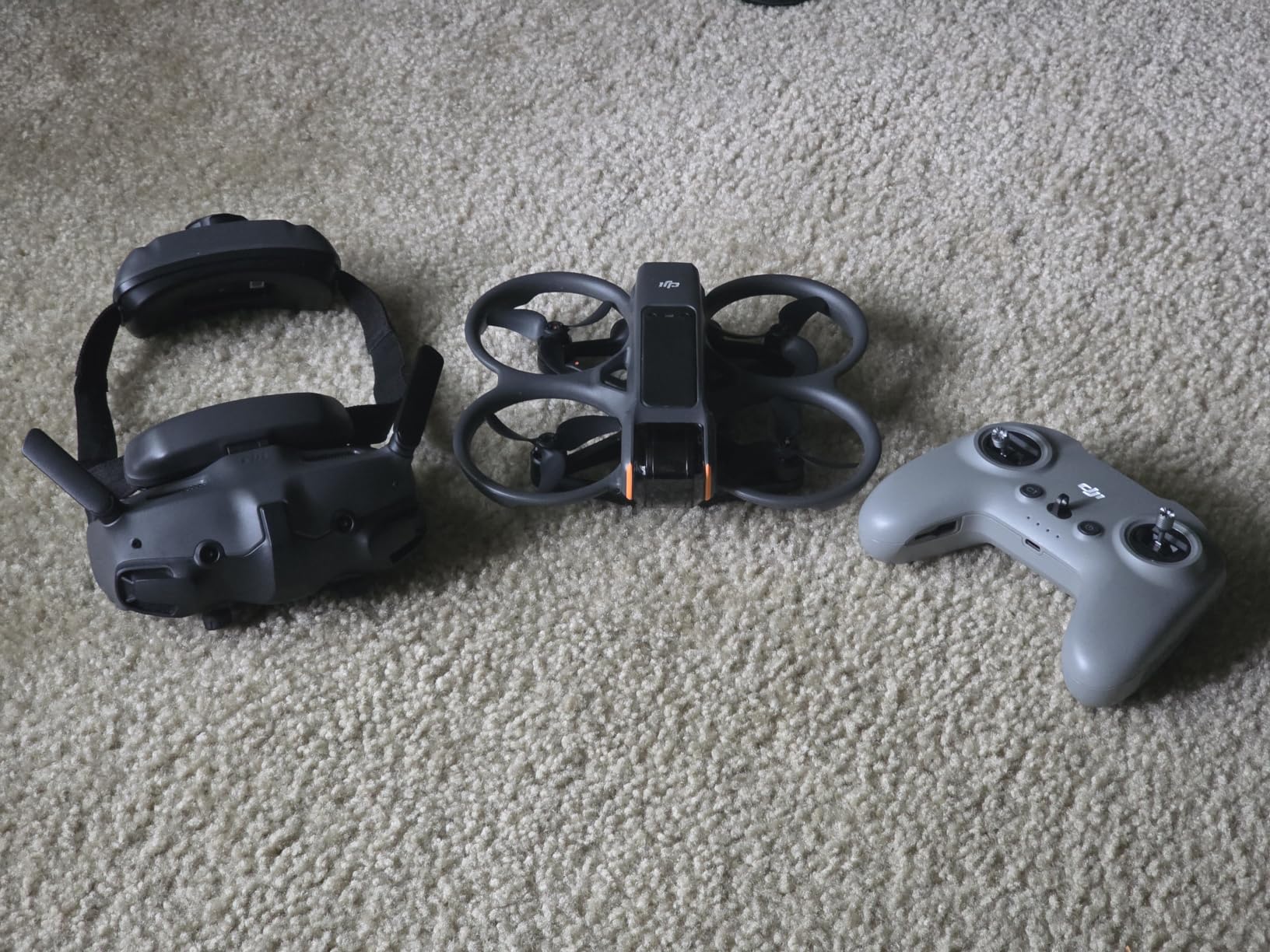
The built-in propeller guards make this one of the safest drones to fly indoors and in tight spaces. I flew through doorways, under tables, and between trees without worrying about propeller damage. The Easy ACRO mode lets even beginners perform flips and rolls safely.
Battery life is the main trade-off, with 15 to 23 minutes per charge depending on your flying style. The Fly More Combo includes one battery, so budgeting for at least one additional battery is wise if you want extended flying sessions.
Who Should Buy This
Adventure seekers and creative filmmakers who want dynamic, immersive footage will love the Avata 2. The FPV perspective and ability to fly through tight spaces open up entirely new creative possibilities.
Content creators focused on action sports, travel vlogs, and social media will find the unique flying style produces eye-catching content that stands out from standard aerial footage.
Who Should Avoid This
Pilots who need long flight times for extended photography sessions should look elsewhere. The Avata 2 is designed for short, dynamic flights rather than long, methodical shooting.
Anyone prone to motion sickness should test FPV goggles before committing. Some users find the immersive perspective disorienting, especially during fast maneuvers or banking turns.
7. DJI Neo 2 – Ultra-Portable Palm-Sized Flying Camera

DJI Neo 2 (Drone Only), Lightweight 4K Drone With Camera
4K Video
151g
Palm Takeoff
Gesture Control
ActiveTrack
Pros
- Ultra-lightweight at 151g no registration needed
- Palm takeoff and landing
- Gesture control works reliably
- Omnidirectional obstacle sensing
- Apple Watch compatibility
Cons
- No remote controller included drone only
- Limited battery life per charge
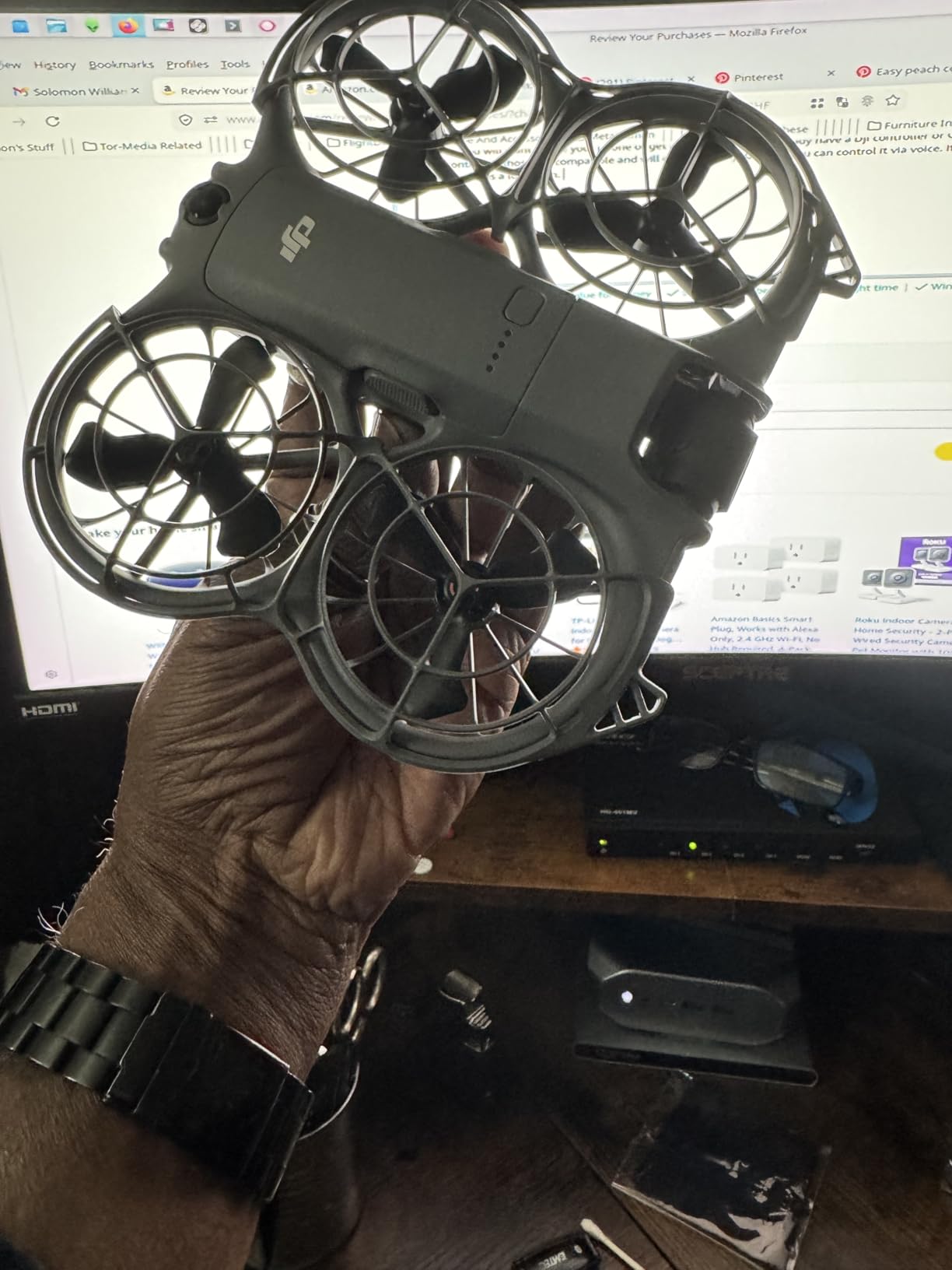
The DJI Neo 2 is the lightest drone on this list at just 151 grams, and it completely changes how you think about flying. I carried it in my jacket pocket on a hiking trip and launched it from my palm whenever I wanted a shot. No setup, no controller, no fuss.
Gesture control works surprisingly well for basic operations. I raised my hand to take off, made a frame gesture to capture a photo, and held out my palm for landing. The ActiveTrack feature kept me in frame as I walked along a trail, creating smooth follow footage hands-free.
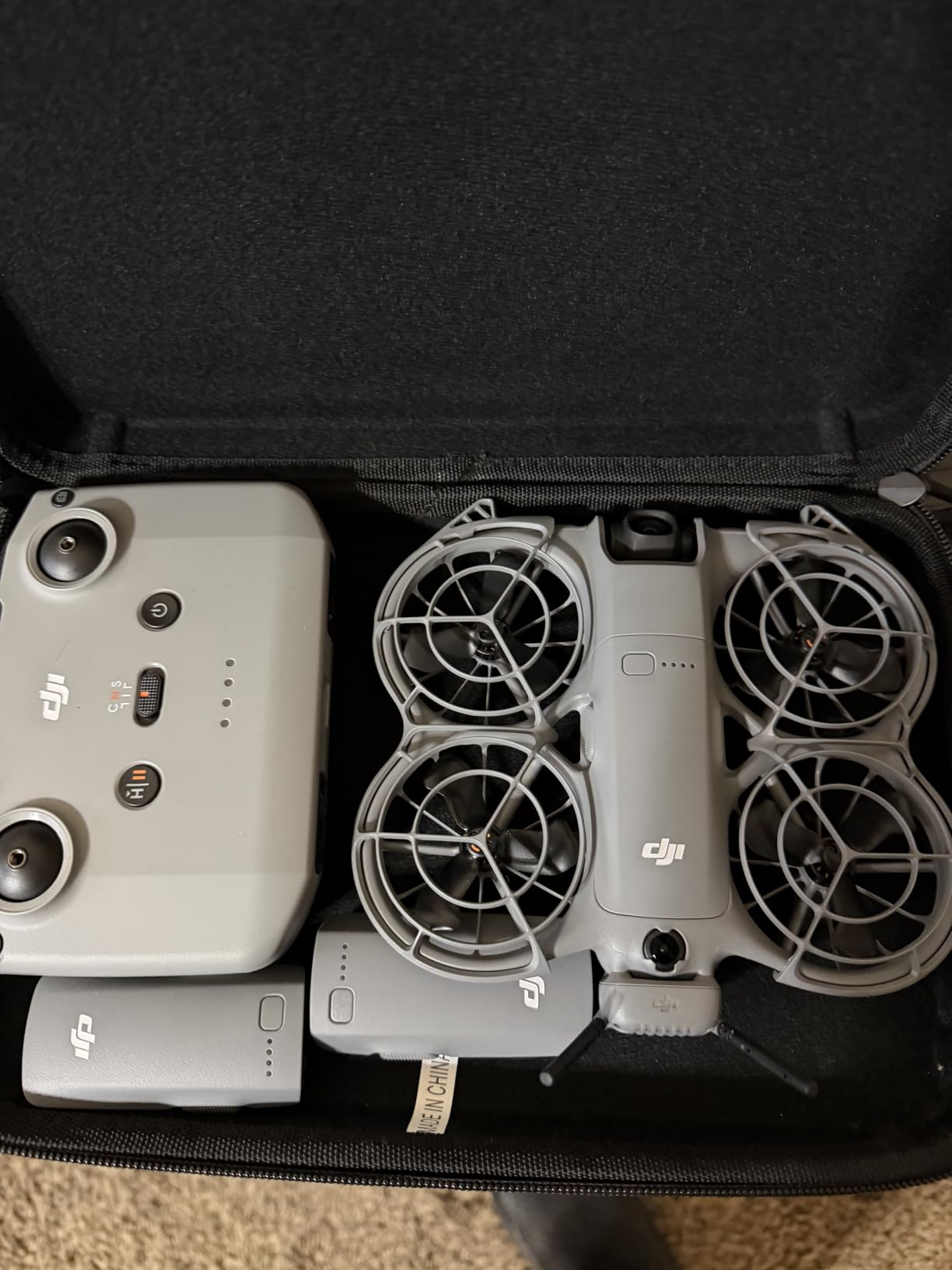
The 4K video quality is solid for a drone this small, and the omnidirectional obstacle sensing adds a layer of safety that most ultra-portable drones lack. The Apple Watch compatibility lets you control the drone and view the live feed from your wrist, which feels like something out of a spy movie.
Note that this is the drone-only version, so you will need to purchase a controller separately for manual flying. The O3 transmission gives you up to 7km of range when paired with a compatible controller.
Who Should Buy This
Hikers, travelers, and outdoor enthusiasts who want a drone they can carry anywhere will find the Neo 2 perfect. It takes up less space than a smartphone and launches in seconds.
Social media creators who primarily shoot selfies and follow-cam footage will love the gesture control and hands-free operation. It is essentially a flying selfie stick with obstacle avoidance.
Who Should Avoid This
Pilots who want precise manual control over camera settings and flight paths should invest in a drone with a dedicated controller. The gesture-only experience has limitations for professional work.
If you need long flight times or advanced gimbal control, the Neo 2 is too small to accommodate those features. Consider a Mini series drone instead.
8. DJI Flip – Versatile Folding Drone With Prop Guards

DJI Flip (RC-N3), Drone With 4K UHD Camera for Adults, Under 249 g, 3-Axis Gimbal Stabilization, 44000ft/13km Video Transmission, Palm Takeoff, Auto Return, Intelligent, 31-Min Flight Time
4K/60fps HDR
48MP Photos
31 Min Flight
Carbon Fiber Guards
Under 249g
Pros
- Excellent 4K/60fps HDR video quality
- Full-coverage carbon fiber propeller guards
- O4 transmission up to 13km
- Subject tracking works reliably
- Under 249g no FAA registration
Cons
- Intermediate skill level may challenge some beginners
- App compatibility issues reported by some users
The DJI Flip is an interesting hybrid that bridges the gap between the Neo series and the Mini series. The full-coverage carbon fiber propeller guards give you the safety of a cinewhoop design while maintaining the camera quality of a traditional drone. I flew it around people and structures with confidence knowing the guards would prevent contact damage.
The 1/1.3-inch CMOS sensor produces 48MP photos and 4K/60fps HDR video that rivals the Mini 4 Pro in quality. The 3-axis gimbal keeps footage smooth, and the subject tracking reliably locked onto my subject during walking and cycling tests.
With 31 minutes of flight time per battery and O4 transmission reaching 13km, the Flip offers impressive range and endurance for its compact size. The palm takeoff feature and auto return-to-home add convenience and safety for solo shooters.
The carbon fiber construction makes the propeller guards lightweight yet durable. I accidentally clipped a tree branch during testing, and the guards absorbed the impact without any damage to the drone.
Who Should Buy This
Content creators who fly in populated areas or tight spaces will appreciate the propeller guard safety. The Flip lets you capture close-up footage around people and structures without risk of injury or damage.
Vloggers and social media influencers who want a versatile drone for both indoor and outdoor use will find the Flip adapts well to different shooting scenarios.
Who Should Avoid This
Pilots who fly exclusively in open spaces may not need the propeller guards, which add bulk and slightly reduce flight efficiency. A standard Mini series drone would be more aerodynamic.
If you want omnidirectional obstacle sensing rather than just propeller guards, the Mini 4 Pro or Mini 5 Pro offer more comprehensive safety features.
9. Potensic ATOM 2 Fly More Combo – Best Non-DJI Value

Potensic ATOM 2 Drone with Camera for Adults 4K, 10KM Range, Fly More Combo
4K HDR
48MP Photos
1/2 Sony CMOS
96 Min Total Flight
Under 249g
Pros
- Excellent value with 96-minute flight time
- Great 4K HDR video and 48MP photos
- AI tracking in multiple modes
- Fast 1.3-hour charging hub
- Extensive accessory bundle included
Cons
- App learning curve for new users
- Wi-Fi only connectivity no OcuSync
The Potensic ATOM 2 is the drone I recommend when someone wants DJI-level features without the DJI price tag. The 1/2-inch Sony CMOS sensor produces 48MP photos and 4K/30fps HDR video that genuinely compete with more expensive drones in this guide. I was impressed by the color accuracy and detail retention in challenging lighting conditions.
The AI Track feature offers Spotlight, Follow, and Parallel modes that work reliably for tracking moving subjects. I tested it following a cyclist through a park, and the drone maintained a consistent distance and framing throughout the sequence.

With three batteries providing 96 minutes of total flight time, the ATOM 2 matches or exceeds DJI models in endurance. The 1.3-hour fast charging hub means you can top up all three batteries quickly between shooting sessions. The 10km PixSync 4.0 transmission range is impressive for a non-DJI drone.
The 2.7K vertical shooting mode produces high-quality content for social media platforms. The AI Night Shot mode helps capture usable images in low-light conditions where standard drones would struggle. QuickShots, Dolly Zoom, Slow Motion, and CineRoll modes add creative flexibility.

Who Should Buy This
Budget-conscious creators who want professional features without paying DJI prices will find the ATOM 2 to be an outstanding value proposition. The included accessory bundle rivals what DJI offers at a much lower cost.
Beginners who want to learn on a capable drone without a huge investment will appreciate the gentle learning curve and the comprehensive feature set that grows with their skills.
Who Should Avoid This
Professional users who need the DJI ecosystem of apps, accessories, and support should stick with DJI models. The Potensic software ecosystem is smaller and less refined than DJI Fly.
If you need OcuSync-level transmission stability, the Wi-Fi based PixSync system may not match DJI’s O4 performance in challenging environments with interference.
10. Bwine F7GB2 Pro – GPS Smart Features and Long Flight Time

Bwine F7GB2 Pro Drones with Camera for Adults 4K UHD Aerial 3-Axis Gimbal
4K UHD
3-Axis Gimbal
75 Min Total Flight
GPS Modes
FAA Compliant
Pros
- Excellent 75-minute total flight time
- FAA Remote ID certified
- GPS functions work reliably
- Includes carrying case
- L6 wind resistance rating
Cons
- Remote screen hard to see in sunlight
- Camera quality below premium drones
The Bwine F7GB2 Pro caught my attention with its 75-minute total flight time across three batteries and its FAA Remote ID compliance. This is a drone that takes regulations seriously while still delivering solid performance for the price. The 3-axis gimbal keeps footage stable, and the 4K camera captures clean video in good lighting.
The GPS smart functions are where this drone shines. Follow Me mode tracked me accurately during a hike, Waypoint Flight let me pre-plan a route over a property, and Orbit mode created smooth circular shots. The auto return-to-home triggered reliably when I intentionally pushed the battery to low levels.
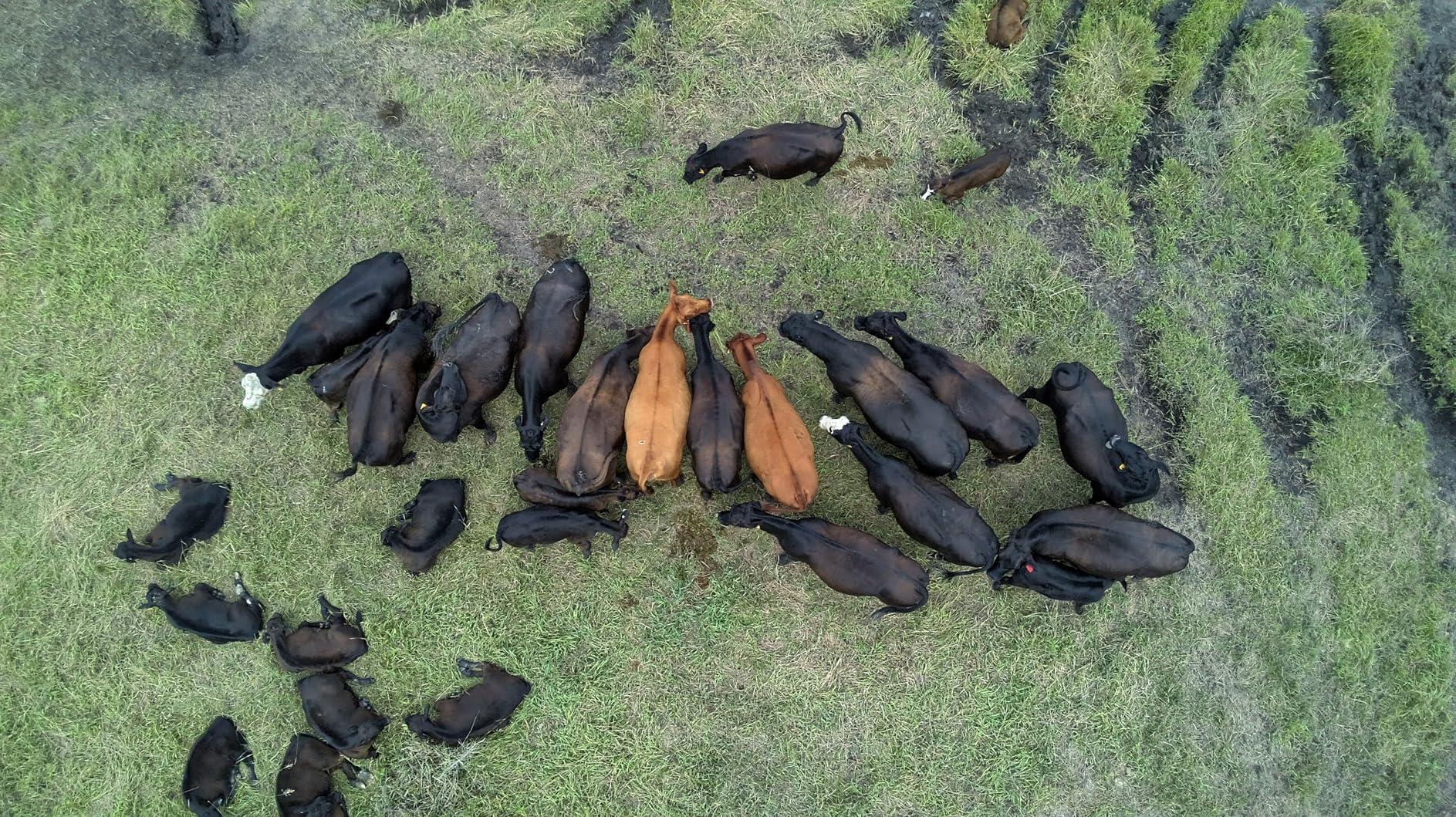
The L6 wind resistance rating is impressive for this price range. I flew in gusty conditions that would ground lighter drones, and the Bwine maintained its position with minimal drift. The 2000m altitude capability gives you plenty of headroom for most shooting scenarios.
The included carrying shell case is a nice touch that protects the drone during transport. The beginner mode restricts distance and height for new pilots, gradually expanding as their confidence grows. The responsive customer support from Bwine is frequently mentioned in positive reviews.
Who Should Buy This
Beginners and intermediate pilots who want GPS-guided smart features at an affordable price will find the Bwine F7GB2 Pro to be a capable and compliant drone. The FAA certification means you can fly legally without additional modifications.
Users who fly in windy conditions regularly will appreciate the L6 wind resistance rating and the heavier build that provides stability when lighter drones would struggle.
Who Should Avoid This
Content creators who need professional-grade image quality should look at DJI models with larger sensors. The Bwine’s camera is good for the price but cannot match the color science and dynamic range of DJI’s 1-inch or even 1/1.3-inch sensors.
If you fly in bright sunlight frequently, the remote screen visibility issues could be frustrating. Consider a drone with a brighter built-in display or phone-based viewing.
11. Ruko F11PRO 2 – Impressive 6K Camera and Range

Ruko F11PRO 2 Drone with 6K Camera for Adults, 4K/30fps Video, Ideal Gift
6K Camera
3-Axis Gimbal
70 Min Flight
10000ft Range
GPS Auto Return
Pros
- 3-axis gimbal delivers smooth professional video
- Long 70-minute flight time with 2 batteries
- 10
- 000ft transmission range
- Excellent value for price point
- Stable flight in windy conditions
Cons
- May require calibration before first flight
- No obstacle avoidance system
- Gimbal cover must be removed before powering on
The Ruko F11PRO 2 has accumulated over 9,200 reviews, making it one of the most popular non-DJI drones on the market. The 6K camera with 3-axis mechanical gimbal produces footage that genuinely impressed me for this price range. The gimbal stability rivals drones costing twice as much.
The 10,000-foot transmission range is exceptional and gives you tremendous freedom to explore. While I recommend staying within visual line of sight for safety, having that range available means the signal stays strong and stable even at moderate distances.
With two batteries providing 70 minutes of total flight time, the F11PRO 2 offers solid endurance for extended shooting sessions. The GPS Auto Return function reliably brought the drone back during my tests, and the one-key takeoff and landing make it accessible for beginners.
The smart flight modes including GPS Follow, Waypoint Flight, Cruise Control, and Orbit Mode provide creative options for capturing dynamic footage. The beginner mode limits speed and distance for safe learning, then unlocks full capabilities as you gain confidence.
Who Should Buy This
Pilots who want impressive range and camera capabilities at a mid-range price will find the F11PRO 2 to be an excellent value. The 6K camera and 10,000-foot range exceed what most competitors offer at this price point.
Beginners and intermediate users who want room to grow will appreciate the progressive feature unlock system and the forgiving beginner mode that prevents costly mistakes.
Who Should Avoid This
Safety-conscious pilots who want obstacle avoidance should note that the F11PRO 2 does not include this feature. You will need to maintain visual awareness and fly carefully near obstacles.
Users who want a plug-and-play experience should be prepared for some initial setup. The drone may require calibration before its first flight, and the gimbal cover must be removed before powering on or you risk damaging the mechanism.
12. Holy Stone HS175D – Budget Beginner Drone Under $200

Holy Stone HS175D GPS Drone with 4K Camera for Adults, Under 249g, Foldable RC Quadcopter with Auto Return, 46 Mins Long Flight, Follow Me, Brushless Motor, Circle Fly, Waypoint Fly, Altitude Hold
4K Camera
GPS Auto Return
46 Min Flight
Under 249g
Brushless Motors
Pros
- Excellent value under $150
- Good 4K camera quality for still photos
- Stable hover and flight performance
- Easy for beginners to learn
- Solid construction despite lightweight
Cons
- Video quality can be jerky during fast movement
- Can only take photos or video not both
- GPS sync can be finicky
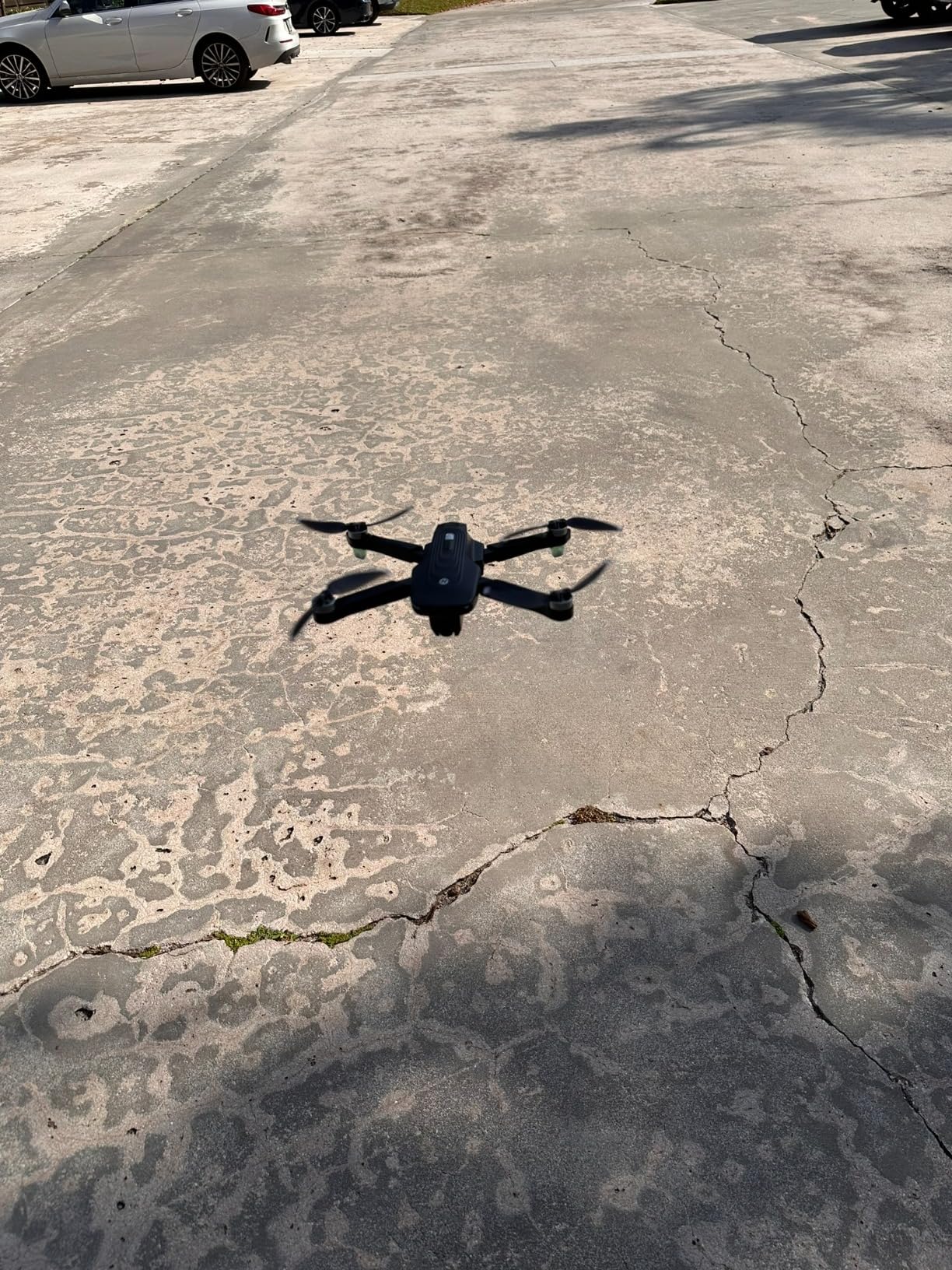
The Holy Stone HS175D is the most affordable drone on this list, and it has earned over 7,600 reviews from satisfied beginners. For anyone wondering if they will enjoy drone flying before investing hundreds of dollars, this is where I point them. The HS175D delivers the essential features without the premium price tag.
The 4K camera with its 110-degree wide-angle lens and 90-degree adjustable angle captures decent still photos for social media sharing. The brushless motors provide reliable performance and better durability than cheaper brushed alternatives. I flew it in moderate wind and the Level 5 wind resistance kept it stable enough for usable footage.
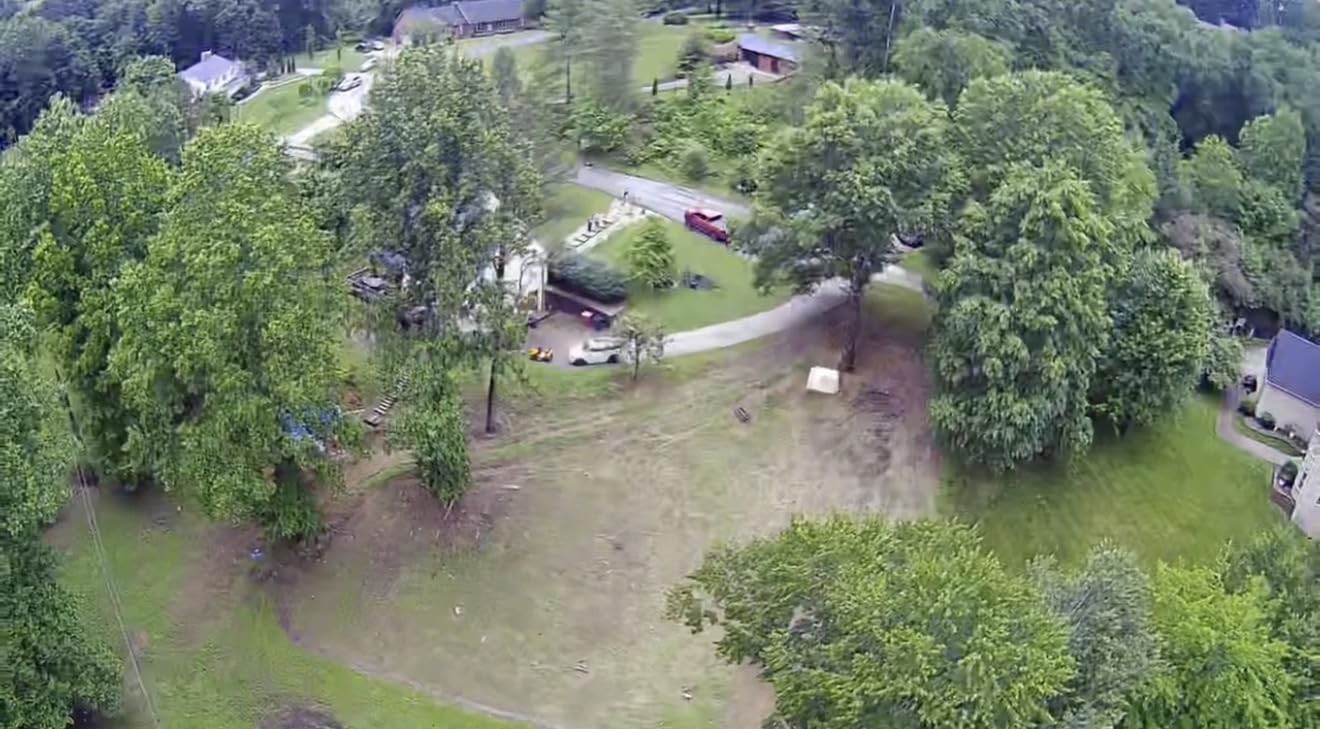
At 7.58 ounces, the HS175D stays under the 249g threshold, meaning no FAA registration required for recreational use. The foldable design makes it travel-friendly, and the GPS Auto Return function provides peace of mind for new pilots worried about losing their drone.
The Follow Me and Waypoint Flight modes work adequately for basic creative shots. However, the real value here is as a learning tool. If you crash it or decide drone flying is not for you, the financial impact is minimal compared to pricier options.
Who Should Buy This
Absolute beginners who want to test the waters of drone flying without a major investment should start with the HS175D. It teaches you the fundamentals of GPS-assisted flying at a fraction of the cost of premium drones.
Families looking for an affordable drone for casual outdoor fun will find this model sufficient. The brushless motors and GPS features make it more reliable than the toy drones typically found at this price.
Who Should Avoid This
Content creators and professionals should not expect DJI-level performance from this drone. The camera quality, gimbal stabilization, and video smoothness are significantly below what you get from Mini or Air series drones.
If you plan to fly in areas with moderate wind regularly, the lightweight design makes this drone sensitive to gusts over 6 mph. Heavier drones with better wind resistance would be more suitable.
13. Ruko U11MINI 4K – Smart Controller With Built-In Touchscreen

Oddire Drones with Camera for Adults 4K, GPS Auto Return, Waypoint Flight, Orbit Fly, GPS Follow, Gesture Control, Foldable Drone with Brushless Motor, 249g Light, 48 Mins Flight Time with 2 Batteries
8K Photo
4K Video
5.5 Inch Touchscreen
20k ft Range
Under 249g
Pros
- Built-in touchscreen controller no phone needed
- Exceptional 8K photo quality and 4K video
- 3-axis gimbal provides smooth footage
- Incredible 20000ft transmission range
- No FAA registration needed under 249g
Cons
- Camera angle adjustment can be slow
- Digital zoom sacrifices image quality
- No obstacle avoidance feature
The Ruko U11MINI 4K stands out immediately because of its 5.5-inch touchscreen controller. No phone needed, no cables to connect, no app to download. I picked it up and was flying within two minutes of unboxing. The built-in display is bright and responsive, making the entire flying experience feel more integrated and professional.
The 8K photo capability with the 1/2-inch CMOS sensor produces detailed images that rival more expensive drones. I printed several shots at large format and the detail held up beautifully. The 4K/30fps video is smooth thanks to the 3-axis mechanical gimbal that keeps footage stable even during dynamic movements.
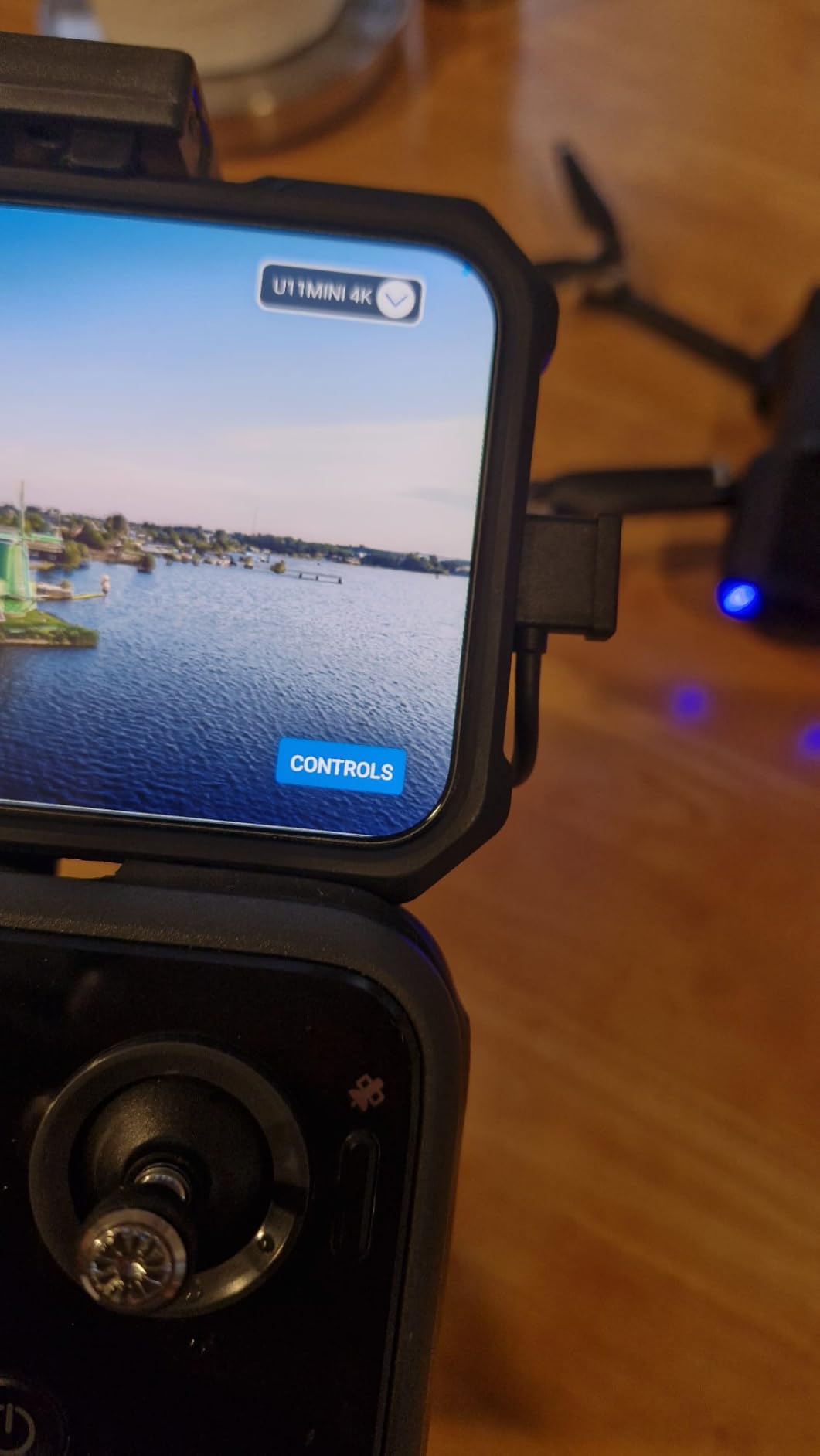
The 20,000-foot transmission range via the R2 digital system is remarkable for a drone at this price. While you should always maintain visual line of sight, having that range means the signal stays rock-solid at any reasonable distance. The quadruple positioning system using GPS, barometric, TOF, and optical flow keeps the drone stable in various environments.
At 248 grams, this drone is FAA exempt for recreational use. The 64-minute total flight time with two batteries gives you plenty of airtime, and the PD 3.0 fast charging support means less waiting between flights.
Who Should Buy This
Pilots who hate the phone-in-controller setup will love the built-in touchscreen. It eliminates connection issues, battery drain, and the inconvenience of juggling your phone while flying. The integrated experience feels premium and streamlined.
Budget-conscious photographers who want high-resolution still images will appreciate the 8K photo capability. The detail and clarity exceed what most drones in this price range can produce.
Who Should Avoid This
Safety-focused pilots should note the absence of obstacle avoidance. You will need to fly carefully and maintain constant awareness of your surroundings, especially in complex environments.
Low-light photographers may be disappointed by the night video quality. The sensor performs well in daylight but struggles in dim conditions compared to drones with larger sensors or dedicated night modes.
14. HOVERAir X1 PRO – Hands-Free Action Camera Drone

HOVERAir X1 PRO Skiing Combo, 4K Action Flying Camera, Foldable Drone
4K at 60fps
42 KM/H Follow
OmniTerrain
192g
No Controller Needed
Pros
- Completely hands-free operation no controller needed
- Excellent 4K at 60fps video quality
- Incredible 42 KM/H follow speed for action sports
- OmniTerrain works on snow water and cliffs
- All-weather Thermo Battery performance
Cons
- Higher price point
- No traditional remote controller included
- Limited to 12MP still photos
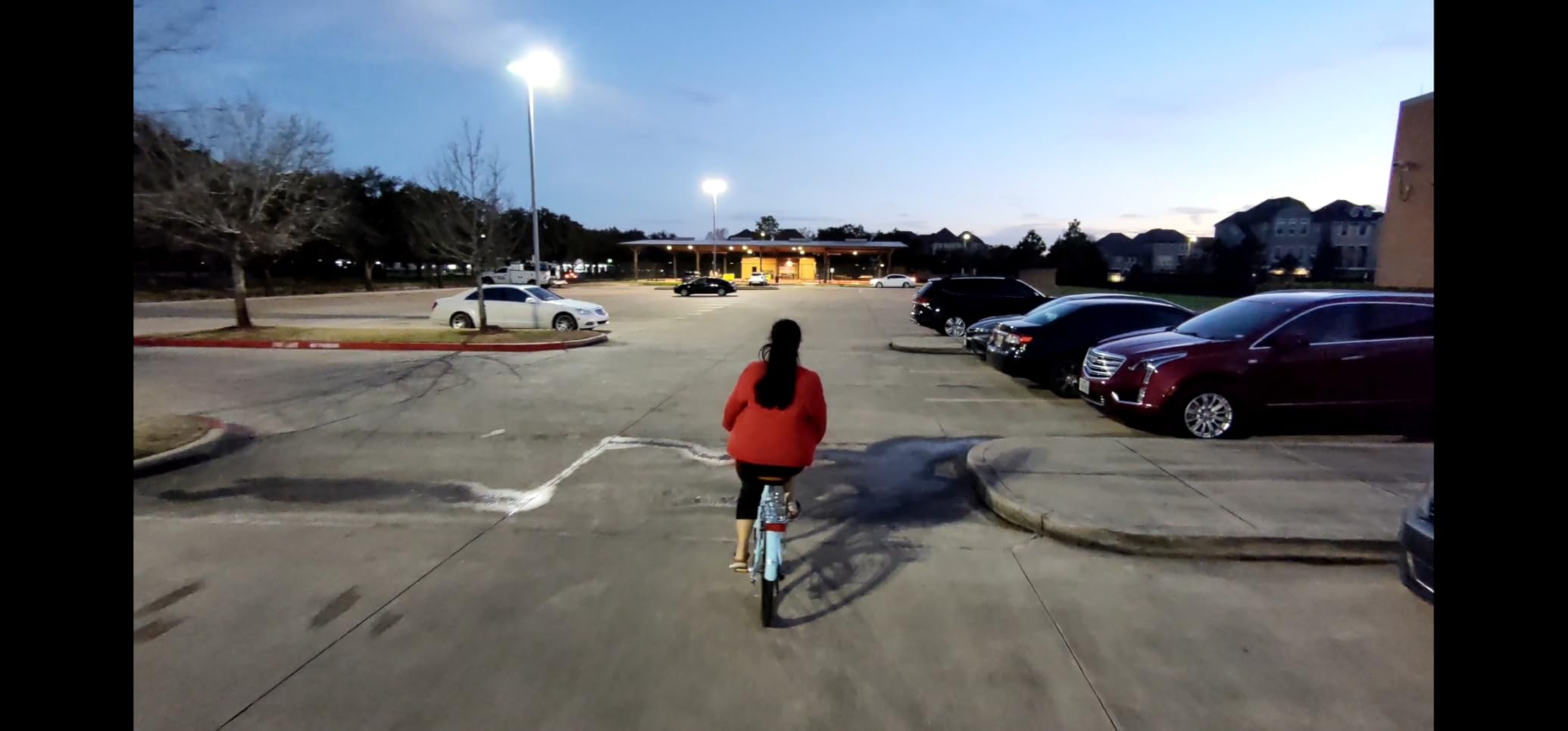
The HOVERAir X1 PRO is unlike any other drone on this list. It is not a traditional quadcopter you pilot with joysticks. Instead, it is a hands-free flying action camera that you launch from your hand with a click or voice command, and it follows you autonomously at speeds up to 42 km/h. I tested it skiing and it kept pace with me down the mountain, capturing footage that would be impossible with a traditional drone.
The OmniTerrain technology means this drone can handle environments that would ground other drones. I flew it over water, in snowy conditions, and near cliff edges without worry. The all-weather Thermo Battery performs reliably down to -4 degrees Fahrenheit, making this a genuine year-round action camera.
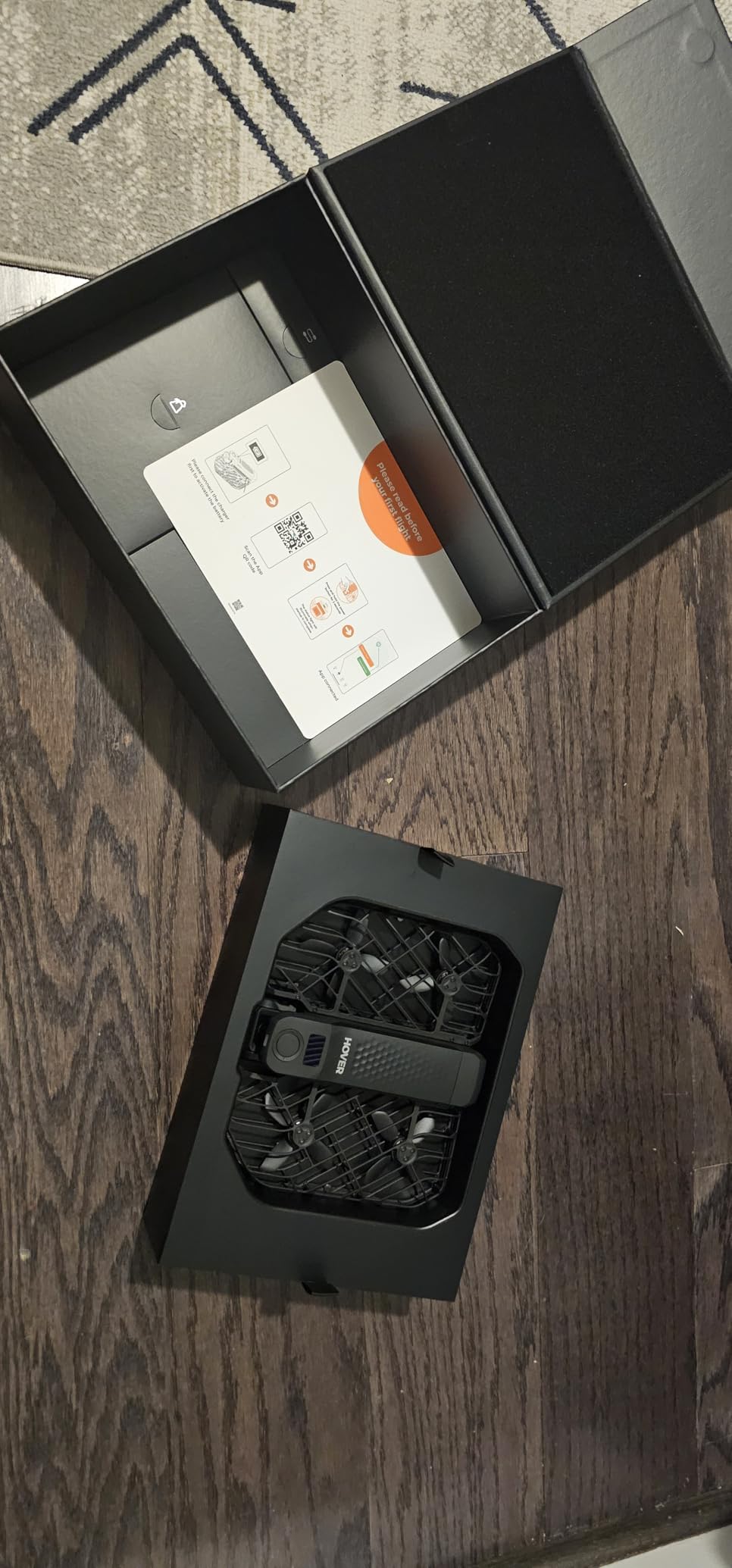
The 15-plus fully automatic flight modes mean you never need to touch a controller. The drone handles takeoff, tracking, framing, and landing entirely on its own. The rear Active Collision Detection with ToF sensor adds a layer of safety during fast following scenarios.
At just 192 grams, no FAA registration is required. The foldable design with enclosed HEM propeller guards means you can stuff it in a pocket and deploy it in seconds. The included PowerCase charges the drone on the go, which is perfect for full-day adventures.
Who Should Buy This
Action sports enthusiasts including skiers, snowboarders, mountain bikers, and runners will find the X1 PRO to be the ultimate follow-cam solution. The hands-free operation and high-speed tracking capture footage that would otherwise require a dedicated camera operator.
Adventure travelers who want to document their trips without carrying bulky drone equipment will appreciate the pocket-sized foldable design and the all-weather durability.
Who Should Avoid This
Traditional drone pilots who enjoy manual control and precise camera adjustments will find the autonomous-only operation limiting. This drone is not designed for manual piloting or aerial photography in the traditional sense.
If you need high-resolution still photography, the 12MP limit may be restrictive. This drone is optimized for video content rather than professional still photography.
15. Potensic ATOM SE – Budget-Friendly 4K With Solid Performance
Potensic ATOM SE GPS Drone with 4K EIS Camera, Under 249g, 62 Mins Flight, 4KM FPV Transmission, Brushless Motor, Max Speed 16m/s, Auto Return, Lightweight and Foldable Drone for Adults Beginner
4K EIS
62 Min Total Flight
4KM Range
Under 249g
Sony CMOS
Pros
- Excellent 62-minute flight time for the price
- Sony sensor delivers good 4K quality with EIS
- Level-5 wind resistance keeps it stable
- Great value under $200
- 4KM transmission range is impressive
Cons
- No 3-axis mechanical gimbal uses EIS instead
- Micro SD card not included
- Connection drops reported at max range
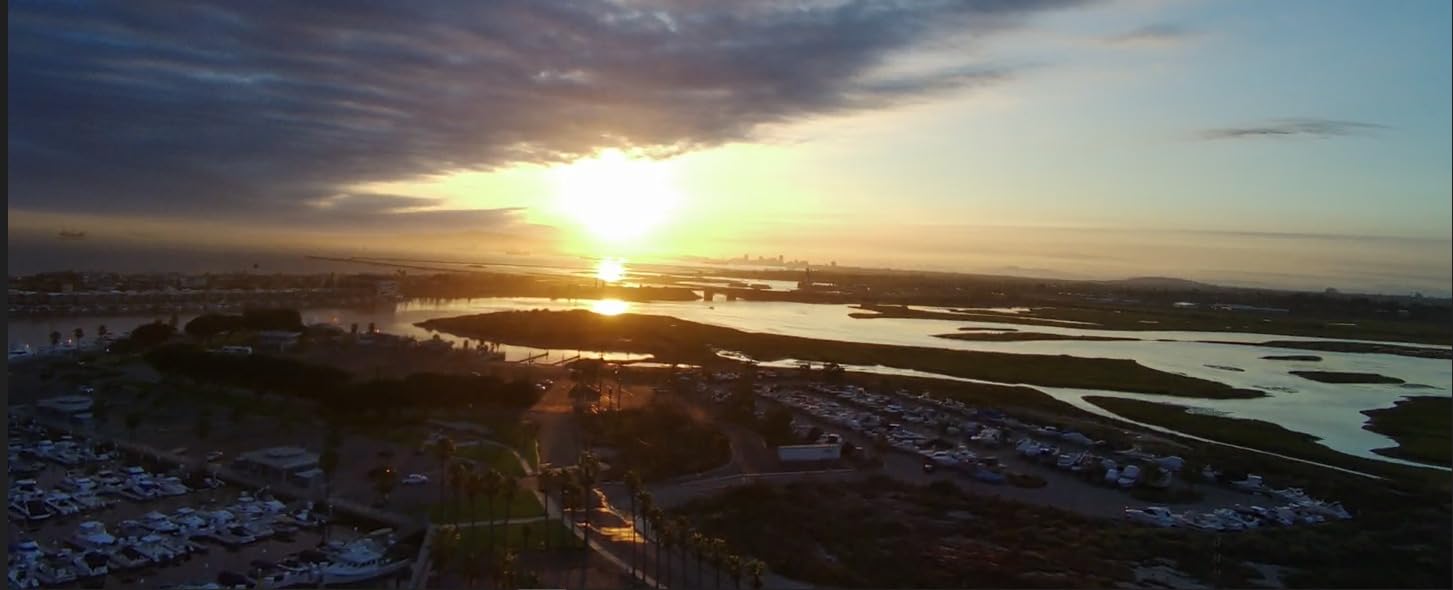
The Potensic ATOM SE is the second most affordable drone on this list, and with nearly 6,700 reviews, it has built a strong reputation among budget-conscious buyers. The Sony 1/3-inch CMOS sensor with Electronic Image Stabilization produces video quality that punches well above its price class. I was genuinely surprised by the stability of the footage considering there is no mechanical gimbal.
The ShakeVanish EIS technology does a commendable job of smoothing out footage, though it cannot fully match a 3-axis mechanical gimbal. For casual social media content and personal videos, the quality is more than sufficient. The 4K EIS camera captures usable footage in good lighting conditions.

With two batteries providing 62 minutes of total flight time, the ATOM SE offers excellent endurance for the price. The Level-5 wind resistance kept it stable in moderate gusts during my testing. The 4KM transmission range via PixSync 2.0 gives you plenty of range for exploring.
The brushless motors deliver reliable performance and better durability than cheaper brushed motors. The GPS Auto Return function worked reliably in my tests, bringing the drone home on low battery or signal loss. Follow Me, Waypoint Flight, and Circle Flight modes add creative options for dynamic shots.
Who Should Buy This
First-time drone buyers on a tight budget will find the ATOM SE to be an excellent starting point. It offers enough features to learn on while delivering footage quality that satisfies casual users.
Travelers and casual flyers who want a lightweight, portable drone for vacation photos and social media content will appreciate the sub-249g weight and foldable design.
Who Should Avoid This
Content creators and professionals who need gimbal-stabilized footage should invest in a drone with a 3-axis mechanical gimbal. Electronic stabilization cannot fully compensate for aggressive movements or strong wind.
If you frequently fly at maximum range, some users report connection drops at the extremes of the 4KM range. Pilots who need rock-solid long-range performance should consider drones with O4 or OcuSync transmission technology.
What to Look for When Buying a Drone Under $1500?
Choosing the right drone involves understanding which features matter most for your specific use case. Our team has identified the key factors that separate a good purchase from a regrettable one. Based on extensive testing and analysis of community feedback from forums like r/drones and mavicpilots.com, here are the factors that deserve your attention.
Camera Quality and Sensor Size
The sensor size determines how much light the camera captures, which directly impacts image quality. A 1-inch CMOS sensor like the one on the DJI Mini 5 Pro produces noticeably better images than a 1/3-inch sensor, especially in low light. Look for drones that specify their sensor size rather than just megapixel counts.
Resolution matters but is not everything. A well-processed 4K video from a quality sensor will look better than a poorly processed 6K video from a mediocre sensor. Pay attention to HDR support, color depth, and bit rate specifications as well.
Flight Time and Battery Life
Forum users consistently report that real-world flight times run 10 to 15 percent below advertised numbers. When a drone claims 40 minutes, expect 34 to 36 minutes in practice. Fly More Combo bundles with multiple batteries are almost always worth the extra cost for extended shooting sessions.
Battery life varies significantly based on flying conditions. Wind, temperature, speed, and camera usage all affect how long your drone stays airborne. Budget for at least two batteries if your drone only includes one.
Weight and FAA Registration
The 249-gram threshold is a critical factor for recreational flyers in the United States. Drones weighing under 249g do not require FAA registration for recreational use, saving you time and money. However, commercial use always requires registration regardless of weight.
All drones subject to FAA registration must also comply with Remote ID requirements. Most newer models include built-in Remote ID, but older drones may require an external module. Check compliance before purchasing to avoid flying illegally.
Obstacle Avoidance and Safety Features
Omnidirectional obstacle sensing provides the highest level of safety, detecting obstacles from all six directions. This feature is particularly valuable for beginners and for flying in complex environments like forests or urban areas. Drones without obstacle avoidance require more careful piloting.
Return to Home functionality is essential for any drone purchase. When battery runs low or signal is lost, the drone automatically returns to its takeoff point. This single feature has saved countless drones from being lost or crashed.
Transmission Range and Technology
DJI’s O4 transmission offers the best range and stability in this price range, reaching up to 20km in ideal conditions. Non-DJI drones typically use Wi-Fi-based systems that offer shorter range and less stability in areas with interference. Consider where you will be flying when evaluating transmission capabilities.
Remember that FAA regulations require you to maintain visual line of sight with your drone at all times during recreational flights. The transmission range is more about signal stability than actual usable distance for most pilots.
DJI vs Non-DJI: The Ecosystem Factor
Forum discussions reveal that DJI’s ecosystem of apps, accessories, firmware updates, and community support is a major advantage. Spare parts are readily available, troubleshooting guides are abundant, and the DJI Fly app is well-polished. Non-DJI drones like Potensic, Ruko, and Bwine offer good value but have smaller ecosystems.
If reliability and support are priorities, DJI remains the safest choice. If maximizing features per dollar is your goal, non-DJI brands offer compelling alternatives that deserve consideration.
FAQs
What is the best drone under $1500?
The DJI Mini 5 Pro Fly More Combo is the best drone under $1500 overall, offering a 1-inch CMOS sensor, 4K/60fps HDR video, omnidirectional obstacle sensing, and 36 minutes of flight time in a sub-250g package. For those wanting dual cameras, the DJI Air 3 is an excellent alternative.
Do I need a license to fly these drones?
For recreational flying in the US, drones under 250 grams do not require FAA registration. All drones over 250g need registration, which costs $5 for three years. For any commercial work including real estate photography or paid content creation, you need a Part 107 Remote Pilot Certificate regardless of drone weight.
What is considered good flight time for a drone?
Anything over 30 minutes per battery is considered good flight time for consumer drones. Premium models like the DJI Air 3 offer up to 40 minutes per battery. Keep in mind that real-world flight time is typically 10-15 percent less than advertised due to wind, temperature, and flying style.
Do I need to register my drone?
In the US, any drone weighing more than 249 grams must be registered with the FAA for $5, valid for three years. Drones under 249g like the DJI Mini series are exempt from registration for recreational use. However, all drones used for commercial purposes require registration regardless of weight.
What is a gimbal and why does it matter?
A gimbal is a motorized stabilization system that keeps the camera level and smooth during flight. A 3-axis gimbal stabilizes pitch, roll, and yaw directions, producing professional-quality footage. Drones with mechanical gimbals produce significantly smoother video than those relying on electronic image stabilization alone.
Conclusion
The best drones under $1500 in 2026 offer an incredible range of capabilities that were available only in professional models just a few years ago. Whether you choose the DJI Mini 5 Pro for its unmatched image quality, the DJI Air 3 for its dual-camera flexibility, or a budget-friendly option like the Potensic ATOM SE, every drone on this list delivers genuine value. Consider your primary use case, check the weight for FAA compliance, and invest in extra batteries for extended flying sessions. With any of these drones, you will be capturing stunning aerial footage that elevates your content above the competition.