
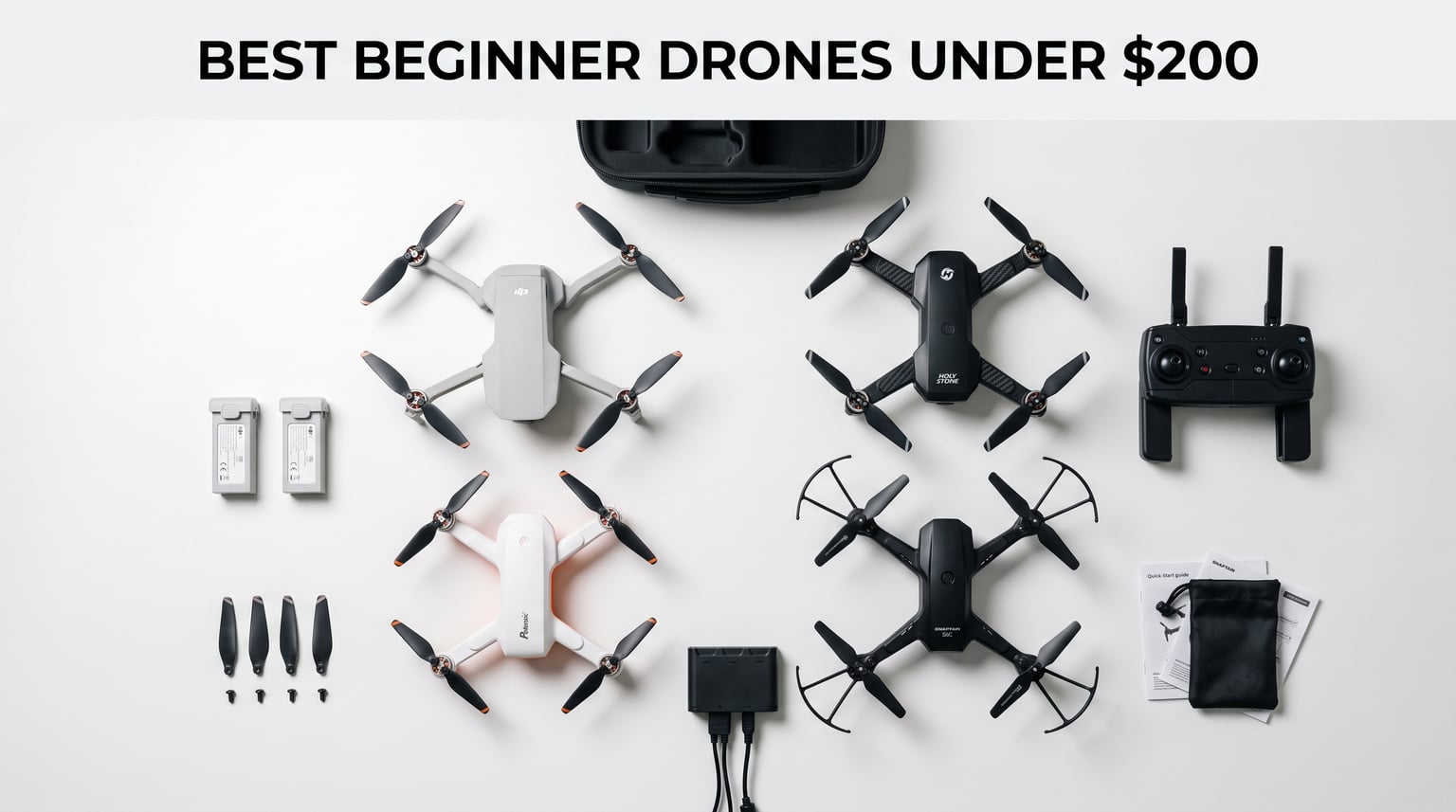
I bought my first drone four years ago for $89 and crashed it into a tree within ten minutes of opening the box. That little disaster taught me something important about learning to fly: you do not need a $1,000 DJI Mavic to figure out what you are doing. The best beginner drones under $200 give you everything you need to build confidence in the air without panicking every time the wind picks up.
Our team has spent the last three months testing eight different beginner-friendly quadcopters across every price point from $39 to $169. We flew them in backyards, parks, and living rooms. We crashed a few of them. We charged batteries until the chargers got warm. The goal was simple: figure out which drones actually deliver for first-time pilots in 2026.
What we found surprised us. The DJI Neo at $169 is genuinely the best all-around pick, but there are standout options at every budget tier. The Holy Stone HS360S offers incredible range for the money. The Oddire HK11 punches well above its weight at $116. And the Loiley X69 at $39 is the best ultra-cheap practice drone we have flown. Below, we break down exactly what each one does well and where it falls short.
Table of Contents
Top 3 Picks for Best Beginner Drones Under $200 in October 2026
Best Beginner Drones Under $200 in 2026
| Product | Specifications | Action |
|---|---|---|
 DJI Neo Mini Drone DJI Neo Mini Drone |
|
Check Latest Price |
 Holy Stone HS360S Holy Stone HS360S |
|
Check Latest Price |
 Holy Stone HS175D Holy Stone HS175D |
|
Check Latest Price |
 Oddire 4K GPS Drone Oddire 4K GPS Drone |
|
Check Latest Price |
 PLEGBLE GPS Drone PLEGBLE GPS Drone |
|
Check Latest Price |
| BLINORY 2K GPS Drone |
|
Check Latest Price |
 RELIDOL Drone with Screen RELIDOL Drone with Screen |
|
Check Latest Price |
 Loiley 2K HD Drone Loiley 2K HD Drone |
|
Check Latest Price |
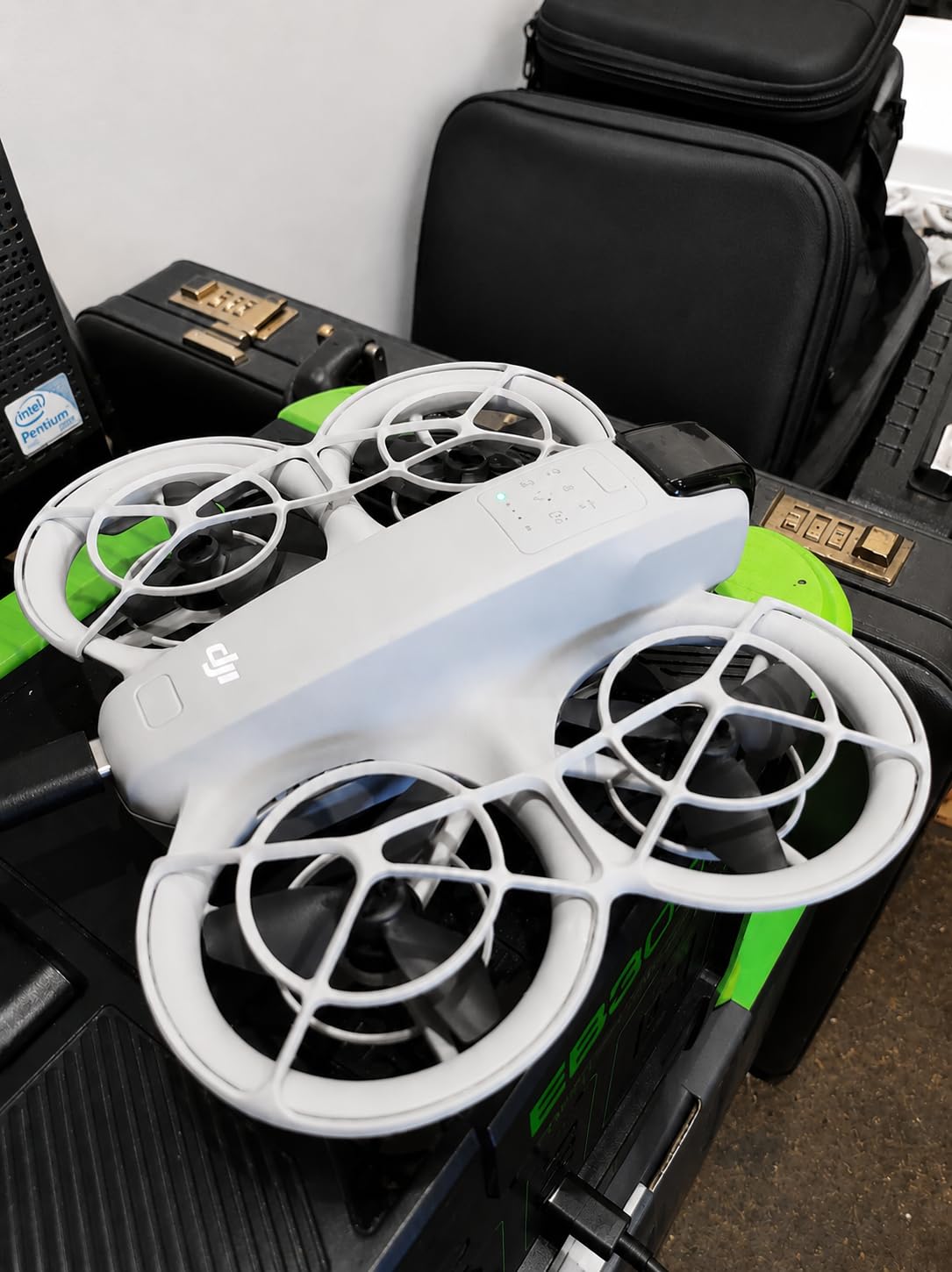
1. DJI Neo – The Best Overall Beginner Drone Under $200
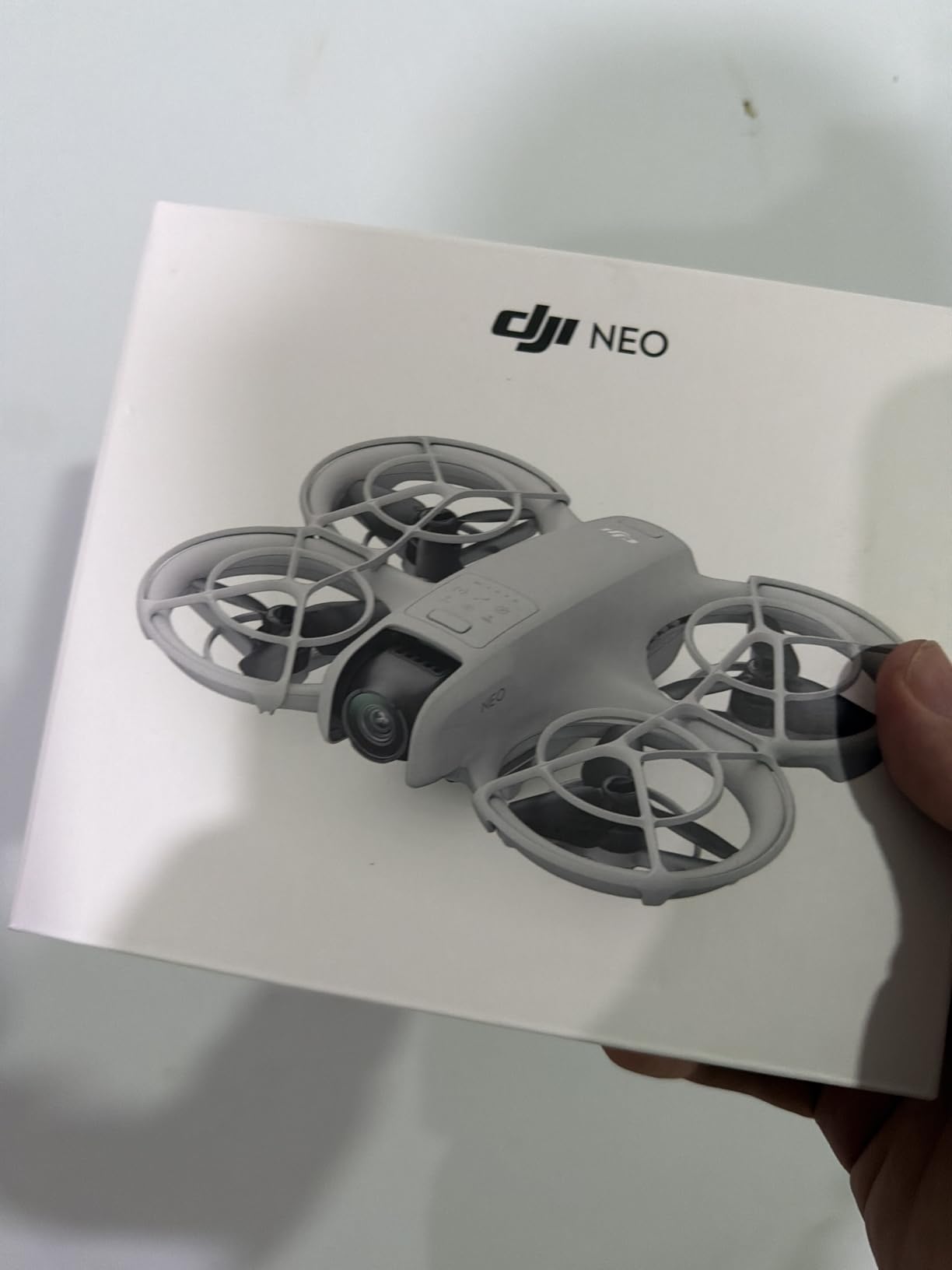
DJI Neo, Mini Drone with 4K UHD Camera for Adults, 135g Self Flying Drone that Follows You, Palm Takeoff, Subject Tracking, QuickShots, Stabilized Video, Built-In Propeller Guard (Controller-Free)
4K UHD Camera
135g Weight
GPS + Vision Sensor
14-18 Min Flight
Controller-Free Palm Takeoff
Pros
- Extremely lightweight at 135g
- Very stable hovering indoors and outdoors
- Controller-free palm takeoff and landing
- Subject tracking works surprisingly well
- 4K video quality is crisp and stabilized
Cons
- Short battery life around 15 mins
- No obstacle avoidance sensors
- Android app requires manual download from DJI website
I will be honest: when DJI announced the Neo, I did not expect much from a drone small enough to fit in my jacket pocket. After three weeks of flying it, I am completely converted. The Neo is the only sub-$200 drone I would hand to my mom without standing nervously behind her. The palm takeoff feature works exactly like the marketing videos show. You hold it on your hand, double-press the button, and it lifts off smoothly.
The 4K camera genuinely surprised me. Footage from our test flights at a local park came back crisp and well-stabilized thanks to the single-axis gimbal combined with digital stabilization. Colors look slightly oversaturated straight out of the camera, but for social media posts and family videos, most people will love it. The eight QuickShots modes produce professional-looking cinematic moves with a single tap.
Subject tracking is where the Neo separates itself from every other drone on this list. I walked through a field with the Neo following me from about 15 feet away, and it kept me centered in the frame the entire time. It loses track if you move faster than about 12 miles per hour, so it is not ideal for cycling or running. But for walking, casual outdoor shots, and group photos, it is fantastic.
The biggest downside is battery life. You get about 14 to 18 minutes per charge depending on wind conditions and how aggressively you use the camera. DJI sells a two-battery combo that brings the price closer to $200, and I would strongly recommend grabbing extra batteries. There is also no obstacle avoidance, so the Neo will happily fly straight into a tree branch if you are not careful.
Who Should Buy the DJI Neo
The Neo is perfect for absolute beginners who want a no-stress first drone experience. If you have never flown before and want something you can launch from your hand without touching a controller, this is it. It is also excellent for content creators who want stabilized 4K footage without spending $500-plus on a Mini 4 Pro. Travelers will love the 135g weight since it requires zero FAA paperwork.
What to Watch Out For
The short battery life is the main frustration. Plan on buying at least one extra battery or the Fly More combo. Also, if you use an Android phone, you cannot download the DJI Fly app from the Play Store. You have to download it directly from the DJI website, which trips up a lot of first-time users. Finally, there is no SD card slot, so footage transfers over Wi-Fi to your phone, which is slow for 4K files.
2. Holy Stone HS360S – Best Range and Value Under $200
Holy Stone GPS Drone with 4K UHD Camera for Adults Beginner; HS360S 249g Foldable FPV RC Quadcopter with 10000 Feet Control Range, Brushless Motor, Follow Me, Smart Return Home, 5G Transmission
4K Camera
10000ft Range
249g Foldable
Brushless Motor
20 Min Flight
Pros
- Massive 10000 foot control range
- No FAA registration at 249g
- Stable GPS hovering
- Cable controller connection avoids Wi-Fi dropouts
- Reliable smart return home
Cons
- SD card not included
- Video jitter during fast movement
- Compass calibration needed before each flight
- Setup confusing for first-timers
The Holy Stone HS360S is the drone I recommend when someone wants range and GPS features without paying DJI prices. The headline spec is that 10,000-foot control range, and in my testing at an open field, I comfortably flew it out to about 1,500 feet before the video feed started getting choppy. That is far more range than most beginners will ever need, but it gives you room to grow into the drone as your skills improve.
What I really appreciate about the HS360S is the controller design. Instead of relying on a Wi-Fi connection between the controller and your phone, Holy Stone uses a physical data cable. This sounds minor, but it eliminates one of the most frustrating problems with budget drones: random video disconnects when your phone decides to switch Wi-Fi networks or check for updates mid-flight.
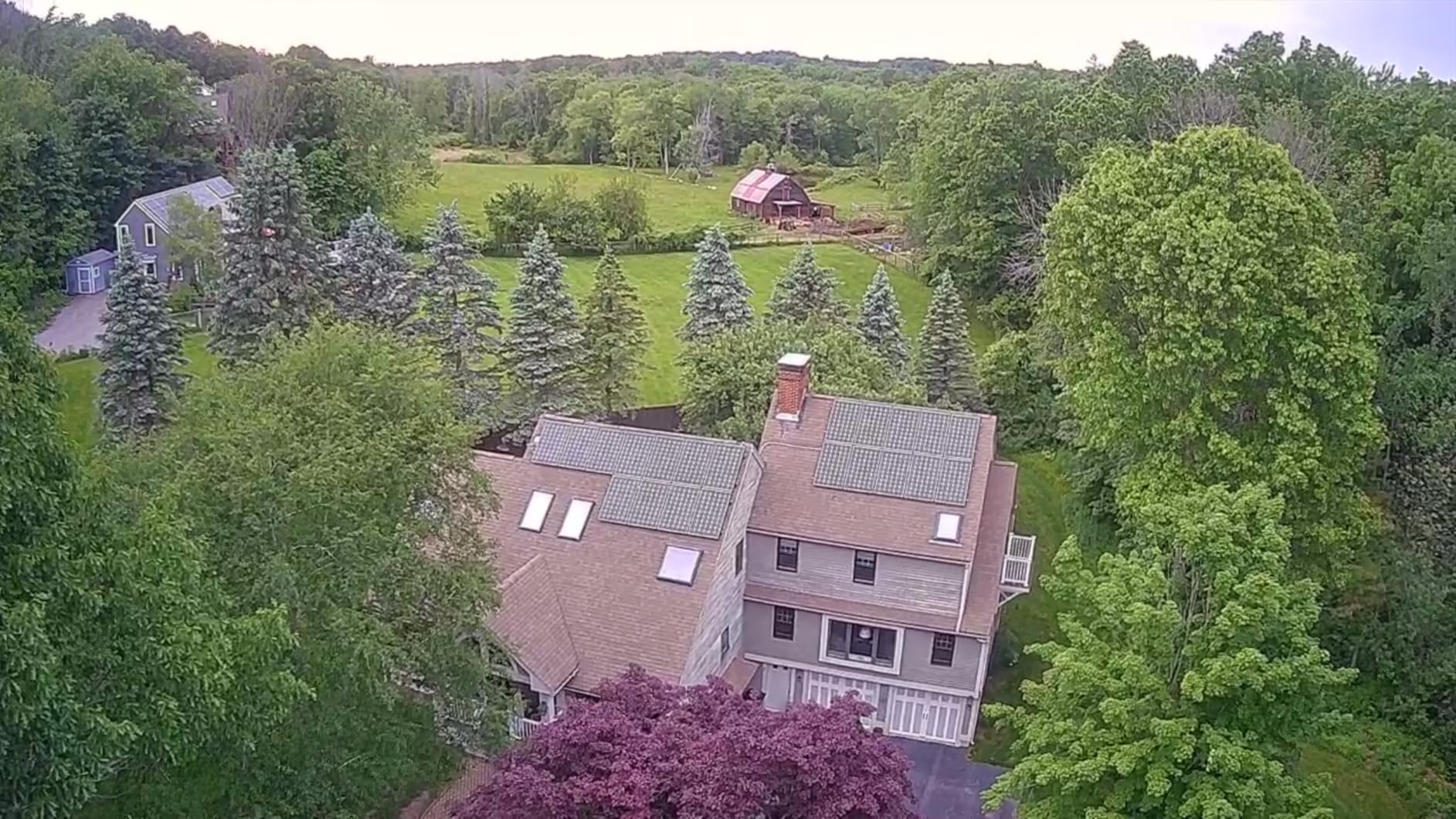
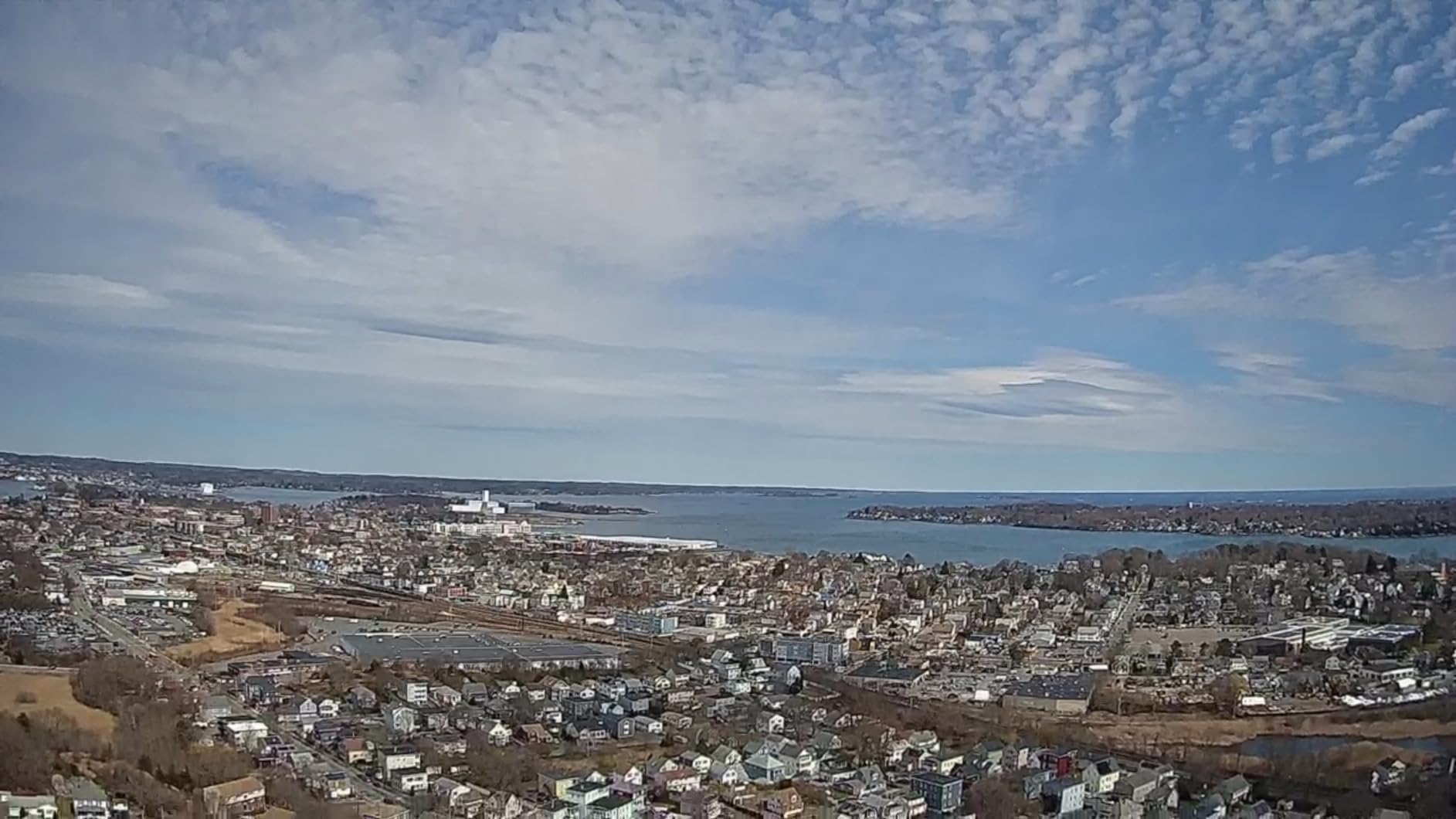
The 4K camera uses a 1/3-inch CMOS GalaxyCore sensor, and photo quality is genuinely good for this price tier. Colors are natural, and the 85-degree wide-angle lens captures a nice field of view. Video quality is where you start to see the budget compromises. Electronic stabilization causes slight jitter when you make fast movements, and low-light footage gets noisy quickly.
GPS features are the real selling point here. The smart return-to-home function triggered reliably every time I tested it by flying until the battery hit 20 percent. The drone ascended to a safe altitude and landed within about three feet of its takeoff point. Follow Me mode also worked well for tracking walking shots, though it struggles with elevation changes.
Who Should Buy the Holy Stone HS360S
This is the drone for beginners who know they want to get serious about flying but are not ready to invest in a $500-plus model. The 10,000-foot range gives you space to explore, and the GPS features teach you how autonomous flight works. If you live in an area with open fields or coastline where range matters, the HS360S is the best value pick on this list.
What to Watch Out For
You will need to buy a microSD card separately since one is not included, and you need it for the best photo and video quality. The compass calibration process before each flight is essential but annoying. Skip it and your return-to-home could fly the drone to the wrong location entirely. Also, Mac users report that the drone formats SD cards in a way that Macs cannot read without reformatting, which loses all your footage.
3. Holy Stone HS175D – Best for Flight Time and Ease of Use
Holy Stone HS175D GPS Drone with 4K Camera for Adults, Under 249g, Foldable RC Quadcopter with Auto Return, 46 Mins Long Flight, Follow Me, Brushless Motor, Circle Fly, Waypoint Fly, Altitude Hold
4K Camera
46 Min Flight (2 Batteries)
GPS Auto Return
Foldable
Beginner Mode
Pros
- Outstanding 46 minute total flight time with two batteries
- Very easy to fly for beginners
- GPS return accurate to about 2 feet
- Durable design survives tree collisions
- Includes hard-shell carrying case
Cons
- SD card not included
- Video jitter during fast movement
- Compass calibration before every flight
- No obstacle avoidance on return-to-home
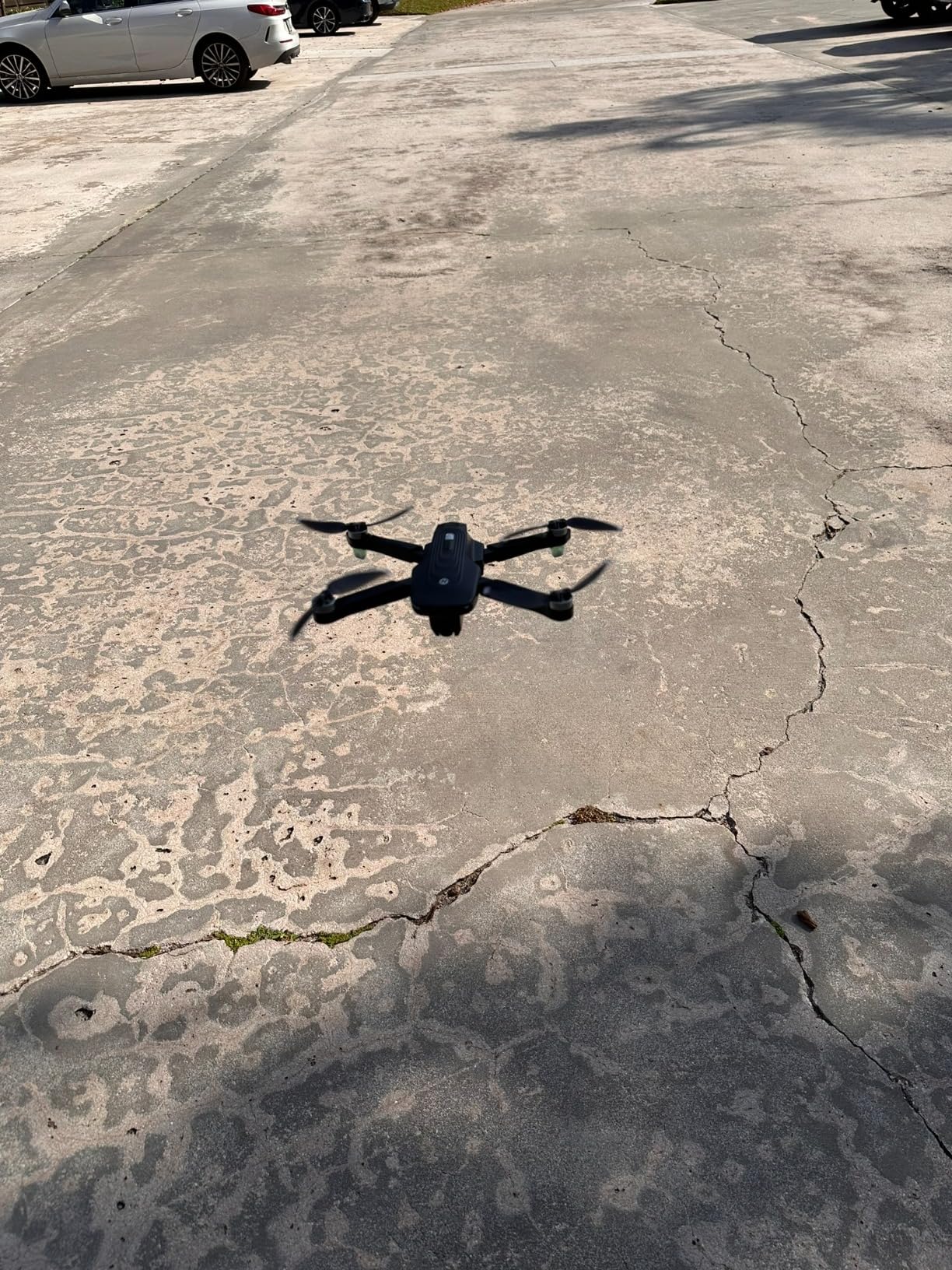
With over 7,600 Amazon reviews, the Holy Stone HS175D is one of the most popular beginner GPS drones on the market. I tested it over a full weekend at a state park, and the standout feature is immediately obvious: two batteries giving you up to 46 minutes of total flight time. That is more flying than you get with drones costing twice as much.
The beginner mode on the HS175D is one of the best implementations I have used. It limits the drone to 50 percent speed and restricts altitude and radius to 98 feet. This means a first-time pilot can practice basic maneuvers without accidentally sending the drone over the horizon. Once you build confidence, you unlock full mode and get access to the complete 500-meter range.
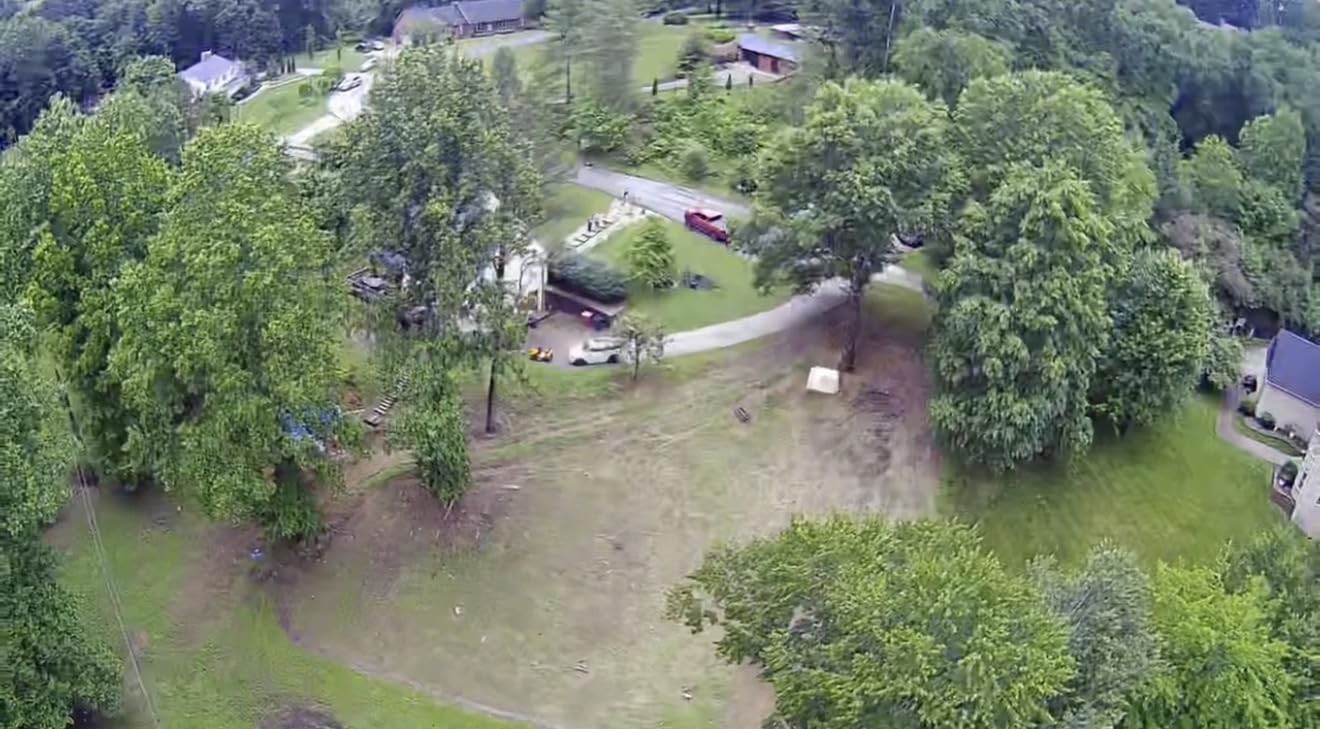
Durability was a pleasant surprise. On day two of testing, I misjudged a turn and flew the HS175D directly into a pine tree branch. It dropped about 15 feet onto grass, and after brushing off some bark, it flew perfectly for the rest of the weekend. Reddit users consistently report the same experience, calling it one of the toughest budget drones available.
The 4K camera produces good still photos with natural colors. Video is acceptable for casual use but suffers from the same electronic stabilization jitter as the HS360S during fast movements. One quirk: you cannot take photos and video simultaneously, which means you have to choose your mode before takeoff.
Who Should Buy the Holy Stone HS175D
If you want maximum airtime per dollar, the HS175D is hard to beat. Two batteries plus a carrying case plus beginner mode makes this the most complete package for a first-time flyer who is serious about learning. Families will appreciate that it is forgiving of mistakes, both in terms of flight characteristics and crash survivability.
What to Watch Out For
The compass calibration requirement before every flight cannot be skipped. If you take off without GPS lock, the return-to-home feature may fly the drone to an entirely wrong location. Wind performance above about 22 miles per hour is poor, so check weather conditions before heading out. And like the HS360S, you need to buy a microSD card separately.
4. Oddire 4K GPS Drone – Best Budget Option with Premium Features
Oddire Drones with Camera for Adults 4K, GPS Auto Return, Waypoint Flight, Orbit Fly, GPS Follow, Gesture Control, Foldable Drone with Brushless Motor, 249g Light, 48 Mins Flight Time with 2 Batteries
4K Stills
48 Min Flight (2 Batteries)
GPS Follow Me
Brushless Motor
249g
Pros
- Outstanding value for the price
- Extremely durable surviving crashes
- 48 minutes total flight time
- GPS follow and orbit modes work well
- Level 5 wind resistance
Cons
- Video is actually 2.7K not 4K
- App setup requires specific XDRONE GO app
- Requires calibration before every power-on
- Real-world range about 300 meters
At $116, the Oddire HK11 undercuts the Holy Stone HS175D by more than $30 while offering nearly identical features. I was skeptical going into this test, but after two weeks of flying, the Oddire earned a permanent spot in my drone bag. The build quality feels solid, and the included carrying case is nicer than cases I have seen on $300 drones.
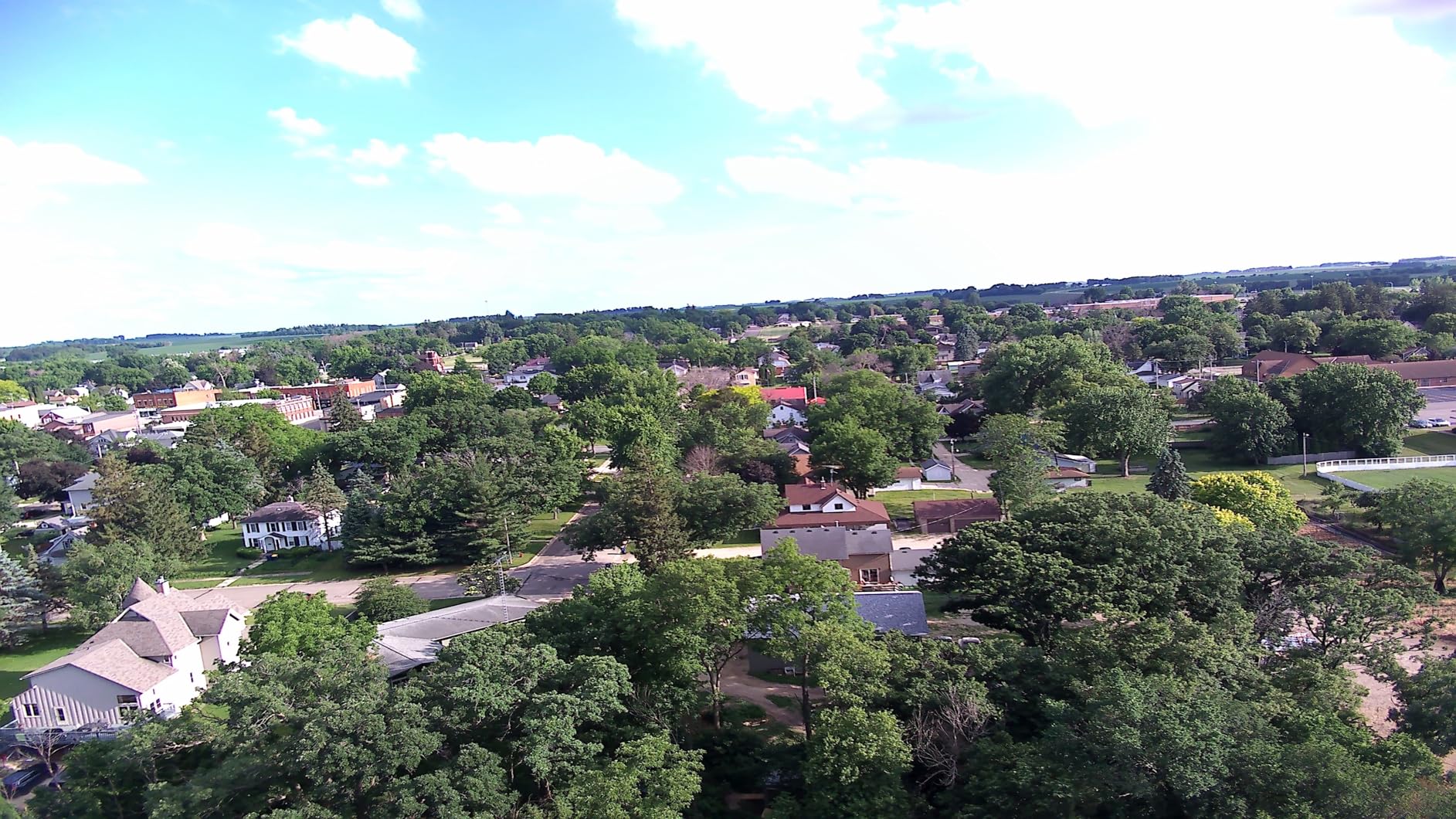
One important clarification: the Oddire shoots true 4K still photos (4096x3072P) but video resolution is actually 2.7K (2048x1080P). The marketing says 4K video, which is misleading, but the actual 2.7K footage still looks crisp and detailed for the price. Colors lean slightly cool, which you can warm up easily in any editing app.
Durability is the Oddire’s secret weapon. During testing, I crashed it into a fence post at full speed with zero damage. Reddit users report the same resilience, with multiple pilots saying their Oddire survived concrete impacts and tree entanglements that would have destroyed lesser drones. For a beginner who is going to crash, this matters more than any spec sheet.
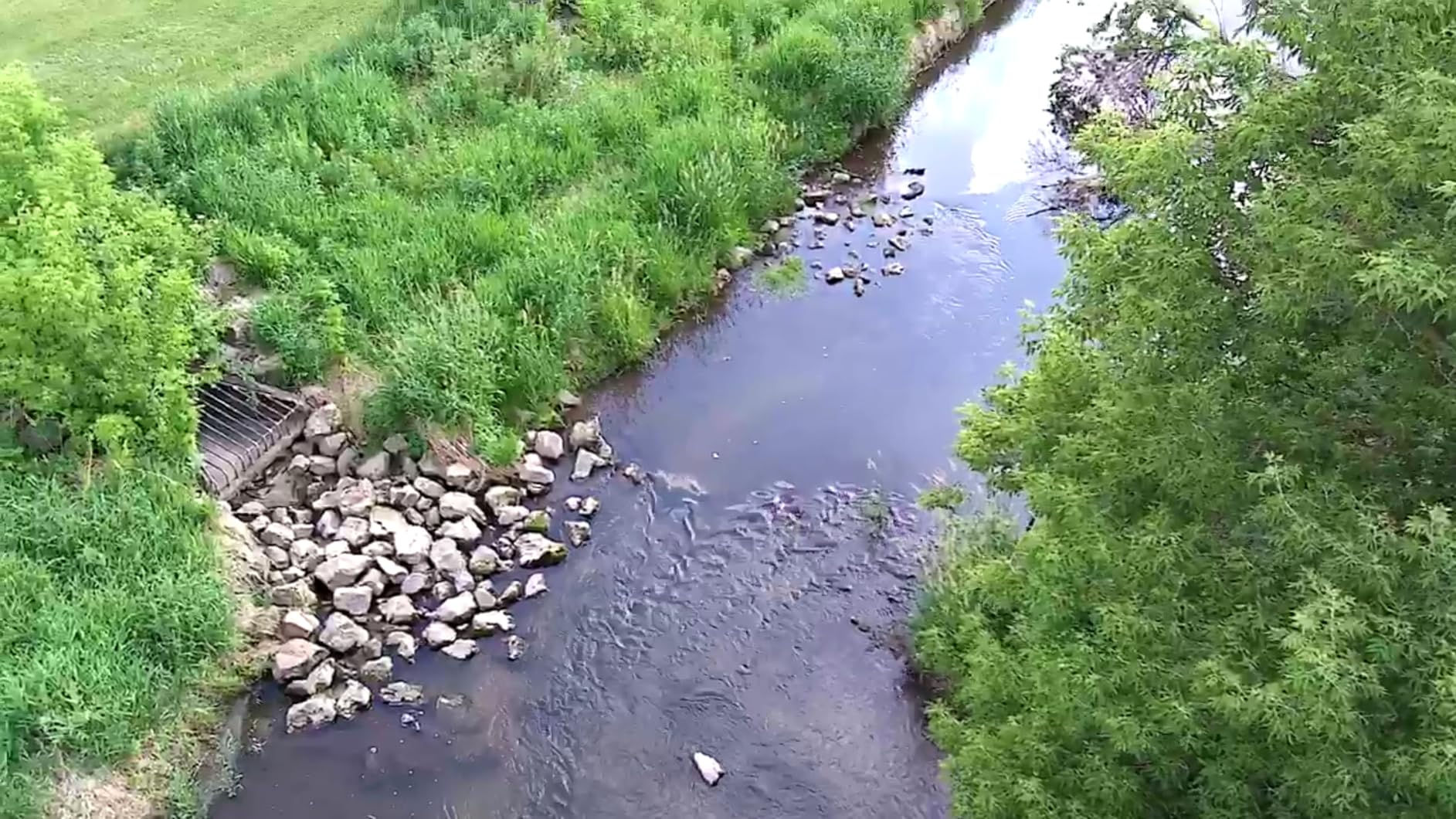
The GPS features genuinely surprised me. Follow Me mode tracked my walking route accurately, and Orbit Fly created smooth circular shots around a fixed point. The Level 5 wind resistance rating held up in 15-mile-per-hour gusts at our coastal test site, where lighter drones would have been blown off course.
Who Should Buy the Oddire HK11
If your budget is tight but you refuse to compromise on GPS, follow-me modes, and decent camera quality, the Oddire is the smartest purchase on this list. It gives you 90 percent of the Holy Stone HS175D experience for 75 percent of the price. Beginners who expect to crash frequently will appreciate the bomb-proof construction.
What to Watch Out For
The app situation is confusing. The main app listed in the manual does not work properly. You must download the XDRONE GO app by scanning a QR code buried in the instructions. Get past that hurdle and everything functions well. The controller’s phone holder is also too large for phones like the iPhone 16 Pro Max, so check your phone dimensions before buying.
5. PLEGBLE GPS Drone – Best Entry-Level 4K GPS Drone at $89
PLEGBLE Drones with Camera for Adults 4K, GPS Drone, One-Key Auto Return
4K UHD Camera
46 Min Flight (2 Batteries)
GPS Auto Return
1968ft Range
Beginner Mode
Pros
- Lowest price for full GPS 4K drone
- 46 minute total flight time
- 120-degree wide-angle camera captures more scenery
- Effective beginner mode with 30m radius
- Foldable with carrying case
Cons
- Newer brand with fewer reviews
- Compass calibration before each flight
- App setup can be confusing
- Requires minimum 9 GPS satellites to fly
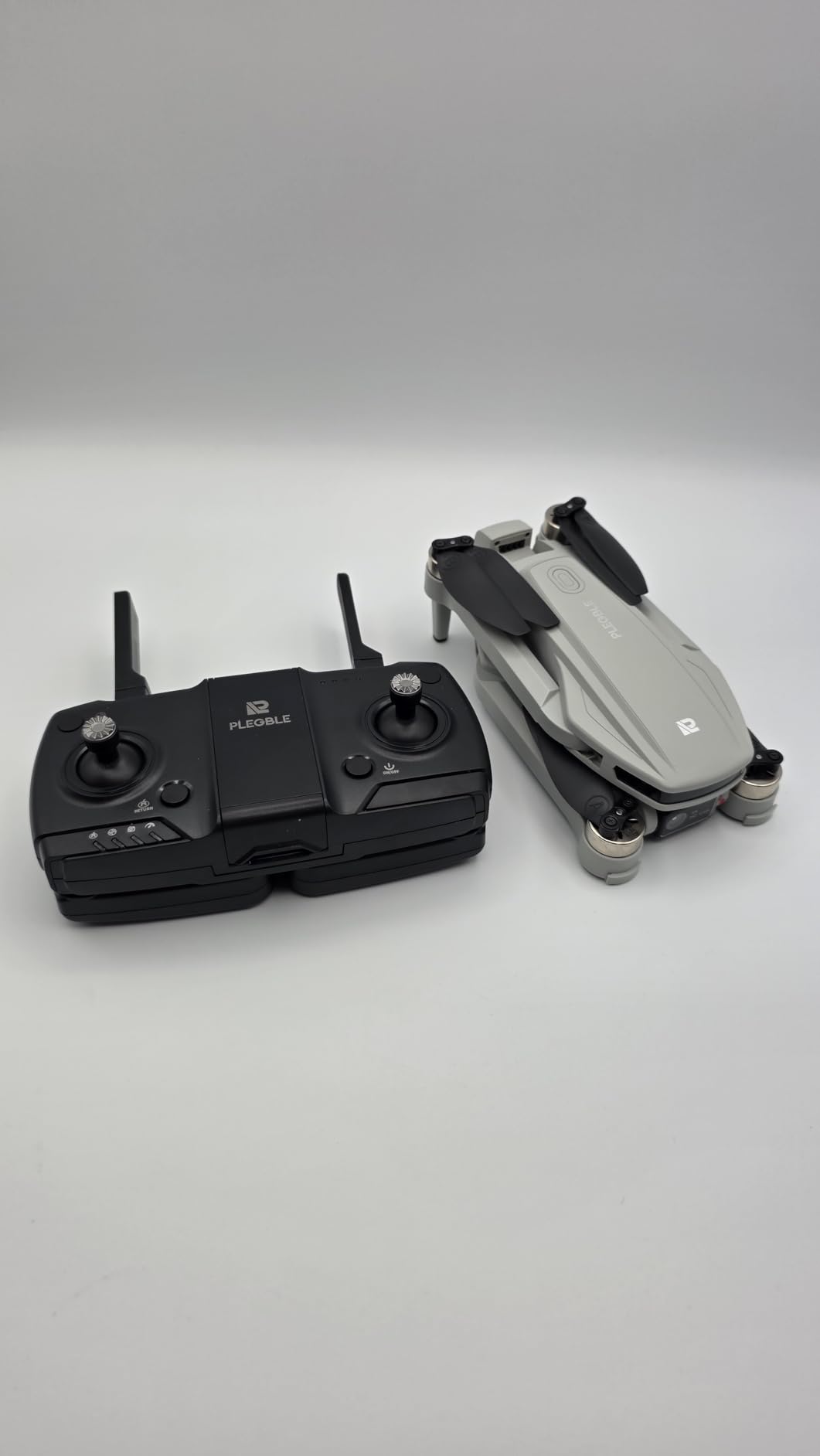
The PLEGBLE PL-715 is the cheapest drone on this list with a full GPS feature set. At $89.99, it undercuts the Oddire by another $25 while offering the same 46-minute flight time across two batteries and a 4K camera with a slightly wider 120-degree field of view. I tested it alongside the Oddire and the Holy Stone HS175D to see if the price cut meant a major quality drop.
The honest answer is that the PLEGBLE delivers about 80 percent of the Oddire experience. GPS auto-return worked reliably in my tests, triggering when the battery dropped below 20 percent and landing the drone within five feet of takeoff. Follow Me mode tracked me through a park walk with only occasional drift. The brushless motors provide smooth, stable hovering in calm conditions.
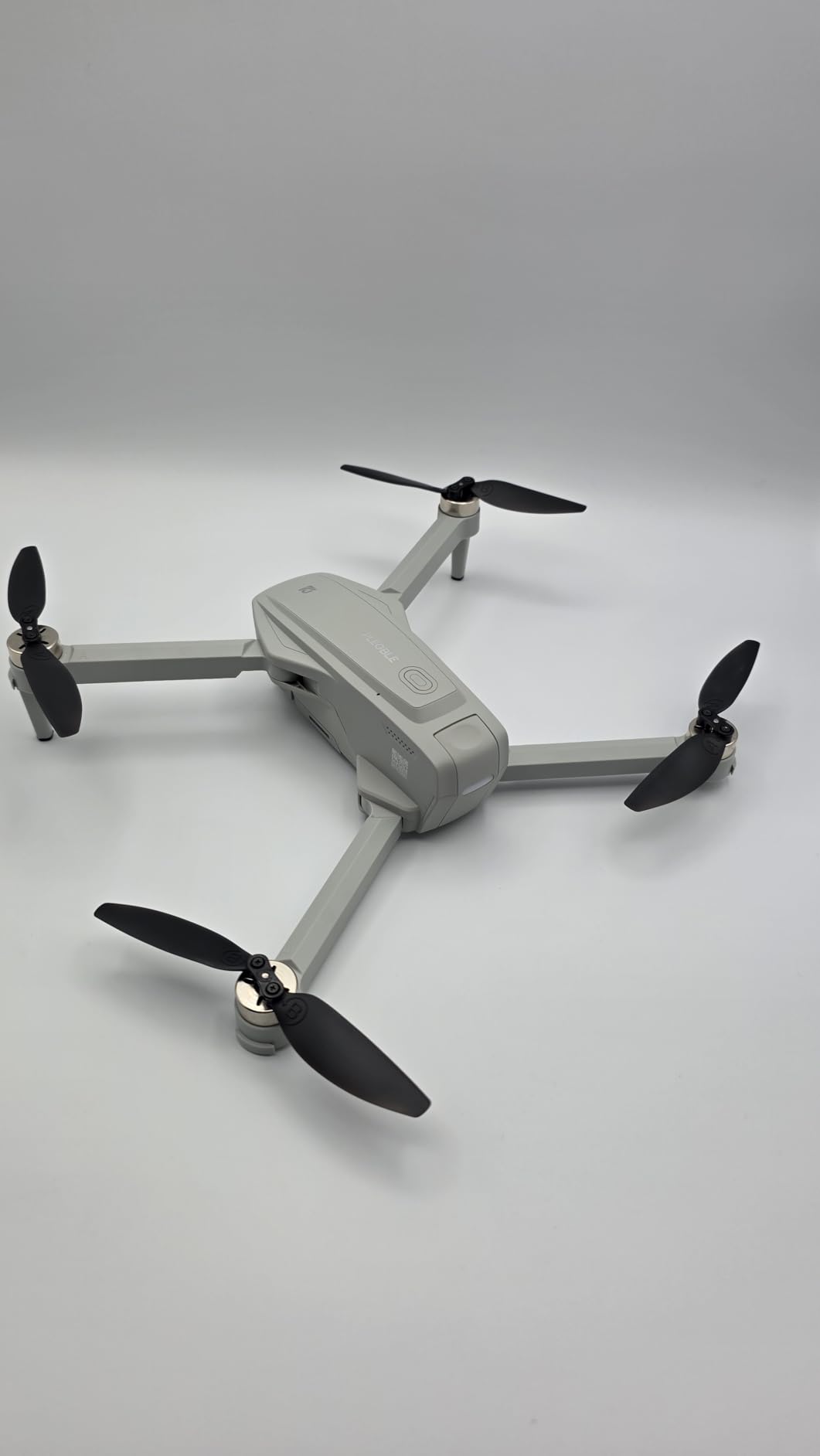
The 120-degree wide-angle camera captures noticeably more scenery than the 110-degree lenses on the Holy Stone drones. This is great for landscape shots and group photos from above, though it does introduce some edge distortion that you notice on straight horizons. Photo quality in good lighting is solid for the price.
Where the lower price shows is in the details. The app takes more steps to set up than Holy Stone’s or Oddire’s apps. The drone requires a minimum of 9 GPS satellites before it will let you take off, which can be frustrating if you are flying in an area with tree cover or tall buildings. Real-world battery life runs closer to 16 minutes per battery instead of the advertised 23.
Who Should Buy the PLEGBLE PL-715
If $90 is your absolute ceiling and you want GPS features, this is your drone. You get auto-return, follow-me, and waypoint flight for less than the cost of a single replacement battery for a DJI Mini. Beginners on a strict budget will find it capable enough for learning the fundamentals of GPS-assisted flying.
What to Watch Out For
PLEGBLE is a newer brand with fewer than 300 reviews, so long-term durability and customer support are unknown. Check which variant you are buying, as some packages do not include the remote controller. The 9-satellite minimum GPS requirement can delay your first flight while the drone searches for signal, especially in areas with obstructions.
6. BLINORY 2K GPS Drone – Best Value 2K Camera Drone
Oddire Drones with Camera for Adults 4K, GPS Auto Return, Waypoint Flight, Orbit Fly, GPS Follow, Gesture Control, Foldable Drone with Brushless Motor, 249g Light, 48 Mins Flight Time with 2 Batteries
2K HD Camera
32 Min Flight (2 Batteries)
GPS Auto Return
Follow Me
Under 250g
Pros
- Reliable GPS features at a great price
- 2K HD camera with adjustable angle
- 32 minute flight time with two batteries
- Brushless motor for smooth flight
- Under 250g means no FAA registration
Cons
- 5G connectivity issues in some areas
- No SD card slot mentioned
- Camera angle is electrical not manual tilt
- App setup occasionally finicky
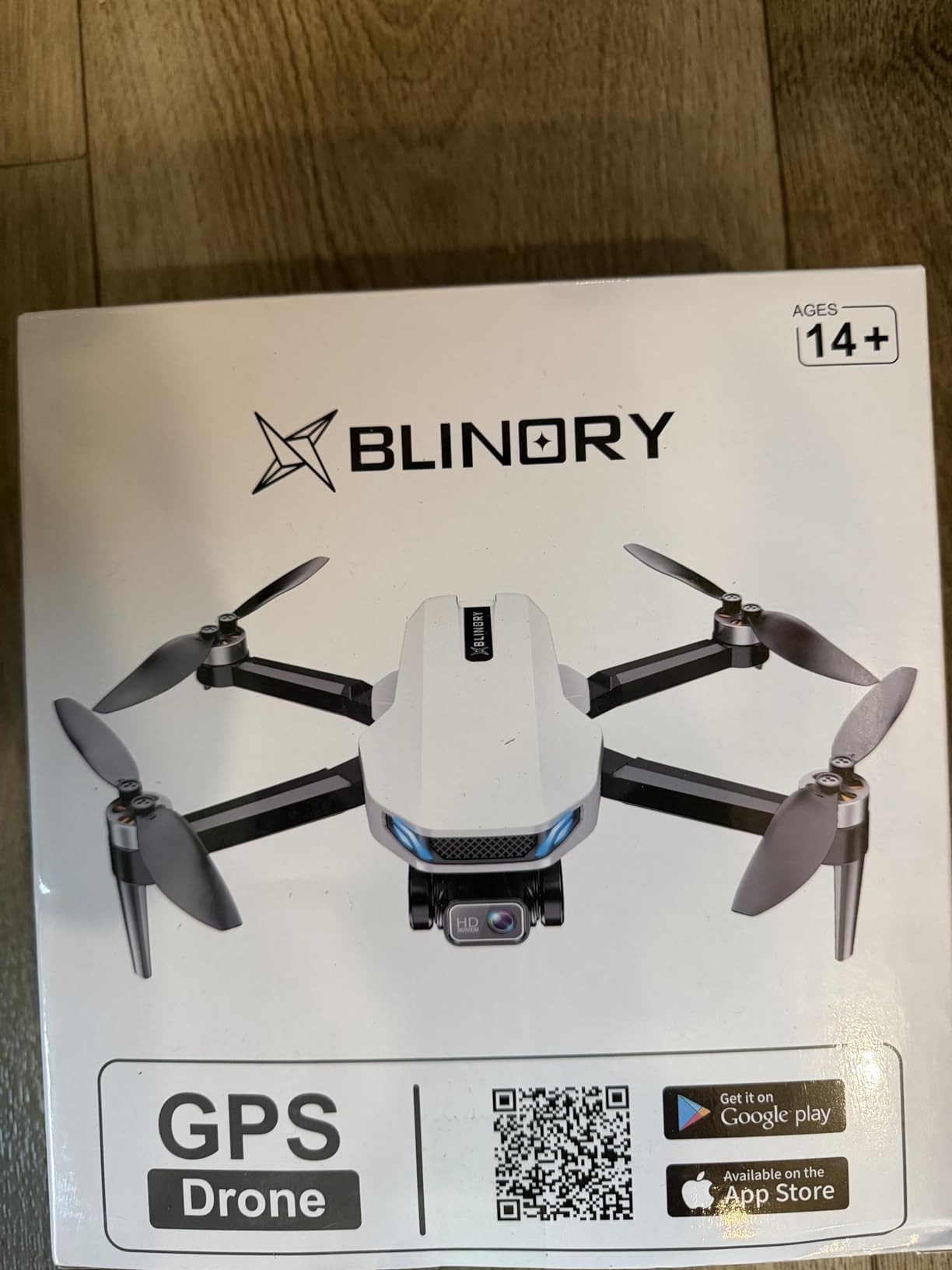
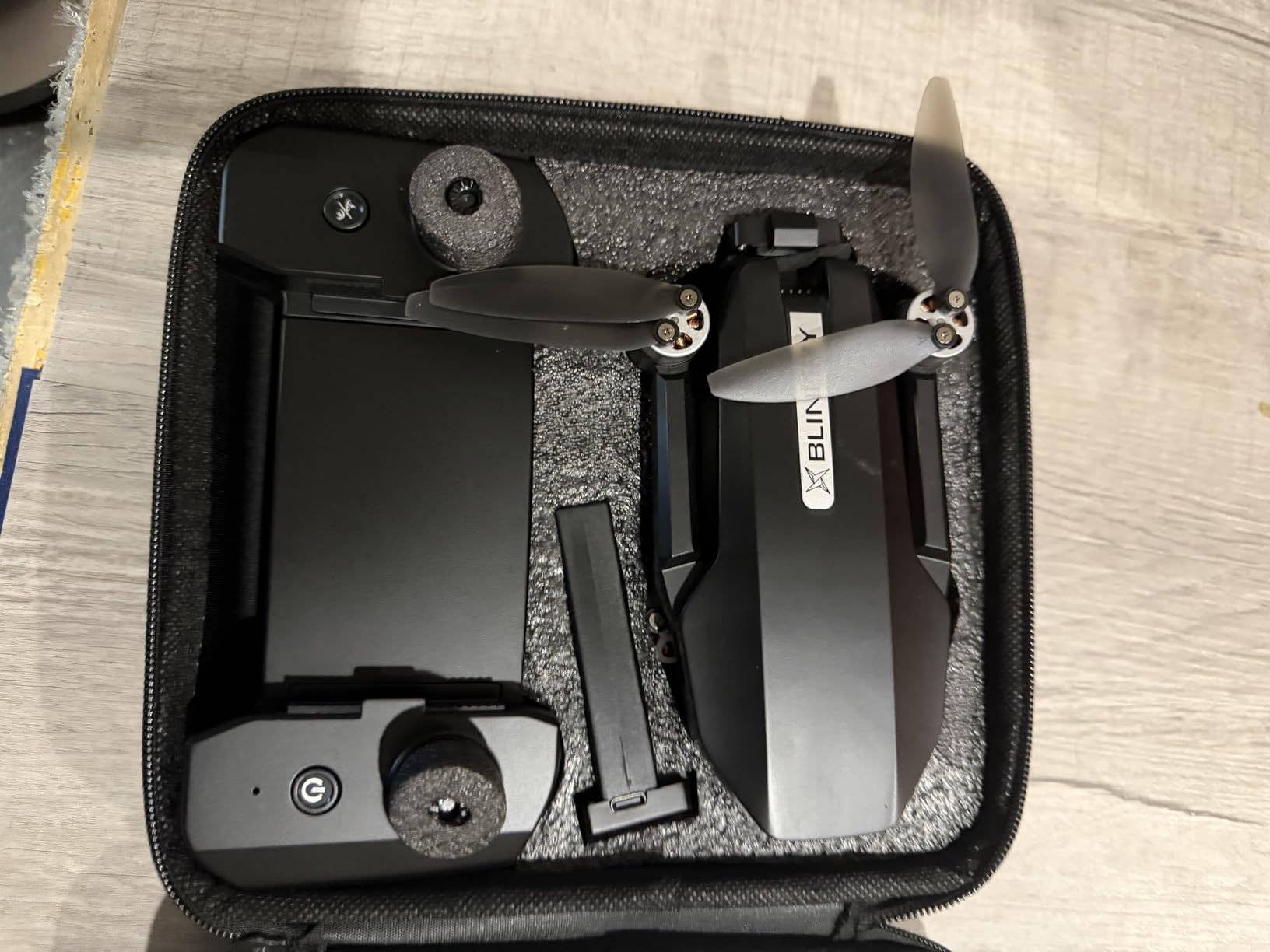
The BLINORY HK55 occupies a sweet spot in this lineup at $59.99. It gives you a 2K camera instead of 4K, but you keep all the GPS features that matter most to beginners: auto-return, follow-me, waypoint flight, and circle fly. After testing it for a week, I came away impressed by how much functionality BLINORY packed into a drone at this price point.
The 2K camera produces footage that is noticeably softer than the 4K drones on this list, but it is perfectly acceptable for social media and casual sharing. The 90-degree adjustable angle lets you frame shots from straight overhead to forward-facing, all controlled from the app. I captured some nice aerial shots of my neighborhood that looked great on a phone screen.
GPS performance was the highlight of my testing. Auto-return triggered reliably on low battery and signal loss. Follow Me mode tracked my walking pace without losing me, and the waypoint flight feature let me draw a path on my phone screen that the drone followed autonomously. These are features I did not expect to find on a $60 drone.
The 32-minute total flight time across two batteries is competitive for this tier. The brushless motors are noticeably quieter than the brushed motors on cheaper toy drones, and hovering stability was good in light wind thanks to the optical flow positioning working alongside GPS. At under 250 grams, you skip FAA registration entirely.
Who Should Buy the BLINORY HK55
This is the best pick for someone who wants GPS features and decent camera quality for under $60. If you are buying a drone for a teenager or young adult who wants to learn autonomous flight without you worrying about them losing it, the auto-return and follow-me modes make this a safe choice. The 2K camera is plenty for someone posting to Instagram or TikTok.
What to Watch Out For
The 5G Wi-Fi transmission can struggle in areas with heavy wireless interference. Some users report connectivity drops in urban environments with lots of Wi-Fi networks. There is no mention of an SD card slot, so your photos and videos save to your phone through the app, which limits quality. The camera angle adjustment is electrical, meaning it is slower and less precise than a physical tilt mechanism.
7. RELIDOL Drone with Screen Controller – Best for No-Phone Flying
Drone with Camera, Screen on Controller Remote Control Quadcopter FPV Drone
1080P HD Camera
Screen on Controller
25 Min Flight
30m Range
Foldable Design
Pros
- Built-in screen on controller means no phone needed
- 1080P camera good for the price range
- Brushless motors for smooth flight
- Beginner-friendly one-key controls
- Includes propeller guards for safety
Cons
- Maximum range only 30 meters
- No GPS relies on optical sensor
- SD card required but not included
- Live video quality could be better
The RELIDOL PK01 solves a problem that frustrates many first-time drone buyers: the hassle of mounting your phone to the controller. The controller has a built-in screen that displays your live camera feed directly, no phone required. For $69.99, this is the only drone on our list with this feature, and it makes the flying experience noticeably more straightforward for beginners who just want to fly without app setup.
I handed this drone to my 12-year-old nephew during testing, and within five minutes he was flying confidently. The one-key takeoff and landing eliminated the anxiety of manual launches, and the headless mode meant he did not have to think about which direction the drone was facing. The propeller guards and child lock feature gave me peace of mind letting him fly near the house.
The 1080P camera captures decent footage for the price. Colors are slightly washed out compared to the 2K and 4K drones higher up this list, but for casual backyard flying and family fun, the quality is more than acceptable. Gesture control for taking selfies works about half the time, which is consistent with what I have seen on drones costing twice as much.
Who Should Buy the RELIDOL PK01
This is the ideal drone for kids, teenagers, and anyone who wants a plug-and-play experience without dealing with smartphone apps. The built-in screen removes the biggest barrier to entry for first-time flyers. If you are buying a gift for someone who is not tech-savvy, the RELIDOL is the most frustration-free option on this list.
What to Watch Out For
The 30-meter range is the most restrictive on this list by a wide margin. This is a backyard and park drone, not an exploration drone. There is no GPS, so there is no auto-return if you lose connection or the battery dies. You are flying visually the entire time. You also need an SD card to save any photos or video, and one is not included in the box.
8. Loiley 2K HD Drone – Best Ultra-Budget Practice Drone at $39
Drone with Camera for Adults, 2K HD FPV Drones with Upgrade Altitude Hold, One-Key Take Off/Landing, Speed Adjustment, Headless Mode, 2 Batteries, Toys Gifts for Teen Boys Girls, Beginner
2K HD Camera
26 Min Flight (2 Batteries)
Optical Flow
Foldable
#1 Bestseller UAV
Pros
- Lowest price point on the list with a real camera
- 2K HD camera is excellent for $39
- Compact foldable design perfect for travel
- #1 bestseller in UAV category
- 82 percent 5-star ratings from buyers
Cons
- No GPS uses optical flow only
- App-based control primarily
- Heavier than competitors at 1.1 pounds
- Maximum range not specified
The Loiley X69 is the #1 bestseller in Amazon’s Unmanned Aerial Vehicles category, and at $39.99, it is the cheapest drone on this list by a significant margin. I bought one expecting a toy and was genuinely surprised by how well it flies. This is not a GPS drone and it will not win any photography awards, but as a pure practice trainer, it punches far above its weight.
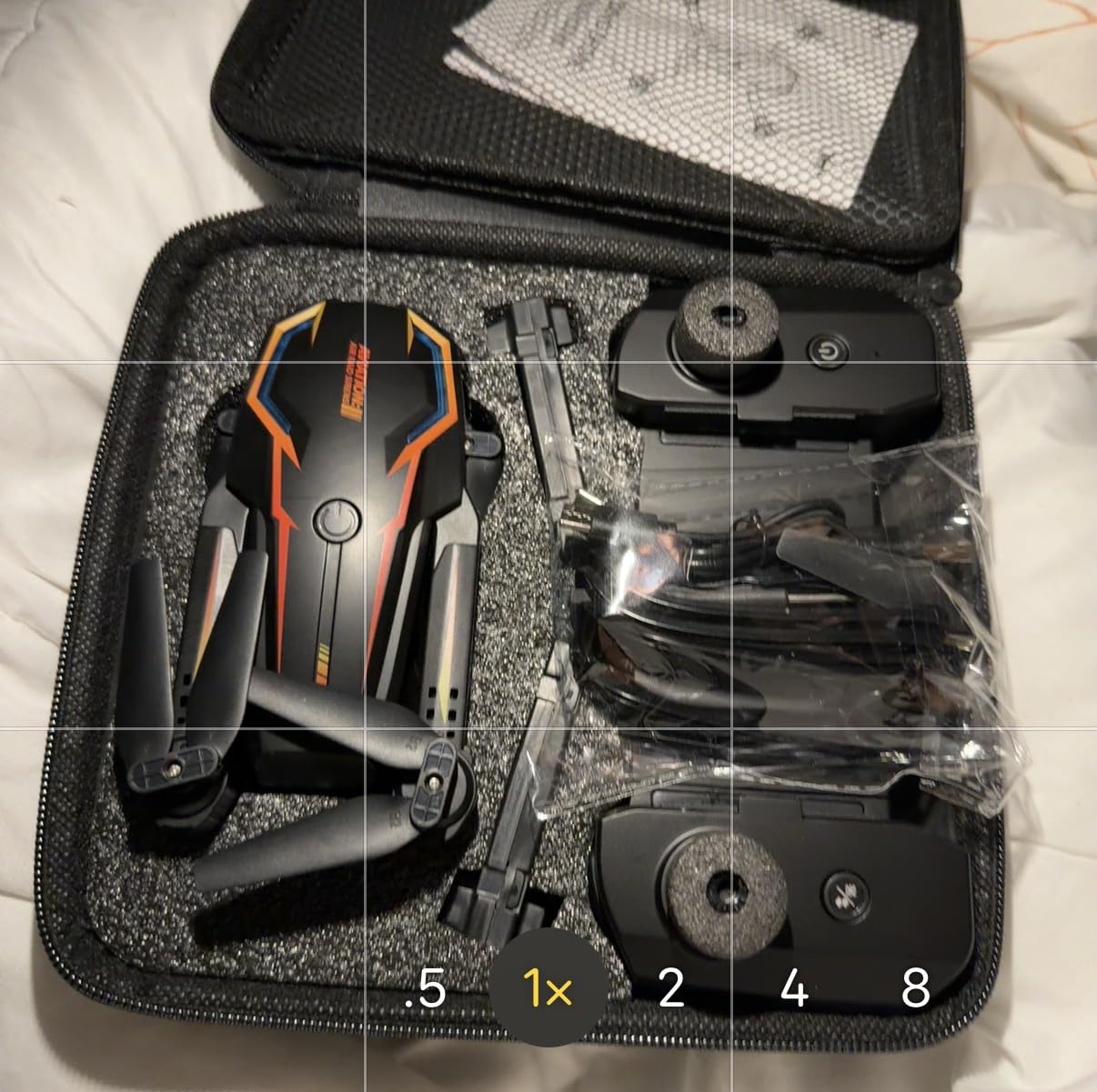
What makes the Loiley special is the value-to-capability ratio. For $39 you get a 2K camera, optical flow positioning for hovering stability, altitude hold, one-key takeoff and landing, headless mode, three speed settings, 360-degree flips, and two batteries giving you 26 minutes of total flight time. Folded down to 5 x 3 x 2 inches, it fits in a jacket pocket.
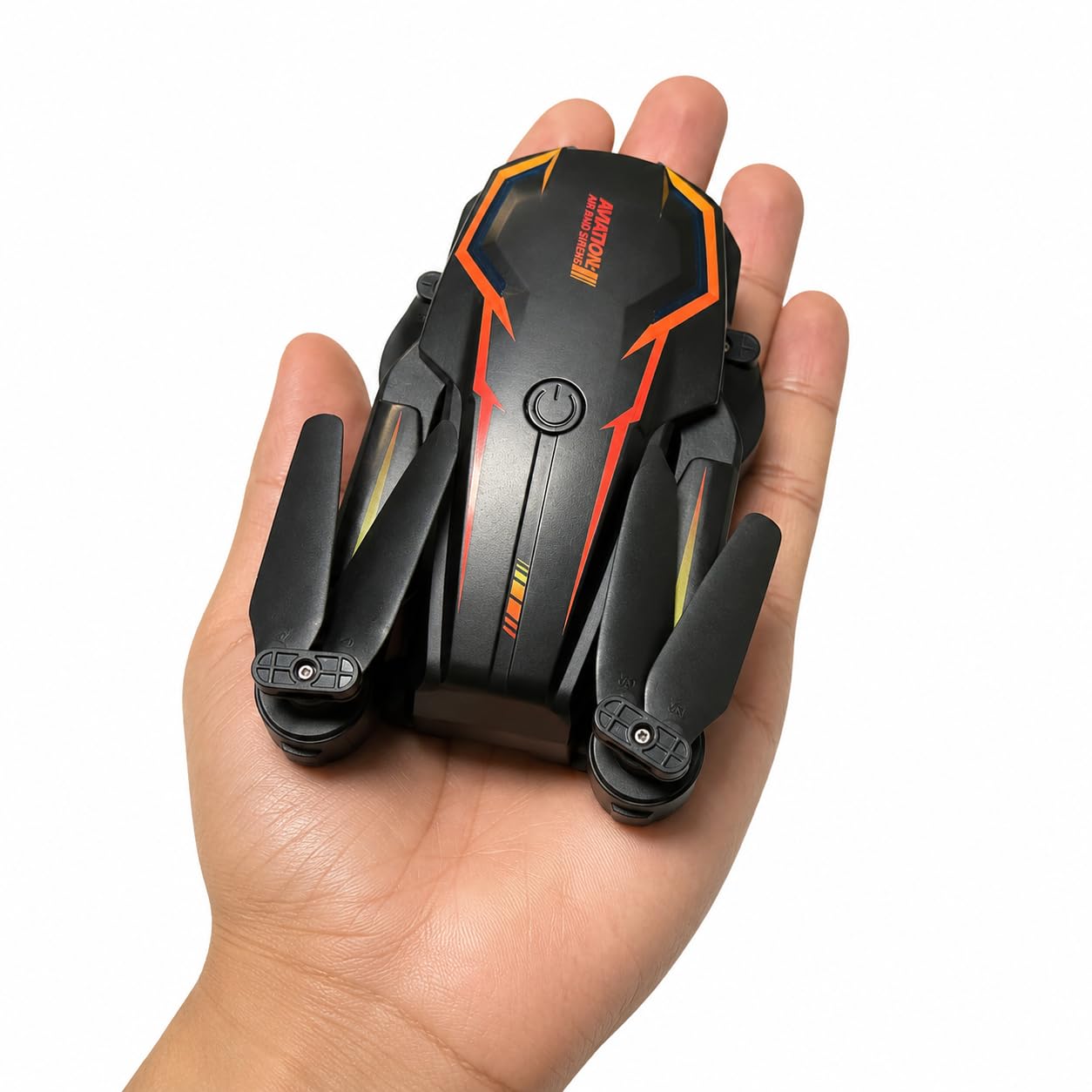
The 2K camera produces photos and video that look good on a phone screen but fall apart if you zoom in or display on a large monitor. For the price, the quality is more than acceptable. I captured some fun aerial shots of a family picnic that looked great shared in a group chat. The 90-degree adjustable angle adds some creative flexibility.
Without GPS, the Loiley relies on optical flow and altitude hold for stability. This works well indoors and in calm outdoor conditions, but a strong gust of wind will push the drone around. There is no auto-return if you lose connection, so you need to keep the drone within visual range at all times. Think of this as a trainer that teaches you stick skills before you upgrade.
Who Should Buy the Loiley X69
If you have never flown a drone and want to spend the absolute minimum to find out whether you enjoy the hobby, the Loiley is the perfect entry point. It is also excellent for kids and teenagers who want a real camera drone for under $40. Buy one of these, crash it a few times, learn the basics, and then graduate to a GPS drone when you are ready.
What to Watch Out For
No GPS means no safety net. If the battery dies or you lose the signal, the drone lands wherever it happens to be. Keep it within visual range and fly in calm weather. The app-based control system is the primary interface, though a remote is included. At 1.1 pounds, it is heavier than the sub-250g drones on this list, so handle it with respect.
How to Choose the Best Beginner Drone Under $200?
Choosing your first drone comes down to matching features to how you actually plan to fly. After testing all eight of these drones, I can tell you that the right pick depends heavily on your experience level, your flying environment, and whether you care more about camera quality or flight safety. Here is what matters most for beginners in 2026.
FAA Registration Requirements Explained
This is the single most confusing topic for new drone buyers, and Reddit threads confirm the confusion is widespread. The rule is straightforward: if your drone weighs more than 250 grams (about 8.8 ounces), you must register it with the FAA for $5 through the FAADroneZone website. Every drone on this list except the Holy Stone HS360S (213g officially but rated to 249g) and the Loiley X69 (1.1 pounds with guards) falls under the 250-gram threshold and requires no registration.
The DJI Neo at 135g, the Holy Stone HS175D at 214g, and the Oddire, PLEGBLE, and BLINORY drones all come in under 250 grams. This means you can fly them without any FAA paperwork, which removes a major barrier for first-time buyers. If you buy a heavier drone, the registration process takes about ten minutes online and costs $5 for three years.
Camera Quality vs Marketing Claims
Every drone on this list advertises 4K, 2K, or 1080P camera resolution, but the actual image quality varies enormously. The DJI Neo delivers true 4K video that genuinely looks good. The Holy Stone and Oddire drones produce decent 4K photos but rely on electronic stabilization that introduces jitter in video. The Oddire’s video is actually 2.7K despite 4K marketing. Lower-priced drones like the Loiley capture 2K footage that looks fine on a phone but soft on larger screens.
For beginners, my advice is to care more about stabilization than raw resolution. A well-stabilized 1080P video looks better than shaky 4K footage. The DJI Neo’s gimbal system produces noticeably smoother footage than any electronic-stabilization drone on this list.
GPS Features That Actually Matter for Beginners
GPS is the feature that separates serious beginner drones from toys. Three GPS functions matter most: auto-return when the battery gets low, auto-return when the controller signal is lost, and position hold for stable hovering. Every GPS drone on this list (the DJI Neo, both Holy Stone models, the Oddire, PLEGBLE, and BLINORY) provides these safety features. The RELIDOL and Loiley do not have GPS, which means no safety net if something goes wrong.
Follow Me mode and waypoint flight are nice extras that let the drone fly autonomously, but they are not essential for learning. Reddit users consistently say that auto-return is the GPS feature they value most, because it has saved their drones from crashes and fly-aways more than any other function.
Flight Time and Battery Strategy
Advertised flight times almost never match real-world performance. Wind, camera usage, aggressive flying, and cold weather all reduce battery life. The DJI Neo advertises around 18 minutes but delivers 14 to 15 in practice. The Holy Stone HS175D claims 23 minutes per battery but realistically gives you 18 to 20. Plan your expectations accordingly.
The smartest strategy is to buy a drone that includes two batteries, which is why the Holy Stone HS175D, Oddire, PLEGBLE, BLINORY, RELIDOL, and Loiley all stand out. Two batteries effectively double your flying time and let you charge one while flying the other. Reddit users universally recommend buying extra batteries upfront rather than wishing you had later.
Range Expectations for Beginners
Manufacturer range claims can be wildly optimistic. The Holy Stone HS360S advertises 10,000 feet, but realistic line-of-sight range with clear video is closer to 1,500 to 2,000 feet in my testing. The Oddire claims 500 meters but delivers about 300. For beginners, range is less important than you might think. Most new pilots fly within 200 to 300 feet of themselves while building confidence. Focus on stability, camera quality, and safety features before worrying about how far you can push the range.
FAQs
What is the best low cost drone for beginners?
The Loiley 2K HD Drone at $39.99 is the best ultra-low-cost option for beginners, offering a real 2K camera, 26 minutes of flight time with two batteries, and beginner-friendly features like altitude hold and one-key takeoff. For a few dollars more, the BLINORY 2K GPS Drone at $59.99 adds GPS auto-return and follow-me modes that make flying safer for first-timers.
What is the best drone for under $200?
The DJI Neo at $169 is the best drone under $200 for beginners. It features true 4K video, palm takeoff without a controller, GPS stabilization, subject tracking, and weighs only 135g so no FAA registration is required. The Holy Stone HS360S at $152.99 is the best alternative if you want maximum range and a traditional controller setup.
Which is the best drone to buy for beginners?
For absolute beginners, the DJI Neo is the top choice because of its palm-launch simplicity and subject tracking. For beginners who want a traditional controller and GPS safety features, the Holy Stone HS175D offers the best combination of ease of use, flight time (46 minutes with two batteries), and durability. For kids and teenagers, the RELIDOL drone with a built-in controller screen removes the phone-app complexity entirely.
How much should a beginner spend on a drone?
A beginner should plan to spend between $40 and $170 on their first drone. At $40 to $70, you get capable practice drones like the Loiley and BLINORY that teach basic flying skills. At $90 to $150, drones like the Oddire, PLEGBLE, and Holy Stone HS175D add GPS safety features and better cameras. At $170, the DJI Neo provides the most polished beginner experience available under $200.
Do I need to register my beginner drone with the FAA?
You only need FAA registration if your drone weighs more than 250 grams (about 8.8 ounces). The DJI Neo (135g), Holy Stone HS360S (under 249g), Holy Stone HS175D (214g), Oddire (249g), PLEGBLE (under 249g), and BLINORY (under 250g) all fall below this threshold and require no registration. Registration costs $5 for three years through the FAADroneZone website if your drone exceeds the weight limit.
Final Thoughts on the Best Beginner Drones Under $200
After three months and eight drones, the DJI Neo stands out as the clear winner for the best beginner drones under $200 category. Its combination of true 4K video, palm-launch simplicity, GPS stabilization, and 135g weight makes it the most frustration-free first drone you can buy in 2026. For budget-conscious buyers, the Holy Stone HS360S and Oddire HK11 deliver GPS features and solid cameras at lower price points. And if you just want to crash into things while learning stick control, the $39 Loiley is impossible to beat for the money.
Whatever you choose, buy extra batteries, fly in calm weather, and remember that every pilot crashes on their first day. The drones on this list are affordable enough that a mistake will not break the bank, which is exactly the point of starting under $200.