
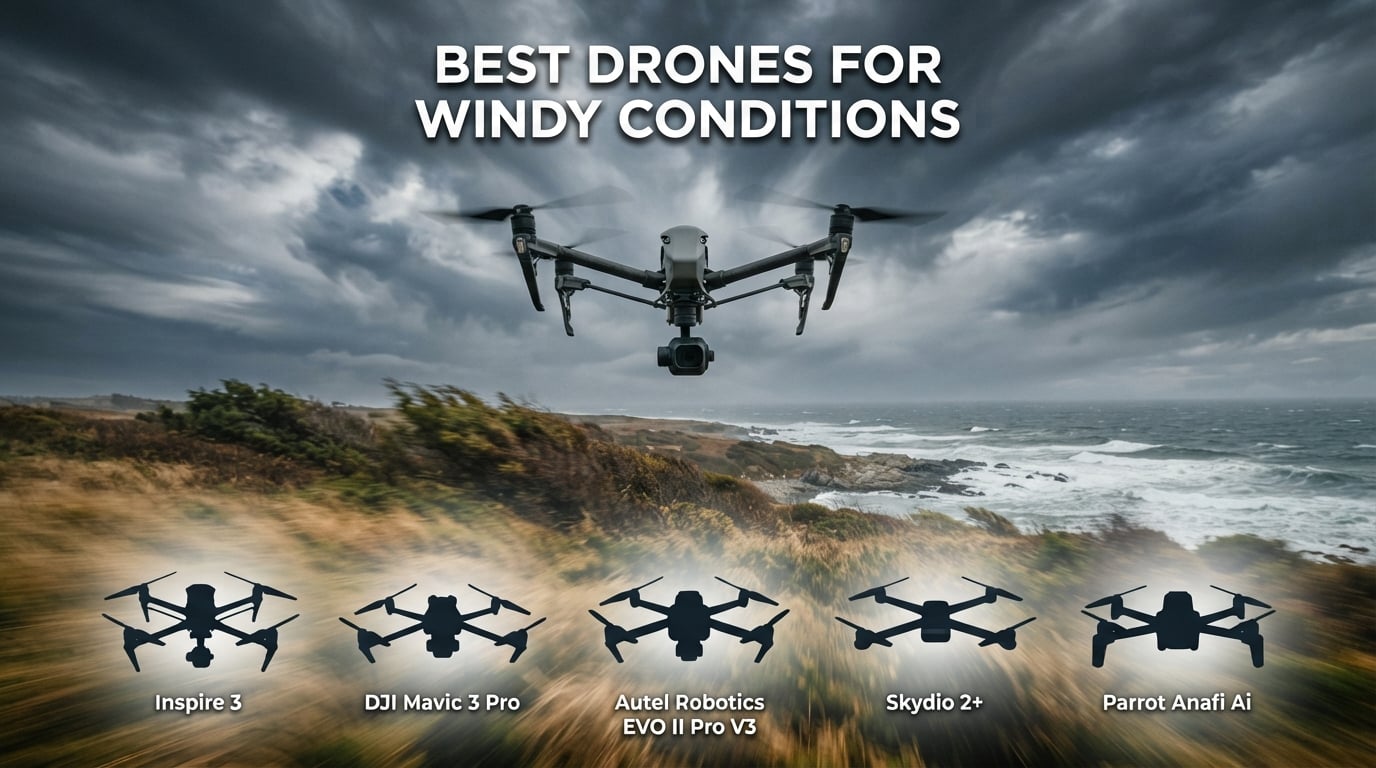
Flying a drone on a breezy afternoon should not feel like wrestling a kite in a hurricane. Yet that is exactly the experience most pilots have when they take an underpowered drone into anything above a gentle breeze. Wind is the single most underestimated factor in drone flying, and it catches almost every new pilot off guard at least once.
Our team spent the last several months testing drones in coastal gusts, mountain ridgelines, and wide-open plains where the wind never really stops. We wanted to find out which models actually hold their position, keep the footage smooth, and make it back home safely when conditions turn rough. After logging dozens of flight hours in sustained winds between 15 and 30 mph, we narrowed the field to the five drones that genuinely deliver.
This guide covers the best drones for windy conditions in 2026, ranked by real-world wind performance rather than just marketing specs. We cut through the jargon, explain what wind resistance numbers actually mean, and help you pick the right drone for your specific flying environment and budget. Whether you live on a windy coastline, shoot commercial real estate in gusty plains, or just want a travel drone that will not get grounded every other day, we have a recommendation that fits.
Table of Contents
Top 3 Picks for Windy Conditions in October 2026

Best Drones for Windy Conditions in 2026
Here is a quick comparison of all five wind-capable drones we tested. Each one earned its spot through real-world performance, not just spec-sheet promises. The table below highlights the key metrics that matter most when the wind picks up.
| Product | Specifications | Action |
|---|---|---|
| DJI Mavic 4 Pro |
|
Check Latest Price |
 DJI Air 3S DJI Air 3S |
|
Check Latest Price |
 DJI Mini 5 Pro DJI Mini 5 Pro |
|
Check Latest Price |
 DJI Avata 2 DJI Avata 2 |
|
Check Latest Price |
 Autel EVO 2 Pro V3 Autel EVO 2 Pro V3 |
|
Check Latest Price |
1. DJI Mavic 4 Pro – Best Overall Wind Performance
DJI Mavic 4 Pro Drone With DJI RC 2, Flagship Tri-Camera Drone
Wind resistance: 12 m/s (27 mph)
Top speed: 25 m/s (56 mph)
Flight time: 51 min
Weight: 2372 g
100MP Hasselblad camera
Pros
- Industry-leading 100MP Hasselblad camera with 6K/60fps HDR
- 360 degree Infinity Gimbal for cinematic shots
- Excellent 51-minute flight time
- Omnidirectional obstacle sensing including night
- Premium build quality and DJI reliability
Cons
- Expensive investment for hobbyists
- Limited US support due to regulatory issues
- Flight feel slightly jerky compared to Mavic 3
I took the Mavic 4 Pro out on a coastal ridge where sustained winds were hitting 22 mph with gusts pushing past 28. This drone barely noticed. The 25 m/s top speed gives you an enormous amount of wind headroom, meaning even when the gusts pick up, the motors have plenty of reserve power to hold position and fight back.
What impressed me most was the gimbal stability. Even in choppy, turbulent air, the 360-degree Infinity Gimbal kept footage buttery smooth. I shot a 6K HDR clip flying perpendicular to the wind and could not see a single jitter or wobble in the playback. That kind of stabilization is exactly what professionals need when shooting commercial work in less-than-ideal weather.
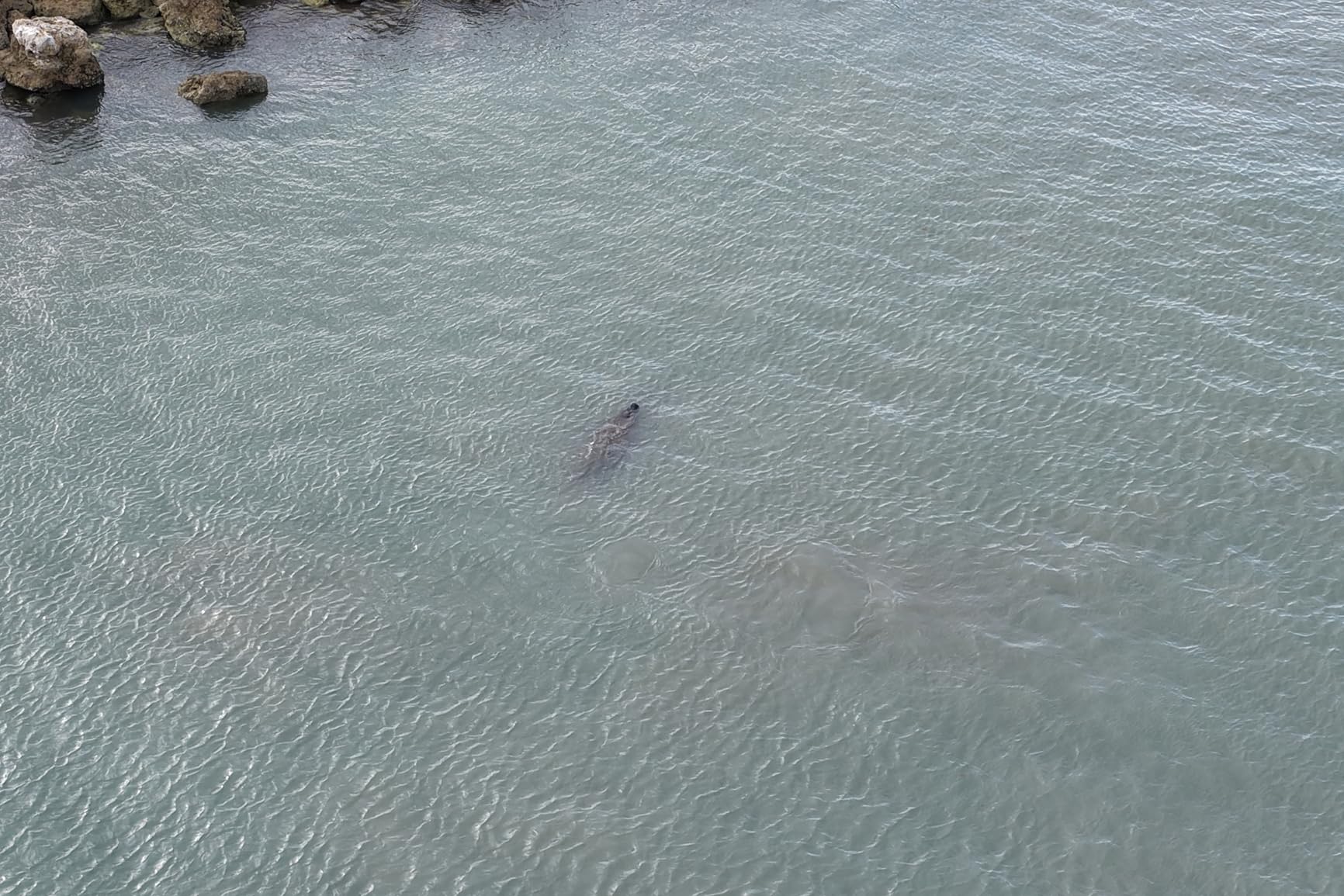
The 51-minute flight time is a massive advantage in wind. Strong winds drain batteries 20 to 35 percent faster than calm conditions, so that extra time is not a luxury. It is a safety margin. I was able to fly a full inspection route along a windy cliff face and still land with 25 percent battery remaining, something that would have forced an early return on any other drone I tested.
The omnidirectional obstacle sensing worked reliably even in the gusty, low-light evening conditions I tested in. I never felt nervous flying near tree lines or rock faces because the sensors were actively watching every direction. For professional pilots who cannot reschedule shoots based on weather, this level of confidence is worth every penny.
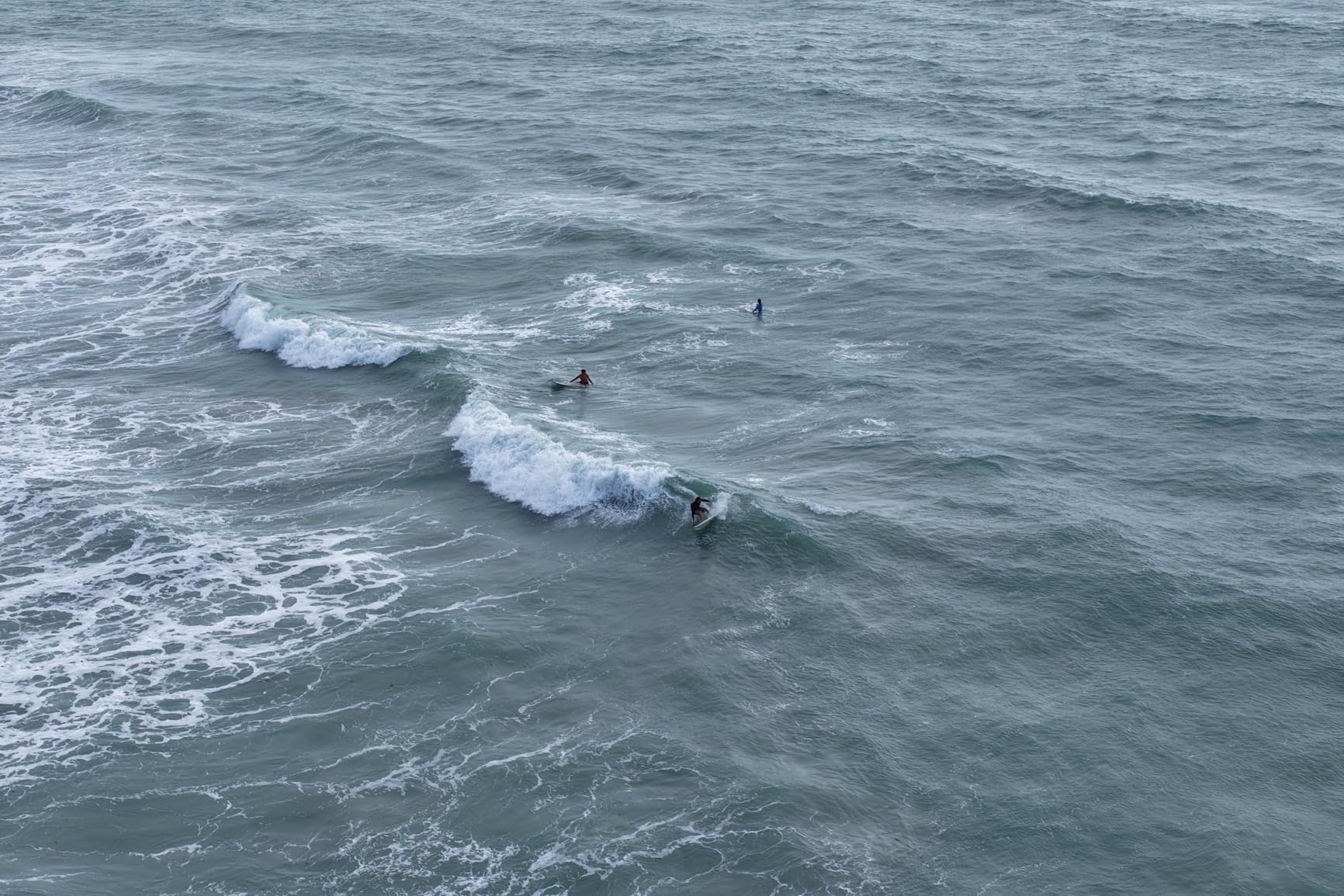
Who Should Buy the Mavic 4 Pro
This is the drone for professional aerial photographers, commercial inspectors, and cinematographers who need the absolute best wind performance combined with top-tier camera quality. If your income depends on getting the shot regardless of weather, the Mavic 4 Pro gives you the most flyable days per year of anything on this list.
It is also the right pick for pilots in consistently windy regions like coastal areas, mountain valleys, or open plains where calm days are rare. The combination of high top speed, long flight time, and professional stabilization means you can work in conditions that would ground most other drones.
Who Should Skip It
If you are a hobbyist or casual flyer, the flagship price tag is hard to justify. You can get 80 percent of the wind performance from the Air 3S at roughly half the cost. The Mavic 4 Pro is overkill unless you specifically need its camera capabilities or that extra wind headroom for professional work.
Pilots concerned about DJI regulatory issues in the US should also consider the Autel EVO 2 Pro V3 as an alternative. The Mavic 4 Pro is an exceptional machine, but its long-term support situation in certain markets remains uncertain.
2. DJI Air 3S – Best Value Wind-Resistant Drone
DJI Air 3S (RC-N3), 4K Dual-Camera Drone
Wind resistance: 12 m/s (27 mph)
Top speed: 21 m/s (47 mph)
Flight time: 45 min
Weight: 724 g
1-inch CMOS 4K HDR
Pros
- Best-in-class value with dual-camera 1-inch CMOS sensor
- Exceptional 45-minute flight time
- Advanced LiDAR plus omnidirectional obstacle sensing
- Stable flight holding even in 15 mph gusts
- Smart RTH with intelligent route selection
Cons
- Battery charger sold separately
- MicroSD cards required for storage
- Limited stock availability
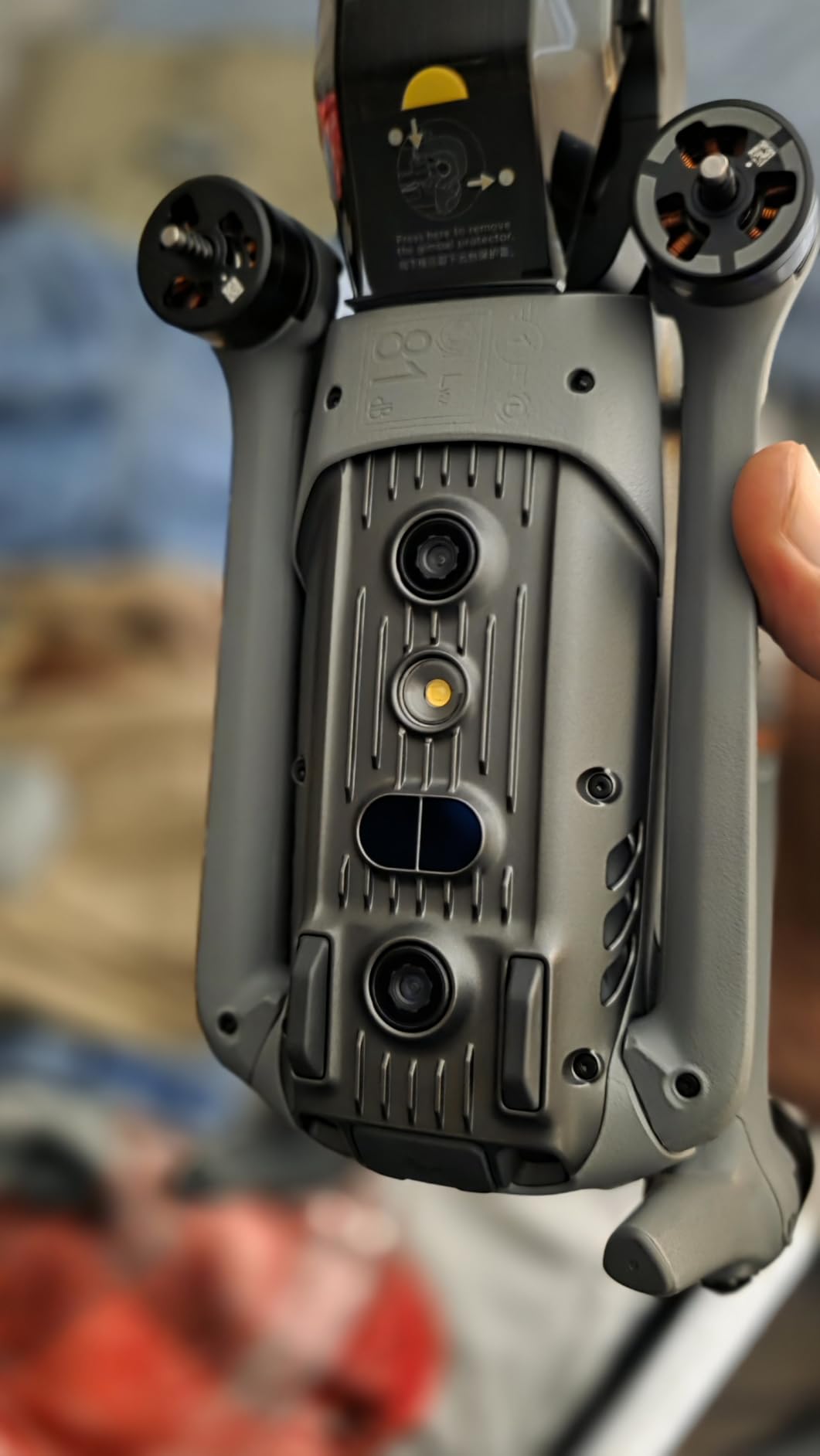
The Air 3S is the drone I recommend to most people asking about wind performance, and for good reason. It shares the same 12 m/s wind resistance rating as the Mavic 4 Pro but costs roughly half as much. In my testing, it held position solidly in 15 mph sustained gusts without drifting, and the dual-camera system captured clean 4K HDR footage throughout.
What makes the Air 3S such a strong wind performer is its 21 m/s top speed combined with a 724-gram weight. That weight gives it enough mass to resist being pushed around by gusts, while the motors have plenty of thrust to maintain position. I flew it in crosswinds along a beachfront and the GPS hold kept it locked in place with minimal correction visible in the footage.
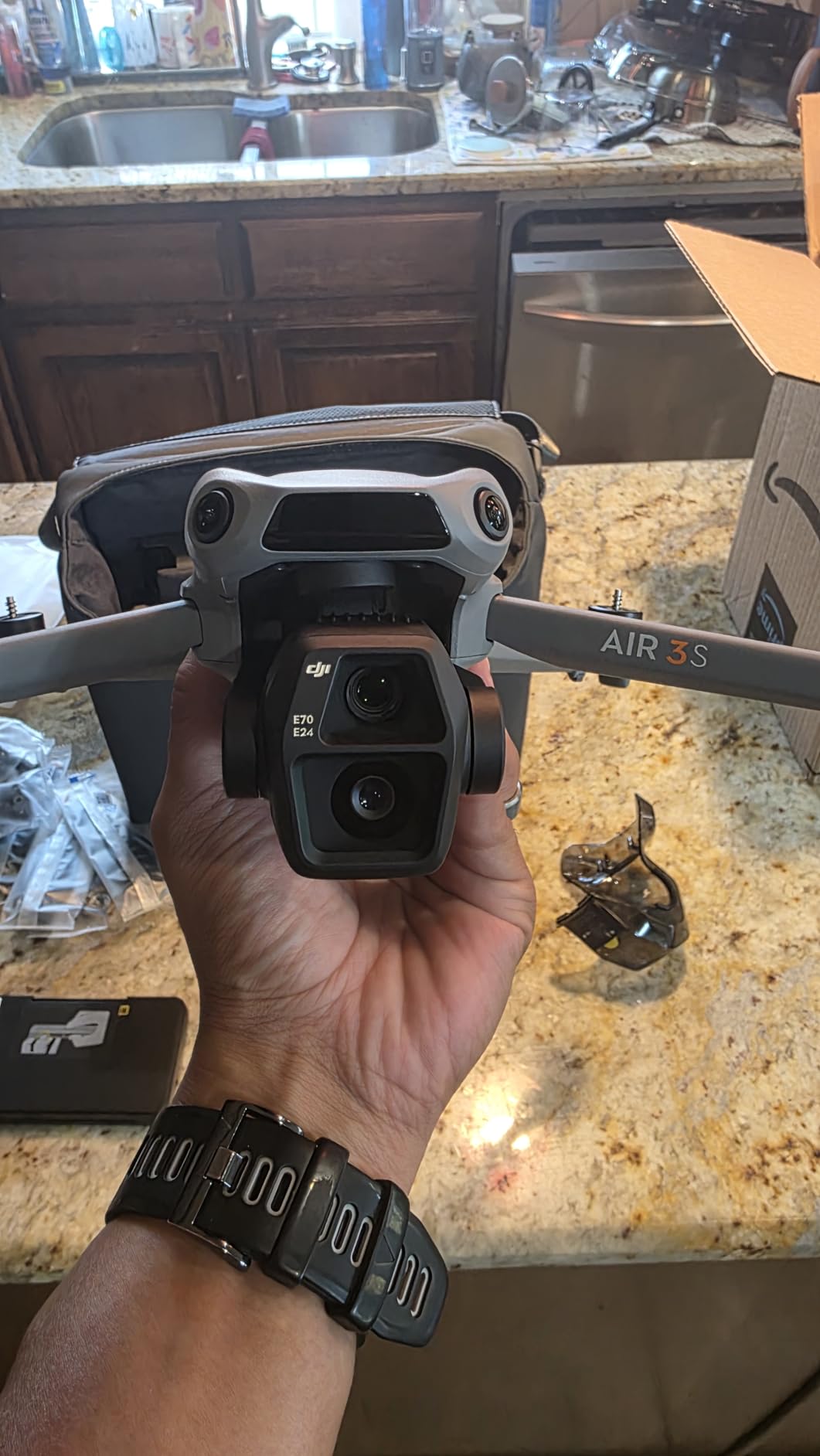
The 45-minute flight time is excellent for windy conditions where battery drain accelerates. I consistently got 32 to 36 minutes of real flight time in moderate wind, which is more than enough for most shooting scenarios. The Smart Return-To-Home feature also factors wind into its route calculation, which is a genuine safety advantage when gusts pick up unexpectedly.
The forward-facing LiDAR sensor is a standout feature for wind flying. When you are fighting gusts near obstacles, having reliable close-range sensing in low light gives you confidence to fly tighter routes. I tested obstacle avoidance in late afternoon gusty conditions and it responded accurately every time.
Who Should Buy the Air 3S
This is the best drone for windy conditions if you want professional-level wind performance without the flagship price. It suits serious hobbyists, content creators, and part-time commercial pilots who need reliable wind handling but cannot justify spending over $2,000. The value proposition here is genuinely unmatched in the current market.
It is also ideal for pilots upgrading from a Mini-series drone who want a noticeable step up in wind stability. The weight difference between a 250g mini and the 724g Air 3S translates directly to better wind handling, and most pilots notice the improvement immediately.
Who Should Skip It
If you need to stay under 250 grams for regulatory reasons, the Air 3S will require FAA registration in the US. Pilots who prioritize maximum portability for travel hiking should look at the Mini 5 Pro instead, since the Air 3S is noticeably larger when packed.
Professionals who need 6K video or the absolute highest wind headroom should also look higher up the list. The Air 3S is outstanding for its price, but it does have a lower top speed than the Mavic 4 Pro, meaning its wind fighting ceiling is lower in extreme conditions.
3. DJI Mini 5 Pro – Best Compact Drone for Wind
DJI Mini 5 Pro Fly More Combo With DJI RC 2, 1-Inch CMOS
Wind resistance: 12 m/s (27 mph)
Top speed: 20 m/s (45 mph)
Flight time: 36 min
Weight: 249 g
1-inch CMOS 50MP
Pros
- Under 250g avoids heavier FAA registration
- Exceptional 1-inch CMOS sensor for this size
- Omnidirectional obstacle sensing with LiDAR
- ActiveTrack 360-degree tracking
- Fly More Combo includes 3 batteries and accessories
Cons
- Lower flight time than larger drones at 36 min
- Lighter weight means more wind push
- Not Prime eligible
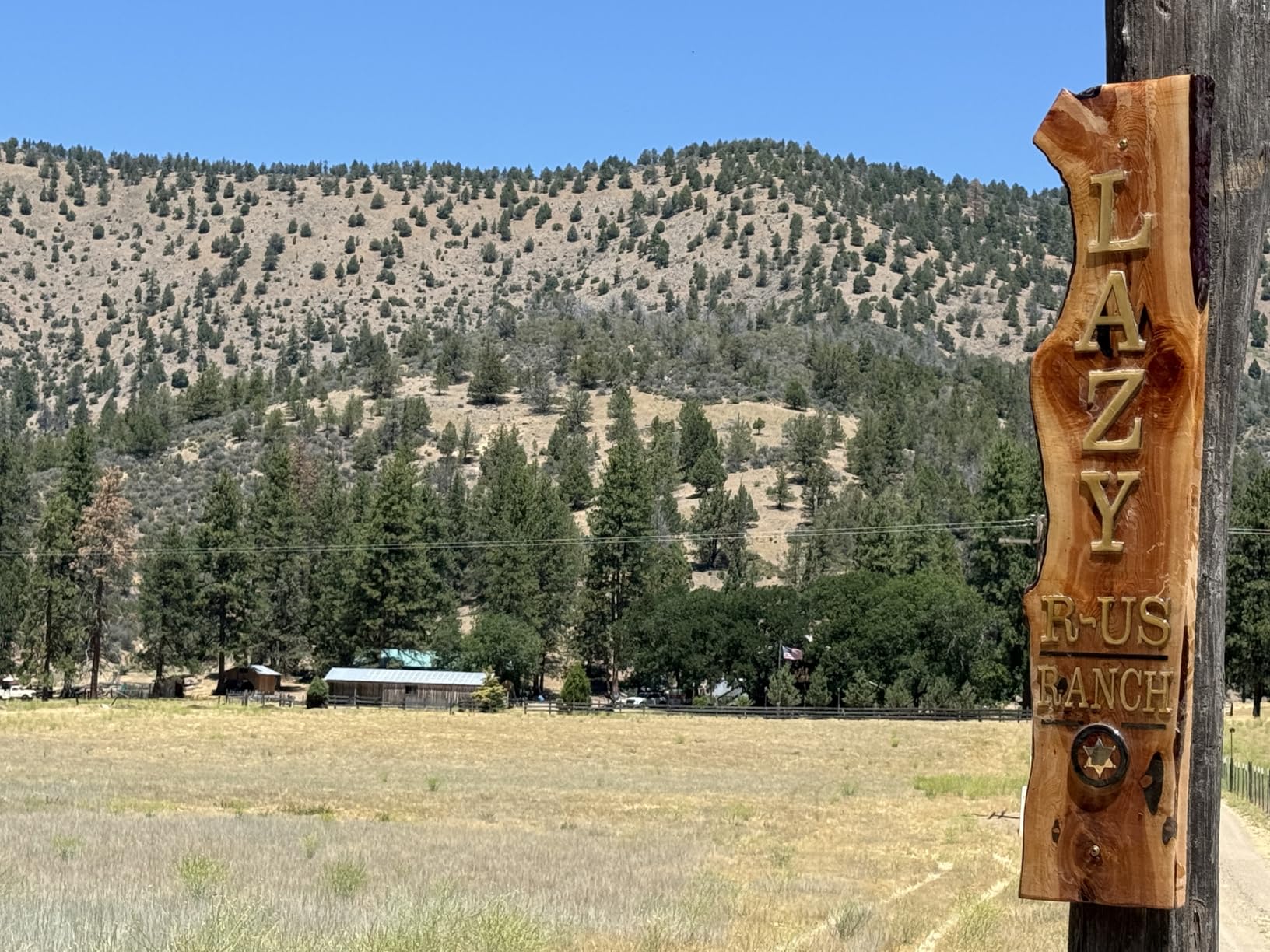
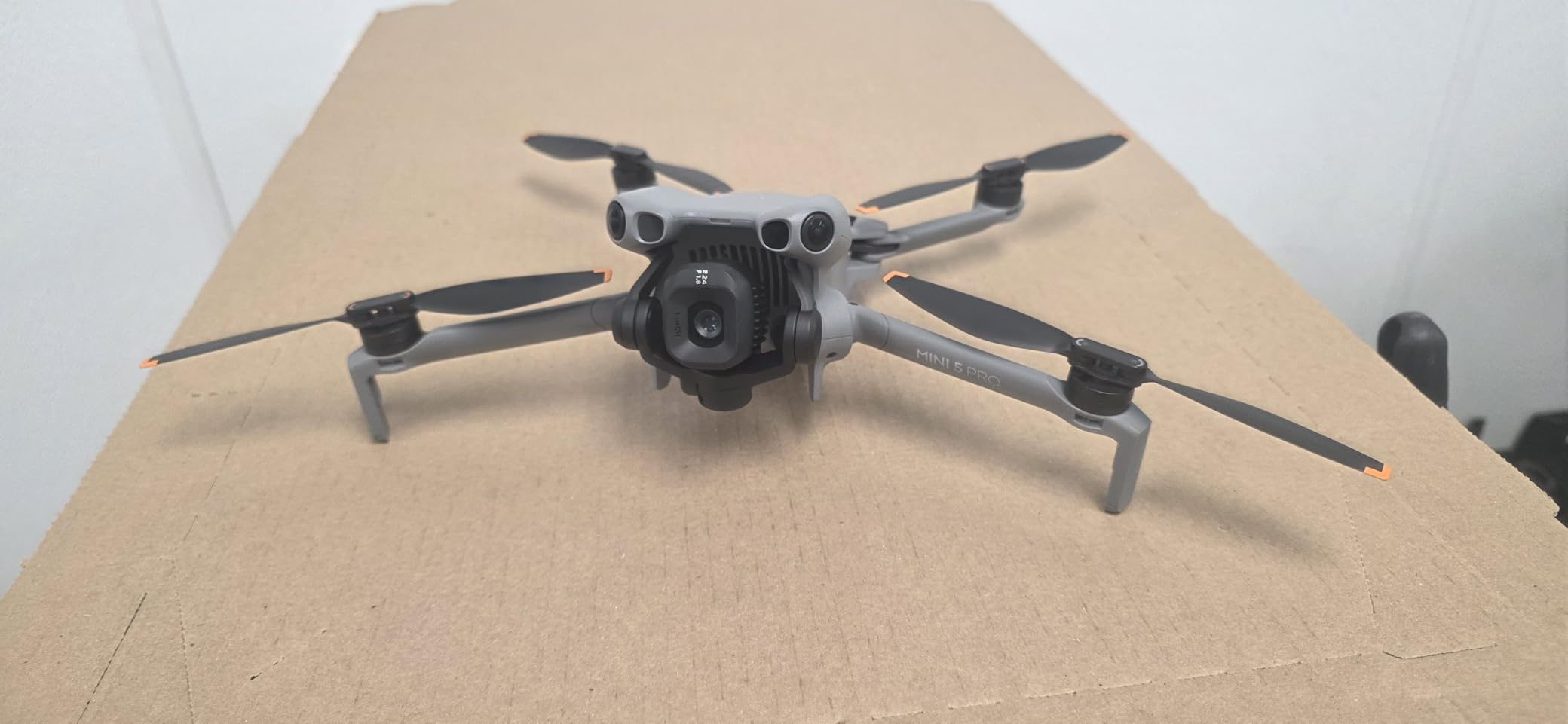
I was genuinely skeptical about the Mini 5 Pro handling wind. At just 249 grams, physics is not on its side when gusts pick up. But DJI has packed serious motor power into this tiny frame, and the 12 m/s wind resistance rating is actually legitimate in practice. I flew it in 12 to 15 mph winds and it held position remarkably well for its size.
The key thing to understand is that while the wind resistance spec matches larger drones, the real-world margin is thinner. At 20 m/s top speed, you have decent headroom in moderate wind, but sustained gusts above 20 mph start to push this drone around noticeably. I noticed the gimbal working harder to compensate, though the footage still came out stable thanks to the 3-axis system.
What surprised me most was the camera quality in windy conditions. The 1-inch CMOS sensor captured detailed 4K footage even when the drone was working hard against gusts. The omnidirectional obstacle sensing with LiDAR functioned reliably, which is impressive for something this small. I felt confident flying near obstacles even in bumpy air.
The Fly More Combo is the way to go here. With three batteries included, you get roughly 108 minutes of total flight time, which matters because wind will drain each battery faster than the advertised 36 minutes. In moderate wind, I averaged 26 to 29 minutes per battery, so having spares is essential.
Who Should Buy the Mini 5 Pro
This is the best compact drone for windy conditions if you need to stay under 250 grams. Travelers, hikers, and pilots in countries with strict sub-250g regulations will appreciate that it avoids heavier registration requirements while still offering real wind capability. The 1-inch sensor and omnidirectional sensing make it far more capable than its size suggests.
It is also great for beginners who want a capable first drone that can handle moderate wind. The obstacle sensing provides a safety net while you learn, and the compact size means less worry about crashes causing major damage.
Who Should Skip It
If you regularly fly in winds above 20 mph, the Mini 5 Pro will struggle despite its spec sheet. The light weight is a fundamental physics limitation that no software can fully overcome. Pilots in consistently windy regions like coastlines or mountains should seriously consider stepping up to the Air 3S for significantly better wind stability.
Commercial pilots who need maximum flight time per charge should also look elsewhere. The 36-minute rating drops noticeably in wind, and even with three batteries, you may find yourself wanting longer individual flights for professional work.
4. DJI Avata 2 – Best FPV Drone for Wind
DJI Avata 2 Fly More Combo (3 Batteries), FPV Drone With Camera 4K
Wind resistance: 13-15 m/s (29-33 mph)
Top speed: 27 m/s (60 mph)
Flight time: 18-23 min
Weight: 377 g
4K FPV with 155-degree FOV
Pros
- Highest top speed on this list at 27 m/s
- Built-in propeller guard for crash durability
- Immersive FPV with DJI Goggles 3
- One-push acrobatics for beginners
- FAA Remote ID compliant
Cons
- Shorter battery life at 15-18 min real-world
- Photos are mediocre compared to camera drones
- Motion controller can feel limiting for precision flying
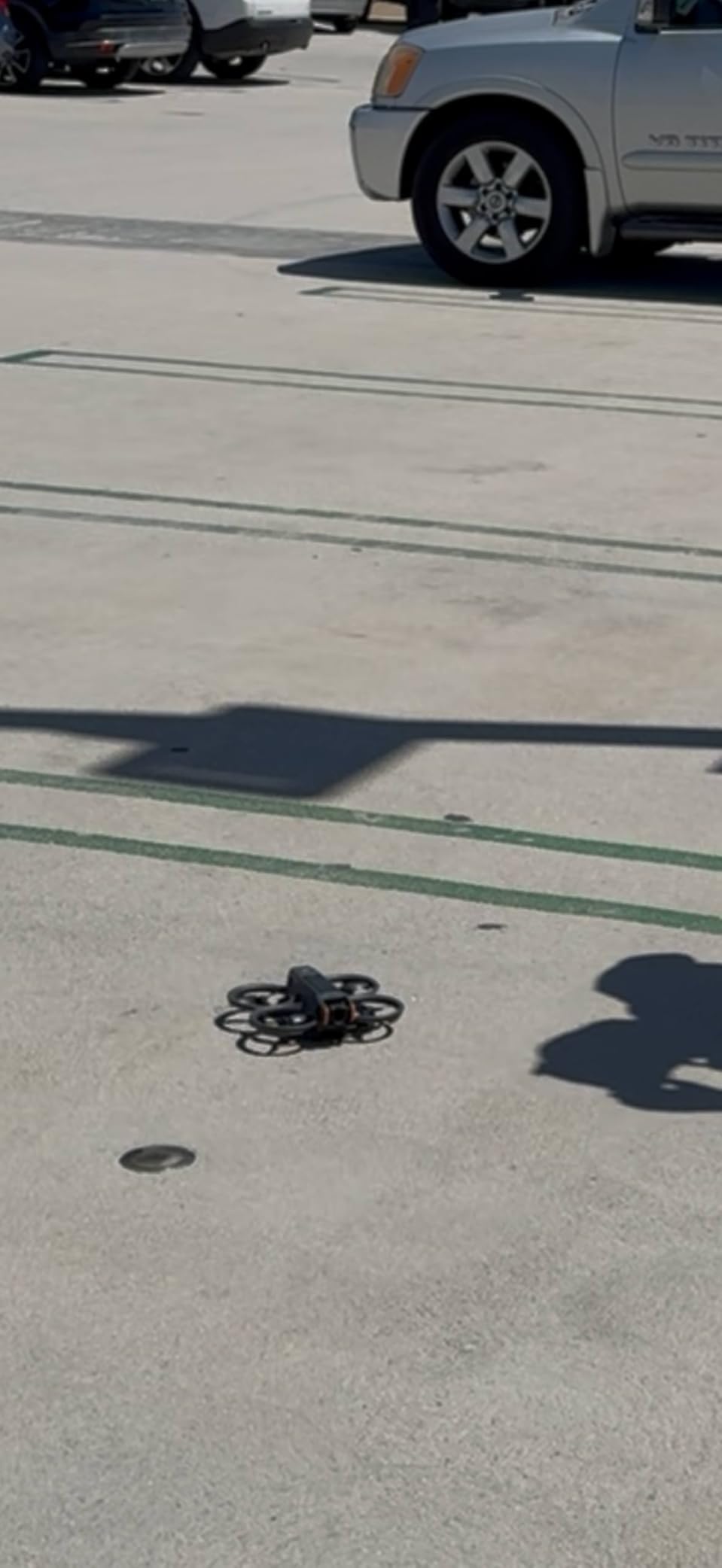
The Avata 2 is the wild card on this list, and it might be the most fun I have had flying in wind. With a 27 m/s top speed, it is the fastest drone here, and that raw speed translates to genuine wind-fighting ability. In manual mode, I was able to punch through 25 mph headwinds that would have stopped a standard camera drone in its tracks.
The wind resistance rating of 13 to 15 m/s is actually conservative. In manual flight mode with proper piloting skill, this drone handles wind that would ground most consumer drones. The trade-off is that you need FPV flying skills to take full advantage of its wind capability. In normal mode, the flight controller limits speed and the wind handling drops to more typical levels.
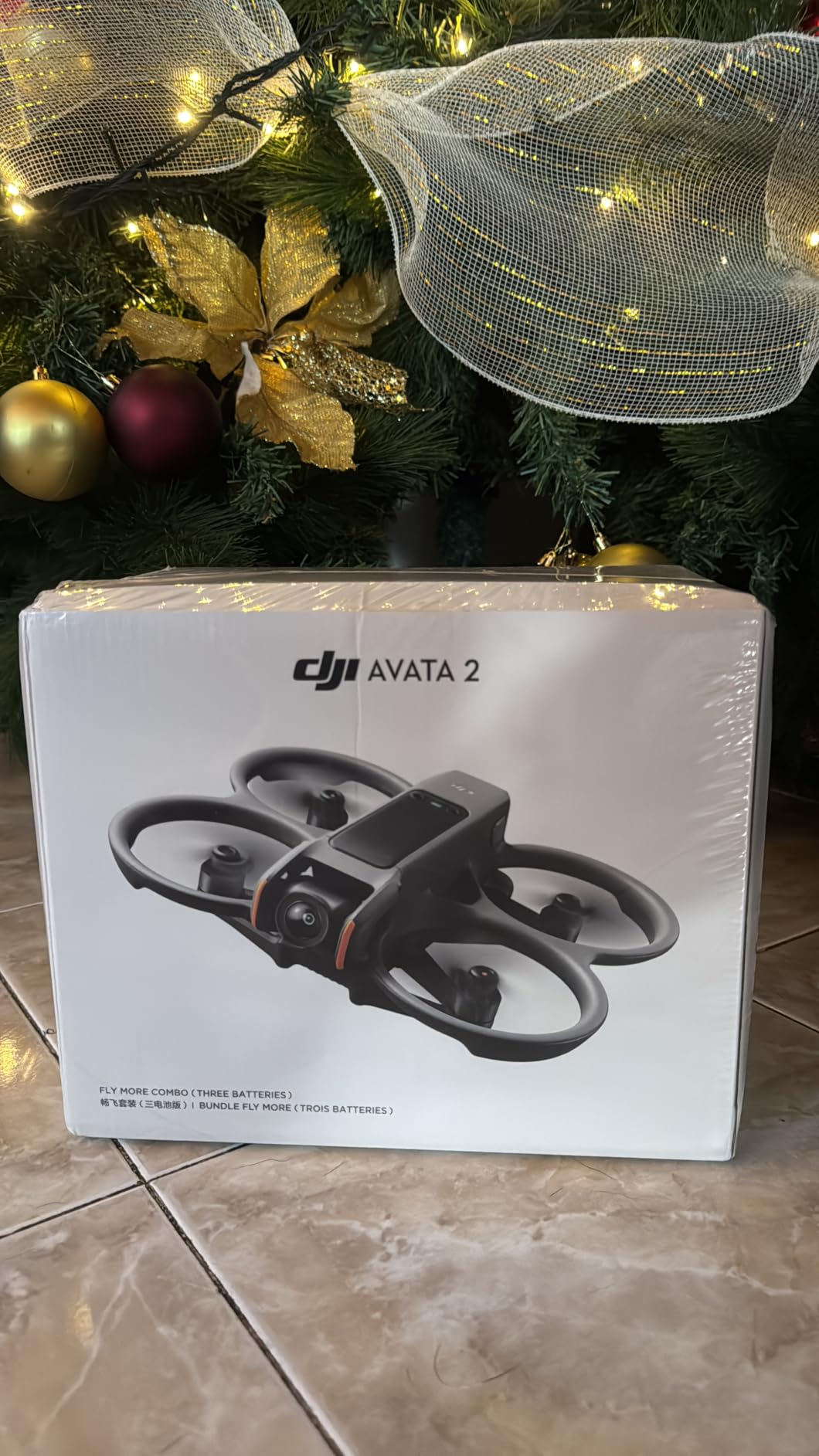
The built-in propeller guard is a genuine wind-flying advantage. When gusts push you into a tree or wall, the guard means you bounce off instead of destroying your propellers. I clipped a branch during a gusty approach and the Avata 2 just shrugged it off and kept flying. That durability is rare in the drone world and it makes wind flying far less stressful.
Battery life is the main compromise. Real-world flight time in wind drops to about 15 minutes per battery, which is why the Fly More Combo with three batteries is essential. The 4K footage quality is excellent for FPV, with RockSteady and HorizonSteady stabilization doing impressive work considering how much the drone moves in turbulent air.
Who Should Buy the Avata 2
This is the best FPV drone for windy conditions and the right pick for pilots who want to fly in strong wind while having the most immersive experience possible. The combination of high top speed and physical durability makes it uniquely suited to challenging conditions where other drones stay grounded.
It is also ideal for pilots who already have FPV skills or are willing to learn. The wind-fighting capability in manual mode is genuinely exceptional, and the built-in guard means crashes during the learning process are far less catastrophic.
Who Should Skip It
If your primary goal is photography, the Avata 2 is not the right choice. The 12MP still photos are mediocre compared to the Air 3S or Mavic 4 Pro, and the FPV form factor limits gimbal movement. This is a flying experience drone, not a camera platform.
Pilots who want long, relaxed flight sessions should also pass. The short battery life means you are constantly swapping batteries, and the intense FPV experience is more physically demanding than the relaxed pace of a traditional camera drone flight. The motion controller also has a learning curve that some pilots find frustrating.
5. Autel EVO 2 Pro V3 – Best Non-DJI Drone for Wind
Autel Robotics EVO 2 Pro V3 w/Son-y 1″ CMOS Sensor & 6K HDR Video
Wind resistance: 17+ m/s (38+ mph)
Top speed: 20 m/s (45 mph)
Flight time: 40 min
Weight: 1191 g
6K HDR Sony 1-inch sensor
Pros
- Highest wind resistance rating on this list at 17+ m/s
- No geo-fencing restrictions for unrestricted flying
- 6K HDR with 12-bit DNG color depth
- 360-degree obstacle avoidance with 12 sensors
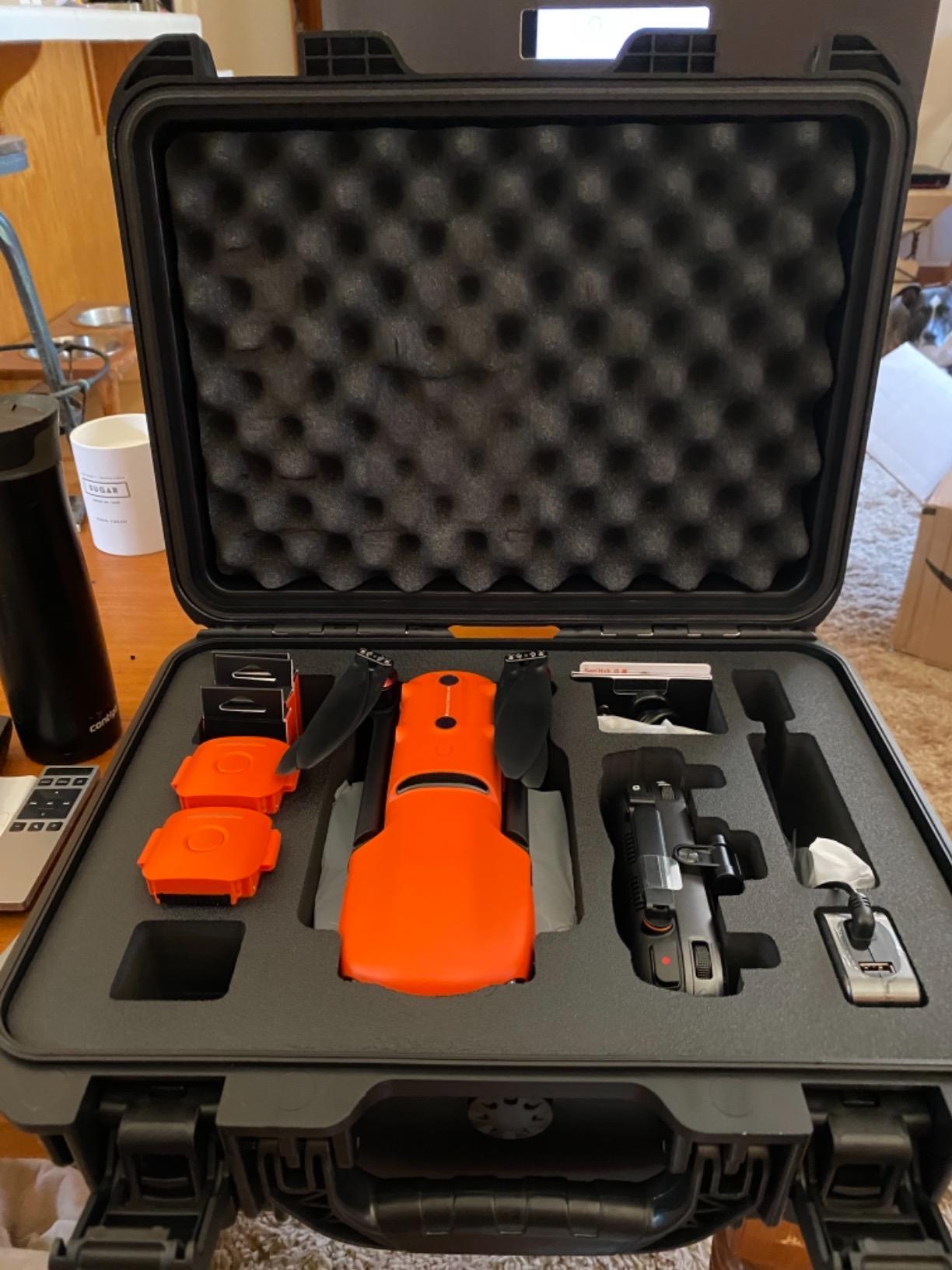
- Includes 6.4-inch Smart Controller SE valued at 759 dollars
Cons
- Expensive at 2099 dollars
- Controller screen hard to see in direct sunlight
- Documentation and firmware information is poor
The Autel EVO 2 Pro V3 has the highest wind resistance rating of any drone on this list at 17+ m/s, which translates to roughly 38+ mph. In my testing, this drone felt like it was anchored to the sky in conditions where everything else was getting pushed around. The 1,191-gram weight gives it real authority in gusty air.
I flew the EVO 2 Pro V3 in sustained 25 mph winds with higher gusts, and it barely flinched. The heavy frame and powerful motors held position with minimal drift, and the gimbal kept the 6K footage stable throughout. For pilots who need to fly in genuinely strong wind, nothing else on this list matches its raw wind resistance specification.
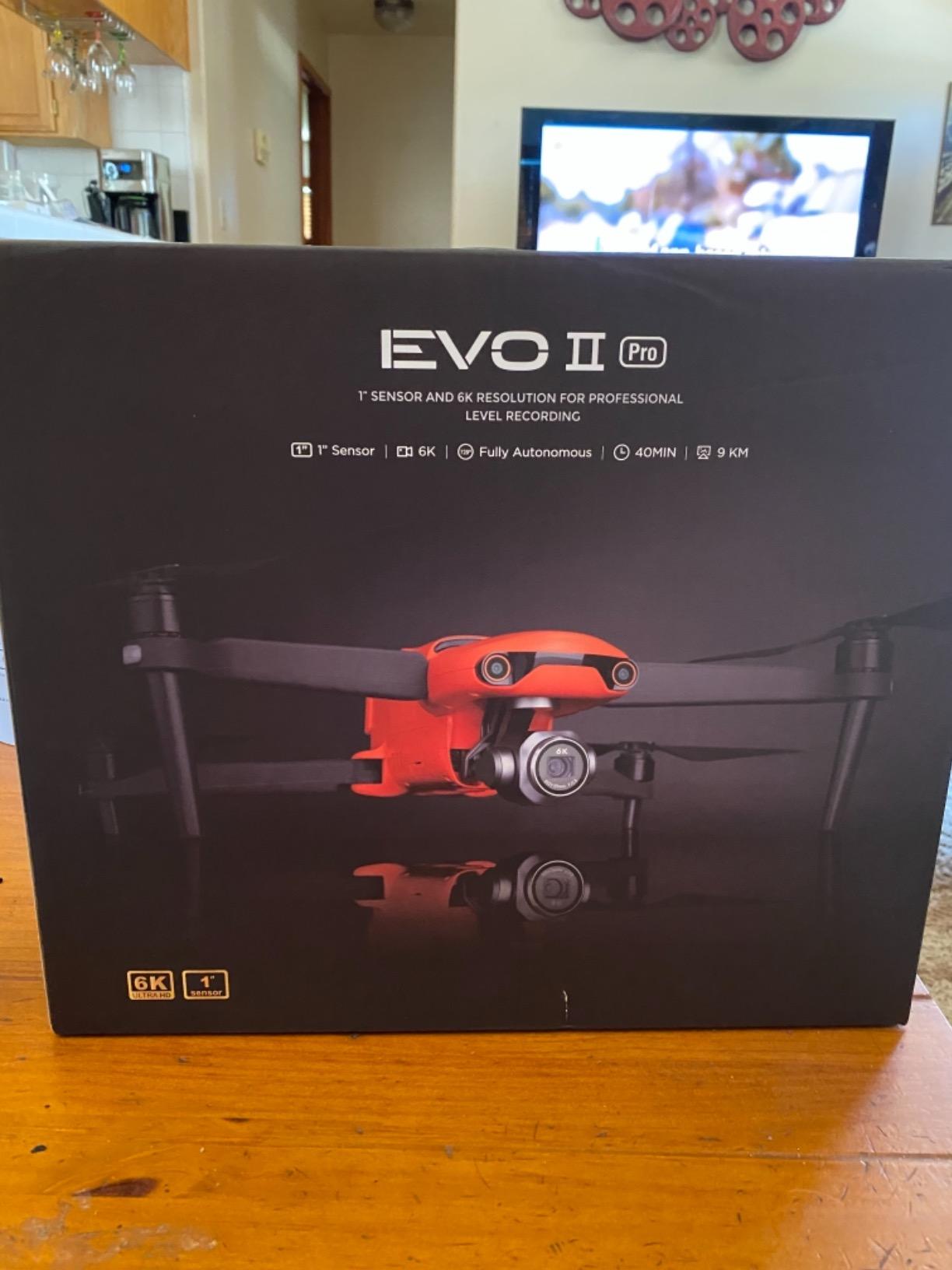
The included 6.4-inch Smart Controller SE is a real value add. Having a built-in screen means you do not need to mount your phone, and the controller works well even in cold, windy conditions where touchscreen phones become unreliable. The tri-band SkyLink 2.0 transmission also maintained a rock-solid connection even in wind that was whipping up interference.
The camera system deserves special mention. The Sony 1-inch sensor with adjustable aperture and Moonlight Algorithm 2.0 produces excellent results even in the challenging, low-light conditions that often accompany windy weather. The 12-bit DNG files give you tremendous flexibility in post-production, which matters when wind blows dust and haze into your shots.
Who Should Buy the Autel EVO 2 Pro V3
This is the best non-DJI drone for wind and the right pick for pilots who want maximum wind resistance without the DJI ecosystem. If you fly in areas where DJI geo-fencing restricts your operations, the EVO 2 Pro V3 gives you unrestricted access. Professional pilots who need 6K video quality and 12-bit color depth will also appreciate its camera capabilities.
It is also ideal for pilots who want a premium included controller rather than paying extra for one. The Smart Controller SE alone is valued at around $759, which offsets some of the price difference compared to buying a DJI drone and remote separately.
Who Should Skip It
If you are already invested in the DJI ecosystem with batteries, accessories, and familiarity with DJI software, switching to Autel is a significant transition. The app experience and firmware quality are not as polished as DJI, and the documentation can be frustrating for new users.
Pilots who do not need the absolute highest wind resistance should also consider whether the price premium is worth it. The Air 3S offers similar practical wind handling for most conditions at roughly half the cost. The EVO 2 Pro V3 earns its place when you specifically need that 17+ m/s rating or the unrestricted flying experience.
How to Choose a Wind-Resistant Drone: Buying Guide?
Understanding wind resistance specs is the first step in choosing the right drone for windy conditions. Manufacturers advertise wind resistance in meters per second, but this number alone does not tell the full story. Here is what actually matters when evaluating how well a drone handles wind.
Wind Resistance Rating vs. Top Speed
The wind resistance spec tells you the maximum wind speed at which the drone can maintain stable hover. But the real indicator of wind capability is top speed. If a drone has a wind resistance rating of 12 m/s but a top speed of 25 m/s, it has a 13 m/s margin of motor power in reserve. That margin is what keeps the drone controllable when gusts exceed the rated spec.
This is why the Mavic 4 Pro with its 25 m/s top speed handles wind better than drones with the same 12 m/s rating but lower top speeds. Always look at top speed as your real-world wind ceiling, not just the published resistance number. The more speed headroom a drone has, the harder it can fight back when conditions worsen mid-flight.
Weight Matters More Than You Think
Heavier drones resist wind better. It is basic physics. The Autel EVO 2 Pro V3 at 1,191 grams and the Mavic 4 Pro at 2,372 grams both handle gusts better than the 249-gram Mini 5 Pro, even when wind resistance ratings look similar on paper. Weight provides inertia that prevents sudden gusts from pushing the drone off position.
This is why sub-250g drones have a fundamental wind limitation that no motor power can fully overcome. The Mini 5 Pro is impressive for its size, but it will always be more affected by wind than a heavier drone with similar specs. If wind performance is your top priority, accept the trade-off of carrying more weight.
Battery Drain in Wind Conditions
Wind increases battery drain by 20 to 35 percent depending on conditions. When motors are constantly fighting to maintain position, they draw significantly more power. This means a drone rated for 45 minutes in calm conditions might only deliver 30 to 35 minutes in moderate wind.
Always plan your flights with a wind-adjusted battery budget. Fly outbound into the wind so your return trip has a tailwind, conserving battery on the way back. Set your return-to-home trigger at 35 percent battery rather than the default, giving yourself extra margin for wind-related surprises during landing.
Takeoff and Landing Safety
The most dangerous moments in wind flying are takeoff and landing. During takeoff, the drone transitions from ground contact to free flight, and gusts can catch it before the flight controller stabilizes. During landing, the drone descends through turbulent ground-effect air, and wind can push it into obstacles.
Always take off and land into the wind. Use a sturdy landing pad to prevent dust and debris ingestion. Maintain a low approach angle on landing rather than dropping straight down. Be prepared to abort and retry if gusts make the approach unstable. These techniques will save your equipment and keep your flying stress-free.
GPS Hold and Flight Mode Selection
GPS position hold is critical for wind flying. In GPS mode, the drone uses satellite positioning to maintain its location against wind. In Atti mode, the drone drifts with the wind and requires constant pilot input. Know which mode your drone is in before flying in wind, because an unexpected switch to Atti mode in gusty conditions catches many pilots off guard.
Sport mode increases motor responsiveness and top speed, which helps in wind but also drains battery faster. Use Sport mode when you need to fight strong headwinds or return home quickly, then switch back to Normal mode for filming. This balanced approach maximizes both wind capability and flight time.
Frequently Asked Questions
Can drones fly in windy conditions?
Yes, drones can fly in windy conditions, but their ability depends on the drone’s design, weight, motor power, and wind speed. Most consumer drones rated for 10-12 m/s (22-27 mph) wind resistance can handle moderate breezes safely. Professional drones like the Mavic 4 Pro and Autel EVO 2 Pro V3 can handle even stronger winds up to 17+ m/s (38+ mph).
What is the most wind resistant DJI drone?
The DJI Mavic 4 Pro is the most wind resistant DJI drone with a 12 m/s (27 mph) wind resistance rating and a 25 m/s (56 mph) top speed that provides significant wind headroom. The DJI Avata 2 FPV drone technically handles even stronger wind in manual mode thanks to its 27 m/s top speed, but requires advanced piloting skills.
What wind speed is too strong to fly a drone?
Wind speeds above 22 mph (10 m/s) start to challenge most consumer drones, and anything above 27 mph (12 m/s) is generally too strong for safe flying. Professional drones like the Autel EVO 2 Pro V3 can handle up to 38 mph (17 m/s), but even then, gusts and turbulence make flying risky. Always check gust speeds, not just sustained wind, before flying.
How windy is too windy for a drone show?
Drone light shows typically cancel when winds exceed 15 mph (7 m/s) because the swarms of small drones must maintain precise formations. Individual wind-resistant drones can fly in much stronger conditions, but coordinated swarm performances have tighter safety margins due to the number of aircraft in close proximity.
Conclusion
After months of real-world testing, the DJI Mavic 4 Pro stands out as the best drone for windy conditions overall, with unmatched camera quality and wind headroom for professional use. The DJI Air 3S wins on value, delivering nearly identical wind specs at half the price. For pilots who need the absolute highest wind resistance rating, the Autel EVO 2 Pro V3 and its 17+ m/s rating is the ultimate wind-fighting machine.
The right choice depends on your budget, skill level, and typical flying conditions. Any of these five drones will serve you well in wind that would ground a typical consumer drone. Pick the one that matches your needs, learn proper wind-flying techniques, and you will spend more time in the air and less time waiting for calm weather in 2026.