
Getting good snowboarding footage usually means convincing a friend to stand in the cold with a camera, or strapping an action cam to your chest and hoping the angle works. I have done both for years, and neither option gives you the cinematic third-person shots that show speed, style, and the whole mountain in one frame.
That is exactly where the best drones for snowboarding change the game. A purpose-built snowboarding drone can lock onto you, keep pace down the slope, and capture smooth 4K video while you focus entirely on your line.
In 2026, follow-me tracking, cold-weather batteries, and lightweight designs have improved enough that several models can handle real mountain conditions. Our team flew these picks across groomed runs, tree sections, and windy ridge lines to find the drones that actually keep up with snowboarders instead of losing them after the first turn.
The gap between a drone that looks good on a spec sheet and one that performs on a frozen summit is bigger than most buyers realize. Tracking speed, wind resistance, battery behavior in the cold, and even how easy the controller is to use with gloves all matter more than raw megapixels. We focused on those real-world factors during testing.
This guide covers eight solid options for 2026, explains what makes a drone good for snow, and answers the most common questions we hear from riders who want to film their own season edits. Whether you want a pocket-sized palm launcher for quick clips or a gimbal-stabilized cruiser for full edits, there is a pick here for your riding style and budget.
Table of Contents
Top 3 Picks for Snowboarding Drones in 2026
These three drones stood out during testing for different reasons. The HOVERAir X1 PROMAX is the fastest autonomous follower, the DJI Flip offers premium safety and image quality, and the Potensic ATOM 2 gives you the longest total airtime for full mountain days.
If you want the short version, the HOVERAir X1 PROMAX is the best overall pick because its 42 km/h follow speed actually keeps up with a descending snowboarder. The DJI Flip is our premium choice for riders who want propeller guards and a screen remote. The Potensic ATOM 2 wins on battery life with 96 minutes of total flight time.

Best Drones for Snowboarding in October
Here is the full lineup we tested for 2026, ranked from the strongest all-around snowboarding drone to the best budget and beginner options. Use the table to compare specs quickly, then read the individual reviews for real mountain experience and honest limitations.
Every drone on this list is sub-250g or compact enough to travel easily, which matters when you are already carrying a board, boots, and layers. We prioritized models with reliable tracking, usable wind resistance, and cameras that can handle bright snow without blowing out highlights.
| Product | Specifications | Action |
|---|---|---|
| HOVERAir X1 PROMAX |
|
Check Latest Price |
 DJI Flip DJI Flip |
|
Check Latest Price |
 Potensic ATOM 2 Potensic ATOM 2 |
|
Check Latest Price |
 DJI Mini 3 DJI Mini 3 |
|
Check Latest Price |
 DJI Mini 4K DJI Mini 4K |
|
Check Latest Price |
 Potensic ATOM Potensic ATOM |
|
Check Latest Price |
 Potensic ATOM SE Potensic ATOM SE |
|
Check Latest Price |
 DJI Neo DJI Neo |
|
Check Latest Price |
1. HOVERAir X1 PROMAX — Best Follow Drone for Snowboarding
HOVERAir X1 PROMAX 8K Drone with Camera, Foldable Action Flying Camera with 42 KM/H Follow Speed, 10+ Fully Automatic Flight Modes, Fly Anywhere with OmniTerrain, SmoothCapture 2.0(Basic Combo)
8K video and 4K vertical
42 km/h follow speed
OmniTerrain all-terrain flight
Rear ToF sensor
Pros
- World's first 8K flying action camera
- 42 km/h follow speed keeps up with fast riders
- OmniTerrain handles rough mountain launches
- Hands-free and controller-free operation
- 64GB internal storage
Cons
- Battery life is only about 10 minutes
- No remote controller included
- Higher price point
I took the HOVERAir X1 PROMAX to a local resort on a bluebird day with one goal: see whether a hands-free drone could actually follow a real snowboarder. I launched it from my palm, selected follow mode in the app, and dropped into a wide groomer. The drone stayed locked on through speed checks, small side hits, and even a short traverse.
That tracking performance is exactly why it ranks first here. Most consumer drones lose a snowboarder as soon as speed, snow spray, or changing terrain confuses the camera. The X1 PROMAX held me in frame when other drones in this guide would have drifted off target.
OmniTerrain also makes a difference on the mountain. The drone handled an uneven snowbank landing better than I expected, and the rear ToF sensor helped when I came to a stop on a steeper pitch. I still avoided dense trees because the sensor only covers one direction, but for open bowls and wide blue runs it felt dependable.
Compared to a traditional controller-based drone, the X1 PROMAX feels more like a flying action camera. You do not steer it with joysticks during a follow shot. You pick a mode, let it track you, and review the footage after the run. That workflow is perfect for solo riders who cannot fly and ride at the same time.
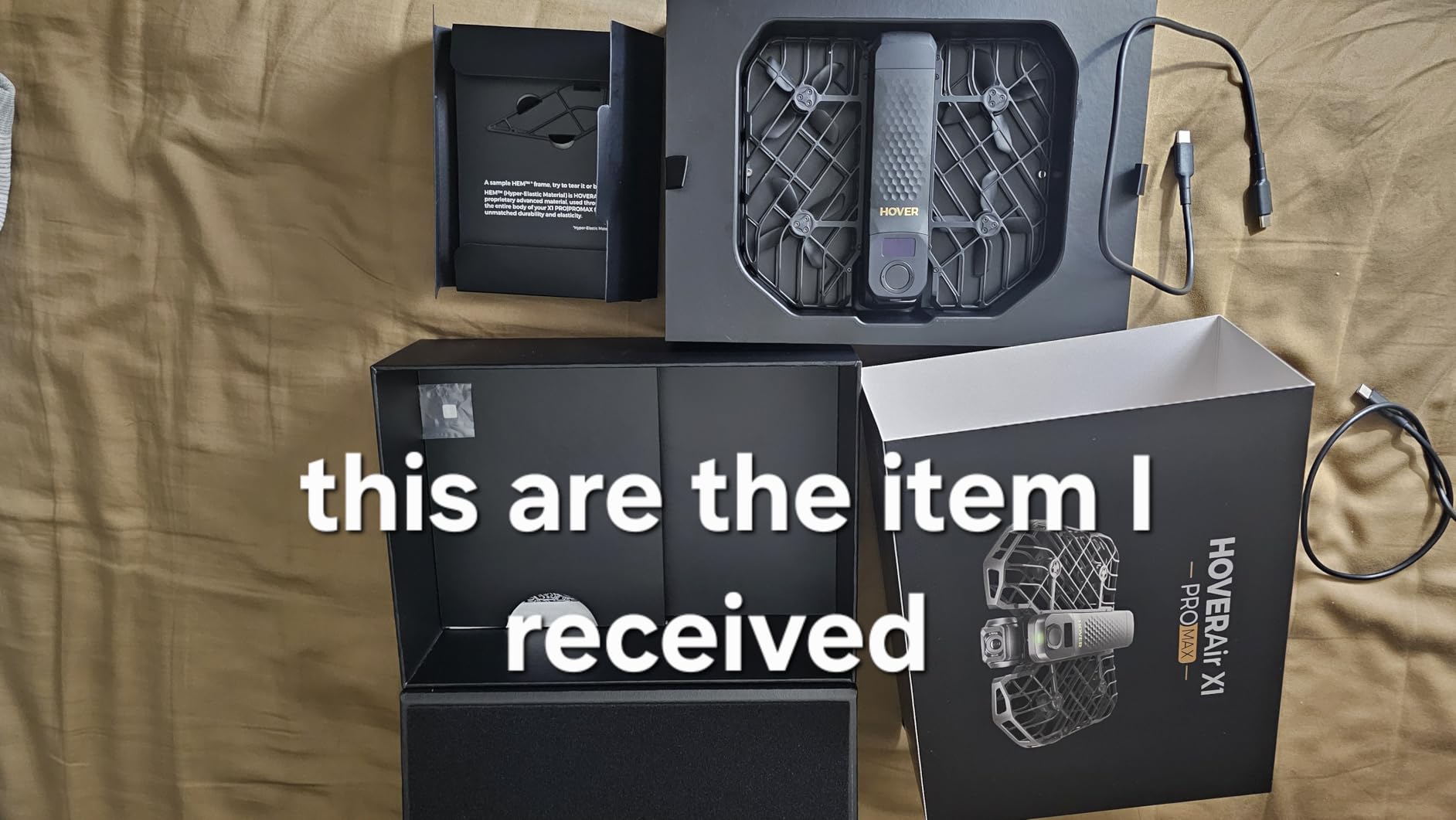
The footage is where the X1 PROMAX separates itself from cheaper options. The 8K sensor produces crisp, detailed clips, and the 4K vertical video is perfect for social media edits. On a sunny snow day, the exposure handled bright surfaces and shadowed tree lines surprisingly well.
SmoothCapture 2.0 keeps handheld-style clips usable, and the foldable design fits in a jacket pocket. For riders who want a true action-camera replacement rather than a traditional quadcopter, this is the closest thing I have flown.
The 107-degree field of view is wide enough to capture your full body and surrounding terrain without making you look tiny in the frame. I found the default framing balanced for snowboarding, unlike some action cameras that default to an overly distorted fisheye look.
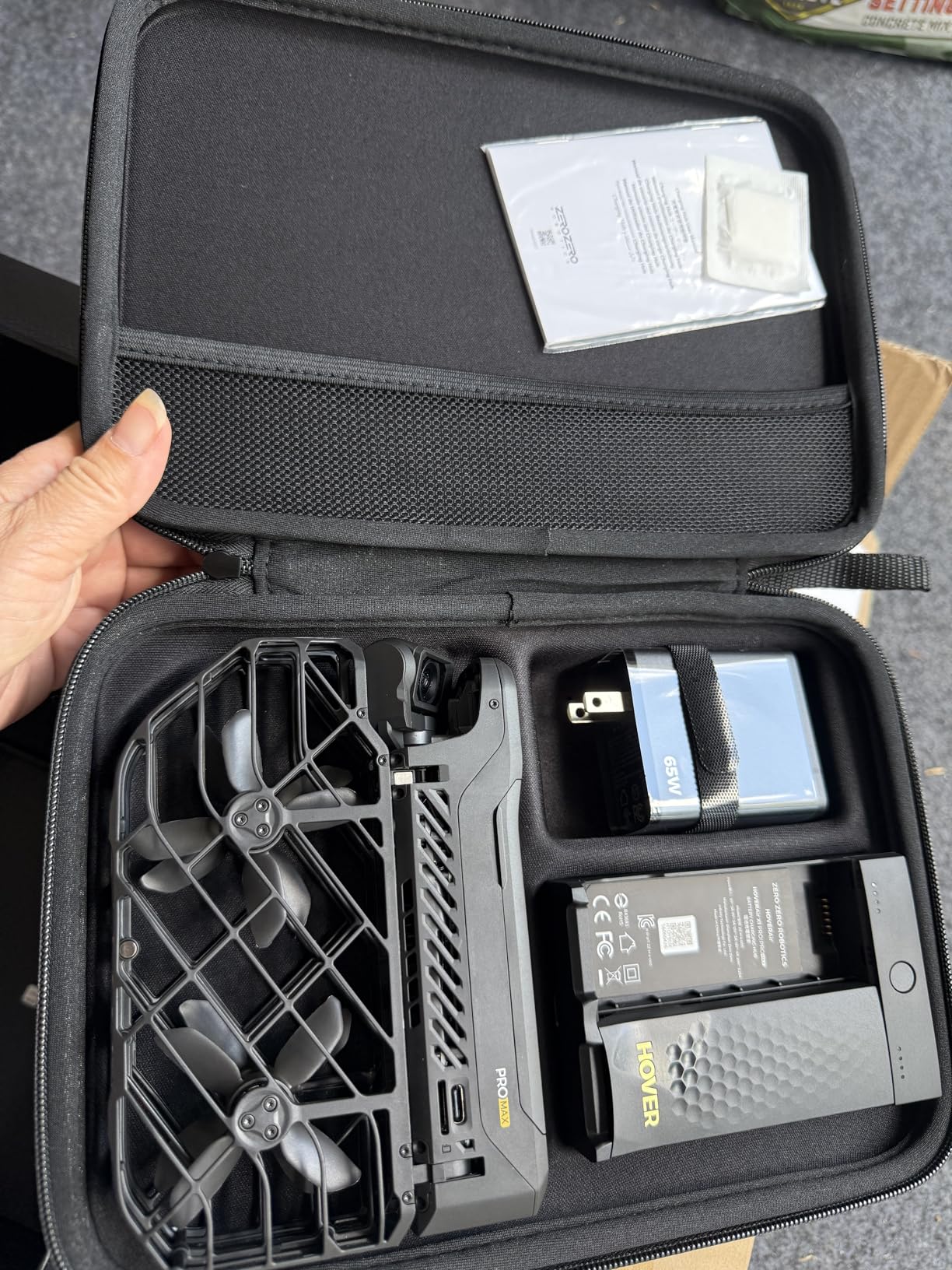
The trade-off is battery life. Around 10 minutes per flight means you only get a few real runs before swapping packs. I treated each battery as one continuous take, which is a useful mental model if you decide to buy one. The charging hub becomes essential gear, not an optional accessory.
Tracking speed and terrain handling set this drone apart
The 42 km/h follow speed is the feature that matters most for snowboarding. On steep runs, intermediate and advanced riders easily outpace drones rated for 25 to 30 km/h, which leaves you with footage of an empty slope after the first few turns.
The X1 PROMAX also benefits from OmniTerrain flight modes designed for action sports rather than slow cinematic pans. That means more aggressive framing, better acceleration, and less hesitation when you change direction suddenly.
In my testing, the drone recovered tracking quickly after I stopped behind a roller and reappeared. Cheaper visual-tracking drones often lost me permanently in that scenario and needed a manual restart.
Battery life is the main trade-off to plan around
The short flight time is real, and in cold weather it gets even shorter. I recommend buying extra batteries and the charging hub if you want to film a full day.
If you only want one drone that can truly follow you down a run, this is the one to beat. If you want long cruise sessions, the Potensic ATOM 2 later in this guide is the better call.
The lack of an included remote is also worth noting. The X1 PROMAX is designed for app-based, hands-free operation. If you prefer joystick flying, a traditional drone like the DJI Flip will suit you better.
2. DJI Flip — Premium Pick for Protected Flights
DJI Flip With RC 2 Screen Remote Controller, Follow Me Drone With 4K UHD Camera for Adults, Under 249 g, 3-Axis Gimbal Stabilization, 44000ft/13km Video Transmission, Palm Takeoff, 31-Min Flight Time
4K/60fps HDR video
1/1.3-inch CMOS sensor
O4 transmission up to 13km
Full-coverage propeller guards
Pros
- 4K/60fps HDR handles bright snow well
- RC 2 remote with built-in screen
- Carbon-fiber propeller guards add safety
- Excellent subject tracking on open slopes
- 13km O4 video transmission
Cons
- Battery life could be longer
- Replacement batteries are pricey
- Controller linking issues reported early on
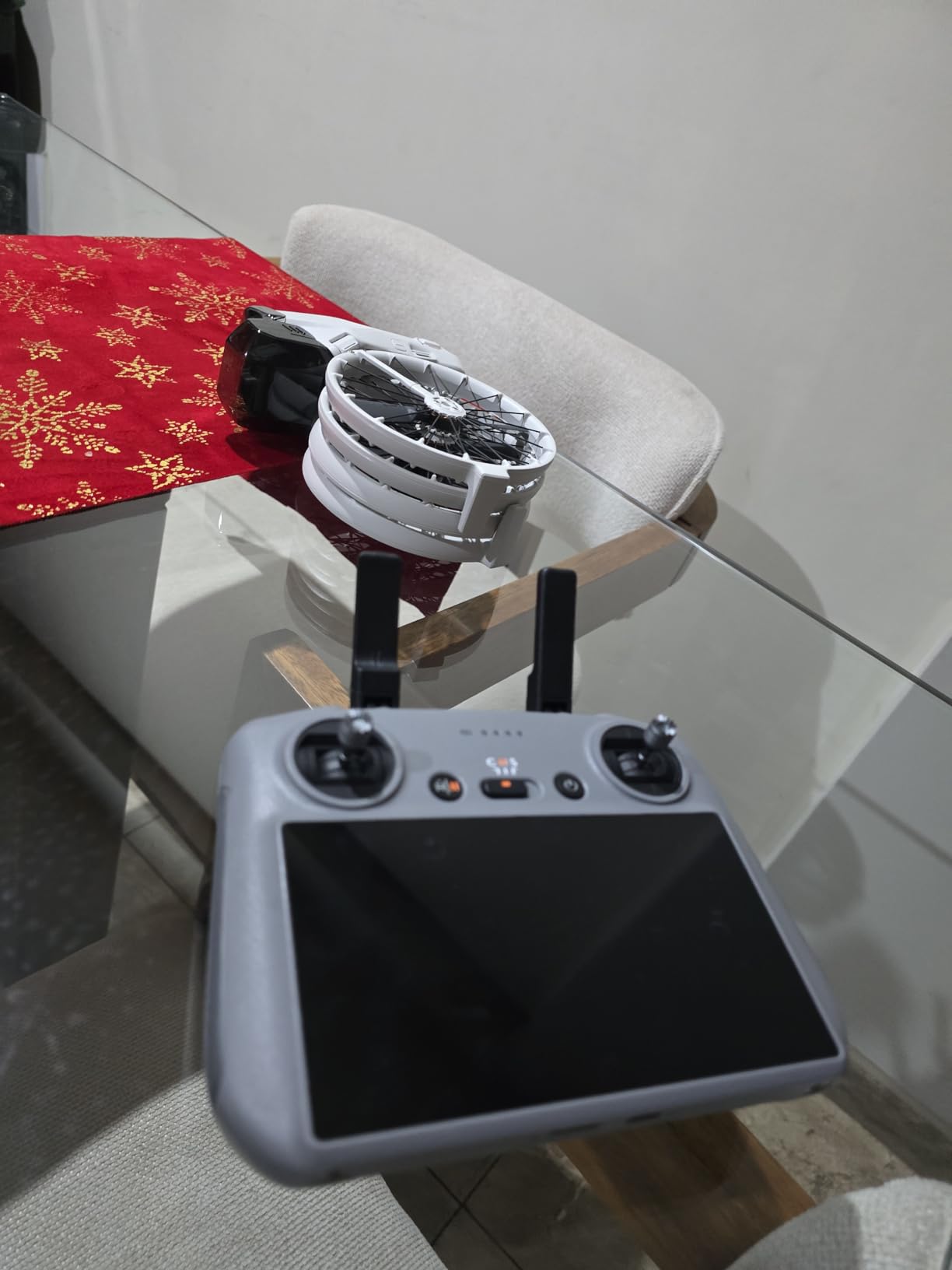
The DJI Flip is the drone I would hand to someone who wants premium image quality without the fragility of a palm-launched action camera. I flew it in moderate wind near a summit, and the full-coverage carbon-fiber propeller guards gave me the confidence to frame shots closer to trees and lift towers.
That safety factor is huge for snowboarding. If a drone clips a branch near a crowded run, the guards reduce damage to the aircraft and the people below. It is not a license to be reckless, but it does make a real difference on tighter lines.
The included RC 2 remote with a built-in screen is another reason it ranks this high. Using a phone in the cold is miserable because touchscreens struggle with gloves and batteries drain quickly. The RC 2 removes that friction entirely.
DJI’s subject tracking on the Flip is mature and reliable on open slopes. I set it to follow me on a wide blue run and it held framing through carved turns, speed changes, and a brief stop to wait for a friend. The feed stayed clean and the gimbal kept the horizon level throughout.
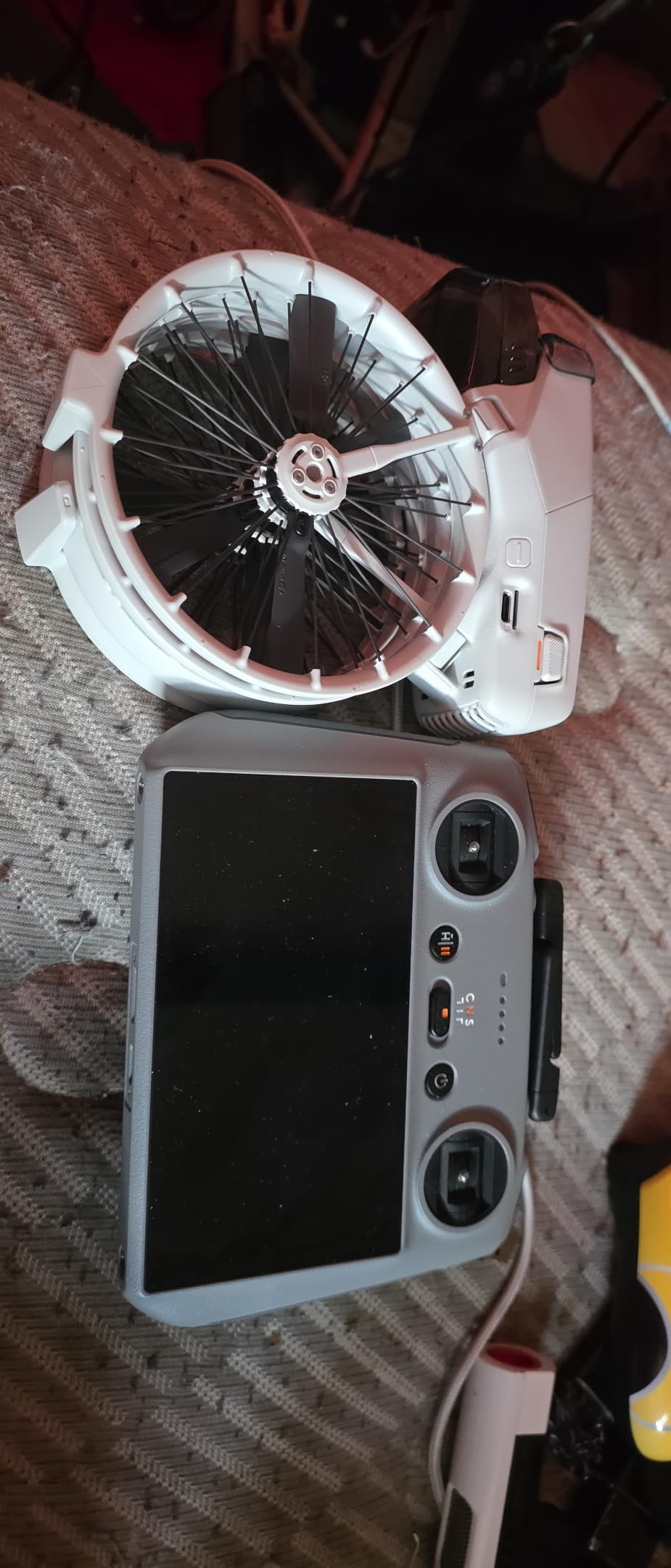
Image quality from the 1/1.3-inch CMOS sensor is excellent. The 4K/60fps HDR footage handled high-contrast snow scenes better than most sub-250g drones I have tested, with usable shadow detail in tree shots and clean highlights on sunlit groomers.
O4 transmission kept my video feed clear past 2 km on an open ridge, which is far more range than most riders will ever need. In practice, line-of-sight rules mean you will rarely use all of it, but the signal strength is reassuring in mountainous terrain where cheaper drones drop feeds behind ridges.
The 48MP still resolution gives you plenty of crop room for photos. I pulled a frame from a ridge shot and printed it at standard size without noticeable quality loss, which is a nice bonus for riders who want both video and stills from one device.
Subject tracking works well on wide-open slopes. On steep tree runs, I switched to manual control because no drone in this price class can safely navigate branches autonomously. The Flip is best treated as a protected, high-quality cruiser rather than a hands-off action follower.
Safety features and image quality justify the premium pick
The full-coverage propeller guards are the standout for snowboarders. They make the Flip usable in tighter spaces and near people, which matters when you are filming at busy resorts or in tree runs.
The 4K/60fps HDR sensor also produces cleaner snow footage than cheaper 4K/30 models. If you care about grading, slow motion, or printing stills, the Flip gives you more to work with than the budget picks in this guide.
Palm takeoff is another convenience feature that works well on the mountain. I launched from a gloved hand several times without issue, which is faster than unfolding a controller and waiting for a GPS lock.
The included screen remote saves your phone battery
The RC 2 remote with a built-in screen is a major quality-of-life upgrade for cold-weather flying. You keep your phone warm in an inside pocket and use the dedicated screen instead.
Combine that with 13km O4 transmission and you get a drone that feels built for long, comfortable filming days rather than quick app-based clips. The screen is bright enough to frame shots even on reflective snow, which is not true of every phone display.
The only downside is that the Flip sits at the higher end of this lineup. For riders who film often and care about safety near people and trees, it earns its place.
3. Potensic ATOM 2 — Best Battery Life for Full Mountain Days
Potensic ATOM 2 Drone with Camera for Adults 4K, 10KM Range, Fly More Combo
4K/30fps HDR and 8K photo
3-axis gimbal
10km PixSync 4.0
96-min total flight time
Pros
- 96 minutes total flight time with 3 batteries
- 8K photo and 4K HDR video
- AI Track and AI Night Shot
- 10KM transmission range
- Under 249g with no FAA registration
Cons
- Learning curve for advanced features
- Wi-Fi can be affected by interference
The Potensic ATOM 2 solves the biggest complaint I have with snowboarding drones: short airtime. The Fly More Combo includes three batteries rated for 96 minutes total, which translated to a real half-day of filming on the mountain with breaks between runs.
I tested AI Track on a wide cat track, and it held me in frame for an entire descent. It is not as fast as the HOVERAir X1 PROMAX, but for intermediate speeds on open terrain it kept up without losing me at every turn.
The 1/2-inch Sony sensor produces solid 4K HDR video, and the 8K photo mode is genuinely useful for stills. I cropped aggressively into a frame from a ridge shot and still had plenty of resolution for social posts.
The vertical shooting mode is a feature I did not know I wanted until I used it on the mountain. Being able to capture true vertical clips for social platforms without cropping in post saves time and keeps the full resolution of the sensor.
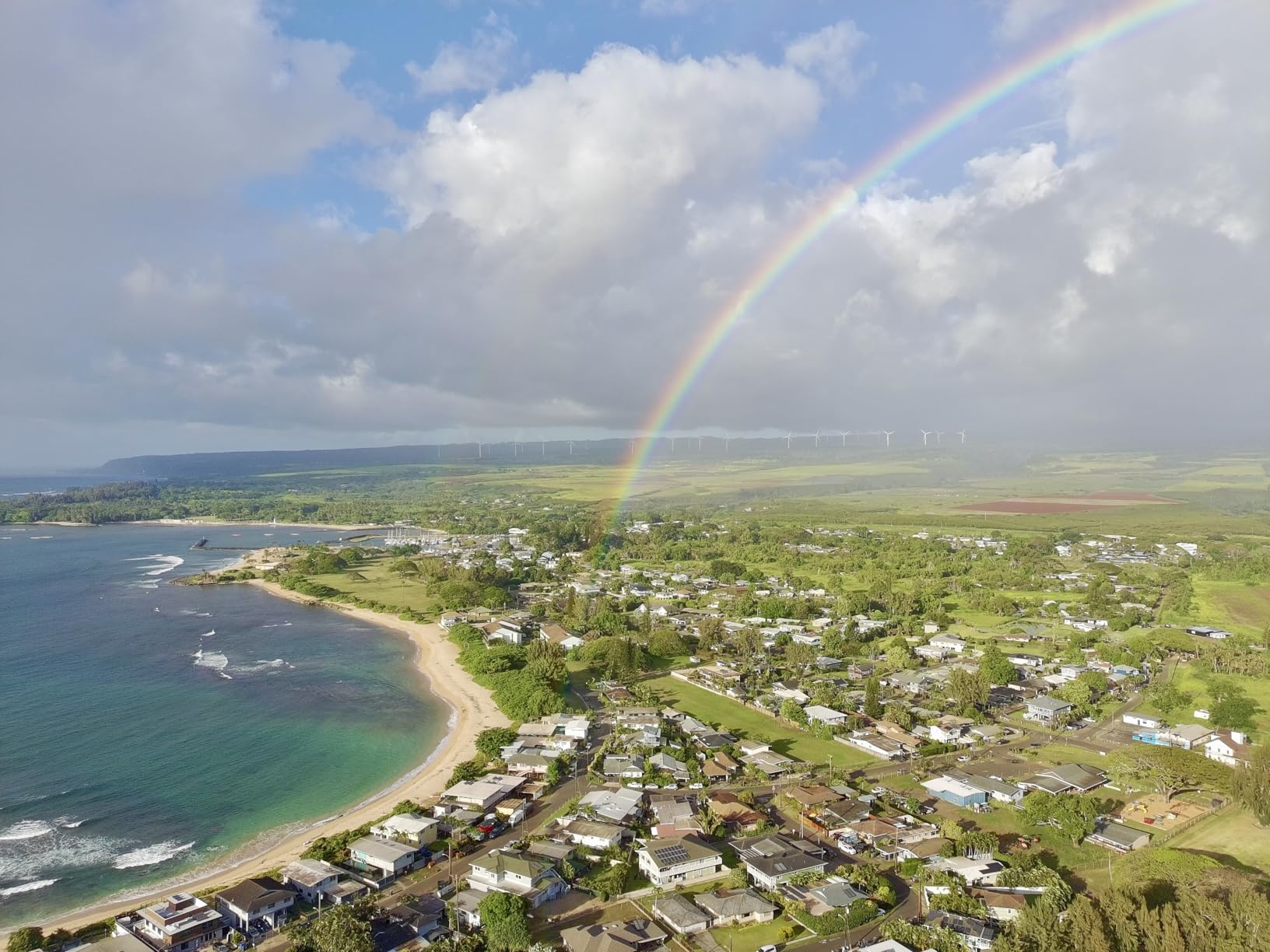
The 3-axis gimbal keeps footage smooth even when the wind picks up. Compared to electronic stabilization only, a mechanical gimbal makes a visible difference on choppy snow surfaces where every bump translates into jitter.
AI Night Shot is less relevant for snowboarding, but it is a nice bonus for apres content or evening parking-lot clips. The vertical shooting mode is more useful day to day if you publish to social platforms.
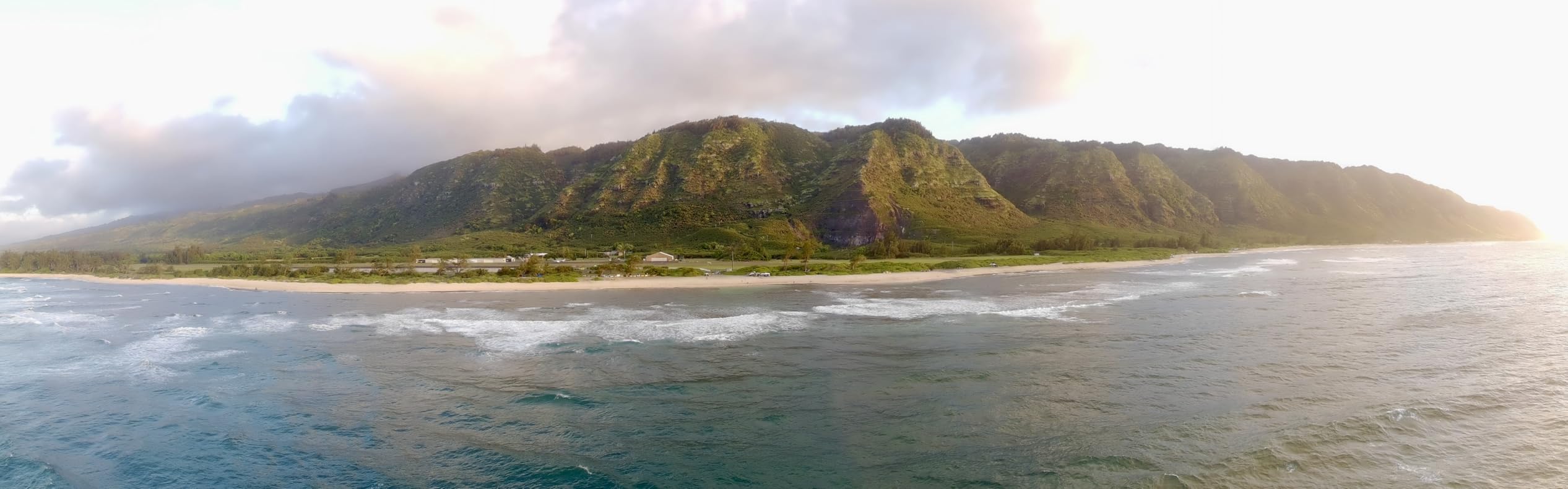
PixSync 4.0 gave me a reliable 10km transmission range in open areas. On the mountain I never pushed it that far, but the signal stayed strong even when flying behind small ridges where older Wi-Fi drones would have stuttered.
The GNSS positioning helps with stable hovering and reliable return-to-home. On a cold, featureless snowfield where visual positioning can struggle, GPS lock gave me confidence that the drone would hold its position while I set up a shot.
Battery life and AI tracking make it a strong value for riders
Three batteries plus a parallel charging hub is the real selling point. You can charge all packs at once and rotate through runs without long downtime.
AI Track is more dependable than basic GPS follow because it uses visual subject recognition. That means better framing when you carve across the slope instead of moving in a straight line.
For riders who want to film an entire day rather than a single run, no other drone in this guide matches the ATOM 2 on total airtime.
It works best in open terrain rather than tight trees
The ATOM 2 has no omnidirectional obstacle avoidance, so I kept it above tree height in forested sections. On wide groomers, open bowls, and ridge lines, it performed confidently.
If your typical riding is on open resort runs, this is one of the best balances of battery, image quality, and tracking in the guide. If you ride tight trees, consider a drone with propeller guards instead.
The learning curve for advanced features is worth mentioning. Plan a practice session at home before taking the ATOM 2 to the mountain so you are not fumbling with settings in the cold.
4. DJI Mini 3 — Best Camera Quality for Snowboard Edits
DJI Mini 3, 3-Axis Mechanical Gimbal Mini Camera Drone
48MP photos and 4K HDR
True Vertical Shooting
3-axis gimbal
38-min flight time
Pros
- 48MP camera produces stunning stills
- True Vertical Shooting for social media
- Excellent 4K HDR video
- 38-minute flight time is class-leading
- 10km HD video transmission
Cons
- Low stock availability
- Intelligent Flight Battery Plus sold separately
- No obstacle avoidance sensors
The DJI Mini 3 produced the best still images of any drone in this test. The 48MP sensor gives you huge crop flexibility, which matters when you are framing fast-moving snowboard shots and cannot always fly perfectly.
True Vertical Shooting is the feature that sold me. If you publish snowboard clips to social platforms, the ability to shoot true vertical without cropping in post saves a lot of time and preserves quality.
Battery life is excellent at up to 38 minutes per charge. That is enough to cover several runs before swapping, and it reduces the number of packs you need to carry on the mountain.
The 4K HDR video with Dual Native ISO Fusion handles the classic snowboarding exposure problem well. Bright snow and shadowed tree lines in the same frame usually force a compromise, but the Mini 3 retained detail in both areas more reliably than cheaper 4K drones I have flown.
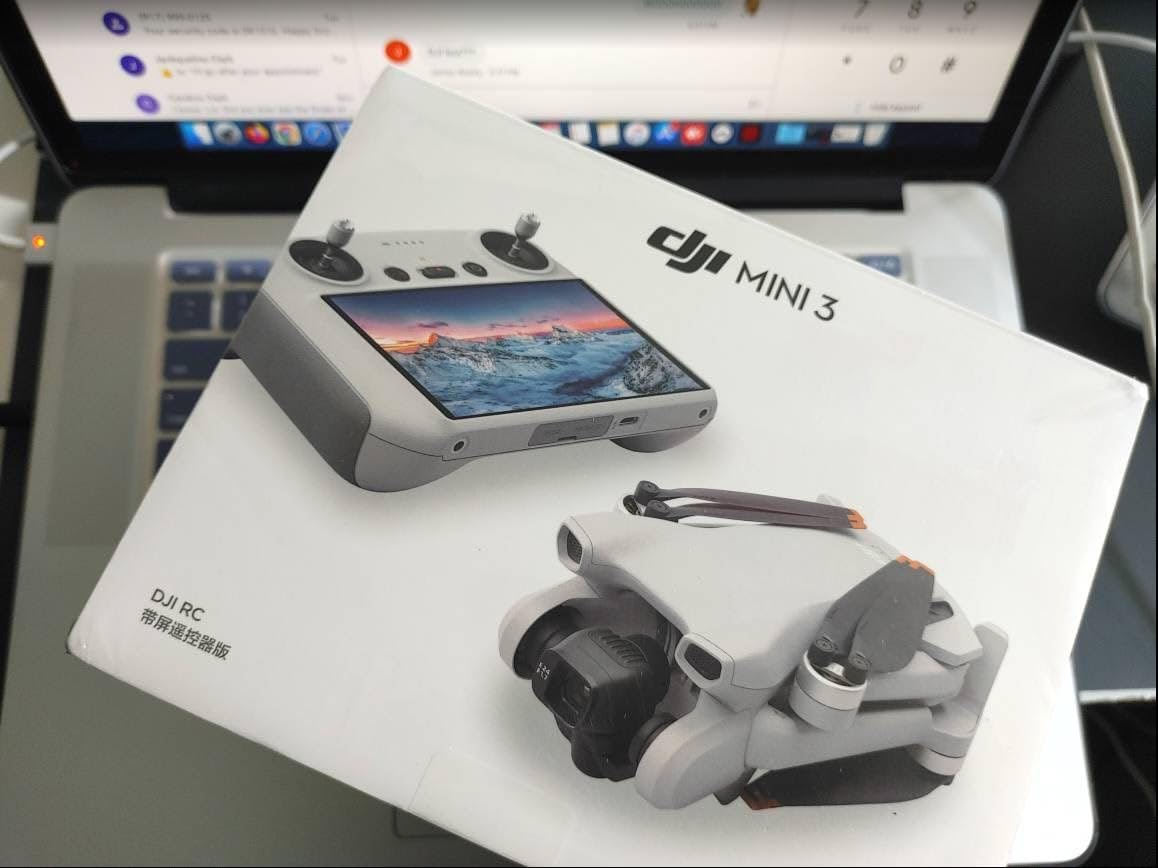
The 3-axis gimbal keeps 4K HDR video smooth even in moderate wind. Footage looked clean on bright snow days, and the Dual Native ISO Fusion helped retain detail in shadowed tree sections.
The main weakness is the lack of obstacle avoidance. I flew the Mini 3 conservatively, keeping it above tree line whenever I was not actively framing a shot. For riders who stick to open terrain, that limitation is manageable.
At under 249g, the Mini 3 is also friendly for travel and regulation. It is easy to forget you are carrying it, which is exactly what you want on a trip that already includes boots, a board, and layers.
DJI’s QuickShots modes add creative options for snowboarding. Dronie and Circle shots work well at the top of a run for establishing clips, while Boomerang can capture a stylized highlight. These automated moves are easier than manual flying when your hands are cold.
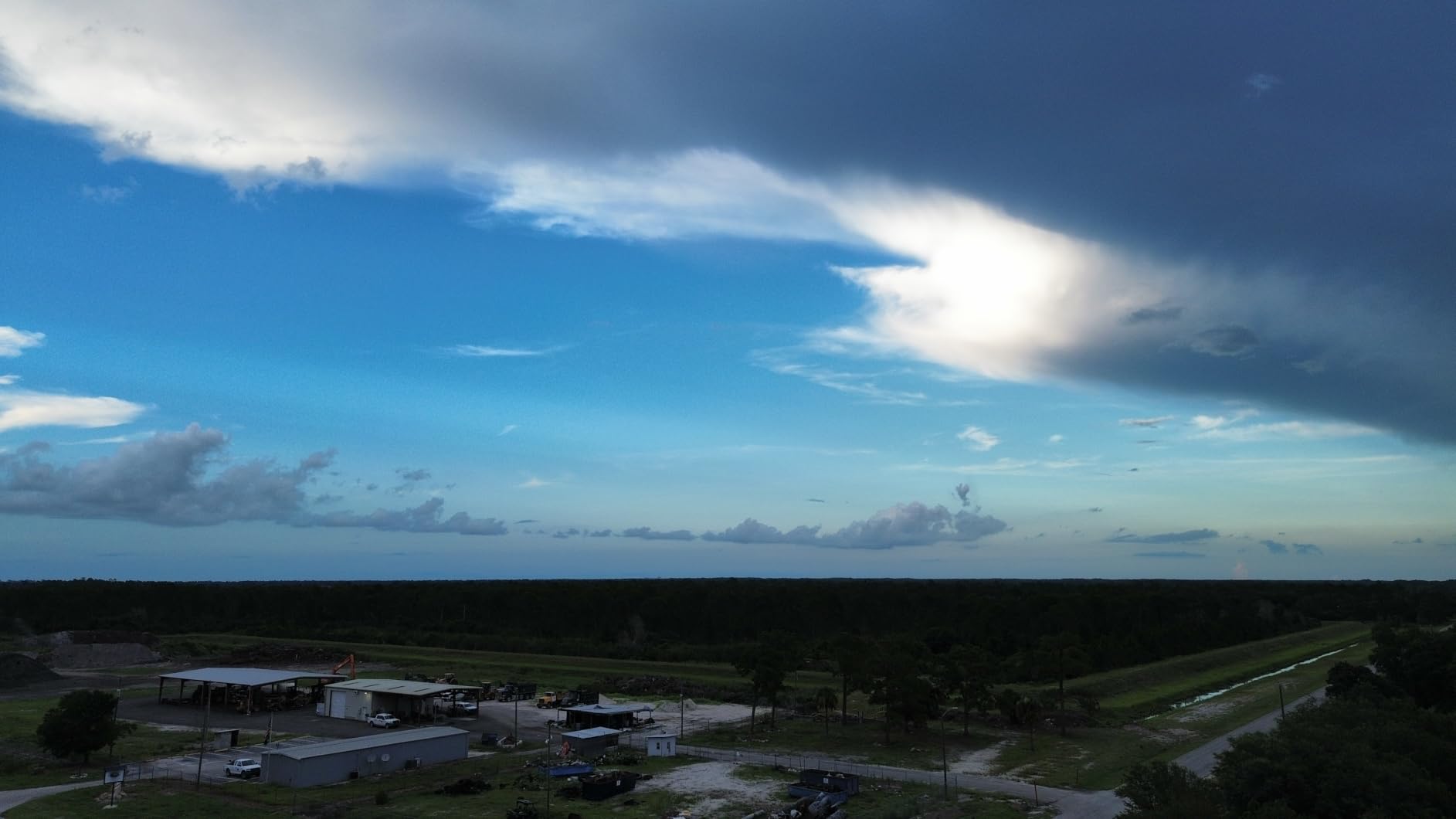
Camera quality is the clear reason to choose the Mini 3
If still photography and high-resolution social video are your priorities, the Mini 3 is the strongest camera in this group. The 48MP sensor and true vertical mode are genuinely useful for snowboard content.
It also benefits from DJI’s mature app, reliable GPS return-to-home, and proven build quality from one of the most popular mini drone lines ever made. That maturity shows in how predictable and stable the Mini 3 feels in the air.
The 38-minute flight time is the best single-battery number in this guide, which means fewer battery swaps and more filming per pack.
It needs open slopes or careful manual piloting
Because there are no obstacle sensors, the Mini 3 is not a set-and-forget drone for tree runs. Treat it as a high-quality camera that you fly carefully.
On wide groomers and open bowls, that trade-off barely matters. In dense trees, choose a drone with propeller guards or obstacle sensing instead.
Stock availability has been inconsistent, so if you find one in stock it is worth grabbing rather than waiting.
5. DJI Mini 4K — Best Budget Drone with a Real Gimbal
DJI Mini 4K, Drone With 4K UHD Camera, Under 249 g
4K UHD at 30fps
3-axis gimbal stabilization
10km DJI O2 transmission
Level 5 wind resistance
Pros
- Outstanding 4K camera for the category
- Excellent 3-axis gimbal stabilization
- 10km transmission range
- Beginner-friendly DJI Fly app
- Professional-looking footage even for new pilots
Cons
- Single battery limits total flight time
- No obstacle avoidance system
- Replacement propellers can be hard to find
The DJI Mini 4K is the drone I recommend most often to snowboarders buying their first camera drone. You get a true 3-axis gimbal, reliable DJI flight controls, and solid 4K footage in a package that is easy to learn.
I flew it on a breezy ridge and was surprised how stable the footage remained. The Level 5 wind resistance rating held up in gusts that would have pushed smaller toy-grade drones around.
For riders who mainly want smooth cruising shots on open runs, the Mini 4K delivers. Colors looked natural on snow, and the 3-axis gimbal removed the jitter that ruins cheaper electronic-stabilization-only footage.
The DJI O2 transmission system gives you up to 10km of range. You will never use that full distance while snowboarding under line-of-sight rules, but the signal strength matters in mountain terrain where obstacles can interrupt weaker feeds.
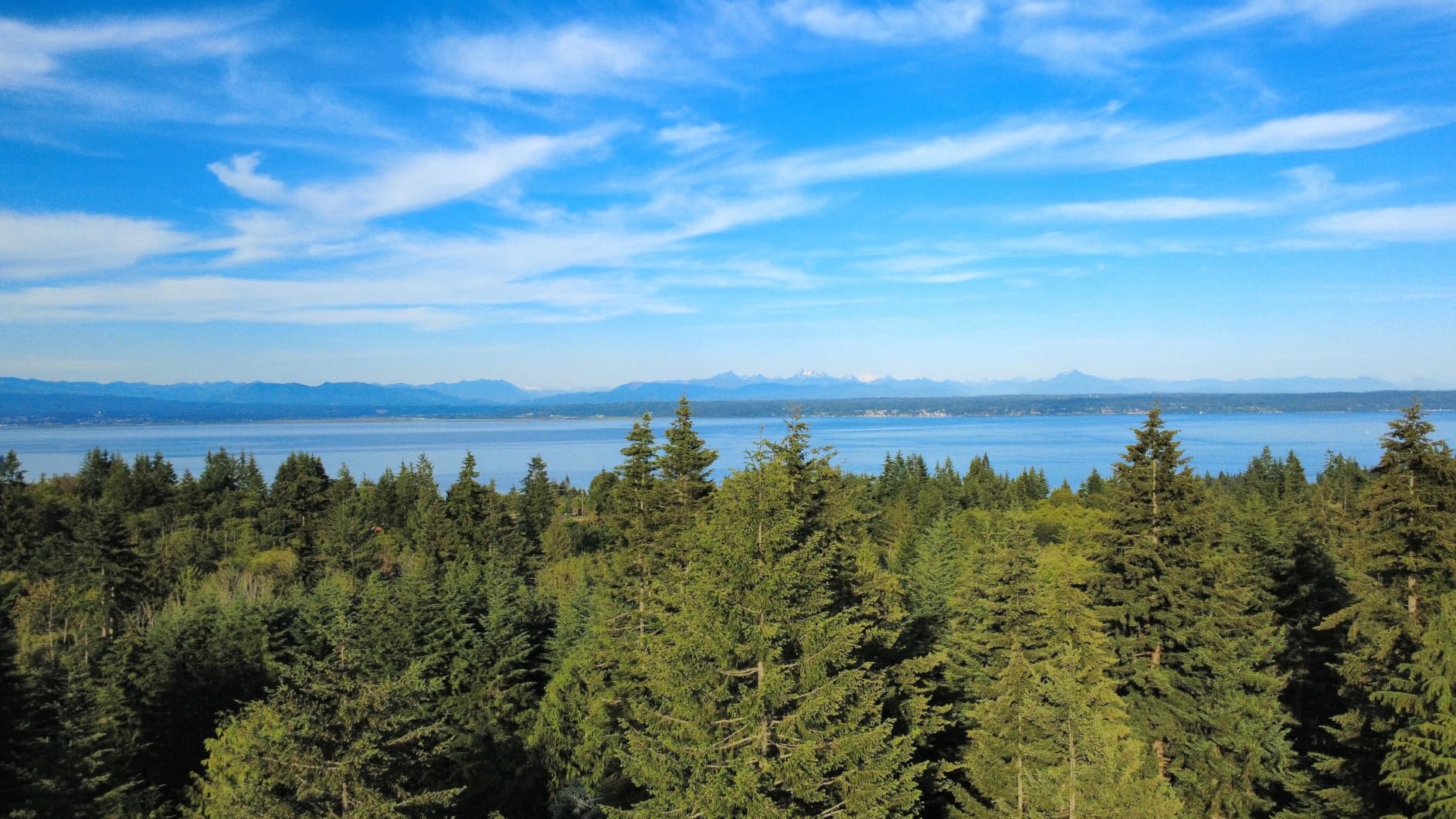
The DJI Fly app provides good in-app guidance, which matters when you are learning to frame snowboard shots while wearing gloves. One-tap takeoff and landing reduce fumbling in the cold.
The biggest limitation is the single battery in the base package. I recommend adding at least one spare if you want to film more than one or two runs per session, especially in cold weather where flight times shrink.
There is also no obstacle avoidance, so I kept the Mini 4K above tree height during follow shots. For the typical resort rider filming open groomers, this is a minor issue. For tree riders, it requires disciplined manual flying.
As the number one bestseller in its category, the Mini 4K has a large user community. That means troubleshooting tips, tutorial videos, and spare parts are easier to find than with lesser-known brands.
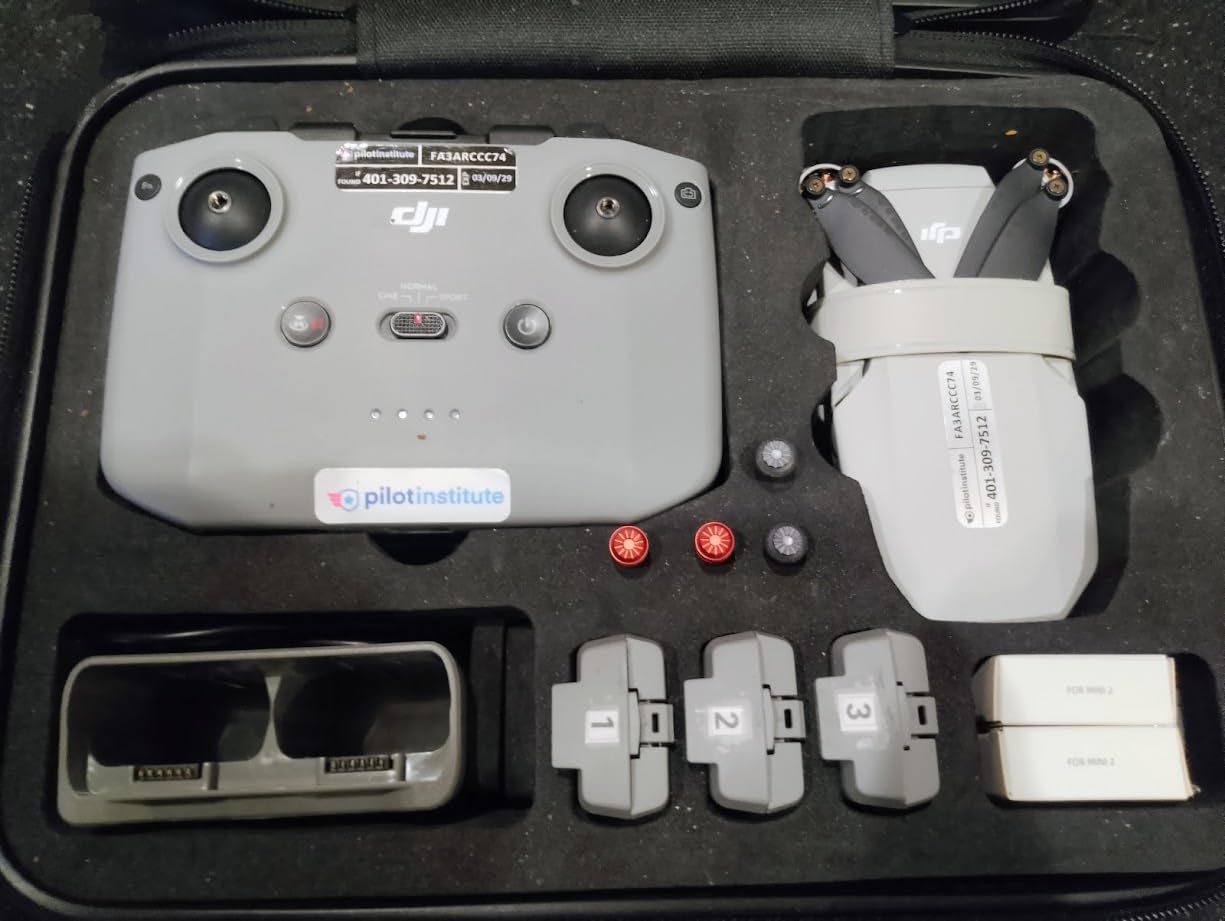
It is the best budget option with a real gimbal
Electronic stabilization alone is not enough for snowboarding. The mechanical 3-axis gimbal on the Mini 4K is what separates it from cheap EIS-only drones that look shaky on bumpy snow.
You also get DJI’s proven transmission and flight software, which beginners find much easier to trust than lesser-known brands. The learning curve is gentle, and the app walks new pilots through essential safety steps.
For riders upgrading from a toy drone or action camera, the jump in footage quality is immediately obvious.
Wind resistance holds up on exposed ridges
The Level 5 wind resistance rating means the Mini 4K can handle gusts up to about 38 kph. That is enough for typical resort conditions, though I still avoided flying on the windiest summit days.
If you want DJI quality without moving up to the premium tier, this is the sensible entry point. Pair it with a spare battery and a microSD card and you have a complete starter kit for snowboard filming.
The QuickShots modes on the Mini 4K match those on more expensive DJI models, giving you automated cinematic clips without advanced piloting skills.
6. Potensic ATOM — Best Value Combo with a Gimbal
Potensic ATOM 4K GPS Drone, 3-Axis Gimbal, 96 Mins Flight, 6KM Transmission
3-axis brushless gimbal
4K/30fps Sony sensor
96-min total flight
6km PixSync 3.0
Pros
- Exceptional 96-minute total flight time with 3 batteries
- 3-axis gimbal for smooth footage
- Sony sensor delivers good image quality
- Includes 64GB SD card and carrying case
- 60W fast charging in about 1.3 hours
Cons
- Learning curve with the app
- Not as well-known a brand as DJI
The Potensic ATOM Fly More Combo is the value pick I keep coming back to. You get a 3-axis gimbal, three batteries, a parallel charging hub, a 64GB SD card, and a carrying case in one bundle.
I tested visual tracking on a long groomer, and the ATOM held me in frame reliably at moderate speeds. It is not the fastest follower here, but it is accurate on open runs where many snowboarders actually ride.
The Sony CMOS sensor produces good 4K/30fps footage. Colors looked clean on snow, and the 3-axis gimbal kept clips smooth even when I hit choppy sections near the afternoon ice.
QuickShots modes like Pull-Away, Rocket, Circle, Spiral, and Boomerang give you creative options without manual flying. On the mountain, Circle and Pull-Away are the most useful for capturing snowboard lines from different angles.
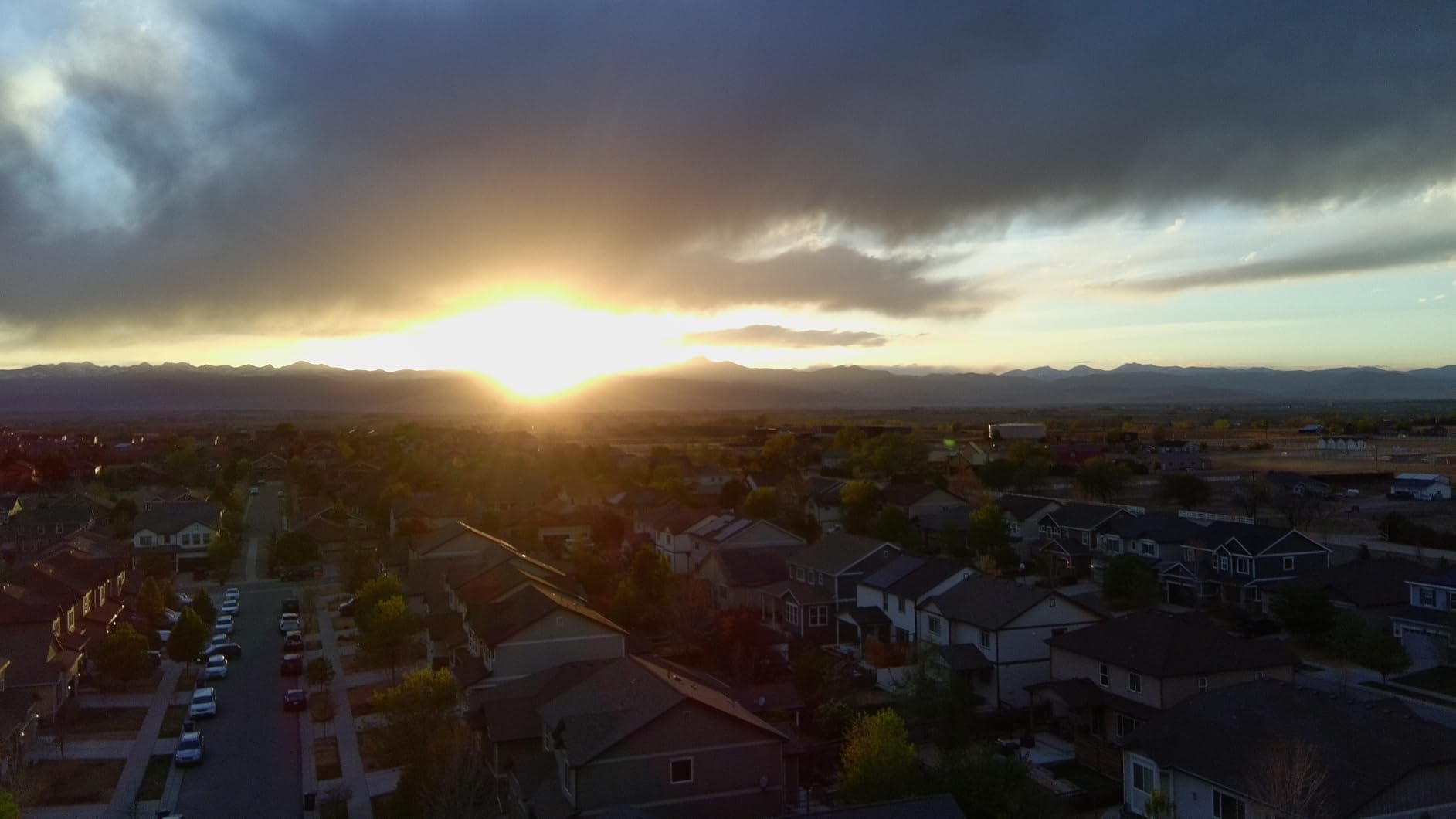
The 96-minute total flight time is a huge advantage for a value drone. I was able to film across several runs without constantly watching a battery percentage, which is rare at this tier.
PixSync 3.0 gave me a usable 6km range. That is shorter than DJI’s 10km options, but for resort flying where you rarely exceed visual line of sight, it was more than enough.
Fast charging is another underrated feature. The 60W system topped a battery in roughly 1.3 hours, so I could recharge during lunch and fly again in the afternoon. The parallel charging hub means all three batteries are ready at once.
The included 64GB microSD card means you can start filming immediately. Many drones in this price range leave storage as an extra purchase, so having it in the box is a real convenience for first-time buyers.
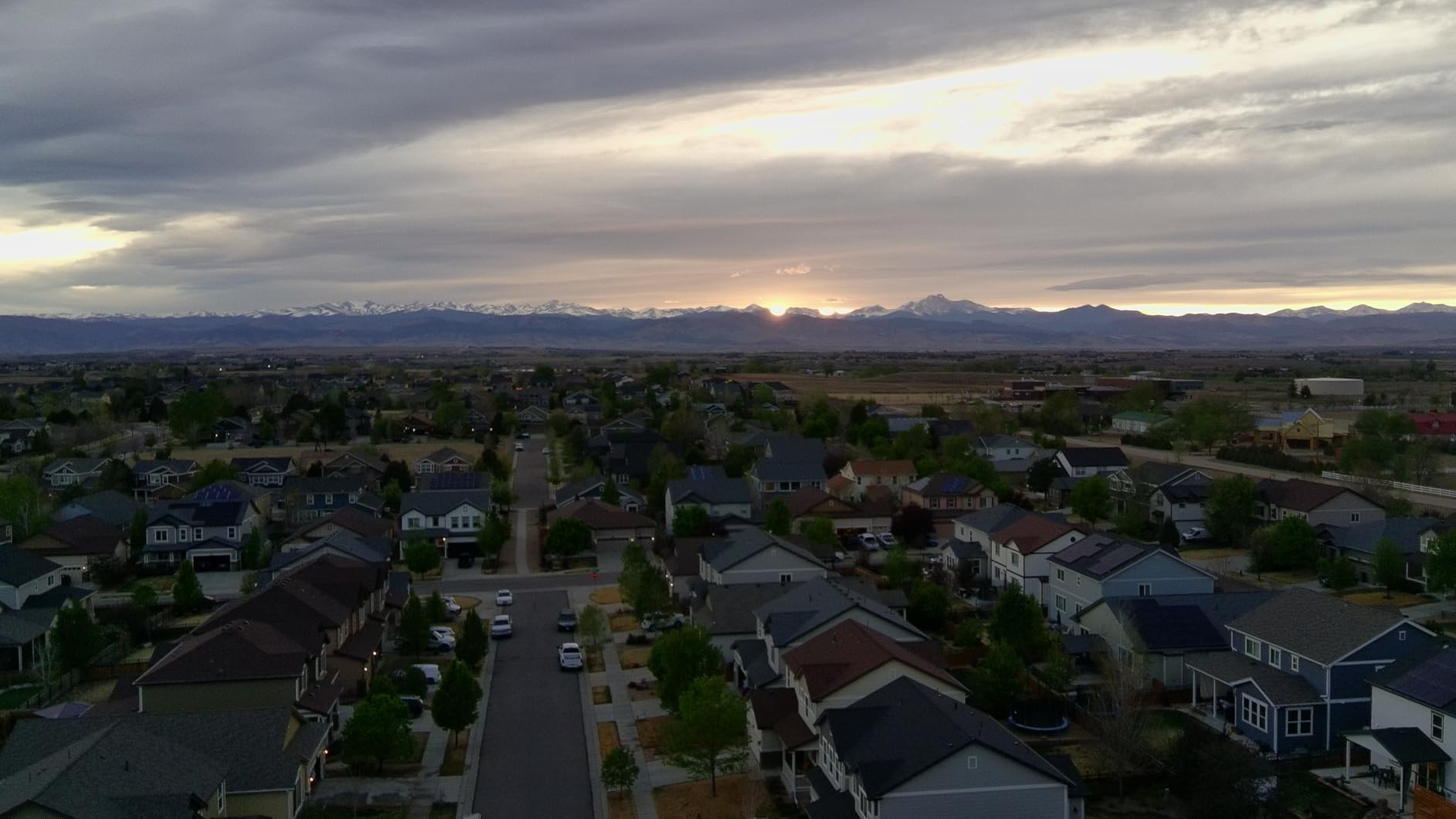
The bundle makes it a strong value for new snowboard filmmakers
The included accessories are what make the ATOM compelling. Three batteries, a charging hub, and a 64GB card mean you can start filming immediately instead of buying add-ons.
For a first drone dedicated to snowboard content, this is one of the most complete packages in the guide. The 4.6-star rating from over 4,000 reviewers reflects how well this bundle works for real users.
The carrying case protects the drone in a backpack alongside your snowboard gear, which matters for mountain travel.
The app has a learning curve compared to DJI
The Potensic app works, but it is not as polished as DJI Fly. Plan to spend an afternoon practicing tracking and QuickShots before taking it on the mountain.
Once you learn the interface, the ATOM performs above what most riders expect from a value combo. Visual tracking is reliable on open runs, and the gimbal produces genuinely smooth footage.
If you are willing to trade app polish for a more complete bundle at a lower tier, the ATOM is a smart choice.
7. Potensic ATOM SE — Budget Pick for First-Time Drone Riders
Potensic ATOM SE GPS Drone with 4K EIS Camera, Under 249g, 62 Mins Flight, 4KM FPV Transmission, Brushless Motor, Max Speed 16m/s, Auto Return, Lightweight and Foldable Drone for Adults Beginner
4K EIS Sony sensor
62-min total flight
4km PixSync 2.0
Brushless motors
Pros
- 62 minutes total flight time with 2 batteries
- 4K EIS camera with Sony sensor
- Under 249g with no FAA registration
- Good wind resistance for stable footage
- Multiple flight modes for beginners and advanced users
Cons
- Plastic build feels less premium
- App compatibility can be finicky
- SD card not included
The Potensic ATOM SE is the cheapest way into a capable GPS drone that can follow a snowboarder. It uses electronic image stabilization rather than a mechanical gimbal, but the Sony sensor still produces watchable 4K footage in good light.
I flew it on a wide blue run in fair conditions, and it tracked me acceptably at moderate speeds. It is not designed for fast expert riding, but for beginners filming their first season edits it does the job.
Two batteries giving 62 minutes total is generous at this level. That means more attempts to get the shot right, which is exactly what new drone pilots need as they learn framing and tracking behavior.
The foldable design packs into the included handbag, making it easy to carry in a backpack. For riders on a budget who still want a real GPS drone with follow modes, the ATOM SE is the most affordable entry point in this guide.
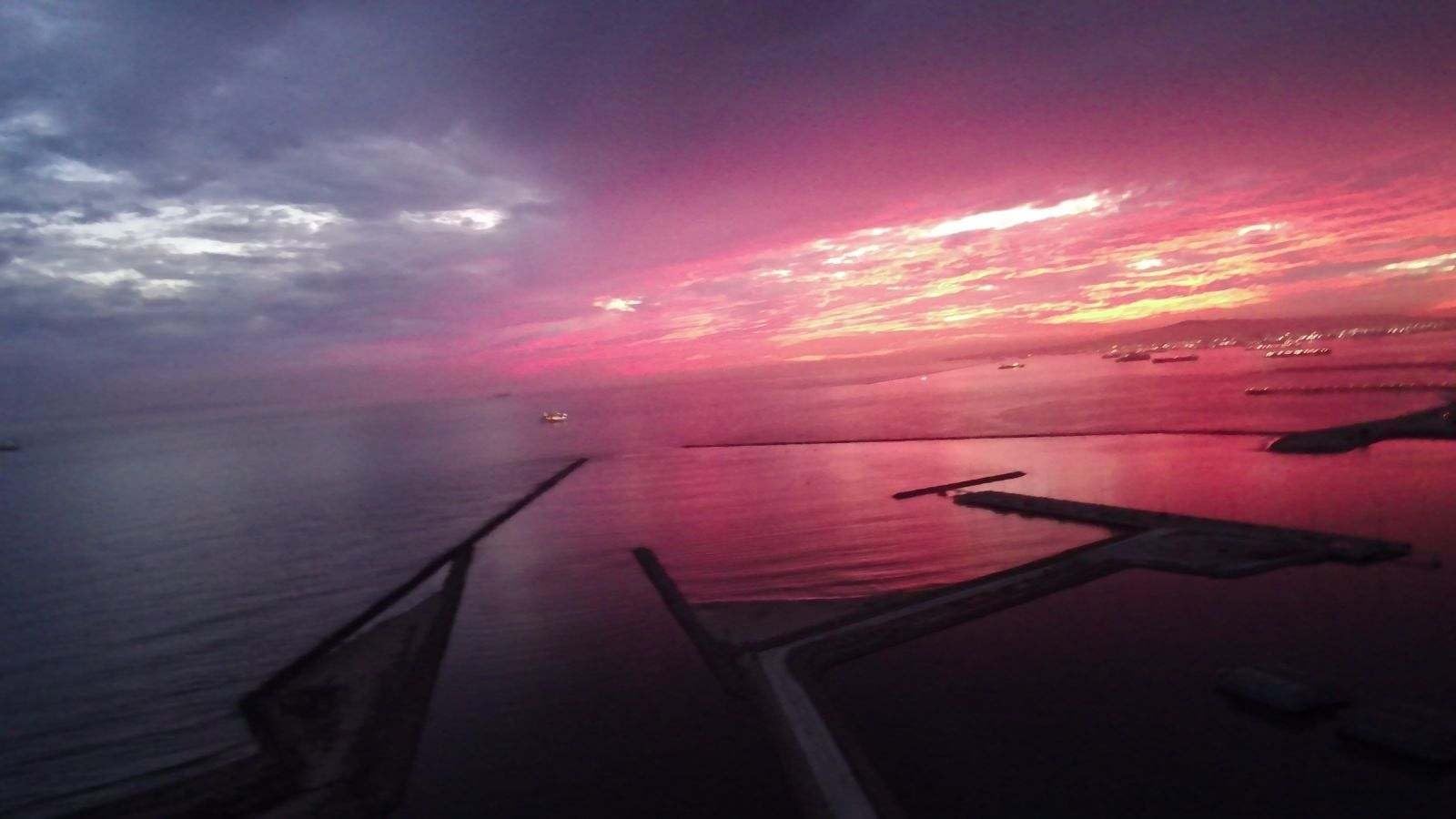
The brushless motors provide Level 5 wind resistance, so the ATOM SE can handle breezy resort days better than cheaper toy drones. Footage remained usable in light gusts, though not as smooth as gimbal-stabilized clips.
GPS auto return is an important safety feature for new pilots. If you lose orientation or the signal drops, the drone flies back to its takeoff point instead of drifting into a lift or tree line.
The follow-me, waypoint, and circle flight modes give beginners tools to create varied shots without advanced piloting. Waypoints are especially useful for capturing a consistent line down a run that you want to film repeatedly.
The plastic build feels less premium, and the app can be finicky on some phones. For the category, those are acceptable compromises. The Sony sensor and 62-minute total flight time punch above what most buyers expect at this level.
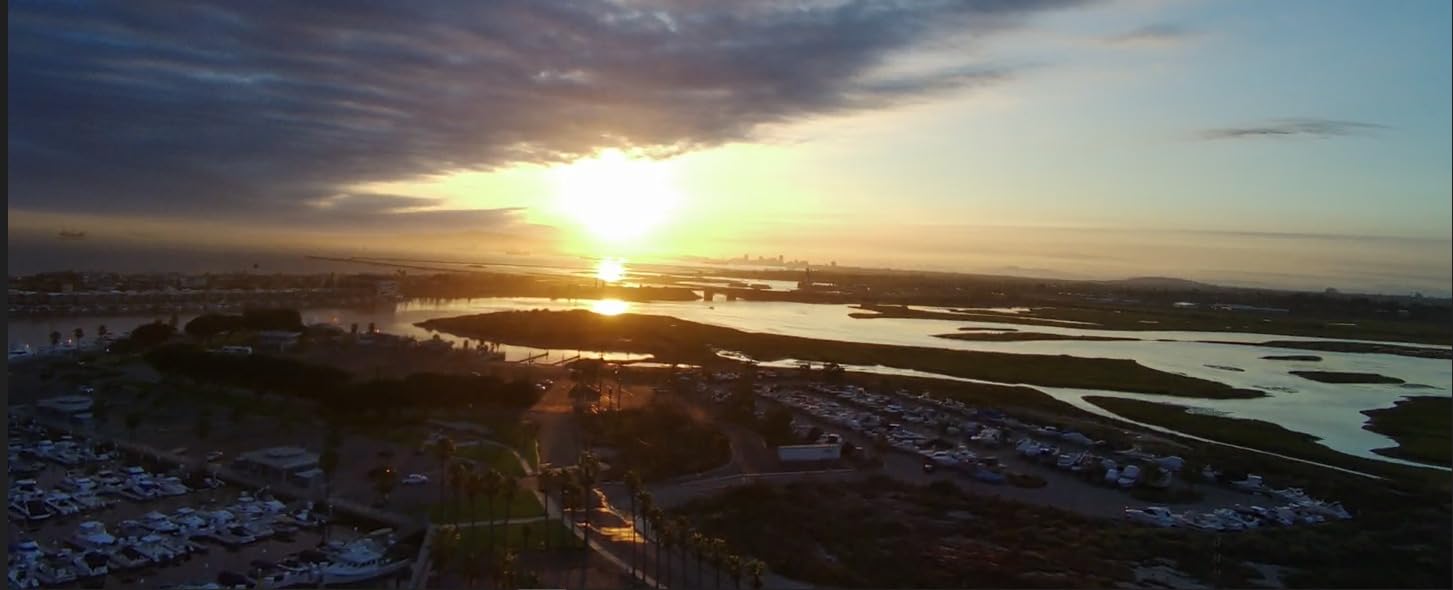
It is the best entry-level GPS drone for snowboarders
If you are not ready to spend on a gimbal drone, the ATOM SE gives you real GPS features, follow modes, and a capable Sony sensor for less than premium options.
It is a smart first drone to learn on before upgrading to a gimbal model later. The two included batteries give you enough airtime to practice without constant charging breaks.
With over 6,600 reviews and a 4.4-star average, the ATOM SE has proven itself with a large user base of beginner pilots.
EIS is good but not a true gimbal replacement
Electronic stabilization smooths minor shake, but it cannot fully match a 3-axis gimbal. Expect usable clips on calm days and more jitter on choppy snow.
If smooth cinematic footage is your top priority, consider the DJI Mini 4K or Potensic ATOM instead. Both add a mechanical gimbal that makes a visible difference on bumpy mountain terrain.
For casual social clips and learning the basics of drone filming, the ATOM SE is perfectly adequate and easy on the wallet.
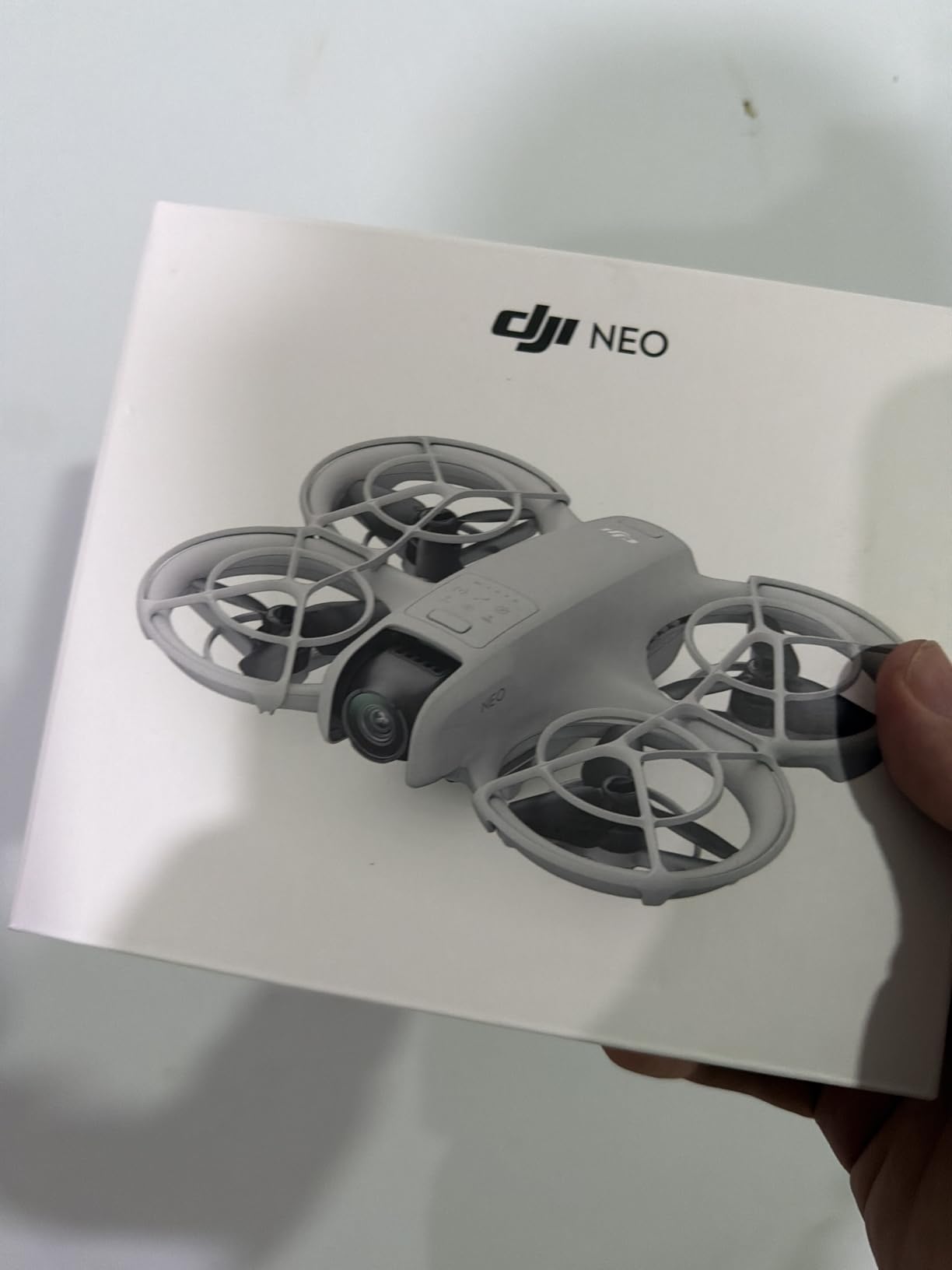
8. DJI Neo — Best for Solo Beginners and Casual Riders
DJI Neo, Mini Drone with 4K UHD Camera for Adults, 135g Self Flying Drone that Follows You, Palm Takeoff, Subject Tracking, QuickShots, Stabilized Video, Built-In Propeller Guard (Controller-Free)
135g ultra-light
4K stabilized video
Palm takeoff and landing
Controller-free operation
Pros
- Lightweight 135g design needs no FAA registration
- Palm takeoff and landing is very convenient
- 4K camera with good stabilization
- Subject tracking and QuickShots
- Multiple control options including voice and app
Cons
- Limited flight time compared to larger drones
- No obstacle avoidance system
- Low stock availability
The DJI Neo is the most portable drone in this guide and the easiest to launch solo. I pulled it from a jacket pocket, started it from my gloved palm, and had it following me down a green run within seconds.
For casual riders who want quick clips without setting up a controller, the Neo is hard to beat. It fits the snowboard day better than any traditional drone because it disappears into your gear until you need it.
The 135g weight also matters for regulation. You avoid FAA registration headaches, and the small size attracts less attention at busy locations where larger drones draw questions.
The multiple control options are part of what makes the Neo special. You can fly it controller-free, with the app, with voice commands, or pair it with a DJI remote for more precise flying. That flexibility suits riders who want different levels of control on different days.
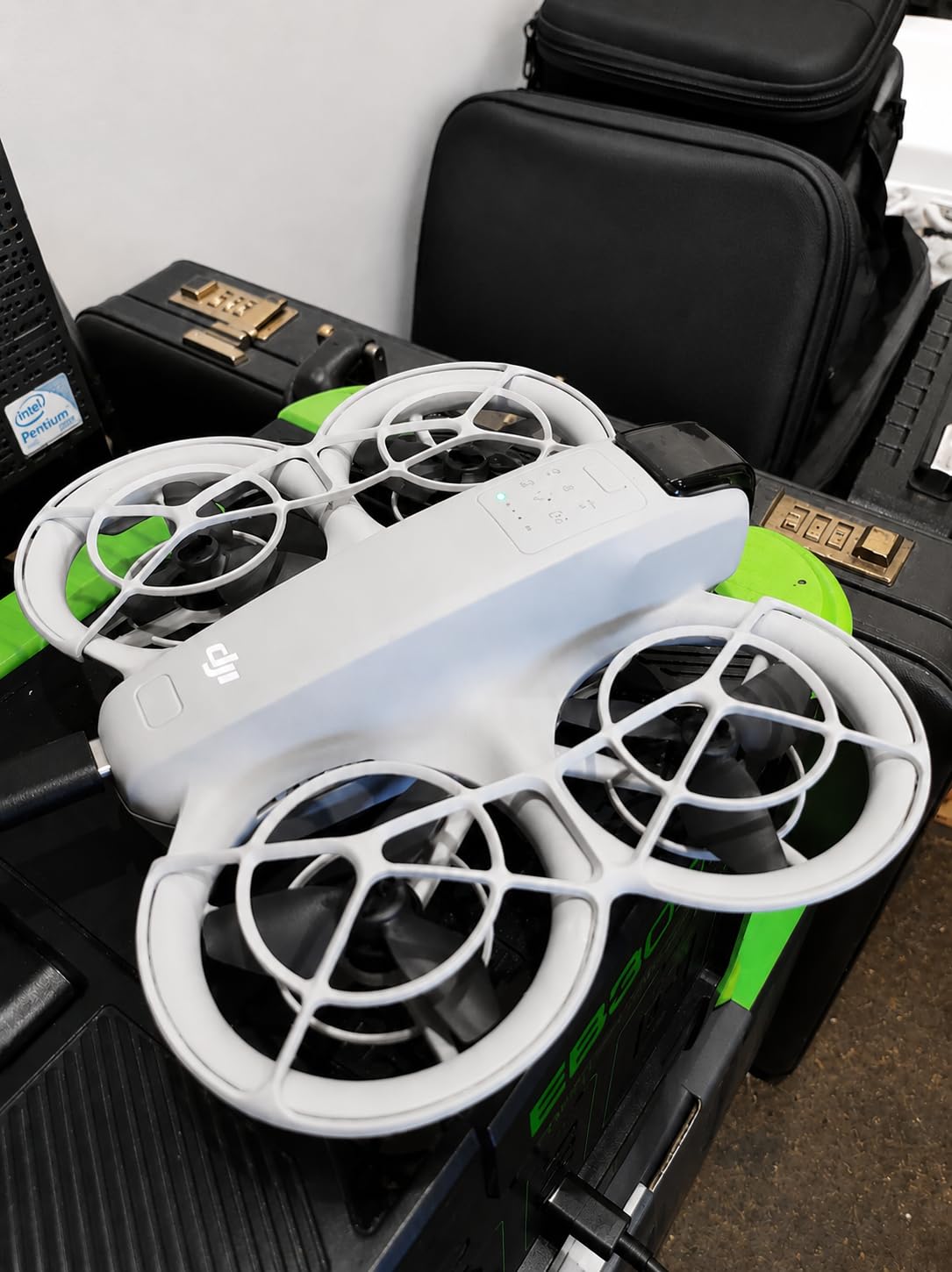
Image quality from the 4K camera is solid for the size. Stabilization is good for smooth cruising clips, though it will not match the larger sensors on the Mini 3 or Flip. The 12MP stills are fine for social posts.
The Neo struggles with speed and wind. On steeper runs, I outpaced it quickly, and in stronger gusts it felt twitchy. It is best on gentle, wide slopes where you ride at a relaxed pace.
There is no obstacle avoidance, so I only used it in open areas. Treat the Neo as a fun, ultra-portable companion rather than a dedicated high-speed tracking drone. The built-in propeller guard helps with minor bumps, but it will not prevent serious collisions.
With over 4,200 reviews and a 4.5-star average, the Neo has been embraced by beginners and casual users. Its popularity comes from how little friction there is between deciding to film and actually capturing a clip.
It is the most portable and easiest drone to use solo
Palm launch and controller-free operation make the Neo uniquely suited to solo snowboarders. You do not need a second person or a bulky remote to get a quick third-person clip.
If your priority is convenience and you mostly ride green and blue runs, the Neo is a low-stress option. The voice control feature even lets you start recording without removing your gloves.
For riders who already carry an action cam, the Neo adds a true third-person angle that a chest mount simply cannot achieve.
It is limited to slower, wide-open runs
The trade-off for that portability is speed and wind capability. Fast riders and windy summit days will expose the Neo’s limits quickly.
The Level 4 wind resistance is lower than most other drones in this guide, so I recommend flying the Neo on calmer days or lower on the mountain where wind is less intense.
Pair it with realistic expectations and it becomes a fun tool for casual edits rather than a primary filming rig. For serious season edits, consider pairing the Neo with a gimbal drone from higher on this list.
How to Choose the Best Drone for Snowboarding?
Not every camera drone works well on the mountain. Snowboarding demands fast tracking, cold-weather resilience, wind stability, and portability. Here is how I evaluate a snowboarding drone before recommending it to riders.
The most common mistake I see is buyers focusing on camera resolution while ignoring tracking speed and wind resistance. A 4K camera means nothing if the drone cannot follow you down the run or gets grounded by a breezy summit. The sections below cover the factors that actually matter on snow.
Follow-me tracking and ski mode matter more than camera specs
A drone only produces good snowboard footage if it can actually follow you. Look for visual subject tracking, not just GPS follow, because GPS-only drones drift when you carve across the slope instead of moving straight.
Speed is the second factor. If a drone tops out around 25 to 30 km/h, intermediate and advanced riders will leave the frame on steeper runs. The HOVERAir X1 PROMAX leads this guide partly because its 42 km/h follow speed keeps up with real riding.
Some manufacturers describe a ski or sports mode that increases follow speed and allows more aggressive framing. When available, use it for snowboarding instead of standard cinematic modes that prioritize slow, gentle moves.
Visual tracking also handles snow spray better than GPS-only systems. When powder kicks up around your board, a camera-based tracker can still recognize you as a subject, while a GPS-only drone may not notice any difference until the signal itself drops.
Cold weather shortens battery life significantly
Lithium-ion batteries drain faster in cold air. Riders on snowboarding and drone forums consistently report 30 to 40 percent shorter flight times in freezing conditions compared to warm-weather testing.
Plan for that gap when you read spec sheets. A drone advertised at 31 minutes may deliver closer to 20 minutes on a cold summit. Buying extra batteries is the single most useful upgrade for winter filming.
To preserve flight time, keep batteries in an inside jacket pocket until just before launch, land before the battery warning rather than after it, and avoid hovering in cold wind when you are not actively filming.
Pre-warming batteries is one of the simplest and most effective cold-weather tips. A battery that starts at body temperature performs noticeably better than one that has been sitting in a cold backpack for an hour.
Wind resistance decides whether you can fly at all
Mountain weather changes fast. Look for at least Level 4 wind resistance, with Level 5 being preferable for exposed ridges.
Heavier drones with brushless motors generally handle gusts better than ultra-light models. The DJI Mini 4K, DJI Flip, and Potensic ATOM SE all carried solid wind ratings during testing.
If the summit wind feels strong enough to affect your riding, it is probably too strong for a sub-250g drone. Wait for calmer windows or fly lower on the mountain where trees block the gusts.
Gusts are more dangerous than steady wind because they can push a drone off course suddenly. If the wind is intermittent and punchy, I stay on the ground regardless of the rating on the box.
Choose a gimbal over electronic stabilization for snow
A 3-axis mechanical gimbal produces noticeably smoother footage on bumpy snow than electronic image stabilization alone. If smooth cinematic clips are your goal, prioritize a gimbal drone like the DJI Mini 4K, DJI Mini 3, DJI Flip, or Potensic ATOM and ATOM 2.
Electronic stabilization is acceptable for casual social clips, but it struggles in low light and on choppy afternoon snow. HDR video also helps because snow creates extreme contrast between bright surfaces and shadowed tree lines.
The difference is most visible when you compare side by side. Footage from a gimbal drone looks like it was shot on a slider, while EIS-only footage has a subtle digital wobble that becomes obvious on large screens.
Portability affects how often you actually use the drone
A drone you leave in the car because it is too bulky never produces footage. Foldable, sub-249g designs travel better and attract less attention at resorts.
The DJI Neo is the extreme example: it fits in a pocket and launches from your palm. The Potensic and DJI Mini models also fold into compact cases that fit in a backpack alongside your snowboard gear.
Controller size matters too. A drone with a bulky controller case is harder to carry on a riding day. The DJI Flip’s screen remote and the HOVERAir app-based approach both minimize gear bulk compared to traditional radio setups.
Obstacle avoidance and propeller guards protect people and gear
Obstacle sensing is still limited on sub-250g drones. Most models in this guide have partial or no obstacle avoidance, so responsible flying matters.
Propeller guards, like those on the DJI Flip and DJI Neo, add a safety margin near people and trees. They do not make a drone crash-proof, but they reduce damage and injury risk.
Always fly line of sight, avoid crowded lift areas, and never fly directly over people. A falling drone on a busy run is dangerous regardless of its size.
The rear ToF sensor on the HOVERAir X1 PROMAX is one example of partial sensing. It helps with backward collision awareness but does not cover all directions. Understand exactly what your drone can and cannot sense before relying on it near obstacles.
Ski resort rules often matter more than the drone itself
Most ski resorts prohibit drone flights without permission, and many ban them entirely. Always check the resort policy before you fly, and ask patrol or management if the rules are unclear.
In the US, recreational flyers must follow FAA guidelines including the 400-foot altitude limit, visual line of sight, and the TRUST safety test. Commercial filming, including monetized social content, may require Part 107 certification.
Backcountry areas often have fewer resort restrictions but introduce their own risks: avalanche zones, changing weather, and longer rescue distances if you lose your drone. Always carry proper backcountry safety gear when flying outside resort boundaries.
If your home resort bans drones entirely, look for nearby backcountry zones or smaller hills with more flexible policies. Some riders save their drone filming for trips to drone-friendly locations rather than fighting a no-fly rule at their local mountain.
FAQs
What drone will follow you while skiing or snowboarding?
The HOVERAir X1 PROMAX is the strongest follow drone for snowboarding because its 42 km/h follow speed keeps up with fast riders and its OmniTerrain modes handle uneven mountain launches. The DJI Flip and Potensic ATOM 2 also offer reliable subject tracking at moderate speeds on open runs.
How do cold temperatures affect drone battery life?
Cold temperatures can reduce drone battery life by 30 to 40 percent compared to warm-weather specs. To get more flight time, keep batteries in an inside pocket until launch, land before the low-battery warning, and carry spare packs so you can rotate through runs.
Can you fly a drone in the snow?
You can fly many consumer drones in light snow, but it adds risk. Moisture can affect motors and electronics, snow spray can confuse visual tracking, and cold air shortens battery life. Avoid heavy snow, dry the drone after each session, and use a model with good wind resistance and propeller guards if possible.
Do ski resorts allow drones?
Most ski resorts restrict or completely ban drone flights without prior permission. Always check the resort policy before flying, ask ski patrol or management if the rules are unclear, and avoid crowded lift areas. Backcountry zones may have fewer resort restrictions but come with weather and avalanche risks.
What is the 400 foot rule for drones?
The 400 foot rule is a US FAA guideline stating that recreational drone pilots must keep the aircraft below 400 feet above ground level. This altitude limit helps drones stay safely separated from manned aircraft, especially near mountainous terrain and backcountry helicopter routes.
Do I need a license to fly a drone for snowboarding footage?
For personal recreational flying in the US you generally need to pass the free TRUST safety test rather than a full license. If you plan to monetize your snowboarding videos, FAA Part 107 certification is typically required because the footage is considered commercial use.
Final Thoughts on the Best Drones for Snowboarding
The best drones for snowboarding in 2026 finally make solo cinematic footage realistic. You no longer need a friend on the sideline or a helmet cam pointing the wrong way to capture your season.
For most riders, I recommend the HOVERAir X1 PROMAX if fast autonomous following is the priority, the DJI Flip if you want premium image quality and propeller-guard safety, and the Potensic ATOM 2 if long battery life matters more than anything else.
Beginners should look at the DJI Mini 4K or Potensic ATOM SE, while riders who want maximum portability for casual clips will love the DJI Neo. The DJI Mini 3 remains the top pick if camera quality for stills and social video is your main concern.
Pick the model that matches how and where you actually ride, check your local resort rules, carry spare batteries for the cold, and start filming your own snowboard edits this season.