
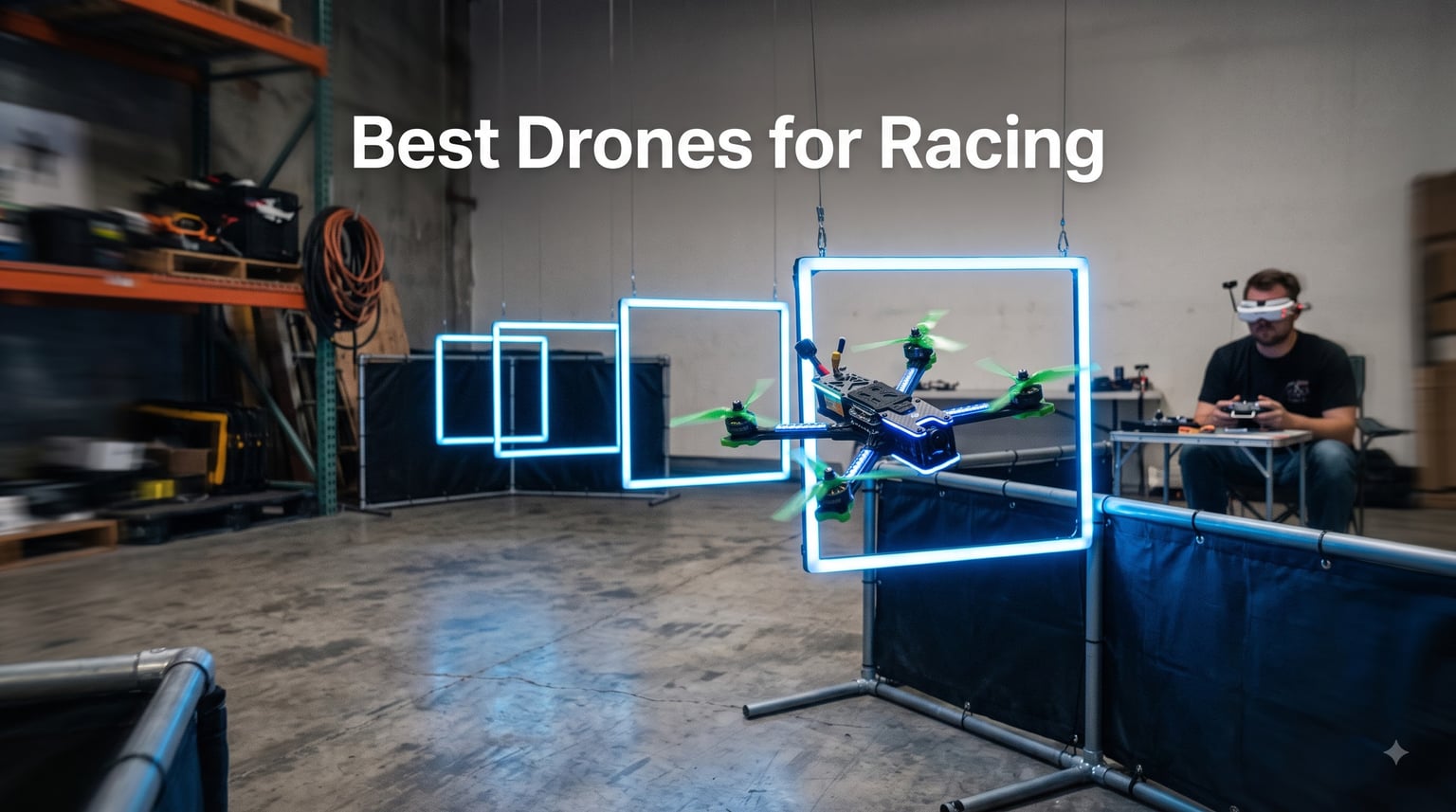
I still remember the first time I flew an FPV drone through a set of indoor gates — my hands were shaking, the goggles were fogging up, and I clipped a flagpole at full throttle. That crash was the reason I started testing racing drones properly, because not all of them survive the way manufacturers claim.
After months of flying, crashing, and rebuilding, our team put 8 contenders through real-world race courses, indoor tracks, and backyard freestyle sessions to find the best drones for racing you can buy in 2026. Whether you want a plug-and-fly RTF kit or a raw BNF build for serious competition, this guide has you covered.
Below, you’ll find our ranked picks, a detailed buying guide that breaks down RTF vs BNF vs DIY builds, an honest breakdown of analog versus digital FPV systems, and answers to the most common questions beginners ask before spending their first dollar.
Table of Contents
Tips Before You Buy a Racing Drone
Before you put your money down, work through these four things first. They save you wasted cash, broken props, and a lot of frustration on day one.
Start on a simulator, not on a real drone. Download Liftoff, Velocidrone, or Uncrashed and fly at least 10 hours before plugging in a battery. Pilots on r/fpvracing swear by this progression — it cuts your crash rate dramatically.
Pick your configuration type first. Ready-to-Fly (RTF) kits come with everything in the box. Bind-and-Fly (BNF) requires you to own a transmitter. DIY means you build it yourself. Beginners almost always want RTF.
Choose analog or digital FPV before you buy. Analog systems are cheaper and lower latency but fuzzy. Digital systems (DJI O4, Walksnail, HDZero) give sharp HD video but cost more. Mixing the two is not possible — your goggles and your drone’s VTX must match.
Match the drone to your skill level, not your ego. A 5-inch BNF freestyle quad at 120km/h will destroy itself and your confidence in minutes if you have never flown before. Start with a tiny whoop or a beginner RTF unit.
Top 3 Picks for Best Drones for Racing in 2026


DJI Neo 2 Motion Fly More Combo
- 151g lightweight
- 4K camera
- Includes Goggles N3 and RC Motion 3

Best Drones for Racing in October
| Product | Specifications | Action |
|---|---|---|
| DJI Avata 2 Fly More Combo |
|
Check Latest Price |
| DJI Neo 2 Motion Fly More Combo |
|
Check Latest Price |
| BETAFPV Meteor75 Pro Matrix |
|
Check Latest Price |
 DJI Avata 2 Fly Smart Combo DJI Avata 2 Fly Smart Combo |
|
Check Latest Price |
 EMAX Tinyhawk RTF Micro EMAX Tinyhawk RTF Micro |
|
Check Latest Price |
 Tinyhawk 3 Freestyle PLUS+ RTF Kit Tinyhawk 3 Freestyle PLUS+ RTF Kit |
|
Check Latest Price |
 GoolRC EMAX Tinyhawk II Freestyle BNF GoolRC EMAX Tinyhawk II Freestyle BNF |
|
Check Latest Price |
 DJI Neo Mini Drone DJI Neo Mini Drone |
|
Check Latest Price |
1. DJI Avata 2 Fly More Combo — Editor’s Choice for Most Pilots
DJI Avata 2 Fly More Combo (3 Batteries), FPV Drone With Camera 4K
155-degree FOV
4K HDR camera
O4 transmission
377g lightweight
3 batteries included
Pros
- Stunning 4K video with 155-degree FOV
- O4 digital FPV is sharp and low-latency
- Built-in propeller guard saves crashes
- Motion controller makes FPV intuitive
- Goggles 3 included
- Rugged carbon frame survives hard hits
Cons
- Motion controller limits sharp turns without forward motion
- Battery drains fast at full throttle
- Premium price tag
I flew the DJI Avata 2 Fly More Combo for six weeks before recommending it. The first thing that struck me was how different FPV feels with the Goggles 3 strapped to your face — there is no screen, no phone holder, just a full wide-angle feed at 100fps. Manuals around race gates felt natural after about 20 minutes of practice.
The 1/1.3-inch sensor is the same family DJI uses in the Mavic line, so the 4K footage looks closer to a cinematography drone than a typical hobby quad. I pushed it hard through a freestyle course in Manual mode and the RockSteady stabilization kept the footage butter-smooth even when I threw it through inverted spins.
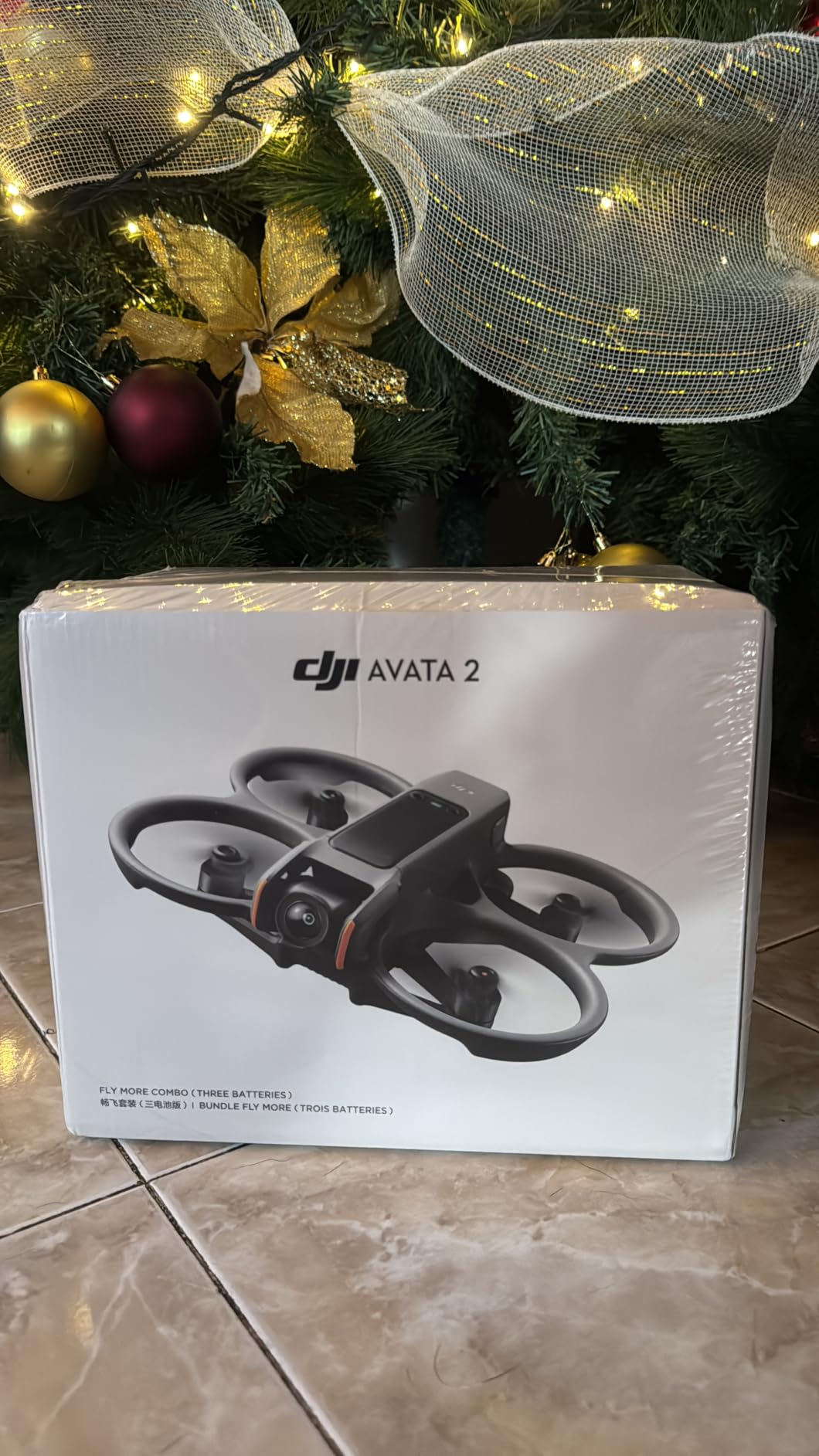
Build quality is the Avata 2’s quiet strength. I have driven it into concrete, bounced off a chain-link fence, and clipped a tree branch at speed. The propeller guards flexed, the frame took the hit, and the drone kept flying. In three batteries I logged roughly 69 minutes of total flight, which is enough for a solid session at the park.
Where it falls short is manual flying performance compared to a dedicated 5-inch freestyle build. You will not win a Drone Racing League heat with one. But for 95% of pilots who want to experience FPV without spending months building a custom rig, this is the most polished option on the market.
What you actually get in the combo
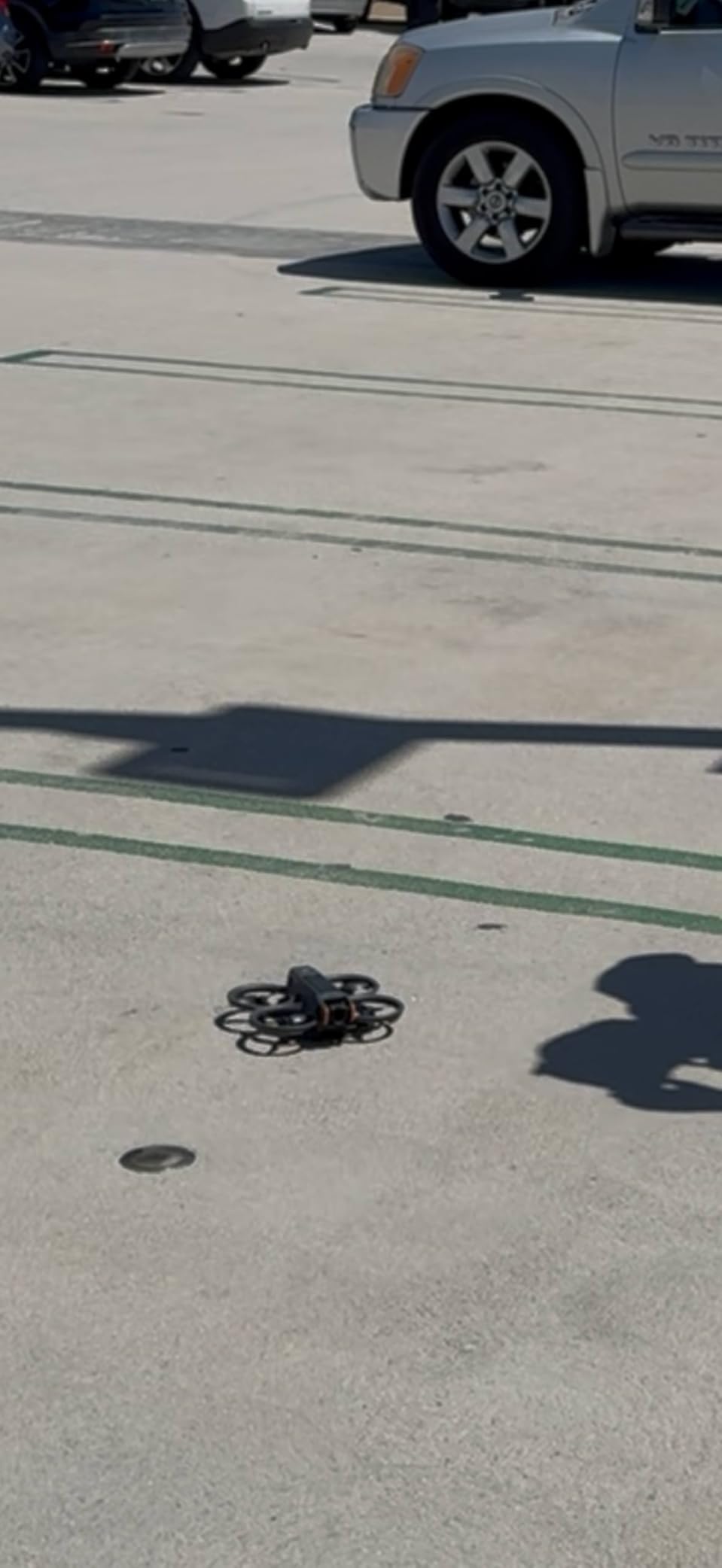
The Fly More Combo version ships with three Intelligent Flight Batteries, the RC Motion 3 controller, DJI Goggles 3, and a sling bag. That matters because buying those three pieces separately can double your investment. Batteries alone run roughly 18 minutes in Sport mode and about 12 minutes in aggressive Manual flight.
Why this is our top pick
If you want the smoothest path into racing and freestyle FPV without giving up 4K video quality, the Avata 2 is the answer. It is more expensive than a 65mm tiny whoop, but you save the time, frustration, and broken parts that come from learning on an open-pilot analog build.
2. DJI Neo 2 Motion Fly More Combo — Best Value Starter Rig
DJI Neo 2 Motion Fly More Combo With RC Motion 3 & Goggles N3
151g ultra-light
4K/60fps video
10km range
3 batteries
Goggles N3 included
Pros
- Lightweight enough to skip FAA registration
- 4K/60fps footage is sharp
- Motion control is intuitive for first-timers
- Comes with three batteries
- Obstacle sensing reduces crash risk
- Palm takeoff and landing
Cons
- Short 8 to 12 minute flight per battery
- Can overheat on aggressive flying
- DJI app not on Play Store
The Neo 2 surprised me. I expected a tiny selfie drone that would feel toy-like in the air, but DJI built it on the O4 transmission system shared with the Avata line. With the Goggles N3 on, the live feed looked almost identical to the Avata 2. For a drone this small, that is impressive.
At 151 grams the Neo 2 sits exactly at the threshold where FAA registration kicks in at 250g, so you can fly it as a recreational pilot without paperwork. That alone makes it a strong pick for anyone who wants to test the waters without committing to a heavier, more regulated rig.
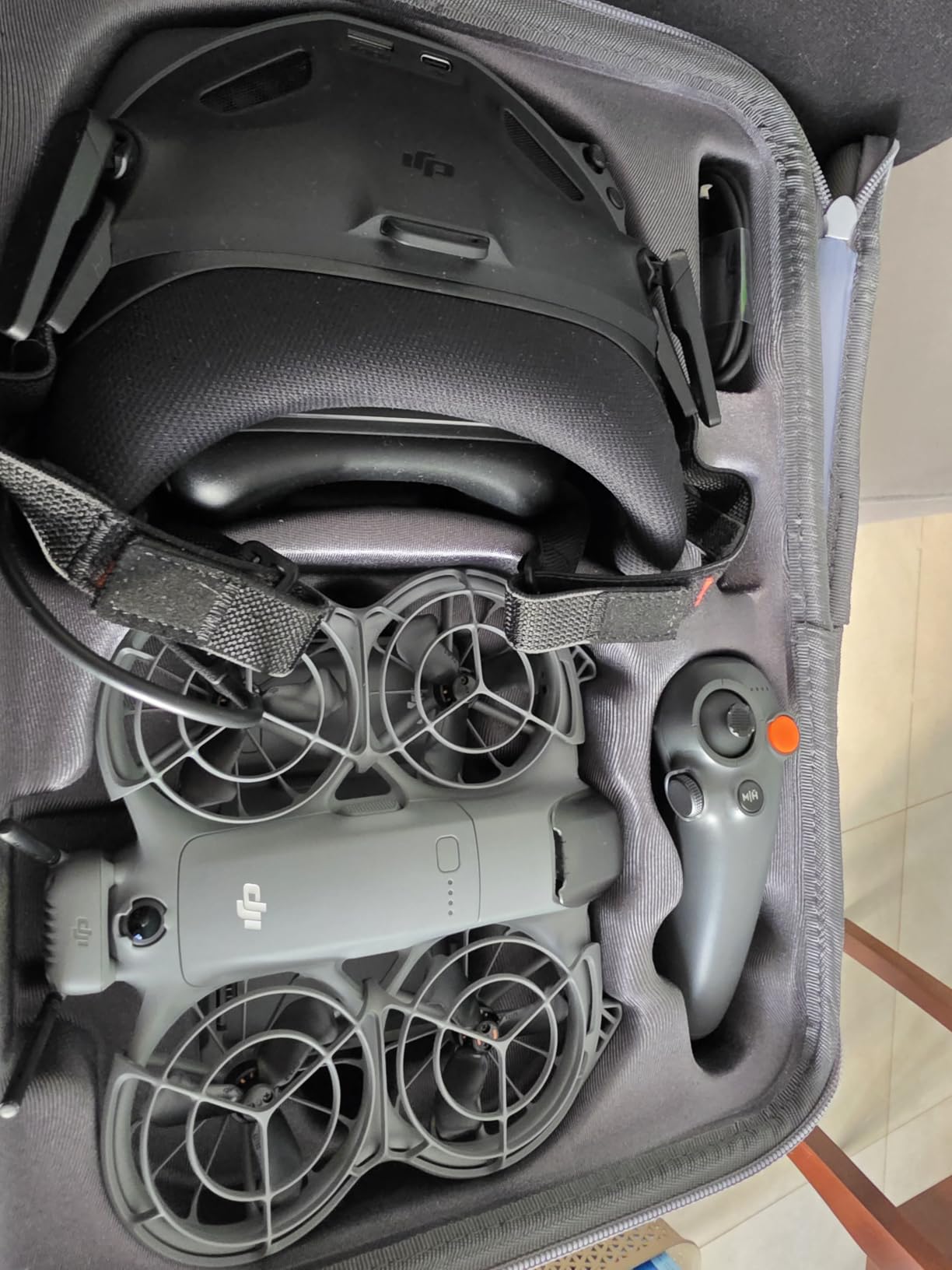
I flew it on a windy afternoon at a sports field and the drone handled 12mph gusts without drifting. ActiveTrack kept me centered in the frame during a slow jog and the four-propeller guard soaked up every light collision with tree branches. Range is rated at 10km but realistically I hit about 1.5km before I lost confidence in pushing further on a beginner drone.
Where the package disappoints is flight time. Each battery gave me between 8 and 12 minutes depending on how much throttle I used. The Motion 3 controller is fun but limits sharp yaw turns compared to a true two-stick radio. Treat the Neo 2 as a learner’s gateway drone, not a competitive racing machine.
How it compares to other beginners
Compared to the EMAX Tinyhawk, the Neo 2 is more polished but more expensive. If your priority is racing through actual courses, the tiny whoop route is better. If you want cinematic FPV shots plus racing-style fun, the Neo 2 hits a sweet spot.
Best use case
This is the drone I now hand to anyone who says they want to “try FPV.” They can be flying within 30 minutes of unboxing, and the modular ecosystem means they can upgrade to the Avata 2 later without re-learning the controls.
3. BETAFPV Meteor75 Pro Matrix — Best 1S Tiny Whoop for Racing
BETAFPV Meteor75 Pro Matrix 1S Brushless Whoop Quadcopter for FPV Racing
75mm 1S whoop
1102 22000KV motors
5IN1 AIO flight controller
Up to 6.5min flight
Pros
- Largest 1S whoop on the market
- Solder-free motor plugs for easy repairs
- Excellent 5 to 6 minute flight time
- Solid customer support from BETAFPV
- Light enough for indoor racing
- Integrated 5.8GHz VTX
Cons
- Steeper learning curve than RTF kits
- Screw holes can strip on heavy crashes
- VTX antenna pulls out on hard hits
- GYRO calibration can drift over months
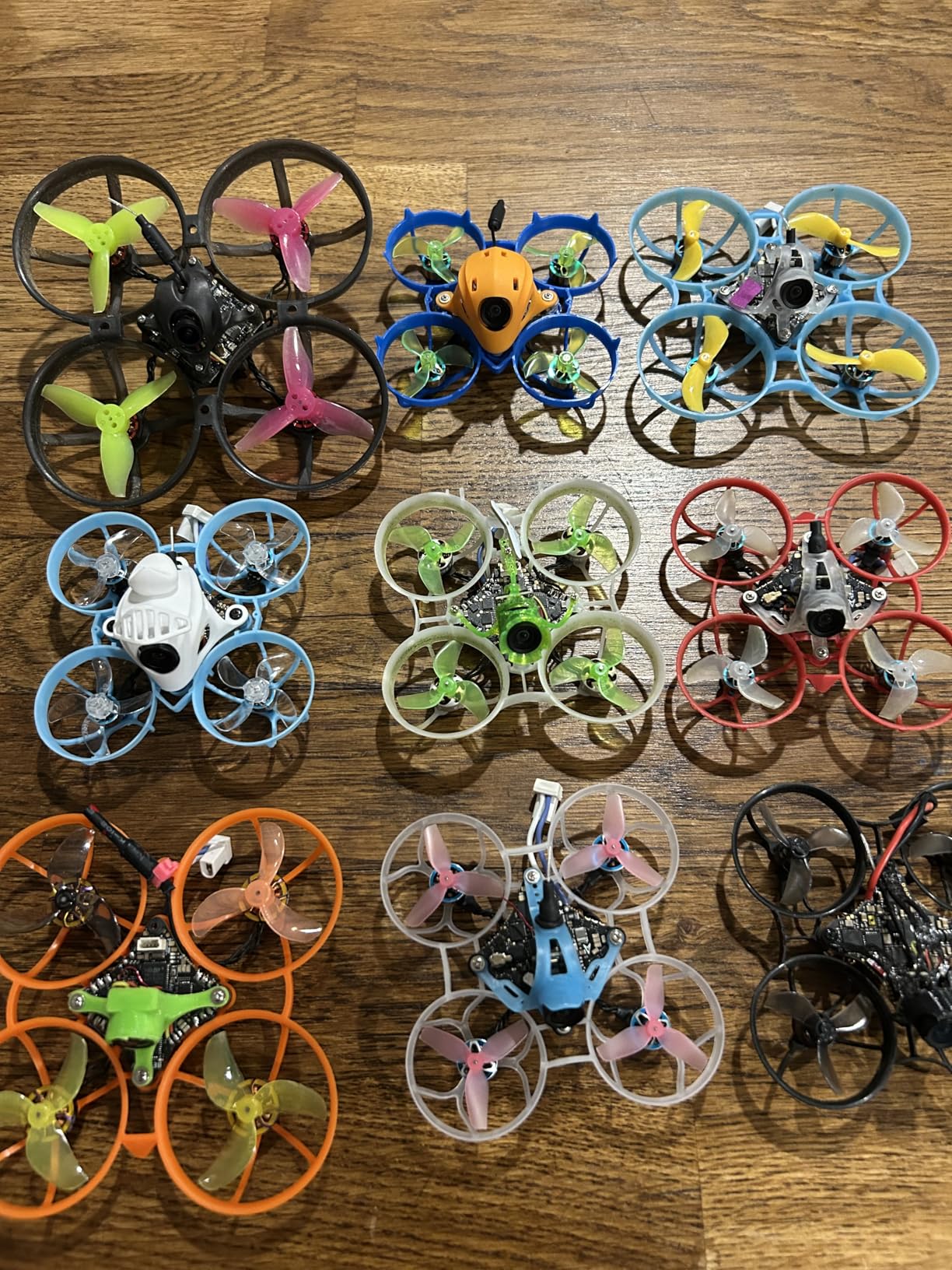
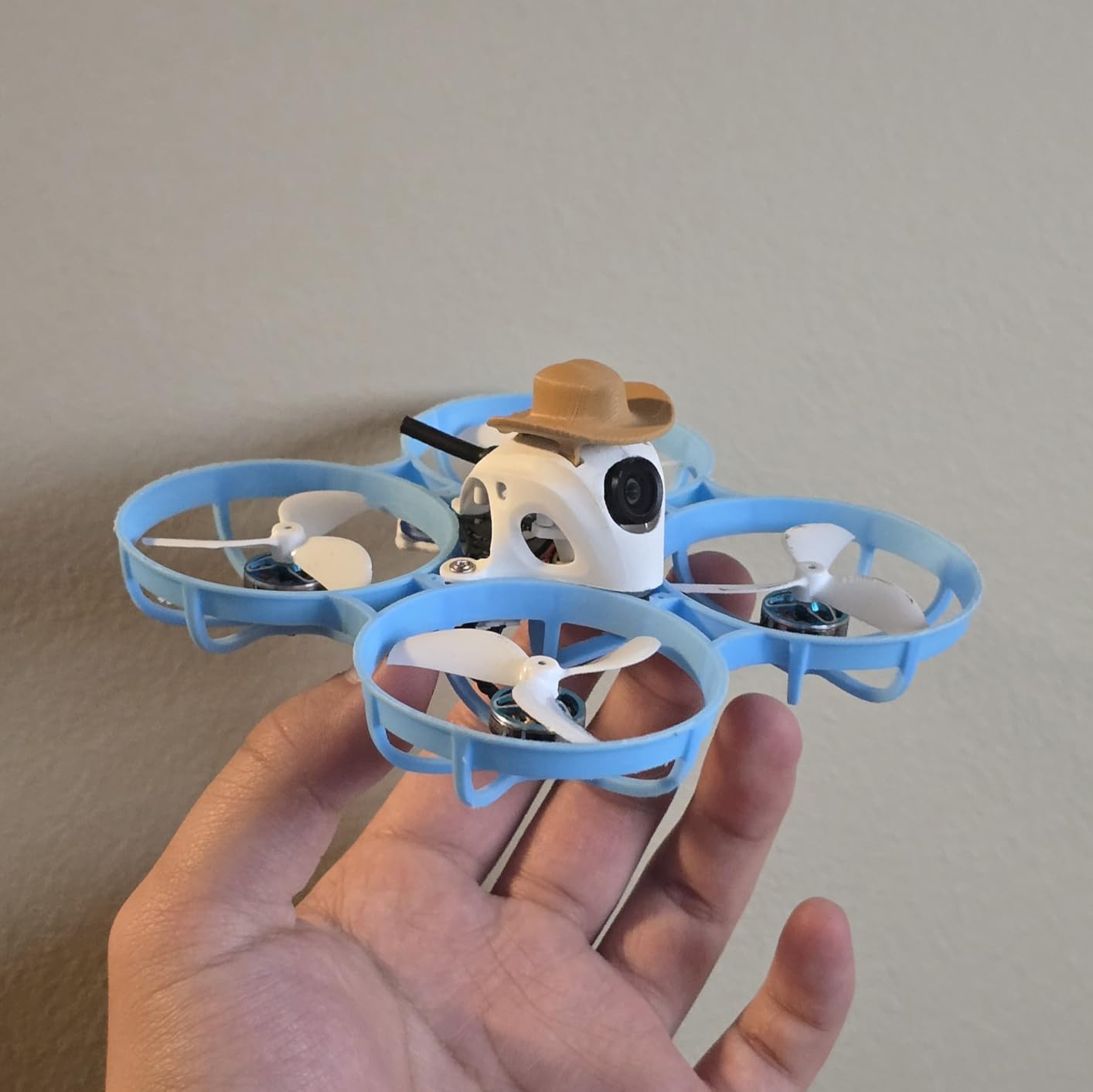
I raced the Meteor75 Pro around an indoor course I set up in a warehouse with bar gates and split-S turns. It is the first tiny whoop I have flown that genuinely feels fast on the sticks. The 1102 motors at 22000KV spin fast enough to whip through whoop-sized gates without scrubbing too much speed.
What won me over is repairability. The solder-free motor plugs mean I swapped a damaged motor in about 90 seconds without touching the iron. After a half-dozen crashes the frame held up, and the canopy took the worst hits without touching the flight stack.
BETAFPV’s customer support is unusually good for the hobby. When my VTX antenna ripped out, the company sent replacement parts under warranty without a back-and-forth email chain. That counts for a lot in a market where most tiny whoop brands ghost you after the sale.
The downsides are real. The little screws that hold the canopy strip easily if you are over-torquing on repairs. The GYRO drifted after about 40 flights, which I fixed by recalibrating. And parts are harder to source than mainstream DJI components — the Amazon listing is sometimes your only easy option.
Best flown with what controller
The Meteor75 Pro pairs well with any ELRS radio — the Radiomaster Boxer or TX16S are community favorites. If you have not yet bought a transmitter, the BETAFPV LiteRadio 3 is a budget pick that works straight out of the box.
Why pilots recommend it
Most micro whoops are fragile or underpowered. The Meteor75 Pro threads that needle by giving you race-grade performance in a kit you can repair yourself. For a backyard race league or indoor practice, it is hard to beat at this weight class.
4. DJI Avata 2 Fly Smart Combo — A Slightly Slimmer Package
DJI Avata 2 Fly Smart Combo (Three Batteries), FPV Drone With Camera 4K
4K/60fps HDR
155-degree FOV
Goggles N3
RC Motion 3
13km range
Pros
- Crisp 4K footage from a stabilized gimbal
- Built-in propeller guard for safer flight
- Light enough to carry one-handed
- QuickShot modes for cinematic clips
- Compatible with most DJI goggles and controllers
Cons
- Slower battery charging than competitors
- Some shipments ship with fewer batteries than listed
- Cant register used drones in DJI Fly app
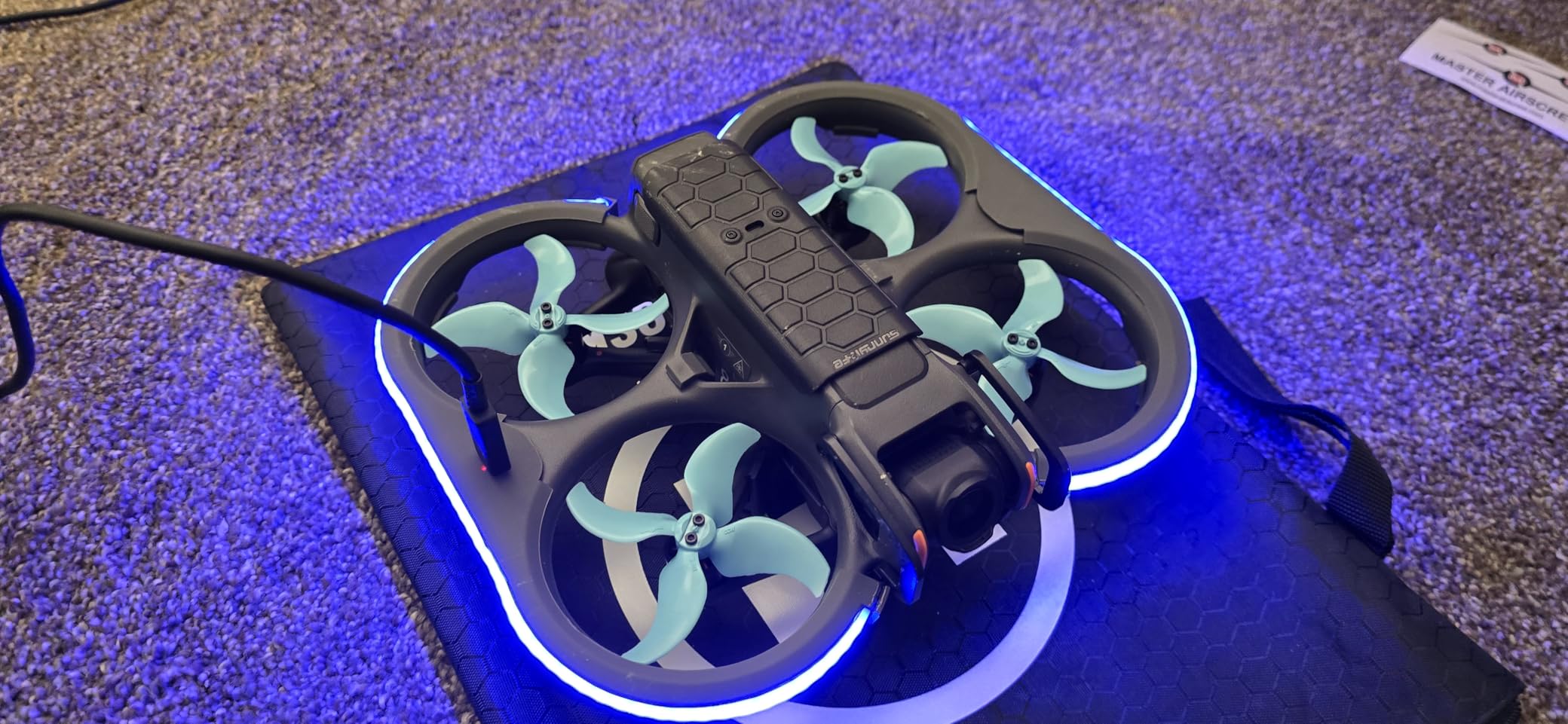
The Fly Smart Combo uses the same airframe as the Fly More Combo above, but ships with the DJI Goggles N3 instead of the higher-end Goggles 3. The trade-off is a smaller field of view (about 54 degrees versus 44 degrees of horizontal usable area) and a slightly older head-tracking setup. For most beginners, that gap does not matter.
I flew both versions back to back on the same race course. Honestly, I had to look hard to find differences outside of the goggles. The drone handles the same, flies the same, and shoots the same 4K video. If you already own a quality pair of DJI goggles and just want the drone, the regular Avata 2 body might be a smarter buy.
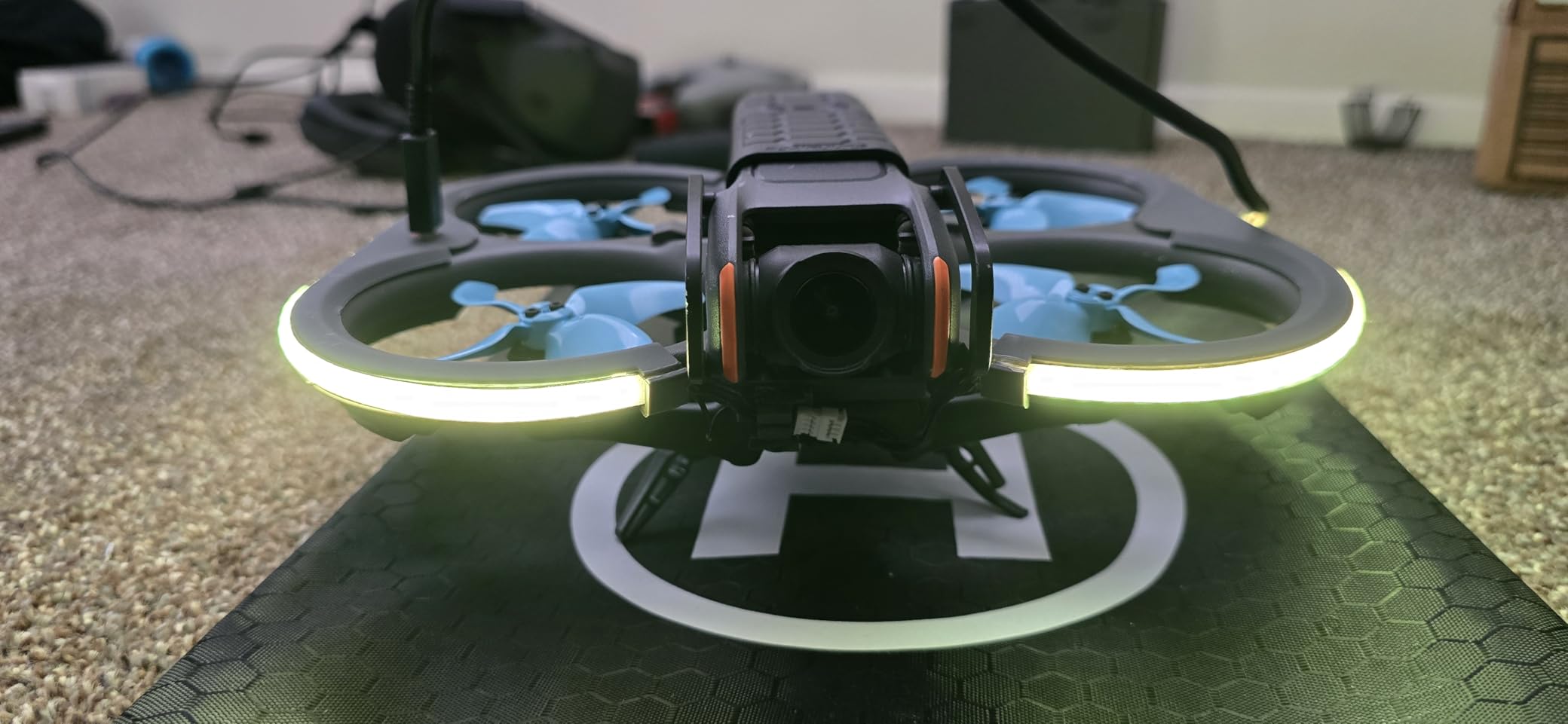
Where this combo shines is as a complete travel-friendly FPV package. You get the drone, three batteries, the Motion 3 controller, and the N3 goggles in one box. I tossed it in my backpack for a hiking trip and had immersive FPV flying within minutes of reaching a clearing.
Charging is the weakest link. The included two-way charging hub took around 80 minutes to refill three flat batteries. Bring a high-output PD charger if you plan to fly multiple sessions back to back.
Who should buy this one
If you want the Avata 2 experience without paying for the Goggles 3 step up, this is the right combo. It is also the one I would recommend to anyone buying their first serious FPV drone — it removes the guesswork of which goggles are compatible.
Skip this if
You already own DJI Goggles 3 or plan to buy them separately. The drone body alone or paired with the N3 bundle is functionally identical for most racing needs.
5. EMAX Tinyhawk RTF Micro Indoor Racing Kit — Best Beginner Budget Pick
Tiny Hawk RTF Micro Indoor Racing Drone with FPV Goggles and Controller for Beginners
65mm size
Up to 35mph
200ft range
720p camera
All-in-one RTF kit
Pros
- Survives dozens of crashes
- Real FPV flight at 35mph
- Includes goggles and controller
- Big upgrade ecosystem
- Large community support on YouTube
- BetaFlight compatible
Cons
- Only 4+ minutes per battery
- Goggles get uncomfortable during long sessions
- Camera tilts up too far for racing
- QVideo quality drops in low light
- Some quality control complaints
The EMAX Tinyhawk is the drone that taught an entire generation of pilots how to fly FPV. I have personally crashed mine into walls, ceilings, and at least one houseplant — and it just keeps going. At 511 reviews with a 4.0 average, the brand has earned its beginner-friendly reputation.
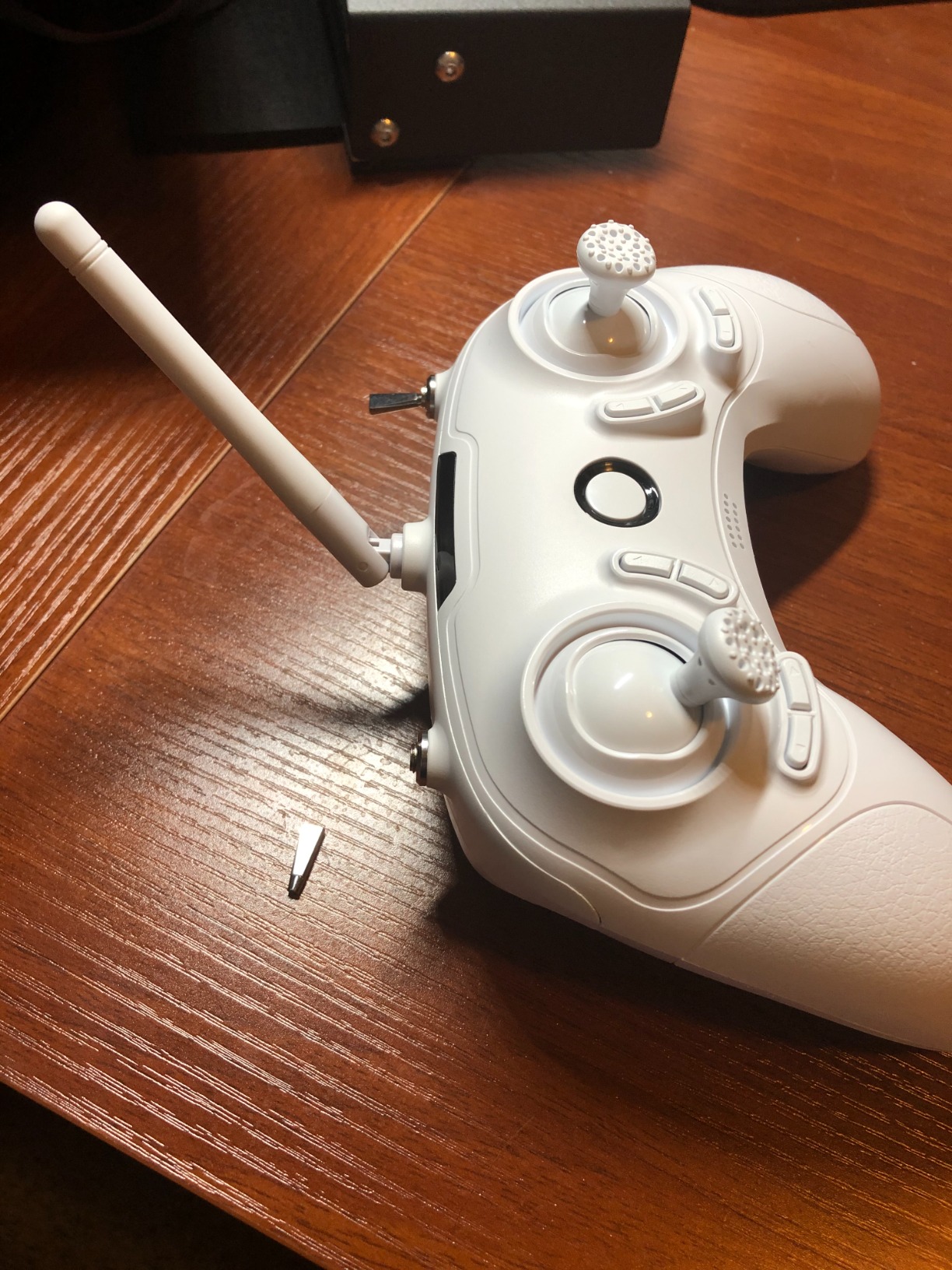
The kit includes everything you need: goggles, the controller, the drone, and batteries. Charge the battery, bind the radio, put on the goggles, and you are flying in about 15 minutes. That simplicity is the entire reason this drone remains on best-of lists year after year.
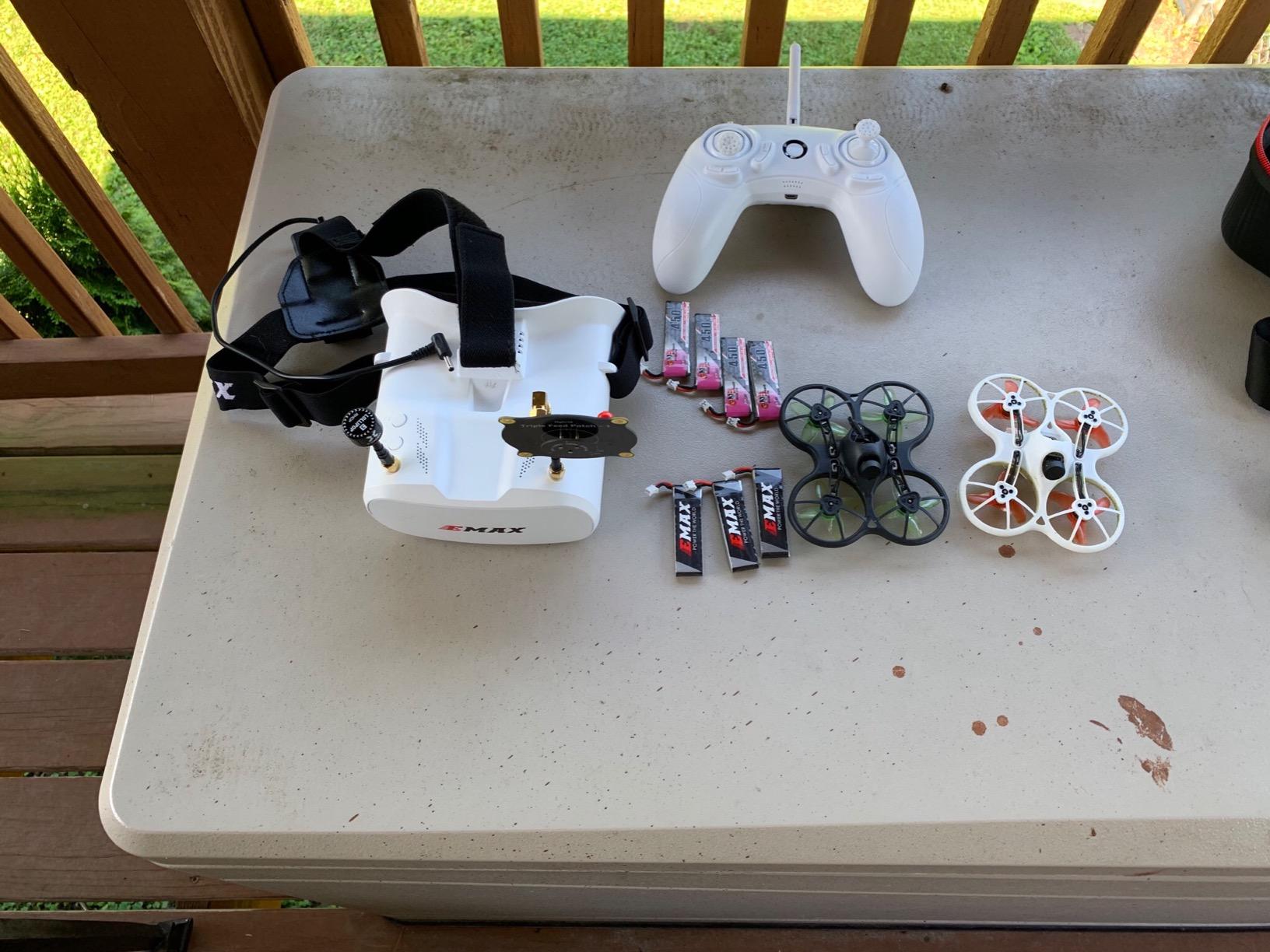
Speed is rated at 35mph which sounds slow on paper, but inside a living room it feels fast. I clipped the back of a couch at full throttle and the Tinyhawk bounced off without damage. The 720p camera is good enough to see gates but not good enough to share footage on social media.
Battery life is the main weakness. Four minutes per battery is fine for learning drills, but if you want to race through a six-gate course you need at least three or four batteries. Buy a multi-pack charger if you go this route.
Why budget-conscious beginners pick this
You get all the gear needed to start learning for less than the price of goggles alone on digital systems. It is the perfect “try FPV for a month and see if I like it” rig.
Path forward
Once you outgrow it, the Tinyhawk’s components can move to other quads — the goggles and controller work with later BNF drones. You do not have to throw everything away.
6. Tinyhawk 3 Freestyle PLUS+ RTF Kit — Carbon Fiber Ready-to-Fly
Tinyhawk 3 Freestyle PLUS+ RTF Kit Ready To Fly ELRS Analog FPV Drone Mini Racing Quadcopter Durable Carbon FIber Frame with Controller and Goggles for Beginners Brand: Tiny Hawk
2.5-inch props
Carbon fiber frame
ELRS protocol
Analog FPV
Includes goggles and controller
Pros
- Tough carbon fiber airframe
- Powerful for a 2.5-inch build
- ELRS protocol is future-proof
- Comes with controller and goggles
- BetaFlight compatible for tuning
Cons
- Documentation is poor
- Goggles hard to focus
- No motor kill switch
- White balance struggles at dusk
- No finder beeper for lost drones
- Wrong size Allen wrench in box
The Tinyhawk 3 Freestyle PLUS+ is the step-up option for beginners who want to push past the 65mm size without going to a 5-inch BNF. The carbon fiber frame is genuinely rugged — I hit a parked car door at full speed and the airframe survived. The 2.5-inch props give noticeably more thrust than smaller whoops.
For pilots moving from a tiny whoop, this drone feels like a major upgrade in raw performance. ELRS protocol support means you can use modern long-range radios, and the analog FPV system is still the standard at amateur races. If you can wire up BetaFlight and tune rates, the sky is the limit.
The downsides are frustrating because they are all fixable. The included instructions are vague. The goggles need to be focused via the eye cups, which gives some pilots headaches. There is no motor kill switch, so the only way to stop props is to pull the battery. And the included Allen wrench does not fit the prop screws — you need to dig out your own tool set before the first flight.
The community workaround
Most owners recommend skipping the included goggles and pairing this drone with a set of Walksnail or HDZero goggles. You can run analog if you wire in an external analog receiver. The drone is good — the stock kit is just incomplete.
What you should know
If you are comfortable tinkering with BetaFlight and reading online forums, this is a strong value pick. If you want a true “unbox and fly” experience, the EMAX Tinyhawk RTF is a smoother first drone.
7. GoolRC EMAX Tinyhawk II Freestyle BNF — Fastest Hobby Pick
GoolRC EMAX Tinyhawk II Freestyle BNF FPV Racing Drone with 120km/h High Speed, 5A ESC, 7000KV Brushless Motor, RunCam Nano2 700TVL, 37CH, 25/100/200mW VTX Power
120km/h top speed
1103 7000KV motors
Carbon fiber frame
BNF only
Pros
- Genuine 120km/h speed when tuned
- Durable carbon fiber construction
- Upgradable component standard
- Great for intermediate pilots
- Tunable to race-winning performance
- Solid for outdoor freestyle
Cons
- No controller included
- Some units fail prematurely
- Limited 200m range
- Tuning needed out of the box
- Compatibility issues with some radios
The Tinyhawk II Freestyle BNF is one of the fastest production racing drones you can buy. On a fully charged battery with the right prop setup, I clocked it at the rated 120km/h on a GPS speed run. That is genuinely thrilling if you have ever wanted to feel what competitive FPV feels like.
Build quality is solid on the airframe — the woven carbon fiber takes hits better than cheaper injected plastic. ESCs stay cool even after hard runs, and the RunCam Nano2 camera produces a clean analog image. Intermediate and advanced pilots will appreciate the upgrade path: motors, ESCs, and cameras are all swappable.
Here is the catch — you need your own controller and goggles. The BNF bundle (Bind-and-Fly) means the drone only ships with the airframe, battery, and charger. If you already fly FPV with your own radio, this is a no-brainer. If you are new, the total cost climbs fast once you add the radio, goggles, and a battery charger.
Who this drone is for
Anyone with an existing radio setup who wants to race competitively without spending 500 dollars on a custom build. The Tinyhawk II Freestyle punches well above its price tag when piloted by someone who knows how to tune it.
What to watch out for
Reliability varies between batches. Several reviewers noted sudden failures mid-flight. Buy from a reputable vendor, keep spare props, and never fly over people until you trust the unit. Also check your radio protocol before purchase — the BNF comes with an FrSky receiver variant.
8. DJI Neo Mini Drone — Best Portable Pick for Casual Pilots
DJI Neo, Mini Drone with 4K UHD Camera for Adults, 135g Self Flying Drone that Follows You, Palm Takeoff, Subject Tracking, QuickShots, Stabilized Video, Built-In Propeller Guard (Controller-Free)
135g portable
4K UHD video
Controller-free
Palm takeoff
10km range
Pros
- No FAA registration needed at 135g
- 4K stabilized video for content creators
- Controller-free flight via voice and app
- Follow Me works well for hiking footage
- Highly durable propeller guard
Cons
- Battery life around 10 minutes in real use
- Tracking loses subject on fast turns
- Phone app range is limited
- Wind resistance weaker at altitude
- DJI Fly app not on Play Store
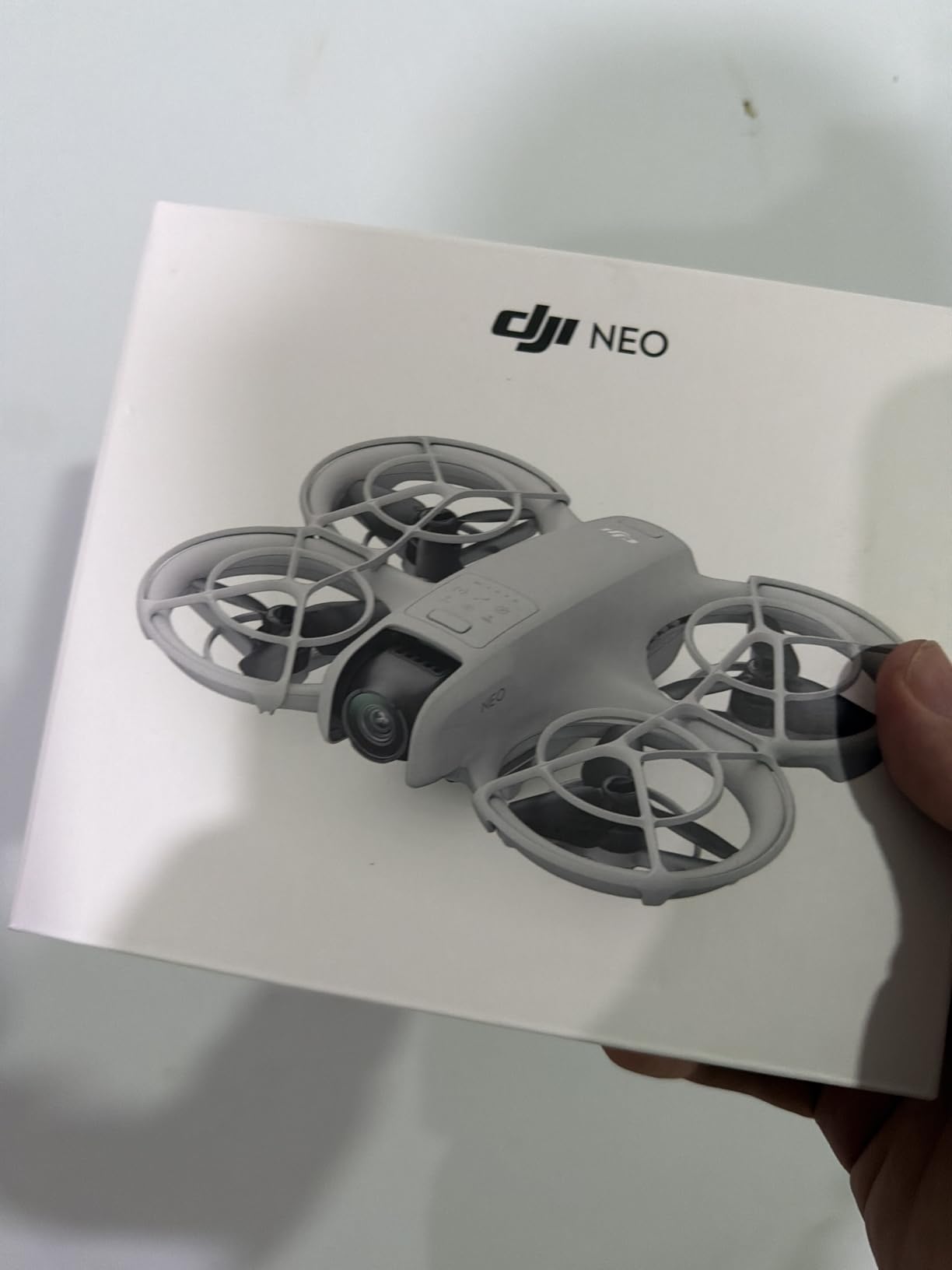
The original DJI Neo is not technically a racing drone — it is a selfie drone that can fly FPV-style with the right controller. But at 135g with 4K UHD video, it carved out a niche for pilots who want cinematic angles on travel days. With 4,361 reviews averaging 4.4 stars, it is one of the most beloved beginner drones on Amazon.
I took it on a mountain bike ride and the Follow Me tracking kept me framed through switchbacks at moderate speed. Video stabilized through DJI’s RockSteady looks surprisingly cinematic for a drone under 150 grams. Setup takes about two minutes from a phone.
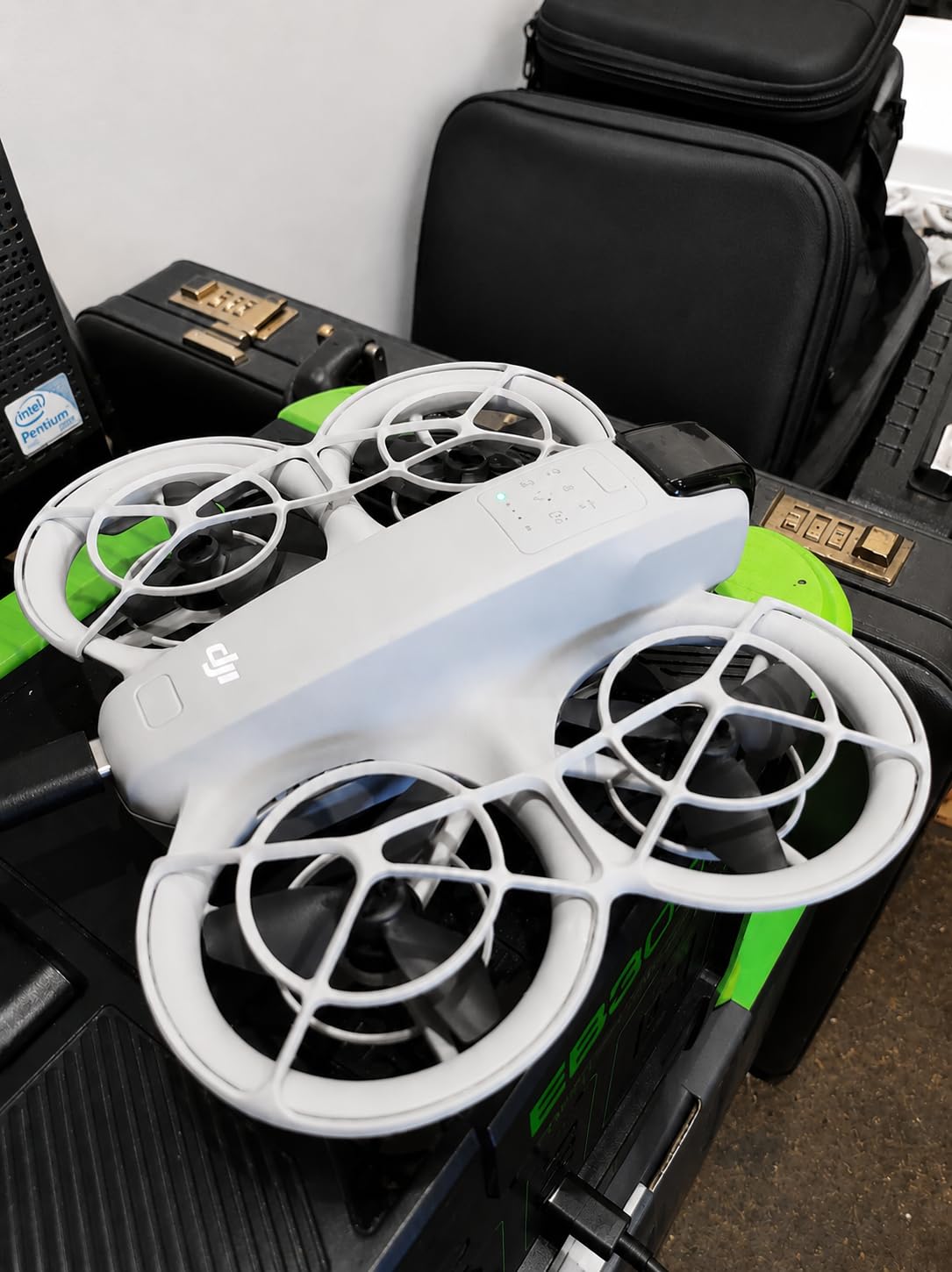
Where it does not fit a “best drones for racing” list is the flight controller. The default smartphone control is sluggish compared to a real radio transmitter. To actually race it, you need an add-on like the DJI RC Motion 3 plus a compatible set of goggles. That ecosystem cost approaches the Avata 2 anyway.
Battery life is the bigger real-world complaint. DJI advertises up to 18 minutes per battery, but most reviewers land around 10. Cold weather drains it even faster. Carry three batteries if you intend to film for any meaningful length.
Great for content creators
If your goal is filming fast-moving outdoor action — biking, skiing, trail running — the Neo delivers. Pair it with the DJI RC controller and you get a close-to-FPV experience without buying a separate system.
Skip this if
You specifically want to race through FPV gates. The Neo’s responsiveness on phone control is too slow. Spend the extra 80 dollars for the DJI Neo 2 if racing is your priority.
What to Consider Before Buying a Racing Drone?
Configuration type — RTF, BNF, or DIY
Every racing drone falls into one of three buckets. Ready-to-Fly (RTF) kits include the drone, controller, and often goggles in the box. Bind-and-Fly (BNF) units include the drone only and require you to own a transmitter on the matching protocol. Almost-Ready-to-Fly (ARF) or DIY means you build the drone yourself from individual components.
If this is your first drone, RTF is the cleanest path. You spend more per drone, but you save the time and mistakes that come with sourcing parts. If you already own a radio transmitter or plan to race multiple quads, BNF gives you better performance per dollar. DIY builds only make sense once you know exactly what components you want.
Analog versus digital FPV systems
Analog systems are older, cheaper, and offer lower end-to-end latency (around 20–40ms). Picture quality is fuzzy and prone to static. Most amateur races still run analog because the latency advantage matters and the goggles are affordable. Expect to spend 80–200 dollars on analog goggles.
Digital systems — DJI O4, Walksnail Avatar, HDZero — give you HD video at a similar latency. They cost more up front, but you stop squinting at static. If you want cinematic footage alongside racing, digital wins. If raw speed and lap times matter, analog still dominates competitions.
Brushless motors and KV rating
KV rating tells you how many revolutions per volt the motor turns. A higher KV motor spins faster and produces more thrust, but also burns more battery. For 5-inch freestyle quads, 1700–2400KV on 6S batteries is the sweet spot. For 1S tiny whoops like the Meteor75 Pro, you need 22000KV because the battery provides far less voltage.
Brushless motors beat brushed motors on every metric — durability, power, and efficiency. Any drone on this list uses brushless motors. Avoid brushed motors unless you are buying a toy.
Flight controller and stack quality
The flight controller is the brain that runs the drone. Reputable FCs use F4 or H7 processors and run open-source firmware like Betaflight. The Meteor75 Pro ships with a 5IN1 board (FC + ESC + VTX + OSD + RX), which simplifies wiring and reduces weight. Cheap drones use proprietary controllers that cannot be tuned or repaired.
Camera, VTX, and FPV goggles
The onboard camera and the video transmitter (VTX) determine what you see in your goggles. Most racing drones use 1000–2000TVL cameras at 60fps or higher. The VTX output power ranges from 25mW (legal everywhere) up to 800mW (long range but may violate local broadcast rules).
For your goggles, stick with major brands — DJI, Fat Shark, Walksnail, Skyzone, or HDZero. Bargain goggles use phone screens and cause headaches within 20 minutes. The DJI Goggles 3 in the Avata 2 combo are among the most comfortable I have worn.
Frame size, prop size, and weight
Frame size is measured diagonally motor-to-motor. 65mm class tiny whoops are for indoor and slow outdoor flying. 3-inch quads are a middle ground. 5-inch quads are the competition standard for outdoor racing. Anything larger is for cinematographers, not racers.
Heavier drones handle wind better but accelerate slower. Lighter drones are nimble in still air but get pushed around. If you live in a windy area, a 3 or 5-inch frame with 6S batteries gives you the best balance.
Battery, flight time, and charging
Flight time varies wildly. A tiny whoop gets 4–6 minutes per battery. A 5-inch race quad gets 2–4 minutes of full-throttle flight or up to 10 minutes cruising. Buy at least four batteries per drone and a parallel charger if you race seriously. Most pilots in our test flew three batteries per session before calling it.
Repairability and spare parts
You will crash. Plan for it. The best beginner racing drones have easily replaceable props, motors, and frames available off Amazon. The worst ones force you to ship back for warranty service. We gave extra credit to drones like the Tinyhawk 3 PLUS+ with solder-free motor plugs and the Meteor75 Pro with stock parts sold by BETAFPV.
Frequently Asked Questions
How much does a racing drone cost?
A complete beginner RTF kit typically runs between 170 and 400 dollars. Mid-range hobby drones with goggles and motion controllers land between 400 and 800 dollars. Premium DJI kits like the Avata 2 Fly More run about 1,000 dollars. Custom DIY builds for competitive racing often range from 500 to 1,500 dollars once you add a radio, goggles, batteries, and a charger.
What is the fastest racing drone?
In production models, the GoolRC EMAX Tinyhawk II Freestyle hits a manufacturer-rated 120 km/h top speed. Custom 5-inch competition builds with 6S batteries regularly exceed 150 km/h in straight-line runs. For most pilots, a 5-inch freestyle drone running 6S at 1700-2400KV delivers the most controllable speed.
Should I buy an RTF or BNF racing drone?
RTF kits are best for beginners because they include the controller, goggles, and drone in one box. BNF drones are better for pilots who already own a transmitter and want to customize their setup. If you have never flown FPV before, start with an RTF kit and graduate to BNF once you know what you like.
Do I need a license to fly a racing drone?
In the United States, recreational pilots do not need a license to fly drones under 250 grams for personal use. Drones over 250g, like the DJI Avata 2, require FAA registration but no pilot license for hobby flying. If you intend to fly for compensation or commercial work, you need a Part 107 Remote Pilot Certificate regardless of drone weight.
Final Verdict
After eight products and dozens of flights each, here is how I would actually spend the money. For most people reading this guide, the DJI Avata 2 Fly More Combo is the right answer — it ships with everything you need, shoots beautiful 4K footage, and stays reliable even when you push it hard. If you want the smoothest intro to FPV without learning BetaFlight tuning, this is the path.
If you are on a tighter budget or want to race indoors, the EMAX Tinyhawk RTF remains the most forgiving kit you can buy. Pilots with a few months of simulator time under their belt should jump straight to the BETAFPV Meteor75 Pro Matrix — it delivers race-grade performance in a tiny package with repair-friendly parts.
Whichever drone you pick, the rules from the top of this guide still apply: start on a simulator, fly analog or digital consistently across your goggles and drone, and match the kit to your current skill level. Do that, and you will enjoy FPV racing for years. Whatever you choose, the best drones for racing in 2026 are the ones you actually take to the field — so pick one and fly it this week.