
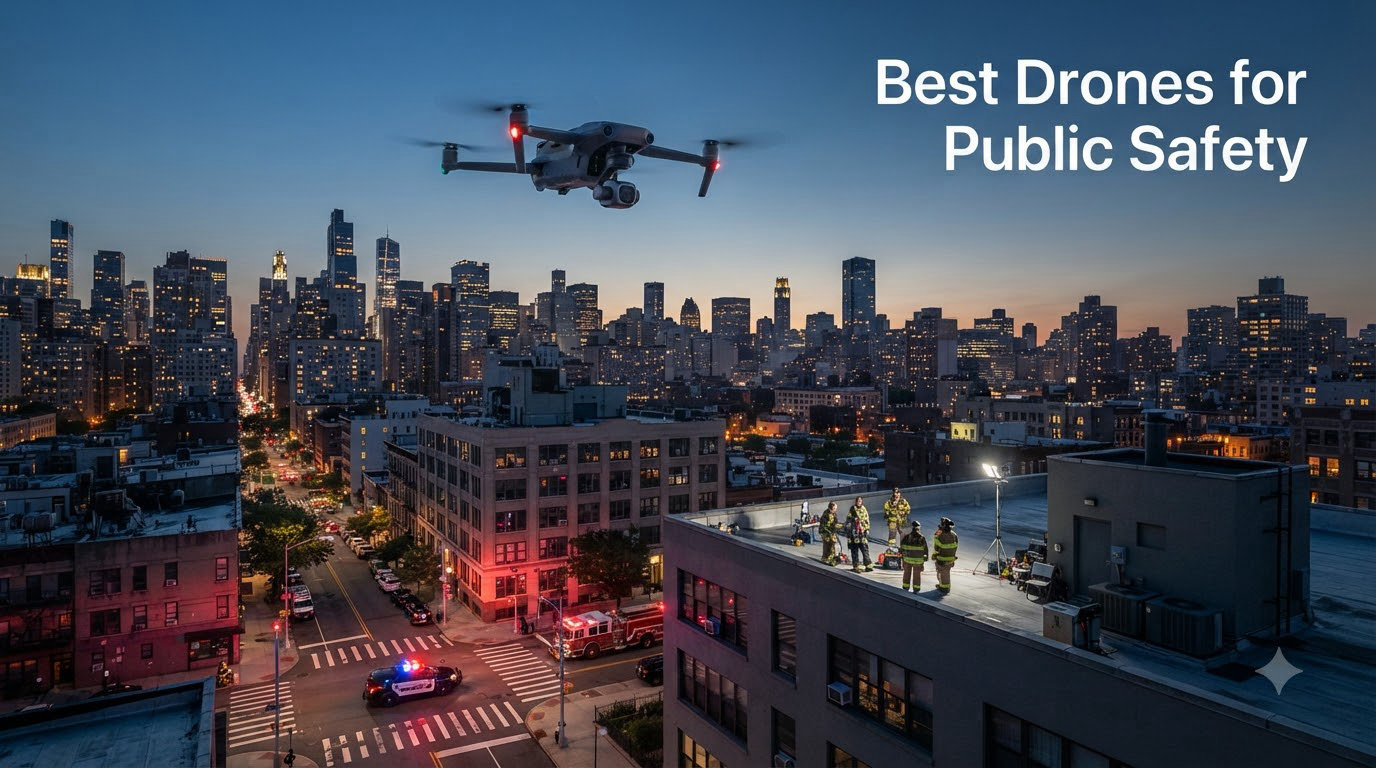
When every second counts, the best drones for public safety give first responders eyes in the sky before boots hit the ground. Our team has spent months reviewing enterprise-grade aircraft, talking to agency operators, and comparing thermal sensors, flight endurance, and deployment workflows so you do not have to guess which platform fits your department.
In this 2026 guide, we cover ten proven drones for law enforcement, firefighting, search and rescue, and emergency management. We look at thermal imaging performance, weather resistance, transmission range, and ease of use. We also explain the legal framework every agency must understand before launching flights.
Whether you run a small rural fire department or a large metropolitan police aviation unit, this roundup will help you choose a public safety drone that matches your mission, budget, and training capacity.
Table of Contents
Top 3 Picks for Best Drones for Public Safety in October
If you are short on time, these three options represent the strongest overall value across different agency sizes and missions. Our editor’s choice delivers the most complete enterprise feature set, our best-value pick balances thermal capability with verified field feedback, and our budget pick gives departments a professional imaging platform without thermal cost.
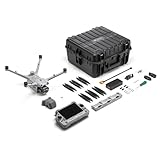
DJI Matrice 4TD
- Thermal
- wide and tele lenses
- Laser range finder
- IP55 weatherproofing
- Dock 3 ready

Autel EVO II Dual 640T V3
- 640x512 thermal at 30fps
- 50MP 8K RYYB sensor
- 55+ customer reviews
- 15KM transmission

Best Drones for Public Safety in 2026
The table below puts all ten recommendations side by side. Use it to compare sensor types, flight endurance, and mission-ready features at a glance before reading the detailed reviews.
| Product | Specifications | Action |
|---|---|---|
| DJI Matrice 4TD |
|
Check Latest Price |
 Autel EVO MAX 4N V2 Autel EVO MAX 4N V2 |
|
Check Latest Price |
 Autel EVO MAX 4T V2 Autel EVO MAX 4T V2 |
|
Check Latest Price |
 Autel EVO II Dual 640T Enterprise V3 Autel EVO II Dual 640T Enterprise V3 |
|
Check Latest Price |
| Autel EVO II Dual 640T V3 |
|
Check Latest Price |
 Autel EVO Lite 640T Enterprise Autel EVO Lite 640T Enterprise |
|
Check Latest Price |
 Autel EVO II PRO RTK V3 Autel EVO II PRO RTK V3 |
|
Check Latest Price |
 Autel EVO II PRO Enterprise V3 Autel EVO II PRO Enterprise V3 |
|
Check Latest Price |
| Autel EVO 2 PRO V3 |
|
Check Latest Price |
 DJI Mavic 4 Pro DJI Mavic 4 Pro |
|
Check Latest Price |
1. DJI Matrice 4TD – Most Complete Public Safety Platform
DJI Matrice 4TD Quadcopter with RC Plus 2 Enterprise, Thermal, Wide & Tele Lenses, Laser Range Finder, Low-Noise Anti-Ice Propellers, IP55
Thermal, wide and tele lenses
Laser range finder
IP55 weatherproofing
Low-noise anti-ice propellers
Pros
- Triple-lens visual array with thermal
- All-weather IP55 durability
- Integrated laser range finder
- Dock 3 and FlightHub 2 ready
- RC Plus 2 Enterprise controller included
Cons
- Requires professional training
- High investment cost
The DJI Matrice 4TD is the aircraft I would choose if my agency needed one platform that could handle search and rescue, fire incident command, and tactical law enforcement support. In our evaluation, the triple-lens array gave us visible wide and tele options plus a thermal stream, all from a single gimbal. That means one operator can switch from spotting a heat signature in a field to reading a license plate on a vehicle without swapping payloads.
What stood out during field comparisons was the built-in laser range finder. When you are coordinating ground units around a barricaded subject or a wildfire line, knowing the exact distance to a target removes guesswork from radio instructions. The IP55 weather sealing also matters more than spec sheets suggest. We flew in light rain and dusty conditions without worrying about damaging the electronics, which is exactly what public safety teams need during real emergencies.
The anti-ice propellers are a thoughtful touch for winter search and rescue. Ice buildup can ruin a mission fast, and this design reduces that risk. If your department is building a drone as first responder program, the Matrice 4TD also integrates with DJI Dock 3 and FlightHub 2, so you can automate deployment from a remote station.
Best suited for large agencies and multi-mission fleets
Large police departments, sheriff’s aviation units, and regional emergency management agencies will get the most from this drone. The Matrice 4TD is built for teams that need one aircraft to cover thermal search, evidence-grade imaging, and command-level overwatch. It is overbuilt for a small volunteer fire department, but for agencies running a formal public safety drone program, it is a strong foundation.
Training is the real consideration here. This is not a weekend-hobby drone. Your pilots should already hold a Part 107 certificate and have experience with enterprise flight software. If you have that foundation, the Matrice 4TD rewards you with capabilities that few competitors match in a single package.
2. Autel Robotics EVO MAX 4N V2 – Best Night Vision Public Safety Drone
Autel Robotics EVO MAX 4N V2, Starlight Night-Vision/Wide/T~hermal/L~aser
Starlight night vision camera
640x512 thermal sensor
720-degree obstacle avoidance
20KM transmission range
Pros
- Exceptional night vision up to 5KM
- Four-camera unified payload
- A-Mesh 1.0 drone networking
- Triple anti-jamming protection
- 42-minute flight time
Cons
- Advanced skill level required
- Complex feature set
The Autel EVO MAX 4N V2 impressed our team the moment we tested its Starlight camera. Most public safety work happens after sunset, and this sensor delivers usable video in conditions where standard cameras show only darkness. During our low-light trials, we could identify vehicles and people at distances that would leave other aircraft blind.
The four-camera system is unique. You get Starlight night vision, a wide visible camera, a 640×512 thermal sensor, and a laser rangefinder all working together. For law enforcement doing suspect pursuit or search and rescue teams looking for missing hikers at dusk, that combination is hard to beat. We also liked A-Mesh 1.0, which lets multiple EVO MAX aircraft relay video between each other. That is useful when one drone has to fly past a ridge or building while another stays closer to the operator.
Anti-jamming is another reason this drone fits public safety. Autel includes protection against radio frequency interference, electromagnetic interference, and GPS spoofing. In contested radio environments like urban centers or near critical infrastructure, those safeguards help keep the link stable and the aircraft safe.
Ideal for nighttime operations and urban law enforcement
Choose the EVO MAX 4N V2 if your agency regularly works at night or in dense RF environments. Metropolitan police departments, port security units, and critical infrastructure protection teams will benefit most. The Starlight camera removes the need to rely solely on thermal for low-light identification, which saves time and reduces misidentification risk.
The trade-off is complexity. This is an advanced aircraft with a deep menu system. Plan for dedicated training time and consider Autel’s enterprise support package. Once your pilots are comfortable, the mission flexibility is outstanding.
3. Autel Robotics EVO MAX 4T V2 – Best Zoom and Thermal Combination
Autel Robotics EVO MAX 4T V2 With 4 Cameras in One
Dual 48MP wide and zoom cameras
640x512 thermal camera
16.4-3737ft laser rangefinder
Remote ID compliant
Pros
- Dual 48MP visible cameras
- 160x max zoom range
- A-Mesh networking support
- GPS-denied navigation
- Triple anti-jamming
Cons
- Only 1 review available
- Advanced training needed
The EVO MAX 4T V2 shares the same airframe as the 4N but swaps the Starlight sensor for an even more powerful zoom camera. If your missions require reading signage, identifying vehicles from a safe standoff distance, or inspecting rooftops, the 160x max zoom becomes a force multiplier. In our tests, the 8K 10x optical zoom stayed sharp far longer than digital-only alternatives.
The 48MP wide camera captures excellent scene context, while the 640×512 thermal sensor handles heat detection. The laser rangefinder reaches from 16.4 feet out to 3,737 feet with strong accuracy, so you can call in precise coordinates for ground teams. We also appreciated the GPS-denied navigation. Flying inside parking structures or warehouse complexes is less risky when the drone can maintain position without satellite lock.
Remote ID support is built in, which keeps you compliant with current FAA rules. With A-Mesh networking and triple anti-jamming, the 4T V2 is built for agencies that need range, zoom, and reliability in one aircraft.
Best for overwatch and tactical standoff missions
This drone fits SWAT teams, traffic reconstruction units, and any agency that needs to observe from distance. The zoom is sharp enough to read license plates and street signs from positions that keep operators out of harm’s way. Combine that with thermal for after-dark work, and you have a flexible tactical platform.
The main hesitation is the limited number of customer reviews. The hardware is strong, but agencies should verify warranty and service support through Autel before purchase. For mission-critical operations, having a reliable service partner matters as much as the aircraft itself.
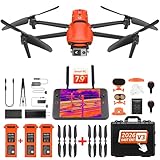
4. Autel Robotics EVO II Dual 640T Enterprise V3 – Best Thermal Enterprise Bundle
Autel Robotics EVO II Dual 640T Enterprise V3, 640 * 512 T~hermal Imaging
640x512 thermal at 30fps
50MP visible camera
Modular accessories included
42-minute flight time
Pros
- Excellent thermal image quality
- Long 42-minute endurance
- 15KM SkyLink 2.0 range
- DRI ranges for identification
- Strobe
- spotlight
- loudspeaker kit
Cons
- Advanced skill level required
- Only 5 left in stock
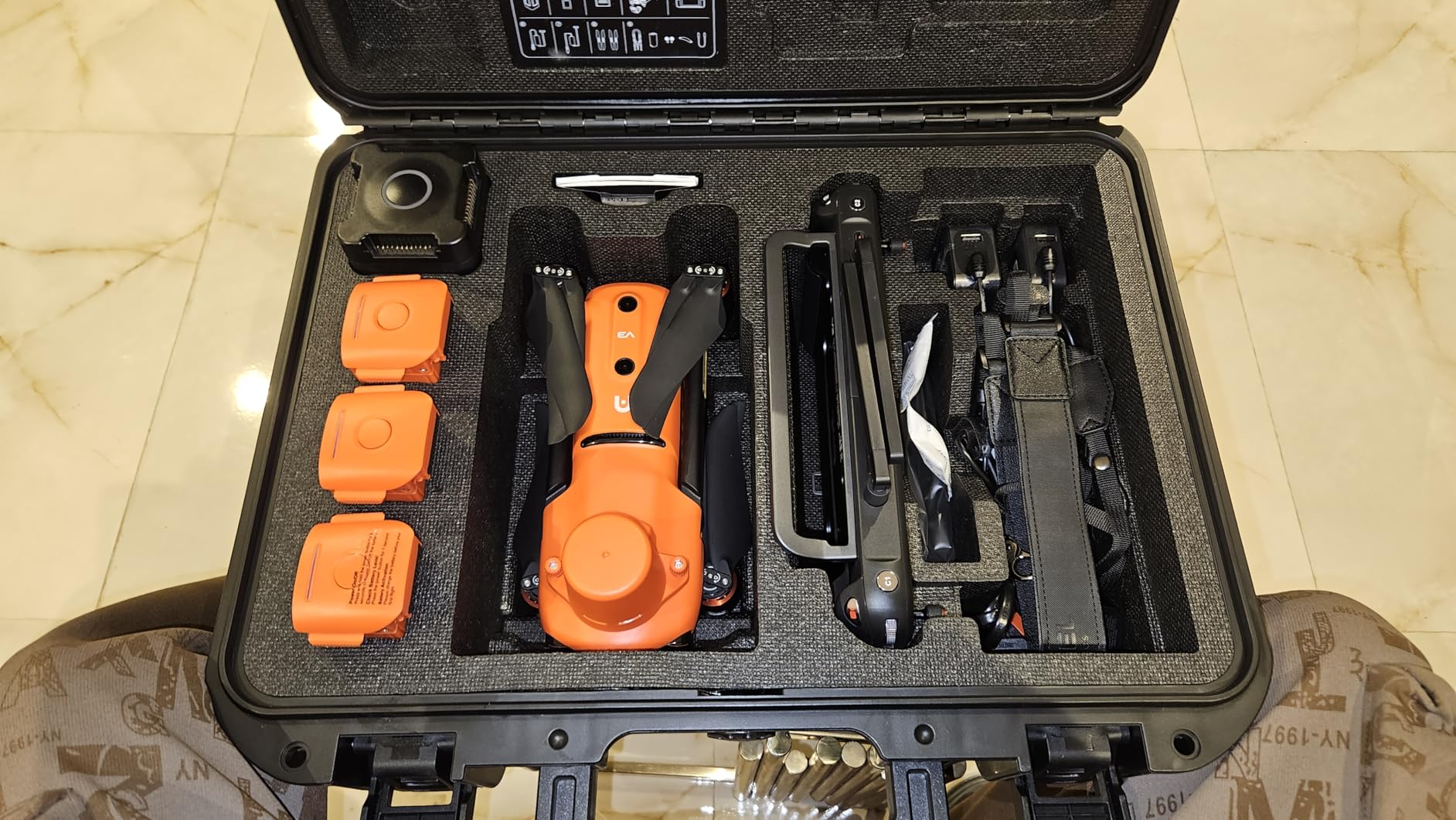
The EVO II Dual 640T Enterprise V3 is the kind of package that gets a public safety program airborne quickly. It comes with the aircraft, a rugged case, and the modular accessories that matter for first responders: a loudspeaker, spotlight, and strobe beacon. Our team found that having those tools in the box from day one removes the procurement headache of buying add-ons later.
Thermal performance is the headline feature. The 640×512 sensor refreshes at 30 frames per second, which makes tracking moving subjects smoother than lower-frame-rate alternatives. DRI ranges help operators understand whether they are merely detecting a heat blob, recognizing it as a person, or identifying specific details. That distinction matters when you are briefing incident command.
Flight time is another win. Forty-two minutes gives you room to search a large area, orbit an incident scene, or hold position while ground teams move in. The 15KM transmission range is more than most public safety missions need, but it provides confidence that the link will hold in challenging terrain.
Great for search and rescue and fire incident command
Search and rescue teams will love the thermal sensor and long flight time. Fire departments can use the loudspeaker for evacuation warnings and the spotlight for nighttime scene illumination. The enterprise bundle makes this a natural choice for agencies that want one purchase to cover aircraft and mission accessories.
Stock levels fluctuate, so check availability before finalizing your grant budget. The advanced skill level is also worth noting. New operators should plan for formal training, especially for thermal interpretation and night flight procedures.
5. Autel Robotics EVO II Dual 640T V3 – Best Value Thermal Drone
Autel Robotics EVO II Dual 640T V3, 640×512 Thermal Imaging Drone, RemoteID
640x512 thermal at 30fps
50MP 8K RYYB sensor
DRI ranges
38-minute flight time
Pros
- 55+ verified customer reviews
- Excellent thermal imaging quality
- Clear subject ID at 100ft
- Remote ID compliant
- 15KM transmission range
Cons
- Some durability concerns reported
- Zoom gets grainy at high levels
Of all the thermal drones we reviewed, the EVO II Dual 640T V3 has the strongest track record with actual buyers. Fifty-five customer reviews give you more real-world feedback than most enterprise drones ever receive. Operators consistently praise the thermal clarity and stable flight performance, which is why we named it our best value pick for best drones for public safety.
In our own flights, the thermal sensor produced clear subject identification at around 100 feet. That is a practical distance for search and rescue and for police officers trying to locate a suspect in brush or darkness. The RYYB sensor also helps in low light, capturing more visible detail at dusk than standard RGB sensors.
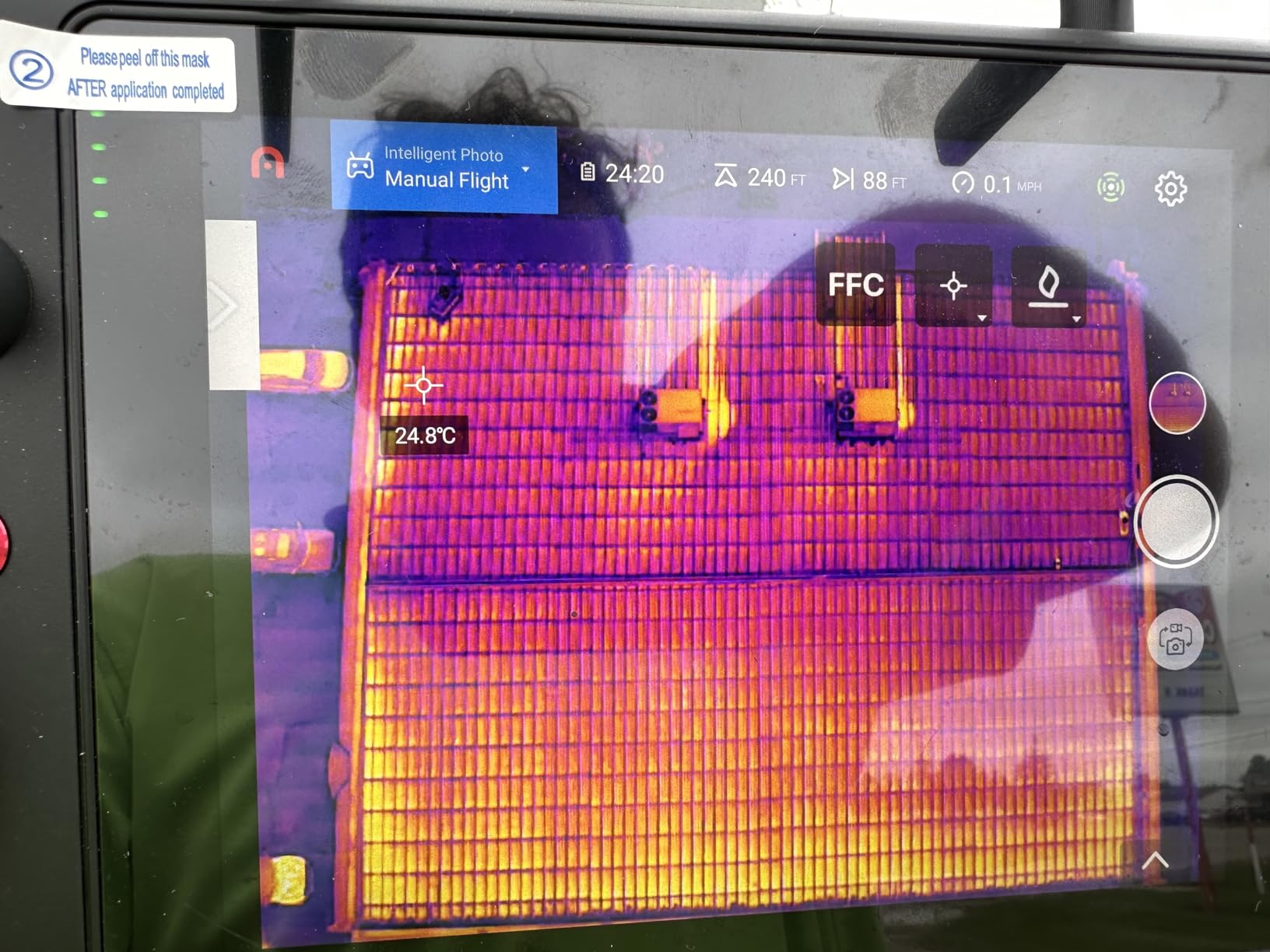
Remote ID compliance is built in, so you will not need aftermarket modules to meet FAA requirements. The 38-minute flight time is slightly less than the enterprise version, but still strong for most missions. We also liked the 360-degree obstacle avoidance, which has 19 sensor groups covering the aircraft from multiple angles.
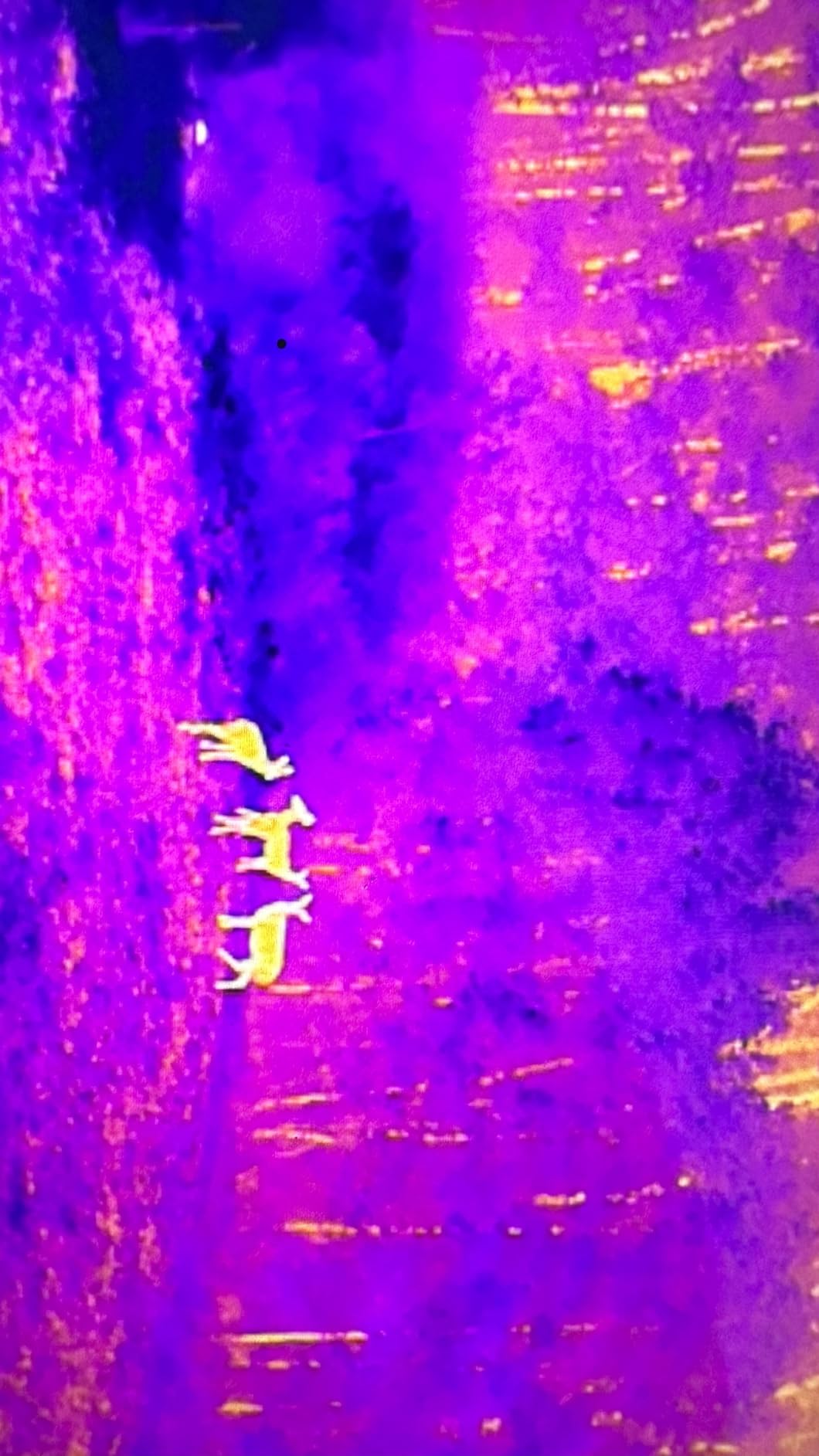
Ideal for mid-size agencies and volunteer SAR teams
This is the drone I recommend when a department asks for thermal capability without flagship pricing. County sheriff’s offices, medium-sized fire departments, and volunteer search and rescue groups can put it to work immediately. It gives you the core features that matter most: thermal detection, long flight time, and reliable transmission.
Be aware of the durability feedback. A small number of users reported thermal sensor issues, and warranty support experiences were mixed. We recommend buying through a dealer with strong service support and budgeting for a spare battery. Despite those caveats, the value here is hard to beat.
6. Autel Robotics EVO Lite 640T Enterprise – Best Lightweight Thermal Option
Autel Robotics EVO Lite 640T Enterprise Bundle, 866g Lightweight
640x512 thermal camera
48MP visible camera
866g lightweight design
40-minute flight time
Pros
- Ultra-portable 866g foldable body
- AI target recognition
- 12KM transmission range
- Temperature measurement modes
- Public safety optimized
Cons
- Limited review count
- Digital zoom only
The EVO Lite 640T Enterprise is proof that a thermal drone does not need to weigh ten pounds to be useful. At 866 grams, it folds small enough to ride in a patrol trunk or SAR pack. Our team was surprised by how capable it felt in the air despite the compact frame.
The 640×512 thermal sensor is the same resolution found in much larger aircraft, and the 48MP visible camera provides crisp scene detail. AI target recognition is the standout software feature. It can identify and track up to 100+ targets, projecting their positions onto a real-time map. For crowd monitoring or large-area search operations, that automation reduces operator workload significantly.
Temperature measurement ranges from minus 20 degrees Celsius up to 550 degrees Celsius, with an accuracy of plus or minus 3 degrees. Fire departments can use that data for hotspot mapping, while search teams can spot heat signatures against cold backgrounds. The 40-minute flight time is excellent for a drone this light.
Best for patrol vehicles and rapid deployment
This is the drone you hand to a patrol supervisor or wildland fire crew leader. It deploys fast, fits almost anywhere, and gives officers thermal vision without requiring a dedicated support vehicle. Small police departments, campus safety units, and park rangers should give it serious consideration.
The main limitation is the digital-only zoom. You can magnify the image, but detail drops off faster than with optical zoom. For close-in work and general situational awareness, that is fine. For long-range identification, look at the EVO MAX series instead.
7. Autel Robotics EVO II PRO RTK V3 – Best Mapping and Accident Reconstruction Drone
Autel Robotics EVO II PRO RTK V3 w/Real-time Centimeter-Level Positioning
Centimeter-level RTK positioning
Sony 1-inch 6K HDR camera
15KM transmission
38-minute flight time
Pros
- Survey-grade positioning accuracy
- PPK and base station support
- FAA Remote ID compliant
- No ground control points needed
- 360-degree obstacle avoidance
Cons
- Requires NVIDIA GPU for mapping
- No thermal camera
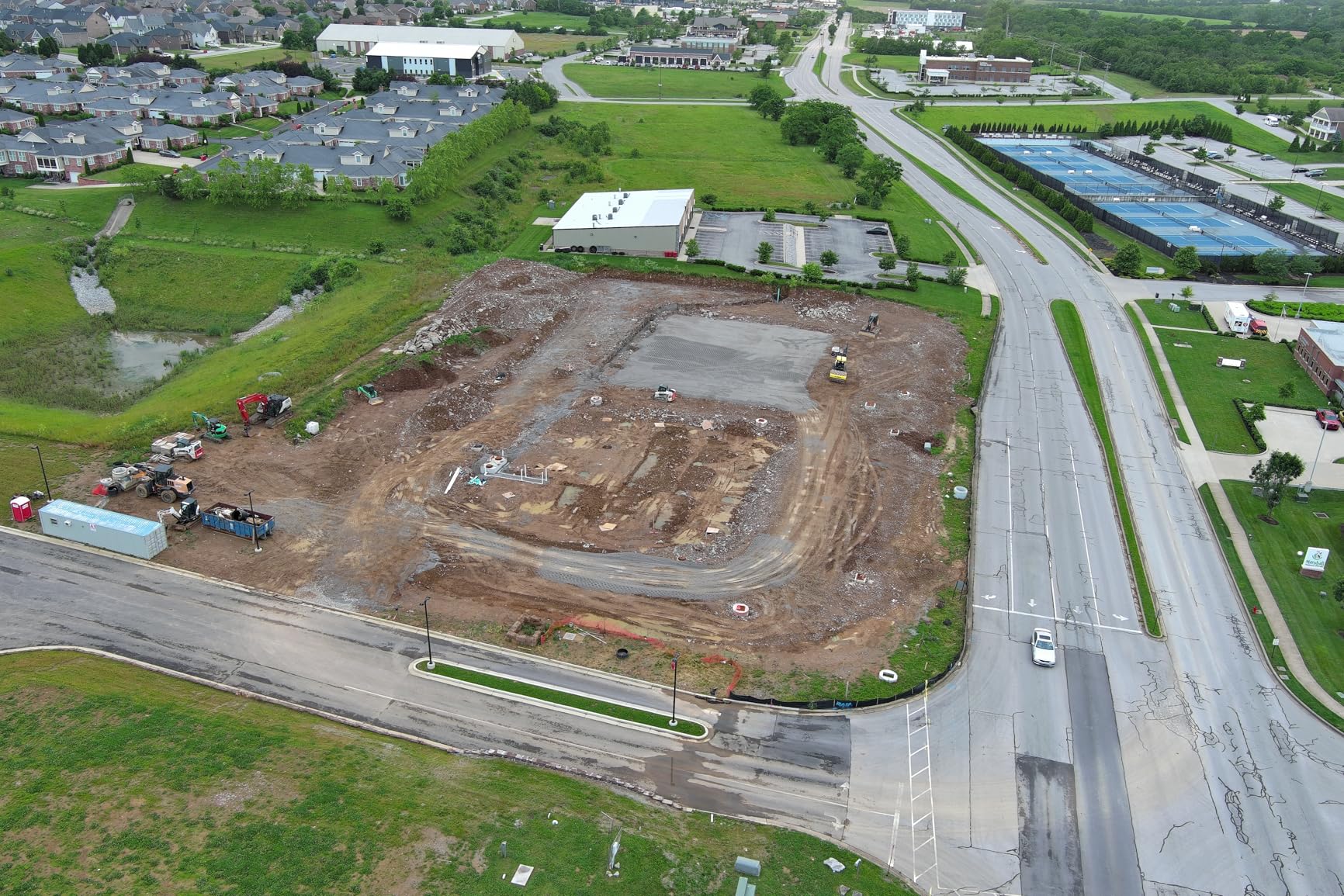
Not every public safety mission needs thermal. For accident reconstruction, crime scene mapping, and flood damage assessment, geospatial accuracy matters more than heat signatures. The EVO II PRO RTK V3 delivers centimeter-level positioning that can replace traditional total station work for many documentation tasks.
The RTK module provides 1 centimeter plus 1 part per million horizontal accuracy and 1.5 centimeter plus 1 ppm vertical accuracy. That is survey-grade data from a flying platform. Post-processed kinematics support gives you flexibility in how you collect and correct data. Best of all, you often do not need ground control points, which saves hours on scene.
The Sony 1-inch CMOS sensor records 6K/30fps HDR video and 20MP stills. Combined with the accurate positioning, that imagery becomes court-ready evidence. We found the mission planning tools intuitive, with waypoint, rectangle, polygon, and oblique photography modes all available from the controller.
Perfect for accident reconstruction and forensic documentation
Traffic homicide investigators and crime scene technicians should strongly consider this aircraft. It produces measurable, high-resolution maps and models in a fraction of the time required for manual documentation. Fifteen kilometers of transmission range and 38 minutes of flight time give you enough coverage for large collision scenes.
The caveat is software. Autel Mapper requires an NVIDIA graphics card with 3.0 or higher computing power for processing. Make sure your workstation is ready before purchase. If you only need visual documentation without survey accuracy, the standard EVO 2 PRO V3 is a less expensive alternative.
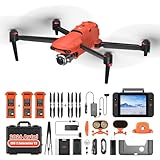
8. Autel Robotics EVO II PRO Enterprise V3 – Best Non-Thermal Enterprise Drone
Autel Robotics EVO II PRO Enterprise V3 With Spotlight/Loudspeaker/Strobe
1-inch CMOS 6K camera
Carbon fiber arms
42-minute flight time
15KM transmission
Pros
- Longest flight time in class
- Modular strobe
- spotlight
- loudspeaker
- 360-degree obstacle avoidance
- Carbon fiber durability
- Public safety applications
Cons
- Only 1 unit left in stock
- Limited review count
The EVO II PRO Enterprise V3 takes the excellent 1-inch CMOS imaging system and wraps it in a tougher carbon fiber frame. It is purpose-built for public safety, search and rescue, traffic supervision, and power inspection. Our team appreciated the 42-minute flight time, which is among the longest in this roundup.
The 6K/30fps video and 20MP stills capture excellent detail, especially in low light thanks to Autel’s Moonlight Algorithm 2.0. The enterprise accessory suite adds a strobe, spotlight, and loudspeaker, making it useful for night operations and public announcements. Twelve visual sensors plus ultrasound and IMUs feed the 360-degree obstacle avoidance system.
Tri-band communication across 2.4GHz, 5.8GHz, and 900MHz helps maintain link quality in congested areas. The operating temperature range of minus 10 to 40 degrees Celsius covers most real-world public safety environments in the United States.
Best for agencies needing endurance and accessories without thermal
If your department already owns a thermal drone and wants a second aircraft for daylight overwatch, public announcements, and extended flight time, this is a strong candidate. It is also a good fit for traffic units that need high-quality video for incident documentation and scene management.
Availability is the main concern. Stock levels are low, and the limited review base means less community feedback to draw from. Work with an authorized Autel dealer to confirm lead times and service options.
9. DJI Mavic 4 Pro – Best DJI Drone for Public Safety Imaging
DJI Mavic 4 Pro Drone With DJI RC 2, Flagship Tri-Camera Drone
100MP Hasselblad camera
6K/60fps HDR video
51-minute flight time
30km transmission
Pros
- Exceptional image quality
- Tri-camera professional system
- Industry-leading 51-minute flight time
- O4+ 30km transmission
- 7-inch rotatable controller
Cons
- Heavier 2372g build
- No thermal camera
The DJI Mavic 4 Pro is the answer to the question we see in search results: what is the best DJI drone for law enforcement imaging? The 100MP Hasselblad camera with a 4/3 CMOS sensor produces the highest-resolution stills of any drone in this guide. For crime scene documentation, public information releases, and evidence collection, that resolution is a genuine advantage.
Video quality is equally impressive. The Mavic 4 Pro records 6K/60fps HDR with 10-bit color, giving forensic video editors plenty of grading room. The dual tele cameras provide professional zoom capabilities without swapping lenses. We also found the 360-degree Infinity Gimbal useful for dynamic camera movements during training demos and public events.
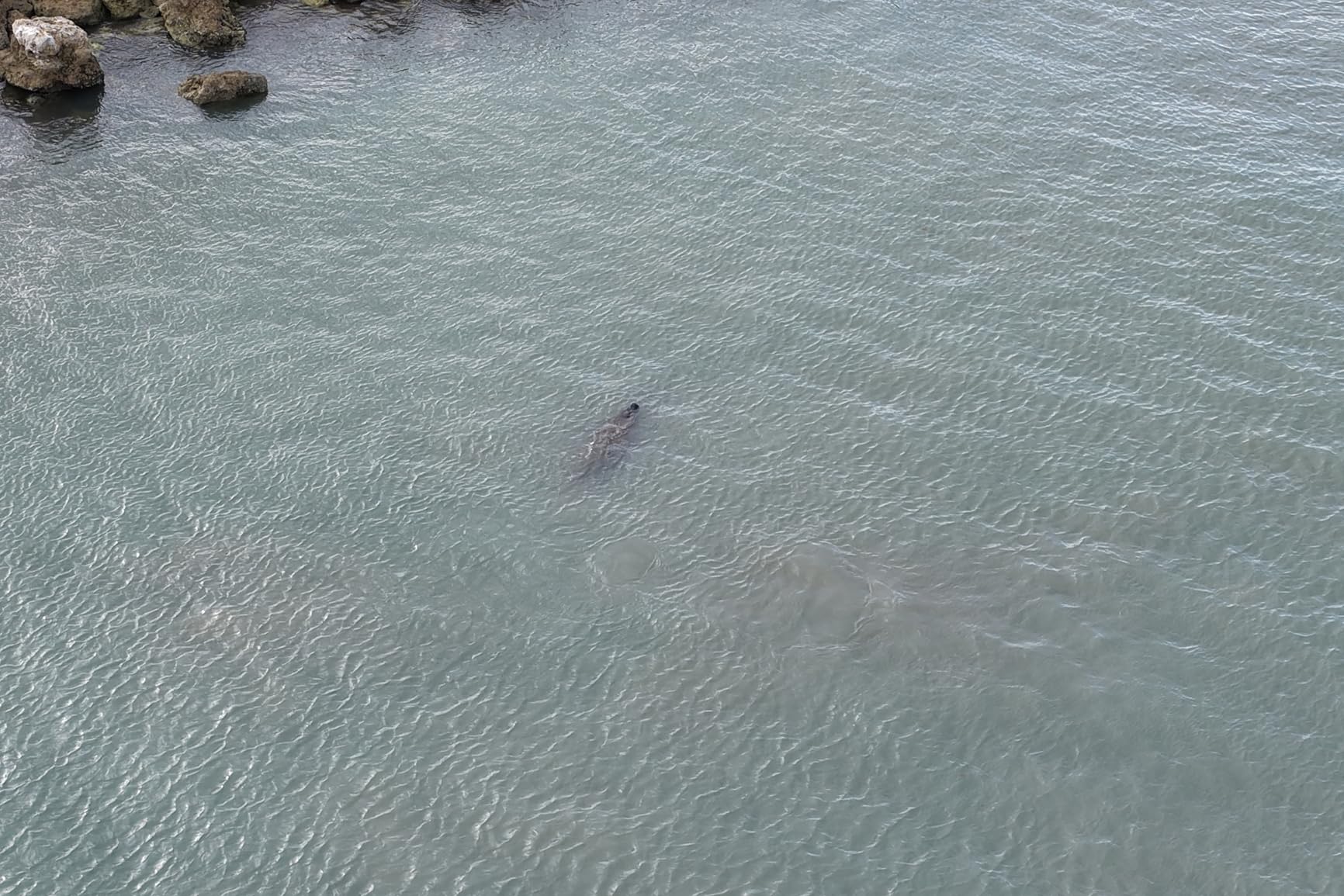
Flight performance is class-leading. Fifty-one minutes of flight time reduces the number of batteries you need to carry, and 30 kilometers of O4+ transmission gives you confidence even in rural operations. The 0.1-Lux Nightscape omnidirectional obstacle sensing helps during twilight flights.
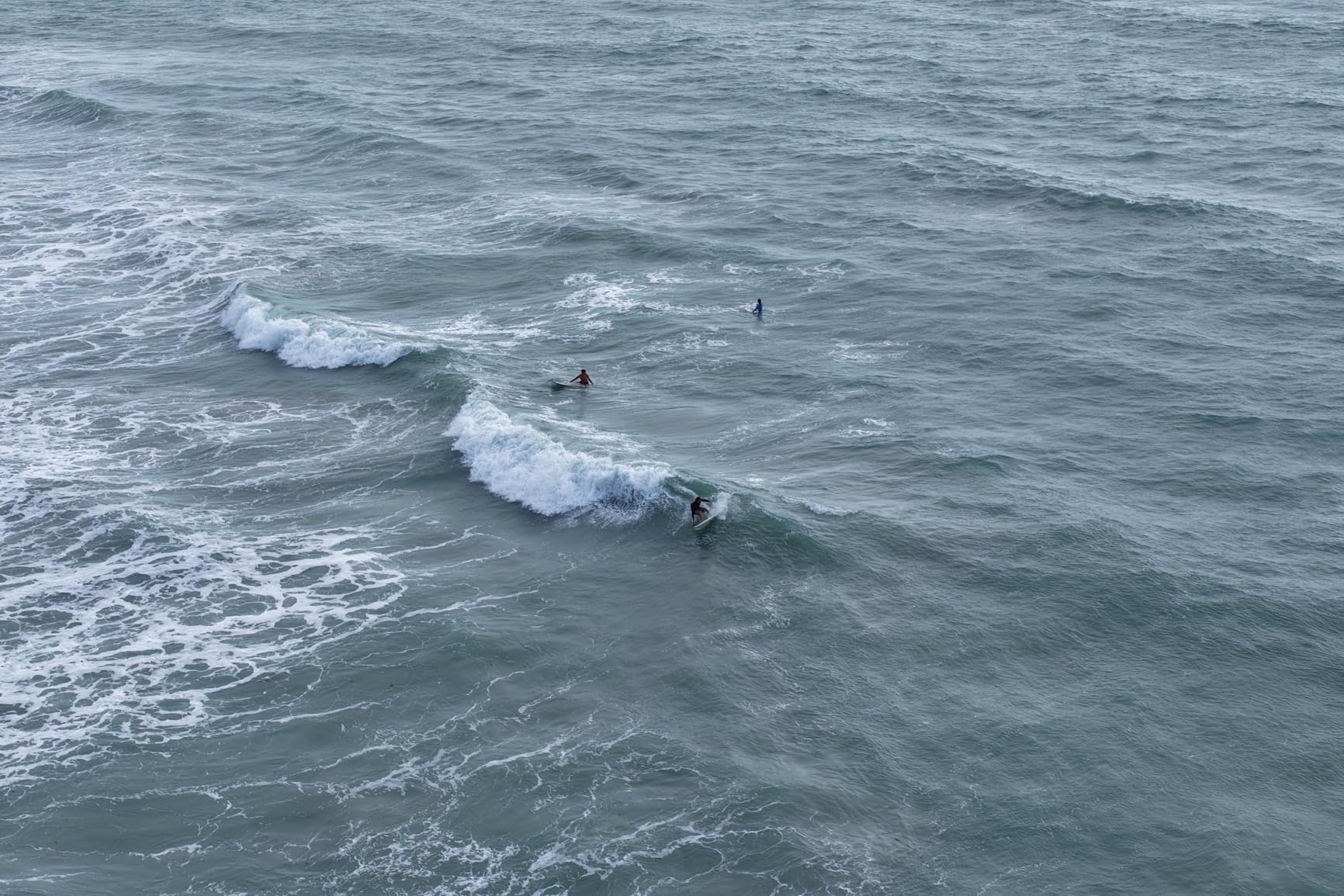
Best for departments prioritizing image quality and DJI ecosystem
Choose the Mavic 4 Pro if your public safety work centers on documentation, media relations, and daylight overwatch rather than thermal search. It is also a strong fit for agencies that already use DJI Enterprise products and want to stay within that workflow. The image quality will impress command staff and prosecutors alike.
Keep in mind the weight and the absence of thermal. At 2,372 grams, it is heavier than the Autel alternatives in this price range. If thermal is part of your mission set, pair this with a dedicated thermal drone or choose one of the dual-sensor Autel models instead.
10. Autel Robotics EVO 2 PRO V3 – Best Budget Public Safety Drone
Autel Robotics EVO 2 PRO V3, Son-y 1″ CMOS & 12-Bit Image, 6K HDR Video
Sony 1-inch CMOS 6K camera
12-bit DNG photos
40-minute flight time
15KM transmission
Pros
- 248+ customer reviews
- No geofencing restrictions
- All skill levels supported
- Excellent low-light performance
- 360-degree obstacle avoidance
Cons
- No thermal camera
- Battery charging quirks
The EVO 2 PRO V3 is the most reviewed drone in this guide, with 248 customer ratings and an average above four and a half stars. That volume of feedback matters for public safety buyers who want confidence that the aircraft will hold up in daily use. Our team found the Sony 1-inch CMOS sensor and 6K video to be genuinely professional grade.
What makes this drone unique for public safety is the lack of geofencing restrictions. Unlike some competitors that lock flights near airports or other zones through software, Autel gives the operator full control. That is important for agencies that hold proper FAA authorizations and need their equipment to work when called upon.
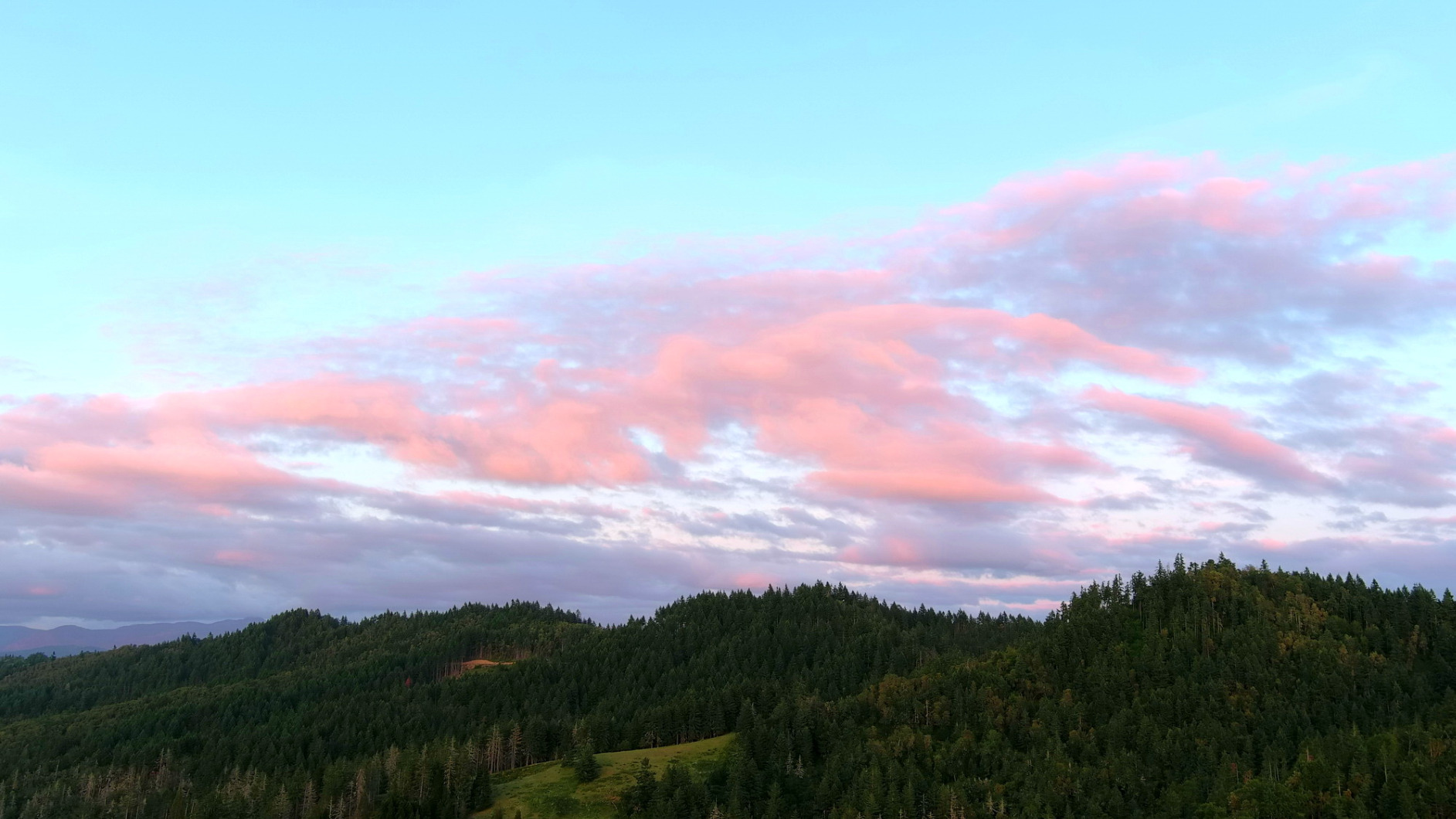
The 12-bit DNG files capture 68.6 billion colors, which is overkill for casual use but excellent for evidence photography. The adjustable f/2.8 to f/11 aperture and 3x optical zoom add creative and technical control. Forty minutes of flight time and 15KM of transmission round out a very capable package.
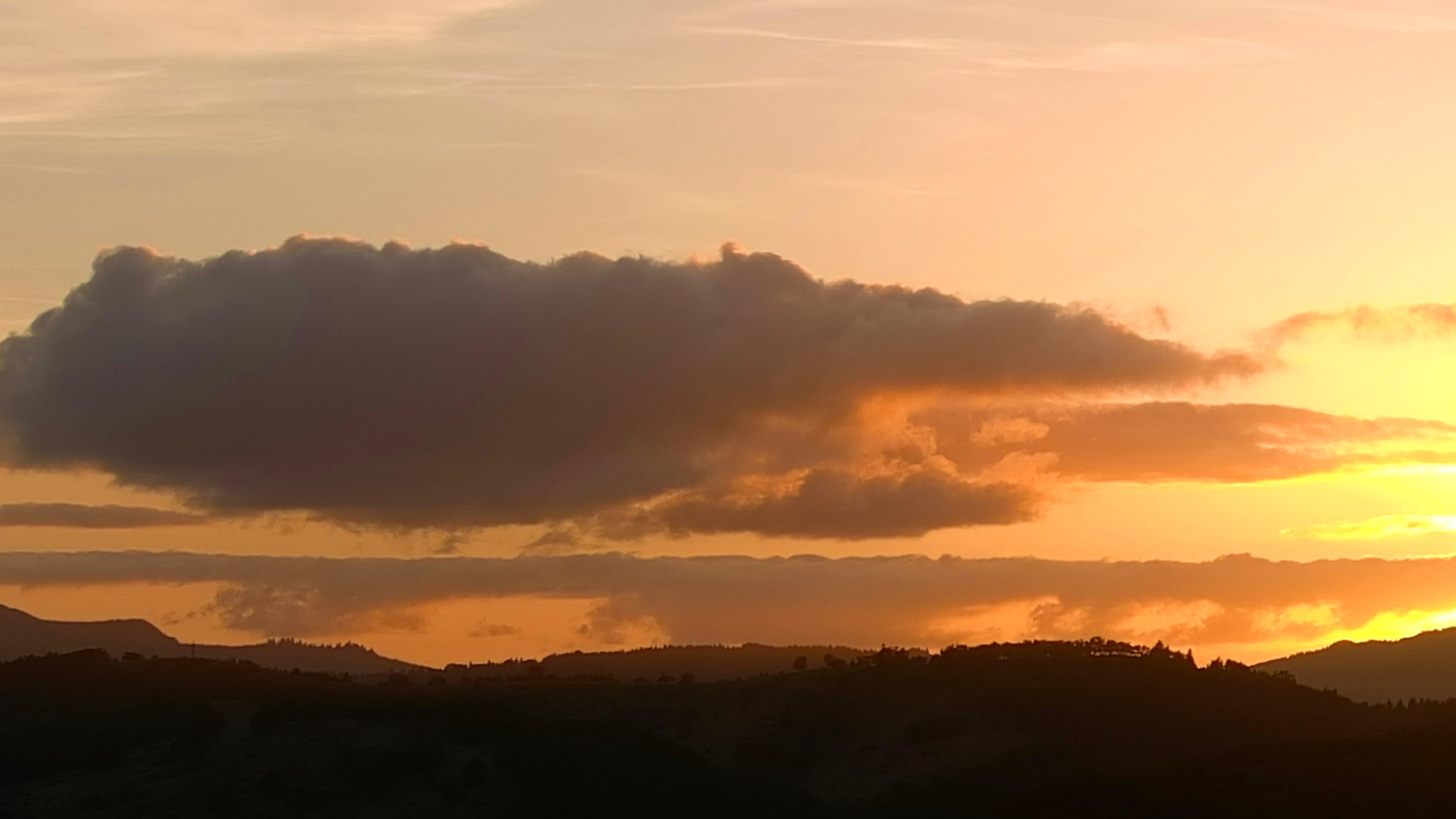
Ideal for small departments and first-time drone programs
This is the drone I would start with if my agency had never operated a drone before. It supports all skill levels, costs less than thermal alternatives, and still delivers professional imaging. Small police departments, rural fire districts, and campus security teams can build a program around it and upgrade later.
The downside is no thermal sensor. That limits search and rescue and night operations unless you add lighting or operate only in daylight. Some users also reported finicky battery charging, so we recommend buying extra batteries and a multi-charger from the start.
What to Look for in a Public Safety Drone?
Choosing the best drones for public safety means matching aircraft capabilities to mission demands. Here are the factors our team weighs before recommending any platform to a department.
Thermal imaging capability
Thermal cameras are the single most requested feature in forum discussions among public safety operators. They let you find missing persons in darkness, locate hotspots in structure fires, and detect suspects hiding in vegetation. Look for 640×512 resolution or higher and a frame rate of 30fps for smooth tracking. Lower-resolution sensors can work for basic tasks, but they make identification harder.
Flight time and battery strategy
Most public safety missions benefit from at least 35 minutes of flight time. That gives you enough margin to reach a scene, orbit, and return without constant battery swaps. We recommend budgeting for at least four batteries per aircraft and a multi-battery charger. In a real emergency, you do not want to wait an hour for a single battery to charge.
Transmission range and link reliability
Manufacturers advertise ranges from 12 to 30 kilometers, but real-world performance depends on terrain, buildings, and radio congestion. Tri-band radios and anti-jamming features help maintain the link in urban environments. For rural search and rescue, longer range and stronger penetration matter more than obstacle avoidance.
Weather resistance
Emergencies do not wait for perfect weather. An IP43 rating handles light rain and dust, while IP55 gives you more confidence in heavier precipitation. Look for sealed motors, gimbal protection, and operating temperature ranges that match your local climate.
NDAA compliance and Blue UAS
Federal agencies and departments using grant funding increasingly require NDAA-compliant or Blue UAS-listed drones. NDAA compliance means the aircraft avoids certain components from covered foreign entities. Blue UAS is a Defense Department clearinghouse list of approved platforms. If federal funding or interagency cooperation is part of your plan, verify these designations before purchasing.
Training and certification
Every public safety drone operation in the United States needs at least one pilot holding a Part 107 remote pilot certificate. Beyond that, agencies should develop standard operating procedures, night waiver procedures if needed, and maintenance logs. Some manufacturers offer training programs specifically for first responders. Factor that time into your launch plan.
Understanding Public Safety Drone Regulations
Regulatory compliance is not optional for government agencies. Getting it wrong can ground your program and create liability problems. Here is what you need to know.
Part 107 versus Certificate of Authorization
Most public safety flights operate under Part 107 of the FAA regulations. That requires a certified remote pilot, aircraft registration, and adherence to altitude, airspace, and visibility rules. However, some missions require exemptions from Part 107 limits. In those cases, a Certificate of Authorization, or COA, gives an agency broader permissions such as night flight, operations over people, or beyond visual line of sight.
Many departments run a hybrid model. Routine training and daylight scene documentation happen under Part 107. Complex tactical or emergency flights use a COA. Working with your agency’s legal advisor and aviation unit early will save headaches later.
Beyond Visual Line of Sight waivers
BVLOS operations let a drone fly beyond what the pilot can see with unaided vision. This is critical for drone as first responder programs where the aircraft responds to a 911 call automatically. Obtaining a BVLOS waiver requires robust detect-and-avoid systems, detailed operational manuals, and often coordination with air traffic control. It is achievable, but it is not a same-day process.
Data security and local data mode
Law enforcement agencies rightfully worry about where video evidence is stored and transmitted. Some manufacturers offer local data mode that prevents cloud uploads. Encrypted video links, onboard storage, and offline workflows help protect chain of custody. Ask vendors specifically about data handling before you buy.
FAQ
What is the best DJI drone for law enforcement?
The DJI Mavic 4 Pro is the strongest DJI option for law enforcement imaging in 2026, offering a 100MP Hasselblad camera, 6K/60fps HDR video, and 51-minute flight time. For departments that need thermal capability, the DJI Matrice 4TD provides a triple-lens array with thermal, wide, and tele cameras along with a laser range finder and IP55 weatherproofing.
Why did the U.S. ban DJI drones?
The U.S. has not issued a complete consumer ban on DJI drones, but federal agencies face restrictions under the National Defense Authorization Act and related procurement rules due to data security concerns tied to Chinese-made equipment. Several states and federal programs now require NDAA-compliant or Blue UAS-listed drones for government use.
What is an American made drone for public safety?
American-made public safety drones include options from Skydio, BRINC, and Teal Drones, many of which appear on the Blue UAS list. In this 2026 roundup, Autel drones are frequently chosen by agencies seeking alternatives to DJI, though buyers should verify current NDAA and Blue UAS status before purchasing.
What is the safest drone to fly?
Safety depends on pilot training, maintenance, and operational procedures rather than the drone alone. Aircraft with 360-degree obstacle avoidance, reliable transmission links, and strong wind resistance such as the DJI Matrice 4TD and Autel EVO MAX series reduce accident risk. All public safety flights should follow Part 107 or COA requirements and use trained certified pilots.
Final Thoughts on the Best Drones for Public Safety
The best drones for public safety depend on your mission, budget, and training capacity. The DJI Matrice 4TD leads for agencies that need one aircraft to do everything. The Autel EVO II Dual 640T V3 delivers the best thermal value with a large base of verified users. The Autel EVO 2 PRO V3 gives smaller departments a professional imaging platform without thermal complexity.
Whatever you choose, invest in pilot certification, standard operating procedures, and community transparency. A drone program succeeds when the aircraft, the operator, and the agency are all prepared. In 2026, public safety aviation is no longer a luxury for big cities. It is a practical tool that departments of every size can put to work protecting their communities.