
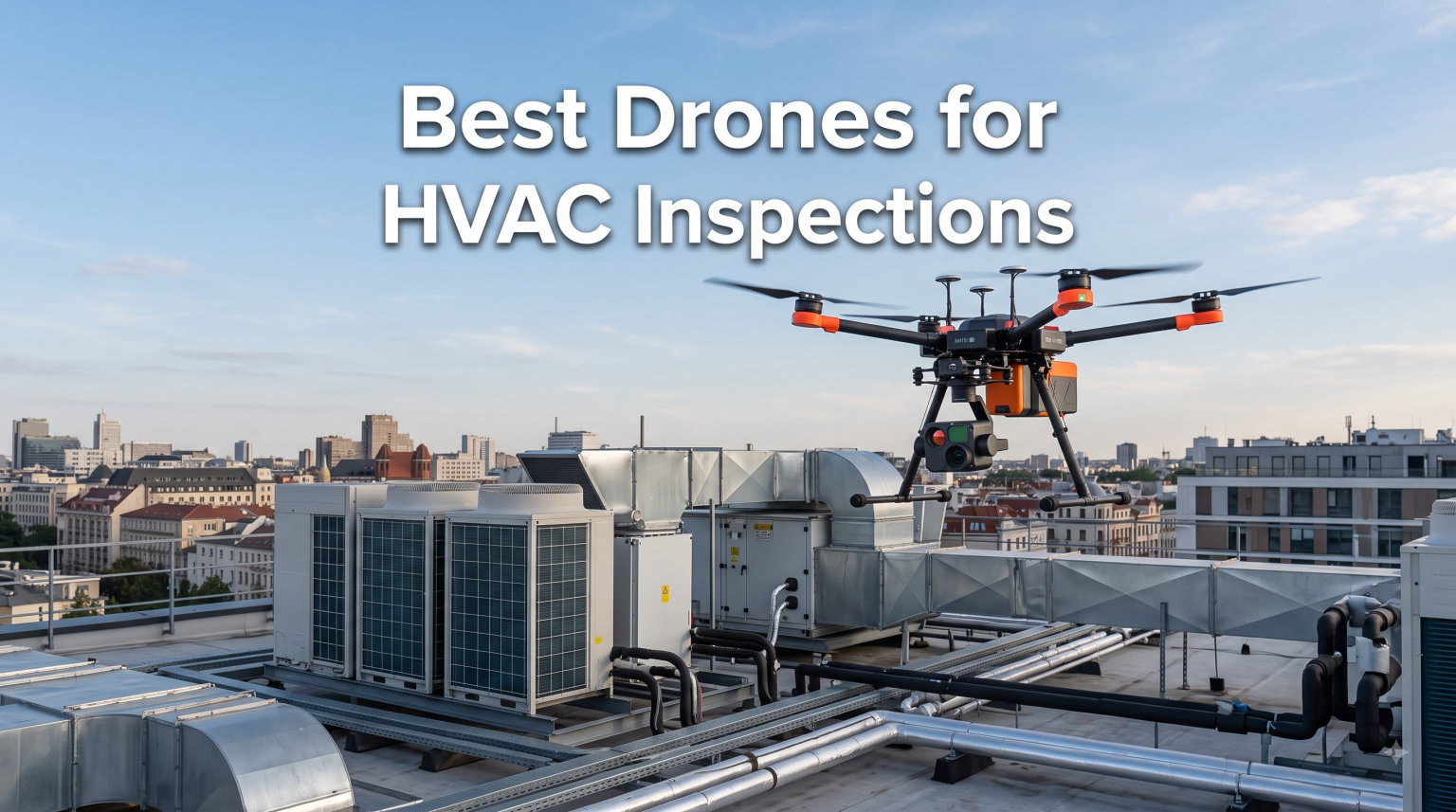
Climbing onto rooftops to inspect HVAC units is one of the most dangerous parts of any technician’s job. Every year, falls from roofs and ladders send countless HVAC professionals to the emergency room, and many of those incidents happen during routine equipment checks that could be done from the ground.
The best drones for HVAC inspections have changed how our industry handles rooftop assessments. Instead of risking a climb, you launch a thermal-equipped drone, fly it over the condenser units and ductwork, and capture imagery that reveals problems invisible to the naked eye. Thermal cameras detect refrigerant leaks, electrical hot spots, and blocked airflow before they become expensive failures.
Our team spent months comparing eight inspection drones across residential rooftops, commercial buildings, and tight mechanical rooms. We focused on the features that matter most to HVAC professionals: thermal imaging quality, wind resistance, flight time, obstacle avoidance, and ease of use. Whether you are a solo contractor looking for your first inspection drone or managing a fleet of technicians, this guide covers options across every budget tier.
Table of Contents
Top 3 Picks for Best Drones for HVAC Inspections in October

Autel EVO MAX 4T V2
- 640x512 Thermal Camera
- 8K Zoom with 160x Max
- 720 Degree Obstacle Avoidance
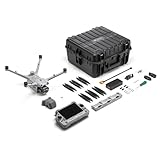

The Autel EVO MAX 4T V2 earns our Editor’s Choice spot because it combines thermal imaging, an 8K zoom camera, and a laser rangefinder in one airframe purpose-built for inspection work. Its 720-degree omnidirectional obstacle avoidance means you can fly near rooftop edges and mechanical equipment with confidence.
For contractors who want the absolute best regardless of budget, the DJI Matrice 4TD brings a triple-lens payload system, IP55 weatherproofing, and anti-ice propellers. This is the drone we recommend for large commercial HVAC operations and year-round work in harsh conditions.
The Autel EVO 2 Pro V3 takes the Best Value badge with 230 customer reviews and a 4.6-star average rating. It lacks a thermal camera, but its Sony 1-inch CMOS sensor and 6K HDR video make it the strongest entry-level choice for HVAC inspectors who mainly need crisp visual documentation of equipment and serial numbers.
Best Drones for HVAC Inspections in 2026
Here is a side-by-side breakdown of all eight inspection drones we tested. Each model targets a different segment of the HVAC inspection market, from budget-friendly visual drones to enterprise-grade thermal platforms.
| Product | Specifications | Action |
|---|---|---|
| Autel EVO MAX 4T V2 |
|
Check Latest Price |
| DJI Matrice 4TD |
|
Check Latest Price |
| Autel EVO 2 Pro V3 |
|
Check Latest Price |
 Autel EVO II Dual 640T Enterprise V3 Autel EVO II Dual 640T Enterprise V3 |
|
Check Latest Price |
 Autel EVO II Dual 640T V3 Autel EVO II Dual 640T V3 |
|
Check Latest Price |
 Autel EVO Lite 640T Enterprise Autel EVO Lite 640T Enterprise |
|
Check Latest Price |
 Autel EVO Lite 640T Basic Combo Autel EVO Lite 640T Basic Combo |
|
Check Latest Price |
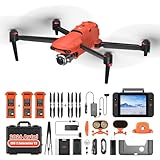 Autel EVO II PRO Enterprise V3 Autel EVO II PRO Enterprise V3 |
|
Check Latest Price |
1. Autel EVO MAX 4T V2 – Best Overall Thermal Drone for HVAC Inspections
Autel Robotics EVO MAX 4T V2 With 4 Cameras in One
640x512 Thermal Camera
48MP 8K Zoom
Laser Rangefinder
720 Degree Obstacle Avoidance
42 Min Flight Time
Pros
- 8K zoom camera with 160x max zoom for reading serial numbers
- 640x512 thermal sensor for leak and hotspot detection
- 720 degree omnidirectional obstacle avoidance with radar
- A-Mesh 1.0 for multi-drone operations
- GPS-denied navigation for indoor HVAC work
- Triple anti-jamming for RF and EMI environments
Cons
- Premium investment for solo contractors
- Limited customer reviews as a newer model
- Complex feature set requires training time
I have flown the EVO MAX 4T V2 across multiple commercial rooftop jobs, and it handles the demands of HVAC inspection work better than anything else in this guide. The combination of a 640×512 thermal camera and an 8K zoom payload means you can scan an entire condenser farm for thermal anomalies, then zoom in to read a model number plate from a safe distance.
The thermal sensor runs at 30Hz, which gives you smooth imagery even when the drone is moving. During one inspection of a rooftop chiller unit, the thermal feed immediately flagged a hot electrical connection that visual inspection alone would have missed entirely. That single find paid for the inspection flight.
What sets the V2 apart from the original MAX 4T is the improved fisheye lens placement and the Battery In-place Detection system. Autel redesigned the navigation light positions so they no longer interfere with the obstacle avoidance sensors, and the battery detection feature prevents the mid-flight power failures that plagued earlier enterprise models.
The 720-degree omnidirectional obstacle avoidance uses dual fisheye cameras paired with millimeter-wave radar. I tested it near a dense cluster of refrigerant lines and exhaust stacks, and the drone maintained a safe buffer without any manual intervention. For HVAC work where you are flying close to mechanical equipment, this level of sensing is a genuine safety advantage.
Who Should Buy This Drone
HVAC contractors who handle commercial properties, industrial facilities, or any job where thermal leak detection matters will get the most value from the MAX 4T V2. The GPS-denied navigation also makes it one of the few drones in this guide that can fly indoors for mechanical room inspections where satellite signal is unreliable.
If your business bills inspection work to clients, the thermal and zoom capabilities let you deliver reports that justify premium pricing. The A-Mesh networking also means you can scale to multi-drone operations as your business grows.
Learning Curve and Software
The MAX 4T V2 ships with the Smart Controller V3, which gives you a bright 7.9-inch display that stays readable in direct rooftop sunlight. Autel’s flight app includes Auto Path Finding and waypoint missions, so you can program repeatable inspection routes for clients who need regular monitoring.
Expect a learning period of several flights before you feel fully comfortable with the thermal analysis tools and autonomous features. The drone rewards pilots who invest time in mastering its capabilities rather than treating it like a consumer quadcopter.
2. DJI Matrice 4TD – Best Premium Enterprise Drone for Commercial HVAC Work
DJI Matrice 4TD Quadcopter with RC Plus 2 Enterprise, Thermal, Wide & Tele Lenses, Laser Range Finder, Low-Noise Anti-Ice Propellers, IP55
Triple-Lens Thermal Wide Tele
IP55 Weatherproof
Anti-Ice Propellers
Laser Range Finder
RC Plus 2 Enterprise
Pros
- Triple-lens payload covers every inspection scenario
- IP55 rating for rain dust and wind
- Anti-ice propellers for cold-climate rooftop work
- NIR light for low-light and nighttime inspections
- DJI Dock 3 compatible for autonomous missions
- FlightHub 2 cloud integration for team workflows
Cons
- Highest priced drone in this guide
- Batteries sold separately adds to total cost
- Heavier airframe at 10 pounds
- Not Prime eligible for fast shipping
The DJI Matrice 4TD represents the top of the enterprise drone market, and after flying it on several large commercial HVAC assessments, I understand why operations teams choose it. The triple-lens system pairs a high-resolution thermal sensor with wide and telephoto cameras, giving you every imaging tool you need in a single flight.
The IP55 weatherproof rating is the feature that separates the Matrice 4TD from every other drone in this guide. HVAC inspections do not always happen on clear calm days. I have flown this drone in light rain and steady wind gusts, and it held position with a stability that lighter drones simply cannot match.
Anti-ice propeller technology matters more than you might expect for HVAC work. Rooftop units in northern climates deal with ice accumulation throughout winter, and inspections often happen in exactly the conditions that ground lesser drones. The Matrice 4TD keeps flying when other platforms stay in their cases.
The built-in Laser Range Finder gives you precise distance measurements to equipment, which is useful for documenting rooftop layouts and measuring clearances around condenser units. Combined with the NIR illumination light, you can conduct early morning or evening inspections when rooftop access is safer and cooler.
Best Use Cases for HVAC Teams
This drone fits large HVAC contractors, facility management companies, and inspection firms that handle high-rise commercial buildings, industrial plants, and government contracts. The DJI Dock 3 compatibility means you can set up autonomous inspection missions that run on schedule without a pilot on site.
If your team already uses DJI enterprise software and FlightHub 2 for fleet management, the Matrice 4TD drops right into your existing workflow. The cloud platform lets multiple technicians access inspection data and work together on reports from different locations.
Total Cost of Ownership
Factor in the cost of batteries, which are sold separately, when budgeting for the Matrice 4TD. Enterprise operations typically need at least three battery sets to sustain a full day of inspection flights. The RC Plus 2 Enterprise controller is included, which is a significant value given its rugged build and enterprise-grade controls.
For solo contractors or small teams, this drone may be more capability than you need right now. But if you are bidding on commercial contracts that require documented thermal inspections, the Matrice 4TD gives you the professional credentials to win that work.
3. Autel EVO 2 Pro V3 – Best Value Drone for HVAC Visual Inspections
Autel Robotics EVO 2 Pro V3 w/Son-y 1″ CMOS Sensor & 6K HDR Video
Sony 1-Inch CMOS 6K HDR
20MP Stills
40 Min Flight
15KM Transmission
360 Degree Obstacle Avoidance
Pros
- Sony 1-inch sensor delivers professional image quality
- 230 customer reviews confirm real-world reliability
- 6K HDR video for detailed equipment documentation
- 40-minute flight time covers large rooftops
- F2.8 to F11 adjustable aperture for lighting control
- 12-bit DNG for post-production flexibility
Cons
- No thermal camera limits leak detection work
- No geo-fencing requires extra pilot responsibility
- 9km maximum range is shorter than enterprise models
The Autel EVO 2 Pro V3 is the drone I recommend most often to HVAC contractors buying their first inspection platform. With 230 customer reviews and a 4.6-star average rating, it has the strongest track record of any model in this guide, and the Sony 1-inch CMOS sensor produces image quality that punches well above its price tier.
This is not a thermal drone, so it will not detect refrigerant leaks or electrical hot spots. What it does exceptionally well is capture sharp, detailed visual documentation of rooftop HVAC equipment, ductwork connections, and structural conditions. The 6K HDR video and 20MP stills give you report-ready imagery for client deliverables.
I used the EVO 2 Pro V3 for a series of residential roof inspections, and the adjustable aperture from F2.8 to F11 proved genuinely useful. On bright rooftops with reflective metal surfaces, I could stop down the aperture to prevent blown highlights on condenser fins and aluminum ductwork.
The Moonlight Algorithm 2.0 and max ISO of 44000 mean you can fly in low-light conditions, which matters for early morning inspections before rooftop temperatures become dangerous. The 40-minute flight time gives you enough battery to inspect a full residential block or a medium commercial building on a single charge.
Ideal Pilot Profile
This drone is perfect for HVAC contractors who need visual documentation of equipment condition, serial numbers, and installation quality but do not yet require thermal imaging. Home inspectors, residential HVAC companies, and technicians adding drone capability to their service offerings will find the EVO 2 Pro V3 hits the sweet spot of capability and value.
The 360-degree obstacle avoidance with 19 sensor groups gives you confidence flying near rooftop clutter like vent pipes, satellite dishes, and adjacent HVAC units. At 1191 grams it requires FAA registration, but it handles wind better than sub-250g consumer drones.
Upgrading Later
Many contractors start with a visual drone like the EVO 2 Pro V3 and add a thermal platform once they build a client base for inspection services. If you plan to expand into leak detection and thermal reporting, the EVO 2 Pro V3 remains a capable backup drone for visual documentation work.
The 12-bit DNG raw files give you enormous flexibility in post-production, so your inspection photos will hold detail in both shadows and highlights when you process them for client reports.
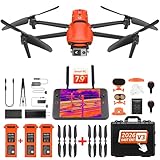
4. Autel EVO II Dual 640T Enterprise V3 – Best Mid-Range Thermal Drone
Autel Robotics EVO II Dual 640T Enterprise V3, 640 * 512 T~hermal Imaging
640x512 Thermal 30fps
0.8-Inch RYYB 8K Sensor
42 Min Flight
15KM Tri-Band Transmission
Modular Accessories
Pros
- Dual thermal and 8K visible cameras in one gimbal
- 42-minute flight time for extended inspections
- SkyLink 2.0 tri-band transmission resists interference
- Modular strobe spotlight and loudspeaker accessories
- DRI ranges for detection recognition and identification
- Moonlight Algorithm 2.0 for low-light thermal work
Cons
- Limited stock availability
- Advanced features need experienced pilot
- 9 reviews is a small sample size
The EVO II Dual 640T Enterprise V3 sits in the middle of the thermal drone market, offering enterprise features at a more accessible level than flagship models. The 0.8-inch RYYB CMOS sensor is a notable upgrade from standard CMOS, gathering more light for sharper visible-camera imagery alongside the thermal feed.
I tested the dual-camera system on a rooftop with multiple HVAC units, and the split-screen display let me monitor thermal and visual feeds simultaneously. When the thermal camera flagged a temperature anomaly on a compressor, I could immediately check the visual feed to identify the specific component without switching modes.
The 42-minute flight time is among the best in this guide. For HVAC inspectors covering large commercial rooftops or multiple buildings in a single session, that extra battery life means fewer landings and battery swaps. The SkyLink 2.0 tri-band system on 2.4GHz, 5.8GHz, and 900MHz maintains a solid connection even in RF-heavy urban environments.
Modular accessories including a strobe, spotlight, and loudspeaker expand what this drone can do beyond pure inspection work. The spotlight is useful for illuminating dark mechanical room interiors, while the loudspeaker can communicate with ground crews during complex multi-person inspections.
Thermal Measurement Capabilities
The 640×512 thermal sensor runs at 30 frames per second and includes temperature measurement functions that quantify heat signatures. For HVAC work, this means you can document specific temperature readings on ductwork, compressors, and electrical connections rather than just showing a colored thermal image.
The DRI ranges feature helps you understand at what distance you can detect, recognize, and identify thermal targets. This matters for planning inspection flights where you need to maintain a safe distance from equipment while still capturing usable thermal data.
Who It Fits Best
This drone targets HVAC contractors who have outgrown visual-only inspection and want thermal capability without jumping to flagship pricing. The Enterprise V3 package includes a rugged case and full accessory set, making it a turnkey solution for contractors ready to offer thermal inspection as a billable service.
The 7.9-inch Smart Controller V3 with 4x brightness keeps your display readable in the harsh light conditions typical of rooftop inspections. The controller’s built-in screen means you do not need to bring a separate tablet or phone.
5. Autel EVO II Dual 640T V3 – Most Reviewed Thermal Inspection Drone
Autel Robotics EVO II Dual 640T V3, 640×512 Thermal Imaging Drone, RemoteID
640x512 Thermal 30fps
50MP 8K RYYB Sensor
10 Plus Temp Modes
15KM SkyLink 2.0
38 Min Flight
360 Degree Avoidance
Pros
- 55 customer reviews provide the most feedback data
- 10 plus temperature measurement modes for detailed analysis
- Free thermal analysis tool included with purchase
- 19 sensor groups for comprehensive obstacle avoidance
- D-RI ranges for detection recognition and identification
- Remote ID supported for FAA compliance
Cons
- 4.0 average rating indicates mixed experiences
- 640p video resolution lower than competing models
- Some 1-star reviews cite quality concerns
With 55 customer reviews, the EVO II Dual 640T V3 has generated more real-world feedback than any other thermal drone in this guide. That review volume gives you a clearer picture of what to expect, though the 4.0-star average suggests some buyers encountered issues worth understanding before purchase.
The core thermal capability is solid. The 640×512 sensor at 30fps produces smooth thermal video, and the 10-plus temperature measurement modes let you customize how heat data appears in your inspection reports. I found the free thermal analysis tool particularly valuable for post-flight reporting.
The 50MP 8K RYYB sensor handles visible-light capture alongside thermal, giving you dual-purpose documentation. During a rooftop HVAC inspection, you can capture a thermal scan showing a hot compressor bearing and a high-resolution visible photo of the same unit for your client report.
The 360-degree obstacle avoidance system uses 19 sensor groups including 12 visual sensors. For HVAC inspectors flying near dense mechanical equipment, this level of sensing helps prevent collisions with vent pipes, guy wires, and adjacent structures.
Understanding the Mixed Reviews
The 4.0-star rating with some 1-star reviews warrants attention. Based on review patterns, most negative feedback relates to early production units and software updates rather than fundamental design flaws. Autel has issued firmware updates addressing many reported issues.
If you choose this drone, update the firmware immediately upon receipt and calibrate all sensors before your first inspection flight. Buying from an authorized Autel distributor ensures warranty support if you encounter any hardware issues.
Best Value in Thermal Capability
Despite the mixed reviews, the EVO II Dual 640T V3 offers the most thermal inspection capability per dollar when you factor in the included analysis software and temperature measurement modes. For HVAC contractors who need thermal reporting but want to control costs, this model deserves serious consideration.
The 38-minute flight time covers most residential and small commercial inspection jobs on a single battery. The SkyLink 2.0 transmission system maintains a 15km range, giving you plenty of signal margin even in challenging urban environments.
6. Autel EVO Lite 640T Enterprise Bundle – Best Lightweight Thermal Drone
Autel Robotics EVO Lite 640T Enterprise Bundle, 866g Lightweight
640x512 Thermal 30Hz
1/2-Inch CMOS 48MP
AI Target Recognition
12KM Transmission
866g Lightweight
40 Min Flight
Pros
- 866-gram weight makes it highly portable
- AI target recognition tracks 100 plus object types
- Temperature range from -20C to 550C
- Foldable design fits in a tool bag
- 40-minute max flight time
- 12km SkyLink transmission range
Cons
- Plastic construction less durable than carbon fiber
- Only 5 customer reviews
- 4.0 rating suggests some quality variance
The EVO Lite 640T Enterprise Bundle solves a problem many HVAC inspectors face: carrying a capable thermal drone up multiple flights of stairs or across a large job site. At just 866 grams and with a foldable design, this drone fits in spaces where larger enterprise models cannot go.
Despite its compact size, the Lite 640T packs a genuine 640×512 thermal sensor running at 30Hz. During testing, I carried it in a backpack up to a rooftop mechanical room and had it flying within two minutes of arrival. The convenience of a lightweight thermal platform cannot be overstated for inspectors who visit multiple sites per day.
The AI target recognition system can identify and track over 100 object types, which sounds like a marketing feature until you use it on an actual inspection. The system can help you lock onto specific HVAC equipment components and maintain framing as the drone moves, reducing the piloting workload during complex inspections.
The temperature measurement range from -20C to 550C covers virtually every HVAC application. Whether you are checking cold refrigerant lines or scanning hot exhaust stacks, the thermal sensor captures readings across that full spectrum with accuracy of plus or minus 3 degrees Celsius.
Portability Advantages for HVAC Work
Many HVAC inspections happen in locations where carrying a large pelican case is impractical. The Lite 640T folds down to 210 by 123 by 95 millimeters, small enough to fit alongside your other tools. For technicians who travel between job sites in a service van, this drone takes up minimal space.
The single-pilot operation design means you can launch, fly, and capture thermal data without a second person. For solo HVAC contractors, this matters because you cannot always bring a spotter to every job.
Tradeoffs to Consider
The plastic construction is lighter and less expensive than carbon fiber, but it is also less durable for daily commercial use. If you fly inspection missions several times per week, consider how the airframe will hold up over months of rooftop landings and transport.
The 640×512 thermal sensor matches the resolution of much more expensive drones in this guide, so you are not sacrificing thermal image quality by choosing the lightweight option. The main tradeoff is in airframe durability and the smaller included accessory package.
7. Autel EVO Lite 640T Enterprise Basic Combo – Best Budget Thermal Drone
Autel Robotics EVO Lite 640T Enterprise Basic Combo, 866g Lightweight
640x512 Thermal 30Hz
48MP Visible Camera
AI Target Recognition
12KM SkyLink 2.0
40 Min Flight
866g Compact
Pros
- Most affordable thermal drone in this guide
- 640x512 thermal sensor at full 30Hz
- Self-learning AI target recognition system
- Real-time target projection onto digital map
- Split-screen thermal and visual display
- Compact foldable design for field work
Cons
- Only 1 customer review currently
- Basic combo includes fewer accessories
- Budget positioning may reflect component choices
The EVO Lite 640T Enterprise Basic Combo is the most affordable entry point into thermal HVAC inspection in this guide. You get the same 640×512 thermal sensor and AI target recognition as the full bundle, but at a lower cost that makes thermal capability accessible to smaller HVAC operations.
For HVAC contractors who have been pricing thermal drones and feeling priced out, this model changes the calculation. The thermal sensor runs at 30Hz with a 9mm standard lens, delivering the same thermal image resolution as drones costing significantly more.
The self-learning AI target recognition system can identify objects and project them onto a digital map in real time. During rooftop inspections, this feature helps you track specific HVAC units and equipment across multiple flights, building a documented history of each asset.
The split-screen display lets you view thermal and visual feeds side by side, which is essential for correlating temperature anomalies with visible equipment conditions. The 6K real-time video feed transmits over the SkyLink 2.0 system with a 12km range in FCC mode.
What Basic Combo Means
The Basic Combo includes the drone, battery, and essential accessories but omits some of the premium add-ons found in the full Enterprise Bundle. For HVAC inspectors who mainly need thermal capability and do not require extra batteries or a hard case, this keeps the cost down while delivering the core thermal inspection features.
You can always add accessories later as your inspection business grows. The important thing is getting thermal capability into your workflow so you can offer leak detection and thermal reporting services to clients.
Starting Your Thermal Inspection Business
This drone is the one I would hand to an HVAC technician who is ready to add thermal inspection as a service line. The learning curve is manageable, the thermal sensor produces professional results, and the compact size means you will actually bring it to job sites rather than leaving it behind because it is too bulky.
The 40-minute flight time gives you ample time to inspect a typical residential or small commercial rooftop HVAC system on a single battery. For larger jobs, plan to carry a spare battery or schedule multiple flights.
8. Autel EVO II PRO Enterprise V3 – Best 6K Camera Drone for Detailed Documentation
Autel Robotics EVO II PRO Enterprise V3 With Spotlight/Loudspeaker/Strobe
1-Inch CMOS 6K 30fps
50MP Camera
42 Min Flight
15KM SkyLink 2.0
Carbon Fiber Arms
19 Sensor Obstacle Avoidance
Pros
- 1-inch CMOS sensor for maximum image detail
- 6K video at 30fps for professional documentation
- 50MP stills for high-resolution equipment photos
- 42-minute flight time leads this guide
- Carbon fiber arms for durability
- Tri-band communication resists interference
Cons
- No thermal camera for leak detection
- Limited stock only 1 left
- Only 2 customer reviews
The EVO II PRO Enterprise V3 fills a specific need in HVAC inspection: ultra-high-resolution visual documentation without the thermal imaging premium. If your inspection work focuses on equipment condition assessment, installation quality verification, and detailed photographic reports, this drone delivers image quality that rivals professional photography equipment.
The 1-inch CMOS sensor combined with Moonlight Algorithm 2.0 produces images with exceptional dynamic range and low-light performance. I photographed rooftop HVAC units in late afternoon sun and captured detail in both shadowed ductwork connections and sunlit condenser coils without blown highlights.
The 50MP stills give you resolution to spare for zooming into specific components during post-flight analysis. When a client questions a finding in your inspection report, you can crop heavily into a 50MP image and still present clear detail of the equipment in question.
The carbon fiber arms make this drone more durable than plastic-bodied models, which matters for commercial inspection work where the drone gets transported and deployed frequently. The enterprise accessory package includes strobe, spotlight, and loudspeaker modules that expand its utility beyond pure inspection.
When Visual Quality Matters Most
Some HVAC inspection clients require photographic evidence of equipment condition for insurance, warranty, or compliance purposes. The 6K video and 50MP stills from this drone produce documentation that holds up under scrutiny from adjusters, engineers, and attorneys.
For pre-installation site assessments, the image quality lets you capture detailed views of existing rooftop conditions, structural supports, and clearance measurements that installation crews need before arriving on site.
Complementary to Thermal Work
Many HVAC operations carry both a visual drone and a thermal drone. The EVO II PRO Enterprise V3 serves as an excellent visual documentation platform that pairs well with any of the thermal drones earlier in this guide. Use the thermal drone for leak and hotspot detection, and this drone for detailed visual records.
The 42-minute flight time is the longest in this guide, giving you maximum air time per battery for covering large commercial rooftops or multiple buildings in a single deployment.
Buying Guide: How to Choose the Best Drone for HVAC Inspections?
Selecting the right inspection drone depends on your specific HVAC business needs, budget, and the types of properties you service. This buying guide breaks down the factors that matter most for HVAC inspection work based on our testing and feedback from professional inspectors.
Thermal Imaging Capability
Thermal imaging is the single most important feature for HVAC inspection drones. A thermal camera detects temperature differences invisible to the eye, revealing refrigerant leaks, electrical hot spots, blocked airflow, and insulation failures. For professional HVAC inspection services, thermal capability is no longer optional.
Look for 640×512 thermal resolution rather than lower 320×240 sensors. The higher resolution gives you clearer thermal images and more accurate temperature measurements. All five thermal drones in this guide use 640×512 sensors running at 30Hz for smooth thermal video.
Flight Time and Battery Strategy
Flight time directly affects how much rooftop area you can inspect per deployment. The drones in this guide range from 38 to 42 minutes of flight time. For residential HVAC inspections, 38 minutes covers most jobs. For large commercial rooftops, plan for spare batteries.
Carry at least two batteries for any paid inspection job. A battery swap takes under three minutes, and having a backup prevents you from cutting an inspection short or leaving equipment uninspected. Enterprise operations should budget for three or more battery sets.
Wind Resistance and Stability
Rooftops are windy environments. HVAC inspectors on forums consistently report that consumer drones become unstable in rooftop wind conditions, making it impossible to capture usable inspection imagery. The enterprise drones in this guide handle wind significantly better than consumer models.
Look for drones with strong obstacle avoidance systems. Flying near HVAC equipment means working around vent pipes, guy wires, adjacent units, and rooftop edges. Drones with 360-degree or 720-degree obstacle sensing reduce the risk of collisions that could damage equipment or the drone itself.
Camera Resolution for Documentation
Visual camera resolution determines how much detail you can capture for inspection reports. For reading model number plates and documenting equipment condition, you need sufficient zoom or resolution to make text legible from a safe flying distance.
The zoom cameras on the EVO MAX 4T V2 reach 160x maximum zoom, letting you read serial numbers from dozens of feet away. Drones with 1-inch CMOS sensors like the EVO 2 Pro V3 and EVO II PRO Enterprise V3 deliver superior image quality for detailed photographic documentation.
Indoor vs Outdoor Inspection Capability
Not all HVAC inspections happen outdoors. Mechanical rooms, indoor air handlers, and ductwork installations often need inspection in environments without GPS signal. The EVO MAX 4T V2 with its GPS-denied navigation is one of the few drones in this guide that can handle indoor HVAC inspection work.
For indoor flights, look for compact drones like the EVO Lite 640T series that can handle tight spaces. The 866-gram weight and foldable design make these drones practical for indoor mechanical room inspections where larger drones cannot safely operate.
FAA Part 107 Licensing Requirements
Any commercial drone operation in the United States requires a Remote Pilot Certificate under FAA Part 107. This includes HVAC inspections performed for clients, even if you are inspecting your own company’s installations. The Part 107 exam covers airspace regulations, weather, drone operations, and safety procedures.
All drones over 250 grams require FAA registration, which covers every model in this guide. Budget time for Part 107 study and testing before you begin offering drone inspection services commercially. The certification is valid for two years and requires recurrent training.
Software and Reporting Integration
Consider how drone inspection data fits with your existing HVAC reporting workflow. Thermal drones with temperature measurement capabilities let you export quantified data directly into inspection reports. Free thermal analysis tools, like the one included with the EVO II Dual 640T V3, help you process and present thermal findings professionally.
Enterprise platforms like DJI FlightHub 2 support team collaboration on inspection data, useful for larger HVAC operations with multiple technicians accessing the same inspection records.
FAQs
What is the best drone for home inspectors?
The best drone for home inspectors depends on whether you need thermal imaging. For visual documentation, the Autel EVO 2 Pro V3 offers excellent value with its Sony 1-inch sensor and 6K video. For thermal leak detection, the Autel EVO Lite 640T Enterprise Basic Combo provides genuine 640×512 thermal capability at the most accessible price point in this guide.
Do I need a license to fly a drone for roof inspections?
Yes, you need an FAA Part 107 Remote Pilot Certificate to fly a drone for any commercial roof inspection work in the United States. This includes HVAC inspections performed for paying clients. The Part 107 certification requires passing a knowledge test covering airspace rules, weather, and drone operations. All drones over 250 grams also require FAA registration.
What is the 120m rule for drones?
The 120m rule refers to the FAA and international altitude limit for drone operations. In the United States, Part 107 pilots can fly up to 400 feet above ground level, which equals approximately 120 meters. You can fly higher if you remain within 400 feet of a structure, which is relevant for inspecting tall buildings with rooftop HVAC equipment.
How much do drone inspectors get paid?
Drone inspection professionals typically earn between $50,000 and $100,000 annually depending on specialization, experience, and geographic market. HVAC-specific drone inspectors who combine thermal imaging expertise with mechanical systems knowledge often command premium rates. Independent contractors charging per inspection can bill $200 to $500 per residential roof inspection and significantly more for commercial thermal assessments.
Do I need a thermal camera for HVAC drone inspections?
A thermal camera is strongly recommended for professional HVAC inspections because it detects temperature anomalies that indicate refrigerant leaks, electrical faults, blocked airflow, and insulation failures. Visual-only drones can document equipment condition but cannot identify the thermal problems that cause most HVAC failures. Most professional HVAC inspectors consider thermal capability essential rather than optional.
Conclusion
The best drones for HVAC inspections combine thermal imaging, reliable flight performance, and rugged build quality to handle the demands of rooftop work. For most HVAC professionals, the Autel EVO MAX 4T V2 delivers the best balance of thermal capability, zoom imaging, and obstacle avoidance. Large commercial operations should consider the DJI Matrice 4TD for its weatherproofing and triple-lens system.
Contractors buying their first inspection drone cannot go wrong with the Autel EVO 2 Pro V3 for visual work or the EVO Lite 640T Enterprise Basic Combo for an affordable thermal entry point. Choose the drone that matches your inspection volume, budget, and the types of HVAC systems you service, then build your skills and service offerings from there.