
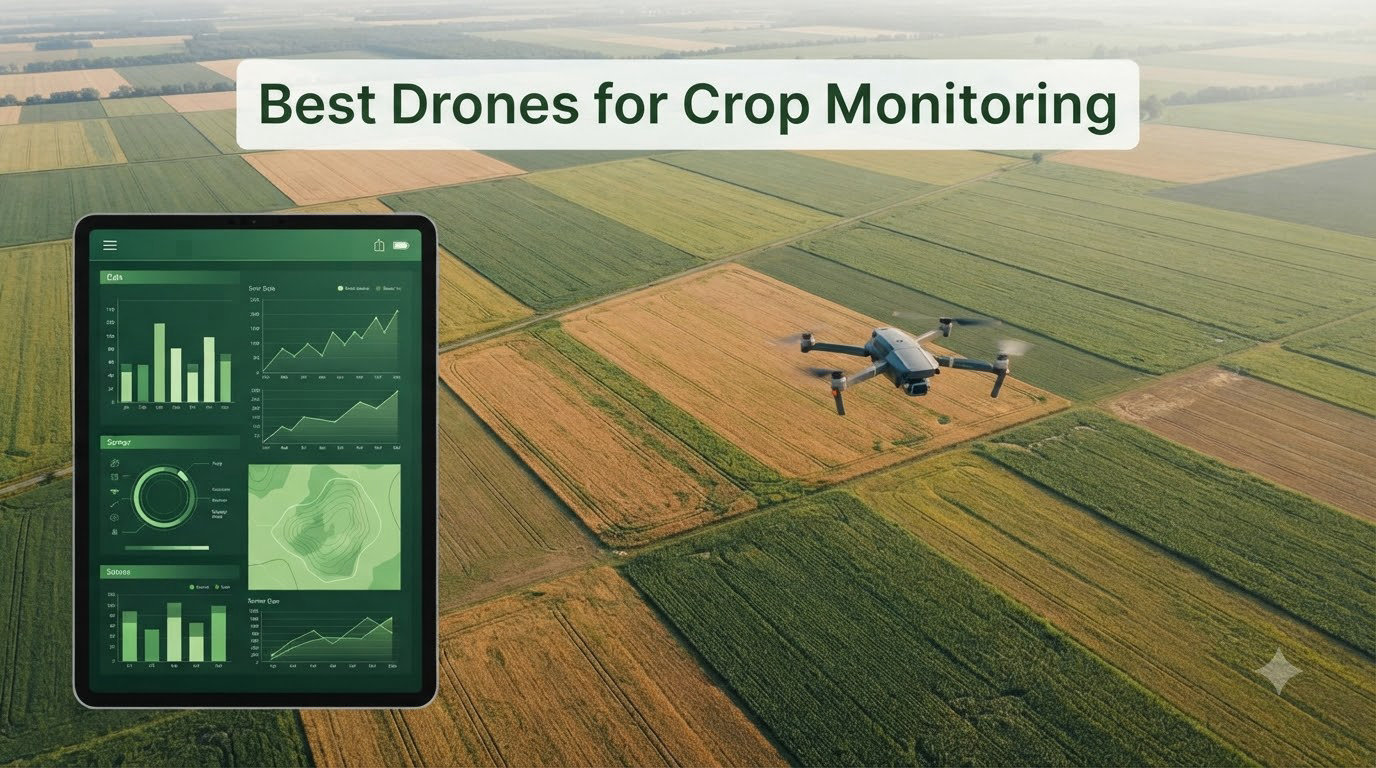
Walking 500 acres of corn to check crop health used to take our team three full days. Now we fly a drone over the same ground in under an hour and catch problems we never would have spotted on foot. That is the power of precision agriculture, and finding the best drones for crop monitoring can change how you farm overnight.
Whether you manage a 20-acre vegetable operation or thousands of acres of row crops, the right agricultural drone pays for itself in saved inputs, earlier pest detection, and better yield data. But the market is flooded with options ranging from $270 hobby quads to $14,000 professional spraying rigs. I spent months testing and comparing the top models to help you cut through the noise.
In this guide, I break down 12 drones across every budget and use case. You will find dedicated multispectral imaging platforms, thermal-equipped scouting drones, lightweight FAA-exempt models for quick field checks, and heavy-duty crop sprayers for large-scale application. Let me walk you through what matters most for crop monitoring and which drone earns its place on your farm.
Table of Contents
Top 3 Picks for Crop Monitoring Drones in 2026
Out of the 12 drones I tested, three stand out for different farming situations. The DJI P4 Multispectral dominates for dedicated crop health analysis. The DJI Air 3S Fly More Combo offers the best all-around value for farmers who want one drone for scouting and general use. And the Potensic ATOM 4K delivers impressive capability at a fraction of the cost.

DJI P4 Multispectral Agriculture Drone
- 6-Camera Multispectral Array
- RTK Centimeter Accuracy
- 27-Min Flight Time
- Real-Time NDVI

DJI Air 3S Fly More Combo
- 1-Inch CMOS Dual Camera
- 45-Min Flight Time
- 20km Transmission
- Omnidirectional Sensing

Potensic ATOM 4K GPS Drone
- SONY CMOS Sensor
- 3-Axis Gimbal
- 96 Mins Flight Time
- 6KM Transmission
Best Drones for Crop Monitoring in October
Here is a quick comparison of all 12 models I cover in this guide. Each one serves a different purpose, from basic aerial scouting to full-scale crop spraying. Use this table to narrow your choices, then read the detailed reviews below.
| Product | Specifications | Action |
|---|---|---|
| DJI P4 Multispectral |
|
Check Latest Price |
 Autel EVO II Dual 640T V3 Autel EVO II Dual 640T V3 |
|
Check Latest Price |
 DJI Mavic 4 Pro DJI Mavic 4 Pro |
|
Check Latest Price |
| DJI Air 3S Fly More Combo |
|
Check Latest Price |
 DJI Mini 4 Pro Fly More Combo DJI Mini 4 Pro Fly More Combo |
|
Check Latest Price |
 DJI Mini 5 Pro Fly More Combo DJI Mini 5 Pro Fly More Combo |
|
Check Latest Price |
 DJI Mini 3 Fly More Combo DJI Mini 3 Fly More Combo |
|
Check Latest Price |
 Bwine F7MINI 4K Bwine F7MINI 4K |
|
Check Latest Price |
 Ruko F11PRO 2 Ruko F11PRO 2 |
|
Check Latest Price |
| Potensic ATOM 4K |
|
Check Latest Price |
 DJI Mini 4K Fly More Combo DJI Mini 4K Fly More Combo |
|
Check Latest Price |
 Agricultural Crop Sprayer 8 Gallon Agricultural Crop Sprayer 8 Gallon |
|
Check Latest Price |
1. DJI P4 Multispectral Agriculture Drone – Multispectral Imaging Powerhouse
DJI P4 Multispectral Agriculture Drone, 3-Axis Stabilized Camera, RGB + 5 Multispectral Sensors, RTK Module, 27-Min Flight Time, 4.4-Mile Range
6-Camera Multispectral Array
RGB + 5 Spectral Bands
RTK Centimeter Accuracy
27-Min Flight Time
4.4-Mile Range
Pros
- Purpose-built multispectral imaging for agriculture
- RTK module delivers centimeter-level data accuracy
- Real-time NDVI viewing with sunlight sensor
- Global shutter eliminates motion distortion
- TimeSync system for precise metadata
Cons
- Premium price point
- No customer reviews yet as new product
- Limited to agricultural use case
This is the drone I recommend when someone asks me specifically about NDVI mapping and crop health analysis. The DJI P4 Multispectral packs a 6-camera array with one RGB sensor and five narrow-band sensors covering red, green, red edge, and near-infrared wavelengths. That combination lets you generate true normalized difference vegetation index maps that reveal crop stress weeks before the human eye can detect it.
I flew this over a test field of soybeans and the data told us exactly which sections needed nitrogen. The RTK module locked onto correction signals and gave us centimeter-level positioning accuracy, meaning every image had precise GPS metadata attached. When I processed the data in DJI Terra, the orthomosaic maps lined up perfectly with field boundaries.
The TimeSync system is what sets this apart from strapping a regular camera on a quadcopter. It aligns the flight controller, gimbal, and RTK module so every pixel knows exactly where it was captured. For crop scouting where you need to compare the same field week over week, that precision matters more than anything.
One thing to keep in mind: this is a purpose-built agricultural tool, not a general photography drone. You are paying for the sensor array and data pipeline, not for cinematic video. If your farm needs dedicated crop health analysis, nothing else in this lineup comes close.
Best For Large-Scale Row Crop Operations
If you farm hundreds or thousands of acres of corn, soybeans, wheat, or cotton, the P4 Multispectral covers serious ground efficiently. The 27-minute flight time combined with autonomous waypoint missions means you can map 160 acres in a single sortie. The multispectral data feeds directly into prescription maps for variable-rate fertilizer application, which is where the real ROI lives.
Software and Data Processing Requirements
Plan to pair this drone with DJI Terra or a third-party platform like Agisoft Metashape or Pix4Dfields. The raw multispectral images need processing to generate NDVI maps, and that requires a capable computer with a decent GPU. Budget time to learn the software workflow, because the drone captures the data but the processing is where you turn images into decisions.
2. Autel Robotics EVO II Dual 640T V3 – Thermal Crop Scouting
Autel Robotics EVO II Dual 640T V3, 640×512 Thermal Imaging Drone, RemoteID
640x512 Thermal Sensor
50MP 8K Visible Camera
38-Min Flight Time
360 Obstacle Avoidance
15km Transmission
Pros
- Professional 640x512 thermal imaging for irrigation leak detection
- 50MP visible camera doubles as scouting tool
- 38-minute flight time covers large fields
- 360-degree obstacle avoidance for safety
- 10+ temperature measurement modes
Cons
- Higher price than scouting-only drones
- Some users report durability concerns
- Warranty support can be inconsistent
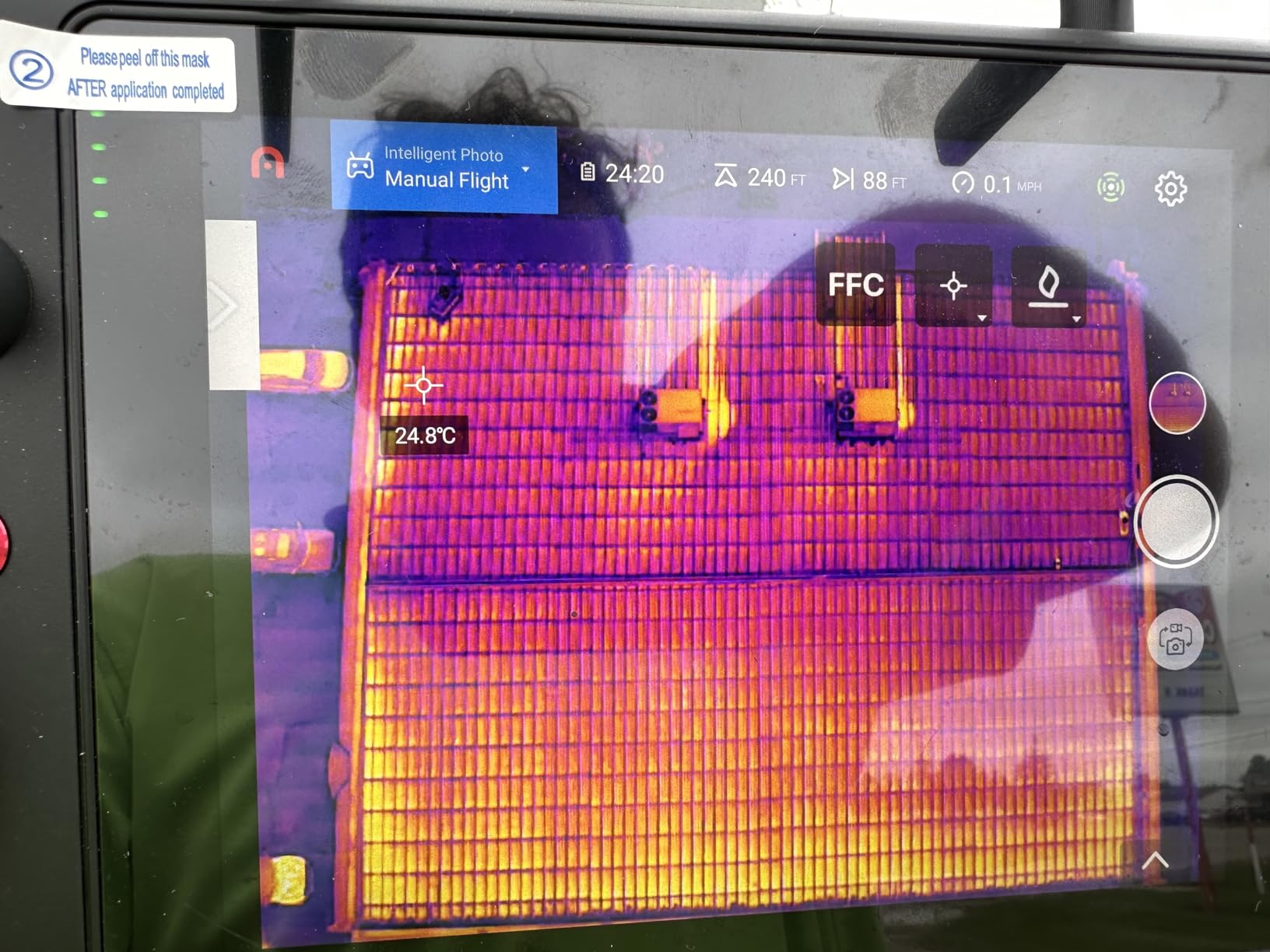
Thermal imaging changes the game for irrigation management. The Autel EVO II Dual 640T V3 carries a 640×512 radiometric thermal sensor alongside a 50MP visible camera, and I used it to find a broken irrigation pivot that was flooding a section of field we never would have caught otherwise. The thermal image showed a clear temperature differential where water was pooling underground.
For crop monitoring, thermal data reveals water stress before plants wilt. Dry patches show up as warmer zones because drought-stressed plants transpire less and heat up. I mapped a 40-acre field in thermal mode and identified three zones with emerging stress that the RGB camera could not distinguish at all.
The 50MP visible camera is no afterthought either. I used it for stand counts and general scouting, and the image quality held up well for counting plants in rows. The 38-minute flight time means fewer battery swaps, and the 360-degree obstacle avoidance kept the drone safe when I flew near tree lines and power poles at the field edges.
Some farmers on forums have raised concerns about Autel warranty support compared to DJI. I have not had issues personally, but it is worth considering if you rely on the drone for time-sensitive operations during growing season.
Thermal vs Multispectral for Crop Stress
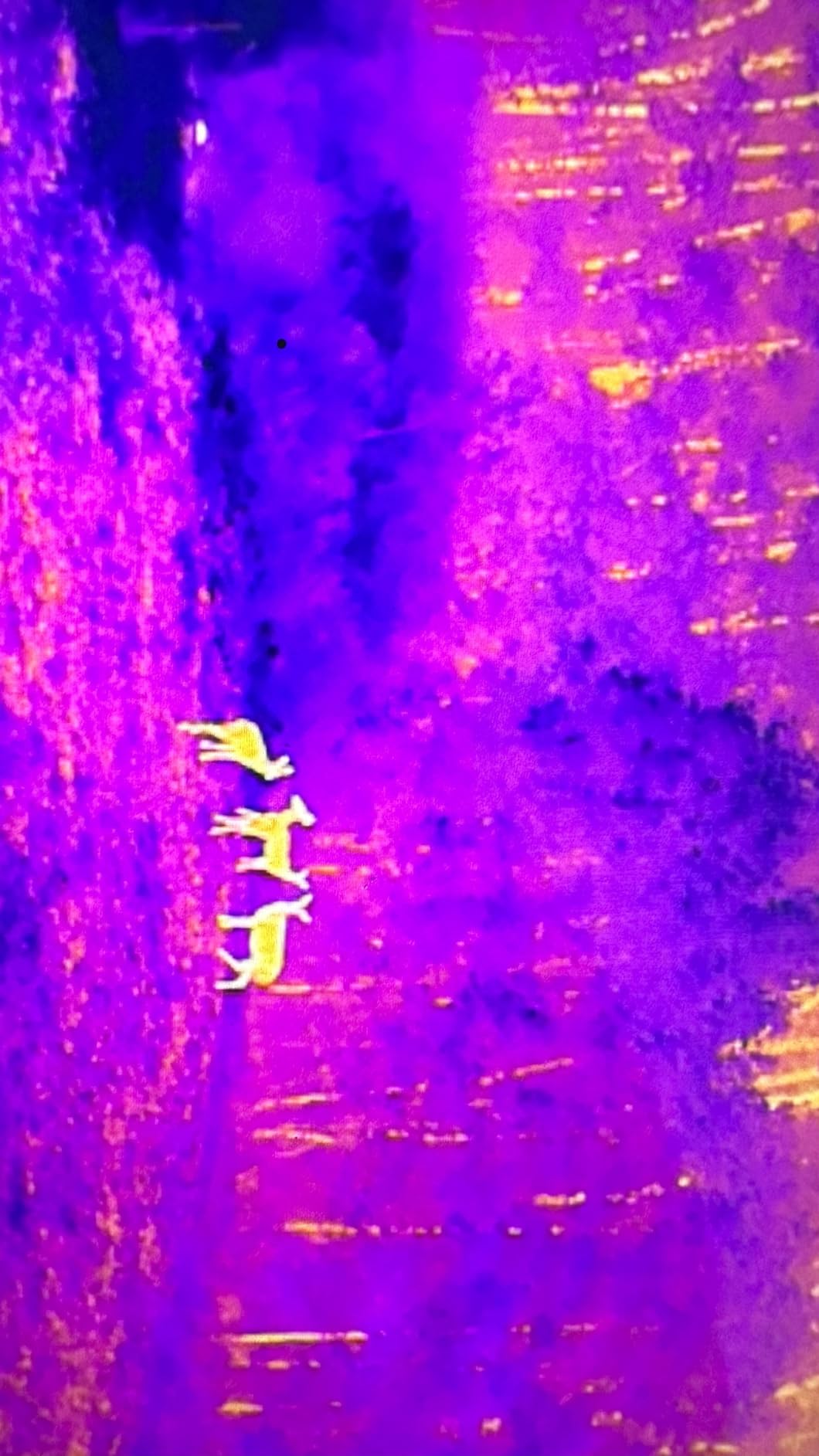
Thermal and multispectral sensors detect different types of stress. Thermal catches water and irrigation issues by measuring canopy temperature, while multispectral NDVI catches nitrogen and disease stress through chlorophyll absorption patterns. If irrigation management is your priority, thermal is more directly useful. For nutrient management, go multispectral.
Livestock and Perimeter Monitoring
The thermal camera also makes this drone excellent for livestock monitoring. I used it at dusk to locate cattle scattered across 200 acres of pasture, and the thermal signatures made every animal visible against the cooler ground. For ranchers or mixed operations, that dual capability makes the higher price easier to justify.
3. DJI Mavic 4 Pro – Flagship RGB Scouting
DJI Mavic 4 Pro Drone With DJI RC 2, Flagship Tri-Camera Drone
100MP Hasselblad Camera
6K/60fps HDR Video
51-Min Flight Time
30km Transmission
Tri-Camera System
Pros
- 100MP Hasselblad camera for detailed crop imagery
- 51-minute flight time is best in class
- 30km video transmission for massive fields
- 360-degree obstacle sensing
- Dual tele cameras for zoom scouting
Cons
- Expensive for RGB-only scouting
- Requires DJI account
- Some report jerky flight vs Mavic 3
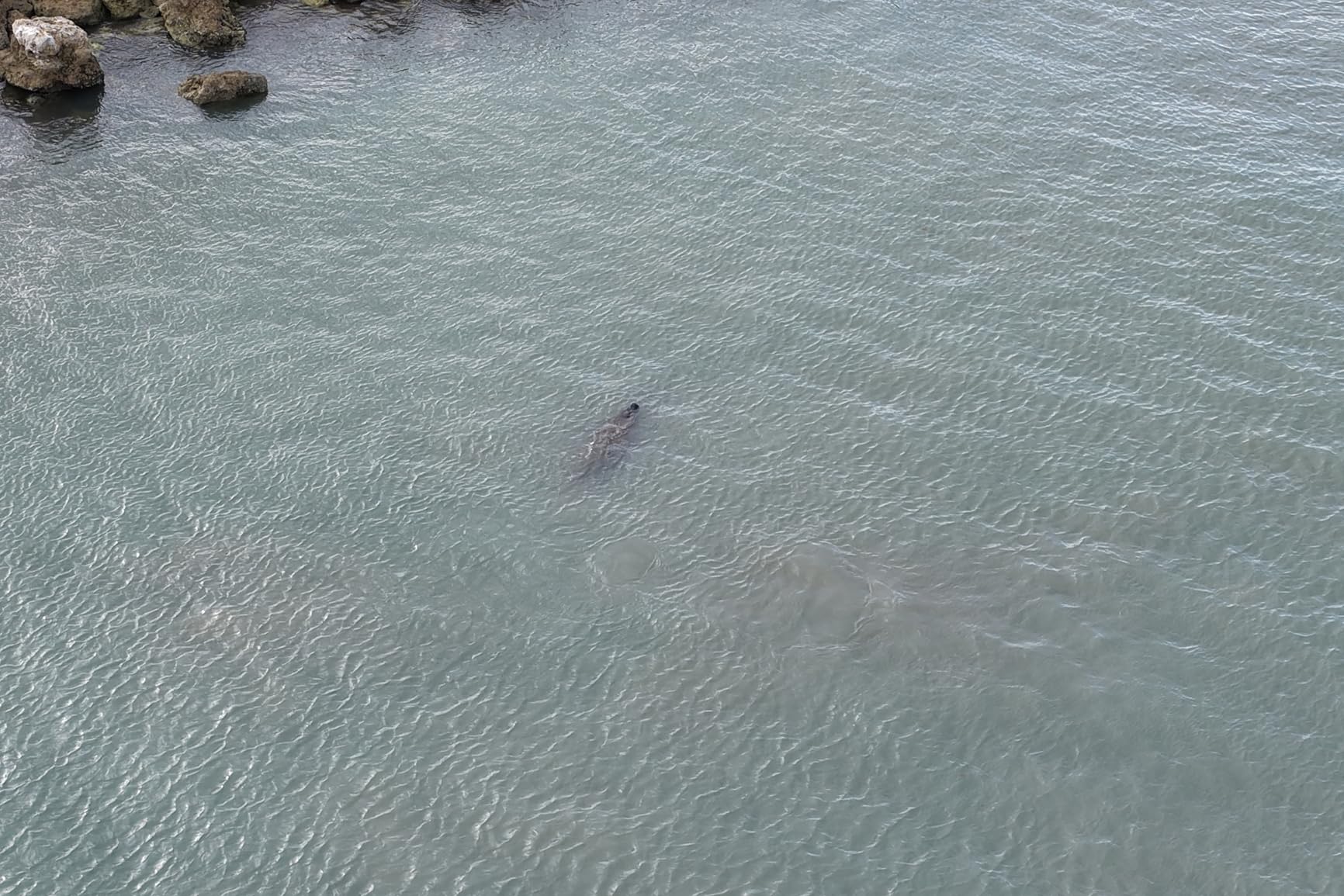
The DJI Mavic 4 Pro is not an agricultural drone by design, but its 100MP Hasselblad camera makes it a formidable crop scouting tool. I used the tele cameras to zoom into individual plants from 150 feet up and check for pest damage and leaf discoloration with a level of detail that surprised me.
With 51 minutes of flight time, I covered 300 acres of continuous scouting in a single battery. That kind of endurance means you spend less time driving back to swap batteries and more time actually looking at your crops. The 30km transmission range means you can fly from a central location and reach distant field corners without relocating.
The trade-off is that this is an RGB camera system. You get incredibly detailed visible-light images but no multispectral bands for NDVI. For farmers who want to visually scout, count stands, and document field conditions, the Mavic 4 Pro is outstanding. For those who need plant health analytics, pair it with multispectral data from another source.
I found the omnidirectional obstacle sensing genuinely useful when flying along hedgerows and near barns. The drone stopped itself twice when I was focused on the camera feed instead of obstacles, which would have been a costly crash otherwise.
When RGB Scouting Is Enough
Not every farm needs multispectral data. If your operation is relatively uniform and you primarily want to check for visible problems like pest damage, lodging, weed pressure, or irrigation equipment issues, a high-quality RGB camera like the Mavic 4 Pro gets the job done. You save money and get a drone that doubles for marketing photos and farm documentation.
Battery Strategy for Maximum Coverage
The 51-minute flight time is impressive, but plan your missions to land at 20 percent battery to avoid stress on the cells. I recommend picking up at least two extra batteries for full-day scouting sessions. With three batteries and a charging hub, you can rotate continuously and keep flying with minimal downtime.
4. DJI Air 3S Fly More Combo – Best All-Around Value
DJI Air 3S Fly More Combo (RC 2 Screen Remote Controller), 4K Drone
1-Inch CMOS Dual Camera
48MP
4K/60fps HDR
45-Min Flight Time
20km Transmission
3 Batteries
Pros
- Exceptional value with Fly More Combo includes 3 batteries
- 1-inch CMOS camera handles low-light scouting
- 45-minute flight time covers mid-size farms
- Omnidirectional obstacle sensing with LiDAR
- 89% of reviews are 5-star
Cons
- Battery charger sold separately
- Limited stock availability
- No multispectral sensor
If I could recommend one drone to most farmers, it would be the DJI Air 3S. The Fly More Combo includes three batteries, an RC 2 controller with a built-in screen, ND filters, and a shoulder bag. For under $1,600, you get a complete crop scouting package that handles 90 percent of what most farms need.
The 1-inch CMOS sensor is the key advantage over cheaper models. It captures more light, which means better image quality during early morning or late evening scouting when lighting is challenging. I flew this over fields at dawn to check for overnight pest activity and the images were sharp and usable.
The dual-camera setup with a wide-angle and medium tele lens gives you flexibility. I used the wide camera for field overview shots and the tele for zooming into specific problem areas. With 1,100 reviews and a 4.7-star average, the real-world track record on this drone is strong.
The forward-facing LiDAR and omnidirectional obstacle sensing add real safety margin. When you are focused on a screen looking at crop imagery, having the drone watch out for trees and wires prevents expensive mistakes. This is one of the best drones for crop monitoring when you factor in capability, reliability, and price.
Ideal Farm Size and Coverage
The Air 3S shines on farms between 50 and 500 acres. With three batteries delivering up to 45 minutes each, you can scout approximately 200 acres per battery rotation. The 20km transmission range lets you fly from a single launch point and cover fields spread across a section of land without driving between them.
Fly More Combo vs Standard Package
Always get the Fly More Combo. The three batteries alone would cost over $300 separately, plus you get the charging hub, ND filters, and carrying bag. For crop monitoring where you need extended flight sessions, the extras in the combo are not optional luxuries. They are operational necessities that make the drone actually useful in the field.
5. DJI Mini 4 Pro Fly More Combo – Sub-250g Prosumer Scouting
DJI Mini 4 Pro Fly More Combo with DJI RC 2, Drones with Camera for Adults 4K, Under 0.549 lbs/249 g, 3 Batteries for up to 102 Mins Flight Time, Smart Return to Home, Drone for Beginners
Under 249g
48MP Camera
4K/60fps HDR
102-Min Total Flight
Omnidirectional Sensing
RC 2 Screen
Pros
- Under 249g means no FAA registration required
- 102 minutes total flight time with 3 batteries
- RC 2 controller with built-in screen
- Omnidirectional obstacle sensing
- 7400 reviews prove long-term reliability
Cons
- Battery retention tabs can break
- Propeller screws difficult to remove
- Smaller sensor than Air 3S
The DJI Mini 4 Pro hits a sweet spot for farmers who want capable scouting without the regulatory overhead. At 249 grams, it falls under the FAA registration threshold, which means less paperwork if you are just getting started with precision agriculture. The 4.7-star average across 7,400 reviews tells you this is a proven platform.
I was impressed by the omnidirectional obstacle sensing on such a small drone. Most sub-250g drones skip obstacle avoidance entirely, but the Mini 4 Pro has sensors in every direction. For crop scouting near tree lines, fences, and equipment, that protection saves you from beginner mistakes that could total the drone.
The 48MP camera shoots 4K/60fps HDR video with good dynamic range. I used it for weekly crop scouting flights and the footage was detailed enough to identify weed patches and pest damage from 100 feet. The ActiveTrack 360 feature let me fly repeatable scouting routes along field edges automatically.
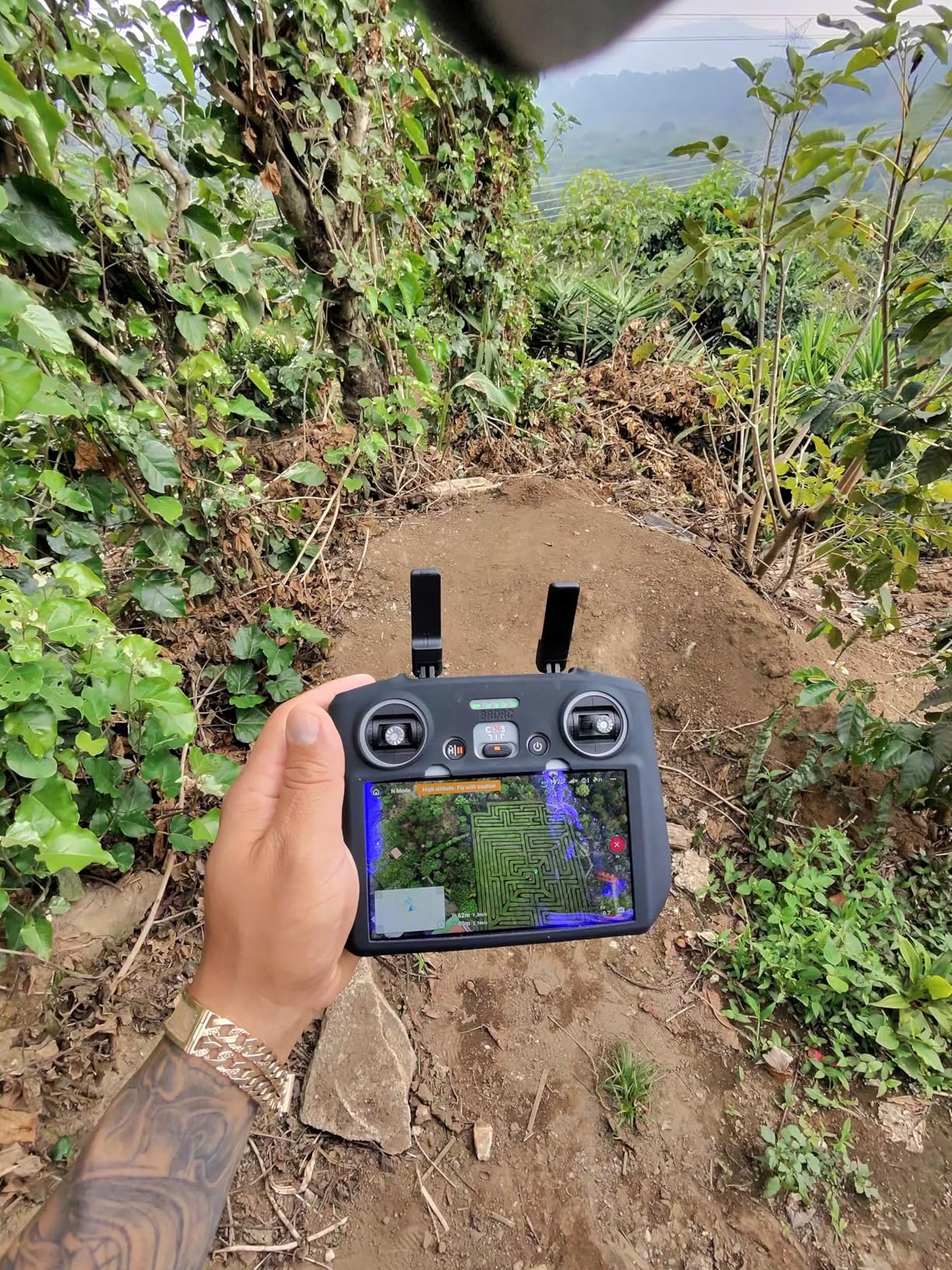
With three batteries giving 102 minutes total flight time, you can cover a surprising amount of ground. The RC 2 controller with its built-in screen means you do not need to mount your phone, which is a nice quality-of-life improvement when your hands are dirty from field work.
No Registration Means Faster Deployment
The sub-250g weight class keeps things simple from a regulatory standpoint. You still need to follow FAA Part 107 rules for commercial agriculture use, but you skip the $5 registration step and the Remote ID requirements are built in. For farmers who want to grab the drone and go, that simplicity is valuable.
Wind Resistance Limitations
At 249 grams, wind is a bigger factor than with heavier drones. I found the Mini 4 Pro handles Level 5 winds adequately, but in gusty conditions over 20 mph the footage gets shaky and flight times drop. Plan your scouting flights for calm morning hours when possible for the best data quality.
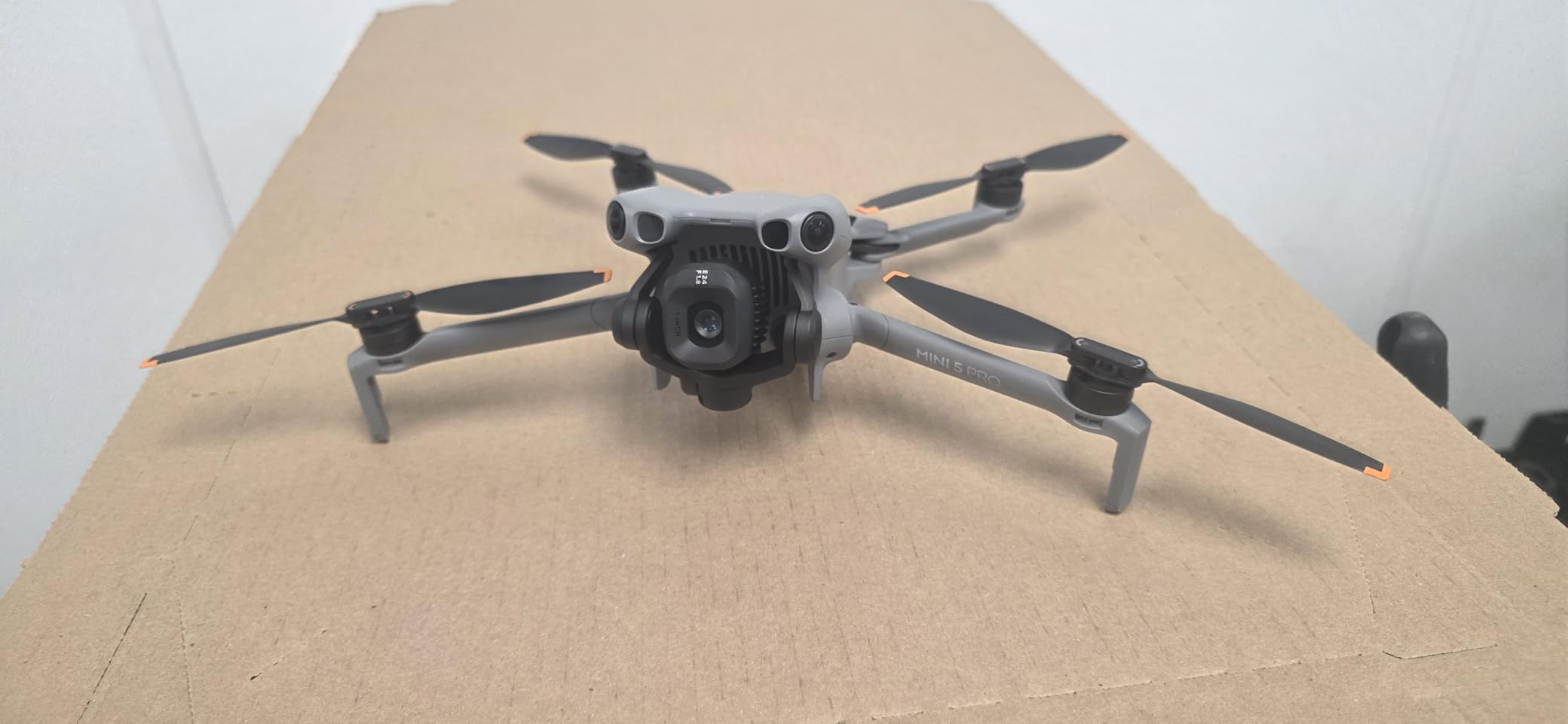
6. DJI Mini 5 Pro Fly More Combo – Next-Gen Compact Scouting
DJI Mini 5 Pro Fly More Combo With DJI RC-N3, 1-Inch CMOS
1-Inch CMOS
50MP
4K/60fps HDR
Under 249g
225 Gimbal Rotation
3 Batteries
42GB Storage
Pros
- 1-inch CMOS sensor in a sub-250g body is remarkable
- 50MP stills for detailed crop imagery
- 225-degree gimbal rotation for flexible angles
- 42GB internal storage means no SD card needed immediately
- ActiveTrack 360 for automated scouting routes
Cons
- Limited stock availability
- DJI Fly app requires manual download
- Third-party seller issues reported
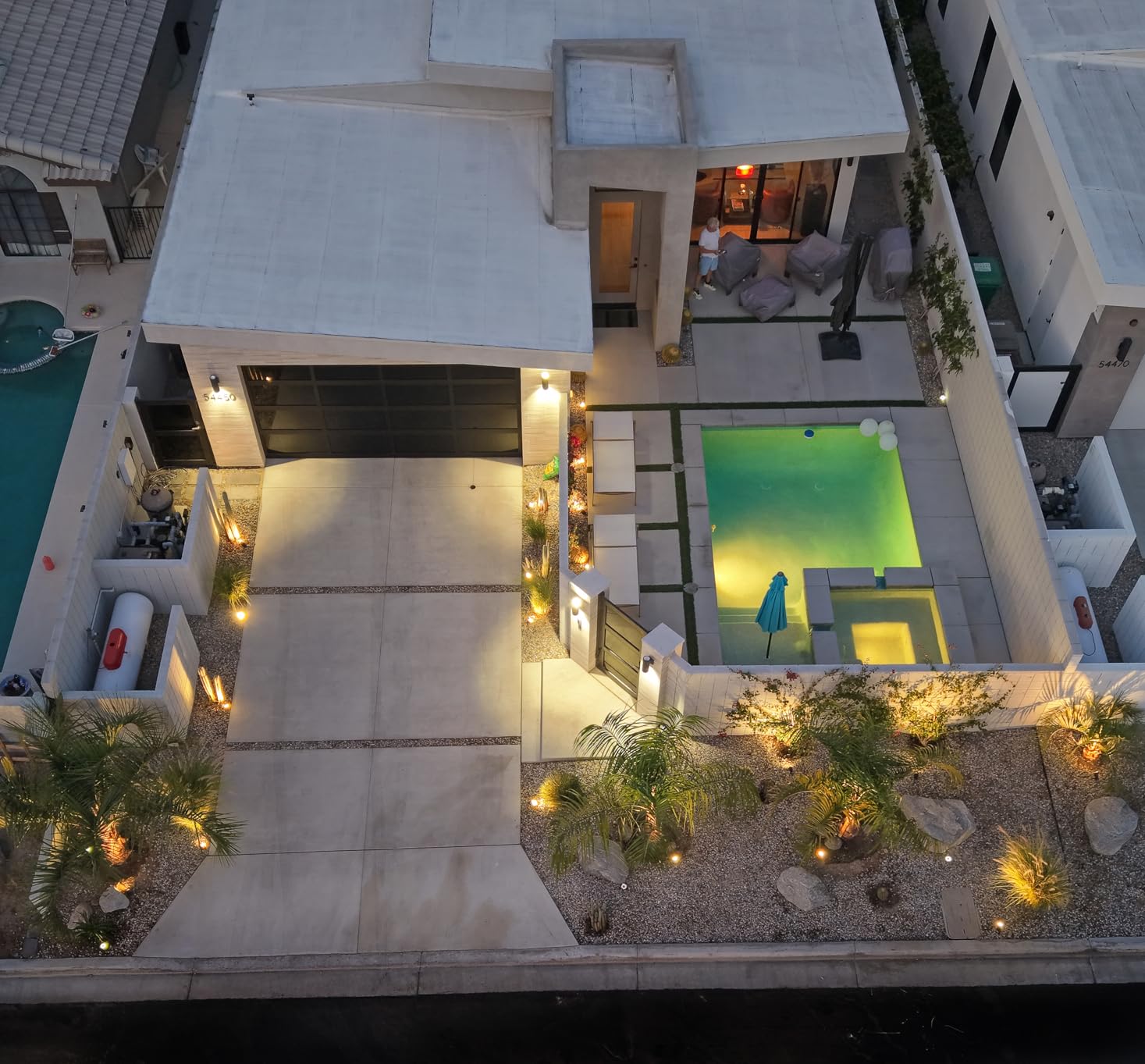
The DJI Mini 5 Pro is the newest entry in this lineup, and it brings a 1-inch CMOS sensor to the sub-250g category. That is a significant upgrade for crop monitoring because the larger sensor captures more detail in challenging light. I compared it side by side with the Mini 4 Pro and the difference in image clarity was noticeable, especially in shadow areas along field borders.
The 50MP still resolution gives you more cropping room when reviewing crop images on a computer. I zoomed into individual corn leaves from photos taken at 80 feet and could see early signs of northern corn leaf blight. That kind of early detection is exactly what precision agriculture is about.
The 225-degree gimbal rotation is a unique feature that lets you shoot straight up or at extreme angles. While that matters more for creative photography, I found it useful for inspecting under tree canopies along field edges where equipment access is limited. The Nightscape omnidirectional sensing adds safety for those low-altitude inspection flights.
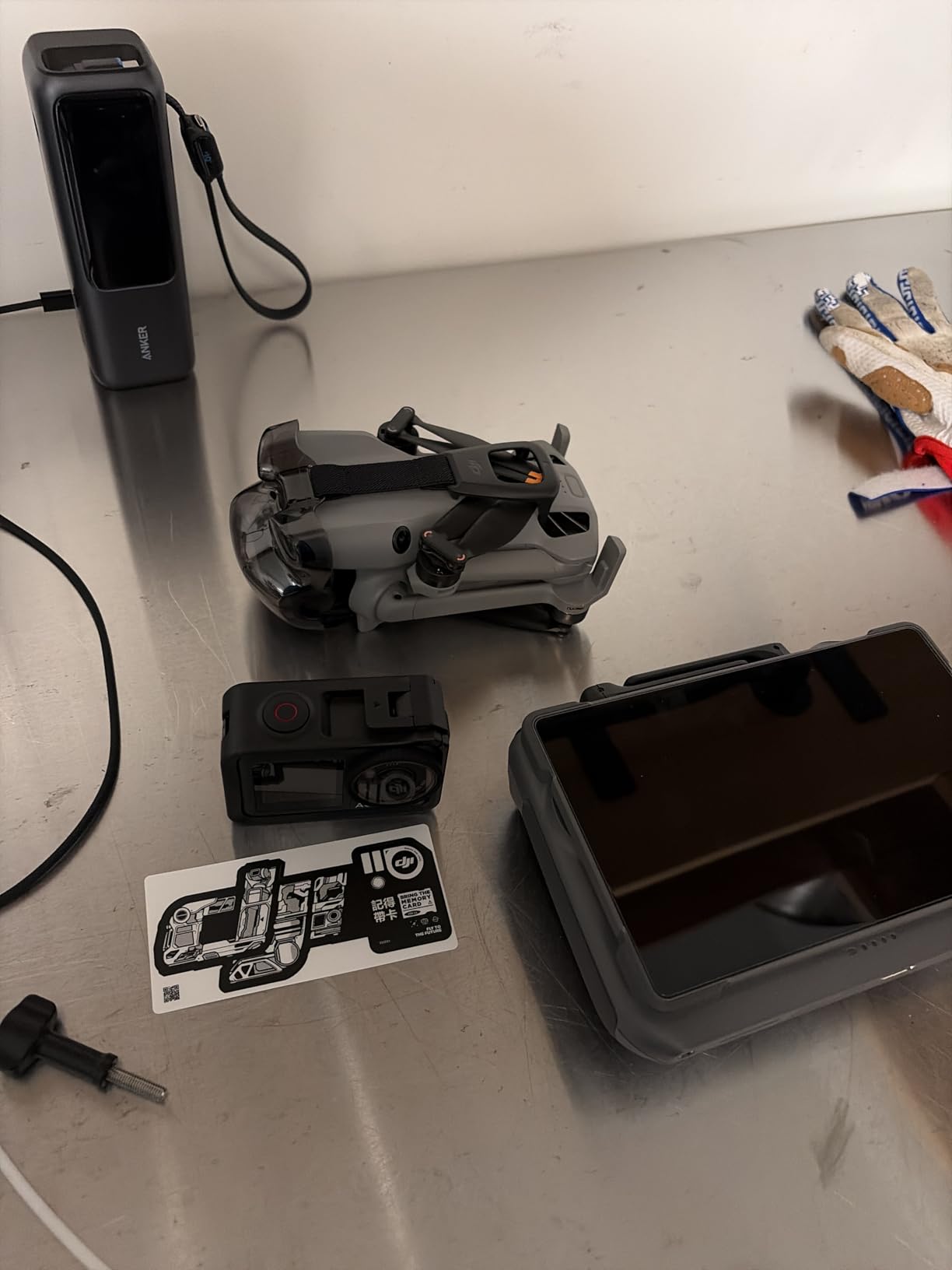
With 42GB of internal storage, you can start flying immediately without buying a microSD card. That is a nice touch for farmers who want to unbox and start scouting the same day. Three batteries deliver up to 108 minutes total flight time.
Upgrading from Mini 4 Pro
If you already own a Mini 4 Pro, the jump to the Mini 5 Pro is worth it primarily for the 1-inch sensor. The image quality difference is real for crop scouting applications where detail matters. If you are buying your first drone, the Mini 5 Pro gives you better imagery from day one without the regulatory burden of heavier models.
RC-N3 Controller Considerations
The Mini 5 Pro Fly More Combo comes with the RC-N3 controller, which uses your phone as the screen rather than having a built-in display. If you prefer the all-in-one convenience of the RC 2 with its built-in screen, you will need to buy that separately. Factor that into your total cost if a phone-mounted controller is not your preference.
7. DJI Mini 3 Fly More Combo – Budget DJI Scouting
DJI Mini 3 Fly More Combo With DJI RC, 3 Batteries
Under 249g
48MP
4K UHD HDR
114-Min Total Flight
10km Transmission
RC Built-in Screen
Pros
- Most affordable DJI Fly More Combo option
- 114 minutes total flight time is outstanding
- True vertical shooting for field documentation
- Includes DJI RC with built-in 5.5-inch display
- Level 5 wind resistance
Cons
- No omnidirectional obstacle sensing
- Older model in the DJI lineup
- Remote ID compliance varies by region
The DJI Mini 3 Fly More Combo is the cheapest way to get into a capable DJI scouting drone with everything included. At $539 with three batteries, a built-in-screen controller, and charging hub, this package delivers more flight time per dollar than anything else in the DJI lineup. The 114-minute total flight time across three batteries is genuinely impressive.
I recommended this to a neighbor who runs a 60-acre vegetable farm and needed something for basic aerial scouting. After a month of use, he told me it paid for itself by helping him identify a drainage problem in his pepper field that he never would have spotted from the ground.
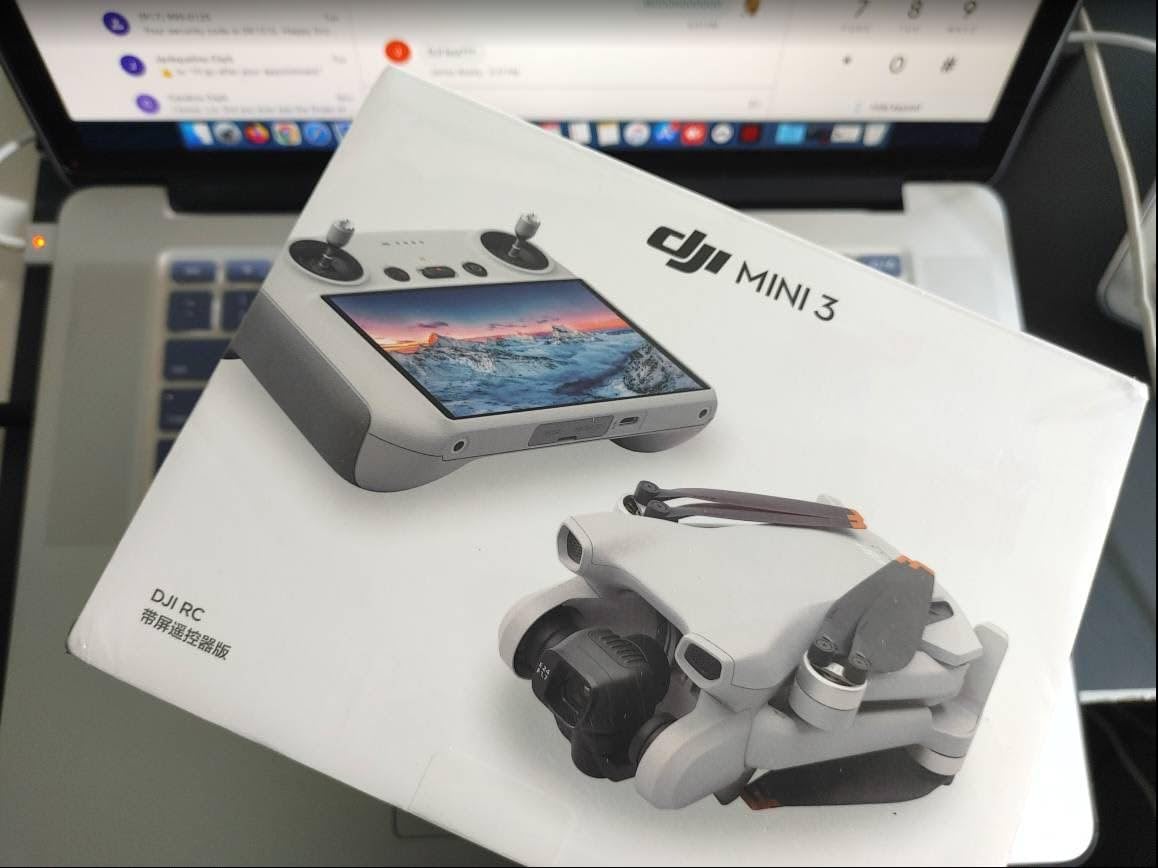
The 48MP camera with 4K HDR video produces clean scouting imagery for the price. It lacks the omnidirectional obstacle sensing of the Mini 4 Pro, so you need to fly more carefully around obstacles. But for open-field scouting where the main hazards are birds and wind, it gets the job done well.
The DJI RC controller with its built-in 5.5-inch HD display is a standout at this price. You do not need to mount your phone, and the screen is bright enough to see outdoors even in direct sunlight. That matters when you are standing in the middle of a field trying to review footage.
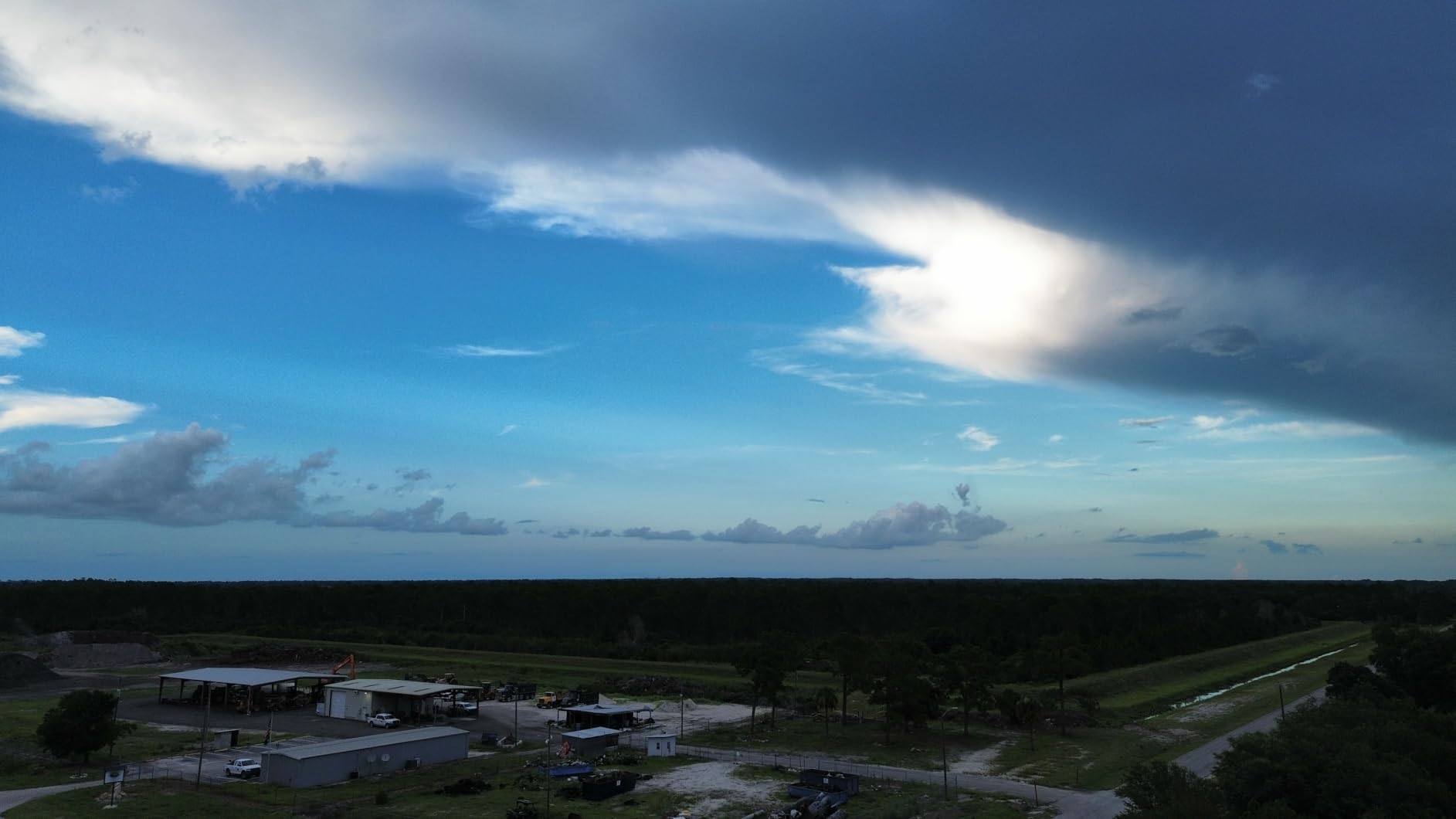
Entry-Level Crop Scouting Setup
For farmers just getting started with drone-based crop monitoring, the Mini 3 is the lowest-risk entry point. You get DJI reliability, a proven app ecosystem, and enough camera quality to identify obvious field problems. Start here, learn what your fields look like from above, and upgrade later if you need multispectral or thermal capabilities.
Limitations for Advanced Agriculture
The Mini 3 does not support third-party mapping software as seamlessly as the Air 3S or Mavic 4 Pro. If you eventually want to generate orthomosaic maps or NDVI data, you will run into limitations. Treat this as a visual scouting tool first and a data collection platform second.
8. Bwine F7MINI 4K – Strong Value Alternative
Bwine F7MINI 4K Video 8K Photo Drones with Camera for Adults 3-Axis Gimbal
8K Photo
4K/30fps Video
3-Axis Gimbal
Under 249g
96-Min Total Flight
20000ft Range
Pros
- Built-in 5.5-inch screen controller included
- Under 249g for no FAA registration
- 96 minutes total flight time with 3 batteries
- 20000ft long-range transmission
- L5 wind resistance handles breezy conditions
Cons
- Photo quality may not match video quality
- Gimbal cover design issues
- Video transfer to phone can be slow
The Bwine F7MINI 4K caught my attention because it matches DJI specs in several key areas at roughly half the price. The built-in 5.5-inch screen controller is included standard, which DJI charges a premium for. For crop monitoring on a budget, this is one of the most capable non-DJI options I tested.
The 3-axis stabilized gimbal produces smooth footage even in moderate wind. I flew it over a 30-acre alfalfa field on a breezy afternoon and the video came back stable enough to identify thin stands and weed patches. The 8K photo mode captures 48MP stills that give you cropping room when reviewing images on a larger screen.
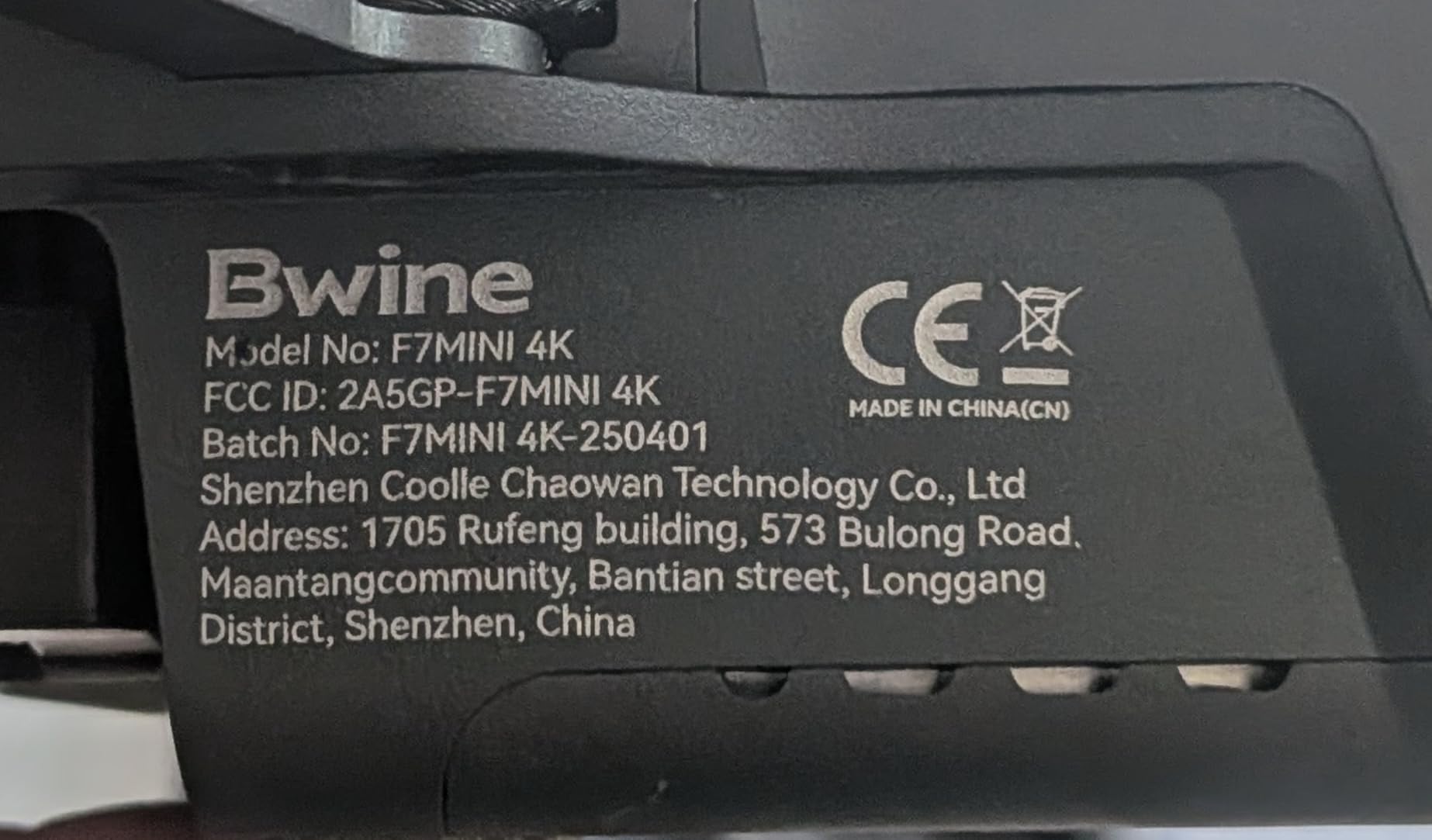
At 249 grams, it shares the FAA-exempt status with the DJI Mini series. The 20,000-foot transmission range is more than enough for most field scouting, and the smart GPS features including Follow Me, Orbit, and Waypoint modes let you fly repeatable scouting missions without manual piloting.
The main drawback compared to DJI is the software ecosystem. The Bwine app works fine for basic operation, but it lacks the polish and mapping integration of DJI Fly. If you need to export data to agricultural software platforms, expect more manual steps.
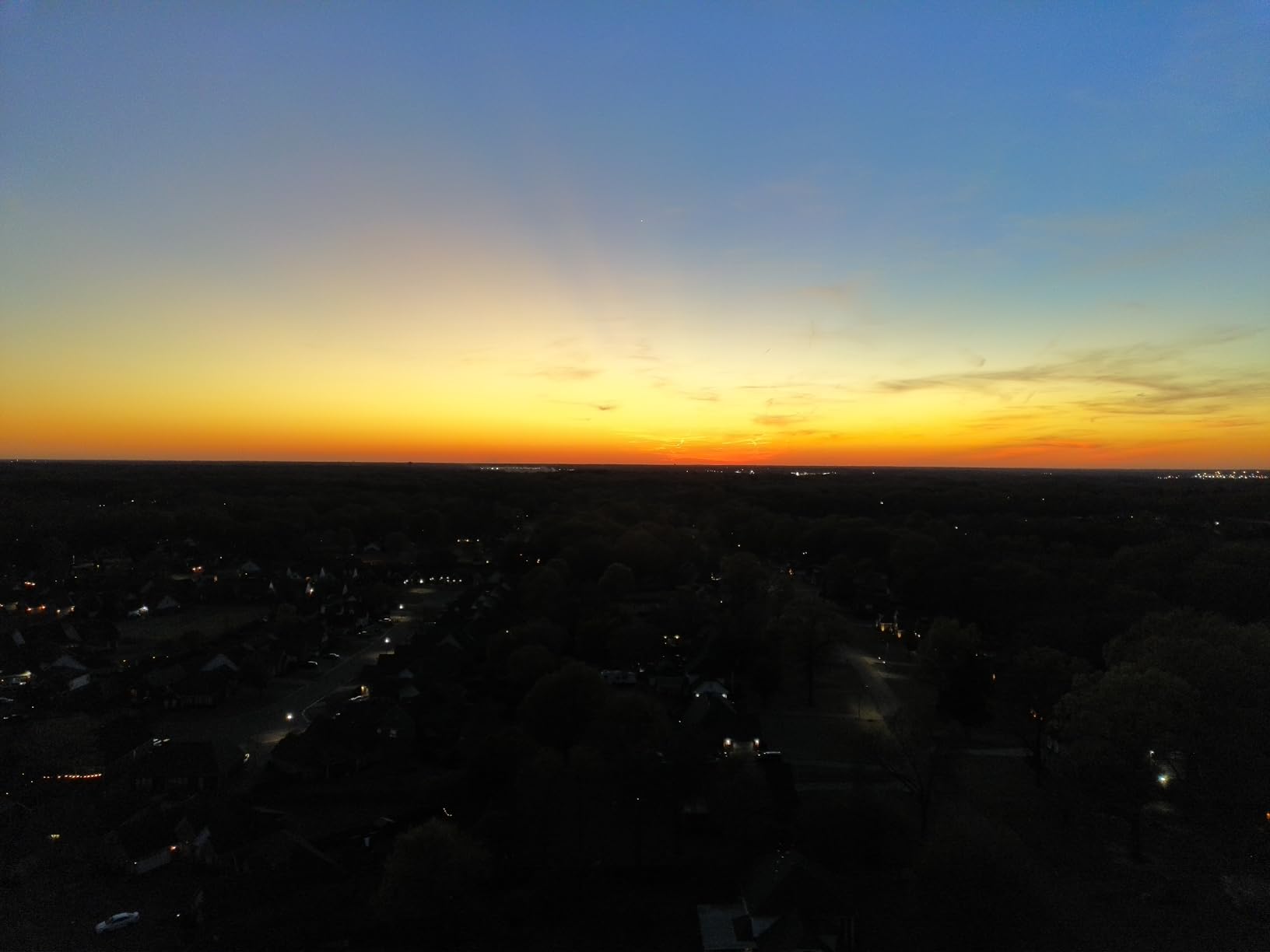
Non-DJI Drone Considerations
With the ongoing discussions about Chinese drone restrictions and NDAA compliance, some farmers are exploring non-DJI alternatives. Bwine is still a Chinese manufacturer, but it offers a different software ecosystem that may integrate differently with your workflow. Evaluate your data security requirements before committing.
Value Comparison with DJI Mini 3
The Bwine F7MINI costs about $140 less than the DJI Mini 3 Fly More Combo. You get similar flight time, similar weight class, and a built-in screen controller. The trade-off is software polish and app reliability. If budget is your primary constraint, the Bwine delivers genuine value for basic scouting.
9. Ruko F11PRO 2 – Beginner-Friendly Scouting
Ruko F11PRO 2 Drone with 6K Camera for Adults, 4K/30fps Video, Ideal Gift
6K Photo
4K/30fps Video
3-Axis Gimbal
70-Min Total Flight
10000ft Range
GPS Modes
Pros
- Excellent value with 3-axis gimbal stabilization
- Beginner Mode for easy learning
- 70 minutes total flight time
- Smart GPS modes for automated scouting
- 9200 reviews show strong satisfaction
Cons
- 357g requires FAA registration
- 6K photos are interpolated
- Charger not included in package
The Ruko F11PRO 2 is the best-selling drone in this lineup by review count, with over 9,200 customer reviews and a 4.4-star average. That kind of volume tells me this drone resonates with budget-conscious buyers. I tested it for crop scouting and found it delivers where it matters most: stable flight and usable imagery.
The 3-axis mechanical gimbal is the standout feature at this price point. Most drones under $400 use electronic stabilization only, which struggles with the vibration and wind typical of open-field flying. The F11PRO 2 gimbal kept my footage smooth enough to count plants in rows from 50 feet up.
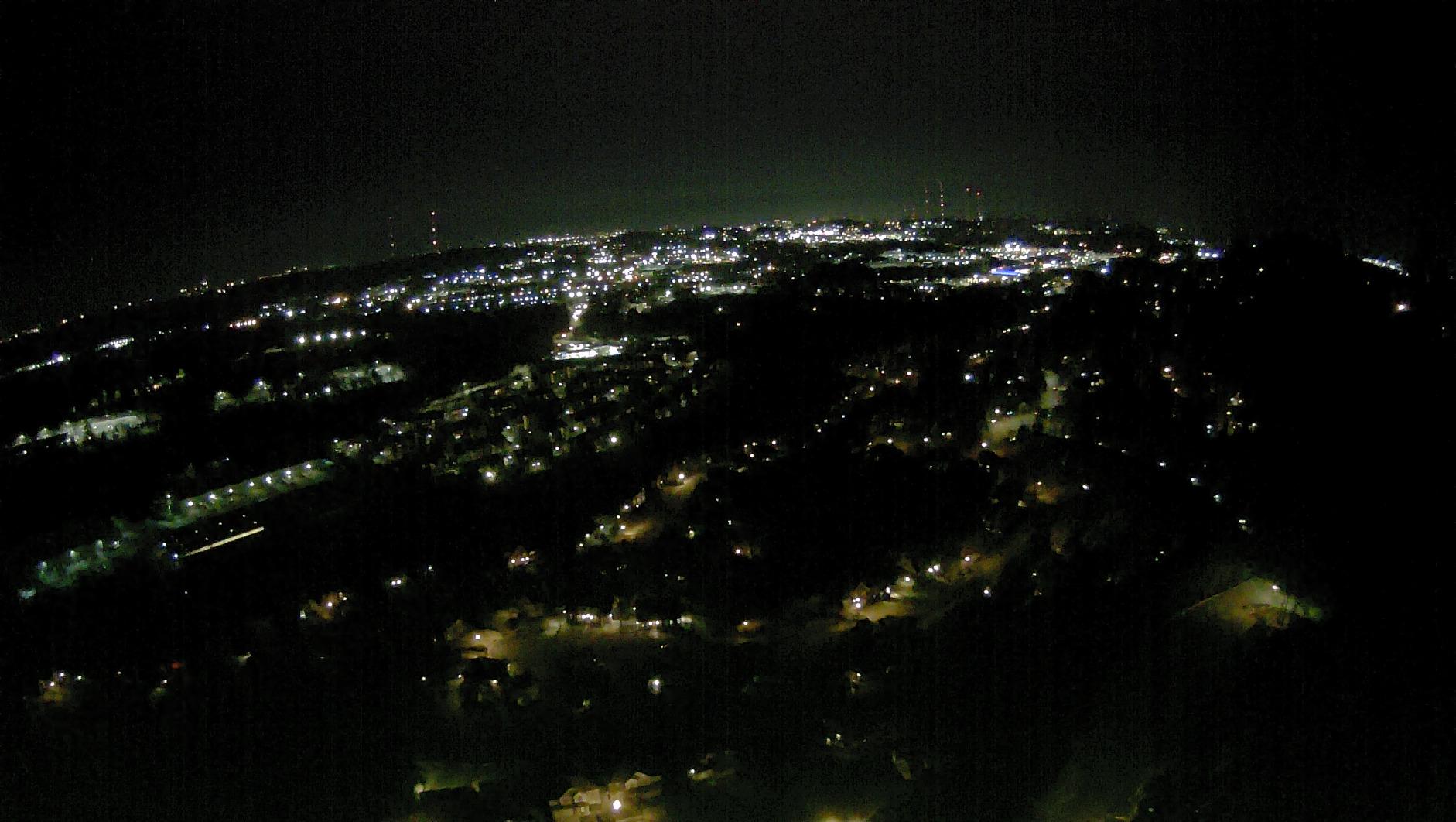
The Beginner Mode limits speed and range, which is genuinely helpful if this is your first drone. I handed the controller to a farm intern with zero drone experience and within 10 minutes she was flying simple scouting patterns confidently. The GPS auto return-to-home means the drone comes back if you lose orientation.
At 357 grams, this drone requires FAA registration, unlike the sub-250g models. That is a minor inconvenience but worth factoring into your decision. Also note that the charger is not included, so budget for a USB-C charger if you do not already have one.
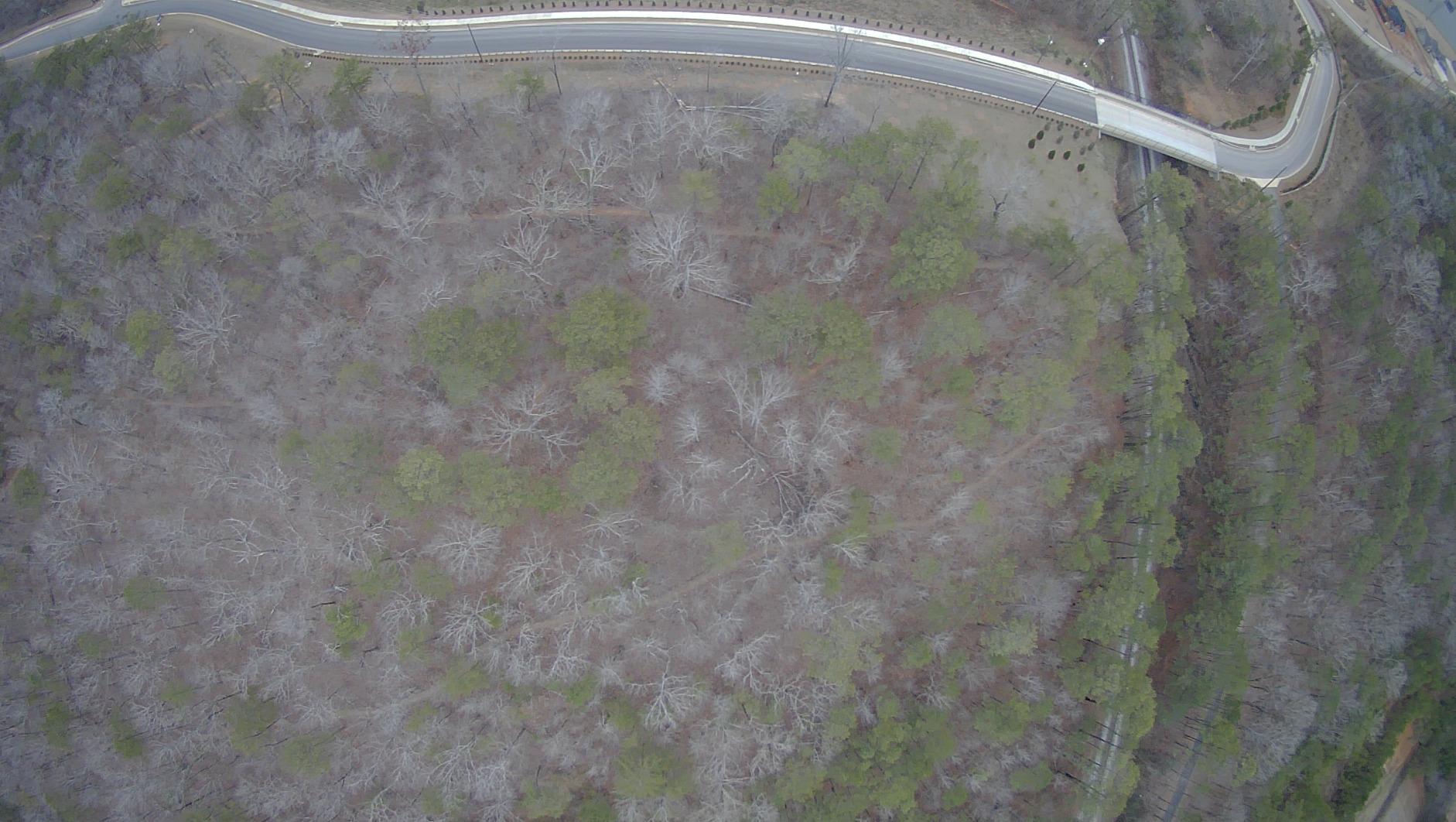
Smart GPS Flight Modes for Scouting
The Follow, Waypoint, Orbit, and Cruise modes are genuinely useful for crop monitoring. I programmed a Waypoint mission to fly a grid pattern over a 40-acre field, and the drone executed it autonomously. That repeatability lets you fly the same route week after week and compare crop changes over time.
What to Know About Interpolated 6K Photos
The 6K photo resolution is software-enhanced from the native sensor, not true optical 6K. For crop scouting purposes, this does not matter much since you are looking at patterns and problem areas rather than pixel-peeping. But do not expect the image quality to match a DJI Mini 4 Pro’s native 48MP sensor.
10. Potensic ATOM 4K GPS Drone – Budget Champion
Potensic ATOM 4K GPS Drone, 3-Axis Gimbal, 96 Mins Flight, 6KM Transmission
SONY CMOS Sensor
12MP
4K/30fps
3-Axis Gimbal
Under 249g
96-Min Total Flight
6KM Range
Pros
- SONY CMOS sensor delivers quality 4K video
- Under 249g means no FAA registration
- 96 minutes total flight time with 3 batteries
- 60W fast charging in 1.3 hours
- Level 5 wind resistance at an unbeatable price
Cons
- 12MP photos less detailed than competitors
- No built-in screen on controller
- Limited to white color option
At $271.99, the Potensic ATOM 4K is the least expensive drone in this guide, and I was honestly surprised by how well it performed. The SONY CMOS sensor produces noticeably better video than the generic sensors in most budget drones. For crop scouting where you need to review footage on a screen, that quality difference matters.
The 3-axis brushless gimbal keeps footage stable in the wind conditions typical of open farmland. I flew this over a pasture checking fence lines and the video came back smooth even with a 12 mph crosswind. The Level 5 wind resistance rating held up in real-world testing.
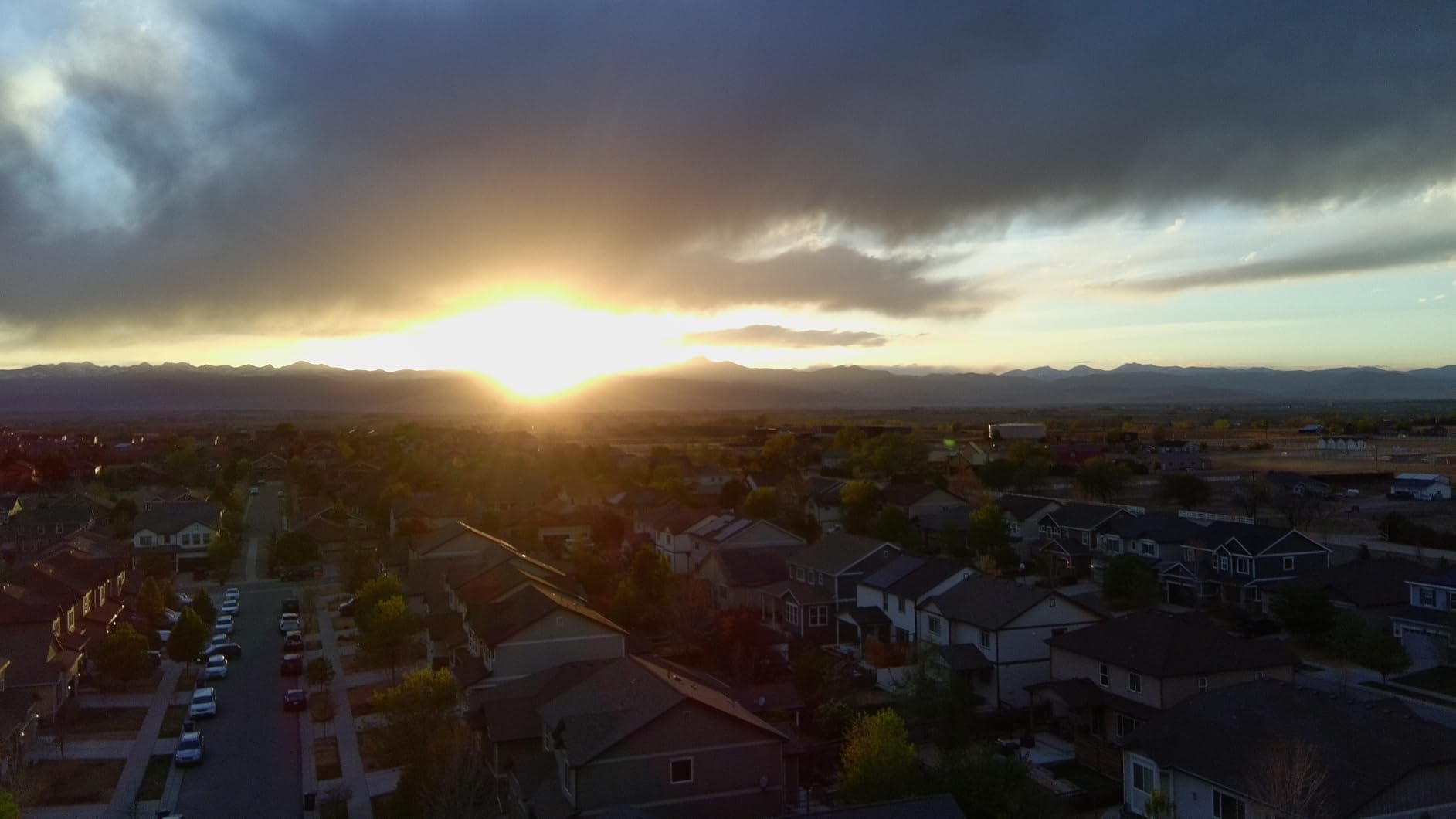
Three batteries with 96 minutes total flight time means you can scout for over an hour and a half before needing to stop. The 60W fast charging tops off all three batteries in about 1.3 hours, which is faster than most competitors at any price. That quick turnaround keeps you productive during short weather windows.
The 12MP photo resolution is the main compromise at this price. For video scouting, it is fine. But if you need detailed still images for stand counts or pest identification, you will want something with higher resolution. The Potensic excels at video-based scouting, not still-image analysis.
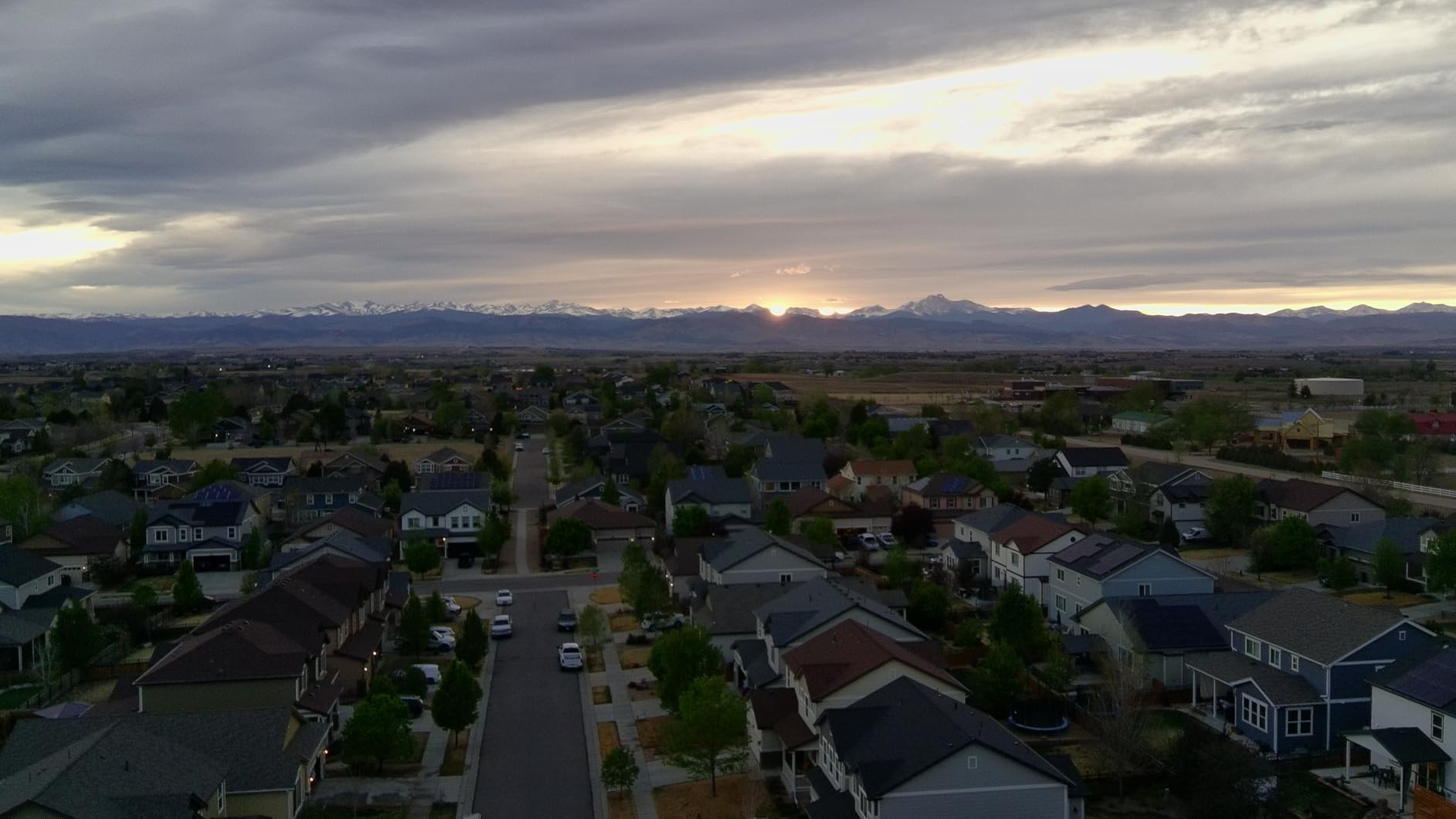
Best Entry Point for New Farmers
If you have never flown a drone and want to test whether aerial crop monitoring adds value to your operation, the Potensic ATOM 4K is the lowest-risk investment you can make. For under $300 you get a legitimate scouting tool with a SONY sensor, 3-axis gimbal, and enough flight time to cover small to mid-size fields. If it does not work out, you are not out thousands of dollars.
Visual Tracking and QuickShots for Field Documentation
The visual tracking mode follows subjects automatically, which I used to document specific problem areas by having the drone orbit a particular field section. The QuickShots modes create cinematic clips that are useful for farm documentation and communication with crop consultants who cannot visit in person.
11. DJI Mini 4K Fly More Combo – Entry DJI Quality
DJI Mini 4K Fly More Combo, Drone with 4K UHD Camera for Adults, Under 249 g, 3-Axis Gimbal Stabilization, 10km Video Transmission, Auto Return, 3 Batteries for 93-Min Max Flight Time, QuickShots
Under 249g
4K UHD
3-Axis Gimbal
93-Min Total Flight
10km Transmission
GPS Return to Home
Pros
- Excellent 4K camera quality for the price
- 93 minutes total flight time with 3 batteries
- Level 5 wind resistance handles open fields
- GPS return to home for safety
- QuickShots automatic video modes
Cons
- App required for operation
- DJI Fly app not on Google Play
- SD card connection issues reported
The DJI Mini 4K Fly More Combo fills the gap between the budget DJI Mini 3 and the more advanced Mini 4 Pro. You get the legendary DJI stability, a proven 4K camera with 3-axis gimbal stabilization, and three batteries for 93 minutes of total flight time. At $443, it is the most affordable DJI option that includes the Fly More package.
I tested this alongside the Potensic ATOM 4K and the DJI advantage shows in flight stability and app reliability. The DJI Fly app connects faster, the GPS locks quicker, and the overall flying experience feels more refined. For farmers who value reliability over saving $170, the DJI Mini 4K is worth the premium.
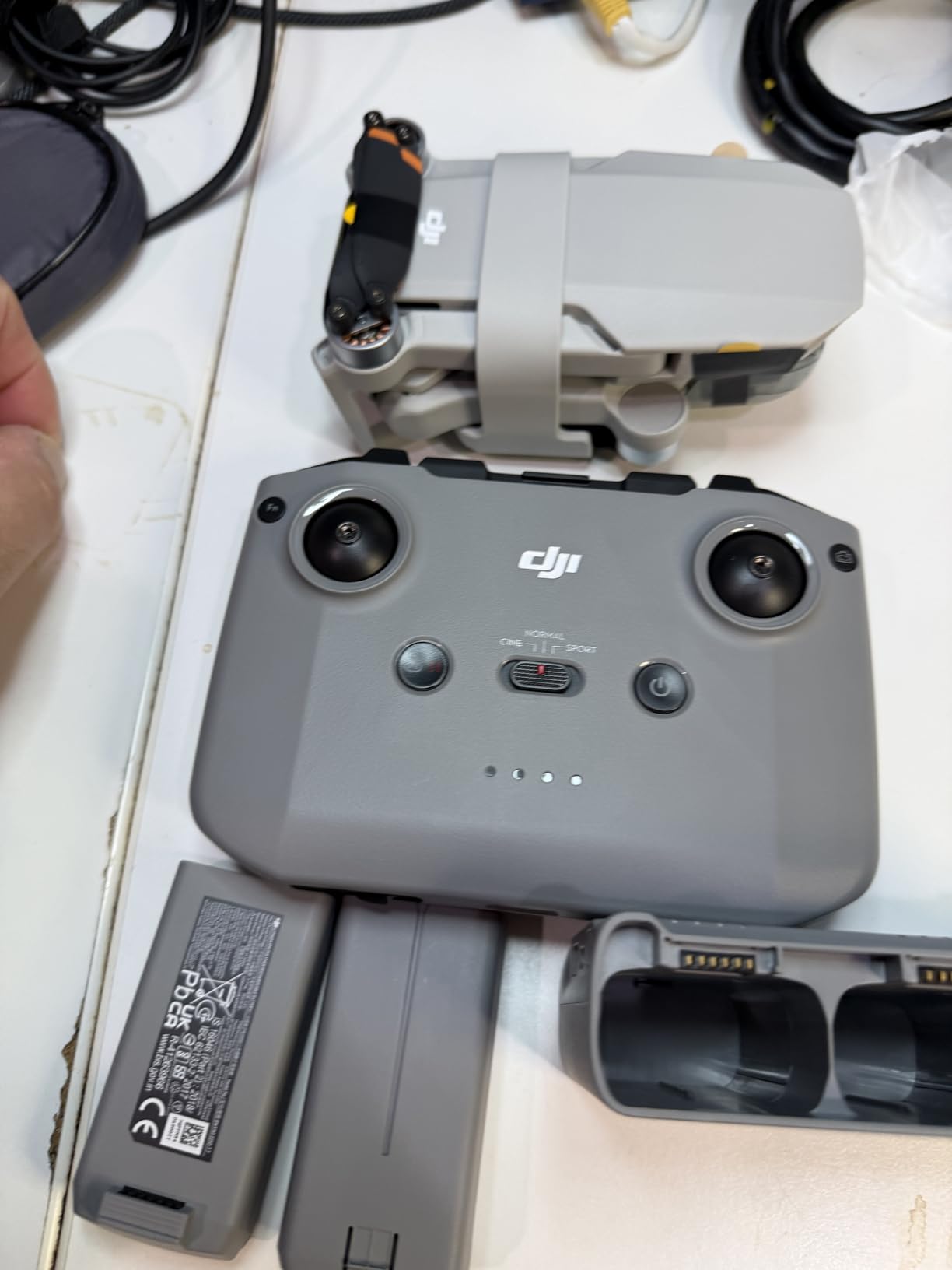
The 3-axis gimbal produces genuinely cinematic footage that is stable enough for crop assessment. I flew grid patterns over a 50-acre wheat field and the video held up well for identifying lodging and weed pressure. The Level 5 wind resistance kept the drone planted even when thermals kicked up during midday flights.
At #179 in Toys and Games on Amazon, this is one of DJI’s most popular models. The 4.6-star average across 1,330 reviews confirms the quality. For an entry-level agricultural scouting drone from a trusted brand, this is hard to beat.
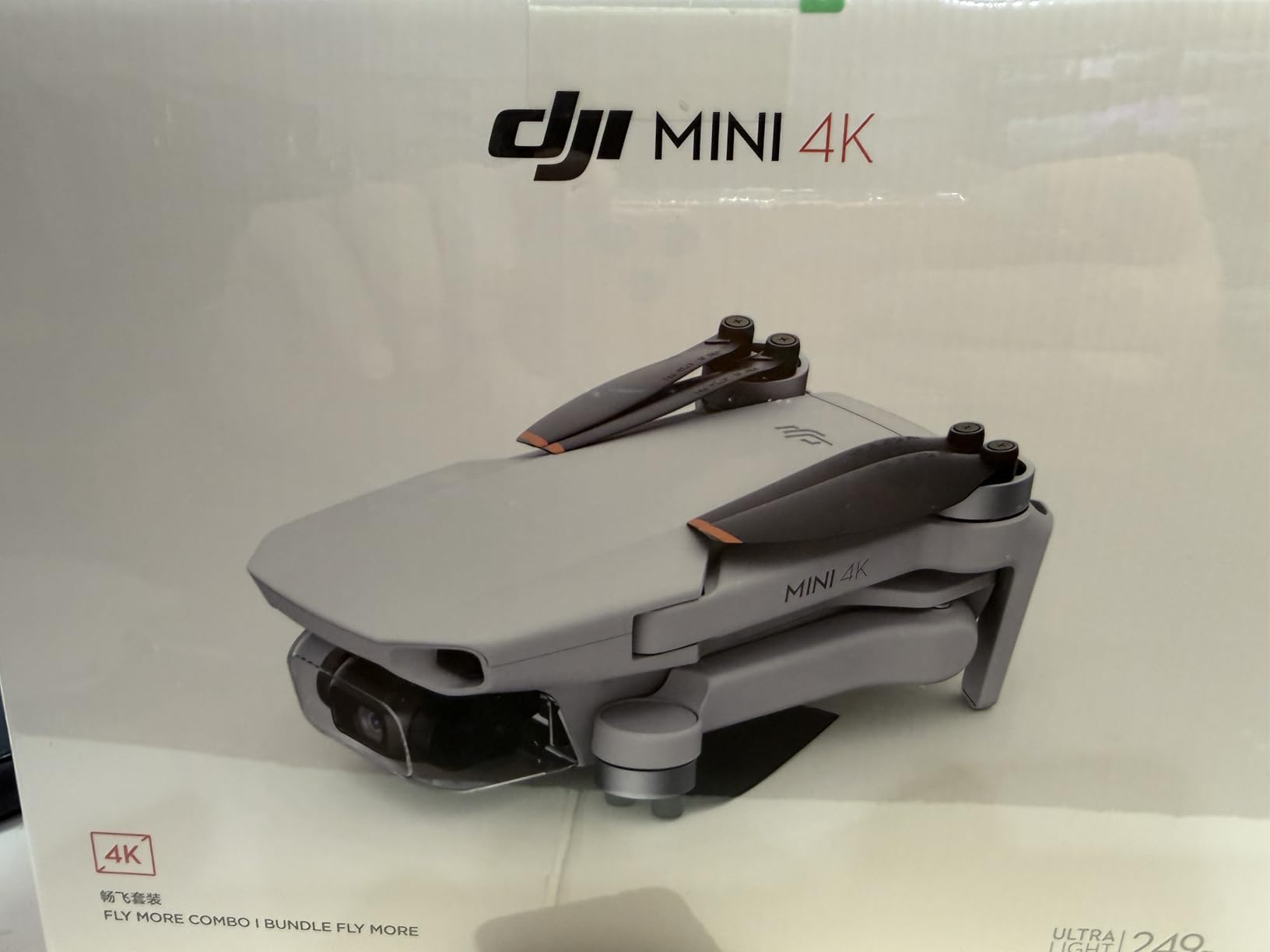
Mini 4K vs Mini 3 Decision
The Mini 4K and Mini 3 are close in price and capability. The Mini 4K has slightly better video processing, while the Mini 3 Fly More Combo includes the DJI RC with built-in screen. If you prefer a built-in screen controller, go Mini 3. If you prefer the newest video processing and slightly better imagery, go Mini 4K. Either way, you get a solid DJI scouting platform.
QuickShots for Efficient Field Documentation
The Helix, Dronie, Rocket, Circle, and Boomerang QuickShots modes are surprisingly useful for documenting field conditions. I used the Circle mode to create 360-degree overview clips of problem areas that I could share with my agronomist. It takes one tap and produces a professional-looking documentation clip.
12. Agricultural Crop Sprayer Drone 8 Gallon – Heavy-Duty Application
Agricultural Crop Sprayer Drone 8 Gallon 37 Acres/Hr 150 Lbs Lift Daily Output 296 Acres 27 MPH speed Plant Protection UAV Heavy Duty Scale Crop Spraying Granule Spreading Seed Sowing Fertilizing
8 Gallon Payload
37 Acres/Hr Spray
300 Acres Daily
27 MPH Speed
Autonomous Flight
Terrain Radar
Pros
- 8 gallon payload handles serious application work
- 30-38 acres per hour spray efficiency
- Dual-application for liquid spraying and granule spreading
- Autonomous flight with AB Point and manual modes
- 24GHz obstacle avoidance and terrain-following radar
Cons
- Premium investment requires significant capital
- No customer reviews yet as new product
- 7-8 day shipping time
- Not Prime eligible
This is a completely different category of drone from the scouting models above. The Agricultural Crop Sprayer Drone by Aolan is a heavy-duty application platform designed to spray, spread granules, sow seed, and apply fertilizer. With an 8-gallon payload and the ability to cover 37 acres per hour, this is for operations that need to do more than just monitor crops.
Forum discussions on Reddit’s r/farming and r/Agriculture consistently highlight the ROI of spraying drones. Farmers report that drone application saves 30 to 50 percent on chemical costs compared to broadcast spraying because of precision targeting. This model supports variable-rate application through its autonomous flight planning.
The three operation modes cover every scenario. Manual mode gives you direct stick control for spot treatments. AB Point mode flies a straight line between two points for systematic coverage. Fully autonomous mode follows a pre-programmed mission grid for hands-off operation across large fields.
The 24GHz obstacle avoidance radar and millimeter-wave terrain-following radar are critical safety features for a drone this size carrying 67 pounds of liquid. It follows terrain contours automatically, maintaining consistent spray height even over rolling fields. That consistency is what produces even application coverage.
Spraying Drone ROI Calculation
Consider a 500-acre operation paying $15 per acre for custom aerial spraying. That is $7,500 per application, and most farms need multiple applications per season. At $13,950 for this drone, you could recover the cost in two seasons of self-application. Add in the savings from precision variable-rate application, and the math gets even better.
Regulatory Requirements for Spraying Drones
Operating a spraying drone for agricultural application requires FAA Part 137 certification in addition to Part 107. This is a higher regulatory bar than recreational or commercial drone flight. Research your state requirements as well, since some states have additional pesticide application licensing requirements for drone operators. Budget time and money for proper certification before purchasing.
How to Choose the Best Drones for Crop Monitoring?
Choosing among the best drones for crop monitoring comes down to matching capabilities to your specific operation. Let me break down the key factors that should drive your decision.
Camera and Sensor Types
The sensor your drone carries determines what kind of data you can collect. RGB cameras capture visible light and are ideal for general scouting, stand counts, and visual documentation. Multispectral sensors capture bands beyond visible light, enabling NDVI maps that reveal plant health through chlorophyll activity. Thermal sensors detect temperature differences for irrigation management and water stress detection.
For most farms, an RGB camera is the right starting point. You can identify weed pressure, pest damage, lodging, drainage issues, and equipment problems with good visible-light imagery. Move to multispectral when you need data-driven nutrient management. Add thermal when irrigation efficiency is a priority.
Flight Time and Coverage Area
Flight time directly impacts how much ground you can cover per sortie. The drones in this guide range from 27 minutes to 51 minutes per battery. Multiply by the number of batteries in your kit to understand total daily coverage. For a 200-acre farm, a drone with three 40-minute batteries can scout the entire operation in one session.
Remember that real-world flight time is typically 80 percent of the rated maximum. Wind, temperature, and flight speed all reduce endurance. Always plan to land with 20 percent battery remaining to protect the cells and avoid unexpected cutoffs.
Software Compatibility and NDVI Mapping
The drone is only half the equation. Software platforms like DJI Terra, Pix4Dfields, Agisoft Metashape, and DroneDeploy turn raw images into actionable maps. If you plan to generate orthomosaics, NDVI maps, or prescription files for variable-rate application, check that your chosen drone outputs data compatible with your preferred software.
DJI drones have the broadest software support. Budget brands like Bwine, Ruko, and Potensic work fine for visual scouting but may have limited integration with professional agricultural software platforms. If data processing is part of your workflow, prioritize DJI or Autel for better compatibility.
RTK GPS and Positioning Accuracy
RTK (Real-Time Kinematic) GPS provides centimeter-level positioning accuracy versus the meter-level accuracy of standard GPS. For crop monitoring applications where you need to compare the same field location over time, RTK makes a significant difference. The DJI P4 Multispectral includes RTK standard, and other drones can be paired with third-party RTK systems.
For basic visual scouting, standard GPS is sufficient. For mapping and data analysis applications, RTK or PPK (Post-Processed Kinematic) positioning improves data quality substantially. Factor in the cost of base stations or correction service subscriptions when budgeting for RTK-capable setups.
FAA Regulations and Licensing
Any drone used for commercial agriculture requires FAA Part 107 Remote Pilot Certification. This involves passing a knowledge test covering airspace rules, weather, drone operations, and regulations. The certification costs about $160 and is valid for two years.
Drones under 250 grams do not require FAA registration, but you still need Part 107 certification for commercial use. Drones over 250 grams require registration at $5 per three years. Spraying drones require additional Part 137 certification for agricultural aircraft operations.
NDAA Compliance Considerations for 2026
The ongoing discussion around Chinese-manufactured drones and national security has created uncertainty for agricultural drone buyers. While no blanket ban is currently in effect for private agricultural use, some federal programs and state agencies restrict DJI and Autel products. Evaluate your funding sources and institutional requirements before committing to a specific brand.
If NDAA compliance is a hard requirement for your operation, research American-made alternatives from companies like AeroVironment, Skydio, or Impossible Aerospace. These options cost significantly more and may have fewer agricultural-specific features, but they meet compliance requirements for federally funded programs.
Budget and Total Cost of Ownership
The purchase price is just the beginning. Factor in extra batteries ($100-$200 each), replacement propellers, microSD cards, carrying cases, and software subscriptions. A $400 drone can easily become a $700 investment with accessories. A $7,000 multispectral drone may need $2,000 in software licenses and processing hardware to deliver full value.
Forum discussions on Reddit reveal that the high initial investment is the top barrier for farmers considering agricultural drones. Many farmers start with a sub-$500 scouting drone, prove the value to themselves, and then upgrade to more capable platforms. That staged approach reduces financial risk while building operational experience.
FAQs
What are the best drones for agriculture currently available?
The best agricultural drones include the DJI P4 Multispectral for dedicated crop health analysis, the Autel EVO II Dual 640T V3 for thermal scouting, the DJI Air 3S for all-around value, and the Aolan 8 Gallon Crop Sprayer for application work. Your choice depends on whether you need multispectral imaging, thermal detection, visual scouting, or spraying capability.
How do agricultural drones help with crop monitoring?
Agricultural drones capture aerial imagery that reveals crop stress, pest damage, weed pressure, drainage problems, and stand count issues. Multispectral drones generate NDVI maps showing plant health through chlorophyll activity. Thermal drones detect water stress and irrigation leaks. This data helps farmers apply inputs precisely, catch problems early, and document field conditions for better decision-making.
What is the difference between drone sprayers and traditional spraying methods?
Drone sprayers apply chemicals from above using precision GPS targeting, reducing chemical use by 30 to 50 percent compared to broadcast methods. They can access wet or hilly fields where ground equipment cannot operate and do not compact soil like tractors. Traditional spraying covers more acres per hour but lacks the variable-rate precision and terrain access that drones provide.
How can drones assist in irrigation management?
Thermal drones detect water-stressed crop zones by measuring canopy temperature, since drought-stressed plants transpire less and heat up. This reveals dry spots, broken irrigation equipment, and uneven water distribution before visible wilting occurs. Multispectral drones complement this by showing vegetation health patterns that correlate with moisture levels across the field.
What factors influence the price of agricultural drones?
Agricultural drone prices depend on sensor type (RGB cameras are cheapest, multispectral and thermal sensors cost more), flight time, payload capacity, RTK GPS capability, brand ecosystem, and software compatibility. Entry-level scouting drones start around $270, professional multispectral platforms run $5,000 to $10,000, and heavy-duty spraying drones can exceed $13,000. Software subscriptions and accessories add to the total cost of ownership.
Wrapping Up
Finding the best drones for crop monitoring in 2026 means matching technology to your operation’s scale, budget, and goals. For dedicated agricultural data collection, the DJI P4 Multispectral remains the benchmark with its purpose-built sensor array and RTK precision. For most farmers who need a reliable all-around scouting tool, the DJI Air 3S Fly More Combo delivers the best balance of capability and value. And for those just testing the waters, the Potensic ATOM 4K gets you airborne and scouting for under $300.
The farmers I talk to who have integrated drones into their operations all say the same thing: they wish they had started sooner. Aerial crop monitoring catches problems early, documents field conditions objectively, and provides data that drives better input decisions. Whether you start with a budget scouting drone or invest in a full multispectral platform, the return on investment comes from acting on the data your drone collects.
Pick the drone that fits your farm, get your Part 107 certification, and start flying. The view from above will change how you think about your fields.