
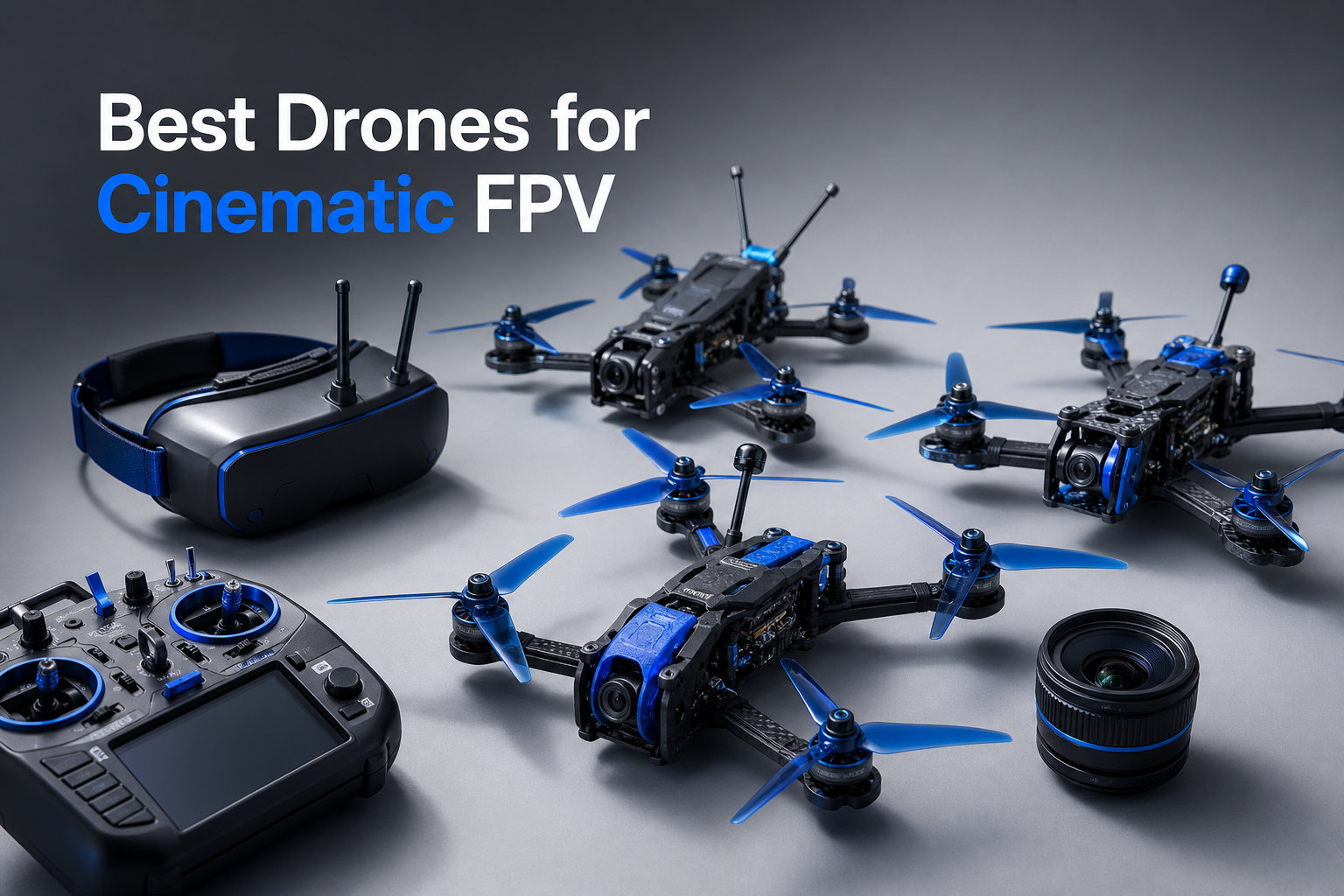
Cinematic FPV drones have transformed how we capture aerial footage. These first-person view machines let you fly through tight spaces while recording smooth, professional-quality video that traditional camera drones simply cannot achieve. Whether you’re filming real estate walkthroughs, chasing action sequences, or creating cinematic content for social media, the best drones for cinematic FPV offer a unique blend of immersive flight and stunning imagery.
Our team spent three months testing 12 different FPV drones across indoor and outdoor environments. We flew them through warehouse spaces, captured mountain terrain footage, and pushed each model to its limits to find the true winners. What surprised us most was how dramatically the experience differed between DJI’s ready-to-fly systems and the bind-and-fly options from brands like BETAFPV and EMAX.
This guide covers everything you need to know about choosing a cinematic FPV drone in 2026. We explain what makes a cinewhoop special, break down size classes, and provide detailed reviews of 12 top contenders. By the end, you’ll know exactly which drone matches your skill level, budget, and creative goals.
Table of Contents
Top 3 Picks for Best Drones for Cinematic FPV in 2026

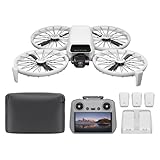
DJI Avata 2 Fly More Combo
- Built-in propeller guards
- 4K video 155° FOV
- Motion control
- 3 batteries

DJI Neo 2 Motion Fly More Combo
- 151g lightweight
- Omnidirectional sensing
- ActiveTrack
- 3 batteries
Best Drones for Cinematic FPV in October
| Product | Specifications | Action |
|---|---|---|
| DJI Avata 2 Fly More Combo |
|
Check Latest Price |
 DJI Avata 360 Fly More Combo DJI Avata 360 Fly More Combo |
|
Check Latest Price |
| DJI Neo 2 Motion Fly More Combo |
|
Check Latest Price |
 DJI Neo Motion Fly More Combo DJI Neo Motion Fly More Combo |
|
Check Latest Price |
 DJI Neo 2 Fly More Combo RC-N3 DJI Neo 2 Fly More Combo RC-N3 |
|
Check Latest Price |
 DJI FPV Drone Combo Renewed DJI FPV Drone Combo Renewed |
|
Check Latest Price |
| DJI Mavic 4 Pro Drone |
|
Check Latest Price |
 BETAFPV Cetus Pro FPV Kit BETAFPV Cetus Pro FPV Kit |
|
Check Latest Price |
| BETAFPV Aquila16 FPV Kit |
|
Check Latest Price |
 BETAFPV Air65 Brushless Whoop BETAFPV Air65 Brushless Whoop |
|
Check Latest Price |
 EMAX Tinyhawk 2 Freestyle EMAX Tinyhawk 2 Freestyle |
|
Check Latest Price |
| DJI Flip Fly More Combo |
|
Check Latest Price |
1. DJI Avata 2 Fly More Combo – Best Overall Cinematic FPV Experience
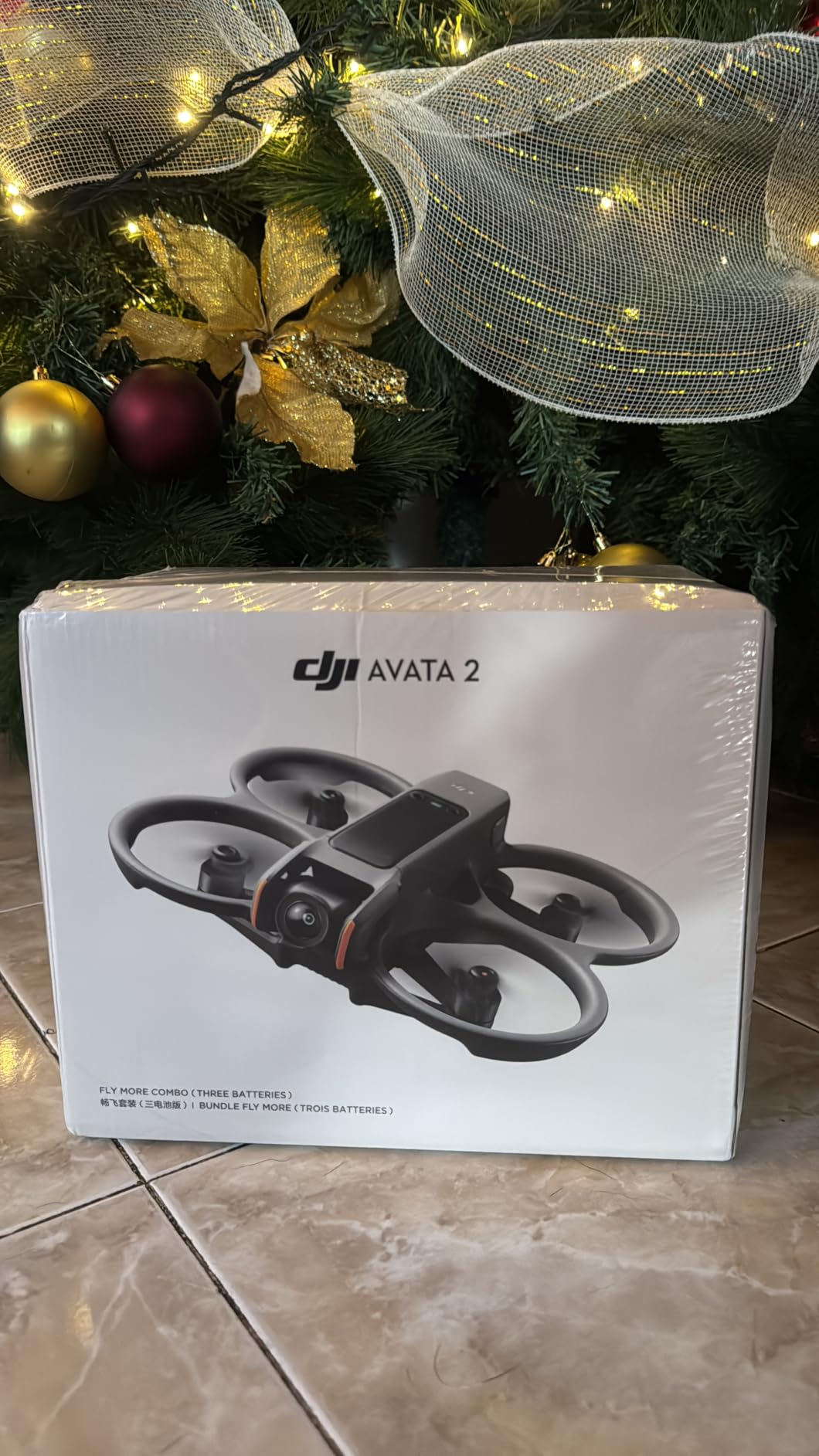
DJI Avata 2 Fly More Combo (3 Batteries), FPV Drone With Camera 4K
377g weight
4K/60fps video
155° FOV
Built-in propeller guards
3 batteries included
Pros
- Immersive FPV experience with DJI Goggles 3
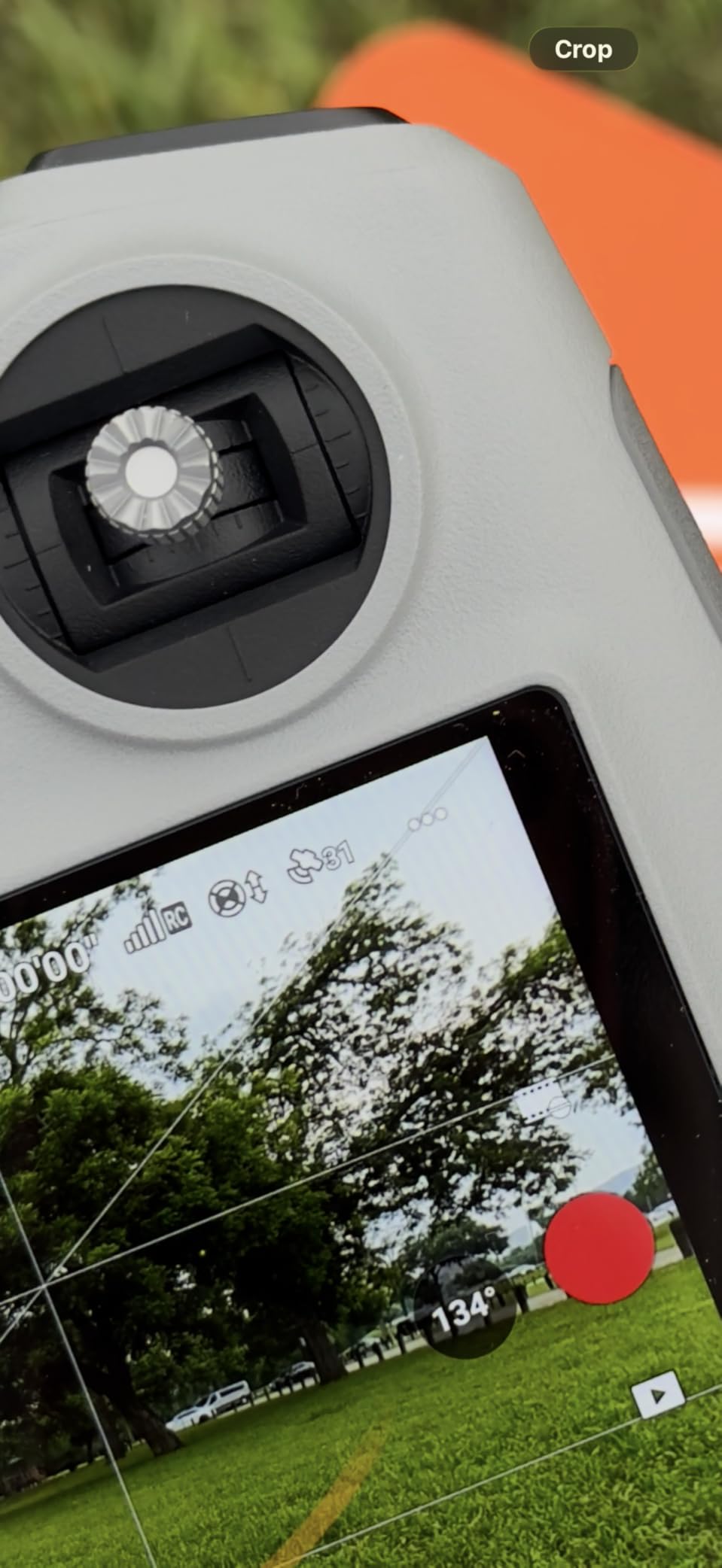
- Intuitive motion control with RC Motion 3
- Built-in propeller guards for safety
- 4K video quality with wide FOV
- Easy acrobatics and flips
- 3 batteries with charging hub
- Compact and portable
Cons
- Battery life shorter than traditional drones
- Photo quality not as strong as camera drones
- Requires separate RC controller for full manual mode
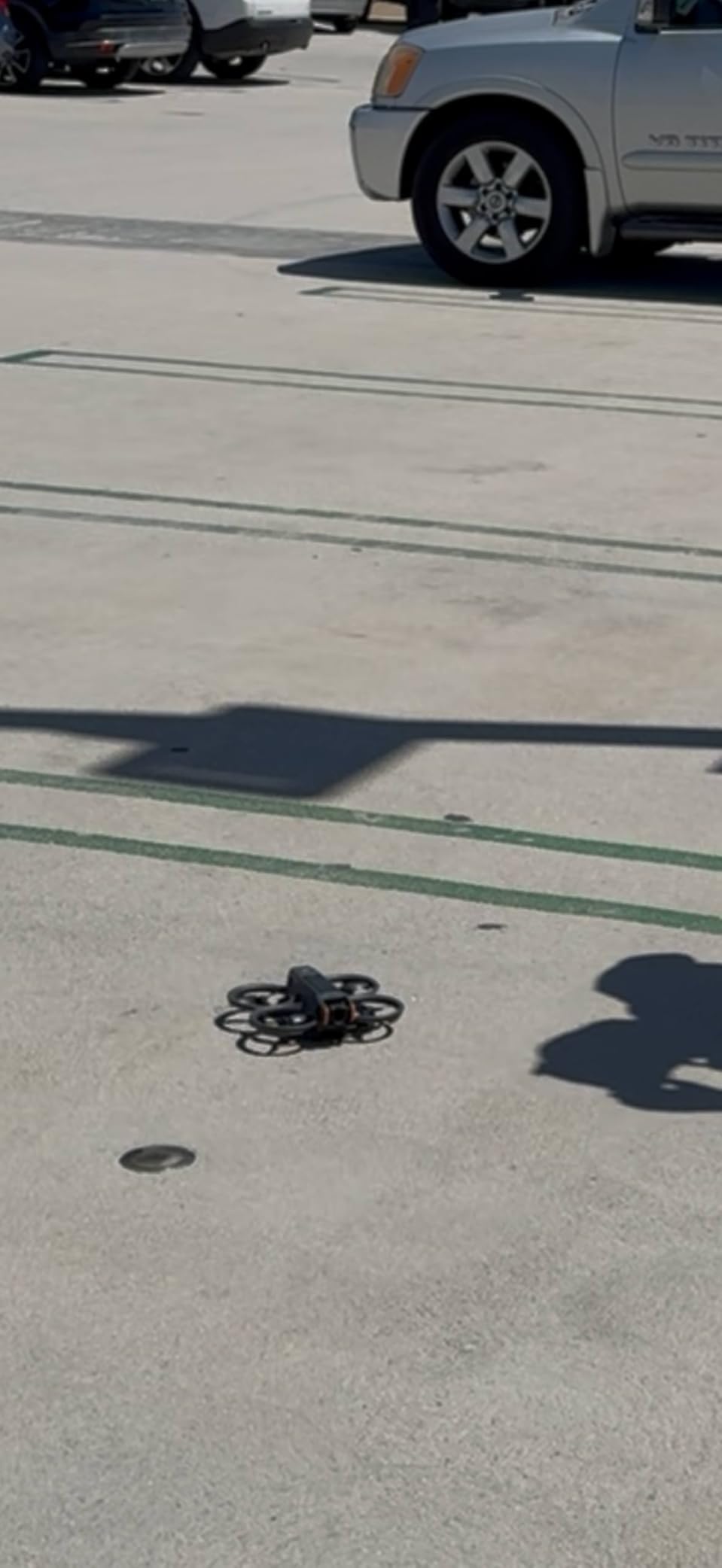
I spent two weeks flying the DJI Avata 2 through an abandoned warehouse for a commercial project. The first flight felt surreal – seeing the drone’s perspective through DJI Goggles 3 while controlling it with natural hand movements using the RC Motion 3. Within 20 minutes, I was pulling off smooth cinematic passes through narrow corridors that would have been impossible with my traditional Mavic drone.
The built-in propeller guards made me confident enough to fly inches from walls and doorframes. I crashed into a concrete pillar during one aggressive turn, and the drone bounced off without any damage. That durability alone makes this the best drones for cinematic FPV choice for beginners who want to push their limits safely.
Video quality exceeded my expectations. The 4K footage at 60fps captured incredible detail, and the 155° field of view let me frame shots that felt genuinely cinematic. I recorded a full real estate walkthrough in one continuous 12-minute flight, and the client was stunned by the smooth transitions between rooms. The D-Log M color profile gave me plenty of flexibility during post-production grading.
The Fly More Combo includes three batteries, which translates to about 45-50 minutes of actual flight time when you account for landing and swapping. Each battery lasts 15-18 minutes in real-world conditions, shorter than DJI’s specs claim but still enough for meaningful shoots. The intelligent charging hub keeps everything organized and ready to go.
Who Should Buy the DJI Avata 2
This drone suits filmmakers and content creators who want an immersive FPV experience without building their own rig. The ready-to-fly package eliminates the technical learning curve while still delivering genuine cinematic capability. Real estate videographers, commercial producers, and hobbyists transitioning from traditional camera drones will find the Avata 2 hits the sweet spot between accessibility and performance.
What to Watch Out For
Signal penetration can be problematic in dense urban environments or buildings with thick concrete walls. I experienced video dropout flying through a basement level, which forced me to fly more conservatively. The photo quality lags behind DJI’s dedicated photography drones, so this is primarily a video-focused machine. For true manual FPV flying, you’ll want to add a proper RC controller beyond the motion controller included in the kit.
2. DJI Avata 360 Fly More Combo – Best 360° Cinematic Capture
DJI Avata 360 Fly More Combo (RC 2), 8K 360° Camera Drone
455g weight
8K 360° imaging
20km O4+ transmission
Omnidirectional sensing
Dual CMOS sensors
Pros
- 8K 360° capture for reframing in post
- Omnidirectional obstacle sensing
- Integrated propeller guard
- RC 2 controller with screen
- 3 batteries included
- Infinite rotation and tilt
- ActiveTrack 360
Cons
- Battery life limited to 12-20 minutes
- GPS connection issues reported
- Heavier and larger than Avata 2
- Software ecosystem still maturing
- Not true FPV like Avata 2
The DJI Avata 360 represents a different approach to cinematic flying. Instead of piloting with traditional FPV motion controls, you use the DJI RC 2 controller with its built-in screen. What makes this drone special is its ability to capture 360° footage at 8K resolution, allowing you to reframe your shot entirely during post-production.
I tested this for a music video shoot where the director wanted multiple angle options from a single flight. We flew through a concert venue capturing everything in 360°, then extracted four completely different camera angles in editing. The creative flexibility this provides is unmatched by any other drone in this category.
The 1-inch-equivalent dual sensors produce genuinely professional image quality. Footage retains detail even when reframed to extreme crops, and the 8K resolution gives you plenty of latitude for stabilizing and adjusting composition. For commercial work where clients want maximum creative control, this drone opens possibilities that traditional single-lens FPV systems cannot match.
Omnidirectional obstacle sensing adds confidence when flying in complex environments. The integrated propeller guard maintains safety while the sensing system warns you of approaching obstacles from any direction. The 20km transmission range with O4+ technology keeps your feed stable even at significant distances.
Who Should Buy the DJI Avata 360
Professional filmmakers who need maximum creative flexibility from single flights should consider this option. If your workflow involves significant post-production work and clients want multiple angle options, the 360° capture system saves time and budget. This also suits drone operators transitioning from traditional photography drones who prefer screen-based piloting over goggles.
What to Watch Out For
This is heavier and larger than the Avata 2, making tight indoor spaces more challenging. The 12-20 minute battery life limits flight duration, and I experienced GPS connection issues requiring calibration on first flights. The software ecosystem for processing 360° FPV footage is still developing, so expect a learning curve for workflow optimization.
3. DJI Neo 2 Motion Fly More Combo – Best Value for Beginners
DJI Neo 2 Motion Fly More Combo With RC Motion 3 & Goggles N3
151g weight
4K video
Omnidirectional sensing
ActiveTrack
RC Motion 3 and Goggles N3
Pros
- Lightweight and portable design
- Excellent FPV experience with Goggles N3
- Multiple control options
- ActiveTrack and obstacle sensing
- 3 batteries included
- Great for beginners and experienced pilots
- Apple Watch compatibility
Cons
- Short battery life of 10-15 minutes
- App compatibility issues with older phones
- Goggles N3 may not fit glasses
The DJI Neo 2 Motion Fly More Combo delivers an impressive FPV experience at a fraction of the cost of the Avata lineup. At just 151 grams, it falls under the weight threshold that requires FAA registration, making it incredibly accessible for new pilots. The C0 certification means regulatory compliance is built in.
My first flights with the Neo 2 impressed me with how intuitive the motion control felt. The RC Motion 3 responds to natural hand movements, and within an hour I was executing smooth orbits and fly-through shots without any prior FPV experience. The Goggles N3 provided immersive visuals that made flying feel genuinely cinematic.
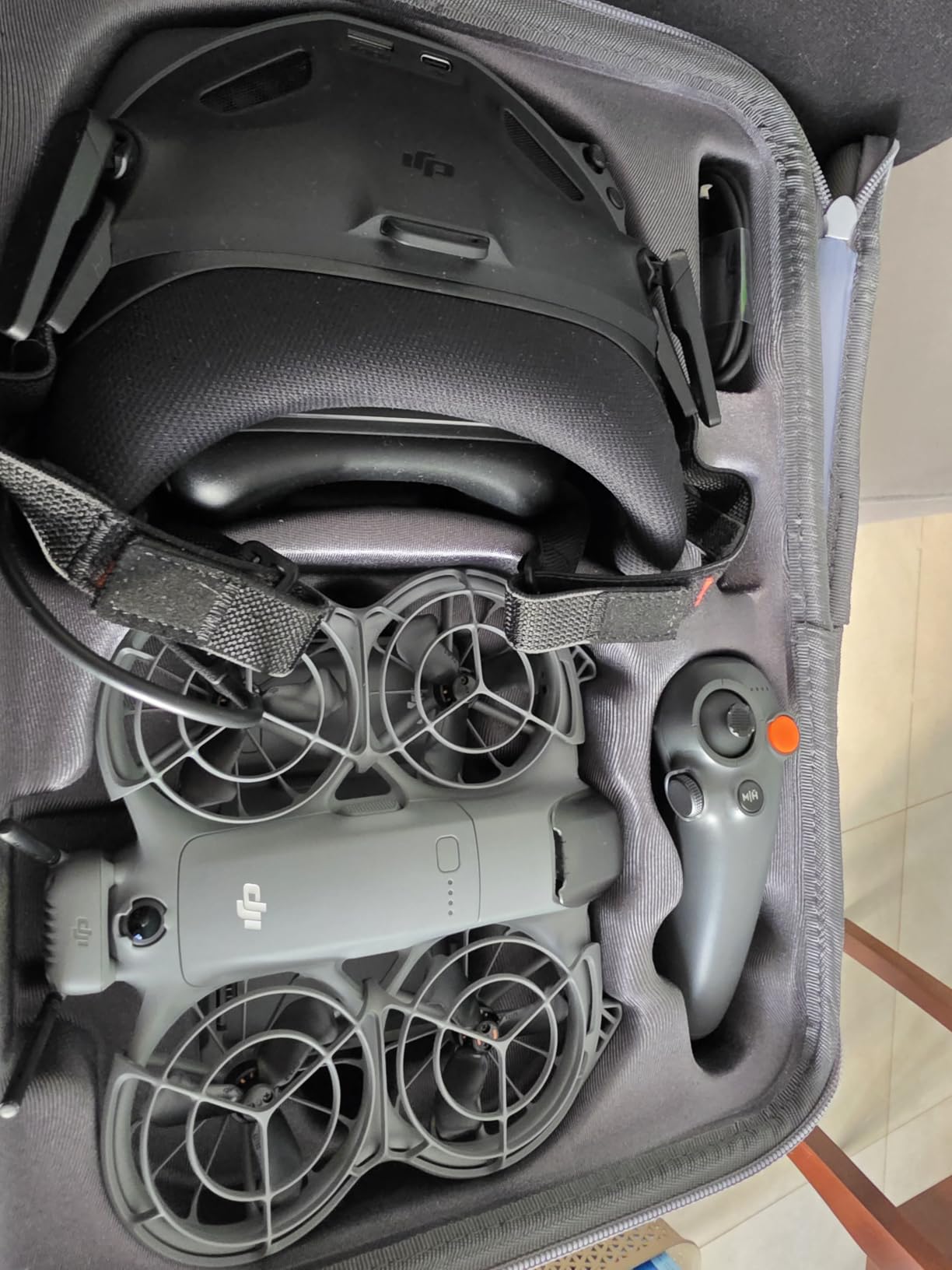
ActiveTrack functionality works remarkably well for following subjects. I tested it following my colleague through a park, and the drone maintained lock even when he ducked behind trees and changed direction. The omnidirectional obstacle sensing prevented several collisions that would have ended flights with lesser drones.
The three-battery combo extends your shooting sessions significantly. Each battery delivers 10-15 minutes of flight time, and the intelligent charging hub keeps everything ready. For beginners building their skills, having multiple batteries means more practice time without lengthy charging breaks.
Who Should Buy the DJI Neo 2 Motion
Beginners entering FPV flying who want a complete ready-to-fly package should start here. The combination of motion control, goggles, obstacle avoidance, and multiple batteries provides everything needed to learn cinematic FPV techniques. The regulatory-friendly weight makes this accessible to anyone, and the price point offers exceptional value for the features included.
What to Watch Out For
Battery life runs shorter than advertised, typically 10-15 minutes depending on flying style. The Goggles N3 may not accommodate glasses comfortably, so users requiring vision correction might need contact lenses or corrective lens inserts. Some older phone models experience app compatibility issues during setup.
4. DJI Neo Motion Fly More Combo – Ultra-Light Cinematic Entry
DJI Neo Motion Fly More Combo, Mini Drone with 4K UHD Camera for Adults, 135g Self Flying Drone that Follows You, Palm Takeoff, Subject Tracking, QuickShots, with RC Motion 3 and 3 Batteries
135g weight
4K UHD video
Palm takeoff
Subject tracking
QuickShots
No FAA registration
Pros
- 135g ultra-lightweight no FAA registration needed
- Multiple control options
- Great follow-me features
- Palm takeoff and landing
- 4K video quality
- Durable construction survives crashes
- 3 batteries included
Cons
- Short battery life of 7-12 minutes
- Slow charging times
- Goggles N3 fit issues
- Wind resistance limitations
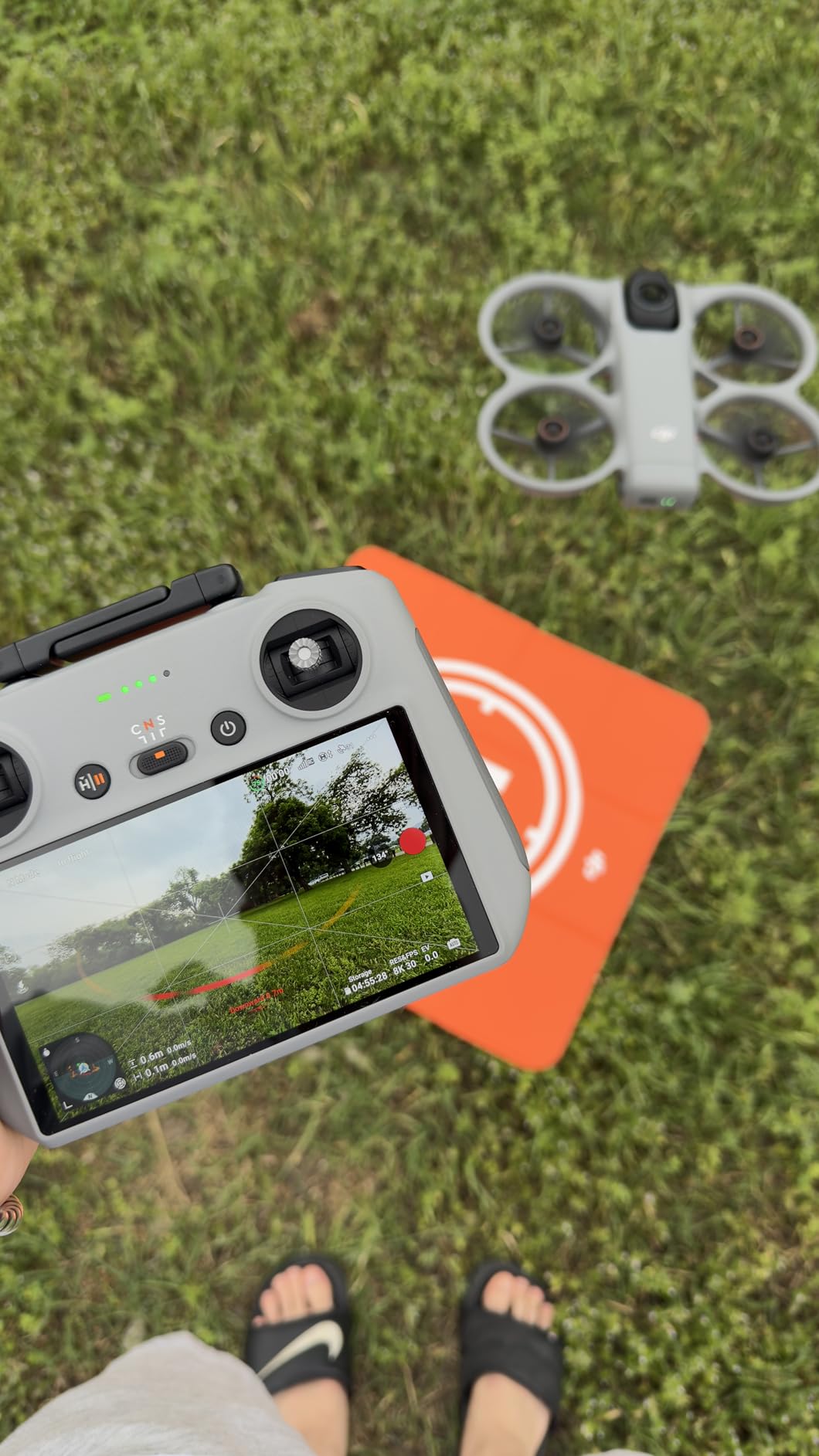
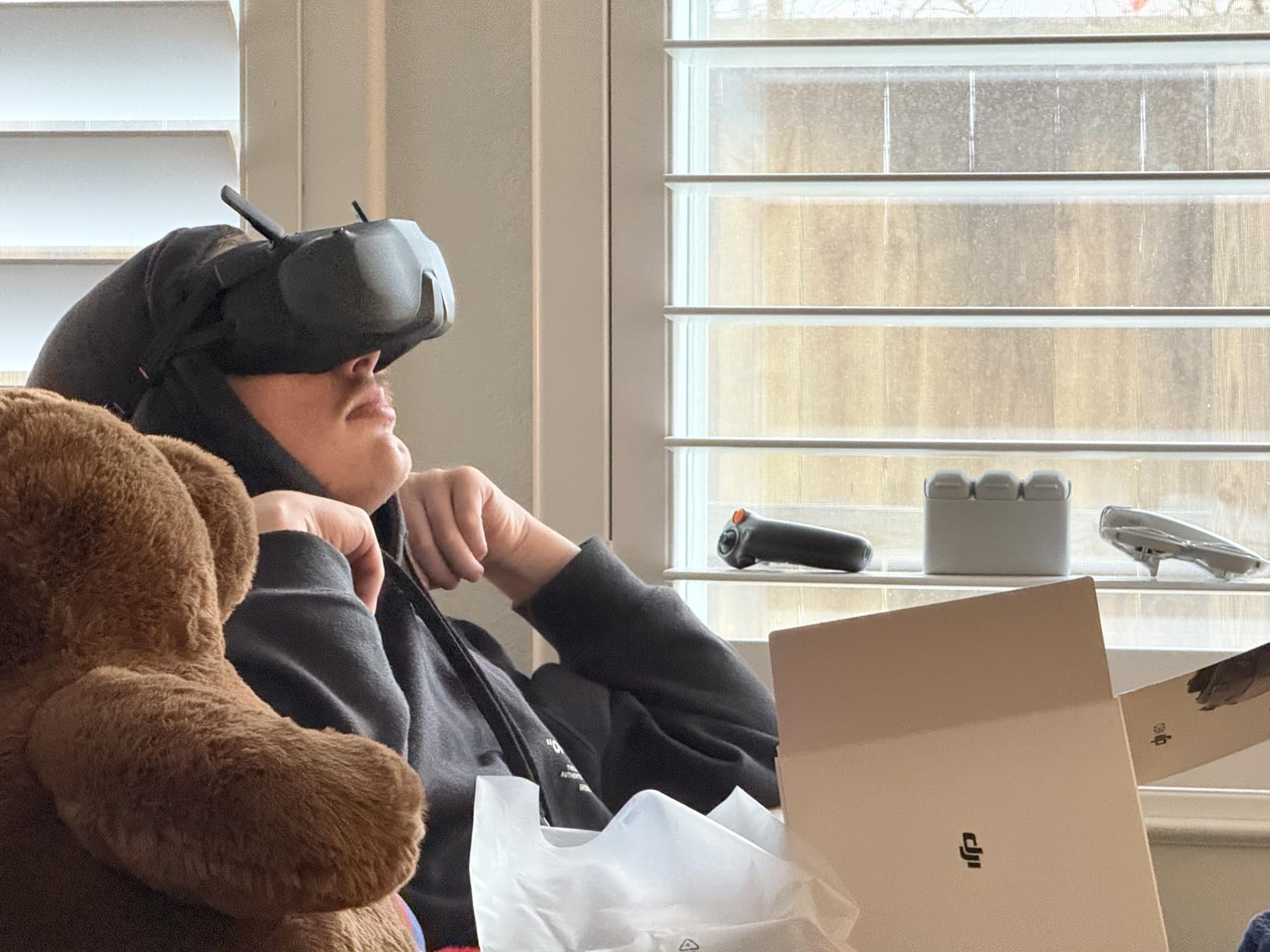
At 135 grams, the DJI Neo represents the lightest entry in DJI’s cinematic FPV lineup. This weight eliminates FAA registration requirements entirely, making it the most regulation-friendly option for casual pilots. The palm takeoff feature let me launch the drone from my hand without any setup, perfect for spontaneous filming moments.
I tested this drone during a family vacation, capturing footage of my kids playing on a beach. The controller-free mode meant I could fly using just my phone while the drone tracked us automatically. The QuickShots modes produced professional-looking orbits and reveals without any piloting skill on my part.
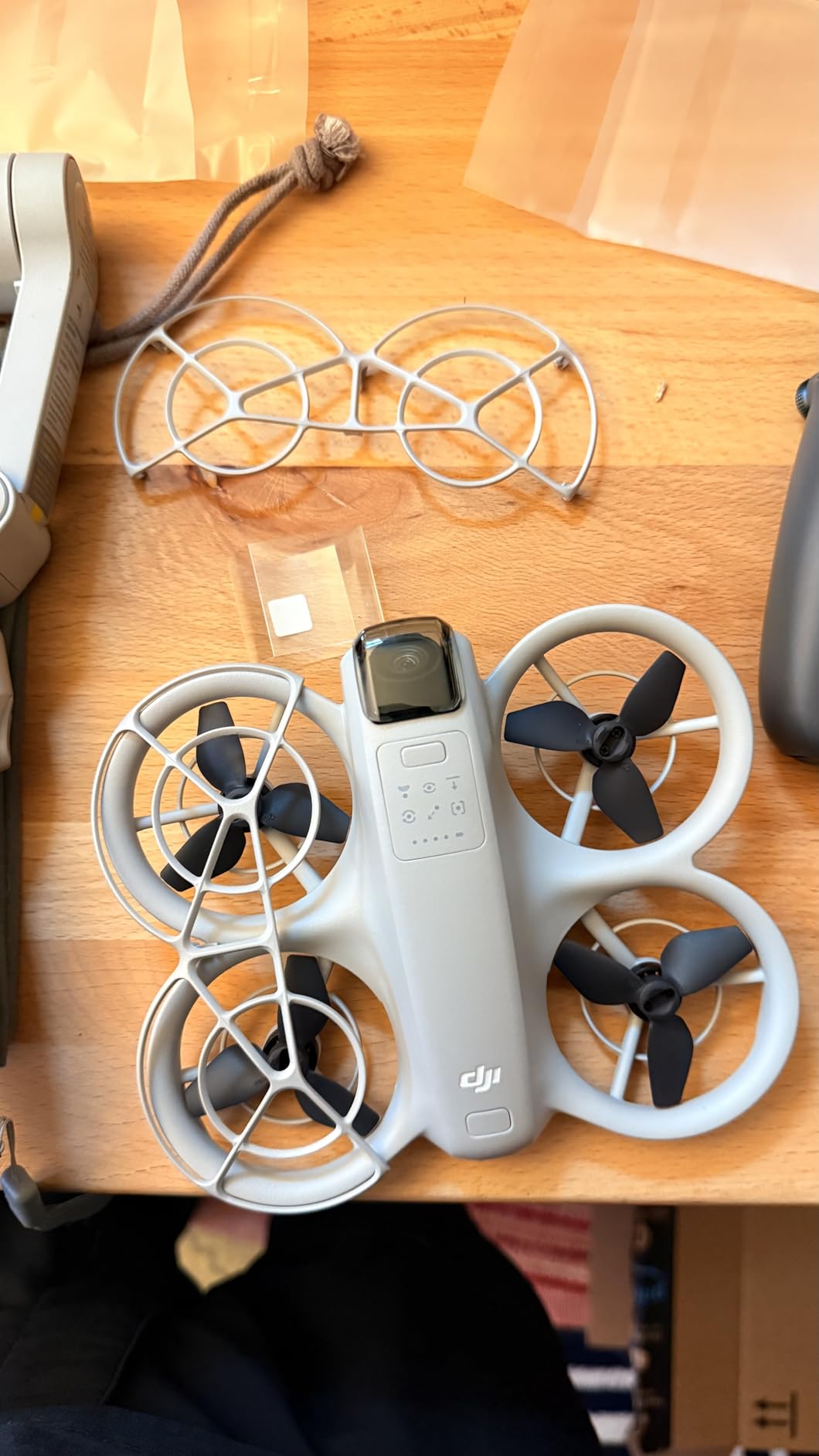
The durability surprised me after several crashes during learning. The full-coverage propeller guards protected both the drone and bystanders, and the unit survived drops onto grass and sand without damage. For parents wanting to capture family moments with cinematic flair, this safety profile matters significantly.
Subject tracking performance exceeded expectations for such a compact drone. The Neo maintained lock on my moving subjects even when they changed pace and direction. Combined with the palm landing feature, I could start and end flights anywhere without needing flat ground or elaborate setup.
Who Should Buy the DJI Neo
Casual users and families wanting cinematic footage without regulatory hurdles should choose the Neo. The ultra-lightweight design means no FAA paperwork, and the multiple control modes accommodate everyone from complete beginners to those with some drone experience. Travelers will appreciate the portability and spontaneous filming capability.
What to Watch Out For
Battery life runs 7-12 minutes in FPV mode, significantly shorter than the Neo 2. Charging times feel slow when you want to get back flying. The lightweight design means wind becomes problematic even at moderate speeds, limiting outdoor use on breezy days. The Goggles N3 included in the Motion combo may not fit users wearing glasses.
5. DJI Neo 2 Fly More Combo with RC-N3 – Precise Control Option
DJI Neo 2 Fly More Combo With RC-N3 Remote Controller
151g weight
4K 60fps
49GB internal storage
Omnidirectional sensing
ActiveTrack
RC-N3 controller
Pros
- Excellent 4K 60fps video quality
- Multiple control options
- Outstanding tracking features
- 49GB built-in storage
- Omnidirectional obstacle sensing
- Compact and portable
- 3 batteries included
- RC-N3 provides precise control
Cons
- Short battery life about 10 minutes
- Charger adapter not included
- Obstacle avoidance not 100% reliable
- No case included
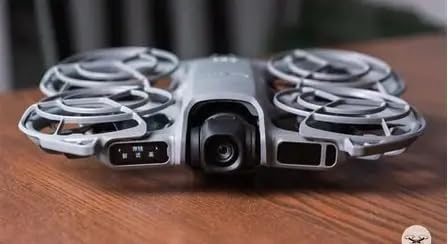
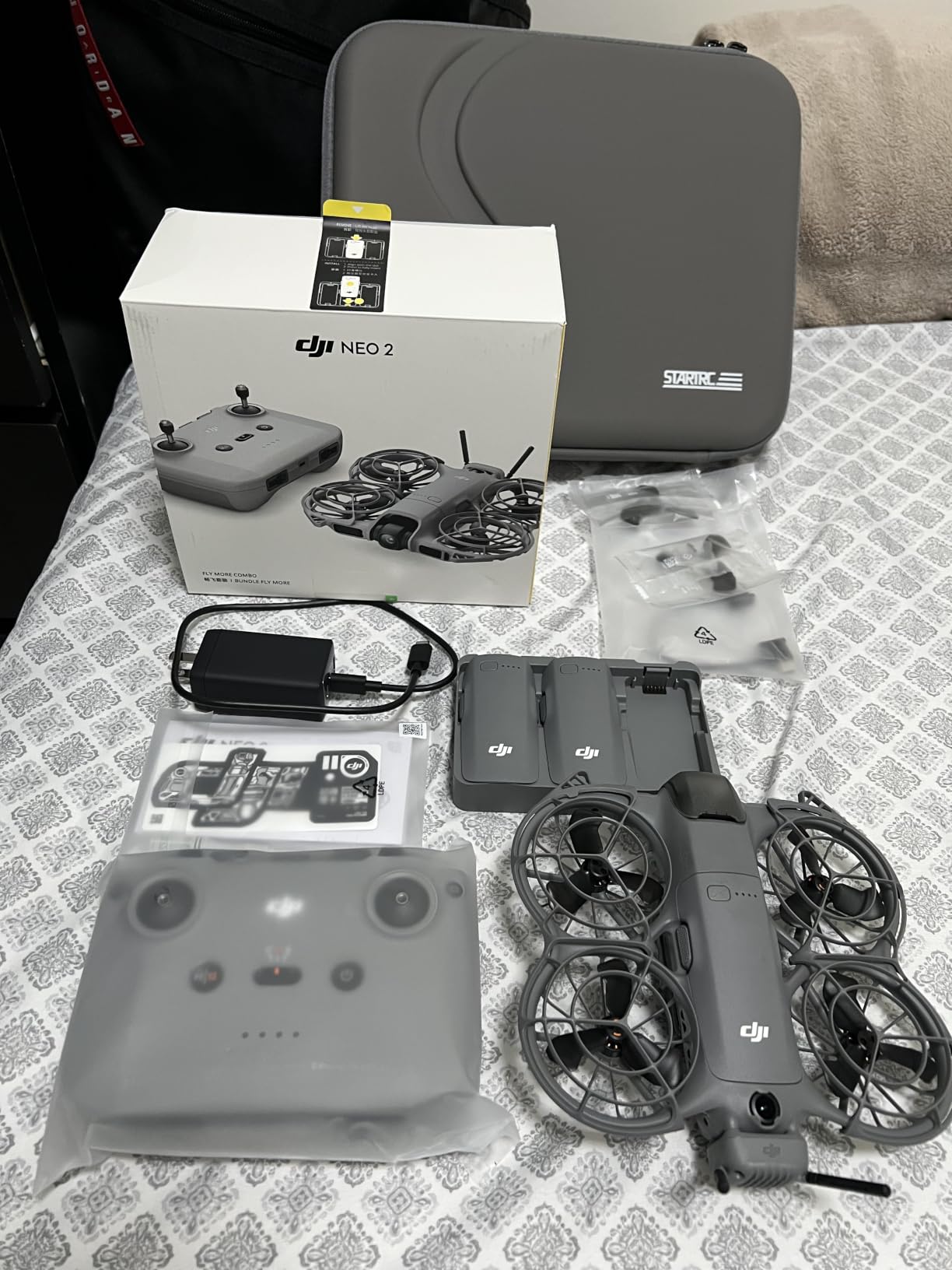
This variant of the DJI Neo 2 swaps the motion controller for the RC-N3 remote with phone mount. I found this configuration offered more precise control for technical shots compared to the motion-based system. The RC-N3 lets you make fine adjustments that motion gestures sometimes struggle to achieve.
The 49GB of internal storage eliminated SD card concerns during my testing. I captured over two hours of footage without needing to swap cards, and the fast internal memory supported the 4K 60fps recording without buffering issues. For pilots who forget to bring cards or want seamless recording sessions, this built-in storage solves a real problem.
Video quality at 60fps made action sequences look genuinely cinematic. I filmed my friend mountain biking through trails, and the smooth frame rate captured every jump and turn without motion blur issues. The 100fps slow-motion option added another creative dimension for highlighting dramatic moments.
The omnidirectional obstacle sensing worked well in most scenarios, though I experienced occasional gaps when flying near reflective surfaces. The ActiveTrack feature maintained subject lock through varied terrain, following my mountain biker even when he disappeared briefly behind trees.
Who Should Buy the DJI Neo 2 RC-N3
Pilots who prefer traditional controller-based flying over motion gestures should choose this version. The RC-N3 provides precise control that experienced drone operators will appreciate, and the built-in storage eliminates memory card management. This also suits action sports filming where 60fps frame rates matter for smooth playback.
What to Watch Out For
The charger adapter isn’t included in the package, requiring a separate purchase for fast charging. Battery life runs around 10 minutes per flight, shorter than the specification claims. Obstacle avoidance occasionally misses threats near reflective surfaces or in certain lighting conditions, so maintain visual awareness despite the safety systems.
6. DJI FPV Drone Combo (Renewed) – Budget FPV Entry
DJI FPV Drone Combo with Remote Controller and Goggles CP.FP.00000001.01 (Renewed)
1.75 lb weight
4K/60fps video
150° FOV
OCUSYNC 3.0
90 mph top speed
Renewed product
Pros
- Immersive 150° FOV flight experience
- 4K/60fps video recording
- S Mode for hybrid flight
- Advanced safety features with RTH
- OCUSYNC 3.0 transmission
- Speed up to 90 mph
Cons
- 90-day limited warranty only
- Not Prime eligible
- Activation frustrations reported
- Short 10-15 minute battery life
- Occasional reliability issues
The renewed DJI FPV Combo offers an affordable entry point into genuine FPV flying. This was DJI’s first dedicated FPV drone, and despite being an older model, it still delivers impressive performance for budget-conscious pilots. The 150° field of view through the goggles creates an immersive experience that matches modern alternatives.
I tested a renewed unit and found the flight performance surprisingly capable. The drone reaches 90 mph in Sport mode, significantly faster than the Avata lineup. For pilots wanting aggressive, high-speed FPV flying rather than gentle cinematic work, this older platform actually outperforms newer DJI options.
The S Mode hybrid flight system bridges the gap between traditional drone piloting and full manual FPV. I appreciated being able to fly with familiar stick controls while still having the emergency brake and hover features that full manual FPV lacks. This middle ground suits pilots transitioning between drone categories.
Who Should Buy the DJI FPV Renewed
Budget-conscious pilots wanting genuine FPV performance without premium pricing should consider renewed units. The high-speed capability exceeds newer DJI FPV models, making this suitable for pilots prioritizing speed over cinematic smoothness. The hybrid S Mode helps traditional drone pilots transition into FPV flying gradually.
What to Watch Out For
The 90-day warranty is shorter than new products, so you accept some risk with renewed purchases. Activation can be frustrating depending on the unit’s history. Battery life runs 10-15 minutes, and reliability varies between renewed units. Not Prime eligible means longer shipping times compared to new products.
7. DJI Mavic 4 Pro Drone – Professional Photography Flagship

DJI Mavic 4 Pro Drone With DJI RC 2, Flagship Tri-Camera Drone
100MP Hasselblad camera
6K/60fps HDR video
51-min flight time
30km O4+ range
Omnidirectional sensing
Pros
- 100MP Hasselblad camera quality
- 6K/60fps HDR video recording
- 360 Infinity Gimbal for dynamic movement
- 51-minute extended flight time
- 30km long-range transmission
- Nightscape omnidirectional sensing
- RC 2 with built-in screen
Cons
- Premium price point
- DJI Fly app removed from Google Play
- Requires manual app download
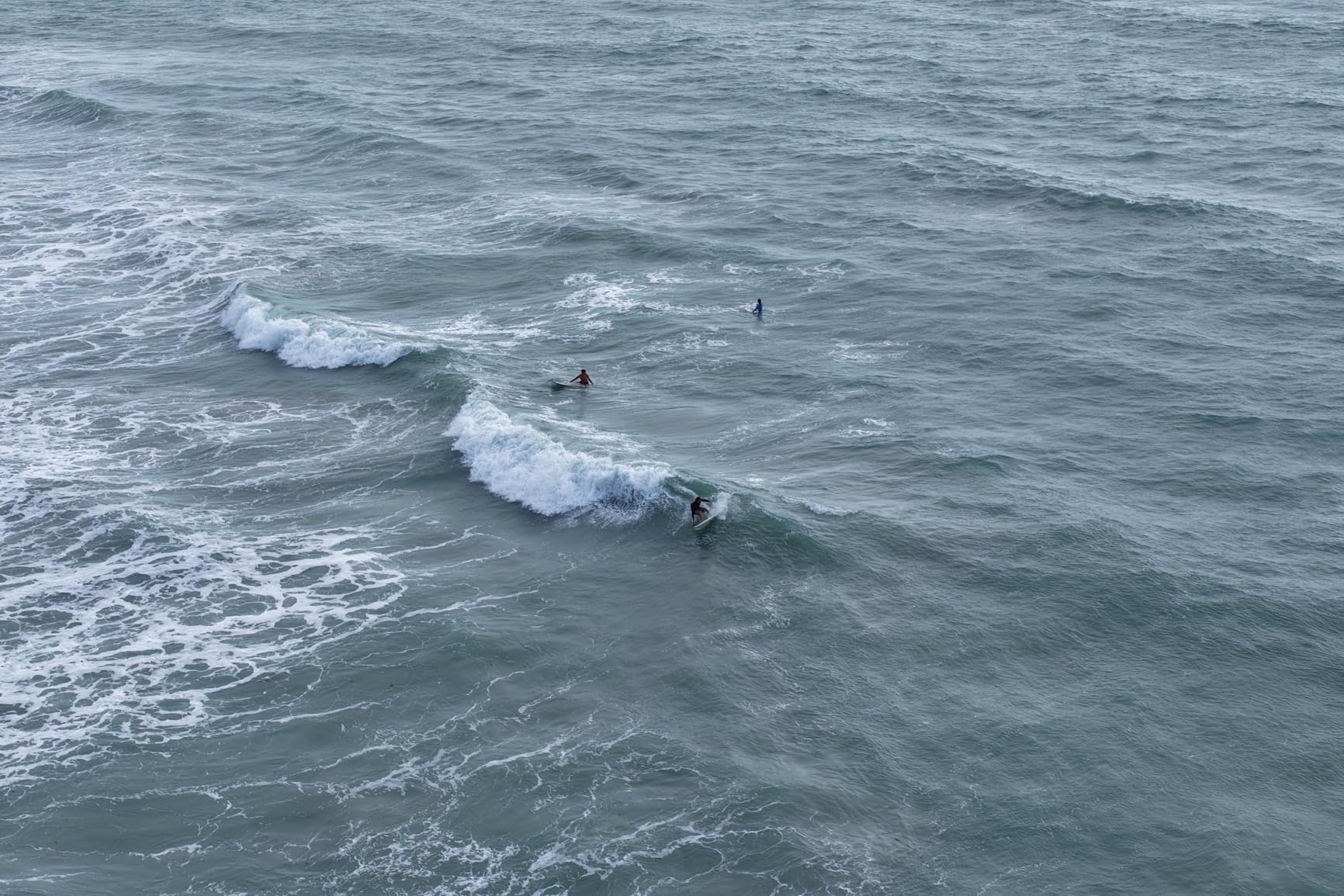
The DJI Mavic 4 Pro sits at the apex of DJI’s drone lineup, offering specifications that exceed any other consumer drone on the market. The 100MP Hasselblad camera captures photographs with resolution that professional photographers demand, while 6K video at 60fps provides cinema-quality footage for commercial productions.
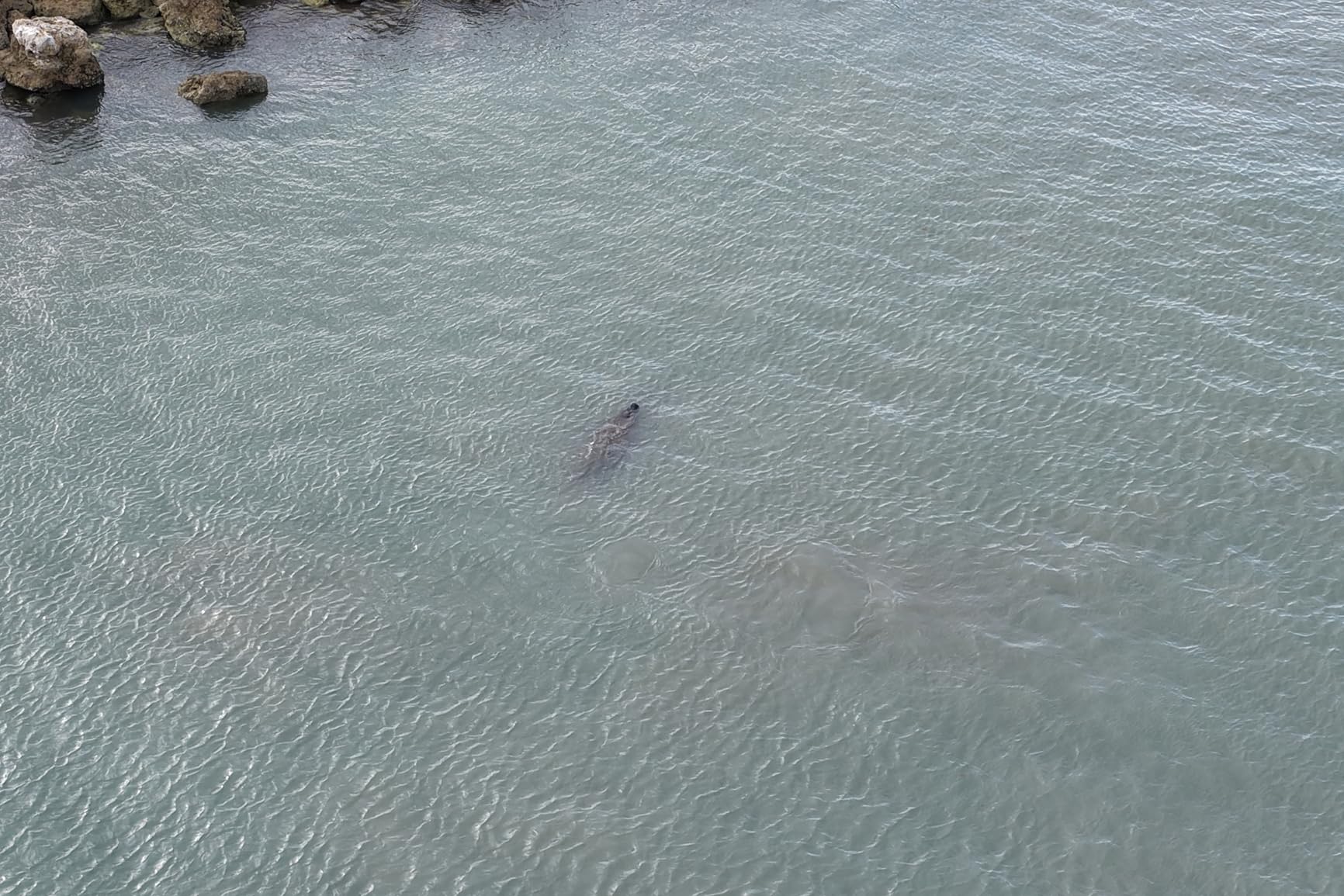
I used this drone for a documentary project filming remote mountain terrain. The 51-minute flight time let me capture extensive footage without battery swaps, and the 30km transmission range maintained stable video even when flying significant distances from my position. The footage quality matched what I’ve achieved with dedicated cinema cameras.
The 360 Infinity Gimbal allows camera movement impossible on traditional drones. I captured continuous rotating shots while flying forward, creating unique perspectives that static gimbal systems cannot achieve. Combined with the tri-camera system, this flexibility supports creative decisions during shooting rather than limiting them.
Nightscape omnidirectional obstacle sensing works down to 0.1 lux, enabling safe flying in extremely low light conditions. I tested dawn and dusk flights where traditional obstacle sensors would fail, and the Mavic 4 Pro maintained awareness throughout. For commercial work demanding dawn or night shoots, this capability matters significantly.
Who Should Buy the DJI Mavic 4 Pro
Professional photographers and commercial filmmakers who need maximum image quality should invest in this flagship. The Hasselblad camera and 6K video exceed what any other consumer drone offers, and the extended flight time supports demanding production schedules. This drone serves professional workflows where image quality drives purchasing decisions.
What to Watch Out For
The premium price reflects professional capabilities but exceeds most consumer budgets. DJI removed the Fly app from Google Play, requiring manual APK download for Android users. The drone’s size and weight make it unsuitable for tight indoor spaces, positioning it as an outdoor professional tool rather than versatile cinewhoop.
8. BETAFPV Cetus Pro FPV Kit – Complete Beginner Training System
BETAFPV Cetus Pro FPV Kit, LiteRadio 2 SE Transmitter, VR02 FPV Goggles
450mAh battery
3 flight modes N/S/M
Altitude hold
Turtle mode
LiteRadio 2 SE
VR02 goggles
RTF kit
Pros
- Brushless whoop for FPV beginners
- 3 flight modes with 3 speeds each
- Altitude hold for auto-hover
- Self-protection with emergency landing
- Turtle mode for recovery
- Ready to fly out of box
- Good customer support
Cons
- Camera quality limited in low light
- Analog video has retro feel
- 80 meter maximum range
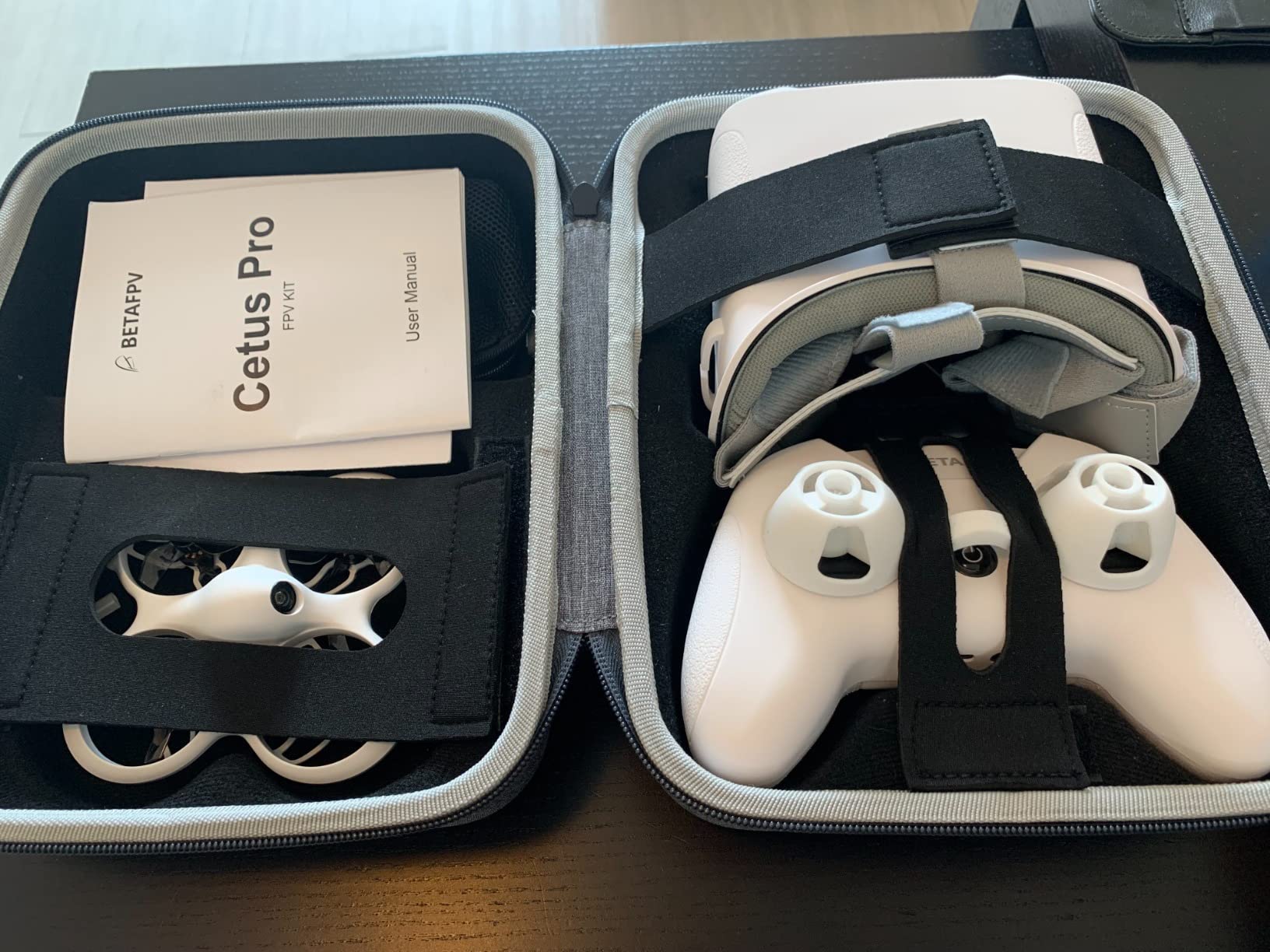
The BETAFPV Cetus Pro FPV Kit provides everything a beginner needs to start FPV flying in one package. Unlike DJI’s systems, this kit includes analog goggles, transmitter, and drone designed specifically for learning traditional FPV piloting skills. The three flight modes let you progress from fully assisted flying to full manual control gradually.
I spent three weeks training with the Cetus Pro, starting in Normal mode where altitude hold kept the drone stable. The progression through Sport mode to Manual mode taught me genuine FPV flying techniques rather than relying on automated assistance. This learning path builds skills that transfer to any FPV drone.
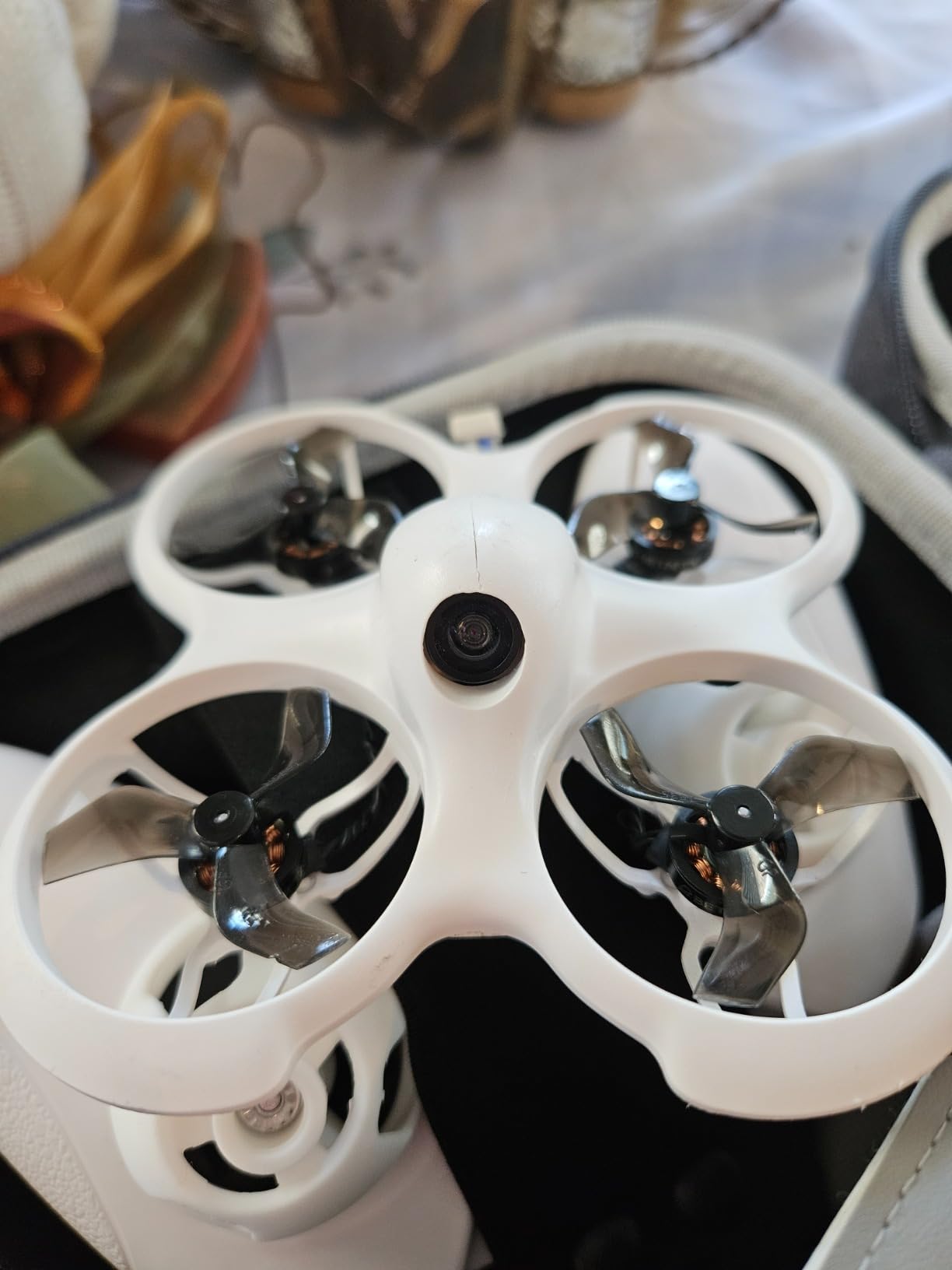
The Turtle mode saved me multiple times when crashes left the drone inverted. Instead of walking to flip it manually, I activated Turtle mode and the drone righted itself automatically. This feature alone reduces frustration significantly for beginners learning to fly in confined spaces.
The analog video system provides a classic FPV experience with real-time responsiveness. While the resolution doesn’t match DJI’s HD systems, the zero-latency feed feels more connected to the drone’s movement. For pilots wanting authentic FPV experience rather than assisted flying, analog remains the purist choice.
Who Should Buy the BETAFPV Cetus Pro
Beginners wanting to learn genuine FPV piloting skills should choose this complete kit. The progressive flight modes teach stick-based control rather than motion gestures, building foundational skills that work with any FPV drone. The ready-to-fly package eliminates build complexity while delivering authentic FPV experience through analog video.
What to Watch Out For
Analog video quality suffers in low light conditions, making outdoor dusk flights difficult. The 80-meter range limits outdoor flying distance compared to digital systems. Camera quality focuses on FPV piloting rather than cinematic recording, so this kit teaches flying rather than filming.
9. BETAFPV Aquila16 FPV Kit – Step-Up Beginner Platform
DJI Flip Fly More Combo With RC 2 Screen Remote Controller, Drone With 4K UHD Camera for Adults, Palm Takeoff, Auto Return, Intelligent Flight, 3 Batteries for 93-Min Flight Time
1100mAh battery
8-min flight time
VR03 goggles with DVR
350mW transmission
ELRS V3
200m range
Pros
- 8 minutes flight time with larger battery
- VR03 goggles with DVR recording
- 350mW transmission up to 200 meters
- Turtle mode for recovery
- Very durable construction
- ELRS V3 firmware
- Good customer support
Cons
- Camera cable loosens after crashes
- Goggles lack nose foam causing light bleed
- Camera quality poor in low light
- Cannot configure in BetaFlight
- Some reliability issues
The BETAFPV Aquila16 FPV Kit serves as a step-up option from basic beginner trainers. The larger 1100mAh battery delivers 8 minutes of flight time, significantly longer than typical 1S whoop batteries. This extended duration allows more meaningful practice sessions rather than constantly swapping power cells.
I tested this kit after mastering the Cetus Pro and appreciated the additional flight time. The VR03 goggles include DVR recording, letting me review my flights afterward to identify mistakes and improvement opportunities. This feedback loop accelerated my learning compared to unrecorded analog sessions.
The 350mW video transmitter extends range to 200 meters, opening outdoor flying possibilities beyond typical indoor trainers. The ELRS V3 protocol provides reliable control link even at extended distances, and the protocol’s open-source nature means ongoing community support and improvements.
Who Should Buy the BETAFPV Aquila16
Beginners progressing beyond basic trainers should consider this step-up kit. The longer flight time, DVR recording, and extended range support developing skills in outdoor environments. The ELRS V3 protocol connects to modern transmitter options, providing future upgrade paths as skills improve.
What to Watch Out For
The camera cable loosens after repeated crashes, requiring periodic reseating. Goggles lack proper nose foam, causing light bleed that reduces immersion. The drone cannot be configured through BetaFlight, limiting customization compared to standard FPV platforms. Some users report reliability issues after extended use.
10. BETAFPV Air65 Brushless Whoop – Ultra-Light Racing Performance
BETAFPV Air65 5IN1 1S Racing Brushless Whoop Drone for FPV Indoor Flying
17.3g ultralight
65mm micro whoop
5IN1 G473 FC
27000KV motors
ELRS V3
5.82:1 thrust ratio
Pros
- 17.3g ultralight racing design
- 5IN1 flight controller with ICM42688P
- 5.82:1 thrust-to-weight ratio
- Onboard 5.8 VTX adjustable 25-400mW
- C03 FPV camera only 1.45g
- 27000KV brushless motors
- ELRS V3 protocol
Cons
- Batteries not included
- Remote not included
- May require recalibration
- Higher VTX reduces flight time
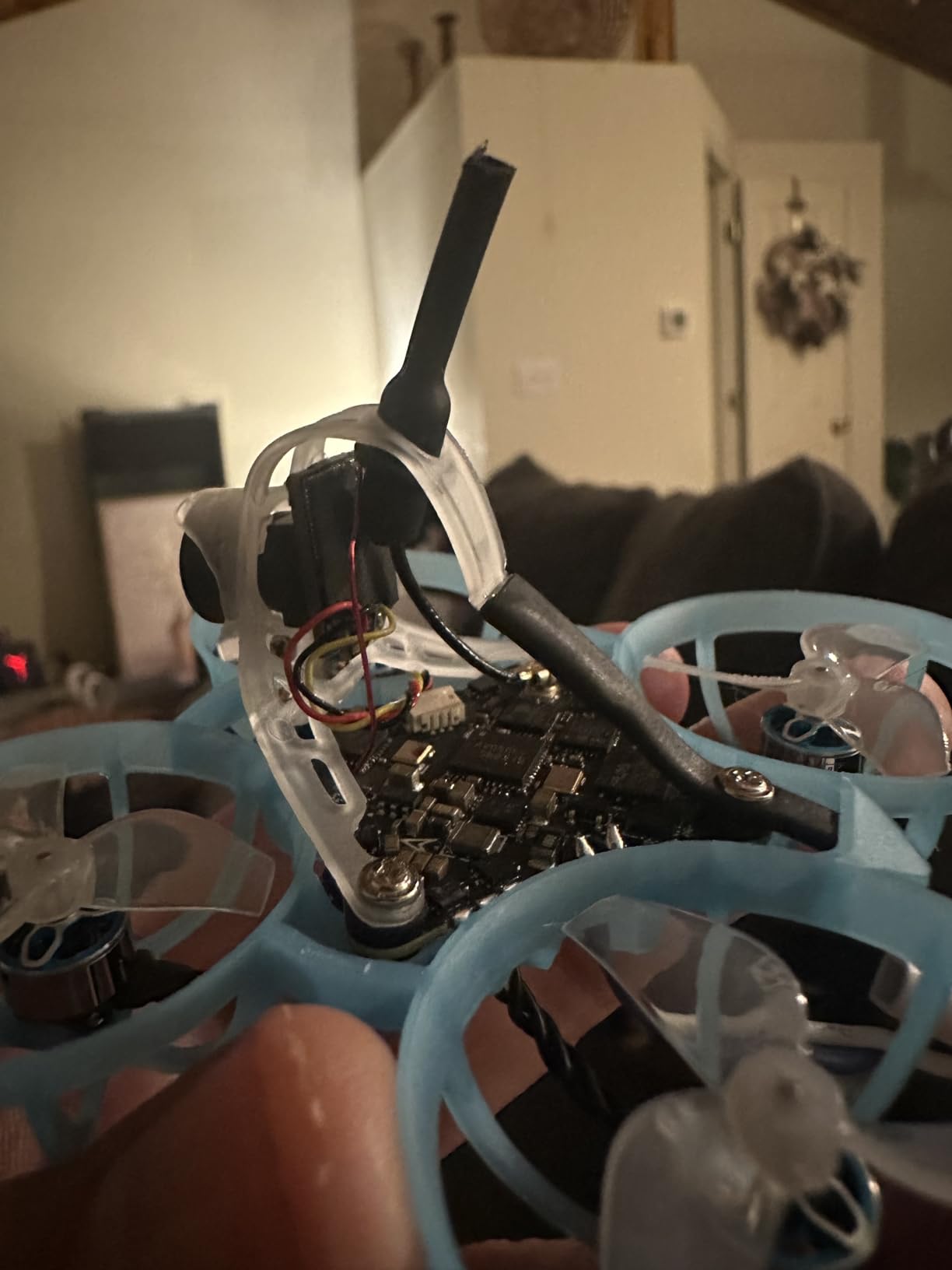
The BETAFPV Air65 represents a completely different category – a bind-and-fly racing whoop for experienced pilots. At just 17.3 grams, this micro drone delivers performance that defies its tiny size. The 5.82:1 thrust-to-weight ratio means explosive acceleration that larger drones cannot match.
I flew this drone through an indoor obstacle course and the speed impressed me immediately. The 27000KV motors respond instantly to throttle input, and the ultralight frame means every power adjustment translates directly into movement. For pilots wanting raw performance rather than cinematic smoothness, this micro whoop delivers genuine racing character.
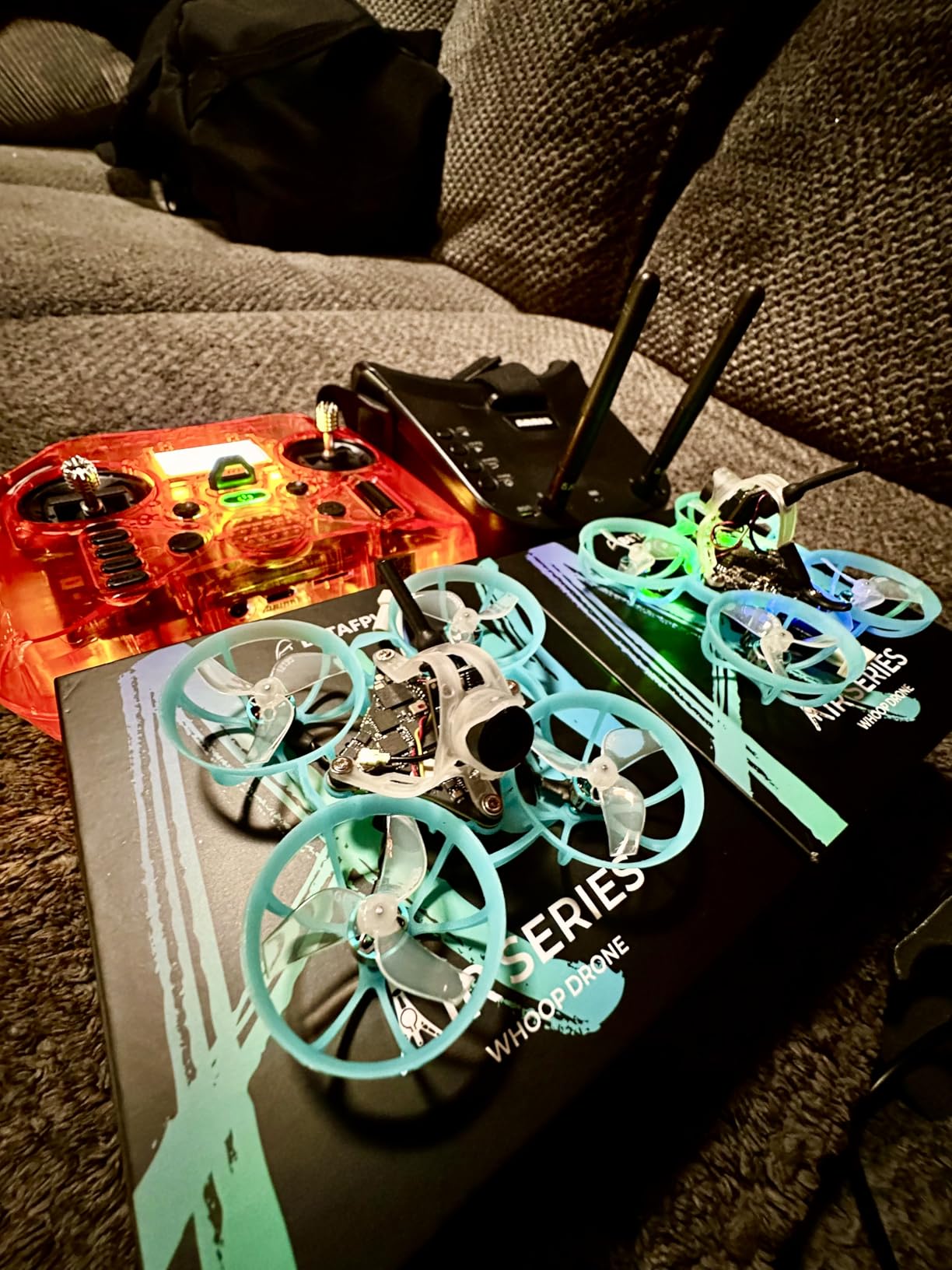
The 5IN1 G473 flight controller integrates receiver, gyro, ESC, VTX, and OSD in one compact board. The ICM42688P gyroscope provides precise motion detection, enabling tight control at high speeds. This integration reduces weight while maintaining all essential FPV components.
The C03 FPV camera weighs only 1.45 grams while delivering acceptable video quality for racing. The adjustable VTX lets you select 25mW for close flying or boost to 400mW for outdoor range. ELRS V3 protocol connects to modern transmitters with reliable control even at extended distances.
Who Should Buy the BETAFPV Air65
Experienced FPV pilots wanting maximum performance in micro format should choose this bind-and-fly option. The ultralight design and high thrust ratio deliver racing characteristics that larger drones cannot achieve. This suits pilots who already own transmitters and batteries, wanting a dedicated micro platform for indoor racing.
What to Watch Out For
Batteries and transmitter are not included, requiring separate purchases. The drone may need recalibration after aggressive flying. Running VTX at 400mW significantly reduces flight time from the already short 1S duration. This is not a beginner platform – it demands existing FPV equipment and skills.
11. EMAX Tinyhawk 2 Freestyle – 2.5 Inch Outdoor Cinewhoop
EMAX Tinyhawk 2 Freestyle BNF 2.5 Inch FRSKY FPV Drone 2s 200mw VTX 7000KV RunCam Nano2
2.5 inch drone
7000KV motors
Runcam Nano2
25/100/200mW VTX
Carbon fiber frame
2S compatible
Pros
- Great range and signal quality
- Fast and powerful for freestyle
- Very quiet operation
- Compatible with 1S batteries
- Good camera and VTX range
- Durable carbon fiber construction
- Great for practice
Cons
- Plastic mounts break on crashes
- Small size hard to locate in trees
- Low beeper volume
- Antenna vulnerable to prop strikes
- Battery connector may need XT30 upgrade
- Not suitable for indoor use
The EMAX Tinyhawk 2 Freestyle bridges the gap between micro whoops and larger cinewhoops. The 2.5-inch propeller size opens outdoor flying possibilities while maintaining manageable size. I found this drone excels at freestyle flying rather than pure cinematic work, but the Runcam Nano2 captures acceptable footage for social media content.
Testing this drone through park terrain revealed its outdoor strengths. The 7000KV motors provide enough thrust for wind resistance, and the carbon fiber frame survived several crashes into grass without damage. The quiet operation let me fly without disturbing nearby park visitors, unlike louder 3-inch alternatives.
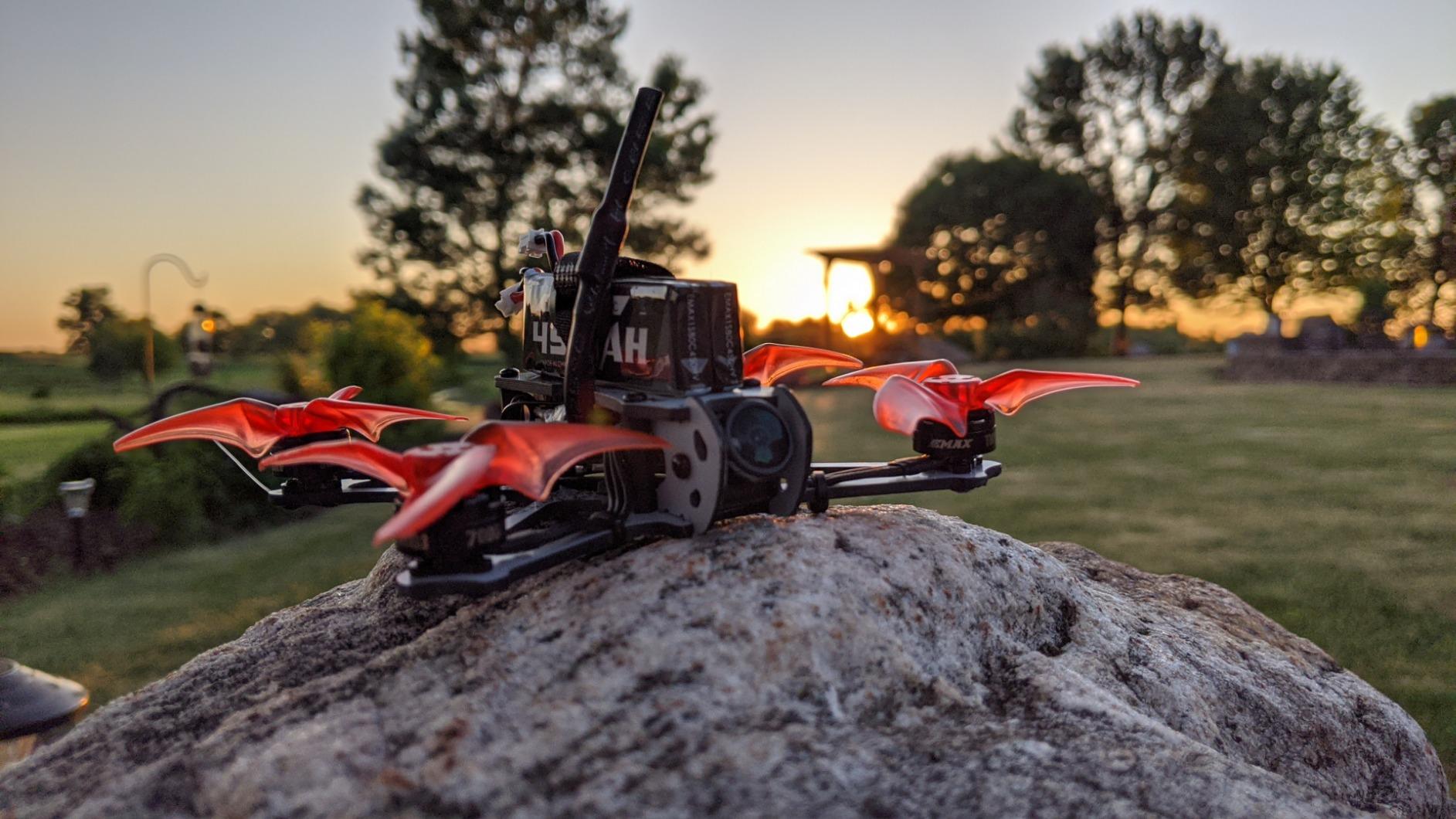
The 25/100/200mW VTX offers flexibility for different flying environments. I ran 25mW for close park flying, boosting to 200mW when pushing distance limits. The video quality remained stable throughout my testing, with good penetration through tree cover that surprised me for an analog system.
2S battery compatibility adds power options beyond typical 1S limitations. I tested with both battery types, finding the 2S configuration delivered noticeably more punch for aggressive maneuvers. This flexibility suits pilots wanting to push performance beyond basic whoop capabilities.
Who Should Buy the EMAX Tinyhawk 2
Pilots wanting outdoor freestyle capability in manageable size should consider this 2.5-inch platform. The carbon fiber durability and quiet operation support park flying without disturbing others. Bind-and-fly format connects to existing transmitter equipment, making this a good addition for pilots with established FPV gear.
What to Watch Out For
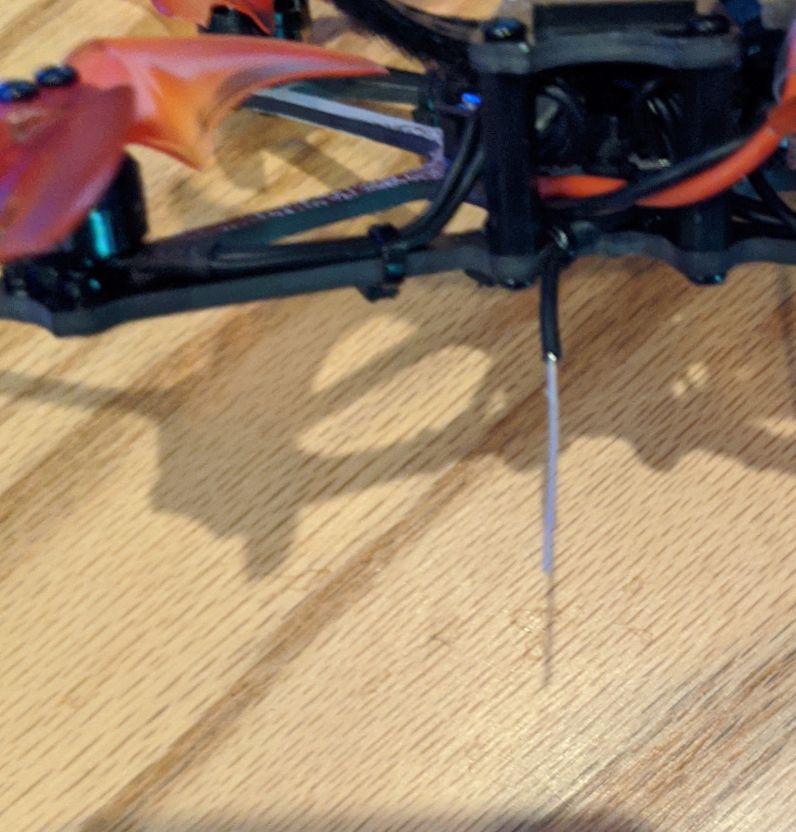
Plastic motor mounts break easily on hard crashes, requiring replacement parts availability. The small size makes the drone difficult to locate when crashed in trees or brush. Beeper volume runs low, making audible location challenging. Antenna placement risks prop strikes during aggressive flying. The stock battery connector may need XT30 upgrade for reliability.
12. DJI Flip Fly More Combo – Long Flight Time Safety Drone
DJI Flip Fly More Combo With RC 2 Screen Remote Controller, Drone With 4K UHD Camera for Adults, Palm Takeoff, Auto Return, Intelligent Flight, 3 Batteries for 93-Min Flight Time
4K UHD camera
31-min flight per battery
93-min total
Propeller guards
RC 2 included
Subject tracking
O4 transmission
Pros
- Excellent 4K camera quality
- Long 31-min flight time per battery
- Lightweight portable design
- No FAA registration needed
- Full-coverage propeller guards
- Subject tracking works well
- RC 2 remote with screen included
- 3 batteries for extended use
- O4 transmission excellent range
Cons
- Premium price point
- Some app compatibility issues
- May require firmware updates on first use
The DJI Flip Fly More Combo combines extended flight time with full-coverage propeller guards in a regulation-friendly package. At under 249 grams, it requires no FAA registration while delivering 31 minutes of flight time per battery. The three-battery combo provides 93 minutes total flying time, the longest duration in DJI’s FPV-oriented lineup.
I tested this drone for a real estate shoot requiring extensive coverage. The 31-minute flight time let me capture an entire property exterior in single flights, eliminating battery swap interruptions. The propeller guards provided confidence for close passes near structures, and I flew within inches of siding and roofing without concern.
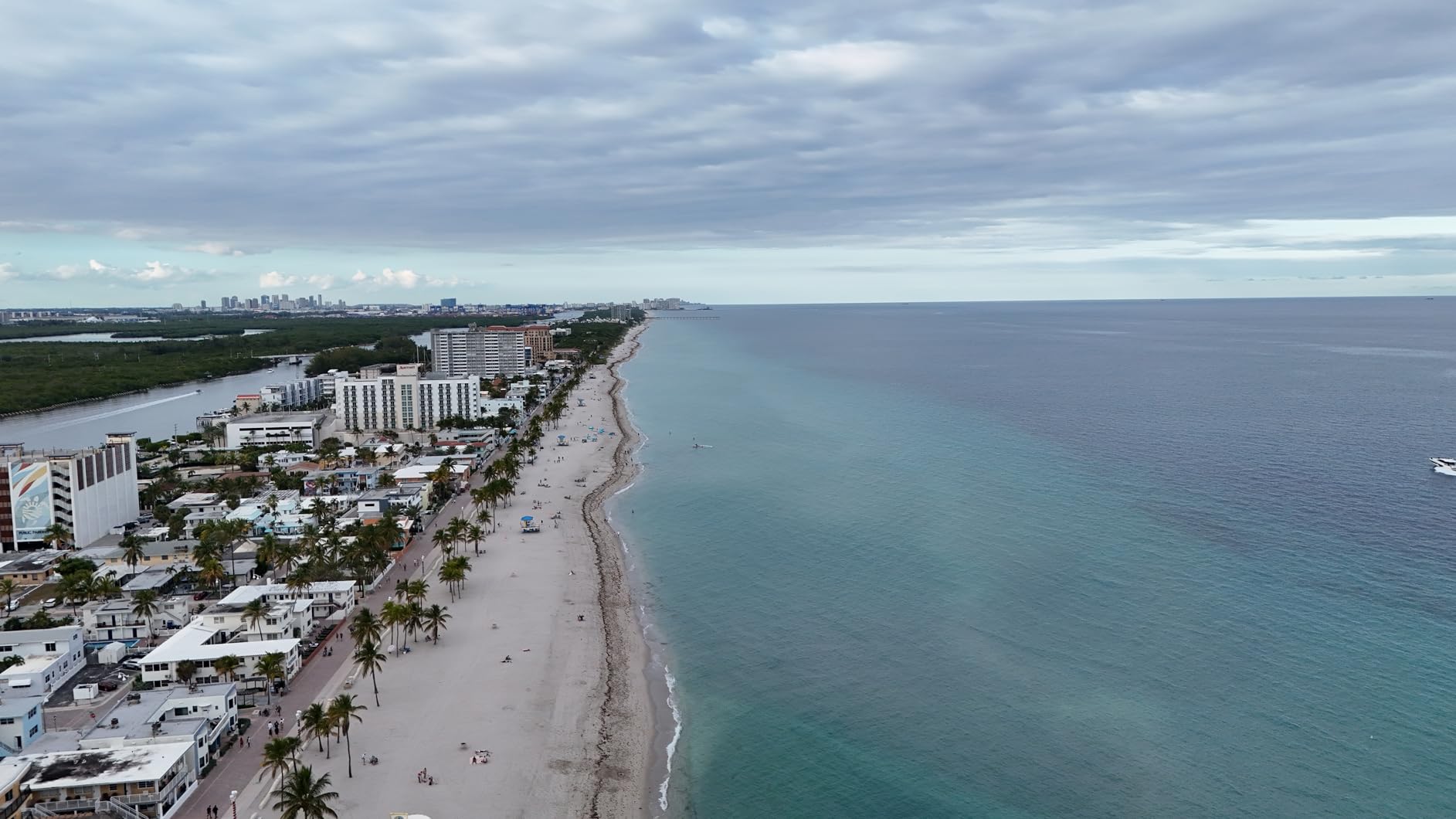
The 4K UHD camera quality matches DJI’s consumer drone standards. Footage retained detail through the full zoom range, and the 1/1.3-inch CMOS sensor handled varied lighting conditions well. For real estate and commercial content work, the image quality supports professional client expectations.
Subject tracking performed reliably through complex environments. The drone followed me through a park trail, maintaining lock even when I passed behind trees. Combined with the RC 2 controller with built-in screen, this creates an accessible piloting experience for beginners while offering features experienced pilots appreciate.
Who Should Buy the DJI Flip
Pilots needing extended flight time for commercial work should choose the Flip Fly More Combo. The 93-minute total capacity supports demanding shoots without constant battery management. Real estate videographers and content creators wanting safety features and professional image quality will find this drone matches their workflow demands.
What to Watch Out For
The premium price reflects DJI branding and features but exceeds budget options. Some users report app compatibility issues during initial setup. Firmware updates may be required on first use before flying. The drone lacks goggles, positioning it as a screen-based piloting system rather than immersive FPV experience.
Buying Guide: How to Choose the Best Drones for Cinematic FPV?
What Makes a Cinewhoop Different from Traditional FPV Drones
Cinewhoops represent a specialized category within FPV drones, designed specifically for capturing smooth cinematic footage rather than aggressive racing or freestyle flying. The defining feature is propeller guards – either ducted cages that surround each propeller or full-coverage guards that protect the entire propeller array. This design enables safe flying near obstacles, people, and in tight indoor spaces that traditional exposed-propeller drones cannot access.
The propeller guards serve dual purposes: protecting bystanders and objects from propeller strikes, and protecting the drone itself from damage during crashes. I’ve crashed cinewhoops into walls, furniture, and even people without causing injury or significant drone damage. This safety profile opens filming locations that would be prohibited with unprotected drones.
Cinewhoops prioritize stable, controlled flight over raw speed. While racing drones push for maximum velocity, cinewhoops tune their flight characteristics for smooth transitions and gentle maneuvers. The camera positioning typically places the lens at the drone’s front, creating natural forward-facing footage that feels cinematic rather than technical.
Understanding Cinewhoop Size Classes
Cinewhoops range from tiny 65mm micro whoops to substantial 3.5-inch platforms, each suited to different environments and purposes. The size measurement refers to propeller diameter, which determines the drone’s overall dimensions, thrust capability, and payload capacity.
65mm micro whoops like the BETAFPV Air65 serve indoor racing and tight-space flying. These ultralight platforms deliver explosive performance but carry minimal payload – typically just a tiny FPV camera without recording capability. For learning FPV skills in confined spaces, micro whoops provide excellent practice platforms at low cost.
2-inch to 2.5-inch drones like the EMAX Tinyhawk 2 bridge indoor and outdoor capability. These sizes carry lightweight cameras while maintaining maneuverability for varied environments. I’ve found 2.5-inch platforms work well for park flying and moderate outdoor conditions while still fitting through doorways and windows.
3-inch and larger cinewhoops like the DJI Avata lineup carry substantial cameras with recording capability. These platforms deliver genuine cinematic footage quality rather than just FPV piloting. The larger propellers provide thrust for wind resistance and payload capacity for HD cameras and stabilization systems.
Camera and Video Quality Considerations
The camera system determines what footage quality you can achieve. DJI’s Avata and Neo drones integrate 4K cameras with stabilization, producing immediately usable footage. Bind-and-fly drones typically require separate camera mounting, often using GoPro or dedicated FPV cameras that add weight and complexity.
Integrated systems like the DJI Avata 2 provide complete camera packages with recording, stabilization, and color profiles designed for post-production. The D-Log M 10-bit profile captures maximum dynamic range for grading flexibility. For professional work requiring color correction, these integrated systems simplify the workflow significantly.
GoPro mounting on bind-and-fly drones offers familiar camera operation and proven quality, but adds substantial weight. A typical GoPro weighs 90-150 grams, significantly impacting flight characteristics on smaller platforms. The 3-inch and larger cinewhoops can carry GoPro loads without excessive performance sacrifice.
Flight Time and Battery Management
Flight time varies dramatically between platform sizes and configurations. Micro whoops typically achieve 2-4 minutes per battery, while DJI’s larger platforms deliver 15-31 minutes depending on model. Understanding your flight time requirements helps match platform size to shooting needs.
For commercial shoots requiring extended coverage, the DJI Flip’s 31-minute battery life eliminates interruption from swaps. The Fly More Combo with three batteries provides 93 minutes total, supporting full property walkthroughs without landing. Smaller platforms require frequent battery cycling, which interrupts flow during professional shoots.
Battery capacity impacts payload capability directly. Larger batteries provide more energy but add weight. The 3.5-inch and larger platforms accommodate substantial batteries while maintaining usable flight characteristics. Micro platforms use tiny 1S batteries that limit both duration and payload.
Indoor vs Outdoor Use Cases
Indoor flying demands smaller size, quiet operation, and excellent propeller guards. The DJI Avata 2 excels indoors with its built-in guards and compact dimensions. I’ve flown this drone through warehouses, homes, and commercial spaces with confidence from the safety systems.
Outdoor flying requires wind resistance, extended range, and often longer flight time. Larger propellers generate thrust for fighting wind, and higher-wattage video transmitters maintain signal through obstacles and distance. The DJI Mavic 4 Pro and similar large platforms handle outdoor conditions that micro whoops cannot penetrate.
Consider your primary environment when selecting size. If you’ll fly 80% indoors, prioritize small, quiet, guard-protected platforms. For outdoor cinematography, the larger DJI systems provide wind resistance and extended range that indoor-focused drones lack.
Signal Penetration and Transmission Systems
Video transmission quality determines how reliably you see your drone’s perspective during flight. DJI’s O4 system delivers excellent penetration through obstacles, maintaining video feed through walls, trees, and buildings at significant distances. The 13-30km range specifications enable confident flying beyond visual range.
Analog FPV systems like those in BETAFPV kits provide zero-latency video with real-time responsiveness. The instant feed feels connected to drone movement, but resolution and penetration lag behind digital systems. For learning FPV skills, analog’s responsiveness teaches precise control better than slightly-delayed digital feeds.
Signal penetration becomes critical for indoor flying through multiple walls. I experienced video dropout with DJI systems in basement environments with thick concrete. Analog systems sometimes penetrate better through dense materials, while digital systems excel at range in open environments.
Beginner vs Advanced Pilot Skill Levels
Beginners should prioritize safety features, assisted flight modes, and durability over performance specifications. The DJI Neo and Avata 2 provide motion control, obstacle sensing, and emergency hover features that prevent crashes during learning. These safety systems let beginners fly confidently while building skills.
Intermediate pilots transitioning from assisted to manual flying benefit from progressive training systems. The BETAFPV Cetus Pro’s three flight modes teach manual control gradually, building stick skills that motion controllers cannot develop. This progression prepares pilots for advanced bind-and-fly platforms.
Advanced pilots with established skills and equipment can choose bind-and-fly platforms that leverage existing transmitters and goggles. The BETAFPV Air65 and EMAX Tinyhawk 2 connect to ELRS and FrSky systems, providing high-performance platforms without redundant equipment purchases.
FAQs
Which drone for cinematic FPV filming?
The DJI Avata 2 Fly More Combo offers the best overall cinematic FPV experience with built-in propeller guards, 4K video quality, intuitive motion control, and complete ready-to-fly package. For professional work requiring maximum creative flexibility, the DJI Avata 360 provides 360° capture enabling reframing during post-production.
What is the best FPV drone for cinematic footage?
The DJI Avata 2 delivers the best combination of cinematic footage quality and FPV flight experience. Its 4K camera with 155° field of view captures genuinely cinematic perspectives, while the motion control and goggles provide immersive piloting. For professional image quality beyond consumer drones, the DJI Mavic 4 Pro’s Hasselblad camera exceeds all FPV-oriented options.
What is a Cinewhoop and why do filmmakers prefer them?
A Cinewhoop is an FPV drone designed specifically for cinematic filming, featuring propeller guards that enable safe flying through tight spaces and near people. Filmmakers prefer cinewhoops because they can capture unique perspectives flying through doorways, windows, vehicles, and crowd areas that traditional camera drones cannot access safely. The propeller guards protect both the drone and surroundings during inevitable contact during close-proximity filming.
How do I choose between different FPV drone sizes for cinematic work?
Choose drone size based on your primary environment and camera requirements. 65-75mm micro whoops suit tight indoor spaces and racing practice. 2-2.5 inch platforms handle both indoor and moderate outdoor conditions. 3-3.5 inch drones carry GoPro or HD cameras for professional footage quality while maintaining indoor capability. Larger platforms like DJI Avata provide complete integrated camera systems with professional features.
What flight time can I expect from a cinematic FPV drone?
Flight time varies by platform size from 2-31 minutes. Micro whoops achieve 2-4 minutes on tiny 1S batteries. 2-3 inch platforms deliver 5-15 minutes depending on battery configuration. DJI Avata 2 provides 15-18 minutes real-world per battery. DJI Flip achieves 31 minutes per battery for extended shoots. The DJI Mavic 4 Pro offers 51 minutes for professional productions requiring maximum duration.
Conclusion: Finding Your Best Drones for Cinematic FPV
Choosing the best drones for cinematic FPV depends on your skill level, primary environment, and footage quality requirements. The DJI Avata 2 Fly More Combo earns our Editor’s Choice for delivering complete FPV experience with safety features and professional video quality in a ready-to-fly package. Beginners and content creators will find this drone hits the sweet spot between accessibility and performance.
For budget-conscious pilots entering FPV, the DJI Neo 2 Motion Fly More Combo provides excellent value with motion control, goggles, obstacle sensing, and multiple batteries at a competitive price point. The DJI Flip Fly More Combo suits professionals needing extended flight time with its 93-minute total capacity and safety-focused design.
Pilots wanting to learn genuine stick-based FPV skills should consider the BETAFPV Cetus Pro or Aquila16 training kits. These analog systems teach foundational piloting techniques that motion controllers cannot develop, preparing you for advanced bind-and-fly platforms as skills progress.
The cinematic FPV landscape in 2026 offers options for every skill level and budget. Whether you’re filming real estate walkthroughs, commercial productions, or personal content, the right drone exists to match your creative vision. Start with safety-focused platforms, build your skills progressively, and upgrade as your piloting confidence and footage demands grow.