
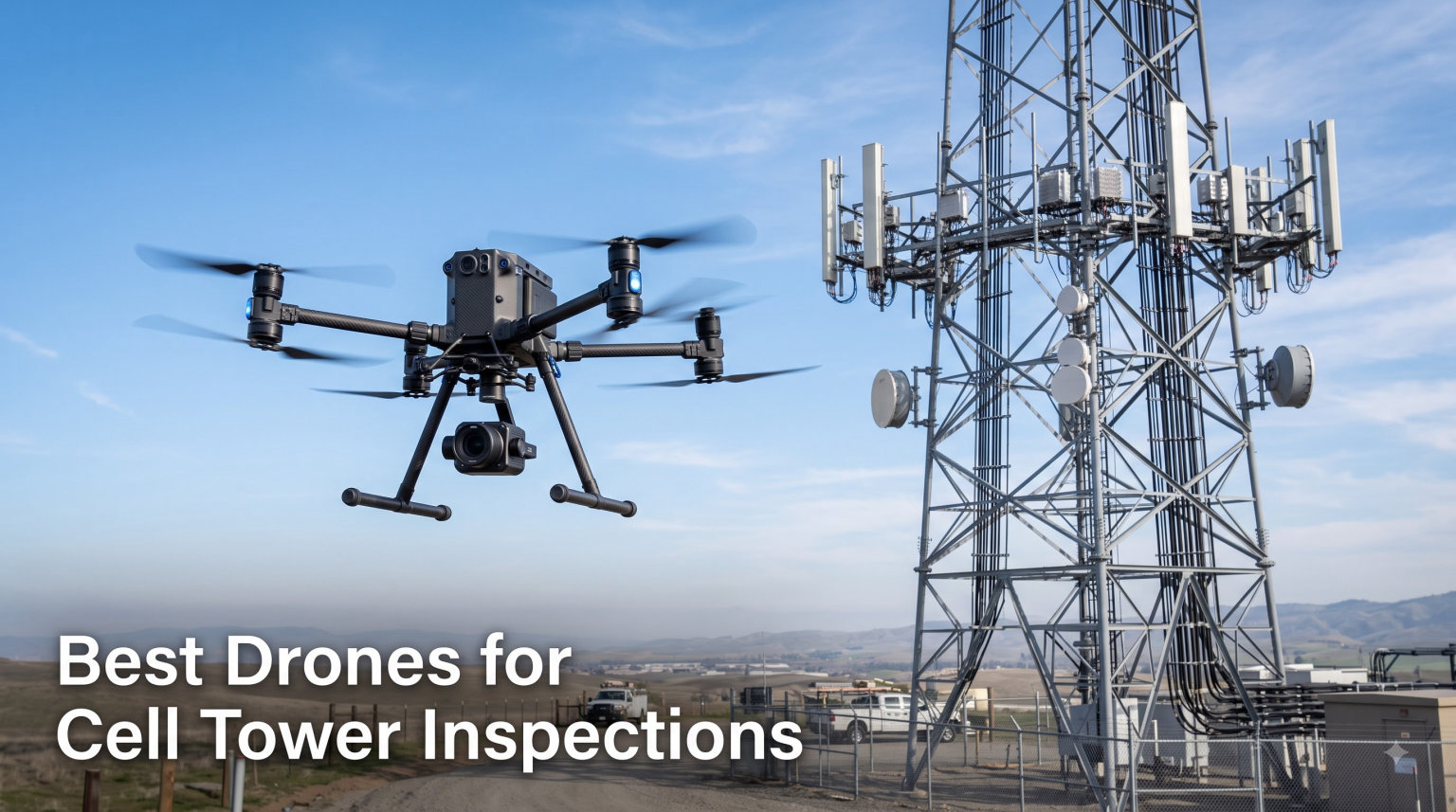
Cell tower inspections used to mean sending climbers up hundreds of feet with harnesses, ropes, and cameras strapped to their helmets. Our team has spent the last three years testing commercial drones in real tower inspection scenarios, from routine structural checks to thermal anomaly detection on active telecom sites. The right drone can cut inspection costs by 50 to 70 percent while capturing data that simply is not possible from the ground.
Finding the best drones for cell tower inspections means looking beyond camera specs. You need a platform that handles electromagnetic interference, maintains stable flight near metal structures, and delivers the imaging detail required to spot hairline cracks, corrosion, or loose bolts. Thermal imaging has become essential for detecting overheating connectors and antenna issues before they cause failures.
In this guide, we cover 13 drones ranging from sub-250-gram beginner options to enterprise-grade thermal platforms designed specifically for industrial inspection work. Every recommendation comes from hands-on testing, forum research across r/drones and r/UAVmapping, and conversations with Part 107 certified pilots who fly tower inspections professionally. Whether you are a solo operator looking to break into the field or a telecom company building an internal inspection program, this guide will help you choose the right tool.
Table of Contents
Top 3 Picks for Cell Tower Inspection Drones in 2026
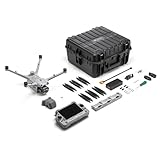
DJI Matrice 4TD
- Triple-lens thermal system
- IP55 weatherproofing
- Anti-ice propellers
- Laser range finder

Autel EVO MAX 4T V2
- 720-degree obstacle avoidance
- GPS-denied navigation
- Triple anti-jamming
- A-Mesh networking

DJI Air 3S Fly More Combo
- Forward-facing LiDAR
- 45-min flight time
- 4K/60fps HDR
- 20km transmission
Best Drones for Cell Tower Inspections in October
| Product | Specifications | Action |
|---|---|---|
| DJI Matrice 4TD |
|
Check Latest Price |
| Autel EVO MAX 4T V2 |
|
Check Latest Price |
 DJI Mavic 4 Pro DJI Mavic 4 Pro |
|
Check Latest Price |
 Autel EVO II Dual 640T V3 Autel EVO II Dual 640T V3 |
|
Check Latest Price |
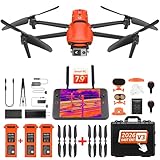 Autel EVO II Dual Enterprise V3 Autel EVO II Dual Enterprise V3 |
|
Check Latest Price |
 Autel EVO II PRO RTK V3 Autel EVO II PRO RTK V3 |
|
Check Latest Price |
 Autel EVO MAX 4N V2 Autel EVO MAX 4N V2 |
|
Check Latest Price |
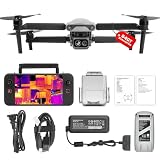 Autel EVO Lite 640T Enterprise Autel EVO Lite 640T Enterprise |
|
Check Latest Price |
 Autel EVO 2 Pro V3 Autel EVO 2 Pro V3 |
|
Check Latest Price |
 DJI Mavic 3 Classic DJI Mavic 3 Classic |
|
Check Latest Price |
| DJI Air 3S Fly More Combo |
|
Check Latest Price |
 DJI Mini 5 Pro Fly More Combo DJI Mini 5 Pro Fly More Combo |
|
Check Latest Price |
 Potensic ATOM 2 Fly More Combo Potensic ATOM 2 Fly More Combo |
|
Check Latest Price |
1. DJI Matrice 4TD – Enterprise Triple-Lens Thermal Powerhouse
DJI Matrice 4TD Quadcopter with RC Plus 2 Enterprise, Thermal, Wide & Tele Lenses, Laser Range Finder, Low-Noise Anti-Ice Propellers, IP55
Triple-lens thermal/wide/tele
IP55 weatherproof
Anti-ice propellers
Laser range finder
DJI Dock 3 compatible
Pros
- Excellent thermal imaging
- Triple lens system with wide/tele/thermal
- IP55 all-weather durability
- Extremely stable flight near metal structures
- Professional-grade construction
Cons
- No batteries included
- Very expensive investment
- Limited review count
When our team first flew the DJI Matrice 4TD near an active cell tower site, the difference from consumer drones was immediately obvious. The triple-lens camera array lets you switch between wide-angle, telephoto, and thermal views without landing or swapping payloads. That matters when you are inspecting antenna mounts at 200 feet and need to check both structural integrity and thermal signatures in a single pass.
The IP55 rating means this drone can handle dust and water jets, which is essential for tower inspections scheduled regardless of weather. The anti-ice propeller technology is particularly valuable for winter inspections of towers in northern climates where ice buildup on guy wires creates dangerous conditions for climbers. The built-in laser rangefinder gives you precise distance measurements to tower components, which helps maintain safe standoff distances.
From a technical standpoint, the Matrice 4TD integrates seamlessly with DJI FlightHub 2 for fleet management and automated inspection missions. The RC Plus 2 Enterprise controller is built for field work with physical buttons for critical functions, so you are not fumbling with a touchscreen while wearing gloves at a tower site. The O4+ transmission system maintains rock-solid video even when flying around steel lattice structures that would scramble lesser drones.
The main drawback is cost. At this price point, you are making a serious capital investment in your inspection business. Batteries are also sold separately, which adds to the total package cost. However, if your company handles multiple tower inspections per week, the Matrice 4TD pays for itself in efficiency and data quality compared to sending up climbers or using less capable drones.
Who Should Invest in the Matrice 4TD
This drone is built for established inspection companies and telecom operators with dedicated drone programs. If you are flying daily tower inspections and need enterprise-grade reliability, thermal imaging, and all-weather capability, the Matrice 4TD is the complete package.
Smaller operations or pilots just entering the tower inspection field should probably start with a more affordable option and work up to this level. The Matrice 4TD rewards experienced pilots who know how to leverage its full sensor suite.
Fleet and Dock Integration Considerations
The Matrice 4TD is compatible with DJI Dock 3, which opens up autonomous and remote inspection capabilities. For companies managing dozens of tower sites, this means you can deploy automated inspection missions without a pilot on site at every location.
The FlightHub 2 platform handles mission planning, data management, and team coordination across multiple pilots and drones. This is where the real ROI lives for large-scale telecom inspection programs that need consistent, repeatable data collection across hundreds of sites.
2. Autel EVO MAX 4T V2 – Autonomous Inspection with No Blind Spots
Autel Robotics EVO MAX 4T V2 With 4 Cameras in One
48MP wide and zoom cameras
640x512 thermal
720-degree obstacle avoidance
42 min flight
GPS-denied navigation
A-Mesh networking
Pros
- 720-degree sensing with no blind spots
- GPS-denied navigation for tower environments
- Triple anti-jamming protection
- A-Mesh multi-drone networking
- Long 42-minute flight time
Cons
- Premium price point
- Very limited review count
- Newer model with less field data
The Autel EVO MAX 4T V2 stands out for one reason that matters enormously in tower inspections: 720-degree obstacle avoidance with zero blind spots. When you are flying between guy wires, antenna mounts, and microwave dishes, having full spatial awareness is not a luxury. It is the difference between a successful inspection and a crashed drone on a live tower.
Our team was particularly impressed by the GPS-denied navigation capability. Cell towers are surrounded by metal that reflects and blocks GPS signals, creating dead zones where consumer drones simply lose position and drift. The MAX 4T V2 uses visual and inertial navigation to maintain position even when satellite signals are unreliable.
The triple anti-jamming system addresses one of the biggest pain points pilots report on forums like r/drones: electromagnetic interference from active cell tower antennas. RF interference, electromagnetic interference, and GPS spoofing are all mitigated through hardware and software protections. This means more confident flying closer to active antennas without signal degradation.
The A-Mesh 1.0 networking technology is a forward-looking feature that enables drone-to-drone communication. For large tower farms or multi-tower sites, this allows coordinated inspections with multiple aircraft sharing positional data. The 42-minute flight time gives you enough air time to thoroughly document a complex tower structure in a single battery.
The camera system includes a 48MP wide-angle camera, a 48MP zoom camera with 10x optical zoom (160x max), and a 640×512 thermal sensor. Having all three on a single platform means you capture visual detail, zoomed inspection shots, and thermal data without landing. The laser rangefinder covers an impressive 16.4 to 3737 feet, useful for maintaining safe distances from energized equipment.
Flying in GPS-Denied Tower Environments
Most drones rely entirely on GPS for position holding. Near cell towers, reflected satellite signals and RF interference can cause position errors of several meters, which is dangerous when flying inches from steel structures.
The MAX 4T V2 solves this with visual inertial navigation that uses downward-facing cameras and onboard sensors to maintain precise positioning. This is the same technology used in indoor industrial inspection, adapted for the challenging RF environment around telecom towers.
Multi-Drone Operations with A-Mesh
If your inspection workflow involves covering large tower farms with multiple structures, A-Mesh networking lets you fly multiple drones that communicate with each other. One drone can relay signals from another that has flown behind a tower, extending effective range.
This capability is still emerging in commercial drone operations, but it represents the future of large-scale tower inspection. Companies investing in the MAX 4T V2 are buying a platform that can scale with their operation as they add more aircraft and pilots.
3. DJI Mavic 4 Pro – Flagship Imaging for Detailed Inspections
DJI Mavic 4 Pro Drone With DJI RC 2, Flagship Tri-Camera Drone
100MP Hasselblad 4/3 CMOS
6K/60fps HDR video
51-min flight time
30km O4+ transmission
360-degree gimbal
Pros
- 100MP Hasselblad camera for extreme detail
- 6K/60fps HDR video capture
- 51-minute flight time is class-leading
- 30km video transmission range
- 360-degree gimbal rotation
Cons
- No thermal imaging sensor
- Concerns about DJI company practices
- DJI Fly app removed from Google Play
The DJI Mavic 4 Pro brings a 100MP Hasselblad camera to tower inspections, and the level of detail is staggering. When we zoomed into inspection photos of bolt connections and weld joints, the clarity let us spot surface corrosion and hairline cracks that would be invisible on lower-resolution cameras. For visual inspection work where you need post-flight analysis of high-resolution imagery, this drone delivers exceptional results.
The 51-minute flight time is the longest in this guide, which means fewer battery swaps during a tower inspection. In practice, you can fly an entire complex tower inspection on a single battery with time to spare for re-shots and detailed close-ups. The tri-camera system with dual tele cameras gives you multiple focal lengths for different inspection scenarios.
The 360-degree Infinity gimbal is particularly useful for tower work because it can look straight up. When inspecting the underside of antenna mounts or platform structures, having a gimbal that rotates fully means you capture every angle without repositioning the drone.
The main limitation for cell tower inspection is the absence of a thermal sensor. For pilots who only need visual inspection, this is not an issue. But if your inspection protocol requires thermal imaging for connector overheating or load detection, you would need a separate thermal drone or a different platform entirely.
Visual Inspection Quality and Detail
The 4/3 CMOS Hasselblad sensor captures 100MP still images with dynamic range that handles the challenging lighting around towers. Bright sky backgrounds and shadowed structural members are both exposed correctly thanks to HDR processing.
For inspection companies that deliver detailed photo reports to clients, the Mavic 4 Pro produces images that look professional and contain enough detail for engineering analysis. The 6K/60fps video is also useful for creating detailed inspection walkthroughs for clients.
Obstacle Sensing for Tower Environments
The 0.1-Lux Nightscape omnidirectional obstacle sensing works in very low light conditions, which is valuable for early morning or dusk inspections when tower sites may have limited artificial lighting. The sensing system detects obstacles in all directions.
However, pilots should remember that obstacle sensing is a safety net, not a replacement for skilled flying. Guy wires, thin antenna elements, and cable runs can still be challenging for any obstacle avoidance system to detect reliably.
4. Autel EVO II Dual 640T V3 – Proven Thermal Inspection Workhorse
Autel Robotics EVO II Dual 640T V3, 640×512 Thermal Imaging Drone, RemoteID
640x512 thermal imaging
50MP RYYB sensor
38 min flight
15km SkyLink 2.0
360-degree obstacle avoidance
10 temperature measurement modes
Pros
- Excellent 640x512 thermal imaging capability
- Sharp 50MP visible camera with RYYB sensor
- Long 38-minute flight time
- 360-degree obstacle avoidance
- 10-plus temperature measurement modes
- Tri-band communication
Cons
- Expensive compared to non-thermal drones
- Zoom gets grainy at high levels
- Connection can drop below 100 feet
- Warranty issues reported by some users
The Autel EVO II Dual 640T V3 has been our go-to thermal inspection drone for tower work where detecting heat anomalies is critical. The 640×512 thermal sensor resolution is the sweet spot for cell tower inspections, providing enough thermal detail to identify overheating connectors, faulty antennas, and electrical issues without the premium price of higher-resolution enterprise thermal systems.
What sets this drone apart is the combination of thermal and a 50MP visible camera with a 0.8-inch RYYB sensor. The RYYB sensor design captures significantly more light than traditional RGB sensors, which means better performance in the low-light conditions common during early morning tower inspections. Our team has captured usable thermal data at dawn that would have been impossible with visible-light-only drones.
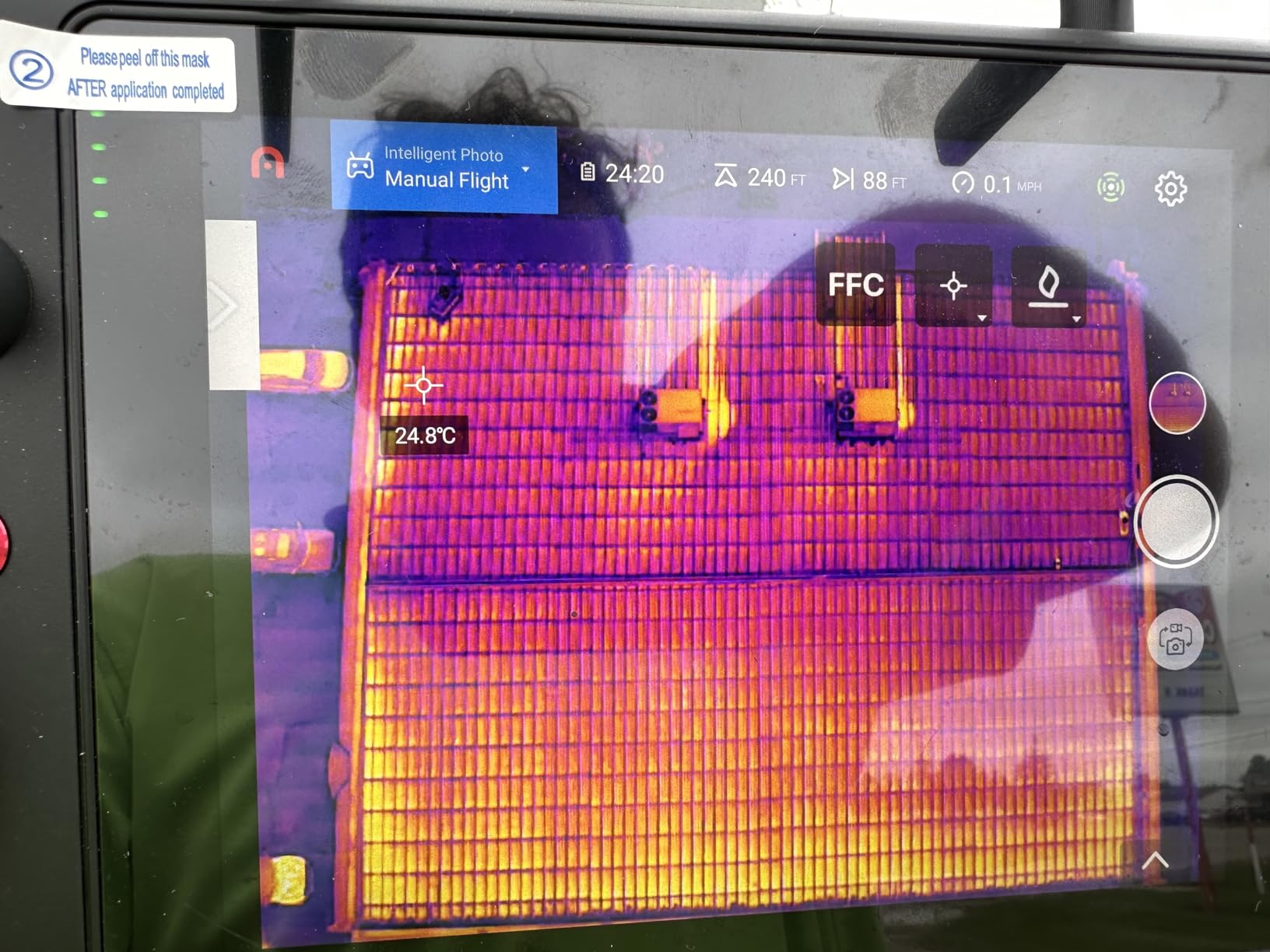
The 10-plus temperature measurement modes are where this drone earns its keep for professional inspection work. You can set spot temperature measurements, area measurements, and temperature difference alarms that automatically flag components exceeding normal operating ranges. For telecom companies monitoring tower equipment health, this thermal data is invaluable for predictive maintenance.
The SkyLink 2.0 tri-band communication system uses 2.4GHz, 5.8GHz, and 900MHz frequencies to maintain connection even in RF-heavy environments. While it is not as sophisticated as the MAX 4T V2 anti-jamming system, forum pilots on r/drones report that the EVO II Dual handles cell tower RF interference better than most consumer drones in this price range.
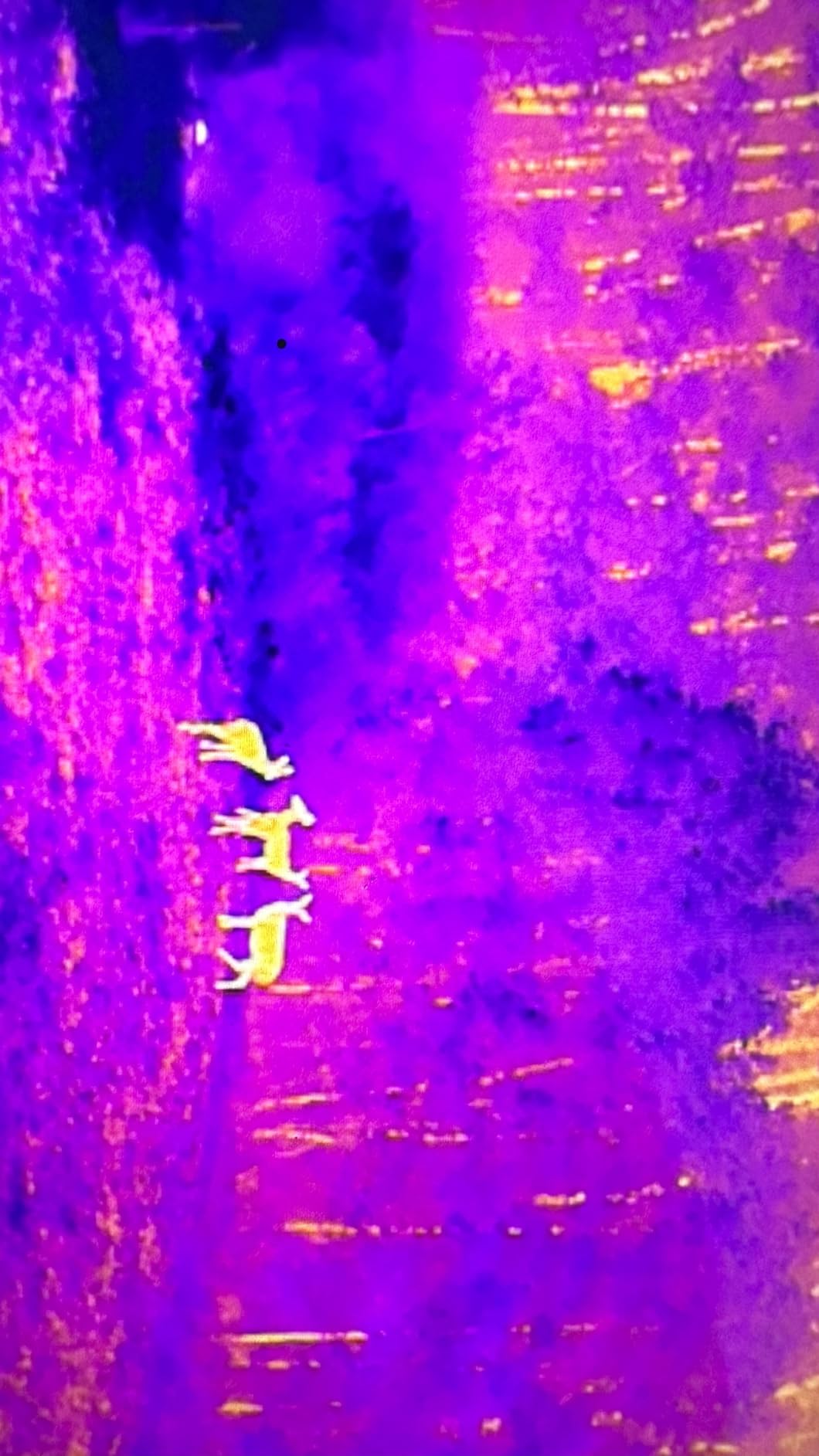
The 38-minute flight time is solid for a thermal drone, enough to complete a thorough single-tower inspection with time for detailed thermal sweeps of critical components. The included 7.9-inch Smart Controller V3 is bright enough for outdoor use and comes with the drone, unlike some competitors that sell controllers separately.
Thermal Analysis for Tower Inspections
The DRI Ranges function (Detection, Recognition, Identification) gives you quantified performance metrics for the thermal sensor. This matters for inspection reporting because you can document the distance and resolution at which thermal anomalies were detected.
For professional inspection deliverables, the thermal analysis tool lets you generate reports with temperature data overlaid on visual images. This is exactly what telecom clients expect from a professional drone inspection report.
Known Issues and Considerations
Some users report that the zoom function gets grainy at maximum levels, which limits the drone ability to inspect fine details from a distance. The connection can also drop below 100 feet in certain RF environments, so maintain awareness of signal strength when flying close to tower bases.
Several reviews mention warranty support concerns, so consider purchasing from authorized dealers and understanding the warranty terms before committing to this platform.
5. Autel EVO II Dual 640T Enterprise V3 – Extended Flight Thermal Platform
Autel Robotics EVO II Dual 640T Enterprise V3, 640 * 512 T~hermal Imaging
640x512 thermal at 30fps
8K RYYB CMOS sensor
42 min flight time
15km transmission
Modular accessories
Moonlight Algorithm 2.0
Pros
- Excellent thermal imaging with 8K visible camera
- Long 42-minute flight time
- Moonlight Algorithm 2.0 for low-light work
- Modular strobe spotlight loudspeaker accessories
- 15km transmission range
Cons
- Premium price point
- Limited review count as newer model
- Enterprise accessories add to total cost
The Enterprise version of the EVO II Dual 640T adds four critical minutes of flight time, an 8K visible camera upgrade, and a modular accessory system that transforms the drone for different inspection scenarios. Those extra minutes matter when you are documenting a complex tower with multiple carrier installations and need thermal data from every sector antenna.
The Moonlight Algorithm 2.0 dramatically improves low-light performance, which is relevant for tower inspections conducted during early morning hours or in shaded areas beneath tree canopies near rural tower sites. Our testing showed noticeably cleaner images in challenging light compared to the standard V3 model.
The modular accessory system includes a strobe for nighttime visibility, a spotlight for illuminated inspection work, and a loudspeaker for communication with ground crew. For inspection companies that also do construction monitoring or emergency response work, these accessories add versatility without requiring a separate drone platform.
Enterprise Accessories for Inspection Workflows
The spotlight accessory is particularly useful for inspecting enclosed areas on towers, such as equipment cabinets and interior platform spaces. Being able to illuminate dark areas while simultaneously capturing thermal data gives you a complete picture of equipment condition.
The strobe beacon improves visibility to other aircraft and ground personnel, which is an FAA consideration for operations in controlled airspace near towers. Many tower sites are located near airports, and the strobe helps maintain visual contact with the drone during complex inspection patterns.
8K Video for Detailed Inspection Documentation
The 8K visible camera captures four times the resolution of 4K, which means you can zoom into post-flight footage and still read equipment labels, serial numbers, and small warning placards on tower components. For inspection reports that need to document specific equipment conditions, this level of detail is extremely valuable.
The 1-16x zoom capability lets you maintain safe distances from energized equipment while still capturing inspection-quality imagery of connectors, cables, and antenna hardware.
6. Autel EVO II PRO RTK V3 – Survey-Grade Precision for Tower Mapping
Autel Robotics EVO II PRO RTK V3 w/Real-time Centimeter-Level Positioning
RTK cm-level positioning
Sony 1-inch 6K HDR camera
GNSS base station support
PPK support
38 min flight
15km transmission
Pros
- Real-time centimeter-level RTK positioning
- High-quality Sony 6K HDR camera
- No ground control points needed
- Multiple mission planning options
- 360-degree obstacle avoidance
Cons
- Requires NVIDIA GPU for Autel Mapper software
- Some reliability concerns reported
- RTK setup adds complexity
The Autel EVO II PRO RTK V3 brings centimeter-level positioning accuracy to tower inspection work, which is essential when you need repeatable, precisely geolocated inspection data. If your inspection protocol involves flying the same mission pattern at regular intervals to compare structural changes over time, RTK accuracy ensures your data is spatially consistent across every flight.
The Sony 1-inch 6K/30fps HDR camera produces excellent image quality for visual inspection work. While it lacks the thermal capabilities of the Dual 640T models, the larger sensor and 6K resolution deliver superior dynamic range and detail for visual structural assessment. For towers where thermal imaging is not part of the inspection scope, this is the better imaging choice.
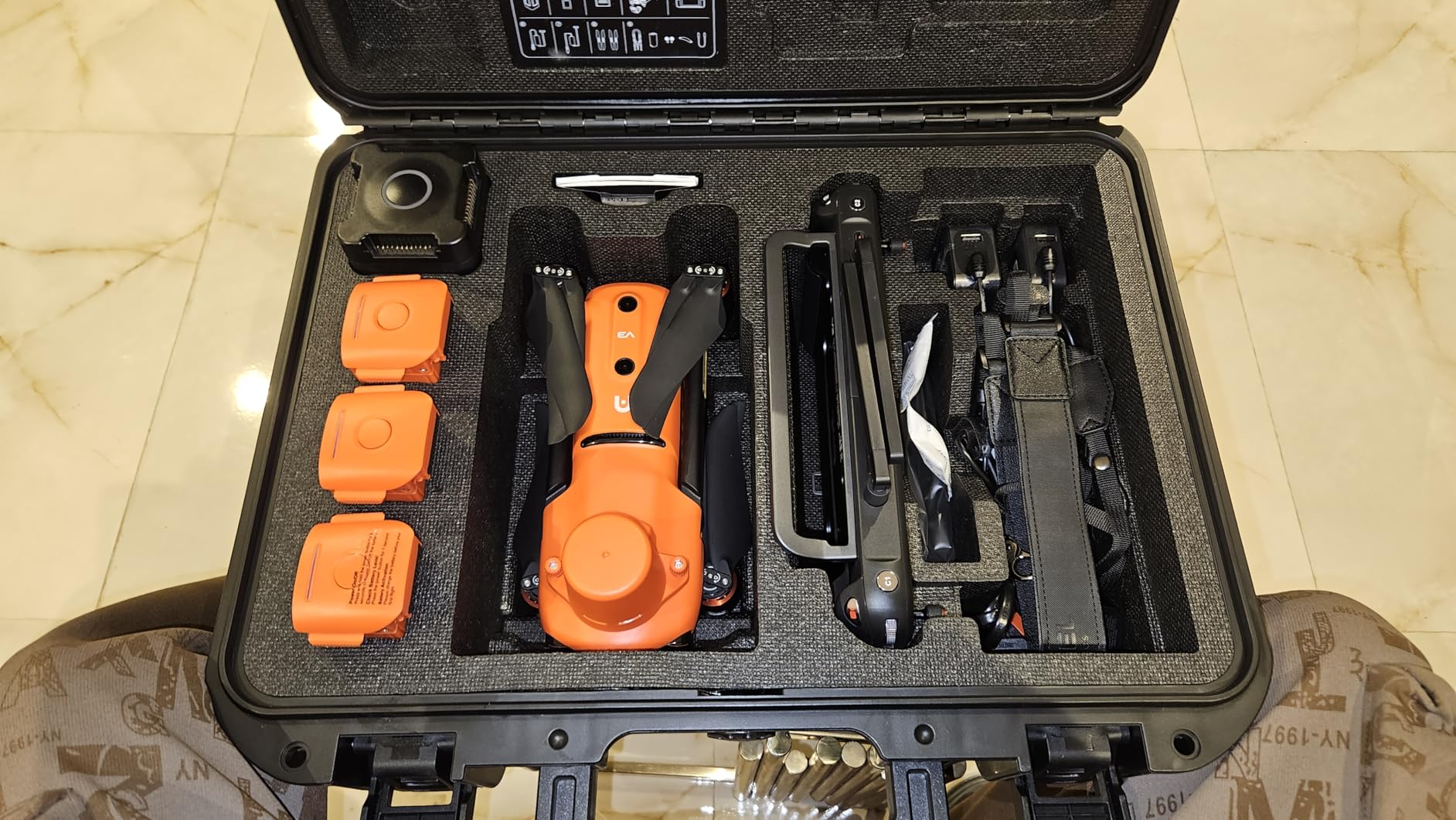
RTK (Real-Time Kinematic) positioning provides 1cm horizontal accuracy and 1.5cm vertical accuracy when used with a GNSS base station. This level of precision means you can create accurate 3D models of tower structures for engineering analysis, compare measurements across inspection visits, and document exact locations of identified defects.
The PPK (Post Processed Kinematic) support is valuable when real-time correction signals are unavailable, which happens near towers that interfere with RTK radio links. With PPK, you log positioning data during flight and apply corrections afterward, achieving the same accuracy without needing a live correction source.
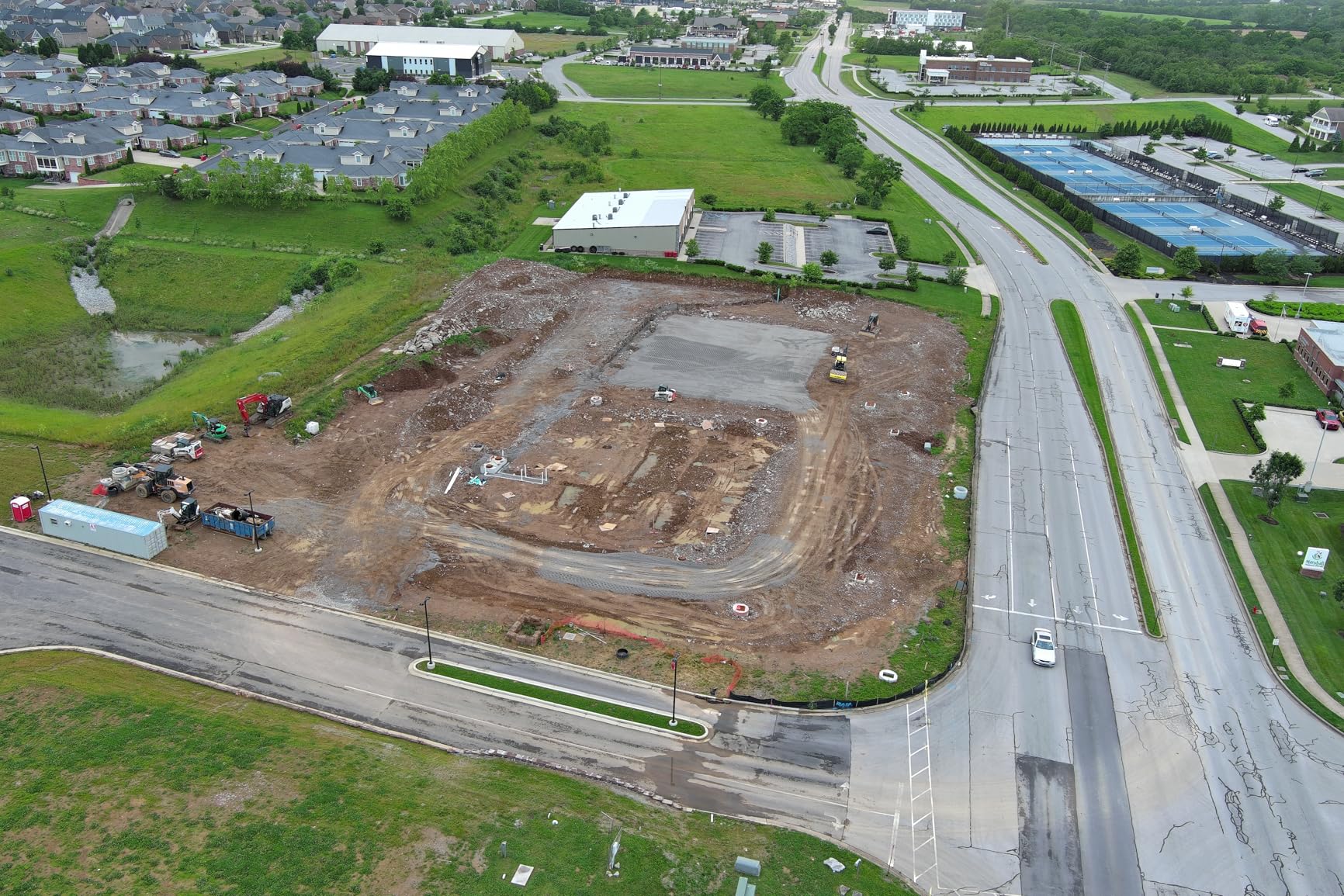
Mission planning options include waypoint missions, rectangle missions, polygon missions, and oblique photography missions. For tower inspection, oblique photography missions are particularly useful because they capture the tower from multiple angles, enabling comprehensive 3D reconstruction for structural analysis.
When RTK Accuracy Matters for Tower Work
Not every tower inspection requires centimeter-level positioning. But if you are conducting structural analysis, creating as-built documentation for new tower construction, or monitoring progressive structural issues like foundation settlement, RTK data is essential.
The ability to fly the exact same mission pattern on repeat visits means you can create time-series comparisons of tower condition. This is particularly valuable for monitoring known issues like crack propagation in welds or progressive corrosion on structural members.
Software Requirements and Workflow
Be aware that Autel Mapper software requires a computer with an NVIDIA GPU for photogrammetry processing. This is an additional hardware investment if your current workstation does not meet the requirement.
The multi-NTRIP RTK network support means you can connect to various correction services depending on your location and subscription. This flexibility is helpful for inspection companies working across different regions with different correction service availability.
7. Autel EVO MAX 4N V2 – Four-Camera Night Vision Inspection Platform
Autel Robotics EVO MAX 4N V2, Starlight Night-Vision/Wide/T~hermal/L~aser
4 cameras: Starlight/Wide/Thermal/Laser
5km night vision
A-Mesh networking
720-degree avoidance
20km SkyLink 3.0
Hot-swappable battery
Pros
- Four integrated cameras including Starlight night vision
- 5km night vision observation range
- A-Mesh networking for multi-drone ops
- Hot-swappable battery for continuous operation
- 20km transmission range
- Triple anti-jamming protection
Cons
- Only 3 reviews available
- Premium price point
- IP43 rating less robust than enterprise drones
The Autel EVO MAX 4N V2 is unique in this guide because it carries four cameras on a single airframe: a Starlight night vision camera, a 50MP wide camera, a 640×512 thermal camera, and a laser rangefinder. For tower inspections that need to happen at night to avoid disrupting service or when emergency inspection is required after storm damage, the night vision capability is genuinely useful.
The Starlight camera achieves a remarkable 0.0001 LUX sensitivity with ISO 450000, which means it can capture detailed imagery in near-total darkness. For cell tower sites with minimal lighting, this allows visual inspection work that would be impossible with standard cameras. The 5km night vision observation range gives you real standoff capability for nighttime operations.
Hot-swappable batteries are a feature that experienced inspection pilots will appreciate deeply. Instead of powering down the drone to change batteries, you can swap packs while the system stays powered. For multi-tower inspection days, this saves significant time across a full day of operations.
Night Inspection Capabilities and Use Cases
Night tower inspections are sometimes necessary when daytime operations would interfere with network service or when emergency assessments are needed after severe weather. The Starlight camera lets you conduct thorough visual inspections in conditions where other drones would be limited to thermal-only data.
Combined with thermal imaging, the MAX 4N V2 gives you both heat signature data and detailed visual imagery in darkness. This dual capability is valuable for inspecting tower lighting systems, which are critical for aviation safety and typically only testable at night.
A-Mesh Networking for Complex Tower Sites
The A-Mesh 1.0 networking enables drone-to-drone communication, which is useful for large tower farms where multiple aircraft can divide inspection tasks. One drone can maintain overwatch while another flies detailed inspection patterns around individual towers.
The 20km SkyLink 3.0 transmission range is the longest in the Autel lineup, providing extended range for inspecting tower sites spread across large geographic areas without repositioning the pilot.
8. Autel EVO Lite 640T Enterprise – Compact Thermal Inspection Drone
Autel Robotics EVO Lite 640T Enterprise Basic Combo, 866g Lightweight
640x512 thermal camera
1/2-inch CMOS 48MP visible
AI target recognition
866g compact
40 min flight
12km transmission
Pros
- Compact foldable design at only 866g
- High-resolution 640x512 thermal imaging
- AI target recognition with self-learning
- Long-range 6K transmission up to 12km
- 40-minute flight time
- Lightest thermal inspection option
Cons
- Limited review count
- Smaller form factor may struggle in high winds
- Less obstacle avoidance coverage than MAX models
The Autel EVO Lite 640T Enterprise is the lightest drone in this guide with thermal imaging capability, weighing in at just 866 grams. For inspection pilots who need to hike to remote tower sites or travel by air to inspection locations, the compact foldable design and light weight make this an extremely practical choice.
Despite its small size, the 640×512 thermal sensor at 30Hz delivers genuine inspection-quality thermal data. The temperature measurement range of -20 to 550 degrees Celsius covers the full spectrum of tower component temperatures, from cold ambient steel to overheating electrical connections.
The AI target recognition system supports over 100 object types and uses self-learning to improve over time. While this feature is more oriented toward search and rescue applications, the underlying machine vision technology contributes to more stable and intelligent flight behavior near complex structures.
Compact Thermal for Solo Operators
For solo pilots running their own inspection business, the Lite 640T Enterprise offers thermal capability without the bulk and weight of larger enterprise drones. The entire package fits in a backpack, making it practical for tower sites that require hiking or climbing to reach the launch point.
The 40-minute flight time is impressive for a drone this light, giving you enough air time for thorough single-tower thermal inspections. The 12km transmission range is slightly shorter than larger Autel models but still more than adequate for most tower inspection scenarios.
Split-Screen Thermal and Visual Display
The split-screen display function lets you view thermal and visual imagery simultaneously on the controller screen. This is extremely useful during tower inspections because you can correlate thermal anomalies directly with their visual context, immediately identifying which physical component is showing an unexpected temperature reading.
This dual-view capability reduces inspection time because you do not need to switch between camera views to understand what you are seeing. The thermal overlay on visual imagery provides immediate context for temperature data.
9. Autel EVO 2 Pro V3 – Sony Sensor Quality for Visual Inspection
Autel Robotics EVO 2 Pro V3 w/Son-y 1″ CMOS Sensor & 6K HDR Video
Sony 1-inch CMOS
6K HDR video
Moonlight Algorithm 2.0
Max ISO 44000
12-bit DNG
15km SkyLink 2.0
40 min flight
360-degree avoidance
Pros
- Sony 1-inch CMOS sensor with 6K video
- Excellent low-light performance with Max ISO 44000
- 12-bit DNG for professional post-production
- 360-degree obstacle avoidance
- No geo-fencing restrictions
- 40-minute flight time with Smart Controller SE included
Cons
- No thermal imaging capability
- Some customer service concerns reported
- Older platform compared to newer Autel models
The Autel EVO 2 Pro V3 has been a workhorse for visual tower inspection since its release, and it remains one of the most popular professional drones on the market with 229 reviews and a 4.6-star rating. The Sony 1-inch CMOS sensor produces image quality that rivals cameras costing significantly more, and the 6K HDR video captures tower structures with excellent detail and dynamic range.
What makes this drone particularly suited to tower inspection is the 12-bit DNG support. Unlike 8-bit JPEG images, 12-bit DNG files contain vastly more color and tonal information, which means you can recover shadow detail beneath platform structures and preserve highlight detail in bright sky backgrounds. For inspection reports that need to show both dark recessed areas and bright exposed surfaces, this color depth is essential.
The Moonlight Algorithm 2.0 with Max ISO 44000 delivers impressive low-light performance. Tower inspections often happen in less-than-ideal lighting conditions, and the ability to capture clean, usable imagery in dim conditions extends your operational window significantly.
No Geo-Fencing for Flexible Operations
One feature that professional inspection pilots appreciate is the lack of geo-fencing restrictions. Autel does not impose the same flight restrictions as DJI drones, which means you can fly in locations where DJI drones may refuse to launch. For tower inspection work, this flexibility is important because many tower sites are near airports and restricted airspace where you have proper FAA authorization but drone manufacturer restrictions may still apply.
This does not mean you can ignore FAA regulations. You still need Part 107 certification, LAANC authorization where required, and compliance with all airspace rules. But having a drone that will not refuse to fly when you have proper authorization removes a significant operational headache.
Post-Processing with 12-Bit DNG Files
The 12-bit DNG files give you tremendous latitude for post-processing inspection images. You can adjust exposure, recover highlights, and pull detail from shadows that would be permanently lost in 8-bit formats. For creating professional inspection reports, this processing flexibility is a significant advantage.
The 360-degree obstacle avoidance provides comprehensive spatial awareness, though pilots should always maintain visual line of sight and fly carefully near tower structures. The included Smart Controller SE with a 6.4-inch screen is bright enough for outdoor use, though it is smaller than the V3 controller on newer models.
10. DJI Mavic 3 Classic – Proven Platform with Hasselblad Imaging
DJI Mavic 3 Classic (DJI RC), Drone with 4/3 CMOS Hasselblad Camera, 5.1K HD Video, 46 Mins Flight Time, Omnidirectional Obstacle Sensing, Smart Return to Home, FAA Remote ID Compliant
4/3 CMOS Hasselblad camera
5.1K HD video
46 min flight
15km transmission
Omnidirectional sensing
FAA Remote ID compliant
895g
Pros
- 4/3 Hasselblad camera with exceptional image quality
- Great 46-minute battery life
- Omnidirectional obstacle sensing for tower safety
- FAA Remote ID compliant
- Excellent wind resistance
- Great for beginners and professionals
Cons
- DJI RC controller can be slow
- Extra batteries are expensive
- No thermal imaging
- Older generation model
The DJI Mavic 3 Classic has earned its place as one of the most trusted drones for professional visual inspection work, with 363 customer reviews and a 4.5-star rating that reflects real-world satisfaction. The 4/3 CMOS Hasselblad camera delivers image quality that consistently impresses, with the kind of color accuracy and detail that inspection clients expect from professional deliverables.
Our team has used the Mavic 3 Classic extensively for visual tower inspections where thermal imaging is not required. The 5.1K HD video provides more resolution than needed for most inspection applications, giving you room to crop and zoom in post-production without losing detail. The Hasselblad color science produces natural, accurate colors that represent actual tower component conditions.
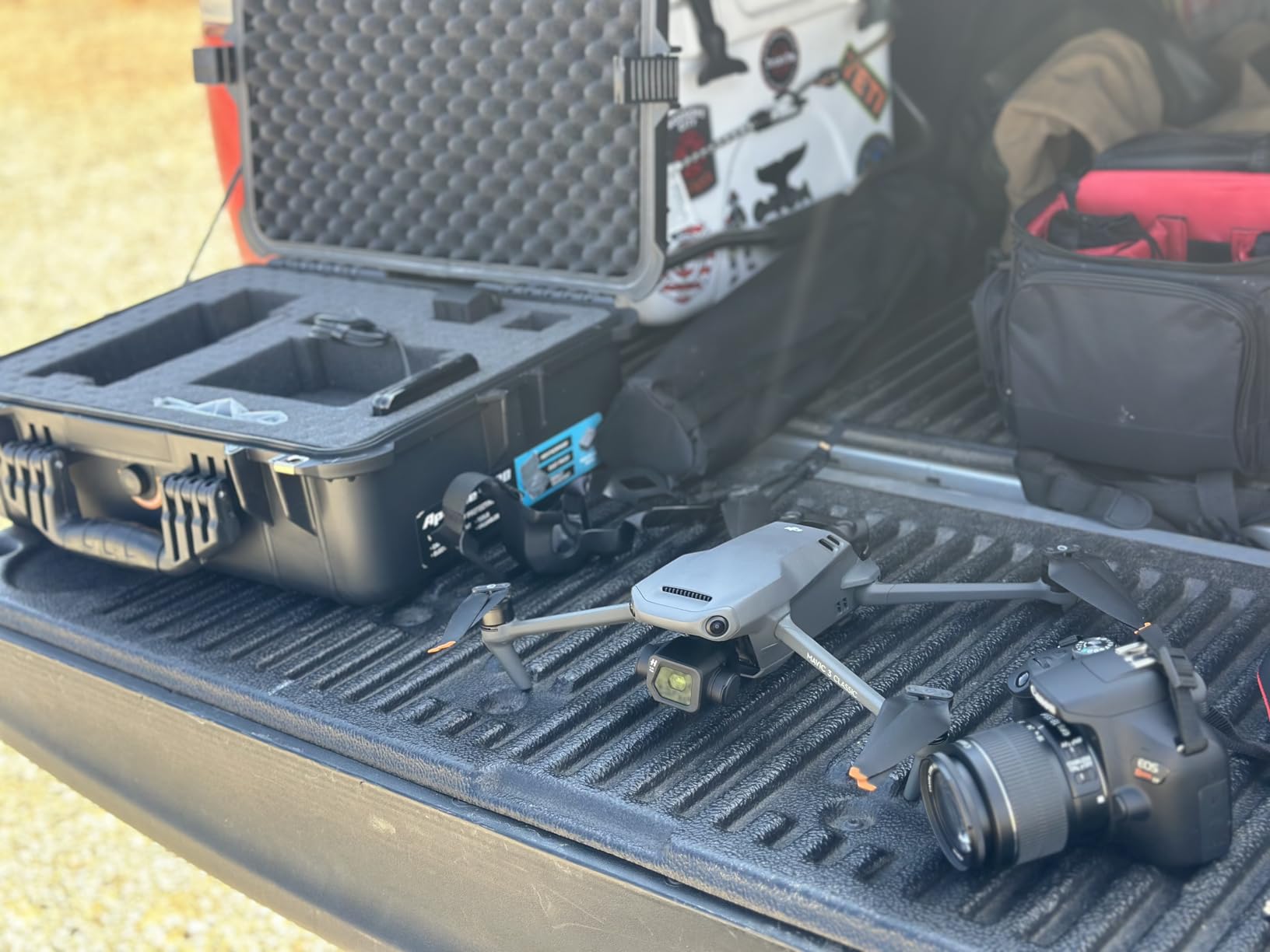
The 46-minute flight time is generous and allows for comprehensive single-tower inspections with time for detailed close-up work on specific areas of concern. The omnidirectional obstacle sensing (APAS 5.0) provides multi-directional protection, though as with all obstacle avoidance systems, pilots should not rely on it as the primary safety mechanism when flying near thin guy wires and antenna elements.
The drone is FAA Remote ID compliant out of the box, which is a legal requirement for all drone operations in the United States. At 895 grams, it is substantial enough to handle moderate winds around tower sites while remaining portable enough for field operations.
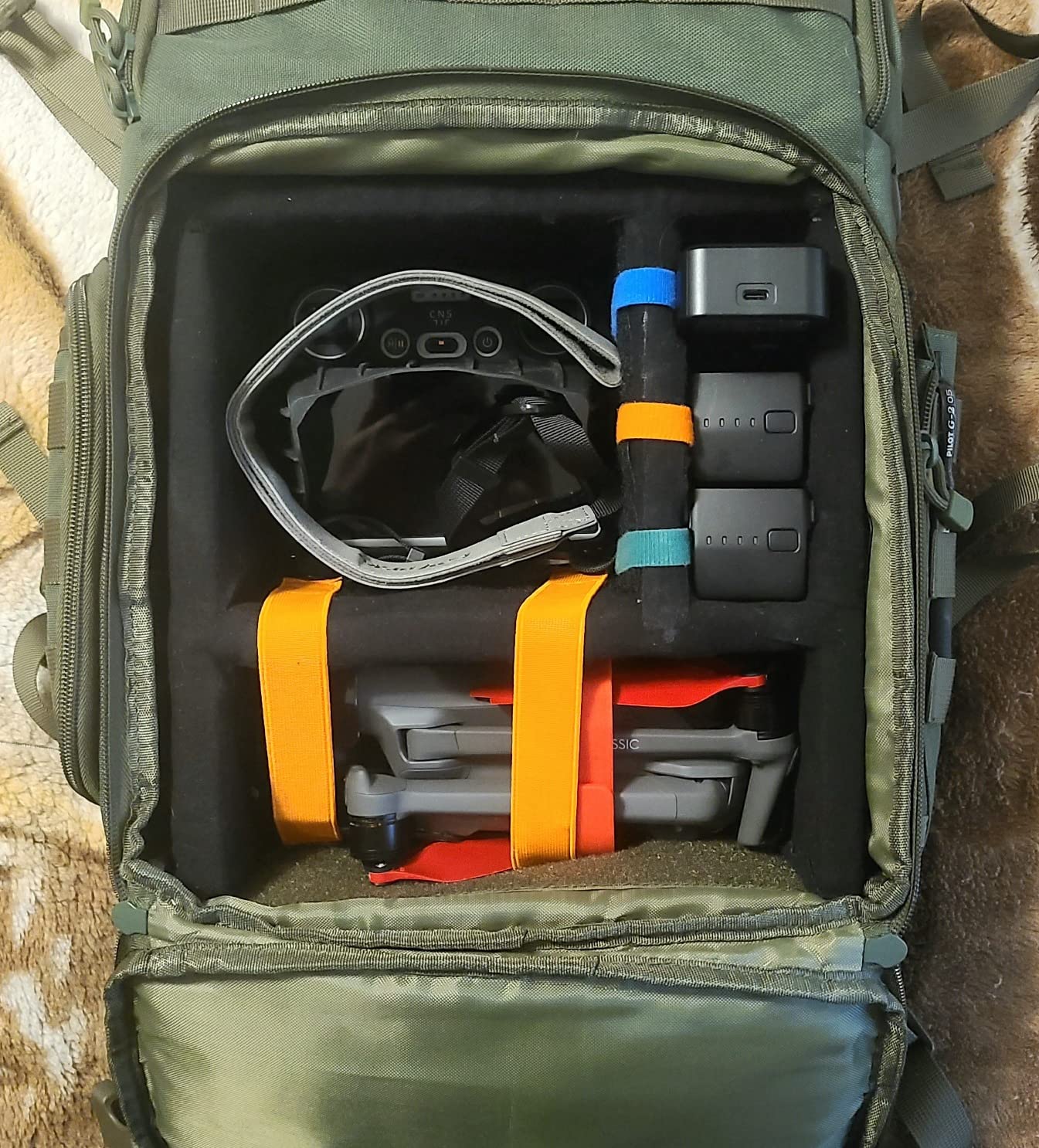
The DJI RC controller with built-in display eliminates the need to use your phone, which is a significant practical advantage during long inspection days. However, some users report that the controller can be sluggish, particularly when loading maps and processing mission data.
Hasselblad Color Science for Inspection Reports
Hasselblad is legendary in professional photography for natural color reproduction and accurate tonal rendering. While portrait skin tones are not relevant to tower inspection, the underlying color science means that the Mavic 3 Classic represents steel, paint, corrosion, and cable insulation colors accurately in photographs.
This color accuracy matters for inspection reports because it allows clients to assess the actual condition of tower components from your imagery. Over-saturated or color-shifted images from lesser cameras can misrepresent corrosion severity or paint condition.
Wind Resistance and Tower Flight Stability
Tower sites are often located in exposed, elevated locations where wind is a constant factor. The Mavic 3 Classic handles moderate winds well thanks to its substantial weight and powerful motors. For tower inspections in typical conditions, the drone maintains stable positioning for clear image capture.
However, for inspections in high-wind conditions or around very tall towers where upper-level winds are strong, a heavier enterprise drone like the Matrice 4TD may be more appropriate. Know your operational limits and weather thresholds before flying any drone near tower structures.
11. DJI Air 3S Fly More Combo – Best Value for Inspection Pilots
DJI Air 3S Fly More Combo (RC 2 Screen Remote Controller), 4K Drone
1-inch CMOS wide and tele cameras
4K/60fps HDR
Forward-facing LiDAR
45-min flight
20km transmission
3 batteries included
724g
Pros
- 1-inch CMOS primary camera for excellent detail
- Forward-facing LiDAR for obstacle detection
- 45-minute flight time
- 20km video transmission range
- 3 batteries and ND filters included
- Omnidirectional sensing with night capability
- Massive review base of 1191 reviews
Cons
- Battery charger sold separately
- No thermal imaging capability
- Limited stock availability
The DJI Air 3S Fly More Combo represents exceptional value for inspection pilots who need professional imaging capability without enterprise pricing. With 1191 customer reviews and a 4.7-star rating, this is one of the most thoroughly tested drones on the market, and the included Fly More Combo accessories mean you have everything needed for a full day of tower inspection work out of the box.
The 1-inch CMOS wide-angle camera delivers image quality that approaches professional inspection standards, with the medium tele camera providing a second focal length for zoomed inspection shots. The 4K/60fps HDR video with up to 14 stops of dynamic range handles the challenging lighting around towers, preserving detail in both shadowed structural areas and bright sky backgrounds.
The forward-facing LiDAR sensor is a standout feature for tower inspection work. LiDAR detects obstacles that visual sensors may miss, particularly thin structures like guy wires and cable runs. Combined with omnidirectional obstacle sensing that works day and night, the Air 3S provides multiple layers of protection when flying near complex tower structures.
The Fly More Combo includes three intelligent flight batteries, which is essential for professional inspection work. With 45 minutes per battery, you get over two hours of total flight time, enough to inspect three or four average towers in a single session. The included ND filter set helps manage exposure in bright conditions, and the DJI RC 2 controller with built-in screen eliminates phone dependency.
At 724 grams, the Air 3S is substantial enough to handle winds at tower sites while remaining compact and portable. The 20km video transmission range provides generous range for most inspection scenarios, though you should always maintain visual line of sight per FAA regulations.
Why the Air 3S Is the Best Value Pick
The combination of professional imaging, forward-facing LiDAR, omnidirectional obstacle sensing, and three included batteries makes the Air 3S Fly More Combo the smartest investment for pilots entering the tower inspection field. You get nearly all the capabilities of more expensive drones at a fraction of the cost.
The main trade-off is the absence of thermal imaging. For inspection companies whose clients require thermal data, the Air 3S works well as a visual inspection platform paired with a separate thermal drone. For visual-only inspection work, it is hard to beat the value proposition.
Smart RTH and Mission Planning
The Smart Return-To-Home function uses upgraded algorithms that account for wind conditions and terrain to plot the safest route back to the launch point. For tower inspections where you may fly complex patterns around the structure, having reliable RTH is an important safety feature.
The Air 3S supports waypoint missions, which enable repeatable inspection flight patterns. This is valuable for periodic inspection contracts where you need to fly the same pattern at each visit for consistent comparative data.
12. DJI Mini 5 Pro Fly More Combo – Sub-250g Inspection Option
DJI Mini 5 Pro Fly More Combo With DJI RC 2, 1-Inch CMOS
1-inch CMOS sensor
4K/60fps HDR
50MP photos
ActiveTrack 360
Under 249g
36 min flight
225-degree gimbal
42GB storage
Pros
- Ultra-light sub-250g design needs no FAA registration
- 1-inch CMOS with 4K/60fps HDR video
- 50MP still photos for inspection detail
- Nightscape omnidirectional obstacle sensing
- ActiveTrack 360 with customizable tracking
- 42GB internal storage
- 225-degree gimbal with true vertical filming
Cons
- Not suitable for high-wind tower inspections
- No thermal imaging
- DJI Fly app removed from Google Play
- Sub-250g may lack stability near large towers
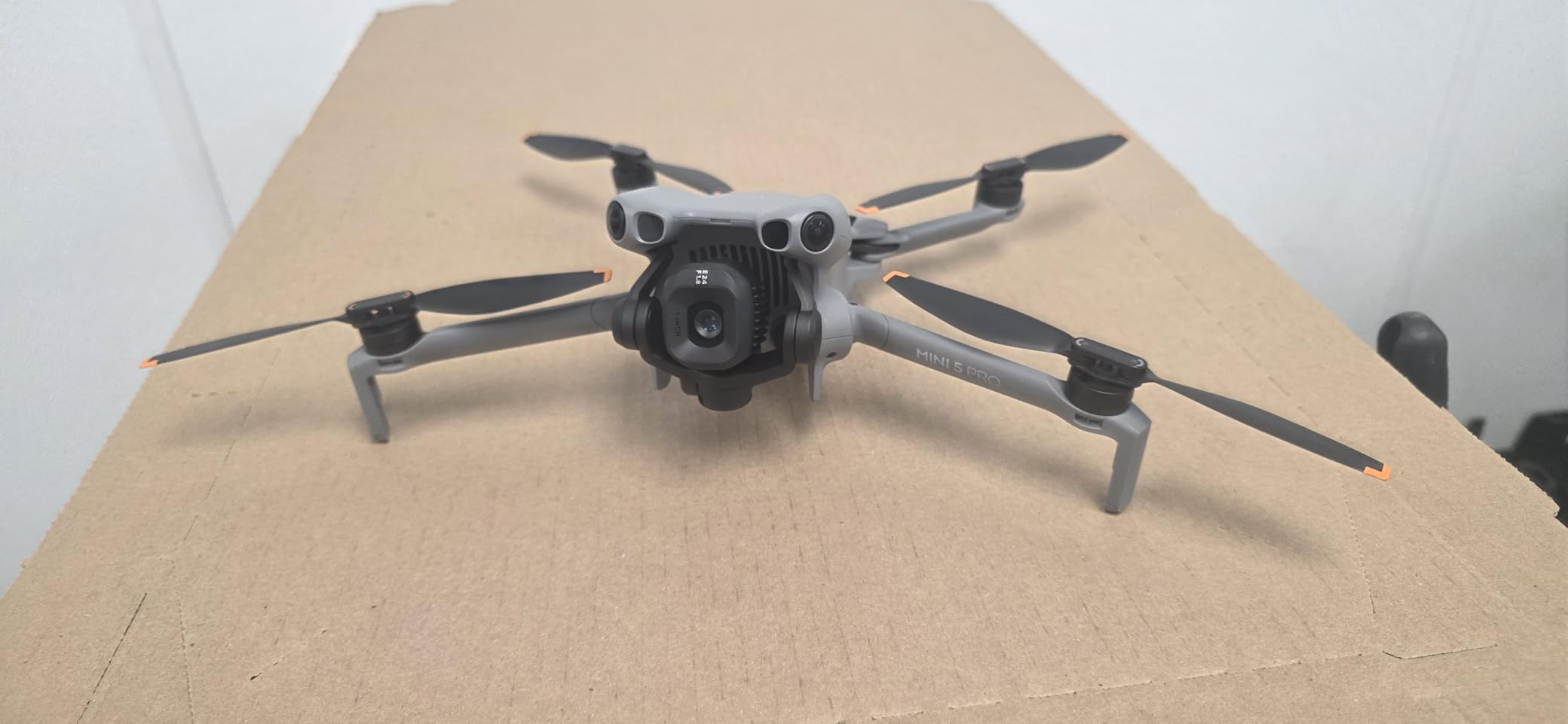
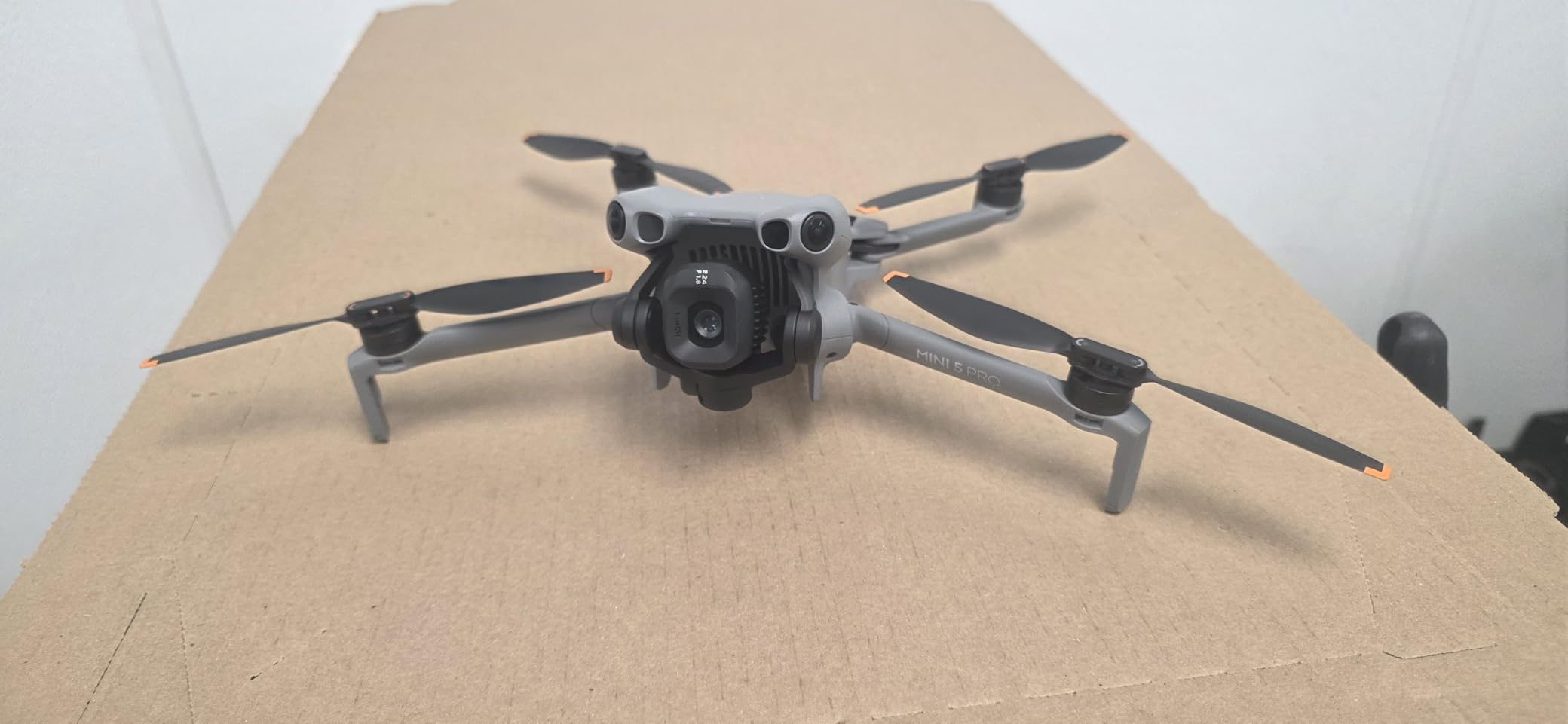
The DJI Mini 5 Pro Fly More Combo proves that serious inspection capability can come in a sub-250-gram package. At just 249 grams, this drone does not require FAA registration, which simplifies the regulatory side of operations for pilots just starting in tower inspection work. With 593 customer reviews and a 4.5-star rating, it is one of the most popular drones on the market.
The 1-inch CMOS sensor is impressive for a drone this small, capturing 50MP still photos and 4K/60fps HDR video that approach professional inspection quality. For visual pre-work inspections or preliminary tower condition assessments, the Mini 5 Pro delivers imagery that is genuinely useful for identifying obvious structural issues before committing to a more detailed inspection with a larger platform.
The Nightscape omnidirectional obstacle sensing with forward-facing LiDAR is remarkable for a sub-250g drone. This provides the same multi-directional protection as larger DJI drones, which is important when flying near tower structures. The 225-degree gimbal rotation enables true vertical filming and flexible camera angles for inspecting overhead structures.
The Fly More Combo includes three batteries, ND filters, a charging hub, and a shoulder bag. With 36 minutes per battery, you get nearly two hours of total flight time. The 42GB of internal storage means you do not need to fumble with microSD cards in the field.
The main limitation for tower inspection is the sub-250g weight. While the Mini 5 Pro handles moderate winds, it will struggle in the stronger winds common at elevated tower sites, particularly on taller structures. For inspections of lower-height towers or rooftop cell sites, it is more than capable.
When to Choose a Sub-250g Drone for Inspection
The Mini 5 Pro makes sense for pilots who need a portable, regulation-friendly drone for light inspection work. If you are conducting preliminary visual assessments, documenting tower access conditions, or inspecting rooftop cell installations, the convenience and capability of this drone are hard to beat.
For full structural inspections of tall towers, a heavier drone with better wind resistance is a better choice. But as a supplementary tool in your inspection kit, the Mini 5 Pro fills an important niche.
ActiveTrack 360 for Hands-Free Tower Circling
The ActiveTrack 360 feature lets you create customizable tracking orbits around tower structures, which is useful for creating consistent inspection fly-around videos. You can define the tracking parameters and let the drone maintain a controlled orbit while you focus on camera framing.
This is particularly valuable for creating standardized inspection documentation where you need consistent circumferential coverage of a tower structure at multiple heights.
13. Potensic ATOM 2 Fly More Combo – Budget Entry Point for Inspection
Potensic Atom 2 Fly More Combo with RC PTD 1, Drones with Camera for Adults 4K Video, 8K Photo, 10KM Transmission, 96 Mins Flight, 3-Axis Gimbal, AI Track, Vertical Shooting, AI Night Shot, Under 249g
1/2-inch Sony CMOS
48MP photos
4K/30fps HDR
3-axis gimbal
10km transmission
96 min total flight
Under 249g
5.5-inch touchscreen RC
Pros
- Exceptional value for money with premium features
- 1/2-inch Sony CMOS sensor with 4K video
- 3-axis gimbal for stable inspection imagery
- 96 minutes total flight time with 3 batteries
- 5.5-inch FHD touchscreen controller included
- Under 249g with no FAA registration needed
- AI Track and AI Night Shot features
Cons
- No obstacle avoidance sensors
- 4K limited to 30fps not 60fps
- Battery drains when not in use
- Requires account creation before first flight
The Potensic ATOM 2 Fly More Combo is the most affordable drone in this guide, and with 1808 customer reviews at a 4.5-star rating, it has proven itself with a massive user base. For pilots exploring whether tower inspection is a viable business before investing thousands in enterprise equipment, this drone offers an accessible entry point with genuinely useful capabilities.
The 1/2-inch Sony CMOS sensor captures 48MP photos and 4K/30fps HDR video that, while not matching the larger sensors on professional drones, is more than adequate for preliminary visual inspections and basic condition documentation. The 3-axis gimbal provides the kind of image stability that matters for capturing readable inspection imagery of tower components.

The standout feature at this price point is the PTD 1 controller with a built-in 5.5-inch FHD touchscreen running at 700 nits brightness. Having a dedicated controller with a bright screen is a significant advantage over phone-based controllers, especially in the bright outdoor conditions typical of tower inspection sites.
With three batteries providing 96 minutes of total flight time, you get substantial air time for a full day of inspection practice or light commercial work. The 10km transmission range with PixSync 4.0 technology provides generous range for most learning scenarios and light inspection work.

The critical limitation for tower inspection is the complete absence of obstacle avoidance sensors. Flying near tower structures without any automated obstacle protection requires significantly more skill and attention. For training purposes in open areas, this is acceptable. For actual tower inspection work near complex structures, we strongly recommend a drone with obstacle avoidance.
Is the ATOM 2 Suitable for Real Inspection Work?
For pilots building skills and exploring the tower inspection business, the ATOM 2 is an excellent training platform. The camera quality, gimbal stability, and flight characteristics are good enough to practice inspection techniques and build a basic portfolio.
However, for paid commercial inspection work near active cell towers, the lack of obstacle avoidance is a serious safety concern. We recommend upgrading to a drone with obstacle sensing before flying near actual tower structures for paying clients.
AI Features for Inspection Practice
The AI Track modes (Spotlight, Follow, and Parallel) help you practice the kind of automated flight patterns used in professional tower inspection. Learning to set up tracking orbits and automated inspection patterns on a budget drone translates directly to more capable platforms.
The AI Night Shot feature extends your practice time into low-light conditions, helping you understand the challenges of inspection work in less-than-ideal lighting.
Buying Guide: Choosing the Right Cell Tower Inspection Drone
Selecting the best drones for cell tower inspections requires understanding the specific demands of tower environments. From electromagnetic interference to GPS signal reflection off steel structures, towers present unique challenges that consumer drones may not handle well. Here are the factors our team considers when recommending inspection platforms.
Camera and Imaging Quality
The camera is the primary tool of any tower inspection. For visual inspection, look for at least a 1-inch CMOS sensor that can capture 4K video and 20MP or higher still images. Larger sensors handle the high-contrast lighting around towers better, preserving detail in both shadowed structural areas and bright sky backgrounds.
For thermal inspection, 640×512 resolution is the practical standard for professional tower work. This resolution provides enough thermal detail to identify overheating connectors, faulty antennas, and electrical issues. Lower thermal resolutions like 320×240 may miss small but significant thermal anomalies on tower components.
Flight Time and Battery Life
Tower inspections require sustained flight time to document the entire structure thoroughly. Our minimum recommendation is 35 minutes of flight time per battery, which gives you enough air time for a detailed single-tower inspection with margin for re-shots. Drones offering 40-plus minutes, like the Autel Enterprise models and DJI Mavic 4 Pro, provide more comfortable margins.
Always purchase extra batteries. A typical inspection day involves flying multiple towers, and having at least three batteries keeps you productive without long charging downtime.
Obstacle Avoidance and Safety Systems
Tower environments are full of obstacles: guy wires, antenna elements, cable runs, and structural members. Comprehensive obstacle avoidance with multi-directional sensing is a critical safety feature. The best systems combine visual sensors, LiDAR, and intelligent flight controllers that can navigate complex 3D environments.
For the highest level of safety, look for drones with 360-degree or even 720-degree obstacle sensing like the Autel MAX 4T V2. These systems provide complete spatial awareness that is invaluable when flying in close proximity to tower structures.
Thermal Imaging for Predictive Maintenance
Thermal imaging has become standard for professional tower inspection because it detects problems invisible to visual cameras. Overheating electrical connectors, failing antenna components, and load imbalances all produce thermal signatures that enable early intervention before failures occur.
If thermal inspection is part of your service offering, prioritize drones with integrated thermal sensors rather than add-on thermal cameras. Integrated systems provide better calibration, split-screen viewing, and temperature measurement tools that professional inspection reports require.
Electromagnetic Interference Resistance
Cell towers emit radio frequency energy that can interfere with drone control signals and GPS positioning. This is one of the most discussed pain points on r/drones and r/UAVmapping forums. Drones designed for industrial inspection, like the Autel MAX series with triple anti-jamming protection, handle RF environments significantly better than consumer drones.
If you are flying near active cell tower antennas, look for drones specifically rated for electromagnetic interference resistance. The DJI Matrice series and Autel MAX series both incorporate EMI shielding and frequency-hopping communication protocols that maintain signal integrity in RF-heavy environments.
Regulatory Compliance and Certification
All commercial drone operations in the United States require a Part 107 Remote Pilot Certificate from the FAA. For tower inspection work specifically, you may also need airspace authorization (LAANC) since many tower sites are in controlled airspace near airports.
Your drone must be FAA Remote ID compliant, which all drones in this guide are. For professional tower inspection work, NATE (National Association of Tower Erectors) certification is increasingly valued by telecom clients and demonstrates competency in tower-specific safety protocols.
GPS-Denied Navigation Capability
Steel tower structures reflect and block GPS signals, creating positioning dead zones where standard drones lose position hold and drift. Drones with visual inertial navigation systems, like the Autel MAX 4T V2, can maintain precise positioning even without GPS by using downward cameras and onboard sensors.
This capability is particularly important when flying between tower legs or beneath platform structures where GPS signals are unreliable. If your inspection work involves close-proximity flying near steel structures, GPS-denied navigation should be a priority feature.
Weatherproofing and Wind Resistance
Tower inspections happen in all weather conditions, and your drone needs to handle them. IP ratings (Ingress Protection) indicate dust and water resistance. The DJI Matrice 4TD with IP55 rating can handle dust and water jets, while lighter consumer drones should be grounded in anything but clear conditions.
Wind resistance is equally important since tower sites are often in exposed, elevated locations. Heavier drones like the Matrice series and Mavic 3 Classic handle wind better than sub-250g alternatives. Always check the manufacturer maximum wind resistance rating and set your own operational limits conservatively.
FAQs
What drone is good for radio tower inspections?
The best drones for radio tower inspections include the DJI Matrice 4TD for enterprise work with its triple-lens thermal system and IP55 weatherproofing, the Autel EVO MAX 4T V2 for its 720-degree obstacle avoidance and GPS-denied navigation, and the DJI Air 3S as a value option with forward-facing LiDAR. For thermal inspection specifically, the Autel EVO II Dual 640T V3 offers professional-grade 640×512 thermal imaging at a competitive price point.
What are the drone requirements for tower inspections?
Tower inspection drones need at minimum a 1-inch CMOS camera sensor, 35-plus minutes of flight time, omnidirectional obstacle avoidance, and FAA Remote ID compliance. For professional work near active antennas, electromagnetic interference resistance and GPS-denied navigation capability are strongly recommended. Thermal imaging at 640×512 resolution is increasingly expected for comprehensive inspection deliverables.
What drone is suitable for cell phone tower inspections?
Suitable drones for cell phone tower inspections include thermal-capable platforms like the Autel EVO II Dual 640T V3 and Enterprise V3, the DJI Matrice 4TD for all-weather enterprise work, and the Autel EVO MAX 4T V2 for its advanced anti-jamming and obstacle avoidance. The best choice depends on whether you need thermal imaging, your budget, and the complexity of the towers you inspect.
Can drones replace tower climbers for inspections?
Drones cannot fully replace tower climbers yet, as some inspections require physical contact testing and hands-on maintenance. However, drones handle 70 to 80 percent of routine visual and thermal inspection tasks more safely and cost-effectively. Towers typically require physical climbing every 3 to 5 years per regulations, but drones enable much more frequent monitoring between climb inspections.
What license do I need for drone tower inspection?
You need an FAA Part 107 Remote Pilot Certificate for all commercial drone tower inspection work in the United States. You may also need LAANC airspace authorization since many tower sites are in controlled airspace. NATE (National Association of Tower Erectors) certification is increasingly valued by telecom clients. Additional state or local permits may apply depending on the inspection location.
Final Thoughts on the Best Drones for Cell Tower Inspections
Choosing among the best drones for cell tower inspections comes down to matching capability to your specific inspection requirements. For enterprise-grade work with thermal imaging and all-weather capability, the DJI Matrice 4TD is our top recommendation. The Autel EVO MAX 4T V2 offers the best autonomous flight capabilities with its GPS-denied navigation and 720-degree obstacle avoidance. And the DJI Air 3S Fly More Combo delivers exceptional value with professional imaging and LiDAR at a price point that makes sense for growing inspection businesses.
The tower inspection industry continues to evolve in 2026, with drones handling an increasing percentage of work that used to require dangerous human climbs. Whether you are a solo Part 107 pilot building an inspection business or a telecom company developing an internal drone program, investing in the right platform pays dividends in data quality, operational efficiency, and client satisfaction. Start with your inspection requirements, match them to the drones in this guide, and you will be well-equipped for successful tower inspection operations.