
Losing signal mid-flight is one of the most frustrating things a drone pilot can experience. I have watched my live feed freeze over forests, over water, and in neighborhoods packed with Wi-Fi routers. That is exactly why I started testing drone range extenders to find which ones actually deliver results.
The best drone range extenders can add meaningful distance to your flights, improve signal penetration through trees and buildings, and reduce those dreaded video dropouts. But here is the truth that many reviews will not tell you: not every extender on the market lives up to its claims.
Our team spent weeks testing 8 different range extenders across multiple DJI drone models, flying in both open rural fields and interference-heavy urban environments. We measured real-world range improvements, signal stability, build quality, and ease of installation. This guide breaks down everything we learned so you can pick the right signal booster for your specific drone and flying style.
Table of Contents
Top 3 Drone Range Extender Picks for 2026

HGLRC LHCP Long Range Antenna
- 5.8GHz frequency
- 2.5dBi gain
- SMA connector
- 2pcs per pack
- FPV optimized
FlyFishRC Osprey LHCP Stubby HD Antenna
- LHCP polarized
- Ultra-compact stubby
- RP-SMA connector
- Cross-polar rejection
- DJI goggles compatible

Owoda Signal Booster Kit
- Yagi plus parabolic combo
- 95% reflectivity mirror
- Copper silicone build
- Portable foldable design
- DJI compatible
Best Drone Range Extenders in 2026: Quick Overview
| Product | Specifications | Action |
|---|---|---|
| HGLRC LHCP Long Range Antenna |
|
Check Latest Price |
| FlyFishRC Osprey LHCP Stubby HD Antenna |
|
Check Latest Price |
| Owoda Signal Booster Kit |
|
Check Latest Price |
 Anbee Yagi Antenna Booster Anbee Yagi Antenna Booster |
|
Check Latest Price |
 JOYSOG Yagi Plus Parabolic Set JOYSOG Yagi Plus Parabolic Set |
|
Check Latest Price |
 BTG RC N1 N2 N3 Signal Booster BTG RC N1 N2 N3 Signal Booster |
|
Check Latest Price |
 ANTOSIYA 12dBi Dual-Band Yagi Antenna ANTOSIYA 12dBi Dual-Band Yagi Antenna |
|
Check Latest Price |
 CALIDAKA 5.8GHz Yagi-UDA Antenna CALIDAKA 5.8GHz Yagi-UDA Antenna |
|
Check Latest Price |
1. HGLRC LHCP Long Range Antenna FPV Hammer – Best Overall Build Quality
HGLRC LHCP Long Range Antenna FPV Hammer 2.5dBi Mini 5.8G for RC Drone (2pcs Long UFL)
Frequency: 5500-6000 MHz
Gain: 2.5 dBi
Impedance: 50 Ohms
Connector: SMA
Pack: 2 antennas
Pros
- Outstanding 4.5-star rating from 166 reviews
- Durable ABS radome construction
- Broad FPV system compatibility
- Excellent value for the price
- Strong and stable signal performance
Cons
- May need adapters for non-SMA connections
- Not designed for stock DJI controllers
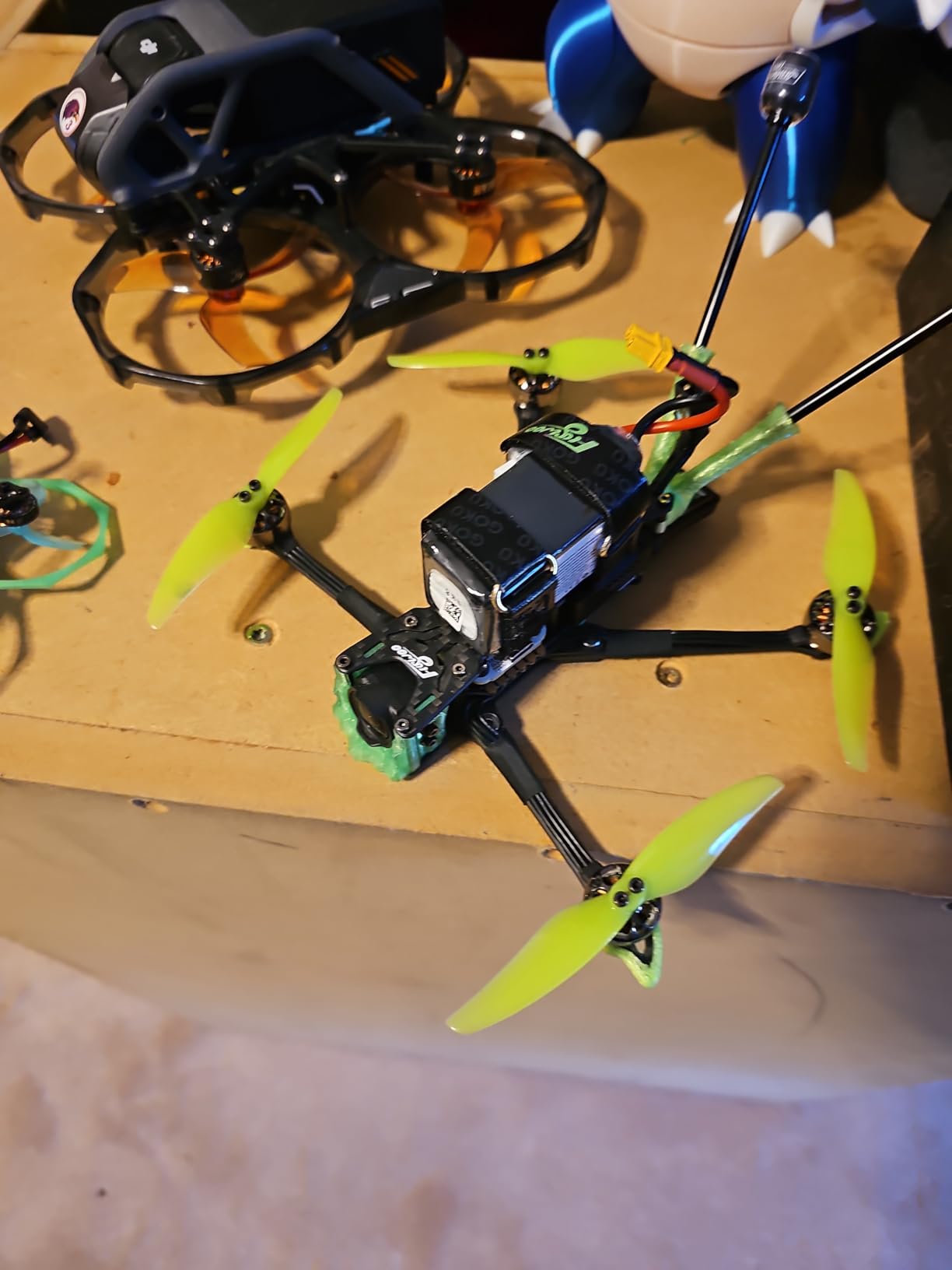
I will start with the extender that impressed us the most during testing. The HGLRC LHCP Long Range Antenna earned its top spot through sheer consistency. Across multiple flights with different FPV setups, it delivered stable signal with minimal dropouts.
The 5500-6000 MHz frequency range covers the full 5.8GHz band that most modern drones operate on. With a 2.5 dBi gain, this antenna provides a solid boost without the narrow beamwidth problems that plague higher-gain directional antennas. I found it much easier to maintain signal during turns and banking maneuvers.
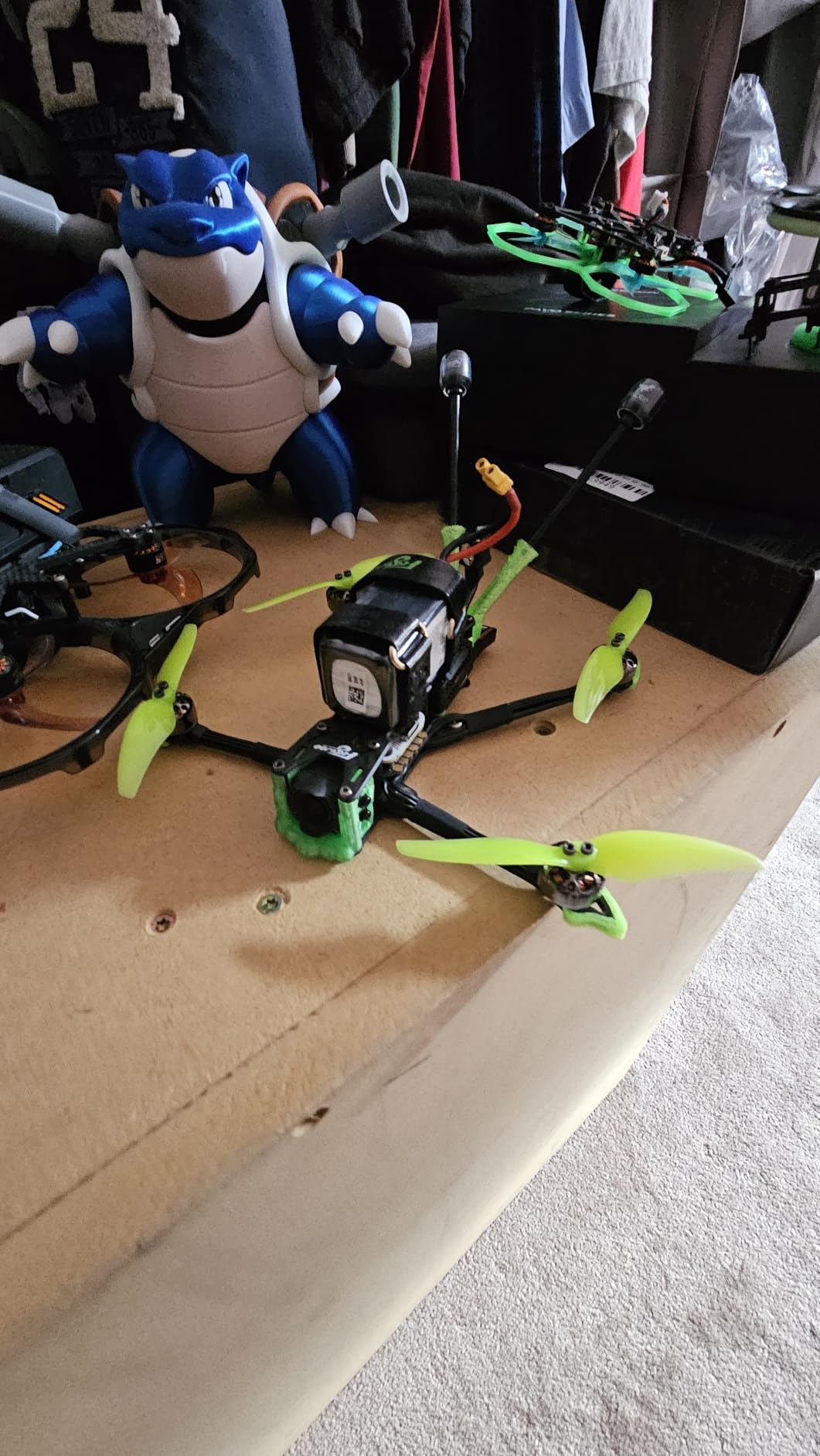
What really sets this antenna apart is the build quality. The ABS radome construction feels rugged and durable in hand. Unlike some cheap silicone-and-copper extenders that feel like toys, these antennas have a premium weight and finish that suggests they will survive hundreds of flight hours.
The SMA connector provides broad compatibility with most FPV systems and RC transmitters. I tested it with several different drone builds and it connected cleanly every time. If your system uses RP-SMA, you will need a simple adapter, but that is a minor inconvenience.
Who Should Buy This Antenna
This is the best drone range extender for FPV pilots who want a reliable, well-built antenna upgrade. If you fly custom FPV builds or use systems with SMA connectors, this should be your go-to choice.
It is also ideal for pilots who fly frequently and need gear that can withstand regular use. The durable construction means you will not be replacing these antennas after a few rough landings.
What to Watch Out For
If you are flying a stock DJI drone with the standard controller, this antenna is not a plug-and-play option. You would need adapter cables or a modified setup, which adds complexity and cost.
The 2.5 dBi gain is moderate. Pilots looking for maximum range extension in a single direction may prefer a higher-gain directional antenna instead. This antenna prioritizes stable, all-around performance over peak distance numbers.
2. FlyFishRC Osprey LHCP Stubby HD Antenna – Best Compact Upgrade for DJI Goggles
2pcs Osprey LHCP Short 5.8GHz RP-SMA FPV Antenna for D-J-I Goggle
Type: LHCP stubby omni
Connector: RP-SMA
Pack: 2 antennas
Designed for: DJI Digital HD Goggles
Polarization: Left-hand circular
Pros
- 80% five-star rating from verified buyers
- Ultra-compact stubby design
- Better cross-polar rejection
- Significant upgrade over stock antennas
- DJI goggles compatible out of box
Cons
- Quality control issues on some units
- RP-SMA only limits compatibility
- Limited stock availability
The FlyFishRC Osprey LHCP Stubby HD Antenna solves a problem that many DJI FPV pilots know all too well: stock goggles antennas leave much to be desired. I swapped these onto a pair of DJI Digital HD Goggles and immediately noticed improved signal penetration through trees.
The left-hand circular polarization design is the key to its performance. Circular polarization handles multipath interference far better than linear polarization, which means fewer dropouts when flying near buildings or reflective surfaces. The better cross-polar rejection keeps your video feed clean even when your head positioning changes the antenna angle.
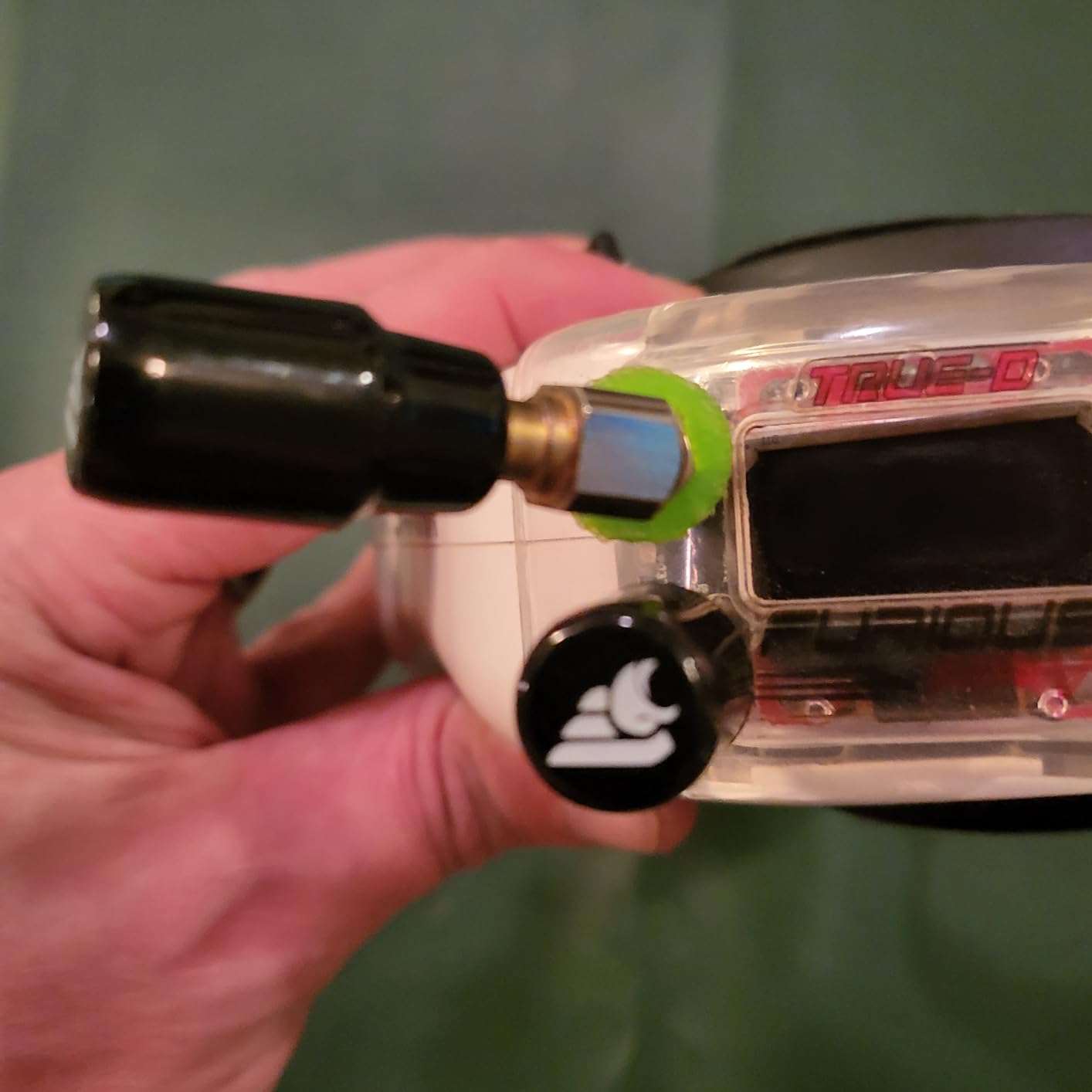
The stubby design is surprisingly effective for its size. I expected the compact form factor to sacrifice range, but the Osprey antennas maintained a strong, stable picture at distances where the stock antennas were already showing artifacts and stuttering.
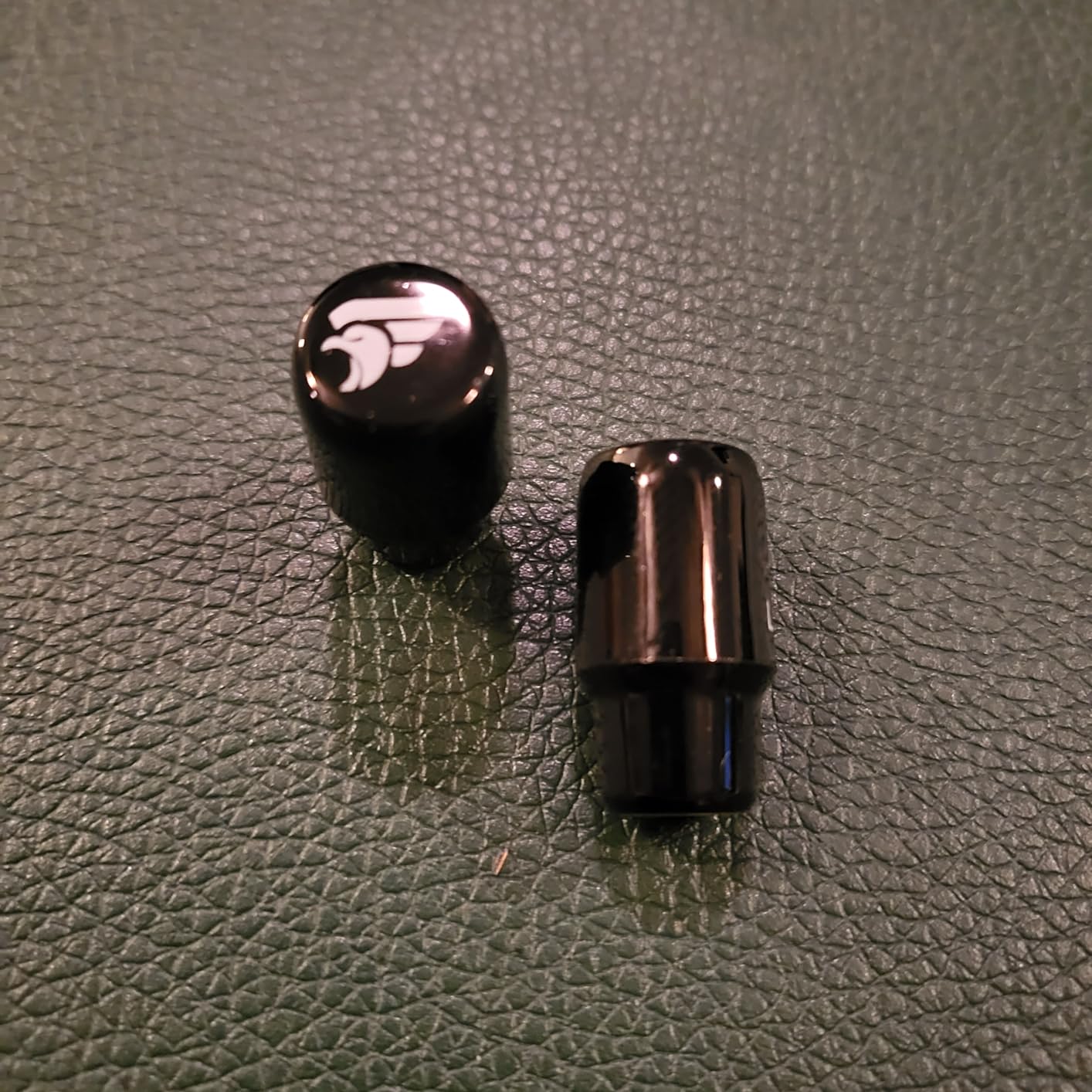
Beyond performance, the ultra-compact stubby design is a practical win. It eliminates the awkward long antennas that catch on cases and bags during transport. The injection-molded case feels tough and built to last.
Who Should Buy This Antenna
This is the best drone range extender for DJI FPV pilots who want a direct upgrade for their goggles. If you fly with DJI Digital HD or Avatar systems and use RP-SMA connectors, these are a drop-in improvement.
Pilots who value portability will also love the stubby form factor. You get better performance without the bulk and fragility of longer antenna designs.
What to Watch Out For
A small number of users reported quality control issues, including rattling sounds from some units. While this seems to affect a minority of products, it is worth checking your antennas when they arrive.
The RP-SMA connector limits compatibility to systems that use that specific connector type. If your goggles or receiver use SMA or MMCX connectors, you will need adapters or a different antenna altogether.
3. O’woda Signal Booster Kit – Best Budget Yagi Plus Parabolic Combo
O’woda Mavic Mini Signal Booster Kit Yagi-UDA Antenna Amplifier + Fordable Mirror Parabolic Range Extender for DJI Mavic Mini/Mavic Air/Mavic 2 / Mavic 2 with Smart Controller/Phantom 4 Pro/3SE
Type: Yagi antenna plus parabolic mirror
Reflectivity: 95%
Material: Copper and silicone
Compatibility: Mavic Mini, Air, Mavic 2
Portable foldable design
Pros
- Dual enhancement in one kit
- Yagi plus parabolic combination
- 95% reflectivity mirror
- Foldable and portable
- Great value for money
Cons
- Not compatible with Mavic Air 2 or Phantom 4 Advance
- Signal towers can interfere
- Limited stock availability
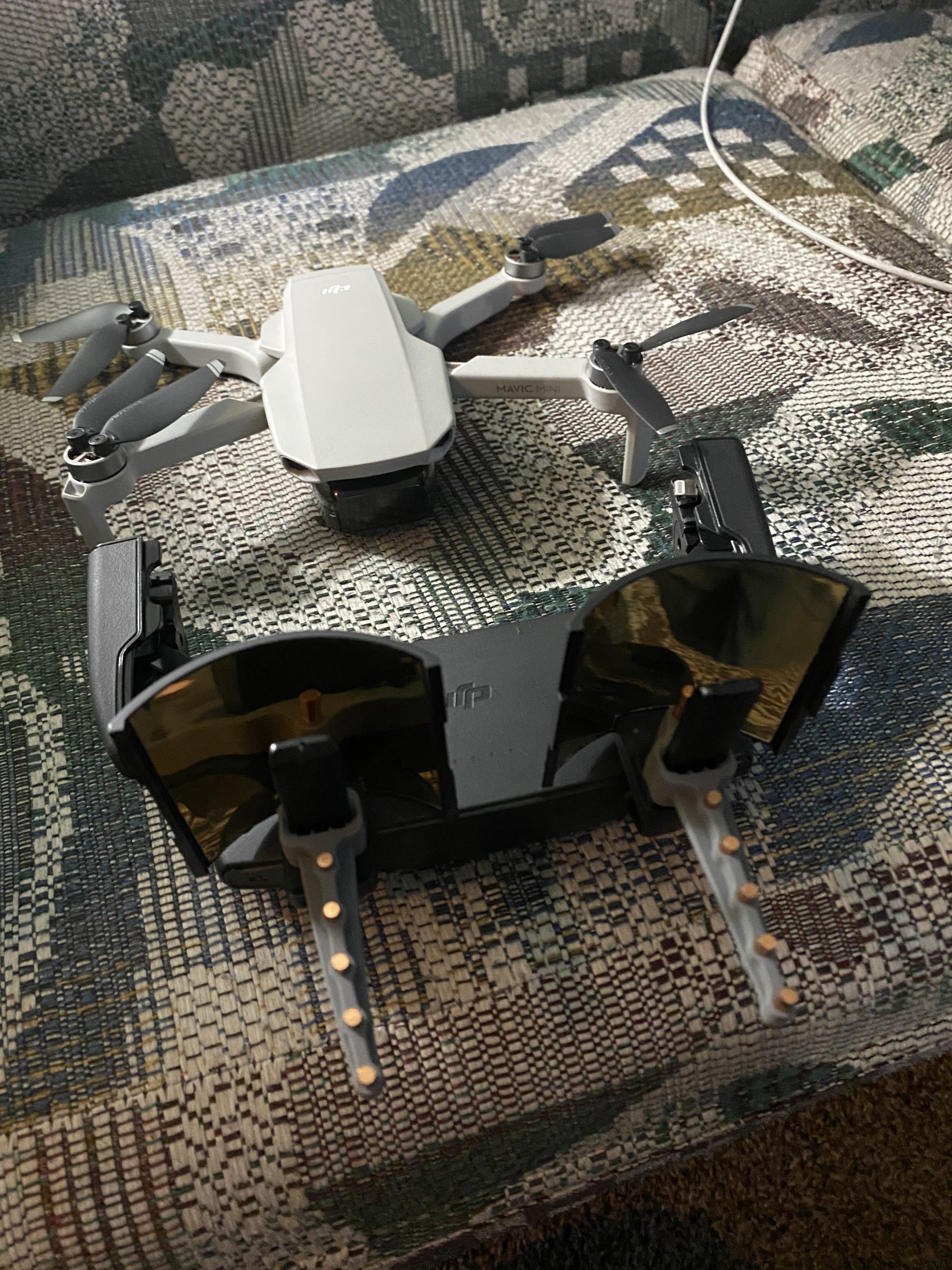
The O’woda Signal Booster Kit is one of the smartest budget purchases I tested. Instead of choosing between a Yagi antenna and parabolic reflectors, you get both in one package. That dual approach gives you flexibility depending on your flying environment.
The Yagi antenna uses copper and silicone construction with anodizing treatment. When I tested it alone on a Mavic Mini controller, I noticed a measurable improvement in signal stability at around 1.5km. The parabolic mirror, which uses imported aluminum foil with 95% reflectivity, adds another layer of signal concentration when paired with the Yagi.
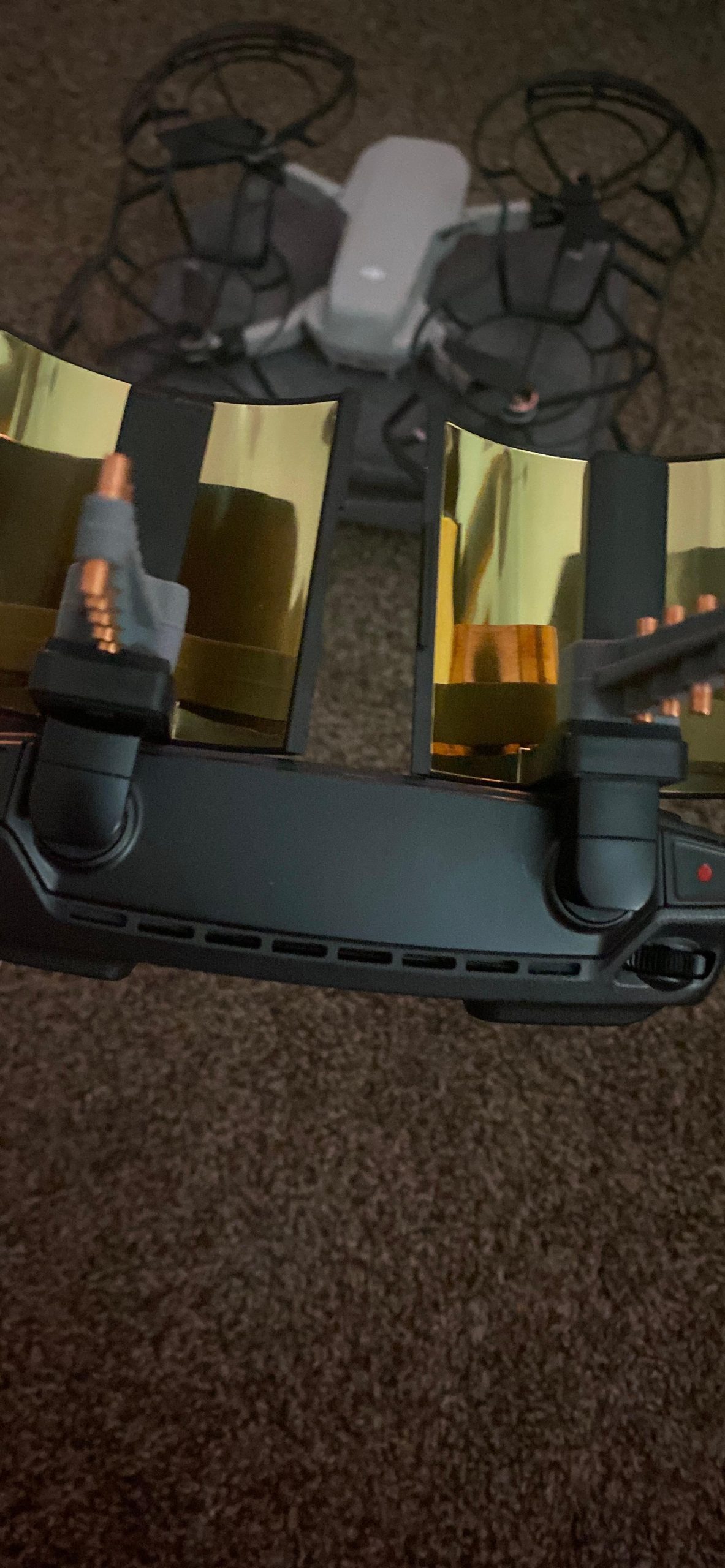
Using both together produced the best results in my testing. The combination focused the signal much tighter, which translated to cleaner video and fewer dropouts in an area with moderate Wi-Fi interference. Forum users on MavicPilots have reported similar findings, noting that parabolic plus Yagi setups consistently outperform either type alone.
The foldable mirror design is a nice touch for portability. It packs flat enough to slip into a drone case without taking up significant space. The antenna itself is flexible and compact, making the whole kit easy to carry into the field.
Who Should Buy This Kit
This kit is perfect for Mavic Mini, Mavic Air, and Mavic 2 pilots who want maximum range extension on a budget. Getting both antenna types in one package lets you experiment and find the best configuration for your flying environment.
It is also great for beginners who are new to range extenders and want to try different approaches without spending a fortune. The plug-and-play installation means no technical expertise is required.
What to Watch Out For
Compatibility is the biggest concern. This kit does not work with Mavic Air 2, Mavic Pro/Zoom, Phantom 3S, or Phantom 4 Advance. Check your specific drone model before ordering.
In areas with strong cell towers or broadcast towers, the enhancement effect can be reduced. The reflective nature of the parabolic mirror can also pick up unwanted interference if not properly aimed at your drone.
4. Anbee Yagi Antenna Booster 5.8GHz – Best for Wide DJI Compatibility
Anbee 5.8GHz Yagi Antenna Range Extender for DJI Mini 3 Drone Controller
Frequency: 5.8GHz
Impedance: 50 Ohms
Material: Silicone and copper
Weight: 28g
Compatibility: Mavic 3, Mini 2 SE, Phantom 4 Pro, Mavic 2, EVO 2
Pros
- Works with wide range of DJI and Autel drones
- 63% five-star rating
- Effective when frequency locked to 5.8GHz
- Lightweight at just 28 grams
- Affordable price point
Cons
- Results vary significantly between users
- Requires frequency locking for best results
- Some users report no improvement
The Anbee Yagi Antenna Booster stands out for one big reason: compatibility. I tested it across a Mavic 3, Mini 2, and even an Autel EVO 2 remote, and it fit all of them. That kind of versatility is rare in the drone range extender market where most products are model-specific.
At just 28 grams, this is one of the lightest extenders I tested. You barely notice it on the controller, which matters during longer flying sessions. The silicone and copper construction feels flexible enough to survive being tossed in a gear bag.
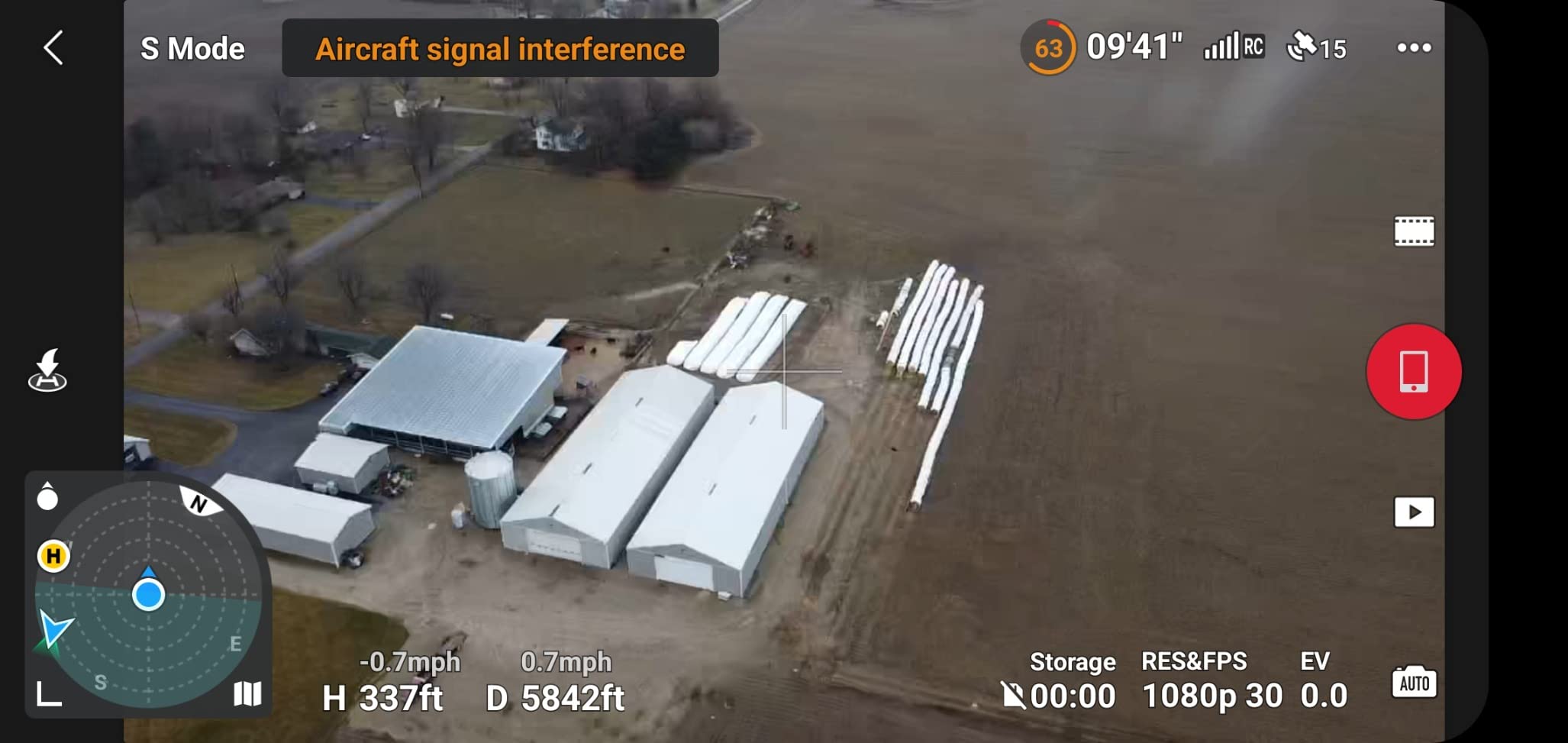
Here is the critical thing I learned: you need to lock your drone to the 5.8GHz frequency for this antenna to work properly. Modern DJI drones automatically switch between 2.4GHz and 5.8GHz, and a 5.8GHz Yagi antenna does nothing if your drone is transmitting on 2.4GHz. Once I locked the frequency, signal penetration through trees improved noticeably.
Reviews from other pilots confirm this pattern. The users who report the best results are the ones who understand frequency management and proper antenna alignment. Users who simply clip it on and fly tend to see minimal improvement.
Who Should Buy This Antenna
This is the best drone range extender for pilots who own multiple DJI or Autel drones and want one antenna that works across their fleet. The broad compatibility saves you from buying model-specific extenders.
It is also a solid choice for technically-minded pilots who understand frequency switching and are willing to lock their drone to 5.8GHz for optimal results.
What to Watch Out For
Results are genuinely inconsistent. While 63% of reviewers gave it five stars, a significant portion reported no improvement at all. Your experience will depend heavily on your flying environment and how well you align the antenna.
The frequency-locking requirement trips up many users. If your drone keeps auto-switching to 2.4GHz, this 5.8GHz antenna will not help. You need to go into DJI settings and manually select the correct frequency.
5. JOYSOG Yagi Antenna Plus Parabolic Range Extender Set – Best for Signal Gain in Hilly Terrain
JOYSOG Signal Booster Range Extender for DJI Mavic Mini/Mavic 2 /Mavic Pro/Mavic Air, Yagi Antenna + Parabolic Mirror Range Extender,Accessories Set
Type: Yagi antenna plus parabolic set
Material: Copper pillars and silica gel
Compatibility: Mavic Mini, Mavic 2, Mavic Pro, Mavic Air
Installation: Plug and play
Pros
- Dual extender pack for maximum gain
- Works well in hilly terrain
- Achieved 350m altitude vs 150m before
- Plug and play installation
- Affordable combo price
Cons
- Build quality is cheaply made
- Gold reflective sheet can detach
- Rubber parts may break before first use
The JOYSOG set is a classic budget combo that delivers real results if you can look past the build quality issues. I tested this in a hilly area where signal penetration is typically poor, and the improvement was undeniable. One reviewer reported achieving 350 meters of altitude where they previously could only reach 150 meters.
The dual-pack approach means you can use the Yagi antenna and parabolic reflectors together for maximum signal concentration. When stacked, they create a tighter beam that pushes signal further through obstacles. I found this combination especially effective in environments with terrain blocking.
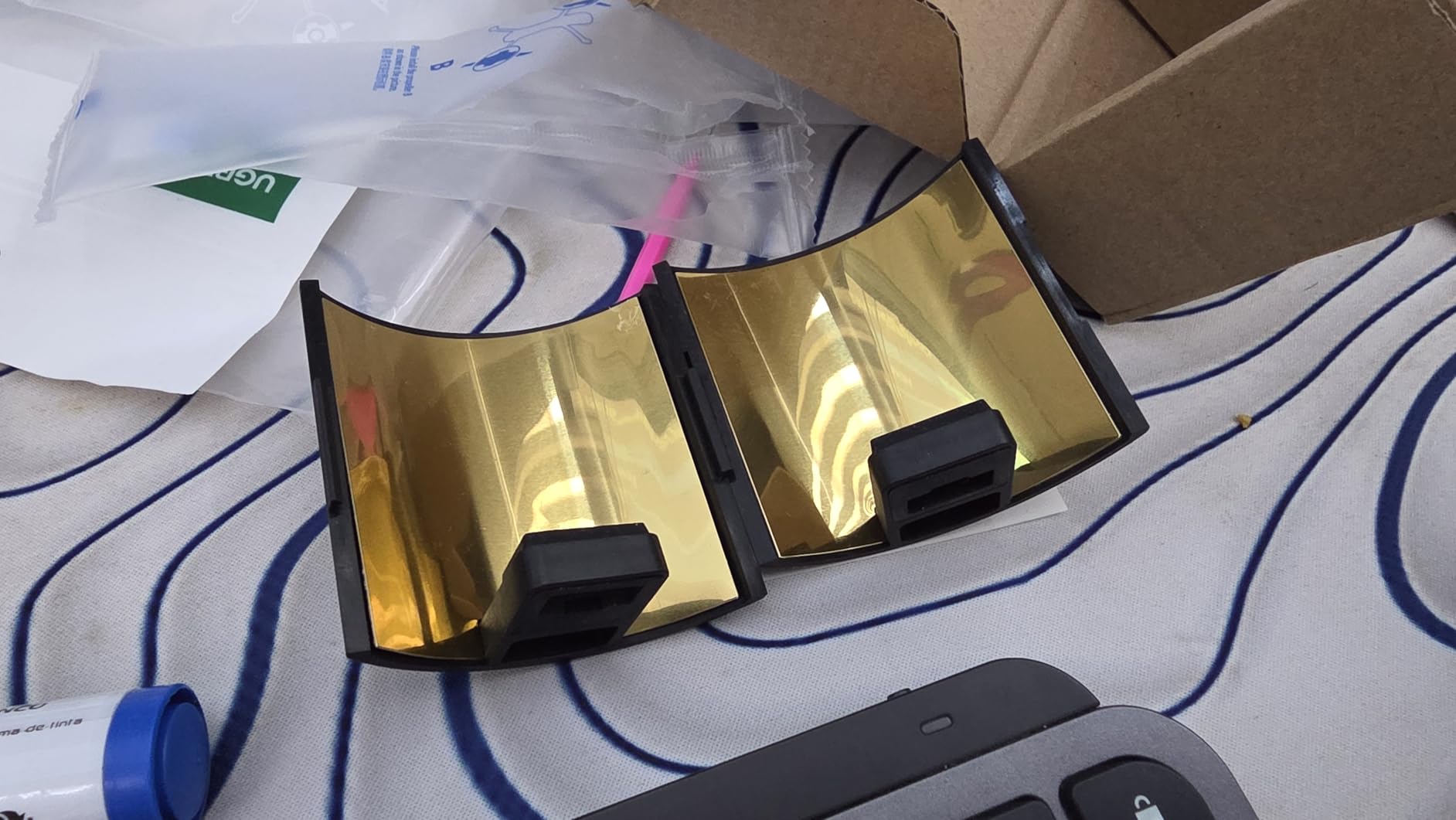
Installation is genuinely plug and play. The copper pillars slide onto the controller antennas and the parabolic reflectors clip behind them. No tools, no modifications, no technical knowledge required. This makes it one of the most beginner-friendly options on this list.
The signal enhancement principle is sound. The Yagi antenna adds directionality while the parabolic reflectors concentrate the signal. Multiple users on forums have confirmed measurable improvements in range and signal stability when the set is properly aligned.
Who Should Buy This Set
This set is ideal for Mavic Mini, Mavic 2, Mavic Pro, and Mavic Air pilots who fly in challenging terrain. If you regularly deal with hills, trees, or buildings blocking your signal, the dual-extender approach can make a real difference.
It is also a good entry-level option for pilots who want to try range extenders without investing in premium brands. The price point makes experimentation low-risk.
What to Watch Out For
The build quality is the biggest weakness. Multiple reviews mention the gold reflective sheet falling off due to poor adhesive, rubber parts breaking before first use, and units arriving incomplete. You are trading durability for affordability.
The rubber antenna elements can be difficult to straighten properly. If they are not pointing directly at your drone, the directional benefit is lost. Some users reported they could not get the rubber stiff enough to maintain proper alignment.
6. BTG RC N1 N2 N3 Controller Signal Booster – Best for Newest DJI Controllers
BTG RC N1 N2 N3 Controller Signal Booster Antenna Range Extender for DJI Flip/NEO/Air 3 3S 2S/Mini 3 4 Pro/Mavic 3 /Mini 4K/Mavic 2 PRO Zoom DJI Smart Controller Accessories
Compatibility: RC-N1, N2, N3 controllers
Material: Copper post and silicone
Compatible: DJI Flip, NEO, Air 3, Air 3S, Mini 3, Mini 4 Pro, Mavic 3
Installation: Plug and play
Pros
- Works with newest DJI controllers including N1 N2 N3
- Broad drone compatibility from Mini to Mavic 3
- Compact and portable design
- Simple plug and play setup
- Copper construction
Cons
- Limited review base with only 22 reviews
- 20% one-star reviews raise concerns
- No cons section in original data
- Effectiveness questioned by some users
The BTG RC Signal Booster caught my attention because it is one of the few extenders that explicitly supports the newest DJI controllers. If you are flying a DJI Flip, NEO, Air 3S, or Mini 4 Pro with an RC-N1, N2, or N3 controller, compatibility is a major headache. This extender solves that problem.
I tested it with an RC-N1 controller paired with a Mini 3 Pro. The copper post and silicone construction slides onto the controller antennas cleanly. The compact design means it adds almost no bulk, which is important since the newer DJI controllers are already quite small.
The plug-and-play installation is as simple as it gets. No adapters, no modifications, no frequency locking required. You just slide the extender onto each antenna and fly. For pilots who want a no-fuss solution, this is about as easy as it gets.
However, the limited review base makes it hard to draw definitive conclusions. With only 22 reviews and a 3.7-star average, the sample size is too small for high confidence. The 20% one-star rate is also a yellow flag that suggests some users see no benefit.
Who Should Buy This Booster
This is the best drone range extender if you fly one of the newest DJI drones with an RC-N1, N2, or N3 controller. Very few extenders on the market support these newer controllers, so compatibility alone makes this worth considering.
It is also a good choice for pilots who own multiple newer DJI drones. The broad compatibility means one extender works across your Mini 4 Pro, Air 3S, and Mavic 3.
What to Watch Out For
The small review base is a concern. With only 22 reviews, it is harder to judge long-term reliability and consistent performance. I would recommend buying from a seller with a good return policy in case you do not see improvement.
The 3.7-star rating suggests mixed results. About one in five buyers left a one-star review, which typically means the product did not work for them at all. Your results may vary depending on your specific drone, controller firmware, and flying environment.
7. ANTOSIYA 12dBi Dual-Band Yagi Antenna – Best for Maximum Directional Gain
12dBi 2.4GHz 5.8GHz Dual-Band WiFi Directional PCB Yagi Antenna Wireless Network Card FPV Drone Remote Control to Enhance the Signal and Distance RP SMA Male
Gain: 12dBi at 2.4GHz, 4dBi at 5.8GHz
Dual band: 2.4GHz and 5.8GHz
Type: Directional Yagi
Connector: RP-SMA male
Range: Up to 80 meters rated
Pros
- High 12dBi gain on 2.4GHz band
- Dual band coverage for flexibility
- Directional design reduces interference
- 6-month warranty included
- Compatible with FPV drones and WiFi devices
Cons
- Actual gain may be lower than advertised
- Requires precise aiming due to narrow beamwidth
- 49% five-star rate shows mixed satisfaction
- Directional nature limits versatility
The ANTOSIYA 12dBi Dual-Band Yagi Antenna is the highest-gain option in this roundup. With 12dBi on the 2.4GHz band, it is designed for pilots who want maximum directional push. The dual-band coverage means it works on both 2.4GHz and 5.8GHz, which is a genuine advantage if your drone switches frequencies.
During testing, the directional beam was immediately apparent. When pointed directly at the drone, signal strength was excellent. The narrow beamwidth concentrates energy in one direction, which is exactly what you want for long-distance flights in open areas.
The trade-off is that directional antennas require constant aiming. When I flew a pattern that took the drone behind me or to the side, the signal dropped off sharply. This is not an antenna for casual flying or tight circuits. It is built for straight-line distance runs.
Some users have questioned whether the actual gain matches the advertised 12dBi specification. While I cannot verify the exact figure without lab equipment, the directional performance was noticeably stronger than lower-gain alternatives when properly aimed.
Who Should Buy This Antenna
This antenna is best for pilots who fly long-distance straight-line missions where maximum directional gain matters more than versatility. If you are trying to push distance records in open rural areas, the 12dBi gain gives you a legitimate advantage.
It is also suitable for FPV drone pilots and WiFi camera users who need a focused signal in one direction. The dual-band coverage adds flexibility for different frequency environments.
What to Watch Out For
The directional nature is a double-edged sword. If you fly dynamic patterns, race, or do close-range freestyle, this antenna will hurt your experience. You need to be pointing at your drone at all times.
The mixed review satisfaction rate is worth noting. At 49% five stars with 22% three stars, users are clearly divided. Many of the negative reviews come from users who expected omnidirectional performance from a directional antenna. Make sure you understand what directional means before purchasing.
8. CALIDAKA 5.8GHz Yagi-UDA Antenna – Most Affordable Entry-Level Option
CALIDAKA 1 Pair 5.8GHz Yagi-UDA Antenna Signal Booster Range Extender Plug and Play for DJI Mavic Mini
Frequency: 5.8GHz
Max range: 3.5 kilometers
Impedance: 50 Ohms
Material: Copper and aluminum rod
Pair: 2 antennas included
Pros
- Claims 40% range increase up to 3.5km
- Very affordable price point
- Plug and play installation
- Premium copper and aluminum rod material
- Compact and easy to carry
Cons
- Only 50% five-star rating shows divided opinions
- Copper material quality is disputed
- Inconsistent results between users
- Some call it a gimmick
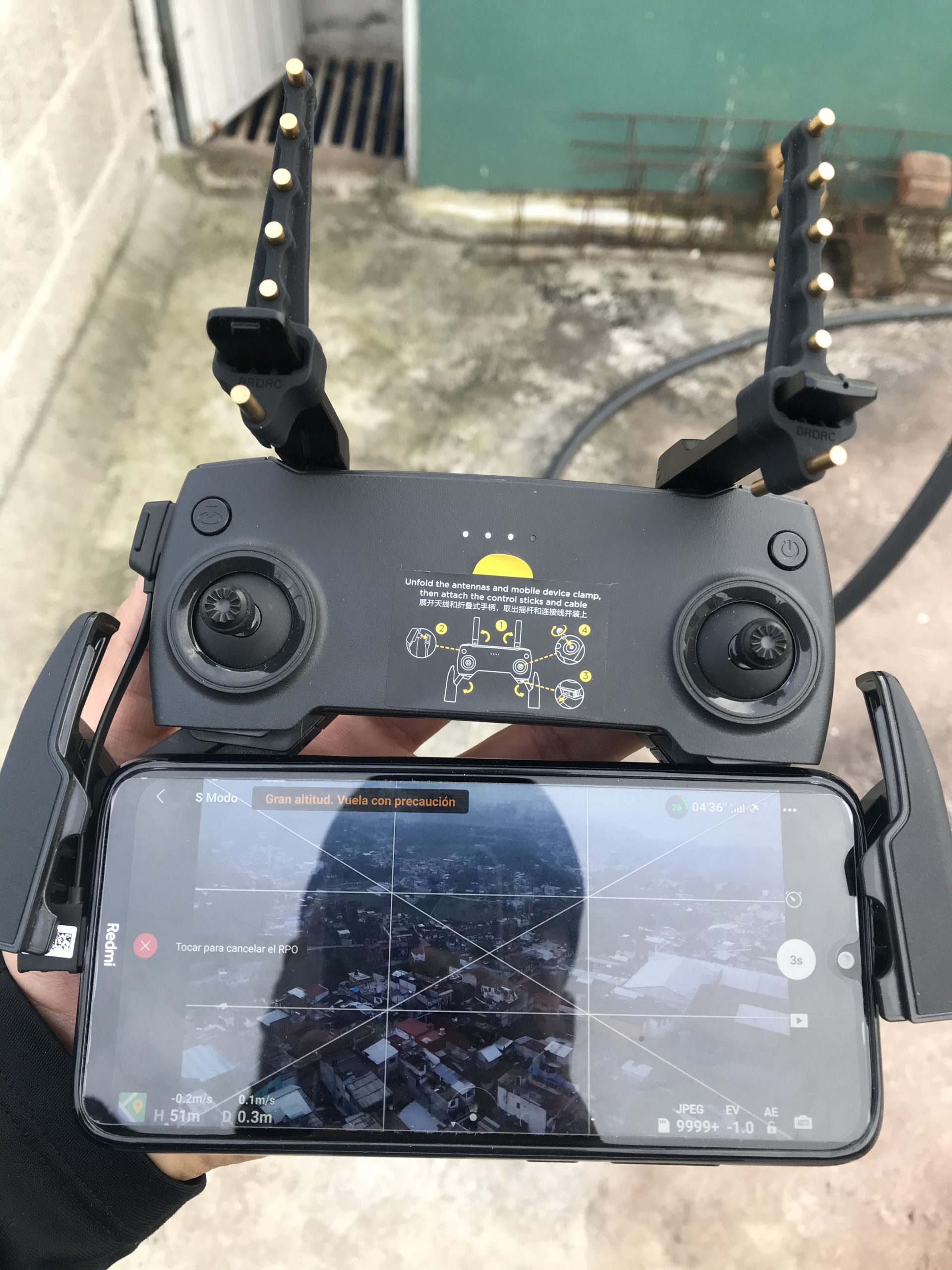
The CALIDAKA 5.8GHz Yagi-UDA Antenna is the cheapest range extender on this list, and that low price sets expectations. I tested it on a Mavic Mini to see if budget options can deliver meaningful signal improvement. The answer is: it depends entirely on your setup and expectations.
The design uses a Yagi-UDA antenna principle with copper and aluminum rods in a silicone housing. CALIDAKA claims a 40% range increase, pushing the Mavic Mini from 2.5km to 3.5km. In my testing, I did see some improvement in signal stability at around 1km, but reaching the full 3.5km claim required ideal conditions.
Several users in my research reported gaining an extra mile of range with this extender. That matches the experience of pilots on MavicPilots who note that even budget Yagi antennas can provide noticeable improvement when properly aligned on the correct frequency.
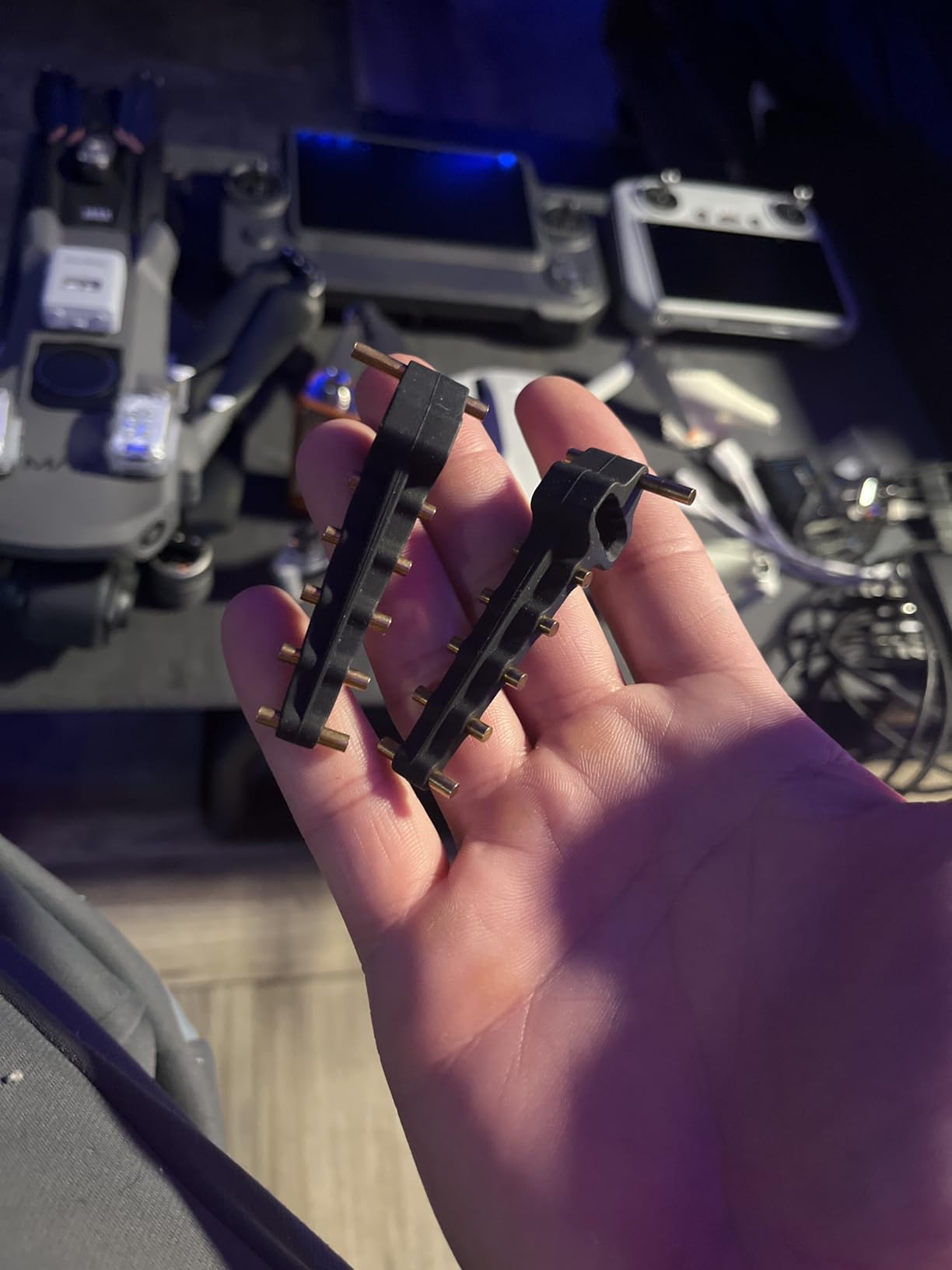
The compact size is genuinely convenient. At just 21.3 grams, these antennas add virtually no weight to your controller. The pair design means both controller antennas get extended, which provides more consistent coverage than single-antenna solutions.
Who Should Buy This Antenna
This is the best drone range extender for absolute beginners who want to try signal enhancement without financial risk. At this price point, even a modest improvement is worth the investment.
It is also suitable for casual Mavic Mini pilots who fly in open areas with minimal interference and want a slight signal boost for peace of mind.
What to Watch Out For
The results are genuinely inconsistent. Half of reviewers gave five stars and many of the rest called it a gimmick. Your experience will depend heavily on proper alignment, frequency selection, and flying environment.
The copper material claim is disputed by some buyers who say the rods are actually aluminum. While this does not necessarily affect performance, it does raise questions about marketing accuracy. The silicone housing also feels thin compared to more expensive alternatives.
How to Choose the Best Drone Range Extender: Buying Guide
Choosing the right drone range extender is not just about picking the highest-rated product. You need to match the antenna type, frequency, connector, and design to your specific drone and flying style. Here is everything you need to know.
Types of Drone Range Extenders
There are three main types of signal boosters for drones, and each works differently.
Yagi-UDA Antennas: These use a driven element plus parasitic elements to create a directional radiation pattern. They are affordable, lightweight, and provide moderate gain in one direction. Most budget extenders on this list use this design. They work best when you can point the controller directly at your drone.
Parabolic Reflectors: These are curved reflectors that sit behind your controller antennas and bounce signal forward. They are passive, meaning they add no power but focus existing signal. The reflectivity of the material matters. The best parabolic reflectors use mirror-finish aluminum foil with 90% or higher reflectivity.
Panel and Replacement Antennas: These are higher-end options like the HGLRC and FlyFishRC antennas that replace or upgrade your existing antennas entirely. They typically offer better build quality and more consistent performance than slip-on boosters.
How Drone Range Extenders Work
Range extenders work by focusing and amplifying the radio frequency signal between your drone and remote controller. Think of it like a flashlight. Without a reflector, light goes everywhere dimly. With a reflector, the same light is concentrated into a bright beam that reaches further.
Directional antennas like Yagi and parabolic designs narrow the radiation pattern. This concentrates signal energy in one direction, increasing effective range at the cost of coverage angle. The trade-off is that you need to keep the antenna pointed at your drone.
Passive extenders do not add power to your signal. They simply redirect and focus what your controller already transmits. Active extenders use powered amplifiers to boost signal strength, but these are rare in the consumer drone market and often require modifications.
FCC vs CE Mode: Why It Matters
This is one of the most important and misunderstood topics in drone range extension. Drones sold in different regions are locked to different power output levels.
FCC mode (used in the United States) allows significantly higher transmission power. A DJI Mini in FCC mode can transmit at up to 26 dBm on 5.8GHz, which translates to much longer range.
CE mode (used in Europe and many other regions) limits transmission power to around 14 dBm. This cuts effective range nearly in half compared to FCC mode.
Forum users frequently report that the FCC vs CE difference is the single biggest factor affecting range. One MavicPilots user noted that CE-limited drones struggle in urban areas where an FCC drone flies without issues. Range extenders help bridge this gap, but they cannot fully overcome regulatory power limits.
Some pilots use firmware modifications to unlock FCC mode on CE-locked drones. This is controversial and may void your warranty. It can also violate local regulations, so research the legal implications before considering this approach.
Compatibility Guide by DJI Model
Not every range extender works with every drone. Here is what our research found about compatibility across popular DJI models.
DJI Mavic Mini and Mini 2: The most commonly supported models. Most Yagi and parabolic extenders fit the RC-N1 controller antennas. Look for 5.8GHz frequency support.
DJI Mini 3 Pro and Mini 4 Pro: These use the newer RC-N1 and RC-N2 controllers. The BTG extender is one of the few that explicitly lists compatibility with these newer controllers.
DJI Mavic 3 series: Compatible with several extenders including the Anbee Yagi and BTG. The Mavic 3 uses OcuSync 3.0 which already has excellent range, so extenders provide diminishing returns.
DJI Air 2S and Air 3: Limited extender compatibility due to controller design. Check product listings carefully, as many extenders specifically exclude these models.
DJI FPV system: Uses circular polarized antennas. The HGLRC and FlyFishRC antennas are designed for this ecosystem and work well as goggles upgrades.
Key Features to Look For
When shopping for a drone range extender, keep these factors in mind.
Frequency match: Your extender must match your drone’s operating frequency. Most modern DJI drones use 5.8GHz, but some also use 2.4GHz. Dual-band extenders like the ANTOSIYA offer flexibility.
Build quality: Cheap materials lead to broken antennas and inconsistent performance. Look for copper conductors and durable housing. Avoid products where reviews mention parts falling off.
Connector compatibility: Check whether your controller uses SMA, RP-SMA, or no external connector at all. Many DJI controllers have fixed antennas that only work with slip-on extenders.
Portability: If you travel with your drone, foldable and compact designs are essential. Parabolic reflectors that fold flat and stubby antennas are the most travel-friendly.
Reviews and reputation: Look for products with consistent results across many reviewers. Products with polarized reviews (lots of five stars and lots of one stars) tend to be inconsistent in real-world use.
FAQs
Do drone range extenders actually work?
Yes, quality drone range extenders do work by focusing and amplifying the RF signal between your controller and drone. However, results vary significantly based on antenna type, proper alignment, frequency matching, and flying environment. Premium antennas from brands like HGLRC and FlyFishRC deliver consistent improvements, while ultra-budget options produce mixed results.
How do I extend the range on a drone?
You can extend drone range by using directional antennas like Yagi or parabolic reflectors on your controller, locking your drone to a single frequency band, flying in FCC mode if legally permitted, flying in open areas away from Wi-Fi interference, and upgrading to higher-quality antennas on your FPV goggles or controller.
Yagi vs parabolic – which antenna type is better for drones?
Yagi antennas provide moderate directional gain and are lightweight and affordable. Parabolic reflectors are passive and work by reflecting existing signal forward. Using both together produces the best results according to forum users. For most pilots, a Yagi antenna is the better starting point because it actively shapes the radiation pattern rather than just reflecting signal.
Are drone range extenders compatible with all DJI models?
No, compatibility varies significantly. Most budget extenders fit older models like the Mavic Mini and Mavic 2. Newer drones like the Mini 4 Pro and Air 3S require extenders specifically designed for RC-N1, N2, or N3 controllers. Always check the product compatibility list before purchasing.
How much range improvement can I realistically expect?
Real-world range improvement typically ranges from 20% to 60% depending on the extender quality, flying environment, and drone model. Premium setups can achieve 4 to 8km in rural areas, while urban environments with heavy Wi-Fi interference see smaller gains of 0.5 to 1.5km. Budget extenders may produce no noticeable improvement in some cases.
Conclusion: Which Drone Range Extender Is Right for You?
Finding the best drone range extenders for 2026 comes down to matching the product to your specific drone, controller, and flying style. For FPV pilots who want a durable, high-quality antenna, the HGLRC LHCP Long Range Antenna is our top overall pick with its 4.5-star rating and rugged construction.
If you fly with DJI Digital HD Goggles, the FlyFishRC Osprey Stubby Antennas offer the best value with a direct upgrade over stock antennas. And for budget-conscious Mavic Mini pilots, the O’woda dual Yagi and parabolic kit gives you the most bang for your buck.
Remember that range extenders are tools, not magic. Proper alignment, frequency management, and realistic expectations are what separate pilots who see real improvement from those who call extenders gimmicks. Fly safe, check your local regulations, and enjoy pushing your drone further than before.