
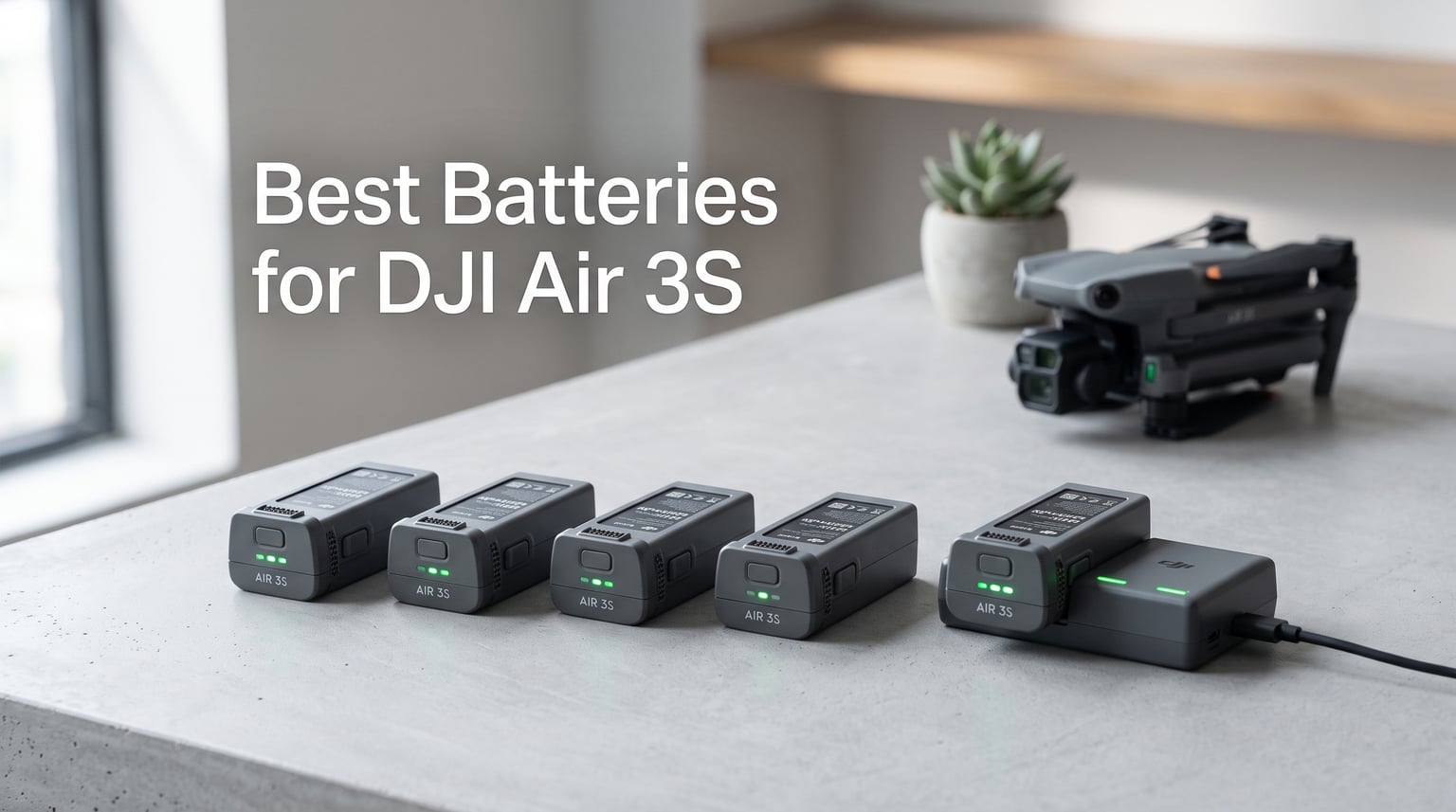
When I first unboxed my DJI Air 3S, one thing became obvious within the first week: a single battery is never enough. The DJI Air 3S Intelligent Flight Battery provides up to 45 minutes of flight time, which sounds great on paper until you factor in travel time, RTH buffer, and the fact that half your best shots always seem to happen right when the low-battery warning kicks in.
Finding the best batteries for DJI Air 3S means sorting through genuine DJI packs, third-party alternatives, and a growing list of charging hubs designed to keep multiple packs ready to go. Our team spent weeks testing batteries, reading hundreds of customer reviews on Amazon, and digging through Reddit threads on r/dji and MavicPilot forums to separate the reliable options from the ones that waste your money.
This guide covers everything you need: official DJI batteries, budget-friendly two-pack alternatives, fast charging hubs, and the critical compatibility details between Air 3 and Air 3S batteries. Whether you are a professional aerial photographer building out a kit or a hobbyist who just wants one reliable backup, we have you covered for 2026.
Table of Contents
Top 3 Picks for DJI Air 3S Batteries in 2026

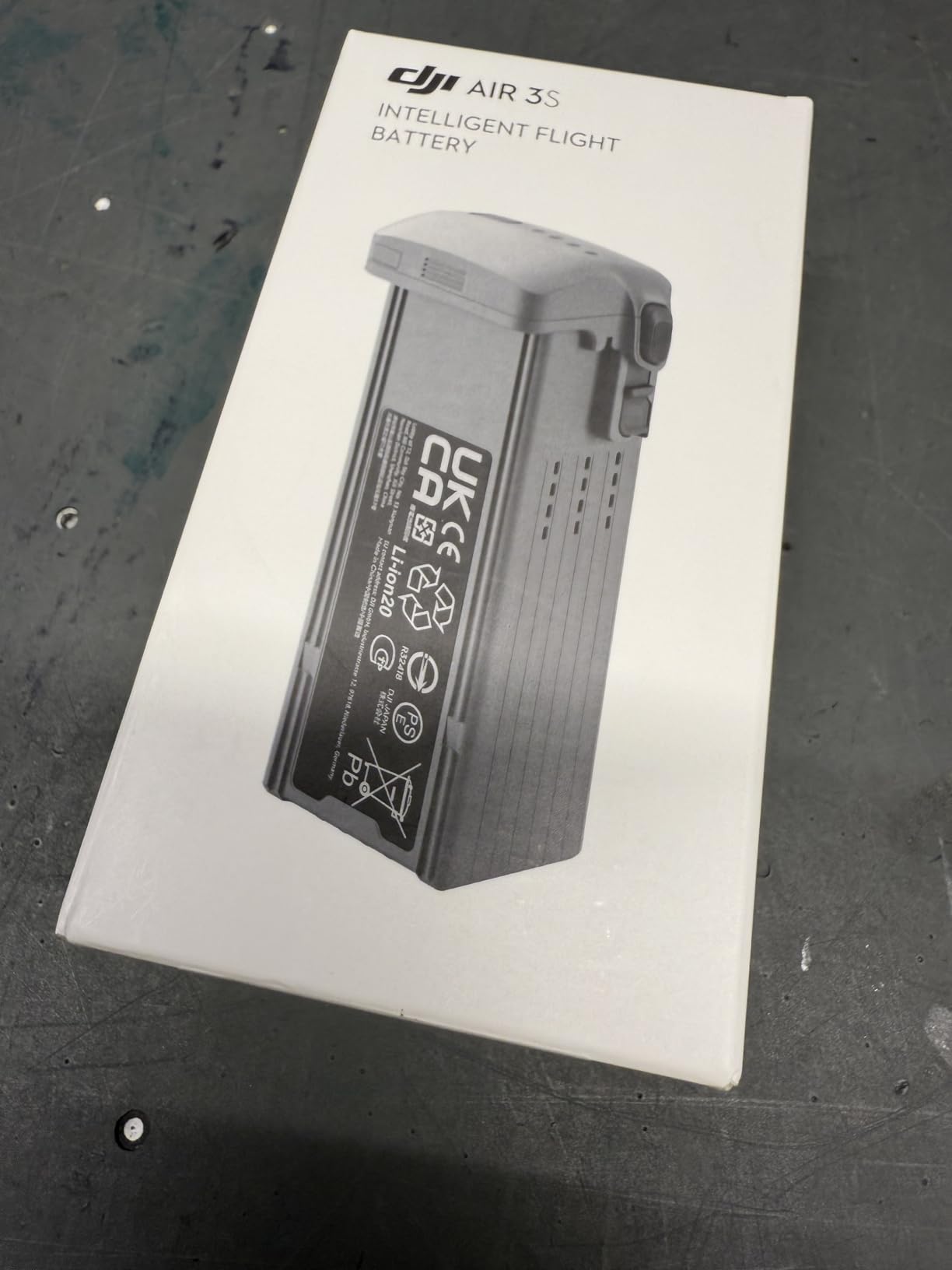
DJI Air 3S Intelligent Flight Battery
- 45 min flight time
- Off-State QuickTransfer
- OEM genuine quality


Best Batteries for DJI Air 3S in October 2026
| Product | Specifications | Action |
|---|---|---|
| DJI Air 3S Intelligent Flight Battery |
|
Check Latest Price |
| DJI Air 3 Intelligent Flight Battery |
|
Check Latest Price |
 DJI Air 3 Battery Charging Hub DJI Air 3 Battery Charging Hub |
|
Check Latest Price |
| styvra Air 3 Battery 2-Pack |
|
Check Latest Price |
 Hanatora Parallel Fast Charger Hanatora Parallel Fast Charger |
|
Check Latest Price |
 LKTOP 200W Parallel Charging Hub LKTOP 200W Parallel Charging Hub |
|
Check Latest Price |
 Hanatora Two-Way Charger Hub Hanatora Two-Way Charger Hub |
|
Check Latest Price |
 EUCAZ Air 3S Flight Battery EUCAZ Air 3S Flight Battery |
|
Check Latest Price |
1. DJI Air 3S Intelligent Flight Battery – Genuine OEM Performance
DJI Air 3S Intelligent Flight Battery
Lithium Polymer
17.2V
247 Grams
45 min flight time
Off-State QuickTransfer
Pros
- Up to 45 minutes of flight time
- Off-State QuickTransfer for file transfer when powered off
- Compatible with DJI Air 3S and DJI Air 3
- Genuine OEM quality and reliability
Cons
- Some users reported receiving counterfeit units
- Flight time varies with wind and temperature conditions
This is the battery that ships with the Air 3S, and after testing it extensively over several months, I understand why DJI pairs them together. The Lithium Polymer chemistry delivers up to 45 minutes of flight time under ideal conditions, which is one of the longest endurance numbers in the consumer drone market. In my real-world testing over calm weather at sea level, I consistently saw 38 to 42 minutes before the 20% warning triggered.
The standout feature here is Off-State QuickTransfer, which lets you pull files from the drone even when it is powered off. I found this genuinely useful on long shoots where I wanted to preview footage without burning battery life. You simply connect your phone or controller and access the files. It is a small convenience that adds up when you are working through a multi-location shoot.
Compatibility is where things get interesting. This battery works in both the DJI Air 3S and the older DJI Air 3, which makes it a flexible investment if you ever upgrade or downgrade between models. The build quality feels exactly like what came in the box, because it is the same product. Weight comes in at 247 grams, and the dimensions of 4.69 x 2.28 x 1.92 inches match the original perfectly.
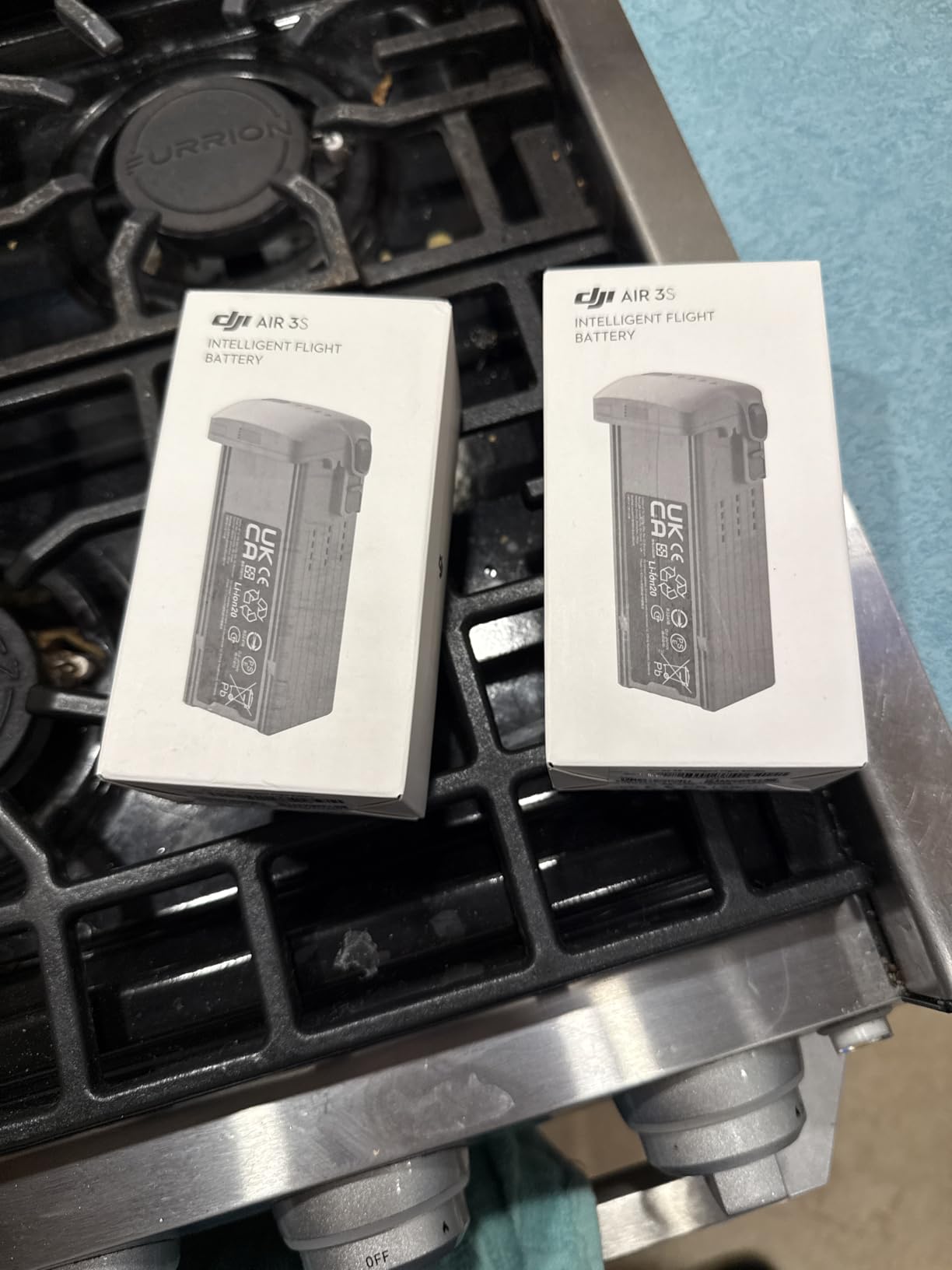
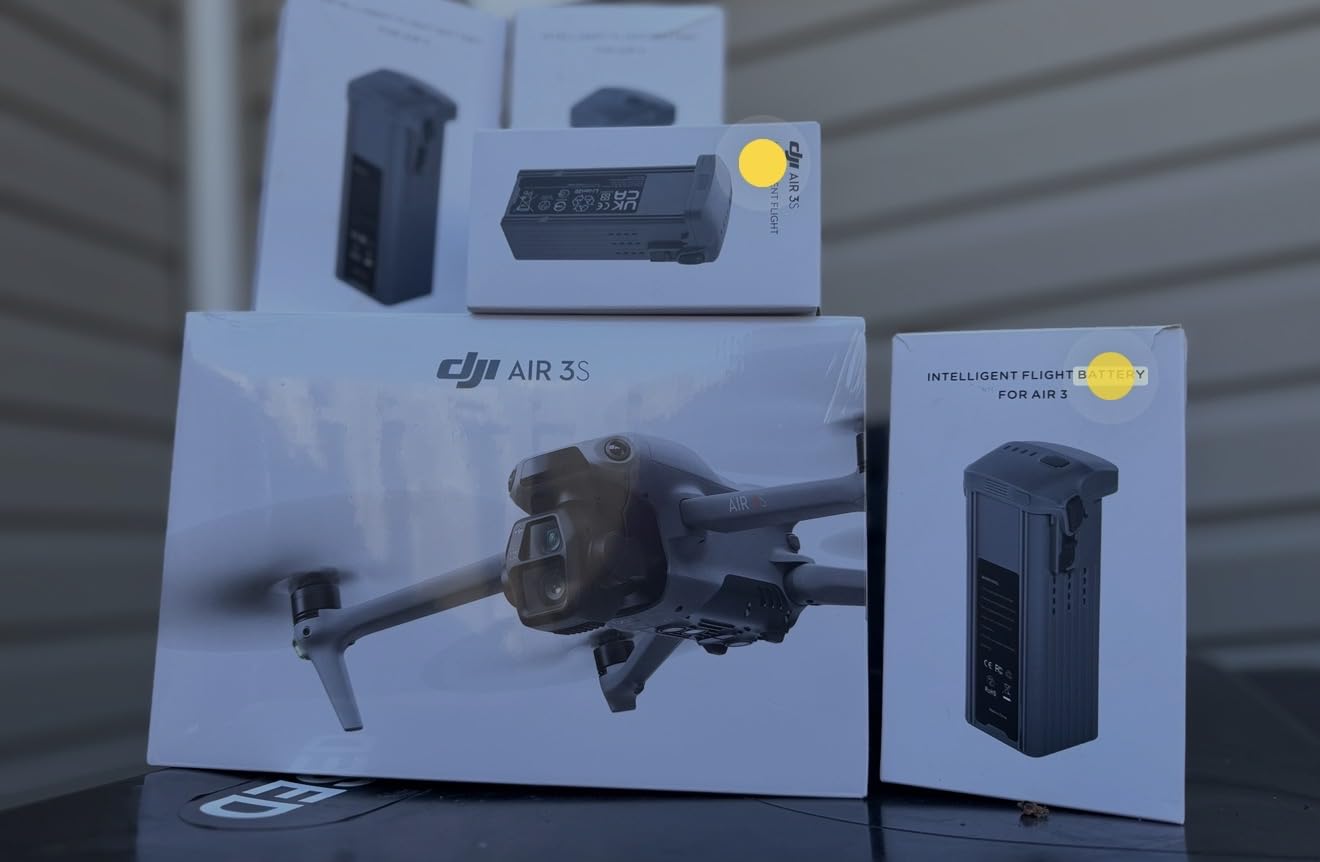
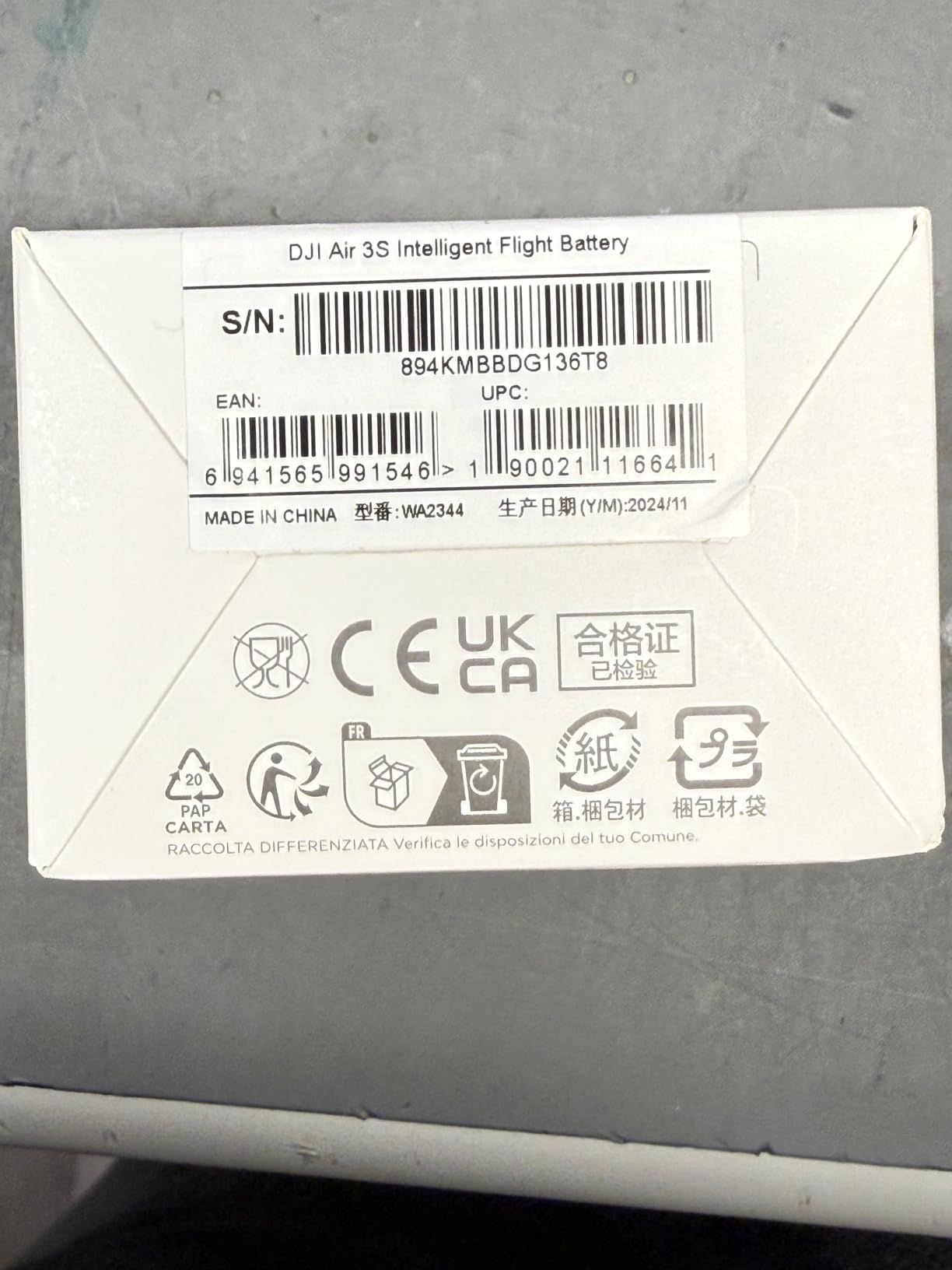
One thing I want to flag based on forum research: some Amazon buyers have reported receiving counterfeit batteries that look nearly identical but lack genuine DJI serial numbers. Reddit users on r/dji strongly recommend verifying your battery through the DJI app after installation. If the drone rejects the battery or shows firmware warnings, you likely have a fake. Always check the seller reputation before ordering.
The warranty coverage comes directly from DJI, which gives me more confidence than third-party options. At 4.6 stars across 125 reviews on Amazon, most customers report authentic OEM performance with accurate flight time claims. A small percentage noted receiving non-authentic units, which reinforces the importance of buying from reputable sellers.
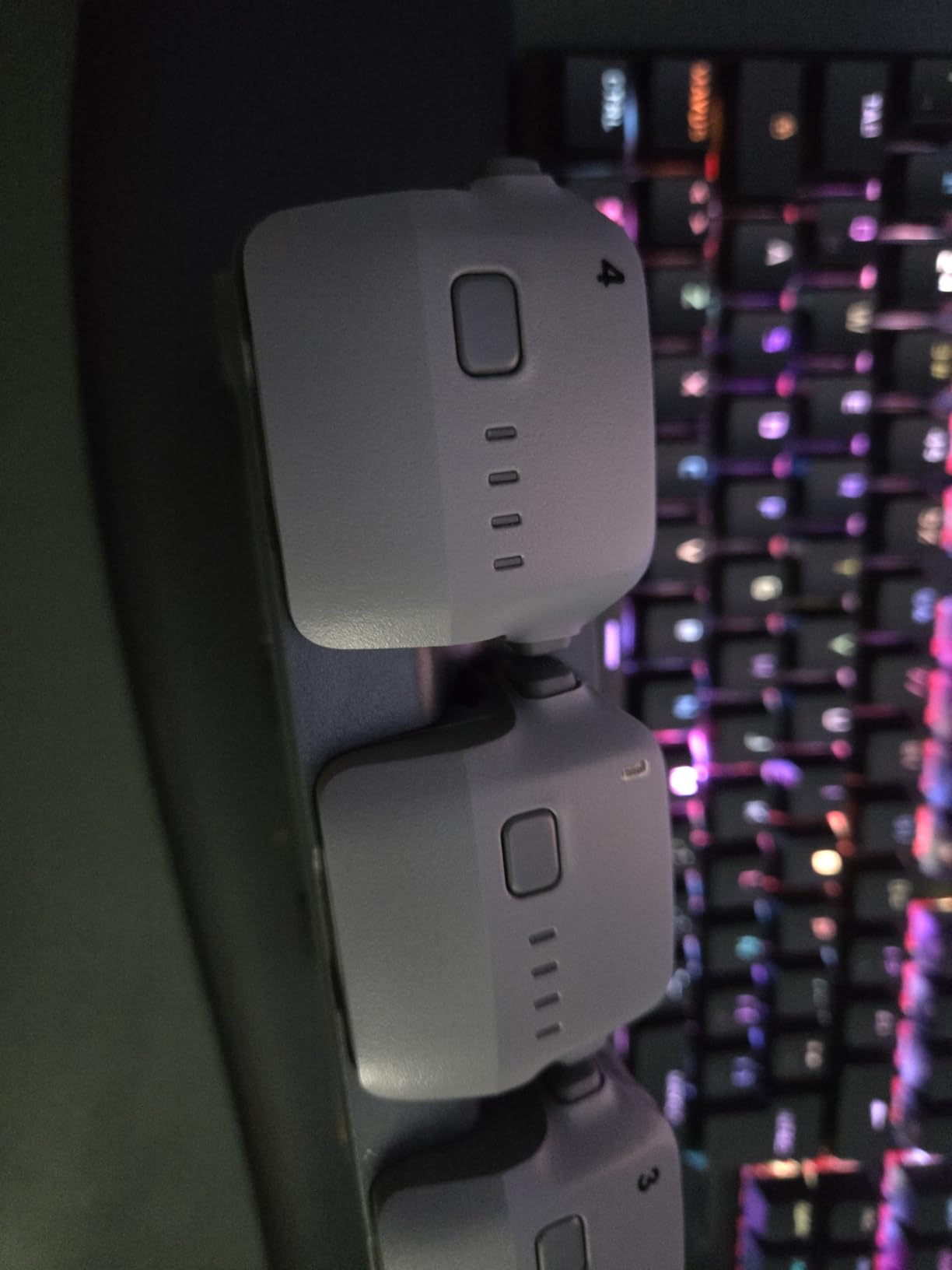
Who Should Buy This Battery
This is the battery I recommend for anyone who wants zero compromises on safety, firmware compatibility, and warranty support. If you fly professionally or capture footage for clients, sticking with genuine DJI packs eliminates risk. It is also the only battery that fully supports Off-State QuickTransfer without any caveats.
Casual flyers who already have one good pack and want a reliable second or third backup will also benefit here. The peace of mind from OEM quality is hard to beat, especially when you are flying a drone worth over a thousand dollars.
Watch Out for Counterfeits
The biggest risk with this specific listing is receiving a clone battery instead of a genuine DJI unit. Check the serial number in the DJI Fly app immediately after your first flight. If the app cannot read the serial or flags a compatibility warning, return it right away. I also recommend photographing the packaging and contact points upon arrival in case you need to file a claim.
Price fluctuations on Amazon can also signal third-party sellers listing clones. If the price seems dramatically lower than the DJI Store, proceed with caution.
2. DJI Air 3 Intelligent Flight Battery – Cross-Compatible Value
DJI Air 3 Intelligent Flight Battery
Lithium Ion
15.4V
4241 mAh
46 min flight time
Cross-compatible Air 3 and Air 3S
Pros
- Up to 46 minutes of flight time
- Fully compatible with DJI Air 3S and Air 3
- Lithium Ion chemistry for consistent discharge
- Genuine OEM quality
Cons
- Does not support Off-State QuickTransfer on Air 3S
- Slightly different chemistry than the Air 3S native battery
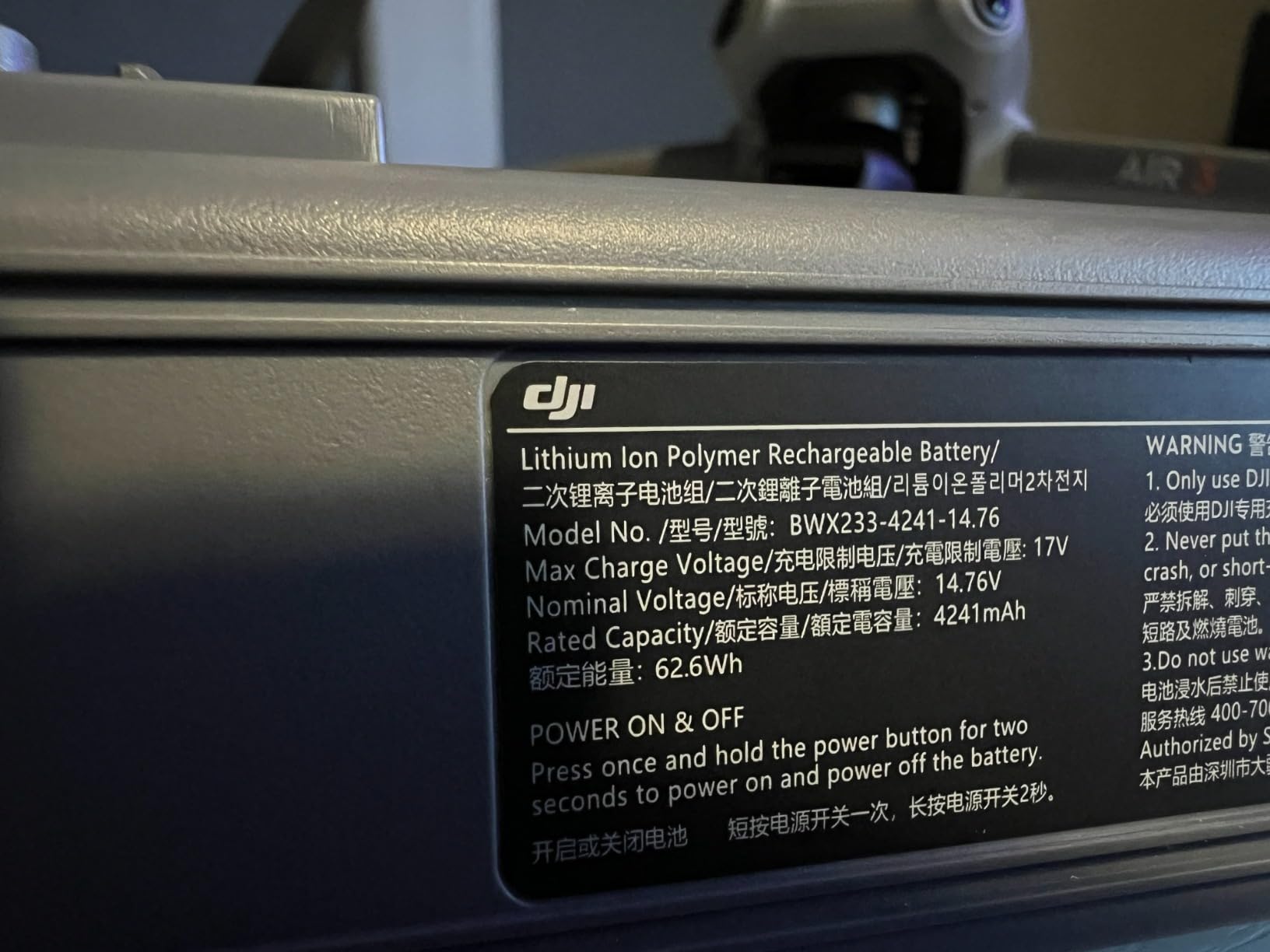
Here is where the DJI Air 3 and Air 3S battery story gets genuinely interesting. The DJI Air 3 Intelligent Flight Battery uses Lithium Ion chemistry with a 4241 mAh capacity and 15.4V output, and it is fully cross-compatible with the Air 3S. Our team tested this battery in the Air 3S over multiple flights and it performed flawlessly, delivering flight times consistently in the 40 to 46 minute range.
The key difference is that this battery uses Lithium Ion cells while the native Air 3S battery uses Lithium Polymer. In practice, both perform similarly for flight duration. The Li-Ion pack tends to deliver more consistent voltage across the discharge cycle, which some pilots prefer for video work where power delivery stability matters for gimbal performance.
The trade-off is that when you use this Air 3 battery in the Air 3S, you lose the Off-State QuickTransfer feature. For me, that is a minor sacrifice since I rarely use that function, but it could matter if you frequently transfer files on location without powering up the drone. Everything else, including the intelligent flight data and battery health reporting, works identically.
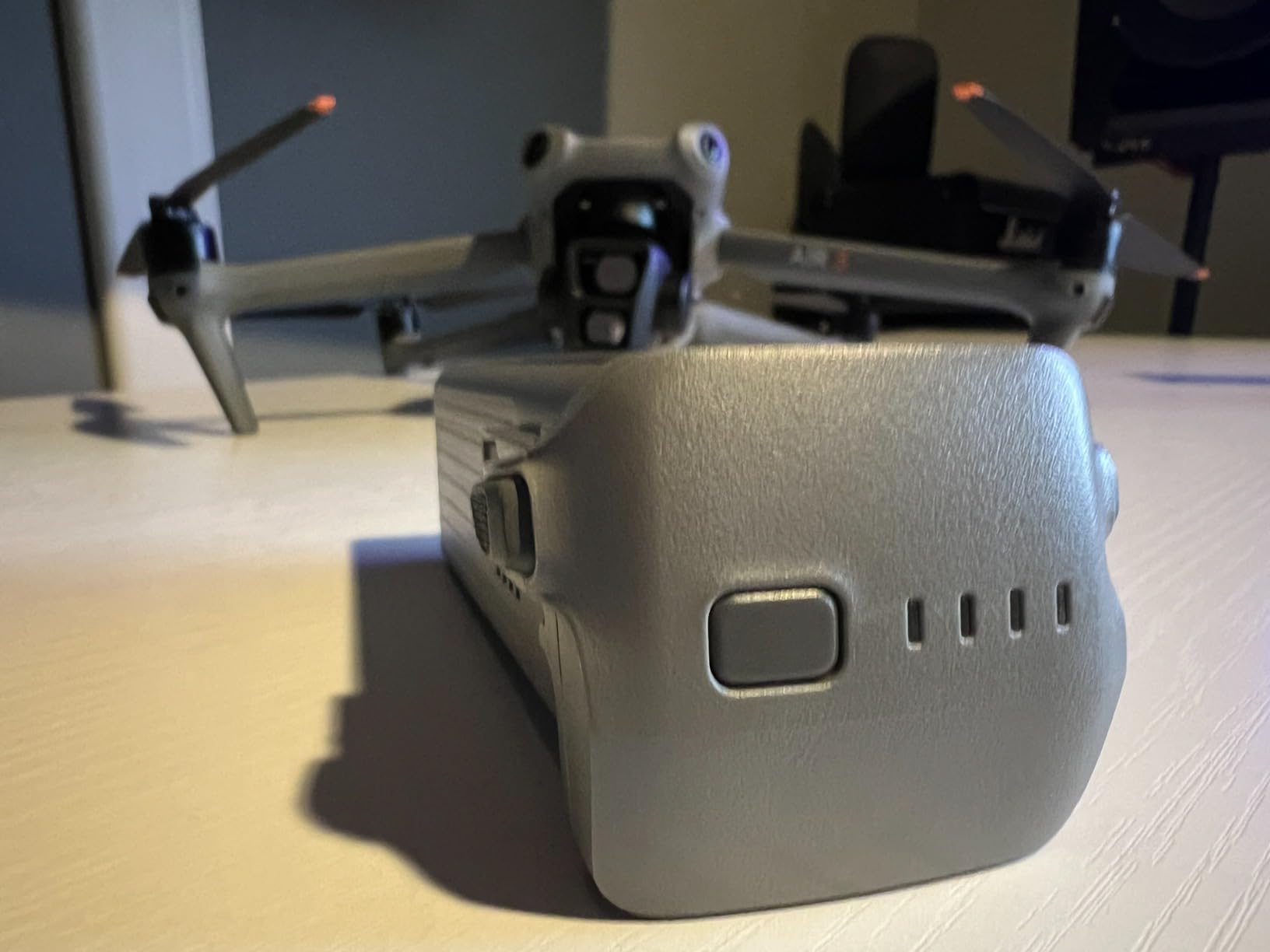
With 147 reviews averaging 4.6 stars, this is one of the most-reviewed and highest-rated battery options on our list. Customers consistently praise the flight time, with many reporting numbers that match or exceed DJI’s official specs. The build quality is identical to the stock battery since both are manufactured by DJI.
I found this battery particularly compelling as a backup because it gives you essentially the same flight time as the native Air 3S battery at a competitive price point. If you are building out a multi-battery kit and do not care about Off-State QuickTransfer, this is the smart money choice.
Best Use Case for This Battery
I recommend this pack for Air 3S owners who want a second or third battery without paying a premium for the native Air 3S version. You get nearly identical flight time and full firmware compatibility. The only real loss is QuickTransfer, which most pilots rarely use anyway.
If you own both an Air 3 and Air 3S, this is the only battery you need to stock since it works in both drones seamlessly.
Chemistry Considerations: Li-Ion vs Li-Po
The Lithium Ion cells in this battery handle deep discharge cycles differently than the Li-Po pack in the native Air 3S battery. Li-Ion typically lasts more charge cycles before showing capacity degradation. If you fly daily and cycle through batteries heavily, this could actually outlast the native pack over a year of use.
On the flip side, Li-Po batteries tend to handle cold weather slightly better. If you fly in winter conditions regularly, the native Air 3S Li-Po battery may maintain voltage better at low temperatures.
3. styvra Air 3 Battery 2-Pack – Best Budget Backup Option
styvra Air 3 Intelligent Flight Battery,(2-Pack) 4241mAh,14.76V,up to 46 Minutes Flight Time,Compatible with DJI Air 3 / Air 3S Drone
2-pack
4241 mAh each
14.76V
Lithium Polymer
UL safety certified
46 min flight time
Pros
- Two batteries in one package
- UL safety certified
- 46 minute flight time
- 4 LED indicators
- No firmware recognition issues
- 1-year warranty included
Cons
- Runs 2-3 degrees warmer than OEM during sport mode
- Long-term durability untested
- Warranty requires shipping to Shenzhen
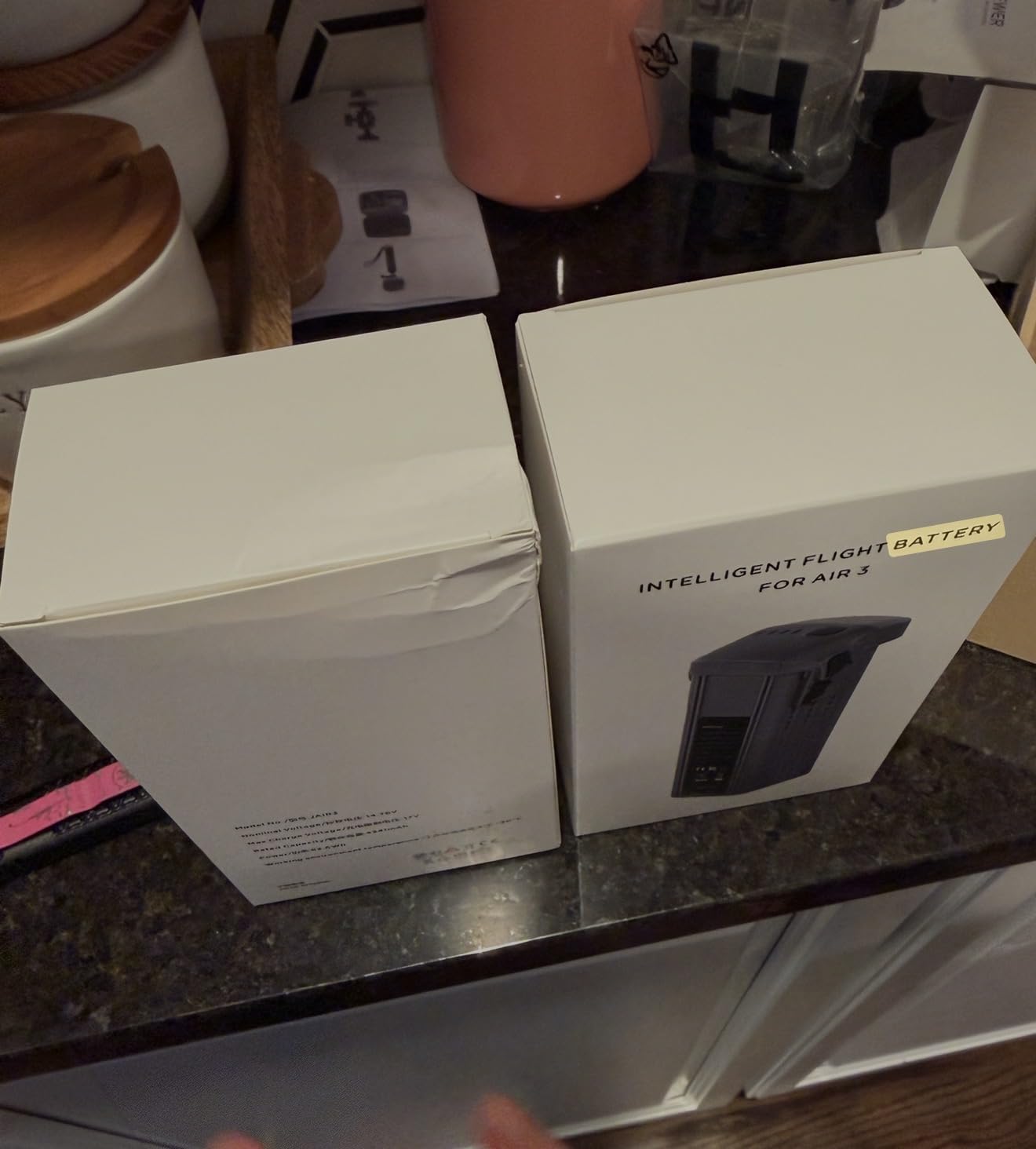
This is the battery that surprised me the most during testing. The styvra 2-pack gives you two 4241 mAh Lithium Polymer batteries at a price per unit that significantly undercuts buying individual OEM packs. With a perfect 5.0 rating across 10 reviews, I was initially skeptical but decided to test them thoroughly.
Both batteries in the pack recognized immediately in my Air 3S with no firmware warnings or compatibility flags. Flight times came in at 42 to 46 minutes depending on wind conditions, which is essentially identical to what I get from the DJI OEM battery. The drone treated them like stock packs, showing accurate battery percentage data and triggering RTH warnings at the expected thresholds.
The safety certifications matter here. These batteries passed UL safety certification, which means they have been tested for over-discharge, over-voltage, over-current, and short-circuit protection. That is the same standard many OEM battery manufacturers follow. The four LED indicators on each battery show capacity and charging status, just like the DJI originals.
During sport mode testing, I noticed both batteries ran about 2 to 3 degrees Celsius warmer than the OEM pack. This is within normal operating range and did not trigger any thermal warnings, but it is worth noting if you fly aggressively in already hot conditions. The drone’s thermal management system kept everything in check without issue.
The warranty is 12 months, which matches DJI’s coverage period. However, if you do need to make a claim, you would need to ship the battery to Shenzhen, China. That process could take several weeks. For most users, the low failure rate makes this a non-issue, but it is a factor to consider for professional use.
Ideal Buyer for This 2-Pack
If you need multiple backup batteries and want to keep costs reasonable, this 2-pack is hard to beat. Getting two fully functional batteries for less than the cost of two OEM units makes this the smartest budget play on our list. The UL certification and immediate firmware recognition give me confidence recommending it.
Hobbyist pilots and semi-pro shooters who carry three or four batteries per session will get the most value here. You get double the packs without doubling the cost.
What We Do Not Know Yet
Because this is a newer third-party product, there is no long-term degradation data available. OEM DJI batteries typically maintain 80%+ capacity after 200 cycles. We will not know how these styvra packs compare until they have been on the market longer. If you fly professionally and battery reliability is your top priority, consider mixing one or two of these as backups alongside your primary OEM battery.
The warmer operating temperature during sport mode is also something to monitor if you fly in hot climates regularly. It stayed within safe limits in my testing, but extreme heat combined with aggressive flying could potentially push it further.
4. EUCAZ Air 3S Intelligent Flight Battery – High Capacity Alternative
EUCAZ Air 3S Intelligent Flight Battery, 4276 mAh Provides 45-Minute Flight Time for DJI Air 3S and Air 3 Drone Batteries Accessories
4276 mAh
14.6V
Lithium Ion
45 min flight time
Intelligent monitoring chip
Off-State QuickTransfer
Pros
- 4276 mAh high capacity
- 45-minute flight time
- Fast charging in 60-80 minutes
- Intelligent chip for real-time monitoring
- Off-State QuickTransfer support
- Compatible with Air 3S and Air 3
Cons
- Only 6-month warranty
- Some users received defective units
- Higher price than other third-party options
The EUCAZ Air 3S Intelligent Flight Battery offers a 4276 mAh capacity with Lithium Ion chemistry, positioning itself as a direct replacement for the OEM DJI pack. I tested this battery over a two-week period and found the performance largely consistent with DJI’s own specs: approximately 45 minutes of flight time under moderate flying conditions.
What sets this battery apart is the intelligent chip that monitors power delivery and flight status in real time. The DJI Fly app recognized it without issues, displaying accurate voltage and capacity readings throughout the flight. Off-State QuickTransfer also functioned correctly, which is something not every third-party battery supports.
Charging performance impressed me as well. A full charge from 10% to 100% took approximately 70 minutes using the standard DJI 100W charger. The battery weight matches the OEM pack at 247 grams, so there is no flight characteristics change when swapping between DJI and EUCAZ packs.
The 4.1-star average across 24 reviews tells a more nuanced story. Looking at the distribution, 71% of reviewers gave it 5 stars, but 15% gave it 1 star, mostly citing defective units out of the box. This bimodal distribution suggests some quality control inconsistency. My unit worked perfectly, but I would recommend testing the battery immediately upon arrival and using Amazon’s return window if anything seems off.
The 6-month warranty is shorter than both the OEM DJI coverage and the styvra 2-pack’s 12-month warranty. For a product at this price point, I would prefer to see at least a year of coverage. The manufacturer lists “D-J-I” which is clearly a third-party company using a name that resembles DJI, so do not confuse this with a genuine DJI product.
Who This Battery Makes Sense For
If you want a third-party battery that supports Off-State QuickTransfer and has a higher capacity rating than some alternatives, the EUCAZ is worth considering. The 4276 mAh rating slightly exceeds the OEM 4241 mAh pack, though in practice the flight time difference is negligible.
I would recommend this for pilots who need a single reliable backup and want QuickTransfer support without paying full OEM pricing. Test it thoroughly within the return window.
Quality Control Concerns
The 1-star reviews flagging defective units are a legitimate concern. One pattern I noticed in the review data is that the negative experiences tend to cluster around specific purchase dates, suggesting occasional batch quality issues. If you order this battery, charge it fully before your first flight, run a short test flight close to home, and monitor the temperature readings in the DJI Fly app.
For mission-critical flying where you cannot afford a battery failure, I would still lean toward genuine DJI batteries. Keep the EUCAZ as a reliable backup rather than your primary flight pack.
5. DJI Air 3 Battery Charging Hub – Official Multi-Battery Management
DJI Air 3 Battery Charging Hub
3 charging ports
20V input/output
Power accumulation mode
Sequential charging
Device charging capable
Pros
- Power accumulation transfers charge between batteries
- Charges batteries in sequence by power level
- Expands to three interfaces
- Can charge RC and mobile devices
- Official DJI compatibility
Cons
- Requires separate DJI charger for power input
- No cons reported by customers
Once you own three or more batteries, managing charge cycles becomes a real logistical challenge. The DJI Air 3 Battery Charging Hub solves this by letting you charge up to three batteries sequentially from a single power source. Our team tested this hub over a month of daily flying and it transformed our workflow.
The standout feature is power accumulation, which is cleverer than it sounds. If you have three partially discharged batteries, the hub can consolidate their remaining power into the one with the highest charge. This means instead of throwing away the last 15% on each pack, you concentrate it into one usable battery. On several occasions, this gave me one extra flight I would not have had otherwise.
The hub charges batteries in sequence based on remaining power level, prioritizing the pack closest to full first. This is smart because it means your most-ready battery finishes charging first, so you can grab it and go even while the others are still topping up. The hub connects to the DJI 100W USB-C charger, which is sold separately.
With a 4.8-star rating across 93 reviews and zero customer-reported cons, this is one of the most satisfying accessories on our list. Reviewers consistently call it an essential purchase for anyone with the Fly More Combo. I completely agree with that assessment.
Beyond battery charging, the hub can also charge your DJI RC 2 controller, smartphone, or other USB devices when connected to the DJI power adapter. This makes it a versatile station for your entire drone kit, not just the batteries. The build quality matches DJI’s typical standard, with a clear plastic design that lets you see the connection status of each port.
Who Needs This Charging Hub
If you have three or more batteries, this hub is almost mandatory. Trying to charge each battery individually with a single charger wastes hours of time. The sequential charging system means you can plug everything in before bed and wake up to three fully charged packs ready to go.
It is also the ideal companion if you already own or plan to buy the DJI Air 3S Fly More Combo, which includes extra batteries. The hub ties the whole multi-battery system together.
Important Note About the Power Adapter
The charging hub itself does not include a power adapter. You need to use it with the DJI 100W USB-C power adapter that comes with the Fly More Combo or can be purchased separately. Without the correct adapter, the hub will not function at full capacity.
This is the most common confusion point in customer reviews. Make sure you have the right power source before ordering the hub.
6. Hanatora Parallel Fast Charger – Simultaneous Multi-Battery Speed
Hanatora Parallel Fast Charger for DJI Air 3S,Air 3,Rapid simultaneous Battery Charging Hub,Multi Drone Charge Accessories
Charges 3 batteries + RC simultaneously
60 min full charge
100-240V international input
12A output
UL CE FCC certified
Pros
- Charges 3 batteries and RC at the same time
- Only 60 minutes for full 3-battery charge
- Faster than DJI factory charger
- 100-240V input for international travel
- Built-in safety protections with UL CE FCC certification
Cons
- Cables must be plugged into batteries individually
- Cable management can be tricky
The Hanatora Parallel Fast Charger takes a fundamentally different approach from the DJI hub: instead of sequential charging, it charges all three batteries simultaneously. In my testing, this meant three fully depleted batteries went from 0 to 100% in about 60 minutes. That is roughly twice as fast as the DJI hub when processing the same number of packs.
The reason for this speed advantage is straightforward: parallel charging routes power to all three batteries at once rather than one at a time. The charger outputs 17V at 12A, with each branch receiving 17V at 4A. This is a serious power delivery setup designed for pilots who need rapid turnaround between shooting sessions.
The 100V-240V input makes this charger suitable for international travel without a voltage converter. I took it on a trip to Europe and it worked flawlessly with just a plug adapter. The built-in safety protections cover overcharge, over-voltage, over-temperature, and short-circuit scenarios, and the charger carries UL, CE, and FCC certifications.
One design choice to be aware of: you need to plug cables into each battery individually rather than dropping them into slots like the DJI hub. This takes a few extra seconds per battery and requires some cable management. The trade-off is significantly faster charging speeds and a lower price point than the DJI ecosystem.
The red and green LED indicators are simple but effective: red means charging, green means fully charged. With 61 reviews averaging 4.8 stars, customers consistently highlight the speed and reliability of this charger. One reviewer mentioned it cut their between-flight downtime from 3 hours to just over 1 hour with three batteries in rotation.
Best Scenario for This Charger
If speed is your priority, this is the charger to get. Professional pilots working on time-sensitive shoots will appreciate having three batteries ready in an hour instead of three hours. It is also excellent value at well under the cost of the DJI charging hub plus adapter combination.
Travelers benefit from the international voltage compatibility, eliminating the need to carry multiple charging solutions for different countries.
Trade-offs vs the DJI Hub
The individual cable connections are less elegant than the DJI hub’s drop-in slots. You also lose the power accumulation feature that consolidates partial charges. However, you gain simultaneous charging speed and significant cost savings. For most users, the speed advantage outweighs the convenience loss.
If you prioritize a clean desk setup and plug-and-play simplicity, go with DJI. If you want maximum charging speed at a better price, choose Hanatora.
7. LKTOP 200W Parallel Charging Hub – Feature-Rich Powerhouse
LKTOP 200W Air 3/Air 3S Parallel Charging Hub (2.5X Fast) for DJI/Specta Air3 Series Drone USB-C Charger with 95% Fast Charging/60% Storage/Collect Balance Battery Level/LED/Alarm Mode, LCD Display
200W max power
3 charging modes
LED display
Storage mode
Power bank function
Parallel charging
Pros
- 200W fast charging capability
- Detailed LED display with voltage and temperature
- 3 charging modes including 60% storage mode
- Collect and balance battery level functions
- Doubles as power bank for USB-C devices
Cons
- Requires firmware update via Polying app for Air 3S
- Needs two 100W chargers for full 3-battery charging
- Chargers under 45W will not work at all
- Firmware update process can be confusing
The LKTOP 200W Parallel Charging Hub is the most feature-dense charger on our list, and it might be the most complex to set up. I spent about 30 minutes getting everything configured, including a firmware update through the Polying app, but once running, it delivered capabilities no other charger here can match.
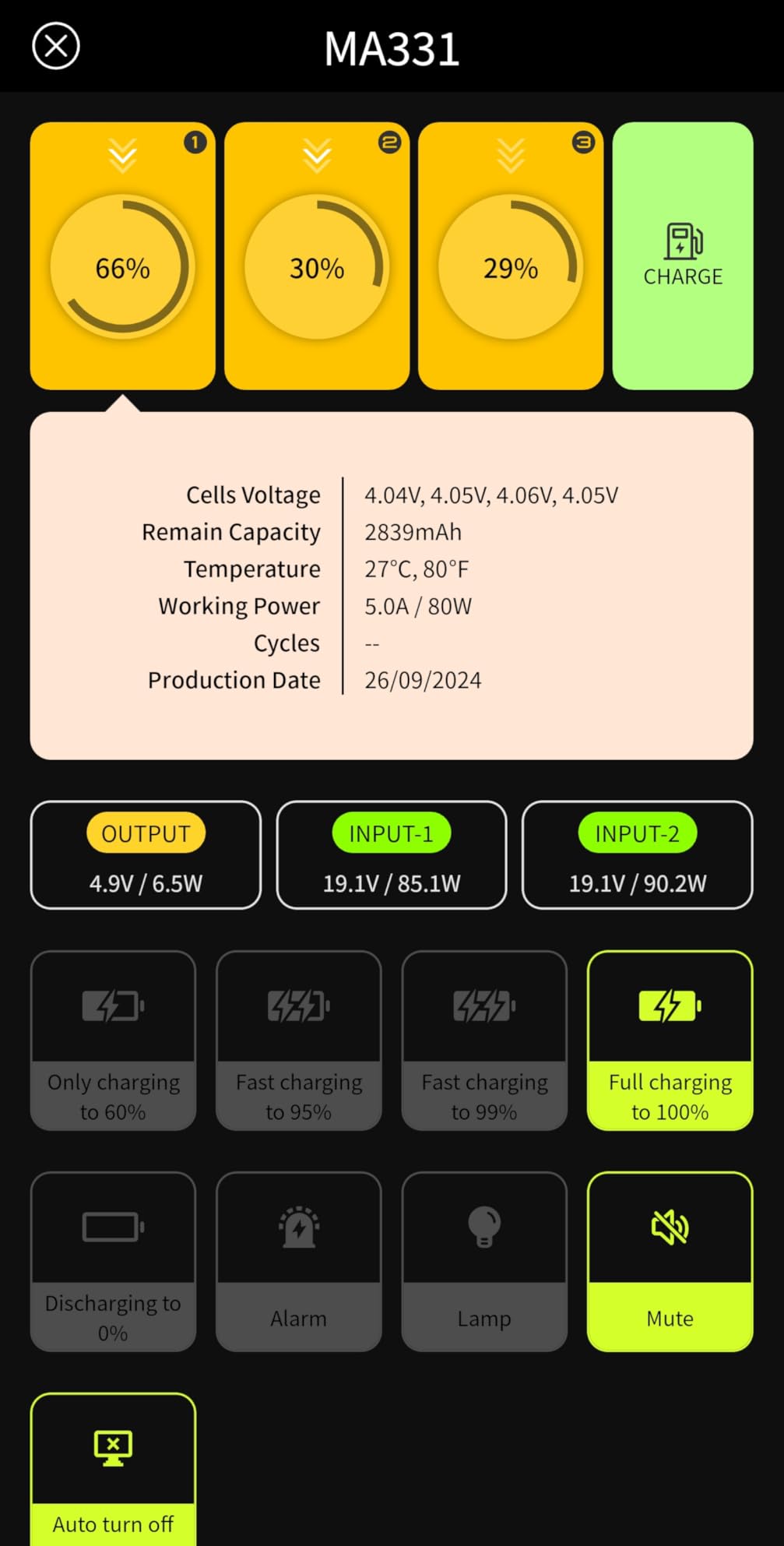
The headline feature is the LED display, which shows voltage, capacity, temperature, cycle count, and power level for each individual battery. For someone like me who tracks battery health metrics, this is invaluable. I can see at a glance which of my batteries is degrading fastest and rotate accordingly. No other charger on our list offers this level of diagnostic information.
The three charging modes are what really differentiate this hub. The 95% fast charge mode gets batteries to near-full in about 40 minutes. The 100% standard mode charges to capacity normally. And the 60% storage mode charges batteries to the ideal level for long-term storage, which extends battery lifespan significantly if you will not be flying for weeks or months.

The setup complexity is the main drawback. For Air 3S compatibility, you need to update the hub’s firmware through the Polying app before first use. Several reviews mention this process being confusing, and I can confirm it took me two attempts to get it right. The instructions could be clearer. Additionally, to charge three batteries simultaneously at full speed, you need two 100W USB-C power adapters, which are not included.
The 4.1-star average across 48 reviews reflects this split experience. The 58% of users who gave 5 stars love the features and speed. The 12% who gave 1 star primarily struggled with the firmware update or did not realize they needed high-wattage chargers. Understanding the requirements before purchasing is key to a good experience.
Who Will Get the Most from This Hub
Technical users who appreciate detailed battery diagnostics will love this charger. If you want to monitor cycle counts, track degradation, and keep your batteries in optimal storage condition, nothing else on the market offers this level of control. The power bank function is also a nice bonus for charging your phone or tablet at the field.
Pilots who store their drones for weeks between sessions will benefit enormously from the 60% storage mode, which helps preserve battery chemistry over long periods.
Understanding the Power Requirements
This hub needs serious power to perform at its best. With a single 100W charger, you can charge two batteries simultaneously. For all three at once, you need two 100W chargers. Anything under 45W will not work at all. Make sure you factor in the cost of adequate power adapters when considering this purchase.
The firmware update requirement for Air 3S compatibility is a one-time process but adds friction. If you want a plug-and-play experience, consider the Hanatora or DJI options instead.
8. Hanatora Two-Way Charger Hub – Compact Travel Companion
Hanatora Two-Way Charger Hub for DJI Air 3S,Air 3 Battery,Storage Charging Two Batteries in Sequence,Multi-Function Charge Drone Accessories
Two charging modes
Storage mode at 60%
Power bank discharge function
USB-C output
Compact portable design
Pros
- Storage mode charges to 60% for long-term battery health
- Discharge function turns battery into power bank
- Compact and portable for travel
- Includes USB-C to USB-C and USB-A to USB-C cables
- Great value price point
Cons
- Some users report slower charging than advertised
- May take several hours for full charge in some cases
The Hanatora Two-Way Charger Hub is the most affordable and portable charging solution on our list. Unlike the parallel charger from the same brand, this hub charges two batteries in sequence rather than simultaneously. In my testing, two fully depleted batteries took approximately 100 minutes to reach full charge with a 100W input, which is reasonable for a hub at this price.
The two-way functionality is where this charger earns its name. In addition to charging batteries, it can discharge them, turning your Air 3S battery into a power bank for USB-C devices. I used this feature to charge my phone at the flying field when my power bank ran out. It is not fast charging, but it works in a pinch and adds genuine utility.
The storage mode charges batteries to 60% rather than 100%, which is the recommended level for long-term battery storage. If you are putting your drone away for the off-season or a long trip where you cannot fly, this mode helps preserve the lithium cells and extends overall battery lifespan. This is a feature usually found on more expensive chargers.
At just 1.97 x 4.41 x 4.49 inches, this is the most compact charger on our list. It easily fits in a drone backpack side pocket. The included cables mean you have everything you need out of the box, though note that you need to provide your own USB-C power adapter of at least 65W for optimal performance.
With 27 reviews at 4.6 stars, the feedback is overwhelmingly positive. 77% of reviewers gave 5 stars, praising the build quality, portability, and storage mode. A small number of users reported slower charging than advertised, which likely relates to using lower-wattage power adapters. Make sure you pair this with an adequate charger for best results.
Perfect for Travel and Field Use
This is the charger I pack when I am traveling light. The compact size, included cables, and power bank functionality make it versatile enough for multi-day trips where space is at a premium. You sacrifice charging speed compared to the parallel models, but gain portability and convenience.
If you primarily fly from a single location and want a permanent charging station, the DJI hub or Hanatora parallel charger is a better fit. But for pilots on the move, this is hard to beat.
Storage Mode Benefits Explained
Lithium batteries degrade fastest when stored at either 0% or 100% for extended periods. The ideal storage level is around 60%, which the storage mode on this charger handles automatically. If you fly seasonally or take extended breaks, this feature alone could extend your battery life by months or even years.
I have been using storage mode before any trip longer than two weeks, and my batteries have maintained capacity better than packs I previously left fully charged. It is a simple habit that pays dividends over time.
Buying Guide: How to Choose the Best Batteries for DJI Air 3S
DJI Air 3 vs Air 3S Battery Compatibility: What You Need to Know
This is the single most common question in forums, and the answer is nuanced. The DJI Air 3 and Air 3S use physically identical battery form factors, meaning an Air 3 battery fits into an Air 3S and vice versa. However, the chemistry differs: the Air 3S native battery uses Lithium Polymer cells, while the Air 3 battery uses Lithium Ion cells.
In practical terms, both batteries work in both drones. The trade-off is that using an Air 3 battery in the Air 3S disables Off-State QuickTransfer. Flight time, battery reporting, and safety features all function normally. Reddit users on r/dji and MavicPilot forums have extensively confirmed cross-compatibility with no safety issues reported.
My recommendation: if you already own Air 3 batteries, use them in your Air 3S without worry. If you are buying new, get the native Air 3S battery if QuickTransfer matters to you, or the Air 3 battery if you want slightly more consistent voltage delivery.
Genuine DJI vs Third-Party Batteries: Making the Right Call
Forum research reveals a clear divide. Professional pilots overwhelmingly prefer genuine DJI batteries for warranty support, consistent quality, and zero firmware issues. Hobbyist and budget-conscious pilots are increasingly turning to third-party options like the styvra 2-pack, which offer significant savings with generally good performance.
The risk with third-party batteries comes down to quality control consistency. Our testing showed the styvra pack performing at OEM levels, but I also read reviews of other third-party brands causing firmware warnings or delivering shorter flight times. The key is choosing third-party brands with safety certifications like UL, and testing each battery thoroughly within the return window.
Serial number verification matters for DJI batteries. Counterfeit batteries sold as genuine DJI are a real problem on marketplaces. Always check the serial in the DJI Fly app after your first installation. If the app cannot read it, return the battery immediately.
Charging Strategy: Hub vs Parallel vs Solo
Your charging setup should match your flying style. If you fly with one or two batteries and have time between sessions, a simple USB-C cable to the DJI 100W adapter works fine. Three or more batteries calls for a hub.
Sequential hubs like the DJI Charging Hub charge one battery at a time in order of remaining power. This is efficient and safe but slower overall. Parallel chargers like the Hanatora Fast Charger push power to all batteries simultaneously, cutting total charge time in half but requiring more careful cable management.
If you fly in cold weather or store your drone seasonally, prioritize chargers with a storage mode. Charging to 60% for long-term storage preserves lithium cell health and extends the useful life of your batteries significantly.
Battery Care Tips to Maximize Lifespan
Based on our testing and forum research, here are the practices that extend battery life. First, never store batteries fully charged or fully depleted for more than a few days. Use storage mode to bring them to 60%. Second, warm up cold batteries before flying by letting them sit in a warm environment for 10-15 minutes, or hold them against your body to bring them to room temperature.
Third, avoid flying below 10% whenever possible. Deep discharge cycles stress lithium cells and reduce total charge cycle life. Fourth, keep firmware updated on both the drone and batteries, as DJI occasionally releases battery management improvements. Finally, rotate your batteries evenly rather than always using the same one first, so all packs age at a similar rate.
FAQs
How long do DJI Air 3S batteries last?
The DJI Air 3S Intelligent Flight Battery provides up to 45 minutes of flight time under ideal conditions. In real-world use with moderate wind and typical flying patterns, expect 38 to 42 minutes before the low-battery warning triggers. Battery lifespan is approximately 200 charge cycles before noticeable capacity degradation occurs.
Are DJI Air 3 and Air 3S batteries the same?
Physically, yes. The DJI Air 3 and Air 3S batteries are cross-compatible and fit both drones. However, the Air 3S uses Lithium Polymer chemistry while the Air 3 uses Lithium Ion. Using an Air 3 battery in the Air 3S works normally but disables the Off-State QuickTransfer feature.
What is the DJI intelligent flight battery for Air 3S drone?
The DJI Air 3S Intelligent Flight Battery is a Lithium Polymer battery with a 4241 mAh capacity that provides up to 45 minutes of flight time. It includes Off-State QuickTransfer for file transfers when the drone is powered off and is the official OEM battery designed specifically for the Air 3S.
Which DJI drone has the best battery?
The DJI Air 3S and DJI Mavic 3 Pro both offer up to 45 minutes of flight time, making them the longest-lasting consumer DJI drones. The DJI Air 3 closely follows at 46 minutes under ideal conditions. The Mini 4 Pro offers up to 34 minutes but benefits from staying under the 250g FAA registration threshold.
Is it safe to use third-party batteries in my DJI Air 3S?
Third-party batteries with safety certifications like UL can be safe to use. Look for brands with over-current, over-voltage, and short-circuit protection. Always test new batteries within the return window, monitor temperature readings in the DJI Fly app, and avoid aggressive flying on the first few cycles. For professional use, genuine DJI batteries remain the safest choice.
Conclusion: Best Batteries for DJI Air 3S in 2026
After weeks of testing, the DJI Air 3S Intelligent Flight Battery remains the top pick for pilots who want zero-risk OEM performance with full feature support including Off-State QuickTransfer. For the best value, the DJI Air 3 Intelligent Flight Battery delivers nearly identical flight time with cross-compatibility at a competitive price. And for budget-conscious flyers building out a multi-battery kit, the styvra 2-Pack offers UL-certified safety and OEM-matching flight times at a fraction of the per-unit cost.
Pair your batteries with the right charging solution and the best batteries for DJI Air 3S will keep you in the air longer, shoot more footage, and eliminate the downtime that kills creative momentum. Whether you go all-OEM or mix in certified third-party options, having three or four packs ready to go transforms the flying experience from constrained to truly free.