
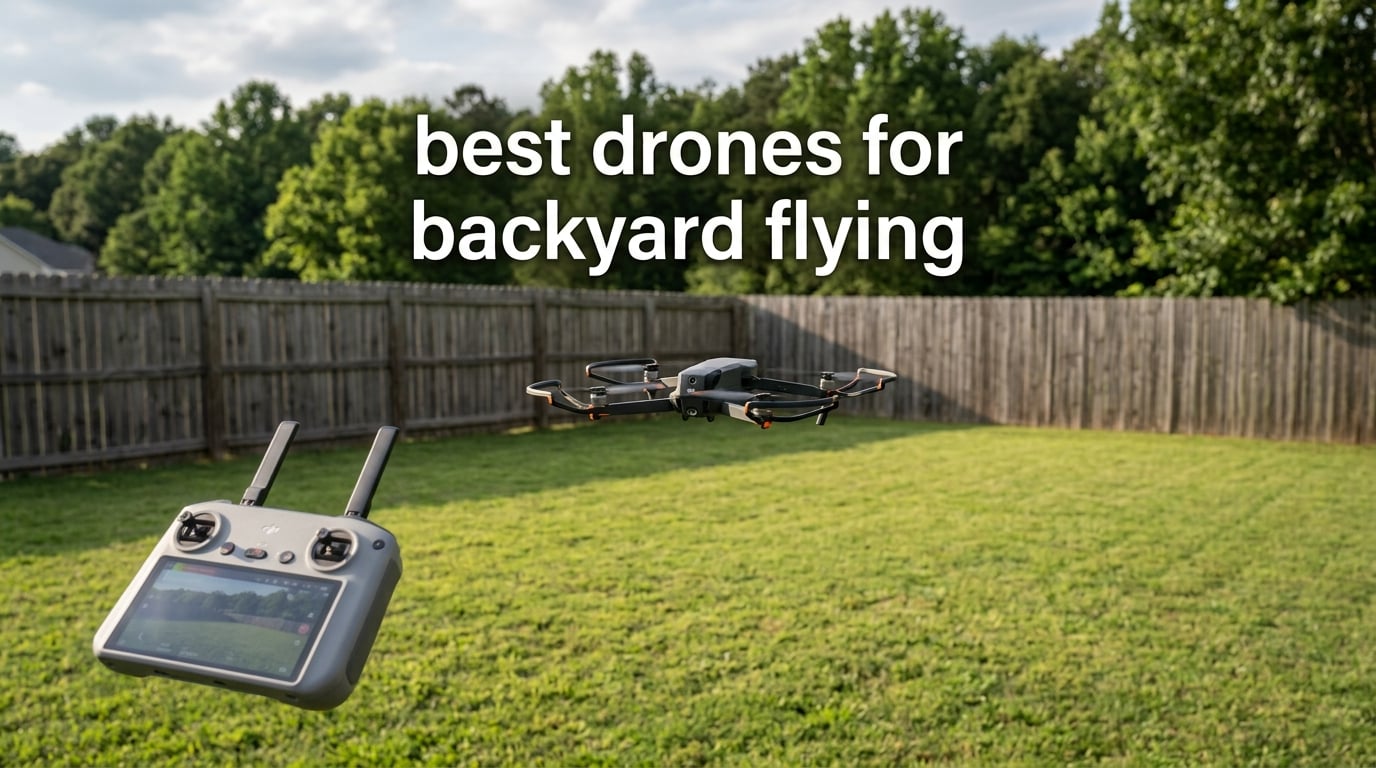
The best drone for backyard flying is the DJI Mini 4K, because it weighs 240 g, flies on a three-axis gimbal, holds a GPS hover, and needs no FAA registration for recreational use. Most yards are too small for the range numbers on the box and far too full of obstacles for a drone with no obstacle sensing. So this guide ranks ten sub-249 g models by what actually matters at home: stability near fences and trees, wind tolerance, propeller guards, battery logistics, and honest drawbacks.
A backyard drone is a small quadcopter, ideally under 249 g so recreational flights need no FAA registration, built to be flown safely in a residential yard where trees, fences, pets and neighbors are never far away. That is a genuinely different buying problem from picking a travel drone or a camera drone for open country. I compared ten models across weight, camera, flight time, positioning systems, wind rating and smart modes, and every pick below sits under the registration threshold.
We fly these in a suburban yard with a mixed tree line on one side, a six-foot fence on the other, and an average afternoon breeze. If you are new to drones, start with our beginner control tips before you upgrade to anything faster, and if you plan to fly after dark, read our night flying guide first.
Table of Contents
Top 3 Picks for the Best Drones for Backyard Flying (October 2026)

Best Drones for Backyard Flying in 2026: Quick Overview
All ten models below sit at or under the 249 g mark, so recreational backyard flights need no registration. Read the table for the short version, then jump to the full section for the drawbacks.
| Product | Specifications | Action |
|---|---|---|
| DJI Mini 4K |
|
Check Latest Price |
| Potensic ATOM SE |
|
Check Latest Price |
 Holy Stone HS360S Holy Stone HS360S |
|
Check Latest Price |
 Holy Stone HS175D Holy Stone HS175D |
|
Check Latest Price |
 DJI Neo DJI Neo |
|
Check Latest Price |
 Ruko U11MINI 4K RC3 Ruko U11MINI 4K RC3 |
|
Check Latest Price |
 HOVERAir X1 HOVERAir X1 |
|
Check Latest Price |
 Bwine F7MINI 4K-3B Bwine F7MINI 4K-3B |
|
Check Latest Price |
 Ruko U11MINI 4K Ruko U11MINI 4K |
|
Check Latest Price |
 DJI Mini 3 Fly More Combo DJI Mini 3 Fly More Combo |
|
Check Latest Price |
1. DJI Mini 4K – The Best Backyard Drone Overall
DJI Mini 4K, Drone With 4K UHD Camera, Under 249 g
240 g
3-axis gimbal 4K
10 km O2 link
31 min claim
38 kph wind resistance
Pros
- Exceptionally stable and responsive controls
- Sharp 4K video and 12 MP stills
- Gimbal keeps props out of frame
- GPS return home and geofencing
- Packs into a jacket pocket
Cons
- No obstacle avoidance or tracking
- Real battery life runs 25 to 30 min
- Delicate airframe
- DJI Fly app needs sideloading on Android
The Mini 4K is the one I hand to friends who have never flown. At 240 g it clears the FAA threshold with a little room to spare, and the control response is calm enough that a first flight over a lawn does not end in a tree. Reviewers consistently call it the easiest stable first drone, and the 3-axis gimbal is the reason: footage comes out level with the props out of frame.
GPS hover and auto return work reliably, which is what saves you when a gust pushes the drone toward a fence line. The O2 transmission system carries 10 km of video link, and in a yard you will never approach that, but a stable link matters for the last 50 feet between the house and the far corner.

The tradeoffs are real and worth naming. There is no obstacle avoidance and no subject tracking on this model, so every tree line is your responsibility. Reviewers report real flight time of roughly 25 to 30 minutes rather than the advertised 31, and the airframe is delicate, which is why a spare propeller pair in the box matters more than usual.
One more friction point: the DJI Fly app is not on Google Play and has to be installed from the DJI website, which catches out first-time Android owners. Zoom is limited to 2x digital.
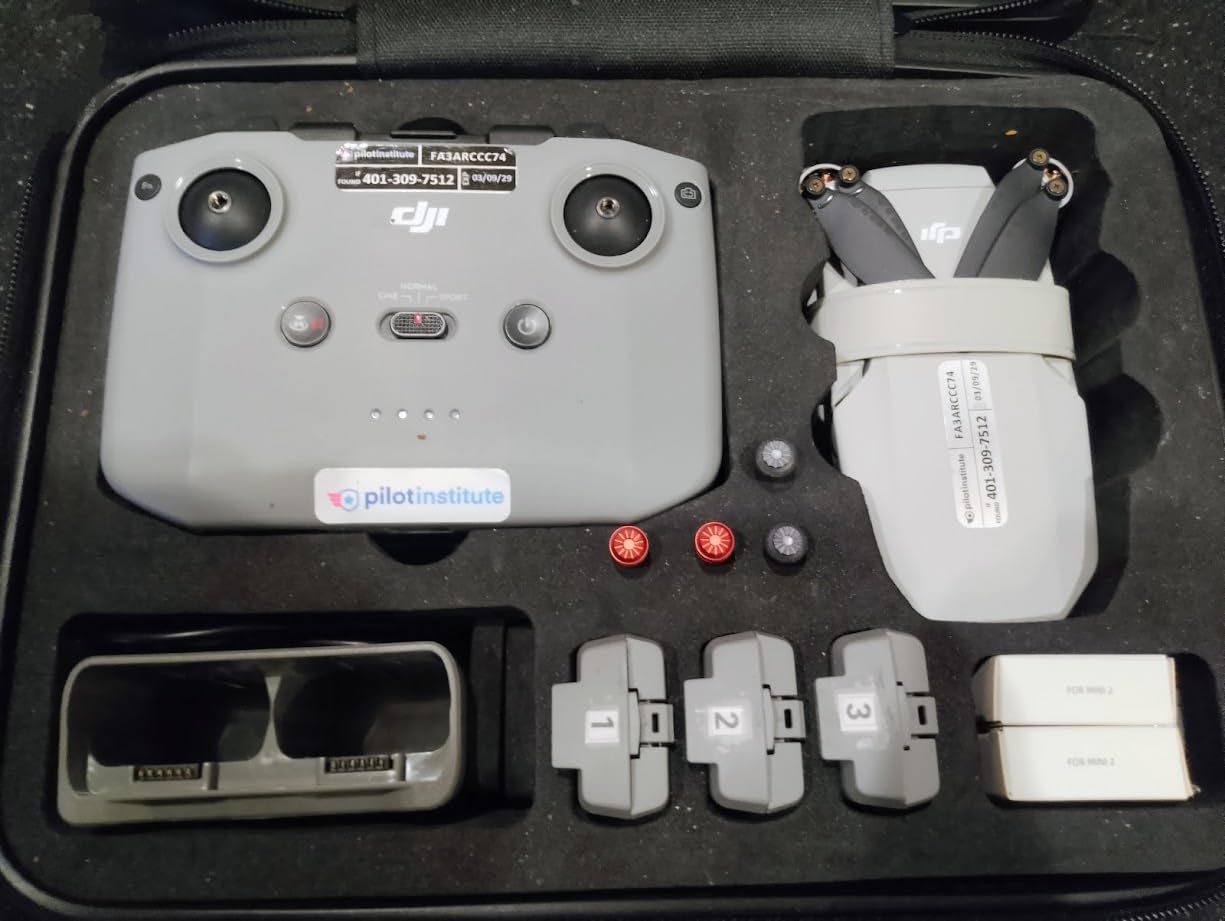
What the Mini 4K handles well in a yard
A sub-250 g frame with a proper gimbal is unusual in this tier, and it is why the Mini 4K still earns the top slot even though it is not the newest model on this list. The 38 kph wind rating means a normal afternoon breeze is not a problem, and one-tap takeoff plus GPS return home lets you start a flight without a calibration ritual.
It also packs small enough to grab on a whim, which is the difference between a drone you fly twice a month and one that stays in a closet.
Where the Mini 4K will disappoint you
If your yard has a low-hanging branch over the lawn, this drone has no sensor to warn you. Clusters of trees want obstacle sensing or at least fully enclosed guards, and neither is standard at this weight.
It is also not an FPV platform. If you want immersive one-take footage, practice on a simulator first with our FPV simulator guide rather than learning on your lawn.
2. Potensic ATOM SE – The Best Value for Backyard Flying
Potensic ATOM SE GPS Drone with 4K EIS Camera, Under 249g, 62 Mins Flight, 4KM FPV Transmission, Brushless Motor, Max Speed 16m/s, Auto Return, Lightweight and Foldable Drone for Adults Beginner
Under 249 g
4K EIS 1/3 inch CMOS
4 km FPV link
62 min from two batteries
Pros
- Stable GPS hover in 8 to 16 mph wind
- Two 2500 mAh batteries
- Follow Me waypoint and circle work
- Survives repeated tree and bush crashes
- Fast helpful support
Cons
- Fixed focus camera with no zoom
- No gimbal so video wobbles on turns
- Headless mode removed by firmware
- Batteries lose charge in storage
The ATOM SE is the pick if you want maximum flight time from the box and you do not care about perfect video. Two 2500 mAh batteries are included, giving roughly 25 to 30 minutes each, so you can swap a pack and keep going without waiting on a charger. That single feature matters more for backyard sessions than any camera spec.
Reviewers report a very stable hover and precise GPS positioning in 8 to 16 mph wind, and they say it survives repeated crashes into trees, bushes and poles without major damage. For a first drone that will be flown close to obstacles, that durability is worth more than a gimbal.

Follow Me, waypoint and circle flight all work reliably, which is what makes a lap of the garden easy without fighting the sticks. The propellers fold away, which also reduces injury risk compared with fixed-blade budget drones.
Be aware of the camera. It is a fixed-focus 1/3-inch Sony sensor with electronic stabilisation, no zoom at all, and no mechanical gimbal, so video can pan-wobble through turns. The manufacturer also removed headless mode by firmware after launch, and batteries lose stored charge if you leave them sitting for long periods.
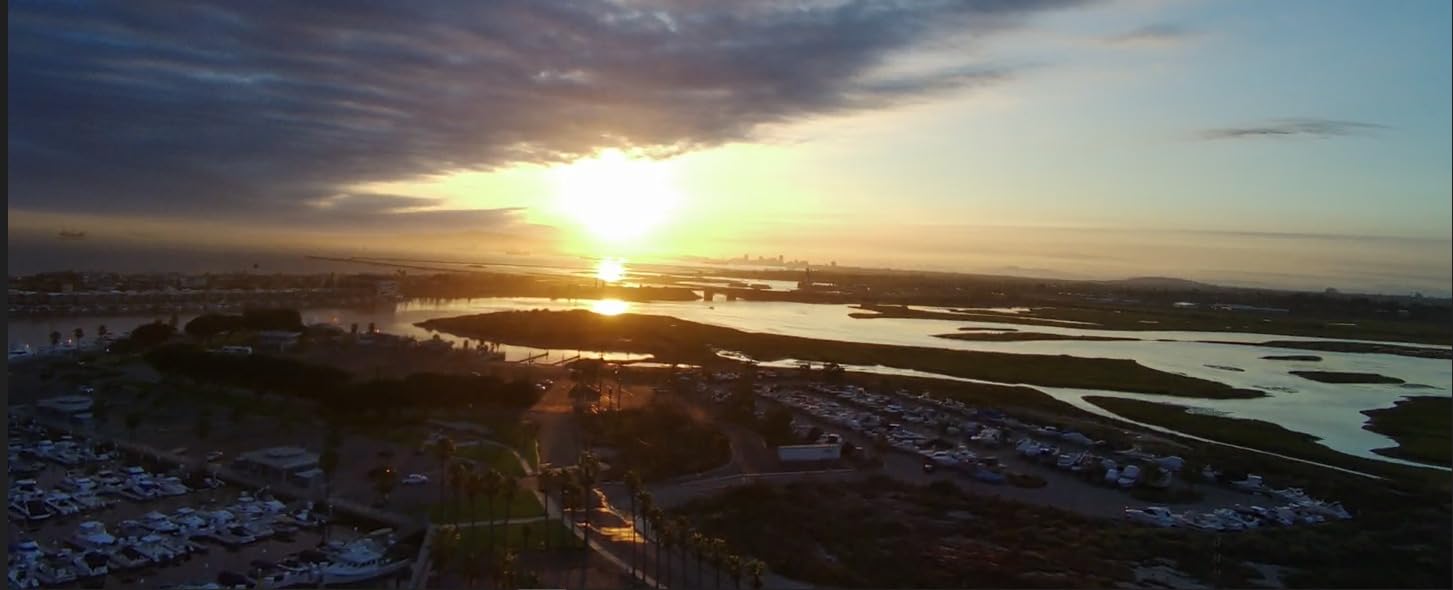
Why the ATOM SE suits a family yard
Lightweight, forgiving and inexpensive enough that a first crash does not sting. The folds-in propellers and stable hover mean a hesitant pilot can hover over the patio and practice without descending toward the grass every few seconds.
Real control range in obstructed areas falls well short of the claimed 13000 ft, but a backyard needs a few hundred feet, not miles.
Where the ATOM SE falls short
If your goal is footage of the house for a listing or for social posts, the fixed focus and lack of a gimbal will disappoint. You get detail only by getting closer, which is not always an option in a yard with fences.
There is no obstacle avoidance, and the micro SD card is not included, so budget for that before your first flight.
3. Holy Stone HS360S – The Entry-Level GPS Drone With a 5GHz Feed
Holy Stone GPS Drone with 4K UHD Camera for Adults Beginner; HS360S 249g Foldable FPV RC Quadcopter with 10000 Feet Control Range, Brushless Motor, Follow Me, Smart Return Home, 5G Transmission
213 g
4K UHD on 5GHz
Single 20 min battery
GPS return and follow me
Pros
- Real range and solid 5GHz feed
- GPS makes learning easy
- Brushless motors survive hard crashes
- One-cable phone connection
- Carrying case included
Cons
- No gimbal so video is shaky
- Only one slow charging battery
- Some owners report hover drift
- Control rates feel narrow
The HS360S sits at 213 g, comfortably under the registration threshold, and it is a well-priced entry point to a drone with a proper GPS return-home suite. Return Home lands near the takeoff point, which is the single most valuable feature when you are learning in a space bounded by a fence on two sides.
Reviewers like the 5GHz live feed and the single-cable phone connection, which avoids the usual ritual of joining a Wi-Fi network before you can fly. Spiral Up, Catapult, Follow Me, waypoint and point of interest modes round out a feature set that is generous for an entry-level model.
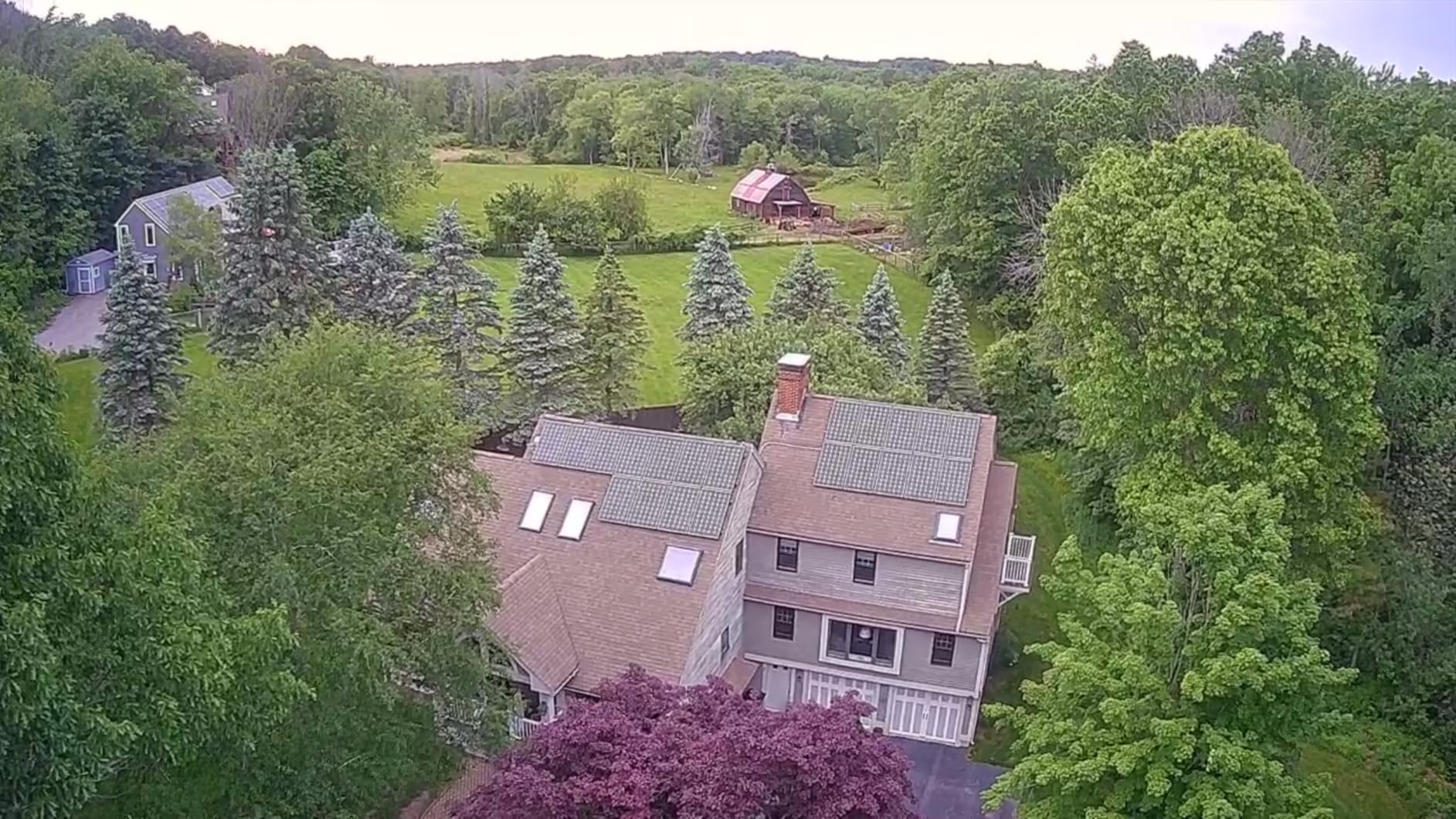
Brushless motors hold up after multiple hard crashes, and Holy Stone maintains an active support community, which matters if you are new and something goes wrong. The included carrying case is more useful than it sounds for a drone that lives in a garage.
The compromises are sharp. There is no gimbal, so video is visibly shaky and janky during movement. Only one battery is included and it charges slowly, which caps a session at about 20 minutes. A number of owners also report a drifting, toilet-bowl hover pattern even after calibration and propeller swaps.
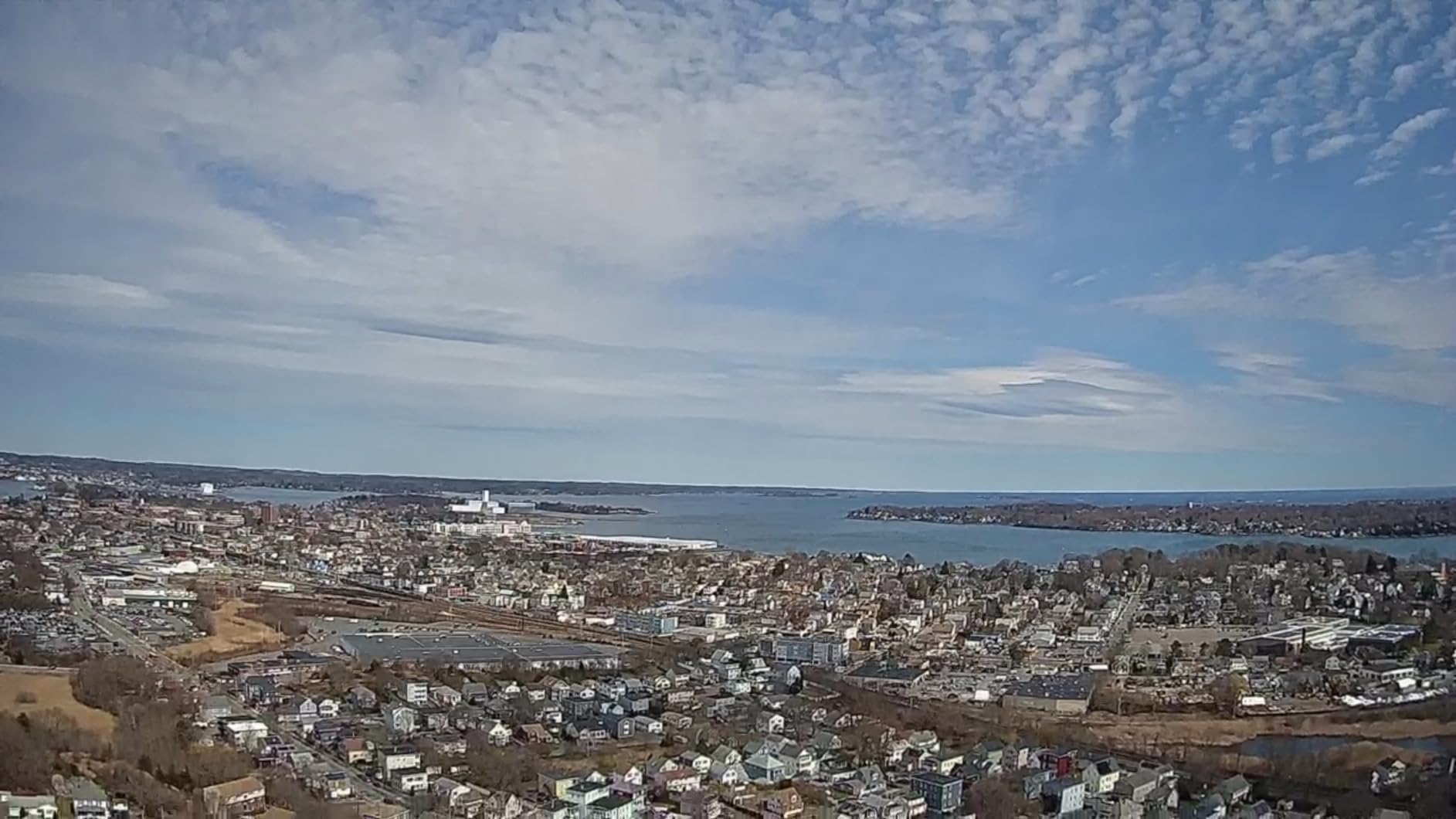
Is the HS360S safe near a busy yard?
It has no propeller guards, so treat the hover zone as a no-pets, no-kids area while you learn. Clearance from people matters more than a comfort preference at this level, since a fast-moving rotor at head height is a real injury risk. Our bird strike guide covers the other common backyard hazard: the sparrow that decides your lawn is its territory.
Where the HS360S falls short
Control rates feel close to two-speed movement with a narrow sweet spot for slow flight, so precise hovering over a flower bed is harder than it should be. The camera is also disorienting when you manoeuvre quickly or in wind.
Buy a second battery before you buy anything else. One pack means one short flight per outing.
4. Holy Stone HS175D – The Two-Battery Starter With Auto Return
Holy Stone HS175D GPS Drone with 4K Camera for Adults, Under 249g, Foldable RC Quadcopter with Auto Return, 46 Mins Long Flight, Follow Me, Brushless Motor, Circle Fly, Waypoint Fly, Altitude Hold
Two batteries 46 min total
GPS auto return
4K 110 degree lens
Altitude hold and optical flow
Pros
- Two batteries give 20 to 23 min each
- Quiet brushless motors
- Return Home lands within about 10 ft
- Good 4K stills
- Survives falls from 20 feet
Cons
- No gimbal so video is shaky
- Real range short of the 500 m claim
- GPS and controller syncing can be finicky
- No SD card included
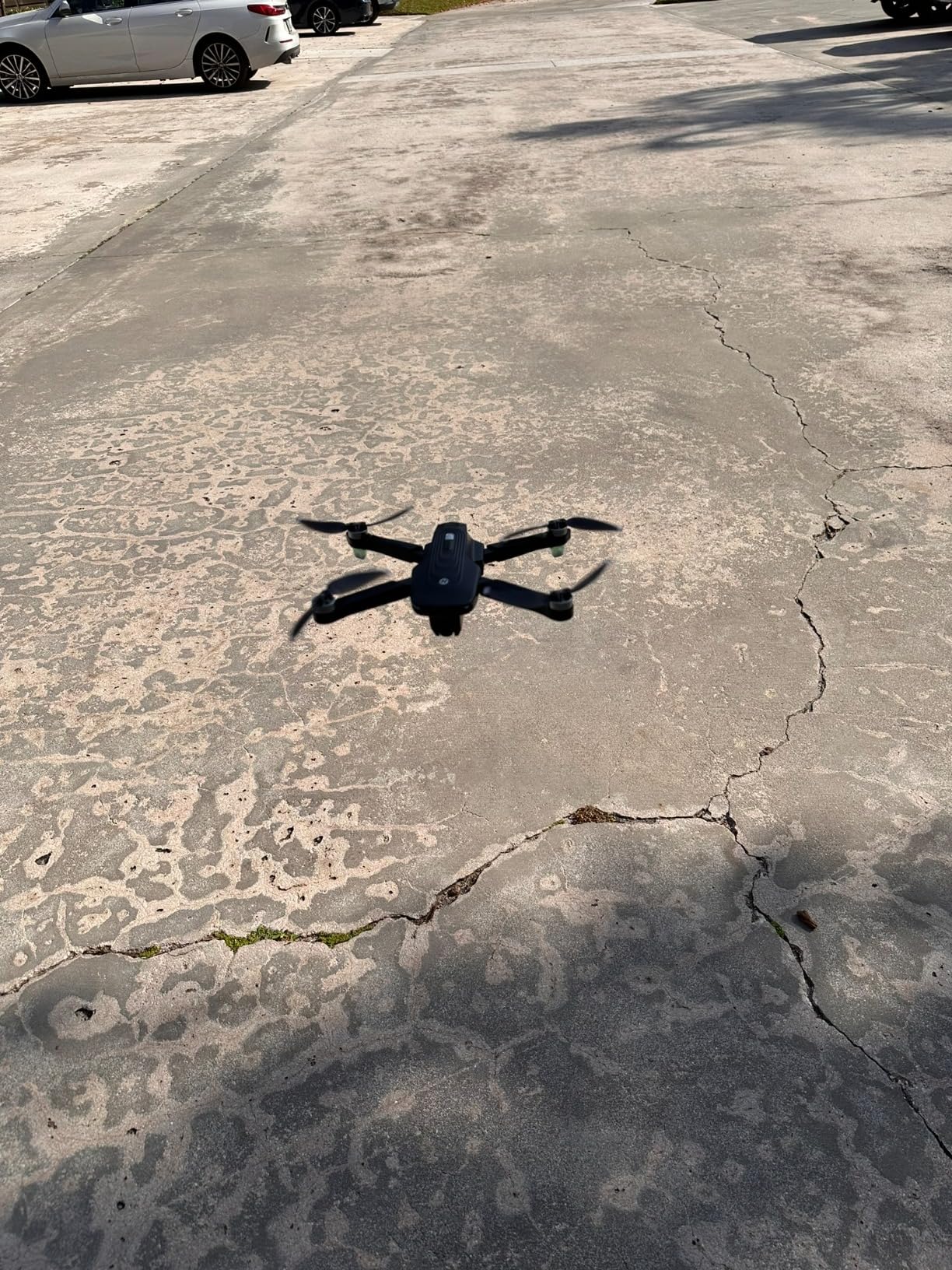
The HS175D draws on the largest volume of owner feedback of any model here, and the reason is straightforward: two batteries in the box at a modest entry cost. Reviewers treat it as a capable entry-level drone that does exactly what is advertised, and Return Home reliably lands within roughly 1 to 10 feet of the takeoff point.
Altitude hold, optical flow and headless mode make it forgiving in a small yard, and the quiet brushless motors are a genuine courtesy when neighbours are close. Still photos are good for an entry-level model, from a 90-degree adjustable 110-degree wide lens.
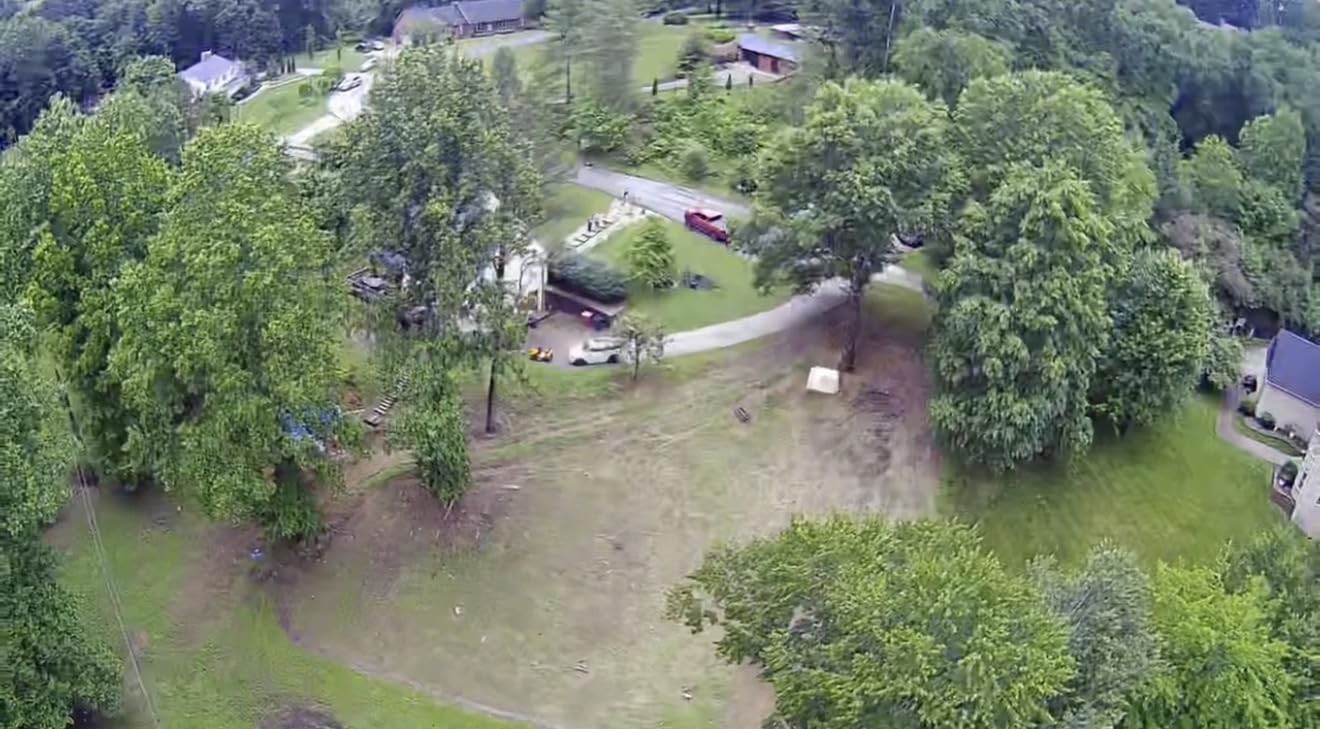
It survives multiple crashes, including falls from about 20 feet into trees, and the box includes a carrying case and spare propellers. That durability is why so many first-time owners stay on it for months.
Video is the weak point, with no gimbal and visible shake. Actual range and altitude fall well short of the 500 m claim, with the video feed dropping around 200 m, and satellite or controller syncing sometimes needs several calibration attempts. No SD card is included.
Is the HS175D a good first drone?
Yes, for a pilot who wants to learn hovering and return-to-home behaviour on a tight budget. Two batteries mean you can practice, land, charge nothing, and fly again. The optical flow and altitude hold keep it steady over a patio, which is exactly the beginner scenario.
The 4.1 rating across thousands of reviews reflects a drone that does its job without extra polish.
Where the HS175D falls short
The lightweight airframe struggles in winds above roughly 25 to 35 km/h, so it grounds itself on breezy days where heavier models keep flying. It is also among the least video-capable drones here, with no stabilization at all.
Cards formatted by the drone can be unreadable on Mac and Linux, and there is no printed manual beyond startup instructions.
5. DJI Neo – The Guarded Pick for Indoors, Kids and Tight Yards
DJI Neo, Mini Drone with 4K UHD Camera for Adults, 135g Self Flying Drone that Follows You, Palm Takeoff, Subject Tracking, QuickShots, Stabilized Video, Built-In Propeller Guard (Controller-Free)
135 g
Palm takeoff and landing
Full propeller guards
4K stabilized tracking
Level 4 wind
Pros
- Stable hover indoors and outdoors
- Follow Me keeps you centered
- Palm takeoff and enclosed guards
- Pocket sized
- Built-in storage needs no SD card
Cons
- About 14 to 15 min per battery
- No SD slot and limited internal storage
- No vertical video mode
- No zoom and oversharpened footage
The Neo is among the safest drones to learn on, and that is why it earns a place on a backyard list at all. At 135 g it is the second-lightest model here, and the full-coverage propeller guards mean you can fly it around people, trees and indoors without the panic that comes from exposed rotors.
Palm takeoff and landing removes the most common beginner error, which is tearing a set of propellers on a hard launch. You can run it controller-free from an app or with voice control, and subject tracking plus eight QuickShots produce footage without any stick work.
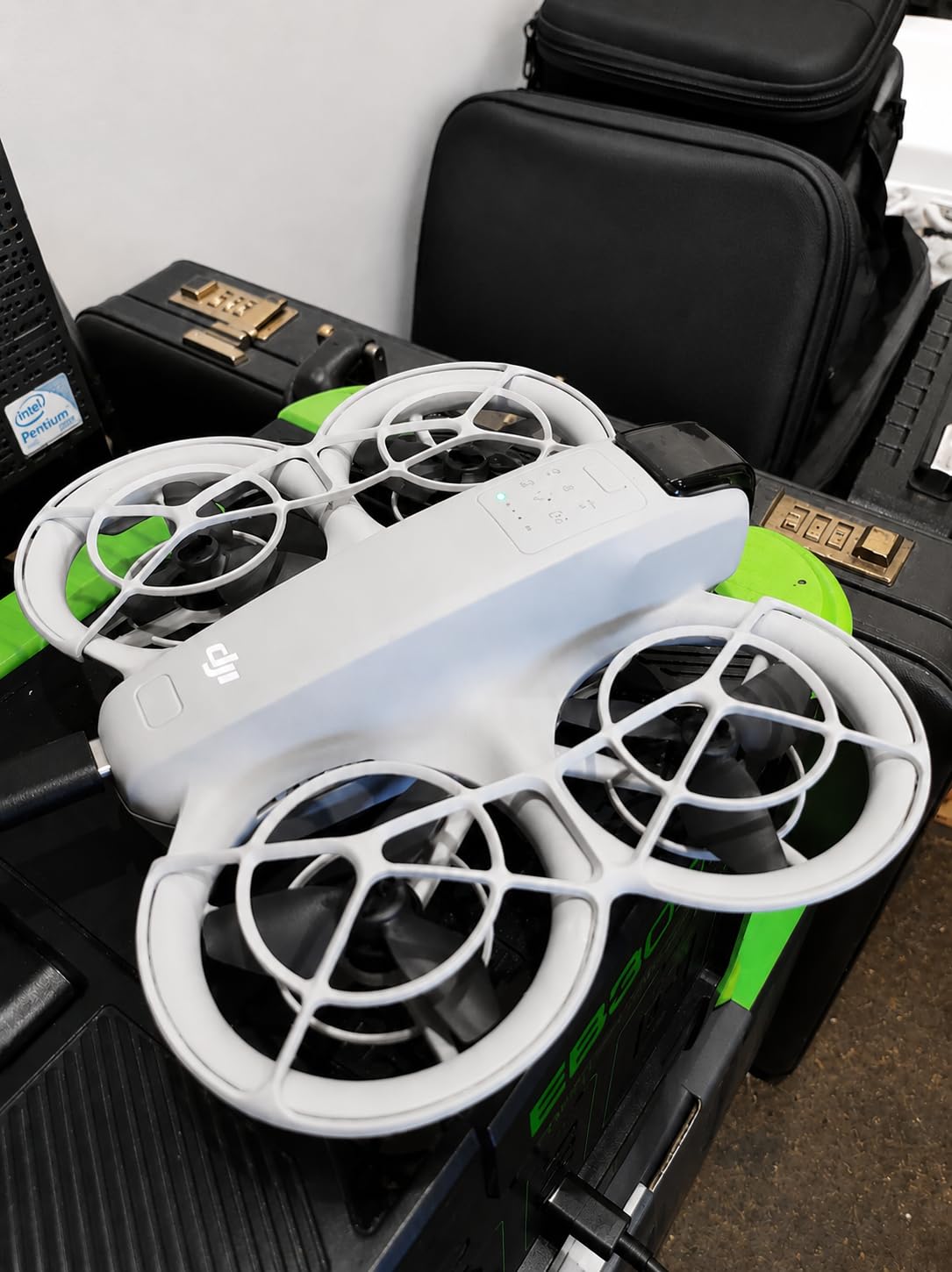
Reviewers praise the stable hover indoors on vision positioning and outdoors on wind, and say Follow Me holds the subject centered even on stairs. It fits in a pocket, and built-in storage means you can record and transfer without buying a card.
The limits are consistent across reviews. Real flight time is about 14 to 15 minutes per battery, well under the 18-minute claim. There is no SD card slot, internal storage is roughly 22 GB, and there is no vertical video mode despite the social-first positioning. The camera has no zoom and produces oversharpened, oversaturated footage that some owners call sub-4K.
Can the Neo really fly indoors?
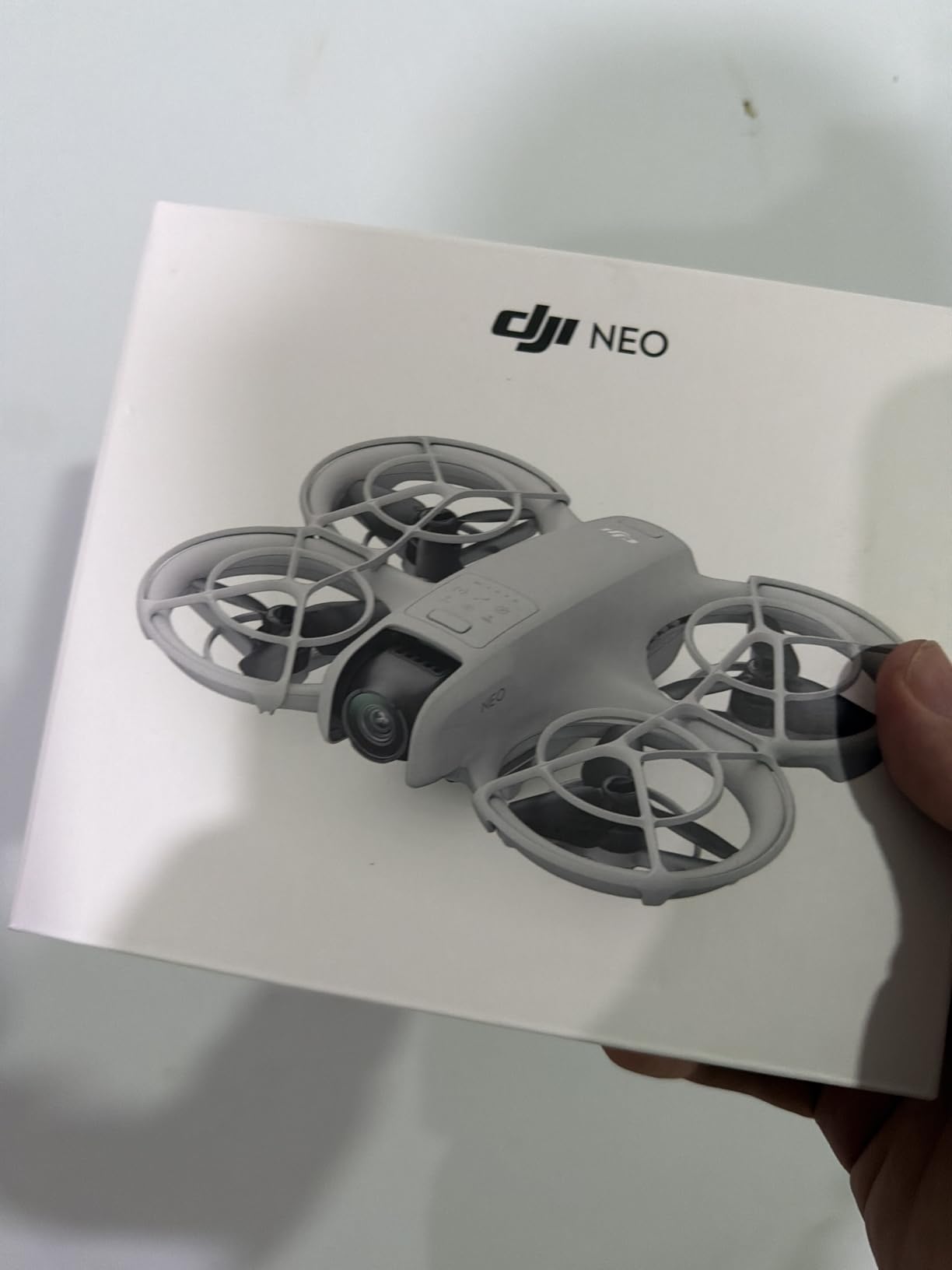
Yes, and that is its standout use. Vision positioning holds it steady in a room, and the guards make it survivable near furniture. For bad-weather weekends it is one of only two models in this guide designed to work in a room, the other being the HOVERAir X1.
Tracking can be lost on hard turns and it struggles to keep pace beyond a light jog, so send it on wide arcs.
Where the Neo falls short
Fourteen minutes of flight is a short window, and you will recharge between flights rather than swap packs. It also has no vertical mode, which is odd for a drone sold at people filming themselves.
If you already own any DJI drone, the DJI Fly app has to be sideloaded on Android, which adds a step. If a compass warning ever appears, our compass disconnect guide explains what to do.
6. Ruko U11MINI 4K RC3 – The Pick With a Built-In Touchscreen Remote
Ruko U11MINI 4K (RC3) Camera Drone for Adults with 5.5″ Touchscreen Remote
248 g
3-axis brushless gimbal
5.5 inch 1080P touchscreen
64 min from two batteries
Pros
- Screen remote removes the need for a phone
- Genuinely shake-free gimbal footage
- 1/2 inch CMOS for 8K stills
- Two batteries with PD 3.0 charging
- 20000 ft digital transmission claim
Cons
- Screen is hard to read in bright sun
- Claimed range not real in suburbs
- Less mature firmware and app
- Higher cost than similar sub-249g models
The Ruko U11MINI 4K RC3 is a step-up option for people who want real video from a sub-249 g drone without juggling a phone. The 5.5-inch 1080P touchscreen in the remote means no tethering, no battery drain from your phone, and no third-party app for the live view.
The 3-axis brushless gimbal delivers footage reviewers describe as genuinely shake-free, and the 1/2-inch CMOS sensor captures 8K stills and 4K at 30 fps with high dynamic range. Quad positioning with GPS, barometer, time of flight and optical flow gives a steady beginner hover.
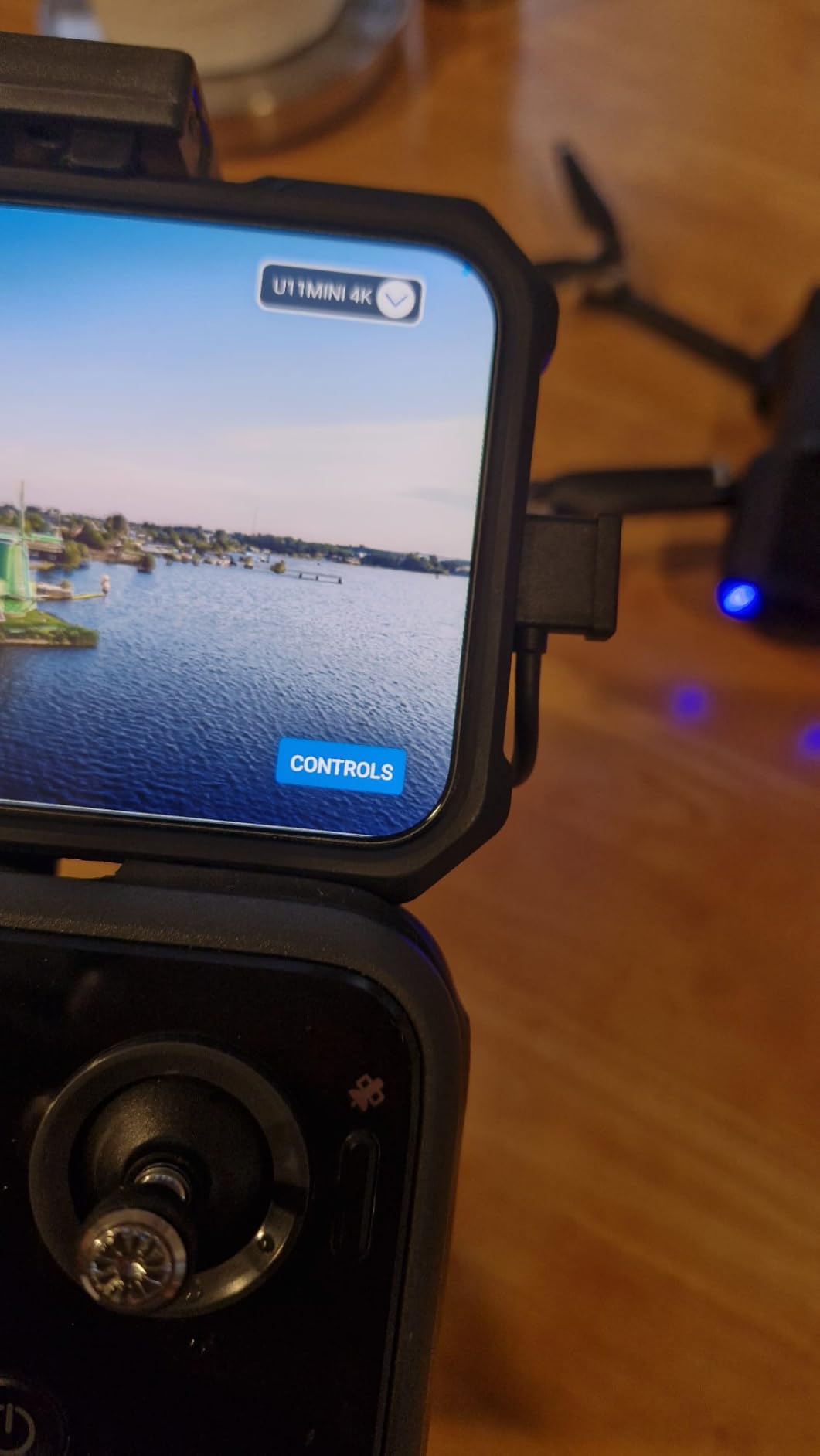
Two batteries give up to 64 minutes combined with PD 3.0 fast charging, which is the longest two-battery session plan in this list. There is a built-in locator beeper, failsafe returns and a home point refresh, all useful when a drone goes down behind a shed.
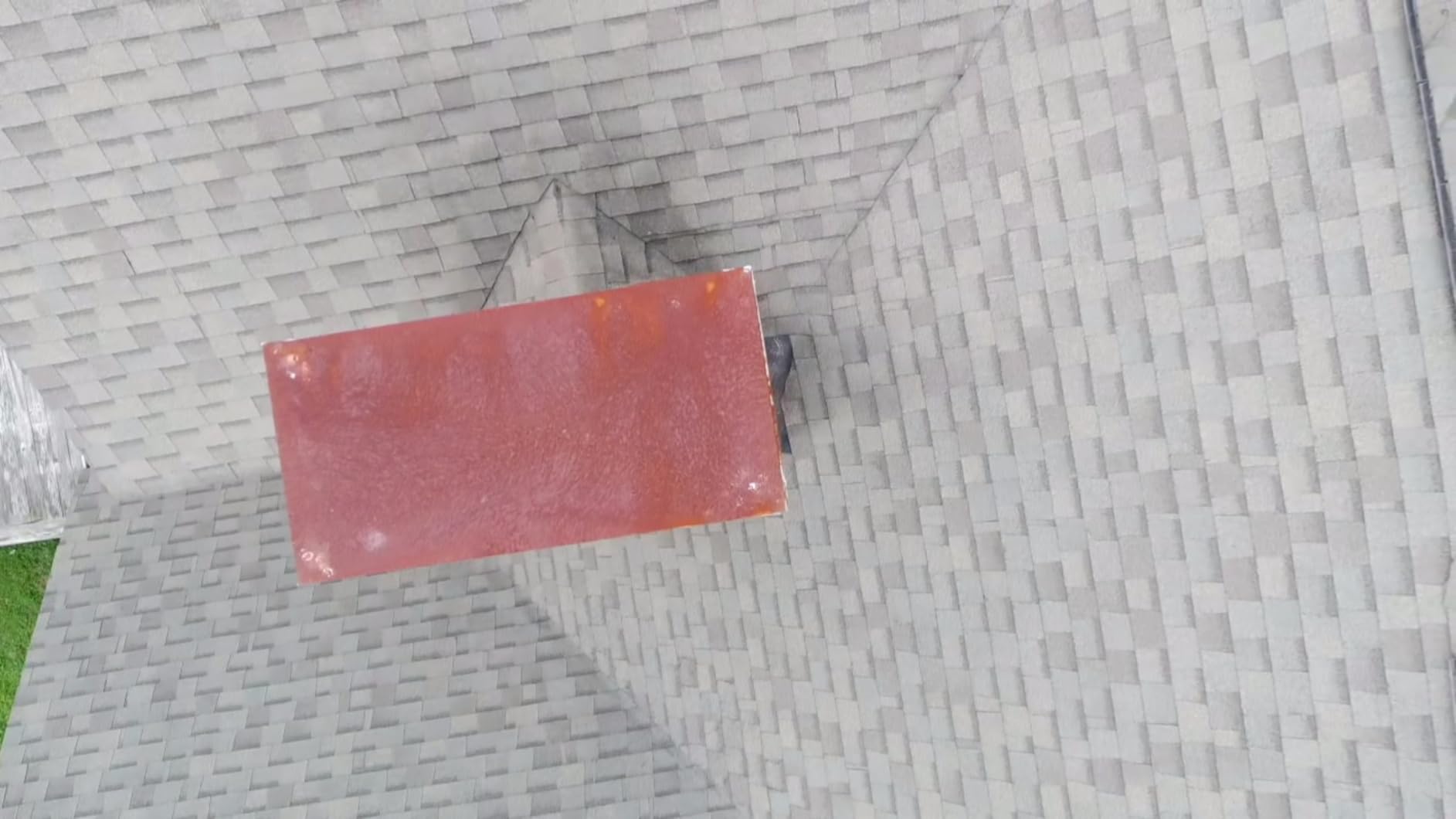
The obvious catch is the screen itself. A touchscreen is harder to read in bright sunlight and gives less physical feedback than sticks, so framing shots in a sunlit yard takes practice. The claimed 20000 ft transmission is not achievable in real-world suburban flying, and the firmware and app ecosystem are less mature than the established drone brands.
Is the touchscreen worth it in a backyard?
It depends on your light. For evening and shaded-yard flying it is a clear win, because the screen is bright and you are not holding a phone up in front of your face. Bright midday sun is where it struggles, and a phone or a controller with a matte screen is easier to read.
The gimbal is the more durable reason to like this model, and it works in any light.
Where the U11MINI RC3 falls short
It steps up the cost above comparable sub-249 g models from other brands, and you pay for the screen more than for the flight experience. The flight characteristics are unremarkable, with no obstacle avoidance to speak of.
If your yard is tight and shaded, this is a good pick. If it is open and sunny, the standard controller on the Ruko U11MINI 4K makes more sense.
7. HOVERAir X1 – The Best Pocket-Sized Self-Flying Camera
HOVERAir X1 Drone with Camera, Follow-me Drone with Self-Flying Mode
125 g
Enclosed foldable frame
2.7K 30fps and 1080p HDR
32 GB internal storage
Two batteries
Pros
- Truly pocket sized
- Very shallow learning curve
- Smooth 2.7K and HDR video
- Enclosed cage survives crashes
- Internal storage and palm landing
Cons
- Only 10 to 15 min per battery
- Struggles in any real wind
- No 4K and no audio
- Follow speed too slow for a bike
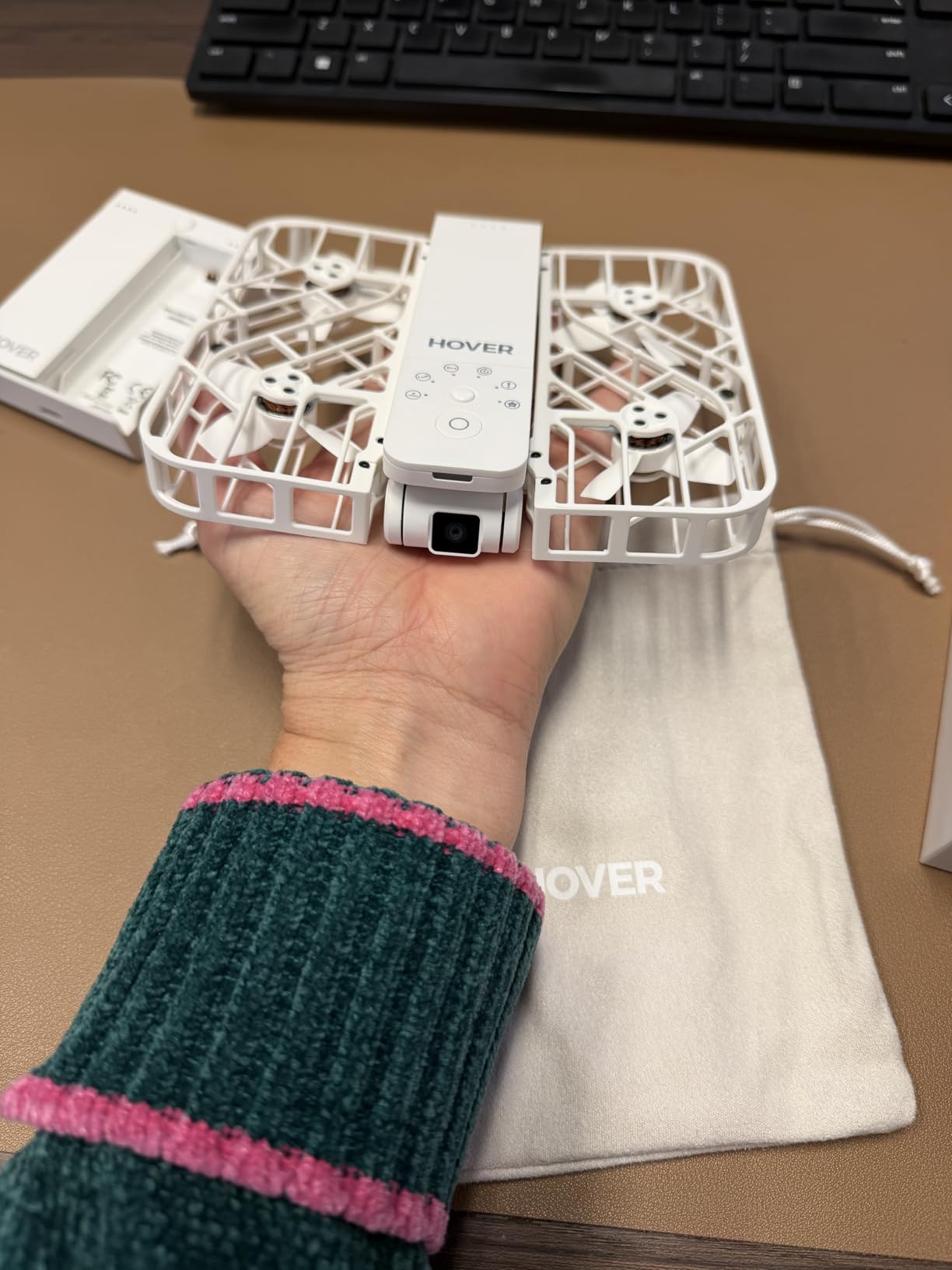
The HOVERAir X1 is the lightest drone here at 125 g, and the fully enclosed safety cage is the reason it can fly near a dog or a child without the usual margin of anxiety. Reviewers describe the cage as surviving crashes without damaging rotors, gimbal or body, which is a rare claim for a camera drone.
It also has the shortest learning curve. Around 20 pre-programmed flight paths per battery include Hover, Follow, Zoom Out, Orbit and Bird’s Eye, so you launch, step back, and let it film. Triple stabilisation produces smooth, sharp 2.7K at 30 fps and 1080p HDR video that is genuinely good for social posts.
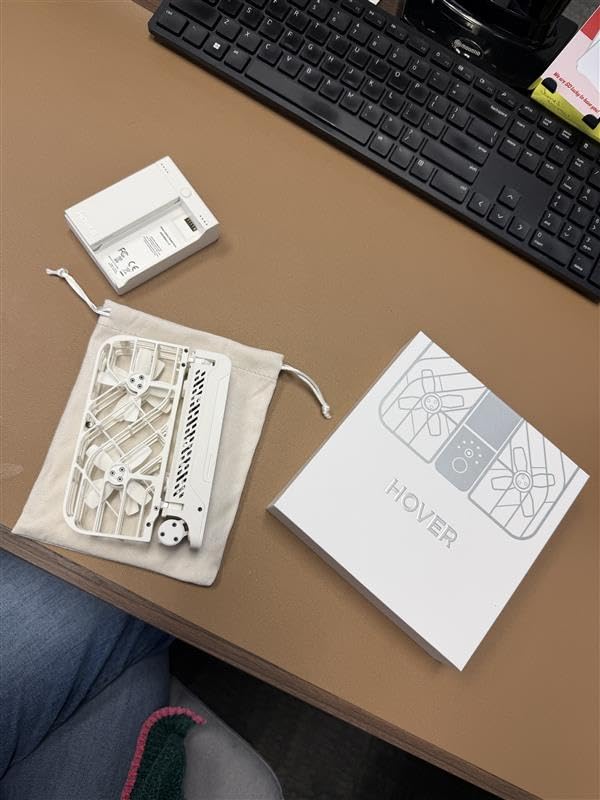
There is no SD card to lose: 32 GB of internal storage with a privacy shield handles recording and transfer, and palm landing is a small delight. Two batteries make hot-swapping easy.
Every reviewer flags the same limits. Battery life is roughly 10 to 15 minutes per pack, the light weight means it struggles in any real wind and is not suited to rain, and maximum video is 2.7K rather than 4K with no audio recording. Follow speed of about 15 mph cannot keep pace with a bicycle, and the app must lock onto you before Follow engages reliably.
Is the X1 safe to fly around kids and pets?
There is no exposed propeller anywhere on its airframe, which makes it the pick if your yard doubles as a play space and your first flights will happen with people close by.
The trade is power. A drone that cannot hurt anything also cannot fight a breeze, so plan indoor or calm-day sessions.
Where the X1 falls short
Ten to fifteen minutes is barely enough for one clip, and the dual-slot charging hub only actually charges one battery at a time. The camera is noisy in quiet settings, and transferring files to a computer is clunky.
It is a content camera, not a flying platform. Do not buy it if you want to learn to fly.
8. Bwine F7MINI 4K-3B – A Three-Battery Gimbal Package With a Hard Case
Bwine F7MINI 4K Video 8K Photo Drones with Camera for Adults 3-Axis Gimbal
249 g
3-axis stabilised gimbal
48MP 1/2 inch CMOS
Three batteries 96 min
Level 5 wind
Pros
- Gimbal keeps footage level and smooth
- Strong 8K stills and 4K 30 video
- 96 minutes total flight time
- Auto cruise follow orbit and waypoint
- Hard shell case and two-year warranty
Cons
- 20000 ft range claim is theoretical
- Newer brand with a small user base
- 249 g sits at the FAA threshold
- No obstacle avoidance
The F7MINI is one of the most complete packages on this list: three 2200 mAh batteries, a hard shell case, cables, a manual and a two-year warranty. Three batteries deliver 96 minutes of total flight time with PD 3.0 fast charging, so you can plan a long afternoon without anyone waiting on a power block.
The 3-axis stabilised gimbal keeps footage level through turns, a feature five of the ten models here lack. The 48MP 1/2-inch CMOS with an f/1.8 aperture produces strong 8K photos and 4K at 30 fps, and the GPS suite includes auto cruise, 0.5 m follow, orbit, waypoint and optical flow for indoor positioning.
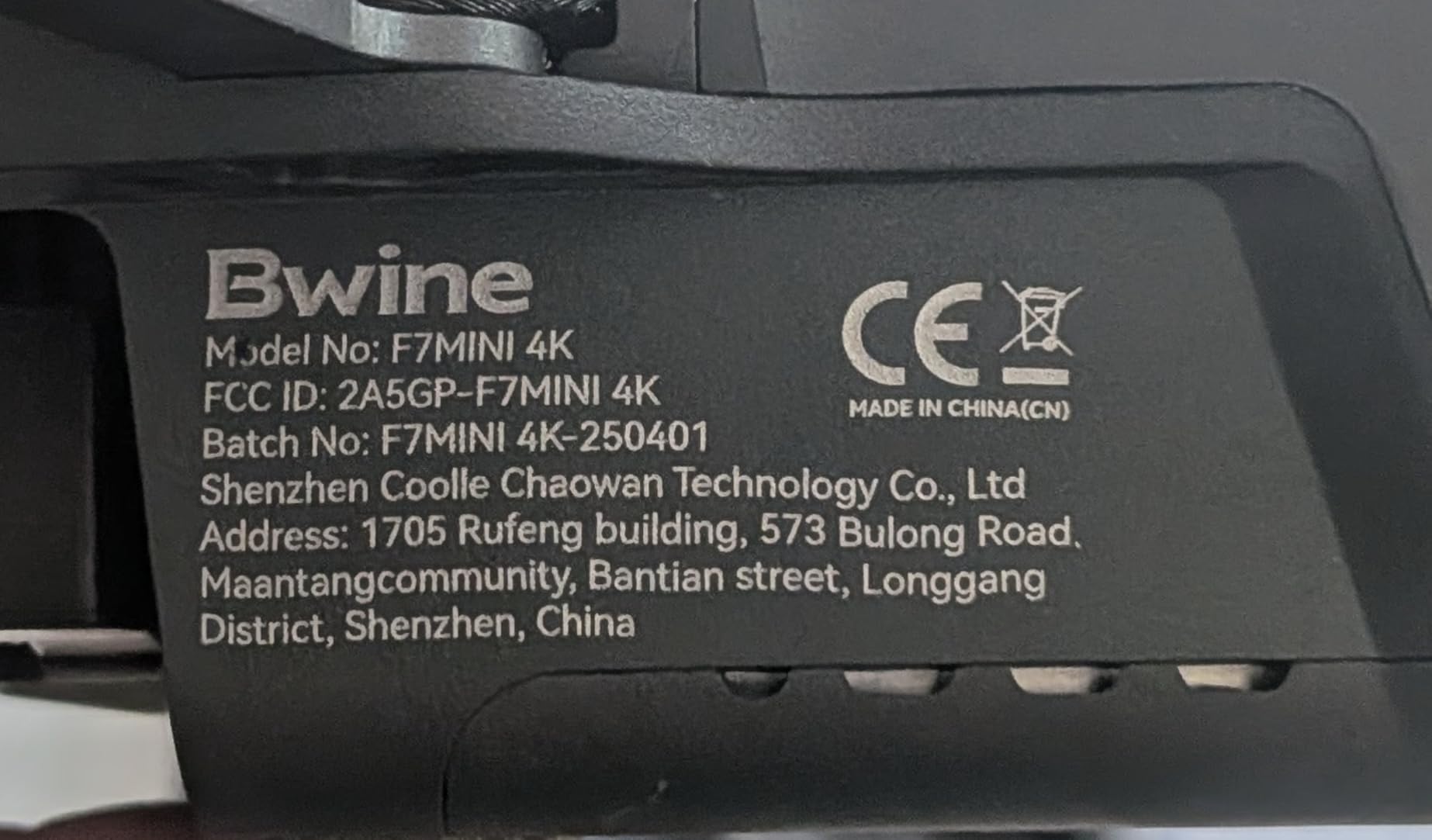
Smart Return to Home, a dynamic home point and a 120 dB locator buzzer make the aircraft easy to find when it lands in tall grass, which happens to everyone eventually. Top speed is 31 mph and wind resistance is rated Level 5, so it holds up in a suburban breeze better than lighter frames such as the X1.
Two honest drawbacks. The advertised 20,000 ft transmission is not achievable in normal suburban flying, and Bwine is a newer brand with a smaller installed user base than the established drone makers, so there is less field-proven history.
Is 249 g a problem for backyard flying?
It is legal, but there is no margin. The moment you add a propeller guard, a payload or a slightly worn battery, you are over the threshold and recreational flights need FAA registration. For a drone without obstacle avoidance, guards are worth considering, so this weight leaves you choosing between protection and paperwork.
The smaller HS360S and HS175D give you more headroom if registration-free flying matters to you.
Where the F7MINI falls short
There is no obstacle avoidance despite the gimbal and long-range claims, so tree lines remain your responsibility. The headline range figure will not happen in a residential area, so set your expectations realistically.
Weight savings elsewhere: night flying has its own sensor requirements if evening sessions are the goal.
9. Ruko U11MINI 4K – A Three-Battery Drone With a Gimbal and EIS
Ruko Drone with Camera for Adults 4K Video & 8K Photo, 96 Mins Flight Time
248 g
3-axis gimbal plus EIS
1/2 inch 48MP CMOS
Three batteries 96 min
R2 digital link
Pros
- Gimbal and EIS keep video steady
- About 20 to 30 min per battery
- Folds with a carrying case
- TOF optical flow and GPS hover
- Auto return with a built-in beeper
Cons
- Video stream breaks up around four city blocks
- Camera output is decent not class leading
- Conservative speed by design
- Needs a separate Ruko app
The Ruko U11MINI 4K shares the U11MINI name and airframe with the RC3 but comes without the touchscreen, and for most backyard pilots that is the version to consider. Three intelligent flight batteries give roughly 20 to 30 minutes each, about 90 minutes combined, and the standard controller is lighter and easier to work in bright sun.
The 3-axis brushless gimbal with electronic stabilisation keeps video steady and stills clear, which is the main reason to step up from a non-gimbal budget model. Reviewers call it a genuinely capable first non-toy drone, and it holds together in fog, mist, high heat and cold, having survived a fall into a tree.
Quadruple positioning with time of flight, optical flow, barometer and GPS gives a steady beginner hover, and auto return triggers on low power or signal loss with a beeper to help you find it. Ruko support is repeatedly called fast, friendly and effective, which is more than some larger brands manage.
The caveats: the real-world video stream breaks up at roughly four city blocks, far short of the 20,000 ft claim; camera output is decent rather than class-leading despite the 8K still claim; and it is not an FPV platform, with conservative speed by design.
Is three batteries better than one good battery?
For a yard, yes. A backyard session is short bursts of flying, not a long hike, so spare packs mean you launch again the moment the first one lands. The folding design and included carrying case make that swap simple.
Charge rotation matters more than a fast charger: keep one pack in the drone, one on the hub, and never leave all three full and idle.
Where the U11MINI falls short
At 248 g it sits right at the threshold, so any accessory takes it over the line. There is no obstacle avoidance, so this is a fly-wide-open-airframe model rather than a tight-space one.
The separate Ruko app download is a small annoyance, and the range claim sets the wrong expectation for suburban flying.
10. DJI Mini 3 Fly More Combo – The Screen-Remote Upgrade Step
DJI Mini 3 Fly More Combo With DJI RC, 3 Batteries
248 g
DJI RC 5.5 inch screen
4K HDR and 48 MP
Three batteries 114 min
Level 5 wind
Pros
- Sharp 4K HDR and 48 MP stills
- Three batteries for 114 min total
- Screen readable in direct sunlight
- True vertical shooting
- QuickTransfer at 25 MB/s
Cons
- No obstacle avoidance so trees are a hazard
- Batteries drain in the charging hub
- Adding prop guards pushes it over 249 g
- Occasional gimbal or link drops
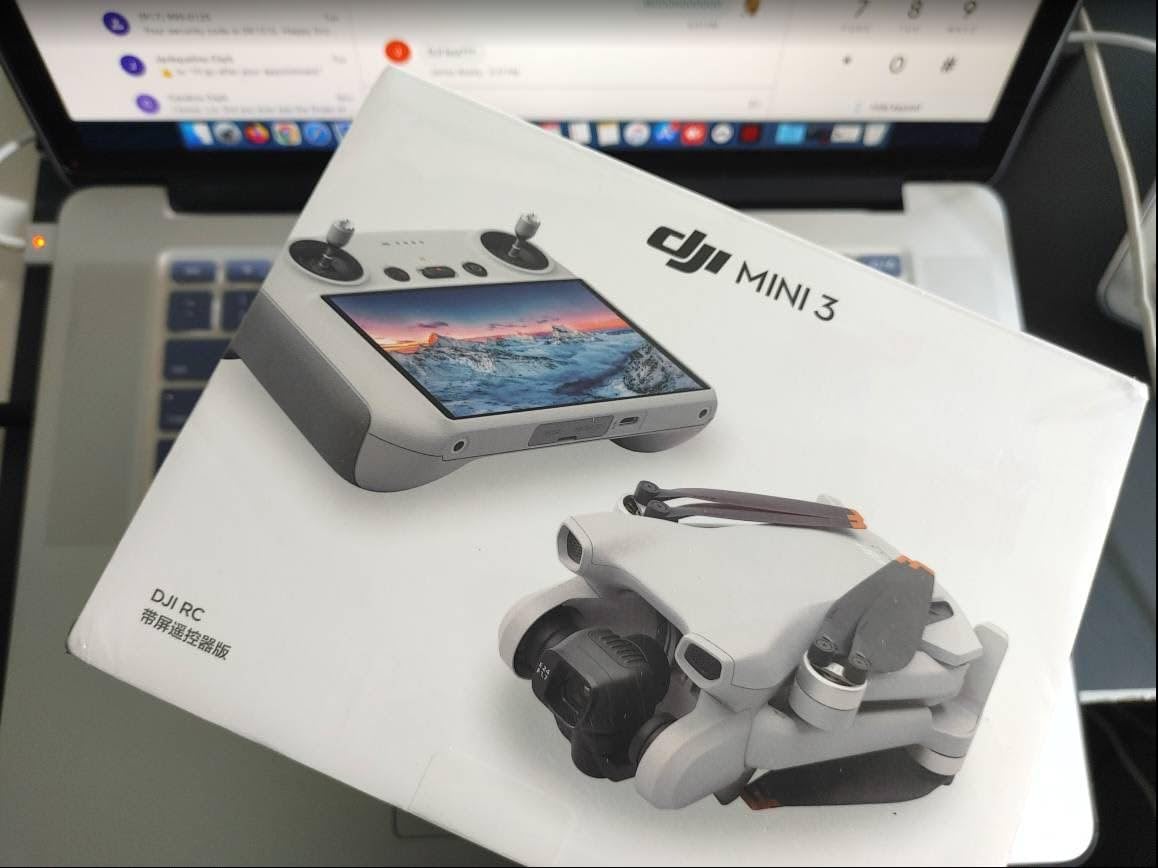
The Mini 3 Fly More Combo is the step-up if you want a screen remote that stays readable in sun and do not mind a larger outlay. The DJI RC’s built-in 5.5-inch display holds up in direct sunlight, which is exactly the problem with the Ruko touchscreen, and it runs DJI Fly pre-installed.
Three batteries total 114 minutes of flight in the combo, and true vertical shooting produces tall, share-ready framing without cropping. The 4K HDR video with Dual Native ISO Fusion and 48 MP stills are sharp and well stabilised on the 3-axis gimbal.
Reviewers highlight easy setup, return home landing within a couple of feet, quiet operation and a stable hover, plus a Cine mode for smooth footage. QuickTransfer over Wi-Fi at up to 25 MB/s saves real time off the card after a session.
It has no obstacle avoidance, which makes branches and overhead wires a real hazard in a yard. Batteries drain noticeably while sitting idle in the charging hub, the shell is thin by necessity of the weight limit, and a number of owners report gimbal or controller link drops that force a return home.
Do propeller guards push the Mini 3 over 249 g?
They do, and that is the key backyard trade. Adding guards to a 248 g drone takes it over the threshold, which means FAA registration for recreational flights. That is precisely why the DJI Neo, at 135 g with guards built in, may suit a family yard better despite weaker video.
Decide which matters more: registration-free flying or the ability to fly close to people.
Where the Mini 3 falls short
Scroll-bar sensitivity on the RC screen makes precise distance and altitude entry fiddly, and the thin plastic shell needs a gentle hand. Wind resistance is rated Level 5 at 38 kph, which is good but not exceptional.
If you never fly near obstacles, the extra screen quality here is rarely worth the added outlay.
Which Drone Fits Your Backyard?
The best drone for backyard flying depends less on camera specs and more on what is within ten feet of your flying zone. Match the yard, not the marketing.
A small suburban lot with fences on two sides and a shed in the corner needs a light drone with guarded props or a forgiving hover, because your margin for error is measured in feet. Pick the DJI Neo or HOVERAir X1, and keep the open area clear.
A yard with a mature tree line calls for a stable airframe with a decent wind rating and a camera you can actually see while you fly. The DJI Mini 4K and Ruko U11MINI 4K both handle light to moderate breeze, and neither can see trees, so fly wide and use Return Home generously.
An open lot with no overhead wires can take anything on this list, and here the three-battery packages win because you will not be recharging between flights. Neighbours and pets close by change the priority completely: pick the Neo or the X1, the only two here with full propeller guards.
For indoor or garage flying on a wet weekend, the Neo and the X1 are the sensible picks, and the Bwine F7MINI is the only other model here that lists optical flow indoor positioning. Anything else needs a clear space and propellers off furniture.
Do I Need to Register a Drone for Backyard Flying?
You do not need to register a drone for backyard flying if it weighs less than 250 g at takeoff. That threshold is why every model in this guide sits at or under 249 g, and why the heaviest picks here, the 249 g Bwine F7MINI and the 248 g Ruko U11MINI, leave you no room for accessories before you cross the line.
Even when registration is not required, the rules still apply. Keep the aircraft in your visual line of sight, stay at or below 400 feet above ground level, and do not fly over people or moving vehicles. The TRUST knowledge test is a short online course and every registered drone must broadcast Remote ID.
Before each session, check for temporary flight restrictions and confirm you are not inside an airport proximity zone. A national airspace map lookup takes a minute and removes the most common reason a backyard flight is illegal rather than merely unwise.
FAA rules and thresholds change, so verify the current requirements at faa.gov before you fly. It is the one section of this guide worth re-reading each season.
Why Propeller Guards Matter More Than Camera Specs at Home
Propeller guards matter more than any camera spec in a backyard because a yard is where people are, and exposed rotors at low altitude are the one genuine injury risk in this hobby. Only the DJI Neo and the HOVERAir X1 ship with full-coverage guards, which is why both appear here despite weaker cameras.
Guards also change flight behaviour. They add drag, which reduces wind tolerance slightly, and they make the airframe wider, which is awkward near a fence line. Buy them for open flying near people rather than for precision work in a small space.
The other home hazard is birds, not neighbours. Our bird strike guide covers why a sparrow defending a feeder tree is the most common backyard crash cause, and how to avoid drawing one to your drone.
Wind, Neighbours and Planning a Backyard Session
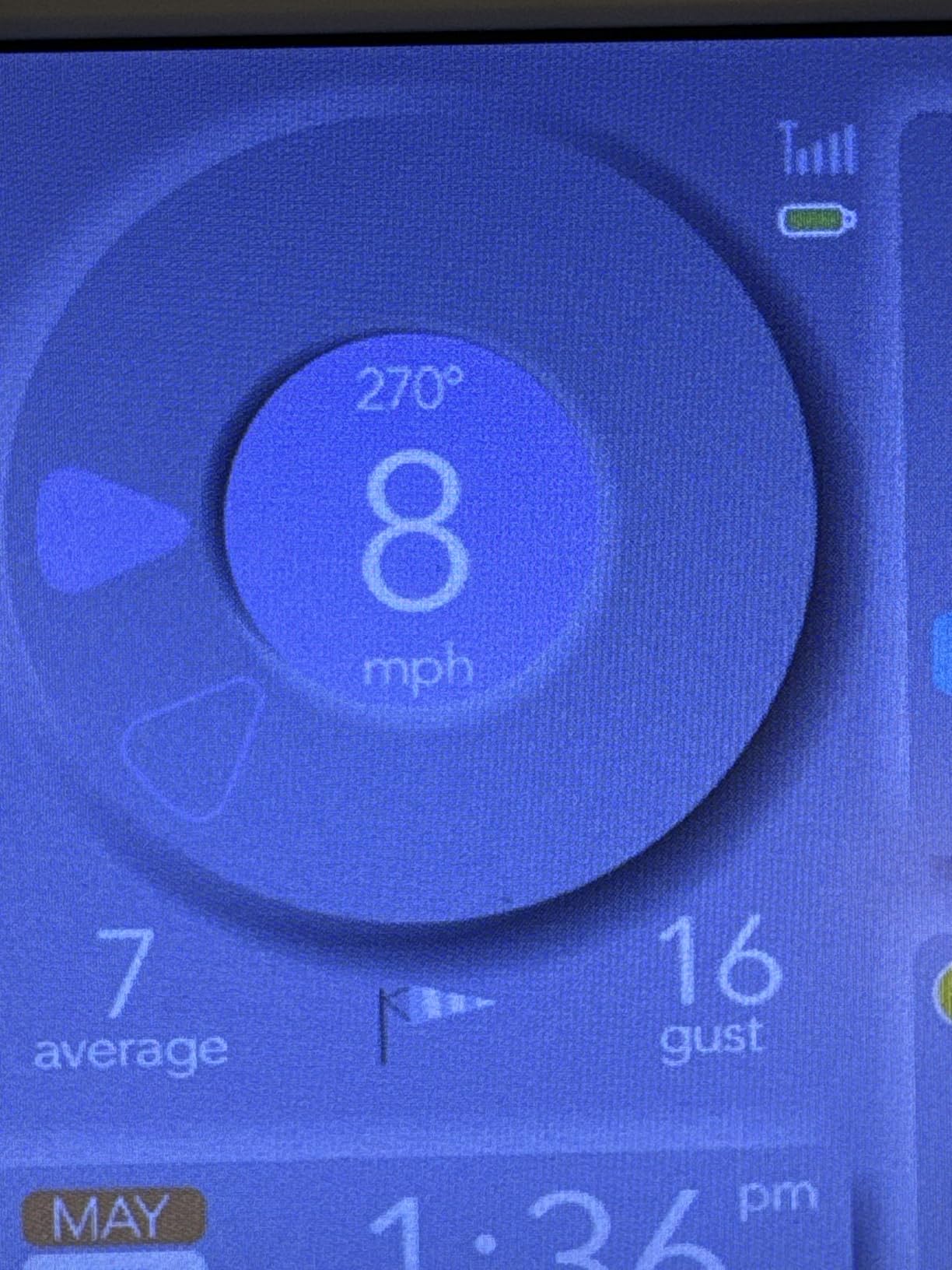
Wind is the leading cause of backyard crashes in our experience flying these, and residential areas are worse than open fields because houses and fences create gusts and eddies at tree height. Level 5 ratings around 38 kph describe steady-line wind, not the buffet you get along a hedge, so fly when flags are lazy and stop when they are not.
The lightest models here, the HOVERAir X1 at 125 g and the DJI Neo at 135 g, are the first to give up in a breeze. The HS175D struggles above roughly 25 to 35 km/h. If your yard channels wind, choose a heavier frame and accept a shorter battery cycle.
Noise is the neighbour question nobody asks until it becomes a problem. Motor type drives most of it, and every model in this guide uses brushless motors, which are quieter than the brushed designs found in entry-level toys. Fly at a respectful height rather than low over a garden, and avoid weekends when someone is working in their yard.
Planning a 45-minute session is simple once you own two batteries. Put one pack on the charger before you head out, fly the other, swap, and charge while you fly the first. Add a micro SD card and a case to your first-order list. They take minutes to sort out and remove the two reasons a first flight ends early.
How Our Picks Were Made
Every drone here was evaluated against the same yard rather than a spec sheet. We compared weight against the FAA 250 g threshold, wind rating, positioning systems, propeller guards, battery count and the absence or presence of obstacle avoidance, and we read what owners actually report about crashes, hover stability and battery life rather than headline claims.
Where a claim and the owner reports disagree, we side with the owners. That is why you will see real flight time below the advertised figure in several sections, and why advertised range figures are flagged as unrealistic for suburban flying on every model that makes one.
Every pick has named drawbacks, because a guide that only lists benefits is not helping anyone choose. We earn a commission when you buy through our links, and that does not change the order of this list.
Frequently Asked Questions
What is the best drone for beginners in my backyard?
The DJI Mini 4K is the best drone for beginners flying in a backyard. It weighs 240 g so recreational flights need no FAA registration, holds a steady GPS hover, lands itself with return home, and carries a 3-axis gimbal so early footage is not unusable. The DJI Neo is the safer alternative if children, pets or neighbours are close, because it has fully enclosed propeller guards.
Do I need to register my backyard drone with the FAA?
You do not need to register a drone for backyard flying if it weighs under 250 g at takeoff. Every model in this guide is 249 g or under for that reason. Registration rules still apply once you add guards, a payload or a slightly worn battery, and even when exempt you must keep visual line of sight, stay under 400 feet and never fly over people. Check temporary flight restrictions before each session.
How small can my backyard be and still fly a drone?
A yard with roughly a 20 foot clear circle is enough for a sub-250 g drone. Start on the ground, hover in place, and move outward as your confidence grows. The limiting factor is not size but obstacles: fences, trees and power lines. In a tight or obstacle-rich yard, choose a model with fully enclosed propeller guards such as the DJI Neo or the HOVERAir X1 rather than a larger drone with exposed rotors.
Are prop guards worth it for a backyard drone?
Yes, if people, pets or property are close to your flying zone. Guards add drag and width, so they cost a little wind tolerance and precision, but they turn a dangerous rotor strike into a survivable scrape. Only the DJI Neo and the HOVERAir X1 include full coverage guards. Note that adding guards to a 248 g model such as the DJI Mini 3 pushes it over 250 g and triggers FAA registration.
What should I consider regarding flight time when selecting a drone?
For backyard flying, battery count matters more than any single flight-time figure. Two batteries give you a second flight after a hot swap, and three batteries turn a 20 minute outing into an afternoon. Real times fall short of the advertised maximum: the DJI Mini 4K delivers roughly 25 to 30 minutes, the DJI Neo about 14 to 15, and the HOVERAir X1 only 10 to 15 minutes per pack.
How important is 4K video resolution for a backyard drone?
Resolution matters far less than stabilisation for backyard footage. A 4K recording on a drone with no gimbal will look shakier and softer than 2.7K footage on the HOVERAir X1, which has triple stabilisation. If you want share-ready video, prioritise a three-axis gimbal, as found on the DJI Mini 4K, the Ruko U11MINI 4K and the Bwine F7MINI, over headline megapixel counts.
Can I fly a drone indoors in my house or garage?
Only with a guarded, light drone. The DJI Neo at 135 g and the HOVERAir X1 at 125 g both have enclosed frames and indoor positioning, and the Bwine F7MINI lists optical flow for indoor hover. Give yourself a clear room, remove anything fragile, keep people out, and expect less than 15 minutes per battery. Anything with exposed propellers belongs outside.
The Bottom Line
The DJI Mini 4K is the best drone for backyard flying in 2026, and the reason is restraint rather than excess. At 240 g it stays under the registration threshold, the 3-axis gimbal produces clean 4K footage, GPS return home and a stable hover take the stress out of a first flight, and the whole thing fits in a jacket pocket. It has no obstacle avoidance, and in a yard full of trees that is the trade you make knowingly.
For the tightest budget, the Holy Stone HS175D gives you two batteries and reliable return home at a modest entry cost, accepting shaky video in exchange. For a family yard with people and pets close by, the DJI Neo at 135 g is the safest drone to learn on, and the HOVERAir X1 is the only other model here with a fully enclosed frame.
Start with the open middle of your lawn, keep the first three flights to under 10 minutes, and check the airspace map before you go outside. The rules are short, and knowing them removes most of the risk before a rotor ever turns.