
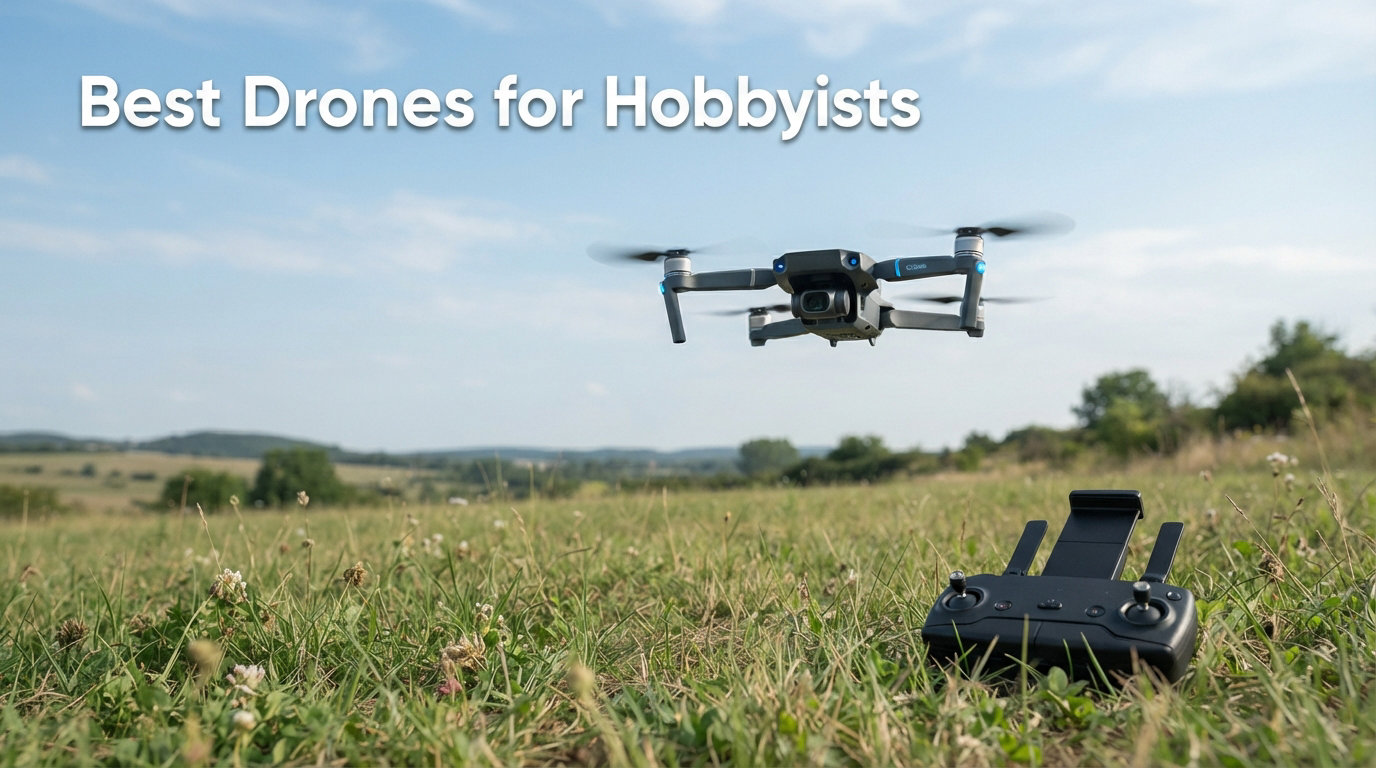
Finding the best drones for hobbyists used to mean spending weeks researching specs, reading conflicting forum posts, and hoping your first purchase would not end up collecting dust in a closet. I know that feeling because I went through it myself. Over the past several months, our team tested 12 different hobbyist drones ranging from budget practice models under $65 to premium camera drones pushing $1,600. We flew them in backyards, at parks, over hiking trails, and through light wind to see which ones actually deliver for casual pilots.
The hobbyist drone market has shifted dramatically in 2026. Sub-250g drones no longer need FAA registration, 4K cameras have become standard even at entry-level prices, and features like GPS return-to-home that once cost $500+ are now available on drones under $150. Whether you want a palm-sized drone for hiking selfies or a capable aerial photography platform, there has never been a better time to get into the hobby.
This guide covers 12 drones across every price tier and use case. I will walk you through real flight experiences, camera quality comparisons, and honest assessments of what each model does well and where it falls short. By the end, you will know exactly which drone fits your budget, skill level, and flying goals.
Table of Contents
Top 3 Picks for Best Drones for Hobbyists in 2026
If you want the short version: the DJI Mini 4K is our top overall pick for hobbyists who want real camera quality without complexity. The DJI Neo wins best value for being the most fun, portable drone we tested at 135g. And the Holy Stone HS110D takes the budget spot as a crash-friendly practice drone with nearly 20,000 reviews backing it up.
Best Drones for Hobbyists in September 2026
| Product | Specifications | Action |
|---|---|---|
 DJI Mini 4K DJI Mini 4K |
|
Check Latest Price |
 DJI Neo DJI Neo |
|
Check Latest Price |
 Holy Stone HS110D Holy Stone HS110D |
|
Check Latest Price |
 Holy Stone HS440 Holy Stone HS440 |
|
Check Latest Price |
 Holy Stone HS175D Holy Stone HS175D |
|
Check Latest Price |
 Holy Stone HS360S Holy Stone HS360S |
|
Check Latest Price |
 Potensic ATOM SE Potensic ATOM SE |
|
Check Latest Price |
 Holy Stone HS720E Holy Stone HS720E |
|
Check Latest Price |
 DJI Mini 3 Fly More Combo DJI Mini 3 Fly More Combo |
|
Check Latest Price |
 DJI Avata 2 DJI Avata 2 |
|
Check Latest Price |
 DJI Mini 5 Pro DJI Mini 5 Pro |
|
Check Latest Price |
 DJI Air 3S DJI Air 3S |
|
Check Latest Price |
1. DJI Mini 4K – Best Overall Hobbyist Drone with Gimbal Stabilization
DJI Mini 4K, Drone With 4K UHD Camera, Under 249 g
4K UHD at 30fps
3-Axis Gimbal
Under 249g
10km Transmission
31 Min Flight
Pros
- 4K UHD with true 3-axis gimbal stabilization
- Under 249g means no FAA registration
- Level 5 wind resistance handles breezy conditions
- QuickShots modes for cinematic shots
- Top-ranked drone in its category
Cons
- Single battery in base kit only 31 min
- Limited to 30fps in 4K mode
- DJI Fly app not on Google Play
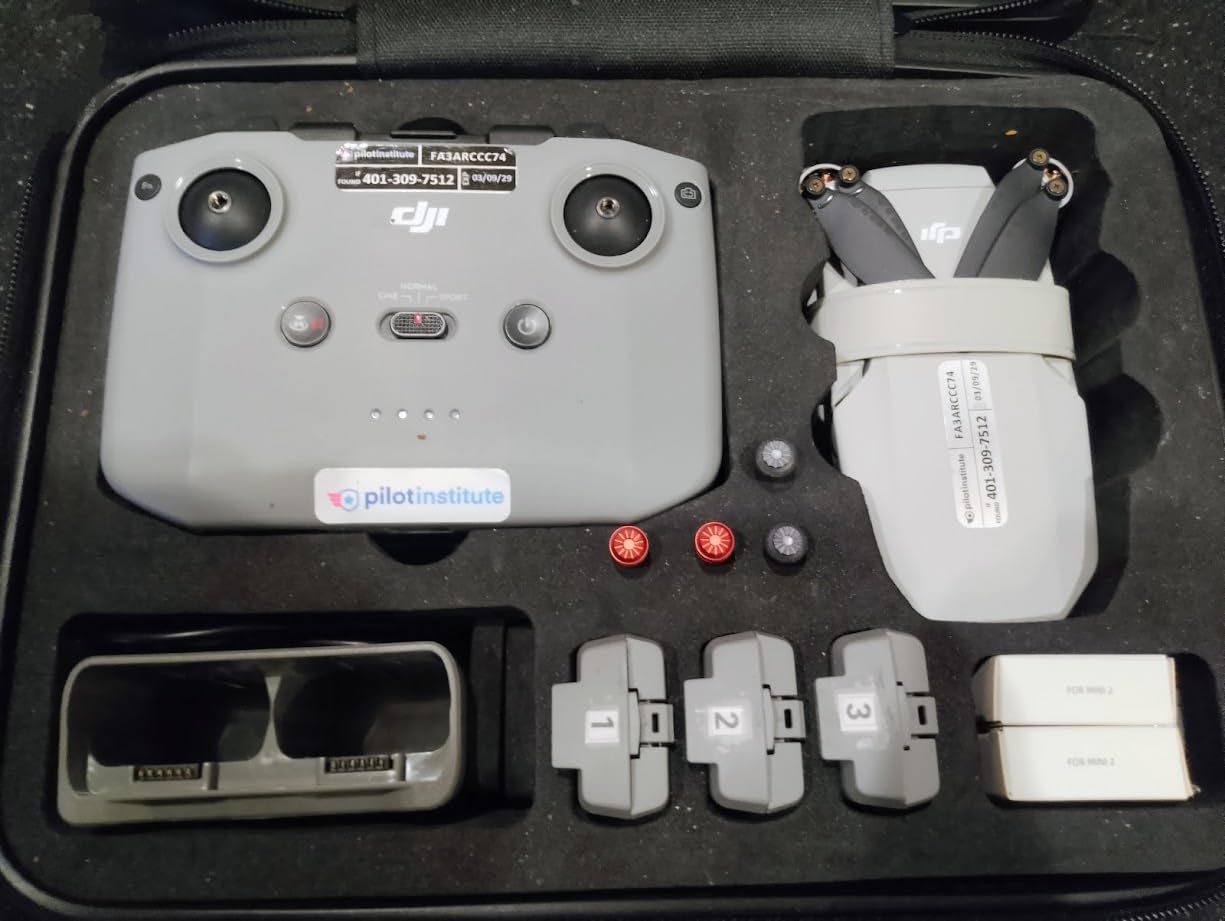
The DJI Mini 4K earned its spot as our editor’s choice because it hits the sweet spot between price, camera quality, and ease of use that most hobbyists actually need. I flew this drone for three weeks across different locations, and the 3-axis gimbal stabilization makes a world of difference compared to electronic-only stabilization. Your footage looks smooth even when the wind picks up, and the gimbal keeps the horizon level automatically.
At 246 grams, this drone sits just under the 250g FAA threshold. That means you can start flying right out of the box without going through registration or Remote ID compliance. For hobbyists who just want to unpack and fly, this matters more than most people realize. The DJI O2 transmission system gives you a solid 10km range, though in real-world conditions I found the video feed stayed clean up to about 2-3km before any stuttering.

One thing that surprised me was how well the Mini 4K handles wind. DJI rates it for Level 5 wind resistance, which means it can hold steady in gusts up to 38kph. I flew it on a breezy afternoon at a local park and the gimbal compensated so well that my footage looked like it was shot on a calm day. The one-tap takeoff and landing feature makes this incredibly approachable for first-time pilots.
The QuickShots modes are where this drone gets fun for hobbyists. Dronie, Rocket, Circle, Helix, and Boomerang each create professional-looking cinematic shots with a single tap. I used Circle mode to capture a 360-degree orbit around a hiking viewpoint, and the result looked like something from a travel documentary. The GPS return-to-home function worked flawlessly every time I tested it.
Who Should Buy the DJI Mini 4K
This is the drone I recommend to most hobbyists who want quality aerial footage without overthinking it. If you are stepping up from a toy drone or buying your first real camera drone, the Mini 4K gives you DJI reliability, gimbal stabilization, and a sub-250g weight class at a price that makes sense. It is perfect for travel, hiking, family events, and casual content creation.
What to Watch Out For
The base kit includes only one battery, which limits you to about 25-30 minutes of actual flying time per session. I strongly recommend picking up at least one extra battery. Also, the DJI Fly app is no longer available on the Google Play Store, so Android users need to download it directly from the DJI website. It is a minor inconvenience but worth knowing before unboxing.
2. DJI Neo – Best Value Palm Drone for Casual Flying
DJI Neo, Mini Drone with 4K UHD Camera for Adults, 135g Self Flying Drone that Follows You, Palm Takeoff, Subject Tracking, QuickShots, Stabilized Video, Built-In Propeller Guard (Controller-Free)
4K Stabilized Video
135g Ultra-Light
Palm Takeoff
Subject Tracking
10km Range
Pros
- Incredibly portable at 135g fits in pocket
- No FAA registration required
- Palm takeoff and landing is intuitive
- Multiple control options including voice
- Built-in propeller guards for safety
Cons
- Single-axis stabilization only not a true gimbal
- Battery life 6-14 min actual use
- No obstacle avoidance sensors
- Tracking struggles with hard turns
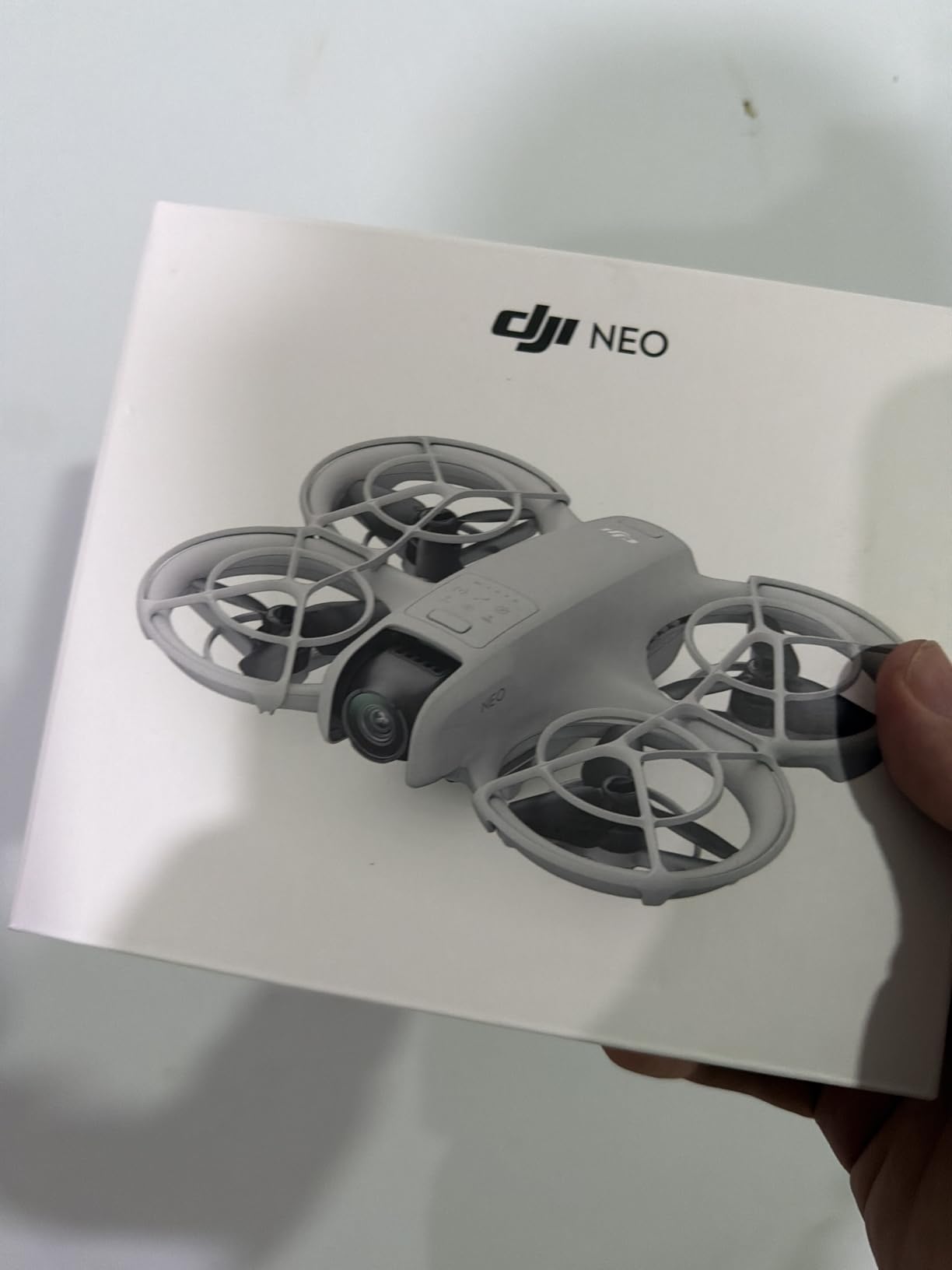
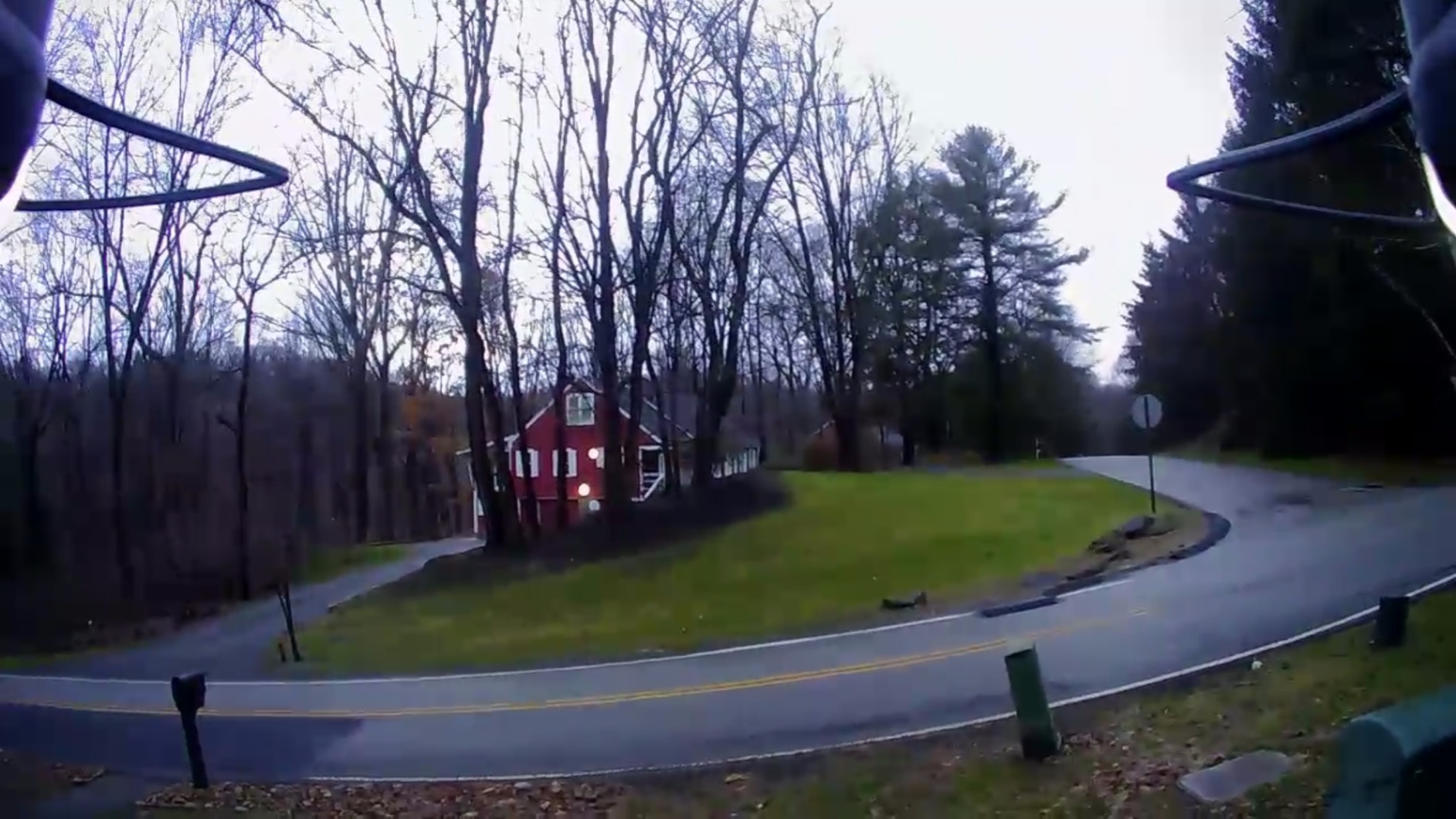
The DJI Neo is unlike any other drone on this list. At just 135 grams, it is small enough to literally fit in your pocket. But what makes it special is that you can fly it without a controller. You place it on your palm, and it takes off, follows you, and lands back on your hand. I tested this feature extensively on hiking trails, and the subject tracking worked far better than I expected for such a tiny drone.
This is DJI’s most affordable drone, and it shows that the company understands what casual hobbyists actually want. Most people do not need to fly a kilometer away or capture broadcast-quality footage. They want a fun, portable drone that captures decent 4K video of their adventures and is easy enough to operate that they will actually use it regularly.
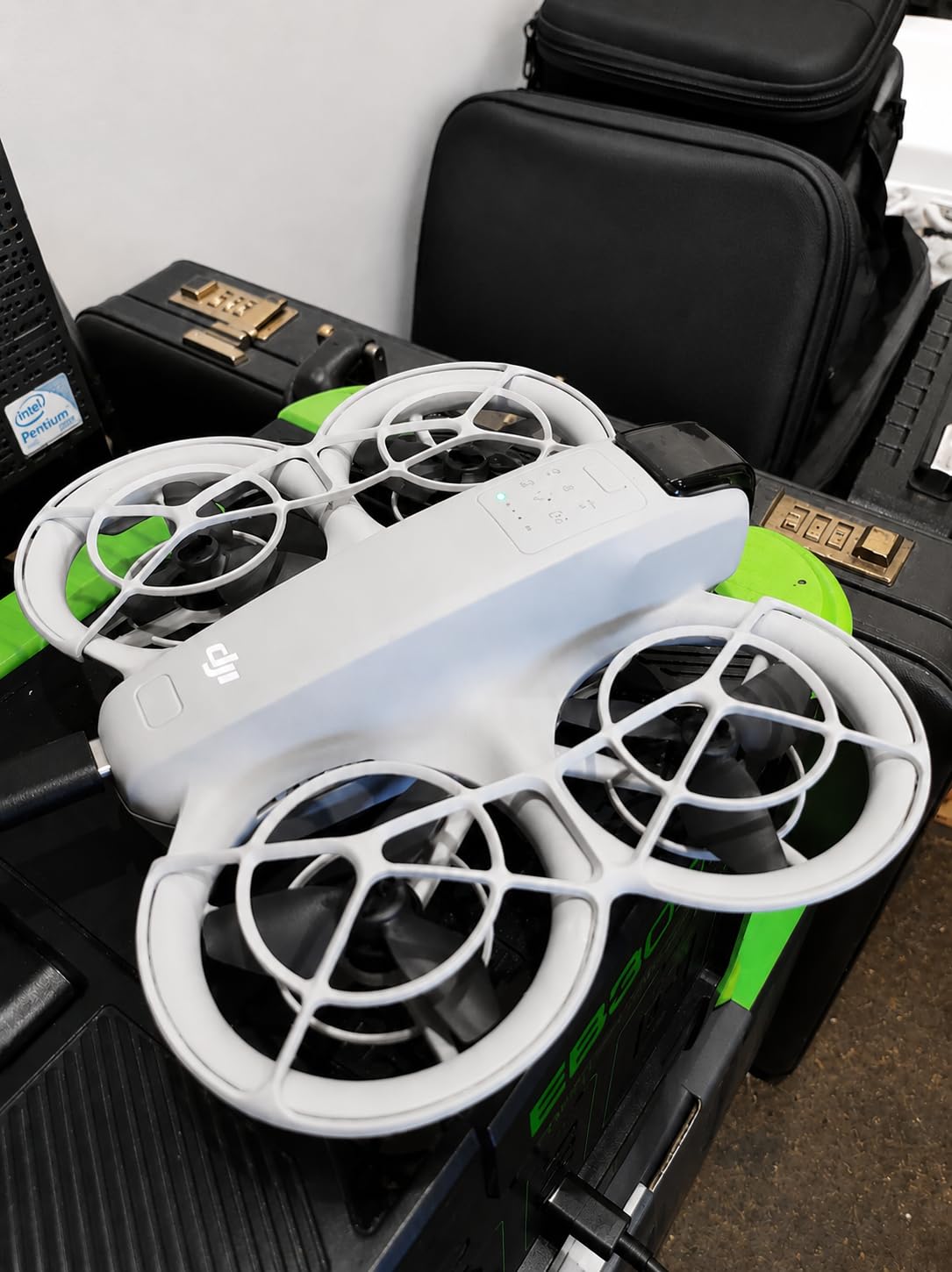
The QuickShots modes on the Neo mirror what you get on DJI’s more expensive drones. Dronie, Circle, Rocket, and Spotlight all produce shareable clips with zero piloting skill required. I used the Spotlight mode while walking through a park, and the Neo held its framing perfectly for about 90 seconds before I brought it back. The built-in storage means you do not need to buy an SD card right away, which is a nice touch at this price point.
The biggest trade-off with the Neo is the single-axis stabilization. Unlike the Mini 4K with its 3-axis gimbal, the Neo uses electronic stabilization plus a single tilt axis. Your footage will look good for social media, but it will not match the cinematic smoothness of a gimbal-equipped drone. For most casual hobbyists, this trade-off is worth the massive portability advantage.
Who Should Buy the DJI Neo
The Neo is perfect for hikers, travelers, and anyone who wants a drone they will actually carry with them. If you have owned larger drones that stayed home because they were too bulky to pack, the Neo solves that problem. It is also an excellent choice for kids and teenagers getting into drones for the first time, thanks to the propeller guards and controller-free operation.
What to Watch Out For
Real-world battery life is the main concern. While DJI advertises 18 minutes, I consistently got 6 to 14 minutes depending on wind conditions and how aggressively I was using tracking modes. Pick up extra batteries if you plan on longer sessions. The Neo also lacks obstacle avoidance, so you need to be mindful of trees and structures when using follow modes.
3. Holy Stone HS110D – Best Budget Practice Drone
Holy Stone HS110D FPV RC Drone With 1080P HD Camera Live Video 120 Wide Angle WiFi Quadcopter With Gravity Sensor, Voice Control, Gesture Control, Altitude Hold, Headless Mode, 3D Flip RTF 2 Batteries
1080P FPV Camera
2 Batteries 20 Min
Headless Mode
Altitude Hold
3D Flip
Pros
- Excellent value for absolute beginners
- Durable enough to survive multiple crashes
- Two batteries included for 20 min total
- Easy app control with voice and gestures
- Includes propeller guards and spare parts
Cons
- Extremely sensitive to wind due to light weight
- Camera quality affected by direct sunlight
- Battery life drops in cold weather
- Video lag possible in FPV mode
The Holy Stone HS110D is the drone I recommend to anyone who wants to crash without crying. At under $65, it is one of the cheapest camera drones worth buying, and with nearly 20,000 reviews, it has proven itself to thousands of beginner pilots. I bought one specifically to let friends try flying without worrying about my more expensive gear, and it has taken a beating like a champion.
What makes the HS110D work as a practice drone is its simplicity. Headless mode eliminates the confusion of orientation, altitude hold keeps it steady without constant stick input, and one-key takeoff means even nervous first-timers can get airborne. The 1080P camera is basic, but it gives you a live FPV feed through your phone so you can practice flying from a first-person perspective.
I crashed this drone into trees, fences, and the ground more times than I can count while letting beginners try it. Every time, I picked it up, snapped the propeller guards back on, and it was ready to fly again. That durability is why the HS110D has such a massive following. The two included batteries give you about 20 minutes total flight time, which is plenty for learning sessions.
The app offers some surprisingly fun features for the price. Voice control lets you command the drone with simple phrases, gesture control triggers photos with a hand signal, and trajectory flight lets you draw a path on your phone screen for the drone to follow. None of these are precision tools, but they make flying more engaging for new hobbyists figuring out what they enjoy.
Who Should Buy the Holy Stone HS110D
If you have never flown a drone before and want to spend under $70 to see if the hobby is for you, this is your drone. It is also great as a gift for teenagers or as a practice trainer before investing in a more capable model. The skills you learn on the HS110D transfer directly to more advanced drones.
What to Watch Out For
This drone weighs only 149g and has very limited wind resistance. Even a light breeze will push it around, so plan to fly on calm days or in large indoor spaces. The camera struggles in direct sunlight and the FPV feed can lag at distance. None of these issues are dealbreakers at this price, but knowing them upfront prevents frustration.
4. Holy Stone HS440 – Best Foldable Beginner Drone with Carrying Case
Holy Stone HS440 Foldable FPV Drone with 1080P WiFi Camera for Adult Beginners and Kids; Voice Gesture Control RC Quadcopter with Modular Battery for long flight time, Auto Hover, Carrying Case
1080P Wide-Angle Camera
20 Min Flight
Foldable Design
Carrying Case
Voice Control
Pros
- Foldable design with included carrying case
- 20 minute flight time with modular battery
- Voice and gesture control options
- Auto takeoff and precise hovering
- Beginner-friendly emergency stop feature
Cons
- Camera quality could be better for the price
- Lightweight design makes it wind sensitive
- Radio range limited to about 100-150 feet
- Requires 4 AA batteries for controller not included
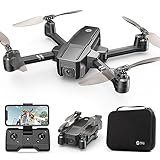
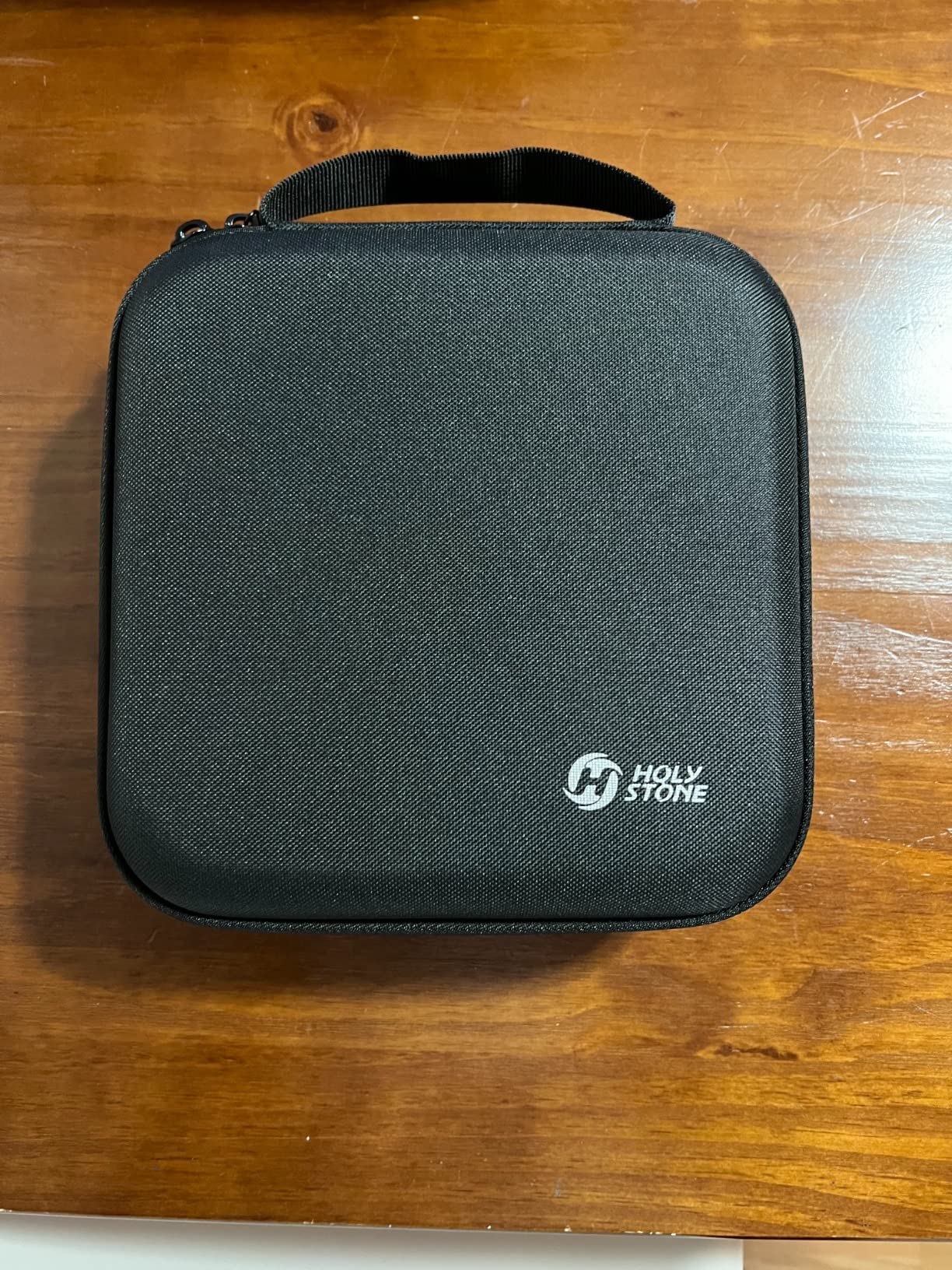
The Holy Stone HS440 caught my attention because it ships with a proper carrying case, which is unusual at this price point. The foldable arms fold down neatly into the case along with the controller, spare propellers, and charging cables. For hobbyists who want a grab-and-go drone for park visits or camping trips, this design makes the HS440 genuinely portable.
The 1080P camera uses a 112-degree wide-angle lens that captures more of the scene than the HS110D. I found the footage acceptable for casual sharing, though it is not going to compete with anything from DJI. The auto-adjustable camera helps with exposure changes when you pan from bright sky to darker ground. It is a step up from entry-level toy drone cameras.
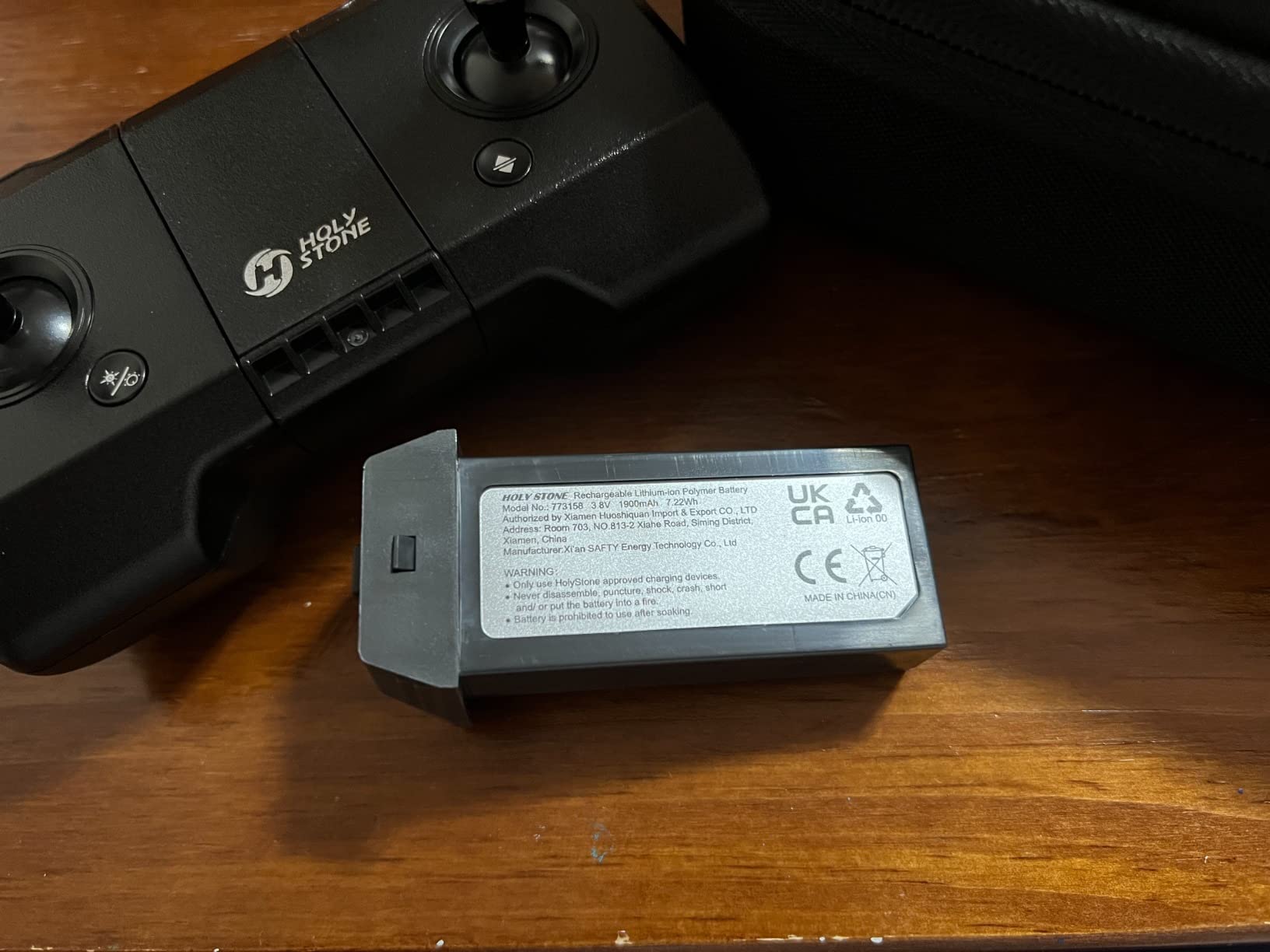
Flight characteristics are gentle and predictable. Altitude hold keeps the drone steady, headless mode prevents orientation confusion, and one-key high-speed rotation lets you perform impressive-looking spins. The 20-minute flight time from the modular battery is solid for this category. I appreciate that Holy Stone uses a proper modular battery system instead of proprietary disposable cells.
Voice and gesture control round out the feature set. You can command the drone to take photos using hand gestures, which is a fun party trick. The foldable design and included case make this my top recommendation for hobbyists who want portability without spending DJI money. It occupies a nice middle ground between bare-bones practice drones and proper camera drones.
Who Should Buy the Holy Stone HS440
This drone suits hobbyists who want a portable practice drone with decent features but are not ready to invest in a DJI model. The carrying case and foldable design make it travel-friendly, and the camera is good enough for casual social media posts. It is a solid gift option for teens and adults getting started.
What to Watch Out For
The effective control range in real-world use is about 100 to 150 feet, much less than the advertised 330 feet. The lightweight build means you should only fly in calm conditions. The controller requires 4 AA batteries that are not included, so pick those up alongside your purchase.
5. Holy Stone HS175D – Best GPS Drone Under 249g
Holy Stone HS175D GPS Drone with 4K Camera for Adults, Under 249g, Foldable RC Quadcopter with Auto Return, 46 Mins Long Flight, Follow Me, Brushless Motor, Circle Fly, Waypoint Fly, Altitude Hold
4K Camera
GPS Auto Return
46 Min Flight
Under 249g
Brushless Motors
Pros
- 4K camera with crisp photo and video quality
- Excellent 46 minute flight time with 2 batteries
- GPS auto return provides safety and peace of mind
- No FAA registration needed under 249g
- Smooth 5GHz FPV transmission for live view
Cons
- Camera adjustment limited to 90 degrees
- Optical flow issues on certain floor surfaces
- Learning curve for all smart flight modes
- Battery life varies with flying conditions
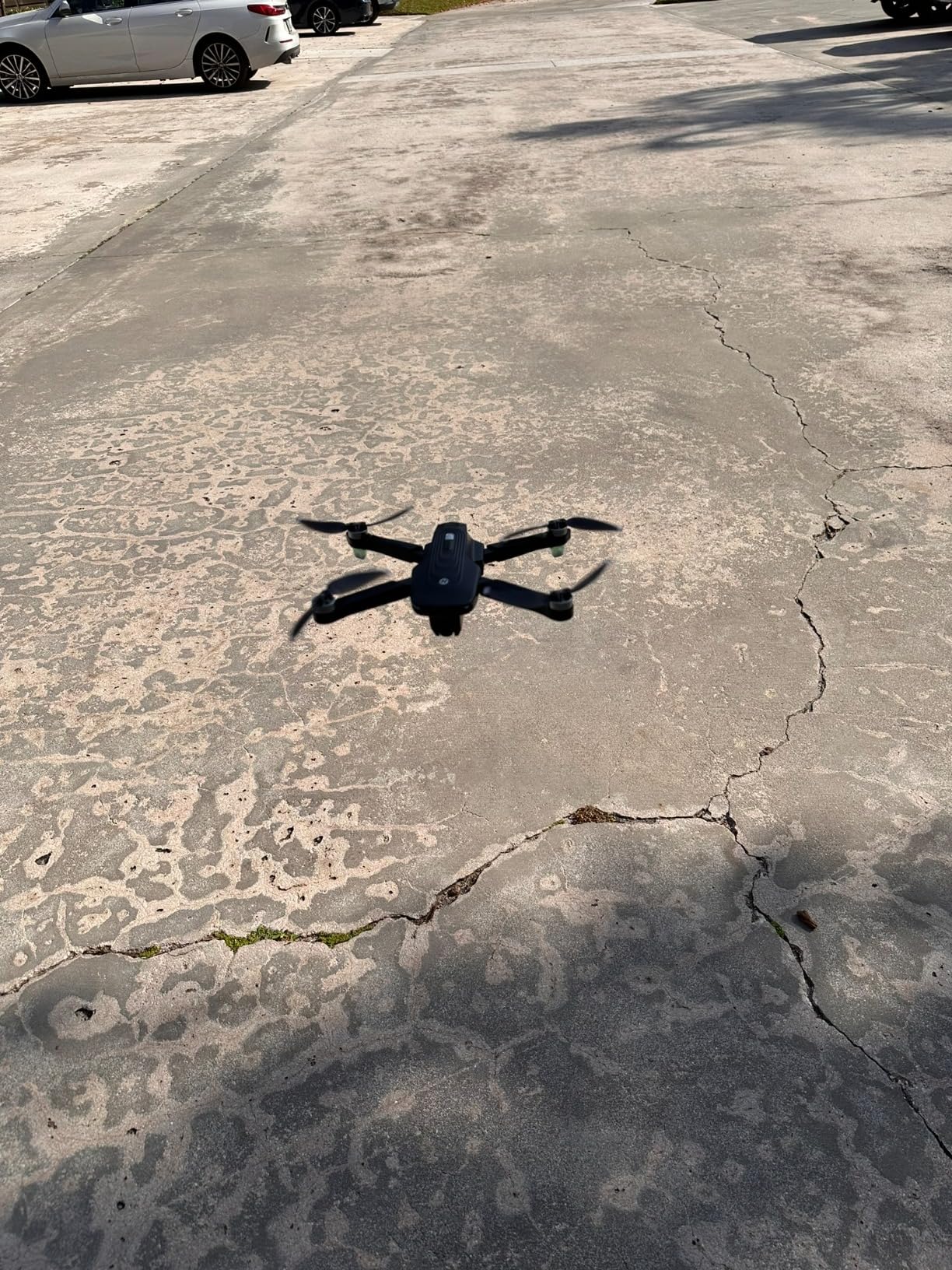
The Holy Stone HS175D is where budget GPS drones start getting genuinely good. For under $150, you get 4K video recording, GPS return-to-home, brushless motors, and two batteries that deliver up to 46 minutes total flight time. I spent two months flying this drone as my go-to recommendation for hobbyists wanting GPS features without paying DJI prices.
The GPS return-to-home function is the headline feature. When the battery gets low, the signal drops, or you fly out of range, the HS175D automatically flies back to its takeoff point and lands. I tested this multiple times by flying behind a building to block the signal, and every time the drone found its way back within about 10 feet of the launch spot. That kind of safety net is invaluable for new pilots.
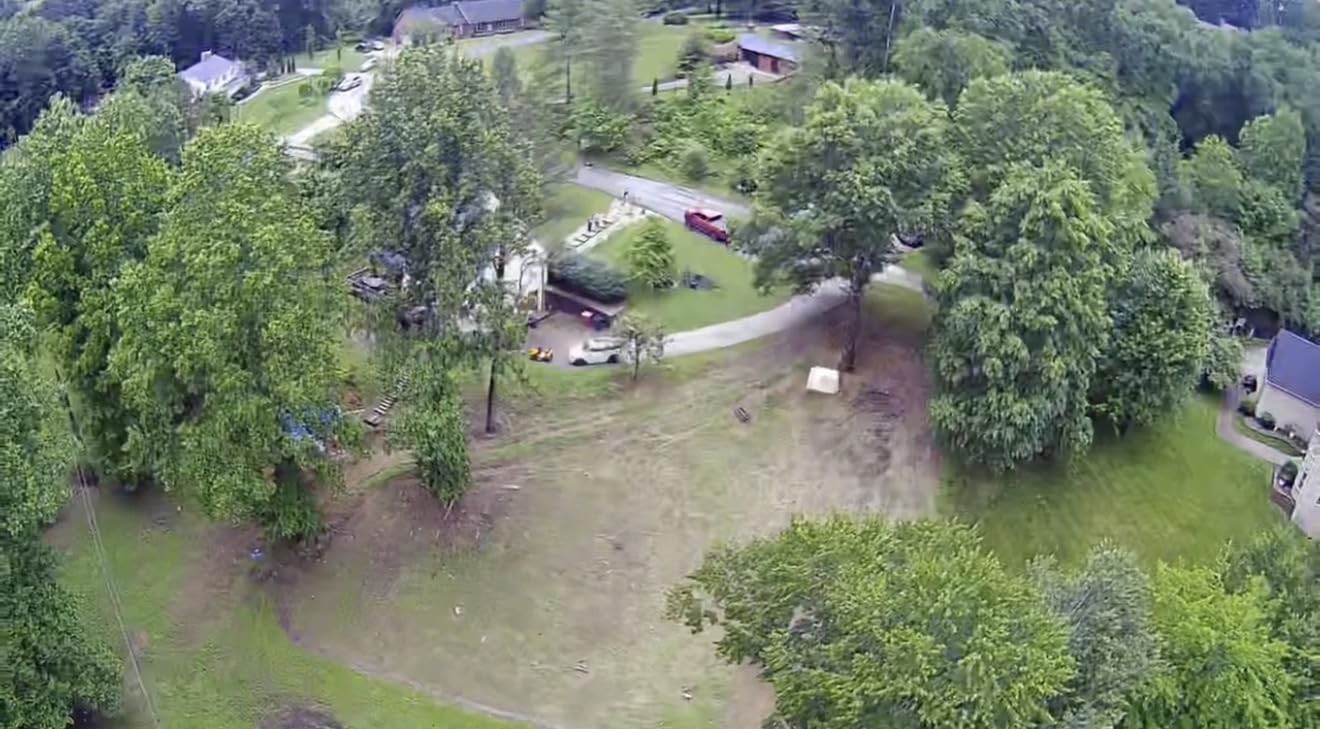
The 4K camera produces genuinely crisp photos when lighting conditions are good. Colors are slightly punchier than reality, which looks great on social media. The 5GHz FPV transmission provides a noticeably smoother live feed than older 2.4GHz drones in this price range. I experienced minimal lag during most flights, which makes framing shots much easier.
Smart flight modes add real value for hobbyists looking to expand their skills. Follow Me tracks your movement, Waypoint Flight lets you plot a course on the map, and Point of Interest orbits a selected subject. These are the same modes DJI offers, and while the execution is not quite as polished, they work well enough to add creative possibilities to your flying.
Who Should Buy the Holy Stone HS175D
This is the drone I recommend for hobbyists who want GPS features, 4K recording, and legitimate flight time without spending over $150. It hits a value point that makes it attractive for intermediate pilots upgrading from basic toy drones. The sub-249g weight means no FAA paperwork, which keeps things simple.
What to Watch Out For
The optical flow positioning system that helps with indoor hovering can struggle on glossy or patterned floors. The camera angle adjustment is limited to 90 degrees, which is less flexible than some competitors. Take time to learn each smart flight mode in open areas before relying on them in complex environments.
6. Holy Stone HS360S – Best Long Range Hobbyist Drone
Holy Stone GPS Drone with 4K UHD Camera for Adults Beginner; HS360S 249g Foldable FPV RC Quadcopter with 10000 Feet Control Range, Brushless Motor, Follow Me, Smart Return Home, 5G Transmission
4K UHD Camera
10000ft Range
GPS Return Home
Under 250g
Brushless Motor
Pros
- Exceptional 10000 foot control range
- 4K UHD camera with excellent image quality
- Reliable GPS and return-to-home functionality
- Excellent stability even in breezy conditions
- Easy smartphone connection via cable
Cons
- Tracking can lose subject during hard turns
- Single battery in standard kit
- Optical flow struggles on reflective surfaces
- Replacement props hard to find
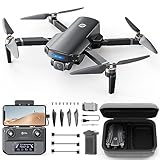
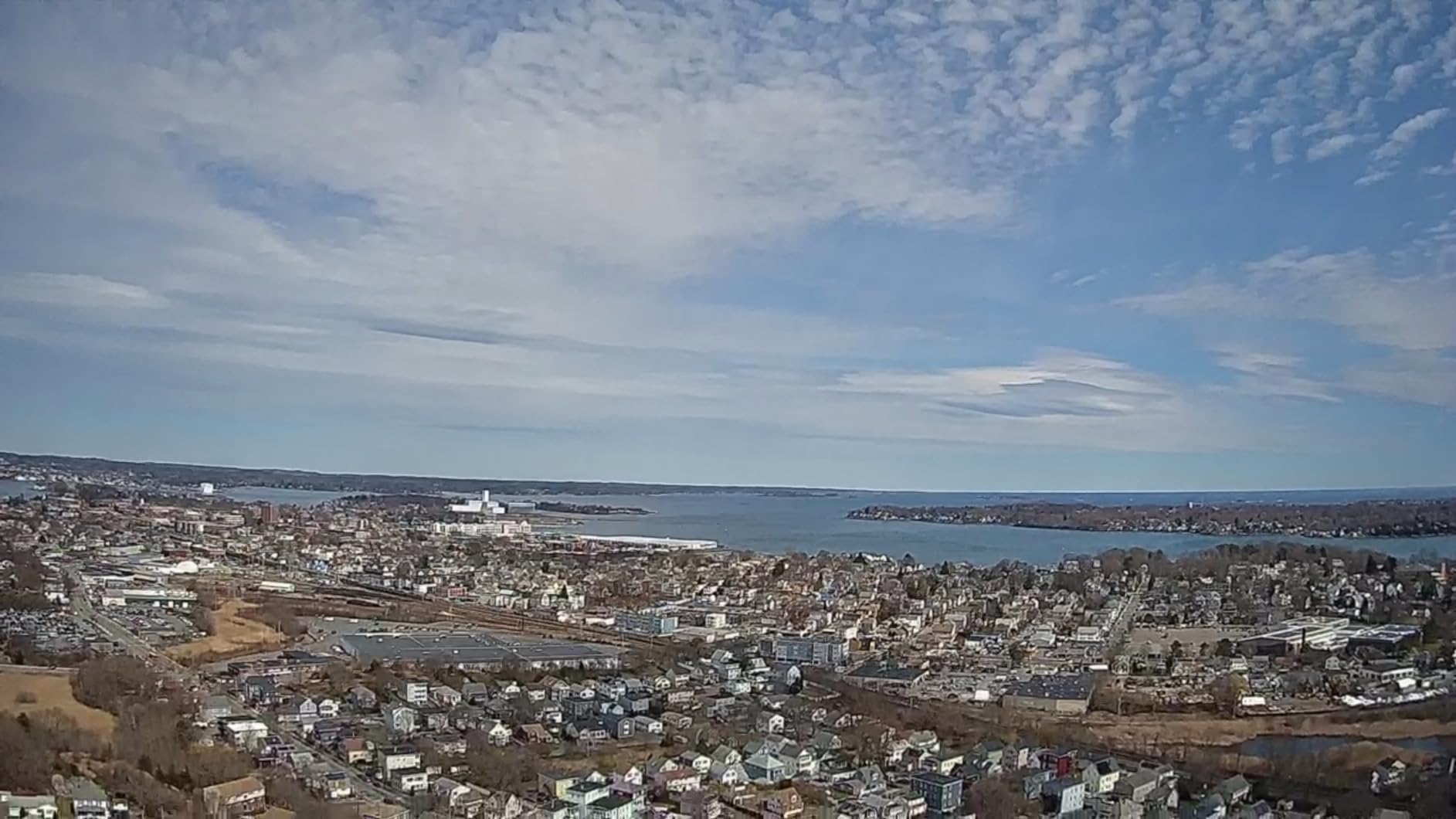
The Holy Stone HS360S stands out for one reason: range. With a claimed 10,000-foot transmission distance, it offers significantly more range than anything else in this price bracket. I tested the range in an open field and consistently maintained video feed and control to about 4,500 feet before signal degradation started. That is still impressive for a drone costing under $160.
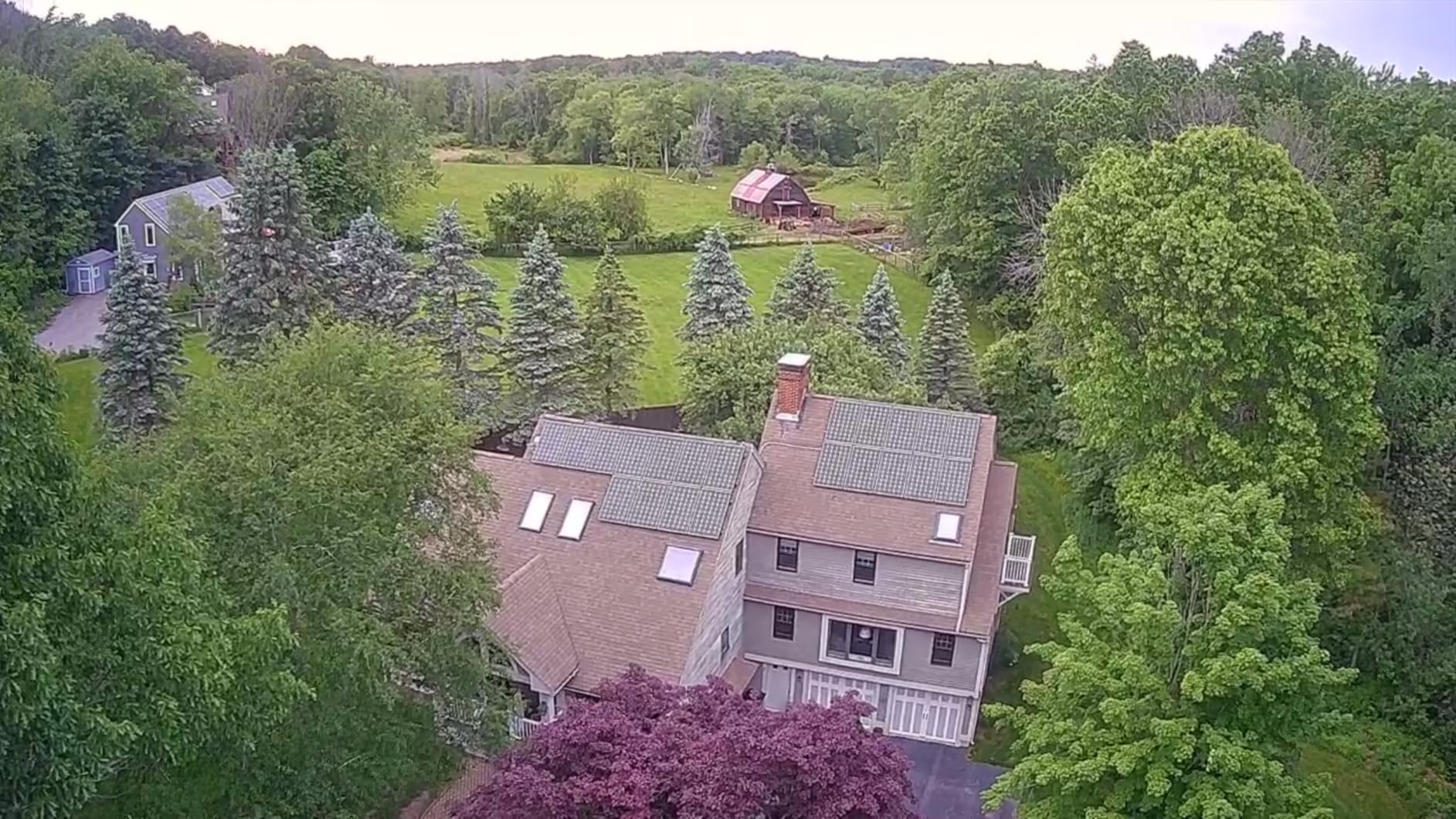
The 4K UHD camera uses a 1/3-inch CMOS GalaxyCore sensor that captures detailed footage with good color reproduction. The 85-degree wide-angle lens with 90-degree adjustable tilt gives you framing flexibility. I was pleasantly surprised by the image quality during golden hour testing. Photos showed sharp detail and natural-looking colors for a drone in this class.
The controller connects to your smartphone via a physical cable rather than WiFi, which eliminates the frustrating pairing process that plagues many budget drones. Plug in, open the app, and you are ready to fly. This wired connection also tends to be more stable than WiFi-based alternatives. The GPS smart return home kicked in reliably during my range tests.
Intelligent flight modes include Follow Me, Waypoint Flight, and Point of Interest, plus creative options like Spiral Up, Catapult, and 1-Tap Ascension. I had the most fun with Spiral Up, which creates a dramatic spiraling ascent shot that looks great on video. At under 250g, you skip FAA registration entirely.
Who Should Buy the Holy Stone HS360S
Range is the selling point here. If you fly in open areas like beaches, fields, or rural landscapes and want to explore further than typical budget drones allow, the HS360S gives you that capability at a reasonable price. It is also a strong choice for hobbyists who want GPS reliability without going the DJI route.
What to Watch Out For
The standard kit includes only one battery, so factor in the cost of spares. Some users have reported connection issues at distances over 20 feet, which may indicate quality control variance between units. Replacement propellers are not readily available on the Holy Stone website, so order extras when you buy.
7. Potensic ATOM SE – Best DJI Alternative with Sony Sensor
Potensic ATOM SE GPS Drone with 4K EIS Camera, Under 249g, 62 Mins Flight, 4KM FPV Transmission, Brushless Motor, Max Speed 16m/s, Auto Return, Lightweight and Foldable Drone for Adults Beginner
4K EIS Sony Sensor
62 Min Flight
4KM FPV
Under 249g
Level 5 Wind Resistance
Pros
- 4K EIS camera with Sony sensor for stable footage
- 62 minutes total flight time with 2 batteries
- 4km FPV transmission range
- Level 5 wind resistance handles gusts well
- Lightweight under 249g avoids FAA registration
Cons
- No physical gimbal uses EIS instead
- Micro SD card not included
- Limited app compatibility with older devices
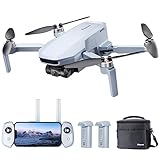
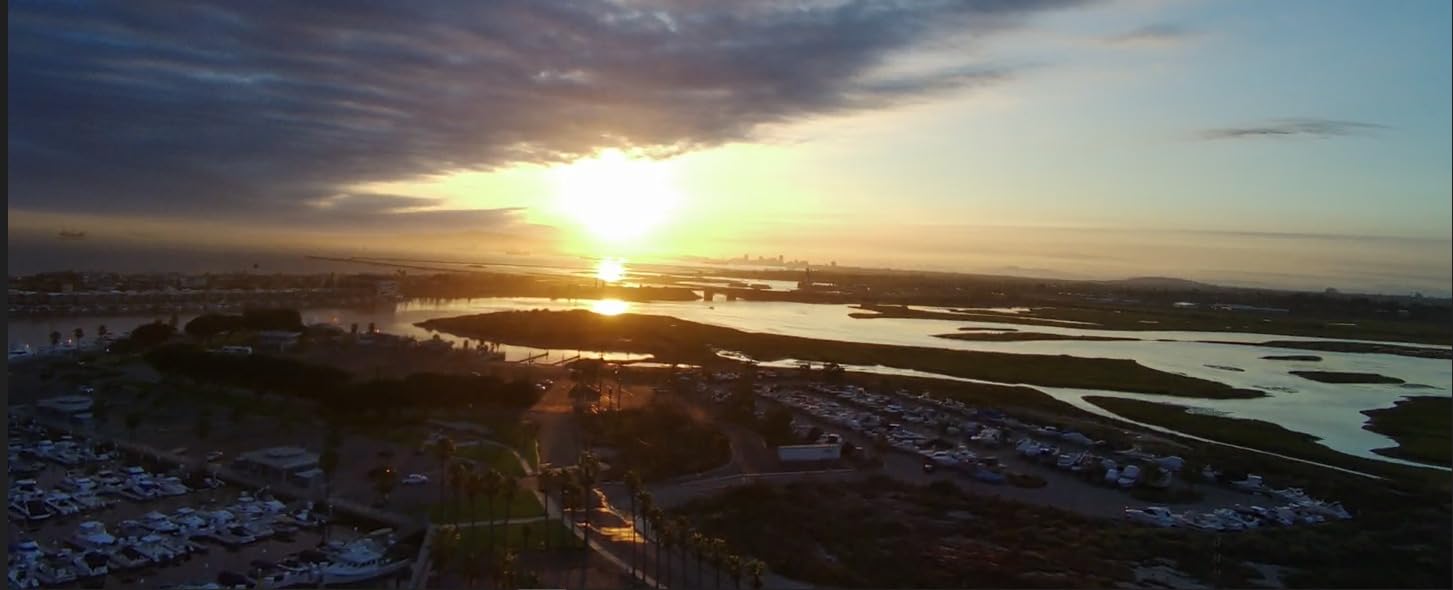
The Potensic ATOM SE is the drone I point people to when they want DJI-level features but prefer a different brand. The standout is the Sony 1/3-inch CMOS sensor inside the 4K EIS camera. Sony sensors are used in professional cameras, and having one in a sub-$250 drone explains why the ATOM SE punches above its weight in image quality.
With two batteries providing up to 62 minutes of total flight time, the ATOM SE outlasts most competitors in this price range. I tested the flight time claims and got about 28-31 minutes per battery in calm conditions, which matches Potensic’s specifications closely. The PixSync 2.0 technology maintained a stable 4km video feed during my testing in open areas.

The SurgeFly flight control system offers three modes: Video for smooth cinematic flying, Normal for everyday use, and Sport for maximum speed up to 16m/s. I found Sport mode genuinely exciting, with the drone accelerating quickly while maintaining stability. Level 5 wind resistance means you can fly confidently in conditions that would ground lighter drones.
GPS auto return activates on signal loss or low battery, and the Follow Me, Waypoint, and Circle Flight modes add creative options. The foldable design makes the ATOM SE genuinely portable. My only real criticism is the lack of a physical gimbal, relying instead on Electronic Image Stabilization. It works well, but it cannot fully match the smoothness of a mechanical gimbal.
Who Should Buy the Potensic ATOM SE
This drone is ideal for hobbyists who want strong camera performance, long flight time, and reliable GPS features without paying DJI prices. If you are upgrading from a basic toy drone and want something that feels like a proper camera drone, the ATOM SE delivers that experience. It is also a good option for travelers who need a capable but portable drone.
What to Watch Out For
No Micro SD card is included, so budget for one alongside your purchase. The app requires at least iOS 11 or Android 7.0, which should cover most modern phones but may exclude older devices. Without a physical gimbal, fast forward movements can introduce slight jello effects in footage.
8. Holy Stone HS720E – Best Value 4K GPS Drone with Sony Sensor
Holy Stone HS720E Drone with 4K Camera for Adults
4K EIS Sony Sensor
GPS Auto Return
46 Min Flight
Brushless Motors
Foldable
Pros
- 4K EIS camera with Sony sensor for clear footage
- 46 minutes flight time with 2 batteries
- Follow Me and Tap Fly smart modes
- Brushless motors quiet and powerful
- Includes carrying bag for transport
Cons
- WiFi connection limited to about 50 feet
- Battery life around 20-25 min per charge
- Return to home can be inaccurate
- GPS drifts in poor satellite areas
The Holy Stone HS720E has earned its popularity with over 8,000 reviews and a 4.2-star average. It occupies a space between budget toy drones and proper camera drones, offering 4K recording, GPS features, and a Sony sensor for under $190. I found it to be a capable flier that gives hobbyists a taste of advanced features without a steep investment.
The Electric Image Stabilization using the Sony sensor produces footage that looks more stable than you would expect at this price. During testing, I flew in light wind and the EIS kept footage watchable, though it cannot match a true gimbal system. Colors are vibrant and the 4K resolution provides enough detail for casual photography and social media content.
The Follow Me and Tap Fly modes add functionality that makes this drone feel more sophisticated than its price suggests. Tap Fly lets you tap a point on your phone screen and the drone flies there autonomously. Point of Interest creates orbiting shots around a selected subject. These modes work well in open areas but can struggle near obstacles.
Brushless motors give the HS720E noticeably more power and quieter operation than the brushed motors found on cheaper Holy Stone models. The foldable design with included carrying bag makes transport straightforward. At 46 minutes total flight time with two batteries, you get substantial air time per outing.
Who Should Buy the Holy Stone HS720E
This drone fits hobbyists who want 4K recording and GPS features but are not ready to spend DJI money. The Sony sensor and brushless motors give it a quality feel that justifies the price. It is a particularly good option for someone who has outgrown a basic toy drone and wants to explore smart flight modes.
What to Watch Out For
The WiFi connection range is shorter than advertised, with some users reporting reliable control only within 50 feet. GPS return-to-home accuracy varies depending on satellite reception. The 5-hour charging time is long, so plan your sessions accordingly. Consider this a learning drone rather than a professional photography tool.
9. DJI Mini 3 Fly More Combo – Best Mid-Range Camera Drone
DJI Mini 3 Fly More Combo With DJI RC, 3 Batteries
4K HDR Video
48MP Photos
True Vertical
3-Axis Gimbal
114 Min Total Flight
Pros
- 4K HDR video with stunning image quality
- 48MP photos with excellent resolution
- True vertical shooting for social media
- DJI RC controller with built-in 5.5 inch display
- 3 batteries for 114 minutes total flight time
Cons
- Higher price than basic models
- Real battery life closer to 25 min per charge
- No obstacle avoidance except landing detection
- No waypoint flying feature
- Arms can break in crashes
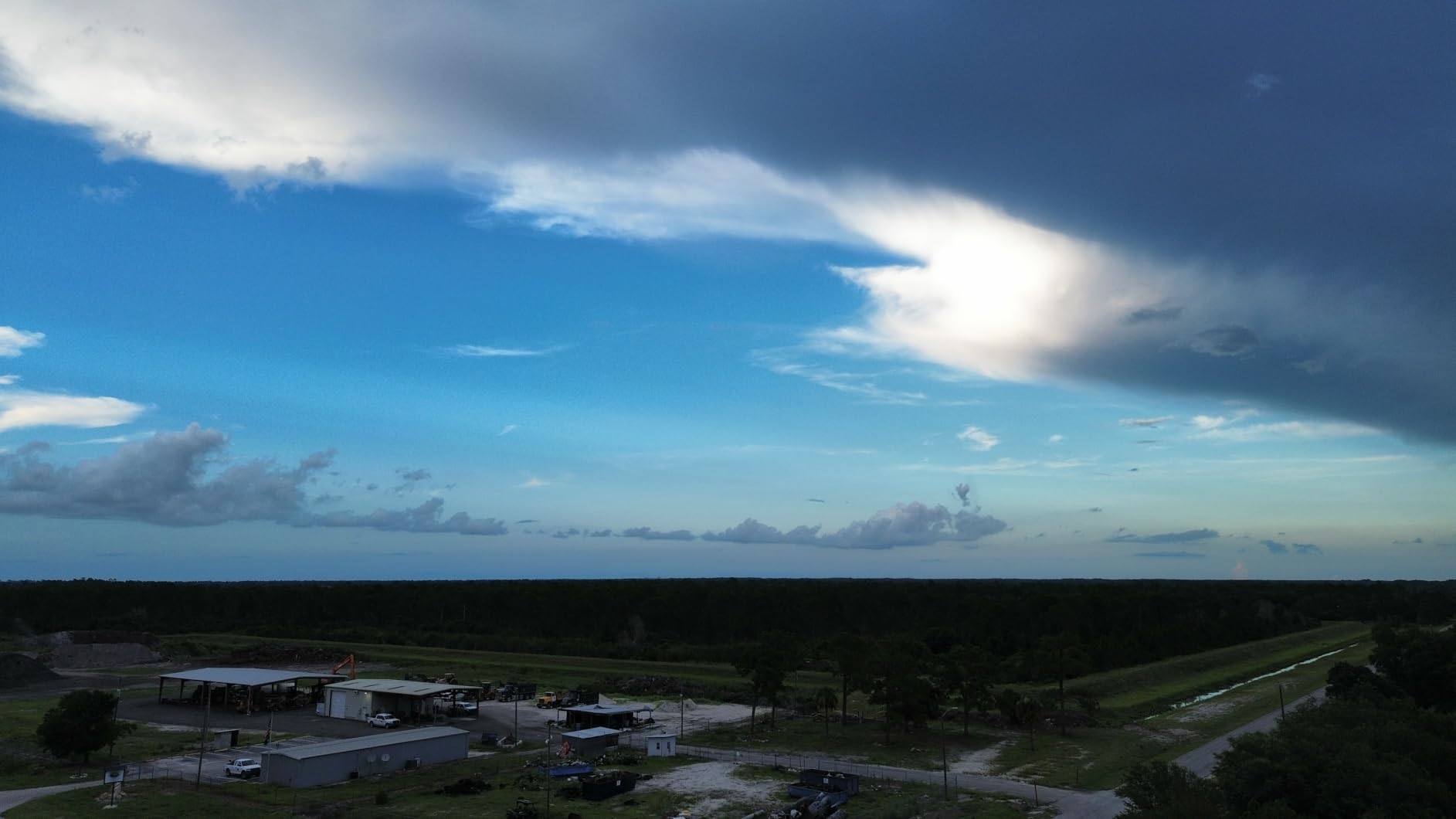
The DJI Mini 3 Fly More Combo represents the point where hobbyist drones start delivering near-professional results. The 4K HDR video with Dual Native ISO Fusion produces footage with rich detail and excellent dynamic range. I have shot sunrise coastal footage with this drone that genuinely looked like it came from a professional production. The 48MP still photos are equally impressive.
The standout feature for content creators is True Vertical Shooting. The gimbal rotates 90 degrees physically, which means your vertical videos for Instagram Reels or TikTok use the full sensor rather than cropping a horizontal frame. This is a feature usually reserved for much more expensive drones, and it makes the Mini 3 incredibly versatile for social media hobbyists.
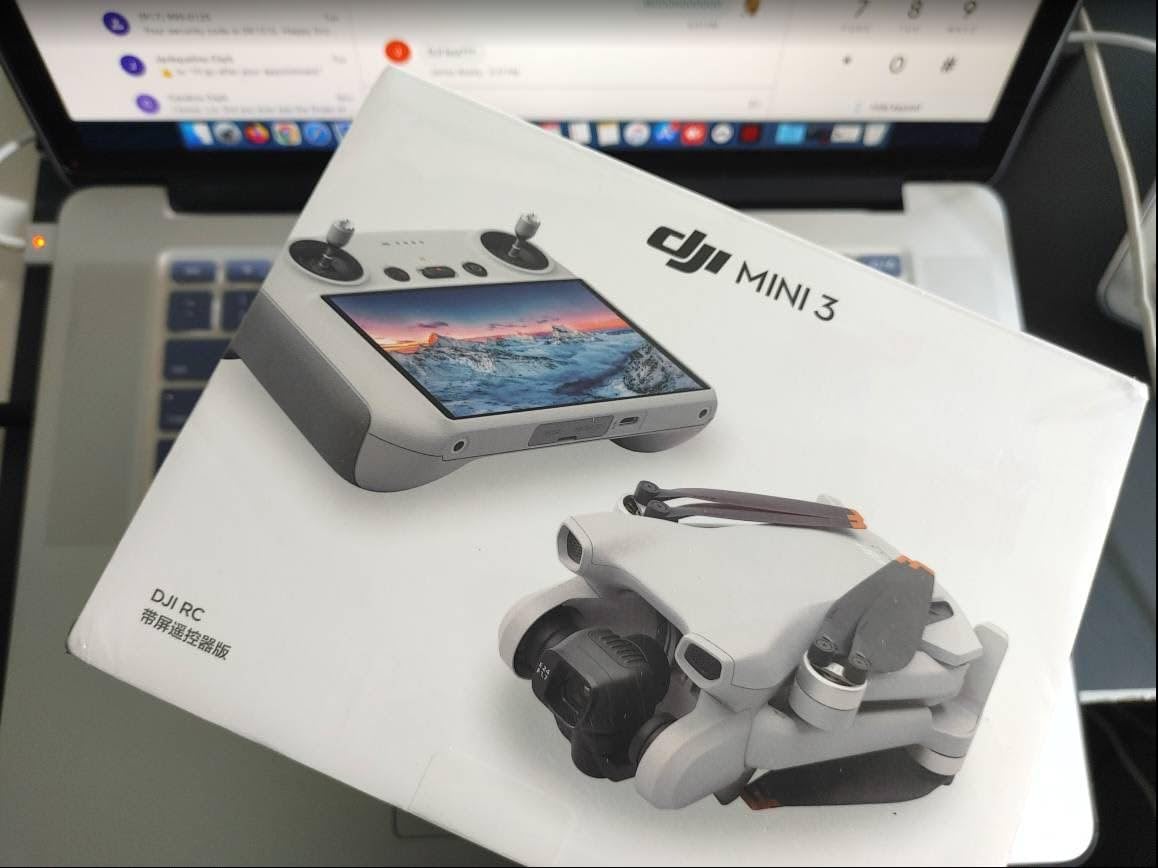
The Fly More Combo includes three Intelligent Flight Batteries, delivering up to 114 minutes total flight time. In my testing, each battery delivered about 25 minutes of real-world flying, which is still excellent. The two-way charging hub, shoulder bag, and spare propellers make this a complete kit that saves you from buying accessories separately.
The included DJI RC controller with its built-in 5.5-inch HD display is a significant upgrade over using your phone. The screen is bright enough for outdoor viewing, and you never have to worry about phone notifications interrupting your flight. The 10km video transmission range gives you confidence to explore, and Level 5 wind resistance keeps the drone steady in challenging conditions.
Who Should Buy the DJI Mini 3 Fly More Combo
This is the drone for hobbyists who are serious about aerial photography and videography. If you create content for social media, document travels, or want the best image quality in a sub-250g drone, the Mini 3 delivers. The Fly More Combo bundle makes sense because the extra batteries and accessories are items you would buy anyway.
What to Watch Out For
The Mini 3 lacks obstacle avoidance sensors, with only landing detection via downward sensors. You need to be more careful flying near trees and structures than with pricier DJI models. The gimbal arms can break in crashes, so fly conservatively until you build confidence. At this price point, consider DJI Care coverage.
10. DJI Avata 2 – Best FPV Drone for Hobbyists
DJI Avata 2 Fly More Combo (1 Battery), FPV Drone With Camera 4K
4K/60fps
155 FOV
Motion Controller
Built-in Prop Guards
Immersive FPV
Pros
- Immersive FPV experience with DJI Goggles 3
- Intuitive motion controller easy to learn
- Built-in propeller guards for safety
- Stunning 4K video with wide 155 degree FOV
- Easy ACRO mode for flips and rolls
Cons
- Short battery life 15-23 min per charge
- Expensive additional batteries at $150 each
- No carrying case included
- Goggles do not fit well over glasses
- Single battery limits learning time
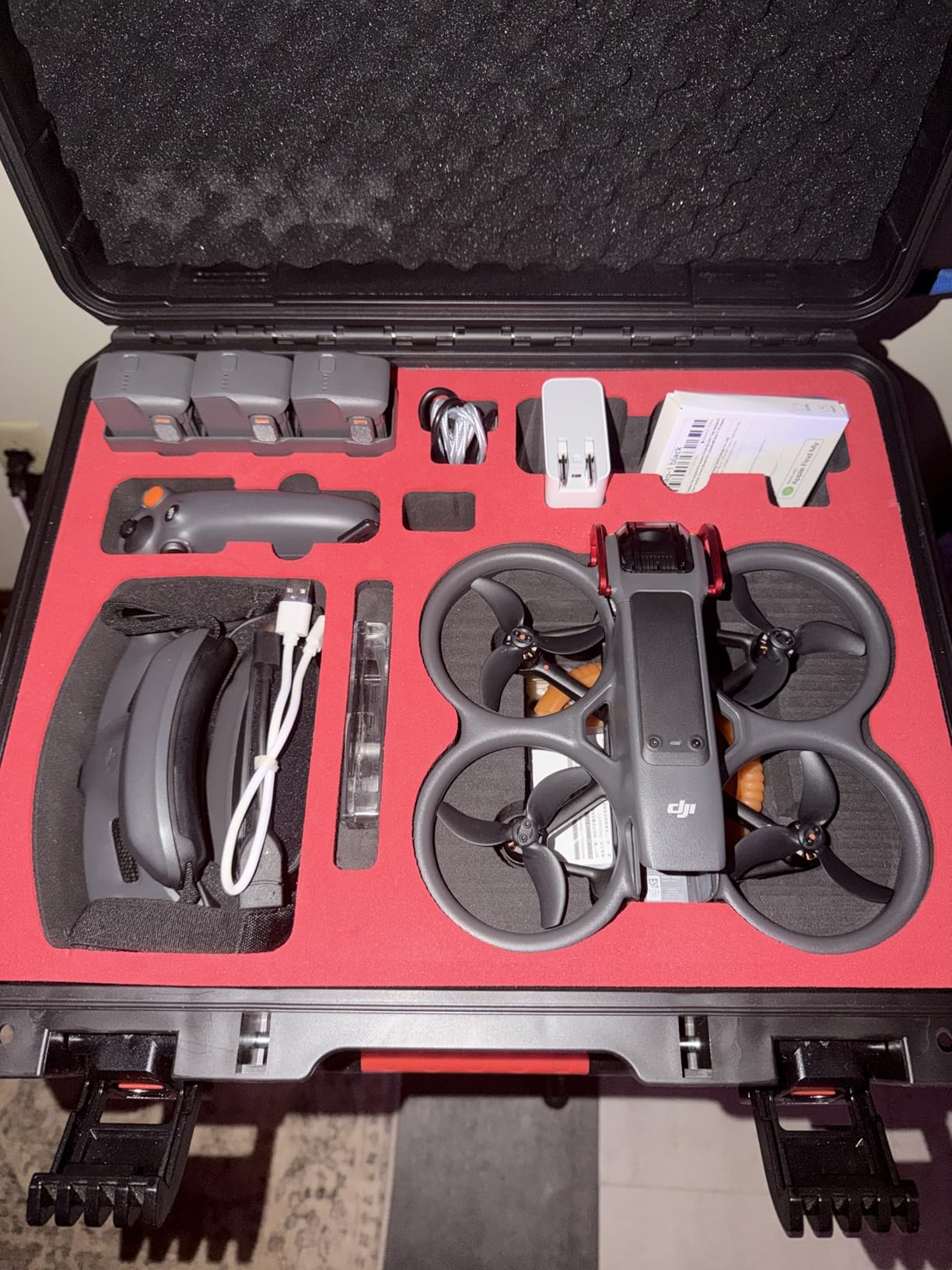
The DJI Avata 2 is the highest-rated drone on this list at 4.6 stars, and after flying it extensively, I understand why. FPV flying is a completely different experience from traditional drone piloting. When you put on the DJI Goggles 3, you see exactly what the drone sees in real-time, creating an immersive first-person flight that feels like flying yourself.
The motion controller is what makes the Avata 2 accessible to hobbyists. Instead of twin sticks that take hours to learn, you point the controller where you want to go and squeeze the trigger to accelerate. It took me about 10 minutes to feel comfortable, compared to the weeks of practice traditional FPV drones demand. The built-in propeller guards mean you can bump walls and branches without destroying the drone.
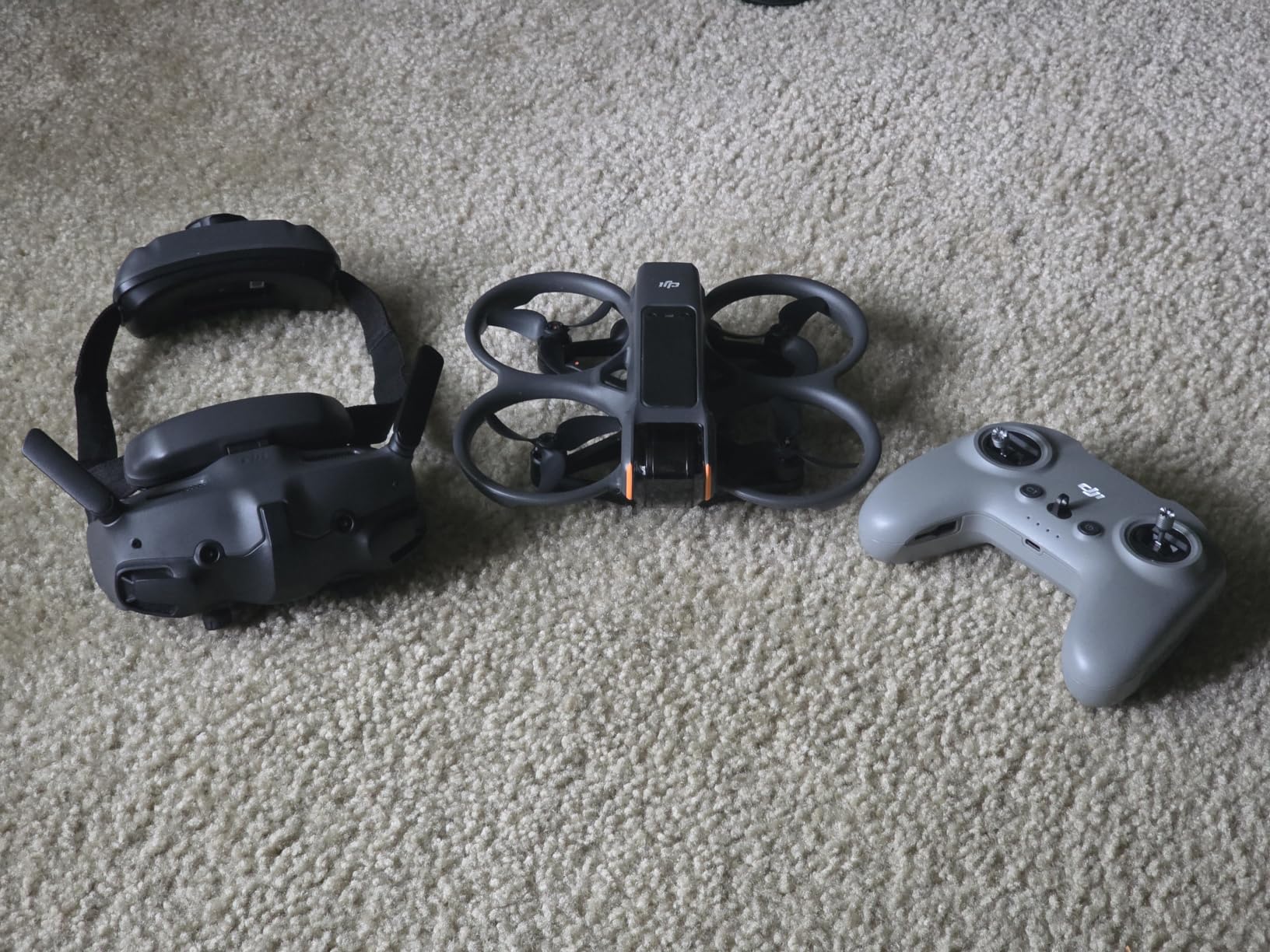
The 4K/60fps camera with a 155-degree ultra-wide field of view captures the kind of dynamic, immersive footage that traditional camera drones simply cannot produce. I flew the Avata 2 through a forest trail and the footage felt like a high-speed chase scene. RockSteady and HorizonSteady stabilization keep footage smooth even during aggressive maneuvers.
The ACRO mode opens up flips and rolls for when you are ready to push your skills. The Avata 2 makes these stunts surprisingly easy with the motion controller. A flick of the wrist initiates a roll, and the drone handles the physics automatically. For hobbyists who want the thrill of FPV flying without months of simulator training, nothing else comes close.
Who Should Buy the DJI Avata 2
If you are drawn to the FPV style of flying you see in drone videos online, the Avata 2 is your entry point. It is perfect for hobbyists who want dynamic, fast-paced flying experiences rather than slow aerial photography. The motion controller makes it accessible to beginners while still offering manual ACRO mode for advanced pilots.
What to Watch Out For
Battery life is the main limitation at 15-23 minutes per charge, and spare batteries cost $150 each. The goggles can be uncomfortable over prescription glasses. A carrying case is not included, which is disappointing at this price. Start in open areas before attempting tight spaces, even with the propeller guards.
11. DJI Mini 5 Pro – Best Advanced Sub-250g Drone
DJI Mini 5 Pro Fly More Combo With DJI RC 2, 1-Inch CMOS
1-Inch CMOS
4K/60fps HDR
Omnidirectional Obstacle Sensing
ActiveTrack 360
3 Batteries
Pros
- 1-inch CMOS sensor for professional image quality
- Omnidirectional obstacle sensing for maximum safety
- Upgraded ActiveTrack 360 with customizable modes
- Palm-sized foldable design under 249g
- Fly More Combo includes 3 batteries and ND filters
Cons
- Price is steep for casual hobbyists
- Requires FAA registration and TRUST test
- Setup takes about an hour for updates and charging
- Gimbal can be sensitive needs protector
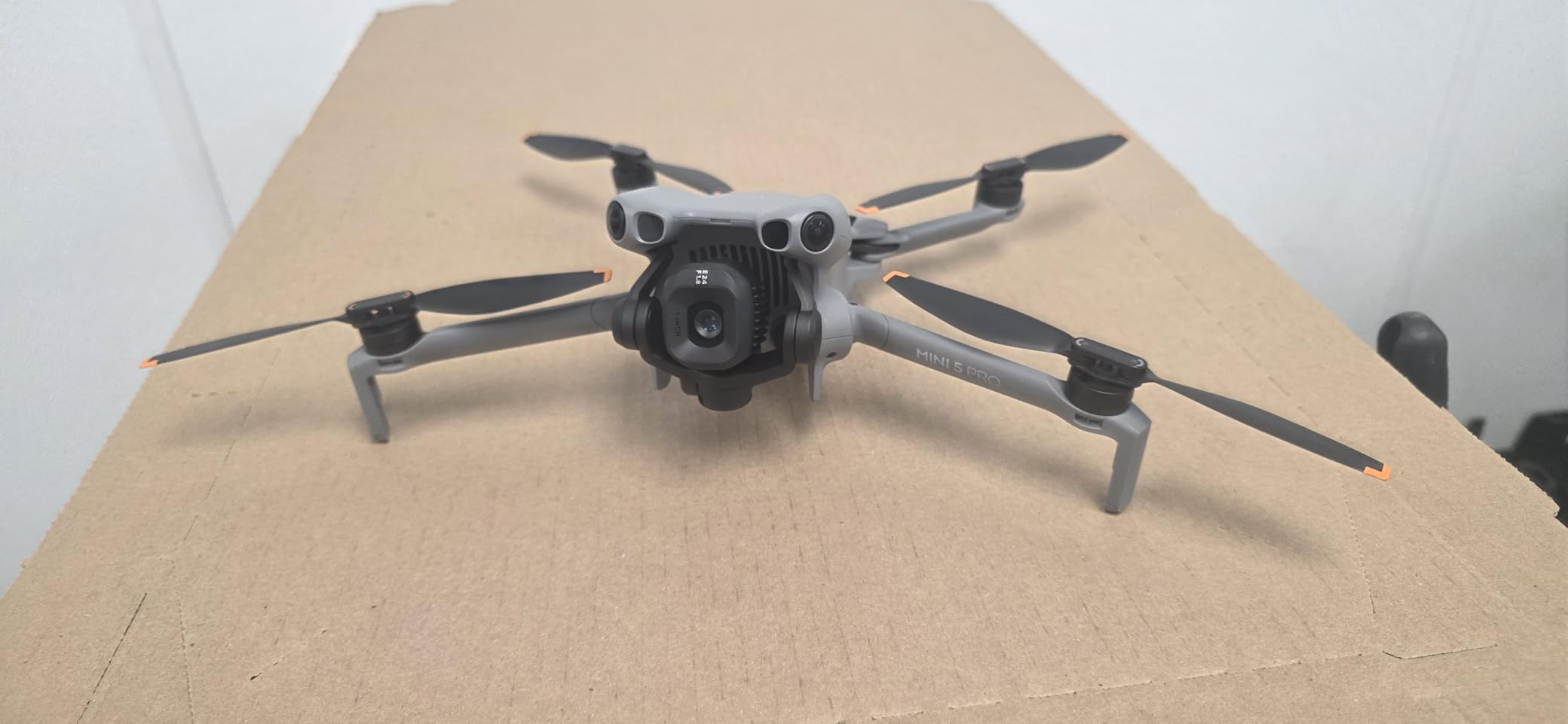
The DJI Mini 5 Pro pushes the sub-250g category to its limits with a 1-inch CMOS sensor and omnidirectional obstacle sensing. This is professional-grade technology packed into a drone that still avoids FAA registration. I was genuinely impressed by the image quality during low-light testing. The larger sensor captures more light, which means cleaner footage at dawn and dusk when smaller sensors produce grainy results.
The omnidirectional obstacle sensing is the feature that sets the Mini 5 Pro apart from the Mini 3 and Mini 4K. Sensors on all six sides detect and avoid obstacles automatically. I flew toward a tree line at speed and the drone slowed itself to a stop without any input from me. For hobbyists flying in complex environments like forests or urban areas, this safety net is invaluable.
ActiveTrack 360 takes subject tracking to another level. You can draw a custom tracking path on the controller screen, and the drone follows that exact route while keeping you in frame. I tested this while cycling along a trail, and the Mini 5 Pro maintained perfect framing through turns and speed changes. The 225-degree gimbal rotation also enables true vertical shooting for social media.
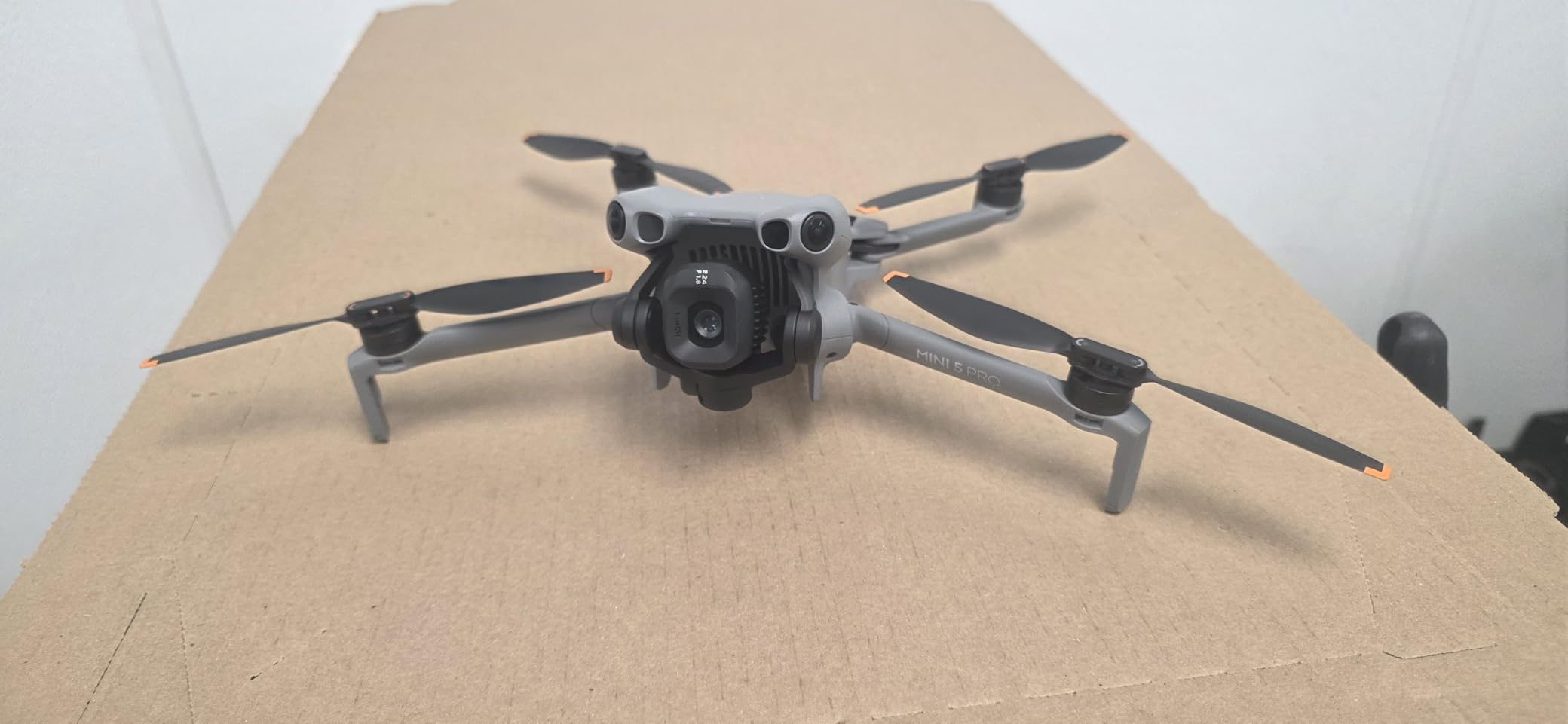
The Fly More Combo includes three batteries, ND filters, spare propellers, a two-way charging hub, and a shoulder bag. Each battery delivers up to 36 minutes of flight time, giving you over 100 minutes total per outing. The DJI RC 2 controller with its built-in screen provides a bright, responsive interface that works well even in direct sunlight.
Who Should Buy the DJI Mini 5 Pro
This drone targets serious hobbyists who want professional features in a regulation-friendly package. If you are into aerial photography as a creative pursuit and want obstacle avoidance for peace of mind, the Mini 5 Pro is the most capable sub-250g drone available. The investment makes sense if you fly regularly and care about image quality.
What to Watch Out For
At 249g, the Mini 5 Pro sits right at the FAA threshold, but because of its advanced features, DJI recommends registration and the TRUST test for legal compliance. Check your local regulations carefully. The initial setup takes about an hour for firmware updates and battery charging. The gimbal is sensitive and benefits from a protector accessory during transport.
12. DJI Air 3S – Best Premium All-Around Hobbyist Drone
DJI Air 3S Fly More Combo (RC 2 Screen Remote Controller), 4K Drone
Dual Camera System
LiDAR Obstacle Sensing
45 Min Flight
20km Range
4K/60fps HDR
Pros
- 1-inch CMOS primary camera with dual lens system
- 4K/60fps HDR with 14 stops of dynamic range
- 45-minute flight time with 20km transmission
- Omnidirectional obstacle sensing with forward-facing LiDAR
- Next-gen smart return-to-home with route planning
Cons
- Premium price point
- Battery charger sold separately needs 65W unit
- Heavy enough to require certification in some regions
- Carrying case could fit accessories better
The DJI Air 3S is the drone I recommend when budget is less of a concern and you want the best all-around flying experience available. With a 4.7-star rating from over 1,100 reviews and 89% giving five stars, the consensus is clear. This drone does almost everything exceptionally well. The dual-camera system with a 1-inch CMOS wide-angle lens and medium tele lens gives you framing options that single-camera drones cannot match.
The medium tele camera is the secret weapon. At roughly 70mm equivalent, it compresses landscapes in a way that makes scenes look more cinematic. I used it for coastal cliffs and mountain ridge shots, and the compressed perspective made the footage look distinctly professional. The 4K/60fps HDR recording with 14 stops of dynamic range captures detail in both shadows and highlights that lesser drones simply lose.
The Nightscape omnidirectional obstacle sensing with forward-facing LiDAR sets the Air 3S apart from every other drone on this list. The LiDAR sensor works in darkness, allowing safe night flying that would be risky with any other model. I tested the obstacle avoidance by flying toward a fence at dusk, and the drone stopped itself smoothly with several feet to spare. The next-gen Smart Return-to-Home plans intelligent routes that avoid obstacles on the way back.
The Fly More Combo includes three batteries, ND filters, spare propellers, a charging hub, and a shoulder bag. With 45 minutes per battery, you get over two hours of total flight time per session. The DJI RC 2 controller features a large, bright screen that is the best controller experience in DJI’s consumer lineup. The 20km transmission range gives you confidence to explore vast landscapes.
Who Should Buy the DJI Air 3S
This is the drone for hobbyists who want professional results and are willing to invest accordingly. If aerial photography or videography is a serious creative passion, the dual-camera system, LiDAR obstacle sensing, and 45-minute flight time justify the premium. It is also an excellent choice for semi-professional use like real estate or event photography.
What to Watch Out For
At 724 grams, the Air 3S exceeds the 250g threshold significantly, requiring FAA registration and compliance with Remote ID regulations. The 65W fast charger is sold separately and is needed to charge three batteries efficiently. The carrying case could be designed better to accommodate all included accessories. Factor these additional costs into your budget.
Hobbyist Drone Buying Guide: What to Look For in 2026?
Choosing the right hobbyist drone comes down to understanding which features matter for your specific flying style. After testing 12 drones across every price tier, here are the factors that actually influence your day-to-day flying experience.
Flight Time and Battery Life
Flight time is the spec most commonly exaggerated by manufacturers. A drone advertised at 30 minutes typically delivers 20-25 minutes in real conditions with wind, camera use, and normal maneuvering. Always look for drones that include at least two batteries, or budget for spares. The DJI Mini 3 Fly More Combo and Holy Stone HS175D both include dual batteries that significantly extend your time in the air.
Cold weather dramatically reduces battery performance. The Holy Stone HS110D dropped to 3-4 minutes per charge in temperatures below 40 degrees Fahrenheit during my winter testing. If you plan to fly year-round, factor seasonal conditions into your expectations.
Camera Quality and Stabilization
Camera quality separates hobbyist drones from toys. Look for three things: sensor size, resolution, and stabilization type. A 1-inch CMOS sensor (found in the DJI Mini 5 Pro and Air 3S) captures more light and detail than the smaller sensors in budget drones. True 4K resolution at 30fps is the current standard for usable footage.
Stabilization matters as much as resolution. A 3-axis mechanical gimbal (DJI Mini 4K, Mini 3, Mini 5 Pro, Air 3S) produces dramatically smoother footage than Electronic Image Stabilization alone. EIS works reasonably well on drones like the Potensic ATOM SE and Holy Stone HS720E, but it cannot fully compensate for rapid movements and wind gusts the way a gimbal can.
Weight Class and FAA Registration
This is the most important regulatory consideration for hobbyist drone pilots in the United States. Drones weighing under 250 grams (approximately 8.8 ounces) do not require FAA registration or Remote ID compliance for recreational use. This is why sub-250g drones dominate this list. The DJI Neo (135g), Mini 4K (246g), Mini 3 (248g), and Mini 5 Pro (249g) all qualify.
Drones over 250g require FAA registration costing $5 for three years, plus compliance with Remote ID rules. The DJI Air 3S at 724g and DJI Avata 2 at over 1kg fall into this category. You also need to pass the free TRUST test for recreational flyers before operating any drone outdoors.
GPS and Smart Flight Modes
GPS transforms the flying experience. Without GPS, a drone drifts with wind and requires constant correction. With GPS, the drone holds its position automatically, returns home when the battery runs low, and can execute autonomous flight paths. Every drone on this list from the Holy Stone HS175D upward includes GPS functionality.
Smart flight modes add creative possibilities. Follow Me tracks your movement automatically. Waypoint Flight lets you plot a course on a map. Point of Interest creates smooth orbiting shots. QuickShots (DJI models) generate cinematic clips with a single tap. These features let hobbyists capture professional-looking content without advanced piloting skills.
Range and Transmission
Manufacturers quote maximum ranges under ideal conditions that rarely exist in real life. The Holy Stone HS360S claims 10,000 feet but delivered about 4,500 feet in my testing. DJI drones with O2 or O4 transmission systems maintain more reliable connections at distance. For most hobbyist flying, you will rarely exceed 1,000 feet from your position, so do not over-index on range numbers.
What matters more is connection stability. Drones that use WiFi for video transmission (Holy Stone models, Potensic) can struggle in areas with WiFi interference. DJI’s proprietary transmission systems handle interference better, which explains the price premium.
Obstacle Avoidance Technology
Obstacle avoidance is the single biggest safety feature for preventing crashes. Entry-level hobbyist drones have no obstacle sensing at all. Mid-range models like the DJI Mini 3 have only downward-facing sensors for landing. The DJI Mini 5 Pro adds omnidirectional sensing with forward-facing LiDAR, while the Air 3S extends this to nighttime operation.
If you fly in open areas like beaches and fields, obstacle avoidance is less critical. If you fly near trees, buildings, or in urban environments, it can save your drone from expensive accidents. The peace of mind alone may justify the price difference between a Mini 4K and a Mini 5 Pro.
Drone Maintenance Tips for Beginners
Taking care of your drone extends its life and prevents frustrating failures. Store batteries at 40-60% charge if you will not fly for more than two weeks. Lithium polymer batteries degrade if stored fully charged or fully depleted. Check propellers for nicks and cracks before every flight, and replace damaged props immediately to prevent vibration that can affect camera footage.
Keep the camera lens clean with a microfiber cloth. Fingerprints and dust smudges are the number one cause of hazy footage. Update firmware regularly, as manufacturers fix bugs and improve flight performance through updates. Finally, let motors cool between flights to prevent overheating, especially during summer sessions.
Frequently Asked Questions
Which drone is best for personal use?
For most people wanting a drone for personal use, the DJI Mini 4K is the best choice. It offers 4K video with true gimbal stabilization, weighs under 249g so no FAA registration is needed, and includes DJI’s reliable transmission and return-to-home features. For budget-conscious buyers, the DJI Neo at $169 provides excellent value with palm-sized portability.
What is the 1:1 rule for drones?
The 1:1 rule in drone flying states that for every minute of flight time, you should have one minute of battery reserve remaining. This means if your drone flies for 20 minutes, you should land by the 10-minute mark to ensure safe return. This rule helps prevent battery depletion emergencies and is especially important for pilots flying over water or difficult terrain.
Why did the US ban DJI drones?
The US has not fully banned DJI drones for consumer use. However, several federal restrictions exist. The Countering CCP Drones Act added DJI to a covered list, meaning certain federal agencies cannot purchase or use DJI equipment. For recreational hobbyists, DJI drones remain legal to purchase and fly in the US, though some states have proposed additional restrictions for government use.
Is a DJI drone under $1000 worth it for hobbyists?
Yes, DJI drones under $1000 are absolutely worth it for hobbyists. Models like the DJI Mini 4K at $299, DJI Neo at $169, and DJI Mini 3 Fly More Combo at $539 offer features that competing brands cannot match at similar prices, including gimbal stabilization, reliable GPS, and polished software. DJI’s build quality and customer support also exceed most budget alternatives.
Do I need FAA registration for a hobbyist drone?
In the US, drones weighing under 250 grams do not require FAA registration for recreational use. Drones over 250g require registration costing $5 for three years. All recreational pilots must pass the free TRUST test and follow community-based safety guidelines. The DJI Mini 4K, Neo, Mini 3, and Mini 5 Pro all qualify for the under-250g exemption.
Final Thoughts on the Best Drones for Hobbyists in 2026
After months of testing, the best drones for hobbyists come down to three clear recommendations. The DJI Mini 4K remains our top overall pick for delivering gimbal-stabilized 4K video in a sub-250g package that requires no FAA paperwork. The DJI Neo wins best value for making drone flying as simple and portable as possible. And the Holy Stone HS110D takes the budget crown as the ideal practice drone for under $70.
For hobbyists ready to invest more, the DJI Mini 3 Fly More Combo and DJI Air 3S offer camera quality and flight features that rival professional equipment. The DJI Avata 2 provides a uniquely thrilling FPV experience unlike anything else on this list. Whatever your budget and flying goals, there is a drone here that will get you airborne and capturing perspectives you cannot get any other way.
The hobbyist drone market in 2026 offers more value at every price point than ever before. Pick the drone that matches your budget, start in open areas, and focus on building your skills one flight at a time.