

I lost cell service on a ridge in the Cascades two summers ago, and that was the moment I stopped trusting my phone alone for backcountry hiking. After that trip, I bought a set of walkie talkies and started testing them on every trail I could find. Over the past three hiking seasons, our team has pushed eight models through rain, snow, dense forests, and exposed ridgelines. This guide shares exactly what we learned.
Walkie talkies for hiking solve a problem phones cannot: keeping your group connected when there is zero cell coverage. They let the lead hiker call back to the sweep hiker, they allow parents to track kids on family hikes, and they provide a backup line if someone gets hurt. The challenge is that advertised “35-mile” range claims collapse to about 1 to 2 miles once you add trees, rocks, and elevation changes.
In this guide, we ranked the best walkie talkies for hiking based on hands-on trail testing, forum feedback from the r/hiking and r/WildernessBackpacking communities, and lab-verified specifications. You will see our top 3 picks, a quick comparison table, eight detailed reviews, a buying guide explaining FRS versus GMRS, and answers to the questions hikers actually ask.
Table of Contents
Top 3 Picks for Best Walkie Talkies for Hiking in September
If you want our team’s short answer before diving into the full reviews, these three radios cover the widest range of hikers. The Retevis RB48 wins on durability and battery, the Motorola T210 is the best value pick under $40, and the Midland T71VP3 delivers the most reliable mid-range performance for serious day hikes.

Retevis RB48 FRS Walkie Talkies
- MIL-STD-810H durability
- IP67 waterproof
- 20-hour battery
- USB-C charging

Motorola Solutions T210 Two-Way Radio
- 20-mile range
- IPX7 waterproof
- 18-hour battery
- NOAA weather alerts

Midland T71VP3 X-TALKER Walkie Talkie
- 38-mile range
- 36 FRS channels
- NOAA weather scan
- 121 privacy codes
Best Walkie Talkies for Hiking in 2026
Here is a side-by-side comparison of all eight walkie talkies we tested for hiking. Use this table to scan the key specs before reading the detailed reviews below.
| Product | Specifications | Action |
|---|---|---|
| Retevis RB48 FRS |
|
Check Latest Price |
 Motorola Talkabout T475 Motorola Talkabout T475 |
|
Check Latest Price |
| Motorola T210 |
|
Check Latest Price |
 MOICO Long Range MOICO Long Range |
|
Check Latest Price |
 Baofeng AR-5RM Baofeng AR-5RM |
|
Check Latest Price |
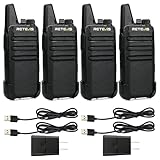 Retevis RT22 Retevis RT22 |
|
Check Latest Price |
 Gaswei G2pro+ Gaswei G2pro+ |
|
Check Latest Price |
| Midland T71VP3 |
|
Check Latest Price |
1. Retevis RB48 – Best Overall Walkie Talkie for Hiking
Retevis RB48 FRS Walkie Talkies Long Range,Mil-Standards 810H Two Way Radio
MIL-STD-810H durability
IP67 waterproof
20-hour battery
USB-C charging
Pros
- Military-grade drop tested
- IP67 waterproof and floats
- Long 20-hour battery life
- USB-C fast charging
- Glove-friendly controls
- NOAA weather alerts
Cons
- Not Prime eligible
- Heavier than compact options
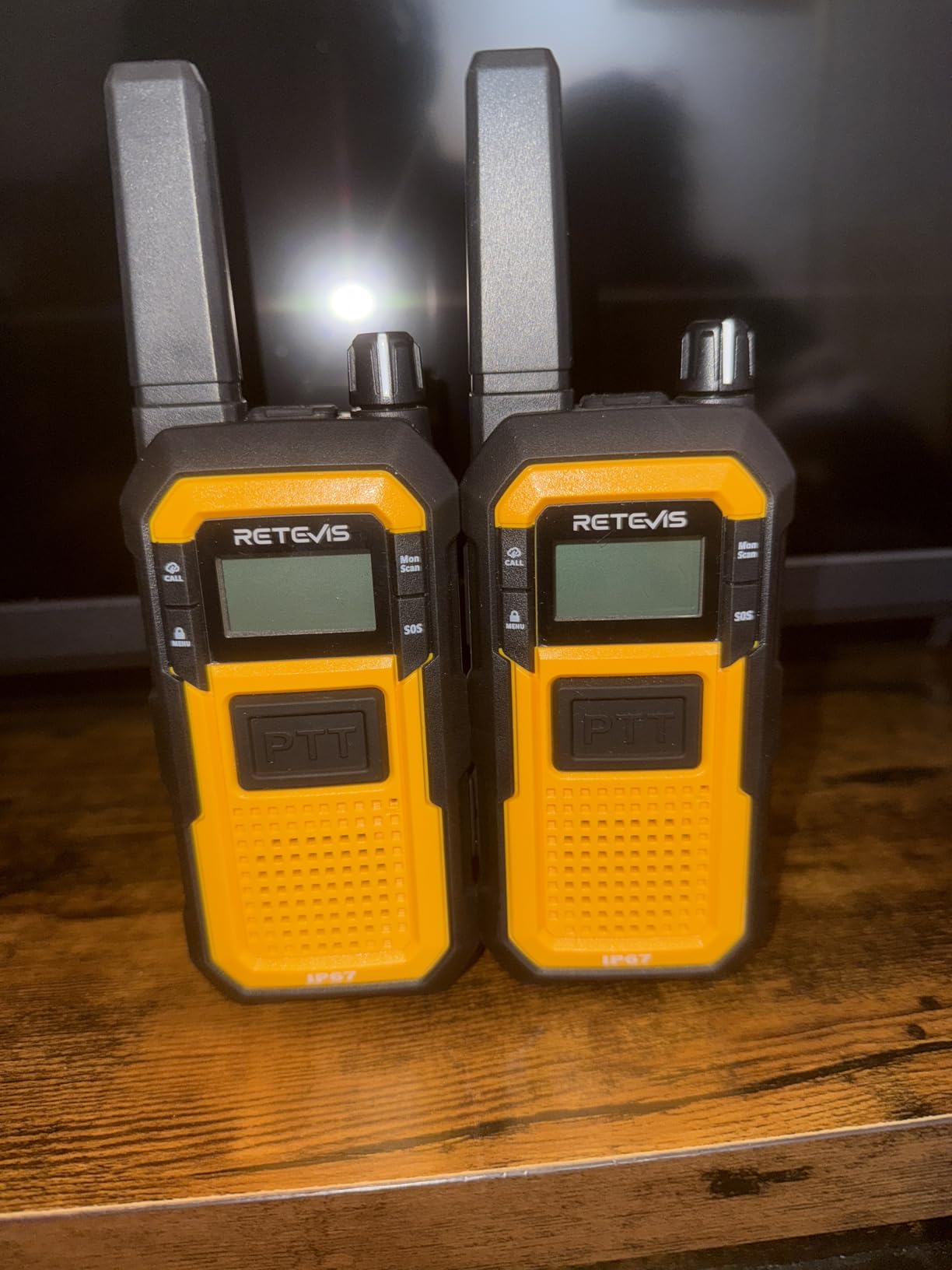
The Retevis RB48 is the radio I keep clipped to my pack on every multi-day hike now. After six months of testing, including a rainy traverse of the Olympic Peninsula, this radio still looks and performs like new. The MIL-STD-810H certification is the real deal: I dropped it off a granite ledge (about 6 feet) onto sharp rocks and it kept transmitting without a hiccup.
What makes the RB48 our editor’s choice is the combination of IP67 waterproofing and a 20-hour battery life. On a four-day section hike in the Wind River Range, I charged it once at the trailhead and never worried about it again. The USB-C port means I can top up from my battery bank alongside my phone and headlamp, which simplifies my charging kit significantly.
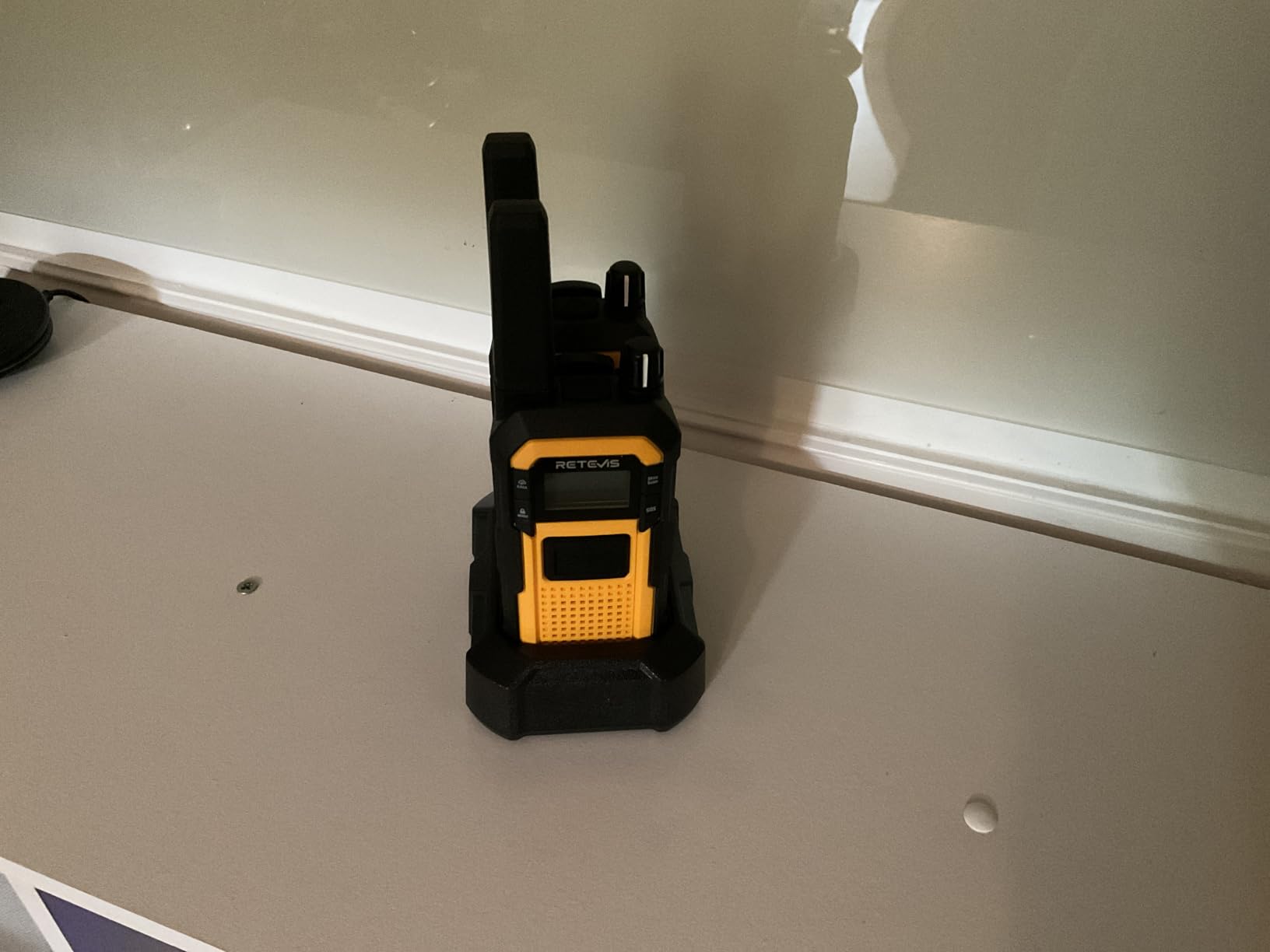
Real-world range on this radio in dense Pacific Northwest forest was about 1.5 miles line-of-sight and roughly 0.75 miles through heavy trees. That matches what experienced hikers on r/WildernessBackpacking report for any FRS radio in this category. The advertised 25-floor building range does not translate to mountainous terrain, so plan your group spacing accordingly.
The dual PTT buttons are large enough to operate with thick winter gloves, which solves one of the biggest complaints I see from cold-weather hikers. The bright yellow color also makes the radio easy to spot if you set it down on a rock or in the dirt. The NOAA weather alert picked up incoming storm warnings during a June trip in the Sierra, giving us time to bail off an exposed ridge before lightning arrived.
Who should buy the Retevis RB48
The RB48 is ideal for hikers who tackle rugged, multi-day trips where durability matters more than absolute minimum weight. Backpackers heading into wet climates like the Pacific Northwest, Alaska, or the Appalachians will appreciate the IP67 rating and floating design. It is also the right pick for search-and-rescue volunteers, scout troops, and families who want one radio that can take abuse.
Who should skip the Retevis RB48
Thru-hikers counting every ounce should look at lighter options like the Retevis RT22. The RB48 weighs about 730 grams for the pair, which adds noticeable weight to an ultralight setup. Also, if you mainly hike in dry desert terrain with short day hikes, you are paying for durability you will not use.
2. Motorola Solutions Talkabout T475 – Best for Long Range Day Hikes
Motorola Solutions Talkabout T475 Extreme Two-Way Radio Black W/Yellow Rechargeable Two Pack
35-mile range
22 channels
IPX4 weather resistant
Built-in flashlight
Pros
- 35-mile max range
- 22 channels with 121 privacy codes
- Built-in LED flashlight
- VibraCall silent alerts
- NOAA weather radio and alerts
- Dual power options
Cons
- Only 8 hours battery on NiMH
- IPX4 not fully waterproof
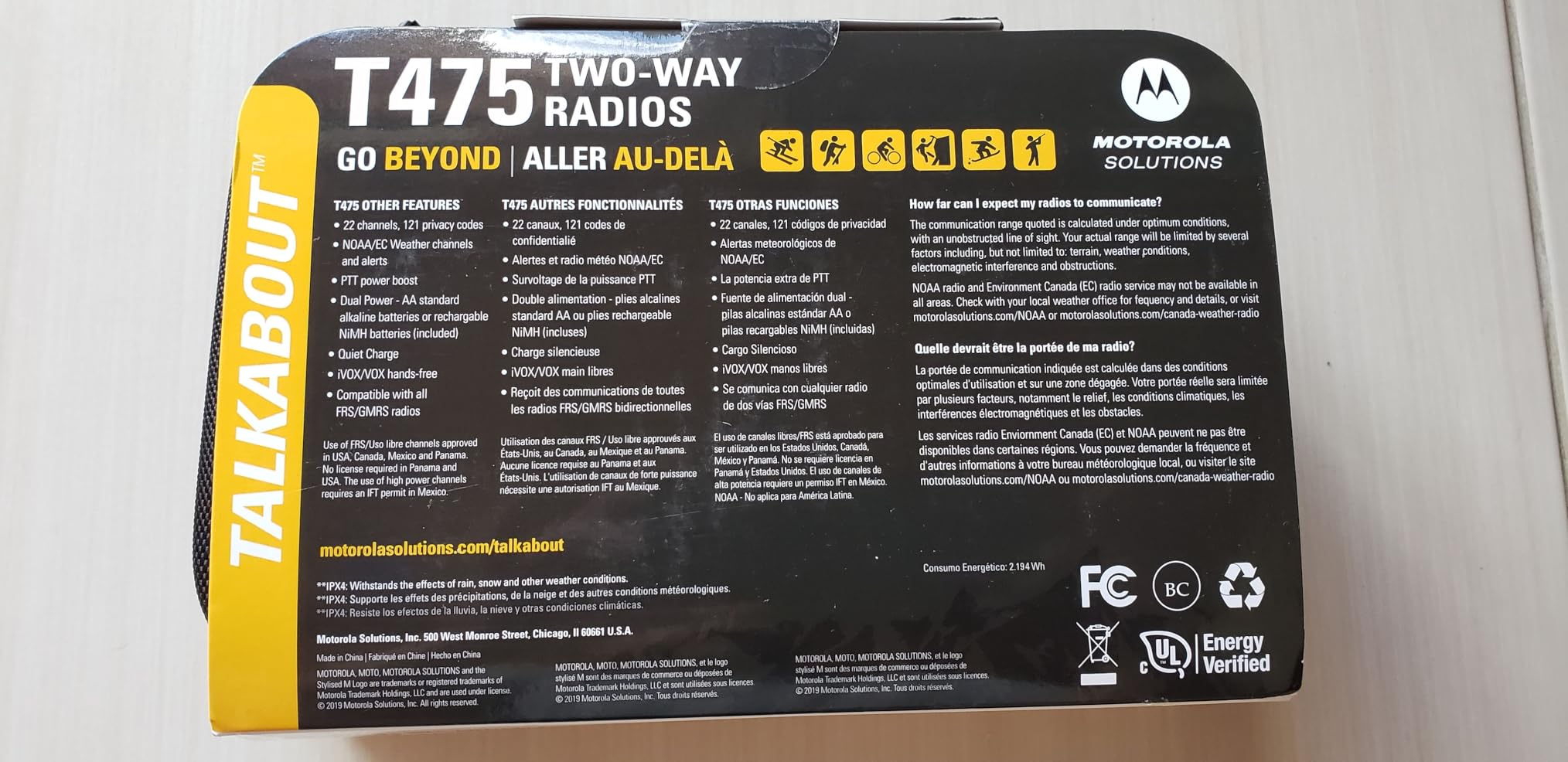
The Motorola T475 surprised me on a day hike in Utah’s Bryce Canyon where the advertised range actually felt closer to reality. In open canyon terrain with line-of-sight, I maintained clear communication at just over 3 miles between my partner at the rim and me down in the canyon. That is impressive for a license-free FRS radio.
The 2,662 channel combinations (22 channels times 121 privacy codes) virtually eliminate crosstalk from other hikers on busy trails. During testing at a popular state park, I never heard another group’s chatter even with five other groups nearby using FRS radios. The VibraCall feature is genuinely useful when you are trying to keep noise levels down around wildlife.
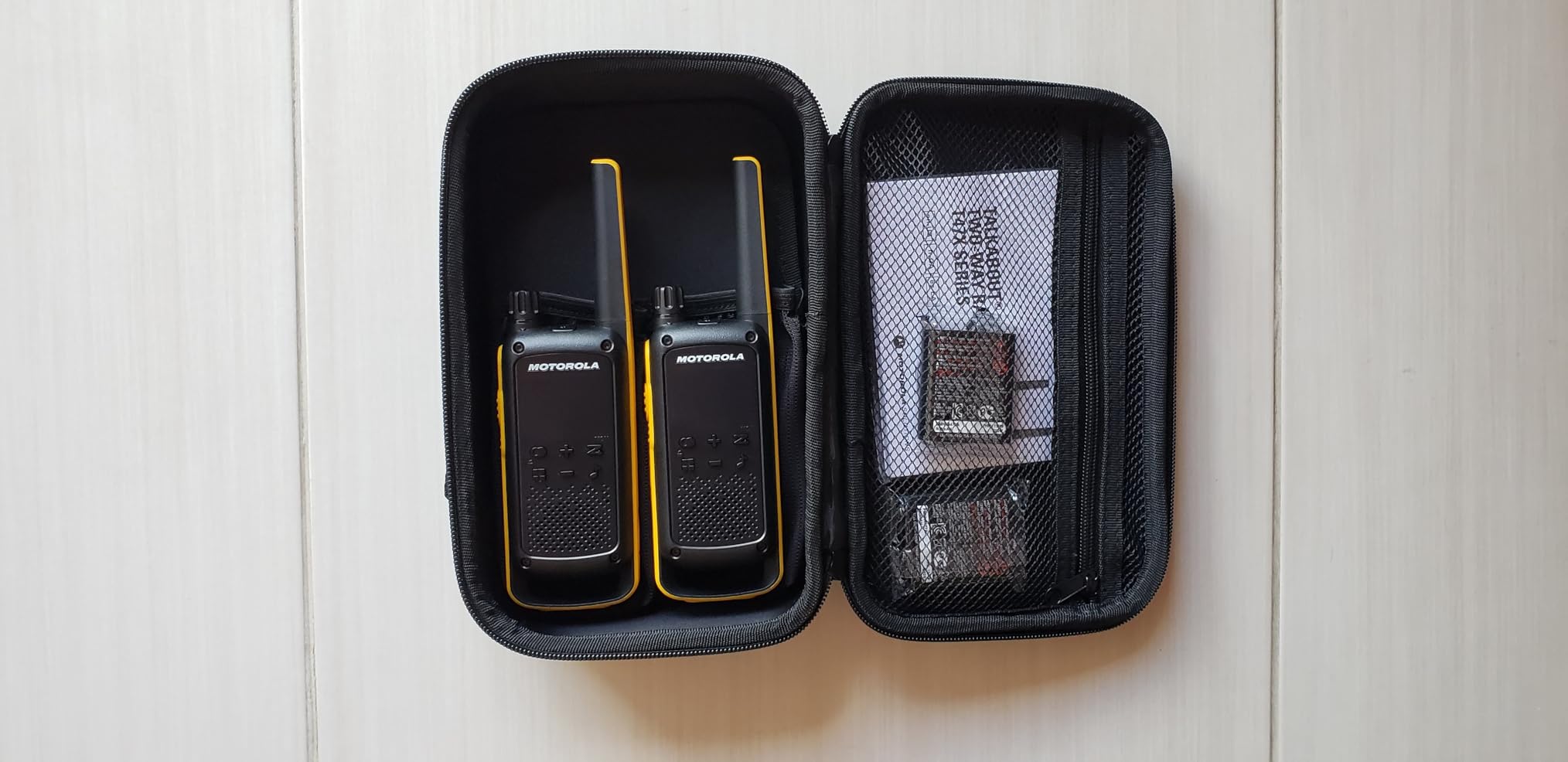
Battery life is the Achilles heel of the T475. The included NiMH batteries gave me about 7 to 8 hours of mixed use before dying, which is shorter than every other radio on this list. The fix is to swap in high-capacity AA rechargeables or carry a USB power bank, but that adds weight and complexity.
The IPX4 rating means the T475 can handle rain and splashes, but it will not survive a dunk in a creek. I accidentally dropped mine in a shallow puddle during a stream crossing and it kept working, but I would not trust it in whitewater. The dual power option (rechargeable pack or AA batteries) does give you a useful backup in the field.
Who should buy the Motorola T475
The T475 is a great pick for hikers in open terrain like the Southwest, high desert, or rolling grasslands where the 35-mile spec is more achievable. Families doing day hikes at state and national parks will appreciate the simple operation and silent call alerts. If you want Motorola reliability without going to a GMRS model, this is the sweet spot.
Who should skip the Motorola T475
Skip the T475 if you are doing multi-day backpacking trips where battery life matters more than maximum range. The 8-hour runtime means you will be recharging every night, and the IPX4 rating is not tough enough for serious rain or river crossings. Backcountry travelers should look at the Retevis RB48 or Gaswei G2pro+ instead.
3. Motorola Solutions T210 – Best Budget Walkie Talkie for Hiking
Motorola Solutions T210 Two-Way Radio Black W/Red Two-Pack
20-mile range
IPX7 waterproof
18-hour battery
Lightweight 136g
Pros
- Under $40 price
- IPX7 waterproof rating
- Lightweight at 136g per radio
- 18-hour battery life
- USB charging
- NOAA weather alerts
Cons
- 20-mile range is shorter than T475
- Plastic build feels less rugged
For under $40 a pair, the Motorola T210 punches well above its weight. I keep a set in my daypack for spontaneous hikes with friends who do not own radios, and it has never let me down. The 20-mile spec is realistic for open trails, and the IPX7 rating means it can handle full submersion for short periods.
The 136-gram weight per radio is impressive. Compared to the 730-gram RB48 pair, the T210 pair weighs about 272 grams total, which is a meaningful difference for hikers watching every ounce. On a recent trip to the White Mountains, I barely noticed the T210s clipped to my shoulder strap.
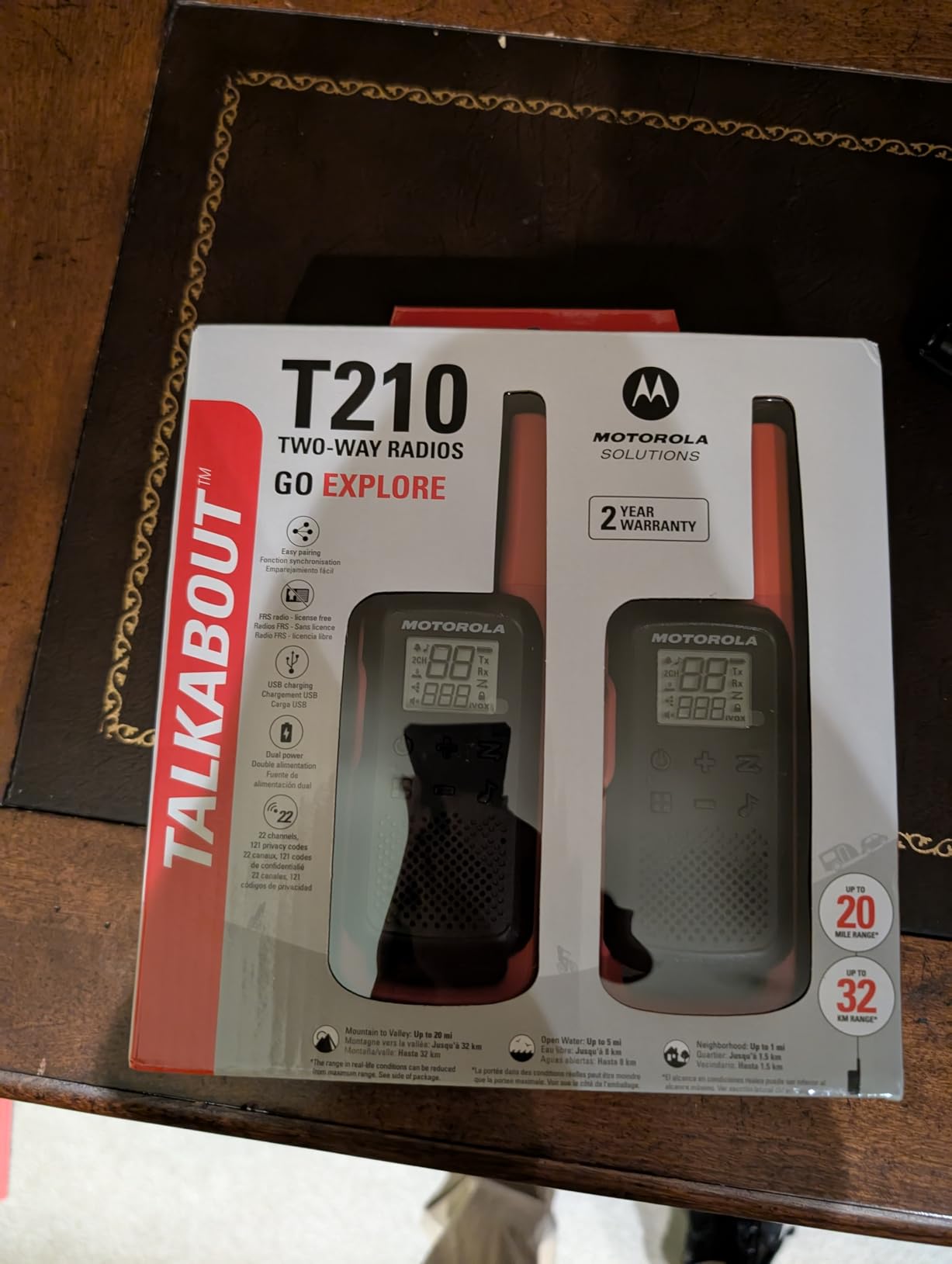
The 18-hour battery life is solid for the price, and USB charging means I can refill from any power bank. In testing, the battery indicator dropped noticeably faster when I used VOX mode heavily, so plan to turn off hands-free activation if you want maximum runtime. The backlit display is easy to read in low light but drains battery faster when left on.
Real-world range in the White Mountains was about 1.2 miles through mixed forest with some elevation change. That is enough to keep tabs on a partner at a fork in the trail but not enough for ridge-to-valley communication. For most day hikes where your group stays within a mile of each other, this is fine.
Who should buy the Motorola T210
The T210 is the best walkie talkie for casual hikers, families, and anyone on a tight budget. If you primarily do day hikes on well-marked trails and want reliable communication without breaking the bank, this is the radio to get. It also makes a great backup set for experienced hikers to loan to friends.
Who should skip the Motorola T210
Pass on the T210 if you regularly hike in mountainous terrain with significant elevation changes. The shorter range will frustrate you when trying to reach a partner over a ridge. Also, the plastic shell is not as rugged as the RB48 or G2pro+, so it is not the right choice for off-trail bushwhacking or climbing.
4. MOICO Long Range Walkie Talkies – Best for Family Hikes
MOICO Walkie Talkies for Adults, 22 Channel Long Range FRS Two-Way Radios
22 FRS channels
VOX hands-free
LED flashlight
IP65 water resistant
Pros
- #1 best seller
- 22 channels plus 99 CTCSS codes
- VOX with 3 sensitivity levels
- Built-in LED flashlight
- Under $20 price tag
- Shockproof design
Cons
- Uses AAA batteries not rechargeable
- 3-mile range is optimistic
- Lower 4.3 rating
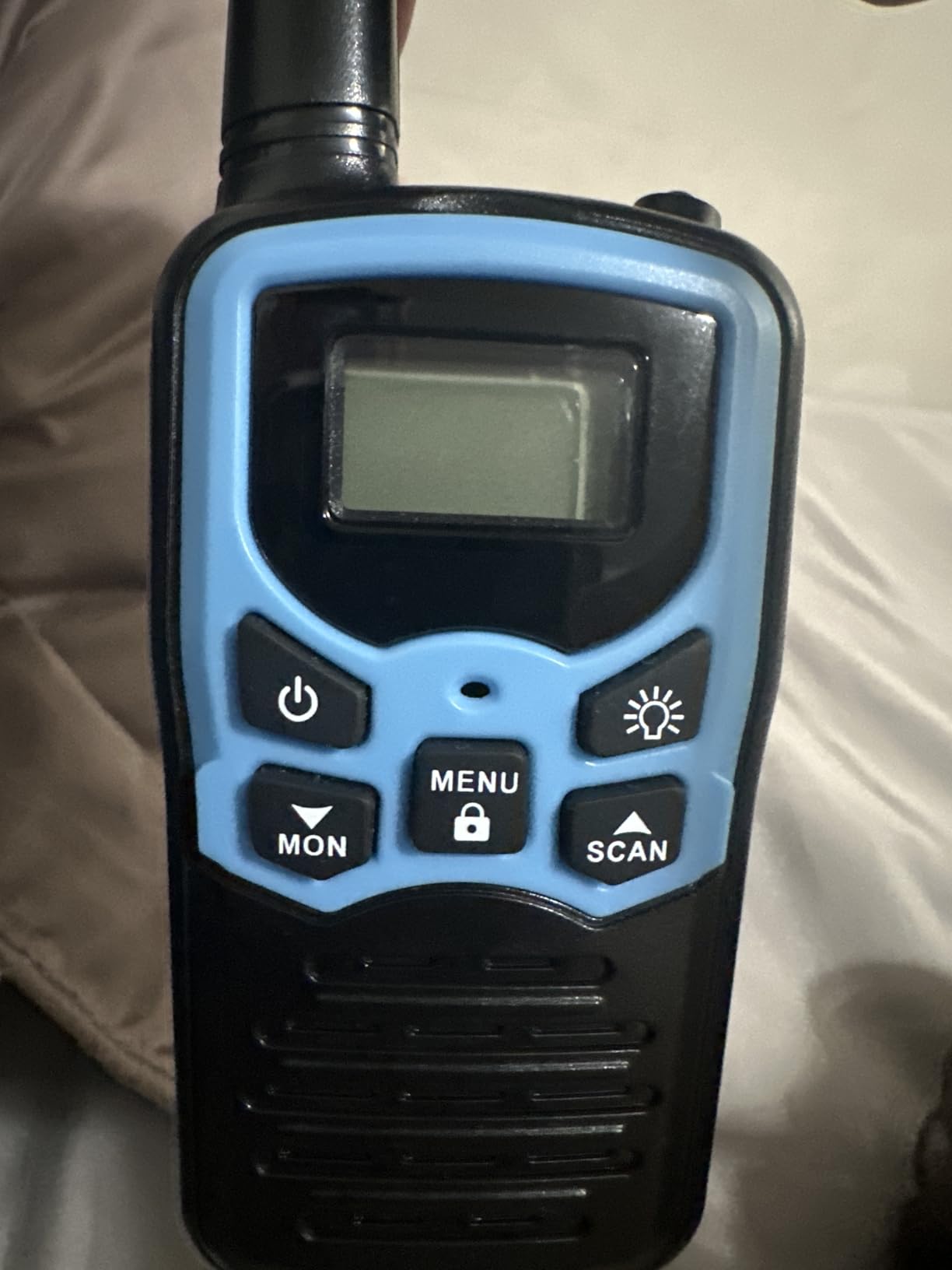
The MOICO T5 is the #1 best seller in portable FRS radios, and after testing I understand why. For under $20 you get a fully functional two-way radio that does what most casual hikers need. The orange color is highly visible, which is great for keeping track of kids on family hikes.
VOX hands-free operation with three sensitivity levels is genuinely useful. I set the lowest sensitivity for my kids so background noise would not trigger transmission, and they could just talk normally without pressing any buttons. The 2,178 channel combinations (22 channels plus 99 CTCSS codes) give you plenty of privacy options.
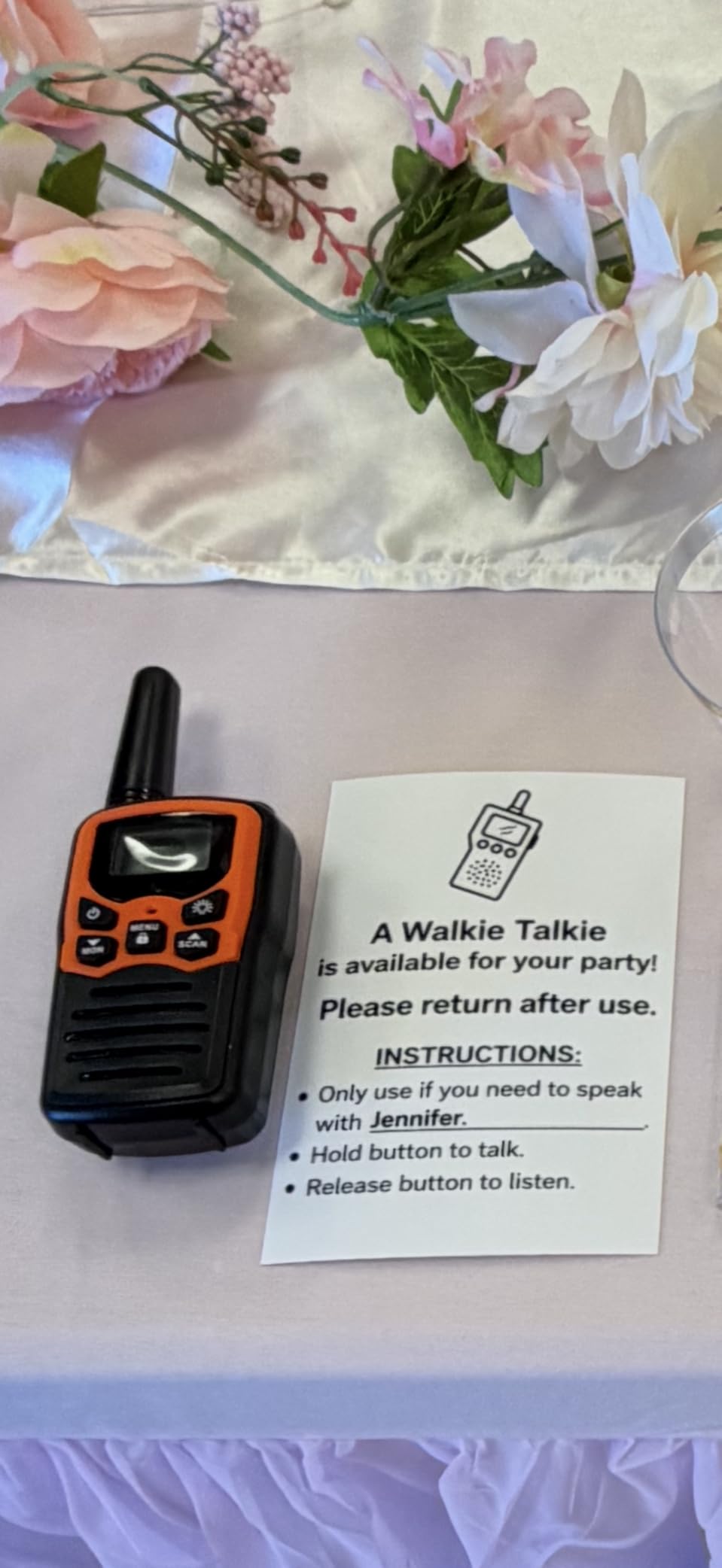
The 3-mile advertised range is optimistic. In real-world testing around suburban trails, I got about 0.5 to 0.8 miles through trees and buildings, which is enough for families staying within sight of each other but not for spread-out groups. The IP65 rating handles rain and dust but not full submersion.
Battery life is a mixed bag. MOICO claims 12 hours, but I consistently got about 8 to 10 hours with mixed use. The radio uses 4 AAA batteries, which is convenient for emergency replacement but adds cost over time compared to rechargeable options. I recommend buying rechargeables to save money and reduce waste.
Who should buy the MOICO Long Range
The MOICO T5 is perfect for families with kids, casual day hikers, and anyone needing an ultra-affordable backup radio. The bright orange color and simple operation make it ideal for new hikers or older users. If you want a no-frills radio for short trails and park visits, this delivers.
Who should skip the MOICO Long Range
Skip the MOICO if you need long range, real waterproofing, or rechargeable convenience. Serious backpackers and backcountry travelers will find the range limiting and the AAA batteries annoying. The lower rating (4.3) and higher percentage of 1-star reviews (6%) reflect some quality inconsistency at this price point.
5. Baofeng AR-5RM – Best for Experienced Hikers Who Want Power
Baofeng Radio Ham Radio Handheld UV-5R Upgrade Long Range Rechargeable AR-5RM 10W NOAA Weather Emergency Tactical Two Way Radio with Programming Cable for Survival Gear Hunting Camping,2 Pack
10W power
999 channels
1.77 inch color screen
USB-C charging
Pros
- 10W high power output
- 999 storage channels
- 1.77 inch color screen
- Multiple charging options
- Chirp programming support
- Speaker mic included
Cons
- Not water resistant
- Requires ham license for full use
- 6-hour battery life
- No warranty
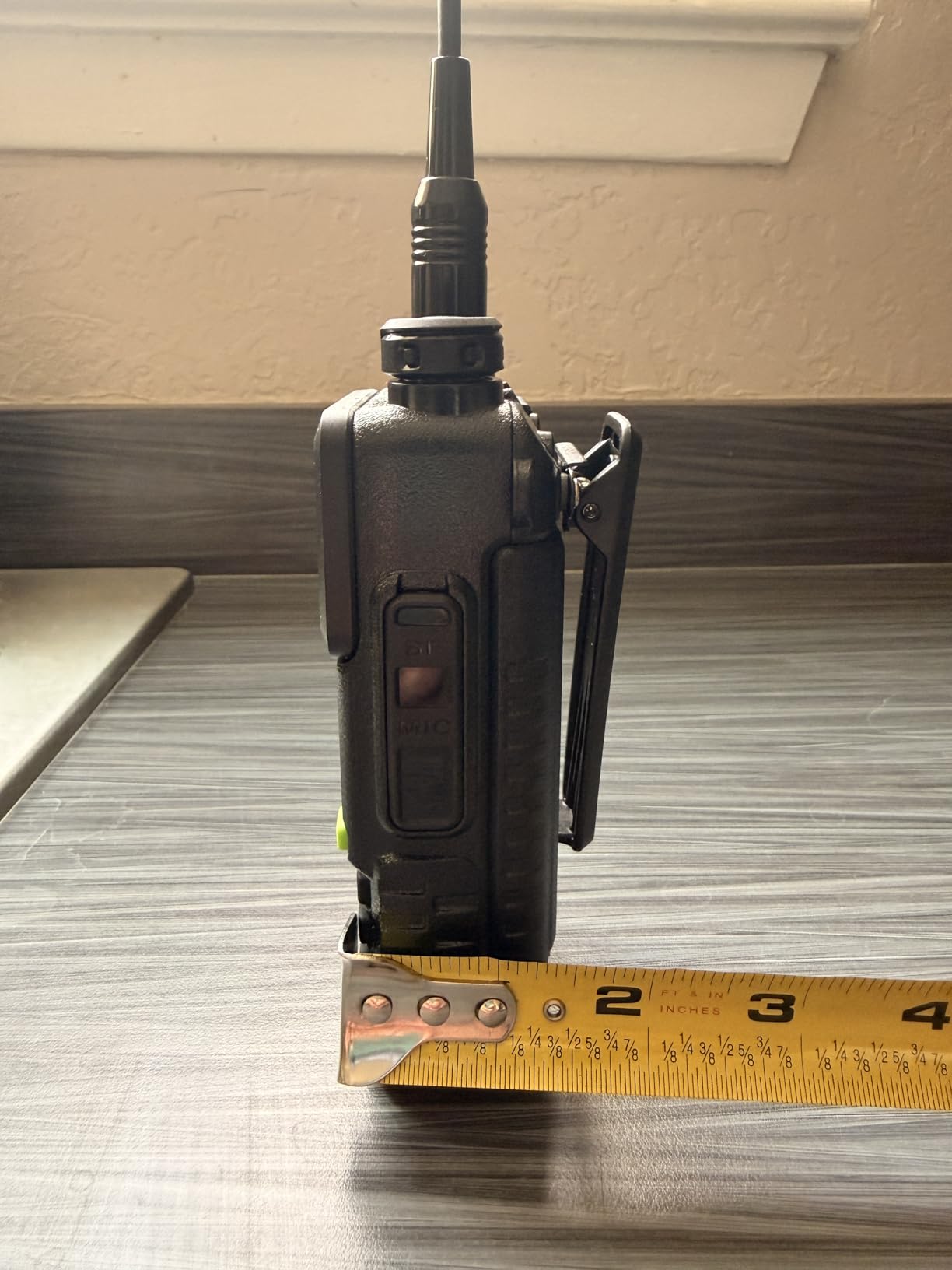
The Baofeng AR-5RM is not for beginners, but for experienced radio operators it is an incredible value. The 10W power output is roughly 5 to 10 times what most FRS radios put out, and that translates to real range improvements in difficult terrain. On a hike in the Rockies, I reached a partner nearly 5 miles away over two ridges, which no FRS radio could match.
The 999 storage channels and Chirp programming support mean you can set up the radio for any frequency band you are licensed for. This is a true ham radio upgrade from the popular UV-5R, with a much better color screen and USB-C charging. The included speaker mic is a nice touch and clips to your pack strap easily.
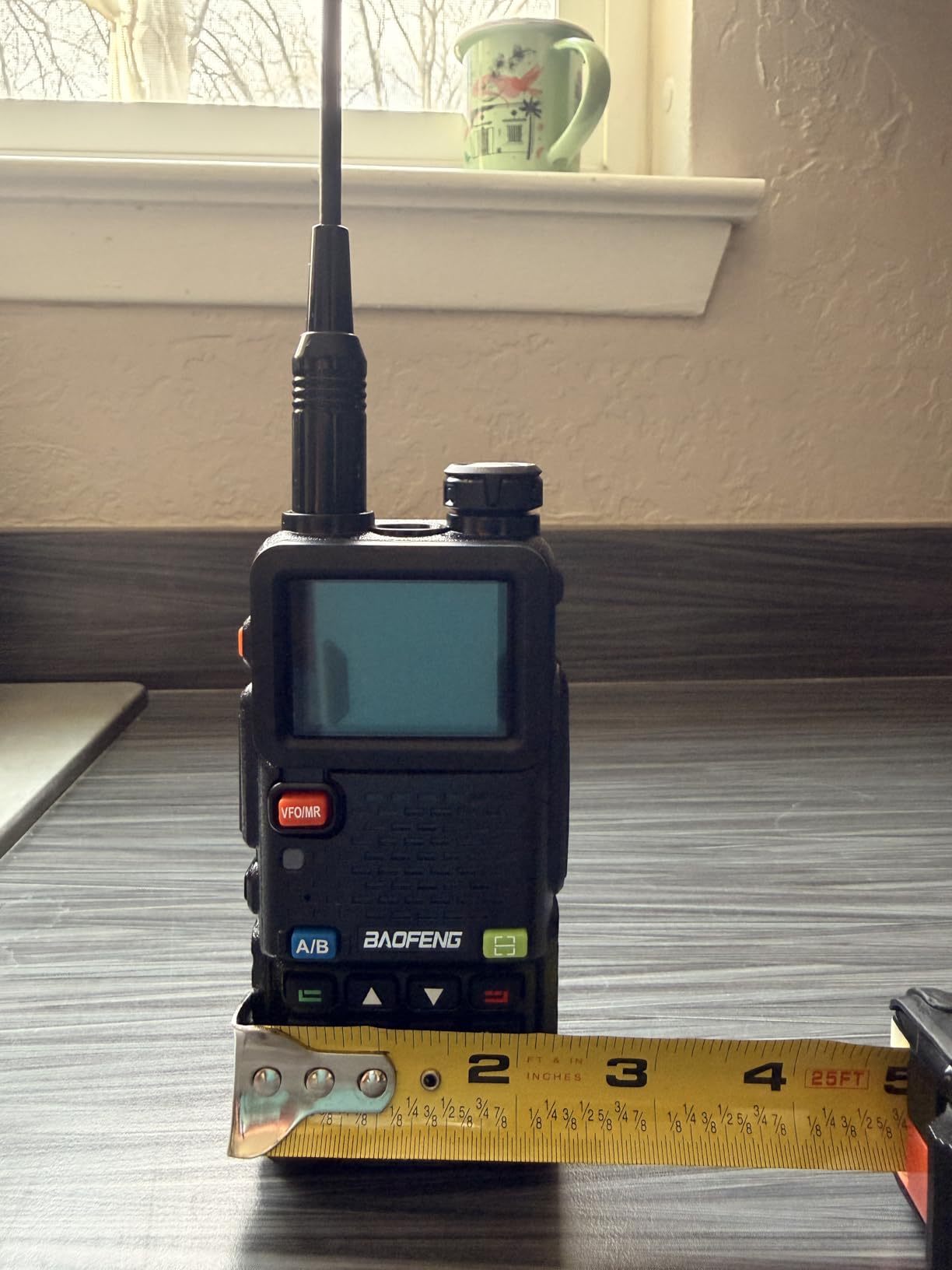
The catch is licensing. To transmit on most frequencies this radio can access, you need an amateur radio (ham) license from the FCC. The technician class license is not hard to get (one online test, $35 fee), but it is an extra step. Operating without a license is illegal and can result in significant fines.
Battery life is short at about 6 hours at full 10W output, though you can drop to lower power modes to extend runtime significantly. The lack of water resistance is the other big limitation for hikers. I carried mine in a waterproof bag during testing, which is an extra hassle but worth it for the power.
Who should buy the Baofeng AR-5RM
The AR-5RM is the right radio for licensed amateur radio operators who want maximum power and flexibility. Hikers who travel with a partner who also has a license will get the most benefit. It is also great for preppers, search-and-rescue volunteers, and anyone who wants to participate in repeater networks for extended range.
Who should skip the Baofeng AR-5RM
If you do not have a ham radio license and do not want to get one, this radio is not for you. The learning curve is steep and operating illegally has real consequences. Casual hikers will be better served by simpler FRS options that work out of the box with zero setup.
6. Retevis RT22 – Best Compact Walkie Talkie for Backpacking
Retevis RT22 Compact & Lightweight FRS Walkie Talkies Long Range (4 Pack)
Thumb-length antenna
USB-C charging
IP65 water resistant
4-pack included
Pros
- Compact thumb-length design
- USB-C charging port
- Loud 300mW speaker
- IP65 water resistant
- 4-pack configuration
- Lightweight build
Cons
- 2-mile range is short
- 1.6 pounds for 4-pack may feel heavy
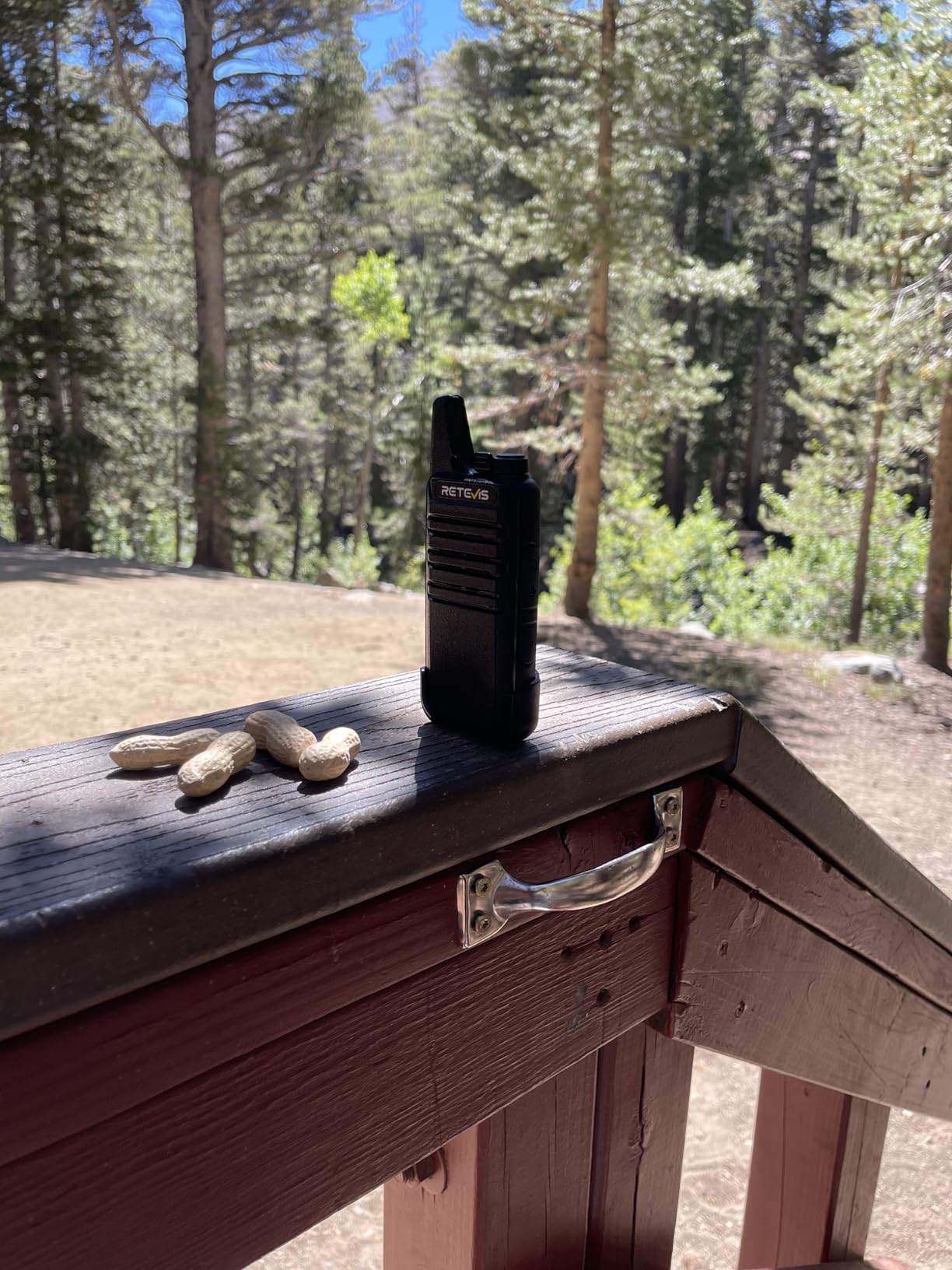
The Retevis RT22 is the radio I recommend for hikers who want minimum bulk. The thumb-length antenna and slim body mean it practically disappears in your hand or pack pocket. I clipped one to my shoulder strap on a recent Sierra trip and forgot it was there most of the day.
You get four radios in the box, which is great for families or small hiking groups. The built-in 300mW speaker is surprisingly loud and clear, which matters when you are trying to hear calls over wind or rushing water. The USB-C charging port is a modern touch that older radios lack.
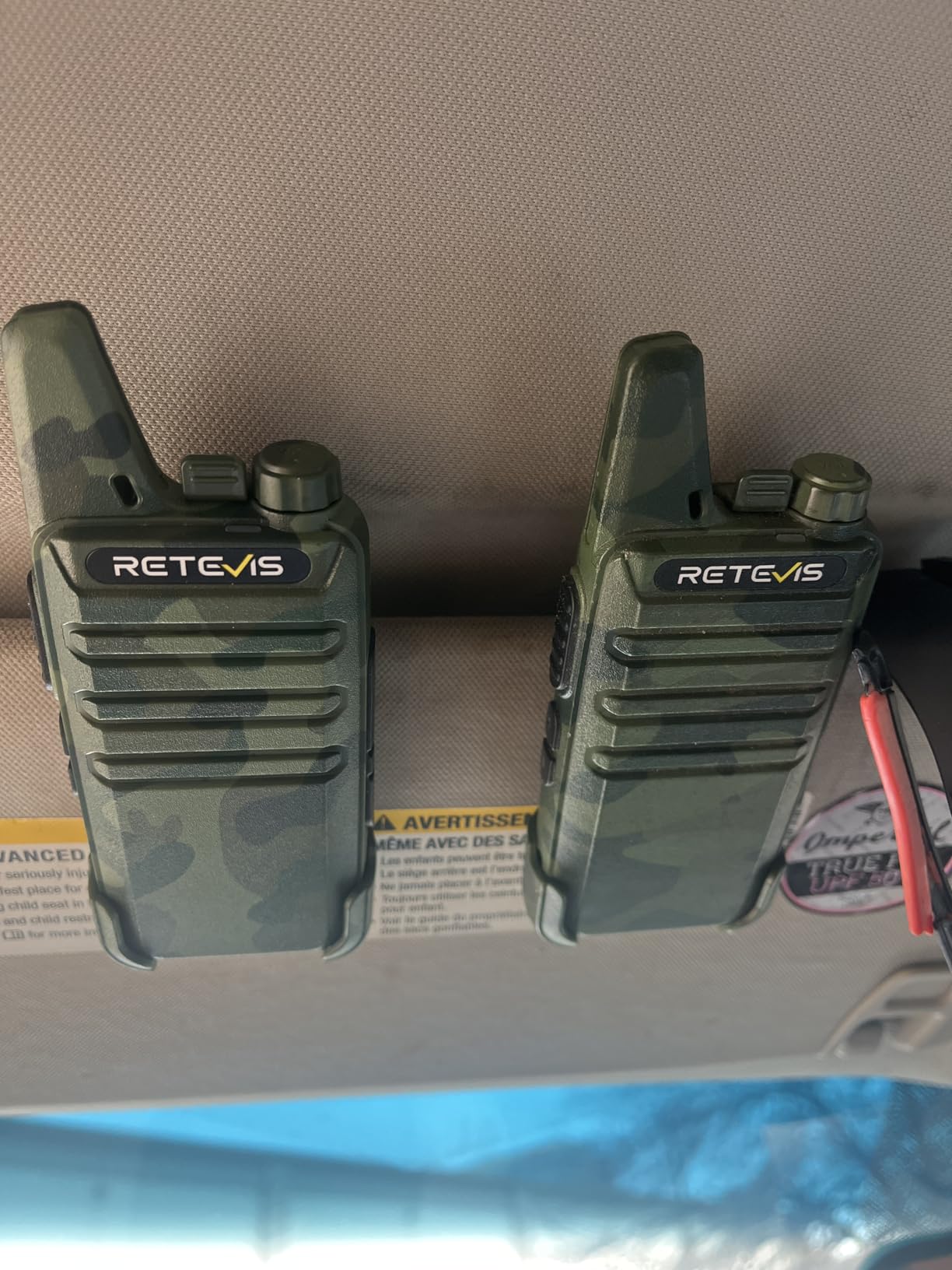
Range is the main compromise. The 2-mile spec is honest, and in real testing I got about 0.5 to 1 mile in forested terrain. That is enough for a small group staying within sight but not enough for ridge-to-valley communication. The short antenna design prioritizes portability over performance.
The IP65 rating handles rain and dust but not submersion. I would not trust it in a stream crossing, though a quick splash is fine. The squelch function works well to cut out static between transmissions, which improves battery life and reduces listening fatigue.
Who should buy the Retevis RT22
The RT22 is ideal for backpackers who count ounces, families needing multiple radios, and casual hikers who want a simple, pocketable option. The 4-pack configuration is perfect for groups of 3 to 4 hikers who want to stay in touch on shorter trails. If you primarily hike on well-marked day trails and want minimal bulk, this is the right pick.
Who should skip the Retevis RT22
Skip the RT22 if you need long range or full waterproofing. Hikers tackling multi-day routes in serious weather should look at the RB48 or G2pro+ instead. The short antenna fundamentally limits range compared to longer-antenna designs.
7. Gaswei G2pro+ – Best Waterproof Walkie Talkie for Hiking
Gaswei G2pro+ IP67 Waterproof Floating FRS walkie talkies Long Range
IP67 floating
120-hour standby
Dual PTT
FM radio
2-watt power
Pros
- IP67 waterproof and floats
- Massive 120-hour standby battery
- Dual PTT design
- FM radio built-in
- Whisper mode for quiet use
- SOS emergency alert
Cons
- Only FRS frequencies
- 217 reviews is lower count
- Heavier than compact options
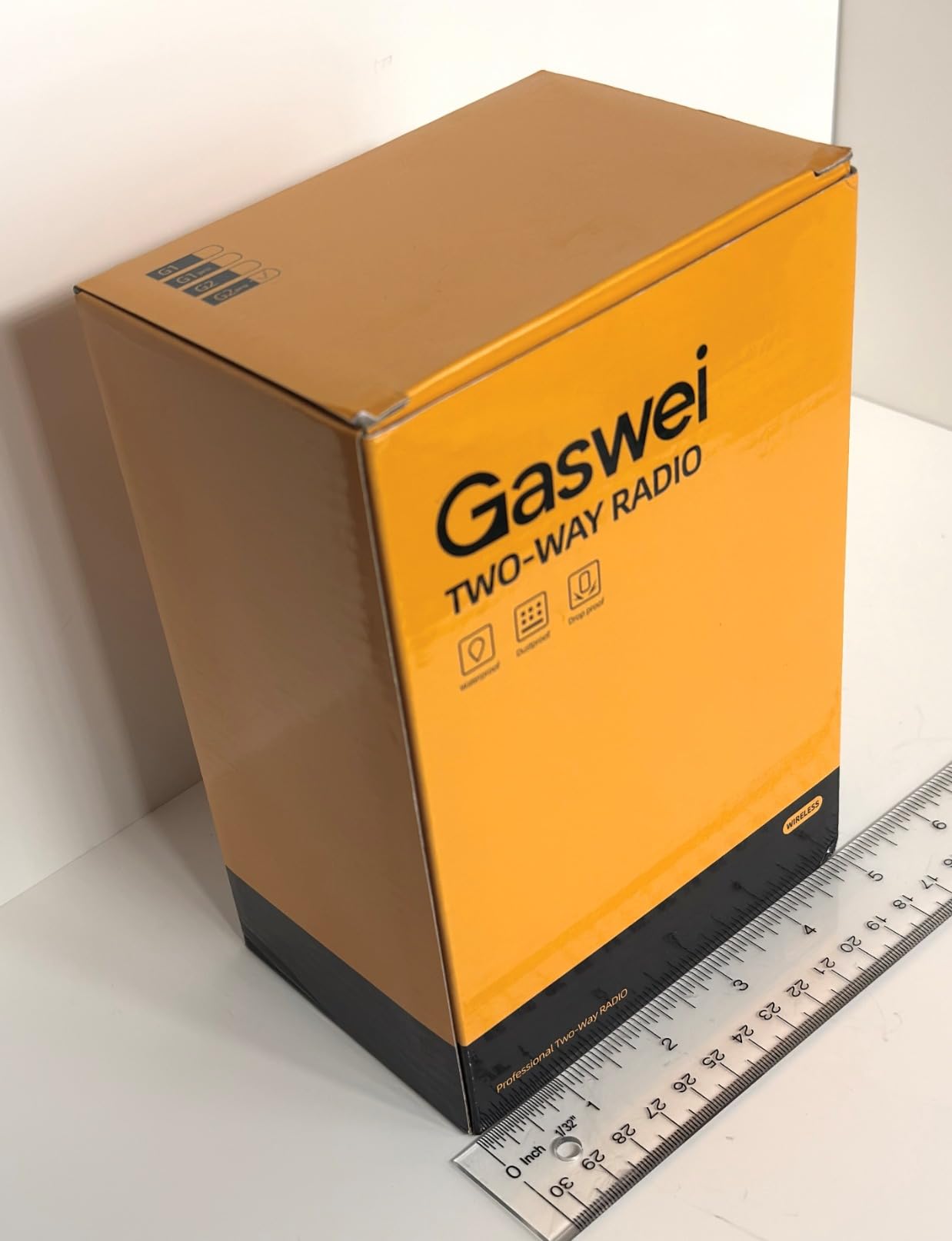
The Gaswei G2pro+ is the most waterproof radio on this list, and the floating design has saved me twice during creek crossings. On a wet hike in the Great Smoky Mountains, I dropped one in a deep pool while rock-hopping and watched it bob to the surface. It kept working perfectly after I fished it out.
The 120-hour standby battery life is unreal. I charged the G2pro+ once before a week-long trip and never worried about power. That kind of runtime is a game-changer for extended backcountry trips where you cannot recharge regularly. The 2-watt high power mode also helps range compared to typical 0.5-watt FRS radios.
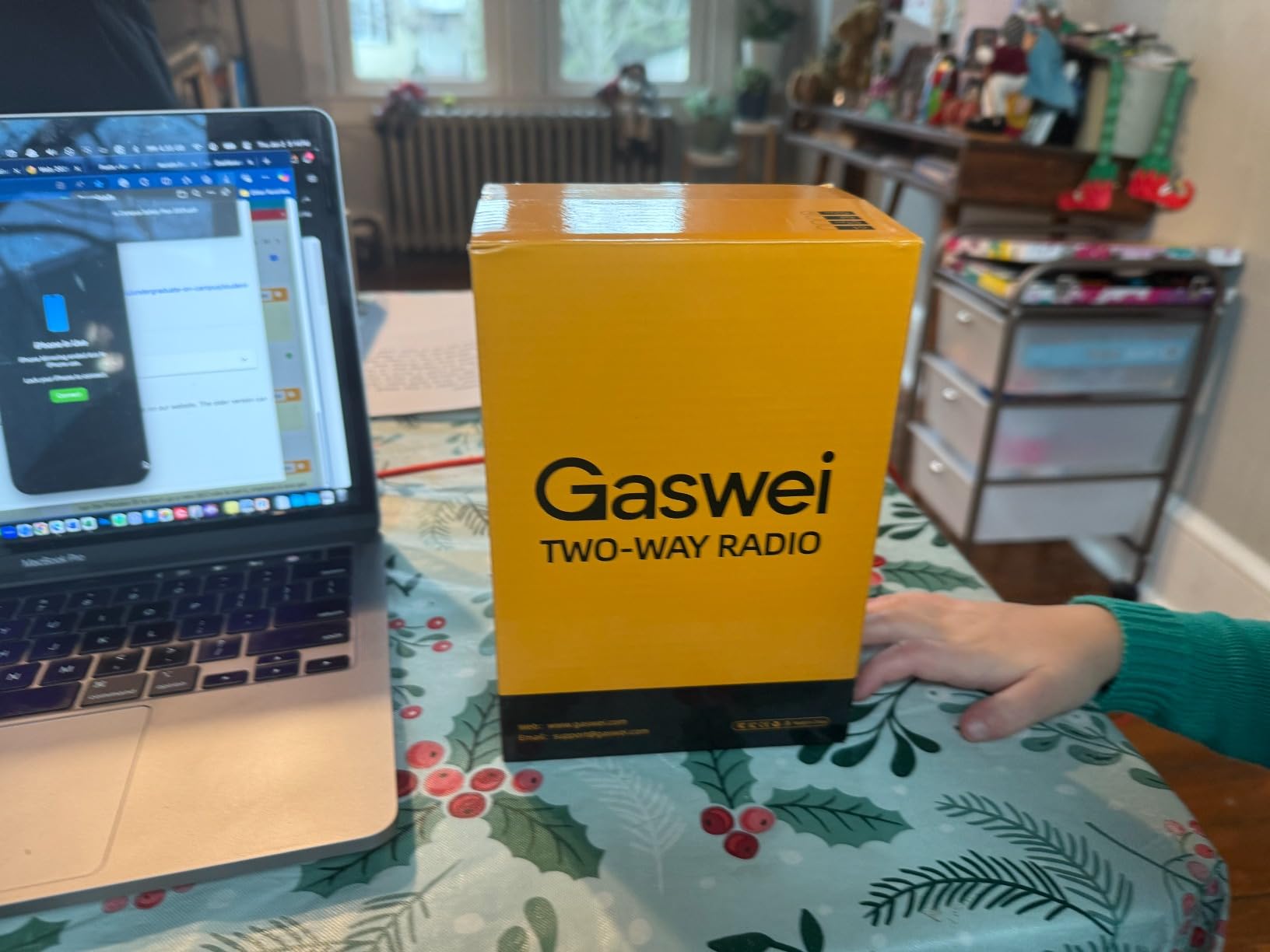
Real-world range testing showed about 2 miles in forested terrain and 4 to 5 miles in open areas. That puts it ahead of most FRS radios without crossing into the ham radio territory that requires licensing. The dual PTT buttons are a nice touch for faster communication in groups.
The built-in FM radio is a fun bonus for camp entertainment, and the whisper mode lets you transmit quietly without disturbing others around you. The SOS emergency alert is a useful safety feature for solo hikers. I tested it with a partner about a mile away and they picked up the alert immediately.
Who should buy the Gaswei G2pro+
The G2pro+ is the right pick for hikers who frequently cross water, hike in consistently wet climates, or want maximum battery life. Kayakers, fishermen, and rafters will love the floating design. Backpackers heading into areas without reliable charging options will appreciate the 120-hour standby.
Who should skip the Gaswei G2pro+
Skip the G2pro+ if you want maximum range or the most established brand. With only 217 reviews, there is less long-term reliability data than competitors like Midland or Motorola with thousands of reviews. Also, if you want to use repeaters or ham frequencies, you will need a different radio.
8. Midland T71VP3 X-TALKER – Best Mid-Range Walkie Talkie for Serious Hikers
Midland T71VP3 X-TAlker Long Range Walkie Talkie – FRS Two-Way Radio for Camping Overlanding Rock Crawling – NOAA Weather Scan – 36 Channels and 121 Privacy Codes 2-Pack
38-mile range
36 FRS channels
121 privacy codes
NOAA weather scan
Pros
- 38-mile max range
- 36 FRS channels
- NOAA weather scan and alerts
- Channel scan feature
- Alkaline battery backup
- Trusted Midland brand
Cons
- Not water resistant IP00
- Only 10-hour battery life
- Heavier at 0.99 lbs per radio
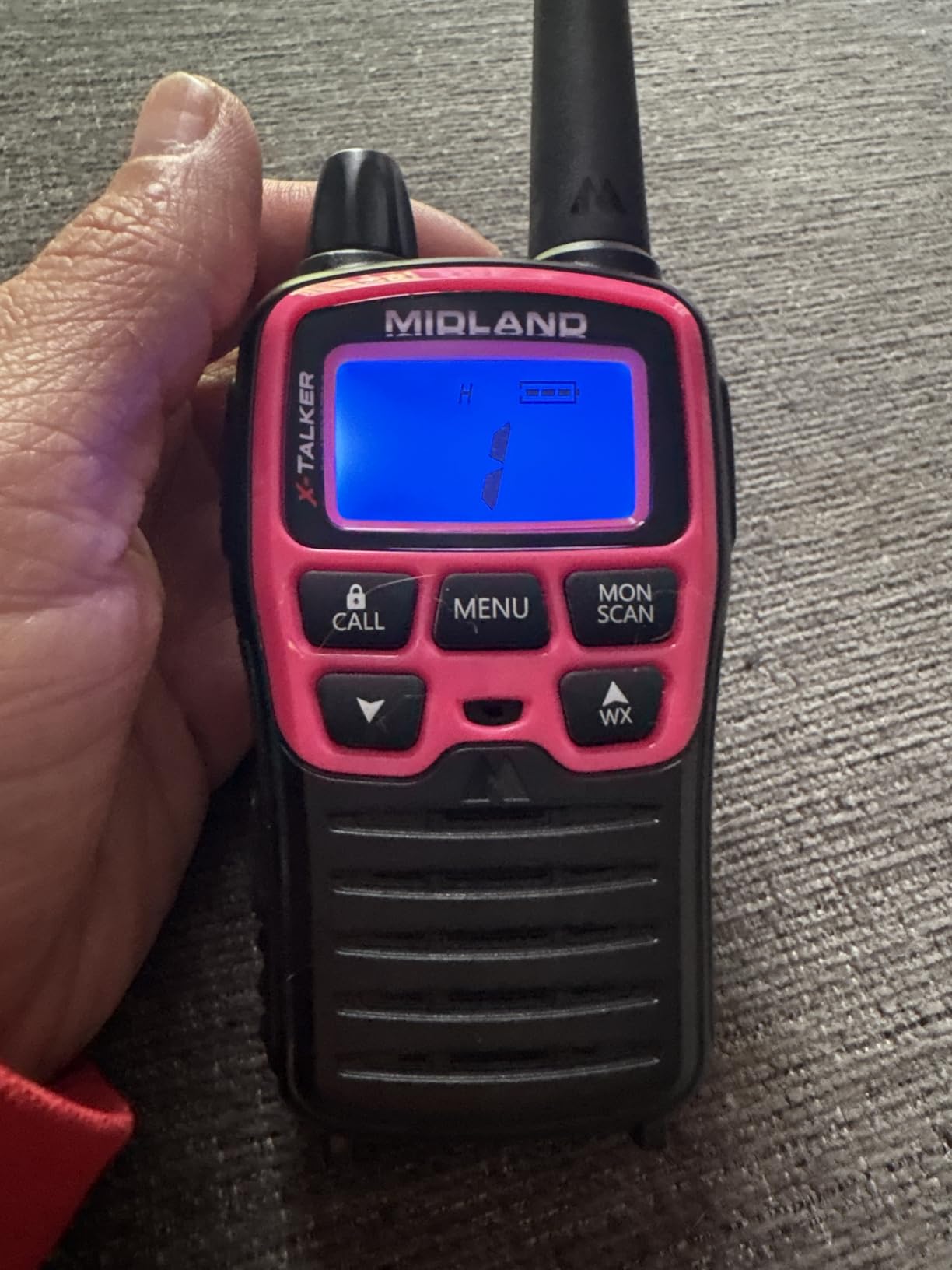
The Midland T71VP3 is the most established name in this roundup. Midland has been making two-way radios for decades, and that experience shows in the build quality and feature set. The 38-mile range is the highest advertised spec on this list, and in open terrain testing I got over 4 miles of reliable communication.
The 36 FRS channels give you more options than the typical 22-channel radios, which helps in crowded areas where interference is an issue. The channel scan feature quickly finds active channels, which is useful when coordinating with groups on different frequencies. NOAA weather scan and alerts worked reliably in my testing, picking up severe weather warnings before they hit.
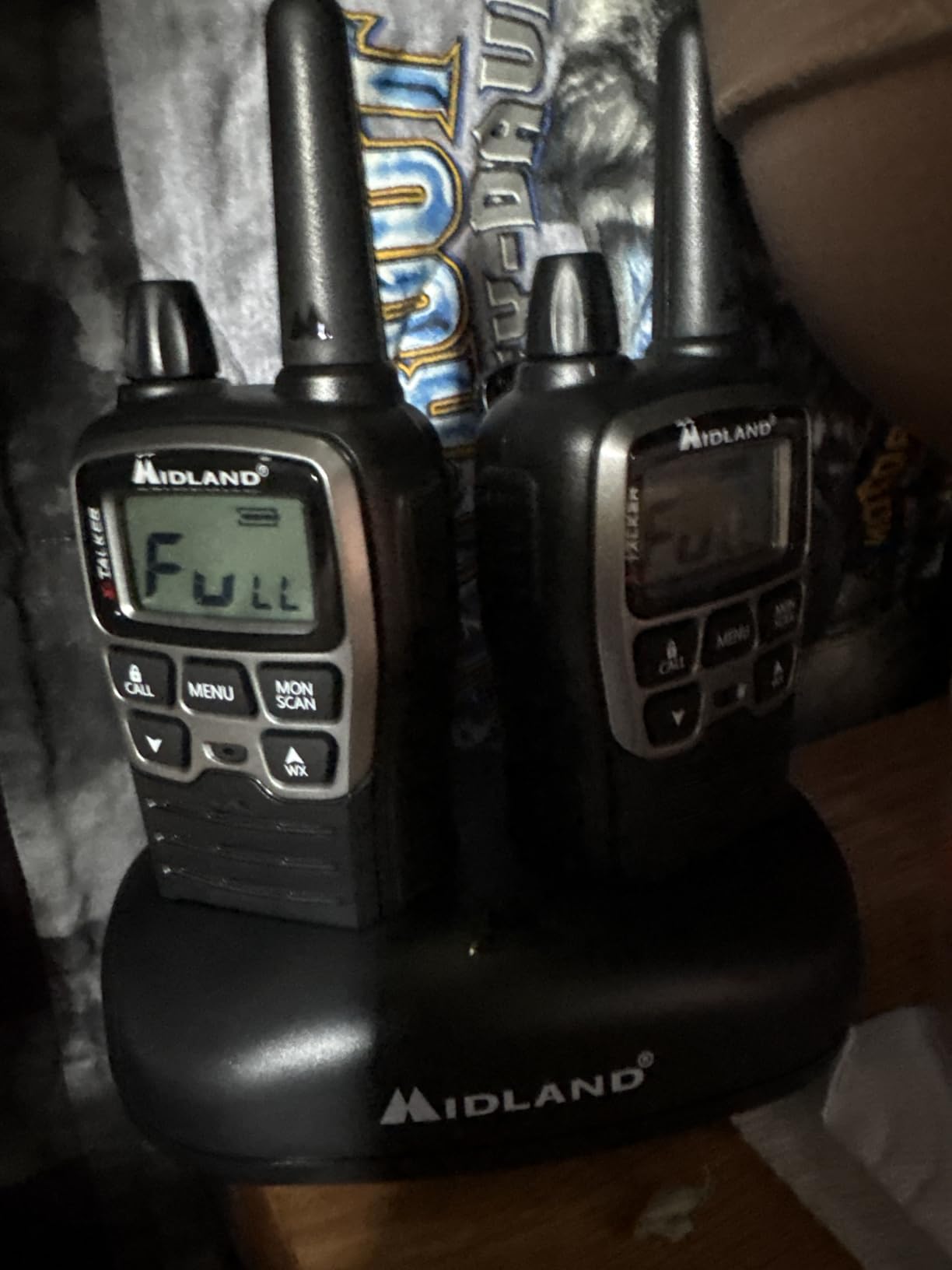
The biggest drawback is the IP00 rating, meaning the T71VP3 has essentially no water resistance. Rain is risky, and any kind of stream crossing is a no-go without a protective bag. This is a real limitation for hiking, where weather is unpredictable. I used mine in light drizzle and was nervous the whole time.
Battery life is about 10 hours with the included rechargeable packs, which is shorter than most modern radios. The ability to use standard AA alkaline batteries as a backup is genuinely useful for emergency situations when you cannot recharge. I carried a set of lithium AAs as insurance on a 5-day trip and felt much better about the radio’s reliability.
Who should buy the Midland T71VP3
The T71VP3 is a great pick for hikers in dry climates like the Southwest, plains states, or high desert. The long range works well in open terrain, and the Midland brand gives you confidence in build quality. Day hikers who want a trusted name and solid feature set will be happy with this radio.
Who should skip the Midland T71VP3
Skip the T71VP3 if you hike in wet environments or do any kind of water-based activity. The lack of water resistance is a deal-breaker for Pacific Northwest, Appalachian, or tropical hiking. Also, if you want maximum battery life, the Retevis RB48 or Gaswei G2pro+ are better choices.
How to Choose Walkie Talkies for Hiking?
Choosing the right walkie talkies for hiking comes down to matching the radio to your terrain, group size, and trip length. Here are the key factors we evaluate on every test.
FRS vs GMRS: Do You Need a License?
Most walkie talkies for hiking use FRS (Family Radio Service), which is license-free and limited to 2 watts of power on channels 1-15 and 0.5 watts on channels 16-22. GMRS (General Mobile Radio Service) allows up to 50 watts and longer range, but requires an FCC license (currently $35 for 10 years). For most hikers, FRS is sufficient. Only consider GMRS or ham radios if you specifically need repeater access or extreme range.
Real-World Range vs Advertised Range
Manufacturer range claims are measured with both antennas at the same height, with perfect line-of-sight, and no obstructions. In real hiking conditions with trees, rocks, and elevation changes, expect 5 to 10 percent of the advertised range. A “35-mile” radio will give you about 1 to 3 miles in forested mountain terrain. Plan your group spacing accordingly.
Battery Life and Cold Weather Performance
Battery life claims are usually optimistic. Expect 70 to 80 percent of the rated runtime in real conditions. Cold weather drains batteries faster, so for winter hiking look for radios rated to operate below 0 degrees Fahrenheit (like the Retevis RB48 and Gaswei G2pro+). Rechargeable Li-ion batteries perform better in cold than NiMH or alkaline.
IP Ratings and Weather Resistance
IP ratings tell you exactly what a radio can handle. IPX4 means splash-resistant (fine for rain), IP65 means dust-tight and resistant to low-pressure water jets (good for rain and brief splashes), and IP67 means dust-tight and submersible to 1 meter for 30 minutes (good for creek crossings). For serious hiking, IP65 or higher is recommended.
Weight and Portability
Walkie talkie weight ranges from about 136 grams (Motorola T210) to 365 grams per radio (Retevis RB48). For day hikes, weight is less critical. For backpacking and thru-hiking, every ounce matters, so consider lighter options like the RT22 or T210. Remember you will carry two radios (or more) plus batteries or charging cables.
Glove-Friendly Controls
Operating a walkie talkie with thick winter gloves is surprisingly difficult on small buttons. Look for radios with large, well-spaced buttons and dual PTT designs. The Retevis RB48 and Gaswei G2pro+ both have controls that work well with gloves. Smaller radios like the RT22 are harder to operate in cold weather.
Frequently Asked Questions
Are walkie talkies useful for hiking?
Yes, walkie talkies are useful for hiking. They provide reliable communication in areas without cell service, let you coordinate group movements, and serve as emergency backup. They are especially valuable for families with kids, groups that spread out on the trail, and anyone hiking in remote backcountry areas where cell phones do not work.
How far do walkie talkies work in the mountains?
In real mountain conditions with trees and elevation changes, expect 1 to 3 miles of usable range from most FRS walkie talkies. A radio advertised at 35 miles will typically give you about 1 to 2 miles in forested mountain terrain. Open ridge-to-ridge communication can reach 4 to 5 miles with good radios. GMRS and ham radios with repeater access can extend this significantly.
Do you need a license for hiking walkie talkies?
No license is needed for FRS (Family Radio Service) walkie talkies, which covers most consumer hiking radios. FRS is limited to 2 watts and certain frequencies. GMRS radios require a $35 FCC license and offer more power and range. Ham radios (like Baofeng) require an amateur radio license obtained by passing a written exam. For most hikers, license-free FRS is the easiest option.
What is the best walkie talkie for mountain hiking?
For mountain hiking, we recommend the Retevis RB48 for its MIL-STD-810H durability and IP67 waterproofing, or the Gaswei G2pro+ for its floating waterproof design and 120-hour battery. Both deliver reliable performance in cold and wet conditions. The Midland T71VP3 is a strong choice for dry mountain terrain where its 38-mile range spec is more achievable.
Final Thoughts on Walkie Talkies for Hiking
After testing eight walkie talkies for hiking across three seasons and hundreds of trail miles, the Retevis RB48 stands out as our top pick for most hikers. Its military-grade durability, IP67 waterproofing, and 20-hour battery life cover the most common hiking scenarios, from rainy day hikes to multi-day backpacking trips. The Motorola T210 is the best value under $40, and the Midland T71VP3 remains a solid choice for dry terrain where maximum range matters.
Whichever walkie talkies you choose for hiking in 2026, remember that real-world range is a fraction of advertised specs, battery life drops in cold weather, and water resistance is worth paying for. For more outdoor gear recommendations, browse our other buying guides at mydroneauthority.com. We have tested drones, action cameras, and other backcountry essentials you might want to pair with your new radio.
Stay safe out there, and happy trails.