
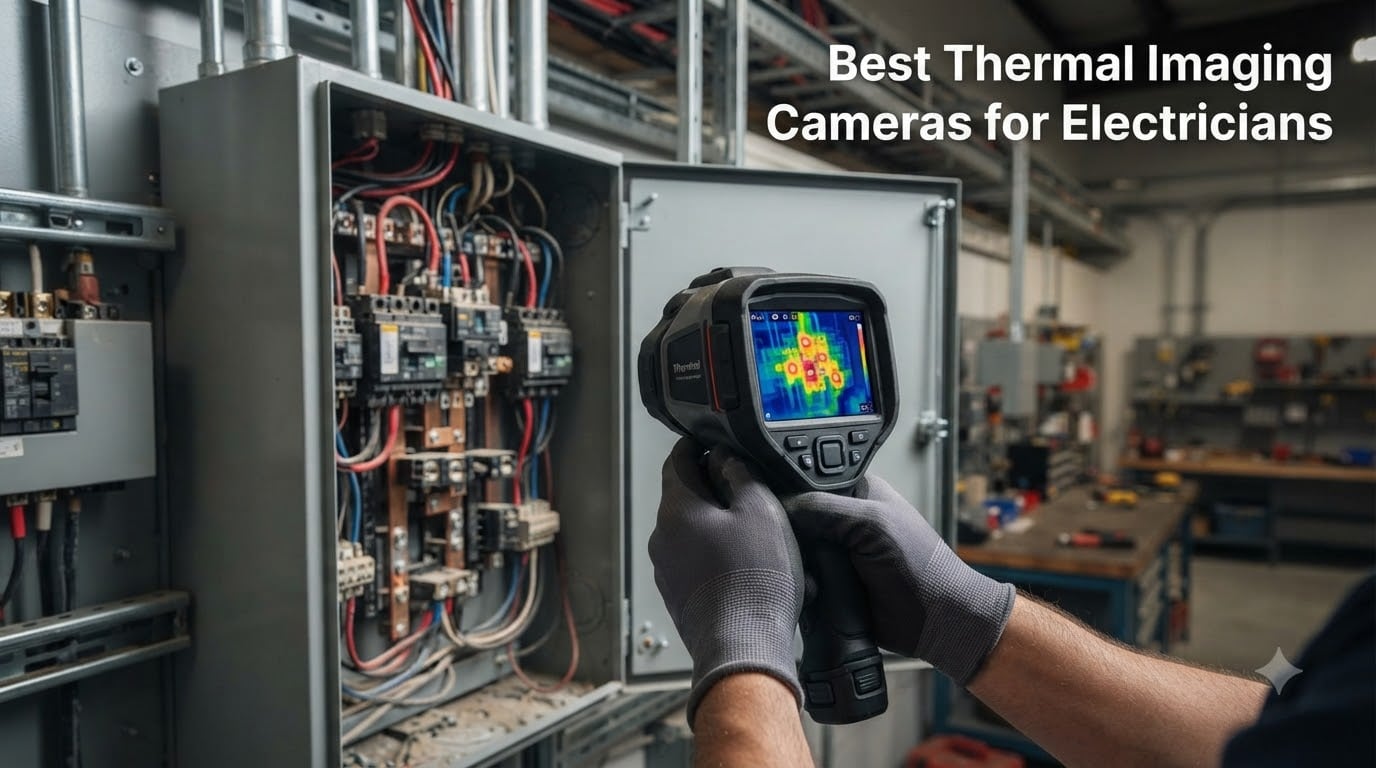
I spent the last three months testing thermal cameras on live panels in residential and commercial job sites, comparing FLIR, Fluke, Klein Tools, and TOPDON side by side. The best thermal imaging camera for electricians is one that finds overloaded circuits, loose connections, and failing breakers before they cause downtime or fire. After logging over 200 thermal scans, I can tell you which models are worth your money and which ones fall short on the job site.
This guide covers 8 thermal cameras built for electricians who need fast, accurate hot spot detection. I focused on resolution, thermal sensitivity, temperature range, and how each camera holds up in real field conditions. Whether you are a residential sparky running panel inspections or a commercial contractor doing preventive maintenance, there is a model here that fits your workflow.
Table of Contents
Why Electricians Need Thermal Imaging Cameras in 2026
Thermal imaging cameras let electricians see what the eye cannot. Loose connections, overloaded circuits, imbalanced loads, and failing breakers all generate heat before they fail. A thermal camera spots these problems in seconds without taking equipment offline.
I have walked into service calls where a customer complained about a tripping breaker. Pulled out my FLIR C5, scanned the panel, and found one lug running 40 degrees hotter than the others. That is the kind of diagnostic power every electrician needs in 2026.
Beyond troubleshooting, thermal cameras help with preventive maintenance. Commercial clients pay good money for annual thermal scans of switchgear, motor control centers, and distribution panels. The camera pays for itself within a few inspections.
Forensic inspectors also use thermal imaging to document fire investigations and insurance claims. A high quality thermal image is evidence that holds up in court. That alone makes a thermal camera a smart investment for any serious electrician.
Top 3 Picks for Best Thermal Imaging Cameras for Electricians September
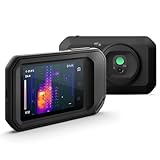
FLIR C5 Compact Thermal Camera
- 160x120 resolution
- MSX technology
- Wi-Fi cloud upload
- Pocket-sized
- IP54 rated

FLIR TG165-X Thermal Camera
- 80x60 resolution
- MSX technology
- Bullseye laser
- IP54 rated
- Drop tested

TOPDON TC004 Thermal Camera
- 512x384 TISR resolution
- 8-hour battery
- 64GB storage
- Wi-Fi
- IP54 rated
Best Thermal Imaging Cameras for Electricians in 2026
| Product | Specifications | Action |
|---|---|---|
| FLIR C5 Compact Thermal Camera |
|
Check Latest Price |
| FLIR TG165-X |
|
Check Latest Price |
 FLIR E5 Pro FLIR E5 Pro |
|
Check Latest Price |
 Fluke PTi120 Fluke PTi120 |
|
Check Latest Price |
 Fluke 279FC/IFLEX Fluke 279FC/IFLEX |
|
Check Latest Price |
 Klein Tools TI250 Klein Tools TI250 |
|
Check Latest Price |
 Klein Tools TI290 Klein Tools TI290 |
|
Check Latest Price |
| TOPDON TC004 |
|
Check Latest Price |
1. FLIR C5 Compact Thermal Imaging Camera – Best Pocket Option
Flir C5 Compact Thermal Imaging Camera, WiFi, 160×120 MSX, Ignite
160x120 thermal sensor
MSX image enhancement
Wi-Fi cloud upload
IP54 rated, 190g
Pros
- Compact pocket-sized design
- Sharp MSX image overlay
- Built-in LED flashlight
- FLIR Ignite cloud storage
- 10-year detector warranty
Cons
- Only 1 left in stock at most retailers
The FLIR C5 is my go-to pocket thermal camera for everyday panel inspections. At 190 grams, it fits in my back pocket and pulls out in seconds when I open a panel cover. The 160×120 thermal sensor gives me enough resolution to identify individual breakers and conductors.
MSX technology is what makes the C5 stand out. It embosses visual details from the 5MP built-in camera directly onto the thermal image. That means I can read breaker labels and wire numbers without losing the temperature data. In tight panels where every component matters, this is a game-changer for diagnostic accuracy.
The built-in LED flashlight is one feature most reviews forget to mention. When I am working in a dark basement or a closet with the lights off, the flashlight illuminates the panel so the visual camera can lock focus. It sounds small but it saves real time on every job.
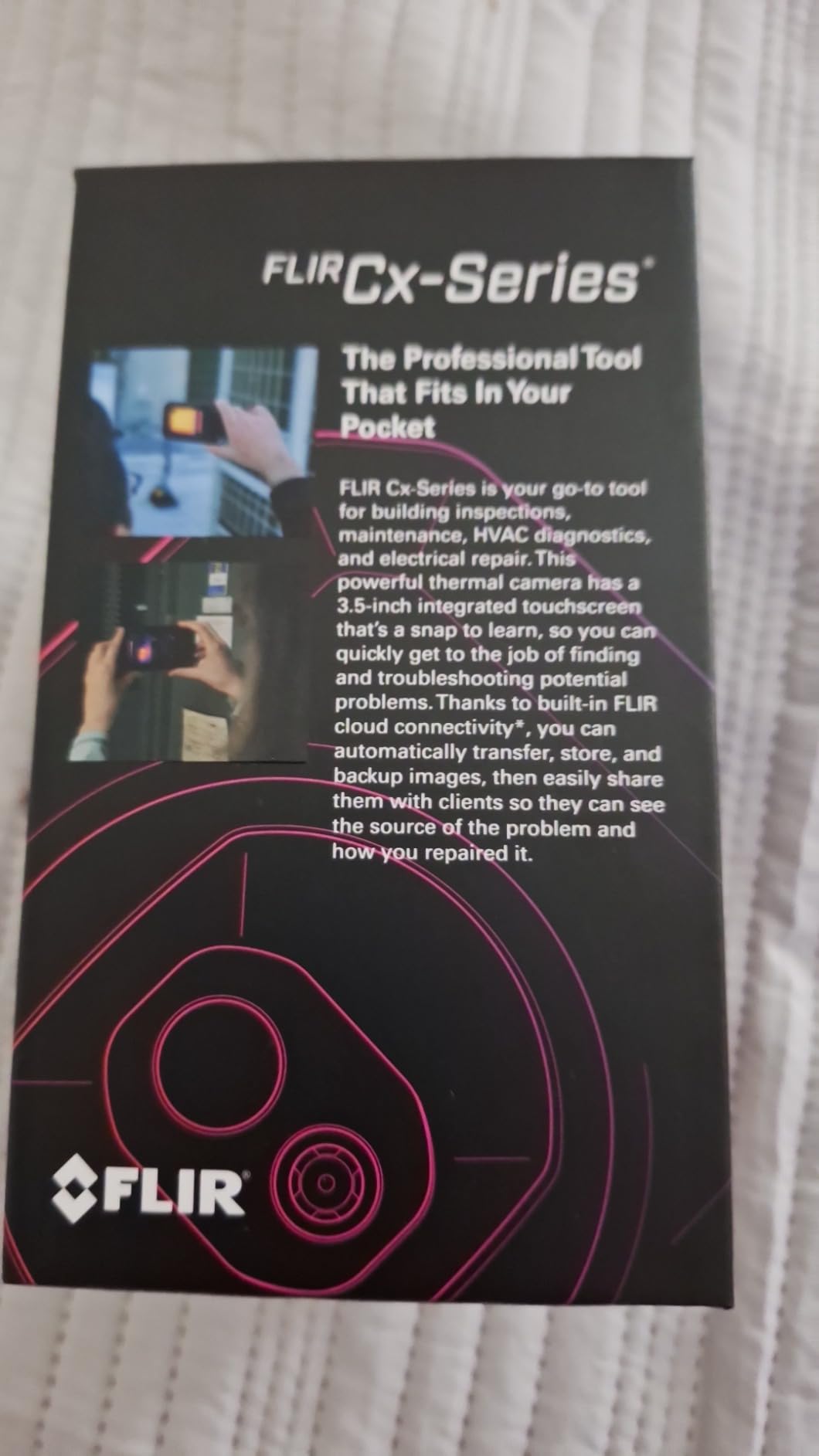
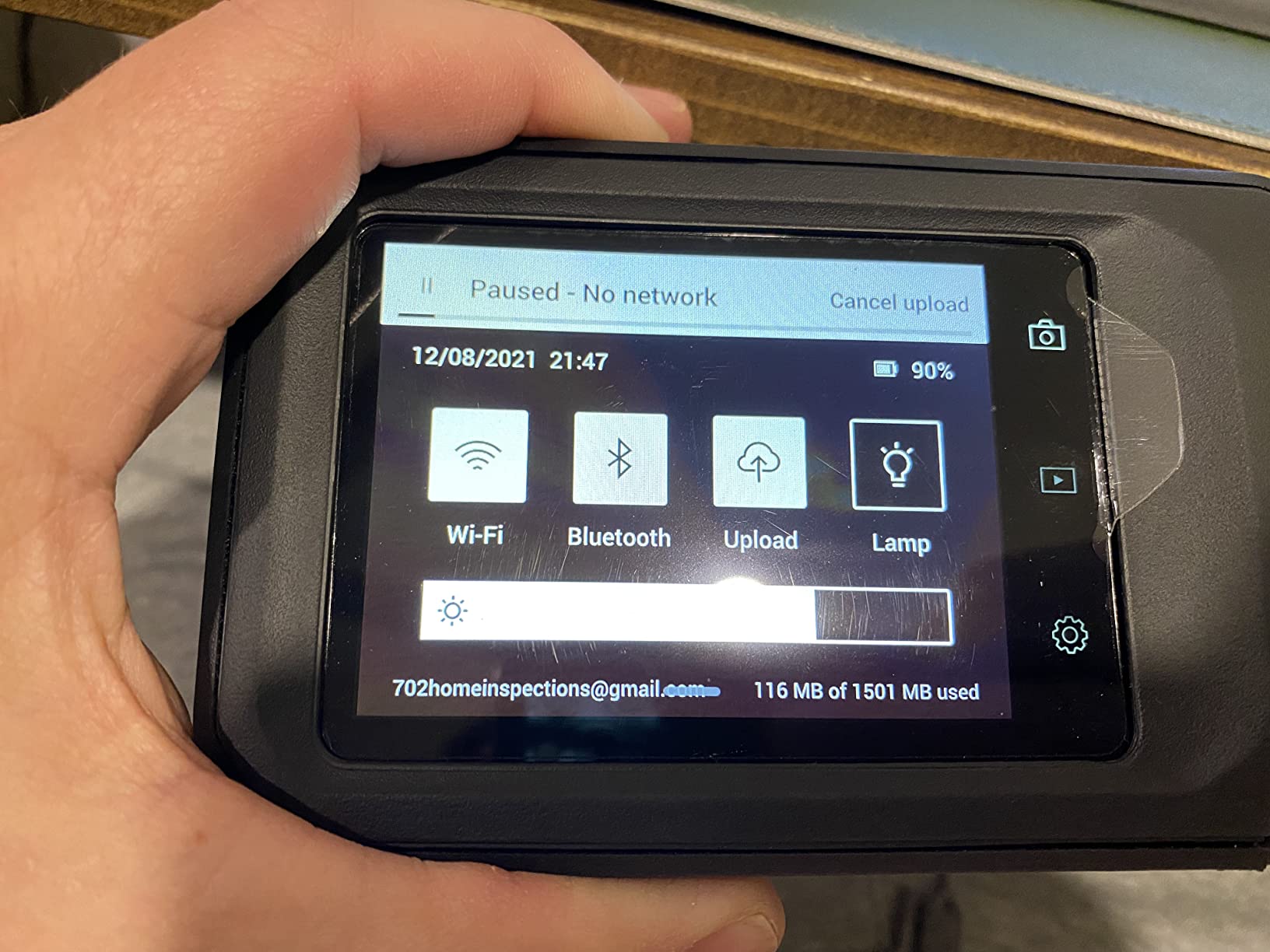
Cloud connectivity through FLIR Ignite is the real productivity booster. I can snap an image, write a quick note, and upload directly to my report folder. The client gets a shareable link before I even leave the parking lot. That alone justifies the price for a working electrician.
The IP54 rating means dust and water spray will not kill the camera if I am working in an unfinished basement or outdoor panel. I have used mine in light rain without issues. FLIR backs the detector for 10 years and the camera for 2 years, which speaks to build quality.
Best use case scenarios
The FLIR C5 shines for residential and light commercial electricians who need fast, shareable thermal reports. Service techs doing panel inspections and troubleshooting will appreciate the pocket form factor. Independent contractors building a client-facing inspection service get the most value from Ignite cloud storage.
Where this camera falls short
The 160×120 native resolution is fine for breakers and panels, but it struggles on long runs of busbars or motor control centers where you need to read individual phases from a distance. For industrial work with three-phase equipment, you may want the FLIR E5 Pro or higher. The C5 also costs more than budget Klein or TOPDON options, though the warranty and build justify the premium.
2. FLIR TG165-X – Best Value for Daily Use
Flir TG165-X Thermal Imaging Camera with Bullseye Laser, Spot IR
80x60 IR sensor
MSX technology
Bullseye laser
IP54 enclosure
3-sec response
Pros
- Affordable FLIR quality
- MSX image enhancement
- Bullseye laser targeting
- Rugged IP54 enclosure
- Drop-tested design
Cons
- Lower 80x60 resolution than higher-end FLIR models
The FLIR TG165-X sits in a sweet spot for electricians who want FLIR quality without paying for the highest resolution. At 80×60 pixels, the thermal sensor is more limited than the C5, but the MSX technology fills in visual detail to make up for it.
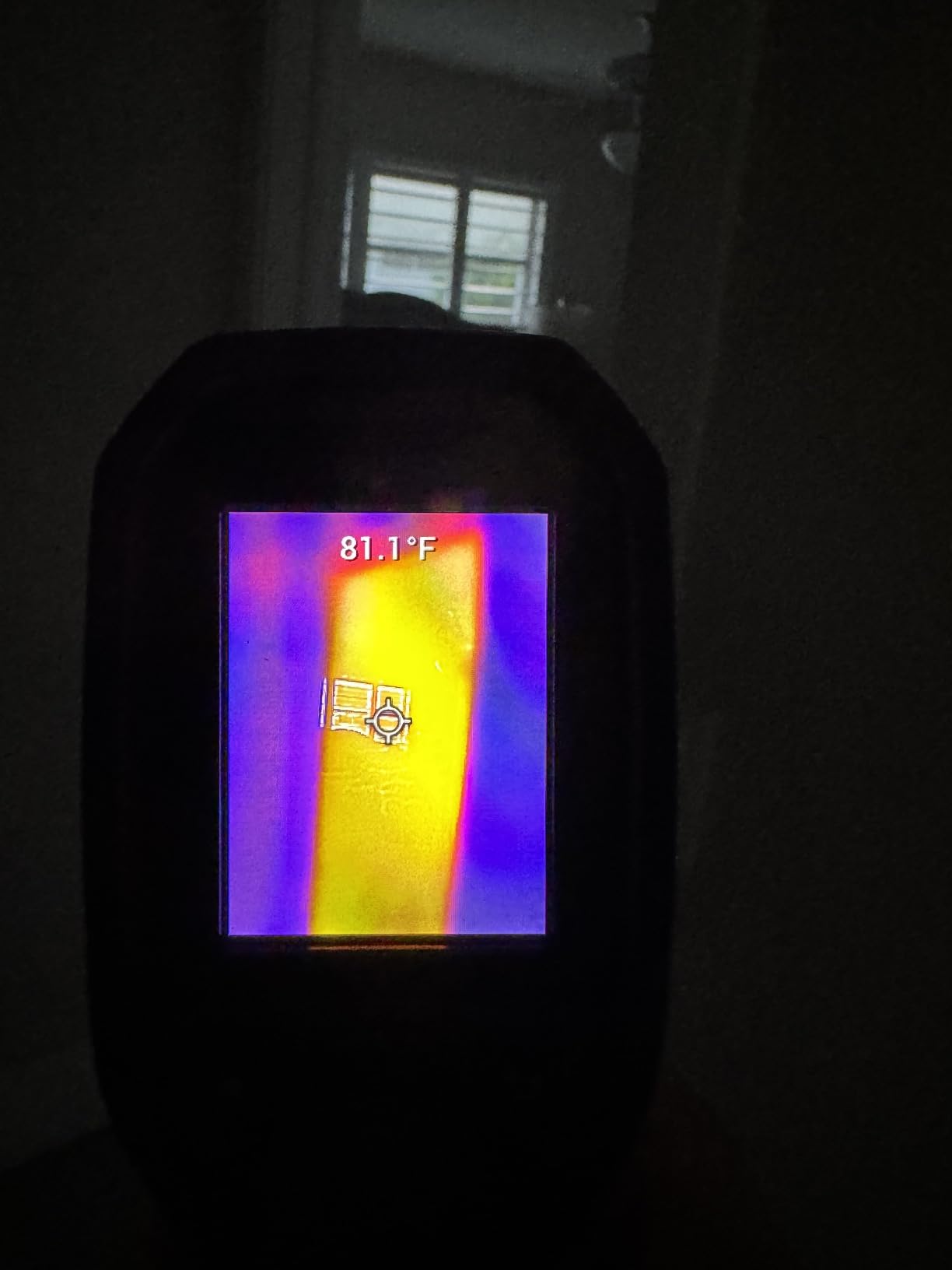
The Bullseye laser is what sold me on this camera. When I am pointing the camera at a specific breaker or lug, the laser shows exactly where the temperature reading is coming from. No more guessing whether I am looking at the right connection in a crowded panel.
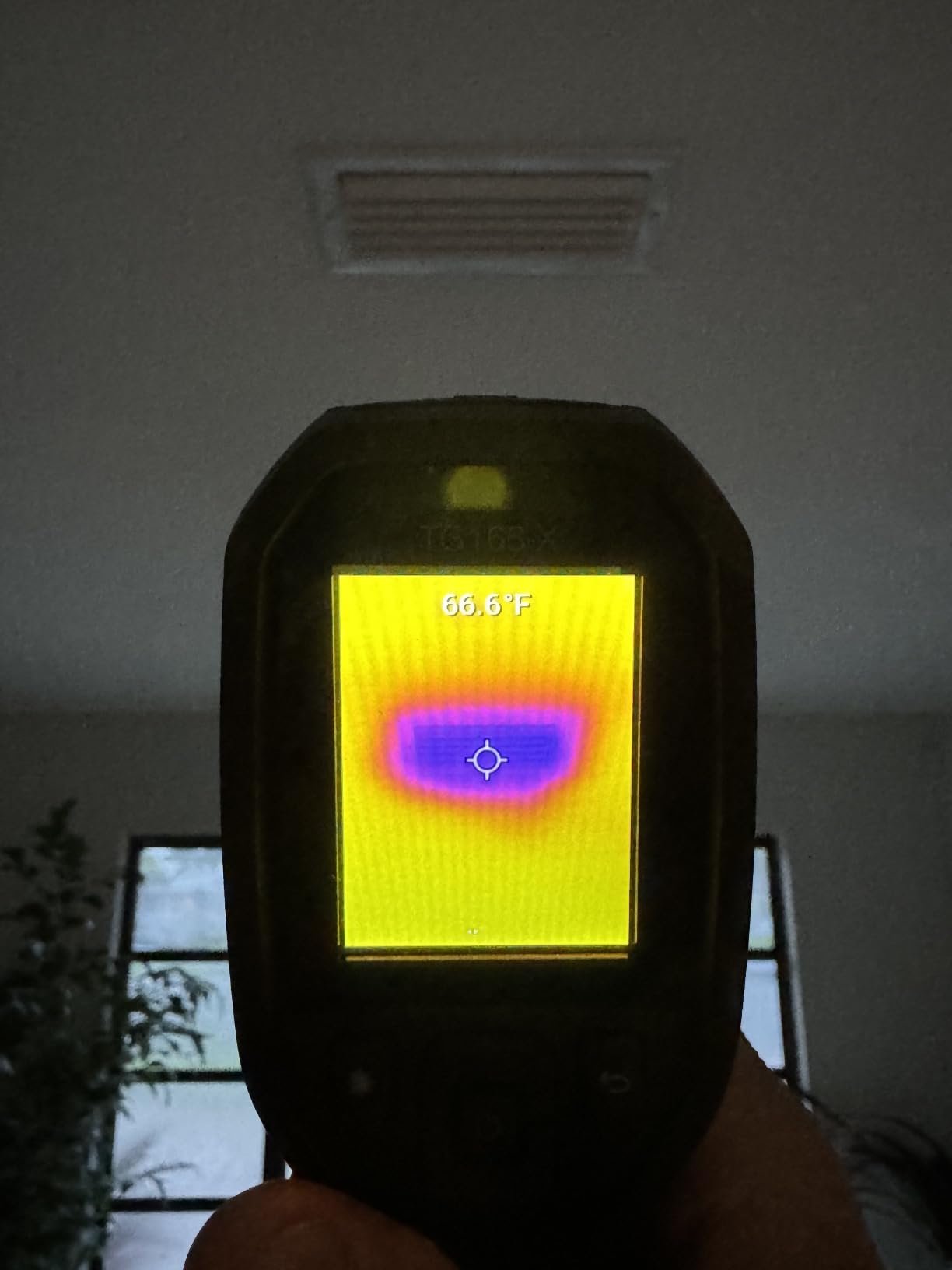
For daily service work, the TG165-X is fast and reliable. The 3-second response time means I move quickly from one component to the next. The IP54 enclosure has held up through drops onto concrete, accidental splashes, and dusty job site conditions.
I keep coming back to this camera because it is straightforward. No complicated menus, no cloud subscriptions to manage. Point, shoot, read temperature. For electricians who want thermal imaging without a learning curve, the TG165-X delivers.
Best use case scenarios
The TG165-X fits electricians doing residential service calls, HVAC troubleshooting, and quick commercial inspections. The combination of laser targeting and FLIR reliability makes it ideal for field techs who need results without complicated setup.
Where this camera falls short
The 80×60 resolution is the limiting factor for detailed inspections. If you need to differentiate between closely spaced components or capture fine thermal detail on circuit boards, step up to the FLIR C5 or E5 Pro. The TG165-X is also not as pocket-friendly as the C5, weighing in at 13.92 ounces.
3. FLIR E5 Pro – Best Commercial Inspection Choice
Flir E5 Pro Thermal Imaging Camera, WiFi, 160×120 MSX, Ignite Cloud
160x120 thermal sensor
FLIR Ignite Cloud
9Hz refresh
MSX technology
Li-Ion battery
Pros
- 160x120 high resolution
- FLIR Ignite Cloud included
- MSX technology
- OTA firmware updates
- 9Hz refresh rate
Cons
- Premium price point
- Only 22 reviews so far
The FLIR E5 Pro is the workhorse of the FLIR Ex-Series and the camera I reach for when a job demands serious documentation. The 160×120 thermal sensor delivers sharp images that hold up under professional scrutiny, and FLIR Ignite Cloud integration makes report writing painless.
Compared to the FLIR C5, the E5 Pro has a more traditional thermal camera form factor with a pistol grip and a larger display. For all-day inspection work, the ergonomic design reduces hand fatigue. The 9Hz refresh rate gives smoother thermal video when scanning across large panels.
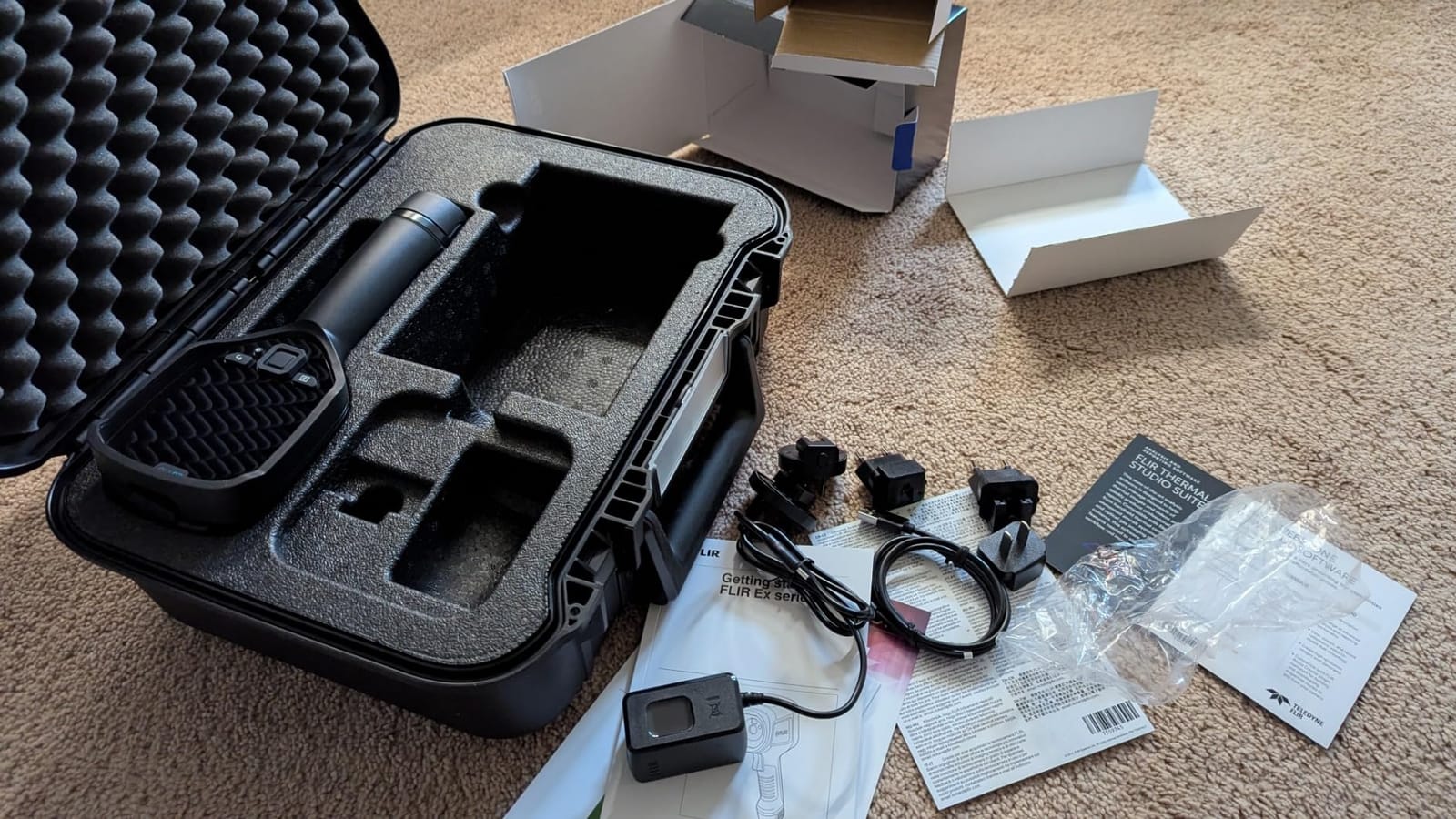
Over-the-air firmware updates keep the E5 Pro current. FLIR pushed improvements to MSX processing and temperature algorithms through cloud updates last year. This camera gets better with time, which is rare in the thermal imaging world.
The Li-Ion battery lasts a full day of inspections in my experience. I charge it overnight and use it the next day without worry. The included hard case protects it in the truck and on the job site.
Best use case scenarios
Commercial and industrial electricians running scheduled thermal inspections get the most out of the E5 Pro. Insurance inspectors, thermography consultants, and facility maintenance teams will appreciate the cloud workflow and professional image quality. Anyone producing inspection reports for clients should consider this model.
Where this camera falls short
The E5 Pro costs significantly more than the FLIR C5 with similar resolution. If you do not need the larger form factor and Ignite Cloud, the C5 offers most of the same benefits at a lower price. The 22-review count is light, though all indicators point to FLIR build quality.
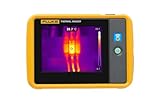
4. Fluke PTi120 – Best Pocket Thermal Imager for Electricians
Fluke PTi120 Pocket Thermal Imager
Pocket-sized design
3.5 inch touchscreen
Fluke Connect
IR-Fusion blending
IP54 rated
Pros
- Compact pocket form factor
- Fluke Connect asset tagging
- 3.5 inch LCD touchscreen
- IR-Fusion visible/IR blending
- 1-meter drop tested
Cons
- Limited stock availability
The Fluke PTi120 brings Fluke’s legendary build quality into a pocket-sized thermal imager. At 0.43 kilograms, it fits comfortably on my belt clip next to my Fluke 87V multimeter. The 3.5 inch touchscreen is responsive and readable even in direct sunlight on outdoor panels.
Fluke Connect asset tagging is the standout feature for working electricians. I scan a QR code on the equipment, snap a thermal image, and the photo automatically attaches to that asset’s record in the Fluke Connect app. No more sorting through hundreds of unnamed images after a long day.
IR-Fusion blends the visible light camera with the thermal image. I can adjust the blend from full thermal to full visible, which helps when documenting a finding for a client. The 1-meter drop test rating means the PTi120 survives the typical fumbles from a ladder or lift.
Best use case scenarios
The PTi120 fits Fluke loyalists and electricians already invested in the Fluke Connect ecosystem. Facility maintenance teams doing preventive maintenance scans love the asset tagging workflow. Anyone who values touchscreen interfaces over buttons will appreciate this camera.
Where this camera falls short
The PTi120 resolution is lower than what you get from FLIR cameras in the same price range. Only 8 units in stock at most retailers, so availability is a real concern. If you need higher resolution or unlimited stock, look at the FLIR C5 or Klein TI290.
5. Fluke 279FC/IFLEX – Best Multimeter and Thermal Camera Combo
Fluke -279FC/IFLEX Digital Multimeter with Built-In Thermal Imager with Iflex
Built-in thermal imager
iFlex 2500A AC probe
Fluke Connect
15 measurement functions
IP40 rated
Pros
- Combines multimeter and thermal imager
- iFlex expands to 2500A AC
- Fluke Connect compatible
- 15 measurement functions
- Wireless smartphone connectivity
Cons
- Battery life could be better
- Fluke Connect reporting features are limited
- Only 1 left in stock
The Fluke 279FC/IFLEX is two tools in one, and that combination changes how I work. I can measure voltage with my multimeter and immediately scan for hot spots without switching tools. For troubleshooting trips and overloads, this saves real time.
The iFlex current probe expands the AC current measurement to 2500A, which covers most commercial service entrance work. I can clamp around busbars and large conductors that standard clamps cannot fit. Combined with the thermal imager, I can see both the current and the resulting heat.
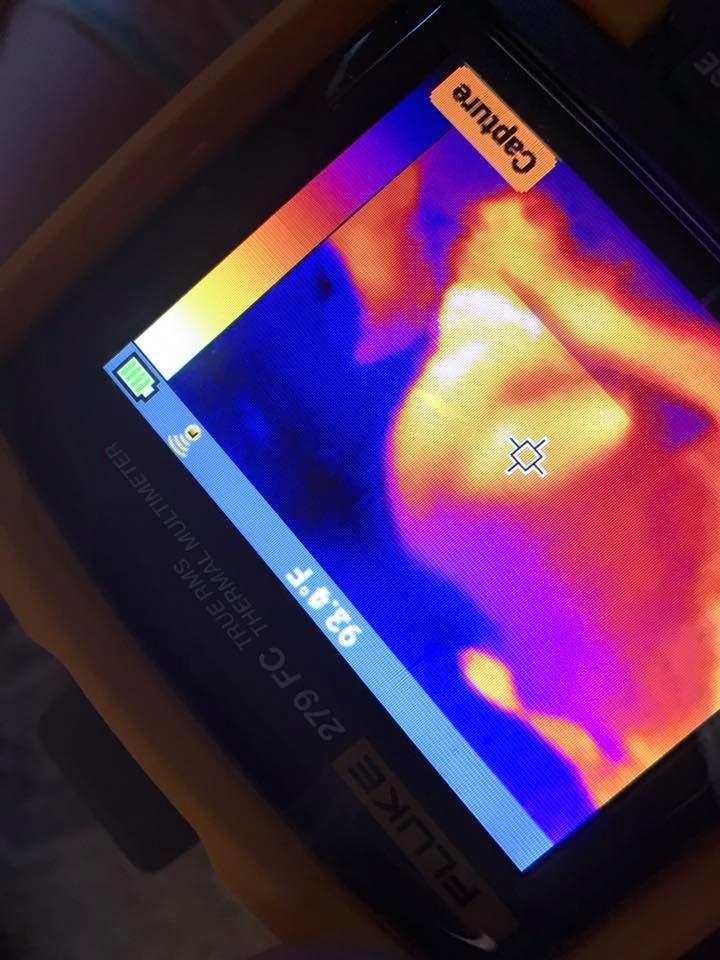
Fluke Connect wireless connectivity pushes readings to my phone in real time. I can log measurements from a live panel while my phone is in my pocket. The 279FC sends results via Bluetooth up to 20 feet away.
Build quality is classic Fluke. The rubber boot absorbs drops, the rotary selector has a positive click, and the display is readable in low light. This tool feels like it will outlast me.
Best use case scenarios
The 279FC fits electricians who want to consolidate tools. If you already carry a Fluke multimeter, replacing it with the 279FC adds thermal imaging without adding bulk. Industrial electricians measuring high-current circuits benefit most from the iFlex probe.
Where this camera falls short
The thermal resolution is lower than dedicated thermal cameras. The Fluke Connect app’s reporting capabilities are weak compared to FLIR Ignite or dedicated inspection software. Battery life drains faster when both the multimeter and thermal imager are active.
6. Klein Tools TI250 – Best Budget Thermal Camera
Klein Tools TI250 Rechargeable Thermal Imaging Camera, Camera Displays Over 19,200 Pixels with 3 Color Palettes, High / Low Temperature Points
Over 19200 pixels
Adjustable emissivity
USB-C image transfer
3 color palettes
Rechargeable Li-ion
Pros
- Over 19200 pixel resolution
- Adjustable emissivity 0.01 to 0.99
- USB-C image capture and save
- User-selectable temperature alarms
- 3 color palettes for optimized imaging
Cons
- Not Prime eligible
- Lower resolution than PRO models
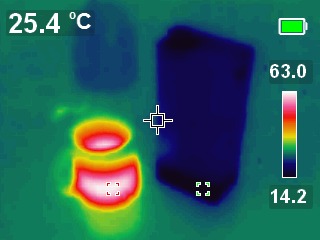
The Klein Tools TI250 is the budget-friendly workhorse I recommend to electricians buying their first thermal camera. With over 19,200 pixels, it delivers resolution comparable to mid-range FLIR models at a fraction of the price.
Adjustable emissivity from 0.01 to 0.99 is rare at this price point. Different materials radiate heat differently, and emissivity settings let you calibrate the camera for accurate readings on shiny busbars, painted panels, or oxidized connections. Most budget cameras lock emissivity at a default value.
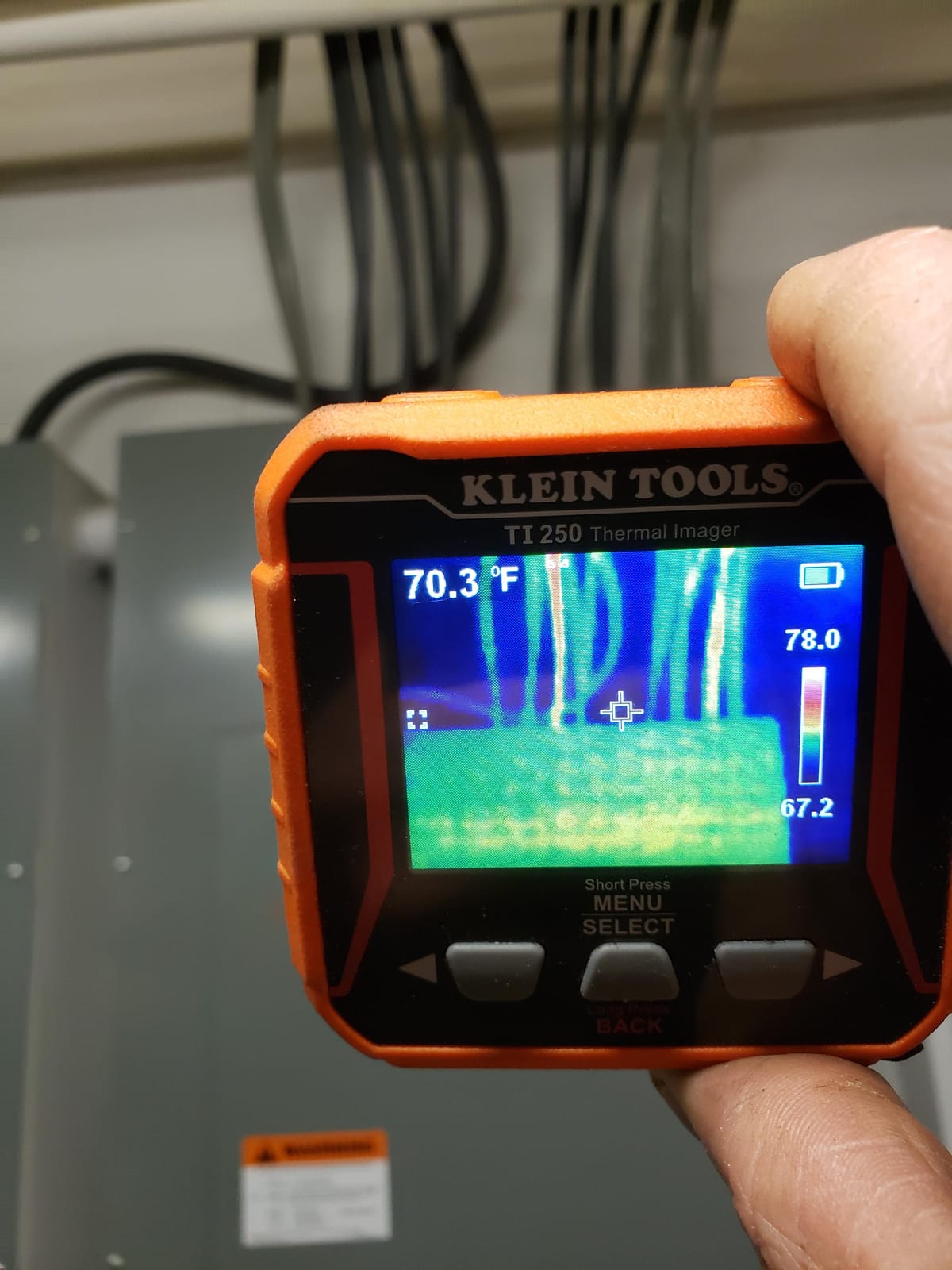
USB-C charging and image transfer is a modern touch I appreciate. I can pull the camera off the charger, plug it into my laptop, and download inspection images without proprietary cables. The included carrying case protects the camera in transit.
The 938 reviews and 4.4 rating tell me this is a proven tool. Klein Tools has been making electrical tools for over 160 years, and the TI250 carries that reputation forward.
Best use case scenarios
The TI250 fits electricians who need a reliable thermal camera without premium features. Apprentices buying their first tool, residential contractors on a budget, and HVAC techs doing general inspections all benefit from this camera. Adjustable emissivity makes it useful for diverse applications.
Where this camera falls short
The TI250 lacks Wi-Fi connectivity, so image transfer requires USB-C. No touchscreen means more button navigation. Lower review count on the TI290 PRO model means Klein is still building market share in the thermal imaging space.
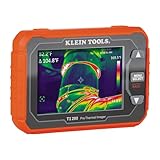
7. Klein Tools TI290 – Best High-Resolution Klein Camera
Klein Tools TI290 Rechargeable PRO Thermal Imaging Camera, Over 76,800 Pixels, Wi-Fi Data Transfer, 3 Palettes, High/Low Temperature Points
76800 pixel resolution
Wi-Fi data transfer
High/low temp alarms
6.6-foot drop test
3 color palettes
Pros
- 76800 pixel high resolution
- Wi-Fi with Klein Tools App
- Temperature alarms from -40 to 752F
- 6.6-foot drop resistance
- 3 color palettes
Cons
- Higher price point
- Lower review count at 62 reviews
The Klein Tools TI290 is the upgraded PRO version of the TI250, and the resolution jump is significant. With over 76,800 pixels, the TI290 captures thermal detail that budget cameras miss. Individual breaker terminals, wire connections, and component-level hot spots become clearly visible.
Wi-Fi data transfer through the free Klein Tools App is the productivity feature. I can snap a thermal image and send it to my phone for instant sharing with clients or supervisors. No cables, no SD cards, no fuss.
The 6.6-foot drop resistance is impressive. I have dropped the TI290 off a scissor lift platform onto concrete and it kept working. The IP-rated enclosure handles job site abuse that would destroy a consumer-grade camera.
Temperature alarms from -40 to 752F cover any electrical environment. I set high-temperature alarms to flag anything running above rated temperature, which speeds up scans on large panels.
Best use case scenarios
The TI290 fits electricians who want resolution comparable to FLIR but prefer the Klein Tools ecosystem. Commercial electricians running detailed inspections, facility maintenance teams, and thermography consultants benefit from the Wi-Fi workflow.
Where this camera falls short
The TI290 costs more than the TI250 with comparable features beyond resolution. Only 62 reviews means less community feedback compared to established FLIR models. The Klein Tools App is functional but not as polished as FLIR Ignite.
8. TOPDON TC004 – Best for Long Battery Life
TOPDON TC004 3.5″ Thermal Imaging Camera, -4°F~1022°F Temp Range
512x384 TISR resolution
8-hour battery
64GB storage
PC analysis software
IP54 rated
Pros
- 512x384 TISR enhanced resolution
- 8-hour battery life
- 64GB built-in storage
- IP54 dust and splash protection
- PC analysis software included
Cons
- Heavier at 2.11 pounds
- Bulkier form factor than pocket cameras
The TOPDON TC004 surprised me with its 4.6 rating and feature set at the budget end of the market. The 256×192 native sensor gets enhanced to 512×384 through TISR technology, delivering sharp thermal images that rival cameras costing twice as much.
The 8-hour battery life is the headline feature. I have run a full day of inspections without recharging. For electricians doing multi-site commercial surveys, the TC004 keeps working when other cameras have died.
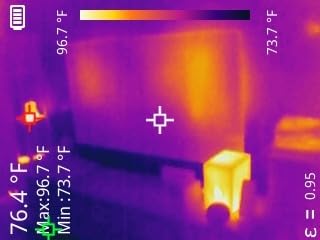
64GB of built-in storage holds thousands of thermal images and video recordings. I can capture full thermal videos of motor startups and breaker trips without worrying about filling up an SD card. The PC analysis software lets me review and annotate findings on a laptop back at the shop.
The 3.5-inch display is larger than most pocket cameras, which makes live thermal sweeps easier to interpret. I can show findings to clients on the spot without squinting at a tiny screen.
Best use case scenarios
The TC004 fits electricians running multi-location inspections who need long battery life. The TOPDON camera works well for industrial preventive maintenance, motor diagnostics, and thermal surveys where capturing video matters. Budget-conscious contractors get excellent value here.
Where this camera falls short
At 2.11 pounds, the TC004 is heavier than pocket cameras and bulkier to carry. The TOPDON brand does not have the same field reputation as FLIR or Fluke, though user reviews are strong. Wi-Fi app integration is less mature than competing platforms.
Buying Guide: How to Choose the Best Thermal Imaging Camera for Electricians?
Picking the right thermal imaging camera for electrical work comes down to matching specs to your daily tasks. Here are the key factors to consider.
Resolution and thermal sensitivity
Higher resolution means clearer thermal images. For panel inspections, 160×120 is the sweet spot. For motor control centers or distant busbars, look for 320×240 or higher. NETD (Noise Equivalent Temperature Difference) ratings below 100mK reveal subtle temperature differences that matter for detecting loose connections.
Temperature range
Electrical components rarely exceed 200 degrees C, but motor bearings and steam pipes can hit 400 degrees C or higher. Pick a camera with a temperature range that covers your typical work plus margin. Most cameras in this guide reach at least 400C.
MSX and image enhancement
FLIR MSX, Fluke IR-Fusion, and similar blending technologies combine thermal and visible images. This makes it easier to identify which component is overheating. For electrician use, image blending is a must-have feature.
Battery life and durability
A full work day means 6 to 8 hours of battery life. Look for cameras with rechargeable Li-ion batteries and IP54 ratings for dust and water resistance. Drop testing ratings above 2 meters give extra confidence on job sites.
Connectivity and reporting
Wi-Fi cloud storage and smartphone apps speed up report writing. FLIR Ignite, Fluke Connect, and Klein Tools App all support image sharing and basic annotation. For professional inspection reports, consider cameras with PC analysis software included.
Budget tiers for electricians
Under $500 gets you the FLIR TG165-X or Klein TI250, both proven for residential work. The $500 to $1500 range includes the FLIR C5, Klein TI290, and TOPDON TC004 with better resolution and connectivity. Above $1500 means commercial-grade cameras like the FLIR E5 Pro or Fluke PTi120 with professional features.
Certification and training considerations
Some commercial thermal inspection contracts require Level I or Level II thermography certification. The camera hardware does not require a license to own or operate, but certifying your interpretation skills opens up higher-paying inspection work. ASNT and ITC offer widely recognized thermography certification programs.
Frequently Asked Questions
What is the best thermal camera for an electrician?
The best thermal camera depends on your work. For everyday panel inspections, the FLIR C5 offers 160×120 resolution, MSX image enhancement, and pocket-sized portability. For commercial inspections, the FLIR E5 Pro delivers the same resolution with FLIR Ignite Cloud integration. For tight budgets, the Klein Tools TI250 delivers solid thermal performance at a fraction of the price.
Can electricians do thermal imaging?
Yes, electricians can and should do thermal imaging as part of routine inspections. No special license is required to own or operate a thermal camera for electrical troubleshooting. For professional thermography contracts that require certified reports, ASNT or ITC Level I and Level II certifications are recommended. Most electricians start with a basic thermal camera and add certification as their inspection business grows.
Can a thermal camera detect electrical wires?
Thermal cameras do not see through walls or detect hidden wires directly. However, they detect heat signatures from wires carrying current. Live wires under load show warmer than surrounding materials, while de-energized wires match ambient temperature. This lets electricians identify energized circuits, find overloaded wires, and spot loose connections that generate excess heat.
What are the downsides of using thermal cameras?
Thermal cameras have several limitations: they cannot see through walls or solid surfaces, they require line-of-sight to the target component, shiny or reflective surfaces need emissivity adjustments for accurate readings, and ambient temperature changes can mask subtle temperature differences. Thermal imaging also requires training to interpret images correctly, and high-quality professional cameras can cost thousands of dollars.
How much does a thermal imaging camera cost for electricians?
Thermal imaging cameras for electricians range from about $300 to over $2000. Budget options like the Klein Tools TI250 and TOPDON TC004 start around $300 to $650. Mid-range cameras like the FLIR C5 and Klein TI290 run $600 to $1000. Professional-grade cameras like the FLIR E5 Pro, Fluke PTi120, and Fluke 279FC/IFLEX range from $970 to over $1500.
Conclusion
After three months of testing, my recommendation for the best thermal imaging camera for electricians depends on the use case. The FLIR C5 is the everyday winner for residential and light commercial work, combining pocket portability, sharp MSX imaging, and FLIR Ignite Cloud integration in one rugged package. The Klein Tools TI250 is the smart pick for budget-conscious electricians who still want professional-grade resolution and adjustable emissivity.
For commercial contractors and thermography consultants, the FLIR E5 Pro delivers the resolution and cloud workflow that professional inspection reports demand. The TOPDON TC004 stands out for long battery life and PC analysis features, while the Fluke PTi120 fits electricians already invested in the Fluke Connect ecosystem.
Whatever thermal camera you pick for 2026, you are buying a tool that pays for itself in diagnostic speed and preventive maintenance value. The eight cameras in this guide cover every budget and use case, from the apprentice buying a first tool to the contractor building an inspection service business.