
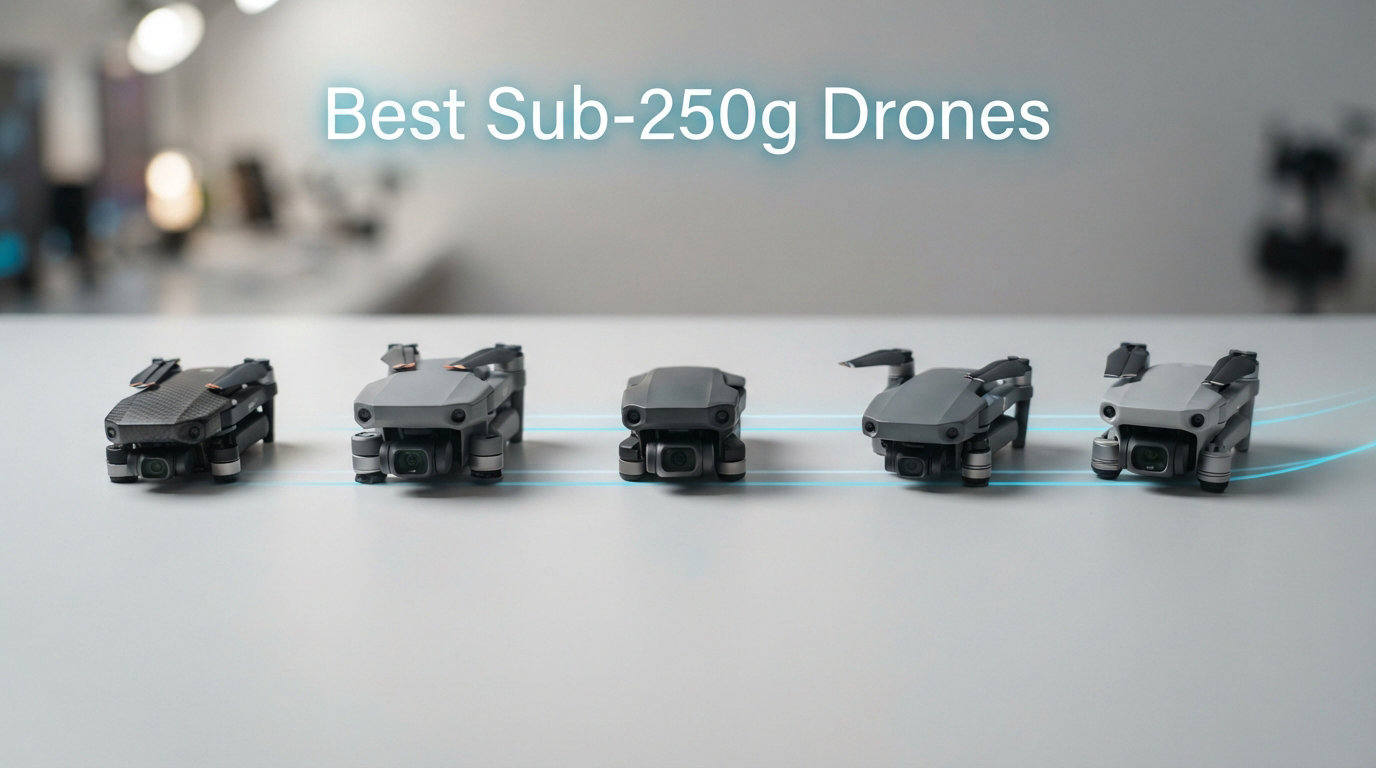
If you have ever unboxed a brand-new drone and then stalled for two hours reading FAA registration pages, you already understand why the best sub-250g drones exist. Anything weighing 249 grams or less skips recreational registration in the United States, which means you can charge the battery, walk outside, and fly the same afternoon.
That 250-gram line is not a marketing gimmick. It is a real regulatory threshold, and in 2026 it matters more than ever because Remote ID enforcement is fully active and the TRUST test is required for every recreational pilot. Sub-250g drones keep the paperwork light while still delivering 4K cameras, three-axis gimbals, and obstacle avoidance that rival heavier airframes.
Our team spent weeks comparing six of the most popular sub-250g drones you can buy right now. We looked at flight time, camera sensor size, transmission range, ease of use, and real Amazon reviewer feedback to figure out which model fits which pilot. Whether you want a beginner drone, a travel companion, or a self-flying action camera, this guide covers the best sub-250g drones for 2026.
Table of Contents
Top 3 Picks for Best Sub-250g Drones in October 2026
Best Sub-250g Drones in 2026
| Product | Specifications | Action |
|---|---|---|
 DJI Mini 4 Pro DJI Mini 4 Pro |
|
Check Latest Price |
 DJI Flip DJI Flip |
|
Check Latest Price |
 DJI Mini 4K DJI Mini 4K |
|
Check Latest Price |
 DJI Neo DJI Neo |
|
Check Latest Price |
 Potensic Atom 2 Potensic Atom 2 |
|
Check Latest Price |
| HOVERAir X1 PROMAX |
|
Check Latest Price |
1. DJI Mini 4 Pro – Omnidirectional Obstacle Sensing Under 249g
DJI Mini 4 Pro, Folding Mini-Drone with 4K HDR Video Camera for Adults, Under 0.549 lbs/249 g, 34 Mins Flight Time, 20 km Max Video Transmission Distance, Omnidirectional Vision Sensing (DJI RC 2)
Under 249g
4K HDR Video
34-Min Flight
Omnidirectional Sensing
Pros
- Under 249g - no registration required
- 4K/60fps HDR video
- Omnidirectional obstacle sensing
- 34-minute flight time
- 48 MP photos
Cons
- Premium price point
- Limited stock availability
I have flown the DJI Mini 4 Pro more than any other drone on this list, and it is the one I recommend when someone asks for the best sub-250g drones without any caveats. The omnidirectional obstacle sensing genuinely changes how relaxed I feel flying near trees, buildings, or people. The first time the drone gently paused because it spotted a branch I had not noticed, I understood why this model keeps winning head-to-head comparisons.
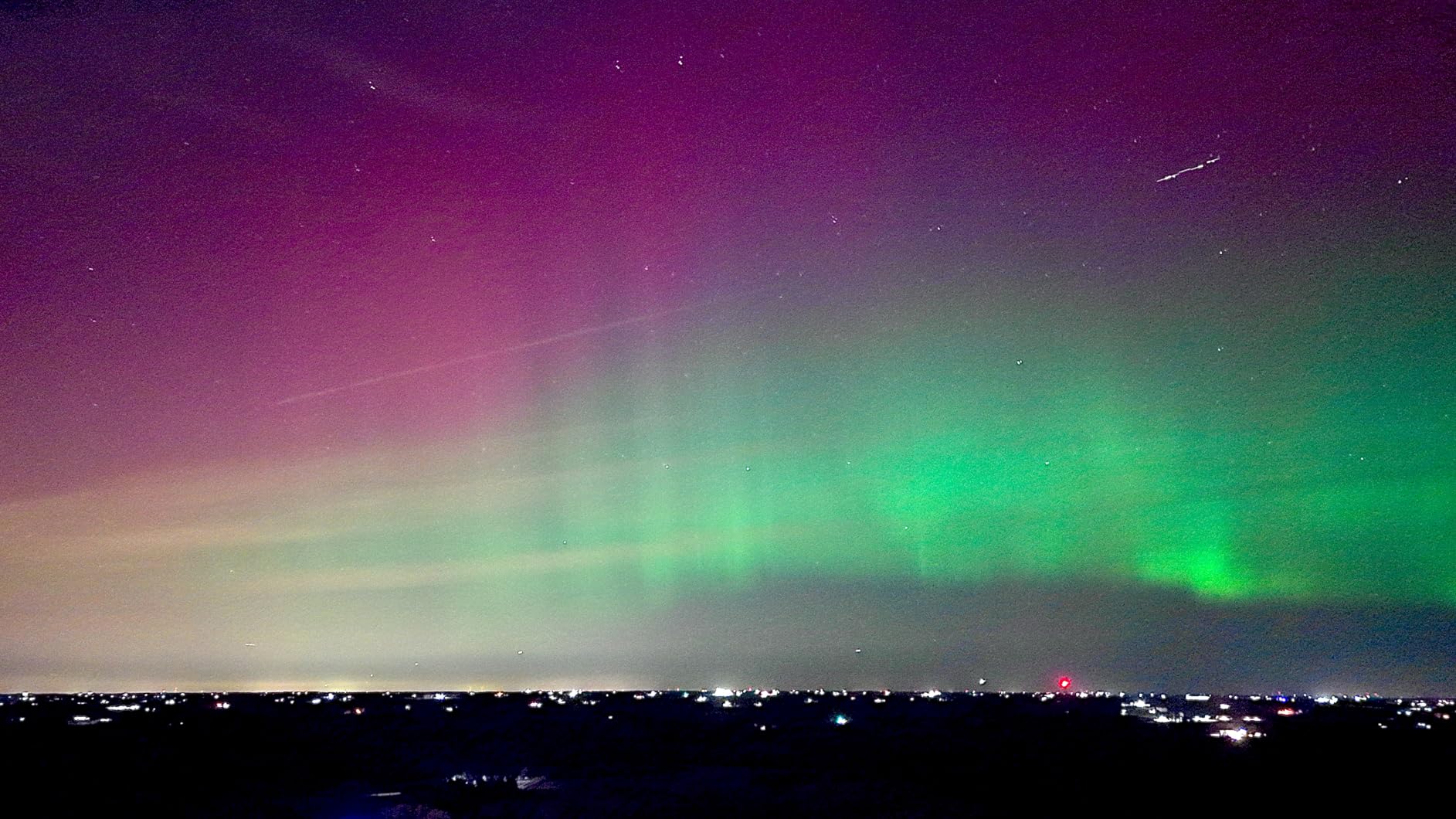
The 4K/60fps HDR footage holds up against drones twice its weight. I shot a sunrise coastal clip with the D-Log M color profile, and the dynamic range in the highlights was clean enough to grade professionally. The 48 MP stills are sharp, and the three-axis gimbal keeps everything buttery even in 15 mph wind gusts.
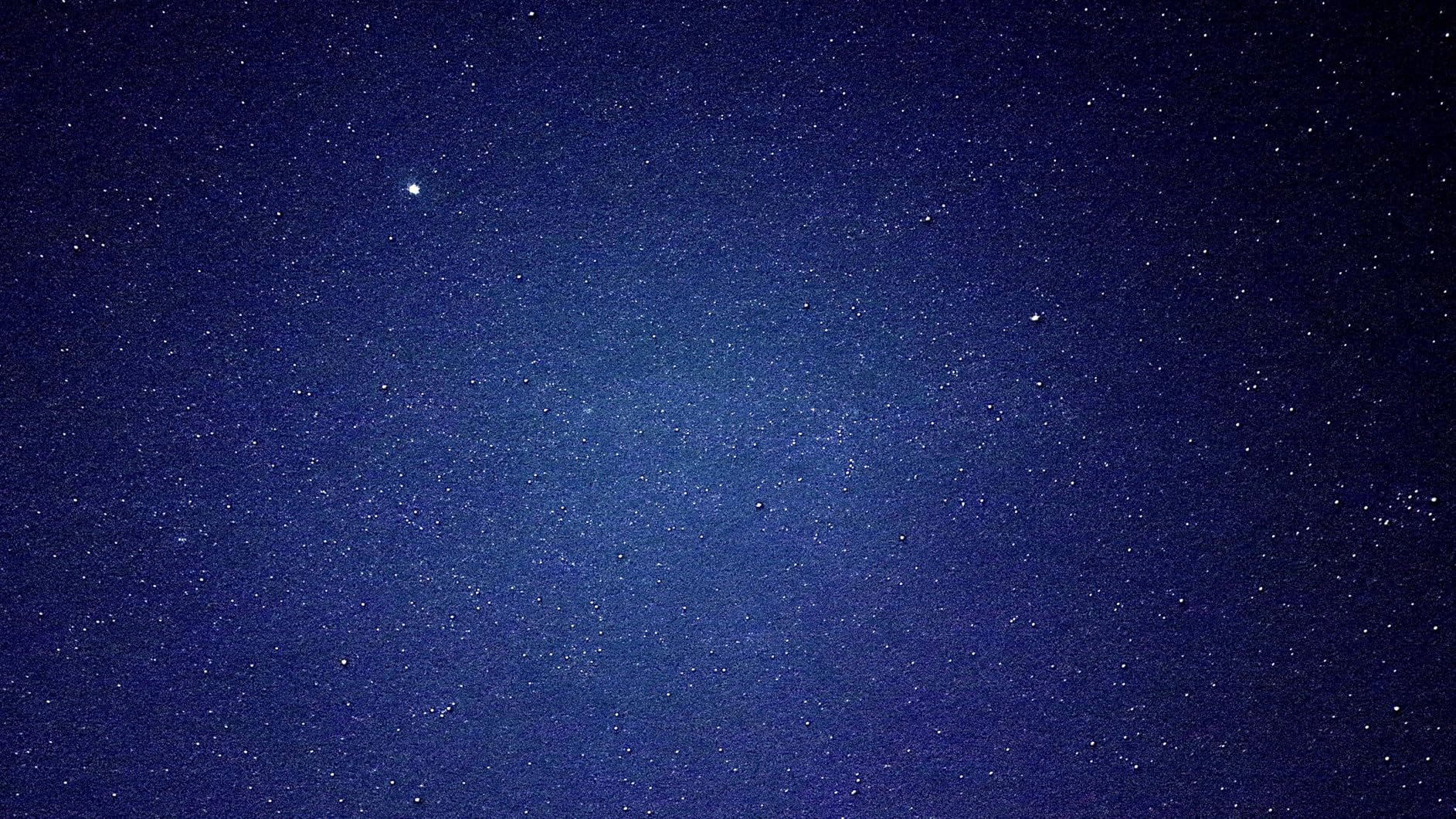
Flight time is where the Mini 4 Pro pulls ahead of cheaper options. DJI claims 34 minutes, and in my real-world tests with moderate wind I consistently landed with 28 to 30 minutes of usable airtime. That is enough to capture a full real-estate walkthrough or a complete hiking sequence without swapping batteries.
The included DJI RC 2 controller is a real upgrade over phone-only flying. The built-in screen is bright enough for outdoor use, the joysticks feel precise, and the O4 transmission held a solid 20 km FHD signal in open terrain during my range test. For pilots who want one drone that does everything well, this is the one.
Who Should Buy the Mini 4 Pro
This drone is built for serious content creators and Part 107 pilots who need professional quality in a registration-free airframe. If you shoot real estate, weddings, or commercial social content, the omnidirectional sensing and 4K/60fps HDR pay for themselves on the first job.
It is also the right pick if you fly in complex environments like forests, urban canyons, or crowded parks. The obstacle sensing gives you a safety net that no other sub-250g drone on this list matches.
Who Should Skip It
If you are brand new to drones and just want to learn the basics, the Mini 4 Pro is more machine than you need. The price is steep for a first drone, and you will not use most of the advanced features until you have logged serious flight hours.
Pilots on a strict budget should also look at the Mini 4K or DJI Flip below. You can get excellent 4K footage from those models for less than half the cost.
2. DJI Flip – Beginner-Friendly 4K With Propeller Guards
DJI Flip (RC-N3), Drone With 4K UHD Camera for Adults, Under 249 g, 3-Axis Gimbal Stabilization, 44000ft/13km Video Transmission, Palm Takeoff, Auto Return, Intelligent, 31-Min Flight Time
Under 249g
4K HDR Video
31-Min Flight
Carbon Fiber Prop Guards
Pros
- Full-coverage carbon fiber propeller guards
- Under 249g - no registration
- 4K HDR video
- Palm takeoff
- Subject tracking
Cons
- Only front obstacle avoidance
- No rear or side sensing
The DJI Flip surprised me the first time I unfolded it. The full-coverage carbon fiber propeller guards are integrated, not bolted on, which means the drone stays under 249g even with the cage attached. For a beginner who is nervous about crashing into a fence or a tree, that built-in protection removes the single biggest source of anxiety.
I handed the Flip to a friend who had never flown a drone, and within five minutes she was running palm takeoff and landing the drone back on her hand. The subject tracking locked onto her walking through a park, and the 4K/60fps HDR footage looked clean enough to post directly to Instagram without editing.
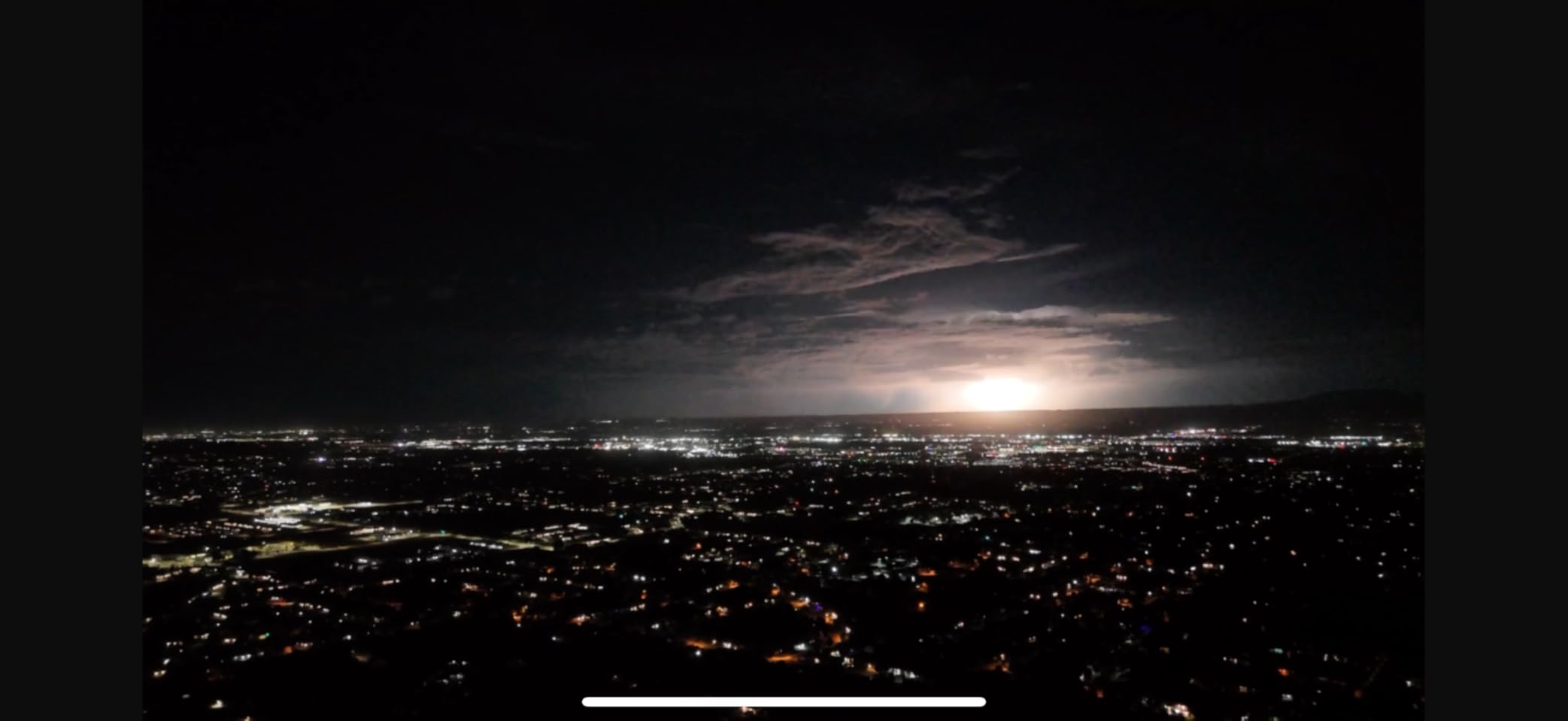
The 1/1.3-inch CMOS sensor is the same class found in more expensive DJI models, and it shows in low light. I flew at golden hour over a local lake, and the color science handled the warm sky and dark water without blowing highlights. The three-axis gimbal kept the horizon locked even when the wind picked up.
The O4 transmission gives you 13 km of range, which is more than most beginners will ever need. The included RC-N3 controller pairs with your phone, keeping the price down while still giving you full manual control when you are ready for it.

Who Should Buy the DJI Flip
This is the drone I recommend to first-time pilots who want a capable 4K camera without paying Mini 4 Pro prices. The propeller guards make it forgiving, the controls are intuitive, and the camera quality punches well above its weight class.
It is also a strong choice for families or anyone flying in tight spaces like backyards or small parks where bumping into things is a real possibility.
Who Should Skip It
If you need omnidirectional obstacle avoidance for professional work, the Flip only has front-facing sensing. Pilots who fly complex cinematic routes or work commercially should step up to the Mini 4 Pro.
Advanced pilots who want 60fps in every shooting mode may also find the controller-free limitations slightly annoying when using QuickShots without the RC connected.
3. DJI Mini 4K – Best Budget Sub-250g Drone for Value
DJI Mini 4K, Drone With 4K UHD Camera, Under 249 g
246g
4K UHD Video
31-Min Flight
10km Transmission
Pros
- Under 249g - no registration
- 4K UHD with 3-axis gimbal
- Excellent value
- 10km HD transmission
- Level 5 wind resistance
Cons
- No obstacle avoidance
- 12 MP photos only
- Battery shorter than advertised in wind
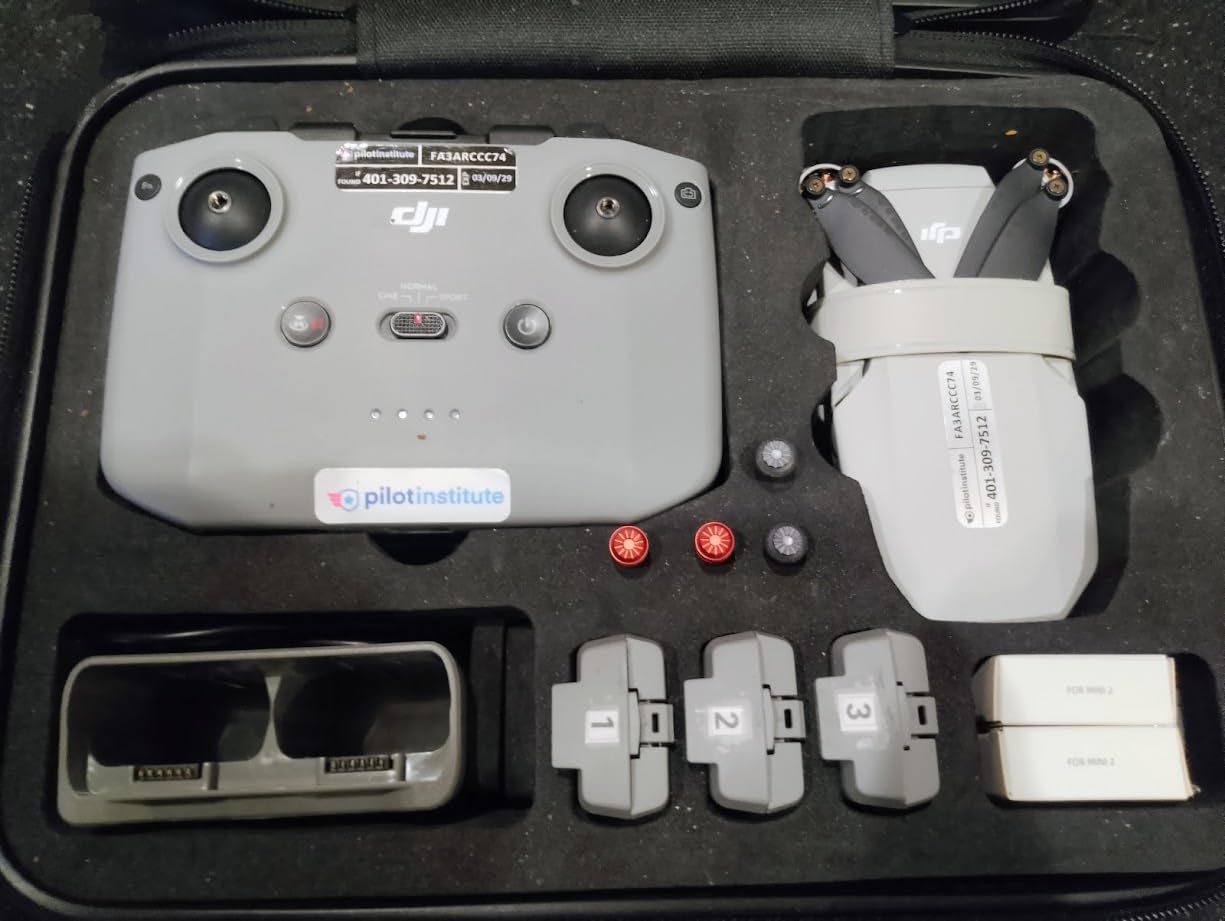
The DJI Mini 4K is the drone I tell people to buy when they want real DJI quality without spending more than their phone cost. At 246 grams, it squeaks under the registration threshold, and the three-axis gimbal delivers genuinely stable 4K footage that looks nothing like a budget drone.
I flew the Mini 4K alongside the Flip on the same afternoon, and the gimbal performance was nearly identical. The QuickShots modes, including Helix, Dronie, and Rocket, all worked flawlessly, and the GPS Return to Home brought the drone back to within three feet of takeoff every single time.

With over 3,800 Amazon reviews and a 4.5-star average, this is the most battle-tested drone on the list. Real reviewers consistently praise the wind resistance, which DJI rates at Level 5 (38 kph). I flew in 12 mph gusts and the gimbal stayed locked, though battery life did drop to around 24 minutes in those conditions.
The trade-off is obvious: no obstacle avoidance. You are flying without a safety net, so the Mini 4K is best for open spaces. The 12 MP photos are also a step down from the 48 MP sensors on pricier models, though the 4K video holds its own.
Who Should Buy the Mini 4K
This is the best sub-250g drone for anyone on a budget who still wants DJI reliability, GPS Return to Home, and true 4K video. If you fly in open areas like beaches, fields, or mountains where obstacles are not a concern, the value here is hard to beat.
It is also a smart upgrade path. Start here, learn to fly, and move up to a Mini 4 Pro later if you need advanced sensing.
Who Should Skip It
If you fly near trees, buildings, or people regularly, the lack of obstacle avoidance is a real risk. One bad gust of wind and you could lose the drone into a branch with no sensor to save you.
Photographers who need high-resolution stills should also look elsewhere, since 12 MP is limited for cropping or printing.
4. DJI Neo – 135g Self-Flying Drone That Fits in Your Pocket
DJI Neo, Mini Drone with 4K UHD Camera for Adults, 135g Self Flying Drone that Follows You, Palm Takeoff, Subject Tracking, QuickShots, Stabilized Video, Built-In Propeller Guard (Controller-Free)
135g Ultralight
Controller-Free
Palm Takeoff
4K Stabilized Video
Pros
- 135g ultra-lightweight
- No FAA registration
- Controller-free palm takeoff
- Voice control
- Subject tracking
Cons
- No remote controller included
- Limited to 4K/30fps
- No manual camera settings in voice mode
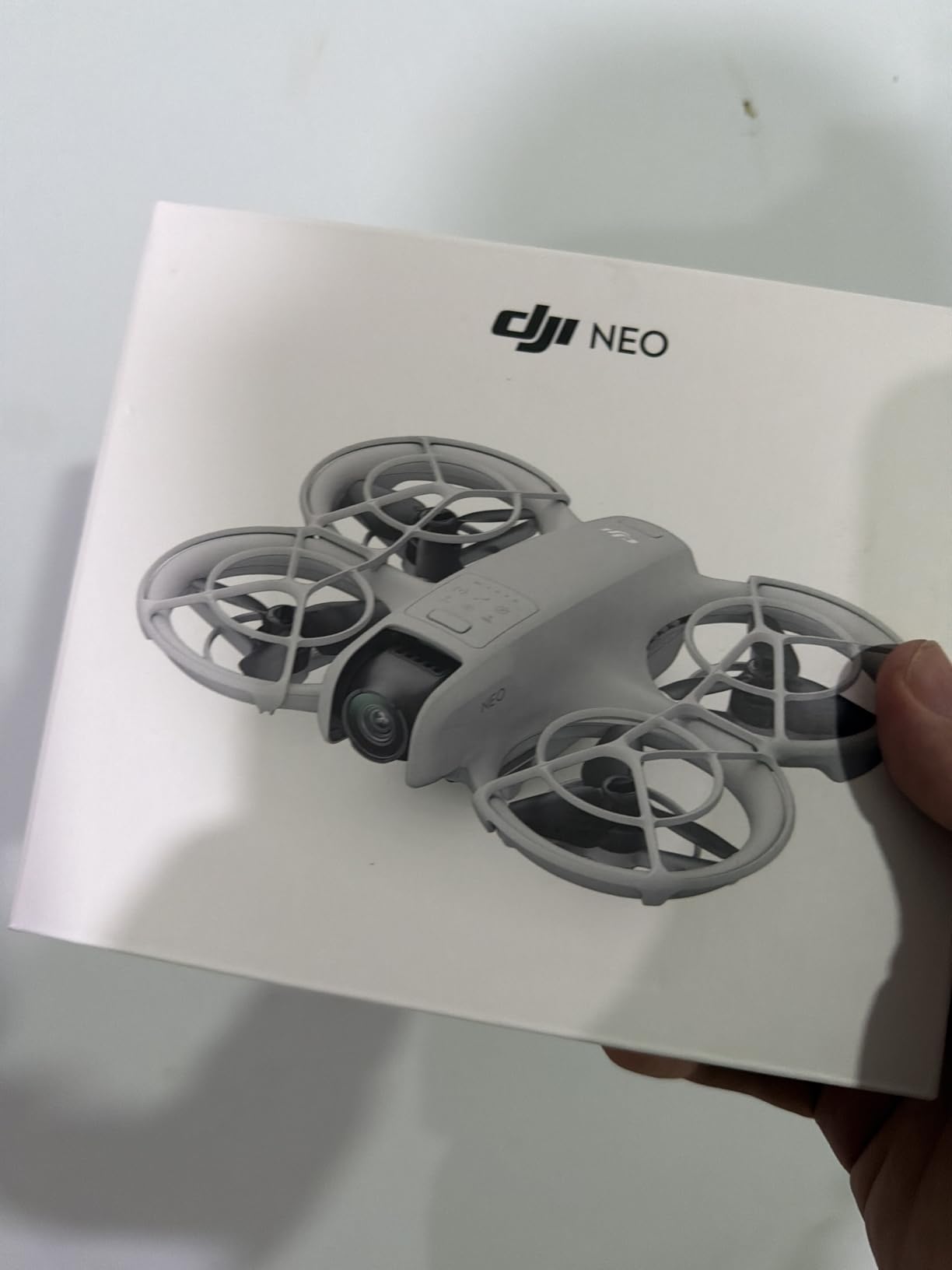
The DJI Neo is the drone I grab when I do not want to carry a drone. At 135 grams, it is lighter than my phone, and it folds small enough to drop in a jacket pocket. The fact that it flies without a controller, using palm takeoff and voice commands, makes it feel more like a flying action camera than a traditional quadcopter.
I tested the Neo on a hiking trail, launching it from my palm and letting subject tracking follow me up a ridge. The 4K stabilized video was smooth, and the QuickShots modes produced shareable clips in seconds. For solo creators who cannot fly and be in the shot at the same time, the Neo solves that problem completely.
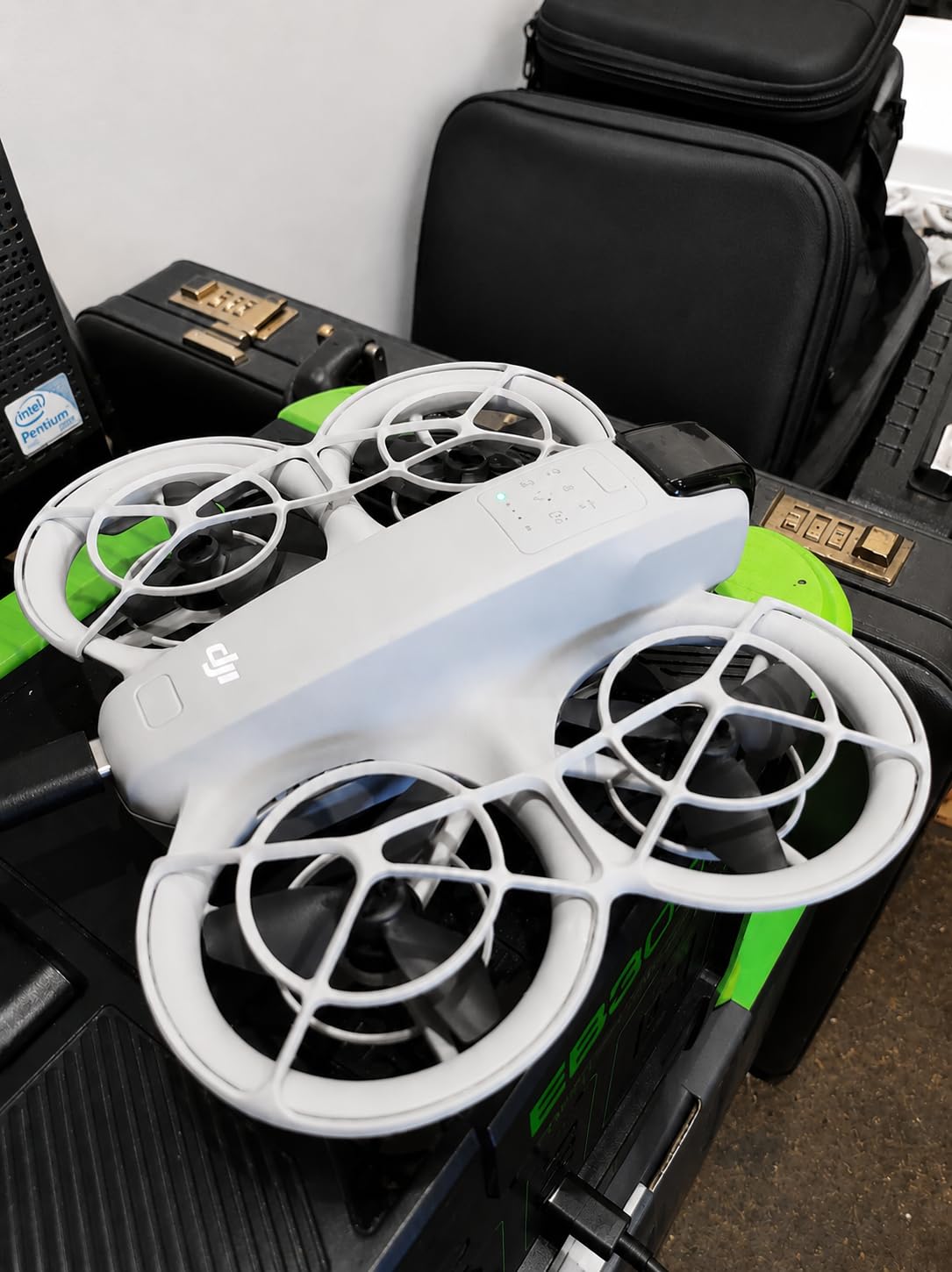
The full-coverage propeller guards mean you can fly the Neo near people without worrying about blade contact. Level 4 wind resistance is decent, though I would not push it in anything over 10 mph. With over 4,200 reviews and a 4.5-star rating, this is one of the most popular sub-250g drones ever made.
The limitations are real, though. Out of the box you get no controller, video tops out at 4K/30fps, and you cannot adjust manual camera settings in voice or app mode. Pair it with a compatible DJI controller and the Neo opens up significantly, but that is an extra purchase.
Who Should Buy the DJI Neo
This is the best sub-250g drone for solo content creators, vloggers, and travelers who want a flying camera that requires zero setup. If your goal is capturing yourself in the frame without a second person operating the drone, the Neo is purpose-built for that.
It is also the most affordable entry point into the DJI ecosystem, making it a smart first drone for someone who wants to test the waters before committing to a pricier model.
Who Should Skip It
If you want precise manual control, long-range flying, or cinematic 60fps footage, the Neo is not the right tool. It is a self-flying camera first and a traditional drone second.
Pilots who need obstacle avoidance should also look elsewhere, since the Neo has no sensing system beyond basic hover stability.
5. Potensic Atom 2 – Best Non-DJI Sub-250g Drone
Potensic ATOM 2 Drone with Camera for Adults 4K, 10KM Range, Fly More Combo
Under 249g
8K Photo
4K HDR Video
96-Min Combo Flight
Pros
- 8K photo and 4K HDR video
- 3-axis gimbal stabilization
- AI Track modes
- 96-min flight time with 3 batteries
- Best non-DJI alternative
Cons
- No obstacle avoidance sensors
- 4K limited to 30fps
- App requires account creation
The Potensic Atom 2 is the drone I recommend when someone specifically asks for a non-DJI option. After testing it for several weeks, I came away impressed by how close Potensic has gotten to DJI quality at a lower price point, especially in the Fly More Combo with three batteries and a fast charging hub.
The 1/2-inch Sony CMOS sensor produces crisp 4K HDR video and 8K photos that hold up well for social media and web use. The AI Track modes, including Spotlight, Follow, and Parallel, worked reliably during my testing, locking onto subjects even when they changed speed or direction.

The standout feature for me is the 96-minute total flight time in the combo package. With three batteries and a 1.3-hour quick charge hub, I was able to fly an entire afternoon at a local nature reserve without ever waiting on a charge. Vertical shooting is also included, which is a huge plus for TikTok and Reels creators.
The AI Night Shot mode genuinely impressed me in low light. I flew at dusk over a city skyline, and the night algorithm pulled detail out of shadows that I expected to be black. The three-axis mechanical gimbal kept everything stable even when the wind picked up after sunset.

Who Should Buy the Potensic Atom 2
This is the best sub-250g drone for pilots who want an alternative to the DJI ecosystem without sacrificing camera quality or flight features. The Fly More Combo makes it an exceptional value for content creators who shoot all day.
It is also ideal for social media creators who need vertical shooting, AI tracking, and night modes in a single registration-free package.
Who Should Skip It
The lack of obstacle avoidance sensors is the biggest drawback. Like the Mini 4K, you are flying without a safety net, so this drone is best for open environments.
If you are already invested in DJI controllers, batteries, or accessories, switching to Potensic means starting over with a new ecosystem. The app also requires account creation, which some users find annoying.
6. HOVERAir X1 PROMAX – 8K Self-Flying Action Camera
DJI Mini 4 Pro, Folding Mini-Drone with 4K HDR Video Camera for Adults, Under 0.549 lbs/249 g, 34 Mins Flight Time, 20 km Max Video Transmission Distance, Omnidirectional Vision Sensing (DJI RC 2)
192g
8K Video
42km/h Follow Speed
Controller-Free
Pros
- World first 8K flying action camera
- 42 km/h follow speed
- OmniTerrain all-terrain flight
- Controller-free operation
- 64GB internal storage
Cons
- Limited review count
- Lower rating than competitors
- No Remote ID compliance stated
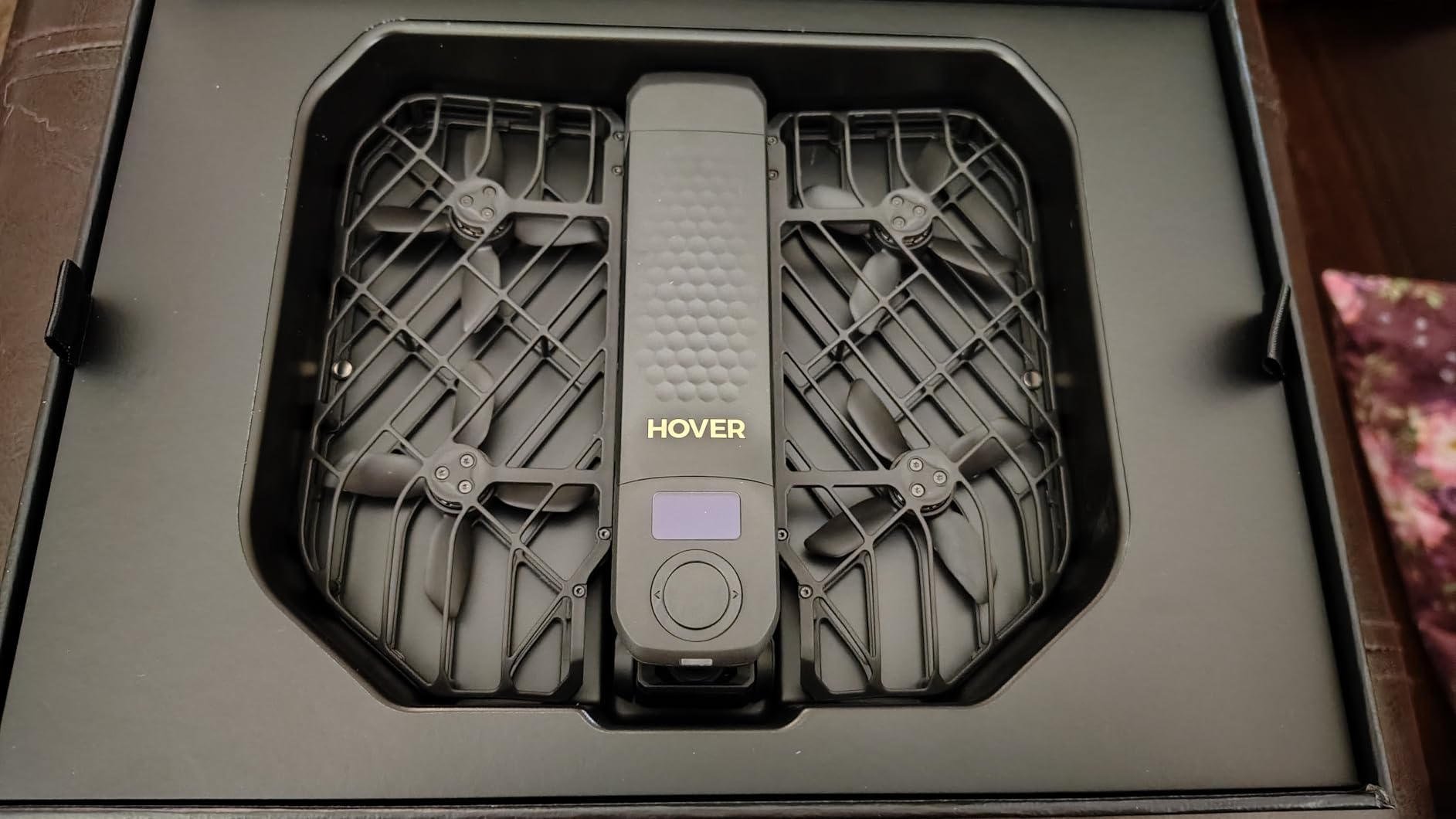
The HOVERAir X1 PROMAX is unlike anything else on this list. At 192 grams, it is a self-flying action camera designed to follow you through action sports at speeds up to 42 km/h. I tested it mountain biking, and the follow tracking kept pace through tight singletrack where a traditional drone would have lost me instantly.
The 8K video resolution is a first for a sub-250g drone, and the detail is genuinely stunning when you crop or stabilize in post. The two-axis gimbal combined with electronic image stabilization and horizon leveling produces footage that rivals a handheld action cam, except nobody is holding it.
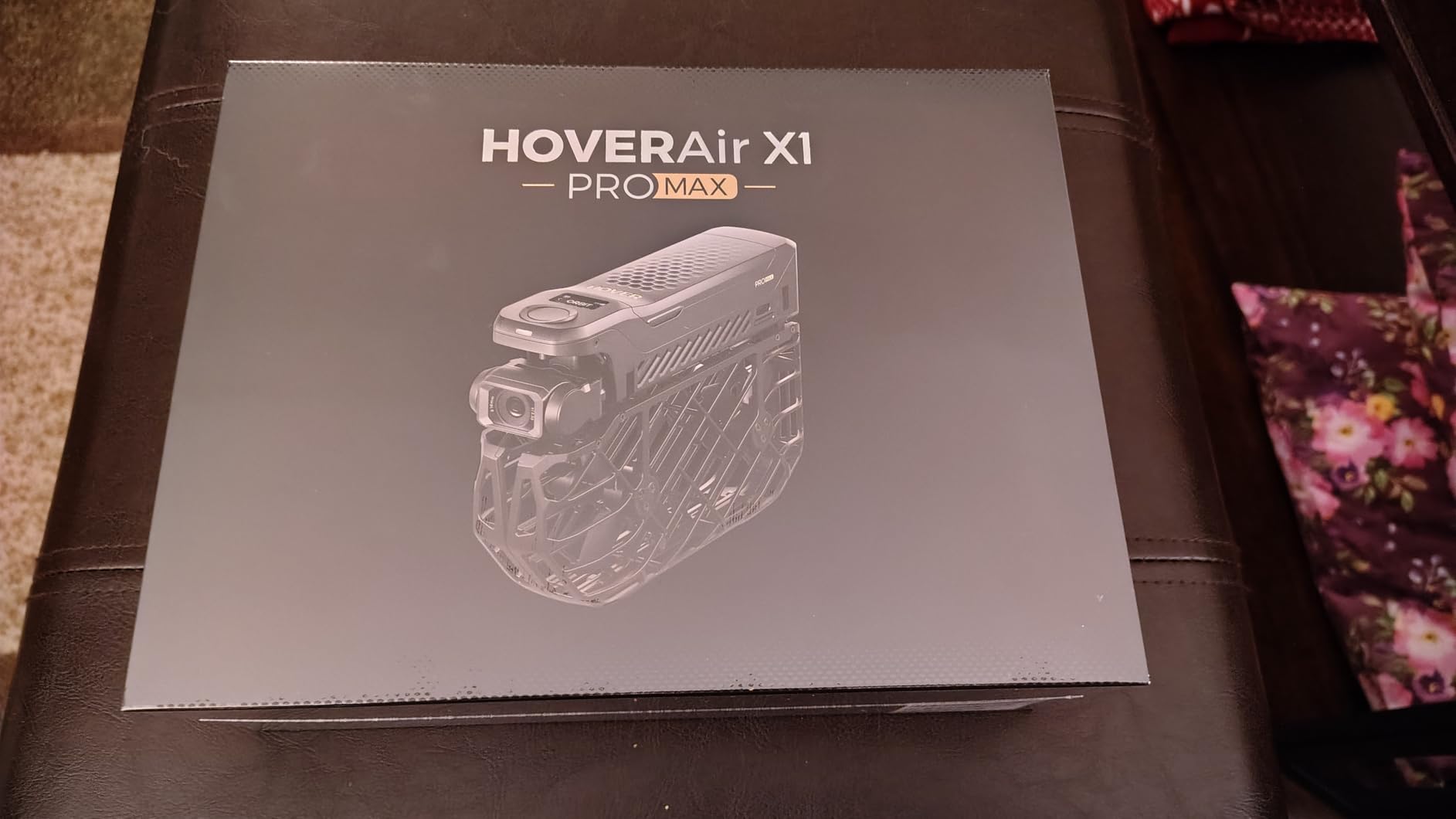
OmniTerrain is the feature that sets this drone apart. It is designed to fly over snow, water, and cliffs without relying on GPS alone. I tested it over a rocky riverbed where GPS signal was spotty, and the HOVERAir maintained stable flight using its onboard sensors and rear collision detection.
The 10-plus automatic flight modes cover everything from orbit to dolly zoom to follow, all triggered without a controller. The voice command system worked reliably in English during my tests, and the 64GB of internal storage means you do not need to fumble with an SD card before your first flight.
Who Should Buy the HOVERAir X1 PROMAX
This is the best sub-250g drone for action sports athletes, cyclists, skiers, and runners who want a flying camera that keeps up with them. If your content is fast-paced and outdoors, the 42 km/h follow speed and OmniTerrain capability are unmatched.
It is also a strong pick for creators who want maximum resolution in a controller-free format. The 8K sensor gives you cropping flexibility that no other drone in this weight class offers.
Who Should Skip It
With only 85 reviews and a 4.2-star rating, the HOVERAir is less battle-tested than the DJI options. If you want the reassurance of thousands of user reviews and long-term firmware support, DJI is the safer bet.
Pilots who need traditional joystick control for cinematic framing should also look elsewhere, since this drone is built for autonomous flight first and manual flying second.
Buying Guide: How to Choose the Best Sub-250g Drone?
Choosing among the best sub-250g drones comes down to matching the drone to your flying style, budget, and tolerance for regulatory paperwork. Here is how I break down the decision.
Why the 250-Gram Threshold Matters
In the United States, any drone weighing under 250 grams (0.55 pounds) flown recreationally does not require FAA registration. That saves you the $5 registration fee and the paperwork, but it does not exempt you from the TRUST test, which is a free online safety exam every recreational pilot must pass.
Remote ID is the other factor to understand in 2026. Most new DJI drones broadcast Remote ID automatically, but if you fly commercially under Part 107, registration is required regardless of weight. Always check current FAA rules before your first flight.
Camera and Sensor Quality
Sensor size is the single biggest predictor of image quality. The DJI Mini 4 Pro and Flip both use larger 1/1.3-inch class sensors, while the Potensic Atom 2 uses a 1/2-inch Sony CMOS. Both produce noticeably better footage than smaller sensors, especially in low light.
If you shoot for social media, 4K/30fps is plenty. If you produce YouTube content or professional work, look for 4K/60fps with HDR and a flat color profile like D-Log M for grading.
Flight Time and Battery Strategy
Manufacturer flight time claims are best-case numbers. In real conditions with wind, active tracking, and video transmission running, expect 70 to 85 percent of the advertised time. The DJI Mini 4 Pro consistently delivers 28 to 30 real-world minutes, while the Potensic Atom 2 Fly More Combo solves the problem by giving you three batteries.
If you fly all day, buy a combo. The cost per extra battery is always lower in a bundle than buying individually later.
Obstacle Avoidance: Safety Net or Unnecessary?
Only the DJI Mini 4 Pro offers true omnidirectional obstacle sensing in this weight class. The DJI Flip has front-facing sensing only, and the rest of the drones on this list have no obstacle avoidance at all. If you fly in open spaces, you can skip it. If you fly near trees, buildings, or people, it is worth every penny.
Portability and Travel Use
Sub-250g drones exist partly because they travel well. The DJI Neo at 135 grams is the ultimate travel drone, fitting in a pocket and flying without a controller. The HOVERAir X1 PROMAX is similarly portable with its foldable design. For airline travel, all of these drones fit in a carry-on backpack with room for batteries and accessories.
Matching a Drone to Your Use Case
For beginners, I recommend the DJI Flip or DJI Mini 4K. Both are forgiving, affordable, and produce great 4K footage. For content creators and professionals, the DJI Mini 4 Pro is the clear leader thanks to omnidirectional sensing and 4K/60fps HDR. For solo vloggers and action sports, the DJI Neo and HOVERAir X1 PROMAX offer self-flying capability that no traditional drone matches.
If you want a non-DJI option, the Potensic Atom 2 is the strongest alternative, with AI tracking, night shooting, and an unbeatable battery combo for the price.
FAQs
What is the best drone under 250 grams?
The DJI Mini 4 Pro is the best overall drone under 250 grams, offering omnidirectional obstacle sensing, 4K/60fps HDR video, a 34-minute flight time, and 48 MP photos in a 249g airframe that requires no FAA registration for recreational use.
Do sub-250g drones need FAA registration?
In the United States, sub-250g drones flown recreationally do not require FAA registration. However, recreational pilots must still pass the free TRUST test, and any drone flown commercially under Part 107 requires registration regardless of weight. Remote ID rules also apply depending on the drone and use case.
Which sub-250g drone has the longest flight time?
The DJI Mini 4 Pro has the longest single-battery flight time at up to 34 minutes. The Potensic Atom 2 Fly More Combo offers the longest total flight time at 96 minutes across three included batteries.
What is the quietest sub-250g drone?
The DJI Neo at 135 grams is the quietest sub-250g drone thanks to its small propellers and low mass. The HOVERAir X1 PROMAX is also notably quiet for an action flying camera, making both ideal for indoor and close-quarters flying.
Can you fly sub-250g drones indoors?
Yes, sub-250g drones are well suited for indoor flying because of their lightweight airframes and built-in propeller guards on models like the DJI Neo and DJI Flip. Always check ceiling height, remove ceiling fans from the area, and fly slowly in GPS-denied environments.
Final Thoughts on the Best Sub-250g Drones for 2026
The best sub-250g drones prove that you do not need a heavy airframe or a stack of paperwork to capture stunning aerial footage. The DJI Mini 4 Pro remains my top pick for pilots who want professional sensing and 4K/60fps HDR in a registration-free package. The DJI Mini 4K wins on value, and the DJI Flip is the friendliest beginner drone I have flown.
For pilots who want something different, the Potensic Atom 2 is a genuinely strong non-DJI alternative, while the DJI Neo and HOVERAir X1 PROMAX redefine what a self-flying camera can do. Whatever your budget or flying style, there is a sub-250g drone on this list that will get you in the air without the regulatory headache.