
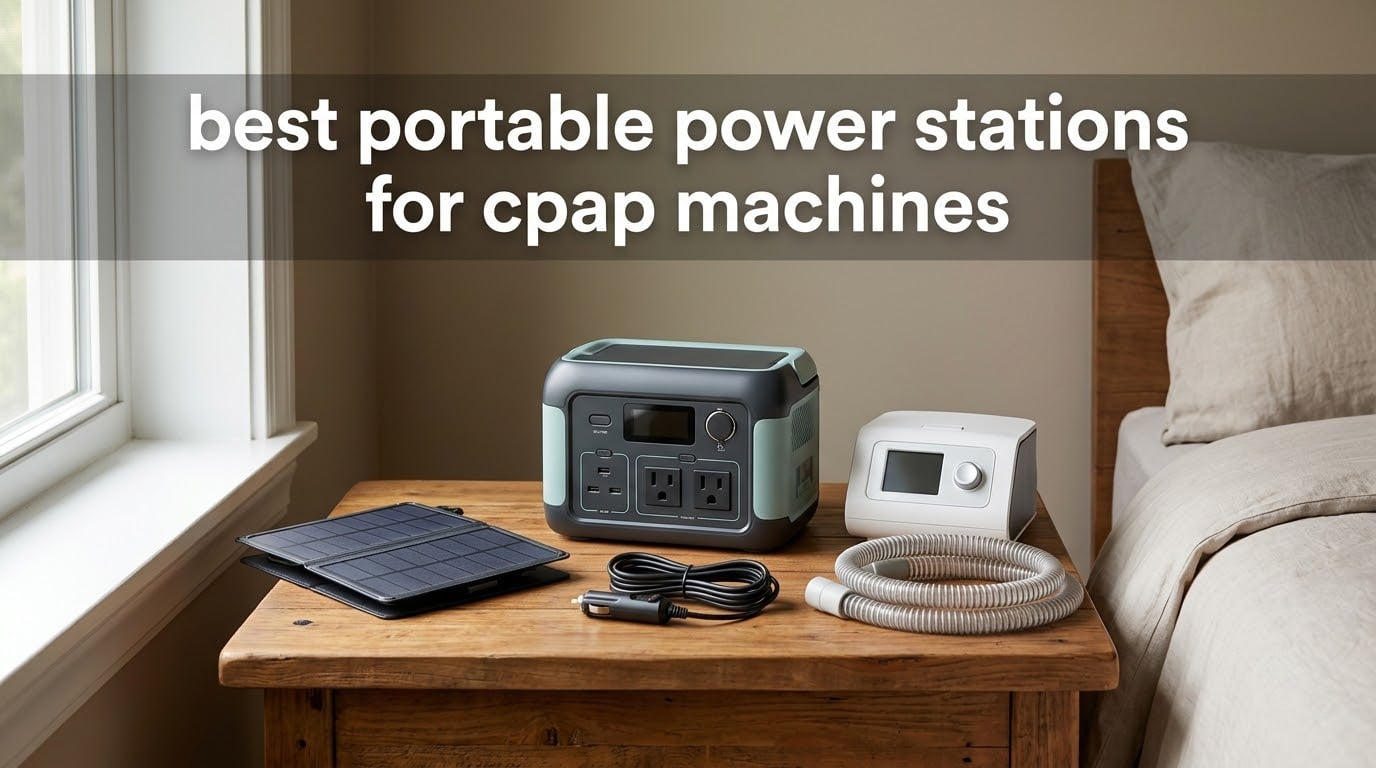
If you rely on a CPAP machine every night, the power brick is the weak link in your therapy. Power out, battery dead, or campsite without a hook, and the machine stops mid-night. That is the exact scenario the worst CPAP users describe, and a portable power station is the fix.
The good news is that sizing is not complicated. The watt-hours you need depend almost entirely on whether the heated humidifier runs overnight, not on the CPAP brand. A machine without humidification sits in the 45W neighborhood, while a heated humidifier plus heated hose can push a setup toward 90W. A 300Wh unit covers one night without humidification, a 500Wh unit handles humidified use with margin, and 1000Wh or more covers multi-night trips and storm outages.
We compared 12 portable power stations for this guide, weighing rated capacity, inverter output, standby draw, weight, recharge speed and whether the maker names CPAP use directly. This is a spec-and-review analysis rather than a lab test: we read manufacturer sheets, then read thousands of buyer reviews on runtime, noise and reliability. We have not slept next to each of these units. If you also need a machine to run on, our guides to the best CPAP machines and best travel CPAP machines cover the therapy side. For broader power gear, see our portable power station roundup.
Table of Contents
Top 3 Picks: Best Portable Power Stations for CPAP Machines (October 2026)


Portable Power Stations for CPAP Machines in 2026
| Product | Specifications | Action |
|---|---|---|
| Jackery Explorer 300 |
|
Check Latest Price |
| Jackery Explorer 1000 v2 |
|
Check Latest Price |
 BLUETTI AC180 BLUETTI AC180 |
|
Check Latest Price |
 ALLWEI 300W 256Wh ALLWEI 300W 256Wh |
|
Check Latest Price |
 Anker SOLIX C300 Anker SOLIX C300 |
|
Check Latest Price |
 EnginStar 300W 296Wh EnginStar 300W 296Wh |
|
Check Latest Price |
 Anker SOLIX C1000 Gen 2 Anker SOLIX C1000 Gen 2 |
|
Check Latest Price |
 EF ECOFLOW Delta 3 Classic EF ECOFLOW Delta 3 Classic |
|
Check Latest Price |
 BLUETTI Elite 30 V2 BLUETTI Elite 30 V2 |
|
Check Latest Price |
 VTOMAN FlashSpeed 300 VTOMAN FlashSpeed 300 |
|
Check Latest Price |
 EASYLONGER ES720 EASYLONGER ES720 |
|
Check Latest Price |
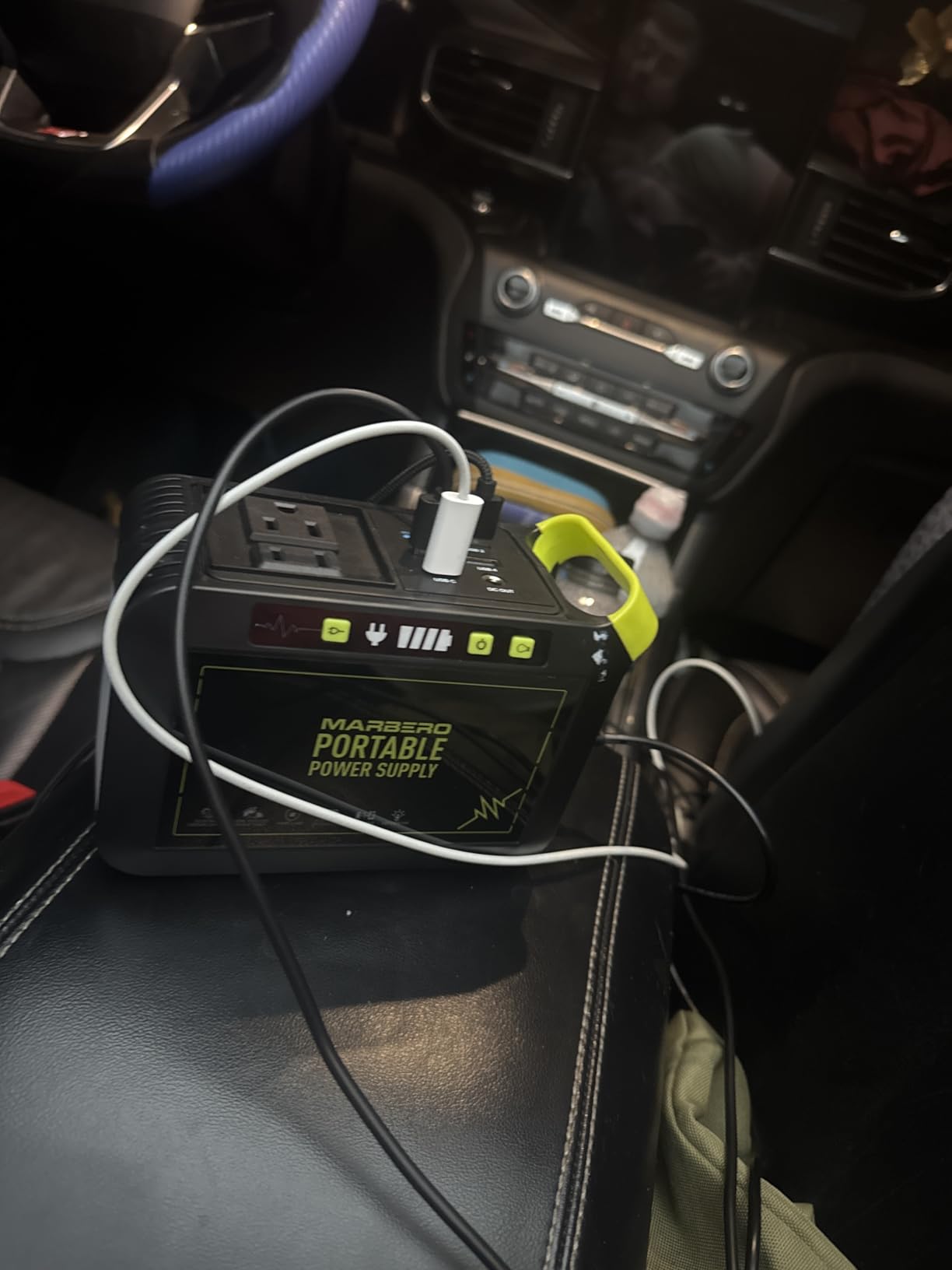
 MARBERO 200W 148Wh MARBERO 200W 148Wh |
|
Check Latest Price |
How Much Power Does a CPAP Actually Use?
Size your station by the humidifier, not the machine. A CPAP without heated humidification typically draws around 45W, a heated humidifier moves that toward 70W, and adding heated tubing on a cold night pushes toward 90W. A BiPAP with heat is a different animal entirely, often landing between 120W and 160W.
The math is simple: usable watt-hours divided by your real draw equals hours of sleep. The usable figure is the rated capacity multiplied by the efficiency of the power path. A DC run straight into the machine keeps close to the rated number, while an AC run through the inverter loses roughly 10-20% before the machine sees it.
Here is how the common capacity tiers work for an eight-hour night, using standard efficiency assumptions:
150Wh covers roughly 2.5 to 3.5 hours without humidification. That is a partial night, not a full one.
250 to 300Wh covers a full 8-hour night with no humidifier, or a shortened humidified session.
500Wh covers one full humidified night with useful reserve for a phone or a router.
1000Wh covers multiple humidified nights, or a full night plus a fridge and charging.
2000Wh covers a storm outage of several days alongside normal household essentials.
Members of the r/CPAP community converge on the same floor: roughly 250Wh per night as a bare minimum, and a 500Wh LiFePO4 unit as the sensible starting point for anyone running humidification. One camper reported burning about 1.17 kWh across an eight-hour night with full humidification and heated tubing, which is a fair warning about how quickly the heated features add up.
Five levers stretch runtime on a smaller battery, in rough order of impact: turn the heated humidifier off or down a few notches, switch to a standard non-heated tube, power the machine from the station’s DC output with a manufacturer-approved cable instead of the AC brick, use a well-seated mask with a fresh filter, and lower the machine’s ramp and pressure settings under clinician guidance. Also confirm your machine’s DC compatibility with the manufacturer before buying, since cable requirements differ between ResMed and Philips models.
1. Jackery Explorer 300 – Best Overall and Lightest to Carry
Jackery Explorer 300 Portable Power Station,292Wh
292Wh capacity
300W continuous and 600W surge
7.1 lb body
LiFePO4 with 4000+ cycles
Pros
- Lightest 300W class unit at 7.1 lbs with an integrated handle
- Runs CPAP machines for many hours per the review consensus
- MPPT controller speeds up solar AC and car charging
- Pass-through charging powers a device while recharging
- Backlit LCD shows live input and output wattage
Cons
- USB-C PD port is output only and cannot charge the unit
- No built-in wide-area light
- Auto power-off below roughly 10W can cut low-draw gear
- 300W ceiling rules out large appliances
This is the unit we recommend most often, and the reason is simple balance. At 292Wh it covers a full night for a machine running without humidification, and at 7.1 pounds it is the one you will actually carry from the car to the tent instead of leaving in the trunk.
Buyer reviews are unusually consistent. Owners describe running laptops, phones, lights, fans and CPAP machines for many hours, and several treat it as a quiet stand-in for a gas generator during outages. The LiFePO4 pack is rated for over 4,000 cycles before reaching 70 percent capacity, which matters far more than raw wattage for a device that will be charged nightly for years.
At 292Wh, the honest limit is one night with the humidifier off. Buyers who ran humidified setups report cutting humidification to keep within budget, which is exactly the trade-off this tier forces. The 120W car port and the 100W USB-C PD port cover the rest of a camping load without any fuss.
Does 292Wh cover a full night with humidification?
Not comfortably. Divide 292Wh by a 70W humidified draw and you land near four hours before inverter and conversion losses. Without the humidifier, the same battery stretches to roughly six hours. If you sleep eight hours with heat on, step up to the 500Wh class.
What to check before you commit
Confirm your machine accepts a DC cable, and note the auto power-off behavior below roughly 10W. If you plan to run a low-draw medical device continuously overnight, that cutoff can end therapy without warning, so keep your draw comfortably above that threshold.
2. Jackery Explorer 1000 v2 – Best for Multi-Night Trips
Jackery Explorer 1000 v2 Portable Power Station,1070Wh,1500W
1070Wh capacity
1500W continuous and 3000W surge
One-hour emergency recharge
30 dB quiet mode
Pros
- 1070Wh covers several humidified nights from one charge
- One-hour emergency recharge from a wall outlet
- Compact 23.8 lb build with a foldable handle
- LiFePO4 rated for 4000 cycles and a 10 year lifespan
- Seven outlets with 100W PD USB-C
- App-controlled 30 dB overnight charging mode
Cons
- Solar charging limited to Jackery brand panels
- One-hour charge mode must be enabled in the app each time
- 23.8 lbs is a two-person lift for some setups
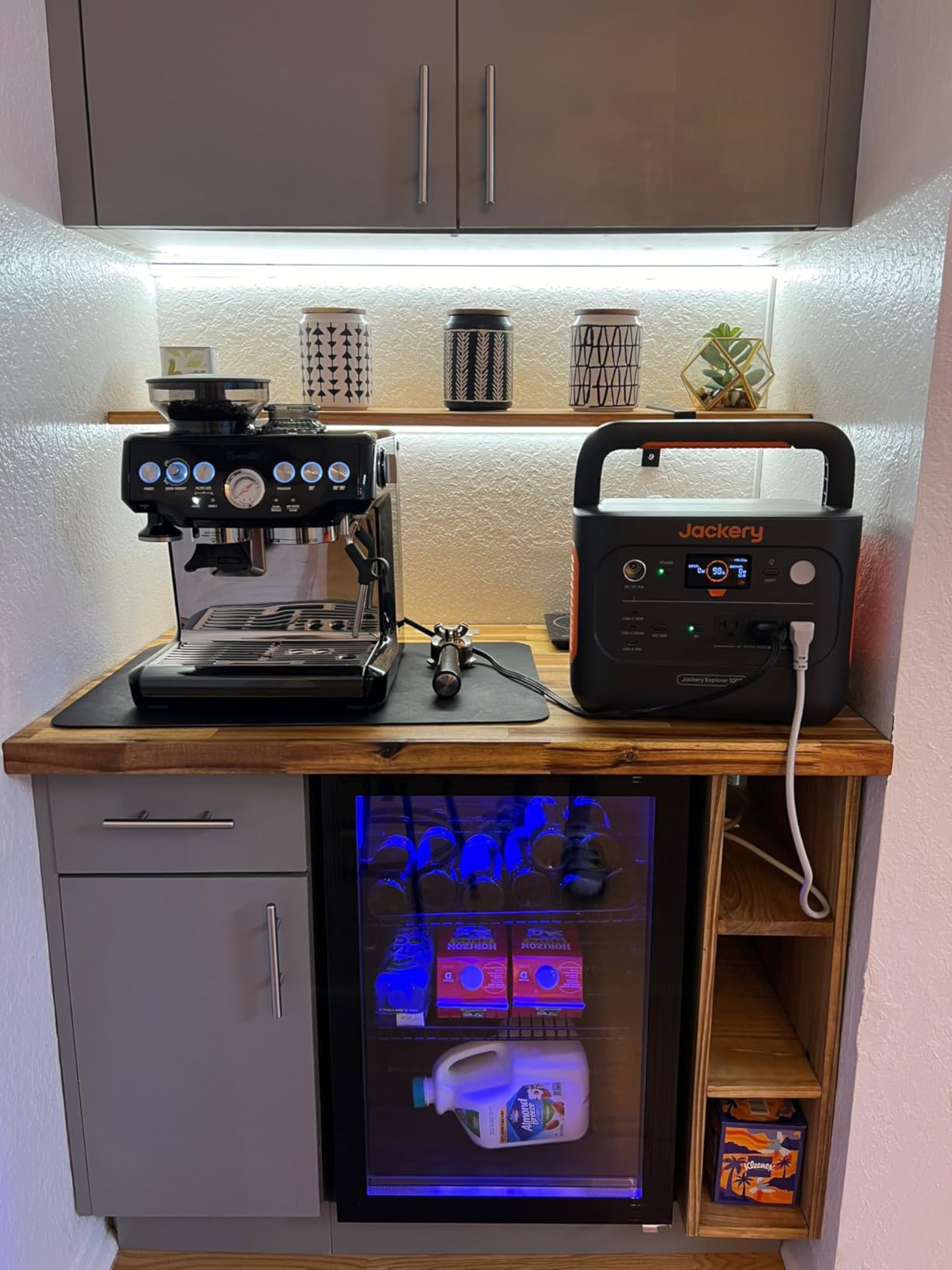
Where the Explorer 300 stops at one night, the Explorer 1000 v2 keeps going. Its 1,070Wh battery covers three or more humidified nights, and the 1,500W continuous output leaves room to charge a phone, a laptop and a router from the same unit while the machine runs.
Reviews dwell on the charging speed. With emergency charging switched on through the Jackery app, the unit goes from flat to full in about an hour, which is a genuine advantage when a storm knocks out power for a day and you need to re-energize before the next night.
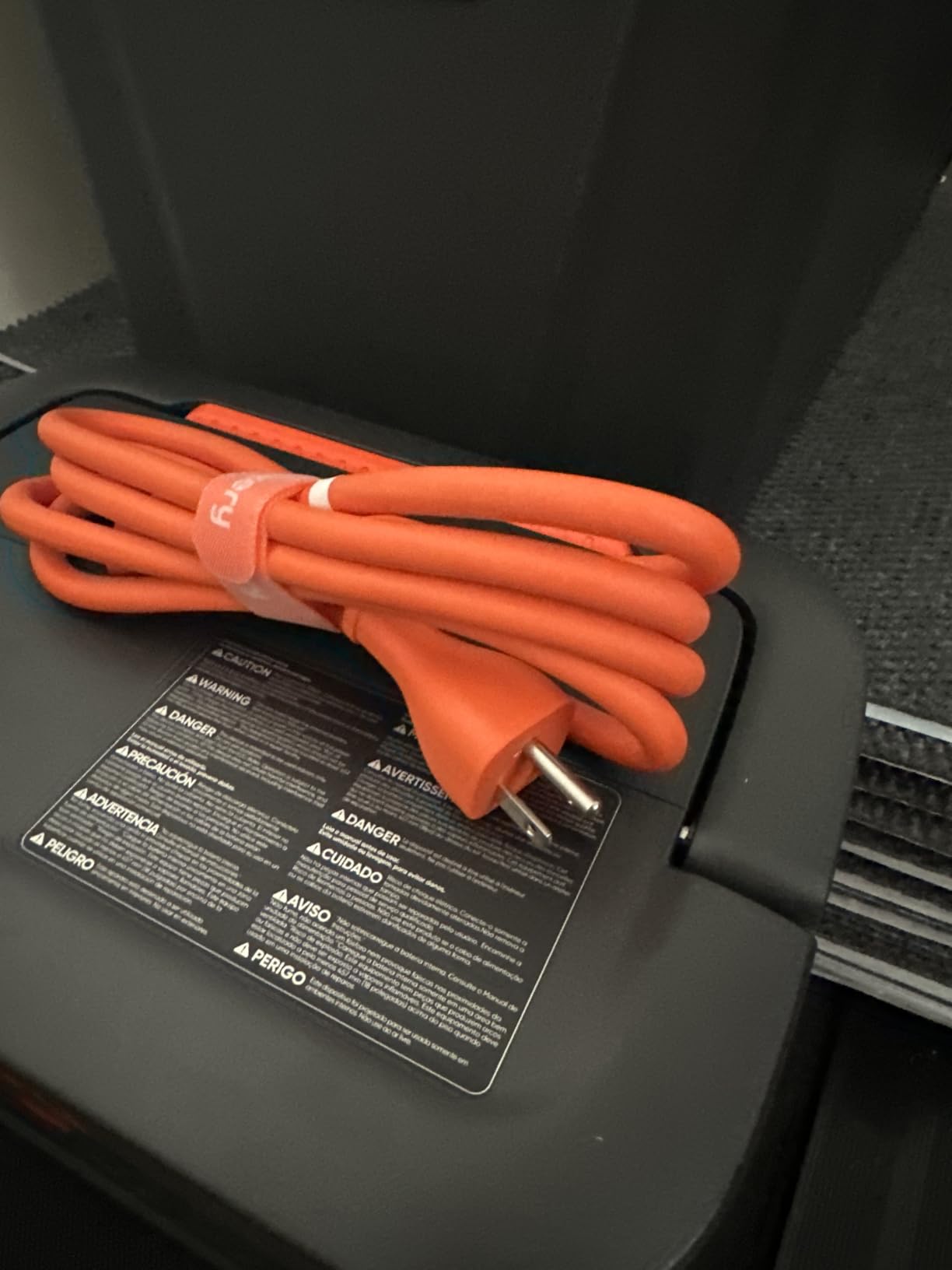
The 30 dB quiet charging mode matters more than it sounds. A station that fans loudly beside the bed is a real problem for light sleepers, and this one lets you set the unit to recharge at a whisper. The built-in LED lights cover the moment you need to check tubing in a dark tent.
Is 1070Wh overkill for one person?
If you camp two nights at a time with humidification on, it is about right. For a single night at home, it is far more battery than you need and 23.8 pounds of gear to haul. One r/CPAP user called a comparable high-output station overkill for most people, and that reaction lands fairly here too.
What to check before you commit
Decide early whether you will use solar. Several reviewers flag that solar input works only with Jackery panels, which is a real limitation if you already own a panel from another brand. Also know that the one-hour charge mode requires app activation each time rather than being a default.
3. BLUETTI AC180 – Most Compact With 20 ms UPS
BLUETTI AC180 Portable Power Station 1152Wh 1800W LiFePO4 Solar Generator
1152Wh LiFePO4
1800W continuous and 2700W peak
20 ms UPS switchover
500W solar input
Pros
- Full charge in one hour at 1440W AC input
- 20 ms UPS transfer keeps essentials running through an outage
- 500W solar input recharges in under 3.5 hours
- Eight outlets with app-enabled power lifting
- Five-year warranty with responsive support
Cons
- Heaviest unit here at about 37 lbs
- Around 15-20W of inverter self-consumption cuts usable capacity
- Manual states only 90 percent of rated capacity is usable
- Wireless charging pad frequently fails to engage
The AC180 is the pick when the CPAP has to survive an outage rather than a camping trip. Its published 20 millisecond UPS transfer is fast enough that a machine does not notice the switch, which is the number CPAP users care about most.
Capacity sits at 1,152Wh with 1,800W continuous output, so it can carry a CPAP, a router and a small fridge across a long storm. The 500W solar input recharges in roughly three hours of good sun, and the one-hour full charge from a wall outlet is among the fastest in this group.
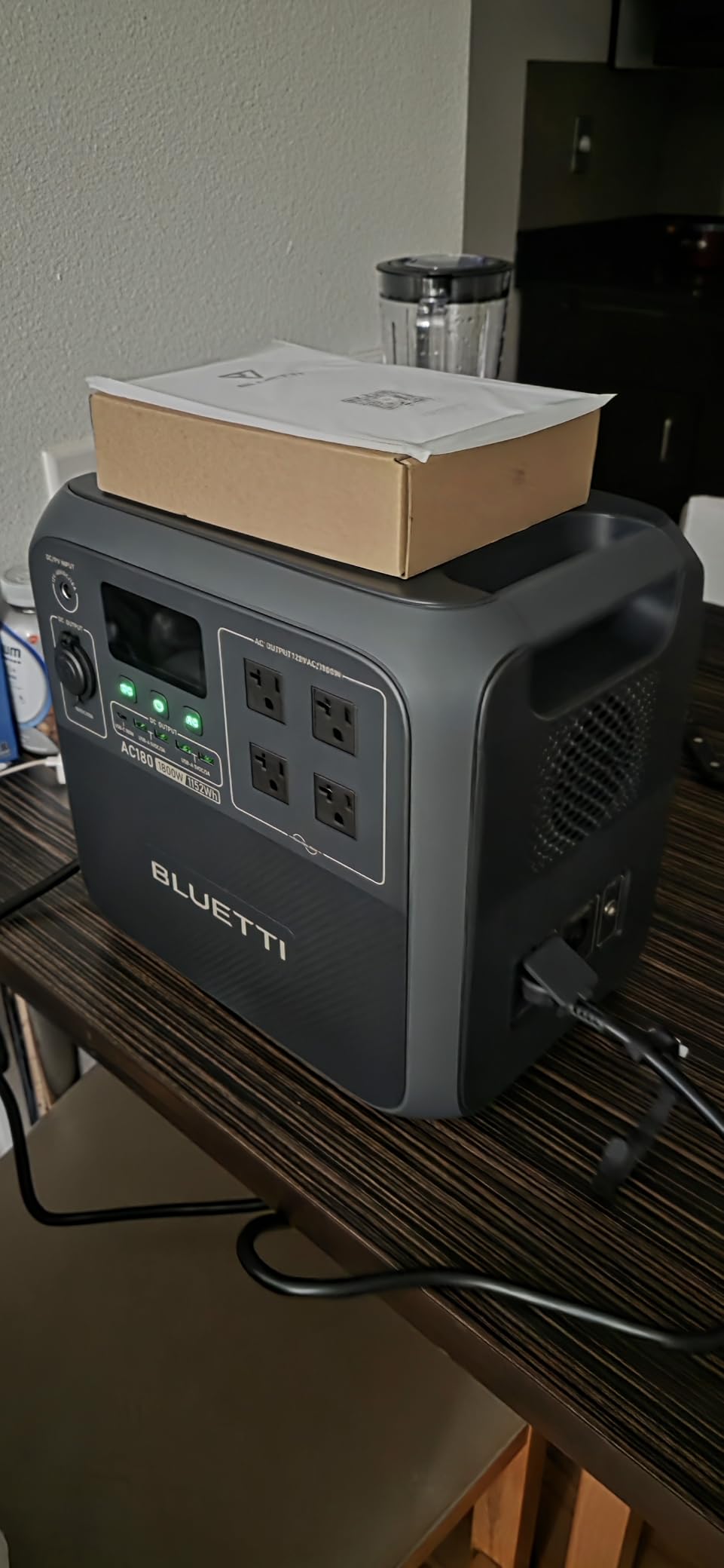
Two honest caveats from reviews. The unit weighs about 37 pounds, so it lives near the bed or the generator bay rather than the picnic table. And BLUETTI’s manual states that only 90 percent of rated capacity is usable, which trims your effective overnight hours before the idle draw is even counted.
Does 20 ms switchover prevent a machine restart?
That is the intent, and it is short enough to keep sensitive electronics running. Compare it against stations with a multi-second transfer or no UPS function at all, where a blip during therapy means a full restart and a night of lost data.
What to check before you commit
Budget for the 37 pounds and for the 15 to 20W of inverter self-consumption, which matters most when you want a shallow sleep night. The low-draw options further down this list are better suited to that specific goal.
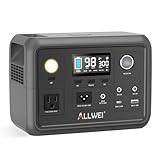
4. ALLWEI 300W 256Wh – Most Versatile at 6.4 lbs
ALLWEI Portable Power Station 300W, 256Wh Solar Generator LiFePO4 Battery
256Wh capacity
300W continuous and 600W surge
LiFePO4 rated for 3000 cycles
6.4 lb ABS body
Pros
- Lightest unit in the roundup at 6.4 lbs
- Display shows estimated runtime and exact remaining percentage
- True 2.4A USB ports sustain about 21W combined
- Three-level LED light with SOS mode
- Holds charge well through months unused
Cons
- Some units stopped holding charge after about a year
- Limited solar input cannot use larger panels
- No 24V output for RV users
- Customer support reportedly needed extensive troubleshooting
The ALLWEI covers the same ground as the Explorer 300 at a smaller 256Wh and 6.4 pounds, and the manufacturer lists CPAP machines among its target devices. For a first station that will live in a closet until the power goes out, the price-to-capability math here is hard to argue with.
What draws reviewers in is the display, which shows both an estimated runtime and an exact remaining percentage. That visibility matters for a sleep machine: you can see how many hours are left without opening an app. The three-level LED with SOS mode is a genuine bonus during a night outage.
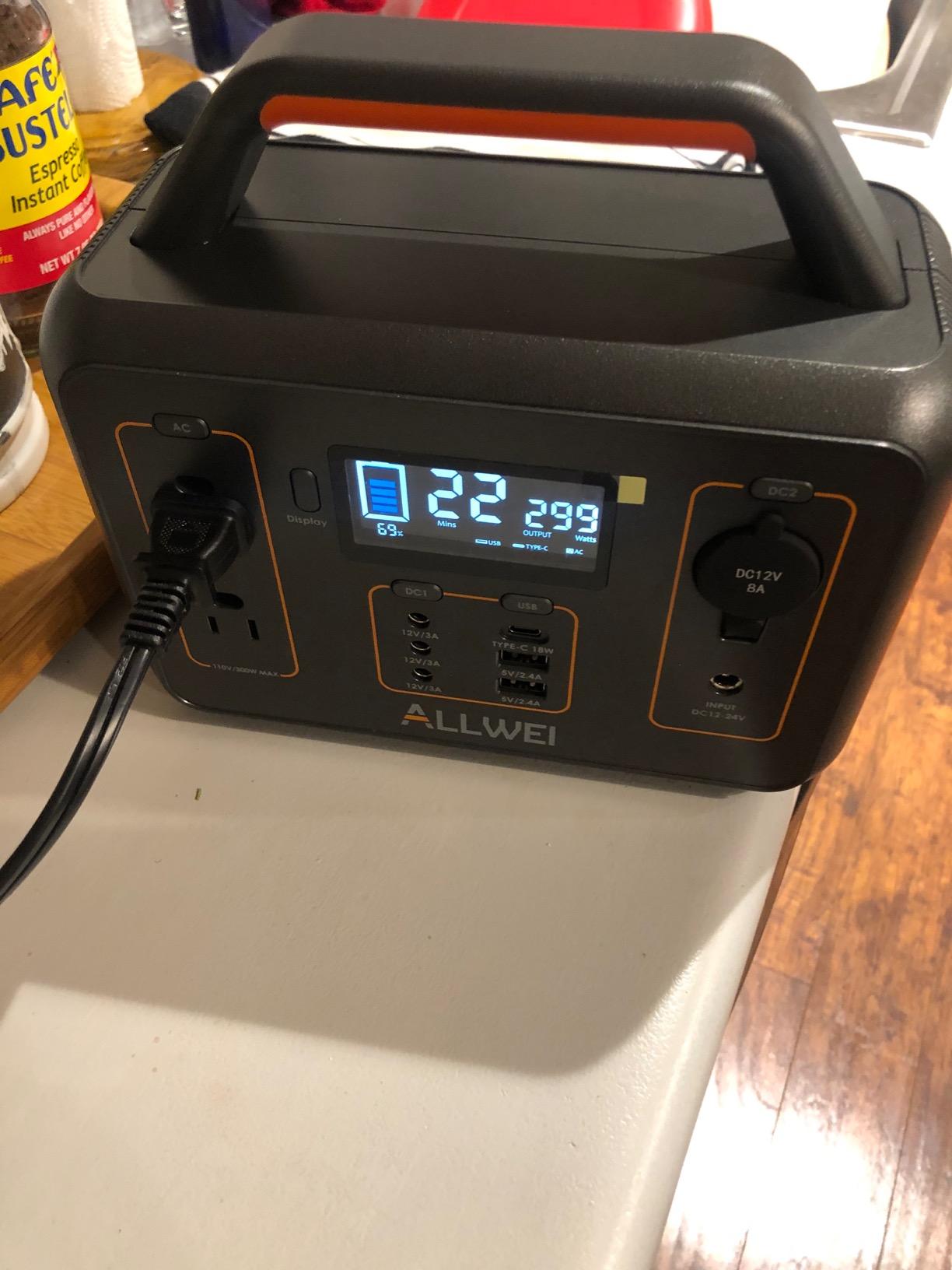
The durability feedback is the reason this is not our top pick. A small but persistent group of reviews reports units that stopped holding charge after eight months to a year, and the solar input is capped low enough that larger panels are not an option.
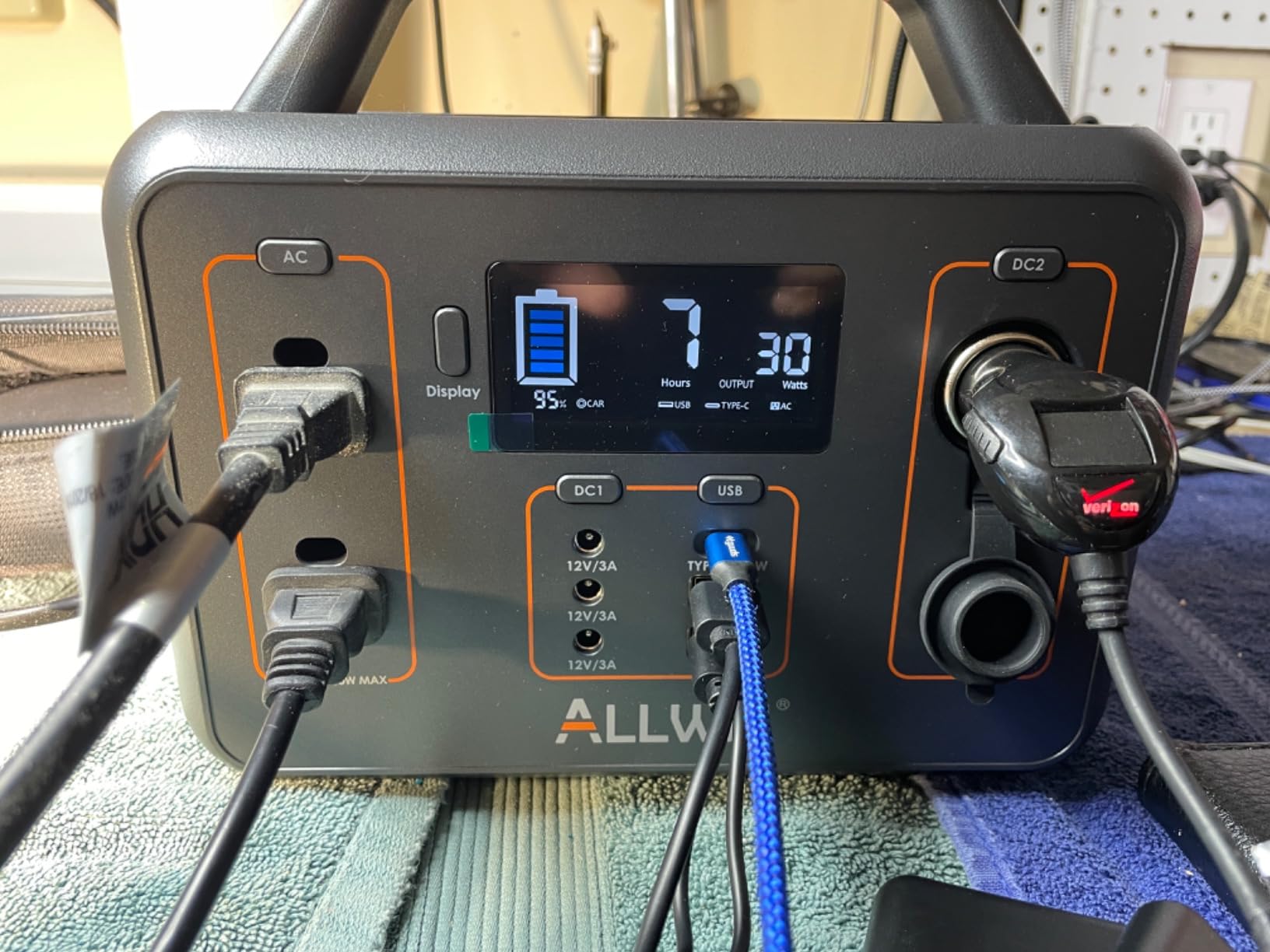
Is 256Wh enough for eight hours?
Without humidification, close to it. With a heated humidifier pulling around 70W, expect roughly three and a half hours before losses. Treat it as a travel and short-outage unit rather than a humidified overnight battery.
What to check before you commit
Look at the warranty length, and keep the unit topped up if you store it long-term. If you plan to rely on solar to recover after a trip, the panel input ceiling is the specification to verify first.
5. Anker SOLIX C300 – Best Value for Bedside Backup
Anker SOLIX C300 Portable Power Station, 288Wh Solar Generator for Camping
288Wh capacity
300W continuous and 600W surge
140W two-way USB-C
25dB operation
Pros
- Reaches 80 percent in 50 minutes on a wall outlet
- Very quiet with no audible cooling fan
- Three-level light bar with SOS mode
- Works as a usable UPS when the AC cord is pulled
- Three AC outlets with a standard desktop cord
Cons
- 288Wh limits runtime for anything beyond a CPAP
- USB-A port capped at 12W
- USB-C connectors reported fragile
- No shoulder strap included
- Solar compatibility limited to certain Anker panels
The C300 is the quietest sleeper in this group, and several reviewers describe it as having no audible cooling fan at all. At 25dB measured from a few feet away, it is the pick if the station will sit within arm’s reach of your head on the nightstand.
It also works as a genuine small UPS. Reviewers report that the unit stays on when the AC cord is pulled, which turns a bedside station into a bridge that carries you through short brownouts without restarting therapy.
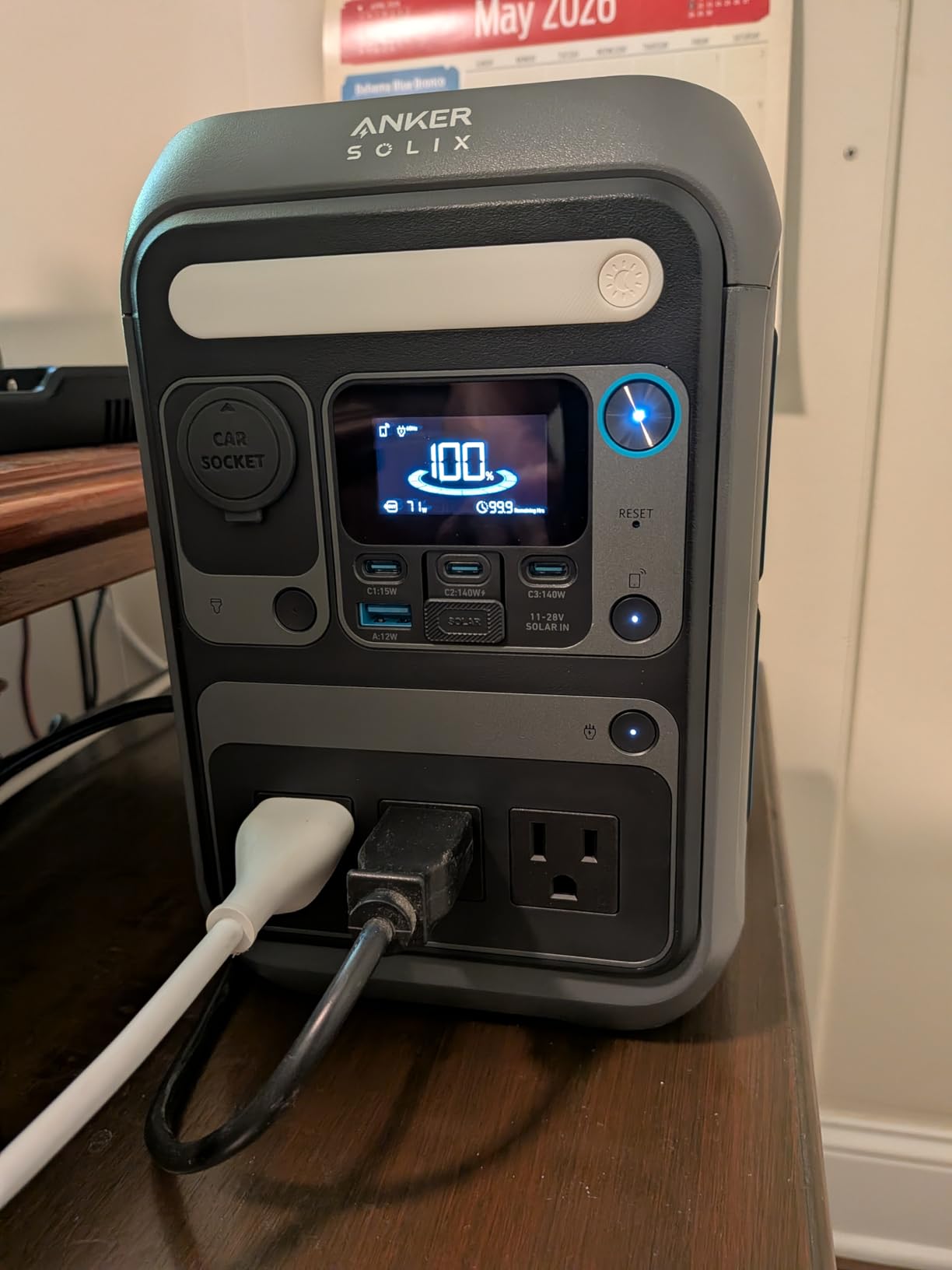
Recharge speed is the other draw: 80 percent in about 50 minutes from a wall outlet means a full night’s CPAP power after a lunch stop. The 140W two-way USB-C ports are the most capable in the 300W class and handle laptops as well as the machine.
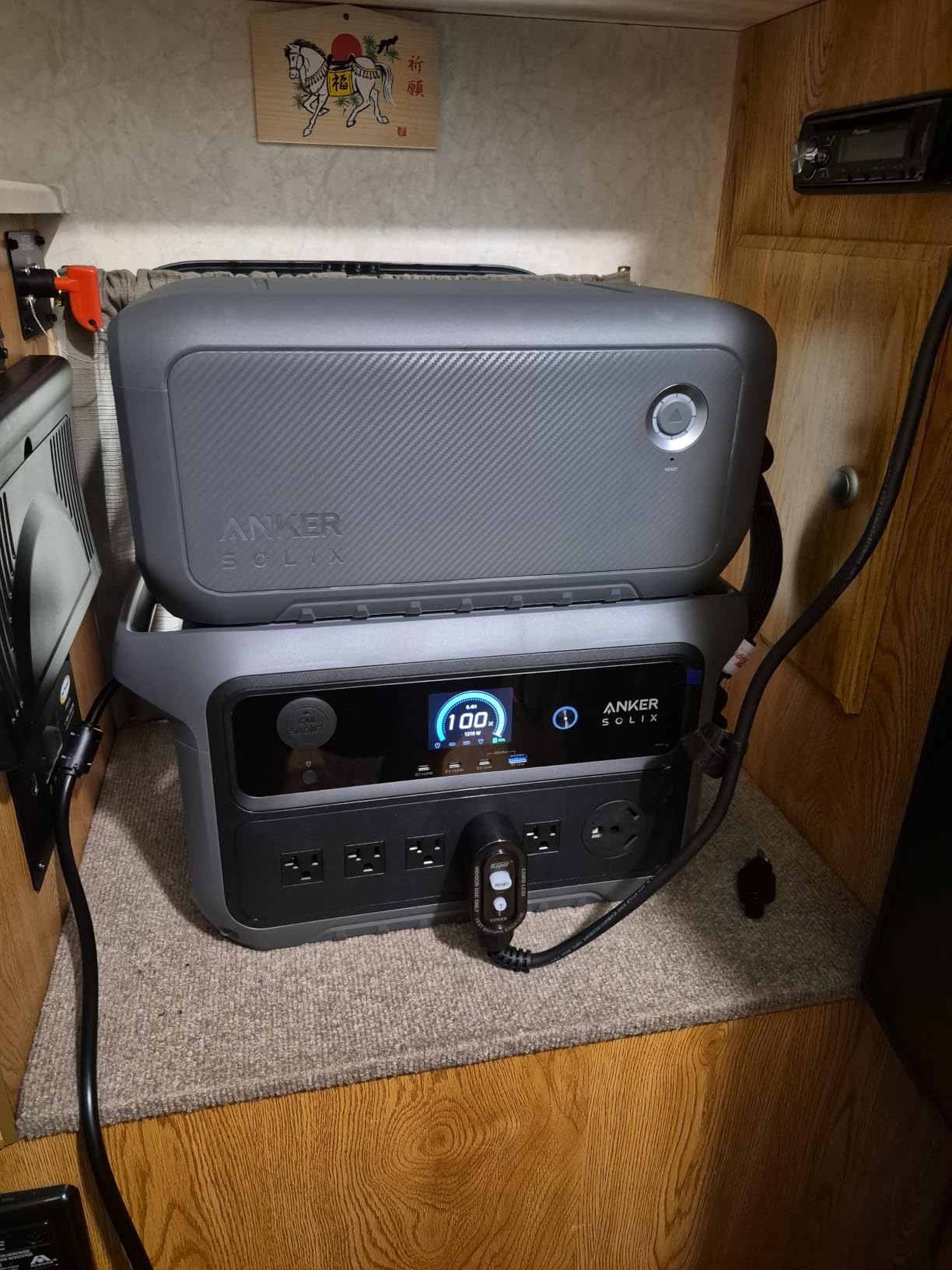
Will 288Wh run a humidified night?
Only partially. At a 70W humidified draw you get about four hours. Run the machine without the heated humidifier and the same unit stretches to roughly six, which makes it a solid outage companion rather than a full humidified-night solution.
What to check before you commit
Confirm the strap situation, since it is sold separately, and check which Anker solar panels it accepts. Buyers report the unit is not compatible with several other panels in the same brand, so verify the model number before buying a panel to go with it.
6. EnginStar 300W 296Wh – Best for Regulated 12V and 24V DC
EnginStar Portable Power Station 300W 296Wh Solar Generator
296Wh capacity
300W pure sine wave AC
Regulated 12V and 24V DC
8 output ports
Pros
- Only unit here with regulated 24V DC output
- 296Wh with pure sine wave AC at an entry price
- Eight output ports for a full camp load
- ETL certified with multi-layer BMS protection
- Light at 6.5 lbs and small enough to carry
Cons
- Lowest average rating in the group at 4.2 with 11 percent one-star reviews
- Only a 12-month limited warranty
- Maximum input of 65W makes recharging slow
- Lithium-ion chemistry rated for about 1000 cycles
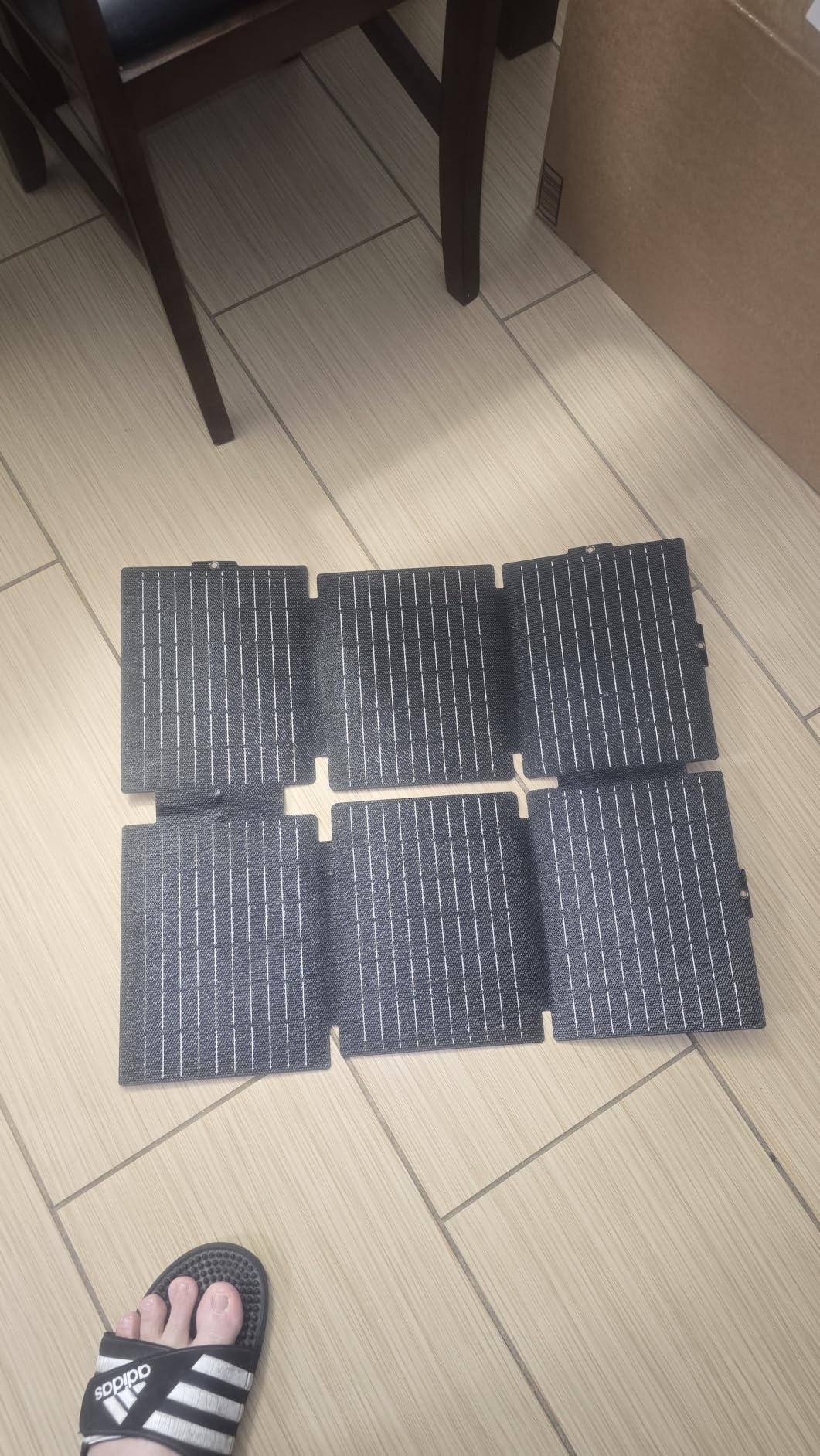
This is the pick if you want to skip the inverter entirely. Its regulated DC outputs cover 12V and 24V, so a CPAP with an approved DC cable can run straight off the battery with no AC conversion step and no fan noise.
The pure sine wave AC outlets still handle the brick if your machine needs one, and eight output ports mean the machine, two phones and a cooler can share a single unit. At 6.5 pounds it packs like the smaller units.
Be aware of what you are trading. The 4.2 average is the weakest here, with 11 percent one-star feedback, the warranty is 12 months against five years on some rivals, and the 65W input ceiling means topping up takes far longer than on modern units.
Why does DC output matter for a CPAP?
Every conversion step costs energy. Running the machine from DC avoids the DC-to-AC-to-DC chain through the inverter, which typically preserves 10 to 20 percent more usable battery and keeps the unit silent. For long nights, that margin is the difference between finishing the night and waking early.
What to check before you commit
Check the cycle rating. Around 1,000 cycles is short for a device expected to be charged nightly for years, and the manufacturer advises topping the battery up every two to three months if it sits unused. The 24V output is the reason to choose it over cheaper 12V-only units.
7. Anker SOLIX C1000 Gen 2 – Best for Fast Recharge
Anker SOLIX C1000 Gen 2 Portable Power Station
1024Wh LiFePO4
2000W continuous and 3000W peak
49-minute full recharge
10 ms UPS switchover
Pros
- Fastest recharge here at 49 minutes on a 1600W input
- Sub-10ms UPS keeps a CPAP running through brief outages
- One owner ran an AirSense 11 for three nights on a single charge
- Ten ports power a full camp
- App with real-time wattage and time-of-use scheduling
Cons
- Gen 2 removed the expansion battery option
- No included protective case for cables and adapters
- No USB passthrough for automatic PC shutdown
- About 25 lbs to lift
- Measured harmonic distortion on heavy loads
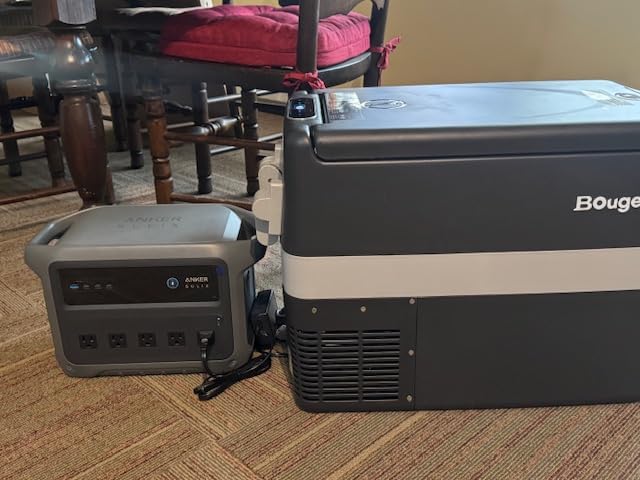
This unit has the strongest review profile in the group, and the CPAP-specific feedback is unusually concrete. One owner ran an AirSense 11 for three nights straight on a single charge, and another kept networking and a fridge alive through a ten-day ice storm outage.
The 10 ms UPS transfer is the figure that matters for a sleep machine. It is short enough that therapy continues through a brief flicker, and reviewers confirm it works cleanly alongside laptops and home lab gear.
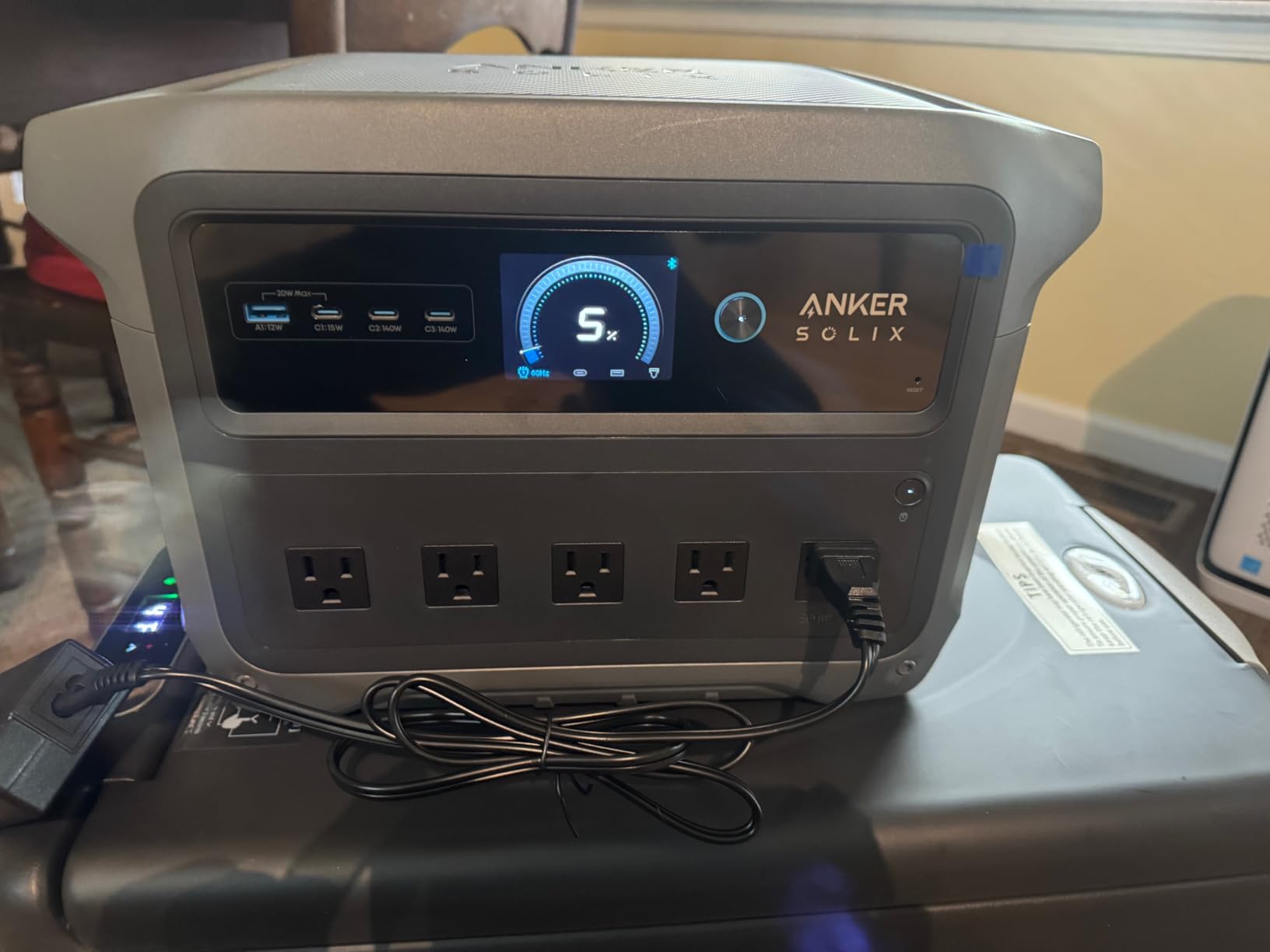
Recharge speed is the headline. A 49-minute full charge from a 1,600W input means you can refill an entire night’s therapy during a coffee stop, and a 1.8 hour solar recharge from up to 600W of panel keeps multi-day trips feasible.
Is 1024Wh right for a storm outage?
It covers a humidified night roughly four times over, which is meaningful when outages stretch past a day. It is overkill for a single weekend of car camping, where a 300Wh unit would do the same job at a fraction of the weight.
What to check before you commit
Note that Gen 2 dropped the expansion battery capability of the original C1000, so this capacity is the ceiling. If you plan to pair it with a PC, know there is no USB passthrough for automatic shutdown, and budget for about 25 pounds of carry weight.
8. EF ECOFLOW Delta 3 Classic – Best for Home Backup
EF ECOFLOW Portable Power Station Delta 3 Classic, 1024Wh 1800W AC
1024Wh capacity
1800W continuous and 3600W surge
Sub-10ms UPS
0-80 percent in 45 minutes
Pros
- 45-minute charge to 80 percent and about an hour to full
- Sub-10ms UPS protects medical devices and servers
- Stable Bluetooth app connection that stays paired
- Accepts solar even at low panel output
- Two sump pumps ran two days on a single charge
Cons
- Cannot be expanded with DELTA 2 or Delta 3 extra batteries
- 26.7 lbs is heavy for a 1024Wh unit
- 12V vehicle charging input capped just over 100W
- Two overseas reviews reported dead-on-arrival units
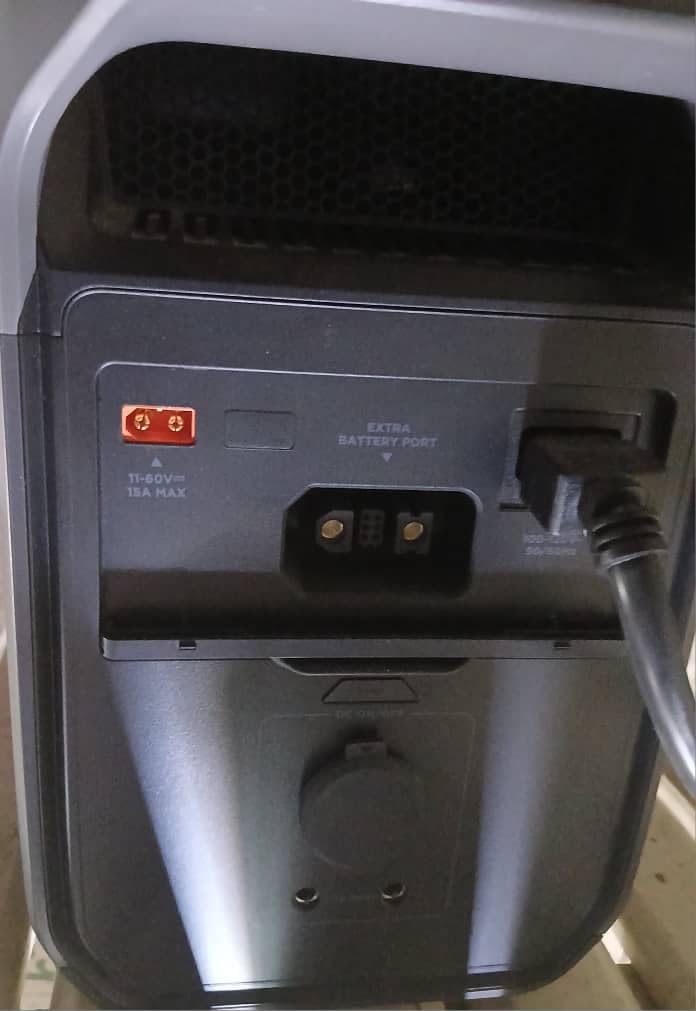
The Delta 3 Classic markets sub-10ms transfer explicitly at protecting medical devices, and that makes it a natural fit for a home outage kit. Owners report two sump pumps running for two days on battery with half the capacity still showing afterward.
At 1,024Wh it sits alongside the Anker C1000 Gen 2 on capacity while delivering less raw inverter output, but the charging experience is the differentiator. Zero to 80 percent takes about 45 minutes, with a full charge close to an hour.
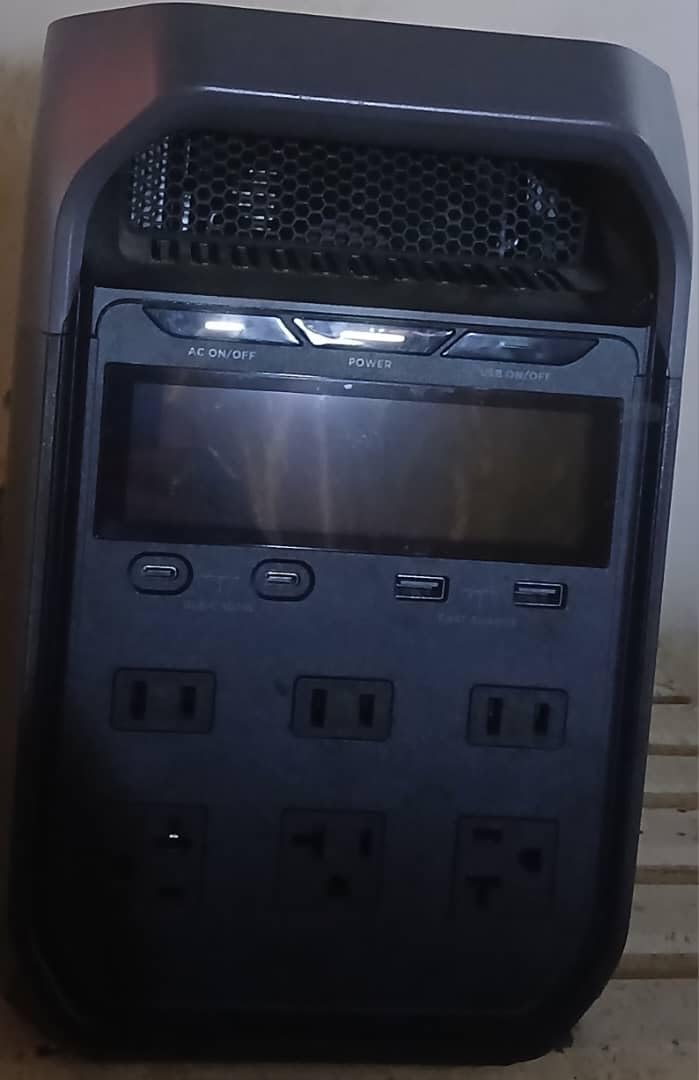
The app is worth mentioning. Reviewers single out a Bluetooth connection that stays paired, which is a small detail that becomes important when the unit sits in a garage and you want a reliable status check from bed.
How long does a humidified night last here?
Roughly 12 to 13 hours on a 70W draw before losses, or about 19 hours with the humidifier off. That headroom means you can run therapy through a full night and still have charge left for lights, a router and a phone in the morning.
What to check before you commit
Expansion is closed off. This unit does not accept the DELTA 2 or Delta 3 Series extra batteries, so treat 1,024Wh as the maximum. At 26.7 pounds, plan where it lives rather than whether you can carry it.
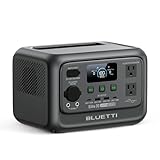
9. BLUETTI Elite 30 V2 – Best for Low Standby Draw
BLUETTI Elite 30 V2 Portable Power Station 288Wh 600W LFP Solar Generator
288Wh LiFePO4
600W continuous with 1500W power lifting
4.5W standby draw
10 ms UPS
Pros
- 4.5W standby draw is the lowest here for an overnight sleep setup
- 600W continuous output from a 9.5 lb body
- Power Lifting Mode ramps to 1500W for high inrush loads
- 0-80 percent in 45 minutes on a 380W wall input
- Works with standard third-party solar panels
Cons
- Some owners report unexpectedly fast discharge with a CPAP
- 288Wh is small against a 600W output rating
- No USB passthrough for PC auto-shutdown
- Auto-restart needs Pro mode enabled after full discharge
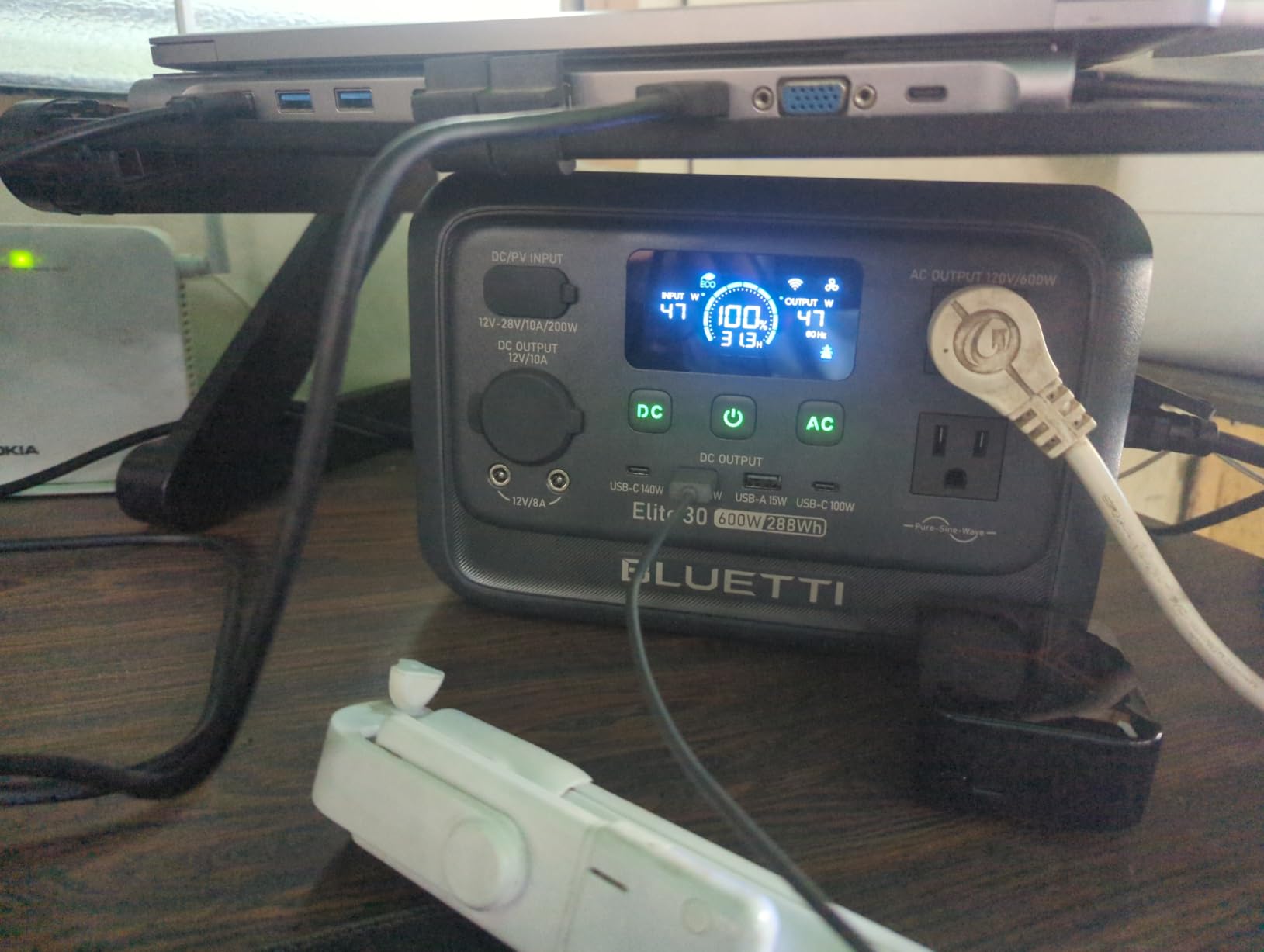
If your station will sit plugged in beside the bed all year waiting for an outage, idle draw is the number to optimize. The Elite 30 V2 runs at 4.5W standby, roughly half what several competing units pull, which is the difference between a station that quietly waits and one that eats itself empty between events.
Output is unusually strong for the size. The 600W continuous rating is double most 300W units at a similar 288Wh capacity, and Power Lifting Mode pushes to 1,500W for appliances with high inrush.
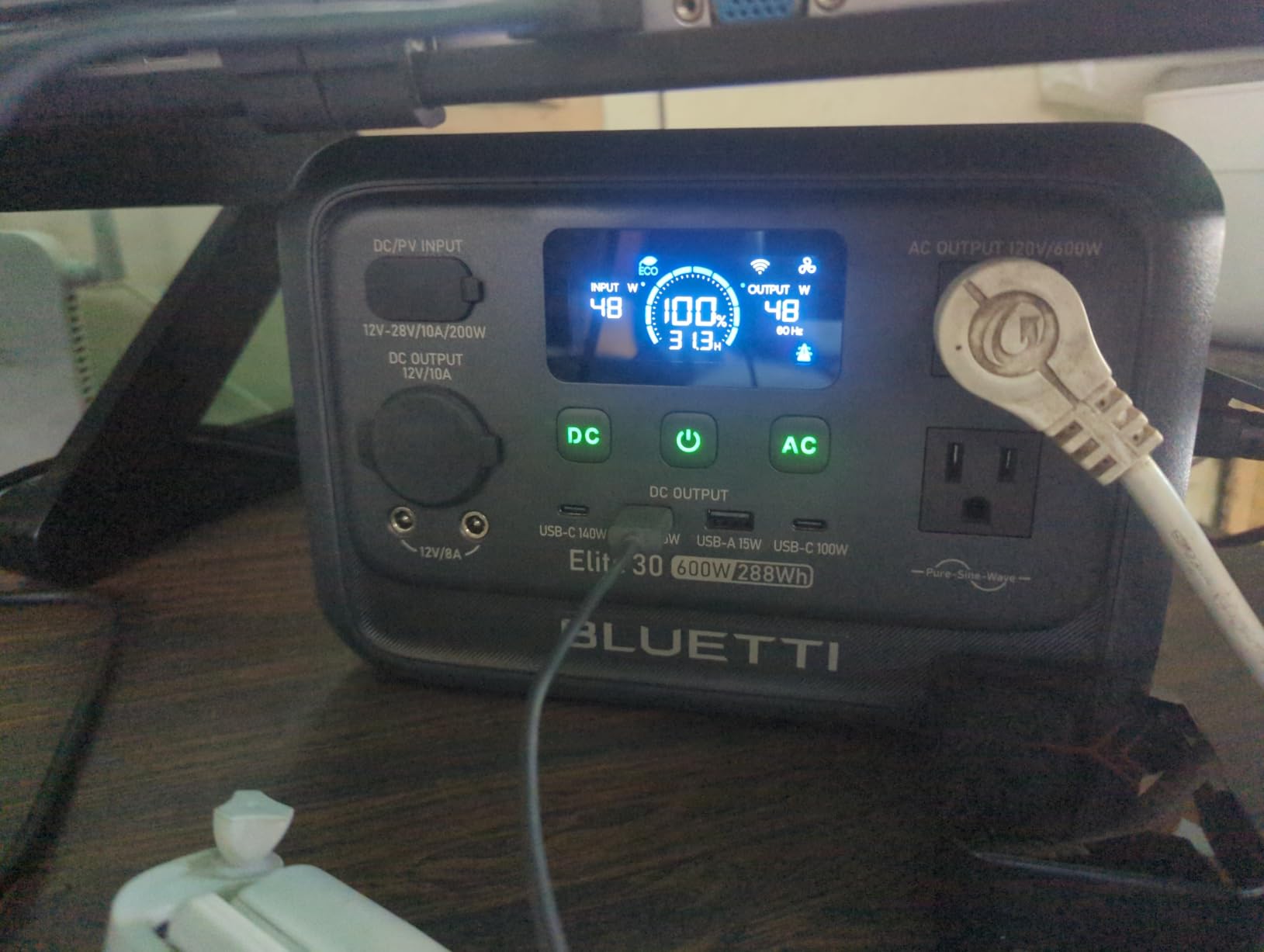
The 10 ms UPS transfer is listed with CPAP machines in the manufacturer’s own material, and one reviewer used it to protect a home server and networking gear without restarts. It also replaced a desktop UPS and roughly doubled the available runtime.
Why does standby draw matter for a CPAP?
A station left on and monitoring overnight draws power whether or not the machine needs it. At 4.5W you lose a meaningful slice of a 288Wh battery before you even switch on, and units with 15 to 20W of self-consumption can spend a third of a small pack doing nothing.
What to check before you commit
Read the negative reviews on discharge rate. One detailed owner report describes a CPAP draining the unit to 53 percent in a single night, which is faster than the rated capacity suggests and worth testing in your own setup before relying on it.
10. VTOMAN FlashSpeed 300 – Best for USB-C Recharging
VTOMAN FlashSpeed 300 Portable Power Station, 300W 230Wh LiFePO4 Battery
230Wh capacity
300W continuous output
100W PD USB-C input/output
LiFePO4 3000+ cycles
Pros
- 100W PD USB-C input recharges to 80 percent in about two hours
- LiFePO4 cells rated for 3000+ cycles
- Two AC outlets plus five USB ports run a full camp
- Light at 7.4 lbs and thin enough for a backpack
- Generous cable bundle included in the box
Cons
- Smallest capacity here at 230Wh
- Thinnest review base of any pick at 533 reviews
- Listed voltage of 230V is inconsistent with a US 120V market
- Low sales rank in Outdoor Generators
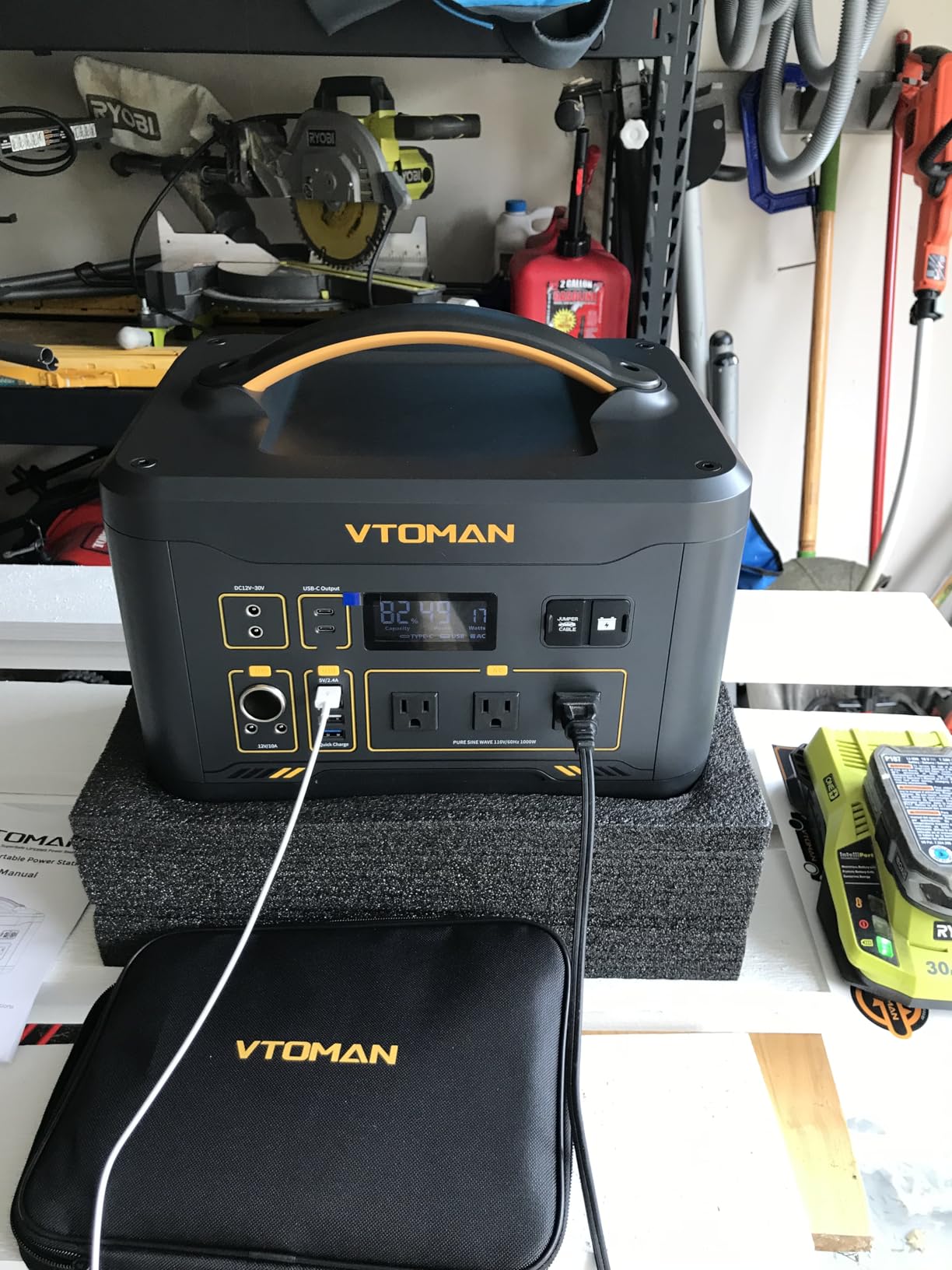
The FlashSpeed 300 stands out for input rather than output. Its 100W Power Delivery USB-C port recharges to 80 percent in about two hours, and the same port works as an output, so one cable handles both directions.
At 230Wh it is the smallest usable capacity here, which keeps expectations honest: this is a travel and short-trip unit. Seven outlets, including two AC sockets and a 100W USB-C, let it run a CPAP alongside phones and cameras.
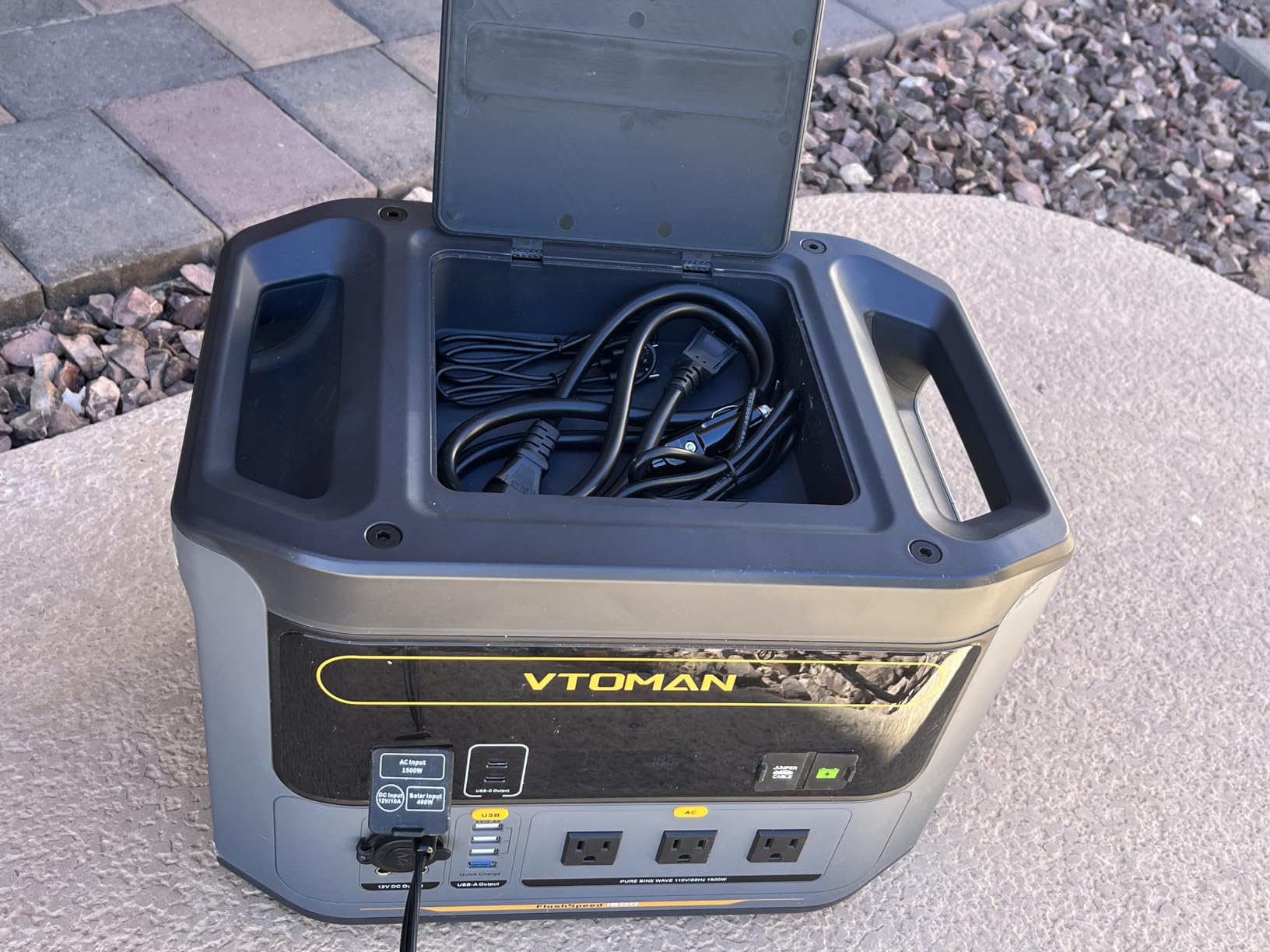
What you give up for that fast input is runtime. Divide 230Wh by a 70W humidified draw and you are looking at roughly three hours, or closer to four with the heater off. The LiFePO4 pack rated for 3,000-plus cycles is a good longevity story for the money.
Is 230Wh enough for a full night?
Only with humidification off and some margin. For a night that includes a heated humidifier, choose a larger unit. This one fits a machine plus short travel days, or a night of backup during a brief outage.
What to check before you commit
Note the review base is thin at 533 reviews, so you have less long-term data than the other picks. The listed 230V voltage also looks like a specification error for the US market, which is another reason to confirm the inverter rating in person.
11. EASYLONGER ES720 – Best for Broad CPAP Compatibility
EASYLONGER ES720 CPAP Battery Backup, 266.4Wh Portable CPAP Power Supply
266.4Wh capacity
Adjustable 12V 16.5V 20V 24V DC output
180W car socket
Four DC cables included
Pros
- Listed compatibility spans ResMed AirSense 10 and 11 plus Philips DreamStation models
- FSA and HSA eligible for CPAP use
- Adjustable DC output removes the voltage guesswork
- 3.3 lb and 1.7 inch thin for travel
- Four recharging paths including 100W solar
Cons
- Rated 4.2 among a very small review base
- Heated tube not supported for the Luna G3
- Cigarette lighter port needs a voltage converter
- 266.4Wh covers a partial humidified night
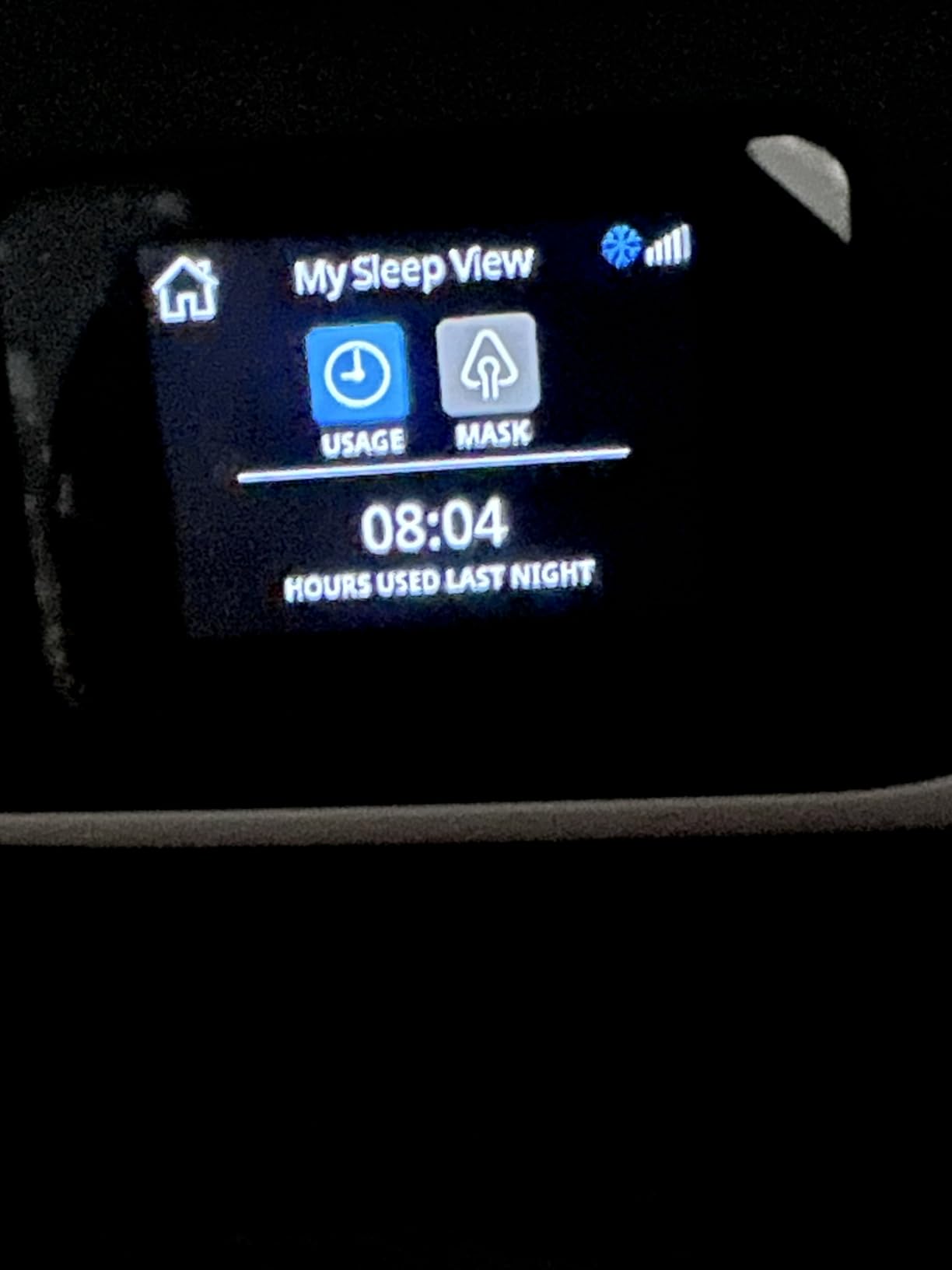
Dedicated CPAP packs solve a problem general power stations cannot: the cable. The ES720 ships with DC leads and a listed compatibility list that spans ResMed S9, AirSense 10, AirCurve 10, AirMini, AirSense 11, Luna G3, and Philips DreamStation and DreamStation 2, plus FSA and HSA eligibility.
Its 266.4Wh capacity sits squarely in the one-night zone, and the adjustable DC output covering 12V, 16.5V, 20V and 24V removes most of the guesswork that trips people up with generic cables.
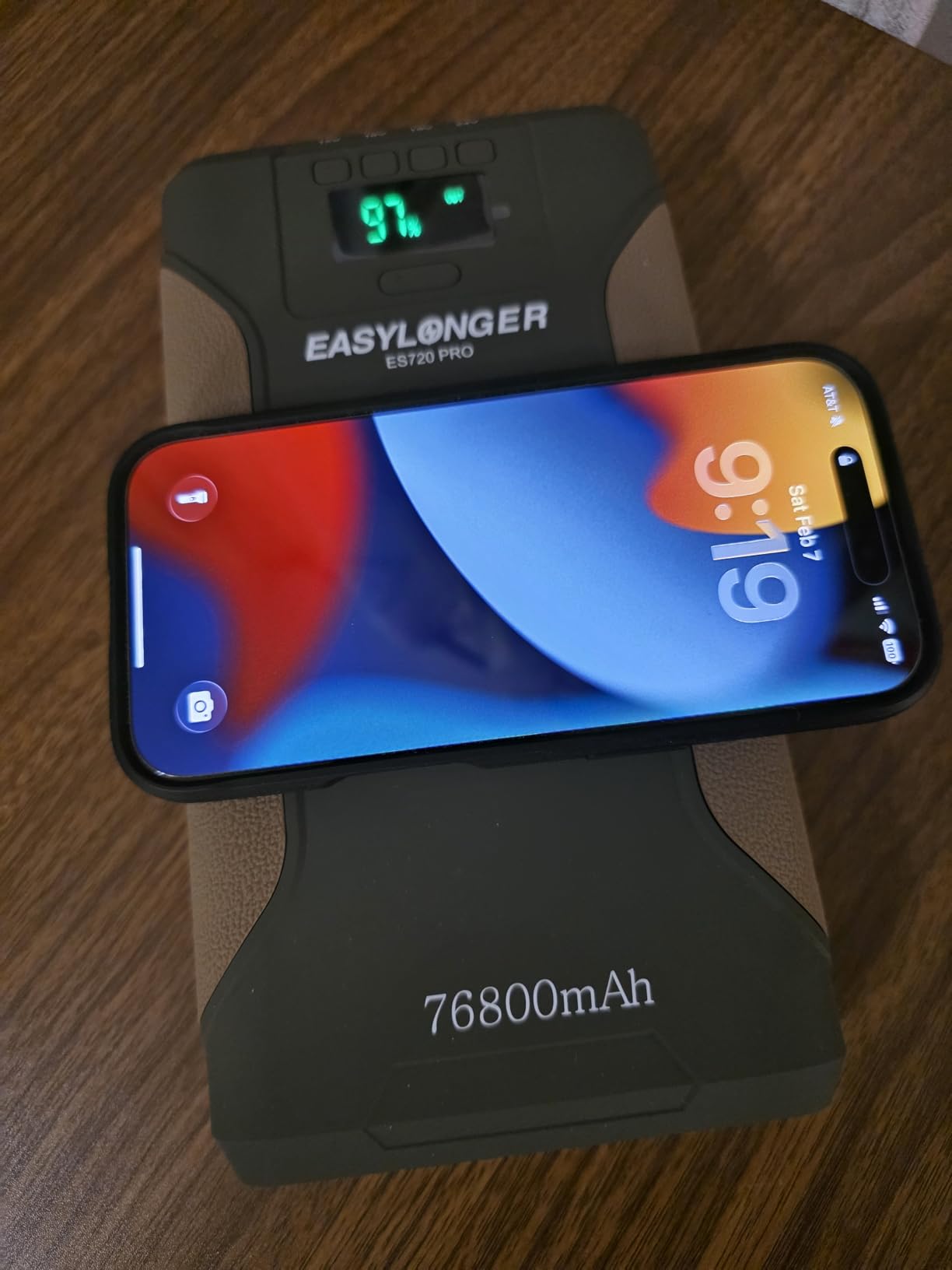
At 266.4Wh and about 3.3 pounds, it is the most travel-friendly option here, and the thin 1.7 inch profile fits a carry-on far better than a 500Wh unit. Four recharging paths including 72W AC, 60W PD USB-C, 100W solar and a car outlet keep it topped up between trips.
Dedicated CPAP pack or general power station?
A dedicated pack wins on cable fit, size and weight, and loses on everything else. At this capacity it cannot power a router, a fridge or a laptop, and it will not carry you through a multi-night trip. Choose it as travel backup, not as a home outage kit.
What to check before you commit
Verify your exact machine against the compatibility list, and check whether you use heated tubing. The heated tube is not supported on the Luna G3, and the car socket needs a voltage converter, both of which are easy to discover only after the box is open.
12. MARBERO 200W 148Wh – Best for Air Travel Under 160Wh
MARBERO 200W Portable Power Station 148Wh Camping Solar Generator Laptop Power Bank with AC Outlet 110V, DC, USB QC3.0, LED Flashlights for CPAP Home Outdoor Trip Emergency Backup
148Wh capacity
200W AC output with 270W peak
3.3 lb body
Eight output ports
Pros
- 148Wh stays under the 160Wh airline lithium threshold
- Only 3.3 lbs and small enough for a carry-on
- Two AC outlets plus six USB and DC ports
- Pass-through charging supported
- Two LED flashlights with SOS mode
Cons
- Largest capacity of the travel units but still short for a full humidified night
- Proprietary barrel charger instead of USB-C
- Build quality described as somewhat flimsy
- AC inverter may not handle higher-wattage devices
- Solar panel not included
Airline lithium rules cap spare batteries at 100Wh for cabin travel and 160Wh for checked baggage with approval, and this unit is built to sit just under that ceiling. At 148Wh and 3.3 pounds it is the only pick here you can realistically carry onto a plane.
The 200W AC inverter, or 270W at peak, is more than enough for a CPAP running without humidification. Two AC outlets plus a set of USB ports mean the machine and two phones fit without a second battery.
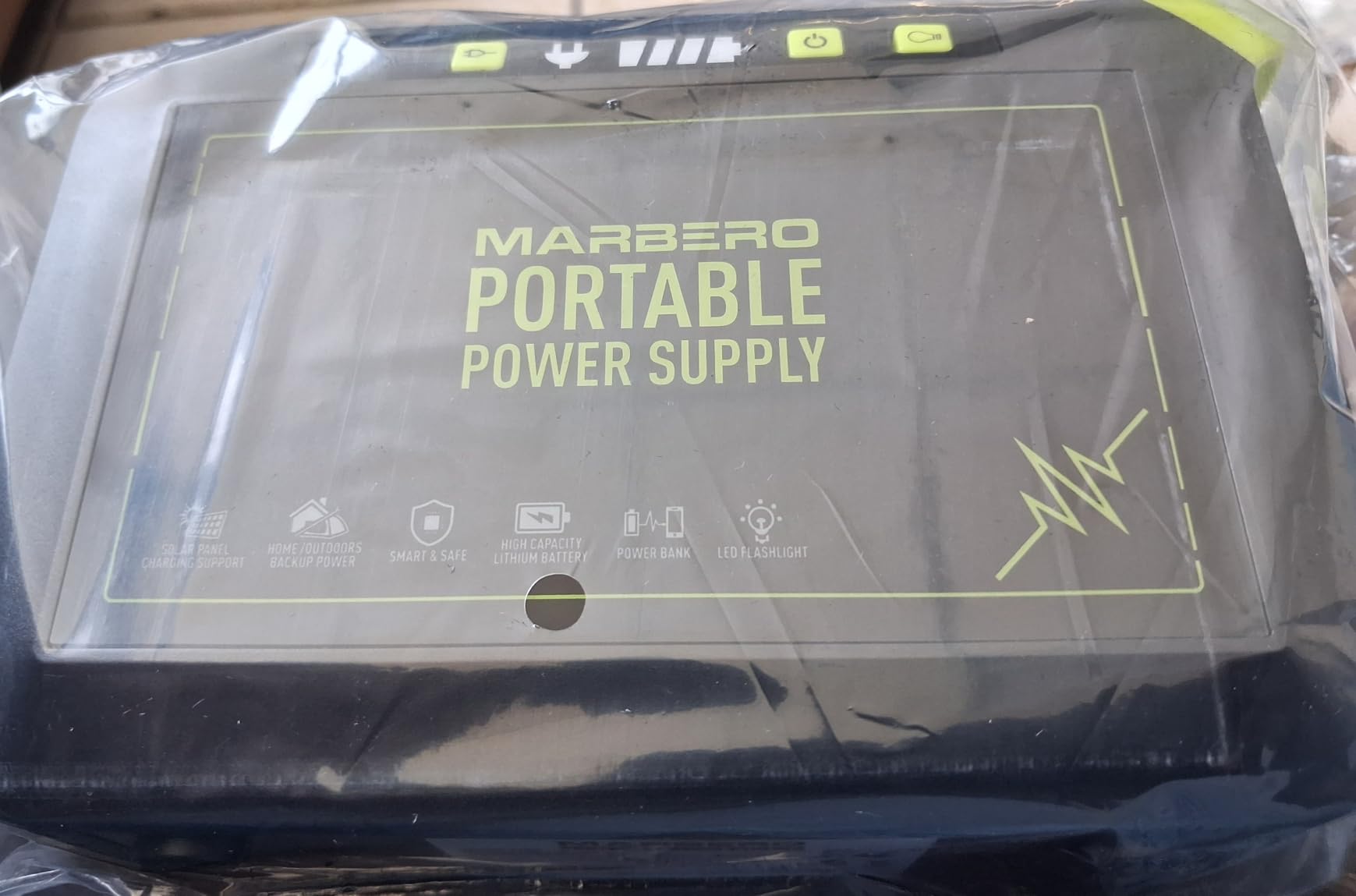
What it cannot do is survive a humidified night. At roughly 148Wh it gives you about two hours with the heater on, or three with it off, so it functions as a travel companion and an emergency bridge rather than an overnight station.
Can I fly with a portable power station?
Batteries under 100Wh are generally allowed in carry-on baggage, and units from 100Wh to 160Wh are permitted with airline approval, usually in checked baggage and never in the hold alongside checked luggage in every case. Confirm with your carrier and keep the terminals protected. Spare batteries over 160Wh are prohibited on passenger aircraft entirely.
What to check before you commit
Check the charger format. This unit uses a proprietary barrel input rather than USB-C, which means one more cable to pack, and the 4.1 rating reflects mixed long-term durability feedback among a very large review base. If you can fit a 500Wh station at home, leave this one for flights.
What to Look For in a Portable Power Station for CPAP
Capacity in watt-hours. Calculate your draw first, then add 30 percent margin. Roughly 250Wh per night without humidification, 500Wh for one humidified night with reserve, and 1000Wh or more for multi-night trips and storm outages. Our camping power station guide covers the smaller tiers in more depth, and our RV power station picks go into the larger ones.
Pure sine wave output. Modified sine wave inverter output is the single most common reason cheap units cause a CPAP to buzz, run hot or refuse to start. Every pick on this list uses pure sine wave AC, and several manufacturers name it in the specifications.
UPS and EPS switchover time. If the station is meant to sit beside your bed through outages, look for a published transfer time. Under 10 ms keeps therapy running through a flicker; 20 ms is still workable; anything in the seconds range means a restart.
Idle and standby draw. A station on standby overnight is spending capacity before you wake. Units quoted at 4.5W to 5W standby lose far less than those with 15W to 20W of inverter self-consumption, and that difference dominates on any battery under 500Wh.
DC path and cable compatibility. Running a manufacturer-approved DC cable from the station skips the inverter, saving 10 to 20 percent of the battery and a fan’s worth of noise. Confirm your ResMed or Philips model accepts a DC cable before committing, since the connector and voltage requirements differ by model.
Noise at low load. Bedside use is where fan noise gets noticed. Published figures in the 25dB to 30dB range are effectively silent in a quiet room; anything noticeably louder argues for a station on a dresser across the room rather than the nightstand.
Weight and recharge options. Under 8 pounds is a one-person carry. Recharge from wall, car and solar at minimum, and check whether panel compatibility is brand-locked, since several units here accept only their own manufacturer’s panels.
Measure your own machine. Plug the CPAP brick into a wall and read the wattage with an inline kill-a-watt meter. That single measurement beats every estimate on this page, and it takes about two minutes.
Confirm with your manufacturer. A portable power station is not a certified medical device. Check that your CPAP manufacturer approves battery operation and confirm the DC cable specification before relying on any unit for therapy continuity.
Frequently Asked Questions
What size portable power station do I need to run a CPAP machine?
Size by your humidifier, not your machine. A CPAP without heated humidification draws roughly 45W, with a heated humidifier about 70W, and heated tubing can push toward 90W. Divide usable watt-hours by your draw: about 250Wh covers a no-humidifier night, 500Wh covers one humidified night with reserve, and 1000Wh or more covers multi-night trips and outages.
Which Jackery is best for a CPAP machine?
The Jackery Explorer 300 is the better fit for most people. Its 292Wh covers a full night when the heated humidifier is off, it weighs 7.1 pounds, and its 300W pure sine wave output is far more than a CPAP needs. Choose the Jackery Explorer 1000 v2 instead if you run humidification every night or want three or more nights from one charge.
Can you run a CPAP machine on a power bank?
Sometimes, yes, with a large-enough power bank. A CPAP needs roughly 45W without humidification, so a 140W or 200W USB-C PD power bank can run a machine such as the ResMed Air Mini through a night on a partial charge, and a user in a CPAP forum reported success with an Anker 737. A portable power station is the better tool once you need a full humidified night or more than one night of capacity.
Do I need a pure sine wave power station for my CPAP?
Yes. Modified sine wave output is a common cause of CPAP machines buzzing, running warm, or refusing to start on budget units. Every pick in this roundup uses a pure sine wave inverter, and that specification is worth more than extra capacity when the power runs through the machine’s AC brick.
How long will a 300Wh power station run a CPAP?
About six hours on a machine drawing roughly 45W without humidification, and around four hours with a heated humidifier pulling 70W, before inverter losses. Divide the station’s usable watt-hours by your real draw for the honest figure, and keep roughly 30 percent in reserve so the machine does not cut out near sunrise.
The Best Portable Power Station for Your CPAP in 2026
For most readers, the Jackery Explorer 300 is the right answer: 292Wh, 7.1 pounds, LiFePO4 cells rated for 4,000-plus cycles, and the largest review base of any unit here. If you sleep with the heated humidifier on, move up to the 500Wh class, and if outages or multi-night trips are the plan, the 1000Wh units give you real breathing room.
Before any of them go in the trunk, plug your own machine into a watt meter, check whether your model accepts a DC cable, and confirm compatibility with your CPAP manufacturer. That ten minutes of homework will do more for your therapy than any spec on the box. Then pick a station, and sleep without thinking about the power bill.