
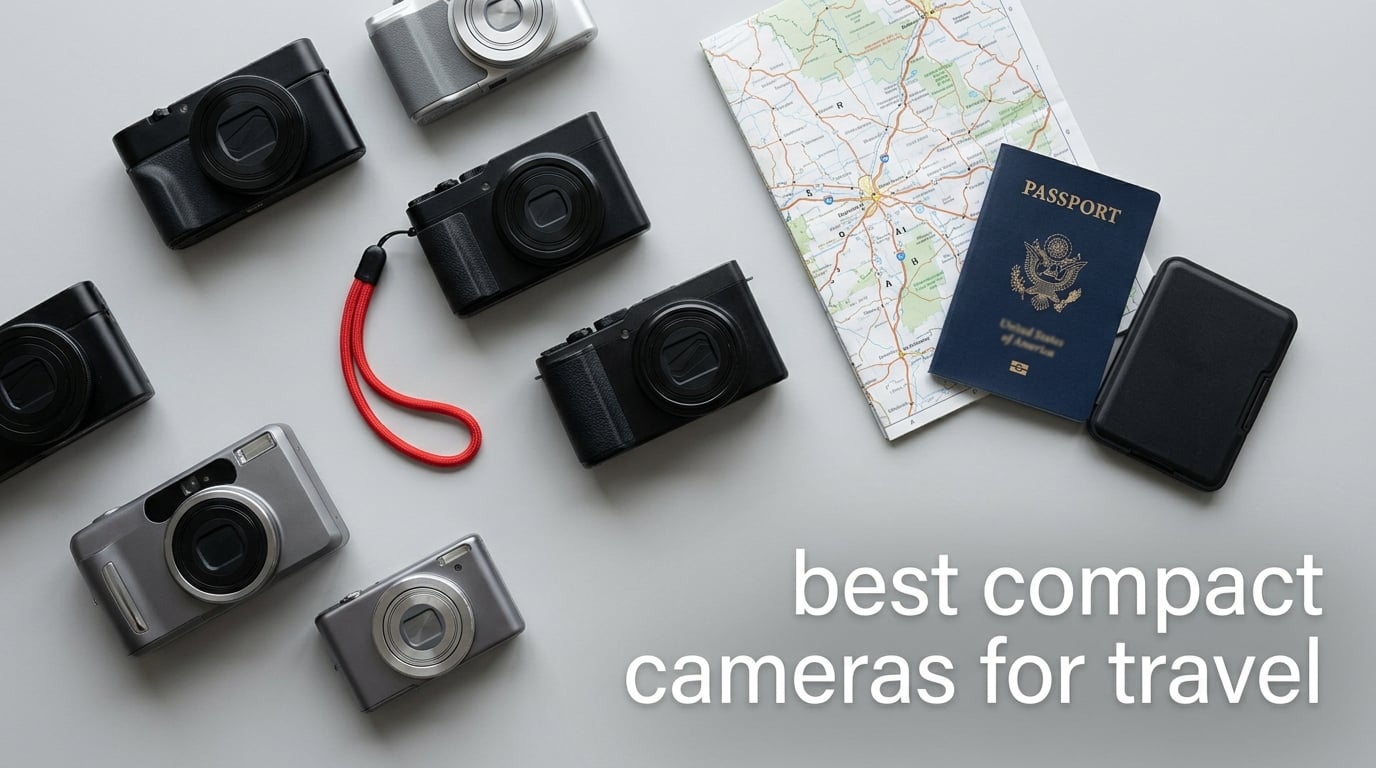
The best compact cameras for travel are the Canon PowerShot G7 X Mark III for most people, the Sony RX100 VII when you need reach, and the OM System Tough TG-7 when the weather or the water is the deciding factor. Each one disappears into a jacket pocket, powers up in a second, and takes photos that comfortably beat a phone in dim rooms, at night, and at long focal lengths.
That last part is what trips most people up. A modern phone is a genuinely excellent travel camera, and for daylight scenes and short video clips it needs no help. But phones have no optical lens beyond a couple of steps of digital zoom, small sensors, and no grip. A compact gives you a real lens, a real sensor, a viewfinder on some models, and a shutter button that feels like a camera.
There is another reason compacts are having a second life among younger shooters. A point-and-shoot produces something a phone cannot fake: a slightly soft, slightly grainy, tightly cropped image with visible JPEG character, and the process of pressing the button and reviewing it on a small screen. Forum threads on r/Cameras and r/AskPhotography are full of people rediscovering that feeling. If you have been shooting on a phone and felt the results looked a bit lifeless, that is the gap a compact closes.
We compared ten current travel compacts across sensor size, lens range, weight, autofocus behaviour, video, battery and durability, and read what long-term owners say about each one. The prices and availability move constantly, so use the buttons below to check the current listing rather than trusting a number from an old article.
Last updated for 2026. If you want the wider picture on camera categories rather than travel specifically, our general compact camera roundup covers desk and everyday-carry picks too.
Table of Contents
Top 3 Picks for the Best Compact Cameras for Travel (October 2026)

Canon PowerShot G7 X Mark III
- 1.0-inch stacked CMOS sensor
- 24-100mm f/1.8-2.8 lens
- Compact 13.1 oz body with tilting screen

Kodak PIXPRO FZ55-RD
- 5x optical zoom from 28mm wide
- 3.7 oz pocketable body
- 28mm wide plus zoom framing

Sony RX100 VII
- 24-200mm Zeiss zoom
- 0.02s phase-detect autofocus
- Pop-up viewfinder and mic jack
The G7 X Mark III takes the top slot because it is the one camera that is genuinely small, has a bright lens that holds up indoors, and needs no explanation to operate. The FZ55-RD is the value answer, and the RX100 VII is the one to buy when framing flexibility matters more than body size.
All 10 Compact Travel Cameras Side by Side in 2026
| Product | Specifications | Action |
|---|---|---|
| Canon PowerShot G7 X Mark III |
|
Check Latest Price |
| Kodak PIXPRO FZ55-RD |
|
Check Latest Price |
 Canon PowerShot SX740 HS Canon PowerShot SX740 HS |
|
Check Latest Price |
 Panasonic LUMIX ZS99 Panasonic LUMIX ZS99 |
|
Check Latest Price |
| Sony RX100 VII |
|
Check Latest Price |
 OM System Tough TG-7 OM System Tough TG-7 |
|
Check Latest Price |
 Canon ELPH 360 HS Canon ELPH 360 HS |
|
Check Latest Price |
 Ricoh GR IIIx Ricoh GR IIIx |
|
Check Latest Price |
 Fujifilm X100VI Fujifilm X100VI |
|
Check Latest Price |
 Kodak PIXPRO FZ45 Kodak PIXPRO FZ45 |
|
Check Latest Price |
A note on the names before you read further. Panasonic sells the same travel zoom as the LUMIX ZS99 in many regions and the DC-TZ99 elsewhere, and Canon’s V-series naming trips people up too, so check the model number rather than the badge. Also note that two entries here are ultracompacts with 1/2.3-inch sensors: they are light and fun, but they are not low-light cameras.
1. Canon PowerShot G7 X Mark III: Best Overall Compact Camera for Travel
Canon PowerShot G7 X Mark III Digital Camera (Black)
20.1MP 1.0-inch stacked CMOS
24-100mm f/1.8-2.8 with OIS
4K 30P and 1080p 120P
13.1 oz
Pros
- Genuinely pocketable at 13.1 ounces
- Bright f/1.8-2.8 lens for indoor and night scenes
- 4.2x zoom covers street to portraits
- Flip-up screen for selfies and vlogging
- Long battery life for full days of stills
Cons
- Video autofocus can hunt and lock soft in low light
- 4K clips overheat and stop after roughly 10 minutes
- No cold shoe included
- so external microphones need a bracket accessory
This is the camera we hand to friends who ask for one recommendation. The 20.1MP 1.0-inch stacked sensor gathers far more light than the small sensors in most compacts, and the bundled 24-100mm f/1.8-2.8 lens keeps that aperture wide across the range, so a dim restaurant or a night market is not a special occasion you have to plan around.
The body is 13.12 ounces with a lens that retracts flush, so it genuinely disappears into a coat pocket. The 3.0-inch tilting LCD swings up for selfies and low angles, and a rear control dial gives you real manual access once you want aperture and shutter speed. Canon also added webcam support, so it doubles as a meeting camera on a work trip.
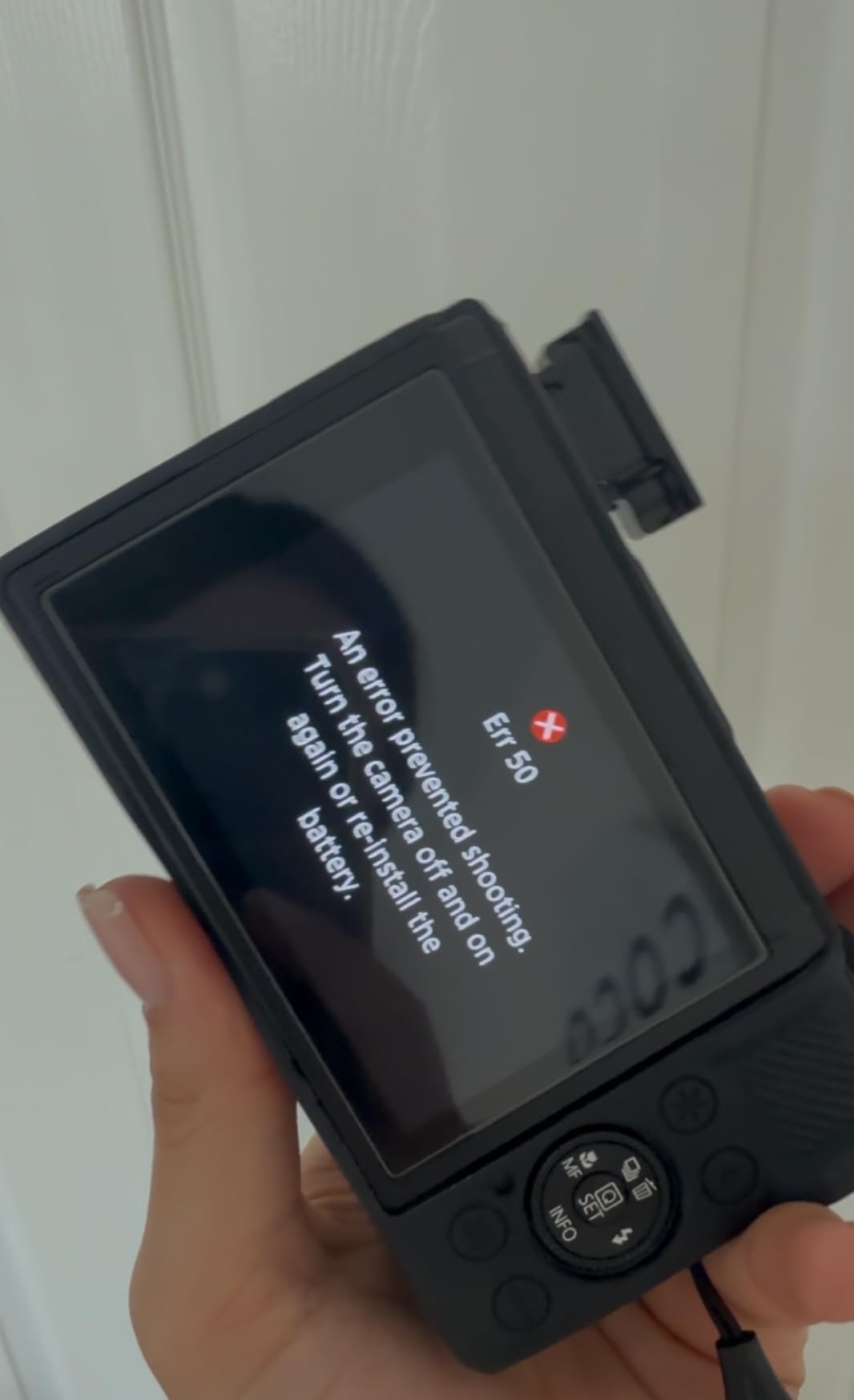
Where it falls short is video. The 4K mode records for about ten minutes before the body runs warm and stops, and the contrast-detect video autofocus can drift onto the background in dim light. Several owners noted the video focus behaviour improved noticeably after a firmware update, which is worth knowing before you judge it.
Stills are the strength. The still autofocus uses 31 points, and the images come out with the vivid, slightly warm rendering Canon is known for. If you shoot mostly photos and only occasional clips, that is the right trade.

Who the G7 X Mark III suits
It suits anyone whose trips are a mix of street, food, interiors, and family shots, and who does not want to think about settings. Bright apertures mean you can keep the ISO low indoors, which is where compact cameras normally fall apart.
It also suits vloggers filming mostly in daylight or in a lit room, because the flip-up screen handles framing and the autofocus in good light is dependable.
Where it falls short for travel
Long-haul wildlife and distant landmarks are outside its reach. At 100mm equivalent there is no more reach available, so a bird across a valley or a distant statue stays small in frame.
If your trip is beach, snow, or heavy rain, the magnesium body has some weather resistance but this is not a sealed underwater camera. The 4K recording limit also matters if you plan long-form vlogs rather than short clips.
2. Kodak PIXPRO FZ55-RD: Best Value Pocket Camera for Travel
KODAK PIXPRO FZ55 16MP Compact Digital Camera, 5X Optical Zoom, Red
16MP 1/2.3-inch CMOS
5x zoom, 28-140mm equivalent
1080p Full HD video
3.7 oz
Pros
- Low cost entry into real camera ownership
- 3.7 oz body is one of the lightest here
- 28mm wide end suits streets and interiors
- SDXC cards up to 512GB
- Large review base shows consistent satisfaction
Cons
- 2.7-inch screen is awkward in bright sunlight
- No built-in wireless
- transfers need a cable or card reader
- 1/2.3-inch sensor struggles after dark
The FZ55-RD is the pick if the idea of spending serious money on a holiday camera feels wrong. It weighs 3.7 ounces, the 28mm wide start gives you architecture and group shots indoors, and the 5x zoom reaches 140mm equivalent for anything closer than that.
Output is a 16MP JPEG with a crisp, slightly processed look that people actively ask for on social feeds. There is no RAW here, which is part of why the file sizes stay small and the workflow stays simple.

Video is 1080p only, with roughly an hour and a half of recording per charge. The 9-point contrast-detect autofocus is basic, so it locks on quickly in good light but shows no interest in tracking a moving child.
The transfer workflow is the biggest friction. There is no built-in wireless, so every photo needs a USB cable or a card reader, and the 2.7-inch LCD is small enough that framing a tight shot in full sun is awkward.
Who the FZ55-RD suits
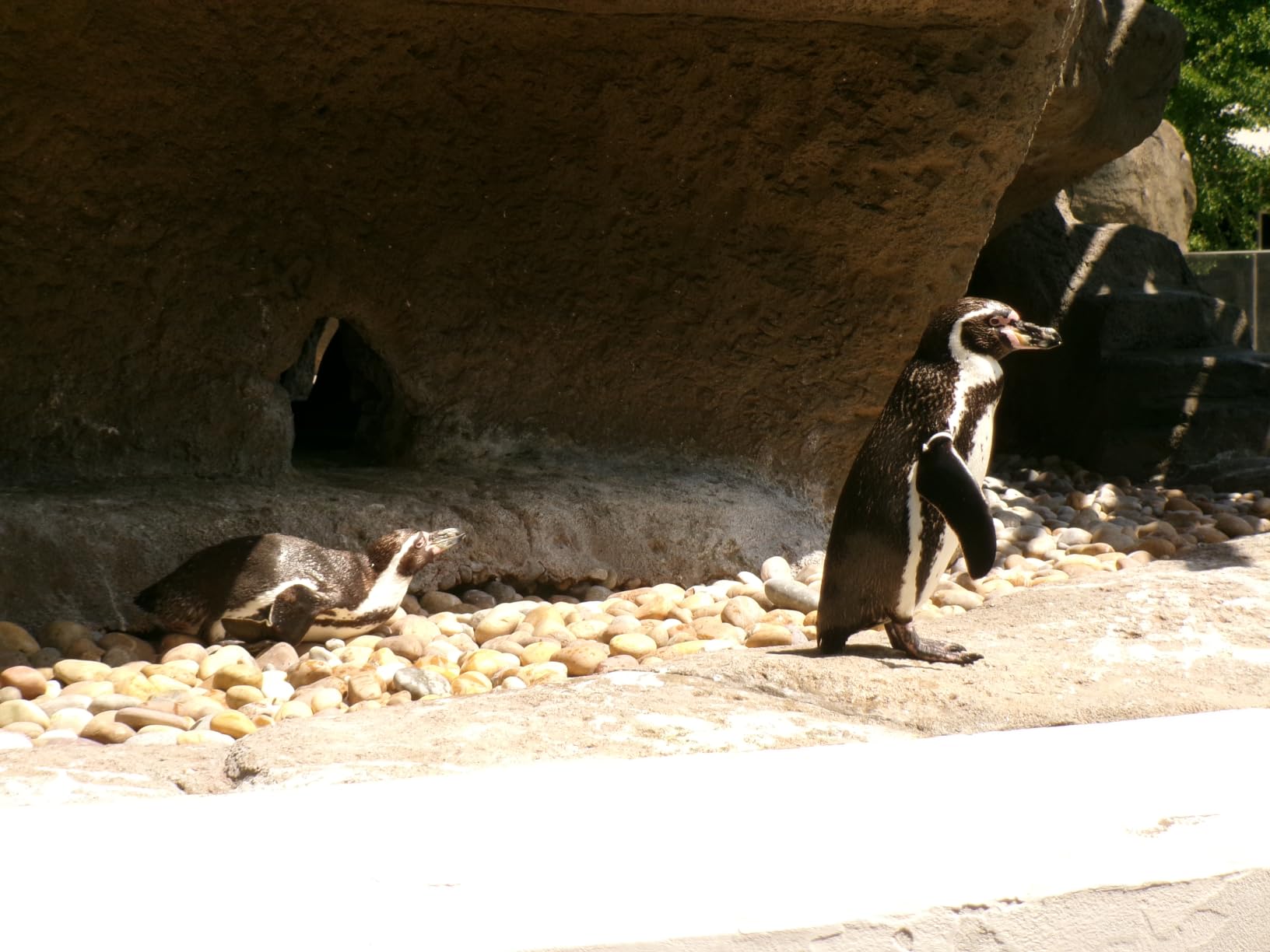
It suits first-time buyers, teenagers, and anyone who mainly shoots daylight street scenes, food, and casual holiday snapshots. The near-8800 owner reviews are the largest sample in this roundup, and the satisfaction level is consistent.
It also suits people who want a camera small enough to always carry. At 3.7 ounces it is the kind of body that ends up in a bag without a thought, which is where most good travel photographs come from.
Where it falls short for travel
Indoor restaurants, evening walks, and night scenes are where the 1/2.3-inch sensor and the f/2.9-f/5.8 aperture range give out. Expect soft, noisy frames rather than clean low-light shots.
Anyone who wants manual control, RAW files, or 4K video should look elsewhere. This is a point-and-shoot and it works best when you let it make the decisions.
3. Canon PowerShot SX740 HS: Best Long-Zoom Compact for Travel
Canon PowerShot SX740 HS, Point and Shoot Digital Camera, Optical Zoom, 4K Video, Black
20.3MP 1/2.3-inch CMOS
40x zoom, 24-960mm equivalent
4K video and time-lapse
9.8 oz
Pros
- Extraordinary 40x reach in a pocketable body
- Zoom Framing Assist helps locate distant subjects
- Optical stabilization steadies long shots
- 10 fps burst and 4K time-lapse
- Battery outlasts the smaller Canon compacts
Cons
- Small sensor produces soft noisy frames at full zoom
- Framing distant subjects on the LCD in sun is hard
- Canon Connect app is clunky
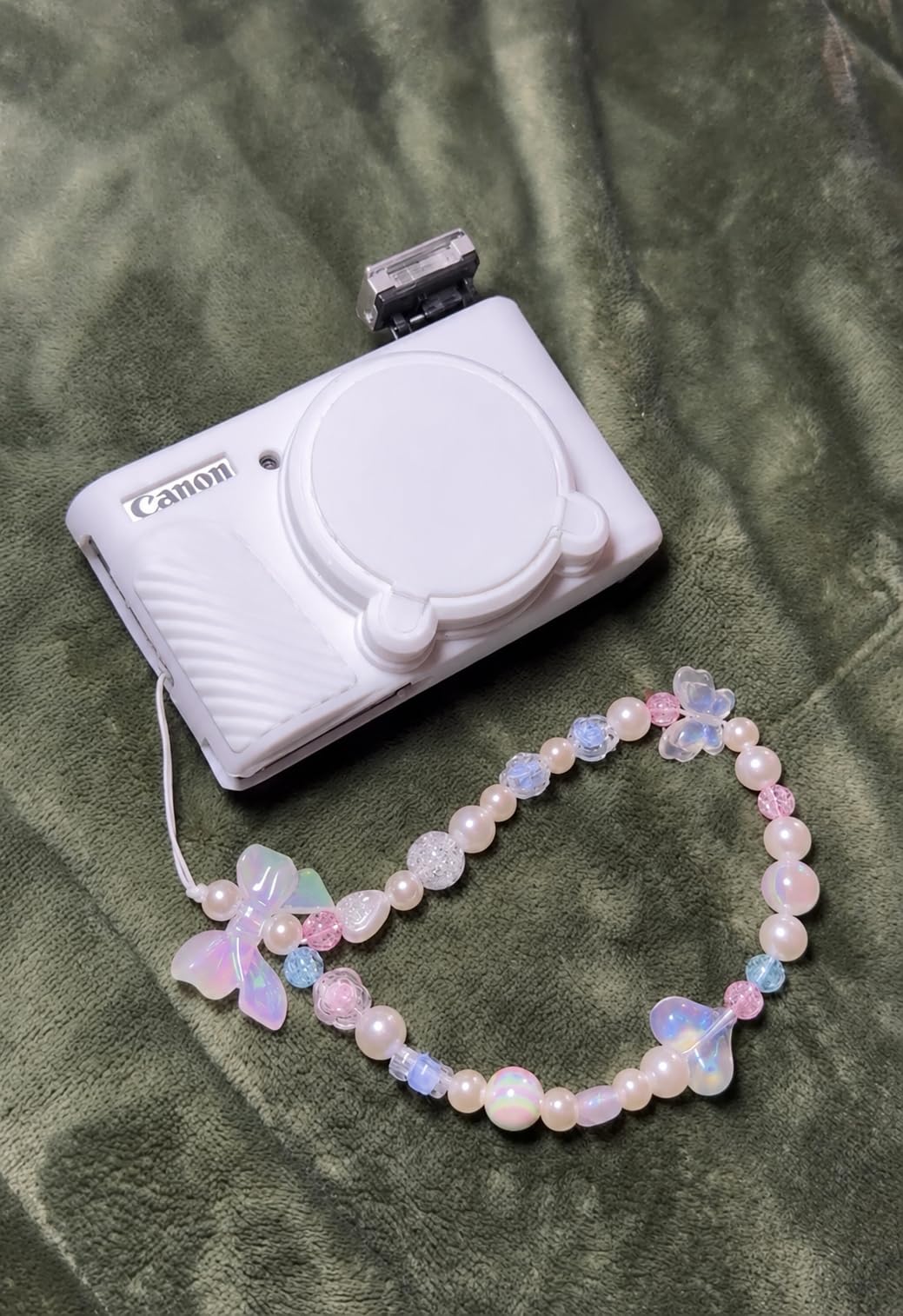
No other camera here gets you closer to a distant subject. A 40x optical zoom starting at 24mm equivalent reaches 960mm, and the Zoom Framing Assist feature widens the frame and highlights the subject so you can re-centre it without guessing.
It shoots 10 fps bursts, records 4K video and 4K time-lapse, and includes a built-in flash and an optical viewfinder. The 3.0-inch tilting LCD helps with low and high angles, and the Canon Connect app can fire the shutter remotely.
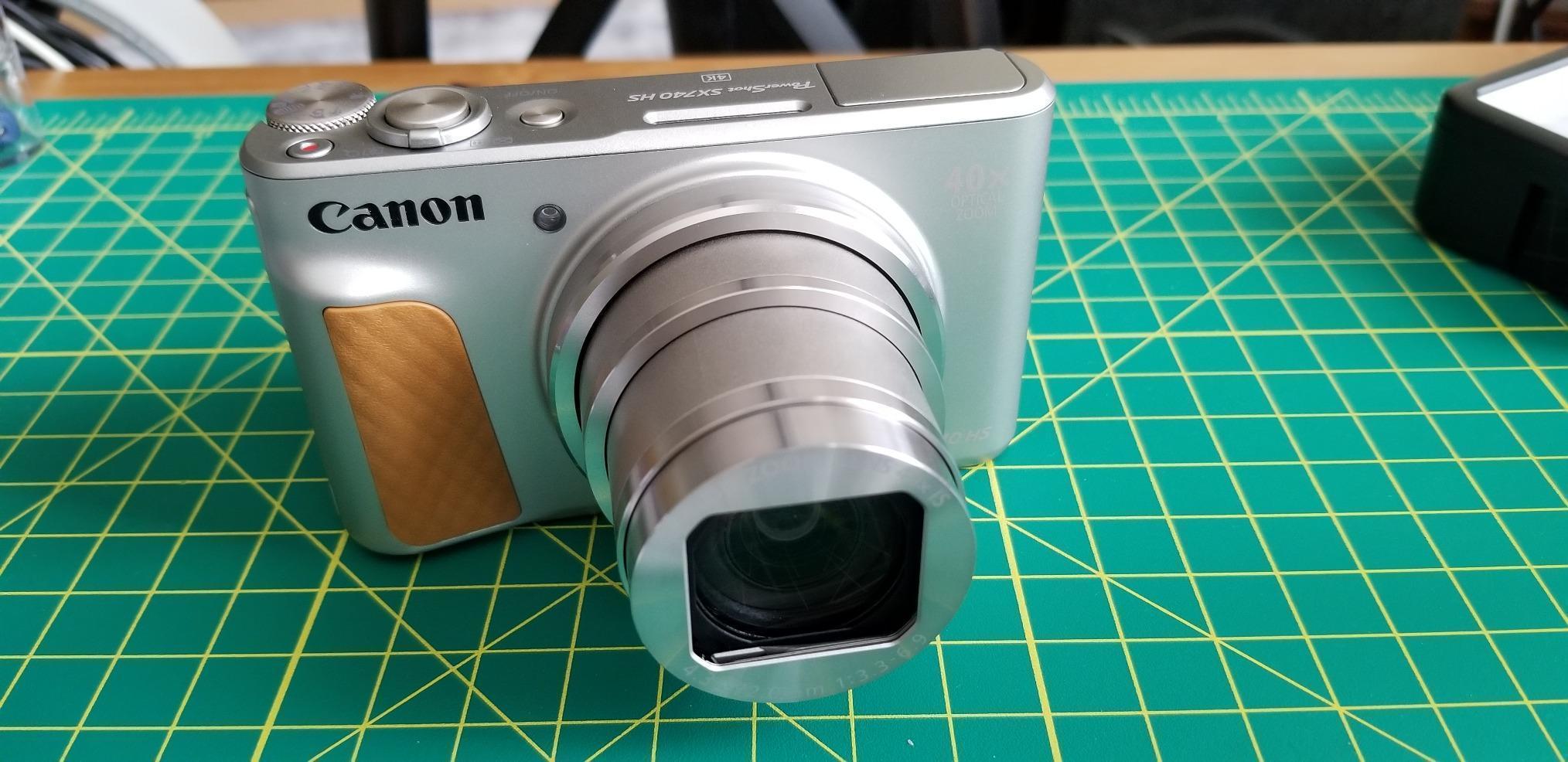
Owners repeatedly set the right expectation: at full zoom the results are good enough to identify a bird or read a distant sign, not to match a camera with a much larger sensor and a fast lens. The 1/2.3-inch sensor needs daylight, and going past 960mm into digital zoom needs a tripod.
Framing at long focal lengths in bright sun on a small LCD is the most common complaint. If you are serious about distant wildlife, this is a tool, not a hobby camera.
Who the SX740 HS suits
It suits safari and birding trips, cruise shore excursions where you photograph distant architecture, and anyone who wants landscapes and telephoto framing from one body without swapping lenses.
The optical viewfinder and 10 fps burst make it a genuinely practical field camera, and owners note the battery outlasts the smaller Canon compacts on long days.
Where it falls short for travel
It is a poor indoor and night camera. The small sensor and slow aperture mean dim scenes produce noisy, soft results, and a built-in flash on a body this thin only covers a few feet.
The zoom also has a floor: 24mm is the widest it goes, which is tight for small interiors, and the Canon Connect app is fiddly enough that remote shooting may not save your trip.
4. Panasonic LUMIX ZS99: Best Travel Zoom With USB-C Charging
Panasonic LUMIX TZ/ZS99 Point and Shoot Camera, Compact Camera for Travel with 30x Zoom with 24-720mm Zoom Lens, and 4K Video/Photo, Great for Travel and Concerts, DC-TZ99 (Silver)
20.3MP 1/2.3-inch BSI CMOS
24-720mm LEICA lens, 30x zoom
4K 30P and 4K PHOTO burst
322 g
Pros
- 30x zoom from 24mm to 720mm equivalent
- USB Type-C charging removes proprietary chargers
- Dedicated Send Image button for one-tap transfer
- 4K video and 4K PHOTO burst
- 171-point hybrid autofocus
Cons
- No built-in flash limits indoor and night work
- Small sensor limits dynamic range and high-ISO noise
- Not sealed against rain or dust
- Fixed screen cannot flip for front-facing shots
The ZS99 is built around travel logistics, and it shows. USB Type-C charging means one cable and one power bank covers the camera, your phone, and a laptop, and the dedicated Send Image button pushes a frame to your phone over Bluetooth with one press.
The 24-720mm LEICA lens covers everything from a wide street scene to a distant stage, and the 1,840k-dot tiltable touchscreen is bright enough to frame in daylight. 4K PHOTO burst at 30fps effectively lets you pull a still from video, which is useful when a subject moves.

The 171-point hybrid autofocus system is the most advanced on paper here and it performs well in good light, though the small 1/2.3-inch BSI sensor sets a ceiling. There is no flash at all, so evening interiors and night scenes depend entirely on how much light you can find.
The body is 322 g and not sealed against rain, dust, or drops, so it is a travel camera for city trips rather than a beach-and-snow camera. The screen tilts but does not flip fully forward, which rules out solo vlogging.

Who the ZS99 suits
It suits itinerant travellers who want one cable, one charger, and instant phone sharing, plus anyone who needs to frame a whole landscape and then punch into a distant detail without changing cameras.
For concert and festival trips it is hard to beat: 4K capture, 24-720mm reach, and a screen bright enough to work in an arena.
Where it falls short for travel
Low light is the weak point. Without a flash and with a small sensor, evening city scenes and night markets will need patience, a tripod, or a different plan.
If your trip involves water, sand, or freezing weather, the lack of sealing is a genuine risk, and 322 g is heavier than the pocket-sized options here.
5. Sony RX100 VII: Best Compact With Flexible Framing
Sony RX100 VII Premium Compact Camera 1.0-Type CMOS Sensor Black
20.1MP 1.0-type stacked CMOS
Zeiss 24-200mm f/2.8-4.5, 8x zoom
4K S-Log3, 20 fps burst
275 g
Pros
- 24-200mm Zeiss zoom in a pocket body
- 0.02s acquisition with phase-detect autofocus
- 20 fps blackout-free bursts
- Pop-up electronic viewfinder and built-in flash
- 3.5mm microphone jack for external audio
Cons
- Very small body with cramped buttons and a slick finish
- Battery endurance is short and spares are needed
- Not weather sealed
- Screen hard to read in bright sun
This is the most capable all-rounder here, and the DPReview forum consensus names it the best overall compromise in a pocket camera for exactly this reason: an 8x zoom range from 24mm to 200mm equivalent, paired with autofocus that acquires in 0.02 seconds. On r/Cameras the RX100 line keeps coming up for reach, and this is the model that adds phase detection.
It records 4K with S-Log3, has a 3.5mm microphone jack for proper external audio, and adds a pop-up electronic viewfinder and a built-in flash. The 20 fps blackout-free burst with 60 AF/AE calculations per second is genuinely usable for movement.
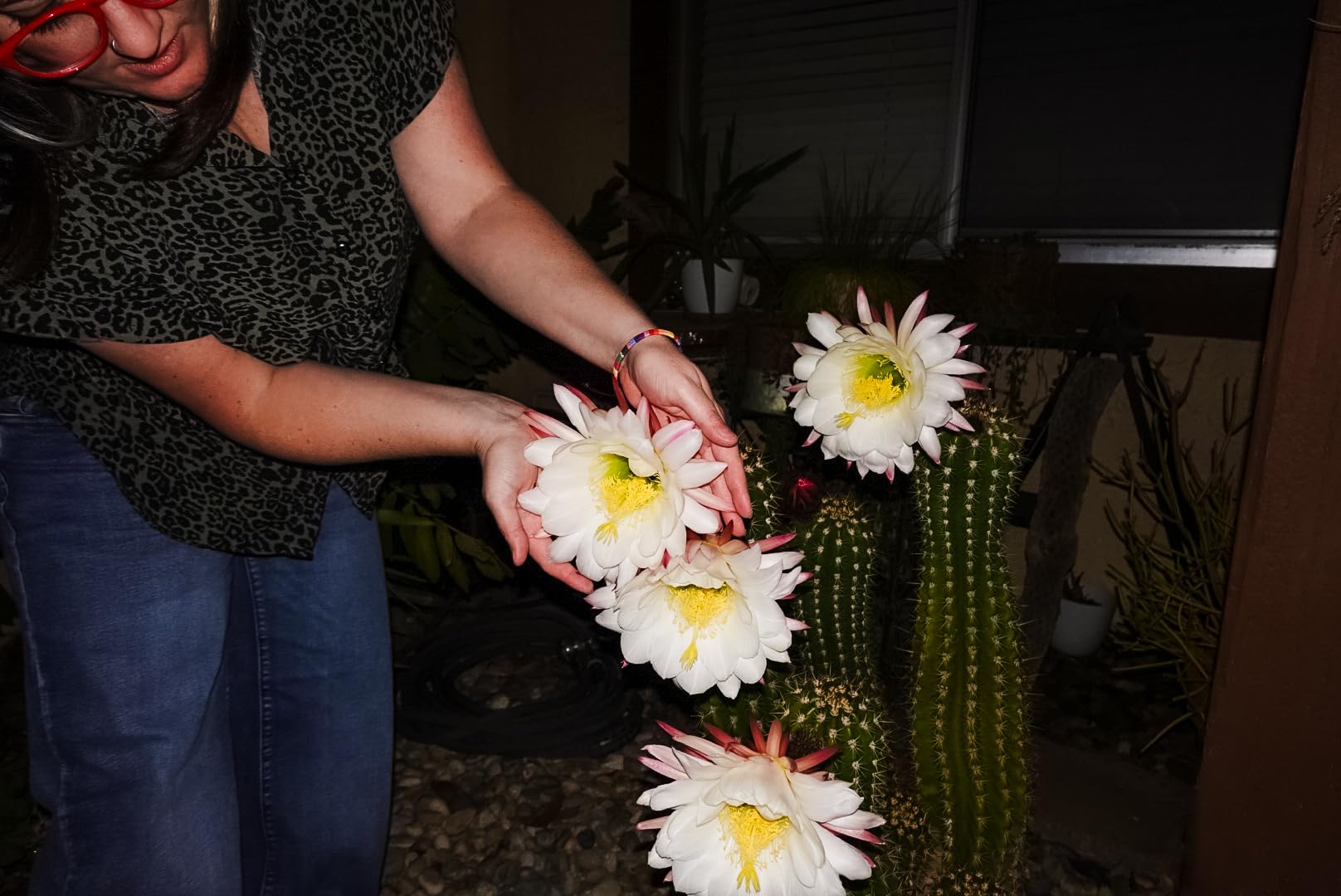
The catch is size. At 275 g with very small controls and a slick finish, owners regularly add a grip or cage, and the power and shutter buttons sit close enough together to cause accidental shutdowns. Battery life is short, so treat spares as part of the kit.
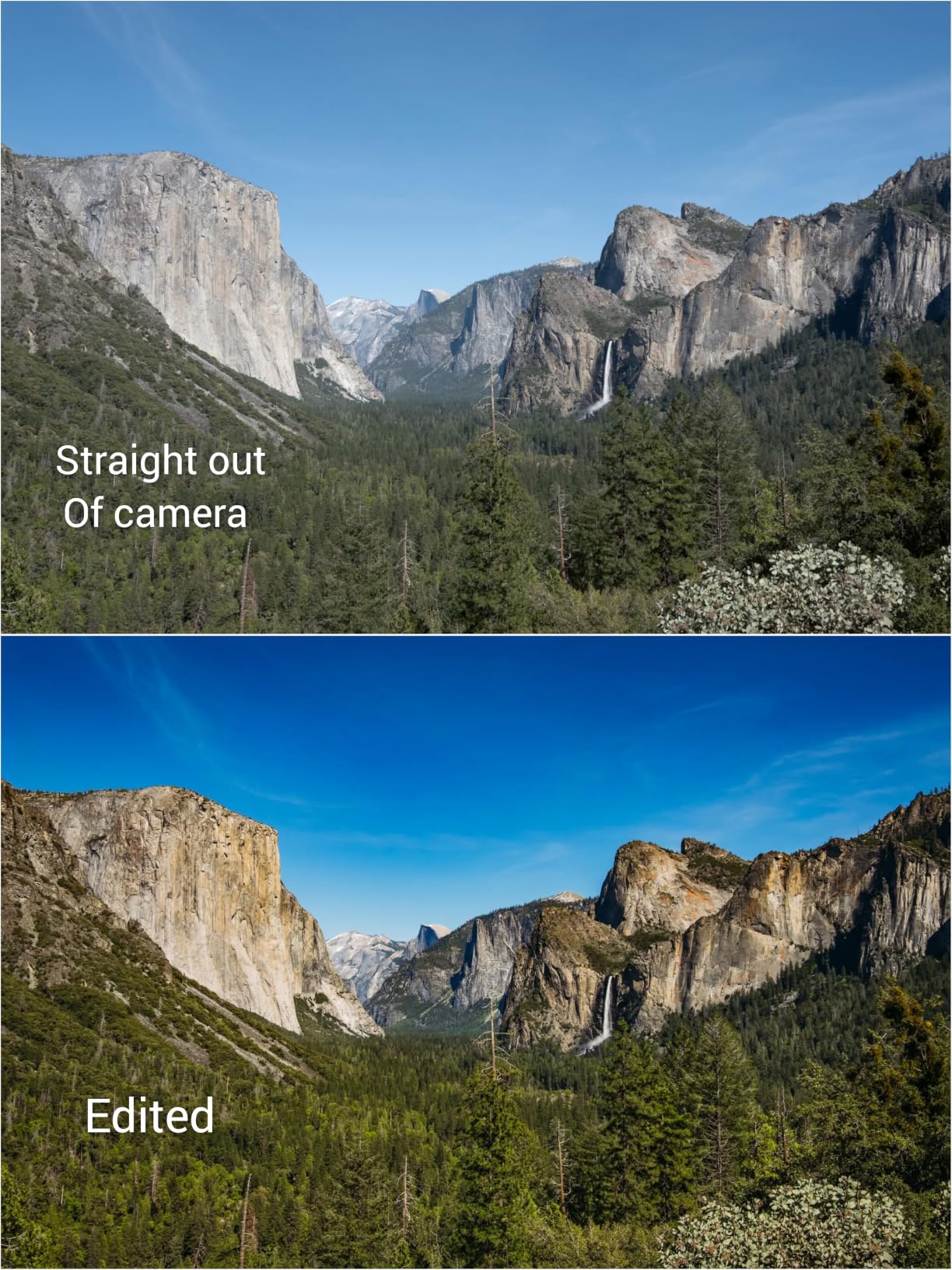
High-ISO performance also falls behind modern computational phone imaging, and the body carries no weather sealing. A few long-term owners have reported blotches appearing on the articulated screen after roughly two years, a known adhesive issue worth considering against the warranty period.
Who the RX100 VII suits
It suits photographers who want real reach without a big lens, and anyone who has to shoot moving subjects, children, or animals where focus speed decides the frame. The zoom plus the viewfinder make it the most flexible tool in the bag.
For hybrid creators, the mic jack and S-Log3 make it a legitimate small video body, and the frame rate leaves room for cropping in post.
Where it falls short for travel
It is too small for comfortable all-day handling, and the tight button layout slows you down when you are working quickly. Anyone with larger hands should try it before committing.
Rain, waterfalls, ski trips, and sand are out. Pair the short battery with a spare and it becomes a fair travel companion, but out of the box it will not last a long shooting day.
6. OM System Tough TG-7: Best Waterproof Camera for Travel
OM System OLYMPUS Tough TG-7 Red Underwater Camera, Waterproof, Freeze Proof, High Resolution Bright, 4K Video 44x Macro Shooting (Successor Olympus TG-6)
12MP 1/2.3-inch BSI CMOS
25-100mm f/2.0 lens, 4x zoom
Waterproof to 15m, freezeproof to -10C
9 oz
Pros
- Waterproof to 15m
- freezeproof to -10C
- crushproof and shockproof
- Bright f/2.0 lens punches above its resolution class
- 44x macro from 1cm
- Five dedicated underwater modes
- 4K movie plus 120fps and vertical video
Cons
- 12MP sensor is low resolution and crops for 4K
- Framing relies on the rear LCD with no viewfinder
- 4x zoom is limited against travel zoom compacts
Nothing else in this roundup can go in the water, survive a drop, or work in freezing cold. The TG-7 is waterproof to 15 metres, freezeproof to -10C, crushproof to 100 kgf, and shockproof to 2.1 metres, with anti-fog protection built in.
Photo quality punches above the 12MP sensor, mostly because of the bright f/2.0 lens. The variable macro system reaches 1cm from the lens front at up to 44x magnification, and five underwater modes including a microscope setting and underwater HDR handle reefs, pools, and snorkelling.
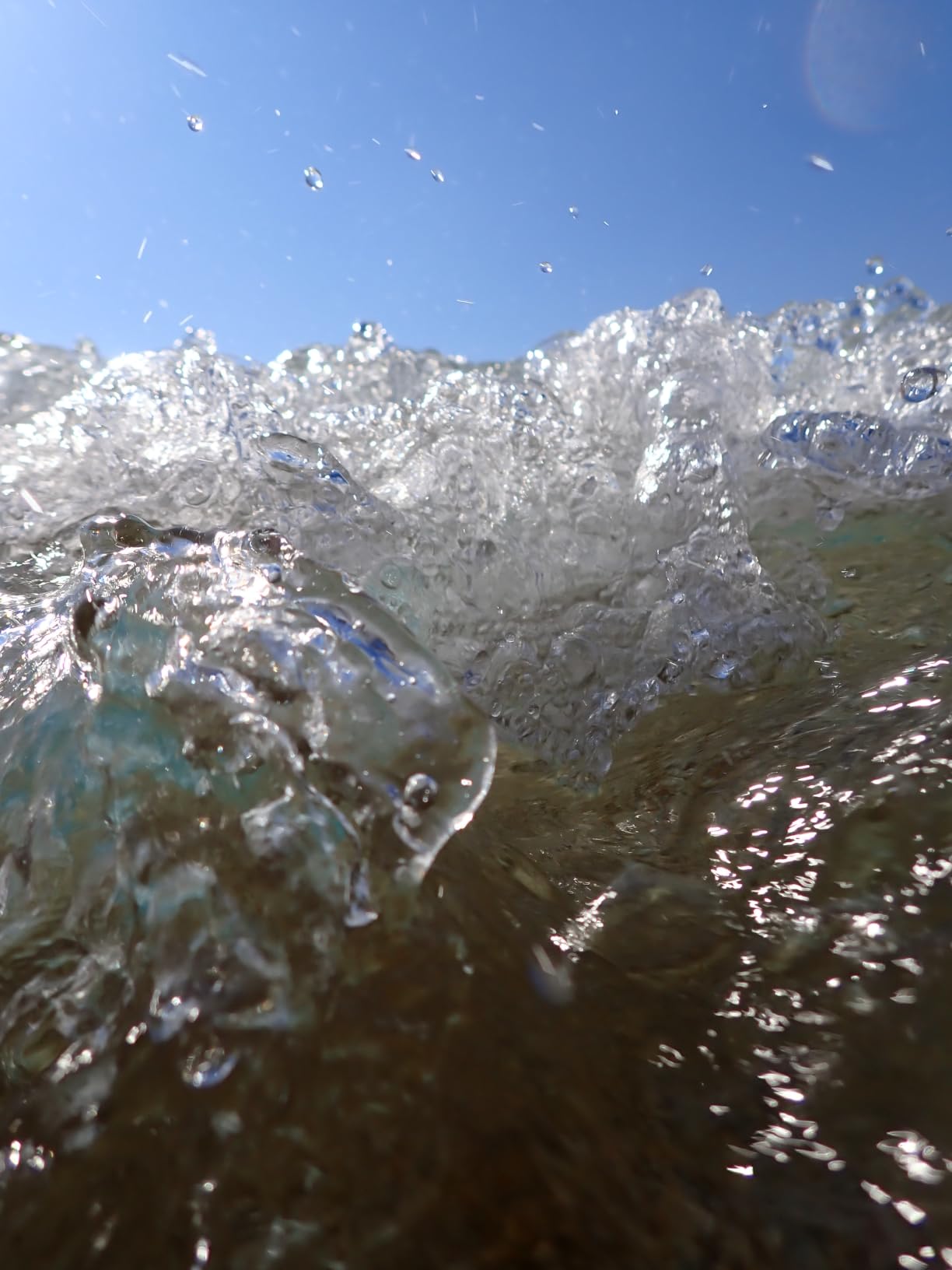
It records 4K movie and 120fps high-speed clips, and a vertical video mode handles social content natively. A built-in flash is included, which matters more than it sounds when you are photographing a cave exit or an evening beach.
The limits are clear. 12MP is low resolution by modern standards, the sensor crops for 4K, and the 4x zoom only reaches 100mm equivalent, so this is not a distant-subject camera.
Who the TG-7 suits
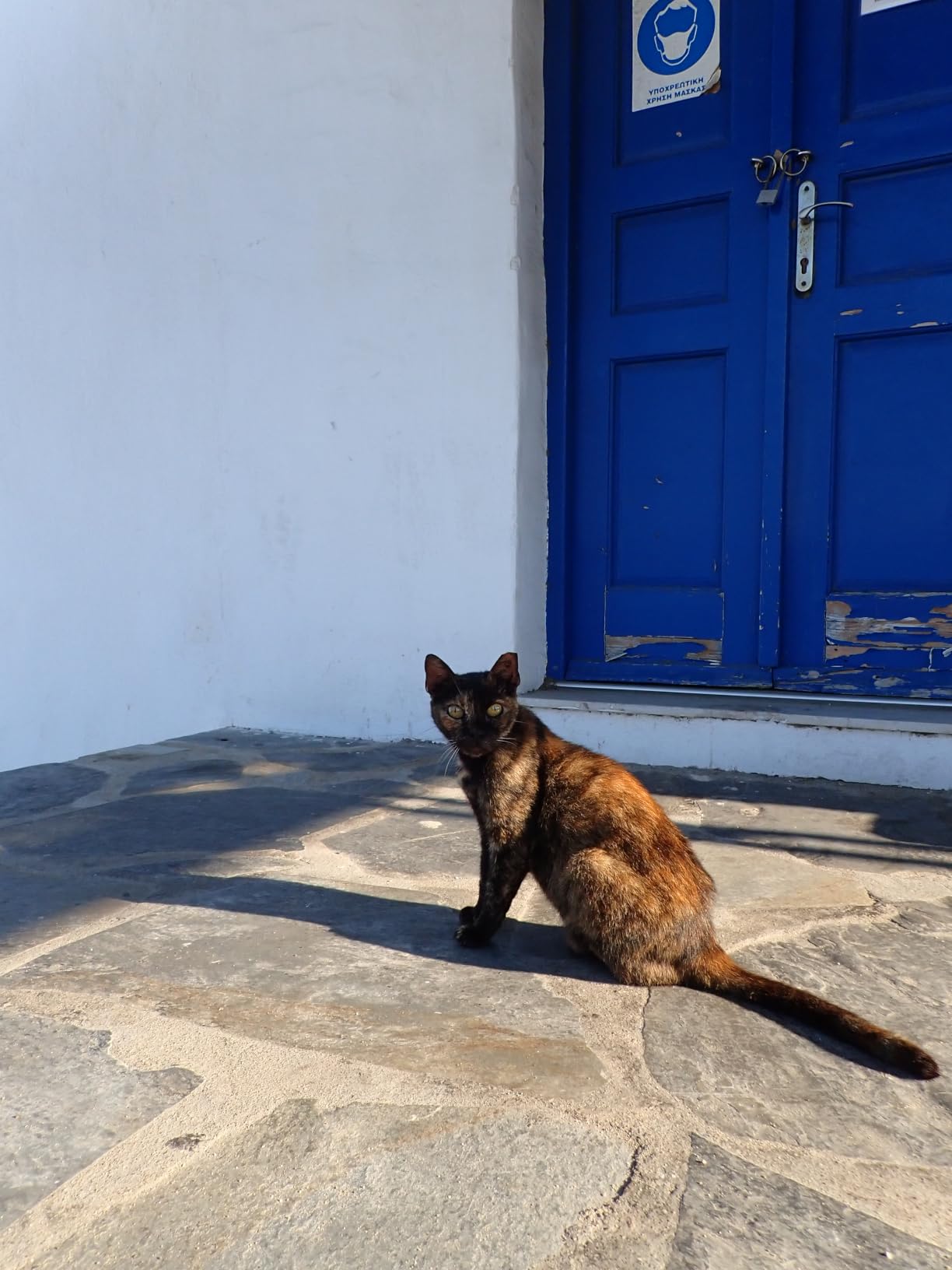
It suits snorkellers, divers with a housing, kayakers, skiers, hikers in bad weather, and anyone with children who will inevitably drop the camera in a pool. Durability removes the anxiety that stops people carrying a camera at all.
The macro system also makes it a genuinely distinct tool for trips where small subjects, flowers, coins, and shells are the point.
Where it falls short for travel
For city trips and portraits it is the wrong shape of camera. The 12MP files limit large prints and heavy cropping, and a fixed rear LCD means you compose by holding the camera at arm’s length or by guessing.
It is also not a vlogging camera, since the screen does not flip forward, and the 4x zoom gives you very little room to isolate a distant subject.
7. Canon ELPH 360 HS: Most Versatile for First-Time Travellers
Canon PowerShot ELPH 360 HS A Silver
20.2MP CMOS with DIGIC 4+
12x optical zoom with stabilization
3.0-inch LCD, Wi-Fi and NFC
9.9 oz
Pros
- Simple
- familiar Canon interface for beginners
- 12x stabilized zoom gives useful reach
- Clean colourful JPEGs even in dim light
- Large 3.0-inch LCD
- Wi-Fi and NFC for easy phone transfer
Cons
- No built-in flash hurts at night
- Small sensor limits detail after cropping
- Slow startup and a 4-second delay before stills
- Almost no manual control
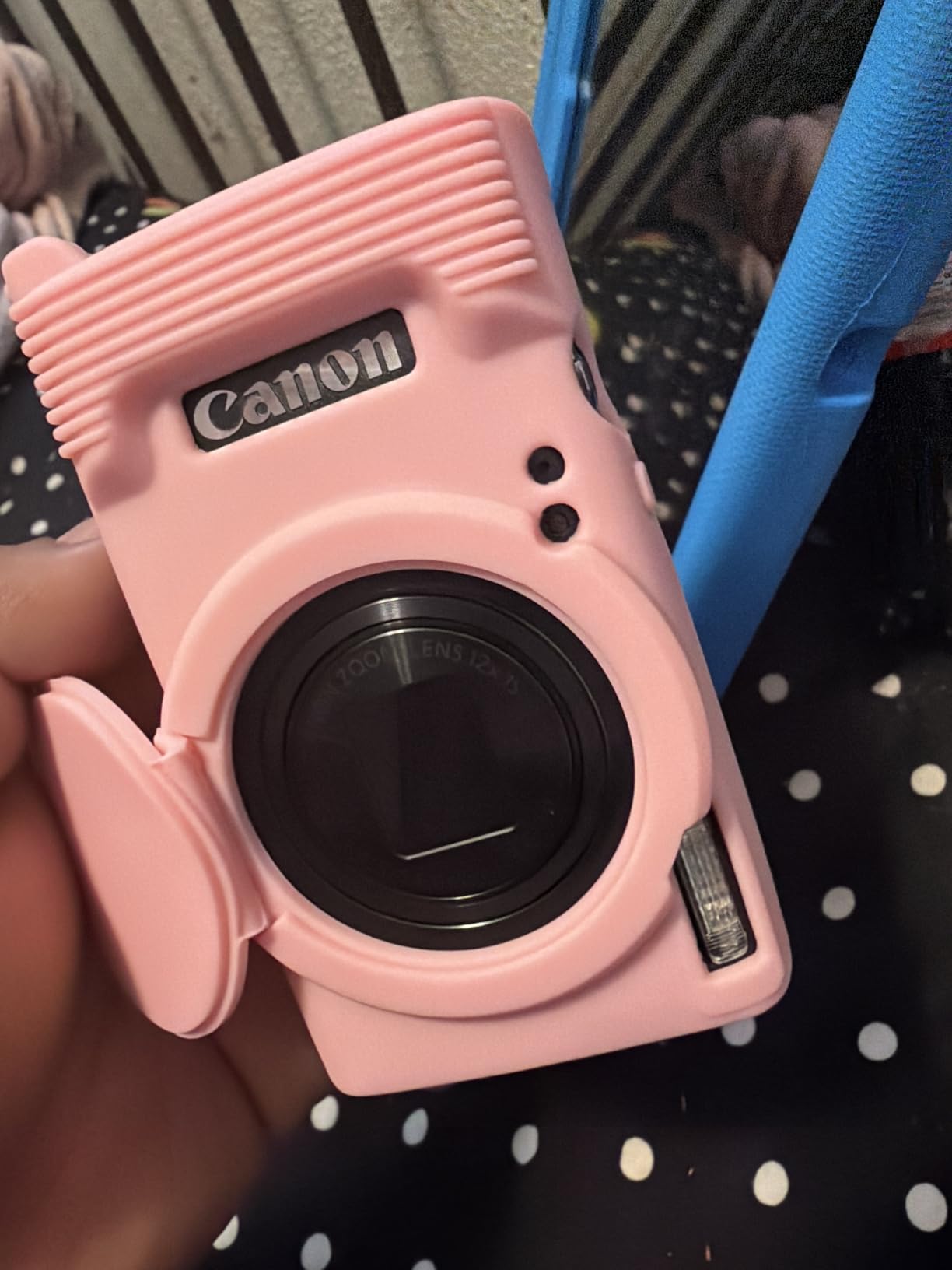
If someone in your group wants a camera but has never touched a manual dial, this is the safe pick. The controls are the same simplified layout Canon has used for years, the screen is large at 3.0 inches, and the 12x optical zoom with stabilization covers everything from group shots to a distant landmark.
The 20.2MP sensor produces clean, colourful JPEGs in dim conditions, and RAW and JPEG can be recorded at the same time if you want some editing latitude later. Wi-Fi and NFC make moving photos to a phone straightforward.

Two things slow it down in the field. Startup is sluggish and there is a multi-second delay before each capture, which is exactly the window where candid moments happen and disappear. The Hybrid Auto recap clips four seconds of video around every still, which is a novelty rather than a real video tool.
There is no built-in flash, so evening and indoor shooting depends on ambient light, and the point-and-shoot design leaves almost nothing in the way of manual control.
Who the ELPH 360 HS suits
It suits families, older travellers, and anyone handing a camera to a child or a relative who wants to point and shoot. The stabilisation makes handheld zoom shots far more usable than an unstabilised body of the same size.
It also suits people upgrading from an old phone who want a viewfinder-free, uncomplicated camera with phone transfer already solved.
Where it falls short for travel
The sensor is small, so heavy cropping destroys detail, and the lack of a flash makes night photography a coin flip. If your trip is evening-heavy, this is the wrong tool.
The shot-to-shot delay is the bigger issue for candid street work, and there is no video beyond basic capture, so it is not a creator camera.
8. Ricoh GR IIIx: Best for Street Photography on the Road
RICOH GR IIIx Premium Digital Compact Camera, 40mm Focal Length
24.2MP APS-C CMOS
26.1mm f/2.8 GR lens, 40mm equivalent
In-body sensor-shift stabilization
9.2 oz
Pros
- APS-C sensor in a 9.2 oz body
- Crisp 40mm f/2.8 lens with a natural field of view
- 0.8 second startup for spontaneous shooting
- Discreet magnesium build with minimal branding
- Film simulation recipes and double exposure
Cons
- No zoom at all and no viewfinder
- Autofocus is slow and can miss moving subjects in dim light
- Battery life is short and needs spares
- Video is 1080p only
- No dust sealing
The GR IIIx is the most interesting camera here for anyone who thinks in terms of pictures rather than specs. An APS-C sensor in a 9.2 ounce magnesium body delivers detail that nothing else in this list matches at this size, and the 40mm equivalent f/2.8 lens gives a natural, human perspective that suits environmental portraits and street work.
Startup is 0.8 seconds, so you can raise it, see the scene, and shoot without fumbling. The film simulation recipes save to U1-U6 slots, and double exposure adds a creative option that zoom compacts simply do not have.

You give up a zoom entirely. At 40mm equivalent, landscapes and architecture need you to walk closer, and a distant subject cannot be enlarged at all. The fixed 3.0-inch OLED is also hard to read in bright sun, which is a real cost when you are outside for a living.
Autofocus is the other limitation owners mention most: hybrid AF with 101 points works well on a still subject in good light but can miss a person walking toward you in dim conditions. Battery life is short, video stops at 1080p, and there is no dust sealing.
Who the GR IIIx suits
It suits photographers who have decided that one focal length is enough, and who want the highest image quality they can get in a pocket. A 40mm view of the world encourages you to move, which is the point.
It also suits discreet shooters. The body has minimal branding and a sober finish, so it attracts far less attention in crowded markets and stations than a bright silver compact.
Where it falls short for travel
It is a poor fit for anyone who needs to reframe without walking, and 1080p-only video rules it out for creators. The soft autofocus will frustrate you if your trip involves photographing people in low light.
Carry spare batteries and a cloth for the unprotected sensor, and treat it as a fair-weather camera. For dust, rain, or snow, choose the sealed body instead.
9. Fujifilm X100VI: Best for Image Quality and Large Files
FUJIFILM X100VI Black
40.2MP APS-H BSI CMOS
23mm f/2 with internal 4-stop ND
6.2K 30P and 4K 60P video
480 g
Pros
- 40.2MP detail with real cropping headroom
- Up to 6 stops of in-body stabilization
- Hybrid optical and electronic viewfinder
- 6.2K 30P and 4K 60P internal video
- 20 Film Simulation modes plus custom recipes
Cons
- Fixed 23mm lens with no optical zoom
- Heaviest body here at 480g
- Most expensive body in the roundup
- Hybrid AF trails Sony's system in tough tracking
This is the image quality answer. A 40.2MP APS-H sensor gives you detail and crop flexibility that no other camera here approaches, and the 23mm f/2 lens is wide enough for street, interiors, and landscapes while staying fast enough for low light.
The hybrid viewfinder, which switches between optical and electronic, is a rarity among fixed-lens compacts and lets you frame at 0.52x magnification. Stabilization reaches up to 6 stops using 5-axis gyro detection, and video goes to 6.2K/30P and 4K/60P internally. The built-in 4-stop ND filter makes bright daylight video possible at f/2, and Frame.io Camera to Cloud sends frames straight to an edit.
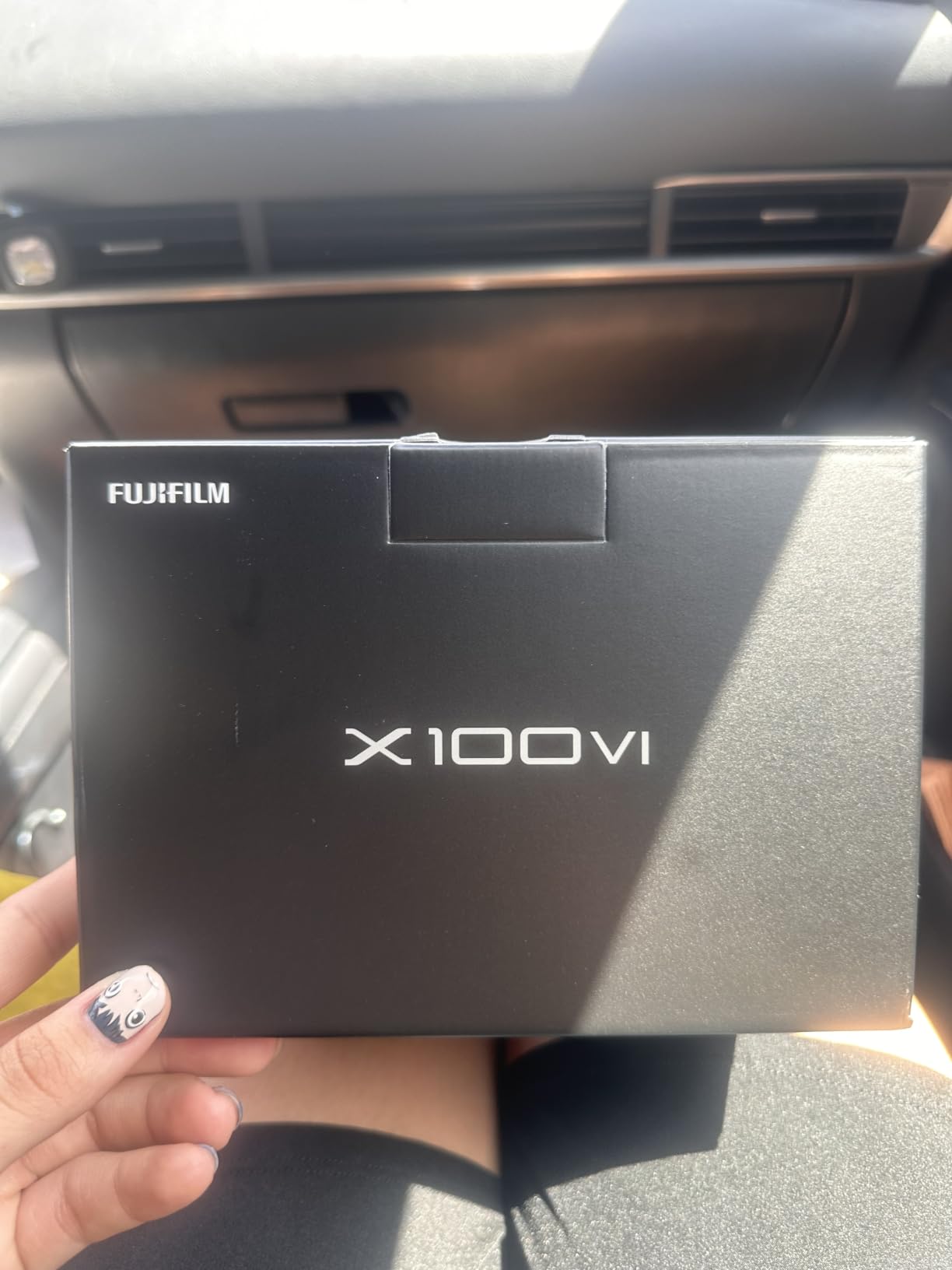
The trade-off is weight and size. At 480 g it is the heaviest body here by a wide margin, and that is exactly the complaint owners raise about pocket compacts: superb images, less pocketable than the marketing suggests.
The lens is fixed with no optical zoom, hybrid AF is not as decisive as Sony’s system when a subject is moving against a busy background, and shooting 4K or 6.2K video drains the battery quickly. It also carries the lowest average rating in this group, which reflects the cost-and-weight trade rather than a defect.
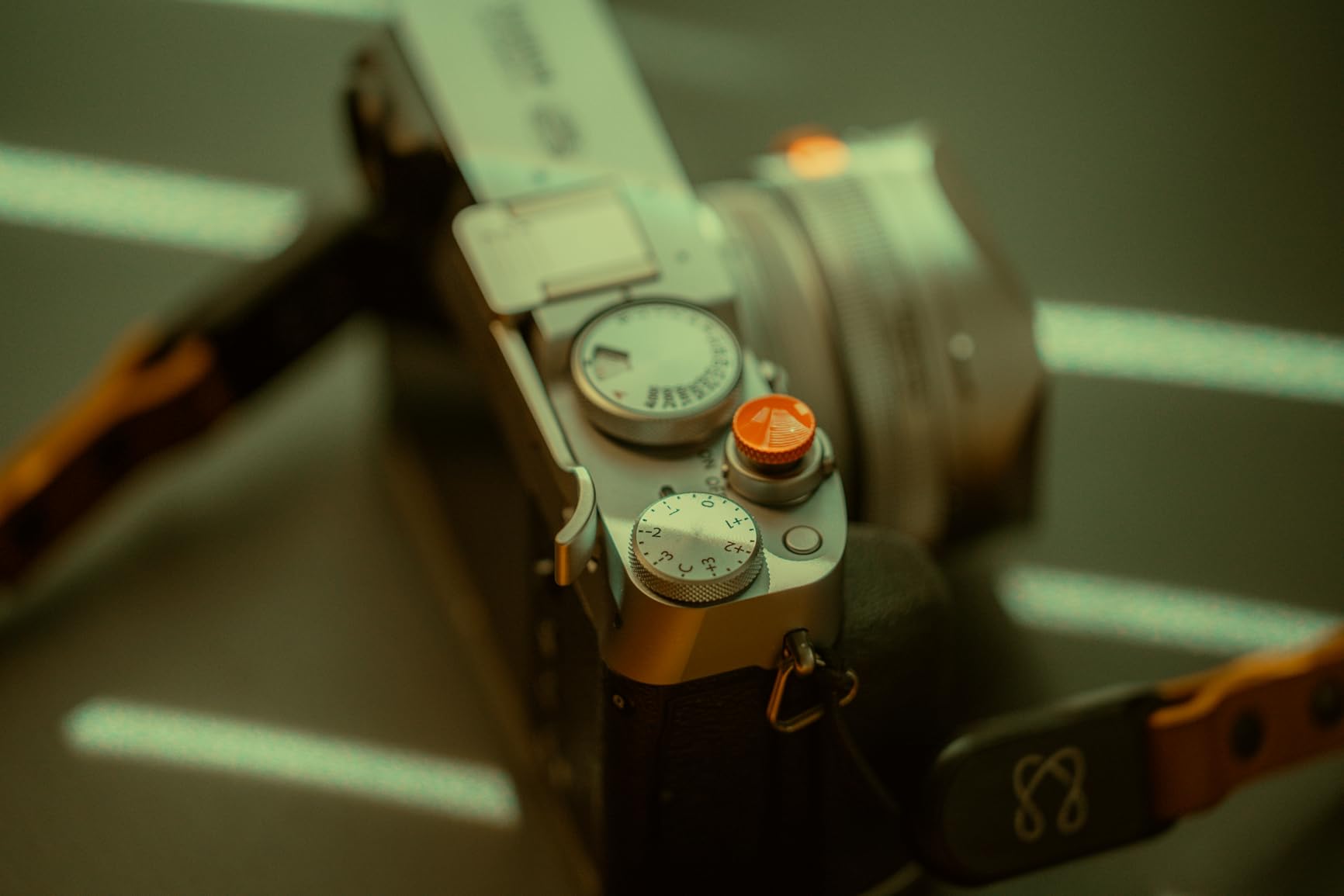
Who the X100VI suits
It suits photographers who want large, detailed files and distinctive colour, plus anyone filming short-form video on the road who wants a bright fixed lens and internal ND.
The film simulations, including REALA ACE, mean you can walk away with finished-looking JPEGs rather than flat files that need grading.
Where it falls short for travel
At 480 g it is a compact in sensor terms, not in a jacket pocket. If your itinerary is long walking days and carry-on only, the weight adds up fast.
There is no zoom, and battery drain under high-resolution video means you should carry spares. For wildlife and distant landmarks, it is the wrong tool entirely.
10. Kodak PIXPRO FZ45: Best for Night Markets and Casual Snaps
KODAK PIXPRO FZ45 16MP Compact Digital Camera, 4X Optical Zoom, AA, Black
16MP 1/2.3-inch CMOS
4x zoom, 27-108mm equivalent
1080p video, 2 AA batteries
4.1 oz
Pros
- Cheapest to buy and simple to run
- 4.1 oz body with a 27mm wide start
- AA batteries remove all charging logistics
- Crisp vibrant JPEGs with a retro look
- Scene modes and face detection help beginners
Cons
- 5 to 10 second reboot delay kills candid shots
- Video is 1080p and not a vlogging tool
- Requires alkaline AA batteries specifically
- Some owners report freezing or flash failures
The FZ45 is the camera you buy when the point is the experience rather than the image. At 4.1 ounces with a 27mm wide start, it goes in any pocket, and the 4x zoom reaches 108mm equivalent for casual portraits and details.
Its most underrated travel feature is the pair of AA alkaline batteries. They deliver roughly a thousand shots, and when they die you can buy replacements in any town, which removes the spare battery, charger, and power bank problem entirely on a long trip.

The operational downsides are real. The camera takes 5 to 10 seconds to reboot, which means you will miss candid moments while it cycles, and a cluster of owners report random stalls, unexpected shutdowns, and intermittent flash behaviour.
The 2.7-inch screen is small and pixelated for framing, video is 1080p only, and the aperture range of f/3.0 to f/6.6 with a 1/2.3-inch sensor means indoor shots need the flash more than you would like.

Who the FZ45 suits
It suits kids, beginners, and anyone who wants a fun camera for social posts without thinking about it. The retro digicam look is the point for many buyers, and reviewers happily compare it favourably to far more expensive compacts for casual use.
It also suits multi-country trips and festivals where losing a proprietary charger would end photography for the rest of the trip.
Where it falls short for travel
Nothing about this camera is designed for serious low light, fast moving subjects, or video. The reboot delay is the biggest practical disappointment, because candid travel photography is mostly about reacting fast.
You also need to buy a memory card and a USB cable separately, so budget for those before the trip rather than at the airport.
How We Chose the Best Compact Cameras for Travel
We ranked these cameras on travel criteria, not on raw specification sheets. A camera that wins a lab test and loses in a jacket pocket loses here.
Pocketability and carried weight. The body plus battery plus card should fit a coat pocket and be comfortable for a full day. This is where the 3.7 oz Kodak and the 480 g Fujifilm separate completely.
Sensor size against aperture. A large sensor with a bright lens wins indoors; a small sensor with a fast lens partly compensates. This is the single biggest predictor of whether night-market photos look usable.
Lens range and focal length choice. A 24mm wide start covers streets and interiors, and reach above 200mm equivalent is what turns a distant landmark or a bird into a usable photo.
Autofocus in real conditions. People, children, and animals at variable distances. Phase detection and subject tracking are worth real money here; slow contrast-detect systems are not.
Battery and charging logistics. USB-C charging lets one power bank cover camera, phone, and laptop. AA batteries solve the problem in a different way. Neither is better; they suit different trips.
Durability. Only one body here is genuinely waterproof and freezeproof. If your trip includes water, sand, or altitude, that changes the answer.
Forum consensus backs the framing of these criteria. On r/AskPhotography, value threads keep recommending the 1-inch compacts and the Ricoh GR line rather than jumping to an interchangeable-lens body, and the recurring regret across every thread is buying the biggest camera instead of the one you will actually carry.
What to Look for in a Compact Travel Camera
Sensor size. A 1.0-inch sensor (G7 X Mark III, RX100 VII) and an APS-C sensor (Ricoh GR IIIx, Fujifilm X100VI) collect far more light than a 1/2.3-inch sensor. That difference shows up in dim restaurants and evening streets, and it is why long-zoom compacts that sacrifice sensor size give you reach at the cost of low light.
Fixed lens or zoom. Fixed-lens bodies give you a cleaner pocket and a faster aperture, and they force you to move, which is usually a good creative habit. Zoom bodies give you options you cannot get any other way in a body this size. Owners on r/Cameras often end up on a fixed-lens camera once size stops being the constraint, and on a zoom when it is.
35mm versus 50mm for travel. This is the question nobody on the first page of results answers directly, so here it is. A 28mm equivalent (the G7 X at its widest, the RX100 VII, the ZS99) is the landscape and architecture choice: interiors, group shots, and tall buildings fit easily. A 40mm equivalent (Ricoh GR IIIx) is the street and portrait choice: faces are undistorted, scenes still look natural, and you still get background. A 23mm (Fujifilm X100VI) sits between them and is the widest of the fixed-lens group, which is why it is the most flexible of the three.
Stabilisation. Optical stabilisation matters most for handheld zoom at long focal lengths and for video. In-body sensor-shift stabilisation, found on the Ricoh and Fujifilm, buys you shutter speeds several stops slower in stills. The RX100 VII pairs optical stabilisation with active video stabilisation.
Autofocus and tracking. Phase detection and eye or subject tracking decide whether you get a sharp frame of a moving child. The RX100 VII and the ZS99 lead here; the ultracompacts and the Kodak models do not compete in that class.
Video and audio. If you shoot video, prioritise 4K, a tilting or flip-up screen, stabilisation, and a microphone input. The RX100 VII has a 3.5mm jack, the Fujifilm has the best internal recording and an ND filter, and the G7 X records 4K but overheat after about ten minutes.
Weight in the hand, not in the box. Manufacturers quote body weight. Add a battery and a card, and expect slightly more. A camera you find uncomfortable at hour two gets left in the hotel.
Is a phone enough? Try this test. If your trip is daylight sightseeing, your video is short vertical clips, and you never want to change anything, a phone is genuinely enough. If any of those break, a compact pays for itself in missing shots rather than in image quality alone.
Compact Camera vs Mirrorless for Travel
Choose a compact if you want one camera, no lens changes, and a body you can operate without looking down. Interchangeable-lens bodies win on autofocus, video, and low light, and they lose on everything you carry.
A mirrorless body plus a single prime is a fair one-camera solution if you already know that lens will cover the trip. A body with two or three lenses is a different category of commitment, and it rarely fits a one-bag allowance comfortably alongside everything else.
Our view after working through this list: buy the compact that matches your worst-case trip conditions and your weakest lighting, not the best-case one. A camera that handles the dim evening with you is worth more than a better body you leave at the hotel because you did not want to carry it.
If you also want to record the trip in motion rather than shoot it, our action camera roundup for travel covers the chest, helmet, and handheld options that pair with a stills camera.
The Travel Kit That Goes With Your Compact
Batteries are the first thing to sort. USB-C bodies can share a power bank with your phone, which is the simplest setup, but any camera with a proprietary battery needs at least one spare and a second charger if you are away from mains for more than a few days. The Kodak FZ45 needs nothing but AA alkaline cells.
Memory cards are the second. A 1.0-inch or APS-C body fills a card quickly with JPEGs, and if you shoot 4K video, budget for a much faster card than the one in your drawer at home. Format it on a laptop before you leave, and carry a second card rather than trusting one.
For packing, a small padded cube beats a camera bag on a carry-on trip. It protects the corners, takes less space than a body with a lens attached, and stops the camera shifting in a bag that gets thrown into an overhead locker. For wildlife or distant subjects on long trips, our compact binocular roundup helps you identify what you are zooming in on.
Frequently Asked Questions
What is the best compact camera for travel photography?
The Canon PowerShot G7 X Mark III is the best all-round choice for most travellers. Its 1.0-inch sensor and bright 24-100mm f/1.8-2.8 lens handle dim restaurants and night scenes far better than typical small-sensor compacts, the 13.1 ounce body fits a coat pocket, and the tilting screen covers selfies and low angles. Choose a long-zoom or sealed body instead if your trip is about distant subjects or water.
What is the best small camera to travel with?
For pure pocketability, the Kodak PIXPRO FZ55-RD at 3.7 ounces and the FZ45 at 4.1 ounces are the smallest bodies here, and the Ricoh GR IIIx delivers a much larger APS-C sensor at 9.2 ounces for anyone who wants quality in a tiny shell. Whichever you pick, add a battery and card to the stated weight before judging whether it is comfortable to carry all day.
Is 35mm or 50mm better for travel?
It depends on what you photograph. Around 28mm equivalent suits landscapes, architecture, group shots, and tight interiors. Around 40mm equivalent suits street scenes and environmental portraits, because faces look natural and backgrounds still read. A 23mm sits between the two and is the most flexible. The Ricoh GR IIIx gives you 40mm equivalent; the Fujifilm X100VI gives you 23mm.
Is a compact camera better than a smartphone for travel?
A phone is enough for daylight sightseeing, short vertical clips, and trips where you never want to adjust anything. A compact earns its place when you need real optical reach, a larger sensor for dim interiors, manual control, RAW files, a viewfinder, or a microphone input. If your evenings are dark and your subjects are far away, the compact produces shots the phone simply cannot.
Why is Gen Z obsessed with digital cameras?
Younger shooters are drawn to point-and-shoot cameras for the same reason film cameras had a moment: the images look imperfect in a way phones cannot reproduce. A compact produces a tightly cropped, slightly soft, slightly grainy frame with visible JPEG processing, and the small screen makes reviewing each shot feel like an event. It is slower and less convenient than a phone, and that limitation is the appeal.
Which Compact Travel Camera Should You Buy?
Buy the Canon PowerShot G7 X Mark III if you want one camera for a whole trip and would rather not think about it. Buy the Sony RX100 VII if you need reach and fast focus on moving subjects, and accept a small body and short battery. Buy the OM System Tough TG-7 if water, sand, or freezing weather is part of the plan. Buy the Ricoh GR IIIx if you have settled on one focal length and want the best image quality you can carry. Buy the Fujifilm X100VI if you want large files and do not mind the weight.
For the value end, the Kodak PIXPRO FZ55-RD is the more capable of the two budget bodies, and the FZ45 wins on AA-battery convenience and nothing else. That is the whole of the best compact cameras for travel list: match the camera to your worst lighting and your longest day, and pack a spare battery before you leave.