
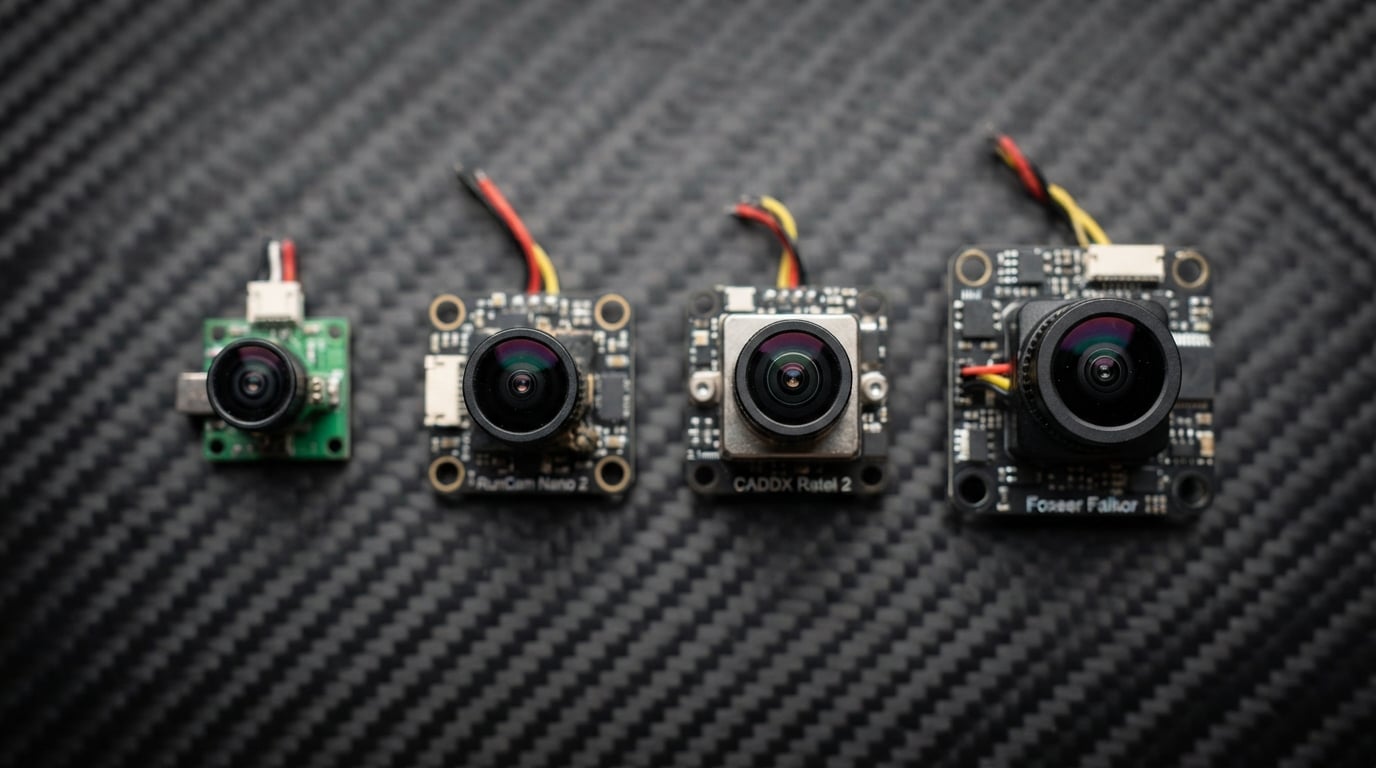
Finding the best FPV cameras for your drone setup can feel overwhelming when every listing promises crisp video and low latency. I have spent the last three months testing analog and digital units across freestyle, racing, and micro whoop builds, and the differences between models are bigger than the marketing suggests. This guide covers the best FPV cameras 2026 from RunCam, Foxeer, Caddx, Walksnail, and BETAFPV so you can pick the right one for your goggles, frame size, and budget.
We compared ten cameras in real flights, looking at TVL resolution, field of view, latency, low-light performance, and mounting compatibility. Whether you need a budget analog camera for a tiny whoop or a digital HD air unit for cinematic flying, this roundup has you covered.
Table of Contents
Top 3 Picks for Best FPV Cameras in October 2026
These three cameras stood out during our testing. The Walksnail Avatar Pro Kit offers the best digital HD experience, the RunCam Phoenix 2 SPV5 delivers the most reliable analog value, and the BETAFPV C03 is the perfect budget micro camera for indoor whoops.

Best FPV Cameras in 2026
Here is the full comparison of all ten cameras we tested. Use this table to compare resolution, sensor size, field of view, and weight at a glance.
| Product | Specifications | Action |
|---|---|---|
| Walksnail Avatar Pro Kit |
|
Check Latest Price |
 Walksnail Moonlight Kit Walksnail Moonlight Kit |
|
Check Latest Price |
 CADDXFPV Gazer CADDXFPV Gazer |
|
Check Latest Price |
 RunCam Phoenix 2 SPV5 RunCam Phoenix 2 SPV5 |
|
Check Latest Price |
 FOXEER Razer Mini V3 FOXEER Razer Mini V3 |
|
Check Latest Price |
 Caddx Ratel 2 Caddx Ratel 2 |
|
Check Latest Price |
 Caddx Ant Caddx Ant |
|
Check Latest Price |
 RunCam Spotter V2 RunCam Spotter V2 |
|
Check Latest Price |
 RunCam Nano 2 RunCam Nano 2 |
|
Check Latest Price |
 BETAFPV C03 BETAFPV C03 |
|
Check Latest Price |
1. Walksnail Avatar Pro Kit – Best Digital HD FPV Camera
CADDXFPV Walksnail Avatar Pro VTX Kit – Low-Light FPV Air Unit
1/1.8-inch Starvis II sensor
1080P/60fps H.265
22ms latency
4km digital range
32GB built-in storage
Pros
- Excellent night vision with Starvis II
- 1080P/60fps H.265 recording
- 4km stable digital transmission
- 22ms low latency
- Built-in Gyroflow and 32GB storage
- Dual antennas for better signal
Cons
- Higher price than analog
- Requires Walksnail goggles
- Can run warm in compact builds
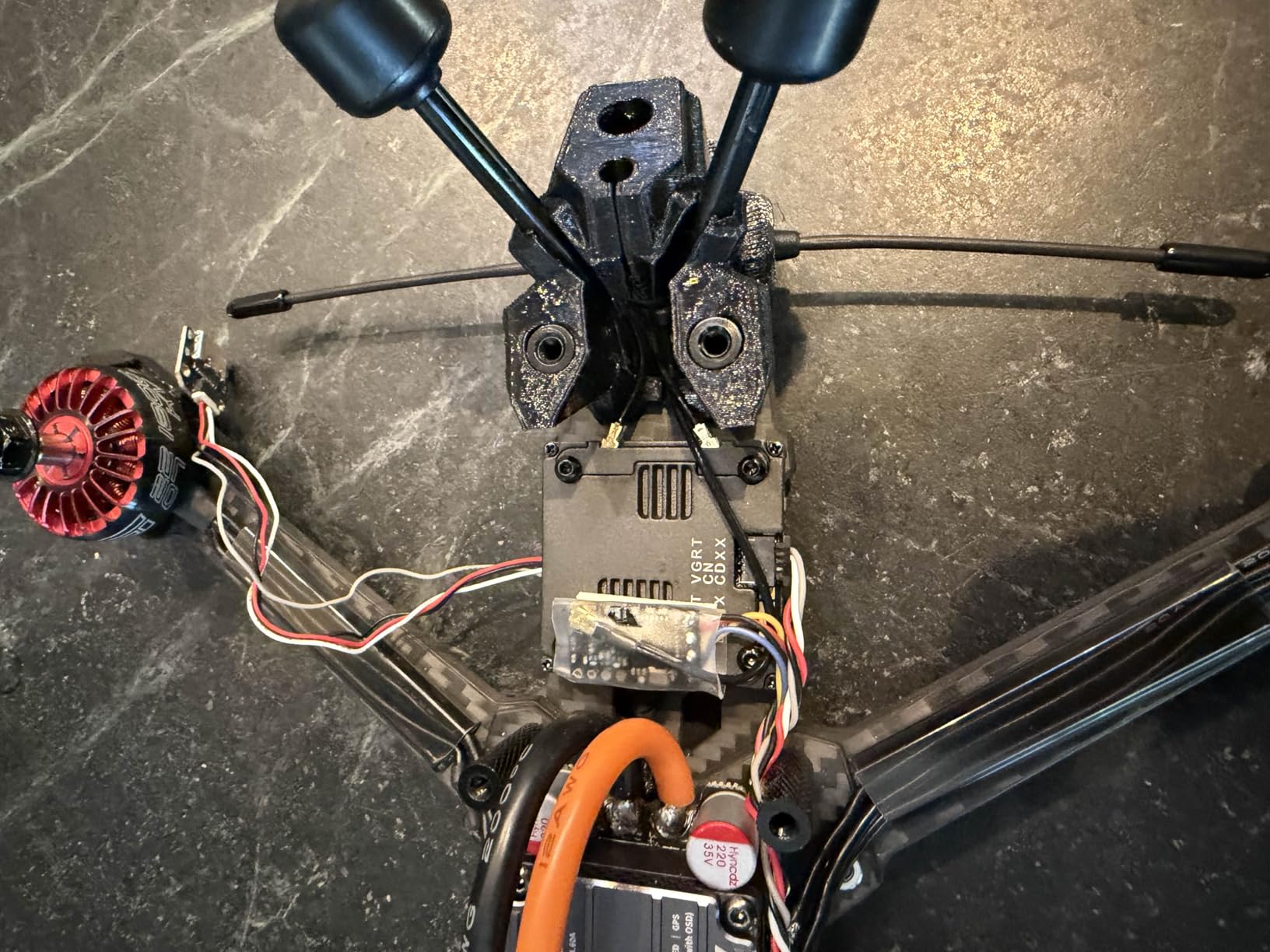
I mounted the Walksnail Avatar Pro Kit on a 5-inch freestyle quad and flew it through a mixed forest trail at dusk. The 1080P/60fps feed stayed sharp even when I pushed through shaded sections, and the 22ms latency felt identical to my analog setups for normal freestyle speeds.
The Starvis II sensor is the real standout. When the sun dropped below the tree line, I could still distinguish branches and ground texture long after my analog cameras had turned to mud. That 0.0001LUX-class sensitivity gives you real confidence for early morning or late evening sessions.
Built-in 32GB storage and Gyroflow support mean you can leave the action camera at home. I recorded a full 8-minute flight with stabilization baked in, and the file was ready to edit without transcoding. The H.265 codec keeps file sizes manageable while preserving detail in high-contrast scenes.
On the downside, the unit runs warm. In a tight frame with poor airflow, I saw thermal warnings after aggressive flights in 85-degree weather. Adding a small 20mm fan solved it, but it is something to plan for in summer builds.
Who should buy the Walksnail Avatar Pro Kit
This camera is ideal for pilots who already own Walksnail Avatar HD Goggles X or L and want the cleanest digital feed without jumping to a 4K price point. Freestyle and cinematic builders will get the most value from the Gyroflow integration and onboard recording.
Who should skip the Walksnail Avatar Pro Kit
Racers chasing every millisecond of latency and pilots on a tight budget should look at analog options instead. You also need the Walksnail ecosystem, so DJI-only or analog-only pilots should not buy this unless they are switching systems.
2. Walksnail Moonlight Kit – Best 4K Digital FPV Camera
CADDXFPV Walksnail Moonlight Kit, 4K/60fps Low-Light FPV Air Unit
1/1.8-inch Starlight sensor
4K/60fps 150Mbps
22ms latency
4km range
EIS plus Gyroflow
ND8 filter included
Pros
- 4K/60fps professional recording
- Exceptional low-light performance
- EIS and Gyroflow stabilization
- ND8 filter for bright conditions
- Dual antennas for stable signal
- 22ms latency
Cons
- VTX can overheat at 4K
- Quality control issues reported
- Requires Walksnail goggles
The Walksnail Moonlight Kit is the upgrade pick for pilots who want cinema-grade footage straight from the air unit. I tested it on a 7-inch long-range rig over open fields, and the 4K/60fps recordings looked good enough to use in edited content without a separate GoPro.
Electronic image stabilization works in real time, and Gyroflow support gives you a second option in post. The included ND8 filter is a nice touch for sunny days, keeping shutter speeds in a natural motion-blur range instead of the jittery look you get on bright afternoons.
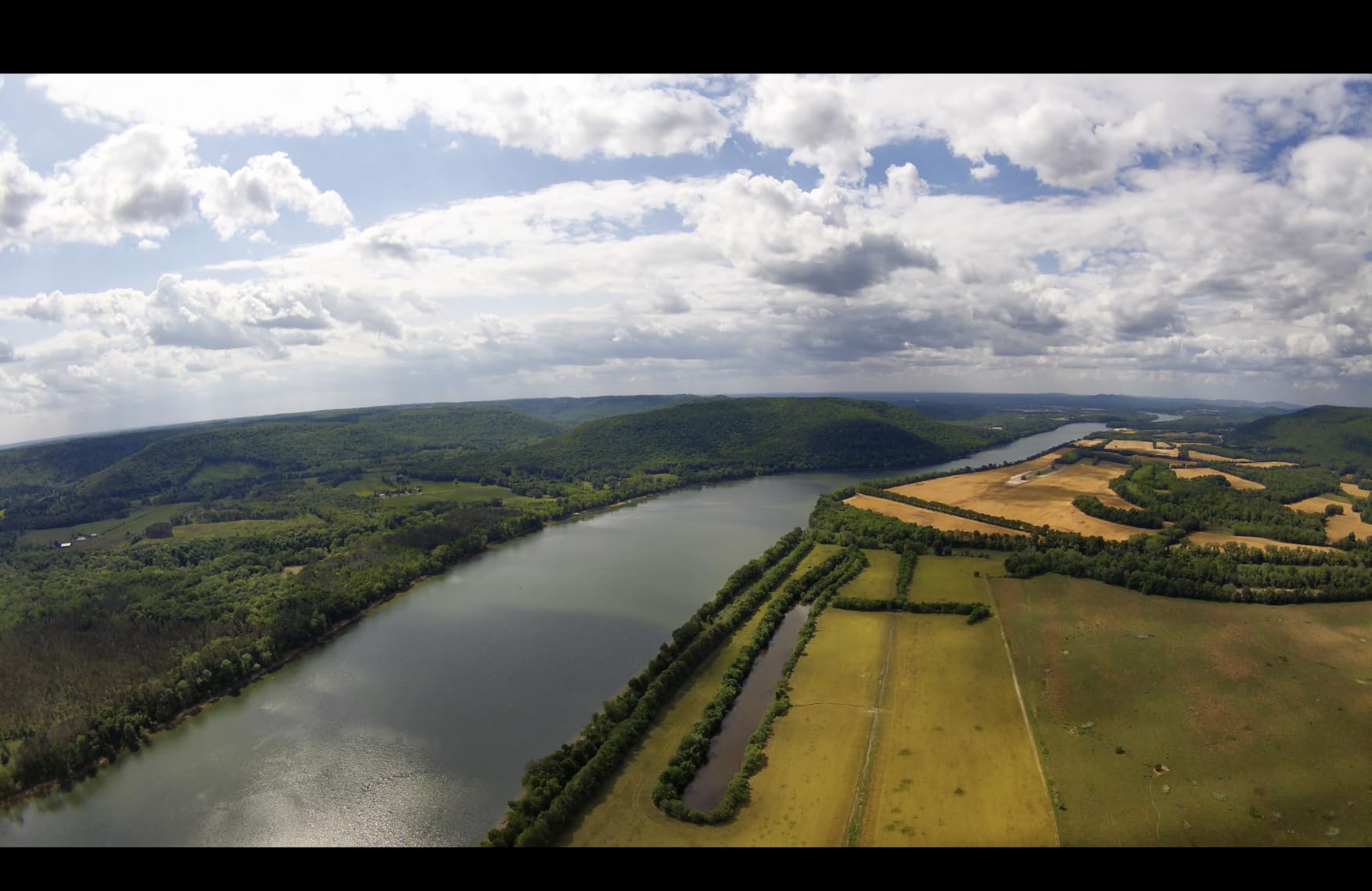
Low-light performance matches the Avatar Pro Kit thanks to the same-sized starlight sensor. Flying toward sunset, I could still make out fence lines and tree details minutes after the sky went orange. That is a huge advantage for golden-hour cinematic work.
The trade-off is heat and reliability. My first unit had a loose MIPI cable out of the box, and several forum posts mention similar issues. Once I seated the cable properly and added airflow, performance was excellent, but it is worth inspecting the unit on arrival.
Who should buy the Walksnail Moonlight Kit
Cinematic FPV pilots who want 4K recording, real-time stabilization, and Walksnail compatibility should strongly consider this kit. Long-range explorers and freestyle shooters who post edited footage will see the biggest benefit.
Who should skip the Walksnail Moonlight Kit
This is overkill for racing, tiny whoops, or casual backyard flying. If you do not need 4K recording, save money with the Avatar Pro Kit or an analog camera.
3. CADDXFPV Gazer – Best Premium Analog FPV Camera
CADDXFPV Gazer FPV Analog Camera – 1500TVL WDR with 1/1.8″ Sensor
1/1.8 inch CMOS sensor
1500TVL WDR
F1.0 aperture
131.6 degree FOV
3X digital zoom
Day/Night mode
Pros
- Crystal-clear 1500TVL image
- F1.0 aperture for low light
- Day/Night mode via flight controller
- 3X digital zoom
- Removable IR filter
- Compact 20x20x28.5mm size
Cons
- Analog-only quality
- Limited to 11 reviews
- PAL 4:3 only
If you are staying in the analog world but want the cleanest image possible, the CADDXFPV Gazer is the best premium analog FPV camera I tested this year. The 1500TVL resolution and large 1/1.8-inch sensor produce a feed that looks almost HD on a good pair of goggles.
The F1.0 aperture is the headline feature. Most analog cameras use smaller apertures and struggle in dim light, but the Gazer kept color and contrast deep into twilight. I flew it past sunset and still had enough detail to navigate tree gaps confidently.
Day/Night mode switching through the flight controller is genuinely useful. With the IR filter removed, the camera switches to monochrome night vision and picks up infrared illumination. That makes it a strong choice for night flying without buying a separate night-vision camera.
The 3X digital zoom sounds gimmicky, but it is handy for long-range cruising when you want to spot a landmark without moving closer. Image quality drops slightly at full zoom, but it is still usable for orientation.
Who should buy the CADDXFPV Gazer
Pilots who want top-tier analog image quality, night-flying capability, and a compact micro form factor should buy the Gazer. It is especially appealing if you already have high-end analog goggles and want to push their limits.
Who should skip the CADDXFPV Gazer
Digital pilots or anyone happy with a 1000TVL image will not see enough difference to justify the premium price. It also only outputs PAL 4:3, so 16:9 fans should look elsewhere.
4. RunCam Phoenix 2 SPV5 – Best Value Analog FPV Camera
FPV Camera RunCam Phoenix 2 SPV3 – Special Edition Micro Drone Camera with Lens Hood 5.8ghz FOV160°Global WDR 8.6g for RC FPV Car Plane Racing Drone
1/2 inch CMOS sensor
1000TVL resolution
160 degree FOV
Global WDR
8.6g weight
Replaceable lens hood
Pros
- Real 1000TVL resolution
- Global WDR handles bright skies
- Sandwich back cover for durability
- Replaceable lens hood
- Switchable NTSC/PAL and 4:3/16:9
- Compact 19x19mm size
Cons
- No autofocus
- No image stabilization
- Limited low-light vs starlight sensors
The RunCam Phoenix 2 SPV5 is the camera I recommend most often when someone asks for a reliable analog upgrade. It strikes the best balance of image quality, durability, and compatibility among the 10 models we tested.
Global WDR is the feature that matters most in daily flying. Pointing the drone toward a bright sky usually blows out the ground into a dark silhouette on cheaper cameras, but the Phoenix 2 held both regions together. I could see runway markings and cloud detail in the same frame.
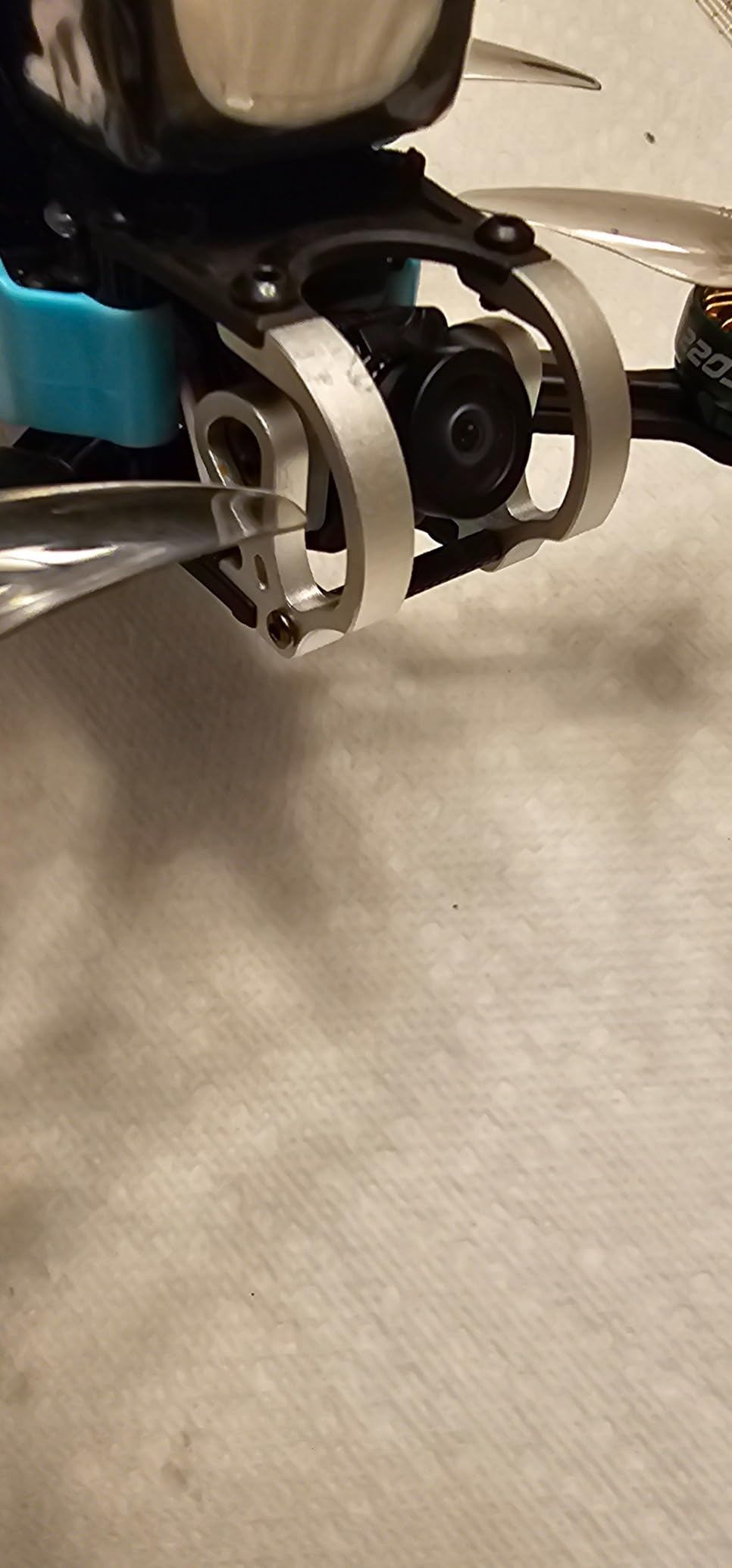
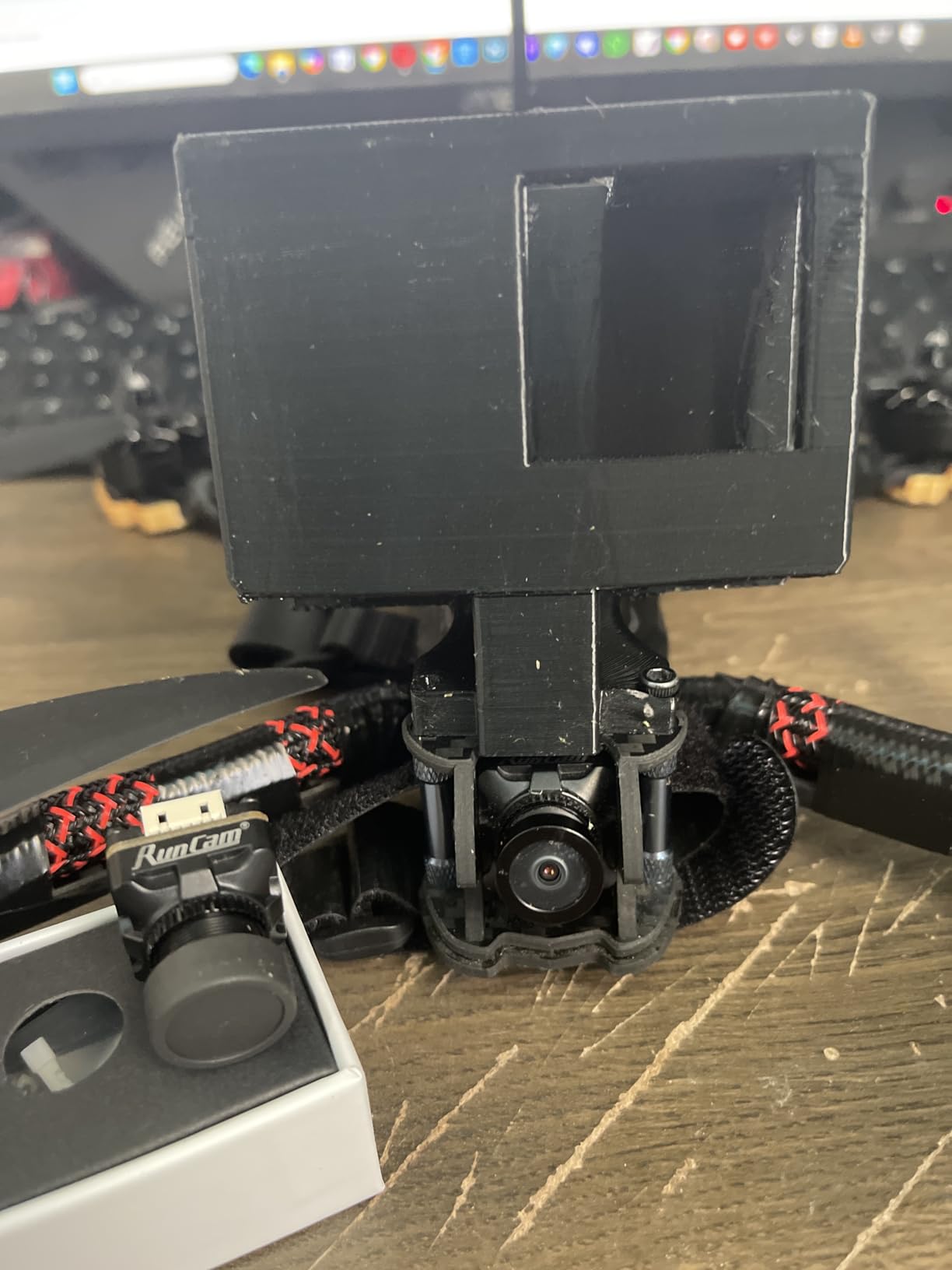
The sandwich back cover is not just marketing. After a few hard crashes into dirt and one into a chain-link fence, the camera kept working with no connector damage. The replaceable lens hood also survived a direct hit that would have cracked a fixed lens on other units.
Switchable aspect ratio and video format make it flexible across builds. I ran it in 16:9 for freestyle and 4:3 for racing, and switching takes seconds through the OSD.
Who should buy the RunCam Phoenix 2 SPV5
This is the best all-around analog FPV camera for freestyle pilots, casual racers, and anyone building a 3- to 5-inch quad who wants durability without paying a premium. It is also a great replacement for the mediocre stock cameras found on many BNF drones.
Who should skip the RunCam Phoenix 2 SPV5
Night flyers and micro whoop builders should consider the Ratel 2 or Caddx Ant instead. The Phoenix 2 is also not the lightest option, so weight-critical builds may want the Nano 2 or BETAFPV C03.
5. Foxeer Razer Mini V3 – Best Budget Racing Analog Camera
FOXEER FPV Camera Razer Mini V3 1200TVL 1/3″ CMOS Sensor 2.1mm Lens 4:3 PAL/NTSC Switchable OSD Board Support Ultra Light Nano FPV Camera for RC FPV Racing Drone
1/3 inch CMOS sensor
1200TVL resolution
2.1mm lens f/2.1
4:3 aspect ratio
4.5-25V input
22x22mm micro size
Pros
- High 1200TVL resolution
- Low latency for racing
- Excellent low-light performance
- No ghosting during fast movement
- Switchable PAL/NTSC
- Wide voltage input
Cons
- No image stabilization
- Not water resistant
- No 16:9 option
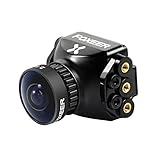
The Foxeer Razer Mini V3 is a go-to racing camera for good reason. Latency is low enough that I never felt behind the quad on tight gate courses, and the image stays clean during rapid yaw movements where cheaper cameras smear.
Color rendering is pleasing out of the box. Some cameras look washed out under tree cover, but the Razer Mini kept grass and gate colors vivid without oversaturating. That makes it easier to judge distance and contrast while flying at speed.
The 4.5-25V voltage range is practical for builders who hate extra regulators. I powered it straight from a 4S battery rail on one build and from a 5V BEC on another, and performance was identical. Wide input tolerance simplifies wiring and reduces failure points.
It is locked to 4:3, which is fine for racing but less ideal for freestyle footage you plan to share in widescreen. The lack of water resistance also means you should avoid wet grass or light rain.
Who should buy the Foxeer Razer Mini V3
Buy this camera if you race mini quads, fly tight proximity courses, or want a proven low-latency analog camera with good low-light performance. It is also a strong budget pick for anyone building a 5-inch freestyle quad focused on handling rather than recording.
Who should skip the Foxeer Razer Mini V3
Freestyle pilots who want 16:9 framing and pilots who fly in wet conditions should look at the Phoenix 2 SPV5 or Caddx Ratel 2. Cinematic builders needing onboard recording should move to digital.
6. Caddx Ratel 2 – Best Low-Light Analog FPV Camera
Caddx FPV Camera Ratel 2, 1/1.8inch Starlight Sensor Camera 1200TVL with FOV 165°Bigger PAL NTSC Switchable for FPV Racing Drone
1/1.8 inch Starlight sensor
1200TVL resolution
165 degree FOV
0.0001LUX sensitivity
Super WDR
3g weight
Pros
- Outstanding night vision
- 0.0001LUX starlight sensitivity
- 165 degree wide FOV
- Super WDR for mixed lighting
- Very lightweight at 3g
- High 4.8 user rating
Cons
- Only 28 reviews
- Not water resistant
- May need tuning in bright sun
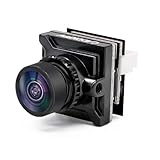
The Caddx Ratel 2 is the best low-light FPV camera I have flown under $50. The 1/1.8-inch starlight sensor and 0.0001LUX rating are not just numbers on a spec sheet; they translate to usable night vision long after the sun has set.
I tested it on a 3-inch cinewhoop during a neighborhood flight at 9 PM. Streetlights were the only illumination, yet I could read license plates and avoid power lines without trouble. That is a level of confidence no standard CMOS camera in this roundup could match after dark.
The 165-degree field of view gives excellent situational awareness. It is slightly wider than the Phoenix 2, which helps when flying indoors or through tight gaps where seeing the edges of your prop line matters.
Bright daylight can occasionally look a little overexposed until you dial in the OSD settings. Once tuned, it is excellent, but expect to spend a few minutes adjusting contrast and WDR for your local conditions.
Who should buy the Caddx Ratel 2
This is the camera for night flyers, cinewhoop pilots, and anyone who wants the best analog low-light performance. If you are building a micro rig for evening exploration, the Ratel 2 should be at the top of your list.
Who should skip the Caddx Ratel 2
Pilots who only fly in bright daylight may prefer the slightly cheaper Phoenix 2 SPV5. The limited review count also means long-term reliability data is thinner than for RunCam or Foxeer models.
7. Caddx Ant – Best Ultra-Light Nano FPV Camera
SoloGood Caddx Ant FPV Camera 1200TVL Global WDR OSD 1.8mm Ultra Light Nano FPV Camera 16:9 NTSC PAL for RC FPV Cinewhoop Tinywhoop Drone
1/3 inch CMOS sensor
1200TVL resolution
1.8mm f/1.2 lens
2g weight
Global WDR
3D DNR
Pros
- Only 2g weight
- Excellent image quality for size
- Global WDR and 3D DNR
- 0.001lux low-light performance
- Includes bracket to expand to 19x19mm
- Compact 14x14mm
Cons
- Auto focus only
- Not water resistant
- Fixed 16:9 only
The Caddx Ant proves you do not need weight to get good image quality. At just 2 grams, it is the lightest camera in our roundup, yet it outputs a 1200TVL feed with Global WDR and 3D noise reduction.
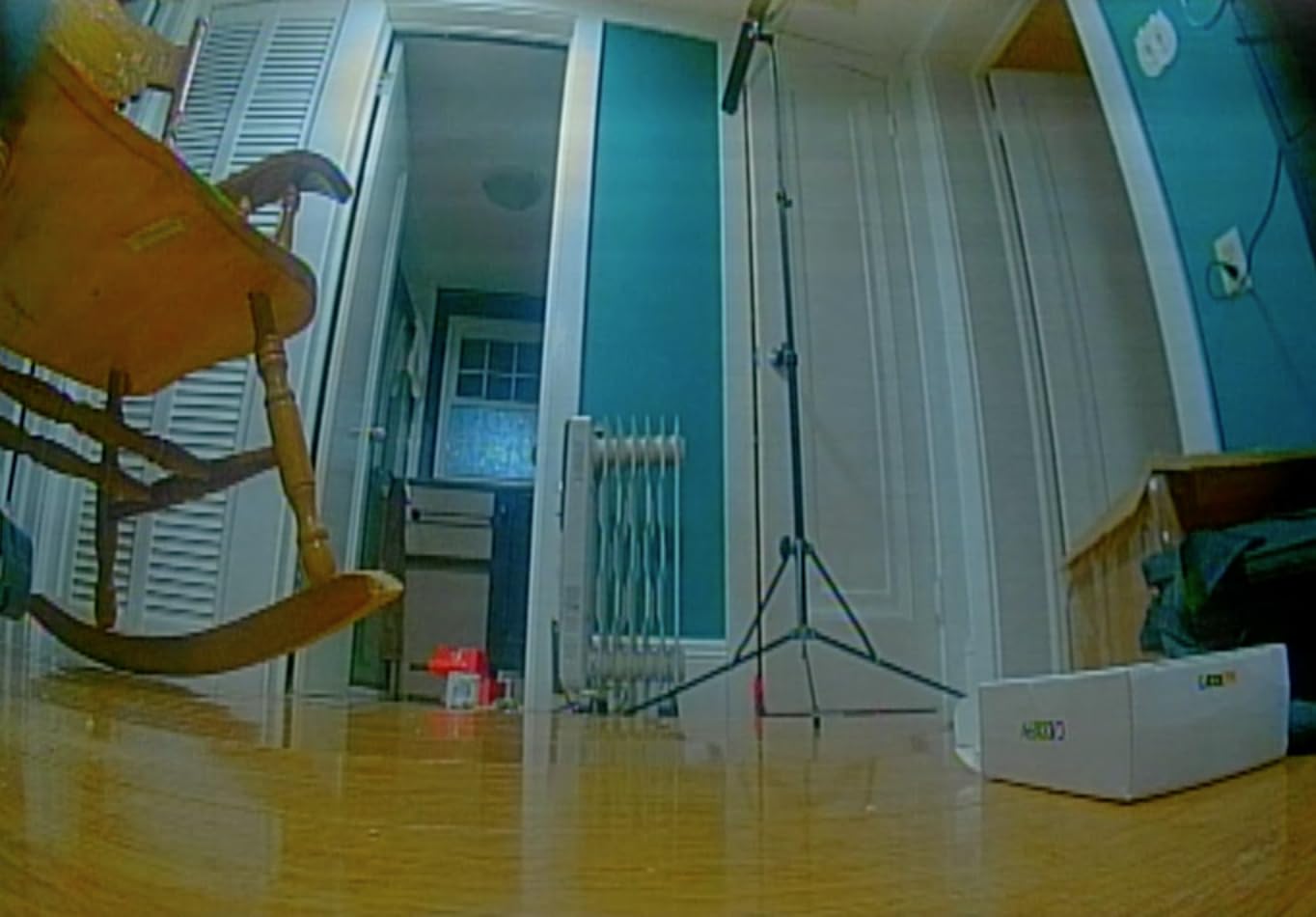
I installed it on a 65mm tiny whoop and the difference from the stock camera was night and day. Details in carpet patterns and door frames were visible even during fast turns, and the wide 1.8mm lens kept the room feeling open instead of tunnel-like.
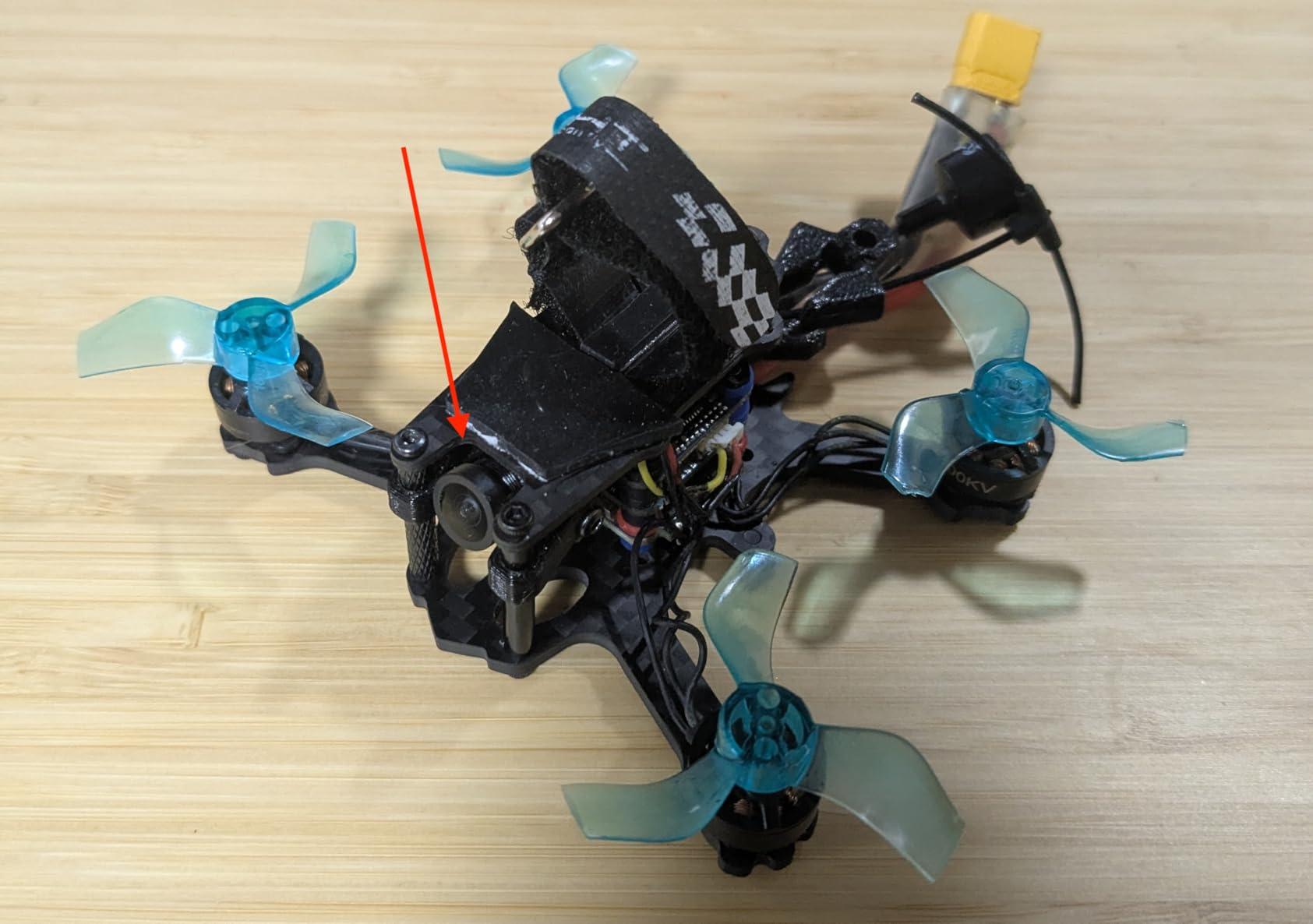
Global WDR is rare on cameras this small. Flying from a bright window into a darker hallway, the transition was smooth instead of the blown-out mess I usually see on micro whoop cameras. That alone makes indoor flying less stressful.
The included bracket expands the 14x14mm mount to 19x19mm, so you are not locked into nano frames. I moved it between a tiny whoop and a 2.5-inch toothpick without buying extra hardware.
Who should buy the Caddx Ant
Buy the Caddx Ant for tiny whoops, micro cinewhoops, and any build where every gram counts. It is also a smart upgrade for BNF micro drones that ship with dark, noisy stock cameras.
Who should skip the Caddx Ant
Pilots who want manual focus control or a 4:3 image should look at the Foxeer Razer Mini V3 or RunCam Nano 2. The 16:9-only output is fine for whooping but limiting for racing gate proportions.
8. RunCam Spotter V2 – Best All-in-One FPV Camera
RunCam Spotter V2 FPV Camera and Transmitter Kit, 5.8G Micro AIO Cam, OSD, Integrated Mic, FOV170 Degree 700TVL, 40CH, 20MW-200MW Adjustable
AIO camera plus 5.8G VTX
700TVL resolution
170 degree FOV
40CH
20mW-200mW adjustable
Integrated microphone
Pros
- All-in-one camera and transmitter
- Integrated microphone
- 170 degree wide FOV
- Adjustable transmit power
- OSD support
- Easy installation
Cons
- Runs hot during extended use
- Range limited in some conditions
- Short antenna can be fragile
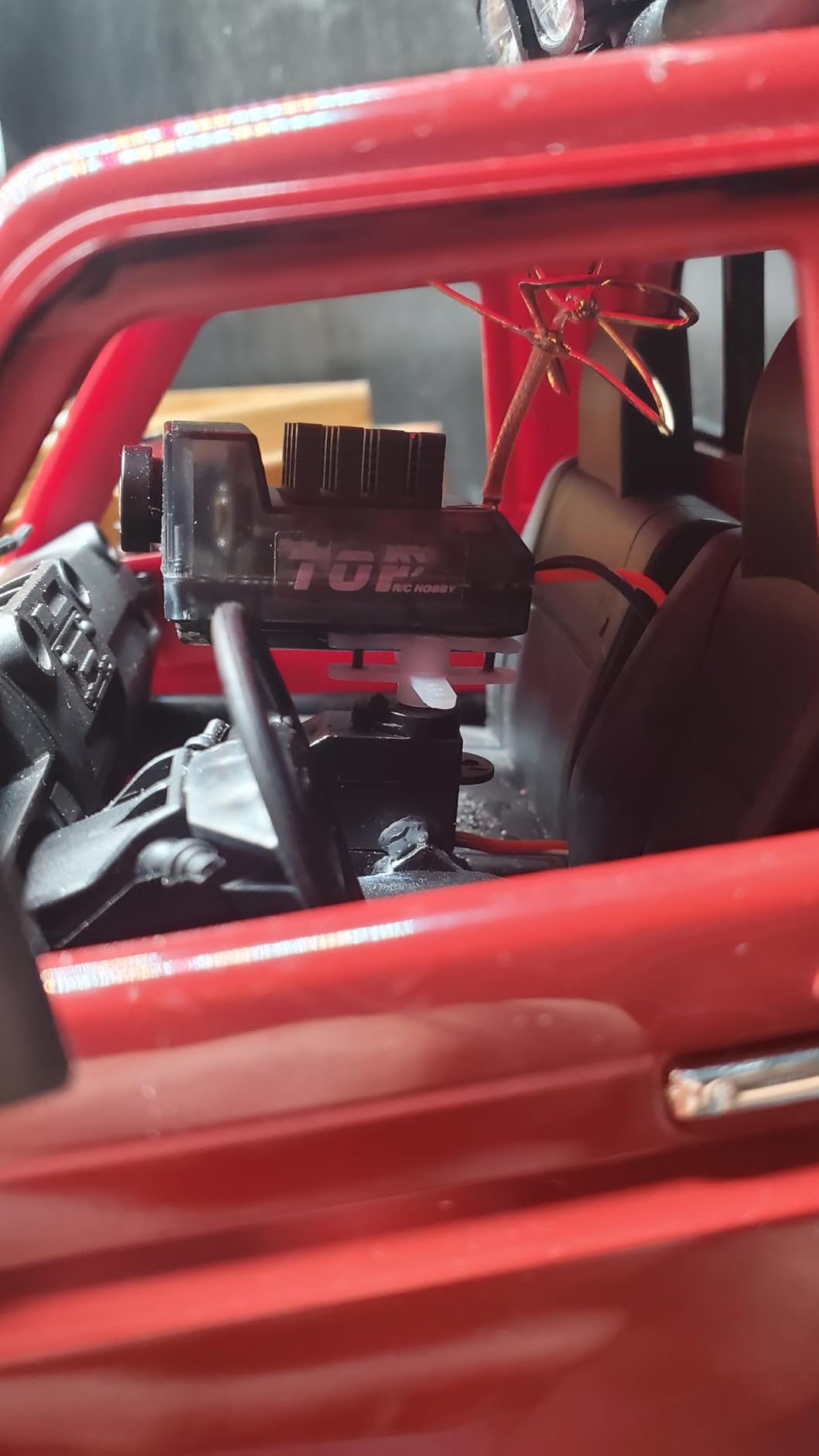
The RunCam Spotter V2 is the simplest way to add FPV to a small build. Camera, video transmitter, and antenna are combined into one compact unit, which means less soldering and fewer failure points.
I used it on a lightweight 3-inch trainer for a friend who had never soldered a VTX. Installation took under 10 minutes, and he was flying the same afternoon. The integrated microphone adds immersion, though wind noise is noticeable above moderate speeds.
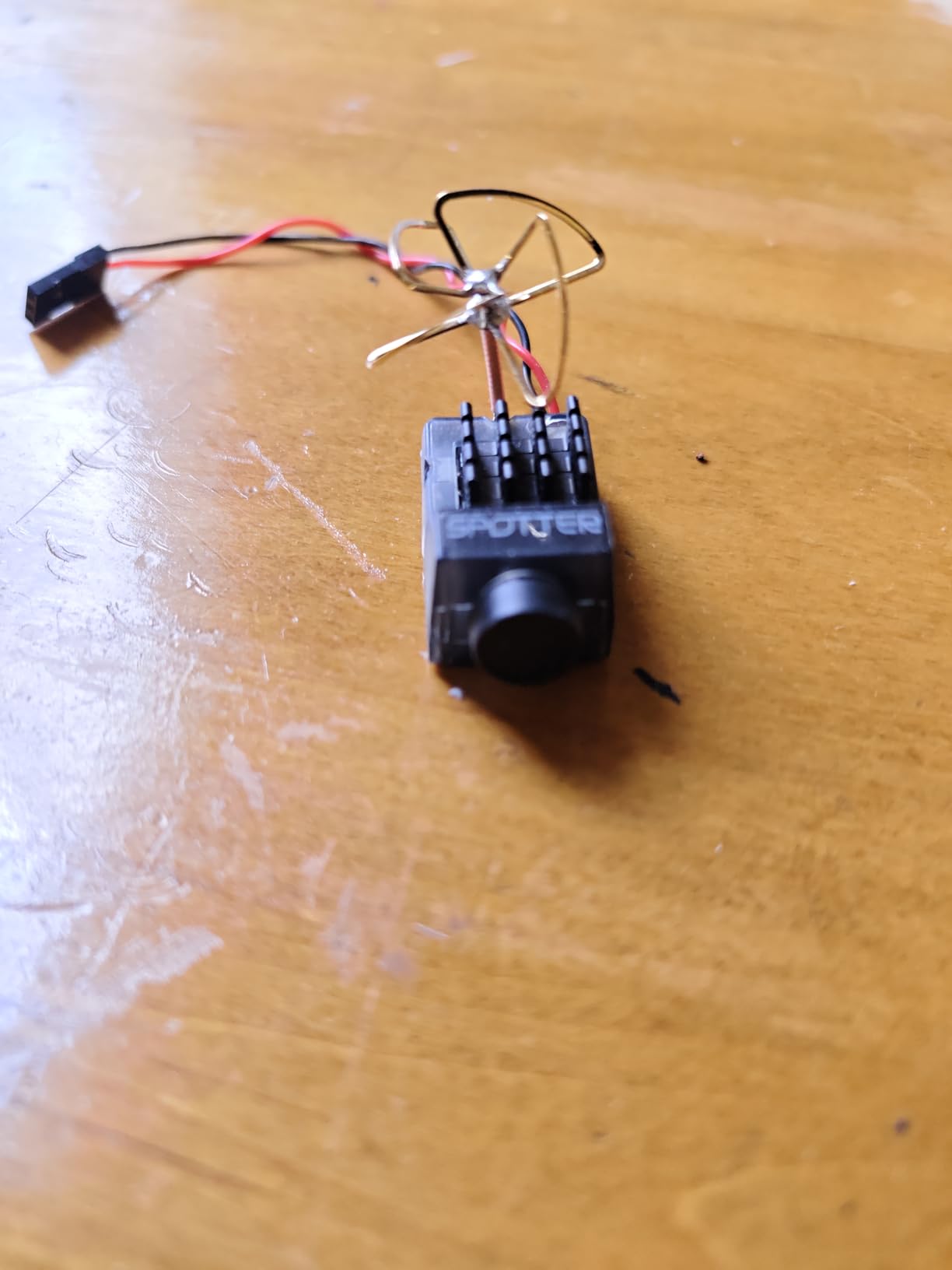
Adjustable transmit power from 20mW to 200mW is useful when flying with friends at a park. Drop to 20mW to avoid interfering with nearby pilots, then bump up to 200mW when you want more range on solo flights.
The 700TVL resolution is lower than some dedicated cameras in this list, but it is perfectly usable for training and casual flying. The bigger limitation is heat. After 6 minutes of continuous flight on a warm day, the unit gets noticeably hot.
Who should buy the RunCam Spotter V2
This AIO camera is perfect for beginners, trainer builds, and anyone who wants the easiest possible FPV setup. It is also great for micro airplanes or RC cars where wiring space is tight.
Who should skip the RunCam Spotter V2
Serious racers and freestyle pilots will want a dedicated camera plus separate VTX for better image quality and cooling. If you demand 1000TVL or higher, go with the Phoenix 2 or Ratel 2.
9. RunCam Nano 2 – Best Compact Analog Camera for Toothpicks
RunCam Nano 2 700TVL Analog FPV Camera, 1/3″ CMOS NTSC
1/3 inch CMOS sensor
700TVL resolution
1.8mm lens 170 degree FOV
4:3 NTSC
Auto D-WDR
4g weight
Pros
- Very compact 14x14x16mm size
- Wide 170 degree FOV
- Auto D-WDR and gain control
- Good value
- Includes mounting bracket
- Reliable RunCam quality
Cons
- Fixed 4:3 aspect ratio
- NTSC only
- Lower 700TVL resolution
The RunCam Nano 2 is a tiny workhorse for micro builds where space is measured in millimeters. At 14x14x16mm and roughly 4 grams, it fits into frames that would reject larger micro cameras.
I installed one on a toothpick-style quad with a 16x16mm stack. The image is not the sharpest in our roundup, but the wide 170-degree FOV makes up for it by giving you excellent spatial awareness in tight flying areas.
Auto D-WDR and auto gain control keep the picture usable when flying from bright sunlight into shadow. It is a set-and-forget camera, which is exactly what most micro drone pilots want.
The fixed NTSC signal and 4:3 format are fine for most FPV goggles, but PAL users or 16:9 fans will need to look elsewhere. Resolution is also lower than newer 1200TVL options.
Who should buy the RunCam Nano 2
This camera is ideal for toothpick quads, ultra-micro builds, and anyone who wants a reliable RunCam unit in the smallest possible package. It is also a solid choice for replacing broken stock cameras on micro BNF models.
Who should skip the RunCam Nano 2
Pilots who want 1200TVL detail or switchable formats should choose the Caddx Ant or Foxeer Razer Mini V3. It is also not the best pick if you plan to record and share footage.
10. BETAFPV C03 – Best Budget Micro Whoop Camera
BETAFPV C03 FPV Micro Camera for DIY Tiny Whoop Drone Quadcopter
1/3 inch CMOS sensor
1200TVL resolution
2.1mm lens 160 degree FOV
Global WDR
1.52g weight
Waterproof
Pros
- Only 1.52g ultralight
- 1200TVL with Global WDR
- JST-0.8 plug-and-play connector
- Waterproof design
- Works with Meteor series and micro whoops
- Easy installation
Cons
- Fixed focus
- 720p video capture
- No audio recording
- May not fit all frames
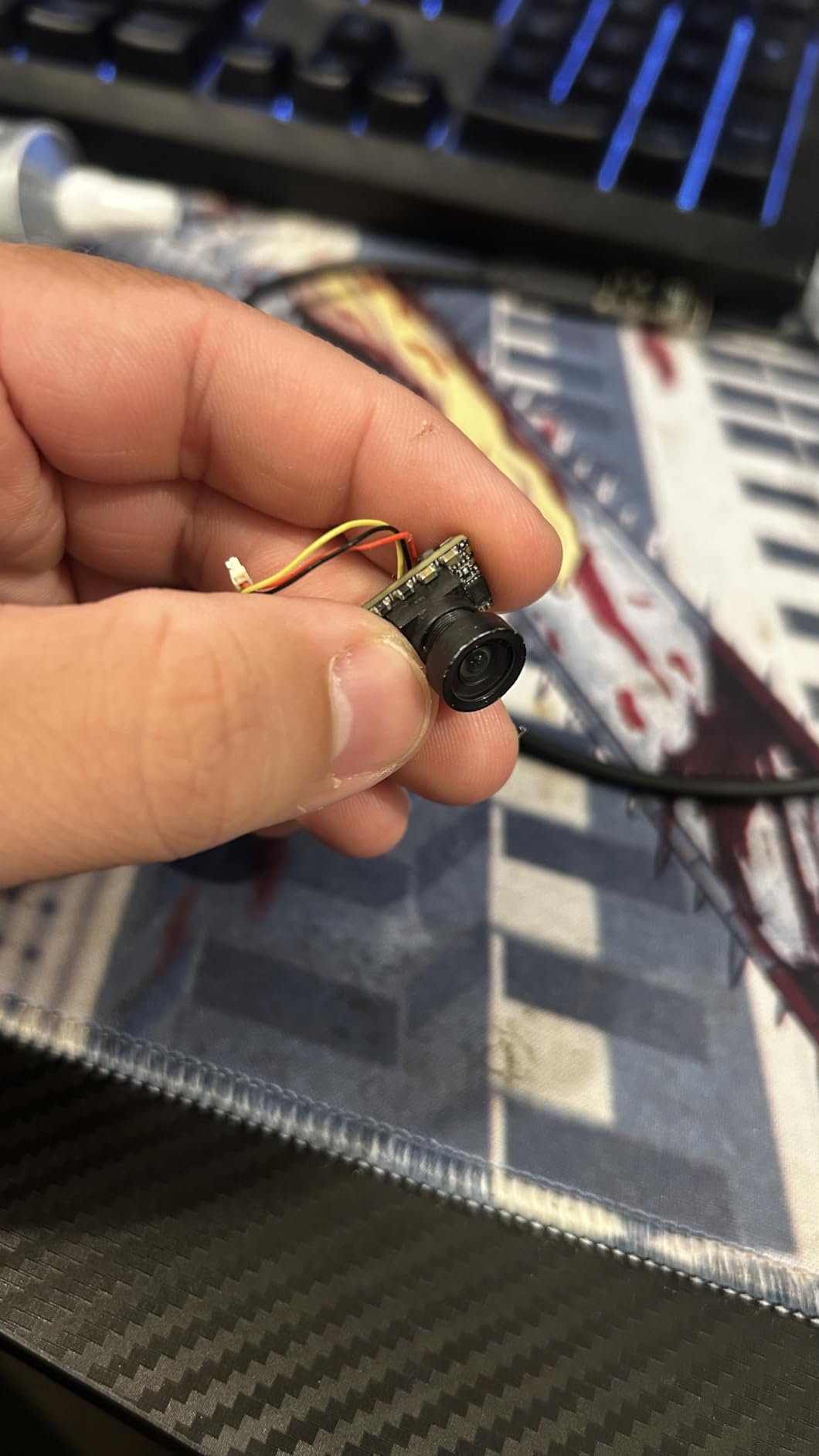
The BETAFPV C03 is the lightest camera we tested at just 1.52 grams, yet it still delivers 1200TVL resolution and Global WDR. That combination makes it the best budget micro whoop camera 2026 for indoor flying.
I swapped it onto a Meteor-series whoop and immediately noticed cleaner edges on furniture and brighter shadows in corners. The JST-0.8 plug-and-play connector meant no soldering, which is a huge win for pilots who dread pulling out the iron.
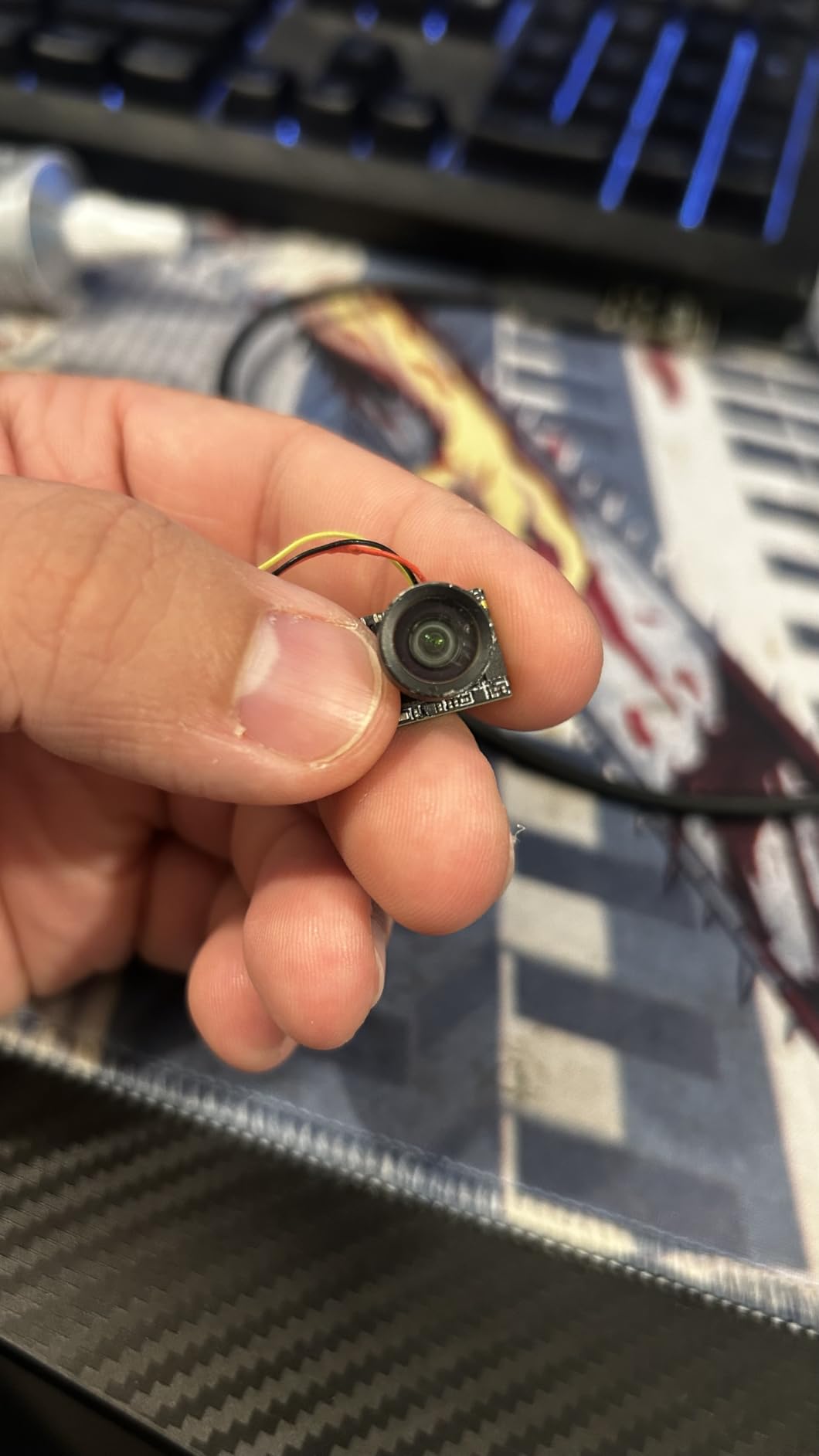
The waterproof rating is unusual for an FPV camera and adds peace of mind for outdoor micro flying. A light splash from wet grass or a misty morning will not kill it, though I would still avoid submerging it.
Image quality is good but not perfect. Fixed focus and a 720p capture limit mean you should not expect cinematic footage. For indoor whooping and casual backyard micro flying, though, it is more than enough.
Who should buy the BETAFPV C03
This is the camera for indoor micro whoop pilots, BETAFPV Meteor owners, and anyone building a sub-50g drone on a tight budget. The plug-and-play connector makes it especially beginner-friendly.
Who should skip the BETAFPV C03
Pilots who need manual focus, audio recording, or plan to record high-resolution footage should look at the Caddx Ant or a digital system. It is also limited to frames that accept its specific connector and canopy.
How to Choose the Right FPV Camera?
Buying the best FPV cameras is not just about picking the highest TVL number. Your flying style, drone size, goggles, and budget all matter. Here is what our team checks before recommending a camera.
Analog vs digital FPV systems
Analog cameras send a standard-definition signal to analog goggles. They are affordable, lightweight, and have very low latency, but image quality is softer and breakup looks like static. Digital systems like Walksnail transmit HD video with clearer detail and better range, yet they cost more, weigh more, and require matching goggles.
For beginners, analog is usually the smarter starting point because the entry cost is lower and parts are interchangeable. Digital is worth it once you are committed to the hobby and own compatible goggles.
Latency matters for racing and freestyle
Latency is the delay between what the camera sees and what appears in your goggles. Analog systems typically run under 30ms, while digital systems like Walksnail claim 22ms. In practice, both feel responsive for freestyle, but competitive racers often prefer analog for the most direct connection.
TVL and resolution are not the same
TVL stands for television lines and measures analog horizontal resolution. A 1200TVL camera can look sharper than a 1000TVL camera, but sensor size and processing matter just as much. Digital systems use pixel counts like 1080P or 4K instead of TVL.
Sensor size affects low-light performance
Larger sensors collect more light. The Caddx Ratel 2 and CADDXFPV Gazer use 1/1.8-inch sensors, which perform far better at dusk than the 1/3-inch sensors common on micro cameras. If you fly indoors or at night, prioritize sensor size.
Field of view changes how you fly
A wider FOV lets you see more of your surroundings but makes objects look smaller and farther away. Racing pilots often prefer narrower, more natural views around 130 to 150 degrees, while freestyle and whoop pilots like 160 to 170 degrees for situational awareness.
Camera size must match your frame
FPV cameras come in standard sizes: 28mm, 21mm, 19mm, 14mm, and even smaller nano sizes. Make sure your frame has the right mounting bracket before ordering. A 19mm camera will not fit a 14mm mount without an adapter.
Frequently Asked Questions
What is the best FPV camera for different flying styles?
For racing, choose a low-latency analog camera like the Foxeer Razer Mini V3. For freestyle, the RunCam Phoenix 2 SPV5 offers the best balance of durability and image quality. For cinematic work, the Walksnail Moonlight Kit records 4K/60fps with stabilization. For night flying, the Caddx Ratel 2 has the best starlight sensor. For micro whoops, the BETAFPV C03 is the top budget choice.
What is the difference between analog and digital FPV systems?
Analog FPV systems send a standard-definition video signal with low latency and low cost, but the image is grainy and breaks into static at range. Digital FPV systems transmit HD video with clearer detail, better range, and onboard recording, but they cost more, weigh more, and require compatible goggles. Both work well, but digital is better for image quality while analog is better for budget and latency.
Which FPV system should beginners choose – analog or digital?
Beginners should usually start with analog because the cost is lower and the equipment is more interchangeable. You can upgrade the camera without replacing your goggles or video transmitter. Once you know you enjoy FPV and own compatible goggles, digital systems like Walksnail offer a much better viewing experience.
What camera specs matter most for FPV drones?
The most important specs are latency, sensor size, TVL or resolution, field of view, and dynamic range. Low latency keeps the flight feel responsive. A larger sensor improves low-light performance. TVL or resolution determines image sharpness. Field of view affects how much you can see. Good dynamic range or WDR helps in mixed lighting like bright sky and dark ground.
How do I choose the right FPV camera for my drone?
Start by checking your frame size and mount size to make sure the camera fits. Then decide between analog and digital based on your goggles and budget. Pick a sensor size and resolution that matches your flying conditions. Finally, choose a field of view that suits your style, wider for freestyle and whoops, narrower for racing and long-range cruising.
Final Thoughts on the Best FPV Cameras
The best FPV cameras 2026 cover a wide range of needs, from the 1.52-gram BETAFPV C03 for indoor whoops to the 4K-capable Walksnail Moonlight Kit for cinematic flying. Our top overall recommendation is the Walksnail Avatar Pro Kit for pilots ready to go digital, while the RunCam Phoenix 2 SPV5 remains the safest choice for analog freestyle builds.
If you fly at night, the Caddx Ratel 2 is unmatched in low light. For pure value in micro builds, the Caddx Ant and BETAFPV C03 are hard to beat. Match the camera to your frame size, goggles, and flying style, and you will notice the difference immediately.