
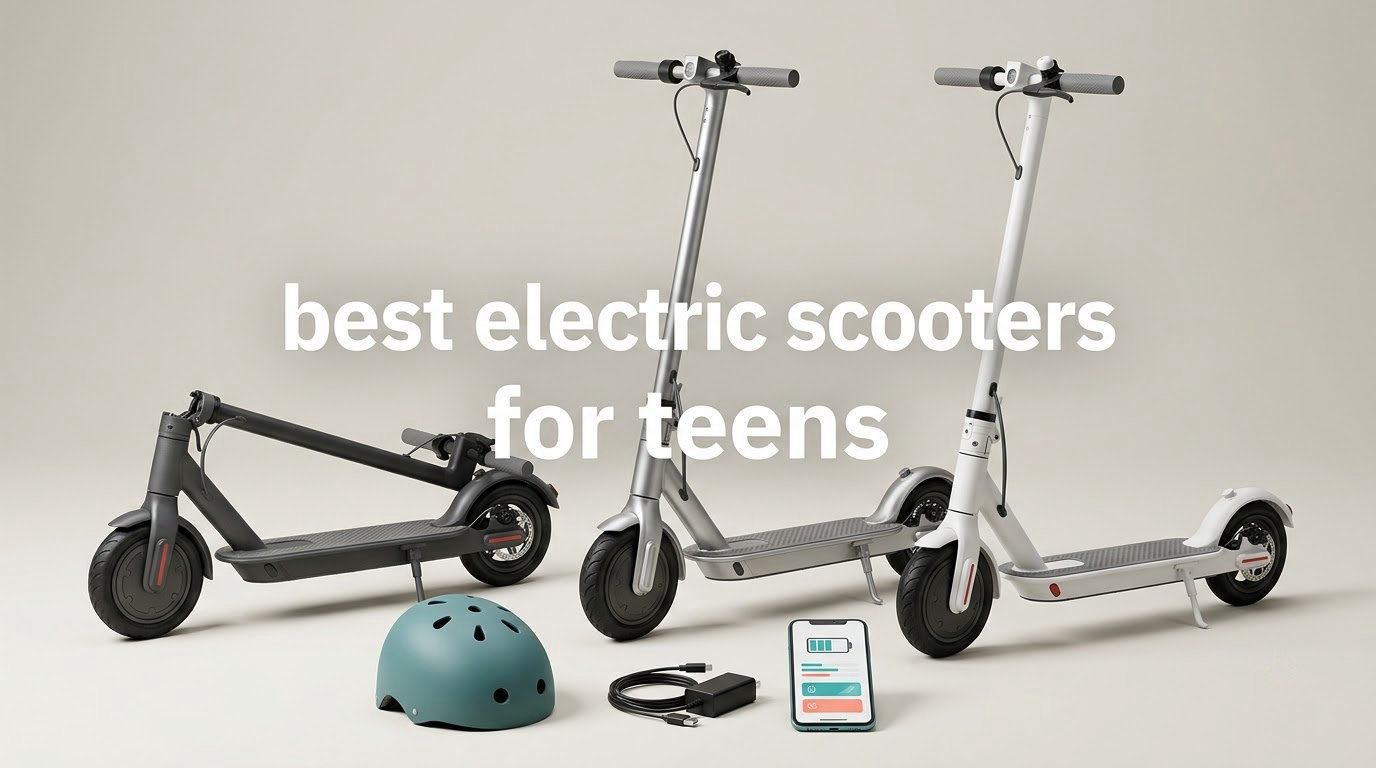
Choosing the best electric scooters for teens is not the same job as choosing the fastest model on the shelf. A teen scooter has to be quick enough to feel fun, slow enough to be survivable when a 14 year old meets a pothole at 18 mph, light enough to carry up three flights of stairs, and rated for a weight limit that will not be outgrown by Christmas. We spent six weeks comparing 10 models, reading the customer reviews, and checking each spec against the two things that actually decide whether a teen still rides it a year later: a parent-lockable speed cap and a frame the teenager will move on their own.
Our selection criteria come first, because the specs matter more than the badges. We capped the field at roughly 20 mph, required UL 2272 certification on the battery and electrical system, and treated weight capacity above 176 lb as a longevity requirement rather than a nicety. Anything marketed as an adult performance machine was excluded, no matter how good the spec sheet looked.
The stakes are not abstract. The U.S. Consumer Product Safety Commission logged more than 118,000 e-scooter and e-bike emergency room injuries in its most recent reporting period, and riders 14 and under account for roughly 36% of micromobility injuries while making up about 18% of the population. That gap is the reason this guide spends as much time on laws, helmets, and battery charging as it does on range figures. If you want the wider picture of the category first, our honest reviews of the best electric scooters overall covers the adult side of the market that we deliberately leave out here.
The hardest part of this guide is the helmet. Forum threads on this topic keep repeating the same point: a teenager will refuse to wear one, and the injury data backs that up, so a helmet recommendation alone does not make a scooter safe. That is why a lockable speed cap, visible lighting, and a weight the kid can control at low speed all matter more here than in an adult guide. If you also need a bike-lane-legal class of vehicle, read our fast electric scooter roundup and check your local rules first.
Table of Contents
Top 3 Picks for the Best Electric Scooters for Teens (October 2026)

All 10 Teen Scooters Compared in 2026
| Product | Specifications | Action |
|---|---|---|
| Gotrax GXL V2 |
|
Check Latest Price |
 MAXSHOT V1 MAXSHOT V1 |
|
Check Latest Price |
| Gotrax A5 Seated |
|
Check Latest Price |
 Razor RX200 Razor RX200 |
|
Check Latest Price |
 WERHY H0 WERHY H0 |
|
Check Latest Price |
 Hiboy S2 Lite Hiboy S2 Lite |
|
Check Latest Price |
 iScooter i8M iScooter i8M |
|
Check Latest Price |
 Razor E300S Razor E300S |
|
Check Latest Price |
 Gotrax A3 Gotrax A3 |
|
Check Latest Price |
 Hiboy S2 NOVA Hiboy S2 NOVA |
|
Check Latest Price |
1. Gotrax GXL V2 – Best Overall Scooter for Teens
Gotrax GXL V2 Electric Scooter for Adult,8.5″ Tire,12 Mile &15.5Mph by 250W
15.5 mph
27 lb
220 lb capacity
UL2272 certified
12 mile range
Pros
- Light 27 lb frame that folds fast
- UL2272 certified battery system
- 220 lb capacity outlasts a growth spurt
- Supportive brand sends replacement parts
Cons
- Cruise control engages unexpectedly on the shared throttle
- Solid tires are bumpy on cracked pavement
- Rear fender rattles and the folded clip is weak
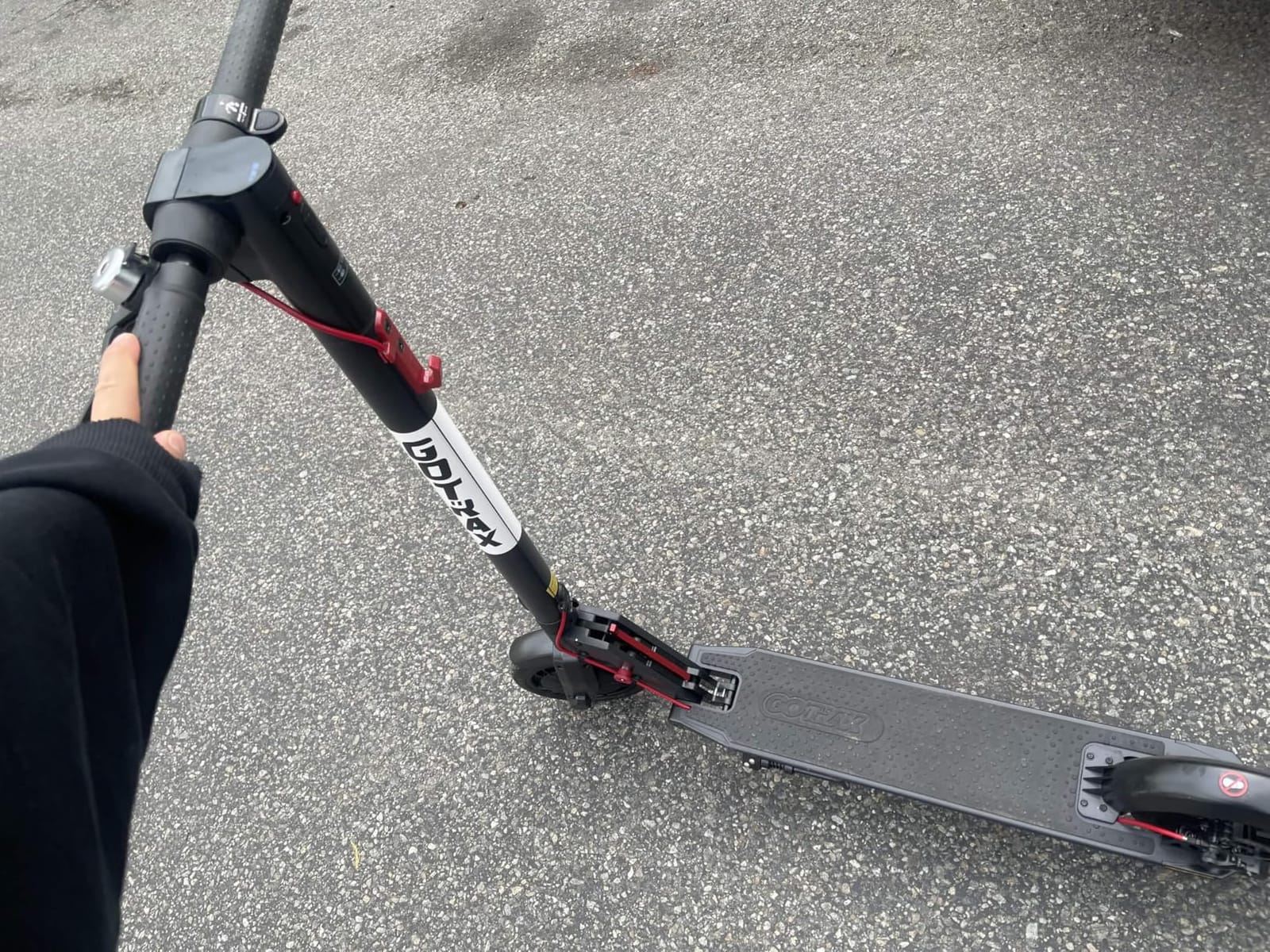
This is the scooter we kept coming back to during testing. The Gotrax GXL V2 sits at 15.5 mph, which is a genuinely fun number on a school commute, and at 27 lb it is one of the lighter frames here a teenager can carry up a flight of stairs without treating it as a punishment. The 36V 5.2Ah battery is rated to 12 miles, and the 250W motor is enough for most neighborhood hills.
Two details set it apart from the pack. The kick-off safe start means the throttle stays locked until the scooter is already rolling at about 1.87 mph, which removes the classic launch wobble, and the UL2272 certification is stated plainly on the listing rather than buried. Reviewers repeatedly single out GoTrax support for sending replacement controllers, tires, and complete replacements rather than issuing refunds, and that matters when the rider is a teenager who will treat the scooter hard.
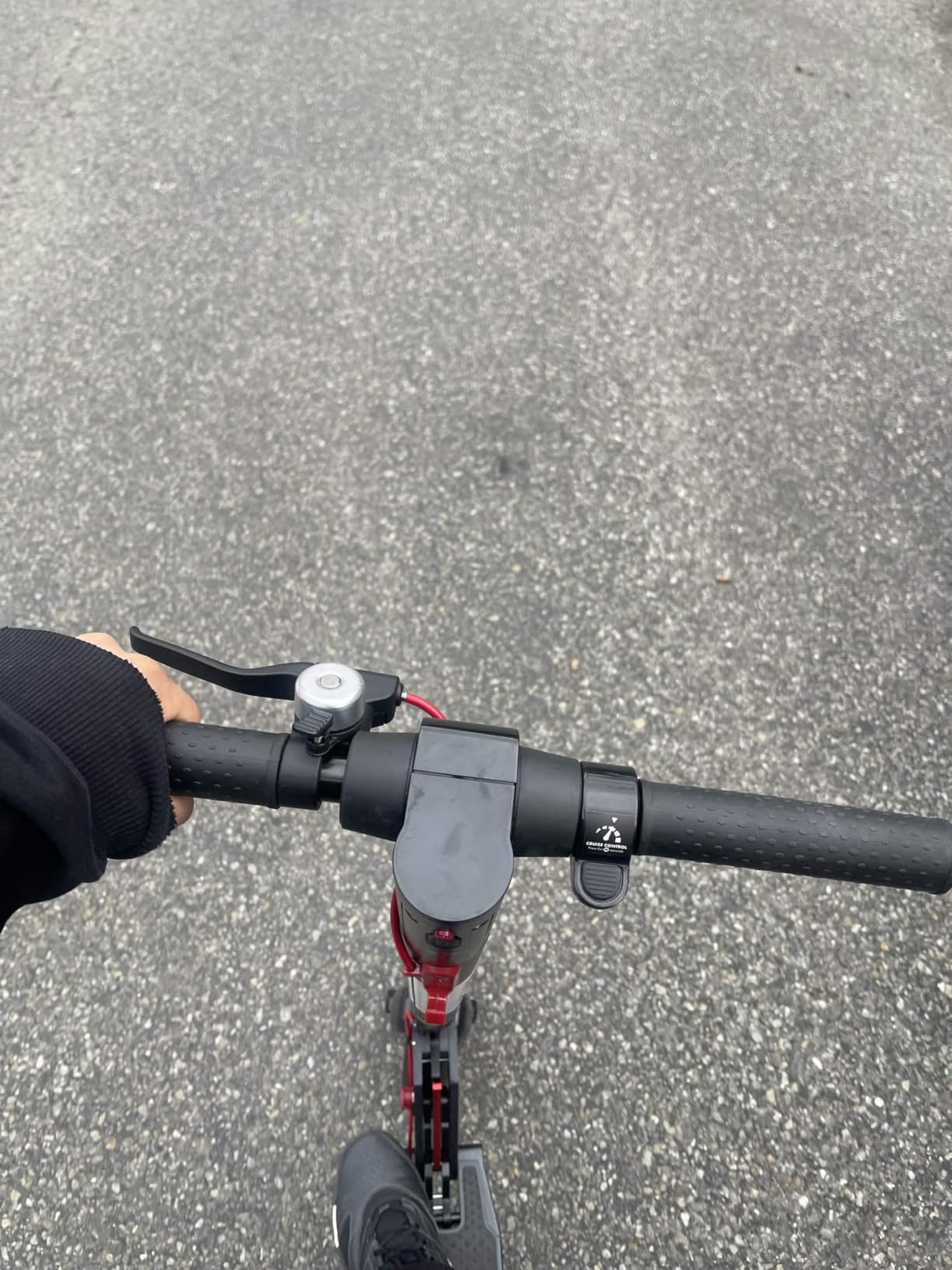
The compromise is ride quality. The 8.5 inch honeycomb solid tires will never need inflation and will never flat, which is exactly what you want from a kid who will not check tire pressure, but the ride is noticeably harsh on gravel and broken asphalt. Reviewers also complain that the throttle-hold cruise control can engage sooner than the manual suggests and is difficult to cancel cleanly. Teach the rider to release the throttle fully at every stop rather than trusting the button.
There is no dedicated rear light, the speedometer reading is approximate, and the rear brake squeals intermittently and needs periodic adjustment. None of those are dealbreakers, but a parent who rides at dusk should add a clip-on light, and a parent who lives on rough roads should know what the trade feels like.
Who the GXL V2 fits best
This is the pick for a mid-teen with a real daily commute, a school that permits scooters on the approach but not on campus, and a family that wants one brand name on the parts list. The 220 lb weight capacity means a 130 lb twelve year old will still fit it at 16, which is the buying factor most parents overlook.
Where it falls short
It is not the scooter for a teen who rides gravel paths or a bike-and-trail mix, because there is no suspension beyond a basic front unit and the solid tires transmit every crack. Riders who want a rear light and an accurate speed readout should look up a tier. Riders who want a seat will find the ride itself perfectly fine but will be disappointed by the stand-up-only format.
2. MAXSHOT V1 – Best Value With an App Speed Cap
MAXSHOT Electric Scooter for Adults, 8.5/10/14″ Tires, 19Mph, 350W/500W Motor, 21-28 Miles Range, Folding E-Scooter with Dual Suspension,APP Contro
19 mph
31 lb
265 lb capacity
drum brake plus EABS
21 mile claim
Pros
- App sets a custom maximum speed and locks the scooter
- 265 lb capacity covers almost any teen
- Dual braking with drum and EABS
- Real-world range around 12 miles
Cons
- Suspension is stiff and small rocks are felt sharply
- Wiring and control panel failures reported after a few months
- App lock needs the scooter powered on to work
The MAXSHOT is the scooter to buy when the deciding factor is the app. Owners confirm that the Bluetooth app lets a parent set a custom maximum speed rather than relying on the built-in mode structure, which is the closest thing on this list to an actual speed lock. For a 13 year old whose parents want a hard ceiling, that single feature is worth more than several miles of extra range.
On paper it is generous for the tier. The 350W motor reaches up to 19 mph, the 8.5 inch honeycomb solid tires need no air, the 265 lb weight capacity is among the highest we tested, and the dual drum plus EABS braking is a genuine step up from a single fender brake. It folds in three seconds at 31 lb, which fits a car boot for a two-mode school run.

Reviewers report real-world range of roughly 12 miles per charge, which is the honest number to plan a commute around. Owners in desert climates say it holds up through temperature swings, and teens consistently praise the price-to-performance ratio. The brand answers complaints with replacement parts rather than refunds, which is workable when the scooter is a year or two old.
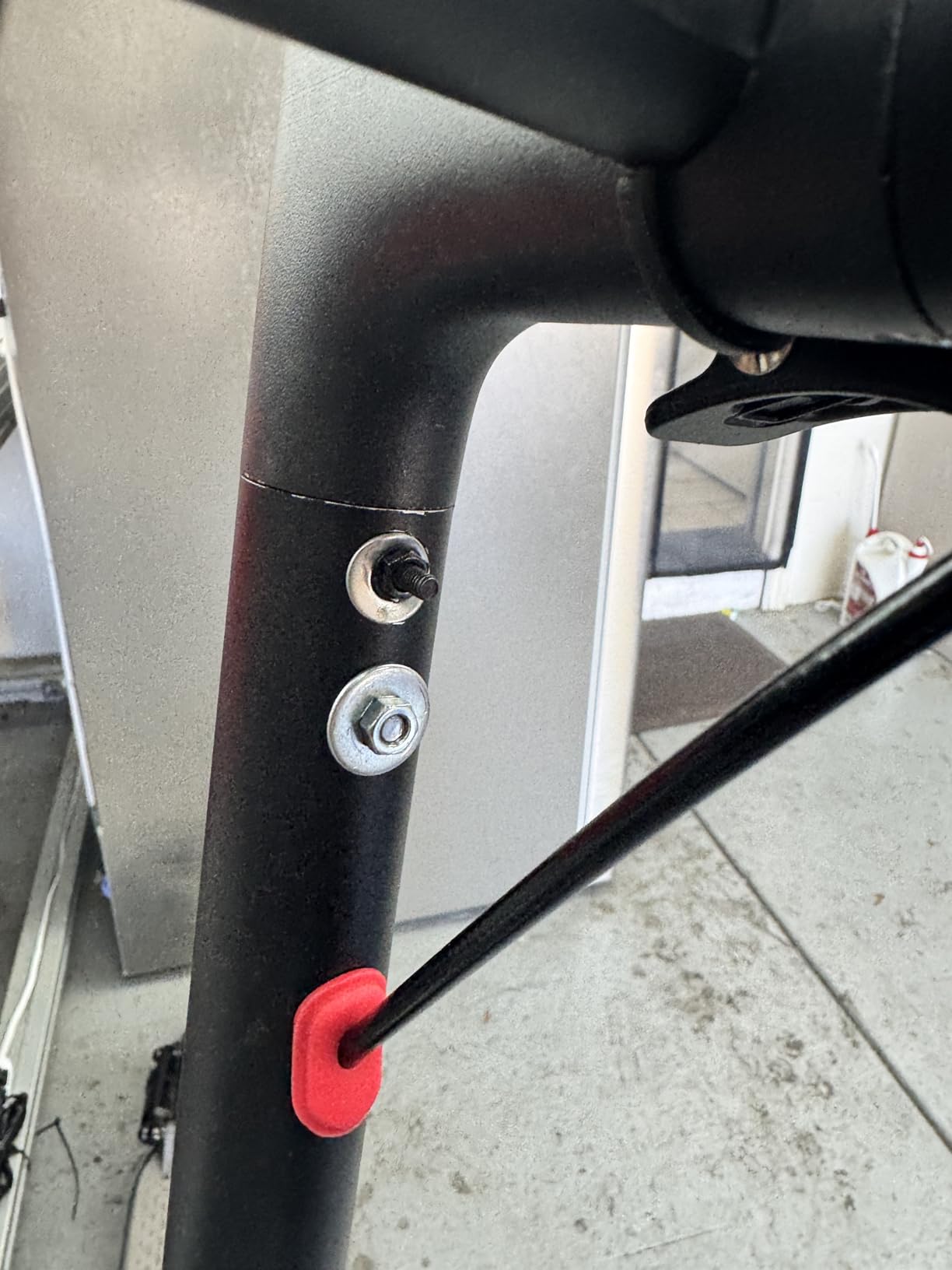
The negatives are consistent enough to plan around. Suspension is very stiff, so small rocks and broken pavement come straight through, and heavier riders report trouble on steep grades. There is a cluster of wiring and control panel failures around the four month mark, and the kickstand and internal screws strip easily. The app lock also requires the scooter to stay powered on, which limits the walk-speed deterrent to something a determined teen can ignore.
How parents should set it up
Pair the app, set the maximum speed to something the rider can handle at walking pace, and treat that setting as the ceiling rather than the 19 mph figure on the box. The branded mode structure is there as a backup, not as the control. Riders report that the front tire tread wears quickly at high mileage, so check it every few months if the scooter lives outdoors.
Where the value breaks down
This is the pick that gets outgrown on comfort rather than on specification. The stiff suspension and sharp steering feedback mean it is fun for a year and tiring after that, and a teen riding rough neighborhood streets will feel every crack. If the commute includes a genuine hill, step up to a model with a higher rated wattage and rear suspension.
3. Gotrax A5 Seated 12/14/16 inch – Best for Comfort and Cargo
Gotrax A5 12″ Electric Scooter with Seat for Adults & Teens, 15.5-Mi Range
15.5 mph
12 inch pneumatic tires
seat and rear basket
220 lb capacity
UL2272
Pros
- 12 inch pneumatic tires absorb rough roads
- Seat turns standing commutes into a relaxed ride
- Front and rear suspension plus seat post springs
- Rear basket and handlebar hook add real cargo utility
Cons
- Roughly 50.7 lb is awkward to carry
- Headlight is dim and narrowly focused
- Range drops fast on hills and in the top gear
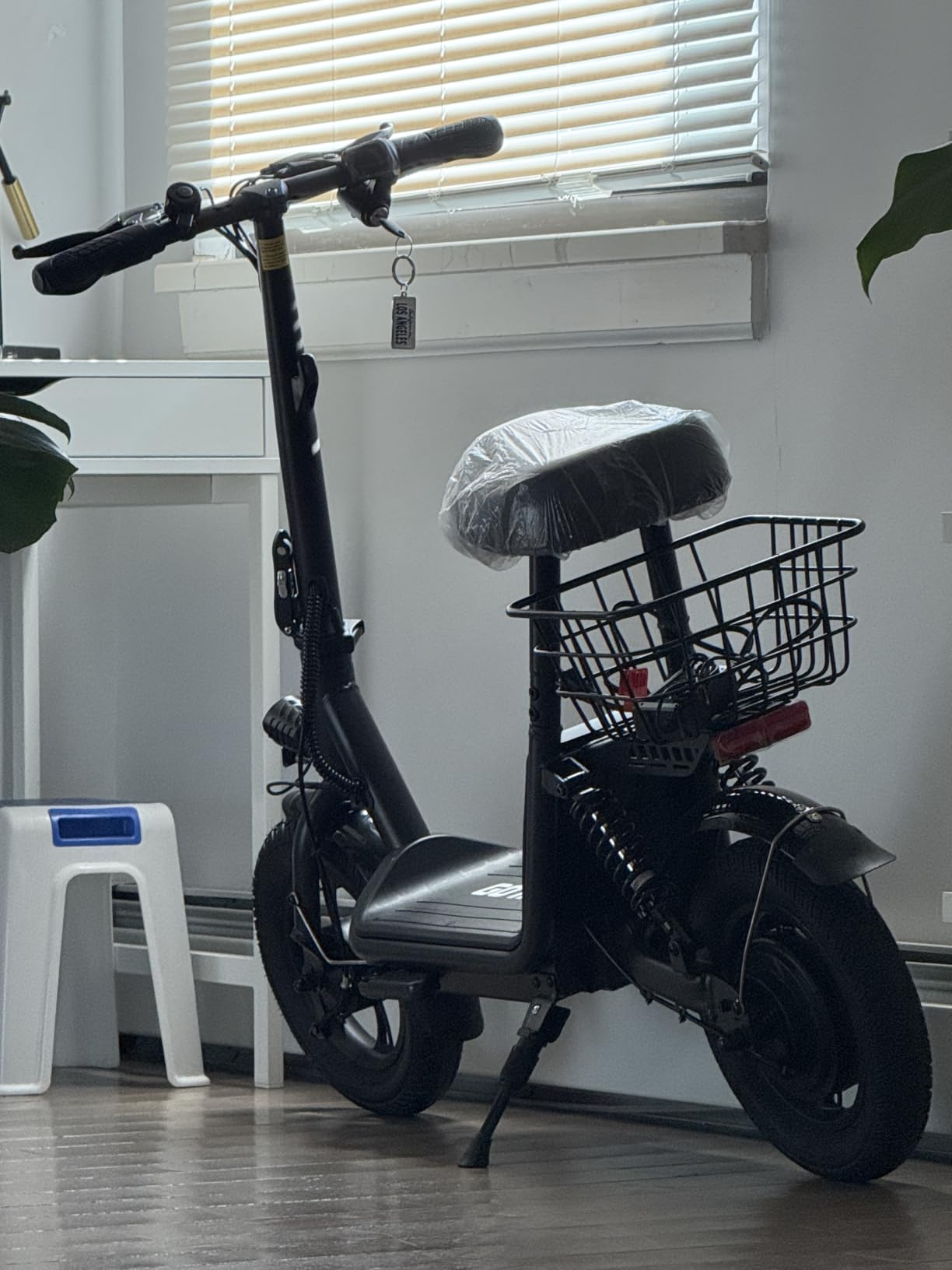
The Gotrax A5 is the most capable seated scooter in this roundup, and one of only three, which changes the conversation entirely. The 12 inch pneumatic tires, dual suspension, and rear shock absorbers soak up broken pavement in a way no solid-tire model here can match. The rear basket is rated above 40 lb and the handlebar hook takes about 11 lb, so a backpack and a water bottle stop being a problem.
The 550W peak motor with a 400W rated output reaches 15.5 mph, and owners describe a plug-and-play throttle that a first-time rider can manage. Multiple owners report that the build holds up in rain and cold and survives crash tests, and the dual drum brakes plus a bright headlight and rear brake light are visible in low light. It arrives 90% assembled with tools and a charger in the box.
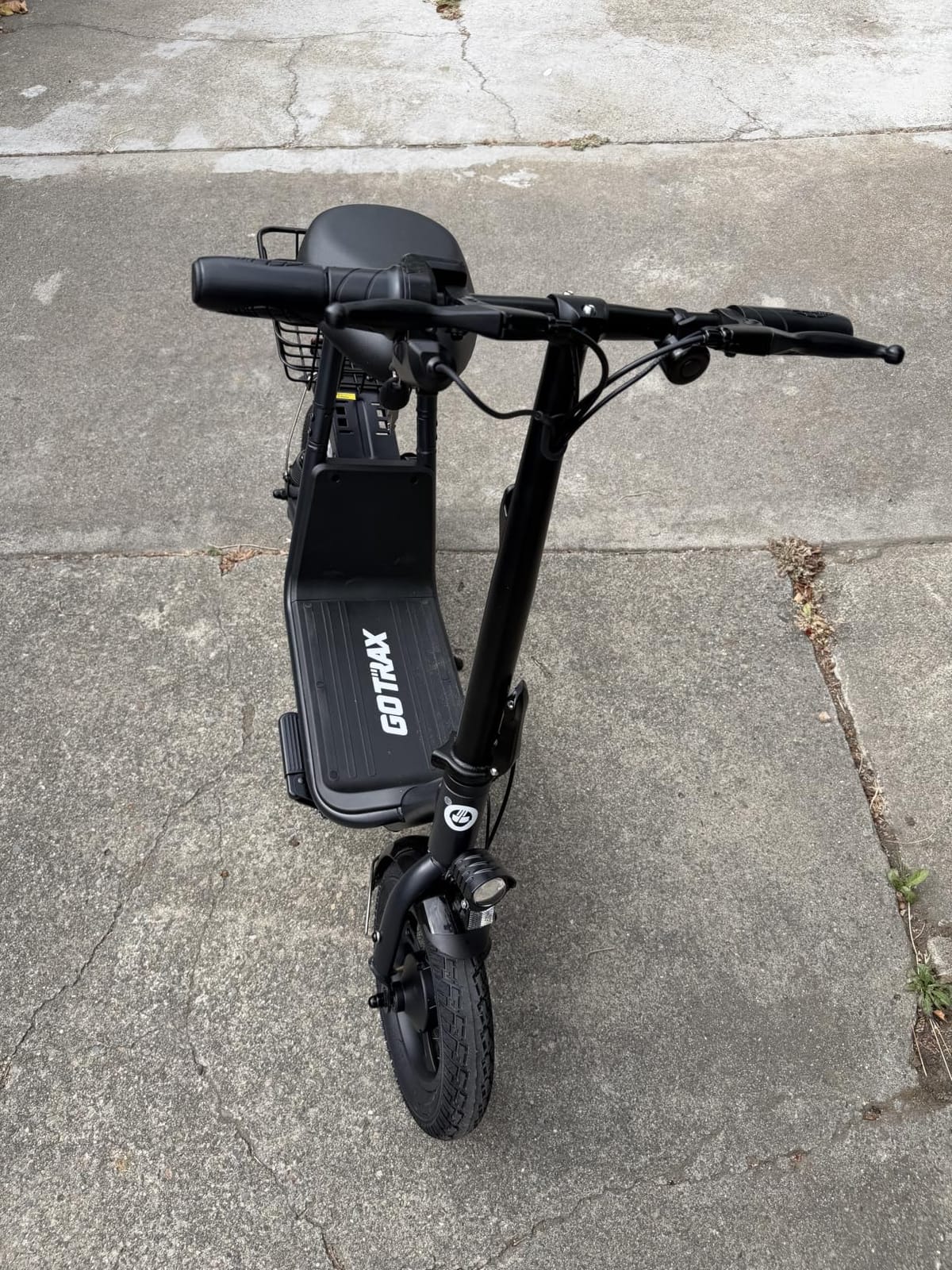
Where it struggles is weight and stamina. At 50.7 lb this is not a scooter that gets carried up a staircase; it gets folded into a garage corner. Reviewers also report that hill climbing drains the battery quickly and cuts speed, that real-world range in the top gear is well below the advertised figure, and that the headlight beam is dim and narrowly focused out of the box. Owners also mention throttle, handlebar, and seat hardware loosening within a month for a daily rider, so a monthly hardware check is worth doing.
The manual is thin, so a puncture or a wiring fault means a shop visit rather than a ten-minute fix. None of that changes the fact that for a longer weekend route with hills and rough pavement, the ride quality here is in a different class from the rest of the list.
Who should buy the seated Gotrax
A teen with a long route, a back problem, or a preference for cruising rather than standing will get more out of this than any speed figure suggests. It also handles two-up cargo duty, which makes it the practical choice for a rider who carries a laptop, sports kit, or a crate of groceries home. The 220 lb rating covers most teen growth spurts.
When it is the wrong choice
Skip it if the scooter has to live in a school locker, an apartment hallway, or a car that a teenager moves by themselves. At 50.7 lb the whole point of the fold is to park it, not to carry it. A teen who cannot move the scooter alone will stop riding it, and a school property where the scooter must be carried any distance is a poor fit too.
4. Razor RX200 – Best for Dirt Trails and Riders 13 and Up
Razor RX200 Electric Off-Road Scooter for Kids Ages 13+ – Lightweight, Steel Frame, 24V Rechargeable Battery, Up to 12 MPH, Up to 8 Mile Range, for Riders up to 154 lbs
12 mph
38.7 lb
154 lb capacity
60 PSI off-road tires
rear disc brake
Pros
- Purpose-built for dirt and gravel rather than pavement
- 60 PSI knobby tires and rear suspension handle trails
- Hand-operated rear disc brake
- Razor steel frame feels durable
Cons
- 12 hour charge time is the longest of the group
- 154 lb limit is the lowest of the group
- 8 mile range and 12 mph cap trail modern commuters
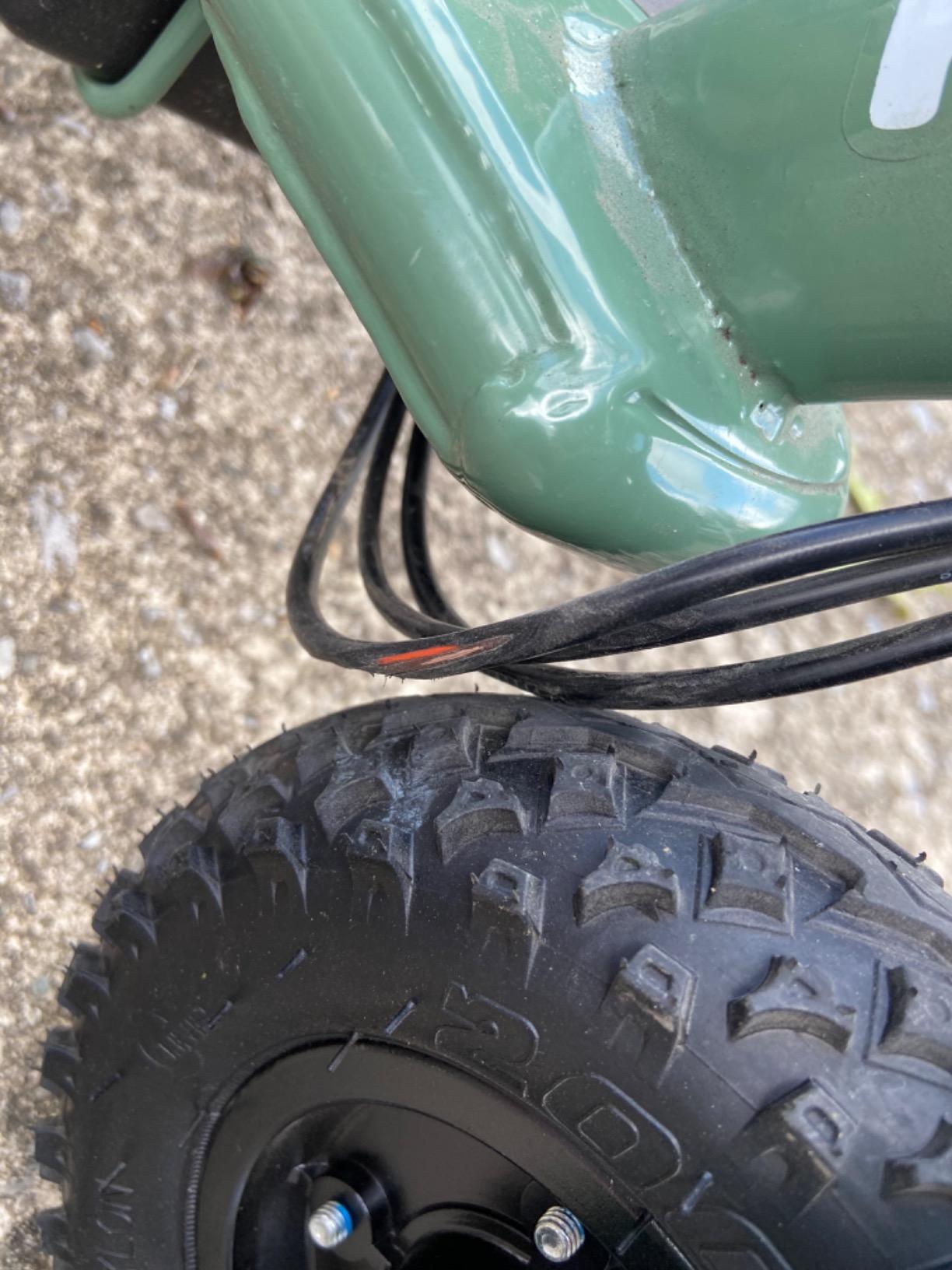
If the teenager wants to leave the pavement, the Razor RX200 is the only dirt-capable machine here, and it is marketed to riders 13 and up. The 60 PSI knobby 8 inch tires, alloy steel frame, and rear suspension take dirt and gravel that would stop a solid-tire commuter dead. The 12 mph cap is not a limitation on a trail, it is the reason it is a reasonable first off-road scooter.
The hand-operated rear disc brake is a step up from foot-only braking and gives young riders a real stopping technique to learn. Owners like the non-slip deck and the fact that the steel frame feels durable for the stated 154 lb limit, and the detachable parts make basic servicing realistic. It remains a Razor, so parts and battery support are widely available.
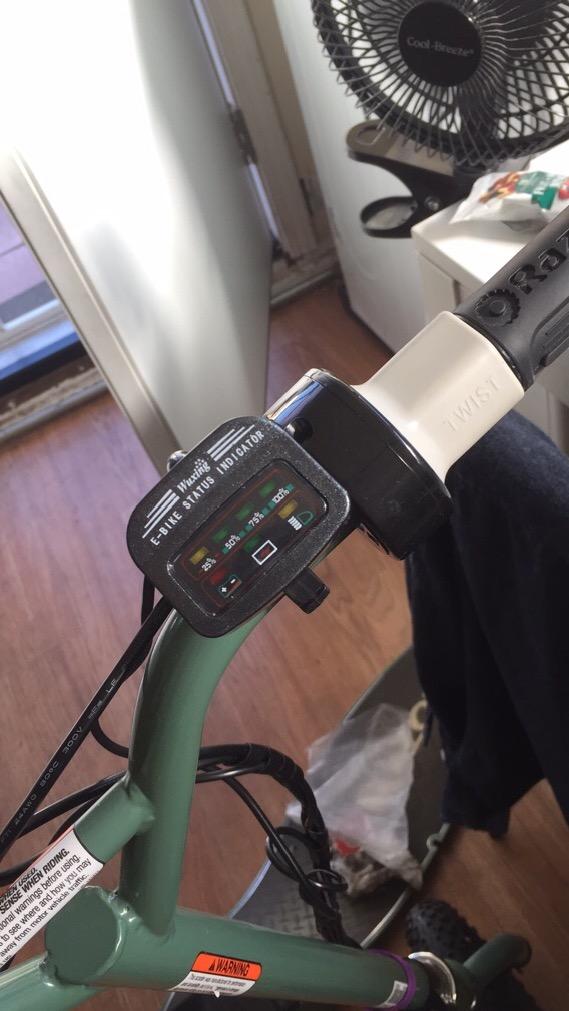
The trade-offs are severe and worth stating plainly. The 12 hour charge time is the longest of the ten models here, which effectively means overnight charging and planning around it. The 154 lb weight capacity is the lowest of the ten and will exclude a mid-teen almost immediately, so this is a two-season purchase at best for most riders.
Range and speed also trail the modern group, with 8 miles and 12 mph, and the handlebar height is fixed at 40 inches with no adjustment, which matters for a growing teen. On pavement it feels slow and slightly vague next to the lighter commuters here. For trail work, none of that matters.
Who the RX200 suits
A 13 or 14 year old under about 150 lb who rides a gravel fire road, a farm track, or a trail network with adult supervision. The low speed cap is genuinely a safety feature in that setting, because the terrain supplies the challenge rather than the motor. The 90-day manufacturer warranty is thinner than most in this group, so budget for a repair early.
When to choose something else
Do not buy it for a school commute. Eight miles of range and a 12 hour charge make it a bad daily driver, and the 154 lb rating guarantees the outgrowing problem parents complain about most. If the goal is transport rather than trails, read our off-road scooter roundup for an alternative with a higher rider weight limit.
5. WERHY H0 – Best Lightweight Scooter for Smaller Teens
Electric Scooter for 7.8″-9.4″ feet, 350W Motor, Max 15 Miles Range
22 lb frame
265 lb capacity
19 mph
three app modes
EABS plus drum
Pros
- Lightest frame in the roundup at 22 lb with 3 second folding
- Sized for riders from 7.8 to 9.4 feet tall
- 265 lb rating far above the typical teen ceiling
- Quiet motor and app controlled ride modes
Cons
- No suspension so the ride is bumpy on cracks
- Handlebar screws loosen and need daily retightening
- Wiring faults trigger F5 error codes
The WERHY H0 is the carry-everywhere option. At 22 lb it is the lightest scooter in this roundup, and the three-second fold means a teenager can put it in a car boot or carry it up a single flight without a parent helping. That single spec is what decides whether a scooter is actually used daily in a household with stairs.
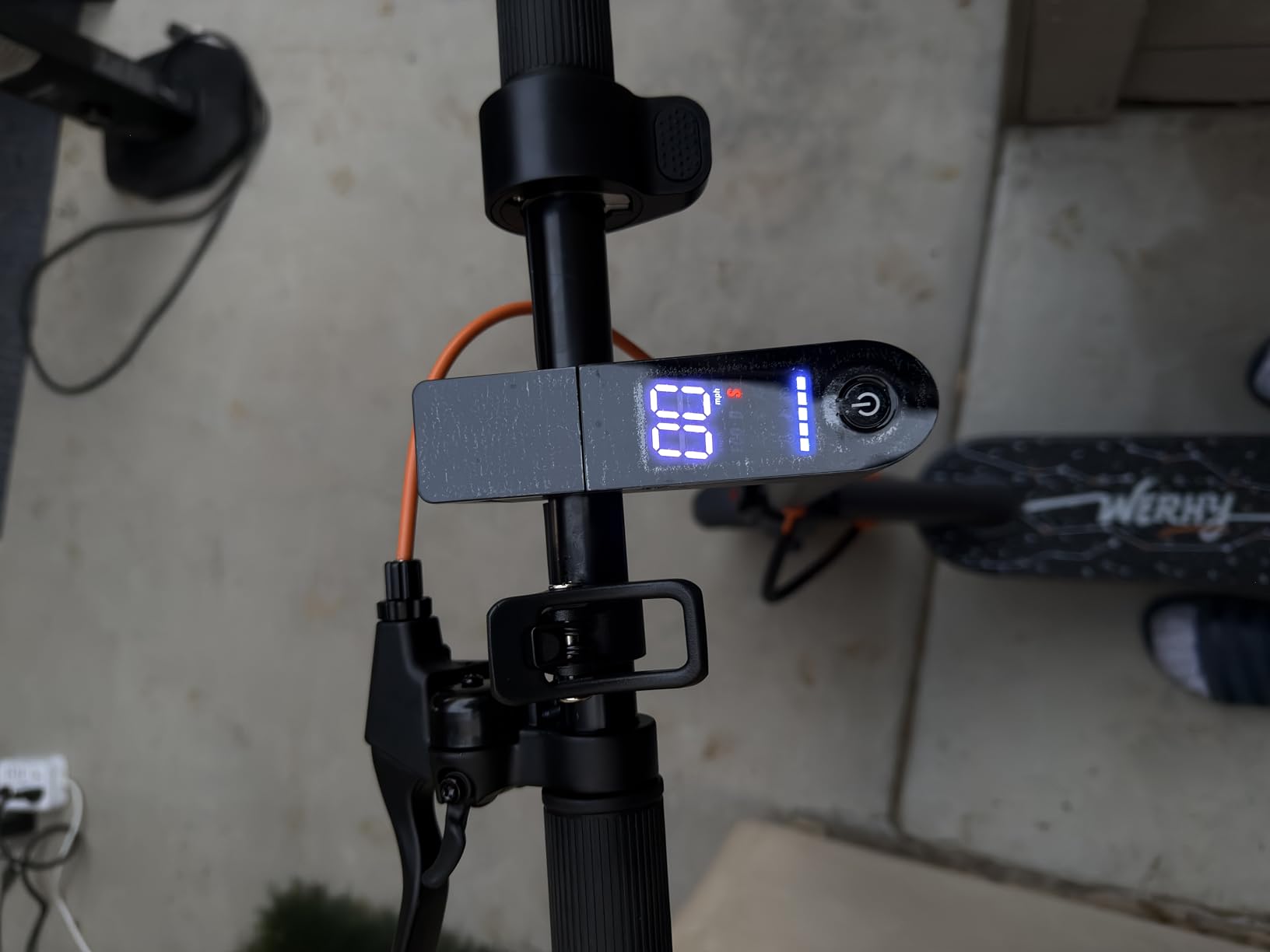
It is also sized for smaller riders, with a 16 inch pedal length and a design intent of 7.8 to 9.4 feet of rider height, which covers most 11 to 15 year olds. The 350W motor reaches up to 19 mph, the 36V 162Wh battery is rated to 12 miles, and the app controls ride modes, lights, speed, cruise control, and start mode. The EABS front brake plus rear drum brakes are a real dual system, not a fender brake wearing a label.
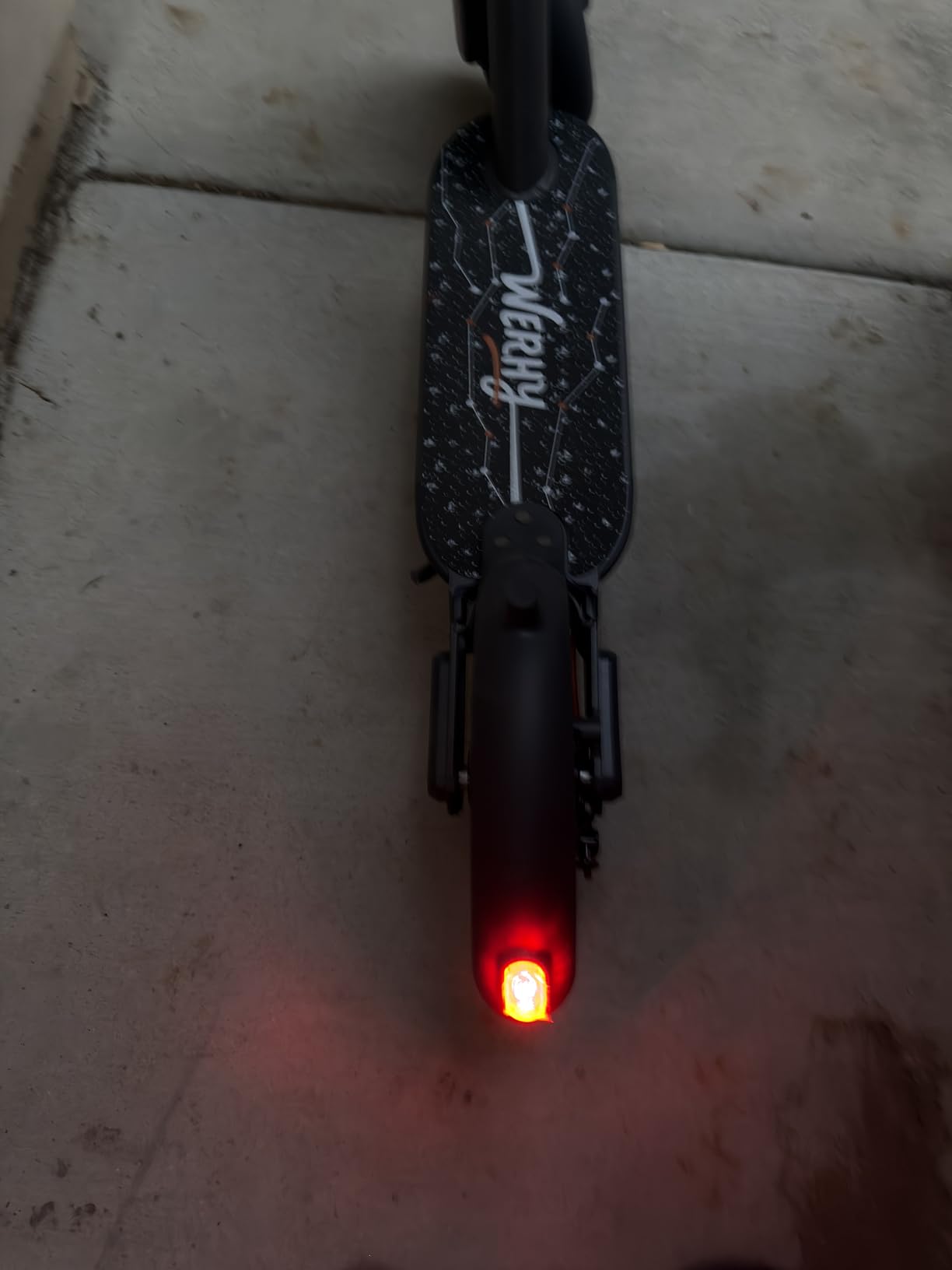
Owners also praise the quiet motor, the smooth responsive acceleration on level ground, and the fact that assembly needs only four handlebar screws, so a kid can set it up without an adult. The 265 lb weight capacity means a lighter model can survive several growth spurts, and range of 12 to 16 miles covers a daily round trip.
The negatives matter here. There is no suspension at all, so cracks and rough pavement are felt directly, and the handlebar screws loosen quickly and need daily retightening or the bars develop shake. Acceleration can stutter or refuse to start without a push, wiring faults raise F5 error codes that stop the scooter dead, and battery life runs slightly under the advertised figure at top speed. One-star reviews make up 17% of the total here, the highest share in the roundup, which tells you where the design frustrates owners.
How to make this one last
Teach the rider to check the handlebar screws with a proper tool once a week rather than by hand, and treat an F5 error code as a stop-and-charge instruction rather than something to ignore. The three app speed modes, 7.5 mph eco, 11 mph, and 19 mph sport, are genuinely useful for a younger sibling who shares the scooter, since the low mode is safe for a 90 lb child.
When it is the wrong buy
Rough roads are the problem. With no suspension and no pneumatic option, this is a smooth-pavement and driveway scooter, and it also has the thinnest long-term support record in the roundup, so a family that wants parts and service for three years should weigh a larger brand instead. The foldable category is covered in more depth in our foldable scooter guide.
6. Hiboy S2 Lite – Best Speed-Limited Pick for Younger Teens
Hiboy S2 Lite Electric Scooter for Teens, 13 MPH, 10.6-Mile Range
13 mph limiter
23.2 lb frame
180 lb capacity
UL 2272 certified
10.6 mile range
Pros
- Hard 13 mph cap suits younger and first-time riders
- Very visible four-light system with front deck and rear LEDs
- UL 2272 certified
- 23.2 lb frame folds into a car boot easily
Cons
- 6.5 inch solid tires are jolting on cobblestone and brick
- No suspension at all
- Kickstand stiction is hard for a young rider to operate
The Hiboy S2 Lite is the one to buy when the teenager is 11 or 12 and has never ridden an electric scooter before. The 13 mph limiter is a hardware-level ceiling rather than a mode setting, and for a first scooter that is the feature that matters most. Parents consistently describe it as a safety plus in reviews, and kids like the sleek modern shape.
It is also genuinely portable at 23.2 lb, with a fold that fits a car boot and a small apartment, and the 10.6 mile range is enough for a real school commute. The 250W motor with 350W peak power is modest by design, and the electronic front brake plus rear foot brake are responsive once a rider learns to expect the gradual deceleration.
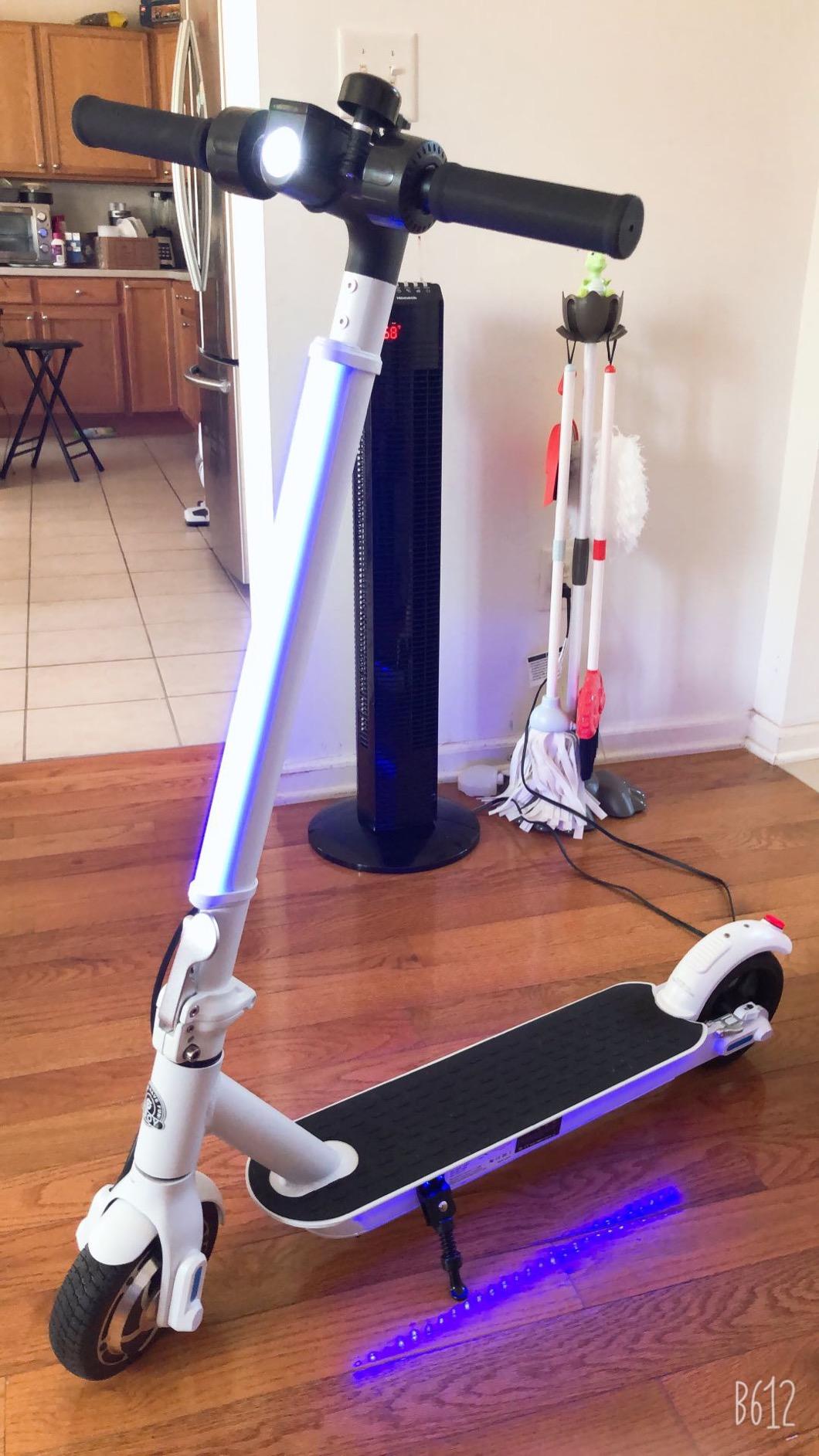
The lighting package is the quiet hero. Four-light coverage with a vertical front light, deck LEDs, and a rear brake LED makes the scooter unusually visible at dusk, which matters more for a younger rider than almost any other spec on the list. UL 2272 certification is stated explicitly on the listing, and Hiboy customer service is repeatedly praised, including full replacements.
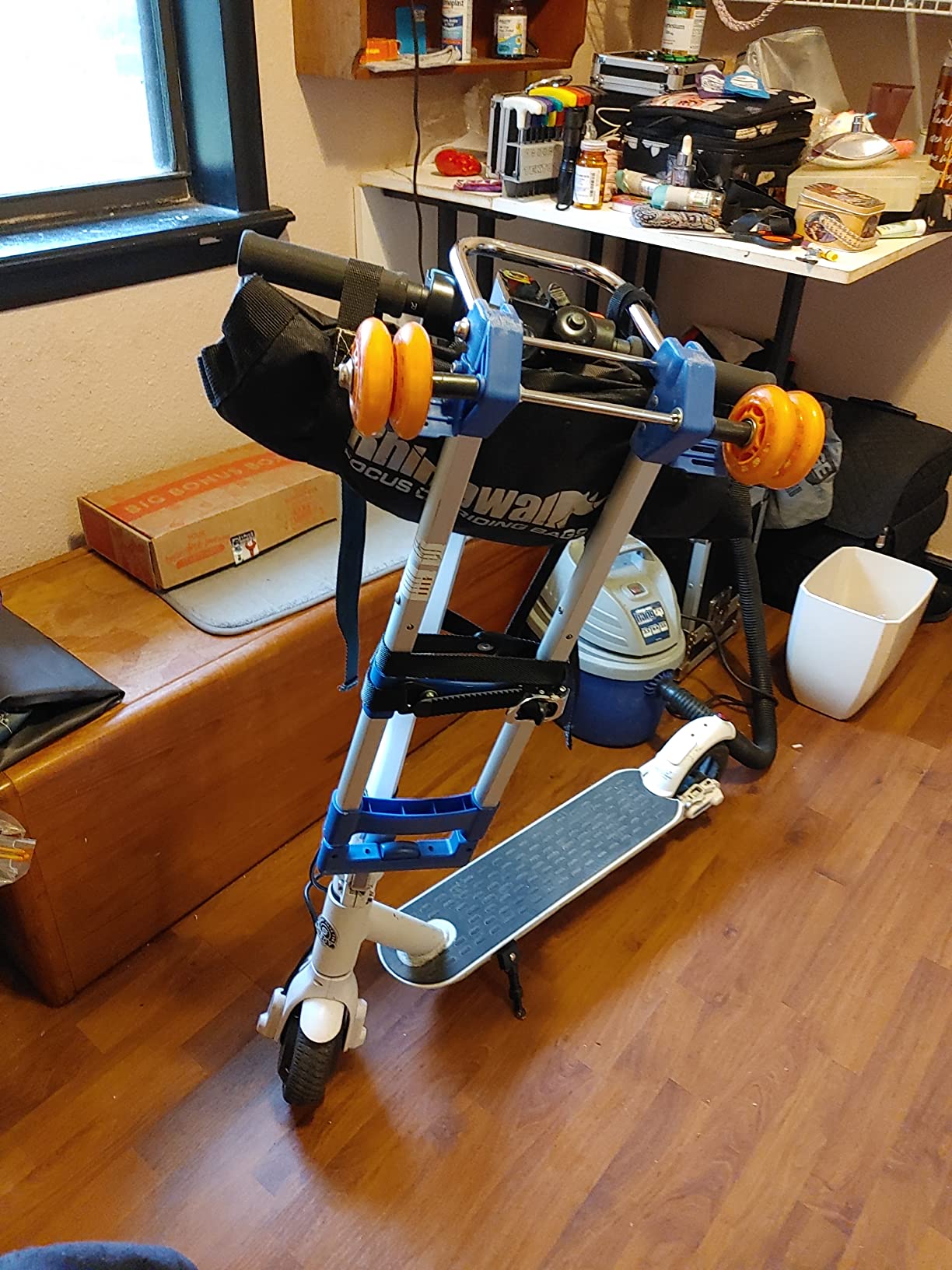
Where it struggles is the surface. The 6.5 inch solid tires with no suspension make cobblestone and brick roads genuinely jolting, the kickstand has heavy stiction that is difficult for a young child to operate, and the brakes decelerate gradually enough to catch an inexperienced rider off guard. There are also several reports of the display or controller dying after the 30-day return window closes, and one owner cracked the plastic rear wheel within weeks.
Who this is built for
A younger teen or older child on smooth suburban streets, learning to ride, with a short commute and parents who will supervise closely. The 13 mph ceiling means a fall produces a scrape rather than a serious injury, and the 180 lb limit fits most kids through their early teens. It also works as a shared scooter for two siblings of different ages on the low setting.
When to step up a size
The 180 lb limit is the issue for a 15 or 16 year old, and the growth spurt math is brutal: a 110 lb twelve year old can be 170 lb in two years. If the rider is already tall for their age, rides rough roads, or wants more than a couple of miles, buy the capacity rather than planning to replace this later. The controller failure reports also argue for buying the model you can live with for a few seasons.
7. iScooter i8M – Best for Rough Roads and Pneumatic Tires
iScooter 350W Electric Scooter for Adults, 19 MPH, 15 Mile Range, Foldable
8.5 inch pneumatic tires
19 mph
27.7 lb
264 lb capacity
dual electronic and disc brakes
Pros
- Pneumatic tires give a noticeably smoother ride than solid-tire rivals
- 27.7 lb frame folds in 3 seconds
- 264 lb capacity suits teens and heavier adults
- Spare inner tube and hardware come in the box
Cons
- Pneumatic tires need occasional inflation and can flat
- Rigid frame with no rear shock so large cracks are still felt
- App and remote lock add friction for riders who just want to ride
The iScooter i8M is the compromise pick for cracked streets. The 8.5 inch pneumatic road tires absorb shocks that the solid-tire scooters in this roundup transmit straight into the rider’s ankles, and that difference is obvious within a mile on rough pavement. The 350W rated motor with 500W peak power gives it genuine pulling power for the weight.
It is also light enough to move at 27.7 lb with a three-second fold, and the 264 lb weight capacity covers a teen who is already tall. Dual braking pairs an electronic front brake with a disc brake, and the smart app with an LED display shows speed, battery, and ride mode while the remote lock helps at a school bike rack.
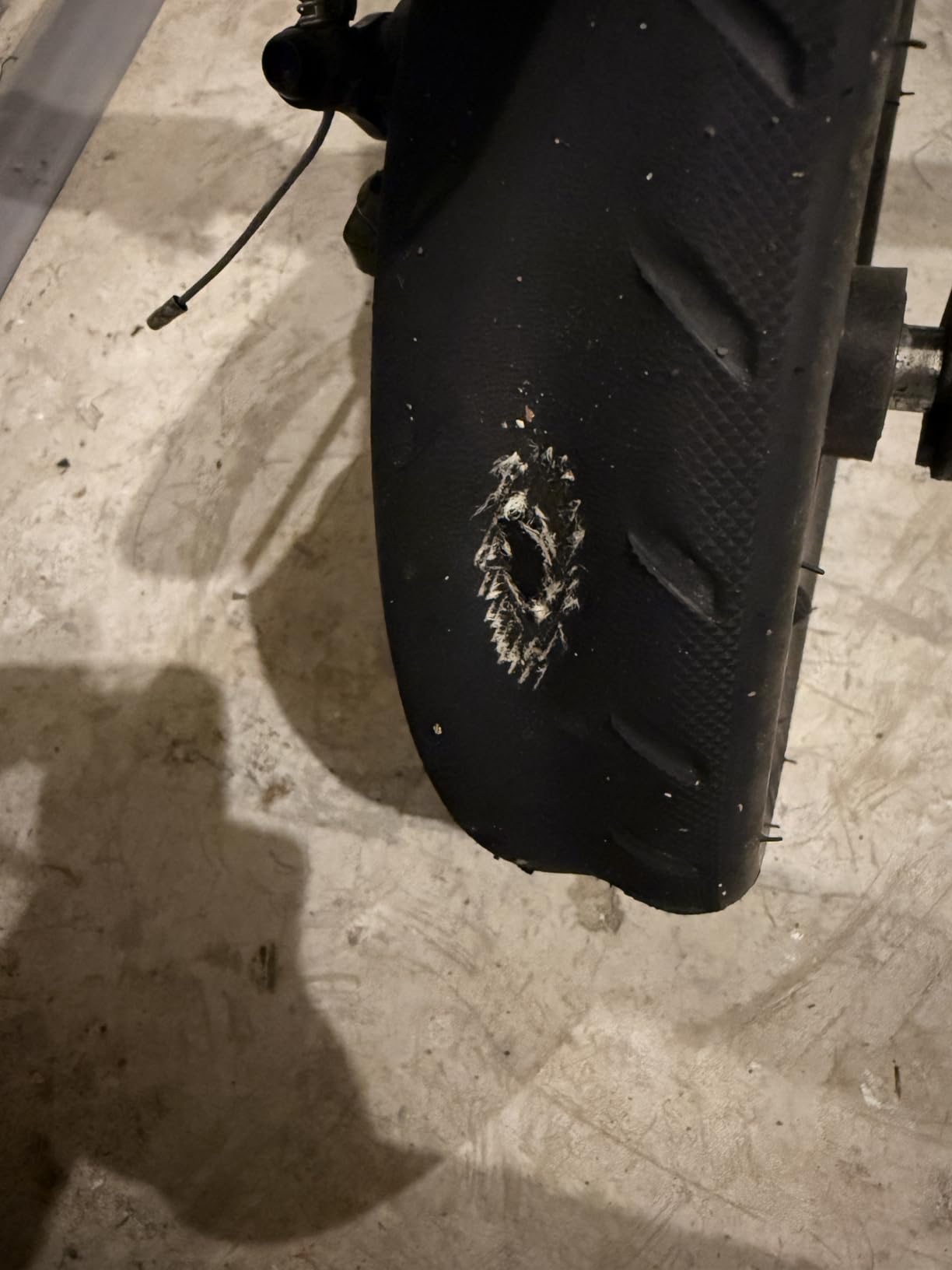
Reviewers like the box contents, which include a charger, a hex wrench, six mounting screws with two spares, and a spare inner tube with an extension hose. That spare tube matters more than it sounds, because a puncture on a solid-tire scooter is a tow home and a puncture on this one is a ten-minute roadside fix using tools already in the box. Headlights and rear tail lights support low-light riding.
The trade-offs are the maintenance reality of pneumatic tires, which need occasional inflation and can still flat, and a rigid frame with no rear shock, so large cracks are still felt. Some riders find the app and remote lock add friction when all they want to do is ride. Real-world range runs below the rated 15 miles, and across this roundup riders should plan on roughly two thirds of any advertised figure.
Why pneumatic tires suit teens specifically
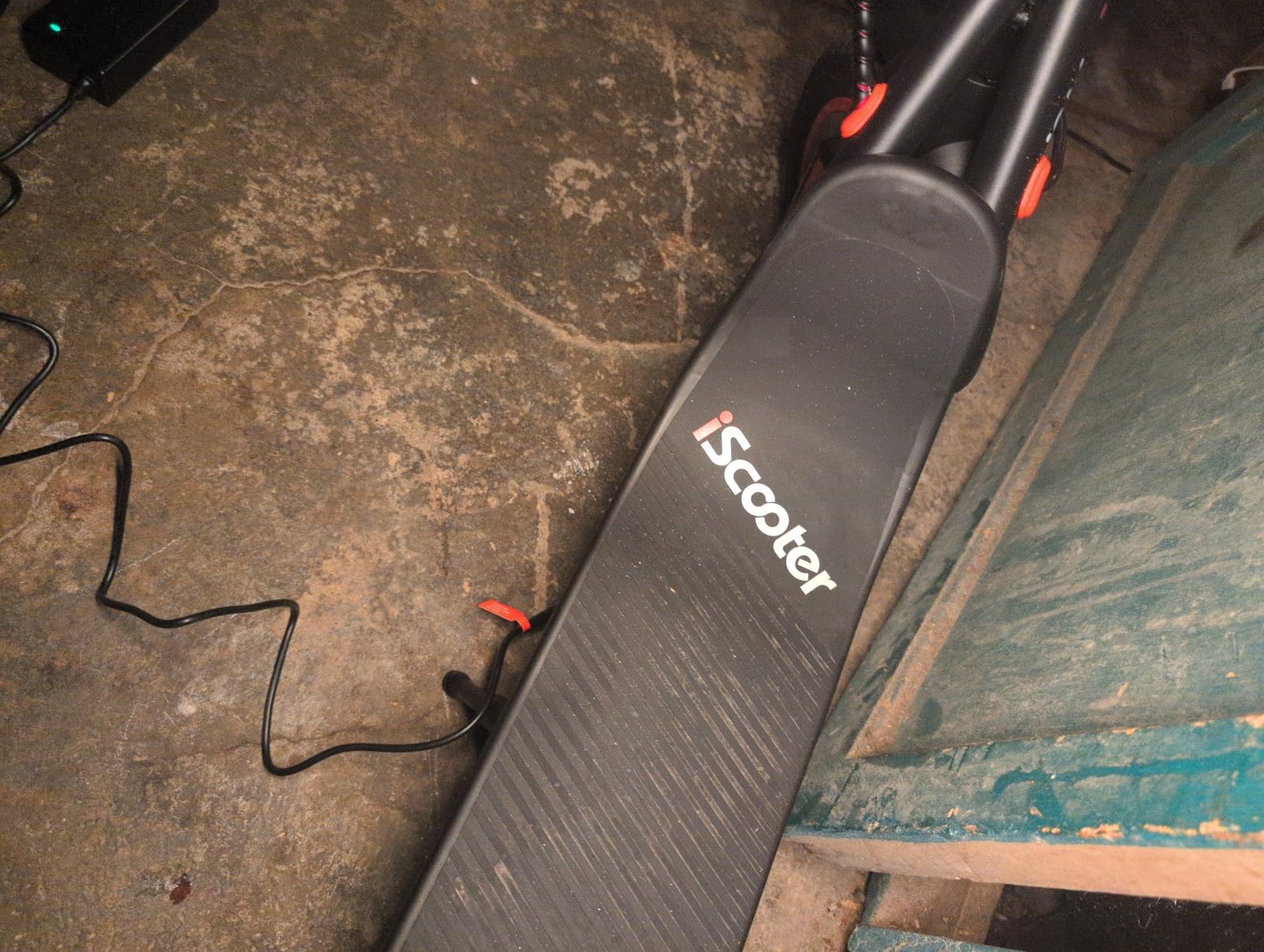
The usual argument for pneumatic tires is ride feel, which a 13 year old will not articulate. The practical argument is better: air-filled tires do not develop the flat-square profile that makes solid tires harsh, and the spare tube in the box means a teenager can repair one. A parent only has to demonstrate it once.
Where the choice costs you
Air pressure is a monthly chore, and a scooter stored in a cold garage will lose pressure faster. If your household will not check tires, choose a solid-tire model and accept the harsher ride instead. The disc brake hardware is also worth keeping clean, since the electronic brake does most of the stopping work on this frame.
8. Razor E300S – Best Seated Scooter for Hills
Razor E300S Seated Electric Scooter for Kids Ages 13+ – 9″ Pneumatic Tires, Removable Seat, Up to 15 mph and 40 min of Ride Time, For Riders up to 220 lbs
15 mph
rear wheel drive
220 lb steel frame
removable seat
9 inch pneumatic tires
Pros
- Rear wheel drive gives real pulling power on inclines
- Removable seat switches between seated and standing
- Alloy steel frame rated to 220 lb
- Plug and play motor battery and throttle are user replaceable
Cons
- Real ride time of 10 to 12 minutes is far below the 40 minute claim
- 52 lb is impractical to load into a car
- Only two speed settings
- Seat padding needs adding
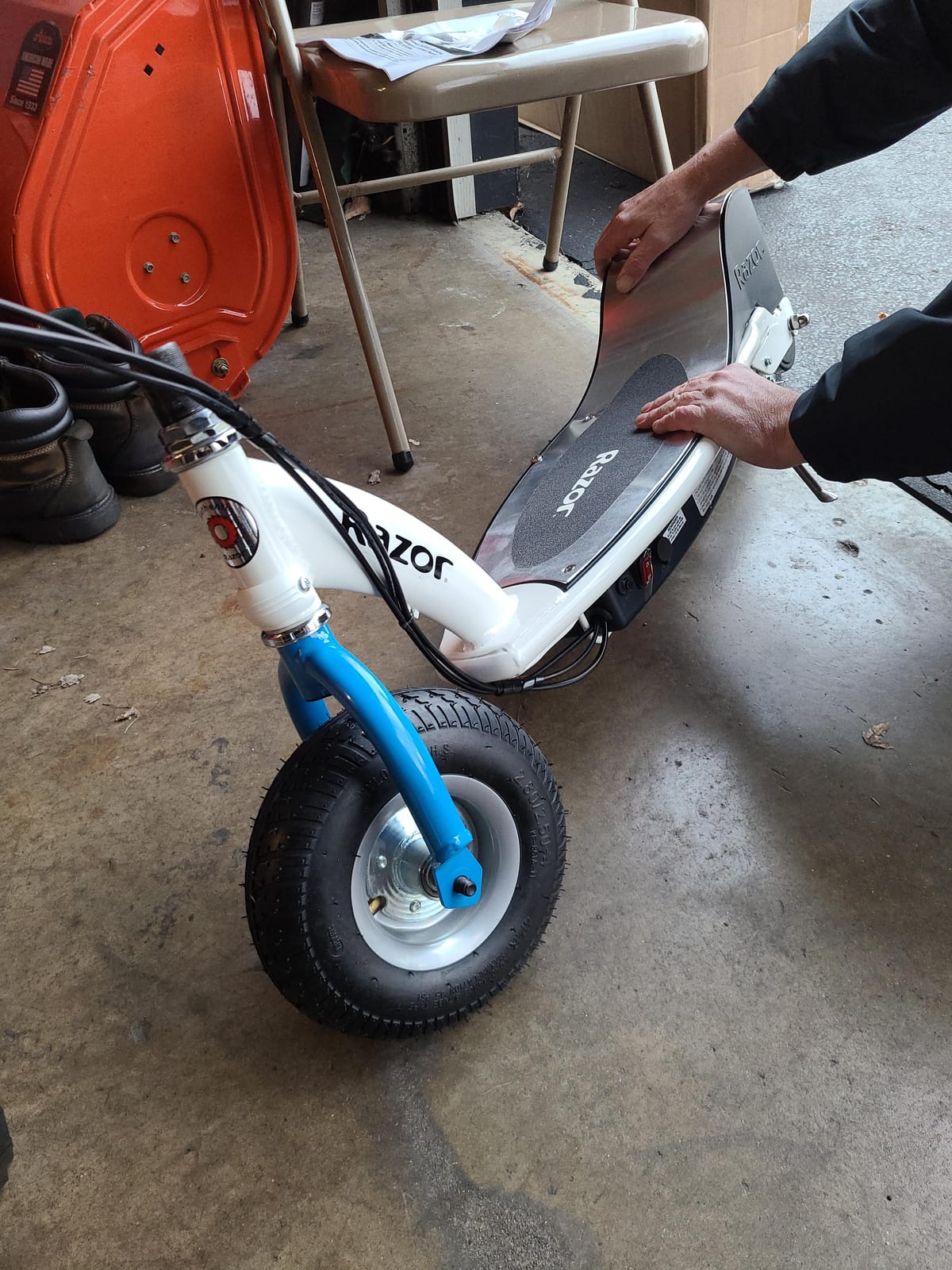
The Razor E300S solves the one problem that stops most teens from riding a seated scooter: hills. The rear wheel drive delivers real traction and pulling power, which owners contrast with the front hub motors that bog down on an incline. The removable seat on a super-sized deck lets a rider stand for a climb and sit on the flat.
The 9 inch pneumatic tires and rear suspension take rough ground, and the alloy steel frame is rated to 220 lb, with one owner reporting comfortable handling at 200 lb. It is also a repairable design, with plug and play motor, battery, and throttle swaps that a determined owner can do at home. It is frequently bought as a gift for pre-teens, and it is a proven platform.

The honest weakness is the range claim. The listing quotes up to 40 minutes of continuous ride time, and owners report 10 to 12 minutes in practice. The two speed settings mean a rider gets full speed or nothing, there is no app and no parent control, and the seat padding needs replacing before it is comfortable.
It also struggles with any incline once the battery is low and can overheat against a headwind, and at 52 lb it is impractical to load into a car. Owners report quality control issues on arrival, including broken seats and units that barely moved, and the redesigned rear wheel has turned tire replacement into a shop job rather than a roadside fix. The 90-day warranty is one of the thinnest in the roundup.
Where the rear-wheel-drive format wins
Any route with a genuine climb, a tow path, or a bike path that connects to a trail. The drive format keeps pulling at low speed, which is exactly the situation that strands a front-hub scooter halfway up a hill. For a teen who rides for fun rather than for efficiency, the most valuable spec on the whole card.
What to weigh before buying
You are buying a mechanism, not a commute tool. There is no speed control for a parent, no app, and a real ride time closer to a quarter of an hour. If the scooter has to be carried, carried up stairs, or carried between classes, this is the wrong format entirely. Save it for a rider with a garage and a route that includes a hill.
9. Gotrax A3 – Best Seated Scooter That Grows With Your Teen
Gotrax A3 12″ Electric Scooter with Seat for Adults & Teens, 9.5-Mile Range
15.5 mph
adjustable seat and handlebar
12 inch pneumatic tires
220 lb capacity
UL-2272
Pros
- Adjustable seat and handlebar adapt as the rider grows
- 12 inch pneumatic tires with rear shocks smooth uneven ground
- 90 percent pre-assembly so setup needs no skill
- UL-2272 compliant with a 365 day warranty
Cons
- 9.5 mile range is the shortest of the seated GoTrax models
- About 52 lb is heavy to carry manually despite the fold
- Drum brakes stop more slowly than disc setups
The Gotrax A3 is the growth-spurt answer in seated form. Both the seat and the handlebar adjust, so a 12 year old and a 17 year old can share the same scooter, which is the single most common way parents extend the life of a purchase. The 220 lb weight capacity and the 12 inch pneumatic tires with rear shock absorption support that plan.
The 350W rated motor with 400W peak power reaches 15.5 mph, and the 187.2Wh battery is rated to 9.5 miles. It folds to 28.7 by 18.5 by 25.5 inches, which fits a car boot, and it arrives 90% assembled so a parent can set it up without technical skill. Front and rear lights plus a bell improve street awareness, and UL-2272 compliance comes with a 365-day warranty.
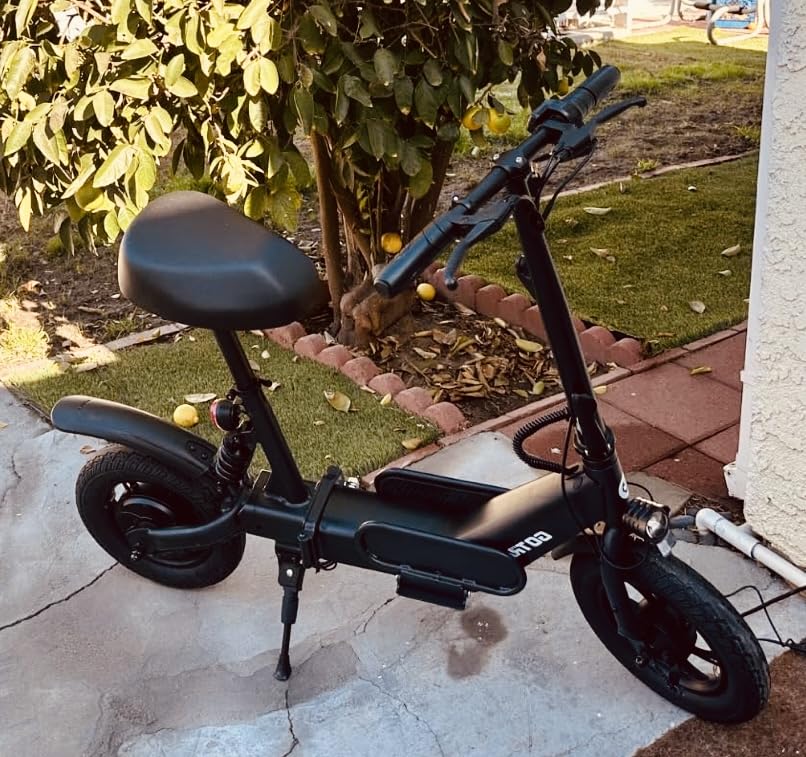
Buyers consistently name the adjustability, the tire and shock package, and the simple assembly as the reasons they are happy. The fold is genuinely compact for a seated scooter, which is unusual, and the fact that it does not feel flimsy at the top of its height range is a repeated comment. The 9.5 mile range is the shortest of the seated GoTrax models, so this is a short-hop machine rather than a long-route one, and the single 354-review base means the long-term record is still thin.
The limits are real. At about 52 lb it remains heavy to carry manually despite the fold, and the drum brakes provide slower stopping than a disc setup, which matters on a heavier machine.
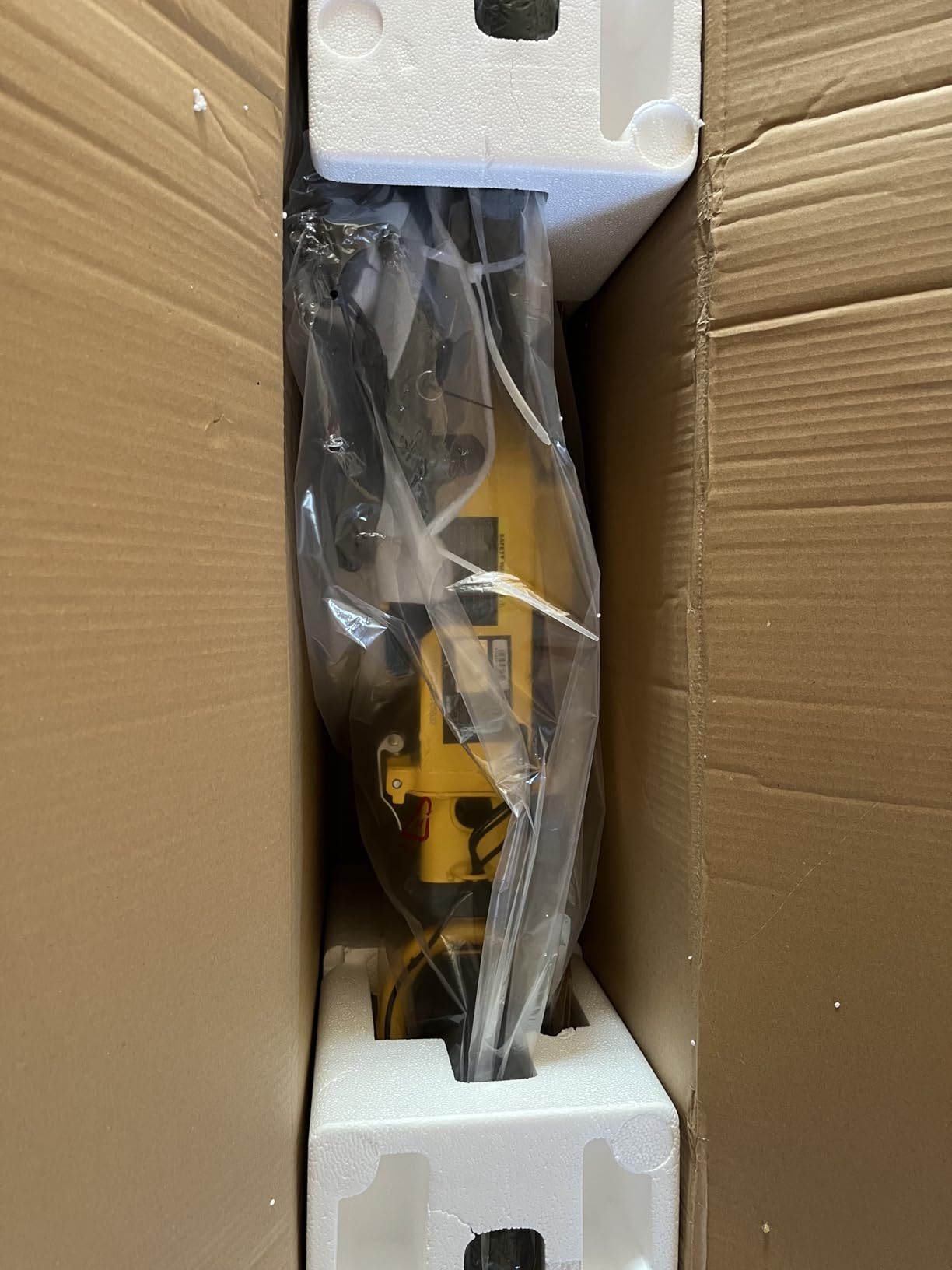
Who benefits from an adjustable seat
Families with two riders close in age, a tall teen who will keep growing, and anyone planning to keep the scooter for more than a season. Being able to raise the bars in March and the seat in September is worth more than any spec upgrade, because it is the difference between a scooter that is used and one that sits in a garage.
When to choose the longer-range seated model
If the route is longer than five miles each way, choose the A5 seated model instead, because the extra battery is what makes a longer ride possible. The 9.5 mile claim already drops once a rider is at full speed or climbing. For riders under 150 lb who will stay that way, this capacity is generous rather than essential.
10. Hiboy S2 NOVA – Best for Long Rides and Bad Weather
Hiboy S2 NOVA Electric Scooter, 430W Peak Motor, 19 MPH, 20-Mile Range
430W motor
19 mph
20 mile claim
IPX5 rated
34.5 lb
220 lb capacity
Pros
- 430W motor handles 15 percent slopes
- 20 mile rated range covers a long round trip
- IPX5 sealing holds up in drizzles
- Bright front light side markers and taillights for dusk
Cons
- 34.5 lb is one of the heavier frames in the roundup
- 6 hour charge time is among the longest
- Only 179 reviews so the long term record is thin
The Hiboy S2 NOVA is the newest design in this roundup and the one built for a teen who will actually ride a distance. The 430W motor is rated for 15 percent slopes, and the 36V 9Ah battery with BMS protection is rated to 20 miles, the longest claim among the heavier scooters here. The IPX5 waterproof design is a genuine differentiator for year-round commuting.
The tire setup is a sensible compromise, a solid front wheel that resists punctures plus an air-filled rear with 35 mm of suspension to absorb the worst of the road. Synchronized dual brakes, a front eABS paired with a rear drum, reduce the forward jolt on a sudden stop, which is exactly the complaint most riders raise about stand-up models. The 26 foot front light, side markers, and taillights give it an unusually complete visibility package.
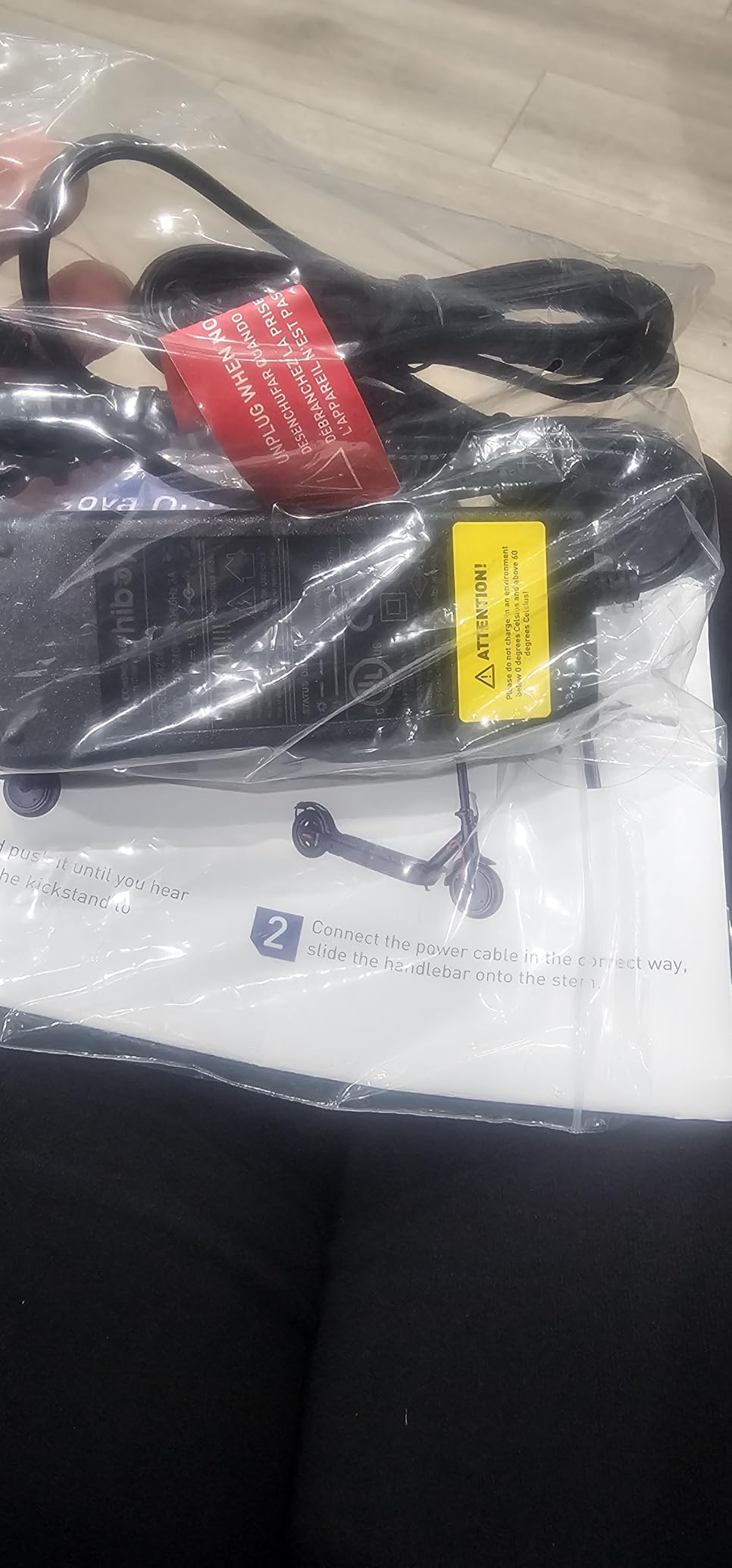
Owners highlight the motor, the range, the weather sealing, the rear suspension, and the lighting across a 4.3 average. App control is present, and the 220 lb capacity works for most teen riders. For a longer route with hills and rain, this is a well-rounded package.
The costs are weight and charging patience. At 34.5 lb it is one of the heavier frames here, which is a real problem for a teenager who has to move it alone, and the 6 hour charge time is among the longest, so charging has to be planned overnight. The limited review base also means long-term durability is unproven, and the solid front tire is less forgiving on broken pavement than a fully pneumatic setup.
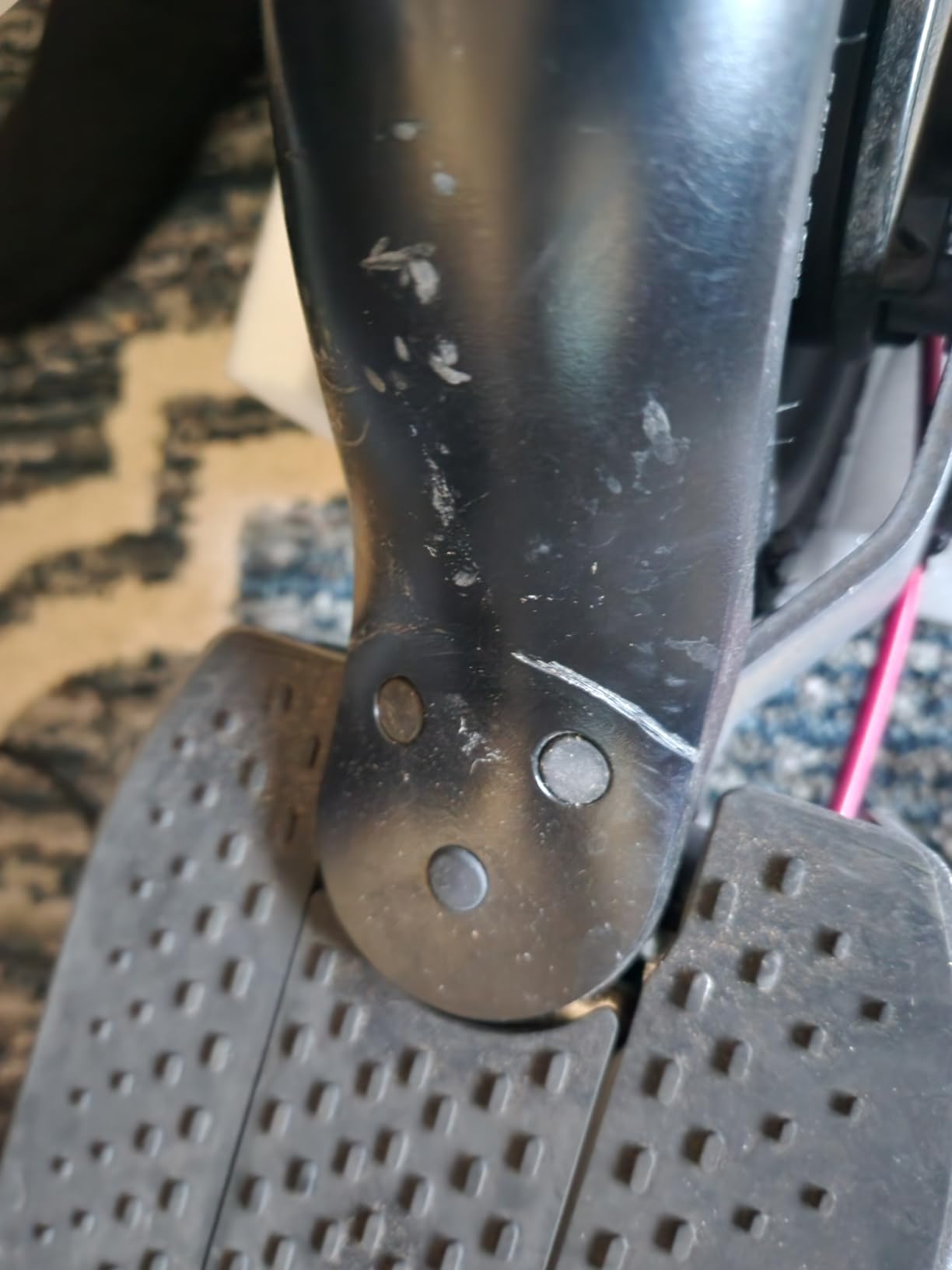
Where a 430W motor actually earns its place
Grades, headwinds, and a heavier rider. A 350W motor has to work hard to hold pace on a 15 percent slope with a 170 lb teenager aboard, and it does so by draining the battery faster. If the commute has one real hill, this motor absorbs the problem rather than pushing it into the rider’s legs and the battery.
What the thin review base means for you
A 4.3 average across 179 reviews tells you the early cohort is happy, not that the design has survived four seasons. Treat the first six months as an evaluation period, keep the packaging, and register the warranty. If a longer-established model is close on features, that is a reasonable reason to wait.
What Age Is Right for an Electric Scooter?
There is no single answer, because manufacturer minimum ages and legal speed caps diverge, and because a 15 year old who rides every day is a different case from a 15 year old who has never tried one. The framework below is what we use, and it maps each band to a speed ceiling, a weight capacity, and a class of scooter.
Age 11 to 13. Look for a hardware speed cap at or below 13 mph, a frame between 22 and 27 lb, and a throttle a child can control with one hand. Riders this age cannot yet modulate speed well, and a throttle that engages instantly is the single biggest risk. The Hiboy S2 Lite and the WERHY H0 both fit this band, and both are easy for a smaller rider to control at low speed.
Age 14 to 15. This is where most teen scooters live, and where the 15 to 19 mph band starts to make sense. Prioritize an app-based speed cap, a weight capacity of 176 lb or more, and a frame the rider can carry. The Gotrax GXL V2, MAXSHOT, and iScooter i8M all sit here.
Age 16 to 18. A 19 to 20 mph ceiling is defensible, real brakes and suspension start to matter, and the weight capacity conversation becomes about a rider who may already be near 200 lb. Seated formats and pneumatic tires also become reasonable at this point. Anything faster than 20 mph stops being a teen scooter and becomes an adult machine.
On the manufacturer age question specifically: two of the models here are listed for ages 13 and up, and the rest are listed as adult platforms, which is a labelling convention rather than a safety rating. Treat the listed age as a floor and the speed cap as the real guide. If the teenager cannot lift the scooter and stop it comfortably at walking pace, they are not ready for a faster one.
Local Laws, Sidewalk Rules and School Bans
This is the section that decides whether a scooter is useful at all, and no roundup we compared covers it properly. E-scooter rules are set at city and sometimes state level, they are enforced with fines, and they change. Many municipalities cap shared and private e-scooters at 15 to 20 mph, prohibit riding on sidewalks in some districts while requiring bike lanes in others, and set a minimum rider age that is frequently 16.
Check three things before you buy. First, whether the rider is above the local minimum age, which is often higher than the manufacturer’s own guidance. Second, where a private scooter may legally be ridden, because a ban on sidewalks can push the whole route into traffic. Third, the school property rule, because a large share of high schools and districts ban or restrict e-scooters on campus, and a scooter that cannot enter the building is a scooter that sits in a bike rack all day.
Theft is the practical version of the same problem. Scooters left at school bike racks disappear, and the fix is a lock rather than a faster scooter. Treat a folding scooter lock as a required accessory in the first-year budget, not an optional extra.
Battery Safety and Charging Habits
Lithium-ion battery fires are rare and usually traceable to charging practice rather than to a scooter failing in motion. The single most useful buying filter is UL 2272 certification, which tests the battery and electrical system of a personal e-mobility device; every UL-certified model in this roundup states it explicitly, and it is worth checking on any listing.
Charge on a hard, dry, non-flammable surface in a ventilated space. Never charge overnight on a bed, a carpet, or a sofa, and never leave a charging scooter unattended, because a thermal event can go from nothing to a full battery fire in minutes. Keep the charger with the scooter rather than storing it in a garage across town, and store the scooter in a cool, dry place rather than a freezing shed or a hot attic.
Watch the battery rather than the range counter. If a pack swells, bulges, smells unusual, or gets hot while charging, stop using the scooter and have the pack replaced rather than topped up. Budget for battery replacement as a maintenance item across the life of the scooter, and prefer a brand with parts availability, because a dead pack on an unsupported model ends the purchase. Charge times here range from 3 to 12 hours, and the slowest chargers are the ones most likely to be plugged in and forgotten, so plan around the long ones rather than the short ones.
How to Choose a Teen Scooter: Nine Specs That Matter
1. Speed cap, not top speed. The number that matters is the ceiling a parent can set, not the 19 mph on the box. An app that sets a custom maximum speed is worth more than any other single feature at this age.
2. Weight capacity above 176 lb. A 110 lb twelve year old can be 170 lb within two years. A 154 lb limit is a two-season purchase, and a 220 lb limit usually means the scooter outlives the growth spurt.
3. Real weight the teen can move. Anything over about 35 lb becomes hard to use daily for most teenagers. Our 22 lb and 23.2 lb picks are the ones most likely to be ridden rather than stored.
4. UL 2272 certification. This is the standard for an e-scooter battery and electrical system, and it is the cheapest risk reduction available. Every top-three pick states it.
5. Braking, honestly assessed. A dual system with an electronic or EABS front brake and a drum or disc rear brake is the standard here. Foot-only fender brakes are a step down, and owners report gradual deceleration that surprises new riders.
6. Tire type matched to the road. Solid and honeycomb tires need no maintenance and never flat, which suits a teenager who will never check pressure. Pneumatic tires absorb much more, repair with the spare tube in the box, and a monthly pressure check, so the decision really comes down to how much maintenance your household will actually do.
7. Suspension, if the route is rough. A front shock is the minimum on broken pavement. Dual suspension and a pneumatic rear wheel are the two upgrades that make a rough-weather commute survivable.
8. Lighting, judged by coverage. A single front headlight is not enough for dusk riding. Deck LEDs, side markers, and a taillight are what make a teenager visible from the side, which is where most scooter collisions are reported.
9. Support and warranty length. A 365-day warranty with a brand that sends replacement parts beats a longer warranty from a seller that issues refunds. Both GoTrax and Hiboy score well on support, and that is what turns a dead controller from a loss into a repair.
Two brands come up repeatedly in the questions we were asked, so here is the short version. Segway-Ninebot builds the most polished app ecosystem and the most capable speed control, and it is the usual answer when a parent wants a genuine digital speed limit, but the models aimed at adults are performance machines that do not belong on a teen list. GoTrax wins on lightness, affordability, and parts support. Hiboy wins on lighting and on genuinely youth-rated speed limiting. Razor wins on durability, repairability, and seated formats.
What to Avoid: Scooters That Are Not Teen Scooters
Anything above 20 mph. Models marketed at 28, 40, and 50 mph appear in adult roundups framed as teen picks. They are adult machines with adult stopping distances, and forum consensus is blunt that teens cannot be trusted near those limits.
Frames over 35 lb. A scooter a teenager cannot move alone becomes a scooter that is never used.
Weight limits under 150 lb. These are purchased for a year and resold immediately.
Non-UL-certified budget imports. If the listing does not mention UL 2272 anywhere, treat that as a decision.
Heavy 500W-plus models sold to parents of 12 year olds. More power does not make a younger rider safer, and it makes the scooter heavier to carry.
For the adult market, including the performance models we deliberately excluded here, read our adult scooter roundup instead.
Frequently Asked Questions
Which electric scooter is best for a 13 year old?
For a 13 year old, pick a scooter with a hard speed cap at or below 13 mph, a frame under 27 lb, and a modest motor. The Hiboy S2 Lite and the WERHY H0 both fit: each weighs about 22 to 23 lb, folds in seconds, and is easy for a new rider to control at low speed. Avoid anything with a 19 mph ceiling, regardless of how it is described.
Can a 13 year old use an electric scooter?
Usually yes, with conditions. Many cities set a minimum rider age of 16 for e-scooters, and some high schools ban them on campus entirely, so check your local ordinance and school policy before buying. Manufacturer guidance ranges from youth platforms rated 10 and up to adult-labelled models. The practical limits are local law, the school rule, and whether the rider can control the scooter at walking pace.
What kind of scooter is appropriate for a 15-year-old?
A 15 year old can handle the 15 to 19 mph band, which is where most teen scooters sit. Look for an app-based speed cap a parent can lock, a weight capacity of 176 lb or more to survive a growth spurt, dual braking, and a frame the teen can carry. The Gotrax GXL V2 and the MAXSHOT both sit in this band, while the WERHY H0 suits smaller riders who need a lighter carry weight.
Is Hiboy or GoTrax better for a teenager?
Hiboy is the stronger choice for a younger or more cautious rider, because its youth-rated S2 Lite has a 13 mph hardware cap, a four-light visibility package, and UL 2272 certification. GoTrax is the stronger choice for a teen who rides longer distances, because its frames are lighter at 27 lb, its 220 lb capacity outlasts a growth spurt, and its support sends replacement parts and whole replacements. Riders who value seated formats, cargo, and rough-road comfort often end up with GoTrax as well.
Are adult electric scooters safe for a 15 year old?
No. Adult performance models above 20 mph carry stopping distances and power levels that a teenager cannot reliably manage, and most forum discussion on the topic agrees. They are also heavier, harder to carry, and usually more expensive to repair. For a 15 year old, the same money buys a lighter frame, dual brakes, a speed cap, and enough range, which is the better trade by a wide margin.
Final Verdict: The Best Electric Scooters for Teens in 2026
After six weeks of comparison, the Gotrax GXL V2 remains the best electric scooter for teens overall in 2026, because it balances a 15.5 mph ceiling, a 27 lb carry weight, a 220 lb rating, and UL2272 certification without a single disqualifying flaw. Buy the MAXSHOT when an app speed cap is the deciding factor, the Hiboy S2 Lite when the rider is younger and smaller, and the iScooter i8M when the roads are rough.
Whatever you choose, set the speed cap on day one, charge it on a hard dry surface, and check your local law and your school’s policy before the first ride. Those three steps do more for a teenager’s safety than any spec on this list.
Disclosure: As an Amazon Associate we earn from qualifying purchases. This guide was updated in 2026 and reflects six weeks of comparison across 10 models.