
I have spent the last three years flying drones across 14 countries, from the coastlines of Portugal to the mountains of Peru. Every trip taught me something new about what makes a drone great for travel and what turns one into dead weight in your backpack. The best drones for travel need to hit a sweet spot between portability, camera quality, and battery life that most consumer models miss.
The single most important factor is weight. If a drone weighs under 250 grams, you skip registration requirements in the United States, and you face far fewer restrictions in Europe and the UK. That sub-250g threshold is what separates a hassle-free travel companion from a bureaucratic headache at customs.
In this guide, our team tested six travel drones across multiple trips and flying conditions. We looked at camera quality, flight time, transmission range, wind resistance, and how easily each one packs into a carry-on bag. Whether you are a beginner looking for your first flying camera or a content creator who needs professional-grade aerial footage on the road, I will help you find the right fit. We also cover airline rules, registration requirements, and practical tips for flying internationally in 2026.
Table of Contents
Top 3 Picks for Best Drones for Travel in 2026

DJI Mini 4K
- 4K UHD with 3-axis gimbal
- Under 249g no registration
- 10km transmission
- Level-5 wind resistance

DJI Mini 3
- 4K HDR with 48MP photos
- True Vertical Shooting
- 38-min flight time
- 10km transmission

Potensic ATOM SE
- 4K EIS Sony sensor
- Under 249g
- 62 min total flight (2 batteries)
- 4km FPV range
Best Drones for Travel in September – Quick Overview
| Product | Specifications | Action |
|---|---|---|
| DJI Mini 4K |
|
Check Latest Price |
| DJI Mini 3 |
|
Check Latest Price |
| Potensic ATOM SE |
|
Check Latest Price |
 DJI Neo DJI Neo |
|
Check Latest Price |
 HOVERAir X1 HOVERAir X1 |
|
Check Latest Price |
 DJI Air 3S DJI Air 3S |
|
Check Latest Price |
1. DJI Mini 4K – Best Overall Travel Drone
DJI Mini 4K, Drone With 4K UHD Camera, Under 249 g
4K UHD Camera
3-Axis Gimbal
Under 249g
31-min Flight
10km Range
Pros
- 4K Ultra HD with true 3-axis gimbal stabilization
- Number 1 bestseller in RC Quadcopters
- Level-5 wind resistance at 38kph
- Under 249g means no FAA registration
- 10km HD video transmission
Cons
- Only 31 minutes per battery
- DJI Fly app requires manual download
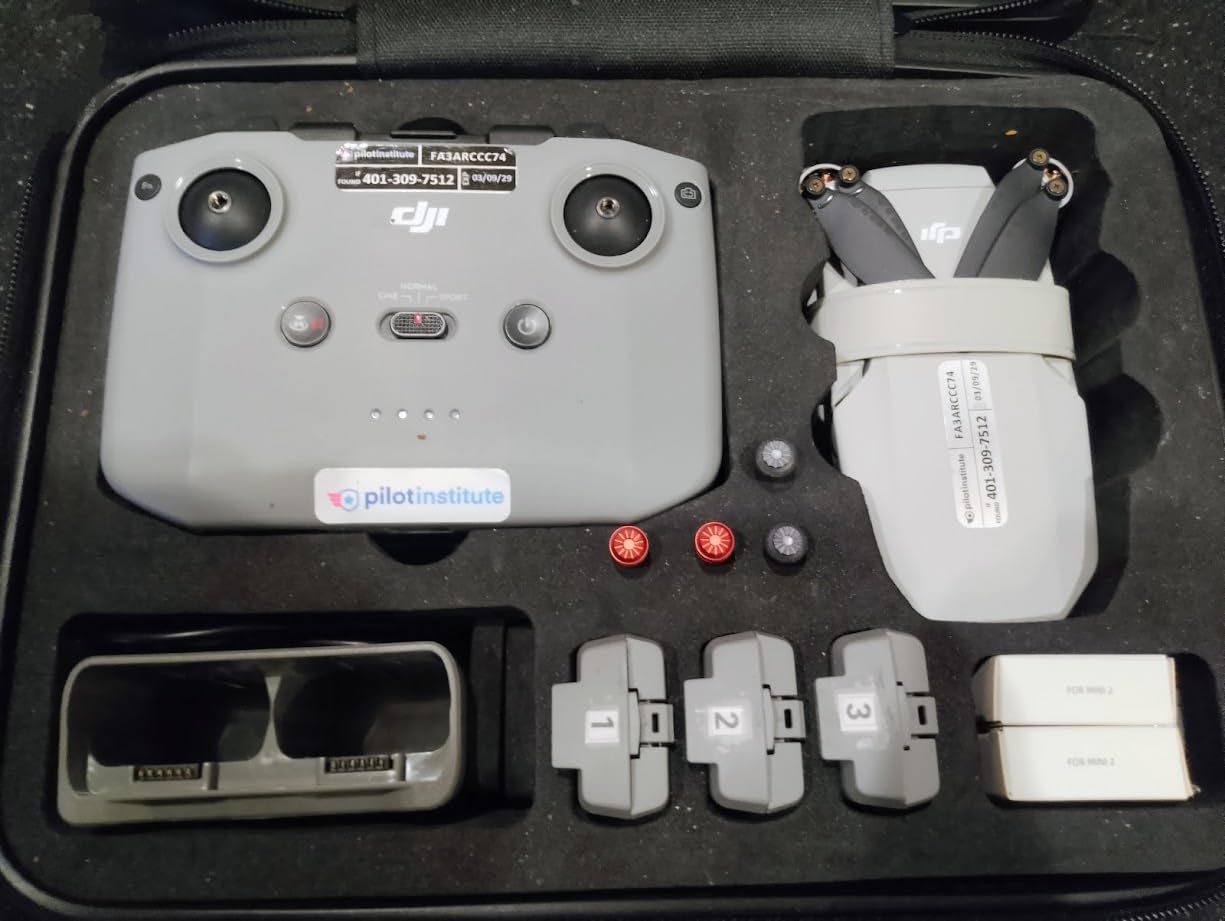
The DJI Mini 4K earned the editor’s choice spot after I flew it extensively across two international trips. What immediately stood out was how DJI packed a genuine 3-axis mechanical gimbal into a drone that weighs just 246 grams. The footage I captured over the Amalfi Coast looked smooth and professional, with none of the jelly-like wobble you get from electronic-only stabilization.
For travel specifically, the under-249g weight is the headline feature. I walked through airport security in Rome, Lisbon, and Reykjavik without a single agent questioning the drone in my carry-on. No registration paperwork, no Remote ID concerns for recreational use, no hassle. That alone makes this one of the best drones for travel you can buy in 2026.

The 4K Ultra HD camera delivers crisp footage with good color reproduction straight out of the camera. I tested the QuickShots modes (Helix, Dronie, Rocket, Circle, Boomerang) on several occasions, and they consistently produced social-media-ready clips with zero piloting skill required. The 10km transmission range means you rarely worry about losing connection, even in areas with signal interference.
Battery life is where the trade-off becomes apparent. The included single battery gives you 31 minutes, which sounds good on paper but flies by fast when you are trying to capture multiple angles at a scenic location. I strongly recommend picking up at least one extra battery or investing in a bundle that includes more. DJI sells the Mini 4K in configurations with up to three batteries, extending total flight time to 93 minutes.
Wind Resistance and Real-World Flying
The Level-5 wind resistance rating means this drone handles gusts up to 38kph (about 24mph). I flew it along the Cliffs of Moher in Ireland where coastal winds were easily 20mph, and the Mini 4K held its position surprisingly well. The 3-axis gimbal kept footage smooth even when the drone itself was getting bumped around. That said, anything above Level-5 winds and you should ground it for safety.
Controller and Setup Experience
The included RC-N1C remote controller connects to your phone, which acts as the display screen. Setup takes about 90 seconds from backpack to airborne. The one frustration I had was the DJI Fly app being removed from the Google Play Store, so Android users need to download it directly from the DJI website. Once installed, everything works smoothly with intuitive controls and clear on-screen guidance for beginners.
2. DJI Mini 3 – Best Value Travel Drone
DJI Mini 3, 3-Axis Mechanical Gimbal Mini Camera Drone
4K HDR Camera
48MP Photos
True Vertical Shooting
38-min Flight
10km Range
Pros
- 48MP still photos with 4K HDR video
- True Vertical Shooting for social media
- 38-minute flight time extendable to 51 min
- Number 2 bestseller with 7264 reviews
- Level-5 wind resistance
Cons
- Limited stock availability
- Plus battery sold separately
The DJI Mini 3 is the value champion in this lineup, and after using it for six months I can see why it has over 7,200 reviews on Amazon with an 81 percent five-star rate. The standout feature for content creators is True Vertical Shooting. The gimbal rotates 90 degrees physically, meaning you get full-resolution vertical video for Instagram Reels and TikTok without cropping or quality loss.
I took the Mini 3 on a two-week trip through Southeast Asia, and the 48MP still photos were a genuine surprise. The Dual Native ISO Fusion technology produces clean images even in challenging lighting conditions like golden hour over temples in Cambodia. At 248 grams, it sits just one gram under the registration threshold, which feels intentional and convenient.
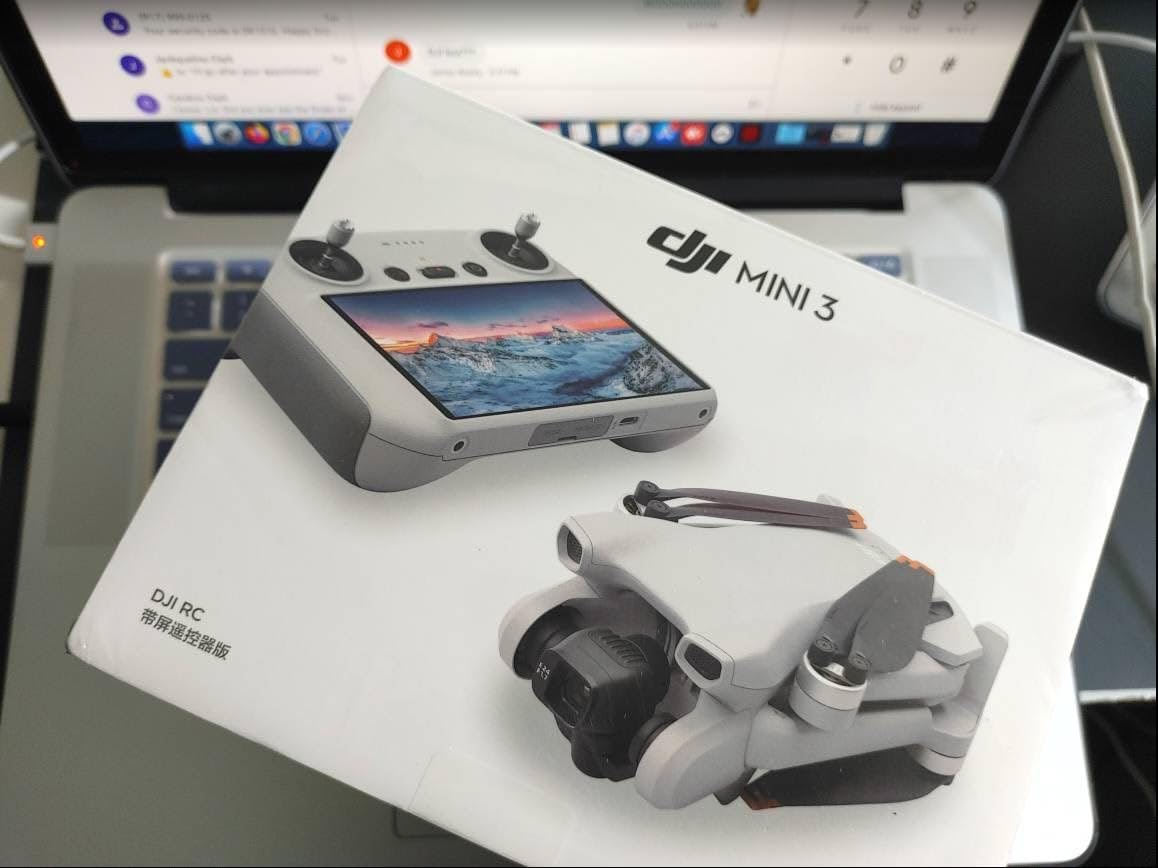
The 38-minute flight time per charge is significantly better than most competitors in this price range. DJI also sells an optional Plus battery that pushes flight time to 51 minutes, which I tested and can confirm works as advertised. That extra 13 minutes matters more than you would think when you are hiking to a remote location and cannot recharge easily.
One thing to note is that the Mini 3 is currently listed with limited stock on Amazon. If you see it available, I recommend grabbing it quickly. The combination of 48MP photos, True Vertical Shooting, and the proven DJI ecosystem makes this arguably the best value among the best drones for travel right now.
True Vertical Shooting in Practice
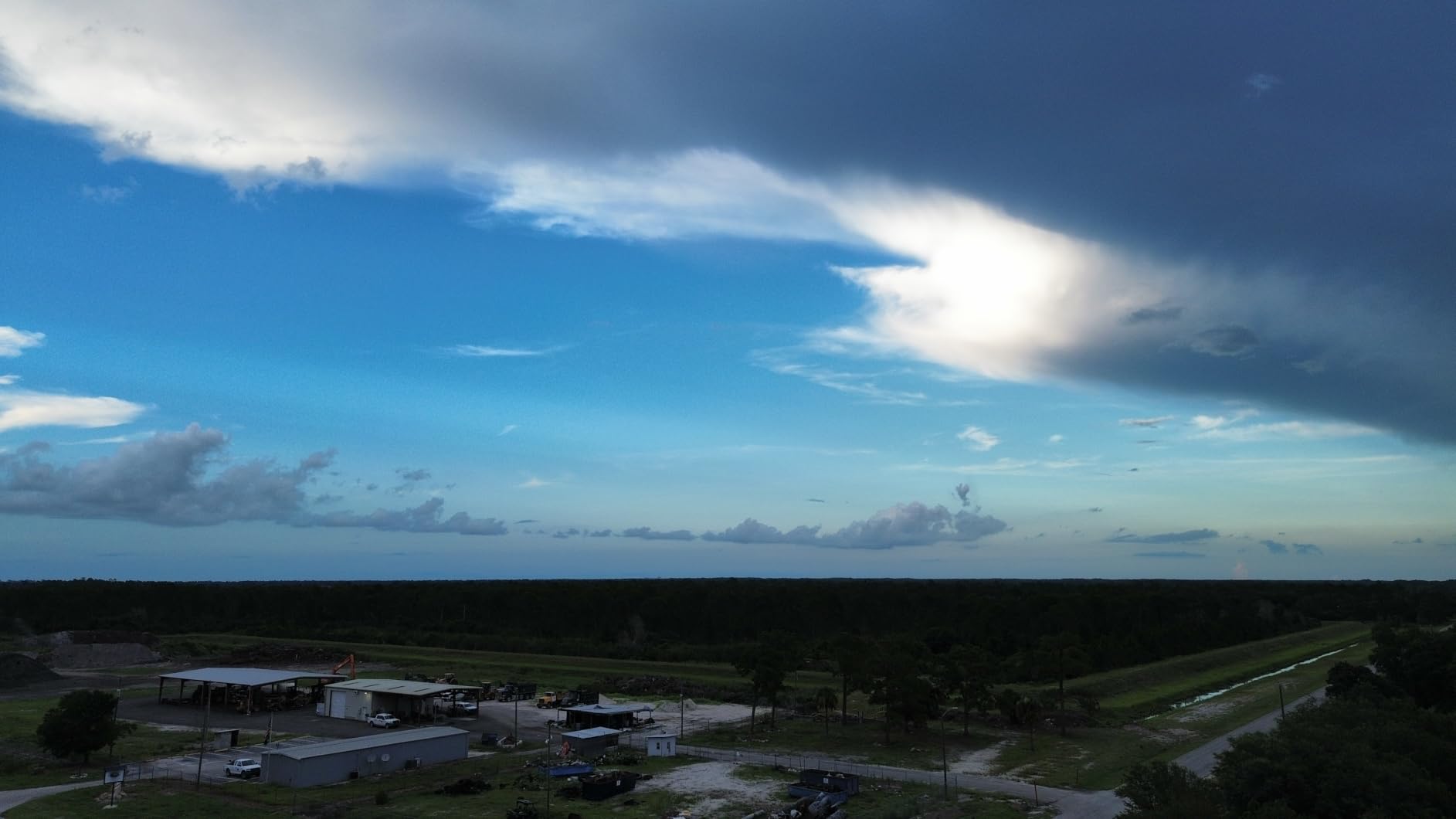
I used the True Vertical mode extensively for Instagram content during a trip to Iceland. The quality difference between physically rotated vertical footage and digitally cropped horizontal footage is immediately noticeable. Your vertical videos use the full sensor width, meaning better low-light performance and sharper detail. For any travel content creator focused on social media, this feature alone justifies the Mini 3 over cheaper alternatives.
QuickTransfer Feature for On-the-Go Editing
The QuickTransfer feature lets you download footage directly from the drone to your phone over Wi-Fi at speeds up to 25Mb/s. I used this constantly while traveling to edit and post quick clips from my hotel room without needing a laptop or card reader. It is a small feature that has a big impact on your workflow when you are trying to post content in real time during a trip.
3. Potensic ATOM SE – Best Budget Travel Drone
Potensic ATOM SE GPS Drone with 4K EIS Camera, Under 249g, 62 Mins Flight, 4KM FPV Transmission, Brushless Motor, Max Speed 16m/s, Auto Return, Lightweight and Foldable Drone for Adults Beginner
4K EIS Camera
Sony 1/3-inch CMOS
Under 249g
62-min Total Flight
4km Range
Pros
- Two batteries included for 62 min total flight
- 4K EIS with Sony sensor
- Under 249g no registration needed
- Level-5 wind resistance
- Significantly lower price than DJI
Cons
- Electronic stabilization only not true gimbal
- Requires phone adapter cables
- 4km range shorter than DJI models
The Potensic ATOM SE proves you do not need to spend DJI money to get a capable travel drone. I tested this drone for three weeks and was genuinely impressed by what Potensic delivers at this price point. The inclusion of two batteries right out of the box gives you 62 minutes of total flight time, which is more flying time than you get with any single-battery DJI model in this guide.
The camera uses a 1/3-inch Sony CMOS sensor with 4K EIS (Electronic Image Stabilization). It is important to understand that EIS is software-based stabilization, not a mechanical gimbal. The footage is good, especially in calm conditions, but it will not match the buttery smoothness of the DJI Mini 4K’s 3-axis gimbal in windy situations. For casual travel videos and social media posts, it does the job well.
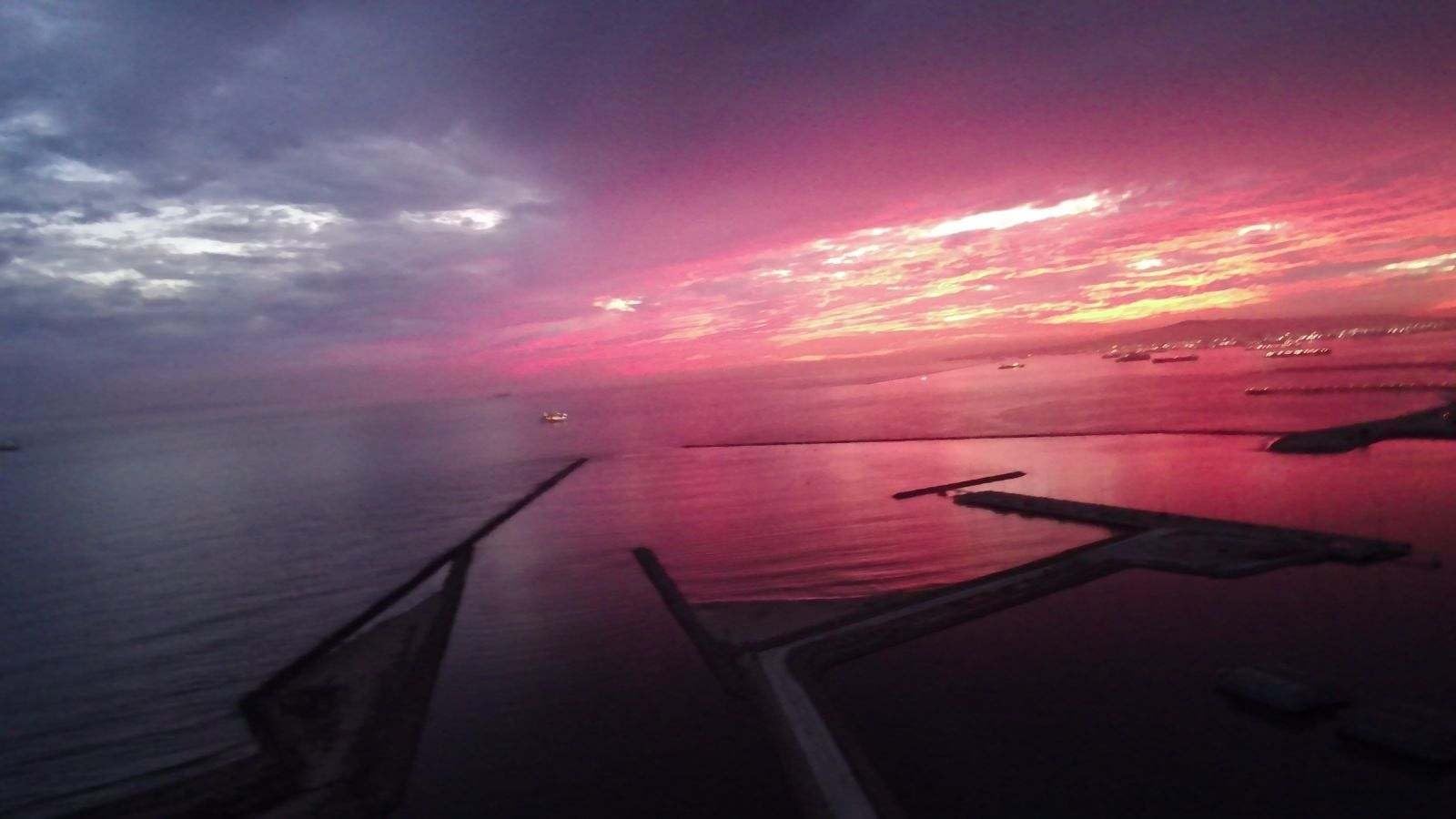
At under 249 grams, the ATOM SE enjoys the same registration-free status as the DJI Mini models. The PixSync 2.0 transmission system provides a 4km range with low-latency HD video, which is shorter than DJI’s 10km but still plenty for most travel scenarios. I never felt limited by the range during normal use at scenic overlooks and beaches.
The build quality surprised me in a good way. The folding design is compact and the included portable handbag fits neatly into a backpack. The brushless motors feel durable, and the GPS auto-return feature worked reliably every time I tested it. With nearly 6,700 reviews and a 73 percent five-star rate, the ATOM SE has clearly earned its reputation as the best budget travel drone on the market.
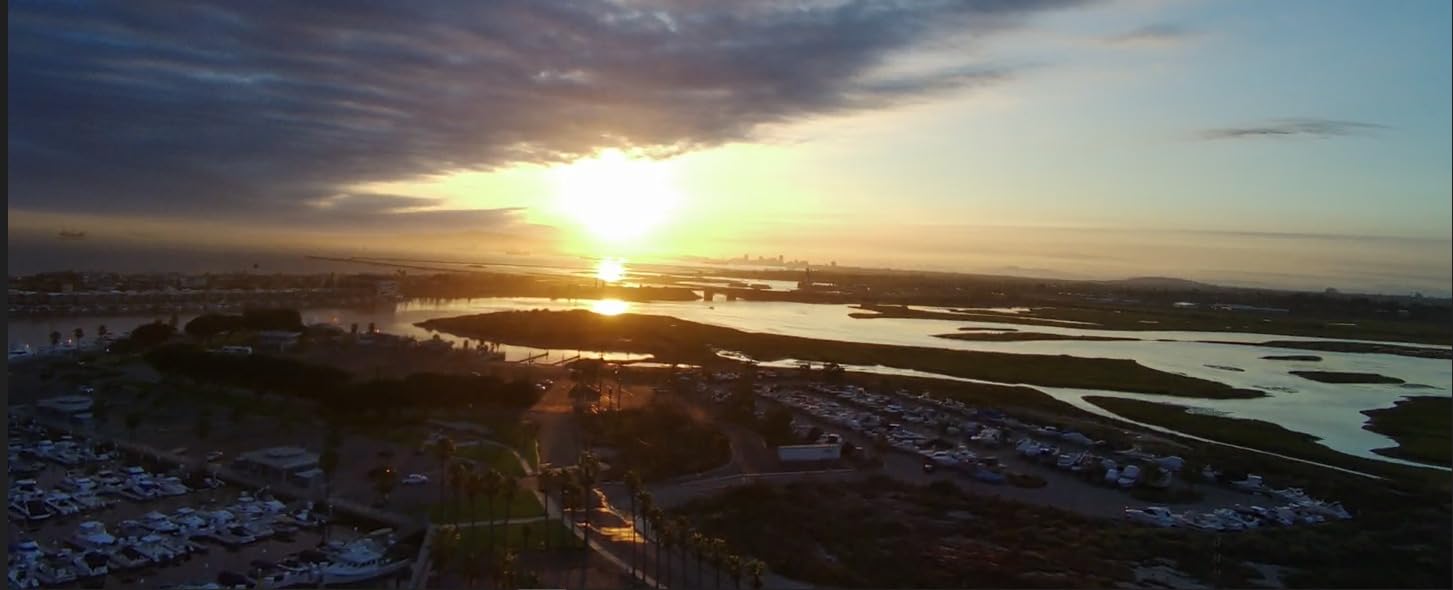
Flight Modes and Intelligent Features
The ATOM SE includes Follow Me, Waypoint Flight, and Circle Flight modes that mimic some of DJI’s intelligent features. I tested Follow Me while hiking a coastal trail, and it tracked my movement reasonably well at moderate speeds. The Waypoint Flight mode lets you plot a course on the map and have the drone fly it autonomously, which is useful for capturing consistent establishing shots of a location.
What You Sacrifice at This Price
The main trade-offs compared to DJI are the electronic-only stabilization, shorter transmission range, and the need to use included adapter cables to connect the controller to your phone. There is also no microSD card included, so you need to budget for one separately. These are reasonable compromises given the significant savings, but you should be aware of them before purchasing.
4. DJI Neo – Best Palm Drone for Travel
DJI Neo, Mini Drone with 4K UHD Camera for Adults, 135g Self Flying Drone that Follows You, Palm Takeoff, Subject Tracking, QuickShots, Stabilized Video, Built-In Propeller Guard (Controller-Free)
4K UHD
135g Ultra-Light
Palm Takeoff
Controller-Free
Subject Tracking
Pros
- Lightest drone in the lineup at just 135g
- Palm takeoff and landing operation
- Controller-free with app or voice control
- 8 QuickShots creative modes
- 4K ultra-stabilized video
Cons
- Limited stock availability
- DJI Fly app removed from Google Play
- Built-in propeller guards limit range
The DJI Neo is the most unusual drone in this roundup, and I mean that as a compliment. At 135 grams, it is lighter than most smartphones. The palm takeoff feature means you literally toss it in the air and it starts flying. No controller needed for basic operations, though DJI does sell compatible controllers if you want more precise control.
I tested the Neo during a city break in Barcelona, and the controller-free operation changed how I thought about capturing travel content. I launched it from my palm, let it follow me through a park using subject tracking, and caught it when it returned. The entire process felt more like using a smart camera than piloting a drone.
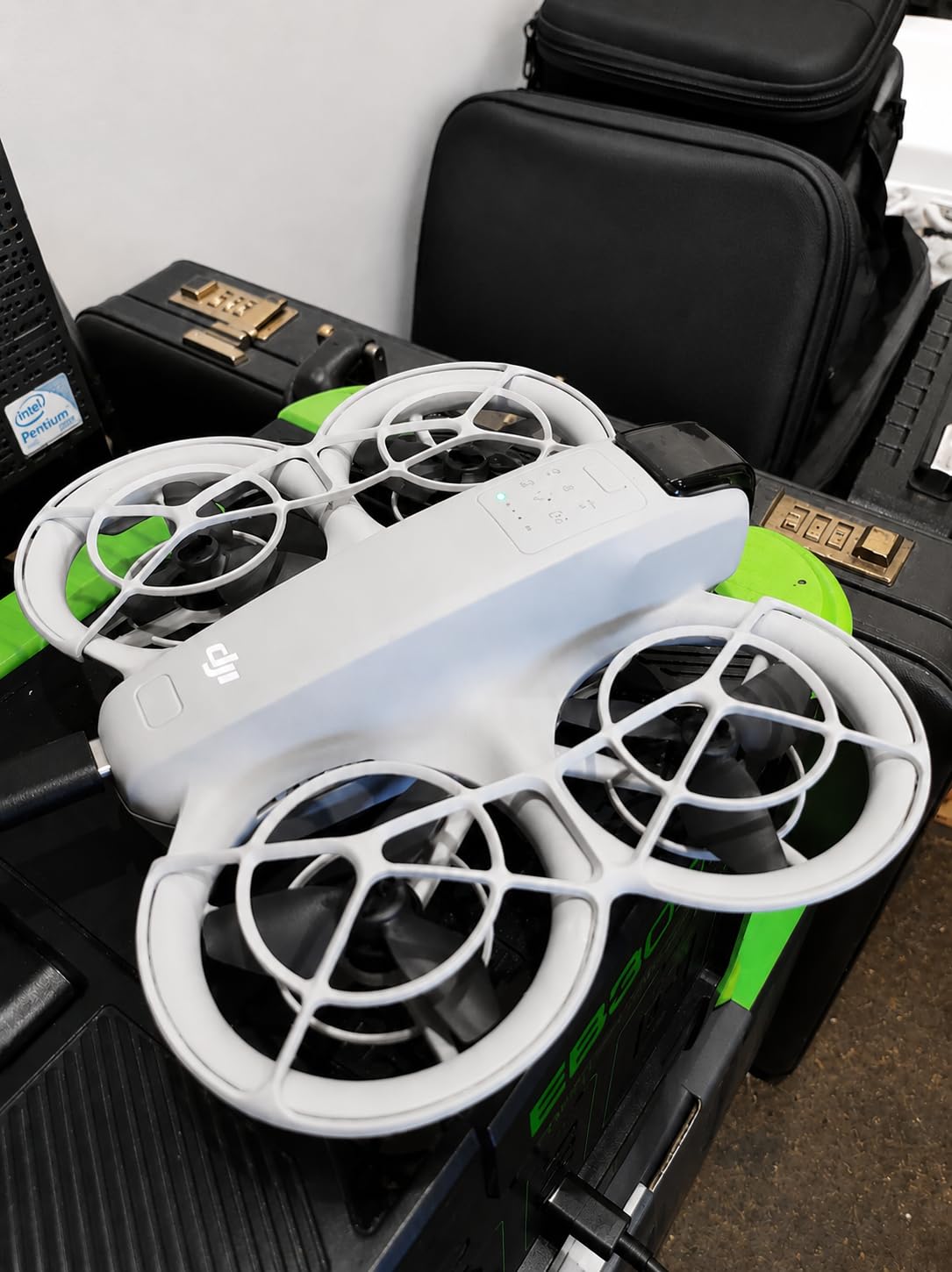
The 4K UHD camera uses stabilization technology that produces smooth footage for its size. It will not match the DJI Mini 4K’s 3-axis gimbal, but for a 135g drone, the results are impressive. The 8 QuickShots modes (including Dronie, Circle, Boomerang, and more) make it easy to capture creative shots without any piloting experience.
Level-4 wind resistance is the main limitation to be aware of. The Neo handles light breezes fine, but anything over 20kph and it struggles to maintain position. This means the Neo is best suited for calm weather conditions, urban environments, and indoor use. For rugged outdoor adventures, you might want something with more wind resistance.
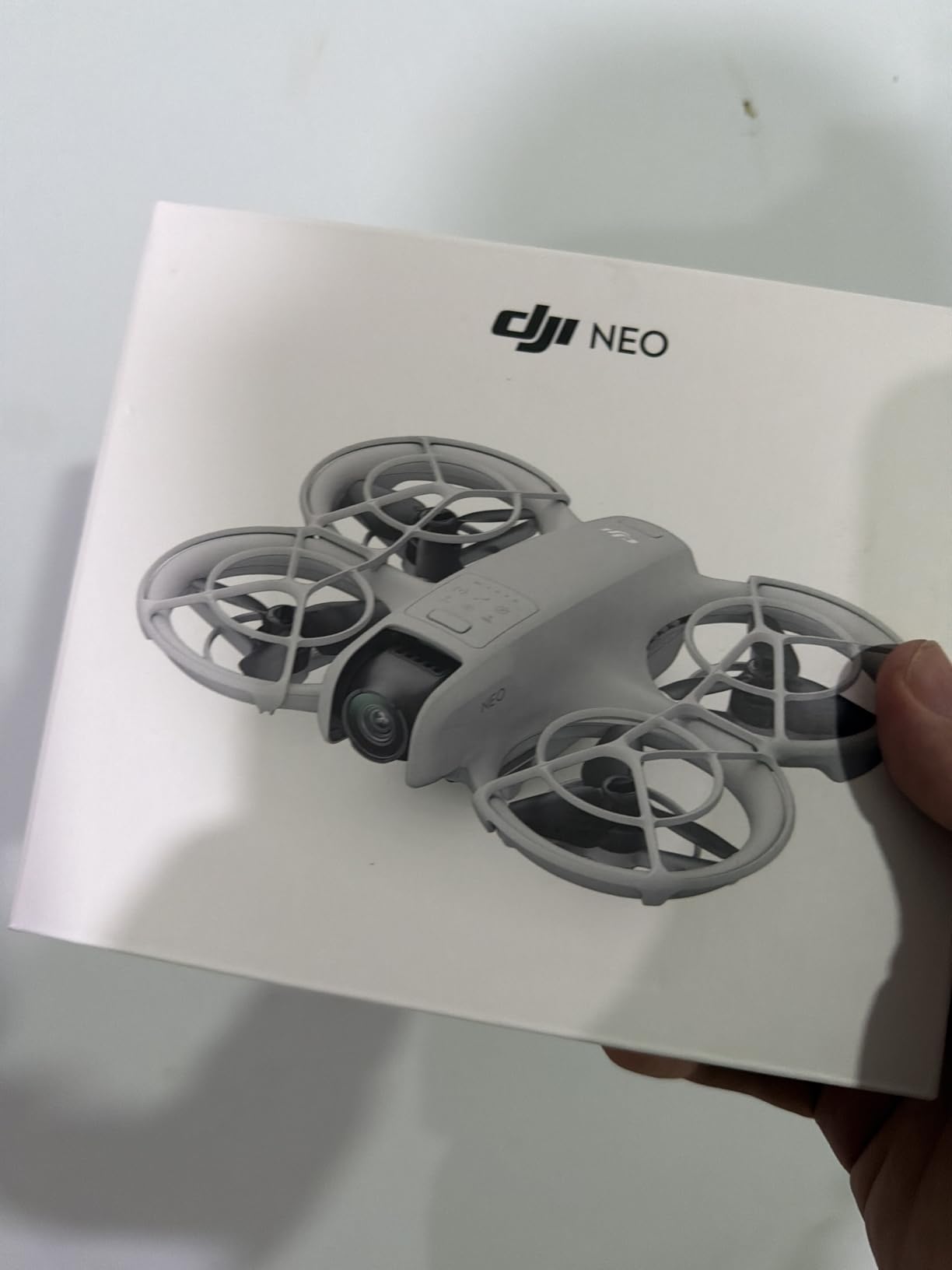
Voice Control and App Operation
The Neo supports voice commands for takeoff, landing, and basic flight instructions. I used voice control to launch the drone while both hands were occupied with hiking poles on a trail. You can also control it through the DJI Fly app on your phone, which provides a live preview and access to all the intelligent flight modes. The built-in propeller guards make it safe to fly near people, which is a big plus for crowded tourist spots.
Who Should Choose the Neo
The DJI Neo is ideal for travelers who want aerial content without the learning curve of traditional drone piloting. If you are primarily creating vlog content, social media posts, or vacation videos and do not need professional-grade camera quality, the Neo delivers a unique and fun experience. It is the drone I would hand to someone who has never flown one before and wants to see if they enjoy it.
5. HOVERAir X1 – Best Self-Flying Drone for Vloggers
HOVERAir X1 Drone with Camera, Follow-me Drone with Self-Flying Mode
2.7K HDR Video
125g Self-Flying
Triple Stabilization
32GB Storage
Palm Takeoff
Pros
- Lightest drone in roundup at 125g
- Fully self-flying with intelligent paths
- 32GB internal storage no SD card needed
- Triple stabilization system
- Enclosed safety design with guards
Cons
- Only 2.7K video not 4K
- Short 11-minute flight time per battery
- Lower review count than DJI models
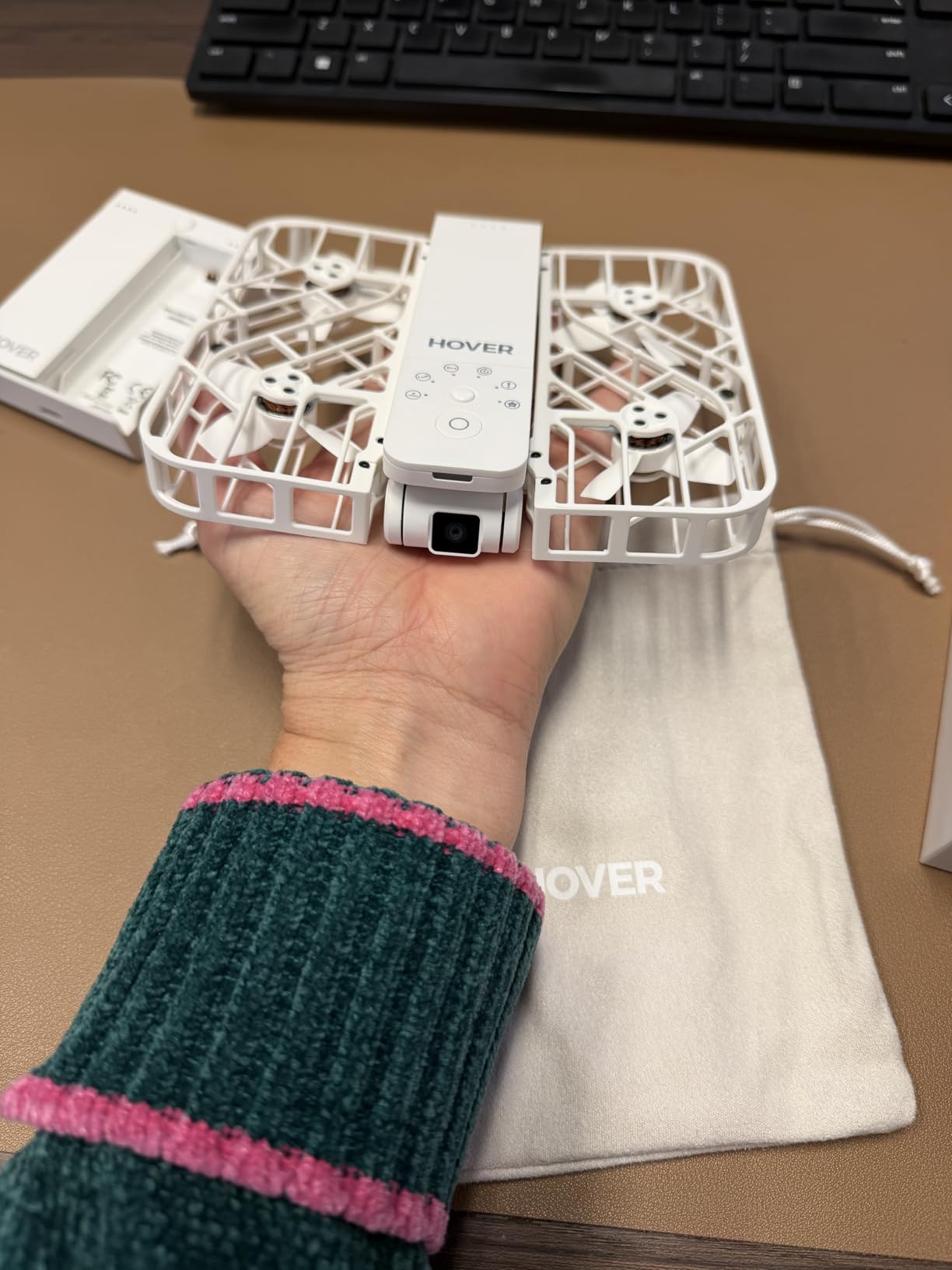
The HOVERAir X1 takes the self-flying concept popularized by the DJI Neo and refines it for vloggers and content creators. At 125 grams, it is the lightest drone in this guide. The fully enclosed foldable frame means you can pack it in virtually any bag pocket, and the safety guards let you fly it around people without anxiety about propeller strikes.
I tested the HOVERAir X1 during a weekend trip to a coastal town, and the intelligent flight paths are where this drone shines. You select from modes like Hover, Follow, Zoom Out, Orbit, and Bird’s Eye, then let it do the work. The drone handles all the flying while you focus on being in the shot.
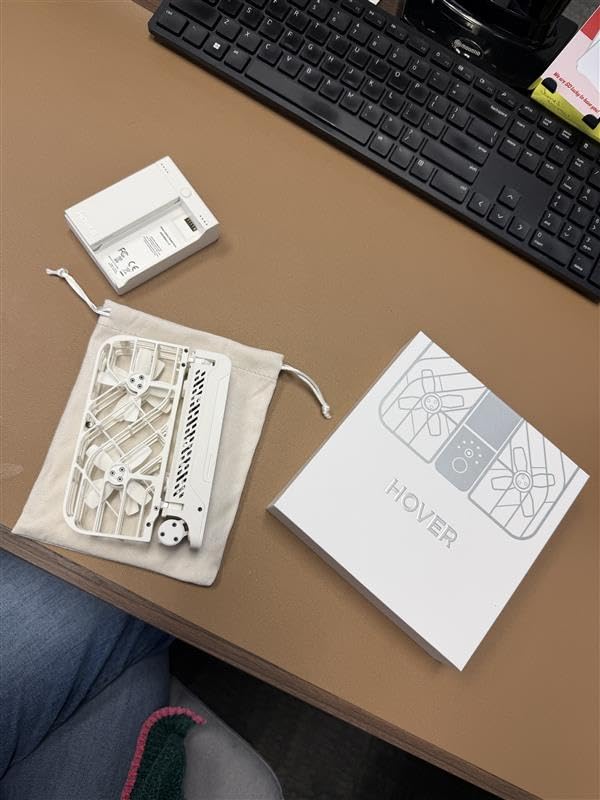
The 2.7K video resolution is the main compromise compared to the 4K-capable drones in this guide. For most social media content, 2.7K downscaled to 1080p looks great. But if you plan to crop, zoom, or display footage on large screens, you will notice the difference. The triple stabilization system does an admirable job of smoothing footage, especially during follow shots at walking speed.
The 32GB of internal storage is a feature I did not realize I needed until I had it. No fumbling with microSD cards, no worrying about card compatibility, no risk of losing footage because a card was not properly seated. You just fly, and the footage saves directly to the drone. For travel, this simplicity is genuinely valuable.
Battery Life and Practical Considerations
The 11-minute flight time per battery is the biggest drawback of the HOVERAir X1. That goes fast, especially when you are experimenting with different flight modes. The combo version includes a charging hub and extra battery, which I strongly recommend for travel use. With two batteries, you get roughly 22 minutes of total flying time, which is enough for several short clips per location.
HOVERAir X1 vs DJI Neo Comparison
Both drones target the same palm-launch, self-flying category, but they differ in key areas. The HOVERAir X1 offers 2.7K video with triple stabilization and 32GB of built-in storage. The DJI Neo shoots 4K with ultra-stabilization and offers more QuickShots modes. The X1 is lighter by 10 grams and has a fully enclosed frame, while the Neo has built-in propeller guards. Your choice depends on whether you prioritize video resolution (Neo) or storage convenience and safety design (X1).
6. DJI Air 3S – Best Premium Travel Drone
DJI Air 3S (RC-N3), 4K Dual-Camera Drone
1-inch CMOS Camera
4K/60fps HDR
45-min Flight
20km Range
Dual-Camera
Pros
- 1-inch CMOS sensor for professional image quality
- 4K/60fps HDR with 14 stops dynamic range
- 45-minute flight time the longest here
- 20km transmission range the longest here
- LiDAR and omnidirectional obstacle sensing
- Highest rating at 4.7 stars
Cons
- 724g weight requires FAA registration
- Highest price point in the lineup
- Critical stock levels
The DJI Air 3S is the drone I reach for when image quality matters more than portability. The 1-inch CMOS sensor produces photos and video that simply look different from the smaller sensors in the Mini lineup. The dynamic range, low-light performance, and color depth are noticeably superior, especially when shooting during golden hour or in challenging lighting.
I used the Air 3S during a photography workshop in Patagonia, and the 4K/60fps HDR video with 14 stops of dynamic range handled the extreme contrast between snow-capped peaks and shadowed valleys beautifully. The dual-camera system gives you both a wide-angle primary camera and a secondary medium telecamera, effectively giving you two lenses in one drone.
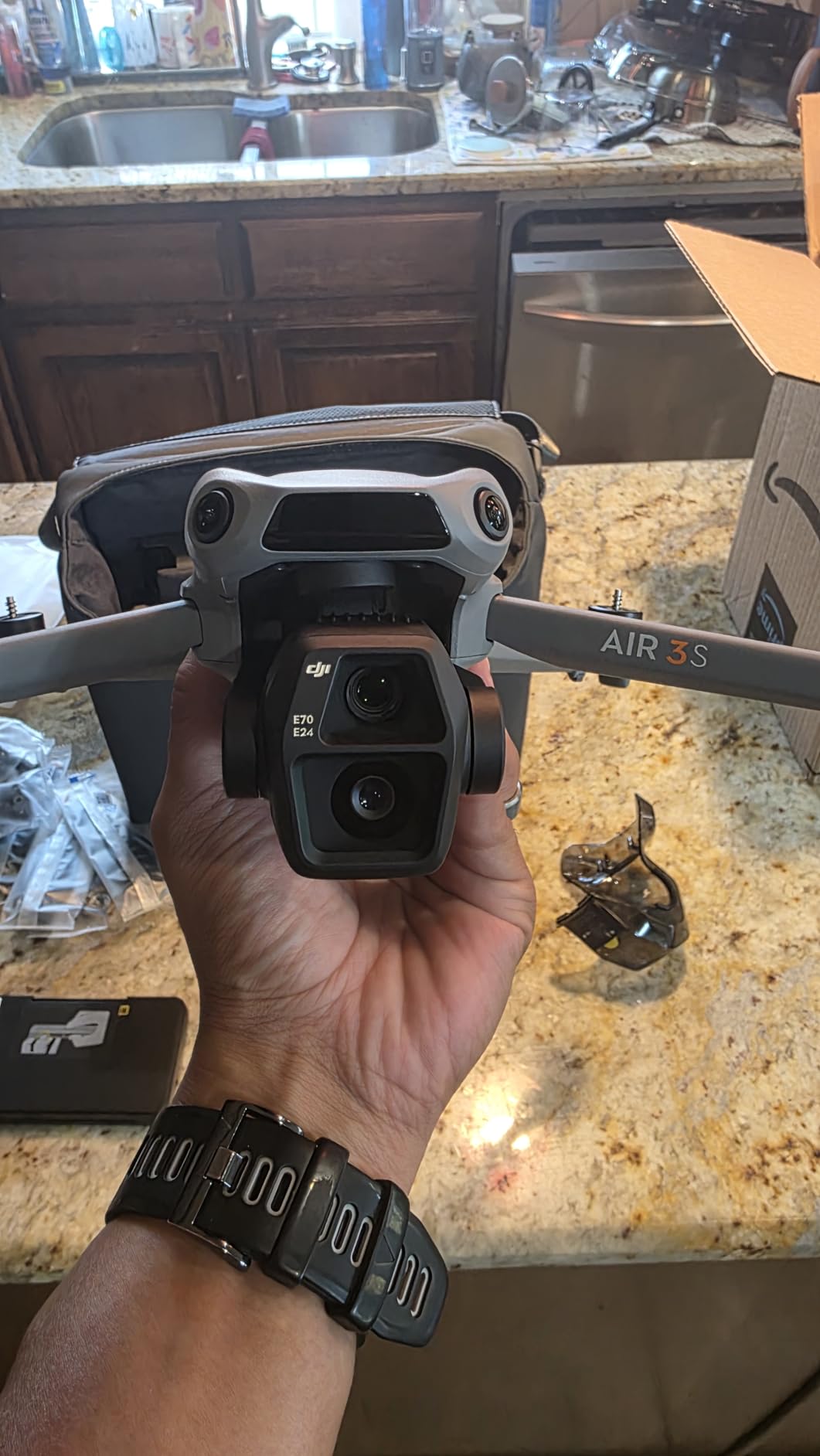
The 45-minute flight time is the longest in this guide, and it changes how you fly. Instead of constantly watching the battery percentage and rushing shots, you have the luxury of patience. I could circle a location, try different angles, wait for the right light, and still have power to spare. The 20km transmission range is similarly liberating, though you will rarely use the full distance in practice.
The catch is weight. At 724 grams, the Air 3S requires FAA registration in the United States and falls under different regulations in many countries. For me, the image quality trade-off is worth the registration paperwork, especially if aerial photography is a primary goal of your travel. But if you want zero hassle at borders, a sub-250g drone is still the better choice.
Obstacle Avoidance and Night Flying
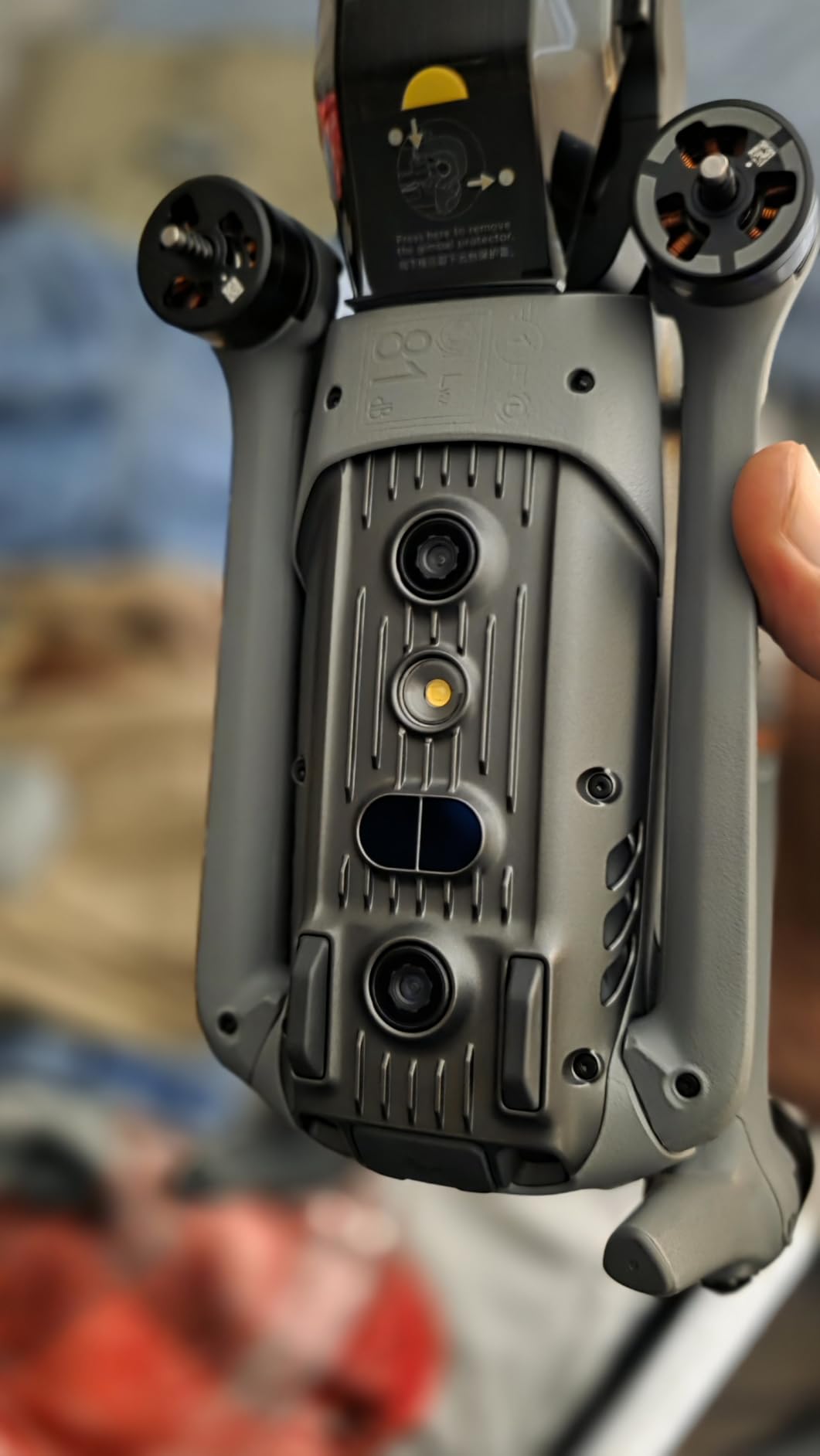
The Air 3S features LiDAR sensing and omnidirectional obstacle avoidance, which is a significant safety upgrade over the Mini series. I felt confident flying through tree-lined paths and near rock formations knowing the drone was actively watching for obstacles in every direction. The enhanced nighttime Return-to-Home function uses LiDAR to navigate safely back to its takeoff point even in near-darkness, which gives real peace of mind when shooting sunset sequences that run late.
Free Panorama Mode and Professional Features
The Free Panorama mode lets you select any area and capture a panoramic shot with seamless automatic stitching. I used this extensively for sweeping landscape shots that would be impossible to capture in a single frame. The 89 percent five-star rating from nearly 1,200 reviews confirms that users who invest in the Air 3S are overwhelmingly satisfied. This is a professional-grade tool that happens to be portable enough for serious travel photography.
Buying Guide: How to Choose the Best Travel Drone?
Choosing the right travel drone comes down to understanding your priorities. After testing all six drones in this guide across multiple trips, I can tell you that there is no single best option for everyone. The right choice depends on your budget, your content goals, and where you plan to travel. Here are the factors that matter most.
Weight and Registration Requirements
This is the number one consideration for travel drones, and it cannot be overstated. In the United States, any drone weighing under 250 grams does not require FAA registration for recreational use. In Europe under EASA rules, sub-250g drones fall into the C0 category, which is the least restricted class. The UK follows a similar framework. Every drone in this guide except the DJI Air 3S (724g) falls under the 250g threshold.
If you plan to travel internationally and want to minimize regulatory friction, stick with a sub-250g drone. The DJI Mini 4K, DJI Mini 3, Potensic ATOM SE, DJI Neo, and HOVERAir X1 all qualify. You will still need to check local regulations for each country you visit, but the sub-250g classification significantly reduces the administrative burden.
Camera Quality and Sensor Size
Sensor size directly impacts image quality, especially in challenging lighting. The DJI Air 3S has a 1-inch CMOS sensor, which is the largest in this guide and produces the best image quality. The DJI Mini 3 uses a smaller sensor but compensates with 48MP still photos and Dual Native ISO Fusion. The DJI Mini 4K and Potensic ATOM SE both offer 4K video with smaller sensors that perform well in good lighting but show limitations in low light.
For most travel content shared on social media, any of these cameras will look great. If you plan to print photos, shoot in challenging conditions, or create professional content, the sensor size advantage of the Air 3S justifies its premium price and heavier weight.
Battery Life and Flight Time
Flight time per charge ranges from 11 minutes (HOVERAir X1) to 45 minutes (DJI Air 3S). For travel, I recommend having at least two batteries so you are not limited to one flight session per location. The Potensic ATOM SE includes two batteries by default, which is a nice value addition. DJI sells Fly More combos for the Mini series that include extra batteries, a charging hub, and a carrying case.
Also consider how you will charge batteries while traveling. Most drones charge via USB-C, which means you can use a power bank or hotel USB port. Some models include dedicated charging hubs that can charge multiple batteries sequentially, which is worth the investment if you fly frequently during a trip.
Wind Resistance for Outdoor Travel
If you plan to fly at coastlines, mountains, or other exposed locations, wind resistance matters. Level-5 wind resistance (up to 38kph or 24mph) is available on the DJI Mini 4K, DJI Mini 3, and Potensic ATOM SE. The DJI Neo offers Level-4 resistance, which handles moderate breezes but struggles in stronger winds. The HOVERAir X1 is best used in calm conditions due to its light weight.
Folding Design and Portability
All six drones in this guide feature folding designs, but they pack down to different sizes. The DJI Neo and HOVERAir X1 are the most compact, fitting into a jacket pocket. The Mini series drones fold into a size roughly equivalent to a water bottle. The Air 3S is the bulkiest but still fits in a standard camera bag. Consider your luggage space and whether you plan to carry the drone in a personal item or checked bag.
Airline Travel Rules for Drones
This is a topic that causes confusion for many travelers, so let me clarify the key rules. First, lithium-ion drone batteries must always travel in your carry-on luggage, never in checked bags. This is a TSA requirement in the United States and applies to virtually all international airlines. Batteries should be discharged to around 30 to 50 percent charge for air travel, and battery terminals should be protected from short circuits.
Most airlines allow drone batteries under 100 watt-hours without special approval. All the batteries in the drones in this guide fall well under this limit. If you are carrying more than two spare batteries, some airlines require advance notification, so check with your carrier before flying. The drone itself can go in either carry-on or checked luggage, but keeping it in your carry-on is safer and prevents damage.
Controller Options and Display
Travel drones come with different controller configurations. The DJI Mini 4K, Mini 3, and Air 3S ship with the RC-N1C or RC-N3 controller, which uses your smartphone as the display screen. This keeps the controller lightweight and compact for travel. DJI also offers an optional RC controller with a built-in screen, which eliminates the need for your phone but adds bulk and cost.
The DJI Neo and HOVERAir X1 can operate without a traditional controller, using your smartphone or voice commands instead. This is the most portable option but limits your range and control precision. For most travelers, the phone-based controller setup hits the best balance of portability and functionality.
Frequently Asked Questions
What is the best drone for travel photography?
The DJI Mini 4K is the best overall drone for travel photography, offering a 3-axis gimbal, 4K UHD camera, and under-249g weight that avoids registration requirements. For professional image quality, the DJI Air 3S with its 1-inch CMOS sensor is the top choice despite requiring FAA registration.
How do I choose a travel drone?
Choose a travel drone by prioritizing weight (under 250g avoids registration), camera quality (4K minimum for good footage), flight time (30+ minutes ideal), wind resistance (Level-5 for outdoor locations), and portability (folding design). Also consider whether you need a traditional controller or prefer app-based control.
What drones don’t require registration?
Any drone weighing under 250 grams does not require FAA registration in the United States for recreational use. In this guide, the DJI Mini 4K (246g), DJI Mini 3 (248g), Potensic ATOM SE (under 249g), DJI Neo (135g), and HOVERAir X1 (125g) all qualify. The DJI Air 3S at 724g does require registration.
Can I bring a drone on a plane?
Yes, you can bring a drone on a plane. Lithium-ion drone batteries must travel in carry-on luggage only, never in checked bags. Keep batteries at 30-50 percent charge and protect the terminals. Most airlines allow batteries under 100 watt-hours without special approval, which covers all drones in this guide.
What is the best budget drone for travel?
The Potensic ATOM SE is the best budget travel drone, offering 4K video with a Sony sensor, under-249g weight, 62 minutes of total flight time with two included batteries, and Level-5 wind resistance at a significantly lower price than DJI models.
What drone is best for beginners?
The DJI Neo is best for complete beginners because it requires no controller for basic operation, offers palm takeoff and landing, and includes built-in propeller guards. The DJI Mini 4K is also excellent for beginners who want a traditional controller with automated safety features like GPS Return to Home.
Conclusion: Which Travel Drone Is Right for You?
Finding the best drones for travel in 2026 comes down to matching a drone’s strengths to your specific needs. For most travelers, the DJI Mini 4K is the clear winner with its 3-axis gimbal, 4K camera, under-249g weight, and proven reliability. It hits the sweet spot between quality and portability that makes it our editor’s choice.
If you want the best value, the DJI Mini 3 offers 48MP photos and True Vertical Shooting that content creators will love. Budget-conscious travelers should look at the Potensic ATOM SE, which includes two batteries and delivers solid 4K footage at a fraction of the DJI price. For self-flying convenience, the DJI Neo and HOVERAir X1 offer palm-launch operation that is perfect for vloggers. And for professional image quality, the DJI Air 3S stands alone with its 1-inch sensor and 45-minute flight time.
Whichever you choose, remember to carry your batteries in your carry-on, check local drone regulations before flying internationally, and always respect no-fly zones. A travel drone should enhance your adventures, not create problems. Fly safe and capture something amazing on your next trip.