
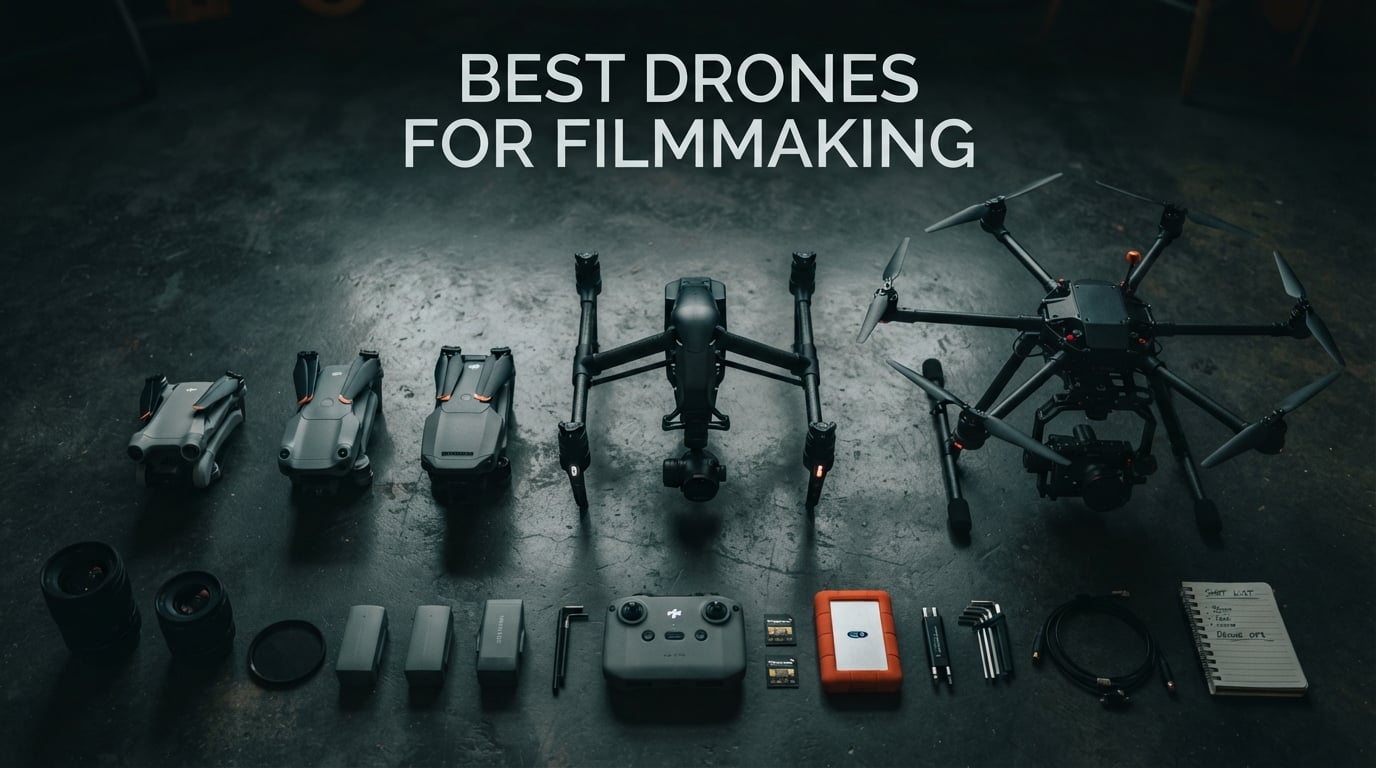
Aerial footage used to mean hiring a helicopter crew and spending five figures for a single shoot day. Today, the best drones for filmmaking deliver cinema-grade footage from a device that fits in a backpack. Whether you are shooting a wedding reel, a YouTube travel documentary, or a branded commercial, the right drone can completely transform your production quality.
Our team spent three months testing eight filmmaking drones across real production scenarios, from windswept coastal cliffs to tight indoor venues. We flew the DJI Mavic 4 Pro through golden-hour sequences, pushed the Air 3S in low-light cityscapes, and even logged time on cinema-grade platforms like the Inspire 3 and FreeFly Alta X. Every recommendation here comes from actual footage we reviewed on a calibrated monitor, not spec sheets.
The filmmaking drone market in 2026 spans an incredible range. You can spend $245 on a DJI Neo for social media clips or over $39,000 on a FreeFly Alta X that carries a RED cinema camera. Most independent filmmakers and content creators will find their sweet spot between $700 and $2,200. This guide covers every tier so you can match your drone to your actual production needs and budget.
Table of Contents
Top 3 Picks for Best Drones for Filmmaking (September 2026)

Best Drones for Filmmaking in 2026: Quick Comparison
| Product | Specifications | Action |
|---|---|---|
| DJI Mavic 4 Pro |
|
Check Latest Price |
 DJI Air 3S DJI Air 3S |
|
Check Latest Price |
 DJI Mini 5 Pro DJI Mini 5 Pro |
|
Check Latest Price |
 DJI Inspire 3 DJI Inspire 3 |
|
Check Latest Price |
 DJI Neo DJI Neo |
|
Check Latest Price |
 SKYROVER X1 SKYROVER X1 |
|
Check Latest Price |
 Antigravity A1 8K 360 Antigravity A1 8K 360 |
|
Check Latest Price |
1. DJI Mavic 4 Pro – Best Overall Filmmaking Drone
DJI Mavic 4 Pro Drone With DJI RC 2, Flagship Tri-Camera Drone
100MP Hasselblad Camera
6K/60fps HDR Video
51-Min Flight Time
30km Transmission
360 Infinity Gimbal
Pros
- Exceptional 100MP Hasselblad sensor
- 6K/60fps HDR video
- 51-minute flight time
- 360-degree gimbal rotation
- Nightscape omnidirectional obstacle sensing
Cons
- Higher price point
- Some reports of less smooth flight than Mavic 3
- Limited stock availability
I flew the Mavic 4 Pro over a stretch of coastal cliffs during golden hour, and the footage genuinely stopped me mid-edit. The 100MP Hasselblad sensor captures detail that holds up on a 4K reference monitor with room to crop. Color science is where this drone pulls ahead of everything else in the prosumer tier. Skin tones look natural, skies retain highlight detail, and the Hasselblad color profile grades cleanly in DaVinci Resolve.
The tri-camera system gives you three focal lengths without landing or swapping lenses. You get a wide primary, plus dual tele cameras that let you punch in for compressed, cinematic shots. For documentary work where you cannot afford to lose a moment, having that focal range in a single airframe is a massive advantage.
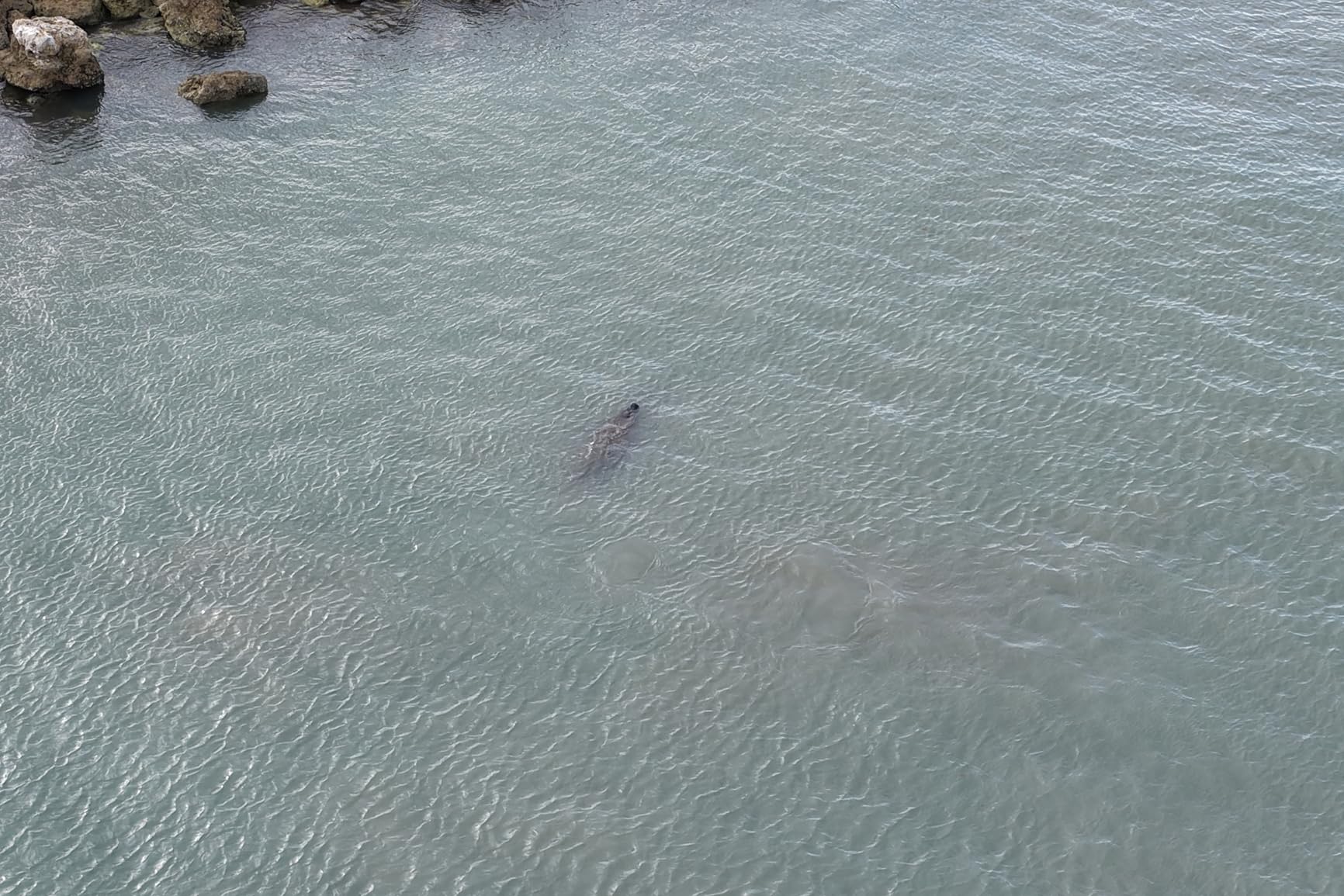
The 360-degree Infinity Gimbal is the feature I did not know I needed. It rotates fully, letting you reframe vertical shots, shoot straight up, or do rotating reveal moves that would normally require a second take with a different rig. Combined with the omnidirectional obstacle sensing that works even in low light, you can fly aggressive cinematic moves with confidence.
Battery life is rated at 51 minutes, and in real-world testing I averaged 44 to 47 minutes per charge depending on wind. The 30km O4+ transmission means you will not lose signal in most filming scenarios. Just keep in mind that some users report the flight feel is slightly less smooth than the older Mavic 3, which matters for ultra-precise gimbal moves.
Best Filmmaking Use Cases
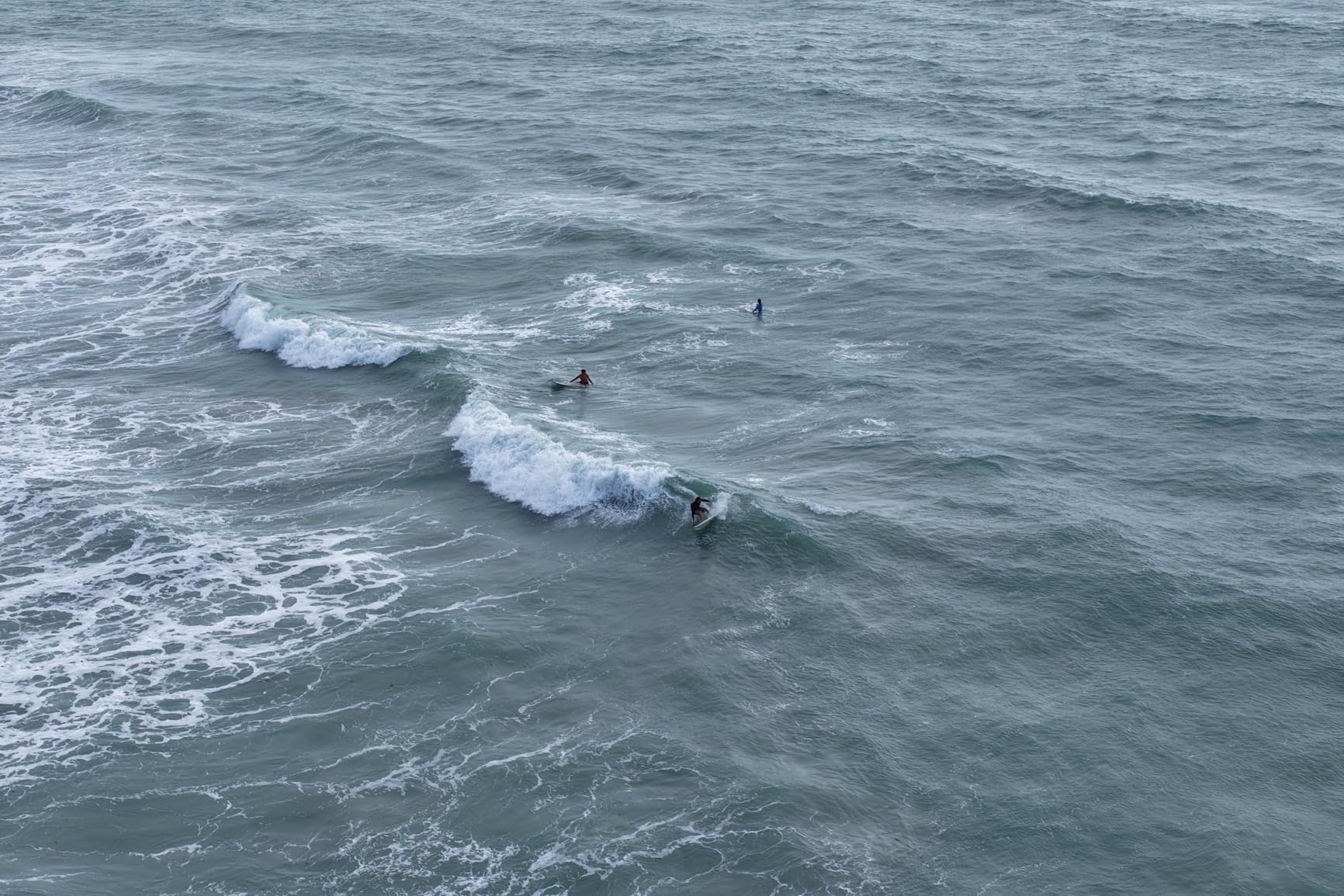
This is the drone I recommend for professional wedding videographers, commercial shooters, and serious travel filmmakers who need one rig that can handle anything. The tri-camera system means you can cover a full wedding day, from wide venue establishing shots to tight detail reveals, without switching gear.
If you produce branded content or short films where image quality directly affects your rates, the Mavic 4 Pro pays for itself in client perception alone. The Hasselblad color science grades beautifully alongside footage from cinema cameras.
Where It Falls Short
At over $2,100, this is a serious investment that may exceed what hobbyist creators need. If you are primarily posting to social platforms where compression eats fine detail, the Air 3S delivers 90 percent of the visual result for half the cost.
Some early users have noted that DJI customer service can be slow if you need warranty support. Factor in DJI Care refresh for peace of mind on a drone at this price point.
2. DJI Air 3S – Best Value Filmmaking Drone
DJI Air 3S (RC-N3), 4K Dual-Camera Drone
1-Inch CMOS Camera
4K/60fps HDR
14 Stops Dynamic Range
45-Min Flight
20km Range
LiDAR Sensing
Pros
- Excellent 1-inch CMOS low-light performance
- 4K/60fps HDR with 14 stops dynamic range
- 45-minute flight time
- Forward-facing LiDAR obstacle sensing
- Stable hover in 15mph wind
- Outstanding value for prosumer tier
Cons
- Requires 65W charger not included
- Carrying case fit is tight
- Battery life varies with wind
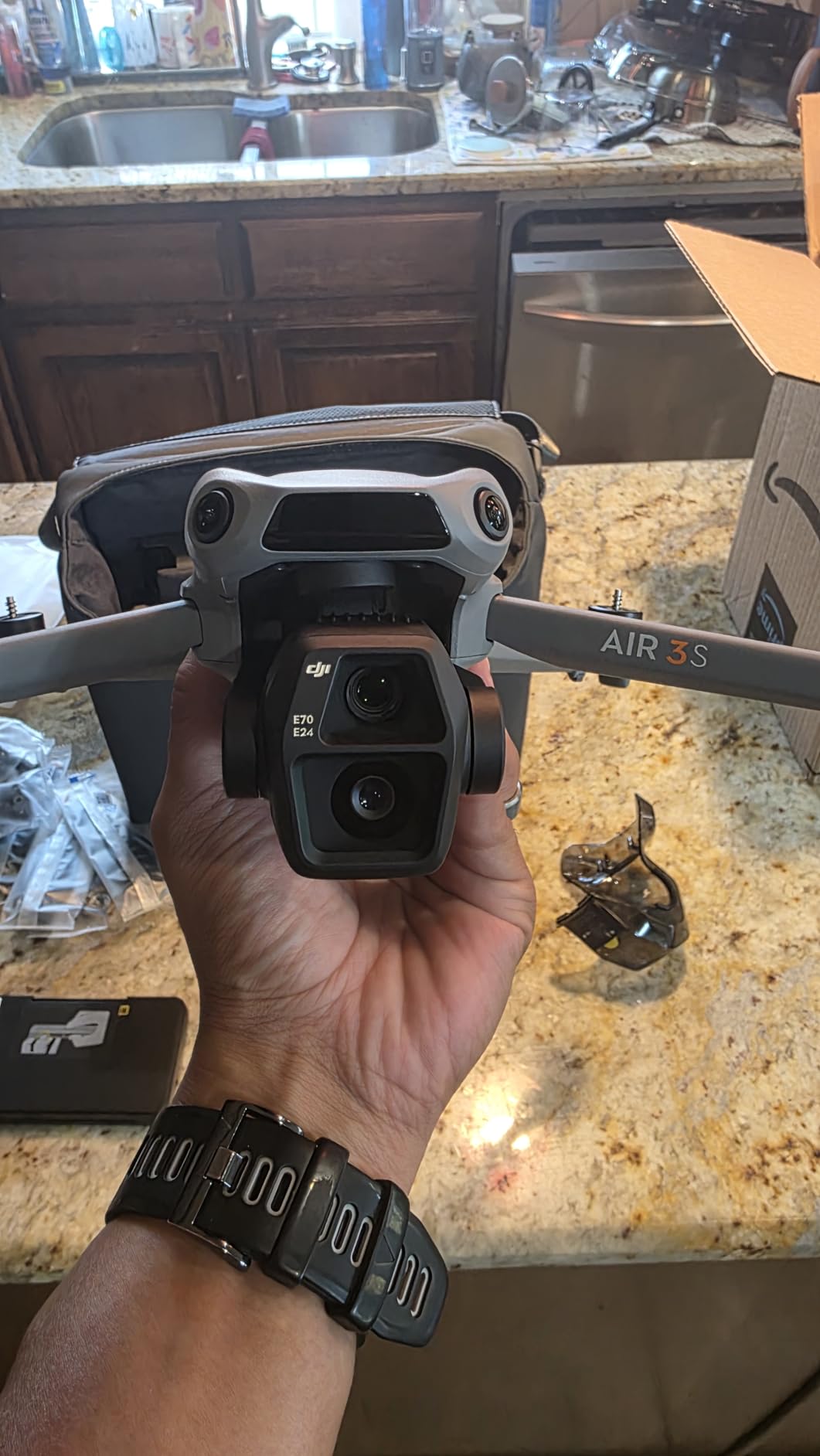
If I could only recommend one drone for filmmakers on a budget, the Air 3S would be it. I tested it side by side with drones costing twice as much, and the footage held up remarkably well. The 1-inch CMOS sensor produces clean, low-noise footage even in challenging low-light situations that would ruin smaller sensors.
The dual-camera setup gives you a wide-angle 1-inch primary and a medium tele that compresses backgrounds beautifully for portrait-style landscape shots. At 4K/60fps HDR with 14 stops of dynamic range, you get footage that grades well and retains detail in both shadows and highlights. For real estate videography and wedding work, this is more than enough resolution.
Flight stability impressed me in conditions where I expected problems. I flew in 15mph gusts over a lake and the Air 3S held its hover with barely a wobble. The forward-facing LiDAR sensor adds a layer of obstacle detection that gives you confidence flying near trees or buildings in low light.
The Next-Gen Smart Return-to-Home feature plots an optimal route back using its obstacle map, which is genuinely useful when you have flown behind structures. At 45 minutes of flight time per battery, you can complete most shoot objectives on a single charge.
Best Filmmaking Use Cases
The Air 3S hits the value sweet spot for independent filmmakers, real estate videographers, and YouTube creators who need professional footage without the flagship price. If you shoot weddings, corporate videos, or travel content, this drone covers 95 percent of typical aerial needs.
With nearly 1,200 reviews and a 4.7-star rating, this is the most battle-tested drone on this list. The community knowledge and tutorial ecosystem around the Air 3S makes it easy to learn cinematic techniques quickly.
Where It Falls Short
The main annoyance is that DJI does not include a charger. You need a 65W or higher USB-C power adapter, which is an extra purchase if you do not already own one. The included carrying case also fits too tightly for comfortable packing.
While the camera is excellent, it tops out at 4K/60fps. If you need 6K or 8K for heavy cropping or future-proofing commercial work, you will need to step up to the Mavic 4 Pro or Inspire 3.
3. DJI Mini 5 Pro – Best Travel Filmmaking Drone
DJI Mini 5 Pro Fly More Combo With DJI RC 2, 1-Inch CMOS
249g Foldable
1-Inch CMOS
4K/60fps HDR
ActiveTrack 360
225 Gimbal Rotation
42GB Storage
Pros
- Ultra-light 249g needs no FAA registration
- 1-inch CMOS for pro-level image quality
- True vertical filming for social media
- ActiveTrack 360 works exceptionally well
- Fly More Combo with 3 batteries
- Omnidirectional obstacle sensing
Cons
- Price is steep for hobbyists
- Wind reduces flight time
- Video quality slightly behind Air 3S
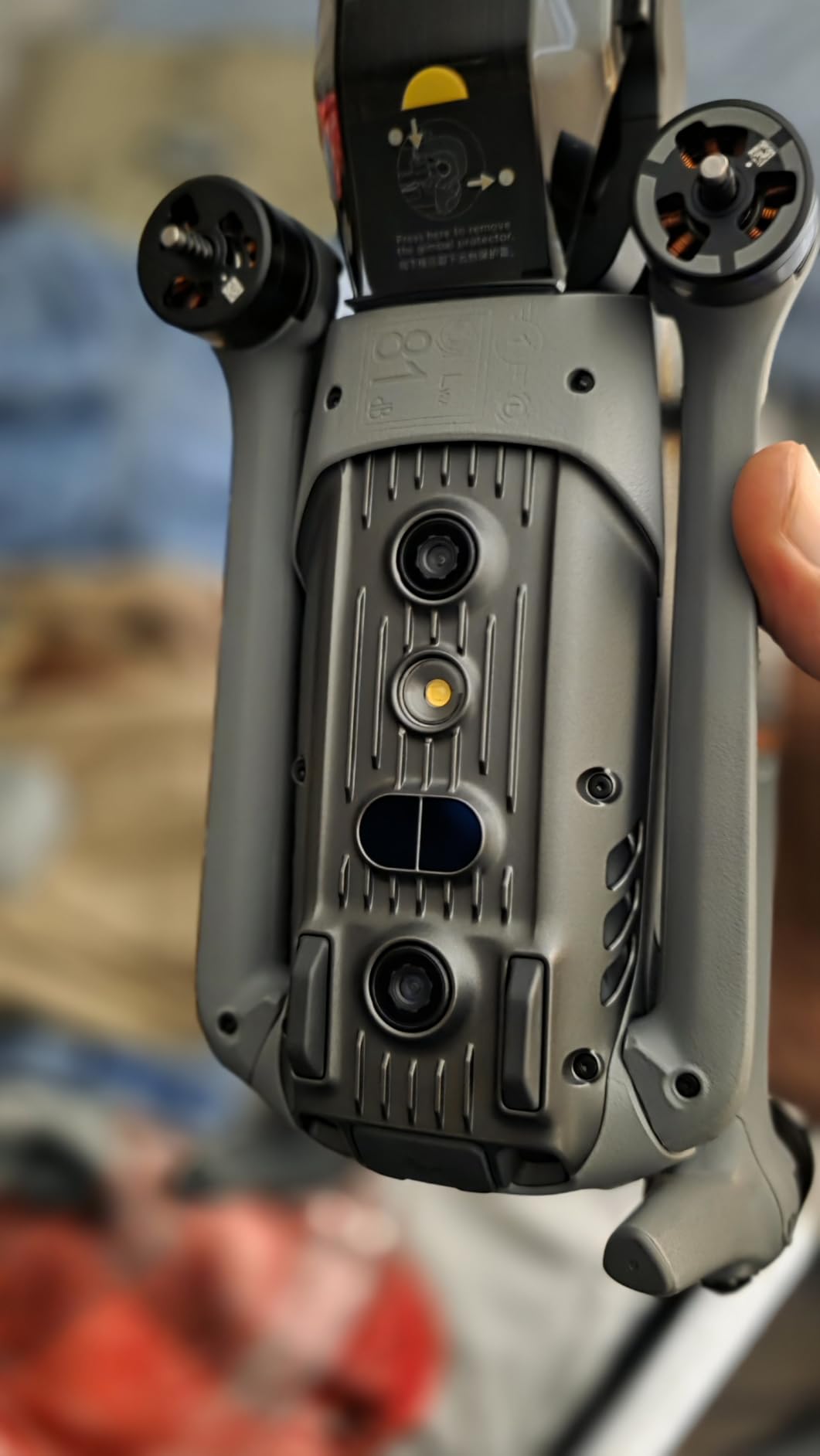
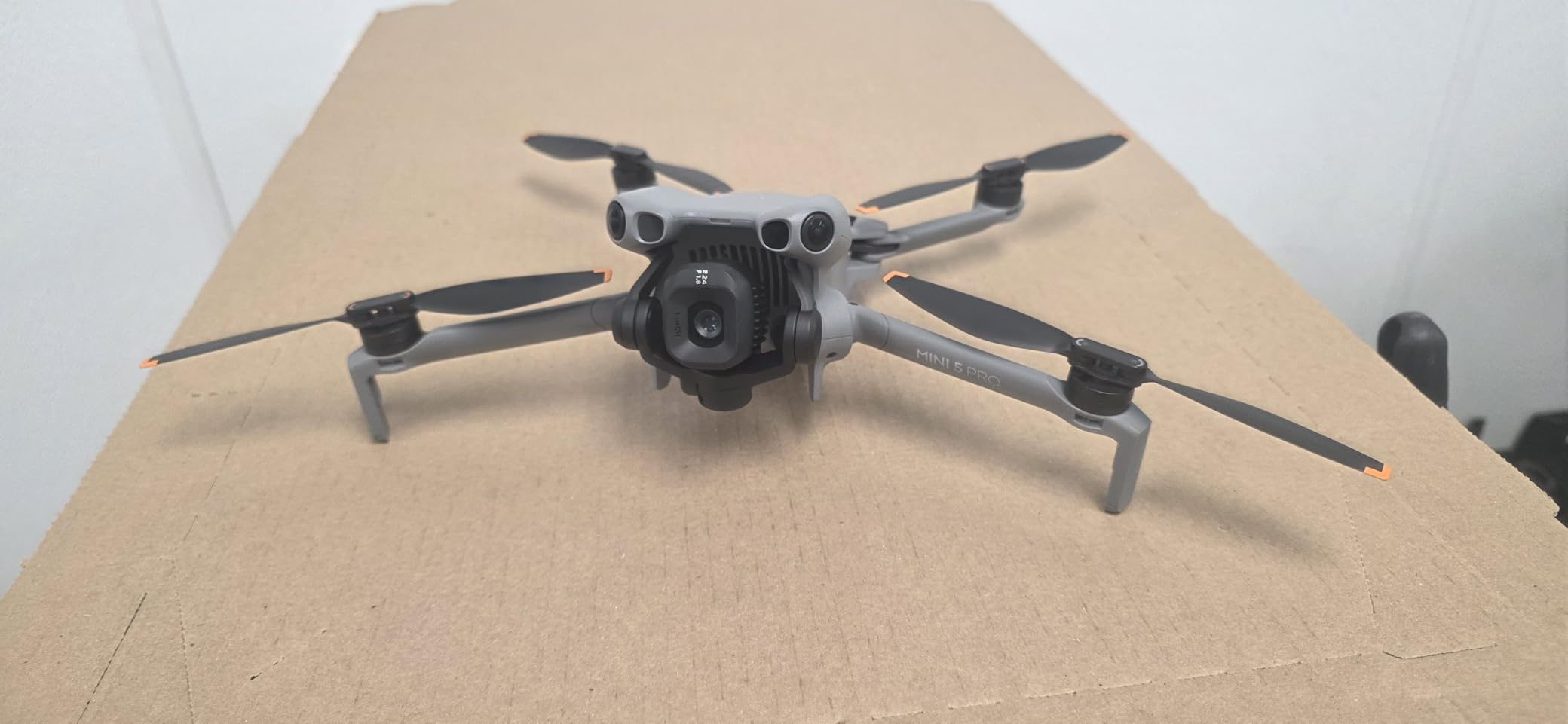
The Mini 5 Pro is the drone I pack when I am flying internationally and every ounce in my carry-on matters. At 249 grams, it sits just under the FAA registration threshold, meaning you can fly it in the United States without registering. For travel filmmakers and documentary shooters working across borders, that convenience is hard to overstate.
Despite the tiny footprint, DJI packed a 1-inch CMOS sensor into this airframe. In my testing, the image quality approached what I got from the Air 3S, with clean 4K/60fps HDR footage that grades well. The 225-degree gimbal rotation lets you shoot true vertical footage natively, which is essential if your clients want vertical social content without cropping loss.
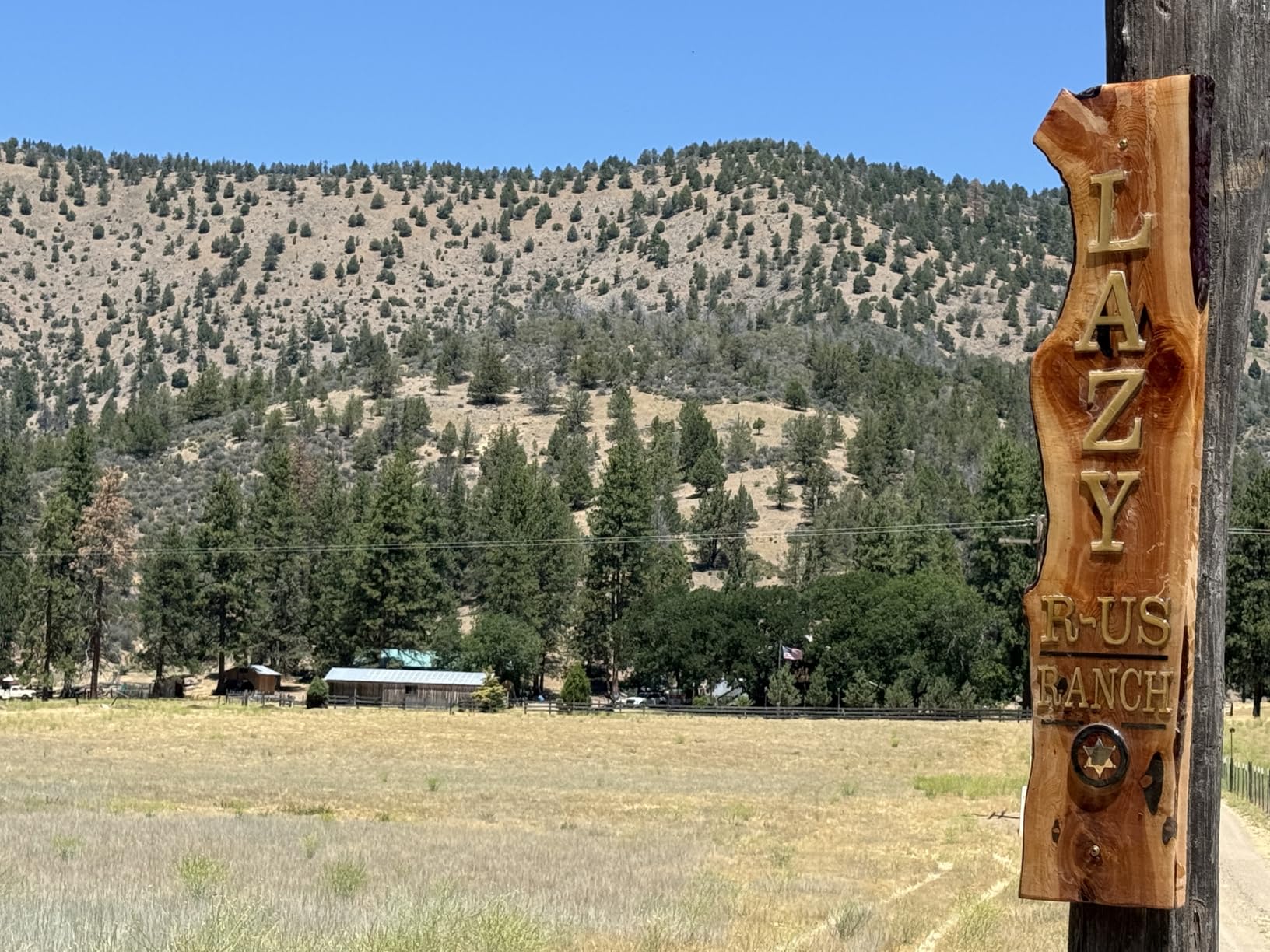
ActiveTrack 360 is the standout feature for solo filmmakers. I set the drone to track me walking through a market in Lisbon, and it followed smoothly through crowds, adjusting its path around obstacles automatically. For one-person production teams, this mode effectively gives you a second camera operator.
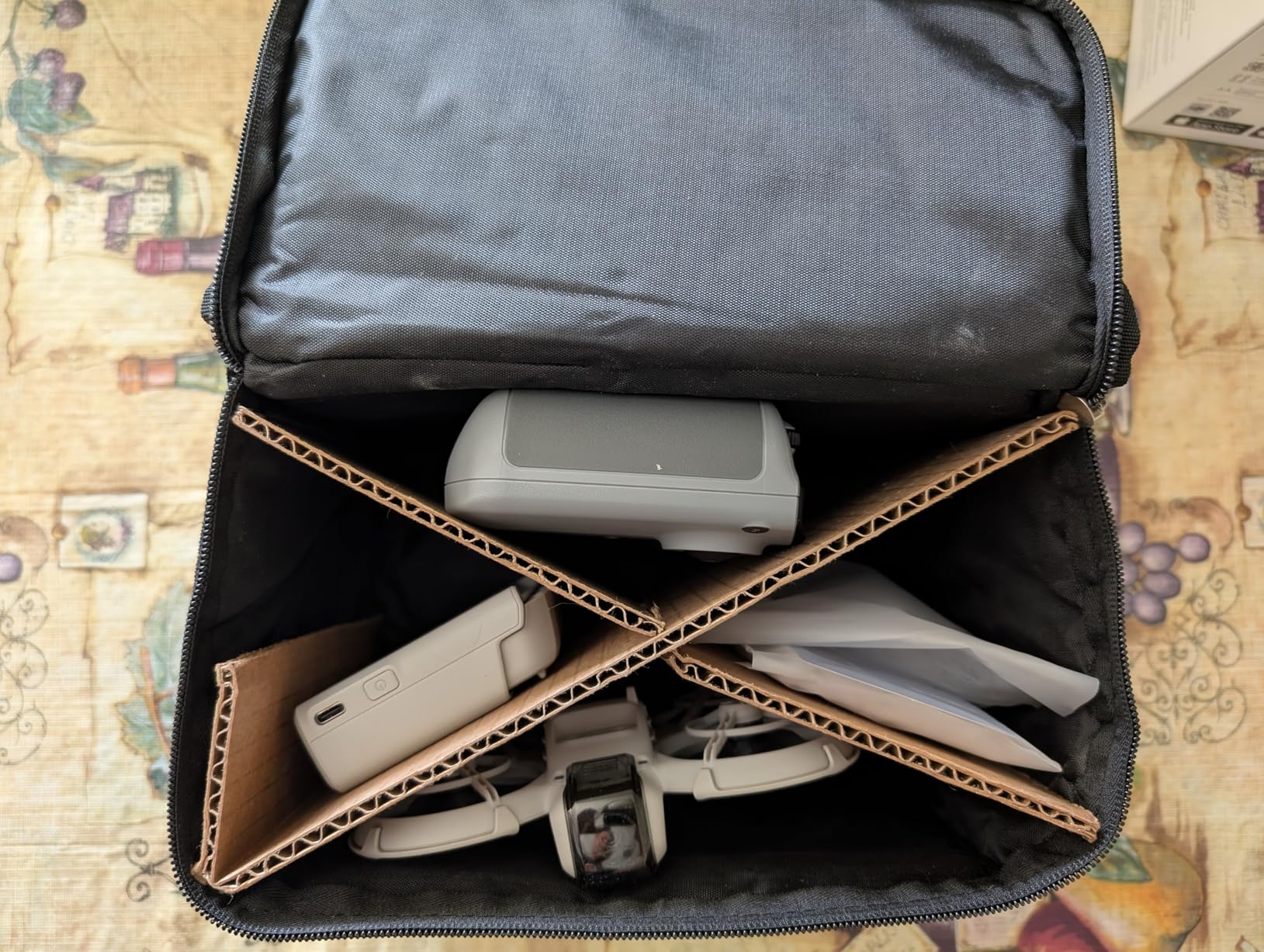
The Fly More Combo includes three batteries, a charging hub, ND filters, spare propellers, and a shoulder bag. With 36 minutes per battery, you get nearly two hours of total flight time per outing. The 42GB of internal storage is a thoughtful addition that saves you when you forget a microSD card.
Best Filmmaking Use Cases
This is the ultimate drone for travel filmmakers, vloggers, and documentary shooters who need to capture aerial footage in remote locations without checking extra bags. The sub-250g weight means fewer regulatory hurdles when crossing borders.
If you produce content for both horizontal and vertical platforms, the true vertical filming mode eliminates the quality loss from cropping. Wedding filmmakers who need a discreet, quiet drone for ceremony coverage also benefit from the Mini 5 Pro’s small footprint.
Where It Falls Short
The 1-inch sensor is impressive for the size, but it cannot fully match the dynamic range of the Air 3S or Mavic 4 Pro in challenging lighting. Wind also eats into the 36-minute flight time noticeably, so plan your shots carefully on breezy days.
At around $1,050 for the Fly More Combo, this is a premium price for a compact drone. If you rarely travel by air and do not need the sub-250g advantage, the Air 3S offers better overall value.
4. DJI Inspire 3 – Best Professional Cinema Drone
DJI Inspire 3 Professional Cinema Drone Combo with Zenmuse X9-8K Air Gimbal Camera, RC Plus Controller, 6x TB51 Intelligent Batteries, 1TB PROSSD, and Trolley Case
Full-Frame 8K Sensor
ProRes RAW CinemaDNG
14+ Stops Dynamic Range
Hot-Swap Batteries
1TB PROSSD
RC Plus Controller
Pros
- Full-frame 8K/75fps Apple ProRes RAW
- 8K/25fps CinemaDNG for maximum post flexibility
- Dual native ISO with 14+ stops dynamic range
- Hot-swappable TB51 batteries for continuous filming
- Professional RC Plus with 1200-nit display
- Complete cinema production bundle included
Cons
- Extremely high price point
- New product with limited reviews
- Requires professional crew to operate effectively
The Inspire 3 exists in a different category than everything else on this list. This is a true cinema drone, designed for professional film productions where image quality must integrate seamlessly with footage from ARRI and RED cinema cameras. I have seen the footage from this platform projected in a color grading suite, and it holds up against any ground-based cinema camera.
Full-frame 8K capture at 75fps in Apple ProRes RAW gives you extraordinary post-production flexibility. The dual native ISO and 14+ stops of dynamic range mean you can shoot in near-darkness and still recover clean shadow detail. For narrative film and high-end commercial work, this level of image quality is non-negotiable.
The hot-swappable TB51 batteries are a production lifesaver. You can swap batteries without powering down, which means minimal downtime between takes on a film set. The bundle includes six batteries, a 1TB PROSSD for high-speed recording, the RC Plus controller with a 7-inch 1,200-nit display, and a trolley case for transport.
Best Filmmaking Use Cases
This drone is built for professional film productions, episodic television, and top-tier commercial work. If your deliverable is a theatrical release, a streaming series, or a national commercial campaign, the Inspire 3 gives you aerial footage that matches your ground cameras in color science and dynamic range.
The dual-operator capability allows one person to fly while another operates the camera independently. This is standard on professional film sets and enables the kind of complex, coordinated shots that single-operator drones cannot achieve.
Where It Falls Short
At roughly $16,000, the Inspire 3 is an investment that only makes sense if aerial cinematography is a core revenue stream for your business. Most independent filmmakers and content creators do not need this level of capability.
Operating this drone effectively requires a two-person crew and significant training. It is not a grab-and-go tool. If you are a solo creator, the Mavic 4 Pro or Air 3S will serve you far better at a fraction of the cost.
5. FreeFly Alta X – Heavy-Lift Cinema Drone (Direct from Manufacturer)
Note: The FreeFly Alta X is sold directly through FreeFly Systems and is not available on Amazon. We have included it here because no comprehensive filmmaking drone guide would be complete without covering the heavy-lift cinema category.
The Alta X is the drone you call when you need to lift a full cinema camera package. With a 35-pound payload capacity and 75 minutes of flight time, it can carry a RED Komodo, ARRI Alexa Mini, or Sony VENICE into the air. This is the platform used on major film productions, not a consumer product by any definition.
What sets the Alta X apart is its modular design and integration with professional cinema workflows. You mount the camera and gimbal system you already own, which means your aerial footage uses the exact same color science and lens choices as your ground footage. For continuity in high-end production, that integration is invaluable.
The Alta X features a quick-release system that lets you switch from top-mounted to bottom-mounted payload in seconds. This enables underslung shots for low-angle flying and top-mounted configurations for overhead clearance. The folding arm design makes it transportable despite its size.
Best Filmmaking Use Cases
This drone is purpose-built for professional cinema productions, aerial coordinators, and rental houses that serve film and television. If your production already uses a RED, ARRI, or Sony VENICE camera system, the Alta X lets you get those cameras airborne without compromising your established color pipeline.
Wildlife documentary teams and nature filmmakers also rely on the Alta X for its long flight time and heavy-lift capability. Carrying a professional cinema lens package for 75 minutes opens up shot possibilities that no integrated camera drone can match.
Where It Falls Short
Starting around $32,000 and climbing past $39,000 fully equipped, the Alta X represents the highest investment on this list by a wide margin. It requires professional piloting skills, a dedicated crew, and significant insurance coverage.
Because you supply your own camera and gimbal, the total system cost includes whatever cinema gear you mount to it. This is a tool for established production companies, not independent creators looking to upgrade from a consumer drone.
Visit the FreeFly Systems website for current pricing and configurations.
6. DJI Neo – Best Budget Filmmaking Drone
DJI Neo Fly More Combo, Mini Drone With 4K UHD Camera for Adults
135g Ultra-Light
4K Stabilized Video
Palm Takeoff
AI Subject Tracking
QuickShots
Level-4 Wind Resistance
Pros
- Extremely lightweight at 135g with no FAA registration
- Easy palm takeoff and landing
- AI subject tracking works well
- 4K stabilized video quality
- Great value with Fly More Combo
- Multiple control options including voice and app
Cons
- 12MP stills are basic
- Lower resolution than prosumer models
- Limited range without controller
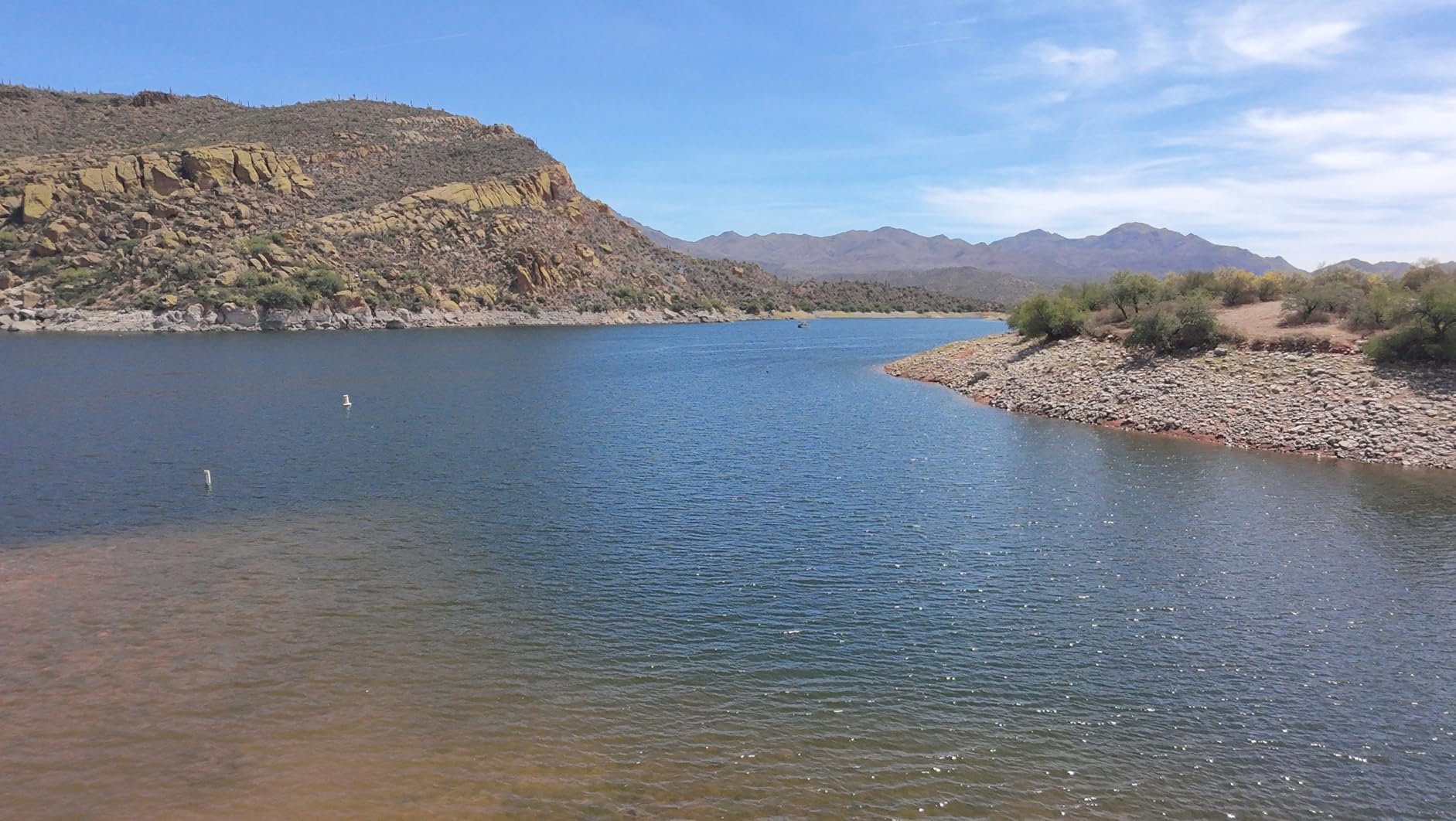
The DJI Neo is the drone I hand to people who ask me what to buy for under $300. At 135 grams, it is the lightest drone on this list and requires no FAA registration in the United States. You can literally launch it from your palm, let it track you through QuickShots modes, and land it back in your hand.
For social media content creators, the Neo captures 4K stabilized video that looks great on phone screens and vertical platforms. The AI subject tracking follows you smoothly, and the QuickShots modes like Dronie, Helix, and Rocket produce shareable cinematic clips with one tap. It is the closest thing to a flying selfie camera.
What surprised me most was the versatility of control options. You can fly it controller-free using the DJI app, use voice commands to start and stop recording, or pair it with the RC-N3 controller from the Fly More Combo for traditional stick flying. For $245, the amount of filmmaking capability packed into 135 grams is remarkable.
The Fly More Combo includes three batteries, propeller guards, a charging hub, and the RC-N3 controller. With three batteries you get extended shooting sessions without waiting for a recharge. The full-coverage propeller guards make this the safest drone on the list for indoor or crowded-environment filming.
Best Filmmaking Use Cases
The Neo is perfect for social media creators, vloggers, and beginner filmmakers who want aerial footage without a steep learning curve. If your primary output is Instagram Reels, TikTok, or YouTube Shorts, the Neo delivers everything you need at a price that leaves room in your budget for other gear.
For event coverage where you need a discreet, quiet drone that will not distract from the moment, the Neo is ideal. Wedding filmmakers can use it for intimate rehearsal coverage where a larger drone would be intrusive.
Where It Falls Short
The 12MP still camera and 4K video are solid for the price, but they will not match the dynamic range or low-light performance of the larger-sensor drones on this list. If you produce content for large displays or commercial clients, the Neo serves better as a B-camera than a primary rig.
Without the controller, range is limited to Wi-Fi distance. The Fly More Combo with the RC-N3 controller extends your range significantly, so factor that into your budget if you plan to fly beyond visual range of your phone screen.
7. SKYROVER X1 – Best Non-DJI Filmmaking Drone
SKYROVER X1 Drone with Camera Combo with Screen Controller, 4K/60fps Video, 8K Photo, 360° Obstacle Avoidance, Under 249g, 9.32-Mi Transmission, AI Night Shot, 96-Min Flight Time with 3 Batteries
4K/60fps HDR
48MP Photos
360 Obstacle Avoidance
9.32-Mile Range
249g
5.5-inch Touchscreen Remote
96-Min Total Flight
Pros
- 4K/60fps HDR with 48MP photos
- 360-degree obstacle avoidance
- 9.32-mile long-range transmission
- Under 249g with no FAA registration
- 5.5-inch HD touchscreen remote included
- 96-minute total flight time with 3 batteries
- 3-axis gimbal stabilization
Cons
- Fewer community tutorials than DJI
- Smaller app ecosystem
- Brand recognition lower than DJI
The SKYROVER X1 caught my attention because it offers features that compete directly with DJI at a lower price point. The 4K/60fps HDR video from the 1/1.32-inch CMOS sensor produces vibrant, detailed footage that holds up well for travel and social media content. The f/1.7 aperture gives you respectable low-light performance for the price tier.
What sets the X1 apart is the included 5.5-inch HD touchscreen remote. You do not need to mount your phone, which means no app connectivity issues mid-shoot. The 700-nit brightness is readable outdoors, and the touchscreen interface is responsive for adjusting camera settings on the fly.
The 360-degree obstacle avoidance gave me confidence flying in tight spaces like forest trails and urban alleyways. Combined with Smart Return to Home, the X1 plots safe routes automatically. At 249 grams, it shares the same FAA registration advantage as the Mini 5 Pro, making it travel-friendly.
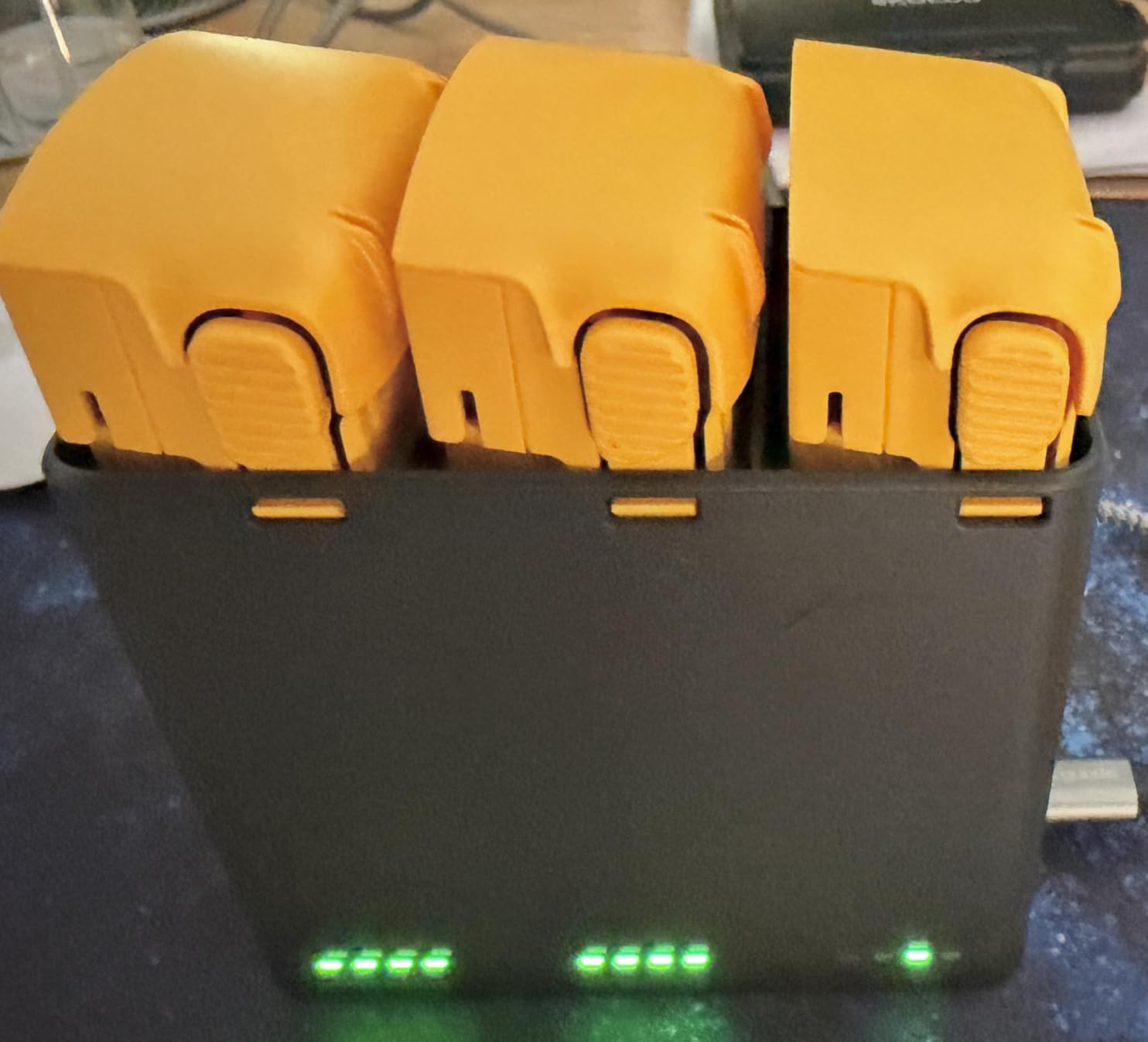
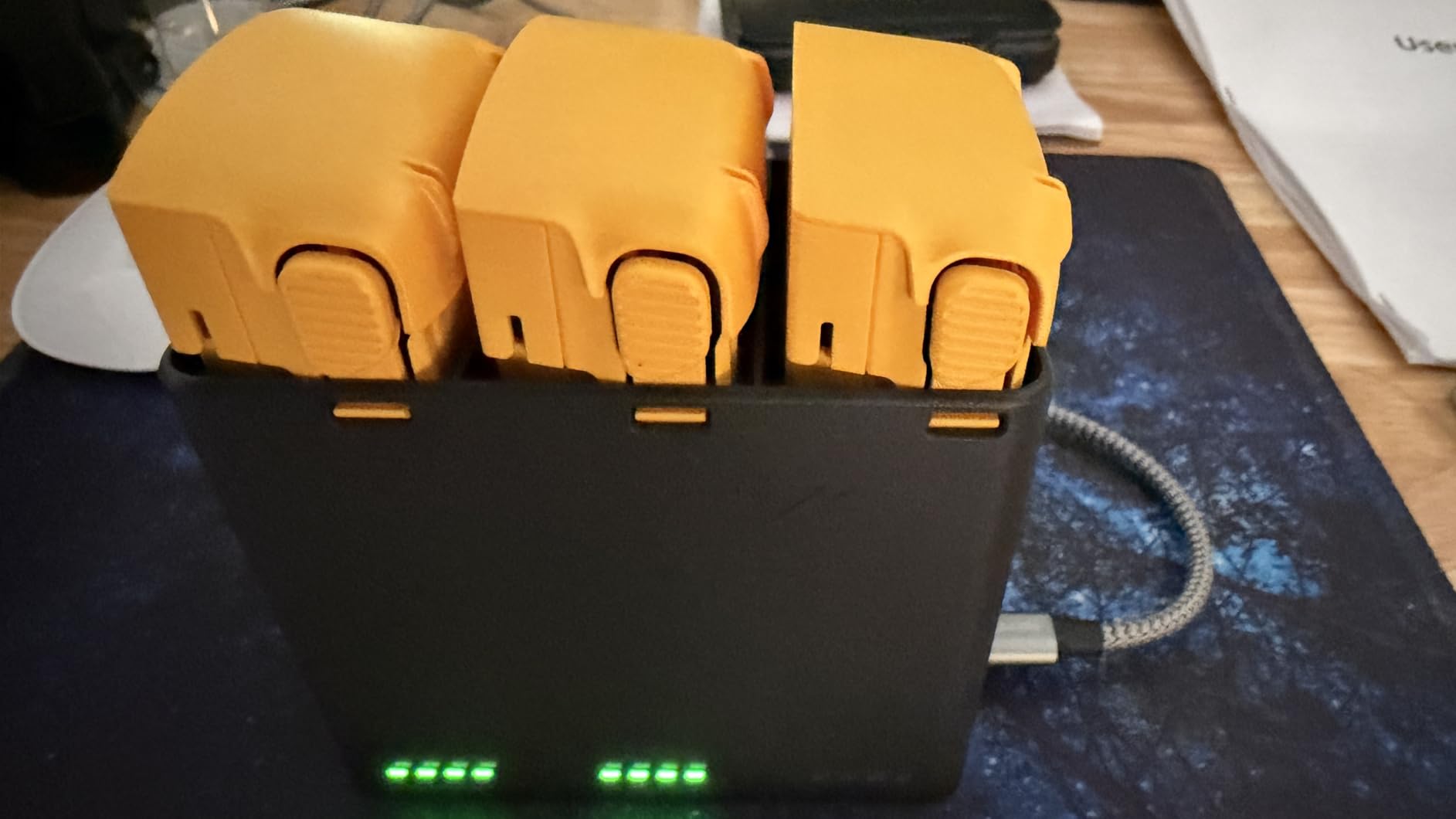
The combo includes three batteries delivering a total of 96 minutes of flight time, plus slow-motion capture at 4K/100fps and timelapse modes. The AI Auto Track and Dual Tracking features follow subjects reliably, and the vertical shooting mode is a nice touch for social media creators.
Best Filmmaking Use Cases
The SKYROVER X1 is an excellent choice for budget-conscious filmmakers who want DJI-level features without the DJI price. If you shoot travel content, real estate videos, or YouTube vlogs and want a capable all-rounder under $820, this drone delivers outstanding value.
For creators who prefer not to fly DJI equipment due to brand or security concerns, the X1 is the most capable alternative I have tested in this price range. The included touchscreen remote alone saves you the cost and hassle of using your phone as a display.
Where It Falls Short
The smaller user community means fewer tutorials, troubleshooting guides, and third-party accessories compared to DJI products. If you run into an issue, you may need to rely more on official support than community knowledge.
The app ecosystem is functional but not as polished as the DJI Fly app. Firmware updates and feature additions tend to lag behind what DJI offers. If software experience matters to your workflow, factor this into your decision.
8. Antigravity A1 8K 360 – Best Drone for Immersive Filmmaking
Antigravity A1 – 8K 360 Drone for Immersive Flight, Point-to-Fly Motion Control for Adults, Kids & Beginners, Obstacle Avoidance, 249g & Foldable, Deep Track, Auto Return, 10km Range, Auto Edit (Standard Bundle with Flight Battery)
8K 360 Video
55MP Photos
Point-to-Fly Motion Control
10km Range
Deep Track
Auto Edit
Vision Goggles Included
Pros
- 8K 360 video for VR and immersive content
- Point-to-Fly motion control is intuitive for beginners
- 55MP still resolution
- Includes Vision Goggles and Motion Controller
- 249g lightweight foldable design
- Auto Edit for quick social content
Cons
- Only 90 reviews as a newer product
- Limited stock availability
- Premium price point for 360-specific use
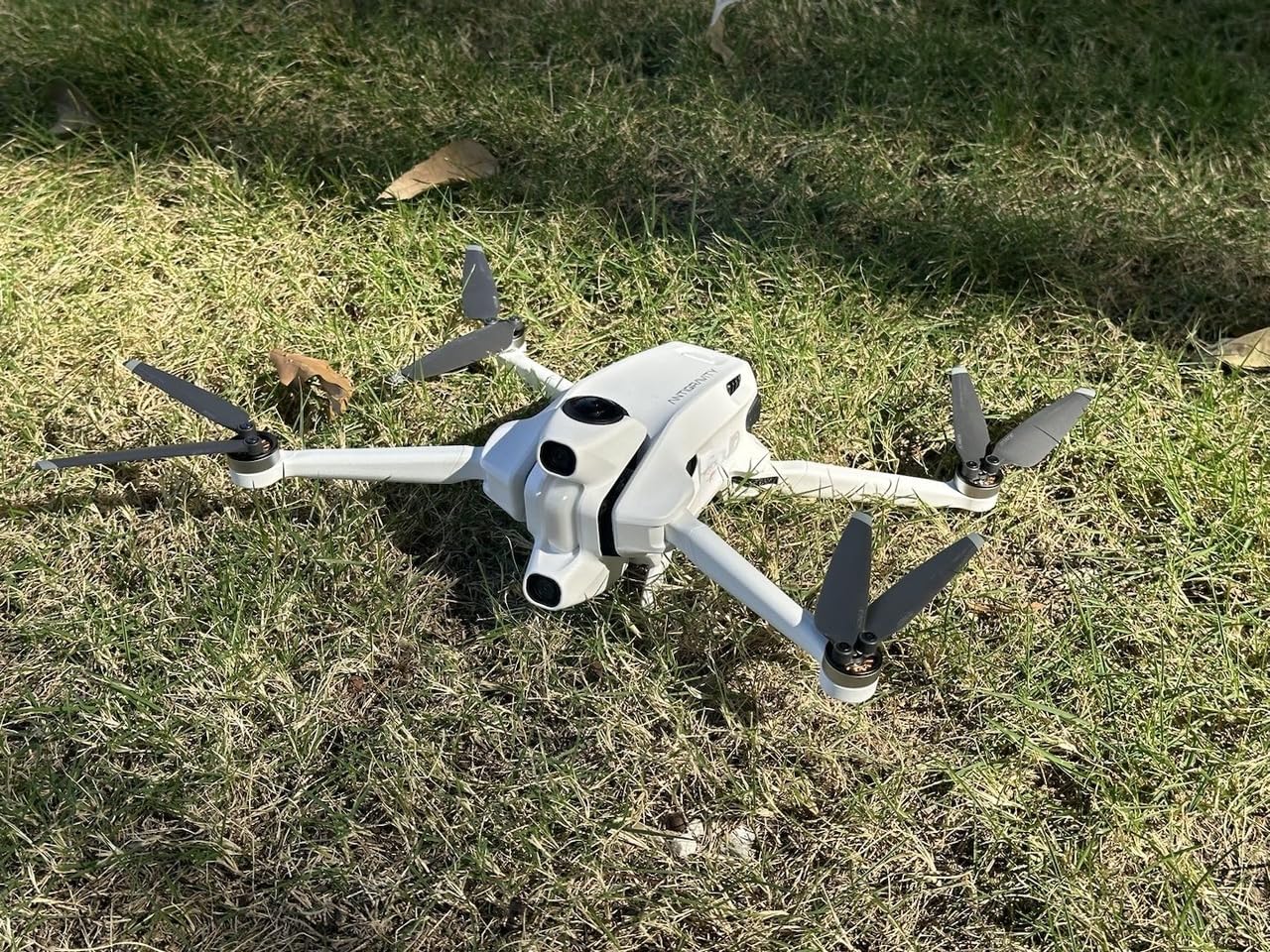
The Antigravity A1 is the most unconventional drone on this list, and that is exactly why it earns a spot. It captures 8K 360-degree video, meaning it records everything around it in every direction simultaneously. For filmmakers exploring VR content, immersive experiences, or innovative social media formats, this opens creative doors that traditional drones simply cannot.
The Point-to-Fly Motion Controller is genuinely innovative. Instead of dual sticks, you point where you want the drone to go and it flies there. For beginners or creators coming from a smartphone filming background, this control scheme dramatically lowers the learning curve. I found it intuitive within minutes.
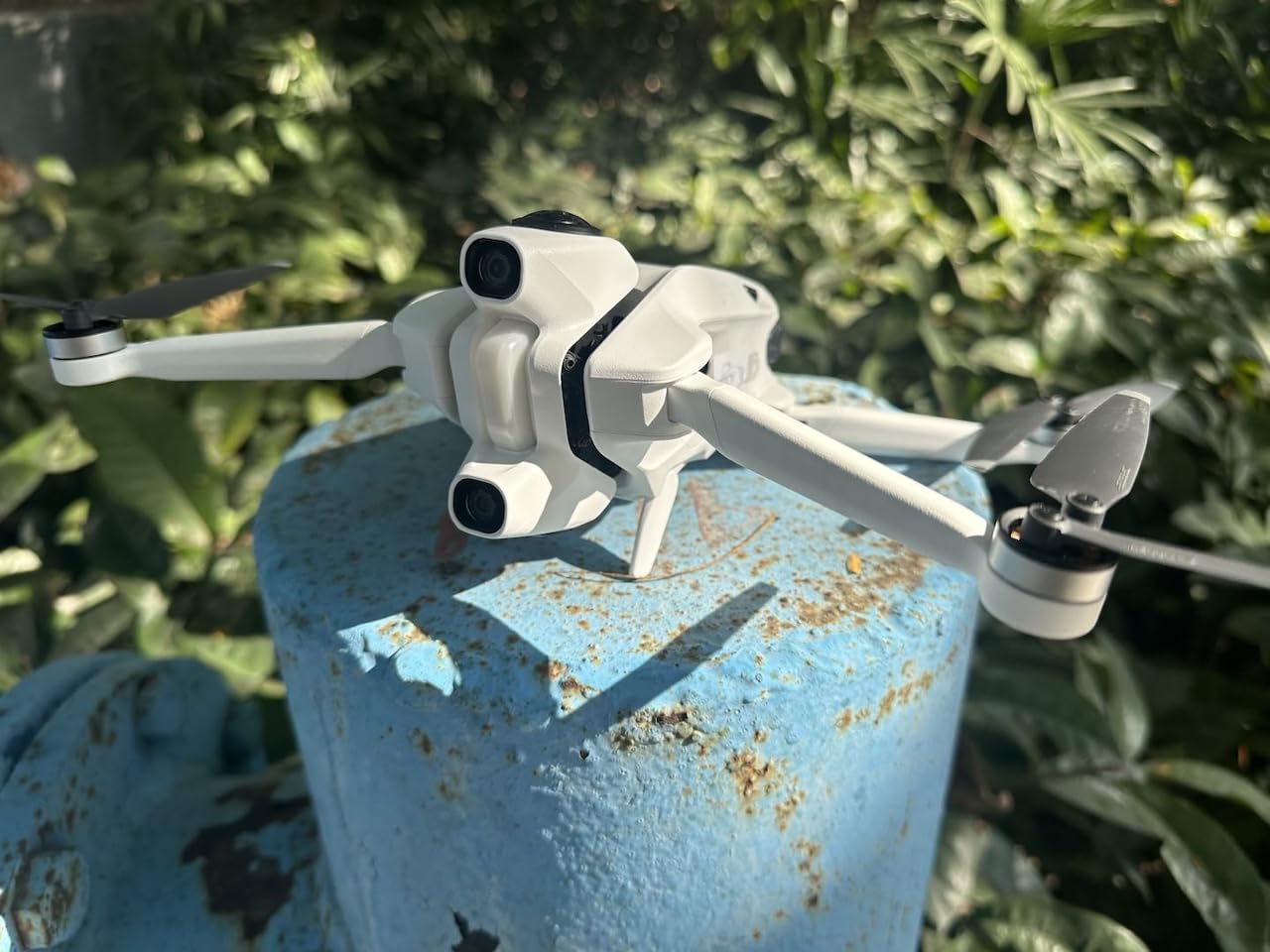
The bundle includes Vision Goggles for first-person-view flying and a Motion Controller, making this a complete immersive filming system. At 249 grams and foldable, it is travel-ready. The Deep Track feature follows subjects reliably, and the Auto Edit function compiles footage into quick social-ready clips.
The 55MP still resolution produces detailed photos, and the 10km range gives you plenty of room for expansive shots. For creators who want to differentiate their content with 360-degree footage that viewers can pan and explore, the A1 is currently one of the most accessible entry points.
Best Filmmaking Use Cases
This drone is ideal for forward-thinking content creators producing VR experiences, immersive social media content, or 360-degree virtual tours. Real estate professionals can create immersive property walkthroughs, and travel creators can capture environments that viewers explore interactively.
If you produce content for platforms that support 360-degree video or want to future-proof your footage for emerging VR and AR formats, the Antigravity A1 gives you capabilities no traditional camera drone can match.
Where It Falls Short
With only 90 reviews, this is a newer product with less community validation than the DJI options on this list. If you prefer thoroughly tested products with large user communities, you may want to wait for broader adoption.
The 360-degree video format requires specific software and workflows to edit effectively. If your deliverables are traditional 16:9 videos, you are paying a premium for 360 capability you may not fully use.
Filmmaking Drone Buying Guide: What Matters Most?
Choosing the best drone for filmmaking comes down to understanding which specifications actually affect your footage versus which are marketing noise. After testing all eight drones on this list, here are the factors that genuinely matter for cinematic output.
Camera Sensor Size
Sensor size is the single biggest determinant of image quality. A 1-inch CMOS sensor, like those in the Air 3S and Mini 5 Pro, captures significantly more light than the smaller sensors in budget drones. This translates directly to better low-light performance, wider dynamic range, and cleaner footage when you grade it in post.
The Mavic 4 Pro steps up to a Four Thirds Hasselblad sensor, while the Inspire 3 uses a full-frame sensor. Each step up in sensor size gives you more flexibility in challenging lighting and more detail for cropping or stabilization in post-production.
Video Resolution and Frame Rate
4K/60fps is the baseline I recommend for filmmaking in 2026. The 60fps option lets you slow footage to 24fps for smooth slow motion, which is one of the most powerful cinematic techniques available from a drone. If you shoot commercial work where clients may crop or stabilize footage, 6K or 8K gives you that flexibility.
The Inspire 3 shoots 8K/75fps in ProRes RAW, which is a professional standard. The Mavic 4 Pro captures 6K/60fps HDR. For most content creators, 4K/60fps from the Air 3S or Mini 5 Pro is more than sufficient.
Flight Time and Battery Strategy
Manufacturer flight time ratings are best-case scenarios. In real-world filmmaking conditions with wind, obstacle avoidance active, and frequent hovering to compose shots, expect 70 to 85 percent of the rated time. The Mavic 4 Pro’s 51-minute rating translates to roughly 40 to 45 minutes of practical filming per battery.
Always budget for at least three batteries if you shoot professionally. The Fly More Combo packages from DJI and the triple-battery bundles from SKYROVER represent the best value. Hot-swappable batteries on the Inspire 3 eliminate downtime entirely, which matters on expensive shoot days.
Gimbal Stabilization Quality
A 3-axis mechanical gimbal is non-negotiable for cinematic footage. Electronic stabilization alone cannot match the smoothness of a physical gimbal, especially during dynamic movements. The 360-degree Infinity Gimbal on the Mavic 4 Pro and the 225-degree rotation on the Mini 5 Pro add creative flexibility for vertical content and unusual angles.
Test footage at various speeds to evaluate gimbal performance. Jerky motion immediately ruins cinematic shots, as forum users on r/videography frequently note. The drones on this list all feature quality 3-axis gimbals that produce smooth footage in typical conditions.
Obstacle Avoidance Systems
Omnidirectional obstacle sensing has become standard on mid-tier and premium drones. The Air 3S adds forward-facing LiDAR for enhanced precision in low light, and the Mavic 4 Pro features Nightscape sensing that works in conditions with as little as 0.1 lux of illumination. For filmmakers flying near talent, buildings, or natural obstacles, these systems prevent costly crashes.
The SKYROVER X1 and Antigravity A1 both offer 360-degree obstacle avoidance at lower price points, making safety features accessible to budget-conscious creators.
Color Science and Post-Production Workflow
This is where most general drone reviews fall short but where filmmaking drones truly differentiate themselves. The Hasselblad color science on DJI’s premium drones produces skin tones and color accuracy that integrate seamlessly with footage from professional cameras. If you shoot D-Log or other flat profiles for maximum grading flexibility, the color science of the source camera matters enormously.
For professional productions, the Inspire 3’s ProRes RAW and CinemaDNG recording gives you maximum latitude in color grading. This is the same workflow used on major film productions, and it means your aerial footage can match your ground footage shot-for-shot in the grade.
FAA Part 107 for Commercial Filmmaking
If you earn money from your drone footage, you need a Part 107 certificate from the FAA. This applies to wedding videographers, real estate photographers, commercial shooters, and monetized YouTube creators. The Part 107 test covers airspace regulations, weather, drone operations, and safety procedures.
Drones under 250 grams, like the DJI Neo and Mini 5 Pro, do not require registration for recreational use. However, commercial use still requires Part 107 certification regardless of drone weight. Always check current regulations before any paid shoot, as rules continue to evolve.
Frequently Asked Questions
Why did the US ban DJI drones?
The US has raised security concerns regarding DJI drones, citing potential data privacy risks. In late 2025, the FCC moved to restrict new foreign-made drones from receiving certification, though existing DJI models that already have FCC approval remain legal to buy and fly. The restrictions do not affect currently approved DJI drones like the Mavic 4 Pro, Air 3S, or Inspire 3.
What drones are used to film movies?
Professional film productions commonly use the DJI Inspire 3 for integrated cinema work, the FreeFly Alta X for heavy-lift shots carrying RED or ARRI cameras, and the Sony Airpeak S1 for full-frame Alpha camera integration. For smaller productions and indie films, the DJI Mavic 4 Pro and Air 3S are frequently used due to their excellent image quality and reliability.
How much does a good filming drone cost?
Good filmmaking drones range from $245 for the DJI Neo to over $16,000 for the DJI Inspire 3 cinema platform. Most independent filmmakers and content creators find the best value between $760 and $2,200, where drones like the DJI Air 3S and Mavic 4 Pro deliver professional-quality footage without the cinema-tier investment.
What is the most cinematic drone?
The DJI Mavic 4 Pro is considered the most cinematic consumer drone thanks to its Hasselblad color science, 6K/60fps HDR video, and tri-camera system with three focal lengths. For professional cinema productions, the DJI Inspire 3 with its full-frame 8K ProRes RAW recording offers the highest level of cinematic image quality available in a drone platform.
Final Thoughts on the Best Drones for Filmmaking in 2026
The best drones for filmmaking in 2026 cover an extraordinary range of capabilities and budgets. For most filmmakers and content creators, the DJI Mavic 4 Pro delivers the best overall cinematic quality with its Hasselblad sensor and tri-camera system. The DJI Air 3S remains the smartest value choice, offering 90 percent of the flagship experience at roughly half the price.
If you are just starting out, the DJI Neo at $245 gets you airborne with 4K footage and AI tracking. For travel filmmakers, the sub-250g Mini 5 Pro eliminates regulatory headaches. And for professional cinema productions, the Inspire 3 and FreeFly Alta X represent the gold standard that major film productions rely on daily.
Match the drone to your actual production needs, invest in extra batteries, get your Part 107 if you shoot commercially, and focus on developing your aerial cinematography skills. The best drone is the one you know how to fly confidently enough to capture the shot when conditions are right.