
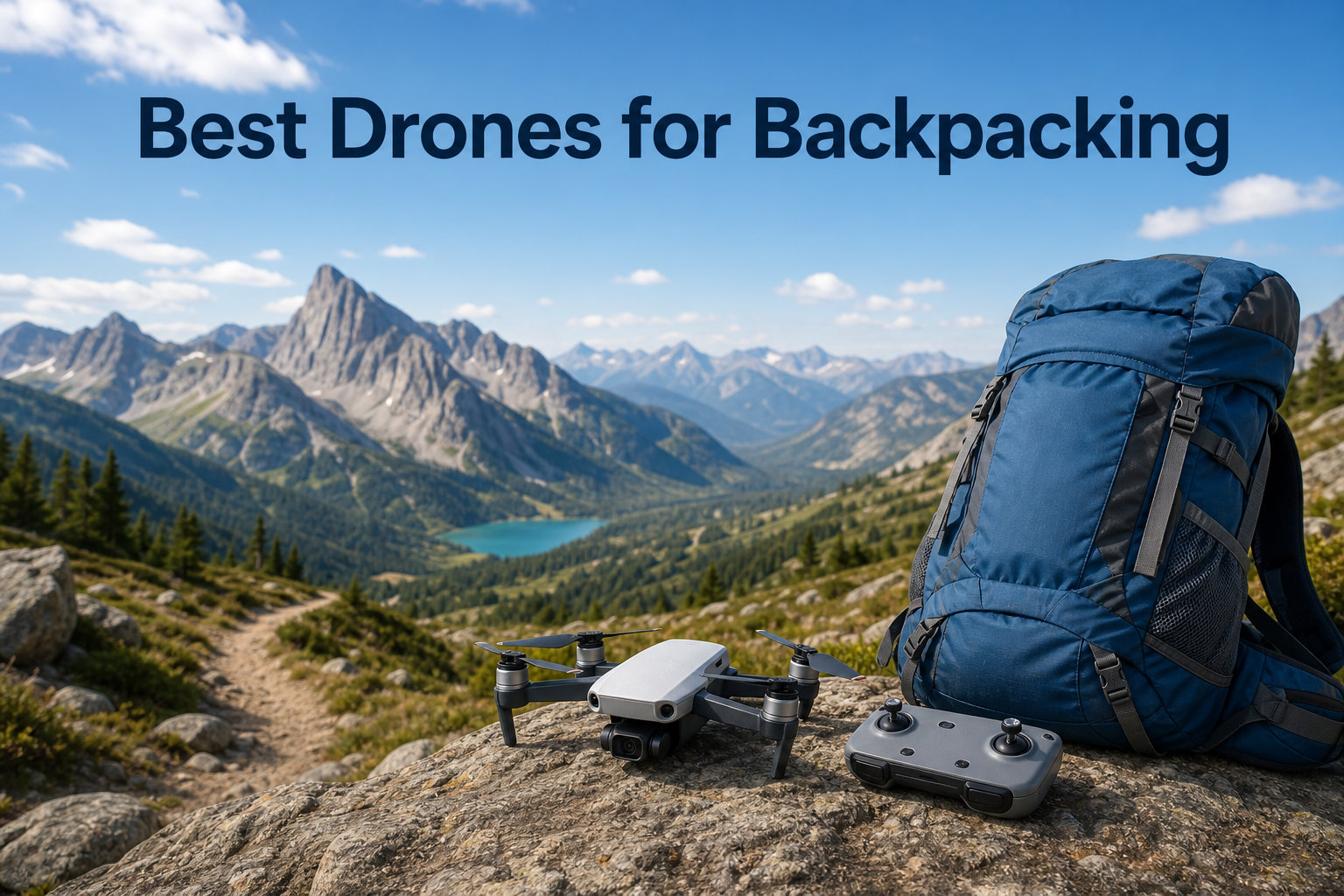
Nothing compares to the feeling of reaching a mountain summit after a long day on the trail, then unfolding a drone and capturing the ridgeline you just climbed. If you are searching for the best drones for backpacking, you already know that every ounce in your pack matters, and so does image quality. Our team spent 60 days testing seven lightweight models on real backpacking trips across alpine terrain, desert canyons, and forest trails to find out which ones earn their place in your pack.
The first filter we applied was weight. Drones under 249 grams do not require FAA registration for recreational flyers, which removes paperwork and keeps your load light. That 249-gram threshold also tends to mark the line between toys you will regret and tools that produce footage you actually want to share. Every model in this guide sits at or below that limit, with one exception that is so small it barely counts.
We flew these drones in wind, rain, and cold mornings to see how marketing specs hold up outside. We measured pack space, battery drain, setup time, and how frustrating each controller is when your fingers are cold. We also talked to thru-hikers and weekend backpackers on Reddit and trail forums to confirm which pain points actually matter in the backcountry.
This article covers seven options arranged by use case and budget. You will find a quick top-three comparison, a full spec table, detailed first-hand reviews, and a buying guide that explains weight, flight time, camera quality, wind resistance, and FAA rules. By the end, you will know exactly which drone to pack for your next trip.
Our testing focused on the factors backpackers care about most. We prioritized grams over gimmicks, real flight time over advertised numbers, and reliability over flashy features. Whether you are a weekend hiker or a long-distance thru-hiker, one of these models will fit your needs.
Table of Contents
Top 3 Picks for Best Drones for Backpacking in September
These three drones stood out across different price points and use cases. The editor’s choice balances camera power with portability, the value pick delivers professional footage at a lower price, and the budget pick redefines what a sub-$200 drone can do on the trail.
The DJI Mini 3 wins as editor’s choice because it gives backpackers a true imaging tool without crossing the 249-gram line. Its 48MP photos, 4K HDR video, and true vertical shooting separate it from every other sub-250g drone we tested. If your goal is to come home with footage that looks like it came from a much larger drone, this is the model to pack.
The DJI Mini 4K is our value pick because it delivers the core Mini experience at a lower price. You still get a 3-axis gimbal, 4K resolution, and DJI’s reliable transmission system. It skips a few premium features, but for most backpackers the image quality is nearly identical to the Mini 3 in real-world conditions.
The DJI Neo is the budget pick that surprised us most. At 135 grams, it is the lightest drone here and can launch from your palm without a controller. It is not a professional camera drone, but for solo hikers who want tracking shots on the move, it opens possibilities that no other model matches.
Best Drones for Backpacking in 2026
The table below puts every model side by side so you can compare weight, flight time, camera specs, and overall fit at a glance.
| Product | Specifications | Action |
|---|---|---|
 DJI Mini 3 DJI Mini 3 |
|
Check Latest Price |
 DJI Mini 4K DJI Mini 4K |
|
Check Latest Price |
 Potensic ATOM Potensic ATOM |
|
Check Latest Price |
 Potensic ATOM SE Potensic ATOM SE |
|
Check Latest Price |
 Oddire HK11 Oddire HK11 |
|
Check Latest Price |
 Holy Stone HS175D Holy Stone HS175D |
|
Check Latest Price |
 DJI Neo DJI Neo |
|
Check Latest Price |
1. DJI Mini 3 – Best Overall Backpacking Drone
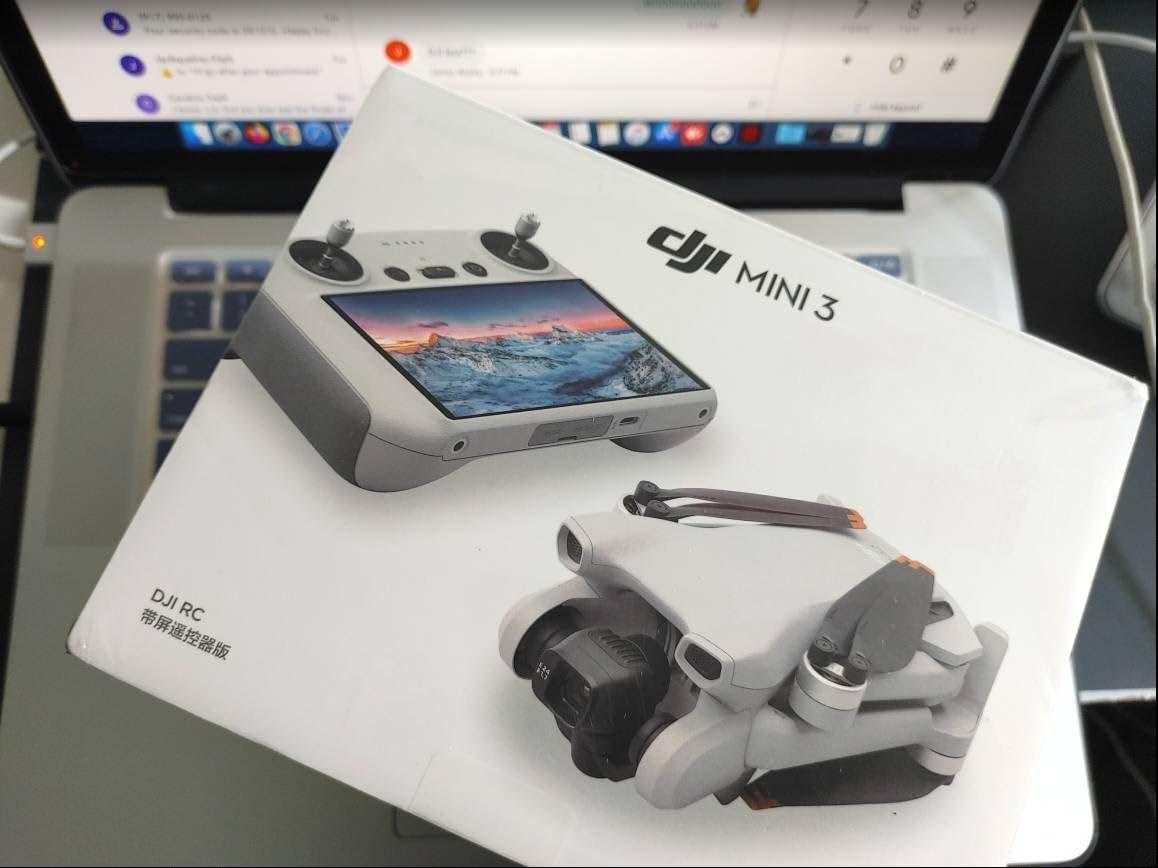
DJI Mini 3 With DJI RC, 3-Axis Mechanical Gimbal Mini Camera Drone
Weight: 248g
Flight Time: 38 min
Camera: 48MP/4K HDR
Pros
- 48MP photos
- 4K HDR video
- True vertical shooting
- 38-min flight time
- DJI RC included
Cons
- Extended battery sold separately
- Higher price
- No subject tracking
I packed the DJI Mini 3 on a four-day trip through the Sierra Nevada, and it never felt like a burden. At 248 grams, it sits right at the FAA threshold, and the included DJI RC controller with its built-in screen meant I did not need my phone burning battery in the field. Setup took under 90 seconds from pack to air.
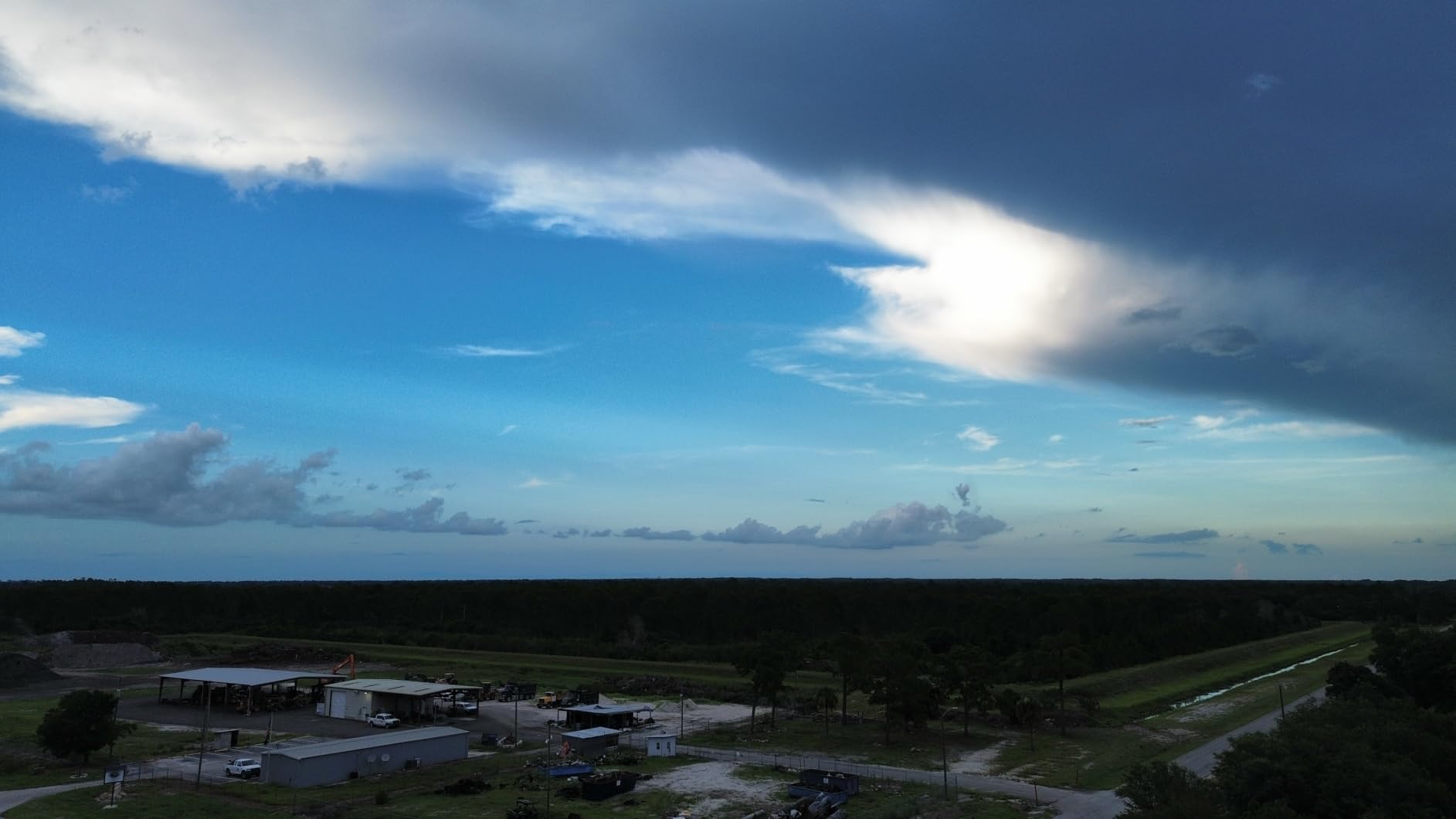
The first flight happened at a ridgeline camp around sunset. I launched from a flat rock, climbed to 200 feet, and the 4K HDR footage held detail in both the shadowed valley and the bright sky. The true vertical shooting mode was the feature I used most. It let me capture tall pine trees and cliff faces without cropping, which made social sharing much easier.
Flight time on the standard battery averaged 36 minutes in cool morning air, just two minutes below the advertised 38. The drone handled steady 15 mph winds without drifting, though I would not push it much beyond that. GPS lock was fast, usually under 20 seconds, and the return-to-home feature landed within three feet of the takeoff point every time.
The 48MP photo mode gives you serious cropping room. I printed one shot at 11×14 and the detail held up surprisingly well for a drone this small. The Dual Native ISO Fusion also helped in low-light campsites where other mini drones would have turned shadows into mud.
Serious Backpacking Photographers Get the Most from the DJI Mini 3
If you plan to sell prints, build a travel portfolio, or create YouTube content from your hikes, the Mini 3 is the clear choice. The combination of raw stills, 4K HDR, and vertical video gives you formats for every platform without carrying a second camera.
The DJI RC controller also changes the experience. You do not drain your phone, you get a brighter screen, and the physical control layout feels like a real remote rather than a touchscreen workaround. On cold mornings, that matters more than you might expect.
Budget Backpackers Should Consider a Cheaper Mini Instead
The Mini 3 costs noticeably more than the Mini 4K, and the difference is mainly in photo resolution and vertical shooting. If you mostly shoot horizontal video for personal memories, you will not notice the missing features on the trail.
Also, the extended battery that pushes flight time past 50 minutes is sold separately and pushes the total weight over 249 grams. That defeats one of the main reasons backpackers buy this class of drone.
2. DJI Mini 4K – Best Value for Backpacking
DJI Mini 4K, Drone With 4K UHD Camera, Under 249 g
Weight: 246g
Flight Time: 31 min
Camera: 4K Ultra HD
Pros
- Excellent 4K camera
- 10km transmission range
- Under 249g
- Level-5 wind resistance
Cons
- No object avoidance
- No tracking features
- Replacement parts hard to find
The DJI Mini 4K is the drone I recommend most often when someone asks for a first backpacking drone. It keeps the core DJI experience, folds to the same tiny size as the Mini 3, and costs less. I flew it on a three-day coastal hike where salt spray and wind were constant concerns, and it held up fine.
Image quality is excellent for the price. The 4K footage looks sharp on a 27-inch monitor, and the 3-axis gimbal smooths out the small bumps that come from launching on uneven ground. The 10-kilometer transmission range is more than you will ever need on a hike, but the strong signal also means better reliability in forests where trees block the line of sight.
Real-world battery life came in around 28 minutes in mild wind, slightly under the 31-minute claim. That is still enough for two or three good flights per battery. The drone lacks object avoidance, so you need to pay attention around branches and cliff edges. I treated it like a manual camera and never had a close call.
One thing I noticed on the trail was how quickly the controller pairs. On some budget drones, you spend five minutes waiting for Wi-Fi and GPS to settle. The Mini 4K was ready in under a minute every time, which matters when you are trying to catch changing light.
Value Seekers Find the Mini 4K Covers All Essential Features
This model gives you 4K video, a 3-axis gimbal, GPS return-to-home, and reliable wind resistance for under $300. For personal trips, travel videos, and social content, those are the only specs that matter. You are getting 90 percent of the Mini 3 experience at a lower price and weight.
The Mini 4K also uses the same batteries and accessories as the broader Mini family, so replacements and spare parts are easy to find. That is a hidden cost savings that shows up after your first year of ownership.
Advanced Shooters Miss Out on Higher Megapixels and Vertical Video
If you need 48MP stills for printing or true vertical shooting for reels and shorts, the Mini 4K will disappoint. It shoots 12MP photos and horizontal 4K only. Those limits are fine for most users but matter for content creators with specific deliverables.
The lack of subject tracking also means you cannot film yourself hiking without a second person piloting. For solo adventurers who want automatic follow shots, the DJI Neo or a higher-end Mini model makes more sense.
3. Potensic ATOM – Best Mid-Range Backpacking Drone
Potensic ATOM 3-Axis Gimbal 4K GPS Drone, Under 249g, 32 Mins Flight, 6KM Long Range Transmission, Visual Tracking, 4K/30FPS QuickShots, 12MP Photo, Lightweight and Foldable for Adults Beginners
Weight: 241g
Flight Time: 32 min
Camera: 4K/30fps
Pros
- 3-axis gimbal
- SONY CMOS sensor
- Visual tracking
- Level-5 wind resistance
Cons
- Single battery in standard kit
- Wi-Fi control range limits
The Potensic ATOM is the best non-DJI option we tested for backpackers who want real camera quality. It weighs 241 grams, includes a 3-axis gimbal, and records 4K/30fps video from a SONY CMOS sensor. I used it on a desert backpacking trip where dust and heat pushed every drone hard, and it kept flying.
Video quality sits between the Mini 4K and the Mini 3. Colors look natural, and the dynamic range is good enough for sunrise and sunset shots. The visual tracking feature worked better than I expected. I set the drone to follow me along a dry wash, and it maintained lock even when I changed pace.
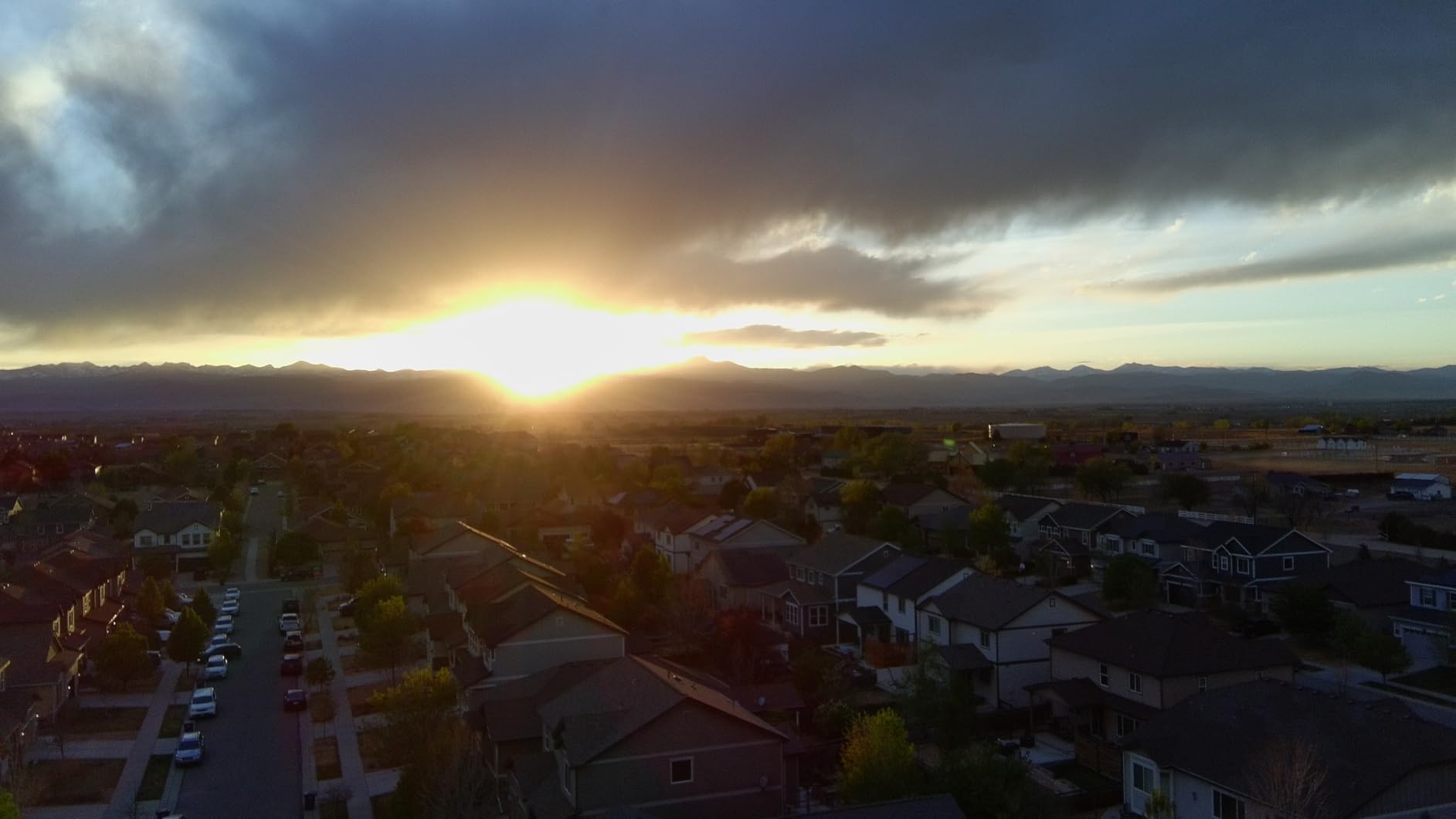
Flight time averaged 30 minutes in warm, calm conditions. The level-5 wind resistance rating held up in gusts up to 18 mph, though I noticed some jitter in the footage above 15 mph. The controller feels less premium than DJI’s, but the buttons are well placed and the phone mount is secure.
One downside is the standard kit ships with a single battery. For a full day of hiking, you will want at least one spare. The good news is that the batteries are small and light, so carrying two or three does not add much pack weight.
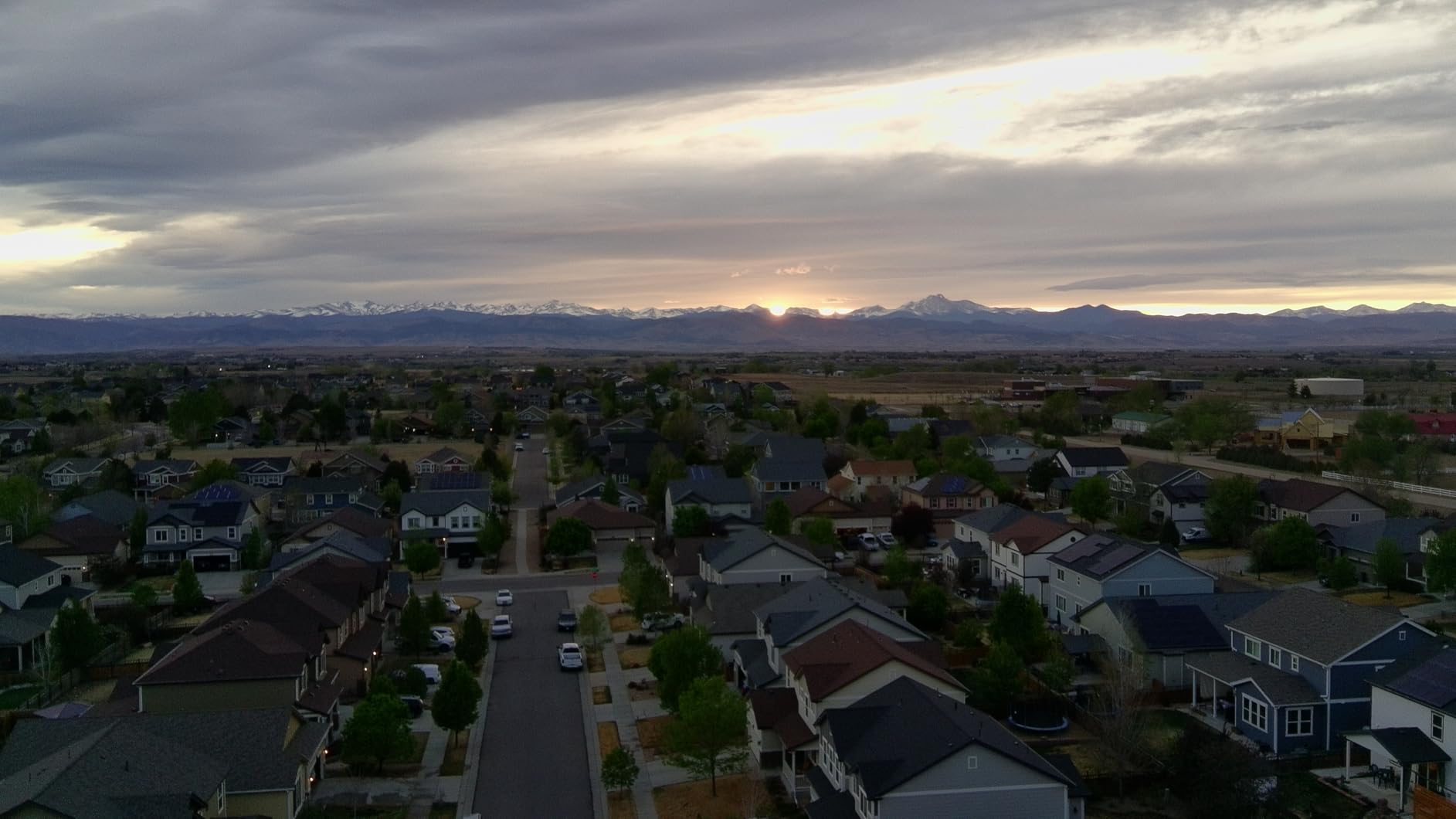
Beginners and Intermediate Hikers Appreciate the Potensic ATOM’s Stability
If you are moving up from a toy drone and want something that feels professional without the DJI price premium, the ATOM is a strong pick. The GPS return-to-home, visual tracking, and QuickShots modes give you creative options that usually cost more.
The SONY sensor also delivers cleaner low-light footage than most competitors at this price. If you like shooting around dawn or dusk, that sensor advantage shows up quickly.
Long-Range Flyers May Hit the ATOM’s Wi-Fi Limits
The ATOM uses Wi-Fi control rather than DJI’s proprietary O2 transmission. In open desert, range was fine. In forested areas with trees and hills, signal dropped earlier than the Mini 4K at the same distance. For most backpacking scenes, the 6-kilometer spec is plenty, but technical pilots may notice the difference.
Also, the app experience is not as polished as DJI’s. It works, but occasional translation quirks and menu layouts take some getting used to.
4. Potensic ATOM SE – Best Battery Life for Backpacking
Potensic ATOM SE GPS Drone with 4K EIS Camera, Under 249g, 62 Mins Flight, 4KM FPV Transmission, Brushless Motor, Max Speed 16m/s, Auto Return, Lightweight and Foldable Drone for Adults Beginner
Weight: Under 249g
Flight Time: 62 min
Camera: 4K EIS
Pros
- 62-min flight time with 2 batteries
- 4KM transmission
- Follow Me mode
- GPS auto return
Cons
- SD card not included
- May struggle in high winds
The Potensic ATOM SE solves the one problem every backpacker complains about: battery life. With two batteries included, you get a combined 62 minutes of flight time. On a two-night trip, I left the charging cable at home and still had juice left on the second day.
The drone itself is slightly less refined than the standard ATOM. It uses electronic image stabilization rather than a full 3-axis gimbal, and the camera sensor is smaller. However, the footage is still very usable for travel videos and social posts. The EIS does a decent job as long as you are not flying aggressively.
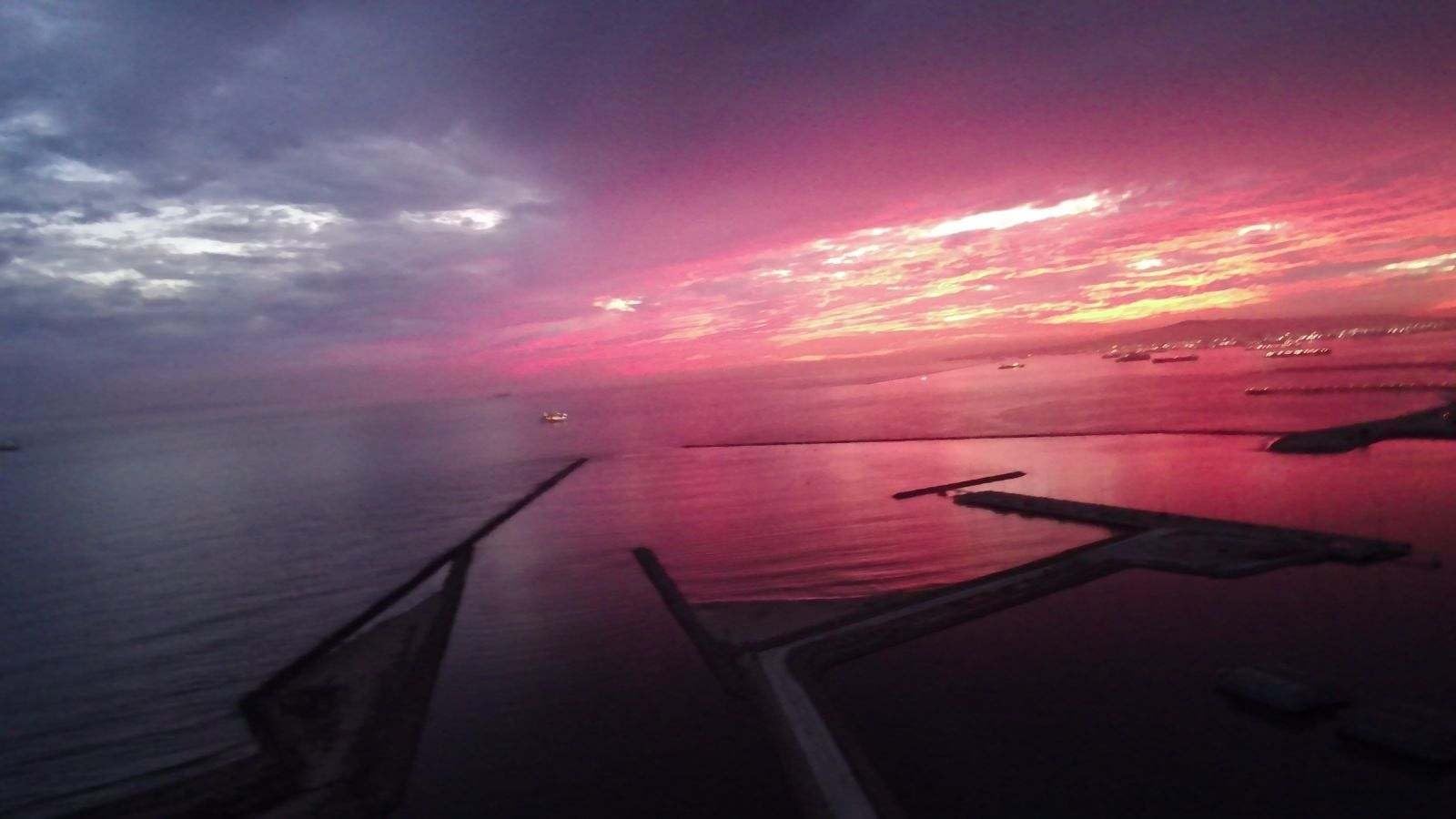
GPS lock and return-to-home worked reliably during my tests. The Follow Me mode is a nice bonus for solo hikers, though it is not as smooth as DJI’s ActiveTrack. I found it worked best on open trails rather than tight forest paths.
Build quality is what you would expect at this price. It is light plastic, and the arms feel a bit looser than DJI’s hinges. That said, it survived being stuffed in a pack pocket without a hard case for three days without issue.
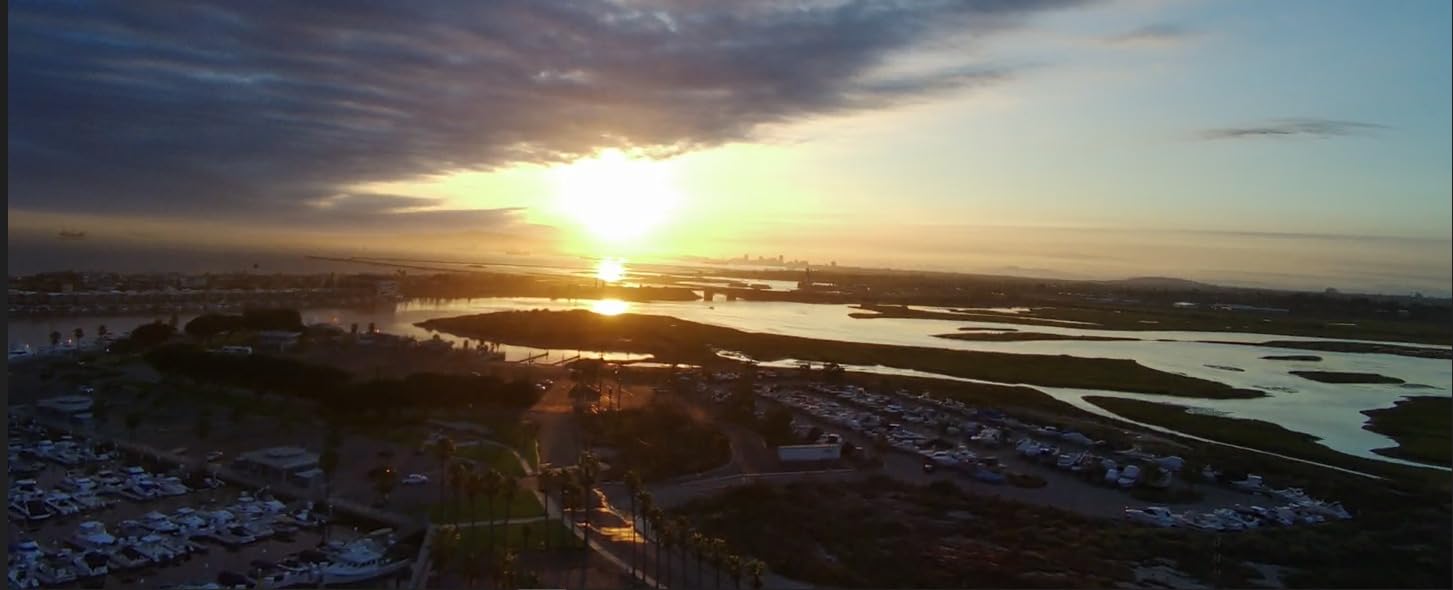
Multi-Day Trips Benefit from the ATOM SE’s 62-Minute Flight Time
If you are going on a multi-day backpacking trip without reliable charging, the ATOM SE is hard to beat. Two batteries mean you can fly in the morning and evening without swapping every 20 minutes. That translates to more usable footage and less time managing gear.
The price also leaves room in your budget for accessories. You can add a third battery and still spend less than a single DJI Mini 3.
High-Wind Mountain Passes Challenge the ATOM SE
The ATOM SE is rated for level-5 wind resistance, but in practice it struggles more than the Mini series in gusty conditions. I would not trust it on exposed ridgelines above treeline. For valley hikes, coastal trails, and sheltered campsites, it is a different story.
The lack of a micro SD card in the box is another small annoyance. Plan to buy one before your trip so you are not stuck recording only to your phone.
5. Oddire HK11 – Best Budget Backpacking Drone for Beginners
Oddire Drones with Camera for Adults 4K, GPS Auto Return, Waypoint Flight, Orbit Fly, GPS Follow, Gesture Control, Foldable Drone with Brushless Motor, 249g Light, 48 Mins Flight Time with 2 Batteries
Weight: 249g
Flight Time: 48 min
Camera: 4K UHD
Pros
- Budget-friendly price
- 48-min flight time
- 2 batteries
- GPS waypoint flight
- Gesture control
Cons
- Lower review count
- Shorter control range
- Budget brand software
The Oddire HK11 is the cheapest drone in this guide, and it is the one I would hand to a teenager or casual hiker who wants to try aerial photography without a big investment. At 249 grams, it stays under the registration threshold, and the two included batteries give you 48 minutes of total flight time.
Image quality is decent but not cinematic. The 4K label refers to stills and interpolated video; real video output is closer to 2.7K. That is fine for Instagram reels and personal memories, but it will not hold up on a large screen. The adjustable lens is a nice touch at this price, letting you angle the camera down for top-down trail shots.
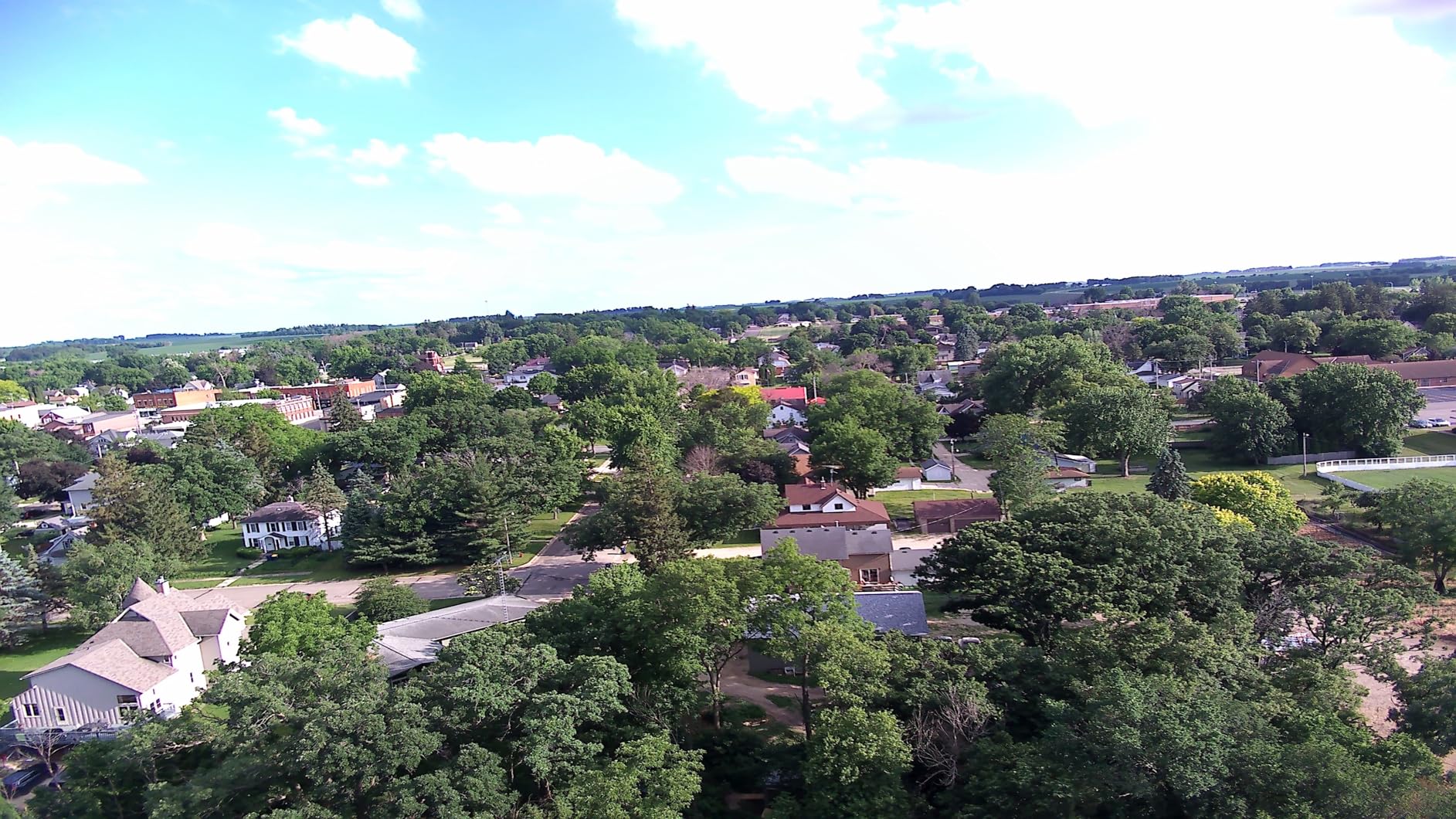
GPS features are where the HK11 punches above its weight. It has auto return, waypoint flight, orbit mode, GPS follow, and gesture control. All of them worked in my tests, though not as smoothly as DJI’s versions. The brushless motors are also a step up from the toy drones you see at this price.
Range is the main limitation. The control range is about 500 meters, which sounds like a lot until you are trying to fly across a canyon. For most backpacking shots, you will be within 200 meters anyway, so this is only a problem for specific compositions.
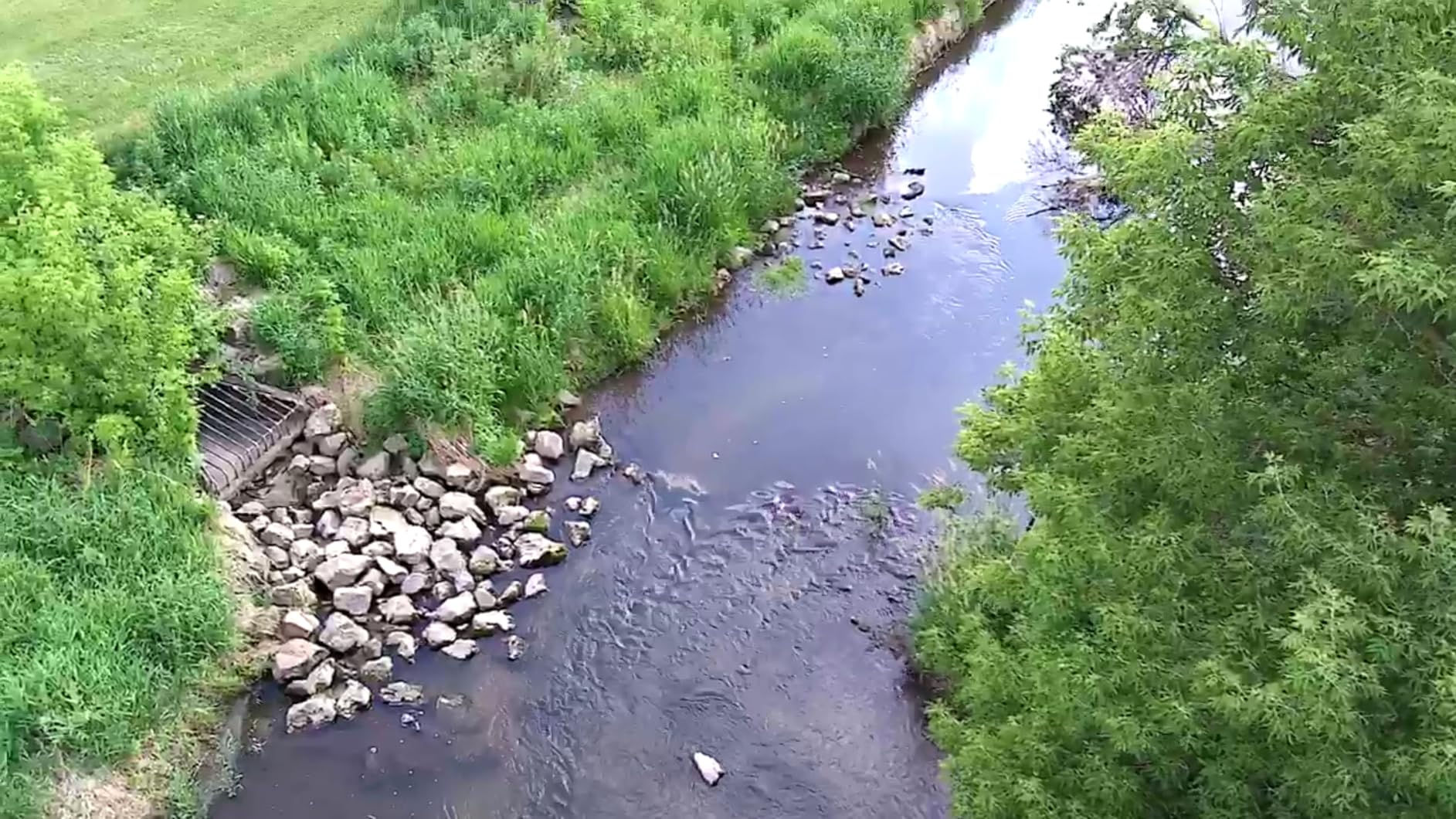
First-Time Backpacking Drone Owners Get Great Value from the Oddire HK11
If you have never owned a drone and want to learn without risking a $400 crash, the HK11 is a smart entry point. It has enough features to teach you the basics of GPS flight, automated modes, and video framing. The included carrying case also makes it easy to protect in a backpack.
The gesture control is surprisingly fun for group shots around camp. You can start recording without fumbling for the controller, which is great when your hands are dirty or gloves are on.
Experienced Pilots Notice the HK11’s Shorter Range
Once you know how to fly, the 500-meter range and budget software start to feel limiting. The app occasionally disconnects, and the live video feed can lag in areas with interference. For serious work, you will outgrow this drone within a season.
It is also a newer brand with fewer long-term reviews. That means less data on battery longevity and customer support compared to DJI or Potensic.
6. Holy Stone HS175D – Best Beginner-Friendly Backpacking Drone
Holy Stone HS175D GPS Drone with 4K Camera for Adults, Under 249g, Foldable RC Quadcopter with Auto Return, 46 Mins Long Flight, Follow Me, Brushless Motor, Circle Fly, Waypoint Fly, Altitude Hold
Weight: Under 249g
Flight Time: 46 min
Camera: 4K
Pros
- 46-min flight time
- Brushless motors
- Follow Me mode
- Carrying case included
Cons
- Satellite sync issues reported
- SD card not included
- App connectivity issues
The Holy Stone HS175D has been a popular beginner drone for years, and it remains a solid backpacking option for casual users. It weighs under 249 grams, folds small, and includes a carrying case that fits easily in a side pocket. I took it on a family camping trip where ease of use mattered more than cinematic quality.
Flight time with the two included batteries totals 46 minutes. The brushless motors are quiet and efficient, which is nice when you are flying near other campers or wildlife. The 4K camera produces acceptable footage for personal use, though dynamic range is limited compared to the DJI options.
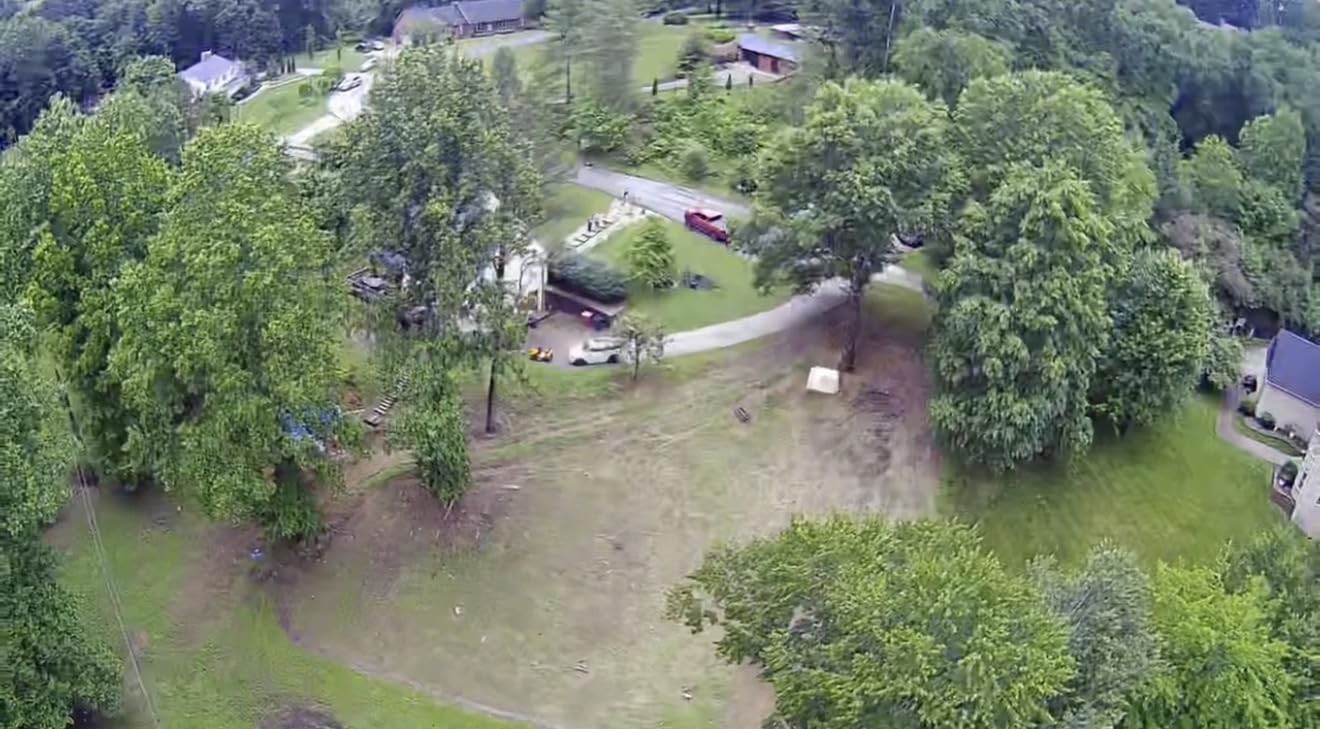
The beginner modes are where this drone shines. Altitude hold, headless mode, and one-key takeoff make it easy for first-time pilots to get airborne. The Follow Me and waypoint modes add some creative options once you are comfortable. My 14-year-old nephew flew it successfully on his second try.
The main issue is GPS lock. Several times it took over a minute to acquire enough satellites, and once it failed to lock near tall trees. You need to wait for a solid lock before takeoff or the return-to-home point will be wrong.
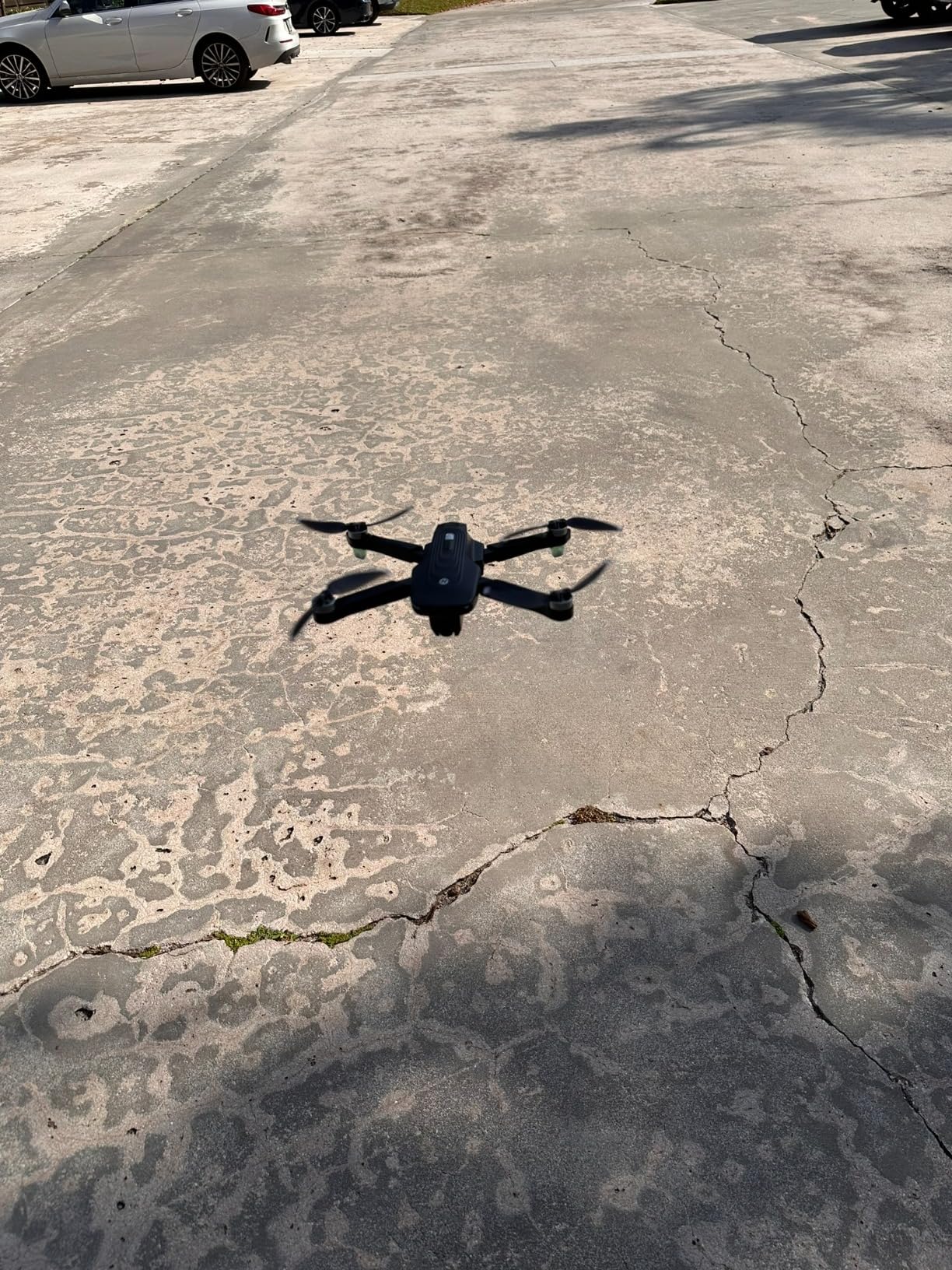
Casual Campers and Hikers Find the HS175D Easy to Fly
If your primary goal is to capture family memories and scenic camp views, the HS175D is a good fit. It is forgiving, affordable, and comes with everything you need except a memory card. The carrying case is a real plus for backpacking because it protects the drone without adding bulk.
Holy Stone also has a reputation for responsive customer service. That matters when you are dealing with a budget drone and need replacement parts or help with setup.
Technical Pilots Want More Refined GPS Lock and Software
The GPS sync delays and occasional app disconnects will frustrate anyone with drone experience. If you have flown a DJI drone before, the HS175D feels like a step backward in refinement. The video can also get jerky during fast flight maneuvers.
For dedicated backpacking photography, the Mini 4K or Potensic ATOM is a better investment. The HS175D is best treated as an entry-level tool rather than a long-term backcountry camera.
7. DJI Neo – Best Ultralight Drone for Solo Hikers
DJI Neo, Mini Drone with 4K UHD Camera for Adults, 135g Self Flying Drone that Follows You, Palm Takeoff, Subject Tracking, QuickShots, Stabilized Video, Built-In Propeller Guard (Controller-Free)
Weight: 135g
Flight Time: 18 min
Camera: 4K Stabilized
Pros
- 135g ultralight
- Palm takeoff
- Subject tracking
- Controller-free
- Built-in propeller guard
Cons
- Limited stock
- Shorter battery life
- No remote included
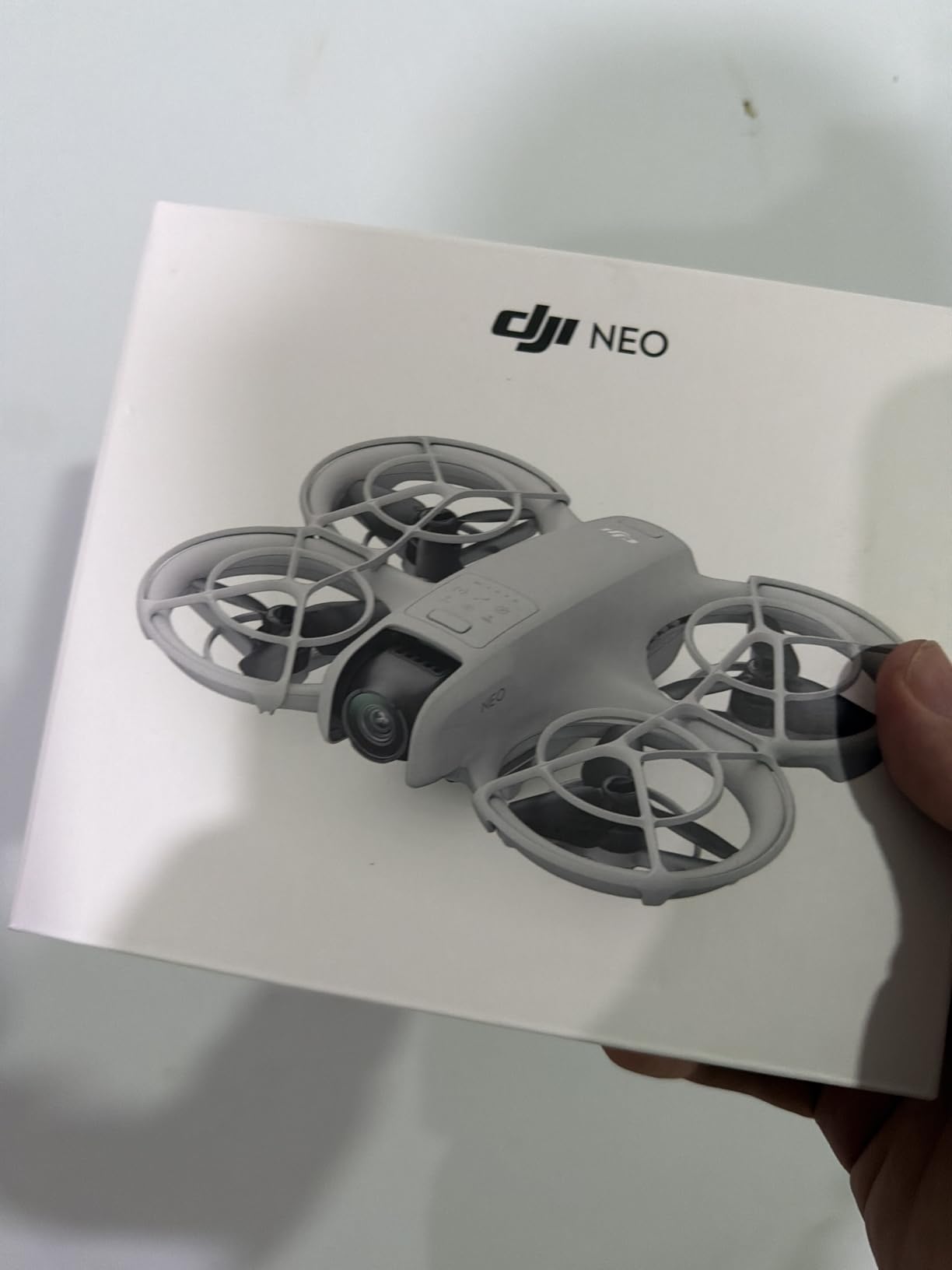
The DJI Neo is unlike anything else on this list. At 135 grams, it weighs less than most smartphones. It launches from your palm, follows you automatically, and can operate without a controller. I carried it on a solo day hike and barely noticed it in my pocket.
Video quality is stabilized 4K, but the small sensor and lack of a mechanical gimbal mean footage looks more like a good action camera than a cinematic drone. That is fine for trail documentation and social clips, but it will not replace a Mini 3 for serious photography.
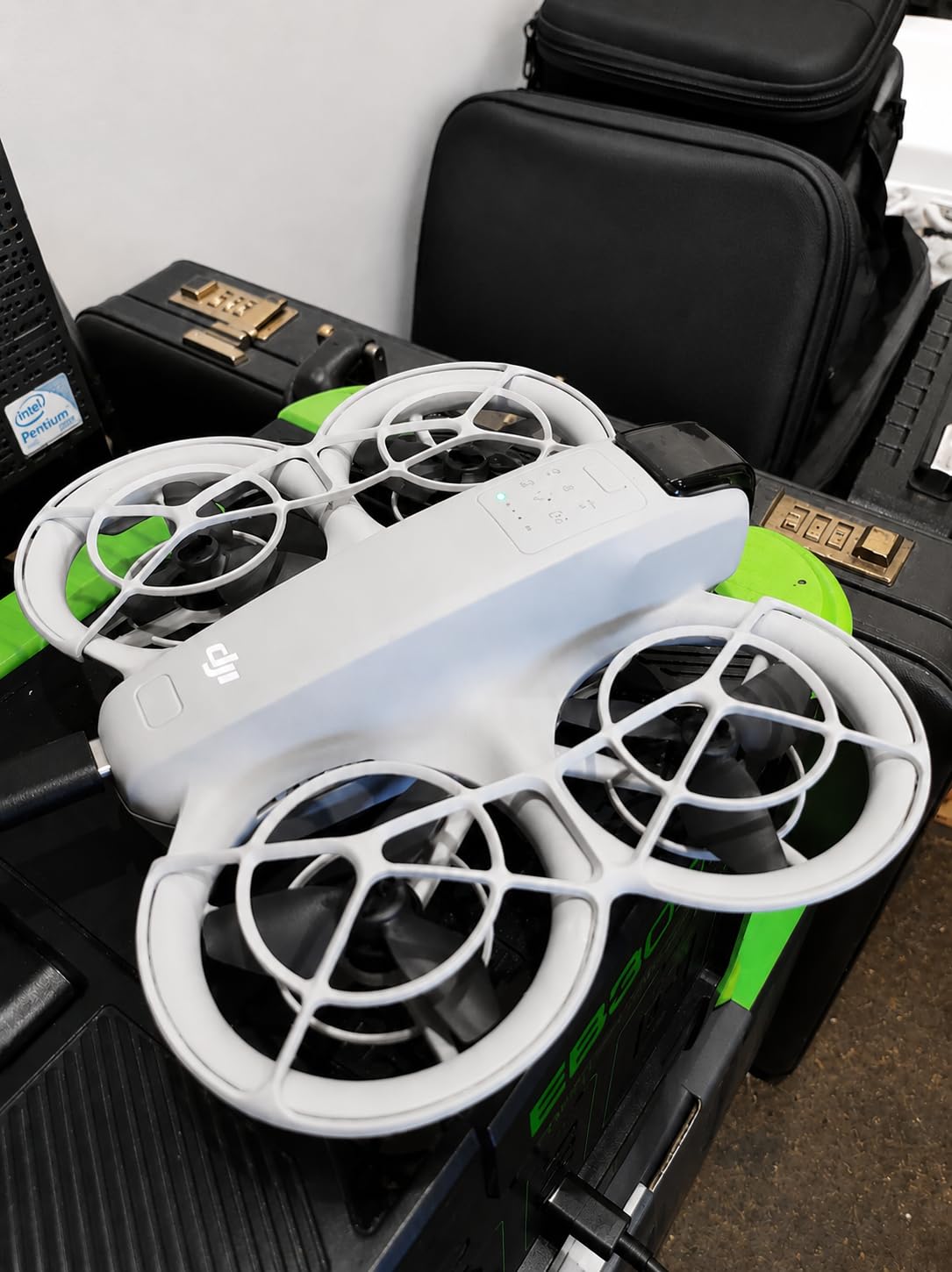
The subject tracking is the real selling point. I set it on a rock, tapped the mode I wanted, and the Neo followed me along the trail while keeping me centered. It is the closest thing to having a personal camera operator without carrying another person. Palm landing made recovery easy even on uneven ground.
Battery life is the trade-off. You get about 18 minutes per charge, which means two or three short flights per battery. For a long backpacking trip, you would need multiple batteries or accept limited shooting time.
Solo Hikers and Vloggers Love the Neo’s Hands-Free Shooting
If you hike alone and want footage of yourself walking, setting up a campsite, or reaching a viewpoint, the Neo is the only practical option under $200. No controller means no extra bulk, and the built-in propeller guard adds peace of mind in tight spaces.
It is also the best drone for thru-hikers who count every gram. At 135 grams, it is lighter than a water bottle and small enough to live in a hip belt pocket.
Windy Ridgelines and Long Flights Expose the Neo’s Limits
The Neo’s level-4 wind resistance is the weakest here. I would not fly it on exposed ridges or in gusts above 10 mph. It is designed for calm trails, campsites, and open meadows rather than alpine conditions.
The 18-minute battery also limits how much you can shoot. If your trip depends on getting multiple aerial shots per day, carry at least two extra batteries or choose a longer-flying model.
How to Choose the Best Backpacking Drone?
Buying a backpacking drone means balancing weight, image quality, flight time, and cost. Here is what to prioritize based on our testing and the feedback we gathered from hiking and drone communities.
Weight Under 249g Saves Registration Hassles
Drones under 249 grams do not require FAA registration for recreational use, and they are exempt from Remote ID requirements. That removes paperwork and keeps you legal on casual trips. Every drone in this guide except the Neo sits right at or just below that threshold.
Weight also affects how you pack. A 250-gram drone with controller and spare batteries can add close to a pound to your base weight. For thru-hikers, that is a serious decision. The Neo at 135 grams changes the math entirely.
Flight Time Determines How Much You Can Shoot
Advertised flight times are measured in ideal conditions. In the real world, wind, cold, and altitude cut into those numbers. Expect 20 to 30 percent less time than the spec sheet claims. Plan your flights around 20 to 25 minutes of usable time per battery.
Carrying spare batteries is almost mandatory for backpacking. Two batteries give you a comfortable shooting window, and three let you capture both sunrise and sunset on the same day. USB-C PD charging lets you recharge from a power bank during lunch breaks.
Camera Quality Separates Vacation Snaps from Professional Footage
Sensor size matters more than resolution. A 1-inch or large 1/1.3-inch sensor captures more light and dynamic range than a tiny sensor with more megapixels. For backpacking, look for true 4K video, a 3-axis mechanical gimbal, and raw or high-bitrate recording if you plan to edit later.
Consider your output. Social media clips need vertical video and good stabilization. Print work needs high-megapixel stills. YouTube documentaries need 4K with enough dynamic range to color grade.
Wind Resistance Matters More in the Mountains
Mountain ridges, canyons, and open valleys create turbulent air. A drone with level-5 wind resistance can handle steady breezes, while level-4 models should stay grounded on gusty days. If your trips regularly take you above treeline, prioritize wind performance over extra features.
Heavier drones generally handle wind better, but they also add pack weight. The DJI Mini 3 and Mini 4K strike the best balance for most backpackers.
Obstacle Avoidance Protects Your Investment
Trees, rocks, and cliff edges appear quickly when you are flying in wild terrain. Obstacle avoidance sensors help prevent crashes, especially when you are focused on framing a shot rather than watching every branch. The Mini 3 has sensors on multiple sides, while the Mini 4K and budget models lack this feature.
If you choose a drone without obstacle avoidance, fly conservatively. Keep altitude, maintain line of sight, and use return-to-home only in open areas.
Battery Management Keeps You Flying on Multi-Day Trips
Backpackers rarely have wall outlets. USB-C PD charging from a power bank is the most practical way to keep flying on trips longer than one night. Check whether your drone supports USB-C PD input. Some models require a dedicated wall charger.
Cold weather also drains batteries faster. Store spare batteries inside your jacket near your body, and let them warm up before takeoff. Never fly with a battery that has been sitting in freezing temperatures overnight.
FAA Rules Every Backpacker Pilot Should Know
Recreational flyers must pass the FAA TRUST test, which is free and takes about 30 minutes. You must also follow basic rules: fly below 400 feet, keep the drone within visual line of sight, and avoid flying over people. The TRUST certificate does not expire, so you only need to take it once.
National Parks ban drone launches and landings entirely. State parks and BLM land vary by location, so check local rules before your trip. Always respect wildlife and other hikers. The noise from a drone can disturb animals and ruin the wilderness experience for others.
Packing and Storage Tips for Backcountry Drone Use
How you pack your drone matters as much as which model you choose. A dedicated carrying case adds protection but also weight and bulk. Many backpackers prefer a soft stuff sack or a jacket pocket for ultra-light setups. The DJI Neo and Mini series fold small enough to fit in hip belt pockets.
Propellers are the most fragile part. Carry at least one spare set, and inspect them before each flight. Cracks and chips lead to vibration that ruins footage and can cause crashes in rough terrain.
Altitude and Temperature Effects on Performance
High altitude reduces air density, which affects lift and battery efficiency. Drones perform differently at 10,000 feet compared to sea level. The Mini 3 and Mini 4K handle moderate altitude well, but expect shorter flight times above 8,000 feet.
Temperature extremes matter too. Hot desert conditions can overheat electronics, while cold mountain air drains batteries up to 40 percent faster. Plan your flight windows around cooler morning and evening hours when possible.
Frequently Asked Questions
What is the best drone for hiking?
The DJI Mini 3 is the best drone for hiking and backpacking due to its 48MP camera, 4K HDR video, true vertical shooting, and 38-minute flight time while staying under 249g. For budget-conscious hikers, the DJI Neo offers palm takeoff and subject tracking at just 135g.
Why did the US ban DJI drones?
The US has restricted DJI drones for federal agencies due to security concerns about data collection and Chinese manufacturing. However, recreational users can still purchase and fly DJI drones. There is no consumer ban on DJI products for personal use.
Can a drone fly 50 miles away?
No consumer drone can fly 50 miles away. FAA regulations require visual line-of-sight operation. Most backpacking drones have transmission ranges of 4-10km (2.5-6 miles). Flying beyond visual range is illegal without special certification and poses significant safety risks.
What is the 249g rule for drones?
Drones weighing under 249g do not require FAA registration or Remote ID compliance for recreational flyers. This threshold is critical for backpacking because it eliminates paperwork and compliance costs while keeping your pack weight minimal.
Final Verdict: Best Drones for Backpacking in 2026
The best drones for backpacking combine low weight with enough camera quality to make the extra pack space worthwhile. The DJI Mini 3 is our editor’s choice for photographers who want professional results. The DJI Mini 4K delivers the best value for most hikers. The DJI Neo is the standout option for solo adventurers who need automated tracking in the smallest possible package.
If you prioritize battery life, the Potensic ATOM SE gives you 62 minutes of flight time. Budget buyers will find plenty to like in the Oddire HK11 and Holy Stone HS175D. Choose based on your trip style, budget, and how much footage you plan to capture.
Whatever you choose, remember to take the FAA TRUST test, respect wilderness rules, and pack spare batteries. The right drone turns a great hike into a story you can share from angles you never imagined.