
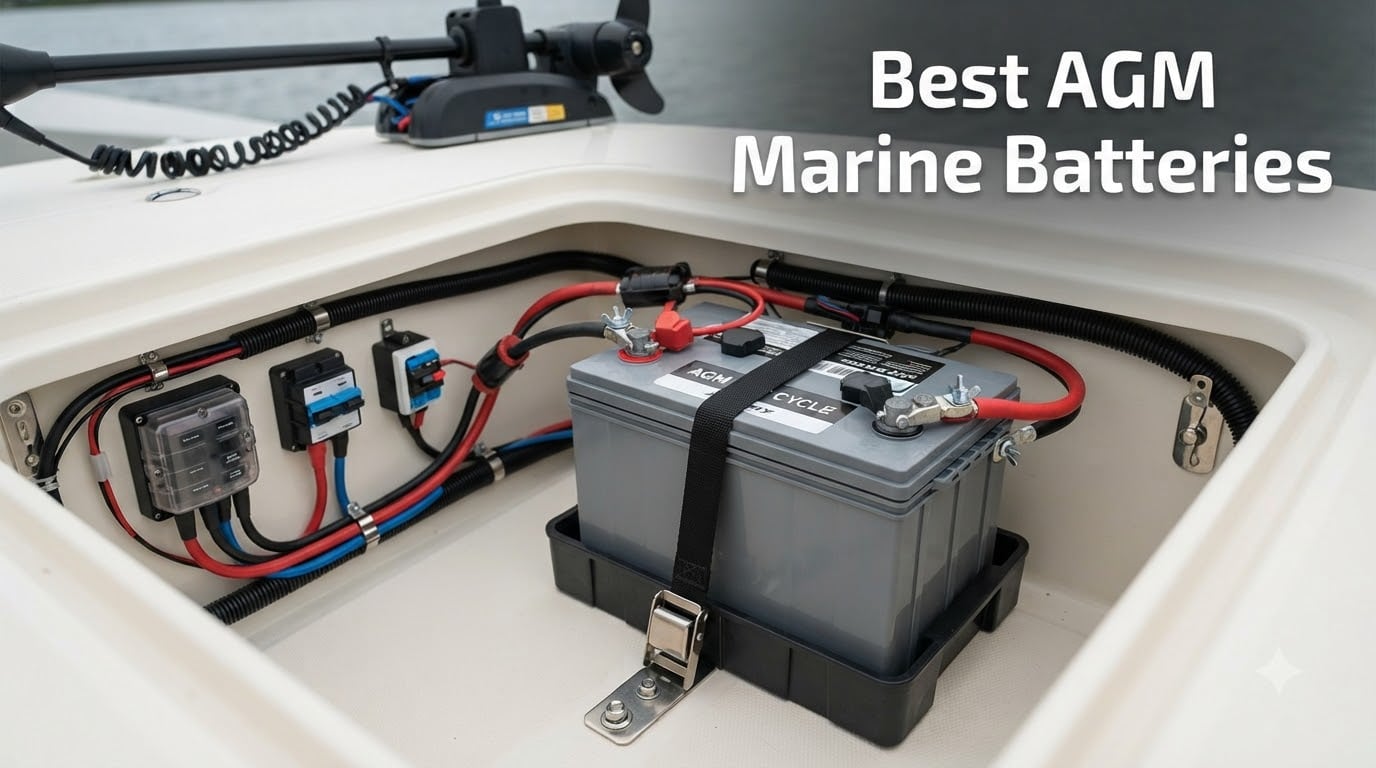
The best AGM marine batteries combine a sealed, vibration-resistant case with the right balance of starting output and deep-cycle capacity for your boat. For most buyers in 2026, the Weize 12V 100Ah is my first pick because its 4.5 rating across 16,962 reviews gives it the strongest evidence base in this group.
I compared all 10 batteries by capacity, cranking output, reserve capacity, dimensions, weight, warranty information, and reviewer feedback. If you are also sorting power options for cameras or aircraft, our camera battery guide and drone battery guide explain similar capacity and charger-matching decisions.
AGM means absorbed glass mat: electrolyte is held in fiberglass mats between lead plates. That construction makes these batteries sealed, spill resistant, maintenance free, and better able to tolerate marine vibration than a conventional flooded battery.
Table of Contents
Top 3 Picks for Best AGM Marine Batteries (October 2026)


Renogy 12V 200Ah AGM
- 200Ah C20 capacity
- Under 3 percent self-discharge
- 2000A maximum discharge
The Weize 100Ah leads for its unusually large body of positive feedback and practical capacity. Renogy is the high-capacity choice for a house bank, while the compact Optima 34M is the clearer fit when engine cranking matters more than all-day accessory runtime.
Best AGM Marine Batteries in 2026
| Product | Specifications | Action |
|---|---|---|
| Weize 12V 100Ah AGM |
|
Check Latest Price |
| Renogy 12V 200Ah AGM |
|
Check Latest Price |
 Optima 34M BlueTop Optima 34M BlueTop |
|
Check Latest Price |
 Optima D31M BlueTop Optima D31M BlueTop |
|
Check Latest Price |
 VMAX MR127 VMAX MR127 |
|
Check Latest Price |
 Weize Group 27M Weize Group 27M |
|
Check Latest Price |
 Optima D27M BlueTop Optima D27M BlueTop |
|
Check Latest Price |
 VMAX XTR27-110 VMAX XTR27-110 |
|
Check Latest Price |
 Odyssey AGM31M Odyssey AGM31M |
|
Check Latest Price |
 Interstate 31-AGM5 Interstate 31-AGM5 |
|
Check Latest Price |
1. Weize 12V 100Ah AGM — Best Overall Balance
Weize Deep Cycle AGM 12 Volt 100Ah Battery, Maintenance-Free, 3% Self-Discharge Rate, 1150A Max Discharge Current, Perfect for RV, Solar, Trolling Motor, Wind, Marine, Camping and Off-Grid System
100Ah
57 lb
12.99 x 6.73 x 8.43 in
1-year warranty
Pros
- 100Ah deep-cycle capacity
- Low monthly self-discharge
- Wide operating temperature range
- Large review base
Cons
- Heavy 57-pound case
- AGM-aware charger recommended
The Weize 100Ah is the easiest all-around recommendation for trolling motors, electronics, and modest house loads. Its 100Ah rating gives far more useful endurance than a starting-focused 50Ah battery, yet its 12.99-inch length remains manageable for many battery boxes.
Its stated self-discharge rate is 1 to 3 percent per month, which helps during storage between trips. The listed temperature window spans 5°F to 122°F while discharging and 14°F to 122°F while charging.
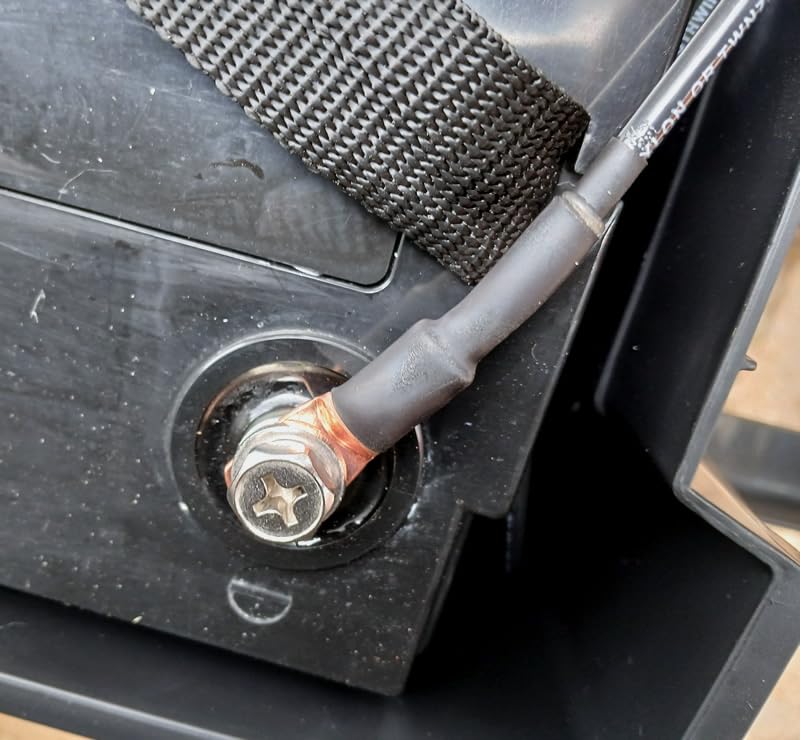
At 57 pounds, installation still calls for a secure tray and careful lifting. Reviewers praise dependable power and maintenance-free use, though some mention slow warranty-support responses.
This is a deep-cycle battery, not a purpose-built high-CCA starter. I would pair it with a separate starting battery when the boat has space and the engine manufacturer specifies substantial cranking output.
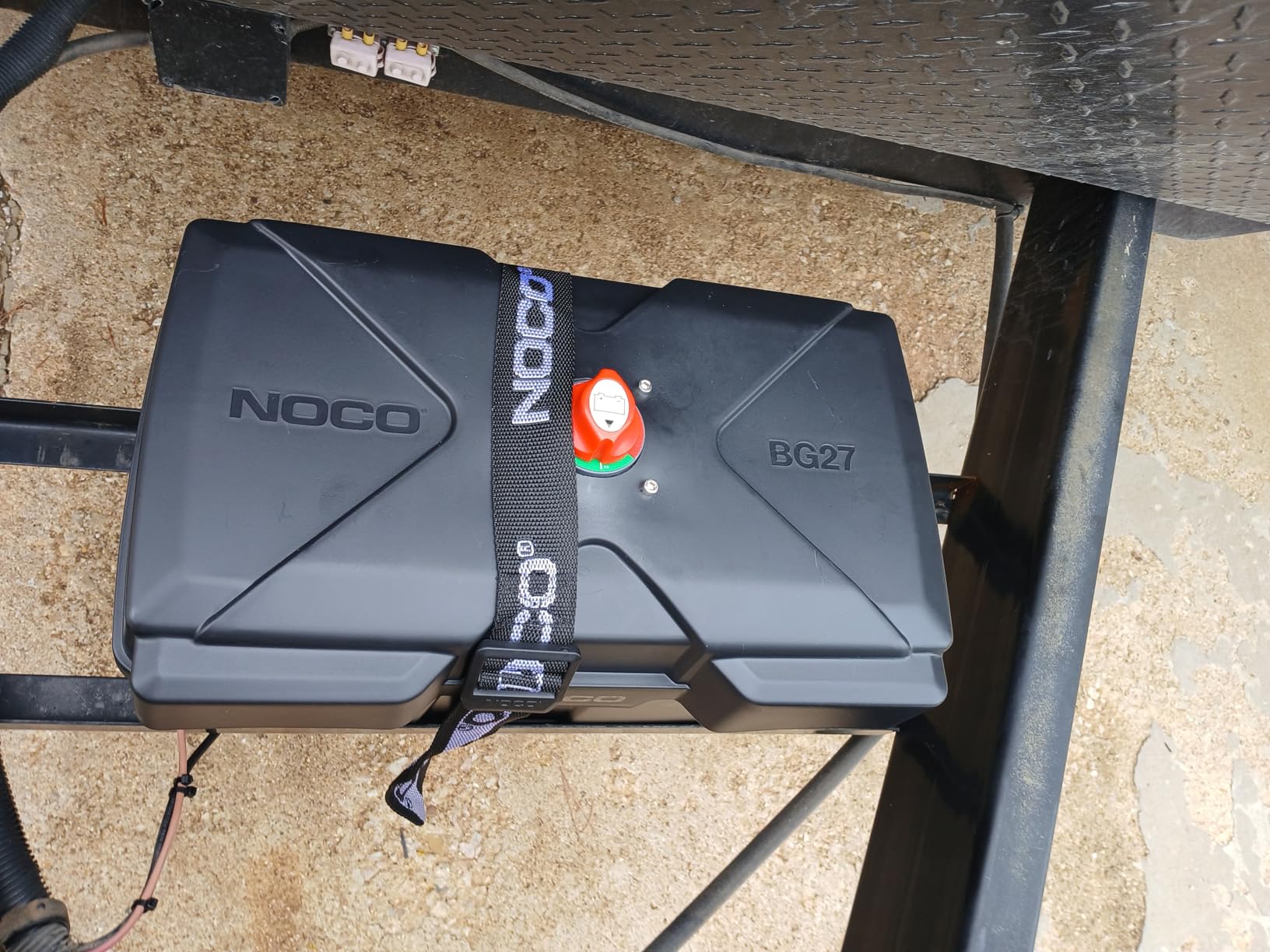
Fit is straightforward after measuring the tray
Allow room for the 12.99 by 6.73 by 8.43-inch case, terminals, hold-down, and cable bend. The 57-pound weight also makes a rigid base important in rough water.
Charging should follow an AGM profile
Use a charger whose AGM setting matches a 12V lead-acid battery and follow Weize’s limits. Avoid leaving it partly charged after a deep discharge because that can encourage sulfation.
2. Renogy 12V 200Ah AGM — Best High-Capacity House Battery
Renogy 12 Volt 200Ah Deep Cycle AGM Battery, Lead Acid Solar Battery
200Ah C20
127.9 lb
20.5 x 9.4 x 8.8 in
2-year prorated warranty
Pros
- 200Ah C20 capacity
- High discharge capability
- Low self-discharge
- Stable low-temperature discharge
Cons
- Extremely heavy
- Cold-weather charging concerns
- Some longevity complaints
Renogy’s 200Ah model is built for large house loads, extended anchoring, and solar-supported systems. Its published reference capacities are 152.9Ah at C3, 172.3Ah at C5, 190.5Ah at C10, and 200Ah at C20, clearly showing how faster discharge reduces usable capacity.
The stated maximum discharge current is 2000A, while self-discharge is below 3 percent at 77°F. Those figures suit intermittent inverter demand and long accessory use better than repeated engine-start-only duty.
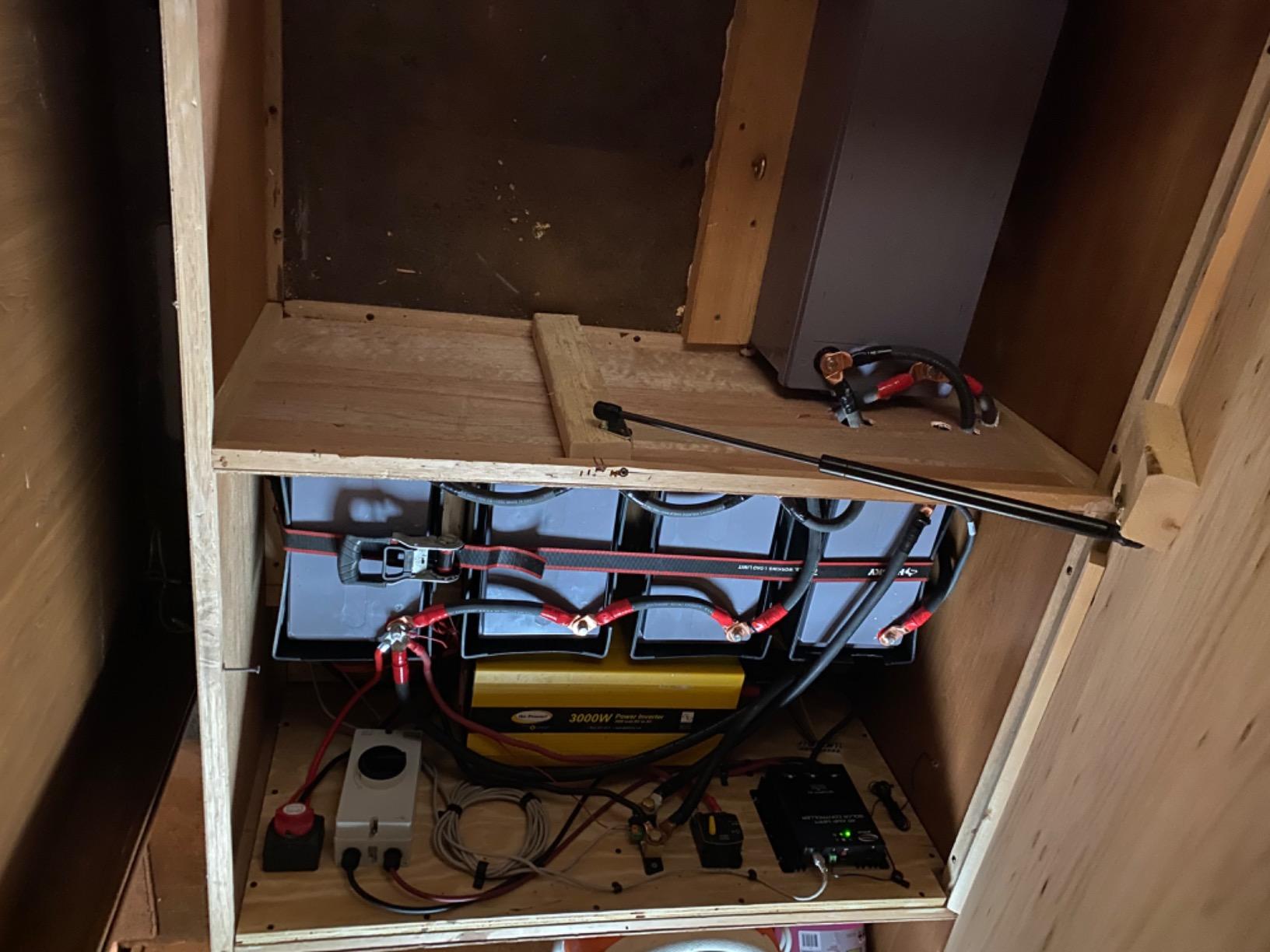
The main obstacle is its 127.9-pound weight. I would plan a two-person installation and verify that the compartment, tray, and boat structure can support it.
Reviewers like its discharge performance in RV and solar systems, but report mixed longevity under heavy cycling and some cold-weather charging trouble. That makes charger setup and prompt recharging especially important.
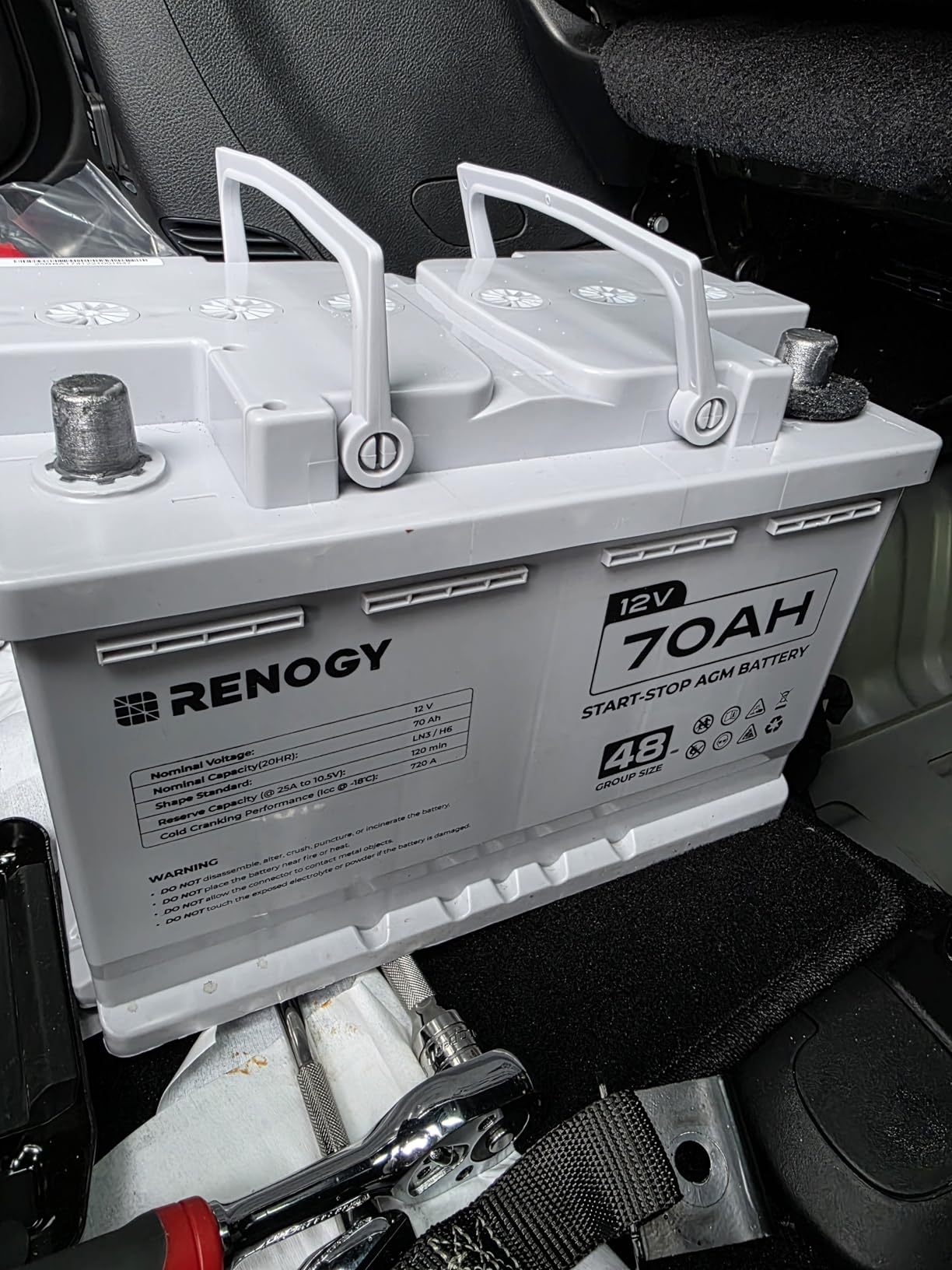
House-bank sizing favors long accessory sessions
This battery makes sense for radios, lights, fish finders, pumps, and other sustained loads. For a simple outboard starter, the capacity and mass are more than most installations need.
Installation requires more than footprint checks
The case measures 20.5 by 9.4 by 8.8 inches and includes M8 terminal bolts. Check access for lifting, ventilation around charging equipment, cable reach, and hold-down strength before choosing it.
3. Optima 34M BlueTop — Best Dedicated Starting Choice
OPTIMA® Batteries High Performance 34M BLUETOP® Sealed AGM Starting Battery
800 CCA
1000 MCA
50Ah
100-minute reserve
Pros
- Strong engine-starting output
- Compact 38.4-pound case
- Dual terminals
- High vibration resistance
Cons
- Only 50Ah capacity
- Not the best long-runtime option
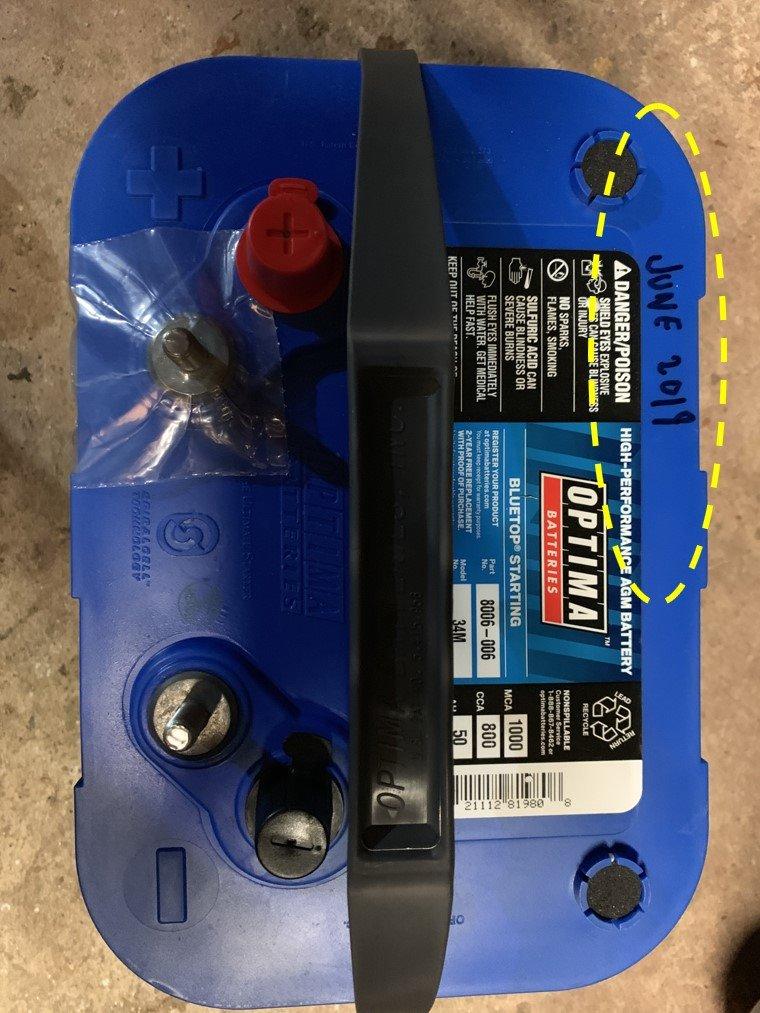
The Optima 34M stands apart as the strongest starting-focused battery in the top three. It supplies 800 CCA and 1000 MCA from a 38.4-pound case, making it attractive for boaters who need reliable cranking without a Group 31 footprint.
Its 50Ah C20 capacity and 100-minute reserve capacity support moderate accessory use, but they are much lower than the large deep-cycle models. I would use it primarily for engine starting and light dual-purpose duty.
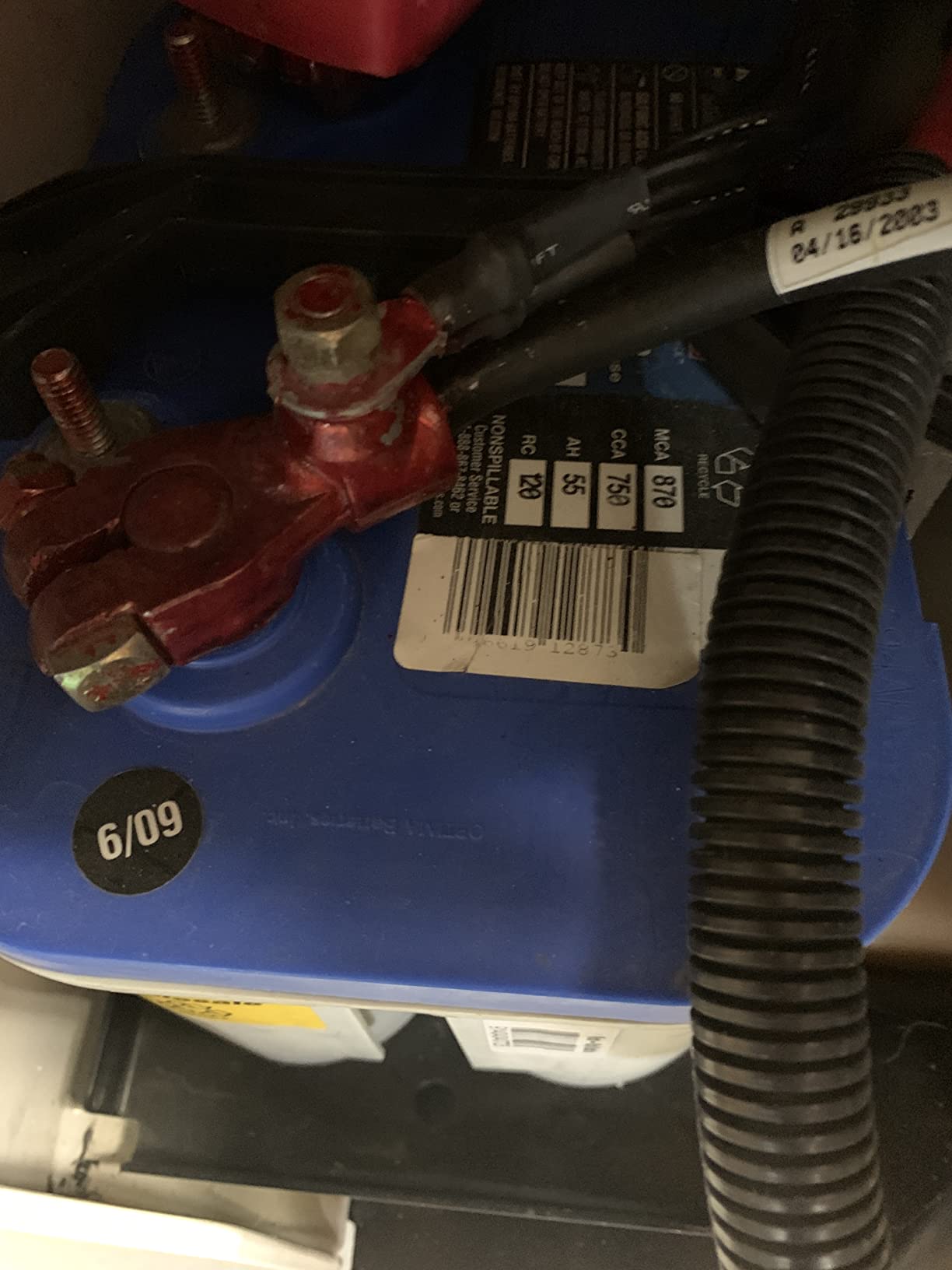
Optima states that its spiral-cell construction uses 99.99 percent pure lead and provides 15 times the vibration resistance of standard flooded batteries. Dual SAE and 5/16-inch stud posts simplify separate engine and accessory connections.
Reviewers frequently praise starting performance and long service, with some reporting more than a decade. Ignore fulfillment-related comments when judging electrical capability, but inspect date coding and case condition upon receipt.
Cranking specifications suit engine duty
Compare its 800 CCA and 1000 MCA against your engine manual rather than guessing from engine size. MCA is measured under warmer conditions than CCA, so the two ratings are not interchangeable.
Accessory runtime remains the tradeoff
A 50Ah rating limits trolling-motor or overnight-house use compared with 100Ah and 200Ah batteries. Keep high continuous loads on a separate deep-cycle bank when possible.
4. Optima D31M BlueTop — Best Group 31 Dual-Purpose Battery
OPTIMA® Batteries D31M BLUETOP® Boat and RV Dual Purpose Sealed AGM Battery
900 CCA
1125 MCA
75Ah
155-minute reserve
Pros
- Powerful cranking output
- 155-minute reserve
- Dual-purpose design
- High vibration resistance
Cons
- Heavy 59.8-pound case
- Mixed quality-control reports
- Dedicated batteries may cycle better
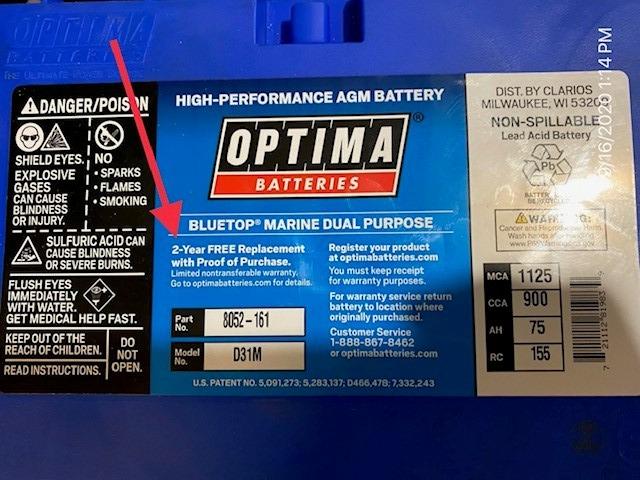
The D31M combines 900 CCA, 1125 MCA, 75Ah at C20, and 155 minutes of reserve capacity. It is a sensible single-battery compromise for a boat that needs strong starts plus meaningful accessory support.
Its reserve capacity exceeds the smaller 34M by 55 minutes, though it adds more than 21 pounds. Optima also states it can sustain a 1500W inverter load for 27 minutes.
I like the dual SAE and 5/16-inch stud terminals for organizing engine and house connections. Still, frequent deep trolling-motor cycles are better assigned to a dedicated deep-cycle battery when space permits.
Reviewers report very long service in some cases, but the overall 4.1 rating is less convincing than the first three picks. The 59.8-pound mass and large case demand a firm Group 31 tray.
Single-bank boats gain useful flexibility
This model works best when one battery must start an engine and run electronics between starts. It is less compelling for a multi-bank boat where specialized batteries can handle each job.
Inverter use needs cable planning
High-current inverter loads require short, correctly sized cables and proper overcurrent protection. The published inverter example does not replace a load calculation for your own equipment.
5. VMAX MR127 — Best for 40- to 100-Pound Thrust Trolling Motors
VMAX MR127 12 Volt 100Ah AGM Deep Cycle Maintenance Free Battery compatible with boats and 40-100lb, minnkota, cobra, sevylor and other trolling motor (GROUP 27 Marine Deep Cycle AGM Battery)
100Ah
Group 27
68 lb
Marine terminals
Pros
- 100Ah deep-cycle capacity
- Trolling-motor focus
- Heavy-duty lead-tin grids
- Sealed maintenance-free case
Cons
- Heavy 68-pound build
- Recovery after full discharge can be difficult
- AGM charger recommended
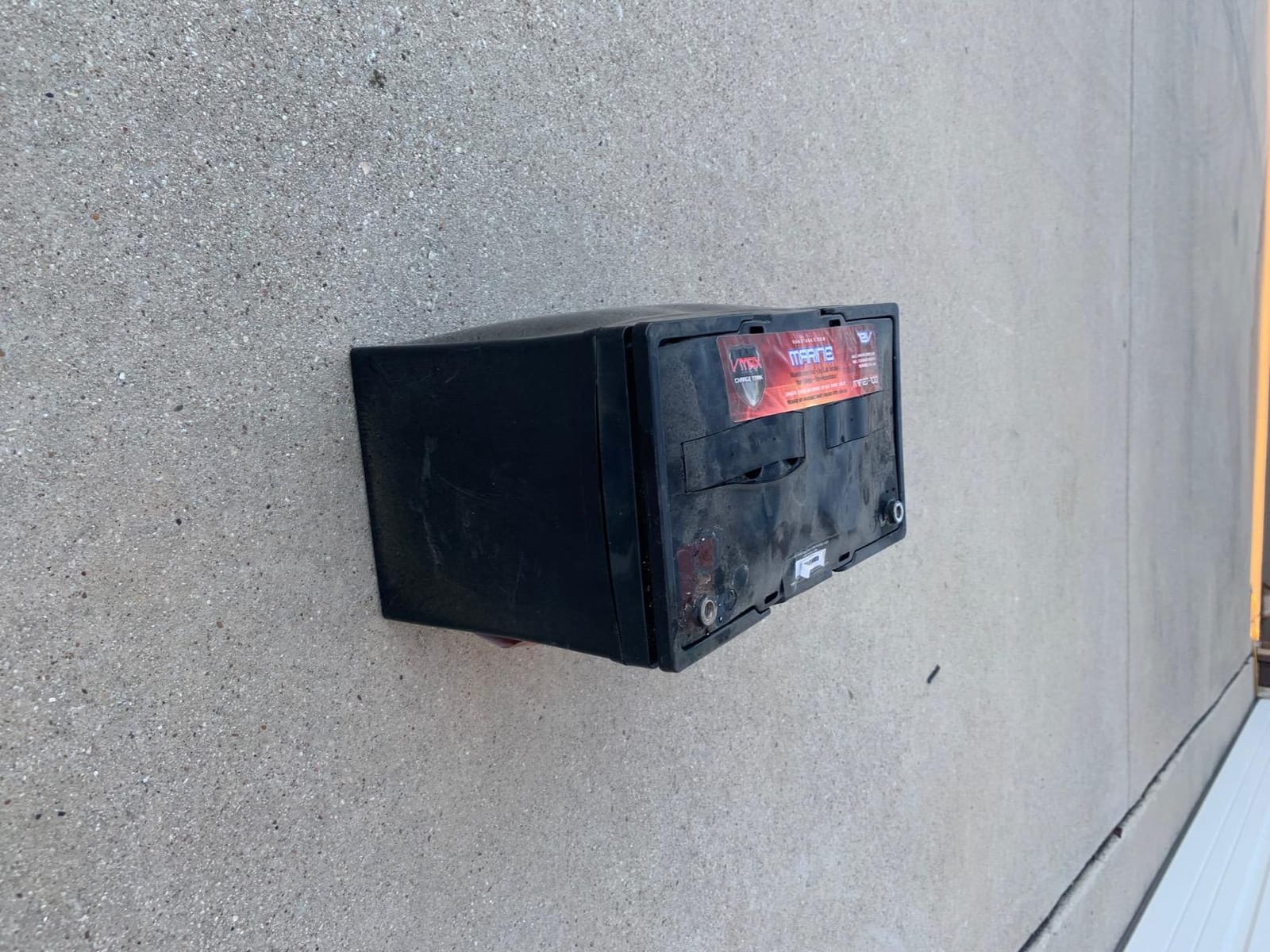
The VMAX MR127 is a Group 27, 100Ah deep-cycle battery explicitly presented for 40- to 100-pound thrust trolling motors. That clear use case makes it easier to shortlist than a general-purpose battery with incomplete marine guidance.
VMAX describes high-porosity glass mats that contain the electrolyte and heavy-duty lead-tin grids for cyclic work. Carrying handles help, but the 68-pound mass remains substantial.
Reviewers report strong trolling performance and, in some cases, more than five years of service. Complaints focus on charging recovery after a battery has been drained too far.
I would avoid planning trips around the full nameplate capacity. Leaving a reserve and recharging promptly is kinder to AGM chemistry than repeated very deep discharge.
Motor voltage determines the bank layout
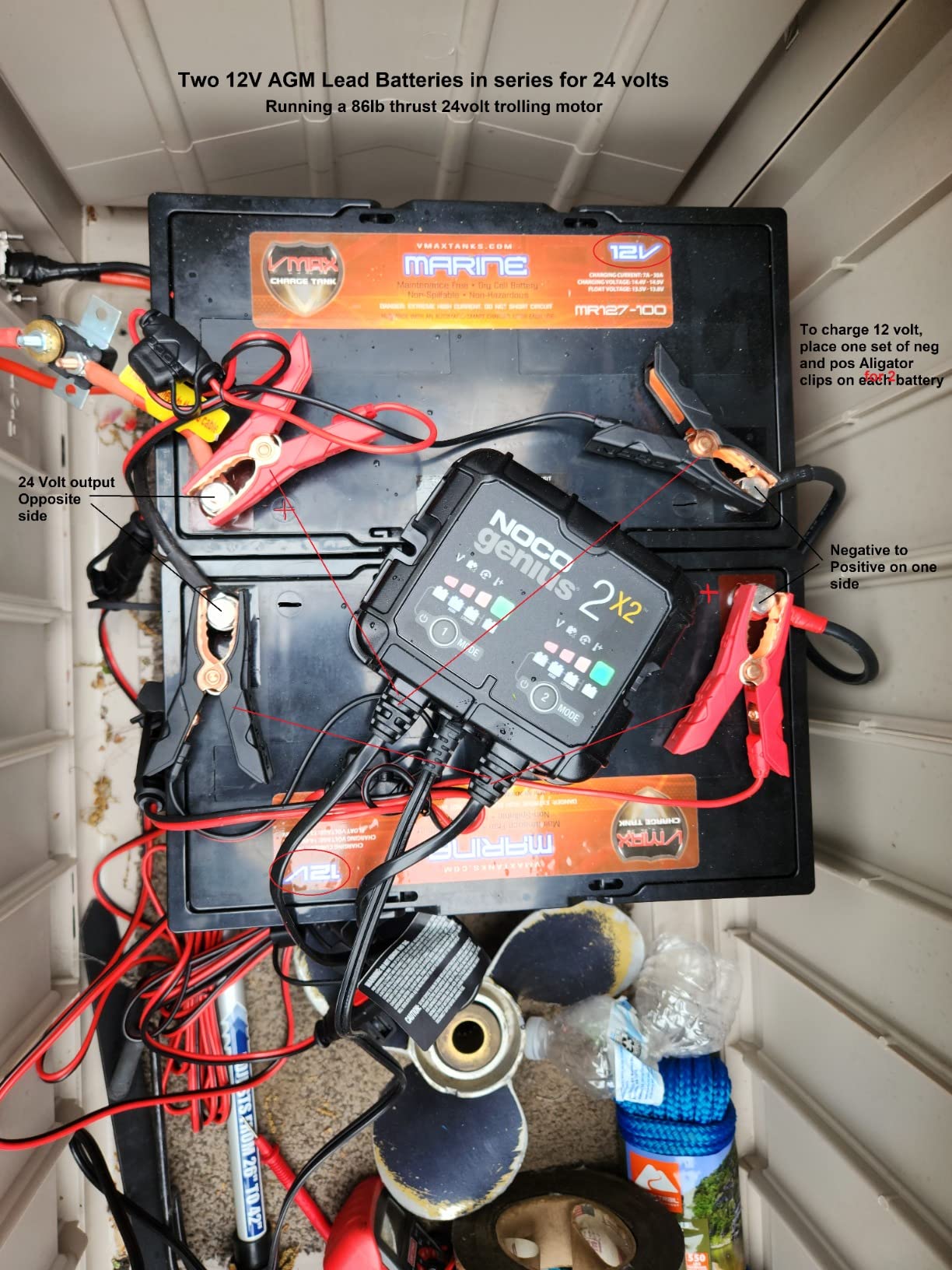
A 12V motor uses one battery, while 24V and 36V systems require matched series banks. Use the same model, age, and state of charge across a multi-battery series bank.
Runtime depends on actual current draw
A motor’s thrust label does not state how many hours it will run. Estimate runtime from the motor’s amp draw at your normal speed and retain a practical discharge reserve.
6. Weize Group 27M — Best Quick-Charging Dual-Purpose Option
Weize Dual Purpose AGM Battery BCI Group 27M, 175RC 580CCA 12V 92AH Starter & Deep Cycle Sealed Marine & RV Battery
92Ah
580 CCA
175RC
59.5 lb
Pros
- Starting and cycling capability
- 175-minute reserve
- Fast-charge claim
- Strong vibration resistance
Cons
- Heavy 59.5-pound case
- Mixed defect reports
- Compromise versus dedicated designs
The Weize Group 27M combines 92Ah, 580 CCA, and 175 minutes of reserve capacity. Those figures favor moderate engines and long accessory periods rather than maximum cranking output.
Weize claims charging up to five times faster and 20 times the vibration resistance of flooded batteries. It also states twice the cycle life of traditional flooded marine batteries, though actual life depends heavily on discharge depth and charger settings.
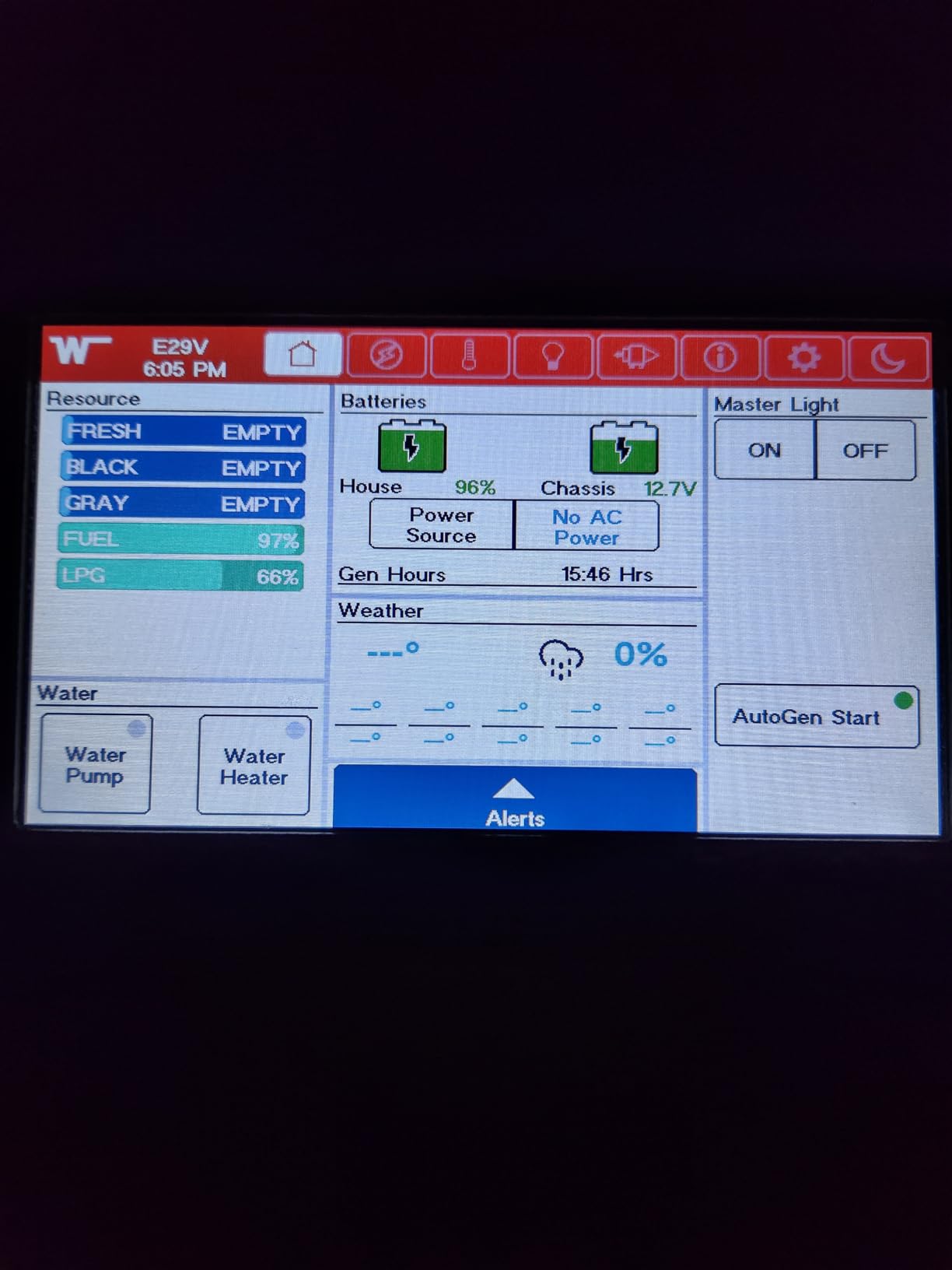
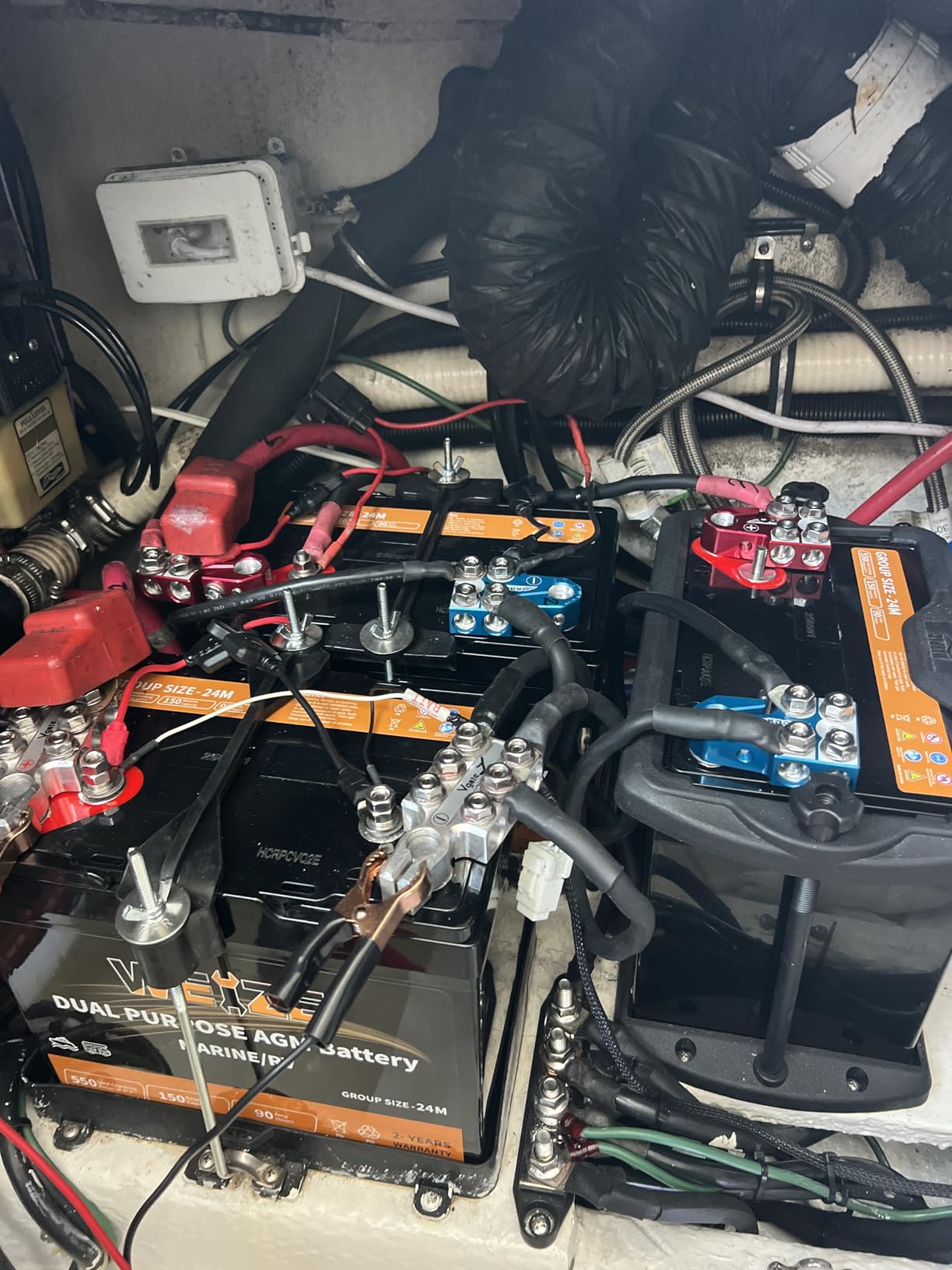
The case measures 12.05 by 6.61 by 8.19 inches and weighs 59.5 pounds. SAE and M8 connection options give useful flexibility when engine and accessory cabling differ.
Reviewers appreciate the dual-purpose function and charging speed, but some report defective examples. Test resting voltage, complete a proper charge, and confirm reliable cranking before relying on any new battery offshore.
Engine requirements decide whether 580 CCA is enough
Check the engine maker’s minimum CCA or MCA specification. A high reserve-capacity figure cannot compensate for inadequate cranking output during an engine start.
Terminal layout can simplify mixed loads
The SAE and M8 options can separate heavy starter leads from accessory connections. Protect accessory circuits with correctly rated fusing close to the battery.
7. Optima D27M BlueTop — Best Mid-Size Dual-Purpose Design
OPTIMA® Batteries D27M BLUETOP® Boat and RV Dual Purpose Sealed AGM Battery
800 CCA
1000 MCA
66Ah
140-minute reserve
Pros
- Strong 800 CCA output
- 140-minute reserve
- Dual terminal design
- Sealed spiral-cell construction
Cons
- Lower capacity than 100Ah models
- Mixed reliability feedback
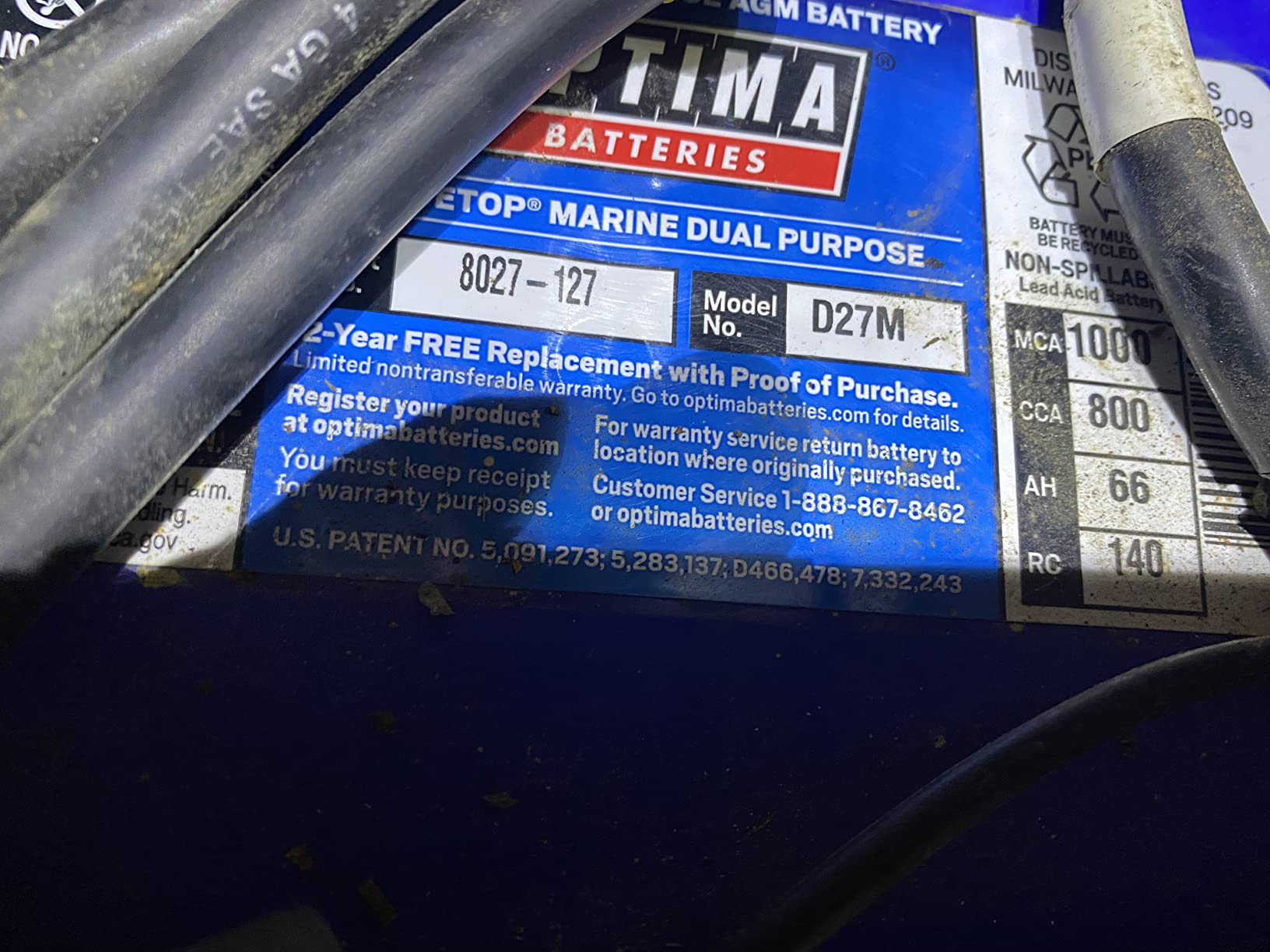
The D27M sits between Optima’s compact 34M and larger D31M. Its published figures are 800 CCA, 1000 MCA, 66Ah, and 140 minutes of reserve capacity, a useful middle ground for a mid-size boat.
One data inconsistency deserves attention: the product details list 25 pounds, while the feature data lists 53.8 pounds. I would confirm the current specification before designing a tray around its weight.
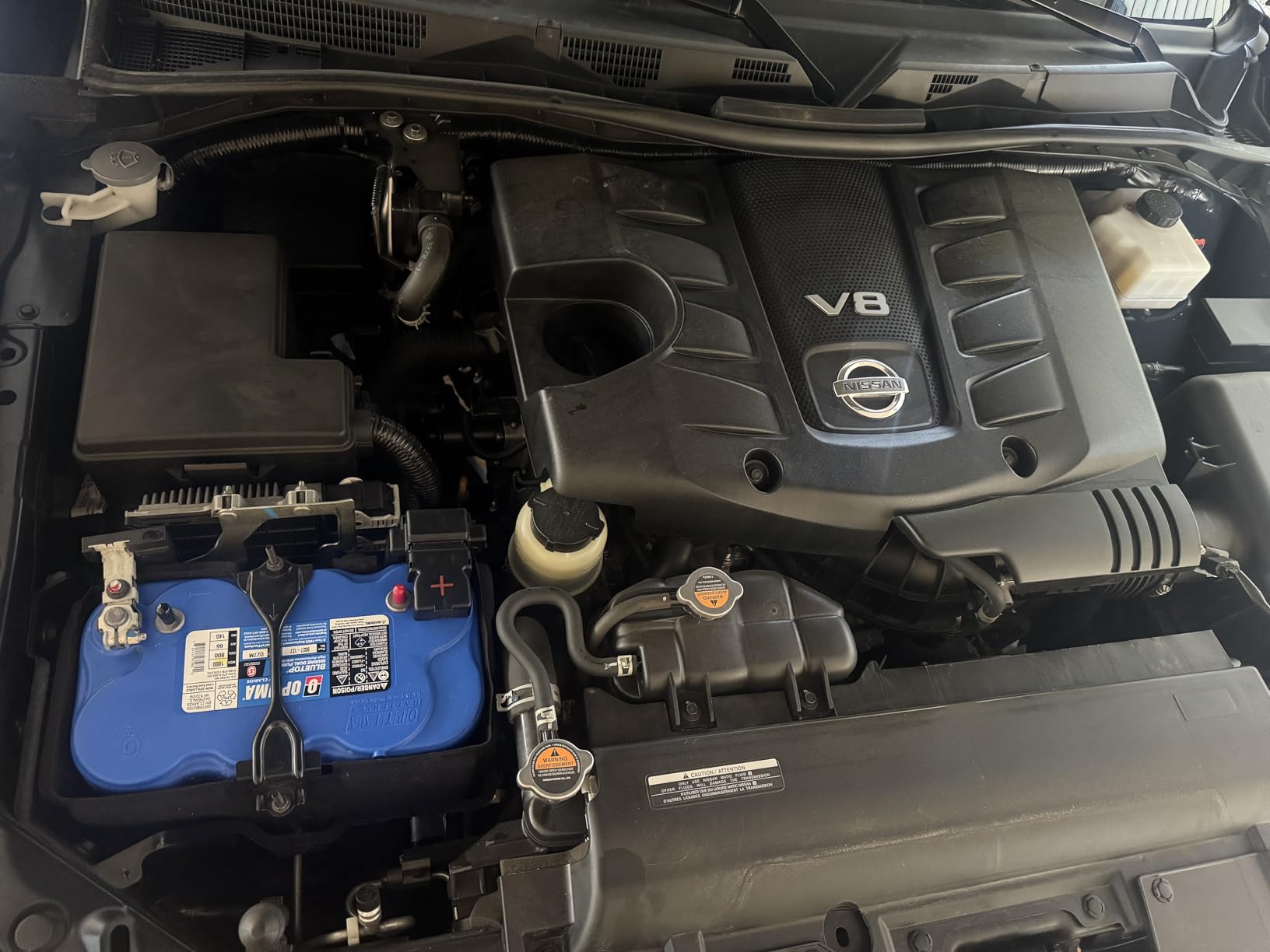
The spiral-cell design and dual terminals mirror the other BlueTop models. The combination works well when reliable starting is the priority and accessory demand is moderate.
Review feedback is generally positive, though some owners mention longevity and reliability concerns. Its 66Ah capacity also gives less deep-cycle margin than either 100Ah VMAX option.
Size selection should precede brand preference
Verify its 12.19 by 6.81 by 8.75-inch listed size against the tray and lid clearance. Also confirm terminal orientation so existing cables reach without strain.
Mixed-duty use needs conservative discharge
If this battery must restart the engine, preserve enough state of charge after running electronics. A separate house bank offers a safer arrangement for overnight loads.
8. VMAX XTR27-110 — Best Reserve Capacity for Trolling
VMAX XTR27-110 AGM Marine Battery 12V 110Ah Group 27 Sealed Deep Cycle High Performance
110Ah
220-minute reserve
70 lb
Group 27
Pros
- 110Ah deep-cycle capacity
- 220-minute reserve
- Shock and vibration resistance
- Flexible mounting claim
Cons
- Heavy 70-pound case
- Smaller review sample
- Mixed quality feedback
The XTR27-110 offers 110Ah and 220 minutes of reserve capacity, the clearest long-runtime specification among the Group 27 choices here. It targets trolling motors and sustained deep-cycle loads rather than dedicated starting.
VMAX describes a sealed case that resists shock and vibration and can mount in different positions. Even so, marine installation still requires a secure tray and terminal protection.
Reviewers report all-day trolling use on a charge, but the sample is only 89 reviews. Some also mention defective examples, so test capacity and charging behavior early.
The 70-pound weight is the largest drawback. Moving that mass farther from the boat’s centerline can affect trim, particularly in a small craft.
Reserve capacity makes comparisons easier
The 220-minute rating provides a standardized endurance clue, but your motor’s real draw changes with speed, wind, and current. Treat it as comparative data rather than a guaranteed fishing duration.
Series banks should remain matched
For a 24V setup, pair batteries of the same model and age. Replace an aging mismatched pair together when their capacity has diverged materially.
9. Odyssey AGM31M — Best for Maximum Cranking Output
Pros
- Exceptional 1150 CCA
- Fast recharge claim
- Wide temperature range
- High vibration resistance
Cons
- Very heavy 77.8-pound case
- Small review sample
- Large physical footprint
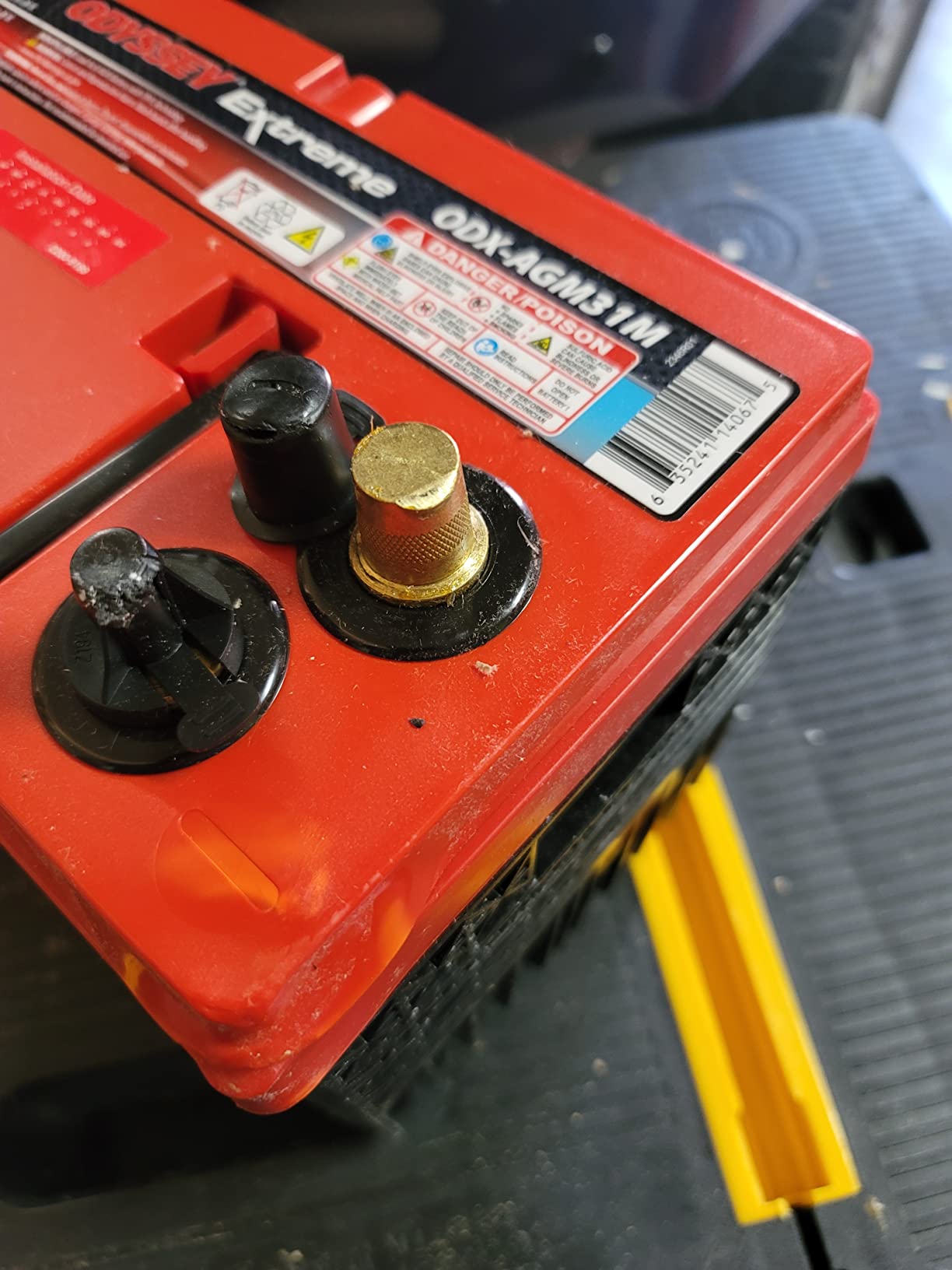
The Odyssey AGM31M delivers 1150 CCA, the highest published cold-cranking figure in this lineup. It is the specialist choice for a demanding engine or mixed system where high current matters.
Odyssey claims up to 400 cycles at 80 percent depth of discharge, a 4- to 6-hour full recharge, and operating temperatures from minus 40°C to 80°C. Those are strong specifications, but they assume correct charging and operating conditions.
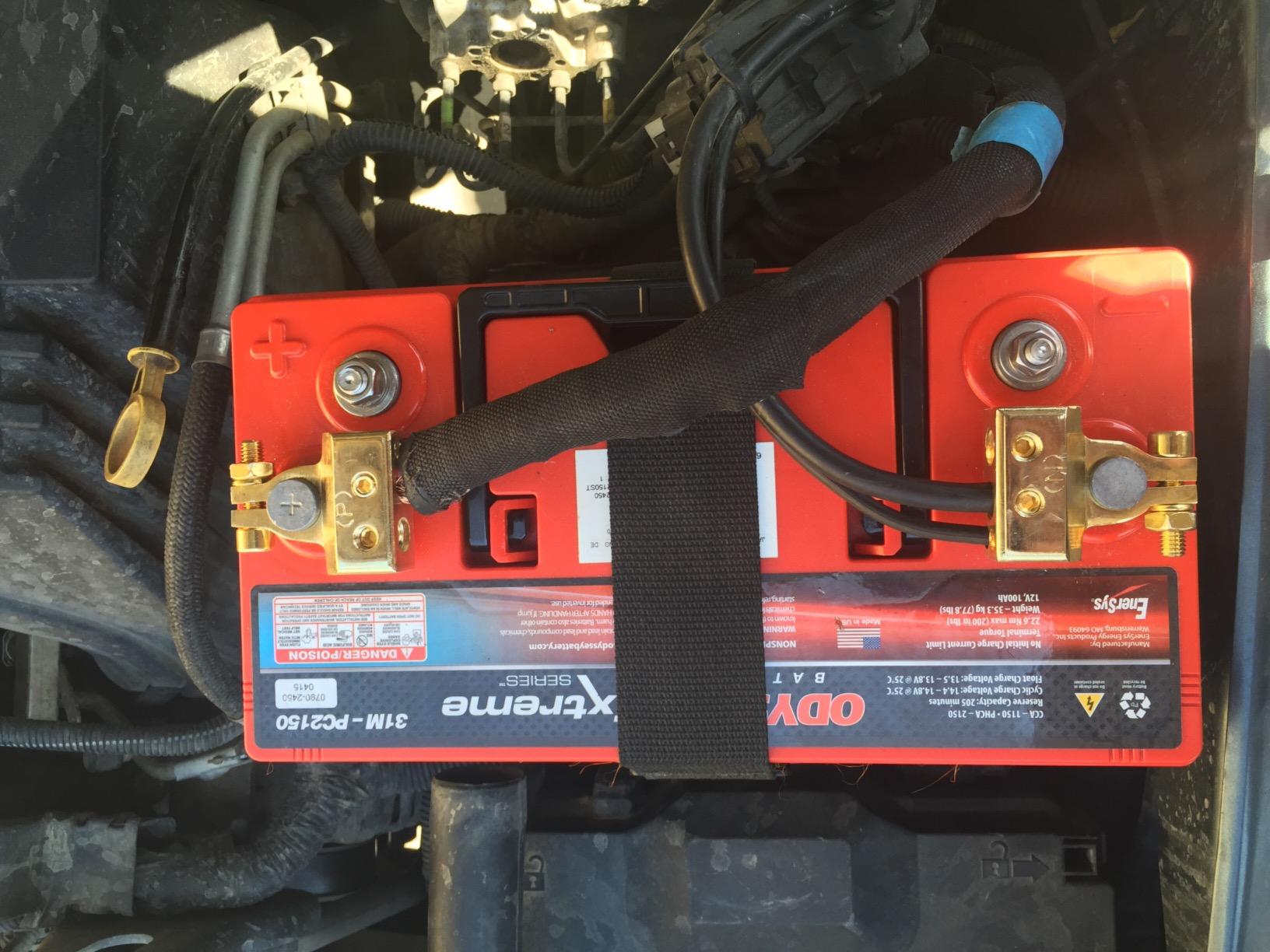
The 77.8-pound battery is physically demanding, and its listed dimensions are 11.1 by 16.8 by 11.9 inches. Measure every dimension because the published footprint is larger than typical Group 31 expectations.
Reviewers praise long life and performance, while the data set contains only 80 ratings. I would prioritize this model for its measurable cranking capability, not popularity.
High CCA must match a real requirement
Extra cranking capacity helps only when the engine or cold conditions demand it. For low-current house loads, capacity and reserve data matter more than a very high CCA number.
Fast charging still depends on equipment
A battery cannot realize a 4- to 6-hour recharge claim without a suitable charge source and wiring. Confirm alternator, regulator, shore charger, cable gauge, and temperature guidance as one system.
10. Interstate 31-AGM5 — Best Pure-Lead Dual-Purpose Design
Interstate Batteries Marine/RV Battery 12V 100Ah 925CCA 1110CA Group 31 AGM
100Ah
925 CCA
1110 CA
60 lb
Pros
- Strong cranking output
- 100Ah capacity
- Thick plates for cycling
- Pure-lead AGM design
Cons
- Only 58 reviews
- Mixed quality feedback
- 60-pound case
Interstate’s Group 31 AGM combines 100Ah, 925 CCA, and 1110 CA, making it one of the strongest true dual-purpose specification sets here. Thick plates are intended to support repeated discharge while retaining high cranking output.
The manufacturer claims three times the service life of conventional flooded batteries and twice that of alloyed-lead AGM designs. Those are comparative claims rather than a guaranteed service interval.
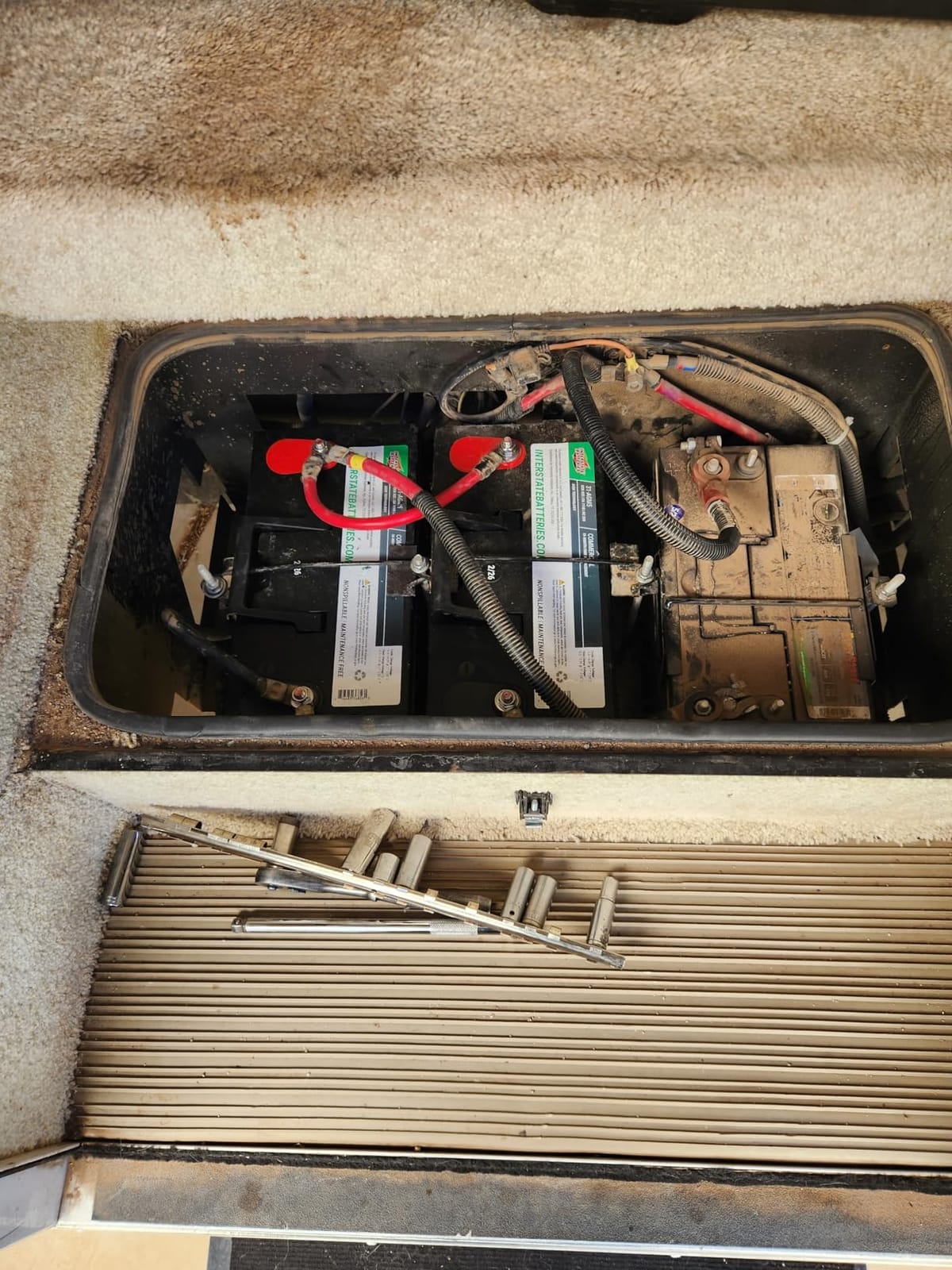
At 60 pounds, the battery needs a secure Group 31 installation. Marine terminals suit boat cabling, though terminal orientation and clearance still need checking.
The major uncertainty is evidence depth: only 58 reviews support its 4.0 rating. Reviewers like the dual-purpose concept, but some describe quality-control concerns.
Mixed loads suit its balanced specifications
This model fits boats that need both strong starts and meaningful electronics runtime from one bank. Dedicated starter and house batteries remain the safer setup for heavy overnight demand.
Early electrical testing reduces surprises
Record fully charged resting voltage and test the battery under a known load before a long trip. That baseline helps separate battery decline from cable, charger, or parasitic-load problems later.
How to Choose an AGM Marine Battery?
Choose by job first: starting batteries prioritize short, high-current bursts; deep-cycle batteries prioritize repeated accessory discharge; dual-purpose models split the difference. A trolling motor or house bank usually needs deep-cycle capacity, while an engine starter must meet its maker’s minimum cranking specification.
Capacity and reserve determine usable runtime
Amp hours express stored charge at a stated test rate, commonly C20. The Renogy data shows why test rate matters: its capacity falls from 200Ah at C20 to 152.9Ah at C3 as discharge becomes faster.
Reserve capacity states how many minutes a battery can sustain a defined load before reaching a specified voltage threshold. It is useful for comparing models, but real runtime varies with load, temperature, battery age, and discharge depth.
CCA and MCA determine starting confidence
CCA measures starting output in colder test conditions, while MCA uses a warmer marine-oriented test. Always match the exact specification named by your engine manual rather than treating CCA and MCA as equal.
The Odyssey’s 1150 CCA suits demanding starting duty, while the Optima 34M’s 800 CCA and 1000 MCA provide strong output in a compact case. A large Ah number alone does not prove that a deep-cycle battery is the right starter.
Group size is a fit standard, not a performance score
Group 27 and Group 31 refer mainly to physical fit conventions, not guaranteed capacity or power. Measure tray length, width, height, lid clearance, terminal location, cable reach, and the space needed to lift the battery.
Forum discussions in r/boating and r/sailing repeatedly show confusion around group-size fit and engine CCA requirements. Those practical checks matter as much as the label, especially when replacing an older model with different posts.
Weight changes installation and boat trim
These batteries range from 38.4 pounds for the Optima 34M to 127.9 pounds for the Renogy 200Ah, using the consistent published figures. Confirm structural support, hold-down strength, and whether one person can safely service the compartment.
Our marine cooler guide covers another heavy item boaters often position around trim and deck space. Plan the battery, fuel, gear, and passengers together rather than treating each load separately.
Warranty and evidence quality affect confidence
Look at warranty terms alongside rating volume, not the star score alone. A 4.5 rating across 16,962 reviews provides a different confidence level from a similar score across a few hundred reviews.
Forum users often focus on batteries failing after two or three seasons and on whether warranty support is practical. Service life depends on heat, time spent partly charged, discharge depth, charge voltage, and storage care, so no review can promise the same result aboard every boat.
AGM Charging and Maintenance
The main disadvantage of an AGM battery is its sensitivity to incorrect charging. It does not need watering, but chronic undercharging encourages sulfation, while excessive voltage and heat can shorten service life.
Confirm every charge source is AGM compatible
Check the alternator regulator, onboard charger, solar controller, and portable charger rather than assuming one correct device solves the whole system. Follow the battery maker’s voltage and temperature instructions because AGM settings can vary.
Some boaters question AGM batteries as dedicated starters because alternator profiles differ by engine and regulator. The correct answer is compatibility: if the charging system and engine requirements align with the chosen battery, AGM can serve starting duty well.
Recharge soon after use
Do not leave an AGM battery partly discharged after fishing, anchoring, or storage preparation. Recharge promptly, disconnect avoidable parasitic loads, and use an appropriate maintainer during long idle periods.
Low self-discharge helps, but it does not cancel alarms, stereos, trackers, or bilge equipment drawing power. Check state of charge periodically and investigate unexpected voltage loss.
Keep connections clean and mechanically secure
Sealed batteries remove the watering task, not terminal care. Inspect for looseness, corrosion, damaged insulation, overheated lugs, and a weak hold-down before each season.
Use terminal hardware specified by the manufacturer and avoid stacking too many ring terminals on one post. A busbar and fused distribution can make accessory wiring safer and easier to inspect.
For smaller rechargeable systems, our FPV battery guide and GoPro battery guide also stress matching chemistry to the correct charger.
Frequently Asked Questions
What brand of AGM battery is best?
No single brand is best for every boat. In this lineup, Weize has the strongest rating-volume combination, Optima offers clear marine cranking specifications, VMAX focuses on trolling use, and Odyssey provides the highest listed CCA.
What is the main disadvantage of an AGM battery?
Charging sensitivity is the main drawback. AGM batteries need compatible voltage control and prompt recharging; persistent undercharging or excessive voltage can shorten life even though the sealed case needs no watering.
Are AGM batteries good for marine use?
Yes. Their sealed construction, vibration resistance, low self-discharge, and maintenance-free operation suit boats, provided the battery type, cranking output, capacity, fit, and charging profile match the application.
Can an AGM battery be used for engine starting?
Yes, when its CCA or MCA meets the engine manufacturer’s requirement and the charging system supports AGM chemistry. A starting-focused or dual-purpose AGM is generally a better choice than a deep-cycle-only model for this role.
Are AGM batteries worth it for boats?
They can be worthwhile for boaters who value a sealed case, low maintenance, vibration resistance, and flexible installation. Their value depends on correct charging and choosing a model designed for the boat’s starting or cycling demand.
Conclusion: The Weize 100Ah Is the Best Overall Choice
The Weize 12V 100Ah is my winner among the best AGM marine batteries for 2026 because its 100Ah capacity, low self-discharge, 4.5 rating, and 16,962-review evidence base form the strongest overall package. Choose the Optima 34M for compact starting duty, the Renogy 200Ah for a large house bank, or the VMAX MR127 for a Group 27 trolling-motor setup.
Before deciding, verify the battery compartment, terminal layout, required CCA or MCA, expected amp-hour demand, and every charging source. The right electrical match matters more than choosing the largest battery on the page.