
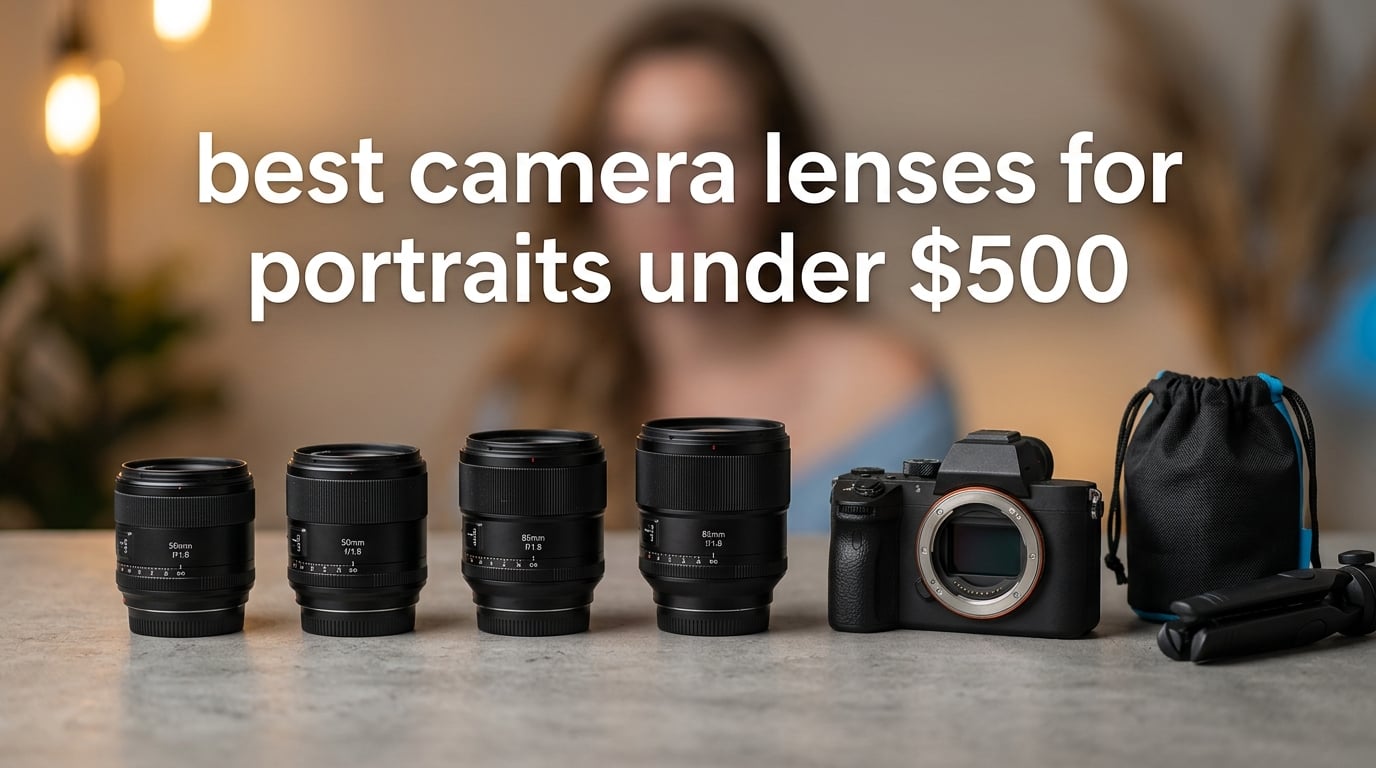
If you spend five hundred dollars on a camera body and another five hundred on a lens, the lens changes your pictures. Body upgrades mostly sharpen what you already see, while a fast prime with a wide aperture adds the background blur and subject separation that people mean when they say a photo looks like a portrait.
That is the whole argument behind this roundup. Every lens below sits under a 500-dollar ceiling, and every one of them has been judged on the things that decide whether a portrait works: aperture width, focal length, autofocus behaviour, minimum focus distance and the mount it fits. We picked the Canon EF 50mm f/1.8 STM as the best camera lens for portraits under 500 dollars overall, because it is sharp, small, quiet, and it is the most heavily reviewed fast prime in this group.
If your camera is a mirrorless or a smaller sensor, scroll to your mount. We grouped every pick by the system it fits, so Canon, Nikon, Sony, Fujifilm and Micro Four Thirds shooters each find a real answer instead of a generic list. For the 50mm versus 85mm question that comes up constantly, our short answer is that 50mm is the better first portrait lens and 85mm is the better third one, and the ring light guide here covers the lighting side of the same problem.
Table of Contents
Top 3 Picks for the Best Camera Lenses for Portraits Under $500 (October 2026)

All 12 Portrait Lenses Side by Side in 2026
All twelve lenses are primes with fixed focal lengths, which is exactly what portrait work rewards. The columns below tell you the mount, the aperture and the practical differences that show up in a session. Prices move constantly, so use the check button to see the current figure rather than trusting any number written in a review.
| Product | Specifications | Action |
|---|---|---|
| Canon EF 50mm f/1.8 STM |
|
Check Latest Price |
 Canon RF50mm f/1.8 STM Canon RF50mm f/1.8 STM |
|
Check Latest Price |
 Sony FE 50mm f/1.8 Sony FE 50mm f/1.8 |
|
Check Latest Price |
 Canon EF 50mm f/1.4 USM Canon EF 50mm f/1.4 USM |
|
Check Latest Price |
 Nikon AF-S NIKKOR 85mm f/1.8G Nikon AF-S NIKKOR 85mm f/1.8G |
|
Check Latest Price |
 YONGNUO YN50mm F1.8N YONGNUO YN50mm F1.8N |
|
Check Latest Price |
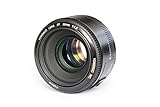 YONGNUO YN50mm F1.8 YONGNUO YN50mm F1.8 |
|
Check Latest Price |
 Fujifilm XF35mmF2 R WR Fujifilm XF35mmF2 R WR |
|
Check Latest Price |
 OM System 45mm f/1.8 OM System 45mm f/1.8 |
|
Check Latest Price |
 Sigma 56mm f/1.4 DC DN Sigma 56mm f/1.4 DC DN |
|
Check Latest Price |
 Nikon NIKKOR Z 40mm f/2 Nikon NIKKOR Z 40mm f/2 |
|
Check Latest Price |
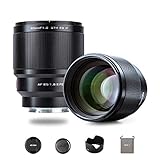 VILTROX AF 85mm f/1.8 II FE VILTROX AF 85mm f/1.8 II FE |
|
Check Latest Price |
1. Canon EF 50mm f/1.8 STM – Best All-Round Portrait Lens
Canon EF 50mm f/1.8 STM Lens, Black, Compatible with Canon EOS DSLR Cameras
50mm f/1.8
7 rounded blades
STM autofocus
0.35m minimum focus
5.6 ounces
Pros
- Sharp centre rendering wide open
- 7-blade rounded bokeh
- Near-silent STM focusing
- Only 5.6 ounces
- 0.35m close focus
Cons
- Soft corners wide open
- Focus-by-wire manual ring
- No stabilisation or sealing
- No hood included
I keep coming back to this lens because eighteen thousand reviews rarely agree on anything except that it works. The 50mm f/1.8 is sharp in the middle of the frame at full aperture, and the seven rounded blades give you background highlights with soft, round edges rather than the hard polygon shapes you get from six-blade designs.
On an APS-C Canon body the 50mm behaves like an 80mm, which is the sweet spot for head and shoulders. I have shot environmental portraits wide open at f/1.8 indoors and the falloff behind the subject was smooth enough that I barely needed to retouch edges.

The optical design is 6 elements in 5 groups with a 49mm filter thread, and it focuses down to 0.35m at 0.21x magnification. That close focus is more useful than the spec sheet suggests, because it lets you fill the frame with hands, rings and fabric detail without switching to a macro lens.
The stepping motor focuses quietly and smoothly, which matters if you shoot video portraits or capture a short burst between poses. It is not a sports motor, but for a person holding still it locks on quickly and holds.

Check the corner softness before you commit
The honest weakness is the corners at f/1.8, especially on full frame. Centre detail is strong, edges soften, and corners show mild haze. Stopping down to f/2.8 or f/4 fixes most of it, and at those apertures you also gain depth of field that makes focusing easier.
Is it worth stepping up to the 50mm f/1.4?
Not for most people. You gain one stop of light and an eight-blade diaphragm, and you give up twenty grams of weight saving, a much smaller filter thread and a far cheaper purchase. If you shoot weddings or available-light indoor sessions every week, the f/1.4 makes more sense. For everything else, the f/1.8 is the smarter buy.
2. Sony FE 50mm f/1.8 – Best Value Full-Frame Prime
Sony – FE 50mm F1.8 Standard Lens (SEL50F18F), Black
50mm f/1.8
7-blade circular aperture
186g
Metal mount
Hood included
Pros
- Only 186g
- Good subject isolation at f/1.8
- Sharp from f/2.8 onward
- Metal mount
- Low-light capable
Cons
- Slow hunting autofocus in low light
- Noisy focus motor
- Soft hazy corners wide open
- Visible chromatic aberration
This is the first lens I hand to anyone who buys a Sony full frame body and asks what to put on it. At 186g it disappears on the camera, and the 47-degree angle of view covers everything from headshots to a small indoor studio.
Optically it uses a double-Gauss configuration with an aspheric element, which keeps field curvature and distortion under control for a lens this simple. Sharpness is very good from f/2.8 to f/5.6, and that is the range you will live in for most portraits.

On APS-C bodies from the a6100 through the a6700, the lens covers a 75mm equivalent field of view, which is a genuine portrait length. The box even includes a hood, a front cap and a rear cap, and the metal mount feels more durable than plastic mounts at this level.
Where the AF-S NIKKOR 85mm wins is motor noise and low-light confidence. The fast DC motor on this Sony lens is audibly clattery and hunts when contrast drops, and a firmware update on both body and lens is worth doing before you judge it.
Where this lens holds up best
Daylight outdoor portraits, travel portraits, café sessions and anything where you are carrying the camera all day. The f/1.8 aperture handles shade and golden hour, and the size means you will actually bring it instead of leaving it at home.
Where it frustrates people
Low-light indoor work with a subject moving toward you. The motor hunts, corners go soft and hazy at f/1.8, and you will see purple fringing on high-contrast edges that needs correcting in post. Stop down to f/2.8 and most of that disappears.
3. YONGNUO YN50mm F1.8 – Budget Way Into Fast Glass
YONGNUO YN50mm F1.8 Lens Large Aperture Auto Focus Lens Compatible with Canon EF Mount Camera
50mm f/1.8
Canon EF mount
6 elements in 5 groups
0.45m minimum focus
4.2 ounces
Pros
- Very low entry cost
- Lightweight at 4.2 ounces
- Focus distance window
- Works on full frame and APS-C
Cons
- Slow inconsistent autofocus
- 6-blade diaphragm gives harder bokeh
- Soft wide open and at edges
- No stabilisation or sealing
This lens exists to answer one question for people who are not sure they will stick with photography. You get a real f/1.8 aperture, a metal contact set that passes aperture data through EXIF, and a focus distance window that most lenses at this level skip.
It weighs 4.2 ounces and mounts on any Canon EF body, full frame or APS-C. I would pair it with a kit zoom for a weekend and see whether you actually reach for the prime before committing to a bigger one.
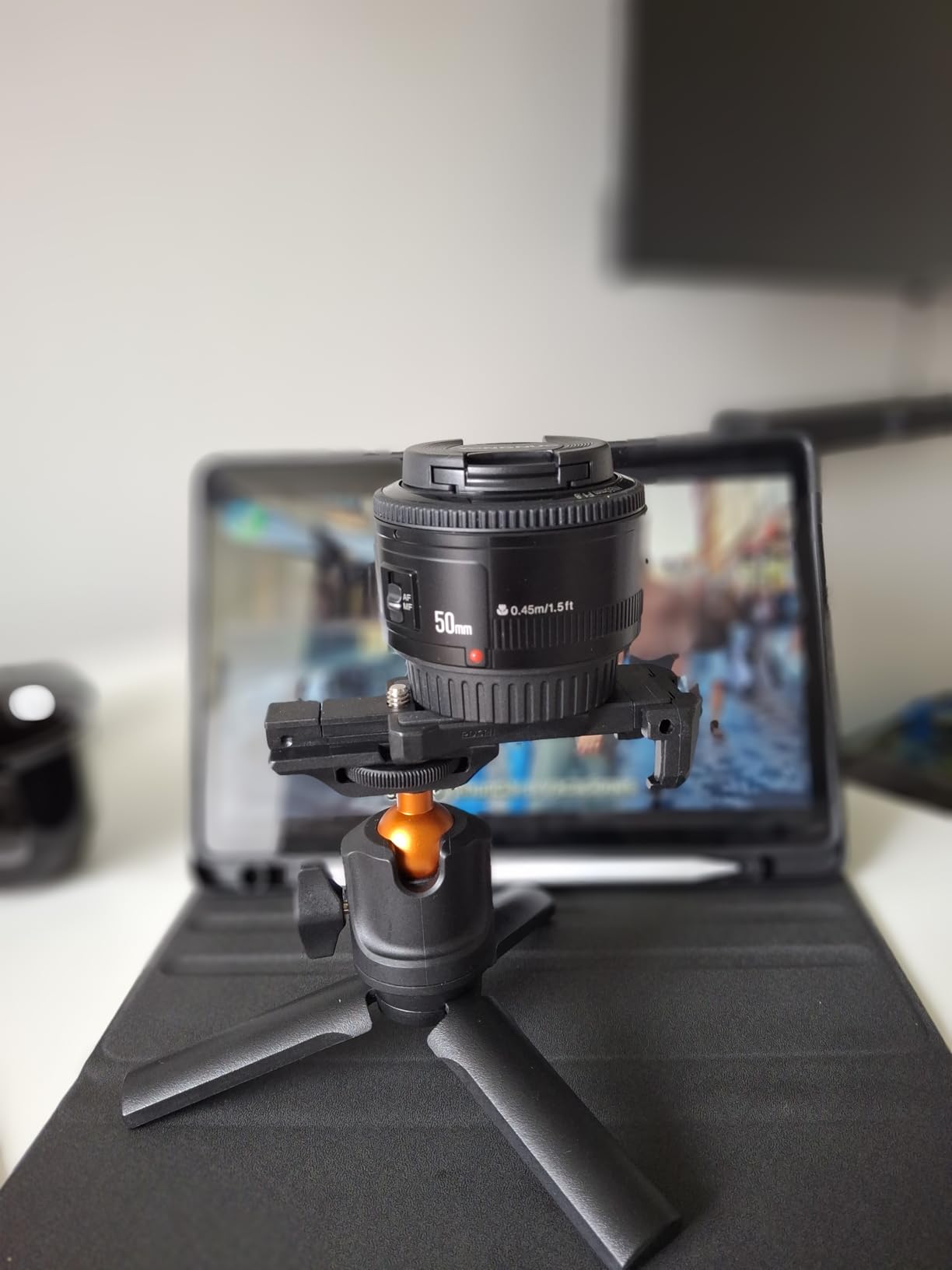
Image quality is usable stopped down. Wide open the optics are soft, particularly toward the frame edges, and the six-blade diaphragm produces more angular highlight shapes than the seven- or nine-blade lenses elsewhere on this list.
Autofocus is the real weakness. Reviewers consistently describe it as slow and inconsistent in low light, and some bodies throw compatibility errors. If you shoot still subjects in good light it will do its job. If you rely on eye detection or video, it will not.

Who this suits
A beginner on a Canon DSLR who wants to understand what a wide aperture does before spending real money. You also get autofocus and manual modes, M, AV, TV and P, and aperture data in the file for post-processing.
Who should skip it
Anyone whose portraits happen indoors in dim light, and anyone filming. The motor is slow, and buying a Canon EF 50mm f/1.8 costs little more in total and gives you a noticeably better focusing experience with far more owner feedback behind it.
4. Canon EF 50mm f/1.4 USM – Best Low-Light Portrait Lens
Canon EF 50mm f/1.4 USM Standard and Medium Telephoto Lens for Canon SLR Cameras, Fixed
50mm f/1.4
8 elements in 6 groups
USM autofocus
290g
0.45m minimum focus
Pros
- Excellent low-light capability
- Fast quiet USM autofocus
- Sharp from f/2 onward
- Clean bokeh
- Minimal lateral colour fringing
Cons
- Soft wide open at f/1.4
- Vignetting and mild barrel distortion at f/1.4
- No stabilisation or sealing
- Plasticky focus ring
This is the pick for wedding and indoor work, and the only lens in the group that gives you a full stop more light than everything else. At f/1.4 you can hold a shutter speed that keeps a moving child sharp in a dim reception room.
The ultrasonic motor is fast, smooth and near silent, and it offers full-time manual focusing, which the f/1.8 does not. Focus travel feels deliberate rather than abrupt, so you can pull focus during a video take.

The 8 elements in 6 groups include two high-refraction elements that suppress astigmatism, and a super multi-layer coating keeps flare and ghosting in check on digital sensors. There is no lateral chromatic aberration even wide open, which older fast primes often show.
Sharpness is the caveat. Wide open at f/1.4 it is noticeably soft, especially on full frame, and you will see vignetting plus mild barrel distortion at f/1.4 and f/1.8. From f/2 it comes alive and stays sharp as you stop down further.

When the extra stop pays off
Tungsten-lit venues, evening events, indoor windowless studios and any situation where you cannot add light. If you can add a strobe or window light, the f/1.8 renders background blur that looks almost identical and costs considerably less.
Know what you are buying
This design has been in production for decades. There is no stabilisation, no weather sealing and no hood in the box, and the focus ring feels hollow for the money. You are buying light-gathering ability and a fast motor, not modern build quality.
5. Nikon AF-S NIKKOR 85mm f/1.8G – Best True Portrait Focal Length
Nikon AF S NIKKOR 85mm f/1.8G Fixed Lens with Auto Focus for Nikon DSLR Cameras
85mm f/1.8
Silent Wave Motor
Rounded 7-blade diaphragm
0.80m minimum focus
350g
Pros
- Classic flattering 85mm compression
- Very sharp centre rendering
- Silent reliable autofocus
- f/1.8 handles low light
- Hood and case included
Cons
- No image stabilisation
- Not weather sealed
- 0.80m limits close framing
- Heaviest prime in this group
Eighty-five millimetres is the number most working portrait photographers name first, and this is the one that fits the budget. The longer focal length compresses facial features in a way that reads as flattering rather than distorted, particularly around the nose and jaw.
The Silent Wave Motor focuses quickly and quietly, and the M/A switch gives you full-time manual override. The rounded seven-blade diaphragm produces smooth background blur, and the 18.8-degree angle of view is narrow enough to keep bystanders out of your frame.

It works on FX, DX and FX in DX crop mode, which means one lens covers a full frame and a crop body. The 67mm filter thread is large, so a polariser or ND filter will cost more, and the CL-1015 case and HB-62 hood are included.
Sharpness through the centre is excellent, which is exactly where an 85mm portrait lens spends its life. Corner performance is secondary at this focal length, because you will rarely focus near the edges of the frame.
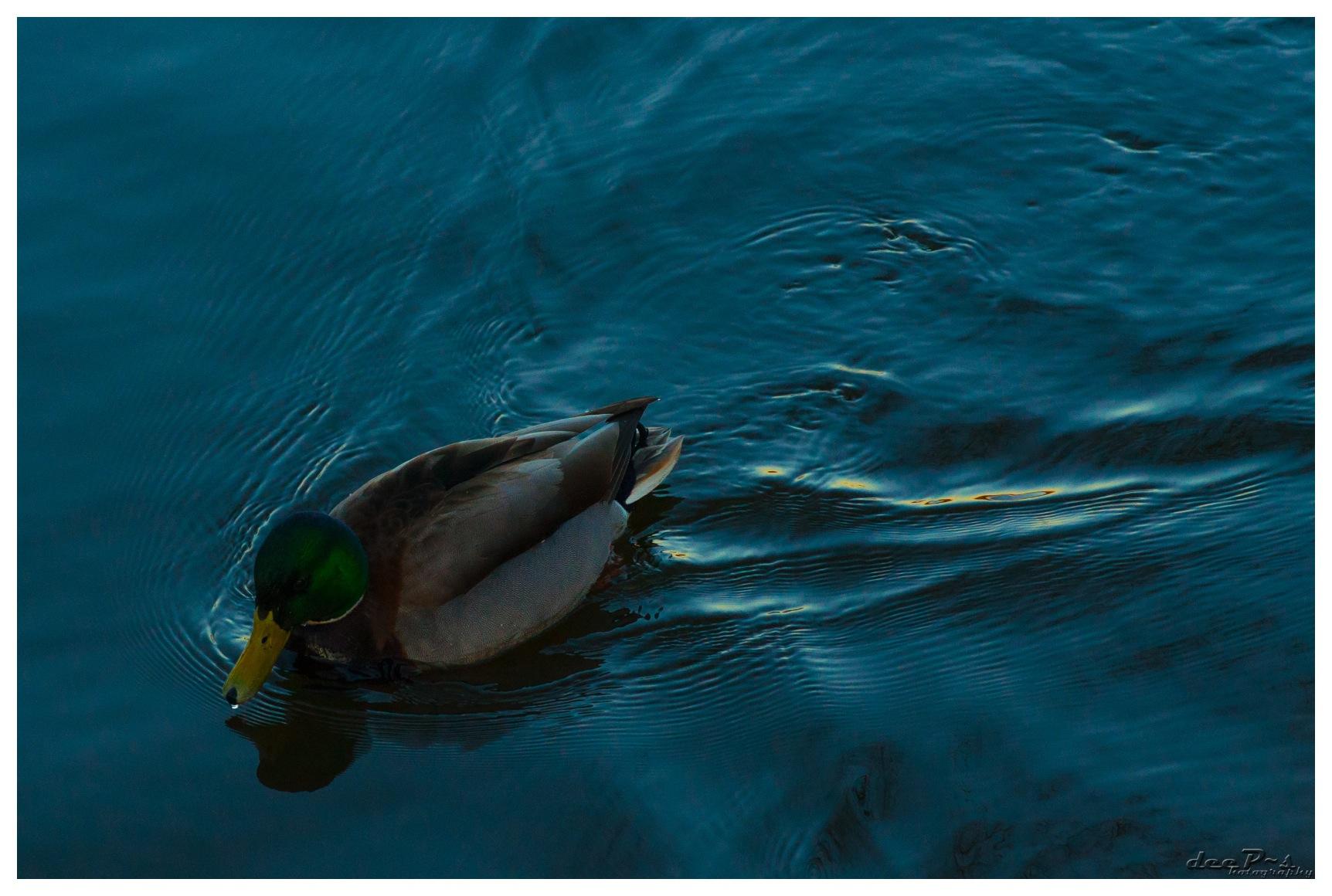
Working out the shooting distance
With a minimum focus distance of 0.80m, an 85mm cannot fill the frame with a head from close range. You are shooting a half-length or full-length portrait, and that constraint is a feature for many people because the subject relaxes when you are not crowding them.
The stabiliser question
There is no in-lens stabilisation, so you need a shutter speed fast enough to hand movement. Your body’s sensor may handle some of that, but on older Nikon DSLRs you will want at least 1/125s. If you shoot a lot of static portraits on a tripod, that is a non-issue.
6. YONGNUO YN50mm F1.8N – Budget Nikon Prime
YONGNUO YN50mm F1.8N Standard Prime Lens AF for Nikon F-Mount DSLR Cameras
50mm f/1.8
Nikon F mount
7-blade diaphragm
Focus distance scale
7.2 ounces
Pros
- Very low entry cost
- Good subject separation at f/1.8
- Metal mount with solid weight
- Sharp from about f/2.8
- Handles low light
Cons
- Loud slow autofocus motor
- Soft from f/1.8 through f/2.5
- No manual override in AF mode
- No sealing or VR
Nikon DSLR owners often ask whether a cheap third-party prime is worth the risk. This one mostly is, for still subjects. It shares the same 50mm f/1.8 formula as the Canon version and reports full aperture data through gold-plated contacts.
It comes in at 7.2 ounces with a metal mount and a focus distance scale, which is more than you would expect at the entry price. On a DX body the 50mm gives roughly a 75mm equivalent field of view, which is a real portrait length.
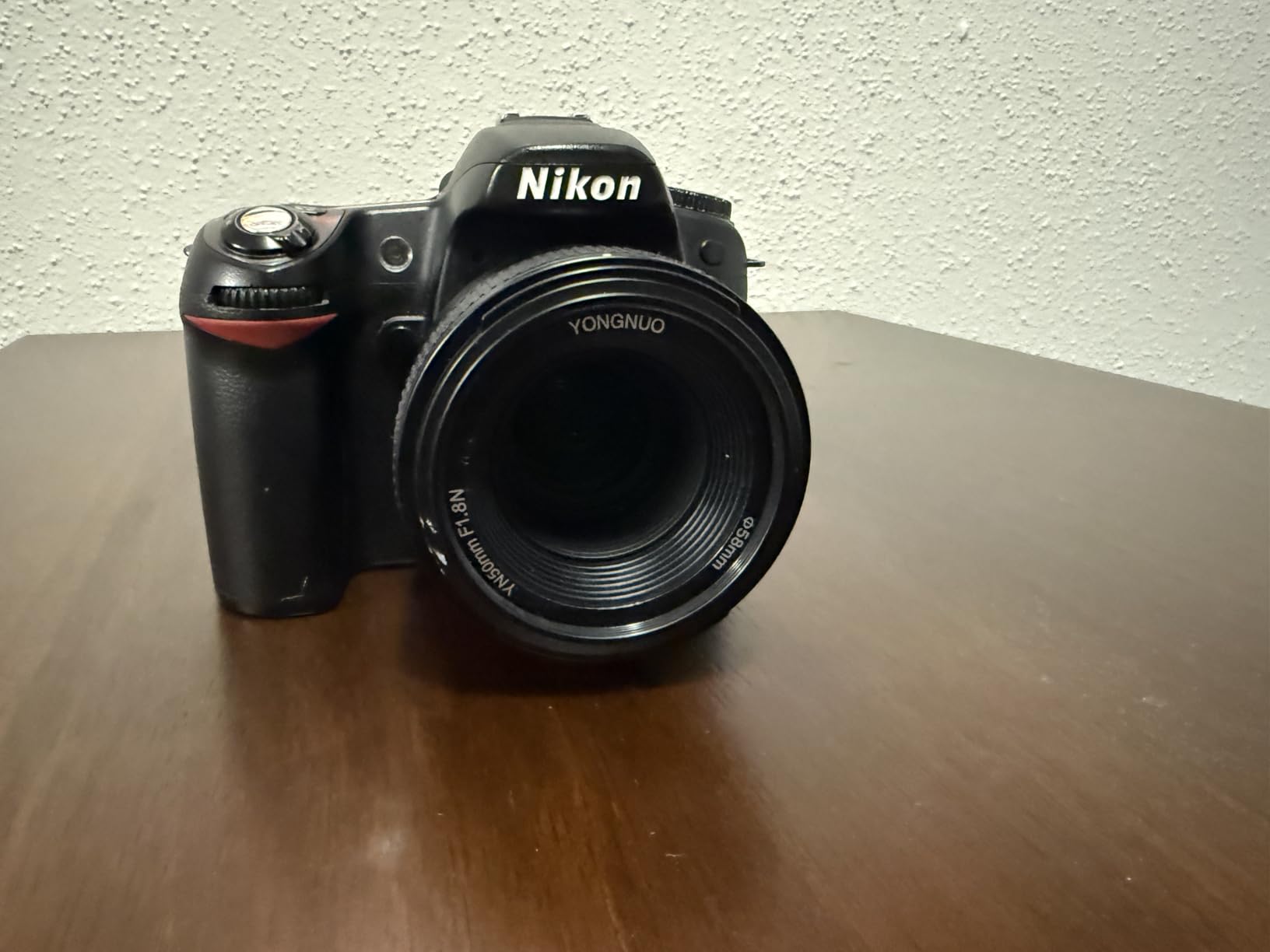
Reviewers are broadly happy with build quality and the bokeh it renders wide open, and most describe the image quality as good at f/2.8 and softer through f/1.8 to f/2.5. That is normal behaviour for a lens at this tier and easy to live with once you know to stop down.
The autofocus motor is loud and slow, and reviewers rule it out for video for that reason alone. There is no manual focus override while in autofocus mode, so you have to switch modes to adjust focus by hand.
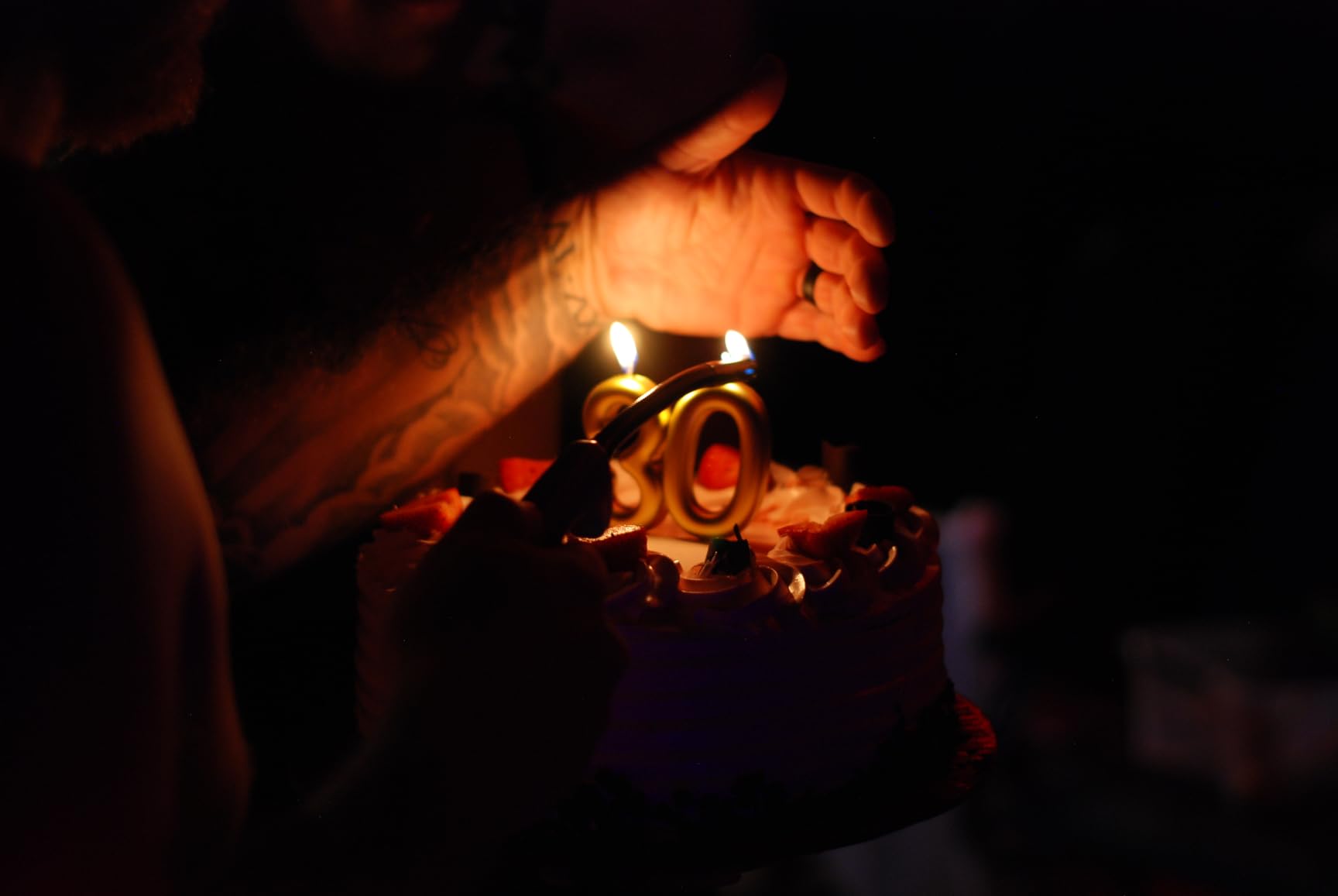
A good stopgap, and where to stop
If you have shot with the kit zoom and want to see what a wide aperture does before buying a serious prime, this is a sensible first step. It is also a reasonable second body lens for a Nikon shooter who already owns a fast 50mm at a higher level.
Where the trade-off bites
A minority of users report autofocus that will not reliably lock on a given body, so check the return policy carefully. There is no weather sealing and no vibration reduction, which rules it out for outdoor work in poor conditions.
7. Canon RF50mm f/1.8 STM – Best Mirrorless Portrait Lens
Canon RF50mm F1.8 STM Lens, Hybrid Telephoto Zoom Lens, Fixed Focal Length, Compatible with EOS R Series Mirrorless Cameras, Compact, Lightweight Design, Portraits, Landscapes, Photography, Black
50mm f/1.8
Canon RF mount
43mm filter thread
Gear-type STM
5.6 ounces
Pros
- Extremely small and light
- Quiet continuous AF for video
- Creamy f/1.8 bokeh
- 43mm filters are inexpensive
- Control ring for direct changes
Cons
- Soft corners with coma and astigmatism wide open
- Visible chromatic aberration
- No optical stabilisation
If you shoot EOS R, this is the lens to buy first. Canon’s RF mount makes extremely small primes possible, and at 5.6 ounces with a 43mm filter thread it is the kind of lens you never take off the camera.
The gear-type stepping motor delivers smooth, quiet continuous autofocus in video, and the front control ring gives direct access to settings changes without taking your hand off the lens. That matters for portrait video more than most buyers expect.

It fits the whole EOS R range, from the R100 and R50 through the R8, R6 II and R5 C. Super Spectra coating and careful lens placement keep flare and ghosting controlled, and the close focus distance handles product and detail shots well enough that you will not need a separate close-up lens straight away.
Wide open the weaknesses show at the edges, with softness, coma and astigmatism, plus visible chromatic aberration on high-contrast edges like hair against sky. Stop down to f/2.8 and it settles into a very good portrait lens.

The filter thread is a real saving
A 43mm polariser, variable ND or diffuser costs a fraction of what the same filter costs at 58mm or 67mm. Over a few purchases that difference pays for the lens itself, and it is an argument reviewers raise constantly for this optic.
Watch the field of view on APS-C
On a body like the R7 or R10 the 50mm is tight for a small indoor space. You will be stepping back, and in a low ceiling you may need the wider field of view a compact zoom gives you. A 35mm prime covers the same wall from much closer.
8. Fujifilm XF35mmF2 R WR – Best Fujifilm Portrait Lens
Fujinon XF35mmF2 R WR – Black
35mm f/2
53mm full-frame equivalent
9-blade diaphragm
Weather sealed
0.33m minimum focus
Pros
- Smallest lens in its class
- Sharp wide open at f/2
- Fast near-silent autofocus
- Metal build with 8 sealing points
- Circular bokeh from 9 blades
Cons
- Aperture ring can feel slippery
- Focus is fast but not instant
- One stop slower than an f/1.4 prime
Fujifilm owners get a 35mm that covers a 53mm full-frame equivalent field of view, which is the sweet spot for environmental portraits and documentary work. You get a person in context without stepping so far back that the space between you becomes awkward.
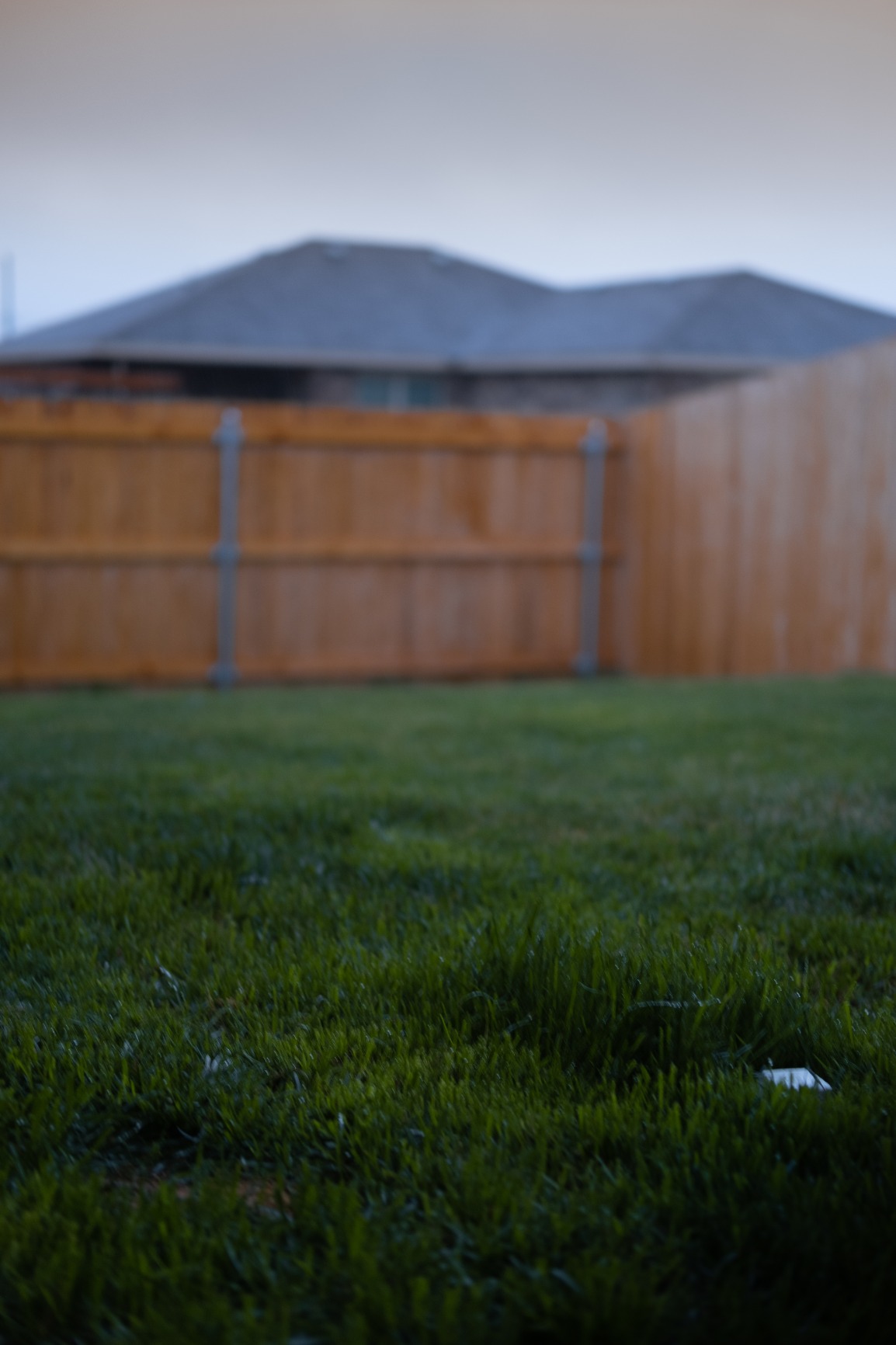
The inner focus system acquires focus in 0.08 seconds and does so almost silently, and it does not hunt. Metal construction with weather resistant sealing at eight points, rated to 14 degrees, is a step up from the plastic primes on many other mounts.
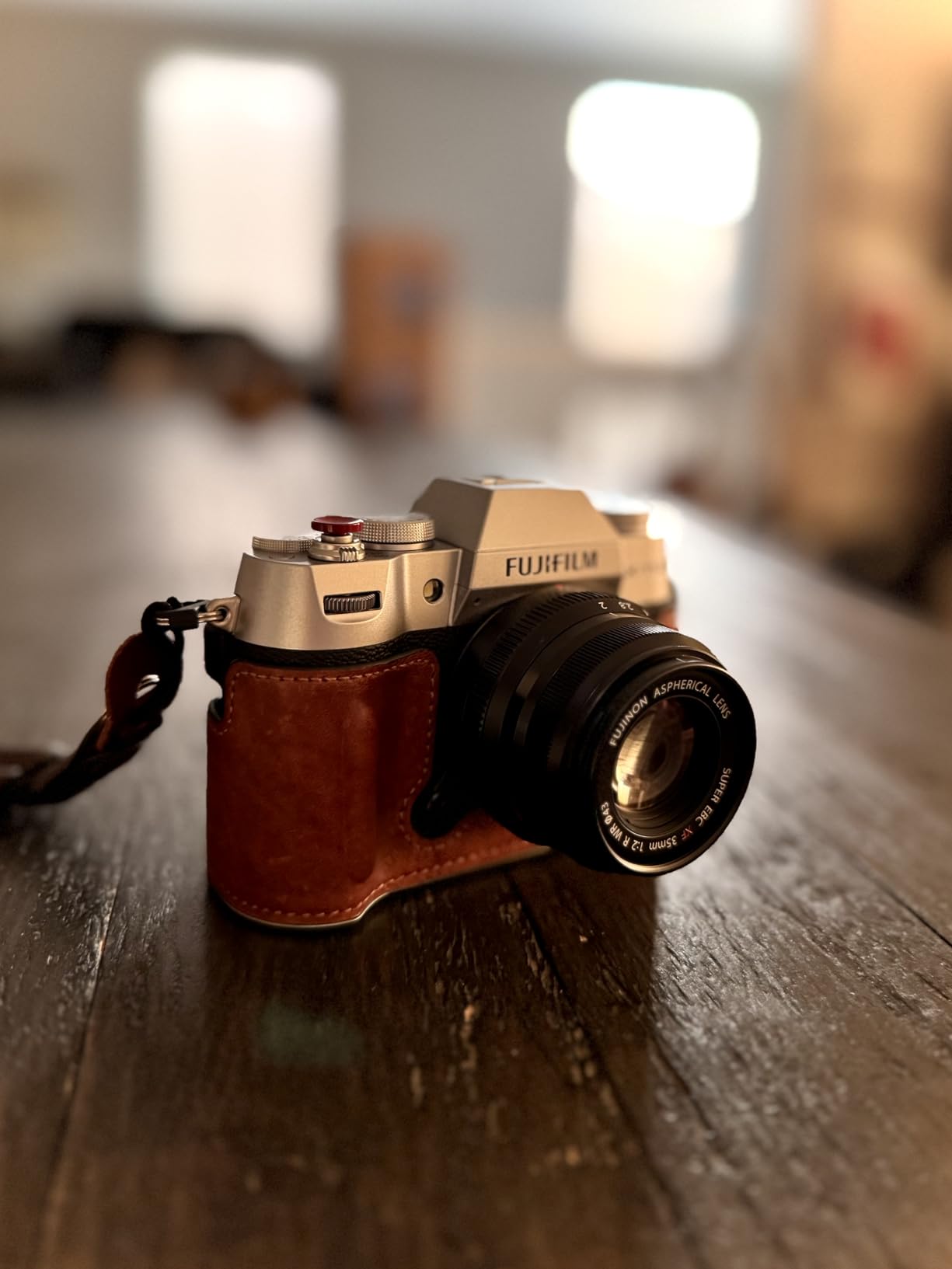
Nine aperture blades make the out-of-focus highlights round and smooth, and the Nano-GI coating reduces ghosting and flare. It weighs 14.4 ounces, focuses to roughly 13 inches at 0.17x magnification, and the box includes a hood and a pouch.
At f/2 you give up one stop of light compared with an f/1.4 prime, and that shows in dim indoor work. For daylight portraits, overcast sessions and street work, the f/2 is more than enough and the rendering is sharp straight through the frame.
Weather sealing is the underrated feature
Eight sealing points on a lens at this level is unusual. If you shoot portraits outdoors in drizzle, on a coast, or at a winter ceremony, this is the pick that keeps working when others are fogging up or misbehaving.
Ring feel is the only gripe
Owners frequently mention the aperture and focus rings feeling slightly slippery, particularly with bare or cold hands. If you wear thin gloves, add a third-party rain cover or a textured wrap. Focus is quick rather than instant, so it will not match a high-end XF prime in snap focus.
9. OM System 45mm f/1.8 – Best Micro Four Thirds Portrait Lens
OM SYSTEM Olympus M.Zuiko Digital 45mm F1.8 Black for Micro Four Thirds System Camera, Compact Design, Beautiful Bokeh, Bright
45mm f/1.8
90mm full-frame equivalent
Rounded 7-blade diaphragm
0.20m minimum focus
116g
Pros
- 90mm equivalent framing
- 116g body
- Sharp across frame stopped down
- Quiet focus for video
- 0.20m minimum focus
Cons
- Plastic body construction
- 27-degree view needs space
- Some edge softness wide open
- Hood sold separately
Micro Four Thirds carries a two-times crop, so this 45mm gives you a 90mm full-frame equivalent field of view. That is a genuine portrait length at a weight of 116 grams, which is the entire argument for this system in a bag you carry every day.
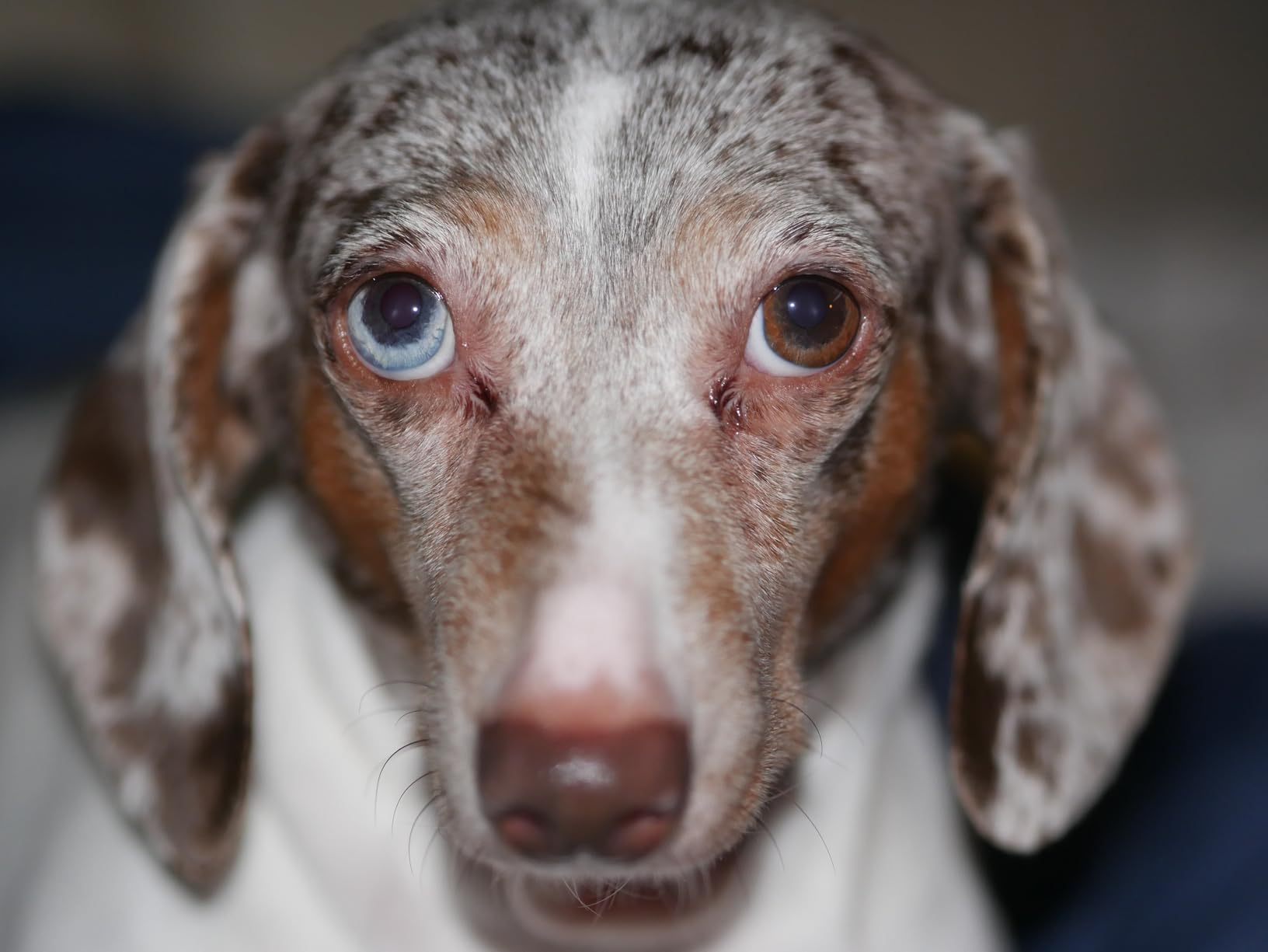
The rounded seven-blade diaphragm gives the creamy, soft-edged background blur people associate with portrait glass, and the linear drive focuses quietly in a movie-still compatible way. Minimum focus is 0.20m, closer than almost anything else in this roundup.

Sharpness is excellent from f/2.8, with only slight softness at the edges wide open at f/1.8. Contrast holds up well and the Nano AR coating keeps flare under control, which is useful when you are shooting a face against a bright window.
The trade-off is physical. With a 27-degree angle of view, a small living room becomes a problem, because you need real distance between the lens and your subject. Body construction is plastic rather than metal, which is the most common criticism.
When this lens wins
Travel, street, environmental and family sessions where carrying weight matters. A 90mm equivalent at 116g plus a small body takes up a fraction of the space of a full frame kit, and you still get the compression and the blur.
When it does not
Confined interiors, large groups where you need room to move, and anyone who cares about tactile feel. The 37mm filter thread is tiny and inexpensive, but the LH-40B hood is a separate purchase you will want in bright conditions.
10. Sigma 56mm f/1.4 DC DN – Widest Aperture Portrait Glass Here
Sigma 56mm F1.4 DC DN for EF-M Mount (351971)
56mm f/1.4
90mm full-frame equivalent
9 rounded blades
Optical stabilisation
9.9 ounces
Pros
- Very sharp for the class
- Exceptionally smooth 9-blade bokeh
- Quiet smooth autofocus for video
- Water and dust proof
- Large hood included
Cons
- Canon EF-M mount only
- Larger and heavier than other 90mm equivalents
- Stabilisation adds bulk to a prime
The f/1.4 aperture on this Sigma is one full stop wider than most of the primes in this roundup, and nine rounded blades render the background highlights very smoothly. On a Canon EOS M body the 56mm covers roughly a 90mm equivalent field of view.
Optically it is the sharpest thing on this list in the centre, and the design minimises flare and ghost images well enough that backlit portraits stay usable. Autofocus is smooth and quiet by design, which makes it a good video portrait lens.

It is made in Japan, carries a four year warranty and includes a large lens hood specifically shaped to suppress side spokes in the bokeh. The optical stabiliser is unusual on a prime at this price and helps in dim rooms or at slow shutter speeds.
Everything about it is weighed against one fact: it only fits Canon EF-M bodies. If you have moved to an RF body or use any other system, this lens is simply not an option, however good the optics are.

Why the fast aperture matters
One stop of light means either a faster shutter speed, a lower ISO or more depth of field at the same exposure. For portraits that is the difference between grain-free files and visible noise in a dim room, and it is the reason this lens is the pick for EOS M shooters.
Size and compatibility
At 9.9 ounces with a stabiliser and a big hood, it is bulkier than the other 90mm equivalents here. Check the mount on your camera before anything else, because the EF-M fit is narrow and there is no adapter route to the RF system.
11. Nikon NIKKOR Z 40mm f/2 – Best Nikon Z Portrait Lens
Nikon NIKKOR Z 40mm f/2 | Large Aperture 40mm Prime Lens for Z Series mirrorless Cameras | Nikon USA Model
40mm f/2
60mm DX equivalent
9 rounded blades
Click-less control ring
6.08 ounces
Pros
- Very small and light
- Quick quiet autofocus
- Low focus breathing for video
- Crisp rendering with strong contrast
- Click-less control ring
Cons
- Plastic lens mount
- No weather resistance or stabilisation
- Less critically sharp than S-line glass
Nikon’s Z mount allows a 40mm f/2 that is roughly half the length of the Z 50mm, and at 6.08 ounces it is the smallest full-frame prime style lens in this roundup. Many owners keep it permanently mounted as a daily driver.
On a DX body the 40mm covers a 60mm equivalent field of view, a slightly wider portrait framing than an 85mm gives. On FX it becomes a natural 40mm for environmental portraits, street candids and travel work with a person in the frame.

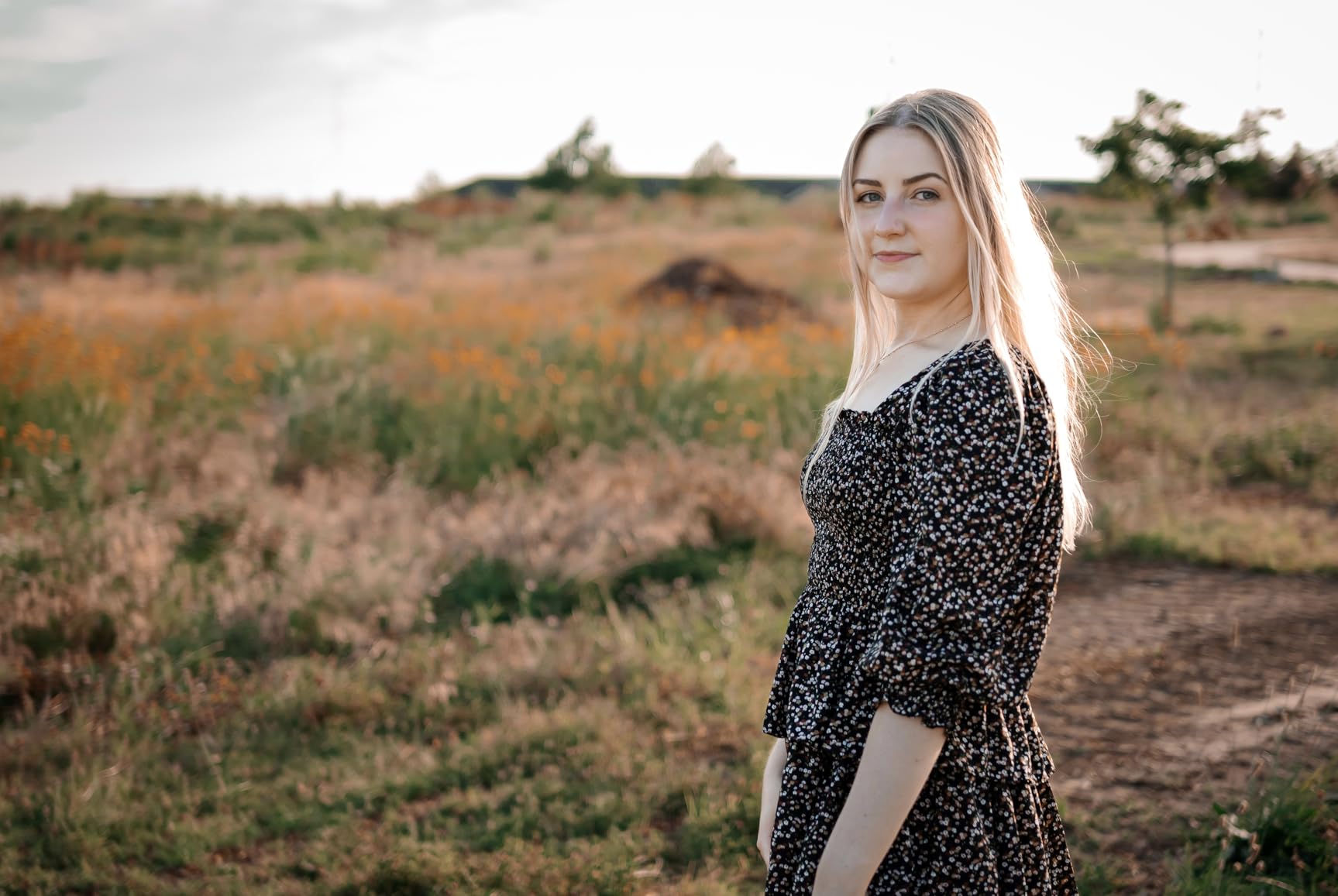
The 9-blade rounded diaphragm gives natural-looking bokeh at f/2, and the autofocus system is designed to suppress focus breathing during recording. That makes it one of the few budget primes here that behaves properly when you pull focus in a video portrait.
The control ring is click-less and customisable, so you can assign it to manual focus, aperture, ISO or exposure compensation. Electronic contacts pass aperture data through, and the box includes front cap, rear cap and a pouch.
The plastic mount, in context
This is the most debated point in owner reviews, and most people settle it the same way. A short prime puts very little mechanical load on a mount, so the durability worry is smaller than it sounds. If you are still uneasy, treat the lens as portable and keep a weather-capable body for rough conditions.
What you give up
There is no stabilisation and no weather resistant sealing, and the rendering is slightly less critically sharp than Nikon’s S-line primes. If you want a fast 85mm for compression instead, a dedicated short telephoto is the better portrait tool.
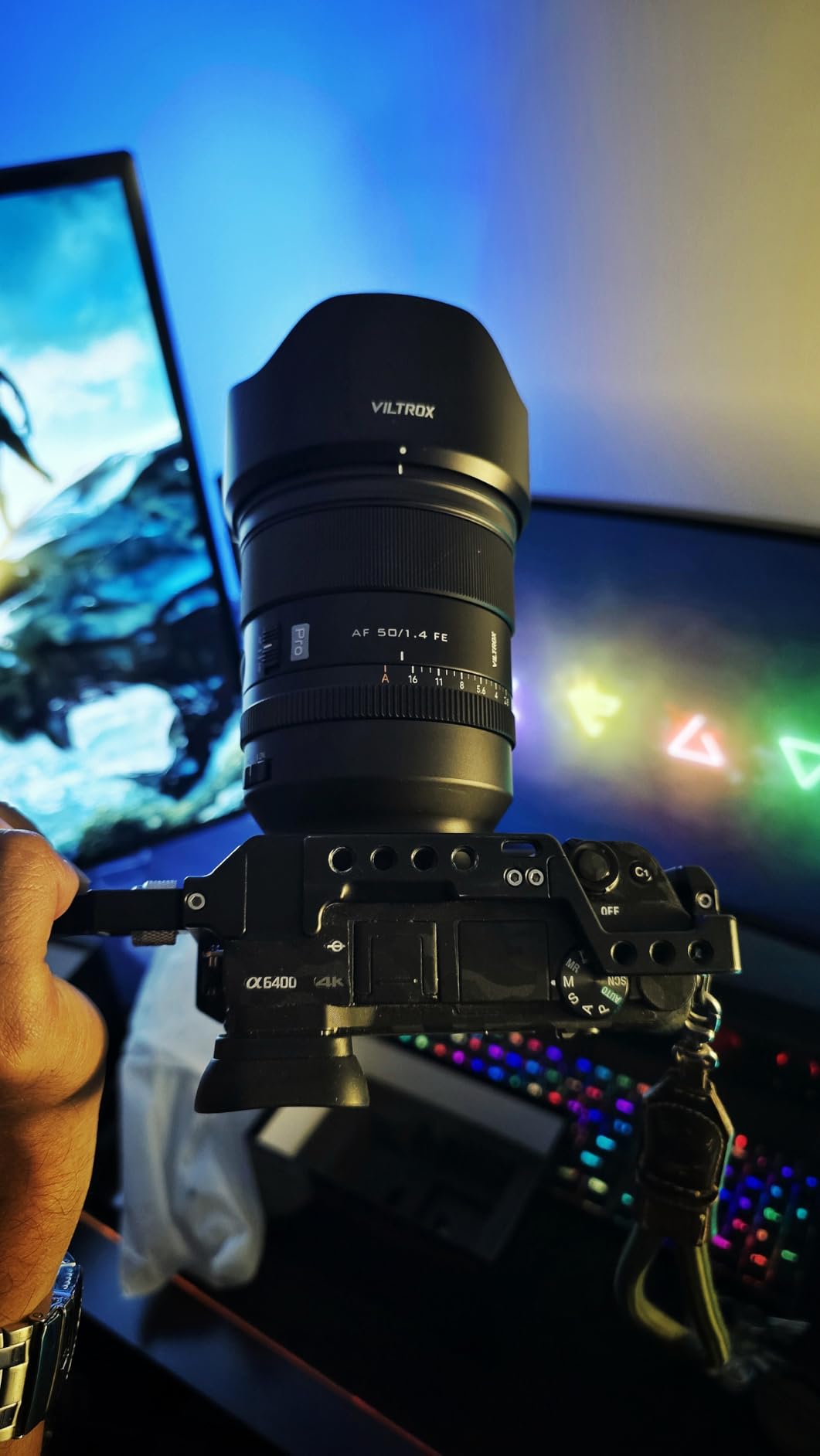
12. VILTROX AF 85mm f/1.8 II FE – Best Third-Party 85mm
VILTROX AF 85mm F1.8 II FE Lens for Sony E Mount, f/1.8 Large Aperture Portrait Full Frame Lens with STM Motor for Sony E-Mount Camera a7IV a7CII a7RV a7S III ZV-E10 II ZV-E10 a6700 a6400 a7iii a9 A1
85mm f/1.8
Sony Eye Focus support
10 elements in 7 groups
All-metal 484g
0.80m minimum focus
Pros
- Classic 85mm compression on Sony E
- Steady fast autofocus with Eye Focus
- All-metal build
- Optical stabilisation
- Lotus hood included
Cons
- 0.80m limits tight head-and-shoulder framing
- Modest 1:8 magnification
- Third-party AF less refined than first-party
Getting a fast 85mm on Sony E without paying first-party prices is exactly what this lens does. Ten elements in seven groups with a nano AR coating give a 19.9-degree angle of view, the classic short telephoto compression portrait photographers ask for.
The STM motor focuses steadily and quickly, and it supports Sony Eye Focus, so eye detection works rather than being ignored. That single feature lifts it well above most third-party glass in this price band for anyone shooting candid portraits or children.
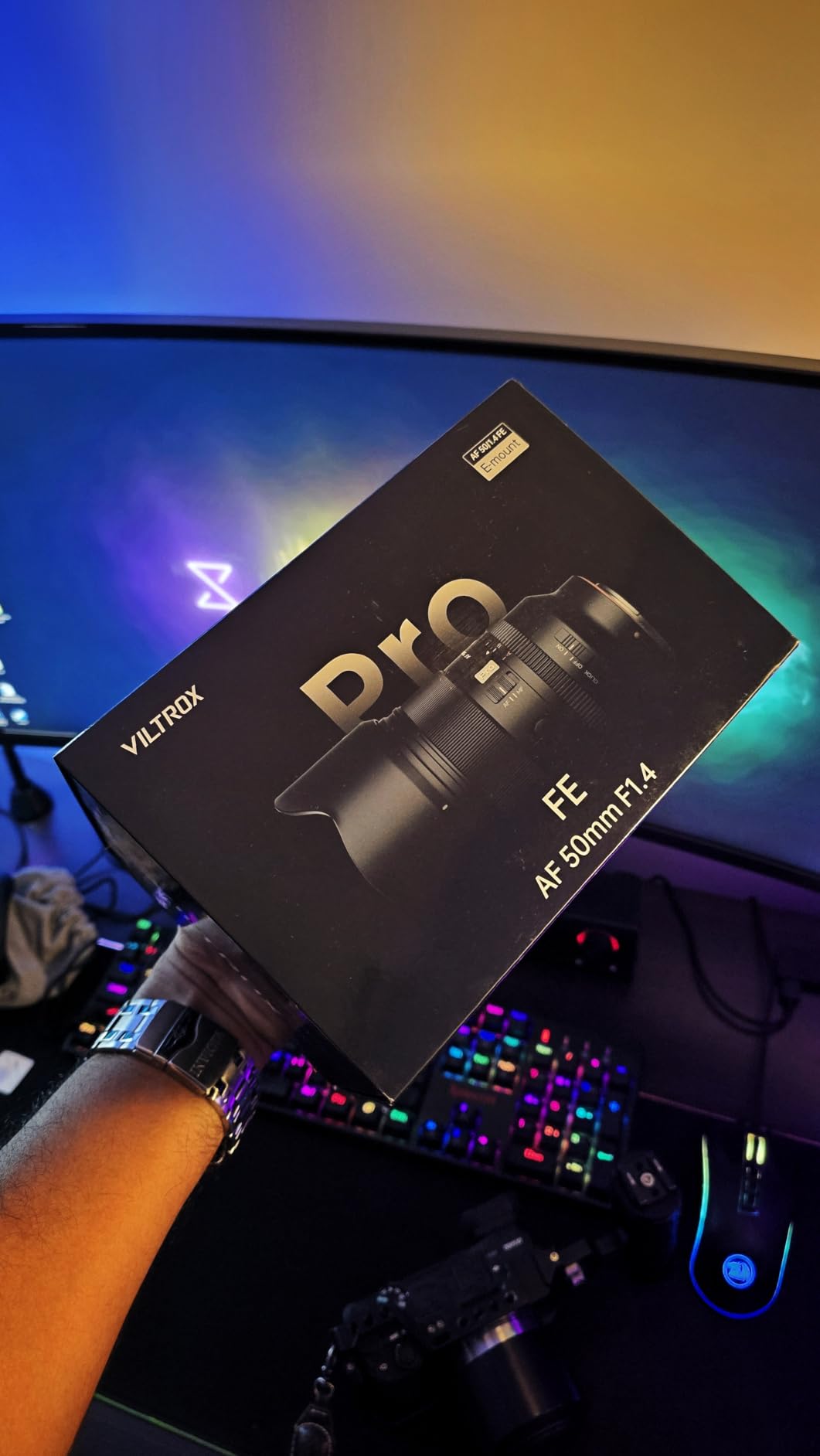
At 484g it is the heaviest lens in this roundup, but the all-metal body feels substantial rather than merely heavy, and the lens is lighter than the first version of this design. Optical stabilisation is fitted, which the first-party 85mm at this focal length does not have.
A lotus-shaped lens hood is included to control flare and ghosting, and a micro USB port on the barrel lets you update firmware from the manufacturer, which has improved autofocus behaviour over time.
Read the focus distance carefully
At 0.80m minimum focus and 1:8 maximum magnification you shoot from a comfortable distance rather than filling the frame with a tight headshot. Many people prefer this, because subjects settle when the photographer is not three feet from their face.
Where third-party glass gives ground
Autofocus tracking is good rather than exceptional, and the AF can be less refined than first-party lenses in tricky low light. Some listings also disagree with themselves about which bodies the lens supports, so verify the mount and your camera model before you order.
How to Choose a Portrait Lens on a 500-Dollar Budget
Start with the mount, not the focal length. A 50mm f/1.8 for Canon EF does nothing for a Sony body, and adapters exist for some combinations but not all. Check the exact mount name on your camera before you fall in love with a spec sheet.
Second, decide how much light you need. A one-stop difference between f/1.4 and f/1.8 is the difference between a clean file at 800 ISO and a noisy one in the same room. If you can add a strobe, a window or a reflector, spend that money on light and take the f/1.8. If you cannot, the f/1.4 earns its place.
Third, know what your sensor crops. A full frame body shows the full 50-degree-plus angle of a 50mm lens. An APS-C body crops to a 1.5-times tighter field of view, and Micro Four Thirds crops by two times, so a 45mm behaves like a 90mm and a 35mm like a 70mm.
That cropping is not a downgrade. A 56mm on APS-C gives an 84mm equivalent, and that longer look with flatter facial proportions is usually what portrait shooters want anyway. Work out your equivalent view before you decide a lens is too wide or too long.
Now the 50mm versus 85mm question, which comes up in almost every beginner thread. Fifty millimetres is more forgiving, works indoors, includes more of the person, and is the lens you will use for ten different kinds of portrait. Eighty-five millimetres compresses and flatters, forces you to step back, and produces the classic look for a single subject against a clean background.
Our verdict is to start at 50mm and move to 85mm second. Once you know how much room your subject needs and how far back you can stand, an 85mm becomes obvious. Buying an 85mm first often means a lens that will not frame a seated person in a small room.
On primes versus zooms under this ceiling, primes win clearly. A fast prime at f/1.8 gives you blur that a kit zoom cannot approach at any focal length, and the money you save by skipping a zoom goes into aperture. The only exception is working wide, where a standard zoom saves you from changing lenses constantly.
On autofocus versus manual focus, autofocus wins for anyone shooting people, because eyes move and a focus ring on an 85mm is slow work. Manual focus still makes sense for deliberate studio setups on a tripod, but it is a specialist tool, not a budget shortcut.
One last practical note. Aperture blade count drives the shape of out-of-focus highlights, and rounded blades of seven or more look rounder and softer. Every lens here uses six to nine blades, which is a wide spread worth noticing when you prioritise background quality.
Whatever you choose, treat glass carefully. Dust and fingerprints on the front element cost you contrast and sharpness long before they cost you money, and a blower and a microfibre cloth take care of most of it. Our air blower guide covers that side of the kit.
What Not to Buy in This Budget Tier
Skip a slow kit zoom with a variable aperture if portraits are your main goal. The wide-open aperture is what produces separation, and budget kit zooms open slowly, so you end up with a small sensor’s worth of blur at f/5.6.
Skip ultra-cheap third-party glass with no electronic contacts and no aperture reporting. If the lens cannot tell the camera what aperture it is set to, your exposure metadata is wrong and your depth-of-field previews lie to you.
Also skip anything priced right at the ceiling that has no stabilisation and no sealing. A 500-dollar lens with no weather protection that fails in the rain ends a paid session, and a stabilised alternative at a lower tier usually exists.
Finally, do not buy a manual-focus portrait lens expecting it to replace autofocus. For posed work on a tripod it is a legitimate and inexpensive tool. For anything involving a breathing person, a child or a moving group, you will spend the savings back in missed frames.
Frequently Asked Questions
What are the best lenses for taking portrait photos?
The best camera lenses for portraits under 500 dollars are fast primes in the 40mm to 90mm range. Our overall pick is the Canon EF 50mm f/1.8 STM, with the Canon RF50mm f/1.8 STM for mirrorless shooters, the Sony FE 50mm f/1.8 for full frame Sony, the Fujifilm XF35mmF2 R WR for X-mount, the OM System 45mm f/1.8 for Micro Four Thirds and the Nikon NIKKOR Z 40mm f/2 for Z-mount bodies.
Is 50mm or 85mm better for portraits?
Fifty millimetres is better as a first portrait lens because it frames more of the person and works in small rooms. Eighty-five millimetres compresses and flatters features, but forces you to step back. Start at 50mm and add an 85mm second, once you know how much distance your subjects need.
What is an 85mm f/1.8 lens good for?
An 85mm f/1.8 gives flattering compression on a single subject, strong background separation at a distance, and a narrow enough angle of view to keep background clutter and bystanders out of frame. It suits head-and-shoulder portraits, weddings and outdoor sessions, but it cannot focus very close, so tight face-filling shots are out of reach.
Which camera lens is best for portrait photography?
For most Canon users the best portrait lens under 500 dollars is the Canon EF 50mm f/1.8 STM, because it is sharp in the centre, small at 5.6 ounces and quiet enough for video. Nikon F users get the AF-S NIKKOR 85mm f/1.8G, Sony E users get the FE 50mm f/1.8, and third-party 85mm options such as the VILTROX AF 85mm f/1.8 II cover the short telephoto end.
Do I need a 50mm or 85mm lens for portraits?
You need a 50mm first, and an 85mm later. On APS-C and Micro Four Thirds bodies a 50mm prime already frames like an 85mm to 90mm equivalent, so it covers the portrait look without the extra weight. An 85mm earns its place once you are shooting seated or full-length portraits with room to back away.
Do under 500 dollar portrait lenses need stabilisation?
Not for most stills work. A wide aperture on a prime lets you keep shutter speeds high, and a stabiliser mainly helps with video or static subjects on slower cameras. Lenses such as the Sigma 56mm f/1.4 DC DN and the VILTROX AF 85mm f/1.8 II include optical stabilisation anyway, which is a bonus at this price level.
Final Recommendation for Portraits Under 500 Dollars
Buy the Canon EF 50mm f/1.8 STM if your camera takes Canon EF lenses. It is the strongest combination of rating, owner feedback and build lightness in this roundup, and it costs little enough that the difference versus the f/1.4 is easy to earn back in saved money.
If you shoot mirrorless, take the RF50mm f/1.8 STM for Canon, the NIKKOR Z 40mm f/2 for Nikon, the FE 50mm f/1.8 for Sony, the XF35mmF2 R WR for Fujifilm, and the OM System 45mm f/1.8 for Micro Four Thirds. Add an 85mm f/1.8 later, and keep it in a padded pouch with a blower and a cloth alongside the rest of your camera maintenance kit.
Prices and ratings move over time, so check the current figure before you commit. The right portrait lens under 500 dollars is the one that fits your mount, matches your light, and ends up on the camera more often than it sits in a bag.