
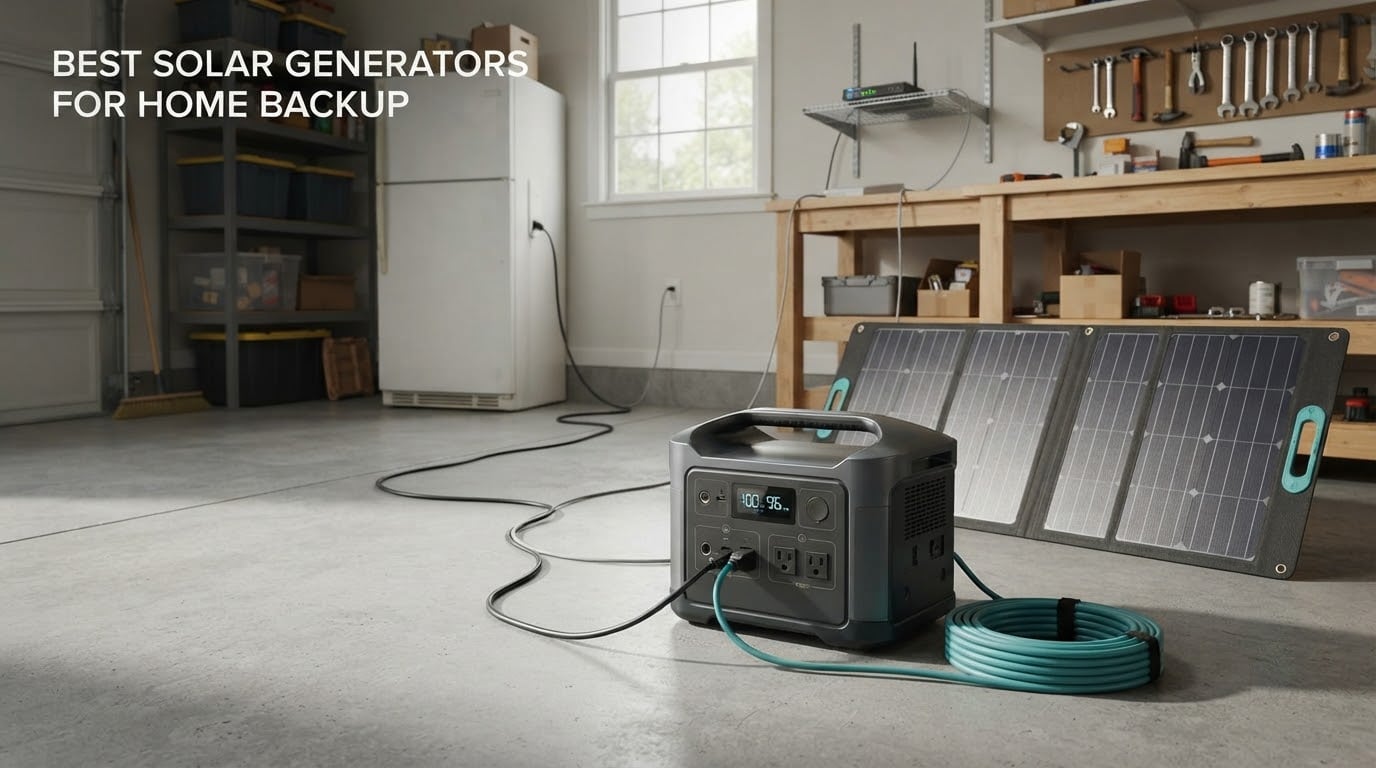
Outages are not one-hour inconveniences anymore. A wildfire evacuation, an ice storm, or a grid failure in a heat wave can leave a household without power for two to five days, and gas refills get slower exactly when everyone else needs one. A solar generator is the quiet answer: a battery, an inverter, and outlets that recharge from panels instead of fuel, so it runs fume-free and safe inside a closed house.
Terminology trips people up before they even start shopping. A portable power station is the battery box itself. A solar generator is that box plus solar panel input, which is why most listings bundle a panel. A home battery system is permanently wired into your panel by an electrician. This roundup covers the first two, because that is what a homeowner can actually install alone, and I focus on the thing competitors keep skipping: what each unit can genuinely carry during an outage.
I went through twelve current-generation units from EcoFlow, Jackery, BLUETTI, Anker SOLIX, OUPES, and Dabbsson, then sorted them by the loads they support rather than by marketing wattage. If you want the shorter version, our general solar generator guide covers camping and off-grid use, while this list is built specifically around a house. For a dedicated look at fixed home systems, see our home backup power station picks.
Table of Contents
Top 3 Picks: Best Solar Generator Picks for Home Backup in 2026
Three units stood out once I matched rated output to real household loads. The Jackery Solar Generator 1000 v2 is the one I keep recommending to households that want a fridge, internet, and lights running for a day without rewiring anything, and it is the only one of the three that ships with a panel in the box. The Anker SOLIX C1000 Gen 2 pairs the highest continuous output in the 1kWh group with a sub-10ms handover, which matters when a router and a medical device are both plugged in. The EcoFlow Delta 3 Classic is the pick when the loads are modest and you want an app you can rely on.

Jackery Solar Generator 1000 v2
- 1070Wh LiFePO4
- 1500W continuous
- 3000W surge
- Bundled 200W panel


All 12 Solar Generators Compared in 2026
Every station below is listed with the same four numbers that decide whether it works in a house: how much energy it stores, how much continuous power it delivers, how much the solar input can absorb, and whether it can grow. Peak or surge figures are deliberately omitted from this table because they describe a three-second spike, not an evening of use.
| Product | Specifications | Action |
|---|---|---|
| Jackery Solar Generator 1000 v2 |
|
Check Latest Price |
| Anker SOLIX C1000 Gen 2 |
|
Check Latest Price |
| EcoFlow Delta 3 Classic |
|
Check Latest Price |
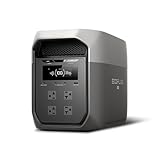 EcoFlow Delta 3 Max EcoFlow Delta 3 Max |
|
Check Latest Price |
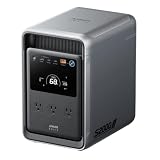 Anker SOLIX S2000 Anker SOLIX S2000 |
|
Check Latest Price |
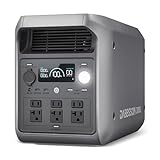 Dabbsson 2000L Dabbsson 2000L |
|
Check Latest Price |
 BLUETTI Elite 200 V2 BLUETTI Elite 200 V2 |
|
Check Latest Price |
 BLUETTI Elite 300 BLUETTI Elite 300 |
|
Check Latest Price |
 Jackery HomePower 3000 Jackery HomePower 3000 |
|
Check Latest Price |
 EcoFlow DELTA Pro EcoFlow DELTA Pro |
|
Check Latest Price |
 BLUETTI Apex 300 BLUETTI Apex 300 |
|
Check Latest Price |
 OUPES Mega 1 OUPES Mega 1 |
|
Check Latest Price |
How Big a Solar Generator Do I Need?
You need about three times the running wattage of your biggest single appliance, and enough stored watt-hours to cover that load for as many hours as you can survive without it. For a refrigerator, internet, lights, and a CPAP machine, a 1,000Wh unit with 1,500W or more of continuous output covers roughly a full day. Add a well pump, a microwave, or heating and you move to the 2,000Wh to 3,600Wh class.
Here are typical running and startup figures for the loads people care about. Startup numbers matter more than running numbers, because a refrigerator compressor or a well pump can draw three to four times its running wattage for a few seconds when it kicks in.
Wi-Fi router, modem, and LED lighting: 10W to 30W combined, negligible startup.
CPAP machine or oxygen concentrator: 40W to 100W, usually no surge at all.
Full-size refrigerator: roughly 150W running, 300W to 400W at compressor startup.
Chest freezer: roughly 100W running, about 250W at startup.
Electric water heater: 1,500W running, minimal surge, but a heavy continuous draw.
Window air conditioner: 900W to 1,200W running, often double that at startup.
Central air conditioner or heat pump: 3,000W to 5,000W running, and several times that at startup.
Microwave, coffee maker, or air fryer: 800W to 1,800W, all resistive loads with no surge.
Sump pump or well pump: 300W to 800W running, 2x to 4x that at startup.
Power tools: 500W to 1,500W with heavy startup draw from the motor.
Next, correct for the label. A 2,000Wh nameplate rarely yields 2,000Wh of usable energy. A realistic usable figure is nameplate watt-hours multiplied by roughly 0.90 depth of discharge and 0.85 inverter efficiency, which turns 2,000Wh into about 1,530Wh. Buyers on forums complain about this gap constantly, and it is the single most common reason a station “ran out early” in a real outage.
If you have a sump pump, the math is more about starting current than energy, and our battery backup sump pump guide covers the sizing rules. To keep the internet alive without a generator at all, the UPS picks for home networks are a smaller, cheaper fix.
1. Jackery Solar Generator 1000 v2 Review: The Most Practical Home Backup Pick
Jackery Solar Generator 1000 v2 and 200W Solar Panel,1070Wh,1500W AC
1070Wh LiFePO4
1500W continuous, 3000W surge
23.8 lb with 200W panel
Pros
- Runs a full-size fridge about 9 hours per charge
- Lightest 1kWh-class unit at 23.8 lbs
- Charge and run appliances at the same time
- 4000+ cycle battery
- App control with quiet mode
Cons
- Bundled panel sags and blows over in wind
- Panel cable too short to shade the unit
- 1-hour fast charge is app-gated
This is the unit I keep coming back to for a first home backup purchase. The Jackery Solar Generator 1000 v2 bundles a 1,070Wh LiFePO4 battery with 1,500W of continuous output and a 3,000W surge ceiling, which is enough running headroom for a refrigerator compressor, a router stack, and a lamp or two at the same time. At 23.8 pounds, a single person can move it from a closet to the kitchen without a dolly.
Owners consistently report roughly nine hours of full-size refrigerator runtime from a single charge, and the unit will pass power through while it recharges, so you can top it up from the wall overnight and still have the fridge running in the morning. The battery is rated for 4,000+ cycles while retaining over 70% of capacity, which works out to a decade-plus of daily use before you would start thinking about capacity loss.
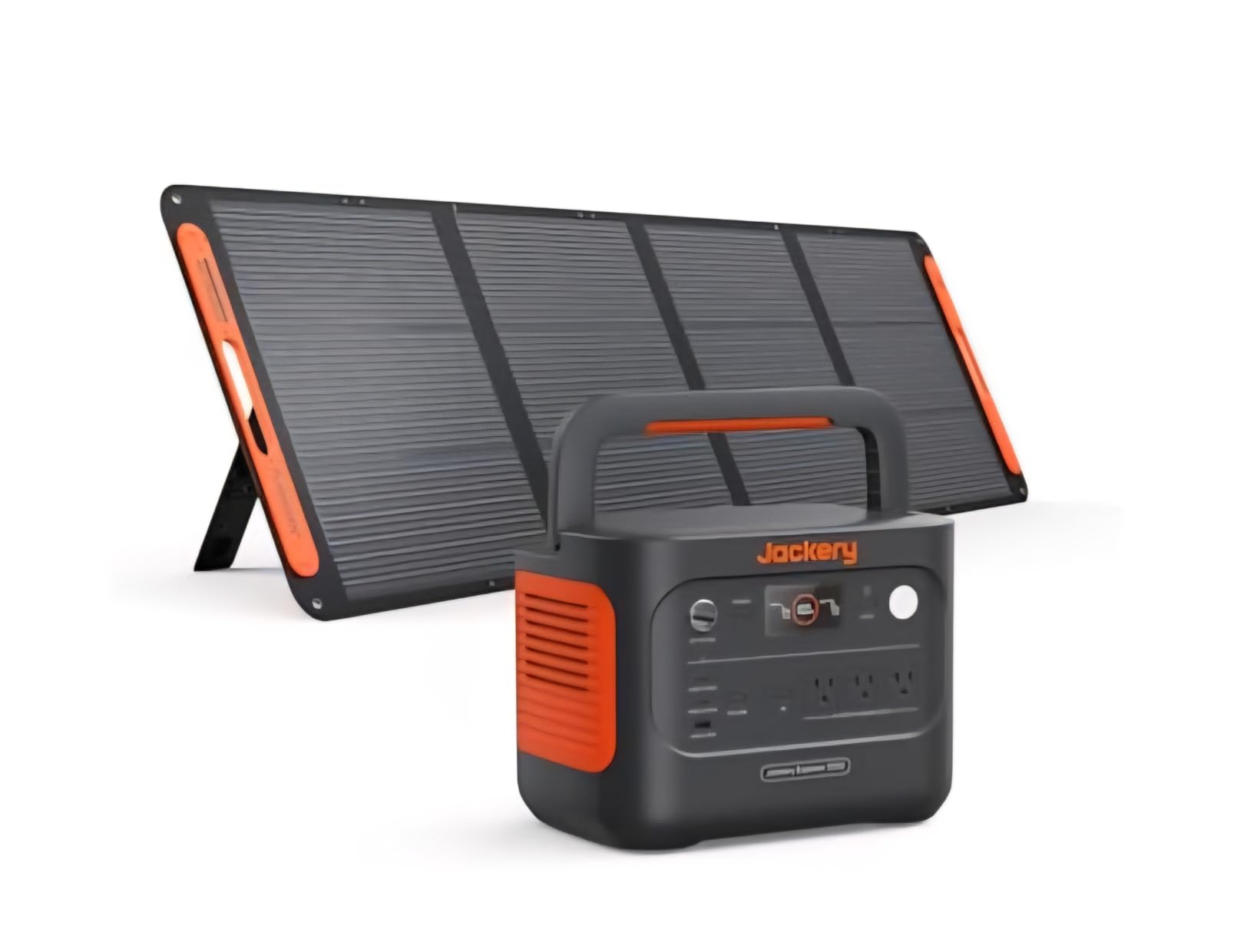
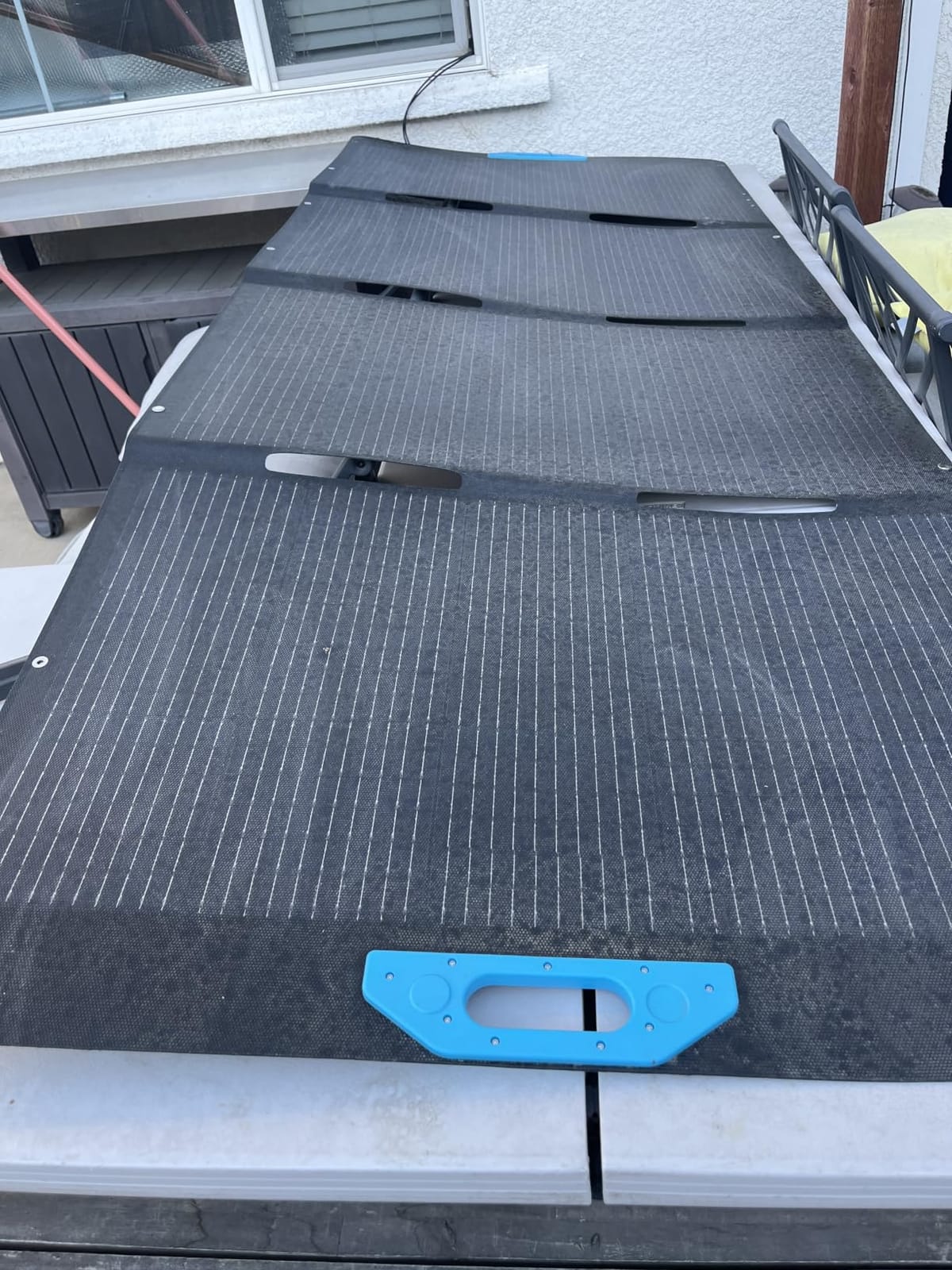
The honest weakness is the bundled panel, not the station. Owners repeatedly describe the 200W SolarSaga folding panel as sagging in the middle and tipping over in wind, and the included cable is short enough that you cannot keep the unit shaded while it charges. If you plan to rely on solar rather than wall power, budget for a rigid panel and a longer lead.
One more thing to know: the advertised one-hour charge is an emergency mode you enable in the Jackery app. The default full charge takes 1.7 hours. Both figures are real, they are just different settings, and the app also carries a 30 dB quiet mode that helps if the station lives indoors.
What 1,500W Continuous Output Actually Covers
It comfortably covers a refrigerator, a freezer, internet equipment, medical devices, and lighting for a day. It will not run a window air conditioner, a water heater, or a microwave and a fridge at the same time, because those loads add up past the ceiling. Buy this one if your outage plan is essentials plus a working kitchen light.
When to Choose Something Else
Skip it if you want to add extra batteries later, since the 1,000 v2 platform is not modular, or if your household depends on a sump pump with a high starting current. For those cases, a 2,000Wh unit with more surge headroom is a better long-term purchase.
2. Anker SOLIX C1000 Gen 2 Review: Built for Sensitive Electronics
Anker SOLIX C1000 Gen 2 Portable Power Station
1024Wh LiFePO4
2000W continuous, 3000W peak
49-minute AC recharge
Pros
- Sub-10 ms UPS keeps routers and medical gear running
- 2000W continuous is the most in the 1kWh group
- Compact at about 25 lb
- 49-minute wall recharge
- App with TOU mode
- 80%+ capacity after 4000 cycles
Cons
- Not expandable with extra batteries
- Some distortion on microwave loads
- No protective case included
- Solar input current from small panels is slow
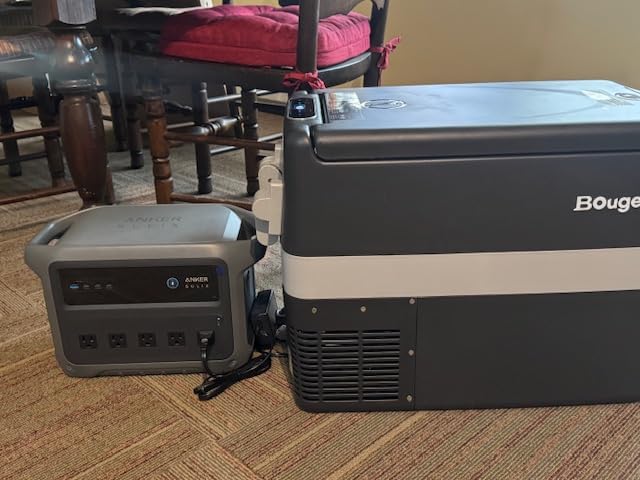
The headline number here is switchover speed. A full recharge from a standard wall outlet takes about 49 minutes at 1,600W with the HyperFlash mode enabled, and a single night of CPAP use can be restored in roughly a quarter of an hour. That recovery time matters more than most spec-sheet shoppers expect when a storm is already overhead.
Output is 2,000W continuous and 3,000W peak from a 1,024Wh LiFePO4 battery, and the unit switches over in under 10 milliseconds, so a router, a NAS, or a medical device never notices the grid went away. Several reviewers describe using it as a permanent cabinet unit powering a refrigerator through a real multi-day outage rather than hauling it out of a closet at the last minute.
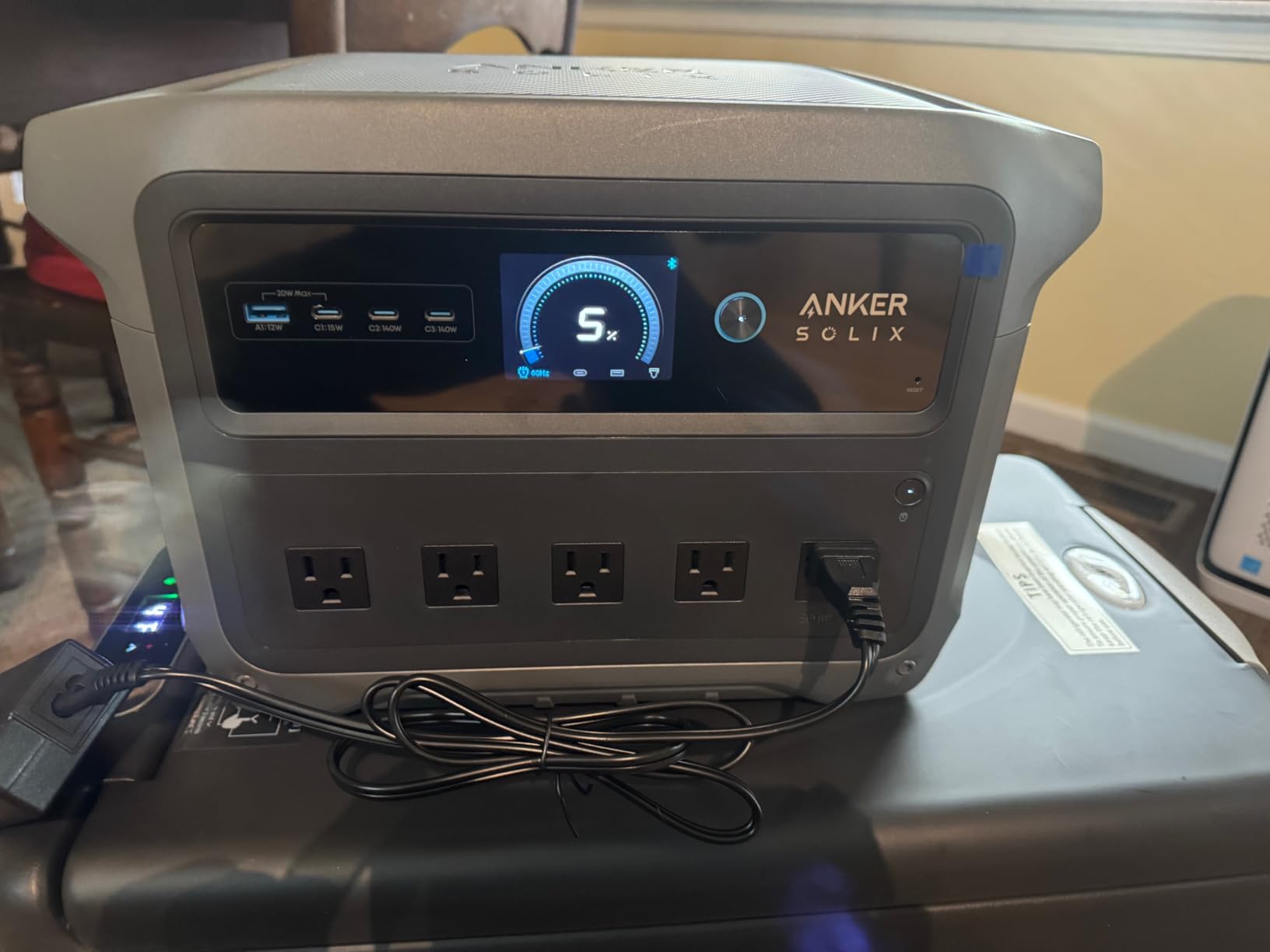
On the solar side, the 1.8-hour full recharge assumes 600W of panels at the 60V input ceiling, which means you need a real array rather than a folding suitcase panel. Owners with a single 200W panel report slow intake, and that is physics rather than a defect: small arrays simply cannot push much current through the MPPT controller.
Battery life is rated at 80% or more of original capacity after 4,000 cycles, and the pack is covered by a five-year warranty. The 11.3 kg weight and 15.1 by 8.2 by 9.6 inch footprint sit in the middle of the 1kWh field.
Why the 10 ms Switchover Is the Real Feature
Everything with a digital brain dies instantly when power blips. A 10 millisecond handover is shorter than most switching equipment takes to notice a dropout, so computers, network gear, and CPAP machines keep running through the transition without a manual restart. That is why I rate this unit so highly for a home rather than for a campsite.
Where It Falls Short
The Gen 2 platform dropped the expansion bay that the first generation had, so this is a fixed 1kWh forever unless you buy a second station. There is also minor AC waveform distortion reported on microwave loads, and a dedicated protective case is not included, so plan on buying one if the unit lives in a garage.
3. EcoFlow Delta 3 Classic Review: The Straightforward 1kWh Workhorse
EF ECOFLOW Portable Power Station Delta 3 Classic, 1024Wh 1800W AC
1024Wh LiFePO4
1800W continuous, 3600W surge
26.7 lb
Pros
- Reliable app pairing that accepts low-wattage solar
- 0-80% AC charge in 45 minutes
- Under 10 ms UPS switchover
- Thoughtful dual-handle physical design
- Ran two sump pumps for two days on about half a charge
Cons
- Heavier than peers in the 1kWh class
- Not compatible with EcoFlow extra batteries
- A few units arrived dead on arrival
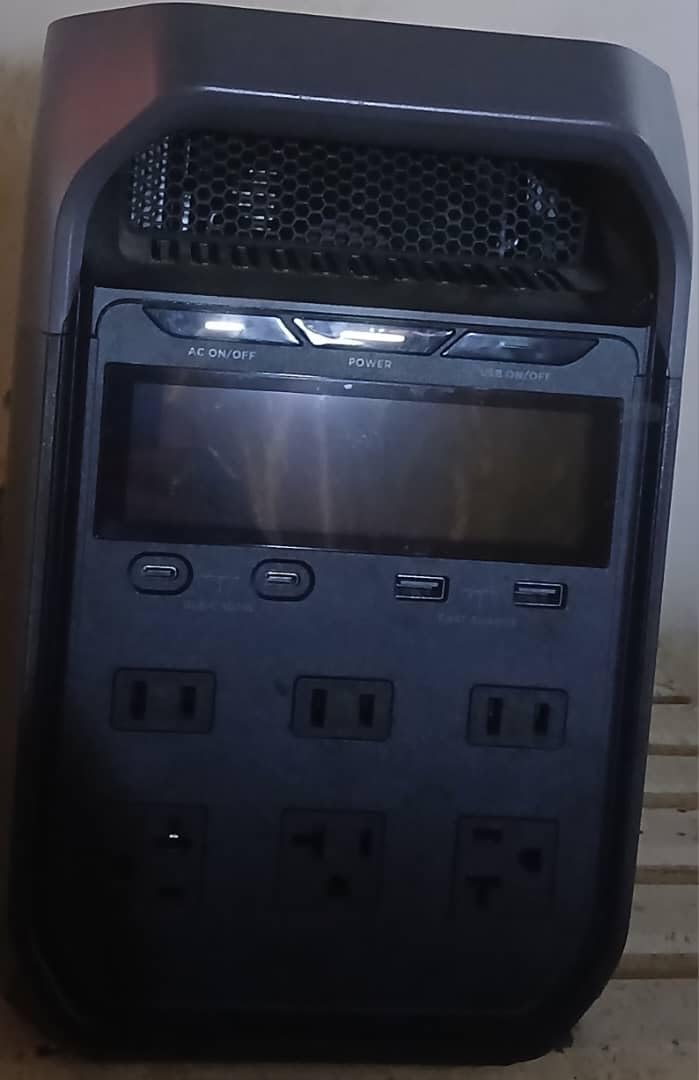
The Delta 3 Classic is the plainest of the three 1,024Wh options and one of the few that reviewers report accepting low-wattage solar input without dropping the connection. That detail matters if you own a 100W panel instead of a 400W array, which is exactly the situation most first-time buyers are in.
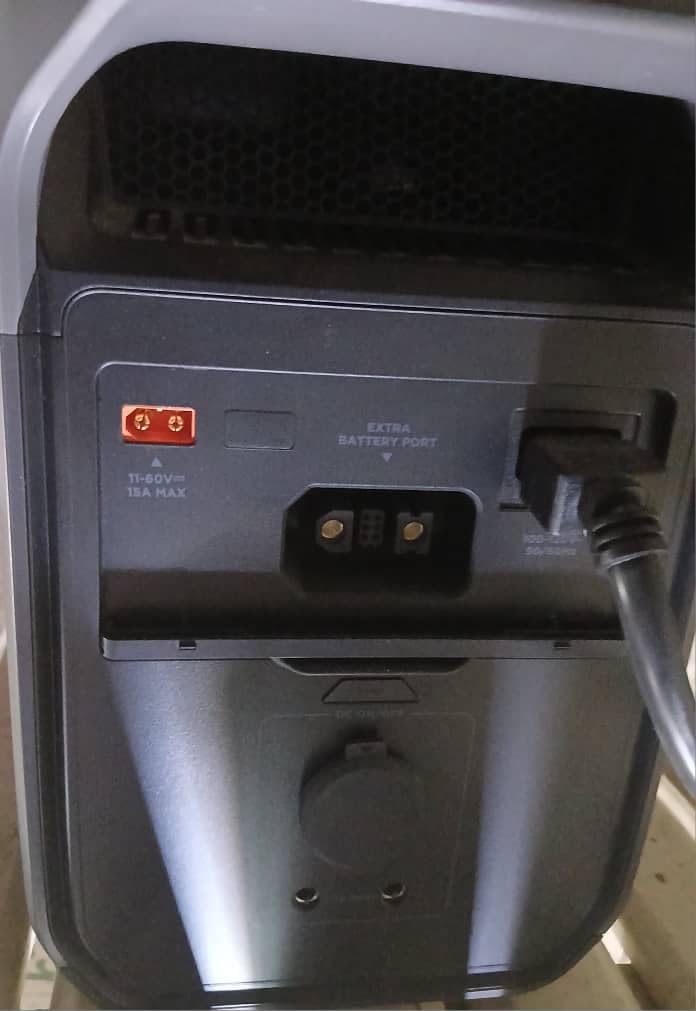
Rated output is 1,800W continuous with 3,600W surge, and X-Boost pushes it to 2,600W for resistive loads. AC charging reaches 80% in about 45 minutes, and a full solar charge takes roughly 2.5 hours with a 500W panel. The EV-grade CTC battery design and the five-year manufacturer warranty are both above the class norm.
The standout owner story is sump pumps. One reviewer ran two of them for two days on about half the battery, which is exactly the wet-weather scenario where people need this kind of hardware. The app also carries a Storm Alert and a Self-Powered Mode, both useful when the weather service is issuing warnings and you want to leave the unit plugged in.
Weight is the recurring complaint at 26.7 pounds, which is at the upper end for this capacity class, and six outlets is generous but not unlimited. A small number of one-star reviews describe units that would not power on at all, mostly through third-party marketplace sellers, so buying direct matters here.
Best Fit for a First-Time Backup Purchase
Choose this if your list is a refrigerator, internet, lights, and maybe a CPAP, and you want something that is genuinely good at every one of them without a learning curve. The under-10ms UPS makes it viable as a fridge or computer backup, and the sump pump reports suggest it can take a beating in a wet basement.
What You Give Up
This configuration is not compatible with EcoFlow extra batteries, so 1,024Wh is the ceiling. If your household might add a second fridge, a freezer, or a window unit next year, look at the 2kWh models instead and accept a bigger box.
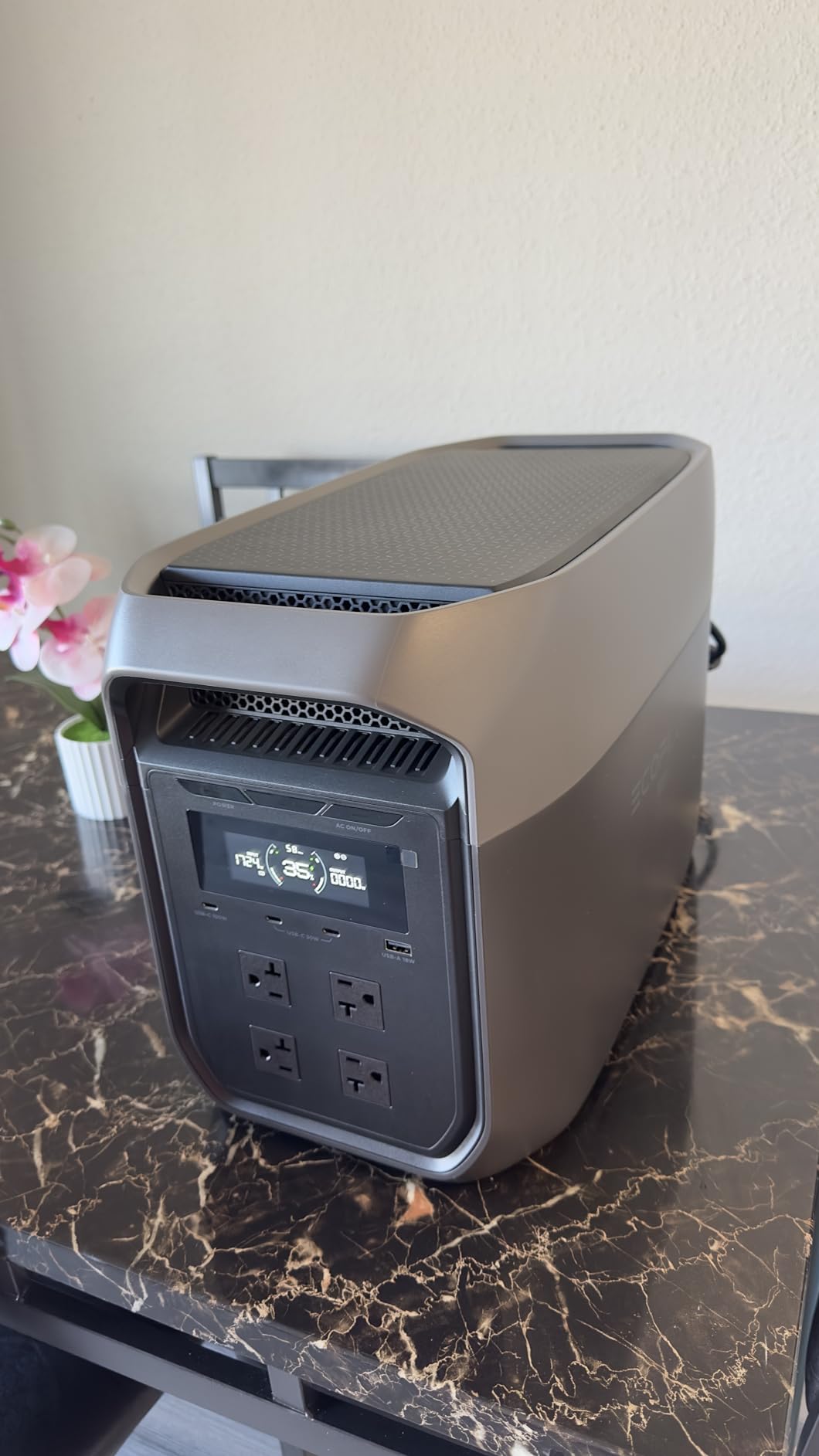
4. EcoFlow Delta 3 Max Review: 2kWh With Real Appliance Headroom
EF ECOFLOW DELTA 3 Max Portable Power Station, 2048Wh LFP Battery, 2400W
2048Wh LiFePO4
2400W rated, 3400W X-Boost
0-80% in 1.13 hours
Pros
- 3400W X-Boost covers most household appliances
- Sub-10ms transfer protects computers and medical gear
- Very quiet for overnight indoor use
- Fast X-Stream charging
- Five-year service plan
Cons
- Solar panels are a separate purchase
- Weight is not published on the listing
This is the step up point where a home backup starts to feel real. At 2,048Wh of LiFePO4 capacity with 2,400W rated output, you can carry a refrigerator, a freezer, internet equipment, and a few lights, and still have room for a coffee maker or a laptop charger without worrying about the ceiling.
X-Boost mode lifts continuous output to 3,400W, which is the figure that decides whether a microwave or an air fryer can run while the fridge is still going. Runtime is listed at up to 10 hours, and the sub-10ms transfer time protects computers, servers, and medical equipment through an outage.
Charging is fast on the wall, reaching 0 to 80% in about 1.13 hours with X-Stream. The app handles scheduling and real-time monitoring, which is genuinely useful for shifting consumption to off-peak hours rather than purely as a status screen, and operation is quiet enough to sit in a hallway or garage overnight.
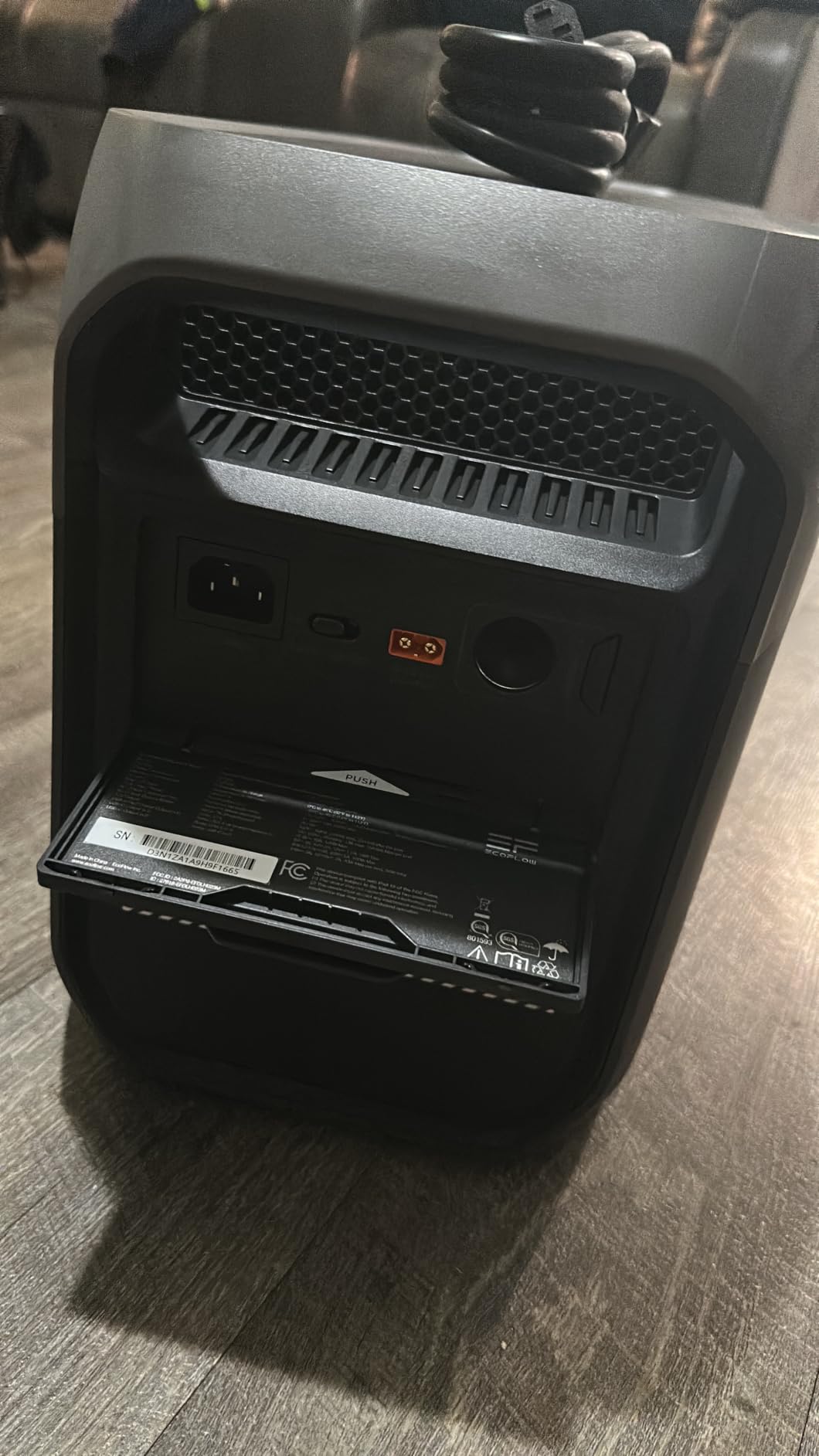
The listing is a bare unit, so solar panels are a separate purchase, and the manufacturer does not publish a weight figure on the page, which is unusual for a unit this size. Measure your storage space before ordering, because the 9.4 by 12 by 19.44 inch body is tall and the box is not light to lift.
Do You Need 2kWh or 1kWh?
Step up to 2,048Wh if two or more people are home during an outage, if you run medical equipment overnight, or if you want to keep a freezer alive for a full day plus a night. Stay at 1kWh if the household is small and the plan is fridge plus internet plus lights only.
Consider This Before Buying
Check that the three AC outlets are enough for your planned loads, since more devices means more power sharing than you might assume. And if solar charging is part of the plan, price the panel separately rather than assuming this bundle includes one.
5. Anker SOLIX S2000 Review: Built to Sit and Run a Fridge for Days
Anker SOLIX S2 Portable Power Station, 2,010Wh, 1,500W
2010Wh LFP from 314Ah cells
1500W continuous, 3000W peak
35.7 lb
Pros
- Very low 6W idle draw extends runtime
- 10000-cycle LFP battery rated 15 years
- Compact for 2kWh at 35.7 lb
- Recharges six ways including alternator and generator
- Front and rear outlet banks for always-on loads
Cons
- No 12V DC car port on this configuration
- Not expandable
- 1500W continuous is modest for 2kWh
The S2000 is designed around a single idea: keep running for days. Its 6W idle draw is what makes the claimed 35 hours of refrigerator runtime possible, since a station that burns 15W sitting there is losing a meaningful slice of a 2,010Wh battery before you plug anything in. The battery is built from 314Ah LFP cells rated for 10,000 cycles and a 15-year lifespan.
Output is 1,500W continuous with 3,000W peak, which is plenty for a fridge, a freezer, network gear, and lights, and the under-10ms UPS keeps sensitive electronics from restarting. Owners like the layout, with front and rear outlet banks that let you keep always-on appliances physically separated from the ones you plug in during an emergency.
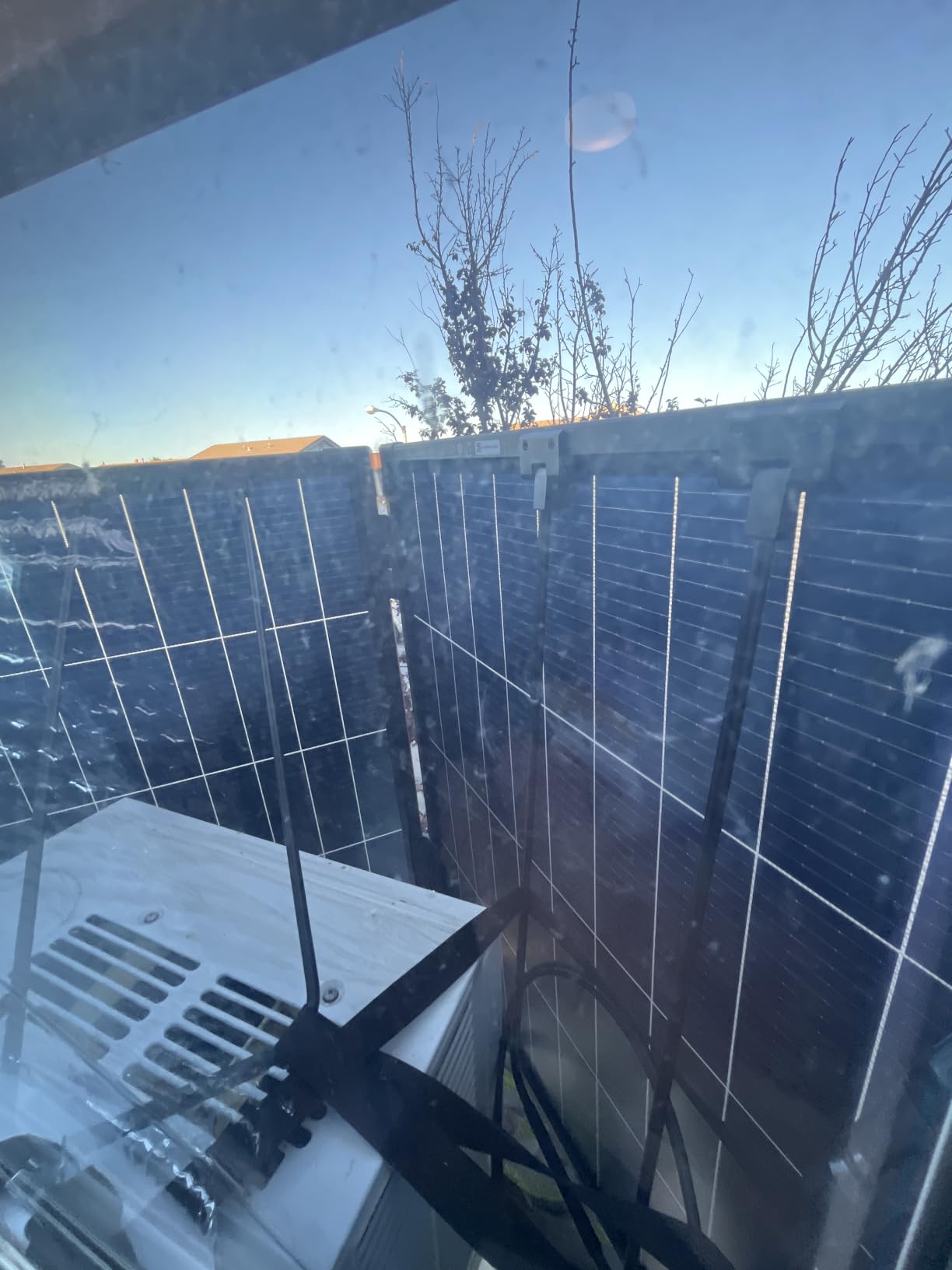
Recharging is unusually flexible. Alongside wall and car charging, this unit accepts 400W of solar, an alternator charger, or a gas generator, so a homeowner who already owns a generator can top the battery up while it runs. That last path is a genuinely underrated feature in storm-prone regions.
It is also compact for the class, 30% smaller and 25% lighter than the category average according to the manufacturer, at 35.7 pounds. Plan for a two-person lift or a dolly, and note that weight is not listed for the Delta 3 Max but is published clearly here.
What Low Idle Draw Buys You
On a 2,010Wh battery, every watt of idle draw comes straight out of your outage reserve. At 6W, the unit loses about 144Wh a day doing nothing, where a 10W standby draw like the BLUETTI Elite 200 V2 loses roughly 240Wh. Over a three-day outage that gap decides whether you still have power on the fourth morning.
Where the Specs Fall Short
1,500W continuous is a low ceiling for a 2kWh battery, so no air fryer, microwave, or window unit is realistic here. This configuration also omits a 12V DC car port, which matters if you plan to run accessories off the unit in a vehicle or workshop.
6. Dabbsson 2000L Review: The Value Pick With 2,200W of Output
DABBSSON Portable Power Station 2000L, 2048Wh Semi-Solid LiFePO4 Battery, 2200W AC Output 6, 3300W Power Boost, 1 Hr Fast Charge, Solar Generator for Home Backup, Camping & RVs (Solar Panel Optional)
2048Wh semi-solid LFP
2200W rated, 3300W boost
41 lb, 800W MPPT
Pros
- Semi-solid cells deliver strong runtime per cycle
- 2200W rated output in a 41 lb case
- Full AC charge in about 1 hour
- 800W MPPT solar input
- Six AC outlets
- UL94-V0 flame-retardant housing
Cons
- Cooling fan is noticeable at low load
- App Wi-Fi pairing needs 2.4GHz and is finicky
- Charge limit settings in the app are unreliable
- Fewer USB-C ports and no USB-C charging
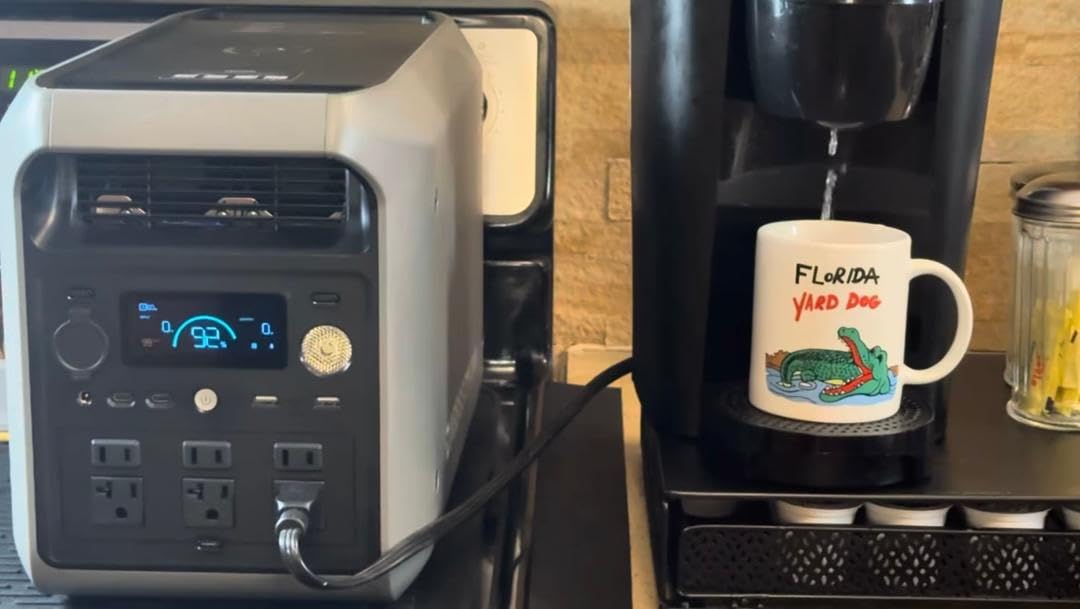
The 2000L is the value pick in this roundup, and the reason is arithmetic rather than hype. It puts 2,048Wh of semi-solid LiFePO4 chemistry behind 2,200W of rated output with a 3,300W power boost, at 41 pounds, and it reaches a full charge on AC in about an hour.
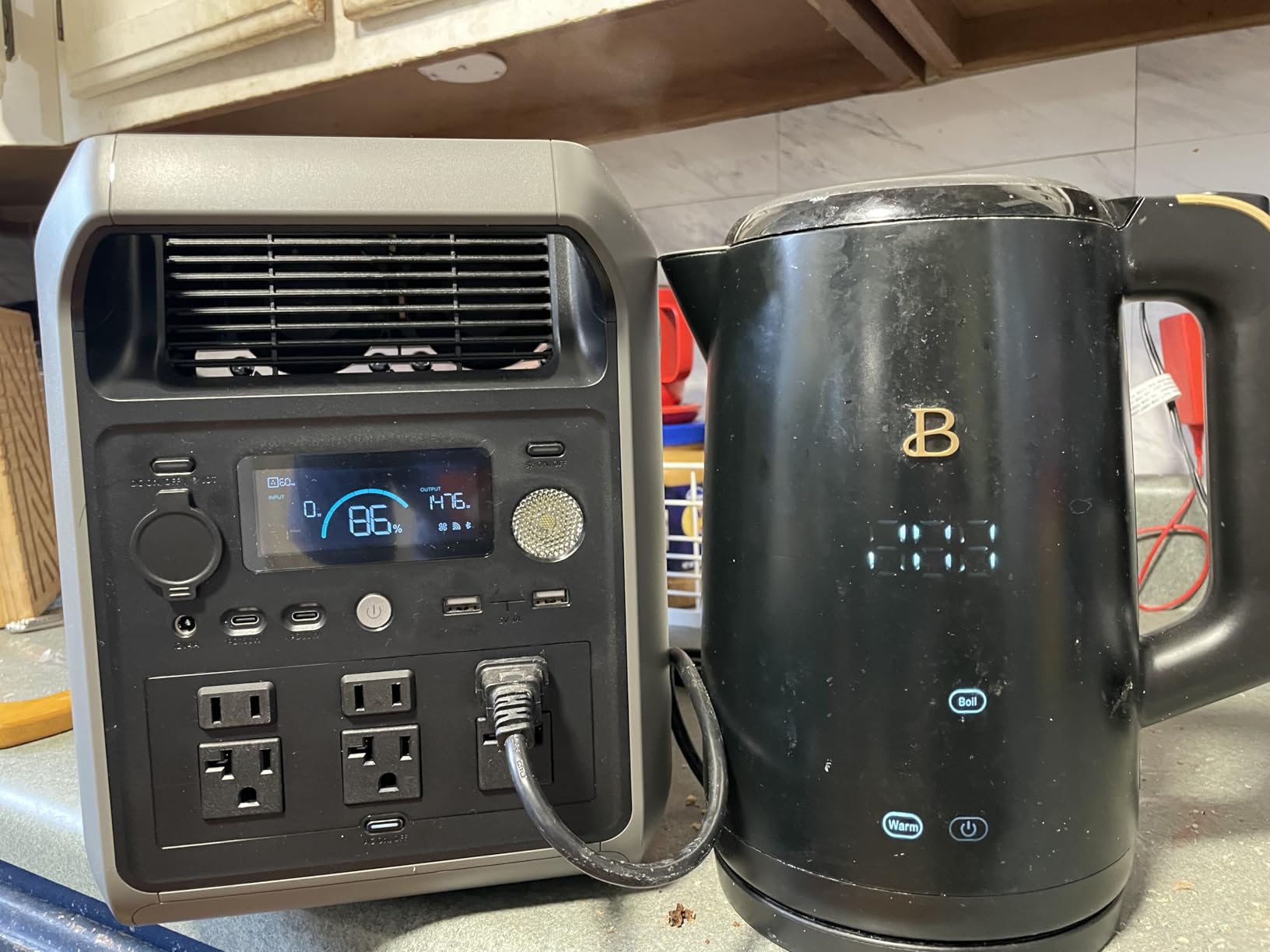
Owners run air fryers, microwaves, kettles, and power tools off it, and one long-term owner describes running multiple refrigerators and freezers at the same time. Six AC outlets mean you are not fighting over a single socket when the power goes out, and the UL94-V0 flame-retardant housing is a reasonable detail for indoor placement.
Output is 2,200W rated with a 3,300W power boost surge, so an air fryer, a microwave, or a kettle can run without brownouts, and six AC outlets let several appliances share the unit at once. The EPS switchover is under 15ms with pass-through charging, so the station can power appliances while it recharges.
Solar input runs up to 800W through an MPPT controller, which is higher than most competitors at this capacity, and listed runtime is about 22.5 hours. The battery is rated for 4,000+ deep cycles to 80% capacity, or roughly ten years of daily use, and coverage is three years plus a two-year extension. A Dabbsson app handles scheduling and remote monitoring over Wi-Fi or Bluetooth.
The cooling fan is the most common complaint, and owners say it cycles on even at light loads, which matters in a bedroom. App reliability is the second: Wi-Fi pairing requires 2.4GHz and frustrated several buyers, and the charge and discharge limit settings in the app did not reliably apply. Treat the app as a nice-to-have rather than a planning tool.
Why Semi-Solid Cells Are Worth a Look
Semi-solid LiFePO4 packs more energy into the same footprint than standard LFP cells, and the practical result here is more runtime per cycle for the same box. Combined with the 800W MPPT input and an hour-long wall charge, it is the fastest way to turn a dead station back into useful capacity.
Where It Falls Behind Established Brands
Support and app polish are the gaps. Jackery, EcoFlow, Anker, and BLUETTI all have far larger installed support bases and more mature firmware, and reviews on Dabbsson hardware are thinner as a result. If you want the unit to run unattended through a week of storms, that gap is worth weighing.
7. BLUETTI Elite 200 V2 Review: A 17-Year Battery With Panels in the Box
BLUETTI Elite 200 V2 Solar Generator & 2x200W Solar Panel Included 2073.6Wh
2073.6Wh LFP
2600W continuous, 3900W lifting
6000+ cycles
Pros
- 6000+ cycle battery projected at 17 years
- 2600W inverter runs kitchen appliances together
- 10W standby draw for longer runtime
- 95%+ inverter efficiency
- Refrigerator runs 24+ hours per charge
- App with energy calculator
Cons
- Heavy at 53.4 lb
- Not expandable with Bluetti modules
- Solar input capped at 1000W and 60V
- App lacks low AC charge rate control
- Included panels are light and tip in wind
The Elite 200 V2 comes as a kit with two 200W solar panels, which makes it one of the few bundles in this list where the panel maths actually works out of the box. Two panels push the full 2,073.6Wh charge in about 2.4 hours, and dual AC plus DC charging hits 0 to 80% in 50 minutes.
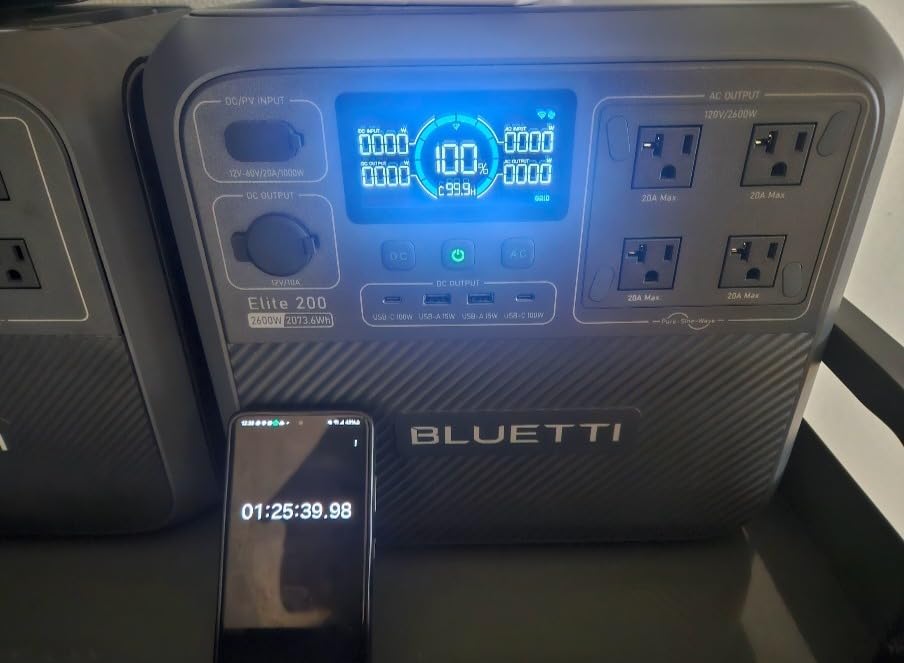
What sets it apart is the battery. The LiFePO4 pack uses CNAS-certified automotive-grade cells rated for 6,000+ cycles, which the manufacturer projects as a 17-year lifespan. Inverter efficiency is above 95%, standby draw is 10W, and owners report running a full-size refrigerator for 24 hours or more on a single charge.
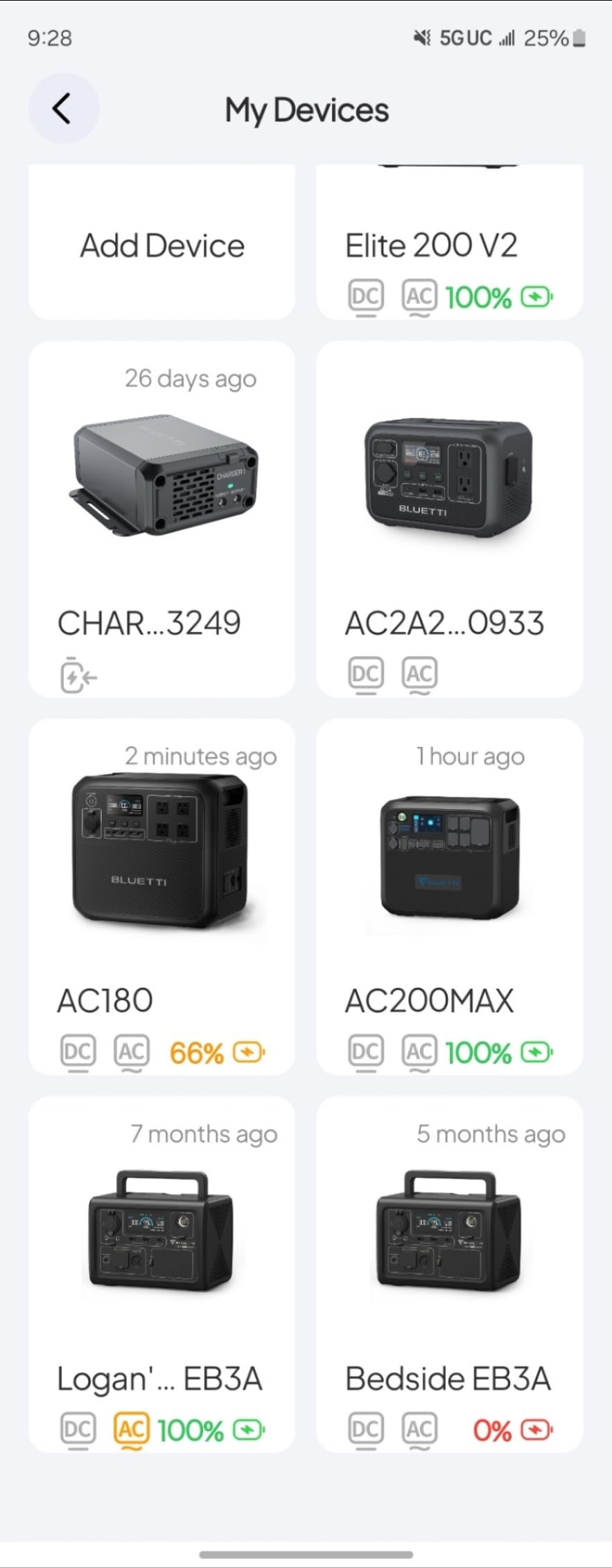
Output is 2,600W continuous with 3,900W in power lifting mode, so a microwave, a coffee maker, and an air fryer can share the inverter without brownouts. UPS backup engages in 15ms or less, and four AC outlets support up to nine devices at once. A Charger 2 alternator input takes the pack to full in two hours at 1,200W, which is useful when a roof array is impractical.
Two practical warnings. The 60V solar input ceiling caps what a rigid array can deliver even though the wattage rating is 1,000W, so you will not get 1,000W of real intake from most panel combinations. And the bundled folding panels are light enough to tip over in wind, with a short included cable.
What 6,000 Cycles Means in Real Years
At one full cycle a day, 6,000 cycles is well over 15 years of use, and most households will never reach that. If you plan to keep the same unit through two households or a decade-plus of daily outage duty, the battery rating is the number that should drive the decision rather than peak wattage.
What to Know About Support and Weight
Support is a genuine strength here. Reviewers describe issues resolved within minutes, and BLUETTI ships a 24/7 phone line on some models, though the brand’s broader customer record is mixed, with Trustpilot reviews of BLUETTI hardware sitting at 4.1 out of 121. At 53.4 pounds, plan the delivery path before it arrives.
8. BLUETTI Elite 300 Review: 3kWh Packed Into a Case the Size of Two Ammo Cans
BLUETTI Solar Generator Elite 300 & 2x200W Solar Panel 3014.4Wh LFP Battery
3014.4Wh LFP
2400W continuous, 4800W surge
58 lb with TT-30 outlet
Pros
- Packs full 3kWh into a case about 59% smaller than traditional designs
- TT-30 RV outlet plus 12V/30A DC port
- 20A blade outlets and 140W USB-C
- Charging stops correctly at 100 percent
- Quiet operation with 24/7 phone support
Cons
- Not expandable with Bluetti modules
- 60V solar ceiling restricts rigid arrays
- Soft-start ramp struggles with dehumidifiers
- Firmware updates are Wi-Fi only
- Heavy at about 58 lb
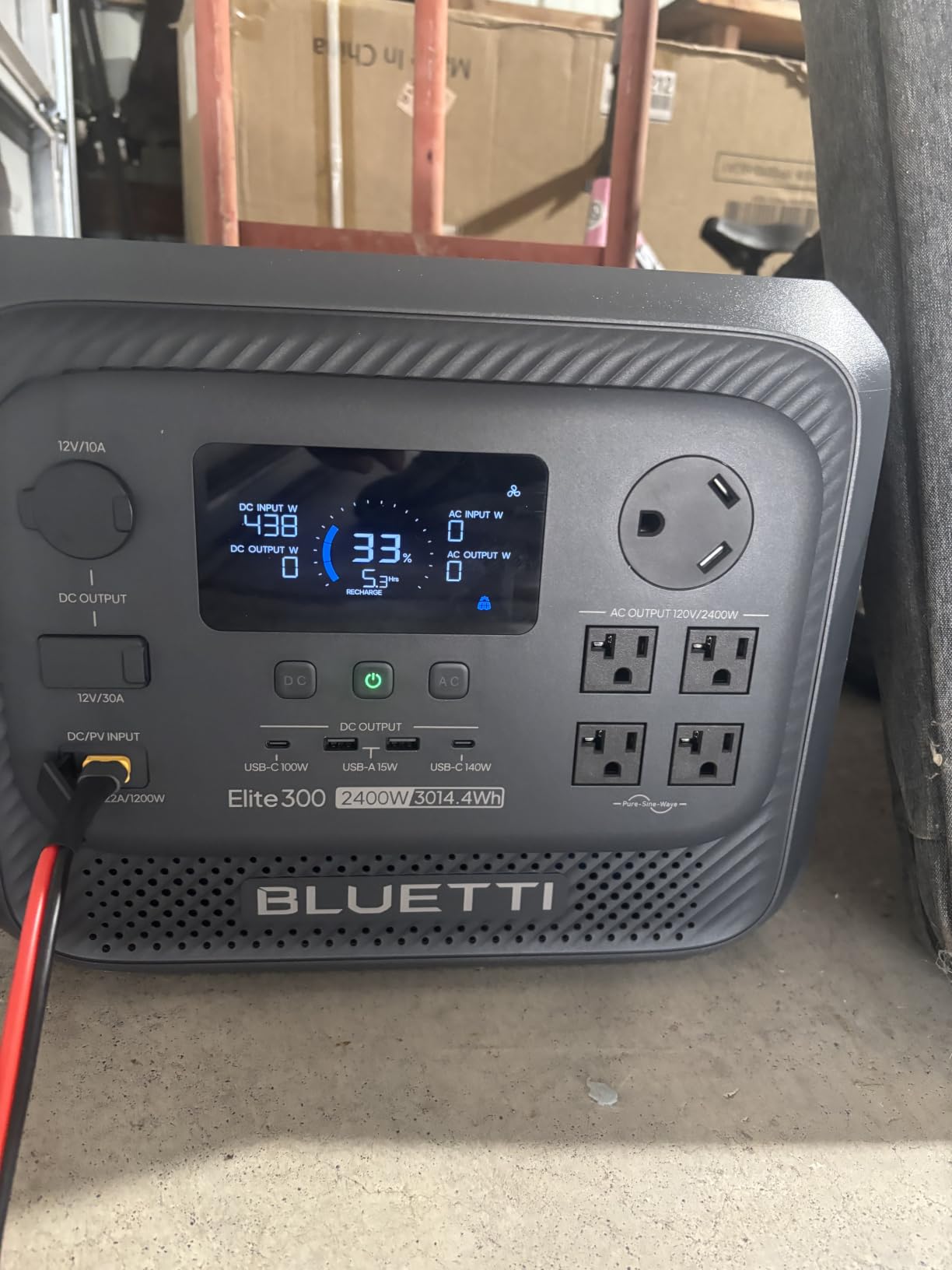
The Elite 300 is the one I recommend for anyone who treats a station as RV or trailer equipment rather than a closet backup. It carries a full 3,014.4Wh LFP battery rated for 6,000+ cycles, and Frost & Sullivan certified it as the world’s smallest 3kWh portable power station, roughly 59% smaller than traditional designs of the same capacity.
The dedicated TT-30 RV outlet and 12V/30A DC port mean a travel trailer plugs in directly with no adapter, and the two included 200W panels recharge it in roughly 7 to 15 hours depending on conditions. There is also a 140W USB-C output alongside a 100W port, plus true 20A right-angle blade outlets for heavier plugs.
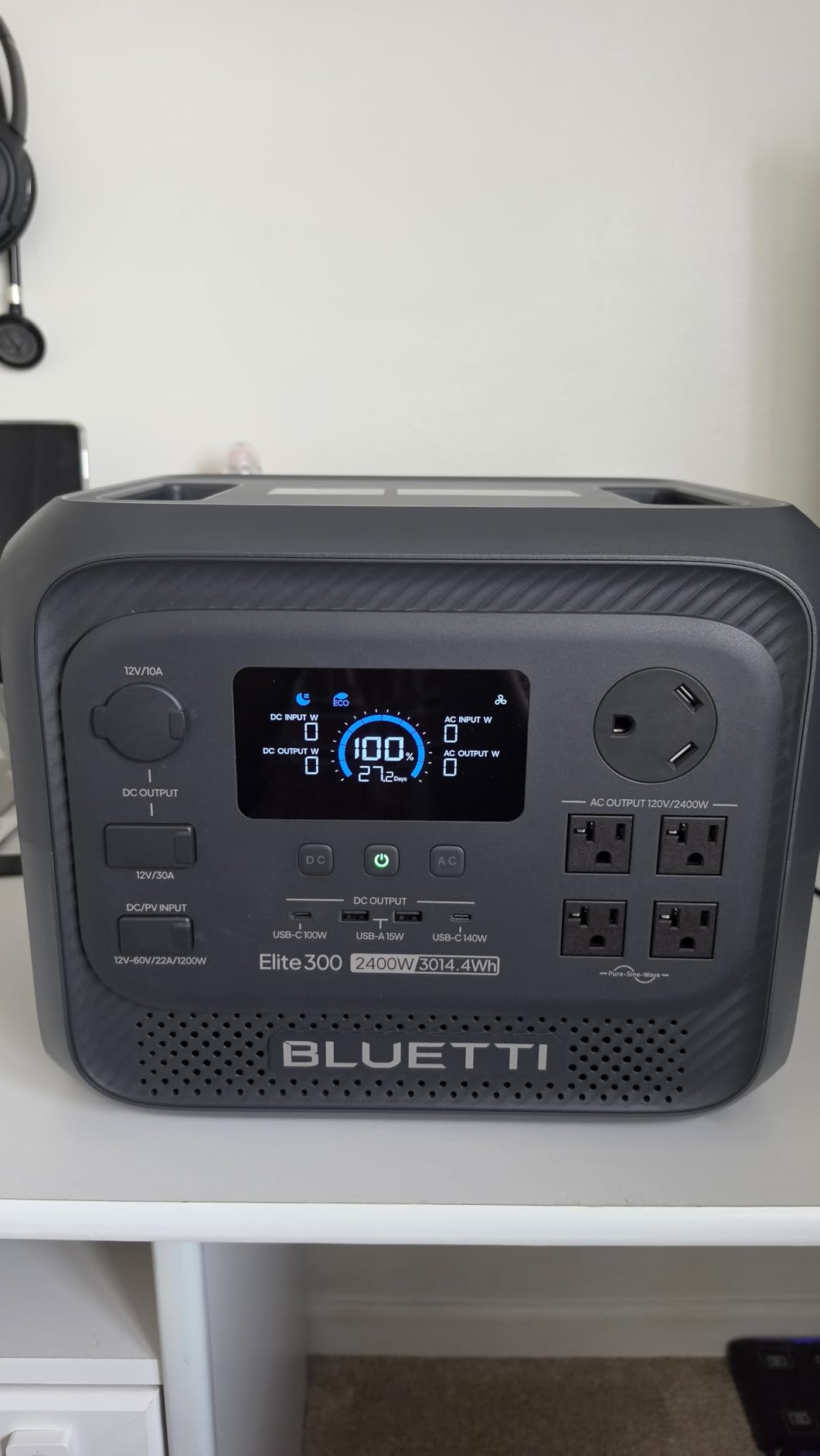
Charging reaches 80% in 78 minutes, and owners note that charging stops correctly at 100% rather than overcharging, which is a longer-term battery health detail worth caring about. Quiet operation and a strong app with 24/7 phone support round out a package built for people who actually use their gear.
Detailed technical testing found roughly 77% round-trip efficiency, which is normal and worth remembering when you do capacity math. The soft-start voltage ramp can also struggle with inductive loads such as dehumidifiers, and several settings require a phone to access. The display is hard to read in direct sunlight.
Why 3kWh Changes the Outage Plan
At 3,014Wh you can run a refrigerator, a freezer, a router, lighting, and a CPAP machine through a full day with reserve remaining, or push a much heavier load for a shorter window. That reserve is the difference between a comfortable night and rationing devices in the dark.
Watch the Soft-Start Behaviour
Compressor-based appliances such as dehumidifiers and some air conditioners may need to be started after smaller loads are already running, because the voltage ramp is deliberately gentle. Plan your load order in advance, and do not count on a dehumidifier being the first thing you switch on.
9. Jackery HomePower 3000 Review: 3,600W for Loads That Need Real Power
Jackery HomePower 3000 and 2x200W Solar Panels, 3072Wh, 3600W AC Output
3072Wh LiFePO4
3600W continuous, 7200W surge
20 ms UL-certified UPS
Pros
- 3600W runs camper air conditioning and a microwave
- Quiet enough to sleep beside
- UL-certified 20 ms UPS
- Full charge in 1.7 hours hybrid or 2.2 on AC
- Smallest and lightest 3kWh unit in class
- TT-30 RV port and dual 100W USB-C
Cons
- Not expandable
- 59.5 lb without a wheel kit
- Panels and unit arrive as separate parcels
- Only one of the two solar cables works
- Alexa integration advertised but not functional
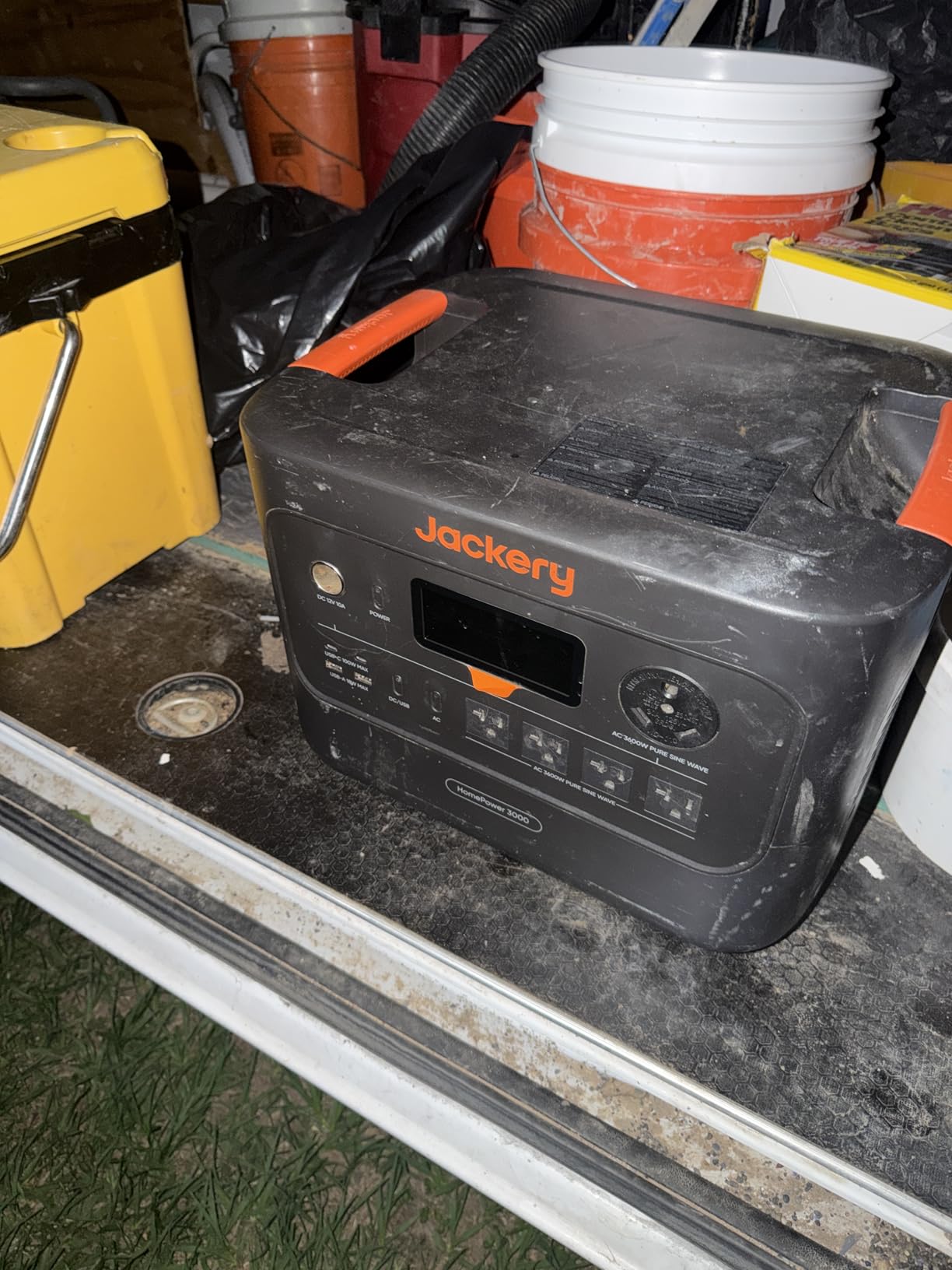
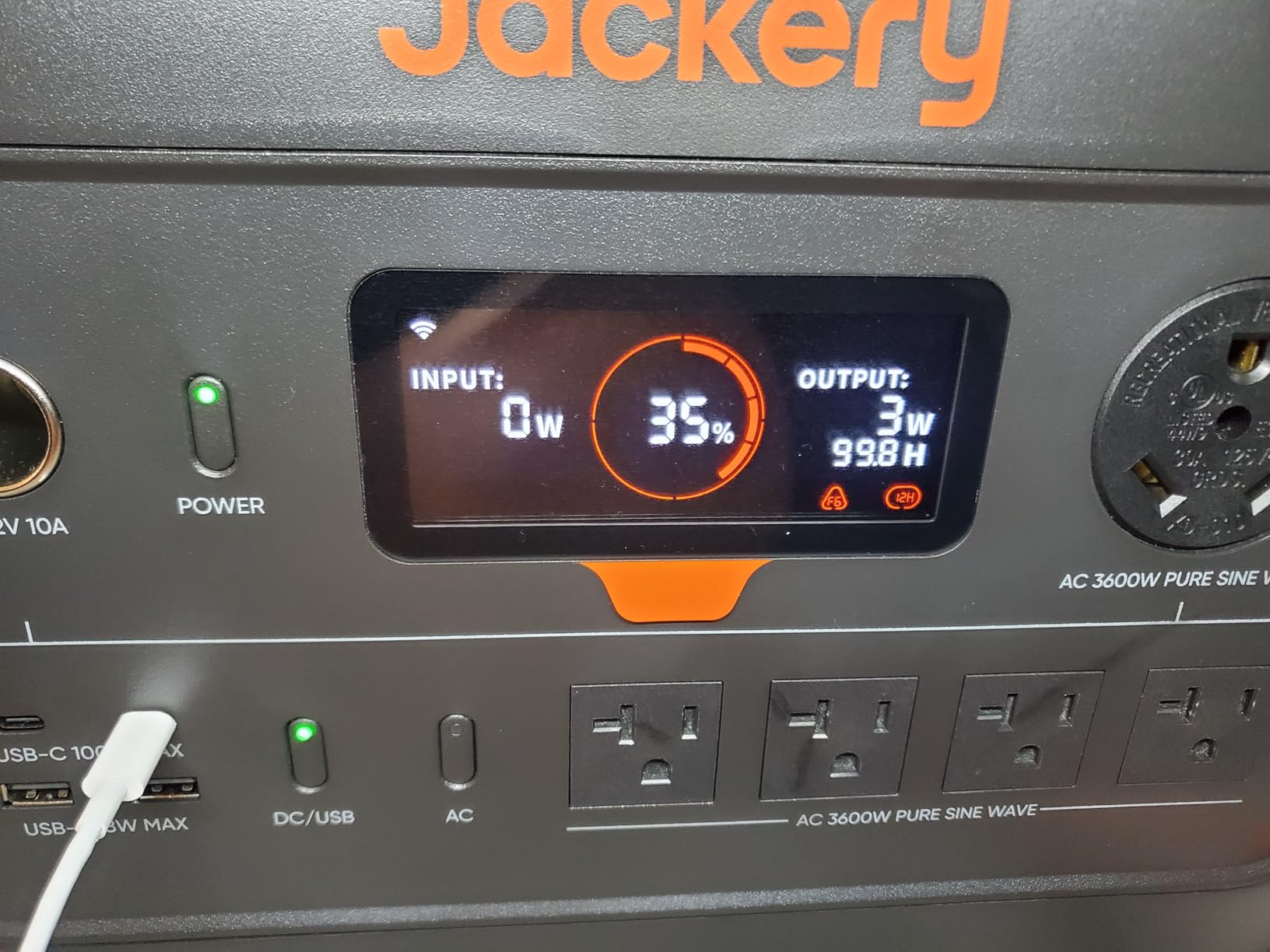
The HomePower 3000 is the unit I suggest when a household wants to actually run something heavy. At 3,072Wh and 3,600W continuous with 7,200W of surge, it can carry a window or camper air conditioner alongside a refrigerator and a microwave, which puts it in a different class from the 2kWh units.
Owners use it for RV dry camping and home outage duty, running a refrigerator for one to two days and powering a camper air conditioner without complaints about noise, which is what makes it viable to sleep beside. The UL-certified 20ms UPS keeps security cameras and medical refrigerators running through a switchover, and household runtime is listed at up to 15 hours.
Charging is 1.7 hours on hybrid AC plus DC or 2.2 hours on AC alone, and the two bundled 200W SolarSaga panels take about 9 hours to reach 80%. The CTB cell-to-body packaging is why a 3kWh unit weighs 59.5 pounds rather than 80, though a wheel kit is still widely recommended.
Documentation gaps are the real criticism. The minimum UPS load threshold is not documented, only one of the two included solar cables works and the manual explains it in a place most buyers skip, and the panels and the unit arrive as separate parcels on different days. Alexa integration was advertised but the Jackery skill does not function.
When 3,600W Earns Its Keep
It earns its keep when your load list includes an air conditioner, a microwave, a washer, or anything else above 2,000W. For a fridge, internet, and lights, this is a large and heavy unit doing a small job, and a 2kWh model will serve you better.
Questions to Ask Before You Order
Confirm your solar cable situation in advance, because the bundled set is short a working lead. Ask whether you will need more capacity later, since this unit is not expandable, and factor in that 59.5 pounds is a two-person lift unless you buy the wheel kit.
10. EcoFlow DELTA Pro Review: The Most Headroom and the Most Expansion
EF ECOFLOW Portable Power Station 3600Wh DELTA Pro, 120V 3600W AC Output
3600Wh LFP expanding to 25kWh
3600W continuous, 4500W X-Boost
99 lb
Pros
- Expands to 25kWh with add-on batteries
- 3600W output covers heavy household loads
- 15 output ports run many devices at once
- Full recharge in 1.8 hours on a 240V outlet
- Quiet operation with app monitoring
- 5 charging methods including EV station
Cons
- 99 lb weight makes the trolley handle effectively required
- Solar input limited to about 15 amps
- Can trip a household breaker on some outlets
- A few units reported error codes
- Regional warranty service required buying direct
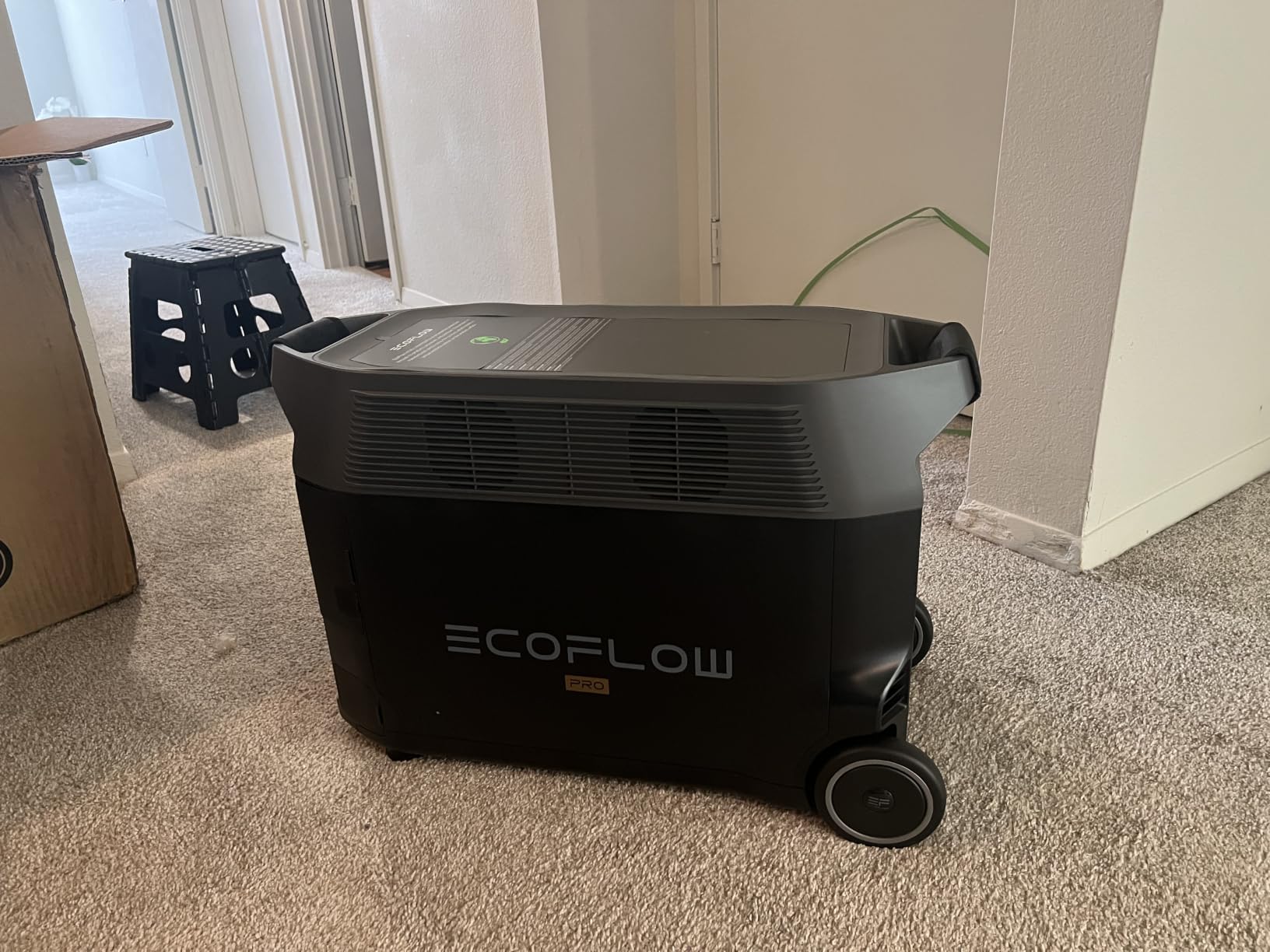
The DELTA Pro is the big one, and it is the only unit here that scales to an actual whole-home installation. The 3,600Wh LFP battery expands to as much as 25kWh with extra batteries or smart generators, which is the difference between a weekend outage supply and a system that could carry a large part of a house for days.
Output is 3,600W AC, up to 4,500W with X-Boost, and 7,200W when a second unit is paired. Fifteen outputs cover five AC outlets, two 100W USB-C ports, USB-A, DC, and car connections, so a household rarely runs out of sockets. Several owners describe replacing or supplementing a gas generator after multi-day outages.
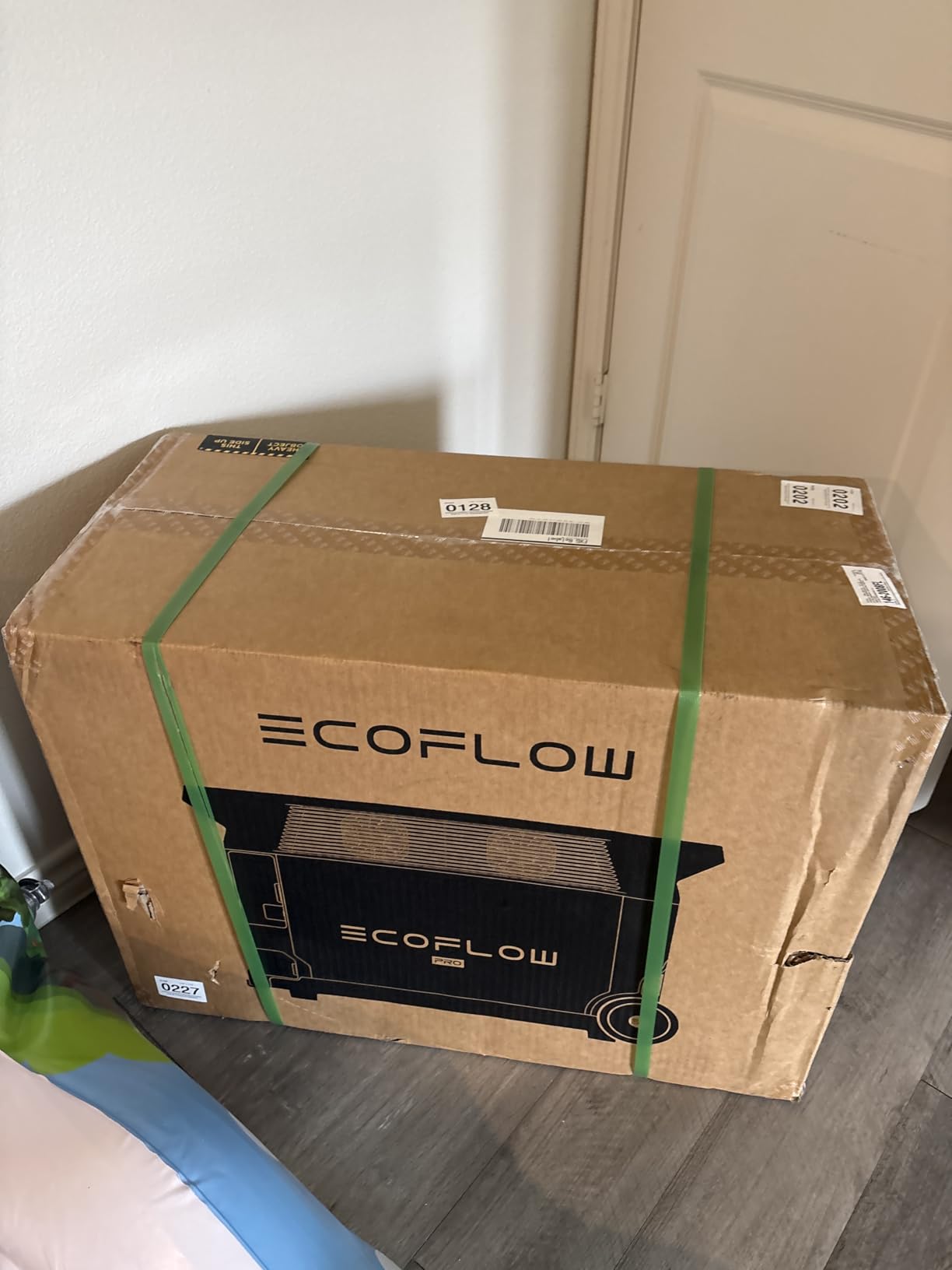
Charging is genuinely fast: a full charge in 1.8 hours on a 240V 3000W outlet, 2.7 hours on a 1800W wall outlet, and 2.8 hours with four 400W solar panels at up to 23% conversion efficiency. Five charging paths include an EV station, solar, wall, a smart generator, and a car outlet.
The 99-pound weight is the honest drawback, and reviewers treat the extendable trolley handle as mandatory rather than optional. Solar input caps at about 15 amps, so large rigid arrays are out of reach, and some owners report tripping a household breaker when charging on certain outlets.
Who This Is Actually For
A household with a well pump, a propane furnace blower, central electronics, and a genuine expectation of multi-day outages. Owners mention running refrigerators, furnace blowers, internet, and computers simultaneously, and treating the unit as a permanent install rather than a camping box.
Before You Commit to a Four-Figure Purchase
Measure your doorways, since a 25 by 11.2 by 16.4 inch case at 99 pounds needs a planned route into position. If you are outside the warranty region, confirm that service is available, because some buyers had to purchase direct from EcoFlow for warranty work.
11. BLUETTI Apex 300 Review: The Only Unit With Genuine 240V Output Here
BLUETTI Apex 300 Portable Power Station 2764.8Wh 3840W LFP Solar Generator
2764.8Wh LFP
3840W continuous, 7680W lifting
120V and 240V at once
Pros
- 3840W output with 7680W lifting power
- Simultaneous 120V and 240V output
- Expandable with B300K or B500K batteries
- Very quiet at 22 dB for indoor backup
- Under 10 ms UPS with storm alerts
- TurboBoost 2000W charging
Cons
- Heavy at 66.1 lb to move alone
- Smaller review base of 81 reviews
- Expansion needs separate battery purchases
The Apex 300 does something none of the other units in this roundup do. It delivers simultaneous 120V and 240V output with black start capability, which means a portable station can feed a 240V household circuit such as a water heater, a dryer element, or a well pump instead of being limited to 120V plugs.
Power is 3,840W AC continuous with 7,680W of lifting power, from a 2,764.8Wh LFP battery rated for 6,000+ cycles under the BLUETTOPUS AI-BMS. There are six AC outlets among 14 total ports, and TurboBoost 2000W charging restores capacity quickly from a standard outlet.
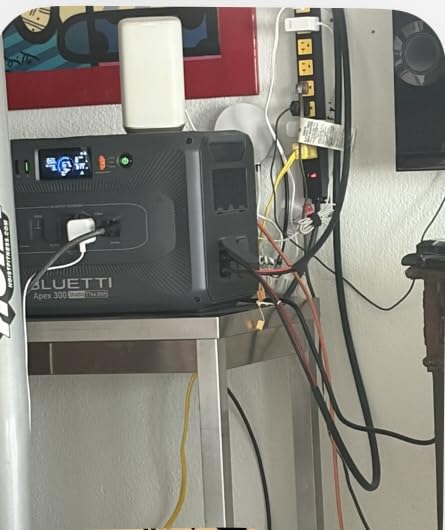
Two details make it comfortable indoors. Operation is rated at 22 dB, and UPS handover is 10ms or less with storm alerts in the app. For a house where the station lives in a hallway or a bedroom closet, that difference is real.
It also has a genuine expansion path through B300K or B500K batteries, and it works with the Hub D1, Charger 1 and 2, and the SolarX 4K. That modularity is what separates it from the Elite 300 and Elite 200 V2, both of which are fixed-capacity units.
When 240V Output Actually Matters
Most homes have only one or two 240V loads that matter, and they tend to be the expensive ones: a well pump, an electric water heater, or a clothes dryer. Being able to carry one of those from a portable unit, rather than only lights and small appliances, changes what the word backup means for that household.
Considerations Before You Buy
At 66.1 pounds this is among the heaviest stations in the roundup, and it is the newest listing here with 81 reviews, so there is less long-term field data than the 4.7-rated models above. Budget for the B300K or B500K expansion battery separately if your load grows past 2,764Wh.
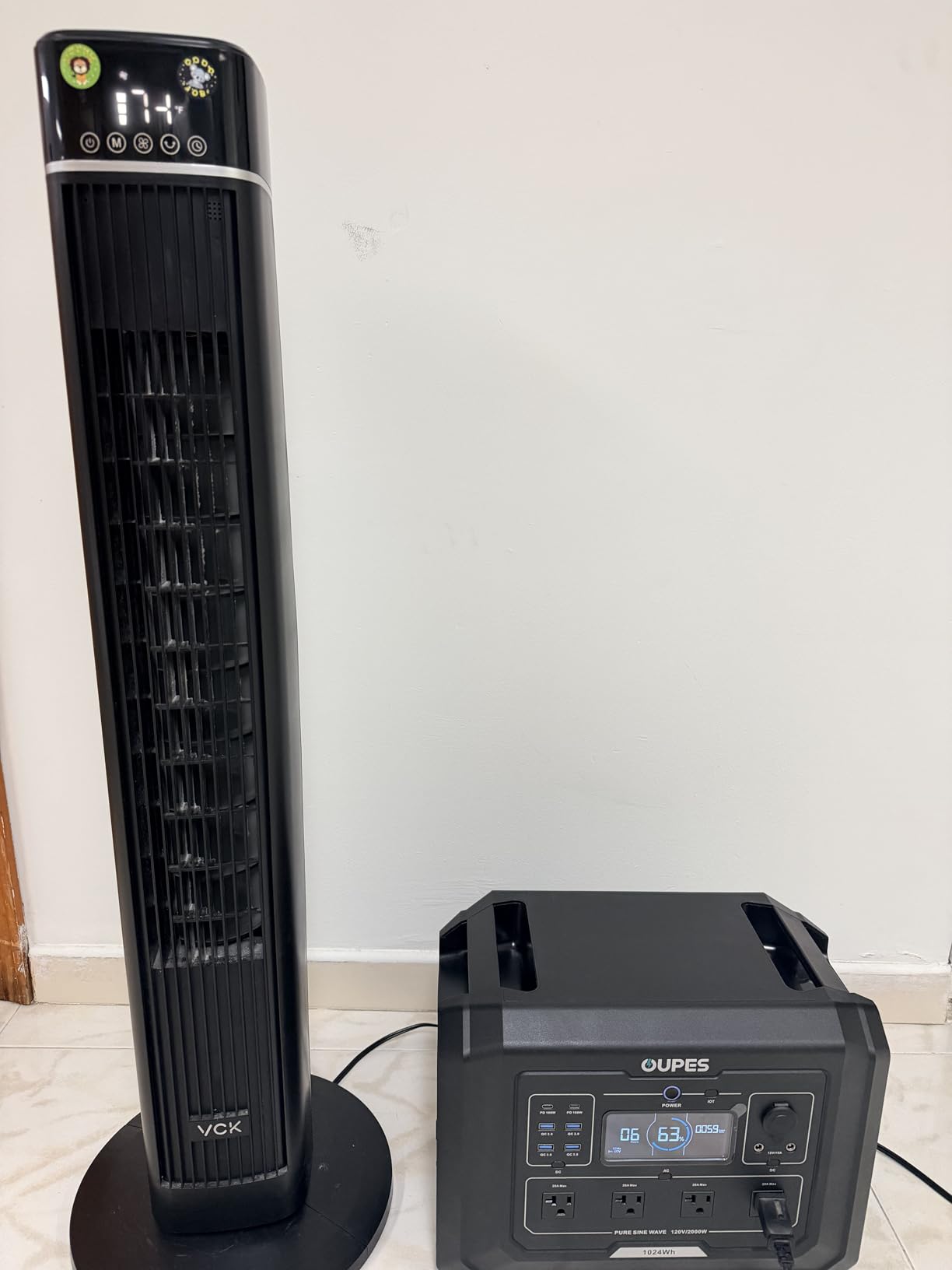
12. OUPES Mega 1 Review: Expandable 1kWh on a Starter Budget
OUPES Mega 1 Solar Generator with 100W Panel Included, 2000W 1024Wh LiFePO4
1024Wh LFP expanding to 5120Wh
2000W pure sine, 4500W surge
27.8 lb
Pros
- 0-80% AC charge in 36 minutes
- Expands to 5120Wh at this capacity
- 2000W pure sine with 4500W surge
- Lightest option here at 27.8 lb
- 13 ports including two 100W USB-C
- 100W solar panel included
Cons
- 3500+ cycle rating is lower than BLUETTI's 6000+ claim
- Included 100W panel is small for off-grid recharging
- Smaller support base than Jackery EcoFlow or Anker
The Mega 1 is the budget entry, and it does one thing that separates it from the other 1kWh options: it expands to 5,120Wh with two B2 extra batteries. That means you can start at 1,024Wh for a fridge and a router, then grow to a genuine multi-day station later without replacing what you already own.
Charging is fast for the class, reaching 0 to 80% in 36 minutes on AC and 26 minutes with dual AC plus solar. Output is 2,000W pure sine wave with 4,500W of surge, which is the highest surge ceiling in the 1kWh group, and 13 ports including two 100W USB-C PD ports give you more connection options than most.
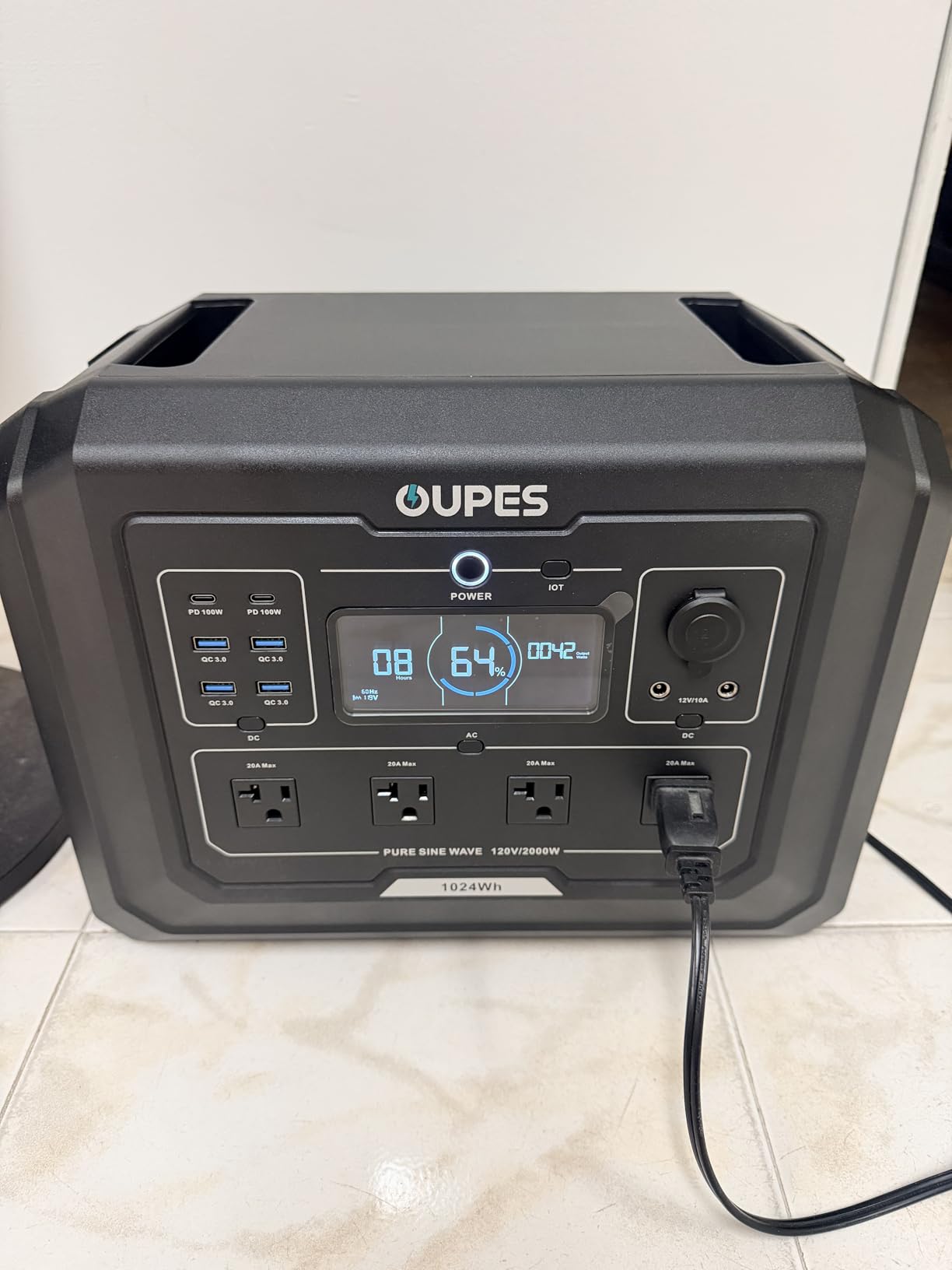
Solar input reaches up to 800W through a built-in MPPT controller, and the UPS switchover is under 20ms, quick enough for computers and medical devices. A 100W panel is included in the kit, and at 27.8 pounds this is one of the most portable units in the roundup.
The trade-offs are honest ones. The battery is rated for 3,500+ cycles, which is below the 6,000+ claimed by BLUETTI’s fixed-capacity units, and the bundled 100W panel is small enough that you will want a real array for meaningful off-grid recharging. The support base is also smaller than Jackery, EcoFlow, or Anker.
Best Fit for a Starter Setup
This suits a first-time buyer who wants fridge, internet, and lighting coverage now with the option to grow into a larger outage supply later. The 5,120Wh ceiling means two B2 batteries will carry almost any essential load list for a couple of days.
Where the Trade-Off Sits
This configuration is only worth it if the LiFePO4 chemistry and the expansion path matter more to you than cycle rating and support reach. If you plan to keep the unit for fifteen years of daily duty, a 6,000-cycle pack with a larger installed service base is a better long-term bet.
Buying Guide: What Actually Matters Before You Buy
Specs tell you less than you would think. Across forums like r/preppers and r/diySolar, the same three questions come up: how much usable power is there, how do I get it back, and how do I connect it to my house. Answer those first and the model choice narrows on its own.
LiFePO4 Is Not Optional
Prepper and off-grid communities consistently favour LiFePO4 chemistry, and the reason is cycle life plus thermal stability. Every unit in this roundup uses it, and rated lives run from 3,500 cycles on the OUPES Mega 1 to 10,000 on the Anker SOLIX S2000. At one cycle per day, 3,500 cycles is close to a decade, so even the lowest figure here is a real purchase.
Rated Power, Not Peak Power
Peak or surge wattage is a three-second number. Rated continuous output is what runs your evening. A 1,500W continuous inverter will start a refrigerator and a router all night, but a listing that advertises 3,000W peak and hides the rated figure is telling you about a motor-start spike rather than a usable appliance. Always read the continuous number.
Work Out Usable Capacity Yourself
Take nameplate watt-hours, multiply by about 0.90 for depth of discharge, then by about 0.85 for inverter efficiency. A 2,000Wh unit becomes about 1,530Wh of usable energy, and detailed testing of one 3kWh unit here measured roughly 77% round-trip efficiency, which is close to that estimate in practice.
Plan the Recharge, Not Just the Runtime
Solar-only recovery is the weakness that forum users complain about most. Recharging a 2,000Wh station from zero in full sun takes many hours of panel output even before charging losses, and a storm that knocks out the grid usually dims the sun for days at the same time. Homeowners in outage-prone areas report keeping their stations plugged into AC charging so the unit is full before the event, and that habit is worth more than any panel calculation.
Plug-In, Transfer Switch, or Panel
There are three integration levels. Plug-in means running extension cords to the appliances you care about, which costs nothing and works today. A transfer switch lets an electrician backfeed a selected circuit subset from a portable unit. A smart home panel or emergency load panel is the permanent version and is what serious whole-home buyers end up with. Users on r/solar consistently lean toward professionally installed systems for anything beyond essentials.
Where Solar Generators Lose to Gas
Be honest about the comparison. A gas generator refuels in minutes and will run a 5,000W air conditioner indefinitely. A solar generator is silent, fume-free, safe indoors, and needs no fuel logistics, but it stores finite energy and recharges slowly. For a five-hour grid repair, gas wins. For a three-day wildfire smoke event, a battery with a fridge and a medical device wins, and the fuel logistics in a panic are exactly why people are switching.
Check Certifications Before You Order
Look for UL 2743 or UL 9540 listings on the power station, UN38.3 for transport, and a UL94-V0 flame-retardant housing if the unit sits indoors. Jackery’s HomePower 3000 has a UL-certified 20ms UPS, which is the kind of detail worth paying for when medical equipment is on the other end of it.
Our solar generator comparison goes deeper on the panel side, if you are also sizing an array rather than just a battery.
Frequently Asked Questions
What size solar generator is needed to run a house?
A typical household needs three times the running wattage of its largest appliance plus enough watt-hours to cover that load for 24 hours. For a refrigerator, internet, lights, and a CPAP machine, a 1,000Wh unit with 1,500W of continuous output covers about a day. Adding a well pump, water heater, or air conditioner moves you to the 2,000Wh to 3,600Wh class.
What are the downsides of solar generators?
The main drawbacks are slow solar recharge, finite stored energy, high upfront cost, and the fact that most units cannot power a whole home without a transfer switch or electrician. Nameplate capacity also overstates usable power, and heavy units in the 3kWh class reach 60 to 100 pounds. They also lose outright to a gas generator for long high-wattage jobs like central air.
What will a 3000 watt solar generator run?
A 3,000W continuous output covers a refrigerator, freezer, router, lighting, a CPAP machine, a washing machine cycle, and a window air conditioner running at the same time. Central air conditioning, electric water heaters, and resistive kitchen appliances such as a microwave usually need X-Boost or a higher-output unit such as the BLUETTI Apex 300 at 3,840W.
Is Jackery or EcoFlow better for home backup?
Jackery tends to win on simpler setup, bundled panels, and a mature service base. EcoFlow wins on app quality, fast X-Stream charging, and units like the DELTA Pro that expand to 25kWh. BLUETTI wins on cycle life and 240V capability, and Anker wins on recharge speed. For most homes, any of the three is fine if the size matches the load list.
Can I use a solar generator indoors?
Yes, and that is one of the main reasons to own one. A solar generator is a sealed battery with no combustion, so there is no carbon monoxide risk and it is safe to run in a garage, hallway, or closet. Keep it on a hard surface away from combustible material, leave clearance around the cooling fan, and never leave a gas generator running indoors.
Final Verdict: Match the Load to the Station
Start with the load list, not the spec sheet. Fridge, internet, lights, and a medical device means a 1,000Wh unit, and the Jackery Solar Generator 1000 v2 is the one I recommend because it moves easily, recharges fast, and ships with a panel in the box. Add a freezer, a second person, or a well pump and you belong in the 2,000Wh to 3,600Wh tier. Genuine whole-home coverage means a permanently wired panel and a larger system like the EcoFlow DELTA Pro.
Whatever you pick, keep it plugged in, keep the panel array realistic, and run a load test before you need it. Our solar generator roundup covers the panel and off-grid side if you are building a system rather than covering an outage.