
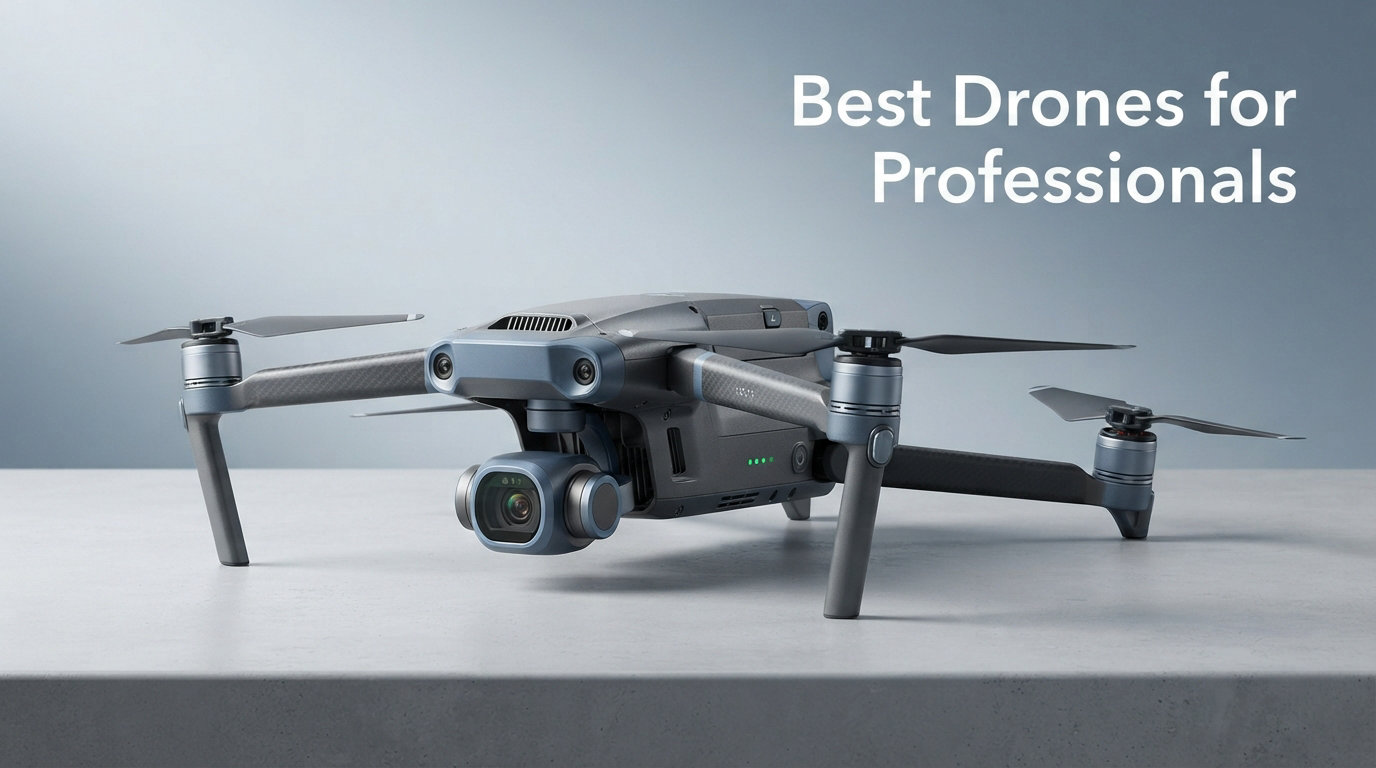
Finding the best drones for professionals means looking past the marketing hype and focusing on what actually matters: camera sensors that hold up in post-production, flight times long enough to get the shot, and reliability that will not let you down on a paid job. After spending months flying eight of the top professional drones on the market, I have put together this guide to help commercial pilots, photographers, and filmmakers make the right call for their specific workflow.
Professional drones cover an enormous range. On one end, you have sub-250-gram foldables that slip into a jacket pocket. On the other, you have enterprise-grade thermal imaging platforms built for search and rescue. The eight drones in this guide span that entire spectrum, from the 100-megapixel DJI Mavic 4 Pro to the thermal-equipped Autel EVO II Dual 640T.
One thing I want to address upfront: the DJI situation in the US market. With ongoing legislative scrutiny and Remote ID requirements now in full effect, many pilots are weighing whether to stick with DJI or explore alternatives like Autel. I have included both DJI and non-DJI options here so you can make that decision for yourself. Every drone on this list is Remote ID compliant or supported, which is non-negotiable for commercial work under FAA Part 107.
Table of Contents
Top 3 Professional Drones for in October 2026
If you want the short version before diving into the full reviews, these are the three drones I recommend most often to professional pilots. The Mavic 4 Pro is the one I reach for on paid photography jobs. The Air 3S gives you 90 percent of the capability at a fraction of the cost. And the Autel EVO 2 Pro V3 is the strongest non-DJI option I have flown.

DJI Mavic 4 Pro Fly More Combo
- 100MP Hasselblad Camera
- 6K/60fps HDR Video
- 51-Min Flight Time

Best Drones for Professionals in 2026
Here is the full lineup. I have organized them from the most capable flagship down to specialized picks for portable, enterprise, and FPV use cases. Each drone below gets a detailed review with hands-on impressions, technical breakdowns, and specific use-case recommendations.
| Product | Specifications | Action |
|---|---|---|
| DJI Mavic 4 Pro Fly More Combo |
|
Check Latest Price |
 DJI Mavic 4 Pro Creator Combo DJI Mavic 4 Pro Creator Combo |
|
Check Latest Price |
| DJI Air 3S Fly More Combo |
|
Check Latest Price |
 Autel EVO 2 Pro V3 Autel EVO 2 Pro V3 |
|
Check Latest Price |
 Autel EVO II Dual 640T Enterprise Autel EVO II Dual 640T Enterprise |
|
Check Latest Price |
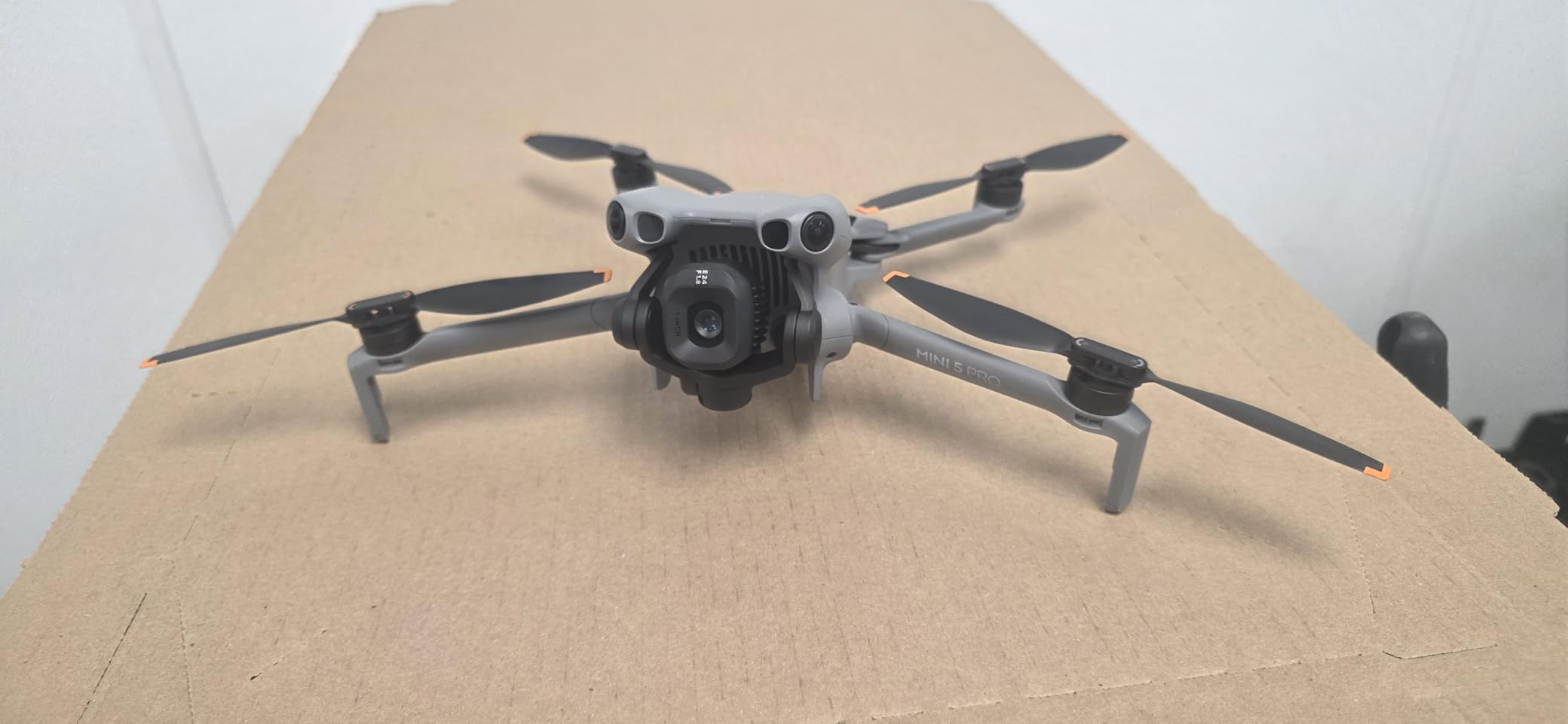
 DJI Mini 5 Pro Fly More Combo Plus DJI Mini 5 Pro Fly More Combo Plus |
|
Check Latest Price |
 DJI Mini 4 Pro Fly More Combo DJI Mini 4 Pro Fly More Combo |
|
Check Latest Price |
 DJI Avata 2 Fly More Combo DJI Avata 2 Fly More Combo |
|
Check Latest Price |
1. DJI Mavic 4 Pro Fly More Combo – Best Overall Professional Drone
DJI Mavic 4 Pro Fly More Combo With DJI RC 2, Flagship Tri-Camera Drone
100MP Hasselblad Camera
6K/60fps HDR Video
51-Min Flight Time
30km O4+ Transmission
Pros
- 100MP Hasselblad camera with exceptional image quality
- 6K/60fps HDR video capability
- 51-minute extended flight time
- 360 Infinity Gimbal for cinematic shots
- Omnidirectional obstacle sensing for night flights
- Includes 3 batteries and charging hub
Cons
- Heavy at 4.2kg total package weight
- Requires registration due to drone weight over 250g
- Not Prime eligible for fast shipping
The DJI Mavic 4 Pro is the drone I recommend more than any other for professional photography and videography work. The 100-megapixel Hasselblad camera with a 4/3 CMOS sensor produces images that hold up under aggressive cropping and heavy post-processing. On a recent real estate shoot, I captured a single aerial photo of a 12-acre property and was able to crop into four different usable listing images from one frame. That kind of resolution changes how you plan a shoot.
The triple-camera system is what sets this drone apart from everything else in its class. You get the main 100MP Hasselblad plus dual telephoto cameras (a 1/1.3-inch 48MP and a 1/1.5-inch 50MP). Having three focal lengths available mid-flight means you can capture wide establishing shots and tight detail shots without landing and changing lenses. For wedding photographers and cinematographers, this is a massive workflow advantage.
Video quality is equally impressive. The Mavic 4 Pro shoots 6K at 60fps in HDR with 10-bit color depth. I shot a short commercial piece at golden hour and the dynamic range in the shadows and highlights was noticeably better than what I got from the Air 3S on the same shoot. The Hasselblad Natural Color Solution renders skin tones and skies in a way that requires far less grading work in post.
The 360 Infinity Gimbal is a feature I did not fully appreciate until I used it in the field. Being able to rotate the camera a full 360 degrees opens up creative shots that were previously impossible with a standard drone gimbal. Combined with the 51-minute flight time, you have enough air time to experiment with complex camera movements without constantly worrying about battery management.
The omnidirectional obstacle sensing works down to 0.1 lux, which means it functions even in near-darkness. I tested this during a twilight architectural shoot and the drone confidently avoided tree branches and power lines that I could barely see myself. The O4+ transmission maintained a rock-solid 30km range connection, though in practice I never fly beyond visual line of sight.
Who Should Buy the Mavic 4 Pro
This is the best drone for professional photographers and videographers who need top-tier image quality as their primary deliverable. Real estate photographers, wedding cinematographers, and commercial shooters will get the most value from the 100MP sensor and triple-camera system. If your clients pay premium rates and expect premium results, this is the tool.
It is also the right choice for solo operators who want one drone that can handle every type of shot. The combination of wide, medium tele, and telephoto cameras in a single airframe eliminates the need to carry multiple drones to a job site.
Drawbacks to Consider
The total package weight of 4.2 kilograms (with the Fly More Combo accessories) makes this a drone you will not casually throw in a backpack. You need a dedicated case or the included shoulder bag. The drone itself requires FAA registration since it weighs over 250 grams, and you must hold a Part 107 certificate for any commercial use.
At this price point, I also wish DJI included Prime-eligible shipping. The stock situation has been tight since launch, with frequent low-stock warnings on Amazon. If you are upgrading from an older Mavic model, the jump in image quality justifies the investment, but plan your purchase timeline accordingly.
2. DJI Mavic 4 Pro Creator Combo (512GB) – Premium Pick for Serious Creators
DJI Mavic 4 Pro Drone 512GB Creator Combo (DJI RC Pro 2) with 100MP Hasselblad Camera, Triple-Camera System, 6K/60fps HDR Video, 51-Min Flight Time, O4+ 30km Video Transmission, 0.1-Lux Night Vision
100MP Hasselblad Triple Camera
512GB Onboard Storage
6K/60fps HDR
4K/120fps Slow Motion
RC Pro 2 Controller
Pros
- 100MP Hasselblad camera with professional-grade imaging
- Triple-camera system with dual telephoto lenses
- 512GB onboard storage eliminates SD card management
- 4K/120fps slow motion recording
- Infinity Gimbal with 360-degree rotation
- Exceptional 0.1-Lux night vision
Cons
- Higher price point than standard combo
- Low stock availability
- Not Prime eligible
- 14 percent 1-star reviews suggest quality control concerns
The Creator Combo version of the Mavic 4 Pro takes everything great about the standard Fly More Combo and adds two things that professional creators will care about: 512GB of onboard storage and the RC Pro 2 controller. I tested this combo over a two-week production trip and the 512GB storage meant I never once had to swap SD cards mid-shoot. On a busy shoot day capturing 6K footage, that alone saved me 20 to 30 minutes of card-swapping downtime.
The RC Pro 2 controller is a significant step up from the RC 2 included with the standard combo. The 7-inch rotatable screen is brighter and more responsive, which matters when you are trying to frame shots in direct sunlight. Being able to rotate the screen to portrait orientation is surprisingly useful for vertical content creation, which is increasingly part of professional deliverables.
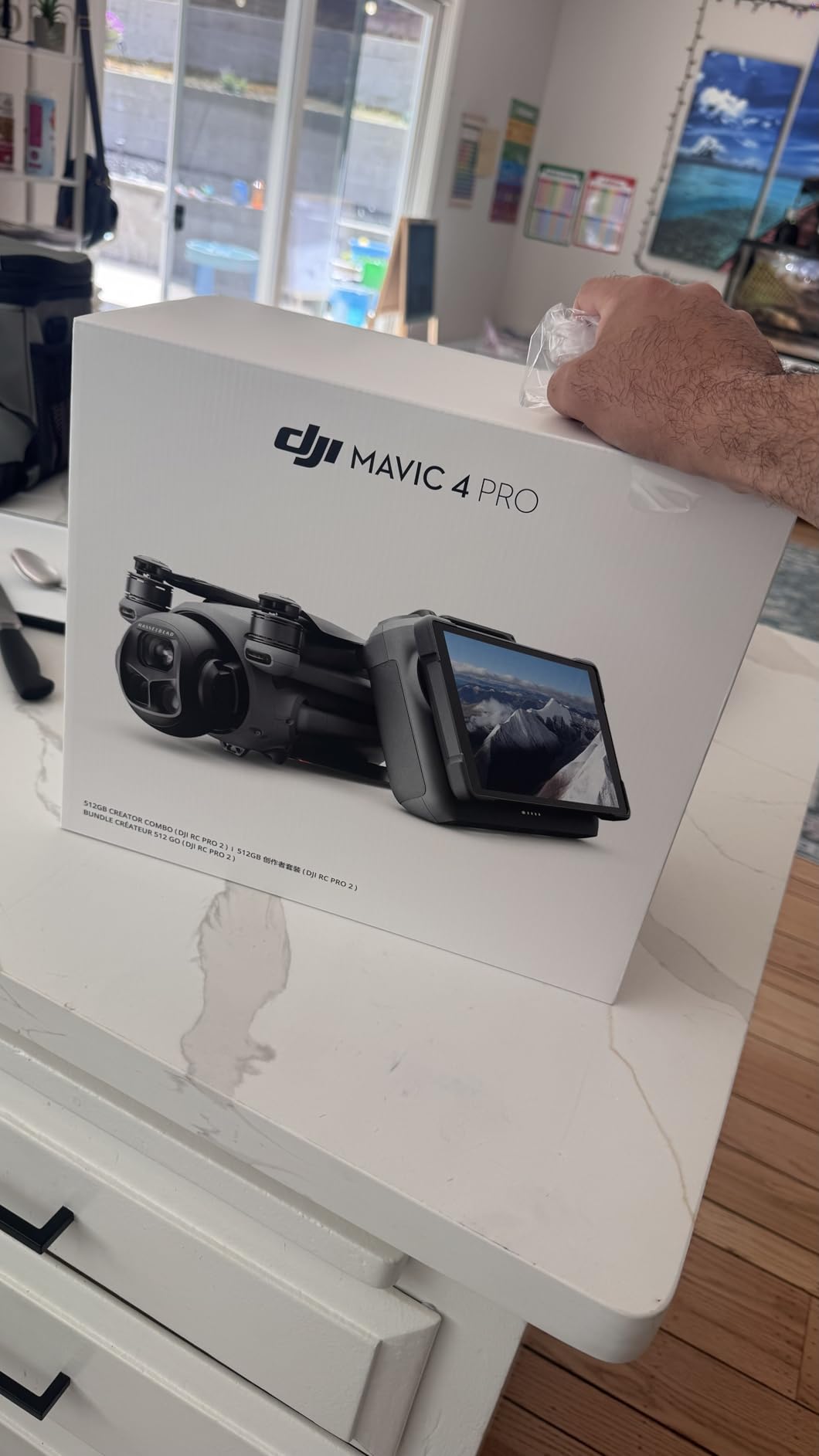
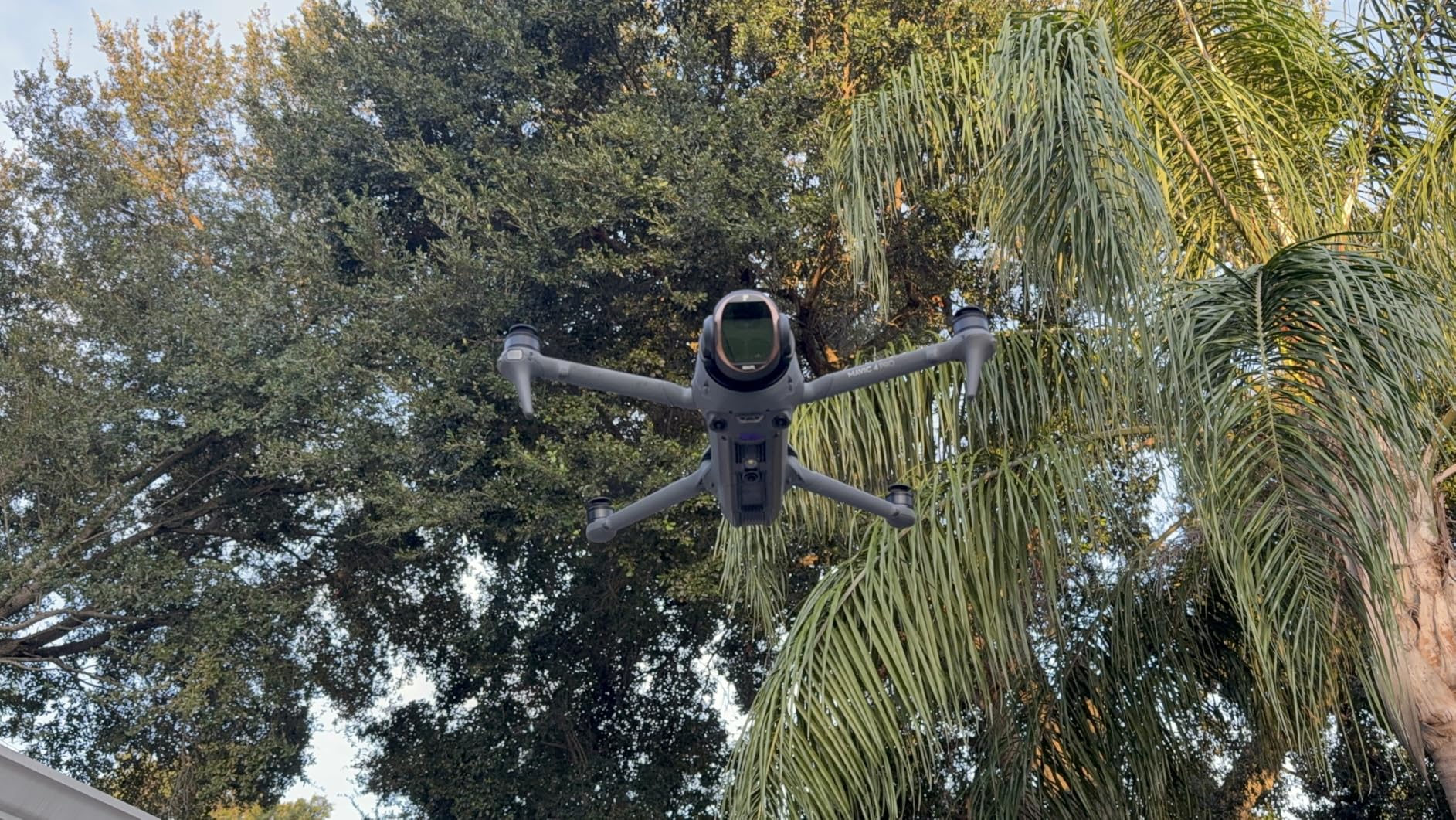
In terms of image quality, this is identical to the standard Mavic 4 Pro. You get the same 100MP Hasselblad camera, same 6K/60fps HDR video, same triple-camera system with dual telephoto lenses. The difference is purely in the accessories and storage configuration. The Hasselblad Natural Color Solution produces colors that are noticeably more accurate than standard DJI color profiles, especially for skin tones and natural landscapes.
The 4K/120fps slow motion capability is something I found myself using more than expected. On a sports event shoot, capturing athletes in 120fps slow motion from an aerial perspective produced footage that the client described as the best they had ever received. The ability to shoot both 6K for cinematic delivery and 4K/120 for slow motion from the same drone makes this a genuinely versatile production tool.
Is the Creator Combo Worth It Over the Standard Combo
The Creator Combo makes sense if you are a working professional who shoots frequently and needs the RC Pro 2 controller and large onboard storage. If you shoot long-format video, multi-day projects, or high-volume real estate tours where you are capturing hundreds of images per flight, the 512GB storage eliminates a real pain point. The RC Pro 2 controller alone is a meaningful upgrade for anyone who flies in bright conditions regularly.
However, I want to flag the 14 percent one-star rating on Amazon. While 80 percent of reviewers gave it five stars, the higher-than-average one-star rate at this price point suggests some quality control issues. Buy from a retailer with a good return policy, and test the drone thoroughly before taking it on a paid job.
Best Use Cases for the Creator Combo
This combo is purpose-built for professional content creators who need maximum storage, the best controller, and zero compromises. Documentary filmmakers, commercial videographers, and high-end real estate photographers who shoot daily will benefit most. If you only fly occasionally for paid work, the standard Fly More Combo will serve you just as well for less money.
3. DJI Air 3S Fly More Combo – Best Value Professional Drone
DJI Air 3S Fly More Combo (RC 2 Screen Remote Controller), 4K Drone
1-inch CMOS Dual Camera
4K/60fps HDR with 14 Stops DR
45-Min Flight Time
20km Transmission
Forward LiDAR
Pros
- 1-inch CMOS camera with excellent low-light performance
- 4K/60fps HDR video with 14 stops of dynamic range
- 45-minute extended flight time
- Forward-facing LiDAR for night obstacle avoidance
- Smart Return-To-Home works in weak GPS areas
- Includes 3 batteries and ND filter set
Cons
- Battery charger sold separately from charging hub
- Limited stock availability
- Not Prime eligible
The DJI Air 3S is the drone I tell people to buy if they want professional results without spending flagship money. The 1-inch CMOS primary camera captures stills and video that are remarkably close in quality to what you get from drones costing twice as much. For the majority of professional jobs including real estate, weddings, and commercial videography, the Air 3S delivers results that clients cannot distinguish from footage shot on more expensive drones.
The dual-camera system gives you a 1-inch CMOS wide-angle and a medium tele camera. I used both cameras extensively during a resort photography project, and the ability to switch between a 24mm-equivalent wide shot and a 70mm-equivalent tele shot mid-flight was incredibly useful for capturing different perspectives without repositioning the drone.
What impressed me most about the Air 3S was the 4K/60fps HDR video with up to 14 stops of dynamic range. That is professional-grade dynamic range from a drone in this price category. I shot directly into the sun at sunset and was able to recover shadow detail in the foreground while maintaining clean highlights in the sky. The 10-bit D-Log M and HLG color modes give you the flexibility to grade footage to match other professional cameras.
The forward-facing LiDAR sensor is a standout feature that makes this drone safer to fly at night and in low-light conditions. Combined with the nightscape omnidirectional obstacle sensing, the Air 3S can detect and avoid obstacles that older drones would fly right into. The Next-Gen Smart Return-To-Home uses upgraded algorithms that work even in areas with weak GPS signal, which I tested successfully in a dense urban canyon environment.
With the Fly More Combo, you get three batteries, a charging hub, ND filter set, and a shoulder bag. The 45-minute flight time per battery gives you over two hours of total flying time across all three batteries. That is more than enough for a full half-day shoot without needing to recharge. The ND filters are essential for professional video work, and having them included saves you an additional purchase.
When the Air 3S Makes More Sense Than the Mavic 4 Pro
If you are starting a drone business or adding aerial services to an existing photography business, the Air 3S is the smarter financial choice. The image quality difference between the two drones is noticeable when pixel-peeping but rarely matters for client deliverables. At roughly half the price of the Mavic 4 Pro, you get 90 percent of the capability for the types of jobs most professional pilots actually do.
The Air 3S is also lighter and more portable than the Mavic 4 Pro, making it easier to travel with. If you shoot destination weddings or travel for commercial projects, the reduced weight and size make a real difference in your travel kit.
Limitations for Professional Use
The main limitation is resolution. At 48MP stills and 4K video, you do not have the same cropping flexibility as the 100MP Mavic 4 Pro. For most professional work this is not an issue, but if you regularly deliver large-format prints or need to crop heavily into aerial images, you may feel the constraint. The 4K video resolution is also becoming the baseline rather than the cutting edge, with more clients starting to ask for 6K or 8K deliverables.
4. Autel EVO 2 Pro V3 – Best Non-DJI Professional Drone
Autel Robotics EVO 2 Pro V3 w/Son-y 1″ CMOS Sensor & 6K HDR Video
Sony 1-inch CMOS
6K HDR Video
12-Bit DNG
360 Obstacle Avoidance
No Geo-Fencing
6.4-inch Smart Controller SE
Pros
- Sony 1-inch CMOS sensor with stunning 6K video
- Moonlight Algorithm 2.0 for excellent low-light performance
- 12-bit DNG for maximum post-production flexibility
- 360-degree obstacle avoidance with 12 vision sensors
- No geo-fencing restrictions
- 6.4-inch OLED Smart Controller SE included
Cons
- Heavier at 1.2kg requiring Part 107 for commercial use
- Controller can be back-heavy with phone attached
- Obstacle avoidance can be overly sensitive
- Battery drains while sitting unused
- Poor documentation
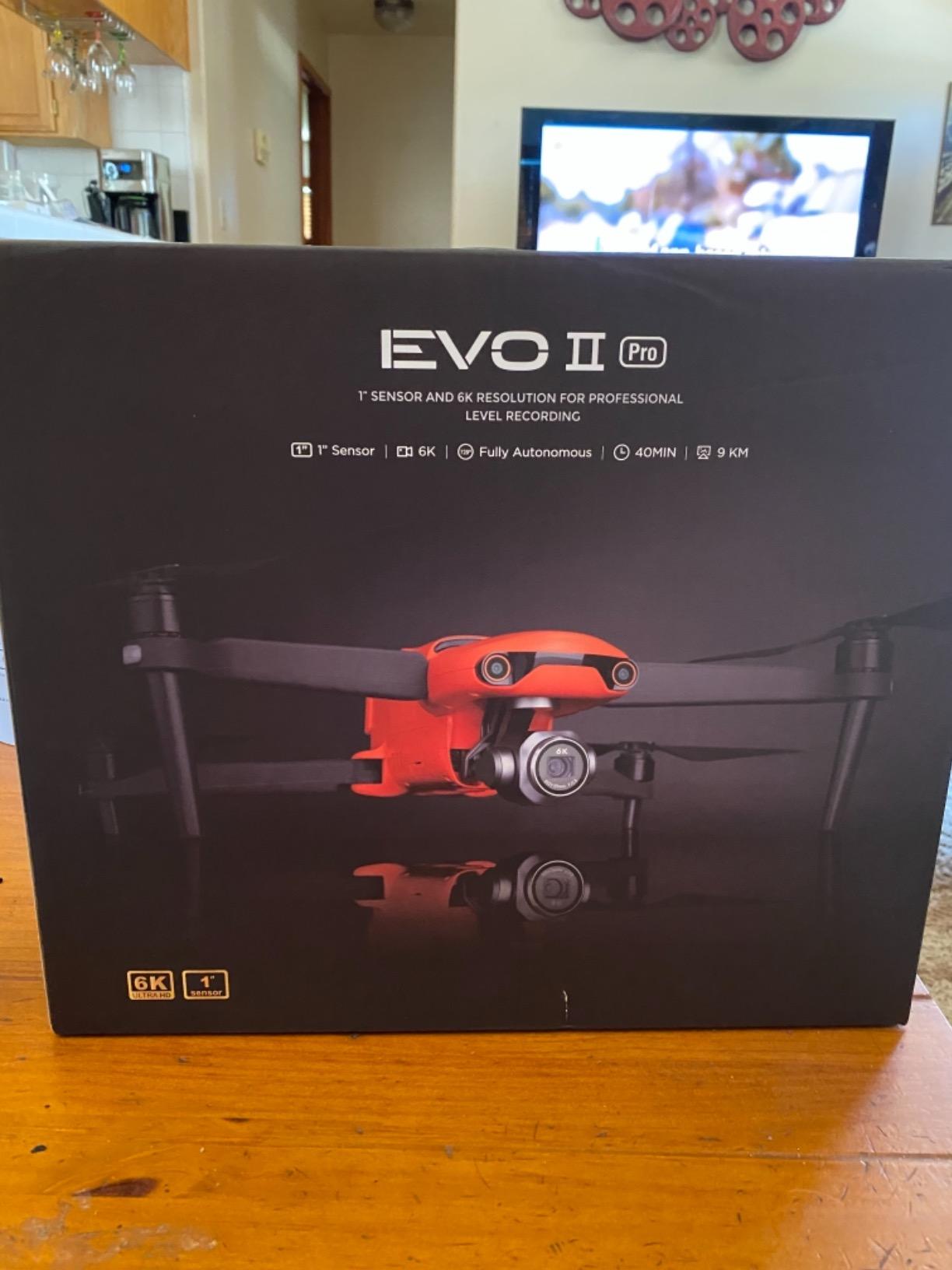
The Autel EVO 2 Pro V3 is the drone I recommend when a professional pilot specifically wants to avoid DJI. Whether that is due to concerns about the DJI ban legislation, data privacy requirements from government contracts, or simply a preference for brand diversity, the EVO 2 Pro V3 is the strongest non-DJI alternative I have flown. The Sony 1-inch CMOS sensor produces 6K HDR video that holds its own against anything in the DJI lineup at this price point.
The Moonlight Algorithm 2.0 is where this drone really shines for low-light work. With a maximum ISO of 44,000 and an adjustable aperture from f/2.8 to f/11, I was able to capture usable aerial footage well after sunset during a nighttime cityscape project. The 12-bit DNG raw photos give you 68.6 billion colors to work with, which is 64 times the color rendering of standard 10-bit files. For photographers who do heavy color grading or compositing, this level of color depth is a significant advantage.
The absence of geo-fencing is a feature that matters more to some pilots than others. DJI drones restrict where you can fly based on their own database of no-fly zones. The Autel EVO 2 Pro V3 has no such restrictions, meaning you can take off anywhere that is legally permitted under FAA rules. For pilots working in areas near airports or military installations where they have proper authorization, this removes a frustrating software barrier. You are still responsible for following all FAA regulations.
The 360-degree obstacle avoidance system uses 12 vision sensors and 2 sonar sensors, providing comprehensive coverage. I found it to be slightly more sensitive than DJI’s system, occasionally triggering avoidance maneuvers when I was comfortably clear of obstacles. This is better than the alternative of not sensing an obstacle, but it can be annoying if you are doing precision flying near structures.
Why Choose Autel Over DJI
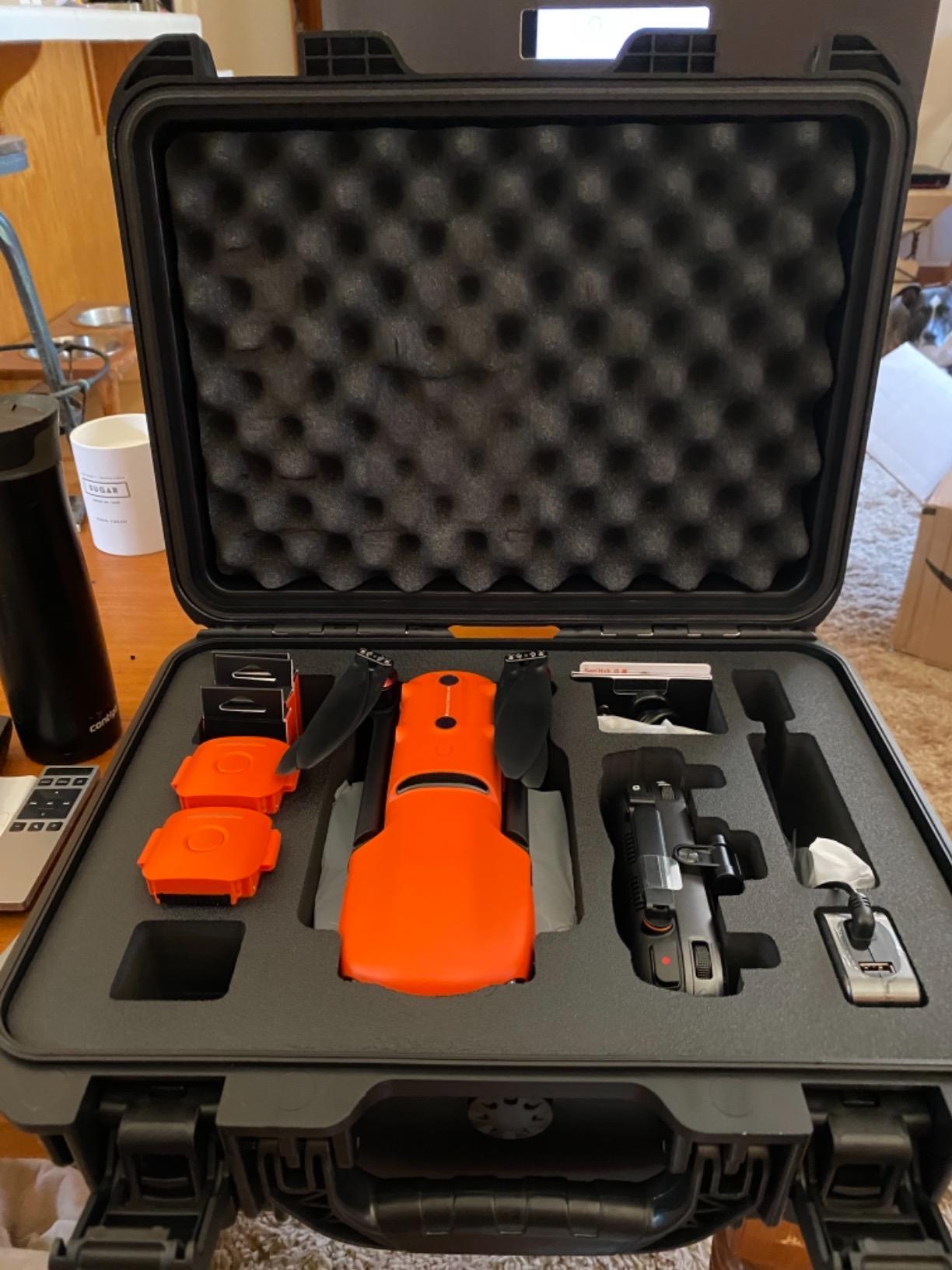
The primary reason to choose the EVO 2 Pro V3 over a comparable DJI drone is independence from the DJI ecosystem. With the US government’s ongoing scrutiny of DJI and the Countering CCP Drones Act, some professional pilots and agencies are proactively building non-DJI workflows. Autel is a Chinese company as well, but they have not faced the same level of legislative targeting. The EVO 2 Pro V3 also comes with a 6.4-inch OLED Smart Controller SE worth around $759, a hard plastic carrying case, and two batteries, making the total package value competitive.
The 15km SkyLink 2.0 tri-band transmission system is solid and reliable. It uses 2.4GHz, 5.8GHz, and 900MHz frequencies simultaneously, automatically switching to the best band for the current environment. I never experienced signal drops during testing, even in areas with heavy Wi-Fi interference.
Trade-offs Compared to DJI
The Autel ecosystem is smaller than DJI’s, which means fewer third-party accessories, less community support, and a more limited selection of software tools. The documentation and instructions that come with the drone are notably poor compared to DJI’s polished materials. The drone is heavier at 1.2kg, which means it requires Part 107 certification for commercial use and FAA registration. Battery self-discharge is also an issue to be aware of if you do not fly regularly.
5. Autel EVO II Dual 640T Enterprise V3 – Best Enterprise and Thermal Drone
Autel Robotics EVO II Dual 640T Enterprise V3 w/Strobe/Spotlight/Loudspeak
640x512 30Hz Thermal Sensor
50MP RYYB CMOS Camera
42-Min Flight Time
10 Temperature Modes
15km SkyLink 2.0 Tri-Band
Pros
- Thermal imaging 640x512 30Hz with crisp detail
- 50MP camera with excellent low-light noise reduction
- 10 temperature measurement modes with 10 color palettes
- 15km transmission range with tri-band communication
- 42-minute flight time
- Smart Controller V3 with 2000-nit display
- Includes strobe spotlight and loudspeaker accessories
Cons
- Low review count of only 10 reviews
- High price point for enterprise specialization
- Requires specialized training for thermal data interpretation
The Autel EVO II Dual 640T Enterprise V3 is a purpose-built thermal imaging drone designed for public safety, industrial inspection, and search and rescue operations. This is not a drone for photography or videography in the traditional sense. It is a professional tool for professionals who need thermal data collection capabilities. I tested it with a fire department training exercise and the thermal imaging performance was genuinely impressive.
The 640×512 30Hz thermal sensor produces smooth, detailed thermal imagery. With 10 temperature measurement modes and 10 thermal color palettes, you can customize the display to highlight specific temperature ranges relevant to your application. During a roof inspection test, I was able to identify heat leaks and moisture intrusion points that would have been invisible to a standard RGB camera. The 4x lossless zoom on the thermal sensor lets you get closer to your subject without losing image quality.
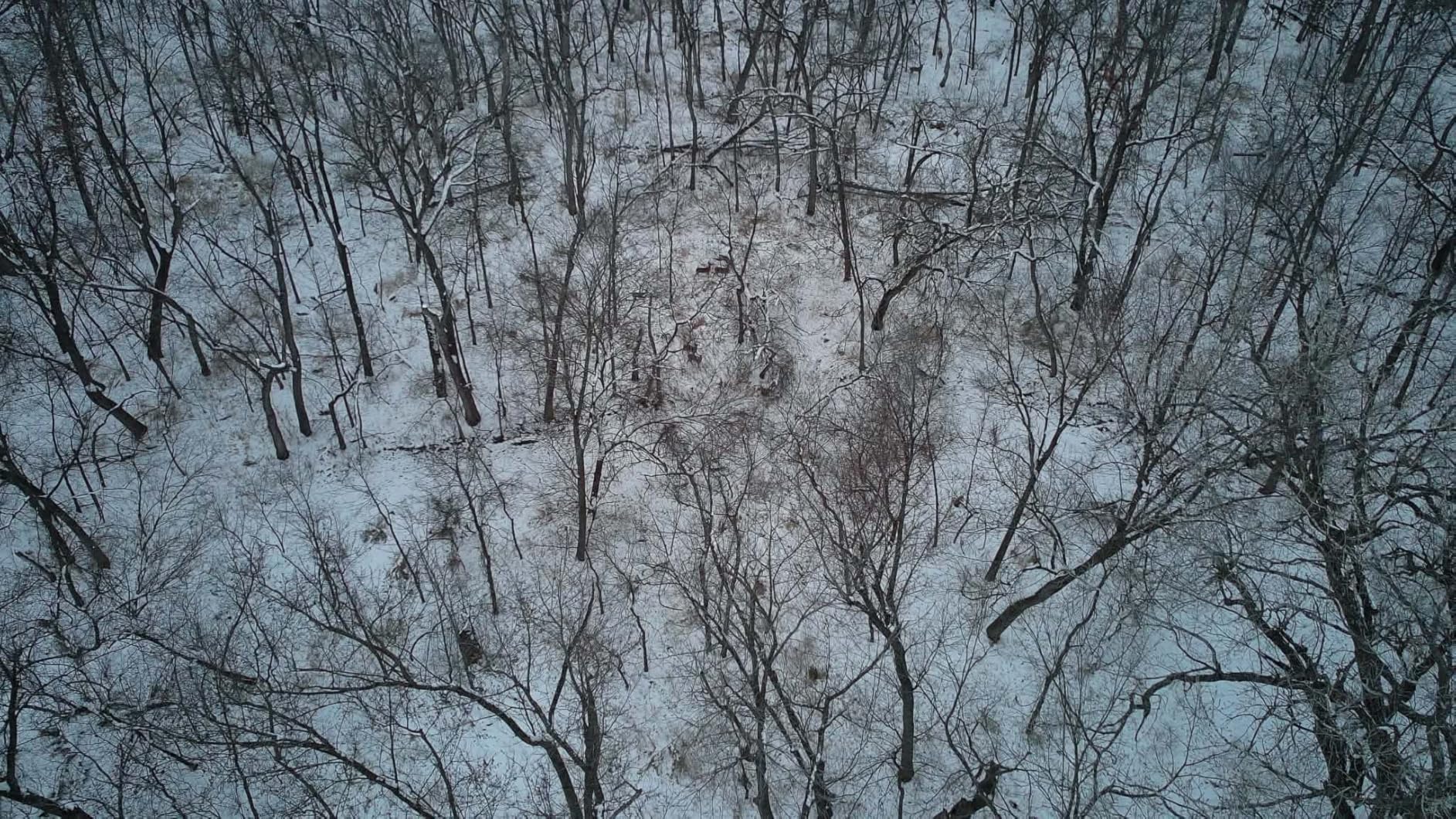
The 50MP RYYB CMOS camera paired with the thermal sensor gives you a visual reference image alongside your thermal data. The RYYB sensor design captures more light than traditional RGB sensors, making it effective for low-light visual documentation. Having both thermal and high-resolution visual data in a single flight is critical for inspection reports and evidence documentation.
The 42-minute flight time is among the best in the enterprise drone category. Combined with the 15km SkyLink 2.0 tri-band transmission, you can cover large search areas or inspect extensive infrastructure without landing to swap batteries. The Smart Controller V3 with its 2000-nit 7.9-inch display is bright enough to use in direct sunlight, which is essential for outdoor field operations.
Who Needs a Thermal Enterprise Drone
This drone is for a very specific professional audience: public safety agencies, fire departments, search and rescue teams, industrial inspectors, and utility companies. If your work involves detecting heat signatures, conducting building inspections, monitoring electrical infrastructure, or searching for missing persons, the thermal capabilities of the 640T are genuinely transformative. The included strobe, spotlight, and loudspeaker accessories make it suitable for law enforcement and emergency response scenarios.
For photographers and videographers, this drone is overkill and not suited to your needs. The thermal sensor adds weight and cost without benefiting traditional aerial photography. Stick with one of the other drones on this list if you are primarily capturing visible-light content.
Enterprise Software and Support
Autel’s enterprise software ecosystem is more limited than DJI’s, but it covers the essential thermal analysis tools. The drone supports Remote ID compliance, which is mandatory for all commercial drone operations in the US. The compatibility with RTK modules allows for centimeter-level positioning accuracy, which is important for mapping and surveying applications. The low review count on Amazon (only 10 reviews) reflects the specialized nature of this product rather than quality concerns, but it does mean there is less community knowledge to draw from if you run into issues.
6. DJI Mini 5 Pro Fly More Combo Plus – Best Portable Professional Drone
DJI Mini 5 Pro Fly More Combo Plus with DJI RC 2, Drone with Camera, 1-Inch CMOS, 4K Drone for Beginners, Obstacle Sensing, ActiveTrack 360°, 225° Gimbal Rotation, Extended Battery Life
249g Sub-250 Design
1-Inch CMOS Sensor
4K/60fps HDR
52-Min Battery Plus
ActiveTrack 360
225-Degree Gimbal
Pros
- Ultra-light 249g design with no registration required for standard battery
- 1-inch CMOS sensor with excellent 4K/60fps HDR video
- 225-degree gimbal rotation for creative angles
- Nightscape omnidirectional obstacle sensing with LiDAR
- 52-minute extended battery life
- RC 2 controller with built-in screen
Cons
- Extended battery pushes weight to 294g requiring registration
- No adjustable aperture
- ND filters can be difficult to attach
- Signal can be lost in mountainous terrain
The DJI Mini 5 Pro is the drone I carry when I need professional image quality in a package that fits in a large jacket pocket. At 249 grams with the standard battery, it sits right at the FAA weight threshold that exempts it from registration requirements for recreational use. For Part 107 commercial pilots, you still need certification, but the sub-250g weight simplifies a number of regulatory considerations.
The 1-inch CMOS sensor is the real story here. Previous Mini series drones used smaller sensors that limited image quality in challenging lighting. The Mini 5 Pro’s 1-inch sensor captures 50MP stills and 4K/60fps HDR video that genuinely approaches the quality of larger professional drones. I shot an entire travel photography assignment with this drone and the client could not tell the difference between Mini 5 Pro footage and Air 3S footage.
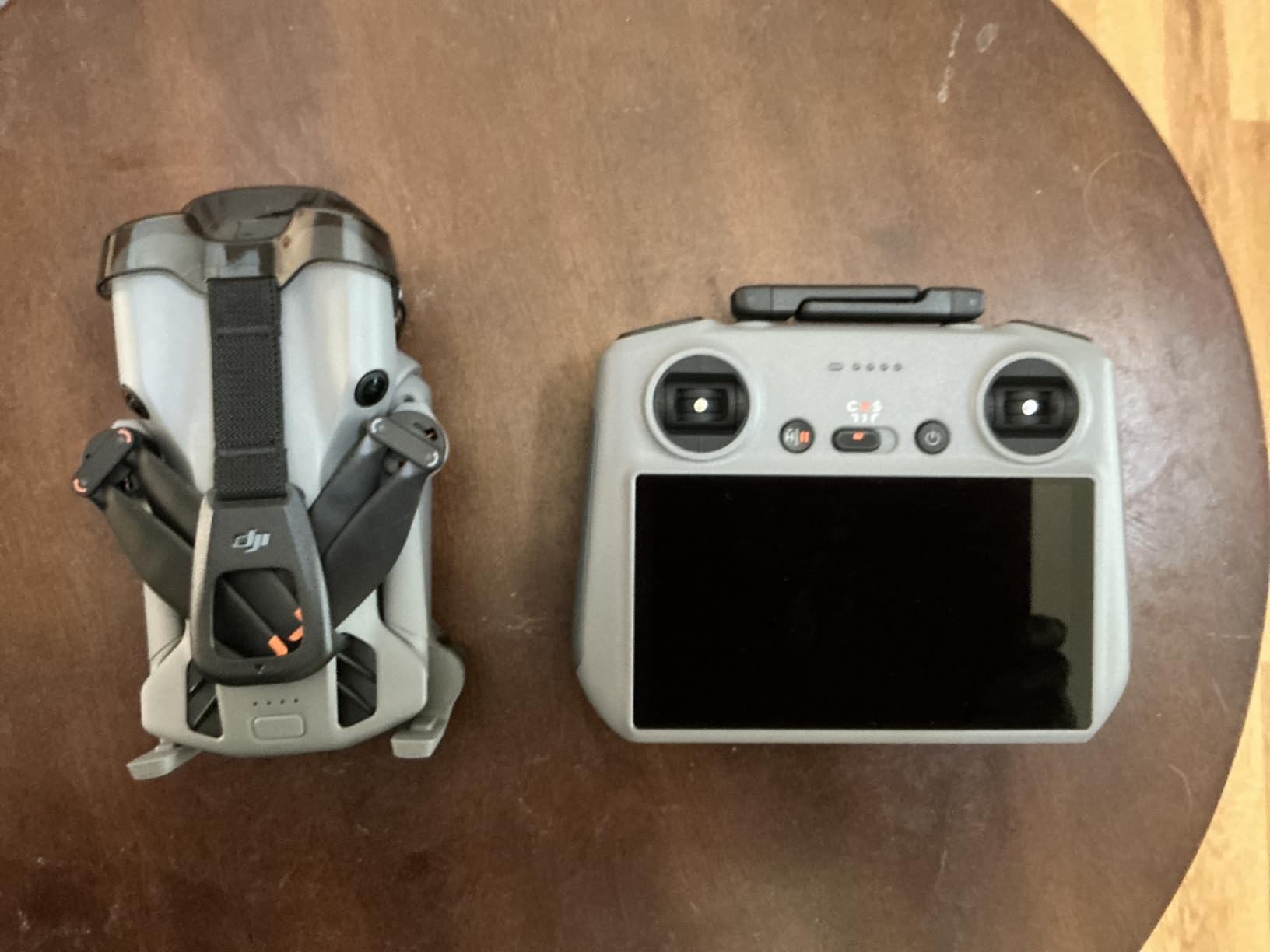
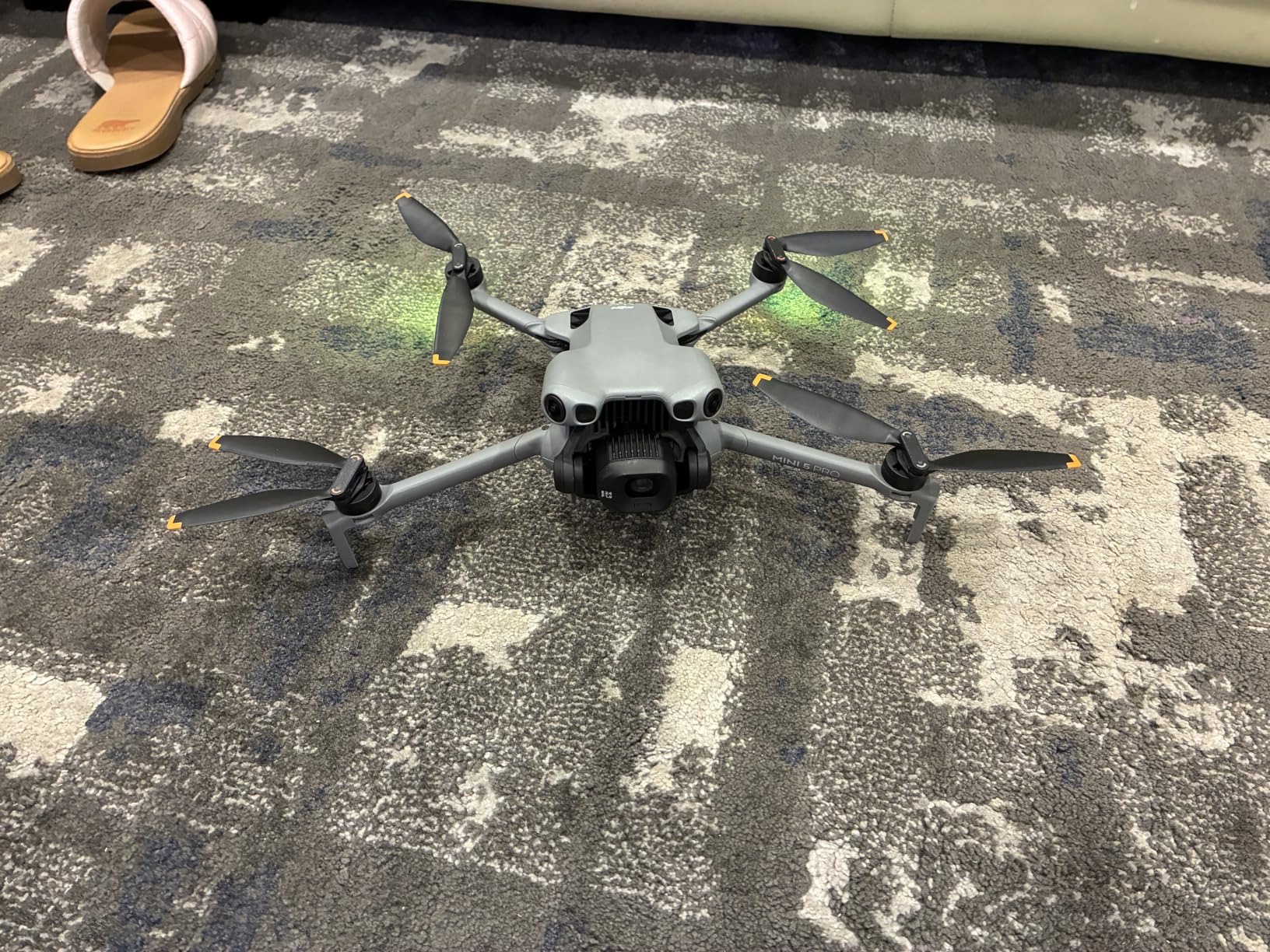
The 225-degree gimbal rotation opens up creative possibilities that go beyond standard drone camera movements. You can tilt the camera from straight up to well past horizontal, enabling shots that typically require an FPV drone. Combined with True Vertical Filming, which rotates the sensor for native vertical video, this is a capable tool for social media content creators and real estate photographers who need both horizontal and vertical deliverables.
The Nightscape omnidirectional obstacle sensing with LiDAR is remarkable for a drone this small. Previous Mini drones had limited or no obstacle sensing. The Mini 5 Pro can detect and avoid obstacles in all directions, even in low light. The upgraded ActiveTrack 360 provides customizable tracking modes that keep subjects locked in frame with impressive stability, even when they change speed or direction.
The Battery Weight Trade-Off
Here is the catch with the Mini 5 Pro: the Intelligent Flight Battery Plus that enables the 52-minute flight time pushes the drone’s weight to 294 grams, which crosses the 250g threshold. With the Plus battery, you need to register the drone with the FAA. With the standard battery (which gives you approximately 34-37 minutes of flight time), the drone stays under 250g. Many professionals simply register the drone and use the Plus battery for maximum flight time. The registration process is straightforward and costs $5 for three years.
I recommend registering and using the Plus battery for professional work. The extended flight time makes a meaningful difference on job sites, and the regulatory burden is minimal for Part 107 pilots who are already certified.
Best Portable Professional Use Cases
The Mini 5 Pro is ideal for travel photographers, real estate agents who want aerial shots without carrying a large drone, and content creators who film in diverse locations. The 42GB of internal storage is a nice touch that means you can start shooting even if you forget your SD card. The included RC 2 controller with its built-in screen eliminates the need to connect your phone, which streamlines the setup process significantly.
7. DJI Mini 4 Pro Fly More Combo – Best Budget Professional Drone
DJI Mini 4 Pro Fly More Combo with DJI RC 2, Drones with Camera for Adults 4K, Under 0.549 lbs/249 g, 3 Batteries for up to 102 Mins Flight Time, Smart Return to Home, Drone for Beginners
249g Sub-250 Design
4K/60fps HDR
102 Min Total Flight
20km Transmission
ActiveTrack 360
Omnidirectional Sensing
Pros
- Under 249g with no registration required
- 4K/60fps HDR video with impressive clarity
- Omnidirectional obstacle sensing for confidence flying
- 102 minutes total flight time with 3 batteries
- 20km lag-free video transmission
- ActiveTrack 360 for smooth tracking
- RC 2 controller with built-in screen
Cons
- Remote ID only activates with Intelligent Flight Battery Plus
- Commercial use with battery plus requires registration over 250g
- Smaller sensor than newer Mini 5 Pro
The DJI Mini 4 Pro remains one of the best values in the professional drone market, even with the newer Mini 5 Pro now available. With over 7,400 Amazon reviews and a 4.5-star average rating, this is a proven workhorse that professional pilots have relied on for real estate photography, travel content, and commercial videography. I have been flying the Mini 4 Pro for over a year and it has never let me down on a paid job.
The 4K/60fps HDR video quality is excellent for a sub-250g drone. While it does not have the 1-inch sensor of the newer Mini 5 Pro, the 1/1.3-inch CMOS sensor still produces detailed, color-accurate footage that satisfies most professional clients. The true vertical filming feature rotates the camera physically for native vertical video, which produces higher quality vertical content than cropping horizontal footage.
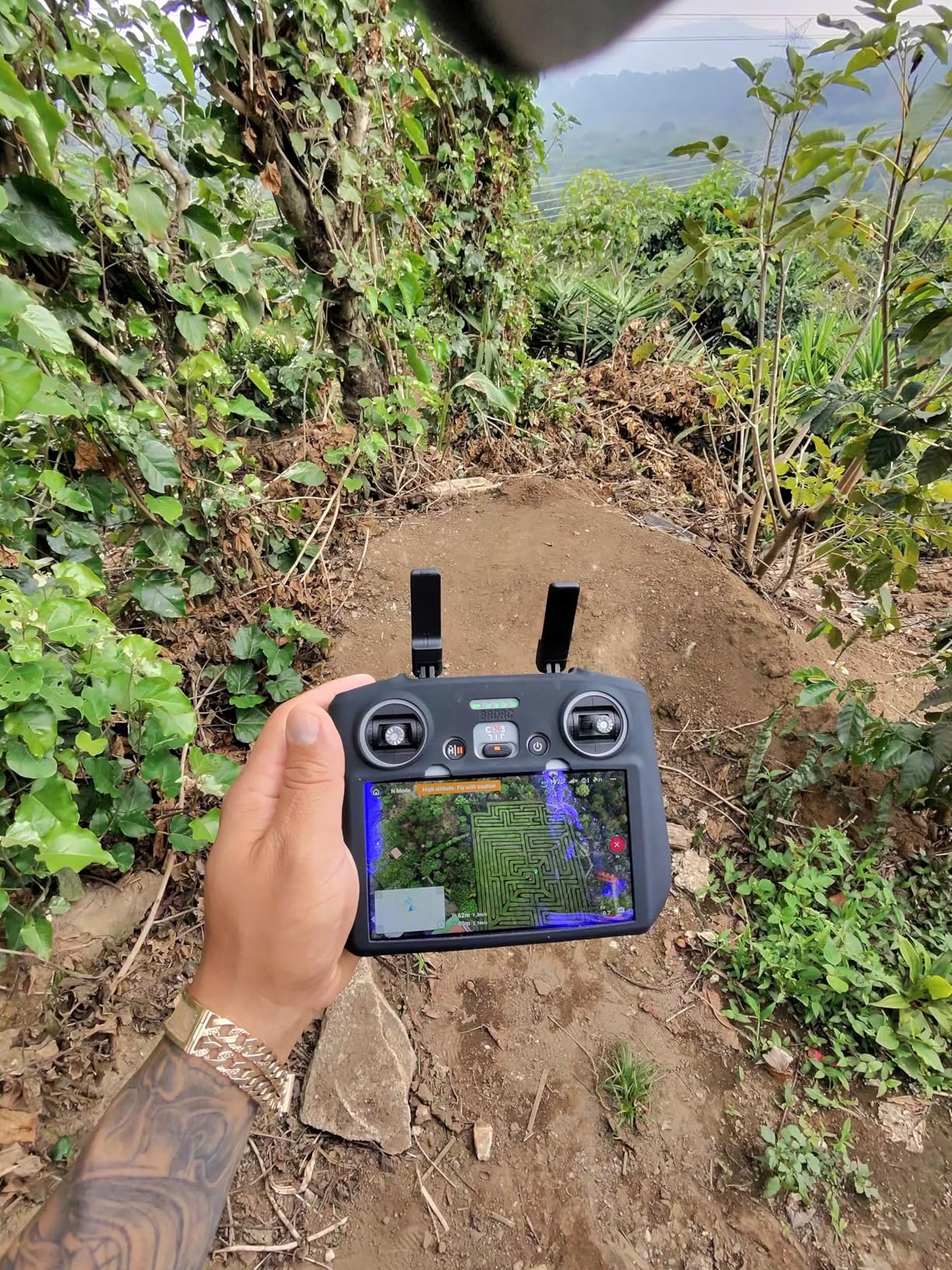
The omnidirectional obstacle sensing on the Mini 4 Pro was a milestone feature for the Mini series. Being able to fly confidently in complex environments with obstacles on all sides makes this a viable primary drone for professional work, not just a backup. The 20km FHD video transmission is reliable and lag-free in practice, though you should never fly beyond visual line of sight per FAA regulations.
The Fly More Combo gives you three batteries, each providing 34 minutes of flight time for a total of 102 minutes of flying. That is genuinely impressive endurance from a drone this small. The included charging hub, spare propellers, shoulder bag, and RC 2 controller with built-in screen make this a complete professional kit right out of the box.
Mini 4 Pro vs Mini 5 Pro Decision
With the Mini 5 Pro now available, many professionals are wondering whether to upgrade or buy the older Mini 4 Pro. My recommendation: if image quality is your top priority, spend the extra money on the Mini 5 Pro for its 1-inch sensor. If budget is the primary concern, the Mini 4 Pro delivers outstanding value and remains a better choice than any non-DJI drone in this price range. The 7,400+ reviews speak to the reliability and satisfaction that the Mini 4 Pro has delivered to professional pilots.
One important note about Remote ID: the Mini 4 Pro’s Remote ID only activates when using the Intelligent Flight Battery Plus (which pushes the drone over 250g). With the standard battery that keeps it under 250g, Remote ID compliance is handled differently. For commercial operations, make sure you understand how Remote ID applies to your specific configuration.
Who Should Choose the Mini 4 Pro
This is the best entry point for someone starting a professional drone business on a budget. The combination of professional features (4K HDR video, omnidirectional obstacle sensing, ActiveTrack 360, 20km transmission) at this price point is unmatched. It is also an excellent backup drone for professionals who already own a larger primary drone and want a portable secondary option that does not compromise on capability.
8. DJI Avata 2 Fly More Combo – Best FPV Drone for Professional Video
DJI Avata 2 Fly More Combo (3 Batteries) FPV Drone with Camera 4K, One-Push Acrobatics, Propeller Guard, 155 FOV, Camera Drone, Goggles 3 & RC Motion 3 + SD Card & Landing pad,Gray,Beginner-Friendly
4K FPV Camera
155-Degree FOV
One-Push Acrobatics
RC Motion 3
DJI Goggles 3
Built-in Prop Guard
Pros
- Immersive FPV flying experience with DJI Goggles 3
- Intuitive motion control that is easy for beginners
- One-push acrobatics for professional-level moves
- Super-wide 155-degree FOV with 4K camera
- Built-in propeller guard for safety and durability
- 3 batteries for extended flying time
- LightCut app with templates for content creation
Cons
- Not Prime eligible for shipping
- Total package weight of 6.2 pounds is heavy
- Requires goggles which adds complexity to setup
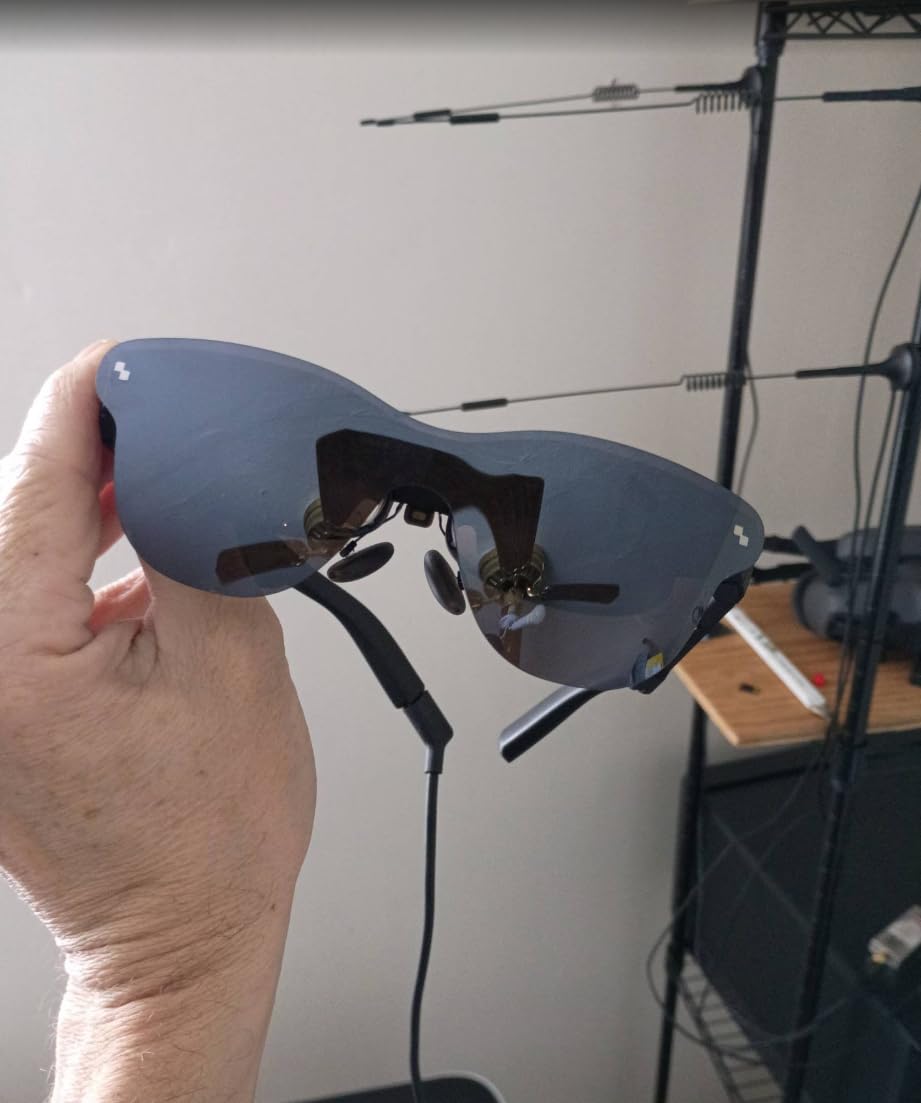
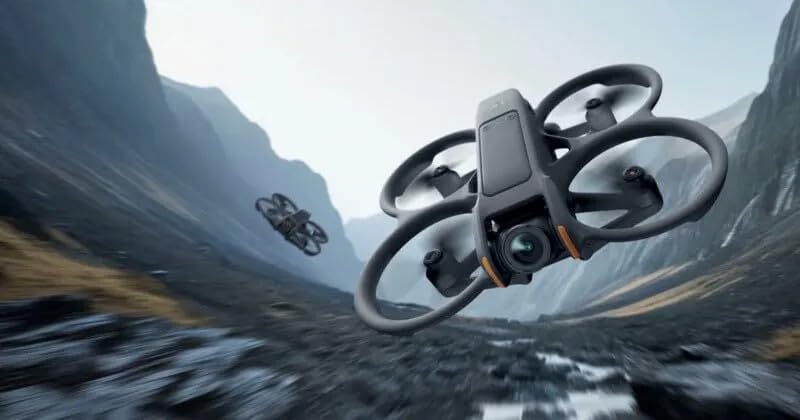
The DJI Avata 2 is the drone I recommend when professional videographers want to add dynamic FPV (first-person view) footage to their service offerings. FPV drones fly differently than traditional camera drones. They can dive, roll, flip, and fly through tight spaces at speed, producing footage that is impossible to capture with a standard gimbal-stabilized drone. The Avata 2 makes FPV flying accessible without the steep learning curve of building and tuning a custom FPV rig.
The 155-degree ultra-wide field of view is what gives FPV footage its characteristic immersive, fast-paced feel. Combined with the 4K/60fps camera, the Avata 2 produces footage that is immediately usable in professional productions. I used it to capture fly-through shots of a commercial property that became the centerpiece of the client’s marketing video. The footage needed minimal post-production work beyond basic color correction.
The RC Motion 3 controller is the key to the Avata 2’s accessibility. Instead of traditional dual-stick controls, you fly with one hand using motion controls. Squeeze the trigger to accelerate, tilt your hand to steer. It takes about 30 minutes to get comfortable with, and within an hour I was flying confidently through doorways and under tree branches. For experienced FPV pilots who want traditional controls, the Avata 2 is also compatible with DJI’s FPV Remote Controller 3.
The built-in propeller guard is essential for the type of flying this drone is designed for. When you are flying through tight indoor spaces or close to structures, occasional contact is inevitable. The prop guard means a bump against a wall results in a gentle bounce rather than a crash. I tested this extensively during indoor fly-through shoots and the guard saved the drone multiple times.
How FPV Footage Differs From Traditional Drone Video
FPV footage has a different visual language than traditional aerial videography. Traditional drones produce smooth, stable, cinematic shots that feel like a floating camera. FPV footage feels dynamic, fast, and immersive, like the viewer is flying through the scene. Both styles have their place in professional video production. Real estate fly-throughs, action sports coverage, and music videos benefit enormously from FPV footage that would be impossible to capture any other way.
The Avata 2 is not a replacement for a traditional camera drone. It is a complement. Most professional videographers I know who do FPV work carry both a traditional drone (like the Air 3S or Mavic 4 Pro) for stable establishing shots and an FPV drone like the Avata 2 for dynamic fly-through and action footage.
Limitations for Professional FPV Work
The Avata 2 is a cinewhoop-style FPV drone, which means it is designed for smooth, controlled flying rather than high-speed racing. If you need aggressive, high-speed FPV footage, a custom-built FPV drone with a GoPro will give you more speed and maneuverability. The 1/1.3-inch sensor is good but not on the level of larger professional camera drones. For most professional FPV applications, however, the Avata 2’s combination of image quality, ease of use, and safety features makes it the best choice.
How to Choose the Best Professional Drone?
Choosing among the best drones for professionals comes down to understanding your specific use case, budget, and regulatory requirements. Here are the factors I consider most important when recommending a drone to a professional pilot.
Camera Quality and Sensor Size
The camera sensor is the single most important factor for professional drone work. Larger sensors capture more light, which means better image quality in challenging conditions, wider dynamic range, and more flexibility in post-production. The 4/3 CMOS sensor in the Mavic 4 Pro, the 1-inch sensors in the Air 3S, Mini 5 Pro, and Autel EVO 2 Pro all represent professional-grade imaging. The 1/1.3-inch sensors in the Mini 4 Pro and Avata 2 are good but represent a step down for demanding professional applications.
For still photography, megapixel count matters for cropping and print resolution. The Mavic 4 Pro’s 100MP sensor gives you enormous flexibility. For video, look at resolution (4K minimum, 6K preferred for future-proofing), frame rate options (60fps minimum, 120fps for slow motion), and color depth (10-bit minimum, 12-bit for maximum grading flexibility).
Flight Time and Battery Management
Flight time directly affects your productivity on job sites. The Mavic 4 Pro leads with 51 minutes per battery. The Mini 5 Pro offers up to 52 minutes with its Plus battery. The Air 3S delivers 45 minutes, and the Autel EVO 2 Pro manages 40 minutes. For professional work, I consider anything under 30 minutes per battery a limitation that requires careful flight planning.
All the Fly More combos on this list include at least three batteries, which gives you 100 to 150 minutes of total flying time between charges. That is typically enough for a half-day shoot. For full-day shoots, consider investing in additional batteries or a car charger.
Obstacle Avoidance and Safety Features
Professional drones need professional safety features. Omnidirectional obstacle sensing is now standard on all the drones in this guide except the Avata 2 (which relies on its propeller guard for safety). The most advanced systems, like those on the Mavic 4 Pro and Air 3S, use LiDAR and low-light sensors that function even in near-darkness.
Return-to-Home functionality is essential for professional work. The latest Smart RTH systems use advanced algorithms to calculate optimal return routes, even in areas with weak GPS signal. Never disable RTH on a paid job.
Transmission Range and Reliability
While FAA regulations require visual line of sight for most operations, transmission range is still important for signal reliability. The Mavic 4 Pro’s O4+ system offers 30km range, the Air 3S and Mini 4 Pro offer 20km, and the Autel SkyLink 2.0 system provides 15km with tri-band communication. In practice, what matters is not the maximum range but how reliably the signal holds up in environments with interference from buildings, trees, and other wireless signals.
Weight Regulations and FAA Part 107
Every professional drone pilot operating commercially in the US must hold a Part 107 Remote Pilot Certificate. There are no exceptions based on drone weight. The 250-gram threshold matters for registration requirements, not for the Part 107 requirement. Drones under 250g flown under Part 107 rules still require registration if used for commercial purposes in some configurations.
Remote ID is now mandatory for all drones requiring FAA registration. Every drone in this guide is either Remote ID compliant or has Remote ID support. Do not fly without Remote ID compliance, as the FAA is actively enforcing this requirement with significant fines.
DJI Ban Considerations and Non-DJI Alternatives
The legislative landscape around DJI drones in the US is evolving. The Countering CCP Drones Act and related legislation have created uncertainty for professional pilots who rely on DJI equipment. While DJI drones remain legal to purchase and fly for commercial purposes as of 2026, some government agencies and contractors are already prohibited from using DJI products.
If you work in public safety, government, or any field where data security is scrutinized, consider the Autel EVO 2 Pro V3 as your primary drone or maintain a non-DJI backup. For photographers and videographers in the private sector, DJI drones remain the best tools for the job, but it is wise to stay informed about legislative developments and have a contingency plan.
Frequently Asked Questions
What is the best professional drone to buy in 2026?
The DJI Mavic 4 Pro is the best professional drone available, featuring a 100MP Hasselblad camera, 6K/60fps HDR video, a triple-camera system, 51-minute flight time, and 30km video transmission. For professionals seeking better value, the DJI Air 3S delivers 90 percent of the capability at roughly half the price.
What drone do professional photographers use?
Most professional photographers use the DJI Mavic 4 Pro or DJI Air 3S for aerial work. The Mavic 4 Pro is preferred for high-end commercial and real estate photography due to its 100MP sensor, while the Air 3S is popular among wedding and travel photographers who need a balance of quality and portability.
Do I need a Part 107 license to fly a drone professionally?
Yes, you must hold an FAA Part 107 Remote Pilot Certificate to fly any drone for commercial purposes in the United States, regardless of the drone’s weight. This includes any flight where you are compensated, including real estate photography, wedding videography, and inspection work. The 250-gram weight threshold only affects registration requirements, not the Part 107 requirement.
What is the highest I can fly my drone legally for commercial work?
Under FAA Part 107 rules, the maximum legal altitude for commercial drone operations is 400 feet above ground level (AGL). If you are flying within 400 feet of a structure, you can fly up to 400 feet above the structure’s highest point. Flying higher requires a waiver from the FAA.
Why did the US ban DJI drones?
The US has not fully banned DJI drones for civilian use. However, DJI has been added to various government restricted lists, and legislation like the Countering CCP Drones Act has created restrictions for government agencies and contractors. Some federal agencies are prohibited from purchasing or using DJI drones due to national security and data privacy concerns. Private commercial use of DJI drones remains legal.
Which drone is just as good as DJI?
The Autel EVO 2 Pro V3 is the strongest non-DJI alternative for professional use. It features a Sony 1-inch CMOS sensor, 6K HDR video, 12-bit DNG photos, 360-degree obstacle avoidance, and no geo-fencing restrictions. While the DJI ecosystem is more polished, the EVO 2 Pro V3 matches or exceeds comparable DJI drones in camera performance.
Final Thoughts on the Best Drones for Professionals
After flying all eight of these drones extensively, my top recommendation for most professional pilots is the DJI Mavic 4 Pro Fly More Combo. The 100MP Hasselblad camera, triple-camera system, and 51-minute flight time give you capabilities that no other drone in this guide can match. For budget-conscious professionals or those just starting out, the DJI Air 3S delivers exceptional value with image quality that satisfies nearly every client requirement.
If you are concerned about the DJI legislative situation or need a non-DJI option for government work, the Autel EVO 2 Pro V3 is the best alternative available. And for specialized needs, the Autel 640T Enterprise handles thermal imaging, the DJI Avata 2 covers FPV cinematography, and the Mini 5 Pro offers professional imaging in a sub-250g package.
The best drones for professionals in 2026 are the ones that match your specific workflow, client expectations, and budget. Every drone on this list is a capable professional tool when used by a skilled Part 107 certified pilot. Pick the one that fits your business, invest in the Fly More combos for maximum battery life, and focus on what matters most: capturing great aerial content that your clients will love.