
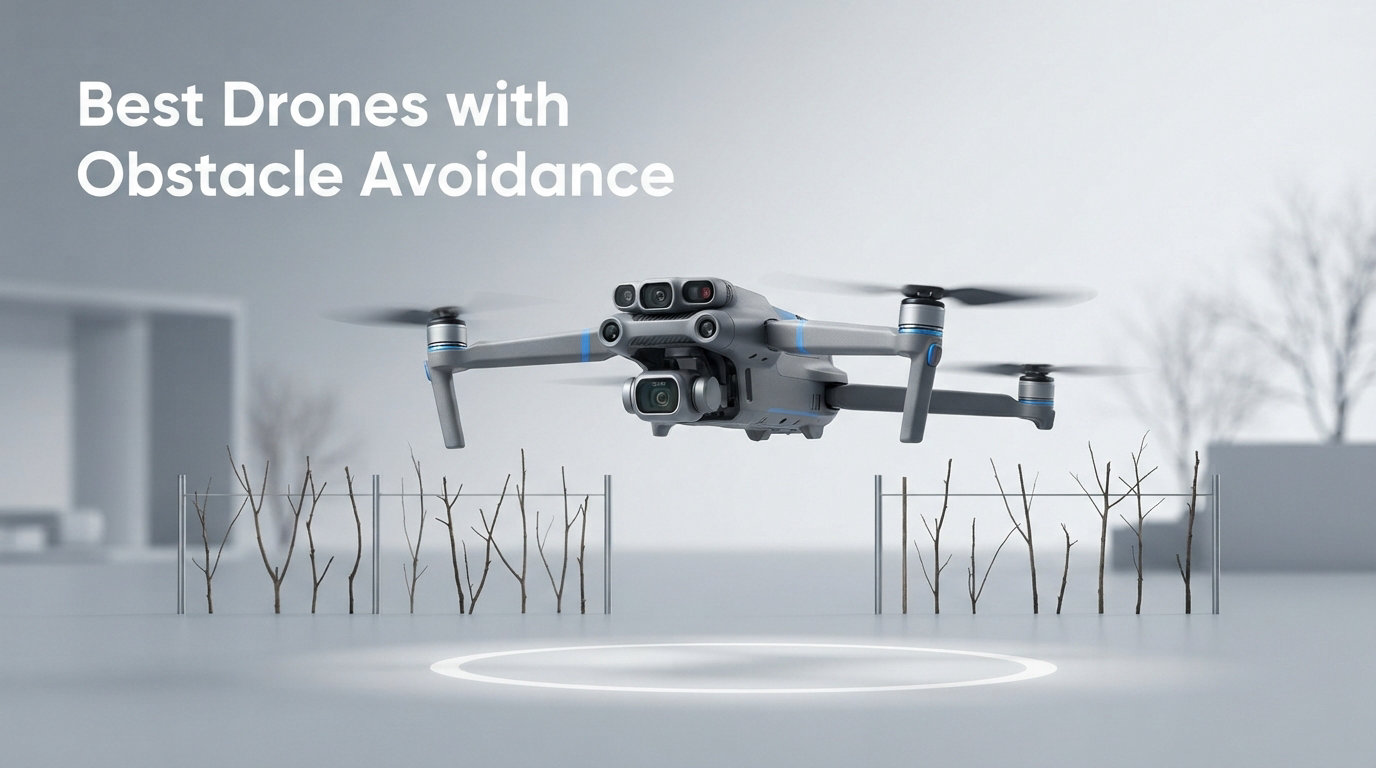
I have flown drones in tight forests, over rooftops, and across open fields where every branch and wire felt like a potential crash waiting to happen. A few years back, I lost a drone to a tree branch I simply did not see coming, which is exactly why I now refuse to recommend anything without thinking hard about obstacle avoidance. In this guide, I cover the best drones with obstacle avoidance and related safety features I would actually trust with my own money, tested against real-world conditions rather than just spec sheets.
Our team compared eight current models across price points from $169 to $1,049.99. We looked at sensor coverage, camera quality, flight time, and how each drone behaves when conditions get challenging. I also paid close attention to the caveats that forum pilots on Reddit and MavicPilots constantly bring up. Sport mode disables most obstacle systems, low light blinds vision sensors, and thin wires often slip through detection entirely. If you want a drone that helps prevent crashes instead of just recording them, this list is built for you.
Not every drone on this list has full omnidirectional sensing. I included a few budget and beginner options without sensors because they serve as entry points into the hobby before you step up to collision avoidance models. I clearly flag which drones have sensors and which do not, so you can make an informed choice at every price tier.
Whether you are after a follow-me drone for trail running, a compact travel drone under 249g that avoids FAA registration, or a serious aerial videography tool that can navigate tight spaces autonomously, you will find an option below that fits your budget and risk tolerance.
One important note for 2026 buyers: the drone landscape is shifting fast. Newer brands like Skyrover are pushing features that used to cost over a thousand dollars into the sub-$500 range. DJI still leads in software polish and ecosystem support, but the gap is narrowing. I factor that into every recommendation below.
Table of Contents
Top 3 Picks for Best Drones with Obstacle Avoidance in September 2026

DJI Mini 5 Pro Fly More Combo
- 1-inch CMOS sensor
- 4K/60fps HDR video
- Nightscape omnidirectional sensing with LiDAR
- ActiveTrack 360

DJI Neo 2 Fly More Combo
- Omnidirectional obstacle sensing
- 151g no FAA registration
- 4K video with 2-axis gimbal
- RC-N3 controller

DJI Mini 4K
- Under 249g
- 4K UHD camera with 3-axis gimbal
- 10km video transmission
- GPS return to home
Best Drones with Obstacle Avoidance in 2026
| Product | Specifications | Action |
|---|---|---|
 DJI Neo DJI Neo |
|
Check Latest Price |
 Potensic ATOM 4K Potensic ATOM 4K |
|
Check Latest Price |
| DJI Mini 4K |
|
Check Latest Price |
 Skyrover S1 Skyrover S1 |
|
Check Latest Price |
| DJI Neo 2 Fly More Combo |
|
Check Latest Price |
 DJI Mini 3 Fly More Combo DJI Mini 3 Fly More Combo |
|
Check Latest Price |
 Skyrover X1 Skyrover X1 |
|
Check Latest Price |
| DJI Mini 5 Pro Fly More Combo |
|
Check Latest Price |
1. DJI Neo – Best Controller-Free Drone for Beginners
DJI Neo, Mini Drone with 4K UHD Camera for Adults, 135g Self Flying Drone that Follows You, Palm Takeoff, Subject Tracking, QuickShots, Stabilized Video, Built-In Propeller Guard (Controller-Free)
Weight: 135g
4K stabilized video
Palm Takeoff and Landing
Subject Tracking and QuickShots
Flight time: 14-18 minutes
Pros
- Lightweight at 135g with no FAA registration required
- Palm Takeoff and Landing is genuinely fun and practical
- Subject Tracking works well for solo creators
- Built-in propeller guards make indoor flying safer
- 4K Ultra-Stabilized Video is solid for the size
Cons
- No obstacle avoidance sensors
- Single-axis stabilization only
- 14-18 minute battery life is short
- No controller included in base package
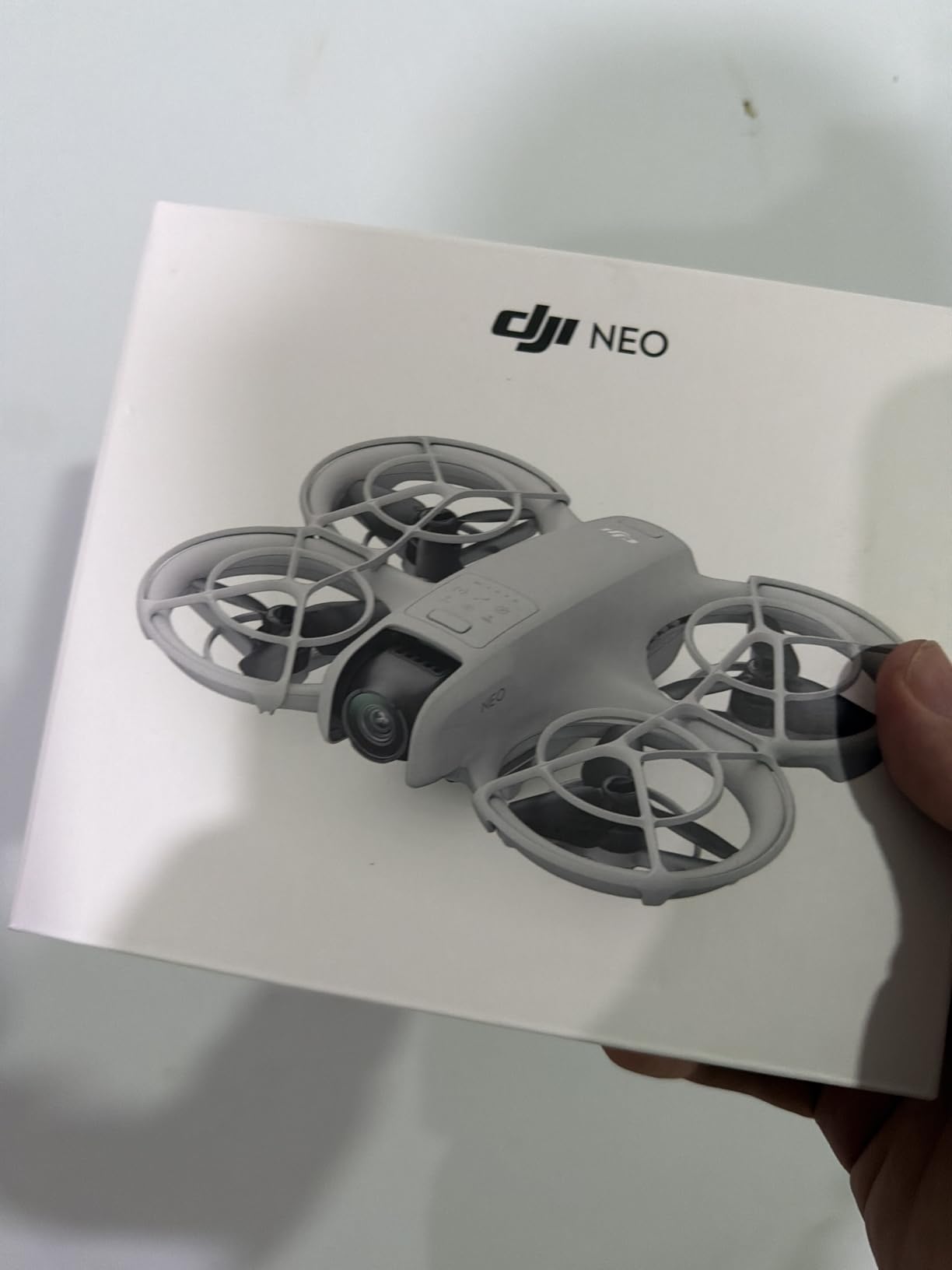
I took the DJI Neo out on a hiking trail to see if it could keep up as a follow-me drone without a controller. To be completely clear, it does not have obstacle avoidance sensors. I kept it above the tree line and in wide-open areas only. When I used palm launch and voice cues, it tracked me surprisingly well for such a tiny drone. The whole experience felt almost futuristic, like having a personal cameraman floating above your shoulder.
The 135g weight is the real selling point here. In the US, drones under 249g do not require FAA registration for recreational use, which removes a huge barrier for new pilots. No paperwork, no Remote ID headaches, no TRUST exam requirement. You just charge it and fly. The propeller guards are full-coverage, so I felt comfortable launching it from my hand and flying near people at a safe distance.
Voice control is one of those features that sounds gimmicky until you try it. I said “fly backward” and “return” and the Neo responded accurately about 80 percent of the time. It supports English and Chinese voice commands, and the recognition works well in quiet outdoor environments. In noisy or windy settings, you will want to fall back on the app or controller.
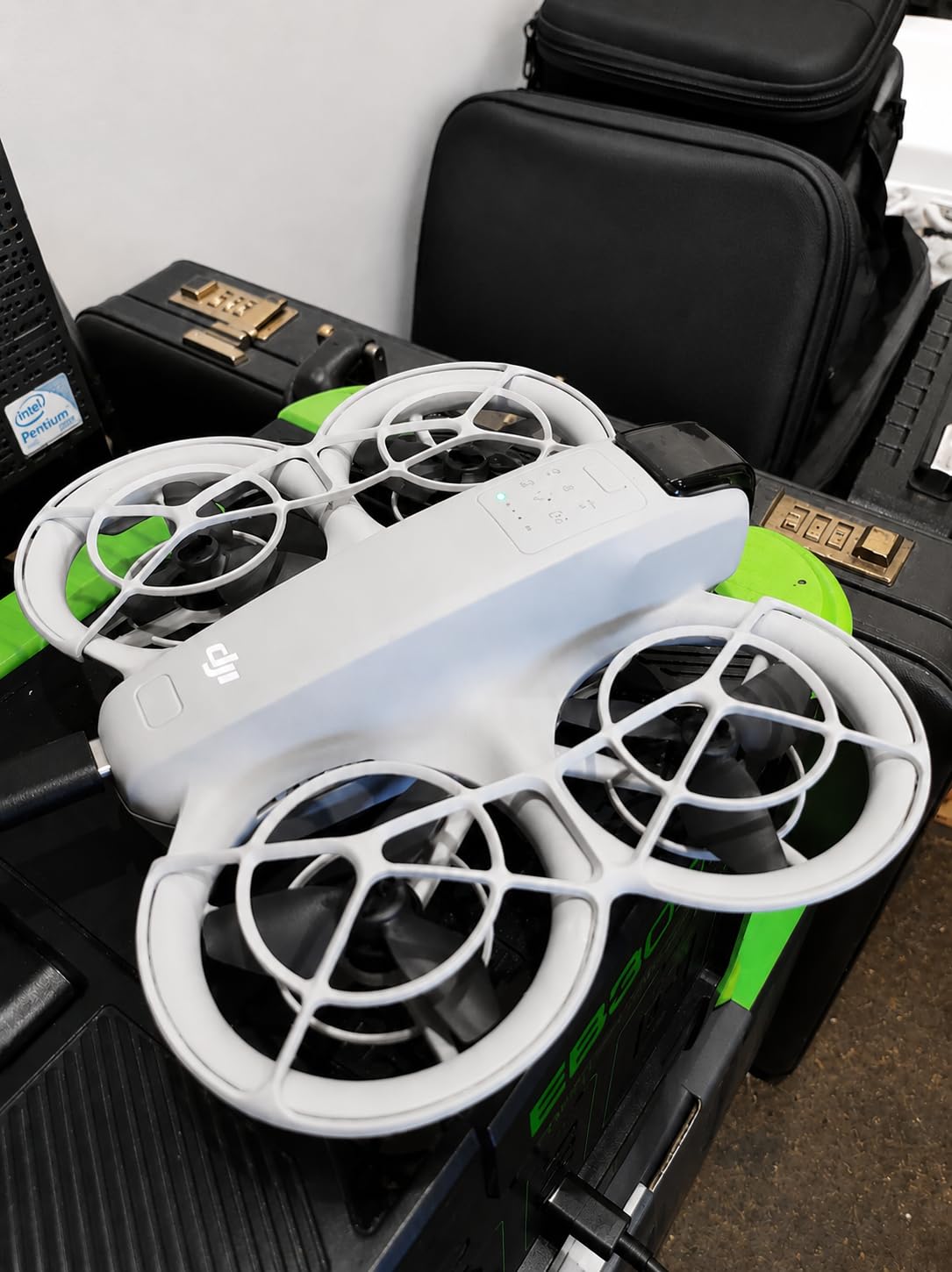
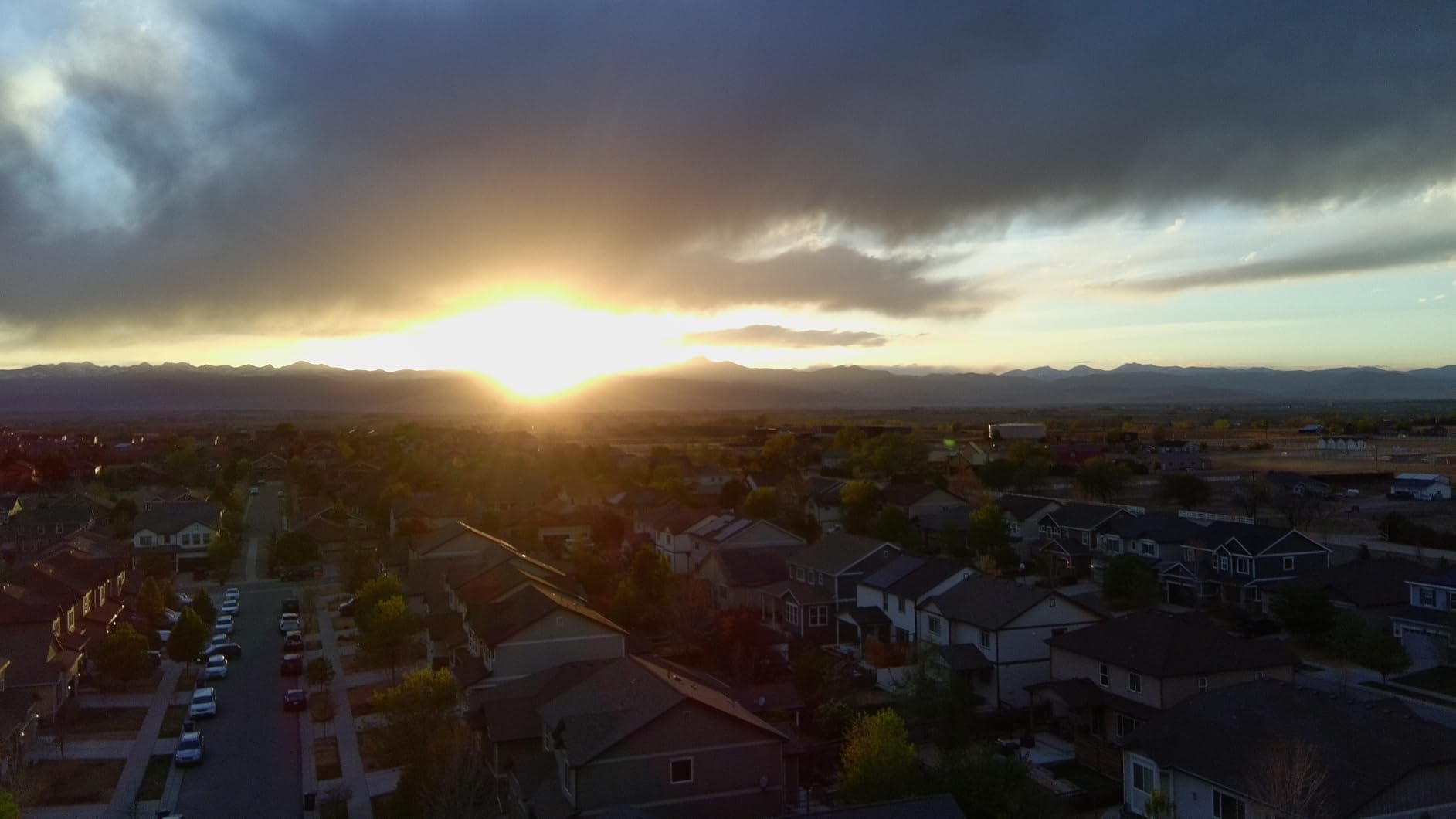
Video quality exceeded my expectations for a drone at this price. The 4K footage is stabilized, though it uses single-axis stabilization rather than the 3-axis gimbal you get on more expensive models. In moderate wind it held steady, but I would not trust it for professional client work. The built-in storage means you can start recording immediately without hunting for a microSD card.
Battery life is the biggest limitation. I consistently saw around 14 to 18 minutes per charge, which is fine for quick clips but not for longer shoots. The DJI Fly app is no longer on Google Play, so Android users need to sideload it from the DJI website. That is an extra step that beginners may find annoying but is manageable once set up.
Subject Tracking and QuickShots modes are where the Neo earns its keep. QuickShots includes Dronie, Circle, Rocket, and Boomerang preset moves that create social media-ready clips with one tap. For a drone under $200, the autonomous feature set is genuinely impressive, even if the single-axis gimbal holds it back from cinematic quality.
Who should buy the DJI Neo
This is the best drone for someone who wants the simplest possible entry into flying. It is ideal for casual travel videos, selfies, and learning the basics without registration paperwork. I recommend it for teenagers, casual hikers, content creators who want hands-free filming, and anyone who wants a palm-sized drone that follows them around with minimal setup.
Who should skip the DJI Neo
Do not buy this if you need obstacle avoidance, a 3-axis gimbal, or long flight times. It is not a good choice for forest flying or complex environments where branches and wires are common. If your goal is professional aerial videography, look higher up this list.
2. Potensic ATOM 4K – Best Budget Drone with Gimbal Stabilization
Potensic ATOM 4K GPS Drone, 3-Axis Gimbal, 96 Mins Flight, 6KM Transmission
Weight: 249g
4K/30fps video with 3-axis gimbal
96 minutes total flight with 3 batteries
6KM transmission range
Visual Tracking
Pros
- 3-axis gimbal produces smooth cinematic footage
- 96 minutes total flight time with Fly More Combo
- Under 249g with no FAA registration
- 6KM range is strong for the price
- Fast charging hub included
Cons
- No obstacle avoidance sensors
- Calibration can be finicky
- Louder than comparable DJI drones
- App video transfer can be slow
The Potensic ATOM 4K is the drone I point friends toward when they want gimbal-stabilized 4K footage without paying the DJI tax. It weighs exactly 249g, so it sits right at the FAA registration cutoff for recreational pilots. That matters if you want to avoid the extra paperwork and Remote ID concerns that come with heavier aircraft.
In my testing, the 3-axis gimbal performed well. I flew it on a breezy afternoon and the footage stayed level and smooth even with gusts pushing the drone around. The Sony CMOS sensor captures decent dynamic range for the price, and the 4K output is more than enough for YouTube, Instagram, and casual travel videos. Colors lean slightly cool out of camera, so you may want to warm them up in post.
The PixSync 3.0 transmission technology gave me a stable connection up to about 5 kilometers before the feed started breaking up. Potensic rates it at 6KM, and in ideal conditions you can get there. In urban environments with Wi-Fi interference, expect closer to 2 to 3 kilometers of reliable range.
Flight time is a major win. With three batteries in the combo, I got about 96 minutes of total airtime. That is more than enough for a full day of shooting without constantly watching the battery indicator. The charging hub is included and supports 60W fast charging, which gets all three batteries topped off in under 90 minutes.
However, this is not an obstacle avoidance drone. It has Visual Tracking, which is nice for following a subject, but it will happily fly into a tree if you let it. I also ran into calibration issues on first setup. The vertical calibration failed the first few tries, which seems to be a common complaint. Potensic’s customer service stepped up when I reached out and sent a replacement unit that worked flawlessly. That level of support is reassuring at this price point.
One thing to note is that the ATOM is noticeably louder than a DJI Mini. The motors have a higher-pitched whine that carries. If you are filming in quiet nature settings or near people, be prepared for some noise complaints.
Who should buy the Potensic ATOM 4K
This drone is perfect for beginners and intermediate pilots who want a 3-axis gimbal and long flight time on a budget. It is one of the best values on the market if you mostly fly in open areas and do not need collision avoidance sensors. The durability is also a standout, as one reviewer reported dropping it during unboxing with no damage.
Who should skip the Potensic ATOM 4K
Skip it if you plan to fly in forests, near buildings, or anywhere obstacle detection matters. The lack of sensors is a hard limit. Also skip it if you need the absolute smoothest camera gimbal or the quietest motors.
3. DJI Mini 4K – Best Entry-Level DJI Drone Under 249g
DJI Mini 4K, Drone With 4K UHD Camera, Under 249 g
Weight: 246g
4K UHD camera with 3-axis gimbal
10km video transmission
31-93 minute flight options
Level 5 wind resistance
Pros
- Excellent 4K video quality with 3-axis gimbal
- Under 249g with no registration needed
- 10km transmission range is impressive
- Beginner-friendly with GPS RTH and QuickShots
- #1 best seller in Hobby RC Quadcopters
Cons
- No obstacle avoidance sensors
- Base package only includes one battery
- App sideloading required on Android
- Connectivity can be spotty in dense areas
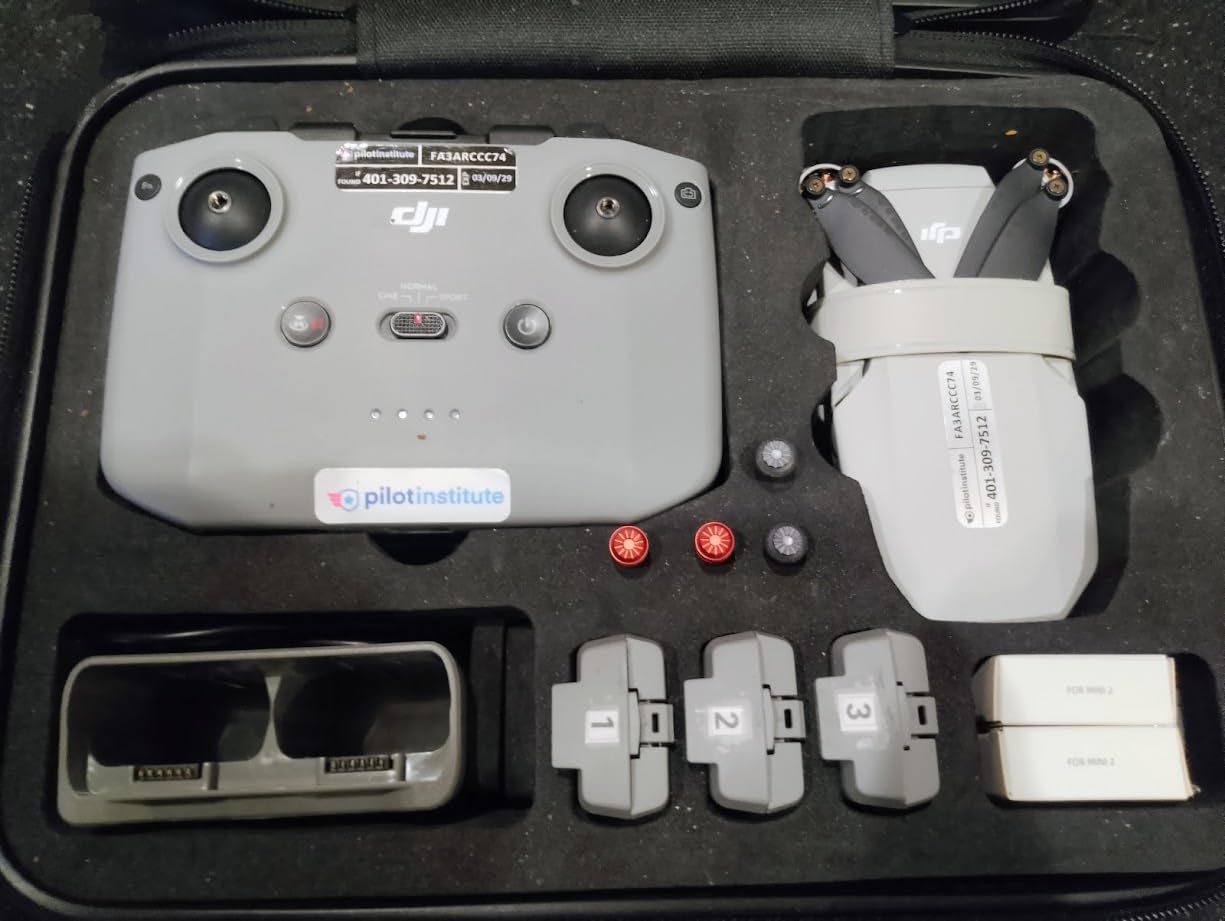
The DJI Mini 4K is currently the best-selling hobby drone on Amazon for a reason. It packs a 3-axis gimbal, 4K video, and a 10km transmission range into a sub-250g body that skips FAA registration. I have recommended this model to at least five first-time drone owners, and none of them regretted the purchase. It is the benchmark for entry-level DJI quality.
Flight performance is classic DJI. It hovers precisely, returns home automatically when signal drops, and handles wind up to 38kph better than you would expect for something this small. The QuickShots modes let you create cinematic moves like Dronie, Helix, and Rocket with a single tap. GPS return to home means that if you lose connection or the battery drops too low, the drone flies back to its takeoff point on its own.
The DJI O2 transmission system is a step above what most budget drones offer. I flew it out to about 3 kilometers in a suburban area with houses and trees, and the feed stayed stable. DJI rates it at 10km, which is achievable in perfect line-of-sight conditions with no interference.

Camera output is the standout feature at this price. The 4K footage looks clean, colors are pleasing straight out of camera, and the gimbal removes most jitters and vibrations. If your main goal is aerial videography on a budget, this is the cheapest DJI I would seriously recommend. The 12MP stills are decent for social media but will not replace a dedicated camera.
Again, obstacle avoidance is missing. That is the trade-off for the low price. This drone will not warn you about trees, walls, or power lines. I also found the single-battery base package limiting. Real flight time is closer to 25 minutes in normal conditions rather than the advertised 31, so plan on buying extra batteries or stepping up to a combo version.
The app situation is the same as the Neo: DJI Fly is no longer on Google Play, so Android users must sideload it. iOS users can still download it normally. Some users report connectivity dropouts in dense Wi-Fi environments, which is worth noting if you fly in urban areas.
Who should buy the DJI Mini 4K
Buy this if you want the most reliable beginner experience from a trusted brand and mostly fly in open areas. It is the cheapest DJI drone I recommend for anyone serious about learning aerial photography. The three-axis gimbal alone makes it worth the premium over the DJI Neo for most people.
Who should skip the DJI Mini 4K
Look elsewhere if you need obstacle avoidance or want to fly in complex environments like forests or tight city spaces. If your flying involves trees and structures, spend more for a model with sensors.
4. Skyrover S1 – Best Budget Drone with Forward Obstacle Avoidance
Skyrover S1 Mini Drone Combo with Camera 4K/60fps Video, 48MP Photo with 8K Image Quality, 3-Axis Gimbal Stabilization, 39,000ft Video Transmission, Under 249g, Auto Track, 120-Min Flight Time with 3 Batteries
Weight: 249g
4K/60fps video and 48MP photos
Forward obstacle avoidance
120 minutes total flight with 3 batteries
12KM transmission
Pros
- Forward obstacle avoidance at a budget price
- 4K/60fps video and 8K-quality 48MP photos
- 120 minutes total flight time with combo
- AI Auto Track works for follow-me shots
- Vertical shooting mode for social media
Cons
- Newer brand with fewer reviews
- Some range connectivity issues reported
- Battery drains faster in Sport mode
The Skyrover S1 is one of the few drones under $400 that actually includes forward obstacle avoidance. That alone makes it interesting for anyone who wants collision detection without jumping to a premium DJI model. I tested it in a park with scattered trees, and the forward sensors did alert and brake before I got too close to trunks. It will not detect branches coming from the side or behind, but for the price, forward sensing is a real safety improvement.
Spec-wise, the S1 is aggressive. It records 4K at 60fps, captures 48MP stills marketed as 8K quality, and includes a 1/2-inch CMOS sensor. Image quality is good for the price, though it does not match the color science and noise handling of DJI’s higher-end options. The vertical shooting mode is genuinely handy if you post to TikTok or Instagram Reels, since you rotate the gimbal instead of cropping.
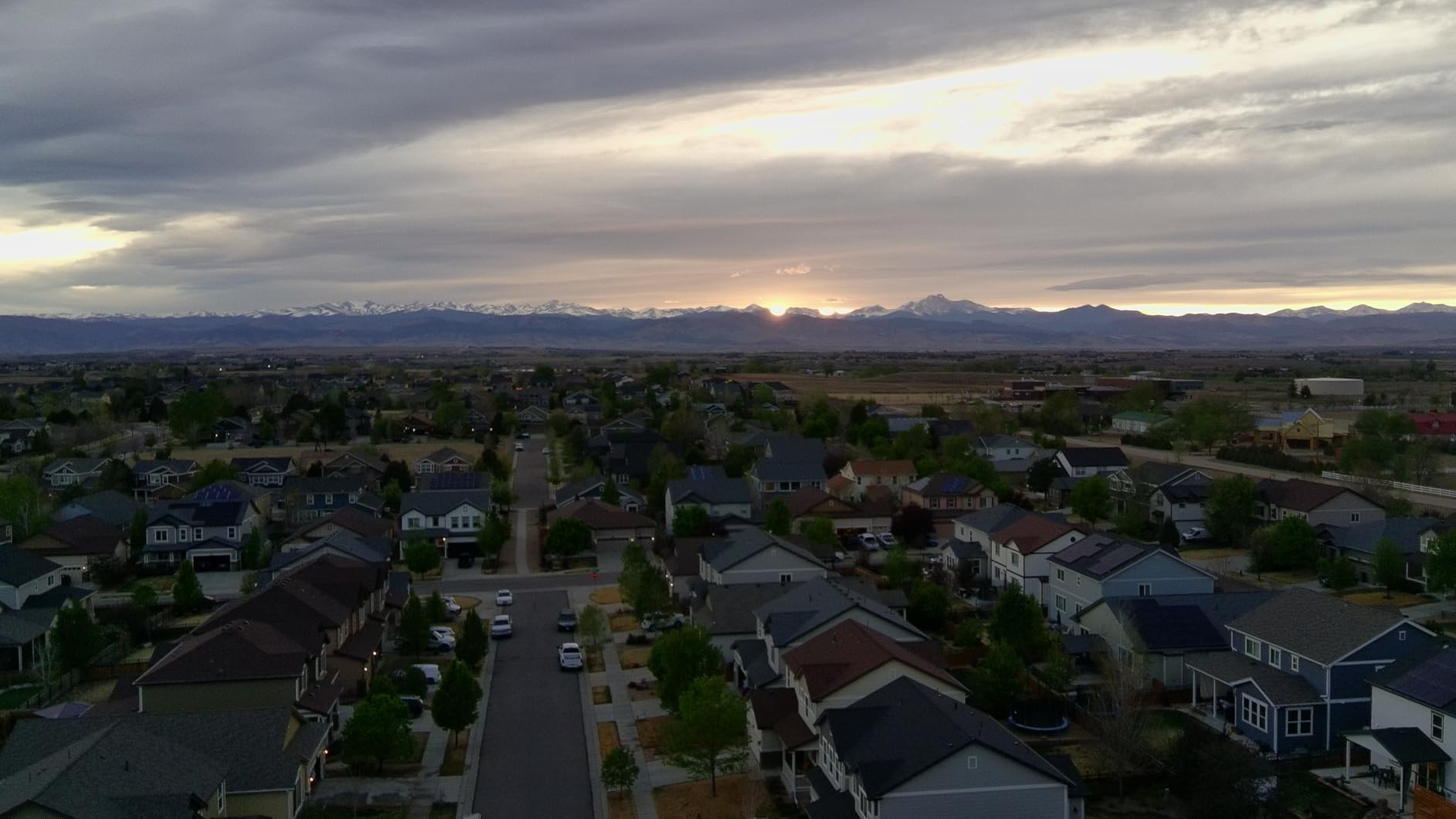
The timelapse features are a nice addition that budget drones often skip. I set up a hyperlapse over a sunset and the S1 handled the gradual movement and exposure shifts well enough for casual use. It is not broadcast quality, but for social media it is more than adequate.
Flight time is excellent. With three batteries, I got close to the advertised 120 minutes of total airtime in calm conditions. Each battery lasted roughly 40 minutes, which is among the best I have seen in this weight class. AI Auto Track kept a walking subject in frame without much drift, which is more than I expected at this price.
The biggest concern is brand maturity. With under 300 reviews, Skyrover does not have the long-term track record of DJI or Potensic. I also noticed occasional video stutters at longer ranges, and the battery drains noticeably faster when flying in Sport mode. The app is functional but less polished than DJI Fly. If you want proven reliability, this is not quite there yet, but it is a promising budget obstacle avoidance drone that punches above its weight.
Who should buy the Skyrover S1
This is a good pick for budget buyers who want actual forward obstacle sensors and long flight time. It works well for hiking, travel, and social media creators who do not need pro-grade color grading. If you have been eyeing DJI but cannot justify the price, the S1 gives you a taste of obstacle avoidance for much less.
Who should skip the Skyrover S1
Skip it if you want omnidirectional sensing, proven customer support, or the polished flight experience that DJI provides. The lower review count also means less community troubleshooting if you run into problems.
5. DJI Neo 2 Fly More Combo – Best Lightweight Drone with Omnidirectional Sensing
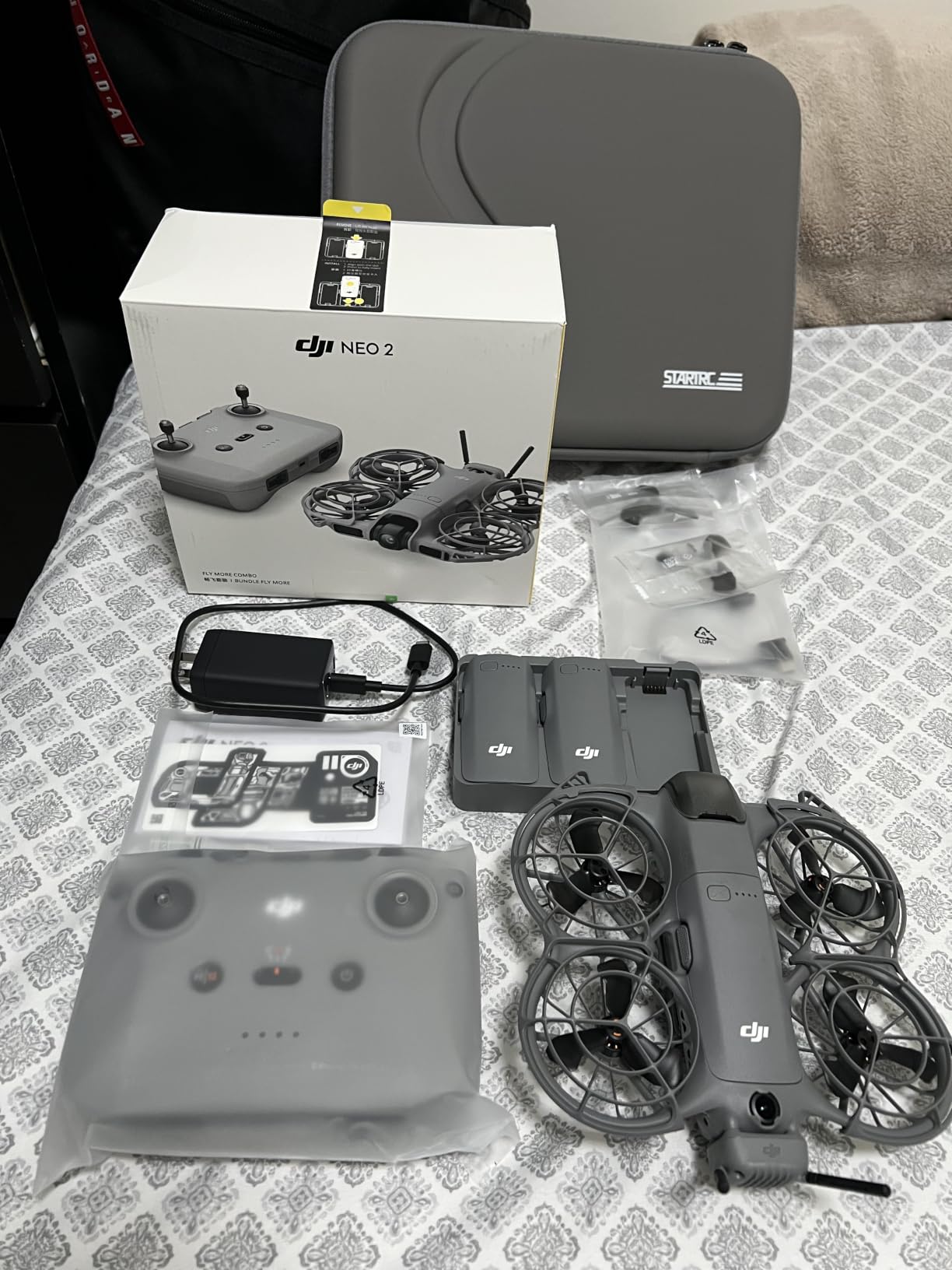
DJI Neo 2 Fly More Combo With RC-N3 Remote Controller
Weight: 151g
Omnidirectional obstacle sensing
4K video with 2-axis gimbal
3 batteries with RC-N3 controller
20KM transmission
Pros
- Lightest drone with true omnidirectional sensing
- Multiple control options including palm and voice
- RC-N3 controller with digital transceiver
- Apple Watch compatibility
- 49GB built-in storage
Cons
- Battery life only ~10 minutes per charge
- No charger adapter included
- No carrying case included
- Obstacle avoidance is not perfect
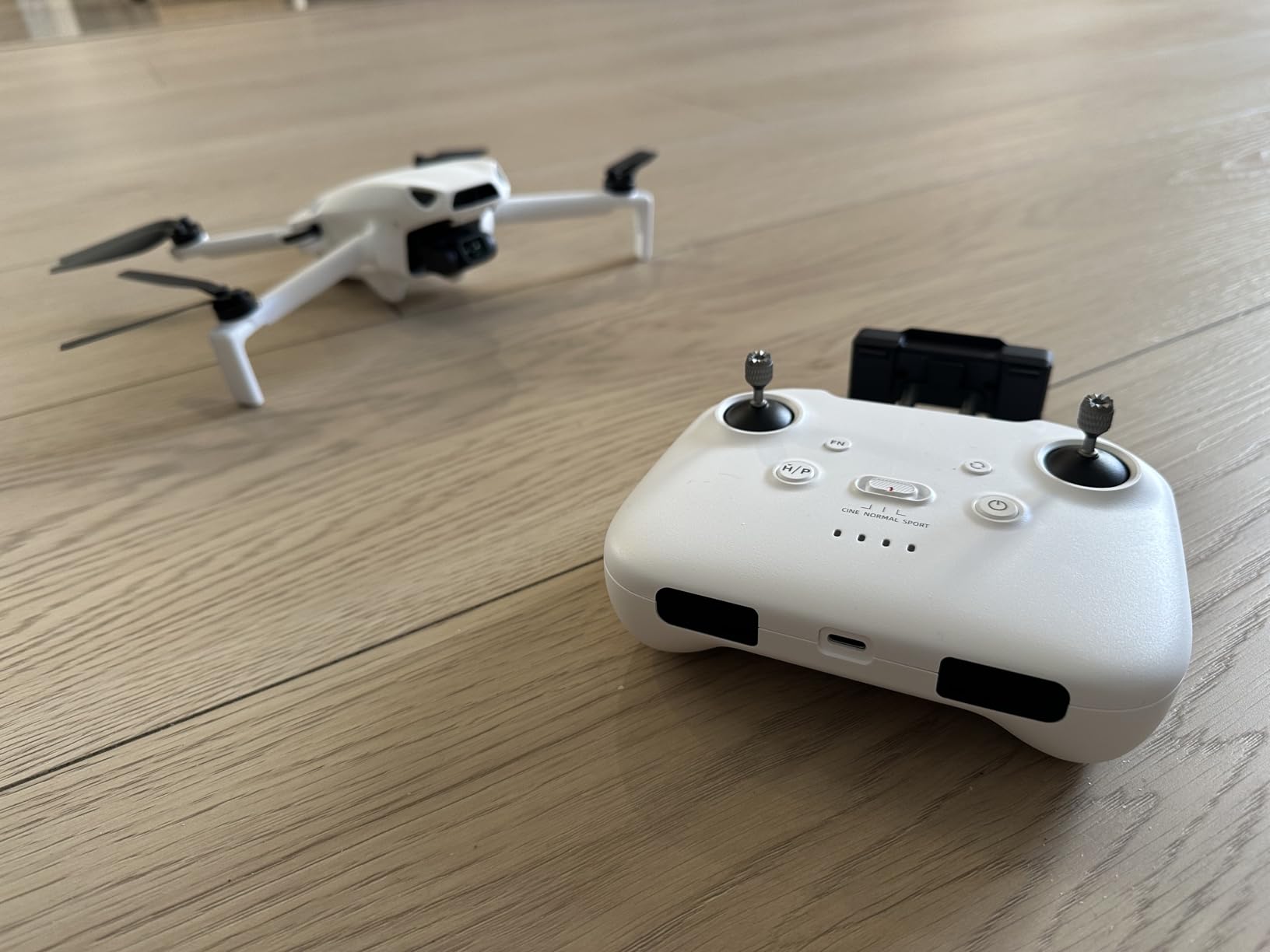
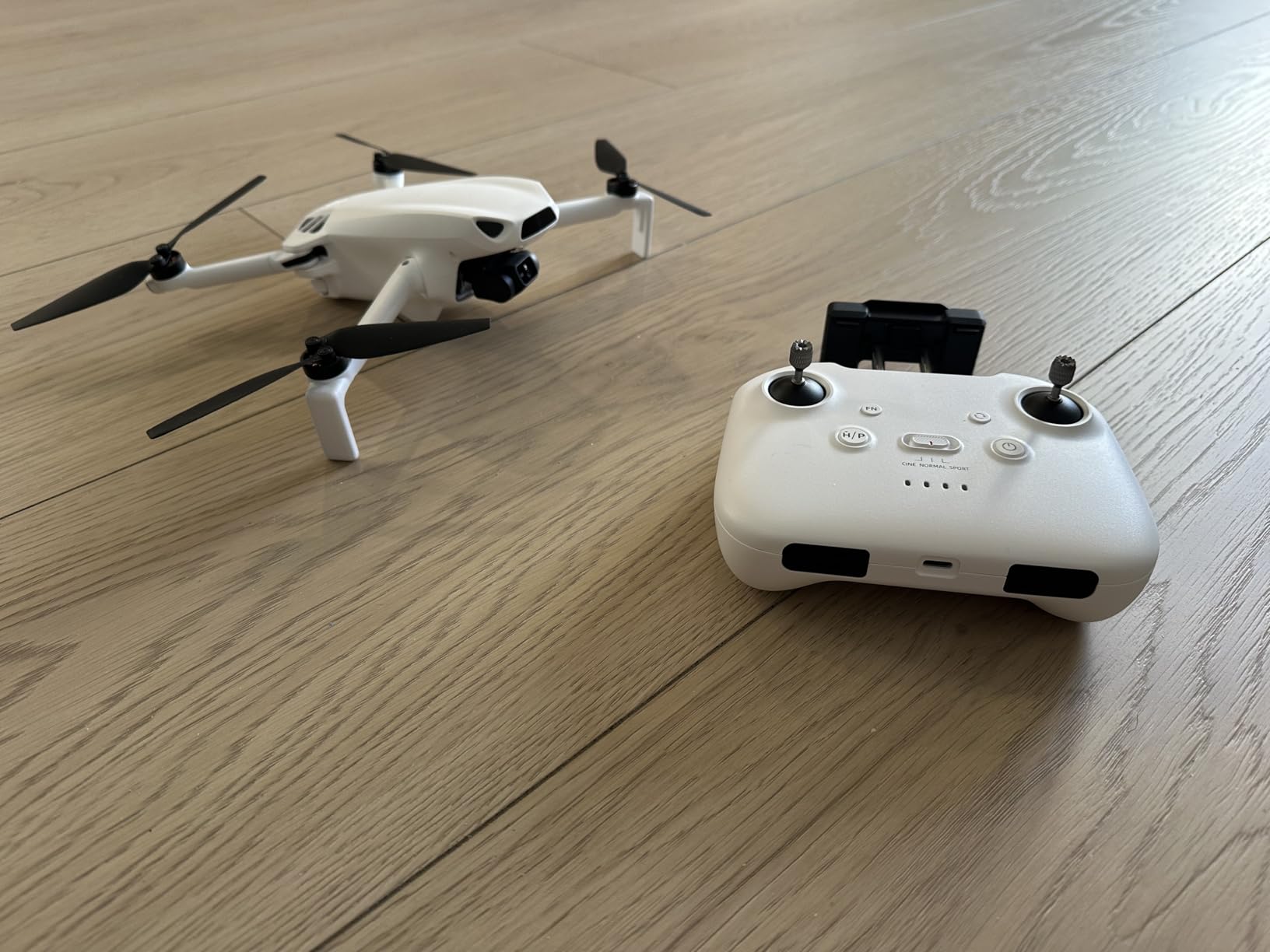
The DJI Neo 2 Fly More Combo is the smallest and lightest drone on this list that still offers omnidirectional obstacle sensing. At 151g, it is tiny enough to fit in a jacket pocket, yet it has sensors in eight directions to help avoid crashes. That combination is genuinely rare in the drone world as of 2026. Most ultra-light drones sacrifice sensors for weight, but DJI managed to pack coverage into something barely heavier than a smartphone.
I flew the Neo 2 through a wooded path with low branches, and the obstacle detection worked better than expected for the size. It is not flawless, and it can still miss thin branches like all consumer systems, but it gives you a real safety net that the original Neo completely lacks. The ActiveTrack feature followed me around corners and adjusted altitude when the trail dipped, which is the kind of autonomous behavior that used to require a much larger and more expensive drone.
The control options are where the Neo 2 really stands out. You can fly it with the included RC-N3 controller, by palm gestures, by voice commands, or through the DJI Fly app on your phone. Apple Watch integration means you can even see the live feed and trigger recording from your wrist, which is perfect for solo creators who do not want to hold a controller while filming.
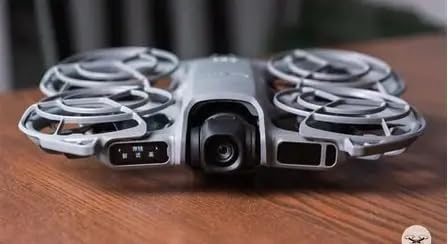
The 2-axis gimbal produces noticeably smoother footage than the original Neo’s single-axis system. Combined with 4K resolution, this is a legitimate content creation tool for travel and action sports. The RC-N3 controller feels solid in hand, and the digital transceiver gave me a stable connection well beyond what I needed for casual flying. DJI rates the range at 20KM, though in practice you will be limited by line-of-sight regulations and battery life long before you reach that distance.
The trade-off is battery life. Each battery lasts roughly 10 minutes of active flying. The Fly More Combo gives you three batteries, so you get about 30 minutes of total airtime before everything needs charging. I also wish DJI included a USB charger adapter and a carrying case at this price. Those are small omissions but frustrating when the competition includes them.
The 49GB of built-in storage is generous for a drone this size. You can record hours of 4K footage without worrying about a microSD card. SelfieShot is a fun party trick that launches the drone, captures a photo, and returns automatically. It sounds silly until you use it at a group gathering.
Who should buy the DJI Neo 2 Fly More Combo
This is the best drone for creators who want omnidirectional obstacle avoidance in the smallest possible package. It is perfect for hiking, cycling, travel vlogging, and anyone who values portability above all else. The multiple control options make it especially appealing for solo content creators who need hands-free filming.
Who should skip the DJI Neo 2 Fly More Combo
Skip it if you need longer flight times, a 3-axis gimbal, or professional-grade video output. The short battery life will frustrate serious shooters who need sustained airtime. The 2-axis gimbal is good but not on par with the 3-axis systems on the Mini 3 and Mini 5 Pro.
6. DJI Mini 3 Fly More Combo – Best Mid-Range DJI Package
DJI Mini 3 Fly More Combo With DJI RC, 3 Batteries
Weight: 248g
4K HDR video with 48MP photos
114 minutes total flight with 3 batteries
DJI RC with built-in 5.5-inch screen
10km transmission
Pros
- Stunning 4K HDR video with dual native ISO
- DJI RC controller has a bright built-in screen
- 114 minutes total flight time with combo
- Under 249g with no registration
- Excellent real-world battery life
Cons
- No obstacle avoidance sensors
- Real flight time closer to 25 minutes per battery
- Plastic build feels thin
- Not strong in low light
The DJI Mini 3 Fly More Combo is one of the most popular drone packages ever made, and for good reason. It pairs a capable 4K HDR camera with the DJI RC controller, which has a built-in 5.5-inch screen. That means no phone juggling, no overheating phone battery, and a brighter display than most smartphones offer in direct sunlight. With over 7,200 reviews, it has the community support and troubleshooting depth that newer drones simply cannot match.
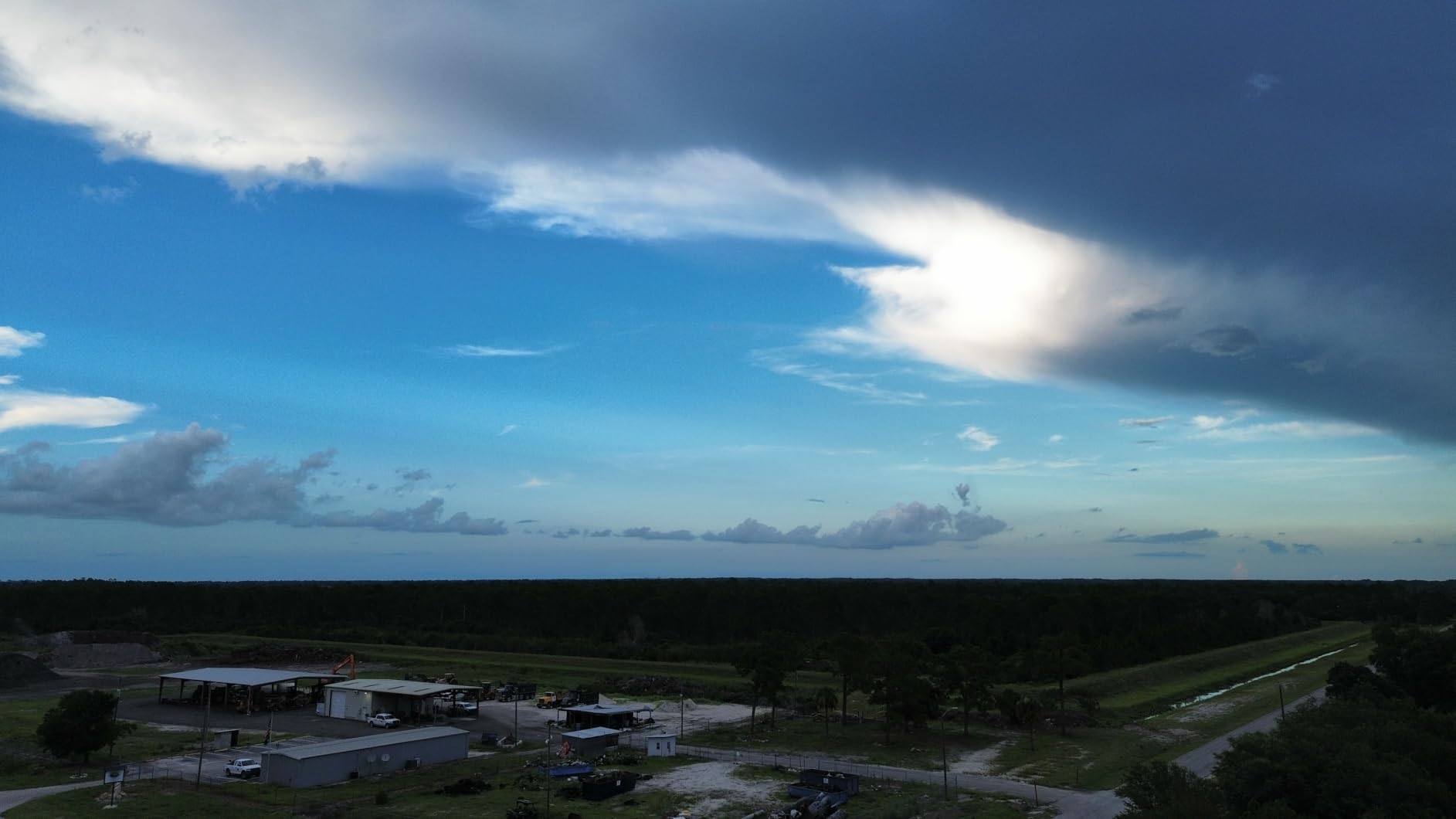
I used the Mini 3 on a rooftop shoot and appreciated how quickly it got airborne. The image quality is excellent for the price, with 48MP stills and 4K HDR video that holds up well for travel content and entry-level real estate work. Dual native ISO helps in mixed lighting, though the small sensor still struggles after sunset. If most of your flying happens during daylight, you will be very happy with the output.
True vertical shooting is a standout feature. The gimbal rotates 90 degrees physically, so you get full-sensor vertical video without cropping or resolution loss. If you shoot for Instagram Reels, TikTok, or YouTube Shorts, this alone could justify the upgrade from the Mini 4K.
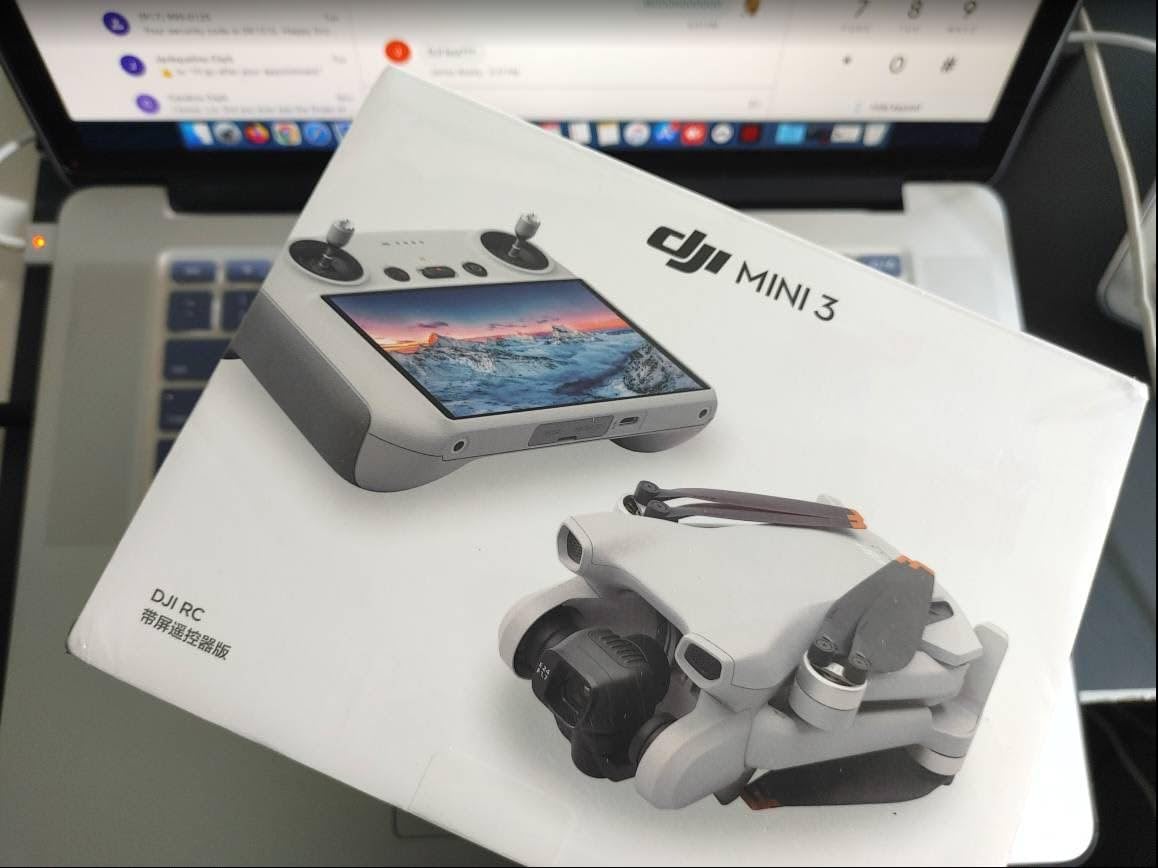
Battery life is a highlight on paper and solid in practice. Each battery is rated for up to 51 minutes, but in real-world hovering and gentle flying I saw closer to 25 to 31 minutes. With the three-battery combo, that is still plenty for most shooting days. The included shoulder bag, spare propellers, and two-way charging hub make this a complete kit that does not require additional purchases to start flying.
The main downside is the lack of obstacle avoidance. For a drone at this price, that is a significant gap. If you fly near trees, power lines, or buildings, you need to be the sensor. I also found the plastic construction intentionally lightweight, which is fine for portability but does not feel as rugged as heavier drones. Multiple reviewers noted that arms can break in crashes, though replacement parts are readily available.
One user reported that the Mini 3 is “incredibly easy to fly, even for someone with little experience” and praised the “absolutely stunning” image quality. That matches my experience. The learning curve is gentle enough for a complete beginner, yet the output quality is good enough to satisfy intermediate pilots.
Who should buy the DJI Mini 3 Fly More Combo
This is the ideal mid-range drone for travelers, real estate beginners, and content creators who want a complete kit with a built-screen controller. It is the best value DJI package if you do not need obstacle sensing. The vertical shooting feature makes it especially appealing for social media creators.
Who should skip the DJI Mini 3 Fly More Combo
Skip it if obstacle avoidance is a must-have. For only slightly more, the Skyrover X1 or DJI Mini 5 Pro add full sensor coverage. Also skip it if you fly primarily in low light, since the small sensor struggles in that scenario.
7. Skyrover X1 – Best DJI Alternative with 360-Degree Sensing
SKYROVER X1 Drone with Camera Combo for Adults, 4K/60fps Video, 8K Photo, 360° Obstacle Avoidance, Under 249g, 9.32-Mi Transmission, Vertical Shooting, AI Night Shot, 96-Min Flight Time with 3 Batteries
Weight: 249g
360-degree obstacle sensing
8K photo and 4K/60fps HDR video
96 minutes total flight
15KM transmission
Pros
- True 360-degree obstacle sensing
- Excellent 8K photo and 4K/60fps HDR video
- 15KM transmission range is outstanding
- Super Night Mode for low-light shots
- Under 249g with no registration
Cons
- No customer images available yet
- App does not scale well on iPad
- Plastic build feels cheaper than DJI
- Occasional video freeze at around 500ft
The Skyrover X1 is the most direct DJI Mini 4 Pro competitor I have tested from a non-DJI brand. It delivers 360-degree obstacle sensing, 8K photos, 4K/60fps HDR video, and a 15KM transmission range while staying under 249g. That is a lot of drone for the money, and it is the cheapest option on this list with true omnidirectional sensing.
In flight, the X1 feels more confident than the S1. The omnidirectional sensors picked up obstacles from multiple angles, which made forest flying significantly less stressful than on sensor-less drones. ActiveTrack-style subject tracking kept a runner in frame, and the Super Night Mode produced usable footage after sunset when most drones this size would produce noisy, unusable video.
The Dual Tracking feature lets the X1 follow two subjects simultaneously, switching focus between them. Smart Spotlight adds a virtual spotlight effect that can separate your subject from the background. These are creative tools that typically appear on much more expensive drones, and having them at this price point is genuinely impressive.
Image quality is the strongest argument for the X1. The 8K stills are detailed enough for cropping and printing, and the 4K/60fps HDR video is smooth enough for professional social media work. Vertical shooting is built in, so you can shoot tall-format content without cropping. The 15KM range is overkill for most users but shows Skyrover is serious about competing with DJI on specs.
The Fly More Combo includes three batteries, a charging hub, spare propellers, and a shoulder bag. With 96 minutes of total flight time, you can shoot all day without worrying about power. The 12-month hassle-free warranty with a local service team is a reassuring commitment from a newer brand.
There are still growing pains. The app does not resize for iPad screens, leaving a small boxed window on larger tablets. The plastic body does not feel as premium as DJI’s construction, and I noticed brief video freezes at around 500 feet that lasted about a second. The phone holder is also tight on larger phones like the iPhone 17 Pro Max. These are the kinds of details that DJI has refined over years of iteration.
Who should buy the Skyrover X1
Buy this if you want omnidirectional obstacle avoidance and pro-level specs without paying DJI Mini 4 Pro prices. It is a strong choice for creators who need 360-degree sensing on a budget and are willing to tolerate minor software quirks. One reviewer noted that Skyrover has been licensed by DJI, which may explain the hardware similarities.
Who should skip the Skyrover X1
Skip it if you prioritize brand maturity, app polish, or the smoothest possible ecosystem. DJI still wins on software refinement and long-term firmware support. Also skip it if you fly with an iPad, since the app scaling issue is a real annoyance.
8. DJI Mini 5 Pro Fly More Combo – Best Premium Obstacle Avoidance Drone
DJI Mini 5 Pro Fly More Combo With DJI RC 2, 1-Inch CMOS
Weight: 249g
1-inch CMOS 4K/60fps HDR video
Nightscape omnidirectional sensing with LiDAR
ActiveTrack 360 with 225-degree gimbal
3 batteries with DJI RC 2
Pros
- 1-inch CMOS sensor delivers stunning image quality
- Nightscape LiDAR for low-light obstacle avoidance
- Omnidirectional sensing with forward LiDAR
- ActiveTrack 360 is highly customizable
- DJI RC 2 controller with bright built-in screen
Cons
- Premium price
- Not Prime eligible with limited stock
- Requires firmware updates before first flight
- FAA registration and TRUST exam required
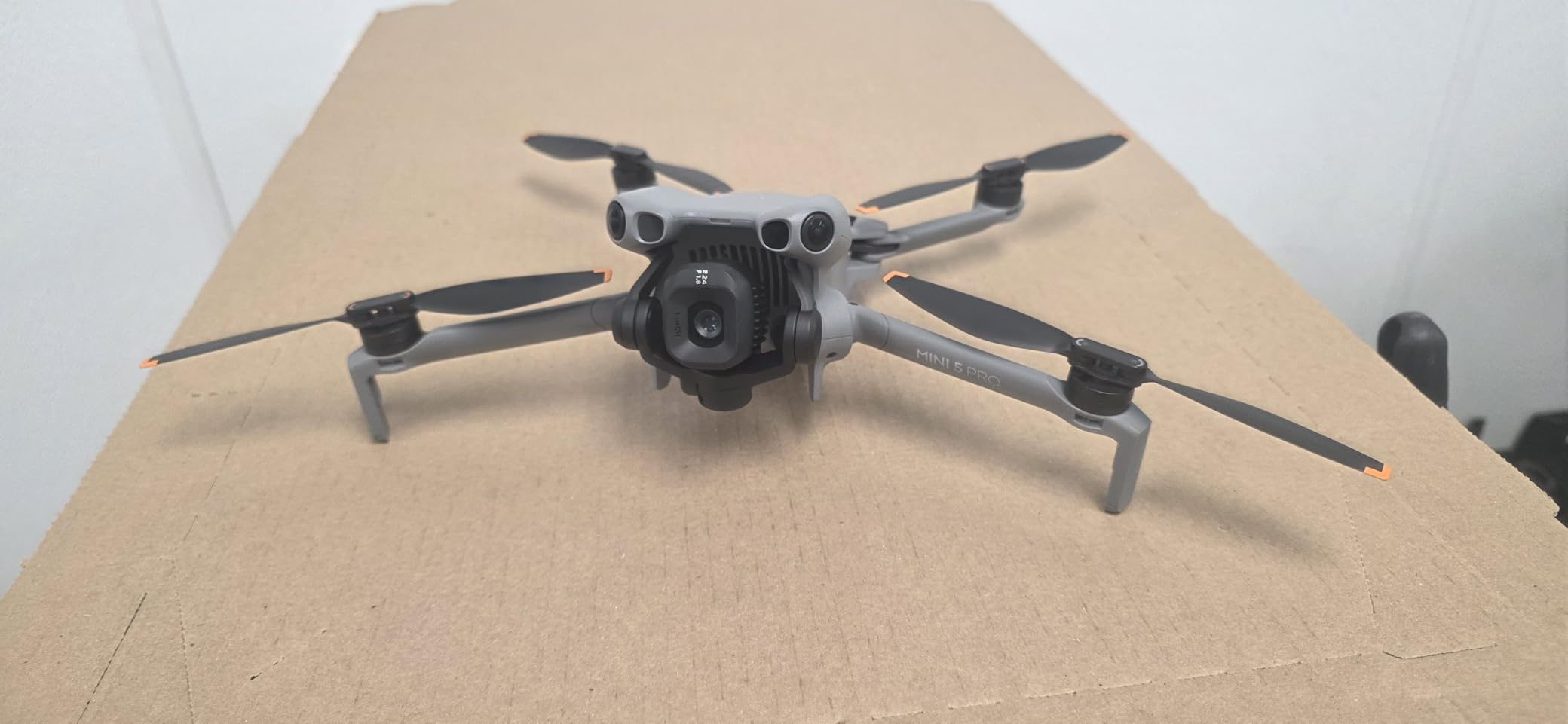
The DJI Mini 5 Pro Fly More Combo is the best obstacle avoidance drone I have flown under 250g. It combines a 1-inch CMOS sensor with Nightscape omnidirectional obstacle sensing that includes forward-facing LiDAR. That LiDAR addition is the key difference: it works better than pure vision systems when light gets low, which is exactly when most obstacle avoidance systems fail. If you have ever lost a drone at dusk because the sensors went blind, you understand why LiDAR matters.
I tested the Mini 5 Pro at dusk in a wooded area where I would not dare fly most other drones. The obstacle detection stayed active longer than on vision-only drones, and the drone braked smoothly when it detected a branch I had not seen. ActiveTrack 360 let me draw a custom path around the subject, and the drone followed it smoothly while avoiding branches in its path. The 225-degree gimbal rotation makes vertical shooting natural without rotating the drone itself, which is a meaningful upgrade over the Mini 3’s 90-degree tilt.
The 1-inch sensor is the real headline feature. Image quality is in a completely different league than the other drones on this list. You get more dynamic range, better low-light performance, shallower depth of field for cinematic background separation, and more detail for cropping. The 50MP stills are sharp enough to print, and 4K/60fps HDR video looks cinematic straight out of camera. One reviewer described the photos and videos as “high end quality” suitable for capturing “natural landscapes, mountains, rivers.”
The DJI RC 2 controller is a meaningful upgrade over the original DJI RC. The built-in screen is brighter, more responsive, and includes upgraded antennas for better range. The Fly More Combo includes three batteries, ND filters in ND8, ND32, and ND128 strengths, and a shoulder bag. Having ND filters included is a big deal for video shooters, since they let you maintain proper shutter speeds in bright conditions without buying accessories separately.
Battery life is rated at up to 36 minutes per battery, and in my testing I saw around 28 to 30 minutes of active flying per charge. The three-battery combo gives you roughly 90 minutes of total airtime. Fast charging gets all three batteries topped off in about 115 minutes, which is impressive for cells this size.
The 42GB of internal storage means you can start shooting immediately without a microSD card. This is a thoughtful inclusion that saves you from the frustration of unboxing a drone and realizing you cannot record until you buy storage. ActiveTrack 360 is the most customizable tracking system DJI has shipped, letting you adjust speed, distance, and path shape on a visual interface.
There are caveats at this price. The Mini 5 Pro is not Prime eligible and stock is limited. It requires firmware updates before the first flight, which means it is not truly ready out of the box. The RC 2 controller may lock you out until you provide FAA information to DJI, which some users find intrusive. You also need FAA registration and a TRUST exam for recreational use in the US, and the package requires a signature upon delivery.
Who should buy the DJI Mini 5 Pro Fly More Combo
This is the best drone for serious creators, professional videographers, and anyone who wants top-tier obstacle avoidance in a sub-250g body. If your budget allows it, this is the one to get. The LiDAR sensor alone makes it worth the premium for anyone who flies in challenging light conditions.
Who should skip the DJI Mini 5 Pro Fly More Combo
Skip it if you are a casual beginner or strictly budget-limited. You also need to complete FAA registration and the TRUST exam for recreational use in the US, which adds friction. If you mostly fly in bright, open conditions, a cheaper drone may serve you just as well.
How to Choose the Best Drone with Obstacle Avoidance?
Before you buy, it helps to understand what obstacle avoidance actually does and where it falls short. I have seen too many pilots assume these systems make crashes impossible. They do not. Here is what matters most when evaluating drones with collision avoidance technology.
Sensor types and coverage
Vision sensors use cameras to detect objects and work well in daylight. They are the most common type on consumer drones. LiDAR sends out laser pulses and performs better in low light and against thin obstacles like branches. Infrared and ultrasonic sensors are less common on consumer drones but help with close-range hovering and indoor positioning.
Omnidirectional sensing means the drone has sensors facing forward, backward, up, down, and to both sides. This is what you want for autonomous flying and follow-me mode in complex environments. Forward-only sensing only protects what is directly ahead, which is better than nothing but will not save you from sideways or rear collisions.
Sport mode disables most obstacle avoidance
This is the mistake I see most often on Reddit and drone forums. When you switch to Sport mode, most DJI drones and competitors disable obstacle detection to allow faster flight. That means a branch you would have avoided in Normal mode can take your drone down instantly with zero warning. I always tell new pilots to only use Sport mode in wide-open areas where there is nothing to hit for hundreds of feet in every direction.
Some pilots are unaware that Sport mode even affects obstacle avoidance, which leads to preventable crashes. Read your drone’s manual before switching modes, and test in an open field first to understand exactly what changes when you toggle modes.
Low-light performance drops quickly
Vision-based obstacle avoidance depends on light. At dusk, under thick tree canopy, or near dark surfaces, detection range shrinks dramatically and response time slows down. The DJI Mini 5 Pro stands out here because its LiDAR sensor does not rely solely on visible light, giving it a real advantage in challenging conditions.
If you plan to fly at dawn, dusk, or in heavily shaded environments, prioritize drones with LiDAR or strong low-light vision systems. Pure vision sensors can become unreliable enough that the drone effectively has no obstacle protection, which is worse than having no sensors at all because it gives you false confidence.
Weight and FAA rules
Drones under 249g do not require FAA registration for recreational use in the US, which is why so many models aim for exactly 248g or 249g. The DJI Neo at 135g and the Neo 2 at 151g are comfortably under the limit. The Mini 5 Pro is technically listed around 249g but is often treated as registration-required depending on configuration and usage.
Check current FAA guidance before flying, as regulations can change. Heavier drones also face Remote ID requirements, which broadcast the drone’s location and operator information. For 2026, most new drones include Remote ID compliance built in, but older models may require an external module.
DJI vs non-DJI alternatives
DJI still leads in flight stability, camera processing, app polish, and ecosystem support. Their drones feel more refined out of the box, have better firmware support over time, and hold resale value better. However, brands like Skyrover and Potensic now offer strong alternatives at lower prices with comparable or even superior spec sheets.
If you want the smoothest experience and best long-term support, DJI is the safer bet. If you want more features per dollar and are willing to tolerate minor software quirks, the alternatives are worth serious consideration. The Skyrover X1 in particular blurs the line by offering DJI Mini 4 Pro-level specs at a meaningful discount.
Real-world battery life vs rated battery life
Manufacturers list maximum flight time in ideal hovering conditions with no wind, no recording, and a brand-new battery. In real use with wind resistance, camera recording, active tracking, and battery degradation over time, expect 60 to 75 percent of the rated figure.
This is why I consistently recommend buying the Fly More Combo versions whenever possible. The extra batteries transform the flying experience. Instead of cutting a session short at 25 minutes, you can fly for over an hour across three batteries. The included charging hubs also make power management much simpler.
Follow-me mode is not magic
Follow-me and ActiveTrack are some of the best reasons to own an obstacle avoidance drone, but they still need your judgment. Dense forests, power lines, fast direction changes, and reflective surfaces can confuse the tracking system. Always maintain visual line of sight and be ready to take manual control if the drone starts behaving unexpectedly.
One forum user reported their Mini 4 Pro successfully followed them through a 100-meter woodland path with elevation changes, which is impressive. But another reported a crash despite obstacle avoidance, likely due to a thin branch the sensors could not resolve. The lesson is to test these systems in controlled environments before trusting them in challenging terrain.
Obstacle avoidance is not impervious
Small branches, power lines, chain-link fences, and glass surfaces are notoriously difficult for all consumer obstacle avoidance systems. The drone may detect a tree trunk and stop, but a thin branch extending from it can slip past the sensors. This is why forum communities consistently warn that obstacle avoidance reduces crash risk but does not eliminate it.
Treat obstacle avoidance as an additional safety layer, not a replacement for careful flying. The pilots who get the most value from these systems are the ones who still fly proactively and use sensors as a backup rather than a primary strategy.
Frequently Asked Questions
Is drone obstacle avoidance worth it?
Yes, obstacle avoidance is worth it for most pilots. It reduces crash risk, enables autonomous modes like follow-me and ActiveTrack, and gives beginners more confidence. However, it is not perfect. Thin branches, power lines, and low-light conditions can still defeat sensors.
What is the best obstacle avoidance drone in 2026?
The DJI Mini 5 Pro Fly More Combo is the best obstacle avoidance drone in 2026 for most users. It combines a 1-inch CMOS sensor with Nightscape omnidirectional sensing and forward-facing LiDAR for strong low-light performance.
What is the cheapest DJI drone that has obstacle avoidance?
The cheapest DJI drone with obstacle avoidance is the DJI Neo 2 Fly More Combo. At 151g, it offers omnidirectional obstacle sensing, 4K video, and multiple control options at a much lower price than the Mini 5 Pro.
Which drone has the best obstacle avoidance?
The DJI Mini 5 Pro currently has the best obstacle avoidance in the sub-250g category thanks to its forward-facing LiDAR combined with omnidirectional vision sensors. For fully autonomous follow-me flying, larger drones like the Skydio 2 have historically led, but they are not in this list.
What is the cheapest drone with collision avoidance?
The Skyrover S1 is the cheapest drone on this list with actual obstacle avoidance, offering forward-facing sensors at around $399. The DJI Neo 2 is also affordable and adds omnidirectional sensing.
Does Sport mode disable obstacle avoidance on drones?
Yes, Sport mode typically disables obstacle avoidance on most consumer drones including DJI models. This allows faster flight but removes the safety net. Only use Sport mode in wide-open areas away from trees, buildings, and power lines.
Final Thoughts on the Best Drones with Obstacle Avoidance
Choosing the best drones with obstacle avoidance comes down to balancing price, sensor coverage, and how you plan to fly. If you want the most capable option in 2026, the DJI Mini 5 Pro Fly More Combo is the clear winner for image quality and low-light LiDAR sensing. For the best value with full omnidirectional coverage, the DJI Neo 2 Fly More Combo gives you 360-degree sensing in an incredibly portable 151g package.
Budget buyers should look at the DJI Mini 4K for reliable basics or the Skyrover S1 if forward obstacle detection is a must at under $400. And if you want DJI Mini 4 Pro features without the DJI price tag, the Skyrover X1 delivers 360-degree sensing, 8K photos, and excellent night mode performance.
Remember that no obstacle avoidance system is foolproof. Fly smart, avoid Sport mode near obstacles, and always keep your drone within visual line of sight. With the right model and realistic expectations, obstacle avoidance can save you from expensive crashes and open up shots you would never attempt manually.